I’ve long warned that insulin resistance is at the foundation of most chronic disease, from heart disease and Type 2 diabetes to cancer
Researchers with the University of Copenhagen are now encouraging doctors to monitor blood sugar levels in their cancer patients after finding that many struggle with insulin resistance
In their systematic review and meta-analysis, they revealed cancer patients are “markedly insulin resistant”
Processed foods — which are loaded with added sugars, processed grains and industrially processed omega-6 seed oils rich in linoleic acid (LA) — are the primary culprits causing insulin resistance
Most cases of insulin resistance can be resolved via dietary changes, time restricted eating and enough daily movement
I’ve long warned that insulin resistance is at the foundation of most chronic disease, from heart disease and Type 2 diabetes to cancer. Now, researchers with the University of Copenhagen in Denmark are encouraging doctors to monitor blood sugar levels in their cancer patients after finding that many struggle with insulin resistance.1
“Insulin resistance is a critical cause of metabolic dysfunctions. Metabolic dysfunction is common in patients with cancer and is associated with higher cancer recurrence rates and reduced overall survival. Yet, insulin resistance is rarely considered in the clinic,” the team explained.2 In their systematic review and meta-analysis, they revealed cancer patients are “markedly insulin resistant,”3 which should guide priorities for treatment and prevention.
Many Cancer Patients Are Insulin Resistant
While insulin resistance is still not factored in to mainstream cancer treatment, it’s been known since the 1920s that cancer patients often had sweet-smelling urine due to high blood sugar levels.
“This was one of the first things we learned about cancer patients,” study author Lykke Sylow told SciTechDaily. “In cancer patients, the cells do not respond well to the hormone insulin. It therefore takes more insulin to create the same effect in cancer patients. If you suffer from insulin resistance, your body has to produce more insulin than usual to be able to regulate the blood sugar.”4
It’s not only people with cancer who tend to be insulin resistant, however. At least 40% of U.S. adults between the ages of 18 and 44 have insulin resistance, which is associated with obesity and Type 2 diabetes, as well as high blood pressure and limited physical activity.5 Other estimates suggest even more Americans are insulin resistant, and that can be true even if your fasting glucose is normal.6
A bombshell study came out in July 2022, showing that in 2017 to 2018, only 6.8% of U.S. adults had optimal cardiometabolic health.7 What this means is that more than 93% of U.S. adults are metabolically unfit, and the actual percentage is probably over 95%.8
Without lifestyle changes, Type 2 diabetes may develop about 10 to 15 years after insulin resistance begins. However, this isn’t the only consequence.9 While insulin is essential to staying alive, insulin resistance accelerates the aging process and contributes to the development of degenerative diseases.
To compensate, your pancreas secretes more insulin into your bloodstream to lower your blood sugar. Insulin, however, is very efficient at lowering blood sugar by turning it into fat. The more you secrete, the more fat your body will accumulate.
“The metabolic consequences of insulin resistance can result in hyperglycemia, hypertension, dyslipidemia, hyperuricemia, elevated inflammatory markers, endothelial dysfunction, and a prothrombotic state,” according to the National Library of Medicine.10 But cancer is also related.
“In cancer patients the cells do not respond well to the hormone insulin,” one of the study’s main authors, Lykke Sylow, explained. “It therefore takes more insulin to create the same effect in cancer patients. If you suffer from insulin resistance, your body has to produce more insulin than usual to be able to regulate the blood sugar.” And that, according to a second main author, Joan Màrmol, “can be a huge problem for cancer patients.”11
Alzheimer’s, Other Diseases Linked to Insulin Resistance
The featured study suggested further research to determine if resolving insulin resistance in cancer patients could improve outcomes. In fact, it’s already known that resolving insulin resistance is important for optimal health and warding off most chronic diseases.
Alzheimer’s disease is intricately connected to insulin resistance;12 even mild elevation of blood sugar is associated with an elevated risk for dementia.13 Further, as noted in Frontiers in Endocrinology, “Insulin resistance (IR) plays a crucial role in the development and progression of metabolism-related diseases such as diabetes, hypertension, tumors, and nonalcoholic fatty liver disease, and provides the basis for a common understanding of these chronic diseases.”14
Chronic kidney disease, heart attack, coronary artery disease, vascular stiffness, polycystic ovarian syndrome and cerebrovascular diseases are also linked to insulin resistance.15 In terms of cancer, insulin resistance may increase risk and worsen outcomes via multiple mechanisms, including chronic inflammation, promotion of cell proliferation, epigenetic modifications and gut dysbiosis.16
Its health consequences are varied and significant, as insulin resistance results in mitochondrial dysfunction. The process begins because your body is unable to burn fat as a primary fuel. When your body relies primarily on sugar instead, more reactive oxygen species (ROS) are generated, which damage the mitochondria in your cells.
What Causes Insulin Resistance — and What to Do About It?
Insulin resistance is typically caused by lifestyle factors, especially poor diet choices. Specifically, processed foods — which are loaded with added sugars and processed grains. But, most deleterious are the industrially processed omega-6 seed oils rich in linoleic acid (LA) — which are the primary culprits causing insulin resistance.
The most important change to make is cutting out industrially processed seed oils, which are misleadingly labeled as vegetable oils. Examples of seed oils high in LA, which will radically increase oxidative free radicals and cause mitochondrial dysfunction,17 include soybean, cottonseed, sunflower, rapeseed (canola), corn and safflower.18
In order to avoid LA, you’ll need to avoid eating processed foods and most restaurant food and focus on real food instead. Consider cutting LA down to below 5 grams per day, which is close to what our ancestors consumed before chronic health conditions, including cancer, became widespread.
For most people it takes three years of a rigid seed oil restriction to normalize their tissue LA levels to healthy ranges. To be more specific, LA should be less than 2% of your daily calories. To keep track, enter your food data into Cronometer and it will calculate your percentage automatically.
Time-restricted eating is another important strategy. Our ancient ancestors did not have access to food 24/7, so our genetics are optimized to having food at variable intervals, not every few hours. When you eat every few hours for months, years or decades, never missing a meal, your body forgets how to burn fat as a fuel.
Most people who practice TRE limit the time they consume food to eight to 10 hours or less on most days of each week. In one study, adults with obesity who used an eight-hour eating window lost more weight, and had better improvements in diastolic blood pressure and mood, than those who used a 12-hour or more eating window.19
Fasting is also useful for Type 2 diabetes, leading to increased insulin sensitivity.20 Once you regain insulin sensitivity, you can increase your food intake window to 10 to 12 hours.
How to Keep Track of Your Blood Sugar Level
A blood sugar level over 90 mg/dl puts you in the danger zone for insulin resistance. Your blood sugar is measured through a glucose test, of which there are four types:
1. Fasting plasma glucose test — When you fast overnight and take your blood sample in the morning
2. Oral glucose tolerance test — Similar to the fasting blood sugar test, overnight fasting is required for this, and your fasting blood sugar level is measured. Afterward, a sugary liquid is provided and the levels are then tested for the next two hours
3. Hemoglobin A1C test — This test checks the percentage of blood sugar attached to the hemoglobin and will indicate your average blood sugar level for the past two to three months
4. Random plasma glucose test — This makes use of a blood sample that is taken at a random time
For most people, a simple at-home glucose test, where you prick your finger and deposit a drop of blood onto a glucose testing strip, will do the job.21 Ideally, test yourself two to three times a day: first thing in the morning, before your first meal and a couple of hours after your last meal.
However, glucose levels can be deceptive because once you fast for a day or go low-carb, your blood glucose levels will decrease; but then they increase because your body requires a certain amount of glucose and your body increases cortisol to sacrifice protein from your muscles and bones to make it.
Your blood glucose levels will vary throughout the day. According to conventional recommendations, if you are healthy and do not have diabetes, your fasting blood glucose upon waking should be below 100 mg/dL. But I recommend aiming for a fasting (when you wake up) level below 90 mg/dL.
Before meal time, your glucose level should read between 70 to 99 mg/dL. After meals — or what’s called “postprandial” and is usually taken two hours after eating — the level should be below 140 mg/dL. Keep in mind there are two measurements used for blood sugar levels.
In the U.S., the measurement is in milligrams of glucose per deciliter of blood (mg/dL). In the U.K. and Canada, the measurement for blood sugar is in millimoles/liter (mmol/L). To convert to mg/dL, multiply the amount by 18. So, if a person in the U.K. has a blood glucose result of 7 mmol/L, in the U.S. it’s read as 126 mg/dL.
Berberine Helps Regulate Blood Sugar
Insulin resistance is typically easy to resolve by making dietary changes. However, if you’re looking for additional support, consider berberine, a compound that’s extracted from goldenseal, barberry, Oregon grape and tree turmeric. It shows promise for helping to regulate blood pressure. In a 2022 systematic review of the literature, berberine reduced insulin levels, with the optimal dose being 1.8 grams a day.22
Berberine functions much like metformin, a commonly used medication for the treatment of diabetes. Both work, at least in part, by activating adenosine monophosphate-activated protein kinase (AMPK). Known as the “metabolic master switch,” AMPK is an enzyme that controls how energy is produced in your body and how it’s used by the cells.
By activating this enzyme, berberine and metformin help regulate the biological activities that normalize lipid, glucose and energy imbalances. Berberine, used in Chinese medicine to treat diabetes, has also been shown to counteract hepatic insulin resistance in diabetic rodents.23,24
Berberine may also help alleviate metabolic disorders via favorable effects on the gut microbiome, including strengthening intestinal barrier function and reducing inflammation.25 Supplements like berberine should be used as part of a comprehensive strategy to optimize your blood sugar.
Exercise and daily movement are also important. One study published in Medicine & Science in Sports & Exercise found even a single session of moderate exercise can improve the way your body regulates glucose and reduces postprandial glucose spikes.26
So, whether you’re specifically targeting cancer or not, taking steps to resolve insulin resistance is an important strategy for warding off chronic disease and maintaining optimal health.
Proton pump inhibitors (PPIs) inhibit acid production in your stomach and are routinely used to treat acid reflux. An estimated 15% of the U.S. population are on PPIs. Antacids like Tums neutralize acid in your stomach but don’t block production. They’re the least harmful, as their effects are temporary. Be sure to read the ingredients list, however, as many acid neutralizing medications contain aluminum hydroxide, a toxic compound that impairs your body’s zeta potential
If you regularly suffer from heartburn or acid reflux, inhibiting acid production is actually the last thing you want to do
Acid reflux occurs when contents from your stomach back up into your esophagus, causing stomach acid to irritate the lining of your esophagus. However, excess acid is not the problem. Low acid is, because the lower esophageal sphincter (LES) is pH sensitive and only closes once sufficient acidity is present in the stomach
Other causes of heartburn include hiatal hernia, medications and foods that relax the LES, foods that irritate the stomach, obesity, smoking and helicobacter pylori infection
PPIs and antacids are inadvisable as none of the potential underlying causes involves excess stomach acid. What you need is more acid. Long term use of PPIs can compromise your health, as insufficient stomach acid has been linked to asthma, GI-related issues, skin diseases, depression, gallbladder disease, migraines, macular degeneration, osteoporosis and a variety of autoimmune conditions
Americans spend a whopping $13 billion a year on over-the-counter (OTC) antacids (acid neutralizers) and prescription proton pump inhibitors (PPIs), which are the most popular antireflux medications on the market.1 It’s estimated that over 27% of Americans are taking antacids, and more than 15% are on PPIs.2,3
PPI drugs like Nexium, Prevacid and Prilosec inhibit acid production in your stomach and are routinely used to treat acid reflux, a condition affecting about 20% of the U.S. population.4 Once prescribed, your doctor may keep you on a PPI drug for years, despite label warnings suggesting they be used only for short periods.
Antacids like Tums neutralize acid in your stomach but don’t block production. As such, they’re the least harmful, as their effects are temporary. That said, many acid neutralizing medications contain aluminum hydroxide, a toxic compound that impairs your body’s zeta potential,5 so be sure to read the ingredients.
If you regularly suffer from heartburn or acid reflux and are using prescription PPIs or OTC antacids, you’ll want to pay careful attention to this article, as inhibiting acid production is the last thing you want to do.
In a September 16, 2023, Substack article,6 A Midwestern Doctor took a deep dive into the problems caused by acid-suppressing medications, and how to properly address acid reflux.
As noted in that article, PPIs top the list of medications that are routinely prescribed despite providing minimal benefit and causing real harm. I’ll review some of the highlights from that article here, but if you want more, I highly recommend reading his article, “Stomach Acid Is Good For You,”7 in its entirety.
The Primary Cause of Acid Reflux
Acid reflux occurs when contents from your stomach back up into your esophagus, causing stomach acid to irritate the lining of your esophagus. Other common names for this condition include acid indigestion, acid regurgitation, heartburn and gastroesophageal reflux disease (GERD).
If you experience acid reflux symptoms more than twice a week, you very likely have reflux disease or GERD, which involves bloating, burning pain in your chest and gut discomfort.
Now, because stomach acid is involved, and the word “acid” connotes the idea of “burning,” it’s commonly believed that excess stomach acid is the problem. Indeed, the entire antacid industry is built around this idea.
Acid reflux occurs when contents from your stomach back up into your esophagus, causing stomach acid to irritate the lining of your esophagus. However, excess acid is not the problem. Low acid is, because the lower esophageal sphincter is pH sensitive and only closes once sufficient acidity is present in the stomach.
Unfortunately, that’s completely backward. Acid reflux is typically caused by a deficiency in stomach acid, not excess. How is this possible? It’s rather simple, actually. As explained by A Midwestern Doctor:8
“The lower esophageal sphincter is pH sensitive and only closes once sufficient acidity is present in the stomach (which makes sense since otherwise food would not be able to get to the stomach in the first place, but once it’s there, you need a way to keep it from getting back into the throat).”
Other Causes of Heartburn
When low acid is not the cause of heartburn, the culprit can any of the following:
A hiatal hernia — The hernia basically forces the LES open, allowing gastric juices to back up into your throat9
Helicobacter pylori infection10 — One 2012 study found 82.5% of GERD patients tested positive for H. pylori infection11
Obesity12
Smoking, by interfering with the LES function13
Certain medications can relax the LES, including bronchodilators, calcium channel blockers (blood pressure meds), valium, nitroglycerine and opioids14
Foods, including fats, chocolate, caffeinated beverages, peppermint and spearmint, sugar, onions and alcohol can also weaken the LES15
Foods that irritate your stomach can trigger reflux. Common irritants include citrus fruits, tomato, spicy foods, carbonated beverages, coffee and high-lectin foods16
In all these cases, the solution is to address the underlying problem, which would be to fix the hernia, treat the H. pylori infection, lose weight, quit smoking, minimize use of the offending drug (be sure to discuss alternatives with your doctor) and not eat the foods that are causing your LES to relax or that irritate your stomach.
OTC antacids and PPIs are entirely the wrong approach, regardless of the underlying cause, because none of the underlying causes of acid reflux have anything to do with excess stomach acid.
These drugs will reduce what little acid you have, leaving less to be regurgitated, but they basically ensure you’ll never get better. What’s worse, over time, low acid can contribute to a whole host of other health problems.
Stomach acid serves several important functions, such as breaking down proteins, killing ingested pathogens, ensuring optimal nutrient absorption and regulating the rest of the digestion process.
If you use acid blockers, you’re compromising your entire digestive system, which can have downstream effects. For example, poor protein digestion increases your risk of food allergies.17 As reported by A Midwestern Doctor, there are clear links between insufficient stomach acid and a variety of health conditions, the following in particular:18
Asthma
GI-related issues
Skin diseases
Depression
Gallbladder disease
Migraines
Macular degeneration
Osteoporosis
Autoimmune conditions, including but not limited to Celiac disease, Type 1 juvenile diabetes, Grave’s disease (hyperthyroid), lupus, multiple sclerosis (MS), rheumatoid arthritis and ulcerative colitis
Low stomach acid can also have a detrimental impact on your immune function by allowing harmful pathogens such as bacteria and viruses to enter your GI tract. For example, a 2021 systematic review19 found that patients taking PPIs had a 77% higher risk of dying from COVID infection than those who did not take these drugs.
Low stomach acid has also been linked to impaired nutrient absorption, an 80% increased risk of stomach cancer,20 19% increased risk of death,21 28% increased risk of a major cardiac event,22 74% increased risk of kidney disease23 (and a 142% increased risk of death for these patients), 37% increased risk for pneumonia24 and a 33% increased risk for dementia.25
So, one of the take-home messages from this is that acid reflux is also a warning sign that other bodily systems may be adversely impacted. The good news is that all these related conditions can be improved by addressing the acid reflux the right way, which is to increase the acidity of your stomach so that the pH-sensitive esophageal sphincter can close properly.
What Causes Stomach Acid Insufficiency?
Before we address how to increase stomach acid, let’s review why it happens in the first place. Stomach acid production is known to decrease with age, and diet likely plays an important role in that decline. Stomach acid is made from hydrogen and chloride, and processed foods frequently do not contain the dietary sources of these components.
Hydrogen-rich foods include fresh fruits, vegetables, proteins and whole grains,26 while high amounts of chloride are found in salt, seaweed, rye, tomatoes, lettuce, celery and olives.27
Certain autoimmune conditions can also attack acid producing cells in your stomach, causing production to decline. H. pylori infections in your stomach will lower acid production as well. Mitochondrial dysfunction may also be a major part of the puzzle. As explained by A Midwestern Doctor:
“Stomach acid production is an energy intensive process (hence the cells which make stomach acid having a large number of mitochondria), and I have long suspected that mitochondrial dysfunction … is partly responsible for declining stomach acid levels.”
Importantly, PPIs will shut down acid production, and the longer you’re on them, the less acid your body will produce. As a result, it can be extremely difficult to stop using these drugs.
As soon as you stop taking them, you’ll experience rebound, and the rebound won’t stop until your stomach acid level is normalized and the LES starts closing properly, which in some long-term use cases can take up to two years.28
Talk to Your Doctor About Getting Off PPIs
Considering the dangers posed by PPIs, you do need to get off these drugs though. The best and safest way to do that is to work with your doctor to lower the dose you’re taking while simultaneously implementing the following lifestyle modifications:
Avoid reflux triggers and/or any food that irritates your stomach
Reseed your gut with beneficial bacteria from traditionally fermented foods or a high-quality probiotic supplement
Thoroughly chew each bite of food
Once you get down to the lowest dose of the PPI, you can start substituting with an over-the-counter H2 blocker like Pepcid (famotidine) which appears to be the safest of all the options out there. Then, gradually wean off the H2 blocker over the next several weeks.
Natural Remedies for Treating Occasional Reflux Problems
If you suffer from occasional heartburn, indigestion and other minor reflux symptoms, forgo the PPIs and OTC antacid medications and try one or more of the following nondrug alternatives instead:30,31,32,33,34
Aloe juice — The juice of the aloe plant naturally helps reduce inflammation, which may ease symptoms of acid reflux. Drink about one-half cup of aloe juice before meals. To avoid its laxative effect, look for a brand in which the laxative component has been removed.
Apple cider vinegar (raw, unfiltered) — Take 1 tablespoon of raw unfiltered apple cider vinegar in a large glass of water before or directly after meals.
Astaxanthin — When compared to a placebo, this potent antioxidant was found to reduce symptoms of acid reflux, especially for individuals with pronounced H. pylori infection.35 The researchers concluded a daily dose of 40 mg of astaxanthin was effective for reflux reduction.
Baking soda — One-half to 1 teaspoon of baking soda (sodium bicarbonate) in an 8-ounce glass of water or orange juice will help neutralize your stomach acid and ease the burn of acid reflux. While I do not advise this as an ongoing remedy, it is effective on an “emergency” basis when you are in excruciating pain.
Ginger root —Ginger has a gastroprotective effect by suppressing H. pylori. It also accelerates gastric emptying which, when impaired, contributes to heartburn. Add two or three slices of fresh ginger root to 2 cups of hot water and let it steep for several minutes. Drink it about 20 minutes prior to your meal.
Sauerkraut — Consuming sauerkraut or cabbage juice will stimulate your body to produce stomach acid.
Glutamine — The amino acid glutamine has been shown to address gastrointestinal damage caused by H. pylori. Glutamine is found in many foods, including beef, chicken, dairy products, eggs, fish and selected fruits and vegetables. L-glutamine is widely available as a supplement.
Ripe papaya or a papain supplement — Papaya contains papain, an enzyme useful for breaking down both protein and carbohydrates.
Fresh pineapple or bromelain supplement — Bromelain is a proteolytic enzyme found in pineapple that helps digest proteins.
Pepsin supplement — Like bromelain, pepsin is a proteolytic enzyme involved in protein digestion.36
Betaine HCI supplement — Betaine HCl is the hydrochloride salt of betaine, not to be confused with betaine or trimethylglycine (TMG). As noted in a 2020 review paper:37 “… the most common recommendation for the use of betaine HCl supplements is usually implemented using an empirical test for low stomach acid whereby increasing doses of betaine HCl are given during sequential meals until such time as an uncomfortable sensation is noticed by the patient.
Along with improvements in symptoms of dyspepsia (or laboratory analysis of improved protein digestion), the lack of side effects acts as an empirical confirmation that low gastric acid production was contributing to poor digestion and/or dyspeptic symptoms.”
Bitters — Bitters have a long history of use in herbal medicinal traditions to promote digestion and/or to relieve digestive complaints.38
Slippery elm — Slippery elm coats and soothes your mouth, throat, stomach and intestines, and contains antioxidants that may help address inflammatory bowel conditions. Because it stimulates nerve endings in your gastrointestinal tract, it is useful for increasing mucus secretion, which has a protective effect against ulcers and excess acidity.
Vitamin D —Vitamin D is important for your gut health. Once your vitamin D levels are optimized, you will benefit from your body’s production of about 200 antimicrobial peptides that will help eradicate gut infections.
Zinc — Your stomach needs zinc to produce stomach acid, so make sure your body has the necessary raw ingredients. The recommended daily amount for adults is 8 to 11 mg. Zinc rich foods include oysters, lobster, beef, cashew nuts, beans and raw yogurt. A zinc supplement can be used if you rarely eat these foods.39
A study appearing earlier this month in JAMA Pediatrics reported that children who took proton pump inhibitors (PPIs) for stomach upset experienced a marked increase in infections requiring hospitalization.
PPIs are among the most commonly prescribed drugs in infants and children, and their use is on the rise. They work by attaching to parietal cells in the stomach, where they prevent those cells from releasing hydrochloric acid, which works with enzymes and bile juices to digest food.
A growing body of literature on the acute and long-term side effects of PPIs is causing pediatricians to rethink how these drugs are used, particularly in the very young.
The study group, led by Marion Lassalle, Pharm.D., Ph.D., at the French National Agency for the Safety of Medicines and Health Products, followed more than 1.2 million children born in France between January 2010 and December 2018.
Children were enrolled in the study on receiving their first prescription for any medicine — not just PPIs — to treat digestive issues.
Children took either PPIs, histamine-2 receptor antagonists, antacids or alginates. Antacids work by combining with and neutralizing stomach acid; alginates coat the stomach to protect it from acid. PPIs and histamine antagonists prevent the release of acid into the stomach.
Children who took PPIs comprised the treatment group, those on other medications were the controls. The study groups were matched for age, sex, access to medical care, size of residence and social deprivation index — a score based on seven social and economic variables.
Children were followed until a hospital admission for serious infection, death or until Dec. 31, 2019, whichever came first.
PPI use was associated with a 34% overall increase in infections requiring hospitalization. Bacterial infections were 56% higher and viral infections increased by 30% in the PPI group.
Infection rates rose by 52% for digestive tract infections, 47% for infections of the ear, nose or throat, 31% for the nervous system, 22% for the lower respiratory tract and 20% for the urinary tract or kidneys.
A much smaller 2019 study also found a connection between PPIs and infections but concluded that adverse events were related to a child’s ability to metabolize PPI drugs. Children who were poor metabolizers of PPIs fared worse on those medications than those with normal or elevated levels of a liver enzyme, CYP2C19.
CYP2C19 helps to clear PPIs (and other drugs) from the body. Healthy humans may have high, normal or low levels of this enzyme.
PPIs were introduced in the late 1970s. The first PPI agent, cimetidine (brand name Tagamet), was approved in the U.S. in 1979.
By 1986 cimetidine had reached $1 billion in sales, becoming the top-selling prescription drug worldwide and the pharmaceutical industry’s first “blockbuster” drug.
Strengths and weaknesses
According to Lassalle and co-workers, theirs was the first large-scale pediatric investigation into PPIs and pediatric infections.
The strengths of the study were a very large sample size, a capture rate for adverse events approaching 100% and control for socioeconomic factors.
The main weakness was a lack of information on why children received a PPI prescription. Children with the most serious gastrointestinal distress are more likely to have other health issues (including infections), and vice versa, and to receive a PPI prescription.
Sick children also are more likely to experience any drug-related adverse event, including reactions to PPIs. This means that overall, children who take PPIs are more likely to show symptoms the researchers were looking for.
The other main limitation was the lack of information on breastfeeding. This factor would normally even out in a 1.2 million-subject study but breastfed babies are less likely to experience serious digestive problems and are better equipped to ward off infections.
They are therefore more likely to take an antacid or alginate than a prescription-only PPI.
Are PPIs over-prescribed?
In an accompanying editorial Jay Berry, M.D., MPH, and Jonathan Mansbach, M.D., MPH, both of Harvard Medical School, suggest that PPIs are perhaps over-prescribed to otherwise healthy infants.
Gastroesophageal reflux, the medical term for spitting up, is often accompanied by crying, which serves as a signal that the child may be experiencing indigestion.
But babies cry for many different reasons.
PPIs are prescribed to healthy children and to chronically ill children who are more likely to experience digestive issues than healthy babies. Sick children are at additional risk for PPI drug interactions, according to Berry.
“There is no strong evidence to support the use of PPIs in either population,” Berry wrote. “Worse: there may be harm.”
How do PPIs promote infections?
Lassalle and co-workers posited three possible ways PPIs might promote infections.
Reducing stomach acid alters the gut microbiome, which increases the risk of both viral and bacterial gastrointestinal infections.
The higher incidence of respiratory infections could occur through the gut-lung axis, or from the inhalation of tiny droplets of bacteria-containing fluid from the stomach.
The gut-lung axis is a pathway through which bacteria in the gut control immune responses in the airways.
Disease, dietary changes and drugs, including PPIs, affect populations of these bacteria. A reduction in stomach acid also increases the bacterial content of gastric juices, which increases the likelihood that inhaling them will cause lung infections.
PPI suppression of infection-fighting neutrophils, the most common immune system white blood cell, could account for several other infections, according to the authors.
PPI side effects
PPIs prevent acid release from cells, but this effect is not limited to the stomach. The drugs also block normal acid production from lysosomes, specialized cells that remove waste products from tissues.
PPI side effects mostly occur after long-term use. A common one, calcium malabsorption, can result in low bone density and fractures. This prompted the U.S. Food and Drug Administration (FDA) in 2011 to issue a warning for over-the-counter PPIs.
The FDA advises individuals at risk for bone fractures to “take adequate vitamin D and calcium supplementation” while on PPIs, not to use the drugs for more than two consecutive weeks, and then no more than three times per year.
Taking PPIs regularly has also been linked to a 44% higher risk for dementia, according to one review — which also concluded that up to 70% of people who take PPIs do not have a condition that warrants taking these drugs.
PPIs also are associated with a 20% to 50% higher incidence of kidney disease and a slightly elevated risk of pneumonia.
Although the FDA has approved most PPIs for children, it notes in an information sheet for pediatric prescribers that the drugs are mostly ineffective in children under age 1. For example, infants treated with one PPI, lansoprazole, for symptoms of crying, fussing or irritability during or after feedings, “showed no difference in the percentage of response than patients treated with a placebo.”
Based on their reading of the Lassalle study, Berry and Mansbach concluded:
“It is time to limit PPI use in infants and children, especially when they are otherwise healthy and until further investigation distinguishes who has the most favorable risk-benefit ratio.
“To address this knowledge gap, we suggest collecting primary data about the effects of PPI use in infants and children, including changes in the composition and function of [the] infant gut microbiome.”
Semaglutide, sold under brand names Ozempic and Wegovy, can lead to debilitating side effects, including delayed gastric emptying, also known as gastroparesis or stomach paralysis
Gastroparesis slows or stops the movement of food from your stomach to your small intestine; this results in feeling full longer, which is one mechanism by which semaglutide results in weight loss
Gastroparesis can also lead to debilitating nausea, vomiting and, in severe cases, dehydration and malnutrition
Due to the delayed stomach emptying that occurs with semaglutide, the American Society of Anesthesiologists (ASA) released a warning that it could increase the risk of regurgitation and aspiration of food during general anesthesia
Other risks of these trendy weight loss drugs include intestinal obstruction, pancreatic cancer, thyroid tumors, gallbladder disease and suicidal behavior
The demand for medications promising easy weight loss has skyrocketed, with prescriptions rising 2,082% from 2019 to 2022.1 Semaglutide, more popularly known as Ozempic, is leading the pack, with the hashtag #Ozempic having received 1.2 billion views on TikTok2 as of July 2023 — to give just some indication of its popularity.
Semaglutide is sold under the name Ozempic as a diabetes drug and, in a higher dose, under the name Wegovy as a weight loss drug. It touts weight loss of 14.9% among adults with obesity,3 but it comes at a steep price. Not only does Wegovy cost more than $1,000 a month,4 it can also lead to debilitating side effects, including stomach paralysis.
‘I Wish I Never Touched It’
Joanie Knight took Ozempic for about two years, when she became unable to swallow food. The reason? Her stomach was full of food. Violent vomiting and constant nausea followed, along with a diagnosis of severe gastroparesis, or delayed gastric emptying.5
“I wish I never touched it. I wish I’d never heard of it in my life,” Knight told CNN. “This medicine made my life hell. So much hell. It has cost me money. It cost me a lot of stress; it cost me days and nights and trips with my family. It’s cost me a lot, and it’s not worth it. The price is too high.”6
Gastroparesis slows or stops the movement of food from your stomach to your small intestine. This results in feeling full longer, which is one mechanism by which semaglutide results in weight loss. However, gastroparesis also leads to nausea, vomiting and, in severe cases, dehydration and malnutrition. Diabetes is the most commonly known cause of gastroparesis, due to nerve damage in the stomach.7
However, semaglutide and similar drugs are designed to delay gastric emptying, and nausea and vomiting — common symptoms of gastroparesis — are reported in many who take them. Even Novo Nordisk, which manufactures Ozempic and Wegovy, told CNN these side effects are listed on the label:8
“Gastrointestinal (GI) events are well-known side effects of the GLP-1 [glucagon-like peptide 1] class. For semaglutide, the majority of GI side effects are mild to moderate in severity and of short duration. GLP-1’s are known to cause a delay in gastric emptying, as noted in the label of each of our GLP-1 RA medications. Symptoms of delayed gastric emptying, nausea and vomiting are listed as side effects.”
GLP-1s Dramatically Slow Digestion
Semaglutide is a glucagon-like peptide 1 receptor agonists (GLP-1RAs). As a peptide hormone, GLP-1 is, among other things, part of a group of incretin hormones, which are released when you eat to regulate insulin, along with many other functions.9
Along with affecting insulin, GLP-1 may influence the nervous system, leading to an appetite-reducing response. However, one of their mechanisms is, in fact, delayed gastric emptying — an effect many who take it aren’t aware of. In 2021, Mayo Clinic researchers wrote that “their [GLP-1 agonists and analogs] effects are mediated, at least in part, by retardation of gastric emptying”10 — the hallmark of gastroparesis.
Meanwhile, in Wegovy clinical trials, 44% of those taking the drug experienced nausea while 24% had vomiting and 20% had abdominal pain,11 all common symptoms of gastroparesis. Mayo Clinic researchers also looked at the effects of another GLP-1 receptor agonist, called liraglutide, in adults with obesity.
They found the drug’s weight loss effects were associated with “delay in gastric emptying of solids,”12 and the longer food sat in the stomach, the greater the weight loss effects became. The delay in digestion was dramatic.
While food typically left the stomach in just four minutes among those in the placebo group, it took an average of 70 minutes in those who took liraglutide. For some, the delay was even more — up to 151 minutes. While this decreased somewhat by 16 weeks, with food leaving their stomachs in about 30 minutes, this was still much longer than the seven minutes in the placebo group.13
WeightWatchers is moving into the obesity drug market via its acquisition of telehealth platform Sequence. In a press release, WeightWatchers stated, “Sequence seamlessly integrates the patient and clinician experience for ongoing, clinical care and medication management while providing high-touch support in navigating the insurance approval process.”14
In other words, WeightWatchers members will be able to book a virtual consultation with a clinician and get a prescription for Wegovy or another GLP-1. In fact, Sequence’s program is entirely based around weight loss medications. One of their FAQs is “What if my clinician determines a prescription is not right for me?”15
The answer is you’ll take an intake quiz and have an initial consultation, but, “Your program only begins if your clinician determines that you’re a good fit.” In other words, you’re virtually guaranteed to get a prescription if you sign up.
Skepticism is wise in this case, as the number of significant side effects tied to the drugs continues to increase. On social media, many members were taken aback by the move, saying it “rubbed them the wrong way.”16 As Rolling Stone reported:17
“The move seems to be at odds with the longstanding tenets of the program. WeightWatchers, which was first started in 1963 and instituted in strip malls across America, has long been touted by its supporters (including Oprah Winfrey herself, who owns stake in the company) as an easier way to lose weight, while avoiding the stigma and temptation of crash diets and weight loss pills.
… Some Weight Watchers users feeling stuck or plateaued in their weight loss have welcomed the change, while a majority in online chat rooms on sites like Facebook and Reddit seem to have more questions than decisions.”
Case Reports Highlight Semaglutide-Induced Stomach Paralysis
Gastroparesis among those taking semaglutide isn’t unheard of. Case studies of two women who suffered from medication-induced gastroparesis were published in the Journal of Investigative Medicine in 2021.18
The first involved a 52-year-old woman who took semaglutide for one month before symptoms, including abdominal pain, bloating and nausea, began. Testing revealed delayed gastric emptying, which resolved after she stopped taking the drug. The second case involved a 57-year-old woman suffering from abdominal bloating, nausea and vomiting for a year.
She had started taking dulaglutide, brand name Trulicity, another GLP-1 receptor agonist, 15 months prior. Testing revealed she had severe delayed gastric emptying, which gradually resolved when the drug was stopped.
However, this isn’t always the case. In Knight’s case and another described by CNN, symptoms did not get better even after they stopped taking the drug. Knight ended up having stomach bypass surgery due to the severe gastroparesis, which left her able to “eat enough that I’m not malnourished.”19
Anesthesiologists Warn Not to Take Ozempic Before Surgery
Due to the delayed stomach emptying that occurs with semaglutide, the American Society of Anesthesiologists (ASA) released a warning for those taking the drugs before elective surgery.20
They suggest stopping this and other GLP-1 receptor agonists before the procedure, as they could increase the risk of complications associated with anesthesia — namely that you could regurgitate food that’s still sitting in your stomach, even if you’ve fasted appropriately.
As a result, they recommend not taking the medications for a day or a week prior to surgery, and possibly delaying the procedure if symptoms such as nausea, vomiting, abdominal pain or bloating are present. In a news release, Dr. Michael W. Champeau, ASA president, explained:21
“While there is currently a lack of scientific data on how GLP-1 receptor agonists affect patients having surgery and interact with anesthesia, we’ve received anecdotal reports that the delay in stomach emptying could be associated with an increased risk of regurgitation and aspiration of food into the airways and lungs during general anesthesia and deep sedation.
These complications can be serious, so we are providing guidance on when GLP-1 agonists should be stopped in advance of an elective procedure.”
The likelihood of those using semaglutide having a full stomach is so high that the ASA suggests using ultrasound to evaluate the stomach contents prior to surgery if a patient hasn’t withheld the drug, stating:22
“If the stomach is empty, proceed as usual. If the stomach is full or if the gastric ultrasound is inconclusive or not possible, consider delaying the procedure or proceed using full stomach precautions. Discuss the potential risk of regurgitation and aspiration of gastric contents with the proceduralist or surgeon and the patient.”
Intestinal Obstruction Risk Rises 3.5-Fold on Semaglutide
These trendy weight loss medications cause other significant risks as well and may even cause a potentially fatal intestinal obstruction. Diabetic patients who use the drugs have a 4.5 times higher risk of intestinal obstruction than those using other medications. A study of 25,617 people also found use of GLP-1Ras increases the rate of intestinal obstruction by 3.5-fold.23
The drugs were also found to increase the length and weight of the small intestine in animal studies, while in humans they may increase intestinal length and villus height; villi are the hairlike projections inside the small intestine that help absorb nutrients. Writing in Acta Pharmaceutica Sinica B, researchers explained how this could seriously affect intestinal function, increasing obstruction risk:24
“Because GLP-1RAs could cause continuous increases in the intestinal length and villus height, the small intestine may become as inelastic and fibrotic as a loose spring, leading to long-term upper intestinal obstruction …”
To date, clinical trials haven’t revealed such changes in the human gut, likely because it’s difficult to measure small intestine length. Further, the most common symptom of these changes is constipation, which can be attributed to many causes — not to mention, the team noted, studies typically aren’t long enough to reveal intestinal obstruction risks:25
“The risk of chronic intestinal obstruction in humans cumulates over time, with the highest occurrence appearing 1.6 years following GLP-1RA treatment. However, clinical trials on GLP-1RAs usually do not last for more than a year …”
Kidney, Cancer Risks Are Also Concerning
The long-term risks of semaglutide are unknown, but already the drug carries a black box warning because rodent studies found semaglutide causes thyroid C-cell tumors “at clinically relevant exposures.”26 Pancreatic cancer is another concern. One patient in the Sustain 5 trial developed metastatic pancreatic carcinoma about 65 days post-treatment.27
A pharmacovigilance study using the FDA Adverse Events Reporting System also looked into “increasing data on the potential risk of pancreatic carcinoma associated” with GLP-1Ras, including semaglutide, finding a clear association.28
“Based on this pharmacovigilance study, GLP-1RAs, except albiglutide, are associated with pancreatic carcinoma,” researchers noted, adding, “Based on the bibliometric investigation, cAMP/protein-kinase, Ca2+ channel, endoplasmic-reticulum stress, and oxidative stress are potential pathogenesis of pancreatic carcinoma resulting from GLP-1RAs.”29
The kidneys also seem to be negatively affected, with two case studies showing acute kidney injury in people taking semaglutide. Both patients had chronic kidney disease as a result of diabetes and “experienced rapid worsening of kidney function and increased proteinuria after being prescribed the GLP-1 receptor agonist semaglutide.”30 Wegovy’s prescribing information also has a sizeable list of warnings and precautions, including for:31
Acute pancreatitis
Acute gallbladder disease
Hypoglycemia
Acute kidney injury
Hypersensitivity reactions, including anaphylactic reactions and angioedema
Diabetic retinopathy complications
Heart rate increase
Suicidal behavior and ideation
Better Options for Weight Loss
It is my strong belief that we will never see the “miracle cure” drugs for weight loss in our lifetime. Using drugs to lose weight could lead to permanent, debilitating health problems — and if we do, it’s likely you’ll regain the weight if you ever stop taking them.
Fortunately, there are solutions that we know today that address the fundamental reason why most people gain weight, which is insulin resistance secondary to mitochondrial dysfunction from excess reductive stress. Excess linoleic acid (LA) from seed oils is the primary cause of mitochondrial reductive stress.
Participants in one study regained two-thirds of their prior weight loss, and most of the changes in cardiometabolic variables also reverted back to pretreatment levels one year after stopping semaglutide.32 Fortunately, there are better ways to lose weight that don’t put your health at risk. Top strategies include:
• Reducing your intake of seed oils while increasing your intake of healthy fats — Consuming too much linoleic acid is the primary factor driving the overweight and obesity epidemics. LA is a type of omega-6 fat found in seed oils like soybean, cottonseed, sunflower, rapeseed (canola), corn and safflower.33
Consider cutting LA down to below 5 grams per day, which is close to what our ancestors used to consume before chronic health conditions, including obesity, became widespread.
Ideally the actual amount though is better defined as a percentage of daily calories. LA should be less than 2% of your daily calories. I was able to get my percentage down to 0.8%. You don’t need expensive lab tests, as all you need to do is carefully enter your food data into Cronometer and it will tell you your percent.
• Avoiding nearly all ultraprocessed foods, fast foods and restaurant foods — Virtually all of them contain seed oils. The easiest way to do this is to prepare the majority of your food at home so you know what you are eating.
• Using time restricted eating (TRE) — Our ancient ancestors did not have access to food 24/7, so our genetics are optimized to having food at variable intervals, not every few hours. When you eat every few hours for months, years or decades, never missing a meal, your body forgets how to burn fat as a fuel.
Most people who practice TRE limit the time they consume food to eight to 10 hours or less on most days of each week. In one study, adults with obesity who used an eight-hour eating window lost more weight, and had better improvements in diastolic blood pressure and mood, than those who used a 12-hour or more eating window.34
Although TRE is an amazing tool initially for most people, once you regain insulin sensitivity you want to increase your food window to 10 to 12 hours.
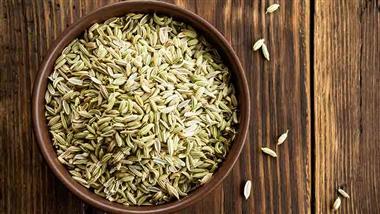
Fennel seeds, with their licorice-like flavor, are a featured ingredient in the Indian Ayurvedic snack mukhwas, which is traditionally eaten after a meal to freshen breath and aid digestion
Fennel seeds are a natural remedy for digestive disorders, including heartburn, bloating, gas and even chronic conditions like inflammatory bowel disease (IBD)
Fennel, which also has antispasmodic and carminative, or flatulence-relieving, effects, may also be useful for irritable bowel syndrome (IBS)
Fennel helps relieve infant colic, and its beneficial compounds pass through breastmilk, so breastfeeding mothers who consume fennel seeds may help to naturally relieve colic in their infants
Fennel “seeds,” also known as saunf, are actually the plant’s dried, aromatic fruit
Chewing fennel seeds after a meal is a common practice in many parts of the world, including southeast Asia. The seeds, with their licorice-like flavor, are a featured ingredient in the Indian Ayurvedic snack mukhwas, which is traditionally eaten after a meal to freshen breath and aid digestion.1
Considered “one of the world’s oldest medicinal herbs,” fennel (Foeniculum vulgare) has anti-inflammatory and antipathogenic properties,2 and is among the richest plant sources of potassium, phosphorus, calcium and fiber.3 As part of the Apiaceae family, fennel is related to cumin, dill, caraway and anise. Fennel “seeds,” also known as saunf, are actually the plant’s dried, aromatic fruit, known to have pain-relieving, fever-reducing and antioxidant properties.4
But their greatest claim to fame lies with their use as a natural remedy for digestive disorders, including heartburn, bloating, gas and even chronic conditions like inflammatory bowel disease (IBD).5
Fennel Seeds for Inflammatory Bowel Disease
An estimated 3 million (or 1.3%) of U.S. adults suffer from IBD, which includes Crohn’s disease and ulcerative colitis.6 A CDC study revealed that from 2001 to 2018, the prevalence of IBD among 25.1 million Medicare beneficiaries aged 67 years or older increased among all racial/ethnic groups.7
In Iran, fennel is a popular complementary and alternative treatment for IBD,8 which involves chronic inflammation of the small and/or large intestines. In the intestines, a barrier exists between epithelial cells to protect against foreign antigens, but in IBD, this barrier is compromised.
“The cytokines present in IBD damage the intestinal barrier, resulting in clinical and pathologic manifestations including mucosal friability, decreased tissue resistance, and increased paracellular permeability,” researchers explained in PLoS One.9 They conducted a study showing that fennel seed extract improves barrier function in the gastrointestinal tract, “suggesting the potential utility of this agent as an alternative or adjunctive therapy in IBD.”10
Fennel, which also has antispasmodic and carminative, or flatulence-relieving, effects, may also be useful for irritable bowel syndrome (IBS). When combined with curcumin, fennel essential oil significantly improved symptoms, including abdominal pain, and quality of life in IBS patients over a 30-day period.11
Fennel’s Flavor Comes From Health-Boosting Anethole
Anethole is the primary bioactive compound in fennel, which is responsible for its unique flavor. It has an impressive array of beneficial properties, including anti-inflammatory, anticarcinogenic, chemopreventive, antidiabetic, immunomodulatory, neuroprotective and antithrombotic effects.12
It also has gastroprotective properties, and in a study on mice with colitis, anethole relieved colitis symptoms by reducing oxidative stress and the inflammatory response.13 Anethole may also help with appetite control and may explain why fennel helps prevent weight gain.14 Fennel seeds also contain about 50% fiber, which helps increase feelings of fullness, however even fennel essential oil has been found to help with appetite control.15
A study published in Clinical Nutrition Research also found that overweight women who drank fennel and fenugreek tea before a lunch buffet felt less hungry and consumed less food.16 In fact, in ancient Greece, fennel was known as Marathon, which comes from the word Mariano, or “to grow thin.” They used the plant to suppress appetite for weight loss or during times of famine.17
Among children, fennel seed oil emulsion has also been shown to effectively decrease the intensity of colic, and is known to reduce intestinal spasms.18 In one study of parents who used a fennel-based herbal treatment to soothe colic, which is characterized by inconsolable crying, in their infants, 65% reported rapid symptom reduction.19
After just 30 minutes, those parents reported “meaningful improvements” in up to 79% of symptoms. Constipation and diarrhea were also reported significantly less often in babies who received the fennel herbal product. Fennel’s beneficial compounds can also pass through breastmilk, so breastfeeding mothers who consume fennel seeds may help to naturally relieve colic in their infants.20
Why It Makes Sense to Chew Fennel Seeds After a Meal
Compounds in fennel essential oil help regulate the motility of smooth muscles in the intestine and reduce gas at the same time.
“Alone, or combined with other plant medicinals, Foeniculum vulgare is indicated in the treatment of spastic gastrointestinal disturbances, in some forms of chronic colitis (which resist other treatments), in dyspepsias from gastrointestinal atony, in dyspepsias with the sensation of heaviness in the stomach, and so forth,” researchers explained in BioMed Research International.21
In a review of fennel’s health properties, they found clinical trials validated traditional uses of fennel for a number of gastrointestinal issues, including abdominal pain, constipation, diarrhea, flatulence, gastritis, irritable colon, stomachache and more.22
Phytochemicals in fennel, including volatile compounds, flavonoids, phenolic compounds, fatty acids and amino acids are thought to be responsible for the plant’s wide-reaching benefits, but they added:23
“Fennel also contains mineral and trace elements like … barium, calcium, cadmium, cobalt, chromium, copper, iron, magnesium, manganese, nickel, lead, strontium, and zinc; fat soluble vitamins such as vitamins A, E, and K; water soluble vitamins like ascorbic acid, thiamine, riboflavin, niacin, and pyridoxine; essential amino acids like leucine, isoleucine, phenylalanine, and tryptophane may contribute to the myriad health beneficial effects at least in part.”
‘One of the Most Effective Digestive Aids’
The Northwest School for Botanical Studies also counts fennel as “one of the most effective digestive aids,” calling out its gas-relieving antispasmodic and stomachic — or beneficial to the stomach — properties.24 In a monograph on fennel, it’s explained how various parts of the plant come together to form a near-perfect herb for digestive health:25
“It [fennel] is highly beneficial to reduce digestive cramping, gas, and bloating. The volatile oils contained in the seed stimulate the mucus membranes in the digestive tract, encouraging motility and peristalsis. The aromatic oils also exert smooth muscle antispasmodic and carminative actions.
The seed tincture or tea is effective for treating intestinal spasms that result from conditions such as irritable bowel syndrome, ulcerative colitis, Crohn’s disease, leaky gut syndrome, Celiac disease, and intestinal candidiasis.
Fennel’s properties pass through breast milk, reducing infant colic. Fennel seed has anti-nauseant properties, aiding recovery from stomach flu, food poisoning, digestive infections, and hangovers. It anesthetizes pain resulting from a hiatal hernia and indigestion. Fennel decongests the liver and is a useful adjunct for conditions arising from liver stagnation.”
Fennel Relieves Menstrual Cramps as Well as NSAIDs
There are other uses for fennel, too, including as a remedy for painful menstrual cramps. In a study of 60 college students, ages 18 to 25 years, suffering from cramps, the authors explained fennel contains “antispasmodic and anethol agents that may be helpful for the management of primary dysmenorrhea.”26
The participants were divided into two groups and followed for two cycles. At the onset of pain, one group received 25 drops of a 2% fennel-containing solution every six hours. If pain was not reduced within two hours, they also received 250 milligrams (mg) of mefenamic acid, an NSAID, in capsule form. The control group received only 250 mg of mefenamic acid, also in capsule form, every six hours, as needed.
After comparing the two groups, the researchers asserted, “The present study showed the efficacy of fennel drops in pain relief for primary dysmenorrhea is comparable to the efficacy of common NSAIDs such as mefenamic acid capsules.”27 In a separate study involving 110 high school girls, mean age 13 years, fennel was also found to be as effective as mefenamic acid for relieving pain associated with menstrual cramps.28
Fennel Is Good for Oral Health, Too
Chewing fennel seeds is a natural way to freshen your breath, while the anethole they contain may have a potent inhibitory effect on periodontitis.29 Fennel seeds also have antimicrobial effects and chewing them increases the pH of saliva, which may help fight cavity development.30
“If the salivary pH is <5.5 (critical pH of dental enamel) then the mineral contents of dental enamel tend to dissolve,” researchers noted in the Indian Journal of Dental Research.31 They believe anethol in fennel seeds increases the salivary flow rate, while another compound in the seeds — fenchone — has additional medicinal properties.
Separate research found similar effects on salivary pH from chewing fennel or cardamom seeds, noting, “Chewing both fennel seeds and cardamom seeds are equally effective in increasing salivary and plaque pH. Both the seeds can be used to lubricate and moisten the mouth, while at the same time providing caries protection to highly susceptible individuals.”32
It’s Easy to Grow Your Own Fennel
If you’d like a fresh, convenient source of fennel seeds to chew after meals or if you’re feeling bloated, crampy or gassy, it’s easy to grow fennel at home. The seeds can be started indoors or planted directly outside. Just keep in mind that fennel tends to seed surrounding areas, so if you don’t want it to spread too much, plant it in a spot with natural borders.
For maximum freshness, fennel seeds should be harvested just as the flowers are beginning to dry out and turn brown. Simply clip the tops of the stalks containing flower heads and store them in a dark place for a week or two until they’re fully dried. At this point, the seeds easily fall out of the flower heads and can be separated from the dried plant debris.
You can chew the seeds on their own or use them in baking or as a flavoring for beverages. For a simple fennel tea, steep 1 to 2 teaspoons of freshly crushed fennel seeds in 1 cup of boiling water for five to 10 minutes. Strain the seeds, then enjoy this natural remedy for digestive support.
One of the best and least expensive ways to optimize your gut microbiome is to eat traditionally fermented and fiber-rich foods. Probiotic supplements can also be beneficial
One of the reasons a healthy diet is able to influence your health is by creating an optimal environment for beneficial bacteria in your gut, while decreasing pathogenic or disease-causing bacteria, fungi, and yeast
If you have to take an antibiotic, be sure to also take a high-quality probiotic. To ensure the bacteria’s survival, take the probiotic a few hours before or after taking the antibiotic
Editor’s Note: This article is a reprint. It was originally published March 13, 2016.
Barely a day goes by without some type of media announcement noting the importance of your gut flora.
One of the best and least expensive ways to optimize your gut microbiome is to eliminate sugars and processed sugars and eat traditionally fermented foods, but probiotic supplements can also be beneficial.
Greg Leyer,1 who has a Ph.D. in food microbiology, is head of scientific affairs at Chr Hansen, a global, differentiated bioscience company that develops natural ingredient solutions for the food, nutritional, pharmaceutical and agricultural industries, and he’s been passionate about probiotics and health for more than two decades:2
“I got interested in microbiology and spent my graduate research career looking at pathogenic bacteria, those bacteria we want to avoid and that make us sick,” he says.
“In the course of doing those studies, I became aware that not all bacteria are bad and became intrigued in this whole concept of probiotics … My first post-graduate job was in the area of developing probiotics for infant nutrition. That was 21 years ago.
I’ve been in the probiotic research development field ever since, and have seen the clinical research and the market just explode.”
Nourishing Your Microbiome Begins With Real Food
Mounting evidence reveals there’s more to nutrition than previously thought — a large component of it actually revolves around nourishing the health-promoting bacteria in your body, thereby keeping harmful microbes in check.
Probiotics are supplements designed to increase your beneficial bacteria, the largest concentration of which is found in your gut. Different types of bacteria live in different locations in your gastrointestinal tract. You also have bacteria residing in other areas of your body, such as your mouth and skin.
While probiotic supplements have their benefits and their place, it’s important — before taking a supplement — to optimize the conditions where these beneficial bacteria grow.
One of the reasons a healthy diet is able to influence your health is by the fact that it helps create an optimal environment for beneficial bacteria in your gut, while decreasing pathogenic or disease-causing bacteria, fungi, and yeast.
“Healthy eating” basically amounts to eating real food, which means avoiding processed foods and staying away from sugars, because few things fertilize and accelerate the growth of pathogenic microbes better than sugar. As noted by Leyer:
“In studies done in people all over the world, you’ll see different microbial communities residing in people that have different dietary intakes. You want to provide foods that are going to nourish this healthy community of bacteria in your gastrointestinal tract.
Sugars aren’t selective. Bacteria like sugars, but the bad bacteria love sugars. Eating real food, complex carbohydrates, fiber, and things like that, are more selective. Simply put, the pathogenic bacteria don’t utilize non-fiber carbs as efficiently. It’s more difficult for them to grow with complex carbohydrates as an energy source.”
The Importance of Probiotics When Taking an Antibiotic
Unfortunately, the U.S. Food and Drug Administration restricts supplement makers from making certain health claims; for example, you cannot market a probiotic saying, “This is useful to take after an antibiotic,” because that would imply that antibiotics might harm you in some way.
As a result of these restrictions, unless you spend a fair amount of time reading about the subject you may not be aware of many of the benefits of probiotics.
“There’s a lot of very compelling research that we’re not able to talk about on a product label,” Leyer notes. “One of the exciting areas is the role of healthy bacteria when co-prescribed with an antibiotic, and the effect it has on maintaining healthy populations in your gut.
Antibiotics are selective for bacteria and not viruses, but they’re not terribly selective for a particular type of bacteria. Antibiotics — and many studies have shown this — will have a tremendously disruptive effect on the overall microbial community.
They’ll kill the target organism that might be causing your infection which is a good thing … but they also do a lot of harm to the good bacterial populations that are there.
Studies have shown that when you co-administer probiotics with antibiotics and continue the probiotic administration even after stopping the antibiotic regimen, you’re quickly able to restore that microbial community to the healthy state it was prior to the antibiotic treatment.”
If you’re taking an antibiotic, don’t simultaneously take the probiotic as the antibiotic is liable to simply kill the bacteria off. Instead, take them a few hours before or after taking the antibiotic. From the clinical research Leyer has done, this strategy appears to work quite well.
Saccharomyces yeast, a beneficial type of yeast, may also be helpful when taking a course of antibiotics, as it has also been shown to prevent antibiotic-associated diarrhea.
“Fifteen to 25% of people who take an antibiotic end up getting antibiotic-associated diarrhea.
Probiotics — I’ll include Saccharomyces in this group — have been shown to have tremendous benefits in reducing the risk of developing that kind of secondary complication of antibiotic treatment,” Leyer says.
The Hazards of Antibiotics in the Food Supply
Medical antibiotics are not the sole source of exposure. About 80% of all antibiotics sold in the U.S. are actually used in livestock production to fatten up the animals and prevent disease.
So, unless you’re buying organic grass-fed meats, you’re likely ingesting minute doses of antibiotics with each hamburger and steak you eat. This continuous low-dose exposure has the added downside of promoting antibiotic resistance. The role of antibiotics in promoting (rather than treating) disease is slowly gaining ground.
There’s no question that antibiotics have saved lives. But if you were to carefully analyze and objectively determine their true impact, you just might find they’ve done more harm than good. Leyer cites the book “Missing Microbes: How the Overuse of Antibiotics Is Fueling Our Modern Plagues,” written by Dr. Martin Blaser, which presents the theory that many of our modern disease epidemics may be rooted in the disruptive effect modern foods have on our microbiota.
“Keeping your intestinal microflora healthy, consuming healthy, active, probiotic bacteria is a key component to maintaining, in my opinion, your overall health,” Leyer says.
Probiotics for the Prevention of Leaky Gut, and More
Leaky gut results when there’s a disruption in the interconnections between the cells in your intestines. Little holes or tears can develop, allowing food particles to enter your blood stream, which can cause an autoimmune response.
It’s a serious problem, and I’ve known a number of people who nearly died from it. There are a number of causes for leaky gut, but whatever the cause, one of the most powerful remedies is to consume homemade organic bone broth and fermented vegetables. Certain probiotic supplements can also be helpful. According to Leyer:
“I am familiar with the evidence behind certain probiotics and their ability to prevent or lessen leaky gut. The issue with leaky gut is that you’re getting things into the circulation system that aren’t supposed to be there. Lipopolysaccharides (LPS) … are inflammatory components from gram-negative bacteria … [LPS] is a diagnostic test to look for leaky gut.
What we’re finding is that subchronic levels of LPS circulating in the blood causes this chronic inflammation cascade. Chronic inflammation seems to be at the root of a lot of disease states … One that is front and center is Type 2 diabetes and insulin resistance.
There’s been some really intriguing work with probiotics maintaining tight-junction barrier, reducing leaky gut, reducing circulating LPS, and affecting insulin sensitivity through downplaying this inflammation.”
Probiotics have also been extensively tested for their immunological functions. For example, in the elderly, probiotics can help boost activity of immune cells that fight off cancer cells. The mechanism involved here is an orchestration of immune chemical messengers called cytokines. But there’s still much to be learned about the exact mechanisms by which probiotics influence health.
“There are some areas in the probiotic science where the mechanisms are becoming better understood. And there are some areas in probiotic science that is more theory than really causal right now.
But the more layers of the onion you peel back, the more you understand this is an incredibly complicated web of information from gut to human, to nervous system to immune system. This complex interplay is at the heart of probiotic mechanisms and one reason it is not so simple to clearly identify.” Leyer explains.
Probiotics and the Gut-Brain Axis
It’s become quite clear that the benefits of probiotics transcend the gut. More recent studies have delved into the role of gut bacteria in the workings of the gut-brain axis, and how they benefit your mental and psychological health. Anxiety, depression and other mood disorders are increasingly recognized as being, in part, related to an unbalanced microbiome.
Probiotics appear to have the ability to make compounds called neuropeptides that interact directly with your brain. Probiotics certainly influence your immune system by way of modulating inflammation, which has interactions with and can cross the blood-brain barrier.
“There’s an interesting study where people gave infants probiotic bacteria for the first two years of their life,” Leyer says. “They were really looking at the ability of this probiotic to ward off the incidence of atopic eczema or skin rashes.
When the kids were 13 years old, they went back and said, ‘Okay. Let’s look at autistic spectrum disorder, attention-deficit hyperactivity disorder (ADHD), and [other] psychological kind of issues and ask if there is a relationship between those children who were administered the probiotic early in life, and incidence.’
Of the kids that took the probiotic, none had developed any kind of autistic spectrum disorders; 17% of those that did not get probiotics developed autistic spectrum disorders. The study wasn’t designed to look at ADHD or autism, but it’s an interesting way to look back in time and say:
Here’s a population of people that were essentially imprinted with probiotic bacteria at a very young age. We now understand better that there’s this developmental window in young people that’s critically important for longer term health.”
Beware of ‘Probiotic’ Junk Food
As a general rule, I believe most people would be able to obtain most of their nutritional support from real food. This is certainly the case with beneficial bacteria, because there are a lot of good fermented foods that provide them.
One of my biggest pet peeves when it comes to probiotic foods is yogurt, because most of them are nothing more than creamy junk food. The Cornucopia Institute has published a Yogurt Buyer’s Guide and Scorecard3,4 where you can learn more about your favorite brands.
Many who seek to improve their health buy commercial yogurt from the grocery store, thinking they’re doing something good for themselves when in reality they’re not. They’d be far better off taking a probiotic supplement, as then they’d avoid added sugars and other unhealthy additives. The exception to that rule is traditionally cultured yogurt made from organic raw milk.
Commercial yogurts often contain upwards of 25 to 30 grams of sugar per serving, which meets or exceeds the daily recommended amount of sugar for the whole day!
The amount of probiotics you’ll get from commercial yogurt is also far lower than what you’d get from a high-quality probiotic supplement. A commercial yogurt might give you a million probiotic cells, which sounds like a lot, but if you take a quality-made supplement you’re getting tens of billions of probiotics — three orders of magnitude greater amounts. So in that respect, a supplement is clearly easier and more cost-effective.
“The other thing you have to consider is that in a yogurt, you’ve got a very acidic condition that’s degrading the quality of the probiotics over the course of the shelf life of that yogurt. In a quality-made dietary supplement, these probiotics are essentially in suspended animation or dormant until you consume them; they come back to life when you swallow the capsule.” Leyer notes.
Probiotic Guidelines
Many tend to imagine that taking probiotics is like planting seeds in your garden. They grow, reproduce, and all you basically have to do is “seed and feed” them. But that’s actually not the case. Your intestinal tract contains thousands of different bacterial types, not to mention fungi and viruses. It’s a challenging environment with lots of competition.
Probiotics have developed the ability to withstand normal concentrations of stomach acid and bile in the small intestine, and live there, but they don’t live and thrive there forever. As noted by Leyer:
“When you stop taking the probiotics, studies show that you start seeing less and less of that probiotic residing there. It will decline to this baseline level similar to where it was before you started taking a probiotic supplement.
On the immune side, there are studies that show that immune benefits decline within a few days after stopping taking the probiotics. So it’s really important to maintain a continual onslaught of these healthy bacteria.”
Factors to look for when trying to identify a high-quality probiotic supplement include the following:
Make sure it’s a reputable brand. If you trust the products made by a company, perhaps they’re doing a great job making their probiotics as well.
Look for a potency count (colony forming units or CFUs) of 50 billion or higher. That’s the number of bacteria being delivered per dose.
Declaration of shelf life, i.e. the shelf life of the CFUs. Avoid capsules that only declare the CFUs at time of manufacture. Food products should be in resealable packaging and stored as directed.
Look for a product containing multiple species of bacteria, as high diversity tends to be associated with better health. That said, products containing species of Lactobacillus and Bifidobacteria are generally recommended.
Examples would be Lactobacillus acidophilus and Lactobacillus plantarum. These organisms predominantly reside in the small intestine or the upper gastrointestinal tract (GI) where a vast majority of your immune cells reside. Bifidobacteria, on the other hand, reside in the large intestine or the lower bowel, which is another critical location associated with health. Bifidobacterium lactis, Bifidobacterium longum, and Bifidobacterium bifidum are important ones.
Look for non-GMO brands.
Confirm that they’re manufactured according to current Good Manufacturing Practices (cGMP).5
Optimize Your Microbiome for a Disease Prevention Strategy
As noted by Leyer, “probiotic consumption for health and wellness is here to stay.” A tremendous amount of research shows that the microbial community in your body has a wide ranging influence over your health. “The days of ‘all bacteria are bad’ are long gone,” Leyer says. “Eating clean and natural foods, nourishing your gut, and having a healthy intestinal community are really at the core of wellness.”
I also firmly believe that applying this knowledge can make a distinct and positive difference in your health, boosting not only your immune function, but also your neurological function and mood. Best of all, supporting your microbiome isn’t very complicated. You do need to take proactive steps to implement certain key strategies while actively avoiding other factors though. So to optimize your microbiome, consider the following recommendations:
Do
Avoid
Eat plenty of fermented foods — Healthy choices include lassi, fermented grass-fed organic milk such as kefir, natto (fermented soy), and fermented vegetables.
Antibiotics, unless absolutely necessary, and when you do, make sure to reseed your gut with fermented foods and/or a high quality probiotic supplement.6,7
Take a probiotic supplement — Although I’m not a major proponent of taking many supplements (as I believe the majority of your nutrients need to come from food), probiotics is an exception if you don’t eat fermented foods on a regular basis.
Conventionally-raised meats and other animal products, as CAFO animals are routinely fed low-dose antibiotics, plus genetically engineered grains loaded with glyphosate, which is widely known to kill many bacteria.
Boost your soluble and insoluble fiber intake, focusing on vegetables, nuts, and seeds, including sprouted seeds.
Chlorinated and/or fluoridated water — Especially in your bathing such as showers, which are worse than drinking it.
Get your hands dirty in the garden — Exposure to bacteria and viruses can serve as “natural vaccines” that strengthen your immune system and provide long-lasting immunity against disease.
Getting your hands dirty in the garden can help reacquaint your immune system with beneficial microorganisms on the plants and in the soil.
According to a 2014 report,8 lack of exposure to the outdoors can in and of itself cause your microbiome to become “deficient.”
Processed foods — Excessive sugars, along with otherwise “dead” nutrients, feed pathogenic bacteria.
Food emulsifiers such as polysorbate 80, lecithin, carrageenan, polyglycerols, and xanthan gum also appear to have an adverse effect on your gut flora.9
Unless 100% organic, they may also contain GMOs that tend to be heavily contaminated with pesticides such as glyphosate. Artificial sweeteners have also been found to alter gut bacteria in adverse ways.10
Open your windows — For the vast majority of human history the outside was always part of the inside, and at no moment during our day were we ever really separated from nature.
Today, we spend 90% of our lives indoors. And, although keeping the outside out does have its advantages it has also changed the microbiome of your home.
Research11 shows that opening a window and increasing natural airflow can improve the diversity and health of the microbes in your home, which in turn benefit you.
Agricultural chemicals, glyphosate (Roundup) in particular is a known antibiotic and will actively kill many of your beneficial gut microbes if you eat foods contaminated with Roundup.
Wash your dishes by hand instead of in the dishwasher — Research has shown that washing your dishes by hand leaves more bacteria on the dishes than dishwashers do, and that eating off these less-than-sterile dishes may actually decrease your risk of allergies by stimulating your immune system.
Antibacterial soap, as they too kill off both good and bad bacteria, and contribute to the development of antibiotic resistance.
Omega-3 fats are essential fats your body needs for proper cell division and function of cell receptors, digestion, muscle activity, blood clotting, visual acuity, cognition, heart health and much more
A proprietary prescription formulation of fish oil called Vascepa — a highly-processed form of the omega-3 fat EPA — lowered cardiovascular health risks by 25% compared to placebo
Participants in the Vascepa trial received 4 grams of EPA per day — which is two to four times more EPA than typically given — for five years
A pair of parallel studies published in 2008 — both lasting four years — found fish oil supplements worked better than placebo and the cholesterol-lowering drug Crestor in patients with chronic heart failure
While a general recommendation is to take 3 to 4 grams of marine-based omega-3 per day, the only way to identify your ideal dose is to measure your omega-3 index with a blood test. For optimal health, aim for an omega-3 index of 8% or higher
Editor’s Note: This article is a reprint. It was originally published October 8, 2018.
Omega-3 fats are essential polyunsaturated fats (PUFAs) your body needs for proper cell division and function of cell receptors, digestion, muscle activity, blood clotting, visual acuity, cognition, heart health and much more.
Most omega-3s are considered “essential fats” as your body cannot make them. You have to get them from your diet. Omega-3 fats are found in both marine animals and plants, but each of these sources provides different types of omega-3, and they are not interchangeable.
It’s really important to be aware of these differences, especially if you’re taking omega-3 to protect or improve your heart or neurological health. For these benefits, you need marine-based omega-3. So, before I get into the evidence behind omega-3 fats for heart health, which is the primary focus of this article, let’s quickly review the basics.
Omega-3 Basics
Both plant- and animal-based omega-3 have their first double-bond in the third position — hence the name “omega-3.” However, the length of the carbon chain of each omega-3 fat makes a significant difference when it comes to bioavailability and biological effect.1,2,3
• Marine animal-based omega-3 — Found in fatty fish, fish oil and krill oil, marine animal-based omega-3s primarily contain docosahexaenoic acid (DHA), a long-chained PUFA consisting of 22 carbons, and eicosapentaenoic acid (EPA), which has 20 carbons.
• Plant-based omega-3 — Found in flaxseed, flaxseed oil, chia seeds, walnuts and leafy greens, for example, plant-based omega-3s contain alpha-linolenic acid (ALA), a shorter-chained PUFA consisting of 18 carbons. Plant-based omega-3s are completely devoid of DHA and EPA, which is why they cannot be used to obtain EPA and DHA-related health benefits.
While ALA is a precursor to EPA and DHA, the enzyme required for this conversion does not work very well in most people, hence the conversion rate is exceptionally small. Typically, less than 0.5 to 1% of the ALA is converted to EPA.4
DHA is especially important for optimal health, as it is a component of every cell in your body. This is particularly true for your brain, about 90% of which is made up of DHA. All other omega-3 fats are found only in trace amounts in your brain, including ALA, regardless of how much ALA you consume.5
There are actually specific transporters for long-chained omega-3s in your blood-brain barrier, the placenta (in pregnant women), and likely also in your liver, which transport these molecules in a very precise way into the cell membranes where they belong. No such transporters exist for the short-chained omega-3s.
EPA Lowers Heart Disease Risk
Aside from protecting and benefiting your brain, marine-based omega-3 is also really important for heart health. More recently, a study6,7,8 involving a proprietary prescription formulation of fish oil called Vascepa — a highly-processed form of EPA — found the drug lowered cardiovascular health risks by 25% compared to placebo containing mineral oil.
This included heart attacks, strokes, bypass surgery and chest pain requiring hospitalization. The drug trial was called REDUCE-IT and was done for five years. Perhaps the most unusual aspect of this trial is that they used a far higher dosage than is typically used in these types of studies.
Here, participants received 4 grams of EPA per day, which is two to four times more EPA than typically given. Also notable: A 25% reduction in cardiovascular risk is typically what you see with the use of statins, and this significant reduction is believed to be a byproduct of EPA’s ability to lower triglycerides.
While the full study will not be available for review until it is presented at the American Heart Association’s annual meeting November 10, 2018, the preliminary information looks promising, and supports what James DiNicolantonio and I predicted in our book “Superfuel,” which is being published November 13.
While this study is very strong support for the use of marine-based omega-3 fats, please understand that Vascepa is a highly processed and very expensive form of omega-3 that costs around $2,500 a year. You can purchase loads of krill, which I believe is superior because of its absorption and astaxanthin, for that price. As reported by Forbes:9
“Vascepa is already approved by the Food and Drug Administration to cut triglycerides in patients in whom levels have risen above 500 milligrams per deciliter [mg/dL], triple normal.
But there had been skepticism regarding whether it would provide a benefit in heart disease, because other fish oil pills had used much lower doses and because it has proved difficult for any drug significantly to reduce the risk of heart attacks and strokes when given on top of cholesterol-lowering medicines, which are already very effective.
But the results from the 8,179-patient study … seem to leave little doubt that the effect of the drug was substantial in people who had high triglycerides (median triglyceride levels in the study were 219 mg/dL, 50 percent more than normal) and had either had previous cardiovascular problems, such as a heart attack or stroke, or had diabetes and another risk factor for heart disease.”
Higher Doses of Omega-3 Required for Optimal Health
For all its potential benefits, it’s worth noting that Vascepa costs over $200 per month. Natural EPA sources such as krill oil and clean fish such as anchovies and sardines are far less expensive. The key to achieving these results, though, is to approach the 4 grams per day dose.
As discussed in “Superfuel,” 3 to 4 grams of EPA and DHA appears to be ideal. (Meanwhile, you only need 1 to 2 grams of whole food-based omega-6 linoleic acid per day, ideally from plant seeds and tree nuts, not vegetable oils.)
Taking 3 to 4 grams of omega-3 (EPA and DHA in the form of fatty fish, triglyceride fish oil or krill oil) per day will saturate your cells and cell membranes with DHA, making them very fluid. As a result of improved cell function, your basal metabolic rate increases by as much as 15%, and your fat burning capacity during rest and exercise increases by 20 and 30% respectively.
As an example, research shows replacing 6 grams of visible fat in your diet (such as steak) with 6 grams of high-quality fish oil can help you lose 2 pounds of fat and gain half a pound of muscle in just three weeks.
Again, the reason for this is because omega-3 fat, particularly DHA, makes the cell membrane really fluid, allowing amino acids, glucose, sodium and potassium to easily flow in and out of the cell. Omega-3s also help synthesize protein, so muscle protein synthesis dramatically increases when you consume 3 to 4 grams of animal-based omega-3 per day.
Fish Oil Is Better Than Drugs for Preventing Heart Failure
The Varicepa trial is not the first to find omega-3 benefits your heart. For example, a pair of parallel studies10,11 published in 2008 — both lasting four years — found fish oil supplements worked better than placebo and the cholesterol-lowering drug Crestor in patients with chronic heart failure.
Chronic heart failure is a condition that occurs when the heart becomes enlarged and cannot pump blood efficiently around the body. Omega-3 fats have long been proven to protect and boost heart health in a number of ways. Here is just a sampling of omega-3’s heart benefits:12,13
Antiarrhythmic — Counteracts and prevents cardiac arrhythmia
Antithrombotic — Prevent thrombosis (a blood clot within a blood vessel)
Antiatherosclerotic — Prevents fatty deposits and fibrosis of the inner layer of your arteries from forming
Anti-inflammatory — Counteracts inflammation
Improves endothelial function — A major factor in promoting the growth of new blood vessels
Has beneficial effects on the heart’s electrical system, preventing potentially life-threatening heart rhythm disorders
Lowers blood pressure
Lowers triglyceride concentrations
DHA and EPA Lower Risk of Heart-Related Death
Other research published in 2016 found eating fatty fish and other omega-3 rich foods (including certain plant-based sources) may lower your risk of a fatal heart attack by about 10%.14
This effect held true even after accounting for confounding factors like age, sex, ethnicity, diabetes and use of aspirin or cholesterol-lowering drugs. While there are benefits from the fish fats you just need to be ultracareful to have clean fish that aren’t loaded with fat soluble toxins that will outweigh the fats’ benefits.
Other studies have found even more significant effects. In one, heart attack survivors who took 1 gram of marine-based omega-3 per day for three years had a 50% reduced chance of sudden cardiac death.15 That’s quite significant considering this is about one-quarter of the ideal dose.
Another placebo controlled study16 published in 2016 found that when taken after a heart attack, high doses of omega-3 can also significantly improve your odds of survival.17,18,19 Here, 360 heart attack patients were divided into two groups. The treatment group took 4 grams of the prescription omega-3 fish oil called Lovaza. The placebo group received corn oil.
After six months, the treatment group showed a 5.6% reduction in scarring of undamaged heart muscle. Their hearts were also better able to pump blood compared to the controls. Despite a positive result, it’s worth noting that corn oil is a terrible placebo. Placebos are supposed to be completely inert, like water.
Corn oil is actually a harmful industrially processed GMO-contaminated omega-6 fat that clearly adversely affects your heart. So, using a corn oil placebo could make the drug appear more potent than it really is.
Other Health Benefits of Marine-Based Omega-3
Aside from the benefits already discussed, omega-3s are also important for:
Healthy, strong bones
Mood regulation
Reducing your risk of Parkinson’s disease
Reducing your risk of death from ALL causes
Protecting your tissues and organs from inflammation
Brain and eye development in babies, and preventing premature delivery
Reducing your risk of Alzheimer’s disease
Delaying progression to psychosis among patients at high risk for schizophrenia
Protecting against osteoarthritis and rheumatoid arthritis (RA)20,21,22
Protecting against metabolic syndrome,23 including obesity, fatty liver,24 and type 2 diabetes (by reducing inflammation and blood sugar)
Improving in premenstrual syndrome (PMS) and dysmenorrhea25
Lowering your risk for neurological/cognitive dysfunction, including: memory loss, brain aging, learning disorders and ADHD,26 autism and dyslexia27
Reducing your risk of Crohn’s disease
Reducing your risk of colon cancer.28 Colon cancer patients who consumed a minimum of 0.3 grams of omega-3 from fish each day also reduced their risk of dying over the next decade by 41%29
Reducing your risk of kidney disease30
Reducing your risk of autoimmune disorders, such as lupus and nephropathy
Your Blood Level, Not the Dosage, Is Key for Optimization
Despite many studies showing the importance of marine-based omega-3 for heart health, some have come to conflicting conclusions. For example, a Cochrane Collaboration review31 concluded omega-3 supplementation has little to no discernible benefit for heart health or longevity.
There are a number of reasons for these perplexing results. Perhaps most importantly, many nutritional studies fail to assess the correct parameters. The importance of looking at achieved blood levels of a nutrient rather than dosage has been made abundantly clear by GrassrootsHealth vitamin D researchers.
When studies look at dosage, no apparent benefits of vitamin D supplementation are found. However, when you look at people’s blood level — the concentration of the nutrient in the body — truly dramatic effects are detected.
The problem is that people metabolize the nutrient at different rates, and while one may need a very small dose to achieve a certain blood level, another may need several times that dose. As a result, assessing health effects based on supplement dosage can be unreliable.
For this reason, I recommend getting your omega-3 level tested on an annual basis. As with vitamin D, blood testing is the best way to customize your dosage to ensure sufficiency, because requirements for omega-3 will vary depending on your lifestyle; your intake of fatty fish, for example, and your level of physical activity.
So, while a general recommendation is to take 3 to 4 grams of omega-3 per day, the only way to really know whether this is too much or too little is via a blood test. For optimal health, you’ll want an omega-3 index of 8% or higher.
Buyer Beware: Most Commercial Fish Oils Are Synthetic
Another reason some fish oil studies reach negative results may be related to the use of inferior products. As noted by Naomi Whittel, former CEO of Twinlab, the processing of fish oil is deeply problematic, rendering the final product into something far from the natural oils you get from the whole fish.
Whittel estimates about 98% of the omega-3 products on the market are inferior (and perhaps even toxic) due to the way the fish are caught and processed — a summary of which is provided in the graphic below.
Several factors come into play that affect the efficacy of fish oil. One is the form of the long-chained omega-3 fats. In fish, about 98% of the DHA and EPA are in the form of triglycerides, which are the most bioavailable. In most commercial fish oil supplements, however, the DHA and EPA are delivered in the form of ethyl esters.32
Triglycerides Versus Ethyl Esters
A triglyceride consists of a three-carbon molecule that forms a “backbone” for the fatty acids to latch onto. Each carbon molecule is linked to a fatty acid so, in total, a triglyceride is composed of three carbons bonded to three fatty acids.
Ethyl ester fish oil is most prevalent simply because it’s far less expensive to produce than the triglyceride form. Ethyl esters are also easier to work with during processing, as they have a higher boiling point. This becomes important during the molecular distillation phase (see above), during which the oils are heated and purified of harmful environmental pollutants.
The molecular distillation phase also concentrates the EPA and DHA. You can tell the concentration of these two fats in any given supplement by looking at the label. In fish, the oil consists of about 20 to 30% EPA and DHA, whereas purified fish oil concentrate typically contains between 60 and 85% EPA and DHA.
Ethyl esters are essentially a synthetic substrate, created through the micro distillation process of crude fish oil, in which ethanol and/or industrial alcohol is added. This mix is heat distilled in a vacuum chamber, resulting in a concentrated omega-3 ethyl ester condensate.
It is also important to note that this purifying molecular distillation process removes vital resolvins and protectins present in the raw material that are important in reducing inflammation, and inflammation is a hallmark of both neurological and cardiovascular diseases and dysfunction.
Ethyl Esters Are Poorly Absorbed, May Do More Harm Than Good
Ethyl esters — found in most fish oils — are the least bioavailable form of omega-3. Studies33 suggest a mere 20% of the EPA and DHA in ethyl ester form are absorbed by your body. When taken with other dietary fat, absorption increased threefold to 60%.
Meanwhile, EPA and DHA in their natural triglyceride form were found to have a 69% absorption rate from the start, and when taken with additional dietary fat, absorption increased to 90%. As a result, taking a triglyceride fish oil results in a 50% greater rise in omega-3 blood plasma levels than ethyl ester fish oil.
Another major drawback of ethyl ester fish oils is their rapid oxidation rate. Ethyl ester DHA is far more reactive than triglyceride DHA, oxidizing 33% more rapidly, and consuming rancid omega-3 is not going to do your health any good.
While manufacturers could convert them back into triglyceride form (by detaching the ethyl alcohol molecule and reattaching a glycerol molecule in a process known as re-esterification), this process is a costly one. So, in summary, it’s important to realize that the vast majority of clinical evidence showing health benefits of omega-3 relates to actual fish consumption, and virtually all of the omega-3s in fish are in triglyceride form.
Hence, to achieve reliable results, you really need to either eat omega-3-rich fish, or make sure the supplement you’re taking contains DHA and EPA in their triglyceride form. For a more in-depth understanding of these differences, see the paper, “A Comparison of Synthetic Ethyl Ester Form Fish Oil vs. Natural Triglyceride Form,”34 by Dr. Douglas MacKay.
Brain scans of fibromyalgia patients have offered hard evidence that the pain they experience is real; their threshold for tolerating pain impulses is substantially lower than that of most individuals
Recent research shows fibromyalgia patients tend to have severe inflammation in their body, including their nervous system and brain
The cannabinoid receptor that produces the “high” in response to THC in marijuana also helps regulate inflammatory reactions in your brain
The signal that instructs glial cells to stop their inflammatory activity is endocannabinoids, which work by binding to cannabinoid receptors on certain neurons
With age, your natural production of endocannabinoids decreases, which then leads to impaired immune response regulation and chronic inflammation
Editor’s Note: This article is a reprint. It was originally published October 18, 2018.
Fibromyalgia, characterized by chronic, widespread pain is an often-debilitating condition that primarily affects women. While as many as 10 million Americans have fibromyalgia, its cause remains a mystery.
Brain scans of fibromyalgia patients have offered hard evidence that the pain they experience is indeed real — mainly because their threshold for tolerating pain impulses is substantially lower than that of most individuals. But the mechanism causing this lowered pain threshold is still unknown.
Some experts, such as Dr. Frederick Wolfe, the director of the National Databank for Rheumatic Diseases and the lead author of the 1990 paper that first defined fibromyalgia’s diagnostic guidelines, believe fibromyalgia is mainly a physical response to mental and emotional stress.
But while stress and emotions may indeed play an important role, more recent research shows fibromyalgia patients tend to have severe inflammation in their body, including their nervous system and brain.
Signs and Symptoms of Fibromyalgia
Diagnosis can be a challenge, but the updated case definitions of fibromyalgia, issued in 2010 and later simplified in 2012, claim to correctly diagnose about 83% of cases.1 Originally, the condition was thought to be a peripheral musculoskeletal disease. Today, fibromyalgia has become increasingly recognized as a neurobiological problem causing central pain sensitization.
Unfortunately, there are currently no laboratory tests available for diagnosing fibromyalgia, so physicians primarily depend on patient histories, reported symptoms and physical exam findings. Classic symptoms of this condition include:
• Pain — The key marker of fibromyalgia is pain, which is profound, widespread and chronic. Pain inside of your elbows and knees, collarbones and hips is indicative of fibromyalgia when it’s present on both sides.
People also frequently report pain all over their bodies — including in their muscles, ligaments and tendons — and the pain tends to vary in intensity. It has been described as deep muscular aching, stabbing, shooting, throbbing and twitching.
Neurological complaints add to the discomfort, such as numbness, tingling and burning. The severity of the pain and stiffness is often worse in the morning. Aggravating factors include cold/humid weather, nonrestorative sleep, fatigue, excessive physical activity, physical inactivity, anxiety and stress.
• Cognitive impairment — So-called “fibro-fog” or foggy-headedness is a common complaint.
• Fatigue — The fatigue of fibromyalgia is different from the fatigue that many people complain of in today’s busy world. It is more than being tired; it’s an all-encompassing exhaustion that interferes with even the simplest daily activities, often leaving the patient with a limited ability to function both mentally and physically for an extended period of time.
• Sleep disruption — Another major part of the diagnostic criteria for this condition is some type of significant sleep disturbance. In fact, part of an effective treatment program is to make sure you’re sleeping better.
Medical researchers have documented specific and distinctive abnormalities in the Stage 4 deep sleep of fibromyalgia patients. During sleep, they are constantly interrupted by bursts of awake-like brain activity, limiting the amount of time they spend in deep sleep.
• Other symptoms — Other common symptoms include irritable bowel and bladder, headaches and migraines, restless leg syndrome and periodic limb movements, impaired memory and concentration, skin sensitivities and rashes, dry eyes and mouth, anxiety, depression, ringing in the ears, dizziness, Raynaud’s Syndrome and impaired coordination.
Conventional treatment typically involves some form of pain medication, and perhaps psychotropic drugs like antidepressants. I don’t recommend either as they fail to address the cause of your problem. Many fibromyalgia sufferers also do not respond to conventional painkillers, which can set in motion a vicious circle of overmedicating on these dangerous drugs.
Brain Inflammation — Another Hallmark of Fibromyalgia
Using PET imaging, an investigation2 by researchers at Massachusetts General Hospital and Karolinska Institutet in Sweden revealed the presence of widespread brain inflammation in patients diagnosed with fibromyalgia.3,4
Earlier research5 conducted at Karolinska Institutet also discovered high concentrations of cytokines (inflammatory proteins) in the cerebrospinal fluid, suggesting fibromyalgia patients have inflammation in their nervous system as well.6
The team at Massachusetts General Hospital, meanwhile, has previously shown that neural inflammation, and glial cell (immune cells) activation specifically, plays a role in chronic back pain. Animal studies have also offered evidence for the hypothesis that glial cell activation can be a cause of chronic pain in general.7
Here, they found that when glial cells in the cerebral cortex were activated, the more aggressive the activation, the greater the fatigue experienced by the patient. As reported by Medical Life Sciences:8
“The current study first assessed fibromyalgia symptoms in patients using a questionnaire. A PET tracer was then used, that is, a radioactive marker which binds a specific protein called translocator protein (TSPO) that is expressed at levels much above the normal in activated glial cells, namely, astrocytes and microglia …
[G]lial activation was found to be present at significantly higher levels in multiple brain areas in patients who had fibromyalgia than in controls. Glial cell activation causes inflammatory chemicals to be released, which cause the pain pathways to be more sensitive to pain, and promote fatigue …
One area showing higher TSPO binding in direct proportion to the self-reported level of fatigue was the cingulate gyrus, an area of the brain linked to emotional processing. Previous research has reported that this area is inflamed in chronic fatigue syndrome.”
In related news, German researchers investigating inflammation mechanisms in the brain have found that as mice get older and regulation of inflammatory responses become increasingly impaired, they start losing brain cells.9
Interestingly, the cannabinoid receptor type 1 (CB1), which produces the “high” in response to tetrahydrocannabinol (THC) in marijuana, also helps regulate inflammatory reactions in your brain. In short, chronic brain inflammation is in part driven by the CB1 receptors’ failure to respond. To understand how this works, you need to know a little bit about how microglial cells work.
Microglial cells are specialized immune cells found in your central nervous system, including your spinal cord and brain. These immune cells respond to bacteria and are responsible for clearing out malfunctioning nerve cells. They also signal and recruit other immune cells when needed and trigger the inflammatory response when necessary.
Problems arise when the inflammatory response becomes dysregulated and overactive. In the brain, the inflammation can easily damage healthy brain tissue. The “brake signal” that instructs glial cells to stop their inflammatory activity is endocannabinoids, and the endocannabinoids work by binding to certain receptors, including CB1 and cannabinoid receptor type 2 (CB2).
Curiously, microglial cells have virtually no CB1 and very few CB2 receptors, yet they still react to endocannabinoids. The present study was designed to investigate this puzzling riddle. As it turns out, there’s a type of neuron that does contain a large number of CB1 receptors, and it appears that it is the CB1 receptors on these specific neurons that control microglial cell activity.
In other words, it appears microglial cells do not communicate with nerve cells directly; rather, they release endocannabinoids, which then bind to CB1 receptors found in nearby neurons. These neurons in turn communicate directly with other nerve cells. So, the brain’s immune response is regulated in an indirect manner rather than a direct one.
Now, what happens with age is that your natural production of endocannabinoids decreases, which then leads to impaired immune response regulation and chronic inflammation. As noted by coauthor Dr. Andras Bilkei-Gorzo:10
“Since the neuronal CB1 receptors are no longer sufficiently activated, the glial cells are almost constantly in inflammatory mode. More regulatory neurons die as a result, so the immune response is less regulated and may become free-running.”
Earlier research11 by this same team found that THC can help restore cognitive function in older brains, and the current study also hints at THC-containing cannabis may have valuable neuroprotective benefits in older people by quelling brain inflammation and preventing loss of brain cells. As the study was done on mice, further research is needed to confirm that the same mechanisms apply to humans, but it’s compelling nonetheless.
Are You Living an Inflammatory Lifestyle?
Your diet can either promote or decrease inflammation. For example, foods that increase the inflammatory response in your body include:
Sugar, especially processed corn syrup
Synthetically produced trans fats
Processed vegetable and seed oils, high in oxidized omega-6 fat
Processed meats
Refined carbohydrates
Meanwhile, marine-based omega-3 fats have powerful anti-inflammatory effects, and are crucial for healthy brain function in general. Antioxidant-rich fruits and vegetables are also important for controlling inflammation, as is optimizing your vitamin D to a level of 60 to 80 ng/mL, ideally through sensible sun exposure.
In addition to anti-inflammatory and immune-boosting properties, vitamin D receptors appear in a wide variety of brain tissue, and researchers believe optimal vitamin D levels may enhance important chemicals in your brain and protect brain cells by increasing the effectiveness of glial cells that help nurse damaged neurons back to health.
A number of ubiquitous chemicals have also been implicated in inflammation, so if you struggle with fibromyalgia you’d be wise to take a close look at your choice of foods, household and personal care products. As mentioned earlier, getting enough high-quality sleep is another key treatment component for fibromyalgia.
Suppressing Inflammation Improves Pain
Senior study author Dr. Raymond Swanson, a professor of neurology at UCSF and chief of the neurology service at the San Francisco Veterans Affairs Medical Center, commented on the results, saying:
“I was most surprised by the magnitude of this effect, because I thought ketogenic diets might help just a little bit. But when we got these big effects with 2DG, I thought wow, there’s really something here.
The team further found that reduced glucose metabolism lowered a key barometer of energy metabolism — the NADH/NAD+ ratio — which in turn activated a protein called CtBP that acts to suppress activity of inflammatory genes.”
The study also pointed out that a ketogenic diet may relieve pain via several mechanisms, similar to the ways it’s known to help epilepsy.
“Like seizures, chronic pain is thought to involve increased excitability of neurons; for pain, this can involve peripheral and/or central neurons. Thus, there is some similarity of the underlying biology,” the authors stated, adding:
“A major research focus should be on how metabolic interventions such as a ketogenic diet can ameliorate common, comorbid and difficult-to-treat conditions such as pain and inflammation.”15
Address Emotional Contributors
Since fibromyalgia is a chronic condition, it becomes emotionally challenging in addition to the physical challenges it imposes on your life. Having a game plan to deal with your emotional well-being is especially important if you suffer from any chronic disease.
If you have fibromyalgia, you might be able to trace it back to a triggering event, or you might not. Any traumatic experience has the potential to linger in your mind for a lifetime. You can have the perfect diet, the perfect exercise routine, and an ideal life; but if you have lingering unresolved emotional issues, you can still become very sick.
A tool that can help release this emotional sludge is the Emotional Freedom Techniques (EFT). If you are a regular reader of my newsletter, this won’t be an unfamiliar term to you. EFT is a form of bioenergetic normalization. If you have fibromyalgia, this is something that is going to be extremely helpful. You can do this yourself, at home, and it takes just a few minutes to learn. For a demonstration, see the video above.
“Crapsules,” which contain freeze-dried feces from healthy donors, could offer hope for people with liver disease, particularly cirrhosis
A study funded by the National Institute for Health and Care Research UK will include about 300 people with advanced liver disease who will take either a crapsule or placebo pill every three months for two years
The researchers hope that adding in “good” bacteria from healthy feces will not only boost gut health in the patients but also lower the risk of infection
Fecal microbiota transplant (FMT) may also be useful for constipation, inflammatory bowel diseases, obesity and Type 2 diabetes
Liver conditions influenced by imbalanced gut microbiota, including acute liver injury, viral hepatitis, cirrhosis, autoimmune liver disease, alcoholic liver disease and nonalcoholic fatty liver disease (NAFLD), may also benefit from FMT due to the gut-liver axis
“Crapsules,” which contain freeze-dried feces from healthy donors, could offer hope for people with liver disease, particularly cirrhosis — severe scarring of the liver. People with cirrhosis are at increased risk of serious infections, including bacterial infections caused by multidrug-resistant pathogens.1
“If we can boost liver patients’ own immunity to reduce infections by modifying the microbiome, we can reduce the need for the prescription of antibiotics,” explained Lindsey Edwards of King’s College London. “There is an urgent and unmet need to tackle infection and antimicrobial resistance in chronic liver disease,” she added.2
Edwards is leading a study to determine if crapsules, formally known as fecal microbiota transplant (FMT), could make a difference. It’s just one of many potential uses for the increasingly popular treatment.
Can Freeze-Dried Poop Help Liver Disease?
The study, which is funded by the National Institute for Health and Care Research UK, will include about 300 people with advanced liver disease who will take either a crapsule or placebo pill every three months for two years.3 Those with liver damage tend to have more “bad” bacteria in the gut, increasing their infection risk.
The researchers hope that adding in “good” bacteria from healthy feces will not only boost gut health in the patients but also lower the risk of infection. “The ‘crapsules,’ which have none of the taste or smell as the name suggests, may offer new hope for patients with cirrhosis who are out of treatment options,” said Debbie Shawcross, the study’s chief investigator.4
It’s not the first time improving gut health via fecal transplants has been considered to treat liver conditions. In 2021, a team of Chinese researchers wrote in Seminars in Liver Disease:5
“The human gut harbors a dense and highly diverse microbiota of approximately 1,000 bacterial species. The interaction between the host and gut bacteria strongly influences human health.
Numerous evidence suggest that intestinal flora imbalance is closely associated with the development and treatment of liver diseases, including acute liver injury and chronic liver diseases (cirrhosis, autoimmune liver disease, and fatty liver). Therefore, regulating the gut microbiota is expected to be a new method for the adjuvant treatment of liver diseases.”
Fecal Transplants Have Ancient Roots, Widespread Uses
Evidence of fecal transplant exists from ancient times dating back 1,700 years to the Eastern Jin Dynasty in China.6 It’s said that ingesting fecal material was used as a treatment for diarrhea.7
FMT, defined as “the transplantation of gut microbiota from healthy donors to sick patients via the upper or lower gastrointestinal route to restore the normal intestinal balance,”8 may be useful for constipation, inflammatory bowel diseases, obesity and Type 2 diabetes.9
Liver conditions influenced by imbalanced gut microbiota, including acute liver injury, viral hepatitis, cirrhosis, autoimmune liver disease, alcoholic liver disease and nonalcoholic fatty liver disease (NAFLD), may also benefit from FMT.10 Many aren’t aware that there’s a gut-liver axis, which runs bidirectionally.11
As such, “Liver diseases may lead to an imbalance in the gut microbiota, and this imbalance may aggravate the progression of liver diseases, which they mutually promote and affect,” the Seminars in Liver Disease team explained.12
Disruption of gut microbiota, for instance, has been linked to NAFLD. Artificial sweeteners may also have a role to play in this condition. NAFLD is the most common chronic liver disease in developed countries,13 characterized by a buildup of excess fat in your liver that is not related to heavy alcohol use.
Artificial sweeteners’ ability to cause gut dysbiosis may be another culprit,14 which again signals why FMT may be useful. A number of studies show favorable results for FMT in a range of diseases. Among them:15
FMT increased intestinal flora diversity and improved cognitive dysfunction in hepatic encephalopathy (HE); case reports also show “dramatic clinical improvements, both subjectively and objectively,” following FMT
FMT restored disruptions due to antibiotics and improved microbial diversity and function in patients with liver cirrhosis
FMT led to a significant decline in hepatitis B titer (HBeAg) in patients with hepatitis B
In a case study of a patient with severe alcoholic hepatitis who was not responding to steroids, FMT led to improvements in general condition on day five of the treatment
Among 12 patients with Clostridium difficile (C. diff) infection (CDI), FMT led to a cure rate of 89%
Increasing research suggests fecal transplants could be a safe, cost-effective treatment for liver disease and other conditions. As the Seminars in Liver Disease researchers noted:16
“Compared with previous conventional methods (probiotics), FMT is the most direct way to change the composition of gut microbiota. Both basic science research and clinical studies have proven that FMT can effectively improve the state of the gut microbiota under the conditions of acute and chronic liver diseases, rebuild the intestinal microbiome balance, and accelerate disease recovery.”
In World War II, the stools of camels were used to treat bacterial dysentery in German soldiers. In 1958, the treatment was described in a report for a patient with antibiotic-associated diarrhea. But it was not until 1978 that its value was recognized in the treatment of C. diff.17
C. diff can trigger a life-threatening condition in those who have been on antibiotics or have a compromised immune system. According to the CDC, there are nearly 500,000 C. diff infections each year, and among those who’ve had it, 1 in 6 will get it again in the next two to eight weeks.18 The condition causes excessive diarrhea, which can lead to severe dehydration, sepsis and death.
The U.K.’s National Institute for Health and Care Excellence recommends fecal microbiota transplant for recurrent C. diff infections in adults who have had two or more previous episodes, stating, “Current evidence on the efficacy and safety of fecal microbiota transplant for recurrent Clostridium difficile infection is adequate to support the use of this procedure provided that normal arrangements are in place for clinical governance, consent and audit.”19
While antibiotics are often the first-line treatment for C. diff, these drugs cause further imbalances to gut microbiota, which can challenge recovery efforts. In fact, it’s exposure to antibiotics that often causes C. diff in the first place.20
On the other hand, FMT is typically successful in treating C. diff in 80% to 90% of patients, with favorable changes seen to gut microbiota.21 According to a review in Gut Microbes, while pre-FMT those with CDI have imbalances in their gut microbiota, this is often remedied by the fecal transplant:22
“The gut microbiota in post-FMT samples resembles that of a healthy person: species from the Bacteroidaceae, Clostridiaceae, Eubacteriaceae, Lachnospiraceae, Prevotellaceae, and Ruminococcaceae families are restored, while species from the Proteobacteria phylum are diminished.”
Crapsules Offer Less Invasive Method
In the past, colonoscopies have been the most successful way of introducing fecal matter into patients, but a poop pill-popping protocol may be less invasive while still offering a life-saving option. In a trial at the University of Alberta, researchers compared the administration of fecal matter using a capsule or colonoscopy.23
All participants in the study had suffered a minimum of three bouts of C. diff. Both groups showed prevention of recurrent infection in 96.2% of the participants.24 While the colonoscopy was invasive, the patients chosen to swallow pills had to down 40 capsules in one sitting.25
Still, using poop pills is noninvasive, less expensive, free of risks associated with sedation and may be done in the doctor’s office. It is not, however, a treatment method you should experiment with at home. Even under investigational conditions, mistakes can be made.
In June 2019, the U.S. Food and Drug Administration released a statement that two immunocompromised adults had received a transplant that unwittingly transmitted a multidrug-resistant organism.26 One of the patients died, which is why proper screening of donors is so important. In August 2022, the FDA warned that monkeypox virus could be transmitted via FMT and recommended additional donor screening questions.27
However, in April 2023, the FDA approved the first “crapsule,” an oral fecal microbiota product called Vowst, which is approved for prevention of CDI recurrence in adults.28 In November 2022, FDA also approved live-jslm (brand name Rebyota), a fecal microbiota product that’s given rectally.29 Both of these microbiota-based drugs are known as live biotherapeutic products, or LBPs. According to the Gut Microbes review:30
“LBPs do not exert antimicrobial activity against C. difficile and thus do not expedite time to or increase overall rates of initial clinical cure. Instead, they are intended to restore a healthy balance of microbiota, thereby decreasing the likelihood of recurrence.”
More Ways to Improve Your Gut Health
FMT and other forms of fecal therapeutics show promise for boosting gut health in cases of liver disease, C. diff and other health conditions. However, prevention remains the best strategy, which is why regularly supporting gut health via a healthy lifestyle is so important. There are many ways to do this, including the following, which will help nourish and protect your microbiome:
Do
Avoid
Eat plenty of fermented foods — Healthy choices include lassi, fermented grass fed kefir, natto (fermented soy) and fermented vegetables.
Antibiotics, unless absolutely necessary. If you do use them, make sure to reseed your gut with fermented foods and/or a high-quality probiotic supplement.
Take a probiotic supplement — If you don’t eat fermented foods on a regular basis, a probiotic supplement can be useful.
Conventionally raised meats and other animal products, as CAFO animals are routinely fed low-dose antibiotics.
Boost your soluble and insoluble fiber intake, focusing on vegetables and seeds, including sprouted seeds.
Chlorinated and/or fluoridated water — This includes during bathing or showering.
Get your hands dirty in the garden — Exposure to bacteria and viruses in soil can help strengthen your immune system and provide long-lasting immunity against disease.
Processed foods — Excessive sugars, along with otherwise “dead” nutrients, feed pathogenic bacteria.
Food emulsifiers such as polysorbate 80, lecithin, carrageenan, polyglycerols and xanthan gum may have an adverse effect on your gut flora.
Open your windows — Research shows opening a window and increasing natural airflow can improve the diversity and health of the microbes in your home, which in turn benefit you.31
Agricultural chemicals, glyphosate (Roundup) in particular is a known antibiotic and could potentially kill many of your beneficial gut microbes if you eat foods contaminated with it.
Wash your dishes by hand instead of in the dishwasher — Washing your dishes by hand leaves more bacteria on the dishes than dishwashers do.
Eating off these less-than-sterile dishes may decrease your risk of allergies by stimulating your immune system.32
Antibacterial soap, as it kills off both good and bad bacteria and contributes to the development of antibiotic resistance.
Polyphenols are powerful organic compounds found in plants, which help protect plants from ultraviolet light, pathogens, oxidative damage and harsh climates
Consuming foods rich in the more than 8,000 known polyphenols may help ward off chronic diseases, including cardiovascular and neurodegenerative diseases, cancer, Type 2 diabetes and obesity
There are four major types of polyphenols — flavonoids, phenolic acids, stilbenes and lignans
Polyphenols positively influence gut microbiota, and it’s likely that gut-modulatory effects may partially explain the benefits of many polyphenol-rich foods
If you eat a diet based on whole foods, you’ll naturally consume plenty, as polyphenols are abundant in fruits, vegetables, tea, cocoa and more
Polyphenols are powerful organic compounds found in plants, which offer protection from ultraviolet light, pathogens,1 oxidative damage and harsh climates. With more than 8,000 identified to date, consuming foods rich in polyphenols may help ward off both acute and chronic diseases, including cardiovascular and neurodegenerative diseases, cancer,2 Type 2 diabetes and obesity.3
While polyphenols are best known for their anti-inflammatory and antioxidant effects, they affect multiple physiological processes related to enzyme activity, cell proliferation, signaling pathways and more.4
As such, these compounds may be integral to achieving optimal health. Fortunately, if you eat a diet based on whole foods, you’ll naturally consume plenty, as polyphenols are abundant in fruits, vegetables, tea, cocoa and more.
Four Major Types of Polyphenols
All polyphenols have phenolic structural features, but there are a variety of sub-groups within this group of phytochemicals, each with its own distinct features.
1.Flavonoids — Among the 8,000-plus known polyphenols, more than 4,000 are flavonoids.5 These compounds are responsible for the vibrant color in many flowers and fruits, and contribute to the bitterness, astringency, flavor, aroma and oxidative stability of many fruits, berries and vegetables. They can be broken down into six subclasses:6
Flavonols
Flavones
Flavanones
Flavanols
Anthocyanins
Isoflavones
Several well-known flavonoids include:
• Quercetin, a natural antiviral agent7 found in foods such as onions, apples, plums and green tea, which also combats inflammation and works as a natural antihistamine.
Quercetin shows promise for helping to protect vision as well, with researchers describing their potential effects on degenerative retinal diseases, and noting, “Some polyphenols, especially flavonoids (e.g., quercetin and tannic acid), could attenuate light-induced receptor damage and promote visual health benefits.”8
• Myricetin, found in cranberry, Swiss chard, rutabagas, garlic, blueberries and other foods,9 is being studied for a range of potential therapeutic actions, including anticancer, antidiabetic, antiobesity, anti-inflammatory and hepatoprotective effects, along with protection against cardiovascular disease and osteoporosis.10
• Catechins, which are abundant in green tea, include epicatechin, epigallocatechin, epicatechin gallate and epigallocatechin gallate (EGCG). These compounds have anticancer effects that may help prevent lung, breast, esophageal, stomach, liver and prostate cancers,11 along with anti-inflammatory and antioxidant properties.
Researchers at the University of Leeds and Lancaster University found he EGCG in green tea can help prevent heart disease by dissolving arterial plaque.12 Other research suggests this compound also has the ability to inhibit amyloid beta plaque formation in the brain, which is associated with Alzheimer’s disease.13
2. Phenolic acids — Phenolic acids make up about one-third of the polyphenols in an average diet. Common examples include caffeic acid, gallic acid and ferulic acid. While you can find phenolic acids in all plants, researchers explained in Oxidative Medicine and Cellular Longevity that these compounds “are particularly abundant in acidic-tasting fruits.”14 Edible plant sprouts, such as alfalfa, sunflower and broccoli, also contain phenolic acids,15 as does hibiscus. In hibiscus extract, caffeic acid may be responsible for some of its antiobesity effects, as it’s known to decrease body weight, regulate lipid metabolism and promote the breakdown of fats in the liver.16
3. Stilbenes — In plants, most stilbenes are synthesized in response to infection or injury. There are more than 400 known stilbenes,17 but the longevity compound resveratrol is one of the most popular.18 Resveratrol is found in abundance in muscadine grapes,19 with most of the antioxidants concentrated in the grape skins and seeds.20 Other food sources include berries, such as raspberries, blueberries, cranberries and mulberries, pomegranate, apples, Indian jackfruit and raw cacao. Another potent, yet lesser-known, source of resveratrol is itadori tea, made from Japanese knotweed.21 Stilbenes also have “extraordinary potential for the prevention and treatment of different diseases, including cancer, due to their antioxidant, cell death activation, and anti-inflammatory properties,” noted researchers with the University of Valencia in Spain.22
4. Lignans — Lignans, found in seeds such as flax and sesame and fruits like jackfruit, are metabolized by bacteria in your gut, converting into compounds such as enterodiol and enterolactone, which have weak estrogenic activity. They may help prevent cardiovascular disease and Type 2 diabetes and may help reduce the risk of hormone-associated cancers such as breast, uterine, ovarian and prostate.23
Health Benefits of Polyphenols
Polyphenols act as functional foods with antioxidant properties, helping to eliminate reactive oxygen species that contribute to disease. They also offer anti-inflammatory, antihypertensive and anti-diabetic actions, making them ideal for warding off some of the most common diseases worldwide. Writing in the Journal of Food Biochemistry, researchers with the University of Manitoba in Canada and colleagues explained:24
“The non-communicable diseases (NCDs) burden has been increasing worldwide due to the sedentary lifestyle and several other factors such as smoking, junk food, etc. Scientific literature evidence supports the use of plant-based food polyphenols as therapeutic agents that could help to alleviate NCD’s burden. Thus, consuming polyphenolic compounds from natural sources could be an effective solution to mitigate NCDs concerns.”
In fact, consuming polyphenol-rich foods may have a number of health benefits, including:25,26,27
Reducing blood pressure
Improving lipid metabolism
Lowering blood glucose
Reducing body weight
Preventing and improving metabolic syndrome
Protecting heart health
Skin protective effects
Antibacterial properties
Reducing cancer risk. Researchers believe the antioxidant effects of polyphenols help protect DNA from free radical damage,28 which can trigger cancer development.
Polyphenols also reverse epigenetic markers in the DNA believed to reduce tumor growth
Boost your immune function
Protection against osteoporosis, due to a positive effect on bone metabolism29
In the video above, you can hear professor Yves Desjardins, with the Institute of Nutrition and Functional Food at the Université Laval, Québec, explain the impressive effects of polyphenols on the gut microbiota, and the resulting beneficial influence on metabolic diseases.30
“We surmise that (poly)phenols’ broad antimicrobial action free ecological niches occupied by competing bacteria, thereby allowing the bloom of beneficial gut bacteria … The beneficial direct impact of (poly)phenols on the gut microbiota relies on two principal modes of action: a direct bacterial stimulatory effect and a direct antimicrobial effect,” Desjardins and colleagues wrote in Frontiers in Nutrition.31
They’ve proposed the term duplibiotics to describe polyphenols’ two modes of action in the gut that benefit humans. Polyphenols also appear to have a prebiotic effect, improving the beneficial bacteria living in your gut. Much of the research has been done on green tea, which plays an important role in balancing your gut flora by increasing good bacteria and reducing the number of potentially harmful bacteria.32
However, it’s likely that gut-modulatory effects may partially explain the benefits of many polyphenol-rich foods. For instance, researchers wrote in The Journal of Nutritional Biochemistry, “The weight-lowering property of fruits, green tea and vinegar wine in obese people may be partly related to their polyphenol content, which changes the gut microbiota.”33 They added:34
“It is clear that dietary polyphenols and their metabolites contribute to the maintenance of gut health by the modulation of the gut microbial balance through the stimulation of the growth of beneficial bacteria and the inhibition of pathogen bacteria, exerting prebiotic-like effects.”
What Are the Best Food Sources of Polyphenols?
If you’d like to add more polyphenol-rich superfoods to your diet, the European Journal of Clinical Nutrition published a list of the 100 richest dietary sources of polyphenols based on milligrams (mg) per 100 grams.
“The richest sources were various spices and dried herbs, cocoa products, some darkly colored berries, some seeds (flaxseed) and nuts (chestnut, hazelnut) and some vegetables, including olive and globe artichoke heads,” the team found.35 Additional foods topping that list include:36
Cloves
Peppermint
Star anise
Cocoa powder
Mexican oregano
Celery seed
Dark chocolate
Flaxseed meal
Black elderberry
Chestnut seeds
Dried sage
Rosemary
Spearmint
Thyme
Blueberries
Blackcurrant
Capers
Black olives
Hazel nuts
Pecans
You can further optimize the health benefits of these foods by eating them with a little bit of healthy fat, as polyphenols are fat soluble.37 How the plant is grown can also influence its healing potential. As noted in The American Journal of Clinical Nutrition, agricultural practices and industrial processes can reduce the health effects of polyphenols in food.
“It is important to realize that the polyphenols that are the most common in the human diet are not necessarily the most active within the body, either because they have a lower intrinsic activity or because they are poorly absorbed from the intestine, highly metabolized, or rapidly eliminated,” the researchers explained.38
However, organically grown foods contain statistically higher levels of polyphenols compared to conventionally grown varieties. Also, freeze-drying preserves higher phenol content than air-drying does.39 So, to optimize the polyphenols in your diet, focus on eating a wide variety of fresh, homegrown, organic or biodynamically grown fruits, vegetables, herbs and spices, along with cocoa and tea.
We use cookies to improve your experience on our site. By using our site, you consent to cookies.
This website uses cookies
Websites store cookies to enhance functionality and personalise your experience. You can manage your preferences, but blocking some cookies may impact site performance and services.
Essential cookies enable basic functions and are necessary for the proper function of the website.
Name
Description
Duration
Cookie Preferences
This cookie is used to store the user's cookie consent preferences.
30 days
These cookies are needed for adding comments on this website.
Name
Description
Duration
comment_author_email
Used to track the user across multiple sessions.
Session
comment_author_url
Used to track the user across multiple sessions.
Session
comment_author
Used to track the user across multiple sessions.
Session
These cookies are used for managing login functionality on this website.
Name
Description
Duration
wordpress_logged_in
Used to store logged-in users.
Persistent
wordpress_sec
Used to track the user across multiple sessions.
15 days
wordpress_test_cookie
Used to determine if cookies are enabled.
Session
Statistics cookies collect information anonymously. This information helps us understand how visitors use our website.
Clarity is a web analytics service that tracks and reports website traffic.
Contains information related to marketing campaigns of the user. These are shared with Google AdWords / Google Ads when the Google Ads and Google Analytics accounts are linked together.
90 days
__utma
ID used to identify users and sessions
2 years after last activity
__utmt
Used to monitor number of Google Analytics server requests
10 minutes
__utmb
Used to distinguish new sessions and visits. This cookie is set when the GA.js javascript library is loaded and there is no existing __utmb cookie. The cookie is updated every time data is sent to the Google Analytics server.
30 minutes after last activity
__utmc
Used only with old Urchin versions of Google Analytics and not with GA.js. Was used to distinguish between new sessions and visits at the end of a session.
End of session (browser)
__utmz
Contains information about the traffic source or campaign that directed user to the website. The cookie is set when the GA.js javascript is loaded and updated when data is sent to the Google Anaytics server
6 months after last activity
__utmv
Contains custom information set by the web developer via the _setCustomVar method in Google Analytics. This cookie is updated every time new data is sent to the Google Analytics server.
2 years after last activity
__utmx
Used to determine whether a user is included in an A / B or Multivariate test.
18 months
_ga
ID used to identify users
2 years
_gali
Used by Google Analytics to determine which links on a page are being clicked
30 seconds
_ga_
ID used to identify users
2 years
_gid
ID used to identify users for 24 hours after last activity
24 hours
_gat
Used to monitor number of Google Analytics server requests when using Google Tag Manager
1 minute
Clarity is a web analytics service that tracks and reports website traffic.