Gut
now browsing by category
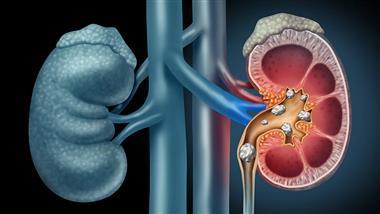
Antibiotics Linked to Increased Risk of Kidney Stones
Reproduced from original article:
https://articles.mercola.com/sites/articles/archive/2023/07/24/oral-antibiotics-and-kidney-stones.aspx
The original Mercola article may not remain on the original site, but I will endeavor to keep it on this site as long as I deem it to be appropriate.
Analysis by Dr. Joseph Mercola Fact Checked July 24, 2023
STORY AT-A-GLANCE
- Five classes of oral antibiotics have been identified as risk factors for kidney stones: broad-spectrum penicillins, fluoroquinolones, nitrofurantoin, cephalosporins and sulfas
- The association is most pronounced among younger children, and remains statistically significant for up to five years after exposure, except for broad-spectrum penicillin
- Between 1997 and 2012, the annual incidence of kidney stone disease rose by 16%. The highest increase was seen in 15- to 19-year-olds, among whom the incidence rate increased 26% per 5 years
- Previous studies have found an association between oral antibiotics and inflammatory bowel disease (IBD) and colorectal cancer, likely due to disruption of gut microbiome
- Fluoroquinolones, which are frequently prescribed for upper respiratory infections and urinary tract infections (UTIs) have been linked to an increased risk for aortic dissection (tears in the aorta), which can be fatal
According to research1 published in the Journal of the American Society of Nephrology (JASN) in 2018, oral antibiotics are a risk factor for kidney stones. Health records for 13 million children and adults in the U.K. were reviewed, showing that exposure to five classes of oral antibiotics were associated with kidney stones within three to 12 months post-use. The adjusted odds ratio of kidney stones was:
- 1.27 for broad-spectrum penicillin
- 1.67 for fluoroquinolones
- 1.70 for nitrofurantoin/methenamine
- 1.88 for cephalosporins
- 2.33 for sulfas
The association was most pronounced among younger children and remained statistically significant for up to five years after exposure, with the exception of broad-spectrum penicillin. The authors concluded that:2
“Oral antibiotics associated with increased odds of nephrolithiasis [kidney stones], with the greatest odds for recent exposure and exposure at younger age. These results have implications for disease pathogenesis and the rising incidence of nephrolithiasis, particularly among children.”
Kidney Stones in Children Are on the Rise
If this link is true, then we’d expect to see rising rates of kidney stones in young patients, and that’s precisely what we’re seeing. As reported by NBC News, July 8, 2023,3 data show kidney stones are “now occurring in younger people, particularly among teenage girls,” and “diets high in ultraprocessed foods” and “increased use of antibiotics early in life” are thought to be among the key contributors to this trend.
Between 1997 and 2012, kidney stones during childhood doubled.
According to research4 published in the Clinical Journal of the American Society of Nephrology in 2016, between 1997 and 2012, the mean annual incidence of kidney stone disease across age groups increased 1% annually, from 206 to 239 per 100,000 persons.
The highest increase was seen in 15- to 19-year-olds, among whom the incidence rate increased 26% per 5 years. Within this age group, incidence was 52% higher among girls. In men, kidney stones became more common after age 25. According to the authors:5
“These changes in incidence resulted in doubling of the risk of nephrolithiasis during childhood and a 45% increase in the lifetime risk of nephrolithiasis for women over the study period.”
Oral Antibiotics Associated With Inflammatory Bowel Disease
As noted by the JASN authors,6 previous studies have found an association between oral antibiotics and inflammatory bowel disease (IBD), which is thought to be due to a disruption of gut microbiome.
In May 2022, research7 linking oral antibiotics and IBD was presented at the Digestive Disease Week conference in San Diego, California. Here, the researchers analyzed the health records of more than 2.3 million older adults, aged 60 to 90, who were part of the Danish National Patient Register and the Danish National Prescription Register.
On average, use of antibiotics was associated with a 64% increased risk of developing IBD, and the risk increased with additional doses.8 Compared with those who had taken no antibiotics in the previous five years:9
- One prescription for antibiotics was associated with a 27% increased risk of IBD
- Two prescriptions increased risk by 55%
- Three prescriptions increased risk by 67%
- Four prescriptions increased risk by 96%
- Five or more prescriptions increased risk by 236%
Adults who had been prescribed antibiotics one to two years prior to IBD diagnosis had the highest risk. And, while all classes of antibiotics were associated with increased IBD risk, fluoroquinolones, which include brand names Cipro and Levaquin, had the strongest association.10
Interestingly, a very recent study that was just published found that niacinamide may be very useful in the treatment and prevention of IBD11 by converting to NAD+ as a cofactor to produce more ATP in the mitochondria. I have written two reviews that discussed the many other benefits of niacinamide to increase NAD+.

Download this Article Before it Disappears
Fluoroquinolones Linked to Fatal Heart Condition
Fluoroquinolones, which are frequently prescribed for upper respiratory infections and urinary tract infections (UTIs) have also been shown to harm your heart. In December 2018, the U.S. Food and Drug Administration issued a safety announcement12 about fluoroquinolones after four studies linked the antibiotic to an increased risk of tears in the aorta (aortic dissection), which can be fatal.13
The aorta is the main artery in your body supplying oxygenated blood to your circulatory system. The artery comes from the left side of your heart and runs down the front of your backbone. The review by the FDA found fluoroquinolone antibiotics increase the risk of rupture following an aortic aneurysm (i.e., enlargement of the aorta to more than 1.5 times its normal size).
The finding led the FDA to caution against the use of fluoroquinolone antibiotics in those at risk unless there are no other treatment options available. Specifically, the antibiotic should not be used by:
- Those who are at risk for aortic aneurysm
- Those suffering peripheral atherosclerotic vascular disease or high blood pressure
- The elderly
- Those with Ehlers-Danlos syndrome or Marfan syndrome (genetic disorders)
Antibiotics Linked to Colorectal Cancer
Researchers have also linked the use of antibiotics to an increased risk of colorectal cancer. As reported by Live Science in 2014:14
“… researchers looked at the medical records of more than 22,000 colorectal cancer patients in the United Kingdom, and followed them for an average of six years … The researchers compared the amount of antibiotics the patients had taken at least six months before being diagnosed with cancer, to the amount of antibiotics taken by a group of about 86,000 healthy people.
After controlling for known risk factors for colorectal cancer — including obesity, diabetes, smoking and alcohol consumption — the results showed people who had taken antibiotics, including penicillins, quinolones and metronidazole, were 8% to 11% more likely to develop colorectal cancer … possibly through the effects of the drug on colon bacteria …”
A 2016 study15 also concluded that use of antibiotics was associated with an increased risk of colorectal cancer, especially when used frequently, and research16 published in 2017 found that women who had used antibiotics for two months or more were at an increased risk of developing colon polyps, which can be a precursor to colorectal cancer.
Those who used the drugs for a total of at least two months in their 20s and 30s had a 36% increased risk of polyps compared to those who did not, and women who used them for at least two months in their 40s and 50s had a 69% increased risk.
Antibiotics Fuel Chronic Disease by Decimating Your Microbiome
In the article I wrote in February of this year “The New Endangered Species: The Human Gut Microbiome,” I reviewed the documentary film “The Invisible Extinction,” which highlights the work of microbiologists Dr. Martin Blaser and Gloria Dominguez-Bello, who are investigating the links between chronic diseases and the loss of bacterial diversity in the human gut.
Overuse of antibiotics is a major driver of this loss. Elective C-sections and processed foods also contribute to the destruction of our microbiome. According to research published in the Cleveland Clinic Journal of Medicine in 2018,17 Americans have already lost half of their microbial diversity, which is why the risks of antibiotics must be carefully weighed against the benefits prior to use.
Many ‘Health Foods’ Also Contribute to Kidney Stones
As mentioned, diet can also play a significant role in kidney stone development, and processed foods aren’t the only culprits. Oxalate (oxalic acid with calcium attached) account for about 80% of all kidney stones, and high-oxalate foods such as spinach, Swiss chard and beet greens are touted as “superfoods.”
Another high-oxalate food is almonds, which you can easily “overdose” on if you’re eating bread made with almond flour or drinking almond milk, or if you’re on a keto or paleo diet, as they both tend to rely heavily on almonds. Other foods high in oxalate include peanut butter, wheat bran, potatoes, rice bran and dark chocolate.
If you’re prone to kidney stones, these are all foods that need to be avoided as much as possible. High-oxalate foods can also contribute to many other troublesome health problems, as discussed in my December 2022 interviewed with Sally Norton, author of “Toxic Superfoods.”
For example, aside from calcium oxalate kidney stones, other symptoms you might experience if you’re exposed to excessive amounts of oxalate include:
| Itchy rashes | Interstitial cystitis (frequent urination and bladder pain) |
| Poor or slow wound healing | Frail skin that bleeds easily (as your connective tissues are being damaged) |
| Joint pain | Osteoporosis (as the oxalates are extracting minerals from your bones) |
| Calcium deposits | Digestive problems |
| Neurological problems ranging from bad mood and klutziness to tremors | Poor sleep |
| Rheumatologically muscle pains like fibromyalgia | Vision problems such as near-sightedness, cataracts and poor night vision |
| Dental plaque or tartar |
The Antidote to Oxalates
Now, there is an “antidote” to oxalates that can be helpful if you’re prone to kidney stones. That antidote is citrate. I take citrates every day: magnesium citrate, calcium citrate and potassium citrate, typically with meals. This way absorption of any oxalates in the meal will be impaired. Aside from citrate supplements, raw grass-fed milk, sardines and lemon juice are great options. As explained by Norton in our December 2022 interview (see link above):
“You definitely need calcium and magnesium with high oxalate meals … The citrates in the minerals are especially important for … getting over the chronic illness of having an oxalate overload in your body. So, if you’re past the age of 10 and grew up on standard foods, you’ve got some degree of deposits in your bone marrow, your joints and glands …
The biggest biohack is calcium [citrate] because calcium promotes the clearing [of oxalate]. Some people can’t even tolerate the calcium because their body is so eager to upchuck this mess from its tissues that calcium gives it too much permission.”
Protect and Support Your Microbiome
Seeing how destruction of your microbiome with antibiotics can contribute to kidney stones, this is another area to pay close attention to. Consider the following to protect your microbiome as much as possible:
|
Do |
| Eat plenty of fermented foods — Healthy choices include lassi, fermented grass-fed kefir, natto (fermented soy) and fermented vegetables. |
| Take a probiotic supplement — If you don’t eat fermented foods on a regular basis, a probiotic supplement can be useful. |
| Boost your soluble and insoluble fiber intake, focusing on vegetables and seeds, including sprouted seeds. |
| Get your hands dirty in the garden — Exposure to bacteria and viruses in soil can help strengthen your immune system and provide long-lasting immunity against disease. |
| Open your windows — Research shows opening a window and increasing natural airflow can improve the diversity and health of the microbes in your home, which in turn benefit you.18 |
| Wash your dishes by hand instead of in the dishwasher — Research has shown washing your dishes by hand leaves more bacteria on the dishes than dishwashers do. Eating off these less-than-sterile dishes may decrease your risk of allergies by stimulating your immune system.19 Additionally, many dishwasher detergents have dangerous chemicals so if you do use detergent be careful to select a nontoxic one. |
|
Avoid |
| Antibiotics, unless absolutely necessary. If you do use them, make sure to reseed your gut with fermented foods and/or a high-quality probiotic supplement. |
| Foods that are high in oxalates. |
| Conventionally-raised meats and other animal products, as CAFO animals are routinely fed low-dose antibiotics. |
| Chlorinated and/or fluoridated water — This includes during bathing or showering. |
| Processed foods — Excessive sugars, along with otherwise “dead” nutrients, feed pathogenic bacteria. Food emulsifiers such as polysorbate 80, lecithin, carrageenan, polyglycerols, and xanthan gum may have an adverse effect on your gut flora. |
| Agricultural chemicals — Glyphosate is a widely used herbicide that and could potentially kill many of your beneficial gut microbes if you eat foods contaminated with it. |
| Antibacterial soap, as it kills off both good and bad bacteria and contributes to the development of antibiotic resistance. |
- 1 JASN June 2018; 29(6): 1731-1740
- 2, 6 JASN June 2018; 29(6): 1731-1740, Conclusion
- 3 NBC News, July 8, 2023
- 4, 5 Clinical Journal of the American Society of Nephrology March 2016; 11(3): 488-496
- 7, 8, 10 University of Minnesota, Center for Infectious Disease Research and Policy May 13, 2022
- 9 EurekAlert! May 13, 2022
- 11 Nutrients. 2023 Jul; 15(13): 2992. NAD+ Precursors and Intestinal Inflammation: Therapeutic Insights Involving Gut Microbiota
- 12 FDA Safety Announcement December 20, 2018
- 13 NBC News December 20, 2018
- 14 Live Science June 3, 2014
- 15 Dig Dis Sci. 2016 Jan;61(1):255-264
- 16 Gut April 4, 2017; 67(4): 672-678
- 17 Cleveland Clinic Journal of Medicine 2018; 85(12): 928-930
- 18 ISME Journal 2012 Aug;6(8):1469-79
- 19 Pediatrics February 23, 2015; 135(3): e590-e597
Can Ginger Help With Diabetes?
Reproduced from original article:
https://articles.mercola.com/sites/articles/archive/2023/07/11/can-ginger-help-with-diabetes.aspx
The original Mercola article may not remain on the original site, but I will endeavor to keep it on this site as long as I deem it to be appropriate.
Analysis by Dr. Joseph Mercola Fact Checked July 11, 2023
STORY AT-A-GLANCE
- The epidemic number of people with diabetes has the pharmaceutical industry scrambling to identify interventions; the most recent FDA-approved drug is in short supply despite side effects that include pancreatitis, depression, confusion, kidney failure and thoughts of suicide
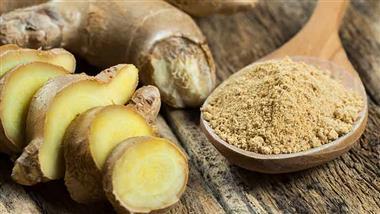
- Scientific evidence in animal models and human trials show ginger can help lower blood sugar, improve insulin sensitivity and reduce insulin resistance; combined with behavior modification to help you eat less and exercise more, it may be all that’s needed to achieve your goals
- Ginger helps lower the inflammatory response in your body, a hallmark of virtually all diseases, including obesity, cancer and heart disease. Ginger helps reduce pain perception and promotes a healthy gut microbiome
- Your gut microbiome is linked to the development and management of diabetes. More strategies to promote gut health include eating fermented foods, taking a probiotic supplement, boosting your fiber intake, and washing your dishes instead of using the dishwasher
The number of people with diagnosed diabetes has grown to “epidemic” numbers.1 Complications from diabetes include retinopathy, heart attack, stroke, diabetic nephropathy, nerve damage and sexual problems in men and women.2 The number of people exposed to these risks rises dramatically each year.
In 2004,3 experts estimated the global number of people with diabetes was projected to rise from 171 million in 2000 to 366 million in 2030. However, the International Diabetes Federation4 estimated there were 151 million people with diabetes across the world in 2000 and cited 536 million in 2021. This is over 150 million more than experts estimated would be diagnosed 9 years later in 2030.
The growing number of people with diabetes and obesity has the pharmaceutical industry scrambling to identify drug interventions. FDA approval5 for the most recent of those drugs — Wegovy (semaglutide) — was released with the hope it would increase weight loss.
Wegovy reportedly works by suppressing a person’s natural appetite, which is supposed to lead to eating fewer calories and subsequently losing weight.6 Novo Nordisk, manufacturer of Wegovy, has limited the number of doses patients are allowed to use since the demand for the drug is currently outpacing the company’s ability to manufacture it.7
The medication comes with a boxed warning of the risk for thyroid C-cell tumors, including medullary thyroid carcinoma, in animal models. Serious side effects from the drug include anxiety, blurred vision, confusion, depression, difficulty swallowing, seizures, slurred speech and trouble breathing.8 Wegovy cites more possible side effects including pancreatitis, low blood sugar, kidney failure, increased heart rate and thoughts of suicide.
As the pharmaceutical industry develops drugs that require more drugs to treat the side effects of the first drug, researchers have also discovered that antioxidants like ginger can help lower blood sugar, reduce insulin resistance and improve insulin sensitivity. Combining this with behavior modification strategies to help you eat less and exercise more, including ginger in your daily regimen, may be all that’s needed to achieve your goals.
Ginger Lowers Blood Sugar and Improves Insulin Sensitivity
As Dr. Michael Greger, founder of NutritionFacts.org, describes in this short video, there is mounting scientific data to support using ginger to help lower blood sugar and improve insulin sensitivity.9 He begins by describing a case report of a 45-year-old businessman in Austria who was determined to stop using diabetes medication by changing his diet and including specific nutritional ingredients.10
The businessman was able to stop taking his oral medication after four weeks and lowered his hemoglobin A1c to 6.4% after three months and 6.0% after six months. Normal hemoglobin A1c for people without diabetes is lower than 5.7%; 5.7% to 6.4% indicates prediabetes.11 The writers noted that multiple drug therapy was normally needed to handle glucose levels. Using ginger not only is potentially effective in treatment, but also in prevention.
In a 2014 study,12 researchers showed that exposing ginger compounds to muscle cells in a petri dish resulted in an uptake of blood sugar that was comparable to the diabetes drug metformin. While these studies appear to be effective in a rodent model, human trials are needed to demonstrate efficacy in human health.
A 2013 study13 sought to answer the question of whether ginger could affect patients with Type 2 diabetes. In a randomized double-blind placebo-controlled trial, 64 patients received either ginger or a placebo. The data showed “… ginger supplementation improved insulin sensitivity and some fractions of lipid profile in DM2 patients.”
Researchers14 have also tracked the effect of 1,600 mg of ginger over 12 weeks in participants with Type 2 diabetes and found ginger lowered several parameters including fasting plasma glucose, HbA1C, insulin, triglycerides, and C reactive protein. The researchers concluded that “… ginger can be considered an effective treatment for prevention of diabetes complications.”15
Researchers then tested16 ginger over eight weeks using a higher dose. Data from this study demonstrated that consuming a capsule with 3 grams of ginger powder for eight weeks helped lower fasting blood sugar and hemoglobin A1c while improving insulin resistance.
In a similar study,17 researchers administered 2 grams of ginger powder per day to participants with Type 2 diabetes and found the supplementation “significantly reduced the levels of fasting blood sugar, hemoglobin A1c,” and improved other biomarkers as compared to baseline and the control group.
Finally, Greger showed18 the results of a study19 in which participants received 3 grams of ginger powder and the results showed the participants in the intervention group improved in several biomarkers, including glucose and hemoglobin A1c while the biomarkers in the control group were worse.
Ginger Lowers Inflammatory Biomarkers and Pain
Chronic inflammation is a hallmark of virtually all diseases, including obesity, cancer and heart disease. Although the inflammatory response is normal and beneficial as it mobilizes the body’s white blood cells and chemicals to protect you from foreign invaders like bacteria and viruses, chronic inflammation has the opposite effect.
Your diet plays a significant, if not primary role, in this chain of events and is the perfect place to begin to address it. Certain nutritional supplements are known for their anti-inflammatory power, including ginger. However, just including ginger cannot mitigate the effects of eating an ultraprocessed, high-carbohydrate diet or one filled with refined sugar and omega-6 linoleic acid.
A key part of lowering the inflammatory response in your body involves excluding refined vegetable oils as they are clearly one of the pernicious and pervasive poisons in the food supply. By simply avoiding all processed food and most restaurant foods, you can go a long way toward avoiding them. Another simple and impactful dietary change is to eliminate seed oils.
I believe omega-6 linoleic acid is a primary contributor to nearly all chronic diseases because when consumed in excessive amounts, it acts as a metabolic poison that radically limits mitochondrial function and your ability to produce cellular energy.
According to a 2012 paper,20 “clove, ginger, rosemary and turmeric were able to significantly reduce oxidized LDL-induced expression of TNF-α” or tumor necrosis factor, a cytokine involved in systemic inflammation. Ginger lowered three inflammatory biomarkers, suggesting superior anti-inflammatory action.
Inflammation also plays a significant role in the perception of pain. Scientific data demonstrates that ginger extract helps mitigate pain in several situations. A 2001 study21 concluded the highly purified and standardized extract used in the intervention had a “statistically significant effect on reducing symptoms of OA [osteoarthritis] of the knee. The effect was moderate. There was a good safety profile, with mostly mild GI adverse events in the ginger extract group.”
A 2018 study22 published in the Taiwanese Journal of Obstetrics and Gynecology demonstrated that ginger was as effective as Novafen, a nonsteroidal anti-inflammatory drug (NSAID), in relieving menstrual pain in women with primary dysmenorrhea. The researchers concluded “treatment with natural herbal medicine, a nonsynthetic drug, to reduce primary dysmenorrhea is recommended.”
Ginger has also demonstrated properties23 that improve pain relief suggesting it reduced inflammation, pain in osteoarthritis, beneficial activity in participants with migraines and exhibited a reduction in pain using Swedish massage with aromatic ginger oil. After an analysis24 of the main subcomponents of ginger, namely 6-gingerol and 6-shogaol, and researchers documented an analgesic effect.
Download this Article Before it Disappears
Ginger Promotes Gut Health
Gingerols and shogaols have known medicinal properties and when included in nutraceutical formulations may help protect against heart, diabetes and liver disorders.25 Spices like ginger are also known to have a favorable effect on your gut microbiome, which in turn affects the development and management of diabetes.26 One study concluded:27
“In this cross-sectional study, higher microbiome α diversity, along with more butyrate-producing gut bacteria, was associated with less type 2 diabetes and with lower insulin resistance among individuals without diabetes.”
In 202228 researchers demonstrated cinnamon, ginger, oregano, black pepper and cayenne pepper positively shifted gut bacterial composition after four weeks in adults at risk for cardiovascular disease. The researchers from Penn State29 noted a diverse gut microbiome promoted better health than persons without bacterial diversity. Specifically, an increase in the Ruminococcaceae bacterial group, which is beneficial for immune function and liver metabolism, was noted.
Past research suggests enrichment of the Ruminococcaceae family may also suppress long-term weight gain and diet-induced obesity.30 Enrichment of Faecalibacterium and Agathobacter genus was also noted. These groups are known to produce anti-inflammatory short-chain fatty acids (SCFAs), including butyrate and propionic acid.
SCFAs play a role in building the gut barrier, making it less permeable to disease-causing microorganisms.31 The researchers explained32 that butyrate is the primary energy source for colonocytes (epithelial colon cells), which help shape the makeup of gut microbiota.
The bioactive compounds in ginger33 — gingerols and shogaols — are also associated with neuropathic pain management and anti-inflammatory activity. When two ginger root extracts were evaluated for an effect on pain sensitivity and anxiety-like behaviors in an animal model, the data showed the extract modulated the gut microbiome and significantly reduced pain and anxiety-like behavior.
More Ways to Lower Inflammation and Protect Gut Microbiome
Including a daily hot cup of “Haldi ka Doodh” or golden milk has been a part of Indian culture for centuries. It is an ayurvedic drink commonly made with turmeric, cinnamon, honey, ginger and your choice of milk. Some recipes call for adding nutmeg, black pepper or other spices.
The mixture is heated and served warm or over ice for a refreshing drink in the summer months. Golden milk has several health benefits that stem from the anti-inflammatory actions of the spices, including cancer prevention and treatment, pain control, neuroprotection, and antiaging and weight loss.
There’s no doubt that including a variety of whole foods, including plentiful herbs and spices, is great for your gut. But what else works to keep your gut microbiota in top shape? Consider the following dos and don’ts:
|
Do |
| Eat plenty of fermented foods — Healthy choices include lassi, fermented grass fed kefir, natto (fermented soy) and fermented vegetables. |
| Take a probiotic supplement — If you don’t regularly eat fermented foods, a probiotic supplement can be useful. |
| Boost your soluble and insoluble fiber intake, focusing on vegetables, nuts and seeds, including sprouted seeds. |
| Get your hands dirty in the garden — Exposure to bacteria and viruses in the soil can help strengthen your immune system and provide long-lasting immunity against disease. |
| Open your windows — Evidence suggests34 opening a window and increasing natural airflow can improve the diversity and health of the microbes in your home, which in turn benefits you. |
| Wash your dishes by hand instead of in the dishwasher — Data show washing your dishes by hand leaves more bacteria on the dishes than dishwashers do. Eating off these less-than-sterile dishes may decrease your risk of allergies by stimulating your immune system.35 |
|
Avoid |
| Antibiotics, unless absolutely necessary — If you do use them, make sure to reseed your gut with fermented foods and/or a high-quality probiotic supplement. |
| Conventionally raised meats and other animal products, as CAFO animals are routinely fed low-dose antibiotics. |
| Chlorinated and/or fluoridated water — This includes during bathing or showering. |
| Processed foods — Excessive sugars and otherwise “dead” nutrients feed pathogenic bacteria. Food emulsifiers such as polysorbate 80, lecithin, carrageenan, polyglycerols, and xanthan gum may have an adverse effect on your gut flora. Artificial sweeteners have also been found to alter gut bacteria in adverse ways.36 |
| Agricultural chemicals, glyphosate (Roundup) is a known antibiotic and could potentially kill many of your beneficial gut microbes if you eat foods contaminated with it. |
| Antibacterial soap, as it kills off both good and bad bacteria and contributes to the development of antibiotic resistance. |
- 1, 3 Diabetes Care, 2004; 27(5)
- 2 Diabetes UK, Complications of Diabetes
- 4 Diabetes Atlas, Global
- 5 Food and Drug Administration, June 4, 2021
- 6 Wegovy, How Does Wegovy Work
- 7 CNN Health, May 5, 2023
- 8 Drugs.com, Wegovy Side Effects, Warning/Side Effects
- 9 Nutrition Facts, May 4, 2023
- 10 International Journal for Vitamin and Nutrition Research, 2014; 84(3)
- 11 Cleveland Clinic, A1C, section 8
- 12 New Journal of Science, 2014;674684 Figure 5
- 13 International Journal of Food Sciences and Nutrition, 2013; 64(6)
- 14, 15 International Journal of Food Science and Nutrition, 2014;65(4)
- 16 Complementary Therapies in Medicine, 2014;22(1)
- 17 Iranian Journal of Pharmaceutical Research, 2015; 14(1)
- 18 YouTube, February 20, 2019 Min 3:27
- 19 Journal of Complementary and Integrative Medicine, 2015;12(2)
- 20 Journal of the American College of Nutrition, 2012;31(4)
- 21 Arthritis and Rheumatism, 2001;44(11)
- 22 Taiwanese Journal of Obstetrics and Gynecology, 2018; 57(6)
- 23 Phytotherapy Research, 2020; 34(11)
- 24 Plants, 2022;11(17)
- 25 Phytochemistry, 2015; 117
- 26 Frontiers in Cellular and Infection Microbiology, 2022; 12
- 27 Diabetes and Endocrinology, 2021;4(7)
- 28, 30, 32 The Journal of Nutrition, 2022; 152(11)
- 29 PennState, December 2, 2022
- 31 Inverse, March 15, 2020
- 33 Journal of Nutritional Biochemistry, 2022;100(108904)
- 34 ISME, 2012;6(8)
- 35 Pediatrics, 2015;135(3)
- 36 Gut Microbes, 2015;6(2)
Get dry eye relief with THIS promising natural intervention
Reproduced from original article:
https://www.naturalhealth365.com/get-dry-eye-relief-with-this-promising-natural-intervention.html
by: July 7, 2023
 (NaturalHealth365) Did you know that dry eye disease (DED) is more prevalent than most people realize? With over 16 million people in the United States alone impacted by this condition, DED is a silent epidemic. It predominantly affects women, with a staggering two times higher occurrence than men. Astonishingly, reports indicate that up to 50% of all adults battle some form of dry eye.
But here’s the glimmer of hope: there’s a potential game-changer on the horizon. An oral probiotic holds promise in offering relief for this widespread ailment.
Here’s a quick look at this promising new intervention for DED.
Friendly bacteria protect the surface of the eye, new study suggests
A recent study by the Baylor College of Medicine focused on the oral use of a probiotic bacterial strain revealed the intervention reduced dry eye symptoms. The study’s findings show the new treatment modality’s use of bacteria within the patient’s intestinal tract might preclude the need for the use of eye drops, ointments, gels, and other treatment options.
This isn’t the first time these researchers have delved into the realm of gut bacteria and dry eye. Their previous investigations unveiled a startling revelation: mice provided with gut bacteria derived from Sjogren syndrome patients experienced exacerbated symptoms compared to their counterparts who received different bacteria. Intriguingly, the latter group was supplied with gut bacteria sourced from healthy individuals.
The implications of these findings are profound, underscoring the far-reaching effects of a healthy gut microbiome. By harnessing probiotic bacteria, we can unlock greater protective benefits in supporting eye health.
Bolster your gut health to achieve optimum health and wellness
The remarkable benefits of probiotics extend far beyond eye health, highlighting their profound impact on our overall well-being. These beneficial bacteria have emerged as a potent tool, enhancing various aspects of our physical and mental health.
Digestive health: Probiotics play a vital role in maintaining a healthy digestive system. By promoting a balanced gut microbiome, probiotics support optimal digestion, nutrient absorption, and a robust immune response within the gastrointestinal tract.
Immune system support: The gut is intricately linked to the immune system, and probiotics play a crucial role in strengthening immune function. These beneficial bacteria help regulate immune responses, defend against harmful pathogens, and reduce the risk of certain infections.
Mental well-being: The gut-brain connection is a fascinating area of study, and emerging research suggests that probiotics may positively influence mental health and well-being. Probiotics can help modulate neurotransmitter activity, reduce inflammation, and support a healthy stress response. This may result in improved mood, reduced anxiety, and enhanced overall mental wellness.
Healthy skin: Our skin is the largest organ of the body, and the internal balance of our microbiome influences its health. Probiotics can help promote a healthy skin microbiome, reducing inflammation, supporting barrier function, and potentially alleviating conditions such as acne, eczema, and rosacea.
Support your eye health with these natural solutions
In addition to prescriptions and artificial tears, there are actionable steps you can take to get dry eye relief. Consider incorporating the following strategies into your daily routine:
Embrace probiotic-rich foods: Probiotics play a crucial role in overall health, including eye health. Increase your intake of probiotic-rich foods such as yogurt, kefir, sauerkraut, kimchi, and kombucha. These foods are packed with beneficial bacteria that can support a healthy gut microbiome, potentially enhancing the health of your eyes.
Stay hydrated: Proper hydration is essential for maintaining optimal tear production. Drink an adequate amount of water throughout the day to keep your body well-hydrated and support tear production.
Consume omega-3 fatty acids: Omega-3 fatty acids have been shown to have anti-inflammatory properties. Include foods rich in omega-3 fatty acids in your diet, such as fatty fish (wild-caught salmon, mackerel, sardines), flaxseeds, chia seeds, and walnuts.
Blink regularly and take visual breaks: When engaged in activities like reading or staring at a screen for extended periods, we tend to blink less frequently, leading to dry eyes. Make a conscious effort to blink regularly and take regular breaks to rest your eyes and reduce strain.
Maintain a moist environment: Consider using a humidifier in your living or workspace, especially in dry climates or during the winter months. Increasing the humidity levels can help prevent excessive evaporation of tears.
Protect your eyes: Shield your eyes from environmental factors that can exacerbate dryness. Wear wraparound sunglasses outdoors to reduce exposure to wind and sunlight, and use protective eyewear when engaging in activities that may cause eye irritation.
Remember, these tips can complement traditional treatments and lifestyle modifications recommended by your eye care specialist. By incorporating these practical strategies into your daily routine, you can take proactive steps towards finding relief and promoting better eye health overall.
Sources for this article include:
The Wide-Ranging Health Benefits of Niacinamide
Reproduced from original article:
https://articles.mercola.com/sites/articles/archive/2023/06/22/health-benefits-of-niacinamide.aspx
The original Mercola article may not remain on the original site, but I will endeavor to keep it on this site as long as I deem it to be appropriate.
Analysis by Dr. Joseph Mercola Fact Checked June 22, 2023

STORY AT-A-GLANCE
- Niacinamide (aka nicotinamide) is a form of niacin (vitamin B3) that plays an important role in energy metabolism. Without it, your mitochondria cannot make energy
- Niacinamide is also a precursor to NAD+, which is essential in the conversion of food to energy, maintaining DNA integrity and ensuring proper cell function. NAD+ is also a primary fuel for longevity proteins that become depleted with age
- According to recent research, a century-long decline in our basic metabolic rate (BMR) can by itself account for the obesity epidemic. For some reason, we’re spending less energy (burning fewer calories) now, when resting, than people did in decades past
- Consumption of polyunsaturated fats may be to blame for this BMR decline. Niacinamide has potent antiobesity effects and also helps inhibit release of inflammatory PUFAs from fat cells
- Niacinamide can also help prevent neurodegeneration, kidney disease and heart failure, and reverse leaky gut
In a series of articles, biohacker Georgi Dinkov highlights a variety of benefits of niacinamide (aka nicotinamide), a form of niacin (vitamin B3) that plays a vital role in energy metabolism, as it’s essential for the mitochondrial electron transport chain to function. Without it, your mitochondria cannot make energy.
Niacinamide is so important because it is a precursor for NAD+, which is involved in the conversion of food to energy, maintaining DNA integrity and ensuring proper cell function. NAD+ is also a primary fuel for sirtuins, longevity proteins that become depleted with age.
As such, niacinamide can be an important longevity hack. As I’ve explained in previous articles, niacinamide at a dose of 50 milligrams per day will provide the fuel for NAMPT, the rate limiting enzyme for NAD+. Niacinamide also has potent antiobesity effects, can help prevent neurodegeneration and heart failure, and reverse leaky gut.
Obesity Epidemic Linked to Decline in Basic Metabolic Rate
In a May 2023 article,1 Dinkov reviewed evidence showing that lack of exercise and increased calorie intake are not the cause of the obesity epidemic. Interestingly, there has been a century-long decline in our basic metabolic rate (BMR), or basal energy expenditure. BMR refers to the number of calories your body burns when you’re at rest, which accounts for 60% to 75% of your total daily energy expenditure.
According to research published in the April 2023 issue of Nature Metabolism,2 the adjusted basal metabolic rates (BMR) in the U.S. and Europe have declined by 14.7% in men and 2% in women since the 1990s. While the decline in women was not considered significant, when they looked at a larger data set that stretched back 100 years, a significant drop was confirmed for both sexes.
This, the authors believe, is “a previously unrecognized factor” in the obesity epidemic. In plain English, what this means is that, for some reason, we’re burning fewer calories now when resting or even sleeping than people did in decades past.
“It does not take much acumen to realize that with double digit declines over a 3-decade period, by now our BMR is probably only half of the BMR of people who lived at the turn of the 20th century,” Dinkov writes.3
“What makes the situation worse is that if BMR has declined so much, the current guidelines for ‘optimal’ health — reduced caloric intake and plenty of exercise — are virtually guaranteed to make the situation even worse since they will invariably further lower the BMR …
What could be causing these declines in BMR? Well, chronic stress aside, that decline in BMR mirrors almost perfectly the curves of PUFA [polyunsaturated fat] consumption rates in the general population.
Namely, as the BMR curve has steadily declined over the last 100 years the PUFA consumption rate curve has steadily moved upwards over time. Unless this trend of ever-increasing PUFA consumption is interrupted, I don’t see the decline of BMR flattening (let alone reversing) any time soon.”
Niacinamide’s Antiobesity Effects
In another article, Dinkov cites recent research4,5 showing that niacinamide reprograms cellular metabolism in adipose (fat) tissue and increases mitochondrial biogenesis, which in turn results in fat loss. Basically, it ameliorates obesity-related metabolic dysfunction by increasing fatty acid catabolism.
Obese mice given a daily dose of 2.5 mg of niacinamide per kilo of bodyweight for three weeks lost 47% of their body fat. They also saw increases in lean muscle mass.
Obese mice that were given a daily dose of 2.5 mg of niacinamide per kilo of bodyweight for three weeks lost 47% of their body fat, and this was true whether they ate a regular diet or a high-fat one. They also saw increases in lean muscle mass, mitochondrial biogenesis and energy production, CO2 levels, and physical activity. Insulin sensitivity was also improved.
Download this Article Before it Disappears
Niacinamide Is Helpful When Clearing PUFAs
Where does niacinamide fit into this? Primarily, it has to do with the fact that it raises NAD+, and NAD+ inhibits the release of inflammatory polyunsaturated fats (PUFAs) such as linoleic acid (LA) from your fat cells. Another term for this is anti-lipolytic.
This is a good thing, because when LA is released from your fat cells it is metabolized into highly inflammatory molecules, so you want to release it from your cells very gradually.
PUFAs such as LA are not typically burned as fuel like saturated fats. Instead, they’re stored,6 and the half-life of PUFAs, which get embedded and integrated into your cell membranes, is about 680 days. This means that to rid your body of LA will take approximately seven years, provided you don’t load more in.
It is fascinating to note that most of the body fat in obese individuals is composed of PUFAs. Saturated dietary fat is mostly burned (oxidized) and used up. So, most people have large stores of LA, and these stores need to be lowered to safe levels of 1% to 2% LA.
If your cells are loaded with these inflammatory fats (which they will be if you’ve been eating processed foods), rapid release of LA from your fat cells will precipitate or increase inflammation, so you really want to limit that. Aside from niacinamide, aspirin is also an anti-lipolytic and also slows down the release of LA from your fat cells.
Taking a high-quality vitamin E supplement once a day can also be helpful. In addition to impairing the release of LA from fat cells, just like NAD+ and aspirin, vitamin E also helps prevent the LA from converting into dangerous oxidative linoleic acid metabolites (OXLAMs) once released, so it does double-duty.
Most vitamin E supplements are garbage. To ensure you’re getting a high-quality vitamin E, you want most of the vitamin E isomer as alpha tocopherol, typically about 150 units. It should also have the other tocopherol isomers, alpha, beta and gamma, but at far lower doses.
Additionally, it should have alpha, beta and gamma tocotrienols. Finally, it should only have the “D” isomer. Avoid all vitamin E supplements that are “DL,” as half of it is the wrong isomer and not biologically useful and may even be harmful.
Niacinamide May Protect Against Neurodegeneration
In another May 2023 article,7 Dinkov reviews evidence showing niacinamide may help prevent neurodegeneration by allowing for higher energy levels through energy metabolism in the mitochondria. “There are many studies, going back decades, demonstrating that a drop in NAD+ levels, and thus of NAD/NADH, is a common feature of virtually all neurodegenerative diseases,” he writes.
Studies have also demonstrated that raising NAD+ levels can help prevent and treat many neurological conditions, including Alzheimer’s and ischemic stroke. Dinkov goes on to cite a recent study8,9 that suggests the primary purpose of autophagy, particularly autophagy in your brain, is to maintain optimal NAD+ levels.
When autophagy is low, the resulting NAD depletion causes cytotoxicity in the brain cells and degeneration of brain tissue. Since declining NAD+ levels appear to be what’s behind the neurodegenerative processes, the authors suggest the remedy is to raise NAD+ using precursors such as nicotinamide, nicotinamide mononucleotide (NMN), nicotinamide riboside (NR) or niacin (vitamin B3).
Of these, I’m convinced niacinamide is the best. I’ll review why in the next section. The reason so few promote it is because it’s incredibly inexpensive, so there’s no financial incentive at play.
Another inexpensive solution to increasing or modulating autophagy is aspirin,10 which may activate autophagy without the downside of fasting’s increasing cortisol levels. Also, as Georgi states below:
“Since aspirin is known to modulate autophagy (raise it when it is abnormally low and lower it when it is abnormally high) and niacinamide is a very effective NAD precursor, it is reasonable to try them in combination that should be synergistic when it comes to protecting the brain (and the entire organism) from diseases and even aging.”
Dinkov continues by mentioning some surprising tidbits that I was previously unaware of:
“Last but not least, the study is one of the few to pour cold water on everybody’s favorite anti-aging target — the sirtuins (SIRT). I mentioned SIRT years ago in a post demonstrating that its activity is greatly increased in cancer and that SIRT promotes fatty acid oxidation (FAO), which drives cancer growth and metastases.
Now, [this study] demonstrates that the sirtuin genes are also heavy consumers of NAD and also mentions that their activity actually increases in aging and pathological states. Conversely, inhibiting the sirtuins (SIRT) would be beneficial, as the study itself demonstrates …
The really good news here is that niacinamide is not only a precursor to NAD+, but is also an inhibitor (in higher doses) of both NAD-consuming enzymes mentioned in the study (PARP-1 and SIRT). None of the other NAD precursors have been shown (so far) to inhibit the NAD-consuming enzymes.”
Why Choose Niacinamide?
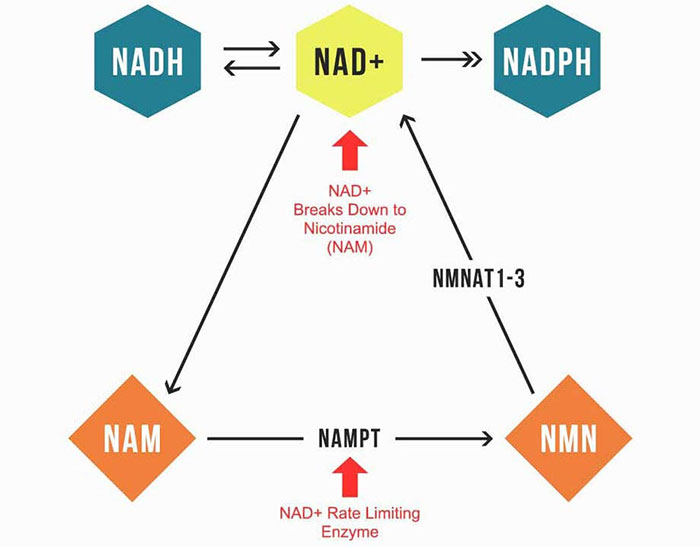
The reason I’m convinced niacinamide is the best NAD+ precursor is because the immediate breakdown product of NAD+ is niacinamide. As you can see in the illustration below, when NAD is used up, it gets broken down into niacinamide.
This niacinamide is then recycled. First, it’s converted into NMN, and then into NAD+. This is likely why some researchers promote NMN. However, the enzyme NMNAT1-3 that converts NMN to NAD+ is not the rate limiting enzyme. NAMPT is what controls how much NAD+ you make. So, flooding your body with NMN is not going to be as useful as using small amounts of niacinamide and activating NAMPT.
The ideal dosing of niacinamide is from 50 mg three times a day. It is the rare person that will not respond favorably to this simple intervention for increasing NAD+.
Niacinamide Prevents Kidney Disease
Speaking of NAD+, NAD+ deficiency has been linked to kidney disease, and niacinamide can help prevent that too.11 As Dinkov explains in a May 18, 2023, article:12
“Many studies have … shown that elevated lipolysis (delivering inflammatory PUFA to the kidneys) and, consequently, elevated fatty acid oxidation (FAO) as per the Randle Cycle are the … likely culprits. It is well-known that one of the effects of elevated FAO is a decline in the mitochondrial NAD/NADH ratio — i.e. relative deficiency of NAD+.
This is actually the primary mechanism through which elevated FAO inhibits glucose oxidation since lower NAD/NADH ratio inhibits the activity of the enzyme pyruvate dehydrogenase.
In any event, the study … demonstrates that relative deficiency in NAD+ (i.e. lower NAD/NADH ratio) is the direct cause of kidney damage due to the resulting OXPHOS dysfunction. Conversely, elevating NAD+ (and thus NAD/NADH) levels with precursors such as nicotinamide mononucleotide (NMN) or nicotinamide riboside (NR) was effective in completely preventing kidney damage and CKD.
Since NMN is no longer available over the counter and NR is rather expensive, niacinamide remains as the most viable option for replicating the study in humans with CKD, especially considering the fact that niacinamide is just as effective as an NAD+ precursor as NMN/NR while also having potential additional benefits the other two precursor do not.
Namely, niacinamide is an inhibitor of the NAD-consuming enzymes PARP-1 and CD38, so taking niacinamide not only directly increases NAD+ levels but also inhibits its excessive consumption/decline. I can’t find the actual published study that article is based on, but other studies have demonstrated benefits for CKD in animals from human-equivalent (HED) doses in the 250mg-500mg daily range.”
Niacinamide for Leaky Gut
Niacinamide also holds out the promise of healing for all those who struggle with increased gut permeability, so-called “leaky gut,” and related problems. When lipopolysaccharide (LPS), an endotoxin, leaks from your gut into your bloodstream, it causes low-grade systemic inflammation that fuels a wide range of chronic diseases and conditions.
While certain toxins such as glyphosate and gluten have been implicated in leaky gut, recent research13,14 suggests it may be rooted in an energy deficiency which, again, niacinamide can help fix. Dinkov explains:15
“Since apparently intestinal epithelial cells (forming the bulk of the gut barrier) consume at least 20% of the ATP we synthesize daily, any sizable drop in ATP levels results in massive dysfunction in both the structure and function of these cells …
Endotoxin (LPS), produced by the gram-negative members of our microbiome, is known to deplete ATP levels in the epithelial cells. The study used another known ATP depleting agent — ethanol — to cause the energetic deficiency in the epithelial cells and, unsurprisingly, found that endotoxin levels in the blood massively increased.
However … administering niacinamide at a human-equivalent dose of 30mg/kg daily, for 10 days, fully prevented the endotoxemia caused by ethanol, and reversed all the energetic (ATP, NAD, Krebs cycle function) deficits as well, thereby restoring the gut barrier function.
In fact, niacinamide supplementation reversed the energetic deficits to a level surpassing the healthy control group! As I mentioned above, the study is relevant even for people who do not drink alcohol since endotoxin naturally formed in our intestines in response to feeding can also cause similar energetic depletion in the intestinal cells and thus cause the same state of ‘leaky gut’ as ethanol.
While 30mg/kg of niacinamide daily is not a small dose, it is below the daily dose even mainstream medicine considers toxic, and the duration of usage was just 10 days. Furthermore, the treatment lasted 10 days since ethanol was also administered for 10 days. If a person is not drinking daily, then the niacinamide treatment would also likely not be needed daily.
In the absence of daily drinking, I think a reasonable protocol would be to take 30mg/kg on weekends (2 days), maybe twice a month, as a general prophylactic and/or gut-repair regimen.
A daily dose of 200 mg-300 mg would probably have similar beneficial effects as the larger doses taken sporadically. Several human studies already demonstrated that a daily dose of 300 mg niacinamide raises NAD levels to the same degree as 1,000 mg daily.”
Niacinamide for Heart Failure Prevention
Finally, niacinamide may also act as a preventive against heart failure — again because heart failure is a localized symptom of energy deficiency and mitochondrial dysfunction. As explained by Dinkov,16 when your NAD+ level drops, your ATP level also drops, and this puts stress on the cardiomyocytes in your heart. Cardiomyocytes are specialized cells in your heart that generate contractive force.
Thusly stressed, the cardiomyocytes release pro-fibrotic mediators that further suppress mitochondrial function. Over time, this leads to cell death, collagen deposition and fibrosis, which are hallmarks of heart failure.
Research17 published in February 2023 found that replenishing NAD+ prevented this energetic dysfunction, and therefore the subsequent development of heart failure. Here, the human-equivalent of 3.5 mg per kilo of bodyweight was administered via daily injection for two months, but Dinkov and I both believe that oral niacinamide might be just as effective, although you might have to use it for a longer period of time.
General Niacinamide Recommendations
As a blanket recommendation for optimal health, I recommend taking 50 mg of niacinamide three times per day. Niacinamide will only cost you about 25 cents a month if you get it as a powder. Typically, one-sixty-fourth of a teaspoon of niacinamide powder is about 50 mg.
The reason I recommend getting it in powder form is because in most supplement brands, the lowest available dose is 500 mg, and that will decrease NAD+ due to negative feedback on NAMPT, which is the opposite of what you’re looking for.
Also, please note that although niacinamide and niacin are both called vitamin B3, niacin will not activate NAMPT like niacinamide, so it is best to use niacinamide. Additionally, niacinamide, unlike niacin, will not cause flushing which is due to a large release of histamine.
It would also be helpful to make sure you’re getting all the other B vitamins, as they too are crucial for mitochondrial function, especially regular niacin, riboflavin, and folate. Oftentimes, decreased mitochondrial function is due to a deficiency in B vitamins, and that’s easy to fix with a low dose high quality B complex. Usually, when this is the case, improvement can be seen within two to three weeks.
- 1, 3 Haidut.me May 11, 2023
- 2 Nature Metabolism April 26, 2023; 5: 579-588 Full Text PDF
- 4 Journal of Nutritional Biochemistry September 2022; 107: 109056
- 5 Haidut.me May 31, 2023
- 6 Haidut.me October 22, 2019
- 7 Haidut.me May 11, 2023, Niacinamide may prevent neurodegeneration
- 8 Cell Reports April 20, 2023; 42(5): 112372
- 9 Phys.org April 27, 2023
- 10 Aspirin Recapitulates Features of Caloric Restriction Cell Rep. 2018 Feb 27; 22(9): 2395–2407
- 11 Nat Metab March 2023; 5(3): 357-359
- 12 Haidut.me May 18, 2023
- 13 Nutrients 2023; 15(1): 174
- 14 Lifespan January 11, 2023
- 15 Haidut.me February 22, 2023
- 16 Haidut.me March 3, 2023
- 17 Nature Cardiovascular Research February 13, 2023; 2: 174-191
More Reasons to Quit Using Any Artificial Sweeteners
Reproduced from original article:
https://articles.mercola.com/sites/articles/archive/2023/06/21/more-reasons-to-quit-artificial-sweeteners.aspx
The original Mercola article may not remain on the original site, but I will endeavor to keep it on this site as long as I deem it to be appropriate.
Analysis by Dr. Joseph Mercola Fact Checked June 21, 2023
STORY AT-A-GLANCE
- The World Health Organization (WHO) warned people not to consume aspartame (Equal), sucralose (Splenda) or other artificial sweeteners for weight control
- According to WHO, artificial sweeteners don’t offer any long-term benefit in reducing body fat in adults or children
- A WHO systematic review also revealed “potential undesirable effects from long-term use” of artificial sweeteners, including “increased risk of type 2 diabetes, cardiovascular diseases, and mortality in adults”
- Newborns from mothers who consumed a lot of sucralose during pregnancy experienced a number of negative metabolic and inflammatory effects
- Other research linked aspartame consumption to anxiety and found the mental health changes were passed on to future generations
Thousands of popular foods and drinks are made artificially sweet with chemical sweeteners. Long claimed to be a healthy choice because they contain no calories or sugar, evidence continues to emerge that consuming artificial sweeteners is a good way to wreck your health.
It doesn’t matter if you choose aspartame (Equal), sucralose (Splenda) or another artificial sweetener. Consuming these products is putting your health at risk, so much so that even the World Health Organization warned people not to consume them.
WHO Warns Against Non-Sugar Sweeteners for Weight Loss
Diet foods and drinks are among the most common products that contain artificial sweeteners. Marketed as tools for weight loss, this deceptive practice lures people into thinking they’re a smart way to shed extra pounds.
Yet, a systematic review and meta-analysis conducted by the World Health Organization revealed “there is no clear consensus on whether non-sugar sweeteners are effective for long-term weight loss or maintenance, or if they are linked to other long-term health effects at intakes within the ADI.”1
In May 2023, WHO released a new guideline, advising not to use non-sugar sweeteners (NSS) for weight control because they don’t offer any long-term benefit in reducing body fat in adults or children.2
What’s more, the systematic review suggests “potential undesirable effects from long-term use of NSS, such as an increased risk of type 2 diabetes, cardiovascular diseases, and mortality in adults.” In a news release, Francesco Branca, WHO director for nutrition and food safety, said:
“Replacing free sugars with NSS does not help with weight control in the long term. People need to consider other ways to reduce free sugars intake, such as consuming food with naturally occurring sugars, like fruit, or unsweetened food and beverages. NSS are not essential dietary factors and have no nutritional value. People should reduce the sweetness of the diet altogether, starting early in life, to improve their health.”
The WHO guidance to avoid artificial sweeteners applies to all categories of the chemicals, including acesulfame K, aspartame, advantame, cyclamates, neotame, saccharin and sucralose. The systematic review and meta-analysis included 283 studies, which revealed artificial sweeteners are linked to an increased risk of:3
| Obesity | Type 2 diabetes |
| High fasting glucose | All-cause mortality |
| Cardiovascular events | Death from cardiovascular disease |
| Stroke | High blood pressure |
| Bladder cancer | Preterm birth and possible adiposity in offspring later in life |
According to the WHO study:
“Mechanisms by which NSS as a class of molecules might exert effects that increase risk for obesity and certain NCDs [non-communicable diseases] have been reviewed extensively and include interaction with extra-oral taste receptors, possibly with alteration of the gut microbiome.
Because sugars and all known NSS presumably elicit sweet taste through the TAS1R heterodimeric sweet-taste receptor, which has been identified not just in the oral cavity but in other glucose-sensing tissues, it is not surprising that such a group of vastly different chemical entities could be responsible for similar effects on health.”
Reasons To Be Wary of Sucralose
In the U.S., sucralose is the most commonly used artificial sweetener. It’s found in more than 6,000 food products, including many diet beverages. When the U.S. Food and Drug Administration approved sucralose in 1998, none of the studies it reviewed involved humans.4
One of sucralose’s key marketing claims has long been that it neither metabolizes nor bioaccumulates in the human body, thus making it a basically inert substance. In 2018, however, an animal study found sucralose was metabolized in the gastrointestinal tract and accumulated in fat tissue.
This was “not part of the original regulatory decision process for this agent and indicate that it now may be time to revisit the safety and regulatory status of this organochlorine artificial sweetener,” the researchers wrote at the time.5
Based on these findings, consumer group U.S. Right to Know (USRTK) asked the Federal Trade Commission (FTC) to investigate whether sucralose’s marketing claims are deceptive. According to USRTK:6
“Sucralose is 600 times sweeter than sugar and itself contains no calories. Although it has been marketed as a healthy product that can help fend off obesity and diabetes, sucralose consumption has been linked to leukemia, weight gain, obesity, diabetes, liver inflammation, metabolic dysfunction and other illnesses.”
In 2022, a study published in Microorganisms also revealed that consuming sucralose — in “amounts, far lower than the suggested ADI”7 — for just 10 weeks was enough to induce gut dysbiosis and altered glucose and insulin levels in healthy, young adults.
The bacteria most affected by sucralose appeared to belong primarily to the phylum Firmicutes, which are centrally involved in glucose and insulin metabolism. However, it doesn’t end there. Animal studies suggest the sucralose-altered gut microbiome could be involved in inflammation of the gut and liver, as well as cancer.
Additionally, a new study published May 29, 2023, in the Journal of Toxicology and Environmental Health found that a chemical broken down in the body when you consume sucralose is genotoxic and breaks up your DNA.8 The fat soluble compound, sucralose-6-acetate, is produced in your gut during digestion at a threshold exceeding the European Food Safety Authority’s maximum allowance for a single sucralose-sweetened drink in one day.
In their abstract,9 study authors noted the DNA-damaging implications of such toxicity: “Sucralose-6-acetate significantly increased the expression of genes associated with inflammation, oxidative stress and cancer … Overall, the toxicological and pharmacokinetic findings for sucralose-6-acetate raise significant health concerns regarding the safety and regulatory status of sucralose itself.”
Download this Article Before it Disappears
A Warning About Sucralose Intake During Pregnancy
A 2023 study published in Biomedicines also raised red flags about consuming sucralose during pregnancy.10 Animal studies have previously found that sucralose intake during pregnancy may increase the risk of weight gain, metabolic disturbances and low-grade systemic inflammation in offspring. The research team found similar effects in humans.
The study evaluated newborns from women who had heavy sucralose intake — defined as more than 36 milligrams (mg) of sucralose a day during pregnancy — or light sucralose ingestion, defined as less than 60 mg a week. Newborns from mothers with heavy sucralose intake experienced a number of negative metabolic and inflammatory effects compared to newborns of light intake women, including:
- Significant increases in birth weight and insulin
- Substantial increase in the percentage of inflammatory nonclassical monocytes
- Higher IL-1 beta and TNF-alpha with lower IL-10 expression
From 2000 to 2010, the consumption of artificial sweeteners increased 54% in adults and 200% in children. The researchers called for urgent investigation into the effects of artificial sweetener intake during pregnancy, which could significantly increase chronic disease burden in adulthood:
“Together with numerous studies in animal models, present results expand on the notion that sucralose and other NNS [non-nutritive sweeteners] may act as obesogenic factors during fetal development, influencing the onset of obesity and metabolic disease in childhood.
We encourage other research teams to conduct prospective cohort studies to follow up on newborns intrauterinally exposed to sucralose across the years to draw significant conclusions regarding the possible role of NNS in programming obesity and metabolic disease later in life.
The urgent need for additional investigation in this field is justified when considering that up to 50% of obese children become obese in adulthood with a 4-fold increased risk of developing chronic non-communicable diseases such as T2D.”
Is Aspartame Making You Anxious?
Artificial sweeteners’ detrimental effects aren’t limited to the physical realm. Mental health effects have also been reported, including for aspartame. Approved by the FDA in 1981, aspartame can be found in close to 5,000 food and beverage products. Worldwide, 3,000 to 5,000 metric tons of aspartame are produced annually, and, like sucralose, it’s widely consumed by adults, including pregnant women, and children.11
When you consume aspartame, it’s broken down into aspartic acid, phenylalanine — a precursor of monoamine neurotransmitters — and methanol, which may have “potent” effects on your central nervous system, Florida State University (FSU) College of Medicine researchers noted.
Their study, published in PNAS, linked aspartame consumption to anxiety and found the mental health changes were passed on to future generations. The FDA’s recommended maximum daily intake value for aspartame is 50 milligrams per kilogram.
The FSU study involved mice drinking water that contained aspartame at a dosage of approximately 15% of the FDA’s maximum daily intake for humans. The dose was equivalent to a human drinking six to eight 8-ounce cans of diet soda daily.12
The mice consumed the aspartame-laced water for 12 weeks, which led to “robust, dose-dependent anxiety.”13 “It was such a robust anxiety-like trait that I don’t think any of us were anticipating we would see,” study author Sara Jones said. “It was completely unexpected. Usually you see subtle changes.”14
The study came about after the research team looked at the transgenerational effects of nicotine, revealing epigenetic changes in sperm cells. Similar effects may be occurring from artificial sweeteners. Study co-author Pradeep Bhide, the Jim and Betty Ann Rodgers Eminent Scholar Chair of Developmental Neuroscience in the Department of Biomedical Sciences, explained:15
“What this study is showing is we need to look back at the environmental factors, because what we see today is not only what’s happening today, but what happened two generations ago and maybe even longer.”
Mice exposed to aspartame had changes in the expression of genes that regulate excitation-inhibition balance in the amygdala, a region of the brain involved in regulating anxiety and fear. The changes were also seen in up to two generations from the aspartame-exposed mice.16
Aspartame Linked to Cancer, Weight Gain
There’s no reason to consume aspartame if you value your health. Like sucralose, it’s linked to a number of serious health problems, including:17
| Cancer | Cardiovascular disease | Alzheimer’s disease |
| Seizures | Stroke and dementia | Intestinal dysbiosis |
| Mood disorders | Headaches | Migraines |
Adding insult to injury, since many people consume aspartame thinking it will help them “diet,” it’s also linked to weight gain, increased appetite and obesity-related diseases.
In a 2017 systematic review and meta-analysis18 published in the Canadian Medical Association Journal, consuming artificial sweeteners was associated with increases in weight and waist circumference along with increased incidence of obesity, high blood pressure, metabolic syndrome, Type 2 diabetes and cardiovascular events.
Regarding cancer, a 2022 population-based cohort study published in PLOS Medicine, which involved 102,865 adults, revealed artificial sweeteners — especially aspartame and acesulfame-K — were associated with increased cancer risk, including breast cancer and obesity-related cancers.19
Are You Ready to Ditch Artificial Sweeteners?
It’s clear that artificial sweeteners have no place in a healthy diet. Fortunately, as you work to eliminate ultraprocessed foods from your meals, you’ll naturally consume less artificial sweeteners, which are primarily found in products like diet drinks, desserts, candies, snacks and flavored yogurts. Be aware, however, that they’re also hidden in condiments, salad dressing and medications, so you’ll need to read labels to ensure you avoid them.
If cravings are stopping you from giving up these toxic sweeteners, the video above shows how to use the Emotional Freedom Techniques (EFT), a psychological acupressure tool, when you feel a craving coming on. It can help you overcome the urge to consume a poisonous artificial sweetener.
Other natural craving-busters include sour foods like fermented vegetables or water with lemon juice. When you feel the urge to eat something artificially sweet, grab a glass of water or tea with citrus juice added for a much healthier treat.
- 1 WHO April 12, 2022
- 2 WHO May 15, 2023
- 3 WHO April 12, 2022, Executive Summary
- 4, 6 U.S. Right to Know May 30, 2023
- 5 Journal of Toxicology and Environmental Health, Part A. August 21, 2018
- 7 Microorganisms 2022, 10(2)
- 8 News Medical Life Sciences May 31, 2023
- 9 Journal of Toxicology and Environmental Health, Part B. May 29, 2023
- 10 Biomedicines 2023, 11(3), 650; doi: 10.3390/biomedicines11030650
- 11, 16 PNAS December 2, 2022, 119 (49) e2213120119
- 12, 14, 15 Florida State University News December 8, 2022
- 13 PNAS December 2, 2022, 119 (49) e2213120119, Intro
- 17 U.S. Right to Know May 15, 2023
- 18 CMAJ July 17, 2017 189 (28) E929-E939; doi: 10.1503/cmaj.161390, Results
- 19 PLOS Medicine March 24, 2022
The Many Health Benefits of Fennel
Reproduced from original article:
https://articles.mercola.com/sites/articles/archive/2023/05/29/many-health-benefits-of-fennel.aspx
The original Mercola article may not remain on the original site, but I will endeavor to keep it on this site as long as I deem it to be appropriate.
Analysis by Dr. Joseph Mercola Fact Checked May 29, 2023
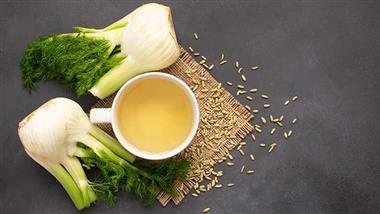
STORY AT-A-GLANCE
- Common fennel is a perennial plant in the carrot family. All but the roots are used in traditional culinary and medicinal preparations. The plant is native to the Mediterranean and is believed to have been part of Jewish meals since biblical times
- Although from the same family and similar in taste, anise and fennel are from different plants and have slightly different flavor profiles. Anise is more pungent and often found in Chinese Five Spice powder while fennel seeds have a less sweet licorice flavor that lends itself to savory dishes
- Fennel bulbs are low in calories and are a rich source of fiber and anethole, which gives the plant the distinctive flavor and has anti-inflammatory, anticarcinogenic, immunomodulatory, neuroprotective, chemoprotective and antithrombotic properties
- Fennel seed has anti-infective properties effective against conjunctivitis, and has been incorporated into natural remedies to treat dry cough, pneumonia, bronchitis and asthma. It also has mild diuretic properties
- Animal studies link fennel extract to the treatment of dementia and Alzheimer’s disease. The seeds also have a long history as a digestive aid as they lower cramping, bloating and gas while promoting motility and peristalsis. The seeds have traditionally been used as a galactagogue, helping to increase breast milk supply
Common fennel (Foeniculum vulgare) is a perennial plant in the carrot family that is grown for the edible leaves, shoots, seeds and bulbs. It’s likely the plant was first cultivated in Israel,1 and is believed to have been part of Jewish meals since biblical times. The plant is native to the Mediterranean area, where the seeds are used as a spice, insect repellent and medicine, and the shoots and feathery fronds are added to salad.
Pliny the Elder mentions fennel several times in his encyclopedia, “Natural History,” as a treatment for uterine health, stomach aches, and to care for “stings of serpents.”2 Although the plant has become an invasive species in parts of the U.S., it can be grown in pots, which may help contain the spread.3
The plant appreciates cool weather and temperatures above 75 degrees Fahrenheit can induce bolting, or premature seeding.4 It likes full sun, well-draining soil and should be planted in the early spring or fall months. If the seed heads are collected before they shatter, it may also help prevent the spread of the plant. Although the plant can reach 6 feet in height, it often is ready for harvest when it’s shorter than that.5
Traditionally, the medicinal value of fennel has benefited nursing women and people with gastrointestinal disorders; it has even been used as a mild diuretic to help reduce edema. However, some people don’t like the licorice-like flavor of the fennel plant, which tastes like anise.
Is It Anise or Fennel?
Although anise and fennel are similar in taste and the plants are from the same family, that is where the similarity ends. While fennel produces a bulb at the base that is edible, anise grows as a bush that produces the seed, and only the anise seed is edible.6
Both plants are native to the Mediterranean and both have a licorice flavor derived from anethole, an essential oil found in the seed. Many cooks use the seeds interchangeably, but anise is more pungent and often found in Chinese five spice powder. Fennel seeds have a less sweet licorice flavor that lends itself to savory dishes.
Fennel is a versatile plant and much of it can be eaten.7 The bulb can be trimmed, the outer layer peeled, and the bulb cut in half lengthwise through the middle of the root. The core can be tough on larger bulbs but is often tender in younger plants.
The fennel bulb and stocks can be eaten raw or roasted, caramelized, grilled or candied. Cooking the vegetable tends to reduce the licorice flavoring. The stems can be tossed over coals when grilling fish and the fronds make a garnish on fish or salad.
Vitamin and Antioxidant Components Support Health
The vitamin and nutrient content in fennel bulbs and seeds contribute to supporting overall health and have specific benefits, such as digestive health and anticancer properties. According to the U.S. Department of Agriculture, nutrients in fennel bulbs and seeds include:
| Vitamin/Nutrient | Recommended Daily Allowance8 Women – Men |
1 Cup sliced Fennel bulb9 | 1 Tbs. Fennel seeds10 |
| Calories | 27 | 20 | |
| Protein | 1.08 grams (gm) | 0.916 gm | |
| Calcium | 1,000 mgs | 42.6 milligrams (mg) | 69.6 mg |
| Iron | 8 mg | 0.635 mg | 1.07 mg |
| Magnesium | 310 – 400 mg | 14.8 mg | 22.3 mg |
| Potassium | 2,600 – 3,400 mg | 360 mg | 98 mg |
| Phosphorus | 700 mg | 43.5 mg | 28.2 mg |
| Zinc | 8 – 11 mg | 0.174 mg | 0.215 mg |
| Copper | 900 micrograms (µg) | 0.057 mg (57 µg) | 0.062 mg (62 µg) |
| Folate | 400 µg | 23.5 µg | Not listed |
| Vitamin C | 75 – 90 mg | 10.4 mg | 1.22 mg |
| Vitamin A | 700 – 900 µg | 41.8 µg | 0.406 µg |
The combination of nutrients in fennel seed offers mild diuretic properties, which may be one of the reasons weight loss formulas include the seed.11 In the past, it’s been used as an appetite suppressant and has been incorporated into natural remedies to treat dry, hacking coughs, as well as asthma, pneumonia and bronchitis.
Fennel seed also has anti-infective properties effective against conjunctivitis. A decoction of the seed strained through a paper filter has been used as an eye wash for sore and bloodshot eyes. The essential oil derived from fennel seed has been useful to improve energy levels and incorporated into facial products for mature skin. This includes soaps, creams and lotions.
Kaempferol and quercetin are ubiquitous polyphenols in fruit and vegetables,12 which are beneficial in the fight against cardiovascular disease, which remains the leading cause of death worldwide. Fennel leaves have higher levels of quercetin in milligrams per 100 gm of fresh weight than other plant sources tested, except for dill.
Fennel is also rich in anethole, which helps give the plant its distinctive flavor. The compound has been widely used within the food industry and across the cosmetics and pharmaceutical industries. Studies have also revealed the compound may play a role in several chronic diseases due to the anti-inflammatory, anticarcinogenic, immunomodulatory, neuroprotective, chemoprotective and antithrombotic properties modulated across ion channels.13,14
Fennel bulbs are also rich in prebiotic fiber,15 that helps support gut microbiota and promotes optimal brain and psychological health.16 Adding prebiotic fiber to your diet improves your gut microbiome and thus may impact brain development and function.
Animal studies17 have also linked common fennel in the treatment of dementia and Alzheimer’s. The extract was used in mice for eight consecutive days and found to ameliorate the amnesic effect of chemically induced memory deficits in mice. The powerful antioxidants found in the fennel bulb, such as vitamin C and quercetin, helped to reduce levels of inflammatory markers in an animal model.18
Download this Article Before it Disappears
More Health Benefits From Fennel and Fennel Seeds
Fennel seeds have a long history as an effective digestive aid.19 They appear to help lower digestive cramping, bloating and gas. Volatile oils in the fennel seed help encourage motility and peristalsis, while the aromatic oils have antispasmodic and carminative properties.
Fennel tea is made by crushing dried seeds and adding them to boiling water. By increasing motility and reducing muscle spasms, drinking fennel tea may help prevent acid reflux and improve digestion. Since the fennel seeds help reduce stomach cramps and lower gas and bloating, they could potentially help relieve the symptoms of irritable bowel syndrome (IBS) and act as a muscle relaxant to ease cramping.
The impact that consuming fennel bulb has on heart disease is related to the prebiotics that help improve gut health. Fennel seeds are rich in potassium, which can help balance your sodium-potassium ratio and have a positive influence on blood pressure. In postmenopausal women, fennel increased sexual satisfaction and reduced painful intercourse,20 and fennel vaginal cream improved arousal, lubrication, sexual satisfaction and orgasm after eight weeks.21
Lifestyle and wellness coach Luke Coutinho shared a fennel tea recipe with the Times of India to help promote sleep. It includes making fennel tea with dried seeds and adding dashes of freshly ground nutmeg and cinnamon, and then drinking it at bedtime.22
Fennel tea also has antimicrobial and antiviral properties, so drinking some tea when you feel a cold coming on may help your body fight the pathogens.23 Fennel tea may be one of the original ways people used to freshen their breath. The antibacterial properties may help kill oral pathogens that cause your breath to smell bad.24
Fennel seeds have traditionally been used as a galactagogue, helping to increase breast milk supply.25 Fennel seeds are used in traditional medicine and are included in several over-the-counter proprietary mixtures believed to help increase milk supply. It is believed to boost milk production by competing with dopamine that binds with prolactin first.26 By preserving prolactin’s milk stimulation properties, the anethole in fennel seed helps boost production.
Health Benefits of Indian Cooking Spice Asafoetida
Asafoetida is an Indian cooking spice made from the gum of a type of giant fennel. The name translates into “rotten resin,”27 which aptly describes the unpleasant odor reminiscent of rotting food and sweaty feet. If you can get past the scent while cooking, it has been long used in lieu of garlic and onions in Indian food.
Asafoetida also can reduce gas and bloating, and sometimes is paired with bean-based dishes for that reason.28 In 2009,29 researchers found it was more effective at killing the H1N1 influenza virus than the commercially manufactured antiviral drug, amantadine.
Asafoetida also contains several chemicals shown to have anti-inflammatory, anticancer and antimutagenic activities. As reported in the Pharmacognosy Review:30
“Dried resin, administered orally to Sprague–Dawley rats at doses of 1.25 and 2.5% w/w of the diet, produced a significant reduction in the multiplicity and size of palpable N-methyl-N-nitrosourea-induced mammary tumors, and a delay in mean latency period of tumor appearance. Oral administration to mice increased the percentage of life span by 52.9%. Intraperitoneal administration did not produce any significant reduction in tumor growth.”
Similarly, a study31 published in the Journal of Ayurveda and Integrative Medicine in 2017 confirmed asafoetida resin had antitumor effects against breast cancer. According to the researchers:
“Our results showed that treatment with asafoetida was effective in decreasing the tumor weight and tumor volume in treated mice. Apart from the antitumor effect, asafoetida decreased lung, liver and kidney metastasis and also increased areas of necrosis in the tumor tissue respectively.”
As with fennel bulb and fennel seed, asafoetida lowers blood pressure,32 has significant smooth muscle relaxant and anticoagulant effects, and certain compounds may have the ability to inhibit acetylcholinesterase,33 which may prove useful against Alzheimer’s disease.
Some People Should Avoid Fennel, Seeds or Oil
The fennel bulb has a crunchy texture and mildly sweet flavor. When purchasing fennel, look for a firm white or pale green color. If the buds are flowering, the plant has gotten overripe.
Fennel and fennel seeds are gentle, but there are instances when fennel can cause an allergic reaction on the skin and in the respiratory tract.34 The essential oil can be toxic in high doses and should be avoided during pregnancy as it has estrogen-like activities. Individuals with estrogen-sensitive conditions, such as breast cancer or other tumors, should also avoid consuming the essential oil.
Other high-sensitivity reactions can include over-excitement of the nervous system and seizures in a sensitive individual. People with Parkinson’s, multiple sclerosis and epilepsy should avoid using the essential oil. Fennel may also slow blood clotting, so people with bleeding disorders or on blood thinners should not use fennel.
When drinking fennel tea or using other products with essential oil, avoid ultraviolet light exposure as it can increase the risk of burns. If a mother or breastfed infant is allergic to carrots, celery, or other plants in the Apiaceae family, the mother should also avoid fennel to reduce the risk of a possible cross-allergic reaction as the compounds cross into the breast milk.
- 1 Tablet Magazine, May 10, 2023
- 2 Food Print, Fennel
- 3 Yates, Fennel
- 4 Plant Village, Fennel, Propagation
- 5 Wisconsin Horticulture, Fennel
- 6 Gardening Know How, Fennel Vs. Anise
- 7 Food Print, Fennel, Cooking with Fennel
- 8 Harvard The Nutrition Source, Vitamins and Minerals
- 9, 15 USDA, Fennel, bulb, raw, 1 cup sliced
- 10 USDA, Fennel Seed, 1 Tbs
- 11, 19 The Northwest School for Botanical Studies, Fennel
- 12 Nutrients, 2019; 11(10)
- 13 Advances in Experimental Medicine and Biology, 2016; 929
- 14 Molecular Pharmacology, 2019;95(4)
- 16 Frontiers in Behavioral Neuroscience, 2016;10 Discussion 50% DTP para 1
- 17 Journal of Medicinal Food, 2006; 9(3)
- 18 European Review for Medical and Pharmacological Sciences, 2012; 16 (4)
- 20 Journal of Menopausal Medicine, 2018 semicolon 24(1)
- 21 Journal of Medicine and Life, 2018; 11(1)
- 22 Times of India, June 28, 2019
- 23 Biomed Research International, 2014; 2014(842674)
- 24 BMC Complementary Medicine and Therapies, 2009; 9
- 25 Drugs and Lactation Database, March 15, 2023
- 26 Mom Junction, March 27, 2023, How does fennel increase breastmilk
- 27 Chemistry World, Asafoetida
- 28 Good Food, Asafoetida
- 29 Journal of Natural Products, 2009;72(9)
- 30 Pharmacognosy Review, 2012;6(12) 45 DTP
- 31 Journal of Ayurveda and Integrative Medicine, 2017; 8(3)
- 32 Pharmacognosy Review, 2012;6(12)
- 33 Journal of Traditional and Complementary Medicine, 2017;7(3) Table 3, 7 down in the table, observation column
- 34 RxList, Fennel, Side Effects
Can Broccoli Help Your Gut?
Reproduced from original article:
https://articles.mercola.com/sites/articles/archive/2023/04/24/can-broccoli-help-your-gut.aspx
The original Mercola article may not remain on the original site, but I will endeavor to keep it on this site as long as I deem it to be appropriate.
Analysis by Dr. Joseph Mercola Fact Checked April 24, 2023
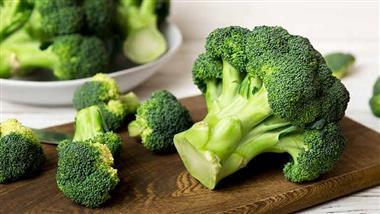
STORY AT-A-GLANCE
- Evidence reveals that compounds in broccoli help protect the integrity of your intestinal lining and therefore may help prevent leaky gut, which increases inflammation and may be the basis for many chronic diseases
- Broccoli is a cruciferous vegetable with dozens of nutrients that support optimal health, including fiber, the anticancer compounds sulforaphane and glucoraphanin, anti-inflammatory and free radical quenching phenolic compounds and immune-boosting DIM
- 3,3′-diindolylmethane (DIM) is converted from indole-3-carbinol, a compound found in cruciferous vegetables. Researchers believe it may be a potent weapon against antibiotic-resistant pathogens
- You can maximize the benefits of broccoli by lightly cooking it to augment the sulforaphane content. You can raise levels further by pairing it with a myrosinase-containing food such as mustard seed, arugula or radishes
- Broccoli sprouts pack a greater nutritional punch and contain from 10 to 100 times the concentration of glucoraphanin and may have up to 100 times more enzymes than raw fruits and vegetables
Food is a profoundly effective means of affecting your overall health and cruciferous vegetables have long been cherished for their health benefits. Among those are broccoli, cabbage, collards, Brussels sprouts and cauliflower. One of the most well-known compounds in cruciferous vegetables is sulforaphane, which is an organic sulfur that supports normal cell function and division.
A 2023 study1 published in Laboratory Investigation by Penn State University scientists2 finds that broccoli’s health benefits may also extend to protecting the integrity of the gut lining. This important discovery adds to research that demonstrates how to protect your gut health, since a considerable portion of your immune system resides in the gastrointestinal tract.3
As such, optimizing your gut microbiome and protecting your gut integrity is a worthwhile pursuit that has far-reaching effects on physical and mental health. Mounting evidence also suggests that by keeping harmful microbes in the gut in check, protecting health-promoting gut bacteria and protecting the lining of your intestines, you help to shore up your protection against chronic disease.
Animal Model Demonstrates Broccoli Protects Gut Integrity
In the February 2023 study,4 researchers presented evidence that supported the role of the aryl hydrocarbon receptor in building intestinal resilience. Using an animal model, they found that broccoli contains molecules that attach to the receptor and safeguard the intestinal lining. Researcher Gary Perdew said:5
“We all know that broccoli is good for us, but why? What happens in the body when we eat broccoli? Our research is helping to uncover the mechanisms for how broccoli and other foods benefit health in mice and likely humans, as well. It provides strong evidence that cruciferous vegetables, such as broccoli, cabbage, and Brussels sprouts should be part of a normal healthy diet.”
The researchers fed an experimental group of mice a diet that was equal to a human eating roughly 3.5 cups of broccoli each day. The control group received a typical lab diet without broccoli. Examination of the intestinal tissue showed the mice who were fed a lab diet without broccoli had minimal AHR activity.
This reduced food transit time in the small intestines and altered the barrier function. The researchers also analyzed cells within the intestines that help prevent food particles and bacteria from escaping into the body. As SciTechDaily describes,6 these cells include goblet cells that secrete a protective layer of mucus, Paneth cells that secrete lysosomes with digestive enzymes and enterocytes that absorb water and nutrients.
When these cells are healthy, they help regulate intestinal wall integrity. The team found the mice that were not fed broccoli had a decreased number of each of these cells. They also found the mice who were fed broccoli did not experience the same damage. Aryl hydrocarbon receptor ligands found in broccoli will bind to AHR and this initiates activity that improves the function of the cells that line the intestinal wall. Perdew commented:
“The gut health of the mice that were not fed broccoli was compromised in a variety of ways that are known to be associated with disease. Our research suggests that broccoli and likely other foods can be used as natural sources of AHR ligands, and that diets rich in these ligands contribute to the resilience of the small intestine.”
Intact Gut Integrity Lowers Risk of Leaky Gut Syndrome
Mammals have a complicated and specialized gastrointestinal system that relies on an intact mucosal barrier. Evidence continues to mount demonstrating that your gut integrity may be an underlying trigger for most chronic diseases. The intestinal lining forms a barrier and when that permeability is compromised it allows bacteria and toxins to enter the bloodstream.7 Colloquially, this is known as leaky gut.
When environmental factors and pathogens enter the bloodstream, it can trigger the development of autoimmune diseases and increase the level of inflammation in your body. Research evidence also shows other factors that can promote tight cell junctions and therefore lower the risk of leaky gut.
For example, probiotics can enhance the growth of beneficial bacteria, which in turn improves the production of tight junction proteins. On the other hand, pathogenic bacteria facilitate a leaky gut. Lectins also have been linked to autoimmune reactions and inflammation as well as contributing to leaky gut syndrome.
Dr. Steven Gundry, author of “The Plant Paradox: The Hidden Dangers in ‘Healthy’ Foods That Cause Disease and Weight Gain,” suggests that lectins bind to receptor sites in intestinal mucosal cells and interfere with the absorption of nutrients across your intestinal wall.
According to a paper in the Journal of Autoimmunity, “… intestinal permeability (leaky gut) and bacterial translocation are important contributors to chronic systemic inflammation and, without repair of the intestinal barrier, might represent a continuous inflammatory stimulus capable of triggering autoimmune processes.”8
When left unchecked, leaky gut also leads to chronic systemic inflammation.9 Research has found associations between chronic inflammation and diseases that represent some of the leading causes of mortality and disability, such as diabetes, cancer, heart disease, chronic kidney disease and nonalcoholic fatty liver disease.
The specific chronic inflammatory disease that emerges depends in part on your genetic makeup, in part on the types of exposures you’ve had, and in part on the composition of your gut microbiome. As explained by Dr. Alessio Fasano, a pediatric gastroenterologist, researcher and director of the Center for Celiac Research and Treatment:10
“Besides genetic predisposition and exposure to environmental triggers, the pathogenesis of a variety of CIDs [chronic inflammatory diseases] seems to involve mutually influenced changes in gut permeability/Ag trafficking, immune activation, and changes in composition/function of the gut microbiome.
Depending on the host genetic makeup, activated T cells may remain within the GI tract, causing CID of the gut … or migrate to several different organs to cause systemic CID.”
Download this Article Before it Disappears
Multiple Health Benefits From Cruciferous Vegetables
In addition to the immense benefits of improving gut wall integrity, cruciferous vegetables have other health benefits. Sulforaphane11 is one of several compounds that can spark genetic changes and activate genes that fight cancer, while switching off others that fuel tumors. One paper suggested that cruciferous vegetables were “perhaps a key to eliminating cancer as a life-threatening disease.”12
Cruciferous vegetables provide dozens of nutrients that support optimal health, including fiber, the anticancer compounds sulforaphane13,14 and glucoraphanin,15 anti-inflammatory and free radical quenching phenolic compounds16 and immune-boosting DIM.17
3,3′-diindolylmethane (DIM) is converted from indole-3-carbinol, a compound found in cruciferous vegetables. DIM has been found to inhibit the PI3K protein that interrupts the pathway which regulates the growth and survival of cancer cells.18
Compounds in cruciferous vegetables have also been shown to lower your risk of obesity, reduce glucose production and improve Type 2 diabetes,19 support healthy liver function20 and improve allergies and asthma symptoms by reducing oxidative stress in the airways.21
Optimizing your gut microbiome is another way to help protect your health and reduce your risk of chronic disease. One of the easiest ways is to regularly eat traditionally fermented and cultured foods. Another is to include cruciferous vegetables in your daily diet.
A 2023 study22 published in the Journal of Nutritional Biochemistry found a diet rich in cruciferous vegetables helped reduce inflammation, and the metabolites were found to improve both forms of inflammatory bowel disease — ulcerative colitis and Crohn’s disease.23
A high intake of cruciferous vegetables was associated with a reduction in serum levels of proinflammatory cytokines. The bioactive metabolites of glucosinolates, also found in cruciferous vegetables, were associated with anti-inflammatory and anticancer activities. As News Medical Life Sciences notes:24
“Broccoli diets enhance the concentration of Bacteroides in human gut microbiota. In addition, enhancement in Clostridium spp., Proteobacteria, and butyrate-producing bacteria was observed.”
Compound in Broccoli May Solve Antibiotic Resistance
Antimicrobial resistance has been on the rise for several decades. Infections that were once easily treated are becoming a serious threat once again. According to the World Health Organization,25 antimicrobial resistance is “one of the top 10 global public health threats facing humanity,” and the primary cause of this man-made epidemic is the widespread misuse of antibiotics in human medicine and food production.
Agriculture accounts for 80% of all antibiotic use in the U.S.,26,27 so it’s a major source of human antibiotic consumption as well. Pathogens have also developed resistance to more than one drug (pan-resistance), which makes treating them challenging. While pan-resistant superbugs are increasing, the development of new antibiotics to tackle them has come to a near halt.28
Researchers believe that DIM may be a potent weapon against antibiotic-resistant pathogens. In a 2022 study29 published in Pharmaceutics, researchers investigated the activity of DIM in a series of lab assays on gram-negative pathogens. They found DIM has antibiofilm activity. Biofilm is a slimy substance that contains a mixture of bacteria and protein, which makes it challenging for antibiotics to reach the bacteria.
The research showed that DIM treatment on biofilm formation of two bacterial pathogens inhibited Acinetobacter baumannii by 65% and Pseudomonas aeruginosa by 70%. Both pathogens are a major source of hospital-based infections worldwide and are known to be resistant to many antibiotics.30
When DIM was combined with the antibiotic tobramycin, biofilm growth of P. aeruginosa was diminished by 94%.31 Non-healing wounds are often infected with pan-resistant bacteria, and it’s the biofilm that presents prevents the tissue from healing. To test whether DIM could work topically, the researchers infected puncture wounds on pigs with p. aeruginosa.32
They then applied a cream containing either DIM alone, the antibiotic gentamicin alone, or DIM plus gentamicin. The wounds treated with DIM for 10 days healed significantly better than untreated wounds, thanks to a significant reduction in biofilm formation. The combination of DIM plus the antibiotic worked even better. Interestingly, gentamicin alone slowed wound healing and formed lesions that prevented wound closure.
Maximize the Health Benefits of Broccoli
To get the most out of your broccoli, lightly steam it for three to four minutes until it’s tough-tender. Do not steam longer than five minutes. This will allow you to get the most bioavailable sulforaphane out of it. If you opt for boiling, blanch the broccoli in boiling water for no more than 20 to 30 seconds, then immerse it in cold water to stop the cooking process.
If you want to augment the sulforaphane content even further, pair broccoli and other cruciferous veggies with a myrosinase-containing food,33 which is needed for the sulforaphane to form. Mustard seed,34 daikon radishes, wasabi, arugula or coleslaw are high in myrosinase; of these, mustard seed is the most potent.
If you’re not a fan of mature cruciferous vegetables, then consider broccoli sprouts instead. They pack a greater punch in terms of nutrition, so you don’t have to eat as much. According to researchers,35 broccoli sprouts contain 10 to 100 times the concentration of the compound glucoraphanin (the glucosinolate of sulforaphane) of mature broccoli.
Sprouts can also contain up to 100 times more enzymes than raw fruits and vegetables, allowing your body to extract more vitamins, minerals, amino acids and essential fats from the foods you eat. You can easily and inexpensively grow broccoli sprouts at home, indoors, and you don’t have to cook them. They are eaten raw, usually as an addition to salad or juice.
- 1, 4 Laboratory Investigation, 2023; doi: 10.1016/j.labinv.2022.100012
- 2, 5, 6 SciTechDaily, April 9, 2023
- 3 Johns Hopkins Medicine, The Gut: Where Bacteria and Immune System Meet
- 7 Frontiers in Immunology, 2017; 8
- 8 Journal of Autoimmunity, 2018;92
- 9 Nature Medicine, 2019; 25 Abstract
- 10 F1000Research, January 31, 2020
- 11 Cancer Letters, 2008; 269(2)
- 12 Current Pharmacology Reports, 2015;1(1)
- 13 Archives of Pharmacal Research, 2020;43(4)
- 14 Frontiers in Oncology, January 23, 2023
- 15 Medicines, 2015;2(3)
- 16 Phys.org, June 22, 2016
- 17 Journal of Biomedical Research, 2014;28(5)
- 18 Anticancer Agents in Medicinal Chemistry, 2013;13(7)
- 19 New Scientist, June 14, 2017
- 20 Texas A&M Today, February 7, 2020
- 21 Respiratory Research, 2015;16(1)
- 22 Journal of Nutritional Biochemistry, 2023; 113(109238)
- 23, 24 News Medical Life Science, November 29, 2022
- 25 World Health Organization, November 17, 2021
- 26 Food Safety News, February 24, 2011
- 27 American Journal of Public Health, 2015;105(12)
- 28 World Health Organization, November 17, 2021 Why is antimicrobial resistance a global concern?
- 29, 31 Pharmaceutics, 2022;14(5)
- 30 Expert Review of Anti-Infective Therapy, 2010; 8(1)
- 32 Pharmaceutics, 2022;14(5) Section 3.5
- 33 American Institute for Cancer Research November 7, 2013
- 34 Food Chemistry, 2013;138(2-3)
- 35 PNAS, 1997;94(19)
Branch Chain Amino Acid Deficiency Linked to Autism?
Reproduced from original article:
https://articles.mercola.com/sites/articles/archive/2023/03/24/bcaa-deficiency-linked-to-autism.aspx
The original Mercola article may not remain on the original site, but I will endeavor to keep it on this site as long as I deem it to be appropriate.
Analysis by Dr. Joseph Mercola Fact Checked March 24, 2023

STORY AT-A-GLANCE
- Some cases of autism are caused by mutations in the branched chain ketoacid dehydrogenase kinase (BCKDK) gene; in those with BCKDK deficiency, BCAAs are broken down too quickly, leading to depletion
- BCAA deficiency is linked to a neurodevelopmental disorder that includes autism, intellectual disability and microcephaly
- In children with BCKDK deficiency, a high-protein diet and BCAA supplements led to significantly increased BCAA levels along with improvements or stabilizations in motor functions and head circumference in nearly all of the patients
- None of the children who started treatment before the age of 2 developed autism; the youngest child was 8 months old when treatment began, and they had normal development at age 3
- The researchers have called for adding BCKDK deficiency to newborn screening tests so BCAA supplementation could be started right away, potentially preventing autism development
Some cases of autism are caused by mutations in the branched chain ketoacid dehydrogenase kinase (BCKDK) gene.1 The BCKDK gene is involved in the metabolism of branched-chain amino acids (BCAAs). In those with BCKDK deficiency, BCAAs are broken down too quickly, leading to depletion.2
This, in turn, is linked to a neurodevelopmental disorder that includes autism, intellectual disability and microcephaly. Dietary changes, including supplementing with BCAAs, appears to be an effective treatment for some and, if started early, may even prevent autism from developing.
BCAA Supplements May Benefit Autism
In 2012, researchers found that supplementing with BCAAs reversed some of the associated neurological characteristics in mice, and explained:3
“By supplementing the diet of human cases with BCAAs, we have been able to normalize their plasma BCAA levels, which suggests that it may be possible to treat patients with mutations in BCKDK with BCAA supplementation.”
Joseph Gleeson, a professor with the University of California, San Diego, who was involved with the study, noted:4
“In a 2012 study, we determined that mice with a mutation in BCKDK that are on a diet low in branched-chain amino acids have traits similar to those of autistic children; feeding the animals high levels of the amino acids eliminates the traits.
Supplementing the diets of autistic children who have a BCKDK mutation improved their behavior remarkably. One young woman became calmer and spoke in full sentences; another was more energetic and attentive.
Although mutations in BCKDK appear to be rare, metabolic problems in autism may not be. One clinical trial found that nearly 17 percent of autistic participants showed signs of unusual amino-acid metabolism.5 And in 2012, researchers tied mutations in a gene involved in the synthesis of carnitine (a compound derived from an amino acid) to autism.6
The genetic risk factor is present in 1 in 350 boys, only 2 to 4 percent of whom have autism. However, if a boy with autism carries this mutation, a readily available supplement might treat the underlying cause.”
Could Early BCAA Supplementation Prevent Autism?
A 2023 study provides even more framework for using BCAAs to improve traits, such as head circumference and motor skills, in those with BCKDK deficiency.7 It used data from 21 children with BCKDK mutations, who were diagnosed with BCKDK deficiency when they were between 8 months and 16 years of age.
At the time of diagnosis, all the children had BCAA levels — including leucine, valine and isoleucine — below reference values in plasma and cerebrospinal fluid. All the children also had neurodevelopmental delays, including gross motor function impairment, intellectual disability, language impairment, autism spectrum disorder (ASD), epilepsy, clumsiness, hearing loss and/or feeding difficulties.
While none of the children had microcephaly at birth, 17 individuals developed it during the follow-up period.8 The children were treated with a high-protein diet (all protein-containing foods contain BCAAs) and BCAA supplements, which led to significantly increased BCAA levels along with improvements or stabilizations in motor functions and head circumference in nearly all of the patients.
Further, none of the three children who started treatment before the age of 2 developed autism. The youngest child was 8 months old when treatment began, and they had normal development at age 3. “This work highlights the potential benefits of dietetic treatment, in particular early introduction of BCAA,” according to the study.9
One of the best food sources of BCAAs is whey, which is rich in leucine. Grass fed beef and bison, organic, pastured eggs and grass fed dairy products are also good sources of BCAAs. The researchers have called for adding BCKDK deficiency to newborn screening tests. In the study, six of seven children with available newborn screening results had low amino acid levels.10
“Those children starting treatment younger, when they were younger than 2 years of age, evolve much better than the others,” lead study author Ángeles García-Cazorla told Spectrum News. “There is really a window of treatment where you can reverse or improve the disease a lot.”11
García-Cazorla informed Catalonia, Spain health officials in charge of newborn screenings about the study findings, and they added BCKDK deficiency to the screenings.
In the U.S., Spectrum News reported, “adding diseases to newborn screening can be a cumbersome and slow process. But many newborns already have their amino acid levels checked for another rare disease, maple syrup urine disease, [Gaia] Novarino [researcher on the 2012 study] notes. ‘So it should be a no-brainer to go ahead.’”12
Download this Article Before it Disappears
The Vitamin B12 Connection
It’s interesting to note that vitamin B12 is also sometimes used as a treatment for autism, with studies showing it typically has positive effects on symptoms13 such as expressive communication, daily living and coping social skills, sleep, gastrointestinal symptoms, hyperactivity, tantrums, vision, eye contact and more.
Vitamin B12 deficiency, meanwhile, may reduce the ability to metabolize BCAAs. In fact, a study on worms called Caenorhabditis elegans (C. elegans) found a B12-deficient diet harms the worms’ health at a cellular level by altering BCAA metabolism: “The research showed that the reduced ability to break down BCAAs led to a toxic buildup of partially metabolized BCAA byproducts that damaged mitochondrial health.”14
In a study of 57 children with autism, treatment with methyl B12 improved symptoms,15 while vitamin B12 deficiency in children can mimic signs and symptoms of autism, sometimes leading to a misdiagnosis. For instance, vitamin B12 deficiency can lead to obsessive-compulsive behaviors, aloofness, withdrawal and problems with speech, language and comprehension in children.16 Good food sources for vitamin B12 include:
| Grass fed organic beef and beef liver | Lamb |
| Venison | Scallops |
| Organic, pastured chicken and eggs | Raw organic, grass fed milk |
| Nutritional yeast |
The Mitochondrial Dysfunction Connection
Rates of autism continue to increase in the U.S., with the latest estimates showing 1 in 30, or 3.49%, of children ages 3 to 17 were diagnosed with ASD in 2020.17 One factor underlying this surge could be mitochondrial health. In October 2020, a scientific review published in Seminars in Pediatric Neurology outlined evidence that mitochondrial function may be related to autism.
It was estimated in 2017 that about 4% of children with autism could be diagnosed with a definite mitochondrial disease, while other research suggested abnormalities of mitochondrial function could affect up to 80% of children with autism.18
“Novel abnormalities” in mitochondrial function have been found in children with autism and treatments targeting mitochondrial dysfunction, such as L-carnitine supplementation and a ketogenic diet, have been found to be beneficial. Children whose autism is rooted in mitochondrial dysfunction will typically have a key set of symptoms that include:19
- Fatigability
- Gastrointestinal disorders
- Seizures and/or epilepsy
- Motor delay and/or ataxia and/or muscle weakness
- Unusual neurodevelopmental regression, including multiple regressions or regression later than commonly associated with ASD
The review’s author, Dr. Richard Frye with Barrow Neurological Institute at Phoenix Children’s Hospital in Arizona, pointed out that mitochondria are “very vulnerable to environmental factors” and a novel type of dysfunction of mitochondria “in which the activity of the electron transport chain is significantly increased … may be associated with environmental exposures.”20
In 2010, the federal vaccine court conceded that Hannah Poling’s autism was the result of vaccinations, which “significantly aggravated an underlying mitochondrial disorder, which predisposed her to deficits in cellular energy metabolism, and manifested as a regressive encephalopathy with features of autism spectrum disorder.”21
Do Antidepressants During Pregnancy Trigger Autism?
Environmental exposures, including to certain medications, are also likely involved. research, published in Brain, Behavior, and Immunity, suggests antidepressant drugs during pregnancy may play a role. The finding could have major implications for public health, considering that among pregnant women using antidepressants, 80% are prescribed antidepressant drugs known as selective serotonin reuptake inhibitors (SSRIs).22
The animal study revealed SSRIs may interact with inflammation in the mother’s body, producing a reaction that affects the maternal-fetal interface (MFI), which includes the decidua (a mucous membrane lining the uterus) and placenta, and ultimately the fetus’ developing brain.
Later in life, adult offspring whose mothers were exposed to inflammation during pregnancy had sex-based behavioral changes, including lessened communication and low interest in social interactions, mimicking those seen in people with autism.23
“Moreover,” the researchers explained, “the combination of maternal inflammation in the presence of pharmacologic inhibition of serotonin reuptake further transformed MFI physiology and offspring neurobiology, impacting immune and serotonin signaling pathways alike.”24
Even acetaminophen, brand name Tylenol, which many consider to be completely innocuous, is linked to autism when used during pregnancy. Compared to children of mothers with the lowest acetaminophen burden during pregnancy, children of those with the greatest acetaminophen burden had a 262% higher risk for ASD.
As noted by the authors, their findings “support previous studies regarding the association between prenatal and perinatal acetaminophen exposure and childhood neurodevelopmental risk.”25 Exposure to glyphosate,26 mercury, lead,27 aluminum28 and other chemicals, including phthalates29 and air pollution,30 has also been implicated in autism.
The Gut-Brain Connection in Autism
Another avenue being explored is that the gut plays an important role in the development of ASD. Gut dysfunction in autism may be due to mutations in genes found in both the gut and brain that affect neuronal communication and cause gut dysfunction.31
Russian neurologist Dr. Natasha Campbell-McBride believes brain toxicity stemming from gut toxicity, otherwise known as Gut and Psychology Syndrome (GAPS), is a key factor that sets the stage for autism, especially when vaccines are added into the mix. Having an imbalanced gut microbiome may also render children more susceptible to the adverse effects of environmental toxins.
Interestingly, BCAAs are also involved in regulating intestinal health and maintaining intestinal barrier function, while dietary supplementation with BCAAs promoted intestinal development and increased intestinal absorption of amino acids in animal studies,32 pointing to another avenue of potential benefit of BCAAs to this complex condition.
- 1 Science. 2012 Oct 19; 338(6105): 394–397
- 2, 4 Spectrum News December 17, 2019
- 3 Science. 2012 Oct 19; 338(6105): 394–397, paragraph before Supplementary Material
- 5 Biol Psychiatry. 2019 Feb 15;85(4):345-354. doi: 10.1016/j.biopsych.2018.08.016. Epub 2018 Sep 6
- 6 Proc Natl Acad Sci U S A. 2012 May 22;109(21):7974-81. doi: 10.1073/pnas.1120210109. Epub 2012 May 7
- 7, 8, 9 Brain February 2, 2023
- 10, 11, 12 Spectrum News February 21, 2023
- 13 J Pers Med. 2021 Aug; 11(8): 784
- 14 MedIndia March 14, 2019
- 15 J Child Adolesc Psychopharmacol. 2016 Nov;26(9):774-783. doi: 10.1089/cap.2015.0159. Epub 2016 Feb 18
- 16 Pharmacy Times February 18, 2014
- 17, 21 Children’s Health Defense July 14, 2022
- 18, 19, 20 Seminars in Pediatric Neurology October 2020, Volume 35, 100829
- 22, 23 UVA Health Newsroom December 19, 2022
- 24 Brain, Behavior, and Immunity February 2023, Volume 108, Page 80-97
- 25 JAMA Psychiatry October 30, 2019 doi: 10.1001/jamapsychiatry.2019.3259, Conclusions and Relevance
- 26 Substack, ‘Toxic Legacy’ — How Glyphosate Destroys Your Health June 27, 2021
- 27 Pediatric Health, Medicine and Therapeutics September 21, 2020, Volume 11, Pages 369-378
- 28 Journal of Trace Elements in Medicine and Biology March 2018; 46: 76-82
- 29 Neurotoxicology. 2009 Sep; 30(5): 822–831
- 30 Environ Health Perspect. 2013 Mar;121(3):380-6. doi: 10.1289/ehp.1205827. Epub 2012 Dec 18
- 31 Autism Research May 22, 2019 [Epub ahead of print]
- 32 Anim Sci J. 2018 Jan;89(1):3-11. doi: 10.1111/asj.12937. Epub 2017 Nov 22
Asafoetida: Why This Stinky Herb Is so Beneficial
Reproduced from original article:
https://articles.mercola.com/sites/articles/archive/2023/01/30/asafoetida-benefits.aspx
The original Mercola article may not remain on the original site, but I will endeavor to keep it on this site as long as I deem it to be appropriate.
Analysis by Dr. Joseph Mercola Fact Checked January 30, 2023
STORY AT-A-GLANCE
- The Indian cooking spice asafoetida is a gum obtained from a type of giant fennel. It has an offensive smell akin to that of rotting garlic and sweaty feet, but an appetizing savory, umami taste
- With its onion-garlic flavor, you can use it as a substitute for either of those ingredients. Many recommend using it in bean-based dishes, as it helps prevent gassiness
- Asafoetida has antibacterial, antiparasitic and antiviral properties. In 2009, researchers discovered certain compounds in the herb were more effective at killing the H1N1 influenza virus than the commercial antiviral drug amantadine
- Asafoetida also has antispasmodic, carminative, expectorant, laxative and sedative properties, just to name a few. Historical uses include the treatment of nervous conditions, bronchitis, asthma, whooping cough and more
- This smelly herb can also be useful for the prevention and treatment of various gut ailments, and for feminine health issues such as sterility, premature labor, painful and excessive menstruation and leucorrhoea
The Indian cooking spice asafoetida1,2 — a name that translates into “rotten resin”3 — also known as hing, hingu4 or heeng,5 is a gum obtained from a type of giant fennel. It has an offensive smell akin to that of rotting garlic and sweaty feet, but an appetizing savory, umami taste. In France, the herb is known as devil’s dung.
According to GoodFood.com,6 Jain and Brahmin Indians have long used it in lieu of garlic and onions. It’s also popular among those in whom onions cause digestive trouble.
While it is sometimes possible to locate asafoetida in its raw gum form, it’s most commonly sold as a ground powder mixed with flour, starch or turmeric. This is likely a good thing, as eating it raw can cause severe diarrhea and/or vomiting.7 It has a very strong odor and should be used in very small amounts. As noted by GoodFood.com:8
“Once a container of asafoetida has been opened it’s best to close it as soon as possible. Then, keep it hermetically sealed in an airtight plastic container, or double wrapped — at least. If the aroma escapes you will awake to find a house reeking of yesterday’s garlic …
Generally, the yellow, diluted asafoetida powder is used in about the proportion of a pinch or two to 250g of the main ingredient … longer cooking mellows it …
Asafoetida works best when first fried for five to ten seconds in hot oil until its pungency is dramatically obvious — make sure you have the extractor on or the window open. Then quickly add other ingredients to stop it burning.”
Health Benefits of Asafoetida
With its onion-garlic flavor, you can use it as a substitute for either of those ingredients. Many recommend using it in bean-based dishes, as it helps prevent gassiness.9
Its ability to cut gas is attributed to antibacterial compounds that impede the activity of gut bacteria responsible for flatulence.10 It also has a number of other health benefits,11 including antibacterial, antiparasitic and antiviral properties.
In 2009, researchers discovered certain compounds in the herb were more effective at killing the H1N1 influenza virus than the commercial antiviral drug amantadine.12,13
Another study14 found the ferulic acid in asafoetida has the ability to control fascioliasis,15 a zoonotic liver disease (meaning it can spread between animals and people) caused by eating watercress or other water plants contaminated with Fasciola hepatica and/or Fasciola gigantica.
According to a paper16 in the Pharmacognosy Review, asafoetida also has antispasmodic, carminative, expectorant, laxative and sedative properties, just to name a few. Historical uses include the treatment of hysteria, nervous conditions, bronchitis, asthma, whooping cough, infantile pneumonia and flatulent colic.17
According to the Pharmacognosy Review paper, it’s particularly beneficial for asthma, thanks to volatile oils that are eliminated through the lungs. It’s also been shown to work as a natural blood thinner and helps lower blood pressure. In traditional medicine in India, the herb is taken to help break up and eliminate kidney stones and gallstones.18
Historically, it has also been used as an antidote to opium. According to the Pharmacognosy Review, “Given in the same quantity as opium ingested by the patient, it will counteract the effect of the drug.”19
Asafoetida Has Anticancer and Life Extending Properties
Asafoetida also contains a number of chemicals shown to have anti-inflammatory, anticancer and antimutagenic activities.20 As reported in the Pharmacognosy Review:21
“Dried resin, administered orally to Sprague–Dawley rats at doses of 1.25 and 2.5% w/w of the diet, produced a significant reduction in the multiplicity and size of palpable N-methyl-N-nitrosourea-induced mammary tumors, and a delay in mean latency period of tumor appearance.
Oral administration to mice increased the percentage of life span by 52.9%. Intraperitoneal administration did not produce any significant reduction in tumor growth.
The extract also inhibited a two-stage chemical carcinogenesis induced by 7,12-dimethylbenzathracene and croton oil on mice skin with significant reduction in papilloma formation.”
Similarly, a study22 published in the Journal of Ayurveda and Integrative Medicine in 2017 confirmed the asafoetida resin had antitumor effects against breast cancer. According to the authors:23
“Our results showed that treatment with asafoetida was effective in decreasing the tumor weight and tumor volume in treated mice. Body weight significantly increased in female BALB/c mice against control.
Apart from the antitumor effect, asafoetida decreased lung, liver and kidney metastasis and also increased areas of necrosis in the tumor tissue respectively.”
Other studies24 have also found the isolated ferulsinaic acid in asafoetida has life extending capability, increasing the mean life span of Caenorhabditis elegans by as much as 18.03%, and their maximum life span between 8.33% and 41.6%.
Improved heat stress tolerance and reductions in lipid peroxidation are thought to be responsible for this effect. According to the authors, “Ferulsinaic acid had therapeutic efficacy as an antioxidant with the possibility of its use as an antioxidant drug.”
Download this Article Before it Disappears
Asafoetida’s Usefulness in Treatment of Women’s Ailments
Asafoetida may also be useful in the treatment of a variety of female health ailments, such as sterility, premature labor, painful and excessive menstruation and leucorrhoea.
The Pharmacognosy Review25 suggests taking 12 centigrams of asafoetida gum fried in ghee with 120 grams of fresh goat’s milk and 1 tablespoon of honey, three times a day for four weeks, to increase secretion of progesterone, which can be helpful in these situations.
In male rats, asafoetida at doses between 25 and 200 mg/kg has been shown to significantly increase the number and viability of sperm, thus improving fertility.26
Care must be used if you’re pregnant or planning to become pregnant,27 however, as asafoetida also has the ability to prevent pregnancy and induce miscarriage. Antifertility effects have been noted in rats at a dosage of 400 mg/kg, preventing pregnancy in 80% of cases.28,29
Breastfeeding women should also avoid asofoetida as it can be transferred via breast milk to their baby, in whom certain chemicals in the herb may contribute to certain blood disorders.30 To treat colic, asafoetida is typically applied to the infant’s navel in the form of a paste, opposed to being ingested.31
Brain and Cardiovascular Benefits
As mentioned, the herb has been shown to lower blood pressure, and appears to be quite effective at this, the Pharmacognosy Review notes.32 One of the mechanisms responsible for this hypotensive effect is vasodilation. Tinctures and water extracts of dried gum resin has been shown to have a significant smooth muscle relaxant and anticoagulant effects.33
Moreover, certain compounds appear to have the ability to inhibit acetylcholinesterase,34,35 which means it may be useful against Alzheimer’s disease.36 In animal trials, asafoetida at doses of 200 to 400 milligrams per kilo has also been shown to improve memory formation.
Asafoetida Helps Promote Gut Health
Another area in which this smelliest of herbs can be useful is for the prevention and treatment of various gut ailments. One study37 looking at asafoetida’s effects on functional dyspepsia (FD), a chronic disorder of the upper digestive tract,38 found it to be both safe and effective. As reported in this study:39
“In the double-blinded, placebo-controlled study, 43 subjects diagnosed to have moderate to severe discomforts of nonulcer FD were randomized to receive hard-shell capsules (250 mg × 2/day) of either placebo or a food-grade formulation of asafoetida (Asafin) for 30 days.
When evaluated by a set of validated indexing tools … almost 81% in the Asafin group showed significant improvement in the overall score and quality of life as compared to the placebo. At the end of the study, 66% of subjects in the Asafin group remained symptoms-free.
Although the symptoms score improved significantly in both the groups … the relative percentage of subjects in the Asafin group with more than 80% reduction in various symptoms were: bloating (58%), appetite (69%), postprandial fullness (74%) motion sickness (75%), and digestion (77%) as compared to less than 10% nonspecific improvement in the placebo group.
All the subjects remained safe with no adverse events or variations in haematological and biochemical parameters.”
Cooking With Asafoetida
If the idea of smelling up your kitchen isn’t a deterrent, consider spicing up your meals with this medicinal herb.
In “Asafoetida Stinks, But It Helps the Cook,”40 published in The Seattle Times, Monica Bhide details how to use it in cooking, and provides you with a recipe for savory cheesecake topped with red pepper and green tomatillo chutney to get you started.
Additional cooking tips can be found on NDTV’s Food Channel,41 and a recipe for lemon-asafoetida water is given on netmeds.com.42
- 1 Examine.com, Asafoetida Research
- 2, 7 Wise Geek, Asafoetida
- 3, 10, 13 Chemistry World, Asafoetida
- 4, 19 Pharmacognosy Review 2012 Jul-Dec; 6(12): 141–146, Introduction
- 5, 41 Food.ndtv.com, How to Use Heeng in Cooking
- 6, 8, 9 Goodfood.com, Asafoetida
- 11 Pharmacognosy Review 2012 Jul-Dec; 6(12): 141–146
- 12 J Nat Prod. 2009 Sep;72(9):1568-72
- 14 J Parasitol Res. 2011; 2011: 240807
- 15 Merck Manuals, Fascioliasis
- 16 Pharmacognosy Review 2012 Jul-Dec; 6(12): 141–146, Abstract and Table 1
- 17 Pharmacognosy Review 2012 Jul-Dec; 6(12): 141–146, Abstract
- 18 Pharmacognosy Review 2012 Jul-Dec; 6(12): 141–146, Ferula Asafoetida as traditional medicine in India
- 20 Pharmacognosy Review 2012 Jul-Dec; 6(12): 141–146, Table 1
- 21 Pharmacognosy Review 2012 Jul-Dec; 6(12): 141–146, Ferula asafoetida and cancer
- 22 Journal of Ayurveda and Integrative Medicine July-September 2017; 8(3): 152-158
- 23 Journal of Ayurveda and Integrative Medicine July-September 2017; 8(3): 152-158, Results
- 24 J Pharm Pharmacol. 2011 Mar;63(3):423-8
- 25 Pharmacognosy Review 2012 Jul-Dec; 6(12): 141–146, Ferula asafoetida as women’s ailments
- 26 J Ayurveda Integr Med. 2015 Jul-Sep; 6(3): 175–180
- 27, 30 Parenting.firstcry.com, Is Consuming Asafoetida Safe During Pregnancy?
- 28 Pharmaceutical Biology 1999; 37(4) : 273-276
- 29 Examine.com, Asafoetida Research, 9.1 Women’s health
- 31 Parentune August 2022
- 32 Pharmacognosy Review 2012 Jul-Dec; 6(12): 141–146, Ferula asafoetida and its effect on blood pressure
- 33 Pharmacognosy Review 2012 Jul-Dec; 6(12): 141–146, Ferula asafoetida on blood vessels and blood
- 34 Phytother Res. 2009 Feb;23(2):172-7
- 35 Examine.com, Asafoetida Research, 4.1 Cholinergic neurotransmission
- 36 Front Mol Neurosci. 2011; 4: 22
- 37 Evid Based Complement Alternat Med. 2018; 2018: 4813601
- 38 Bad Gut, Functional Dyspepsia
- 39 Evid Based Complement Alternat Med. 2018; 2018: 4813601, Abstract
- 40 Seattle Times Updated July 9, 2011
- 42 Netmeds.com Hing: Medicinal Uses
Soybean Oil Linked to Genetic and Neurological Damage
Reproduced from original article:
https://articles.mercola.com/sites/articles/archive/2023/01/20/soybean-oil-side-effects.aspx
The original Mercola article may not remain on the original site, but I will endeavor to keep it on this site as long as I deem it to be appropriate.
Analysis by Dr. Joseph Mercola Fact Checked January 20, 2023
STORY AT-A-GLANCE
- Whether partially hydrogenated, organic or genetically modified to be low in linoleic acid, soybean oil can cause dysfunction at a cellular level
- Recent research warns soybean oil can cause neurological and metabolic changes associated with autism, Alzheimer’s, anxiety, depression, obesity, insulin resistance, Type 2 diabetes and fatty liver disease
- The animal study compared the health effects of diets high in conventional soybean oil, GE soybean oil low in linoleic acid and coconut oil. Both types of soybean oil had pronounced effects on the brain
- The soybean diets caused dysfunction in about 100 different genes in the hypothalamus, including one that is responsible for producing oxytocin, which has beneficial effects on your heart
- Potential health hazards of soybean oil include the harmful health effects of unfermented soy, the potential hazards of GE soy, the harm associated with glyphosate-contaminated food, and high amounts of processed omega-6 skewing your omega-3 to omega-6 ratio
Far worse than the biologic damage caused by refined sugar is the molecular havoc caused by processed vegetable oils. Soybean oil in particular has a questionable safety profile for several reasons, and processed foods are positively loaded with it.
Whether partially hydrogenated, organic or genetically modified to be low in linoleic acid, soybean oil can cause dysfunction at a cellular level. Unfortunately, many health authorities have insisted omega-6-rich vegetable oils like soybean oil are healthier than saturated animal fats such as butter and lard, and this myth has been a tough one to dismantle, despite the evidence against it.
An estimated 94% of the soybeans grown in the U.S. are genetically engineered (GE) to tolerate herbicides,1 primarily glyphosate (the active ingredient in Monsanto/Bayer’s Roundup), which cannot be washed off. As a result, most soybean-based products are contaminated with glyphosate, which compounds their toxicity.
Soybean Oil Linked to Genetic and Neurological Damage
Most recently, research2,3,4,5 published in the journal Endocrinology warns soybean oil — the most widely consumed cooking oil in America — can cause neurological and metabolic changes associated with:
| Autism | Alzheimer’s disease |
| Anxiety | Depression |
| Obesity | Insulin resistance |
| Type 2 diabetes | Fatty liver disease |
The study, done on mice, compared the health effects of diets high in conventional soybean oil, GE soybean oil low in linoleic acid and coconut oil. As reported by Neuroscience News:6
“The same UCR research team found in 2015 that soybean oil induces obesity, diabetes, insulin resistance, and fatty liver in mice. Then in a 2017 study, the same group learned that if soybean oil is engineered to be low in linoleic acid, it induces less obesity and insulin resistance.
However, in the study released this month, researchers did not find any difference between the modified and unmodified soybean oil’s effects on the brain. Specifically, the scientists found pronounced effects of the oil on the hypothalamus, where a number of critical processes take place.”
Your hypothalamus7 is a key regulator of homeostasis and metabolism in your body, and also plays a role in your stress response and hormone regulation.
According to the authors, the soybean diets (both conventional and GE), caused dysfunction in about 100 different genes in the hypothalamus, including one that is responsible for producing oxytocin, colloquially known as “the love hormone,” which has beneficial effects on your heart.
Other dysregulated genes included ones associated with “inflammation, neuroendocrine, neurochemical and insulin signaling.” The coconut oil diet had “negligible effect.”
The fact that GE soybean oil that is designed to be low in omega-6 linoleic acid had similar effects as conventional high-linolenic acid soybean oil effects suggests linoleic acid isn’t the problem, as previously suspected. The study also ruled out another suspected soybean chemical, stigmasterol, as coconut oil enriched in stigmasterol had no ill effects.
The team will continue their investigation in an effort to identify the real culprit behind these genetic effects. In the meantime, co-author Poonamjot Deol, an assistant project scientist at the University of California Riverside, urges people to “reduce consumption of soybean oil.”
Unfermented Soy Linked to Many Health Problems
The idea that unfermented soy in general and soybean oil in particular, are healthy is refuted by thousands of studies linking unfermented soy to a wide range of health problems. In her book, “The Whole Soy Story,” Dr. Kaayla Daniel details research implicating unfermented soy in the development of:8
| Malnutrition | Digestive distress |
| Immune system breakdown | Thyroid dysfunction |
| Cognitive decline | Reproductive disorders |
| Infertility | Cancer |
| Heart disease | Food allergies |
Fermented organic soy, on the other hand, has a number of important health benefits, and are the only soy products I recommend eating. Healthy options include:
- Tempeh — A fermented soybean cake with a firm texture and nutty, mushroom-like flavor.
- Miso — A fermented soybean paste with a salty, buttery texture (commonly used in miso soup).
- Natto — Fermented soybeans with a sticky texture and strong, cheese-like flavor.
- Soy sauce — Traditionally made by fermenting soybeans, salt and enzymes; beware that many varieties on the market today are made artificially, using a chemical process.
Problematic Components in Soy
While the featured Endocrinology study was unable to identify the exact soy compound responsible for the genetic damage, there are many plant chemicals found in soy that are capable of causing problems, including:
| Phytoestrogens (isoflavones) genistein and daidzein, which mimic and sometimes block the hormone estrogen — Isoflavones resemblance to human estrogen is why some recommend using soy therapeutically to treat symptoms of menopause.
However, most of us tend to be exposed to too many estrogen compounds and have a lower testosterone level than ideal, so I believe it’s important to limit your exposure to feminizing phytoestrogens. Even more importantly, there’s evidence9 isoflavones may disturb endocrine function, contribute to infertility and promote breast cancer, which is definitely a significant concern. As noted in a 2017 scientific review on dietary phytoestrogens:10
|
| Phytates, which block your body’s uptake of minerals — Phytic acid binds to metal ions, preventing the absorption of certain minerals, including calcium, magnesium, iron and zinc11 — all of which are co-factors for optimal biochemistry in your body.
This is particularly problematic for vegetarians, because eating meat reduces the mineral-blocking effects of these phytates. Sometimes phytic acid can be beneficial, especially in postmenopausal women and adult men, both of whom are prone to excessive iron, a potent oxidant capable of causing significant biological stress. However, phytic acid does not selectively inhibit iron absorption; it inhibits all minerals. This is very important to remember, as many already suffer from mineral deficiencies from inadequate diets. The soybean has one of the highest phytate levels of any grain or legume, and the phytates in soy are highly resistant to normal phytate-reducing techniques such as long, slow cooking. Only a long period of fermentation will significantly reduce the phytate content of soybeans. |
| Enzyme inhibitors, which hinder protein digestion. |
| Hemagglutinins,12 which cause red blood cells to clump together and inhibit oxygen takeup and growth.13 |
| Omega-6 fat (linolenic acid), which is pro-inflammatory — The massive overconsumption of highly refined vegetable oils such as soybean oil is largely due to the wrongful demonization of saturated fats. This has had the effect of turning the average American’s omega-3 to omega-6 ratio upside down, which is a major driver of chronic inflammation, which in turn is an underlying factor in virtually all chronic diseases. |
| “Antinutrients” such as saponins, soyatoxin, lectins and oxalates — While a small amount of antinutrients would not likely cause a problem, the amount of soy and soybean oil that many Americans are now eating is very high. |
| Goitrogens — Goitrogens,14 found in all unfermented soy whether it’s organic or not, are substances that block the synthesis of thyroid hormones and interfere with iodine metabolism, thereby interfering with your thyroid function. |
Another Major Hazard of GE Soybeans: Glyphosate
If you need yet another reason to reconsider your consumption of soybean oil, consider this: In addition to having an unhealthier nutritional profile than organic soybeans, Roundup Ready GE soy has been shown to contain high amounts of glyphosate.15
According to a 2014 study16,17 published in Food Chemistry, which looked at the compositional differences between various types of soybeans, glyphosate readily accumulates in Roundup Ready soybeans, and GE soybeans contained a mean glyphosate residue level of 3.3 milligrams per kilo. The most contaminated samples contained as much as 8.8 mg of glyphosate per kilo.
Meanwhile, a 2010 study18 in the journal Chemical Research in Toxicology found malformations in frog and chicken embryos occurred at 2.03 mg of glyphosate per kilo. The malformations primarily affected the face, skull, brain and spinal cord. According to this study:
“Organic soybeans showed the healthiest nutritional profile with more sugars, such as glucose, fructose, sucrose and maltose, significantly more total protein, zinc and less fiber than both conventional and GM-soy.
Organic soybeans also contained less total saturated fat and total omega-6 fatty acids than both conventional and GM-soy. GM-soy contained high residues of glyphosate and AMPA … Conventional and organic soybean batches contained none of these agrochemicals.
Using 35 different nutritional and elemental variables to characterize each soy sample, we were able to discriminate GM, conventional and organic soybeans without exception, demonstrating ”substantial non-equivalence” in compositional characteristics for ‘ready-to-market’ soybeans.”
It’s important to realize that once applied to crops, glyphosate actually becomes integrated into the cells of the plant, so it cannot be washed off. And, while the chemical industry is still defending the safety of glyphosate, mounting research suggests it can harm health in a number of different ways.
Importantly, the chemical has been shown to decimate beneficial gut bacteria. Glyphosate has also been shown to cause DNA damage19 and to act as an endocrine disruptor.20 For an overview of how glyphosate’s impact affects your health, see “Roundup May Be Most Important Factor in Development of Chronic Disease.”
Safeguard Your Health by Ditching Vegetable Oils
To recap, there are several potential health hazards of soybean oil to consider, either alone or in combination:
- The harmful health effects of unfermented soy
- The potential hazards of GE soy
- The harm associated with glyphosate contaminated food
- High amounts of processed omega-6 skewing your omega-3 to omega-6 ratio
If you want to avoid dangerous fats of all kinds, your best bet is to eliminate processed foods from your diet. My comprehensive nutrition plan offers helpful guidance for this process.
When cooking, coconut oil, butter, lard and ghee are healthy options. Also be sure to swap out margarines and vegetable oil spreads for organic butter, preferably made from raw grass fed milk. Butter is a healthy whole food that has received an unwarranted bad rap.
Other healthy fats to include in your diet are avocados, raw dairy products, olive oil, olives, organic pastured eggs and raw nuts. To further balance your omega-3 to omega-6 ratio you may also need a high-quality source of animal-based omega-3 fat, such as krill oil, if you’re not in the habit of eating small, fatty fish such as sardines, anchovies and mackerel, and/or wild caught Alaskan salmon.
- 1 Economic Research Service, Recent Trends in GE Adoption
- 2 Endocrinology January 8, 2020 DOI: 10.1210/endocr/bqz044
- 3 UC Riverside News January 17, 2020
- 4, 6 Neuroscience News January 17, 2020
- 5 manoramaonline.com January 18, 2020
- 7 Endocrineweb.com, Overview of the Hypothalamus
- 8 Amazon
- 9, 10 British Journal of Pharmacology June 2017; 174(11): 1263-1280
- 11 American Journal of Food Technology 2011; 6(3): 235-243
- 12 The Journal of Biological Chemistry 1965; 241(3): 684-689 (PDF)
- 13 Science Direct Hemagglutinins
- 14 Baillieres Clin Endocrinol Metab. 1988 Aug;2(3):683-702
- 15 Food Chemistry June 15, 2014; 153: 207-215
- 16 Food Chemistry 2014: 153; 207-215
- 17 Foodexposed.co.za January 23, 2014
- 18 Chemical Research in Toxicology 2010; 23(10):1586–1595
- 19 Archives of Toxicology 2012; 86: 805-813 (PDF)
- 20 Toxicology 2009; 262: 184-191 (PDF)