Age
now browsing by category
Glycine to Increase Longevity and Decrease Depression
Reproduced from original article:
https://articles.mercola.com/sites/articles/archive/2023/04/20/glycine-increase-longevity-decrease-depression.aspx
The original Mercola article may not remain on the original site, but I will endeavor to keep it on this site as long as I deem it to be appropriate.
Analysis by Dr. Joseph Mercola Fact Checked April 20, 2023
STORY AT-A-GLANCE
- Glycine has been shown to extend lifespan in animal studies and mitigate chronic disease and disability, thereby increasing healthspan
- Glycine has anticancer effects, reduces insulin and alleviates neuroinflammation; it may also protect against depression and is essential for collagen synthesis
- To gain all of glycine’s healing potential, doses of 10 to 20 grams a day may be optimal
- You need at least 12 grams of glycine daily for optimal collagen turnover, plus another 3 grams per day to form glutathione
- Excess methionine from eating animal products without the connective tissues decreases longevity, but adding glycine will reduce the methionine/glycine ratio to counter the negative side effects of excess methionine
- Glycine has neurotransmitter qualities, improves depression and is also useful for improving sleep quality by helping relaxation at night by being very similar to the neurotransmitter GABA
Glycine, a nonessential amino acid, meaning your body can make it, but most of us as we age are simply unable to make enough of it, especially if our dietary intake is low because we are not eating enough connective tissue and collagen in our diet.
New research is emerging showing glycine is a powerful longevity enhancer, one that’s not only inexpensive but also has a pleasant, slightly sweet flavor. In fact, glycine is sometimes used as a sugar substitute, and I personally take 1 teaspoon with each of my two meals and before bedtime for its health-enhancing qualities.
Research shows glycine extends lifespan in worms, mice and rats while improving health in models of age-related disease.1 If there were any doubt about its importance, consider that collagen — the most abundant protein in your body2 — is made mostly of glycine. It’s also a precursor to glutathione, a powerful antioxidant that declines with age.
As noted by Siim Land, author of “Metabolic Autophagy,” in the video above,3 however, there are two glycine benefits that appear key to its actions as a veritable fountain of youth — inducing autophagy and mimicking the longevity benefits of methionine restriction.4
How Glycine May Influence Aging
Glycine is a receptor for the enzyme glycine N-methyltransferase (GNMT), which plays a role in methionine clearance, according to a review published in Ageing Research Reviews.5 Glycine is the acceptor for GNMT, an enzyme responsible for methionine clearance. GNMT converts glycine to sarcosine, “an autophagy-inducing metabolite.”6
Further, in mice deficient in GNMT, levels of free methionine may be seven-fold higher, while S-adenosyl-L-methionine may increase by 35-fold.7 This matters, as methionine is involved in cancer cell growth and metabolism, while methionine restriction inhibits cancer cell growth.8
Methionine restriction has been shown to improve longevity, extending lifespan in mice while lowering levels of insulin, glucose and insulin-like growth factor 1. Limiting methionine also yields a host of additional antiaging benefits in ice, like reducing liver damage after exposure to dangerous amounts of acetaminophen and reducing overall frailty.9
“Since a low level of methionine signifies a low nutrient state, methionine restriction is thought to act as a caloric restriction mimetic,” the Ageing Research Reviews report explains.10 Glycine, in turn, the researchers noted, “may prolong life by serving as a methionine restriction mimetic.”11 It does this because it lowers the methionine/glycine ratio which may be more important than the absolute level of methionine consumption.
You Need Glycine for Collagen Synthesis
Indeed, in a study on mice using data from the National Institute on Aging’s Interventions Testing Program, a team of scientists revealed that feeding a diet with 8% glycine increased lifespan significantly, by 4% to 6%, in males and females, while offering additional benefits like reduced risk of dying from lung cancer.12
Some animal studies have shown up to a 28.4% median increase in lifespan when eating a diet containing 8% or 12% glycine.13 There are also direct antiaging effects via collagen synthesis. Land explains:14
“Glycine also has a very important role in antiaging directly by helping to reduce wrinkles, and collagen synthesis. Glycine makes up every third amino acid in collagen, which is why there is such a large requirement of glycine for optimal collagen turnover.
The less collagen or glycine you consume, the slower your collagen turnover is. Slow collagen turnover increases the damage that occurs to your collagen, such as glycation and oxidation, and reduces collagen deposition into tissues.
Collagen is the most abundant protein in the human body, making up approximately 30% of all your protein by mass. It makes up your hair, teeth, skin, nails, organs, arteries, cartilage, bones, tendons and ligaments. Collagen is literally the glue that holds you together. So making sure that you preserve your collagen is very important for slowing down aging, especially when it comes to wrinkles.
Starting at the age of 20 you lose just under 10% of your skin’s collagen content every decade. So, by the time you’re 75 years old you would have lost 50% of your skin’s collagen content … up until very recently it was thought that the collagen turnover was very slow and it only happened over the course of many years — over the entire lifespan.
However, recently it was shown that college turnover happens every day and is part of your daily protein turnover.”

Download this Article Before it Disappears
Glycine Protects Against Age-Related Disease
Also significant is glycine’s potential to mitigate chronic disease and disability, thereby increasing healthspan throughout your body. Glycine receptors exist in the central nervous system, for instance, which means glycine acts as a neurotransmitter.15 The Ageing Research Reviews study compiled multiple examples of glycine’s ability to fight age-related disease in animals, including:16
| Suppressed tumor growth in mice with melanoma17 | Decreased fasting glucose, insulin, triglyceride and insulin-like growth factor 1 in male rats18 |
| Preserved muscle mass and reduced inflammatory markers in mice with cancer cachexia19 | Improved endothelial function in older rats20 |
| Even intermittently restricting methionine leads to benefits like improved glucose homeostasis, reduced obesity and protection against fatty liver | Reduced weight gain and improved bone mineral density in a mouse model designed to mimic postmenopausal bone loss21 |
| Protected against cardiac hypertrophy22 | Alleviated neuroinflammation and protected against cognitive deficits in mice with neurodegeneration23 |
Human trials confirm what the animal models suggest — that glycine is protective against a range of chronic diseases. In a study of 60 people with metabolic syndrome, 15 grams of glycine a day for three months had reduced oxidative stress and improved systolic blood pressure.24
In older adults, limited availability of glycine and cysteine may lead to decreased synthesis of glutathione — composed of the three amino acids cysteine, glycine and glutamic acid — such that glutathione deficiency is widespread in this population.25 The lack of glutathione, perhaps driven by limited glycine, in older adults may be a key element driving the oxidative stress and mitochondrial dysfunction that lead to age-related degeneration. Land notes:26
“The benefits of glycine generally have to do with improving the blood sugar levels, fasting insulin levels, triglycerides, even lowering the demand for sleep, improving brain function and health, helping with just overall aspects of vitality.
… a lot of the longevity benefits come from the methane restriction and the autophagy stimulation that pretty much helps to clean out the cells from the dysfunctional components as well as boosting glutathione levels, which just enables the body to function with less inflammation and oxidative stress, which is very crucial for aging and it also pretty much buffers against the methionine toxicity.”
Glycine With NAC Supports Mitochondrial Health
Researchers at Baylor College of Medicine also looked into supplementation with a combination of glycine and N-acetylcysteine (NAC), two glutathione precursors known as GlyNAC when taken together.
They had previously shown that young mice deficient in glutathione had mitochondrial dysfunction, and supplementing with GlyNAC in older mice not only improved glutathione deficiency but also mitochondrial impairment, oxidative stress and insulin resistance.27
Additional previous research they conducted in HIV patients28 found GlyNAC supplementation improved “deficits associated with premature aging” in this population.29 This included improvements to oxidative stress, mitochondrial dysfunction, inflammation, endothelial dysfunction, insulin resistance, genotoxicity, strength and cognition.30
A subsequent pilot trial in older humans found similar results, with GlyNAC supplementation for 24 weeks correcting glutathione deficiency and improving multiple measures of health, including:31
| Mitochondrial dysfunction | Oxidative stress | Inflammation |
| Endothelial dysfunction | Insulin resistance | Genomic damage |
| Cognition | Strength | Gait speed |
| Exercise capacity | Body fat levels | Waist circumference |
Further, GlyNAC supplementation improved four of nine hallmarks of aging associated with most age-related disorders — mitochondrial dysfunction, inflammation, insulin resistance and genomic damage.32 Glycine, the team noted, is an important methyl-group donor. “Methyl groups are abundant in DNA and are important components of multiple cellular reactions. Glycine is also important for normal brain function.”33
In addition to supporting brain function,34 supplemental glycine may be useful for the “prevention and control of atherosclerosis, heart failure, angiogenesis associated with cancer or retinal disorders and a range of inflammation-driven syndromes, including metabolic syndrome.”35
Glycine’s Link to Depression
As a major neurotransmitter,36 glycine’s role in brain health is receiving increasing attention. The results of a 15-year study conducted by University of Florida researchers also suggest it may be involved in depression. The finding relates to a receptor called GPR158. When suppressed in mice, stress-induced depression is less likely.
When they determined the structure of GPR158, they realized it’s an amino acid receptor — for glycine. “We were barking up the completely wrong tree before we saw the structure,” study author Kirill Martemyanov told Medical News Today. “We said, ‘Wow, that’s an amino acid receptor. There are only 20, so we screened them right away and only one fit perfectly … it was glycine.”37
After learning that GPR158 binds to glycine and acts as a metabotropic glycine receptor, they named it mGlyR.38 The team explained in the journal Science:39
“Glycine signals through mGlyR to inhibit production of the second messenger adenosine 3′,5′-monophosphate. We further show that glycine, but not taurine, acts through mGlyR to regulate neuronal excitability in cortical neurons. These results identify a major neuromodulatory system involved in mediating metabotropic effects of glycine, with implications for understanding cognition and affective states.”
Glycine is also useful for improving sleep quality.40 “It can help to relax at night by being very similar to GABA,” Land says. “… It’s beneficial for … reducing the time it takes to fall asleep. People who ingested 3 grams of glycine within one hour before bedtime saw an improvement in subjective sleep quality, fell asleep faster and were less sleepy during the day.”41
How Much Glycine Is Enough?
To gain all of glycine’s healing potential, doses of 10, 15, or 20 grams a day may be necessary. Land suggests you need at least 12 grams of glycine daily for optimal collagen turnover, plus another 3 grams per day to form glutathione and other compounds:42
“Your body only makes 3 grams of glycine per day, and if you only consume around 2 to 3 grams of glycine from foods then it means that almost all of us are in a 10-gram glycine deficit every day,” he says.
“… I think most people would benefit for at least 5 to 10 grams of glycine a day, which is, uh kind of a moderate amount … if you are eating a lot of muscle meat … or you’re just interested in getting more of the benefits of glycine then you can take even up to 20 grams a day.”
In addition to supplements, collagen is an outstanding source of glycine. My personal preference is to use a less denatured (unhydrolyzed) organic collagen supplement, as it has a more balanced amino acid profile or, better yet, simply boost your collagen intake by making homemade bone broth using bones and connective tissue from grass fed, organically raised animals.
– Sources and References
- 1 Ageing Research Reviews March 31, 2023, Highlights
- 2 Cold Spring Harb Perspect Biol. 2011 Jan; 3(1): a004978
- 3 YouTube, Siim Land, Glycine Longevity Benefits Are Amazing – New Study Confirms April 5, 2023
- 4, 5, 6, 7, 8, 9, 10, 11 Ageing Research Reviews March 31, 2023
- 12 Aging Cell January 23, 2019
- 13 Ageing Research Reviews March 31, 2023, Table 1
- 14 YouTube, Siim Land, Glycine Longevity Benefits Are Amazing – New Study Confirms April 5, 2023, 5:49, 7:31
- 15 Ageing Research Reviews March 31, 2023, Intro
- 16 Ageing Research Reviews March 31, 2023, Table 2
- 17 Carcinogenesis, Volume 20, Issue 5, May 1999, Pages 793–798
- 18 The FASEB Journal April 1, 2011
- 19 Clinical Nutrition June 2014, Volume 33, Issue 3, Pages 448-458
- 20 Canadian Journal of Physiology and Pharmacology June 2015, Volume 93, Number 6
- 21 Amino Acids volume 48, pages 791–800 (2016)
- 22 Biochemical Pharmacology January 1, 2017
- 23 Journal of Neuroinflammation October 15, 2020
- 24 Canadian Journal of Physiology and Pharmacology June 17, 2013
- 25 Innov Aging. 2019 Nov; 3(Suppl 1): S416
- 26 YouTube, Siim Land, Glycine Longevity Benefits Are Amazing – New Study Confirms April 5, 2023, 5:49, 7:00
- 27 Clinical and Translational Medicine March 27, 2021, Abstract, Background
- 28, 30 Biomedicines September 30, 2020
- 29 Baylor College of Medicine March 29, 2021
- 31 Clinical and Translational Medicine March 27, 2021
- 32 Clinical and Translational Medicine March 27, 2021, Section 4.12
- 33, 34 Clinical and Translational Medicine March 27, 2021, Section 4.13
- 35 Medical Hypotheses January 15, 2019
- 36, 38, 39 Science March 30, 2023, Abstract
- 37 Medical News Today April 4, 2023
- 40 Neuropsychopharmacology. 2015 May; 40(6): 1405–1416
- 41 YouTube, Siim Land, Glycine Longevity Benefits Are Amazing – New Study Confirms April 5, 2023, 5:49, 8:50, 11:56
- 42 YouTube, Siim Land, Glycine Longevity Benefits Are Amazing – New Study Confirms April 5, 2023, 5:49, 8:50, 13:46
Science Explains What Happens During Menopause
Reproduced from original article:
https://articles.mercola.com/sites/articles/archive/2023/03/11/what-happens-during-menopause.aspx
The original Mercola article may not remain on the original site, but I will endeavor to keep it on this site as long as I deem it to be appropriate.
Analysis by Dr. Joseph Mercola Fact Checked March 11, 2023
STORY AT-A-GLANCE
- Menopause is a natural life stage that occurs when the ovaries have reduced function; it’s associated with lower levels of estrogen and other hormones, and marks the period when fertility ends
- Perimenopause, or the menopausal transition, is the process leading up to menopause; perimenopause may begin around the ages of 45 to 55 and lasts an average of seven years
- Sometime during the mid-40s, shifting hormone levels typically begin, as egg cells, which are surrounded by granulosa cells that produce hormones, are reduced in numbers
- During this time, eggs are released less frequently, leading to irregular menstrual cycles
- Perimenopause, which means “around menopause,” occurs as ovulation becomes less predictable, leading to changes in menstrual cycles, including longer or shorter intervals between periods, changes in flow and skipping some periods
- Menopause marks the moment when ovulation and menstruation stop, coinciding with a drop in estrogen levels
Most women experience menopause between the ages of 45 and 55. Described as the final menstrual period, which is typically declared “final” after periods have stopped for 12 consecutive months, menopause is a natural life stage that occurs when the ovaries have reduced function. It’s associated with lower levels of estrogen and other hormones, and marks the period when fertility ends.1
Some women experience few or no symptoms prior to and during menopause, while others experience physical and mental disturbances for months or years. As noted by the North American Menopause Society (NAMS), “Each woman’s menopause experience is different.”2
What Happens During Menopause?
Technically, menopause is the moment when ovulation and menstruation stop, coinciding with a drop in estrogen levels.3 However, the process leading up to that moment begins years earlier, during a stage known as perimenopause or the menopausal transition. This stage, which may begin around the ages of 45 to 55, lasts an average of seven years, but this varies significantly, sometimes spanning a decade or more.
If a woman enters perimenopause at age 40 or younger, it’s considered early or premature perimenopause. This occurs in about 1% of women, for reasons unknown.4
Each woman’s journey is different, as during perimenopause, production of the hormones estrogen and progesterone, which are produced by the ovaries, varies.5 As estrogen levels decrease, it can lead to a variety of symptoms. According to the National Institute on Aging:6
“The menopausal transition affects each woman uniquely and in various ways. The body begins to use energy differently, fat cells change, and women may gain weight more easily. You may experience changes in your bone or heart health, your body shape and composition, or your physical function.”
Sometime during the mid-40s, shifting hormone levels typically begin, as egg cells, which are surrounded by granulosa cells that produce hormones, are reduced in numbers. During this time, eggs are released less frequently, leading to irregular menstrual cycles.
Perimenopause, which means “around menopause,” occurs as ovulation becomes less predictable, leading to changes in menstrual cycles, including longer or shorter intervals between periods, changes in flow and skipping some periods. As noted by the Mayo Clinic:7
“If you have a persistent change of seven days or more in the length of your menstrual cycle, you may be in early perimenopause. If you have a space of 60 days or more between periods, you’re likely in late perimenopause.”
While fertility decreases during perimenopause, it’s still possible to conceive and become pregnant during this time. The average age of menopause for U.S. women is 52, but it can occur as early as the 40s or as late as the 60s.8 Induced menopause, which occurs when menopause occurs due to removal of the ovaries, use of certain medications, chemotherapy or radiation for cancer treatment, may occur at different ages.9
A blood test to check levels of follicle-stimulating hormone (FSH) is sometimes used to check for menopause, as levels rise as ovulation decreases; however, it’s not considered an accurate indicator because FSH levels can go up and down.10
Hot Flashes — The Hallmark of Menopause
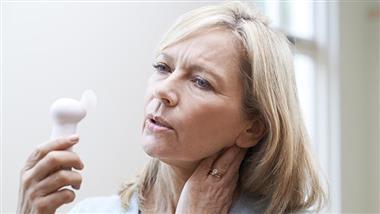
During the menopausal transition, women may experience a range of symptoms. Among the most common are vasomotor symptoms, more often known as hot flashes and night sweats (hot flashes that occur at night), which affect 50% to 75% of women during the menopausal transition.11 What exactly are hot flashes — the characteristic sign of menopause? NAMS explains:12
“Although their exact cause still isn’t fully understood, hot flashes are thought to be the result of changes in the hypothalamus, the part of the brain that regulates the body’s temperature. If the hypothalamus senses that a woman is too warm, it starts a chain of events to cool her down. Blood vessels near the surface of the skin begin to dilate (enlarge), increasing blood flow to the surface in an attempt to dissipate body heat.
This produces a red, flushed look to the face and neck in light-skinned women. It may also make a woman perspire to cool the body down. Women may sense their hearts beating faster. A cold chill often follows a hot flash. A few women experience only the chill …
Some hot flashes are easily tolerated, some can be annoying or embarrassing, and others can be debilitating … Most women experience hot flashes for 6 months to 2 years, although some reports suggest that they last considerably longer — as long as 10 years, depending on when they began. For a small proportion of women, they may never go away.”
If hot flashes are interfering with your quality of life, a number of natural remedies are available to help. Among them:13
• Black cohosh — This herb often leads to a significant reduction in hot flashes, along with an improvement in mood, at a dose of 40 milligrams per day. “Black cohosh is an effective and safe treatment option for the relieving of vasomotor symptoms,” according to research published in Gynecological Endocrinology.14 NAMS explains:15
“Recent research suggests that black cohosh does not act like estrogen, as once thought. This reduces concerns about its effect on hormone-sensitive tissue (eg, uterus, breast). Black cohosh has had a good safety record over a number of years. There have been reports linking black cohosh to liver problems, and this connection continues to be studied.”
• Red clover — A systematic review and meta-analysis revealed red clover helped reduce the daily frequency of hot flashes.16
• Evening primrose oil — Taking evening primrose oil twice daily decreased the frequency and severity of night sweats in postmenopausal women.17 It’s also been found to decrease the intensity of hot flashes among menopausal women.18
Download this Article Before it Disappears
Other Signs and Symptoms of Perimenopause
Sleep problems are another common symptom that occurs during menopausal transition. Not only can changing hormone levels influence sleep but night sweats can also keep you up at night. Among women with severe hot flashes at night, sleep becomes so disrupted that close to 44% meet the criteria for chronic insomnia. As noted by the Sleep Foundation, menopause affects sleep in multiple ways:19
“Estrogen plays a role in the metabolism of serotonin and other neurotransmitters that affect our sleep-wake cycle. Estrogen also helps keep our body temperature low at night, and therefore more conducive to restful sleep. Estrogen also has an antidepressant effect. With less estrogen, women may experience higher body temperatures, lower quality sleep, and poorer mood.”
Mood changes are also common, with some research describing the menopausal transition as a “period of biologic vulnerability with noticeable physiologic, psychological, and somatic symptoms,” including a higher vulnerability to depression.20
Women with a history of depression are up to five times more likely to be diagnosed with major depressive disorder during menopause.21 And although it shouldn’t be considered “normal” to be depressed during this time, women in perimenopause have nearly double the rate of depression as women who haven’t yet entered this stage.22
A range of vaginal and sexual changes are also common. In 2014, the term “genitourinary syndrome of menopause” (GSM) was introduced to describe “a chronic, progressive, vulvovaginal, sexual, and lower urinary tract condition characterized by a broad spectrum of signs and symptoms.”23 It affects both premenopausal and postmenopausal women and is thought to be related to the lack of estrogen during this time.
In addition to vaginal dryness, pain and reduced lubrication during intercourse, women may experience recurrent urinary tract infections and stress incontinence. An estimated 15% of premenopausal women, and up to 70% of postmenopausal women, experience GSM-like symptoms.24 Additional symptoms experienced during perimenopause include:25
| Breast tenderness | Fatigue | Dry skin |
| Hair loss/texture changes | Headaches and/or migraines | Heart palpitations |
| Joint pain | Weight gain | Low libido |
| Urinary leaks and urgency | Brain fog | Forgetfulness |
| Impaired short-term memory | Inability to focus | Inattentiveness |
| Poor word retrieval | Anxiety | Difficulty concentrating |
| Feeling not like yourself | Impatience | Irritability |
| Low motivation or energy | Mood swings | Tearfulness |
Natural Strategies for Menopause
Leading a healthy lifestyle — including prioritizing healthy diet, sleep and stress relief — is important during perimenopause. Maintaining a healthy weight may also help relieve symptoms, including hot flashes,26 while staying physically active promotes physical and mental health during menopause.27
Eating a diet high in refined carbohydrates, such as sweetened beverages and other ultraprocessed foods, is linked to depression in postmenopausal women28 and may have a similar affect during perimenopause. Nutritional interventions, such as omega-3 fats, also show promise for managing mood and anxiety symptoms in women during the menopausal transition.29
While some women consider hormone replacement therapy, others rely on mind and body practices. More than 60% of women have found complementary and alternative medicine (CAM) to be effective for menopausal symptoms.30 For instance, ashwagandha root extract may help to relieve mild to moderate symptoms of menopause in perimenopausal women.31
Hypnosis and cognitive behavioral therapy have also been found to help relieve vasomotor, sexual dysfunction and sleep problems related to menopause.32 Relaxation techniques33 and mindfulness-based stress reduction are additional options to support mental and emotional health during the menopausal transition.34
Because perimenopause and menopause are complex and unique to the individual, working with a holistic health care practitioner can help you develop a comprehensive health care plan to address your symptoms and goals.
- 1 The North American Menopause Society, Menopause FAQs, What is menopause?
- 2 The North American Menopause Society, Menopause FAQs, What changes will I face as menopause approaches?
- 3, 8, 10, 22 Archive.today, National Geographic February 8, 2023
- 4 The North American Menopause Society, Perimenopause & Premature Menopause FAQs, What is early or premature menopause?
- 5, 6 National Institute on Aging, What Is Menopause?
- 7 Mayo Clinic, Perimenopause
- 9 The North American Menopause Society, Menopause FAQs, What is induced menopause?
- 11 JAMA. 2023 Feb 7;329(5):405-420. doi: 10.1001/jama.2022.24140
- 12 The North American Menopause Society, Menopause FAQS: Hot Flashes
- 13, 15 The North American Menopause Society, Natural Remedies for Hot Flashes
- 14 Gynecol Endocrinol. 2022 May;38(5):379-384. doi: 10.1080/09513590.2022.2056591. Epub 2022 Apr 11
- 16 Nutrients. 2021 Apr;13(4):1258
- 17 J Menopausal Med. 2021 Apr;27(1):8-14. doi: 10.6118/jmm.20033
- 18 Arch Gynecol Obstet. 2013 Nov;288(5):1075-9
- 19 Sleep Foundation, Menopause and Sleep December 15, 2022
- 20, 21 Prim Care Companion J Clin Psychiatry. 2010;12(1): PCC.08r00747
- 23 Cureus. 2020 Apr;12(4):e7586
- 24 Cureus. 2020 Apr;12(4):e7586., Introduction and background
- 25 Let’s Talk Menopause, All Symptoms
- 26 Climacteric. 2023 Feb 13;1-6
- 27 Int. J. Environ. Res. Public Health 2020, 17(18), 6935
- 28 Am J Clin Nutr. 2015 Aug;102(2):454-63
- 29 Menopause. 2023 Jan 1;30(1):95-107
- 30, 32, 34 J Evid Based Integr Med. 2019;24:2515690X19829380
- 31 J Obstet Gynaecol Res. 2021 Dec;47(12):4414-4425. doi: 10.1111/jog.15030. Epub 2021 Sep 22
- 33 Eur Rev Med Pharmacol Sci. 2022 Nov;26(22):8342-8350
Do You Want to Die Old, or Sick?
Reproduced from original OMNS article (OrthoMolecular News Service):
http://orthomolecular.org/
Subscribe to the free Orthomolecular Newsletter: http://orthomolecular.org/subscribe.html
Go to the OMNS Archive: http://orthomolecular.org/resources/omns/index.shtml
Orthomolecular Medicine News Service, Feb 13, 2023
Commentary by Tom Taylor
OMNS (Feb 13, 2023) We are somewhat indoctrinated by prior generations to eventually expect to spend a few years in the old folks’ home being sick, but how avoidable is that? The associated question I carry around is, “Why save for retirement if all you are going to do is spend it on doctors and hospitals?” Isn’t health the first wealth?
In my age group, one spends a noticeable amount of time attending funerals, being a pallbearer, or taking folks to the architecturally gorgeous hospitals for one treatment or another. Have I so failed in spreading the word about vitamin C that this will cause me to be forever making these trips — or as in Greek mythology, continually push a rock up the hill like Sisyphus ? [1]
I have visited enough hospitals to conclude that, although we used to build beautiful churches, now it seems we are building beautiful hospitals. The shift seems to be somewhat timed with the arrival of the Flexner Report and Ancel Keys on the world stage. Flexner facilitated a more or less medical monopoly [2] and Keys is credited with setting us off on the dietary fat avoidance path. [3]
One current observable trend among doctors who seem to live well off internet videos is longevity versus belly fat. [4, 5] Note the two different points of view. Having attended my share of funerals, my personal database states that longevity and health are clearly related to avoiding excess weight. The anchor point in this mental graph of mine is singer Israel Kamakawiwoʻole of “Somewhere over the Rainbow” fame. [6] Sadly, when he died at 38, he weighed 750 pounds. On my mental graph, one advantage is being a pallbearer for those that made it to age 80 — because lifting them isn’t that much of a struggle. The heavy ones are mostly gone by then.
I am 69, and in my age group and with my advocacy for vitamin C, I get the regular question, “Well, Tom, how long do you expect to live?” My answer is always 93. That seems to be the common life span of the vitamin C crowd, e.g., Linus Pauling, [7] so I go with that number and plan accordingly. Meanwhile I imagine that several people annoyed by my vitamin C advocacy are waiting for their schadenfreude moment [8] for me.
So back to the question of do you want to die old or die sick? The answer if one favors dying old, is to read some of the pointers at the end of this article. But my example is Uncle Eddie. Eddie died raking leaves one fall at age 88. He kept his weight down, ate lots of fresh vegetables and did plenty of gardening. That is sufficiently close to dying with your boots on for me. My detractors will point out that Eddie’s solution to many of life’s minor problems was to have a Coca-Cola. Would laying off the Cokes have gotten him to 93? This clearly needs more research, but I imagine that the Coca-Cola Company would like you to have a Coke while you think about this one.
So, did big pharma learn from Coca-Cola advertising? Well according to sugar-is-the-greatest-health-
And one last thought I will attribute to Dr. Diana Schwarzbein is, “If you only want to live to 50, eat anything you want, do anything you want to do, your body will put up with abuse until then.” [10] Ok, so then by extension, exactly how did Methuselah make it to 969 years? [11] We can only be certain he was not eating our modern fast-food diet.
In the video of reference [4], titled “There’s No Such Thing as An Overweight Healthy Person”, Dr. Joel Fuhrman, M.D. states that if we are honest with ourselves and used his recommended BMI of 23 instead of the more common 25 as a maximum healthy weight, then 89% of Americans are overweight. Quite possibly many of the rest are heavy smokers and alcoholics. That would leave maybe 2.4% who he feels are healthy and a “normal” weight. That is a tough one to swallow as it throws nearly all of us, including me, into the overweight or non-healthy category.
The point of this article is not to berate anyone about weight, but to merely bring to light that there is a lot of data that correlates well lived longevity and weight. Additionally, that weight underlies many of the diseases of our citizenry, especially as we age. We all have many challenges we are willing to work on, and being overweight is just one of them. Between now and my age 93, should I make it those 25 years, I will keep this factoid in mind.
In closing, writing for Orthomolecular Medicine News Service helps me assimilate this material, and I hope it helps you a bit too. In the meantime, I feel confident I will continue to serve as a pallbearer for some folks who essentially said to me at some point, “But Tom, I like my sugar!”
Pointers:
- 78-Year-Old Mega dosing 30 grams of Vitamin C per day for 40 years. This wipes out his allergies and he has hardly ever been sick. “My Personal Story of Mega-dosing Vitamin C” http://orthomolecular.org/
resources/omns/v16n41.shtml - If you feel 30 grams (30,000 mg) a day is a bit wild, it is not. Look at this dosage table developed by Dr. Klenner, an early vitamin C advocate. http://www.doctoryourself.com/
klenner_table.html
- If you feel 30 grams (30,000 mg) a day is a bit wild, it is not. Look at this dosage table developed by Dr. Klenner, an early vitamin C advocate. http://www.doctoryourself.com/
- For one of the best sources of pragmatic and extensive health research but written for the general population, I direct you to the several books authored by Dr. Thomas Levy. His website is: https://www.peakenergy.com/
- For a very broad health education, without having to turn up to class or learn to draw blood, the videos from The Silicon Valley Health Institute will get you well down that road. https://www.youtube.com/c/
SiliconValleyHealthInstitute/ videos - If you are trying to search for natural solutions to a specific health issue, try http://www.doctoryourself.com/ Organization is a bit eclectic, but the search bar works well.
- What supplements should I take? There are many confusing answers and no perfect one. The conclusion to this recent OMNS article has a good list from a credible source. http://orthomolecular.org/
resources/omns/v18n30.shtml - Cancer? Try “Summary of Recent Research with Three Nutrients in the War Against Cancer”
http://www.orthomolecular.org/resources/omns/v17n26.shtml
Also see Riordan Clinic paper listed below. - Blood Pressure? Try “Vitamin C Reduces Blood Pressure”
https://youtu.be/CHapiUjCeU8 - Is all of this worth the effort? Try my paper from 2021, “Why I am Healthier at 68 than at 12?” http://www.orthomolecular.org/
resources/omns/v17n12.shtml - Vitamin C is good for nearly everything, but it takes most of us, including me, a long while to believe that one. Dr. Levy, referenced above, likes to say there are not 12,000 unique diseases as is commonly believed but the number is closer to one! That one being a lack of antioxidants and vitamin C is a cheap and easy source of antioxidants.
Speed and massive retaliation! The moment you feel that drippy nose, or excessive fatigue, take action. That action is mega dosing vitamin C. Waiting for a day allows the disease to become established and fighting will be a whole lot harder.- My favorite vitamin C lecture is by Dr. Robert Cathcart. It is rapid pace, but great insight. You may need to listen a few times. “(2006-09) Robert Cathcart – Mega C for Viral & Other Diseases” Skip down and start at the 4:58 time mark. https://youtu.be/PKD3BXL8ESA
- Dr. Cathcart developed the concept of titration to bowel tolerance. This means the ideal dose of vitamin C when sick is when you suddenly start feeling better, but your bowels feel a little squeamish. This link explains the concept. It works well. http://www.doctoryourself.com/
titration.html - Here is Dr. Cathcart explaining how to prepare and give vitamin C as an IV. This will essentially mainline vitamin C, skip all the pills, and I think it avoids the squeamish bowel problem. http://www.doctoryourself.com/
vitciv.html
- Dr. Cathcart developed the concept of titration to bowel tolerance. This means the ideal dose of vitamin C when sick is when you suddenly start feeling better, but your bowels feel a little squeamish. This link explains the concept. It works well. http://www.doctoryourself.com/
- I say to any who will listen, if I get in a bad way take me to the Riordan Clinic in Wichita, KS, USA. https://riordanclinic.org It is not tied to either big pharma or big government, and have made their own way and greatly advanced vitamin C therapy.
- Here is an interesting, practical, and detailed Riordan paper “The Riordan IVC Protocol for Adjunctive Cancer Care” http://www.doctoryourself.com/
RiordanIVC.pdf or https://riordanclinic.org/ research-study/vitamin-c- research-ivc-protocol/
- Here is an interesting, practical, and detailed Riordan paper “The Riordan IVC Protocol for Adjunctive Cancer Care” http://www.doctoryourself.com/
- If you like to just watch the videos, my old article “Vitamin C Material: Where to Start, What to Watch” is still current. Knowledge on vitamin C has been well established for decades. Acceptance by pharma-dominated medicine is still underway. http://orthomolecular.org/
resources/omns/v13n20.shtml
- My favorite vitamin C lecture is by Dr. Robert Cathcart. It is rapid pace, but great insight. You may need to listen a few times. “(2006-09) Robert Cathcart – Mega C for Viral & Other Diseases” Skip down and start at the 4:58 time mark. https://youtu.be/PKD3BXL8ESA
References:
1. Sisyphus. https://en.wikipedia.org/wiki/
2. The Flexner Report. https://en.wikipedia.org/wiki/
3. How Ancel Keys Brainwashed the Masses Into Fearing Meat (He’s Wrong). https://carnivoreaurelius.com/
4. There’s No Such Thing as An Overweight Healthy Person. YouTube, https://youtu.be/n6D131HZFKU
5. Lyon G. How To BUILD MUSCLE & Lose Belly Fat For LONGEVITY. Youtube, https://youtu.be/vAD4X4tiPq8
6. Kamakawiwoʻol I. Somewhere over the Rainbow. Youtube, https://youtu.be/V1bFr2SWP1I1
7. Linus Pauling. https://en.wikipedia.org/wiki/
8. Schadenfreude. https://en.wikipedia.org/wiki/
9. Ifland J. (2019) Food Sensitivities and Health. YouTube, https://youtu.be/_-s8z4u-Uo4
10. Schwartzbein D. Survival of the Smartest. YouTube, https://youtu.be/6qUSvzUj6jo
11. Methuselah. https://en.wikipedia.org/wiki/
(Tom Taylor tom@maskinell.com took an interest in vitamin C two decades ago, resulting in him eliminating his allergies, his headaches, his high blood pressure, and his glasses. He writes occasional OMNS papers to help himself and others assimilate the information. His career has spanned petroleum engineering and geophysics to software development.)
Nutritional Medicine is Orthomolecular Medicine
Orthomolecular medicine uses safe, effective nutritional therapy to fight illness. For more information: http://www.orthomolecular.org
Find a Doctor
To locate an orthomolecular physician near you: http://orthomolecular.org/
The peer-reviewed Orthomolecular Medicine News Service is a non-profit and non-commercial informational resource.
Editorial Review Board:
Albert G. B. Amoa, MB.Ch.B, Ph.D. (Ghana)
Seth Ayettey, M.B., Ch.B., Ph.D. (Ghana)
Ilyès Baghli, M.D. (Algeria)
Ian Brighthope, MBBS, FACNEM (Australia)
Gilbert Henri Crussol, D.M.D. (Spain)
Carolyn Dean, M.D., N.D. (USA)
Ian Dettman, Ph.D. (Australia)
Susan R. Downs, M.D., M.P.H. (USA)
Ron Ehrlich, B.D.S. (Australia)
Hugo Galindo, M.D. (Colombia)
Martin P. Gallagher, M.D., D.C. (USA)
Michael J. Gonzalez, N.M.D., D.Sc., Ph.D. (Puerto Rico)
William B. Grant, Ph.D. (USA)
Claus Hancke, MD, FACAM (Denmark)
Tonya S. Heyman, M.D. (USA)
Patrick Holford, BSc (United Kingdom)
Suzanne Humphries, M.D. (USA)
Ron Hunninghake, M.D. (USA)
Bo H. Jonsson, M.D., Ph.D. (Sweden)
Dwight Kalita, Ph.D. (USA)
Felix I. D. Konotey-Ahulu, MD, FRCP, DTMH (Ghana)
Jeffrey J. Kotulski, D.O. (USA)
Peter H. Lauda, M.D. (Austria)
Alan Lien, Ph.D. (Taiwan)
Homer Lim, M.D. (Philippines)
Stuart Lindsey, Pharm.D. (USA)
Pedro Gonzalez Lombana, MD, MsC, PhD (Colombia)
Victor A. Marcial-Vega, M.D. (Puerto Rico)
Juan Manuel Martinez, M.D. (Colombia)
Mignonne Mary, M.D. (USA)
Joseph Mercola, D.O. (USA)
Jorge R. Miranda-Massari, Pharm.D. (Puerto Rico)
Karin Munsterhjelm-Ahumada, M.D. (Finland)
Tahar Naili, M.D. (Algeria)
Zhiyong Peng, M.D. (China)
Isabella Akyinbah Quakyi, Ph.D. (Ghana)
Selvam Rengasamy, MBBS, FRCOG (Malaysia)
Jeffrey A. Ruterbusch, D.O. (USA)
Gert E. Schuitemaker, Ph.D. (Netherlands)
Han Ping Shi, M.D., Ph.D. (China)
T.E. Gabriel Stewart, M.B.B.CH. (Ireland)
Thomas L. Taxman, M.D. (USA)
Jagan Nathan Vamanan, M.D. (India)
Garry Vickar, M.D. (USA)
Anne Zauderer, D.C. (USA)
Andrew W. Saul, Ph.D. (USA), Editor-In-Chief
Associate Editor: Robert G. Smith, Ph.D. (USA)
Editor, Japanese Edition: Atsuo Yanagisawa, M.D., Ph.D. (Japan)
Editor, Chinese Edition: Richard Cheng, M.D., Ph.D. (USA)
Editor, Norwegian Edition: Dag Viljen Poleszynski, Ph.D. (Norway)
Editor, Arabic Edition: Moustafa Kamel, R.Ph, P.G.C.M (Egypt)
Editor, Korean Edition: Hyoungjoo Shin, M.D. (South Korea)
Editor, Spanish Edition: Sonia Rita Rial, PhD (Argentina)
Editor, German Edition: Bernhard Welker, M.D. (Germany)
Contributing Editor: Thomas E. Levy, M.D., J.D. (USA)
Contributing Editor: Damien Downing, M.B.B.S., M.R.S.B. (United Kingdom)
Contributing Editor: W. Todd Penberthy, Ph.D. (USA)
Contributing Editor: Ken Walker, M.D. (Canada)
Contributing Editor: Michael Passwater (USA)
Technology Editor: Michael S. Stewart, B.Sc.C.S. (USA)
Associate Technology Editor: Robert C. Kennedy, M.S. (USA)
Legal Consultant: Jason M. Saul, JD (USA)
Comments and media contact: drsaul@doctoryourself.com OMNS welcomes but is unable to respond to individual reader emails. Reader comments become the property of OMNS and may or may not be used for publication.
Click here to see a web copy of this news release: https://orthomolecular.
This article may be reprinted free of charge provided 1) that there is clear attribution to the Orthomolecular Medicine News Service, and 2) that both the OMNS free subscription link http://orthomolecular.org/
Riordan Clinic | Orthomolecular.org
3100 N Hillside Ave
Wichita, Kansas 67219
United States
Can Chronic Dehydration Age You More Quickly?
Reproduced from original article:
https://articles.mercola.com/sites/articles/archive/2023/01/26/can-chronic-dehydration-age-you-more-quickly.aspx
The original Mercola article may not remain on the original site, but I will endeavor to keep it on this site as long as I deem it to be appropriate.
Analysis by Dr. Joseph Mercola Fact Checked January 26, 2023

STORY AT-A-GLANCE
- One of the simplest steps you can take to improve your health is to provide your body with optimal hydration, which reduces your risk of being biologically older than your chronological age, developing chronic diseases and dying prematurely
- Data show participants with serum sodium levels outside the narrow range of 137 mEq/L to 142 mEq/L had a 10% to 15% higher risk of being biologically older than their chronological age. The current acceptable normal range of serum sodium is 135 mEq/L to 145 mEq/L
- Signs you could be dehydrated include bad breath, headache, confusion, decreased alertness, sugar craving and constipation. Based on their higher body water content and smaller size, infants and children are more vulnerable to the effects of dehydration
- Several factors affect how much water you need, including your health status, activity level, climate and your age. Don’t get bogged down in an exact amount but instead listen to your body’s signals — thirst and the color of your urine
- Overhydration, also called water intoxication or water poisoning, leads to low sodium levels and electrolyte imbalances. This is a serious medical situation and can be life-threatening
One of the easiest steps you can take to improve your health is to provide your body with optimal hydration in the form of pure water. Researchers1 found that middle-aged people whose serum sodium is higher than normal, indicating dehydration, had an increased risk of being biologically older than their chronological age, of developing chronic diseases and of dying prematurely.
This is logical since your body is made up of mostly water. An infant’s body weight is 75% water, which drops to 55% in the elderly.2 Optimal water balance is essential for survival. If you become dehydrated, your body activates several hormonal and neuroregulatory mechanisms, among which are feeling thirsty to help remind you to drink water and your urine output declines.
However, this also means that the waste products excreted by the kidneys will be more concentrated. Water plays a significant role in your bodily functions, including keeping your skin healthy, eliminating toxins and facilitating digestion.3
Dehydration occurs when you have lost more water than you replace. Research has demonstrated that even mild dehydration can decrease your brain tissue fluid that changes your brain volume.4 It can compromise your ability to regulate temperature and makes your blood more viscous, straining your cardiovascular system.5
After losing just 1% to 2% of your fluid, you’ll feel thirsty, which is your body’s way of telling you to start drinking. Mild dehydration is easily treated, but extreme dehydration can be life-threatening and requires immediate medical attention.
Chronic Dehydration Accelerates Biological Aging
The researchers began with the premise that some people obviously age faster than others.6 Faced with a rapidly aging population and chronic disease epidemic, they sought to find preventive measures that might slow the aging process and reduce the number of chronic illnesses and diseases in the elderly.
Using data from the Atherosclerosis Risk in Communities study (ARIC) and a 25-year follow-up, the researchers analyzed serum sodium as a means of estimating the hydration habits of individuals. The ARIC cohort included 15,792 black and white men and women from ages 45 to 66 years.
Since the study sought to analyze the effects of hydration that were measured through levels of serum sodium, they excluded individuals whose sodium levels may have been affected by other health factors. For example, they excluded people who were obese, had abnormal water/salt balance regulation, and whose average sodium concentration was outside the normal reference range.
They also excluded people with blood sugar higher than 140 mg/dL, since high blood sugar not only causes dehydration but also reduces serum sodium concentration.7 After individuals were excluded, the researchers ended with 6,956 individuals in the cohort.
A normal serum sodium blood value is 135 milliequivalents per liter (mEq/L) to 145 mEq/L. However, while 145 mEq/L is at the high end of normal, the researchers found8 those with serum sodium levels greater than 142 mEq/L had a 39% increased risk of developing chronic diseases and those with blood levels greater than 144 mEq/L had a 21% increased risk of premature mortality.
Additionally, they found when an individual’s serum sodium levels were outside the range from 137 mEq/L to 142 mEq/L, their risk of being biologically older than their chronological age was 10% to 15% higher than those whose levels were inside the range. In a statement from the NIH, study scientist Natalia Dmitrieva, Ph.D., commented:9
“On the global level, this can have a big impact. Decreased body water content is the most common factor that increases serum sodium, which is why the results suggest that staying well hydrated may slow down the aging process and prevent or delay chronic disease.”
The researchers also cited data showing close to half of people worldwide do not meet the recommended water intake. Animal studies10 have shown that chronic subclinical dehydration causes subtle changes in hydration levels but profound effects on long-term health.
A 2019 study11 showed that even mild water restriction in mice shortened their lifespan, despite showing no signs of distress after adapting to the slightly lower water intake. During the second part of the study, the researchers analyzed human data and found a strong association between serum sodium concentration in middle age and markers of inflammation, coagulation and the development of age-dependent degenerative diseases.
Signs You Could Be Dehydrated
It’s best to drink before you experience the signs of mild to moderate dehydration and get into a habit of staying well hydrated. Signs of mild to moderate dehydration include:12,13,14
| Dry, sticky mouth | Bad breath | Chills |
| Sleepiness or tiredness | Decreased alertness and fatigue15 | Dizziness or lightheadedness |
| Headache | Confusion | Constipation |
| A decline in athletic performance | Few or no tears when crying | Minimal amount of dark-colored urine |
| Dry, cool skin | Sugar craving | Muscle cramps |
Based on their higher water content and smaller size, infants and children are more vulnerable to the effects of dehydration. Immediate attention should be given to infants and children if they exhibit the following symptoms:16
|
Mild to moderate dehydration |
|
| Urinates less frequently (for infants, fewer than six wet diapers per day) | Plays less than usual |
| Parched, dry mouth | Fewer tears when crying |
| Sunken soft spot on the head (fontanelle) | Loose stools (if dehydration is caused by diarrhea) |
|
Severe dehydration |
||
| Very fussy | Excessively sleepy | Sunken eyes |
| Cool, discolored hands and feet | Wrinkled skin | Urinates only once or twice a day |
How Much Is Enough?
Interestingly, the scientists in the featured study also found that people with serum sodium levels on the low end of normal also had a higher risk of premature death.17 It appears the data from this study demonstrates the range of “normal” for serum sodium levels could have a narrower and more conservative range.
Since it’s highly unlikely your serum sodium is consistently measured to determine whether or not you’re fully hydrated, it is important to know how your body tells you that you have had too much or too little water. You have probably heard the recommendation that you should drink eight 8-ounce glasses of water every day to stay healthy. This is often stated as scientific fact, but it’s not quite that simple.
Several factors affect how much water you need, including your health status, activity level, climate and your age. A review18 published in the American Journal of Physiology sought to determine the scientific validity of what is often colloquially called “8 x 8.”
The researcher could find no scientific basis for the rule and put to rest other myths regarding water consumption, such as waiting to drink until you’re thirsty is too late because by then you’re already dehydrated.
As the late Heinz Valtin, professor of physiology who spent for decades studying biological mechanisms that regulate the balance of water in our bodies, wrote, “… thirst is so sensitive, quick and accurate that it is hard to imagine that evolutionary development left us with a chronic water deficit that has to be compensated by forcing fluid intake.”19
Ultimately, you do not need to get bogged down trying to figure out the exact amount of water your body needs or tracking how many glasses you’ve drunk that day. Your body will let you know when you need more water.
Two indicators are your thirst and the color of your urine. Thirst helps ensure your needs are met on a day-to-day basis. The color of your urine can also be used as a guide. While your urine color can be influenced by medication or supplements, overall, if it’s a deep dark yellow, you are likely not drinking enough water.
Adequate hydration is indicated by pale, straw-colored or light-yellow urine. Most healthy individuals urinate on average seven to eight times each day. If you aren’t urinating at least every 2 to 3 hours while you’re awake, it may indicate that you’re not drinking enough.
What Happens When You Drink Too Much Water?
Your body requires a water balance. In other words, you can drink too little water, but you can also drink too much water. While overhydration is rarely a problem for healthy people, it can cause a serious electrolyte imbalance that can become life-threatening. When you listen to your body’s signals, you’ll likely stay in a healthy range.
Overhydration is also called water intoxication or water poisoning. The greatest risk is from hyponatremia, or a dilution of sodium in the blood. When sodium levels fall below 135 mEq/L, fluid moves inside the cells,20 including the brain.
This is called cerebral edema and it increases the pressure inside the skull causing symptoms that include headaches, nausea and vomiting. Other symptoms of water intoxication can include increased blood pressure, double vision, confusion and drowsiness.
Water intoxication has led to the death of students during fraternity hazing21 and one participant in a radio contest in California where the prize went to the person who could drink the most water before urinating.22 However, it’s important to remember that these were uncommon situations that most people don’t experience.
Some medical situations rarely result in hyponatremia, including case studies of individuals who experienced hyponatremia and water intoxication during oral bowel preparation for a colonoscopy23 or during labor stimulation with oxytocin.24 Water intoxication can also be the result of primary or psychogenic polydipsia, which is the term used to describe excessive thirst or an abnormal urge to drink fluids.
Polydipsia can be a sign of Type 2 diabetes, which leads to excessive thirst and urination.25 Other conditions related to polydipsia are diabetes insipidus, low blood potassium and cystic disease, which is a condition in which cysts develop on or around your kidneys.
Psychogenic polydipsia is a mental health disorder that is associated with anxiety and schizophrenia. Medical conditions, such as liver failure, kidney failure, burns and sepsis can result in the loss of bodily fluids and lead to polydipsia.
- 1, 6, 7, 17 The Lancet, 2023; doi.org/10.1016/j.ebiom.2022.104404
- 2, 10, 11 JCI Insight, 2019; doi.org/10.1172/jci.insight.130949
- 3 Great Lakes Gastroenterology, August 3, 2020
- 4 American Journal of Neuroradiology, 2015;36(12)
- 5 Nutrients 2019, 11(8)
- 8 The Epoch Times, January 9, 2023
- 9 NIH, January 3, 2023, and para 3 from bottom
- 12 Mayo Clinic, Dehydration Symptoms adult
- 13 Cleveland Clinic, Dehydration, what are the signs of dehydration
- 14 Health, October 4, 2022
- 15 British Journal of Nutrition 2013 Jan 28;109(2)
- 16 Healthy Children, Signs of Dehydration in Infants and Children
- 18, 19 American Journal of Physiology, 2002; doi.org/10.1152/ajpregu.00365.2002
- 20 Mayo Clinic, Hyponatremia
- 21 CBS News, February 4, 2005
- 22 ABC News November 1, 2009
- 23 BMC nephrology, 2017; 18(1)
- 24 Ginekologia Polska, 2021;92(7)
- 25 Cleveland Clinic, Polydipsia, what causes excessive thirst?
Krill Oil Offers Protection for Several Hallmarks of Aging
Reproduced from original article:
https://articles.mercola.com/sites/articles/archive/2022/12/26/krill-oil-aging.aspx
The original Mercola article may not remain on the original site, but I will endeavor to keep it on this site as long as I deem it to be appropriate.
Analysis by Dr. Joseph Mercola Fact Checked December 26, 2022

STORY AT-A-GLANCE
- Omega-3 fats help lower inflammation, which is the hallmark of nearly all diseases; new data using krill oil show it works through several mechanisms to mitigate the physical and biological hallmarks of aging
- Marine-based omega-3 fats effectively reduce triglyceride levels, which are associated with heart disease. Levels of omega-3 are a good predictor of all-cause mortality and omega-3 helps ameliorate a variety of psychiatric illnesses and degenerative brain disorders
- If you notice that your skin is rough and dry, you likely need more omega-3 fatty acids, which help regulate oil production in the skin, reduce inflammation, balance hydration and minimize the effect of sun damage and aging
- Avoid the temptation to assume your omega-3 index is sufficient because you’re eating fish or taking a supplement. Instead, take a simple omega-3 index blood test at home and use the information to determine the dose needed to raise your level to your target
Chronic inflammation is a hallmark of virtually all diseases, including cancer, obesity and heart disease. Your diet plays a significant if not primary role in a chain of events that lead to chronic inflammation. Your body requires certain nutrients to help balance the inflammatory response and maintain optimal health.
Inflammation also plays a role in aging. A research paper1 published in November 2022 evaluated evidence that lipids from Antarctic krill could intervene in the basic aging mechanism and therefore enhance healthy longevity. Krill oil contains omega-3 fatty acids, which your body needs to balance your intake of omega-6 fats.
Antarctic krill is rich in long-chain omega-3 fatty acids, choline and astaxanthin. The human diet once had an omega-3 to omega-6 ratio of 1-to-1. Today that ratio is closer to 20-to-1 or even higher.2 Data show this imbalance parallels the increase in overweight and obesity and suggests it is a major contributor to systemic inflammation.
Both omega-3 and omega-6 fatty acids are essential for good health. However, unlike omega-6 fatty acids that are found in high amounts throughout the Western diet, most people do not eat enough omega-3 fats. It is important to note that an omega-3 supplement may help, but it can never overcome a diet high in vegetable oils and processed foods, which contain significant amounts of omega-6 fats.
To attain optimal health, you must reduce your intake of foods high in omega-6 while increasing your intake of omega-3 fats. While aging is a biological process, the featured study3 found that krill oil can promote healthy aging through several mechanisms that mitigate the physical and biological hallmarks of aging.
Krill Oil Rewires Genetic Expression to Attenuate Aging
The researchers analyzed how krill oil could affect aging by targeting the evaluation of several hallmarks affected by krill oil rather than just one. Although many researchers have studied marine-based omega-3 fats, the underlying molecular mechanisms have not been fully understood.
In this study4 the researchers used human cells and C. elegans, a 1-millimeter-long nematode that lives in the soil. Using a model of Parkinson’s disease in the nematode, they showed that krill oil protects dopaminergic neurons from degeneration, improves dopamine-dependent behavior and decreases alpha-synuclein aggregation, which is a process found in neurodegenerative diseases such as Parkinson’s disease and dementia.5
These neuroprotective qualities have the effect of slowing down the visible hallmarks of aging. Loss of viability and increasing fragility associated with aging also may affect the onset of many major diseases. Evidence from the study suggests that interfering with this process could prolong a healthy life.
However, the researchers also acknowledge that many cellular processes are involved in aging and while this study showed krill oil as an antiaging supplement could attenuate many of the hallmarks, it is not the only nutrient you need to maintain your health as you age. The way you get your omega-3 fatty acids is also important.
Krill oil is high in long chain omega-3 acids eicosapentaenoic acid (EPA) and docosahexaenoic acid (DHA). One difference between fish oil and marine-based krill oil is that fish oil is only bound to triglycerides and krill oil is mainly bound to more bioavailable phospholipids.
DHA and EPA are water-insoluble, which means they cannot be transported in their free form in the blood and must be packaged into a lipoprotein such as phospholipids. This is the primary reason why the bioavailability of krill oil is higher than fish oil.
Marine Omega-3 for Cardiovascular and Neurological Health
The featured study sought to evaluate the effect krill oil had on aging hallmarks, but studies have also found that supplementation can affect the skin, tumor growth, cytokine storm and the neurological and cardiovascular systems. Heart disease is the primary cause of death for men and women in the U.S.6
Research published in January 2022,7 analyzed data from two randomized clinical trials and found omega-3 fatty acids derived from krill oil could reduce triglyceride levels effectively and were safe and well tolerated by the participants. While triglyceride levels are a necessary fat, in excess they can increase your risk for heart disease.8
Another study9 supported by the National Institutes of Health10 suggested that the omega-3 index may be a good predictor of overall health and all-cause mortality.11 This index is a measure of the amount of EPA and DHA in the membranes of your red blood cells and is expressed as a percent of your total RBC fatty acids.12
The index has been validated as a stable, long-term marker and reflects your tissue levels of EPA and DHA. An index greater than 8% is associated with the lowest risk of death from heart disease while an index below 4% places you at the highest risk of heart disease-related mortality.
Two papers analyzed the use of omega-3 after an ischemic stroke in an animal model and found neurological benefits with the administration of omega-3 fatty acids that helped improve brain cell survival and brain remodeling,13 which benefited the restoration of white matter and microglial responses,14 all of which improved long-term functioning.
Evidence also shows that marine-based omega-3 fats help ameliorate a variety of psychiatric illnesses and degenerative brain disorders, including Alzheimer’s disease.15 Low levels of DHA are linked to age-related cognitive decline, which some studies16 suggest may potentially be reversible with sufficient administration of DHA.
EPA may be beneficial in the treatment of depression.17 A stumbling block has been getting enough into the brain. One 2019 paper18 discovered that by using a lysophospholipid form of EPA they could significantly raise the EPA level in the brain of mice and increase levels of DHA in the brain, which researchers suggested may help in the treatment of neuroinflammatory diseases such as Alzheimer’s disease.
Omega-3 Fats Promote Skin Health
If you notice that your skin is rough and dry, you likely need more omega-3 fatty acids, which helps to regulate oil production in the skin, reduce inflammation, balance hydration and minimize the effect of sun damage and aging. As I’ve discussed in the past, many American diets have an overabundance of omega-6 linoleic acid (LA) which, like omega-3, is integrated into your cell membranes.
However, unlike omega-3, LA impairs your cell function and increases your risk of sunburn. To protect your skin and your overall health, you will want to eliminate as much LA from the diet as possible, while increasing your omega-3 intake.
You can accomplish this by avoiding all seed oils. These are found in most processed foods, restaurant foods, condiments and pastries. Conventionally raised chicken and pork are also high in LA since the animals are fed grain which is incorporated into the meat. Instead, cook at home with butter, ghee, beef tallow or coconut oil.
You can raise your levels of omega-3 fats by eating wild-caught Alaskan salmon, verified wild-caught sockeye salmon, sardines, mackerel, anchovies and herring. Canned Alaskan salmon is a less expensive alternative than salmon steaks. As a general recommendation, try to get two servings of fatty fish each week. Be sure to avoid farm-raised salmon since it is highly contaminated and has 5.5 times the amount of LA as wild-caught salmon.19,20
Combination Therapy Could Reduce Tumor Growth by 67%
Research21 presented in April 2022 at the annual Experimental Biology meeting in Philadelphia demonstrated that omega-3 fatty acids could help to promote cancer-fighting activities of immunotherapy and anti-inflammatory therapy in an animal model. Immunotherapy is a biological treatment that prompts the immune system to attack cancer cells.22
The research sought to determine the impact of nutrition on tumor activity after treatment with immunotherapy and anti-inflammatory therapy.23 At the time of the study, immunotherapy was approved for use in the treatment of cancer, but anti-inflammatory therapy was still under clinical investigation.
The evidence showed that mice consuming a diet high in omega-3 fats and receiving both cancer treatments had a 67% reduction in tumor growth when compared to the group of mice eating a normal diet and receiving no treatment. By comparison, cancer cell growth increased in the mice who ate the high omega-6 diet and were given immunotherapy.
The researchers believe the results indicated there could be synergistic activity between omega-3 fatty acids and immunotherapy and anti-inflammatory therapy for cancer. Abigail Kelly from Harvard Medical School Beth Israel Deaconess Medical Center presented the research and commented on the results in a press release:24
“We demonstrated, for the first time, that the combination of immunotherapy and anti-inflammatory treatment (sEHi) was more effective when mice were fed diets enriched with omega-3 fatty acids. This is very promising because dietary supplementation is easy to implement for cancer patients and can be added for patients already on immunotherapy.”
Omega-3 Could Directly Influence Cytokine Storm
One of the lethal effects of the SARS-CoV-2 virus that causes COVID-19 is the ability to trigger a cytokine storm. One of the ways to suppress this event is with omega-3 fats DHA and EPA. An opinion paper published in June 2020,25 in the journal Frontiers in Physiology, expounded on the known effects these fats have on biological pathways that “may have direct influence in the outcome of COVID-19.”26
Although not mentioned in this paper, DHA has also been known to prevent thrombosis (a blood clot within a blood vessel) by decreasing platelet aggregation.27 Evidence also shows that hypercoagulation is another complication of severe COVID-19 infection that can have lethal consequences.28 Omega-3 is also known to:
- Lower your risk of lung dysfunction
- Protect against lung damage
- Protect against secondary bacterial infection
- Improve mitochondrial function
How to Test and Know Your Level
Avoid the temptation to assume your omega-3 index is sufficient because you’re eating fish or taking a supplement. Only cold-water fatty fish have high omega-3 levels, and many fish oil supplements are synthetic with questionable efficacy.
GrassrootsHealth, a nonprofit public health research organization, has several cost-effective testing options available as part of its consumer-sponsored nutrient research projects,29 the aims of which are to establish population-based nutrition recommendations based on science-backed data. There are four test options to measure omega-3:
- Omega-3 index test kit
- Vitamin D and Omega-3 test kit
- Vitamin D, Magnesium and Omega 3 test kit
- Vitamin D, Magnesium and Omega 3 PLUS Elements test kit — This kit includes measurements of essential minerals (magnesium, selenium, zinc and copper) as well as harmful heavy metals (cadmium, lead and mercury)
Your blood sample is mailed to GrassrootsHealth and you fill out a quick online health questionnaire. Your test results will be emailed to you roughly 10 to 20 days after your samples are received.
Based on your index result, use GrassrootsHealth’s omega-3 index calculator30 to determine the dosage you may require to raise your current level to your chosen target level.
- 1, 3 Aging, 2022;14(21)
- 2 Nutrients, 2016;8(3)
- 4 Neuroscience News, November 23, 2022
- 5 Communications Biology, 2019 2;2(374)
- 6 Centers for Disease Control and Prevention, Heart Disease Facts
- 7 Journal of the American Medical Association, 2022;5(1)
- 8 Live Science, March 24, 2016
- 9 Journal of Clinical Lipidology, 2018;12(3):718
- 10 EurekAlert! March 15, 2018
- 11 Nature Communications, 21;12(2329)
- 12 Omega Quant, July 9, 2018
- 13 Neurobiology of Disease, 2019;126
- 14 Translational Stroke Research, 2016;7(6)
- 15 Current Clinical Pharmacology, 2018;13(4)
- 16 Alzheimer’s and Dementia 2010 Nov;6(6)
- 17 British Journal of Psychiatry 2016;2009
- 18 Journal of Lipid Research, 2019;60(3)
- 19 Nutrition Data Wild Atlantic Salmon
- 20 Nutrition Data Farmed Atlantic Salmon
- 21, 23, 24 NewsWise, March 25, 2022
- 22 National Cancer Institute, Immunotherapy to Treat Cancer
- 25, 26 Frontiers in Physiology, June 19, 2020 DOI: 10.3389/fphys.2020.00752
- 27 American Journal of Physiology Cell Physiology, 2013;304(3)
- 28 Thrombosis Research, 2020;194
- 29 GrassrootsHealth Research Projects
- 30 Omega-3 index calculator
The Best Foods for Your Skin
Reproduced from original article:
https://articles.mercola.com/sites/articles/archive/2022/12/12/best-foods-for-your-skin.aspx
The original Mercola article may not remain on the original site, but I will endeavor to keep it on this site as long as I deem it to be appropriate.
Analysis by Dr. Joseph Mercola Fact Checked December 12, 2022

STORY AT-A-GLANCE
- According to recent research, eating 2.25 cups of grape powder per day for two weeks, equal to 60 grapes a day, can help protect your skin against sunburn. After two weeks, one-third of study participants showed increased resistance to UV-induced skin erythema (reddening of the skin)
- Grape skins are rich in polyphenols, which are one of the primary components responsible for improving the resilience of your skin against UV damage
- Other polyphenol-rich foods include herbs like cloves, Mexican oregano, rosemary, spearmint and peppermint, elderberry, black olives, dark chocolate and cocoa powder
- Another powerful skin protector is astaxanthin, a carotenoid antioxidant derived from Haematococcus microalgae. Research has shown 16 weeks of astaxanthin supplementation can improve wrinkles, skin moisture and elasticity. Astaxanthin-rich foods include wild-caught Alaskan salmon, trout, krill (or krill oil), shrimp and crayfish
- Omega-3 fat is also important for skin health, while high omega-6 linoleic acid (LA) intake is a significant contributor to sunburn. To improve your skin and reduce your sunburn risk, strictly limit seed oils in your diet and eat more omega-3-rich fatty fish such as wild-caught Alaskan salmon, verified wild-caught sockeye salmon, sardines, anchovies, mackerel and herring. A krill oil supplement will provide you with both astaxanthin and omega-3
According to recent research,1,2 eating what amounts to a little over 60 grapes a day for two weeks can help protect your skin against sunburn. In the study, 29 volunteers were fed 70 grams of grape powder a day for two weeks, or the equivalent of three,126-gram servings of fresh grapes a day, with a three-fourth cup, or about 24 grapes, considered as one serving.3
After the two-week study period, one-third of study subjects (9 of 29) showed increased resistance to ultraviolet (UV)-induced skin erythema (reddening of the skin).
One in 10 retained this benefit for four weeks after they stopped eating the grape powder. Grape skins are rich in polyphenols, which are one of the primary components in grapes responsible for improving the resilience of your skin against UV damage.4 Polyphenols are also anti-inflammatory with antioxidant effects, and play a role in DNA repair mechanisms.5 As noted in a 2010 paper:6
“Chemoprevention refers to the use of agents that can inhibit, reverse, or retard the process of these harmful events in the UV-exposed skin. A wide variety of polyphenols or phytochemicals … have been reported to possess substantial skin photoprotective effects.
This review article summarizes the photoprotective effects of some selected polyphenols, such as green tea polyphenols, grape seed proanthocyanidins, resveratrol, silymarin and genistein, on UV-induced skin inflammation, oxidative stress, and DNA damage …
It is suggested that polyphenols may favorably supplement sunscreens protection, and may be useful for skin diseases associated with solar UV radiation-induced inflammation, oxidative stress and DNA damage.”
Polyphenols 101
Polyphenols are phytochemicals found in natural plant foods. More than 8,000 polyphenols have been identified in foods such as tea, wine, chocolate, fruits and vegetables. Antioxidants such as polyphenols help protect the cells in your body from free radical damage, thereby controlling the rate at which you age, and that includes your skin, where aging becomes quite visible.
If your body does not get adequate protection, free radicals can become rampant, causing impaired cell function that not only can lead to tissue degradation, but also put you at risk of chronic diseases.
Polyphenols are what give fruits, berries and vegetables their vibrant colors, and contribute to the bitterness, astringency, flavor, aroma and oxidative stability of the food. In the plant, they protect against ultraviolet radiation, pathogens, oxidative damage and harsh climatic conditions. In the human body, polyphenols have been shown to have a diverse array of biological properties,7,8 including the following:
| Protecting your skin against ultraviolet radiation, as demonstrated in the featured study9,10 |
| Fighting cancer cells and inhibiting angiogenesis11 (the growth of blood vessels that feed a tumor) — Several studies have demonstrated the usefulness of polyphenols in the prevention of cancer.12,13,14,15 Researchers believe the antioxidant effects of polyphenols help protect DNA from free radical damage, which can trigger cancer development. Polyphenols also reverse epigenetic markers in the DNA believed to reduce tumor growth |
| Promoting brain health and protecting against dementia16,17,18 |
| Fighting free radicals and reducing the appearance of aging |
| Reducing inflammation |
| Protecting your cardiovascular system,19 in part by inhibiting vascular endothelial growth factor (VEGF), which can cause complications with atherosclerotic plaques20 |
| Supporting normal blood sugar levels21 |
| Promoting normal blood pressure |
| Reducing your risk of osteoporosis, thanks to its positive effect on bone metabolism22,23 |
| Improving your gut health — Polyphenols appear to have a prebiotic effect, improving the beneficial bacteria living in your gut. Much of the research has been done on green tea, which plays an important role on balancing your gut flora by increasing good bacteria and reducing the number of bad bacteria.24,25,26,27 Researchers have also found improvements in gut flora with moderate consumption of red wine and chocolate28,29 |
How to Optimize the Polyphenol Content of Your Diet
Aside from grapes — where the polyphenols are found in the skin — many other foods also contain high amounts. In 2010, the European Journal of Clinical Nutrition published a list30 of the 100 richest dietary sources of polyphenols based on milligrams (mg) per 100 grams. Foods topping that list include:
| Cloves | Peppermint | Star anise |
| Cocoa powder | Mexican oregano | Celery seed |
| Dark chocolate | Flaxseed meal | Black elderberry |
| Chestnut seeds | Dried sage | Rosemary |
| Spearmint | Thyme | Blueberries |
| Blackcurrant | Capers | Black olives |
| Hazel nuts | Pecans |
You can further optimize the health benefits of these foods by eating them with a little bit of fat, as polyphenols are fat soluble.31 How the plant is grown can also influence its healing potential. As noted in 2004 paper,32 agricultural practices and industrial processes can reduce the health effects of the polyphenols in the food.
Research33 has shown organically grown foods contain statistically higher levels of polyphenols compared to conventionally grown varieties. Also, freeze-drying preserves higher phenol content than air-drying does.
Astaxanthin Also Protects Your Skin From UV Damage
Another powerful skin protector is astaxanthin, a carotenoid antioxidant derived from Haematococcus microalgae. The alga produces astaxanthin as a protective mechanism to shield itself from harsh UVs and other environmental stressors, and research has shown astaxanthin provides similar benefits in humans when consumed.34,35,36
As reported by Liver Doctor,37 research38 published in the Journal of Clinical Biochemistry and Nutrition in 2017 showed 16 weeks of astaxanthin supplementation protected against wrinkles and loss of skin moisture, and improved skin elasticity. It also helps lighten age spots by preventing the accumulation of too much melanin.39
“Additional studies have shown that astaxanthin inhibits the production of inflammatory chemicals by skin cells when they are exposed to UV radiation,” LiverDoctor.com writes.40
“The inflammatory chemicals break down collagen and elastin fibers, and increase the risk of pigmentation changes to the skin. The lead author of the study has stated that ‘Long term astaxanthin supplementation may prophylactically inhibit skin deterioration induced over time by environmental damage and consequently retard the skin aging process via its anti-inflammatory effect.'”
When it comes to UV radiation protection, astaxanthin specifically helps protect against UV-induced cell death. Unlike topical sun block, astaxanthin does not actually block UV rays, so it doesn’t prevent UVB from converting into vitamin D in your skin; it simply protects your skin against damage.
This protective effect is so potent studies even show it helps protect against total body irradiation,41 primarily by scavenging intracellular reactive oxygen species (ROS) and reducing cell apoptosis (programmed cell death), and burn-wound progression, by reducing oxidative stress-induced inflammation and mitochondrial-related apoptosis.42 You can learn more about astaxanthin’s skin benefits in “7 Nutrients to Boost Your Skin’s Natural SPF.”
Astaxanthin-Rich Foods
Foods that contain generous amounts of astaxanthin are restricted to seafoods that consume the microalgae, such as:
- Wild-caught Alaskan salmon
- Trout
- Krill (or krill oil)
- Shrimp
- Crayfish
If you rarely eat these foods, an astaxanthin supplement can be used. Just make sure it’s made from the Haematococcus pluvialis microalgae and not petrochemicals. While taking too many antioxidant supplements can be problematic, astaxanthin is far safer in this regard — in fact, it’s safe even in extremely high dosages — thanks to several unique features.
Unique Features of Astaxanthin
Astaxanthin is related to beta-carotene and lutein, but its unique molecular structure makes it both more potent and more widely usable than other carotenoids.
Importantly, while it donates electrons to neutralize free radicals, astaxanthin is not depleted by this electron donation. It has a massive surplus that allows it to remain active far longer — at least one order of magnitude longer than most other antioxidants.
The astaxanthin also remains intact, meaning there are no chemical reactions to break it down, which is what occurs in most other antioxidants. Another major difference is in the number of free radicals it can handle. Most antioxidants, such as vitamins C, E can typically handle only one free radical at a time.
Astaxanthin can address multiple free radicals simultaneously by forming an electron cloud around the molecule. This is known as the electron dislocation resonance. When free radicals try to steal electrons from the astaxanthin molecule, they’re simply absorbed into and neutralized by this electron cloud, all at once.
Astaxanthin also has the unique ability to protect both water- and fat-soluble parts of the cell. Carotenoids are typically divided into water-soluble or fat-soluble, but astaxanthin belongs to an in-between group that can interface between both water and fat.
This means the astaxanthin molecule can affect and expand the biolipid membrane of all cells. It’s not simply floating around in your bloodstream; it actually integrates into the cellular membrane. It also has the ability to cross the blood-brain barrier, which is part of its neuroprotective effects.
Another key feature is that it cannot function as a pro-oxidant. Many antioxidants will act as pro-oxidants (meaning they cause rather than combat oxidation) when present in sufficient concentrations. Astaxanthin, on the other hand, does not function as a pro-oxidant, even when present in high amounts, which makes it both safer and more beneficial. Lastly, it acts on at least five different inflammation pathways, making it a very potent anti-inflammatory.
Other Uses for Astaxanthin
In addition to its skin benefits, astaxanthin can also benefit your eye, brain, lung43 and heart health, and help prevent conditions such as cancer, metabolic syndrome, Type 2 diabetes, diabetic nephropathy, gastrointestinal disease, liver diseases, male infertility and HgCl₂-induced acute renal failure.44
Its potent anti-inflammatory effects also make it useful for inflammatory conditions and joint problems such as rheumatoid arthritis, carpal tunnel syndrome and tennis elbow. It’s also been shown to improve athletic performance, in part by ameliorating exercise-induced fatigue.
Omega-3 Versus Omega-6 for Skin Health
The third dietary factor for optimal skin health that I’ll cover in this article involves fat. Omega-3 fat is important for healthy skin. If your skin is rough, dry and wrinkly, you probably need more omega-3, as it helps regulate oil production in your skin, balance hydration, reduce inflammation and minimize the effects of sun damage and aging in general.45
High omega-3 intake will help protect your skin against UV damage, whereas high LA intake will INCREASE your risk of sunburn, as LA is highly perishable and readily oxidizes.
On the other side of this coin is omega-6 linoleic acid (LA). Like omega-3, LA gets integrated into your cell membranes, but unlike omega-3, LA impairs rather than optimizes cellular function. With regard to sun exposure, high omega-3 intake will help protect your skin against UV damage, whereas high LA intake will INCREASE your risk of sunburn, as LA is highly perishable and readily oxidizes.
So, to protect and improve your skin, you’ll want to eliminate as much LA from your diet as possible, and increase your omega-3 intake. This means you’ll need to:
• Avoid all seed oils, found in most processed foods, restaurant foods, condiments, pastries, conventional chicken and pork. Do not cook your food with seed oils; use butter, ghee, beef tallow or coconut oil instead.
• Eat more omega-3-rich fatty fish such as wild-caught Alaskan salmon, verified wild-caught sockeye salmon, sardines, anchovies, mackerel and herring. All of these are high in omega-3 while being low in contaminants. Canned Alaskan salmon is a less expensive than salmon steaks. As a general recommendation, try to get two servings of fatty fish per week.46
Avoid farm-raised salmon. Not only is farmed salmon one of the most contaminated foods on the market, but most are also loaded with harmful LA thanks to being fed genetically engineered (GE) corn and soy. Others are fed fishmeal, which is known to accumulate industrial chemicals like PCBs and dioxins.
Farmed salmon contain only half the omega-3 of wild salmon47,48,49 and one-fourth the vitamin D,50 while having more than 5.5 times the amount of omega-6.51,52 Farmed salmon are also routinely exposed to antibiotics and pesticides.
Alaska does not permit aquaculture, so all Alaskan fish are wild-caught. They also have some of the cleanest water and some of the best maintained and most sustainable fisheries. To verify authenticity, look for the state of Alaska’s “Wild Alaska Pure” logo. Sockeye salmon is now being farmed in certain areas of North America,53 so if you opt for sockeye, make sure it’s wild-caught.
Other Health Benefits of Omega-3 Fats
Beyond taking care of your skin, other health benefits of omega-3s include but are not limited to:
• Reducing inflammation, which can be helpful for those suffering with rheumatoid arthritis by reducing stiffness and pain.54 Women who suffer from menstrual pain may also experience milder pain55,56
• Optimizing muscle building and bone strength — Omega-3 fats help your body build healthy muscle mass, including people suffering from cancer who may experience cachexia.57 Omega-3 fats can also help improve your bone strength by improving the utilization of calcium in your body. This may lead to a reduction in the development of osteoporosis58
• Improving metabolic syndrome59 and insulin resistance60
• Improving mental health and behavior — Demonstrated benefits have been shown for children with attention deficit hyperactivity disorder (ADHD), including reduced aggression, hyperactivity,61 impulsivity,62 oppositional behavior63 and restlessness.64
Omega-3 is associated with lowered risk for other neurological/cognitive dysfunction as well, including: memory loss, brain aging, learning disorders and ADHD,65 autism and dyslexia66
• Protecting your vision — DHA is a major structural element in your eye and brain.67 Low levels of DHA may increase your risk for age related macular degeneration68
Summary
So, to summarize what we’ve reviewed here, foods that will nourish your skin and provide natural protection against sunburn include polyphenol-rich foods such as grapes, dark chocolate, cocoa, olives, green tea and certain herbs; astaxanthin from wild-caught Alaskan salmon, trout, shrimp and crayfish; and omega-3 fat from fatty fish.
A krill oil supplement will give you both astaxanthin and omega-3. At the same time, you also want to limit omega-6 LA as much as possible, which is done by avoiding the foodstuffs listed above.
- 1, 9 Antioxidants 2022; 11(12): 2372
- 2, 10 The Telegraph
- 3 Livestrong. Grapes Serving Size. December 26, 2019
- 4, 5, 6 Dermatology Research March 2010; 302(2): 71
- 7 Oxid Med Cell Longev. 2009 Nov-Dec; 2(5): 270–278
- 8 Global Healing Center, Polyphenols
- 11 Molecular Nutrition and Food Research March 2015: 59(3); 401-412
- 12 Pharmacological Research. 2012 Jun;65(6):565-76
- 13 Oxidative Medicine and Cellular Longevity, 2015, 1-14
- 14 National Cancer Institute, Tea and Cancer Prevention
- 15 Rev Physiol Biochem Pharmacol. 2007;159:79-113
- 16 Oxidative Medicine and Cellular Longevity July 6, 2009; 2(5): 270-278, Article ID: 897484
- 17 Curr Pharm Biotechnol. 2014;15(4):330-342
- 18 Oxidative Medicine and Cellular Longevity March 10, 2013; 2013: 1-18, Article ID 891748
- 19 The American Journal of Clinical Nutrition January 2005; 81(1): 292S-297S
- 20 Molecular Nutrition & Food Research December 25, 2014; 59(3), 401-412
- 21 Pacific College of Oriental Medicine August 1, 2014
- 22 Polyphenol Antioxidants and Bone Health: A Review, by Dr Venketeshwer Rao (Ed.), ISBN: 978-953-51- 0296-0
- 23 Nutrition Research July 2009; 29(7), 437-456
- 24 Microbiology And Immunology August 25, 2012; 56(11): 729-739
- 25 Research in Microbiology November 2006: 157(9); 876-884
- 26 Microbial Ecology in Health And Disease July 11, 2009; 3(6): 1990
- 27 Crit Rev Food Sci Nutr. 2012;52(10):936-48
- 28 American Journal of Clinical Nutrition June 2012; 95(6):1323-1334
- 29 American Journal of Clinical Nutrition January 2011; 93(1):62-72
- 30 European Journal of Clinical Nutrition November 3, 2010; 64: s112-s120
- 31, 32 The American Journal of Clinical Nutrition May 2004: 79(5); 727-747
- 33 Journal of Agricultural and Food Chemistry 2003; 51: 1237-1241 (PDF)
- 34 Food and Function 2014 Sep;5(9):1994-2003
- 35 Experimental Dermatology 2014 Mar;23(3):178-83
- 36 Photodermatol Photoimmunol Photomed. June 2008;24(3):134-41
- 37, 40 Liver Doctor Astaxanthin Protects Your Skin from the Sun
- 38 Clinical Biochemistry and Nutrition July 2017; 61(1): 33-39
- 39 CNN January 18, 2019
- 41 Stem Cell Res Ther. 2017; 8: 7
- 42 Scientific Reports January 27, 2017; 7 Article number: 41440
- 43 Food and Chemical Toxicology June 2013;56:450-458
- 44 Molecular Nutrition and Food Research 2011 Jan: 55(1):150-65
- 45, 46 Aveeno.com Omega-3 Skin Benefits
- 47 Scientific Reports 2016; 6 Article number 21892
- 48 Ecowatch October 8, 2016
- 49 CivilEats December 8, 2014
- 50 J Steroid Biochem Molecular Biol March 2007
- 51 Nutrition Data Wild Atlantic Salmon
- 52 Nutrition Data Farmed Atlantic Salmon
- 53 Fraser Farmed Sockeye
- 54 Arthritis Foundation, Fish Oil
- 55 European Journal of Clinical Nutrition 1995; 49(7):508-516
- 56 American Journal of Obstetrics and Gynecology 1996;17(4):1335-1338
- 57 Cancer 2004; 101(2): 370-378
- 58 Progress in Lipid Research, 1997; 36(2-3):131-151
- 59 Journal of Pediatrics, 2010; 157(3):395-400
- 60 Acta Cardiologica 2009; 64(3):321-327
- 61 Lipids, 2003; 38(10):1007-1021
- 62 Journal of Child Neurology 2012; 27(6):747-753
- 63 Acta Paediatrics 2010; 99(10):1540-1549
- 64 Nutrition 2012; 28(6):670-677
- 65 Nordic Journal of Psychiatry May 2, 2014
- 66 Alternative Medicine Review 2007 Sep;12(3):207-27
- 67 Pediatric Research, 1990; 27(1):89-97
- 68 Survey of Ophthalmology, 2014; 59(5): 532-539
Pomegranates Fuel Tumor-Fighting Cells
Reproduced from original article:
https://articles.mercola.com/sites/articles/archive/2022/11/21/pomegranates-fuel-tumor-fighting-cells.aspx
The original Mercola article may not remain on the original site, but I will endeavor to keep it on this site as long as I deem it to be appropriate.
Analysis by Dr. Joseph Mercola Fact Checked November 21, 2022
STORY AT-A-GLANCE
- Urolithin A (UA) has emerged as a powerhouse player in the fight against cancer, as it may naturally boost tumor-fighting immune cells
- UA is a metabolite of ellagitannins in pomegranates that has anti-inflammatory and anticancer effects
- UA “recycles and renews mitochondria” by inducing a biological pathway known as mitophagy — the process of cleaning out your mitochondria, allowing them to function at their best
- This changes T cells’ genetic program, making them more able to fight tumors
- In an upcoming clinical trial, UA will be used in people with colorectal cancer to determine its effectiveness
Globally, colorectal cancer is the third most-diagnosed cancer, with a high mortality rate in its advanced stages. One reason for its lethal effects is the ability of tissue around the tumor — or the tumor microenvironment — to suppress tumor-fighting immune cells. With the body’s immune T cells restricted, the tumor is able to grow and spread.1
A compound produced from substances in pomegranates, known as urolithin A, has emerged as a powerhouse player in the fight against cancer, however, as it may naturally boost tumor-fighting immune cells to help combat the disease.2
Pomegranate Compound Improves Immune Cells’ Cancer-Fighting
Urolithin A (UA) is a metabolite of ellagitannins in pomegranates.3 Researchers from the Georg-Speyer-Haus in Frankfurt am Main, Germany, revealed that UA “recycles and renews mitochondria” by inducing a certain biological pathway.
Your mitochondria are often called the powerhouse of cells due to their roll in energy production. UA induces a process known as mitophagy, by which old, damaged mitochondria in T cells are replaced with new ones. Mitophagy refers to “a cytoprotective process that limits both the production of ROS and the release of toxic intramitochondrial proteins.”4
In other words, mitophagy is the process of cleaning out your mitochondria, allowing them to function at their best, which is crucial for normal cellular functioning and homeostasis,5 and thus for health and longevity. The process changes the T cells’ genetic program, making them more able to fight the tumor. According to a Georg-Speyer-Haus news release:6
“The researchers demonstrated the therapeutic potential of urolithin A in two ways: On the one hand, urolithin A can be used as a food in the preclinical model, which limits tumor growth and even acts synergistically with existing immunotherapy.
On the other hand, the benefits of urolithin A were also observed on human T cells. In vitro treatment with urolithin A ‘rejuvenates’ human T cells, producing memory T memory stem cells in the laboratory.”
In an upcoming clinical trial, UA will be used in people with colorectal cancer to determine its effectiveness. Study author Dr. Dominic Denk of Frankfurt University Hospital noted, “Our findings are particularly exciting because the focus is not on the tumor cell but on the immune system, the natural defense against cancer … We hope to use this to sustainably improve the therapy of colorectal cancer, but also of other cancers.”7
Is UA Pomegranate’s Antiaging Secret?
UA not only may play a role in cancer but also other age-related diseases, which are often the result of a buildup of dysfunctional mitochondria. “It’s the only known molecule that can relaunch the mitochondrial clean-up process, otherwise known as mitophagy,” Patrick Aebischer, who co-authored a 2016 study on UA’s ability to induce mitophagy,8 explained. “It’s a completely natural substance, and its effect is powerful and measurable.”9
In a study involving nematode C. elegans (roundworms), lifespan increased by more than 45% when the worms were exposed to UA. In rodent studies, older mice also experienced antiaging benefits from UA, including 42% better endurance than control mice of the same age.10
One caveat: Gut microbes are required to metabolize ellagitannins, which are found in pomegranate, into UA. But with age, alterations in the microbiome leads to reduced production of UA. According to the Immunity study, older adults produce less than half the UA as younger people.11
Studies involving concentrated forms of UA have shown that dietary supplementation may also be capable of inducing mitophagy and slowing the progression of aging-related diseases.12 Human clinical trials have also been promising. When healthy but sedentary older adults were given UA over a four-week period, it induced a molecular signature that suggested improved mitochondrial and cellular health.13
Interestingly, in a study of healthy adults, only 12% had detectable levels of UA at the start of the study, but about 40% were able to convert ellagitannins into UA following the intake of pomegranate juice.14 Those who produced UA had significantly higher diversity in their gut microbiome, along with a higher ratio of the bacteria Firmicutes to Bacteroides. However, supplementation with UA led to a more than six-fold exposure to UA compared to drinking pomegranate juice.
Pomegranate, Urolithin A for Cancer Treatment and Prevention
UA has anti-inflammatory and anticancer effects, making it a promising compound for cancer treatment and prevention. The substance has proven beneficial in models of pancreatic cancer, and it’s suggested that it may be useful for preventing immune suppression that’s associated with chronic inflammation in cancer.15 Further, as noted in a study published in OncoTargets and Therapy:16
“Growing studies have found that urolithin A downregulates multiple tumor pathways in colon, prostate, and bladder cancer through downregulating several oncogenes such as mTOR and K-Ras, upregulating tumor suppressor genes such as p53 and EGFR.”
That study referred to UA as a “natural anticancer drug” that “can be used as a first-line chemotherapeutic drug combination candidate to prevent drug resistance.”17 The researchers found UA inhibited the epithelial-to-mesenchymal transition (EMT), which plays a fundamental role in tumor progression.18
Previous research has also shown the antioxidants in pomegranate can inhibit cell proliferation and invasion, and promote apoptosis (programmed cell death) in various cancer cells, including breast19 and prostate cancer cells.20 According to the authors of a 2012 study on prostate cancer:21
“The results of apoptotic analyses implicated that fruit juice might trigger the apoptosis in DU145 cells via death receptor signaling and mitochondrial damage pathway … 11 proteins were deregulated in affected DU145 cells with three upregulated and eight downregulated proteins.
These dys-regulated proteins participated in cytoskeletal functions, antiapoptosis, proteasome activity, NF-κB signaling, cancer cell proliferation, invasion, and angiogenesis …
The analytical results of this study help to provide insight into the molecular mechanism of inducing prostate cancer cell apoptosis by pomegranate fruit juice and to develop a novel mechanism-based chemopreventive strategy for prostate cancer.”
In another study,22 men with prostate cancer who drank 8 ounces of pomegranate juice daily significantly lengthened the time it took for their prostate-specific antigen (PSA) levels to double — from about 15 months to 54 months. Men whose PSA levels double in a short time are at an increased risk of death from prostate cancer, so the results suggest that pomegranate had a powerfully protective effect. Another study, published in PLOS Biology, explained:23
“Among urolithins, UA shows anticancer, anti-inflammation, and antiaging effects and has demonstrated compelling biological activities. The direct effects of UA have been studied in different types of cells in vitro, including human prostate and colorectal cancer cells and B16 melanoma cells. In these experiments, UA consistently prevented cancer cell proliferation and metastasis, arguing for a potential anticancer effect of UA.”
More UA Benefits: Muscle Endurance, Antiobesity
UA has benefits beyond cancer control, including improving skeletal muscle performance and mitochondrial health in older adults. In a trial of 66 people who received either 1,000 milligrams of UA or a placebo daily for four months, the UA group had a significant improvement in muscle endurance, based on the number of muscle contractions to fatigue — in both hand and leg skeletal muscles.24
C-reactive protein, a measure of inflammation, also decreased after UA supplementation. Researchers concluded, “Long-term urolithin A supplementation was beneficial for muscle endurance and plasma biomarkers, suggesting that urolithin A may counteract age-associated muscle decline.”25
UA’s antiobesity effects are also worth noting. The compound prevents diet-induced obesity and metabolic dysfunctions in rodent models, without causing any adverse effects. It also enhances thermogenesis in brown adipose tissue, increasing energy expenditure, and induces browning of white adipose tissue.26
This is a good thing, as brown fat is a beneficial form of fat that may generate heat and burn glucose and fats through a mitochondrial reaction mediated by mitochondrial uncoupling protein 1 (UCP1).27
Taken together, not only did researchers describe UA as “a potent antiobesity agent with potential for human clinical applications,” but they also detailed additional benefits beyond weight loss:28
“Besides the antiobesity effect, UA causes a series of beneficial metabolic effects, including improved insulin sensitivity and reduced systemic inflammation and fatty liver, which are at least partially due to weight loss … UA enhances adipose tissue production of T3, which subsequently activates transcription and translation of the thermogenic genes PGC1a and UCP-1, leading to higher EE [energy expenditure] and lower body weight.”
Beyond UA, the antioxidants in pomegranates also help quench inflammation that contributes to the destruction of cartilage in your joints, a key reason for the pain and stiffness felt by many osteoarthritis sufferers. One study even found that pomegranate juice blocked the production of a cartilage-destroying enzyme.29
How to Eat Pomegranate
Many of pomegranate’s — known as “the jewel of autumn” — beneficial polyphenols are stored in the peel, which is why pomegranate peel powder is one of my favorite supplements.
Research shows pomegranate peel contains more than twice the amounts of antioxidants — specifically phenolics, flavonoids and proanythocyanidins — than the pulp, for instance, and has been shown to protect low-density lipoprotein against oxidation to a far greater degree than pulp.30,31
Pomegranate peel powder, pomegranate peel extract and UA supplements are different ways to get more concentrated effects of this superfood. However, many people enjoy eating pomegranates as a snack.
You can also sprinkle the arils (the juice-filled seed sacs) over salads or cooked dishes. Inside each aril is a crunchy fiber-rich seed. While some people spit the seeds out, you can eat the aril whole, seed and all. To get the arils out, following this simple three-step process described by the POM Council:32
- Cut off the crown, then cut the pomegranate into sections
- Place the section in a bowl of water, then roll out the arils with your fingers (discard everything else)
- Strain out the water and enjoy the arils whole, seeds and all
- 1 Good News Network November 1, 2022
- 2, 6, 7 Georg-Speyer-Haus October 20, 2022
- 3, 11, 12 Immunity October 18, 2022, Intro
- 4 Nat Rev Drug Discov. 2012 Sep; 11(9): 709–730
- 5 Oxidative Medicine and Cellular Longevity 2017; 2017: 9028435
- 8 Nature Medicine July 11, 2016
- 9, 10 Science Daily July 11, 2016
- 13 Nature Metabolism June 14, 2019
- 14 European Journal of Clinical Nutrition volume 76, pages 297–308 (2022), Results
- 15 Curr Cancer Drug Targets. 2022;22(9):717-724. doi: 10.2174/1568009622666220602125343
- 16 Onco Targets Ther. 2021; 14: 3199–3208., Intro
- 17 Onco Targets Ther. 2021; 14: 3199–3208., Conclusion
- 18 Onco Targets Ther. 2021; 14: 3199–3208., Abstract
- 19 J Med Food. 2005 Winter;8(4):469-75
- 20, 21 Proteomics. 2012 Nov;12(21):3251-62
- 22 Clin Cancer Res. 2006 Jul 1;12(13):4018-26
- 23, 26 PLoS Biol. 2020 Mar; 18(3): e3000688
- 24 JAMA Netw Open. 2022 Jan; 5(1): e2144279
- 25 JAMA Netw Open. 2022 Jan; 5(1): e2144279. Conclusions
- 27 Scientific Reports, 2019;9(9104)
- 28 PLoS Biol. 2020 Mar; 18(3): e3000688. Discussion
- 29 Phytother Res. 2010 Feb;24(2):182-5
- 30 Food Chemistry May 2006; 96(2): 254-260
- 31 Foodnavigator.com July 19, 2008
- 32 Pomegranates.org
Powerful Protection for Women Against Tumors
Reproduced from original article:
https://articles.mercola.com/sites/articles/archive/2022/09/01/fasting-for-leading-diseases.aspx
The original Mercola article may not remain on the original site, but I will endeavor to keep it on this site as long as I deem it to be appropriate, and will not be bullied into removing it.
Analysis by Dr. Joseph Mercola Fact Checked September 01, 2022

STORY AT-A-GLANCE
- Research suggests time-restricted feeding (intermittent fasting) drastically reduces a woman’s risk of breast cancer, in part by lowering insulin
- Intermittent fasting releases ketones into your bloodstream, which help preserve brain function and protect against epileptic seizures, cognitive impairment and other neurodegenerative diseases
- By improving your insulin sensitivity, intermittent fasting can both prevent and reverse Type 2 diabetes, which is rooted in insulin resistance
- When intermittently fasting, it’s critical to avoid processed foods, particularly refined carbohydrates, sugar/fructose and grains. Focus on vegetable carbohydrates, healthy protein in moderate amounts and healthy fats such as butter, eggs, avocado, coconut oil, olive oil and raw nuts
- My new book, “KetoFast,” presents a modified form of water-only fasting (in combination with a cyclical ketogenic diet) that is easier to do, and provides greater benefits because you’re able to do it more frequently
According to research1 presented at the Endocrine Society’s annual meeting, March 23, 2019, intermittent fasting, where you eat all your meals for the day within a narrow window of time — in this case eight hours — drastically reduces a woman’s risk of breast cancer. According to Dr. Manasi Das, a postdoctoral fellow at the University of California, San Diego, who led the research team:2
“Improving the metabolic health of postmenopausal women with obesity may mitigate their risk for breast cancer. Time-restricted eating may be more successful than calorie restriction in controlling the negative effects of obesity, due to the hunger and irritability that makes it more difficult to stick with long-term calorie restriction.
The results suggest the anti-tumor effect of time-restricted eating is at least partially due to lower levels of insulin, suggesting this intervention may be effective in breast cancer prevention and therapy.
Exploring the ability of time-restricted eating to prevent breast cancer could provide an inexpensive but effective strategy to prevent cancer impacting a wide range of patients and represents a groundbreaking advance in breast cancer research.”
Link Between Insulin Resistance and Cancer Strengthens
The team conducted three separate experiments on mice whose ovaries had been removed to simulate a postmenopausal state. In the first, the mice were first fattened up with a high-fat diet, after which they were divided into two groups: One had access to food around the clock, while the other had eight-hour access to chow at night (the time of highest physical activity).
The control group consisted of lean mice given access to a low-fat diet 24 hours a day. Three weeks into the experiment, all of the animals were injected with breast cancer cells. Results showed time-restricted feeding, also known as intermittent fasting, reduced tumor growth in the obese mice to levels similar to those in the lean mice.
In the second experiment, they used mice that were genetically modified to develop breast cancer. As before, half of them had round-the-clock access to a high-fat diet while the other had access to food for eight hours. Here, they also assessed the impact of insulin by artificially raising insulin in some mice using an insulin pump, while lowering it in others using the drug diazoxide.
In the third experiment, mice fed a low-fat diet were either given insulin via an insulin pump or saline as a control, while mice on a high-fat diet were either given diazoxide to lower their insulin levels, or no drug as the control. As you’d suspect, higher insulin levels fueled tumor development, while lower levels inhibited cancer growth. As reported by the New York Post:3
“The results add to a growing body of evidence that indicates obesity and metabolic syndrome, a collection of risk factors that increase the chance of developing heart disease stroke and diabetes, are also risk factors for cancer, particularly postmenopausal breast cancer.”
Indeed, other studies have found intermittent fasting is a powerful anticancer strategy, and researchers are even working on getting it approved by the U.S. Food and Drug Administration as an adjunct to cancer treatment to improve long-term survival rates.
Benefits of Intermittent Fasting
Intermittent fasting, i.e., following a meal-timing schedule where you’re fasting for at least 16 hours every day and eating all of your meals within eight consecutive hours, has a long list of confirmed health benefits.
There are also other intermittent fasting plans where you dramatically cut back on your calories for a certain number of days each week, while eating normally during the remainder. The 5-to-2 intermittent fasting plan is one such example. The fasting mimicking diet, developed to match the effects of water-only fasting, is another.
Most if not all of these plans have similar benefits, which include the following.4,5,6,7 For a rundown of the science behind some of these benefits, see Chris Kresser’s article “Intermittent Fasting: The Science Behind the Trend.”8
| Releasing ketones into your bloodstream, which help preserve brain function and protect against epileptic seizures, cognitive impairment9 and other neurodegenerative diseases |
| Boosting production of brain-derived neurotrophic factor, which stimulates creation of new brain cells and triggers brain chemicals that protect against brain changes associated with Alzheimer’s and Parkinson’s disease10 |
| Increasing growth hormone by as much as 1,300 percent in women and 2,000 percent in men,11 thereby promoting muscle development and vitality |
| Lowering insulin and improving your insulin sensitivity; studies have shown intermittent fasting can both prevent and reverse Type 2 diabetes, which is rooted in insulin resistance12,13,14,15 |
| Increasing levels of the neurotransmitter norepinephrine, which helps your body break down fat to be used as fuel and benefits your metabolism16,17,18 |
| Upregulating autophagy and mitophagy,19 which will help protect against most disease, including cancer20 and neurodegeneration21 |
| Shifting stem cells from a dormant state to a state of self-renewal |
| Boosting mitochondrial energy efficiency and biosynthesis |
| Lowering oxidative stress and inflammation22 |
| Improving circulating glucose23 and lipid levels |
| Reducing blood pressure |
| Improving metabolic efficiency and body composition, modulating levels of dangerous visceral fat and significantly reducing body weight in obese individuals |
| Reproducing some of the cardiovascular benefits associated with exercise |
| Regenerating the pancreas24 and improve pancreatic function |
| Protecting against cardiovascular disease |
| Reducing low-density lipoprotein and total cholesterol |
| Improving immune function25 |
| Synchronizing your body’s biological clocks26 |
| Eliminating sugar cravings as your body adapts to burning fat instead of sugar |
| Increase longevity — There are a number of mechanisms contributing to this effect. Normalizing insulin sensitivity is a major one, but fasting also inhibits the mTOR pathway, which plays an important part in driving the aging process |
Intermittent Fasting Considerations
While intermittent fasting is likely to be beneficial for most people, here are some points to consider:
• Intermittent fasting does not have to be a form of calorie restriction — It’s a practice that should make you feel good. If your fasting strategy is making you feel weak and lethargic, re-evaluate your approach.
• Sugar cravings are temporary — Your hunger and craving for sugar will slowly dissipate as your body starts burning fat as its primary fuel. Once your body has successfully shifted into fat burning mode, it will be easier for you to fast for as long as 18 hours and still feel satiated.
• When intermittent fasting, it’s important to eat real food — While intermittent fasting may sound like a panacea against ill health and excess weight, it alone may not provide you with all of these benefits. The quality of your diet plays an important role if you’re looking for more than mere weight loss.
It’s critical to avoid processed foods, particularly refined carbohydrates, sugar/fructose and grains. Focus your diet on vegetable carbohydrates, healthy protein in moderate amounts, and healthy fats such as butter, eggs, avocado, coconut oil, olive oil and raw nuts.
What Is KetoFast?
My book, “KetoFast,” is the follow-up to my best-selling book “Fat for Fuel.” As I mention in the Q&A video above, you really need to implement the strategies laid out in “Fat for Fuel” first (which include daily intermittent fasting and cyclical nutritional ketosis), before you move on to “KetoFast.”
I wrote “KetoFast” because I strongly believe multiday water-only fasting is a profoundly effective intervention. However, while extended water fasts have been used for centuries, modern day life presents us with toxic exposures that can actually make water fasting problematic, as fasting very effectively releases toxins. Most people today are severely toxic, and the sudden release of those toxins could potentially be harmful.
So, “KetoFast” essentially presents a modified form of water fasting (in combination with a cyclical ketogenic diet) that is easier to do, and provides greater benefits because you’re able to do it more frequently. As mentioned though, it’s best to have implemented a month of six- to eight-hour daily intermittent fasting and nutritional ketosis as laid out in “Fat for Fuel” first before you get into this longer type of fasting.
Once you’re metabolically flexible and can burn fat for fuel, the combination of cyclical nutritional ketosis and cyclical fasting is phenomenal for weight loss and optimizing your health and longevity. As I’ve discussed in previous articles, I’ve done several five-day water-only fasts in the past, but with this modified strategy, I likely won’t do a longer water fast like that again, as I don’t believe it’s necessary.
In summary, the modified fasting method I describe in “KetoFast” involves daily intermittent fasting for 16 to 18 hours five to six days a week. Then, once or twice a week, you have a single 300- to 500-calorie meal that day, followed by a 24-hour water-only fast. In essence, that means you’re only eating 300- to 500 calories in 42 hours. In the book, I also make dietary recommendations to ensure you’re getting the nutrients your body needs to support your detox pathways.
In the video above, I answer a wide variety of fasting related questions from readers, covering specific nutrients and more general timing recommendations, as well as some questions about cyclical ketosis.
How to Implement Cyclical Keto and Fasting
Fasting and nutritional ketosis provide many of the same benefits, and both work best when implemented in a pulsed fashion. Together, I believe cyclical keto and intermittent fasting is a near-unbeatable combination capable of really maximizing the health benefits of both. Here is a quick summary of how to implement these two strategies as a cohesive program:
1. Implement an intermittent fasting schedule — Eat all of your meals — either breakfast and lunch, or lunch and dinner — within a six- to eight-hour window each day. Fast for the remaining 16 to 18 hours. If all of this is new to you and the idea of making changes to your diet and eating habits seems too daunting, simply start out by eating your regular diet on this timed schedule.
Once this has become routine, move on to implement the ketogenic diet (step 2), followed by the cyclical component (step 3). You can take comfort in knowing that once you reach step 3, you will be able to cycle in some of your favorite healthy carbs once again on a weekly basis.
2. Switch to a ketogenic diet until you can create measurable ketones — The three-part key is to 1) restrict net carbohydrates (total carbs minus fiber) to 20 to 50 grams per day, 2) replace the lost carbs with healthy fats so that you’re getting anywhere from 50 to 85 percent of your daily calories from fat, and 3) limit protein to one-half gram of protein per pound of lean body mass.
(To determine your lean body mass, subtract your body fat percentage from 100, then multiply that percentage by your current weight.)
Vegetables, which are loaded with fiber, can be eaten without restrictions. The primary carb sources that need to be cut out are grains and all forms of sugar, including high-fructose fruits. (Healthy net carbs will be cycled back in once you’ve entered ketosis.)
Examples of healthy fat sources include avocados, coconut oil, animal-based omega-3 from fatty fish, butter, raw nuts (macadamia and pecans are ideal as they’re high in healthy fat while being low in protein), seeds, olives and olive oil, grass fed animal products, MCT oil, raw cacao butter and organic pastured egg yolks.
Avoid all trans fats and highly refined polyunsaturated vegetable oils. Adding these harmful fats27 can cause more damage than excess carbs, so just because an item is “high in fat” does not mean you should eat it.
Maintain these ratios of net carbs, fat and protein until you’ve achieved ketosis and your body is burning fat for fuel. Keto testing strips can be used to confirm that you’re in ketosis, defined as having blood ketones in the range of 0.5 to 3.0 mmol/L. Keep in mind it can take anywhere from a couple of weeks to a few months before your body is able to effectively burn fat again.
Also remember that precision is important when it comes to these nutrient ratios. Too many net carbs will effectively prevent ketosis as your body will use any available glucose first, since it’s a much faster-burning fuel, so make sure you have some basic measuring and tracking tools on hand.
This includes a kitchen scale, measuring cups and a nutrient tracker (www.cronometer.com/mercola is a free, accurate nutrient tracker that is already set up for nutritional ketosis).
3. Once you’ve confirmed that you’re in ketosis, begin cycling in and out of keto by eating higher amounts of net carbs once or twice a week. As a general recommendation, triple the amount of net carbs on these high-carb days. Cycling in and out of nutritional ketosis will maximize the biological benefits of cellular regeneration and renewal, while minimizing the potential drawbacks of continuous keto.
While higher net carb amounts are allowed once or twice a week at this stage, I would advise you to still be mindful of what’s healthy and what’s not. Ideally, you’d forgo potato chips and bagels, and focus on adding in healthier alternatives such as digestive-resistant starches.
High net-carb foods such as potatoes, rice, bread and pasta all become more digestive-resistant when they’re cooked, cooled and then reheated, and this is one way of making such indulgences a bit healthier.
4. At this point, you’re ready to move on to the modified water-only fasting regimen described in “KetoFast” — Again, this involves daily intermittent fasting for 16 to 18 hours on days you are not KetoFasting. Then, once or twice a week, you have a single 300- to 500-calorie meal that day, followed by fasting until your next normal meal. For a six-hour eating window this means you’d only eat 300 to 500 calories in a 42-hour period.
- 1 Endocrine Society Press Release March 25, 2019
- 2, 3 New York Post March 26, 2019
- 4 American Journal of Clinical Nutrition July 2007: 86(1); 7-13
- 5 Cell Metabolism December 2, 2014: 20(6); 991-1005
- 6 Cell Metabolism June 18, 2015 DOI: dx.doi.org/10.1016/j.cmet.2015.05.012
- 7 British Journal of Diabetes & Vascular Disease March/April 2013: 13(2); 68-72
- 8 Chris Kresser March 27, 2019
- 9 Neurobiol Aging. 2012 Feb; 33(2): 425.e19–425.e27
- 10 Washington Post December 31, 2012
- 11 EurekAlert! April 3, 2011
- 12 Annual Review of Nutrition August 2017; 37: 371-393
- 13, 26 Ageing Res Rev. 2017 Oct; 39: 46–58
- 14 Cell Metabolism June 5, 2018; 27(6): 1212-1221.e3
- 15 Am J Clin Nutr. 2005 Jan;81(1):69-73
- 16 Am J Clin Nutr. 2000 Jun;71(6):1511-5
- 17 J Clin Endocrinol Metab. 2002 Jul;87(7):3373-7
- 18 Endocrinology 2016 Feb; 157(2): 679–691
- 19 Am J Physiol Cell Physiol. 2011 Feb;300(2):C308-17
- 20 Cell 2009 Jun 12;137(6):1062-75
- 21 Autophagy 2010 Aug 16; 6(6): 702–710
- 22 Free Radic Biol Med. 2007 Mar 1;42(5):665-74
- 23 Journal of Applied Physiology July 28, 2005: 99(6); 2128-2136
- 24 Cell February 23, 2017; 168(5): 775-788
- 25 Cell Stem Cell June 5, 2014
- 27 Shanahan C., Deep Nutrition. Flatiron Books, 2018
How Leucine in Whey Helps Prevent Muscle Loss
Reproduced from original article.
Dr Mercola’s web site has now been moved to https://mercola.substack.com.
Analysis by Dr. Joseph Mercola Fact Checked August 22, 2022

STORY AT-A-GLANCE
- The loss of muscle mass that occurs with age is known as sarcopenia, the most obvious cause of which is inactivity
- Your muscles need sufficient amounts of protein. Poor digestion can impede your ability to absorb protein, thereby contributing to sarcopenia
- Whey protein has been shown to stimulate muscle protein accretion and stave off sarcopenia the best, in part due to its higher leucine content, which helps regulate the turnover of protein in your muscle
- Whey protein also contains the master antioxidant glutathione. Glutathione is thought to play an important role in sarcopenia specifically, as patients with sarcopenia tend to have higher levels of oxidative stress
- The type of exercise you do can also make a big difference. Blood flow restriction (BFR) training is one of the best ways to prevent sarcopenia, and is the safest form of strength training for those who are frail and elderly
This article was previously published October 28, 2019, and has been updated with new information.
The loss of muscle mass that occurs with age is known as sarcopenia, the most obvious cause of which is inactivity. Sarcopenia can progress at a rate of approximately 0.8% skeletal muscle loss per year from the fifth decade in adult life.1 It has an estimated prevalence of 10% in adults older than 60 years,2 rising to more than 50% in adults older than 80 years.3,4
Your diet also plays a role, as your muscles need sufficient amounts of protein to stay viable, as does your ability to digest and absorb protein. As noted in a 2011 paper5 in the American Journal of Nutrition:
“Sarcopenia has been attributed to a diminished muscle protein synthetic response to food intake. Differences in digestion and absorption kinetics of dietary protein, its amino acid composition, or both have been suggested to modulate postprandial muscle protein accretion.”
In other words, while you need protein to build and maintain muscle, some protein is more easily digested and absorbed than others, so eating the right kind of protein can make a difference in your risk for sarcopenia.
Whey protein, a byproduct of cheese production, has long been acknowledged as an excellent source of protein. In this 2011 study, in which whey protein was compared to casein and casein hydrolysate, whey protein was found to stimulate muscle protein accretion (and hence stave off sarcopenia) the best — in part due to its higher leucine content.
The type of exercise you do can also make a big difference. I now believe blood flow restriction (BFR) training is one of the best ways to prevent sarcopenia. Taken together, leucine supplementation through whey and BFR can go a long way toward protecting your muscles as you age.
Leucine Regulates Protein Turnover in Muscle
One of the reasons why leucine is so important for the prevention of sarcopenia is because it helps regulate the turnover of protein in your muscle. According to a 1975 paper6 in The Journal of Clinical Investigation, leucine may also “play a pivotal role in the protein-sparing effect of amino acids.” As explained in a more recent study,7 published in 2017:
“Protein ingestion produces a strong anabolic stimulus that elevates muscle protein synthesis. The ability of a serving of protein to stimulate muscle protein synthesis (MPS) is dependent on absorption and blood kinetics of amino acids, amount of protein ingested, and the amino acid composition of the protein source.
Only the essential amino acids (EAA), especially leucine, initiate an immediate increase in MPS. Being a rapidly digested protein with a high leucine content, whey has been shown to stimulate MPS more than equal amounts of casein and soy in the first hours after exercise …
At the molecular level the mechanistic target of rapamycin complex 1 (mTORC1) and its substrates … are believed to largely be responsible for the protein synthetic response to resistance exercise and protein intake, with resistance exercise potentiating the effect of protein ingestion.”
In other words, the most effective way to optimize muscle building is to use a combination of resistance training followed by a protein meal, with leucine-rich whey being one of the most efficient.
Ori Hofmekler, author of “Unlock Your Muscle Gene: Trigger the Biological Mechanisms That Transform Your Body and Extend Your Life,” is an expert on how to use food to build muscle and improve your health, and we have previously discussed the profound benefits of whey protein for muscle building in particular.
It is important to understand, though, that simply taking leucine is likely to be ineffective, as demonstrated by a recent Harvard study.8 In it, men over the age of 65 with a daily intake of 0.8 grams of protein per kilo per day were compared to men receiving 1.3 grams of protein per kilo per day. They found the higher protein group did not increase lean body mass, muscle strength or physical function, most likely because they were not exercising.
The Importance of Glutathione for Prevention of Sarcopenia
Whey protein also contains another really important health component: glutathione. While many whole foods contain glutathione or its precursors, organic grass fed whey protein is one of the richest sources of this “master antioxidant.”
Glutathione is found in every cell of your body. It protects your cells from free radical damage, and is especially important for liver health. It differs from other antioxidants in that its intracellular and has the unique ability to optimize the activity of all other antioxidants.
It plays a crucial role in detoxification, and protects your cells form the damaging effects of radiation, chemicals and environmental pollutants. It’s also an essential factor in energy utilization and healthy immune function, and glutathione deficiency has been linked to a wide range of health problems, including Alzheimer’s9 and Parkinson’s,10 heart disease,11 autoimmune diseases,12 inflammatory conditions13 and mitochondrial dysfunction.14
Glutathione is thought to play an important role in sarcopenia specifically, as patients with sarcopenia tend to have higher levels of oxidative stress.15 As noted in the 2012 review,16 “Rationale for Antioxidant Supplementation in Sarcopenia:”
“Sarcopenia is an age-related clinical condition characterized by the progressive loss of motor units and wasting of muscle fibers resulting in decreased muscle function.
The molecular mechanisms leading to sarcopenia are not completely identified, but the increased oxidative damage occurring in muscle cells during the course of aging represents one of the most accepted underlying pathways.
In fact, skeletal muscle is a highly oxygenated tissue and the generation of reactive oxygen species is particularly enhanced in both contracting and at rest conditions.
It has been suggested that oral antioxidant supplementation may contribute at reducing indices of oxidative stress both in animal and human models by reinforcing the natural endogenous defenses …
Antioxidants are substances able to inhibit the rate of oxidation. Mainly, antioxidant enzymes (e.g., catalase, superoxide dismutase (SOD), glutathione peroxidase, glutathione reductase) work to maintain a state of balance preventing the transformation of ROS and to convert them into more stable molecules (like water and molecular oxygen).”
Prevent Muscle Wasting With BFR
While high-quality protein intake is important, to effectively build and maintain muscle you also need strength training. Unfortunately, many elderly individuals shy away from resistance training for fear of injury.
BFR is ideal in such situations, as the amount of weight you use is so low that your risk for injury is minimal. It is important to know that BRF involves exercising your muscles while partially restricting arterial inflow and fully restricting venous outflow in either both proximal arms or legs.17 Venous flow restriction is achieved by using thin elastic bands on the extremity being exercised.
By restricting the venous blood flow, you create a relatively hypoxic (low oxygen) environment in the exercising muscle, which in turn triggers a number of physiological benefits, including the production of hormones such as growth hormone and IGF-1, commonly referred to as “the fitness hormones.”18
It also increases vascular endothelial growth factor (VEGF), which acts as “fertilizer” for growing more blood vessels and improving their lining (endothelium).
I believe BRF is one of the best strategies available to address the epidemic of sarcopenia,19 and for most people who are not competitive athletes it may be the only form of resistance training they need.
It’s important to realize that sarcopenia is not just cosmetic, and it’s not just about frailty. Your muscle tissue, which makes up about half of your body’s tissues, is a metabolic organ, an endocrine organ. Your muscle tissue makes cytokines and myokines, and is a sink for glucose.
Insulin resistance and Type 2 diabetes accelerate sarcopenia, and research shows glucose fluctuations are independently associated with this condition. As noted in one 2019 study,20 “glucose fluctuations were significantly associated with a low muscle mass, low grip strength, and slow walking speed.”
BFR Effectively Counteracts Sarcopenia
The effectiveness of BFR for the prevention and reversal of muscle wasting is directly addressed in an April 2019 study21 in the Journal of Cachexia, Sarcopenia and Muscle:
“Muscle wasting leads to significant decrements in muscle strength, cardiorespiratory, and functional capacity, which increase mortality rates. As a consequence, different interventions have been tested to minimize muscle wasting.
In this regard, blood flow restriction (BFR) has been used as a novel therapeutic approach to mitigate the burden associated with muscle waste conditions.
Evidence has shown that BFR per se can counteract muscle wasting during immobilization or bed rest. Moreover, BFR has also been applied while performing low intensity resistance and endurance exercises and produced increases in muscle strength and mass.
Endurance training with BFR has also been proved to increase cardiorespiratory fitness. Thus, frail patients can benefit from exercising with BFR due to the lower cardiovascular and join stress compared with traditional high intensity exercises.
Therefore, low intensity resistance and endurance training combined with BFR may be considered as a novel and attractive intervention to counteract muscle wasting and to decrease the burden associated with this condition.”
Leucine Dosage and Timing
As mentioned, leucine is a branched-chain amino acid that serves multiple functions, one of which is signaling the mTOR mechanism, which causes protein to be created and builds your muscle. However, according to Hofmekler, for optimal results you need far higher amounts of leucine than the recommended daily allowance.
The reason for this is because most of the leucine is used up as an energy substrate or building block rather than an anabolic agent. The typical requirement for leucine to maintain body protein is 1 to 3 grams daily. However, to optimize its anabolic pathway, Hofmekler insists you need somewhere between 8 to 16 grams of leucine per day, in divided doses.22,23
Getting that amount of leucine from your regular diet could be pretty difficult. For example, one egg will provide you with 0.5 grams of leucine,24 which means you’d have to eat about 16 eggs to reach the 8-gram minimum.
For most, that simply wouldn’t be possible and would overdose you on protein (105 grams of protein from the eggs alone). High-quality whey, on the other hand, contains about 10% leucine (10 grams of leucine per 100 grams of protein).25 So, 80 grams of whey protein will give you 8 grams of leucine.
Ideally you’ll want to consume the whey about 30 to 60 minutes before exercise, and again about an hour after your workout. This will help increase both fat burning and muscle building.
A 2010 study26 found that consuming whey protein (20 grams of protein per serving) 30 minutes before resistance training boosts your body’s metabolism for as much as 24 hours after your workout.
Other Health Benefits of Whey Protein
Whey protein has undergone extensive study, revealing an impressive array of benefits over and above its ability to support healthy muscle growth. For example, studies show whey consumption may also:
- Help lower blood pressure and improve vascular function if you’re overweight and/or have high blood pressure27
- Support normal blood sugar levels and boost insulin sensitivity in Type 2 diabetics28
- Reduce inflammation,29 including inflammation associated with inflammatory bowel disease (IBD)30 — In the case of IBD, researchers have suggested its protective actions may be the due to its ability to stimulate intestinal mucin synthesis and modify the composition of the gut microbiome
- Help normalize your weight — Not only is whey protein very filling, thereby reducing hunger pangs31,32,33 it also boosts metabolism34 (allowing you to burn more calories) and helps maintain lean muscle mass while shedding excess fat stores35
Guidelines for Buying High-Quality Whey
Whey derived from cheese manufacturing that uses raw grass fed milk is the highest quality whey you can possibly find today. One of the most important components of the whey is glycomacropeptides (GMP), which have amazing immuno components that are critically important for your gut flora.
However, only whey produced from raw milk cheese contains GMP. Other varieties do not. Whey isolate is a clearly inferior form of whey that should be avoided, because once the fat has been removed, you lose some of the most important components of its immunological properties. So, to ensure you’re getting a high-quality product, make sure the whey you’re buying is:
| Organic (no hormones or genetically engineered ingredients) | Grass fed |
| Made from unpasteurized (raw) milk | Cold processed (as heat destroys whey’s fragile molecular structure) |
| Minimally processed | Full of rich, creamy flavor |
| Water soluble | Sweetened naturally, not artificially |
| Highly digestible — Look for medium chain fatty acids (MCTs), not long chain fatty acids |
Sarcopenia Is Not an Inevitable Outcome of Aging
While muscle loss occurs with age, it’s not an inevitable outcome — provided you take proactive measures. To summarize, the way you prevent it is by regularly engaging in some form of resistance training, and BFR has many advantages that makes it an ideal choice.
This is especially true for those who are older, frail or struggling with a condition that makes regular strength training difficult or potentially dangerous. In addition to that, you’ll want to make sure you’re getting enough high-quality protein.
Organic grass fed whey protein is ideal, as it provides high amounts of both leucine and glutathione, both of which are important for muscle growth and maintenance.
- 1 Appl Physiol Nutr Metabol. 2010; 35:707–12
- 2 J Diabetes Metab Disord. 2017; 16:21
- 3 Am J Epidemiol 1998; 147: 755–763
- 4 The Journals of Gerontology 2003; 58A(10): 911-916
- 5 American Journal of Nutrition March 2, 2011; 93(5): 997-1005
- 6 The Journal of Clinical Investigation 1975; 56(5): 1250-1261 (PDF)
- 7 Journal of the International Society of Sports Nutrition November 21, 2017, Article number 43
- 8 JAMA Intern Med. 2018 Apr; 178(4)
- 9 J Alzheimers Dis. 2014;40(3):519-29
- 10 The Michael J. Fox Foundation November 24, 2015
- 11 PLOS ONE 2009; 4(3): e4871
- 12 Dr. K. News Glutathione for Managing Autoimmune Disease
- 13 Gastroenterology April 1995; 108(4) Supplement 3: A906
- 14 J Inherit Metab Dis. 2005;28(1):81-8
- 15 Maturitas 2018 Mar;109:6-12
- 16 Journal of Aging Research Volume 2012 Article ID 316943
- 17 Frontiers in Physiology 2019; 10: 533
- 18 International Journal of KAATSU Training Research 2005;1(1):1-5, Page 4 (PDF)
- 19 J Gerontol A Biol Sci Med Sci 2012; 67: 28–40
- 20 Journal of Clinical Medicine 2019 Mar; 8(3): 319
- 21 Journal of Cachexia, Sarcopenia and Muscle 2019 Apr;10(2):257-262
- 22 American Journal of Clinical Nutrition, July 2017 Media Alert (PDF)
- 23 American Journal of Clinical Nutrition 2017 Jul;106(1):12-13
- 24 ENU Nutrition. How Much Lucine Is There in Eggs?
- 25 ENU Nutrition. How Much Lucine Is There in Whey Protein?
- 26, 34 Medicine and Science in Sports & Exercise May 2010; 42(5): 998-1003
- 27 Obesity 2010 Jul;18(7):1354-9
- 28 American Journal of Clinical Nutrition 2005 Jul;82(1):69-75
- 29 Nutrients 2015 Feb 9;7(2):1131-43
- 30 Journal of Dairy Science 2010 Apr;93(4):1364-71
- 31 American Journal of Clinical Nutrition 2008 May;87(5):1558S-1561S
- 32 European Journal of Clinical Nutrition 2014 Sep;68(9):980-6
- 33 Physiology and Behavior 2009 Mar 23;96(4-5):675-82
- 35 Nutrition and Metabolism 2008 Mar 27;5:8
Anticholinergic Drugs Increase Your Risk for Dementia
Reproduced from original article:
https://articles.mercola.com/sites/articles/archive/2022/08/04/anticholinergic-medication-and-dementia.aspx
The original Mercola article may not remain on the original site, but I will endeavor to keep it on this site as long as I deem it to be appropriate, and will not be bullied into removing it.
Analysis by Dr. Joseph Mercola Fact Checked August 04, 2022<

STORY AT-A-GLANCE
- While dementia and Alzheimer’s disease (the most advanced, severe and lethal form of dementia) are primarily diet- and lifestyle-driven, certain medications can also ramp up your risk
- One of the riskiest classes of drugs are anticholinergic drugs, prescribed for a wide variety of conditions, including depression, incontinence, insomnia, allergies and epilepsy
- Research assessing effects of 56 anticholinergics found statistically significant associations between dementia and anticholinergic antidepressants, anti-Parkinson’s drugs, antipsychotic drugs, bladder antimuscarinics and antiepileptic drugs
- In the highest exposure group (excess of 1,095 standardized daily doses over the past one to 11 years before diagnosis), the odds ratio for dementia was between 44% and 54%, with an average of 49%; anticholinergic antipsychotics raise risk by 70%
- A 2009 scientific review found all but two of 27 studies found an association between the anticholinergic activity of medications and either delirium, cognitive impairment or dementia
This article was previously published July 11, 2019, and has been updated with new information.
While dementia and Alzheimer’s disease (the most advanced, severe and lethal form of dementia) are primarily diet- and lifestyle-driven, certain medications can also ramp up your risk.
One of the riskiest classes of drugs are anticholinergic drugs, prescribed for such widely varying conditions such as depression, incontinence, insomnia, allergies and epilepsy.1 You can find a long list of anticholinergic drugs and the different conditions they’re used for on seniorlist.com.2
Anticholinergic drugs block acetylcholine, a neurotransmitter that performs important functions in your peripheral and central nervous systems, both as an activator and an inhibitor.3
For example, it triggers muscle contractions and pain responses, and is involved in the regulation of your endocrine system and REM sleep cycle. Of all the known neurotransmitters, acetylcholine is the most abundant.4
As reported by CNN,5 an observational study6 looking at anticholinergics and dementia risk “suggests that the link is strongest for … antidepressants such as paroxetine or amitriptyline, bladder antimuscarinics such as oxybutynin or tolterodine, antipsychotics such as chlorpromazine or olanzapine and antiepileptic drugs such as oxcarbazepine or carbamazepine.”
Study Highlights Risks of Anticholinergic Drugs
The research,7,8 published online in JAMA Internal Medicine, June 24, 2019, assessed data from 58,769 patients over the age of 55 diagnosed with dementia and 225,574 matched controls.
In all, the outcomes for 56 different anticholinergic drugs were assessed by looking at exposure to “standardized daily doses” of the drugs prescribed over the previous one to 11 years before the patient received a diagnosis of dementia.
After controlling for confounding variables that might influence the results, the researchers concluded “there were statistically significant associations of dementia risk with exposure to anticholinergic antidepressants, anti-Parkinson’s drugs, antipsychotic drugs, bladder antimuscarinics and antiepileptic drugs.”
Compared to those who did not use anticholinergic drugs, those in the lowest exposure group (taking between just one and 90 standardized doses over the previous one to 11 years), the adjusted odds ratio for dementia was, on average, 6%.
In the highest exposure group (excess of 1,095 standardized daily doses over the past one to 11 years before diagnosis), the odds ratio for dementia was between 44% and 54%, with an average of 49%. Even between the different types of anticholinergics there were significant variations in risk. Among those with the highest exposure:
- Anticholinergic antidepressants had an average adjusted odds ratio for dementia of 29%
- Antiepileptic drugs had an average adjusted odds ratio of 39%
- Anti-Parkinson’s drugs 52%
- Bladder antimuscarinic drugs (prescribed for overactive bladder9) 65%
- Antipsychotics 70%
Middle-Aged Individuals Urged to Minimize Exposure
The strongest associations were seen in those diagnosed with dementia before the age of 80. The adjusted odds ratio for those in the highest exposure group who were diagnosed with dementia after the age of 80 was 35%, while the odds for those diagnosed before the age of 80 was a whopping 81%.1011 As noted by the authors:
“Exposure to several types of strong anticholinergic drugs is associated with an increased risk of dementia. These findings highlight the importance of reducing exposure to anticholinergic drugs in middle-aged and older people.”
“No significant increases in risk” for dementia were found for anticholinergic antihistamines, muscle relaxants, antispasmodics (prescribed for gastrointestinal problems), antiarrhythmics and antimuscarinic bronchodilators.12
Avoiding Anticholinergics May Improve Cognition
While the authors of the featured JAMA study point out it cannot prove causality, it’s not the first study to find this link. There are quite a few of them in the medical literature, which you can find by searching PubMed.gov, the free online library of medicine run by the U.S. National Institutes of Health.13
Among them you’ll find the 2009 paper,14 “The Cognitive Impact of Anticholinergics: A Clinical Review,” which analyzed the results of 27 studies in which “anticholinergic activity was systematically measured and correlated with standard measurements of cognitive performance.”
According to the authors, “All but two studies found an association between the anticholinergic activity of medications and either delirium, cognitive impairment or dementia,” which led to the conclusion that:
“Medications with anticholinergic activity negatively affect the cognitive performance of older adults. Recognizing the anticholinergic activity of certain medications may represent a potential tool to improve cognition.”
Some Anticholinergics Clearly Worse Than Others
A case-control study15 published in 2018 in the BMJ — which like the featured JAMA study looked at the effects of various classes of anticholinergics — also found that antidepressant, urological and anti-Parkinson’s drugs posed the greatest risk. As noted by the authors:16
“It is well known that anticholinergics affect cognition, and guidelines suggest they are to be avoided among frail older people. Use of anticholinergic drugs among people with dementia is recognized as inappropriate by both the Beers and the Screening Tool of Older Persons’ potentially inappropriate Prescriptions (STOPP) criteria.
Over the past decade, prolonged exposure to anticholinergic drugs has been linked to long term cognitive decline or dementia incidence among community living cohorts and nursing home residents.”
Here, the researchers included 40,770 patients newly diagnosed with dementia, and compared their outcomes with their use of anticholinergic drugs four to 20 years before their diagnosis.
Each patient was compared to as many as seven matched controls who did not have dementia. The median age at diagnosis was 83 and the median drug exposure period was 7.1 years.17 The study had three stated objectives:18
- Assessing the effect of chronic anticholinergic drug use on dementia incidence
- Exploring whether observed effects are restricted to any particular drug class. Drugs were divided into three groups based on the “anticholinergic cognitive burden (ACB) scale,”19 where a score of 3 means the drug has “definite anticholinergic activity” and is known to significantly raise the risk of cognitive impairment
- Testing how the risk might vary based on the amount of exposure to any given drug class and the timing of use
The primary analysis found “a positive and significant association” between anticholinergics and dementia, regardless of their ACB score. Those with an ACB score of 1 and 2 had an odds ratio of 10% and drugs with an ACB score of 3 had an odds ratio of 11%.
The primary difference between the ACB classes were the dose-response effect. Drugs with an ACB score of 2 or 3 had a clear dose-dependent response, whereas drugs with a score of 1 did not.20 As for objective 2, the researchers found:
“When analyzed by class, there was a significant association between dementia incidence and any prescription of antidepressant, antiparkinson, or urological drugs with an ACB score of 3, but no association with antispasmodic, antipsychotic, antihistamine, or other drugs with an ACB score of 3.
Prescriptions for drugs with an ACB score of 2 were relatively rare, and so results are imprecise in this group, but there is some evidence for an association between dementia incidence and prescription of antiparkinson drugs.
We found positive associations for antidepressant drugs with an ACB score of 1 with an increased risk of dementia, but not with any other drugs with an ACB score of 1.”
Lastly, the timing of the drug exposure was assessed, looking at three different sets of time intervals: four to 10 years, 10 to 15 years, and 15 to 20 years of use before dementia diagnosis. For drugs with an ACB score of 3, the risk was “consistent” across all three exposure periods, although the strongest association was seen for ACB 3-class drugs used for 15 to 20 years before diagnosis. For this group, the odds ratio for dementia was between 10% and 24%, with an average of 17%.
Antidepressants and urological drugs with an ACB score of 3 “remained consistently significantly associated with dementia incidence,” with antidepressants having an average odds ratio of 19% and urological drugs 27%.21 For drugs with ACB scores of 1 and 2, the risks became more apparent closer to the date of diagnosis. As noted by the authors:
“[F]or antidepressants with an ACB score of 1, the association with dementia increased for prescriptions given in periods closer to a diagnosis of dementia. Similarly, the negative association between gastrointestinal drugs and dementia was not seen for exposures 15-20 years before the index date.”
Behavioral Changes Can Be an Early Sign of Dementia
As you can see, even within a single class of drugs, in this case, drugs broadly classified as anticholinergics, you find all sorts of factors that can increase or decrease their risks to any given individual.
Overall, however, anticholinergics as a group are risky, and the risk of dementia increases the longer you’re on them. Even if the drug in question has a low ACB score, if you’re on it for decades, the risk of dementia creeps up. It would be wise for everyone to be on the lookout for early signs of dementia, but especially so if you’re on an anticholinergic drug.
Now, dementia is not a disease in itself; it’s a term used to describe a number of different brain illnesses that may affect your memory, thinking, behavior and ability to perform everyday activities. Many people associate dementia with memory loss — and this is a red flag — however, not all memory problems are due to dementia or Alzheimer’s.
As noted by the Alzheimer’s Association,22 some causes of dementia-like symptoms (including memory loss), such as those related to thyroid problems and vitamin deficiencies, are reversible with proper treatment.
Before memory and thinking problems become obvious, people with dementia will often display changes in mood and behavior. A person may, for instance, stop doing something they’ve always loved to do, be it cooking a certain dish for your birthday or watching the evening news.
Apathy is another common sign, although some people may display more blatant changes like suddenly becoming sexually promiscuous or developing the habit of snatching food from other people’s plates.23,24
At the 2016 Alzheimer’s Association International Conference, a group of Alzheimer’s experts presented a 34-question checklist25 of signs of mild behavioral impairment (MBI), which they believe might help identify patients at high risk for Alzheimer’s.
Those with sudden mood or behavioral changes that persist tend to develop dementia at a faster rate.26,27 The MBI checklist was published in the Journal of Alzheimer’s Disease in 2017.28 You can find a copy of the questionnaire here.
Is It Age-Related Forgetfulness or Something More Serious?
Aside from that, the Alzheimer’s Association has also compiled a list29 of early signs and symptoms of Alzheimer’s, along with suggestions for how to determine whether you’re dealing with typical age-related changes or something more serious:
| Signs of Alzheimer’s/dementia | Typical age-related changes |
|---|---|
| Poor judgment and decision-making | Making a bad decision once in a while |
| Inability to manage a budget | Missing a monthly payment |
| Losing track of the date or the season | Forgetting which day it is and remembering it later |
| Difficulty having a conversation | Sometimes forgetting which word to use |
| Misplacing things and being unable to retrace steps to find them | Losing things from time to time |
As mentioned at the outset, Alzheimer’s is primarily diet- and lifestyle-driven. In fact, it shares many risk factors with heart disease, including insulin resistance and diabetes.
- 1, 16 BMJ 2018;361:k1315, Introduction section
- 2 Seniorlist.com Anticholinergic drugs
- 3, 4 Study.com Acetylcholine: Definition and Function
- 5 CNN June 25, 2019
- 6, 7 JAMA Internal Medicine June 24, 2019 [Epub ahead of print]
- 8 Eurekalert June 24, 2019
- 9 BMJ 2012;344:e2130
- 10, 11 JAMA Internal Medicine June 24, 2019 [Epub ahead of print], Additional analyses section
- 12 JAMA Internal Medicine June 24, 2019 [Epub ahead of print], Associations with dementia section
- 13 PubMed.gov Search results for “anticholinergic drugs cause dementia”
- 14 Clinical Interventions in Aging 2009; 4: 225–233
- 15 BMJ 2018;361:k1315
- 17 BMJ 2018;361:k1315, Results section
- 18 BMJ 2018;361:k1315, Selection of cases and controls section
- 19 IDND Anticholinergic Cognitive Burden List (ACB) (PDF)
- 20 BMJ 2018;361:k1315, Primary analysis section
- 21 BMJ 2018;361:k1315, Exposure by time before a diagnosis of dementia section
- 22 Alzheimer’s Association, What Is Dementia?
- 23, 26 The New York Times July 26, 2016
- 24, 27 The New York Times July 26, 2016 (Archived)
- 25, 28 J Alzheimers Dis. 2017; 56(3): 929–938
- 29 Alzheimer’s Association, 10 Early Signs and Symptoms of Alzheimer’s