Menopause

now browsing by category


Vitamin K 101 — Essential Basics for Bone and Heart Health


Reproduced from original article:
https://articles.mercola.com/sites/articles/archive/2025/02/12/vitamin-k-bone-heart-health.aspx


Analysis by Dr. Joseph Mercola     
February 12, 2025

vitamin k bone heart health

STORY AT-A-GLANCE

  • Vitamin K is a fat-soluble vitamin necessary for blood clotting, bone health and cardiovascular function. It exists in two main forms: K1 (phylloquinone) found in green leafy vegetables, and K2 (menaquinones) found in animal products and fermented foods
  • Vitamin K2 is essential for calcium metabolism, significantly impacting bone and cardiovascular health
  • Vitamin K2 works synergistically with vitamin D to enhance bone health and reduce the risk of osteoporosis. This combination ensures that calcium is properly utilized and deposited in bones rather than accumulating in arteries
  • Vitamin K2 is involved in activating proteins like osteocalcin and matrix Gla protein, which regulate calcium deposition in bones and arteries. This activation helps prevent arterial calcification and promotes bone strength
  • The intake of vitamin K2 is often insufficient in Western diets, highlighting the need for increased consumption through dietary adjustments or supplementation to support bone and heart health

Vitamin K is a fat-soluble vitamin known for its essential role in blood clotting. However, its functions extend far beyond coagulation, encompassing processes that maintain bone integrity and cardiovascular health. There are two primary forms of vitamin K: K1 (phylloquinone), predominantly found in green leafy vegetables, and K2 (menaquinones), which is present in animal products and fermented foods.

While both forms are important, vitamin K2 has garnered significant attention for its unique ability to regulate calcium metabolism, directing this mineral to where it’s needed most in your body. As such, it stands out for its pivotal role in enhancing bone density and preventing the calcification of arteries.

Without adequate vitamin K2, calcium accumulates in your arteries, increasing your risk of cardiovascular diseases. Conversely, insufficient calcium in your bones leads to osteoporosis, a condition characterized by weakened bones and an increased risk of fractures.

Despite its benefits, vitamin K2 is often under-consumed in Western diets, primarily due to the limited intake of fermented foods and certain animal products, combined with the overconsumption of processed foods. Certain medical conditions and medications also impair the absorption and metabolism of vitamin K2, increasing deficiency risks.

Optimize Your Health with the Right Forms of Vitamin K

When it comes to maintaining optimal health, vitamin K often doesn’t get the spotlight it deserves. Understanding the different forms of vitamin K and their sources is essential to help you make informed decisions about your diet and supplementation.

Vegetable oils like soybean and canola are rich in vitamin K1, but relying on these oils is a dangerous choice for your overall energy and metabolic health. High intake of vegetable oils, which contain linoleic acid (LA), leads to impairments in mitochondrial energy production, which is essential for cellular function.

While conventional nutrition guidance encourages getting vitamin K1 from these oils, eliminating them from your diet is essential for optimal health. Therefore, diversifying your vitamin K intake from other sources is necessary.

Vitamin K2 offers additional health benefits that K1 does not. MK-7, a form of K2, is especially potent due to its longer half-life in your body, ensuring more consistent levels that support bone density and cardiovascular health. Unlike K1, which is quickly utilized by your liver, K2 travels to your bones and arteries, where it activates proteins that regulate calcium deposition.

This dual action helps prevent osteoporosis and reduces your risk of arterial calcification, a key factor in heart disease.

As for dosage, the European Food Safety Authority recommends an intake of 1 microgram per kilogram of body weight per day of total vitamin K, for both children and adults, including pregnant women.1 However, many experts suggest that higher doses of K2 may be beneficial, especially for those at risk of bone loss or cardiovascular issues.

Common supplementation ranges from 100 to 200 micrograms of MK-7 daily, which has been shown in studies to effectively improve bone mineral density (BMD) and reduce arterial stiffness without adverse effects. It’s important to note that while natural vitamin K supplements are generally safe, synthetic forms like vitamin K3 (menadione) are toxic in high doses and should be avoided.

Incorporating a balanced intake of both K1 and K2 through diet and, if necessary, supplementation supports your body’s needs without the drawbacks associated with excess vegetable oil consumption. Focus on leafy greens for K1 and fermented foods or high-quality supplements for K2 to harness the full spectrum of vitamin K’s health benefits.

Understanding Vitamin K Deficiency

Vitamin K deficiency manifests through symptoms primarily related to impaired blood clotting. You might notice spontaneous cutaneous purpura, which are purple spots on your skin caused by small blood vessels leaking under the surface. Epistaxis, or frequent nosebleeds, is another common indicator.

Additionally, you could experience gastrointestinal bleeding, genitourinary bleeding (i.e., blood in the urine, vaginal bleeding or bleeding from the urethra), gingival bleeding (bleeding gums) or other unexplained bleeding episodes. In addition to poor dietary intake, certain health conditions increase your risk of vitamin K deficiency by impeding your body’s ability to absorb or use vitamin K.

Liver diseases, such as cirrhosis or hepatitis, reduce your liver’s capacity to store and process vitamin K. Cholestasis, a condition where bile flow is reduced or blocked, also hinders vitamin K absorption since it’s a fat-soluble vitamin. Additionally, conditions like cystic fibrosis, alcoholism, and malabsorption disorders (including inflammatory bowel disease) also compromise your vitamin K levels.2

Weight loss surgeries that alter the digestive system also affect nutrient absorption, including vitamin K. So, if you’ve undergone such procedures, monitoring your vitamin K intake becomes essential. Certain drugs also interfere with vitamin K metabolism or absorption.

Coumarin-based anticoagulants, commonly prescribed to prevent blood clots, directly inhibit vitamin K’s role in blood clotting. Antibiotics like rifampicin disrupt gut bacteria that synthesize vitamin K2, further lowering your levels. Further, orlistat, a weight-loss medication, reduces fat absorption, which inadvertently decreases vitamin K absorption since it’s fat-soluble.3

Save This Article for Later – Get the PDF Now

Download PDF

Vitamin K2 for Bone Health, Heart Disease and Cancer

A comprehensive review published in Food Science & Nutrition explored the extensive benefits of vitamin K2, particularly focusing on its impact on bone health, cardiovascular protection and cancer.4 The research looked at how different forms of vitamin K2 contribute to these health outcomes and sought to understand the underlying mechanisms.5

The researchers found that higher intake of vitamin K2 significantly lowers the risk of developing osteoporosis. Additionally, participants who consumed more vitamin K2 had a reduced incidence of heart disease, highlighting the nutrient’s protective role in cardiovascular health.6

One of the standout findings was the relationship between vitamin K2 and cancer. The study highlighted that vitamin K2 has positive effects on the prevention and treatment of malignant tumors, offering a promising avenue for future cancer prevention strategies.7

Furthermore, the research explored the synergistic relationship between vitamin K2 and vitamin D. When these two vitamins are consumed together, their combined effect on bone health is more pronounced than when either is taken alone. This synergy enhances your body’s ability to maintain strong bones by ensuring that calcium is properly used and deposited where it’s needed most.8

If you’re supplementing with vitamin D, it’s especially important to balance it with vitamin K2 and magnesium, as they work together to prevent inappropriate calcification.

Different Forms of Vitamin K2

The featured study also highlighted three different forms of vitamin K2 — MK-4, MK-7 and MK-9. Of these, MK-4 had the highest bioactivity, meaning it’s particularly effective at activating proteins that regulate calcium. MK-7, meanwhile, was noted for its superior bioavailability and longer half-life, allowing it to remain active in your body for extended periods.9 Natto, a traditional Japanese fermented soybean dish, is the richest source of MK-7.10

While the majority of vitamin K1 is stored in your liver, MK-4 is the primary form of vitamin K2 found in human tissues. This distinction indicates that different forms of vitamin K have specific roles and are stored differently within your body.11

Vitamin K2, as mentioned, is particularly involved in the maintenance of calcium homeostasis. Calcium homeostasis refers to the regulation of calcium levels in various biological pathways, ensuring that calcium is available where needed for functions like bone formation while preventing its accumulation in soft tissues and blood vessels.12

By directing calcium to your bones and teeth, vitamin K2 ensures that it’s used effectively, enhancing overall skeletal and cardiovascular health.13 Vitamin K2 achieves this by activating proteins such as osteocalcin and matrix GLA-protein (MGP). Osteocalcin plays a pivotal role in binding calcium to your bone matrix, thereby strengthening bones.

Meanwhile, MGP prevents the deposition of calcium in blood vessel walls, reducing the risk of vascular calcification and subsequent cardiovascular diseases.14 Additionally, vitamin K2 modulates the activity of osteoblasts and osteoclasts, the cells responsible for bone formation and resorption, respectively.

By downregulating the activation of nuclear factor-κB, a protein complex involved in inflammatory responses, vitamin K2 helps maintain a balanced activity of these bone cells, promoting bone health and preventing excessive bone loss.15

The study also touched upon the neuroprotective effects of vitamin K2. Specifically, MK-7 was shown to protect brain cells from apoptosis, or programmed cell death, induced by hypoxic conditions. This finding opens up therapeutic applications for vitamin K2 in treating neurodegenerative diseases and other mitochondrial-associated disorders.16

Vitamin K2’s Role in Mitochondrial Energy Production

Vitamin K2 exhibits a broad spectrum of biological activities, influencing nearly all major body systems, including mitochondrial energy release. Mitochondria are responsible for producing adenosine triphosphate (ATP) through the electron transport chain.

Vitamin K2, which is structurally similar to coenzyme Q10 (CoQ10), plays a role in mitochondrial energy metabolism.17 Studies have shown that vitamin K2 acts as a mitochondrial electron carrier, rescuing mitochondrial dysfunction caused by Pink1 protein deficiency, which is linked to Parkinson’s disease.18 Vitamin K2 facilitates electron transport within mitochondria, thereby enhancing ATP production and improving cellular energy levels.

However, conflicting evidence exists regarding vitamin K2’s role in mammalian mitochondrial function. While some studies suggest beneficial effects on mitochondrial respiration and energy release, others indicate that vitamin K2 does not substitute for CoQ10 in restoring electron flow or ATP synthesis in CoQ10-deficient cells. This discrepancy highlights the need for further research to uncover vitamin K2’s exact role in mitochondrial energy metabolism across different species.

Vitamin K for Optimal Health During Menopause

Menopause induces significant hormonal and physiological changes, contributing to conditions such as osteoporosis, osteopenia and increased vascular calcification. Vitamin K2 has been extensively studied for its beneficial effects in mitigating these menopausal effects.

Clinical trials have demonstrated that vitamin K2 supplementation, particularly in the forms of menaquinone-4 (MK-4) and MK-7, improves bone mineral density (BMD) and bone mineral content (BMC) in postmenopausal women.19

For instance, a meta-analysis of randomized controlled trials revealed that daily intake of MK-4 for three years enhanced hip bone geometry and strength by increasing BMC without significantly altering BMD.20 Additionally, MK-7 supplementation has shown to synergize with calcium and vitamin D3, further supporting bone health by increasing osteocalcin carboxylation and reducing bone resorption markers.21

Vitamin K Has Neuroprotective Properties and Protects Your Liver

Beyond its menopausal benefits, vitamin K2 demonstrates significant hepatoprotective and neuroprotective properties, contributing to liver regeneration and cognitive health. In liver health, vitamin K2 supplementation has been shown to enhance liver regeneration following liver surgery in rat models.22

Additionally, vitamin K2 exhibits cytotoxic effects on liver cancer cells by inducing cell cycle arrest and apoptosis through multiple signaling pathways, including the suppression of NF-κB and MAPK activities.23

Further, vitamin K supports cognitive function and neuronal health. Studies in rodent models have linked adequate vitamin K2 levels with improved cognitive performance and reduced neuroinflammation. Vitamin K2 activates the Gas6/Axl/Akt signaling pathway, which inhibits apoptosis and enhances neuronal survival.24

Moreover, vitamin K2 protects neural cells from oxidative stress and amyloid-beta toxicity, factors implicated in Alzheimer’s disease.25 These neuroprotective mechanisms underscore vitamin K2’s role in preventing and managing neurodegenerative diseases.

Vitamin K for the Treatment of COVID-19

Emerging research also suggests that vitamin K2 may play a role in mitigating the severity of COVID-19. COVID-19 is associated with coagulopathies and excessive inflammation, conditions where vitamin K2’s regulatory functions on coagulation and inflammation are likely beneficial. Observational studies have indicated that vitamin K deficiency is linked to increased disease severity and mortality in COVID-19 patients.26

Vitamin K2 may help in activating vitamin K-dependent proteins like MGP and Protein S, which are key for preventing vascular calcification and thrombosis, common complications in severe COVID-19 cases.27 Furthermore, vitamin K2’s anti-inflammatory properties help in reducing the cytokine storm associated with acute COVID-19, thereby improving patient outcomes.

Vitamin K for Parathyroid Disorders and Cerebral Palsy

A review published in the journal Nutrients also highlighted the impact of vitamin K2 on multiple health conditions. Beyond osteoporosis and cardiovascular disease, studies have shown that adequate vitamin K2 intake positively influences parathyroid disorders, cerebral palsy and sperm motility, suggesting its broad therapeutic potential.28 These findings emphasize the need for optimizing vitamin K2 in the diet to maintain overall health.

Parathyroid disorders, particularly hyperparathyroidism, involve the excessive secretion of parathyroid hormone (PTH), leading to elevated serum calcium levels (hypercalcemia) and subsequent bone resorption. Vitamin K2 plays a role in calcium metabolism, which directly impacts parathyroid function.

Further, researchers demonstrated that vitamin K2 supplementation in hemodialysis patients, who often suffer from secondary hyperparathyroidism, resulted in increased levels of carboxylated osteocalcin without significantly altering PTH, calcium or phosphate levels. This suggests that vitamin K2 mitigates the adverse effects of elevated PTH by enhancing bone mineralization and reducing calcium loss from bones.29

Moreover, vitamin K2’s activation of MGP inhibits vascular calcification, a common complication in hyperparathyroid patients. By preventing the inappropriate deposition of calcium in blood vessels, vitamin K2 indirectly supports parathyroid health by maintaining balanced calcium distribution within the body.

Although vitamin K2 does not directly lower PTH levels, its role in optimizing calcium metabolism offers a complementary approach to managing parathyroid disorders alongside conventional treatments.

Cerebral palsy (CP) is a group of neurological disorders that affect movement, muscle tone and posture, often resulting in decreased BMD and increased fracture risk. Osteoporosis is prevalent among individuals with CP due to reduced mobility and subsequent bone resorption. According to researchers, vitamin K2 supplementation could play a significant role in improving bone health in CP patients.30

Additionally, vitamin K2’s role in regulating bone remodeling also supports overall skeletal integrity in individuals with CP. While direct studies on vitamin K2 and CP are limited, the existing evidence on its impact on bone health provides a compelling rationale for its inclusion in therapeutic regimens aimed at mitigating osteoporosis in CP patients.

Vitamin K Enhances Sperm Motility

Sperm motility is a critical factor in male fertility, governed by the functionality of calcium channels and the integrity of spermatozoa. Vitamin K2 has been implicated in enhancing sperm motility through its involvement in calcium metabolism and the maturation of sperm cells.

Researchers investigated the effects of vitamin K2 on sperm maturation, revealing that K2-dependent proteins are highly expressed in the epididymis, the site of sperm maturation. Warfarin-induced inhibition of vitamin K2 activity resulted in decreased sperm count and motility, underscoring the vitamin’s essential role in maintaining sperm health.31

Vitamin K-Dependent Proteins in Biomineralization

Research published in the International Journal of Molecular Medicine focused on the role of vitamin K in the activation of proteins essential for bone and vascular health, emphasizing its involvement in biomineralization processes.32 The research underscored the importance of vitamin K in the post-translational modification of vitamin K-dependent proteins (VKDPs), which are primarily involved in coagulation and calcification.33

There are 17 identified VKDPs, which include osteocalcin and MGP. Osteocalcin, synthesized by osteoblasts, requires vitamin K for carboxylation, converting glutamic acid residues to gamma-carboxyglutamate (Gla) residues.34 This conversion enhances osteocalcin’s calcium-binding capacity, thereby reinforcing bone structure.35

Without sufficient vitamin K, osteocalcin remains undercarboxylated, reducing its effectiveness in supporting bone health.36 Similarly, MGP gains a higher affinity for calcium upon carboxylation, which prevents its deposition in arterial walls, thereby lowering the risk of cardiovascular diseases like atherosclerosis.37

The study highlights that inadequate vitamin K levels impair MGP’s ability to prevent calcium accumulation, leading to arterial calcification and increased cardiovascular risk.38 Additionally, the study clarified the distinct functions of vitamin K1 and K2, with vitamin K1 playing a major role in coagulation, while vitamin K2 is more prevalent in tissues other than the liver.39

The review also addressed the absorption and transport pathways of vitamin K1 and K2, noting that vitamin K1 is absorbed with triglyceride-rich lipoproteins, while vitamin K2 is primarily transported by low-density lipoproteins (LDL).40 This difference in transport mechanisms influences the distribution and bioavailability of each vitamin K form in your body.41

The Interplay Between Lipids and Vitamin K Metabolism

A review published in Nutrition & Metabolism further explored the intricate relationship between lipids and vitamin K metabolism, specifically focusing on how lipid levels affect the absorption and transportation of vitamin K within the body.42

The paper reviewed data from individuals with varying lipid profiles and those undergoing treatment with cholesterol-lowering medications such as statins. The findings revealed that vitamin K absorption and transportation are significantly influenced by the presence of lipids in the digestive system, underscoring the importance of adequate dietary fat intake for the optimal utilization of vitamin K.43

Vitamin K shares transporters with cholesterol, meaning that both substances compete for the same pathways within your body. This competition impacts the efficiency with which vitamin K is distributed to essential tissues.

The study also explored the role of lipoproteins, which are particles that transport fats, including cholesterol and triglycerides, through the bloodstream. It was found that low-density lipoproteins (LDL), often referred to as “bad cholesterol,” play an important role in transporting vitamin K2 to tissues such as bones and blood vessels.44

Furthermore, statins inhibit the mevalonate pathway, a biochemical pathway that’s involved not only in cholesterol synthesis but also in the production of vitamin K2 isoforms like MK-4. By blocking this pathway, statins reduce the synthesis of vitamin K2, compromising its protective roles in your body.45

For this reason, individuals taking statins benefit from vitamin K2 supplementation to counteract this adverse effect. Moreover, the interplay between lipids and vitamin K metabolism extends to dietary recommendations. Diets that include healthy fats, such as butter and coconut oil, enhance the absorption of vitamin K, improving its bioavailability and efficacy in your body.

Remember, vitamin K is a lipophilic vitamin, meaning it dissolves in fats and is transported through your body via lipid-based carriers. This characteristic necessitates the presence of dietary fats for effective absorption in your small intestine. Once absorbed, vitamin K is packaged into lipoproteins for distribution to various tissues. The efficiency of this process is directly tied to your body’s lipid metabolism, illustrating the interconnectedness of these two important components.46

Vitamin K and Its Impact on Other Nutrients

Understanding how vitamin K interacts with other nutrients is also helpful for optimizing your health and ensuring that you’re getting the most out of your dietary intake and supplements. Insights from pharmacokinetic studies highlight the intricate relationships between vitamin K and other vitamins, particularly those that deplete or compete for its absorption and metabolism.47

One of the most significant interactions involves vitamin K and vitamin E, a powerful antioxidant essential for protecting your cells from oxidative stress. Both are fat-soluble vitamins that share similar metabolic pathways, leading to competition that affects their respective levels in your body. Studies have shown that the presence of vitamin E, as well as other fat-soluble vitamins, significantly reduces the absorption of vitamin K, with absorption rates dropping by 34% to 58%.48

The competition arises because vitamins E and K vie for the same enzymes involved in their metabolism. Specifically, both vitamins compete for cytochrome P450 (CYP450) enzymes, which are responsible for hydroxylating the side chains of these vitamins.49 This competition leads to increased metabolism and excretion of vitamin K when vitamin E levels are high, diminishing vitamin K’s effectiveness in your body.

So, if you’re supplementing with vitamin E, it’s important to monitor your vitamin K intake to prevent deficiencies. For instance, individuals taking high doses of vitamin E supplements might inadvertently reduce their vitamin K levels, increasing the risk of bleeding disorders and bone weakening. To maintain a healthy balance, consider spacing out the intake of these vitamins or consulting with a health care professional to adjust dosages appropriately.

How to Optimize Your Vitamin K2 Levels

Vitamin K2 serves as the body’s master regulator for calcium distribution, ensuring this essential mineral is directed appropriately to support bone strength and prevent arterial calcification. By optimizing your vitamin K2 levels, you enhance bone integrity while safeguarding your cardiovascular health, providing a dual advantage for long-term well-being.

Determining whether you’re getting enough vitamin K is challenging because there’s currently no simple test available to measure vitamin K2 levels directly. Instead, vitamin K2 status is assessed indirectly by evaluating levels of undercarboxylated osteocalcin, a marker that indicates vitamin K2 activity in your body. However, this type of testing is not yet available for commercial use.

Generally, individuals with osteoporosis, heart disease or diabetes are likely to have a vitamin K2 deficiency. If you’re taking statin medications, which are known to reduce vitamin K2 levels, you’re also at risk of deficiency. Moreover, it’s believed that most people do not get enough vitamin K2 and could benefit from increasing their intake. To boost your levels:

1. Prioritize vitamin K2-rich foods — Incorporate natto (fermented soybeans) and other vegetables fermented with vitamin K2-producing bacteria into your daily diet. These options provide the MK-7 form of K2, which remains active in your body for extended periods.

Certain cheeses, including Brie, Munster and Gouda, are also particularly rich in vitamin K2. Grass fed organic animal products, including egg yolks, liver, butter, tallow and dairy products, are also good sources of vitamin K2.

2. Align K2 intake with healthy fats — As vitamin K2 is fat-soluble, it should be consumed alongside healthy fats such as grass fed butter or tallow to enhance absorption. This practice ensures that your body effectively utilizes this nutrient for maintaining both bone density and cardiovascular health.

3. Harmonize K2 with complementary nutrients — Vitamin K2 works synergistically with vitamins D3, calcium and magnesium. When supplementing with vitamin D3, also include K2 to prevent calcium from depositing in your arteries. This balanced nutrient approach promotes bone strength while protecting your cardiovascular system.

4. Opt for premium supplement sources — If you choose to use supplements, select those containing the MK-7 form of K2. The recommended daily intake is 150 to 200 micrograms for most adults. For optimal absorption, take supplements with meals that include healthy fats.

Egg Yolks Are Your Best Source of Vitamin K2 as MK-4

Of the foods highlighted above, egg yolks are among the highest dietary sources of MK-4, a vital form of vitamin K2 that plays a crucial role in bone health, cardiovascular function and calcium regulation. Including egg yolks in your diet can significantly contribute to your MK-4 intake, supporting various aspects of your health.

You just need to be careful about your egg sources as most commercial egg sources — even free-range organic — have high PUFA levels as they are fed grains like soy and corn. Ideally, chickens should be fed rice, barley and split peas. I personally eat six egg yolks a day from chickens who are fed this and have 80% less linoleic acid than regular chickens.

Below is a comprehensive overview of egg yolks as a top source of MK-4, along with additional dietary sources and considerations.


summary table

– Sources and References

How to Stay Healthy and Happy Through Menopause


Reproduced from original article:
https://articles.mercola.com/sites/articles/archive/2025/01/13/menopausal-health.aspx


Analysis by Dr. Joseph Mercola     
January 13, 2025

menopausal health

STORY AT-A-GLANCE

  • Menopause typically occurs between ages 45 and 55, causing hormonal changes that lead to symptoms like hot flashes and night sweats, significantly impacting daily life and well-being
  • Research shows diets rich in healthy carbohydrates reduce hot flashes by 88%, with participants experiencing better overall physical and emotional well-being
  • Low-carbohydrate diets likely harm postmenopausal women by increasing bone breakdown markers and inflammation, while decreasing bone formation, raising osteoporosis risk
  • Contrary to common belief, low estrogen isn’t the main menopause issue; studies suggest low progesterone causes night sweats and excess estrogen is problematic
  • Natural progesterone supplementation may effectively manage menopausal symptoms and support overall health; natural remedies like ashwagandha root extract, daily sauna use and cognitive behavioral therapy are also useful

Menopause is a natural phase in a woman’s life, marking the end of menstrual cycles and reproductive years. Typically occurring between ages 45 and 55, menopause is confirmed after 12 consecutive months without a menstrual period. This transition triggers fluctuations in estrogen and progesterone levels, leading to physical and emotional changes.

While menopause is a natural process, its symptoms may significantly impact your daily life and overall well-being. Common experiences during the menopausal transition include irregular periods, night sweats, mood swings and sleep disturbances. Among these, vasomotor symptoms like hot flashes and night sweats may be particularly challenging.

These sudden waves of heat last from a few seconds to several minutes, occurring multiple times a day or night. The unpredictability and frequency of hot flashes often lead to discomfort, interrupted sleep and a diminished quality of life. Fortunately, there are many effective strategies to stay healthy and happy during this transition.

The Impact of Diet on Menopausal Symptoms

Your diet plays a key role in managing menopausal symptoms and maintaining overall health. Research highlights the connection between dietary habits and the severity of vasomotor symptoms, offering promising strategies for natural symptom relief.

Diets rich in healthy carbohydrates have been associated with a lower prevalence of hot flashes, especially in regions like Japan and China, where traditional diets emphasize rice, vegetables and other plant-based foods.1

One study, published in Menopause journal, demonstrated that greater increases in carbohydrate and fiber consumption were directly associated with reductions in severe hot flashes experienced by menopausal women.2

Specifically, the more you incorporate healthy carbs into your diet, the more you may alleviate the intensity and frequency of these distressing symptoms. Conducted over 12 weeks, this randomized, controlled trial involved 84 women experiencing at least two moderate-to-severe hot flashes daily.

Participants were divided into two groups: an intervention group and a control group maintaining their usual diet without specific changes. The intervention focused on minimizing oil and fatty foods while increasing the intake of whole grains, fruits and vegetables. Weekly virtual meetings provided support and guidance, helping participants adhere to the dietary changes.

Increasing Carbohydrate Intake Reduced Hot Flashes

Using a mobile application, participants tracked their hot flash frequency and severity, alongside completing the Menopause-Specific Quality of Life (MENQOL) questionnaire to assess broader impacts on their well-being. This comprehensive approach evaluated both the direct and holistic effects of dietary modifications on menopausal symptoms.

The study yielded impressive results. Women in the intervention group experienced an 88% reduction in moderate-to-severe hot flashes over the 12-week period, compared to a 34% decrease in the control group. Remarkably, by the study’s end, half of the participants in the intervention group reported being free of moderate-to-severe hot flashes entirely, a stark contrast to the control group, where such occurrences remained virtually unchanged.

Beyond hot flash reduction, the dietary intervention led to significant weight loss, with participants shedding an average of 7.9 pounds (3.6 kilograms). Improvements were also noted across various domains of the MENQOL questionnaire, particularly in vasomotor, physical and sexual health.

These enhancements suggest that the benefits of a healthy carbohydrate-rich diet extend beyond symptom relief, contributing to overall physical and emotional well-being. According to the study, “[T]he greater the reduction in fat intake and the greater the increases in carbohydrate and fiber consumption, the greater the reduction in severe hot flashes.”3

Save This Article for Later – Get the PDF Now

Download PDF

The Role of Carbohydrate Quality in Menopausal Health

The quality of the carbohydrates you consume is important for managing menopausal symptoms. Research conducted in Tehran, Iran, highlighted the significance of the Carbohydrate Quality Index (CQI) in alleviating both somatic and psychological symptoms of menopause.4

CQI assesses the quality of carbohydrates in your diet based on factors such as dietary fiber intake, glycemic index (GI) and the ratio of solid carbohydrates to total carbohydrates. Higher CQI scores indicate a diet rich in high-fiber, low-GI foods, which help maintain stable blood sugar levels and reduce inflammation.

The study, involving 393 postmenopausal women, found a strong inverse relationship between CQI and the severity of menopausal symptoms. Women with higher CQI scores experienced fewer total menopausal symptoms, including hot flashes, mood swings and sleep disturbances.

In other words, the quality of your carbohydrate intake — not just the quantity — plays an important role in enhancing your menopausal experience. By choosing carbohydrates that are nutrient-dense, you support your body’s hormonal balance and reduce the frequency and intensity of uncomfortable menopausal symptoms.

On the other hand, eating a diet high in refined carbohydrates, such as sweetened beverages and other ultraprocessed foods, is linked to depression in postmenopausal women5 and may have a similar affect during perimenopause. This is because processed foods commonly contain seed oils, rich in polyunsaturated fatty acids (PUFAs) like linoleic acid, which mimic estrogen, contributing to estrogen dominance. As a result, PUFAs disrupt hormonal balance and mitochondrial function.

Low-Carbohydrate Diets Harm Bone Health in Postmenopausal Women

Adopting a low-carbohydrate, high-fat (LCHF) diet might offer short-term weight loss benefits, but research raises concerns about its impact on bone health, particularly for postmenopausal women. A study on athletes revealed that a short-term ketogenic LCHF diet impaired markers of bone formation and increased markers of bone resorption.6

Specifically, participants on the LCHF diet showed elevated levels of C-terminal telopeptide of type I collagen (CTX), a marker indicating increased bone breakdown, alongside reduced levels of procollagen 1 N-terminal propeptide (P1NP) and osteocalcin (OC), which are essential for bone formation and metabolism.

For postmenopausal women, who are already at an increased risk of osteoporosis, these findings are particularly relevant. Chronic bone resorption without adequate formation leads to decreased bone mineral density, increasing the risk of fractures and osteoporosis.

Cutting carbohydrates through a low-carb diet may also have unintended consequences on your immune system. Research shows that LCHF diets led to increased levels of interleukin-6 (IL-6) and cortisol post-exercise.7 IL-6 is a cytokine involved in inflammation, and elevated levels indicate an inflammatory state that compromises immune function.

The fact is your body fundamentally requires glucose to operate effectively. When you don’t consume enough carbohydrates for an extended period, your body begins to produce glucose from cortisol through a process called gluconeogenesis.8 In this process, cortisol breaks down amino acids, including those present in your muscles.

Cortisol is part of a group of steroid hormones known as glucocorticoids. The prefix “gluco” refers to glucose (sugar), while “cortico” indicates its origin from the adrenal glands. Although commonly recognized as a stress hormone, cortisol’s primary role is to raise blood sugar levels when glucose is scarce and your liver’s glycogen stores are depleted.

When your body senses low glucose levels, cortisol triggers the expression of the PEPCK enzyme, initiating gluconeogenesis.9 However, if cortisol levels remain persistently high due to inadequate carbohydrate intake, it leads to increased inflammation and eventually weakens your immune system. This scenario is clearly undesirable. I used to advocate for a low-carb diet, but I now understand that it is not the best strategy for achieving optimal health.

Which Carbs Are Best?

To fuel your body during perimenopause and menopause, your body needs to meet a certain carbohydrate threshold, approximately 250 grams a day, to support metabolic functions. Healthy gut bacteria play an important role in breaking down the beneficial fibers present in nutritious carbohydrates such as fruits, vegetables and whole grains.

Unfortunately, many individuals lack an optimal balance of these beneficial microbes. When this equilibrium is disturbed, consuming these otherwise wholesome foods leads to a disease in your health. This occurs because harmful bacteria proliferate, releasing toxic endotoxins that significantly disrupt mitochondrial function.

If you’re struggling to digest healthy carbohydrates, consider incorporating pure glucose, also known as dextrose, into your diet for a few weeks. This strategy is especially useful if your digestive system is severely impaired and you find it difficult to consume any carbohydrates.

Sipping dextrose water can add a safe form of carbohydrates that do not increase endotoxin production. This allows you to gradually reintroduce a broader range of carbohydrates into your meals. Over time, this gradual reintroduction supports the restoration of your mitochondrial function.

For those with particularly compromised gut health, begin with dextrose water, sipping it slowly throughout the day. As your tolerance builds, transition to consuming fruit juice with pulp or whole fruits. Ultimately, as your gut health strengthens, you will be able to incorporate more fiber-rich fruits, vegetables and starches into your diet, enhancing your overall well-being and carbohydrate tolerance.

My newest book, “Your Guide to Cellular Health: Unlocking the Science of Longevity and Joy,” goes into this topic in detail. By categorizing carbs into a traffic light system of green, yellow and red, it provides a practical framework for you to identify and incorporate beneficial carbohydrates into your diet.

Why Boosting Estrogen Isn’t the Answer

Low estrogen levels are frequently identified as a key feature of menopause and addressed with hormone replacement therapy that includes estrogen — a treatment I advise against. In our interview, bioenergetic researcher Georgi Dinkov explained that estrogen is both carcinogenic and antimetabolic.

It significantly hampers your mitochondria’s ability to produce cellular energy in the form of ATP by relying on aerobic glycolysis (known as the Warburg effect), which severely disrupts oxidative phosphorylation. This disruption further enhances estrogen’s carcinogenic effects.

Moreover, Dinkov emphasizes that estrogen production typically does not decrease with age, suggesting that administering estrogen is not the universal solution for relieving menopausal symptoms as it is often portrayed.10 Despite this, estrogen is conventionally used to reduce hot flashes, even though this is problematic. Research shows that it’s low progesterone — not low estrogen — that’s linked with night sweats.

In one study, progesterone supplementation significantly improved night sweats and sleep quality among perimenopausal women.11 Further, blocking estrogen and/or taking dehydroepiandrosterone (DHEA) prevents many menopausal symptoms and related conditions, including obesity and insulin resistance.12

Unfortunately, many people believe they are low in estrogen due to bloodwork, when they actually have high levels in their organs. This is because serum estrogen levels are not representative of estrogen that’s stored in tissues. Estrogen can be low in plasma but high in tissues. Prolactin levels serve as a reliable indicator of estrogen activity, as estrogen directly stimulates your pituitary gland to produce prolactin.

When prolactin levels are elevated, it signals increased estrogen receptor activation, whether from the body’s own estrogen production or environmental exposures like microplastics. This relationship is particularly significant when combined with low thyroid function, making prolactin an important marker for identifying hormonal imbalance.

Progesterone and Other Natural Strategies for Menopause Symptom Relief

Many natural therapies provide relief from menopausal symptoms. Ashwagandha root extract may relieve mild to moderate menopausal symptoms in women who are perimenopausal.13 Additionally, therapies such as hypnosis and cognitive behavioral therapy have been effective in easing vasomotor symptoms, sexual dysfunction and sleep disturbances associated with menopause.14

To further support mental and emotional well-being during this transitional phase, incorporating relaxation practices and mindfulness-based stress reduction techniques is recommended.15 Daily sauna use may also help menopausal women avoid weight gain by improving insulin sensitivity and fat metabolism.16

That said, for perimenopausal and menopausal women, natural progesterone, which is an estrogen antagonist, may be especially useful. Its benefits extend far beyond menopause, effectively modulating your stress, supporting neurological health and reducing allergic responses, making it a hormone I believe nearly every adult could benefit from.

Science Explains What Happens During Menopause


Reproduced from original article:
https://articles.mercola.com/sites/articles/archive/2023/03/11/what-happens-during-menopause.aspx
The original Mercola article may not remain on the original site, but I will endeavor to keep it on this site as long as I deem it to be appropriate.


Analysis by Dr. Joseph Mercola
     Fact Checked     March 11, 2023

what happens during menopause

STORY AT-A-GLANCE

  • Menopause is a natural life stage that occurs when the ovaries have reduced function; it’s associated with lower levels of estrogen and other hormones, and marks the period when fertility ends
  • Perimenopause, or the menopausal transition, is the process leading up to menopause; perimenopause may begin around the ages of 45 to 55 and lasts an average of seven years
  • Sometime during the mid-40s, shifting hormone levels typically begin, as egg cells, which are surrounded by granulosa cells that produce hormones, are reduced in numbers
  • During this time, eggs are released less frequently, leading to irregular menstrual cycles
  • Perimenopause, which means “around menopause,” occurs as ovulation becomes less predictable, leading to changes in menstrual cycles, including longer or shorter intervals between periods, changes in flow and skipping some periods
  • Menopause marks the moment when ovulation and menstruation stop, coinciding with a drop in estrogen levels

Most women experience menopause between the ages of 45 and 55. Described as the final menstrual period, which is typically declared “final” after periods have stopped for 12 consecutive months, menopause is a natural life stage that occurs when the ovaries have reduced function. It’s associated with lower levels of estrogen and other hormones, and marks the period when fertility ends.1

Some women experience few or no symptoms prior to and during menopause, while others experience physical and mental disturbances for months or years. As noted by the North American Menopause Society (NAMS), “Each woman’s menopause experience is different.”2

What Happens During Menopause?

Technically, menopause is the moment when ovulation and menstruation stop, coinciding with a drop in estrogen levels.3 However, the process leading up to that moment begins years earlier, during a stage known as perimenopause or the menopausal transition. This stage, which may begin around the ages of 45 to 55, lasts an average of seven years, but this varies significantly, sometimes spanning a decade or more.

If a woman enters perimenopause at age 40 or younger, it’s considered early or premature perimenopause. This occurs in about 1% of women, for reasons unknown.4

Each woman’s journey is different, as during perimenopause, production of the hormones estrogen and progesterone, which are produced by the ovaries, varies.5 As estrogen levels decrease, it can lead to a variety of symptoms. According to the National Institute on Aging:6

“The menopausal transition affects each woman uniquely and in various ways. The body begins to use energy differently, fat cells change, and women may gain weight more easily. You may experience changes in your bone or heart health, your body shape and composition, or your physical function.”

Sometime during the mid-40s, shifting hormone levels typically begin, as egg cells, which are surrounded by granulosa cells that produce hormones, are reduced in numbers. During this time, eggs are released less frequently, leading to irregular menstrual cycles.

Perimenopause, which means “around menopause,” occurs as ovulation becomes less predictable, leading to changes in menstrual cycles, including longer or shorter intervals between periods, changes in flow and skipping some periods. As noted by the Mayo Clinic:7

“If you have a persistent change of seven days or more in the length of your menstrual cycle, you may be in early perimenopause. If you have a space of 60 days or more between periods, you’re likely in late perimenopause.”

While fertility decreases during perimenopause, it’s still possible to conceive and become pregnant during this time. The average age of menopause for U.S. women is 52, but it can occur as early as the 40s or as late as the 60s.8 Induced menopause, which occurs when menopause occurs due to removal of the ovaries, use of certain medications, chemotherapy or radiation for cancer treatment, may occur at different ages.9

A blood test to check levels of follicle-stimulating hormone (FSH) is sometimes used to check for menopause, as levels rise as ovulation decreases; however, it’s not considered an accurate indicator because FSH levels can go up and down.10

Hot Flashes — The Hallmark of Menopause

During the menopausal transition, women may experience a range of symptoms. Among the most common are vasomotor symptoms, more often known as hot flashes and night sweats (hot flashes that occur at night), which affect 50% to 75% of women during the menopausal transition.11 What exactly are hot flashes — the characteristic sign of menopause? NAMS explains:12

“Although their exact cause still isn’t fully understood, hot flashes are thought to be the result of changes in the hypothalamus, the part of the brain that regulates the body’s temperature. If the hypothalamus senses that a woman is too warm, it starts a chain of events to cool her down. Blood vessels near the surface of the skin begin to dilate (enlarge), increasing blood flow to the surface in an attempt to dissipate body heat.

This produces a red, flushed look to the face and neck in light-skinned women. It may also make a woman perspire to cool the body down. Women may sense their hearts beating faster. A cold chill often follows a hot flash. A few women experience only the chill …

Some hot flashes are easily tolerated, some can be annoying or embarrassing, and others can be debilitating … Most women experience hot flashes for 6 months to 2 years, although some reports suggest that they last considerably longer — as long as 10 years, depending on when they began. For a small proportion of women, they may never go away.”

If hot flashes are interfering with your quality of life, a number of natural remedies are available to help. Among them:13

• Black cohosh — This herb often leads to a significant reduction in hot flashes, along with an improvement in mood, at a dose of 40 milligrams per day. “Black cohosh is an effective and safe treatment option for the relieving of vasomotor symptoms,” according to research published in Gynecological Endocrinology.14 NAMS explains:15

“Recent research suggests that black cohosh does not act like estrogen, as once thought. This reduces concerns about its effect on hormone-sensitive tissue (eg, uterus, breast). Black cohosh has had a good safety record over a number of years. There have been reports linking black cohosh to liver problems, and this connection continues to be studied.”

• Red clover — A systematic review and meta-analysis revealed red clover helped reduce the daily frequency of hot flashes.16

• Evening primrose oil — Taking evening primrose oil twice daily decreased the frequency and severity of night sweats in postmenopausal women.17 It’s also been found to decrease the intensity of hot flashes among menopausal women.18

Download this Article Before it Disappears

Download PDF

Other Signs and Symptoms of Perimenopause

Sleep problems are another common symptom that occurs during menopausal transition. Not only can changing hormone levels influence sleep but night sweats can also keep you up at night. Among women with severe hot flashes at night, sleep becomes so disrupted that close to 44% meet the criteria for chronic insomnia. As noted by the Sleep Foundation, menopause affects sleep in multiple ways:19

“Estrogen plays a role in the metabolism of serotonin and other neurotransmitters that affect our sleep-wake cycle. Estrogen also helps keep our body temperature low at night, and therefore more conducive to restful sleep. Estrogen also has an antidepressant effect. With less estrogen, women may experience higher body temperatures, lower quality sleep, and poorer mood.”

Mood changes are also common, with some research describing the menopausal transition as a “period of biologic vulnerability with noticeable physiologic, psychological, and somatic symptoms,” including a higher vulnerability to depression.20

Women with a history of depression are up to five times more likely to be diagnosed with major depressive disorder during menopause.21 And although it shouldn’t be considered “normal” to be depressed during this time, women in perimenopause have nearly double the rate of depression as women who haven’t yet entered this stage.22

A range of vaginal and sexual changes are also common. In 2014, the term “genitourinary syndrome of menopause” (GSM) was introduced to describe “a chronic, progressive, vulvovaginal, sexual, and lower urinary tract condition characterized by a broad spectrum of signs and symptoms.”23 It affects both premenopausal and postmenopausal women and is thought to be related to the lack of estrogen during this time.

In addition to vaginal dryness, pain and reduced lubrication during intercourse, women may experience recurrent urinary tract infections and stress incontinence. An estimated 15% of premenopausal women, and up to 70% of postmenopausal women, experience GSM-like symptoms.24 Additional symptoms experienced during perimenopause include:25

Breast tenderness Fatigue Dry skin
Hair loss/texture changes Headaches and/or migraines Heart palpitations
Joint pain Weight gain Low libido
Urinary leaks and urgency Brain fog Forgetfulness
Impaired short-term memory Inability to focus Inattentiveness
Poor word retrieval Anxiety Difficulty concentrating
Feeling not like yourself Impatience Irritability
Low motivation or energy Mood swings Tearfulness

Natural Strategies for Menopause

Leading a healthy lifestyle — including prioritizing healthy diet, sleep and stress relief — is important during perimenopause. Maintaining a healthy weight may also help relieve symptoms, including hot flashes,26 while staying physically active promotes physical and mental health during menopause.27

Eating a diet high in refined carbohydrates, such as sweetened beverages and other ultraprocessed foods, is linked to depression in postmenopausal women28 and may have a similar affect during perimenopause. Nutritional interventions, such as omega-3 fats, also show promise for managing mood and anxiety symptoms in women during the menopausal transition.29

While some women consider hormone replacement therapy, others rely on mind and body practices. More than 60% of women have found complementary and alternative medicine (CAM) to be effective for menopausal symptoms.30 For instance, ashwagandha root extract may help to relieve mild to moderate symptoms of menopause in perimenopausal women.31

Hypnosis and cognitive behavioral therapy have also been found to help relieve vasomotor, sexual dysfunction and sleep problems related to menopause.32 Relaxation techniques33 and mindfulness-based stress reduction are additional options to support mental and emotional health during the menopausal transition.34

Because perimenopause and menopause are complex and unique to the individual, working with a holistic health care practitioner can help you develop a comprehensive health care plan to address your symptoms and goals.

– Sources and References

How to Fast for Metabolic Fitness and Hormone Balance


Reproduced from original article:
https://articles.mercola.com/sites/articles/archive/2023/01/29/how-to-fast-metabolic-fitness-hormone-balance.aspx
The original Mercola article may not remain on the original site, but I will endeavor to keep it on this site as long as I deem it to be appropriate.


Analysis by Dr. Joseph Mercola
     Fact Checked     January 29, 2023

STORY AT-A-GLANCE

  • The vast majority of people eat across 12 hours or more, which is a recipe for metabolic disaster. Health statistics bear this out, showing that 93.2% of Americans are metabolically unfit
  • Time-restricted eating (TRE) is one of the most foundational strategies to stay healthy, and when done appropriately can also help balance your sex hormones
  • Your body has two primary energy systems. One of them is activated when you eat. When your blood sugar goes up, your body uses that glucose for energy. When you don’t eat for a period of time, your blood sugar goes down, which switches when your body is metabolically flexible to a different energy system that uses ketones derived from fat instead of glucose
  • These energy systems are intimately tied to your circadian rhythm. Food is the most important regulator for the clocks inside your cells. If you don’t get your feeding times right, your circadian rhythms, which are responsible for turning cellular protein production on and off, will become seriously impaired.
  • Three key rules of TRE are: Your eating window should be shorter than 12 hours; avoid eating first thing in the morning — wait at least two or three hours; avoid eating right before bed. Have your last meal at least three hours or more before bedtime. With those rules in mind, your eating window could be anywhere from two to 10 hours, tailored to your unique circumstances

In this interview, Dr. Mindy Pelz, author of “Fast Like a Girl,” reviews how time-restricted eating (TRE) can improve your health and balance your sex hormones. In general, I believe TRE is one of the most foundational strategies to stay healthy, but the devil’s in the details, and Pelz will tease out some of those here.

Metabolic Health Is at an All-Time Low

The vast majority of people eat across 12 hours or more, which is a recipe for metabolic disaster. Health statistics bear this out, showing that 93.2% of Americans are metabolically unfit.1

In July 2022, the Journal of the American College of Cardiology2 posted an update on the metabolic fitness or flexibility of the American population. In 2016, 12.2% of Americans were considered metabolically fit.3 Two years later, in 2018, only 6.8% of U.S. adults had optimal cardiometabolic health.4 That was four years ago so, today, that ratio is probably even lower.

Metabolic fitness includes things like blood glucose and blood sugar, blood pressure and weight, and metabolic flexibility refers to your body’s ability to seamlessly transition between burning fat and carbohydrates as your primary fuel.

The take-home message is that now 19 out of 20 Americans would benefit from improving their metabolic health, and TRE is one of the easiest yet most powerful interventions for reducing insulin resistance, restoring metabolic flexibility and losing excess body fat.

Pelz has spent the last eight years of her clinical career using TRE, fine-tuning it in the trenches and gaining an understanding of the hormonal components that need to be taken into consideration, especially in women.

Your Two Energy Systems

As explained by Pelz, your body has two primary energy systems. One of them is activated when you eat. When your blood sugar goes up, your body uses that glucose for energy. When you don’t eat for a period of time, your blood sugar goes down, and if you are metabolically flexible your body switches over to a different energy system that uses ketones derived from fat, instead of glucose.

“Some people call it the fat burner energy system. But we’re really meant to metabolically switch over to this system,” Pelz says. “What I think has happened is that people are trying to just manipulate the food. We have so many discussions about what type of food [to eat] and the calorie counting idea.

But what we’re starting to see is that the more powerful conversation is WHEN to eat and how to switch over to this fat burning system. And what we know based on research, and what I’m seeing now in millions of people, is that the longer we stay in this fat burning ketogenic system, the more healing happens.

We know that at 13 to 15 hours [of fasting], we start to make ketones. We see growth hormone rise. We see inflammation come down. At 17, 18 hours in this fasted state, we start to see autophagy kick in. At 24 hours, we know that stem cells can start to come about in the intestinal area.

At 48 hours, we’re seeing antioxidant production go up. And Valter Longo taught us that [with] 72 hours [of fasting], you can reboot your whole immune system. So, it’s like this neurochemical magic that can happen in the body, but you can only access it when you go without food.”

Download this Article Before it Disappears

Download PDF

The Circadian Connection

Another interesting component is that these energy systems are intimately tied to your circadian rhythm. Many know that the circadian rhythm is regulated by a master clock in the suprachiasmatic nucleus of your brain. But what most people don’t realize is that most all cells in your body also have an internal clock that is unrelated to this master clock.

While light and darkness regulate the master clock, food is the most important regulator or trigger for this other clock inside your cells. So, if you don’t get your feeding times right, your circadian rhythms, which are responsible for turning cellular protein production on and off, will get seriously impaired. Pelz explains:

“The easiest way to understand this is go back to how we lived in the primal days. Everything that we did back in those primal days was around the rising of the sun, the falling of the sun and the search for food.

Now we’re so affected by artificial light, and we have access to food all day long, that we are out of touch with our natural rhythm, the circadian rhythm being one of them. So, when we start to fast, we actually mimic what our primal ancestors did, which is go a little longer without food.

Usually that was in the morning. They had to get up and go search for food. They came home in the afternoon and they feasted. So, this feast-famine cycling, when done within a day period, tends to tap into this circadian rhythm and can start to bring back some normalcy to these natural rhythms that modern life has pulled us away from.”

How Long Is Your Ideal Eating Window?

The basic premise of TRE is that you eat all your meals within a specified window of time each day, and fast for the remainder. Where people differ is the length of that window. Here are three key rules to keep in mind:

  1. Your eating window should definitely be shorter than 12 hours
  2. Avoid eating first thing in the morning. Wait at least two or three hours
  3. Avoid eating right before bed. Have your last meal at least three hours or more before bedtime

With those “absolutes” in mind, your eating window could be anywhere from two to 10 hours. Eventually, you’ll need to find the ideal window for yourself, but to start, here are some other basic considerations.

“The first thing is to remember that you are trying to mimic what we did primally. So, feast-famine cycling. Sometimes they feasted and sometimes they went two or three days without food, and that’s how they’re able to switch in and out. The best way to approach fasting, in my opinion, and what I’m seeing with my community, is finding your natural rhythm.

We rarely want absolutes. I started to teach autophagy on my YouTube channel and people fell in love with the concept. But what we found is that a lot of people got very rigid with their fasting window. They’d get great results, but then they’d get stuck and start to get bad results because it became too rigid and they weren’t mimicking this feast-famine cycling.

So, what I started teaching was how to vary it. I like a general 5-1-1 concept, where five days a week, you’re intermittent fasting maybe 15 hours. One day a week you stretch it a little bit, and one day a week, you don’t fast.

What we’re seeing with that is unreal — the amounts of medication people are getting off of, the weight people are losing, and the super charging of their brain, all by just getting back into this feast-famine rhythm [that is] unique to them. So, there’s really not one answer of what’s the perfect fasting window.

A lot of people love the 16:8 [fasting for 16 hours and eating within eight]. That seems to be a very popular fasting window, and I think that works really great. But again, we’ve got to keep variation at the forefront of this conversation.”

How to Customize Your Fasting Window

So, how do you go about finding your unique and ideal feasting-fasting schedule? Pelz suggests starting by getting your fat burning system working again. If you’ve been an all-day grazer, start by compressing the window of time within which you eat.

Note the time you normally eat your first meal or snack, and when you eat your last. Count the hours, and then cut that down by one or two hours. Pelz recommends pushing back breakfast by one hour to start.

“You want to get a little uncomfortable,” she says. “Because you’ve applied a hormetic stress that your body can adapt to now. Once you get comfortable there, you push it back another hour, and another hour, until you get to 15 hours.

You want to feel ketones. And ketones feel like they supercharge your brain, you have better energy and your hunger goes away. That’s how you really know you’ve switched over, and for most people, that will happen around 15, 16 hours of not eating.”

Do that for one month, or until you’re completely comfortable with it, and then move into a more varied schedule, such as the 5-1-1 schedule mentioned earlier. The key at that point is variation. Feasting one day, and fasting for longer and shorter times on others.

Time Window Once You Are Metabolically Healthy

After I did this interview with Dr. Mindy, I began studying Ray Peat’s work and realized an important point. If you are one of the 19 out of 20 people who are metabolically inflexible, insulin resistant, and unable to easily switch between burning sugar and fat as your primary fuel, then the program that Dr. Mindy describes may be beneficial for you.

However, once you regain your metabolic flexibility, which can take anywhere from a few weeks to a few months, you will need to increase your eating window. This is because your body needs glucose and if you deprive it for too long, it will produce cortisol to stimulate your liver to make it. This increased cortisol can contribute to chronic inflammation and cellular damage.

Therefore, once you are no longer insulin resistant, it is best to vary your eating window between 8 and 12 hours and avoid going lower or higher than that window. It is also best to avoid eating before sunrise or after sunset and at least three hours before bedtime.

Another Starter Tip

Interestingly, research has shown that when you compress your eating window to around 16 hours or more, you become relatively metabolically immune to the damage that otherwise unhealthy foods would cause, such as processed food and refined carbohydrates.

This is not permission to eat junk food forever, but it does allow you to have a less than perfect diet all the time and still lose weight. This also means that when you’re first starting out, don’t change WHAT you’re eating. Only change WHEN you’re eating. So, if you eat a lot of processed foods, continue as normal, and just compress the eating window.

Once you’re used to that, THEN you can start making nutritional changes, start cutting out some of the unhealthiest foods and add in more wholesome choices you may not be used to. This will give you the greatest chance of success.

Dip Into Longer Fasts

In her book, “Fast Like a Girl,” Pelz describes six different fasts, ranging from 13 to 72 hours, all of which have been tested on millions of people. She suggests thinking of fasts as “switches,” where the longer you stay in a fasted state, the more healing is allowed to take place in your body.

“The idea of an eight- to 10-hour eating window is really easy. But I want to encourage people to dip into some of the longer fasts because that’s where we’re seeing incredible results. For example, a lot of people who are struggling to lose weight will do an eight- to 10-hour eating window, and they’re like, ‘I don’t have any ketones. I’m still hungry. I’m not losing weight.’

And so we’ve got to push it a little bit more so that we can get the body to find the glucose that it stored years ago (as triglycerides in your adipose tissue). The one for weight loss I love is 36 hours, where for 30 days, people do 36 hours of fasting followed by 12 hours of eating.

They saw a tremendous amount of reductions specifically in belly fat, which is an area where people really want to see a lot of weight loss. So, we know that when we go to those longer fast, we can push weight loss a little more.

There’s an incredible study showing that at 48 hours we start to see the whole dopamine system reboot, and we actually get new dopamine receptors. And we see that in our community, where people with mood disorders, not clinically intense ones but just general depression, malaise and anxiety, when they go into a 48-hour fast, they start to notice that they’re happier in the weeks afterward.

So, we’re saying, find what works for you most of the time, and then experiment and dabble in some of these longer fast. Sprinkle them in so that you get the healing benefit that occurs in these longer periods [of fasting].”

Goal Considerations

Aside from improved mood, those benefits also include autophagy and increased stem cell production. All of that said, though, longer fasts are not ideal for everyone. While in the past I’ve done up to 10-day water fasts, I no longer go beyond 20 hours or so, due to my age and my already optimized metabolic flexibility.

At this point in my life I’m far more concerned about maintaining muscle mass and preventing sarcopenia. I am more than convinced that the daily 18-hour fasts I do provide me with more than enough autophagy.

If I cut calories by 500 or 1,000, I can lose a pound or two, maybe even 5 pounds if I do it over a weekend of travel. So, again, there are no hard and fast rules. You really need to determine what works best for you, and keep your eye on your goal. What is it that you’re trying to achieve? Weight loss? Disease reversal? Antiaging benefits? Muscle mass maintenance?

Each may benefit from a different fasting schedule. “As long as fasting is working for you and you’re not getting stuck [on a plateau], then you don’t need to take that one-day [fast],” Pelz says. For the record, muscle loss is not a given, even with longer fasting intervals, so if you’re younger and fit, you can still do them. The key then lies in making sure you’re feeding your muscles correctly when you do eat. As explained by Pelz:

“When you’re fasting, you’re going without food. But then once you open up that eating window, eat! This is a time to nourish yourself.

And what we see in our community is, if you go from that fasting window and eat more protein, you start to stimulate not only mTOR in a positive way, but you also can trigger amino acid receptors in the muscles that will help the muscles grow stronger. So, the trick is once you eat, you got to eat and you got to eat the right macronutrients to keep that muscle really strong.”

The Importance of Protein

For muscle maintenance, you want at least 30 grams of protein, twice a day, to activate mTOR and provide enough raw materials to sustain your muscle mass, if not increase it. The reason muscle mass is so important is because within your muscle you have receptors that drive sugar into the muscle, so they act as a glucose sink. That’s how increasing your muscle mass helps counteract high blood sugar and lower your risk of diabetes.

“My recommendation is, always break your fast with protein, and come in with at least 30 grams,” Pelz says. “So now we’re switched back into sugar burner, but we got mTOR to build that muscle.

The hardest thing is that you might have to eat, even if you’re not hungry, because the ketones have killed that hunger hormone. So, you may have to really be mindful and intentional about your food.

This is where I get in a lot of debates sometimes, especially in the women’s health world, about calorie restriction versus fasting. Women, especially women over 40, do not want to be in calorie restriction. When you eat, you want to eat, and you want to eat protein.

Think of it like this: There’s a time when the eating window is closed, and then once you open it, then it’s like, ‘OK, now I’m going to eat.’ And the research [suggests eating] 30 grams [of protein] a few times a day.

Sometimes we can get away with 20, but the clinical research on protein cycling [shows] 30 grams every two to three hours is the best way to stimulate those amino acid receptors in the muscle that will build muscle …

The other really cool tool is working out in a fasted state, stress your muscle, break that muscle down, and then follow up with protein. We’re seeing a lot of lean body muscle masses happening approaching it that way.”

Guidance for Timing Your Eating Window

As mentioned earlier, you want to eat your last meal at least three to four hours before bed. One reason for this is because digestion continues for five to six hours after our last bite or drink of any food (calories). So, if you eat your last meal three hours before bed, you’ll remain in digestive mode for another three while sleeping.

Assuming you sleep for eight hours, that gives you five hours in repair and regeneration mode while sleeping, plus however many hours you fast into the morning. Getting this timing right is important, as it affects your insulin level and related hormones, such as melatonin. When you’re digesting food, melatonin will be inhibited, and hence the quality of your sleep will go down and your insulin resistance will go up.

“If we could solve insulin resistance, we’d solve a lot of problems. So, you have to remember that when melatonin goes up, you’re going to become more insulin resistant. When does melatonin go up? It starts to go up as the sun goes down. So, in the winter time, you’re going to need to eat a lot earlier. You’re going to need to stop eating around 2 p.m. or 3 p.m.

If you want an eight-hour eating window, you want to make sure you’re measuring that window to melatonin’s demands. When you first get up in the morning, melatonin’s high, you’re again going to be more insulin resistant. So, we’ve got these bookends of light that we need to look at for our eating window and act accordingly.

Personally, in the summertime, I’m a fan of [eating between] 11 and 5, maybe even 4. In the wintertime, you’re going to probably have to move that eating window up a little bit so that you end up stopping well before sunset so that your body can be more insulin sensitive with that meal.”

Fasting and Female Hormones

Men and women differ in terms of the sex hormones that predominate and drive key health processes. For men, testosterone is a primary one, and research shows intermittent fasting has a beneficial impact on testosterone in men. A 15-hour fast can raise testosterone by as much as 1,300%.

In women, testosterone, estrogen and progesterone are a key triad. While women don’t have as high a testosterone level as men, it’s still a very important hormone. After the age of 40, estrogen starts to fluctuate, often resulting in weight gain and insulin resistance. Timing your fasting to your menstrual cycle can help smooth out these estrogen dips.

Glucose is required to make progesterone, so the week before a woman’s cycle, her body will raise glucose and become more insulin resistant.

A woman who follows a one-meal-a-day lifestyle will often see adverse changes related to her sex hormones, such as hair loss, cycle changes and early menopause, because her progesterone is tanking. The good news is you can normalize your hormones by changing the length of your eating window during the different phases of your menstrual cycle.

“So, it’s these three hormones that we have to learn to cycle,” Pelz says. “In ‘Fast Like a Girl,’ I show how to cycle it for a menstruating woman and for perimenopausal women. But even postmenopausal women have to think about this as those hormones decline.

I have been shocked by how many women don’t have a regular cycle. This is a problem, because our cycle is how we detox … In the book, we have a 30-day fasting reset that women can do if they don’t have a cycle to time it to.

You want to go through a 30-day period where you’re playing with the principles of how estrogen, testosterone and progesterone would play. So, you’re having some [intervals] where you’re going into a little longer fast, then you step out of fasting and you move into some liver-promoting foods and more gut healthy foods that’ll help you break down those hormones.

Then you go into longer fasts trying to simulate coming out of ovulation. And then you have a period where you’re not fasting and you’re leaning into more root vegetables, potatoes and squashes, to raise progesterone.

There’s a lot of nuance in that statement I just made. But for women without a cycle, who age-appropriately should be having a cycle, we’ve got to start to kind of mimic what that cycle would look like. And what we’re seeing is, eventually, with that rhythm, their cycle comes back.”

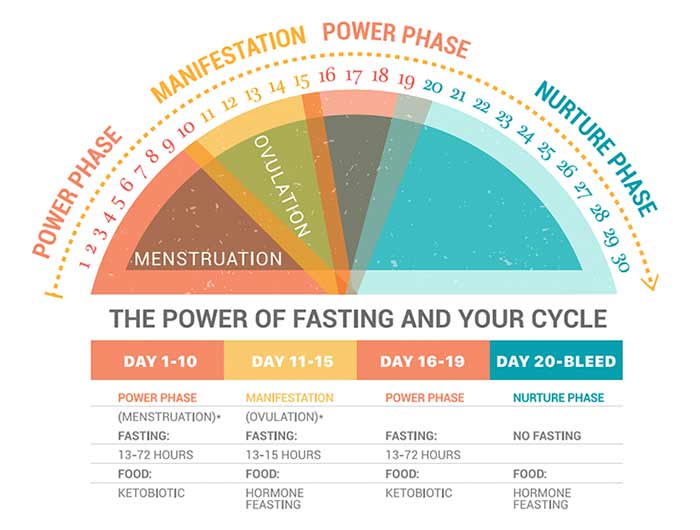
A Woman’s Fasting Cycle

One of the prime reasons for the interview was to understand how time-restricted eating is modified based on a woman’s menstrual cycle. In her book, Pelz maps out what she calls the fasting cycle, which is a tool women need when they first start fasting.

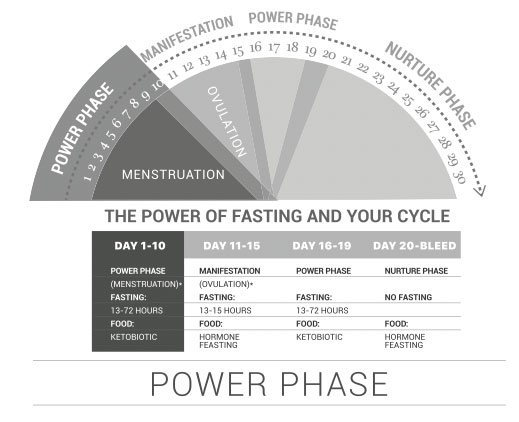
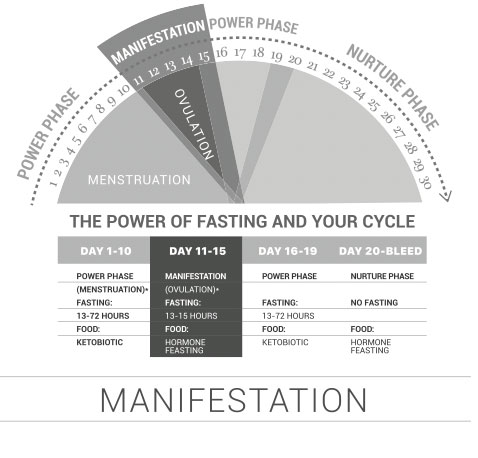
“It looks like this. Day 1 through Day 10 of a woman’s cycle, estrogen is building. You can go into those longer fast. So, if you’re already fasting and want to throw a three-day water fast, throw it in during that first 10 days.

When you get into ovulation and all these hormones are surging — we’ve got estrogen at its highest, testosterone at its highest and a little bit of progesterone — we need to bring the fast down to 13, 15 hours. And you definitely don’t want to push it. If that’s a stretch, you can even do 12. This is not a time to push your fast. It’s a time to lean into more vegetables and bitter foods to really help support the liver and the gut to break down those hormones.

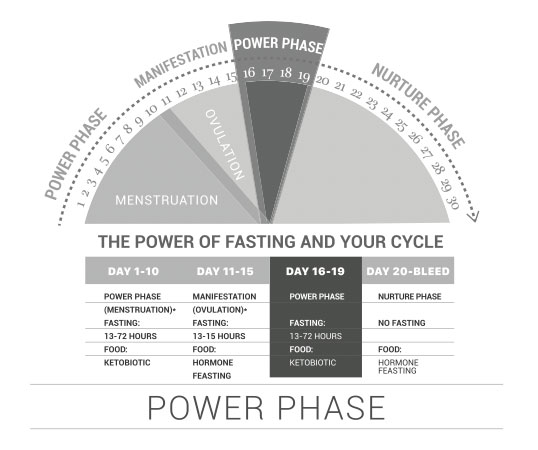
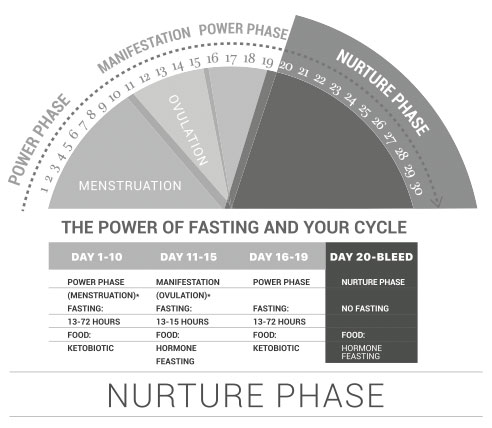
Then around Day 16, we come out of ovulation and the hormones have dropped, so we can go back into a little longer fast. If you like a 24-hour fast, you can do that at this point. But as we start to get into about Day 19, progesterone’s building, and this is where we don’t want to fast, and we don’t want to be in keto.

That’s another big piece. We’ve got to raise glucose so that progesterone has what it needs to be able to kick in. A lot of these 25-year-olds, 32-year-olds that have abnormal cycles, if they start to create that rhythm, they’ll start to bring their cycle back.”

The graphics below from Pelz’s book can be helpful in understanding the female fasting cycle.

fasting cycle
fasting cycle power phase day 1 to 10
fasting cycle power phase day 16 to 19
fasting cycle manifestation
fasting cycle nurture phase

Fasting Cycle for Perimenopausal and Menopausal Women

If you no longer menstruate because of your age, this next section is for you:

“Around 40, you really need to start to get to know the characteristics of progesterone and estrogen, primarily because as your ovaries are going into retirement, you’re going to see some pretty dramatic shifts in those two hormones …

If you’re spotting, that’s progesterone tapping you on the shoulder saying, ‘Hey, I need a little more glucose.’ So, you would step out of a keto fasting day, and the next day you may shorten your fast, elongate your eating window and use more of nature’s carbs to give progesterone more glucose. So, spotting is a big one.

Anxiety is another big one. Trouble sleeping is another big one, where we need to have women step out of keto and fasting and step into more of this higher glucose [level, i.e., eat more, and expand your eating window]. Progesterone loves root vegetables, all the squashes, grass-fed beef, even tropical fruits. Bananas, mangoes, papayas, citrus fruits, those really help support progesterone production.

A perimenopausal woman will know that estrogen’s really low when she starts getting hot flashes, when her hair starts getting frizzy and dry. When her skin is really dry, she’s starting to get more wrinkles, her mucosal membranes become really dry and cognition is difficult.

If that’s happening, then you actually want to lean into a little bit of the longer fast, because estrogen does really well with a longer fasting window, and you want to lean into more of a ketogenic diet. I think she still needs some carbs, but she really needs to lean into longer fast to get estrogen and more protein. And that will dramatically help.”

If you’re in menopause, Pelz recommends doing the 30-day reset detailed in her book, but timed to the moon cycle. You may notice that the four cycles in the charts above have the same names as the moon cycles. So, you’d start your reset based on the moon cycle that is present at the time that you begin. For example, the day of the full moon is ovulation at Day 11, so you’d start at Day 11 and follow the schedule for the next 29.5 days from there.

More Information

To learn more, be sure to pick up a copy of “Fast Like a Girl.” She’s also releasing an app that will guide you on what you should be doing each day, which can be a very helpful tool.

Black Cohosh Better Than Prozac for Menopause

© 27th November 2019 GreenMedInfo LLC. This work is reproduced and distributed with the permission of GreenMedInfo LLC. Want to learn more from GreenMedInfo? Sign up for the newsletter here www.greenmedinfo.com/greenmed/newsletter
Reproduced from original article:
https://www.greenmedinfo.health/blog/black-cohosh-better-prozac-menopause

Posted on: Wednesday, November 27th 2019 at 4:45 pm

Do you feel fear or worry regarding the onset of menopause, either for yourself or someone you love? Antidepressants and hormone treatments may be the popular prescriptions, but before you take medications with serious risks, learn about the incredible results of black cohosh for those pesky, sweaty, hot flashy nights

Even in the modern day, there are abundant myths and mysteries surrounding menopause, the period in a woman’s life that occurs 12 months after her last menstrual cycle.[1] Perimenopause, the transition period before menopause, is marked by hormonal changes leading to the cessation of menses.[2]

Both phases, hereafter collectively referred to as menopause, are characterized by physical and psycho-social changes that lend to the stories surrounding women’s behaviors, thoughts, and feelings during this time of transition.

Menopause can range from a few months to several years in duration and is spurred by decreased estrogen production in the ovaries. These hormonal shifts can have associated and, at times, unpleasant side-effects, which may be managed through holistic or pharmacological interventions, or a combination of the two modalities.

Historically, some have prescribed to the belief that “the change” brings about an unwelcome and inevitable reality, both for women and the men in their lives. Is it any wonder that the “fix” has become to prescribe mood-altering drugs, or to attempt to “put back” the hormones that the passage of time is depleting? In truth, this natural cessation of fertility need not be synonymous with a distressing or unpleasant experience.

Antidepressants are widely prescribed for menopause symptoms ranging from depression and low libido, to anxiety and social isolation. Instead of directly addressing the emotional aspects of aging, empty-nesting, and our physiological need for strong social bonds, modern medical dogma is to simply prescribe a “magic pill” in hopes that these uncomfortable feelings will disappear.

Beyond the emotional and psychological impacts, vasomotor symptoms are commonly experienced during perimenopause up to full menopause. Changes in body temperature such as flushing and night sweats are frequently reported, and the condition known as “hot flashes” can onset. According to a 2008 study,[3] nearly 80% of peri- and postmenopausal women reported experiencing some or all of these symptoms.

Medicating Menopause: A Risky Prescription

A popular treatment administered to menopausal women in the U.S. is ERT, or estrogen replacement therapy. While it may seem natural to replace fading endogenous hormones with an exogenous supply,  warning bell has been sounded regarding potentially harmful side effects.[4] ERT has been linked to cancer, cardiovascular disease and stroke, among other concerning outcomes.[5]

Another prescribed treatment for vasomotor symptoms is gabapentin, known by the brand name Neurontin, an anti-seizure drug used to treat nerve pain and conditions such as restless leg syndrome. Also prescribed for anxiety, gabapentin has a high potential for addiction and misuse,[6] and can have undesirable side effects such as slurred speech, blurred vision and impaired motor function.[7] Even worse, Neurontin has been linked to cases of suicidal ideation[8] and respiratory failure,[9] among other serious side effects.[10]

Another option frequently prescribed are the broad spectrum of mood-altering and antidepressant drugs. Selective serotonin reuptake inhibitors, SSRIs, and serotonin-norepinephrine reuptake inhibitors, SNRIs are often the first course of treatment when a menopausal patient complains of depression, lethargy, or hormonal issues.

According to the U.S. Centers for Disease Control and Prevention, women are 2.5 times more likely to be prescribed an antidepressant than men.[11] Nearly 23% of woman ages 40 to 59 are taking antidepressant medication in the U.S., more than any other age-sex group.[12]

Validated by Science: Natural Options for Hormonal Balance

While natural options for managing menopause may not be routinely prescribed by allopathic physicians, science has validated that black cohosh is a viable treatment for several discomforting symptoms of this life-changing transition.

This double-blind placebo-controlled study, found that black cohosh (scientific name: Cimicifuga Racemosa) was “equipotent” to mixed-estrogen drugs for relief from vasomotor symptoms, and for improving markers of bone metabolism, a factor related to osteoporosis.

What’s not equal when comparing most plant medicines to pharmaceuticals are potential adverse effects. Premarin®, a popular mixed-estrogen drug, has a warning label that cites increased risks of heart attack, cancer, blood clots and stroke,[13] while studies involving a 12-month course of treatment with black cohosh root (the part of the plant used in herbal formulations) show it was administered with no known adverse effects.[14]

Another impressive study pitting black cohosh against a popular prescription involves Prozac® for treatment of postmenopausal symptoms. The 2007 study, published in Advances in Therapy, compared questionnaires from 120 healthy women with menopausal symptoms who rated such factors as quality of life, depression scores, and frequency and severity of vasomotor symptoms like flushing and night sweats.[15]

Women in this study were randomly assigned to 1 of 2 groups, with one group receiving fluoxetine (generic form of Prozac®) and the other group receiving black cohosh. The women were surveyed before, during and after the study, for a period of six months. They kept daily diaries recording the number and intensity of hot flashes and night sweats, as well as completing several standardized questionnaires.

Results of this study showed that black cohosh reduced overall scores for hot flushes and night sweats better than Prozac®. At the end of the sixth month of treatment, black cohosh reduced the hot flush score by 85%, compared with a 62% result for fluoxetine.

By the study’s end, 40 women taking the prescription drug had discontinued the study, while only 20 women in the black cohosh group discontinued, potentially speaking to benefits gained from long-term use of herbs, the reverse of which is true for many pharmaceutical drugs, which are contraindicated for longer periods of use.

Managing Change Gracefully

Placebo effect dictates that the beliefs we hold about our health and treatment options have significant impact on our experiences. Be aware of any negative beliefs you might hold about menopause; despite popular opinions and superstitions,[1] there is no mandate that this phase of life must be a difficult one.

With improved psycho-social awareness of the stressors women experience mid-life, and better understanding of naturally effective treatment options, we can begin to view menopause as a celebration of life rather than the death of fertility. It’s the dawning of a new cycle, a time ripe for giving of your experience and wisdom. Protect your vitality with naturally effective plant medicine and enjoy all the seasons of your life.

To learn more about black cohosh and other natural treatment options for menopause, explore the 79 abstracts and 38 natural substances that are compiled on GreenMedInfo’s Research Database.


References

[1] Menopause and Hormone Replacement February 25, 2015 https://www.ncbi.nlm.nih.gov/books/NBK279050/

[2] The North American Menopause Society, Menopause 101 https://www.menopause.org/for-women/menopauseflashes/menopause-symptoms-and-treatments/menopause-101-a-primer-for-the-perimenopausal

[3] Frequency and severity of vasomotor symptoms among peri- and postmenopausal women in the United States. Williams RE, Kalilani L, DiBenedetti DB, Zhou X, Granger AL, Fehnel SE, Levine KB, Jordan J, Clark RV. Climacteric. 2008 Feb; 11(1):32-43. https://www.ncbi.nlm.nih.gov/pubmed/18202963/

[4] Project Aware https://www.project-aware.org/Managing/Hrt/benefits-risks.shtml

[5] Am J Obstet Gynecol. 1995 Sep;173(3 Pt 2):982-9. https://www.ncbi.nlm.nih.gov/pubmed/7573295

[6] J Exp Pharmacol. 2017; 9: 13-21. https://www.ncbi.nlm.nih.gov/pmc/articles/PMC5308580/

[7] Toxnet, Gabapentin https://toxnet.nlm.nih.gov/cgi-bin/sis/search/a?dbs+hsdb:@term+@DOCNO+7364

[8] Pregabalin-induced self-harm behavior. Tandon VR, Mahajan V, Gillani ZH, Mahajan A. Indian J Pharmacol. 2013 Nov-Dec; 45(6):638-9. https://www.ncbi.nlm.nih.gov/pubmed/24347781/

[9] Recurrent hypoventilation and respiratory failure during gabapentin therapy. Batoon SB, Vela AT, Dave D, Wahid Z, Conetta R, Iakovou C, Banzuela M. J Am Geriatr Soc. 2001 Apr; 49(4):498. https://www.ncbi.nlm.nih.gov/pubmed/11347805/

[10] Pfizer, Neurontin https://www.pfizermedicalinformation.com/en-us/neurontin/adverse-reactions

[11] U.S. CDC, NCHS Data Brief No. 76, October 2011 https://www.cdc.gov/nchs/products/databriefs/db76.htm

[12] U.S. CDC, NCHS Data Brief No. 76, October 2011 https://www.cdc.gov/nchs/products/databriefs/db76.htm

[13] Pfizer, Premarin https://www.pfizermedicalinformation.com/en-us/patient/premarin

[14] National Center for Complementary and Integrative Health, Black Cohosh https://nccih.nih.gov/health/blackcohosh/ataglance.htm

[15] Adv Ther. 2007 Mar-Apr;24(2):448-61.https://www.ncbi.nlm.nih.gov/pubmed/17565936

Disclaimer: This article is not intended to provide medical advice, diagnosis or treatment. Views expressed here do not necessarily reflect those of GreenMedInfo or its staff.

Valerian: Everything You Knew and Everything You Didn’t

© 6th November 2019 GreenMedInfo LLC. This work is reproduced and distributed with the permission of GreenMedInfo LLC. Want to learn more from GreenMedInfo? Sign up for the newsletter here www.greenmedinfo.com/greenmed/newsletter
Reproduced from original article:
www.greenmedinfo.health/blog/valerian-everything-you-knew-and-everything-you-didnt
Posted on: Wednesday, November 6th 2019 at 10:30 am