Age
now browsing by category
Why Glucose Restrictions Are Essential in Treating Cancer
Reproduced from original article:
https://articles.mercola.com/sites/articles/archive/2022/07/31/metabolic-targets-for-tumor-therapy.aspx
The original Mercola article may not remain on the original site, but I will endeavor to keep it on this site as long as I deem it to be appropriate, and will not be bullied into removing it.
Analysis by Dr. Joseph Mercola Fact Checked July 31, 2022
STORY AT-A-GLANCE
- All cancer cells, regardless of tissue origin, use fermentation energy for growth. They ferment lactic acid from glucose in the cytoplasm, which also involves succinic acid fermentation using glutamine as a fermentable fuel
- Even when tumor cells appear to be making ATP and taking in oxygen, suggestive of normal respiration, their mitochondria are abnormal; hence, mitochondrial dysfunction is at the root of most cancers
- The true origin of cancer is damage to the respiratory function of your mitochondria, triggering compensatory fermentation, which is run by oncogenes. Oncogenes facilitate the entry of glucose and glutamine into the cell to replace oxidative phosphorylation
- Metastatic cancer cells are hybrid “rogue” macrophage cells — a mix of an immune system cell and a dysregulated stem cell with macrophage characteristics, which allows it to rapidly replicate and spread
- Press-pulse cancer treatment involves restricting the fermentable fuels — glucose and glutamine — in a cyclical fashion to avoid causing damage to the immune system
- A biopsy may not always be a good option as this procedure may actually cause the cancer to spread or turn a potentially benign situation into a malignant one
This article was previously published December 8, 2019, and has been updated with new information.
Thomas Seyfried, Ph.D., professor in the biology department at Boston College, is a leading expert and researcher in the field of cancer metabolism and nutritional ketosis. His book, “Cancer as a Metabolic Disease: On the Origin, Management and Prevention of Cancer” is a foundational textbook on this topic, and in August 2016, he received the Mercola.com Game Changer Award for his work.
Here, we discuss the mechanisms of cancer and the influence of mitochondrial function, which plays a crucial role in the development and treatment of this disease. His landmark cancer theory is available as a free PDF.
Many of his views are now encapsulated in his most paper,1 “Mitochondrial Substrate-Level Phosphorylation as Energy Source for Glioblastoma: Review and Hypothesis,” published online December 27, 2018. He’s also published a number of other papers2,3,4 on the metabolic underpinnings of cancer.
“The paper … is a review and hypothesis paper identifying the missing link in Otto Warburg’s central theory,” Seyfried explains. “[Warburg] defined the origin of cancer very accurately back in the 1920s, ’30s, ’40s and ’50s in his work in Germany. Basically, he argued and provided data showing that all cancer cells, regardless of tissue origin, were fermenters. They fermented lactic acid from glucose as a substrate.
Even in the presence of oxygen, these cells were fermenting. This is clearly a defect in oxidative phosphorylation. The problem is that for decades, people said Warburg was wrong — mainly because we see a lot of cancer cells take up oxygen and make adenosine triphosphate (ATP) from within the mitochondria … People began to question, ‘If cancer cells have normal respiration, why would they want to use glucose as a fermentable fuel?’
The whole concept became distorted … The cancer cells simply choose to ferment rather than respire. Now, of course, if you look under the electron microscope at majority of cancers, you’ll see that the mitochondria are defective in a number of different ways. Their structures are abnormal. The numbers are abnormal. There are many abnormalities of mitochondria seen directly under electron microscopy. Clearly, Warburg was not wrong.”
Why Biopsies Are Risky
Before we delve into the meat of how cancer actually occurs it would be good to review a diagnostic strategy that nearly all of us are offered when confronted with a cancer diagnosis. It is vital to understand that this may not be your best strategy and that for many it would be wise to avoid the biopsy.
Seyfried warns against doing biopsies, as this procedure may actually cause the cancer to spread. A tumor is basically a group of proliferating cells in a particular part of your body. For purposes of diagnosis, a small biopsy sample will often be taken to ascertain whether the tumor is benign or malignant.
The problem is that when you stab into the cancer microenvironment to remove a part of the tissue, it creates a wound in that microenvironment that in turn elicits the invasion by macrophages and other immune cells.
If you already have an acidic microenvironment, you run the risk of causing a fusion hybridization event in that microenvironment between your macrophages and cancer stem cells (as discussed below). This could turn a potentially benign situation into a malignant one, and if the tumor is malignant, stabbing into it could make a bad situation worse.
“The question is, what is the value of doing a biopsy in the first place? We take biopsies of breast tissue to get a genomic readout of the different kinds of mutations that might be in the cells. Now, if cancer is not a genetic disease and the mutations are largely irrelevant, then it makes no sense to do that in the first place. If the tumor is benign, why would you want to stab it? If the tumor is malignant, why would you ever want to stab it?
I came to this view by reading so many articles in the literature based on brain cancer, breast cancer, colon cancer, liver cancer showing how needle biopsies have led to the dissemination of these tumor cells, putting these people at risk for metastatic cancer and death,” Seyfried says.
In metabolic therapy you would not touch the tumor; you would not disturb the microenvironment. By leaving it alone, you allow the tumor to shrink and go away.
“When you start to look at this as a biological problem, many of the things that we do in cancer make no sense. We have, in brain cancer, people say, ‘You have a very low-grade tumor. Let’s go in and get it out.’ What happens is you go in and get it out, and then the following year it turns into a glioblastoma.
How did that happen? Well, you disturbed the microenvironment. You allowed these cells that are marginally aggressive to become highly aggressive. Then you lead to the demise of the patient,” Seyfried says.
“That happens significantly because it’s called secondary glioblastoma arising from therapeutic attempt to manage a low-grade tumor. The same thing can happen with all these different organs. You stab breast tumors, you stab colon tumors, you run the risk of spreading the cells …
My argument is the following: If the patient has a lump, whether it’s in the breast, in the colon, lung or wherever or a lesion of some sort, that should be the cue to do metabolic therapy.
Do metabolic therapy first. In all likelihood, it will shrink down and become less aggressive. Then the option becomes, ‘Should we debulk completely rather than doing some sort of a biopsy?’ We want to reduce the risk, because if we can catch the whole tumor completely, then we don’t run the risk of spreading it …
In our procedure, you bring the body back into a very high state of metabolic balance, and then you strategically go and degrade the tumors slowly without harming the rest of the body.
Radiation, chemo and the strategies that we’re using today don’t do this. They’re based on the gene theory of cancer that genetic mutations are causing the cell cycle to grow out of control. Well, this is not the case. Again, a lot of these toxic procedures need to be rethought, reanalyzed in my mind.”
Solving the Warburg Theory’s Dilemma
In biology, structure determines function. This is an evolutionarily conserved concept. So, how can mitochondria be structurally abnormal in tissue, yet have normal respiration? As Seyfried notes, this doesn’t make sense. Confusion has arisen in part because many study cancer in culture, and “make profound statements and comments regarding what happens in culture,” Seyfried says.
“If you look at cancer cells in culture, many of them do take in oxygen and make ATP, but at the same time, they’re fermenting. This was the conundrum. They called it the Warburg Effect. They’re fermenting, but many people at the same time thought their respiration was normal.
This was the main problem with Warburg’s theory. But Warburg clearly said in his papers [that] it’s not the fact that they take in oxygen; it’s how much ATP they can generate from oxidative phosphorylation, which is the normal respiratory capacity of the mitochondria.”
As explained by Seyfried, if you measure ATP and look at oxygen consumption in tumor cells, it appears they’re making ATP and taking in oxygen, therefore, their respiration is assumed to be normal. However, when you look at the tissues in cancer patients, the mitochondria are abnormal.
“What I and Dr. Christos Chinopoulos from Semmelweis University in Budapest, Hungary, who is the world-leading expert on mitochondrial physiology and biochemistry … realized [was] that the mitochondria of tumor cells are actually fermenting amino acids, glutamine in particular. They’re not respiring. They’re fermenting an alternative fuel, which is glutamine,” Seyfried says.
Warburg’s Cancer Theory Proves Correct
With this understanding, Warburg’s theory can be proven correct — cancer arises from damage to the mitochondria’s ability to produce energy through respiration in their electron transport chain.
The compensatory fermentation involves not only lactic acid fermentation, but also succinic acid fermentation using glutamine as a fermentable fuel. It’s been known for decades that glutamine is a main fuel for many different kinds of cancers, but most people thought it was being respired, not fermented.
Seyfried and Chinopoulos’ discovery confirms that cancer cells in fact have damaged respiration, and to survive, the cancer cells must use fermentation. The two most available fermentable fuels in the cancer microenvironment are glucose and glutamine. Hence, targeting glucose and glutamine is a crucial component of cancer treatment.
Without glucose and glutamine, the cancer cells will starve, as they cannot use ketones. The simplest approach to cancer then is to bring patients into therapeutic ketosis, and then strategically target the availability of glucose and glutamine.
“Basically, what we’re saying [is] that mitochondrial substrate-level phosphorylation is a non-oxidative metabolism mechanism inside the mitochondria that would generate significant amounts of energy without oxidative phosphorylation,” Seyfried says.
Genetic Mutations Are Not the Cause of Cancer
According to Seyfried, mitochondrial dysfunction is at the heart of nearly every type of cancer. Unfortunately, few oncologists have this understanding and many still believe cancer is the result of genetic defects. However, nuclear transfer experiments clearly show cancer cannot be a genetic disease.
“There’s been no rational scientific argument that I have seen, to discredit the multitude of evidence showing that the [genetic] mutations are not the drivers but the effects [of mitochondrial dysfunction],” Seyfried says.
“As a matter of fact, there’s new information now where people are finding so-called genetic drivers of cancer expressed and present in normal cells, normal skin and also esophagus … This is another [issue] — how you get these so-called driver mutations in normal tissues. We’re also finding some cancers that have no mutations, yet, they’re fermenting and growing out of control.
There are a number of new observations coming out that challenge the concept that cancer is a genetic disease. And once you realize that it’s not a genetic disease, then you have to seriously question the majority of therapies being used to manage the disease. This [helps] explain [why] we have 1,600 people a day dying from cancer in the United States.
Why do we have such an epidemic of suffering and death when we have been studying this disease for decades? Well, if you look at the massive amounts of scientific papers being written on cancer, you’ll often find that they’re structured around gene defects.
What I’m saying is that if cancer is not a genetic disease and the mutations are downstream epiphenomena, why would the field continue to focus on things that are mostly irrelevant to the nature of the disease? What I’m saying is very devastating, because I’m telling the majority of the people in the field that they’re basically wasting their time …
I think we can drop the death rate of this disease by about 50% in 10 years if cancer is treated as a mitochondrial metabolic disease, targeting fermentable fuels rather than using toxic therapies that are focused on downstream effects.
Radiation is designed to stop DNA replication. DNA replication requires energy. If you pull the plug on their fermentable fuels, they’re not going to be able to replicate anyway … All of the things that we’re doing to treat cancer is basically approaching the disease from a misunderstanding of the biology …
We know viruses can cause cancer. We know radiation causes cancer. We know carcinogens cause cancer. We know intermittent hypoxia causes cancer. We know systemic inflammation causes cancer. We know just getting older puts you at risk for more cancer.
We know there are inherited mutations in the genome that can cause cancer. But how are all these things linked through a common pathophysiological mechanism? The common pathophysiological mechanism is damaged through the structure and function of the mitochondria.
Every one of the issues … including inherited mutations, damage the respiration of a particular population of cells in a tissue. You look at the breast cancer gene (BRCA 1), for example. People will say, ‘Cancer must be a genetic disease because you inherit a mutation that causes the disease.’
You only get the disease if that mutation disrupts the function of the mitochondria. Fifty percent of women who carry the mutation never get cancer or breast cancer because the mutation, for some reason, did not damage the mitochondria in that person.”
So, to summarize, the true origin of cancer is damage to the respiratory function of the mitochondria, triggering compensatory fermentation, which is run by oncogenes. Oncogenes play a role by facilitating the entry of glucose and glutamine into the cell to replace oxidative phosphorylation.
Why and How Cancer Spreads
Seyfried also has a very different view on the biology of metastasis (the spread of cancer). He explains:
“We’ve looked at cancer stem cells in a number of our preclinical models … These guys grow like crazy in place. The tumor just keeps expanding, but it doesn’t spread. It doesn’t spread into the bloodstream or metastasize to various organs.
We discovered a very unusual cancer 20 years ago. It took us 10 to 15 years to figure out what it was. You can put a few of these cells anywhere in the mouse’s body and within three to four weeks, this mouse is full of metastatic cancer. It made the cover of the International Journal of Cancer, when we published this back in 2008, but we had worked on the problem for years.
We couldn’t figure out what it was that made these cells so incredibly metastatic. We found out that once we identified the biology of the cell, it turned out [it has] many characteristics in common with the macrophage, which is one of the most powerful immune cells in our body.
We said, ‘Wow. Is this unique only to this kind of cell or do metastatic cancers in humans also express characteristics of macrophages?’ We looked and we found that almost every major cancer that metastasizes has characteristics of macrophages. Then we said, ‘Well, how could this possibly happen? Is it coming from the macrophage?’
A number of scientists … have all clearly shown that there is some fusion hybridization character going on. In other words, macrophages, our wound-healing cells, they come into a microenvironment where you might find many proliferating neoplastic stem cells, but they don’t have the capacity to metastasize.
It’s only when the macrophages fuse with these stem cells that you have a dysregulated energy metabolism coming in this hybrid cell. This hybrid cell now has characteristics of both stem cells and macrophages.
The stem cell is not genetically equipped to enter and exit tissue. The macrophage, as a normal cell of your body, is genetically equipped to enter and exit tissue and live in the bloodstream. They’re very strongly immunosuppressive. These are all characteristics of metastatic cancer.”
Metastatic Cancer Is a Hybrid Cell Combination
According to Seyfried, metastatic cancer cells are essentially a hybrid, a mix of an immune system cell and a dysregulated stem cell, the latter of which could originate from a disorganized epithelial cell or something similar. In short, it’s a hybrid cell with macrophage characteristics.
Macrophages are essential for wound healing and part of our primary defense system against bacterial infections. They live both in the bloodstream and in tissues, and can go anywhere in the body. When an injury or infection occurs, they immediately move in to protect the tissue.
“The metastatic cancer cell has many of those same properties,” Seyfried explains, “But the energy and the function of the cell is completely dysregulated, so it proliferates like crazy but has the capacity to move and spread through the body, so it’s a corrupted macrophage. We call it a rogue macrophage.”
Like macrophages, metastatic cancer cells can also survive in hypoxic environments, which is why most angiogenic therapies are ineffective against metastatic cancer.
So, what do these metastatic hybrid cells need to survive? Both macrophages and immune cells are major glutamine consumers, and according to Seyfried, you can effectively kill metastatic cells by targeting glutamine.
Conventional Cancer Treatments Are Unnecessarily Deadly
However, it must be done in such a way so as to not harm the normal macrophages and the normal immune cells. In other words, it must be strategic. For this reason, Seyfried developed a “press-pulse therapy” for cancer, which allows the patient to maintain normal immune system function, while at the same time targeting the corrupted immune cells — the macrophage fusion hybrid metastatic cells — as well as inflammation.
“The therapies we are using to attempt to kill these [metastatic] cells put us at risk for having the cells survive and kill us. You can control these cells for a short period of time, but they can hunker down and enter into some sort of a slightly dormant state, but they reappear.
People say, ‘Oh, these tumor cells are so nifty and smart they can come back at you.’ The problem is you’ve never really challenged them on their very existence, which is they depend on fermentation to survive. If you don’t target their fermentation, they’re going to continue to survive and come back at you.
Many of the therapies that we use — radiation, chemo and some of these other procedures — are not really going after the heart of the problem. That oftentimes puts you at risk for the recurrence of the disease. Your body is already seriously weakened by the toxic treatments. And in the battle, you lose. If you are fortunate enough to survive … your body is still beat up.
You have now put your [body] at risk for other kinds of maladies … Why are we using such toxic therapies to kill a cell when we know what its weaknesses are? These are the paradigm changes that will have to occur as we move into the new era of managing cancer in a logical way.”
A Strategic Approach to Killing Cancer Cells
To properly address cancer, then, you need to clean up the microenvironment, because the microenvironment will strategically kill cells that are dependent on fermentation while enhancing cells that aren’t. At the same time, the microenvironment will also reduce inflammation.
“You also have to be very careful not to kill your normal and healthy immune cells, because they need glutamine too,” Seyfried says. “What we find is that when we strategically attack the tumor this way, it turns out that our immune cells are paralyzed.
The cancer cells are killed, but the normal immune cells are paralyzed. They’re not dying, they’re just not doing their job. What we do is we back off the therapy a little; allow the normal immune cells to regain their biological capacity, pick up dead corpses, heal the microenvironment, and then we go after the cancer cells again.
It’s a graded response, knowing the biology of the normal cells and the abnormal biology of the tumor cells. This is a beautiful strategy. Once people know how you can play one group of cells off another, and how you can strategically kill one group of cells without harming the other cells, it really becomes a precision mechanism for eliminating tumor cells without harming the rest of the body.
You don’t need to be poisoned and irradiated. You just have to know how to use these procedures to strategically kill the cells. Protecting normal macrophages is part of the strategic process. Killing the corrupted ones is part of the strategic process. Again, you have to put all of these together in a very logical path. Otherwise, you’re not going to get the level of success that we should be getting.”
The Press-Pulse Strategy
This strategy is what Seyfried calls “press-pulse treatment,” and essentially involves restricting the fermentable fuels — glucose and glutamine — in a cyclical fashion to avoid causing damage to normal cells and tissues. Glucose is effectively restricted through a ketogenic diet. Restricting glutamine is slightly trickier.
The press-pulse strategy was developed from the concept of press-pulse in the field of the paleobiology. A “press” was some chronic stress on populations, killing off large numbers, but not everything, because some organisms can adapt to stress. The “pulse” refers to some catastrophic event.
The simultaneous occurrence of these two unlikely events led to the mass extinction of almost all organisms that existed on the planet. This was a cyclic event over many hundreds of millions of years. The geological records show evidence for this press-pulse extinction phenomenon.
“What we simply did was take that concept and say, ‘Let’s chronically stress the tumor cells.’ They need glucose. You can probably kill a significant number of tumor cells by just stressing their glucose. That’s the press. The press is different ways to lower blood sugar. You put that chronic stress on top of the population either by restricted ketogenic diets [or] therapeutic fasting. There are a lot of ways that you can do this.
Also, emotional stress reduction. People are freaked out because they have cancer, therefore their corticoid steroids are elevated, which elevates blood sugar. Using various forms of stress management, moderate exercise — all of these will lower blood sugar and contribute to a chronic press and stress on the cancer cells.
However, you’re not going to kill all cancer cells if you just take away glucose. Because the other fuel that’s keeping the beast alive is the glutamine. We have to pulse, because we can’t use a press for glutamine targeting, because then you’re going to kill your normal immune cells or impair them, and they are needed for the eventual resolution of the disease.
What we’re going to do is we’re going to pulse various drugs. We don’t have a diet system that will target glutamine. Glutamine is everywhere. It’s the most abundant amino acid in your body … But you have to use [the drugs] very strategically; otherwise they can harm our normal immune system and then be counterproductive …
I think that once we understand how we can target effectively glutamine without harming our normal immune cells … this is the strategy that will make most of these other therapies obsolete … It’s cost-effective and non-toxic and it will work very well.
But we’re still at the very beginning of this. We need to continue to develop the doses, timing and scheduling of those drugs that are most effective in targeting glutamine that can be done without harming the rest of the cells in our body.”
If you would like to support Dr. Seyfried’s research, please consider making a donation to the “Foundation For Metabolic Cancer Therapies.” The donation tag is on the top row of the of the foundation site. This Foundation is dedicated to supporting Dr. Seyfried’s studies using metabolic therapy for cancer management with 100% of the donated funds going directly to research on metabolic therapy for cancer.
Is there any EVIDENCE that old people should get the shot?
Reproduced from original article:
https://stevekirsch.substack.com/p/is-there-any-evidence-that-old-people
Some people claim that if you are old with multiple comorbidities, you should get the shot. But where is the evidence? Apparently, it doesn’t exist.

Steve Kirsch
29th April 2022
Overview
- Some people claim that elderly people with multiple comorbidities should take the COVID vaccines and boosters.
- The all-cause mortality data required to make such claims should be readily available to the public but isn’t.
- Nobody I know has seen any data that would justify these claims.
- It is unethical to recommend vaccination in any age group without clear and compelling data of an all-cause risk-benefit. Where is the risk-benefit analysis?
- If there was all-cause mortality data that supported the “safe and effective” narrative, it’s highly likely we’d all know about it.
- This is more evidence of a very corrupt system that no one in the mainstream medical community or media finds objectionable.
Introduction

Among people who believe the vaccines are unsafe, there are still a few people who still believe it is recommended for older people.
Arguments that claim the vaccines are safe either mix timeframes or they ignore deaths from the vaccine
One doctor told me a story like the following, “I know of nursing homes where 30% of the residents died from COVID before the vaccines came out. And since we all know that the vaccines are 90% effective, even if the kill rate from the vaccine is 25% for the elderly, there is still a positive risk-benefit.”
Nope, that’s not convincing at all. There’s a lot of survivor bias here. If the first wave of COVID wiped out 30% of the elderly, then many of the people who remain are already immune from the virus. So giving them the shot at that point has likely no benefit at all, only downsides. For a fair comparison, we must compare the vaccinated vs. unvaccinated groups from the time the vaccines were first made available.
Other people just look at the death rates from COVID and claim that the per capita death rates are lower in people who have been boosted. Even if that were true, it’s irrelevant because it ignores the possibility the vaccine can kill people.
The VAERS data showed nobody should take the vaccine
When I looked at the VAERS data in October 2021, I found that the vaccines couldn’t be justified for any age group. Even if the vaccines worked as promised, they killed more people than they might have theoretically saved.
I’m open to being convinced I got it wrong, but nobody wants to show me any real-world data.
Here’s a comment from one of my readers (bold part is my emphasis):
At the very beginning of the injection campaigns which started in German nursing homes at the start of 2021, in some cases there were 25-35% deceased soon after each ‘vaccination’ campaign. Acu2020 (Reiner Fuellmich) interviewed a few whistleblowers from those places, it was really heartbreaking to listen to this. Elderly were dying alone, and families were not allowed to be with them. How long can we all stand for this, but most importantly, allow it to happen?
So we should not be ignoring the deaths caused by the vaccines. We need to be looking at what’s known as “all-cause mortality” which would factor in any deaths caused by the vaccine itself.
This is the data everyone needs to see: just two numbers
I’m not asking for a randomized trial. I’m just asking for the two numbers that are required to support the claims being made:
- What is the rate of all-cause mortality of the elderly who got the booster?
- What is the rate of all-cause mortality of the elderly who didn’t get vaccinated at all?
To obtain the two numbers, you’re basically following 1,000 matched elderly patients in both groups from December 19, 2020 forward, and counting the total all-cause mortality deaths from the day before they got their very first shot to 3 months after their third shot with the total # of deaths in the matched group who got no shots (over a matched timeframe). You’d match patients in each group so you are tracking patients over the same time range in each group (starting at when they got the shot). That’s the proper way to do the risk-benefit assessment.
Any person with a working brain would want to see these two numbers to justify recommending the vaccines.
Doctors aren’t asking for the data required for a proper risk-benefit analysis; they are recommending the vaccine based on the patently false assumption that the vaccines don’t kill anyone
So it is astonishing to me that:
- The risk-benefit study using all-cause mortality data has never been done. If it had been done and the result was positive, they’d be publicizing this widely. I suspect they’ve done the analysis, saw the results, and killed the study so nobody would know.
- No member of the mainstream medical community is demanding to see this data before making a recommendation to patients. There is no excuse for this. It’s completely irresponsible and reprehensible. Even President Obama, who is a self-proclaimed expert on COVID-19 misinformation, has not called for this data. You should always be very suspicious when nobody is calling for the data that is required to justify their beliefs.
Am I the only guy in the world who is publicly calling for these critical all-cause mortality statistics?
I think so.
This just goes to show you how totally screwed up our medical system is today. Doctors are recommending the vaccine, not based on the data and science, but based on the political science. They don’t even want to see the data. That’s why nobody is publicly calling for it.
It also shows you how corrupt the mainstream media is because, even after my article is published pointing this out, they are still never going to mention this or ask about it.
We are mandating this vaccine for people and nobody wants to see the risk-benefit for the elderly where the benefits are supposed to be the most compelling. Makes you wonder, doesn’t it?


What the funeral directors found
UK Funeral Director John O’Looney has said deaths skyrocketed after vaccination started. But vaccinations are supposed to save lives, not kill people. The deaths are supposed to plummet after vaccination. That was the whole idea, wasn’t it?
The Washington Post said that “In January and February, unvaccinated people died at … 20 times the rate of people with boosters.” So if that’s true, why did O’Looney’s business go crazy after the vaccines rolled out?
Those who believe that the vaccines saved lives need to explain O’Looney’s observations; he risked his career to let people know about what was going on.
The explanation is simple: we don’t count anyone who died from the shot itself. The people who survive the shot are of course more immune to the spike protein because we killed off the people who were susceptible. So sure, with each dose of the vaccine, we’re going to see more differences in terms of COVID susceptibility. But that’s not what we should be paying attention to at all.
We should be looking at all-cause mortality in the two groups. The two numbers I wrote about earlier.
I’m reaching out to Professor Andrew Noymer since he’s an expert relied upon by the Washington Post
This Washington Post article entitled Covid deaths no longer overwhelmingly among unvaccinated as toll on elderly grows says:
“It’s still absolutely more dangerous to be unvaccinated than vaccinated,” said Andrew Noymer, a public health professor at the University of California at Irvine who studies covid-19 mortality.
Surely the good professor would have evidence to back up his claim. I’ll let you know if he responds.
I have also reached out to California State Epidemiologist Erica Pan who said:
“Vaccines are one of the most important and longest-lasting tools we have to protect ourselves,” said California State Epidemiologist Erica Pan, citing state estimates showing vaccines have shown to be 85 percent effective in preventing death.
Summary
I’m skeptical that the elderly with (or without) multiple comorbidities will benefit from the vaccine because nobody I know has seen the evidence that this is true. If it was true, our good friend O’Looney and other funeral directors would be seeing deaths plummet. And if it was true, embalmers wouldn’t be seeing massive blood clots in up to 93% of their cases.
If there is evidence that the vaccines are beneficial for the elderly, can we see it? Please? And if not, at least tell us why we can’t.
Subscribe to Steve Kirsch’s newsletter
I write about COVID vaccine safety and efficacy, corruption, censorship, mandates, masking, and early treatments. America is being misled by formerly trusted authorities.
You gave up two years of your life because Midazolam was used to prematurely end the lives of thousands who you were told had died of Covid-19; and we can prove it…
Reproduced from original The Exposé article:
https://dailyexpose.uk/2022/04/23/you-gave-up-twp-years-life-midazolam-covid-lie/
By: THE EXPOSÉ on April 23, 2022
In March 2020 the British people were told that they must “stay at home” in order to “protect the NHS” and “save lives”. They were also told that the authorities needed just “three weeks to flatten the curve”.
Why were the British people instructed to stay at home? Because of the threat of a new and emerging virus which we’re told originated in the city of Wuhan, China. A virus which has claimed the lives of 173,000 to date in the United Kingdom, or so we’re told.
But what if we could prove to you that you gave up two years of your life due to a lie? But not just any lie, a lie that has involved prematurely ending the lives of thousands upon thousands of people, who you were told died of Covid-19. A lie that has involved committing one of the greatest crimes against humanity in living memory. A lie that has required three things – fear, your compliance, and a drug known as Midazolam…
Authorities state that Covid-19 is an infectious disease caused by a new coronavirus dubbed SARS-CoV-2. The World Health Organisation (WHO) tell us that “most people infected with the COVID-19 virus will experience mild to moderate respiratory illness and recover without requiring special treatment”. However they state that “older people, and those with underlying medical problems like cardiovascular disease, diabetes, chronic respiratory disease, and cancer are more likely to develop serious illness”.
We’re told that serious illness in Covid-19 presents pneumonia and accompanying respiratory insufficiency. Therefore typical symptoms include breathlessness, cough, weakness and fever. We’re also told that people who suffer deteriorating respiratory failure and who do not receive intensive care, develop acute respiratory distress syndrome with severe breathlessness.

Pneumonia is an inflammation of one or both lungs, usually caused by an infection. It causes the alveoli (air sacs) inside the lungs to fill with fluid, making it harder for them to work properly. The body sends white blood cells to fight the infection, and while this helps kill the germs it can also make it harder for the lungs to pass oxygen into the bloodstream.
Pneumonia is not a new condition that has appeared due to Covid-19. In 2019 alone, the year prior to the alleged emergence of Covid-19, 272,000 people were admitted to hospital with pneumonia. According to the British Lung Foundation in 2012, 345 people per every 100,000 had one or more episodes of pneumonia. This equates to around 225,000 people suffering pneumoni at least once.
The British Lung Foundation also show us that the majority of cases of pneumonia occur in those who are aged 81 and over. For instance in 2012 1,838 people in every 100,000 people over the age of 81 developed pneumonia, this equates to around 60,000 people over the age of 81 in today’s numbers based on there being around 3.2 million people over the age of 80 in the UK.

They also tell us that In 2012 there were 28,592 deaths from pneumonia, which equates to 5.1% of all deaths that occurred that year.

So as you can see deaths due to pneumonia have not just suddenly started to happen because of the alleged emergence of a new disease called Covid-19, we’ve been living with them all of our lives, they just haven’t been thrust in front of you 24/7 on the television, or the front page of every newspaper like they have with alleged Covid-19 deaths.
But for us to prove to you that you given up fifteen months of your life due to a lie that involved prematurely ending the lives of thousands upon thousands of people we first need you to understand which age group has been most affected by Covid-19 according to official statistics.

The above graph is a heat map showing deaths within 28 days of a positive test for SARS-CoV-2 by date of death and age of the person. This data can be seen at the UK Gov’s. coronavirus dashboard here. Whats pretty clear from this data is that the most alleged Covid deaths have occurred in people aged 90+. The next age group with the most deaths being 85 – 89, then 80 – 84 and so on and so on. There’s a general decrease in the number of deaths up to about the 65-69 age group but then we see a dramatic fall to pretty much zero in anyone aged under about the age of 60.
This heat map shows that there have generally been no more than 9 deaths in a single day of anyone aged between 60 – 64. In the 65-69 year old group there have been no more than 20 deaths a day. In the 70-74 year old group no more than 27 deaths in a day. In the 75-79 group no more than than 48 deaths in a day, at it’s highest. It isn’t until we get to the 85-89 year old group that we start to see a large increase in the number of alleged Covid deaths. 179 deaths in a day at its highest. Then we have the 90+ age group which has seen no more than 379 deaths in a single day at it’s highest.
So what we’re seeing here is that is a negligible amount of “Covid” deaths in anyone under the age of 60. But we’re really not seeing very many “Covid” deaths in anybody aged between 60 and 80. What we are seeing is a much higher amount of “Covid” deaths in people aged over 85. But what’s so strange about that?
Well nothing when we consider the average life expectancy in the UK is 81 years of age. Plus the fact this is also in line with what we have seen in cases / deaths due to pneumonia in previous years. Don’t forget serious illness in Covid-19 presents pneumonia and accompanying respiratory insufficiency.
Which begs the question of why the entire nation has had to stay at home, social distance, wear a mask, wash their hands, and live under dictatorial tyranny for fifteen months because people who have lived longer than the average life expectancy in the UK have died or are dying? Dying of pneumonia from which we see tens of thousands of deaths every year.
We cannot deny that 2020 did see excess deaths, and you would believe this is due to the hospitals being overwhelmed? Except they weren’t.
NHS data shows us that during the height of the “first wave” between April and June 2020 there were 58,005 beds occupied which equated to 62% occupancy. This is 30% down on the same time frame in the previous year.

- In 2017, April-June there were on average a total of 91,724 beds occupied which equated to 89.1% occupancy.
- In 2018, April-June there were on average a total of 91,056 beds occupied which equated to 89.8% occupancy.
- In 2019, April-June there were on average a total of 91,730 beds occupied which equated to 90.3% occupancy.
- In 2020, April-June there were on average a total of 58,005 beds occupied which equated to 62% occupancy.
It also shows us that A&E attendance during the height of the first wave was 57% down on the previous year.

- 2018 – April – 1,984,369 attended A&E
- 2019 – April – 2,112,165 attended A&E
- 2020 – April – 916,581 attended A&E
Which begs the question of what exactly were we protecting the NHS from? It seems to have had a holiday.
But there were 41,627 more deaths than the five year average up to the 1st May 2020, and the vast majority of these occurred in April. An April which saw A&E attendance down 57% compared to the previous year and bed occupancy down 30% compared to the previous year. 33,408 of these excess deaths mentioned Covid-19 on the death certificate, the vast majority of which occurred in those over the age of 85.

However data taken from the Office for National Statistics (ONS) shows us that during April 2020 there were 26,541 deaths that occurred in care homes, an increase of 17,850 on the five-year average. This is half the amount of alleged Covid-19 deaths during the same period.

Why did so many people die in care homes when hospitals were far from overwhelmed? Surely if they have developed serious complications due to Covid-19 they would require urgent medical attention and hospital treatment?
Because don’t forget we’re told that serious illness in Covid-19 presents pneumonia and accompanying respiratory insufficiency. Therefore typical symptoms include breathlessness, cough, weakness and fever. We’re also told that people who suffer deteriorating respiratory failure and who do not receive intensive care, develop acute respiratory distress syndrome with severe breathlessness.
Why were these people in care homes and not in hospital?
They were in care homes because Matt Hancock gave the order to put them there…

On the 19th March a directive was sent out to the NHS which required them to discharge all patients who they deemed to not require a hospital bed. They declared that transfers from the ward must happen within one hour of that decision being made to a designated discharge area, and that discharge from hospital should happen within 2 hours. NHS trusts were told that “they must adhere” to the new directive.
This was done to allegedly free up beds, of which they estimated would amount to an extra 15,000 free beds within just one week of the directive being implemented.
It freed up so many beds that bed occupancy during April – June 2020 was 30% down on the previous year. Why on earth would these people already be in a hospital bed if they did not need to be? You attend hospital because you require medical treatment, not because you want a lie down and a good nights sleep.
This directive meant that people who required medical treatment and attention were discharged into Care homes in the thousands.
But Matt Hancock’s abandonment of the elderly and vulnerable didn’t end there. Whilst the NHS was busy discharging patients who required medical treatment into care homes under his directive, Matt Hancock and the Department of Health were busy trying to source them all a certain drug known as midazolam.

Midazolam is a commonly used drug in palliative care and is considered one of the four essential drugs needed for the promotion of quality care in dying patients in the United Kingdom. Think of it as diazepam on steroids.
Midazolam is also a drug that has been used in executions by lethal injection in the USA, combined with two other drugs. Midazolam acts as a sedative to make the prisoner unconscious. The other drugs then stop the lungs and heart working. However it has been the source of controversy as several prisoners took a long while to die and appeared to be in pain when midazolam was used.
Midazolam can also cause serious or life-threatening breathing problems such as shallow, slowed, or temporarily stopped breathing that may lead to permanent brain injury or death.
UK regulators state that you should only receive midazolam in a hospital or doctor’s office that has the equipment that is needed to monitor your heart and lungs and to provide life-saving medical treatment quickly if your breathing slows or stops.
A doctor or nurse should watch you closely after you receive this medication to make sure that you are breathing properly because midazolam induces significant depression of respiration. Your doctor should also be made aware if you have a severe infection or if you have or have ever had any lung, airway, or breathing problems or heart disease.
Midazolam is also used before medical procedures and surgery to cause drowsiness, relieve anxiety, and prevent any memory of the event. It is also sometimes given as part of the anesthesia during surgery to produce a loss of consciousness.
Midazolam is also used to cause a state of decreased consciousness in seriously ill people in intensive care units who are breathing with the help of a machine.
Midazolam should be used with extreme caution in patients who have chronic renal failure, impaired hepatic function, or impaired cardiac function. It should also be used with extreme caution in obese patients, or elderly patients.
What are some of the most important points you should take from this?
- Midazolam induces significant depression of respiration
- UK regulators insist midazolam should only be administered in a hospital or doctor’s office under the supervision of a doctor or nurse to monitor the breathing of the patient in order to provide life saving treatment to the patient if breathing slows or stops.
- Midazolam should be used with extreme caution in elderly patients
Serious illness in Covid-19 presents pneumonia and accompanying respiratory insufficiency. Therefore typical symptoms include breathlessness, cough, weakness and fever. We’re also told that people who suffer deteriorating respiratory failure and who do not receive intensive care, develop acute respiratory distress syndrome with severe breathlessness.
Midozalam induces significant depression of respiration.
Knowing that would you use midazolam to treat people who were suffering pneumonia and respiratory insufficiency allegedly due to Covid-19?

Well Matt Hancock and friends certainly seem to think so as you can see in the following video…

The above exchange took place in a parliamentary committee meeting on the 17th April 2020 between Matt Hancock and Dr Evans, who is a fellow Conservative MP.
The following is an extract from an article which confirms the United Kingdom purchased two years worth of Midazolam in March 2020 and were looking to purchase much more –
Supplies of the sedative midazolam have been diverted from France as a “precaution” to mitigate potential shortages in the NHS caused by COVID-19, the Department of Health and Social Care (DHSC) has told The Pharmaceutical Journal.
A spokesperson from Accord Healthcare, one of five manufacturers of the drug, told The Pharmaceutical Journal that it had to gain regulatory approval to sell French-labelled supplies of midazolam injection to the NHS, after having already sold two years’ worth of stock to UK wholesalers “at the request of the NHS” in March 2020.
The DHSC said the request for extra stock was part of “national efforts to respond to the coronavirus outbreak”, which included precautions “to reduce the likelihood of future shortages”.
Why on earth would the United Kingdom need to purchase two years worth of Midazolam, a drug associated with respiratory suppression and respiratory arrest, to treat a disease that causes respiratory suppression and respiratory arrest?

This document produced by the NHS states that Midazolam should be used for comfort at end of life care due to Covid-19 to ease fear, anxiety and agitation. Source

This NHS document states that midazolam should be used for sedation prior to the patient requiring mechanical ventilation, something we know has been required in hospitals for people who have developed severe pneumonia, of which we are told is due to Covid-19. However it also states that midazolam should only be used if 1st line and 2nd line drugs do not provide adequate sedation, but does include the caveat that midazolam alone can be added to 1st line drugs to reduce Propofol infusion rates. Source

This NHS document states that midazolam should be used for sedation prior to having a operation. Source

The same document also provides confirmation that midazolam has the potential to impair the respiration system, particularly in the presence of disease or old age. It clearly states that dosage should be kept to a minimum and shoud be within the manufacturer’s guidelines.

The document also provides a helpful table confirming dosage of midazolam for the elderly or unwell should be no more than 0.5mg – 1 mg, side effects include cardiorespiratory depression and the drug should be used with caution in those suffering respiratory disease.

This article confirms that over 2 million operations were cancelled at the end of March 2020 to free up beds for at least three months for “coronavirus” patients. – Source

Can you see the contradictions here? A policy that has been in place prior to the alleged emergence of Covid-19 clearly states that midazolam can be used for sedation, however dosage should be reduced to 0.5mg in the elderly or unwell due to possible side effects which include cardiorespiratory depression, and extreme caution should be used in administering midazolam to patients suffering respiratory disease.
However a policy created for treating patients allegedly suffering anxiety due to Covid-19, which we’re told is a respiratory disease, clearly states to treat said patient with a starting dose of 2.5mg of Midazolam, or 1.25mg if the patient is “particularly frail”, but to bump this up to 5 – 10mg if the patient is “extremely distressed”. Even the starting dose for the particularly frail is 0.25mg higher than the maximum recommended to administer to the elderly or unwell in sedation guidelines.
Who is responsible for making this decision and publishing these guidelines? And why is nobody holding them to account?
Two years worth of Midazolam was purchased in March 2020, however at the same time operations were cancelled for a minimum of three months, therefore Midazolam was not required for use in sedation prior to operations. Guidelines published prior to the alleged pandemic clearly state that Midazolam should be used in extremely low doses in the elderly or unwell, and should be used with extreme caution in those suffering respiratory disease due to side effects which include respiratory depression. We’re told Covid-19 is a respiratory disease and complications present pneumonia and severe respiratory distress. Therefore considering all of this the purchase of two years worth of Midazolam seems to be an awful waste of money, doesn’t it? As there doesn’t seem to be much they could possibly use it for within the guidelines
Well we can confirm it was definitely used as we have seen the prescription data.
But we’d just like to remind you of the important warning applied to Midazolam courtesy of the US National Library of Medicine –
Midazolam injection may cause serious or life-threatening breathing problems such as shallow, slowed, or temporarily stopped breathing that may lead to permanent brain injury or death. You should only receive this medication in a hospital or doctor’s office that has the equipment that is needed to monitor your heart and lungs and to provide life-saving medical treatment quickly if your breathing slows or stops. Your doctor or nurse will watch you closely after you receive this medication to make sure that you are breathing properly.
So can Matt Hancock explain why during April 2020 out of hospital prescribing for Midazolam was twice the amount seen in 2019?

According to official data in April 2019 up to 21,977 prescriptions for Midazolam were issued, containing 171,952 items, the vast majority being Midazolam Hydrochloride. However in April 2020 45,033 prescriptions for Midazolam were issued, containing 333,229 items, the vast majority being Midazolam Hydrochloride. That is a 104.91% increase in the number of prescriptions issued for Midazolam and a 93.85% increase in the number of items they contained. But these weren’t issued in hospitals, they were issued by GP practices which can only mean one thing, they were issued for end of life care.

The above is a graph displayed on the UK Government website displaying deaths within 28 days of a positive test result for Covid-19 by date of death.
The following graph has been created using data on the amount of Midazolam solution produced each month from January 20219 through to March 2021.

Can you spot the difference? We couldn’t either because there isn’t one.
The spikes in production of Midazolam solution match the spikes of alleged Covid deaths within 28 days of a positive test.
April 2020 – huge surge in Midazolam prescriptions out of hospital and huge surge in production of Midazolam solution.
April 2020 – huge surge in alleged Covid deaths.
January 2021 – huge surge in production of Midazolam solution.
January 2021 – huge surge in alleged Covid deaths.
We’re told that serious illness in Covid-19 presents pneumonia and accompanying respiratory insufficiency. Therefore typical symptoms include breathlessness, cough, weakness and fever. We’re also told that people who suffer deteriorating respiratory failure and who do not receive intensive care, develop acute respiratory distress syndrome with severe breathlessness.
Midazolam Hydrochloride is associated with respiratory depression and respiratory arrest, especially when used for sedation in noncritical care settings. In some cases, where this was not recognized promptly and treated effectively, death or hypoxic encephalopathy has resulted. Intravenous midazolam hydrochloride should be used only in hospital or ambulatory care settings.
NHS policy prior to the emergence of Covid-19 states –
Dosage should be reduced to 0.5mg in the elderly or unwell due to possible side effects which include cardiorespiratory depression, and extreme caution should be used in administering midazolam to patients suffering respiratory disease.
NHS policy after the emergence of Covid-19, an alleged respiratory disease states –

Hospitals beds in April 2020 30% were down compared to the previous year.
A&E attendance was 57% down in April 2020 compared to the previous year.
Care home deaths were 205% up in April 2020 compared to April 2019.
The vast majority of alleged Covid deaths are people over the age of 85.
Can you not see a strong correlation here between the over prescribing of Midazolam and the seemingly premature ending of life, with the associated deaths being put down as Covid-19?
Did you really believe there’s a virus so clever that it knows to kill people who are disabled? Just look at the ONS statistics. Three in every five alleged Covid-19 deaths occurred in those who suffered learning difficulties and disabilities (see here).

In relation to deaths of people with learning difficulties the ONS said – ‘the largest effect was associated with living in a care home or other communal establishment.‘
Having a learning difficulty and being in care doesn’t mean you are more likely to die of Covid-19. What it means is that you are much more likely to have a DNR order placed on you without informing yourself or your family, which Carers / NHS staff then use as permission to put you on end of life care, which involves the administration of Midazolam.
We know this happened because an Amnesty report and CQC report said so.

The amnesty report states that –
‘Care home managers and staff and relatives of care home residents in different parts of the country told Amnesty International how, in their experience, sending residents to hospital was discouraged or outright refused by hospitals, ambulance teams, and GPs. A manager in Yorkshire said: “We were heavily discouraged from sending residents to hospital. We talked about it in meetings; we were all aware of this.”’
‘Another manager in Hampshire recalled:
There wasn’t much option to send people to hospital. We managed to send one patient to hospital because the nurse was very firm and insisted that the lady was too uncomfortable and we could not do any more to make her more comfortable but the hospital could. In hospital the lady tested COVID positive and was treated and survived and came back. She is 92 and in great shape.
She explained that:
There was a presumption that people in care homes would all die if they got COVID, which is wrong. It shows how little the government knows about the reality of care homes.‘

‘The son of one care home resident who passed away in Cumbria said that sending his father to hospital had not even been considered:
From day one, the care home was categoric it was probably COVID and he would die of it and he would not be taken to hospital. He only had a cough at that stage. He was only 76 and was in great shape physically. He loved to go out and it would not have been a problem for him to go to hospital. The care home called me and said he had symptoms, a bit of a cough and that doctor had assessed him over mobile phone and he would not be taken to hospital. Then I spoke to the GP later that day and said h would not be taken to hospital but would be given morphine if in pain. Later he collapsed on the floor in
the bathroom and the care home called the paramedic who established that he had no injury and put him back to bed and told the carers not to call them back for any Covid-related symptoms because they would not return. He died a week later.
He was never tested. No doctor ever came to the care home. The GP assessed him over the phone. In an identical situation for someone living at home instead of in a care home, the advice was “go to hospital”. The death certificate says pneumonia and COVID, but pneumonia was never mentioned to us.’
‘A care home manager in Yorkshire told Amnesty International:
In March, I tried to get [a resident] into hospital—the ambulance had employed a doctor to do triage but they said, “Well he’s end of life anyway so we’re not going to send an ambulance” … Under normal circumstances he would have gone to hospital … I think he was entitled to be admitted to hospital. These are individuals who have contributed to society all their lives and were denied the respect and dignity that you would give to a 42-year-old; they were [considered] expendable.‘
The CQC felt it necessary to issue a statement in August 2020 addressing the issue of innapropriate DNR’s being placed on care home residents without informing the resident or their family –
‘It is vitally important that older and disabled people living in care homes and in the community can access hospital care and treatment for COVID-19 and other conditions when they need it during the pandemic … Providers should always work to prevent avoidable harm or death for all those they care for. Protocols, guidelines and triage systems should be based on equality of access to care and treatment. If they are based on assumptions that some groups are less entitled to care and treatment than others, this would be discriminatory. It would also potentially breach human rights, including the
right to life, even if there were concerns that hospital or critical care capacity may be reached.’
That statement was issued because the CQC found that 34% of people working in health and social care were pressured into placing ‘do not attempt cardiopulmonary resuscitation’ (DNACPR) orders on Covid patients who suffered from disabilities and learning difficulties, without involving the patient or their families in the decision.
The evidence is all there to see in the public domain and thankfully, a team of people are gathering said evidence and analysing it, so that justice can be sought for the people that have had their lives ended prematurely via the use of inappropriate DNR orders, used as permission to start end of life treatment which included a drug called Midazolam. A drug that is associated with respiratory depression and respiratory arrest, the exact same symptoms of complications due to the alleged Covid-19 disease, especially when used for sedation in noncritical care settings.
A drug which was ordered by UK authorities in March 2020 at a quantity to cover a usual two year supply. A two year supply that seems to have been depleted by October 2020 according to NHS documents –

But once replenished the stocks were again depleted by the beginning of February 2021 according to official NHS documents –

It was decided in 2013 after a review that the ‘Liverpool Care Pathway‘ was to be abolished. The Liverpool Care Pathway (LCP) was a scheme that we’re told intended to improve the quality of care in the final hours or days of a patient’s life. It’s alleged aim was to ensure a peaceful and comfortable death. The LCP was a guide to doctors, nurses and other health workers looking after someone who was dying on issues such as the appropriate time to remove tubes providing food and fluid, or when to stop medication.
The reason it was decided it should be abolished is that the review found hospital staff wrongly interpreted its guidance for care of the dying, leading to stories of patients who were drugged and deprived of fluids in their last weeks of life.
The government-commissioned review, headed by Lady Neuberger, found that poor training and a lack of compassion on the part of nursing staff was to blame. Harrowing stories from families revealed they had not been told their loved one was expected to die and, in some cases, were shouted at by nurses for attempting to give them a drink of water. Nursing staff had wrongly thought, under the LCP guidance, that giving fluids was wrong.
The review made 44 recommendations, including the phasing out of the LCP over six to twelve months as individual care plans for the dying were brought in. It stated that only senior clinicians must make the decision to give end-of-life care, along with the healthcare team, and that no decision must be taken out of hours unless there is a very good reason.
The evidence suggests that the Liverpool Care Pathway returned with a vengeance in April 2020 under the direction of the Health Secretary Matt Hancock, Government Advisors and NHS Chiefs, and it looks as if it was used to manipulate you into giving up two years of your life under the pretence that you were staying at home, to protect the NHS and save lives.
But the evidence suggests that in reality you were ordered to stay at home, to protect the NHS, so that they could prematurely end the lives of the elderly and vulnerable and tell you that they were Covid deaths.
Midazolam. It should be the word that is on everyone’s lips. We’re sure it will be now.
The Exposé is now heavily censored by Google, Facebook, Twitter and PayPal. Let’s not lose touch, subscribe today to receive the latest news from The Exposé in your inbox…
Do You Know the Wide-Ranging Health Benefits of Selenium?
Reproduced from original article:
https://articles.mercola.com/sites/articles/archive/2022/04/21/selenium-health-benefits.aspx
The original Mercola article may not remain on the original site, but I will endeavor to keep it on this site as long as I deem it to be appropriate, and will not be bullied into removing it.
Analysis by Dr. Joseph Mercola Fact Checked
STORY AT-A-GLANCE
- Selenium is a powerful antioxidant that helps reduce the signs of aging you see and feel in your body, which is the result of molecular and immune system changes, increased susceptibility to environmental stressors, metabolic imbalances and disease
- Supplementing with selenium when levels are within normal limits does not prevent heart disease. However, data show people with low serum levels are at higher risk for cardiovascular disease, indicating optimal levels are necessary but more is not better
- An animal model shows selenium may help protect against obesity, which is a significant trigger for many chronic diseases. Low selenium levels may also be linked to age-related cognitive decline and are associated with worse COVID outcomes
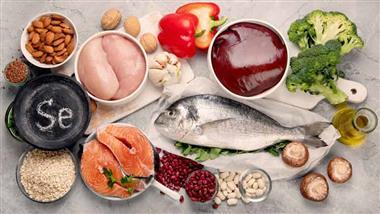
- Signs of deficiency include hair loss, fatigue, frequent sickness, cognitive decline and muscle weakness. Brazil nuts are the best food source for selenium as just six to eight nuts provide 989% of your daily allowance
Selenium is an essential trace mineral that plays a unique and important role in a variety of biological functions. Your body cannot make selenium, so it’s important to get it from your food. It’s a major component in more than two dozen proteins that play crucial roles in a variety of functions, including thyroid hormone metabolism, DNA synthesis and reproduction.1
Selenium is also an antioxidant, which means it helps protect the body against free radicals and reactive oxygen species (ROS). It exists in two forms: inorganic and organic, both of which are found in dietary sources — including the organic form in animal tissue.
Like most compounds, your body requires an optimal amount of selenium, which means that more is not better. There is some evidence to suggest that high serum concentrations can adversely affect glycemic control.2 This means that individuals who have Type 2 diabetes or are at risk for Type 2 diabetes should measure serum concentrations before considering using a selenium supplement.
When your body has optimal levels of selenium, it can help improve biological functioning, which in turn has a positive effect on antiaging, heart disease, cognitive decline and viral load progression.
Antioxidant Has Antiaging Benefits
The signs of aging you can visibly see in your skin and experience in your body are the result of molecular and immune system changes, increased susceptibility to environmental stressors, metabolic imbalance and disease that may happen as you age.3 These effects are the result of an imbalance between oxidative defense and ROS damage. Stem cell exhaustion, epigenetic alterations and changes in mitochondrial renewal also affect aging.
While signs of aging are common, there are steps you can take to help mitigate these effects. Maintaining optimal levels of nutrients and micronutrients is one of those steps. A review4 in 2019 showed the effect selenium has on the aging process occurs in part through the role it plays in selenoproteins, which are necessary for the expression of several important antioxidants.5
Selenium is used in the expression of five separate glutathione peroxidases,6 which are responsible for reducing damage from ROS. These and other selenoprotein compounds play powerful roles as antioxidants, reducing the inflammation triggered by ROS and prolonging telomere length, which is the protective cap on the end of DNA strands.7
When telomeres shorten to a critical length after division, the cells either die or stop dividing. These actions play a vital role in aging and some researchers suggest that supplementing with selenium, especially in the elderly, may be of “great significance” as a strategy for the prevention of age-related diseases.8
Low Selenium Raises Risk of Heart and Thyroid Disease
Obesity is a significant risk factor for heart disease. One study published in March 20219,10 found that adding selenium to the diet in an animal model helped protect against obesity and increased the healthy lifespan of the animals. The researchers were also interested in whether selenium could have the same beneficial effect on metabolism as restricting the amino acid, methionine.
Selenium supplementation in this animal model provided the same protection against weight gain as restricting methionine, and dramatically reduced levels of the energy regulating hormones IGF-1 and leptin. The results suggested that supplementing with selenium had nearly the same effect as a diet restricted in methionine.11 But selenium may also have a direct impact on your cardiovascular system.
Scientists have been studying the effect of selenium on the cardiovascular system for decades, after finding that the disease was more prevalent in areas of the world where there were low serum selenium concentrations, such as in eastern Finland.12
One meta-analysis13 in 2006 looked at observational studies that evaluated selenium serum concentrations and found they were inversely associated with the risk for coronary heart disease. The important aspect of this study is the researchers measured serum concentration of selenium and did not rely on an evaluation of supplementation alone.
In 2013, a Cochrane Database Systematic Review14 concluded that there was limited evidence to support selenium supplementation to prevent heart disease. However, data from the studies showed most participants had a baseline or mean selenium serum concentration between 70 and 150 nanograms per milliliter (ng/mL), which is the normal concentration found in human blood serum.15
In other words, it appeared supplementing with selenium was not effective when blood serum concentrations were already within the normal value. Another study16 published in 2020 also evaluated serum selenium levels and found those in the high range of the reference value had a decreased risk for cardiovascular disease and mortality.
Optimal levels of selenium may also help individuals experiencing heart failure. One study17 found serum levels of selenium were independently associated with exercise tolerance in patients with heart failure and deficiency was linked to a 50% higher mortality rate.
Thyroid hormones also influence the cardiovascular system, and may induce or worsen heart disease, including heart failure and atherosclerotic vascular disease.18 Several studies have demonstrated that supplementation with selenium in hyper- and hypothyroidism is associated with improvement.19,20,21
Age-Related Cognitive Decline May Be Linked to Low Selenium
Preventing cognitive impairment in the elderly is a significant public health challenge. One meta-analysis22 that gathered data from Europe, Australia and the Americas found that the incidence of mild cognitive impairment per 1,000 person-years was 40.94 in ages 80 to 84 and 60.1 in ages 85 and older.
According to the Alzheimer’s Association, more than 6 million Americans are currently living with Alzheimer’s and 1 in 3 seniors dies with at least one form of dementia.23 One link may be selenium as it is well understood that serum concentrations of selenium commonly decline with age.
One longitudinal study24 found that decreases in plasma selenium were associated with declines in neuropsychological function in aging people. Another study25 found lower serum levels of selenium were associated with decreased performance and neurological testing in older adults.
As serum deficiencies occur, the brain retains selenium the longest, which has suggested that it plays a vital role in brain function. A review of nine years of data26 has suggested that maintaining optimal selenium status was important to the neuropsychological function in the elderly.
Low Selenium and Zinc Associated With Worse COVID Outcomes
Selenium and zinc both play a role in supporting your immune system. One of the selenoprotein enzymes, glutathione peroxidase, is an important catalyst in the conversion of glutathione. This in turn reduces damage from reactive oxygen species.27 When glutathione peroxidase is compromised, the downstream effect is the overproduction of cytokines that can induce a cytokine storm as seen in severe COVID-19 infections.
Selenium influences other pathways that affect viral diseases as well. Authors of a paper in Environmental Research28 note that HIV-1 infections are higher in areas of Africa where the soil is deficient in selenium and testing shows Ebola infections are closely associated with people who are severely deficient in selenium.
Coxsackievirus is an RNA virus that typically causes a mild illness, yet severe infections are found in areas of China where selenium is deficient.29 The authors have suggested that these pathways influence a person’s reaction to a COVID-19 infection and theorize that supplementing with selenium during an active infection may help reduce damage to the endothelial cells.
Other studies in China30 and Germany31 have demonstrated there’s a positive relationship between the survival rate for people with active COVID-19 infections and selenium levels.
One study32 published in 2021 sought to identify predictive markers doctors could use to better stratify COVID-19 patients on admission to the hospital. In this study, researchers measured serum levels of zinc, iron, copper and selenium. Selenoprotein P levels were also measured, which requires selenium for full expression.
The researchers found that patients admitted with cancer have significant deficits in selenium and zinc. Three of the five patients with the lowest levels of iron, who also had profound selenium and zinc deficits, died during the study. Analysis of the biomarkers found most hospitalized patients had particularly low levels of selenium and zinc.
When patients with comorbidities were analyzed, they found a pronounced deficit in iron, zinc and selenium and a higher chance of survival in cancer patients with higher levels of selenium. The researchers concluded that the data confirmed:33
“… an insufficient Se (total Se and SELENOP) and Zn status at admission to the hospital is associated with an exceptionally high mortality risk and severe disease course with COVID-19.
In view of the predictive accuracy of Se and Zn deficiency as mortality risk factor at hospital admission, supplemental Se and Zn supply should be considered to support the immune system, in particular for patients with inflammation-related comorbidities like cancer or diabetes mellitus.”
Signs of Deficiency and Food Choices Rich in Selenium
Selenium is found in the soil and should concentrate in plant foods. However, experts estimate that up to 1 billion people globally may be deficient from inadequate intake.34
One paper published in Environmental Research35 cited a World Health Organization report that found over 40 countries where the soil is deficient in selenium. Some of the lowest levels are found in New Zealand, Slovakia, Finland and sub-Saharan Africa.
People who have a deficiency in selenium are at higher risk of conditions that affect the endocrine system, cardiovascular system, immune system and reproductive system and that may affect mood and behavior.
Although it’s necessary to be tested to determine if you are deficient, several symptoms may indicate you aren’t getting enough selenium in your diet. These can include:36,37,38
| Hair loss | Fatigue | Weight gain |
| Sick more often | Greater oxidative stress | Shortness of breath |
| Cognitive decline | Muscle weakness |
I recommend getting as many of your essential vitamins, minerals and elements from your diet as possible. The recommended daily allowance for zinc ranges from 2 mg for infants to 11 mg to 8 mg for men and women over the age of 19.39 Food sources include oysters, pasture-raised beef, dark meat chicken, pumpkin seeds and dry roasted cashews.
The recommended daily allowance for selenium ranges from 15 micrograms (mcg) for infants to 55 mcg for men and women over 19 years.40 The best food sources of selenium are Brazil nuts. Just six to eight nuts deliver 544 mcg, or 989% of your daily allowance. Other sources include sardines, pasture-raised beef, turkey, chicken and pasture-raised eggs.
- 1 National Institutes of Health, Selenium
- 2 Oregon State University, selenium, summary
- 3 Biomolecules, 2021;11(10)
- 4, 8 Aging Clinical and Experimental Research, 2019; 31(8)
- 5, 36 Selenium Deficiency, 2021
- 6 Oregon State University, Selenium, Glutathione Peroxidases
- 7 Stanford Medicine, January 22, 2015
- 9 eLifeSciences, March 30, 2021
- 10, 11 Science Daily, March 30, 2021
- 12 Biological Trace Element Research, 1990; 24(2)
- 13 American Journal of Clinical Nutrition, 2006; 84(4)
- 14 Cochrane Database Systematic Review, 2013;2013(1) Characteristics of Included Studies
- 15 Mayo Clinic Laboratories, Selenium, Reference Values
- 16 Critical Reviews in Food Science and Nutrition, 2020; doi.org/10.1080/10408398.2020.1803200
- 17 European Journal of Heart Failure, 2019;22(8)
- 18 Circulation, 2019;139(25)
- 19 Current Opinion in Endocrinology, Diabetes and Obesity, 2013;20(5)
- 20 Nature Reviews Endocrinology, 2020;16
- 21 Endocrine Web, September 15, 2015
- 22 Alzheimer’s and Dementia, 2019;11
- 23 Alzheimer’s Association, Facts and Figures
- 24 Epidemiology, 2007; 18(1)
- 25 Movement Disorders, 2010; 25(12)
- 26 Biofactors, 2012; 38(2)
- 27 Environmental Research, 2021, 196(110984)
- 28 Environmental Research, 2021, 196(110984) Section 3.1 & 3.2
- 29 Environmental Research, 2021, 196(110984) Section 3.3
- 30 American Journal of Clinical Nutrition, 2020; doi.org/10.1093/ajcn/nqaa095
- 31 Nutrients, 2020;12(7) Germany in study design section 2.0
- 32 Nutrients, 2021;13(10) Section 5. Conclusions
- 33 Nutrients, 2021;13(10) Section 5
- 34 Selenium Deficiency, 2021 Section Epidemiology
- 35 Environmental Research, 2021, 196(110984) Section 2.1
- 37 Yahoo!News, February 2, 2018
- 38 Oregon State University, Selenium, Deficiency
- 39 National Institutes of Health, Zinc, Recommended Intakes
- 40 National Institutes of Health, Selenium, Recommended Intakes
Muscle Mass — The Key to Longevity
Reproduced from original article:
https://articles.mercola.com/sites/articles/archive/2022/04/10/muscle-mass-key-to-longevity.aspx
The original Mercola article may not remain on the original site, but I will endeavor to keep it on this site as long as I deem it to be appropriate, and will not be bullied into removing it.
Analysis by Dr. Joseph Mercola Fact Checked April 10, 2022
STORY AT-A-GLANCE
- Muscle-centric medicine is part of the solution for many chronic health problems, as most are rooted in skeletal muscle insulin resistance
- Resistance training is superior to cardio exercise because muscle mass optimizes you for longevity. The greater your muscle mass, the higher your survivability against all diseases
- You need protein reserves to survive serious disease, and most of your protein reserve is stored in muscle. If you have very little muscle, you’re going to pass away prematurely because you have no amino acid reserves. Your muscle also interfaces with your immune system
- It’s never too late to start building muscle, even if you’re in your 70s or even 80s, using diet and exercise
- High-quality animal protein is essential for muscle growth. Most people need 1 gram of protein per pound of ideal body weight (the weight you would ideally be). Divide that by the number of meals you eat to get your per-meal quota which, for older adults should be around 30 to 50 grams per meal
In this interview, Dr. Gabrielle Lyon, an osteopathic physician, reviews what I believe is one of the best health optimizing strategies there is, namely strength training. She’s a graduate of Midwestern University and has spent a good part of her professional career focusing on how to increase strength and muscle mass, which is an often-overlooked foundation for health and longevity.
Muscle Mass Is a Key to Longevity
Lyon and I both strongly believe muscle-centric medicine is part of the solution for many chronic health problems, including obesity, yet very little attention is given to it.
“Obesity, Alzheimer’s diabetes and cardiovascular disease actually begin in skeletal muscle, years before they become apparent,” she says. “Obesity, diabetes, these are diseases of skeletal muscle insulin resistance.
But what’s so shocking is that everyone is focused, especially in the medical community, on attacking obesity, as opposed to fixing the underlying problem, which is really augmenting skeletal muscle and optimizing muscle with nutrition, which is primary, and training, secondary.”
As explained by Lyon, while there’s certainly benefit to cardiovascular exercise — mitochondrial biogenesis, for example — resistance training is far more foundational to your long-term health, because skeletal muscle is the organ of longevity. Muscle mass optimizes you for longevity.
The greater your muscle mass, the higher your survivability against all diseases, including cancer. According to Lyon, cachexia, for example — the loss of muscle mass — kills 1 in 5 cancer patients.
You need protein reserves to survive serious disease, and most of your protein is stored in muscle. If you have very little muscle, you’re going to pass away prematurely because you have no amino acid reserves. Your muscle also interfaces with your immune system.
“Listen, aging can be highly catabolic. There’s this immunosenescence that happens. The body doesn’t regulate the way that it used to. But moving and contracting skeletal muscle is the best defense that we have,” Lyon says.
Muscle Is Your Metabolic Regulator
As explained by Lyon, muscle is the regulator of your metabolism, and here’s why:
“Skeletal muscle is your primary site for glucose disposal — 80-some percent. Individuals who are struggling with elevated blood sugar, elevated glucose, elevated triglycerides, skeletal muscle is your primary site for disposal and utilization of these nutrients, these substrates. Having healthy skeletal muscle will manage that metabolic currency.
It’s really interesting because, as we age, the health of muscle decreases [unless] we become extremely focused on stimulating muscle through diet — I think the diet is most important because it is accessible to everybody — [and] resistance training and cross training … [resulting] in states like diabetes, hypertension, cardiovascular disease. Insulin resistance actually begins in skeletal muscle.”
The good news it’s never too late to start building muscle, even if you’re in your 70s or even 80s, using diet and exercise. It becomes more difficult to add muscle with advancing age, yes, but it’s far from impossible. To prove it is possible, I’m 67, and over the past year, I’ve put on 25 pounds of muscle mass and now weigh over 200 pounds.
The Case for Animal Protein
In terms of diet, skeletal muscle requires high-quality dietary protein, ideally animal protein, to stimulate muscle protein synthesis. There’s 20 amino acids and nine of them are essential, which means you have to get them from your diet, as your body cannot make them from other substrates. In particular, skeletal muscle requires branched-chain amino acids — leucine, isoleucine and valine.
Must you eat animal protein? No, but one of the problems with avoiding animal protein is that it is quite difficult to obtain enough complete essential amino acids, especially branched chained amino acids to stimulate mTOR.
While there are plants that are high in protein, they’re not identical or even equivalent to animal protein in most cases. Certain micronutrients found in animal foods you simply cannot get from plants. This includes vitamin B 12, vitamin A (retinol not beta-carotene), creatine, bioavailable iron, carnitine and carnosine, all of which are important for muscle growth and health in general. Lyon comments:
“I consider high-quality protein to be animal-based proteins. That’s not to say, if you are an individual who is vegan or vegetarian, that you cannot get the same amount of protein. You can, but that would require additional supplementation …
But one has to understand that 30 grams of protein from hemp is different from 30 grams of protein from, say, a chicken breast. (NOTE: I don’t advise anyone to eat chicken because of the high linoleic acid content).
In fact, as you age, it becomes really important to realize that, if you are going to try to get your protein from, say, quinoa — people say quinoa is high in protein — it would take 6 cups of quinoa to get the equivalent of one 3-ounce chicken breast.
So, if you are listening to this, I really want you to take to heart that you need to focus on high quality proteins, and if you are vegan or a vegetarian, that you need to then supplement with something — some branched-chain or essential amino acids — in addition to your meal.”
On a side note, glutamine, a nonessential amino acid (meaning your body can generate it) is an important nutrient source for your immune cells, and the way your body generates glutamine is through muscle contraction. So, when you’re contracting skeletal muscle, you’re quite literally nourishing your immune system!
Finding Your Ideal Protein Intake
To determine your personal protein requirement, Lyon recommends 1 gram of protein per pound of ideal body weight (the weight you would ideally be, not necessarily the weight you are now). Once you have that number, you can divide it by the number of meals you eat to get your per-meal quota which, for older adults should be around 30 to 50 grams per meal.
For reference, there’s approximately 7 grams of protein in each ounce of steak, so a 5-ounce steak would give you 35 grams of high-quality protein. For children, the average amount per meal is around 5 to 10 grams, while young adults typically can get away with 20 grams per meal.
For most normal-weight adults, 30 grams per meal is really the minimum you need to stimulate muscle protein synthesis. If you have a robust strength training program, you may need to go even higher. To make sure you’re getting enough protein in your meals, consider using a free nutritional tracker like Cronometer. That way, you’re not guessing.
Will a High-Protein Diet Harm Your Kidneys?
Some avoid protein for fear it might damage their kidneys. People with chronic renal failure do need to limit their protein intake so as not to tax their kidneys, but if your kidneys are healthy, you don’t need to worry about this. Lyon explains:
“I think the majority of individuals have healthy kidney function. Actually, protein intake has been shown to improve glomerular filtration rate, not have a negative impact. The body should be capable to manage high-quality protein without an issue, and there’s been multiple meta analysis with individuals with healthy kidneys in terms of protein consumption. It’s another falsehood.
The same thing with osteoporosis. People will say, ‘You don’t want to each too much protein because it’s bad for your bones.’ Well, what do people think bones are made of? Bones are made of proteins. Yes. They are made of calcium, but the requirement is through protein. [Editor’s note: Protein is the matrix that holds the calcium]. So, that’s another falsehood.
When I went through my geriatric training, it became so apparent that what we were seeing in clinic, and what we were doing to protect aging individuals was so vastly different than what was out in the public sphere.
It’s interesting. Individuals can ride the wave of youth for only so long, and then what ultimately happens is, as you age, you have to get good information, because the wiggle room for mistakes and the wiggle room for actually executing important and correct information becomes less …
[Protein] is the one nutrient that will really be able to save people’s lives. It is the pinnacle, because it protects skeletal muscle. Yes, carbohydrates have a protein sparing effect. Yes, you can do a ketogenic diet, and there may be protein sparing effects. But the question I would ask is why?
We know we need to prioritize protein because we have to optimize skeletal muscle. It is important for neurotransmitters. It is important for the immune system. It is important for regulation for mucin from gut lining. It is important for all things in the body, hands down, and it’s essential.
Skeletal muscle goes through this process of anabolic resistance, and as we age, the efficiency [decreases]. Muscle is also a nutrient sensing organ. Its efficiency to utilize and sense protein decreases as we age.”
Should You Work Out Fasted?
I believe time restricted eating (TRE) is best done 16 to 20 hours a day, every day. Sixteen to 18 hours is probably the sweet spot. This schedule will give you virtually all the same benefits as calorie restriction with respect to longevity benefits, but without any of the downsides, the primary one being compliance.
I prefer to do my workout in a fasted state, followed by an infrared sauna and swim, and then break my fast afterward. This will reduce the carbohydrate load in the muscles as they’re using up glucose during the workout. This, in turn, gives you the additional benefits of autophagy.
Lyon also points out that when muscle contracts, it releases myokines, which play a role in both lipolysis (the breakdown of fat) and glucose utilization. When you train in a low-glycogen fasted state, myokine release is increased.
While we’re on the topic of time-restricted eating, this will also help prevent excessive activation of the mechanistic target of rapamycin (mTOR). As explained by Lyon, mTOR is found in every tissue and responds to different nutrients and stimuli, including dietary protein, insulin, carbohydrates and exercise.
About five years ago, largely due to Dr. Ron Rosedale, co-founder of the Colorado Center for Metabolic Medicine, I was concerned about too much protein stimulating mTOR so I restricted my protein intake. However, mTOR is activated not only by protein but also by carbohydrates. A key misunderstanding about mTOR is that it’s not protein that’s the problem, or even carbs. You stimulate mTOR on a vegetarian diet as well.
The other more serious issue is that most people eat more or less continuously throughout each day, which will keep mTOR continuously activated. When you’re eating all your meals within a window of, say, six to eight hours, and fasting for the remaining 16 to 18 hours, mTOR gets stimulated only once or twice a day, which is not a problem.
mTOR is best activated twice a day in a pulsatile fashion. When you activate it continuously as most people do, it can lead to an increase in risk in diseases like cancer.
Timing of Your Post-Workout Meal
As for the timing of your post-workout meal, Lyon disagrees with the common notion that protein feeding can occur any time after your workout as long as it’s within 24 hours.
The current recommendation is very low for exercise. It’s 150 minutes per week … I would say that’s probably the bare minimum that anybody should do, not the optimal; 30 minutes of moderate intensity exercise, five days a week, is likely not going to be enough. ~ Dr. Gabrielle Lyon
She believes it’s far better to eat that meal shortly after exercise. “In a geriatric population, we know that blood flow is optimized post-training, and we know that adding in a protein meal right after training … is extremely beneficial,” Lyon says. This goes for carbs too.
“To gain muscle mass, you do need calories,” she says. “Protein and carbohydrates play a different role post-training, whether one is for glycogen repletion versus muscle protein synthesis or muscle repair, both are very valuable.”
Are You Getting Enough Exercise?
When it comes to executing an exercise program to optimize muscle, Lyon recommends working with an experienced coach to create a suitable program.
“Volume is very important, and volume is exactly what it sounds like, it’s the amount of repetitions. It’s all cumulative in terms of weight and repetition. That is what we have seen in the literature. When you are new [to exercise], it is much easier to stimulate muscle tissue. So, if you are an untrained individual, you could get away with 10 sets per week.
I preface this by saying I don’t actually develop training programs for individuals. I think doing this in-person with a professional trainer is really where you’re going to get your benefit, because they can watch you. They can determine what moves you need to do.
You don’t want to get injured, because injury really sets individuals back. There are certain groups of people that may have a predisposition to get injured, for example, an individual with hypothyroidism. I see that they have poor tissue turnover. They get joint pain. The recovery tends to be a bit of an issue, so getting with someone who knows what they’re doing is really important.
That said, the current recommendation is very low for exercise. When I say very low, it’s 150 minutes per week. That could be 30 minutes, five days a week of exercise … I would say that’s probably the bare minimum that anybody should do, not the optimal, but the bare minimum; 30 minutes of moderate intensity exercise, five days a week, is likely not going to be enough.”
Exertion Is Important
A key part of resistance training is actually exerting yourself. “It’s called resistance exercise for a reason,” Lyon says. “There needs to be a component of effort that I don’t see people putting in.” If you’re on your phone or watching TV, chances are you’re not putting in sufficient effort.
“It’s not just about putting in the time. I expect you to execute in a way that requires focus and a way that requires exertion that is intense enough that you are fatigued … I would consider going to failure. Perceived exertion is really important.
There’s a mind-muscle connection. You can do a lot of movements, but it doesn’t mean you’re actually targeting the muscle group that you are intending to target. If you do a certain exercise, maybe you’re going to do a squat, and perhaps you compensate in a different way. You use your quads more than you use your hamstring or your glute.
Really focusing on the muscle that you are training is of extraordinary importance. You do need to create muscle damage. You do need to change the metabolic homeostasis in your body. You do need to have enough recovery, enough nutrients for recovery, but you do have to tax that muscle, and one way in which you tax the muscle is through effort.
One way that you also tax and understand the effort is through perceived exhaustion. I’m not saying you have to train to maximum exhaustion, but, if we are thinking about how to really step up and protect ourselves as we age, people are always looking for this external fountain of youth. It’s not.
It’s not something you’re going to take in. The fountain youth truly is within this muscle system as the organ of longevity. That’s how people are going to really excel and change the trajectory of the way in which they age.”
Blood Flow Restriction (BFR) Training
An excellent strategy that can allow even the elderly to get a very intense workout while minimizing the risk of injury is blood flow restriction (BFR) training. KAATSU is the original BFR device, developed in Japan. With BFR, you can get the same results with just 30% of the weight you’d have to use otherwise. As explained by Lyon:
“[With BFR], your body will recognize the same stimulus, growth factors, cell turnover, as you would if you were lifting heavier weights. It can be very valuable, especially when you are just starting out. Again, do it with a professional … Something else that’s interesting is electro stim suits, [but they’re] a lot more expensive.”
While we didn’t have enough time to really cover BFR in our interview, you can go to Bitchute and type in KAATSU and you will find my previous interviews on this topic. I know it is a bit pricey, which is why I was able to work out a deal with the manufacturer if you use the discount code. You’ll find the discount code in the video description by clicking “MORE+” on any of the videos there.
I have been doing KAATSU for a few years now along with increasing my protein intake to 1.6 grams/kg of my body weight, which is about 150 grams of protein for me. To illustrate that you can have quite a dramatic change in your body by these techniques, the picture below is from my medical school days about 40 years ago. My arm size was 11 inches.
Interestingly I just talked to the guy with the glasses who was a classmate in school, Jay Bishop. He’s a urologist in Arizona and his adorable wife Sue is on the left. She has had Type 1 diabetes for over 50 years and still doing well with virtually no complications.

The video below shows my arms that are now 15 inches, while I’m deadlifting 370 pounds.
More Information
To learn more about protein and Lyon’s muscle-centric approach to health, check out her YouTube channel and/or sign up for her newsletter. If you’re ready to make some serious changes and take your health to the next level, you can contact the Institute for Muscle Centric Medicine, which Lyon founded. Lyon is also active on Instagram.
Your Iron Levels Could Be a Key to Slow Aging and Long Life
Reproduced from original article:
https://articles.mercola.com/sites/articles/archive/2021/11/22/benefits-of-good-iron-levels.aspx
The original Mercola article may not remain on the original site, but I will endeavor to keep it on this site as long as I deem it to be appropriate, and will not be bullied into removing it.
Analysis by Dr. Joseph Mercola Fact Checked November 22, 2021

STORY AT-A-GLANCE
- Iron is essential to life, but data show that too much is associated with aging and a shortened life and health spans — the total years lived in good health
- High iron levels also increase the availability of free iron, which promotes heart cell death, leading to impaired heart function and mitochondrial dysfunction
- Excess iron affects blood pressure and glycemic control. Levels build with increased intake and the body’s poor ability to excrete extra iron
- Blood donation, or therapeutic phlebotomy for those unable to donate, is a quick and simple way to manage iron levels. Get a yearly ferritin and GGT test to measure your levels
This article was previously published August 1, 2020, and has been updated with new information.
Iron is an essential nutrient, integral to hundreds of biological functions including oxygen transport, DNA synthesis and energy metabolism. Almost every cell in your body contains iron.1 Plants, bacteria, animals and even cancer cells cannot survive without it.2,3
Plants use iron to make chlorophyll, while animals and humans need it to make hemoglobin, a protein in your red blood cells used to transport oxygen. Approximately 6% of the iron in your body is bound as a component to proteins and 25% is stored as ferritin.4
Having too much or too little can have serious consequences. Yet, what many people and physicians do not realize is that an excessive amount of iron is more common than having a deficiency.
Doctors may check for iron deficiency as it relates to anemia, but iron overload is a far more common problem. Adult men and non-menstruating women are at risk of having dangerously high levels of iron. When left untreated, excess iron can damage your organs and contribute to the development of heart disease, diabetes, neurodegenerative diseases and cancer.5
High Levels of Iron Linked to Shorter Life Span
Researchers have linked iron overload to several medical conditions, and now find that people age at different rates when they have excess amounts in the body. European scientists gathered data from an international database to test this theory.6
The set of data was equivalent to about 1.75 million lifespans.7 They looked at the total number of years lived (life span), the total number of years marked by good health (health span) and living to an old age (longevity).8 The researchers identified 10 loci in the genetic sample that appear to influence aging.
The majority of the loci were associated with cardiovascular disease. Based on statistical analysis, the data suggested “that genes involved in metabolizing iron in the blood are partly responsible for a healthy long life.”9
The new information is exciting as it suggests a modifiable pathway to explain biological aging and chronic disease rate differences among people. The researchers noted that high iron levels can reduce “the body’s ability to fight infection in older age,”10 which may be yet another reason that age is a factor in infectious disease severity.
As Paul Timmers from the University of Edinburgh says, the data also offer a reasonable explanation for the association between red meat and heart disease. While cholesterol has been blamed in the past, in a growing number of studies, no association has been found between cholesterol and heart disease.11 Timmers commented:12
“We are very excited by these findings as they strongly suggest that high levels of iron in the blood reduces our healthy years of life, and keeping these levels in check could prevent age-related damage. We speculate that our findings on iron metabolism might also start to explain why very high levels of iron-rich red meat in the diet has been linked to age-related conditions such as heart disease.”
Excess Iron Impairs Mitochondrial Function
Researchers have known since the mid-1990s that when iron is bound to a protein such as hemoglobin, it plays a part in cell metabolism and growth.13 But when it is free, it kicks off a reaction producing hydroxyl free radicals from hydrogen peroxide. This is one of the most damaging free radicals in the body and can cause severe mitochondrial dysfunction.
Hydroxyl free radicals damage cell membranes, protein and DNA. Other research has shown excessive iron promotes apoptosis and ferroptosis in cardiomyocytes.14 Apoptosis is the programmed cell death of diseased and worn-out cells and, as the name implies, ferroptosis refers to cell death that is specifically dependent on and regulated by iron.15
Your cardiomyocytes are the muscle cells in the heart that generate and control contractions.16 In short, this tells us that excess iron can impair heart function. These are two ways iron overload can lead to cardiomyopathy, which is a leading cause of death in patients with hemochromatosis.
Excess iron also affects blood pressure and other markers of cardiovascular disease, and glycemic control in individuals with metabolic syndrome. One study was done with 64 participants who had a diagnosis of metabolic syndrome.17 The participants were randomly assigned to two groups. In the first, they gave blood at the beginning of the study and again after 4 weeks.
Researchers regulated the amount of blood given and each person’s iron level. They measured systolic blood pressure, insulin sensitivity, plasma glucose and hemoglobin A1c. The group who gave blood showed a significant reduction in systolic blood pressure and had lower blood glucose levels, hemoglobin A1c and heart rate. There was no effect on insulin sensitivity.
In an earlier study, scientists removed blood in individuals who had chronic gout.18 Twelve participants with hyperuricemia gave blood over the course of 28 months to maintain their body at the lowest amount of iron stores possible, without inducing anemia. The data showed a marked reduction in the number and severity of gout attacks. Removing blood was also found to be safe and beneficial.
How Do High Iron Levels Build Up?
Men and non-menstruating women have a higher potential for iron buildup since the body has limited ways of excreting excess iron.19 With the genetic disorder hemochromatosis, the body accumulates excessive and damaging levels of iron.20 When this is left untreated it contributes to many of the disorders discussed above.
Hemochromatosis is a prevalent genetic condition in Americans. It takes two inherited genetic mutations, one from your mother and one from your father, to cause the disease. In one study, researchers estimated 40% to 70% of people with the defective genes will eventually have iron overload.21
It is also easy to get too much iron from your food, particularly when it’s “fortified” with iron. Iron is a common nutritional supplement found in many multivitamin and mineral supplements. Many processed foods are also fortified with iron.
For example, two servings of fortified breakfast cereal may give you as much as 44 milligrams (mg) of iron, rising dangerously close to the upper tolerance limit of 45 mg for adults.22 However, the upper tolerance limit is well over the recommended daily allowance, which is 8 mg for men and 18 mg for premenopausal women.23 It’s easy to see how you might consistently eat too much iron.
Another common cause for iron excess is the regular consumption of alcohol.24 Alcohol increases the amount of iron you absorb from your food. In other words, by drinking alcohol with foods that are high in iron, you will likely absorb more than you need.
Other contributing factors include using iron pots and pans, drinking well water high in iron, using multivitamins and mineral supplements together or eating processed foods.
You Can Help Severe Blood Shortages and Help Yourself
Routine blood donation may be one of the simplest and quickest ways to reduce your ferritin and iron overload. Blood donation may also save the life of someone else. The American Red Cross collects blood at both permanent and mobile locations. According to the organization, more than 80% of what they collect comes from blood drives on college campuses and at workplaces.
Unfortunately, one of the consequences of COVID-19 has been a reduction in the number of blood drives and blood donations across the U.S. This has led to a severe shortage.25 Chris Hrouda, who serves as president of the Red Cross Biomedical Services, expressed his concerns to a reporter from the Press Herald:26
“In our experience, the American public comes together to support those in need during times of shortage and that support is needed now more than ever during this unprecedented public health crisis. Unfortunately, when people stop donating blood, it forces doctors to make hard choices about patient care, which is why we need those who are healthy and well to roll up a sleeve and give the gift of life.
We know that people want to help, but they may be hesitant to visit a blood drive during this time. We want to assure the public that blood donation is a safe process, and we have put additional precautions in place at our blood drives and donation centers to protect all who come out.”
Blood donation is a safe and effective way of managing your iron stores and helping someone else. The Red Cross answers questions about your eligibility requirement on their website.27 They recommend that you wait at least eight weeks between donations so your body can completely restore your blood volume.
If you are unable to donate blood because of a health condition, consider therapeutic phlebotomy. While your blood won’t be used for a donation, they may do the procedure and then dispose of the blood.
If you can’t find a place in your community for the services, your insurance policy may pay for routine therapeutic phlebotomies with a doctor’s prescription.28 In either case, whether you donate the blood or it’s thrown out, the amount they take is the same.
To donate, you only need a blood donor card, a driver’s license or two forms of identification. People who are at least 17, weigh at least 110 pounds and are in generally good health are eligible.
Yearly GGT and Iron Screening Tests Advisable
Another way to measure the impact of iron toxicity and the effect on mortality is the gamma glutamyl transpeptidase test, sometimes called gamma-glutamyl transferase (GGT). GGT is a liver enzyme that is involved in the metabolism of glutathione and the transport of amino acids and peptides.
It can be used as a marker for excess free iron, and as an indicator of your risk of chronic kidney disease.29 Low levels of GGT tend to be protective against high levels of ferritin.
When both ferritin and GGT are high, you have a higher chance of having chronic health problems and/or early death. As with many lab tests, the normal references vary among the labs. Normal laboratory ranges are often far from ideal and those used for GGT may not be adequate for preventing disease.
As I’ve shared before, the range of ideal to “normal” GGT can be wide. To fully understand your risks, you’ll need both the ferritin and GGT levels tested. For more information on ferritin and GGT, including healthy ranges, see “Donate Blood: You May Be Saving Your Own Life.”
- 1 Medline Plus
- 2 Critical Care, 2014;18(6)
- 3 International Journal of Molecular Sciences, 2019;20(1)
- 4 UCSF Health
- 5 Iron Disorders Institute
- 6, 9 Phys Org, July 16, 2020
- 7 Futurism, July 16, 2020
- 8 Nature Communications, 2020;11(3570)
- 10 NewsWise, July 16, 2020
- 11 BMJ Open, 2016;6:e010401
- 12 EurekAlert! July 16, 2020
- 13 Stem Cells, 1994;12(3) Abstract
- 14 Archives of Biochemistry and Biophysics February 15, 2020; 680: 108241
- 15 Journal of Hematology & Oncology 2019; 12: 34
- 16 Microscopemaster.com
- 17 BMC Medicine, 2012;10(54)
- 18 Rheumatology, 2003;42(12)
- 19 International Journal of Hematology, 2008;88(1)
- 20, 22 Nautilus December 20, 2018
- 21 American Journal of Epidemiology 2001 Aug 1;154(3):193-206
- 23 National Institutes of Health
- 24 Alcoholism, Clinical and Experimental Research, 2001;25(7):1037
- 25, 26 Press Herald, March 19, 2020
- 27 American Red Cross
- 28 PV Reporter, August 10, 2013
- 29 Disease Markers, 2017;2017:9765259
NAD+ Helps Restore Age-Related Muscle Deterioration
Reproduced from original article:
https://articles.mercola.com/sites/articles/archive/2021/10/15/nicotinamide-adenine-dinucleotide-benefits.aspx
Analysis by Dr. Joseph Mercola Fact Checked October 15, 2021

STORY AT-A-GLANCE
- Several studies have proposed that mitochondrial dysfunction in your motor neurons drive the development of sarcopenia (age-related muscle loss)
- Scientists recently discovered that Alzheimer’s-like protein aggregates (amyloid beta) underlie the muscle deterioration commonly seen in aging, and that nicotinamide adenine dinucleotide (NAD+) is essential for combating this condition
- When the NAD+ salvage pathways in muscle are impaired, mitochondrial dysfunction and decreased muscle mass ensue
- NAD+ boosting molecules such as nicotinamide riboside (NR), nicotinamide mononucleotide (NMN), nicotinamide (a form of vitamin B3 or niacin) and nicotinic acid (niacin) have been shown to protect against age-related muscle disease
- NMN appears to be the best, as it activates the NAD+ salvage pathway and is a direct precursor to NAD+. Lifestyle strategies such as exercise, sauna bathing, fasting, recalibrating your circadian rhythm and avoiding excessive EMFs and alcohol will also address low NAD+
This article was previously published February 15, 2021, and has been updated with new information.
The tendency is to lose muscle as you age, a condition known as sarcopenia. If you don’t do anything to stop it you can expect to lose about 15% of your muscle mass between your 30s and your 80s.1 An estimated 10% to 25% of seniors under the age of 70 have sarcopenia and as many as half those over the age of 80 are impaired with it.2
Enforced bedrest, due to hospitalization, for example, can also have a dramatic impact on your muscle mass, even if you’re younger. According to a 2015 review3 in Extreme Physiology & Medicine, you can lose 5.2% of your muscle mass in the first two weeks of bedrest. By Day 23, you can have lost up to 10% of your quadriceps muscle mass.
Not only are strong muscles a requirement for mobility, balance and the ability to live independently, but having reserve muscle mass will also increase your chances of survival4 when sick or hospitalized. Since muscle is lost far more easily and quicker than it’s built, finding ways to continuously promote and maintain your muscle mass is of utmost importance.
The Crucial Role of NAD+
As reported by Science Daily,5 scientists recently discovered that Alzheimer’s-like protein aggregates underlie the muscle deterioration commonly seen in aging, and that nicotinamide adenine dinucleotide (NAD+) is essential for combating this condition.
Their study,6 published in the journal Cell Reports, showed that protein aggregates (amyloid) could be blocked by boosting the levels of NAD+, a biomolecule that is also essential for maintaining mitochondrial function.
Higher levels of NAD+ were found to turn on the defense systems of the mitochondria and restore muscle function. Aggregated proteins have long been thought to be a contributor to brain aging, and this study proves aggregated proteins also contribute to muscle aging.
“The most prominent component of these protein aggregates is beta-amyloid, just like in the amyloid plaques in the brains of patients with Alzheimer’s disease,” said Johan Auwerx at EPFL’s School of Life Sciences. “These abnormal proteotoxic aggregates could serve as novel biomarkers for the aging process, beyond the brain and muscle.”
The study points out that NAD+ homeostasis is required to maintain proteostasis, i.e., the regulation of protein creation, folding, trafficking and degradation. It turns out that boosting NAD+ in later life will reduce amyloidosis (the buildup of amyloid) and mitochondrial dysfunction.
The importance of NAD+ for healthy muscle function is also reviewed in “Sarcopenia and Muscle Aging: A Brief Overview,”7 published in the journal Endocrinology and Metabolism. The paper highlights:
“… recent findings that describe key pathophysiological phenotypes of this condition, including alterations in muscle fiber types, mitochondrial function, nicotinamide adenine dinucleotide (NAD+) metabolism, myokines, and gut microbiota, in aged muscle compared to young muscle or healthy aged muscle.”
As indicated by the Cell Report study, this Endocrinology and Metabolism paper highlights the connection between sarcopenia and mitochondrial dysfunction in both skeletal muscle and motor neurons.
People with sarcopenia have been found to have both reduced mitochondrial oxidative capacity and inhibited NAD+ biosynthesis, and several studies have proposed that mitochondrial dysfunction in your neurons actually drive the development of sarcopenia.8
What Is NAD+?
NAD+ is a substrate for a number of important enzymes, including poly(ADP-ribose) polymerase (PARP) and sirtuin 1 (SIRT1), which is known as a classic longevity protein. NAD+ is also essential in metabolic processes such as creating ATP in your mitochondria. It accepts and donates electrons and is used in oxidation-reduction reactions in the mitochondrial electron transport chain.
Interestingly, what scientists have observed is that NAD+ levels decline in most tissues over time, and is associated with aging in general and is therefore thought to play an important role in many age-related diseases.
According to the Endocrinology and Metabolism paper,9 researchers have shown that when the NAD+ salvage pathways in muscle are impaired, mitochondrial dysfunction and decreased muscle mass ensues.
NAD+ boosting molecules such as nicotinamide riboside (NR), nicotinamide mononucleotide (NMN), nicotinamide (a form of vitamin B3 or niacin) and nicotinic acid (niacin) have all been shown to protect against age-related muscle disease.
How to Boost NAD+
Of those four, NMN is my personal favorite as it activates the NAD+ salvage pathway. As explained by Siim Land in an interview I did with him, which also reviews the importance of NAD+ in COVID-19:
“A lot of the NAD that your body produces is recycled through the salvage pathway. Very little (less than 1%) of it is going to come from food, especially tryptophan or niacin. The easiest way to prevent losing your NAD as you get older or as you get immunocompromised is to promote the salvage pathway.”
I’ve previously recommended the use of NR over NMN but have since changed my stance. NR used to be considered superior because no NMN transporter — required to get it into cells — had been detected. We now know there is such a transporter, which gives NMN the advantage as it’s also a more direct NAD+ precursor.
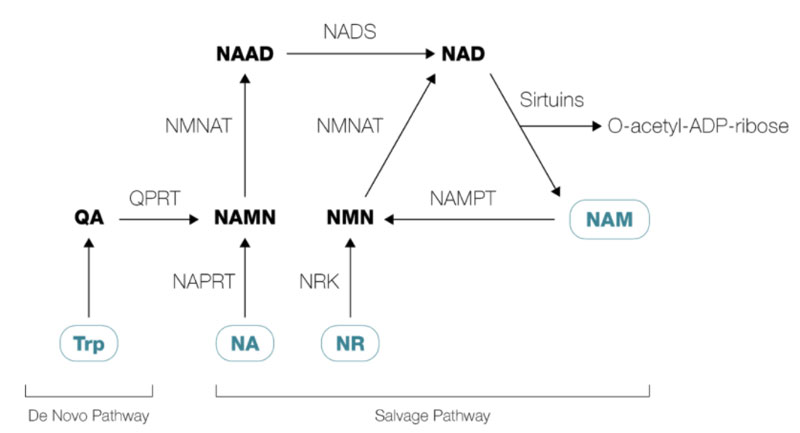
Most of the NAD+ precursor research is done with NR and that used to be my primary choice. However, as you can see from the image above, NMN converts to NAD+ whereas NR must first be converted into NMN before it can be converted into NAD+,10 so it makes more sense to use NMN for NAD+ augmentation.
The image above also shows how niacin (NA) also finds its way to become NAD+. Niacin is also a useful supplement to use in increasing NAD+ levels. You just need to limit the dose to about 25 mg, which most is a dose low enough not to cause any flushing. Higher doses are not likely as effective as NMN and exercise in producing NAD+.
The NMN transporter was discovered11,12 shortly before my interview with David Sinclair, Ph.D., a professor of genetics and co-director of the Paul F. Glenn Center for the Biology of Aging at Harvard Medical School. Interestingly, NMN is also Sinclair’s favorite NAD+ precursor.
Sinclair is generally acknowledged for bringing the importance of NAD+ to the world with his experiments at MIT in the late ’90s which connected NAD+ to sirtuin activation.
I believe one of the most effective ways of boosting your NAD+ level is to use NMN in suppository form, as this allows you to avoid most of the methylation of the supplement. Other alternatives include subcutaneous or intranasal administration, all of which are more effective than oral supplements.
Unfortunately, NMN is not sold in suppository form, so you would need to get silicone candy molds and use coconut oil to serve as binder for the NMN. The suppositories would need to be refrigerated as coconut oil tends to melt at 75 degrees Fahrenheit. Additionally, NMN is quite perishable, which is another reason to refrigerate it.
As for the other NAD+ boosters, I do not recommend using high-dose niacinamide because in high doses it inhibits Sirt1, an important longevity protein. As mentioned above, low-dose niacin (vitamin B3) of 25 mg can be used.
Low doses of niacin, along with NMN in suppository form — both of which are precursors to NAD+ — are typically sufficient. As an added boon, raising your NAD+ also appears protective against severe COVID-19. There are also NAD+ supplements available, but their price tags can be prohibitive.
Lifestyle Strategies Can Address Underlying Cause of Low NAD+
While supplements such as NMN can certainly be helpful, if your NAD is low, your best bet is really to address the underlying cause. The good news is that this can be done through simple lifestyle strategies such as exercise, sauna bathing, fasting, realigning your circadian rhythm and minimizing electromagnetic field (EMF) exposure.
One of the reasons exercise, heat exposure and fasting work to address low NAD+ levels is because they are catabolic stressors that activate AMP protein kinase (AMPK). AMPK, in turn, activates an enzyme called NAMPT, which governs the NAD+ salvage pathway.
Blood flow restriction (BFR) training can be particularly beneficial in terms of exercise. It has been shown to naturally increase your NAD level and is very safe for the elderly.
Your circadian rhythm, meanwhile, plays a role because it is controlled by longevity genes called sirtuins, SIRT1 in particular. If your circadian rhythm is misaligned, then sirtuins are not expressed, which in turn inhibits NAMPT, thereby shutting down your NAD+ salvage pathway.
Oxidative stress and inflammation also use up and deplete NAD+, and exercise, sauna and fasting all help to reduce these. As a result, less NAD+ is depleted. So, these strategies not only improve your NAD+ production, but also reduce your body’s NAD+ consumption. The end result is a higher NAD+ baseline.
EMF exposure, which is the topic of my book “EMF*D,” is one common source of oxidative stress, so it too increases your NAD+ consumption. It does this by activating PARP, a DNA repairing enzyme. Each time PARP is activated, it uses up 150 molecules of NAD+. Hence, reducing your EMF exposure can also be an important strategy to preserve and protect your NAD+ level.
Your body also uses up NAD+ to detoxify alcohol, so if nightly drinking is part of your routine, consider giving it up. To learn more about how healthy lifestyle strategies such as the ones mentioned here can improve your NAD+ level, consider reading through the paper “Healthy Lifestyle Recommendations: Do the Beneficial Effects Originate from NAD+ Amount at the Cellular Level?”13
NAD+ Is a Crucial Antiaging Component
So, to summarize, raising your NAD+ level and keeping it high has many important health benefits, from supporting mitochondrial function, which is crucial for general health and longevity, to protecting against severe COVID-19 and age-related muscle loss.
The great news is that this can easily be done by implementing the healthy lifestyle strategies reviewed above — exercise, sauna, fasting and recalibrating your circadian rhythm — while simultaneously avoiding things that deplete your body of NAD+, such as EMF exposure and excessive alcohol consumption. On top of that, supplements such as NMN together with normal doses of niacin can help boost your NAD+ in the short term.
- 1 J Gerontol A Biol Sci Med Sci. 1995 Nov;50 Spec No:5-8
- 2 Journal of Gerontology: Series A October 2003; 58(10): M911-M916
- 3 Extreme Physiology & Medicine 2015; 4: 16
- 4 Curr Opin Clin Nutr Metab Care. 2012 Jan; 15(1): 7–11
- 5 Science Daily January 20, 2021
- 6 Cell Reports 2021; 34 (3): 108660
- 7 Endocrinology & Metabolism 2020; 35: 716-732 (PDF)
- 8, 9 Endocrinology & Metabolism 2020; 35: 716-732, page 718 (PDF)
- 10 NMN.com What Is NAD?
- 11 Hecmedia.org NMN Transporter Discovered
- 12 Nature Metabolism January 2019 DOI: 10.1038/s42255-018-0015-6
- 13 Oxidative Medicine and Cellular Longevity 2020 Article ID 8819627 (PDF)
Reverse signs of aging naturally, by adding this fruit to your diet
Reproduced from original article:
www.naturalhealth365.com/blueberries-reverse-aging-3712.html
by: Karen Sanders, staff writer | January 30, 2021
 (NaturalHealth365) With millions of baby boomers closing in on age 65, the American population is aging at an unprecedented rate. The Federal Interagency Forum on Aging-Related Statistics predicts that by 2030, boomers over age 65 will be 72 million strong.
As they enter their “golden years,” they will be accompanied by an increased vulnerability to age-related conditions such as osteoarthritis, dementia, and congestive heart failure. Thankfully, nature offers powerful ways to help improve cognitive function and effectively reverse other signs of aging.
Slow down the aging process with this “superfood”
The good news is that a powerful weapon against degenerative diseases is already freely available and sold by the pint. And you don’t even need to visit a pharmacy to obtain it – it can be found in the produce aisle of your local market.
Vaccinium myrtillus, otherwise known as blueberry, has potent anti-inflammatory and antioxidant capabilities. In fact, it has the highest score for antioxidant capacity per serving of all fruits, vegetables, herbs, and spices tested to date – it’s no surprise that the USDA’s Human Nutrition Research Center on Aging has named blueberries one of the healthiest foods on the planet.
Blueberries reduce inflammation, fight MULTIPLE other diseases
By reducing free radical and inflammatory damage in the brain, blueberries help reverse the aging neurons’ degenerative changes. Their ability to neutralize free radical damage in the collagen matrix of tissues helps them ward off degenerative and inflammatory diseases such as arthritis. Their bluish-reddish pigments, or anthocyanins, improve the integrity of support structures in the joints.
They can also decrease the “stickiness” of blood platelets, making them important players in the fight against atherosclerosis.
Do NOT ignore the health dangers linked to toxic indoor air. These chemicals – the ‘off-gassing’ of paints, mattresses, carpets and other home/office building materials – increase your risk of nasal congestion, fatigue, poor sleep, skin issues plus many other health issues.
Get the BEST indoor air purification system – at the LOWEST price, exclusively for NaturalHealth365 readers. I, personally use this system in my home AND office. Click HERE to order now – before the sale ends.
Blueberries improve cognitive function in more than one way.
Numerous animal, test tube, and human studies have all supported blueberries’ ability to reduce signs of Alzheimer’s disease and other forms of dementia, alleviate age-related cognitive deficits and improve memory. In a 2006 animal study published in Neurobiology of Aging, researchers found that blueberry extracts helped older rats regain their ability to generate heat shock protein 70 – a substance that protects against stress and inflammation in the brain.
While young rats generate this substance in abundance in response to stress, elderly rats typically produce very little. After the elderly rats’ diet was supplemented with blueberry extracts for 10 weeks, their heat shock response was restored to that of youthful, vigorous rats, leading researchers to conclude that the antioxidant and anti-inflammatory effects of blueberries could alleviate age-related cognitive deficits.
A year earlier, a study published in Pharmacological Research demonstrated that rats given blueberry extracts for 30 days had significant improvements in cognitive function, causing researchers to conclude that blueberries could be beneficial in preventing age-related memory deficits.
Another 2005 study, published in Nutrition and Neuroscience, showed that blueberry extracts could cross the blood-brain barrier and localize in the sections of the brain responsible for memory and learning. Significantly, the more blueberry extracts found in the cortex of the brain, the more pronounced the improvement in cognitive performance.
It gets even better! Your brain is not the only organ that benefits from eating blueberries
Yes! In a small but controlled clinical study published in 2010 in the Journal of Agricultural and Food Chemistry, 12 weeks of daily consumption of wild blueberry juice caused improved recall, learning, and comprehension in elderly volunteers who had been diagnosed with age-related memory changes. Researchers credited anthocyanins in blueberries with increasing neuronal signaling and concluded that blueberries could afford cognitive benefits.
And the news keeps getting better…
Scientists have found that blueberries protect the endothelium, or inner cell wall of the arteries, thereby cutting atherosclerosis risk and the risk of heart attacks and strokes. Prevention of the oxidation of LDL cholesterol and reducing the aggregation of platelets – two more of blueberries’ gifts – also help delay or avoid the onset of atherosclerosis.
In a study published in 2010 in the Journal of Nutrition, blueberry powder given for 20 weeks caused rats to have smaller atherosclerotic lesions than those in the control group. Researchers noted that the blueberry powder boosted levels of antioxidant enzymes and reduced the oxidative stress and inflammation that contributes to atherosclerosis.
Combine blueberries with the right foods to protect against digestive diseases
Blueberries protect against inflammatory digestive diseases, such as ulcerative colitis and IBS – especially when eaten with probiotic foods.
In a 2010 study conducted at Lund University Faculty of Engineering in Sweden, researchers found that the protective effects of blueberries against ulcerative colitis were even more pronounced when the berries were eaten along with probiotics, such as the lactobacillus found in live yogurt cultures.
Combining blueberries and probiotics reduces inflammation-promoting bacteria in the gastrointestinal tract and raises blood levels of immune system-boosting butyric and propionic acids.
A blueberry is a blueberry, right? Not so fast.
Wild blueberries score highest for antioxidants and polyphenols, but farm-grown, cultivated blueberries aren’t too far behind. If you have access to wild blueberry plants, it can be very rewarding to harvest your own. Naturally, take care that the berries have been properly identified and that the area is free of pesticides and animal waste.
Many small, local blueberry farms allow you to pick your own berries; if this isn’t feasible, look for fresh, organic blueberries at your local market or produce stand. Select berries with intense, violet-blue coloration and a whitish “bloom” on the surface. Berries should be firm, plump and intact, and should move freely in their container when it’s shaken.
Avoid washing blueberries until right before you are ready to eat them, and opt for raw, whole berries rather than those that have been cooked, stewed, or preserved; heating them can lower their anthocyanin levels.
However, if you’ve picked or purchased too many berries, don’t hesitate to freeze them. Repeated experiments have shown that frozen blueberries retain virtually all their beneficial phytochemicals. And, finally, fresh, unwashed blueberries may be stored in the refrigerator in a tightly sealed container for up to three days.
Fresh blueberries, one of the gustatory pleasures of summer, are more than just a sweet, refreshing snack – researchers have shown that this superfood can help protect against chronic and degenerative disease. As an entire generation prepares to transition from “middle-aged” to “elderly,” the timing couldn’t be better.
Sources for this article include:
NIH.gov
Sciencedaily.com
Sciencedaily.com
NIH.gov
Top Five Traditional, Fermented Anti-Aging Foods
© 19th November 2020 GreenMedInfo LLC. This work is reproduced and distributed with the permission of GreenMedInfo LLC.
Want to learn more from GreenMedInfo? Sign up for the newsletter here:
www.greenmedinfo.com/greenmed/newsletter
Reproduced from original article:
https://www.greenmedinfo.com/blog/top-five-traditional-fermented-anti-aging-foods
Posted on: Tuesday, November 17th 2020 at 2:45 pm
Written By: GreenMedInfo Research Group
This article is copyrighted by GreenMedInfo LLC, 2020

Want a simple way to boost your brain power, heart health, digestion, disease resistance and energy level? If that all sounds too good to be true, it’s time you got acquainted with the top five traditional, fermented antiaging foods
If you are interested in optimizing and maintaining your health and vitality, eating a nutrient-dense diet is a critical piece to the puzzle. Consuming foods with high levels of essential vitamins, minerals and micronutrients provides cells with the building blocks for regeneration and disease prevention and is essential to long-term wellness.
One of the most potent sources of nutrition, bite-for-bite, are fermented foods. An ancient method of food preservation, fermentation is a natural process in which microbes, such as bacteria or yeast, convert sugars into acids or alcohol under anaerobic conditions. Fermentation produces “good” bacteria called probiotics, which confer a wealth of benefits to intestinal flora when consumed, enhancing the health of your gut microbiome and boosting your immune system.
Is Fermented Food the REAL Fountain of Youth?
With nearly 35% of the U.S. population aged 45 and older,[i] medical researchers are on the hunt for a real fountain of youth. Thanks to the enzymatic boost provided by living microbes in fermented foods, the secret to lifelong vitality may lie in adding these nutritional powerhouses to your dinner plate. The scientifically backed health benefits of eating probiotic-rich fermented foods include:
- Improved digestion[ii]
- Boosted immunity[iii]
- Enhanced weight loss[iv]
- Treatment and prevention of gastrointestinal diseases[v]
- Faster healing from colds and flus[vi]
- Reduced risk of heart disease[vii]
- Improved symptoms of anxiety and depression[viii]
- Antiaging effects[ix]
There are many delicious options for adding fermented foods and beverages to your diet. Fermenting foods imbues them with a complex flavor profile and a tart, tanginess that can be enjoyed at breakfast, lunch and dinner. If you’re new to fermented foods, start by adding a couple of teaspoons to your plate as an addition to regular meals.
You can work up to enjoying fermented foods as mainstays of your diet, and even create new recipes for you and your family to enjoy. Your body — and your microbiome — will thank you for it for years to come.
Top Five Traditional Fermented Foods
1. Yogurt
Yogurt is a popular fermented milk product with a sour taste and creamy texture. Most yogurts contain bacterial cultures, however products can vary in the amount of probiotics they contain, so be conscious when reading labels. If you purchase yogurt, look for “live and active cultures” on the container or a guaranteed minimum viable bacteria count, and avoid the many heavily sugared brands.
Yogurt is also remarkably simple to make at home, requiring only a saucepan or pressure cooker to boil the milk, and starter cultures to begin the fermentation process. Most commercial yogurts contain acidophilus bacterium or bifidobacterium lactis, which you can add using liquid or powdered probiotics or by adding a small amount of an existing batch of yogurt.
If you can’t drink milk without digestive upset and think yogurt is off limits, fermented dairy products may be an exception. Fermentation helps break down lactose, the natural sugar in milk, so even individuals with lactose intolerance may be able to digest yogurt and kefir without difficulty.[x] Kefir is a yogurt-like drink with a thinner consistency and higher protein than yogurt but possessing the same digestive benefits.[xi]
The benefits of fermented milk products are not exclusive to dairy milk. Vegans and dairy-averse individuals can find several varieties of non-dairy yogurt in most health food stores, including soy, almond, and coconut milk yogurts.
2. Fermented Vegetables
Fermenting vegetables is a great way to get the health benefits of probiotics in a way that suits your personal taste. Cultures from around the world have been fermenting native varieties of produce for centuries as a way to preserve food before modern refrigeration. While freshly picked vegetables may only be viable for a matter of days, fermenting vegetables in brine and storing in air-tight jars can increase shelf-life to several months.[xii]
You can find easy inspiration for your fermentation adventures from traditional multicultural recipes like Korean kimchi. A spicy pickled condiment made from cabbage and red chili, kimchi has been associated with anticancer properties.[xiii] Kimchi is also credited with antiaging effects due to its ability to decrease free radical production.[xiv]
Other traditional options for fermenting vegetables include raw sauerkraut and pickled cucumbers, cauliflower and even leafy greens like mustard and collard. Don’t forget to add flavorful spices such as dill and coriander, or for a spicier mix include garlic, ginger and chilis or hot peppers.
3. Kombucha
Kombucha is a tart, fizzy, fermented tea beverage that has become something of a cultural zeitgeist. Popular with health enthusiasts of all ages, you can step up to a kombucha bar in many urban centers and take classes on how to brew your own Instagram-worthy bottles in a multitude of exotic flavors.
Kombucha is brewed using a batch of sweetened tea and a bacteria and yeast pancake called a SCOBY (symbiotic culture of bacteria and yeast). Both green and black tea can be used, however black tea and white sugar are considered the finest mediums for traditional kombucha.[xv]
The SCOBY floats in the tea, feeding on the sugary elixir, growing in size and eventually sealing off the liquid at the top like a raft. This keeps potential harmful bacteria at bay and creates the ideal anaerobic conditions for fermentation. A ratio of 50 grams of sucrose per liter of purified water has been used in traditional recipes and is considered the optimal concentration of ethanol and lactic acid.[xvi]
Leave the brew in a lightly covered jar at room temperature (70° to 80°F) for one to three weeks; the longer the tea is allowed to ferment, the stronger and tarter it becomes. Once the brew has achieved desired strength, transfer the liquid into individual bottles where it can be flavored with fresh or candied fruits, ginger slices, raisins, vanilla and the like.
Transfer the now-larger SCOBY (it will add a layer with every batch) to a new container to begin the process again, or store it in a small amount of tea in a sealed jar in the refrigerator to slow the growth process. The bottled tea can be stored at room temperature for one to two weeks to encourage carbonation, after which time it should be refrigerated.
Experimenting with flavors and potency is part of the fun, and recipes can be modified to suit individual taste preferences. Be sure to use impeccably clean equipment in your process to ensure that no harmful bacteria are introduced.
Besides being delicious, healthful and fun to make, there are at least 18 healthy reasons to sip kombucha. Kombucha’s antioxidant activity has been found to be 100 times higher than vitamin C and 25 times higher than vitamin E.[xvii] Kombucha’s high levels of vitamin C boost immunity, and its antioxidant power protects against cell damage, inflammatory diseases, suppressed immunity and tumors.[xviii] Kombucha has also been shown to be effective for prevention against broad-spectrum metabolic and infective disorders.[xix]
4. Apple Cider Vinegar
Made by fermenting apple juice with yeast, apple cider vinegar, or ACV, is a staple of health food kitchens the world-over. Used to make salad dressing, marinades and baked goods, ACV is also used in many food-based personal care recipes due to its ability to add shine to hair and clarity to your complexion. Good bacteria from the yeast convert alcohol that develops during fermentation into acetic acid, which is responsible for ACV’s distinctive sharp, sour smell and taste.[xx]
ACV is attributed with antidiabetic and antioxidant effects that make it a useful ally in the fight against diabetes,[xxi] a common problem in the developed world. A 2017 study of obese rats found that a daily dose of ACV attenuated oxidative stress and reduced the risk of heart attack associated with obesity-related cardiovascular disease.[xxii]
Other beneficial metabolic effects attributed to small, daily doses of ACV include balancing cholesterol[xxiii] and offering natural antimicrobial activity,[xxiv] especially useful in our age of growing antibiotic resistance.
Because of its high acidity, consuming too much ACV can be irritating to your teeth, throat and stomach. As a supplement to daily health maintenance, it’s recommended to start with no more than 2 tablespoons of ACV diluted with equal parts water, taken on an empty stomach immediately upon waking as a jump-start to your daily digestive processes.
5. Miso
A traditional staple of the Japanese diet, miso — fermented soybean paste — is credited with saving the lives of 21 health care workers stationed less than 2 kilometers from ground zero, Nagasaki, Japan, on August 9, 1945.[xxv]
Dr. Tatuichiro Akizuki, a physician, credited this miracle to the fact that everyone was consuming daily cups of miso soup garnished with wakame seaweed.[xxvi] A 2003 study from the Research Institute for Radiation Biology and Medicine at Hiroshima University showed that miso does, in fact, have the ability to prevent radiation injury.[xxvii]
Made by combining a mash of soybeans and grains with sea salt and koji (a mold starter), the mixture is fermented for three months to three years, depending on the strength of flavor desired. The resulting enzyme-rich paste contains vitamins, salts, minerals, plant proteins, carbohydrates, fat and living microorganisms. The potent, salty flavor of miso makes it a great base for soups and sauces and for flavoring meat substitutes like tempeh.
Proof that not everything that’s good for you has to be bland, frequent, long-term consumption of miso soup has been associated with a reduced risk of breast cancer[xxviii] and reduced risk of heart disease.[xxix] Fermented soy products have also demonstrated effectiveness at staving off bone diseases like osteoporosis.[xxx]
[i] “United States Demographic Statistics.” Infoplease.com. U.S. Census Bureau, Census 2000 Summary File 1. Accessed 9.11.2020. www.infoplease.com/us/census/demographic-statistics.
[ii] Dimidi E, Christodoulides S, Fragkos KC, Scott SM, Whelan K. The effect of probiotics on functional constipation in adults: a systematic review and meta-analysis of randomized controlled trials. Am J Clin Nutr. 2014;100(4):1075-1084. doi: 10.3945/ajcn.114.089151
[iii] Maggini S, Wintergerst ES, Beveridge S, Hornig DH. Selected vitamins and trace elements support immune function by strengthening epithelial barriers and cellular and humoral immune responses. Br J Nutr. 2007;98 Suppl 1:S29-S35. doi: 10.1017/S0007114507832971
[iv] Sanchez M, Darimont C, Drapeau V, et al. Effect of Lactobacillus rhamnosus CGMCC1.3724 supplementation on weight loss and maintenance in obese men and women. Br J Nutr. 2014;111(8):1507-1519. doi: 10.1017/S0007114513003875
[v] Ritchie ML, Romanuk TN. A meta-analysis of probiotic efficacy for gastrointestinal diseases. PLoS One. 2012;7(4):e34938. doi: 10.1371/journal.pone.0034938
[vi] King S, Glanville J, Sanders ME, Fitzgerald A, Varley D. Effectiveness of probiotics on the duration of illness in healthy children and adults who develop common acute respiratory infectious conditions: a systematic review and meta-analysis. Br J Nutr. 2014;112(1):41-54. doi: 10.1017/S0007114514000075
[vii] Sonestedt E, Wirfält E, Wallström P, Gullberg B, Orho-Melander M, Hedblad B. Dairy products and its association with incidence of cardiovascular disease: the Malmö diet and cancer cohort. Eur J Epidemiol. 2011;26(8):609-618. doi: 10.1007/s10654-011-9589-y
[viii] Messaoudi M, Lalonde R, Violle N, et al. Assessment of psychotropic-like properties of a probiotic formulation (Lactobacillus helveticus R0052 and Bifidobacterium longum R0175) in rats and human subjects. Br J Nutr. 2011;105(5):755-764. doi: 10.1017/S0007114510004319
[ix] Gitishree Das, Spiros Paramithiotis, Bhagavathi Sundaram Sivamaruthi, Christofora Hanny Wijaya, Sigit Suharta, Nevin Sanlier, Han-Seung Shin, Jayanta Kumar Patra. Traditional fermented foods with anti-aging effect: A concentric review. Food Res Int. 2020 Aug ;134:109269. Epub 2020 Apr 23. PMID: 32517898
[x] Hertzler SR, Clancy SM. Kefir improves lactose digestion and tolerance in adults with lactose maldigestion. J Am Diet Assoc. 2003;103(5):582-587. doi: 10.1053/jada.2003.50111
[xi] Hertzler SR, Clancy SM. Kefir improves lactose digestion and tolerance in adults with lactose maldigestion. J Am Diet Assoc. 2003;103(5):582-587. doi: 10.1053/jada.2003.50111
[xii] Harvard Health Publishing, Harvard Medical School, Staying Healthy, Fermented foods can add depth to your diet. Published: July, 2018. https://www.health.harvard.edu/staying-healthy/fermented-foods-can-add-depth-to-your-diet
[xiii] Pounder RE, Ng D (1995). “The prevalence of Helicobacter pylori infection in different countries”. Aliment. Pharmacol. Ther. 9 (Suppl 2): 33-9. PMID: 8547526
[xiv] Park, Kun-Young, Jeong, Ji-Kang, Lee, Young-Eun, Daily III, James. 2014/01/24. Health Benefits of Kimchi (Korean Fermented Vegetables) as a Probiotic Food. 10.1089/jmf.2013.3083. Journal of medicinal food.
[xv] Jayabalan, R., Malbaša, R.V., Lončar, E.S., Vitas, J.S. and Sathishkumar, M. (2014), A Review on Kombucha Tea–Microbiology, Composition, Fermentation, Beneficial Effects, Toxicity, and Tea Fungus. Comprehensive Reviews in Food Science and Food Safety, 13: 538-550. doi: 10.1111/1541-4337.12073
[xvi] Jayabalan, R., Malbaša, R.V., Lončar, E.S., Vitas, J.S. and Sathishkumar, M. (2014), A Review on Kombucha Tea–Microbiology, Composition, Fermentation, Beneficial Effects, Toxicity, and Tea Fungus. Comprehensive Reviews in Food Science and Food Safety, 13: 538-550. doi: 10.1111/1541-4337.12073
[xvii] Adriani L, Mayasari N, Kartasudjana RA: “The effect of feeding fermented kombucha tea on HLD, LDL and total cholesterol levels in the duck bloods.” Biotechnol Anim Husb 2011;27:1749–1755. [AGRIS]
[xviii] Adriani L, Mayasari N, Kartasudjana RA: “The effect of feeding fermented kombucha tea on HLD, LDL and total cholesterol levels in the duck bloods.” Biotechnol Anim Husb 2011;27:1749–1755. [AGRIS]
[xix] Current Evidence on Physiological Activity and Expected Health Effects of Kombucha Fermented Beverage. Ilmāra Vīna, Pāvels Semjonovs, Raimonds Linde, and Ilze Deniņa. Journal of Medicinal Food 2014 17:2, 179-188. [PubMed]
[xx] WebMD, Diet & Weight Management, Reference, Apple Cider Vinegar, Accessed 9/11/2020. https://www.webmd.com/diet/apple-cider-vinegar-and-your-health#1
[xxi] Ben Hmad Halima, Khlifi Sarra, Ben Jemaa Houda, Gara Sonia, Aouidet Abdallah. Antidiabetic and Antioxidant Effects of Apple Cider Vinegar on Normal and Streptozotocin-Induced Diabetic Rats. Int J Vitam Nutr Res. 2019 May 29:1-11. Epub 2019 May 29. PMID: 31140380
[xxii] Ben Hmad Halima, Gara Sonia, Khlifi Sarra, Ben Jemaa Houda, Ben Slama Fethi, Aouidet Abdallah. Apple Cider Vinegar Attenuates Oxidative Stress and Reduces the Risk of Obesity in High-Fat-Fed Male Wistar Rats. J Med Food. 2017 Nov 1. Epub 2017 Nov 1. PMID: 29091513
[xxiii] Effects of apple cider vinegars produced with different techniques on blood lipids in high-cholesterol-fed rats. J Agric Food Chem. 2011 Jun 22;59(12):6638-44. doi: 10.1021/jf104912h. Epub 2011 May 18. PMID: 21561165
[xxiv] Darshna Yagnik, Vlad Serafin, Ajit J Shah. Antimicrobial activity of apple cider vinegar against Escherichia coli, Staphylococcus aureus and Candida albicans; downregulating cytokine and microbial protein expression. Sci Rep. 2018 Jan 29 ;8(1):1732. Epub 2018 Jan 29. PMID: 29379012
[xxv] Darshna Yagnik, Vlad Serafin, Ajit J Shah. Antimicrobial activity of apple cider vinegar against Escherichia coli, Staphylococcus aureus and Candida albicans; downregulating cytokine and microbial protein expression. Sci Rep. 2018 Jan 29 ;8(1):1732. Epub 2018 Jan 29. PMID: 29379012
[xxvi] Watanabe H. Beneficial biological effects of miso with reference to radiation injury, cancer and hypertension. J Toxicol Pathol. 2013;26(2):91-103. doi: 10.1293/tox.26.91
[xxvii] Shiraki K, Une K, Yano R, Otani A, Mineoka A, and Watanabe H. Inhibition by long-term fermented miso of induction of pulmonary adenocarcinoma by diisopropanolnitrosamine in Wistar rats. Hiroshima J Med Sci. 52: 9-13 2003. [PubMed]
[xxviii] Seiichiro Yamamoto, Tomotaka Sobue, Minatsu Kobayashi, Satoshi Sasaki, Shoichiro Tsugane,. Soy, isoflavones, and breast cancer risk in Japan. J Natl Cancer Inst. 2003 Jun 18;95(12):906-13. PMID: 12813174
[xxix] Kondo H, Sakuyama Tomari H, Yamakawa S, et al. Long-term intake of miso soup decreases nighttime blood pressure in subjects with high-normal blood pressure or stage I hypertension. Hypertens Res. 2019;42(11):1757-1767. doi: 10.1038/s41440-019-0304-9
[xxx] A Bitto, B P Burnett, F Polito, H Marini, R M Levy, M A Armbruster, L Minutoli, V Di Stefano, N Irrera, S Antoci, R Granese, F Squadrito, D Altavilla. Effects of genistein aglycone in osteoporotic, ovariectomized rats: a comparison with alendronate, raloxifene and oestradiol. Br J Pharmacol. 2008 Nov;155(6):896-905. Epub 2008 Aug 11. PMID: 18695641

Five Natural Substances to Reduce Facial Wrinkles
© 22nd September 2020 GreenMedInfo LLC. This work is reproduced and distributed with the permission of GreenMedInfo LLC. Want to learn more from GreenMedInfo? Sign up for the newsletter here www.greenmedinfo.com/greenmed/newsletter
Reproduced from original article:
www.greenmedinfo.com/blog/five-natural-substances-reduce-facial-wrinkles
Posted on: Tuesday, September 22nd 2020 at 4:30 pm
Written By: GreenMedInfo Research Group
This article is copyrighted by GreenMedInfo LLC, 2020

Food feeds your skin, and this is clearly demonstrated by how a number of natural ingredients and herbal extracts can help reduce and prevent facial wrinkles. Here are five time-tested ways to say goodbye to those deep, unnerving wrinkles
While it’s impossible to turn back the hands of time, there are natural ways that can help manage the effects of aging along with the wrinkles and age spots that come with it.
Part of combating wrinkles and other age-related spots and imperfections is understanding the story of your skin: it mirrors your body’s health from the inside out, reflecting all the toxins and chemicals in food and the environment, chronic stress, activity level and other lifestyle choices you make.
It’s worth knowing that many wrinkles are not permanent and may even be reversible. They are often a sign that your body needs to be better hydrated.
The jury is still out on what the actual fountain of youth is, but there are natural substances that can effectively slow the appearance of wrinkles and keep your skin looking radiant and youthful for a very long time.
Food, for instance, feeds your skin; what you eat can radically affect the appearance of wrinkles. A study showed that women who consumed more green and yellow vegetables had significantly fewer wrinkles.[i] Skin-friendly fats are also found in grass-fed meat and dairy, wild-caught salmon, coconut oil and olive oil, to name a few.
Even daily consumption of almonds, a healthy snack, may reduce the severity and depth of wrinkles in postmenopausal women, highlighting almonds’ potential anti-aging benefits.[ii] Further, here are additional alternatives to costly, synthetic beauty products to help zap those wrinkles away.
1. Date Palm Kernel
Research shows that the date palm kernel contains phytochemicals that can potentially rejuvenate skin.
A 2019 study, in exploring the effects of a cream containing its extract on facial wrinkle reduction and other skin parameters in healthy subjects, found that an eight-week regimen improved facial skin hydration, elasticity and melanin concentration.[iii]
It also reduced wrinkle size and depth. The cream was well-tolerated by the participants’ skin, and the effects may be attributed to the major phytochemicals and phytosterols offered by the extract.
2. Green Tea and Ginkgo
A combination of green tea and ginkgo biloba extracts was found effective in enhancing skin conditions and making it more elastic.[iv]
This was concluded by researchers in a preclinical study on hairless mice as well as a clinical study on 48 human volunteers. The green tea and ginkgo extracts combined substantially enhanced epidermis thickness and the number of cell layers, suggesting a moisturizing effect in the deeper layers of skin as well as increased cell renewal.
3. Pine Bark and Antioxidants
A multi-nutrient mixture made up of vitamin C, vitamin E, carotenoids, selenium, zinc, amino acids and glycosaminoglycans, blueberry extract and pycnogenol, which is derived from the French maritime pine tree, improved visible signs of aging in women ages 45 to 73.[v] Skin elasticity was raised by 9% after six weeks of treatment, while skin roughness was 6% lower after 12 weeks of treatment.
4. Pomegranate Cream
A study from February 2020 found that an anthocyanins-rich pomegranate cream as a topical formulation can have strong anti-aging activity.[vi] Anthocyanins are antioxidant compounds that offer pomegranate arils their color. They can protect skin from oxidant exposure, a major factor in the acceleration of aging and skin degeneration.
5. Red Ginseng
Red ginseng isn’t known as Panax for nothing, as the word means “cure for all.” It’s a fabulous herbal remedy for practically all body ailments there are.
It has also emerged as an excellent skin whitening and anti-aging product, helping suppress the production of melanin or the pigment that gives color to skin.[vii] In an experiment, it also reduced wrinkle formation, inhibited collagen degradation and enhanced the resilience, moisture and tone of skin.
Note that red ginseng is a form of unpeeled and steamed Panax ginseng, also referred to as Asian or Korean ginseng. It is believed to have “heating” action that improves circulation. Red ginseng is available in liquid extracts, tinctures, capsules and powders.
Visit the GreenMedInfo.com database for at least 157 more abstracts with aging skin research.
Also, learn about the dangers of BOTOX treatments: Botox’s Ugly ‘Side Effects’ Run Deeper Than Skin, Alter Mind & Numb Emotion

References
[i] Nagata C et al “Association of dietary fat, vegetables and antioxidant micronutrients with skin ageing in Japanese women” Br J Nutr. 2010 May;103(10):1493-8. Epub 2010 Jan 20.
[ii] Foolad N et al “Prospective randomized controlled pilot study on the effects of almond consumption on skin lipids and wrinkles” Phytother Res. 2019 Oct 1. Epub 2019 Oct 1.
[iii] Alsohaimi A et al “Assessment of the Effect of Extract Formulation of Date Palm Kernel on Facial Skin Wrinkles: Biophysical Measurements and Digital Profilometry” J Cosmet Sci. 2019 Nov/Dec;70(6):277-290.
[iv] Campos P et al “Synergistic effects of green tea and ginkgo biloba extracts on the improvement of skin barrier function and elasticity” J Drugs Dermatol. 2014 Sep ;13(9):1092-7.
[v] Segger D et al “Supplementation with Evelle improves skin smoothness and elasticity in a double-blind, placebo-controlled study with 62 women” J Dermatolog Treat. 2004 Jul;15(4):222-6.
[vi] Abdellatif A et al “Anthocyanins rich pomegranate cream as a topical formulation with anti-aging activity” J Dermatolog Treat. 2020 Feb 5:1-8. Epub 2020 Feb 5.
[vii] Saba E et al “Korean Red Ginseng extract ameliorates melanogenesis in humans and induces antiphotoaging effects in ultraviolet B-irradiated hairless mice” J Ginseng Res. 2020 May ;44(3):496-505. Epub 2019 May 15.
The GMI Research Group (GMIRG) is dedicated to investigating the most important health and environmental issues of the day. Special emphasis will be placed on environmental health. Our focused and deep research will explore the many ways in which the present condition of the human body directly reflects the true state of the ambient environment.
Disclaimer: This article is not intended to provide medical advice, diagnosis or treatment. Views expressed here do not necessarily reflect those of GreenMedInfo or its staff.