Vitamins
now browsing by category
Why Beets Are Good for the Heart
Reproduced from original article:
https://articles.mercola.com/sites/articles/archive/2022/06/27/why-beets-are-good-for-the-heart.aspx
The original Mercola article may not remain on the original site, but I will endeavor to keep it on this site as long as I deem it to be appropriate, and will not be bullied into removing it.
Analysis by Dr. Joseph Mercola Fact Checked June 27, 2022

STORY AT-A-GLANCE
- Research presented to the British Cardiovascular Society showed how nitrates in beetroot juice could reduce harmful inflammation in people with coronary heart disease
- Nitrate is a substrate in the body’s production of nitric oxide, long known to be a potent vasodilator that promotes healthy blood flow for efficient oxygenation of your tissues and organs
- Nitrates improve brain neuroplasticity by participating in the expression of brain-derived neurotrophic factor (BDNF), required for activation of BDNF receptors and improve muscle function, athletic performance and lung function
- Other foods with cardioprotective properties include cruciferous vegetables that may promote thinner (healthier) carotid walls, high-fiber, probiotic-rich sauerkraut that reduces inflammation and blood pressure, and high magnesium, dark green leafy vegetables
Research funded by the British Heart Foundation and presented to the British Cardiovascular Society showed how beets may reduce harmful inflammation in people who have coronary heart disease.1
There’s a lot to be said for this humble red root. Archaeological evidence shows that beets were a part of the diet dating back to the Third Dynasty and Greek records show beets were cultivated around 300 BC.2 Originally, it was the beet greens that were prized as food and not the fibrous roots.3
Ancient Romans, Greeks and Italians believed that beats were an aphrodisiac.4 The roots were occasionally used for medicine but not consumed regularly until 1542. The plant is easy to grow and whether it’s juiced, cooked, pickled or fermented, beets have a wide range of health benefits.
Although packed with nutrients, up to 8% of each beetroot is simple sugar,5 so people who struggle with insulin resistance should partake carefully. In 1747, a chemist discovered how to extract the sucrose from beets, leading to the development of the beet sugar industry, which uses fewer resources than sugarcane.6
Beetroot Juice May Protect Heart Health
Research presented at the British Cardiovascular Society conference in Manchester showed just one glass of beetroot juice each day could help reduce the harmful inflammation found in people who have coronary heart disease.7
According to the CDC,8 heart disease remains the leading cause of death in the U.S. and coronary heart disease is the most common type, killing 360,900 people in 2019. Nearly 20% of deaths from coronary artery disease occur in adults who are younger than 65 years.
The team engaged 114 healthy participants to test the theory that beetroot juice could help reduce inflammation in the endothelium and speed healing.9 They split the group in two. One group of 78 participants received a typhoid vaccine. This temporarily increased blood vessel inflammation. The researchers triggered a localized inflammatory response on the skin in the last 36 participants.
Half of each group drank 140 milliliters (approximately 5 ounces) of beetroot juice each morning that was high in nitrate while the other half drank the same amount of beetroot juice without nitrates. The researchers tested blood, urine and saliva for biomarkers of nitric oxide and found those who drank the nitrate-rich beetroot juice had higher levels.
In the group that received the typhoid vaccine, the researchers noted the endothelium function was restored, which is lost in the inflammatory response. They also found that those with blisters healed more quickly than those who drank beet juice without nitrates. The Guardian reported:10
“The researchers believe the increased levels of nitric oxide helped to speed up how quickly the volunteers were able to recover from inflammation by switching key immune cells from a state that promotes inflammation to a more anti-inflammatory state.”
Researchers from the Queen Mary University of London led the study. Dr. Asad Shabbir, clinical research fellow at the University, spoke with a reporter from The Guardian about the results.11
“Inflammation is vital to protect the body from injury and infection. However, in people with coronary heart disease persistent inflammation can exacerbate the furring of the arteries, making their condition worse and increasing their risk of a heart attack. Our research suggests that a daily glass of beetroot juice could be one way to get inorganic nitrate into our diet to help to interrupt harmful inflammation.”
Watermelon is another summer delicacy that can raise nitric oxide production. However, watermelon is also high in net carbs and regularly consuming large amounts can likely worsen insulin resistance and increase your risk of heart disease.
One study12 followed men in their mid-40s to mid-50s for more than 12 years and found the carotenoid antioxidant that gives watermelon13,14 its pink color — lycopene — reduced the risk of stroke in the group Watermelon has a varied concentration of l-citrulline,15 which is a precursor of L-arginine and a substrate for a nitric oxide synthase in the production of nitric oxide.16
Another study17 showed that taking 2 grams of fresh garlic could increase plasma concentrations of nitric oxide. Nitric oxide has long been known as a potent vasodilator18,19,20 that promotes healthy blood flow for efficient oxygenation of your tissues and organs. It also helps remove waste products and carbon dioxide.
By relaxing and dilating your blood vessels, nitric oxide improves blood flow and lowers blood pressure. In conventional medicine, nitrates are used to treat angina and congestive heart failure.21 Research shows a daily glass of beetroot juice could lower blood pressure.22,23
Additionally, it improves your brain neuroplasticity by participating in the expression of brain-derived neurotrophic factor (BDNF) and is required to activate BDNF receptors.24 Beet juice increased tissue oxygenation, blood flow and brain neuroplasticity in a study25 published in The Journals of Gerontology in a group of 26 middle-aged men and women diagnosed with high blood pressure.
Beets Improve Lung Efficiency and Athletic Performance
In this short video,26 Dr. Michael Greger discusses the top 10 widely available natural sources of nitrates. He compares the number of milligrams (mg) of nitrates per 100 grams (g) of food and found beets barely made the top 10 having 110 mg per 100 g of beets. However, concentrated raw beet juice has 279 mg of nitrates. This puts it in the No. 3 position behind rhubarb with 281 and arugula with a whopping 480 milligrams of nitrates.
Past studies27 have shown that nitrates can help improve muscle function, potentially by optimizing the way the muscle uses calcium. One animal study28 split mice into two groups. The mice were 24 months old, which is equivalent to roughly 70 years in humans.
One group was given drinking water with sodium nitrate for 14 days and the other group was given plain water. At the end of 14 days, the researchers measured the isometric force and peak power of the diaphragm muscles and found that both measures were significantly increased in the mice that drank nitrates. This increase in force and power translates to improved contraction of the diaphragm muscle, which can improve lung function and breathing.
This may help the elderly clear their lungs more effectively, which in turn could reduce the risk of developing infections. Nitrates have also shown to help improve oxygen uptake by dilating the blood vessels. This improves the delivery of oxygen to muscles and other cells.
Improved oxygen delivery may be one factor in how nitrates can improve athletic performance. One literature review29 looked at the effects that beetroot juice supplementation has on cardiorespiratory endurance in athletes. They selected 23 studies for analysis and found the results suggested beetroot juice improved cardiorespiratory endurance by increasing efficiency, and time to exhaustion at a submaximal intensity and may improve performance at the anaerobic threshold.
The researchers hypothesize that beet juice could moderate the exercise impairment “of hypoxia on cardiorespiratory endurance in athletes” and “it is possible that the effects of supplementation with beetroot juice can be undermined by interaction with other supplements such as caffeine.”30
Beetroot Packs a Powerful Nutrition Punch
In addition to nitrates, 100 g of beets has a mere 43 calories. According to the U.S. Department of Agriculture,31 other nutrient values found in beets include:
| Fiber 2.8 grams | Calcium 16 mg |
| Magnesium 23 mg | Potassium 325 mg |
| Folate 109 µg | Choline 6 mg |
| Vitamin A 33 IU |
Beats also contain a phytonutrient called betalains. This compound gives them the reddish-purple cuddle color and helps reduce inflammation and fight cell damage in the body. According to one study,32 the antioxidant capacity of red beetroot is correlated with the betalain content.
Betalains33 also have anti-inflammatory, anticancer and antihepatitis properties, and have demonstrated the ability to improve cognitive impairment. The phytonutrient has exhibited antimalarial and antimicrobial effects and studies have confirmed the phytonutrient can reduce glycemia without weight loss or liver impairment.
The phytonutrient responsible for the beet’s color can also add a red tinge to your bowel movements and urine.34 Holistic nutritionist Joy McCarthy35 suggests using it as a simple way to get a sense of how long it takes food to pass through your gastrointestinal system since the beets add a red hue to your bowel movements.
Beets are also high in oxalic acid. An overconsumption of foods high in oxalic acid can lead to the development of calcium oxalate kidney stones.36 If you are predisposed to kidney stones or have calcium oxalate stones already, your doctor may recommend avoiding foods rich in oxalates.
These include dark green vegetables (especially spinach and Swiss chard), bran, rhubarb, beets and beet greens, chocolate, nuts (especially almonds, cashews and peanuts) and nut butters.37,38 Increasing calcium in your diet may seem counterintuitive, seeing how calcium is the largest component of these stones.
However, the answer to this paradox is that high dietary calcium actually blocks a chemical action that causes the formation of the stones. Cleveland Clinic explains:39
“Low amounts of calcium in your diet will increase your chances of forming calcium oxalate kidney stones … [C]alcium binds oxalate in the intestines. A diet rich in calcium helps reduce the amount of oxalate being absorbed by your body, so stones are less likely to form.”
More Foods With Cardioprotective Properties
Cruciferous vegetables also influence your heart health. These vegetables are widely recognized for their anticancer benefits, such as broccoli, cabbage, cauliflower and Brussel sprouts. One study40 examined the effects vegetable intake has on carotid artery measures, which are indicative of arterial health.
They found those who consumed the most cruciferous vegetables had healthier carotid arteries than those who consumed the fewest. Narrow hard arteries restrict blood flow and can lead to a heart attack and stroke. The researchers found that on average, those who had at least three servings of cruciferous vegetables each day had thinner (healthier) carotid arterial walls than those who ate two servings or less each day.
The fiber41 and healthy bacteria found in traditionally fermented and cultured foods can also benefit your heart. Probiotic-rich sauerkraut has been shown42 to reduce inflammation, promote good health, improve high blood pressure, reduce triglyceride levels and maintain healthy cholesterol levels. Each of these factors benefits your cardiovascular and heart health.
Magnesium is also profoundly important for heart health and many people are deficient. More than 300 enzymes rely on the magnesium for proper function, and it is needed for a host of biochemical processes.43 The best way to get a healthy amount of magnesium is to ensure you’re eating plenty of dark green leafy vegetables. Foods that are highest in magnesium include:44
| Spinach | Swiss Chard |
| Lima Beans | Acorn Squash |
| Artichokes | Kale |
| Green Peas | Okra |
Finally, consider including onions in your nutrition plan. They are packed with quercetin45 that helps combat inflammation and boost immune function.46 One 2016 meta-analysis47 found quercetin effectively lowered blood pressure at a dose of roughly 500 mg per day. Other studies have shown it helps reduce your risk of atherosclerosis.48
The best way to maximize your health benefits is to eat a wide variety of vegetables daily. Make sure to include nitrate-rich leafy greens, cruciferous vegetables, onions and some homemade sauerkraut.
– Sources and References
- 1, 7, 9, 10, 11 The Guardian, June 9, 2022
- 2 Vegetable Facts, History of Beetroot
- 3, 4 The History Kitchen, October 8, 2014
- 5 MyFoodData, April 24, 2022
- 6 The History Kitchen, October 8, 2014 para 4
- 8 Center for Disease Control and Prevention, February 7, 2022
- 12 Neurology, 2012; 79(15); 1540
- 13 Journal of Nutrition, 2003;133(4)
- 14 USDA Watermelon Packs a Powerful Lycopene Punch
- 15 American Society for Horticultural Science, 2011;46(12)
- 16 Cardiovascular Drug Review 2006 Fall-Winter;24(3-4):275
- 17 Journal of Interferons and Cytokine Research, 2007;27(5)
- 18 Circulation, 1996;93
- 19 Cardiology, 2012;122
- 20 International Journal of Molecular Sciences, 2018;19(9)
- 21 Cardiac Failure Review, 2016;2(1)
- 22 Queen Mary University, April 13, 2016
- 23 Queen Mary University, January 19, 2015
- 24 Journal of Neuroscience, 2011;31(19) Discussion bottom of the article para 1
- 25 The Journals of Gerontology, 2017;72(9)
- 26 YouTube, February 17, 2012, Min 1;25
- 27 Journal of Cachexia, Sarcopenia, and Muscle, 2019;10(3)
- 28 The Journal of Physiology, 2020; doi.org/10.1113/JP280227
- 29, 30 Nutrients, 2017;9(1)
- 31 Food Data Central, Raw Beets
- 32 Journal of Functional Foods, 2016; 27
- 33 Plants, 2020;9(9)
- 34 Global News, February 25, 2014
- 35 Global News, February 25, 2014, para 2-4
- 36 NYU Langone Health, Types of Kidney Stones
- 37 World’s Healthiest Foods, Oxalates
- 38, 39 The Cleveland Clinic, Oxalate-Controlled Diet
- 40 Journal of the American Heart Association April 4, 2018; 7: e008391 Abstract/Results
- 41 Harvard Health Publishing, July 12, 2020
- 42 BBC Good Food, Top Five Benefits of Sauerkraut
- 43 Clinical Kidney Journal, 2012;5(1) Para 1 under figure 3
- 44 My Food Data, April 24, 2022
- 45 Journal of the American Society for Horticultural Science, 1995;120(6)
- 46 Molecules, 2016;21(5)
- 47 Journal of the American Heart Association 2016; 5:e002713
- 48 Food Science and Nutrition, 2021;9(7)
Artificial Sweetener ‘Fad’ Additives: Worse Than Sugar?
Reproduced from original article:
https://articles.mercola.com/sites/articles/archive/2022/06/16/artificial-sweeteners-health-risks.aspx
The original Mercola article may not remain on the original site, but I will endeavor to keep it on this site as long as I deem it to be appropriate, and will not be bullied into removing it.
Analysis by Dr. Joseph Mercola Fact Checked June 16, 2022
STORY AT-A-GLANCE
- Merisant has created a line of artificial sweeteners fortified with vitamins and minerals under the company’s Equal Plus brand, and is available in three versions: vitamin C and zinc; B vitamins; antioxidant formula with vitamins C and E
- The products are marketed as a “good source” of these nutrients, as a single packet provides 10% of the daily recommended value of the added vitamins and minerals
- The addition of vitamins and minerals does absolutely nothing to change the artificial sweetener’s detrimental impact on your health. Studies have shown artificial sweeteners raise your risk of obesity, Type 2 diabetes, metabolic syndrome and related health conditions
- Artificial sweeteners promote metabolic dysfunction by interfering with learned responses that contribute to glucose control and energy homeostasis
- They also destroy gut microbiota, induce glucose intolerance and interact with sweet-taste receptors expressed throughout your digestive system that play a role in glucose absorption and trigger insulin secretion
This article was previously published February 26, 2019, and has been updated with new information.
According to 2022 statistics1 nearly 42.4% of American adults and 22.4% of children ages 2 to 192 are now obese, not just overweight. While the CDC states that the COVID-19 pandemic, disordered eating and other social determinants helped push these statistics, it’s inarguable that processed foods and sweetened beverages clearly contribute to weight gain.
Unfortunately, many make the mistake of thinking artificially sweetened products are a healthier option to regular sugar, as they cut down your calories. However, nothing could be further from the truth.
Over the years, an ever-growing number of studies have shown artificial sweeteners raise your risk of both obesity and Type 2 diabetes — perhaps even to a greater degree than sugar does. One example is an animal study3,4 presented at the 2018 Experimental Biology conference in San Diego.
The study, which explored how different sweeteners affect the way food is used and stored in the body, and how they affect vascular functioning, found both sugar and artificial sweeteners result in impairments, albeit through different pathways.
After being fed a diet high in either artificial sweeteners (aspartame or acesulfame potassium) or sugars (glucose or fructose) for three weeks, detrimental effects were seen in all groups. All had increased blood lipids (fats), but the artificial sweeteners also accumulated in the blood of the animals, which harmed the blood vessel lining to a greater degree.
The results indicate that artificial sweeteners alter how your body processes fat and produces energy at the cellular level. So, while operating on completely different chemical pathways, they produce the same kinds of health consequences as sugar.
The Latest Fad: Fortified Artificial Sweeteners
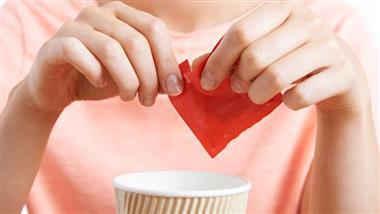
Despite such evidence, the artificial sweetener market continues to thrive. As reported by Food Navigator,5 Merisant launched a new zero calorie sweetener called Sugarly Sweet exclusively on Amazon in late January 2019, and has also created a line of artificial sweeteners fortified with vitamins and minerals.
The fortified sweeteners are sold under the company’s Equal Plus brand, and are available in three versions: vitamin C and zinc,6 vitamins B3, B5 and B12,7 or vitamins C and E.8 The products are marketed as a “good source” of these nutrients, as a single packet provides 10% of the daily recommended value of the added vitamins and minerals. E.G. Fishburne, director of Merisant marketing in North America, told Food Navigator:9
“Consumers are looking to get more out of their foods, including more vitamins and nutrients, and that hasn’t really permeated into the sweetener space. So, we thought it was a natural fit with someone adding a sweetener to their coffee or beverage in the morning. Why not have that added benefit of getting a good source of a vitamin in that as well?”
Well, just because something sounds like a good idea doesn’t mean it actually is, and that’s certainly the case here. The added vitamins and minerals do absolutely nothing to change the artificial sweetener’s detrimental impact on your health.
The Metabolic Effects of Zero Calorie Sweeteners
It’s important to realize that while artificial sweeteners have no (or very few) calories, they are still metabolically active.10 As explained in the 2016 paper,11 “Metabolic Effects of Non-Nutritive Sweeteners,” many studies have linked artificial sweeteners to an increased risk for obesity, insulin resistance, Type 2 diabetes and metabolic syndrome. The paper presents three mechanisms by which artificial sweeteners promote metabolic dysfunction:
- They interfere with learned responses that contribute to glucose control and energy homeostasis
- They destroy gut microbiota and induce glucose intolerance
- They interact with sweet-taste receptors expressed throughout the digestive system that play a role in glucose absorption and trigger insulin secretion
In addition to the sweet taste receptors on your tongue, you also have sweet taste receptors in your gut, which release signaling molecules into your bloodstream in response to sweet taste, thereby triggering your pancreas to release insulin in preparation for a glucose spike (which is what would happen if you ate sugar).
In short, the artificial sweetener basically tricks your body into storing fat by raising your insulin level, even though the sugar never arrives. Studies have also demonstrated that when sweet taste and caloric intake are mismatched, your body loses its ability to properly regulate your blood sugar. Sweet taste without calories also increases appetite12 and subjective hunger ratings.13
Artificial Sweeteners Are Toxic to Gut Bacteria
Artificial sweeteners also have effects on your gut microbiome that are significantly different from sugar. While sugar is detrimental because it tends to feed health-harming microbes, artificial sweeteners could easily be considered the worst of the two, as they have been shown to be downright toxic to gut bacteria.
In a 2008 study,14 sucralose (Splenda) was shown to reduce gut bacteria by as much as 50%, preferentially targeting bacteria known to have important human health benefits. Consuming as few as seven little Splenda packets may be enough to have a detrimental effect on your gut microbiome.
Aside from the countless side effects associated with an impaired gut microbiome, sucralose has also been linked to a wide variety of other health effects. For example, according to Cleveland Clinic,15 when Splenda upsets the microbiome, it also leads to increased inflammation, which then “can contribute to a variety of problems, including obesity and diabetes.”
More recent research has confirmed and expanded these findings, showing that all currently approved artificial sweeteners disrupt the gut microbiome. The animal study,16 published in the journal Molecules in October 2018, found aspartame, sucralose, saccharin, neotame, advantame and acesulfame potassium-k all cause DNA damage in, and interfere with, the normal and healthy activity of gut bacteria.
While all six artificial sweeteners were found to have toxic effects on gut bacteria, there were individual differences in the type and amount of damage they produced:
- Saccharin caused the greatest, most widespread damage, exhibiting both cytotoxic and genotoxic effects, meaning it is toxic to cells and damages genetic information in the cell (which can cause mutations).
- Neotame was found to cause metabolic disruption in mice, and raised concentrations of several fatty acids, lipids and cholesterol. Several gut genes were also decreased by this sweetener.
- Aspartame and acesulfame potassium-k were both found to cause DNA damage. Acesulfame potassium-k is commonly found in sports supplements.
Artificial Sweeteners May Cause Muscle Breakdown
Other research,17 mentioned at the beginning of this article, found that in addition to harming blood vessels and raising the risk of obesity and Type 2 diabetes, artificial sweeteners also caused the breakdown of muscle.
As explained by lead author Brian Hoffmann, Ph.D., assistant professor in the department of biomedical engineering at the Marquette University and Medical College of Wisconsin,18 “[Artificial] sweeteners kind of trick the body. And then when your body’s not getting the energy it needs — because it does need some sugar to function properly — it potentially finds that source elsewhere.” Muscle is one such alternative source.
Study: Artificial Sweeteners Increase Risk of Cancer
In a groundbreaking 2022 study published in PLOS Medicine, researchers studying 102,865 persons in France found that consumption of artificial sweeteners was associated with increased risk of cancer.19 Researchers said:
“Results from this large-scale population-based cohort study suggest a positive association between higher intake of artificial sweeteners (especially aspartame and acesulfame-K) and overall cancer risk. More specifically, aspartame intake was associated with increased breast and obesity-related cancers …
… While these results need to be replicated in other large-scale cohorts and underlying mechanisms clarified by experimental studies, they provide important and novel insights for the ongoing re-evaluation of food additive sweeteners by the European Food Safety Authority and other health agencies globally.”
How Artificial Sweeteners Trick Your Body Into Eating More
A paper20 published in the Yale Journal of Biology and Medicine in 2010 specifically addressed the neurobiology of sugar cravings, and the effect of artificial sweeteners in light of the neurobiology of food reward. As explained in this paper:
“Food reward consists of two branches: sensory and postingestive … The postingestive component depends on metabolic products of the food … The postingestive effects contained both positive and negative neuronal signals separate from mechanical satiety.
For moderately concentrated nutrients, rats learned to prefer the food associated with regular feeding than “sham feeding,” in which the ingested food flowed out of the body through a gastric fistula.
However, rats did not show preference if highly concentrated nutrients were used. Hypothalamus has been shown to mediate the postingestive food reward. Hypothalamus secretes various neuropeptides to regulate energy, osmotic balance and feeding behavior … Increasing evidence suggests that artificial sweeteners do not activate the food reward pathways in the same fashion as natural sweeteners.
Lack of caloric contribution generally eliminates the postingestive component. Functional magnetic imaging in normal weight men showed that glucose ingestion resulted in a prolonged signal depression in the hypothalamus. This response was not observed with sucralose ingestion.
Natural and artificial sweeteners also activate the gustatory branch differently. The sweet taste receptor … contain several ligand-binding sites … On the functional level, sucrose ingestion, compared to saccharin ingestion, was associated with greater activation of the higher gustatory areas such as the insula, orbitofrontal cortex and amygdala.
These pilot investigations are consistent with a revised hypothesis: Sweetness decoupled from caloric content offers partial, but not complete, activation of the food reward pathways.
Activation of the hedonic component may contribute to increased appetite. Animals seek food to satisfy the inherent craving for sweetness, even in the absence of energy need. Lack of complete satisfaction, likely because of the failure to activate the postingestive component, further fuels the food seeking behavior.”
‘Diet’ Beverages Linked to Increased Heart Problems
In related news, an observational study21 by the American Heart Association found that, compared to drinking none or just one “diet” drink per week, drinking two or more artificially sweetened beverages per day raises the risk of stroke, heart attack and early death in women over 50 by 23%, 29% and 16% respectively.
The risk is particularly high for women with no previous history of heart disease, those who are obese and/or African-American women. The study included more than 81,700 women from the Women’s Health Initiative Observational Study, a longitudinal study of the health of nearly 93,680 postmenopausal women between the ages of 50 and 79. The mean follow-up time was close to 12 years. According to the authors:
“Most participants (64.1 percent) were infrequent consumers (never or <1/week) of [artificially sweetened beverages] ASB, with only 5.1 percent consuming ≥2 ASBs/day.
In multivariate analyses, those consuming the highest level of ASB compared to never or rarely … had significantly greater likelihood of all end points (except hemorrhagic stroke), after controlling for multiple covariates.
Adjusted models indicated that hazard ratios … were 1.23 for all stroke; 1.31 for ischemic stroke; 1.29 for coronary heart disease; and 1.16 for all-cause mortality.
In women with no prior history of cardiovascular disease or diabetes mellitus, high consumption of ASB was associated with more than a twofold increased risk of small artery occlusion ischemic stroke … High consumption of ASBs was associated with significantly increased risk of ischemic stroke in women with body mass index ≥30 …”
In an accompanying editorial,22 “Artificial Sweeteners, Real Risks,” Hannah Gardener, assistant scientist, department of neurology at the University of Miami, and Dr. Mitchell Elkind suggest drinking pure water instead of no-calorie sweetened beverages, as it is by far the safest and healthiest low-calorie drink there is.
If you want some flavor, just squeeze a little bit of fresh lemon or lime into mineral water. In instances where your cooking, baking or beverage needs a little sweetener, be mindful of your choice.
Healthier Sugar Substitutes
Two of the best sugar substitutes are Stevia and Lo Han Kuo (also spelled Luo Han Guo). Stevia, a highly sweet herb derived from the leaf of the South American stevia plant, is sold as a supplement. It’s completely safe in its natural form and can be used to sweeten most dishes and drinks.
Lo Han Kuo is similar to Stevia, but is my personal favorite. I use the Lakanto brand vanilla flavor which is a real treat for me. The Lo Han fruit has been used as a sweetener for centuries, and it’s about 200 times sweeter than sugar.
A third alternative is to use pure glucose, also known as dextrose. Dextrose is only 70% as sweet as sucrose, so you’ll end up using a bit more of it for the same amount of sweetness, making it slightly more expensive than regular sugar.
Still, it’s well worth it for your health as it does not contain any fructose whatsoever. Contrary to fructose, glucose can be used directly by every cell in your body and as such is a far safer sugar alternative.
- 1 The Checkup. Overweight and Obesity Statistics 2022
- 2 CDC September 17, 2021
- 3, 17 Experimental Biology Conference Publication # A322 603.20
- 4 US News April 23, 2018
- 5, 9 Food Navigator USA February 11, 2019
- 6 Equal.com Equal Plus Vitamin C and Zinc
- 7 Equal.com Equal Plus B Vitamins
- 8 Equal.com Equal Plus Antioxidants
- 10 Journal of Toxicology and Environmental Health, Part B, Critical Reviews 2013 Sep; 16(7): 399–451
- 11 Physiol Behav. 2015 Dec 1; 152(0 0): 450–455
- 12 Physiol Behav. 1993 Mar; 53(3):459-66
- 13 Lancet. 1986 May 10; 1(8489):1092-3
- 14 Journal of Toxicology and Environmental Health 2008;71(21):1415-29
- 15 Cleveland Clinic January 12, 2021
- 16 Molecules 2018; 23(10): 2454
- 18 Medical News Today April 23, 2018
- 19 PLOS Medicine Artificial Sweeteners and Cancer Risk. March 24, 2022
- 20 Yale Journal of Biology and Medicine 2010 Jun; 83(2): 101–108
- 21 Stroke February 14, 2019, Artificial Sweeteners, Real Risks
- 22 Stroke February 14, 2018
Understanding Your Liver Health
Reproduced from original article:
https://articles.mercola.com/sites/articles/archive/2022/06/13/understanding-your-liver-health.aspx
The original Mercola article may not remain on the original site, but I will endeavor to keep it on this site as long as I deem it to be appropriate, and will not be bullied into removing it.
Analysis by Dr. Joseph Mercola Fact Checked June 13, 2022
STORY AT-A-GLANCE
- Your liver weighs a little over 3 pounds, filters all of your blood each day, and when healthy is the only organ capable of regenerating; the liver performs nearly 500 functions, including regulating your cholesterol levels
- Three primary liver enzymes, AST, ALT and GGT, offer insight in the health of your liver; GGT is correlated with iron toxicity, increased disease risk and overall mortality, and has become a central factor in the life insurance underwriting process
- While iron is necessary for biological functioning, overload significantly damages your liver and may lead to heart disease, diabetes, cancer and neurodegenerative diseases
- Strategies to normalize your liver function include reducing your carbohydrate intake, balancing your omega-6 to omega-3 ratio, exercising, avoiding medications metabolized in the liver and optimizing your gut microbiome
This article was previously published April 8, 2019, and has been updated with new information.
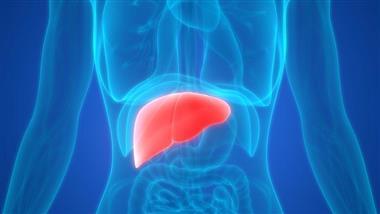
Your liver weighs a little over 3 pounds and is located on the right side of your abdomen. Reddish brown in color, it’s rubbery to the touch and protected by your rib cage.1 Your liver is the largest solid organ and one of the largest glands in your body, carrying out over 500 essential tasks to maintain optimal health.2
One of the main jobs of the organ is to process and purify blood coming from the hepatic artery and the hepatic portal vein. The liver has two main lobes, each of which have eight segments.3 Each segment is made up of approximately 1,000 lobules connected by small ducts that eventually come together to form the common hepatic duct.4
In addition to filtering your blood, the liver regulates many chemical levels and excretes bile your intestines use to help break down fat.5 Your liver also produces cholesterol, stores and releases glucose as needed, and regulates blood clotting. As your liver metabolizes chemicals or breaks down harmful substances, they are released into the bile or blood.
Bile enters your intestines and ultimately leaves your body in stool, while blood by-products are filtered out by your kidneys and leave through your urine. Your body stores vitamins A, D, E, K and B12 in the liver,6 and the liver functions as part of the phagocyte system, a portion of the immunological function of your body.7
In other words, your liver is highly important to your health. It is also the only organ in your body able to regenerate.8 In mice, if two-thirds of the liver is removed, the tissue regrows to its normal size within seven days. In humans, as long as 25 percent of healthy tissue remains, it regrows without any loss of function in approximately 15 days.
What Do Your Liver Enzymes Tell You?
Although most health practitioners rely on reference ranges provided by a laboratory or defined by their hospital facility, there is an evidence-based set of optimal ranges that more readily predict underlying pathology. Dr. Brian Walsh is a naturopathic physician who has extensive training in molecular biological pathways.
In a previous article, one topic we discussed were two of the tests commonly used to evaluate liver function — the liver enzymes aspartate aminotransferase (AST) and alanine aminotransferase (ALT). The laboratory value ranges for the high end for AST is 40 units per liter (U/L) and 56 U/L for ALT.9
However, Walsh believes the medical literature “very clearly show that, a) men and women should have different AST and ALT reference ranges, and b) [the ideal range] is not much above 20 U/L.”
These two specific enzymes are found mainly in your liver. They are elevated when there is a form of liver damage or injury. A sudden acute jump may indicate injury to the liver, while chronically elevated levels may suggest ongoing damage.
Some of the more common diseases triggering elevated ALT and AST are viral hepatitis A, B or C, cirrhosis of the liver, alcoholic fatty liver disease, hemochromatosis (iron overload) or diminished blood flow from shock or heart failure.10
Another measurement important in the prediction of mortality is gamma-glutamyl transferase (GGT). This liver enzyme is correlated with iron toxicity, increased disease risk and all-cause mortality.11 In an interview with Gerry Koenig, chairman of the board at the Iron Disorders Institute, we discuss the importance of GGT and its involvement in glutathione metabolism and transport of amino acids.
GGT is an important measurement of liver damage,12 potentially greater than AST or ALT, and may also be used as a biomarker for excess iron and early death. Determining mortality risk is a chief responsibility of insurance underwriters who use laboratory values and biomarkers to assign risk scores.13
Liver function tests, particularly GGT, have become a central factor in the life insurance underwriting process.14 GGT is necessary in the production of your body’s primary antioxidant, glutathione. When elevated, it breaks glutathione down.15
Researchers have also found variations in enzyme levels are inheritable and may change by age and sex. To examine the genetic architecture, researchers sampled twins, their siblings, parents and spouses, and found the same genes influence liver enzymes, but the relative contribution to the variation differs in males and females.16
The Importance of Monitoring Iron Levels for Liver Health
Another factor associated with liver damage is iron overload. Iron is one of the most common nutritional supplements used today, as you may find it isolated, added to multivitamins and in fortified processed foods. While it’s necessary for biological function, too much may do tremendous damage.
In fact, iron overload may be a more common problem, and far more dangerous, than iron deficiency anemia.17 Nearly all adult men and postmenopausal women are at risk for iron overload as there is no clear efficient iron excretion method. In other words, these populations do not lose blood on a regular basis.
Blood loss is the primary way to lower excess iron. If excess iron is left untreated it may contribute to cancer, heart disease, diabetes and neurodegenerative diseases.18 Iron triggers damage by catalyzing a reaction with hydrogen peroxide within the mitochondrial membrane, forming hydroxyl free radicals.
These are among the most damaging free radicals and cause severe mitochondrial dysfunction.19 This in turn is at the heart of many chronic degenerative diseases.
GGT may also be used as a screening marker for excess free iron,20 as it is highly interactive with iron and will tend to raise GGT levels. When your serum ferritin and GGT are high, you have a significantly increased risk of chronic health problems.
Balance Omega-3 and Omega-6 Fats for Optimal Liver Function
The American Liver Foundation estimates nearly 25 percent of adults in the U.S. are affected by nonalcoholic fatty liver disease (NAFLD). The condition is associated with serious risks as it may cause the liver to swell (steatohepatitis) and may lead to liver cancer or liver failure.21
It often has no symptoms but may be suspected if you suffer from other associated conditions and your blood tests have high levels of liver enzymes. Progression from NAFLD to nonalcoholic steatohepatitis (NASH) is one of the leading causes of cirrhosis in adults in the U.S.22
Excess amounts of omega-6 fatty acids are challenging to the liver.23 Although both omega-3 and omega-6 are necessary for good health, dietary changes over the past several decades have increased the ratio of omega-6 to omega-3 up to 25-to-1, well above a healthier 5-to-1 ratio, or the 1-to-1 ratio recommended by some experts.24
Experimental studies have suggested this divergence increases your body’s ability to gain fat and, more importantly, increase systemic inflammation. Additionally, the lopsided ratio plays a role in the development of obesity through an increased activity of the cannabinoid system and AA eicosanoid metabolites.25
Researchers have found this process may be reversed by increasing eicosapentaenoic acid (EPA) and docosahexaenoic acid (DHA), both components of marine-based omega-3 fat. Research has also found excessive amounts of damaged omega-6 are associated with inflammatory diseases such as NAFLD, cardiovascular disease, inflammatory bowel disease and Alzheimer’s disease.26
The primary therapeutic action of marine-based omega-3 is reducing inflammation, while omega-6 is needed to initiate the inflammatory response.27 When the ratio is unbalanced in favor of omega-6, it increases the rate of inflammation. Other health benefits associated with a healthy omega-3 to omega-6 ratio include balancing low-density lipoprotein cholesterol and triglyceride levels,28 reducing blood pressure29 and preventing atherosclerosis.30
In addition to reducing the risk of obesity and inflammation, balancing your omega-3 fatty acids against your omega-6 intake can also help reduce your GGT level,31 improve liver fat, reduce triglycerides and improve HDL levels in those with NAFLD or NASH, both inflammatory processes not triggered by alcohol intake.
Cholesterol Profile Reveals Challenges
Your liver is responsible for cholesterol regulation, as it not only synthesizes cholesterol but also removes it from your body, converting it to bile salts to be eliminated in your feces.32
When damaged, your liver is unable to regulate cholesterol levels normally.33 This may result in atherogenic dyslipidemia, or elevated levels of triglycerides and LDL, with low levels of high-density lipoprotein (HDL) — levels commonly associated with the development of atherosclerosis plaques and heart disease.34
However, there is also an association between dyslipidemia and insulin resistance.35 Insulin resistance alters lipid metabolism, leading to the development of atherogenic dyslipidemia, contributing to atherosclerotic plaque formation.36
One reason atherogenic dyslipidemia is a predictor of heart disease is because it indicates insulin resistance, which means in some ways your cholesterol panel may tell you more about your insulin resistance and glucose intolerance than anything else.37
Normalize Your Liver Function Naturally
Dr. David Unwin, a low-carb advocate, was voted among the top 50 most influential general practitioners in the U.K. in September 2018.38 In this short video, he discusses the health improvements patients in his practice have experienced, pertaining to insulin resistance and liver function, as they follow a low-carbohydrate diet.
Your carbohydrate intake has an effect on your glucose metabolism, liver function and your risk of heart disease, stroke and Type 2 diabetes. Reducing carbs to 50 grams for every 1,000 calories and increasing your intake of healthy fats is a powerful way to support your mitochondrial health and reduce your risk of chronic disease. Other ways of protecting your liver health include:
| Optimizing your omega-3 to omega-6 ratio — Maintaining a balance of omega-6 to omega-3 fats as close to 1-to-1 is ideal. Omega-3 fat may be found in wild caught Alaskan salmon, herring, mackerel and anchovies. Consider using a high quality krill oil supplement if you don’t eat these fatty fish on a regular basis. Reduce or eliminate processed foods, which are high in damaged omega-6 fats, and vegetable oils for cooking. |
| Giving blood — If you are male or a postmenopausal woman, giving blood twice a year helps lower your iron level and protect your liver from damage. |
| Exercising — Exercise helps burn triglycerides for fuel and may help reduce liver fat.39 |
| Take N-acetylcysteine (NAC) — This is a precursor to glutathione, a powerful antioxidant that helps reduce oxidative stress and is used in the treatment of chronic fatty liver diseases.40 |
| Avoid medications — Many drugs and hormones are first metabolized through your liver, including birth control and anabolic steroids — in fact, nearly 50% of all drugs on the market are metabolized by just one enzyme in the liver.41
Over-the-counter (OTC) medication such as Tylenol and cold and pain remedies are also metabolized through your liver, as are statins, acid blockers, antifungals and certain antibiotics — in all, over 1,000 OTC drugs and herbal medicines have been associated with drug-induced liver injury.42,43 |
| Avoid alcohol if you have NAFLD or NASH — It’s important to drink alcoholic beverages responsibly, however if you already suffer from NAFLD or NASH, alcohol may increase your risk of cirrhosis and destroy your liver cells.44 |
| Optimize your gut — The release of undigested food and bacteria from a leaky gut condition eventually results in liver inflammation. Emerging evidence has suggested a strong relationship between your gut health and your liver.45
Your liver receives nearly 70% of its blood supply from the intestines through the portal vein.46 Researchers have also discovered up to 75% of those who suffer from chronic liver disease also suffer from microbiome imbalance.47 |
– Sources and References
- 1 ScienceDirect, 2017
- 2, 4, 5, 8 Johns Hopkins. Liver: Anatomy and Functions
- 3, 7 Stanford Children’s Health, Anatomy and Function of the Liver
- 6 TeachMePhysiology, June 3, 2018
- 9, 10 eMedicine Health, Liver Blood Tests
- 11, 15 The Fat Emperor, Fatty Liver Enzyme GGT – Don’t Die from Ignorance
- 12 Cleveland Clinic. Gamma-glutamyl transferase (GGT) Test
- 13, 14, 20 Disease Markers, 2015;2015:818570
- 16 Behavioral Genetics, 2013, 43(4)
- 17 Iron Disorders Institute, Iron Overload
- 18 Medical News Today, March 9, 2017
- 19 Science Direct, Hydroxyl Radical
- 21, 22 American Liver Foundation, July 6, 2017
- 23 Journal of Hepatology, November 2007
- 24, 25 Nutrients, March 2016
- 26 Journal of Nutrition and Metabolism, 2012; 2012: 539426
- 27 Hepatitis Central, Easing Liver Inflammation
- 28 American Family Physician, 2004; 70(1):133
- 29 ClevelandHeartLab, Omega-3 Fatty Acids: A Natural Way to Lower Blood Pressure
- 30 Future Science OA, 2017;3(4): FSO236
- 31 Gastroenterology Research Practice, 2016;2016:1459790
- 32 NIH. Lipid and Lipoprotein Metabolism in Liver Disease. July 21, 2019
- 33 Hepatitis Monthly, 2010;10(4):285
- 34 Indian Journal of Endocrinology and Metabolism, 2013;17(6):969
- 35 Journal of Mid-Life Health, 2018;9(2):85
- 36 Cardiovascular Diabetology, 2018;17:122
- 37 Clinical Cornerstone, 2006
- 38 Diabetes.co.uk, September 3, 2018
- 39, 44 American Liver Foundation, October 4, 2013
- 40 National Institutes of Health, Acetylcysteine
- 41 Current Drug Targets, December 2005
- 42 Drug Safety, June 2010
- 43 Swiss Medical Weekly, September 24, 2010
- 45 Medical Sciences, 2018;6(3):79
- 46 Thorne, January 12, 2018
- 47 Nutrition Metabolism and Cardiovascular Disease, 2012;22(6):471
Benefits of Sunshine on Your Bare Skin
Reproduced from original article:
https://articles.mercola.com/sites/articles/archive/2022/06/04/benefits-of-sunshine.aspx
The original Mercola article may not remain on the original site, but I will endeavor to keep it on this site as long as I deem it to be appropriate, and will not be bullied into removing it.
Analysis by Dr. Joseph Mercola Fact Checked June 04, 2022
STORY AT-A-GLANCE
- Health care officials’ recommendations to avoid sun exposure unless you’re slathered in sunscreen have deprived humans of their fundamental need for sunlight
- Dr. Paul Saladino, author of “The Carnivore Code,” delves into the many reasons why sunlight is so essential it could even be described as a nutrient
- Nitric oxide is produced in response to UVA and this leads to vasodilation; there are also beta endorphins produced in your skin when it’s exposed to UVA and UVB
- Exposure to UV light has benefits to the immune system; it affects cellular differentiation and can improve wound healing
- Outdoor workers have been found to have a decreased risk of melanoma skin cancer compared to indoor workers; consumption of linoleic acid from seed oils may increase your risk of sunburn and skin cancer
- The key to gaining the benefits of sunlight while minimizing the risk of sunburn is to gradually build up what Saladino refers to as your solar callus
Health care officials’ recommendations to avoid sun exposure unless you’re slathered in sunscreen have deprived humans of their fundamental need for sunlight. In the video above, Dr. Paul Saladino, author of “The Carnivore Code,” a book on nose-to-tail animal-based eating, and host of the Fundamental Health Podcast, delves into the many reasons why sunlight is so essential it could even be described as a nutrient.
“It’s been a critical part of our evolution throughout our existence,” he states.1 “Sunlight, real sunlight, is essential for optimal human life. You cannot be an optimal human without … adequate levels of real outdoor ultraviolet infrared visible spectrum light from the sun in the sky when you are not wearing sunscreens.”2
If more people spent time in the sun — not getting sunburned, but getting gradual exposure and gradually building up your skin’s tolerance — Saladino explains that rates of many types of cancers would likely go down and there would be fewer cardiovascular disease deaths and fewer cases of seasonal affective disorder, while improvements would be seen in many other diseases, such as rheumatoid arthritis and schizophrenia.3 This is the power of the sun.
Cancer Rates Rise With Distance From the Equator
When you put on sunscreen to “protect” your skin from the sun, you’re not only exposing your body to toxic chemicals in the sunscreen but also inhibiting the complex interactions that occur between ultraviolet (UV) light from the sun and your skin.
Nitric oxide, for instance, is produced in response to UVA and this leads to vasodilation. There are also beta endorphins produced in your skin when it’s exposed to UVA and UVB,4 and strong associations with cancer can be found depending on your location in relation to the equator.
“With increasing distances from the equator,” Saladino says, “we know that there are higher rates of colon, breast, pancreas, ovary, brain and kidney cancers, and the blood cancer multiple myeloma — as you move farther from the equator.”5 Tuberculosis is another disease that’s been correlated with sun exposure.6 In 1903, Niels Ryberg Finsen was awarded a Nobel Prize7 for his use of solar heliotherapy, or exposure to sunlight, to treat diseases such as tuberculosis.
“Once the anti-tuberculosis drugs were developed this type of therapy fell out of favor, but there were solariums there were these hospitals throughout the desert southwest. I went to medical school at the University of Arizona in Tucson and some of the places I did rotations were previously hospitals for tuberculosis patients who were put into the sun, and there was some improvement in their disease,” Saladino explains.8
Exposure to UV light also has benefits to the immune system. “It affects cellular differentiation. It can improve wound healing … I don’t think many people think about putting their wounds in the sun to help with healing, but the sun does help.”9
Sunlight Benefits From Vitamin D and Beyond
The fact that your skin produces vitamin D in response to sun exposure is another clue that it’s beneficial. Vitamin D upregulates your ability to fight infections, as well as chronic inflammation, and produces over 200 antimicrobial peptides (AMPs), one of which is cathelicidin, a naturally occurring broad-spectrum antibiotic.
The cathelicidin antimicrobial peptide, or CAMP, is made by immune cells and skin and gut cells, which act as a barrier to infection.10 A wealth of data also show that vitamin D levels are strongly correlated with the severity of SARS-CoV-2 infection.11 Saladino has visited the Hadza tribe in Africa, who are among the best still-living representations of the way humans have lived for tens of thousands of years.
He credits their regular sun exposure, as well as their native diet, for their lack of chronic diseases seen in modernized societies:12
“There is good observational epidemiological research that levels of vitamin D above 30 nanograms per milliliter (ng/mL) were quite protective and if we think about this evolutionarily, groups like the Hadza and the Maasai evolve at the equator. They have a lineage there that is many hundreds, thousands of years old.
Their vitamin D averages around 46 to 48 ng/mL, which I suggest is an evolutionarily appropriate level and probably good for most humans.”
To ward off infection and prevent chronic diseases, the level you’re aiming for is between 60 and 80 ng/mL, with 40 ng/mL being the low cutoff point for sufficiency to prevent a wide range of diseases, including cancer. The key is to get your vitamin D from the sun, not supplements. It’s important to understand that vitamin D is not the only benefit of sunlight. In fact, vitamin D is more than likely a biomarker or surrogate for sun exposure, which is also intricately involved in melatonin production.
During the day, if you get proper sun exposure, near-infrared rays from the sun penetrate deep into your body and activate cytochrome c oxidase, which in turn stimulates the production of melatonin inside your mitochondria. Your mitochondria produce ATP, the energy currency of your body. A byproduct of this ATP production is the creation of reactive oxidative species (ROS), which are responsible for oxidative stress and free radicals.
Excessive amounts of ROS will damage the mitochondria, contributing to suboptimal health, inflammation and chronic health conditions such as diabetes, obesity and thrombosis (blood clots). But melatonin essentially mops up ROS that damage your mitochondria. So by getting plenty of sun exposure during the day, your mitochondria will be bathed in melatonin, thereby reducing oxidative stress.13,14 Saladino adds:15
“I would advise you to get your vitamin D from real sunlight because of the other benefits of real sunlight — endorphins, nitric oxide, perhaps other cholesterol molecules like cholesterol sulfate. We don’t even, I think, understand all of the benefits of being in the sun. There are so many associations with latitude that suggest it could be deeper than vitamin D.”
Sunlight May Affect Your Microbiome
To understand solar energy, it helps to be aware that 39% of the solar spectrum is what we see as visible light. The majority of the solar spectrum, 54.3%, is infrared,16 which is not visible but rather felt as heat. Ultraviolet light accounts for only 6.8% of the solar spectrum, and vitamin D is specifically produced in response to UVB radiation, which is only a small part of the ultraviolet spectrum.
It’s the exposure to this full spectrum light that yields the most benefits, of which most are likely still unknown. Melatonin, for instance, is produced inside your mitochondria in response to near-infrared radiation, which is part of the infrared spectrum. Exposure to another type — narrow bank ultraviolet B, or NB-UVB — leads to another little-known benefit — modulation of the human intestinal microbiome.17
Study participants were divided into groups that took vitamin D supplements during the winter prior to the study and those who did not. They were then exposed to NB-UVB three times during a one-week period.
Not only did vitamin D levels increase in both groups, but the light exposure significantly increased alpha and beta diversity in the group that didn’t take vitamin D, and bacteria from several families were enriched. The researchers proposed that a skin-gut axis may exist that affects the gut microbiome, and it appears to be mediated by sunlight:18
“This is the first study to show that humans with low 25(OH)D serum levels display overt changes in their intestinal microbiome in response to NB-UVB skin exposure and increases in 25(OH)D levels, suggesting the existence of a novel skin-gut axis that could be used to promote intestinal homeostasis and health.”
Melanoma Is Not Always a Sun-Associated Cancer
The question many have with regard to sun exposure is whether it will increase skin cancer risk. Melanoma is considered to be the deadliest form of skin cancer, but data do not support the common rhetoric that it’s caused by sunlight.
In one study of outdoor workers and skin cancer risk in Europe, although they had more UV exposure both during work and leisure time and less sunscreen use compared to indoor workers, “No significant associations were found for melanoma.”19 “This finding is corroborated many times in the literature,” Saladino said. “There is a lot of literature to suggest that there are perhaps multiple roads to melanoma, not all of which are related to the sun.”20
Likewise, in a rapid review published in The Lancet it’s noted that outdoor workers have been found to have a decreased risk of melanoma compared to indoor workers, “suggesting that chronic sunlight exposure can have a protective effect.” It’s also noted that while some melanomas do form on areas of the skin exposed to sun, others form on areas that rarely see the sun.
“So clearly getting burned when you were a kid is a bad thing. You don’t want that to happen, but is melanoma truly a sun-associated cancer? I would say no. I think there is clear evidence that melanoma is not always associated with the sun,” Saladino says.21
Melanoma Linked to Linoleic Acid
Saladino points out a study from 1987,22 during which samples of fat tissue were taken from 100 melanoma patients and 100 people without melanoma and analyzed for fatty acids.
Not only is there an increase in linoleic acid in the tissue of all the subjects, but the percentage of polyunsaturated fatty acids (PUFAs) is significantly higher in the melanoma patients’ tissue. “The suggestion is made that increased consumption of dietary polyunsaturates may have a contributory effect in the etiology of melanoma,” the researchers concluded.23
Linoleic acid is the primary fat found in omega-6 polyunsaturated fats, including vegetable/seed oils, and accounts for about 80% of the fat composition of vegetable oils. Omega-6 fats must be balanced with omega-3 fats in order to not be harmful, but most Americans don’t eat that way.
Most of the omega-6 people eat, including seed oils, has been damaged and oxidized through processing. Once oxidized, it generates oxidized linoleic acid metabolites, which are mutagenic, carcinogenic, cytotoxic and atherogenic.24 According to Saladino:25
“Is it possible that increased linoleic acid consumption could be causing fragility to cell membranes and that could be leading to oxidative damage in the sun leading to DNA damage and then more melanocytic nevi precursor lesions or melanoma or could the same thing be happening with squamous and basal?
I would say yes. It’s not supported by literature yet because there haven’t been any studies looking at this. We need many more studies with linoleic acid … I have major concerns that linoleic acid found in seed oils is one of the biggest drivers of chronic disease in humans.”
Linoleic acid is found in virtually every processed food, including restaurant foods, sauces and salad dressings, as well as “healthy” foods like chicken, pork and some olive oil, so eliminating these foods in your diet is another stepping stone to good health.
Build Up Your Solar Callus
The key to gaining the benefits of sunlight while minimizing the risk of sunburn is not to use sunscreen, which typically contains endocrine-disrupting chemicals, but rather to build up what Saladino refers to as your solar callus:26
“If you are light skin, cover up, get a small amount of sun exposure, develop your solar callus … get that UVA and UVB into the different layers of your skin. Get that UVB-producing melanin gradually dark and gradually think about being in the sun. As a piece of homework that is my prescription for you, get into the sun gradually … this is your chance to fill up your sun reserves.
That’s vitamin D and other compounds that are produced from the sun in your skin and stored in your body but do that gradually. If you’re going to be out in the sun too long to safely be in the sun without burning based on your relative amount of melanin in your skin, then cover yourself.”
Be aware, however, that your diet also plays a significant role in your propensity for sunburn. High intake of linoleic acid raises your risk for sunburn while eliminating seed oils from your diet will dramatically reduce your risk of sunburn and skin cancer, as susceptibility to UV radiation damage is controlled by the level of PUFAs in your diet.
It’s almost like a dial. The PUFAs control how rapidly your skin burns, and how rapidly you develop skin cancer. Saladino points out that psoralens, which are found in certain plant foods like celery and parsnips, can also be problematic, as they make your skin more sensitive to sunlight. The take-home message, however, that Saladino stresses is this:27
“Do not fear the sun, my friends. Don’t get burned, but do not fear the sun — put it on your whole body, see how it feels … If you are in a place where you cannot get sun for much of the year either consider moving or I would consider a tanning bed look for perhaps a tanning bed that has some level of UVA and UVB that mimics the sun.”
- 1 YouTube, CarnivoreMD, The Sun Episode May 10, 2022, 3:30
- 2 YouTube, CarnivoreMD, The Sun Episode May 10, 2022, 9:43
- 3 YouTube, CarnivoreMD, The Sun Episode May 10, 2022, 19:11
- 4 YouTube, CarnivoreMD, The Sun Episode May 10, 2022, 20:50
- 5 YouTube, CarnivoreMD, The Sun Episode May 10, 2022, 20:13
- 6 PLoS One. 2013; 8(3): e57752
- 7 NobelPrize.org, The Nobel Prize in Physiology or Medicine 1903
- 8 YouTube, CarnivoreMD, The Sun Episode May 10, 2022, 23:14
- 9 YouTube, CarnivoreMD, The Sun Episode May 10, 2022, 24:55
- 10 Medical Xpress December 31, 2019
- 11 Nutrients. 2021 Oct; 13(10): 3596
- 12 YouTube, CarnivoreMD, The Sun Episode May 10, 2022, 27:35
- 13 Physiology February 5, 2020 DOI: 10.1152/physiol.00034.2019
- 14 YouTube, MedCram, Sunlight: Optimize Health and Immunity January 21, 2022
- 15 YouTube, CarnivoreMD, The Sun Episode May 10, 2022, 30:19
- 16 Journal of Photobiochemistry and Photobiology February 2016; 155: 78-85
- 17, 18 Front Microbiol. 2019; 10: 2410
- 19 J Eur Acad Dermatol Venereol. 2016 Apr;30 Suppl 3:5-11. doi: 10.1111/jdv.13603
- 20 YouTube, CarnivoreMD, The Sun Episode May 10, 2022, 38:18
- 21 YouTube, CarnivoreMD, The Sun Episode May 10, 2022, 38:46
- 22, 23 Nutr Cancer. 1987;9(4):219-26. doi: 10.1080/01635588709513930
- 24 YouTube June 13, 2020
- 25 YouTube, CarnivoreMD, The Sun Episode May 10, 2022, 39:52
- 26 YouTube, CarnivoreMD, The Sun Episode May 10, 2022, 53:05
- 27 YouTube, CarnivoreMD, The Sun Episode May 10, 2022, 1:03
Antibiotics Linked to Inflammatory Bowel Disease
Reproduced from original article:
https://articles.mercola.com/sites/articles/archive/2022/06/01/antibiotics-linked-to-ibd.aspx
The original Mercola article may not remain on the original site, but I will endeavor to keep it on this site as long as I deem it to be appropriate, and will not be bullied into removing it.
Analysis by Dr. Joseph Mercola Fact Checked June 01, 2022
STORY AT-A-GLANCE
- People over 60 who have used antibiotics may be at increased risk of developing inflammatory bowel disease (IBD)
- Use of antibiotics was associated with a 64% increased risk of developing IBD, and the risk increased with additional doses
- Compared with those who had taken no antibiotics in the previous five years, risk of IBD in those who received five or more antibiotics prescriptions increased by 236%
- All classes of antibiotics were associated with increased IBD risk, but fluoroquinolones had the most notable association
- Antibiotics have also been linked to an increased risk of bowel cancer, heart attack and stroke
People over 60 who have used antibiotics may be at increased risk of developing inflammatory bowel disease (IBD), a condition characterized by chronic inflammation of the gastrointestinal (GI) tract.1 The finding, which was presented at the Digestive Disease Week conference held in San Diego, California, in May 2022, may explain the rising rates of IBD occurring among older adults.
“It’s quite important to really understand what’s driving this,” lead study author Dr. Adam Faye, of New York University Langone School of Medicine, said in a news release. “There’s clearly something in the environment that’s driving this new onset of older-onset IBD.”2
An estimated 3 million (or 1.3%) of U.S. adults suffer from IBD, which includes Crohn’s disease and ulcerative colitis.3 A CDC study revealed that from 2001 to 2018, the prevalence of IBD among 25.1 million Medicare beneficiaries aged 67 years or older increased among all racial/ethnic groups.4
Environmental factors are a likely culprit, with the CDC researchers finding that living in urban areas was associated with an increased risk of IBD. As such they stated that factors that influence the microbiome, such as pollution, diet and lifestyle, could be involved.5
Antibiotics also have a significant effect on the microbiome and represent another environmental factor that may be driving up IBD rates in older adults. Faye said:6
“In older adults, we think that environmental factors are more important than genetics. When you look at younger patients with new diagnoses of Crohn’s disease and ulcerative colitis, there’s generally a strong family history. But that is not the case in older adults, so it’s really something in the environment that is triggering it.”
IBD Risk Increases by 64% With Antibiotics Use
Faye and colleagues analyzed records from more than 2.3 million adults aged 60 to 90 who were part of the Danish National Patient Register and the Danish National Prescription Register from 2000 to 2018. Patients newly diagnosed with IBD were identified and compared with antibiotic use.
Use of antibiotics was associated with a 64% increased risk of developing IBD, and the risk increased with additional doses.7 Compared with those who had taken no antibiotics in the previous five years:8
- One prescription for antibiotics was associated with a 27% increased risk of IBD
- Two prescriptions increased risk by 55%
- Three prescriptions increased risk by 67%
- Four prescriptions increased risk by 96%
- Five or more prescriptions increased risk by 236%
Adults who had been prescribed antibiotics one to two years prior to IBD diagnosis had the highest risk, but those who took the drugs two to five years prior also had an elevated risk. All classes of antibiotics were associated with increased IBD risk, though fluoroquinolones, which include brand names Cipro and Levaquin, had the most notable association.9
This is the same class of drugs that may harm your heart by causing an increased risk of ruptures or tears in the aorta blood vessel. The aorta is the main artery in your body supplying oxygenated blood to your circulatory system.
In December 2018, the U.S. Food and Drug Administration warned that fluoroquinolones taken by mouth or via injection could lead to these aortic dissections or ruptures of an aortic aneurysm that could lead to serious bleeding or death.10 The risks of these and other antibiotics must be carefully weighed against the benefits prior to use.
“We think of antibiotic stewardship not only to prevent the development of multidrug-resistant organisms, but in this case now we should be thinking about it to prevent the development of inflammatory bowel disease,” Faye said,11 pointing out that antibiotics’ disruption to the gut microbiome could be contributing to the development of IBD.
“Maybe there’s something in the microbiome that antibiotics are doing that’s priming an individual to then later develop inflammatory bowel disease, and this really needs to be looked at further,” he said.12
Antibiotics Linked to Bowel Cancer
While antibiotics can be lifesaving, at least 30% of outpatient antibiotic prescriptions are unnecessary, according to CDC estimates.13 Taking antibiotics when unnecessary exposes you to increased risk for no benefit, and the risks include serious disease aside from IBD — even cancer.
In 2014, researchers linked antibiotics use to a slightly increased risk (8% to 11%) of developing colorectal cancer, also known as bowel cancer, possibly because of alterations to the gut microbiome.14 Likewise, past research has also shown that people with less bacterial diversity in their gastrointestinal tracts are more likely to develop colon cancer.15
Separate research found that women who had used antibiotics for two months or more were at an increased risk of developing colon polyps, which can be a precursor to colorectal cancer.16 Those who used the drugs for a total of at least two months in their 20s and 30s had a 36% increased risk of polyps compared to those who did not.
Even taking antibiotics for 15 days or more, at any age range, was associated with an increased risk of polyps. In 2016, another study also found increasing use of antibiotics was associated with an increasing risk of colorectal cancer, especially when used frequently.17
Antibiotics May Increase Risk of Stroke, Heart Attack
Even one course of antibiotics negatively alters your microbiome for up to a year,18 which is precisely why it’s crucial to only use antibiotics when absolutely necessary. When used for longer periods, they also can cause considerable damage, including to your heart.
A study published in the European Heart Journal found that women aged 60 and older who used antibiotics for two months or longer — often for respiratory infections, urinary tract infections and dental problems — were 32% more likely to develop cardiovascular disease than women who did not use such drugs.19
Overall, among women in late adulthood who take antibiotics for two months or more, 6 per 1,000 would develop cardiovascular disease, compared to 3 per 1,000 for women who did not. Women in middle age (40 to 59 years) who used antibiotics for longer than two months also had a 28% increased risk of cardiovascular disease. Again, alterations in gut microbiota were highlighted as playing a detrimental part in antibiotics’ adverse effects to the heart.
“Antibiotic use is the most critical factor in altering the balance of microorganisms in the gut. Previous studies have shown a link between alterations in the microbiotic environment of the gut and inflammation and narrowing of the blood vessels, stroke and heart disease,” study author Lu Qi, director of the Tulane University Obesity Research Center in New Orleans, stated in a news release.20
Taking antibiotics for at least two months also increases the risk of death from all causes by 27% among women in late adulthood, compared to women who did not take the drugs.21 The women taking long-term antibiotics also had a 58% higher risk of death due to heart problems.
Millions Suffer From Antibiotic-Resistant Infections
Due to the widespread misuse and overuse of antibiotics — including by industrial agriculture for purposes of growth promotion22,23 and preventing diseases in animals — many types of bacteria have developed resistance to antibiotics. As a result, more than 2.8 million antibiotic-resistant infections occur in the U.S. annually, with more than 35,000 people dying as a result.24
When Clostridioides difficile infections, which are associated with antibiotics use, are added in to these figures, more than 3 million infections and 48,000 deaths attributed to antibiotics use or antibiotic-resistant infections occur every year in the U.S.
This public health emergency underscores the fact that when you take antibiotics, there are both short- and long-term risks, the latter of which, such as antibiotic-resistant infections or IBD, may not become evident until long after you’ve stopped taking the drugs.
Natural Options for IBD
If you must take antibiotics, add more traditionally fermented and cultured foods to your diet to optimize your gut flora, and consider the use of spore-based probiotics, or sporebiotics, which are part of a group of derivatives of the microbe called Bacillus, have been shown to dramatically increase your immune tolerance.
I also recommend taking the beneficial yeast Saccharomyces boulardii after you’ve finished your antibiotics to prevent secondary complications of antibiotic treatment, such as diarrhea. If you’ve been diagnosed with ulcerative colitis, one of the forms of IBD, be aware that natural treatment options may help.
Ulcerative colitis symptoms range from mild to severe, and while most people have periods of remission when symptoms disappear, it can be debilitating when symptoms flare up, causing frequent, urgent bowel movements, fatigue, nausea, weight loss, fever and anemia. In about 10% of cases, ulcerative colitis is severe and may lead to bloody bowel movements and severe abdominal cramping.25
Up to one-third of patients even undergo surgery to remove the colon and rectum,26 but ginger, which has a range of biological activities, including antioxidant, anti-inflammatory and cytotoxic (potential anti-carcinogenic) effects,27 has been shown to reduce disease activity in this condition.28
In one study, ginger was found to reduce malondialdehyde (MDA), a biomarker of oxidative stress, in patients with ulcerative colitis significantly after six and 12 weeks. Ginger also led to reductions in severity of disease activity and increased patients’ quality of life significantly after 12 weeks.29
IBD can be challenging to treat, so work with a knowledgeable natural health care practitioner who can develop a comprehensive treatment protocol. However, in addition to ginger the following natural options may also provide some relief:
- Probiotics — People with inflammatory conditions such as ulcerative colitis who took the probiotic bacteria Bifidobacterium infantis for eight weeks had lower levels of inflammation than those taking a placebo.30
- Curcumin — The turmeric compound curcumin may help to induce and maintain remission in ulcerative colitis patients without serious side effects.31
- Omega-3 fats — The animal-based omega-3 fats in krill oil, EPA and DHA, have immune-boosting qualities along with anti-inflammatory properties proven to benefit disorders of the gut, including ulcerative colitis.32
- Optimizing vitamin D levels — In vitamin-D-deficient patients with ulcerative colitis, vitamin D supplementation was associated with reduced intestinal inflammation in one study.33
- 1, 2, 7, 9, 11, 12 University of Minnesota, Center for Infectious Disease Research and Policy May 13, 2022
- 3 U.S. CDC, Prevalence of IBD
- 4, 5 MMWR May 14, 2021, 70(19);698–701
- 6, 8 EurekAlert! May 13, 2022
- 10 U.S. FDA December 20, 2018
- 13 University of Minnesota, Center for Infectious Disease Research and Policy, Overuse and overprescribing of antibiotics
- 14 Live Science June 3, 2014
- 15 J Natl Cancer Inst. 2013 Dec 18;105(24):1907-11
- 16 Gut April 4, 2017
- 17 Dig Dis Sci. 2016 Jan;61(1):255-64
- 18 MBio November 10, 2015
- 19 European Heart Journal April 24, 2019
- 20 Tulane University April 26, 2019
- 21 Medical News Today March 26, 2018
- 22 World Health Organization November 7, 2017
- 23 The Bureau of Investigative Journalism September 19, 2018
- 24 U.S. CDC, Antibiotic Resistance, About Antibiotic Resistance
- 25 National Institute of Diabetes and Digestive and Kidney Diseases, Ulcerative Colitis
- 26 Crohn’s & Colitis Foundation of America, IBD Factbook, Surgery
- 27 J Ethnopharmacol. 2008 Aug 13;118(3):367-72. doi: 10.1016/j.jep.2008.04.026. Epub 2008 May 15
- 28, 29 Complementary Therapies in Medicine April 2019, Volume 43, Pages 1-6
- 30 EurekAlert! October 31, 2011
- 31 Acta Med Indones. 2017 Oct;49(4):363-368
- 32 Journal American College Nutrition December 2002; 21(6):495-505
- 33 J Crohns Colitis. 2018 Jul 30;12(8):963-972. doi: 10.1093/ecco-jcc/jjy052
A Natural Way to Help Halt Disease-Causing Microorganisms?
Reproduced from original article:
https://articles.mercola.com/sites/articles/archive/2022/06/01/probiotics-for-dementia.aspx
The original Mercola article may not remain on the original site, but I will endeavor to keep it on this site as long as I deem it to be appropriate, and will not be bullied into removing it.
Analysis by Dr. Joseph Mercola Fact Checked June 01, 2022

STORY AT-A-GLANCE
- Probiotics can help improve cognitive function and ward off dementia, including Alzheimer’s
- Elderly Alzheimer’s patients who received a probiotic milk product containing Lactobacillus acidophilus, Lactobacillus casei, Bifidobacterium bifidum and Lactobacillus fermentum for 12 weeks significantly improved their cognition scores, while controls continued to decline
- The level of inflammatory markers also dropped by 18% in the probiotic treatment group, while inflammatory markers rose by 45% in the control group
- The Bifidobacterium breve strain A1 may be of particular use in Alzheimer’s treatment. Daily oral administration of B. breve A1 reduced the cognitive dysfunction normally induced by amyloid beta in mice
- Probiotics can inhibit neurodegeneration by modulating the inflammatory process, counteracting oxidative stress, modulating CNS functions mediated by bacteria-derived metabolites such as short-chain fatty acids, and inhibiting pathogenesis via alteration of gut microbiota composition
This article was previously published November 21, 2019, and has been updated with new information.
As your “second brain,” the state of your gut has been shown to play an important role in your neurological health. Importantly, studies have shown probiotics (beneficial bacteria) can help decrease pathological hallmarks of Alzheimer’s disease (AD), including amyloid plaques and tangles.1
One of the most impressive of these studies2 was published in Frontiers in Aging Neuroscience in 2016. Sixty elderly patients diagnosed with Alzheimer’s received either a placebo or a probiotic milk product containing Lactobacillus acidophilus, Lactobacillus casei, Bifidobacterium bifidum and Lactobacillus fermentum for 12 weeks.
At the beginning and end of the study, participants underwent a standardized cognitive assessment and a highly sensitive c-reactive protein test, which is a powerful marker of inflammation. As reported by neurologist Dr. David Perlmutter:3
“The results of the study were stunning. The placebo group showed an increase in hs-CRP, the inflammation marker, by an impressive 45 percent. In the group taking the probiotic, on the other hand, hs-CRP … declined by 18 percent, indicating a dramatic reduction in inflammation.
But here’s the truly exciting news. Over the 12 weeks, the patients in the placebo continued to decline mentally, as you might expect … But the group on the inflammation reducing probiotics actually demonstrated … improvement, with their MMSE [mini mental state examination] scores going from 8.67 up to 10.57, and that’s a huge improvement.
Again, not only was their mental decline stopped in its tracks, these individuals regained brain function! The message here is that inflammation is directly determined by the health and diversity of our gut bacteria, and this has major implications in terms of brain health, function, and disease resistance.”
Your Gut and Brain Are Linked
Since then, several other studies have been published, showing probiotics can help improve cognitive function and ward off dementia, including Alzheimer’s. While this may seem all too simple to be true, it makes perfect sense when you consider the deep connections that exist between your gut and your brain. As explained by Harvard Health:4
“Research shows that the gut and brain are connected, a partnership called the gut-brain axis. The two are linked through biochemical signaling between the nervous system in the digestive tract, called the enteric nervous system, and the central nervous system, which includes the brain.
The primary information connection between the brain and gut is the vagus nerve, the longest nerve in the body. The gut has been called a ‘second brain’ because it produces many of the same neurotransmitters as the brain does … What affects the gut often affects the brain and vice versa.
When your brain senses trouble — the fight-or-flight response — it sends warning signals to the gut, which is why stressful events can cause digestive problems like a nervous or upset stomach. On the flip side, flares of gastrointestinal issues like irritable bowel syndrome (IBS), Crohn’s disease, or chronic constipation may trigger anxiety or depression.”
Probiotic Prevents Amyloid-Beta-Induced Dysfunction
According to a 2017 study5 in Scientific Reports, the Bifidobacterium breve strain A1 may be of particular use in Alzheimer’s treatment. Using Alzheimer’s disease model mice, the researchers were able to confirm that daily oral administration of B. breve A1 reduced the cognitive dysfunction normally induced by amyloid beta. According to the authors:
“We also demonstrated that non-viable components of the bacterium or its metabolite acetate partially ameliorated the cognitive decline observed in AD mice.
Gene profiling analysis revealed that the consumption of B. breve A1 suppressed the hippocampal expressions of inflammation and immune-reactive genes that are induced by amyloid-β. Together, these findings suggest that B. breve A1 has therapeutic potential for preventing cognitive impairment in AD.”
One of the mechanisms behind these protective effects was found to be suppression of amyloid-beta-induced changes in gene expression in the hippocampus. In short, the bacterium had an ameliorating effect on amyloid-beta toxicity.
Interestingly, B. breve A1 did not actually alter the composition of the animals’ gut microbiota to any significant degree; rather, many of the benefits appear to be related to significantly raised blood levels of acetate, a byproduct of fermentation by gut bacteria. As explained by the authors:6
“One of the main functions of gut microbiota is the fermentation of dietary fibers in the gut and produce short-chain fatty acids (SCFAs), mainly acetate, propionate, and butyrate, which are the major end products of carbohydrate metabolism in Bifidobacteria.”
When looking at SCFA levels in the animals’ blood, the mice treated with B. breve A1 had significantly higher levels of acetate, but not propionate or butyrate, compared to controls.
Other microbiota-derived SCFAs may also play a role, however. A 2019 study7 found that rats given both probiotics and prebiotics performed significantly better on spatial memory tests, and this improvement was attributed to increased levels of brain-derived neurotrophic factor (BDNF).
Butyrate — a SCFA produced when gut bacteria ferment fiber — activates the secretion of BDNF. According to the authors, the improvement also correlated with “decreased levels of pro-inflammatory cytokines and better electrophysiological outcomes in the hippocampi.”
This led them to conclude that “the results indicated that the progression of cognitive impairment is indeed affected by changes in microbiota induced by probiotics and prebiotics.”
Probiotics Have Preventive and Therapeutic Potential for AD
The 2018 paper,8 “Probiotics for Preventing Cognitive Impairment in Alzheimer’s Disease,” points out that probiotics can inhibit the progression of neurodegeneration by:
- Modulating the inflammatory process9
- Counteracting oxidative stress10
- Modulating CNS functions mediated by bacteria-derived metabolites such as short-chain fatty acids11
- Ameliorating pathogenesis via alteration of gut microbiota composition12
Inflammation and oxidative stress modulation are primarily accomplished through the gut microbiota’s effects on your gut-brain axis, which in addition to your central nervous system (CNS) and enteric nervous system (ENS) also includes your autonomic nervous system, neuroendocrine system and immune system.13
These in turn are connected to various pathways involved in the regulation of immune function and metabolic homeostasis. These pathways include your vagus nerve and hypothalamic-pituitary adrenal pathway. According to “Probiotics for Preventing Cognitive Impairment in Alzheimer’s Disease:”14
“Accumulating evidence suggests that gut microbiota alterations can influence the progression of neurological disease and may be a major factor in the development of AD.
For instance, a recent preclinical study revealed a remarkable shift in the gut microbiota of APP transgenic mice as compared to healthy, wild-type mice … It was strongly advocated that a distinct microbial constitution in AD mice may contribute to amyloid deposition …
In addition, a clinical study characterizing the gut microbiota composition of AD subjects reveals decreased microbial diversity and changes in bacterial abundance compared with controls; these changes include decreased levels of Firmicutes and Bifidobacterium and increased levels of Bacteroidetes.”
The researchers speculate that gut microbiome alterations allowing for the colonization of pathogens that increase gut permeability can perturb the gut-brain axis, thereby raising your risk of Alzheimer’s. They cite research15 in which Enterobacteria infection was found to exacerbate the progression of Alzheimer’s as an example of this theory.
Immune Activation and Systemic Inflammation in AD
Many studies have suggested immune activation and low grade systemic and intestinal inflammation are important factors in Alzheimer’s, which can help explain why probiotics appear so beneficial. As noted in a 2018 publication:16
“… several different fecal and serum inflammation markers in correlation to intestinal bacterial strains were investigated in our recent study on the role of gut microbiota in patients with cognitive decline …
From a subgroup of 23 patients … out of 55 consecutive outpatients with symptoms of cognitive decline, intestinal bacterial taxa and immune system as well as inflammation biomarkers in serum and stool specimens were investigated.
Confirming our earlier findings … signs of immune activation could be detected … Most interestingly, a close correlation was found between fecal S100A12 and serum neopterin … indicating coincident low grade systemic and intestinal inflammation …
There was no influence of gender. These findings again underline the role of gut inflammation as a possible pathogenic cofactor in cognitive deterioration and dementia. In an earlier study … the potential role of pro-inflammatory … proteins in the pathogenesis of AD was described.
Circulating CRP, known to affect cognition negatively, was elevated in our series without clinical signs of acute infection … further indicating low grade inflammation … in this group of patients. We found pro-inflammatory Clostridium Cluster I significantly correlated with anti-inflammatory Faecalibacterium prausnitzii.
In a recent paper … the stool abundance of selected bacterial stool taxa including F. prausnitzii and the blood levels of pro- and anti-inflammatory cytokines in cognitively impaired patients and in a group of controls was measured.
Amyloid positive patients showed higher levels of pro-inflammatory cytokines compared with both controls and with amyloid negative patients. A possible causal relation between gut microbiota related inflammation and amyloidosis was suspected in this study …
All these findings together may indicate changes in the microbiota-gut-brain-axis correlated to neuroinflammation during cognitive decline. Because neuroinflammation is an early event in the pathogenesis of dementia, these markers may be important in the very beginning of this devastating process.”
The authors speculate that the increase in immune activation and inflammation seen in Alzheimer’s patients may be due to changes in microbiota that tends to occur with age.
They also note that “the role of probiotics in preventing dementia seems promising” and that further studies should be done to further tease out the exact mechanisms by which probiotics protect against neurodegeneration.
Alzheimer’s Prevention and Treatment Beyond Probiotics
While optimizing your gut microbiome is an important part of Alzheimer’s prevention and treatment, it needs to be part of a more comprehensive plan. Dr. Dale Bredesen, director of neurodegenerative disease research at the UCLA School of Medicine, discusses treatment alternatives in his book, “The End of Alzheimer’s: The First Program to Prevent and Reverse Cognitive Decline.”
Bredesen has identified dozens of variables that can have a significant influence on Alzheimer’s, and developed a treatment program based on those findings, called ReCODE.
In 2014, Bredesen published a paper detailing how leveraging 36 healthy lifestyle parameters reversed Alzheimer’s in 9 of 10 patients. This included the use of exercise, ketogenic diet, optimizing vitamin D and other hormones, increasing sleep, meditation, detoxification and eliminating gluten and processed foods. You can download Bredesen’s full-text case paper online, which details his program.17
As noted in a December 2018 article18 by Perlmutter, the largest class of medications prescribed for Alzheimer’s, called cholinesterase inhibitors, which break down acetylcholine, have actually been shown19 to accelerate cognitive decline! This, clearly, is the last thing you want, which means making lifestyle changes are all the more important, and the earlier you make them, the better.
As for how to nourish your gut microbiome, your best bet is to make your own fermented vegetables, which will provide plenty of beneficial bacteria for a fraction of the cost of a supplement.
- 1 Journal of Clinical and Diagnostic Research 2017 Aug; 11(8): KC01–KC05
- 2 Frontiers in Aging Neuroscience 2016 Nov 10;8:256
- 3 Drperlmutter.com Reversing Alzheimer’s With Probiotics?
- 4 Harvard Health Publishing, Probiotics May Help Boost Mood and Cognitive Function
- 5 Scientific Reports October 18, 2017; 7, Article Number 13510
- 6 Article Number 13510, B. breve A1 does not affect gut microbiota but significantly increases plasma acetate levels in AD model mice
- 7 Brain Circulation 2019; 3: 124-129
- 8 IntechOpen November 5, 2018, DOI: 10.5772/intechopen.79088
- 9 IntechOpen November 5, 2018, DOI: 10.5772/intechopen.79088, Section 5.1
- 10 IntechOpen November 5, 2018, DOI: 10.5772/intechopen.79088, Section 5.2
- 11 IntechOpen November 5, 2018, DOI: 10.5772/intechopen.79088, Section 5.3
- 12 IntechOpen November 5, 2018, DOI: 10.5772/intechopen.79088, Section 5.4
- 13 IntechOpen November 5, 2018, DOI: 10.5772/intechopen.79088, 3.1 Microbiota-gut-brain axis
- 14 IntechOpen November 5, 2018, DOI: 10.5772/intechopen.79088, 3.2 Gut microbiota alterations and Alzheimer’s disease
- 15 Nature Communications 2017 Jun 20;8(1):24
- 16 Frontiers in Aging Neuroscience 2018; 10: 54
- 17 Aging September 27, 2014; 6(9): 707-717
- 18 Drperlmutter.com December 7, 2018
- 19 JAMA Network Open 2018; 1(7): e184080 (PDF)
Monkeypox Infection To Fear or Not to Fear?
Reproduced from original OMNS article (OrthoMolecular News Service):
http://orthomolecular.org
Subscribe to the free Orthomolecular Newsletter: http://orthomolecular.org/subscribe.html
Go to the OMNS Archive: http://orthomolecular.org/resources/omns/index.shtml
Commentary by Thomas E. Levy, MD, JD
OMNS (June 1, 2022) As of the writing of this article, multiple news reports have recently addressed the occurrence of monkeypox virus infections in humans. In the current setting of the entire planet dealing with the COVID pandemic over the last two and a half years, fear is readily stoked that another pandemic with a virus that comes from the same family of viruses as smallpox could be poised to inflict widespread suffering and death. This article will present the significant scientific data and literature surrounding monkeypox infection in humans, which clearly demonstrates that the monkeypox virus presents NO threat of a pandemic or even a large epidemic.
Monkeypox Characteristics
Although many have never heard of it until recently, monkeypox infection is not the result of the emergence of a new virus. Rather, it was first identified in captive cynomolgus monkeys in Denmark in 1958. [1] The first documented human infection was reported in 1970 in a 9-month-old in the Congo. After clinically recovering from the infection and its associated rash over a month-long period, this baby then contracted the measles and died six days later. [2] While not found exclusively in remote populations in Central and West Africa, limited monkeypox outbreaks appear to have occurred most commonly in such areas of the world, where advanced malnutrition can potentially make some otherwise benign infections life-threatening. [3] This initial case also serves to highlight the fact that underlying chronic malnutrition with moderate to severely depleted vitamin and mineral stores in those living in such remote areas of Africa literally sets the stage for contracting any infectious disease. Quickly contracting measles upon the resolution of the monkeypox virus is the logical result of such an advanced depletion of nutrients in the body. The typical mild to moderate clinical presentation of the measles can easily evolve into a fatal infection when a chronic state of nutrient depletion is still further depleted by a month-long bout with the monkeypox virus.
Monkeypox cases have only occurred as very limited outbreaks, never as an epidemic or a pandemic. Such an outbreak is a cluster of cases in a given area from a pathogen with a limited contagion risk. An epidemic/pandemic requires a pathogen that is very easily spread. This is not the case with the monkeypox virus. The United States has already had an outbreak of monkeypox infection in 2003, involving 47 human cases felt to be secondary to the importation of infected wild rodents from Ghana. No secondary larger outbreak or epidemic resulted, however. Furthermore, no human-to-human transmission was documented. [4] Typically, while human-to-human transmission is certainly possible, it is the exposure to and/or the consumption of infected animals, as well as their consumption of each other, that both spreads this virus and serves as a reservoir for it. This is an additional reason for its primary presence in Africa, in addition to the overall poor nutrition on much of this continent. [5,6]
Monkeypox is characterized as a zoonotic infection, meaning it can transmit from animal to human, or vice-versa. [7] Asymptomatic monkeypox infections are very common, as over half of the healthy persons in an area of Ghana, which actually had no reported clinical human cases of monkeypox at the time of this study, had positive immunoglobulin G (IgG) antibodies against the monkeypox virus genus. [8] A similarly large percentage of the healthy residents in a region of the Congo had circulating antibodies as well. [9] Another study in Cameroon found these antibodies in slightly over a third of the subjects tested. [10] This indicates that monkeypox is not typically severe in its clinical course, much less fatal, in any human population. And this would especially be the case in the United States or in a comparable country with a relatively high-quality level of nutrition as well as a relatively widespread intake of vitamin and mineral supplementation.
Ebola, another virus that has been largely limited to African countries, resulted in a substantial outbreak in West Africa from 2014 to 2016, but it never approached pandemic or even significant epidemic proportions. Nevertheless, in the nutrition-depleted populations in which it emerged, death resulted in those individuals demonstrating clinical infection between 25% and 90% of the time, enough to generate a great deal of fear that it could spread and kill easily throughout the world. [11] And even though Ebola killed many who became infected, a substantial number of those individuals exposed developed natural immunity (IgG antibody) response without ever becoming clinically ill. Depending on the location of the African community and the conditions of the testing protocol itself, up to 50% of exposed individuals, including those living with clinically infected individuals, showed the development of natural antibodies to Ebola without ever becoming ill. [12-18] And in spite of the initial fear that was generated, no pandemic, epidemic, or even minor outbreak of Ebola ever occurred in the United States, even though international airline travel reliably introduced infected individuals into the country. [19,20]
Most of the fear currently seen with the potential spread of the monkeypox virus is due to the fact that both monkeypox and smallpox comes from the same genus of DNA viruses. [21] Smallpox has been estimated to have killed between 300 and 500 million people in the 20th century. [22] Understandably, then, anything that is remotely related to smallpox can be expected to generate a great deal of concern.
While the smallpox vaccine is credited for the effective eradication of smallpox, it is also believed by some that waning vaccine immunity is currently leaving over 70% of the world’s population unprotected against smallpox, as this vaccine has not been routinely administered since 1980. [23] Some estimates indicate that the smallpox vaccination has offered roughly an 85% protection against monkeypox infection. [24] And since the vaccine immunity against smallpox is felt to be waning, the associated cross-immunity against related viruses like monkeypox is felt to be fading as well. [25]
However, monkeypox is simply not smallpox. The evidence presented above indicates that many asymptomatic infections occur with monkeypox, and that it is far less contagious than smallpox, with human-to-human transmission being decidedly uncommon. Concurrent epidemics or outbreaks of smallpox and monkeypox have not been reported, and smallpox is not a zoonotic infection like monkeypox, but infects humans only. [26]
Finally, in the more well-fed and healthy populations in the world, monkeypox is simply not a killer virus once contracted. The typical clinical course of monkeypox in such populations much more resembles chickenpox than smallpox. Even if the presumed waning protection of the old smallpox vaccinations results in some increase in human monkeypox cases, it will not turn monkeypox into the highly contagious and deadly killer that is smallpox.
Easily Prevented, Readily Resolved
While some viruses are much more contagious and much more capable of causing severe illness and even death than others, they all share therapeutic susceptibilities. As devastating as Ebola has been to many of the individuals in Africa who have contracted it, bio-oxidative treatment readily resolves it as well as any other virus that is treated before too much advanced organ damage has already taken place. At the height of the Ebola scare in 2014, Drs. Robert Rowen and Howard Robins were so convinced of their ability to cure Ebola infections that they put themselves directly in harm’s way by traveling to Sierra Leone, a West African epicenter of Ebola infection at that time. Of note, many physicians and other healthcare providers in this area of Africa were dying from the infection at that time.
The primary therapy they used to treat the Ebola patients was ozone. And even though great local resistance was met in gaining access to patients, four individuals were successfully treated with ozone therapy. The cornerstone ozone application was direct intravenous ozone gas injection. Supplemental oral vitamin C therapy was administered as well to address its infection-induced deficiency, to bolster immune function, and to minimize the impact of any possible pro-oxidant Herxheimer-like rapid virus kill-off reactions. All four patients improved immediately after the first treatment and complete resolution of their infections was seen between two to five days. Furthermore, no progression of any Ebola-related symptoms was seen after the first ozone treatments were administered. [27]
Other acute viral syndromes that have initially had much of the world on edge in recent years have also been proven to be readily curable, although not with any known prescription drugs. In 2014, Chikungunya virus received a lot of attention, and some outbreaks with this virus were sizeable, although never really reaching epidemic proportions. This viral infection typically left those infected with debilitating symptoms, often resulting in severe pain in many of the joints in the body. The most immunocompetent individuals would often resolve their most severe symptoms in about a week, but in some the joint pain would become chronic and last as long as five years. Separate one-time intravenous infusions with two bio-oxidative agents (vitamin C and hydrogen peroxide) in 56 patients were highly effective in both completely resolving this viral infection, as well as in immediately alleviating much of the chronic pain that remained long after the acute phase of the infection. [28] Treatment with just high-dose vitamin C intravenously (as much as 100 grams daily) in the acute stage of viral infection with Chikungunya, influenza, Zika, and dengue has also been reported to be similarly curative. [29-32]
In a nutshell, unless the patient has advanced organ damage and is very near death, intravenous vitamin C, in sufficient doses, can always be expected to save the patient from succumbing to an advanced infection, especially viral. As the primary electron-donating nutrient in the body, enough vitamin C must be administered to both neutralize the new, ongoing infection-derived pro-oxidants (toxins) while restoring (reducing) the physiological function of those biomolecules that have already been oxidized. A sizeable number of integrative medicine practitioners who appreciate the therapeutic value of IV vitamin C remain needlessly wary of 50- to 100-gram infusions of vitamin C. This unnecessary caution too often results in a total daily dose of vitamin C of 25 grams or less that proves insufficient to save the patient with severe and widespread oxidative damage secondary to an advanced infection. Nevertheless, even such lower doses can oftentimes suffice, just not as reliably so.
The experience at the Riordan Clinic alone in Wichita, Kansas clearly establishes the safety (and efficacy) of even the highest dosing regimens of vitamin C on a routine basis. Over the past 32 years, over 150,000 intravenous infusions of vitamin C have been administered at Riordan campuses. Doses have varied from 7.5 to 250 grams daily, with 50 grams being the most common dose administered. NO significant adverse side effects have occurred, and NO kidney stones have resulted. For more information on the vitamin C-related research and results of the Riordan Clinic, see: https://riordanclinic.org/journal-articles/.
The primary bio-oxidative therapies (vitamin C, hydrogen peroxide, ozone, ultraviolet blood irradiation, and hyperbaric oxygen) have all been shown to eradicate any viral infections for which they have been properly administered. As noted above, intravenous ozone can promptly resolve even an advanced viral infection whenever access to it is available. Properly-dosed intravenous hydrogen peroxide is comparably effective, and as long as the healthcare practitioner is willing to use it, its expense is nominal and it is available literally everywhere. Vitamin C, ultraviolet blood irradiation, and hyperbaric oxygen therapy are incredibly effective as well, but less available and anywhere from slightly to substantially more expensive to apply than the hydrogen peroxide and/or the ozone therapies. These therapies, along with other supportive antipathogenic measures, are discussed in greater detail elsewhere. [33]
Another great option for dealing with any virus once contracted is a combination vitamin C-cortisol approach, especially when the intravenous administration of bio-oxidative agents is not readily available, if at all. A sizeable oral dose of vitamin C (3 to 5 grams, liposome-encapsulated or as sodium ascorbate powder) along with 20 mg of cortisol (hydrocortisone) is dramatically effective in its clinical impact, often resulting in a prompt cessation of infection evolution followed shortly thereafter by complete resolution. As a very general guideline, the vitamin C/cortisol should be taken three times daily until baseline health is restored. Complete clinical resolution is typically seen in 12 to 36 hours. A more prolonged treatment plan is only required when the pathogen has had a longer time to replicate and clinical illness is more pronounced when therapy is initiated. [34,35]
Recap
Monkeypox virus should never be confused with smallpox, even though the viruses have some common family roots. Smallpox is a human infection, and monkeypox is primarily limited to infections in susceptible animal populations. When monkeypox does infect a human, its clinical course is little more than that of a typical case of chickenpox, as long as the infected individual is not grossly malnourished. And even in populations with significant nutrient depletion, monkeypox is very often a completely asymptomatic infection, as high levels of protective antibodies to monkeypox have been documented in significant percentages of these populations. Also, unlike smallpox, monkeypox has both a very low level of contagion and only rarely results in a fatal outcome, even in the most susceptible of populations.
A good level of nutrition, along with judicious supplementation with vitamins and minerals, will almost completely prevent the transmission of monkeypox, from either an infected animal or human. And when it is contracted, the application of any of a number of bio-oxidative and other therapies will give a rapid resolution to this infection. This ease of prevention and susceptibility to rapid cure should be kept in mind before deciding to proceed directly with any monkeypox vaccinations that end up being offered to the public.
References
1. Magnus P, Andersen E, Petersen K, Birch-Andersen A (1959) A pox-like disease in cynomolgus monkeys. Acta Pathologica, Microbiologica, et Immunologica Scandinavica 46:156-176.
2. Ladnyj I, Ziegler P, Kima E (1972) A human infection caused by monkeypox virus in Basankusu Territory, Democratic Republic of the Congo. Bulletin of the World Health Organization 46:593-597. PMID: https://pubmed.ncbi.nlm.nih.gov/4340218
3. Beer E, Rao V (2019) A systematic review of the epidemiology of human monkeypox outbreaks and implications for outbreak strategy. PLoS Neglected Tropical Diseases 13:e0007791. PMID: https://pubmed.ncbi.nlm.nih.gov/31618206
4. Reynolds M, Davidson W, Curns A et al. (2007) Spectrum of infection and risk factors for human monkeypox, United States, 2003. Emerging Infectious Diseases 13:1332-1339. PMID: https://pubmed.ncbi.nlm.nih.gov/18252104
5. Ye F, Song J, Zhao L et al. (2019) Molecular evidence of human monkeypox virus infection, Sierra Leone. Emerging Infectious Diseases 25:1220-1222. PMID: https://pubmed.ncbi.nlm.nih.gov/30900976
6. Patrono L, Pleh K, Samuni L et al. (2020) Monkeypox virus emergence in wild chimpanzees reveals distinct clinical outcomes and viral diversity. Nature Microbiology 5:955-965. PMID: https://pubmed.ncbi.nlm.nih.gov/32341480
7. Eltvedt A, Christiansen M, Poulsen A (2020) A case report of monkeypox in a 4-year-old boy from the DR Congo: challenges of diagnosis and management. Case Reports in Pediatrics 2020:8572596. PMID: https://pubmed.ncbi.nlm.nih.gov/32328334
8. Reynolds M, Carroll D, Olson V et al. (2010) A silent enzootic of an orthopoxvirus in Ghana, West Africa: evidence for multi-species involvement in the absence of widespread human disease. The American Journal of Tropical Medicine and Hygiene 82:746-754. PMID: https://pubmed.ncbi.nlm.nih.gov/20348530
9. Lederman E, Reynolds M, Karem K et al. (2007) Prevalence of antibodies against orthopoxviruses among residents of Likouala region, Republic of Congo: evidence for monkeypox virus exposure. The American Journal of Tropical Medicine and Hygiene 77:1150-1156. PMID: https://pubmed.ncbi.nlm.nih.gov/18165539
10. Guagliardo S, Monroe B, Moundjoa C et al. (2020) Asymptomatic orthopoxvirus circulation in humans in the wake of a monkeypox outbreak among chimpanzees in Cameroon. The American Journal of Tropical Medicine and Hygiene 102:206-212. PMID: https://pubmed.ncbi.nlm.nih.gov/31769389
11. Nyakarahuka L, Kankya C, Krontveit R et al. (2016) How severe and prevalent are Ebola and Marburg viruses? A systematic review and meta-analysis of the case fatality rates and seroprevalence. BMC Infectious Diseases 16:708. PMID: https://pubmed.ncbi.nlm.nih.gov/27887599
12. Baxter A (2000) Symptomless infection with Ebola virus. The Lancet 355:2178-2179. PMID: https://pubmed.ncbi.nlm.nih.gov/10881884
13. Mulangu S, Borchert M, Paweska J et al. (2016) High prevalence of IgG antibodies to Ebola virus in the Efe’ pygmy population in the Watsa region, Democratic Republic of the Congo. BMC Infectious Diseases 16:263. PMID: https://pubmed.ncbi.nlm.nih.gov/27286990
14. Mafopa N, Russo G, Wadoum R et al. (2017) Seroprevalence of Ebola virus infection in Bombali District, Sierra Leone. Journal of Public Health in Africa 8:732. PMID: https://pubmed.ncbi.nlm.nih.gov/29456826
15. Mbala P, Baguelin M, Ngay I et al. (2017) Evaluating the frequency of asymptomatic Ebola virus infection. Philosophical Transactions of the Royal Society of London. Series B, Biological Sciences 372:20160303. PMID: https://pubmed.ncbi.nlm.nih.gov/28396474
16. Timothy J, Hall Y, Akoi-Bore J et al. (2019) Early transmission and case fatality of Ebola virus at the index site of the 2013-2016 West African Ebola outbreak: a cross-sectional seroprevalence survey. The Lancet. Infectious Diseases 19:429-438. PMID: https://pubmed.ncbi.nlm.nih.gov/30799252
17. Bratcher A, Hoff N, Doshi R et al. (2021) Zoonotic risk factors associated with seroprevalence of Ebola virus GP antibodies in the absence of diagnosed Ebola virus disease in the Democratic Republic of Congo. PLoS Neglected Tropical Diseases 15:e0009566. PMID: https://pubmed.ncbi.nlm.nih.gov/34383755
18. Manno D, Ayieko P, Ishola D et al. (2022) Ebola virus glycoprotein IgG seroprevalence in community previously affected by Ebola, Sierra Leone. Emerging Infectious Diseases 28:734-738. PMID: https://pubmed.ncbi.nlm.nih.gov/35202536
19. Fairley J, Kozarsky P, Kraft C et al. (2016) Ebola or not? Evaluating the ill traveler from Ebola-affected countries in West Africa. Open Forum Infectious Diseases 3:ofw005. PMID: https://pubmed.ncbi.nlm.nih.gov/26925428
20. Rauch S, Jasny E, Schmidt K, Petsch B (2018) New vaccine technologies to combat outbreak situations. Frontiers in Immunology 9:1963. PMID: https://pubmed.ncbi.nlm.nih.gov/30283434
21. Babkin I, Babkina I, Tikunova N (2022) An update of orthopoxvirus molecular evolution. Viruses 14:388. PMID: https://pubmed.ncbi.nlm.nih.gov/35215981
22. Muhlemann B, Vinner L, Margaryan A et al. (2020) Diverse variola virus (smallpox) strains were widespread in northern Europe in the Viking Age. Science 369:eaaw8977. PMID: https://pubmed.ncbi.nlm.nih.gov/32703849
23. Rao A, Schulte J, Chen T et al. (2022) Monkeypox in a traveler returning from Nigeria-Dallas, Texas, July 2021. MMWR. Morbidity and Mortality Weekly Report 71:509-516. PMID: https://pubmed.ncbi.nlm.nih.gov/35389974
24. Fine P, Jezek Z, Grab B, Dixon H (1988) The transmission potential of monkeypox virus in human populations. International Journal of Epidemiology 17:643-650. PMID: https://pubmed.ncbi.nlm.nih.gov/2850277
25. Simpson K, Heymann D, Brown C et al. (2020) Human monkeypox-after 40 years, an unintended consequence of smallpox eradication. Vaccine 38:5077-5081. PMID: https://pubmed.ncbi.nlm.nih.gov/32417140
26. Grant R, Nguyen L, Breban R (2020) Modelling human-to-human transmission of monkeypox. Bulletin of the World Health Organization 98:638-640. PMID: https://pubmed.ncbi.nlm.nih.gov/33012864
27. Rowen R, Robins H, Carew K et al. (2016) Rapid resolution of hemorrhagic fever (Ebola) in Sierra Leone with ozone therapy. African Journal of Infectious Diseases 10:49-54. https://www.ajol.info/index.php/ajid/article/view/126773
28. Marcial-Vega V, Gonzalez-Terron G, Levy T (2015) Intravenous ascorbic acid and hydrogen peroxide in the management of patients with Chikungunya. Boletin de la Asociacion Medica de Puerto Rico 107:20-24. PMID: https://pubmed.ncbi.nlm.nih.gov/26035980
29. Gonzalez M, Miranda-Massari J, Berdiel M et al. (2014) High dose intravenous vitamin C and Chikungunya fever: a case report. Journal of Orthomolecular Medicine volume 29. https://isom.ca/wp-content/uploads/High-Dose-Intraveneous-Vitamin-C-and-Chikungunya-Fever-A-Case-Report-29.4.pdf
30. Gonzalez M, Berdiel M, Miranda-Massari J et al. (2016) High dose intravenous vitamin C treatment for Zika fever. Journal of Orthomolecular Medicine volume 31. https://isom.ca/wp-content/uploads/High-Dose-Intravenous-Vitamin-C-Treatment-for-Zika-Fever-31.1.pdf
31. Gonzalez M, Berdiel M, Duconje J et al. (2018) High dose intravenous vitamin C and influenza: a case report. Journal of Orthomolecular Medicine volume 33. https://isom.ca/article/high-dose-vitamin-c-influenza-case-report/
32. Miranda-Massari J, Toro A, Loh D et al. (2021) The effects of vitamin C on the multiple pathophysiological stages of COVID-19. Life 11:1341. PMID: https://pubmed.ncbi.nlm.nih.gov/34947872/
33. Levy T (2021) Rapid Virus Recovery: No need to live in fear! Chapter 10. Henderson, NV: MedFox Publishing. Free download available here: https://www.rvr.medfoxpub.com/
34. Levy T (2021) http://orthomolecular.org/resources/omns/v17n28.shtml
35. Levy T (2022) http://orthomolecular.org/resources/omns/v18n06.shtml
The views presented in this article are the author’s and not necessarily those of all members of the Orthomolecular Medicine News Service Editorial Review Board.
Nutritional Medicine is Orthomolecular Medicine
Orthomolecular medicine uses safe, effective nutritional therapy to fight illness. For more information: http://www.orthomolecular.org
Find a Doctor
To locate an orthomolecular physician near you: http://orthomolecular.org/resources/omns/v06n09.shtml
The peer-reviewed Orthomolecular Medicine News Service is a non-profit and non-commercial informational resource.
Editorial Review Board:
Albert G. B. Amoa, MB.Ch.B, Ph.D. (Ghana)
Seth Ayettey, M.B., Ch.B., Ph.D. (Ghana)
Ilyès Baghli, M.D. (Algeria)
Ian Brighthope, MBBS, FACNEM (Australia)
Gilbert Henri Crussol, D.M.D. (Spain)
Carolyn Dean, M.D., N.D. (USA)
Ian Dettman, Ph.D. (Australia)
Susan R. Downs, M.D., M.P.H. (USA)
Ron Ehrlich, B.D.S. (Australia)
Hugo Galindo, M.D. (Colombia)
Martin P. Gallagher, M.D., D.C. (USA)
Michael J. Gonzalez, N.M.D., D.Sc., Ph.D. (Puerto Rico)
William B. Grant, Ph.D. (USA)
Claus Hancke, MD, FACAM (Denmark)
Tonya S. Heyman, M.D. (USA)
Patrick Holford, BSc (United Kingdom)
Suzanne Humphries, M.D. (USA)
Ron Hunninghake, M.D. (USA)
Bo H. Jonsson, M.D., Ph.D. (Sweden)
Dwight Kalita, Ph.D. (USA)
Felix I. D. Konotey-Ahulu, MD, FRCP, DTMH (Ghana)
Jeffrey J. Kotulski, D.O. (USA)
Peter H. Lauda, M.D. (Austria)
Alan Lien, Ph.D. (Taiwan)
Homer Lim, M.D. (Philippines)
Stuart Lindsey, Pharm.D. (USA)
Pedro Gonzalez Lombana, MD, MsC, PhD (Colombia)
Victor A. Marcial-Vega, M.D. (Puerto Rico)
Juan Manuel Martinez, M.D. (Colombia)
Mignonne Mary, M.D. (USA)
Jun Matsuyama, M.D., Ph.D. (Japan)
Joseph Mercola, D.O. (USA)
Jorge R. Miranda-Massari, Pharm.D. (Puerto Rico)
Karin Munsterhjelm-Ahumada, M.D. (Finland)
Tahar Naili, M.D. (Algeria)
W. Todd Penberthy, Ph.D. (USA)
Zhiyong Peng, M.D. (China)
Isabella Akyinbah Quakyi, Ph.D. (Ghana)
Selvam Rengasamy, MBBS, FRCOG (Malaysia)
Jeffrey A. Ruterbusch, D.O. (USA)
Gert E. Schuitemaker, Ph.D. (Netherlands)
Han Ping Shi, M.D., Ph.D. (China)
T.E. Gabriel Stewart, M.B.B.CH. (Ireland)
Thomas L. Taxman, M.D. (USA)
Jagan Nathan Vamanan, M.D. (India)
Garry Vickar, M.D. (USA)
Ken Walker, M.D. (Canada)
Anne Zauderer, D.C. (USA)
Andrew W. Saul, Ph.D. (USA), Editor-In-Chief
Associate Editor: Robert G. Smith, Ph.D. (USA)
Editor, Japanese Edition: Atsuo Yanagisawa, M.D., Ph.D. (Japan)
Editor, Chinese Edition: Richard Cheng, M.D., Ph.D. (USA)
Editor, French Edition: Vladimir Arianoff, M.D. (Belgium)
Editor, Norwegian Edition: Dag Viljen Poleszynski, Ph.D. (Norway)
Editor, Arabic Edition: Moustafa Kamel, R.Ph, P.G.C.M (Egypt)
Editor, Korean Edition: Hyoungjoo Shin, M.D. (South Korea)
Editor, Spanish Edition: Sonia Rita Rial, PhD (Argentina)
Contributing Editor: Thomas E. Levy, M.D., J.D. (USA)
Contributing Editor: Damien Downing, M.B.B.S., M.R.S.B. (United Kingdom)
Assistant Editor: Helen Saul Case, M.S. (USA)
Technology Editor: Michael S. Stewart, B.Sc.C.S. (USA)
Associate Technology Editor: Robert C. Kennedy, M.S. (USA)
Legal Consultant: Jason M. Saul, JD (USA)
Comments and media contact: drsaul@doctoryourself.com OMNS welcomes but is unable to respond to individual reader emails. Reader comments become the property of OMNS and may or may not be used for publication.
Riordan Clinic | Orthomolecular.org
3100 N Hillside Ave
Wichita, Kansas 67219
United States
A Natural Approach to Preventing and Overcoming Dementia
© GreenMedInfo LLC. This work is reproduced and distributed with the permission of GreenMedInfo LLC.
Want to learn more from GreenMedInfo? Sign up for the newsletter here:
www.greenmedinfo.com/greenmed/newsletter
Reproduced from original article:
https://greenmedinfo.com/blog/natural-approach-preventing-and-overcoming-dementia
Posted on: Tuesday, March 4th 2014 at 7:00 pm
Written By: Gary Null, PhD
This article is copyrighted by GreenMedInfo LLC, 2019

Contrary to mainstream medical belief, safe, natural, and nontoxic treatments can alleviate the symptoms of senile dementia. Research has demonstrated how these remedies can aid in preventing the onset of senile dementia
When people talk to me about growing older, they tell me that one of their greatest fears is that they will become forgetful. They fear that memory loss is the first sign of Alzheimer’s disease and that it signals an inevitable mental and physical decline. For as long as I can remember, and for long before that, traditional medicine practitioners have told us that memory loss and confusion are simply normal parts of growing older. They implied that we should simply accept such changes in our mental capacities as an inevitable part of the aging process.
But I have known, and now modern medicine is beginning to admit, that remaining alert and able as we age can be the norm, rather than the exception. Many people experience memory lapses. Some are serious and others are not. People who have serious changes in their memory, personality, and behavior may suffer from dementia.
Dementia (from the Latin for “irrationality”) describes a group of symptoms that are caused by changes in the way the brain functions. Senile (meaning old) dementia refers to the onset of these symptoms in older people. We have to be vigilant at all ages in adulthood. However, the most common conditions with dementia as a symptom include Alzheimer’s disease and vascular disease, both of which are specific to older individuals.
By providing an optimal environment for brain health, and through a healthful lifestyle, you can preserve your mental abilities as you age. In this chapter, I talk about specific steps you can take to improve your environment and diet to protect your brain against the symptoms of cognitive decline associated with senile dementia. I will also talk about alternative, natural treatments that may have some benefits in the fight against this age-related condition.
Understanding Senile Dementia
Individuals suffering from senile dementia have impaired memory as well as changes in other areas of cognition, such as language, vision, and abstract thinking that prevent them from functioning properly on a daily basis. The signs and symptoms of dementia occur primarily in the absence of delirium and may be associated with an organic cause.
The classic indicators of dementia are short-term memory loss, inability to think through problems or to finish complex tasks, difficulty concentrating, confusion, and abnormal behavior.
While some types of dementia, such as that caused by Alzheimer’s disease, often cause a steady and progressive decline in patients,
Combating Senile Dementia Naturally
Remembering and forgetting things is a perfectly normal part of daily life. But we need not fear that the extreme and progressive cognitive decline that characterizes senile dementia will be an inevitable part of our aging process. There are a number of things we can do to positively impact our brain health and overall mental abilities as we age.
Here I will lay out how you can make your environment more healthful, exercise your brain to retain memory and mental sharpness, and choose the best foods to help prevent the onset of senile dementia or to slow the progression of cognitive decline if you have been diagnosed with this condition.
Lifestyle
Making healthful changes to your lifestyle can be crucial in preventing the onset of dementia and keeping your memory sharp as you grow older. There are several simple things you can do to prevent the onset of senile dementia or to slow or prevent the progression of symptoms. In the following sections, I offer suggestions for improving your living environment, your physical health, and your social support system changes that can help you fight age-related memory loss and dementia. I have even included some coping strategies to make short-term memory loss less disruptive in your daily routine.
Environment
It is important for your environment to be free of hazardous toxins, particularly heavy metals, that can accumulate in the body. Limit your exposure to cookware, deodorants, antacids, and food additives that contain aluminum. Mercury is found in thermometers, thermostats, and dental amalgams. Chelation therapy, which uses certain amino acids to form strong ionic bonds with the toxic metals in your body, allowing them to be excreted from the system, may be useful in removing toxic metals and other chemicals from your body. Bentonite, a clay like substance that is used in a drink, may be taken at night to draw out toxins from the colon and assist in the detoxification process.
Installing charcoal filters on all water sources used for drinking or cooking can reduce or eliminate harmful toxins that are found in the water from our reservoirs.
Social Activity
Continued community involvement and frequent contact with friends and family may reduce your risk for senile dementia. In a paper presented at the Alzheimer’s Association International Conference on the Prevention of Dementia, Jane Saczynski, PhD, of the National Institute on Aging, and colleagues presented data from a longitudinal study conducted since 1965 that showed that subjects with decreased social activity from mid- to late life had a statistically significant risk of dementia.[1] Continue to set goals for yourself. Having a reason to get up and get going each day can enhance your overall quality of life and contribute to mental fitness.
Exercise
Physical activity seems to play a role in slowing or preventing the progression of senile dementia. A National Institutes of Health news release cites research demonstrating that long-term physical activity increased the learning ability of mice and decreased the level of plaque-forming beta-amyloid protein fragments in their brains.[2] Remaining physically active throughout our lifetimes offers immeasurable benefits to both body and brain. Physical activity does not have to be rigorous. Walking, dancing, or practicing yoga all help safeguard our brains against age-related cognitive decline.
Memory Skills and Brain Boosters
n addition to an active body, it is important to have an active mind. A study published in the New England Journal of Medicine supports the theory that mentally demanding activities can help stave off dementia.[3] The study involved 469 people ages 75 and older. Those participants who read, played games of strategy (e.g., checkers, backgammon, or chess), played musical instruments, or danced at least twice a week were significantly less likely to develop dementia. Those who did crossword puzzles four times a week were also found to have a significantly lowered risk. It seems clear that participating in mentally stimulating hobbies and being willing to learn new information and challenge our brains on an ongoing basis provide important benefits in preventing the onset of senile dementia.
Weight Management
A recent study published in the British Medical Journal examined more than ten thousand members of a medical insurance program in California. The study followed subjects from their early forties until their late sixties and seventies. According to the results, those individuals who were obese at the start of the study were 74 percent more likely to develop dementia than their slimmer counterparts.[4]
Coping Strategies
If you or someone close to you has been diagnosed as having senile dementia, there are some strategies for coping with the symptoms of memory loss that may be the first hallmarks of this disease. These coping strategies will help relieve the stress and tension that arise from memory problems and can help lessen the impact of such problems on day-to-day life. Remember, in addition to practicing the strategies outlined on the next page, you should make the lifestyle and nutritional changes I recommend in this chapter to slow or reverse the progression of these early symptoms.
- Establish a regular routine in familiar surroundings.
- Make mental associations, such as using landmarks, to help you find things.
- Repeat names when you meet people.
- Put important items, such as your keys, in the same place every time.
- Label or color-code doors and exits to keep from getting disoriented.
- Draw a map for simple routes; write down directions.
- Make lists, use a calendar, and keep notes of important dates and financial matters.
- Set realistic daily goals.
- Keep track of when medicines are taken; use a chart or special pill box to stay current.
- Tell your doctor about all medications or supplements you are taking.
- Keep a list of important names and numbers near the telephone.
- Stay in frequent contact with family and friends.
Nutrition
Foods and Senile Dementia
Susanne Sorensen, who serves as the Head of Research at the Alzheimer’s Society states that “The best way of reducing your risk of developing dementia is to maintain a balanced diet with regular and frequent social interactions.”[5] Research into the causes of dementia is now demonstrating a point I have been making for decades: deficiencies of essential nutrients can lead to a variety of health problems and leave us vulnerable to serious conditions such as senile dementia. The good news is that it is never too early to start good nutritional habits that will help to protect the brain over a lifetime. And it is never too late to benefit from good nutritional habits.
Most Americans today eat foods that are over-processed and far from their natural state. These processed foods have been stripped of vital nutrients and filled with additives, processed sugars, and trans fats.
In addition to nutrients lost through poor diet, nutritional deficiencies may simply increase as we age. To help ensure that our bodies get the nutrients we need, we must make an effort to eat foods in their natural state. For people suffering from senile dementia it is vitally important to purchase organic foods whenever possible, because these foods are more likely to have trace minerals like chromium, magnesium, selenium, and zinc, which are vital to the brain’s health.
Various studies support the efficacy of taking antioxidants as a method of preventing or reversing cognitive decline.[6][7][8] Vitamins E and C are proven free radical fighters and readily available in foods like citrus fruits and juices; dark green, leafy vegetables; nuts; and sunflower seeds. The B vitamins, which play an important role in fighting the symptoms of Alzheimer’s disease, are found in fish, eggs, beans, and animal proteins. Trace minerals such as zinc, magnesium, and potassium are easy to add to our diets by using whole grains, nuts, dried beans, bananas, and milk.
Essential fatty acids (EFAs) such as omega-3 and omega-6 fats, which are found in flax oil and walnuts, have significant anti-inflammatory properties and may be important in preventing senile dementia.
Supplements, Vitamins and Minerals. Certain vitamins and minerals are very important in fighting the onset of senile dementia. Always consult with a certified healthcare practitioner before taking any supplements.
Calcium. Calcium from citrate can have a calming effect on the body, and a calcium deficiency can cause restlessness and wakefulness.
Magnesium. Magnesium is well known for its calming properties in persons with anxiety
symptoms, but proper amounts of magnesium are generally lacking in the average American diet. Individuals who use oral contraceptives or diuretics, and who overuse laxatives, are at risk of magnesium deficiency. Magnesium from citrate also assists in impacting circulatory problems.
Potassium. Potassium is one of the most abundant minerals in the human body. Most of the time, supplementation with potassium is unnecessary, because it is readily available in our diet in such foods as bananas, orange juice, and potatoes. Potassium is depleted from our bodies in times of stress, thus upsetting the delicate balance of neurotransmitter communication in our brains. For this reason, potassium supplements may be useful in impacting senile dementia. Potassium can interact with some drugs, so if you are taking prescription medications, consult with your doctor before taking potassium supplements.
Vitamin B-Complex. It is important that your daily vitamin B-complex contain sufficient amounts of both vitamin B5 and B2, because deficiencies in these vitamins can develop as we age, and these deficiencies can contribute to the symptoms of senile dementia. If your doctor has determined that you are deficient in B vitamins, you may want to ask about receiving intravenous or injected supplements of vitamin B-complex to prevent or combat symptoms of senile dementia.
Vitamin C. Vitamin C may help delay the onset of senile dementia and slow the progression of symptoms.
Vitamin E. Vitamin E has beneficial antioxidant properties, and treatment with high doses has shown initial promise in slowing the progression of symptoms in individuals with dementia associated with moderately severe Alzheimer’s.[9] Because vitamin E has anticoagulant properties, and high doses may be associated with the risk of bleeding and interaction with anticoagulants and other medications often taken by elderly people, you should discuss high-dose vitamin E supplementation with your doctor.
Smart Drugs and Nutrients
A number of other naturally occurring nutrients may have beneficial impacts on the symptoms of senile dementia.
Acetyl-L-Carnitine (ACL). This versatile nutrient is able to permeate the blood–brain barrier to stimulate and fortify the brain’s nerve cells. Acetyl-L-carnitine is a type of carnitine produced naturally in the brain. It can aid in directing fatty acids to the cell mitochondria, assisting in the creation of new cell energy. A powerful antioxidant, acetyl-L-carnitine also supplements the neurotransmitter acetylcholine.
L-Glutamine. Glutamine is one of the most abundant nonessential amino acids in the bloodstream. It is produced in the muscles and is able to pass freely through the blood–brain barrier. Once in the brain, it is converted into glutamic acid and increases GABA, a neurotransmitter essential for proper mental function. There are two types of glutamine supplements: D-glutamine and L-glutamine. L-glutamine is the form that more closely mimics the glutamine in the body.
N-acetylcysteine (NAC). This amino acid protects the brain from damaging free radicals by boosting quantities of glutathione, one of the body’s most powerful antioxidants.
Phosphatidylserine (PS). PS helps the brain use fuel more efficiently. By boosting neuronal metabolism and stimulating production of acetylcholine, PS may be able to improve the condition of patients in cognitive decline. Studies have revealed that supplementing with phosphatidylserine slows down and even reverses declining memory and concentration, or age-related cognitive impairment, in middle-age and elderly subjects. As we grow older, aging slows the body’s manufacturing of phosphatidylserine to levels that are detrimental to our functioning at our full mental capacity.
S-Adenosylmethionine (SAMe). SAMe (pronounced “sammy”) has long been prescribed by European doctors as a treatment for depression. SAMe promotes cell growth and repair, and maintains levels of glutathione, a major antioxidant that protects against free radicals and reduces homocysteine levels. Alzheimer patients have extremely low levels of SAMe in their brains. SAMe should not be taken if you are taking MAO inhibitor antidepressants. You should consult with your doctor before taking SAMe if you suffer from severe depression or bipolar disorder.
Contrary to mainstream medical belief, safe, natural, and nontoxic treatments can alleviate the symptoms of senile dementia. Research has demonstrated how these remedies can aid in preventing the onset of senile dementia. In the past, dementia was considered an uncontrollable outcome of aging. Taking action now can prevent our elder years from being characterized by cognitive degeneration and a rapid decline in health and ability.
Gary Null is the author of Reboot Your Brain: A Natural Approach to Fight Memory Loss, Dementia, Alzheimer’s, Brain Aging and More now available on Amazon.com.
References [1] Alzheimer’s Association International Conference on Prevention of Dementia, June 18−21, 2005, Washington, DC, www.alz.org/preventionconference/pc20057. [2] “Exercise Slows Development of Alzheimer’s-Like Brain Changes in Mice, New Study Finds,” NIH News, April 25, 2005. [3] J. Verghese, R. B. Lipton, M. J. Katz, C. B. Hall, C. A. Derby, G. Kuslansky, A. F. Ambrose, M. Sliwinski, and H. Buschke, “Leisure Activities and the Risk of Dementia in the Elderly,” New England Journal of Medicine 348 (2003), 2508– 16. [4] R. A. Whitmer, E. P. Gunderson, E. Barrett-Connor, C. P. Quesenberry, and K. Yaffe, “Obesity in Middle Age and Future Risk of Dementia: A 27-Year Longitudinal Population-Based Study,” BMJ, doi: 10.1 136/bmj.384446.466238 .EO (published April 29, 2005). [5] Gutierrez, David. “Vitamin D Deficiency Linked to Mental Decline.” NaturalNews. https://www.naturalnews.com/025807_Vitamin_D_deficiency.html (accessed February 10, 2014). [6] Currais, Antonio, Marguerite Prior, Richard Dargusch, Aaron Armando Armando, Jennifer Ehren, David Schubert, Oswald Quehenberger, and Pamela Maher. “Modulation of p25 and inflammatory pathways by fisetin maintains cognitive function in Alzheimer’s disease transgenic mice.” Modulation of p25 and inflammatory pathways by fisetin maintains cognitive function in Alzheimer’s disease transgenic mice. https://onlinelibrary.wiley.com/doi/10.1111/acel.12185/abstract;jsessionid=89BC9506607EED14A7CAC69606DB630B.f03t03 (accessed February 11, 2014). [7] S. Fahn, “An Open Trial of High-Dosage Antioxidants in Early Parkinson’s Disease,” American Journal of Clinical Nutrition 53 (1991), 3805–3825. [8] P. C. Bickford et al., “Diets High in Antioxidants Can Reverse Age-Related Declines in Cerebellar Beta-Adrenergic Receptor Functions and Motor Learning” (paper presented at the AGE Annual Meeting, Seattle, 1999); and L. Buee, “Cerebrovascular Aging,” Therapie 54 (1999), 155–65. [9] M. Sano, C. Ernesto, et al., “A Controlled Trial of Selegiline, Alphatocopherol, or Both as Treatment for Alzheimer’s Disease: The Alzheimer’s Disease Cooperative Study,” New England Journal of Medicine 336 (1997), 1216–22.

7 Conditions Masquerading As Dementia
© GreenMedInfo LLC. This work is reproduced and distributed with the permission of GreenMedInfo LLC.
Want to learn more from GreenMedInfo? Sign up for the newsletter here:
www.greenmedinfo.com/greenmed/newsletter
Reproduced from original article:
https://greenmedinfo.com/blog/7-conditions-masquerading-dementia
Posted on: Monday, May 30th 2022
Written By: GMI Reporter
This article is copyrighted by GreenMedInfo LLC, 2022

More than 40% of dementia diagnoses have been shown to be wrong. Here’s what may really be going on.
Imagine this nightmare. For the last few years your mother has had serious memory problems. She gets lost driving. She repeats the same question to you over and over again. She can’t process new information. She loses her train of thought in mid-sentence. A CT scan comes back with a diagnosis of early Alzheimer’s disease. The doctors offer a prescription with little encouragement it will work.
Do you despair?
A new program from UCLA and the Buck Institute for Research on Aging offers new hope. In the first study of its kind, researchers have proved that natural therapies can not only slow the progress of dementia but can actually reverse it.
In a paper titled “Reversal of Cognitive Decline: A novel therapeutic program“ Dr. Dale Bredesen showed how 9 out of the 10 subjects diagnosed with dementia got their minds back.[i]
Dr. Bredesen is a professor of neurology at The Mary S. Easton Center for Alzheimer’s Disease Research at UCLA, as well as a professor at the Buck Institute. The study was supported by multiple entities including the National Institutes of Health.
Cognitive decline is a major fear as we age. According to the Alzheimer’s Association “dementia is a general term for loss of memory and other mental abilities severe enough to interfere with daily life.” Alzheimer’s disease – just one of many forms of dementia – accounts for 60 to 80 percent of dementia cases. It affects about 5.4 million Americans and 30 million people around the world. By 2050, it’s expected to grow to 160 million people globally, including 13 million Americans. There is no effective treatment for Alzheimer’s and it is already the third leading cause of death in the United States.
Dr. Bredesen believes that multiple factors influence the development of dementia and Alzheimer’s. In a small study, he and his colleagues designed personalized and comprehensive protocols to reverse memory loss in 10 patients.
The results were remarkable. Nine of the 10 participants showed improvement in their memories within three to six months of starting the program.
Six patients had had to discontinue working or were struggling with their jobs at the time they joined the study. ALL were able to return to work or continue working with improved performance.
The subjects included five patients with memory loss associated with Alzheimer’s disease. The others had amnestic mild cognitive impairment, and subjective cognitive impairment.
Only one patient, diagnosed with late stage Alzheimer’s, did not improve.
Doctors used a “systems approach” in treating the patients. They developed a complex, 36-point therapeutic program that includes comprehensive changes in diet, brain stimulation, exercise, optimization of sleep, specific pharmaceuticals and vitamins, and multiple additional steps that affect brain chemistry.
In a press release Dr. Bredesen stated:
The existing Alzheimer’s drugs affect a single target, but Alzheimer’s disease is more complex. Imagine having a roof with 36 holes in it, and your drug patched one hole very well—the drug may have worked, a single “hole” may have been fixed, but you still have 35 other leaks, and so the underlying process may not be affected much.
Dr. Bredesen’s approach is based on extensive testing of each patient to determine what is affecting the signaling network in his or her brain. The protocol is then personalized for the patient. A sample protocol for one of his patients in the study included:
- eliminating all simple carbohydrates;
- eliminating gluten and processed food;
- increasing vegetables, fruits, and non-farmed fish;
- reducing stress with yoga and meditation;
- taking melatonin each night;
- increasing sleep from 4-5 hours per night to 7-8 hours per night;
- taking methylcobalamin (vitamin B12), vitamin D, CoQ10, and fish oil each day;
- optimizing oral hygiene using an electric flosser and electric toothbrush;
- hormone replacement therapy;
- fasting for a minimum of 12 hours between dinner and breakfast;
- fasting for a minimum of three hours between dinner and bedtime; and
- exercising for a minimum of 30 minutes, 4-6 days per week.
Although the downside to the program is the complexity and the number of lifestyle changes required, Dr. Bredesen noted that the only side effect of the protocol was “improved health and an optimal body mass index, a stark contrast to the side effects of many drugs.”
What can you do when faced with a diagnosis of cognitive decline, dementia, or Alzheimer’s disease?
The UCLA protocol recognizes that dementia can have many causes and those causes are often reversible.
Sharp Again Naturally (www.sharpagain.org) is a non-profit organization formed in 2012 to educate the public and the medical community about the reversible causes of dementia.
Here are seven areas Sharp Again Naturally suggests you investigate before accepting a dementia or Alzheimer’s diagnosis. These are conditions that may cause memory loss and dementia but can be reversed:
1. Nutritional imbalances and deficiencies. Deficiencies of omega 3s, vitamin B12, vitamin C, magnesium, selenium, probiotics, and other nutrients frequently cause symptoms of Alzheimer’s and dementia.
Adhering to a balanced Mediterranean-style diet is associated with slower cognitive decline. It’s also linked to a reduced risk of Alzheimer’s.
Studies also show low vitamin D levels are linked to Alzheimer’s. Low folate (vitamin B9) may also lead to cognitive decline.
Adding coconut oil may rescue a brain from Alzheimer’s. And turmeric is known to boost working memory in just one dose.
2. Artificial food colors, flavors, and sweeteners. Artificial additives of all kinds may cause dementia symptoms.
Studies show the artificial sweetener aspartame impairs cognitive function and leads to memory loss.
3. Prescription medication side effects. Drugs, especially pain medications, and psychotropic drugs can severely disrupt cognition.
Statins are particularly harmful. In one study from the University of California – San Diego, 90 percent of patients who stopped taking statin drugs reported improvement in cognitive problems in a matter of weeks. In some of the patients a diagnosis of dementia or Alzheimer’s was reversed.
Another study showed that the sleep drug Ambien increased the risk of dementia in elderly patients.
4. Inflammation from low-level infections, mold, food allergies, and Lyme Disease. Inflammation is the body’s attempt to get rid of a toxic element or organism, and so it occurs in many different situations, even root canals and urinary tract infections.
Studies suggest that mental disorders result from neuroinflammation.
5. Stress and stagnation/inactivity. Stress elevates cortisol levels, leading to inflammation, and in turn to hormone imbalances, cognitive impairment, heightened blood sugar levels, hypertension, delayed healing time, and susceptibility to disease. The body’s self healing mechanisms depend on unimpeded flow of lymph, blood, and other fluids, all of which are promoted by exercise. Inactivity, by contrast, allows cellular shutdown and blockages, taxing the whole system and interfering with healing on every level.
One study showed that in patients younger than 65 years-old, 41% of dementia diagnoses were incorrect. Misdiagnosis occurred most frequently in patients with depression or alcohol abuse.
6. Thyroid and other hormonal imbalances. Many people diagnosed with Alzheimer’s or dementia simply have low levels of T3 thyroid hormone. However, standard thyroid tests completely miss T3 levels, and Synthroid (T4) doesn’t help. It is estimated that 10 to 15% of all nursing home residents may be there because of low T3.
7. Mercury and other heavy metal poisoning. So-called silver amalgam fillings contain 50 percent mercury, and that mercury is neither stable nor inert. It off-gasses, crosses the blood-brain barrier, and destroys neurons even without contact. Removing these fillings is hazardous unless done with mercury-safe protocols.
Annual flu shots are another source of these toxins. Research shows that people who took the flu shot for five consecutive years had 10 times or 1000 percent higher risk of developing Alzheimer’s Disease than people who only had one or two flu shots due to the accumulation of mercury and aluminum in the vaccines.
Most doctors are not expert in these causes of dementia or how to treat them. Sharp Again Naturally is building a medical advisory board and a database to get the word out. It also offers help finding functional medicine specialists, naturopaths, or doctors who practice integrative medicine who are familiar with these areas.
Click here for more information on natural approaches to preventing and overcoming dementia.
Additional References
[i] Dale E. Bredesen, “Reversal of Cognitive decline: A novel therapeutic program.” AGING, September 2014, Vol. 6, No. 9.
How to Prevent and Treat COVID Jab Injuries
Reproduced from original article:
https://articles.mercola.com/sites/articles/archive/2022/05/22/prevent-and-treat-covid-jab-injuries.aspx
The original Mercola article may not remain on the original site, but I will endeavor to keep it on this site as long as I deem it to be appropriate, and will not be bullied into removing it.
Analysis by Dr. Joseph Mercola Fact Checked
STORY AT-A-GLANCE
- The introduction of the experimental COVID jabs has opened the eyes of many to the fact that there are fundamental flaws with the vaccine program — not just with the mRNA shots, which have never existed before, but also with conventional vaccines
- Toxins in food, water and air; vaccines, mRNA shots, electromagnetic field exposures and more, are making children sicker than any generation before them
- When trying to prevent and/or treat a COVID jab injury, there are five toxic components that need to be addressed: spike protein toxicity, PEG, inflammation from the nanolipid, graphene oxide and nanotoxicity
- A key tool in Dr. Michelle Perro’s treatment arsenal is spike protein-binding therapies like ivermectin and hydroxychloroquine
- Other helpful remedies include fibrinolytic enzymes like lumbrokinase, NAC, pine needle tea, curcumin, zeolite and symptom-specific homeopathics
For the last two years, Dr. Michelle Perro has been in the trenches treating COVID-19 complications, not only from the infection but also from the jab, which is far more problematic and deadly.
Perro went to Yale as an undergrad, and then to Mount Sinai Medical School. She completed her postgraduate residency training in pediatrics at Bellevue Hospital in New York City. She now sees patients with an integrative approach, educates regarding GMOs, pesticides and environmental health and is working on her second book in California, where the pediatric population is highly vaccinated.
Perro’s Journey
During the first 40 years of her career as a pediatrician, she didn’t question the validity of vaccines. “Thinking that we would intentionally harm children is a very difficult reach,” she says. “It’s out of reach of many pediatricians.”
However, by the early 2000’s, she began to see a significant uptick in autism, and that led her down the proverbial rabbit trail to vaccines.
“[The rise in autism] correlated with my understanding of GMOs and pesticides,” she says. “However, when you start looking at one toxicant, you look at other toxicants, and that’s where I got into the field of environmental toxicity, including our food, air, water, EMFs, you name it …
Now I’m an advisor for NAEM [the National Academy of Medicine], and I’m working on a pediatric environmental health questionnaire. I wrote an Environmental Health Bill of Rights for children. So, I’m deep into this now — not just focusing on vaccines, but the global issue of protecting children from environmental toxicity …
Over 25 years ago, I became a homeopath, and then an integrated physician. I don’t talk about being a homeopath because it’s not taken well by a lot of my peers, but most of my treatment successes have been from homeopathy.”
Old Truths Are Being Re-Revealed
Interestingly, the introduction of the experimental COVID jabs has really opened the eyes of a large percentage of the population to the fact that there are fundamental flaws with the vaccine program as a whole — not just with the mRNA shots, which have never existed before, but also with conventional vaccines.
Dr. Maurice Hilleman, for example, a former head of Merck who developed polio vaccines, has admitted these vaccines were contaminated with dozens of viral pathogens, including simian virus 40 (SV40), which can cause cancer.
“This idea of vaccination contamination was exposed again in 2017, when they found nano contamination with heavy metals in 43 out of 44 vaccines in a study out of Italy,” Perro says.
“And these nanoparticles, because of their size, are inflammatory. They cross the blood brain barrier. And I am sure, without a doubt, that’s what’s linked to this neuroinflammatory process that we see with kids on the spectrum, the rise in ADHD and another neurosensor
y/ neurocognitive issues.”
Glyphosate Worsens Aluminum Toxicity
Perro also cites research showing glyphosate shuttles aluminum across the blood-brain barrier in six different ways. So, glyphosate, the most widely used herbicide in the world, and aluminum are synergistic.
This, too, is likely part of the equation, because children are highly exposed to glyphosate through food, which then shuttles the aluminum from their childhood vaccines straight into their brains. Aluminum is added to many vaccines as an adjuvant, because it elicits a stronger immune response.
This, in turn, results in higher antibody titers, which is how they measure vaccine effectiveness. The problem is, by stimulating the humoral antibody system only, and not the cellular immune system, you create an imbalance that can eventually lead to immune dysregulation, with the worst outcome being cancer.
In short, vaccination is not nearly as effective as the multifaceted immune response you have when exposed to natural infection. This is even more true for young children. As explained by Perro:
“It really speaks to why children are immunologically different than adults. Children are not mini adults, because they have that other arm of the immune system, the innate immune system …
Children have a very robust innate immune system, and they have a thymus, which involutes with time as adults — ours are long gone. Because of this innate immune system, and increased NK [natural killer] cells, they’re able to fight COVID.
That’s why children do so well with this virus. [They have] robust innate immunity, which is totally bypassed when you give somebody a vaccination. Dr. [Anthony] Fauci himself said in 2004 that natural immunity is better than vaccine induced immunity.”
Pediatric Side Effects From the COVID Jab
Once the U.S. Food and Drug Administration authorized the COVID jab for children, aged 12 to 17, it didn’t take long before Perro started seeing injuries in her practice.
“I was amazed at how many kids were injured … The types of reactions I started seeing were initially neurologic. Some of them in the beginning were simple but concerning, like tinnitus, which is ringing in the ear, and that could be horrific for a kid …
I had a musician who goes to Julliard, and he had severe acute onset [of tinnitus] after the first the Pfizer [shot]. It got worse after the second. I have colleagues who saw Guillain-Barre ascending paralysis … I saw cardiac [problems], myocarditis for sure, and abnormal heart rate responses like tachycardia and increased heart rate …
I saw POTS — postural orthostatic tachycardia syndrome — something very common in Lyme disease that is very difficult to treat. Another weird thing I saw was this one child with rhabdomyolysis, where he had massive breakdown of his muscle tissue, which is a very rare event in childhood.
Then, I started seeing people develop symptoms who were unvaccinated, including myself. I got ‘spiked.’ That’s what I call it, ‘getting spiked.’
[I saw] teenage girls with heavy menstrual bleeding, prolonged bleeding, and other menstrual irregularities. There was a smattering of rashes, urticaria, hives — a bizarre host of rashes.
So, this is the kind of stuff we started seeing, and this began happening last June [2021], after ACIP, the American Committee of Immunization Practice, said, ‘Yep, 12-year-olds can be vaccinated [against COVID]’ …
Once again, we as clinicians … have to sort out how to fix it with tools not in the traditional toolbox. That’s what we’re faced with …
There is a bigger agenda here, because clearly these vaccines are dangerous for kids. There’s no doubt. The data is irrefutable, and yet we’ve proceeded. So, we’re dealing with other agendas here … I think parents need to rise up and protect their children, because this is not going away. If anything, it’s ramping up.”
Preventing and Treating COVID Jab Injuries
When trying to prevent and/or treat a COVID jab injury, there are five toxic components that need to be addressed:
- Spike protein toxicity
- PEG
- Inflammation from the nanolipid
- Graphene oxide
- Nanotoxicity
Each of these can be modulated in a variety of ways. “That’s why we have to use an entire menu of things when treating a reaction from the COVID vaccine,” she says. A key tool in Perro’s treatment arsenal is spike protein-binding therapies like ivermectin and hydroxychloroquine. She explains:
“If you’re making spike [protein], even though kids don’t have a lot of ACE2 receptors, those spikes are everywhere. In mice, it is shown that they cross the blood-brain barrier. They’re disseminated, and then they tend to focus in your area of weakness.
They go into fat-loving tissues, they go into the ovaries, they seem to go everywhere. So, binding the spike protein, that’s one aspect, and there are different things you can do, both pharmaceutical and non-pharmaceutical.
My favorite is ivermectin for the spike. I was giving kids 12 milligrams, initially, once a day. I went up to 12 mg twice a day for Omicron, but it depends on the size of the kid. For bigger kids, it’s 18 mg twice a day.
I didn’t see any toxicity with ivermectin. I’ve used ivermectin before, mostly for parasitic infections, and I never had any problem with ivermectin. I have not used hydroxychloroquine before, but now, for Omicron, I would use hydroxychloroquine, 200 mg twice a day.
I use a lot of quercetin and zinc together … To decrease inflammation, especially IL6, you also want to use a lot of immunomodulators, and a lot of supplements can do that.”
What’s in Perro’s Toolbox?
In addition to ivermectin and hydroxychloroquine to bind the toxic spike protein, and quercetin and zinc to boost immune function, Perro also uses the following remedies for the prevention and treatment of COVID-19, and the prevention and treatment of COVID jab injuries:
| Fibrinolytic enzymes like lumbokinase to prevent blood clots and digest existing clots, especially if your D-dimer level is elevated, as this is a biomarker for clotting. For this to work, however, you must take it on an empty stomach. When taken with food, it acts as a digestive aid, but when taken an hour before food, or two hours after, you get the systemic benefits |
| N-acetylcysteine (NAC), which inhibits expression of proinflammatory cytokines, improves T cell response, benefits a variety of lung problems, and inhibits the hypercoagulation that can result in stroke and/or blood clots |
| Pine needle tea, which has antioxidant, antimutagenic and antitumor benefits |
| Curcumin, to quell inflammation |
| Zeolite |
| Whole foods such as garlic and ginger |
| Symptom-specific homeopathic remedies |
| Nebulized hydrogen peroxide and oral/nasal rinses with peroxide and iodine |
I would also recommend getting plenty of sunshine, as infrared rays, especially the near-infrared spectrum, triggers melatonin production in your mitochondria. Melatonin is a potent antioxidant, and it increases glutathione, which is crucial for efficient detox. Melatonin also increases mitochondrial efficiency and energy production in the form of ATP.
Of course, eating organic is key since GMOs also have been demonstrated to decrease glutathione — the master antioxidant — and increase oxidative stress, which is the basis for all chronic disease. If you’re prone to sun burn, it could be a sign that you’re eating too many seed oils high in linoleic acid (LA), so to reduce your tendency to get burned, cut out all seed oils from your diet.
That includes restaurant foods, processed foods and condiments in particular, but also conventionally raised chicken and pork. A very low, virtually zero seed oil diet is probably one of the best ways to prevent sunburn, as well as chronic degenerative diseases, including heart disease and cancer. Adding in more whole food vitamin C can also be helpful for preventing sunburn. Acerola cherry (Barbados cherry) contains some of the highest amounts of vitamin C.
More Information
As noted by Perro, recognizing there’s a problem is always the first step. So, first, we have to recognize that our children are under toxic assault, and in many instances, the harming of children’s health appears to be intentional.
Step 2, then, is for parents to take back control and remove the systems that have taken over and are harming their children. While that may sound like an unsurmountable task, it doesn’t have to be. It begins with cleaning up your family’s diet, using food as medicine, growing some of your own food and getting back to basic principles of health and health care.
“We have to get them out of this infantilized system where people feel they have to run to the physician for every bruise, cut and boo-boo, ‘Quick, call the pediatrician!’
Not so. Parents have lost that ability and we have to regain it. Think about when we were kids. How often did you go to the doctor? I think I went once as a child. Our parents had some knowledge, so we need to regain that.”
Perro also believes we must begin to create parallel systems and structures, as suggested by Mattias Desmet, Ph.D. The power of this strategy was demonstrated by Vaclav Havel, a political dissident who eventually became the president of Czechoslovakia.
A parallel structure is any kind of business, organization, technology, movement or creative pursuit that fits within a totalitarian society while being morally outside of it. Once enough parallel structures are created, a parallel culture is born that functions as a sanctuary of sanity within a totalitarian world.
To learn more, see DrMichellePerro.com, and GMOscience.org, which is the nonprofit she cofounded in 2014. Also keep your eyes peeled for her next book, “Making Our Children Well,” which is scheduled to be published sometime in 2023.