Processed Food
now browsing by category
Tumor metabolism is slower than suspected, new study finds
Reproduced from original article:
https://www.naturalhealth365.com/tumor-metabolism-is-slower-than-suspected-new-study-finds.html
by: February 20, 2023
 (NaturalHealth365) For years, tumor growth in humans has been the subject of extensive research. One particular area of interest is the role of the metabolic system. Initially, it was assumed that tumors required a significant amount of energy during their growth, which could leave insufficient metabolic resources for essential organs.
According to a recent study, the belief that tumors consume a lot of energy during their growth and compete with vital organs for metabolic resources is inaccurate. The study found that the rate at which tumors convert nutrients into cellular energy is slow. One possible explanation for this sluggishness is that the tumor preserves its energy to promote growth and metastasis.
This finding challenges the effectiveness of current treatments that rely on depriving tumors of nutrients. It upends the conventional approach of “starving the tumor” and raises questions about the viability of such treatment plans.
The role of glucose in tumor growth and metastasis
The researchers discovered that while tumors have a slow rate of converting nutrients into cellular energy, they do use glucose more than other tissues. This finding suggests that dietary interventions that restrict glucose circulation may have some therapeutic potential, such as the ketogenic diet.
However, treatment strategies that solely focus on depriving tumors of nutrients may not be effective since tumors conserve their energy to promote growth and metastasis. The study found that solid tumors in colon, pancreatic, and lung cancer have a slow energy consumption rate. In contrast, metastatic cancer uses energy at a similar rate to healthy tissue. These results indicate that a more nuanced approach to cancer treatment is needed to address the metabolic demands of tumors.
Natural approaches to preventing cancer
Cancer prevention is crucial for maintaining good health, and it should be a regular part of everyone’s lifestyle. In addition to reducing the risk of cancer, adopting cancer prevention measures can also lead to better overall health. Here are some natural ways that experts recommend for preventing cancer.
- Avoid processed sugar, high fructose corn syrup, corn syrup, and products that contain them
- Eat a healthy diet, based on a low carbohydrate intake
- Choose organic foods, as much as possible
- Choose foods with cancer-protective properties
- Exercise, on a regular basis
- Maintain a healthy weight
- Don’t use tobacco
- Learn to manage stress
- Get regular sunlight exposure, but be reasonable
- Exclude highly processed foods from your diet (this includes fast food)
- Swap out toxic household cleaning products for safer, non-toxic alternatives
- Avoid products containing PFAS
It can sometimes feel like we live in a world where nearly everything has the potential to harm our health. From pollution to processed foods and sedentary lifestyles, there are numerous factors that can increase the risk of developing chronic diseases, including cancer.
However, by making some lifestyle changes, you can take control of your health and reduce your risk of developing cancer.
You are not powerless against cancer. There are things you can do, including the things listed here, that can help decrease your risk of developing cancer and improve your odds of fighting it more effectively.
Find out how to avoid the threat of cancer, own the Stop Cancer Docu-Class program created by Jonathan Landsman.
Sources for this article include:
One of the Most Harmful Ingredients in Processed Foods
Reproduced from original article:
https://articles.mercola.com/sites/articles/archive/2023/01/03/soybean-oil.aspx
The original Mercola article may not remain on the original site, but I will endeavor to keep it on this site as long as I deem it to be appropriate.
Analysis by Dr. Joseph Mercola Fact Checked January 03, 2023
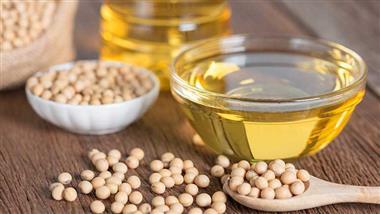
STORY AT-A-GLANCE
- Two of the most harmful ingredients in processed foods are high fructose corn syrup and soybean oil, whether partially hydrogenated, organic, or made from newer soybean varieties modified in such a way as to not require hydrogenation
- Completely unnatural man-made fats created through the partial hydrogenation process cause dysfunction and chaos in your body on a cellular level, and studies have linked trans-fats to health problems ranging from obesity and diabetes to reproductive problems and heart disease
- Besides the health hazards related to the trans fats created by the partial hydrogenation process, soybean oil is, in and of itself, NOT a healthy oil
- Add to that the fact that the majority of soybeans grown in the U.S. are genetically engineered, and as a result saturated with dangerous levels of the herbicide glyphosate, which may have additional health consequences as there are no long term safety studies
- When taken together, partially hydrogenated GE soybean oil becomes one of the absolute worst types of oils you can consume
- The genetically engineered (GE) variety planted on over 90% of U.S. soy acres is Roundup Ready engineered to survive being doused with otherwise lethal amounts of Monsanto’s Roundup herbicide (glyphosate). GE soybeans have been found to contain residue levels as high as 17 mg/kg, and malformations in frog and chicken embryos have occurred at just over 2 mg/kg
Processed food is perhaps the most damaging aspect of most people’s diets, contributing to poor health and chronic disease. One of the primary culprits is high fructose corn syrup (HFCS), the dangers of which I touch on in virtually every article I write on diets. The second culprit is partially hydrogenated soybean oil.
These two ingredients, either alone or in combination, can be found in virtually all processed foods, and one can make a compelling argument that the reliance on these two foods is a primary contributing factor for most of the degenerative diseases attacking Americans today.
Part of the problem with partially hydrogenated soybean oil is the trans fat it contains. The other part relates to the health hazards of soy itself. An added hazard factor is the fact that the majority of both corn and soybeans are genetically engineered.
As the negative health effects from trans fats have been identified and recognized, the agricultural and food industry have scrambled to come up with new alternatives. Partially hydrogenated soybean oil has been identified as the main culprit, and for good reason.
Unfortunately, saturated fats are still mistakenly considered unhealthy by many health “experts,” so, rather than embracing truly healthful tropical fats like coconut oil, which is mostly grown outside the U.S., the food industry has instead turned to domestic U.S. alternatives offered by companies like Monsanto, now Bayer (which bought out Monsanto in 2018), which has developed modified soybeans that don’t require hydrogenation.
Why Hydrogenate?
Americans consume more than 16 million metric tons of edible oils annually, and soybean oil accounts for about 11,339 metric tons of it.1 Until Monsanto genetically engineered its seeds to produce plants lower in linolenic acid, about half of it was hydrogenated, as regular soybean oil is too unstable otherwise to be used in food manufacturing.
One of the primary reasons for hydrogenating oil is to prolong its shelf life. Raw butter, for example, is likely to go rancid far quicker than margarine. The process also makes the oil more stable and raises its melting point, which allows it to be used in various types of food processing that uses high temperatures.
Hydrogenated oil2 is made by forcing hydrogen gas into the oil at high pressure. Virtually any oil can be hydrogenated. Margarine is a good example, in which nearly half of the fat content is trans fat.
The process that creates partially hydrogenated oil alters the chemical composition of essential fatty acids, such as reducing or removing linolenic acid, a highly reactive triunsaturated fatty acid, transforming it into the far less reactive linoleic acid, thereby greatly preventing oxidative rancidity when used in cooking.
In the late 1990s, researchers began realizing this chemical alteration might actually have adverse health effects. Since then, scientists have verified this to the point of no dispute.
Be aware that there’s a difference between “fully hydrogenated” and “partially hydrogenated” oils. Whereas partially hydrogenated oil contains trans fat, fully hydrogenated oil does not, as taking the hydrogenation process “all the way” continues the molecular transformation of the fatty acids from trans fat into saturated fatty acids.
Fully hydrogenated soybean oil is still not a healthy choice, however, for reasons I’ll explain below. The following slide presentation explains the technical aspects relating to the hydrogenation process.
The Health Hazards of Trans Fats
The completely unnatural man-made fats created through the partial hydrogenation process cause dysfunction and chaos in your body on a cellular level, and studies have linked trans-fats to:
| Cancer, by interfering with enzymes your body uses to fight cancer | Chronic health problems such as obesity, asthma, auto-immune disease, cancer and bone degeneration |
| Diabetes, by interfering with the insulin receptors in your cell membranes | Heart disease, by clogging your arteries (Among women with underlying coronary heart disease, eating trans-fats increased the risk of sudden cardiac arrest three-fold!) |
| Decreased immune function, by reducing your immune response | Increased blood levels of low density lipoprotein (LDL), or “bad” cholesterol, while lowering levels of high density lipoprotein (HDL), or “good” cholesterol |
| Reproductive problems by interfering with enzymes needed to produce sex hormones | Interfering with your body’s use of beneficial omega-3 fats |
As usual, it took many years before conventional health recommendations caught up and began warning about the use of trans fats. Not surprisingly, as soon as the FDA notified them that it planned to require food manufacturers to list trans fat content on the label — which ultimately took effect January 1, 2006 — the industry began searching for viable alternatives to appeal to consumers who increasingly began looking for the “no trans fat” designation.
It didn’t take long before Monsanto had tinkered forth a genetically engineered soybean that is low in linolenic acid, which we’ll get to in a moment.
Be aware that some food manufacturers have opted to simply fool buyers — a tactic allowed by the FDA, as any product containing up to half a gram of trans fat per serving can still legally claim to have zero trans fat.3 The trick is to reduce the serving size to bring it below this threshold. At times, this will result in unreasonably tiny serving sizes, so any time you check a label and a serving is something like 10 chips or one cookie, it probably contains trans fats.
The Health Hazards of Soybeans
Besides the health hazards related to the trans fats created by the partial hydrogenation process, soybean oil is, in and of itself, NOT a healthy oil. Add to that the fact that the majority of soy grown in the U.S. is genetically engineered, which may have additional health consequences. When taken together, partially hydrogenated GE soybean oil becomes one of the absolute worst types of oils you can consume.
Years ago, tropical oils, such as palm and coconut oil, were commonly used in American food production. However, these are obviously not grown in the U.S., as with the exception of Hawaii, our climate isn’t tropical enough. Spurred by financial incentives, the industry devised a plan to shift the market from tropical oils to something more “home grown.”
As a result, a movement was created to demonize and vilify tropical oils in order to replace them with domestically grown oils such as corn and soy.
The fat in soybean oil is primarily omega-6 fat. And while we do need some omega-6, it is rare for anyone to be deficient in it, as it is pervasive in our diet. Americans in general consume FAR too much omega-6 in relation to omega-3 fat, primarily due to the excessive amount of omega-6 found in processed foods.
Omega-6 fats are in nearly every animal food and many plants, so deficiencies are very rare. This omega-6 fat is also highly processed and therefore damaged, which compounds the problem of getting so much of it in your diet. The omega-6 found in soybean oil promotes chronic inflammation in your body, which is an underlying issue for virtually all chronic diseases.
What About Organic Soybean Oil?
Even if you were fortunate enough to find organic soybean oil, there are still several significant concerns that make it far from attractive from a health standpoint. Soy in and of itself, organically grown or not, contains a number of problematic components that can wreak havoc with your health, such as:
• Goitrogens — Goitrogens, found in all unfermented soy whether it’s organic or not, are substances that block the synthesis of thyroid hormones and interfere with iodine metabolism, thereby interfering with your thyroid function.
• Isoflavones: genistein and daidzein — Isoflavones are a type of phytoestrogen, which is a plant compound resembling human estrogen, which is why some recommend using soy therapeutically to treat symptoms of menopause. I believe the evidence is highly controversial and doubt it works.
Typically, most of us are exposed to too many estrogen compounds and have a lower testosterone level than ideal, so it really is important to limit exposure to feminizing phytoestrogens. Even more importantly, there’s evidence it may disturb endocrine function, cause infertility and promote breast cancer, which is definitely a significant concern.
• Phytic acid — Phytates (phytic acid) bind to metal ions, preventing the absorption of certain minerals, including calcium, magnesium, iron, and zinc — all of which are co-factors for optimal biochemistry in your body. This is particularly problematic for vegetarians, because eating meat reduces the mineral-blocking effects of these phytates.
Sometimes it can be beneficial, especially in postmenopausal women and in most adult men because we tend to have levels of iron that are too high, which can be a very potent oxidant and cause biological stress. However, phytic acid does not necessarily selectively inhibit just iron absorption; it inhibits all minerals. This is very important to remember, as many already suffer from mineral deficiencies from inadequate diets.
The soybean has one of the highest phytate levels of any grain or legume, and the phytates in soy are highly resistant to normal phytate-reducing techniques such as long, slow cooking. Only a long period of fermentation will significantly reduce the phytate content of soybeans.
• Natural toxins known as “anti-nutrients” — Soy also contains other anti-nutritional factors such as saponins, soyatoxin, protease inhibitors, and oxalates. Some of these factors interfere with the enzymes you need to digest protein. While a small amount of anti-nutrients would not likely cause a problem, the amount of soy that many Americans are now eating is extremely high.
• Hemagglutinin — Hemagglutinin is a clot-promoting substance that causes your red blood cells to clump together. These clumped cells are unable to properly absorb and distribute oxygen to your tissues.
Worst of All — Genetically Engineered Soybean Oil
The genetically engineered (GE) variety planted on over 90% of US soy acres is Roundup Ready — engineered to survive being doused with otherwise lethal amounts of Monsanto’s Roundup herbicide. The logic behind Roundup Ready crops such as soy is that you can decrease the cost of production by killing off everything except the actual soy plant.
However, animal studies reveal there may be significant adverse health effects from these GE soybeans, including progressively increased rates of infertility with each passing generation. By the third generation, virtually all the hamsters in one feeding study were found to be infertile. Second-generation hamsters raised on GE soy also had a fivefold higher infant mortality rate.
Are Low-Linolenic Soybeans the Answer?
We now also have other Monsanto-made soy crops to contend with. Responding to the growing demand for healthier diets, Monsanto launched Vistive low-linolenic soybeans in 2005. Most soybeans contain roughly 7% linolenic acid. The new varieties contain 1% to 3%, which reduces the need for hydrogenation.4 As explained by Monsanto:5
“Farmers are not the only beneficiaries of Monsanto’s efforts … Consumers will also benefit from the healthier crops that could result, such as soybeans that are low in linolenic acid. Linolenic acid, a precursor to trans fats, may contribute to cardiovascular disease … Low-linolenic soybeans reduce the need for hydrogenation in food processing, helping to reduce the amount of trans fats in processed foods.”
Yet another soybean variety created by Monsanto is the high stearate soybean, which also has the properties of margarine and shortening without hydrogenation. But are these soybeans any better or safer than either conventional soybeans or Roundup Ready soybeans, even though they don’t have to go through partial hydrogenation, and therefore do not contain trans fat? No one knows.
Another Hazard of GE Soybeans: Glyphosate
I keep stacking health risks upon health risks, and here’s another one: Research has shown that soybean oil from Roundup Ready soy is loaded with glyphosate, the main ingredient in Roundup — the broad-spectrum herbicide created by Monsanto.
According to a report in the journal Chemical Research in Toxicology, the highest MRL for glyphosate in food and feed products in the EU is 20 mg/kg. GE soybeans have been found to contain residue levels as high as 17 mg/kg, and malformations in frog and chicken embryos occurred at 2.03 mg/kg.6 That’s 10 times lower than the MRL.
This is an alarming finding because glyphosate is easily one of the world’s most overlooked poisons. Research published in 2010 showed that the chemical, which works by inhibiting an enzyme called EPSP synthase that is necessary for plants to grow, causes birth defects in frogs and chicken embryos at far lower levels than used in agricultural and garden applications.7 The malformations primarily affected the:
- Skull
- Face
- Midline and developing brain
- Spinal cord
When applied to crops, glyphosate becomes systemic throughout the plant, so it cannot be washed off. And, once you eat this crop, the glyphosate ends up in your gut where it can decimate your beneficial bacteria. This can wreak havoc with your health, as 80% of your immune system resides in your gut (GALT, or Gut Associated Lymph Tissue) and is dependent on a healthy ratio of good and bad bacteria. Separate research has also uncovered the following effects from glyphosate:
| Endocrine disruption | DNA damage |
| Developmental toxicity | Neurotoxicity |
| Reproductive toxicity | Cancer |
To Avoid Harmful Fats, Ditch Processed Foods
If you want to avoid dangerous fats of all kinds, your best bet is to eliminate processed foods from your diet. From there, use these tips to make sure you’re eating the right fats for your health:
- Use organic butter (preferably made from raw milk) instead of margarines and vegetable oil spreads. Butter is a healthy whole food that has received an unwarranted bad rap.
- Use coconut oil for cooking. It is far superior to any other cooking oil and is loaded with health benefits.
- Be sure to eat raw fats, such as those from avocados, raw dairy products, olive oil, olives, organic pastured eggs and raw nuts, especially macadamia nuts which are relatively low in protein. Also take a high-quality source of animal-based omega-3 fat, such as krill oil.
Following my comprehensive nutrition plan will automatically reduce your trans-fat intake, as it will give you a guide to focus on healthy whole foods instead of processed junk food.
Remember, virtually all processed foods will contain either HFCS (probably made from genetically engineered corn) and/or soybean oil — either in the form of partially hydrogenated soybean oil, which is likely made from GE soybeans, loaded with glyphosate, or from one of the newer soybean varieties that were created such that the y do not need to be hydrogenated. They’re ALL bad news, if you value your health.
Fast-Food Shrinks Your Brain
Reproduced from original article:
https://articles.mercola.com/sites/articles/archive/2022/10/20/processed-fast-food-shrinks-brain.aspx
The original Mercola article may not remain on the original site, but I will endeavor to keep it on this site as long as I deem it to be appropriate.
Analysis by Dr. Joseph Mercola Fact Checked October 20, 2022

STORY AT-A-GLANCE
- People today are consuming about 650 kilocalories more daily than they were in the 1970s, an amount equivalent to a fast-food meal consisting of a burger, fries and soft drink
- Poor diet and lack of activity may lead to normal but elevated blood glucose levels, even in people without Type 2 diabetes, contributing to neurodegenerative processes
- “High normal” blood sugar levels may progress to impaired fasting glucose and, eventually, Type 2 diabetes; impaired glucose metabolism is then associated with neurodegeneration that impairs cognitive function
- The authors of the featured study suggested that you may begin to lose neurons and neuron function early in life if you eat poorly, and such changes may be difficult, if not impossible, to counteract once the damage is done; the sooner you start focusing your diet on whole, unprocessed foods, the better
Eating fast food — the epitome of highly processed “fake” foods — can have lasting ramifications on your brain health, so much so that researchers at Australian National University suggested you can cause “irreversible” damage by the time you reach middle age, just by eating a fast-food diet and not staying active.1
If you are middle-aged and haven’t been eating the best, don’t panic — you can start making healthier changes starting today. However, the new study is eye-opening, once again hitting home the importance of healthy eating when it comes to keeping your mind strong as you age.
Fast Food Increases Risk of Type 2 Diabetes
In a review by the scientists in the featured study,2 they stated that people today are consuming about 650 Kilocalories more daily than they were in the 1970s — an amount equivalent to a fast-food meal consisting of a burger, fries and soft drink. (A Kilocalorie, or Kcal, is equal to 1 Calorie, with a capital “C,” while 1,000 calories with a lowercase “c” equal 1 Kilocalorie.)
This amount is about one-quarter of the recommended daily food energy needs for men and just under one-third for women.3 “The extra amount of energy that people consume daily compared to 50 years ago means that many people have an unhealthy diet,” ANU professor Nicolas Cherbuin, lead author of the study, said in a news release, adding:4
“People eating too much of the wrong kind of food, particularly fast food, is the other big worry. As a society, we need to stop asking, ‘do you want fries with that?’, and the mindset that comes with it. If we don’t, then expect to see more overweight and obese people suffering from serious diseases.”
The review5 focused on “how normal but elevated blood glucose levels in individuals without T2D [Type 2 diabetes] contribute to neurodegenerative processes, and how the main risk factors for T2D diabetes, including obesity, lack of physical activity and poor diet, modulate these effects.” Often, “high normal” blood sugar levels progress to impaired fasting glucose and, eventually, Type 2 diabetes.
Impaired glucose metabolism is then associated with neurodegeneration that impairs cognitive function. What’s more, these factors begin not in old age but much earlier, such that following a healthy lifestyle in young adulthood may be protective against cognitive decline later. According to the study:6
“The notion that T2D is associated with neurodegeneration, cognitive impairment, dementia and mortality is not new. However, these associations are often thought to be mostly relevant in old age despite the availability of substantial evidence indicating that the pathological processes at play are initiated in mid-adulthood or before.
… It is of particular concern that the pathological cascade leading to higher FBG and ultimately T2D typically begins decades before and starts impacting cerebral health and cognition from its onset.”
Ultraprocessed Foods Lead to Insulin Resistance
Dr. Suzanne De La Monte of Brown University has also conducted research showing that systemic insulin resistance diseases linked to obesity and Type 2 diabetes promote neurodegeneration. She wrote in the journal Panminerva Medica:7
“Insulin resistance diseases, including Alzheimer’s disease (AD), obesity, type 2 diabetes mellitus (T2DM), non-alcoholic steatohepatitis (NASH), and metabolic syndrome are prevalent in modern high tech societies, and they are costly because they consume large percentages of healthcare budgets, lead to disability, and cause premature death.
The unrelenting appetite for highly processed, high starch, high fat, and high caloric content foods is literally eroding health status across all age groups in the United States. Thanks to the robust domestic and international research efforts over the past decade, it is now clear that insulin resistance can afflict any organ and tissue in the body.
The consequences include deficits in energy metabolism, increased inflammation and oxidative stress, and proneness to cellular degeneration and death. No thanks to commercial luring of the uninformed who seek the comfortable lifestyles of the West, insulin resistance diseases are quickly spreading throughout the world and beginning to bear their tolls on global health.”
Poor Diet May Shrink Your Brain
Worldwide, more than 39% of the population are overweight; 13% are obese — triple what it was in 1975.8 but this percentage goes even higher in developed areas like Europe and the Americas, where prevalence is 50% to 60%.9 According to the featured study, “Diet and physical activity are the main determinants of adiposity [being overweight or obese].”10 Obesity, in turn, is associated with negative changes in your brain. The researchers noted:11
“As a whole the body of evidence presented … strongly suggests that persistently elevated FBG [fasting blood glucose] are associated with brain shrinkage, progressive loss of function across several cognitive domains, the development of dementia, and ultimately, premature death.
It is also clear that T2D’s main risk factors contribute in a major way to these effects and that clinical T2D represents the greatest risk to cerebral health.”
Both diabetes and higher fasting glucose levels are linked with lower total brain volume.12 Research published in Radiology also found that obesity may lead to alterations in brain structure, shrinking certain regions.13 Among men, higher total body fat percentage was linked to lower brain gray matter volume. Specifically, 5.5% greater total body fat percentage was associated with 3,162 mm3 lower gray matter volume.
Gray matter is the outer layer of the brain associated with high-level brain functions such as problem-solving, language, memory, personality, planning and judgment. In a study reported by Sci News,14 among men, 5.5% greater total body fat was also associated with 27 mm3 smaller globus pallidus volume, an association also seen in women.
In women, 6.6% greater total body fat percentage was associated with 11.2 mm3 smaller globus pallidus volume. According to Frontiers in Neuroanatomy, the globus pallidus is a brain region that plays a role in supporting a range of functions, including motivation, cognition and action.15 Obesity has also been associated with changes in white matter microstructure, which may be related to cognitive function.16
Researchers at Loughborough University in England have also revealed that carrying excess weight around your midsection may affect your brain health, even leading to a concerning decline in brain volume.17
This study involved 9,652 participants with an average age of 55.4, plus or minus 7.5 years, who received scores for both body mass index (BMI), a flawed formula that divides your weight by the square of your height, and waist-to-hip ratio (WHR). (I believe your waist-to-hip ratio is a more reliable indicator of your future disease risk than BMI because a higher ratio suggests you have more visceral fat — a measure BMI tells you nothing about.)
As explained in Science Alert,18 participants with a BMI and WHR in a healthy range had an average gray matter brain volume of 798 cubic centimeters, but this dropped to 786 cubic centimeters among those with a high BMI and high WHR.
Eating Sugar for Breakfast Could Make You Hungrier Later
If you tend to start your day with a bowl of sugary cereal, a doughnut or a pastry, you could be further setting yourself up for a day of unhealthy eating. That’s because research suggests consuming a large amount of sugar in the morning could leave you feeling hungrier before lunch and dinner, as well as prompt you to eat more at these meals.19
What’s more, people who consumed greater amounts of snacks, desserts, fast food and candy bars are more likely to struggle with food addiction. Among those who ate fast food, in particular, the odds of food addiction were highest among study participants who consumed five or more servings of hamburgers, french fries and pizza a week.20
In the longer term, Health Promotion Perspectives found that frequent fast food consumption is linked to a host of problems, even beyond your brain health, including:21
- Overweight and abdominal fat gain
- Impaired insulin and glucose homeostasis
- Lipid and lipoprotein disorders
- Induction of systemic inflammation and oxidative stress
- Increased risk of developmental diabetes, metabolic syndrome and cardiovascular disease
Eating fast food three or more times a week is even linked to an increased risk of severe asthma, rhinoconjunctivitis and eczema in adolescents and children.22
The Sooner You Start Eating Healthy, the Better
It’s never too late to make positive changes to your diet. That being said, the sooner you start focusing your diet on whole, unprocessed foods, the better. The authors of the featured study even suggested that you may begin to lose neurons and neuron function early in life if you eat poorly, and such changes may be difficult, if not impossible, to counteract once the damage is done.
According to Cherbuin, “The damage done is pretty much irreversible once a person reaches midlife, so we urge everyone to eat healthy and get in shape as early as possible — preferably in childhood but certainly by early adulthood.”23 He continued:
“What has become really apparent in our investigation is that advice for people to reduce their risk of brain problems, including their risk of getting dementia, is most commonly given in their 60s or later, when the ‘timely prevention’ horse has already bolted.
Many people who have dementia and other signs of cognitive dysfunction, including shrinking brains, have increased their risk throughout life by eating too much bad food and not exercising enough. One of the best chances people have of avoiding preventable brain problems down the track is to eat well and exercise from a young age.”
What Type of Diet Is Best for Your Brain?
Just as processed fast foods can damage your brain, nutrient-dense whole foods can protect it. Even in terms of mental health, a good-quality diet is linked with better outcomes, whereas increased consumption of processed food increases the risk of anxiety and depression.24 As further noted in Nature Reviews, Neuroscience:25
“We now know that particular nutrients influence cognition by acting on molecular systems or cellular processes that are vital for maintaining cognitive function. This raises the exciting possibility that dietary manipulations are a viable strategy for enhancing cognitive abilities and protecting the brain from damage, promoting repair and counteracting the effects of aging.
Emerging research indicates that the effects of diet on the brain are integrated with the actions of other lifestyle modalities, such as exercise and sleep.”
While reducing your intake of processed foods and eliminating added sugars is essential, I recommend going a step further and adopting a ketogenic diet for protecting your brain health. When your body burns fat as its primary fuel, ketones are created, which not only burn very efficiently and are a superior fuel for your brain, but also generate fewer reactive oxygen species (ROS) and less free radical damage.
A type of ketone called beta-hydroxybutyrate is also an important epigenetic player, having significant effects on DNA expression, increasing detoxification pathways and your body’s own antioxidant production. Beta-hydroxybutyrate also stimulates specific receptors on cells called g-proteins.
When these receptors are tagged by this beta-hydroxybutyrate during mild ketosis, it helps reduce the activation of pathways that lead to inflammation, and inflammation is a driver in most all chronic diseases, including Alzheimer’s disease.
For the best results, however, combine nutritional ketosis with intermittent fasting. The ketogenic diet provides many of the same health benefits associated with fasting and intermittent fasting, but when done together, most people will experience significant improvements in their health.
The details are provided in my book “Fat for Fuel.” In addition, individual nutrients and foods such as animal-based omega-3 fats, pastured organic egg yolks, coconut oil and blueberries are also excellent brain-boosting foods.
It’s been found that people with cognitive impairments who improved their diet and exercised three times a week were able to improve their brain function after just six months.26 So, no matter what you’ve been eating up until now, it’s a great time to start eating better and get active — your brain will thank you for it.
- 1, 3, 4, 23 Australia National University June 13, 2019
- 2, 5, 6, 9, 10, 11 Frontiers in Neuroendocrinology June 6, 2019
- 7 Panminerva Med. 2012 Sep; 54(3): 171–178
- 8 World Health Organization. Obesity and Overweight. June 9, 2021
- 12 Diabetes Care. 2011 Aug;34(8):1766-70
- 13 Radiology. 2019 Apr 23:181012
- 14 Sci News April 25, 2019
- 15 Front. Neuroanat., 10 April 2017
- 16 Neuroscientist. 2013 Feb; 19(1): 8–15
- 17 Neurology January 9, 2019
- 18 Science Alert January 10, 2019
- 19 Nutr Res Pract. 2013 Apr; 7(2): 77–81
- 20 Appetite. 2018 Feb 1; 121: 186–197
- 21 Health Promot Perspect. 2015; 5(4): 231–240
- 22 BMJ Volume 68, Issue 4
- 24 Am J Public Health. 2014 October; 104(10): e31–e42
- 25 Nat Rev Neurosci. 2008 Jul; 9(7): 568–578
- 26 Neurology January 15, 2019; 92 (3)
Top 7 Kitchen Essentials
Reproduced from original article: https://articles.mercola.com/sites/articles/archive/2022/08/02/kitchen-staples.aspx
Analysis by Dr. Joseph Mercola Fact Checked August 02, 2022
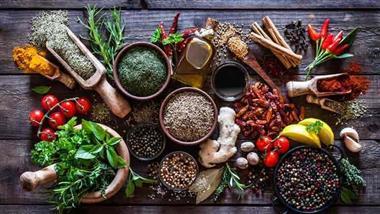
STORY AT-A-GLANCE
- Healthy cooking oils and dietary fats to stock your kitchen with include coconut oil, grass fed butter, organic ghee, lard, tallow and extra-virgin olive oil
- Homemade bone broth speeds healing and recuperation from illness, promotes gut health, fights inflammation, supports joint health, promotes weight loss, and improves sleep and brain function
- Apple cider vinegar is rich in bioactive components that give it potent antioxidant, antimicrobial and many other beneficial properties
- Top spices for flavor and medicinal properties include Himalayan salt, Indian long pepper, turmeric, cumin, ginger and mustard seed
- Use ceramic knives to prevent browning, ceramic pots and pans to avoid exposure to toxins and dangerous metals, glass food storage containers to avoid plastic chemicals, and separate cutting boards for meat and produce to prevent pathogenic cross-contamination
Eating well and taking care of your health is easier when you have the right ingredients and utensils on hand at all times. Following are some top essentials with which to stock your kitchen — healthy fats, medicinal and health-promoting spices that can be added to a wide variety of dishes, and nontoxic utensils to avoid unnecessary exposures to toxins and harmful pathogens.
1. Healthy Fats and Cooking Oils
While dietary fats are an incredibly important part of a healthy diet, it’s crucial to understand which are healthy and which are not. Processed industrial vegetable oils are best avoided at all times, as they’re typically made with genetically engineered grains contaminated with glyphosate, and are prone to oxidation and produce dangerous byproducts when heated.1 Instead, stock your kitchen with the following healthy cooking oils and dietary fats:
• Coconut oil — This is what I believe is the best cooking oil. It has a number of valuable health benefits, including a positive effect on your heart and antimicrobial properties. It’s also a great source of energy, thanks to its medium-chain fatty acids (MCFAs). When consumed, the MCFAs are digested and converted by your liver into energy that you can immediately use. Coconut oil also helps stimulate your metabolism to encourage a healthy weight profile.
As an added boon, coconut oil has countless other uses besides cooking and eating, from topical beauty applications to first aid treatments, to general household cleaning. Make sure you choose an organic coconut oil that is unrefined, unbleached, made without heat processing or chemicals.
• Grass fed butter — Raw, organic butter made from healthy grass fed cows’ milk contains many valuable nutrients, including vitamins A, D, E and K2, along with minerals and antioxidants that support good health. Recent research2 has also noted that organic grass fed dairy has a “near-perfect” balance of omega-3 and omega-6 fats, as well as higher amounts of conjugated linoleic acid (CLA), which can help reduce your cardiovascular and metabolic disease risks.
• Organic ghee — Ghee, also known as clarified butter, differs from regular butter in that it has fewer dairy proteins, making it a better choice for those with lactose sensitivity or intolerance. Starting with pure butter made from cow’s milk, the ghee-making process involves heating and separating liquid fats from the milk solids, which become caramelized, and removing the milk solids, which also removes most of the lactose.
Ghee is darker and has a nuttier flavor than butter, and with a higher smoke point, it’s a healthier option for sautéing. It also has a longer shelf life, lasting for around six months in the refrigerator or up to a year in the freezer. Ghee has been used in traditional cooking in India, Pakistan and Southeast Asia for thousands of years. It’s also an Ayurvedic go-to for herbal ointments, massage and as a medicinal to remedy rashes and burns.
• Lard and tallow — Tallow is a hard fat that comes from cows. Lard is a hard fat that comes from pigs. They’re both animal fats, and were historically two main fats used in cooking.
• Olive oil — This oil contains healthy fatty acids that can help lower your risk of heart disease. While the standard recommendation has been to avoid using olive oil for cooking and to only use it cold, recent research3 in which 10 popular cooking oils were compared contradicts this advice, showing extra-virgin olive oil actually scored best for both oxidative stability and lack of harmful compounds produced when heated.
A word of caution is warranted, however. Fake olive oil abounds, so it’s important to take the time to investigate your sources. Tests in 2010 suggested that much of the olive oils sold in American grocery stores and restaurants were adulterated with cheap vegetable oils or nonhuman-grade olive oils, which are harmful to health in a number of ways.
While this was more than a decade ago, clearly you still need to read labels and look for key certifications that assure the oil is pure.4
2. Homemade Broth
Homemade bone broth is excellent for speeding healing and recuperation from illness, as it helps “heal and seal” your gut. Physicians harkening as far back as Hippocrates have associated bone broth with gut healing.
It also helps fight inflammation, supports joint health, promotes weight loss, improves sleep and brain function, and is a good source of not only healthy fat but also many important vitamins and minerals, including:
| Calcium | Magnesium |
| Phosphorous | Silicon |
| Sulfur | Trace minerals |
| Chondroitin sulphates | Glucosamine |
Bone broth, in its simplest form, is made using animal bones, vinegar and spices. It is simmered in a pot or slow cooker at least overnight, or as long as 24 to 72 hours.
Longer simmering times result in a more complete release of gelatin, minerals and other nutrients from the bones, which is key to realizing the many health-giving benefits and restorative properties this broth has to offer. Making your own bone broth is extremely cost effective, as you can make use of leftover carcass bones that would otherwise be thrown away.
One important caveat when making broth, whether you’re using chicken or beef, is to make sure they’re from organically-raised, pastured or grass-fed animals.
3. Apple Cider Vinegar
Traditionally, apple cider vinegar is made through a long, slow fermentation process that renders it rich in bioactive components like acetic acid, gallic acid, catechin, epicatechin, caffeic acid and more, giving it potent antioxidant, antimicrobial and many other beneficial properties.
“Mother” of vinegar, a cobweb-like amino acid-based substance found in unprocessed, unfiltered vinegar, indicates your vinegar is of the best quality. Most manufacturers pasteurize and filter their vinegar to prevent the mother from forming, but the “murky” kind is actually best, especially if you’re planning to consume it.
With its wide variety of health benefits, a jug of raw, unfiltered apple cider vinegar is easily one of the most economical and versatile remedies around. I recommend keeping it in your home at all times. Some of the health benefits associated with apple cider vinegar consumption include:
| Blood sugar control — Vinegar is said to be antiglycemic and has a beneficial effect on your blood sugar, likely due to its acetic acid content, which prevents the complete digestion of complex carbohydrates. Another theory is that vinegar helps inactivate digestive enzymes that break down carbohydrates into sugar, thus slowing the conversion of complex carbohydrate into sugar, preventing a spike by giving you more time to pull sugar out of your blood.
There are studies supporting the use of vinegar as a diabetic treatment as well. One study5 found vinegar treatment improved insulin sensitivity in 19% of individuals with type 2 diabetes and 34% of those with prediabetes. |
| Heart health — Polyphenols such as chlorogenic acid help inhibit oxidation of LDL cholesterol,6 while acetic acid helps lower blood pressure.7 Vinegar has also been shown to lower triglyceride levels and VLDL (very low density lipoprotein) cholesterol in animals.8 |
| Weight management — Vinegar may aid weight loss by increasing satiety, another effect attributed to acetic acid. For instance, when volunteers consumed a small amount of vinegar along with a high-carb meal (a bagel and juice) they consumed less food for the remainder of the day. The reduction equated to about 200 to 275 calories a day — an amount that would result in a monthly weight loss of up to 1.5 pounds.9 |
| Sinus congestion — Apple cider vinegar’s ability to break up and reduce mucus in your body can help clear your sinuses. It also has antibacterial properties, making it useful for infections. Here’s what to do:10
Directions
|
| Sore throat — The antibacterial properties of apple cider vinegar may be useful for sore throats as well. Gargle with a mixture of about one-third cup of apple cider vinegar mixed with warm water as needed. Apple cider vinegar with honey and ginger for a sore throat is also a popular and effective remedy. Another mixture for sore throat, recommended by Bonnie K. McMillen, a nurse from the University of Pittsburgh, includes:11
Ingredients
|
| Digestive ailments — Acid reflux typically results from a lack of stomach acid. You can easily improve the acid content of your stomach by taking 1 tablespoon of raw unfiltered apple cider vinegar in a large glass of water daily. The pectin in apple cider vinegar may also help to soothe intestinal spasms. For everyday gut health, a mixture of 2 teaspoons of apple cider vinegar with 1 teaspoon of raw honey in 1 cup of warm water can help. |
| Skin irritations and warts — Apple cider vinegar also works for a variety of skin ailments, from bug bites and poison ivy to sunburn and even warts. You can either apply it directly to the irritated area or try soaking in a bath with about 1 cup of vinegar added. For warts, soak a cotton ball in vinegar and apply it to the wart, covered, overnight. Repeat until the wart disappears. |
| Energy boost — Apple cider vinegar contains potassium and enzymes to help banish fatigue. Plus, its amino acids may help prevent the buildup of lactic acid in your body, further preventing fatigue.12 |
Detox and immune support — Studies have shown apple cider vinegar can be beneficial for liver detoxification and helps cleanse your lymphatic system, which can contribute to improved immune system response. According to The Truth About Cancer:13
|
| Candida — Candida overgrowth in your gut has been linked to many different health issues, including yeast infections, fatigue, poor memory, depression, headaches and sugar cravings.
Candida overgrowth usually happens when your body is too acidic from excessive consumption of processed foods or sugar, or if there are insufficient healthy bacteria in your system. Because apple cider vinegar is fermented with a beneficial yeast, it can serve as a prebiotic for healthy bacteria, essentially helping good bacteria grow. |
4. Himalayan Salt
Salt is essential for life, and your body needs it for optimal function. But it’s important to realize that there are major differences between the refined and highly processed salt found in processed foods and regular table salt, and unrefined natural salt such as Himalayan salt. The latter is important to many biological processes, including:
| Being a major component of your blood plasma, lymphatic fluid, extracellular fluid and even amniotic fluid | Carrying nutrients into and out of your cells, and helping maintain your acid base balance |
| Increasing the glial cells in your brain, which are responsible for creative thinking and long-term planning. Both sodium and chloride are also necessary for the firing of neurons | Maintain and help regulate blood pressure |
| Helping your brain communicate with your muscles, so that you can move on demand via sodium-potassium ion exchange | Supporting the function of your adrenal glands, which produce dozens of vital hormones |
While natural sea salt used to be a healthy source of salt, I shy away from it these days, as recent tests14 reveal 90% of sea salt is contaminated with microplastics. Himalayan salt is not plagued by this contamination.
On hot days, or after exercising and sweating profusely, you can make a wholesome sports drink to replenish lost electrolytes and minerals by mixing a pinch of Himalayan salt and a dash of fresh lemon juice in a glass of water. Apart from culinary purposes, Himalayan salt can also be substituted for bath salts, which will allow your skin to absorb valuable minerals from the water.
5. Black Pepper
Black pepper is another key staple few households would want to do without, and, like most spices, it has medicinal qualities that gives it value far beyond mere flavor. For example, Europeans have used black pepper for thousands of years in traditional medicine to treat inflammation and digestive problems.
Its effectiveness is due in part to a compound known as piperine. Research15 suggest piperine’s ability to inhibit new fat cells from forming, known as adipogenesis, helps reduce waist size and body fat, and optimizes cholesterol levels.
Perhaps more importantly, research has shown growth of several types of pathogens are inhibited by black pepper, including Staph,16 E. coli,17 Helicobacter pylori (bacteria known to cause ulcers),18 and parasites.19 So, black pepper not only may have anti-inflammatory, antioxidant, antibacterial and fever-reducing actions, but immune system-enhancing properties as well.
I recommend using a hand-held mill for grinding fresh peppercorn, as whole peppercorns have an almost indefinite shelf life. Ground pepper only retains optimum freshness for about three months, and is sometimes “adulterated” with something other than black pepper. When cooking, use it at the last moment to retain the full flavor of the essential oils.
Frontier organic black pepper is a tasty choice. Another, which is my personal preference, is Indian long pepper which, as so eloquently described by Serious Eats has a flavor that is:20
“[M]uch more complex than black pepper, reminiscent of spice blends like garam masala more than a single spice. It possesses black pepper’s heat and musk, but in a less harsh, more nuanced way, tempered by sweet notes of nutmeg, cinnamon and cardamom. Its finish lingers on the tongue with a tobacco-like coolness; where black pepper stings, long pepper balms.”
6. Medicinal Spices
While virtually all spices have medicinal qualities of some kind, the following stand out among the crowd:
• Turmeric — The reasons to make turmeric part of your life (if it isn’t already) are almost too numerous to count, especially when you consider its incredible restorative, disease-healing and preventive capabilities.
Turmeric has been on the proverbial “top 10 superfoods” list in Chinese medicine for millennia21 and just as long in the Indian Ayurvedic healing tradition.
One component in turmeric, curcumin, has been proven so effective as an anti-inflammatory that it’s compared to prescription medications, without the toxic side effects22 such as ulcer formation, internal bleeding and a lowered white blood cell count. Its ability to cross the blood-brain barrier also makes it a valuable agent against dementia Alzheimer’s.23,24
Antioxidants in turmeric also neutralize free radicals throughout your body, including your brain, kidney, liver, heart and gastrointestinal tract. In addition, curcumin has been shown to induce expression of phase II antioxidant enzymes, thereby aiding glutathione synthesis, which is important for detoxification.
• Ginger — Ginger has been used for millennia in areas of India and China for much more than adding a sweet/spicy flavor to foods and drinks. It’s proved over time to be a popular remedy to soothe away headaches, nausea — particularly motion sickness — and to treat several problems related to digestive health as well as pain and inflammation from arthritic conditions, to mention but a few.
More recently, research25 shows ginger is a viable antidote and protective agent against fatal poisoning from such agents as pesticides, environmental pollutants, heavy metals, bacterial and fungal toxins and even some cosmetic products and medications.
• Cumin — Cumin is the second most popular spice in the world, second only to black pepper, and is considered by many “the secret sauce” in most savory dishes. Cumin seeds have been prized for thousands of years and are best known in their ground form as a spice added to curry dishes.
Research26 reveals cumin helps stimulate secretion of pancreatic enzymes, which are necessary for proper digestion and nutrient assimilation. Cumin also has anticancer and antidiabetes properties, attributed to its active components, including terpens, phenols and flavonoids.27
In fact, cumin has been found to work better than the antidiabetes drug glibenclamide in treating diabetic rats28 and similar benefits were found in a human study.29
• Mustard seed — Mustard seed which, like broccoli, belongs to the brassica genus,30 contains compounds that inhibit cancer proliferation and metastasis.31 It also contains myrosinase — a compound that augments the cancer-fighting potential of other cruciferous veggies, delivering a double-punch when combined.
The enzyme myrosinase is critical for the conversion of glucosinolates into chemoprotective compounds known as isothiocyanates. While all cruciferous veggies contain some myrosinase, you significantly boost conversion by eating them together with a particularly myrosinase-rich food such as mustard seed powder.
Mustard seed powder can also be used to whip up homemade topical remedies, such as plasters and baths to relieve pain. Part of the pain-relieving effect is due to the mustard seed’s high magnesium and selenium content. In Ayurvedic medicine, it was used topically to improve blood circulation and detoxification. Taken internally, 1 teaspoon of mustard seed powder twice a day can be used as a remedy for constipation.
7. Essential Kitchen Tools
Lastly, the type of kitchen utensils you use during preparation and cooking can also have an effect on your health, for better or worse. To protect and support the health of your entire family, consider the following tips:
• Use ceramic knives for fast-browning produce — Ceramic knives are chemically inert, and said to slow the browning process.32 Ceramic blades are best for slicing fruit, vegetables and boneless meat, but not frozen foods, meat with bones or cheese (because of its tendency to stick). Also avoid using a ceramic blade to crush foods like garlic.
• Switch to ceramic or other inert, nontoxic cookware — The slippery surfaces of nonstick pots and pans comes courtesy of poly- and perfluoroalkyl substances (PFAS), which the U.S. Environmental Protection Agency has found to be likely carcinogens.
When heated, nonstick cookware and bakeware release a related chemical, perfluorooctanoic acid (PFOA), linked to thyroid disease, infertility, organ damage, and developmental and reproductive problems in lab animals.
Hazardous toxins are produced after only two to five minutes of heating the pan. At 464 degrees Fahrenheit, the coating on nonstick cookware begins to break down and release toxins into the air. Stainless steel, aluminum and cast iron pans also have their drawbacks, as the metals may not be entirely inert, resulting in potentially toxic metal exposure.
Ceramic cookware circumvents all of these problems. A true ceramic pan or dish will be made only with water and inorganic materials and minerals from the earth’s crust. Because it doesn’t contain any metals, a ceramic pan is nonreactive and nontoxic. No odors or gases release into the air even when heated to extremely high temperatures.
• Use glass containers for food storage — If you’re still using plastic containers, bags and plastic wrap for food storage, consider switching to glass containers.
Depending on what product you’re using, your plastic might contain phthalates, bisphenol-A, bisphenol-S — endocrine-disrupting “gender-bending” chemicals that are causing males of many species to become more female — PVC and styrene, two carcinogens and more.
Virtually all plastic chemicals carry some risk to health and are best avoided as much as possible, especially if you have children. Glass is completely inert and reusable indefinitely, provided it doesn’t break, in which case it’s recyclable.
• Use separate cutting boards for meat and veggies — Kitchens are notorious breeding grounds for disease-causing bacteria, courtesy of contaminated meat products, including antibiotic-resistant strains of E. coli.
To avoid cross-contamination between foods, use a designated cutting board, preferably wood, not plastic, for raw meat and poultry, and never use this board for other food preparation, such as cutting up vegetables. Color coding your cutting boards is a simple way to distinguish between them.
- 1 Science Daily February 22, 2012
- 2 Food Science & Nutrition February 28, 2018
- 3 Acta Scientific Nutritional Health June 2018; 2(6)
- 4 Epicurious. Seven Ways to Tell if Your Olive Oil Is Fake. May 25, 2017
- 5 Diabetes Care. 2004 Jan;27(1):281-2
- 6 Journal of Food Science May 8, 2014
- 7 Bioscience, Biotechnology, and Biochemistry, 65(12) 2690-2694
- 8 J Agric Food Chem. 2011 Jun 22;59(12):6638-44
- 9 J Am Diet Assoc. 2005 Dec;105(12):1939-42
- 10 Earth Clinic, February 4, 2017
- 11 University of Pittsburgh ACV sore throat recipe
- 12 Reader’s Digest, 15 Benefits of Apple Cider Vinegar
- 13 The Truth About Cancer November 27, 2017
- 14 Environmental Science and Technology, October 4, 2018; DOI: 10.1021/acs.est.8b04180
- 15 J Agric Food Chem. 2012 Apr 18;60(15):3853-60
- 16 Journal of Medical Microbiology October 1, 2011; 60: 1472-1478
- 17 Oncotarget 2015 Oct 20; 6(32): 32468–32483
- 18 American Journal of Translational Research 2016; 8(2): 885–898
- 19 Mini Reviews in Medicinal Chemistry February 2015; 15(2): 145-156
- 20 Seriouseats.com, Long Pepper
- 21 J Nat Sci Biol Med. Jan.-Jun, 2013;4(1):3-7
- 22 Phytother March 9, 2012;26:1719-1725
- 23 Vanderbilt University Jan. 8, 2015
- 24 Ann Indian Acad Neurol. 2008 Jan-Mar; 11(1): 13–19
- 25 Food Chem Toxicol. October 20, 2018 [Epub ahead of print]
- 26 Journal of Medicinal Plants Studies. 2018
- 27 Chem Biodivers. 2015 May;12(5):733-42
- 28 Pharmacological Research September 2002, Volume 46, Issue 3, Pages 251-255
- 29 J Tradit Complement Med. 2017 Jul; 7(3): 332–338
- 30 Daily Health Post August 11, 2014
- 31 Carcinogenesis December 2010; 31(12): 2105-2110
- 32 Food Hacks December 17, 2015
10 Reasons Behind Most Chronic Health Issues
Reproduced from original article:
https://articles.mercola.com/sites/articles/archive/2022/04/20/10-reasons-behind-most-chronic-health-issues.aspx
The original Mercola article may not remain on the original site, but I will endeavor to keep it on this site as long as I deem it to be appropriate, and will not be bullied into removing it.
Analysis by Dr. Joseph Mercola Fact Checked April 20, 2022
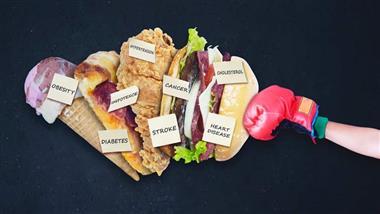
STORY AT-A-GLANCE
- Obesity is a driving force behind preventable chronic diseases, and diet is a major factor in maintaining a healthy weight. Just 10 food companies control the manufactured food in your grocery store, most of which is ultraprocessed and high in sugar
- Many of those foods are made with genetically modified crops, which make up 70% of crops grown in the U.S. and 70% of the American diet is processed food, leading to many of the current chronic diseases
- Some doctors have become legalized drug dealers, overprescribing pharmaceutical products as a symptom of a larger issue in medicine, in which doctors are more influenced by Big Pharma than by the health care needs of their patients
- Government policies began favoring large corporate farmers in the 1970s, and now Big Pharma also controls agriculture and seed supplies, which means they control the food you eat and when you get sick, supply you with drugs to treat your chronic disease
- Replacing saturated fat with sugar, whole grain and vegetable and seed oils has had a significant effect on the rising number of people with obesity and chronic illness. With each passing year, it becomes more important to be aware of the food choices you make as they impact your health and wellness
The 2015-2016 National Health and Nutrition Examination Survey (NHANES) recorded the highest rate of obesity ever documented by the survey — 39.6% of adults with obesity.1 Those numbers only continue to grow. The Centers for Disease Control and Prevention2 recorded 42.5% of adults 20 and over with obesity in 2017-2018.
When the percentage of people who are overweight is included, that percentage rises dramatically to 73.6% of the population. The adult obesity prevalence map3 shows the highest prevalence of obesity and overweight in the Midwest and southern states with greater than 40% of the population recorded as obese.
The exception is Florida, where the percentage of the population who are obese ranges between 25% and 30%. The greatest challenge to maintaining a healthy weight is your diet. There are other factors that contribute to weight gain, including a lack of physical activity.
But it’s important to recognize that you’ll never out-exercise a poor diet. So, it’s the first factor you should address if you want to maintain a healthy weight, which is important as obesity is one of the major triggers for preventable disease.4
According to the U.S. Centers for Disease Control and Prevention,5 6 of every 10 adults in the U.S. have at least one chronic health condition, such as heart disease, cancer or Type 2 diabetes. These are also the leading causes of death in the U.S.,6 and obesity and overweight are significant risk factors for them.7
One 10-year study8 showed there was a dose-response relationship between being overweight or obese and the development of several chronic health conditions including golf including gallstones, type 2 diabetes, high blood pressure, colon cancer, and heart disease.
There are significant challenges within the food supply that make it more and more difficult each month for people to make healthy choices. @MrSollozzo from the Meat Mafia Podcast created an informative graphic tweet9 in which he lists many of the diet and food-related challenges faced by Americans today, such as:
1. 10 Companies Control Almost All Manufactured Food
Oxfam America is a nonprofit organization that focuses on the inequalities that drive poverty and Injustice. In 201410 they created a powerful graphic image demonstrating how 10 companies control nearly every food product and beverage you find in the grocery store. Between them, revenues add up to more than $1 billion every day.
These companies include CocaCola, Mars, Nestle, Kellogg, General Mills, Wrigley and Wonka. They have a vested interest in ensuring loyal customers and engaging new customers each year using advertising to promote their products as healthy, wise diet choices for foods or as a fun dessert splurge.
It is difficult for many to ignore the hot buttons11 they push in their advertising campaigns, which include featuring catchy packaging,12 funding nutrition studies13 and publishing enticing print and video campaigns.14
Advertising drives people’s preferences and eating habits, which supports a company’s financial return, and in turn, drives the obesity epidemic. If you think your hands are tied, though, you still have a voice in what these companies market as you can vote with your pocketbook by refusing to purchase their products.
2. 70% of All Crops Are Genetically Modified (GM)
When you’re looking through the produce aisle for tonight’s meal, consider the fact that nearly 70% of crops grown in the U.S. are from genetically modified seeds. According to data15 from the International Service for the Acquisition of Agri-biotech Applications (ISAAA) the most popular GM crops are soybeans, maize, cotton and canola.
Soybeans, corn and canola are products used in many processed and ultraprocessed foods on grocery store shelves. There are two types of genetically engineered seed: herbicide-tolerant (HT) and insect-resistant (Bt).16 The USDA finds the adoption rate for both is increasing, and the adoption of stacked seed varieties, which has both traits, has accelerated in recent years.
The implications for your health after exposure to GM plants are significant and tied to the use of the herbicide glyphosate,17 which has increased dramatically in the last 20 years.18 Your gut flora is extremely important to your health and is negatively impacted by glyphosate. Experts have tied exposure to glyphosate and GM plants to an imbalance in gut bacteria19 and a variety of chronic diseases, including obesity.20
3. Meat Packers Underpay Ranchers and Overcharge Consumers
In 2020, the Department of Justice began formally investigating antitrust violations of the four largest beef packers in the U.S.,21 following complaints from several states and agricultural organizations. The “Big 4” companies are Cargill, Tyson Foods, JBS and National Beef, and they are responsible for processing 85% of all beef made into steaks, roasts and other cuts.22
When hamburger is factored into the equation, the Big 4 processes 70% of beef production. The four firms gained greater control of the industry in the early 1990s when USDA data showed the market share of slaughtered animals rose from 25% in 1977 to 71% in 1992. Several incidents brought attention to the consolidation that gave just four companies controlling interest in the market.
Cattle ranchers are frustrated by the price drops they experience when a meatpacking plant closes, while the packing companies benefit from rising meat prices. In the short term, this impacts the rancher’s livelihood and ability to stay in business. In the long-term, rising prices at the grocery store from lower supply levels may move more people to purchase plant-based fake “meat”.
4. 70% of the American Diet Is Processed Food
When you investigate the links between obesity and chronic illness, roughly 70% of the crops grown in the U.S. are genetically modified; 73.6% of the population is overweight or obese;23 roughly 60% of the population has at least one chronic disease and, according to data from two studies,24,25 consumption of ultraprocessed and processed foods is just over 70% in the general population.
There are well over 40,000 on grocery store shelves, with the majority being processed and ultraprocessed foods.26 One study27 found that 57.9% of foods eaten were ultraprocessed and contributed 89.7% of calories from added sugar. Data also show that an excess of sugar in the diet may lead to a decrease in satiety, an increase in calorie intake and impaired energy production in your body.28
One model tracked the link between rising sugar consumption and obesity rates, finding that “past U.S. sugar consumption is at least sufficient to explain adult obesity change in the past 30 years.”29
5. Doctors Have Become Legalized Drug Dealers
@MrSollozzo calls doctors “legalized drug dealers,”30 as many frequently overprescribe medications31 rather than help patients change lifestyle habits to avoid chronic disease. Examples can be found in patients who are overprescribed pain medication, proton pump inhibitors, antidepressants,32 antibiotics33 and medications to manage the side effects of other medications.34
This is a symptom of a larger condition in which a physician’s care appears to be highly influenced by the pharmaceutical industry and not by a focus on the prevention or treatment of physical conditions that include nutritional and lifestyle alterations.
6. Big Pharma Controls Agriculture and the Seed Supply
In the 1990s, laws were introduced to protect bioengineered crops. In 2021, four large corporations owned more than 50% of the world’s seeds, which is a staggering monopoly that dominates the global food chain.35 One of those companies is Bayer, which acquired Monsanto in 2018.36
Monsanto is an agrochemical and agricultural biotechnology company, owned by a pharmaceutical company that controls a significant portion of the world’s seed supply, namely GM seed.37 Essentially, this means that Monsanto controls the GE food you eat, and Bayer supplies you with the drugs you need to treat your chronic disease triggered by that food.
7. Government Policies Favor Corporate Farming
Earl Butz was secretary of the USDA in the 1970s. It was his vision to create a centralized food system which, as Grist writes, “plunged a pitchfork into New Deal agricultural policies that sought to protect farmers from the big agribusiness companies whose interests he openly pushed.”38 At the time he was appointed to the USDA, he had served as a board member for several large firms, including Ralston Purina.
Critics predicted that these ties might compromise his ability to function objectively, and the prophecy was fulfilled when he forced agribusiness and large farming conglomerates on the national interest. His legacy continues to thrive as small farmers are gradually forced out of business and large conglomerates buy up huge tracts of land, expanding the reach of GE produce and concentrated animal feeding operations (CAFOs).
Most people have likely never shaken the hand of their local farmer, who may sell produce and meat at local farmers markets, to small grocers or directly to you, the consumer. One of the best things about these local food suppliers is that they are incentivized to provide you with the best quality food to stay in business.
8. ‘Science’ Replaced Saturated Fat With Refined Sugar
Research known as the Seven Countries Study was conceived by the late Ancel Keys, a mid-20th century physiologist who promoted polyunsaturated fats over natural, saturated dietary fats.39 He launched the study in 1958 with the intent of identifying dietary patterns that impact heart disease.40
The results of the study changed government dietary recommendations for decades, with recommendations to eliminate saturated fats from your diet. Along with the addition of polyunsaturated fats to replace the missing natural fats, the food industry also added sugar and whole grains to the mix of processed foods meant to tempt your palate.
Yet, as science has demonstrated, this move has had a broad impact on health and instead of helping to decrease heart disease, actually increased many people’s risk of coronary heart disease as replacement leads to:41
“… changes in LDL, high-density lipoprotein (HDL), and triglycerides that may increase the risk of CHD.
Additionally, diets high in sugar may induce many other abnormalities associated with elevated CHD risk, including elevated levels of glucose, insulin, and uric acid, impaired glucose tolerance, insulin and leptin resistance, non-alcoholic fatty liver disease, and altered platelet function. A diet high in added sugars has been found to cause a 3-fold increased risk of death due to cardiovascular disease.”
As a result of the new processed foods, average Americans developed a sweet tooth so strong that many experts believe they are consuming as much as 130 pounds of sugar each year.42,43,44 Sugar has become so cheap and ubiquitous, that it’s in nearly every processed and ultra-processed food.
9. Natural Fats Replaced With Factory-Produced Vegetable Oils
According to the USDA, consumption per year of added fat and oil rose by 30 pounds from 1970 to 2010. However, the amount of saturated animal fat declined while the rate of vegetable fat from seed oils increased.45 These are industrial vegetable and seed oils that are likely behind the majority of diseases diagnosed in this past century.
The number of people diagnosed with heart disease, cancer, high blood pressure, diabetes, obesity, metabolic syndrome, Alzheimer’s disease and stroke has all risen dramatically in the last decades and they all are linked to the consumption of seed oil.
In a 45-minute presentation titled, “Diseases of Civilization: Are Seed Oil Excesses the Unifying Mechanism?” Dr. Chris Knobbe reveals startling evidence that seed oils, so prevalent in modern diets, are the reason for most of today’s chronic diseases.46
His research indicts the high consumption of omega-6 seed oil in everyday diets as the major unifying driver of the chronic degenerative diseases of modern civilization. He calls the inundation of Western diets with harmful seeds oils “a global human experiment … without informed consent.”47
10. Fake Meat Plant Foods Sold as Healthier Choice
Although many fake meat products are sold as a healthier choice for you and the environment, it turns out that this is yet another smokescreen to control the food supply. As meat prices rise, more people may consider a choice they may not have before: to eat fake meat.
Total revenues for the plant-based Beyond Meat brand have grown steadily from $16.2 million in 2016 to $87.9 million in 201848 and exceeded expectations in 2020, hitting $406.8 million.49 The rising market share is a testament to how well their branding and advertising has convinced the public that they are healthier than pure animal protein.
Yet, it’s widely known that ultraprocessed foods are the enemies of good health, even increasing the risk of premature death by 62% when eaten in quantities of more than four servings each day, with each added serving increasing the risk by another 18%.50
So what is plant-based “meat,” anyway? “It’s not food; it’s software, intellectual property — 14 patents, in fact, in each bite of Impossible Burger with over 100 additional patents pending for animal proxies from chicken to fish,” says Seth Itzkan, environmental futurist and cofounder and co-director of Soil4Climate.51
He suggests fake meat products are destroying the environment by perpetuating a harmful reliance on genetically engineered (GE) grains while accelerating soil loss and detracting from regenerative agriculture.
Buyer Beware
Controlling the food supply is one more way of controlling your health and your future. With every passing year, it becomes more important to be aware of the food choices you make each day as they impact your health and wellness.
Your nutrition dictates how well your body works, and therefore how well you feel each day. As summer approaches, make a commitment to make smart choices for your health and visit local farmers markets for produce, seek out regeneratively-grown produce, meat and dairy products and consider buying your meat and dairy directly from local farmers.
– Sources and References
- 1 Trust for America’s Health, The State of Obesity 2018
- 2 Centers for Disease Control and Prevention, Obesity and Overweight
- 3 Centers for Disease Control and Prevention, Adult Obesity Prevalence Map
- 4 Polish Journal of Food and Nutrition Science, 2019;69(3)
- 5 Centers for Disease Control and Prevention, March 21, 2022
- 6 Centers for Disease Control and Prevention, Leading Causes of Death
- 7 University of Mississippi Medical Center, Obesity and Chronic Disease
- 8 JAMA, 2001;161(13)
- 9, 30 Twitter, MrSollozzo, April 11, 2022
- 10 Oxfam America, December 10, 2014
- 11 Zen Business, Hot Button Marketing
- 12 Nutrients, 2019;11(5)
- 13 BMJ, 2020;371
- 14 Pan American Health Organization, Marketing of Ultra-processed and Processed Food and Non-alcoholic Drink Products
- 15 International Service for the Acquisition of Agri-biotech Applications, July 23, 2018
- 16 USDA, Recent Trends in GE Adoption
- 17 Environmental Health, 2016;15(19)
- 18 Environmental Sciences Europe, 2016;28(3)
- 19 Neurotoxicology, 2019;75:1
- 20 Impact of Genetically Modified Organisms on Environment and Health, 2021
- 21 Bloomberg, June 4, 2020
- 22 Reuters, June 17, 2021
- 23 CDC Obesity and Overweight September 10, 2021
- 24, 27 BMJ Open, 2016;6:e009892
- 25 American Journal of Clinical Nutrition, 2021;115(1)
- 26 Troy Media, December 26, 2019
- 28 BMJ Open Heart, 2016;3:e000469
- 29 Economics & Human Biology, 2020;36(100818)
- 31 StatNews, April 2, 2019
- 32 Journal of Clinical Medicine Research, 2019;11(9)
- 33 Centers for Disease Control and Prevention, May 3, 2016
- 34 BBC, September 22, 2021
- 35 DW, August 4, 2021
- 36 Fierce Pharma, August 29, 2019
- 37 Leaders in Wildlife Conservation, March 30, 2021
- 38 Grist, February 8, 2008
- 39 Seven Countries Study, Ancel Keys, top paras
- 40 Seven Countries Study, About the Study, para 1
- 41 Progressive Cardiovascular Disease, 2016;58(5) Abstract
- 42 Smithsonian, May 2017
- 43 Daily Health Post, July 25, 2019
- 44 DailyInfographic, March 25, 2015
- 45 USDA, January 2017
- 46 YouTube, June 13, 2020
- 47 YouTube, June 13, 2020, minute 10:36
- 48 Forbes August 28, 2020
- 49 Beyond Meat 2020 Financial Results February 25, 2021
- 50 BMJ 2019;365:l1949
- 51 Medium, May 25, 2020