Body Building
now browsing by category
How ‘Eccentric’ Exercise Opens Up a Whole New World of Fitness
Reproduced from original article:
https://articles.mercola.com/sites/articles/archive/2026/07/17/eccentric-exercise.aspx
Analysis by Dr. Joseph Mercola July 17, 2026

Story at-a-glance
- Eccentric exercise — movements where your muscles lengthen under tension, such as walking downstairs, or lowering into a squat — builds greater force with less oxygen demand and less cardiovascular strain than conventional exercise
- Muscle soreness after eccentric exercise usually comes from inflammation and irritation in connective tissue rather than widespread muscle destruction, and your body rapidly adapts after only one or two sessions
- Elderly women who performed descending stair walking twice weekly for 12 weeks improved blood pressure, insulin sensitivity, cholesterol markers, and lower-body strength more than women who focused on ascending stairs
- Short home-based eccentric exercise routines involving movements such as chair squats, wall pushups, and heel drops improved strength, flexibility, and mental health, while more than 90% of participants continued exercising afterward
- Eccentric training improves balance, coordination, joint stability, and injury resistance because your muscles and nervous system learn how to absorb force more efficiently during real-life movement
You perform eccentric exercise every day without realizing it. Every time you walk downstairs, lower yourself into a chair, hike downhill, or set down a heavy object, your muscles resist force while lengthening instead of shortening. Think of your bicep when you slowly lower a heavy grocery bag to the counter; the muscle is working hard, but it’s stretching out rather than bunching up. That’s eccentric.
That single difference — lengthening under tension rather than shortening — fundamentally changes how your body responds to exercise. Research by Kazunori Nosaka, published in the Journal of Sport and Health Science, suggests it may be the most efficient path to building strength without taxing your heart and lungs.1
For years, eccentric exercise carried a bad reputation because of delayed onset muscle soreness, often called DOMS — the stiffness and tenderness that peak one to three days after unfamiliar exercise. Many people interpret that soreness as muscle destruction and avoid the movements that cause it. Nosaka’s review directly challenges that belief, reframing eccentric exercise as something far more useful than a source of pain to be feared.
Eccentric training has long been associated with athletes and bodybuilders, but the research points in a different direction. The people who gain the most are often those who feel furthest from a traditional gym routine — older adults, sedentary people, anyone restarting after a long break, and those managing joint pain or chronic conditions. That is why researchers now argue eccentric exercise belongs in mainstream fitness rather than remaining a niche method.
Your Muscles Rapidly Adapt to Eccentric Exercise
Nosaka’s analysis examined how eccentric exercise affects strength, soreness, athletic performance, and long-term health outcomes. The paper focused heavily on the idea that muscle soreness scares many people away from exercise unnecessarily. According to the review, muscle damage from eccentric exercise drops dramatically after your body adapts to it once or twice.
• How eccentric exercise works in ordinary daily life — Lowering yourself into a chair, walking downstairs, hiking downhill, and slowly lowering weights all rely on eccentric contractions. During these movements, your muscles lengthen while resisting force.
That creates greater physical stress on the muscle fibers without the same oxygen demand or cardiovascular strain seen in conventional exercise. The paper explained that eccentric contractions generate more than 20% greater force than concentric contractions, meaning the shortening phase of movement such as pushing or lifting.
• Lower physical strain creates a major advantage for beginners and older adults — One of the most practical findings involved energy demand. Eccentric exercise required lower oxygen consumption and produced lower heart rates compared to concentric exercise at the same workload. If you feel intimidated by hard workouts, fatigue easily, or struggle with joint pain, your muscles still receive a strong stimulus without exhausting your cardiovascular system.
• Muscle soreness doesn’t mean your muscles are destroyed — DOMS is commonly blamed on torn muscle fibers, but the picture is more nuanced. Much of the soreness comes from inflammation and irritation in the connective tissue surrounding the muscle — the fascia and tendons that hold everything together — rather than from widespread damage to the muscle fibers themselves.
Connective tissue acts like the support web around muscle fibers. When it becomes irritated after unfamiliar exercise, you feel stiffness, tenderness, and reduced mobility.
• The body rapidly builds protection against soreness — Nosaka described something called the “repeated bout effect.” After one session of eccentric exercise, your muscles and nervous system adapt quickly and future workouts produce far less soreness and stiffness. Even low-intensity eccentric exercise created this protective effect. In practical terms, your hardest workout is usually the first one. Once your body learns the movement, recovery becomes much easier.
• Small doses of eccentric exercise still created measurable improvements — The paper emphasized that severe muscle soreness isn’t required for progress. That’s important because many people still believe exercise only works if they feel wrecked afterward. The review explained that gradual progression works best:
◦Start with lighter resistance
◦Use fewer repetitions
◦Slow the movement down
◦Focus on control before speed or heavy loading
Why Eccentric Exercise Improves Heart Health, Brain Function, and Long-Term Physical Resilience
The benefits don’t stay limited to gym performance or muscle soreness. The paper explained that eccentric exercise reshaped cardiovascular health, metabolic function, and physical resilience in ways that carried directly into daily life.
• Descending stairs produced surprisingly large health improvements — One of the most interesting findings involved elderly obese women who performed descending stair walking twice weekly for 12 weeks.2 Compared to ascending stairs, the descending group achieved greater improvements in blood pressure, insulin sensitivity, cholesterol markers, and lower-body strength.
Researchers reported a 10% reduction in resting heart rate and a 9% drop in systolic blood pressure in the descending stair group. LDL cholesterol fell 13% while muscle strength improved 34%.
• Simple home programs produced high long-term adherence — Another study discussed in the review used a five-minute home-based eccentric routine involving chair squats, wall pushups, chair reclines, and heel drops.3 After eight weeks, participants improved flexibility, strength, and mental health while maintaining very high adherence. More than 90% continued regular exercise afterward.
• Eccentric exercise offers benefits beyond muscle strength alone — Eccentric exercise improves balance, mobility, and even cognitive function, meaning how well your brain handles memory, focus, and processing speed. The reason appears to be that lowering yourself under control demands constant feedback between brain and muscle, turning each repetition into a small skill-building exercise rather than a mindless rep.
• Athletes rely heavily on eccentric strength during competition — Team sports such as soccer and rugby place enormous eccentric stress on the body because athletes constantly decelerate, change direction, and absorb force.
The review explained that eccentric training improves deceleration control, power production, and injury resistance. That matters outside of sports too. Every time you catch yourself from falling, step off a curb, or stabilize your body during movement, eccentric strength protects your joints and connective tissues.
• One unusual nervous system effect stood out in the research — Eccentric training improved strength in the opposite untrained limb through something called the cross-education effect. Training one side of the body helped strengthen the other side too. Researchers believe nervous system adaptations inside the brain and spinal cord drive this effect.
This works because strength isn’t only stored in muscle tissue; it’s also encoded in the neural pathways that control movement, and those pathways serve both sides of the body. That finding has major implications for rehabilitation after injury or surgery because someone with one immobilized limb still benefits from training the healthy side.
How to Use Eccentric Exercise to Build Strength, Stability, and Injury Resistance Safely
Your body loses strength, balance, and resilience when you avoid resistance and controlled loading for years. That decline doesn’t start in old age. It starts the moment your muscles stop receiving enough challenge to maintain coordination, connective tissue strength, and efficient energy production.
Eccentric exercise addresses that root problem directly because it teaches your muscles and nervous system how to absorb force instead of simply producing it. That’s one of the missing pieces in many conventional exercise programs. You don’t need extreme workouts to rebuild strength and physical confidence. You need consistent, controlled exposure that your body adapts to over time.
1. Start with slow lowering exercises instead of aggressive workouts — If you’re sedentary or restarting exercise after a long break, begin with slow lowering movements because they create strength without exhausting your cardiovascular system. Lower yourself slowly into a chair for five repetitions. Descend stairs carefully instead of rushing.
Slowly lower yourself during a wall pushup instead of dropping quickly. Perform controlled heel drops off a stair while holding a railing — drop only as far as comfortable, and avoid bouncing at the bottom.
Slow body-weight squats with a three- to five-second lowering phase work extremely well because they strengthen your legs while training balance and control. Reverse lunges and controlled step-downs from a stair also teach your muscles to absorb force safely. Treat each repetition like skill practice rather than punishment. That mindset improves consistency fast.
2. Build tolerance gradually so soreness doesn’t overwhelm you — One reason people quit exercise programs is because they start too aggressively. Severe soreness creates fear and breaks momentum. The research showed your body adapts rapidly once exposed to eccentric exercise, but progression still matters. Start with:
•Five to 10 slow repetitions
•One or two sets
•Chair squats before weighted squats
•Wall pushups before floor pushups
•Short downhill walks instead of steep hikes
Mild soreness one or two days later is a normal sign of adaptation; your body is building the machinery to handle the load. But if soreness lingers past three days, or if it sharply limits your normal movement, that’s a signal to scale back the next session rather than quit entirely. The goal is steady exposure, not a heroic single workout.
3. Use eccentric walking to strengthen your body during daily life — You don’t need a gym membership to benefit from eccentric exercise. Controlled downhill walking, descending stairs, and forward lunge-style walking create strong eccentric loading in your legs while fitting naturally into everyday routines. If you spend most of your day sitting, build movement into activities you already do.
Lower yourself slowly into chairs instead of collapsing into them. Carry groceries while controlling the lowering phase instead of dropping them quickly onto counters or the floor. Walk downstairs deliberately instead of relying entirely on elevators and escalators. Those movements strengthen the muscles that protect your knees, hips, and balance during normal life.
4. Train your nervous system with controlled movement patterns — Eccentric exercise forces your brain and muscles to communicate more efficiently because your body needs to constantly control force, balance, and positioning. That matters if you notice stiffness, poor coordination, or reduced confidence during movement.
Slow negative pullups, controlled lunges, and single-leg step-downs all challenge your nervous system in a productive way. Instead of rushing through repetitions, focus on smooth movement and posture. Pause briefly during the lowering phase of a squat or pushup. Your body learns stability through repetition and control, not chaos.
5. Support recovery with movement, sunlight, and metabolic health — Your recovery capacity depends heavily on cellular energy production. Poor sleep, processed foods, inactivity, and excess seed oils interfere with that process and leave your muscles less resilient under stress. I recommend pairing eccentric exercise with habits that improve the function of your mitochondria — the energy-producing structures inside your cells — and recovery efficiency.
Prioritize daily sunlight exposure, especially early morning light, to support circadian rhythm and cellular energy production. Eat enough protein — about 0.8 grams per pound (or 1.76 grams per kilogram) of lean body mass — with one-third from collagen-rich foods to support connective tissue recovery.
Include whole-food carbohydrates that help maintain metabolic function and muscle glycogen instead of relying on restrictive low-carb approaches that lower exercise tolerance over time.
FAQs About Eccentric Exercise
Q: What exactly is eccentric exercise?
A: Eccentric exercise happens when your muscles lengthen while resisting force. Common examples include walking downstairs, lowering into a chair, hiking downhill, or slowly lowering a weight during a squat or pushup. Unlike conventional lifting movements that focus on pushing or pulling, eccentric movements train your body to absorb force under control. That improves strength, balance, coordination, and joint stability during everyday life.
Q: Why does eccentric exercise make you sore at first?
A: The soreness usually comes from inflammation and irritation in connective tissue surrounding the muscle rather than widespread muscle destruction. This delayed soreness, often called DOMS, tends to peak one to three days after unfamiliar exercise. The good news is your body adapts quickly. Even one or two eccentric workouts dramatically reduce future soreness through the repeated bout effect.
Q: Why is eccentric exercise useful for older adults and beginners?
A: Eccentric movements place a strong training stimulus on muscles without demanding as much oxygen or cardiovascular effort as conventional exercise. That makes them especially useful if you fatigue easily, have joint discomfort, or feel intimidated by intense workouts. Simple eccentric routines improve blood pressure, insulin sensitivity, lower-body strength, balance, and mobility in older adults.
Q: What are some simple eccentric exercises I can do at home?
A: Some of the most effective eccentric exercises require little or no equipment. Even five-minute home routines improved flexibility, strength, and mental well-being in sedentary participants. Examples include:
•Slow chair squats
•Controlled step-downs from stairs
•Heel drops
•Wall pushups with a slow lowering phase
•Reverse lunges
•Downhill walking
Q: How do I start eccentric exercise without overdoing it?
A: Start slowly and focus on control instead of intensity. Begin with five to 10 repetitions and one or two sets using body-weight movements. Lower yourself slowly during each repetition and stop before soreness becomes excessive. Consistency matters more than pushing to exhaustion. Your muscles and nervous system adapt surprisingly fast when the workload increases gradually.
What Can Creatine Do for You?
Reproduced from original article:
https://articles.mercola.com/sites/articles/archive/2022/11/09/what-can-creatine-do-for-you.aspx
The original Mercola article may not remain on the original site, but I will endeavor to keep it on this site as long as I deem it to be appropriate.
Analysis by Dr. Joseph Mercola Fact Checked November 09, 2022

STORY AT-A-GLANCE
- Creatine has been used by athletes to improve performance as it’s immediately used by the body to convert ADP to ATP and supply energy muscles need for contraction
- Muscle mass is a significant key to longevity and while your body metabolizes creatine from high-protein foods, athletes can’t get enough to improve performance from only food
- Creatine triggers incremental muscle growth by increasing proteins that create muscle fiber and raising insulin-like growth factors needed to increase muscle mass. But it also helps athletes perform longer and harder, which also improves muscle development
- More strategies you can use to develop muscle include eating enough protein to build muscle mass, using resistance and aerobic training, and adding omega-3 fatty acids and leucine found in whey protein to your regimen
- Data also show that creatine helps provide energy to the brain and may improve cognitive performance; early work also shows it demonstrates neuroprotective effects in an experimental model that mimicking mild traumatic brain injury
There is no doubt — muscle mass is a significant key to longevity.1 If you’ve ever walked into a supplement store and asked about muscle mass, an employee has likely tried to sell you creatine. The promise is that you take it and suddenly you’re ripped. While the good news is that creatine is well studied and has benefits, it’s also accurate to say that if the promise sounds too good to be true, it likely isn’t true.
According to the National Institutes of Health,2 creatine is an amino acid your body produces in the muscle cells. It’s used to help store energy and serves as a phosphate donor in the conversion of ADP to ATP. In short, it helps supply the energy your muscles need for contraction.
Some people use it to boost their athletic performance since it helps the body produce energy rapidly. When you’re able to run faster or lift more weights, your muscle fibers rebuild stronger after your workout.
Creatine also helps pull more water into the body. One study published in 2003 found that there was a significant increase in total body water without a change in fluid distribution.3 Although the water gain increases your weight gain, it’s not muscle or fat gain.
Some people also find that creatine makes them feel bloated.4 Some people are sensitive to using creatine and feel bloated if they don’t drink enough water with the supplement. However, most of the time it goes away in just a few hours. Factors that affect bloating include how much water you drink, the intensity of your workout and your diet.
Reported Benefits of Creatine
According to The New York Times,5 there are roughly 20 different formulations of creatine you can purchase as a nutritional supplement. However, it is creatine monohydrate that has been studied more frequently, with strong evidence of health benefits.
Your body metabolizes creatine from high-protein foods. But, to get enough creatine to produce a performance benefit, you’d need to eat pounds of protein. A creatine supplement is not a replacement for protein as it is not a complete protein and cannot help your body repair after a workout.
Although many people do experience performance benefits and muscle growth, it does not have the same effect in all populations. A 2022 study6 published in the journal Nutrients evaluated the results of 16 randomized control trials for benefits associated with creatine supplements and found it was an efficient way to promote muscle growth in young healthy individuals who were undergoing adequate training.
However, the results of using creatine in individuals with muscular diseases were less conclusive. Jose Antonio, an associate professor of health and human performance at Nova Southeastern University in Florida, has studied creatine. He spoke with a reporter from The New York Times, saying,7 “There’s probably more data on creatine monohydrate than any other supplement in existence.”
Researchers began studying creatinine in exercise performance in the early 1990s. A literature review8 published in 2022, looked at 35 randomized controlled studies that in total included 1,192 participants. They concluded that creatine supplementation, when added to a resistance training program, could increase lean body mass. The results also showed that creatine worked better in men than women.
Eric Rawson, Ph.D., is a health, nutrition and exercise science professor at Messiah University in Pennsylvania. He also spoke with The New York Times reporter, saying that vegetarians and vegans may have a greater response to creatine supplements since their diet does not include as much creatine. Additionally, he said that while creatine may give athletes a boost, “whether it’s a 2 or 3 or 4% gain, no dietary supplements compare to proper training and sleep and nutrition habits.”9
Creatine may work by increasing proteins that create muscle fibers10 and raising insulin-like growth factor,11 which is a hormone that increases muscle mass. Data also suggest that creatine may help lower blood sugar levels.
One 12-week study evaluated participants who combined creatine and exercise after a high-carb meal and found the combination offered better blood sugar control than exercise alone.12 Greater movement of blood sugar into the cells may contribute to other data13 that show creatine reduces fatigue and increases energy when participants are sleep deprived.
More Ways to Build Muscle
However, as researchers have demonstrated, taking creatine alone is not enough to build strong muscle. And, the gains from using creatine are usually incremental. Once you reach your forties, you can lose roughly 1% of muscle mass each year, which corresponds to a 1% to 3% drop in strength.14
This is a crucial loss, as it significantly impacts your ability to remain independent as you age. Loss of muscle is also linked with a downward decline in health and an increased risk of premature death.15
Stewart Phillips, Ph.D., is a professor of kinesiology at McMaster University in Canada. He’s an expert in growing and maintaining muscle mass as you age. In an interview with Rhonda Patrick, Ph.D.,16 he discussed the body’s need for protein reserves to survive serious disease.
He explained that the recommended dietary allowance is the amount of protein you need to replace the amino acids your body loses. He believes you need 0.8 grams of protein per kilogram (kg) of body weight initially and goes on to say there is data from other scientists who suggest a minimum maybe closer to 1.2 grams per kg of body weight per day.
“And, you know, athletes and even older people could probably benefit from going up from that level to about 1.6,” he said.17 As you consider your needs, it’s important to make your calculation based on grams of lean body mass and not total body weight. This is because you do not need protein to maintain fat mass, only to maintain lean muscle mass.
The second pillar of gaining muscle strength and mass is to include aerobic and resistance exercises. Philips notes that you will achieve the largest gains if you go from doing nothing to doing something. In fact, he goes so far as to say that regular resistance training is the key to building muscle, even more so than adequate protein.
Finally, you need to give your body time to recover and repair the damage from resistance training. As your body recovers from the stress, it reaches a point where you’re better than you were in the beginning, and nutrition supports this process.
Consider These Nutritional Additions
Nutrition in combination with resistance and aerobic exercises is key to maintaining and developing muscle. The amino acids from proteins are particularly important as they are building blocks and play a vital role in new muscle growth. Leucine is another amino acid with anabolic properties.
Older people not only experience accelerated muscle loss but also require more protein to stimulate muscle synthesis as compared to younger people. The richest source of leucine is whey protein.18 Without whey, it can be difficult to consume enough leucine from diet alone.
A second addition to your nutritional intake that is often associated with heart health, is omega-3 fats. Phillips discussed19 a trial he designed of young women who used one leg brace for 2 weeks to trigger local disuse atrophy. Half the women in the trial took a high-dose omega-3 fat supplement and the other half received a placebo.
The group that took the omega-3 fats experienced less atrophy and returned to normal far quicker than the placebo group. Although not a nutritional supplement, integrating heat into your weekly workouts can also help protein synthesis20 and allow the proteins to function normally.
Creatine: Cognitive Performance and Healing Brain Injury?
In the interview, Phillips commented on using creatine regularly, “You know, the stuff now with creatine that they’re uncovering that makes me think, “Maybe this should be part of my regular routine.” Actually [it] has less to do with the muscle and more to do with the brain and cognitive performance.”21
Research has also demonstrated that creatine plays a critical role in brain function and in other tissues that have high energy demand.22 Children who have genetic errors of creatine synthesis present with severe neurological symptoms and patients with other neurodegenerative diseases benefit from creatine supplements.
For example, creatine has demonstrated beneficial effects in mice23 that have Parkinson’s-like disease. It prevented 90% of the typical drop in dopamine levels that are associated with several of the serious symptoms, including loss of muscle function and speech impairment.
Although early research suggested that creatine may help delay the progression of Huntington’s disease,24 a more recent study published in 2017 found data from 553 participants did not support the use of creatine to delay functional decline.25
Data does show that creatine plays a significant role in brain health and function as the brain requires a large amount of ATP to function.26 Although biological evidence27 and animal models28 demonstrate a positive effect after traumatic brain injuries, the data in humans is scarce.
In an experimental model29 mimicking the effects of a mild traumatic brain injury, one research team found supplementing with creatine helped cognitive processing during oxygen deprivation. They concluded, “This is the first demonstration of creatine’s utility as a neuroprotective supplement when cellular energy provision is compromised.”
Consider This Before Adding Creatine to Your Routine
It is important to choose creatine from a reputable manufacturer. Clinical trials that have lasted up to five years have reported no adverse effects in healthy individuals.30 However, it is important to stay within the recommended dose. More of a good thing does not make it a better thing.
Keep in mind that it’s not guaranteed that you will build muscle from using creatine. Consider creating specific goals for using the supplement so you are not disappointed. If you’re a vegan or a vegetarian, you might consider using creatine to help protect brain health.
- 1 American Journal of Medicine, 2014;127(6)
- 2 National Institutes of Health, Creatine, first box
- 3 Journal of Athletic Training, 2003; 38(1)
- 4 Tactical Elite, Does Creatine Make You Bloated?
- 5, 7, 9 The New York Times, October 24, 2022, [archived]
- 6 Nutrients, 2022; 14(6)
- 8 Nutrition, 2022; 103(111791)
- 10 Journal of Physiology, 2006;573(2)
- 11 International Journal of Sports Nutrition and Exercise Metabolism, 2008;18(4)
- 12 Amino Acids, 2008;34(2)
- 13 Psychopharmacology, 2006; 185 (1)
- 14 YouTube, FoundMyFitness, Minute 5:44
- 15 Medicine and Science in Sports and Exercise 2018;50(3)
- 16 YouTube, FoundMyFitness
- 17 YouTube, FoundMyFitness June 29, 2022, 13:29
- 18 Journal of the International Society of Sports Nutrition, 2017;14(43)
- 19 YouTube, FoundMyFitness June 29, 2022, 1:38:05
- 20 International Journal of Environmental Research and Public health, 2021;18(9)
- 21 YouTube, FoundMyFitness June 29, 2022, 1:47:33
- 22 Annual Review of Nutrition, 2007; 27
- 23 Experimental Neurology, 1999;157(1)
- 24 Pharmacology and Therapeutics, 2005;108(2)
- 25 Neurology, 2017;89(6)
- 26 The Royal Society Proceedings B, 2003;270(1529)
- 27 Concussion, 2017;2(2)
- 28 Institute of Medicine (US) Committee on Nutrition, Trauma, and the Brain
- 29 The Journal of Neuroscience, 2015;35(4)
- 30 Journal of the International Society of Sports Nutrition, 2007;4(6) Medical Safety of Creatine Supplementation para 2, 3
Muscle Strengthening Linked to Lower Risk of Dying
Reproduced from original article:
https://articles.mercola.com/sites/articles/archive/2022/03/18/muscular-strength-and-mortality.aspx
The original Mercola article may not remain on the original site, but I will endeavor to keep it on this site as long as I deem it to be appropriate, and will not be bullied into removing it.
Analysis by Dr. Joseph Mercola Fact Checked March 18, 2022
STORY AT-A-GLANCE
- Engaging in muscle-strengthening exercises for just 30 to 60 minutes per week is enough to lower your risk of death
- Muscle-strengthening activities were associated with a 10% to 17% lower risk of all-cause mortality, cardiovascular disease, total cancer, diabetes and lung cancer
- A systematic review and meta-analysis involving 38 studies and more than 1.9 million participants similarly found that higher levels of upper and lower body muscular strength are associated with a lower risk of mortality
- Exercise, especially strength training with blood flow restriction (BFR), is one of the best ways to increase nicotinamide adenine dinucleotide (NAD), a vital signaling molecule that’s believed to play an important role in longevity
Engaging in weight training and other forms of muscle-strengthening activities is a simple way to protect your health and lower your risk of premature death. A systematic review and meta-analysis revealed that resistance training was associated with 21% lower all-cause mortality, and this rose to 40% when combined with aerobic exercise.1
A second systematic review and meta-analysis similarly found that muscle-strengthening activities were associated with reduced incidence of kidney cancer and total cancer mortality.2 While it’s become increasingly clear that weight training benefits overall health, most existing guidelines for physical activity focus mostly on its role in musculoskeletal health.
In order to help determine the optimal amount of weight training that should be recommended for overall health, including the reduction of chronic diseases and premature death, Japanese researchers set out to determine the optimal dose of muscle-strengthening activities — and it turned out to be easily attainable.
Just 30 to 60 Minutes per Week Reduces Risk of Death
Engaging in muscle-strengthening exercises for just 30 to 60 minutes per week is enough to lower your risk of death, according to the meta-analysis.3 It involved 16 studies, which revealed that muscle-strengthening activities were associated with a 10% to 17% lower risk of all-cause mortality, cardiovascular disease (CVD), total cancer, diabetes and lung cancer.
A j-shaped association was found for all-cause mortality, with the maximum risk reduction occurring at about 30 to 60 minutes per week of muscle-strengthening activities, which means there may be no additional benefit once you reach the 60-minute mark.
“The influence of a higher volume of muscle-strengthening activities on all-cause mortality, CVD and total cancer is unclear when considering the observed J-shaped associations,” the researchers noted.4 However, for diabetes, an l-shaped association, with a large risk reduction before 60 minutes of muscle-strengthening activities per week, was found.
“[T]he risk of diabetes sharply decreased until 60 min/week of muscle-strengthening activities, followed by a gradual decrease,” according to the study.5 Muscle-strengthening activities combined with aerobic activities were also associated with a lower risk of all-cause, CVD and total cancer mortality, with the researchers explaining:
“Joint analysis between muscle-strengthening and aerobic activities showed that a greater benefit for all-cause, CVD and total cancer mortality was obtained when these two types of activities were combined. These results confirm the findings of previous meta-analyses. Therefore, beyond aerobic activities, muscle-strengthening activities may provide additional benefits for preventing mortality.”
Greater Muscular Strength Predicts Lower Mortality Risk
By building your muscular strength, you can ward off cardiometabolic risks. Previous research has found that a higher level of muscular strength has a protective effect on premature death from any cause and high blood pressure in men. It’s also linked to a lower risk of cancer mortality, metabolic syndrome and age-related weight and fat gain.6
A systematic review and meta-analysis involving 38 studies and more than 1.9 million participants similarly found that higher levels of upper and lower body muscular strength are associated with a lower risk of mortality.7
Specifically, higher levels of handgrip strength were linked to lower all-cause mortality, while adults with greater muscular strength, as tested by a knee extension strength test, had a 14% lower risk of death compared to adults with lower muscular strength. Even among those aged 65 years and over, death and hospitalization were significantly lower among stronger men and women.8
Why Is Strength Training so Good for Longevity?
Exercise, especially strength training with blood flow restriction (BFR), is one of the best ways to increase nicotinamide adenine dinucleotide (NAD) levels and energy,9 because it activates NAMPT, an enzyme that’s responsible for NAD biosynthesis.
NAD is a vital signaling molecule10 that’s believed to play an important role in longevity. This is partly due to its role as an essential substrate for sirtuins,11 which are enzymes related to longevity, as well as its role in DNA repair.
Already, more specialized techniques like BFR training are being adopted by the NFL and other major professional sports organizations for recovery and rehabilitation. BFR training improves strength and builds muscle using very light weights, while, metabolically, it decreases your risk for sarcopenia and most other age-related diseases, making it particularly useful for the elderly. Researchers explained in Frontiers in Physiology:12
“Performing exercise with reduced blood flow achieved by restriction of the vasculature proximal to the muscle dates back to Dr. Yoshiaki Sato in Japan, where it was known as “kaatsu training,” meaning “training with added pressure.” Kaatsu training is now performed all over the world and is more commonly referred to as “BFR training” and achieved using a pneumatic tourniquet system.”
Boosting Your Strength With BFR
The World Health Organization recommends engaging in muscle-strengthening activities at least twice a week, which is based primarily on the benefits it can provide to musculoskeletal health. However, the featured meta-analysis suggests that this may also be enough to lower your risk of chronic diseases and premature death:13
“Given this result, the current recommendation of at least 2 days/week could be reasonable, although a higher volume may require caution. However, our findings should be interpreted with caution because the number of included studies was small and we could not directly examine the frequency of muscle-strengthening activities …
Moreover, attention should also be paid to evidence that most programs providing benefits for musculoskeletal health in elderly people are performed ≥2 days/week.”
One way to maximize your weight training is by using BFR, which involves partially restricting arterial inflow and modifying venous outflow while you work your limb muscles. In short, BFR replaces the mechanical stress of weight lifting with metabolic stress, leading to benefits that are comparable to high-intensity exercises, making it especially useful for those unable to lift heavy loads, including the elderly and injured, or people who are just starting out.
With BFR, you can use zero to 30% of your single-rep max weight and still significantly enhance strength and muscle mass, because you’re essentially tricking your body into believing you’re lifting a heavier weight than you actually are.
During BFR training, the slow twitch Type I muscle fibers become highly fatigued, necessitating the recruitment of fast twitch Type II muscle fibers as the exercise progresses, leading to both short and long-term benefits, including increased strength, muscle thickness and cardiovascular endurance, along with improved physiology of the cardiovascular system.14
Super Slow Weight Training Is Another Option
Virtually everyone can benefit from muscle-strengthening activities, even if you’re older, frail or unable to lift much weight. In the latter case, super-slow weight training can be ideal. By slowing your movements down, it turns your weight-training session into high-intensity exercise.
People of all ages can benefit from super-slow weight training, but this is definitely a method to consider if you’re middle-aged or older. I recommend using four or five basic compound movements for your super-slow (high intensity) exercise set. Compound movements are movements that require the coordination of several muscle groups — for example, squats, chest presses and compound rows. Here is my version of the technique.
- Begin by lifting the weight as slowly and gradually as you can, such as a four-second positive and a four-second negative, meaning it takes four seconds, or a slow count to four, to bring the weight up, and another four seconds to lower it. (When pushing, stop about 10 to 15 degrees before your limb is fully straightened; smoothly reverse direction)
- Slowly lower the weight back down to the slow count of four
- Repeat until exhaustion, which should be around four to eight reps. Once you reach exhaustion, don’t try to heave or jerk the weight to get one last repetition in. Instead, just keep trying to produce the movement, even if it’s not “going” anywhere, for another five seconds or so. If you’re using the appropriate amount of weight or resistance, you’ll be able to perform eight to 10 reps
- Immediately switch to the next exercise for the next target muscle group and repeat the first three steps
Support Optimal Muscle Synthesis With Whey
Optimal nutrition is important to reap all of the benefits that muscle-strengthening activities have to offer. Amino acids from protein are particularly important in this process, acting as the raw material or “building blocks” of your muscle while also playing a role in new muscle growth. Leucine, in particular, has been established as an amino acid with greater anabolic properties.15
The richest source of leucine, which helps regulate the turnover of protein in your muscle, is whey protein. Older people not only have accelerated muscle loss but also require greater protein intake to stimulate maximum muscle protein synthesis compared to younger people.16
For instance, while the muscle protein synthesis rate of healthy young adults increases by about 75% following intake of 20 grams of protein, older adults require about 40 grams of protein to experience a similar increase.17
Without whey, it can be difficult to achieve enough leucine to maintain body protein from diet alone. Fortunately, whey, in combination with exercise, represents a simple option for older adults looking to maintain and increase their muscle mass.
- 1 European Journal of Preventive Cardiology, Volume 26, Issue 15, 1 October 2019, Pages 1647–1665
- 2 International Journal of Behavioral Nutrition and Physical Activity volume 18, Article number: 69 (2021)
- 3, 4, 5, 13 British Journal of Sports Medicine February 28, 2022
- 6 J Cardiopulm Rehabil Prev. 2012 Nov-Dec;32(6):351-8
- 7 Arch Phys Med Rehabil. 2018 Oct;99(10):2100-2113.e5. doi: 10.1016/j.apmr.2018.01.008. Epub 2018 Feb 7
- 8 Age Ageing. 2015 Sep;44(5):790-5. doi: 10.1093/ageing/afv080. Epub 2015 Jul 11
- 9 Mark Moss, Interview, 35:25
- 10, 11 Nat Commun. 2018; 9: 1286
- 12 Front. Physiol., 15 May 2019
- 14 Int J Environ Res Public Health. 2022 Feb; 19(3): 1160
- 15 American Journal of Physiology, Endocrinology and Metabolism September 2019, Volume 317, Issue 3, Pages E473-E482
- 16 J Gerontol A Biol Sci Med Sci. 2015 Jan;70(1):57-62. doi: 10.1093/gerona/glu103. Epub 2014 Jul 23
- 17 Front. Nutr., 06 March 2019 Pre Sleep protein and overnight recovery
Excess Body Fat Can Age Your Brain Faster Than Muscle
Reproduced from original article:
https://articles.mercola.com/sites/articles/archive/2020/01/09/obesity-and-brain-health.aspx
Analysis by Dr. Joseph Mercola 
January 09, 2020

STORY AT-A-GLANCE
- Increasing research shows that maintaining healthy levels of body fat and greater muscle mass has an effect on your brain health and may slow your rate of cognitive aging
- People with higher amounts of abdominal fat had worse fluid intelligence with age, while those with greater muscle mass were more protected against such declines
- Women who had greater muscle mass tended to have better scores in fluid intelligence during the study period
- Past research has linked midlife obesity with an increased risk of mild cognitive impairment, changes in short-term memory and executive functioning and dementia
- In addition to regular exercise to increase muscle mass, eating a ketogenic diet to maintain a healthy body weight and avoid obesity may support your brain health as you age
Staying fit as you age is about far more than aesthetics. Increasing research shows that maintaining healthy levels of body fat and greater muscle mass has an effect on your brain health and even your rate of cognitive aging. It’s known, for instance, that being obese in midlife and early late-life is associated with worse cognitive aging.1
What’s more, the amount of muscle and fat you have may be a more important factor in how your level of fluid intelligence decreases over time than your chronological age. Your chronological age, i.e., your age in years, is just a numerical measurement, but your real age is your biological age as dictated by your choices and habits, as well as your modifiable risk factors like levels of muscle and fat.
While many people tend to gain fat and lose muscle mass as they age, this can be largely combated by staying active and eating right — lifestyle choices that will influence your cognitive function significantly.
More Muscle, Less Fat Protects Your Brain
In a study by Iowa State researchers, data from 4,431 adults were examined to compare levels of lean muscle mass, abdominal fat and subcutaneous fat with changes in fluid intelligence — the ability to solve problems in new situations — over a six-year period.2,3
Those with higher amounts of abdominal fat had worse fluid intelligence with age, while those with greater muscle mass were more protected against such declines. In fact, women who had greater muscle mass tended to have better scores in fluid intelligence during the study period.
Study co-author Auriel Willette, assistant professor of food science and human nutrition at Iowa State University, said in a news release, “Chronological age doesn’t seem to be a factor in fluid intelligence decreasing over time. It appears to be biological age, which here is the amount of fat and muscle.”4
What’s more, the study revealed a link between the immune system and how changes in fat levels affect cognition. Previous research suggests a higher body mass index (BMI) leads to greater immune system activity in the blood, which in turn activates the immune system in the brain, with a negative outcome on cognitive function.5
The featured study also found that changes in white blood cells called lymphocytes and eosinophils explained the link between abdominal fat and worsening fluid intelligence in women. In men, basophils, another type of white blood cell, were linked to about half of the link between fat levels and fluid intelligence, the study found.6
“Lymphocytes, eosinophils, and basophils may link adiposity to cognitive outcomes,” the researchers explained.7 Similar research has revealed that overweight and obese individual have greater brain atrophy in middle-age, corresponding with an increase in brain age of 10 years.8
How Obesity Affects Your Brain
Obesity has multiple effects on the brain, including anatomically speaking. Obese individuals may have reduced gray matter in brain regions such as the hippocampus, prefrontal cortex and other subcortical regions. Atrophy in the hippocampus, in turn, has been linked to Alzheimer’s disease.9
Gray matter is the outer layer of the brain associated with high-level brain functions such as problem-solving, language, memory, personality, planning and judgment. Even in elderly people who are otherwise cognitively normal, obesity is associated with measureable deficits in brain volume in the frontal lobes, anterior cingulate gyrus, hippocampus, and thalamus compared to individuals with a normal weight.10
Further research published in Radiology found that obesity may lead to alterations in brain structure, shrinking certain regions.11 Among men, higher total body fat percentage was linked to lower brain gray matter volume. Specifically, 5.5% greater total body fat percentage was associated with 3,162 mm3 lower gray matter volume.
Among men, 5.5% greater total body fat was also associated with 27 mm3 smaller globus pallidus volume, an association also seen in women. In women, 6.6% greater total body fat percentage was associated with 11.2 mm3 smaller globus pallidus volume.
The globus pallidus is a brain region that plays a role in supporting a range of functions, including motivation, cognition and action.12 Obesity was also associated with changes in white matter microstructure, which may be related to cognitive function.13
Cognitively speaking, there’s also a strong link between obesity and deterioration in cognitive function, as well as to other brain disorders such as dementia, anxiety and depression. Further, past research has linked midlife obesity with an increased risk of mild cognitive impairment, changes in short-term memory and executive functioning and dementia.14

Obesity-Associated Health Problems Also Harm Your Brain
Obesity’s effects on brain health are also due to its associated health problems, including heart disease, diabetes and atherosclerosis, each of which can have its own deleterious effects on your brain. For instance, as noted in Frontiers in Neuroscience:15
“Obesity-derived vascular problems, such as atherosclerosis and arteriosclerosis, which are systemic diseases, are known to affect the steady blood flow of vessels that feed the brain, thus contributing to cognitive impairment or even stroke, where large areas of the brain die due to the stop in the blood flow of a major brain artery caused by a blood clot.”
In terms of diabetes, of which obesity is a key risk factor, having this condition in midlife is associated with a 19% greater cognitive decline over 20 years compared with not having the condition.16 Even those with prediabetes had significantly greater cognitive decline than those without.
Indeed, “Epidemiological studies have linked type-2 diabetes mellitus with cognitive impairment and dementia, with insulin resistance and hyperglycemia as the probable mechanistic links,” researchers noted.17
Coming full circle, eating a highly processed, junk food diet not only increases obesity risk but also can lead to normal but elevated blood sugar levels that, in turn, can lead to impaired glucose metabolism and Type 2 diabetes. Both diabetes and higher fasting glucose levels are linked with lower total brain volume.18
Impaired glucose metabolism is then associated with neurodegeneration that impairs cognitive function. This connection begins not in old age but much earlier, such that following a healthy lifestyle in young adulthood may be protective against cognitive decline later.19
The Inflammation Connection
Obesity can trigger chronic inflammation in your body, and chronic inflammation in your brain (neuroinflammation) is known to impair neurogenesis, your brain’s ability to adapt and grow new brain cells. It’s also linked to neurodegenerative disorders such as Alzheimer’s disease (AD), and it’s been suggested that “Obesity may serve as an amplifier or initiator of the chronic inflammation observed in AD patients.”20
Further, higher levels of inflammatory markers have also been associated with lower brain volume, including “greater atrophy than expected for age.”21 Excess body fat, particularly visceral fat, is also related to the release of proteins and hormones that can cause inflammation, which in turn can damage arteries and enter your liver, affecting how your body breaks down sugars and fats.
According to a study in the Annals of Neurology, “[A]dipose-tissue derived hormones, such as adiponectin, leptin, resistin or ghrelin, could also play a role in the relation between adipose tissue and brain atrophy.”22 Further, obesity may also be associated with lower volume in brain regions that regulate food-reward circuitry,23 possibly influencing overeating.
Strength Training Is Good for Your Brain
While obesity takes a toll on your brain, increased muscle mass protects it, which is likely one reason why strength training has been found to be beneficial for your brain. In other words, your body’s physical strength may serve as a marker of your brain power.
In fact, strength training is known to trigger beneficial neurobiological processes,24 leading to positive functional brain changes, including in the frontal lobe, with corresponding improvements in executive functions. One systematic review even found that strength training led to less white matter atrophy in the brain, with researchers noting:25
“Taken together, during aging processes, a substantial decline in muscular strength, especially in lower limb muscles, occurs, and accumulating evidence suggests that lower muscular strengths are linked to poorer cognitive performance.
Hence, resistance (strength) exercises (a single bout of resistance exercise, also referred to as acute exercise) and resistance (strength) training (more than one resistance exercise session, also referred to as chronic exercise … ) seem to be promising activities to ensure the preservation of physical functioning and cognitive functions with aging.”
Regular strength training, in addition to other forms of exercise and daily activity, is an important strategy for keeping your brain sharp and may help to offset some of the cognitive decline that occurs with age.
Avoid Obesity and Protect Your Brain With a Ketogenic Diet
While obesity may accelerate neurodegeneration, regular exercise to increase your muscle mass will be protective. Further, eating a ketogenic diet will help protect your brain from free radical damage and will supply the cells with preferred fuel while also helping you to lose weight and avoid obesity.
A ketogenic diet is high in healthy fats and low in net carbohydrates (total carbs minus fiber), prompting your body to start burning fat as its primary fuel, rather than sugar. This produces ketones, which not only burn efficiently but are also a superior fuel for your brain. Ketones also generate fewer reactive oxygen species (ROS) and less free-radical damage.
One of the simple strategies you can implement is to take ketone precursors like refined MCT oils of caprylic acid (C-8). The eight-chain carbon fats are readily converted to ketones. I personally use up to 5 ounces of our Ketone Energy when I have maxed out my protein and carb intake and need a source of healthy clean fat. This keeps my ketone level around 1 to 2.0 mmol/l. Just recognize that you have to build up to a high dose of MCT oil slowly or you will have problems with loose stools.
Recent studies have also demonstrated the benefits of nutritional ketosis for brain health. In one, researchers found a ketogenic diet improved neurovascular function, in part by improving your gut microbiome.26
In a second study, the researchers concluded a ketogenic diet acted as a veritable “fountain of youth” in their animal study by significantly improving neurovascular and metabolic functions, compared to the animals eating an unrestricted diet.27 Releasing ketones into your bloodstream helps preserve brain function and protects against cognitive impairment and other neurodegenerative diseases.28
KetoFasting, the program I developed and detail in my book, “KetoFast: A Step-By-Step Guide to Timing Your Ketogenic Meals,” combines a cyclical ketogenic diet and intermittent fasting with cyclical partial fasting to optimize health and longevity.
Not only can KetoFasting help you to lose weight, but your cognition typically improves thanks to the biological cleansing and regeneration that occurs throughout your body, including your brain.
- 1, 7 Brain, Behavior, and Immunity November 2019, Volume 82, Pages 396-405
- 2, 5, 6 Science Daily December 17, 2019
- 3 Brain, Behavior, and Immunity Volume 82, November 2019, Pages 396-405
- 4 Newsweek December 20, 2019
- 8 Neurobiol Aging. 2016 Nov; 47: 63–70.
- 9, 14, 15, 17, 20 Front Neurosci. 2019; 13: 513.
- 10 Hum Brain Mapp. 2010 Mar; 31(3): 353–364.
- 11, 23 Radiology. 2019 Apr 23:181012.
- 12 Front. Neuroanat., 10 April 2017
- 13 Neuroscientist. 2013 Feb; 19(1): 8–15.
- 16 Ann Intern Med. 2014;161(11):785-793
- 18 Diabetes Care. 2011 Aug;34(8):1766-70.
- 19 Frontiers in Neuroendocrinology June 6, 2019
- 21 Neurology. 2007 Mar 27;68(13):1032-8.
- 22 Ann Neurol. 2010 Aug; 68(2): 136–144.
- 24, 25 European Review of Aging and Physical Activity volume 16, Article number: 10 (2019)
- 26 Scientific Reports, 2018; 8(6670)
- 27 Front. Aging Neurosci., 26 July 2018
- 28 Neurobiol Aging. 2012 Feb; 33(2): 425.e19–425.e27
What You Need to Know About Blood Flow Restriction Training
Reproduced from original article:
https://fitness.mercola.com/sites/fitness/archive/2020/01/03/kaatsu-blood-flow-restriction-training.aspx
STORY AT-A-GLANCE
- Blood flow restriction (BFR) training involves very slightly restricting arterial inflow and enabling moderation (or “slowing”) of venous outflow at the top of the arms or legs while exercising either the arm, leg or core muscles with very low weights but high repetition to failure
- BFR allows you to significantly enhance strength and increase muscle mass using as little as 20 to 30% of your single-rep max (1 RM) weight compared to conventional strength training that uses 70 to 85% of your 1 RM. Alternatively, for those who cannot or do not want to use weights, you can contract your muscles and move them very slowly with the BFR bands on
- Use of lighter weights makes BFR far safer than conventional strength training and makes it available to a much broader range of individuals, including the elderly and patients with disabilities or injuries
- Venous blood flow restriction is achieved by wrapping the extremity being exercised with an inflatable cuff or band. The band needs to be tight enough to reduce the normal level of venous return to the heart, while being loose enough to allow arterial flow-through
- BFR is actually a form of high intensity training, as the Type I slow twitch muscle fibers become highly fatigued during the first set, thus necessitating the recruitment of Type II fast twitch muscle fibers as the exercise progresses, which is likely for many of the metabolic benefits of BFR

The origins of blood flow restriction (BFR) training, also known as vascular occlusion training, were developed by the pioneering professor Yoshiaki Sato of Japan over 50 years ago.
In Japan, where it is widely practiced, the technique is called KAATSU, meaning “additional pressure,” and was generically defined as BFM (blood flow moderation) by Sato.
As explained in a recent exercise position paper,1 BFR involves “partially slowing” arterial inflow and partially modifying venous outflow” of the exercising muscle on the extremities.
With this exercise innovation, you’re able to significantly enhance your strength and muscle mass using a fraction of the weight used in conventional strength training,2 in about half the time it would normally take. Because the weight is so low, the risk for injuries is radically reduced.
Research3 also shows it stimulates the production of endogenous hormones, such as human growth hormone and IGF-1, commonly referred to as “the fitness hormones.”
|
Increased IGF in the Muscle Is Actually Good IGF-1 is typically secreted from the liver, which is the largest contributor to circulating IGF-1, and when the liver secretes IGF-1 it will not act on those tissues that have capabilities of producing the hormone themselves, such as skeletal muscle.4 Interestingly, it is not the circulating levels of IGF-1 in your blood that causes your muscles to grow, but the intrinsic secretion of IGF-1 produced by your muscle when you engage in exercises like BFR that is the key determinant for switching on anabolic muscle building pathways.5 This is an important distinction as it is well documented that high circulating levels of IGF-1 in your blood will inhibit autophagy and decrease your longevity.6 This does not appear to be the case when you increase IGF-1 in your muscle as a result of exercise. This IGF-1 does not leak out into your blood to suppress autophagy, and additionally will serve to activate AMPK7 another powerful pro-longevity signal. |
Importantly, the use of lighter weights also makes resistance training available to a much broader range of individuals,8 including the elderly and patients with various medical conditions or injuries. Since these results can also be achieved without weights, the possibilities for use by nearly everyone is exciting.
This is clearly one of the best strategies available to address the epidemic of muscle loss with aging,9 called sarcopenia, that has an estimated prevalence of 25% in adults older than 60 years,10 rising to 50% in adults older than 80 years.11
How BFR Works
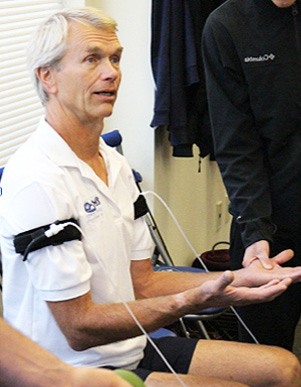
BFR’s ability to achieve such remarkable physiological benefits is directly related to slowing venous blood flow from the muscle group being engaged and creating a relatively hypoxic environment or low oxygen pressures in the exercising muscle.
Venous flow moderation is optimally achieved by wrapping the extremity being exercised with an inflatable cuff or band. The band needs to be tight enough to slow venous return to the heart, allowing venous blood to “pool” in the region of the limb that is being exercised, while loose enough to allow arterial blood to flow through.
With very light exercise, and in about 15 to 20 minutes, you get an exhaustive workout that sends a signal to your brain that says, “Hey, I’ve done something really hard here — you better help me recover and adapt to it.”
Your brain then sends out a wide variety of powerful hormonal responses that cause your muscles and blood vessels to grow. Most would think that such light weights would be insufficient to provide any muscle strength improvements, but studies show nearly a 40% increase in muscle strength after only 12 weeks, depending on your load and health.12

BFR Mimics Heavy Weight Training Without Any of the Risks
BFR training is frequently misunderstood as simply a conventional resistance training program with the addition of resistance bands. Nothing could be further from the truth.
Because the exercise is done with such low weights, there’s far less muscle fiber trauma and damage; especially relative to conventional strength training. This means you are able to recover much quicker, so you don’t have to dig yourself out of a hole the next few days. In most cases, you can exercise different body parts nearly every day and rapidly attain the metabolic and physical benefits.
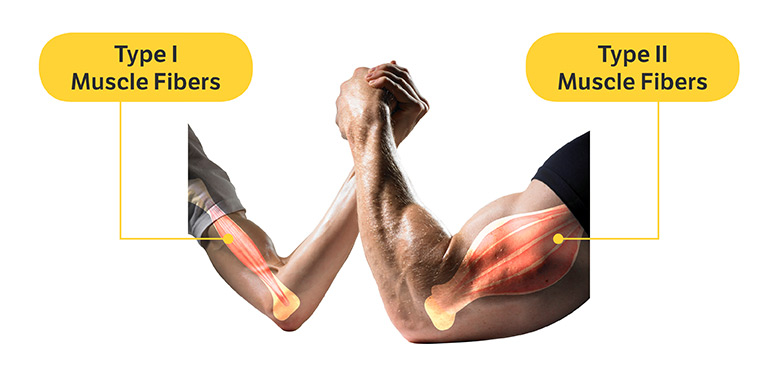
High-intensity training such as sprinting or heavy weight training have typically been recommended for increasing muscle size because they activate the fast twitch Type II muscle fibers.
In order to increase muscle mass and strength, it is important to activate fast twitch Type II muscle fibers during training, since these fibers have been shown to be more responsive to increasing muscle size than Type I fibers13 and these fibers are generally much larger.
Weight training using low weights without resistance bands will not activate Type II fibers. The reason for this is because the slow twitch Type I fibers become exhausted in the hypoxic conditions created by BFR, which then allow the Type II fibers to kick in and generate high levels of lactate, which are responsible for much of the metabolic magic.
During BFR training, the Type I fibers become highly fatigued during the first set due to the lack of oxygen, thus necessitating the recruitment of Type II fibers that create energy without oxygen as the exercise progresses.14 Simply moving light weights with high repetition without BFR will not engage Type II fibers because there is plenty of oxygen for the Type I fibers to work. Hence the fast-twitch Type II fibers just aren’t called into action.
BFR is the type of training that will not only add solid muscle mass, but also significantly increase your strength and endurance, while reducing your body fat.15,16 For most people who are not competitive athletes, it’s really the only form of resistance training they need.
Competitive athletes also seem to benefit from BFR but they would need to combine it with conventional strength training.17 In short, BFR works on a very simple principle: It tricks your body into believing that it is moving far heavier weights than you’re actually using, and as a result generates many powerful compensatory metabolic responses detailed below.
Local and Systemic Effects of BFR
If you are elderly, what is really amazing is that your muscle growth with BFR is beyond what strength training with heavy weights can do. This is because you need good blood flow to your Type II muscle fiber stem cells, and virtually everyone’s microcirculation decreases with age. So even if you send the signal to grow by doing conventional strength training, it won’t work as well if there isn’t enough capillary supply to your Type II fiber stem cells.
BFR increases your microcirculation, your capillaries and venules and arterioles that are associated with them (see image below), largely because your muscles are working in a hypoxic (low oxygen) environment.
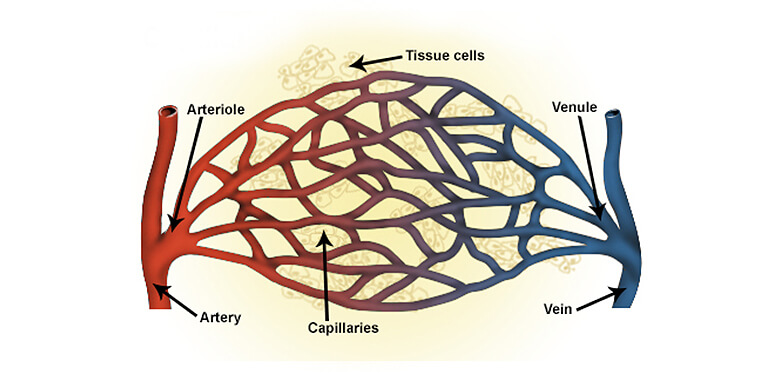 Microcirculation
This low oxygen tension causes the release of hypoxia-inducible factor-1 alpha (HIF-1 alpha),18 that then increases the hormone vascular endothelial growth factor (VEGF), which is one of the most powerful angiogenic or blood vessel producing signals in your body. BFR has been shown to raise VEGF levels by 410% in young adults.19
An interesting aside is that the Nobel Prize in physiology and medicine was awarded for pioneering work in HIF-1 alpha and VEGF in early October 2019. Essentially VEGF acts as “fertilizer” for growing new blood vessels and capillaries to your muscle stem cells. BFR training has been shown to increase muscle stem cells by 300% after eight days of training.20
But it gets even better as VEGF not only increases microcirculation in your muscle stem cells but also in your brain and heart. In Japan, BFR is frequently used for stroke and cardiac rehab precisely for this purpose.
BFR not only stimulates VEGF but also increases the production of the important regulatory free radical, nitric oxide, which further contributes to an increase in VEGF.21 Nitric oxide is an important signaling molecule produced at high levels in muscle by neuronal nitric oxide synthase (nNOS). BFR, by way of increasing nitric oxide, has been found to stimulate muscle satellite stem cells and proliferation.22
BFR Is a Powerful Myostatin Inhibitor
But here’s the real winner: BFR also downregulates a hormone called myostatin, which is a negative regulator of muscle growth and mass.23,24,25 In other words when your myostatin levels are high you simply are unable to grow muscle.
This is important because the elderly typically have myostatin levels twice as high as the young,26 which makes it really difficult to increase muscle size and strength.
In the past, lactate was traditionally viewed as a metabolic waste product, but today it is understood that lactate is an important molecule that is responsible for many metabolic processes and results in many structural adaptations. It is even referred to as a pseudo-hormone.27
When you apply the bands and engorge the working muscle, the Type I muscle fibers which require oxygen, glucose and fat to create energy in the mitochondria rapidly give out and your muscle switches to Type II fibers that run on burning glucose without oxygen by the glycolysis pathway illustrated below.

The lactate that your Type II muscle fibers generate during BFR actually down-regulates the production of myostatin and helps improve skeletal muscle loss. Amazingly, one study shows that with BFR “the decreases in myostatin were 41% and 45%, respectively,” which has been shown to increase muscle protein synthesis.28,29,30,31
But the benefits from the lactate don’t stop there. Once you release the bands, the lactate travels from your muscles and is released into your blood stream, then travels to your brain, where a monocarboxylate transporter shuttles it into your brain to use for fuel,32,33
Once the lactate reaches your brain it increases a powerful hormone called brain derived neurotropic factor (BDNF).34 BDNF is a member of brain growth factors that contribute to neuroplasticity, which greatly enhances cognitive performance.35,36
Correct Band Pressure Is Crucial
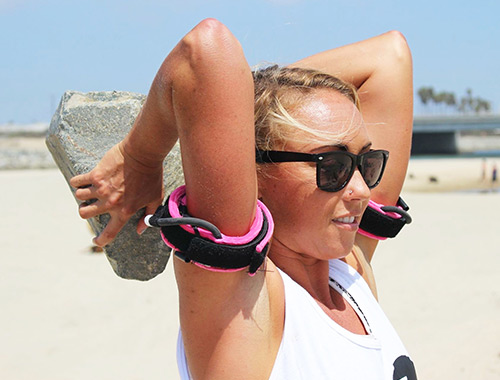
As mentioned previously, the restriction bands need to be tight enough to lower the oxygen level in the exercising muscles. Arterial occlusion pressure (AOP) is defined as the pressure needed to restrict 100% of the blood flow from the limb,37 which is essentially a tourniquet. This is a dangerous scenario and needs to be avoided.
Recent research38 has shown the pressure only needs to be 60% of the AOP. Pressures higher than this don’t seem to provide any additional benefits and can be associated with increased risk for injury. The level needs to be at least 40% of AOP; otherwise, the level of muscle oxygenation and deoxygenation is not substantially different from that seen during non-BFR exercise.
Recent studies suggest that the ideal range is about 60% of AOP,39 although this is highly dependent on numerous factors such as fundamental vascular elasticity and the type of exercise being performed (e.g., anaerobic versus aerobic). There are no additional benefits of combining higher exercise intensities with higher occlusion pressures to muscle hypertrophy.
Again, the bands should not be too tight as you definitely must avoid cutting off the arterial supply to your muscles. They need to be loose enough to supply your muscle with sufficient blood flow and oxygen.
When manually applying the bands, tighten them so your skin color becomes more pink or red compared to your normal skin tone. You may also see your veins become slightly distended (popping out a bit). They should not feel uncomfortable and your skin color must not become whiter or have a bluish or grayish tone; this means that arterial flow is being restricted.
It is important to realize that your arms will swell during the exercise, which will actually tighten the bands more. Remember, another simple way to determine good “base pressure” is to have the bands tight enough that you cannot fit two fingers under the band, but loose enough that you CAN squeeze one finger under the band.
However, if the pressure is below 40% of AOP you will not occlude your veins. This will prevent the lactic acid produced during your exercise from accumulating, and you will not get the benefits.
One of the ways you can confirm that your bands are tight enough is to measure the circumference of your limb before and after the exercise. You should notice an increase of at least a one-half inch to 1 inch after your exercise, up to as much as three or four times that.
How to Confirm Proper Pressures
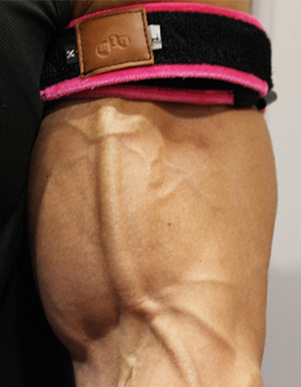
If the bands are too tight you can actually cause damage to your muscle. It’s important to carefully monitor your capillary refill times to confirm you are getting enough blood flow to your exercising limb. You can confirm that you have enough arterial flow by checking your capillary refill time.
When checking proper band pressure on your arm, it is most easily determined by pressing your index finger firmly into the palm of the opposite hand (on the arm that is under restriction) into the area just under your thumb, then quickly releasing and seeing how long the white blanched area takes to turn pink.
If it takes longer than three seconds, the bands are too tight. If the white spot turns pink immediately while the pneumatic bands are inflated (i.e., under one second), the band tightness is close to optimal. You can also check the capillary refill time on the tissue right above your knee while the pneumatic bands on your legs are inflated. Ideally it should be about two to three seconds.
If you have peripheral artery disease, this could affect these readings. If it is less than two seconds the bands are likely too loose, if the time is greater than three seconds the bands are likely too tight.
!Warning
To avoid any muscle damage from your limbs being deprived of oxygen, the bands are only put on the arms for 15 minutes at a time and 20 minutes on your legs.
Only put the bands on the extremities you’re actually exercising, and remove them before moving on to the next area. In other words, you must not conduct simultaneous BFR on both your arms and legs, as this could decrease your blood pressure enough that you might pass out.
Remember, whatever bands you use, KAATSU or less expensive BFR bands, the pressure that the cuff is inflated or tightened to should not be painful or cause any numbness. You will know if it is too tight as they will likely hurt. They are not supposed to shut down your arterial supply. If it is too tight you need to lower the pressure or loosen the bands.
How to Determine Your Ideal Level of Resistance
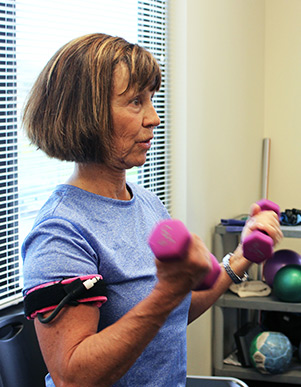
Instead of using heavy weights that can increase your risk of injury during conventional strength training, BFR is much safer, since it requires just 20% to 33% of the resistance used in conventional resistance training.
This light weight is then combined with a high volume of repetitions while externally applied compression mildly restricts blood flow to the active skeletal muscles in the legs or arms.40
As for weight, your goal is to find the “sweet” spot. If you are elderly or have not been exercising regularly, this may mean no weights at all.
Ideally, you would have access to a variety of progressively increasing resistance movements to choose from, including body weight exercises. You typically won’t need to go higher than 25 pounds, though.
Once you have access to the weights you can find the heaviest weight you can do just one repetition of your planned exercise with. This is your one rep max (1RM). Then you divide that weight by five (20%), four (25%) or three (33%). For example, if your max weight for a bicep curl is 25 pounds, you would select a 5-pound dumbbell to start.
If you don’t know your one rep maximum, then it is always better to start too low, especially if this is your first time, as your tissues will need time to adapt to these pressures and movements. Eventually you will want to increase your weight so you notice the following signs during your BFR session:
|
Signs That You Are Using the Correct Weight
You can measure the circumference of your limb before and after the exercise. You should notice an increase of at least one-half inch and possibly 1 inch or more — or alternatively, the muscle will most certainly feel tighter and appear more toned. Another great indication is that you will be able to do 30 reps the first set and then 15 to 20 reps the next and, most likely, are unable to do five to 10 reps in the last set because you are in muscle failure. It is important, though, to not fool yourself and stop just because it is hard. Muscle failure means that you are unable to do another rep if your life depended on it. |
Unless you are just starting (see warning box below), it is best to start by limiting your weight to only 20% of your one rep max and build up from there if your goal is muscle hypertrophy. By starting at a lighter weight it will give your body a chance to adjust to BFR and avoid potential injuries.
An additional benefit is that if you stick with lighter weights you can train more frequently because you won’t cause as much muscle damage. For those interested in greater strength or muscle gains, you can increase to one-quarter and then to one-third the weight of your 1RM. If you are doing the exercises correctly it will likely take you about three months to progress up to 33% of your 1RM. There is no need to go any higher than this.
If you don’t know your 1 RM, then all you have to do is pick a weight you believe you can easily do 30 reps with and start there.
If you can easily do all three sets at that weight, then it’s clearly too low a weight and you would benefit from increasing the resistance, especially if you don’t notice an increase of at least one-half inch in the circumference of your biceps after the exercise. Conversely, if you are unable to complete 20 repetitions on your first set, the resistance is likely too high and needs to be decreased.
!WARNING FOR FIRST TIME USERS
THE only exception to these weight recommendations and initial pressure of the bands is when you are first starting out. It is important to realize that your tissues need time to adjust to BFR training. For the first session you want to start with a light pressure, likely under 40%, and use only 10% of your 1 RM. Then over the next two sessions increase to the minimum recommendations.
Important: You Need to Push Hard to Get the Benefits

It is important to recognize, though, that the level of intensity you use is key. Muscle growth is highly dependent on metabolic factors, and training sets are ideally done to failure to achieve this.41,42
The number of repetitions completed during a training session is less important to cause long term changes in hypertrophy and strength than doing repetitions to failure which likely causes greater metabolic stress.43,44,45
Perceived exertion is a major element here. You really need to push hard to muscle failure. This is a very subjective determination, but I hope the featured video will give you an idea of the amount of intensity and effort one needs to put into this short exercise.
You can also notice if you are sweating and you are out of breath. Since BFR is a high intensity exercise and stimulates your sympathetic nervous system if done properly, this is precisely what you should be experiencing when you do BFR training.
A recent study in the elderly showed that physical weakness in aging may be due, at least in part, to impairments in brain and nerve function, rather than changes in the muscles themselves.46
The researchers did the study by asking participants to push to failure and once they said they had, they stimulated the muscle electrically and where still get the muscle to contract which indicated that the muscle was not at full failure. In fact in most cases the muscle was still able to contract about 25% more.
If you are unable to push to failure, you will not receive the maximum benefits possible from BFR. Also, shorter recovery periods between exercises and sets will heighten the metabolic stimulus to enhance your body’s ability to build muscle and strength.47
Remember, you can start slowly and work your way up over time. Building muscle is a marathon, not a sprint. This is especially important if you are elderly or if you have been mostly sedentary; you likely will not need to use any weights.
You can start with just the weight of your body and gradually progress to 1- and 2-pound weights. But if you really are interested in triggering the benefits of reversing sarcopenia, then it is key to push hard — otherwise you will not achieve all the wonderful metabolic benefits that BFR has to offer you.
General BFR Workout Guidance
Although you can adapt BFR training to many types of resistance training including machines, it seems the ideal way to implement it is by using simple dumbbells. Because you are using such low weights, it is unlikely you will need weights more than 25 pounds. If you are elderly and weak you may only need a set of weights under 5 to 10 pounds.
Please be certain that you can increase weights in very small increments. You will not want to increase an exercise from 5 pounds to 10. That is a 100% increase in weight. It is far better to go up by 1 or 2 pounds.
|
Number of Repetitions in Each Set 1st set = 30 reps with 20 seconds rest for arms and legs 2nd set = 20-30 reps with 20 seconds rest for arms and legs 3rd set = 10-20 reps with 20 seconds rest for arms and legs 4th set = 1-10 reps with 20 seconds rest for arms and legs and 60 seconds maximum before moving to next exercise |
A common beginner mistake is to remove or loosen the band during the workout to allow the blood to flow back to your muscle and then tightening it again. This does not improve results, and in fact decreases your results, so it is best to leave the band on during the entire workout.
Just remember to remove the bands after 15 minutes on your arms and 20 minutes on your legs. You can reapply the bands after a minute and exercise if you want to do more exercises.
If there is pain or numbness or a whiter appearance in your skin color, of course you’ll want to remove or loosen the band at once, but that should be unusual if you have done your preparation properly and paid careful attention to these instructions.
Typically, upon starting BFR, you will notice a high perceived degree of difficulty. However, over a few weeks this perception of difficulty dampens as adaptation to training occurs.48 At that point, it becomes important to continue to push with the same level of intensity.
Training Frequency
One of the major advantages of BFR versus high load resistance training is that you cause far less muscle damage and this allows you to train more frequently. The frequency of training needs to be individualized as it varies widely. It can range from as little as twice a week up to three times a day, depending on your fitness and training goals.
Typically, the lower the percentage of 1RM used, the more frequently BFR can be done.49 Heart rate variability and the Oura ring can also be used to determine your ideal recovery periods. The Oura ring measures your heart rate all night and will tell you not only your lowest heart rate but also at what time it occurs. The higher your heart rate and the closer your lowest heart rate time is to awakening, the more recovery you need.
This is also an indication you likely need to lower your training frequency. Oura also provides a comprehensive recovery score called the Readiness score, and the higher that number on a scale of zero to 100, the better. I highly recommend the Oura ring if you don’t have one already. I have used one for many years and find it to be a very valuable tool.
Less Expensive Alternatives
Although KAATSU was the pioneer in BFR, their units are relatively expensive. The advanced KAATSU Master unit used by professional teams, the U.S. military, hospitals and medical professionals costs up to $6,000, while their newest consumer version is available beginning at $800.
This is because they use thin, algorithm-controlled, pneumatic bands that automatically pressurize around your upper arms and legs to slow the amount of blood flowing back from the muscles in your extremities. These bands may look like very thin blood pressure cuffs but they serve an opposite function.
The major advantage of the KAATSU automated system is that it can do cycle compressions — compressing the limb for 30 seconds and then relaxing for five seconds. Over the course of eight rounds of compressions, the device will progressively increase the pressure for each cycle. The pressures can also be easily adjusted from very low to high.
If you can afford the KAATSU set, that would be ideal as it is far easier to dial in to the correct pressures. With the KAATSU system you can control the tightness in two ways. The initial tightness is after you manually tighten the bands.
This is the base pressure and typically around 10 to 25 mm/Hg for the arms and 15 to 35 mm/Hg for the legs depending on your age, vascular elasticity and physical condition. The inflation pressure is what you set the compressor to pump the cuff up to. This ranges from 80 to 400 mm/Hg for both the arms and legs.

You can pick up the $899 Kaatsu cycle system here
If the KAATSU system is outside your budget, there are a wide range of inexpensive BFR bands available. Just be aware there are many inferior versions out there. You need to be careful and make sure the material is elastic and can stretch. Additionally, make sure that the bands are only 1 1/2 inches wide for the arm bands and 2 inches for the leg bands.
Remember, while there are many 2-inch BFR bands for the arms for sale. These bands are too wide and may cause ischemic injury and must be avoided. Also, wider cuffs require significantly less pressure to achieve arterial occlusion pressure,50 so it’s easy to end up with excessive arterial occlusion with wider cuffs which, again, is not recommended.51
The other danger of using bands that don’t stretch or are too wide is that they will increase your blood pressure far higher. Under these circumstances BFR can be dangerous and increase your blood pressure too high and may actually cause a stroke.
No worry, though, because if you use the elastic stretchy bands that are the correct width (1 1/2 inches for the arms, 2 inches for the legs), there is essentially no risk of stroke. This is because correctly performed BFR will actually lower your blood pressure. It is the finest exercise I know of to release nitric oxide and is far more effective than the nitric oxide dump I used to do.
How to Perform BFR
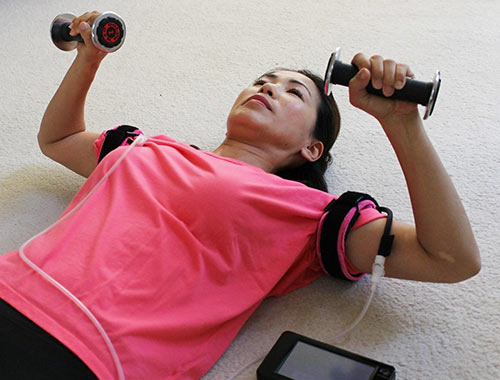
Begin by applying the bands to your upper arm, very close to your armpit, just where your bicep muscle begins and deltoid muscle ends. On your legs, you can apply them right below your hips at the top of your quads, close to your groin.
There are misconceptions that you need to put the bands close to the muscle you are seeking to focus on, but this is unnecessary and a mistake.
There is a crossover training effect and your muscles that aren’t blood flow restricted will also receive benefit once you release the bands after training. In other words, you will gain benefits in your chest muscles even though you are only restricting your arm muscles.
Also, do not put the bands over your knees or elbows, as this could cause nerve damage. Only put the bands on your body as described above because the goal of BFR is to increase your vascular elasticity and elicit a metabolic and hormonal response that ultimately leads to aesthetic and muscular improvement.
When you engage in the exercise properly, lactic acid will accumulate in the muscle, which will be associated with a burning-like pain due to the excess hydrogen ions being produced. It will clearly be uncomfortable, especially as you push to muscle fatigue. It is important to understand that this subjective sensation of discomfort will improve with time.
It will likely take four to six weeks to develop the strength and hypertrophy gains, although most people notice a dramatic difference even in the first two weeks. Once achieved, a study52 in elderly subjects showed that doing BFR training twice a week was sufficient to maintain the gains. When training decreased to once a week, the gains failed to be maintained.
If you are able to there is benefit to doing BFR every day. You can just vary the number of exercises you do per day. It could be as simple as applying the bands to your legs and walking for thirty minutes, or putting them on your arms and swimming. It doesn’t have to involve weights as you can also use them in your favorite sport; you just need to use the same time restrictions discussed above.
Sample Workout
You will exercise your arms for 15 minutes, which gives you enough time for three different exercises as each set of exercises — if done properly — will take about five minutes. Again, it’s not recommended to simultaneously use the bands on both arms and legs. In this case, too much blood becomes engorged in your limbs and there is an unsafe amount of blood in the rest of your body.
For example, a good and simple exercise to start with are bicep curls and tricep and shoulder presses, but any exercise that you can do 30 reps while you have the bands on would work.

Ideally, it is best to combine agonist and antagonist muscles in the same workout. So, do biceps and triceps together, and chest presses and bent-over rows for your back. You could do walking lunges, squats, calf raises and deadlifts for your legs. I demonstrate and provide a number of suggestions in my video but there are many other combinations you can use.

As your lactic acid concentration builds toward the end of your first set of reps, you will notice some burning and a slight amount of discomfort. This is normal and is actually what you’re trying to achieve. If you don’t notice this, you are likely not doing the exercise correctly. It is important to push as hard as you can. If you are unable to do 30 reps on the first set, the weight you selected is likely too high and you need to decrease it.
I provide some other recommendations in the video above, but recognize that there are hundreds if not thousands of options, and these are only a few examples. As long as you are following the guidelines above you will be safe and will obtain the benefits of BFR.
You do not even need to lift weights with your legs, as simply walking with the bands on can improve cardiac autonomic control by improving your heart rate variability.53 It also has been shown to increase thigh muscle size and strength in both the young and elderly adults.54
Conclusion
Without a doubt, in my opinion BFR is the most incredible innovation to improve your health that I have learned about in quite some time. It has the most significant potential to increase your healthful life span and help you maintain full range of your mental and physical capacities than anything that I know of.
I have spent six months compiling these recommendations, but it is likely I will revise them in the future so please be sure to check back periodically for any updates. I am very excited for you to reap the benefits of this magnificent tool.
Sources and References
1, 40 Frontiers in Physiology 2019; 10: 533
2, 14 Acta Physiologica 2019 May 20:e13302 [Epub ahead of print]
3 International Journal of KAATSU Training Research 2005;1(1):1-5, Page 4 (PDF)
4 FASEB J 2012 Sep; 26(9): 3691–3702.
5 Front. Nutr., 10 September 2019
6 Critical Reviews in Food Science and Nutrition, 20 Oct 2019
7 Aging 2019, Vol. 11, No. 11
8 International Journal of KAATSU Training Research 2005;1(1):1-5 (PDF)
9 J Gerontol A Biol Sci Med Sci 2012; 67: 28–40
10 Journal of Diabetes & Metabolic Disorders 2017; 16: 21
11 Journal of Cachexia, Sarcopenia and Muscle 2014 Dec; 5(4): 253–259, Prevalence of Sarcopenia
12 Front Physiol. 2019; 10: 446, Discussion: Muscle Strength
13 J Appl Physiol. 1996;81(5):2004–12
15 Front. Physiol., 15 May 2019
16 Journal of Science and Medicine in Sport, August 2016; 19(8): 669–675
17 J Hum Kinet. 2018 Dec; 65: 249–26
18 Cell 2019 Mar 7;176(6):1248-1264
19 Med Sci Sports Exerc. 2012 Nov; 44(11): 2077–2083
20 J Physiol 2012; 590(17): 4351–4361, Myogenic stem cell content Page 4355 (PDF)
21 Journal of Applied Physiology May 1, 1999; 86(5): 1513–1518
22 Mol BiolCell. 2000;11(5):1859–97
23 Am. J. Physiol. Endocrinol. Metab. 2009;297:E157–E164
24 Acta Physiol (Oxf) 2011 Feb;201(2):255-6
25 Med Sci Sports Exerc. 2007;39(2):289–97
26 Age (Dordr). 2014 Aug; 36(4): 9699
27 J Exp Biol. 2005 Dec;208(Pt 24):4561-75
28 Journal of Strength and Conditioning Research: October 2013 – Volume 27 – Issue 10 – p 2914–2926
29 Am J Physiol EndocrinolMetab 2014 May 15;306(10):E1198-204
30 J Appl Physiol (1985). 2019 Mar 1;126(3):578-592
31 Med Sci Sports Exerc. 2012 Mar;44(3):406-12
32 Ther. Adv. Psychopharmacol. 2017 Feb;7(2):85-89
33 Cell Metab. 2018;27:757–785
34 Neurosci. Lett. 2011;488:234–237
35 Med. Hypotheses. 2017;106:1–5
36 Neurosci. Lett. 2016 Sep 6;630:247-253
37 Anesth Analg. 2006 Jun;102(6):1752-7
38 Frontiers in Physiology 2019; 10: 407
39 Front. Physiol., 13 August 2019
41 Sports Medicine 2013;43:179–194
42 Front Physiol. June 2019
43 Medicine and Science in Sports and Exercise, 31 Dec 2019, 52(1):205-213
44 Medicine & Science in Sports & Exercise: September 2011 – Volume 43 – Issue 9 – p 1725-1734
45 Sports Med. 2013; 43(3):179-194
46 JAMA Network Open September 25, 2019
47 Medical Hypotheses February 2015;84:145–149
48 J Sports Sci. 2019 Aug;37(16):1857-1864
49 Frontiers in Physiology 2019; 10: 533, BFR-RE
50 Frontiers in Physiology 2019; 10: 533, Cuff Width
51 Int J Exerc Sci. 2019; 12(3): 136–143
52 Proceedings of the International Conference on Sports and Exercise Science 2009. Bangkok, Thailand Pages 336-341 (PDF)
53 Int J Sports Med. 2019 Sep;40(9):585-591
54 J Geriatr Phys Ther. 2010 Jan-Mar;33(1):34-40 (PDF)