UTI – Urinary Tract Infection
now browsing by category
UTI – Urinary Tract Infections are becoming more common, but there are natural ways to deal with this unpleasant condition with correct nutrition.
What Frequent Urination Means for Your Health and How to Address It Naturally
Reproduced from original article:
https://articles.mercola.com/sites/articles/archive/2026/04/22/frequent-urination-underlying-health-conditions.aspx
Analysis by Dr. Joseph Mercola April 22, 2026

Story at-a-glance
- Frequent urination (more than eight times daily) often signals underlying health issues like urinary tract infections (UTIs), diabetes, prostate problems or medication side effects rather than simply aging
- Tracking your fluid intake and urination patterns with a bladder diary reveals triggers and helps identify whether the cause is behavioral, neurological, hormonal or inflammatory
- UTIs are a common cause of urinary frequency; pharmaceutical-grade methylene blue and cranberry products are often helpful before resorting to antibiotics
- Neurological conditions, emotional stress, anxiety and depression disrupt brain-bladder signaling; this contributes to urinary frequency
- Natural solutions include adjusting when you drink fluids, addressing constipation, supporting prostate health, strengthening pelvic floor muscles and treating underlying conditions like UTIs and anxiety
Frequent urination disrupts more than your daily routine. It chips away at your energy, focus, and confidence over time. Whether it hits during the day or pulls you out of sleep at night, the constant need to go often signals that something deeper is out of balance. It’s a problem that affects millions, especially as you age. But here’s what surprises most people: it’s rarely just about getting older.
The causes are often overlooked or misunderstood, leading many to suffer in silence for years. What feels like a minor inconvenience is sometimes a warning sign that deserves your attention. Let’s explore the most common causes of frequent urination, the hidden factors that make it worse and what to do right now to support your body and regain control.
The Root Causes of Frequent Urination
The Cleveland Clinic shed light on the many underlying causes of frequent urination, highlighting both common and rare contributors and offering a roadmap for determining when it’s time to take action.1 Frequent urination — defined as needing to urinate more than eight times in a 24-hour period — affects people of all ages, but certain groups are more vulnerable.
If you’re over 70, pregnant or living with an enlarged prostate, your odds of developing this issue go up significantly. But it’s not always about age or anatomy. This symptom stems from a broad range of physiological, hormonal, neurological, and behavioral factors.
• Frequent urination is often triggered by urinary tract infections (UTIs) — UTIs are the most common cause, especially among women. They inflame the bladder and urethra, which increases the urgency and frequency of urination.
• Pregnancy hormones play a role — Rising levels of progesterone and other hormones in early pregnancy increase blood flow to the pelvic region and stimulate kidney function, making frequent trips to the bathroom more common. In later stages, your growing uterus compresses your bladder.
• Diabetes forces the kidneys to flush excess sugar — This not only pulls more water into the bladder, but also strains your body’s hydration levels. Frequent urination is often an early sign of both Type 1 and Type 2 diabetes.
Your Bladder Isn’t Acting Alone
Multiple organs, systems and lifestyle factors are involved in frequent urination. An enlarged prostate often blocks urine flow in men, for instance. The prostate gland surrounds the urethra. As it enlarges, often starting in the 50s, it presses on the urethra, making it harder to completely empty the bladder and increasing the frequency of urination.2
• Neurological conditions disrupt brain-bladder signaling — If you’ve had a stroke, spinal cord injury or conditions like fibromyalgia, your nervous system doesn’t always send or receive the right cues about when to release or hold urine. This results in an overactive bladder or urge incontinence.
• Pelvic organ issues aren’t just for women — Conditions like uterine prolapse or urethral prolapse affect how the bladder and surrounding tissues function. When these structures shift out of place, they put pressure on your bladder or urethra, creating the constant urge to urinate.
• Common medications trigger urinary urgency — Diuretics (often called water pills), antidepressants, blood pressure drugs, lithium and even antihistamines are all known to affect bladder control or urine production.3
• Your drink choices could be working against you — Caffeine and alcohol are both diuretics. They increase urine production and stimulate bladder muscles, which makes you feel like you need to go more often than usual.
• Bladder conditions and cancer are rare but serious culprits — Chronic bladder inflammation and bladder tumors mimic the symptoms of more benign causes like UTIs or overactive bladder. Blood in your urine, unexplained pain or urgency that doesn’t respond to lifestyle changes should prompt a medical evaluation.
Understanding How Often Is Too Often Depends on Your Baseline
If you’re urinating more than eight times per day, you fall into the frequent urination category, especially if it’s disrupting your sleep. Waking up more than twice a night is also a red flag. This condition, called nocturia, often points to underlying health concerns like congestive heart failure, diabetes or fluid retention in your legs.
• Your typical habits matter most — If you’ve always urinated frequently and nothing else has changed, you likely don’t need to worry. But if the frequency is new or worsening, it’s time to pay attention.
• Start with a symptom diary — Track what and how much you drink, how often you urinate and how much urine you produce. These details help you and your doctor identify patterns and rule out simple lifestyle triggers.
• Expect urine tests and imaging — If you see a doctor for frequent urination, a urinalysis helps identify infections or diabetes markers, while ultrasounds reveal bladder abnormalities, tumors or kidney issues. In complicated cases, procedures like cystoscopy allow a direct look inside your bladder to confirm or rule out structural issues.
• Sleep disruption adds a new layer of damage — Repeated nighttime urination fragments your sleep, which affects your immune system, mood, memory, and weight regulation.
Your Treatment Depends on the Cause, Not Just the Symptom
If a UTI is the reason for your frequent urination, it calls for immediate attention. If left untreated, the infection often travels up to your kidneys and causes long-term damage. Keep in mind that UTIs are one of the most overdiagnosed conditions in U.S. medicine, especially in seniors who often receive antibiotics without showing any infection symptoms. Pharmaceutical-grade methylene blue is one of the most effective agents I’ve found to stop UTIs at the source.
• Bladder training and pelvic therapy offer drug-free options — For overactive bladder or incontinence, exercises to strengthen your pelvic floor and physical therapy targeting your pelvic floor muscles help rebuild strength and control.
• Try adjusting your fluid intake — Reducing fluids before bed, avoiding caffeine and alcohol, and timing your drinking schedule are low-effort ways to see if your symptoms improve.
• Most causes are manageable — Whether it’s changing your fluid habits, adjusting medications, or treating an underlying condition, there’s hope to reduce the frequency and reclaim your daily routine.
Overlooked Risk Factors Driving Urinary Frequency in Older Adults
A large population study uncovered just how common frequent urination is in aging adults. Published in Frontiers in Public Health, the study surveyed 4,796 adults aged 65 to 100 in China.4 Researchers set out to assess how widespread frequent or urgent urination is in this population — and more importantly, what underlying health issues drive it.
• Many participants lived with symptoms for years, often without seeking care — Nearly 17.3% of men and 9.9% of women had experienced frequent urination for between one and four years. A smaller but significant number — 4.9% of men and 2.3% of women — had suffered for a decade or longer.
• A wide range of health conditions were strongly linked to symptoms — Researchers found strong associations between frequent urination and other chronic illnesses, including obesity, high blood pressure, diabetes, heart disease, constipation, anxiety, depression, and brain injury, affecting both men and women alike.
Participants with anxiety or depression had significantly higher rates of urinary frequency. This suggests a brain-bladder connection, where mental stress or nervous system disruptions interfere with normal bladder signaling.
• Constipation and brain trauma stood out as surprising contributors — Constipation and previous brain injury, such as stroke or head trauma, were both statistically significant contributors to urinary frequency in older adults.
One theory is that the nerves controlling the bladder and colon originate from the same spinal region, which means damage or strain in one area often spills over into the other. Long-term straining during bowel movements also weakens the pelvic floor, further aggravating bladder control.
• Older adults experiencing anxiety-driven symptoms are less likely to seek help — Beyond physical discomfort, frequent urination often creates emotional distress. The researchers pointed out that many older adults suffer in silence, either due to embarrassment, lack of awareness or assuming that their symptoms are simply part of aging.
How to Stop Frequent Urination by Targeting the Real Cause
If you’re peeing more than eight times a day or waking up multiple times a night just to run to the bathroom, it’s not something to ignore. Frequent urination is often the result of other underlying health issues.
Whether it’s inflammation from a UTI, blood sugar issues from diabetes or pressure from an enlarged prostate, your bladder is reacting to something deeper. That’s why solving the problem long-term means fixing what’s causing the symptom, not just masking it. Here are five simple, effective steps to get to the root of it and start feeling like yourself again:
1. Track what’s really happening with a bladder diary — If you’re not sure what’s triggering the frequent urination, a bladder diary gives you clarity fast. Write down what you drink, how much, when you urinate, and how urgent it feels. This single step often reveals clear patterns, whether it’s caffeine overload, poor fluid timing or signs of blood sugar trouble. You’ll start to see what’s stressing your bladder, and that makes it much easier to take the right action.
2. If it’s a UTI, use methylene blue and cranberries immediately — Don’t wait for a test result to start support. If your symptoms include burning, pressure or sudden urgency, and you suspect an infection, seek medical attention. In the meantime, pharmaceutical-grade methylene blue works fast. It concentrates inside your bladder where the bacteria live and kills them without harming your gut like antibiotics.
For a UTI, the dosing is generally one 65-milligram (mg) tablet three times daily after meals with water — for only a few days. Pair this with whole cranberries or organic cranberry juice to keep bacteria from sticking to your urinary tract lining. This one-two punch often clears symptoms quickly and avoids unnecessary antibiotics.
3. Support prostate health — Prostate enlargement is a common cause of frequent urination in men. While this becomes more common with age, metabolic dysfunction is also a key driver.
Excess linoleic acid, the primary polyunsaturated fat in vegetable oils, fuels chronic inflammation and disrupts hormone balance. Addressing insulin resistance, chronic inflammation and oxidative stress through diet, exercise and lifestyle changes will help slow prostate enlargement.
4. Rethink your fluid intake — not just how much, but when — If you’re drinking a lot late in the day or loading up on caffeine and carbonated drinks, your bladder’s going to fight back. Start hydrating earlier in the day and taper off by late afternoon.
5. Address underlying conditions that are stressing your bladder daily — If you’re dealing with constipation or even low mood, these are direct contributors. For constipation, fix your gut motility first: walk after meals, introduce soft fruits, and stay hydrated. And don’t underestimate the role of anxiety and depression. Lowering stress with daily movement and adequate sleep helps reset your body’s nervous system response.
Once you understand what’s triggering your frequent urination, take action that works with your body instead of against it. That’s how you stop chasing symptoms and start solving the problem at its source.
Frequently Asked Questions About Frequent Urination
Q: What qualifies as frequent urination, and when should I be concerned?
A: Frequent urination means you’re peeing more than eight times a day or waking up more than twice a night. If this is new for you, or if it’s affecting your sleep, daily life or energy, it’s time to investigate the cause. It’s not just an age thing — it’s usually a signal that something else in your body needs attention.
Q: What are the most common causes of frequent or urgent urination?
A: The leading causes include UTIs, diabetes, an enlarged prostate (in men), pregnancy and neurological conditions like stroke or spinal cord injury. Certain medications, caffeine, alcohol, and even emotional stress like anxiety also play a role. Each of these affects either your bladder’s function or the signals it receives from your brain.
Q: How do I figure out what’s causing my symptoms?
A: Start by keeping a bladder diary for a few days. Track when and how often you urinate, what you drink, how much and how urgent it feels. This helps you and your provider identify whether the issue is behavioral, neurological, hormonal, or inflammatory in nature.
Q: What are some natural ways to treat frequent urination caused by a UTI?
A: Use pharmaceutical-grade methylene blue (65 mg, three times a day after meals for a few days) to directly target bacteria in your bladder without harming your gut microbiome. Combine it with whole cranberries or organic cranberry juice to prevent bacteria from sticking to your bladder lining. This approach supports your body’s natural defenses without relying on antibiotics.
Q: Can emotional or nervous system issues really affect my bladder?
A: Yes. If you’ve had a stroke, brain injury or live with anxiety or depression, your bladder’s signals often become disrupted. This leads to urgency or incomplete emptying. Techniques like pelvic floor exercises, scheduled bathroom visits, nervous system support and managing emotional stress help improve your control and reduce urgency.
Cystitis vs. UTI — Understanding the Differences
Reproduced from original article:
https://articles.mercola.com/sites/articles/archive/2025/11/18/uti-cystitis-awareness.aspx
Analysis by Dr. Joseph Mercola November 18, 2025

Story at-a-glance
- One in three Europeans cannot correctly define cystitis as a bladder infection, with younger adults showing particularly poor awareness of these common conditions
- While UTIs can occur anywhere in the urinary tract, cystitis affects only the bladder; pyelonephritis involves kidneys and requires urgent care
- Studies show up to 85% of UTI diagnoses may be incorrect, often confusing harmless bacterial colonization with actual infection requiring treatment
- Mild uncomplicated cases often resolve with hydration and symptom management; overuse of antibiotics drives dangerous resistance and should be avoided when possible
- Reducing factory-farmed meat, practicing proper hygiene, using methylene blue or cranberry products, and getting sunlight exposure can help prevent recurrent infections
The level of urinary tract infections (UTIs) awareness is far less than what one might expect given how common these conditions are. In a recent international survey published by the European Association of Urology, one in three Europeans could not correctly define cystitis as a bladder infection, with many confusing it for entirely unrelated problems such as skin conditions or allergies.1,2
The knowledge gaps are especially striking among younger adults. Fewer than half of people aged 18 to 24 recognized cystitis for what it is, suggesting that basic education on urological health has failed to reach some of the most vulnerable groups.
The same survey showed that only about half of respondents were aware that women are disproportionately affected by UTIs, despite medical evidence that 50% to 60% of women will experience at least one UTI during their lifetime. Almost one in five men, in fact, incorrectly assumed that males were more likely to be affected.
Misconceptions between terminologies will inevitably contribute to misdiagnosis. In fact, it’s already happening, and these inaccuracies can contribute to delayed treatment and worsening outcomes.
What’s the Difference Between Cystitis and a UTI?
Cystitis is a specific type of urinary tract infection that affects the bladder, but the broader term “UTI” refers to infections that can occur anywhere along the urinary tract, including the urethra, bladder, ureters, and kidneys.
When the infection is confined to the lower urinary tract, it usually manifests as urethritis or cystitis. If it spreads upward, it can involve the kidneys in a condition known as pyelonephritis, which is often more serious and can be life-threatening.3,4
• The most common cause of both cystitis and other UTIs — Uropathogenic Escherichia coli (UPEC) is the root cause, which accounts for the majority of infections in otherwise healthy individuals. Other bacteria such as Klebsiella pneumoniae, Proteus mirabilis, Enterococcus faecalis, and Staphylococcus saprophyticus are also important culprits, particularly in certain populations.
• UTIs are further divided into uncomplicated and complicated types — Uncomplicated infections usually occur in otherwise healthy individuals without structural abnormalities of the urinary tract, whereas complicated UTIs are linked to conditions such as catheter use, urinary tract obstruction, or pregnancy.
• Another source of confusion in diagnosis is interstitial cystitis — Unlike bacterial cystitis, this is a chronic inflammatory condition of the bladder wall with no detectable pathogens. Patients may experience pain, urgency, and frequency similar to cystitis, but cultures are negative. This distinction is vital because mislabeling interstitial cystitis as a recurrent infection can lead to unnecessary antibiotic exposure without relief of symptoms.
The table below provides a quick overview of the differences between each condition:
| Condition | Where is the infection? | Typical symptoms | Why it matters |
|---|---|---|---|
| Cystitis (bladder) | Bladder (lower UTI) | Burning, urgency, frequency, suprapubic pain; usually no fever | Common; can worsen without care |
| Urethritis | Urethra | Burning, possible discharge; consider STIs in differential | Treating the wrong cause (e.g., STI) leads to persistent symptoms |
| Pyelonephritis (kidney) | Kidneys (upper UTI) | Fever, flank/back pain, chills, nausea | Requires prompt medical care to prevent complications |
What Symptoms Should You Watch for in Women, Men, and Older Adults?
The presentation of UTIs varies across different groups. In women, the classic signs are well-known — a burning feeling during urination, an urgent and frequent need to urinate, and sometimes lower abdominal pain or discomfort. Men experience many of the same symptoms, but because UTIs are less common in males, the presence of infection often suggests a more complicated scenario, such as prostate involvement.5
• Older adults are especially challenging to diagnose accurately — While clinicians and caregivers often attribute confusion or sudden changes in mental status to UTIs, research cautions against reflexively treating every case of bacteriuria in older people as infection.
Asymptomatic bacteriuria is common in this age group, and antibiotics should not automatically be given unless absolutely necessary. Misdiagnosis in older adults is widespread, and it contributes to overtreatment with antibiotics.
• The knowledge gaps revealed by public surveys compound these issues — Younger women, for example, often underestimate their own vulnerability, and many wrongly assume contraceptive methods such as the pill protect against bladder infections. This leads to missed opportunities for prevention and unnecessary suffering when infections occur.

Save This Article for Later – Get the PDF Now
How Are UTIs Diagnosed (and Why Are So Many Misdiagnosed)?
The diagnostic process is straightforward, but limitations in current methods make misdiagnosed UTI cases common. For example, dipstick urine tests are widely used in clinics for their speed and affordability — this process tests for nitrites and leukocyte esterase, which are typical indicators of bacterial presence and inflammation. However, these tests are prone to false negatives and cannot identify the specific organism involved.6,7
• Urine culture has long been considered the gold standard — Results with a bacterial count of at least 100,000 colony-forming units (CFUs) per milliliter serve as the diagnostic threshold. Yet, women with clear symptoms may have counts as low as 1,000 per milliliter of urine, which means traditional culture criteria miss many clinically relevant cases.
Furthermore, cultures can come back negative even when bacteria are present in the bladder, a phenomenon increasingly recognized with advanced diagnostic techniques.
• Misdiagnosis also arises because UTI-like symptoms can overlap with other conditions — Sexually transmitted infections (STIs), overactive bladder, and interstitial cystitis can all mimic the presentation of cystitis, and if clinicians rely too heavily on culture results alone, they risk misclassifying or overlooking these possibilities.
• New tests can offer more accurate results — Advanced tools such as extended quantitative urine cultures, mass spectrometry, and multiplex polymerase chain reaction (PCR) panels have shown promise in detecting pathogens that evade standard testing. While these are not yet widely available, they illustrate why reliance on conventional culture alone can be misleading.
The table below provides an overview of current UTI testing methods:
| What it checks | Strengths | Pitfalls and false results | Practical takeaways | |
|---|---|---|---|---|
| Urine dipstick: nitrite | Bacterial conversion of nitrate → nitrite (often E. coli) | Fast; decent rule-in when positive with symptoms | False-negative with non-nitrite-producing bugs, short bladder dwell time, high vitamin C; false-positive from contamination | Helpful when paired with classic symptoms; don’t treat a lone positive without symptoms |
| Urine dipstick: leukocyte esterase | Marker of white blood cells | Sensitive for inflammation | Not specific to infection (can reflect irritation, vaginitis, STIs); dilution → false-negative | Supportive clue only; absence doesn’t fully exclude UTI if symptoms fit |
| Microscopy (pyuria, bacteriuria) | Cells and organisms | Adds context beyond dipstick | Pyuria may occur without infection; contamination skews results | Interpret with history/exam; repeat clean-catch if contamination likely |
| Urine culture | Identifies pathogen + susceptibilities | Gold standard when symptomatic; guides antibiotics | “No growth” doesn’t explain all dysuria (consider urethritis, Interstitial Cystitis/Bladder Pain Syndrome); slower turnaround | Best for recurrent, atypical, pregnancy, febrile, or non-resolving cases; avoid culturing asymptomatic patients |
| Nucleic Acid Amplification Test (NAAT)/STI testing (when indicated) | Chlamydia, gonorrhea, etc. | Rules in non-UTI causes | Missed when we assume “every burn = UTI” | Consider in sexually active patients with urethral symptoms / discharge |
Do You Always Need Antibiotics for a UTI?
The short answer is no. Not every UTI requires antibiotic treatment. In otherwise healthy women with mild symptoms, many uncomplicated bladder infections can resolve on their own with hydration and symptom management.8,9
• Clinical guidelines emphasize a more nuanced approach — Antibiotics should only be considered in special cases wherein the infection has spread to the kidneys, such as for pregnant women, and when patients present with systemic symptoms such as fever or flank pain. This is done to reduce the risk of antibiotic-resistant bacteria, which can cause problems down the line.
• First-line usage of antibiotics has shifted in response to rising bacterial resistance — Drugs such as nitrofurantoin, fosfomycin, and pivmecillinam are now used in rotation, while fluoroquinolones and aminopenicillins are discouraged due to high failure rates and the risk of lasting side effects.
Going back to the Urology Week survey, 16% of respondents still believe antibiotics are always required. This belief contributes to the overuse of antibiotics and accelerates the rise of resistant pathogens.10 That’s why it’s important to consider natural strategies first.
What Actually Works to Prevent Cystitis and UTIs?
Prevention is particularly important for those who suffer recurrent infections. Some strategies are universally beneficial, while others are more appropriate for certain groups.11
• Increasing daily fluid intake — This has a well-documented effect in reducing recurrence, and is one of the simplest measures available. Urinating after sexual activity is also strongly recommended, especially for younger women, as it helps flush bacteria from the urinary tract. Proper hygiene, such as wiping front to back, remains a cornerstone of prevention.
• For postmenopausal women — Local estrogen therapy can help restore the balance of protective Lactobacillus in the vaginal microbiota and reduce recurrence.
Supplements such as cranberry extracts and D-mannose are also widely used. Natural cranberry products appear to reduce recurrence in some studies but not others, while D-mannose interferes with bacterial adhesion to the bladder wall, offering a potential non-antibiotic option. Methenamine hippurate, a urinary antiseptic, has moderate evidence supporting its use in prevention, though it is not suitable for all patients.
• Prevention strategies are most effective when tailored to individual circumstances — Postcoital UTI prevention through urination are universally recommended, while estrogen therapy is reserved for postmenopausal women, and D-mannose supplements can offer additional support where appropriate. Be sure to consult with your doctor to craft a program specific to your current circumstances.
When Should You See a Doctor — or Go to Urgent Care?
Although many UTIs are mild and self-limiting, there are clear circumstances where medical attention is essential. Fever, flank pain, and chills point toward kidney involvement, which requires urgent treatment.
• Other markers to watch out for — Blood in the urine, recurrent infections within a short period, or any infection occurring during pregnancy also warrant professional care. If mild symptoms do not improve within two to three days of self-care, consult a doctor right away.
• Healthy adults with mild bladder symptoms may safely monitor themselves — Note that this should only last for a day or two while increasing fluid intake. If symptoms persist or worsen, they should seek medical care. More severe presentations, especially those involving systemic symptoms, demand urgent evaluation in primary care or emergency settings.
When Relying Too Much on Urine Tests Backfire
Millions of people visit the emergency room each year due to recurring UTIs, and their diagnoses often miss the mark. Geriatric specialist Dr. Nick Schneeman has criticized the tendency in medicine to assume that an older adult who suddenly feels weak, disoriented, or lightheaded automatically has a UTI.
In his guest article for TIME, Schneeman noted how quickly urine tests are ordered in these cases and how frequently antibiotics are prescribed when bacteria show up, even if the patient never reported hallmark signs such as painful urination, frequent urges, or sudden urgency.12
• The problem of misdiagnosis is widespread — More than half of all women will be told at some point that they have had a UTI, yet research has revealed alarmingly high rates of overdiagnosis. In some regions, studies suggest as many as 85% of cases may be incorrectly labeled. One 2020 analysis of 43 hospitals found that three out of four patients diagnosed with a UTI did not actually meet the clinical criteria.
• Older adults are especially vulnerable — Many already carry harmless bacteria in their urine or bladder, a state known as colonization, which does not require medication. Unfortunately, this is frequently mistaken for infection. The challenge is compounded by the difficulty of obtaining clean urine samples in frail or bedridden individuals, particularly those who rely on adult diapers. Contamination is common, and it often produces misleading results.
•Clinicians are drawn to the convenience of testing — A urine culture is fast and easy, making it a default step in hospitals and clinics. But convenience should not be confused with accuracy. Relying on lab findings without aligning them to a patient’s actual symptoms risks unnecessary treatment and fails to get to the true source of the problem.
Address UTIs with These Steps
If you’ve been dealing with repeat urinary tract infections, it’s time to take a closer look. UTIs are frequently misidentified, especially in older adults, and antibiotics are often prescribed without a clear understanding of the real underlying issue.
That approach not only fails to solve the problem but can also do harm. Instead of relying solely on quick prescriptions, focus on practical steps that address the root causes and minimize recurrences:
1. Reconsider your diet, particularly when it comes to meat — Research shows that certain UTI-causing strains of E. coli are introduced into the body through food, especially factory-farmed chicken, but also pork and beef from concentrated animal feeding operations (CAFOs). Thus, reducing or eliminating industrially farmed meats, particularly poultry, from your diet can lower your risk of exposure to resistant bacteria.
If you do choose to eat animal products, look for grass fed beef or pasture-raised options from farmers following biodynamic, regenerative practices. Chicken, particularly organic and free-range varieties, are safer. However, I don’t encourage it because chicken meat generally contains high amounts of linoleic acid.
2. Good hygiene habits remain a cornerstone of prevention — Small everyday habits can have big effects. For example, always wipe front to back after using the bathroom to minimize the chance of transferring bacteria toward the urethra. If you’re prone to UTIs, or if you’re a caregiver for someone at higher risk, a bidet can be more effective than toilet paper for reducing bacterial spread.
Showers are generally preferable to baths, and a quick wash before sexual activity can make a meaningful difference in preventing bacteria from entering the urinary tract.
3. Consider natural strategies that strengthen the urinary tract’s defenses — Pharmaceutical-grade methylene blue has been studied for its ability to concentrate in the bladder and directly suppress harmful bacteria, offering a targeted approach without broadly disturbing the body’s microbiome the way antibiotics often do.
If you currently have UTI, a 65-milligram tablet, taken thrice daily with water and meals, may help. Combining this with organic cranberries or unsweetened cranberry juice provides an added layer of defense by making it harder for bacteria to cling to the lining of the urinary tract. Together, they form a potent protective duo.
4. Don’t underestimate the power of sunlight — Appropriate sun exposure stimulates cellular energy production, which strengthens the immune system’s ability to fight infection. However, if your diet still contains large amounts of LA from vegetable oils such as soybean, corn, or canola oil, your skin is more vulnerable to ultraviolet damage.
LA accumulates in your tissues and oxidizes rapidly under sunlight, driving inflammation and oxidative stress. By removing them from your diet for several months, you create conditions for safer sun exposure during peak hours, ultimately supporting mitochondrial function and immune resilience. For a more in-depth explanation of this approach, read “The Fast-Track Path to Clearing Vegetable Oils from Your Skin.”
5. Practice grounding — This is an approach wherein you reconnect yourself, literally, with the Earth’s electrical field to restore cellular balance. But not all environments are equally beneficial.
In much of North America, land-based grounding is often disrupted by electromagnetic interference from power lines and urban infrastructure. The ocean, however, provides a cleaner connection. Saltwater conducts energy efficiently, allowing your body to release excess charge and reestablish its natural electrical state. Thus, walking barefoot along the shoreline or immersing yourself in the sea can be a more effective way to experience the benefits of grounding.
Frequently Asked Questions (FAQs) About Cystitis And UTIs
Q: What’s the difference between cystitis and UTI?
A: Cystitis is a specific type of urinary tract infection (UTI) that affects the bladder, while UTIs can involve any part of the urinary tract, including the urethra, bladder, ureters, or kidneys. A bladder infection is usually uncomfortable but rarely dangerous if treated, whereas an upper UTI such as pyelonephritis (kidney infection) can become serious.
Interstitial cystitis, sometimes confused with bacterial infections, is a chronic bladder condition not caused by bacteria and requires different management.
Q: What are the red flags that a UTI needs urgent care?
A: Most bladder infections cause burning with urination, urgency, or frequency, and these can often be managed with simple care. But there are warning signs that point to a more serious infection. If you develop fever, flank pain, chills, or nausea, the infection may have spread to your kidneys and requires immediate medical attention. Blood in the urine, persistent symptoms lasting more than two to three days, or any infection during pregnancy are also urgent red flags.
Q: What are the most commonly asked UTI questions?
A: Patients frequently ask about what causes UTIs, whether they can be prevented, whether they are contagious, and how they are treated. Many also wonder if men can get UTIs, how children are affected, and whether lifestyle habits like sexual activity or hygiene increase risk. These questions reflect the uncertainty many people feel when faced with recurrent or confusing symptoms.
Q: How many UTIs count as “recurrent” and who’s at risk?
A: Doctors generally define recurrent UTIs as three or more infections in a single year or two or more in six months. Women, older adults, and those with structural issues in the urinary tract are most at risk. Pregnancy also changes risk patterns because of hormonal shifts and changes in urinary flow.
Q: What should I ask my clinician about preventing future UTIs (including during pregnancy)?
A: If you have had more than one infection, it’s reasonable to ask your doctor about strategies to lower your risk. Questions include whether you should drink more fluids, urinate after sex, or consider supplements like cranberry or D-mannose. Postmenopausal women want to ask about vaginal estrogen, while pregnant women should ask which preventive steps are safe during pregnancy and whether antibiotics are necessary for asymptomatic bacteriuria.
Q: Which three questions should I ask myself before assuming it’s a UTI?
A: “Am I experiencing the classic UTI symptoms of pain or burning when urinating, urgency, or frequency?” Another one is, “Could these symptoms be due to another cause, such as vaginal irritation or an STI?” And finally, “Do I have additional signs like fever or flank pain that might suggest something more serious?” Thinking through these questions can help you decide whether to try self-care briefly, call your doctor, or head to urgent care.
Q: What do patients usually ask about recurrent UTIs and vaginal estrogen?
A: Urologists frequently hear questions about why UTIs keep coming back, whether antibiotics are the only solution, and whether supplements or non-antibiotic strategies can help. For postmenopausal women, one of the most common questions is about vaginal estrogen — what it is, whether it works, and if it is safe. Clinicians often explain that estrogen helps restore healthy bacteria in the vaginal environment and reduces recurrence, but it is only recommended in certain cases.
- 1 News-Medical, September 22, 2025
- 2, 10 EuroWeb, September 22, 2025
- 3, 5, 6, 9 Diseases. 2025 Feb 15;13(2):59
- 4, 7, 8, 11 Pathogens 2023, 12(4), 623
- 12 TIME, March 13, 2025
Methylene Blue Is Beneficial for Slowing Skeletal Aging and Treating Brain Disorders
Reproduced from original article:
https://articles.mercola.com/sites/articles/archive/2024/10/21/methylene-blue-bone-brain-health.aspx
Analysis by Dr. Joseph Mercola October 21, 2024
STORY AT-A-GLANCE
- Methylene blue, first synthesized in 1876, evolved from a textile dye to an essential medical compound. It promotes mitochondrial health by enhancing energy production and reducing oxidative stress
- Recent research suggests methylene blue is useful in the treatment of traumatic brain injury and conditions like Alzheimer’s disease
- A March 2024 study indicates methylene blue supports bone health by inhibiting osteoclast differentiation, reducing the risk of age-related bone loss when combined with lifestyle modifications
- Methylene blue offers various other health benefits, including reducing UTI risk, improving skin health, managing osteoarthritis and enhancing the effects of niacinamide on metabolic health
- When selecting methylene blue, opt for pharmaceutical-grade (USP) varieties with 99% purity; avoid industrial or chemical-grade options, as they contain harmful contaminants. Recommended dosages are included
Methylene blue, first created in 1876, started as a fabric dye. Scientists soon realized it had medical benefits, and in 1891, it became the first synthetic compound used to treat malaria.1
It was also the first synthetic compound to be used as an antiseptic. To this day, methylene blue remains indispensable in hospitals worldwide, as it’s also the only known antidote for metabolic poisons such as cyanide and carbon monoxide.2 In fact, it’s on the World Health Organization’s (WHO) “Model List of Essential Medicines.”3
Indeed, I believe that methylene blue is one of the most important medicines to have at home. Adding to its long list of benefits, emerging research suggests it also benefits your brain and skeletal health.
How Does Methylene Blue Work?
Methylene blue is a versatile compound with numerous applications, but its most significant effect is on cellular energy production. It primarily interacts with the mitochondrial electron transport chain, which is crucial for generating energy in cells.
In normal cellular respiration, electrons derived from the food we consume are passed through a series of protein complexes in the mitochondria. This process, known as the electron transport chain, ultimately leads to the production of ATP, the cell’s energy currency. Oxygen serves as the final electron acceptor in this chain.
Methylene blue’s unique property lies in its ability to accept electrons and transfer them directly to oxygen, effectively bypassing parts of the conventional electron transport chain. This alternative electron shuttle enhances energy production, particularly in situations where normal cellular processes are impaired or inefficient.
By facilitating more efficient electron transfer and energy production, methylene blue improves various aspects of cellular function and overall health. This capacity to interact with and optimize cellular energetics is what makes methylene blue a subject of interest in both scientific research and therapeutic applications. In my interview with Francisco Gonzalez-Lima, Ph.D., an expert on methylene blue, he explained:
“Methylene blue donates its electrons directly to the electron transport chain. It obtains electrons from surrounding compounds, and maintains oxygen consumption and energy production. By doing this, it helps oxygen to be fully reduced into water.
It becomes two things that are often not found together. It acts as an antioxidant, because oxygen is neutralized into water by donating electrons to the electron transport, and it produces energy, because when the electron transport pumps are moving along oxidative phosphorylation, you have an increase in ATP formation.
Oftentimes, we have things that improve energy metabolism, but then they lead to oxidative stress. In the case of methylene blue, that’s not the case.
You will increase oxygen consumption rates, increase ATP production for energy metabolism, and at the same time reduce oxidative stress which, of course, will lead to reduction in oxidative damage at the level of mitochondria, then at the level of the other parts of the cells, and eventually membranes of the cells, and reactions that are cascades of this oxidative damage.”
Methylene Blue Protects Against Brain Injury and Neurodegenerative Diseases
A March 2024 review published in Reviews in the Neurosciences4 explores the use of methylene blue as a therapeutic agent for traumatic brain injury (TBI), which is characterized by damage to brain tissue from an external force. TBI damage leads to a cascade of neurodegenerative processes that continue long after the initial injury.
It shares many pathological features with neurodegenerative diseases such as Alzheimer’s disease (AD), including the accumulation of beta-amyloid plaques and tau protein tangles. This similarity is significant because it suggests that treatments effective for one condition might be beneficial for the other. The authors explained:5
“In the pathogenesis of AD as well as in the pathogenesis of cerebral ischemia and TBI oxidative stress, progressive inflammation, glial activation, blood-brain barrier dysfunction and excessive activation of autophagy are involved, which implies the presence of many targets … affected by neuroprotectors.
That is, multivariate cascades of nerve tissue damage represent many … targets for therapeutic interventions. One of such substances … used in multipurpose therapeutic strategies is methylene blue (MB).
This drug … [has] an antiapoptotic and anti-inflammatory effect, activate autophagy, inhibit the aggregation of proteins with an irregular shape, inhibit NO synthase and bypass impaired electron transfer in the respiratory chain of mitochondria.”
These insights are supported by other studies.6,7 For instance, a study published in Medical Hypotheses8 explored how methylene blue mitigates the neurodegenerative damage caused by excessive iron deposits in the brain, which triggers the production of highly reactive hydroxyl radicals through the Fenton reaction, a process involving iron and hydrogen peroxide (H2O2).
These radicals cause significant oxidative stress, damaging cellular components, and accelerating neuronal dysfunction and death. This process not only harms neurons but also promotes the aggregation of misfolded proteins, exacerbating the progression of neurodegenerative diseases like Alzheimer’s and Parkinson’s disease. Methylene blue mitigates these effects by inhibiting the Fenton reaction and reducing hydroxyl radical production.
Save This Article for Later – Get the PDF Now
Methylene Blue’s Role in Supporting Bone Health
Another study published March 2024 in the journal Aging9 investigated how methylene blue improves skeletal aging when administered over a long-term period. It also examined the effects of mitoquinone (MitoQ), a mitochondrial-targeted antioxidant that reduces the accumulation of reactive oxygen species.
The researchers conducted both in vitro and in vivo experiments on mice. Results from both experiments showed that while methylene blue and MitoQ did not alter the progression of ongoing age-related bone loss, they did show a dose-dependent inhibition of osteoclast differentiation.
This is important because osteoclasts play a role in bone resorption, which is the process of breaking down bones. An excess of osteoclast activity leads to bone loss and diseases like osteoporosis. By inhibiting osteoclast differentiation, methylene blue, as well as MitoQ, reduces your risk for bone loss.
The authors also noted that while methylene blue and MitoQ reduce bone resorption, taking them alone may not be enough to inhibit bone loss. To maximize their benefits, they need to be combined with lifestyle modifications such as regular exercise or anabolic bone loading. This multifaceted approach is a more effective strategy for mitigating age-related decreases in skeletal health.
Other Ways Methylene Blue Benefits Your Health
Methylene blue has also been shown to have several other health benefits, such as:
| Reduces the risk of urinary tract infections (UTIs) — I consider this one of the most significant uses of methylene blue, as it offers a powerful, gut-friendly alternative to antibiotics for treating UTIs. This is especially beneficial for the elderly, who often have compromised gut health.
Since methylene blue isn’t metabolized by your body, it gets excreted by the kidneys into your bladder, where it accumulates and eventually reaches concentrations high enough to act as a strong oxidant, effectively targeting and eliminating pathogens in the bladder.10 |
| Improves skin health — According to a study published in the journal Cells,11 methylene blue promotes skin firmness and elasticity while reducing signs of aging by inhibiting oxidative damage, increasing the lifespan of fibroblasts and promoting cell proliferation. |
| Manages osteoarthritis — A 2022 animal study published in Acta Pharmacologica Sinica12 found that methylene blue helps manage osteoarthritis by protecting the cartilage from degeneration, reducing synovitis (inflammation of the joint lining) and relieving joint pain. It does these actions by upregulating the enzymes Nrf2 and PRDX1, which are essential for managing oxidative stress and inflammatory responses. |
| Reduces risk of vasoplegia — This condition is characterized by persistently low systemic vascular resistance even though the heart is pumping normally, leading to severe and uncontrollable blood vessel widening.
Research shows that methylene blue helps manage this condition by reducing the effects of cytokines that cause blood vessels to widen. It does this by inhibiting enzymes like NO synthase and guanylyl cyclase, and by blocking M3 receptors as a cholinesterase inhibitor.13 |
| Promotes mitochondrial health — A study published in the International Journal of Molecular Sciences14 found that methylene blue increases hydrogen peroxide levels, which activates the Nrf2/ARE signaling pathway. This, in turn, boosts antioxidant gene activity and reduces mitochondrial DNA damage. |
| Reduces reperfusion injury — Reperfusion injury occurs when blood supply returns to tissue after a period of ischemia, such as when surviving a heart attack or stroke.
According to a 2021 animal study published in Acta Pharmacologica Sinica,15 methylene blue reduces brain edema following an ischemic stroke by inhibiting the activation of the enzymes AQP4 and ERK1/2, which are involved in regulating fluid balance and inflammation in brain cells. |
| Enhances the effects of niacinamide — Methylene blue enhances the benefits of niacinamide (vitamin B3) on brain health and metabolism, according to bioenergetic medicine expert Georgi Dinkov.16 |
| Prevents further environmental damage from sunscreens — I don’t recommend using sunscreen as it interferes with your body’s vitamin D production. Instead, it’s far better to cover up your skin with clothing once you’ve reached your ideal sun exposure time.
However, if you want to use sunscreen, such as for extended outdoor activities, choose one with zinc oxide and/or titanium dioxide that avoids nanosized particles. In addition to these ingredients, consider a sunscreen that has methylene blue, as it has been shown to be safe for coral reefs. Most sunscreens sold today contain oxybenzone, a chemical that damages aquatic ecosystems.17 |
General Dosing Recommendations
Methylene blue exhibits hormesis, meaning low doses produce beneficial effects while higher doses cause adverse outcomes, so finding the right dose is important to maximize its benefits. As a general guideline, dosages between 0.5 and 4 milligram per kilogram (mg/kg) of bodyweight are recommended.
For an acute treatment, such as in the case of cyanide poisoning, the upper limit is between 3 and 4 mg/kg, which is typically the range given as an IV antidote. For nonacute, more long-term treatment, a much lower dose of 3 to 5 mg once a day for most adults per day works better. It has a half-life of 12 to 13 hours, so once-a-day dosing is fine. Taking it with ascorbic acid enhances its absorption.
This low dose works particularly well for those who have reductive stress. However, an easier to find and safer to use alternative would be molecular hydrogen. Learn more from my recent interview with Dr. Tyler Lebaron.
Selecting the Right Methylene Blue for Your Medicine Cabinet
With its numerous health benefits, methylene blue is a valuable addition to your medicine cabinet. However, choosing the right type is important. You’ll find three primary grades on the market — industrial-grade, chemical-grade (laboratory-grade) and pharmaceutical grade.
The only one I recommend using is the pharmaceutical-grade variety, available by prescription. Avoid industrial-grade methylene blue that’s often found in pet stores for aquarium maintenance. They contain significant amounts of impurities, with only 10% to 25% being actual methylene blue. Similarly, chemical-grade methylene blue is intended for laboratory staining experiments and contain trace amounts of harmful metals like lead, cadmium and arsenic.
While pharmaceutical-grade methylene blue might not be available at your local pharmacy, many compounding pharmacies stock it. If you’re having difficulty finding a reliable source, ask your physician for a prescription to obtain it from a compounding pharmacy.
- 1, 2 Some Drugs and Herbal Products, Exposure Data
- 3 WHO Model List of Essential Medicines 2023, Page 4
- 4, 5 Rev Neurosci. 2024 Mar 27;35(5):585-595
- 6 Brain Research Volume 1805, 15 April 2023, 148290
- 7 Biochemistry Moscow 87, 940–956 (2022)
- 8 Medical Hypotheses Volume 185, April 2024, 111299
- 9 Aging (Albany NY). 2024 Mar 25;16(6):4948-4964
- 10 Research and Reports in Urology 2020:12 639–649
- 11 Cells. 2021 Dec; 10(12): 3379
- 12 Acta Pharmacologica Sinica Volume 43, Pages 417–428 (2022)
- 13 Methodist Debakey Cardiovasc J. 2023; 19(4): 38–47
- 14 Int J Mol Sci. 2023 Mar 24;24(7):6118
- 15 Acta Pharmacologica Sinica Volume 42, Pages 382–392 (2021)
- 16 Haidut.me October 22, 2020 (Archived)
- 17 EurekAlert! March 1, 2022
Is Zinc Deficiency Behind the Dramatic Spike in Yeast Infections?
Reproduced from original article:
https://articles.mercola.com/sites/articles/archive/2024/02/07/zinc-deficiency-yeast-infections.aspx
The original Mercola article may not remain on the original site, but I will endeavor to keep it on this site as long as I deem it to be appropriate.
Analysis by Dr. Joseph Mercola February 07, 2024
STORY AT-A-GLANCE
- Three out of four women will have a vaginal yeast infection in their lifetime and an estimated 140 million women worldwide suffer recurrent infections
- According to recent research, vaginal yeast infections may be triggered by zinc insufficiency. Candida feeds on zinc, and when zinc is low, it releases an inflammatory zinc-scavenging protein called pH-regulated antigen (Pra1). Pra1-induced inflammation is what causes the hallmark burning and itching that goes along with a vaginal yeast infection
- In a pilot study, commercially available zinc-containing vaginal cream prevented yeast reinfection in five out of six women. A larger clinical trial is planned to confirm the results
- Other supplements that can be helpful in the treatment of Candida include caprylic acid, berberine, echinacea, pau d’arco and aloe vera gel
- A yeast infection will produce an odorless, white, curd-like discharge from your vagina along with itching and swelling of the vagina and vulva, while cloudy, foul-smelling urine and frequent painful urination are hallmarks of a urinary tract infection. Common causes and treatments of UTIs are also addressed
Three out of four women will have a vaginal yeast infection in their lifetime and an estimated 140 million women worldwide suffer recurrent infections.1 Recurrent infections can have a significantly detrimental impact on quality of life, and because resistance against existing treatments is on the rise, women are in dire need of viable treatment alternatives.
Most vaginal yeast infections are caused by a yeast called Candida albicans, the same fungus that is also responsible for yeast infections — also known as thrush — in the mouth, throat and gut.
The video above features an interview I did with Dr. Leon Chaitow back in 2016, in which he reviews how Candida can affect your health. Vaginal yeast infections in women is just one potential outcome.
Interestingly, according to recent research,2,3,4 zinc deficiency may be what’s allowing thrush to flourish, and this is something we did not know back in 2016. As it turns out, Candida feeds on zinc, and when zinc is low, it releases a zinc-scavenging protein called pH-regulated antigen (Pra1) to take advantage of what little zinc is available.
The problem is that Pra1 triggers inflammation in the host. The Pra1-induced inflammation is what causes the hallmark burning and itching that goes along with vaginal yeast infection.
Vaginal Zinc Cream Effectively Prevents Reinfection
In experiments, the researchers found that inflammation could be prevented in mice by manipulating genes in the yeast that blocked production of Pra1. Giving the mice a low-dose vaginal zinc gel produced the same results.
Lastly, they tested a commercially available zinc-containing vaginal cream (sold under the brand name Juvia) in six women who’d had recurring vaginal yeast infections at least once every three months. The cream was applied nightly for two weeks, and then twice a week for another 10 weeks.
In a pilot study, commercially available zinc-containing vaginal cream prevented yeast reinfection in five out of six women. A larger clinical trial is planned to confirm the results.
At the end of the three-month study, five of the six women had not experienced reinfection. The team is now planning to conduct a larger clinical trial to confirm the effectiveness of the zinc treatment. In a media press release, research leader Duncan Wilson, Ph.D., of the University of Exeter’s MRC Centre for Medical Mycology, commented:5
“Recurring thrush can be deeply distressing and problematic, and we urgently need new treatments. Our new finding on zinc is very exciting, because it suggests that simple provision of zinc could block the production of the inflammatory Pra1 molecule, but we’re not in the position to make treatment recommendations at this stage.
We need larger scale trials to confirm the effect. Please don’t apply any products that are not designed for the genital area, as zinc can be toxic at high concentrations and it could be extremely unsafe.”
Signs and Symptoms of Candida
Candida albicans is a very pervasive yeast. Most people have it in their system, and for most, it poses no problem at all. However, if your immune system becomes disrupted from exposure to antibiotics, lack of sleep or eating too much sugar, Candida can begin to grow out of control.
One major — and clearly visible — clinical sign of Candida is a white coating on your tongue. When your microbial balance is normal, your tongue is typically clean and pink. Early intervention at this point could potentially avert many cases of thrush.
Aside from that, the symptoms of Candida overgrowth typically begins in the gut, with things like bloating, constipation or diarrhea. The normal flora in your gut produces biotin, which suppresses the ability of yeast to change into more aggressive forms.
So-called mycelial forms of yeast actually put down tiny “roots” that penetrate the mucus membrane of your gut, thereby allowing toxins from your gut to spill out and cause systemwide symptoms, such as unusual, persistent fatigue, sudden development of food sensitivities, unusual aches and pains that do not appear to have a determinable cause (such as an injury), dry skin patches, and vaginal yeast infections in women.
So, while yeast is not problematic per se — it’s a normal part of healthy gut flora — it becomes problematic when it’s not kept in check and starts to turn into the mycelial form. It’s quite likely that women who suffer recurrent vaginal infections have dysregulated gut flora, and that’s why they never experience full recovery.
Download this Article Before it Disappears
How to Control Candida
To control the Candida yeast you need to starve it. This will suppress it naturally rather than using drugs to kill it outright. Candida can be viewed as a free-loader that takes advantage of your dietary and lifestyle mistakes. Things that will promote Candida overgrowth include anything that will suppress your immune function, such as:
- Eating too much refined sugar and processed foods
- Drugs such as antibiotics, steroid hormones and oral contraceptives; by changing your microbiome, they predispose Candida to grow into its more invasive form
- Lack of restorative sleep
- Lack of fresh air, physical activity and exercise
As noted by Chaitow in 2016:6
“The … overarching approach to all these chronic problems is to … enhance immune function, whichever way you can … It can be just better lifestyle, better sleep, more exercise and improved, enhanced diet.
Stop feeding the yeast, stop damaging your immune function, and replenish the gut flora as best [as] possible. The yeast, controlled, takes care of itself. You don’t have to kill it … We have this natural wonderful symbiosis with our gut flora. It keeps us alive. It keeps us healthy. But if we damage it, we pay the price …
The diet is the key. The diet needs to be as unprocessed as possible … The Mediterranean Diet is the ideal one. It’s fish (not farmed fish if possible) [and] lean meat … The agricultural industry is the main user of antibiotics [so] that’s where we’re most at risk …
Vegetables, fruits — not too much of the very sweet fruits at the beginning of the anti-Candida program, but certainly fruits like papaya are wonderful.
The avoidance of anything that is going to provoke fermentation. Sugar is key to avoid. At the beginning, that even covers things like honey in the first month or two of an anti-Candida program.
I think it’s quite a simple process. It’s healthy lifestyle, healthy diet. The program has to be coupled initially by trying to encourage more normal gut flora. We go straight into the prebiotics and probiotics. That needs to be accompanied by change in diet and avoiding antibiotics wherever possible.”
To those basic guidelines we can now add the recommendation to boost your zinc intake. Making sure you’re not zinc deficient will also help prevent Candida overgrowth in the first place. Only in severe and/or intractable cases do I recommend using an antifungal drug like Nystatin, which is a relatively benign drug with few side effects.
Useful Supplements
Chaitow recommends a number of supplements that can be useful against Candida, including:
• Caprylic acid, a medium-chain triglyceride (MCT) with eight carbons (which is why it’s also known as C8). While it’s found in coconut oil, you can also buy MCT oil, either straight C8 or in combination with capric acid (C10). No other food source converts to ketones more readily than C8, and ketones are a magnificent, efficient fuel for your body. Caprylic acid is also a potent antifungal, and Chaitow recommends it in lieu of antifungal drugs.
• Aloe vera gel contains a mucopolysaccharide with powerful immune benefits:
◦ Antifungal properties — Aloe vera contains compounds that have antifungal activities, which can help in inhibiting the growth of Candida, the yeast responsible for vaginal candidiasis. Studies have shown that aloe vera can be effective against several Candida species, including Candida albicans, which is commonly involved in vaginal yeast infections.
◦Anti-inflammatory effects — Vaginal candidiasis can cause inflammation and irritation. Aloe vera has anti-inflammatory properties that can help reduce these symptoms. It soothes the inflamed tissues, providing relief from itching and discomfort associated with the infection.
◦ Healing properties — Aloe vera is well-known for its healing and regenerative properties. It can help in the repair of damaged tissue in the vaginal area caused by the yeast infection. This is due to the presence of glycoproteins and polysaccharides in aloe vera, which are known to aid in skin healing and regeneration.
◦ Immune-boosting effects — The immune-modulating properties of aloe vera can be beneficial in fighting off infections, including yeast infections. By boosting the body’s immune response, aloe vera can help in quicker resolution of the infection.
◦ Moisturizing effect — Aloe vera is a natural moisturizer, which can help in maintaining the natural moisture balance in the vaginal area. This is important because both excessive dryness and excessive moisture can contribute to the conditions that promote yeast overgrowth.
◦ pH balancing — Maintaining the natural pH of the vagina is crucial for its health. Aloe vera can help in maintaining the vaginal pH, thus creating an environment less conducive for the growth of Candida.
◦ Natural and gentle — Aloe vera is a natural and gentle remedy, which makes it suitable for sensitive areas like the vaginal region. It is less likely to cause irritation or adverse reactions compared to some chemical-based treatments.
How to Tell a Yeast Infection and a Urinary Tract Infection Apart
If you’re a woman, it can in some cases be difficult to tell whether you’re suffering from a vaginal yeast infection or a urinary tract infection (UTI). Both cause pain and discomfort, but there are key differences by which you can tell them apart.7
A yeast infection will produce an odorless, white, curd-like discharge from your vagina along with itching and swelling of the vagina and vulva, while cloudy, foul-smelling urine and frequent painful urination are hallmarks of a UTI.
In severe cases, a UTI can also cause fever, chills, nausea and vomiting, which typically never happens if you have a yeast infection. In rare cases, a severe UTI can also trigger acute psychosis, especially in those already suffering from major depressive disorder with psychotic features.8 It’s also known to induce delirium in elderly patients,9 and those with Alzheimer’s appear to be at increased risk.10
How to Treat UTIs
UTIs are most often caused by Escherichia coli bacteria,11 which can be introduced into your urinary tract in a number of ways, such as via your own feces or during sexual intercourse. The urethra, which carries urine out of your body from your bladder, is much shorter in women than in men, which is one reason why women tend to get more UTIs.
If not effectively treated, UTIs can progress to kidney infections, sepsis and even death. Deaths from UTIs increased by 2.4-fold from 1990 to 2019. One of the reasons for this is because many of the bacteria responsible for UTIs have developed resistance to the antibiotics used to treat them.12 According to a 2019 study,13 more than 92% of UTI-causing bacteria are now resistant to one or more commonly used antibiotics, and nearly 80% are resistant to two or more.
The good news is you don’t need antibiotics. Methylene blue is a highly effective agent against UTIs; it kills virtually any pathogen in your bladder without disrupting the microbiome the way antibiotics do. Cranberries can also be helpful. Research published in the Cochrane Database of Systematic Reviews noted that the proanthocyanidins in cranberries help prevent E. coli from sticking to the urothelial cells lining the bladder.14
How to Reduce Your Risk of UTIs
As with yeast infections, eating a diet that promotes a healthy gut flora will help reduce your risk of UTIs. Aside from that, commonsense hygiene is also important, as you want to avoid harmful bacteria from entering your urethra.
For example, make sure you wipe from front to back to prevent bacteria from entering your urethra, or better yet, install a bidet, which allows you to rinse off your genitals after each bathroom break, and pat dry. Also cleanse male and female genital areas prior to sexual intercourse.
If you’re prone to UTIs, avoid hot tubs and Jacuzzis, especially public ones, and take showers instead of baths. Also drink plenty of pure, filtered water every day, urinate when you feel the need (don’t resist the urge to go) and avoid using feminine hygiene sprays, which may irritate your urethra.
Raw Poultry Responsible for Most UTIs
Lastly, use caution when handling raw poultry, as researchers have conclusively demonstrated that a majority of UTIs are caused by exposure to contaminated chicken. I reported this in “What Are the Primary Causes and Potential Complications of Urinary Tract Infections?”
In short, in most cases, the UTI-causing E. coli is introduced to your body from the food you eat, primarily concentrated animal feeding operation (CAFO) chicken, but also, potentially, pork and beef. According to one study, E. coli from food may be responsible for 640,000 UTIs in the U.S. each year, and numbers may be higher in areas near CAFOs. To avoid this risk, follow these guidelines:15
| Never wash raw chicken, as it spreads bacteria around. If needed, pat the chicken with a paper towel while still in its packaging rather than rinsing it |
| Place raw chicken on the lowest shelf of your refrigerator or freezer to prevent bacteria-laden juice from dripping onto other foods |
| Refrigerate at 40 degrees F. or lower for no more than two days, or freeze at zero degrees F. |
| Use a designated cutting board for chicken; do not cut vegetables on this board |
| Thoroughly wash your hands after handling raw chicken |
| Do not place the cooked meat on the same plate used to hold the raw chicken |
| Cook the chicken until internal temperature reaches 165 degrees F. |
- 1, 3, 5 University of Exeter December 6, 2023
- 2 Science Translational Medicine December 6, 2023; 15(725)
- 4 Study Finds January 22, 2024
- 6 Transcript. A Special Interview With Dr. Leon Chaitow. 2016
- 7 Medical News Today August 10, 2019
- 8 Journal of Clinical Psychiatry April 2014; 75(4): 379-385
- 9 Cureus December 2022; 14(12): e32321
- 10 Alzheimer’s Association October 21, 2011
- 11, 13 International Journal of Health Sciences March-April 2019; 13(2): 48-55
- 12 Scientific American February 1, 2023
- 14 Cochrane Library, April 17, 2023
- 15 Real Simple March 1, 2023
What Are the Primary Causes and Potential Complications of Urinary Tract Infections?
Reproduced from original article:
https://articles.mercola.com/sites/articles/archive/2024/01/24/uti-causes-complications.aspx
The original Mercola article may not remain on the original site, but I will endeavor to keep it on this site as long as I deem it to be appropriate.
Analysis by Dr. Joseph Mercola January 24, 2024

STORY AT-A-GLANCE
- About 80% to 90% of the time, UTIs are caused by E. coli bacteria introduced to your urinary tract
- UTI-causing E. coli may be introduced to your body from the food you eat, namely chicken, as well as pork and beef
- One study suggested E. coli from food may cause 640,000 UTIs in the U.S. each year, and numbers may be higher in areas near concentrated animal feeding operations (CAFOs)
- If not effectively treated, UTIs can progress to kidney infections and sepsis; deaths from UTIs increased by 2.4-fold from 1990 to 2019
- Methylene blue is a highly effective agent against UTIs, as it kills virtually any pathogen in your bladder without disrupting the microbiome the way antibiotics do
Urinary tract infections (UTIs) are one of the most common health conditions globally, with at least half of women affected by one or more UTIs during their lifetime.1 While UTIs are about 3.6 times more common in women than men, they tend to be more complicated when they occur in men.
Such was the case for U.S. Defense Secretary Lloyd Austin, who was hospitalized for a UTI that developed after he had prostate cancer surgery.2 While he’s expected to make a full recovery, deaths from UTIs increased by 2.4-fold from 1990 to 2019.
Globally, they cause a significant burden to health systems and public health, while reducing quality of life in individuals. In 2019 alone, there were 404.61 million cases of UTI worldwide, along with 236,790 deaths.3
What Causes Most UTIs?
About 80% to 90% of the time, UTIs are caused by E. coli bacteria,4 which can be introduced into your urinary tract in a number of ways, such as via your own feces or during sexual intercourse. The urethra, which carries urine out of your body from your bladder, is much shorter in women than in men, which is one reason why women tend to get more UTIs.
“It’s much more difficult for bacteria to work all the way up to the bladder” in men, Marisa Clifton, the director of women’s health for the Brady Urological Institute of the Johns Hopkins University School of Medicine, told The Washington Post.5 But this is just one contributing factor to UTIs.
Risk of UTIs increases with age, particularly after the age of 60.6 Kidney stones also make UTIs more likely, as does benign prostate enlargement in men, which may cause an inability to completely empty the bladder, increasing infection risk. In women, changes in estrogen levels after menopause may alter bacterial growth, making UTIs more likely.7
Another reason why UTIs tend to have such a high recurrence rate in postmenopausal women is because the infection can be caused by several different pathogens. According to research published in the Journal of Molecular Biology, data uncovered via urine and bladder biopsies “suggest that diverse bacterial species and the adaptive immune response play important roles” in recurrent UTIs.8
In this population, bacteria may form communities deep within the bladder wall, triggering chronic inflammation and making treatment difficult. Exposure to antibiotic-resistant bacteria in hospitals is another driving factor in UTIs. In health care facilities, up to 9.4% of patients may develop healthcare-associated UTIs, which can be deadly.
Among hospitalized patients, UTIs have a mortality rate of 2.3% along with associated annual costs of $340 million to $450 million annually in the U.S.9 While E. coli remains the most common cause of UTIs, including recurrent UTIs, other common UTI pathogens include:10
| Klebsiella pneumoniae | Staphylococcus spp. |
| Enterococcus faecalis | Group B Streptococcus |
| Proteus mirabilis | Pseudomonas aeruginosa |
UTIs May Be a Foodborne Illness Linked to Chicken
E. coli is normally found in the intestinal tract.11 Problems only arise when these ordinary bacteria are present in high numbers in places where they shouldn’t be, like your urinary system. Conventional wisdom has maintained UTIs are primarily caused by a transfer of naturally occurring E. coli via sexual contact with an infected individual and/or the transfer of fecal bacteria from your anus to your urethra by poor personal hygiene.
However, more recent studies have conclusively demonstrated that a majority of UTIs are actually caused by exposure to contaminated chicken.12 In short, it’s likely that UTI-causing E. coli may also be introduced to your body from the food you eat, namely CAFO (concentrated animal feeding operation) chicken, as well as pork and beef.
One study involved 2,460 chicken, pork and turkey samples purchased from large retail stores in Flagstaff, Arizona, nearly 80% of which were found to contain E. coli.13 The researchers also tested blood and urine samples from people who visited a major medical center in the area, finding E. coli in 72.4% of those diagnosed with a UTI.
In particular, a strain of E. coli known as E. coli ST131 showed up in both the meat samples, particularly poultry, and the human UTI samples. Most of the E. coli in the poultry was a variety known as ST131-H22, which is known to thrive in birds and was also found in the human UTI samples.
“Our results suggest that one ST131 sublineage — ST131-H22 — has become established in poultry populations around the world and that meat may serve as a vehicle for human exposure and infection,” the researchers noted, adding that this E. coli lineage is just one of many that may be transmitted from poultry and other meat sources to people.
A 2020 study also noted that poultry and pork are major reservoirs for so-called extra-intestinal pathogenic E. coli — the strains causing UTIs. To test the theory that eating meat could therefore increase the risk of UTIs, they compared UTI risk in vegetarians to that in meat eaters. Results showed a vegetarian diet was associated with a 16% lower risk of UTI.14
A Consumer Reports investigation also revealed fecal contamination (enterococcus and/or nontoxin-producing E. coli) that may cause UTIs in all 458 pounds of ground beef it tested.15
Download this Article Before it Disappears
E. Coli From Food May Cause 640,000 UTIs Annually in the US
If you eat food contaminated with E. coli, and that E. coli migrates from your gut to your anus to your urethra, a UTI could result.16 Using comparative genomic analysis, researchers with the University of Minnesota and colleagues found that about 8% of the E. coli infections in their population — most of which were UTIs — were likely due to foodborne zoonotic strains.17
Foodborne E. coli strains were associated with asymptomatic bacteria in the urine, UTIs and sepsis, with significant public health effects. The scientists explained:18
“The public health implications of our findings are substantial. Since E. coli causes approximately 6 to 8 million UTIs in the U.S. annually, as many as 480,000 to 640,000 extraintestinal FZEC [foodborne zoonotic E. coli] infections could occur in the U.S. each year.
Our findings also implies that, collectively, FZEC strains could cause more UTIs annually than any non-E. coli uropathogenic species (e.g., Klebsiella pneumoniae) or any of the major human-associated extraintestinal pathogenic E. coli lineages, including ST131-H30, ST95, and ST73.”
UTIs caused by foodborne E. coli may be even more common in areas close to CAFOs as well as in low- and middle-income countries, where water, sanitation and hygiene infrastructure are less developed, the study found.19
UTI Complications Can Be Deadly
If E. coli gets into your urinary tract and multiplies, you may experience these common signs of a UTI:
- Burning with urination
- Frequent urges to urinate
- Lower abdominal pain or aching
- Blood in your urine (sometimes, but not always)
- Cloudy or foul-smelling urine
The reason your body cannot simply expel the E. coli through urination is because the bacteria are covered with tiny fingerlike projections called fimbriae, made of an amino acid-sugar complex, a glycoprotein called lectin, which makes them sticky.20
This stickiness allows the bacteria to adhere to the inner wall of your bladder and/or work their way upward toward your kidneys, at which point the situation can become quite serious. If the infection spreads to your kidneys, you may experience additional signs of illness, including:21
- Fatigue
- Fever, chills or night sweats
- Pain in your side, back or groin
- Mental changes or confusion
- Nausea and vomiting
Sepsis is another potential complication of untreated or unsuccessfully treated UTI, which can happen if the infection is caused by drug-resistant bacteria. Sepsis can be life-threatening.
In older adults, confusion, delirium, dizziness and other behavioral changes may be the only signs of a UTI, which can make diagnosis difficult22 and delay treatment. If these symptoms occur in an older adult, they should be checked for a UTI. Treatment with methylene blue can be very helpful in these cases, as I discuss below.
What Helps Reduce the Risk of UTIs?
To maintain a healthy urinary tract and help prevent UTIs from occurring:
| Drink plenty of pure, filtered water every day | Urinate when you feel the need; don’t resist the urge to go |
| Wipe from front to back to prevent bacteria from entering your urethra | Take showers instead of baths; avoid hot tubs/Jacuzzis |
| Cleanse male and female genital areas prior to sexual intercourse | Avoid using feminine hygiene sprays, which may irritate your urethra |
| Use a bidet | Eat fermented foods such as kefir, sauerkraut and other fermented vegetables, which are great for your overall health, including your urinary system |
Cranberries can also be helpful. Research published in the Cochrane Database of Systematic Reviews noted that these tart berries contain proanthocyanidins that help prevent E. coli from sticking to the urothelial cells lining the bladder.23
The review, which included 50 studies with 8,857 randomized participants, showed cranberry products reduce both the risk of developing UTIs and the risk of symptomatic, culture-verified urinary tract infections in women with recurrent UTIs. The data supported the “use of cranberry products to reduce the risk of symptomatic, culture-verified UTIs in women with recurrent UTIs, in children, and in people susceptible to UTIs following interventions.”
Paying attention to the source of your meat is also important, given its connection to UTI-causing bacteria and antibiotic resistance. While I don’t recommend eating chicken due to the high amounts of linoleic acid it typically contains, if you do eat chicken, choosing organic, pasture-raised options should lower the contamination risk. Ideally, any meat you eat should come from a local farmer using regenerative farming methods the way nature intended.
As for treatment, consider methylene blue, the parent molecule for hydroxychloroquine and chloroquine, off-patent drugs commonly used to treat not only malaria but also COVID-19. Methylene blue is actually the oldest drug in the world. It was founded in 1876 and used as a textile dye for blue jeans, but it has many important medicinal benefits.
It is a highly effective agent against UTIs, as it’s excreted by your kidneys into your bladder where it reaches very high concentrations and becomes a potent oxidant stress that kills virtually any pathogen there — without disrupting the microbiome the way antibiotics do. Plus, it has the additional “side effect” of improving brain health and reducing dementia, making it ideal for UTI treatment in older adults.
- 1, 9 Front Public Health. 2022; 10: 888205
- 2, 5, 7 The Washington Post January 9, 2024 (archived)
- 3 Front Public Health. 2022; 10: 888205., Intro
- 4 National Kidney Foundation, Urinary Tract Infections
- 6 Front Public Health. 2022; 10: 888205., Results
- 8 Journal of Molecular Biology April 17, 2019 [Epub ahead of print]
- 10 Disease-A-Month. The Etiology of Urinary Tract Infection. February 2003
- 11 CDC.gov E. coli Q&A
- 12 Wired July 11, 2012
- 13 mBio August 2018, 9 (4) e00470-18
- 14 Scientific Reports volume 10, Article number: 906 (2020)
- 15 Consumer Reports December 21, 2015
- 16 The New York Times March 27, 2023
- 17, 18, 19 One Health June 2023, Volume 16, 100518, Abstract
- 20 Front. Med., 18 June 2021
- 21 Penn Medicine, Urinary Tract Infection (UTI)
- 22 Cureus. 2022 Dec; 14(12): e32321
- 23 Cochrane Library, April 17, 2023
Vitamin C, B1 and Hydrocortisone Dramatically Reduce Mortality From Sepsis
Reproduced from original article:
https://articles.mercola.com/sites/articles/archive/2023/12/20/vitamin-c-b1-hydrocortisone-sepsis-mortality.aspx
The original Mercola article may not remain on the original site, but I will endeavor to keep it on this site as long as I deem it to be appropriate.
Analysis by Dr. Joseph Mercola December 20, 2023
STORY AT-A-GLANCE
- Sepsis is caused by an aggressive, out-of-control immune response to an infection in the bloodstream. Each year, an estimated 1 million Americans get sepsis and up to half of them die
- Giving patients IV vitamin C with hydrocortisone and thiamine (vitamin B1) for two days reduced mortality nearly five-fold, from 40% to 8.5%
- Lab testing shows that while neither vitamin C or hydrocortisone alone can prevent cell death following exposure to toxins produced by bacteria, when given in combination, the concoction does protect the cells
Editor’s Note: This article is a reprint. It was originally published April 5, 2017.
Sepsis1 is a progressive disease process caused by an aggressive, dysfunctional immune response to an infection in the bloodstream. It starts with symptoms of infection that can progress to septic shock.
Unless treated — and the earlier the better — sepsis can result in extremely low blood pressure that is unresponsive to fluid replacement, weakening of the heart, and multiple-organ failure. Sepsis is a common hospital-acquired infection,2,3 but common illnesses such as bronchitis, pneumonia, strep throat or kidney infection can also turn septic, as can localized infections caused by bacteria, fungi or viruses.
The condition becomes particularly problematic and deadly if the infection involves methicillin-resistant or vancomycin-resistant Staphylococcus aureus (MRSA or VRSA) bacteria. Each year, an estimated 1 million Americans get sepsis4 and up to half of them die.5,6 Treatment can be a challenge, and is becoming even more so as drug-resistant infections become more prevalent.
According to the Agency for Healthcare Research and Quality, sepsis is the most expensive condition being treated in U.S. hospitals, costing more than $20 billion in 20117 and $24 billion in 2014.8 The good news is a critical care physician just may have found a way to save tens of thousands of lives and billions of dollars each year using two readily available vitamins and a steroid.
Vitamin C and Thiamine — An Inexpensive Cure for Sepsis
Vitamin C is well-known for its ability to prevent and treat infectious diseases. Previous research has shown it effectively lowers pro-inflammatory cytokines and C-reactive protein.9,10 Influenza,11 encephalitis and measles12 have all been successfully treated with high-dose vitamin C.
Studies have even shown vitamin C is selectively cytotoxic to cancer cells by generating hydrogen peroxide when administered intravenously (IV) in high doses. It also has a number of heart and cardiovascular benefits.
The anti-infective power of vitamin C has now been demonstrated yet again by Dr. Paul Marik, a critical care doctor at Sentara Norfolk General Hospital in East Virginia. Last January, when faced with yet another deathly ill patient, Marik decided to try a combination of intravenous (IV) vitamin C with hydrocortisone as a last-ditch effort to save the woman’s life.13
He’d recently read a colleague’s paper on vitamin C, and he knew vitamin C acts like the steroid hydrocortisone, so on a hunch, he administered the two together. It worked. While everyone expected her to die, the woman made a remarkable overnight recovery. As reported by NBC4i News:14
“The staff couldn’t believe it, so they tried it again and again — with the same results. They added a third element, thiamine, to the IV treatment as well. Today, they have used the treatment on about 150 patients and they say the result is the same …
A researcher at Old Dominion University, John Catravas, Ph.D., … did an independent lab study that confirms the treatment’s effectiveness.”
Interestingly, Marik used a relatively small amount of vitamin C — only 1.5 grams IV. Most natural medicine physicians tend to use 25 grams or more when giving IV vitamin C, more than 20 times the dose used here. One can only wonder how much more effective a larger dose would be.
It’s All About the Right Combination of Ingredients
For the first two or three patients, only vitamin C and hydrocortisone were used. Marik then decided to add thiamine for a number of reasons. Importantly, it’s required for metabolism of some of the metabolites of vitamin C.
Research has also shown many patients with sepsis are vitamin deficient, and when thiamine is given, it reduces mortality. Septic shock patients who receive thiamine have also been shown to have a reduced risk of renal failure.
Marik’s retrospective before-after clinical study,15,16 published in the journal Chest, showed that giving patients IV vitamin C with hydrocortisone and thiamine (vitamin B1) for two days reduced mortality nearly five-fold, from 40% to 8.5%.
Of the 50 patients treated, only four died — and none of them actually died from sepsis. They died from their underlying disease.
Interestingly, further lab testing found that while neither vitamin C nor hydrocortisone alone are able to prevent cell death following exposure to toxins produced by bacteria, when given in combination, the concoction does protect the cells. Turns out Marik’s hunch had been a truly inspired one.
Other research has also shown thiamine reduces mortality from sepsis and helps protect against renal failure, which is why Marik decided to add it to his mixture.
The treatment has now become part of the hospital’s standard of care for sepsis, and will hopefully become standard of care for sepsis elsewhere as well. As noted by Marik, sepsis kills about 1,000 people each day in the U.S. — that’s like having three jumbo jets crash each day.
Sepsis kills more than breast cancer, colon cancer and AIDS combined, and here’s a treatment that is not only profoundly effective, but also has no side effects and is inexpensive, readily available and simple to administer. Patients and doctors really have nothing to lose by trying it.
Download this Article Before it Disappears
Potential Contraindication
While more research is needed to validate the findings, vitamin C and thiamine (vitamin B1) administration is so safe there’s really no need to avoid it. It certainly isn’t going to make the situation worse — unless you happen to be glucose-6-phosphate dehydrogenase (G6PD) deficient (a genetic disorder).17
G6PD is an enzyme your red blood cells need to maintain membrane integrity. High-dose IV vitamin C is a strong pro-oxidant, and giving a pro-oxidant to a G6PD-deficient individual can cause their red blood cells to rupture, which could have disastrous consequences.
Fortunately, G6PC deficiency is relatively uncommon, and can be tested for. People of Mediterranean and African descent are at greater risk of being G6PC deficient. Worldwide, G6PD deficiency is thought to affect 400 million individuals, and in the U.S., an estimated 1 in 10 African American males have it.18
Anecdotal Evidence Suggests Near-Infrared Light May Protect Against Kidney Failure
On a side note, your risk of kidney failure — which is a very common outcome of sepsis — may be reduced or prevented by shining a near-infrared light on the area. I know, that sounds too amazing to be true, but according to Michael Hamblin, Ph.D., a photodynamic therapy researcher, the anecdotal evidence for this is quite strong.
“Kidney failure is the third leading cause of death. These are old folks who are dying from kidney failure. You can’t really give them transplants because they’re elderly. You put a near-infrared LED array where their kidneys are and it seems to work like a dream. [But] it’s hardly been studied at all,” Hamblin said.
Again, the worst that could happen is nothing, as red and near-infrared light (630 to 830 nanometer range) is quite safe.
Other Health Benefits of Thiamine
Thiamine or vitamin B1,19 found in pork, dark leafy greens, wheat germ, green peas, lentils and nuts,20 is perhaps best known for its role in cellular production of energy and supporting normal neuronal activity. However, it also has a wide range of other health benefits.21 According to the Mayo Clinic, studies confirm thiamine can be helpful for a long list of diseases and disorders, including:22
- Metabolic and mitochondrial disorders23
- Blood clots and clogged arteries24
- Cerebellar ataxia (movement disorder caused by neurological damage)25
- Coma26
- Kidney dysfunction27
Research28 published in 2013 also found thiamine supplementation can improve cardiac function in those with heart failure. Overall, patients with heart failure tend to be deficient in thiamine, as well as other micronutrients. Thiamine deficiency has also been linked to delirium,29 thyroid fatigue and Hashimoto’s (a thyroid autoimmune disorder).30 These and other health effects may help explain why thiamine works so well (in conjunction with vitamin C and hydrocortisone) for sepsis.
For general health purposes, adult men and women need about 1.2 and 1.1 milligrams (mg) of thiamine respectively each day. Also be aware that thiamine conversion is dependent on having sufficient amounts of sulfur. Good sources of dietary sulfur include organic pastured eggs, legumes, garlic, onion, Brussel sprouts, asparagus, kale and wheat germ.
Moreover, all B vitamins, including thiamine, are produced within your gut31 provided you have a healthy gut microbiome. So, eating real food, ideally organic, along with fermented foods will provide your microbiome with important fiber and beneficial bacteria to help optimize your internal vitamin B production.
To Avoid Sepsis, Understand the Cause
With sepsis affecting more than a million Americans each year, how can you avoid becoming a statistic? First, be aware that ANY infection can lead to sepsis. While it’s typically associated with hospital-acquired infections, nearly half of all cases are in fact the result of an infection acquired outside a hospital setting.32
Part of what makes it so deadly is that people typically do not suspect it, and the longer you wait to treat it, the deadlier it gets. As noted in a special report on sepsis by Consumer Reports:33
“Whenever the body develops an infection, the immune system normally kicks in, producing chemicals to fight the infection. But sometimes — either because the triggering bacteria is unusually powerful or because the person’s immune system is already weakened by other health problems — those chemicals are set loose in the bloodstream and course through the body.
Instead of just fighting the local infection, those chemicals unleashed by the immune system cause widespread inflammation and damage tissues in the liver, kidneys, heart and other organs.
Within hours, blood clots can begin to form, and damage to blood vessels causes blood pressure to drop, which in turn slows the delivery of vital nutrients to those organs already under attack. In the final stages, the heart weakens and organs begin to fail.”
According to the Centers for Disease Control and Prevention, you’re at higher risk for sepsis if you have:
- Chronic disease — A vast majority — 7 out of 10 — of people who develop sepsis have some kind of chronic health condition. Those with diabetes, lung, kidney or liver disease tend to be particularly susceptible to infection, which raises the risk.
- Weakened immune system, AIDS or cancer.
- Recently spent time in a hospital, nursing home or other health care facility, as exposure to infection-causing bacteria is common in these places.
Common Sense Strategies to Reduce Your Risk of Sepsis
While health care workers have a responsibility to prevent infections that could potentially turn septic and to educate patients about warning signs of sepsis, you can lower your own risk by:
• Promptly treating urinary tract infections (UTIs) — UTIs are the second most common type of infection in the body, sending more than 8 million people to their health care providers every year in the U.S. alone,34 and one-quarter of sepsis cases are related to urinary tract infections.
Conventional treatment typically involves antibiotics, but research shows 90% of UTIs can be successfully treated with D-Mannose, a naturally occurring sugar that’s closely related to glucose.
• Properly clean skin wounds — About 1 in 10 sepsis cases are due to skin infections, so always take the time to properly clean and care for wounds and scrapes. Wash the wound with mild soap and water to clean out dirt and debris, then cover with a sterile bandage. Diabetics should follow good foot care to avoid dangerous foot infections.
• Avoid infections in hospitals — When visiting a health care facility, be sure to wash your own hands, and remind doctors and nurses to wash theirs (and/or change gloves) before touching you or any equipment being used on you.
If you have to undergo a colonoscopy or other testing using a flexible medical scope, remember to call and ask how they clean their scopes and what kind of cleaning solution they use. If the answer is glutaraldehyde (brand name Cidex), find another hospital or clinic — one that uses peracetic acid. This preliminary legwork will significantly decrease your risk of contracting an infection from a contaminated scope.
In the video below, Andrew Saul, Ph.D., co-author of the book, “Hospitals and Health: Your Orthomolecular Guide to a Shorter, Safer Hospital Stay,” discusses the dangers of hospital stays, the type of patient that tends to get killed the most, and how you can protect your health and life in the event you have to spend time in a hospital.
- 1 Mayo Clinic, Sepsis
- 2 JAMA Internal Medicine 2010;170(4):347-353
- 3 EurekAlert! February 22, 2010
- 4 National Center for Health Statistics Data Brief No. 62 June 2011
- 5 PharmacoEconomics. 2004;22(14):895-906
- 6 NIH. Sepsis. September 2023
- 7 Agency for Healthcare Research and Quality Healthcare Cost and Utilization Project Statistical Brief No. 160 August 2013
- 8 Canadian Medical Association Journal 2017;18:E2-3
- 9 Journal of Translational Medicine 2012; 10: 189
- 10 Riordan Clinic Press Release October 2012
- 11 Journal of Manipulative and Physiological Therapeutics 1999 Oct;22(8):530-3
- 12 Clinical Guide to the Use of Vitamin C by Fredrick R. Klenner, MD
- 13 NPR March 23, 2017
- 14 NBC4i.com March 23, 2017
- 15 Chest 2016. doi: 10.1016/j.chest.2016.11.036
- 16 Dr. Malcolm Kendrick, January 28, 2017
- 17, 18 NIH.gov Glucose-6-Phosphate Dehydrogenase Deficiency
- 19 Harvard T.H. School oof Public Health. Thiamin — Vitamin B1
- 20 Livestrong.com, Foods High in B Vitamins
- 21 Oregon State University, Thiamine
- 22 Mayo Clinic Proceedings. Thiamine. June 2019
- 23 Mol Genet Metab. 2017 Nov; 122(3): 1–9
- 24 Restorative Medicine Thiamine (Vitamin B1)
- 25 BMJ Case Rep. 2013; 2013: bcr2012007302
- 26 Merck Manual. Symptoms of Thiamine Deficiency
- 27 Nephrol Dial Transplant. 2011 Jul; 26(7): 2137–2144
- 28 Heart Failure July 2013, DOI: 10.1111/chf.12037
- 29 Innovations in Clinical Neuroscience 2013 Apr; 10(4): 26–32
- 30 Thyroidpharmacist.com February 3, 2015
- 31 Nutrition Reviews 1942; 1(1): 4-5
- 32, 33 Consumer Reports August 23, 2016
- 34 Urology Care Foundation Summer 2016
Likely the Filthiest Food on Earth, yet Seen as Wholesome
Reproduced from original article:
https://articles.mercola.com/sites/articles/archive/2023/10/20/fecal-bacteria-on-chicken.aspx
The original Mercola article may not remain on the original site, but I will endeavor to keep it on this site as long as I deem it to be appropriate.
Analysis by Dr. Joseph Mercola October 20, 2023

STORY AT-A-GLANCE
- According to preliminary data from the CDC, there were 25,606 food-borne infections, 5,893 hospitalizations and 120 deaths from food poisoning in 2018. In 2017, there were 24,484 infections, 5,677 hospitalization and 122 deaths
- Poultry is a major source of Campylobacter, which has been the most commonly identified infection since 2013. It causes diarrhea and 18% of those affected require hospitalization. Guillain-Barré syndrome is a rare but possible outcome of Campylobacter infection
- A 2011 study conducted by the Physicians Committee for Responsible Medicine (PCRM) found 48% of the 120 chicken products tested were contaminated with E. coli, commonly found in feces. The following year, repeat testing revealed the exact same result: 48% of chicken products again tested positive
- PCRM filed a petition for rulemaking with the USDA in 2013, asking the agency to regulate fecal contamination as an adulterant. PCRM has now filed a lawsuit against USDA over the agency’s failure to respond
- Studies using DNA matching have shown a majority of urinary tract infections are the result of exposure to contaminated chicken, not sexual contact with an infected person or transfer of your own E. coli from your anus to your urethra
Editor’s Note: This article is a reprint. It was originally published May 15, 2019.
While there are many environmental and human health hazards associated with modern food production, perhaps one of the most pressing concerns for any given individual is the ever-rising risk of food poisoning.
According to preliminary data from the CDC, there were 25,606 foodborne infections, 5,893 hospitalizations and 120 deaths from food poisoning in 2018.1 In 2017, there were 24,484 infections, 5,677 hospitalization and 122 deaths.2
For further comparison, between the years of 2009 and 2015 — a span of six years — there were 5,760 reported foodborne outbreaks resulting in 100,939 illnesses, 5,699 hospitalizations and 145 deaths.3
According to a recent report,4 the incidence of infection per 100,000 Americans was highest for Campylobacter, which was responsible for 19.5% of all cases — a 12% increase from 2015-2017 — followed by:
| Salmonella 18.3% — A 9% increase from 2015-2017 | Shiga toxin–producing Escherichia coli (STEC) 5.9% — An increase of 26% from 2015-2017 |
| Shigella 4.9% | Vibrio 1.1% — An increase of 109% from 2015-2017 |
| Yersinia 0.9% — An increase of 58% from 2015-2017 | Cyclospora 0.7% — A 399% increase from 2015-2017 |
| Listeria 0.3% |
Chicken Is a Primary Source of Many Food-Borne Illnesses
While produce has become a significant source of food poisoning — two multistate outbreaks of STEC in 2018 were traced back to contaminated romaine lettuce,5 for example — raw chicken remains a primary concern. As noted in the CDC report:6
“Campylobacter has been the most commonly identified infection … since 2013. It causes diarrhea, sometimes bloody, and 18% of persons are hospitalized. A rare outcome of Campylobacter infection is Guillain-Barré syndrome, a type of autoimmune-mediated paralysis.
Poultry is a major source of Campylobacter. In August 2018, FSIS [U.S. Department of Agriculture’s (USDA) Food Safety and Inspection Service] began using a new testing method; in a study of that method, Campylobacter was isolated from 18% of chicken carcasses and 16% of chicken parts sampled …
The incidence of infections with Enteritidis, the most common Salmonella serotype, has not declined in over 10 years. Enteritidis is adapted to live in poultry, and eggs are an important source of infection.
By 2012, FDA had implemented the Egg Safety Rule, which requires preventive measures during the production of eggs in poultry houses and requires subsequent refrigeration during storage and transportation, for all farms with ≥3,000 hens.
In 2018, a multistate outbreak of Enteritidis infections was traced to eggs from a farm that had not implemented the required egg safety measures after its size reached ≥3,000 hens.
Chicken meat is also an important source of Enteritidis infections. In December 2018, FSIS reported that 22% of establishments that produce chicken parts failed to meet the Salmonella performance standard …”
Factory Farmed Chicken Is Notoriously ‘Dirty’
Over the years, food testing has shown that factory farmed chickens (i.e., chickens raised in concentrated animal feeding operations or CAFOs) are particularly prone to contamination with dangerous pathogens, including antibiotic-resistant bacteria that make the illness all the more difficult to treat. For example:
• Consumer Reports testing in 2007 found 80% of whole chicken broilers harbored salmonella and/or campylobacter,7 two of the leading causes of foodborne illness. Retesting in 2010 revealed a modest improvement, with two-thirds being contaminated with these disease-causing bacteria.
Three years later, in 2013, Consumer Reports8 found potentially harmful bacteria on 97% of the chicken breasts tested, and half of them had at least one type of bacteria that was resistant to three or more antibiotics.
• A 2011 study conducted by the Physicians Committee for Responsible Medicine (PCRM) found 48% of the 120 chicken products tested (obtained from 15 grocery chains in 10 U.S. cities) were contaminated with E. coli, commonly found in feces.9,10 The following year, repeat testing revealed the exact same result: 48% of chicken products again tested positive for fecal bacteria (E. coli).11
• An Environmental Working Group analysis12,13 of food testing done by the Food and Drug Administration (FDA) in 2015 found 36% of chicken breasts, legs, thighs and wings were contaminated with drug-resistant enterococcus faecalis, 71% of which were resistant to tetracyclines.
Download this Article Before it Disappears
PCRM Sues USDA Over Failure to Address Contamination Issue
Based on its 2011 test results, the PCRM filed a petition for rulemaking14 with the USDA in 2013, asking the agency to address the issue of fecal contamination on chicken by regulating fecal contamination as an adulterant under the Federal Meat Inspection Act and the Poultry Products Inspection Act. As noted by PCRM in its April 17, 2019, press release:15
“Although USDA implements a ‘zero tolerance’ policy for fecal contamination, this policy only applies to visible fecal contamination. Chicken products pass inspection as long as feces are not visible to the naked eye.
The lawsuit and petition quote a federal inspector who said, ‘We often see birds going down the line with intestines still attached, which are full of fecal contamination. If there is no fecal contamination on the bird’s skin, however, we can do nothing to stop that bird from going down that line.
It is more than reasonable to assume that once the bird gets into the chill tank (a large vat of cold water), that contamination will enter the water and contaminate all of the other carcasses in the chiller. That’s why it is sometimes called ‘fecal soup.’”
In its petition for rulemaking, the PCRM argued that the USDA’s standard of “no visible feces” is woefully inadequate and would be considered “disgusting by the average consumer.” According to PCRM, fecal bacteria really should be regulated as an adulterant.
The lawsuit arose because the USDA failed to respond not only to the PCRM’s 2013 petition but also to its 2017 Freedom of Information Act (FOIA) request, in which the physicians group sought “documentation of fecal contamination rates detected in poultry slaughter plants and other data related to poultry inspection and slaughter line speed.”16
The lawsuit seeks to compel the USDA to provide a “substantive response” to its petition, as well as a response to its FOIA request. The New Poultry Inspection System implemented by USDA in 2014 increased allowable slaughter and processing line speeds to between 140 and 175 birds per minute. According to PCRM:
“Data show that plants operating under this model are more likely to fail USDA’s performance standards for Salmonella, a bacteria found in feces, than those operating under the traditional inspection scheme.”17
The USDA defends its standard, saying that fecal bacteria and fecal material are not interchangeable terms. KatieRose McCullough, director of regulatory and scientific affairs for the North American Meat Institute, told The Washington Post:18
“Bacteria like E. coli are naturally present in the environment as numerous studies on all types of items from foods to phones, keyboards and toothbrushes have shown. This does not mean any of those items are contaminated with feces.”
Contaminated Chicken Is a Primary Risk Factor for UTIs
Food poisoning isn’t the only concern when it comes to contaminated chicken. A form of E. coli known as ExPEC (extra-intestinal pathogenic E. coli) has been shown to be responsible for 85% of urinary tract infections (UTIs).19 Conventional wisdom has maintained UTIs are primarily caused by a transfer of the E. coli via sexual contact with an infected individual and/or the transferring of fecal bacteria from your anus to your urethra.
However, more recent studies have shown this to be incorrect, showing a majority of UTIs are in fact the result of exposure to contaminated chicken.20 What’s more, of the 8 million UTIs occurring in the U.S. each year, an estimated 10% are now resistant to antibiotics, which can result in kidney infection and blood poisoning (sepsis).
Drug resistance has become common enough that doctors are now advised to test for drug resistance before prescribing an antibiotic for a UTI. Part of the problem goes back to the fact that antibiotics have remained widely used in agriculture for growth promotion purposes, allowing resistance to develop.
As early as 2005, papers were published showing drug-resistant E. coli strains from supermarket meat matched strains found in human E. coli infections.21 American, Canadian and European studies22,23,24 published in 2012 all confirmed close genetic matches between drug-resistant E. coli collected from human patients and those found on poultry (chicken and turkey).
More recently, a study25 published in the journal mBio in 2018 found 79.8% of chicken, pork and turkey samples purchased from large retail stores in Flagstaff, Arizona, were contaminated with E. coli. The researchers also tested blood and urine samples from people who visited a major medical center in the area, finding E. coli in 72.4% of those diagnosed with a UTI.
In particular, a strain of E. coli known as E. coli ST131 showed up in both the meat samples (particularly poultry) and the human UTI samples. Most of the E. coli in the poultry was a variety known as ST131-H22, which is known to thrive in birds. This specific strain was also found in the human UTI samples.
“Our results suggest that one ST131 sublineage — ST131-H22 — has become established in poultry populations around the world and that meat may serve as a vehicle for human exposure and infection,” the researchers noted, adding that this E. coli lineage is just one of many that may be transmitted from poultry and other meat sources to people.
Make Sure Chicken and Eggs Are Organic and Free-Range
While findings such as the ones discussed in this article are a potent reminder to cook poultry thoroughly and handle it carefully during preparation, another option is to skip CAFO chicken entirely. It’s easily one of the most contaminated foods in the U.S. and also has a weak nutritional profile compared to other protein sources, including pasture-raised chicken.
For example, a study26,27,28 by the American Pastured Poultry Producers Association (APPPA), which compared the nutrient value of pastured chickens with the USDA’s National Nutrient Database for Standard Reference values for CAFO chicken, found pasture-raised chickens contained 406.8% more vitamin E (1.86 IUs per 100 grams compared to 0.367 IUs) and had an average omega-3-to-6 ratio of 1-to-5, which is near ideal, compared to the USDA’s value of 1-to-15.29
Pastured chicken also had about half the fats of CAFO chicken (saturated, monounsaturated and polyunsaturated), and 11.1% more cholesterol.
Considering the hazards associated with raw chicken, if you’re going to eat it, I would recommend making sure it’s organic and free-range, pasture-raised. Ditto for eggs, as CAFO eggs are also far more prone to pathogenic contamination than organic pastured eggs.
Your best bet is to find a local source of organic, free range eggs. The Cornucopia Institute’s egg report and scorecard ranks 136 egg producers according to 28 organic criteria, is an excellent resource if no local producers are available.
In June 2017, Cornucopia also began working on a chicken report and scorecard. Considering the egg report took six years to produce, it may still be a while before the chicken scorecard is ready. You can contribute to this report by following the simple instructions listed in their June 13 Action Alert.30
Commonsense Precautions When Handling Chicken
If and when you do cook chicken, be sure to take commonsense precautions to avoid contaminating other foods and kitchen surfaces and spreading any bacteria that may be present to yourself or others. To avoid cross-contamination between foods in your kitchen, adhere to the following recommendations:
- Use a designated cutting board, preferably wood, not plastic, for raw meat and poultry, and never use this board for other food preparation, such as cutting up vegetables. Color coding your cutting boards is a simple way to distinguish between them
- To sanitize your cutting board, use hot water and detergent. Simply wiping it off with a rag will not destroy the bacteria
- For an inexpensive, safe and effective kitchen counter and cutting board sanitizer, use 3% hydrogen peroxide and vinegar. Keep each liquid in a separate spray bottle, and then spray the surface with one, followed by the other, and wipe off. Coconut oil can also be used to clean, treat and sanitize your wooden cutting boards. It’s loaded with lauric acid that has potent antimicrobial actions. The fats will also help condition the wood
Also, be sure to wash your hands with warm water and soap before and each time after you handle the chicken. The video below demonstrates how to properly wash your hands to avoid the spreading of bacteria.
How to Treat UTIs Without Antibiotics
Lastly, should you contract a UTI, here are some helpful tips. While cranberry juice is often recommended, most cranberry juices are loaded with fructose, which tends to promote health problems when consumed in high amounts. For this reason, I don’t recommend drinking cranberry juice when you have an infection. Since your immune system is already taxed, adding fructose into the mix is inadvisable.
A far better alternative is pure D-mannose, which is the active ingredient in cranberry juice responsible for its benefit to your urinary system. It can also be derived from berries, peaches, apples and other plants. Pure D-mannose is 10 to 50 times stronger than cranberry and has been shown to cure over 90% of UTIs within one to two days. It’s nontoxic and completely safe, with no adverse effects.
I also recommend trying D-mannose before you resort to antibiotics, to avoid killing off beneficial bacteria. Digestive problems and secondary yeast infections are common side effects of antibiotics. D-mannose doesn’t actually kill bacteria — it just renders them unable to stay in your urinary tract.
The cell walls of E. coli are covered with tiny fingerlike projections called fimbria, made of a glycoprotein called lectin that makes them sticky. This allows them to cling to the inner walls of your bladder and even work their way upward to your ureter and kidneys.
The lectin on the bacteria’s fimbria binds to mannose, which naturally covers the internal lining of your urinary organs. This is why they’re so difficult to flush out. When you take D-mannose, the E. coli suddenly find mannose molecules present not only on the surface of your epithelial cells but also in the urine. As they latch on to the mannose in your urine, they are easily expelled through your urine.
To help flush the bacteria out, be sure to drink plenty of clean, pure water to encourage plentiful urination. To alleviate the burning sensation, dissolve 1 teaspoon of baking soda in 8 ounces of water and drink the whole glass first thing in the morning. Its alkaline nature can help neutralize or lessen the acidity of your urine, thereby making urination less uncomfortable.
- 1, 4, 6 CDC.gov MMWR April 26, 2019; 68(16);369–373
- 2 CDC.gov MMWR March 23, 2018; 67(11);324–328
- 3 CDC.gov Surveillance for Foodborne Disease Outbreaks — United States, 2009–2015
- 5 CDC.gov E. coli Outbreak Linked to Romaine Lettuce January 9, 2019
- 7 Consumer Reports January 2010
- 8 Consumer Reports December 19, 2013
- 9, 15, 16, 17 PCRM.org April 17, 2019
- 10, 14 FSIS.USDA.gov Petition for Rulemaking March 14, 2013
- 11 PCRM.org, Chicken Should Carry Feces Warning Label, April 17, 2012
- 12 EWG.org June 28, 2018 Press Release
- 13 EWG.org June 28, 2018
- 18 Washington Post April 17, 2019
- 19 Emerg Infect Dis. 2012 Mar; 18(3): 415–421
- 20 Wired July 11, 2012
- 21 The Atlantic July 11, 2012
- 22 Foodborne Pathogens and Disease July 3, 2012; 9(7): 625-631
- 23 Clinical Infectious Diseases May 21, 2012; 55(5): 712-719
- 24 Emerging Infectious Diseases March 2012; 18(3)
- 25 mBio Aug. 2018, 9 (4) e00470-18
- 26, 28, 29 APPPA. Pasture and Feed Affect Broiler Carcass Nutrition. April 22, 2015
- 27 APPPA Grit Issue 80
- 30 Cornucopia Institute June 13, 2017
Cranberries Can Reduce Risk for Urinary Tract Infections
Reproduced from original article:
https://articles.mercola.com/sites/articles/archive/2023/05/15/cranberries-reduce-urinary-tract-infections-risk.aspx
The original Mercola article may not remain on the original site, but I will endeavor to keep it on this site as long as I deem it to be appropriate.
Analysis by Dr. Joseph MercolaFact Checked

STORY AT-A-GLANCE
- Polyphenols found in cranberries may help reduce the risk of developing urinary tract infections (UTIs) and reduce the risk of symptomatic, culture-verified UTIs in women with recurrent UTIs
- Cranberry products had little to no benefit in elderly men and women in residential facilities, in pregnant women or adults with incomplete bladder emptying
- Data have conclusively demonstrated that a majority of the rising number of UTIs are caused by exposure to contaminated chicken. A close genetic match has been found between drug-resistant E. coli in humans and bacteria found in poultry
- Cranberries are rich in iodine, and a diet high in flavonoids, also found in cranberries, can lower the risk of heart disease, cancer and all-cause mortality, and have a sustained benefit on the cardiovascular system of healthy individuals
- Several preventive practices can reduce the risk of a UTI, including staying well-hydrated, taking showers instead of baths, urinating when you feel the need and avoiding feminine hygiene sprays; consider starting a UTI treatment at home
Cranberries are rich in polyphenols, which are metabolites that scientists believe are involved in plant defense. One group of polyphenols are proanthocyanidins, which are the compounds that give fruits or flowers a distinctive purple, blue or red coloring and belong to a subclass called flavonoids.1
Flavonoids are found in some fruits, vegetables, tea, wine and dark chocolate. These compounds have long been studied for their beneficial effects on health and are now an indispensable part of applications in the cosmetics, pharmaceutical, medicinal and nutraceutical industries.2 Nearly every group of flavonoids acts as an antioxidant to protect the body against reactive oxygen species (ROS).
Proanthocyanidins found in cranberries are unique to the fruit and have very distinctive properties.3 This distinction may, in part, be responsible for the results of a Cochrane Library systematic review of the literature4 which continues to demonstrate that cranberries are effective in the effort to reduce urinary tract infections (UTIs).
Cochrane Review Finds Cranberries Help Prevent UTIs
Cranberries are native to North America and were used as a staple by Native Americans for centuries. The berries have a natural preservative, allowing sailors to keep them on board to prevent scurvy.5 Native Americans once used them to draw poison from wounds, calm nerves and ward off indigestion. The berries have also been commonly used as a treatment for UTIs.
The berries are also known as bearberries since bears enjoy eating them, or bounce berries, since they bounce after being dropped when they are fresh. Although the fruit is little, they pack a nutritional punch, including a good source of fiber, vitamin C and a variety of antioxidants. Unlike other berries, they’re naturally low in sugar, which is why many commercially prepared cranberry products contain added sweeteners.
The most recent Cochrane systematic review of the literature6 included an additional 26 studies more than the last review, bringing the total number to 50 studies with 8,857 randomized participants. The results of this review showed cranberry products reduce both the risk of developing UTIs and the risk of symptomatic, culture-verified urinary tract infections in women with recurrent UTIs.
The review concluded that the data supported the “use of cranberry products to reduce the risk of symptomatic, culture-verified UTIs in women with recurrent UTIs, in children, and in people susceptible to UTIs following interventions. The evidence currently available does not support its use in the elderly, patients with bladder emptying problems, or pregnant women.”7
The review also included studies that compared cranberry products with probiotics and antibiotics. When compared to preventive antibiotic use, cranberry products had little or no difference in the risk of a UTI, but when compared against probiotics, cranberry appeared to lower the risk of symptomatic, culture-verified UTIs.
Gastrointestinal side effects were the most reported in the studies and the number of participants who reported GI upset did not differ between those taking the placebo and those taking cranberry products.
Epidemiologist Jonathan Craig from Flinders University, commented on the results, “This is a review of the totality of the evidence, and as new evidence emerges, new findings might occur. In this case, the new evidence shows a very positive finding that cranberry juice can prevent UTI in susceptible people.”8
UTI Prevalence Rises With Increasing Antimicrobial Resistance
You may have learned that UTIs are primarily caused by the transfer of Escherichia coli (E. coli) during sexual contact with an infected individual or by transferring fecal bacteria from your anus to your urethra. However, more recent studies have conclusively demonstrated that a majority of the rising number of UTIs9 are caused by exposure to contaminated chicken.10
Factory-farmed chickens are a source of most antibiotic-resistant UTIs. This can be traced back to the routine use of antibiotics for growth promotion and infection prevention for animals kept in close quarters, which has increased antibiotic resistance. Data11 gathered from 2005 to 2007 matched drug-resistant E. coli strains from supermarket meat to human E. coli infections.
Research12,13 has since confirmed humans can develop antibiotic resistance by eating poultry treated with antibiotics. Bacteria from conventionally raised chicken, and in those who ate the chicken, were found to be more prone to developing resistance against Synercid, a strong antibiotic used to treat Vancomycin-resistant enterococcus faecium.
Researchers have also found a close genetic match between drug-resistant E. coli in human patients and bacteria found in poultry. In a 2018 study,14 79.8% of chicken, pork and turkey samples from stores in Flagstaff, Arizona, were contaminated with E. coli.
Blood and urine samples from patients at a major medical center in the area revealed E. coli in 72.4% of those who were diagnosed with a UTI. A strain of E. coli known as E. coli ST131 showed up in the meat samples and the human UTI samples.
“Our results suggest that one ST131 sublineage — ST131-H22 — has become established in poultry populations around the world and that meat may serve as a vehicle for human exposure and infection,” the researchers noted,15 adding that this E. coli lineage is just one of many that may be transmitted from poultry and other meat sources to people.
In essence, the research showed that eating chicken treated with antibiotics can cause you to develop resistance to the last known line of defense against bacterial pathogens, which is a steep price to pay for inexpensive meat. By 2023, multidrug-resistant E. coli was found in 68.3% of meat samples in Spain.16
Download this Article Before it Disappears
Factory Farmed Chicken Linked to UTI Mechanism of Infection
The featured study found that cranberry products had a significant impact on preventing UTIs in women. Women are also more prone to urinary tract infections, in part because of a shorter urethra. This is the tube that carries urine from the bladder to the outside of the body. The prostate gland in adult men17 produces a bacterial growth inhibitor secreted directly into the urinary system, which may help prevent urinary tract infections.
Research in 201518 demonstrated that while several pathogens can trigger a UTI, the most common are E. coli, Klebsiella pneumoniae, Proteus mirabilis, Enterococcus faecalis and Staphylococcus saprophyticus. Of these, about 90% of UTIs are caused by E. coli,19 which is normally found in the intestinal tract.
E. coli only triggers an infection when it’s present in high numbers in areas of the body where it should not be, like the urinary tract system. The usual signs and symptoms of a UTI20 include frequent urges to urinate and burning with urination, lower abdominal pain, blood in the urine and or cloudy or foul-smelling urine.
Your body cannot flush E. coli out of the body with urine because the bacteria are covered with finger-like projections called fimbria.21 These are made of an amino acid sugar complex that makes them sticky. The stickiness allows the bacteria to adhere to the wall of the bladder and increases the potential for the bacteria to work its way up to the kidneys. At this point, the situation can become serious.
A complication of untreated or unsuccessfully treated UTIs is sepsis. When the infection is caused by a drug-resistant bacterium, sepsis becomes more likely. An infusion of vitamin C, hydrocortisone and thiamine has been shown to impressively reduce mortality from sepsis, but many health care professionals are still unaware of this revolutionary treatment.22
A UTI in an older individual can trigger behavioral changes, such as agitation, social withdrawal, mental confusion and even hallucinations. According to Dr. Amanda Smith, medical director at the Byrd Alzheimer’s Institute at the University of South Florida, symptoms of UTI in the elderly actually tend to be primarily behavioral,23 which can result in delayed diagnosis and treatment.
Flavonoids Each Day Help Keep the Doctor Away
After many years of research, scientists have found that the nutrient value in cranberries is associated with more than preventing urinary tract infections. Since your body cannot produce iodine, you must consume it from your food. While an iodine deficiency is reemerging as a public health threat,24 it is also completely preventable in the Western world.
Scientists are only just beginning to understand the relationship that iodine has with more than the thyroid gland. Cranberries are a rich source of iodine. I suggest consuming fresh, organic cranberries or 100% cranberry juice with no added sugar. If you have urinary tract stones25 or take blood thinning medication like warfarin,26 it’s important to avoid cranberries.
Research data27 have also determined that cranberries can have a sustained benefit on the cardiovascular system of healthy individuals. In an initial pilot study with five young men, the data showed cranberry powder improved flow mediated dilation,28 which is a noninvasive assessment of endothelial function proven to be an effective prognostic indicator of future cardiovascular events.29
Following the pilot study, 45 healthy men consumed cranberry powder equivalent to 100 grams of fresh cranberries for one month. In just two hours after the first dose, researchers measured a significant Improvement in flow mediated dilation,30 which was duplicated at the end of the study. They also identified cranberry metabolites that could be used to predict the positive effects they found in the flow mediated dilation measurements.
A 23-year study31 published in 2019 also demonstrated that a diet high in flavonoids can lower the risk of heart disease, cancer and all-cause mortality. The researchers studied the diet of 56,048 Danish people and found even moderate consumption of foods high in flavonoids was inversely associated with all-cause, cardiovascular and cancer mortality. After reaching 500 mg per day, the association between intake and lower risk plateaued.
In 2015,32 researchers observed that the more flavonoid-rich foods people ate, the less apt they were to develop heart disease, experience a nonfatal heart problem or die from heart disease. A 2013 meta-analysis33 demonstrated the incidence of breast cancer was “significantly decreased” in women who reported high intake.
Among the nutrients packed into cranberries is resveratrol. This is another phytochemical that has antioxidant, anti-inflammatory and anticarcinogenic properties. Resveratrol helps protect against age-related diseases, including improving blood flow to the brain, suppressing inflammatory effects in microglia and astrocytes34 and protecting against vascular dementia.35
Preventing and Treating a UTI at Home
Prevention is, of course, your best option. Fermented foods such as kefir, sauerkraut and other fermented vegetables are great for your overall health, including your urinary system. Women can take some specific hygiene steps to maintain a healthy urinary tract:
| Drink plenty of pure, filtered water every day | Urinate when you feel the need; don’t put off going to the bathroom |
| Wipe from front to back to prevent bacteria from entering your urethra | Take showers instead of tub baths; avoid hot tubs/Jacuzzis |
| Cleanse male and female genital areas prior to sexual intercourse | Avoid using feminine hygiene sprays, which may irritate your urethra |
| Use a bidet |
As mentioned earlier, the fimbria (fingerlike projections) of E. coli is made of a sticky glycoprotein called lectin, which is why the bacteria are so hard to flush out. It’s not impossible, however, even without an antibiotic. While antibiotics are typically the go-to treatment, you may want to start with a D-mannose supplement.36
Mannose is produced by your cells and covers the internal lining of your urinary organs. The lectin on the bacteria’s fimbria binds to mannose. This is why the bacteria adhere to the walls of your urinary system. When you take D-mannose, the E. coli adheres to the mannose in your urine and is then flushed out when you urinate. As the bacterial load is reduced, they’re more easily overtaken by agents of your immune system.
According to Dr. Jonathan Wright, medical director of Tahoma Clinic in Tukwila, Washington, infections caused by a bacterium other than E. coli may be eliminated by taking a saturated solution of potassium iodide (SSKI). Both treatments are recommended by Wright, who is also author of the book, “D-Mannose and Bladder Infection: The Natural Alternative to Antibiotics.”
For UTIs caused by bacteria or fungi other than E. coli, Wright suggests taking 15 drops of SSKI in water every three to four hours for two days (three days maximum). In order to know which of these treatments would work best, you’d need to perform a culture test to identify the bacteria responsible for your infection.
Alternatively, Wright suggests taking D-mannose first, and if significant improvement doesn’t occur, move on to SSKI. A culture test is also advisable when symptoms do not quickly abate to rule out a drug-resistant infection, as this will require close medical supervision to avoid serious complications.
- 1 University of Rochester Medical Center, Proanthocyanidins
- 2 Journal of Nutritional Science, 2016;5:e47
- 3 Science Daily, March 22, 2022
- 4, 6, 7 Cochrane Library, April 17, 2023
- 5 American Botanical Council, August 31, 2012
- 8 Science Alert, April 24, 2023, last para
- 9 Harvard Health Publishing, October 14, 2019
- 10 Wired, July 11, 2012
- 11 Emerging Infectious Diseases, 2010;16(1)
- 12 Journal of Infectious Disease, 2006;194(9)
- 13 Science Daily, October 17, 2006
- 14, 15 mBio, 2018;9(4)
- 16 CIDRAP, April 17, 2023
- 17 Illinois Department of Public Health, Facts About Urinary Tract Infections
- 18 Nature Reviews Microbiology, 2015;13(5)
- 19 UCSF Health, Urinary Tract Infections
- 20 Centers for Disease Control and Prevention, Urinary Tract Infection
- 21 PNAS, 1996; 93(18)
- 22 EVMS, Has Sepsis Met Its Match?
- 23 Aging Care, August 7, 2018
- 24 American Thyroid Association, Iodine Deficiency
- 25 Journal of Urology, 2005;174(2)
- 26 Mayo Clinic, Warfarin Diet: What Foods Should I Avoid?
- 27 Food and Function, March 22, 2022
- 28, 30 Study Finds, March 23, 2022
- 29 Hypertension, 2011;57
- 31 Nature Communications, 2019;10(3651)
- 32 Journal of Translational Medicine, 2015;13(218)
- 33 PLOS|One, January 18, 2013
- 34 Journal of Neuroinflammation, 2010;7(46)
- 35 Archives of Medical Science, 2019;15(4)
- 36 Antibiotics (Basel). 2022 Mar; 11(3): 314
Vitamin C Lowers Mortality in Severe Sepsis
Reproduced from original article:
https://articles.mercola.com/sites/articles/archive/2022/09/06/vitamin-c-thiamine-and-hydrocortisone-for-sepsis.aspx
The original Mercola article may not remain on the original site, but I will endeavor to keep it on this site as long as I deem it to be appropriate, and will not be bullied into removing it.
Analysis by Dr. Joseph Mercola Fact Checked September 06, 2022
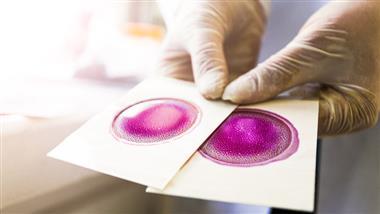
STORY AT-A-GLANCE
- Sepsis is a last-ditch effort by your immune system to fight an infection in your body; it can lead to multiple organ failure and death unless promptly treated
- While viruses, fungi and parasites all have the ability to trigger sepsis, bacterial infections are the most common cause. The most common types of infection triggering sepsis are respiratory and urinary tract infections
- Each year, an estimated 1.7 million Americans get sepsis and nearly 270,000 die as a result. The reason for its high mortality rate is because sepsis is often overlooked; many are unfamiliar with its signs and symptoms. It’s also notoriously difficult to treat
- In 2017, a critical care physician announced the discovery of a simple and inexpensive way to treat sepsis using an intravenous cocktail of vitamin C and thiamine in combination with hydrocortisone
- A 2019 study using vitamin C only found it lowered mortality risk in patients with severe sepsis, and reduced the number of days spent in intensive care and overall hospital stay
One of the leading causes of death in American hospitals is something many are still unfamiliar with: septicemia (sepsis or septic shock). Also known as blood poisoning among lay people, sepsis1 is a last-ditch effort by your immune system to fight an infection in your body, which can lead to multiple organ failure and death unless promptly treated. As explained by the National Institute of General Medical Sciences:2
“The body releases immune chemicals into the blood to combat the infection. Those chemicals trigger widespread inflammation, which leads to blood clots and leaky blood vessels. As a result, blood flow is impaired, and that deprives organs of nutrients and oxygen and leads to organ damage.
In severe cases, one or more organs fail. In the worst cases, blood pressure drops, the heart weakens, and the patient spirals toward septic shock. Once this happens, multiple organs — lungs, kidneys, liver — may quickly fail, and the patient can die.”
While viruses, fungi and parasites all have the ability to trigger sepsis, bacterial infections are currently the most common cause. The most common types of infection triggering sepsis are respiratory and urinary tract infections.3 That said, research4 has demonstrated the number of fungal-induced sepsis infections is on the rise.
The problem is that sepsis is often overlooked as many are unfamiliar with its signs and symptoms. It’s also notoriously difficult to treat. A successful outcome relies on early detection and rapid treatment.
Sepsis Is the Costliest Condition Treated in the US
Each year, an estimated 1 million Americans get sepsis5 — a dramatic increase from 1.1 million just 14 years ago in 20086,7 — and nearly 270,000 of them die as a result, a substantial dip from the nearly half a million that were dying every year in 2014.8,9,10 According to data11 from two hospital cohorts, 34.7% to 55.9% of American patients who died in hospitals between 2010 and 2012 had sepsis at the time of their death (depending on which inpatient population they were in).
Experts are now calling for recognition12 of sepsis as a distinct cause of death, hoping this will result in better clinical practice guidelines. They also stress the importance of awareness in the community and the emergency room. To this end, September 13 has been designated as the annual “World Sepsis Day” to raise awareness.13
Conventional treatment, which is typically focused on high doses of antibiotics that further contribute to antibiotic resistant bacteria, is also a tremendous financial burden. A U.S. government report14,15 published in 2016 found sepsis was the most expensive condition treated in the U.S., racking up $23.7 billion in health care costs each year; by 2022 that number had risen to $62 billion just for treatment and care.16
The good news is there’s an inexpensive treatment that has been shown to be very effective against sepsis. The bad news is the number of hospitals that have adopted it as standard of care is still limited.
Vitamin C Concoction — An Inexpensive Cure for Sepsis
In 2017, news emerged about a critical care physician who claimed to have discovered a simple and inexpensive way to treat sepsis using an intravenous (IV) cocktail of vitamin C and thiamine (vitamin B1) in combination with the steroid hydrocortisone.17,18
The precise protocol used was 200 mg of thiamine every 12 hours, 1,500 mg of ascorbic acid every six hours, and 50 mg of hydrocortisone every six hours.19
The doctor in question, Dr. Paul Marik, former chief of pulmonary and critical care medicine at Sentara Norfolk General Hospital in East Virginia, published a small retrospective before-after clinical study20,21,22 showing that giving septic patients this simple IV cocktail for two days reduced mortality from 40% to 8.5%.
Sentara Norfolk General Hospital, where Marik worked, has since made the protocol its standard of care for sepsis, and others are starting to join in. Unfortunately, many hospitals are still dragging their heels, waiting for more clinical trials to be completed.
This despite the fact that the treatment is harmless in and of itself, meaning it won’t make the patient any worse than he or she already is. A 2018 review23 of the available research presents a hypothetical model for why and how the Marik protocol actually works, discussing how each of the three components are known to impact the biological processes involved in sepsis.
As noted in that review,24 reception of the treatment has been mixed, with some critical care leaders embracing it while others aren’t using it at all. What this means is that your ability to receive this potentially life-saving treatment is dependent on the hospital where you end up.
On the upside, “Enthusiasm for this drug combination in sepsis has grown rapidly” since the release of Marik’s initial study results, and much larger studies are now underway.
One of them was the VICTAS study25 (Vitamin C, Thiamine and Steroids in Sepsis), sponsored by Emory University, which expected to have about 2,000 participants, but ended up with only 501.26 The projected completion date for this study was October 2021, but it ended early for unexplained “administrative” reasons, and concluded that the treatment didn’t “significantly increase ventilator- and vasopressor-free days within 30 days.”
However, the authors noted that the study may not have lasted long enough to detect a “clinically important difference,” so the lack of “significant” effects could be attributed to that. While I wouldn’t ordinarily include a study like this in one of my articles, I think it’s important to note that they didn’t complete it, so the presumed lack of positive results shouldn’t be used to discredit Marik’s work.
What to Do if Your Doctor Refuses to Administer This
If your doctor refuses to consider Marik’s protocol offhand, convince him or her to review the recent studies cited here that show this works.27,28,29,30,31,32,33,34,35,36 Simply look up the references in the endnotes to the previous sentence (references 24 through 33) and make copies to take to your doctor.
Alternatively, you can go to PubMed37 directly and type in “vitamin C” and “sepsis” in the search engine and you will get a list of the available research.
These articles are completely free to download. I hope you never need to access them, but if you do, you can print them and use the information to convince your medical team to use these simple life-saving strategies. If they refuse, I would strongly suggest you take control of the situation and find another doctor and/or hospital that will.
Vitamin C Alone May Lower Mortality Risk
More recently, a study38,39,40,41 led by Dr. Alpha “Berry” Fowler was published in the October 2019 issue of JAMA. The study is not reflective of the Marik protocol per se, as it only used IV vitamin C, but its results are still tantalizing.
Fowler and his team sought to investigate the effectiveness of vitamin C infusion on organ failure scores and biomarkers of inflammation and vascular injury in patients with severe sepsis and acute respiratory failure.
Curiously, while the vitamin C infusion had no detectable influence on these end points, those who received the treatment did have a higher chance of survival, and spent less time in the hospital. As reported by NPR:42
“If you read the study summary, vitamin C didn’t help the patients. But if you dig deep into the paper, you will find that the people who got the treatment were much more likely to survive … The rub comes from the way the study … was designed.”
While vitamin C alone had no impact on organ failure scores and biomarkers of inflammation, when the researchers looked at 46 secondary endpoints, they discovered the mortality rate for the treatment group actually dropped from 46% to 30%. As noted by NPR:43
“If death had been the primary endpoint of the study, this result would have been highly significant. The conclusion would strongly support the hypothesis that vitamin C is an effective treatment of sepsis.
But there’s a catch. Since Fowler and his colleagues looked at 46 secondary endpoints, it’s likely that something would randomly pop up as statistically significant. It’s as though they had 46 bites at the apple to find something meaningful …
What patients really care about, of course, is … whether they live or die. Fowler tells NPR that he now rues his decision to select an endpoint that seemed more likely to show a benefit …
Though he’s now bound by the rules of experimental design to downplay the mortality results, he personally feels a sense of success. ‘We’re all whooping and hollering because of what we found,’ he says.”
Fowler’s team also found that, on average, those who received vitamin C had by day 28 spent three fewer days in the intensive care unit than the placebo group (seven days compared to 10). By day 60, the treatment group had also spent seven fewer days in the hospital overall —15 days compared to 22.44
Vitamin C, Thiamine and Steroids Have Synergistic Effects
When asked for comment on Fowler’s study, Marik pointed out vitamin C and corticosteroids have a synergistic effect. In other words, Fowler’s study cannot really be used to judge the effectiveness of vitamin C, thiamine and steroids in combination, as it only used one of the three ingredients.
Vitamin C is well-known for its ability to prevent and treat infectious diseases on its own. Influenza,45 encephalitis and measles46 have all been successfully treated with high-dose vitamin C, and previous research has shown it effectively lowers proinflammatory cytokines and C-reactive protein.47,48,49
To investigate the mechanism of action for vitamin C in sepsis with and without steroids, Marik, in collaboration with John Catravas, Ph.D., a pharmacology researcher at Old Dominion University, and others performed a study50 in which endothelial cells from lung tissue were exposed to lipopolysaccharide — a type of endotoxin found in patients with sepsis — in the absence or presence of ascorbic acid and hydrocortisone.
Interestingly, when either vitamin C or the steroid were administered in isolation, very little improvement in endothelial barrier function occurred. When administered together, however, the infection was successfully eradicated and the cells were restored to normal.
The addition of thiamine is also important. Not only is thiamine required for metabolism of some of the metabolites of vitamin C, thiamine deficiency syndrome (beriberi) has many similarities to sepsis, and thiamine deficiency is relatively common in critically ill patients.51
Studies have also shown thiamine can be helpful for a long list of diseases and disorders, including mitochondrial disorders,52 heart failure,53 delirium,54 thyroid fatigue and Hashimoto’s (a thyroid autoimmune disorder).55 These and other health effects may help explain why thiamine works so well in conjunction with vitamin C and hydrocortisone for sepsis.
Marik told NPR that Fowler’s study does highlight two important things, though. First, that there are no side effects of vitamin C infusion in critically ill patients and, second, a lowered mortality risk. “You can argue about all the statistical nuances, but that’s what the study showed,” Marik told NPR.56
Potential Contraindication
While vitamin C and thiamine administration is incredibly safe, it may be contraindicated if you happen to be glucose-6-phosphate dehydrogenase (G6PD) deficient, which is a genetic disorder.57 G6PD is an enzyme your red blood cells need to maintain membrane integrity.
High-dose IV vitamin C is a strong prooxidant, and giving a prooxidant to a G6PD-deficient individual can cause their red blood cells to rupture, which could have disastrous consequences.
Fortunately, G6PC deficiency is relatively uncommon, and can be tested for. People of Mediterranean and African descent are at greater risk of being G6PC deficient. Worldwide, G6PD deficiency is thought to affect 400 million individuals, and in the U.S. an estimated 1 in 10 African-American males have it.58
Know the Signs and Symptoms of Sepsis
One of the most important steps you can take to protect your health is to recognize the symptoms of sepsis and seek immediate medical attention if you suspect it.
It is important not to make a diagnosis at home. Instead communicate your concerns with a medical professional so that proper testing and treatment can be implemented. Common signs and symptoms of sepsis include the following.59,60,61 Many of these symptoms may be confused with a bad cold or the flu. However, they tend to develop much more rapidly than you would normally expect.
| A high fever with chills and shivering | Rapid heartbeat (tachycardia) |
| Rapid breathing (tachypnea) | Unusual level of sweating (diaphoresis) |
| Dizziness | Confusion or disorientation |
| Slurred speech | Diarrhea |
| Difficulty breathing, shortness of breath | Severe muscle pain |
| Low urine output | Cold and clammy skin |
| Skin rash | Nausea and/or vomiting |
The Sepsis Alliance recommends using the acronym TIME to remember some of the more common symptoms:62
- T — Temperature higher or lower than normal?
- I — Have you now or recently had any signs of an infection?
- M — Are there any changes in mental status, such as confusion or excessive sleepiness?
- E — Are you experiencing any extreme pain or illness; do you have a “feeling you may die?”
Post-Sepsis Syndrome
While some will recover fully from sepsis, for many the problems do not end at discharge from the hospital. Survivors may suffer physical, psychological and/or neurological consequences for the rest of their lives. For some survivors, their immune function can remain depressed for as long as a year after their recovery, resulting in frequently recurring infections.
The combination of symptoms is called post-sepsis syndrome and usually last between six and 18 months. Symptoms of post sepsis syndrome may include:63,64
| Lethargy (excessive tiredness) | Changes in peripheral sensation | Repeated infections at the original site or a new infection |
| Poor mobility | Muscle weakness | Shortness of breath |
| Chest pains | Swollen limbs | Joint and muscle pains |
| Depression, mood swings, anxiety or sadness | Hair loss | Dry flaking skin and nails |
| Taste changes | Poor appetite | Changes in vision |
| Difficulty swallowing | Reduced kidney function | Feeling cold |
| Excessive sweating | Post-traumatic stress disorder | Flashbacks and nightmares |
| Poor concentration and clouded thinking | Insomnia | Short-term memory loss |
There is no specific treatment for post-sepsis syndrome, but most get better over time. The U.K. Sepsis Trust65 recommends managing individual symptoms and supporting optimal health as you’re recovering.
Not all medical professionals are aware of post-sepsis syndrome, so it may be helpful to talk about your symptoms and ask for a referral to someone who may help manage your mental, physical and emotional challenges.
How to Reduce Your Risk of Sepsis
Again, part of what makes sepsis so deadly is people typically do not suspect it, and the longer you wait to treat it, the deadlier it gets.66 If you develop an infection, stay alert to symptoms of sepsis and seek immediate medical attention if they appear. Even health care workers can miss the signs and delay treatment.
While health care workers have a responsibility to prevent infections that could potentially turn septic and to educate patients about warning signs of sepsis, you can lower your own risk by:
• Promptly treating urinary tract infections (UTIs) — UTIs are the second most common type of infection,67 and one-quarter of sepsis cases are related to UTIs.68
Conventional treatment typically involves antibiotics, but research69,70 shows that UTIs caused by E. coli — which comprise71 90% of all UTIs — can be successfully treated with D-Mannose, a naturally occurring sugar that’s closely related to glucose.
• Properly cleaning skin wounds — About 1 in 10 sepsis cases are due to skin infections, so always take the time to properly clean and care for wounds and scrapes. Wash the wound with mild soap and water to clean out dirt and debris, then cover with a sterile bandage. Diabetics should follow good foot care to avoid dangerous foot infections.
• Caring for any chronic illness affecting your risk of sepsis — Research has found illnesses that increase your risk may include chronic lung disease, chronic kidney disease, diabetes, stroke and cardiovascular disease.72
• Avoiding nail biting — One study found 46.9% of the participants were nail biters.73 Exposure of the delicate skin underneath the nail, transferred from your mouth or acquired from the environment, increases your risk of infection.
• Avoiding infections in hospitals — When visiting a health care facility, be sure to wash your own hands, and remind doctors and nurses to wash theirs (and/or change gloves) before touching you or any equipment being used on you.
If you have to undergo a colonoscopy or other testing using a flexible medical scope, remember to call and ask how they clean their scopes and what kind of cleaning solution they use.
If the answer is glutaraldehyde (brand name Cidex), find another hospital or clinic — one that uses peracetic acid. This preliminary legwork will significantly decrease your risk of contracting an infection from a contaminated scope.
- 1 Centers for Disease Control and Prevention, What is Sepsis?
- 2, 59 National Institute of General Medical Sciences, Sepsis
- 3, 64 World Sepsis Day, Sepsis
- 4 Expert Review of Anti-Infective Therapy 2012; 10(6):701
- 5 NIH. Sepsis
- 6 CDC Inpatient Care for Septicemia or Sepsis
- 7 Mayo Clinic, Sepsis
- 8 PharmacoEconomics. 2004;22(14):895-906
- 9 NIH.gov Sepsis Fact Sheet
- 10 Advisory Board, May 21, 2014
- 11 JAMA, 2014; 312(1):90
- 12, 60 World Sepsis Day, Sepsis FAQ
- 13 World Sepsis Day
- 14 HCUP Statistical Brief #204, May 2016, Table 1
- 15 Sepsis Alliance News, July 30, 2016
- 16 Persown. The Economic Burden of Sepsis
- 17 NPR March 23, 2017
- 18 NBC4i.com March 23, 2017
- 19, 20 Chest June 2017; 151(6): 1229-1238
- 21 Dr. Malcolm Kendrick, January 28, 2017
- 22 Science Daily June 26, 2017
- 23 Critical Care 2018; 22: 283
- 24 Critical Care 2018; 22: 283, Ascorbic acid, corticosteroids and thiamine for the treatment of sepsis in current practice
- 25 Clinical Trials VICTAS, Clinical trial identifier: NCT03509350
- 26 JAMA. February 23, 2021
- 27 J Clin Med. 2019 Apr 9;8(4). pii: E478
- 28 Ann Intensive Care. 2019 May 20;9(1):58
- 29 J Thorac Dis. 2019 Apr;11(4):1562-1570
- 30 Trials. 2019 Jul 11;20(1):420
- 31 Crit Care. 2019 Jul 30;23(1):265
- 32 Nutrients. 2019 Aug 23;11(9). pii: E1994
- 33 Journal of Clinical Medicine January 16, 2019’ 8(1): E102
- 34 Indian Journal of Anaesthesia December 2018; 62(12): 934-939
- 35 Nutrients November 14, 2018; 10(11): E1762
- 36 Critical Care October 29, 2018; 22(1): 283
- 37 Pubmed
- 38 JAMA October 1, 2019;322(13):1261-1270
- 39, 44 Health Canal October 1, 2019
- 40 Science Daily October 1, 2019
- 41 Medical Xpress October 1, 2019
- 42, 43, 56 NPR October 1, 2019
- 45 Journal of Manipulative and Physiological Therapeutics 1999 Oct;22(8):530-3
- 46 Clinical Guide to the Use of Vitamin C by Fredrick R. Klenner, MD
- 47 Journal of Translational Medicine 2012; 10: 189
- 48 Riordan Clinic Press Release October 2012
- 49 Naturalhealth365.com November 22, 2016
- 50 Chest 2017 Nov; 152(5): 954–962
- 51 Critical Care 2018; 22: 283, Thiamine
- 52 Mayo Clinic, Thiamine
- 53 Heart Failure July 2013, DOI: 10.1111/chf.12037
- 54 Innovations in Clinical Neuroscience 2013 Apr; 10(4): 26–32
- 55 Thyroidpharmacist.com February 3, 2015
- 57, 58 NIH.gov Glucose-6-Phosphate Dehydrogenase Deficiency
- 61 Medical News Today, October 23, 2018
- 62 Sepsis Alliance, December 14, 2018
- 63, 65 Sepsis Trust, Post Sepsis Syndrome
- 66 Consumer Reports, August 23, 2016
- 67 Medline Plus UTI’s
- 68 Journal of Global Infectious Diseases 2009 Jan-Jun; 1(1): 57–63
- 69 Urology Research 1983;11(2):97-102
- 70 Kresser Institute September 22, 2016
- 71 Transl Androl Urol 2017 Jul; 6(Suppl 2): S142–S152.
- 72 Plos|One, 2012;7(10)
- 73 Acta Derm Venereol 2014; 94: 67–71
A Staggering Number of Athletes Collapsed This Past Year
Reproduced from original article:
https://articles.mercola.com/sites/articles/archive/2022/04/19/athletes-collapse-after-covid-vaccine.aspx
The original Mercola article may not remain on the original site, but I will endeavor to keep it on this site as long as I deem it to be appropriate, and will not be bullied into removing it.
Analysis by Dr. Joseph Mercola Fact Checked April 19, 2022
STORY AT-A-GLANCE
- More than 769 athletes have collapsed on the field during a game from March 2021 to March 2022
- The shocking statistic was revealed by One America News Network (OAN), which also found the average age of the athletes who suffered cardiac arrest is just 23 years old
- An updated report by Good Sciencing, a team of investigators, news editors, journalists and “truth seekers,” has detailed 890 cardiac arrests and other serious issues among athletes, including 579 deaths, following COVID-19 shots
- With cases like these becoming impossible to ignore, even a mainstream media sports channel in Australia speculated that the health issues could be linked to COVID-19 shots, and one of the hosts acknowledged that multiple players have suffered from heart issues and Bell’s palsy following COVID-19 booster shots
More than 769 athletes have collapsed on the field during a game from March 2021 to March 2022. The shocking statistic was revealed by One America News Network (OAN), which also found the average age of the athletes who suffered cardiac arrest is just 23 years old.1 The unprecedented surge in cardiac arrest and other heart issues among elite athletes coincides with the rollout of COVID-19 jabs.
The Miami Open made headlines in early April 2022 after 15 players — all of whom had reportedly received COVID-19 injections2 — dropped out. Among them were favorites Paula Badosa and Jannik Sinner. Badosa left the court in tears after becoming unwell, and Sinner’s opponent said he saw him “bend over” on the court, noting “it was very strange.”3 Even the fans were confused, with one stating, “What is going on?”4
As Pearson Sharp of OAN explained, “These are just two of more than 769 athletes who have collapsed during a game, on the field, over the last year.” He continued:5
“How many 23-year-old athletes were collapsing and suffering heart attacks before this year? Do you know any 23-year-old people who had heart attacks before now? And these are just the ones we know about. How many have gone unreported? Nearly 800 athletes — young, fit people in the prime of life — falling down on the field. In fact, 500% more soccer players in the EU are dropping dead from heart attacks than just one year ago.
Coincidence? When the Pfizer vaccine is known to cause heart inflammation? No. In fact, many doctors treating these players list their injuries and deaths as being directly caused by the vaccine … This is not a coincidence.”
VAERS May Not Show the Whole Picture
As of April 1, 2022, the Vaccine Adverse Event Reporting System (VAERS), which is where adverse events caused by COVID-19 jabs in the U.S. are supposed to be collected, lists 26,693 deaths along with 147,677 hospitalizations in association with the COVID-19 shot.6 There are also 13,677 heart attacks and 38,024 cases of myocarditis (inflammation of the heart muscle) and pericarditis (inflammation of the tissue sac surrounding the heart).
Myocarditis and pericarditis cause symptoms such as chest pain, shortness of breath and a fluttering or pounding heart. Cases have occurred most often after mRNA COVID-19 injections (Pfizer-BioNTech or Moderna), particularly in male adolescents and young adults, according to the CDC. Further, myocarditis occurs more often after the second injection, usually within a week.7
Past investigations have shown only between 1%8 and 10%9 of adverse reactions are ever reported to VAERS, which is a passive, voluntary reporting system, so the actual number could be much higher. Kyle Warner is one athlete who filed a VAERS report about his own health injuries following the COVID-19 jab. It took him 45 minutes to complete — a length of time that many doctors can’t or won’t devote when it comes to reporting adverse vaccine reactions seen among their patients.
Warner, who is 29 years old, was at the peak of his career as a professional mountain bike racer when, in June 2021, he got his second dose of Pfizer’s COVID-19 shot. He suffered a reaction so severe that, months later, he was still spending days in bed, easily overwhelmed by too much mental or physical exertion.
“I believe where there is risk, there needs to be choice,” he said.10 Instead, “People are being coerced into making a decision based on lack of information versus being convinced of a decision based on total information transparency.”11 Despite the rising number of adverse effects being reported in VAERS, top government officials, such as NIAID director Dr. Anthony Fauci and CDC director Dr. Rochelle Walensky, have attempted to discredit it.
Most notably, this occurred during a Senate hearing when both individuals implied that if a person had received the jab and was then killed in a car accident, it’s possible it could be recorded in VAERS as a vaccine injury.12 However, while anyone can make a report to VAERS — a component that critics use to claim that VAERS can contain errors and even false claims — due to the lengthy and complicated submittal process, adverse events are notoriously under- — not over- — reported.
Shocking Stories of Athletes Harmed by COVID-19 Jabs
Warner developed pericarditis, postural orthostatic tachycardia syndrome (POTS) and reactive arthritis following his second dose of Pfizer’s COVID-19 shot.13 Again, he’s a young, world-class athlete whose life has been sidelined by the shots.
Unfortunately, many doctors are unwilling to acknowledge that the COVID-19 shots might be related to patients’ injury complaints, and many who have been injured find their stories have remained hidden from public view, with YouTube, Instagram, Facebook and other social media platforms censoring their personal stories and videos. Some, however, have made it through to mainstream media, including:
• Florian Dagoury, a world record holder in static breath-hold freediving. After receiving his second dose of Pfizer’s COVID-19 injection, he experienced increased heart rate and a reduction in his breath-holding capacity. A cardiologist diagnosed him with myocarditis and pericarditis.14 As a result of the shots, Dagoury’s career may be over.
• Jeremy Chardy, a 34-year-old professional tennis player ranked 73rd in the world, suspended his season due to a severe adverse reaction to the COVID-19 shot, which left him unable to engage in intense activity.15
• Veteran triathlete Antoine Méchin, 32, is facing the potential end to his career after receiving Moderna COVID-19 injections. After his second dose, he began to experience shortness of breath and low-back pain, which turned out to be a pulmonary embolism.
The symptoms, which included breathing problems and arm pain, started after the first dose, but doctors brushed off his shortness of breath as related to stress and fatigue. About a month after his second dose, shortness of breath and body pain returned. Only after testing at a sports clinic was the pulmonary embolism revealed.16
Unprecedented Cases of Athletes Collapsing and Dying
U.K. football legend and sports commentator Matt Le Tissier, featured in the video above, is among those who have been speaking out about the large number of athletes who have collapsed or died on the field — and he lost his job as a commentator because of it. In an interview with Red Voice Media, Le Tissier is asked about his thoughts on the surge of cardiac events in the sporting world, to which he responded:17
“I’ve never seen anything like it. I played for 17 years. I don’t think I saw one person in 17 years have to come off the football pitch with breathing difficulties, clutching their heart, heart problems …
The last year, it’s just been unbelievable how many people, not just footballers but sports people in general, tennis players, cricketers, basketball players, just how many are just keeling over. And at some point, surely you have to say this isn’t right, this needs to be investigated.”
By December 2021, 300 reports of athletes collapsing, and some dying, had already been collected,18 including high-profile European Soccer star Adama Traore, who clutched his chest and collapsed on the field. An updated report by Good Sciencing, a team of investigators, news editors, journalists and “truth seekers,” has detailed 890 cardiac arrests and other serious issues among athletes, including 579 deaths, following COVID-19 shots.19
They’re maintaining a “nonexhaustive and continuously growing list of mainly young athletes who had major medical issues in 2021/2022 after receiving one or more COVID vaccines” and note:20
“It is definitely not normal for so many mainly young athletes to suffer from cardiac arrests or to die while playing their sport, but this year it is happening. Many of these heart issues and deaths come shortly after they got a COVID vaccine. While it is possible this can happen to people who did not get a COVID vaccine, the sheer numbers clearly point to the only obvious cause.
… Initially, many of these were not reported. We know that many people were told not to tell anyone about their adverse reactions and the media was not reporting them. They started happening and ramping up after the first COVID vaccinations.
The mainstream media still are not reporting most, but sports news cannot ignore the fact that soccer players and other stars collapse in the middle of a game due to a sudden cardiac arrest. Many of those die — more than 50%.
We also note that many posts in Facebook, Instagram, twitter, forums and news stories are being removed. So now we are receiving some messages saying there is no proof of the event or of vaccination status. That is partly because this information is being hidden.”
Gary Dempsey, a professional soccer player with a nearly two-decade career, also tweeted just how unusual the recent wave of cardiac events among athletes is:21
“Was a professional for nearly 20 years. From 1996. Played nearly 500 games. Club and international level. Never ever was there 1 cardiac arrest. Either in the crowd or a player. It’s actually quite scary.”
Heart Issues and Bell’s Palsy ‘Through the Roof’

With cases like this becoming impossible to ignore, the “Sunday Footy Show” panel speculated that the health issues could be linked to COVID-19 shots, and one of the hosts acknowledged that multiple players have suffered from heart issues and Bell’s palsy following COVID-19 booster shots. “Wards filled with people suffering the same issues,” he said.23
Former professional footballer Matthew Lloyd, who was recently diagnosed with Bell’s palsy, stated, “Heart issues and Bell’s palsy have gone through the roof since the boosters and Covid issues.”24
During phase 3 clinical trials of mRNA COVID-19 shots, more cases of facial paralysis occurred in the vaccine groups (seven out of 35,654) compared to the placebo group (one out of 35,611), leading the U.S. Food and Drug Administration to recommended monitoring vaccine recipients for facial paralysis.25
Lloyd also said that he’s heard of many cases of heart issues similar to Wines’. “We had [sports journalist] Michelangelo Rucci on … and he said that there’s a ward filled with people with similar symptoms to Ollie Wines — nausea, heart issues — so there has to be something more to it.”26
It’s well known that toxic spike proteins can circulate in your body after infection or COVID-19 injection, causing damage to cells, tissues and organs. As your heart beats faster during intense athletic activity, the spike proteins are able to circulate faster throughout your body, pointing to a potential reason why so many athletes are collapsing on the field.
It’s important that these stories are heard, so if you or a loved one has been injured by a COVID-19 injection, please share your story with us and encourage others you know who have a story to share theirs as well.
- 1 The Gateway Pundit April 8, 2022
- 2 Need to Know News April 3, 2022
- 3, 4 Principia Scientific International April 7, 2022
- 5 OAN News April 10, 2022, 3:51
- 6 Open VAERS, COVID-19 Vaccine Data
- 7 U.S. CDC November 12, 2021
- 8 The Vaccine Reaction January 9, 2020
- 9 BMJ 2005;330:433
- 10 YouTube, Dr. John Campbell, Kyle’s Vaccine Complication October 21, 2021, 1:01
- 11, 13 YouTube, Dr. John Campbell, Kyle’s Vaccine Complication October 21, 2021, 41:51
- 12 YouTube, January 11, 2022, Min 2:49:30
- 14 Newsbreeze November 6, 2021
- 15 Sport24 September 24, 2021
- 16 Banned News October 27, 2021
- 17 Rumble, February 1, 2022, Minute 23:30 – 24:35
- 18 The Gateway Pundit December 6, 2021
- 19, 20, 21 Good Sciencing, Real Science
- 22 Twitter, Luke Rudkowski April 11, 2022
- 23, 24, 26 Mail Online April 10, 2022
- 25 JAMA Internal Medicine April 27, 2021