Kidney
now browsing by category
Muscle Mass — The Key to Longevity
Reproduced from original article:
https://articles.mercola.com/sites/articles/archive/2022/04/10/muscle-mass-key-to-longevity.aspx
The original Mercola article may not remain on the original site, but I will endeavor to keep it on this site as long as I deem it to be appropriate, and will not be bullied into removing it.
Analysis by Dr. Joseph Mercola Fact Checked April 10, 2022
STORY AT-A-GLANCE
- Muscle-centric medicine is part of the solution for many chronic health problems, as most are rooted in skeletal muscle insulin resistance
- Resistance training is superior to cardio exercise because muscle mass optimizes you for longevity. The greater your muscle mass, the higher your survivability against all diseases
- You need protein reserves to survive serious disease, and most of your protein reserve is stored in muscle. If you have very little muscle, you’re going to pass away prematurely because you have no amino acid reserves. Your muscle also interfaces with your immune system
- It’s never too late to start building muscle, even if you’re in your 70s or even 80s, using diet and exercise
- High-quality animal protein is essential for muscle growth. Most people need 1 gram of protein per pound of ideal body weight (the weight you would ideally be). Divide that by the number of meals you eat to get your per-meal quota which, for older adults should be around 30 to 50 grams per meal
In this interview, Dr. Gabrielle Lyon, an osteopathic physician, reviews what I believe is one of the best health optimizing strategies there is, namely strength training. She’s a graduate of Midwestern University and has spent a good part of her professional career focusing on how to increase strength and muscle mass, which is an often-overlooked foundation for health and longevity.
Muscle Mass Is a Key to Longevity
Lyon and I both strongly believe muscle-centric medicine is part of the solution for many chronic health problems, including obesity, yet very little attention is given to it.
“Obesity, Alzheimer’s diabetes and cardiovascular disease actually begin in skeletal muscle, years before they become apparent,” she says. “Obesity, diabetes, these are diseases of skeletal muscle insulin resistance.
But what’s so shocking is that everyone is focused, especially in the medical community, on attacking obesity, as opposed to fixing the underlying problem, which is really augmenting skeletal muscle and optimizing muscle with nutrition, which is primary, and training, secondary.”
As explained by Lyon, while there’s certainly benefit to cardiovascular exercise — mitochondrial biogenesis, for example — resistance training is far more foundational to your long-term health, because skeletal muscle is the organ of longevity. Muscle mass optimizes you for longevity.
The greater your muscle mass, the higher your survivability against all diseases, including cancer. According to Lyon, cachexia, for example — the loss of muscle mass — kills 1 in 5 cancer patients.
You need protein reserves to survive serious disease, and most of your protein is stored in muscle. If you have very little muscle, you’re going to pass away prematurely because you have no amino acid reserves. Your muscle also interfaces with your immune system.
“Listen, aging can be highly catabolic. There’s this immunosenescence that happens. The body doesn’t regulate the way that it used to. But moving and contracting skeletal muscle is the best defense that we have,” Lyon says.
Muscle Is Your Metabolic Regulator
As explained by Lyon, muscle is the regulator of your metabolism, and here’s why:
“Skeletal muscle is your primary site for glucose disposal — 80-some percent. Individuals who are struggling with elevated blood sugar, elevated glucose, elevated triglycerides, skeletal muscle is your primary site for disposal and utilization of these nutrients, these substrates. Having healthy skeletal muscle will manage that metabolic currency.
It’s really interesting because, as we age, the health of muscle decreases [unless] we become extremely focused on stimulating muscle through diet — I think the diet is most important because it is accessible to everybody — [and] resistance training and cross training … [resulting] in states like diabetes, hypertension, cardiovascular disease. Insulin resistance actually begins in skeletal muscle.”
The good news it’s never too late to start building muscle, even if you’re in your 70s or even 80s, using diet and exercise. It becomes more difficult to add muscle with advancing age, yes, but it’s far from impossible. To prove it is possible, I’m 67, and over the past year, I’ve put on 25 pounds of muscle mass and now weigh over 200 pounds.
The Case for Animal Protein
In terms of diet, skeletal muscle requires high-quality dietary protein, ideally animal protein, to stimulate muscle protein synthesis. There’s 20 amino acids and nine of them are essential, which means you have to get them from your diet, as your body cannot make them from other substrates. In particular, skeletal muscle requires branched-chain amino acids — leucine, isoleucine and valine.
Must you eat animal protein? No, but one of the problems with avoiding animal protein is that it is quite difficult to obtain enough complete essential amino acids, especially branched chained amino acids to stimulate mTOR.
While there are plants that are high in protein, they’re not identical or even equivalent to animal protein in most cases. Certain micronutrients found in animal foods you simply cannot get from plants. This includes vitamin B 12, vitamin A (retinol not beta-carotene), creatine, bioavailable iron, carnitine and carnosine, all of which are important for muscle growth and health in general. Lyon comments:
“I consider high-quality protein to be animal-based proteins. That’s not to say, if you are an individual who is vegan or vegetarian, that you cannot get the same amount of protein. You can, but that would require additional supplementation …
But one has to understand that 30 grams of protein from hemp is different from 30 grams of protein from, say, a chicken breast. (NOTE: I don’t advise anyone to eat chicken because of the high linoleic acid content).
In fact, as you age, it becomes really important to realize that, if you are going to try to get your protein from, say, quinoa — people say quinoa is high in protein — it would take 6 cups of quinoa to get the equivalent of one 3-ounce chicken breast.
So, if you are listening to this, I really want you to take to heart that you need to focus on high quality proteins, and if you are vegan or a vegetarian, that you need to then supplement with something — some branched-chain or essential amino acids — in addition to your meal.”
On a side note, glutamine, a nonessential amino acid (meaning your body can generate it) is an important nutrient source for your immune cells, and the way your body generates glutamine is through muscle contraction. So, when you’re contracting skeletal muscle, you’re quite literally nourishing your immune system!
Finding Your Ideal Protein Intake
To determine your personal protein requirement, Lyon recommends 1 gram of protein per pound of ideal body weight (the weight you would ideally be, not necessarily the weight you are now). Once you have that number, you can divide it by the number of meals you eat to get your per-meal quota which, for older adults should be around 30 to 50 grams per meal.
For reference, there’s approximately 7 grams of protein in each ounce of steak, so a 5-ounce steak would give you 35 grams of high-quality protein. For children, the average amount per meal is around 5 to 10 grams, while young adults typically can get away with 20 grams per meal.
For most normal-weight adults, 30 grams per meal is really the minimum you need to stimulate muscle protein synthesis. If you have a robust strength training program, you may need to go even higher. To make sure you’re getting enough protein in your meals, consider using a free nutritional tracker like Cronometer. That way, you’re not guessing.
Will a High-Protein Diet Harm Your Kidneys?
Some avoid protein for fear it might damage their kidneys. People with chronic renal failure do need to limit their protein intake so as not to tax their kidneys, but if your kidneys are healthy, you don’t need to worry about this. Lyon explains:
“I think the majority of individuals have healthy kidney function. Actually, protein intake has been shown to improve glomerular filtration rate, not have a negative impact. The body should be capable to manage high-quality protein without an issue, and there’s been multiple meta analysis with individuals with healthy kidneys in terms of protein consumption. It’s another falsehood.
The same thing with osteoporosis. People will say, ‘You don’t want to each too much protein because it’s bad for your bones.’ Well, what do people think bones are made of? Bones are made of proteins. Yes. They are made of calcium, but the requirement is through protein. [Editor’s note: Protein is the matrix that holds the calcium]. So, that’s another falsehood.
When I went through my geriatric training, it became so apparent that what we were seeing in clinic, and what we were doing to protect aging individuals was so vastly different than what was out in the public sphere.
It’s interesting. Individuals can ride the wave of youth for only so long, and then what ultimately happens is, as you age, you have to get good information, because the wiggle room for mistakes and the wiggle room for actually executing important and correct information becomes less …
[Protein] is the one nutrient that will really be able to save people’s lives. It is the pinnacle, because it protects skeletal muscle. Yes, carbohydrates have a protein sparing effect. Yes, you can do a ketogenic diet, and there may be protein sparing effects. But the question I would ask is why?
We know we need to prioritize protein because we have to optimize skeletal muscle. It is important for neurotransmitters. It is important for the immune system. It is important for regulation for mucin from gut lining. It is important for all things in the body, hands down, and it’s essential.
Skeletal muscle goes through this process of anabolic resistance, and as we age, the efficiency [decreases]. Muscle is also a nutrient sensing organ. Its efficiency to utilize and sense protein decreases as we age.”
Should You Work Out Fasted?
I believe time restricted eating (TRE) is best done 16 to 20 hours a day, every day. Sixteen to 18 hours is probably the sweet spot. This schedule will give you virtually all the same benefits as calorie restriction with respect to longevity benefits, but without any of the downsides, the primary one being compliance.
I prefer to do my workout in a fasted state, followed by an infrared sauna and swim, and then break my fast afterward. This will reduce the carbohydrate load in the muscles as they’re using up glucose during the workout. This, in turn, gives you the additional benefits of autophagy.
Lyon also points out that when muscle contracts, it releases myokines, which play a role in both lipolysis (the breakdown of fat) and glucose utilization. When you train in a low-glycogen fasted state, myokine release is increased.
While we’re on the topic of time-restricted eating, this will also help prevent excessive activation of the mechanistic target of rapamycin (mTOR). As explained by Lyon, mTOR is found in every tissue and responds to different nutrients and stimuli, including dietary protein, insulin, carbohydrates and exercise.
About five years ago, largely due to Dr. Ron Rosedale, co-founder of the Colorado Center for Metabolic Medicine, I was concerned about too much protein stimulating mTOR so I restricted my protein intake. However, mTOR is activated not only by protein but also by carbohydrates. A key misunderstanding about mTOR is that it’s not protein that’s the problem, or even carbs. You stimulate mTOR on a vegetarian diet as well.
The other more serious issue is that most people eat more or less continuously throughout each day, which will keep mTOR continuously activated. When you’re eating all your meals within a window of, say, six to eight hours, and fasting for the remaining 16 to 18 hours, mTOR gets stimulated only once or twice a day, which is not a problem.
mTOR is best activated twice a day in a pulsatile fashion. When you activate it continuously as most people do, it can lead to an increase in risk in diseases like cancer.
Timing of Your Post-Workout Meal
As for the timing of your post-workout meal, Lyon disagrees with the common notion that protein feeding can occur any time after your workout as long as it’s within 24 hours.
The current recommendation is very low for exercise. It’s 150 minutes per week … I would say that’s probably the bare minimum that anybody should do, not the optimal; 30 minutes of moderate intensity exercise, five days a week, is likely not going to be enough. ~ Dr. Gabrielle Lyon
She believes it’s far better to eat that meal shortly after exercise. “In a geriatric population, we know that blood flow is optimized post-training, and we know that adding in a protein meal right after training … is extremely beneficial,” Lyon says. This goes for carbs too.
“To gain muscle mass, you do need calories,” she says. “Protein and carbohydrates play a different role post-training, whether one is for glycogen repletion versus muscle protein synthesis or muscle repair, both are very valuable.”
Are You Getting Enough Exercise?
When it comes to executing an exercise program to optimize muscle, Lyon recommends working with an experienced coach to create a suitable program.
“Volume is very important, and volume is exactly what it sounds like, it’s the amount of repetitions. It’s all cumulative in terms of weight and repetition. That is what we have seen in the literature. When you are new [to exercise], it is much easier to stimulate muscle tissue. So, if you are an untrained individual, you could get away with 10 sets per week.
I preface this by saying I don’t actually develop training programs for individuals. I think doing this in-person with a professional trainer is really where you’re going to get your benefit, because they can watch you. They can determine what moves you need to do.
You don’t want to get injured, because injury really sets individuals back. There are certain groups of people that may have a predisposition to get injured, for example, an individual with hypothyroidism. I see that they have poor tissue turnover. They get joint pain. The recovery tends to be a bit of an issue, so getting with someone who knows what they’re doing is really important.
That said, the current recommendation is very low for exercise. When I say very low, it’s 150 minutes per week. That could be 30 minutes, five days a week of exercise … I would say that’s probably the bare minimum that anybody should do, not the optimal, but the bare minimum; 30 minutes of moderate intensity exercise, five days a week, is likely not going to be enough.”
Exertion Is Important
A key part of resistance training is actually exerting yourself. “It’s called resistance exercise for a reason,” Lyon says. “There needs to be a component of effort that I don’t see people putting in.” If you’re on your phone or watching TV, chances are you’re not putting in sufficient effort.
“It’s not just about putting in the time. I expect you to execute in a way that requires focus and a way that requires exertion that is intense enough that you are fatigued … I would consider going to failure. Perceived exertion is really important.
There’s a mind-muscle connection. You can do a lot of movements, but it doesn’t mean you’re actually targeting the muscle group that you are intending to target. If you do a certain exercise, maybe you’re going to do a squat, and perhaps you compensate in a different way. You use your quads more than you use your hamstring or your glute.
Really focusing on the muscle that you are training is of extraordinary importance. You do need to create muscle damage. You do need to change the metabolic homeostasis in your body. You do need to have enough recovery, enough nutrients for recovery, but you do have to tax that muscle, and one way in which you tax the muscle is through effort.
One way that you also tax and understand the effort is through perceived exhaustion. I’m not saying you have to train to maximum exhaustion, but, if we are thinking about how to really step up and protect ourselves as we age, people are always looking for this external fountain of youth. It’s not.
It’s not something you’re going to take in. The fountain youth truly is within this muscle system as the organ of longevity. That’s how people are going to really excel and change the trajectory of the way in which they age.”
Blood Flow Restriction (BFR) Training
An excellent strategy that can allow even the elderly to get a very intense workout while minimizing the risk of injury is blood flow restriction (BFR) training. KAATSU is the original BFR device, developed in Japan. With BFR, you can get the same results with just 30% of the weight you’d have to use otherwise. As explained by Lyon:
“[With BFR], your body will recognize the same stimulus, growth factors, cell turnover, as you would if you were lifting heavier weights. It can be very valuable, especially when you are just starting out. Again, do it with a professional … Something else that’s interesting is electro stim suits, [but they’re] a lot more expensive.”
While we didn’t have enough time to really cover BFR in our interview, you can go to Bitchute and type in KAATSU and you will find my previous interviews on this topic. I know it is a bit pricey, which is why I was able to work out a deal with the manufacturer if you use the discount code. You’ll find the discount code in the video description by clicking “MORE+” on any of the videos there.
I have been doing KAATSU for a few years now along with increasing my protein intake to 1.6 grams/kg of my body weight, which is about 150 grams of protein for me. To illustrate that you can have quite a dramatic change in your body by these techniques, the picture below is from my medical school days about 40 years ago. My arm size was 11 inches.
Interestingly I just talked to the guy with the glasses who was a classmate in school, Jay Bishop. He’s a urologist in Arizona and his adorable wife Sue is on the left. She has had Type 1 diabetes for over 50 years and still doing well with virtually no complications.

The video below shows my arms that are now 15 inches, while I’m deadlifting 370 pounds.
More Information
To learn more about protein and Lyon’s muscle-centric approach to health, check out her YouTube channel and/or sign up for her newsletter. If you’re ready to make some serious changes and take your health to the next level, you can contact the Institute for Muscle Centric Medicine, which Lyon founded. Lyon is also active on Instagram.
The Healthy Sugar Substitute You’ve Likely Never Heard About
Reproduced from original article:
https://articles.mercola.com/sites/articles/archive/2022/03/28/what-is-nadph-and-nox.aspx
The original Mercola article may not remain on the original site, but I will endeavor to keep it on this site as long as I deem it to be appropriate, and will not be bullied into removing it.
Analysis by Dr. Joseph Mercola – Expert Review by James DiNicolantonio, Pharm.D Fact Checked

STORY AT-A-GLANCE
- Glycine is mildly sweet and can be used as a sugar substitute in tea or coffee
- Glycine and collagen (an outstanding source of glycine) inhibit the consumption of NADPH, thereby lowering inflammation and oxidative damage
- NADPH oxidase is typically abbreviated as NOX. Inhibiting NOX is an effective way to increase NADPH and your cells’ ability to reduce oxidative stress
- NADPH is used as a reductive reservoir of electrons to recharge antioxidants once they become oxidized. NADPH is also necessary to make your steroid hormones and fats
- Preventing many chronic diseases requires finding a means of inhibiting or modulating NOX. Such strategies include avoiding fructose, practicing nutritional ketosis and supplementing with spirulina, niacin, glycine and collagen
- Glycine supplementation may be beneficial for the prevention and/or treatment of metabolic syndrome, complications from diabetes, cardiac hypertrophy and alcoholic and nonalcoholic liver disorders
This article was previously published February 4, 2019, and has been updated with new information.
As you probably know, inflammation and oxidative damage are primary drivers of most chronic diseases. What you may not be aware of is the importance of nicotinamide adenine dinucleotide phosphate hydrogen (NADPH) and NADPH oxidase, typically abbreviated as NOX, in these processes.
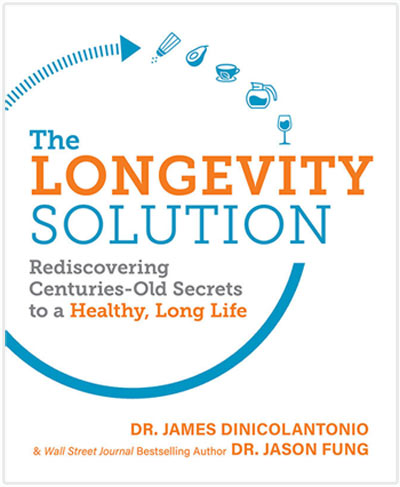
In a recent paper,1James DiNicolantonio, who co-wrote my book, “Superfuel,” details the importance of collagen and glycine for the inhibition of NADPH breakdown. DiNicolantonio, also co-wrote a book with Jason Fung, called “The Longevity Solution,” which takes a deep dive into how collagen and glycine may help promote longevity.
Without sufficient amounts of NADPH, your body cannot recharge glutathione once it becomes oxidized. As you know, glutathione is crucial for detoxification, and both collagen and glycine effectively raises your NADPH level by inhibiting the enzyme that breaks down NADPH.
Considering the importance of NADPH for optimal health and chronic disease prevention, this is really important information that could make a big difference for many, as collagen and glycine are both easily obtainable and relatively inexpensive. But before we delve into the specifics of how glycine affects NOX and NADPH, let’s review some of the basics.
What Is NADPH and NOX?
NADPH is the reduced form of NADP+. It’s a reducing agent necessary for anabolic reactions, including lipid and nucleic acid synthesis. NOX is an enzyme complex that is bound to the cellular membrane, facing the extracellular space. Inhibiting NOX is a useful strategy to increase NADPH and your cells’ ability to counter oxidative stress.
NOX is activated in a large number of pathological conditions that generate a great deal of oxidative stress. In fact, according to DiNicolantonio, NOX overactivity appears to play a significant role in a wide range of health conditions, including but not limited to:
| Vascular diseases and vascular complications of other diseases (diabetes, kidney failure, blindness and heart disease for example) |
| Insulin resistance |
| Neurodegenerative disorders such as Alzheimer’s and Parkinson’s |
| Cancer |
| Glaucoma |
| Pulmonary fibrosis |
| Erectile dysfunction |
As explained by DiNicolantonio in a paper2 detailing bilirubin’s ability to inhibit NOX complexes and downregulate NOX activity, and the benefits of spirulina for this purpose:
“Activation of NADPH oxidase [NOX] is a key mediator of proinflammatory microglial activation … Oxidative stress in adipocytes, stemming largely from NADPH oxidase activity, appears to play a key role in the induction of insulin resistance and the skewing of adipokine and cytokine production in hypertrophied adipocytes.”
Six Ways to Inhibit NOX and Increase NADPH
NADPH is used as a reductive reservoir of electrons for antioxidants that become oxidized and nonfunctional. NADPH is also necessary to make your steroid hormones and fats. When you have low levels, you are in deep trouble.
That said, NADPH appears to be a biological molecule that can be helpful or harmful depending on how much of it is circulating at the time, so it needs to be carefully regulated by your body. For example, although NOX lowers NADPH, it also plays an important role in helping your immune system fight bacteria, and helps your T-cells to function properly.
It follows then, that preventing many chronic diseases would require finding a means of inhibiting or modulating NOX. The good news is there are several ways of doing this that are neither costly nor cumbersome, including the following:
• Niacinamide — Taking nicotinamide can also help increase your NADPH level.3
• Lowering your glucose level and avoiding fructose — Excess glucose is converted to fructose and lowers your NAD+,4 so keeping your glucose low and avoiding fructose is part of the equation.
• Nutritional ketosis — Ketone metabolism increases the negative redox potential of your family of NAD coenzyme redox molecules, which helps control oxidative damage by increasing NADPH and promoting transcription of enzymes of the antioxidant pathways though activation of FOXO3a.5
• Glycine and collagen — As detailed in the featured paper, glycine and collagen (which also contains glycine) also have NOX-inhibiting effects, thereby raising your NADPH level.
The way glycine inhibits NOX superoxide production is by bringing chloride into the cell, which reduces the cell’s ability to push out chloride ions (since it’s pushing against a higher chloride gradient). Chloride ions are required to bring in electrons to generate superoxide, so by minimizing chloride ions, glycine helps minimize oxidative stress.
Glycine Upregulates NADPH and Has Anticancer Activity
According to the featured paper,6 supplemental glycine may be useful for the “prevention and control of atherosclerosis, heart failure, angiogenesis associated with cancer or retinal disorders and a range of inflammation-driven syndromes, including metabolic syndrome.” Glycine may also be an excellent complement to spirulina, as both suppress NOX.
The featured paper also details the anti-angiogenic activity of glycine, which refers to its ability to inhibit the growth of blood vessels that feed tumors. Animal studies, for example, have shown mice with cancer that are fed glycine exhibit suppressed angiogenesis and tumor growth, even though glycine does not affect the proliferation of cancer cells directly.
DiNicolantonio and his team hypothesize that one of the reasons for this antitumor effect has to do with the fact that glycine increases the chloride level in endothelial cells, thereby limiting the export of chloride from the endosome. This in turn inhibits activation of NOX, which has pro-angiogenic activity (meaning it promotes the growth of blood vessels to tumors). According to this paper:7
“This might explain the well-documented anti-angiogenic effects of boosting plasma glycine to the high physiological range. The possibility that supplemental glycine may have clinical utility as an anti-angiogenic agent for cancer control merits evaluation — albeit the concurrent effects of glycine on anticancer immune surveillance should be considered.
The anti-angiogenic effects of glycine might also find application in prevention or treatment of the choroidal neovascularization associated with diabetic retinopathy and age-related macular degeneration. It will be of interest to determine whether retinal pigment epithelium expresses glycine receptors.”
Glycine Also Supports Vascular Health
NOX activation also plays an important role in heart disease, and by inhibiting NOX (which raises NADPH), glycine may also offer protection against cardiovascular problems. DiNicolantonio and his team explain:
“The role of [NOX] complex activation in promoting pro-inflammatory behavior of vascular endothelium is well documented; in particular, endothelial [NOX] plays a mediating role in atherogenesis. It is reasonable to postulate that a high proportion of this [NOX] activation occurs in endosomes, and is susceptible to modulation by cytosolic chloride level.
If so, then we could expect elevated plasma glycine, via stimulation of glycine-activated chloride channels, to suppress endothelial inflammation by opposing endosomal [NOX] activity. Moreover, the hyperpolarizing impact of glycine on endothelium might also promote vascular health by boosting calcium influx into endothelial cells, thereby enhancing the protective activity of the endothelial nitric oxide synthase.
It also seems not unlikely, given the documented impact of glycine on macrophages, that supplemental glycine could oppose atherogenesis and plaque instability via anti-inflammatory effects on intimal macrophages and foam cells … Glycine may also provide antioxidant protection to heart muscle … Moreover, in mice subjected to cardiac pressure overload or angiotensin II administration, glycine supplementation lessens the ensuing cardiac hypertrophy.”
Glycine Supplementation May Improve Your Health
Considering how important it is to minimize inflammation and oxidative stress, and the role NOX and NADPH play in these processes, glycine supplementation holds great promise as a simple and inexpensive aid. I personally take one-quarter teaspoon (about 1 gram) twice a day.
Since glycine is mildly sweet, you could even use it as a healthy sugar substitute in tea or coffee. As noted by DiNicolantonio, “Intakes as high as 31 grams daily have proved safe. It is therefore ideal for incorporation into functional foods and beverages.” The paper also cites a number of studies showing glycine supplementation may be beneficial for the prevention and/or treatment of:8
- Metabolic syndrome — As noted in DiNicolantonio’s paper, “In humans with metabolic syndrome supplemented with 15 grams glycine per day (5 grams thrice daily), plasma markers of oxidative stress declined by 25 percent relative to placebo”
- Complications from diabetes
- Alcoholic and nonalcoholic liver disorders
- Cardiac hypertrophy
Glycine supplementation may also:9
| Help improve sleep |
| Maintain cartilage integrity |
| Moderate the adverse metabolic effects of high-fructose diet |
| Boost glutathione synthesis, especially when used in combination with a N-acetylcysteine (NAC) supplement |
| Improve oxidant-scavenging activity by converting to pyruvate, which is a direct scavenger of hydrogen peroxide and inhibits formation of age-advanced glycation end-products |
| Have antioxidant effects by increasing synthesis of heme and bilirubin, although evidence of this is still lacking, and the effect is likely to be modest |
| Help detoxify glyphosate — Glyphosate is an analog of the amino acid glycine.10 It attaches in places where you need glycine. Importantly, glycine is used up in the detoxification process, hence many of us do not have enough glycine for efficient detoxification.
To eliminate glyphosate, you need to saturate your body with glycine. Dr. Dietrich Klinghardt, who is a specialist in metal toxicity and its connection to chronic infections, recommends taking 1 teaspoon (4 grams) of glycine powder twice a day for a few weeks and then lowering the dose to one-fourth teaspoon (1 gram) twice a day. This forces the glyphosate out of your system, allowing it to be eliminated through your urine |
While glycine powder is an inexpensive option, collagen is another alternative that is extremely rich in glycine. If going this route, I recommend looking for organic grass fed collagen.
- 1, 6, 7, 8, 9 Medical Hypotheses January 15, 2019 [Epub ahead of print]
- 2 BMJ Open Heart 2018;5:e000914 (PDF)
- 3 Antioxid Redox Signal 2019 Feb 20;30(6):890-905
- 4 Pyridine Dinucleotides from Molecules to Man 2018; 28(3)
- 5 IUMB Life 2017; 69.5 DOI: 10.1002/iub.1627
- 10 Journal of Biological Physics and Chemistry
The smallpox pandemic response was eerily similar to COVID
There is much to learn from how it was ended and who ended it
Content from A Midwestern Doctor, LeanMachine and others

In late Dec 2019, I predicted almost everything that has happened so far with COVID-19, which put me at odds with most of my physician colleagues. I was able to do so because I was familiar with history and saw many the signs our past mistakes would repeat themselves (for example, The Real Anthony Fauci details how the HIV epidemic was a blueprint for the management of COVID).
What is occurring now in Canada and other places is almost identical to what happened with the smallpox vaccination campaigns over a century ago, and I believe it is critical we understand these lessons from the past and it is vital this message gets out to the Truckers. If you have any way to get this message to them, PLEASE do.
Briefly, the original smallpox vaccine was an unusually harmful vaccination that was never tested before being adopted. It increased, rather than decreased smallpox outbreaks. As the danger and inefficacy became known, increasing public protest developed towards vaccination. Yet, as smallpox increased, governments around the world instead adopted more draconian mandatory vaccination policies. Eventually, one of the largest protests of the century occurred in 1885 in Leicester (an English city). Leicester‘s government was replaced, mandatory vaccination abolished, and public health measures rejected by the medical community were implemented. These measures were highly successful, and once adopted globally ended the smallpox epidemic, something most erroneously believe arose from vaccination.
This article is broken into the following sections:
-Dissolving Illusions
-History of Smallpox Vaccination
-Skepticism and Rejection of Smallpox Vaccination
-Mandatory Smallpox Vaccination
-Effects of Mandatory Smallpox Vaccination
-Smallpox Vaccine Injuries
-Historic 1885 Public Protest
-The Leicester Model
-History Repeats in the Present Day
Dissolving Illusions
As the kidneys are so susceptible to pharmaceutical injuries, nephrology is the one specialty in medicine where no one will question a doctor terminating a medication. In 2009, Suzanne Humphries M.D., a nephrologist noticed a concerning pattern of influenza vaccinations immediately preceding kidney injury or kidney failure where no other cause could be identified. Most hospitals have standing orders to ensure all admissions are vaccinated (due to financial reimbursements for immunization), and she challenged this practice in her kidney patients. While much of the staff agreed (having also witnessed the kidney damage), to her surprise, for the first time in her career, her professional opinion on kidney failure was ignored, the administration refused her request and she was harassed until she left.
She encountered many of the same denials of reality we face now when discussing COVID-19 immunizations. The most common response to her concerns was “how can you oppose the influenza vaccinations; do you not realize how much the polio and smallpox vaccines did for the world?” At some point, Dr. Humphries realized that she needed to investigate these claims for herself. Upon initially attempting to evaluate the efficacy of the smallpox vaccination campaigns, she discovered the data was not available. This eventually led her to investigate the archives of some of the oldest libraries in the country, where she discovered, a very different picture of the time emerged.
To a large extent, the mythology of modern medicine is built upon vaccination bringing us out of the dark ages of plagues and infectious diseases, and as a result, there is a vested interest to protect that mythology at all costs. As such, I believe Dr. Humphries chose an excellent title, and that she and the other authors through this work provided an immense contribution to the medical field. What follows is primarily excerpted from Dissolving Illusions (available as both a book and audiobook). For brevity, citations and references can be found there.
History of Smallpox Vaccination
When the industrial revolution began, large numbers of serfs (economic slaves) moved from the countryside to the cities to serve as the new work force. In these early cities, they lived in conditions of absolute squalor that in our modern age are difficult for most to even conceive of (which may have been partially due to the recent adoption of Thomas Malthus’s ideas on the need for population control by the European aristocracy).
As a result of these dangerous living conditions, plagues and infectious disease were commonplace. Early progressives in turn argued that improving deadly living conditions through early public hygiene programs and lessening the capitalist exploitation of the working class (by say giving humane hours or not forcing children 5 years of age to do backbreaking labor all day long) was the key to public health. There were many battles on this subject, which the activists of the time eventually won as public sentiment turned against the horrific effects of the smallpox vaccination, banishing these deadly diseases to the past.
Scarlet fever for example, killed many more people than smallpox, its decline perfectly mirrored smallpox, and few are even aware this disease previously was a horrendous plague.

- England and Wales smallpox and scarlet fever mortality rates from 1838 to 1922.
Modern medicine snuck in and successfully claimed credit for these changes, attributing them to vaccines, despite the data showing the opposite and vaccines not existing for most of the diseases. Dissolving Illusions provides the data and graphs that demonstrate there is a much stronger hypothesis to explain the decline of these infectious diseases.
An early practice to mitigate smallpox involved the intentional transmission of smallpox from one person to another (variolation), which was endorsed by some, and rejected by others as it was often viewed to be both dangerous and likely to worsen rather than improve outbreaks. For example, a 1764 article assessing the effects of variolation after 38 years of implementation found it had increased smallpox cases by 41% and smallpox deaths by 27%. As the hypodermic needle had not yet been invented, inoculation was achieved by rubbing an open wound on the arm with infected material. Folk rumors that exposure to cowpox appeared to protect milkmaids from smallpox also existed and physicians had attempting inoculation of cowpox (rather smallpox variolation) as a means of smallpox prevention.

On May 14, 1796, the physician Edward Jenner took disease matter from the hand of a milkmaid he believed had cowpox and inoculated an 8-year-old boy with it, then in July, inoculated the boy with smallpox, and after the child did not catch smallpox from the inoculation, declared that his vaccine would be 100% effective for life (later saying every 10 years and eventually it would last for a year). As no controlled experiments were done to study this practice, immunity was judged by the belief the presence of a vaccine scar would guarantee immunity, and even now, the CDC admits the level of antibody necessary to prevent smallpox infection is unknown. Additionally, studies of the vaccines with modern technology have found they contained a wide variety of viral species (widespread contamination and poor-quality control was also observed during the initial smallpox vaccination campaigns), and a debate as to the exact biological origination of the vaccine exists to this day.
Skepticism and Rejection of Smallpox Vaccination
Initially Jenner’s claims (first published in 1798) were met with much skepticism, as many physicians had observed patients develop cowpox and subsequently smallpox, and others questioned the basic validity of his studies (one physician who tested 3 children with Jenner’s vaccine found all 3 subsequently developed smallpox after inoculation, with similar results obtained by other physicians). Nonetheless, the practice gradually caught on, became a larger share of physician income, became more and more popular within the medical field, and over the next hundred years, the number of dissenting physicians gradually diminished. However, what is relatively unknown now is that many did speak out, and published literature with data showing serious issues with the vaccine.
Some examples are as follows:
Dr. Woodville, in 1799, after having administered the vaccination to many children stated, “…in several instances, the cowpox has proved a very severe disease. In three or four cases out of 500, the patient has been in considerable danger, and one child actually died.”
In 1809, the medical observer reported on over a dozen cases of often fatal smallpox contracted after vaccination (frequently occurring a year after vaccination), while the 1810 medical observer contained 535 cases of smallpox after vaccination (97 that were fatal), and 150 cases of severe vaccine injuries.
An 1817 London Medical Repository Monthly Journal and Review likewise found that many people who received the smallpox vaccination were still experiencing smallpox.
In 1818, Thomas Brown, a surgeon of 30 years and ardent proponent of vaccination, after vaccinating 1200 people stated: “The accounts from all quarters of the world, wherever vaccination has been introduced… the cases of failures are now increased to an alarming proportion.”
In 1829, the Lancet describing a recent outbreak stated “It attacked many who had had small-pox before, and often severely; almost to death; and of those who had been vaccinated, it left some alone, but fell upon great numbers.”
In 1845 George Greogory M.D. reported: “In the 1844 smallpox epidemic, about one-third of the vaccinated contracted a mild form of smallpox, but roughly 8 percent of those vaccinated still died, and nearly two-thirds had severe disease”.
Because of the genuine concerns against the immunizations, widespread resistance existed in the public towards the immunization practices. As the press was less censored at this time, there were frequent reports of deaths from smallpox in properly vaccinated citizens, as well as deaths from other conditions after vaccination.
In 1829, William Cobbett, a farmer, journalist, and English pamphleteer, wrote, in addressing the failures of vaccination: “Why, that in hundreds of instances, persons cow-poxed by JENNER HIMSELF [William Cobbett’s capital emphasis], have taken the real small-pox afterwards, and have either died from the disorder, or narrowly escaped with their lives!”
A 1850 letter to the “Hampshire Telegraph and Sussex Chronicle, ” claimed there were more admissions to the London Small-Pox Hospital in 1844 than during the smallpox epidemic of 1781 before vaccination began, and that one-third of the deaths from smallpox were in people who had previously been vaccinated.
Mandatory Smallpox Vaccination
As it became clear that the smallpox vaccine was unable able to prevent disease as initially promised, the medical profession moved the goal posts from lifelong “perfect” immunity to “milder disease” to justify vaccination, a tactic that has since repeated with other vaccination campaigns.
Mr. Henry May, writing to the Birmingham Medical Review, in January, 1874 reported that deaths as a result of vaccination were often not reported because of an allegiance to the practice. Often a vaccinated person was recorded as having died from another condition such as chicken pox or erroneously listed as unvaccinated.
This corruption of the vital statistics creates many challenges in assessing the efficacy of immunization, and is also why many authors argue no metric can be used to assess COVID-19 immunizations except total number of deaths (independent of cause) as this cannot be fudged. Of note, a different significant overlap exists with the early Polio campaigns (also detailed within the book), where “Polio” diagnostic criteria was repeatedly adjusted to meet the political need for Polio cases.
Governments responded to this skepticism by progressively using more and more force to mandate vaccination. Vaccination was made compulsory in England in 1853, with stricter laws passed in 1867. In the United States, Massachusetts created a set of comprehensive vaccination laws in 1855 (which created the Supreme Court case Jacobson v. Massachusetts a case that is frequently cited about state enforced vaccination). Lemuel Shattuck emphasized the need for vaccination and pushed for house-to-house vaccination to be enforced by the authority of the City of Boston in an 1856 report, also noting ““The City has already provided that no unvaccinated child shall be admitted into the public schools.”
A situation emerged I term the vaccine positive feedback cycle. Keep in mind that most systems in nature are instead negative feedback systems. In these, when something occurs, it self-corrects the system and turns it off rather than accelerating it, as occurs in a positive feedback system.
The cycle is as follows:
A concerning disease exists
↓
Immunization is cited as a potential solution to the problem
↓
A preliminary immunization campaign is conducted and makes the problem worse
↓
As the problem is now worse, the need for immunizations to address it increases and another campaign is conducted
↓
This makes the problem worse
↓
This increases the need for more aggressive measures to increase immunization
↓
This makes the problem worse and further perpetuates the cycle, before long leading to very questionable governmental policies designed to force unwilling parties to vaccinate.
The underlying drivers of this process seem to be an unquestionable faith in vaccination, a conviction dating back to the days of smallpox, that vaccinating an ever increasing proportion of the population through vaccination can end epidemics (now termed herd immunity), and the government having limited options to address the issue besides immunizations and governmental force.
Effects of Mandatory Smallpox Vaccination
In accordance the positive feedback cycle, these results were found everywhere. Within the United States, as smallpox worsened in Boston, in 1855, the government made enacted strict enforcement of vaccination. It was followed by the epidemics of 1859-1860, 1864-1865, 1867 (these were all similar in size to earlier epidemics), and then infamous 1872-1873 epidemic which dwarfed all previous epidemics (proving fatal to 1040 persons, at a rate of 280 deaths per 100,000 people).

By the end of 1868, more than 95 percent of the inhabitants of Chicago had been vaccinated. After the Great Fire of 1871 (it leveled the city), strict vaccine laws were passed, and vaccination was made a condition of receiving relief supplies. Chicago was then hit with a devastating smallpox epidemic in 1872 where over 2000 persons contracted smallpox, with over 25% dying, and the fatality rate among children under 5 being the highest ever recorded.
A 1900 medical article discussed vaccination in 3 European nations. In England, of 9392 small-pox patients in London hospitals, 6854 had been vaccinated and 17.5% of the 9392 died. In Germany “official returns show that between 1870 and 1885 one million vaccinated persons died from small-pox.” In France, “every recruit that enters the French army is vaccinated. During the Franco-Prussian war there 23,469 cases of small-pox in that army.”
An 1888 article in the Encyclopedia Britannica describing Prussia’s strict vaccination practices throughout the population (including mandatory re-vaccination for school pupils), noted “Notwithstanding the fact that Prussia was the best revaccinated (boosted) country in Europe, its mortality from smallpox in the epidemic of 1871 was higher (59,839) than in any other northern state.”
In 1899, Dr. Ruata in Italy reported: ““Among the great number of little epidemics which produced the 18,110 deaths mentioned” noting this death rate was unprecedented, and that he had verified from the local health authorities that the villages where these outbreaks occurred “vaccination has been performed twice a year in the most satisfactory manner for many years past.”
Japan also encountered similar issues, where compulsory vaccination became law in 1872 (for example at least 1 vaccination within a year of birth was made mandatory), and in 1885, the law was strengthened to require compulsory vaccination every 5 to 7 years. From 1885 to 1892 there were more than 25,000,000 recorded vaccinations and revaccinations, yet they had 156,175 cases of smallpox and 39,979 deaths. From 1892 to 1897, there were 142,032 cases of smallpox and 39,536 deaths. An 1896 act made re-vaccination every 5 years mandatory for all citizens regardless of their situation, and in the next year in 1897, they had 41,946 cases of smallpox and 12,276 deaths, a mortality rate of 32 per cent, nearly twice that from smallpox previous to the vaccination period.”
Smallpox Vaccine Injuries
While official medical pronouncements always heralded vaccination as a very safe procedure done with “pure lymph,” this view was not universal (and as detailed above, disproved with analysis of the vaccinations). The early Osteopaths and Homeopaths repeatedly detailed the significant novel acute and chronic illness created by smallpox vaccination and believed it was not the correct way to approach medicine. They also spoke out against the practice of vaccination and particularly mandatory vaccination (for example this is repeatedly discussed in the final summative medical text written by AT Still, the founder of Osteopathy).
On a population level, vaccine injuries were common. As detailed within graph 4.3 from Dissolving Illusions, within England and Wales, from 1859 to 1921 deaths from cowpox and other effects of vaccination were similar to smallpox deaths.

One of the most common deaths following vaccination was erysipelas, a particularly prolonged and painful way to die. There were many reports in the press and other publications of this occurring, and in an 1890 Encylopedia Britannica Article, it noted that in hospitals such as St. Petersburg, the erysipelas of vaccination has been the starting point of disastrous epidemics of erysipelas for those present.
Other less severe side effects such as frequent jaundice were also reported in the medical literature, for example in 1884 vaccination campaign of 1289 workman at a naval shipyard, 191 had jaundice. The transfer of infectious agents such as Syphillis or Tuberculosis through vaccination was also reported. A 1958 study detailed 9 cases of eczema vaccinatum, a very rare and lethal skin condition, following vaccination, of which 2 died, with the authors noting most cases of this condition are likely not reported (in a separate 1970 study, the authors noted that in 7 cases of death clearly attributable to vaccination, only 3 listed vaccination on the death certificate).
Historic 1885 Public Protest
As widespread skepticism of the vaccination increased, enforcement increased, with no legal recourse available to opt out of the immunization regardless of the situation or physician recommendation. Reports are abound across the world of vaccination resistors being fined and jailed or forcefully vaccinated, with parents often opting to receive these punishment in order to spare their children from vaccination.
Assaults on officers enforcing vaccination occurred, and riots periodically broke out. This quote 1874 quote from Emeritus Professor F. W. Newman encapsulates the mood of the time: “Decorous and admissible language fails me, in alluding to that which might have seemed incredible thirty years ago—the commanding of vaccination on a second child of a family, when vaccination has killed the first; and then sending the father to prison for refusal.” Many reports of the horrific enforcement of these mandates and the resistance against them within the United States can be found in Chapters 8 and 9 of Dissolving Illusions. However, the most notable story occurred within England.
The manufacturing town of Leicester was subject to the England’s 1840 law requiring immunization, and the 1859 law requiring every child to be vaccinated within 3 months of birth. As refusal to vaccinate was punishable by fines or imprisonment or both, many vaccine refusers agreed to vaccinate. In spite of their high vaccination rates, a 1871-1872 smallpox epidemic occurred, with 3000 cases happening, of which 358 died, leading to growing skepticism of vaccination, and increasing enforcement of the vaccination mandates. In 1869, 2 criminal prosecutions occurred against vaccine refusers, while 1100 occurred in 1881 (a total of 6000 occurred during this period of prosecutions, with 64 imprisonments and 193 seizures of property being enacted against those too poor to pay the fines).
In 1884, 5000 court summons had been issued against the unvaccinated, a case load that completely overloaded the court system. Letters in local newspaper at this time revealed widespread disdain for the irrationality of the procedure and the medical profession’s steadfast defense of a dangerous practice that had clearly failed over the last 80 years.
Tensions reached a boiling point and on March 23, 1885, a large protest estimated at 80,000 to 100,000 people erupted. It was composed of citizens of all professions from across England and receive support from citizens across Europe who could not attend it. The procession was two miles long, with displays showing the popular sentiments against vaccination present throughout the crowd. The demonstration was successful, and the local government acceded to and acknowledged their demands for liberty.
The Leicester Model
Mr. Councilor Butcher of Leicester addressed the protest and spoke of the growing opinion that the best way to get rid of smallpox and deadly infectious diseases was to use plenty of water, eat good food, live in light and airy houses, while it was the municipality’s duty to keep the streets clean and the sewers in order. He emphasized that if this was not done, it was unlikely any act of Parliament or vaccination could prevent the diseases.
That year, following the protest, the government was replaced, mandates were terminated, and by 1887 vaccination coverage rates had dropped to 10%. To replace the vaccination model, the Leicester activists proposed a system of immediately quarantining smallpox patients, disinfection of their homes and quarantining of their contacts alongside improving public sanitation.
The medical community vehemently rejected this model, and zealously predicted Leicester’s “gigantic experiment” would soon result in a terrible “massacre,” especially in the unprotected children, who were viewed by government physicians as “bags of gunpowder” that could easily blow-up schools (along with much other hateful and hyperbolic rhetoric directed at them). This smallpox apocalypse would forever serve as a lesson against vaccine refusal the medical profession bet their stake upon.
As the predicted catastrophe failed to emerge and Leicester had dramatically lower rates of smallpox than other fully vaccinated towns (ranging from 1/2 to 1/32). Various rationalizations were put forward to explain this, but as the decades went by, a gradual public acceptance of Leicester’s methods emerged, but even 30 years later, a New York Times article still predicted a disaster was right around the corner and it was imperative Leicester change their methods. Fortunately, the value of Leicester’s novel approach of quarantining and improvement public hygiene was recognized and gradually adopted around the world, leading to the eventual eradication of smallpox.
History Repeats in The Present Day
Once COVID-19 arrived in the USA, it was predicted by the medical field, that similar to previous respiratory diseases, would be 3 peaks of the epidemic after which it would disappear. For this reason, a rush to develop vaccinations before the epidemic disappeared initiated, leading many to suspect serious contamination issues would occur in the immunizations as quality control was sacrificed for speed.
From studying the vaccinations, myself and other physicians felt that if the vaccines were distributed on a large scale to the population, they would worsen and prolong the epidemic as they would prevent natural herd immunity from occurring.
As there was a high potential for toxicity from the vaccination, it seemed inevitable that progressively more draconian government mandates would be passed to counter widespread public resistance so they could reach the unreachable herd immunity threshold. Sadly, while the medical profession would have been expected to step up and address these serious concerns, bound by their vested self-interest, critics of the program citing easily available data would be a minority.
A few years ago, a prediction like this would have been unthinkable, unless you know the history of immunization. Like the smallpox vaccination campaigns, the COVID immunization campaign has been so egregious it has inspired a large global protest movement with the large scale current protests being very similar to those that occurred 135 years ago. My hope is that this movement can remember the lessons from the past and carry them forward to the present so future generations does not have to repeat our mistakes.
As a final note to draw the historical parallels, after 9/11, as a precaution against future bioterrorism, the US military engaged in a smallpox vaccine campaign. After it was discovered the vaccination caused myocarditis in some of the recipients, this program was aborted.
You have my full permission and encouragement to share this with anyone who can get the message out. I did not do the most of the work to compile this story and I don’t want credit for it. I just want the message to get out so we can move towards a better practice of medicine.
The Complete Guide to Fasting: Interview With Dr. Jason Fung
Reproduced from original article:
https://articles.mercola.com/sites/articles/archive/2022/01/30/complete-guide-fasting.aspx
The original Mercola article may not remain on the original site, but I will endeavor to keep it on this site as long as I deem it appropriate, and will not be bullied into removing it.
Analysis by Dr. Joseph Mercola Fact Checked January 30, 2022
STORY AT-A-GLANCE
- Fasting is the oldest dietary intervention in the world. Modern science confirms it can have a profoundly beneficial influence on your health, including efficient weight loss, reversal of Type 2 diabetes and more
- Fasting and starvation are not the same. Fasting is voluntary and you can start or stop at any time while starvation is forced with no alternatives
- Contrary to popular belief, water fasting is safe for most people. Groups that should NOT fast include those who are underweight or malnourished, children and pregnant or breastfeeding women
This article was previously published December 30, 2018, and has been updated with new information.
Fasting is one of the oldest dietary interventions in the world, and modern science confirms it can have a profoundly beneficial influence on your health. Dr. Jason Fung, a nephrologist (kidney specialist) with a practice in Canada, has written an important landmark book on this topic.
“The Complete Guide to Fasting: Heal Your Body Through Intermittent, Alternate-Day, and Extended Fasting,” co-written with health blogger Jimmy Moore, details how to implement fasting and overcome some of the most common challenges that might arise, including persistent fears and myths associated with extended water fasting.
For the first decade of his practice, Fung was — like most doctors — conventionally oriented. As a kidney specialist, many of his patients had Type 2 diabetes as the primary cause of their kidney failure.
Fasting Helps Reverse Diabetes and Related Health Conditions
It became clear to him that the conventional treatment of Type 2 diabetes was seriously flawed. Despite patients’ best efforts to manage their diabetes, take their insulin and follow the recommended diet, they would still end up with complications such as kidney disease, requiring dialysis, or they’d need amputations, or they’d go blind.
“As a doctor, we got trained to give medications, but obviously it wasn’t working,” he says. “The answer is actually pretty obvious. Because if diabetes, Type 2 predominantly, is what’s causing the kidney disease, you’re not going to be able to do anything about the kidney disease until you get rid of the diabetes.
That was kind of where I started. Then I thought, ‘Everybody says Type 2 diabetes is this chronic kind of progressive disease … It only goes forward, one way.’ But actually when you think about it, Type 2 diabetes isn’t like that at all …
[I]f you want to get rid of the Type 2 diabetes, you have to get rid of the obesity … That’s how you’re going to help people get better. I started thinking about what causes weight gain … It’s certainly not calories.
That’s our big mistake. That’s why we’ve been unsuccessful at creating weight loss, because we’ve got the wrong kind of target …
It’s really about the hormonal balance and predominantly about insulin. We have to reduce insulin. Low-carbohydrate diets are a way to lower insulin … In some people, that’ll reverse their diabetes …
I started using low-carbohydrate diets and it didn’t really work. The problem was that it was a little complicated for people …
I had to make it simpler … I thought, ‘Why not fasting?’ … It’s been used for thousands of years … I started looking at some of the science … There are actually huge benefits that we weren’t recognizing.
Part of it was also we’ve always been trained, ‘You have to eat. You have to eat.’ But in fact, that’s not true. If you think about it, in the old days … there would be lots of days where people didn’t eat …
That’s really what [body] fat is [for]. It’s really simply stored fuel; stored food energy. We’re using it [when we fast]. That’s it. That’s all that happens. There’s no serious side effects or consequences to fasting.
If there was, we would have known about it several thousand years ago. But there wasn’t. That’s where I started from.”
The Clinical Use of Fasting
Fung went on to implement fasting in his practice, and the results, he says, have been “unbelievable.” He’s been able to take many patients off all medications; they’re losing weight, report increased energy, and their diabetes is reversed.
“This is why we go into medicine: to make people better. For the first time, this was what was happening. Before, for 10 years, all I did was watch people get worse until I put them on dialysis. That was really not the way to go,” he says.
When he first sought to implement this program clinically, there was no formal guide to follow, which is what inspired him to write “The Complete Guide to Fasting.” Using his own clinical experience, he created a guide that anyone can use to their benefit.
“When people start, they’re super skeptical. They think it’s [a] terrible [idea]. But then they come back and they’re total converts. They’re like, ‘This is the best thing.’
Because they’re losing weight, they’re seeing that their medications are going down, their sugars are going down, it’s obvious to them that they’re actually getting much, much healthier,” he says.
“This is all without medications. We’re trying to take away medications. It’s an all-natural solution. You’re really letting your body just clean itself out from all of that excess sugar and fat.
There’s nothing wrong with that. It’s free. It’s available. All we have to do is give people the knowledge and they can make themselves better, which is incredible.”
If you’re obese, nutritional ketosis is another excellent dietary protocol. I once interviewed Dr. Jeanne Drisko, head of the University of Kansas Integrative Medical Center, who has used a ketogenic protocol in a clinical setting for many years.
The challenge is implementation and compliance. Nutritional ketosis is more complicated than fasting. Fasting can also be a more rapid process. Rather than waiting weeks or months for your body to upregulate and be able to effectively metabolize fat again, fasting really jumpstarts this process.
Breaking Down Myths About Fasting
Fung’s book is so helpful because it provides easy-to-follow basic guidelines for fasting, and reviews some of the most common myths and fears that keep many from implementing a fasting regimen.
One common myth is that fasting will lead to loss of muscle mass. The book clearly describes the process of protein catabolism, explaining how your body actually downregulates protein catabolism and upregulates growth hormones in response to fasting.
“If you follow the biochemistry, your body stores energy as glycogen in the liver, which is links or chains of sugar, and then it stores [it as] body fat.
During fasting, you start by burning off all the glycogen in the liver, which is all the sugar. There’s a point there where some of the excess amino acids in your body need to get burnt as well.
That’s where people say, ‘That’s where you’re burning muscle.’ That’s not actually what happens. The body never upregulates its protein catabolism. Never is it burning muscle; there’s a normal turnover that goes on.
There is a certain amount of protein that you need for a regular turnover. When you start fasting, that starts to go down and then fat oxidation goes way up. In essence, what you’ve done is you switched over from burning sugar to burning fat. Once you start burning fat, there’s almost an unlimited amount of calories there. You could go for days and days.
What’s interesting is that if you take a pound of fat, that’s roughly 3,500 calories. If you eat somewhere around 1,800 to 2,000 calories a day, it takes two full days of fasting to burn a single pound of fat, which is very surprising to people.
If you’re trying to lose 100 pounds, you could theoretically go 200 days of fasting just to burn all that fat … People worry about fasting for 24 hours. I’m like, ‘You could go 200 days.’ Then it’s like, ‘OK. Maybe it’s OK to go 24 hours without eating.'”
The ‘Starvation Mode’ Myth
Another common fear is that fasting equals starvation, which is not true. First of all, starvation is a forced situation that you have no control over whereas fasting is optional. You have complete control. Many also believe they cannot or should not fast because it will send their body into “starvation mode” — a situation where the body starts holding on to fat rather than burning it off.
“What they’re talking about is where the body’s metabolism starts to slow down so significantly that instead of burning 2,000 calories a day, your body might burn 1,000 calories a day.
In that case, even if you’re eating only 1,500 calories a day, for example, you’re going to gain your weight back. That’s actually what happens when you reduce your calories. We know that … as you cut your calorie intake, your calorie expenditure goes down as well.
Starvation mode actually is guaranteed if you just try and cut your calories. But what’s interesting is that fasting doesn’t do that. What happens during fasting is that … after four days of fasting, the basal metabolic rate is actually 10 percent higher than when you started.
The body has not shut down at all. In fact, what it’s done is it switched fuel sources. It switched from burning food to burning [body] fat. Once it’s burning [body] fat, it’s like, ‘Hey, there’s plenty of this stuff. Let’s burn our 2,000 calories’…”
This is also why fasting tends to increase energy opposed to leaving you feeling drained. If you’re overweight and lethargic, fasting helps unlock all that energy already lodged in your body that you previously had no access to. Fasting forces your body to start accessing those stores of energy, and once that happens, your body suddenly has a near unlimited supply of energy!
Fasting also helps improve other biochemical systems in your body. There’s interplay of hormonal systems like the mammalian target of rapamycin (mTOR), AMPK, leptin and IGF-1 — all of which are optimized in the right direction when fasting. It also improves your mitochondrial function, allowing your mitochondria to regenerate. So it’s not just simply turning on an enzyme switch to burn fat; it’s a very complex process that upregulates in the direction of health.
Understanding the Role of Insulin
Insulin is the primary hormone that tells your body whether to store energy or burn it. When you eat, you’re taking calories in and insulin goes up. Higher levels of insulin signal your body to store energy. When insulin falls, it tells your body to release energy. When you develop insulin resistance, your insulin levels remain chronically elevated; hence, your body is in constant fat-storing mode.
Without the signal to burn energy, you end up feeling tired and sluggish. You have plenty of fuel available, but it’s all “locked away” in your fat cells, and it will remain unavailable until your body receives the appropriate signal — a drop in insulin. This is also why it’s so difficult to lose weight when you are insulin resistant.
The key to breaking this cycle is to have sustained low insulin for periods of time, and this is why fasting can be so tremendously beneficial. Fasting lowers insulin more powerfully than any other strategy, which then allows the stored energy (body fat) to be used again.
“That’s why you start to use up some of your fat stores and you’re not hungry, because you’re, in essence, eating your own fat. That’s the other thing that people are always surprised about. When they come back, they say, ‘Hey, I’m not actually that hungry.’ I’m like, ‘That’s no surprise, because your body is burning fat. If it’s burning [body] fat, it doesn’t need to eat,'” Fung explains.
“We talk a lot about what you should eat and what you shouldn’t eat. But people never talk about meal timing — making sure you have long periods where you’re not eating. Look at the word “breakfast” in English. That’s break fast. That’s the meal that breaks your fast. That implies two things: One, fasting is a part of everyday life. We’ve forgotten that. We think it’s some sort of Herculean effort, but it’s not. We should be fasting every day.
If you balance your periods of feeding and fasting, you will stay in balance. If you are always in feeding phase, then you’re not going to be in balance and you’re going to gain weight. The second thing it means is that you can break your fast at any time. It doesn’t have to be 8:00 in the morning. You can break your fast at any time of the day or you can eat two days later.
It’s not that important … People, even when they’re not hungry, are forcing themselves to eat something … Forcing yourself to eat when you’re not hungry is not a winning strategy for weight loss. Logically, it doesn’t make sense. But these sort of illogical thoughts get propagated and then it becomes conventional dietary advice.”
Variations of Fasting
There are many ways to do an extended fast. Following are some of the most common variations:
• Water fasting — This is exactly what it sounds like: You don’t eat; you only drink water, for several days in a row (typically no less than 24 hours).
• Water plus noncaloric beverages — A slight variation on the water fast is to include other noncaloric beverages, such as herbal tea and coffee (without milk, sugar or other sweetener, including artificial noncaloric sweeteners).
• Bone broth variation — Another variation Fung often recommends for longer fasts is to allow the use of bone broth. In addition to healthy fats, bone broth also contains lots of protein, so it’s not really a true fast.
Still, in his clinical experience, many who take bone broth in addition to water, tea and coffee experience good results. “If you’re getting the results you want and it’s making it easier for you to stick to the program, then you should do it,” he says. “If you start getting bad results with fat fasting or bone broth fasting, you can go to classic water-only fast.”
• Fat fasting — Here, you allow healthy fats during the fast in addition to water and/or noncaloric beverages. While you probably would not eat a stick of butter, you could have bulletproof coffee (black coffee with butter, coconut oil or MCT oil), for example. Alternatively, you could add the fat to your tea.
Dietary fat produces a very minor insulin response, and since you’re keeping your insulin levels low, you’re still getting most of the benefits of fasting even though you’re consuming plenty of calories. Adding healthy fats such as butter, coconut oil, MCT oil and avocado can make the fasting experience a lot easier. “Lots of people have done very well with this sort of fat fast,” Fung notes, adding “Anything that increases your probability of success I’m all for.”
I’m personally quite intrigued with the fat fast. I recommended water fasting to my landscaper, but after three days she felt really fatigued. While this is a normal response in the initial stages, I made her a “fat-bomb drink,” which perked her right back up. I use Pau d’arco tea as the base.
It contains beta-lapachone, which upregulates NAD+, an important electron transfer mechanism and mitochondrial signaling molecule. To that, I add some coconut oil, MCT C8 oil, butter and a little stevia. It contains about 400 or 500 calories per cup.
Part of the key is to avoid protein to inhibit mTOR. While the level of protein at which you’ll counteract the benefits of fasting is individual, Fung believes you’ll likely see results as long as you stay below 10 or 20 grams of protein per day. As a reminder, protein raises your insulin, although not to the same degree as net carbs do. Excess protein is likely more damaging metabolically than excess carbs.
“I was looking at some data recently where they graphed where your blood sugars are in relation to where your ketones are. Ketones start to go up as your blood glucose falls [but] that slope changes in different people,” Fung says. “If you look at, for instance, Type 2 diabetics, they have a very steep slope. That is their blood glucose — even as it falls — ketones don’t go up.
That’s probably why they feel like crap, because they’re not getting the ketones. The blood glucose is going down, which it should, but the body should be producing ketones for their fuel for the brain, but it’s not.
In those cases, some of the fat bombs, some of the exogenous ketones, may actually make it a lot easier for people to get through that. As your body becomes [fat] adapted, which can take two weeks to a month, that shouldn’t happen anymore …
If you have never fasted and you do a three-day fast, you may feel pretty lousy. We tell people to expect that. You can either continue or you can take a break and let your body become more adapted to it.”
The same applies to hunger pangs, which tend to kick in the hardest on the second day of a fast. By the fifth or sixth day, however, hunger practically disappears.
Important Contraindications
While 80 percent of the population would likely benefit from water fasting, there are several absolute contraindications. If any of the following apply to you, you should NOT do extended types of fasting:
- Underweight, defined as having a body mass index (BMI) of 18.5 or less.
- Malnourished (in which case you need to eat healthier, more nutritious food).
- Children should not fast for longer than 24 hours, as they need nutrients for continued growth. If your child needs to lose weight, a far safer and more appropriate approach is to cut out refined sugars and grains. Fasting is risky for children as it cuts out ALL nutrients, including those they need a steady supply of.
- Pregnant and/or breastfeeding women. The mother needs a steady supply of nutrients in order to assure the baby’s healthy growth and development, so fasting during pregnancy or while breastfeeding is simply too risky for the child.
Use Caution if You’re on Medication
If you’re on medication, you need to use caution when fasting, as some drugs may need to be taken with food. This includes metformin, aspirin and any other drugs that might cause stomach upset or stomach ulcers. Risks are especially high if you’re on diabetes medication. If you take the same dose of medication but don’t eat, you run the risk of having very low blood sugars (hypoglycemia), which can be very dangerous.
So, if you’re on diabetes drugs, you must adjust your medication before you fast. If your doctor is adverse toward or unfamiliar with fasting, you’d be wise to find one that has some experience in this area so they can guide you on how to do this safely.
Keep in mind that hypoglycemia is best diagnosed by symptoms alone, opposed to any specific blood glucose number. I wear a 24-hour continuous glucose monitor. Sometimes when I’m really pushing my carbs low, I’ll go down to 35 milligrams per deciliter (mg/dl) at night, yet I’m not symptomatic at all. For someone who’s hypoglycemic or used to having blood sugar levels of 180, dropping to 35 could put them in serious trouble.
Also be aware that if you have high uric acid, fasting can precipitate gout. Fasting tends to increase your uric acid level because your kidneys increase their reabsorption of uric acid when you don’t eat. Most people will not experience a problem, but if you have gout you may need to consult with your physician about this.
Interesting Facts About Fasting and Meal Timing
Your body is a marvel of ingenuity, and the more you work WITH it rather than against it, the healthier you’re likely to be. Consider the following: Intermittent fasting involves scheduling your meals in such a way that you get a period of fasting each day. Typically, you’ll eat all of your meals within a six- or seven-hour window. When I first started intermittent fasting, I decided to skip breakfast.
However, in studying mitochondrial function, I realized it’s not a good idea to eat late at night, because that’s when your body is readying for rest, regeneration and repair. Eating in the evening creates surplus ATP, which will simply generate excessive amounts of damaging reactive oxygen species (ROS). At that point, I began avoiding food for a minimum of three hours (and typically it’s closer to five or even six hours) before bedtime.
“There’s some interesting data on that,” Fung says. “If you look at insulin response, insulin drives a lot of weight gain. But if you take the same meal close to bedtime versus in the middle of the day, you actually get a higher insulin response at the end of the day, which is interesting and which is not good.
I actually think it’s best to take your biggest meal sometime [around] lunch to early afternoon, and then go easy at [your] night time meal and into the next day. I think there’s something in that … There’s not a lot of science out there, but I think it really makes a lot of sense. In terms of the advantages of fasting, the key thing to understand is that fasting is almost the opposite of every diet that’s out there. That’s why it’s so successful.
There are so many advantages to it: It’s not complicating your life. It’s actually simplifying your life. It doesn’t cost any money. In fact, this saves you money. It doesn’t take any time. In fact, it saves you time because you don’t have to cook, you don’t have to eat, you don’t have to do anything. You don’t have to plan for it.
There are so many different ways that it’s beneficial. You can add it to any diet. If you’re vegetarian, you can still fast. If you don’t eat nuts, if you have an allergy to meat, if you can’t cook, you can still fast. Any diet can be improved by fasting. It’s so powerful. You can continue fasting as long as you want until you get the benefits that you want. The world record is 382 days. You can go a long time powered on your own body fat.”
Yes, Fasting Is Safe and, Yes, You Can Do It
Barring you fall into any of the contraindicated groups, fasting is safe. Even very sick patients have done it and improved their health in the process. Fung has been using water fasting and variations thereof in his clinical practice for the past five years.
In that time, he’s placed well over 1,000 patients on various fasting regimens. Some do tremendously well. One man in his mid-50s had struggled with diabetes for two decades. Within two weeks, he was able to quit taking all of his diabetes medications. His blood sugar was back to normal without them.
“Then his sister saw he was doing really well. She comes in. She’s on three pills for diabetes. Within a month, we took her off all three. She takes herself off the other two blood pressure medications and cholesterol pills. We took her off six medications in a month and a half. That’s amazing. Obviously, they did very well. But that just goes to show you what can happen when you try some of these things,” Fung says.
“Initially, there was a huge amount of skepticism. Everybody thought I was crazy. But now I have so much support from my own local area because everybody has seen the results. I have lots of doctors at my hospital who are doing it. Once they see it themselves, they’re like … ‘This is amazing.’
They start referring me patients and say, ‘I want these benefits for my patients’ because they know they can’t provide that kind of supportive environment that we can provide; that we set up in our clinic, where we kind of anticipate their problems, give them the support, the online resources, the books … to be able to do it successfully.
That’s the key: to have the acceptance. There are so many naysayers out there who say, ‘You shouldn’t do this. You can’t do this.’ But within my own local area now, we’re really seeing a lot of strong support for this, because it’s undeniable.”
More Information
I believe Fung has written an excellent, if not the best, book on how to implement extended fasting. If you’re overweight or struggle with chronic illness, I highly recommend getting “The Complete Guide to Fasting,” as it will really guide you through the process. Most likely — unless you’re taking medications — you will not require a professional health care consultant to help you. It’s nice to have, but you can likely manage on your own.
You can also learn more by visiting Fung’s website, thefastingmethod.com. It has a weekly blog you can click on that provides a lot of information about fasting and related topics.
“The most important message, I suppose, is that health is really yours to take back, to take back from all the drug pushers and the people who just want you to take medications and who tell you that you can’t do it and you’ll always have Type 2 diabetes,” Fung says.
“The solutions are all there. It’s all within your grasp. It just requires the right knowledge … As physicians, the 19th to 20th century is all about drugs because we had a lot of infections. That was a great model. You take those antibiotics, you get better.
But now as we go onto the 21st century, it’s all metabolic diseases. They’re all dietary diseases. The problem is we’re trying to use drugs for dietary diseases. Then we wonder why our drugs are no good. It’s because the premise is entirely wrong. It’s like bringing a snorkel to a bicycle race. It’s just the wrong thing. We’ve got to move on.”
How Polypharmacy Led to 43 Prescription Pills at Once
Reproduced from original article:
https://articles.mercola.com/sites/articles/archive/2021/12/10/polypharmacy.aspx
The original Mercola article may not remain on the original site, but I will endeavor to keep it on this site as long as I deem it to be appropriate, and will not be bullied into removing it.

STORY AT-A-GLANCE
- While 89% of people aged 65 and older take at least one prescription medication, 54% take four or more
- A commentary by Dr. Mark E. Williams detailed the case of “Allison,” who was taking 43 different medications and suffering multiple side effects as a result
- Polypharmacy is a preventable risk factor for hospital admission in older adults, due to adverse drug events
- The risks of polypharmacy include mortality, falls, adverse drug reactions, increased length of hospital stay and hospital readmission
- A holistic approach, one that addresses the key tenets of good health and creates real wellness instead of attempting to cover up symptoms with more pills, is needed to achieve optimal health
Polypharmacy, or the use of multiple medications, is common in older adults. While 89% of people aged 65 and older take at least one prescription medication, 54% take four or more.1 Data from Merck similarly found that nearly 80% of older adults regularly take at least two prescription drugs while 36% regularly use five or more different drugs — and this doesn’t include over-the-counter medications.2
Adverse effects from polypharmacy are common and may drive patients to seek out ever-more drugs to treat the side effects caused by their unsafe drug regimen. It’s a vicious cycle, one that’s perpetuated by a broken health care system that revolves around pharmaceutical-driven, fragmented care.
Not only do many patients see multiple doctors, each of whom may prescribe their own set of medications, but patients may pressure doctors to prescribe drugs they’ve seen on direct-to-consumer advertisements. Instead of looking at the big picture of how to get healthy, tending to essential factors like diet, stress and physical activity, “health care” for seniors often turns into “drug care,” with potentially disastrous results.
One Patient — 43 Prescription Drugs
A commentary by Dr. Mark E. Williams published on Medscape highlights just how extreme polypharmacy can become. In some cases, it’s not “just” four or five medications but dozens of them, and in the case of Williams’ patient “Allison,” it was 43. The woman had been transferred to a chronic care facility for long-term care due to bipolar illness.
Days earlier, she was treated at a hospital for mental health issues, which Williams said “was probably related to inappropriate polypharmacy.”3
“Despite being admitted to the hospital for adverse drug reactions related to polypharmacy, Allison was discharged to my facility on 43 prescription medications and an almost equal number of over-the-counter (OTC) drugs. It took more than 10 minutes for the nurse to review the admission medications with me over the phone,” he wrote.4
Allison’s symptoms included fatigue, dizziness, muscle aches, headache, nausea, insomnia and more, and she requested additional medications to treat them. Not only was the woman taking duplicate medications meant to treat the same symptoms, but she was also taking medications intended to treat common adverse effects.
“The ‘chemical soup’ in her body is leading to mental and physical problems,” Williams told the patient’s daughter, but she, too, bought into the notion that more drugs equaled better care. After overcoming the patient’s resistance to going off the drugs, over a three-month period Williams was able to reduce Allison’s medications to about 15 — still a staggering number, but less so than 43.
“Allison improved, both mentally and physically,” Williams wrote,5 but challenges still ensued, including the patient demanding a memory drug she had seen advertised on television, and an incident in which her daughter gave her an over-the-counter sleep aid, leading to lethargy, confusion and slurred speech.
Ultimately, Allison was transferred to another facility, where the dangerous polypharmacy undoubtedly continued. While Williams’ commentary highlights an extreme case, it’s not unique — polypharmacy is prevalent among seniors.
Polypharmacy Worsens Health
When medications are prescribed in excess, including to treat the side effects of other drugs, the patient’s health suffers. “The use of numerous medications may result in medication-related problems such as inappropriate indications, therapeutic duplication, adverse effects, drug interactions, unnecessary medications, poor adherence and a strain on health care resources,” according to a featured article in The Journal for Nurse Practitioners.6
It also noted that polypharmacy is a preventable risk factor for hospital admission in older adults, due to adverse drug events. The risks of polypharmacy, meanwhile, are well noted. In BMC Geriatrics, adverse outcomes including mortality, falls, adverse drug reactions, increased length of hospital stay and hospital readmission are listed, and the risk of harm increases with the number of medications.7 According to the systematic review:8
“Harm can result due to a multitude of factors including drug-drug interactions and drug-disease interactions. Older patients are at even greater risk of adverse effects due to decreased renal and hepatic function, lower lean body mass, reduced hearing, vision, cognition and mobility.”
In 2007, Dr. Michael Stern, geriatric emergency medicine specialist at New York Presbyterian Hospital, even told a New York Times reporter that polypharmacy accounts for more than one-fourth of all admissions to the hospital and that it would be considered the fifth leading cause of death if it were categorized that way.9
Older People Are More Vulnerable to Drug Side Effects
The fact that older people are more likely to be taking more prescription drugs is a double-edged sword, as the elderly are already at increased risk of drug side effects. In fact, the elderly are estimated to be twice as susceptible to adverse drug events compared to younger people.
“Side effects are also likely to be more severe, affecting quality of life and resulting in visits to the doctor and in hospitalization,” according to the Merck Manual, which also explains several reasons why older people are so vulnerable to drug side effects:10
- Older people have less water and more fat tissue in the body; this allows higher concentrations of drugs that dissolve in water and increased accumulation of drugs that dissolve in fat
- The kidneys are less effective at excreting drugs into urine
- The liver is less able to metabolize drugs, so they’re not removed as readily from the body
- “Older people are more likely to have chronic medical disorders that may be worsened by drugs or that may affect how the drugs work”
Some common examples of how drugs may affect seniors differently include blood pressure drugs, which may lead to more dramatic drops in older people, leading to symptoms of dizziness and falls. Older adults may also become confused and sleepy when using antianxiety drugs, more so than typically seen in younger people. Such effects may only be compounded when multiple drugs are being taken at the same time.
In fact, due to changes that occur during biological aging, it’s now recognized that medications should be clinically tested specifically with older adults in mind. However, older adults are often excluded from clinical trials, which means the safety and efficacy of drugs in this population is often unknown, with supportive evidence lacking.
“Inevitably, this lack of evidence has often led to inappropriate drug treatment and, consequently, to various adverse clinical outcomes,” according to a review published in March 2021 in European Geriatric Medicine.11
Why Are so Many More Seniors Taking Antidepressants?
Overprescribing is rampant among the senior population, and antidepressants are one such example. There’s been a major rise in the number of antidepressants being prescribed for older adults over the last two decades, without a similarly sharp increase in the number depressed, according to a study published in The British Journal of Psychiatry.12
The findings suggest seniors may be being overprescribed antidepressant drugs, which could have serious implications for their health, although the researchers weren’t willing to state this, noting instead, “we can’t infer that older patients are prescribed antidepressants unnecessarily.”13
In the first study group, 4.2% of the adults were taking antidepressants, but this jumped to 10.7% in the later study. During this time, the prevalence of depression decreased, but only slightly, from 7.9% to 6.8%.14 Also noteworthy, among older adults living in care homes, the prevalence of depression was unchanged but the use of antidepressants rose from 7.4% to 29.2%.15
There were a few suggestions offered for why antidepressant prescribing rates increased so steeply without a similar increase in depression, including overdiagnosis or prescribing the drugs for conditions other than depression. However, most of those prescribed antidepressants had not been diagnosed with depression.
Further, antidepressants carry a risk of side effects that could easily spiral into more drug prescriptions. For instance, antidepressant users have an increased risk of developing Type 2 diabetes,16 and antidepressant use has been linked to thicker arteries, which could contribute to the risk of heart disease and stroke.17
Nearly Half of Over 75s Take Statins
Statin cholesterol-lowering drugs are another example of a wildly overprescribed drug class that’s contributing to polypharmacy risks. In the U.S., close to 50% of U.S. adults over 75 years take a statin,18 even though their use may also harm brain health — more than doubling risk of dementia in some cases.19
A connection also exists between statins and diabetes, to the extent that people who take statins are more than twice as likely to be diagnosed with diabetes than those who do not, and those who take the drugs for longer than two years have more than triple the risk.20,21 With a diabetes diagnosis, of course, comes more drugs.
Often, statins are unnecessary in the first place. While they are effective at lowering cholesterol, whether this is the panacea for helping avoid heart disease and extend lifespan is a topic of heated debate. In 2018, a scientific review presented substantial evidence that high LDL and total cholesterol are not an indication of heart disease risk, and that statin treatment is of doubtful benefit as a form of primary prevention for this reason.22
Drugs Don’t Equate to Good Health
Overprescribing pills is setting up seniors for a downward spiral of increasing side effects and worsening health. A holistic approach is needed, one that addresses the key tenets of good health and creates real wellness instead of attempting to cover up symptoms with more pills.
As just one example, in a study of older depressed adults, 80% experienced a significant reduction in depressive symptoms after taking up strength training for 10 weeks, such that researchers concluded that the exercise was “an effective antidepressant in depressed elders, while also improving strength, morale and quality of life.”23
It’s important to work with a health care provider who understands the risks of polypharmacy and the fact that good health doesn’t come from a pill. Only by building a health plan that addresses diet, exercise, sleep, emotional wellness and toxic exposures, along with only targeted and truly necessary medications and/or supplements, can you reach optimal health.
- 1 KFF August 9, 2019
- 2, 10 Merck Manual July 2021
- 3, 4, 5 Medscape November 17, 2021
- 6 The Journal for Nurse Practitioners March 1, 2020
- 7, 8 BMC Geriatr. 2017; 17: 230
- 9 New York Times, September 18, 2007 Para 7
- 11 Eur Geriatr Med. 2021; 12(3): 443–452. Intro
- 12, 15 The British Journal of Psychiatry October 7, 2019
- 13, 14 Medscape October 11, 2019
- 16 PLOS One July 31, 2017
- 17 Emory April 4, 2011
- 18, 19 SciTechDaily June 28, 2021
- 20 Medical News Today June 26, 2019
- 21 Diabetes Metabolism Research and Reviews May 24, 2019
- 22 Expert Review of Clinical Pharmacology, September 10, 2018, doi.org/10.1080/17512433.2018.1519391
- 23 J Gerontol A Biol Sci Med Sci. 1997 Jan;52(1):M27-35
Nature’s Best UTI Fighters
© GreenMedInfo LLC. This work is reproduced and distributed with the permission of GreenMedInfo LLC.
Want to learn more from GreenMedInfo? Sign up for the newsletter here:
www.greenmedinfo.com/greenmed/newsletter
Reproduced from original article:
www.greenmedinfo.com/blog/natures-best-uti-fightersPosted on: Wednesday, June 9th 2021 at 4:15 pm
Written By: GreenMedInfo Research Group
This article is copyrighted by GreenMedInfo LLC, 2021

Stay a step ahead of urinary tract infections by boosting your diet with nature’s best UTI fighting foods
A urinary tract infection, or UTI, occurs when infection is present in either the upper urinary tract, including the kidneys, or lower urinary tract, involving the bladder. Infections of the lower urinary tract are a more common problem, especially among women.
Lower UTIs are typically not severe, although they can cause mild to moderate pain and discomfort. Symptoms of a lower UTI may include an urgent or more frequent need to urinate, a burning sensation when urinating and pelvic pain.
While antibiotics are typically prescribed to combat a urinary tract infection, there are several effective home remedies that can help you fight back symptoms and may even support you in preventing UTIs, naturally.
1. Increase Your Water Intake
Staying properly hydrated is always important, but it takes on extra significance when you’re fighting illness. Drinking at least four to six cups of water per day, and two to three cups per hour if you’re sweating heavily, is a good general rule for healthy adults,[i] but if you suspect you have a UTI, upping your water intake can support healing in several key ways.
First, urinating more often helps flush bacteria out of the urethra, which can ease symptoms and speed healing. Secondly, increasing your water intake helps to dilute the bacteria in urine that could aggravate UTI symptoms.
For this reason, never resist the urge to pee if you have or suspect you may have a UTI. Finally, urinating before and after sexual intercourse is a useful practice that has been clinically shown to protect against UTI.[ii]
2. Consume Real Cranberries
Perhaps the most widely known home remedy for treating a UTI, drinking cranberry juice is more than just a superstition — it’s scientifically proven to support urinary tract health.
The American cranberry bush thrives in the cooler Northern Hemisphere, producing tart, red berries with a sour flavor profile. Known for their bright red color, cranberries are loaded with polyphenols, plant-based nutrients that deliver a potent antioxidant punch. Polyphenols are associated with protection against a host of health problems, including the development of certain cancers, cardiovascular diseases and more.[iii]
Cranberries, eaten whole or as a natural juice beverage, help prevent UTIs by inhibiting bacteria from attaching to the lining of the urinary tract.[iv] The Cranberry Institute recommends drinking eight to 16 ounces of pure cranberry juice daily as a preventative, especially if you are prone to urinary tract infections.[v]
If you opt for whole berries, adding orange peels to the cooking mixture provides a naturally sweet essence that complements these tart berries. You can also toss a handful into your fruit smoothie to balance the sour nature of cranberries and appease even the sweetest of palates.
3. Eat More Garlic
Garlic is a popular natural remedy used to treat a wide array of physical ailments like viral, fungal and bacterial infections. Garlic has even proven effective against E. coli, the bacteria most often associated with UTIs.[vi]
Garlic’s UTI-preventative properties are attributed to the antibacterial activity of allicin, the sulphuric compound that is produced when garlic is pressed or chopped.[vii] A 2009 study showed that garlic blocks urinary tract and kidney infections caused by the bacteria Pseudomonas aeruginosa, which is associated with the use of catheters.[viii]
Garlic is so effective at suppressing bacteria, it has been used by Ayurvedic and Greek systems of medicine as an aid in fighting tuberculosis since ancient times.[ix] Allicin and garlic supplements are considered safe for most people and are available in extract and capsule forms, often without odorous side effects. You can also consume garlic cloves, but make sure to chop or chew them first for optimal benefits.
4. Supplement With Grapefruit Seed
The over-prescription of antibiotic drugs has led to a public health crisis. The growing problem of drug resistant UTIs has made what used to be a simple treatment — a short course of a common antibiotic — into a complex health consideration.
Natural medicines are sometimes regarded as less strong or effective than pharmaceutical drugs like antibiotics. In the case of grapefruit seed extract, however, it’s not only potent, it may even be more effective at treating antibiotic resistant UTIs.
A 2005 study published in the Journal of Alternative and Complementary Medicine observed treatment of three middle-aged men and one female diagnosed with urinary tract infections. All four patients were treated orally with grapefruit seed extract (GSE) for two weeks.
Three of the patients were relieved of symptoms in that timeframe, while the fourth patient experienced the reversal of a pattern of antibiotic resistance after suppressed growth of bacteria that had been resistant to three strains of antibiotics.[x]
Researchers concluded that treatment with GSE at a dosage of five to six seeds or equivalent extract every eight hours is comparable in effect to proven antibacterial drugs.[xi]
5. Boost Vitamin C
Vitamin C is one of the best go-to vitamins when you start feeling under the weather. Consuming citrus and foods that are high in vitamin C has an energizing effect that is useful when you are fighting back illness. But vitamin C’s antibacterial properties are another reason to keep oranges and grapefruits — and other vitamin-C-rich foods like kiwi, bell peppers and broccoli — on standby.
One of vitamin C’s functional mechanisms is making urine more acidic, which helps prevent bacteria from growing in the urethra. Vitamin C (ascorbic acid) supplements taken at a dose of 100 milligrams (mg) daily has been clinically shown to significantly reduce the frequency of UTIs among pregnant women, a population group that is especially susceptible to this type of infection.[xii]
Vitamin C can be consumed in supplement form, or you can increase the amount of vitamin C-rich foods like citrus fruits and leafy green vegetables in your daily diet.[xiii]
*WARNING: Always consult a medical herbalist or your health care practitioner when using both natural and pharmaceutical medicines for any diagnosed condition. This article is for informational purposes only and not intended to be used as medical advice.
References
[i] Harvard Health Publishing, Staying Healthy, How much water should you drink? https://www.health.harvard.edu/staying-healthy/how-much-water-should-you-drink. March 25, 2020.
[ii] Foxman B, Chi JW. Health behavior and urinary tract infection in college-aged women. J Clin Epidemiol. 1990;43(4):329-37. doi: 10.1016/0895-4356(90)90119-a. PMID: 2324774.
[iii] Pandey KB, Rizvi SI. Plant polyphenols as dietary antioxidants in human health and disease. Oxid Med Cell Longev. 2009;2(5):270-278. doi:10.4161/oxim.2.5.9498
[iv] Howell AB, Reed JD, Krueger CG, Winterbottom R, Cunningham DG, Leahy M. A-type cranberry proanthocyanidins and uropathogenic bacterial anti-adhesion activity. Phytochemistry. 2005 Sep;66(18):2281-91. doi: 10.1016/j.phytochem.2005.05.022. PMID: 16055161.
[v] The Cranberry Institute, About Cranberries, FAQ, https://www.cranberryinstitute.org/about-cranberries/frequently-asked-questions
[vi] Bayan L, Koulivand PH, Gorji A. Garlic: a review of potential therapeutic effects. Avicenna J Phytomed. 2014 Jan;4(1):1-14. PMID: 25050296; PMCID: PMC4103721.
[vii] Viswanathan V, Phadatare AG, Mukne A. Antimycobacterial and Antibacterial Activity of Allium sativum Bulbs. Indian J Pharm Sci. 2014;76(3):256-261. PMCID: PMC4090836.
[viii] Kusum Harjai, Ravi Kumar, Sukhvinder Singh. Garlic blocks quorum sensing and attenuates the virulence of Pseudomonas aeruginosa. FEMS Immunol Med Microbiol. 2009 Sep 18. PMID: 19878318
[ix] Viswanathan V, Phadatare AG, Mukne A. Antimycobacterial and Antibacterial Activity of Allium sativum Bulbs. Indian J Pharm Sci. 2014;76(3):256-261. PMCID: PMC4090836.
[x] Oyelami OA, Agbakwuru EA, Adeyemi LA, Adedeji GB. The effectiveness of grapefruit (Citrus paradisi) seeds in treating urinary tract infections. J Altern Complement Med. 2005 Apr;11(2):369-71. doi: 10.1089/acm.2005.11.369. PMID: 15865506.
[xi] Oyelami OA, Agbakwuru EA, Adeyemi LA, Adedeji GB. The effectiveness of grapefruit (Citrus paradisi) seeds in treating urinary tract infections. J Altern Complement Med. 2005 Apr;11(2):369-71. doi: 10.1089/acm.2005.11.369. PMID: 15865506.
[xii] Gonzalo Javier Ochoa-Brust, Alma Rosa Fernández, Gerson Jesús Villanueva-Ruiz, Raymundo Velasco, Benjamín Trujillo-Hernández, Clemente Vásquez. Daily intake of 100 mg ascorbic acid as urinary tract infection prophylactic agent during pregnancy. J Ethnopharmacol. 2009 Mar 18;122(2):320-6. Epub 2008 Dec 27. PMID: 17611821
[xiii] Harvard Health Publishing, Aging, Stay a step ahead of urinary tract infections, https://www.health.harvard.edu/aging/stay-a-step-ahead-of-urinary-tract-infections

Disclaimer: This article is not intended to provide medical advice, diagnosis or treatment. Views expressed here do not necessarily reflect those of GreenMedInfo or its staff.
Should You Drink Lemon Water?
© April 25th 2021 GreenMedInfo LLC. This work is reproduced and distributed with the permission of GreenMedInfo LLC.
Want to learn more from GreenMedInfo? Sign up for the newsletter here:
www.greenmedinfo.com/greenmed/newsletter
Reproduced from original article:
www.greenmedinfo.com/blog/should-you-drink-lemon-water
Posted on: Wednesday, April 21st 2021 at 3:45 pm
Written By: GreenMedInfo Research Group
This article is copyrighted by GreenMedInfo LLC, 2021

Drinking lemon water is fast becoming a popular everyday trend among the health-conscious. Science vouches for this habit through a number of health benefits brought about by vitamin C and other protective agents in the citrus fruit
It’s fast becoming a familiar concept: lemon water for detox, or as a refreshing start to your day instead of a cup of joe or tea. Given lemon’s proven benefits such as being a powerful antioxidant, this drink has the potential to make meaningful changes to your health when consumed regularly.
Lemon water is simply the juice of the fruit mixed with water. The amount of lemon juice in it is mostly a personal preference, and the drink may be taken hot or cold. Some people add other components to lemon water, including mint leaf, honey, ginger, cinnamon or turmeric.
Lemons, along with other citrus fruits, are high in vitamin C, a leading antioxidant that helps protect against free radical damage.[i] According to the U.S. Department of Agriculture (USDA), 100 grams of raw lemon juice offers 38.7 milligrams (mg) of vitamin C, with the recommended daily amount for adults sitting at 65 to 90 mg.[ii]
Lemon water also helps enhance the taste and flavor of water, which remains the best beverage for hydration. This helps adults and children alike drink more every day. Here are five more compelling reasons to reach for a cup of lemon water today.
Five Reasons to Drink Lemon Water
1. Prevent Kidney Stones
Consuming certain fruit juices has been found to prevent stone formation as it increases urine volume as well as offers an abundance of potassium and citric acid.[iii]
Lemons have plenty of citric acid, where consuming just four ounces of lemon juice daily has been shown to significantly increase urine citrate levels without consequently increasing oxalate levels. Lemon water not only supplies citrate but also the water needed to flush out stones if they are already present.
2. It’s Heart-Friendly
In a 2015 study, researchers tested a lemon detox program involving a low-calorie diet supplemented with lemon juice in reducing body weight and body fat mass, thus lowering insulin resistance and other known cardiovascular risks.[iv]
After the 11-day study period — seven days with the lemon detox juice or placebo, and four days with transitioning food — the researchers noted that changes in body weight, body mass index, percentage of body fat as well as waist-hip ratio were notably greater in the group that took lemon detox juice or placebo than those who had no dietary changes.
The lemon detox program was found to slash body fat and insulin resistance due to calorie restriction, and therefore may have a potential benefit on risk factors for cardiovascular disease. In addition, those in the lemon group experienced reductions in C-reactive protein levels, a marker of inflammation. Plant compounds found in lemons, such as hesperidin, have also been found to help optimize cholesterol levels.[v]
3. Support Weight Loss
Water on its own may help you feel full longer, with research showing that drinking water with a meal may reduce hunger while increasing satiety.[vi] Low-calorie and accessible, lemon water can also promote fullness and reduce calorie intake the way regular water can.
In a study of 173 premenopausal overweight women ages 25 to 50, greater water intake translated to significant loss of body weight along with fat over time, regardless of their diet or physical exercise.[vii]
4. Antiviral and Antibacterial Properties
Lemon acts as a biocide against Vibrio cholerae, an agent responsible for cholera epidemics, and is deemed an efficient decontaminant without posing unnecessary harm to humans.[viii] Findings also point to citrate as a sound treatment against the human norovirus, a dominant cause of acute gastroenteritis worldwide.[ix] In fact, a number of norovirus disinfectants label citric acid as one of their active ingredients.
Lemon juice, along with lemongrass, has also been found to have therapeutic value in the treatment of oral thrush in HIV/AIDS patients.[x]
5. Anticancer Properties
A systematic review of 22 papers strongly corroborates the role of citrus juices and their derivative products as a potential tool against cancer.[xi] A 2000 study also suggested that intake of flavanone, a type of flavonoid, is inversely associated with esophageal cancer risk.[xii] Along with vitamin C in citrus fruits, it may account for protective effects against this kind of cancer.
To answer the question posed in the title means considering all these lemon water benefits and more and incorporating them in your daily routine. You can have a mug of warm lemon water in the morning to kick-start your day, or add a few lemon slices to your bottle or pitcher of water in the fridge for the entire day. Lemon ice cubes also come in handy for a glass of water as desired.
Lemon juice offers pro-heart, weight-friendly, antimicrobial and other holistic benefits that have been backed by science and, likely, more that are waiting to be discovered.

References
[i] Pehlivan F “Vitamin C: An Antioxidant Agent” DOI: 10.5772/intechopen.69660
[ii] USDA, Lemon Juice, Raw https://fdc.nal.usda.gov/fdc-app.html#/food-details/167747/nutrients
[iii] Gul Z et al “Medical and Dietary Therapy for Kidney Stone Prevention” Korean J Urol. 2014 Dec; 55(12): 775-779. Epub 2014 Nov 28.
[iv] Kim M et al “Lemon detox diet reduced body fat, insulin resistance, and serum hs-CRP level without hematological changes in overweight Korean women” Nutr Res. 2015 May ;35(5):409-20. Epub 2015 Apr 10.
[v] Sun Choi G et al “Evaluation of hesperetin 7-O-lauryl ether as lipid-lowering agent in high-cholesterol-fed rats” Bioorg Med Chem. 2004 Jul 1;12(13):3599-605. doi: 10.1016/j.bmc.2004.04.020.
[vi] Lappalainen R et al “Drinking water with a meal: a simple method of coping with feelings of hunger, satiety and desire to eat” Eur J Clin Nutr. 1993 Nov;47(11):815-9.
[vii] Stookey J et al “Drinking water is associated with weight loss in overweight dieting women independent of diet and activity” Obesity (Silver Spring). 2008 Nov;16(11):2481-8. Epub 2008 Sep 11.
[viii] De Castillo M et al “Bactericidal activity of lemon juice and lemon derivatives against Vibrio cholerae” Biol Pharm Bull. 2000 Oct;23(10):1235-8.
[ix] Koromyslova A et al “Treatment of norovirus particles with citrate” Virology. 2015 Aug 18 ;485:199-204. Epub 2015 Aug 18.
[x] Wright S et al “Treatment of oral thrush in HIV/AIDS patients with lemon juice and lemon grass (Cymbopogon citratus) and gentian violet” Phytomedicine. 2009 Mar;16(2-3):118-24. Epub 2008 Dec 23.
[xi] Cirmi S et al “Anticancer Potential of Citrus Juices and Their Extracts: A Systematic Review of Both Preclinical and Clinical Studies” Front Pharmacol. 2017; 8: 420. Epub 2017 Jun 30.
[xii] Rossi M et al “Flavonoids and risk of squamous cell esophageal cancer” Arch Intern Med. 2000 Apr 10;160(7):1009-13.
Broccoli sprout extracts may help treat type 2 diabetes
Reproduced from original article:
www.naturalhealth365.com/broccoli-sprouts-diabetes-3626.html
by: Lori Alton, staff writer | November 16, 2020
 (NaturalHealth365) Type 2 diabetes, which occurs when the body’s supply of insulin is insufficient to control blood sugar, affects over 30 million Americans. In addition to raising the risk of heart disease and stroke, type 2 diabetes can cause nerve damage and kidney disease. And, while Western medicine attempts to control diabetes with medications such as metformin, these can cause toxic side effects, including kidney damage. Clearly, there is a pressing need for safer treatments – and research shows that broccoli sprouts just might fill the bill.
As it turns out, these slender little sprouts may even help fight the disease at the genetic level – a truly exciting development. Let’s take a look at an innovative new study showcasing the effects of broccoli sprouts against diabetes.
Discover the “secret weapon” inside broccoli sprouts
Despite their small size and unremarkable appearance, broccoli sprouts are true heavyweights when it comes to their content of sulphoraphane – a powerful antioxidant and anti-inflammatory plant compound found in cruciferous vegetables. When it comes to glucoraphanin – which is a vital precursor to sulphoraphane – broccoli sprouts contain 10 to 100 times more than their larger counterparts, including cabbage, kale, mature broccoli flowerets and Brussels sprouts.
Because of their rich sulphoraphane content, broccoli sprouts are currently being evaluated by researchers for their potential against nonalcoholic fatty liver disease, autoimmune disease, autism and cancer – particularly of the breast, bladder, prostate and lungs. Incidentally, sulphoraphane even inhibits the growth of H. pylori bacteria, a common culprit in stomach ulcers.
And, of course, a growing body of research supports the use of broccoli sprouts against diabetes. In fact, these little greens have shown so much promise against type 2 diabetes that many forward-thinking integrative doctors currently consider them supplementary treatments.
Study compares diabetes-fighting genetic profiles and ranks sulphoraphane at the top of the list
In a study conducted at the Lund University Diabetes Center in Sweden, scientists first created a “genetic signature” for type 2 diabetes, involving 50 different genes associated with the disease. They then compared this with the gene signatures for various compounds, hoping for one that could counteract the effects of diabetes.
Do NOT ignore the health dangers linked to toxic indoor air. These chemicals – the ‘off-gassing’ of paints, mattresses, carpets and other home/office building materials – increase your risk of headaches, dementia, heart disease and cancer.
Get the BEST indoor air purification system – at the LOWEST price, exclusively for NaturalHealth365 readers. I, personally use this system in my home AND office. Click HERE to order now – before the sale ends.
The most promising of all the candidates was sulphoraphane, which researchers said altered the expression of certain liver genes in a way that could benefit type 2 diabetes. In earlier studies, sulphoraphane had been shown to reduce amounts of glucose (blood sugar) produced by liver cells.
In addition, animal studies revealed that it was also able to improve both glucose tolerance and the expression of genes associated with type 2 diabetes. To conduct the latest study, which was published in Science Translational Medicine, 97 participants with type 2 diabetes were given either a placebo or a broccoli sprout extract for 12 weeks.
According to study leader Dr. Annika Axelsson, sulphoraphane led to “significant improvements” in fasting glucose levels, when used by obese participants with poorly controlled blood sugar. In other words, the compound did not reduce fasting glucose in patients whose diabetes was well controlled.
Encouragingly, the team noted that sulphoraphane decreased the production of key enzymes in gluconeogenesis – the production of new blood sugar.
Earlier studies agree: Broccoli sprouts fight diabetes by multiple mechanisms
While this study was the first to explore the genetic signature of sulphoraphane, it built upon previous research on the effects of broccoli sprouts against diabetes.
In a 2013 review published in Journal of Medicinal Foods, the authors reported that sulphoraphane increases antioxidant response while inactivating pro-inflammatory molecules, such as NF-kB and C-reactive protein. This means it can strike at the heart of the oxidative stress and inflammation that trigger diabetes.
They also credited sulphoraphane with the ability to combat dangerous complications from diabetes, stating that it “could prevent nephropathy (kidney damage), diabetes-induced fibrosis (scarring) and vascular complications.”
As if this weren’t enough, sulphoraphane from broccoli sprouts helps to lower triglycerides (fats) in the blood and reduce harmful LDL cholesterol, potentially allowing it to help prevent the heart disease that can result from type 2 diabetes.
Improve your mood with this nutrient-packed “superfood”
High in fiber, low in calories and packed with antioxidant vitamins C and A, broccoli sprouts also supply calcium and iron. Use broccoli sprouts to add texture and flavor to salads. Or you can layer them into sandwiches – or serve them on the side as a refreshing accent to cooked dishes.
For maximum benefit, broccoli sprouts should be eaten uncooked, and chewed thoroughly. The act of chewing releases myrosinase, a compound needed to unleash beneficial sulphoraphane.
As an added benefit: eating broccoli sprouts may even help your mood. Sulphoraphane has been shown in studies to reduce glutamate, an amino acid which has been linked to depression and other mental health issues.
Broccoli sprouts are generally available at health food stores, and at some supermarkets. If they are hard to come by, no problem: you can sprout your own. You can get information on “DIY” broccoli sprouts here.
Finally, broccoli sprouts are available as an extract.
Other helpful supplements for type 2 diabetes include ginseng, cinnamon and bitter melon. In addition, there is strong evidence that alpha lipoic acid (ALA) supplements can improve insulin resistance and reduce the pain of neuropathy.
Typically, ALA dosages are 600 mg a day, but – as always – consult your integrative doctor before supplementing with these natural nutrients for type 2 diabetes. Naturally, proper nutrition plays an important role in the control of type 2 diabetes, as well.
Diabetes-friendly foods include fatty fish, dark leafy greens, avocados, eggs, legumes, chia seeds, Greek yogurt and nuts. Naturally, it’s wise to banish processed foods, GMOs, refined sugars, fried foods and trans fats from your diet.
Bottom line: this exciting new research shows that sulphoraphane-packed broccoli sprouts can help score a “direct hit” against type 2 diabetes and its health consequences.
Sources for this article include:
Chronic Use of Heartburn Prescriptions Can Cause Diabetes
Reproduced from original article:
https://articles.mercola.com/sites/articles/archive/2020/10/21/can-ppis-cause-diabetes.aspx
Analysis by Dr. Joseph Mercola Fact Checked October 21, 2020

STORY AT-A-GLANCE
- Chronic use of proton pump inhibitors (PPIs) for the treatment of heartburn is associated with a 24% increased risk for developing Type 2 diabetes
- PPIs may also increase the risk of weight gain, stomach cancer, chronic kidney disease, and a host of other problems
- Alternative over-the-counter drugs, plus other prescription medications, were recalled after they were found positive for a carcinogen once used in rocket fuel
- Consider a simple test as a rough indicator of how much acid your stomach produces, and take steps to heal your stomach and heartburn without hazardous drugs
Heartburn is one of the primary symptoms of gastroesophageal reflux disease (GERD). It feels like a burning sensation behind the breastbone, which can move to the neck and throat. Sometimes you may also taste a sour, bitter fluid, which is the regurgitation of stomach acid from your esophagus.1 Some individuals with GERD may also have other symptoms such as asthma, cough and laryngitis.
GERD is a common problem with an increasing prevalence in the general population. Traditionally, the incidence was higher in middle-aged and older adults.2 However, there recently has been a rise in the number of younger people (30 to 39 years) who are seeking medical care for GERD.
The severity of heartburn appears to correspond with major life stressors. Researchers have not found that severity increases with fluctuations in mood but rather from sustained stress, which exacerbates heartburn symptoms.3
The current pandemic has raised the stress levels of many people who are filling more antianxiety, antidepressant and anti-insomnia medications than in the same period in 2019. The increase in prescriptions represents a sharp difference from the decline in antianxiety and anti-insomnia medications prescribed from 2015 to 2019.4 The authors of the report noted:
“This analysis, showing that many Americans are turning to medications for relief, demonstrates the serious impact COVID-19 may be having on our nation’s mental health.”
Heartburn Medication Associated With Diabetes
Long term use of proton pump inhibitors (PPI) to control heartburn, such as Nexium, Prevacid or Prilosec, has been linked with significant health conditions. The authors of a recent study published in the BMJ journal Gut sought to evaluate the association between regular use of PPIs and Type 2 diabetes.5
They undertook a prospective analysis of 204,689 people enrolled in three ongoing studies, including the Nurses’ Health Study. In this cohort they found 10,105 cases of diabetes. People who regularly took a PPI had a 24% increased risk compared to nonusers.
The researchers found that regular use raised an individual’s risk of Type 2 diabetes and the risk grew with the length of time an individual took the medication. They concluded that “Physicians should therefore exercise caution when prescribing PPIs, particularly for long-term use.”6
There is evidence that PPIs alter the gut microbiome, which may trigger an association with Type 2 diabetes. In one study of 1,827 healthy twins, researchers found that PPI use was associated with a lower number of gut microbiota and lower microbial diversity.7
Researchers leading a separate study found that oral microbiota were over-represented in fecal microbiomes of people who used PPIs consistent “with changes towards a less healthy gut microbiome.” These changes are also in line with “known changes that predispose to C. difficile infections and can potentially explain the increased risk of enteric infections in PPI users.”8
Additionally, PPIs may increase the risk of “weight gain, chronic liver disease and metabolic syndrome.”9 Each of these conditions can increase the risk for Type 2 diabetes.
As pointed out in Medpage Today, there were limitations to the PPI-diabetes study as it was observational and the researchers could not exclude other confounding effects, such as PPI dosage, frequency and brand. Study authors were cited in the Medpage Today article as saying:10
“At a population level, PPIs may have an even more pronounced effect on gut microbiome than other commonly used drugs such as antibiotics, leading to warnings of overuse of PPIs and calls for further investigation into the sequelae of long-term PPI consumption.”
Alternative Over-the-Counter Medications Contaminated
In addition to prescription PPIs, there are over-the-counter medications for treating heartburn. Two of the medications, Zantac and Axid, have tested positive for the carcinogenic N-nitrosodimethylamine (NDMA) once used in the commercial production of rocket fuel.11
The results from animal testing showed that it significantly increases the risk of cancer, so the chemical is now used only for research purposes. In February 2020, the heartburn drugs and others were recalled due to contamination with NDMA.12,13 Since the compound may be absorbed from the environment, food, tobacco or medications, the FDA established an acceptable intake level of 96 nanograms per day.
As a comparison, this is 0.000096 of 1 milligram (mg) and a grain of salt is about 1 mg.14 One lot of recalled high blood pressure medication valsartan tested at 200 times this limit.15 Disturbingly, the authors of a 2019 report in Bloomberg suggested the contamination may have been the result of prioritizing profitability over quality testing and streamlining manufacturing methods.16
However, this isn’t the first time carcinogens like NDMA have gotten into the generic drug supply, which raises serious questions about the FDA’s ability to ensure drug safety. As reported by Bloomberg, one of the blood pressure medications contained as much as 17 micrograms per pill, which is estimated by European health regulators to trigger cancer in 1 in every 3,390 people.
Disturbingly, a lax FDA approach to inspections that reveal faked quality testing is not unusual. Bloomberg spoke to Michael de la Torre, who runs a database of FDA inspections.
According to Torre, in the five years up to 2019, the FDA issued warning letters in response to faked data just 25% of the time. The bottom line is, this exposure resulted largely from a reliance on drugs for a symptomatic bandage that in no way treats the cause of the disease.
List of Dangers but No Special Monitoring for Long-Term Use
As I’ve written before, PPIs are linked to several negative health conditions. For example, long term use of proton pump inhibitors encourages bacterial overgrowth in your digestive tract,17 leading to the malabsorption of nutrients linked to inflammation of the stomach wall.18
PPIs also reduce the absorption of magnesium.19 Low magnesium levels can lead to nausea, fatigue, muscle contractions, personality changes and an abnormal heart rhythm.20 By reducing the amount of stomach acid,21 PPIs increase your risk of heartburn, indigestion, bloating, diarrhea and gas.
Lowering your stomach acid may also reduce the amount of calcium absorption, which can lead to osteoporosis.22 Research data has linked long-term, dose-dependent use with an increased risk of hip fracture.23
As described in a JAMA article, scientists speculate the rising number of people diagnosed with chronic kidney disease may be attributed to the increased number of people using PPIs.24 Lead author Benjamin Lazarus, from the University of Queensland in Brisbane, Australia, comments:25
“Study findings suggest that up to 70% of these prescriptions are without indication and that 25% of long-term PPI users could discontinue therapy without developing symptoms. Indeed, there are already calls for the reduction of unnecessary use of PPIs.”
Your risk of stomach cancer also more than doubles when you take PPIs. Researchers factored in the potential role that infection might play in the development of stomach cancer and found those who took PPIs every day had 4.5 times the risk of stomach cancers as those who took the drug once a week.26
Each of these health conditions are potential long-term risks. However, in a recent study of 86,602 respondents, researchers found people taking a PPI twice a day had four times the risk of those who did not take the drugs.27,28
There are those who are not yet convinced that the use of PPIs comes with dangerous adverse effects. Dr. Daniel Freedberg from Columbia University, who was not involved in the study, spoke with Medpage and called the results “very weak.”
Despite mounting scientific evidence that the drugs cause significant and potentially dangerous side effects, Freedberg points out that the medical association that develops clinical guidelines, the American Gastroenterological Association, has not advised monitoring patients using long-term PPIs for adverse side effects and the current study is unlikely to change the status quo.29
What Causes Heartburn?
Digestion of your food begins in your mouth as the food is broken into smaller pieces and mixed with saliva. Once in the stomach, food mixes with hydrochloric acid30 and moves into the small intestine. Inside the stomach there is a muscular valve called the lower esophageal sphincter that prevents food or acid from moving back up.31
When this sphincter relaxes inappropriately it allows acid to reflux into the esophagus and burn tissue that cannot withstand the low pH. As I’ve written, in extremely rare situations, acid reflux is caused by an excessive amount of acid in the stomach. However, in the vast majority of cases acid reflux, heartburn and GERD are related to:
- Insufficient stomach acid32
- Helicobacter pylori imbalance33
- Hiatal hernia34
- Food allergies35
Consider this simple test as a rough indicator of how much acid your stomach produces. By finding out if your stomach acid level is low it will help you develop a plan to reduce your chronic pain.
- Mix 1 teaspoon of baking soda in 8 ounces of cold water and drink it first thing in the morning, before eating or drinking anything. The combination of baking soda and hydrochloric acid in your stomach creates carbon dioxide gas, causing you to belch.36
- Time how long it takes you to form enough gas in your stomach to belch. Belching in two to three minutes is normal; earlier and repeated belching indicates an excess of acid. If you don’t belch after five minutes, you may not be producing enough acid.
More accurate testing involves taking a stool sample to determine whether you might have an enzyme and/or hydrochloric acid deficiency.37 It could also identify bacterial or fungal imbalances that might contribute to your condition.
Steps to Heal GERD and Avoid Heartburn
Research has also shown that both sauerkraut and cabbage juice can stimulate your body to produce stomach acid.38 Using fermented juice from raw sauerkraut before your meal helps to naturally balance and nourish your gut with valuable bacteria and improve your digestion.
Reseeding your gut with beneficial bacteria not only helps balance your bowel flora but helps reduce or eliminate helicobacter naturally. Fermented foods and high-quality probiotic supplements help achieve these goals.
It is important to be aware that lectin-rich foods, such as grains and legumes, are potent enzyme inhibitors.39 This may reduce the function of your digestive system and produce or exacerbate heartburn.
Address Heartburn Without Hazardous Drugs
If you’re currently taking PPIs, it’s vital you do not quit cold turkey. This can result in severe rebound acid hypersecretion.40 Instead, spend time detoxifying and eliminating it from your system by gradually weaning yourself off the drug.
Once you are down to the lowest dose, begin substituting the medication with an over the counter H2 blocker, such as cimetidine or Tagamet. After taking the H2 blocker without the PPI for a couple of weeks, you can start weaning from these drugs as well.
In the process, begin introducing alternative options to reduce your heartburn. Although heartburn is painful, there are also long-term side effects from the chronic burning in the esophagus, including:41,42
- Eosinophilic esophagitis
- Barrett’s esophagus
- Adenocarcinoma
- Peptic stricture
- Erosive esophagitis
You have options at home to effectively treat heartburn, GERD and indigestion without using hazardous or habit-forming medications. I outline several, some of which will also improve your overall health, in “Heartburn Drugs Increase Mortality — How to Safely Address Indigestion.”
- 1 International Foundation for Gastrointestinal Disorders, September 19, 2019
- 2 Journal of Neurogastroenterology and Motility, 2018;24(4)
- 3 Psychosomatic Medicine, 2004;66(3)
- 4 Market Watch, May 26, 2020
- 5, 6 BMJ Gut, 2020; doi: 10.1136/gutjnl-2020-322557
- 7 BMJ Gut, 2016;65:789
- 8 BMJ Gut, 2016;65:740
- 9 Healio Endocrinology, October 6, 2020
- 10, 29 Medpage Today, September 28, 2020
- 11 University of Illinois at Chicago, November 2019
- 12 FDA.gov Updates on ARB Recalls November 7, 2019
- 13 FDA Updates and Press Announcements on NDMA in Zantac April 16, 2020
- 14 Salon, January 17, 2020
- 15 C&EN, April 20, 2020
- 16 Bloomberg September 12, 2019
- 17 JGH Open, 2018;8(2)
- 18 Medicine Net
- 19 Gastroenterology Report, 2015;3(3)
- 20 National Institutes of Health
- 21 Nutrition Review, November 25, 2018
- 22 Current Gastroenterology Reports, 2010;12(6)
- 23 International Journal of Environmental Research and Public Health, 2019;16(9)
- 24 JAMA, 2016;176(2)
- 25 Medscape, January 11, 2016
- 26 University College London, November 1, 2017
- 27 The American Journal of Gastroenterology, 2020
- 28 Newswise, July 7, 2020
- 30 Clinical Education, January 20, 2011
- 31 National Institute of Diabetes and Digestive and Kidney Diseases
- 32 Chris Kresser
- 33 Journal of Neurogastroenterology and Motility, 2010;16(3)
- 34 Cleveland Clinic
- 35 Allergies Choices, January 23, 2019
- 36 Restorative Wellness Center, October 29, 2019
- 37 Experience Life, September 2015
- 38 Academy of Culinary Nutrition, July 21, 2020
- 39 Journal of Agriculture and Food Chemistry 2002 Oct 23;50(22):6592
- 40 Medsafe, 2019;40(2)
- 41 Clinical Practice Guideline for Gastroesophageal Reflux Disease, Aerospace Medical Association, Para 1
- 42 Perspectives in Pediatric Pathology, 2004;7:5
Daily dose of baking soda may help combat autoimmune disease
Reproduced from original article:
www.naturalhealth365.com/autoimmune-disease-baking-soda-3415.html
by: Lori Alton, staff writer | May 25, 2020
 (NaturalHealth365) According to the National Institutes of Health, over 23 million Americans currently live with some type of autoimmune disease – which can encompass such potentially debilitating conditions as rheumatic arthritis, lupus, irritable bowel disease, type 1 diabetes, psoriasis, multiple sclerosis and Hashimoto’s thyroiditis. Autoimmune diseases – which arise when the immune system mistakenly attacks the body’s own organs, tissues and cells – are notoriously complex and difficult to treat.
But encouraging research shows that a common, familiar household staple – baking soda – can function as a potent weapon against them.
A recent study not only revealed baking soda’s ability to fight autoimmune disease – but showcased its ability to work at the cellular and molecular level. For a lowly cooking ingredient, baking soda seems to have some highly sophisticated and powerful effects!
Can baking soda help those suffering with autoimmune disease?
Baking soda, also known as bicarbonate of soda, has a variety of household and medical uses.
It has long been used as a natural toothpaste, a non-toxic deodorant and a cheap, quick-acting antacid to treat heartburn. In addition, some nephrologists advise small daily doses of baking soda to slow the progression of chronic kidney disease.
After clinical studies affirmed baking soda’s beneficial effects on chronic kidney disease, researchers wondered what other conditions it could improve. And they soon had their answer.
Do NOT ignore the health dangers linked to toxic indoor air. These chemicals – the ‘off-gassing’ of paints, mattresses, carpets and other home/office building materials – increase your risk of headaches, dementia, heart disease and cancer.
Get the BEST indoor air purification system – at the LOWEST price, exclusively for NaturalHealth365 readers. I, personally use this system in my home AND office. Click HERE to order now – before the sale ends.
In a study conducted by scientists at Medical College of Georgia at Augusta University and published in April 2018 in Journal of Immunology, the team found that drinking baking soda in water every day for two weeks helped to reduce the destructive inflammation of autoimmune disorders.
The key to baking soda’s action was the way it affected mesothelial cells on the exterior of the spleen. These specialized immune cells have microvilli that sense the environment and warn when an immune response is needed in order to defend against invading pathogens.
But in autoimmune disorders, this response can be inappropriate, excessive and damaging.
Baking soda helped the cells to convey the message that a protective immune response need not be triggered. In the words of study co-author Dr. Paul O’Connor, the compound helped reassure the immune system that there was no pathogen to be fought. “It’s most likely a hamburger, not a bacterial infection,” explained Dr. O’Connor.
It’s official: Baking soda reduces the inflammatory actions of cells
Bicarbonate of soda also affects the population of immune cells called macrophages, which engulf and destroy pathogens. The scientists found that it shifted the macrophage population to a higher percentage of anti-inflammatory M2 macrophages, while decreasing pro-inflammatory M1 macrophages.
Although the initial research was conducted on rats, the researchers studied healthy human volunteers as well. And these human participants also experienced an anti-inflammatory response from the baking soda.
In addition, the group who took baking soda had more inflammation-regulating T cells, which discourage the immune system from attacking tissue.
The researchers concluded that baking soda was a “cheap, relatively safe, effective and … noninvasive method to activate cholinergic anti-inflammatory pathways, which may be of benefit to patients suffering from a multitude of inflammatory disease states.”
In a separate study published in Proceedings of the National Academy of Sciences, researchers found that baking soda could specifically benefit rheumatoid arthritis – an autoimmune condition. The scientists concluded that baking soda and water helped reduce inflammation and disease severity.
Baking soda’s antiviral effects are currently being studied
Scientists have found that certain pH-dependent viruses – which happen to include some influenza viruses and coronaviruses – are most able to replicate and spread under acid conditions (pH6.0) and are deactivated completely at pH 8.0.
Baking soda raises acidic pH to higher alkaline levels – a fact with exciting implications for possibly slowing the spread of COVID-19 and other viral infections. While clinical studies have yet to be performed, cell and animal studies attest to the effects of alkalinity on viruses.
In fact, baking soda has been used to fight a pandemic in the past. In 1918 and 1919, Dr. Edward R. Hays – a physician with the U.S. Health Department – utilized baking soda against the Spanish flu, claiming that it could lead to a resolution of symptoms within 36 hours.
In addition to antiviral and inflammation-fighting effects, baking soda can improve general health in myriad other ways. According to noted doctor and author Dr. Eddy Bettermann, baking soda increases bicarbonates in the blood – in turn increasing carbon dioxide and helping with oxygenation of body organs.
And Dr. Lynda Frassetto of the University of California notes that baking soda can reduce acidic wastes in the body – which show up as cholesterol, fatty acids, uric acid, phosphate and kidney stones.
How much baking soda should I take?
While the University of Georgia scientists did not reveal the daily amount of baking soda used in the study, many natural health experts recommend half a teaspoon of baking soda dissolved in a cup or two of water a day.
Of course, check with your doctor before using baking soda to treat kidney disease, autoimmune disorders or any other medical condition. It is especially important to seek your physician’s guidance if you have high blood pressure, as baking soda is very high in sodium.
Health warning: To avoid possible gastric rupture, don’t take baking soda when your stomach is excessively full – such as after a huge meal.
While autoimmune disease can be a formidable foe, the simple, old-fashioned remedy of baking soda in water may emerge as a front-line defense against it.
Sources for this article include: