Flu
now browsing by category
mRNA influenza vaccine in Australia has been accepted by the TGA but is still under evaluation.
Reproduced from original article:
https://ianbrighthope.substack.com/p/mrna-influenza-vaccine-in-australia
Ian Brighthope Sep 08, 2026
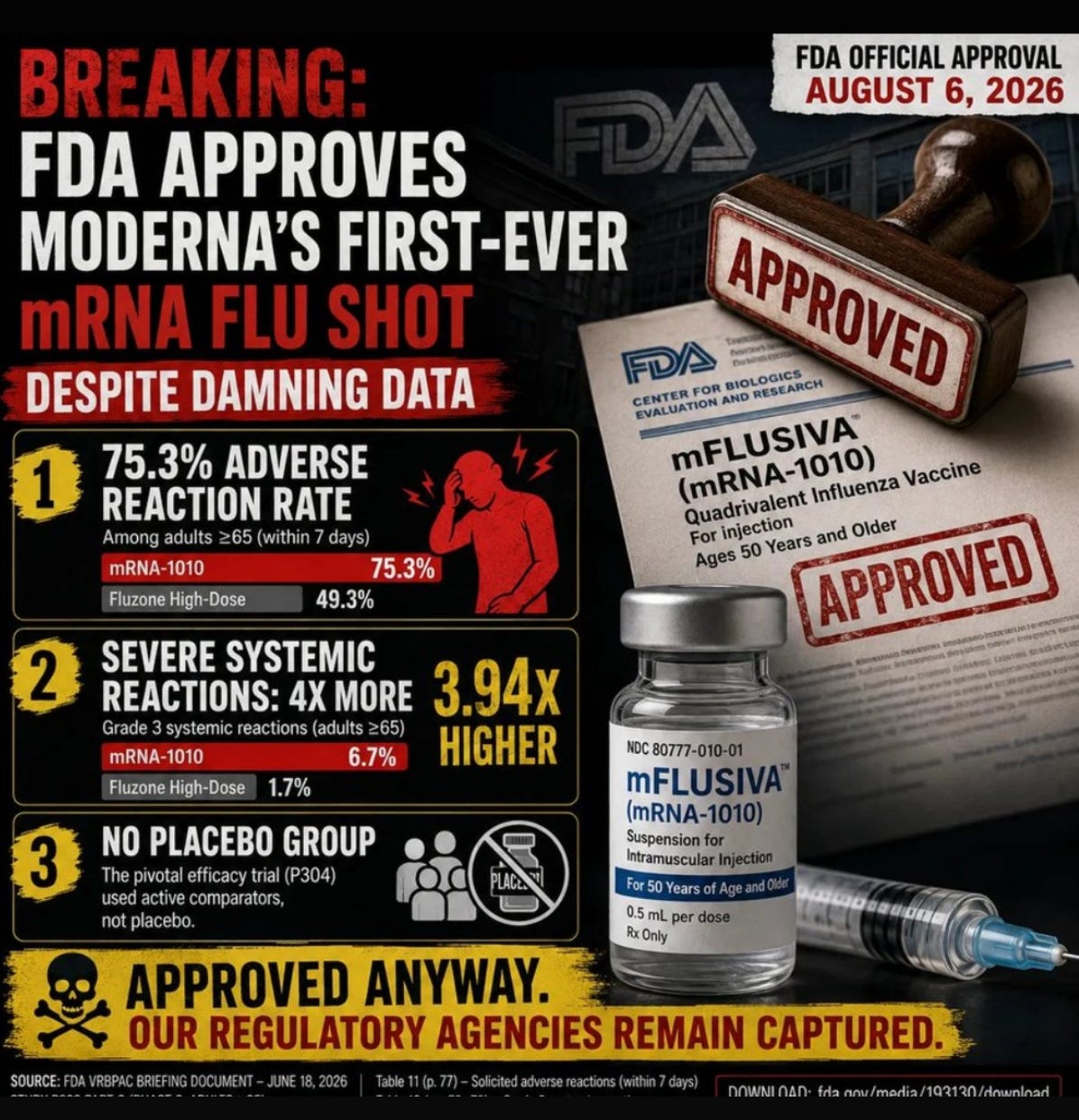
My Question: Please advise on the mRNA flu vaccine given approval to Moderna
CHATS response:
Short answer: Moderna’s new vaccine, MFLUSIVA, is a legitimate FDA-approved seasonal flu vaccine—not an emergency-use product. It is a reasonable option for some adults, but the best choice depends mainly on age.
- Under 50: It is not approved; use another age-appropriate flu vaccine.
- Age 50–64: MFLUSIVA is a reasonable option. In a roughly 40,000-person trial, laboratory-confirmed flu occurred in 2.0% with MFLUSIVA versus 2.8% with a standard-dose flu vaccine—a 26.6% relative improvement, not 26.6% absolute protection.
- Age 65+: I would currently lean toward one of CDC’s established preferred vaccines—Fluzone High-Dose, Flublok, or Fluad—unless unavailable or your clinician recommends MFLUSIVA. Its approval in this age group was accelerated based primarily on stronger antibody responses versus high-dose vaccine; whether it prevents more actual illness than high-dose vaccine remains under study through 2029–2030. FDA approval letter CDC guidance
Expect more short-term reactions than with conventional flu shots: injection-site pain occurred in approximately 63–69%, fatigue in 42–48%, and headache in 34–42%; reactions generally lasted about two days. Serious adverse-event rates were similar to comparator vaccines. FDA identified no myocarditis/pericarditis cases within 42 days in the clinical safety database, although monitoring for rare events continues. FDA prescribing information FDA clinical review
It contains no influenza virus, egg protein, antibiotics, or preservatives and cannot cause influenza. Avoid it following a severe allergy to one of its components—particularly discuss previous PEG or mRNA-vaccine anaphylaxis—and seek individualized advice if you developed Guillain–Barré syndrome within six weeks of a previous flu vaccine or are immunocompromised.
For most adults, September or October is preferable to August because protection can wane. If the choice is MFLUSIVA versus missing flu vaccination entirely, an eligible person without a contraindication should generally take the available vaccine.
My second question: is it mRNA?
Yes. MFLUSIVA (mRNA‑1010) is an mRNA flu vaccine made by Moderna—the first FDA-approved mRNA influenza vaccine.
It delivers temporary mRNA instructions for cells to produce influenza hemagglutinin proteins from three flu strains. The immune system then learns to recognize them. It contains no influenza virus, cannot cause flu, and the mRNA does not enter the cell nucleus or alter DNA. This latter claim is BS.
Haemagglutinin proteins will probably be more damaging than the spike protein of the covid vaccine.
My Opinion.
As of 7 September 2026, there is no mRNA influenza vaccine registered for general use in Australia.
Moderna has submitted two products to the TGA:
- mFLUSIVA (mRNA-1010) — a standalone mRNA influenza vaccine proposed for people aged 50 years and over. The TGA accepted the application in February 2026, but it remains under evaluation, not registered or approved. TGA: mFLUSIVA
- mCOMBRIAX — a combined mRNA influenza–COVID-19 vaccine for people aged 50 years and over. Its application was accepted in March 2026 and also remains under evaluation. TGA: mCOMBRIAX
The TGA’s list of seven influenza vaccines available in Australia for the 2026 season contains conventional egg-based, cell-culture or live-attenuated products—none is an mRNA influenza vaccine. TGA: 2026 seasonal influenza vaccines
Therefore, an mRNA influenza vaccine may be used in Australia only within an authorised clinical trial or exceptional access pathway—not as a routinely registered influenza vaccine. Moderna’s mFLUSIVA was approved in the United States in August 2026, but that approval does not apply in Australia.
But wait, mFLUSIVA and mCOMBRIAX are still under evaluation by the TGA. I believe they will be approved for use in Australia before the next ‘flu season’. If so, the side effects mentioned above will mean more vaccine caused deaths, turbo cancers and auto immune diseases will his our Australian population even harder than the Covid poisons. A reminder, expect more short-term reactions than with conventional flu shots: injection-site pain occurred in approximately 63–69%, fatigue in 42–48%, and headache in 34–42%. These are all critical symptoms pointing in a negative biological direction.
Top Foods to Keep in Your Pantry During the Cold and Flu Season
Reproduced from original article:
https://articles.mercola.com/sites/articles/archive/2024/12/16/top-foods-to-keep-during-cold-and-flu-season.aspx
Analysis by Dr. Joseph Mercola December 16, 2024

STORY AT-A-GLANCE
- Garlic contains sulfur compounds like allicin that boost immunity by regulating cytokines and fighting bacteria. When consumed raw and chopped, it’s most effective at providing immune-protective benefits
- Ginger’s bioactive compounds (gingerol, shogaol, zingerone and paradol) provide anti-inflammatory and antioxidant properties, helping protect against viral infections and soothing sore throats when consumed as tea
- Chili peppers contain capsaicin that thins mucus and vitamin C (more than oranges). They help clear congestion, though excessive consumption could cause gastrointestinal discomfort
- Manuka honey, particularly its methylglyoxal component, proves more effective than standard treatments for upper respiratory infections and helps improve cough symptoms, according to clinical studies
- Turmeric and green tea offer immune support through curcumin and polyphenols respectively, with research showing they help reduce cold symptoms and modulate immune system function
Flu season is here, and with it comes the usual recommendation from health agencies to get the flu shot. But vaccination is hardly the best way to ward off illness during flu season. You’re far better off boosting your immune function by consuming healthy, whole foods loaded with immune-protective nutrients.
Below are some of my top food recommendations (many of which are easily accessible) to keep your immune system in tip-top shape during flu season. Chances are, you already have many of these ingredients in your pantry, but if not, this is your sign to stock up.
Garlic — A Small Bulb with Big Benefits
The culinary and medicinal uses of garlic have been treasured since ancient times, with Chinese, Egyptian, Greek, Indian and Roman medical texts highlighting the many uses of this pungent food.1 Garlic offers a wide range of benefits due to its anti-inflammatory, anticancer and antimicrobial properties.
Garlic is rich in bioactive compounds like saponins, phenolics and organic sulfides. Its sulfur-containing compounds — allicin, alliin, ajoene and allyl propyl disulfide — also offer many benefits, particularly against colds and the flu. According to a 2024 study published in Food and Function journal:
“Garlic, in particular its organosulfur compounds, can maintain immune system homeostasis through positive effects on immune cells, especially by regulating cytokine proliferation and expression. This may underlie their usefulness in the treatment of infectious and tumor processes.”2
In a HuffPost article,3 Dr. Tania Elliott, a spokesperson for the American College of Allergy, Asthma and Immunology, says that garlic works by upregulating certain chemicals in the immune system that are responsible for eliminating inflammatory cells and fighting bacteria and viruses.
What’s wonderful about garlic is its long shelf life. According to Bon Appetit,4 whole, unpeeled head of garlic will last close to six months, as long as it’s in a dry, cool and well-ventilated and dark place, close to room temperature. Unpeeled garlic tends to degrade more quickly, so use it right away.
Remember that heat destroys garlic’s beneficial compounds, so to fully reap its immune-boosting effects, consume garlic raw and chopped (chopping or crushing5 helps increase its allicin content). If you cannot tolerate its pungent flavor, simply chop the garlic and let it sit for 15 minutes before cooking.
Ginger’s Bioactive Compounds Help Bust Inflammation
Just like garlic, ginger is aromatic and adds a unique flavor when added to your favorite meals. You can also enjoy It as a warming, fragrant tea, perfect for cold winter days. In addition to its warming abilities, ginger also has anti-inflammatory, antioxidant and immunomodulatory properties. During the cold weather, sipping on ginger tea will help ward off or soothe a sore throat.6
A study in Frontiers in Nutrition attributes these benefits to ginger’s compounds, mainly gingerol, shogaol, zingerone and paradol. According to the authors:
“Bioactive compounds in ginger inhibit proinflammatory responses, increase levels of anti-inflammatory cytokines, and promote signaling pathways related to inflammation prevention on the anti-inflammatory pathway.
Bioactive compounds in ginger are able to improve oxidative stress tolerance by eliminating ROS and lowering oxidative stress parameters, increasing antioxidant enzymes, and increasing antioxidant capacity,” the researchers noted.
Gingerol is the most prominent bioactive compound in ginger, and studies note its ability to protect against viral and bacterial infections. A 2020 study published in the International Journal of Health Sciences notes:7
“Specifically, [ginger] was found to be highly effective against the oral bacteria associated with the gingivitis and periodontitis and effective against the respiratory syncytial viral infection.”
To use ginger, peel the skin (use a spoon instead of a peeler or knife8) and then slice or grate it. Add to smoothies, soups and broth. To make a fragrant tea, seep ginger slices in hot water. The key to keeping ginger fresh is not to peel the tough skin until you’re ready to use it. At room temperature, a whole, unpeeled ginger root can stay fresh for up to three weeks, and in the fridge, it can last for up to a month.9

Save This Article for Later – Get the PDF Now
Spicy Chili Peppers Help Clear Congestion
When you eat spicy foods like chili peppers, do you notice that your nose becomes runny? This is because of capsaicin, a bioactive compound that gives these foods their spiciness. This effect, however, is beneficial if you’re coming down with a cold or flu — according to Elliot, capsaicin causes your mucus to thin out, making it less habitable for viruses and bacteria.10
But this is just one of the many advantages of chili peppers — in fact, they have higher amounts of vitamin C compared to oranges, providing valuable support to your immune system. According to Eating Well:
“A 4-ounce serving (about 3/4 of a large pepper) of raw green bell pepper has 80 mg of vitamin C, while the same amount of yellow bell pepper has 184 mg, red bell pepper has 142 mg, and orange bell pepper provides 158 mg of vitamin C.”11
Serrano, jalapeno and poblano are some examples of chili peppers for you to try. Chili peppers can stay fresh for up to a year when stored in the fridge, although freezing them prolongs their life for up to a year.12 Chili peppers are versatile and add a delicious mild spicy flavor when added to a wide array of dishes.
However, as with many other things, too much of something is not always better. In the case of peppers, consuming too much capsaicin could lead to unpleasant side effects like diarrhea, nausea, vomiting and a burning sensation in your gastrointestinal tract.
Raw Manuka Honey — More Effective Than Antibiotics Against Respiratory Tract Infections
Manuka honey, made from the flower nectar of manuka plants (Leptospermum) native to Australia and New Zealand, is widely known for its medicinal uses, such as wound healing. This rare and special honey is noted for its antimicrobial properties, thanks to dihydroxyacetone, which acts as a precursor to methylglyoxal (MGO). MGO is responsible for most of manuka honey’s medicinal benefits, including fighting antibiotic-resistant respiratory infections.
A systematic review and meta-analysis published in BMJ Evidence-Based Medicine13 found that manuka honey works better than the standard of treatment used for upper respiratory tract infections (URTIs), otherwise known as the common cold. The researchers found that honey helped improve symptoms, including the severity and frequency of cough.
“Honey was superior to usual care for the improvement of symptoms of upper respiratory tract infections. It provides a widely available and cheap alternative to antibiotics. Honey could help efforts to slow the spread of antimicrobial resistance, but further high-quality, placebo-controlled trials are needed.” They concluded.14
However, remember that manuka honey only works for your health if it’s free of contaminants. You can read more about choosing high-quality manuka honey in my article, “Manuka Honey Helps Combat Antibiotic Resistant Lung Infection.” Manuka honey and other real, unadulterated honey, when stored properly, does not go bad, and will stay safe to eat for many years.15
Remember, though, that these benefits do not extend to the processed honey you find on grocery store shelves — most of these are adulterated with corn syrup and will do nothing for your health.
Sip on Turmeric or Green Tea for an Immunity Boost
Staying hydrated is essential to a well-functioning immune system, and there are a number of refreshing and healthy beverages for you to sip on. Two of my top choices are turmeric tea and green tea. In fact, they’re perfect for the cold season, as they will warm you up while providing you with antioxidants.
Turmeric, a close relative of ginger, offers immune-boosting benefits primarily from curcumin, its active compound. Curcumin’s anti-inflammatory and antioxidant properties have long been established, and recent studies have also highlighted its immunomodulatory effects.16
In one Japanese study,17 researchers found that taking 150 milligrams of curcumin a day for 12 weeks helped shorten the duration of cold symptoms in healthy adults.
“[O]ur data revealed that consumption of 150 mg/day curcumin equivalent of TS-P1 or CR-033P reduces common cold symptoms. In particular, consumption of 150 mg/day curcumin equivalent of TS-P1 shortens sneezing for approximately 10 days, nasal discharge for approximately 14 days, blocked nose for approximately 11 days, and cough for approximately 6 days,” the researchers concluded.18
On the other hand, green tea, made from the leaves of the Camellia sinensis plant, offers a wealth of beneficial polyphenols, including catechins epigallocatechin gallate (EGCG), epicatechin gallate, epigallocatechin and epicatechin.19 These polyphenols are widely appreciated not only for their antioxidant and anti-inflammatory effects, but also for their effects on multiple physiological processes,20 including your immune system function.
According to a comprehensive review published in the Food Science and Human Wellness journal,21 green tea helps modulate the innate, adaptive and intestinal immune systems. The researcher explained:
“In green tea, various compounds act on different immune cells or even the same type of cell, causing diverse effects on the immune system. According to the current research results, we speculate that green tea showed greater immunomodulatory potential due to the synergistic effects on innate immunity and adaptive immunity of different compounds.”22
Adding a squirt of lemon juice to your green tea will boost its benefits, as research has demonstrated that vitamin C significantly increases the amount of catechins available for your body to absorb.23 It’s also a good idea to choose loose-leaf tea over tea bags, as most tea bags are contaminated with toxins and microplastics.
Other Healthy Foods to Have on Hand During Cold and Flu Season
When it comes to immune-boosting foods, your options are bountiful; while the five listed above are specially mentioned for their unique protective actions, I encourage including many other varieties into your meals, starting with these:
- Citrus fruits (orange, tangerine, lemon and lime) — These tangy fruits are loaded with vitamin C and folate, which are both essential in maintaining the integrity of immunological barriers, as well as supporting the function of immune cells, including phagocytes, natural killer cells, T-cells and B-cells.24
- Pumpkin — Pumpkin is the ultimate fall food, although it’s actually popular all year round. Rich in vitamins A, C and B vitamins, it’s widely recognized for its antioxidant, anti-inflammatory, antiviral and antidiabetic effects.25 Remember that fresh pumpkin is the best choice; don’t expect pumpkin-flavored processed snacks to have any benefits.
- Apples — Aside from being high in fiber and vitamin C, apples also contain antioxidants like anthocyanins, and vitamin E. One study notes, “Regular consumption of apples helps reduce the risk of atherosclerosis, coronary artery disease, heart attacks, and diabetes, and also provides anti-asthmatic and anti-allergic effects.”26
- Berries (raspberries, blueberries, blackcurrants and blackberries) — These fruits offer phenolic compounds, including anthocyanins, flavonols and phenolic acids that provide antioxidant, antimicrobial, anti-inflammatory and immunomodulatory effects.27
Lastly, Elliot recommends having coarse sea salt on hand to use as a gargle whenever you’re feeling under the weather.28
“Gargling with warm salt water when you are sick, especially sea salt, can have an anti-inflammatory effect. It works by helping to wash away viruses, bacteria, allergens and mucus in your throat. The rougher the salt, the better,” she said.
Most sea salts on the market, however, are loaded with plastic microparticles, which is why my personal choice is Himalayan salt. Since it’s mined from salt beds created long before plastic and other toxic chemicals were manufactured, it’s the best option to reduce your toxic load.
- 1 Journal of Nutrition, April 2001, 131(3s):951S-4S
- 2 Food Funct., 2022, 13, 2415-2426
- 3, 6, 10, 28 HuffPost, October 24, 2024
- 4 Bon Appetit, November 15, 2017
- 5 Antioxidants (Basel). 2020 Jul 15;9(7):619. Abstract
- 7 Int J Health Sci (Qassim). 2020 Nov-Dec;14(6):1–3
- 8 Food and Wine, January 11, 2023
- 9 Food Network, January 24, 2023
- 11 Eating Well, September 24, 2023
- 12 Still Tasty, Chili Peppers – Fresh, Raw, Whole
- 13 BMJ Evidence-Based Medicine 2021;26:57-64
- 14 BMJ Evidence-Based Medicine 2021;26:57-64. Conclusions
- 15 All Recipes, February 4, 2021
- 16 Food Chemistry: Molecular Sciences, July 30, 2024, Volume 8, 100198
- 17, 18 Journal of Dietary Supplements, 2023, 21(1), 71–98
- 19 Medicine (Baltimore). 2020 Feb 7;99(6):e19047
- 20 Crit Rev Food Sci Nutr. 2020;60(4):626-659
- 21 Food Science and Human Wellness, September 2022, Volume 11, Issue 5, Pages 1143-1155
- 22 Food Science and Human Wellness, September 2022, Volume 11, Issue 5, Pages 1143-1155, Conclusions and perspectives
- 23 Jurnal Farmasi Dan Ilmu Kefarmasian Indonesia, March 2020, 6(2):62
- 24 Front. Immunol., Sec. Nutritional Immunology, June 24, 2021 Volume 12 – 2021
- 25 Plants (Basel). May 24, 2022;11(11):1394
- 26 Nutrients 2024, 16(19), 3307
- 27 Current Opinion in Food Science, December 2021, Volume 42, Pages 167-186
Raw Milk at the Crossroads, Again
Reproduced from original article:
https://articles.mercola.com/sites/articles/archive/2024/05/16/lies-against-raw-milk.aspx
Analysis by Sally Fallon Morell May 16, 2024
STORY AT-A-GLANCE
- The campaign against raw milk began with a fabricated 1945 article in Coronet magazine claiming a deadly brucellosis outbreak in a nonexistent town, leading to restrictive laws against raw milk starting in Michigan in 1948
- A 2007 PowerPoint presentation by an FDA official falsely maligned raw milk using flawed reports; none of these reports proved pasteurization would have prevented alleged outbreaks
- The 2024 USDA announcement attributed symptoms in dairy cows to avian flu without confirmed viral presence in milk, relying on questionable PCR testing methods
- Despite claims, there is no peer-reviewed evidence supporting transmission of highly pathogenic avian influenza from raw milk to humans
- While pasteurization is promoted as making milk safe, the actual diversion or destruction of milk from infected animals suggests that pasteurization may not guarantee safety
Few of us were born when the forces for milk pasteurization launched the first major attack on Nature’s perfect food. In 1945, a magazine called “Coronet” published an article, “Raw Milk Can Kill You,” blaming raw milk for an outbreak of brucellosis in a town called Crossroads, U.S.A., killing one-third of the inhabitants. The “Reader’s Digest” picked up the story and ran it a year later.


Just one problem with this piece of “reporting.” There was no town called Crossroads and no outbreak of brucellosis. The whole story was a fabrication — otherwise known as a lie. And lies about raw milk have continued ever since.
Unfortunately, the fictitious Crossroads story paved the way for laws against selling raw milk, starting with Michigan in 1948.
Here’s another example of lies against raw milk (which I referenced in an earlier post,1 but it is worth repeating). In 2007, John F. Sheehan, BSc (Dy), JD, US Food and Drug Administration, Center for Food Safety and Applied Nutrition (USFDA/CFSAN), Division of Dairy and Egg Safety, prepared a Powerpoint maligning raw milk; it was presented to the 2005 National Conference on Interstate Milk Shipments (NCIMS) by Cindy Leonard, MS.2
As shown in the table below, all of the fifteen reports associating outbreaks of foodborne illness with raw milk that Sheehan cites are seriously flawed. For example, in two of the fifteen, the study authors presented no evidence that anyone consumed raw milk products and in one of them, the outbreak did not even exist. Not one of the studies showed that pasteurization would have prevented the outbreak.
| No valid positive milk sample | 12/15 (80%) |
| No valid statistical association with raw milk | 10/15 (67%) |
| Findings misrepresented by FDA | 7/15 (47%) |
| Alternative explanations discovered but not pursued | 5/15 (33%) |
| No evidence anyone consumed raw milk products | 2/15 (13%) |
| Outbreak did not even exist | 1/15 (7%) |
| Did not show that pasteurization would have prevented outbreak | 15/15 (100%) |
Fast forward to the present and the ruckus about bird flu in dairy cows — more lies, very clever lies, but lies nevertheless.
In a press release dated March 25, 2024,3 the U.S. Department of Agriculture (USDA), Food and Drug Administration (FDA) and Centers for Disease Control and Prevention (CDC), as well as state veterinary and public health officials, announced investigation of “an illness among primarily older dairy cows in Texas, Kansas, and New Mexico that is causing decreased lactation, low appetite, and other symptoms.”
The agencies claim that samples of unpasteurized milk from sick cattle in Kansas and Texas have tested positive for “highly pathogenic avian influenza (HPAI).” Officials blame the outbreak on contact with “wild migratory birds” and possibly from transmission between cattle. The press release specifically warns against consumption of raw milk, a warning repeated in numerous publications and Internet postings.
According to the press release, national laboratories have confirmed the presence of HPAI (Highly Pathogenic Avian Influenza) through testing, but it does not reveal the type of test used to detect this so-called viral illness.
Lie No. 1: Researchers Have Found HPAI Virus in the Milk of Sick Cows
Officials have NOT found any viruses in the milk or any other secretions of the sick cows. The CDC has yet to reply to repeated requests for proof of finding the isolated HPAI virus in any fluid of any sick chicken or other animal.4 Nor have health and agriculture agencies in Canada,5 Japan,6 the UK7 and Europe8 provided any proof of an isolated avian influenza virus.
As for all the studies you can find in a PubMed search claiming “isolation” of a virus, not one of them shows the true isolation of a virus, any virus, from the fluids (phlegm, blood, urine, lung fluids, etc) of any animal, bird or human.9
The truth is that “viruses” serve as the whipping boy for environmental toxins, and in the confinement animal system, there are lots of them — hydrogen sulfide, carbon dioxide, methane and ammonia from excrement, for example.10 Then there are toxins in the feed, such as arsenic added to chicken feed, and mycotoxins, tropane and β-carboline alkaloids in soybean meal.11
By blaming nonexistent viruses, agriculture officials can avoid stepping on any big industry toes nor add to the increasing public disgust with the confinement animal system.
Way back in 2006, researchers Crowe and Englebrecht published an article entitled, “Avian flu virus H5N1: No proof for existence, pathogenicity, or pandemic potential; non-‘H5N1’z causation omitted.”12 Nothing has changed since then.
Here’s your homework assignment: Contact USDA at Aphispress@usda.gov and ask them to provide proof of the isolation of the HPAI virus or any virus in the milk of the sick cattle.
Lie No. 2: National Laboratories Have Confirmed the Presence of HPAI Through Testing
They don’t say anything about the kind of test they used, but it almost certainly the PCR (polymerase chain reaction) test. The PCR test detects genetic material from a pathogen or abnormal cell sample and allows researchers to make many copies of a small section of DNA or RNA. The test was not designed to determine or diagnose disease, it was designed to amplify or increase a certain piece of genetic material.
Each “amplification” is a doubling of the material. If you amplify thirty times you will get a negative; amplify 36 times or more, and you will get a positive. At 60 amplifications, everyone will “test positive” for whatever bit of genetic material you believe can cause disease.13 If you want to show that you have a pandemic brewing, just amplify, amplify, amplify. Folks, this is not a valid test, not good science by any stretch of the imagination — especially as there was no virus to begin with.
How many times did our health officials amplify the samples they obtained from the milk of the sick cows? Be sure to ask them when you email Aphispress@usda.gov for proof of the virus.
Save This Article for Later – Get the PDF Now
Lie No. 3: The ‘Virus’ Is Highly Pathogenic
According to the “Wall Street Journal,” one — just one — person working in the dairies got sick and tested positive for avian influenza after exposure to dairy cattle presumed to be infected with the H5N1 bird flu.14
The person reported eye redness, or conjunctivitis, as his only symptom — a symptom that can be explained by exposure to any of the many airborne toxins in confinement dairies. (How are they treating the illness? With vitamin A and herbal eyedrops? No, the poor sod is getting treatment with a toxic antiviral drug.)
According to the CDC, the disease in humans ranges from mild infections, which include upper-respiratory and eye-related symptoms, to severe pneumonia. If the “virus” is so highly pathogenic, we’d expect a lot of workers working around these sick cows to end up in the hospital … but we’ve heard of none so far.
Lie No. 4: You Can Get Avian Fly From Drinking Raw Milk, but Pasteurized Milk Is Safe
According to medical biologist Peg Coleman,15 “Recent risk communications from CDC, FDA, and USDA regarding transmission of highly pathogenic avian influenza virus or HPAI (subtype H5N1) to humans via raw milk include no supporting evidence of viral transmission from raw milk to humans in the peer-reviewed literature.
An extensive body of scientific evidence from the peer-reviewed literature … does not support the assumption by these US government agencies that [nonexistent] HPAI transmits to humans via milkborne or foodborne routes and causes disease. Nor does the scientific evidence support the recommendation that consumers should avoid raw milk and raw milk products [emphasis in the original].”16
Coleman notes the suite of bioactive components in raw milk, including bovine milk, that destroy pathogens and strengthen the gut wall. “Many of these bioactive components of raw milk are … sensitive to heat and may be absent, inactive, or present in lower concentrations in pasteurized milks.
Cross-disciplinary evidence demonstrates that raw milk from healthy cows is not inherently dangerous, consistent with the CDC evidence of trends for 2005-2020 and evidence of benefits and risks. There is no scientific evidence that HPAI in raw milk causes human disease.”
And while USDA, FDA and CDC assure the public that pasteurization will make milk safe, they note that “Milk from infected animals is being diverted or destroyed,” implying that pasteurization alone does not guarantee safety. In any event, sales of industrial pasteurized milk continue their relentless decline.
Fortunately, raw milk drinkers are already skeptical of government pronouncements and are skilled at seeing through lies. Both large and small raw milk dairy farms report that sales are booming. The current bird flu fracas is just another Crossroads, U.S.A., a bunch of lies fostered by a dishonest dairy industry taking aim at the competition.
About the Author
Sally Fallon Morell is author of the best-selling cookbook “Nourishing Traditions” and many other books on diet and health. She is the founding president of the Weston A. Price Foundation (westonaprice.org) and a founder of A Campaign for Real Milk (realmilk.com). Visit her blog at nourishingtraditions.com.
- 1 Nourishing Traditions©, Got Raw Milk? UCLA Professor of Medicine says “No thanks!”
- 2 The Weston A. Price Foundation, November, 2007
- 3 APHIS, Federal and State Veterinary, Public Health Agencies Share Update on HPAI Detection in Kansas, Texas Dairy Herds
- 4 FOIA request to CDC re: “avian influenza virus” purification
- 5 Canadian Food Inspection Agency proof of viruses
- 6 Japan National Institute of Infectious Diseases
- 7 Animal and Plant Health Agency, UK
- 8 New FOI to ECDC about avian influenza ‘virus’ and reply
- 9 CFIA Published Research
- 10 Healthfully – The Effects of Breathing Raw Sewage Fumes, 27 July, 2017
- 11 Food Research International, Volume 158, August 2022, 111490
- 12 Med Hypotheses. 2006; 66(4): 855–857, doi: 10.1016/j.mehy.2005.11.007
- 13 YouTube, Dr Thomas Cowan – How the COVID RT-PCR test is vulnerable to abuse
- 14 The Wall Street Journal, Person Tests Positive for Bird Flu in Texas After Exposure to Cattle
- 15 Coleman Scientific Consulting (CSC), About
- 16 Coleman Scientific Consulting (CSC), Where Is the Evidence?
Scientists Warn Bird Flu Outbreak Could Be 100 Times Worse Than COVID
Reproduced from original article:
https://articles.mercola.com/sites/articles/archive/2024/04/09/bird-flu-outbreak-could-be-worse-than-covid.aspx
Analysis by Dr. Joseph Mercola April 09, 2024
STORY AT-A-GLANCE
- Historical concerns about the lethality of bird flu to humans have consistently proven unfounded, with no recorded deaths in the U.S. from such outbreaks, despite significant government spending and public warnings in the past
- Recent discussions around “global biosecurity” and the potential for disease outbreaks to foster a totalitarian world government have intensified. A weaponized bird flu could be the next major threat
- Recent cases of bird flu affecting various mammals, including livestock and pets, suggest the virus may be adapting to new hosts, raising alarms about its potential impact on humans
- In March 2024, the first case of bird flu in livestock was found in a goat in Minnesota. That same month, infected cows were identified in Kansas, Texas, New Mexico, Idaho and Michigan. Three cats have also reportedly died from H5N1 infection, and one individual who came into close contact with infected cows has tested positive after presenting with conjunctivitis (pink eye)
- Current countermeasures against bird flu, such as culling infected and exposed animals, hinder the development of natural immunity. Smaller flock sizes and better management would also reduce the disease risk
So far, every instance of fearmongering about the possibility of a lethal bird flu has turned out to be false. That’s why I wrote my New York Times best-selling book “The Great Bird Flu Hoax,” 15 years ago in 2009. Four years earlier, in 2005, then-President George Bush spent over $7 billion dollars on preparations and warned that more than 2 million Americans could die.1
The reality is that no one in the U.S. died from bird flu. Not one. Annual outbreaks of bird flu were also recorded and hyped between 2014 and 2017, again with no human victims.2
Fast-forward a couple of decades, and “global biosecurity” has become one of the primary tactics chosen to usher in a totalitarian One World Government. COVID-19 was just the warmup. I’ve repeatedly stated that more outbreaks, be they real or imagined, are to be expected for that very reason. The only question, really, is which pathogen it will be.
Is Weaponized Bird Flu Next?
In the spring of 2022, Bill Gates warned that another pandemic will emerge, and that this yet-to-come pandemic “will get attention this time.”3 Based on the news chatter emerging right now, a weaponized bird flu seems a possibility.
According to virologists speaking at a White House briefing, the bird flu (H5N1) has mutated to “spread more easily among mammals,” and an outbreak in the human population could be “100 times worse than COVID,” killing up to half of those infected.4 As reported by MSN on April 3, 2024:5
“Multiple cases of the infection in a variety of mammals, including cows, cats and, more recently, humans, are all raising the risk of the virus mutating to become more transmissible …
But others at the briefing said it was too early to panic because there were still too many unknowns about recent cases to warrant sounding the alarm. A White House representative said today it was tracking bird flu in the U.S.”
A graphic by the Daily Mail purporting to illustrate how bird flu is “edging closer to human spillover” lists the following cases:6
• Mammals infected with bird flu since 2022 include fox, bobcat, striped skunk, racoon and coyote
• In March 2024, the first case of bird flu in livestock was found in a goat in Stevens County, Minnesota
• In March 2024, bird flu also sickened cow herds at two dairy farms in Kansas, three dairy farms in the Panhandle, Texas, and one in New Mexico. Unpasteurized milk samples from the sick cows also tested positive for the pathogen. According to the U.S. Department of Agriculture’s Animal and Plant Health Inspection Service, bird flu has also been detected in dairy herds in Idaho7 and Michigan.8
According to reports,9 the bird flu strain transmitted between the cows is a new strain, “which signifies the virus could be adapting to mammalian (as opposed to avian) hosts,” MSN writes.10 Incidentally, one of the biggest changes to the H5N1 virus occurred in 2020, when the wild and domestic versions combined to create a new strain11
• In April 2024, bird flu reportedly killed three cats in Texas
By late December 2023, hundreds of elephant seals in Antarctica were also found to have perished from the infection12 and mink farms across Europe were decimated that same year.13 Well over half a million seabirds have also perished from the virus, according to some estimates.14
Current Bird Flu Countermeasures Are the Wrong Approach
In early April 2024, the largest egg producer in the U.S., Cal-Maine Foods, Inc., also halted egg production at a Texas facility after bird flu was detected there. According to a company announcement, 1.6 million egg-laying hens were killed as a precaution, along with 337,000 pullets (3.6% of the total flock).15
But by culling animals whenever a case is detected basically guarantees that natural immunity will never develop. A far saner strategy would be to eliminate the chickens that die from the infection but keep those who survive it alive. An interesting article by regenerative farmer Joel Salatin, in which he discusses the bird flu cycle, was published by Brownstone Institute in mid-March 2023:16
“If thinking people learned only one thing from the COVID pandemic, it was that official government narratives are politically slanted and often untrue. In this latest HPAI [highly pathogenic avian influenza] outbreak, perhaps the most egregious departure from truth is the notion that the birds have died as a result of the disease and that euthanasia for survivors is the best and only option …
To be sure, HPAI is and can be deadly, but it never kills everything. The policy of mass extermination without regard to immunity, without even researching why some birds flourish while all around are dying, is insane. The most fundamental principles of animal husbandry and breeding demand that farmers select for healthy immune systems. We farmers have been doing that for millennia …
But in its wisdom, the US Department of Agriculture … has no interest in selecting, protecting, and then propagating the healthy survivors. The policy is clear and simple: kill everything that ever contacted the diseased birds. The second part of the policy is also simple: find a vaccine to stop HPAI …
The scorched earth policy is the only option even though it doesn’t seem to be working. In fact, the cycles are coming faster and seem to be affecting more birds. Someone ought to question the efficacy.”
Save This Article for Later – Get the PDF Now
Bird Flu Solutions That Make Sense
As noted by Salatin, it’s well-recognized among farmers that cramped quarters and having too many chicken farms too close together, geographically, is the problem. “The USDA and the industry desperately want to blame wild birds, backyard flocks, and dirty shoes rather than looking in the mirror and realizing this is nature’s way of screaming ‘Enough!'” Salatin writes.
The answer is relatively simple. Save birds that survive the infection and breed them. That way, future generations will have natural immunity. “If a flock gets HPAI, let it run its course. It’ll kill the ones it’ll kill but in a few days the survivors will be obvious. Keep those and put them in a breeding program,” Salatin writes.
Secondly, chicken farmers can also ward off epidemics by focusing on optimal herd sizes. For example, wild turkeys stay in flocks of no more than a couple of hundred. Wild pigs rarely exceed groups of 100. For chickens, optimal herd size is about 1,000, according to Salatin. He goes on to explain:
“An elderly poultry industry scientist visited our farm once and told me that if houses would break up chickens into 1,000-bird groups it would virtually eliminate diseases.
He said it was okay to have 10,000 birds in a house as long as they were in 1,000-bird units. That way their social structure can function in a natural interaction. Animals have a hierarchy of bullies and timids. That social structure breaks down above optimal size …
While I don’t want to sound flippant or above HPAI susceptibility, incident rates definitely indicate less vulnerability in well-managed pastured flocks.
Creating an immune-building protocol surely merits research as much as overriding the immune system with vaccines and trying to stay ahead of disease mutations and adaptations with human cleverness. How about humbly seeking nature for solutions rather than relying on hubris?
The parallels between HPAI expert orthodoxy and COVID orthodoxy are too numerous to mention … The HPAI worry feeds food worry, which makes people clamor for government security. People will accept just about anything if they’re afraid … Think it through and then embrace a more natural remedy: well-managed decentralized pastured poultry with appropriate flock sizes.”
Second Human Case of Bird Flu in the US
Within a week of bird flu being found in Texas dairy cows in late March 2024, a Texas resident also tested positive for the virus after coming into close contact with the infected cows. The primary symptom this person experienced was conjunctivitis (pink eye).17 It’s said to be the second human case of avian influenza A(H5N1) in the U.S. No human-to-human transmission has as yet been identified. Citing “federal and state health authorities investigating the outbreak,” MSN reported:18
“Avian influenza A(H5N1) viruses have only rarely been transmitted from person to person … As such, the risk to the general public is believed to be low; however, people with close contact with affected animals suspected of having avian influenza A(H5N1) have a higher risk of infection.”
Symptoms of Bird Flu Infection
According to the Texas Department of State Health Services, symptoms of bird flu infection can include:19
| Cough | Sore throat | Fever and/or chills |
| Runny or stuffy nose | Headache | Fatigue |
| Conjunctivitis (pink eye) | Shortness of breath or breathing difficulty | Diarrhea |
| Nausea and/or vomiting | Seizures |
Severe cases may progress to fulminant pneumonia, respiratory failure, acute respiratory distress syndrome, septic shock and death.
Fingerprints of COVID Are All Over Weaponized Bird Flu
Historically, natural avian influenza (H5N1) never posed a threat to mankind, but then scientists started tinkering with it, creating a hybrid with human pandemic potential.20 Some of that research has been undertaken in Pentagon-funded biolabs in Ukraine.21,22,23
Bill Gates and Dr. Anthony Fauci, former director of the National Institutes of Allergy and Infectious Diseases (NIAID), have also funded gain-of-function research on H5N1.24 One scientist whose work on H5N1 has been funded by both Fauci and Gates is Dr. Yoshihiro Kawaoka.25
In one experiment, Kawaoka mixed bird flu virus with the Spanish flu virus, resulting in a highly lethal respiratory virus with human transmission capability. Kawaoka has also played around with mixtures of H5N1 and the 2009 H1N1 (swine flu) virus, creating an airborne hybrid26,27,28 capable of evading the human immune system, effectively rendering humans defenseless against it,29 and this extremely risky research was done at a biosafety Level 2 lab!30
Fauci also funded the work of virologist Ron Fouchier, a Dutch researcher whose team created an airborne version of the bird flu using a combination of genetic engineering and serial infection of ferrets.31 So, the bird flu has been manipulated and tinkered with in a variety of different ways, making it both airborne (which it was not initially) and capable of cross-species infection.
In 2012, the work of Kawaoka and Fouchier sparked widespread concern about gain-of-function research, as it was readily recognized that it could accidentally cause a human pandemic.32,33
As a result, the U.S. government issued a temporary ban on gain-of-function research on certain viruses in 2014, which remained in place until December 2017.34 We now know this ban was circumvented by Fauci, who continued to fund gain-of-function research on coronaviruses in China during those years.
It now looks as though weaponized bird flu might eventually be released to achieve the geopolitical aims of the technocratic cabal that is trying to give the World Health Organization a monopoly on pandemic decision-making.
So, if we do end up with a lethal human bird flu, there’s every reason to suspect it was manmade. There’s also every reason to suspect a bird flu vaccine will be either ineffective, hazardous or both. Moderna launched a small human trial for an mRNA shot for avian influenza in the spring of 2023,35 but results have yet to be released.
Inoculate Yourself Against Upcoming Fearmongering
As we move forward, it is vitally important for you to keep an eye on the narratives we’re being fed. If bird flu becomes a human epidemic or pandemic, there are plenty of reasons to suspect it’s a weaponized virus, and the “solution” offered will be the same as that for COVID-19: “Get vaccinated.”
Considering the widespread harm caused by the COVID-19 mRNA shots, can we really trust that fast-tracked bird flu shots will be any safer or more effective? Already, the U.S. and other countries are stockpiling H5N1 vaccine36 “just in case,” which is telling.
While some traditional vaccines are in the lineup, mRNA shots tweaked to target H5N1 are also in the pipeline,37 and they probably won’t need to undergo additional testing over and beyond what was already done for the COVID jabs. As reported by Reuters:38
“Some of the world’s leading makers of flu vaccines say they could make hundreds of millions of bird flu shots for humans within months if a new strain of avian influenza ever jumps across the species divide …
In a pandemic, vaccine manufacturers would shift production of seasonal flu vaccines and instead make shots tailored to the new outbreak when needed …
Many of the potential pandemic shots are pre-approved by regulators, based on data from human trials showing the vaccines are safe and prompt an immune response, a process already used with seasonal flu vaccines.
This means they might not require further human trials, even if they have to be tweaked to better match whichever strain does jump to humans. Data on how well the vaccines actually protect against infection would be gathered in real-time …”
To think that an mRNA-based jab against a weaponized bird flu will be any safer than the shots for COVID-19 would be naïve in the extreme, if you ask me, yet you can be sure we’ll be told otherwise, if bird flu does end up spreading among the human population.
Be Prepared
One of the best things I did in my youth was join the Boy Scouts. Their motto “Be Prepared” has been enormously useful my entire life. Well, it applies to bird flu as well. While we don’t know for sure, as no studies have been done, it is highly likely that many of the same protocols used in early outpatient treatment of COVID will also work for bird flu, since they are both viral respiratory pathogens.
So, as a first basic prevention step, optimize your vitamin D (the ideal range is between 60 ng/ml and 80 ng/ml). Be sure to measure it to confirm, as there is no way to know what your vitamin D level is without doing a blood test.
Summer is nearly here, so ditch your oral vitamin supplement and strip off your clothes and get out in the sun around solar noon, which is 1 p.m. for most people in the U.S. To learn more, download my “Vitamin D in the Prevention of COVID-19” report, available on stopCOVIDcold.com.
In case you do get sick, I would strongly advise you to purchase a nebulizer so that you can nebulize hydrogen peroxide at first signs of symptoms. If you have not previously viewed my Hydrogen Peroxide video below and purchased all the ingredients, you must do so now. If this crisis hits and you do not have a nebulizer you could be out of luck.
More comprehensive prevention and treatment protocols can be downloaded from the Front Line COVID-19 Critical Care Alliance’s (FLCCC) website, covid19criticalcare.com.39 They also have a treatment protocol for RSV and influenza. Print them out and make sure you have the basic supplements in your medicine cabinet.
Hydrogen Peroxide Rapidly Inactivates Viruses
Hydrogen peroxide (H2O2) consists of a water molecule (H2O) with an extra oxygen atom (O2), and it is the additional oxygen atom that allows it to inactivate viral pathogens. Some of your immune cells produce hydrogen peroxide to destroy pathogens. By killing the infected cell, viral reproduction is stopped. So, hydrogen peroxide therapy aids your immune cells to perform their natural function more effectively.
Many studies have investigated the use of hydrogen peroxide against different pathogens. For example, a 2020 review40 of 22 studies found that 0.5% hydrogen peroxide effectively inactivated a range of human coronaviruses, including those responsible for SARS and MERS, within one minute of exposure.
According to Brownstein, all pathogens studied to date have been found to succumb to hydrogen peroxide, albeit at varying concentrations and for different amounts of exposure.
How to Properly Dilute the Peroxide
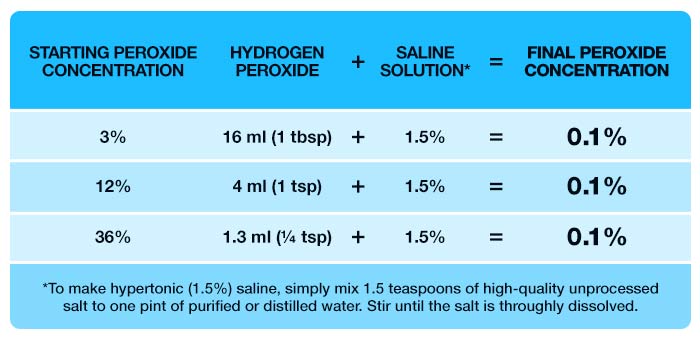
While you can use virtually any percentage of food grade peroxide, it’s crucial to dilute it properly before use. What you want is a 0.1% dilution, so even a 3% hydrogen peroxide will need to be diluted at least 30 times.
In a pinch, you could use commercial 3% hydrogen peroxide, the stuff used for wound care, but I don’t recommend routine use of it as it contains stabilizing chemicals that can detract from the benefits. Also, you want to dilute the hydrogen peroxide with hypertonic saline, not plain water, as the lack of electrolytes in the water can damage your lungs if you nebulize that. Using saline prevents the osmotic differential that can damage lung cells.
To end up with a final peroxide/hypertonic saline solution concentration of 0.1%, you need to go through two steps:
- Create the hypertonic saline solution
- Dilute the peroxide
I used to recommend using normal saline, which contains 0.9% salt, but a 2021 study41 found that a 1.5% sodium chloride solution (hypertonic saline) achieved a 100% inhibition of SARS-CoV-2 replication in vitro (in cell culture). Using lower levels of saline, like 1.1%, only inhibited 88%. So, I now recommend using hypertonic saline instead, which would be slightly less than double the amount of salt used to make normal saline.
To make hypertonic (1.5%) saline, simply mix 1.5 teaspoons of high-quality unprocessed salt to one pint of purified or distilled water. Stir until the salt is thoroughly dissolved. Be sure to use proper measuring spoons and not a regular kitchen teaspoon. For even greater precision, you could use a digital scale to measure out exactly 7.1 grams of salt.
If the 1.5% hypertonic solution causes nasal burning, irritation or cough, you can lower the concentration to 0.9% salt, which is isotonic normal saline. For this you would decrease the salt to one level teaspoon to one pint of water. Once you have your saline solution and a food grade hydrogen peroxide, dilute the peroxide according to the following chart, based on the concentration you’re starting with.
!WARNING:
Food grade peroxide at concentrations of 12% and 36% should NEVER be used full-strength either topically or internally. It MUST be diluted or severe injury can occur. Your safest bet is to use 3% food grade peroxide and dilute it as indicated so you end up with a solution of 0.1%.
Once you have your peroxide-saline solution, simply pour 1 teaspoon of it into the nebulizer and inhale the entire amount. If you like, you can add one drop of 5% Lugol’s iodine solution to the nebulizer as well. Some find it boosts the effects.
I recommend using nebulized peroxide for any suspected respiratory infection, and the earlier you start, the better. If you’re already presenting with a runny nose or sore throat, use the nebulizer for 10 to 15 minutes four times a day until your symptoms are relieved.
You can also use nebulized hydrogen peroxide for prevention and maintenance, which may be advisable during flu season. There is no danger in doing it every day if you’re frequently exposed, and there may even be additional beneficial effects, such as a rapid rise in your blood oxygen level.
- 1 A Retrospective on the Avian Flu Scare of 2005 AIER March 22, 2020
- 2, 9, 10 MSN April 4, 2024 Bird Flu Outbreaks Popping Up
- 3, 23 Ice Age Farmer April 8, 2022
- 4, 5, 6, 11 MSN April 3, 2024
- 7 USDA April 2, 2024
- 8 Ag Daily April 1, 2024
- 12, 14 Salon December 10, 2023
- 13 Salon August 6, 2023
- 15 NPR April 3, 2024
- 16 Brownstone Institute March 14, 2023
- 17, 18, 19 MSN April 4, 2024
- 20 Slate December 22, 2011
- 21, 24, 25 OCA January 4, 2023
- 22 Youtube Ice Age Farmer
- 26 Journal of Virology May 2009; 83(10): 5278-5281
- 27, 31, 32 Cidrap June 21, 2012
- 28 Scott McPherson February 22, 2010 (Archived)
- 29, 30 Business Insider July 1, 2014
- 33 Science May 2, 2012 (Archived)
- 34 Nature December 19, 2017
- 35 CBC March 20, 2023
- 36 Precision Vaccination Audenz for 2022 (Archived)
- 37, 38 Reuters March 20, 2023 (Archived)
- 39 Covid19criticalcare.com
- 40 J Hosp Infect. 2020 Mar;104(3):246-251
- 41 ACS Pharmacol Transl Sci October 8, 2021; 4(5): 1514-1527
Vitamin D Is More Effective Than Flu Vaccine, Study Says
Reproduced from original article:
https://articles.mercola.com/sites/articles/archive/2023/12/09/vitamin-d-better-than-flu-vaccine.aspx
The original Mercola article may not remain on the original site, but I will endeavor to keep it on this site as long as I deem it to be appropriate.
Analysis by Dr. Joseph Mercola December 09, 2023
- Mounting research suggests vitamin D deficiency may actually be a major cause of influenza. People with the lowest vitamin D levels report having significantly more colds or cases of the flu
- Scientific review confirms vitamin D optimization boosts immunity and cuts rates of cold and flu. Among people vitamin D blood levels below 10 ng/mL, taking a supplement cut risk of respiratory infection by 50%
- To prevent influenza in one person, 40 people must receive the flu vaccine whereas one case of the flu can be prevented for every 33 people taking vitamin D. If you’re severely vitamin D deficient, vitamin D supplementation is 10 times more effective than the flu vaccine
Conventional health authorities claim getting a flu shot each year is the best way to ward off influenza. But where’s the actual science backing up that claim?
If you’ve repeatedly fallen for this annual propaganda campaign, you may be surprised to find the medical literature suggests vitamin D may actually be a FAR more effective strategy, and the evidence for this goes back at least a decade.
Dr. John Cannell, founder of the Vitamin D Council, was one of the first to introduce the idea that vitamin D deficiency may actually be an underlying CAUSE of influenza. His hypothesis1 was initially published in the journal Epidemiology and Infection in 2006.2 It was subsequently followed up with another study published in the Virology Journal in 2008.3
The following year, the largest nationally representative study4 of its kind to date discovered that people with the lowest vitamin D levels indeed reported having significantly more colds or cases of the flu. In conclusion, lead author Dr. Adit Ginde stated:
“The findings of our study support an important role for vitamin D in prevention of common respiratory infections, such as colds and the flu. Individuals with common lung diseases, such as asthma or emphysema, may be particularly susceptible to respiratory infections from vitamin D deficiency.”
Vitamin D Works Better Than Flu Vaccine if Your Levels Are Low
Since then, a number of studies have come to similar conclusions. More recently, a scientific review5,6 of 25 randomized controlled trials confirmed that vitamin D supplementation boosts immunity and cuts rates of cold and flu.
Overall, the studies included nearly 11,000 individuals from more than a dozen countries. As reported by Time Magazine:7
“… [P]eople who took daily or weekly vitamin D supplements were less likely to report acute respiratory infections, like influenza or the common cold, than those who did not … For people with the most significant vitamin D deficiencies (blood levels below 10 [ng/mL]), taking a supplement cut their risk of respiratory infection in half.
People with higher vitamin D levels also saw a small reduction in risk: about 10 percent, which is about equal to the protective effect of the injectable flu vaccine, the researchers say.”
Like Cannell before them, the researchers believe vitamin D offers protection by increasing antimicrobial peptides in your lungs, and that “[t]his may be one reason why colds and flus are most common in the winter, when sunlight exposure (and therefore the body’s natural vitamin D production) is at its lowest …”8
According to this international research team, vitamin D supplementation could prevent more than 3.25 million cases of cold and flu each year in the U.K. alone.9 Another statistic showing vitamin D is a more effective strategy than flu vaccine is the “number needed to treat” (NNT).
Overall, one person would be spared from influenza for every 33 people taking a vitamin D supplement (NNT = 33), whereas 40 people have to receive the flu vaccine in order to prevent one case of the flu (NNT = 40).
Among those with severe vitamin D deficiency at baseline, the NNT was 4. In other words, if you’re vitamin D deficient to begin with, vitamin D supplementation is 10 times more effective than the flu vaccine.
Optimizing Vitamin D May Be Your Best Defense Against Influenza
In my view, optimizing your vitamin D levels is one of the absolute best flu-prevention and optimal health strategies available. Your diet also plays a significant role of course, as it lays the foundation for good immune function.
A high-sugar diet is a sure-fire way to diminish your body’s innate ability to fight off infections of all kinds by radically impairing the functioning of your immune system.
However, I do not agree that fortifying more processed foods with vitamin D is the best solution, although I realize it could potentially have a more widespread impact among people who remain unaware of the beneficial health effects of sunlight in general.
I believe sensible sun exposure is the ideal way to optimize your vitamin D. Taking a vitamin D3 supplement is only recommended in cases when you simply cannot obtain sufficient amounts of sensible sun exposure.
It’s also important to point out that, contrary to what’s reported by most mainstream media, including NPR report above, most people cannot optimize their vitamin D levels by getting the recommended 600 IUs of vitamin D from fortified foods. The dose you need really depends on your current blood level of vitamin D.
If it’s very low, you may need 8,000 to 10,000 IUs of vitamin D3 per day in order to reach and maintain a clinically relevant level of 45 to 60 nanograms per milliliter (ng/mL). The only way to know how much you need is to get tested at least once or twice each year.
If you’ve been supplementing for some time and your levels are still below 45 ng/mL, you then know you have to increase your dose further. If using an oral supplement, also make sure to boost your vitamin K2 and magnesium intake, as these nutrients help optimize vitamin D levels.
Download this Article Before it Disappears
Other Studies Supporting Link Between Vitamin D Deficiency and Influenza
In a study published in 2010,10 researchers investigated the effect of vitamin D on the incidence of seasonal influenza A in schoolchildren. The randomized, double blind, placebo-controlled study included 430 children, half of which were given 1,200 IUs of vitamin D3 per day while the other half received a placebo.
Overall, children in the treatment group were 42% less likely to come down with the flu. According to the authors: “This study suggests that vitamin D3 supplementation during the winter may reduce the incidence of influenza A, especially in specific subgroups of schoolchildren.”
Another study11 published that same year concluded that infection-fighting T-cells need help from vitamin D in order to activate. This is yet another mechanism that helps explain why vitamin D is so effective against infections.
When a T cell recognizes foreign invaders like bacteria or viruses, it sends activating signals to the vitamin D receptor (VDR) gene.
The VDR gene then starts producing a protein that binds vitamin D in the T cell. A downstream effect of this is PLC-gamma1 protein production, which subsequently enables the T cell to fight the infection. At the time, lead researcher Carsten Geisler told Food Consumer:12
“When a T cell is exposed to a foreign pathogen, it extends a signaling device or “antenna” known as a vitamin D receptor, with which it searches for vitamin D. This means the T cell must have vitamin D or activation of the cell will cease. If the T cells cannot find enough vitamin D in the blood, they won’t even begin to mobilize.”
With that understanding, it’s no wonder flu shots don’t work. Flu vaccines do absolutely nothing to address the underlying problem of vitamin D deficiency, which is effectively hindering your immune system from working properly.
In fact, flu vaccines tend to deteriorate your immune function, and their side effects can be significant.
‘Gold Standard’ Studies Ignored by Mainstream Media
The gold standard of scientific analysis, the so-called Cochrane Database Review, has also issued several reports between 2006 and 2012, all of which decimate the claim that flu vaccinations are the most effective prevention method available. In 2010, Cochrane published the following bombshell conclusion, which was completely ignored by mainstream media:13
“Influenza vaccines have a modest effect in reducing influenza symptoms and working days lost. There is no evidence that they affect complications, such as pneumonia, or transmission. WARNING: This review includes 15 out of 36 trials funded by industry (four had no funding declaration).
An earlier systematic review of 274 influenza vaccine studies published up to 2007 found industry funded studies were published in more prestigious journals and cited more than other studies independently from methodological quality and size. Studies funded from public sources were significantly less likely to report conclusions favorable to the vaccines …”
So, despite the fact that 15 of the 36 studies included were biased by industry interests, they still couldn’t come up with evidence supporting the conventional claim that flu vaccines are the best and most effective prevention available against influenza!
Scientific Reviews Show Vaccinating Children and Elderly Is Ineffective
Cochrane has issued several reports addressing the effectiveness of flu vaccines on infants and the elderly — two groups that tend to be the most targeted by flu vaccine advertising — and all have had negative findings. For children:
1.A large-scale, systematic review14 of 51 studies, published in the Cochrane Database of Systematic Reviews in 2006, found no evidence that the flu vaccine is any more effective than a placebo in children under two. The studies involved 260,000 children, age 6 to 23 months.
2.In 2008, another Cochrane review15 again concluded that “little evidence is available” that the flu vaccine is effective for children under the age of two. Even more disturbingly, the authors stated that:
“It was surprising to find only one study of inactivated vaccine in children under two years, given current recommendations to vaccinate healthy children from six months old in the USA and Canada. If immunization in children is to be recommended as a public health policy, large-scale studies assessing important outcomes and directly comparing vaccine types are urgently required.”
3.In a 2012 review,16 Cochrane concluded that “in children aged from two years, nasal spray vaccines made from weakened influenza viruses were better at preventing illness caused by the influenza virus than injected vaccines made from the killed virus. Neither type was particularly good at preventing “flu-like illness” caused by other types of viruses. In children under the age of two, the efficacy of inactivated vaccine was similar to placebo.”
The available evidence with regards to protecting the elderly is equally abysmal.
4.In 2010, Cochrane concluded that:17 “The available evidence is of poor quality and provides no guidance regarding the safety, efficacy or effectiveness of influenza vaccines for people aged 65 years or older.”
5.Cochrane also reviewed whether or not vaccinating health care workers can help protect the elderly patients with whom they work. In conclusion, the authors stated that:18 “[T]here is no evidence that vaccinating health care workers prevents influenza in elderly residents in long-term care facilities.”
Annual Flu Vaccinations May Raise Risk of More Serious Infections
Other studies have shown that with each successive annual flu vaccination, the protection afforded by the vaccine appears to diminish.19,20 Research published in 2014 concluded that vaccine-induced protection against influenza was greatest among those who had NOT received a flu shot in the previous five years.21 The flu vaccine may also increase your risk of contracting other, more serious influenza infections.
- Data shows people who received the seasonal flu vaccine in 2008 had twice the risk of getting the H1N1 “swine flu” compared to those who didn’t receive a flu shot.22
- Compared to children who do not get an annual flu vaccine, those who receive influenza vaccinations have a three times higher risk of hospitalization due to influenza.23
Research also shows that statin drugs — taken by 1 in 4 Americans over the age of 45 — may undermine your immune system’s ability to respond to the flu vaccine.24,25,26 When you consider the low efficacy rate of the flu vaccine in any given year, getting vaccinated if you’re on a statin may well be a moot point.
Independent science reviews have also concluded that influenza vaccine does not appear to prevent influenza-like illness associated with other types of viruses responsible for about 80% of all respiratory or gastrointestinal infections during any given flu season.27,28
Other Foods and Supplements That Send Pathogens Packin’
Besides vitamin D, there are a number of other foods and supplements that can be beneficial for colds and influenza, including the following:
| Garlic29 — Garlic has natural antiviral, antibiotic and antifungal activity and has long been hailed for its immune boosting effects. The Cochrane Database, which has repeatedly demonstrated that the science in support of the flu vaccine is flimsy at best, has also reviewed studies on alternatives, including garlic.30 Unfortunately, such research is harder to come by, as there’s no financial incentive driving it.
Still, in the singular study identified by the Cochrane group, those who took garlic daily for three months had fewer colds than those who took a placebo, and, when they did come down with a cold, the duration of illness was shorter — an average of 4.5 days compared to 5.5 days for the placebo group. While this may not seem overly impressive, it’s still better than the results achieved by the flu drug Tamiflu! |
| Zinc — A Cochrane Database Review of the medical research on zinc found that when taken within one day of the first symptoms, zinc can cut down the time you have a cold by about 24 hours. Zinc was also found to greatly reduce the severity of symptoms. Zinc was not recommended for anyone with an underlying health condition, like lowered immune function, asthma or chronic illness.
I do not recommend taking more than 50 mg a day, and I do not recommend taking zinc on a daily basis for preventive purposes as you could easily develop a copper imbalance that way. |
| Vitamin C — A very potent antioxidant; use a natural form such as acerola, which contains associated micronutrients. You can take several grams every hour (use the liposomal form so you don’t get loose stools), till you are better. I never travel without a bottle of our liposomal C. |
| A tea made from a combination of elderflower, yarrow, boneset, linden, peppermint and ginger; drink it hot and often for combating a cold or flu. It causes you to sweat, which is helpful for eradicating a virus from your system. |
| Oregano oil — The higher the carvacrol concentration, the more effective it is. Carvacrol is the most active antimicrobial agent in oregano oil. |
| Medicinal mushrooms, such as shiitake, reishi and turkey tail. |
| Propolis — A bee resin and one of the most broad-spectrum antimicrobial compounds in the world; propolis is also the richest source of caffeic acid and apigenin, two very important compounds that aid in immune response. |
| Olive leaf extract is widely known as a natural, nontoxic immune system builder. |
Vitamin D Is Important for Optimal Health and Disease Prevention Year-Round
In related news, researchers are also homing in on how vitamin D may help protect against age-related diseases such as Alzheimer’s. The video above discusses research31 showing vitamin D extends lifespan in nematode worms by 30% and helps slow or even reverse accumulation of beta amyloid protein, which is a hallmark of Alzheimer’s.
Vitamin D deficiency has also been linked to heart disease, cancer, diabetes, depression, autoimmune disease and many other chronic diseases. As noted in a February 2017 issue of Orthomolecular Medicine News:32 “Research on the health benefits of vitamin D continues at a rapid pace. There were 4,356 papers published in 2015 with vitamin D in the title or abstract and 4,388 in 2016 …” Among some of the most impactful studies are ones demonstrating:
• Health benefits from sun exposure unrelated to vitamin D production — One review concluded benefits of sun exposure includes lower rates of cancer, heart disease, dementia, myopia, macular degeneration, diabetes and multiple sclerosis. My belief is that the majority of these benefits are due to the near-, mid- and far-infrared wavelengths.
According to the author: “The message of sun avoidance must be changed to acceptance of non-burning sun exposure sufficient to achieve [vitamin D] concentrations of 30 ng/mL or higher … and the general benefits of UV exposure beyond those of vitamin D.”
Also, while intermittent sun exposure is associated with higher rates of skin cancer, “the risks of these cancers is dwarfed by the reduced risk of internal cancers from sun exposure,” William Grant, Ph.D. writes.
• Benefits of higher vitamin D levels during pregnancy — Research demonstrates preterm births steadily decrease as vitamin D levels increase among pregnant women. In one study, raising vitamin D blood concentrations from 20 to 40 ng/mL decreased preterm births by 59%.
• Reduction in cancer risk from vitamin D supplementation — One pooled analysis showed that women with higher levels of vitamin D had much lower incidence rates of cancer — from a 2% per year cancer incidence rate at 18 ng/mL to 0.4% at 63 ng/mL.
Overall, maintaining a vitamin D serum level of 45 to 60 ng/mL year-round may be one of the simplest and most efficient ways to safeguard yourself against chronic disease and acute infections.
When it comes to seasonal colds and influenza, the rate of protection you get from vitamin D is actually greater than what you’d get from a flu vaccination, and you don’t have to worry about potential side effects either — which in the case of the flu vaccine can be far worse than the original complaint.
While death and complete disability from a flu vaccine may be rare, so is dying from the flu itself. I strongly recommend weighing the risk of suffering a debilitating side effect of the flu vaccine relative to the more likely potential of spending a week in bed with the flu.
Remember, most deaths attributed to influenza are actually due to bacterial pneumonia, and these days, bacterial pneumonia can be effectively treated with advanced medical care and therapies like respirators and parenteral antibiotics.
- 1 Epidemic Influenza and Vitamin D by JJ Cannell, September 15, 2006
- 2 Epidemiology and Infection 2006 Dec;134(6):1129-40
- 3 Virology Journal 2008, 5:29
- 4 Archives of Internal Medicine 2009;169(4):384-390
- 5 BMJ 2017; 356:i6583
- 6 NPR February 16, 2017
- 7, 8 Time February 16, 2017
- 9 BBC.com February 16, 2017
- 10 American Journal of Clinical Nutrition May 2010; 91(5): 1255-1260
- 11 Nature Immunology 2010 Apr;11(4):344-9
- 12 Scientific American. Another Reason Vitamin D Is Important. March 7, 2010
- 13 Cochrane Database Systematic Reviews 2010 Jul 7;(7):CD001269
- 14, 15 Cochrane Database Systematic Reviews 2006 Jan 25;(1):CD004879
- 16 Cochrane Database of Systematic Reviews 2012; Issue 8
- 17, 18 Cochrane Database Systematic Reviews 2010 Feb 17;(2):CD004876
- 19 Vaccine December 1998;16(20):1929-32
- 20 STAT News November 11, 2015
- 21 Clinical Infectious Diseases 2014; 59 (10): 1375-1385
- 22 CIDRAP April 6, 2010
- 23 Science Daily May 20, 2009
- 24 STAT News October 29, 2015
- 25 STAT News September 28, 2016
- 26 Journal of Infectious Disease October 28, 2015
- 27 CDC 2014-2015 Influenza Season Week 51 Ending December 20, 2014
- 28 JAMA Internal Medicine 2013; 173(11): 1014-1016
- 29 Front Microbiol. 2021; 12: 613077. July 27, 2021
- 30 Cochrane , Garlic for the Common Cold, November 11, 2014
- 31 ABC7 News February 10, 2017
- 32 Orthomolecular Medicine News February 13, 2017
Here’s Why You Don’t Ever Want to Eat Moldy Bread
Reproduced from original article:
https://articles.mercola.com/sites/articles/archive/2023/09/21/never-eat-moldy-bread.aspx
The original Mercola article may not remain on the original site, but I will endeavor to keep it on this site as long as I deem it to be appropriate.
Analysis by Dr. Joseph Mercola Fact Checked September 21, 2023
STORY AT-A-GLANCE
- Mold is a microscopic fungi; there may be up to 300,000 species, some of which are poisonous if you eat them
- Mold grows by sending out a network of thread-like roots throughout the nutrient source; stalks containing the reproductive part of the fungi grow upward producing visible, colored spores
- Inhaling or consuming mold may expose you to mycotoxins, poisonous substances often found around the thread-like roots, increasing your risk of gastrointestinal and liver damage
- Reduce mold growth at home by inspecting food for mold before purchase, purchasing food within expiration dates, keeping humidity at home below 40%, cleaning your refrigerator every week or so and removing moldy or spoiled foods immediately
Editor’s Note: This article is a reprint. It was originally published October 6, 2018.
Molds are microscopic fungi. To date, no one knows exactly how many species exist, but estimates range from tens of thousands to potentially more than 300,000.1 As demonstrated in the featured video, fungi are made of many cells and can sometimes be seen with the naked eye.
When mold appears on your food, there are strategies you may use to help determine whether or not the food is safe to eat. Generally speaking, softer foods, such as bread, should be discarded when you see mold, as the part of the fungi visible is usually just the tip of the iceberg.
Some common foods are developed using mold as an ingredient or part of the process, such as alcoholic beverages, blue cheese and soy sauce. Although these types of mold are safe to eat and digest, if you have a mold allergy, illness or a history of yeast infection, it’s best to stay away from these foods.
The list of salvageable foods with mold growth is much smaller than the list that should be discarded immediately. Learning how to differentiate the foods on these lists begins with understanding how mold grows.
How Mold Grows
Mold spreads through spores produced by the fungus as it matures. Mold spores are present on many surfaces but remain dormant until they are in an environment conducive to germination and growth. Food is a perfect breeding ground and even fresh food hosts mold spores.
Once mold has germinated and grown, the visible mold is the reproductive part called the sporangium.2 Each sporangium releases tens of thousands of spores to spread the fungi. Beneath the sporangium is a vast network of roots called hyphae. These thread-like roots invade the food sending a stalk to rise above the surface where the sporangia develops.
The spores are what give the mold color. When airborne, spreading the fungus, they are so small you can’t see color with the naked eye. Although the roots are difficult to see when the mold is growing on food, they have the potential to spread throughout the food, branching out further than the visible sporangium.
Just as there are types of wild mushrooms which are safe to eat and others that are deadly, some molds may produce mycotoxins, poisonous substances that can make you sick. Dangerous molds often contain mycotoxins around the root threads, meaning the toxins may have spread throughout the food once mold growth is visible.3
Molds prefer warm and humid conditions and require a nutrition source, suitable air quality and adequate moisture for growth. Indoors, they may be found where humidity levels are highest, such as a bathroom.
However, while most prefer warmer temperatures, some are able to grow in the refrigerator as well. Molds are more tolerant of salt and sugar than other food invaders. This means they can grow in refrigerated jams and jellies or on cured salty meats such as ham, bacon or salami.4
Will Heat Make Moldy Food Safe?
Since the root system of mold may travel throughout a single piece of food, or from one food to another when they are packed close together, it is unwise to eat any of the bread from a loaf with mold. Even if you can’t see the mold, the entire loaf of bread or piece of fruit may be teaming with fungus.
You might be unwilling to throw out food, but a single piece of bread may have dangerous consequences. Just heating food to a boiling point does not kill most molds. This means running your bread through the toaster won’t do the trick. Boiling for several minutes at a high temperature or baking, however, will kill many molds and may destroy the dangerous aflatoxin they produce.
Download this Article Before it Disappears
What’s Causing the Health Problems?
Molds may produce poisonous mycotoxins, a term for poisonous substances produced by fungus. Mycotoxins are found primarily in grain and nut crops, but have been found on celery, apples, grapes and other produce as well. The Food and Agriculture Organization (FAO) of the United Nations estimates 25% of food crops are affected by mycotoxins.
There are many mycotoxins but only a few are regularly found in grains and seeds with the potential to harm humans and livestock. While visible mold contamination may be superficial, the mycotoxins produced are able to do significant damage.5
The effects of illness are acute and often appear quickly. Specific types of mycotoxins called aflatoxins have long-term or cumulative effects on health, including an association with cancer and immune deficiency. Aflatoxins are some of the most toxic chemicals known to exist,6 produced by Aspergillus mold, found growing in decaying vegetation, hay and grains. Crops most frequently affected include:7
- Cereals — corn, wheat, rice, sorghum
- Oilseeds — peanut, sunflower and cottonseed
- Spices — chili pepper, black pepper, coriander, turmeric and ginger
- Tree nuts — pistachio, almond, walnut, coconut and Brazil nut
Aflatoxicosis is a disease found in livestock, domestic animals and humans throughout the world. Unfortunately, the U.S. Food and Drug Administration (FDA) and the U.S. Department of Agriculture (USDA) believe even with good manufacturing processes, aflatoxins are unavoidable contaminants of food and feed.8
Ergot: A Dangerous Food Mold
Ergot is a fungus found on rye and other cereal grasses, such as wheat. Historically, eating ergot-contaminated foods during the Middle Ages, such as rye bread, was called “Saint Anthony’s fire” as the illness was often cured by visiting the shrine of Saint Anthony, located in a region of France that was free of ergot.9
Some historians believe the mold played a role in the Salem Witch Hunt of 1692 and, despite serious safety concerns, it has also been used to control excessive bleeding during menstrual periods and before and after miscarriage.
Laws regulate the amount of ergot allowed in food as ergotoxins are active and extremely dangerous even in minute quantities. One example of an ergotoxin is LSD. Unless well-regulated, ergotoxins have the potential to reach dry cereal and wheat breads.10
Even in tiny doses, it may help explain changes in behavior sometimes attributed to allergies.11 As your liver is unable to keep up with detoxification, it can result in changes in behavior. If this happens at home, try removing all moldy food types, such as cold cereals, nuts and nut butters or store-bought breads and baked goods for at least three weeks to evaluate changes in behavior.
Health Concerns Triggered by Moldy Food
If you’ve opened a bag of moldy bread, do not sniff it! Inhaling mold spores may trigger difficulty breathing, nasal irritation, eye irritation and wheezing.12 Ingesting mycotoxin contaminated food may result in illness, including liver, gastrointestinal and carcinogenic diseases.13
Aspergillus mold, found on meat and poultry and in the environment, can trigger an infection called aspergillosis.14 The illness is actually a group of illnesses affecting your lungs or even a whole-body infection. Invasive aspergillosis is the most serious type, invading your blood vessels and spreading throughout your body.
With an aspergillosis infection you may grow a “fungal ball” in your lungs, which is a tangled ball of fungal fiber called an aspergilloma. This may lead to hemoptysis (coughing up blood), wheezing, shortness of breath, fatigue and weight loss. Depending on the severity of the condition, your physician may recommend antifungal medications, steroids, surgery or embolization.15
Reduce Mold Growth on Your Food
The average U.S. consumer throws away nearly 40% of the food they purchase, usually because it has gone bad.16 You can drastically reduce this kind of waste by learning the basics of food storage and planning your meals before you go to the grocery store.
A thorough cleaning of your refrigerator once a week or so is also important to reduce the spread of mold spores and to keep your refrigerator sanitary.
Any bacteria or parasite capable of causing food poisoning may be transferred to refrigerator shelves and crisper drawers.17 While cleaning, it’s a good time to use up the food you can and discard anything spoiled. The simplest time to schedule a cleaning is right before trip to the grocery store or farmers market when the refrigerator contains the least amount of food.
When you invest time and money into the food you purchase, you also want to be sure it lasts as long as possible. The following suggestions may help reduce mold growth:18
- Clean out the inside of the refrigerator with 1 tablespoon of baking soda in 1 quart of water and rinse with fresh clean water and then dry it.
- Keep any dishcloth, towels, sponges and mops clean and fresh. If they smell musty, they’re likely spreading mold.
- Seek to keep your home’s humidity level below 40%.
- Check foods before you purchase them at the grocery store for visible signs of mold and for expiration dates.
What to Do When You Find Mold on Your Food
If you find mold on your food, do not smell it as it’s likely you will inhale spores, potentially triggering a nasty respiratory problem. Instead, throw the food out in a small paper bag, in a covered trash can away from children or animals.19
Clean the area where the food was stored and check nearby items the moldy food may have touched. Mold spreads quickly between fruits and vegetables. While it’s best to throw out any moldy food, you may be able to salvage hard cheese, dry-cured ham and firm produce.20
As it’s difficult for the mold to penetrate deeply into these products, you may be able to cut at least 1 inch around and below the mold spot, keeping the knife out of the mold to prevent cross-contamination of other areas. After trimming the mold, store the food in a fresh container.
- 1, 3, 4, 8 U.S. Department of Agriculture, Molds on Food
- 2 Business Insider, September 19, 2018
- 5 USDA. International Trade and Food Safety
- 6, 11 Living Network, Moldy Foods and Aflatoxins
- 7 World Health Organization, Mycotoxins
- 9 Medical News Today. Ergot Poisoning, Treatment and Symptoms
- 10 University of Nebraska Extension, Ergot of Small Grain Cereals
- 12 Centers for Disease Control and Prevention, Facts About Mold and Dampness
- 13 Journal of Toxicology, 2004;42(2):217
- 14 Mold Help, Aspergillosis
- 15 MayoClinic, Aspergillosis
- 16 Marketwatch, June 5, 2018
- 17, 18, 19 University of Minnesota Extension, Are Molds on Food Dangerous?
- 20 Mother Nature Network, September 21, 2018
COVID boosters cause more harm than good, Professor of Oncology warns
Reproduced from original article:
https://www.naturalhealth365.com/covid-boosters-cause-more-harm-than-good-professor-of-oncology-warns.html
by: June 2, 2023
 (NaturalHealth365) Though it might be hard to believe, some unsuspecting Americans are already on their fourth booster shot. It is even more concerning that some misguided individuals went to the extent of doubling up on the original Pfizer and Moderna shots, then adding a regimen of boosters, totaling half a dozen shots. The COVID-19 tracker reports more than 13 billion total doses of the COVID shot have been administered worldwide.
An esteemed Professor of Oncology has emerged to warn the public of the shot’s dangers. The professor, Angus Dagleish, teaches at St. Georges Hospital Medical School in London. Dagleish has bravely stepped forward, speaking truth to Big Pharma and Big Government power. Only time will tell if his courage costs him his tenure.
Professor of Oncology issues dire warning about COVID boosters
According to Professor Dagleish, even one COVID booster is a net negative for human health, causing more harm than potential good. Dagleish’s opinion matters as his work on HIV/AIDS is highly regarded. However, the academician’s statements on the COVID boosters contradict the British government’s. The island nation’s federal government announced it advises that the boosters be administered throughout the summer ahead.
“The Government is dealing with an avalanche of vaccine injuries on one hand, whilst persuading everybody else over 50 to continue with this madness,” wrote Professor Dagleish in his article published in Express.
A look behind the curtain of Big Pharma and Big Government
According to Professor Dagleish, the argument against using mRNA shots has become even more compelling and justified. A recent trial conducted by Moderna has revealed that mRNA jabs developed for the flu failed to yield improved health outcomes compared to other available injections. However, what is particularly striking is that these drugs resulted in significantly worse reactions among patients.
In light of these findings, Professor Dagleish asserts that this evidence alone should serve as a decisive blow to the continued utilization of this technology for infectious diseases. Furthermore, the implications of such results challenge the validity and safety of mRNA-based approaches, raising important questions about the future of pharmaceutical interventions in combating illnesses.
More people wake up every day, saying NO to Big Pharma mRNA injections
COVID jab burnout is rapidly spreading worldwide and for valid reasons. By examining the facts and figures, it becomes evident that the general public resonates with Dagleish’s sentiment that the risks of adverse events associated with COVID boosters outweigh their benefits.
Even the mainstream media acknowledges the abysmal uptake of boosters among Americans, shedding light on the negative trend. In fact, only 41% of individuals aged 65 and older have chosen to receive a COVID booster, despite the constant state of fear pushed by these media outlets.
A metaphorical counterpunch is gaining momentum, gradually pushing back against the relentless efforts of Big Pharma to erode personal autonomy under the deceptive cloak of free enterprise. Stay tuned as we uncover profiles of courage among medical professionals and academia, revealing their brave stance against these practices in the coming months.
Sources for this article include:
The Many Health Benefits of Fennel
Reproduced from original article:
https://articles.mercola.com/sites/articles/archive/2023/05/29/many-health-benefits-of-fennel.aspx
The original Mercola article may not remain on the original site, but I will endeavor to keep it on this site as long as I deem it to be appropriate.
Analysis by Dr. Joseph Mercola Fact Checked May 29, 2023
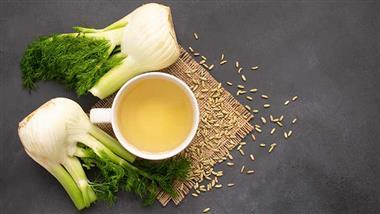
STORY AT-A-GLANCE
- Common fennel is a perennial plant in the carrot family. All but the roots are used in traditional culinary and medicinal preparations. The plant is native to the Mediterranean and is believed to have been part of Jewish meals since biblical times
- Although from the same family and similar in taste, anise and fennel are from different plants and have slightly different flavor profiles. Anise is more pungent and often found in Chinese Five Spice powder while fennel seeds have a less sweet licorice flavor that lends itself to savory dishes
- Fennel bulbs are low in calories and are a rich source of fiber and anethole, which gives the plant the distinctive flavor and has anti-inflammatory, anticarcinogenic, immunomodulatory, neuroprotective, chemoprotective and antithrombotic properties
- Fennel seed has anti-infective properties effective against conjunctivitis, and has been incorporated into natural remedies to treat dry cough, pneumonia, bronchitis and asthma. It also has mild diuretic properties
- Animal studies link fennel extract to the treatment of dementia and Alzheimer’s disease. The seeds also have a long history as a digestive aid as they lower cramping, bloating and gas while promoting motility and peristalsis. The seeds have traditionally been used as a galactagogue, helping to increase breast milk supply
Common fennel (Foeniculum vulgare) is a perennial plant in the carrot family that is grown for the edible leaves, shoots, seeds and bulbs. It’s likely the plant was first cultivated in Israel,1 and is believed to have been part of Jewish meals since biblical times. The plant is native to the Mediterranean area, where the seeds are used as a spice, insect repellent and medicine, and the shoots and feathery fronds are added to salad.
Pliny the Elder mentions fennel several times in his encyclopedia, “Natural History,” as a treatment for uterine health, stomach aches, and to care for “stings of serpents.”2 Although the plant has become an invasive species in parts of the U.S., it can be grown in pots, which may help contain the spread.3
The plant appreciates cool weather and temperatures above 75 degrees Fahrenheit can induce bolting, or premature seeding.4 It likes full sun, well-draining soil and should be planted in the early spring or fall months. If the seed heads are collected before they shatter, it may also help prevent the spread of the plant. Although the plant can reach 6 feet in height, it often is ready for harvest when it’s shorter than that.5
Traditionally, the medicinal value of fennel has benefited nursing women and people with gastrointestinal disorders; it has even been used as a mild diuretic to help reduce edema. However, some people don’t like the licorice-like flavor of the fennel plant, which tastes like anise.
Is It Anise or Fennel?
Although anise and fennel are similar in taste and the plants are from the same family, that is where the similarity ends. While fennel produces a bulb at the base that is edible, anise grows as a bush that produces the seed, and only the anise seed is edible.6
Both plants are native to the Mediterranean and both have a licorice flavor derived from anethole, an essential oil found in the seed. Many cooks use the seeds interchangeably, but anise is more pungent and often found in Chinese five spice powder. Fennel seeds have a less sweet licorice flavor that lends itself to savory dishes.
Fennel is a versatile plant and much of it can be eaten.7 The bulb can be trimmed, the outer layer peeled, and the bulb cut in half lengthwise through the middle of the root. The core can be tough on larger bulbs but is often tender in younger plants.
The fennel bulb and stocks can be eaten raw or roasted, caramelized, grilled or candied. Cooking the vegetable tends to reduce the licorice flavoring. The stems can be tossed over coals when grilling fish and the fronds make a garnish on fish or salad.
Vitamin and Antioxidant Components Support Health
The vitamin and nutrient content in fennel bulbs and seeds contribute to supporting overall health and have specific benefits, such as digestive health and anticancer properties. According to the U.S. Department of Agriculture, nutrients in fennel bulbs and seeds include:
| Vitamin/Nutrient | Recommended Daily Allowance8 Women – Men |
1 Cup sliced Fennel bulb9 | 1 Tbs. Fennel seeds10 |
| Calories | 27 | 20 | |
| Protein | 1.08 grams (gm) | 0.916 gm | |
| Calcium | 1,000 mgs | 42.6 milligrams (mg) | 69.6 mg |
| Iron | 8 mg | 0.635 mg | 1.07 mg |
| Magnesium | 310 – 400 mg | 14.8 mg | 22.3 mg |
| Potassium | 2,600 – 3,400 mg | 360 mg | 98 mg |
| Phosphorus | 700 mg | 43.5 mg | 28.2 mg |
| Zinc | 8 – 11 mg | 0.174 mg | 0.215 mg |
| Copper | 900 micrograms (µg) | 0.057 mg (57 µg) | 0.062 mg (62 µg) |
| Folate | 400 µg | 23.5 µg | Not listed |
| Vitamin C | 75 – 90 mg | 10.4 mg | 1.22 mg |
| Vitamin A | 700 – 900 µg | 41.8 µg | 0.406 µg |
The combination of nutrients in fennel seed offers mild diuretic properties, which may be one of the reasons weight loss formulas include the seed.11 In the past, it’s been used as an appetite suppressant and has been incorporated into natural remedies to treat dry, hacking coughs, as well as asthma, pneumonia and bronchitis.
Fennel seed also has anti-infective properties effective against conjunctivitis. A decoction of the seed strained through a paper filter has been used as an eye wash for sore and bloodshot eyes. The essential oil derived from fennel seed has been useful to improve energy levels and incorporated into facial products for mature skin. This includes soaps, creams and lotions.
Kaempferol and quercetin are ubiquitous polyphenols in fruit and vegetables,12 which are beneficial in the fight against cardiovascular disease, which remains the leading cause of death worldwide. Fennel leaves have higher levels of quercetin in milligrams per 100 gm of fresh weight than other plant sources tested, except for dill.
Fennel is also rich in anethole, which helps give the plant its distinctive flavor. The compound has been widely used within the food industry and across the cosmetics and pharmaceutical industries. Studies have also revealed the compound may play a role in several chronic diseases due to the anti-inflammatory, anticarcinogenic, immunomodulatory, neuroprotective, chemoprotective and antithrombotic properties modulated across ion channels.13,14
Fennel bulbs are also rich in prebiotic fiber,15 that helps support gut microbiota and promotes optimal brain and psychological health.16 Adding prebiotic fiber to your diet improves your gut microbiome and thus may impact brain development and function.
Animal studies17 have also linked common fennel in the treatment of dementia and Alzheimer’s. The extract was used in mice for eight consecutive days and found to ameliorate the amnesic effect of chemically induced memory deficits in mice. The powerful antioxidants found in the fennel bulb, such as vitamin C and quercetin, helped to reduce levels of inflammatory markers in an animal model.18
Download this Article Before it Disappears
More Health Benefits From Fennel and Fennel Seeds
Fennel seeds have a long history as an effective digestive aid.19 They appear to help lower digestive cramping, bloating and gas. Volatile oils in the fennel seed help encourage motility and peristalsis, while the aromatic oils have antispasmodic and carminative properties.
Fennel tea is made by crushing dried seeds and adding them to boiling water. By increasing motility and reducing muscle spasms, drinking fennel tea may help prevent acid reflux and improve digestion. Since the fennel seeds help reduce stomach cramps and lower gas and bloating, they could potentially help relieve the symptoms of irritable bowel syndrome (IBS) and act as a muscle relaxant to ease cramping.
The impact that consuming fennel bulb has on heart disease is related to the prebiotics that help improve gut health. Fennel seeds are rich in potassium, which can help balance your sodium-potassium ratio and have a positive influence on blood pressure. In postmenopausal women, fennel increased sexual satisfaction and reduced painful intercourse,20 and fennel vaginal cream improved arousal, lubrication, sexual satisfaction and orgasm after eight weeks.21
Lifestyle and wellness coach Luke Coutinho shared a fennel tea recipe with the Times of India to help promote sleep. It includes making fennel tea with dried seeds and adding dashes of freshly ground nutmeg and cinnamon, and then drinking it at bedtime.22
Fennel tea also has antimicrobial and antiviral properties, so drinking some tea when you feel a cold coming on may help your body fight the pathogens.23 Fennel tea may be one of the original ways people used to freshen their breath. The antibacterial properties may help kill oral pathogens that cause your breath to smell bad.24
Fennel seeds have traditionally been used as a galactagogue, helping to increase breast milk supply.25 Fennel seeds are used in traditional medicine and are included in several over-the-counter proprietary mixtures believed to help increase milk supply. It is believed to boost milk production by competing with dopamine that binds with prolactin first.26 By preserving prolactin’s milk stimulation properties, the anethole in fennel seed helps boost production.
Health Benefits of Indian Cooking Spice Asafoetida
Asafoetida is an Indian cooking spice made from the gum of a type of giant fennel. The name translates into “rotten resin,”27 which aptly describes the unpleasant odor reminiscent of rotting food and sweaty feet. If you can get past the scent while cooking, it has been long used in lieu of garlic and onions in Indian food.
Asafoetida also can reduce gas and bloating, and sometimes is paired with bean-based dishes for that reason.28 In 2009,29 researchers found it was more effective at killing the H1N1 influenza virus than the commercially manufactured antiviral drug, amantadine.
Asafoetida also contains several chemicals shown to have anti-inflammatory, anticancer and antimutagenic activities. As reported in the Pharmacognosy Review:30
“Dried resin, administered orally to Sprague–Dawley rats at doses of 1.25 and 2.5% w/w of the diet, produced a significant reduction in the multiplicity and size of palpable N-methyl-N-nitrosourea-induced mammary tumors, and a delay in mean latency period of tumor appearance. Oral administration to mice increased the percentage of life span by 52.9%. Intraperitoneal administration did not produce any significant reduction in tumor growth.”
Similarly, a study31 published in the Journal of Ayurveda and Integrative Medicine in 2017 confirmed asafoetida resin had antitumor effects against breast cancer. According to the researchers:
“Our results showed that treatment with asafoetida was effective in decreasing the tumor weight and tumor volume in treated mice. Apart from the antitumor effect, asafoetida decreased lung, liver and kidney metastasis and also increased areas of necrosis in the tumor tissue respectively.”
As with fennel bulb and fennel seed, asafoetida lowers blood pressure,32 has significant smooth muscle relaxant and anticoagulant effects, and certain compounds may have the ability to inhibit acetylcholinesterase,33 which may prove useful against Alzheimer’s disease.
Some People Should Avoid Fennel, Seeds or Oil
The fennel bulb has a crunchy texture and mildly sweet flavor. When purchasing fennel, look for a firm white or pale green color. If the buds are flowering, the plant has gotten overripe.
Fennel and fennel seeds are gentle, but there are instances when fennel can cause an allergic reaction on the skin and in the respiratory tract.34 The essential oil can be toxic in high doses and should be avoided during pregnancy as it has estrogen-like activities. Individuals with estrogen-sensitive conditions, such as breast cancer or other tumors, should also avoid consuming the essential oil.
Other high-sensitivity reactions can include over-excitement of the nervous system and seizures in a sensitive individual. People with Parkinson’s, multiple sclerosis and epilepsy should avoid using the essential oil. Fennel may also slow blood clotting, so people with bleeding disorders or on blood thinners should not use fennel.
When drinking fennel tea or using other products with essential oil, avoid ultraviolet light exposure as it can increase the risk of burns. If a mother or breastfed infant is allergic to carrots, celery, or other plants in the Apiaceae family, the mother should also avoid fennel to reduce the risk of a possible cross-allergic reaction as the compounds cross into the breast milk.
- 1 Tablet Magazine, May 10, 2023
- 2 Food Print, Fennel
- 3 Yates, Fennel
- 4 Plant Village, Fennel, Propagation
- 5 Wisconsin Horticulture, Fennel
- 6 Gardening Know How, Fennel Vs. Anise
- 7 Food Print, Fennel, Cooking with Fennel
- 8 Harvard The Nutrition Source, Vitamins and Minerals
- 9, 15 USDA, Fennel, bulb, raw, 1 cup sliced
- 10 USDA, Fennel Seed, 1 Tbs
- 11, 19 The Northwest School for Botanical Studies, Fennel
- 12 Nutrients, 2019; 11(10)
- 13 Advances in Experimental Medicine and Biology, 2016; 929
- 14 Molecular Pharmacology, 2019;95(4)
- 16 Frontiers in Behavioral Neuroscience, 2016;10 Discussion 50% DTP para 1
- 17 Journal of Medicinal Food, 2006; 9(3)
- 18 European Review for Medical and Pharmacological Sciences, 2012; 16 (4)
- 20 Journal of Menopausal Medicine, 2018 semicolon 24(1)
- 21 Journal of Medicine and Life, 2018; 11(1)
- 22 Times of India, June 28, 2019
- 23 Biomed Research International, 2014; 2014(842674)
- 24 BMC Complementary Medicine and Therapies, 2009; 9
- 25 Drugs and Lactation Database, March 15, 2023
- 26 Mom Junction, March 27, 2023, How does fennel increase breastmilk
- 27 Chemistry World, Asafoetida
- 28 Good Food, Asafoetida
- 29 Journal of Natural Products, 2009;72(9)
- 30 Pharmacognosy Review, 2012;6(12) 45 DTP
- 31 Journal of Ayurveda and Integrative Medicine, 2017; 8(3)
- 32 Pharmacognosy Review, 2012;6(12)
- 33 Journal of Traditional and Complementary Medicine, 2017;7(3) Table 3, 7 down in the table, observation column
- 34 RxList, Fennel, Side Effects
Could Aspirin Have Cut COVID Deaths in Half?
Reproduced from original article:
https://articles.mercola.com/sites/articles/archive/2023/05/15/aspirin-for-covid.aspx
The original Mercola article may not remain on the original site, but I will endeavor to keep it on this site as long as I deem it to be appropriate.
Analysis by Dr. Joseph Mercola Fact Checked May 15, 2023
STORY AT-A-GLANCE
- There was a massive discrediting propaganda campaign hurled at aspirin by Big Pharma fifty years ago when it came out with expensive and dangerous non-steroidal anti-inflammatories (NSAIDs)
- Aspirin is a staple medicine that is frequently recommended as a remedy to control inflammation and prevent blood clots. It could have helped limit the pandemic death toll, had it not been downplayed and ignored
- According to research published in April 2021, aspirin reduced COVID-19 patients’ need for mechanical ventilation by 44%, ICU admission by 43% and mortality by 47%
- Proteolytic enzymes like lumbrokinase, serrapeptase and nattokinase are safer and perhaps even superior choices to aspirin for its anticlot properties. These enzymes, when taken on an empty stomach, act as natural anticoagulants by breaking down fibrin
- Proteolytic enzymes may also be helpful for long-COVID. Researchers have found that people who die from COVID have extensive lung damage caused by persistent virus-infected cells that cause scar formation. Proteolytic enzymes can help dissolve this scar tissue, as fibrin is a primary component
Aspirin (acetylsalicylic acid) was introduced in 1899 as an alternative to sodium salicylate,1 a pain reliever and anti-inflammatory known for its unpleasant side effects such as stomach cramps, heartburn, nausea and vomiting. It’s been a staple medicine in most households ever since and is frequently recommended as a remedy to control inflammation and prevent blood clots that can lead to stroke and heart attack.
Aspirin also has other health benefits. It helps increase the oxidation of glucose as fuel for your body while inhibiting the release of fatty acids from your fat cells, specifically linoleic acid (LA), an omega-6 fat which I suspect is a primary driver of chronic disease.
This is important because nearly everyone in the U.S. has excessive LA in their tissues, as it takes seven years of a low LA diet to get it down to healthy levels. So, the last thing you want to do is increase the release of LA into your body from fat stores. It is far better to release LA slowly and allow your liver to process it. It is water soluble, so you can urinate it out without it being metabolized into inflammatory prostaglandins.
Importantly, aspirin will also lower your baseline cortisol — indirectly by lowering inflammation, and directly by inhibiting the enzyme 11-beta-hydroxysteroid dehydrogenase Type 1. This enzyme synthesizes active cortisol from the inactive precursor cortisone.
Aspirin lowers the production of stressed induced aldosterone, which can help to lower blood pressure. Aspirin increases your levels of carbon dioxide and progesterone while inhibiting the major inflammatory pathway, NF kappa-B, which will help your body naturally increase the synthesis of two powerfully important hormones that your body needs, testosterone and progesterone.
Aspirin also uncouples mitochondria. Uncoupling of mitochondrial oxidative metabolism from ATP production can help to increase your metabolic rate and help you lose weight. Dinitrophenol (DNP) is a drug that, like aspirin, uncouples mitochondrial metabolism and produces incredible weight loss. Sadly, it has a very low therapeutic index, so its effective dose is close to its toxic dose and is widely considered too dangerous for clinical use and is no longer available in the U.S.
Aspirin Reduced COVID-Related Hospital Deaths by 47%
Aspirin could also have helped limit the pandemic death toll, had it not been downplayed and overlooked. Many news outlets and COVID-specific websites warned against the use of aspirin for COVID infection, saying it could cause serious bleeding.
While bleeding is a potential side effect, aspirin is no riskier than other anticoagulants, such as heparin,2,3,4 which was recommended by the National Institutes of Health.5
According to research6 published in April 2021, aspirin significantly reduced COVID-19 patients’ need for mechanical ventilation, ICU admission and subsequent mortality. The retrospective, observational cohort study included patients admitted for COVID infection at multiple hospitals across the U.S. between March and July 2020. As reported by General Surgery News:7
“The study’s principal investigator, Jonathan Chow, MD, an assistant professor of anesthesiology and critical care medicine at George Washington University, in Washington, D.C., said:
‘At the beginning of the pandemic, in March and April of 2020, my colleagues and I observed that all these COVID patients in the intensive care unit began to develop excess clot formation and complications related to blood clots and microclot formation throughout the body.’
Numerous autopsy studies from last spring showed these patients had activation of platelets throughout the body and an excessive number of precursors to platelets, according to Dr. Chow.
‘That got us thinking, ‘Why don’t we start using an antiplatelet medication, such as aspirin, to treat these patients?’ he said. ‘Aspirin has been studied extensively in cardiovascular disease to prevent clot formation, and it is widely available and inexpensive.’”
Chow and his team reviewed the charts of 412 patients, 23.7% of whom had either received aspirin within 24 hours of admission, or had taken aspirin for at least seven days prior to admission, and 76.3% who did not.
After adjusting for several confounding variables, including comorbidities, aspirin was independently associated with a:
- 44% decreased risk for mechanical ventilation
- 43% reduced risk for ICU admission
- 47% decrease in hospital mortality
Based on this research, it appears COVID-19-related hospital deaths could have been cut nearly in half, had aspirin been routinely used. Chow commented on the results:8
“The results of the study do not really surprise us because we know that COVID causes excess clot formation and we know that aspirin is a very potent blood thinner. So, when you have a disease that causes clots and a medication that thins your blood, that may lead to the protective effects that we found.”
Aberrant Coagulation in Severe Influenza Pneumonia
As in COVID-19, pneumonia caused by influenza also involves microclotting in the lungs. According to research published in 2016, aberrant coagulation is what causes a hyperinflammatory response in severe influenza pneumonia:9
“Dysfunctional coagulation is a common complication in pathogenic influenza, manifested by lung endothelial activation, vascular leak, disseminated intravascular coagulation and pulmonary microembolism.
Importantly, emerging evidence shows that an uncontrolled coagulation system, including both the cellular (endothelial cells and platelets) and protein (coagulation factors, anticoagulants and fibrinolysis proteases) components, contributes to the pathogenesis of influenza by augmenting viral replication and immune pathogenesis.”
This paper also highlighted the benefits of aspirin, noting it:10
- Protects mice from lethal influenza virus infection
- Acts as an anti-influenza virus agent in vitro by inhibiting pro-inflammatory NF-κB activity
- Improves influenza outcomes
- Potentially inhibits platelet activation
Download this Article Before it Disappears
Fibrinolytics May Be the Key
According to the 2016 paper above, “Fibrinolysis is involved in both lung inflammation and the influenza A virus life cycle.” Fibrinolysis is a process that prevents blood clots from forming and growing. This is part of your body’s normal processes, but sometimes the clotting becomes too excessive, requiring a fibrinolytic to help break down the clots that have already formed.
Fibrin is the material that blood clots are made of, and while aspirin can help break them down, I believe proteolytic enzymes like lumbrokinase, serrapeptase and nattokinase are superior choices.
These enzymes, when taken on an empty stomach, away from food, act as natural anticoagulants by breaking down fibrin. They must be taken at least one hour before or two hours after meals containing protein, though. Otherwise, they’ll be wasted in the digestion of the protein in your food and won’t be able to activate their fibrinolytic properties.
Fibrinolytic Enzymes for COVID-19
Another paper11 published in July 2020, this one a case series, also hints at the usefulness of fibrinolytic enzymes for COVID. It presented three case studies of patients with severe COVID‐19 respiratory failure who were treated with tissue plasminogen activator (TPA), a serine protease enzyme found on endothelial cells that is involved in the breakdown of blood clots.12
All three patients benefited from the treatment, with partial pressure of oxygen/FiO2 (P/F) ratios, a measure of lung function, improving from 38% to 100%.
Other research13 has shown that the thrombolytic activity of equivalent amounts of nattokinase and TPA are identical, so nattokinase could be a useful alternative. The benefit of nattokinase is that you can take it at home, without a prescription, while TPA is an emergency stroke treatment that is only given intravenously to patients suspected of having an ischemic stroke.
Considering fibrinolytic enzymes are thrombolytics comparable to both aspirin14 and TPA, it seems reasonable to conclude that they can be helpful in the treatment of COVID-19.
Fibrinolytic Enzymes May Be Useful in Long-COVID as Well
Another paper15 published in November 2020 highlighted that people who died from COVID-19 had extensive lung damage, including clotting and long-term persistence of virus cells in pneumocytes and endothelial cells.
The findings indicate that virus-infected cells may persist for long periods inside the lungs, contributing to scar tissue. In an interview with Reuters,16 study co-author Mauro Giacca, a professor at King’s College London, described “really vast destruction of the architecture of the lungs,” with healthy tissue “almost completely substituted by scar tissue.”
This scar tissue, Giacca said, may be responsible for so-called “long COVID,” in which symptoms persist for months after the infection has cleared up. “It could very well be envisaged that one of the reasons why there are cases of long COVID is because there is vast destruction of lung (tissue),” he told Reuters. “Even if someone recovers from COVID, the damage that is done could be massive.”
The good news is that proteolytic enzymes can help dissolve scar tissue as well, as fibrin is a primary component. I would alternate between lumbrokinase and serrapeptase, as you’ll need to take it for about three months and sensitivity can develop over time if you use any one of them daily without interruption.
A Breakdown of the Top Three Fibrinolytics
While lumbrokinase, nattokinase and serrapeptase are all effective thrombolytics, lumbrokinase is by far the most potent, which is why it’s my personal favorite. Lumbrokinase is 30 times more potent than nattokinase and 300 times more potent than serrapeptase.17,18,19
This means you need much higher doses if you’re taking nattokinase or serrapeptase, compared to lumbrokinase. That said, as just mentioned, if you intend to take a fibrinolytic enzyme daily, I recommend alternating them to prevent a sensitivity or allergy from developing. Also remember that they must be taken on an empty stomach.
Aside from potency, each enzyme also has its own set of benefits that might make one preferable over another:
1. Lumbrokinase — A highly effective antithrombotic agent that reduces blood viscosity and platelet aggregation20 while also degrading fibrin, which is a key factor in clot formation.
I recommend that everyone keep some high-quality lumbrokinase in your emergency kit. A while back I developed a significant bruise from a weight training injury. I took a high dose of lumbrokinase for a week, which cleared it up.
I also took lumbrokinase after being stung by three wasps on my forehead right before bed. The stings swelled to nearly the size of half a tennis ball. Wasp venom contains proteins that fibrinolytic enzymes can break down, so I took half a dozen pills and went to sleep.
The next morning, the swelling was nearly gone. If you are going to try this, the sooner you take it after you’re stung, the better it will likely work as it denatures the venom proteins before they inflict their damage.
2. Serrapeptase — Research has shown serrapeptase can help patients with chronic airway disease, lessening the viscosity of sputum and reducing coughing.21 Serrapeptase also breaks down fibrin and helps dissolve dead or damaged tissue without harming healthy tissue.22
3. Nattokinase — Nattokinase has been shown to break down blood clots and reduce the risk of serious clotting23 by dissolving excess fibrin in your blood vessels,24 improving circulation and decreasing blood viscosity.
Aspirin Has Benefits Similar to Fasting
I have long been a fan of fasting for many reasons, but primarily because it has been known to lower biomarkers of inflammation as well as increase autophagy. Interestingly, there was a study done that suggests that aspirin also does precisely this. The study was in mice and used 8 mg/kg which is the equivalent of about two 5 grain (325 mg) tablets a day.25
The study showed that aspirin, or its active metabolite salicylate, caused autophagy by inhibiting the acetyltransferase activity of EP300 which is a specific gene, also known as p300, which codes for proteins that regulate the activity of many genes in tissues throughout your body. It plays an essential role in controlling cell growth and division, prompting cells to mature and take on specialized functions.
Purchasing Guidelines for Aspirin
Getting back to aspirin, if you do decide to use aspirin, be sure to avoid coated extended-release aspirin. It’s not recommended due to the additives they put in it. Immediate-release aspirin is the preferred version and can be found on Amazon.
Look carefully at the list of inactive ingredients. The only one should be corn starch. I looked long and hard and found one that meets all those criteria. The recommended dose is one 325 milligram tablet per day with your largest meal.
Earlier this year I became convinced of the prophylactic value of aspirin, and I now take 325 mg per day. But I use a version that is not a tablet and is 99% pure USP aspirin. I find its prometabolic, antilipolytic, anti-inflammatory, anticortisol, and anti-estrogen effects very appealing, and its safety is well-established.
It is important to understand that there was a massive discrediting propaganda campaign hurled at it by Big Pharma when it came out with its panoply of expensive and dangerous non-steroidal anti-inflammatories (NSAIDs) fifty years ago. Many may not recall that I was the first person on the internet to warn the dangers of one of these NSAIDs, Vioxx, a year before it was released into the market and killed around 100,000 people.
If you are sensitive to aspirin, it would be best to use a salicylic acid or willow bark supplement. When you consume aspirin, the acetylsalicylic acid is metabolized in your body into salicylic acid, which is the compound responsible for the anti-inflammatory, pain-relieving and antithrombotic effects of aspirin. This can be found in willow bark.
To learn more about the risks and benefits of aspirin, and how it compares to fibrinolytic enzymes, see “Daily Aspirin — Healthy or Harmful?”
- 1 BMJ December 23, 2000; 321(7276): 1591-1594
- 2 Annals of Internal Medicine June 4, 2013; 158(11): 800-806
- 3 University of Maryland Aspirin Study
- 4 University of Maryland Medical Center Press Release January 18, 2023
- 5 NIH Antithrombotic Therapy in Patients With COVID-19, Updated December 1, 2022
- 6 Anesthesia & Analgesia April 2021; 132(4): 930-941
- 7, 8 General Surgery News August 4, 2021
- 9, 10 Cellular & Molecular Immunology April 4, 2016; 13: 432-442
- 11 Journal of Thrombosis and Haemostasis July 2020; 18(7): 1752-1755
- 12 Diapharma, Tissue Plasminogen Activator
- 13 Scientific Reports. Article Number 6210. April 18, 2018
- 14 Lab Anim Res December 2013; 29(4): 221-225
- 15 EBioMedicine November 3, 2020; 6: 103104
- 16 Reuters November 3, 2020
- 17 Townsend Letter May 2018
- 18 Enzymatic Activity Comparison of Common Fibrinolytic Enzymes 2011
- 19 Lumbrokinase Reference List May 2018
- 20 Trials 2022; 23, Article number: 285, Introduction
- 21 Respirology September 2003;8(3):316-20
- 22 International Journal of Surgery April 2013;11(3):209-217
- 23 Scientific Reports 2015; 5: 11601
- 24 Biol Pharm Bull. 1995 Oct;18(10):1387-91
- 25 Cell Rep. 2018 Feb 27; 22(9): 2395-240
COVID Doctor Who Left Hospital Job Has a Vision for Health Care
Reproduced from original article:
https://articles.mercola.com/sites/articles/archive/2023/04/16/covid-doctor-lost-job-new-vision-health-care.aspx
The original Mercola article may not remain on the original site, but I will endeavor to keep it on this site as long as I deem it to be appropriate.
Analysis by Dr. Joseph Mercola Fact Checked April 16, 2023
STORY AT-A-GLANCE
- Before the COVID pandemic, Dr. Paul Marik became well-known for his development of a highly effective sepsis protocol using intravenous vitamin C, which resulted in a dramatic reduction in mortality rates
- In 2020, he cofounded the Front Line COVID-19 Critical Care Alliance (FLCCC) and subsequently published one of the most comprehensive and effective protocols for treating COVID-19, called MATH+
- While COVID mortality in Marik’s ICU was half that of his peers, the hospital banned the protocol from being used
- Marik sued to get MATH+ reinstated, at which point he was put through a sham peer review. The hospital levied fabricated charges against him and his hospital privileges were immediately suspended
- After Marik’s long tenure with numerous accolades, the hospital reported him to the National Practitioner Data Bank, which makes it near-impossible to get a medical license again in any state. This effectively ended his clinical career. However, Marik is taking a new route. Having discovered the falsehoods that conventional medicine has been built upon, he’s now researching and developing health protocols using lifestyle modification, diet and repurposed drugs
Before the COVID pandemic, Dr. Paul Marik became well-known for his development of a highly effective sepsis protocol using intravenous vitamin C, which resulted in a dramatic reduction in mortality rates. Then, in 2020, he cofounded the Front Line COVID-19 Critical Care Alliance (FLCCC) and subsequently published one of the most comprehensive and effective protocols for treating COVID-19.
Despite a stellar career up to that point, the sin of insisting on early treatment for COVID-19, and sharing that information with the public, resulted in him being vilified, discredited and ultimately forced to resign. I’m a veteran of this too, so much so that the first two times I attempted to interview Marik, he turned down the invitation, in part because of how I was being portrayed by the media.
“I was still digesting what was happening and I was unsure,” Marik says. “I didn’t realize how important you are in telling the truth and standing up for the truth. I was a little bit protective. We have subsequently met and, obviously, you’re one of my heroes because you stand up for the truth and you’ve known about the dishonesty, the deceit, the deception for much longer than I have.
I had swallowed the Kool-Aid. I was a tenured professor of medicine. I was the only one tenured in my department, in fact. I believed the medical literature, I believed the narrative. I believed what I taught, and you can understand how disturbing it is to one’s very core when you discover that what you’ve been teaching and promoting is based on lies, falsehood and deception.”
Indeed, it’s a hard pill to swallow for anyone, and I applaud Marik for having the courage and moral fortitude to follow the real evidence and not back down from the truth once it dawned on him. Some can’t handle it and simply stick their head in the sand and pretend they don’t know what they know.
COVID Revealed What the Medical System Is All About
As noted by Marik, COVID changed not only the world but medicine as well. Before COVID, intensive care specialists were relatively insulated against the evils of Big Pharma and they had therapeutic freedom. Their job was to save the patient using whatever means available, and they did so.
That changed when COVID came around. Suddenly, doctors were told to send patients home, without treatment, until or unless they were unable to breathe, at which point they were to put them on mechanical ventilation and follow a strict drug protocol. Together, these treatments proved deadly for most patients.
Marik was among those who refused to accept this and set out to develop treatment protocols, one for use in-hospital and another for early outpatient treatment.
“We had a really successful protocol for treating COVID in the hospital,” he says. “That’s how we really started the MATH+ protocol. We knew it was effective. My results were better than any of my colleagues’. But the hospital decided to basically outlaw what I was doing.
I was using safe FDA approved drugs which have been shown to be effective for COVID, and the hospital I worked at, the Sentara Healthcare system, publicly made a statement that the pharmacy would no longer dispense the medications I had used …
Basically, all I was left with was remdesivir. As we know, the use of remdesivir was halted for Ebola because it was shown to be a toxic drug that killed people. We know that Gilead and the National Institutes of Health (NIH) and [Dr. Anthony ] Fauci committed scientific fraud in the conduction of the remdesivir study …
They committed out-and-out scientific fraud. We know, according to publicly available World Health Organization data, that remdesivir increases the risk of a patient developing renal failure 20-fold. We know it increases your risk of dying.
You can understand the situation that I was in. I was the director of the ICU. I had run the ICU for 15 years, and now I was told I can’t use safe and effective drugs to treat my patients. Rather, I must use a toxic drug for which the hospital gets an additional bonus.
That was a big awakening for me and it speaks to the depth, the breadth of corruption. Basically, the health care system is not patient-geared or health care-geared or geared to enlighten patients, improve their health, improve their lifespan, make them happy, improve their general health.
The system is designed to make money. Simple as that. Make money for Big Pharma. Make money for the hospitals and the system and therefore empower the NIH. That’s a brief overview of this journey that I’ve traveled. They have persecuted me professionally and personally. Their goal was to take me down and destroy my career.
They were somewhat successful in ending my clinical career, but I’m not going to give up. I will never give up because you have to fight for truth and honesty. I think now I have a much bigger role because I and you and many of us have revealed the deceit of the system, and we need to empower patients and health care providers to do what our Hippocratic duty is: To help patients. That’s what we’re here to do.”
The MATH+ Protocol
The initial MATH+ protocol the FLCCC developed in early 2020 got its name from:
- Intravenous Methylprednisolone
- Intravenous Ascorbic acid
- Thiamine (B1)
- Full dose low molecular weight Heparin
- Plus optional treatments zinc, vitamin D and melatonin
Since then, the protocol has been revised several times as more data became available. Additional protocols have also been developed, including one for long-COVID and COVID jab injuries. You can find them all on the FLCCC’s website.
Download this Article Before it Disappears
Duty to the Patient Led to Sepsis Treatment Discovery
As explained by Marik, the MATH+ protocol grew out of his HAT protocol for sepsis, developed four years earlier.
“HAT stands for hydrocortisone, ascorbic acid and thiamine. How did this start? I’m a bedside clinician and as [Sir William] Osler said, ‘You learn medicine at the bedside.’ Why? Because that’s where the patient is … That’s where some of the most important discoveries are made, at the bedside. [In] January 2016, I had a patient who had overwhelming sepsis. I think she was in her 50s.
She had biliary sepsis. She arrived in the ICU. She became intubated. She was in renal failure. She was on multiple doses of vasopressors. As a doctor, I knew she was going to die … and when you’re at the bedside, you have a duty to the patient. The doctor always thinks, ‘What can I do to help this patient? Is there a rabbit I can pull out of the hat to help her?’
It just so happened I had read some work on vitamin C by Dr. [Alpha] Fowler and I was really impressed by his work. He had done a preliminary study looking at vitamin C in sepsis and I thought, ‘You know what? Why don’t I try it?’ It’s available in the hospital. It’s FDA approved. I called my pharmacist; we had vitamin C. I told them what I wanted to do. I explained to the family what we were going do. I decided to use vitamin C.
I was unclear about what dose to use. I looked at Dr. Fowler’s study and in his paper, he used two different doses, 50 milligrams per kilogram per day and 200 … We started off on 100 mg per kg per day, which came out to 1.5 grams every six hours …
I was always very impressed with hydrocortisone for sepsis. More recently, like a week ago, we now have a paper proving the lifesaving benefit of hydrocortisone in pneumonia. So, this wasn’t something I sucked out of the air.
Then I added thiamine because of its multiple beneficial effects. At first I thought it would help protect against oxalosis with vitamin C, but that wasn’t true. But thiamine actually has important effects in intermediary metabolism, mitochondrial function, energy, metabolism, and patients with sepsis are often both vitamin C deficient and thymine deficient.
That was the initial rationale for this. I thought, ‘Well, what do we have to lose?’ I was convinced the next morning when I came to work, she would not be with us. I can tell you, I was completely dumbfounded and stunned. The next morning, she was sitting up in bed, she was off vasopressor agents. She got extubated. Her kidney function had improved, and she left the ICU three days later.
I was stunned. Our nurses were stunned. The residents were stunned. They’d never seen such a thing. This is a woman who we knew was going to die and she walked out of the hospital. When you see something like this, you say, ‘Wow, maybe that was just a fluke.’ But I did it again and again and again, and exactly the same thing happened.
We started this as a protocol in our ICU and this was endorsed by our nurses because they could see the dramatic effect. The nurses tell the truth. They’re the ones at the bedside … although the hospital tried to silence them.”
Marik’s Sepsis Protocol Proven to Save Lives
At one point, Marik considered doing a randomized study to test his sepsis protocol, but his nurses dissuaded him. They deemed it unethical to withhold a treatment that clearly had superior effectiveness from people in the placebo or conventional treatment group. In the end, he published a prospective observational study in which he compared his treatment to retrospective data.
“We used the same selection criteria and we showed a significant reduction in mortality from about 40% in the ICU to 8%,” he says. “At the beginning, I was a hero at the hospital. They thought this was the most wonderful thing. They supported me.
They endorsed me and the dean supported me. But with time, as the media and [other] forces started playing out, I became less and less and less popular, to the point when it came to COVID, I was a pariah and they wanted to destroy me.
At that time, in the early or late 2017, 2018, sepsis was … one of the indicators of the quality of hospital care, and CMS [the Centers for Medicare & Medicaid Services] had quality indicators. Hospital sepsis mortality was a big deal …
The CEO of the hospital at that time was a very nice man. He provided me with the [hospital mortality] data. This was independent data from a data analytics company, which showed that since I had introduced the protocol … the hospital mortality from sepsis fell from 20% to 8%.”
How Does Vitamin C Combat Sepsis?
As for how vitamin C works in sepsis,1 Marik points out that vitamin C is more of a stress hormone than a vitamin. All animals, with the exception of humans and guinea pigs, make vitamin C when stressed. It’s made predominantly by the liver and kidneys.
So, it’s very important for or during stress. It’s also a powerful antioxidant, and it’s required as a cofactor for the synthesis of many enzymes and proteins. It also plays an important role in your immune system, as it’s involved in white blood cell function and the production of interferon.
Unfortunately, humans do not make endogenous vitamin C like other animals. So, when we are under stress or experience acute illness or infection, we need vitamin C, and oftentimes more than we get from our diet. As explained by Marik:
“When patients are septic, they have exceedingly low vitamin C levels. Animal models show that when you replace the vitamin C, it improves the outcome. This is not rocket science.
Vitamin C is essential as a stress hormone. It’s an essential antioxidant. And sepsis is a potent prooxidant. It’s important for the immune system. It’s important for the synthesis of catecholamines. It’s essential for tissue repair. It just makes sense that it would be beneficial in sepsis.”
The Timing of Vitamin C Administration Matters
The timing of the vitamin C administration for sepsis appears to be crucial, however. In his paper, Marik stated that patients were treated within 24 hours. However, they were really treated within six hours of ICU admission, and this is probably why some attempts at replication have failed.
For example, in one, vitamin C was administered within a 10-hour window. Others waited days before giving it. In one of the largest studies, which sought to invalidate Marik’s data, they didn’t give the first dose until 18 hours or more had passed.
“In this large randomized study which so-called ‘disproved’ our paper, the time to initiation of therapy was exceedingly long. Most patients were more than 24 hours … And, the investigators had previously viciously attacked me. In fact, at an open meeting they implied that I was a snake oil doctor …
As you know, this is a war on repurposed drugs, and they will do whatever they can. When you look at the data, it seems that if [vitamin C] is given early, it works. I did somewhat of a dose-finding study with our initial patients, just based on the variation according to what the pharmacy did, and it seemed like 1.5 grams, if given early, makes a difference … If it’s given after six to 10 or 12 hours, I think you need a higher dose …
Dr. Pierre Kory has done work in his ICU and he found exactly the same thing, that when there’s a delay in the initiation of vitamin C, the mortality benefit disappears. The question is, if you give it later, can you use a higher dose? That’s what we now are suggesting — that if you miss that window of opportunity, you probably need to use a higher dose …
There was a randomized study done in Taiwan, but they couldn’t get it published because the results were so striking. They gave [vitamin C] within two hours and the mortality reduction was completely off the charts. So, I think there’s a relationship between time and dose … But what the optimal dose is, I’m not sure … We need better dose-finding studies …”
One of the reasons Marik is still cautious about giving high doses of IV vitamin C for sepsis is because at high doses, it can act as a prooxidant. This is particularly true when there are free metals and free iron, and with sepsis you do get release of ferritin.
Marik Falsely Accused of Data Fabrication
As mentioned, in 2020, the MATH+ protocol became an extension of the HAT therapy for sepsis. At that time, the NIH, the CDC and WHO all claimed there was no treatment for patients hospitalized with COVID, which, as Marik notes, “is completely absurd.”
“How can a doctor not treat a patient? We came up with the MATH+ protocol … We demonstrated a reduction in mortality.2 I had data from my own hospital showing the reduction in mortality. The first assault against me came when Kory, Dr. Jose Iglesias and I wrote a review paper on MATH+. We just reviewed the rational for MATH+. In it, I quoted the hospital mortality, just one line, which was 8.6% at that time.
The hospital mortality worldwide at that point was 20% and we’ve subsequently published data in a peer-reviewed journal showing the average hospital mortality for COVID was 20%.
Where did I get the data? The chief medical officer of the hospital personally gave me the data, the hospital mortality, at Norfolk General. This was Dr. Michael Hooper. [But] Sentara Healthcare system and Hooper basically complained to the medical school [saying] I had fabricated the data.
There was a big inquiry. In the end, the medical school agreed with me … Anyway, what happened is the hospital put pressure on the journal, the Journal of Intensive Care Medicine, and forced them to retract our paper because of ‘scientific fraud and misconduct.’
The journal followed what they said. Clearly there were other extraneous forces acting with the hospital, but they retracted our paper … That was really the first major attack on me personally, and on the MATH+ protocol and against what we were doing … It was immoral because what we had in the paper was the truth. I think this emphasizes the power that the hospital systems have, and these other forces.”
As mentioned earlier, even though the MATH+ protocol was saving lives, the hospital essentially banned its use, leaving only toxic remdesivir. “The first week I went to work after this ban, I had seven patients with COVID and all seven died because I was basically put in a position that I wasn’t able to treat my patients,” he says.
Sham Peer Reviews and Kangaroo Courts
At the recommendation of his legal counsel, Marik sued the hospital in an effort to get the MATH+ protocol reinstated. The same day they went to court, Marik received a letter accusing him of a host of outrageous crimes.
“What hospitals do to get rid of doctors who are inconvenient to them, or who want to tell the truth, is they basically falsify a number of accusations,” Marik explains.
“They accused me of seven most outrageous things, including that I was forcing nurses to give patients medications to which they were allergic. Can you imagine something as outrageous as that? I think you would have to be completely moronic to actually think that a doctor could ever do such a thing.
They claimed I was forcing nurses to put the medications down the NG [nasogastric] tube. These were outrageous accusations and there was no documentation. There were no names or patient records or anything to support these claims, and based on these outrageous claims, they suspended my hospital privileges immediately.
I was found guilty. There was no due process. I wasn’t allowed legal representation. They basically stopped me practicing medicine based on these false accusations.
At that time, I didn’t know what was going on but I recognized subsequently, it’s a process called ‘sham peer review,’3 where hospitals invent accusations against doctors, and the system is such that because you don’t have due process, you’re assumed to be guilty.
You can lose your license and your privileges, and they get away with it. I then went to a hearing, which was indeed a kangaroo court with about 25 hostile people, and I wasn’t allowed legal representation. They knew the previous charges were completely bogus. They did what sham peer review does. They changed the focus.
They didn’t focus on the previous terrible crimes that I had committed. Now they basically said that I was a horrible individual. I was promoting an atmosphere of retaliation, distrust. I had angered people. I had annoyed people. I was just an awful human being, which was somewhat surprising to me because I’d never had a patient complaint in my entire clinical career, ever.
I’d never had a complaint from a medical student. I’d never had a complaint from a resident. I had never had a complaint from a nurse. All my evaluations were glowing. Suddenly I was this awful, horrendous human being that was creating distrust in the hospital. They went out of the way to not reinstate my privileges.
They reported me to the National Practitioner Data Bank. When you get reported to the National Practitioner Data Bank, your name is there forever, and it makes it almost impossible to get a license again in any state. The hospital essentially ended my career based on fraud, falsification of data, deceit, dishonesty and unethical behavior.
And here I had data to prove that in my ICU, under my care, the mortality was at least half that of my colleagues. That was irrelevant. They had to get rid of me because I was challenging the system. Essentially, I was forced to resign because they have enormous power and influence … That essentially ended my career.”
Anonymous Career Undoer Strikes Again
In addition to all of that, after Marik’s resignation in March 2022, a letter was sent to the CHEST journal, which had published his sepsis study in 2017, questioning the scientific validity of that paper and accusing him of data fabrication, yet again. The journal insisted he take the allegation seriously.
“I responded to the journal very professionally. I actually still had my data. I provided the data, I provided the IRB approval [from the] Institutional Review Board. The protocol was approved both by my medical school as well as the health care system. I provided all the data.
In September 2022, I received a letter from them, which said, ‘After a thorough review of the statistical methods and facts of the case, no further action will be taken in response to these allegations.’ CHEST cleared me of these allegations. However, it goes on. ‘However, during the course of our investigation, we received a new allegation.’
There were now new allegations regarding the methodology in our paper, which they said would violate the journal’s ethical policies, if true.
Basically, what they said is, review of the institution’s records yielded a discrepancy in a number of patients meeting the inclusion and exclusion criteria … [they were] basically saying that I had cherry-picked the patients. I had manipulated the data. There’s only one place that this accusation could have come from, only one source.
CHEST did not reveal the source of the allegation, but you put two and two together and there’s absolutely no question of doubt where this allegation came from. This allegation came from Sentara Healthcare system, because they could in some fashion put together the data. There’s no question that the chief medical officer, Dr. Michael Hooper, and Sentara had again wanted to discredit me.
This is the third time now they’re going after me. Again, this went on from September 2022. I was absolutely convinced that much like the Journal of Internal Care Medicine, the editor would not show scientific integrity and would have our paper retracted.
However, I was really surprised that a few days ago, April 3, I actually received a letter from CHEST in which they basically said they found insufficient evidence to confirm all of these allegations.4 Essentially we were vindicated. What they did want us to do was to make two small changes to the methods section. The conclusions stayed the same …
These were really inconsequential changes. In a way they validated our study. They vindicated me. They vindicated the protocol. I was really pleased that CHEST actually drew a line in the sand and said, ‘You know what? We’re going to look at the data. We’re going to stand for the truth.’ Although CHEST had dragged their heels and weren’t that responsive, I’m really appreciative to CHEST and the editor for standing up for the truth …
As you know, if you challenge the narrative and show that your treatment is actually efficacious, safer, and cheaper than that being promoted by the CDC, the NIH, the federal government, you are an enemy of the state and they were going to do whatever they could to take me down.”
Near-Infrared Sauna Therapy for Long COVID
The FLCCC MATH+ protocol now also includes near-infrared sauna therapy, which I think is a phenomenal addition, as near-infrared activates the production of melatonin in the mitochondria. This is precisely where melatonin is needed most, because most of the oxidative stress is created in the electron transport chain during the production of ATP. Marik comments:
“At the beginning I was a little bit skeptical, but the reality is there’s an enormous body of science to support this. I think if something is valid, it will be out there. If you actually do a MEDLINE search in the National Library of Medicine, you’ll find over 6,000 publications on photobiomodulation. It’s truly astonishing. Really what it is, is harnessing the power of the sun.
I know you go for a walk in the sun every day. Absolutely, there’s enormous data on the curative powers of the sun. In fact, in 1918 during the influenza pandemic in Boston, they took patients who were in the hospital outside in the sun. They called this ‘open air therapy’ and they showed the mortality decreased from 40% to about 13%.
There’s data now going back over 100 years attesting to the power of the sun. Most of the sunshine is near-infrared and near-infrared has enormous health benefits … It’s anti-inflammatory, it energizes the mitochondria, improves your metabolic dysfunction. It’s really important.
The problem is people who live in an igloo or near the North Pole, that’s not conducive to going outdoors. But you can purchase infrared lamps, one in particular that mimics sunshine, and you can expose yourself to near-infrared every day indoors.
That’s what I do. It’s part of my protocol. When I sit working or watching TV, I expose myself to near-infrared … You really want to replicate the way that we’ve evolved.
Sunshine during the day. Eating sparingly during the day. Eating saturated fat, and then at night, you sit around a campfire. Campfire makes red light, which is infrared, and it doesn’t switch off melatonin … It’s really about getting back to basics and I think you are one of the leaders in this lifestyle change.”
Finding Truth Brought a Silver Lining: Better Health
As noted by Marik, what happened with COVID has shone a bright light on corruption, deceit and dishonesty in the medical system that had been there for decades. It just wasn’t obvious to most people.
Once Marik began looking at protocols to treat COVID, he discovered that much of what’s taught in medical school and published in medical journals is false. The fraud is perpetrated by Big Pharma, and it’s to the detriment of our health.
“Diabetes and metabolic dysfunction is part of that,” he says. “If you believe the narrative, Type 2 diabetes is a progressive metabolic disease that’ll result in cardiac complications. You’re going to lose your legs. You’re going to have kidney disease, and the only treatment is expensive pharma drugs. That is completely false. It’s a lie.
This becomes important because it’s projected that by the end of this decade, half of the world’s population are going to be obese and over 20% to 25% will have Type 2 diabetes. The implications are enormous. The bottom line is Type 2 diabetes is a metabolic disease due to bad lifestyle and really bad eating habits.
We eat all the time. We snack all the time. This is part of the food industry’s goal. Processed food, starch, becomes an addiction. Most of us are glucose addicted and it’s, in fact, more addictive than cocaine. It creates this vicious cycle of insulin resistance.
If you’re insulin resistant, it prevents leptin and the other hormones acting on your brain, so you’re continually hungry. If you are continually hungry, you eat more, which causes more insulin resistance. It causes this vicious cycle of overeating carbohydrates …
What I did was, I started intermittent fasting … I started eating real food, not processed food. I’ve significantly reduced my intake of carbohydrates. By changing my diet and lifestyle … I’m off my diabetes medicine. My fasting glucose is down to 100 where it used to be 150 or 160. My hemoglobin A1C, probably the best marker of diabetes went from 7.1 to 5.6 …
Through this journey, I have changed my lifestyle. I’ve changed the way I eat and hopefully we can help other people. I also discovered there is an ancient Chinese herb called berberine — it’s been used for 3,000 years — which is probably the most effective diabetic medication there is. It’s very effective and this has been demonstrated in really good, well-designed trials.
The reason most people don’t know about it is you can’t patent berberine, so no one can make money from selling berberine.
Therefore, there’s no financial incentive in promoting it. It’s cheap. It’s over the counter, you can get on the internet. The combination of changing my diet, changing what I eat, taking berberine, I’ve basically cured my diabetes and there are many people that have followed this path.
Again, it attests to the deceit and dishonesty of the medical system. They benefit from people being chronically ill, from chronically taking medications because that’s what generates their income. Actually, for the health care system, I’ve saved enormous money because you spend less money on food and no money on medication, and I’m not going to develop, hopefully, all these diabetic complications.”
More Information
Again, you can find all the different treatment protocols on the FLCCC website, including:
- Prevention protocols for COVID, influenza and RSV
- Early COVID treatment protocols for adults and children
- Acute treatment protocols for RSV and influenza as well as a hospital treatment protocol for COVID-19
- Recover protocols for long COVID
- Post-COVID jab protocol
They now even have a treatment protocol for insulin resistance. Marik is also working on a new cancer treatment protocol using a metabolic approach and repurposed drugs. “Much like diabetes, patients with cancer can empower themselves,” he says, adding:
“I’ll tell you about a remarkable peer-reviewed randomized controlled study — exactly what the ivory tower people want — that looked at three simple interventions to reduce the risk of cancer. Three. Vitamin B, omega-3 fatty acids and exercise — and not smoking. They showed that these simple interventions reduce your risk of cancer by 50%. Isn’t that important?
There are some other things I would add to the protocol. Melatonin is very important in preventing cancer. There’s really good data that people who have low melatonin levels have much higher risk of cancer, particularly breast cancer …
So, there are simple things people can do to empower themselves to both reduce their risk of getting cancer and if they have cancer, they can work with their oncologist in an integrative adjunctive way, which will allow a reduction in the doses of toxic chemotherapeutic drugs. I think this is a really exciting area of endeavor …
[Dr. Thomas Seyfried’s] book was the impetus of me going down this path. His book is brilliant. He is a true scientist. I’m absolutely astonished by the depth and breadth of his research. Once you read his book, it’s perfectly clear that this is a metabolic disease and it can be controlled by metabolic intervention.
I think he is a pioneer, and for me, he’s changed my direction. This is not based on hearsay or snake oil medicine. This is based on really high-level scientific investigation. His work gave me the springboard and the encouragement to follow this path.”