Kidney
now browsing by category
Cranberries Can Reduce Risk for Urinary Tract Infections
Reproduced from original article:
https://articles.mercola.com/sites/articles/archive/2023/05/15/cranberries-reduce-urinary-tract-infections-risk.aspx
The original Mercola article may not remain on the original site, but I will endeavor to keep it on this site as long as I deem it to be appropriate.
Analysis by Dr. Joseph MercolaFact Checked

STORY AT-A-GLANCE
- Polyphenols found in cranberries may help reduce the risk of developing urinary tract infections (UTIs) and reduce the risk of symptomatic, culture-verified UTIs in women with recurrent UTIs
- Cranberry products had little to no benefit in elderly men and women in residential facilities, in pregnant women or adults with incomplete bladder emptying
- Data have conclusively demonstrated that a majority of the rising number of UTIs are caused by exposure to contaminated chicken. A close genetic match has been found between drug-resistant E. coli in humans and bacteria found in poultry
- Cranberries are rich in iodine, and a diet high in flavonoids, also found in cranberries, can lower the risk of heart disease, cancer and all-cause mortality, and have a sustained benefit on the cardiovascular system of healthy individuals
- Several preventive practices can reduce the risk of a UTI, including staying well-hydrated, taking showers instead of baths, urinating when you feel the need and avoiding feminine hygiene sprays; consider starting a UTI treatment at home
Cranberries are rich in polyphenols, which are metabolites that scientists believe are involved in plant defense. One group of polyphenols are proanthocyanidins, which are the compounds that give fruits or flowers a distinctive purple, blue or red coloring and belong to a subclass called flavonoids.1
Flavonoids are found in some fruits, vegetables, tea, wine and dark chocolate. These compounds have long been studied for their beneficial effects on health and are now an indispensable part of applications in the cosmetics, pharmaceutical, medicinal and nutraceutical industries.2 Nearly every group of flavonoids acts as an antioxidant to protect the body against reactive oxygen species (ROS).
Proanthocyanidins found in cranberries are unique to the fruit and have very distinctive properties.3 This distinction may, in part, be responsible for the results of a Cochrane Library systematic review of the literature4 which continues to demonstrate that cranberries are effective in the effort to reduce urinary tract infections (UTIs).
Cochrane Review Finds Cranberries Help Prevent UTIs
Cranberries are native to North America and were used as a staple by Native Americans for centuries. The berries have a natural preservative, allowing sailors to keep them on board to prevent scurvy.5 Native Americans once used them to draw poison from wounds, calm nerves and ward off indigestion. The berries have also been commonly used as a treatment for UTIs.
The berries are also known as bearberries since bears enjoy eating them, or bounce berries, since they bounce after being dropped when they are fresh. Although the fruit is little, they pack a nutritional punch, including a good source of fiber, vitamin C and a variety of antioxidants. Unlike other berries, they’re naturally low in sugar, which is why many commercially prepared cranberry products contain added sweeteners.
The most recent Cochrane systematic review of the literature6 included an additional 26 studies more than the last review, bringing the total number to 50 studies with 8,857 randomized participants. The results of this review showed cranberry products reduce both the risk of developing UTIs and the risk of symptomatic, culture-verified urinary tract infections in women with recurrent UTIs.
The review concluded that the data supported the “use of cranberry products to reduce the risk of symptomatic, culture-verified UTIs in women with recurrent UTIs, in children, and in people susceptible to UTIs following interventions. The evidence currently available does not support its use in the elderly, patients with bladder emptying problems, or pregnant women.”7
The review also included studies that compared cranberry products with probiotics and antibiotics. When compared to preventive antibiotic use, cranberry products had little or no difference in the risk of a UTI, but when compared against probiotics, cranberry appeared to lower the risk of symptomatic, culture-verified UTIs.
Gastrointestinal side effects were the most reported in the studies and the number of participants who reported GI upset did not differ between those taking the placebo and those taking cranberry products.
Epidemiologist Jonathan Craig from Flinders University, commented on the results, “This is a review of the totality of the evidence, and as new evidence emerges, new findings might occur. In this case, the new evidence shows a very positive finding that cranberry juice can prevent UTI in susceptible people.”8
UTI Prevalence Rises With Increasing Antimicrobial Resistance
You may have learned that UTIs are primarily caused by the transfer of Escherichia coli (E. coli) during sexual contact with an infected individual or by transferring fecal bacteria from your anus to your urethra. However, more recent studies have conclusively demonstrated that a majority of the rising number of UTIs9 are caused by exposure to contaminated chicken.10
Factory-farmed chickens are a source of most antibiotic-resistant UTIs. This can be traced back to the routine use of antibiotics for growth promotion and infection prevention for animals kept in close quarters, which has increased antibiotic resistance. Data11 gathered from 2005 to 2007 matched drug-resistant E. coli strains from supermarket meat to human E. coli infections.
Research12,13 has since confirmed humans can develop antibiotic resistance by eating poultry treated with antibiotics. Bacteria from conventionally raised chicken, and in those who ate the chicken, were found to be more prone to developing resistance against Synercid, a strong antibiotic used to treat Vancomycin-resistant enterococcus faecium.
Researchers have also found a close genetic match between drug-resistant E. coli in human patients and bacteria found in poultry. In a 2018 study,14 79.8% of chicken, pork and turkey samples from stores in Flagstaff, Arizona, were contaminated with E. coli.
Blood and urine samples from patients at a major medical center in the area revealed E. coli in 72.4% of those who were diagnosed with a UTI. A strain of E. coli known as E. coli ST131 showed up in the meat samples and the human UTI samples.
“Our results suggest that one ST131 sublineage — ST131-H22 — has become established in poultry populations around the world and that meat may serve as a vehicle for human exposure and infection,” the researchers noted,15 adding that this E. coli lineage is just one of many that may be transmitted from poultry and other meat sources to people.
In essence, the research showed that eating chicken treated with antibiotics can cause you to develop resistance to the last known line of defense against bacterial pathogens, which is a steep price to pay for inexpensive meat. By 2023, multidrug-resistant E. coli was found in 68.3% of meat samples in Spain.16

Download this Article Before it Disappears
Factory Farmed Chicken Linked to UTI Mechanism of Infection
The featured study found that cranberry products had a significant impact on preventing UTIs in women. Women are also more prone to urinary tract infections, in part because of a shorter urethra. This is the tube that carries urine from the bladder to the outside of the body. The prostate gland in adult men17 produces a bacterial growth inhibitor secreted directly into the urinary system, which may help prevent urinary tract infections.
Research in 201518 demonstrated that while several pathogens can trigger a UTI, the most common are E. coli, Klebsiella pneumoniae, Proteus mirabilis, Enterococcus faecalis and Staphylococcus saprophyticus. Of these, about 90% of UTIs are caused by E. coli,19 which is normally found in the intestinal tract.
E. coli only triggers an infection when it’s present in high numbers in areas of the body where it should not be, like the urinary tract system. The usual signs and symptoms of a UTI20 include frequent urges to urinate and burning with urination, lower abdominal pain, blood in the urine and or cloudy or foul-smelling urine.
Your body cannot flush E. coli out of the body with urine because the bacteria are covered with finger-like projections called fimbria.21 These are made of an amino acid sugar complex that makes them sticky. The stickiness allows the bacteria to adhere to the wall of the bladder and increases the potential for the bacteria to work its way up to the kidneys. At this point, the situation can become serious.
A complication of untreated or unsuccessfully treated UTIs is sepsis. When the infection is caused by a drug-resistant bacterium, sepsis becomes more likely. An infusion of vitamin C, hydrocortisone and thiamine has been shown to impressively reduce mortality from sepsis, but many health care professionals are still unaware of this revolutionary treatment.22
A UTI in an older individual can trigger behavioral changes, such as agitation, social withdrawal, mental confusion and even hallucinations. According to Dr. Amanda Smith, medical director at the Byrd Alzheimer’s Institute at the University of South Florida, symptoms of UTI in the elderly actually tend to be primarily behavioral,23 which can result in delayed diagnosis and treatment.
Flavonoids Each Day Help Keep the Doctor Away
After many years of research, scientists have found that the nutrient value in cranberries is associated with more than preventing urinary tract infections. Since your body cannot produce iodine, you must consume it from your food. While an iodine deficiency is reemerging as a public health threat,24 it is also completely preventable in the Western world.
Scientists are only just beginning to understand the relationship that iodine has with more than the thyroid gland. Cranberries are a rich source of iodine. I suggest consuming fresh, organic cranberries or 100% cranberry juice with no added sugar. If you have urinary tract stones25 or take blood thinning medication like warfarin,26 it’s important to avoid cranberries.
Research data27 have also determined that cranberries can have a sustained benefit on the cardiovascular system of healthy individuals. In an initial pilot study with five young men, the data showed cranberry powder improved flow mediated dilation,28 which is a noninvasive assessment of endothelial function proven to be an effective prognostic indicator of future cardiovascular events.29
Following the pilot study, 45 healthy men consumed cranberry powder equivalent to 100 grams of fresh cranberries for one month. In just two hours after the first dose, researchers measured a significant Improvement in flow mediated dilation,30 which was duplicated at the end of the study. They also identified cranberry metabolites that could be used to predict the positive effects they found in the flow mediated dilation measurements.
A 23-year study31 published in 2019 also demonstrated that a diet high in flavonoids can lower the risk of heart disease, cancer and all-cause mortality. The researchers studied the diet of 56,048 Danish people and found even moderate consumption of foods high in flavonoids was inversely associated with all-cause, cardiovascular and cancer mortality. After reaching 500 mg per day, the association between intake and lower risk plateaued.
In 2015,32 researchers observed that the more flavonoid-rich foods people ate, the less apt they were to develop heart disease, experience a nonfatal heart problem or die from heart disease. A 2013 meta-analysis33 demonstrated the incidence of breast cancer was “significantly decreased” in women who reported high intake.
Among the nutrients packed into cranberries is resveratrol. This is another phytochemical that has antioxidant, anti-inflammatory and anticarcinogenic properties. Resveratrol helps protect against age-related diseases, including improving blood flow to the brain, suppressing inflammatory effects in microglia and astrocytes34 and protecting against vascular dementia.35
Preventing and Treating a UTI at Home
Prevention is, of course, your best option. Fermented foods such as kefir, sauerkraut and other fermented vegetables are great for your overall health, including your urinary system. Women can take some specific hygiene steps to maintain a healthy urinary tract:
| Drink plenty of pure, filtered water every day | Urinate when you feel the need; don’t put off going to the bathroom |
| Wipe from front to back to prevent bacteria from entering your urethra | Take showers instead of tub baths; avoid hot tubs/Jacuzzis |
| Cleanse male and female genital areas prior to sexual intercourse | Avoid using feminine hygiene sprays, which may irritate your urethra |
| Use a bidet |
As mentioned earlier, the fimbria (fingerlike projections) of E. coli is made of a sticky glycoprotein called lectin, which is why the bacteria are so hard to flush out. It’s not impossible, however, even without an antibiotic. While antibiotics are typically the go-to treatment, you may want to start with a D-mannose supplement.36
Mannose is produced by your cells and covers the internal lining of your urinary organs. The lectin on the bacteria’s fimbria binds to mannose. This is why the bacteria adhere to the walls of your urinary system. When you take D-mannose, the E. coli adheres to the mannose in your urine and is then flushed out when you urinate. As the bacterial load is reduced, they’re more easily overtaken by agents of your immune system.
According to Dr. Jonathan Wright, medical director of Tahoma Clinic in Tukwila, Washington, infections caused by a bacterium other than E. coli may be eliminated by taking a saturated solution of potassium iodide (SSKI). Both treatments are recommended by Wright, who is also author of the book, “D-Mannose and Bladder Infection: The Natural Alternative to Antibiotics.”
For UTIs caused by bacteria or fungi other than E. coli, Wright suggests taking 15 drops of SSKI in water every three to four hours for two days (three days maximum). In order to know which of these treatments would work best, you’d need to perform a culture test to identify the bacteria responsible for your infection.
Alternatively, Wright suggests taking D-mannose first, and if significant improvement doesn’t occur, move on to SSKI. A culture test is also advisable when symptoms do not quickly abate to rule out a drug-resistant infection, as this will require close medical supervision to avoid serious complications.
- 1 University of Rochester Medical Center, Proanthocyanidins
- 2 Journal of Nutritional Science, 2016;5:e47
- 3 Science Daily, March 22, 2022
- 4, 6, 7 Cochrane Library, April 17, 2023
- 5 American Botanical Council, August 31, 2012
- 8 Science Alert, April 24, 2023, last para
- 9 Harvard Health Publishing, October 14, 2019
- 10 Wired, July 11, 2012
- 11 Emerging Infectious Diseases, 2010;16(1)
- 12 Journal of Infectious Disease, 2006;194(9)
- 13 Science Daily, October 17, 2006
- 14, 15 mBio, 2018;9(4)
- 16 CIDRAP, April 17, 2023
- 17 Illinois Department of Public Health, Facts About Urinary Tract Infections
- 18 Nature Reviews Microbiology, 2015;13(5)
- 19 UCSF Health, Urinary Tract Infections
- 20 Centers for Disease Control and Prevention, Urinary Tract Infection
- 21 PNAS, 1996; 93(18)
- 22 EVMS, Has Sepsis Met Its Match?
- 23 Aging Care, August 7, 2018
- 24 American Thyroid Association, Iodine Deficiency
- 25 Journal of Urology, 2005;174(2)
- 26 Mayo Clinic, Warfarin Diet: What Foods Should I Avoid?
- 27 Food and Function, March 22, 2022
- 28, 30 Study Finds, March 23, 2022
- 29 Hypertension, 2011;57
- 31 Nature Communications, 2019;10(3651)
- 32 Journal of Translational Medicine, 2015;13(218)
- 33 PLOS|One, January 18, 2013
- 34 Journal of Neuroinflammation, 2010;7(46)
- 35 Archives of Medical Science, 2019;15(4)
- 36 Antibiotics (Basel). 2022 Mar; 11(3): 314
Devastating post-jab kidney injuries are on the rise
Reproduced from original article:
https://www.naturalhealth365.com/devastating-post-jab-kidney-injuries-are-on-the-rise.html
by: May 1, 2023
 (NaturalHealth365) Kidney disease and internal organ injuries are becoming increasingly common as a result of the spike in diabetes, alcoholism, and hypertension. Kidney dialysis patients have a mortality rate of about 15% after a year of treatment. Around two million people are saddled by kidney failure throughout the entirety of the world. Unfortunately, this figure increases at a clip of around 5% per year.
Recent reports indicate the COVID jab has emerged as a cause of kidney problems. Though Pfizer executives refuse to admit the jab causes kidney damage, the truth is the number of devastating kidney injuries after the initial injection has increased in the initial three months after the pharmaceutical company’s injections.
The unsettling truth about kidney damage from Pfizer’s experimental shot
Sort through the data pertaining to Pfizer’s mRNA shots and resulting kidney problems, and you will find some startling truths. In total, within the study referenced above, around 50% of the severe renal failure cases were reported within half a week from the date of injection.
It is also interesting to note that more than two-thirds of kidney adverse events occurred in women. Nearly one-third of the patients plagued by kidney problems passed away. We would be remiss not to mention that the adverse events referenced above were limited to a three-month period beginning on December 1st, 2020. Extrapolate the data outward, and the public health picture becomes even gloomier.
Pfizer executives refuse to admit there is a problem with COVID shots
When presented with the findings detailed above, Pfizer’s public relations specialists and leaders refused to admit that the company’s injections were the culprit. In fact, the company’s representatives stated that its injections do not cause a new safety issue. Pfizer’s internal adverse events reports filter for only the most significant damage while overlooking what it considers to be important yet less significant damage, oftentimes to internal organs such as the kidneys.
It is safe to assume that the company’s acknowledgment of adverse events to internal organs such as the kidneys is underreported or even neglected in favor of a more comfortable truth that is actually nothing more than a bald-faced lie. Though Pfizer representatives acknowledged they will continue surveillance, the company has not yet provided additional surveillance information as of the time of this publication.
It is time for patients to step forward and tell their jab stories
Sort through the medical reports that establish a causal relationship between the jab and kidney problems as well as other internal organ issues, and you’ll find no shortage of information. As an example, consider the case of an otherwise healthy 42-year-old woman who reported internal pain to her doctor. She was diagnosed with gross hematuria and proteinuria though she had no family history of organ failure or kidney problems. The patient reported her symptoms soon after receiving a double dose of the mRNA shot.
The symptoms began merely one day after the second injection. This patient is still saddled by post-jab kidney problems, serving as one of the thousands or even potentially tens of thousands of examples of how Big Pharma’s experimental injection program has sacrificed the public’s health at the altar of corporate greed spearheaded by a totalitarian agenda.
Sources for this article include:
Twitter.com
Dailyclout.io
Uptodate.com
NIH.gov
Exposure to common herbicide promotes breast cancer development, new study reveals
Reproduced from original article:
https://www.naturalhealth365.com/exposure-to-common-herbicide-promotes-breast-cancer-development-new-study-reveals.html
by: April 24, 2023
 (NaturalHealth365) It’s well known that genetics, lifestyle, and environmental factors all play a role in the development of chronic diseases like cancer. As for environmental factors specifically, acute and/or chronic exposure to harmful carcinogenic toxins – often manmade and utilized in manufacturing or agricultural processes – is one of the chief risk factors, especially for conditions like breast cancer.
Now, a new study published in Ecotoxicology and Environmental Safety highlights yet another environmental toxin that could help explain the increasing rates of breast cancer among women. The good news is, with the right information, we can dramatically reduce our risk by taking action today. Keep reading to understand the scope of the problem and how to avoid being harmed.
Popular conventional herbicide compound “promotes breast cancer development,” says new research study
The study in highlight, says “Atrazine promotes breast cancer development by suppressing immune function and upregulating MMP expression.” Published in the March 2023 volume of the aforementioned peer-reviewed journal, the study begins by pointing out that a common herbicide called atrazine is “used extensively” and “is present in both surface water and groundwater.” The authors also stated that laboratory and epidemiological studies had reported an “interfering effect on immune systems, endocrine systems, and tumours” concerning this toxic chemical.
In their study investigating the effects of atrazine on cancer development, the researchers were able to determine that this environmental toxin is cancer-promoting for at least a couple reasons:
- It suppresses immune cell function (specifically, anti-tumor immune function)
- It upregulates (activates) enzymes that help promote tumor development and growth
The authors go so far as to categorize atrazine as “primarily toxic to immune organs.”
While it should be noted that this study involved laboratory practices – including the use of cell cultures and animal models – its results do offer some critical insight into how this popular herbicide can cause harm to humans.
The researchers write that their study “demonstrated that atrazine accelerated the cell cycle and encouraged the proliferation and invasion of breast cancer tumor cells. Furthermore, atrazine can reduce anti-tumor immunity by decreasing lymphocyte infiltration and modulating cytokine production inside the tumor microenvironment, thereby promoting tumor immune escape and breast cancer progression. To fully understand the mechanism underlying atrazine’s immunosuppression of breast cancers, further research is needed.”
So, what is atrazine exactly?
According to the U.S. Centers for Disease Control and Prevention (CDC), atrazine (6-chloro-N-ethyl N’-(1-methylethyl)-triazine-2,4-diamine) is a commonly used and popular herbicide (often sold under brand names Aatrex®, Aatram®, Atratol®, and Gesaprim®) that is used to kill weeds. Most often used on farms, atrazine is often sprayed on crops of sugarcane, corn, pineapples, sorghum, macadamia nuts, and evergreen trees.
In addition, the herbicide is also often used to prevent weed growth in more public areas, such as highways and railroads.
Considered a Restricted Use Pesticide (RUP), atrazine may only be used or purchased by “certified herbicide users,” who must apply for licensure through their state office.
So, how might you be exposed? The CDC notes that atrazine can stay in the water (including groundwater, rivers, lakes, and streams) “for a long time,” but they claim this herbicide “does not tend to accumulate in living organisms such as algae, bacteria, clams, or fish, and, therefore, does not tend to build up in the food chain.” This means one of the primary routes of exposure is through contaminated drinking water (people living near farms where this chemical is used are also at increased risk of exposure). Indeed, atrazine has been detected in at least 20 Superfund sites in the United States.
The CDC adds that potential health effects of exposure to this herbicide include:
- Harm to the reproductive system
- Liver, heart, and kidney damage
- Cancer (as we’ve learned)
- Fetal development problems, including low fetal weight and heart, urinary, and limb defects (following maternal exposure)
As for reducing your risk of exposure, the CDC recommends some common-sense tactics, such as avoiding playing or being in areas near where atrazine is used, investing in a good quality water purification system for your home and/or office, and cleaning and vacuuming your floors regularly (since small amounts of atrazine have been detected in carpets in some Midwestern homes).
Sources for this article include:
Sciencedirect.com
Childrenshealthdefense.org
Cancer.org
CDC.gov
Chronic Hiccups Could Be a Sign of Something Serious
Reproduced from original article:
https://articles.mercola.com/sites/articles/archive/2023/04/15/chronic-hiccups.aspx
The original Mercola article may not remain on the original site, but I will endeavor to keep it on this site as long as I deem it to be appropriate.
Analysis by Dr. Joseph Mercola Fact Checked April 15, 2023

STORY AT-A-GLANCE
- Hiccups can happen to anyone, at any age. Most are mild and stop within minutes, but in some cases, persistent hiccups may go on for months. These may indicate a significant health problem, including stroke, diabetes, kidney disease or cancer
- Certain irritations can trigger hiccups, such as eating or drinking too quickly, drinking very hot or cold liquid, carbonated beverages, consuming alcohol, overstretching your neck, or experiencing high levels of stress like fear or excitement
- Hiccups are an orphan symptom of cancer treatment, so-called as they are more common than most doctors know and are seldom evaluated. Chronic hiccups can lead to fatigue, lower food intake, weight loss, sleep deprivation and aspiration pneumonia, which may hasten death in cancer patients
- It’s crucial to learn how to live with chronic hiccups until they can be stopped. Avoid triggers that increase the risk of hiccups such as spicy food or carbonated drinks, sip water throughout the day to stay hydrated, and take small bites to lower the risk of aspiration
- There is anecdotal evidence that some home remedies can stop hiccups, such as breathing into a paper bag, sipping vinegar or swallowing sugar, gently applying pressure over the eyeballs, squeezing the fingernail on the pinky finger for 10 seconds or stimulating the vagus and phrenic nerve while swallowing
Hiccups can happen to anyone at any age. Even unborn babies get hiccups, which some believe may help prepare them to begin breathing air. Although there is no consensus on the role that hiccups play in adults, researchers from University College London1 announced in 2019 that hiccups in newborns trigger brain signals, which may help the infant learn how to regulate their breathing.
Hiccups describe the sound that is triggered by spasms in the diaphragm. The diaphragm separates your abdomen and your chest, resting under your rib cage. It plays an important role in breathing. As the diaphragm moves downward it creates negative pressure in the chest and you inhale. When you exhale, the diaphragm moves back into place.
An involuntary spasm of the diaphragm causes you to suck in air and at the same time the glottis closes to prevent more air coming in. This causes the classic ‘hic’ sound of the hiccup. For most people, hiccups are self-limited and last for several minutes. They are usually nothing more than annoying. However, for others, hiccups can be persistent, lasting over two days, or intractable when they last over one month.
If you have multiple episodes of hiccups over a prolonged time, this is also considered chronic hiccups. Intractable or chronic hiccups can become a medical issue in and of itself. However, what is also known is that chronic or intractable hiccups in adults are associated with several medical conditions, including cancer.
Chronically Persistent Hiccups May Signal Something Serious
A 2022 case study2 presented in the Open Journal of Urology discussed the case of a 66-year-old man with a two-year history of intractable hiccups. When he presented to the physician, he had no symptoms that were suggestive of kidney cancer. However, an abdominal CT scan revealed a well-defined mass on the right kidney that was growing into the perirenal space.
The researchers noted that 80% of intractable hiccups could be traced to an organic cause and the remaining 20% were linked to a psychogenic trigger. They wrote that “Pathologies in the adrenal glands and kidney, particularly the superior pole, irritate the diaphragm and phrenic and vagus nerves, activating the hiccup reflex.”3
Tumors that irritate the diaphragm and phrenic nerve may trigger chronic or intractable hiccups. This can include4,5 liver cancer, pancreatic cancer or pancreatitis, bowel cancer, renal cancer and adrenal tumors. In addition to being a presenting sign of tumor growth, hiccups occur in as many as 40% of cancer patients.6
Dr. Aminah Jatoi, a medical oncologist from Mayo Clinic Rochester, and two colleagues developed a survey7 to gauge health care providers’ understanding and awareness of the significance of hiccups in patients with cancer. Ninety completed surveys were returned from physicians, nurse practitioners, nurses and physician assistants.
The survey found hiccups were an under-recognized issue in cancer patients and even when it was recognized and treated, 20% of the health care providers noted that current therapies were not effective, and more treatment options are needed.8
A 2013 paper9 suggested that refractory hiccups may be associated with hyponatremia, and physicians should consider this in their differential diagnosis when cancer patients present with chronic hiccups. A 2021 paper10 noted that one-fifth of the cancer patients in their study suffered from hiccups and 54.1% of those had gastrointestinal cancer.
As The Atlantic notes,11 cancer patients may have two ways that hiccups are triggered. Those who have cancer close enough to irritate the phrenic nerve, such as tumors in the chest, throat or head may have a higher risk of developing chronic or intractable hiccups. Researchers have also found that the drugs used to treat cancer, such as chemotherapy and steroids, also increase the risk.
Other Medical Conditions Associated With Chronic Hiccups
As you have likely noticed, certain things can trigger mild hiccups that go away within minutes.12 Anytime you eat or drink too quickly, drink very hot or cold liquid, drink carbonated beverages or alcohol or overstretch your neck, you may trigger mild hiccups. Additionally, hiccups can start when you experience high levels of stress, such as fear and excitement.
In addition to certain types of cancer, chronic or intractable hiccups are also associated with other serious health conditions. As with the types of cancers that trigger chronic hiccups, these health concerns can irritate the diaphragm or phrenic nerve.13,14,15
| Stroke | Brain injury | Multiple sclerosis |
| Mechanical irritation of the eardrum | Gastrointestinal or abdominal disorders | Growth on the thyroid gland |
| Diabetes | Electrolyte imbalance | Pleurisy |
| Pneumonia | Ear infection | Sore throat |
| Asthma | Pregnancy | Pancreatitis |
| Hepatitis | Bladder irritation | Kidney disease |
| Parkinson’s disease16 | Some medications |
A 2021 paper17 presented the case history of a man with Parkinson’s disease who developed severe hiccups when taking dopamine agonists to treat the disease, but the hiccups did not occur when using Levodopa, a central nervous system agent. Corticosteroids, benzodiazepines,18 acid reflux drugs, barbiturates and opioids19 are also associated with drug-induced hiccups.
Download this Article Before it Disappears
The Benefit of Treating Orphan Symptoms for Cancer Patients
Hiccups are one of the “orphan symptoms” in cancer patients,20 which are symptoms that are seldom evaluated in assessment tools. Yet, as The Atlantic describes Colleen Kennedy’s experience during chemotherapy and radiation treatment for stage 3 lung cancer, the pain and discomfort can be overwhelming.21
“She hadn’t expected the hiccup fits that started about halfway through her first treatment round. They left her gasping for air and sent pain ricocheting through her already tender body. At times, they triggered her gag reflex and made her throw up.
After they subsided, she felt tired, sore, breathless — as if she’d just finished a tough workout. They were, Kennedy, now 54, told me, “nothing compared to what we would consider normal hiccups at all.” They lasted for nearly a year.”
In most people, hiccups are transient and appear to develop randomly. This makes them extremely difficult to study. A 2015 systematic review22 found only 341 patients across 15 published studies who had been treated for persistent or intractable hiccups. Based on the paucity of data, the researchers concluded “This systematic review revealed no high-quality data on which to base treatment recommendations.”23
While the condition may be difficult to treat, it can be very challenging for patients. A 2022 paper in BMC Cancer24 evaluated 320 patients and found the median age when hiccups were first reported in this group of cancer patients was 63 years and was notably more prevalent in men than women.
In the group of 320 patients, 89% who reported hiccups were men and only 11% were women. In 62% of the patients, hiccups were reported daily; nine patients had daily hiccups for over six weeks; five had symptoms for years.
Hiccups are a nuisance for most people, but chronic or intractable hiccups can lead to weight loss, lower food intake, sleep deprivation, fatigue and aspiration pneumonia.25 They can also trigger anxiety, depression and decreased cognitive function.26 In patients with cancer, some of these issues can hasten death.
Tips to Cope With Chronic Hiccups
When home remedies or off-label medications do not successfully stop chronic or intractable hiccups, it is crucial to learn how to live with them. Charles Osborne27 had a case of intractable hiccups that lasted 68 years. His was the longest-recorded case as confirmed by Guinness World Records.
Osborne was born in 1893 and developed hiccups after he fell and hit his head. Kevern Koskovich described how Osborne managed his hiccups to the Smithsonian Magazine as he experienced up to 40 diaphragmatic spasms each minute.
“He’d flex his chest three or four times every minute,” says Koskovich, who knew one of Osborne’s sons and now lives in nearby Correctionville, Iowa. “You could tell he was hiccupping, but he wouldn’t make any noise. He heaved — that’s the best way to describe it.”28
For unknown reasons, Osborne’s hiccups stopped suddenly in 1990. He died in May 1991 at the age of 97. For most people, chronic hiccups are stressful and disrupt normal routines. Trying to explain the condition can help alleviate some stress.
Chronic hiccups make it difficult to sleep, which in turn lowers your energy level the next day and may trigger you to eat more to stay awake. However, the hiccups also make it difficult to eat and drink, which can lead to weight loss, dehydration and malnutrition. People with chronic or intractable hiccups find it easier to eat smaller amounts during the day as opposed to three larger meals.
Carbonated drinks and spicy food can trigger hiccups, so they should be avoided. It may be easier to drink small amounts of liquid throughout the day to stay hydrated. Since hiccups are unpredictable, they can increase the risk of choking on food or drink, so taking small mouthfuls can help prevent aspiration.
Home Remedies That May Help Alleviate Hiccups
When you’re trying to get rid of mild hiccups at home, there are a few remedies you can try. The idea is to engage in activity that interrupts the hiccup reflex, which hopefully stops the hiccups. If these remedies are not successful, or your hiccups continue to reoccur, it may be time to identify what is irritating the vagus or phrenic nerves.29
| Supra-supramaximal inspiration — Inhale and hold your breath for 10 seconds. Before exhaling, inhale two more times, each time holding your breath for five seconds. |
| Breathing into a paper bag — This raises your CO2 level. |
| Stimulate the vagus nerve — Pull on your tongue, drink or gargle a cold drink, place gentle pressure over your eyeballs, sip vinegar or swallow sugar. Stimulating the uvula or posterior nasopharynx with nasal vinegar or smelling salts, gargling or gagging may also stimulate the vagus nerve. |
| Compressing the chest — Bring your knees to your chest and hug them or lean forward while sitting. |
| Movement — Dr. Tyler Cymet, vice president for institutional effectiveness at the Maryland College of Osteopathic Medicine,30 has found some treatments that work up to 25% of the time, including breathing exercises, yoga and Pilates.31 |
| Acupressure point — Squeeze the surface of the fingernail on the pinky finger for 10 seconds.32 Dr. John Talbot believes this has worked on just over 50% of the people he’s used it on. |
| Nerve stimulation while swallowing — Ali Seifi was a neurosurgeon at the University of Texas Health Science Center when he invented the HiccAway.33 Seifi explains that sucking water forcefully through a bent device, or drinking through a thick paper towel,34 draws the diaphragm down while swallowing, which breaks the spasm cycle.35 |
- 1 University College London, November 12, 2019
- 2 Open Journal of Urology, 2022; 12(5) 2. Case Presentation
- 3, 5 Open Journal of Urology, 2022; 12(5)
- 4, 12, 13 Cleveland Clinic, Hiccups, What does it mean if my hiccups last for more than two days?
- 6, 8, 25 Medscape November 4, 2022
- 7 American Journal of Hospice and Palliative Medicine, 2022; doi: 10.1177/10499091221130
- 9 Indian Journal of Palliative Care, 2013; 19(2)
- 10 Journal of Pain Symptom Management, 2021; 62(3)
- 11, 14, 21 The Atlantic, April 3, 2023
- 15 Mayo Clinic, Hiccups
- 16 Parkinson’s Disease, September 25, 2020
- 17 Archives of Neuropsychiatry, 2021;58(3)
- 18 Canadian Pharmacists Journal, 2007; 140(2)
- 19 Bon Secours, July 15, 2020
- 20 ESMO Open, 2020
- 22, 23 Alimentary Pharmacology and Therapeutics, 2015;42(9)
- 24 BMC Cancer, 2022;22(1) Abstract
- 26 Oncology Times, 2018;40(17)
- 27, 28, 35 The Smithsonian Magazine, June 13, 2022
- 29 Singultus, August 7, 2022, Treatment and Management
- 30 Maryland College of Osteopathic Medicine, Tyler Cymet DO
- 31 The Washington Post, June 2, 2014
- 32 Huffington Post, June 12, 2013
- 33 HiccAway
- 34 USC Digital Folklore
Coca-Cola knew its Simply Orange product contained toxic chemicals, lawsuit alleges
Reproduced from original article:
https://www.naturalhealth365.com/coca-cola-knew-its-simply-orange-product-contained-toxic-chemicals-lawsuit-alleges.html
by: February 2, 2023
 (NaturalHealth365) Avoiding environmental toxins can seem nearly impossible these days. How’s this, for an example: traces of perfluoroalkyl and polyfluoroalkyl substances, better known as PFAS or forever chemicals, are believed to be detectable in the blood and urine of 97% of Americans, according to data from the Centers for Disease Control and Prevention’s well-known National Health and Nutrition Examination Survey (NHANES).
But while PFAS have been linked to a wide variety of health problems, it is possible to reduce your exposure (more on that later). That said, companies that deceive the public about the safety of their products certainly can make this harder for the concerned consumer.
SUED: Coca-Cola’s “natural” orange juice drink contains elevated levels of harmful toxic compounds, lawsuit alleges
PFAS are manmade chemicals used in a you-name-it list of everyday products, from carpets to food packaging to dental floss. Called “forever chemicals” because they do not degrade easily and therefore accumulate in the environment – and the human body – manufacturers like them because they are resistant to oil, water, grease, heat, and stains. Unfortunately, these chemicals are long-lasting, pervasive, widespread, and numerous – according to the National Institute of Environmental Health Sciences, more than 9,000 different types of PFAS exist!
Now, Coca-Cola is facing a class-action lawsuit for falsely advertising that their “Simply Orange” juice products are “natural.” The lawsuit, filed by Joseph Lurenz of the United States District Court Southern District of New York, alleges that these “Simply Orange” drinks contain levels of PFAS that far exceed the maximum recommended limit set by the Environmental Protection Agency (EPA).
For example, third-party testing of these juices found that two types of PFAS, called perfluorooctanoic acid (PFOA) and perfluorooctanesulfonic acid, were present at levels 100 times greater than the amounts recommended by the EPA in drinking water.
“Over the past year,” notes a January 27, 2023 article published by AboutLawsuits.com, “a growing number of consumer class action lawsuits have also been filed over high levels of PFAS in a wide variety of products, including cosmetics, McDonald’s wrappers and other food containers.”
Word is truly getting out.
These are some concerning things about PFAS you should know
When it comes to the health risks of PFAS, the list is truly sobering. There seems to be no aspect of human health that isn’t potentially at risk from chronic, long-term, and repeated exposure to these forever chemicals. Some of the most well-documented PFAS health problems include:
- Liver and kidney disease
- Obesity
- Reduced fertility
- Impaired fetal growth and development
- Impaired metabolism
- Impaired thyroid and immune function and decreased ability to fight infections
- Increased risk of certain types of cancers
Please be aware: these chemicals are truly ubiquitous, so avoiding them completely may be unrealistic. But that’s no reason to fear, either. You can reduce your amount of exposure by following a few simple strategies, such as:
- Never using non-stick cookware
- Avoiding processed foods, especially pre-packaged ones like microwave popcorn
- Using glass food containers
- Avoiding flame-retardant clothing, carpeting, and upholstery
- Looking for PFAS-free on labels
Depending on where you live, your state legislators may already be doing their part to lower your family’s exposure to these chemicals. In California, for example, a proposed bill, AB-1817, would prohibit manufacturing, distributing, selling, or offering for sale any new textile articles (think: clothing) containing PFAS. Additionally, manufacturers hoping to sell and distribute their products in California would have to use the “least toxic alternative” in lieu of the PFAS regulated by the state of California.
The bill, if it passes, will go into effect on January 1, 2025 – and would join an existing California law that became effective as of January 1st of this year prohibiting the distribution or sale of food packaging or “juvenile products” (like infant car seats or mattresses) that contain regulated PFAS. And while the jury is out on whether “alternative” chemicals will end up being any safer than PFAS, it does seem like a step in the right direction.
Inspired? Feel free to reach out to your local and state representatives if you want them to take action to better protect your family, too.
Sources for this article include:
Dailymail.co.uk
Aboutlawsuits.com
Cleanwater.org
NIH.gov
Openstates.org
NIACIN for COVID
Reproduced from original OMNS article (OrthoMolecular News Service):
http://orthomolecular.org/resources/omns/v18n25.shtml
Subscribe to the free Orthomolecular Newsletter: http://orthomolecular.org/subscribe.html
Go to the OMNS Archive: http://orthomolecular.org/resources/omns/index.shtml
Orthomolecular Medicine News Service, September 20, 2022
How niacin, niacinamide, and NAD can help with Long COVID-19
by W. Todd Penberthy, PhD
OMNS (Sept. 20, 2022) Just 1,000 milligrams per day of niacinamide, which costs about 5 cents, has been shown to clearly reduce mortality in patients with COVID-19 related acute kidney injury (AKI) by 25% [1] Investigators observed that “niacinamide administered for the prevention of COVID-19-related AKI progression was safe and associated with reduced estimated risk of death or the need for renal replacement therapy compared with historical controls. The association was strongest in severe AKI.”
Given that niacinamide and/or niacin (vitamin B3) are routinely dosed at much higher levels, typically involving 1,000 mg taken 3x/d (T.I.D.) and also that these higher levels provide greater benefits, it is likely that even greater COVID-19 benefits may occur when using these higher niacin/niacinamide doses after regular administration for patients with COVID19. [2]
Higher needs addressed by higher doses
I personally take 2,000 mg T.I.D., totaling 6,000 mg/day niacin — and my lipids are always perfect and also my liver enzymes are fine. In fact niacin is now known to reduce fatty liver and it is under development to treat non-alcoholic fatty liver disease. [3,4] So do not be misled by the myth that niacin is toxic to the liver. This was only shown for timed release formulations and not for the most common form, the less expensive immediate release form. [5]
As Stephen McConnell and I detailed in a previous orthomolecular publication, 500 mg of niacin 3x daily (TID) can effectively reverse the stages of chronic kidney disease, especially when used together with sodium bicarbonate (baking soda). [6] This activity has been proven in multiple clinical trials and in case studies. Still, the use of these common pennies-a-day agents are unfortunately not common in nephrology practice as somehow myths persist that it must be more complicated.
Without equivocation, the benefits of high doses of vitamin B3 as niacinamide or niacin for treating both COVID-19 and CKD are now proven. Moreover, these are safe therapeutics that have been used for over 50 years with unparalleled safety. In fact, niacin is so important to basic human health that the U.S. government mandated fortification of processed flour and rice in the 1940s, saving countless thousands of lives. [7]
Network pharmacology points to niacin
In the emerging field of network pharmacology, the benefit of treating multi-morbidity with niacin has been identified as exceptionally promising. The network pharmacology and bioinformatics screen was performed with criteria set to identify small molecules that may have favorable anti-viral, anti-inflammatory, and immunomodulatory activities. Niacin treatment was prominently identified based on five core desirable targets and the expression of 14 genes that it favorably modified. [8] The investigators concluded that niacin may provide therapeutic benefit as a treatment for patients with COVID-19 based on favorable effects on important signaling pathways controlling outcome, thus paving the way for clinical trials.
COVID-19 basics & NAD
Viral infectious disease like coronavirus disease 2019 (COVID-19), caused by severe acute respiratory syndrome coronavirus 2 (SARS-CoV-2) stimulate an immune response that can have a disastrous effect when uncontrolled, leading to deadly cytokine storms. Ultimately this process actively depletes NAD (nicotinamide adenine dinucleotide) in infected cells. Accordingly, many NAD precursors have been tested to combat this virus-caused deficiency of the essential NAD molecule. [9]
Risk factors for increased susceptibility to COVID-19 are age, insulin resistance, and diabetes. Low NAD concentrations are commonly observed with aging and in diabetes. Depletion of NAD has been reported in severe COVID-19 patients. Moreover, the expression of genes controlling NAD biosynthesis from precursors (vitamin B3s) are known to be changed after infection with SARS-CoV-2. [10] Many cellular enzymes utilize NAD in their biochemical reactions. When these enzymes are modulated with drugs, NAD can control the immune responses, so investigators conclude that boosting NAD is “an actionable component.” Pennies-a-day niacin administered in divided doses may serve best to prevent catastrophic NAD deficiency.
Standard medical practice and the lack of trials examining the basics
Unfortunately, in standard of care medicine there is often little scientific consideration of the possibility that we simply need more of what keeps most of us from even succumbing to COVID-19 sickness in the first place. Adequate amounts of essential nutrients and sufficient high quality sleep can enable the body to recover from virus-induced deficiencies of essential molecules and prevent death due to sepsis.
The majority of COVID-19 clinical drug trials are primarily profit-driven and involve patentable xenobiotic small molecules or biologics, with relatively little systemic investigation of the basics that are responsible for keeping the non-COVID-19-succumbing population resistant to developing disease.
With only a few exceptions, patients are served best if we start by following the acronym K.I.S.S. (“keep it simple, stupid”), making certain that all biochemical pathways are replete with all requisite co-factors and essential molecules. By following a basic K.I.S.S. orthomolecular approach, we are assisting all the steps in any given biochemical pathway needed to optimally fight pathogens in a manner consistent with a healthy functioning immune system. Monotherapeutic approaches are needed for making advances in basic science, but they rarely benefit patients, and are of ethical concern in clinical trial settings. Again, it is best to make sure adequate levels of all essential nutrients are present so multi-step biochemical pathways can function through to completion.
Vitamin B3 to NAD
Niacin and niacinamide are precursors for the NAD molecule, which is required for over 400 different gene functions, many of which are essential for keeping the cell alive. [11] Genetic polymorphisms within the NAD-binding domain confer different vitamin B3 dependencies. Some individuals have genes that endow a lower than usual binding affinity for the enzyme binding to the NAD molecule. Accordingly, these individuals need higher amounts of vitamin B3 to achieve the higher levels of NAD required to achieve competent gene function. [12]
Mechanisms of depletion
Vitamin B3 is unique and our knowledge of it distinguished compared to the other vitamins in the amount of relevant scientific research. Perhaps more is known about the molecular details of protein degradations actively causing acute and chronic depletion of NAD levels from vitamin B3 than for any other vitamin. In contrast, the consequences of vitamin B1 (thiamine) deficiency and the mechanisms thereof are woefully understudied. Much more attention should be devoted to these questions especially given that deficiencies of vitamin B1 clearly cause a clinical presentation that resembles Alzheimer’s disease, a condition for which we have almost no effective treatment.
One function of NAD is to serve as a substrate in the poly ADP-ribose polymerase (PARP) reaction, which is involved in many essential cell functions including repair of DNA in response to DNA damage. However, hyper-activation of PARP1 rapidly depletes NAD leading to catastrophic cell death. It has long been known that PARP1 hyper-activated cell death due to ischemic shock, DNA damage, or other stimuli can be prevented by pre-incubation or supplementation with vitamin B3 as NAD or niacin or niacinamide. This effect is particularly dramatic in neurons which are energetically demanding. SARS-CoV-2 has been shown experimentally to upregulate PARP enzymes, which degrade NAD. [10] Again, the most rational intervention would be to increase NAD+ supply. This may be accomplished inexpensively by supplemental niacin or niacinamide.
Knowledge of the mechanisms causing active depletion of NAD and even genetically inherited greater dependence on NAD is increasingly garnered as research on NAD biology advances. COVID-19 is a disease condition in which known pathways are activated to cause a greater requirement for vitamin B3. However, many other pathways requiring high levels of vitamin B3 are also known.
Three major mechanisms causing NAD depletion are well understood. Firstly, depletion of NAD is likely most acutely caused by hyper-activation of poly-ADP ribose polymerase (PARP1) enzyme, which can rapidly cause depletion of NAD in the PAR polymerization reaction, ultimately leading to quick cell death. PARP1 activity is stimulated by DNA damage. Many other stresses and under defined conditions cell death can be prevented by either increasing NAD levels or by inhibiting the PARP1 enzyme.
Secondly, a slower decrease in NAD levels is likely caused by persistent activation of the enzyme indoleamine 2,3-dioxygenase (IDO), which depletes the source of de novo NAD biosynthesis. IDO enzyme activity is elevated in COVID-19, sepsis, and severe inflammatory response syndrome with higher values predicting mortality. [13,14] IDO is also excessively and persistently activated in autoimmune diseases and cancer — and for these many IDO-targeted therapeutics are under development. [15] This pathway likely may be involved in some of the symptoms of long COVID-19.
Thirdly, NAD is depleted via activation of CD38 enzyme expressed on many white blood cells. Therefore, CD38 is likely to be exceptionally significant in the context of infectious disease and so investigators have been targeting it as a potential approach to treat a variety of conditions.
Genetic aspect of greater dependency
Everyone has their own unique needs for vitamin B3 and, by extension, the NAD needed to enable approximately 400 gene functions. Some individuals need much greater doses of vitamin B3 to achieve the higher levels of NAD required to achieve competent gene function. [12] These individuals are said to have a greater “dependency on vitamin B3” in order to avoid symptoms of deficiency. This biochemical aspect of genetics is an advanced concept — at the peak of western biomedical scientific achievements — but it is not generally taught in medical schools with only a few exceptions, such as with glucose-6-phosphate dehydrogenase.
However, with advances in genetics and associated biochemistry, more examples of the variety of vitamin B3 dependencies are regularly discovered. One of the most impressive and important to consider is the mitochondrial aldehyde dehydrogenase (ALDH2) enzyme, which functions to remove toxic acetaldehyde after drinking alcohol. As many as 50% of the Asian population have the Glu487→Lys variant, which confers a roughly 150-fold reduced affinity for NAD. Accordingly, the ALDH2 Glu487→Lys variant enzyme requires much higher NAD concentrations to function at a healthy level and ultimately prevent hyper-sensitivity to drinking alcohol.
Abram Hoffer, MD. PhD treated thousands of patients with schizophrenia by using high doses of niacin in over 40 years of clinical practice (1950s-1990s). Hoffer finally settled on the observation that some patients required as much as 18,000 mg of niacin a day to avoid schizophrenic symptoms. [16] He described this genetic response as an inter-individual dependence. This dose of 18,000 mg for good health is more than one-thousand-fold higher than the RDA of 16mg for adult males. Accordingly, we can expect that these inter-individual variations may play prominent roles in controlling COVID19 susceptibility.
Not surprisingly, schizophrenia has been determined to be the second highest risk factor for dying of COVID-19, just after age. [17,18] Again, the evidence strongly supports that high doses of niacin should be administered after a COVID-19 or related diagnosis. It is safe and may be the difference that saves lives.
SARS-CoV-2 COVID19 basics, pathogenesis
One of the potential catastrophic activities initiated by SARS-CoV-2 infection is a cytokine storm. The levels of circulating proinflammatory factors IL-1, IL-6, and TNFα are strongly associated with mortality in COVID-19 patients. Niacin (pennies-a-day doses) is well known to reduce IL-6 and TNF alpha. Meanwhile, IL-6 antibodies costing thousands of dollars are being tested for use against COVID-19. [19]
A great amount of focus has been devoted to the NAD precursors nicotinamide mononucleotide (NMN) and/or nicotinamide riboside (NR) in many clinical trials owing to their potential for return on financial investments. However, the truth is that in the rare occasions that plain old niacin or niacinamide (both discovered in the 1930s) are tested alongside these precursors, these older largely non-patentable forms of NAD precursor often give superior results.
In my own experience directing research comparing all NAD precursors, I observed the most impressive ischemic stress-associated zebrafish embryo life-saving activities using preincubations with niacin as compared to NMN, NR, tryptophan, quinolinic acid, or NAD itself (unpublished experimental observations). These various molecules cross the intestinal mucosa. Their molecular sizes, cell-specific transporters, ability to cross the blood-brain barrier, and more are all factors controlling their ultimate activities in addressing disease that must be empirically compared and tested. Biochemical evolutionary studies of niacin suggest that it is among the oldest of all NAD precursors.
Between 1945 and 1961 several studies found vitamin B3 to be useful in the treatment of TB of the lung, but this potential role was superseded by modern antibiotics. More recently it has been investigated and found to be promising for the treatment of HIV. A recent paper stated, “… this small molecule could emerge at the beginning of the 21st century either as a therapeutic agent in itself or as the lead compound for a new class of agents with activity against both TB and HIV.” [20]
Metabolic analysis of SARS-CoV-2 of COVID-19 patients determined that there is a tryptophan deficiency caused by infection with a correlative increase in pathogenic interleukin-6 (IL-6) levels. [21] Decreased tryptophan causes decreased NAD biosynthesis with concomitant NAD deficiency. High dose niacin supplementation can correct this NAD+ deficiency and the multitude of associated clinical presentations. Chronic fatigue syndrome may be an IDO trap, the result of constant NAD deficiency causing symptoms similar to long COVID-19 that are likely to be preventable with regular high doses of niacin taken in divided doses. [22]
Niacin addressing specific aspects of COVID pathogenesis
Investigators based in South Africa reviewed changes of macrophages in the context of sepsis with consideration of COVID-19 and pointed out the important role of the immunosuppressive molecule IDO in depleting vitamin B3-derived NAD concluding “…we strongly suggest that vitamin B3 be investigated as a therapy for sepsis, including that caused by COVID-19, ideally as a single agent at high dose rather than within a multivitamin,” which is likely to be insufficient. [13]
Hallmark features of pathological SARS-CoV-2 infection are marked elevations in pro-inflammatory cytokines and chemokines-including, most notably, interleukin-6 (IL-6), in addition to interleukin-1β (IL-1β), tumor necrosis factor-α (TNF-α), and monocyte chemoattractant protein-1 (MCP-1). Thus, a commonly proposed effective treatment of COVID-19 is targeting the blockade of IL-6, through inhibition of its most prominent transcription factor, nuclear factor kappa B (NF-κB) ). [23]
Sufficient doses of niacin have consistently been shown to markedly reduce production of pro-inflammatory cytokines (IL-6, TNF-α, MCP-1) in human monocytes, and can substantially inhibit TNF-α-induced NF-κB activation along with MCP-1 secretion in cultured human aortic endothelial cells. Niacin also suppresses TNF-α and IL-6 expressions through down-regulation of the NF-κB pathway. [24] Since vitamin B3 is highly lung protective, it should be used as soon as coughing begins.
Physicians in India have recommended “the mass scale distribution and use of nicotinamide (NAM) supplementation to decrease COVID- 19 prevalence,” based on recent Phase II clinical studies observing that nicotinamide supplementation with the standard of care demonstrably reduced COVID-19 patient recovery time by nearly 30% compared to standard of care alone. [25]
In a mouse model COVID-19 study, injected NAD kept them alive. [26] Investigators examining the effect of treatment with NAD+ found that the pneumonia phenotypes, including excessive inflammatory cell infiltration and embolization in SARS-CoV-2 infected lungs were significantly rescued by boosting NAD+ levels. Most notably, cell death was suppressed by greater than 65% with NAD+ supplementation!
Niacin attenuates lung inflammation and improves survival during sepsis by down-regulating the nuclear factor-κB pathway. A pilot phase of the COVID-19 trial showed an effect of nicotinamide on the time to complete resolution of COVID-19 symptoms.
Landmark clinical trials completed recently in Finland proved that niacin cures systemic NAD deficiency, reduces fatty liver, and also improves muscle performance. [27] Why this study isn’t yet common knowledge in clinical practice may be due to the unfortunate excessive distraction of life in 2022. However, the results of this Finnish study were unparalleled in their positive outcome — the data supporting once again that more research needs to be focused on better determining the full range of clinical indications that respond favorably to high doses of niacin, e.g. 1,000 mg taken 2-3x/d.
Conclusion and doses
The ideal niacin dosage varies depending on an individual’s genetics and their infections and/or stresses. Ultimately, perhaps the best gauge of the most effective niacin dosage regimen may involve the flush response. The niacin-eliciting flush pathway is known to be independent of the NAD biosynthetic pathway in our understanding thus far, and the niacin dose that just causes flushing is currently known to be exceptionally therapeutic for several indications. Still, some will flush with as little as 50 mg while others still do not even experience a flush after taking 4,000 mg at one time! The latter situation is expected to involve an individual with other health problems.
A simple straightforward recommendation is to take whatever dosage of niacin that elicits a flush response, starting with low doses and increasing gradually over several days to weeks until a flush appears. Remember that 1,000 mg taken 3 times a day in the plain old immediate release form has been successfully used in medical practice for over 50 years. It reproducibly corrects the lipodystrophic profile favorably, to reduce cardiovascular events and is expected to provide benefits in the context of COVID-19 — and much more!
(OMNS Contributing Editor W. Todd Penberthy received his PhD in biochemistry from the University of Tennessee College of Medicine in 1997. He then conducted research and taught at the university level. He is presently a continuing medical education writer https://https://www.cmescribe.com/resume/ who prepares courses for physicians to maintain their certification.)
References
1. Raines NH, Ganatra S, Nissaisorakarn P, et al. (2021) Niacinamide May Be Associated with Improved Outcomes in COVID-19-Related Acute Kidney Injury: An Observational Study. Kidney360 2:33-41. https://pubmed.ncbi.nlm.nih.gov/35368823
2. Pieper JA (2002) Understanding niacin formulations. Am J Manag Care 8:S308-S314. https://pubmed.ncbi.nlm.nih.gov/12240702
3. Kashyap ML, Ganji S, Nakra NK, et al. (2019) Niacin for treatment of nonalcoholic fatty liver disease (NAFLD): novel use for an old drug? J Clin Lipidol. 13:873-879. https://pubmed.ncbi.nlm.nih.gov/31706905
4. Ganji S, Hoa N, Kamanna J, et al. (2022) Niacin regresses collagen content in human hepatic stellate cells from liver transplant donors with fibrotic non-alcoholic steatohepatitis (NASH). Am J Transl Res. 14:4006-4014. https://pubmed.ncbi.nlm.nih.gov/35836902
5. Guyton JR. (2007) Niacin in cardiovascular prevention: mechanisms, efficacy, and safety. Curr Opin Lipidol. 18:415-420. https://pubmed.ncbi.nlm.nih.gov/17620858
6. McConnell S, Penberthy WT (2021) Reversing Chronic Kidney Disease with Niacin and Sodium Bicarbonate. Orthomolecular Medical News Service. http://orthomolecular.org/resources/omns/v17n22.shtml
7. Park YK, Sempos CT, Barton CN, et al. (2000) Effectiveness of food fortification in the United States: the case of pellagra. Am J Public Health 90:727-738. https://pubmed.ncbi.nlm.nih.gov/10800421
8. Li R, Li Y, Liang X, et al. (2021) Network Pharmacology and bioinformatics analyses identify intersection genes of niacin and COVID-19 as potential therapeutic targets. Brief Bioinform. 22:1279-1290. https://pubmed.ncbi.nlm.nih.gov/33169132
9. Zheng M, Schultz MB, Sinclair DA. (2022) NAD+ in COVID-19 and viral infections. Trends Immunol. 43:283-295. https://pubmed.ncbi.nlm.nih.gov/35221228
10. Heer CD, Sanderson DJ, Voth LS, et al. (2020) Coronavirus infection and PARP expression dysregulate the NAD metabolome: An actionable component of innate immunity. J Biological Chem. 295:17986-17996. https://pubmed.ncbi.nlm.nih.gov/33051211
11. Penberthy WT, Axelsen KB. (2022) Table of NAD-Utilizing Enzymes. https://www.cmescribe.com/vitamin-dependent-gene-databases
12. Ames BN, Elson-Schwab I, Silver EA. (2002) High-dose vitamin therapy stimulates variant enzymes with decreased coenzyme binding affinity (increased K(m)): relevance to genetic disease and polymorphisms. Am J Clin Nutr. 75:616-658. https://pubmed.ncbi.nlm.nih.gov/11916749
13. Suchard MS, Savulescu DM. (2022) Nicotinamide pathways as the root cause of sepsis – an evolutionary perspective on macrophage energetic shifts. FEBS J. 289:955-964. https://pubmed.ncbi.nlm.nih.gov/33686748
14. de Assis Barros D’Elia Zanella LGF, de Lima Galvão L (2021) The COVID-19 Burden or Tryptophan Syndrome: Autoimmunity, Immunoparalysis and Tolerance in a Tumorigenic Environment. J Infect Dis Epidemiol. 7:195. https://doi.org/10.23937/2474-3658/1510195
15. Penberthy WT. (2007) Pharmacological targeting of IDO-mediated tolerance for treating autoimmune disease. Curr Drug Metab. 8:245-66. https://pubmed.ncbi.nlm.nih.gov/17430113
16. Hoffer A, Prousky J. (2008) Successful treatment of schizophrenia requires optimal daily doses of vitamin B3. Altern Med Rev. 13:287-291. https://www.researchgate.net/publication/24036385_The_proper_treatment_of_schizophrenia_requires_optimal_daily_doses_of_vitamin_B3
17. Nemani K, Li C, Olfson M, et al. (2021) Association of Psychiatric Disorders With Mortality Among Patients With COVID-19. JAMA Psychiatry 78:380-386. https://pubmed.ncbi.nlm.nih.gov/33502436
18. Dembosky A. (2022) Having schizophrenia is the second biggest risk factor for dying from COVID-19. NPR. https://www.npr.org/2022/03/20/1087766160/having-schizophrenia-is-the-second-biggest-risk-factor-for-dying-from-covid-19
19. NIH COVID-19 Treatment Guidelines. (2022) Interleukin-6 Inhibitors. https://www.covid19treatmentguidelines.nih.gov/therapies/immunomodulators/interleukin-6-inhibitors
20. Murray MF. (2003) Nicotinamide: an oral antimicrobial agent with activity against both Mycobacterium tuberculosis and human immunodeficiency virus. Clin Infect Dis. 36:453-460. https://pubmed.ncbi.nlm.nih.gov/12567303
21. Thomas T, Stefanoni D, Reisz JA, et al. (2020) COVID-19 infection alters kynurenine and fatty acid metabolism, correlating with IL-6 levels and renal status. JCI Insight 5:e140327. https://pubmed.ncbi.nlm.nih.gov/32559180
22. Kashi AA, Davis RW, Phair RD. (2019) The IDO Metabolic Trap Hypothesis for the Etiology of ME/CFS. Diagnostics (Basel) 9:82. https://pubmed.ncbi.nlm.nih.gov/31357483
23. Kats D. (2021) Sufficient Niacin Supply: The Missing Puzzle Piece to COVID-19, and beyond? Preprint. https://doi.org/10.31219/osf.io/uec3r
24. Kwon WY, Suh GJ, Kim KS, et al. (2011) Niacin attenuates lung inflammation and improves survival during sepsis by downregulating the nuclear factor-κB pathway. Crit Care Med. 39:328-334. https://pubmed.ncbi.nlm.nih.gov/20975550
25. Gharote M. (2021) POTENTIAL ROLE OF NICOTINAMIDE SUPPLEMENTATION IN PREVENTION OF COVID-19 TRANSMISSION-A PERSPECTIVE. https://www.researchgate.net/publication/350800103_POTENTIAL_ROLE_OF_NICOTINAMIDE_SUPPLEMENTATION_IN_PREVENTION_OF_COVID-19_TRANSMISSION-A_PERSPECTIVE
26. Jiang Y, Deng Y, Pang H, et al. (2022) Treatment of SARS-CoV-2-induced pneumonia with NAD+ and NMN in two mouse models. Cell Discov. 8:38. https://pubmed.ncbi.nlm.nih.gov/35487885
27. Pirinen E, Auranen M, Khan NA, et al. (2020) Niacin Cures Systemic NAD+ Deficiency and Improves Muscle Performance in Adult-Onset Mitochondrial Myopathy. Cell Metab. 31:1078-1090.e5. https://pubmed.ncbi.nlm.nih.gov/32386566
Nutritional Medicine is Orthomolecular Medicine
Orthomolecular medicine uses safe, effective nutritional therapy to fight illness. For more information: http://www.orthomolecular.org
Find a Doctor
To locate an orthomolecular physician near you: http://orthomolecular.org/resources/omns/v06n09.shtml
The peer-reviewed Orthomolecular Medicine News Service is a non-profit and non-commercial informational resource.
Editorial Review Board:
Albert G. B. Amoa, MB.Ch.B, Ph.D. (Ghana)
Seth Ayettey, M.B., Ch.B., Ph.D. (Ghana)
Ilyès Baghli, M.D. (Algeria)
Ian Brighthope, MBBS, FACNEM (Australia)
Gilbert Henri Crussol, D.M.D. (Spain)
Carolyn Dean, M.D., N.D. (USA)
Ian Dettman, Ph.D. (Australia)
Susan R. Downs, M.D., M.P.H. (USA)
Ron Ehrlich, B.D.S. (Australia)
Hugo Galindo, M.D. (Colombia)
Martin P. Gallagher, M.D., D.C. (USA)
Michael J. Gonzalez, N.M.D., D.Sc., Ph.D. (Puerto Rico)
William B. Grant, Ph.D. (USA)
Claus Hancke, MD, FACAM (Denmark)
Tonya S. Heyman, M.D. (USA)
Patrick Holford, BSc (United Kingdom)
Suzanne Humphries, M.D. (USA)
Ron Hunninghake, M.D. (USA)
Bo H. Jonsson, M.D., Ph.D. (Sweden)
Dwight Kalita, Ph.D. (USA)
Felix I. D. Konotey-Ahulu, MD, FRCP, DTMH (Ghana)
Jeffrey J. Kotulski, D.O. (USA)
Peter H. Lauda, M.D. (Austria)
Alan Lien, Ph.D. (Taiwan)
Homer Lim, M.D. (Philippines)
Stuart Lindsey, Pharm.D. (USA)
Pedro Gonzalez Lombana, MD, MsC, PhD (Colombia)
Victor A. Marcial-Vega, M.D. (Puerto Rico)
Juan Manuel Martinez, M.D. (Colombia)
Mignonne Mary, M.D. (USA)
Jun Matsuyama, M.D., Ph.D. (Japan)
Joseph Mercola, D.O. (USA)
Jorge R. Miranda-Massari, Pharm.D. (Puerto Rico)
Karin Munsterhjelm-Ahumada, M.D. (Finland)
Tahar Naili, M.D. (Algeria)
Zhiyong Peng, M.D. (China)
Isabella Akyinbah Quakyi, Ph.D. (Ghana)
Selvam Rengasamy, MBBS, FRCOG (Malaysia)
Jeffrey A. Ruterbusch, D.O. (USA)
Gert E. Schuitemaker, Ph.D. (Netherlands)
Han Ping Shi, M.D., Ph.D. (China)
T.E. Gabriel Stewart, M.B.B.CH. (Ireland)
Thomas L. Taxman, M.D. (USA)
Jagan Nathan Vamanan, M.D. (India)
Garry Vickar, M.D. (USA)
Anne Zauderer, D.C. (USA)
Andrew W. Saul, Ph.D. (USA), Editor-In-Chief
Associate Editor: Robert G. Smith, Ph.D. (USA)
Editor, Japanese Edition: Atsuo Yanagisawa, M.D., Ph.D. (Japan)
Editor, Chinese Edition: Richard Cheng, M.D., Ph.D. (USA)
Editor, Norwegian Edition: Dag Viljen Poleszynski, Ph.D. (Norway)
Editor, Arabic Edition: Moustafa Kamel, R.Ph, P.G.C.M (Egypt)
Editor, Korean Edition: Hyoungjoo Shin, M.D. (South Korea)
Editor, Spanish Edition: Sonia Rita Rial, PhD (Argentina)
Contributing Editor: Thomas E. Levy, M.D., J.D. (USA)
Contributing Editor: Damien Downing, M.B.B.S., M.R.S.B. (United Kingdom)
Contributing Editor: W. Todd Penberthy, Ph.D. (USA)
Contributing Editor: Ken Walker, M.D. (Canada)
Assistant Editor: Helen Saul Case, M.S. (USA)
Technology Editor: Michael S. Stewart, B.Sc.C.S. (USA)
Associate Technology Editor: Robert C. Kennedy, M.S. (USA)
Legal Consultant: Jason M. Saul, JD (USA)
Comments and media contact: drsaul@doctoryourself.com OMNS welcomes but is unable to respond to individual reader emails. Reader comments become the property of OMNS and may or may not be used for publication.
This article may be reprinted free of charge provided 1) that there is clear attribution to the Orthomolecular Medicine News Service, and 2) that both the OMNS free subscription link http://orthomolecular.org/subscribe.html and also the OMNS archive link http://orthomolecular.org/resources/omns/index.shtml are included.
Riordan Clinic | Orthomolecular.org
3100 N Hillside Ave
Wichita, Kansas 67219
United States
How Potassium Can Help Your High Blood Pressure
Reproduced from original article:
https://articles.mercola.com/sites/articles/archive/2022/09/18/how-potassium-can-help-prevent-hypertension.aspx
The original Mercola article may not remain on the original site, but I will endeavor to keep it on this site as long as I deem it to be appropriate, and will not be bullied into removing it.
Analysis by Dr. Joseph Mercola Fact Checked September 18, 2022
STORY AT-A-GLANCE
- Nearly half — 47% — of all Americans have high blood pressure costing about $131 billion each year in direct medical costs
- Many who have hypertension do not have it under control, which affects your microvascular system, triggering damage to your eyes, kidneys, heart and sexual performance
- By ensuring you have enough potassium in your daily diet you may prevent hypertension or reduce your dependence on medication to control it
According to the Centers for Disease Control and Prevention (CDC), nearly one-half — 47% — of Americans have high blood pressure (hypertension).1 Hypertension carries a high cost to your health. It is a major risk factor for cardiovascular disease and stroke,2 which are in the first and fifth position for leading causes of death in the U.S.3
The financial burden is over $131 billion each year in direct medical costs and lost work days, but does not include a number of other health conditions worsened by hypertension, including kidney disease and cognitive decline.
Only 1 in 4 of those with hypertension have their blood pressure under control.4 Unfortunately, while blood pressure monitoring has become commonplace at dentists’ and eye doctors’ offices, the CDC estimates 1 in 3 people are not aware they have hypertension.5
There are several ways to reduce your blood pressure without drugs, which I discuss below. Among them is balancing your potassium level, as this electrolyte has a significant effect on muscle contraction and arterial wall relaxation, but most Americans barely get half of the recommended daily allowance.6
What Is High Blood Pressure?
When your physician takes your blood pressure, he uses a sphygmomanometer to measure the amount of pressure your heart exerts to push blood through your arterial system. The top number represents the highest pressure and the bottom number is the lowest pressure needed. These numbers are related to the elasticity and diameter of your arterial walls.
When the pressure required to circulate your blood is high, it places an abnormal amount of stress on your heart muscle and smaller arteries, and reduces the amount of oxygen delivered to the smallest blood vessels in your body. Both of these consequences account for many of the secondary effects of hypertension.
Your blood pressure reading can vary throughout the day, so one high reading is not a concern. It is only when your blood pressure is consistently or chronically higher than normal that significant health conditions may occur.
The validity of your blood pressure reading will be affected by the size of the blood pressure cuff, the position of the cuff on your arm and whether you’re nervous. Measuring your blood pressure in both arms at the same office visit may also give your vital information about your circulatory health.
A number of studies have revealed that a significant difference between your right and left arm pressure may indicate circulatory problems that raise your risk for stroke, peripheral artery disease or other cardiovascular problems.
While small differences between your arms is normal, researchers found when there is a difference of 5 points in the systolic reading (top number) it doubled the risk of dying from heart disease in the following eight years.7 The difference suggests the presence of plaque in the artery supplying the arm with the higher pressure.8
In a meta-analysis evaluating mortality rates of over 17,000 participants with inter-arm systolic blood pressure differences, researchers found participants with less than 10 points difference compared to those with greater than 10 point difference between arms suffered a 58% increased risk of death from cardiovascular disease.9 However, when the difference increased to 15 points, the risk increased to 88%.
Potassium Level Impacts High Blood Pressure
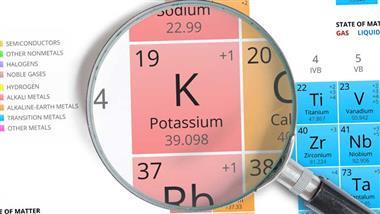
Potassium is a naturally occurring mineral that your body uses as an electrolyte, or substance in solution that will conduct electricity, and is vital for normal functioning.
Diarrhea, vomiting, excessive sweating (such as when using a sauna) and some drugs may deplete or disrupt your potassium balance. But, the most common reason your potassium levels are not within normal limits is due to poor dietary choices.
The average reported intake of potassium from food is about half of the 4,700 milligrams (mg) recommended.10 Research demonstrates that these low levels of potassium may have a significant impact on blood pressure, especially as it relates to the amount of salt normally found in a Western diet.
Dr. Paul Whelton, professor of epidemiology at Tulane School of Public Health and Tropical Medicine, did an analysis in 1997 of over 29 trials that demonstrated low levels of potassium resulted in higher systolic blood pressure readings.11 Studies performed since then have found similar results.12,13 According to Whelton’s research:14
“The results support the premise that low potassium intake may play an important part in the genesis of high BP. Increased potassium intake should be considered as a recommendation for prevention and treatment of hypertension, especially in those who are unable to reduce their intake of sodium.”
Potassium works in your body to relax the walls of your arteries, keep your muscles from cramping, and lowers your blood pressure.15 The reduction in blood pressure with added potassium has also been associated in studies with a reduced risk of stroke.16
The Many Benefits of Potassium
Research has found that women without hypertension who consumed the most potassium (nearly 3,200 mg/day) had a 21% reduced risk of stroke. Further, women who consumed the most potassium were 12% less likely to die during the study period than those who consumed the least.17 According to the study’s lead researcher:18
“Potassium may play a role in improving blood vessel function in our brains. This could allow better oxygenation of our brain tissue, and prevent tissue death that occurs from lack of oxygen to the brain …
The effect of potassium consumption on reduced stroke risk could also be due to a better diet overall, though we did not investigate this in our study.”
Potassium should be the third most abundant mineral in the human body. Adequate amounts of potassium are also associated with quicker recovery from exercise and improved muscle strength.19,20 As an electrolyte, potassium helps to regulate the fluid balance in your cells and throughout your body.21
Fluid balance is essential to maintaining life, preventing dehydration at the cellular level and maintaining brain function.22 Potassium is important in the transmission of nerve impulses in your brain, spinal cord and peripheral nervous system.23
Nerve impulses transmitting information from one nerve to the next happens as the result of electrical activity. This activity is what an electrocardiogram measures as it tracks heart activity.
Low levels of potassium have been linked with high levels of insulin and glucose, associated with metabolic syndrome and Type 2 diabetes.24 These results have been found in several studies,25 leading researchers to recommend dietary choices that boost potassium levels and reduce the risk of type 2 diabetes.
Effects of High Blood Pressure on Your Body
Unfortunately, 20% of people who suffer with high blood pressure are unaware of the condition, significantly increasing their potential risk of health problems. With uncontrolled or poorly controlled hypertension, you increase the risk of significant health effects that reduce your quality of life and have a negative effect on the length of your life.
Hypertension increases your risk of stroke as it can cause blood vessels in your brain to rupture or clog more easily. In both instances, oxygen supply to a portion of the brain ceases and a stroke results.26 The increased workload on the heart muscle may result in heart failure, and damage to the arteries supplying the heart muscle with oxygen may result in a heart attack.
Hypertension may damage the smaller arteries, reducing the amount of oxygen delivered and severely impacting the ability of organs to function, such as your kidneys and eyes. This may result in kidney failure and vision loss. The damage to smaller blood vessels is called microvascular disease and may lead to angina, or chest pain when the heart muscle doesn’t get enough oxygen, and sexual dysfunction.
Atherosclerosis is another form of damage to the arterial system from hypertension that may result in peripheral vascular disease. The narrowing of the arteries may occur in the legs, arms, stomach and head, triggering pain and fatigue.
Sodium/Potassium Ratio Is Key
The key to relaxing your arterial walls and reducing your blood pressure is the sodium to potassium ratio. In the United States and many other developed countries, salt has been vilified as a primary cause of high blood pressure and heart disease. According to research presented at last year’s American Heart Association meeting,27 excessive salt consumption contributed to 2.3 million heart-related deaths worldwide in 2010.
However, it’s important to realize that most Americans and other Westerners get the majority of their sodium from commercially available table salt and processed foods — not from natural unprocessed salt. So, not only is the ratio between potassium and sodium important, so is the type of sodium consumed.
If you eat a lot of processed foods and not many vegetables, there’s a good chance your sodium-to-potassium ratio is unbalanced. If you’re not sure, try using cronometer.com/mercola, which allows you to enter the foods you eat and then calculates the ratio automatically. It’s generally recommended that you consume five times more potassium than sodium, but most Americans get the opposite ratio, eating two times more sodium than potassium.
This ratio is more important than your overall salt intake. A better strategy to promote public health would be to forgo the strict sodium reduction element and focus recommendations instead on a high-quality diet rich in potassium, as this nutrient helps offset the hypertensive effects of sodium. Imbalance in this ratio can not only lead to hypertension (high blood pressure) but also contribute to a number of other diseases, including:
| Kidney stones | Memory decline | Cataracts |
| Osteoporosis | Erectile dysfunction | Stomach ulcers |
| Rheumatoid arthritis | Stomach cancer |
Why a Balanced Diet Is Your Best Option
Getting nutrients from your food instead of supplements is preferable as your food contains more than a single nutrient and in different forms. For instance, potassium found in fruits and vegetables is potassium citrate or potassium malate, while supplements are often potassium chloride. The citrate and malate forms help produce alkali, which may promote bone health28 and preserve lean muscle mass as you age.29
Bone loss may lead to brittle bones or even osteoporosis. While potassium in fruits and vegetables may help build bone health, potassium chloride may not. As researcher Dr. Bess Dawson-Hughes from Tufts University explains:30
“If you don’t have adequate alkali to balance the acid load from the grains and protein in a typical American diet, you lose calcium in the urine and you have bone loss … When the body has more acid than it is easily able to excrete, bone cells get a signal that the body needs to neutralize the acid with alkali … And bone is a big alkali reservoir, so the body breaks down some bone to add alkali to the system.”
Research by Dawson-Hughes found that people who were in the neutral range for net acid excretion, meaning they had a fairly healthy balance for bone and muscle health, were eating just over eight servings of fruits and vegetables a day along with 5.5 servings of grains.
When they rounded this out, it came to about half as many grains as fruits and vegetables. For many Americans a simple recommendation to increase your alkali (and potassium) while reducing acid is to eat more vegetables and fewer grains.31
Other Drug-Free Methods to Control Blood Pressure
Here are several suggestions to help keep your blood pressure under control and reduce your risk of organ damage.
| Address insulin and leptin resistance to impact magnesium and nitric oxide — High blood pressure is associated with insulin resistance, which results from eating a diet too high in sugar. As your insulin level rises, so does your blood pressure. Insulin stores magnesium, but if your insulin receptors are blunted and your cells grow resistant to insulin, you can’t store magnesium so it passes out of your body through urination.
Magnesium stored in your cells relaxes muscles. If your magnesium level is too low, your blood vessels will constrict rather than relax, and this constriction raises your blood pressure. Fructose also elevates uric acid, which drives up your blood pressure by inhibiting the nitric oxide in your blood vessels. (Uric acid is a byproduct of fructose metabolism. In fact, fructose typically generates uric acid within minutes of ingestion.) Nitric oxide helps your vessels maintain their elasticity, so nitric oxide suppression leads to increases in blood pressure. If you’re healthy, and want to stay that way, the general rule is to keep your total fructose intake to 25 grams per day or less. If you’re insulin resistant and/or have high blood pressure, keep your total fructose to 15 grams or less per day until your condition has resolved. |
| Eat real food — A processed food diet, loaded with net carbohydrates (non-fiber carbs like sugar, fructose and grains) and trans fat (margarines and vegetable oils) is a recipe for hypertension. Instead, make whole, ideally organic foods the focus of your diet.
Also remember to swap non-fiber carbs for healthy fats such as avocados, butter made from raw, grass-fed organic milk, organic pastured egg yolks, coconuts and coconut oil, raw nuts such as pecans and macadamia, grass-fed meats and pasture raised poultry. To learn more about healthy eating, please see my optimal nutrition plan. |
| Mind your sodium to potassium ratio — According to Lawrence Appel, lead researcher on the DASH diet and director of the Welch Center for Prevention, Epidemiology and Clinical Research at Johns Hopkins, your diet as a whole is the key to controlling hypertension — not salt reduction alone.
He believes a major part of the equation is this balance of minerals, i.e., most people need less sodium and more potassium, calcium and magnesium. According to Appel,32 “Higher levels of potassium blunt the effects of sodium. If you can’t reduce or won’t reduce sodium, adding potassium may help. But doing both is better.” Indeed, maintaining a proper potassium to sodium ratio in your diet is very important, and hypertension is but one of many side effects of an imbalance. A processed food diet virtually guarantees you’ll have a lopsided ratio of too much sodium to potassium. Making the switch from processed foods to whole foods will automatically improve your ratios. Include foods high in potassium such as sweet potatoes, tomatoes, spinach, beets, black beans, wild caught salmon, edamame, butternut squash, Swiss chard, apricots, cantaloupe, mushrooms and tuna.33 |
| Load up on veggies — Juicing is a simple way to increase the amount of vegetables in your diet, and many NO3-rich veggies (which raise your nitric oxide level) are suitable for juicing, such as beets, kale, celery, spinach, carrots and more. Allicin-rich garlic, leeks, shallots and chives also help improve your blood pressure, and are easy to add to salads and various dishes. |
| Optimize your vitamin D level |
| Boost your animal-based omega-3 intake — The best way to boost your omega-3 is to eat plenty of oily fish that are low in mercury and other pollutants. Good options include wild caught Alaskan salmon, sardines and anchovies. Alternatively, take a high-quality krill oil or fish oil supplement. Krill oil has advantages over fish oil, which is why I prefer it. |
| Consider intermittent fasting — Intermittent fasting is one of the most effective ways I’ve found to normalize your insulin/leptin sensitivity. It’s not a diet in conventional terms, but rather a way of scheduling eating in such a way as to promote efficient energy use.
Essentially, intermittent fasting means eating your calories during a specific window of the day, and choosing not to eat food during the rest. When you eat, your body reacts by elevating insulin and leptin. |
| Exercise regularly — A comprehensive fitness program can go a long way toward regaining your insulin sensitivity and normalizing your blood pressure. To reap the greatest rewards, I recommend including high intensity interval exercises in your routine.
I also recommend training yourself to breathe through your nose when exercising, as mouth breathing during exercise can raise your heart rate and blood pressure, sometimes resulting in fatigue and dizziness. |
| Avoid smoking and other forms of pollution — Smoking is known to contribute to high blood pressure, as are other forms of air pollution, even noise pollution. To address these, avoid smoking, consider using ear plugs during sleep if you live in a noisy neighborhood (provided you cannot move), and take steps to improve your indoor air quality. |
| Walk barefoot — Going barefoot will help you ground to the earth. Experiments show that walking barefoot outside (also referred to as Earthing or grounding) improves blood viscosity and blood flow, which help regulate blood pressure. So, do yourself a favor and ditch your shoes now and then.
Grounding also calms your sympathetic nervous system, which supports your heart rate variability. This in turn promotes homeostasis, or balance, in your autonomic nervous system. In essence, anytime you improve heart rate variability, you’re improving your entire body and all of its functions. |
| Address your stress — The connection between stress and hypertension is well documented, yet still does not receive the emphasis it deserves. In fact, it has been shown that people with heart disease can lower their risk of subsequent cardiac events by over 70% simply by learning to manage their stress.
Suppressed negative emotions such as fear, anger and sadness can severely limit your ability to cope with the unavoidable every day stresses of life. It’s not the stressful events themselves that are harmful, but your lack of ability to cope. The good news is, strategies exist that quickly and effectively transform your suppressed, negative emotions, and relieve stress. My preferred method is the Emotional Freedom Techniques (EFT), an easy to learn, easy to use technique for releasing negative emotions. EFT combines visualization with calm, relaxed breathing, while employing gentle tapping to “reprogram” deeply seated emotional patterns. |
- 1, 4 CDC. Facts About Hypertension. July 12, 2022
- 2 CDC. Heart Disease and Stroke. September 8, 2022
- 3 Centers for Disease Control and Prevention, Leading Causes of Death
- 5 CDC. 5 Surprising Facts About High Blood Pressure. November 9, 2020
- 6 Harvard Medical School, Potassium Lowers Blood Pressure
- 7 Daily Mail, May 23, 2016
- 8 Harvard Health Publications, March 5, 2014
- 9 Clinical and Experimental Hypertension, 2016;28(3): 317
- 10 U.S. Department of Agriculture Food Research Group, Potassium Intake of the U.S. Population
- 11 Journal of the American Medical Association 1997;277(20):1624
- 12 Journal of Human Hypertension 2003; 17(7):471
- 13 BMJ 2013; 346:f1378
- 14 NIH. Database of Abstracts of Reviews. 1997
- 15 Harvard Health Publications, January 23, 2017
- 16, 17 Stroke 2014; 45(10):2874
- 18 MedicineNet September 4, 2014
- 19 Journal of Internal Medicine 2002;252(1):56
- 20 Sports Medicine 1991; 11(6):382
- 21 Berkeley University, Fluid and Electrolyte Balance
- 22 Nursing Standard, 2008; 22(47):50
- 23 Eastern Kentucky University, Neurons and the ervous System
- 24 Johns Hopkins Medicine, March 2, 2011
- 25 Expert Reviews in Endocrinology and Metabolism, 2011;6(5):665
- 26 CDC. About Stroke. May 4, 2022
- 27 Bloomberg, March 21, 2013
- 28 New York Times, November 24, 2009
- 29 American Journal of Clinical Nutrition 2008; 87(3):662
- 30, 31 The Free Library. 2 Little? 2 Nutrients to Get More Of
- 32 USA Today. Diet and Blood Pressure: It’s Not About the Salt. May 18, 2014
- 33 Prevention, April 12, 2016
Warning: Biodegradable Bowls Contain Toxic Chemicals
Reproduced from original article:
https://articles.mercola.com/sites/articles/archive/2022/09/10/biodegradable-bowls-with-pfas-health-effects.aspx
The original Mercola article may not remain on the original site, but I will endeavor to keep it on this site as long as I deem it to be appropriate, and will not be bullied into removing it.
Analysis by Dr. Joseph Mercola Fact Checked September 10, 2022
STORY AT-A-GLANCE
- Per- and polyfluoroalkyl substances (PFAS), widely used chemicals that make products water-, oil-, grease- and stain-resistant, are associated with significant health hazards
- PFAS chemicals take thousands of years to degrade, which is why many refer to them as “forever chemicals.” Disturbingly, these toxic chemicals have become ubiquitous in our environment
- One source of environmental contamination is PFAS-treated food wrappers and containers. Testing reveals all so-called “biodegradable” food containers contain PFAS, making them unsuitable for composting
- Using toxic nondegradable chemicals in a biodegradable product is a tremendous oversight that has led to a PR nightmare
- Research confirms that compost in which food packaging was included had a toxic load ranging from 28.7 micrograms per kilo to 75.9 mcg/kg. Compost samples that did not include food packaging had a PFOA contamination level ranging between 2.38 and 7.6 mcg/kg
Per- and polyfluoroalkyl substances1,2 (PFAS) are widely used chemicals that make products water-, oil-, grease- and stain-resistant. Perfluorooctanoic acid (PFOA) and perfluorooctanesulfonic acid (PFOS) are associated with a wide array of health problems — even at very low exposure levels — including:
| Immune dysfunction3 | Low birth weight4 |
| Thyroid dysfunction5 | High cholesterol6 |
| Ulcerative colitis7 | Pregnancy-induced hypertension8 |
| Testicular cancer9 | Kidney cancer10 |
In May 2015, 200 scientists from 38 countries signed the so-called Madrid Statement on PFASs,11,12 which warns about the harms of all PFAS chemicals, both old and new. According to the Madrid Statement, health effects associated with the older, long-chain PFAS’s such as PFOA, include:13
| Liver toxicity | Disruption of lipid metabolism, and the immune- and endocrine systems |
| Adverse neurobehavioral effects | Neonatal toxicity and death |
| Tumors in multiple organ systems | Testicular and kidney cancers |
| Liver malfunction | Hypothyroidism |
| High cholesterol | Ulcerative colitis |
| Reduced birth weight and size | Obesity |
| Decreased immune response to vaccines | Reduced hormone levels and delayed puberty |
PFAS Are ‘Everywhere’
PFAS chemicals take thousands of years to degrade, which is why many refer to them as “forever chemicals.” Disturbingly, these toxic chemicals have become ubiquitous in our environment, including groundwater.14,15
PFAS are also found in the U.S. food supply — and at levels far exceeding the advisory limit for PFOA and PFAS in drinking water (there’s currently no limits in food).
Of the 91 foods tested by the U.S. Food and Drug Administration in 2017 as part of its Total Diet Study16 (presented17 at the 2019 meeting of the Society of Environmental Toxicology and Chemistry), 10 were found to contain PFAS.18,19,20,21 How do they get there?
Food Wrappers — A Significant Source of PFAS
Industrial production is just one route by which PFAS enter our environment and food supply. Another is through everyday waste, such as fast food wrappers and containers that end up in landfills, from where they continue to contaminate soil and water.
Disturbingly, findings reveal that even so-called “biodegradable” food containers contain these “forever chemicals,” which may create an even greater problem.
Thinking the containers are biodegradable and safe, people will place them in their compost, creating a vicious circle where the chemicals contaminate and ruin the compost, which is then mixed into the soil, where they contaminate the food grown in it. Ultimately, the chemicals end up on your plate again, now inside the food.
Research22 by the U.S. Centers for Disease Control and Prevention published in 2007 found PFAS chemicals in the blood of more than 98% of Americans tested. Considering their current prevalence in our food supply, it seems reasonable to assume everyone is exposed to some degree, and that blood levels have likely increased in the years since the CDC’s testing.
Biodegradable Bowls Contain PFAS
Concerns over mounting plastic waste pushed fast food companies to invest in safer wrappers and containers, but recent findings reveal a truly remarkable lack of understanding on behalf of some manufacturers. Writing for New Food Economy, Joe Fassler reports the disappointing news:23
“The biggest culinary star of the past five years isn’t a chef, or a restaurant group, or the author of a cookbook. It’s a bowl, a humble piece of take-out packaging that’s taken the world of commercial foodservice by storm, rising so quickly that few have noted its troubling secret …
If molded fiber bowls have become a kind of status symbol in the restaurant world … it’s probably because they’ve been positioned as an antidote to the industry’s alarming take-out waste problem.
Many varieties are explicitly pitched to food-service buyers as compostable, certified by third-party assessors like the Biodegradable Products Institute (BPI). Unlike styrofoam clamshells or wax-lined soup cups, fiber products feel like they’d turn into mush on a leaf pile …
But these products … are instead contributing to a growing environmental crisis. According to experts consulted for this story, all molded fiber bowls contain PFAS …
This means that the bowls used at restaurants like Chipotle and Sweetgreen aren’t truly compostable, as has been claimed. Instead, they are likely making compost more toxic, adding to the chemical load of the very soil and water they were supposed to help improve.”
All Compostable Bowls Found to Contain PFAS
For its report, New Food Economy tested 18 biodegradable fiber bowls from eight restaurants at 14 locations in New York City, including Chipotle, Sweetgreen and Dig — three restaurants that claim to compost its waste.
All were found to contain high levels of fluorine,24 which is indicative of PFAS being used. The inside (food contact side) of the bowls averaged 1,599 parts per million (ppm) of fluorine, a level far higher than what you’d find in an accidentally contaminated sample.
Now, the test used only measures total fluorine, not individual PFAS chemicals, and the total level of any given PFAS is likely to be higher than the total fluorine level. Fassler explains:25
“… [A] bowl containing 1,670 ppm fluorine will contain more total PFAS, since every molecule of the chemical compound contains multiple atoms — not just of fluorine, but of carbon, and other elements.
Though it’s impossible to say for sure due to the wide variety of PFAS chemicals … according to a rough calculation, a bowl with 1,670 ppm fluorine would likely contain about 2,000 ppm total PFAS.
Put another way: A bowl with 2,000 ppm total PFAS might be mostly made from sugarcane fiber, but 0.2 percent of its total material would be made from fluorinated chemicals …
That might not sound like very much. But due to the unique properties of fluorinated chemicals, it turns out to be a significant number, and an alarming one. The Centers for Disease Control and Prevention (CDC) maintain that drinking water can only contain infinitesimal amounts of fluorinated chemicals before health concerns arise.”
Do Not Compost ‘Biodegradable’ Bowls
Research26,27 published in 2017 found fluorine in 46% of the fast food wrappers and takeout containers tested, and studies28,29,30 have confirmed fluorinated chemicals can migrate from the packaging into the food.
If it’s true that 100% of so-called “biodegradable” fiber bowls contain PFAS, then they would actually be a far more hazardous choice than other “standard” wrappers and containers — at least as far as PFAS exposure is concerned. As noted by Fassler, it is the surface treatment with PFAS that prevents the fiber bowls from falling apart when filled with hot, wet or greasy food.
Using toxic nondegradable chemicals in a biodegradable product is a tremendous oversight. Clearly, restaurants should not advertise these containers as compostable, yet many do just that. It’s not surprising then that the revelation has become a PR nightmare. As noted by Fassler:31
“… [A]ny product that contains PFAS can’t really be compostable, let alone biodegradable, despite restaurants’ claims to the contrary. Though fiber products have benefits from a greenhouse gas emissions standpoint, the bowls we tested are likely making soil and water quality worse.”
Indeed, recent research confirms this warning. Tipped off about the presence of PFAS in compostable containers, the authors of a 2019 paper32,33 decided to assess the presence of these chemicals in municipal compost. In all, samples from nine commercial compost stations and one backyard compost pile were tested for 17 different PFAS.
Confirming suspicions, compost in which food packaging was included had a toxic load ranging from 28.7 micrograms per kilo to 75.9 mcg/kg. Compost samples that did not include food packaging, on the other hand, had a contamination level ranging between just 2.38 and 7.6 mcg/kg.
While it’s disturbing that all compost samples contained PFOA and PFOS — the older, long-chained PFAS that are no longer in use — compost with food packaging was clearly more heavily contaminated with a variety of PFAS. If there’s any good news here, it’s that some states are starting to take action against PFAS.
As noted by Fassler,34 San Francisco is banning bowls manufactured with PFAS as of January 1, 2020, and Washington’s Healthy Food Packaging Act35 — enacted in 2018 — bans all PFAS in paper food packaging, effective 2022.36 A drawback of the Act is that the ban will not take effect until or unless a safer alternative is commercially available.
Sewage Sludge — A Major Source of PFAS on Farms
As reported by The Intercept37 in June 2019, sewage sludge appears to be a major source of PFAS. Documents38 obtained by The Intercept reveal 44 samples of sewage sludge tested by the Maine Department of Environmental Protection all contained at least one PFAS chemical, and “In all but two of the samples, the chemicals exceeded safety thresholds for sludge that Maine set early last year.”
Maine’s tolerance levels for PFAS are set at 2.5 parts per billion (ppb) for PFOA, 5.2 ppb for PFOS, and 1,900 ppb for PFBS. Mike Belliveau, executive director of the Environmental Health Strategy Center in Portland, told The Intercept these levels are “probably about 10 times weaker than they should be,” adding that “Even low parts-per-billion levels of PFAS in sludge can threaten the health of the food supply.”
You can learn more about the hazards of sewage sludge in the featured documentary, “Biosludged,”39 and the scientific fraud perpetrated by the U.S. Environmental Protection Agency that legalizes the pollution of agricultural soils through the usage of contaminated industrial and human waste as fertilizer.
DuPont Shirks Cleanup Duty
In related news, DuPont, a longtime maker of PFAS chemicals stands accused of creating a fraudulent spinoff, Chemours, in an effort to shirk environmental liabilities caused by its chemical manufacturing. (Chemours is the name of the spinoff company created through DuPont’s merger with Dow Chemical Inc. in 2015.40) Chemours lawyers told Bloomberg:41
“The separation agreement was the product of a one-sided process that lacked any of the hallmarks of arm’s-length bargaining. DuPont unilaterally dictated the terms of the separation agreement and imposed them on Chemours.”
One of DuPont’s environmental liabilities is the cleanup of Pompton Lakes in New Jersey. As reported by NorthJersey.com July 15, 2019:42
“The new claims by the state attorney general’s office were quietly added as amendments to a lawsuit filed against DuPont and Chemours seeking financial damages for widespread pollution in Pompton Lakes.
This includes a neighborhood where residents have had to endure cancer-causing solvents that migrated for decades beneath their homes from a now-shuttered DuPont explosives factory.
Like dozens of sites across the U.S., the cleanup in Pompton Lakes had long been DuPont’s responsibility. That changed in July 2015, when DuPont created Chemours as a spinoff company that took over the bulk of the DuPont’s environmental liabilities.
But two separate lawsuits against DuPont — one by New Jersey officials and another by Chemours itself — allege what many in Pompton Lakes feared at the time of the spinoff:
DuPont created Chemours to insulate itself from future cleanup and natural resource damage claims, and left Chemours vulnerable to financial problems that could put cleanup efforts at risk in New Jersey and across the country.”
Indeed, Chemours’ lawsuit against DuPont claims DuPont set up the company to fail from the start, allowing DuPont to simply walk away from all of its cleanup responsibilities.
Chemours is now asking the court to deny DuPont’s request for unlimited indemnity for its environmental liabilities.43 (Chemours, meanwhile, claims it has now stopped making three PFAS products used in the making of grease-resistant packaging.44)
North Jersey reports that, according to Chemours, the company received only 19% of DuPont’s business lines at the company’s inception, while taking on two-thirds of the environmental liabilities and 90% of all pending litigation against DuPont.
In all, Chemours liabilities exceeded earnings by 5.5-to-1 right from the get-go, yet its management team was not fully informed about the company’s financial situation. Chemours also claims DuPont systematically underestimated the legal and environmental cleanup costs.
“For instance, DuPont estimated that three lawsuits against it over contamination from the toxic chemical PFOA would cost no more than $128 million. They were settled by Chemours for $671 million less than two years later,” North Jersey reports.45
Lawmakers Promise to Pursue Corporate Accountability
As attention on PFAS pollution increases, PFAS manufacturers such as DuPont and 3M are ramping up lobbying efforts to prevent tighter regulations. Several recent hearings46,47,48 have been held on PFAS, however, and Democratic lawmakers have promised to “continue pursuing corporate accountability,” Think Progress reports.49 As noted by the Union of Concerned Scientists in a May 15, 2019, press release:50
“Today, the Energy and Commerce Committee of the U.S. House of Representatives held a hearing on perfluoroalkyl and polyfluoroalkyl substances (PFAS), a widely-used family of chemicals that contaminate the drinking water of millions of Americans.
Representatives also introduced a number of bills to manage the threat of PFAS pollution, including legislation that would require the U.S. Environmental Protection Agency to designate PFAS as hazardous chemicals, as well as bills to expand water testing, improve water infrastructure, assist communities facing PFAS contamination issues and limit the use of these chemicals in the future. This effort to tackle a common and dangerous class of pollutant is long overdue …”
Certain states are also taking matters into their own hands. Michigan, for example, where PFAS is a common water contaminant, says it’s planning to start regulating certain PFAS to protect residents rather than waiting for the EPA to take action.51
The New Jersey Department of Environmental Protection also has its sights on corporate accountability. Commissioner Catherine McCabe told Think Progress,52 “New Jersey believes that the manufacturers … should be held responsible to the public for the costs and damages of the drinking water contamination and other harmful consequences of their actions and negligence.”
How to Avoid PFAS Chemicals
The Madrid Statement recommends avoiding any and all products manufactured using PFASs, noting they include products that are stain-resistant, waterproof or nonstick. Helpful tips can also be found in the EWG’s “Guide to Avoiding PFCS.”53 Other suggestions that will help you avoid these dangerous chemicals include avoiding:
| Items that have been pretreated with stain repellants, and opt out of such treatments when buying new furniture and carpets |
| Water- and/or stain-repellant clothing — One tipoff is when an item made with artificial fibers is described as “breathable.” These are typically treated with polytetrafluoroethylene, a synthetic fluoropolymer |
| Items treated with flame retardant chemicals54 — This includes a wide variety of baby items, padded furniture, mattresses and pillows. Instead, opt for naturally less flammable materials such as leather, wool and cotton |
| Fast food and carry out foods — The wrappers are typically treated with PFCs |
| Microwave popcorn — PFCs may not only present in the inner coating of the bag, it also may migrate to the oil from the packaging during heating. Instead, use “old-fashioned” stovetop popcorn |
| Nonstick cookware and other treated kitchen utensils — Healthier options include ceramic and enameled cast iron cookware, both of which are durable, easy to clean and completely inert, which means they won’t release any harmful chemicals into your home.
A newer type of nonstick cookware called Duralon uses a nonfluoridated nylon polymer for its nonstick coating. While this appears to be safe, your safest bet is still ceramic and enameled cast iron. While some recommend using aluminum, stainless steel and copper cookware, I don’t for the following reasons: Aluminum is a strongly suspected causal factor in Alzheimer’s disease, and stainless steel has alloys containing nickel, chromium, molybdenum and carbon. For those with nickel allergies, this may be a particularly important consideration. Copper cookware is also not recommended because most copper pans come lined with other metals, creating the same concerns noted above. (Copper cookware must be lined due to the possibility of copper poisoning) |
| Oral-B Glide floss and any other personal care products containing PTFE or “fluoro” or “perfluoro” ingredients — The EWG has an excellent database called Skin Deep55 you can peruse to find healthier options |
| Unfiltered tap water — Unfortunately, your choices are limited when it comes to avoiding PFASs in drinking water. Either you must filter your water or obtain water from a clean source. Both solutions can be problematic and/or costly.
While many opt for bottled water, it’s important to realize that PFASs are not regulated in bottled water, so there’s absolutely no guarantee that it’ll be free of these or other chemicals. Bottled water also increases your risk of exposure to hazardous plastic chemicals such as bisphenol-A, which has its own set of health risks. Most common water filters available in supermarkets will not remove PFASs. You really need a high-quality carbon filtration system. The New Jersey Drinking Water Quality Institute recommends using granulated activated carbon “or an equally efficient technology” to remove PFC chemicals such as PFOA and PFOS from your drinking water.56 Activated carbon has been shown to remove about 90% of these chemicals |
- 1 EPA.gov PFAS
- 2 The Guardian May 23, 2019
- 3, 4, 5 EPA.gov Health effects from PFAS
- 6, 7, 8, 9, 10 C8 Science Panel Research Studies
- 11, 13 Environmental Health Perspectives 123:A107–A111, Madrid Statement
- 12 Newser May 1, 2015
- 14 EPA.gov, Health Advisory PFOA and PFOS
- 15 The Intercept, The Teflon Toxin Series
- 16 FDA.gov Total diet study
- 17 EWG.org Images of FDA presentation
- 18 CNN Health June 3, 2019
- 19 The Guardian June 3, 2019
- 20 Chicago Tribune June 3, 2019
- 21 Business Insider June 4, 2019
- 22 Environmental Health Perspectives 2007 Nov; 115(11): 1596–1602
- 23, 25, 31, 34 The New Food Economy, The bowls at Chipotle and Sweetgreen … contain cancer-linked “forever chemicals”
- 24 Infogram.com Fluorine Testing Results
- 26 Environmental Science and Technology Letters February 1, 2017
- 27 Environmentalhealthnews.org February 1, 2017
- 28 Food Additives and Contaminants 2008: 25(3); 384
- 29 Food Additives and Contaminants 2005 Oct;22(10):1023-31
- 30 Journal of Agricultural and Food Chemistry 2007; 55(8): 3203-3210
- 32 Environ. Sci. Technol. Lett. 2019; 6(6): 372-377
- 33 Popular Science May 30, 2019
- 35 Toxic-Free Food Packaging ESHB 2658
- 36 Department of Ecology, State of Washington, Alternatives to PFAS in Food Packaging (PDF)
- 37 The Intercept June 7, 2019
- 38 Documentcloud.org, PFAS Summary of Sludge Data 053019 (PDF)
- 39 YouTube. Biosludged. December 10, 2018
- 40, 41, 43 Bloomberg July 1, 2019
- 42, 45 Northjersey.com July 15, 2019
- 44 Politico August 9, 2019
- 46 House Committee on Energy & Commerce, May 15, 2019
- 47 Committee on Oversight and Reform, Subcommittee on Environment March 6, 2019
- 48 Senate Committee on Environment and Public Works May 22, 2019
- 49, 51, 52 Think Progress July 25, 2019
- 50 UCSUSA.org May 15, 2019
- 53 EWG’s Guide to Avoiding PFCS (PDF)
- 54 Green Science Policy, Flame Retardants
- 55 EWG Skin Deep Cosmetics Database
- 56 New Jersey Drinking Water Quality Institute, Recommendation on Perfluorinated Compound Treatment Options for Drinking Water, June 2015 (PDF)
Vitamin C Lowers Mortality in Severe Sepsis
Reproduced from original article:
https://articles.mercola.com/sites/articles/archive/2022/09/06/vitamin-c-thiamine-and-hydrocortisone-for-sepsis.aspx
The original Mercola article may not remain on the original site, but I will endeavor to keep it on this site as long as I deem it to be appropriate, and will not be bullied into removing it.
Analysis by Dr. Joseph Mercola Fact Checked September 06, 2022

STORY AT-A-GLANCE
- Sepsis is a last-ditch effort by your immune system to fight an infection in your body; it can lead to multiple organ failure and death unless promptly treated
- While viruses, fungi and parasites all have the ability to trigger sepsis, bacterial infections are the most common cause. The most common types of infection triggering sepsis are respiratory and urinary tract infections
- Each year, an estimated 1.7 million Americans get sepsis and nearly 270,000 die as a result. The reason for its high mortality rate is because sepsis is often overlooked; many are unfamiliar with its signs and symptoms. It’s also notoriously difficult to treat
- In 2017, a critical care physician announced the discovery of a simple and inexpensive way to treat sepsis using an intravenous cocktail of vitamin C and thiamine in combination with hydrocortisone
- A 2019 study using vitamin C only found it lowered mortality risk in patients with severe sepsis, and reduced the number of days spent in intensive care and overall hospital stay
One of the leading causes of death in American hospitals is something many are still unfamiliar with: septicemia (sepsis or septic shock). Also known as blood poisoning among lay people, sepsis1 is a last-ditch effort by your immune system to fight an infection in your body, which can lead to multiple organ failure and death unless promptly treated. As explained by the National Institute of General Medical Sciences:2
“The body releases immune chemicals into the blood to combat the infection. Those chemicals trigger widespread inflammation, which leads to blood clots and leaky blood vessels. As a result, blood flow is impaired, and that deprives organs of nutrients and oxygen and leads to organ damage.
In severe cases, one or more organs fail. In the worst cases, blood pressure drops, the heart weakens, and the patient spirals toward septic shock. Once this happens, multiple organs — lungs, kidneys, liver — may quickly fail, and the patient can die.”
While viruses, fungi and parasites all have the ability to trigger sepsis, bacterial infections are currently the most common cause. The most common types of infection triggering sepsis are respiratory and urinary tract infections.3 That said, research4 has demonstrated the number of fungal-induced sepsis infections is on the rise.
The problem is that sepsis is often overlooked as many are unfamiliar with its signs and symptoms. It’s also notoriously difficult to treat. A successful outcome relies on early detection and rapid treatment.
Sepsis Is the Costliest Condition Treated in the US
Each year, an estimated 1 million Americans get sepsis5 — a dramatic increase from 1.1 million just 14 years ago in 20086,7 — and nearly 270,000 of them die as a result, a substantial dip from the nearly half a million that were dying every year in 2014.8,9,10 According to data11 from two hospital cohorts, 34.7% to 55.9% of American patients who died in hospitals between 2010 and 2012 had sepsis at the time of their death (depending on which inpatient population they were in).
Experts are now calling for recognition12 of sepsis as a distinct cause of death, hoping this will result in better clinical practice guidelines. They also stress the importance of awareness in the community and the emergency room. To this end, September 13 has been designated as the annual “World Sepsis Day” to raise awareness.13
Conventional treatment, which is typically focused on high doses of antibiotics that further contribute to antibiotic resistant bacteria, is also a tremendous financial burden. A U.S. government report14,15 published in 2016 found sepsis was the most expensive condition treated in the U.S., racking up $23.7 billion in health care costs each year; by 2022 that number had risen to $62 billion just for treatment and care.16
The good news is there’s an inexpensive treatment that has been shown to be very effective against sepsis. The bad news is the number of hospitals that have adopted it as standard of care is still limited.
Vitamin C Concoction — An Inexpensive Cure for Sepsis
In 2017, news emerged about a critical care physician who claimed to have discovered a simple and inexpensive way to treat sepsis using an intravenous (IV) cocktail of vitamin C and thiamine (vitamin B1) in combination with the steroid hydrocortisone.17,18
The precise protocol used was 200 mg of thiamine every 12 hours, 1,500 mg of ascorbic acid every six hours, and 50 mg of hydrocortisone every six hours.19
The doctor in question, Dr. Paul Marik, former chief of pulmonary and critical care medicine at Sentara Norfolk General Hospital in East Virginia, published a small retrospective before-after clinical study20,21,22 showing that giving septic patients this simple IV cocktail for two days reduced mortality from 40% to 8.5%.
Sentara Norfolk General Hospital, where Marik worked, has since made the protocol its standard of care for sepsis, and others are starting to join in. Unfortunately, many hospitals are still dragging their heels, waiting for more clinical trials to be completed.
This despite the fact that the treatment is harmless in and of itself, meaning it won’t make the patient any worse than he or she already is. A 2018 review23 of the available research presents a hypothetical model for why and how the Marik protocol actually works, discussing how each of the three components are known to impact the biological processes involved in sepsis.
As noted in that review,24 reception of the treatment has been mixed, with some critical care leaders embracing it while others aren’t using it at all. What this means is that your ability to receive this potentially life-saving treatment is dependent on the hospital where you end up.
On the upside, “Enthusiasm for this drug combination in sepsis has grown rapidly” since the release of Marik’s initial study results, and much larger studies are now underway.
One of them was the VICTAS study25 (Vitamin C, Thiamine and Steroids in Sepsis), sponsored by Emory University, which expected to have about 2,000 participants, but ended up with only 501.26 The projected completion date for this study was October 2021, but it ended early for unexplained “administrative” reasons, and concluded that the treatment didn’t “significantly increase ventilator- and vasopressor-free days within 30 days.”
However, the authors noted that the study may not have lasted long enough to detect a “clinically important difference,” so the lack of “significant” effects could be attributed to that. While I wouldn’t ordinarily include a study like this in one of my articles, I think it’s important to note that they didn’t complete it, so the presumed lack of positive results shouldn’t be used to discredit Marik’s work.
What to Do if Your Doctor Refuses to Administer This
If your doctor refuses to consider Marik’s protocol offhand, convince him or her to review the recent studies cited here that show this works.27,28,29,30,31,32,33,34,35,36 Simply look up the references in the endnotes to the previous sentence (references 24 through 33) and make copies to take to your doctor.
Alternatively, you can go to PubMed37 directly and type in “vitamin C” and “sepsis” in the search engine and you will get a list of the available research.
These articles are completely free to download. I hope you never need to access them, but if you do, you can print them and use the information to convince your medical team to use these simple life-saving strategies. If they refuse, I would strongly suggest you take control of the situation and find another doctor and/or hospital that will.
Vitamin C Alone May Lower Mortality Risk
More recently, a study38,39,40,41 led by Dr. Alpha “Berry” Fowler was published in the October 2019 issue of JAMA. The study is not reflective of the Marik protocol per se, as it only used IV vitamin C, but its results are still tantalizing.
Fowler and his team sought to investigate the effectiveness of vitamin C infusion on organ failure scores and biomarkers of inflammation and vascular injury in patients with severe sepsis and acute respiratory failure.
Curiously, while the vitamin C infusion had no detectable influence on these end points, those who received the treatment did have a higher chance of survival, and spent less time in the hospital. As reported by NPR:42
“If you read the study summary, vitamin C didn’t help the patients. But if you dig deep into the paper, you will find that the people who got the treatment were much more likely to survive … The rub comes from the way the study … was designed.”
While vitamin C alone had no impact on organ failure scores and biomarkers of inflammation, when the researchers looked at 46 secondary endpoints, they discovered the mortality rate for the treatment group actually dropped from 46% to 30%. As noted by NPR:43
“If death had been the primary endpoint of the study, this result would have been highly significant. The conclusion would strongly support the hypothesis that vitamin C is an effective treatment of sepsis.
But there’s a catch. Since Fowler and his colleagues looked at 46 secondary endpoints, it’s likely that something would randomly pop up as statistically significant. It’s as though they had 46 bites at the apple to find something meaningful …
What patients really care about, of course, is … whether they live or die. Fowler tells NPR that he now rues his decision to select an endpoint that seemed more likely to show a benefit …
Though he’s now bound by the rules of experimental design to downplay the mortality results, he personally feels a sense of success. ‘We’re all whooping and hollering because of what we found,’ he says.”
Fowler’s team also found that, on average, those who received vitamin C had by day 28 spent three fewer days in the intensive care unit than the placebo group (seven days compared to 10). By day 60, the treatment group had also spent seven fewer days in the hospital overall —15 days compared to 22.44
Vitamin C, Thiamine and Steroids Have Synergistic Effects
When asked for comment on Fowler’s study, Marik pointed out vitamin C and corticosteroids have a synergistic effect. In other words, Fowler’s study cannot really be used to judge the effectiveness of vitamin C, thiamine and steroids in combination, as it only used one of the three ingredients.
Vitamin C is well-known for its ability to prevent and treat infectious diseases on its own. Influenza,45 encephalitis and measles46 have all been successfully treated with high-dose vitamin C, and previous research has shown it effectively lowers proinflammatory cytokines and C-reactive protein.47,48,49
To investigate the mechanism of action for vitamin C in sepsis with and without steroids, Marik, in collaboration with John Catravas, Ph.D., a pharmacology researcher at Old Dominion University, and others performed a study50 in which endothelial cells from lung tissue were exposed to lipopolysaccharide — a type of endotoxin found in patients with sepsis — in the absence or presence of ascorbic acid and hydrocortisone.
Interestingly, when either vitamin C or the steroid were administered in isolation, very little improvement in endothelial barrier function occurred. When administered together, however, the infection was successfully eradicated and the cells were restored to normal.
The addition of thiamine is also important. Not only is thiamine required for metabolism of some of the metabolites of vitamin C, thiamine deficiency syndrome (beriberi) has many similarities to sepsis, and thiamine deficiency is relatively common in critically ill patients.51
Studies have also shown thiamine can be helpful for a long list of diseases and disorders, including mitochondrial disorders,52 heart failure,53 delirium,54 thyroid fatigue and Hashimoto’s (a thyroid autoimmune disorder).55 These and other health effects may help explain why thiamine works so well in conjunction with vitamin C and hydrocortisone for sepsis.
Marik told NPR that Fowler’s study does highlight two important things, though. First, that there are no side effects of vitamin C infusion in critically ill patients and, second, a lowered mortality risk. “You can argue about all the statistical nuances, but that’s what the study showed,” Marik told NPR.56
Potential Contraindication
While vitamin C and thiamine administration is incredibly safe, it may be contraindicated if you happen to be glucose-6-phosphate dehydrogenase (G6PD) deficient, which is a genetic disorder.57 G6PD is an enzyme your red blood cells need to maintain membrane integrity.
High-dose IV vitamin C is a strong prooxidant, and giving a prooxidant to a G6PD-deficient individual can cause their red blood cells to rupture, which could have disastrous consequences.
Fortunately, G6PC deficiency is relatively uncommon, and can be tested for. People of Mediterranean and African descent are at greater risk of being G6PC deficient. Worldwide, G6PD deficiency is thought to affect 400 million individuals, and in the U.S. an estimated 1 in 10 African-American males have it.58
Know the Signs and Symptoms of Sepsis
One of the most important steps you can take to protect your health is to recognize the symptoms of sepsis and seek immediate medical attention if you suspect it.
It is important not to make a diagnosis at home. Instead communicate your concerns with a medical professional so that proper testing and treatment can be implemented. Common signs and symptoms of sepsis include the following.59,60,61 Many of these symptoms may be confused with a bad cold or the flu. However, they tend to develop much more rapidly than you would normally expect.
| A high fever with chills and shivering | Rapid heartbeat (tachycardia) |
| Rapid breathing (tachypnea) | Unusual level of sweating (diaphoresis) |
| Dizziness | Confusion or disorientation |
| Slurred speech | Diarrhea |
| Difficulty breathing, shortness of breath | Severe muscle pain |
| Low urine output | Cold and clammy skin |
| Skin rash | Nausea and/or vomiting |
The Sepsis Alliance recommends using the acronym TIME to remember some of the more common symptoms:62
- T — Temperature higher or lower than normal?
- I — Have you now or recently had any signs of an infection?
- M — Are there any changes in mental status, such as confusion or excessive sleepiness?
- E — Are you experiencing any extreme pain or illness; do you have a “feeling you may die?”
Post-Sepsis Syndrome
While some will recover fully from sepsis, for many the problems do not end at discharge from the hospital. Survivors may suffer physical, psychological and/or neurological consequences for the rest of their lives. For some survivors, their immune function can remain depressed for as long as a year after their recovery, resulting in frequently recurring infections.
The combination of symptoms is called post-sepsis syndrome and usually last between six and 18 months. Symptoms of post sepsis syndrome may include:63,64
| Lethargy (excessive tiredness) | Changes in peripheral sensation | Repeated infections at the original site or a new infection |
| Poor mobility | Muscle weakness | Shortness of breath |
| Chest pains | Swollen limbs | Joint and muscle pains |
| Depression, mood swings, anxiety or sadness | Hair loss | Dry flaking skin and nails |
| Taste changes | Poor appetite | Changes in vision |
| Difficulty swallowing | Reduced kidney function | Feeling cold |
| Excessive sweating | Post-traumatic stress disorder | Flashbacks and nightmares |
| Poor concentration and clouded thinking | Insomnia | Short-term memory loss |
There is no specific treatment for post-sepsis syndrome, but most get better over time. The U.K. Sepsis Trust65 recommends managing individual symptoms and supporting optimal health as you’re recovering.
Not all medical professionals are aware of post-sepsis syndrome, so it may be helpful to talk about your symptoms and ask for a referral to someone who may help manage your mental, physical and emotional challenges.
How to Reduce Your Risk of Sepsis
Again, part of what makes sepsis so deadly is people typically do not suspect it, and the longer you wait to treat it, the deadlier it gets.66 If you develop an infection, stay alert to symptoms of sepsis and seek immediate medical attention if they appear. Even health care workers can miss the signs and delay treatment.
While health care workers have a responsibility to prevent infections that could potentially turn septic and to educate patients about warning signs of sepsis, you can lower your own risk by:
• Promptly treating urinary tract infections (UTIs) — UTIs are the second most common type of infection,67 and one-quarter of sepsis cases are related to UTIs.68
Conventional treatment typically involves antibiotics, but research69,70 shows that UTIs caused by E. coli — which comprise71 90% of all UTIs — can be successfully treated with D-Mannose, a naturally occurring sugar that’s closely related to glucose.
• Properly cleaning skin wounds — About 1 in 10 sepsis cases are due to skin infections, so always take the time to properly clean and care for wounds and scrapes. Wash the wound with mild soap and water to clean out dirt and debris, then cover with a sterile bandage. Diabetics should follow good foot care to avoid dangerous foot infections.
• Caring for any chronic illness affecting your risk of sepsis — Research has found illnesses that increase your risk may include chronic lung disease, chronic kidney disease, diabetes, stroke and cardiovascular disease.72
• Avoiding nail biting — One study found 46.9% of the participants were nail biters.73 Exposure of the delicate skin underneath the nail, transferred from your mouth or acquired from the environment, increases your risk of infection.
• Avoiding infections in hospitals — When visiting a health care facility, be sure to wash your own hands, and remind doctors and nurses to wash theirs (and/or change gloves) before touching you or any equipment being used on you.
If you have to undergo a colonoscopy or other testing using a flexible medical scope, remember to call and ask how they clean their scopes and what kind of cleaning solution they use.
If the answer is glutaraldehyde (brand name Cidex), find another hospital or clinic — one that uses peracetic acid. This preliminary legwork will significantly decrease your risk of contracting an infection from a contaminated scope.
- 1 Centers for Disease Control and Prevention, What is Sepsis?
- 2, 59 National Institute of General Medical Sciences, Sepsis
- 3, 64 World Sepsis Day, Sepsis
- 4 Expert Review of Anti-Infective Therapy 2012; 10(6):701
- 5 NIH. Sepsis
- 6 CDC Inpatient Care for Septicemia or Sepsis
- 7 Mayo Clinic, Sepsis
- 8 PharmacoEconomics. 2004;22(14):895-906
- 9 NIH.gov Sepsis Fact Sheet
- 10 Advisory Board, May 21, 2014
- 11 JAMA, 2014; 312(1):90
- 12, 60 World Sepsis Day, Sepsis FAQ
- 13 World Sepsis Day
- 14 HCUP Statistical Brief #204, May 2016, Table 1
- 15 Sepsis Alliance News, July 30, 2016
- 16 Persown. The Economic Burden of Sepsis
- 17 NPR March 23, 2017
- 18 NBC4i.com March 23, 2017
- 19, 20 Chest June 2017; 151(6): 1229-1238
- 21 Dr. Malcolm Kendrick, January 28, 2017
- 22 Science Daily June 26, 2017
- 23 Critical Care 2018; 22: 283
- 24 Critical Care 2018; 22: 283, Ascorbic acid, corticosteroids and thiamine for the treatment of sepsis in current practice
- 25 Clinical Trials VICTAS, Clinical trial identifier: NCT03509350
- 26 JAMA. February 23, 2021
- 27 J Clin Med. 2019 Apr 9;8(4). pii: E478
- 28 Ann Intensive Care. 2019 May 20;9(1):58
- 29 J Thorac Dis. 2019 Apr;11(4):1562-1570
- 30 Trials. 2019 Jul 11;20(1):420
- 31 Crit Care. 2019 Jul 30;23(1):265
- 32 Nutrients. 2019 Aug 23;11(9). pii: E1994
- 33 Journal of Clinical Medicine January 16, 2019’ 8(1): E102
- 34 Indian Journal of Anaesthesia December 2018; 62(12): 934-939
- 35 Nutrients November 14, 2018; 10(11): E1762
- 36 Critical Care October 29, 2018; 22(1): 283
- 37 Pubmed
- 38 JAMA October 1, 2019;322(13):1261-1270
- 39, 44 Health Canal October 1, 2019
- 40 Science Daily October 1, 2019
- 41 Medical Xpress October 1, 2019
- 42, 43, 56 NPR October 1, 2019
- 45 Journal of Manipulative and Physiological Therapeutics 1999 Oct;22(8):530-3
- 46 Clinical Guide to the Use of Vitamin C by Fredrick R. Klenner, MD
- 47 Journal of Translational Medicine 2012; 10: 189
- 48 Riordan Clinic Press Release October 2012
- 49 Naturalhealth365.com November 22, 2016
- 50 Chest 2017 Nov; 152(5): 954–962
- 51 Critical Care 2018; 22: 283, Thiamine
- 52 Mayo Clinic, Thiamine
- 53 Heart Failure July 2013, DOI: 10.1111/chf.12037
- 54 Innovations in Clinical Neuroscience 2013 Apr; 10(4): 26–32
- 55 Thyroidpharmacist.com February 3, 2015
- 57, 58 NIH.gov Glucose-6-Phosphate Dehydrogenase Deficiency
- 61 Medical News Today, October 23, 2018
- 62 Sepsis Alliance, December 14, 2018
- 63, 65 Sepsis Trust, Post Sepsis Syndrome
- 66 Consumer Reports, August 23, 2016
- 67 Medline Plus UTI’s
- 68 Journal of Global Infectious Diseases 2009 Jan-Jun; 1(1): 57–63
- 69 Urology Research 1983;11(2):97-102
- 70 Kresser Institute September 22, 2016
- 71 Transl Androl Urol 2017 Jul; 6(Suppl 2): S142–S152.
- 72 Plos|One, 2012;7(10)
- 73 Acta Derm Venereol 2014; 94: 67–71
When You Cook with This, Toxic Compounds Are Released
Reproduced from original article:
https://articles.mercola.com/sites/articles/archive/2022/04/23/why-splenda-is-not-safe-for-consumption.aspx
The original Mercola article may not remain on the original site, but I will endeavor to keep it on this site as long as I deem it to be appropriate, and will not be bullied into removing it.
Analysis by Dr. Joseph Mercola Fact Checked April 23, 2022

STORY AT-A-GLANCE
- Cooking with sucralose generates chloropropanols, part of a class of toxins known as dioxins, which have been linked to cancer and endocrine disruption. Other toxic compounds created when sucralose is exposed to heat include polychlorinated dibenzo-p-dioxins and dibenzofurans
- Research shows sucralose — sold under brand names such as Splenda, Splenda Zero, Zero-Cal, Sukrana, Apriva, SucraPlus, Candys, Cukren and Nevella — is metabolized and accumulates in fat cells
- Many studies have linked artificial sweeteners to an increased risk for obesity, insulin resistance, Type 2 diabetes and metabolic syndrome — the very conditions for which the sweeteners are promoted
- Sucralose reduces gut bacteria by as much as 50%, preferentially targeting bacteria known to have important human health benefits. Splenda has also been shown to exacerbate gut inflammation and intensify symptoms in people with Crohn’s disease
- Research published in 2016 found male mice experienced a significant dose-related increase in malignant tumors and cancer of the blood, bone marrow and the lymphatic system when fed higher doses of sucralose
This article was previously published May 8, 2019, and has been updated with new information.
Are artificial sweeteners such as Splenda still part of your daily diet? If so, I would strongly recommend reconsidering. It’s important to realize that while artificial sweeteners have no (or very few) calories, they are still metabolically active,1 and not in a beneficial way.
For example, research2,3 published in the online version of the Journal of Toxicology and Environmental Health August 21, 2018, shows sucralose — sold under brand names such as Splenda, Splenda Zero, Zero-Cal, Sukrana, Apriva, SucraPlus, Candys, Cukren and Nevella — is metabolized and accumulates in fat cells.
Remarkably, artificial sweeteners have become so ubiquitous, research4 published in the April 2019 issue of Ecotoxicology and Environmental Safety refers to them as an “emerging” environmental contaminant, noting they have “high water persistence.”
According to this paper, artificial sweeteners are chemically stable in the environment and water supplies appear to be at greatest risk for contamination. The researchers looked at 24 environmental studies assessing the presence of artificial sweeteners in the environment from 38 locations around the world, including Europe, Canada, the U.S. and Asia.
“Overall, the quantitative findings suggested that the occurrence of non-nutritive artificial sweeteners is present in surface water, tap water, groundwater, seawater, lakes and atmosphere,” the paper states. What the ultimate ramifications for wildlife, especially marine life, and human health might be are still anyone’s guess.
Artificial Sweeteners Promote Obesity, Diabetes and More
As explained in the 2016 paper,5 “Metabolic Effects of Non-Nutritive Sweeteners,” many studies have linked artificial sweeteners to an increased risk for obesity, insulin resistance, Type 2 diabetes and metabolic syndrome. This is in stark contrast to what you’re told by industry, which continues to promote artificial sweeteners as a way to lower your risk of those conditions.
The paper presents several mechanisms by which artificial sweeteners promote metabolic dysfunction:
1.They interfere with learned responses that contribute to glucose control and energy homeostasis — Studies have demonstrated that when sweet taste and caloric intake are mismatched, your body loses its ability to properly regulate your blood sugar.
2.They interact with sweet-taste receptors expressed in digestive system that play a role in glucose absorption and trigger insulin secretion, thereby inducing both glucose intolerance and insulin resistance, which raises your risk of obesity. Sweet taste without calories also increases appetite6 and subjective hunger ratings.7
3.They destroy your gut microbiota — A 2008 study8 revealed sucralose (Splenda) reduced gut bacteria by as much as 49.8%, preferentially targeting bacteria known to have important human health benefits. Consuming as few as seven little Splenda packets may be enough to have a detrimental effect on your gut microbiome.
More recent research,9 published in the journal Molecules in October 2018, confirmed and expanded these findings, showing that all currently approved artificial sweeteners (aspartame, sucralose, saccharin, neotame, advantame and acesulfame potassium-k) disrupt the gut microbiome — in part by damaging the bacteria’s DNA, and in part by interfering with their normal activities.
Another 201810 found Splenda consumption may exacerbate gut inflammation and intensify symptoms in people with Crohn’s disease by promoting harmful gut bacteria. These results echoed those published in 2014,11 where they found Splenda may exacerbate symptoms of Crohn’s disease by augmenting “inflammatory activity at the biochemical level” and altering microbial-host interactions within the intestinal mucosa.
Similarly, research12 published in 2017 implicated sucralose in chronic liver inflammation by altering “the developmental dynamics of the gut microbiome.”
Why You Should Never Cook With Splenda
Splenda (sucralose) is frequently recommended for cooking and baking,13 and is often used in processed foods in which high heat was involved. This, despite the fact that scientists have warned about the dangers of heating sucralose for years.
In the 2013 paper,14 “Sucralose, a Synthetic Organochloride Sweetener: Overview of Biological Issues,” the authors state that “Cooking with sucralose at high temperatures … generates chloropropanols, a potentially toxic class of compounds.” This paper also warns the acceptable daily intake set for sucralose may in fact be hundreds of times too high to ensure safety.
The German Federal Institute for Risk Assessment (BfR) recently issued a report15 on the available data on sucralose, confirming that cooking with sucralose is likely a terrible idea, as chlorinated compounds are formed at high temperatures. As reported by MedicalXpress:16
“When sucralose (E 955) is heated to temperatures higher than 120 degrees C a gradual — and with further continuously increasing temperature — decomposition and dechlorination of the sweetener occurs.
Temperatures of between 120 degrees C [248 degrees Fahrenheit] and 150 degrees C [302 degrees F] are possible during industrial manufacturing and processing of foods, and are also reached in private households during cooking and baking of foods containing sucralose.
This may lead to the formation of chlorinated organic compounds with a health-damaging potential, such as polychlorinated dibenzo-p-dioxins (PCDD), dibenzofurans (PCDF) and chloropropanols.”
Chloropropanols, while still poorly understood, are believed to have adverse effects on your kidneys and may have carcinogenic effects.17 One good reason to be suspicious of chloropropanols is because they’re part of a class of toxins known as dioxins, and dioxins are known to cause cancer and endocrine disruption.
The fact that sucralose creates toxic dioxins when heated is also a concern for those who use vaping liquid containing this artificial sweetener. A 2017 study18 found sucralose contributes sweet taste only when used in a cartridge system, and chemical analysis showed the use of a cartridge system also raised the concentration of sucralose in the aerosol.
I find it interesting that these studies are now confirming what I suspected and published in my book, published over 10 years ago — “Sweet Deception” — which was an expose on Splenda.
Sucralose Shown to Have Carcinogenic Potential
Research19 published in 2016 in the International Journal of Occupational and Environmental Health tested the carcinogenic potential of sucralose by adding it to mouse feed, at various concentrations, starting at 12 days of gestation and continuing throughout their natural life span.
Results showed male mice experienced a significant dose-related increase in malignant tumors and hematopoietic neoplasias (cancer of the blood, bone marrow and the lymphatic system). The dosages tested were 0, 500, 2,000, 8,000 and 16,000 parts per million (ppm). The worst results occurred in males given 2,000 ppm and 16,000 ppm. According to the authors:
“These findings do not support previous data that sucralose is biologically inert. More studies are necessary to show the safety of sucralose, including new and more adequate carcinogenic bioassay on rats. Considering that millions of people are likely exposed, follow-up studies are urgent.”
Pregnant Women Beware
More recent research,20 published in 2018, revealed the artificial sweeteners sucralose and acesulfame-potassium transfer into breast milk — a crucial fact that pregnant women need to be mindful of, considering the harmful effects of these compounds. To determine whether the sweeteners could transfer into breast milk, the researchers enrolled 34 women who were exclusively breastfeeding.
Each of the women drank 12 ounces of Diet Rite Cola, which contains 68 milligrams (mg) of sucralose and 41 mg of acesulfame-potassium, before breakfast. Habitual use of artificial sweeteners was also assessed via a diet questionnaire. Breast milk samples were collected before ingestion and every hour thereafter for six hours. As reported by the authors:
“Owing to one mother having extremely high concentrations, peak sucralose and acesulfame-potassium concentrations following ingestion of diet soda ranged from 4.0 to 7387.9 ng/mL and 299.0 to 4764.2 ng/mL, respectively.”
This is believed to be the first time researchers have demonstrated that infants are in fact exposed to artificial sweeteners even when exclusively breastfed (if the mother consumes them). An accompanying commentary21 by pediatric experts notes:
“NNS [non-nutritive sweeteners] were present in the breast milk of all subjects in physiologically significant amounts, and … at concentrations well above the taste thresholds. Why is this important?
NNS or non-caloric artificial sweeteners (NCAS) are ubiquitous in the modern diet … Despite the approval by the FDA and European Food Safety Authority, concerns, admittedly largely unproven, persist about their safety … The concerns about NNS are three-fold.
First, that they may adversely alter taste preferences. Second, that the ultimate effect may be contrary to what is intended and their ingestion may increase food consumption. Third, that they may adversely alter the gut bacterial microbiome and its metabolites.
All of these concerns are magnified with early exposure in life. The evidence to support these concerns is either inductive or based on experimental models and emerging human data.”
‘Diet’ Beverages Linked to Risk of Stroke and Heart Attack
Another 2018 study22 by the American Heart Association (AHA) found that, compared to drinking none or just one “diet” drink per week, women over 50 who drank two or more artificially sweetened beverages per day had a:23
- 31% increased risk for ischemic stroke
- 29% increased risk of coronary heart disease
- 23% increased risk of all types of stroke
- 16% increased risk of early death
The risk is particularly high for women with no previous history of heart disease, those who are obese and/or African-American women. The study included more than 81,714 women from the Women’s Health Initiative Observational Study, a longitudinal study of the health of 93,676 postmenopausal women between the ages of 50 and 79. The mean follow-up time was close to 11.9 years. According to the authors:
“In women with no prior history of cardiovascular disease or diabetes mellitus, high consumption of ASB [artificially-sweetened beverages] was associated with more than a twofold increased risk of small artery occlusion ischemic stroke … High consumption of ASBs was associated with significantly increased risk of ischemic stroke in women with body mass index ≥30 …”
In an accompanying editorial,24 “Artificial Sweeteners, Real Risks,” Hannah Gardener, assistant scientist in the department of neurology at the University of Miami, and Dr. Michell Elkind at Columbia University, suggest drinking pure water instead of no-calories sweetened beverages, as it is by far the safest and healthiest low-calorie drink there is.
If you want some flavor, just squeeze a little bit of fresh lemon or lime into mineral water. In instances where your cooking, baking or beverage needs a little sweetener, be mindful of your choice.
Sucralose Linked to Liver, Kidney and Thymus Damage
Other recent research25 published in the journal Morphologie found sucralose caused “definite changes” in the liver of treated rats, “indicating toxic effects on regular ingestion.” The researchers warn these findings suggest sucralose should be “taken with caution to avoid hepatic damage.”
In other words, regularly using Splenda could damage your liver. Here, adult rats were given a much higher (yet nonlethal) oral dose of sucralose — 3 grams (3,000 mg) per kilo body mass per day for 30 days, after which the animals’ livers were dissected and compared to the livers of unexposed controls. According to the authors:
“Experimental rats showed features of patchy degeneration of hepatocytes along with Kupffer cells hyperplasia, lymphocytic infiltration, sinusoidal dilatation and fibrosis indicating a definite hepatic damage on regular ingestion of sucralose. Sinusoidal width was also found to be increased in experimental animals as compared to controls.”
Studies have also linked sucralose consumption to liver and kidney enlargement26,27 and kidney calcification.28,29 Another organ affected by sucralose is your thymus, with studies linking sucralose consumption to shrinkage of the thymus (up to 40%30,31) and an increase in leukocyte populations (immune system cells) in the thymus and lymph nodes.32
Sucralose Safety Has Been Repeatedly Questioned
As of April 12, 2022, there are 21,800 references to sucralose in the scientific search engine Google Scholar, so there’s no shortage of studies to review if you’re curious. Here’s a small sampling of papers raising questions about the safety of this artificial sweetener.
| Artificial Sweetener Such as Sucralose May Promote Inflammation in Human Subcutaneous Fat-Derived Mesenchymal Stromal Cells, 2017 33 — Research presented at GW Annual Research Days in 2017 shows sucralose consumption caused an increase in superoxide accumulation and cellular inflammation.
The sweetener also Increased expression of a specific sweet taste receptor. According to the researchers, “upregulation of adipogenic genes … cultured in near physiological concentrations of sucralose, indicate possible causality between increased fat deposition and sweetener use.” |
| The Non-Caloric Sweeteners Aspartame, Sucralose and Stevia sp. Induce Specific but Differential Responses to Compartmentalized Adipose Tissue Accumulation, 201734 — In this study, consumption of sucralose resulted in weight gain and elevated blood glucose and body fat accumulation. |
| Sucralose Activates an ERK1/2–Ribosomal Protein S6 Signaling Axis, 201635 — Sucralose was found to stimulate insulin secretion much like glucose, but through completely different and poorly understood pathways. According to the authors, these findings “will have implications for diabetes.” |
Changes in the Expression of Cell Surface Markers in Spleen Leukocytes in a Murine Model of Frequent Sucralose Intake, 201636 — This study found frequent sucralose intake may affect your immune function. According to the authors:
|
| Popular Sweetener Sucralose as a Migraine Trigger, 200637 — As noted by the authors, “This observation of a potential causal relationship between sucralose and migraines may be important for physicians to remember this can be a possible trigger during dietary history taking.
Identifying further triggers for migraine headaches, in this case sucralose, may help alleviate some of the cost burden (through expensive medical therapy or missed work opportunity) as well as provide relief to migraineurs.” |
Healthier Sugar Substitutes
Two of the best sugar substitutes are Stevia and Lo Han Kuo (also spelled Luo Han Guo). Stevia, a highly sweet herb derived from the leaf of the South American stevia plant, is sold as a supplement. It’s completely safe in its natural form and can be used to sweeten most dishes and drinks.
Lo Han Kuo is similar to Stevia, but is my personal favorite. I use the Lakanto brand vanilla flavor which is a real treat for me. The Lo Han fruit has been used as a sweetener for centuries, and is about 200 times sweeter than sugar.
A third alternative is to use pure glucose, also known as dextrose. Dextrose is only 70% as sweet as sucrose, so you’ll end up using a bit more of it for the same amount of sweetness, making it slightly more expensive than regular sugar. But, it is safer than regular sugar, which is 50% fructose.
So, dextrose is well worth it for your health as it does not contain any fructose whatsoever. Contrary to fructose, glucose can be used directly by every cell in your body and as such is a far safer sugar alternative.
– Sources and References
- 1, 14 Journal of Toxicology and Environmental Health, Part B, Critical Reviews 2013 Sep; 16(7): 399–451
- 2 Journal of Toxicology and Environmental Health, Part A, August 21, 2018; 81(18): 913-923
- 3 Inverse August 27, 2018
- 4 Ecotoxicology and Environmental Safety April 15, 2019; 170: 699-707
- 5 Physiol Behav. 2015 Dec 1; 152(0 0): 450–455
- 6 Physiol Behav. 1993 Mar; 53(3):459-66
- 7 Lancet. 1986 May 10; 1(8489):1092-3
- 8 Journal of Toxicology and Environmental Health 2008;71(21):1415-29
- 9 Molecules 2018; 23(10): 2454
- 10 Inflammatory Bowel Diseases April 23, 2018; 24(5): 1005-1020
- 11 Gastroenterology May 2014; 146(5), Supplement 1: S830
- 12 Frontiers in Physiology July 24, 2017
- 13 Splenda, Cooking and Baking With Splenda
- 15 BfR opinion No 012/2019 April 9, 2019
- 16 Medicalxpress April 15, 2019
- 17 Foodstandards.gov.au, Chloropropanols in Food
- 18 PLOS ONE October 2, 2017
- 19 International Journal of Occupational and Environmental Health 2016; 22(1): 7-17
- 20 J Pediatr Gastroenterol Nutr. 2018 Mar;66(3):466-470
- 21 J Pediatr Gastroenterol Nutr. 2018 Mar; 66(3): 371-372
- 22 Stroke February 14, 2018
- 23 Science Daily February 14, 2019
- 24 Stroke February 14, 2019, Artificial Sweeteners, Real Risks
- 25 Morphologie August 2, 2018 [Epub ahead of print]
- 26, 28, 30 New Scientist November 23, 1991
- 27, 29, 31 Pacific Health Info, January 29, 2005
- 32 FASEB April 1, 2015, abstract number 593.4
- 33 GW Annual Research Days 2017 Artificial Sweetener: Sucralose May Promote Inflammation in Human Subcutaneous Fat-derived Mesenchymal Stromal Cells
- 34 FASEB April 1, 2017; 31(1)
- 35 FEBS Open Bio December 7, 2016; 7(2)
- 36 FASEB April 1, 2016; 30(1), supplement
- 37 Headache 2006 Sep;46(8):1303-4