Organ transplant recipients often experience inexplicable personality changes and memories that appear to come from donor of the original organ
In many of those cases, it appears that emotions which were trapped in the donor (e.g., because of the donor’s sudden traumatic death) transfer into the recipient
This transference provides critical insights into both the nature of consciousness and ways to mitigate many of the struggles transplant recipients face
Modern science is founded upon a materialistic paradigm that rejects anything which suggests there is more to each human being than just our flesh and bones. Yet, as medical science finds more and more ways to pry open the doors between life and death, evidence always emerges suggesting the spirit is just as much a part of the human experience as our bodies and minds.
For example, cardiac resuscitation, a modern scientific miracle, made it possible to bring individuals who had died back from beyond the grave. In turn, there are many cases of resuscitated individuals reporting experiences (such as one witnessing and then recalling events that happened while they were clinically dead) that challenge medical science’s conception that conscious arises from electrical activity within the brain.
Organ Transplants
Organ transplants are another example of how medical science, through attempting to break a fundamental constraint of nature in order to save lives, simultaneously opened the door to an understanding of consciousness that challenges the entire materialistic paradigm modern science rests upon.
My interest in this topic first emerged from a conversation years ago with a very innovative mentor who had a knack for finding unconventional solutions to otherwise unsolvable medical issues. The topic at hand was organ transplantation, something which typically suffers from the following issues:
• Recipients can experience a variety of unusual symptoms from the new organ which significantly affect their quality of life.
• There is always a high risk the transplanted organ will fail. Likewise, there is a high risk of death for individuals who received transplanted organs (e.g., 15% – 20% of recipients die within a year of a heart transplant, and after that, there is a constant 4% death rate per year, which results in only 50% being alive after 10 years).
• Many of the issues with heart transplants arise from the immune system viewing the organ as a foreign invader and attacking it. Preventing this requires taking heavy doses of immunosuppressive drugs which both create symptoms from their intrinsic toxicity and from the immune suppression that they create (which in turn requires taking even more medications for life).
To share one story from medical school, I spent quite a bit of time with at the hospital with a classmate who had a kidney transplant, was repeatedly hospitalized for recurrent urinary tract infections, and when hospitalized, required somewhat dangerous intravenous antibiotics.
Note: Because of how problematic transplants can be (yet alone how difficult it is to get a donor organ), I believe anything that can be done to avoid needing a transplant should be the number one priority.
Often when organs fail, the failure is preceded by a gradual decline which can potentially be halted if appropriate steps to reverse that unhealthy momentum are taken early enough in the disease process. Once a significant loss of function has occurred, the only approaches I have ever seen bring those organs back were correctly administered systemic regenerative therapies.
I hence asked my mentor if they had ever found anything which helped and their answer was immediate:
At the time, I didn’t really know what to make of this response; I trusted my mentor’s results but this really was quite the odd answer. Years later when I came across Paul Pearsall’s The Heart’s Code that response began to make a lot more sense.
Note: much of what follows is sourced from Pearsall’s book. Due to graphic nature of some of the stories within it, I chose to present summarized versions which did not explicitly restate those details. For those who are interested in the full versions, they can be found within his book.
The Heart’s Code
Personality changes are frequently observed after organ transplantations, especially with heart transplants. Since the existence of this phenomenon challenges the materialistic paradigm of where consciousness comes from, very discordant views exist towards it within the medical profession.
Many adamantly deny it happens, some attribute it to other factors (e.g., the extreme stress of waiting for a transplant as your life lies in the balance while always needing to be ready to go the instant it becomes available, the experience of the transplant surgery or the psychological effects of the immunosuppressant drugs), but in face of the overwhelming evidence something we can’t explain is happening, there have been those who were compelled to study it.
For example, Dr. Benjamin Bunzel in the Department of Surgery at the University Hospital in Vienna studied 47 heart transplant patients and found that 79% believed their personality had not been affected be the transplant (but gave signs indicating otherwise to the interviewer), 15% believed it had changed due to the life-threatening event of transplantation rather than from their new heart, while 6% (three in total) reported a distinct change of personality due to their new hearts.
In those three individuals, each noted that they felt compelled to change their prior feelings and reactions to accommodate what they sensed as coming from the memories of their donor.
One reported switching from always being anxious to having a calm heart. The second (a 45-year-old man who received the heart of a 17-year-old boy) reported that he became driven to listen to loud music with headphones or from his car stereo, while his family reported that it seemed as though the little boy in him had come out. The final individual reported being drawn to attending church, his marriage changing and feeling as though his donor was living inside him.
Note: as discussed further below, Pearsall found that approximately 10% heart transplant recipients were overtly sensitive to experiencing emotions they believed come from their donor.
“[At the time her transplant] she heard from a nurse that her donor was an 18-year-old boy from Maine who died in a motorcycle accident, but the hospital refused to tell her more, arguing (as most hospitals do) that this is an emotional can of worms for all concerned.”
Five months afterwards she had a vivid dream about a tall, thin young man whose name was Tim, and whose surname began with L. In the dream, writes Sylvia, “we kiss, and as we do I inhale him into me. It feels like the deepest breath I have ever taken. And I know at that moment the two of us, Tim and I, will be together for ever.
I woke up knowing – really knowing – that Tim L was my donor and that some parts of his spirit and personality were now in me.”
At first, Sylvia accepted the advice to leave well alone, but she continued to experience disturbing, unfamiliar feelings and appetites – from her strange new desire to drink beer [which started immediately after the surgery] and eat chicken nuggets, to the profound sense that “the very centre of my being was not mine”.
The mysterious new entity within her body reminded her of pregnancy, when she felt she embodied something “foreign and beyond my control, yet terribly precious and vulnerable [as if] a second soul were sharing my body”. And that soul was stereotypically masculine, making her more aggressive and confident.
Friends remarked that after the transplant she was walking more like a man and she found herself attracted by rounded, blonde women – “as if some male energy in me was responding to them.”
Note: I have seen cases that suggest things experienced by a pregnant mother can shape the deepest layers of the child’s personality, direct the course of their entire life, and in some cases be recalled by the individual. I suspect this is why some ancient cultures believed it was critical for a child’s wellbeing to have the mother live in a non-stressful environment throughout the pregnancy.
Likewise, numerous stories exist showing that individuals who have been close to each other often have an invisible connection. This is most frequently observed with twins (every now and then a twin I know shares a compelling example), with the best example being the Jim twins, who were separated at birth and then 39 years later discovered innumerable and almost impossible to explain similarities in the paths their lives took.
Numerous accounts (such as those listed by Pearsall) also exist of a spouse sensing when something terrible has happened to their partner, and as documented in Dogs That Know When Their Owners Are Coming Home, there have been many instances of pet owners viscerally experiencing the violent death of their pet.
“It was not until 1990, she says, that Sylvia traced the identity of her donor through his obituary in a local paper. His name was Tim, his surname did begin with L, and when Sylvia eventually visited his family she learnt that he had been restlessly energetic, with a love of chicken nuggets, junk food and beer [the habits she adopted after the transplant].”
Note: another woman interviewed by Pearsall who received the heart of a young man reported “When we dance now, my husband says I always try to lead. I think it’s the macho male heart in me making me do that.”
In certain cancers, treating them requires taking a heavy dose of chemotherapy that destroys the bone marrow (marrow produces your blood cells and immune system). In these patients, they often first receive chemotherapy and then a bone marrow transplant from a healthy donor to replace their lost bone marrow.
Since Paul Pearsall went through this and was a neuropsychologist, he became compelled to study the psychological effects of transplantation and become a counsellor for individuals who experienced “significant and inexplicable changes in personality” after transplants.
Note: many are now familiar with the Pfizer’s biodistribution studies which showed the vaccine concentrates in the ovaries (which likely explains the high rate of menstrual abnormalities seen in approximately half of vaccinated females).
The biodistribution study also showed that the vaccine concentrates in the bone marrow, and I learned from one patient with a marrow transplant that he had avoided vaccinating because multiple members of his support group had had their marrow transplant fail following COVID vaccination.
In writing The Heart’s Code Pearsall compiled interviews from 73 heart transplant recipients (along with their family members), 67 individuals who received other organ transplants, and interviewed the family members of 18 now deceased organ donors. To quote Pearsall:
“When I listen to the tapes of my interviews with heart and heart-lung transplant recipients and the donor families, I am still taken aback by what they’ve shared with me.”
From these interviews he found numerous common patterns such as:
• Repeatedly recalling the traumatic manner in which the donor died either through dreams or by feeling something resembling the fatal injury the donor experienced in their own body.
• Changes in culinary and music preferences that matched those of the donor. For example, lifelong vegetarians became carnivores, and carnivores became vegetarian.
• Changes in sexual preferences (e.g., a lifelong lesbian becoming attracted to men and then marrying one, another woman receiving the heart of a sex worker and then becoming hypersexual, or one instead losing their sex drive).
Note: one of my colleagues has a male patient who received a female heart, then became compelled to become a woman and is now undergoing a gender transition (something the patient had had never even thought of prior to the transplant). Pearsall also shared that a change in gender orientation be reported to him by one transplant recipient he interviewed. All of these examples shed an interesting light on the belief that “love is in the heart.”
• Sudden overpowering emotions coming over them out of nowhere they feel as though they have no control over (my mentor also observed this). Likewise, this was also observed by a Yale surgeon who documented the experiences of a heart transplant recipient the surgeon followed throughout their hospitalization:
“I can be sitting here feeling fine and all of a sudden something clicks and I get nervous and everything starts going. Something in my body changes, as if somebody pushed a button. I talked to another transplant patient — he’s in his fifth year — and he says it still happens to him.”
Note: personality changes are sometimes reported after certain pharmaceuticals. For example, birth control pills are well known for doing this and sometimes breaking long term relationships apart either due to the pill being started or terminated after years of use. Likewise, I previously discussed how statins often have this tragic side effect.
Recently, I discussed the common observation that the COVID vaccines cause significant cognitive impairment and in that article, multiple readers shared severe and tragic personality changes that had occurred in their significant other.
Heart Transplant Experiences
In his book, Pearsall shared some of the most compelling cases he came across. Given his meticulous use of citations, that he cowrote a paper detailing many inexplicable personality transferences with an academic who independently verified those stories, that he was regularly invited to speak on national television, and the fact that many of his stories match the patterns my colleagues have come across, I am inclined to believe Pearsall was being truthful.
Nonetheless, some of these stories are so extraordinary, I am nonetheless skeptical of them, and unfortunately Pearsall is no longer alive, so it is not possible to verify them with him. Those stories are as follows:
“I recently spoke to an international group of psychologists, psychiatrists, and social workers meeting in Houston, Texas.
I spoke to them about my ideas about the central role of the heart in our psychological and spiritual life, and following my presentation, a psychiatrist came to the microphone during the question and answer session to ask me about one of her patients whose experience seemed to substantiate my ideas about cellular memories and a thinking heart.
The case disturbed her so much that she struggled to speak through her tears. Sobbing to the point that the audience and I had difficulty understanding her, she said, “I have a patient, an eight-year-old little girl who received the heart of a murdered ten-year-old girl.
Her mother brought her to me when she started screaming at night about her dreams of the man who had murdered her donor. She said her daughter knew who it was. After several sessions, I just could not deny the reality of what this child was telling me.
Her mother and I finally decided to call the police and, using the descriptions from the little girl, they found the murderer. He was easily convicted with evidence my patient provided.
The time, the weapon, the place, the clothes he wore, what the little girl he killed had said to him … everything the little heart transplant recipient reported was completely accurate.” As the therapist returned to her seat, the audience of scientifically trained and clinically experienced professionals sat in silence.”
As far as I know, no one has been able independently confirm the above story happened, as each existing reference to it cites Pearsall’s book. However, there are other cases of the donor’s final memories being recalled by the recipient.
For example, a 36 year-old female received the heart of a 21 year-old girl who was killed while running across the street to show her fiancé a picture of her new wedding dress. That recipient reported having a dream almost every night about the girl stating:
“I know she was young and pretty and very happy. I’ve always been sort of a somewhat down type of person yet, somehow [since the transplant], I have this new happiness in me I never experienced before.”
Note: a profound improvement in her mood was also immediately noticed by her family.
There are other compelling examples as well:
“I met the family of my donor and they said their son was a bright young [twenty three year-old] artist and that he was gay. Now I wonder if, when I look at my husband, I am looking at him like a woman would look at him like I used to do, or if I am looking at him like a young gay man would look at him. And one more thing.
His mother said they shot him in the back. After my surgery, I’ve had shooting pains in my lower back, but I guess that’s just the surgery acting up.
Husband of recipient: She has completely changed how she dresses now [she wears much more revealing clothes now] and sometimes during the night she will awake suddenly and scream. I used to think she was having a heart attack, but she would point to her back and say it was like a shooting pain right in the middle of her back.”
The next story comes from a 41 year-old male who received the heart of a 19 year-old girl who was killed when her car was struck by a train:
“I felt it when I woke up. You know how it feels different after a thunderstorm or heavy rain? You know that feeling in the air? That’s kind of how it felt. It was like a storm had happened inside me or like I had been struck by lightning. There is a new energy in me. I feel like nineteen again. I’m sure I got a strong young man’s heart because sometimes I can feel like a roar or surging power within me that I never felt before.
I think he was probably a truck driver or something like that, and he was probably killed by a cement truck or something like that. I feel this sense of speed and raw power in me.”
Wife of recipient: “He’s a kid again. He used to struggle to breathe and had no stamina at all, but now he’s like a teenager. The transplant changed him completely. He keeps talking about power and energy all the time. He says he has had several dreams that he is driving a huge truck or is the engineer of a large steam engine. He is sure that his donor was driving a big truck that hit a bigger truck.”
Sometimes the transfer of memories is not as apparent without the full context to interpret it:
“Oh my God, David, no!,” cried Glenda when she saw the bright lights headed straight for their car. As the squeal of the tires burning to grip the road became one with her own shrill shriek of helpless terror, she knew that she had lost her husband forever. Moments before the car came crashing through their windshield, the couple had argued over something silly and had been sitting in resentful silence.
They had had these little emotional scuffles before, but unlike in the past when they had had skirmishes, this time there would be no opportunity to apologize and reconfirm their love.
Glenda is a practicing family physician. She is well-versed in bioscience and, as I do, admires the rigor and healthy skepticism of modern science. Now, however, the power of something that transcends what science calls common sense was tugging at her heart.
“David’s heart is here,” she added. “I can’t believe I’m saying that to you, but I feel it. His recipient is here in this hospital.” At that moment, the door opened and the young man and his mother walked hurriedly down the center aisle of the chapel.
Glenda’s hand began to tremble and tears rolled down her cheek. She closed her eyes and whispered, “I love you David. Everything is copacetic.” She removed her hand, hugged the young man to her chest, and all of us wiped tears from our eyes. Glenda and the young man sat down and, silhouetted against the background of the stained-glass window of the chapel, held hands in silence.
Speaking in her heavy Spanish accent, the young man’s mother told me, “My son uses that word ‘copacetic’ all the time now. He never used it before he got his new heart, but after his surgery, it was the first thing, he said to me when he could talk. I didn’t know what it means. He said everything was copacetic. It is not a word I know in Spanish.”
Glenda overheard us, her eyes widened, she turned toward us and said, “That word was our signal that everything was OK. Every time we argued and made up, we would both say that everything was copacetic.”
Another case illustrates the different ways a donor’s heart can diffuse into the consciousness of the recipient:
“It’s really strange, but when I’m cleaning house or just sitting around reading, all of a sudden this unusual taste comes to my mouth. It’s very hard to describe, but it’s very distinctive. I can taste something and all of a sudden I start thinking about my donor, who he or she is, and how they lived. After a while, the taste goes away and so do the thoughts, but the taste always seems to come first.”
One case argued strongly against preconceived notions of the recipient causing the personality changes:
“A 47 year-old white male foundry worker, who received the heart of a 17 year-old black male student, discovered after the operation that he had developed a fascination for classical music. He reasoned that since his donor would have preferred ‘rap’ music, his newfound love for classical music could not possibly have anything to do with his new heart.
As it turned out, the donor actually loved classical music, and died “hugging his violin case” on the way to his violin class [he was hit by a car].”
One case illustrates many of the different changes that can occur simultaneously:
The donor’s mother: “My Sara was the most loving girl. She owned and operated her own health food restaurant and scolded me constantly about not being a vegetarian. She was a great kid — wild, but great. She was into the free-love thing and had a different man in her life every few months.
She was man-crazy when she was a little girl and it never stopped. She was able to write some notes to me when she was dying. She was so out of it, but she kept saying how she could feel the impact of the car hitting them. She said she could feel it going through her body.”
The recipient: “You can tell people about this if you want to, but it will make you sound crazy. When I got my new heart, two things happened to me.
First, almost every night, and still sometimes now, I actually feel the accident my donor had. I can feel the impact in my chest. It slams into me, but my doctor said everything looks fine. Also, I hate meat now. I can’t stand it. I was McDonald’s biggest money-maker, and now meat makes me throw up. Actually, whenever I smell it, my heart starts to race. But that’s not the big deal.
My doctor said that’s just due to my medicines. I couldn’t tell him, but what really bothers me is that I’m engaged to be married now. He’s a great guy and we love each other. The [chemistry] is terrific. The problem is, I’m gay. At least, I thought I was. After my transplant, I’m not … I have absolutely no desire to be with a woman. I think I got a gender transplant.”
Note: Susie’s brother also noted that Susie had been an outspoken lesbian but following the transplant, that personality completely disappeared.
One of the most interesting cases was first documented in the Daily Mail. It suggests that abstract skills can also be transferred:
“William Sheridan’s drawing skills were stuck at nursery level. His stick figures were the sort you would expect of a child. But as he convalesced after a heart transplant operation, he experienced an astonishing revelation.
Suddenly he was blessed with an artistic talent he simply did not recognise, producing beautiful drawings of wildlife and landscapes. He was even more amazed when he discovered what he now believes to be the explanation. The man who donated his new heart was a keen artist.”
Note: Pearsall also shared the case of a sensitive nurse who worked in a cancer unit. Two years after her transplant, she became an energy healer and remarked that “I had a new heart with new energy and memories physically placed in me. That really gets your brain’s attention about ‘otherness’ and ‘individuality’.”
In rare cases, heart transplant recipients are able to meet their donors, due to a phenomenon known as “domino transplants” where a patient with failing lungs receives both a heart and lungs simultaneously and then donates their heart to someone else.
When Pearsall interviewed a heart transplant recipient (Fred) and his donor (Jim), both of their wives noted the husband had taken on personality traits of their heart donor (e.g., the depression and romanticism of Jim’s now deceased donor), and that Fred periodically subconsciously mistook his wife for Jim’s wife.
A longer list of some of the most compelling cases Pearsall came across can be found in the article he published. Many of the themes mentioned above are echoed within the article’s stories (e.g., the donor communicating to their family through the recipient, and the donor’s talents, fears or memories being transferred to the recipient).
Additionally, a brief documentary compiled on Pearsall’s work shows live testimonials of transplant recipients affirming these inexplicable transferences of consciousness do in fact happen.
Other Transplanted Organs
Pearsall has also observed personality changes with other organ transplants (e.g., liver and kidney) such as recipients sensing changes in their sense of smell, food preferences, and various emotional factors. However, unlike the heart transplants, these changes were less dramatic, usually transitory and could potentially be due to something else (e.g., transplant medications).
“My colleagues who have worked with transplant recipients have seen similar changes to those described by Pearsall in kidney, liver, and lung transplants, and also noted that certain challenging emotions will spontaneously emerge in the transplant recipients. However, like Pearsall, they believe the most dramatic changes occur in heart transplant recipients.”
Within Chinese Medicine (and to varying extents other holistic medical systems), a belief exists that many of the emotions within the body are generated by the internal organs (while other deeper ones like compassion are generated directly by the spirit). In turn, an imbalance in the organ will generate the emotion (which resolves once the organ is treated), and conversely, excessive amounts of the paired emotion will cause physiologic dysfunction in the organ.
The five classic Chinese pairings are the Liver with Anger, the Lung with Grief, the Heart with Joy (which becomes problematic when excessive), the Spleen with Pensiveness (the emotion that drives excessive thought), and the Kidneys with Fear. For instance, excessively drinking alcohol (which injures the liver) is known to create both anger and depression (another emotion of the liver) in the alcoholic.
Since there are twelve organs within the Chinese model and far more than five emotions, many more pairings exist. It was not possible for me to accurately present those additional pairings because after the first five, existing systems slightly differ in what is paired with what.
That said, I’ve found when talking to individuals who have worked with transplant recipients for organs besides the heart, they’ve found the emotional preferences and emotional changes they observe typically match the pathologic emotions associated with the transplanted organ.
Since the emotions we experience compromise a significant portion of the human experience, the possibility that emotions can emerge from the organs, and more importantly, be transplanted into others raises significant questions as to where our consciousness actually emerges from.
Note: one of the key things that prompted the development of crowd psychology was the observation that emotions could be contagious and rapidly spread throughout groups of people. When you see this happen firsthand with a hostile emotion, it is quite disconcerting to observe and almost seems as though something is jumping from person to person.
Sensitivity to Personality Changes
Since the majority of people who receive heart transplants do not experience significant personality changes, this lead Pearsall to inquire as to what made some individuals sensitive to those personality changes. Pearsall discovered eighteen personality traits often shared by those sensitive individuals.
In contrast, those who did not believe they developed personality changes from the transplant tended to have the opposite personality traits. The traits shared by sensitive individuals were as follows:
1. A feminine point of view — All but two of those who reported recovering the cellular memories of their donor were women.
2. Open-Minded — Most were “accommodators” rather than “assimilators.” Psychologist Jean Piaget described the process of “accommodation” as revising existing schemata, our mental models of persons, objects, events, and situations. He defined “assimilation” as interpreting new information in light of and without changing existing schemata.
3. Body aware — Most were very tuned in to their body and showed a high degree of what psychologist Howard Gardner calls “bodily kinesthetic intelligence.” They seemed to have good control of their bodily motions and high capacity to handle objects skillfully. Many were athletes, carpenters, musicians, and dancers.
4. Music lover — They enjoyed music (often classical), showed a good sense of rhythm, and reacted strongly and emotionally to various sounds and tones.
5. Highly creative — Most reported a vivid, active fantasy life prior to their transplant. Many reported that they loved to read and write, enjoyed poetry or going to plays. When asked if they “were more head or heart,” they all responded “heart.”
6. Environmentally sensitive — They were hyperalert to their environment. When asked to write down a description of a scene they had just experienced, they were extremely accurate down to very fine details compared to the patients who took the path of the head.
7. Good visualization ability — They were easily able to conjure up and share visual images. When asked to describe their donor, they were more than willing to do so and were often surprisingly thorough and accurate.
8. Psychic-Sensitive — They were described by family members or friends as being “psychic” or “very sensitive” to things others are not sensitive to and that they showed this sensitivity long before their illness was diagnosed and their eventual transplant. In some cases, the sensitivity instead developed after the transplant.
9. Dependent — They showed a tendency to be very trusting and dependent on others and very sensitive to others’ views of them. Many had been in therapy, reported enjoying books about psychology, and had embraced various theories of self-help in prior years.
10. Compulsive — They tended to be compulsive and self-critical. Family members described them as hard workers and as being more impatient with their own imperfections than with those of other people.
11. Unresolved grief — They had experienced what they described and family members confirmed as a “severe break” in a prior emotional bond.
12. Animal loving — They loved animals and felt certain that animals were sentient. Most had pets or wished they had pets and said that animals were often more sensitive than many humans.
13. Climate sensitive — They reported loving nature, talking to plants, enjoying a stroll in the woods, and were emotionally very dependent on climate. Despite their love of nature, however, many had allergies.
14. Involved — They showed a high degree of absorption and creativity in anything they attempted and often said whatever they were doing was fun. Family members said they often got so involved with what they were doing that they lost track of time or forgot to eat or sleep.
15. Dreamer — Long before they had become ill or had a transplant, most reported extensive dreaming, memory for dreams, and interest in the significance of their dreams. Following their transplant, most reported dreaming about their donor.
16. Sensual — Most reported being highly sensual. Spouses and family members confirmed that they were gender, tender, and enjoyed hugging and hand-holding.
17. Ectomorphic — Most were slender, had narrow faces, tended to be underweight even before their illness and transplant, and — less consistently — had dark eyes.
18. “Flower”more than “fighter” — Most were able to “go with the flow,” as opposed to trying to control situations.
Note: One thing that jumped out at me about this list was that many of them both matched my own nature and that which I have observed in individuals who are more likely to suffer adverse reactions to pharmaceutical products and surgical procedures.
The susceptibility sensitive individuals have to medical injuries has always profoundly bothered me as I feel they are often the ones most able to see what is wrong with the world (and thus driven to heal it) but instead are often left permanently disabled from previous medical injuries.
Unfortunately, doctors in practice often don’t realize that these sensitive individuals exist and instead assume the sensitive patients should have the same tolerance to medications their other patients do.
The Source of Memories
One question I’ve pondered for decades is where do memories come from. For example, this came up a lot during medical school when I was trying to dissect how I was actually recalling information (so I could optimize my studying process).
In my medical practice, I frequently see patients with traumatic memories stored within their tissues that resurface throughout their everyday lives, and which often disappear once something is done to address them (e.g., one vet who had years of PTSD from being hit by an IED in Iraq recovered after neural therapy was performed on his scars from the IED blast).
Similarly, one of the common pharmaceutical injuries I come across is cognitive impairment. This including losing parts of one’s memory (statins are well-known for this and more recently I’ve seen numerous patients who developed memory impairment after COVID vaccination).
Each of these examples raise a lot of questions of exactly where memories come from, especially when you try to explore your own memories or hear stories of patients searching for theirs.
The origin of memories has also been an active area of scientific research for decades, but has by and large remained a mystery because while parts of the brain are known to be involved in memory, no specific area has been identified as the storage site of our memories.
Instead, existing research suggests memories are stored in a broad network distributed throughout the brain, and there are schools of thought that argue the memory in the brain is akin to a hologram or that the brain does not store a memory but rather encodes a pathway for accessing where the memory is actually stored.
As the examples throughout this article show, transplanted organs can transfer emotions, preferences, memories and skills from the donor to the recipient. As we consider this, it becomes clear that the nature of memory is another area, which when peered deeply enough into raises many profound questions on exactly what it means to be human.
The Burden of a New Heart
Individuals who receive organ transplants, especially of the heart, often experience a variety of negative emotions towards the process (e.g., heart transplant patients are characterized by their surgeons as being especially anxious patients when compared to those receiving other organs).
Some of that is thought to come from the fear and anxiety of not knowing if one will be able to receive the organ before they succumb to their illness and some of it comes from the sense of personal failure in requiring a transplant.
However, the majority comes from not wanting to accept a foreign being has entered them and may begin to shape their personality, beliefs, preferences and habits (e.g., transplant recipients often worry about character of their donor rather than the donor’s health).
I (and others cited by Pearsall) argue this reflects the human brain’s longstanding need to create the illusion it is in control over everything, a tendency that spiritual systems throughout history have identified as a root cause of human suffering.
For example, the Yale surgeon who followed the heart transplant patient revealed that this had been shared by the patient’s wife:
“[He] occasionally seems to go into a trance, sometimes for hours at a time. He seems to be thinking about nothing, she said, but his mind is really trying to escape those thoughts about whose heart he is carrying.”
Each researchers who studied transplant recipients noticed that individuals who did not report any personality changes had been created by their new heart often gave characteristic tells indicating they were being influenced by their new heart and simultaneously demonstrated overt denial something like that could be happening.
Likewise, the non-sensitives tended to view the sensitive individuals in a negative light, believing the sensitives were weird, irrational, or deluding themselves and were hence were often hostile to the mere suggestion personality transference could occur.
Additionally, Pearsall shared a story of being contacted by a board certified psychologist who attacked Pearsall’s theory and then later admitted he had received a kidney from a young hispanic man and went from having a profound dislike of spicy foods to regularly craving tacos and burritos.
Note: Throughout my life, I have seen very similar defensive responses to those seen by Pearsall’s “non-sensitives” whenever an uncomfortable piece of data emerges which challenges the materialistic paradigm someone’s sense of reality revolves around.
When interviewing transplant patients, Pearsall found after the transplant, they typically followed a process resembling the five stages of grief (denial, anger, bargaining, depression and acceptance).
“First, there was the fighting stage, a severe anxiety, cynicism, and often anger with their situation. This was followed by a flow stage, a kind of enlightened euphoria and sense of being a pioneer or great adventurer often shown in the form of transplant advocacy and political and spiritual commitment to the issue of transplantation.
Next, there was the anguish stage in which grieving and guilt not only for the donor but for the heart they lost took place at various levels and in various ways. There was often severe depression during this part of the cycle of adjustment. Finally, there seemed to be a crossroads in the heart transplantation adjustment process.
One road, and the road most often traveled, was a return to cynicism, intellectualization, and much stronger denial than that prior to or just after the transplant. One in ten however instead became intensely interested in the meaning of their heart transplant, interested in the characteristics of their donor, and reported experiencing clear and intense dreams not only about the transplant but about their often very accurate image of their donor.”
Additionally, Pearsall interviewed three transplant surgeons and six nurses who worked with transplant patients. They had all seen things that made them suspect personality aspects were being transferred during the transplantation process, but almost all of them (except for two nurses) wished to remain anonymous until credible scientific evidence existed to substantiate their observations.
Reasons cited included “I don’t want my colleagues to think I’m nuts,” “I’m afraid I would frighten my patients,” and the nurses not wanting to make the doctors they worked with “be uncomfortable.”
Note: the collective psychology described above is very similar to what is repeatedly observed in the medical field. For instance, many saw unacceptable COVID-19 vaccine injuries were happening but were not willing to speak out until a few brave pioneers took on the risk to speak out about what they were seeing.
As a result, the dam is finally breaking on acknowledging the vaccine’s issues, but had the culture of medicine not been one that sanctioned those who spoke against the prevailing narratives, the COVID-19 vaccines could have been stopped before many of their future recipients would be injured by them.
“Transplant professionals generally agree that psychological rejection of the heart is sometimes associated with physiological rejection.”
Note: researchers also found transplant recipients often feared the donor’s heart would reject them.
Within this paradigm, individuals thus have two choices: they can resist the new heart (which often fragments them psychologically) or they can embrace the new heart. This dichotomy was encapsulated by the fact those who psychologically resist the new heart often refer to it as “the heart” whereas those who embrace it tend to refer to it as “my heart.”
Likewise, this serves as metaphor for the management of organ transplants, where doctors utilize pharmaceuticals to force the immune system to stop resisting the foreign organ. Yet despite the medications used for that purpose, the host never stops resisting, hence requiring both a continual need of immune suppressing drugs and the constant danger the organ will nonetheless be rejected.
Since the immune response is heavily influenced by psychological factors, this provides a potential mechanism for one’s conscious or subconscious outlook towards their new organ to affect the long-term viability of the transplant.
In 1997, the New York Times covered one woman’s heart transplant journey. Its author attended an annual Valentine’s Day party held for more than one hundred heart transplant recipients. There, according to Pearsall, almost every recipient reported “spiritual memories,” or feelings of the energy of their donor. The authors description of that party encapsulates what appears to be the ideal way to treat a new heart:
All the people I met at the party spoke in the same reverent tones about the angel in their chests, about this gift, this responsibility they now bear, and the little prayer they say to the other person inside them. It was as if they were part of some strange new cult, the tribe of the transplanted.
Note: the experience of a guardian angel or new friend living in one’s chest was also reported in some of the cases Pearsall copublished.
Adapting to a New Organ
As best as I can tell, a healthy psychological integration of the new heart appears to often meet the needs of the transplant recipient. At times this happens naturally. For example:
One eight-year-old boy who had received a new heart described the “falling into” rather than “achieving” nature of cardio-sensitivity and cardio-contemplation. He said, “I can feel the other little boy inside me. I didn’t at first, but when my immunity was up and they finally let me play with Pierre [the family French poodle] again, I began to call him King. I don’t know why. Maybe my donor’s dog was called King.
Anyway, now I can feel the other boy with me. It’s like when you don’t know you bumped your knee and then, when you sit down and watch TV or something and you look and see the bruise, that’s when you start to feel it and can’t ignore it anymore. Even after it gets better or the scab falls off, your leg can always remember where it was hurt.”
In other cases, it takes a bit of work. Sylvia (the author of previously described memoir) for instance came to believe that after the sudden trauma of a fatal incident the spirit of the victim gets “stuck”.
“I did the work needed to release Tim’s spirit,” she says. “I feel integrated now. I don’t dream about Tim anymore; his spirit let go of me after a ritual motorbike ride.”
Note: a few methods of clearing trapped emotions (e.g., from trauma) I’ve come across use an agent which elicits a dream where the trapped emotion is released. Since I have not used them directly, I can’t comment on their efficacy, but one colleague very much believes in the agents he uses for this purpose.
My mentor told me that each transplant patient reported suddenly feeling different inside themselves soon after the transplant, felt they were going to go in a different direction, that they had no control over it and that nothing could be done to change it. In many cases, this was accompanied by a wide range of symptoms such as those shared by other transplant recipients throughout this article.
With each of these patients, my mentor found numerous trapped emotions that needed to be released, and trauma (e.g., scars) from the transplant surgery that needed to be addressed with neural therapy. While this greatly improved the quality of life of those patients and in some cases the functioning of their transplanted organ, it was never possible (for obvious reasons) to ethnically assess if it also reduced the need for immune suppressing medications.
Another colleague who also works with trapped emotions found that there were typically numerous trapped emotions carried by the previous organ which were often negative in nature. My colleague also shared that if those emotions are released, the recipient’s body is able to accept the organ with a lot more ease instead of fighting against it or rejecting it.
A variety of related beliefs (cited by Pearsall) have emerged to explain why certain emotions transfer to transplant recipients. For example, two mediums he interviewed shared their perspective that because of the suddenness of the death of most donors, the donor’s spirit may not yet have realized that its body is actually dead and the transplanted heart keeps acting as if it were in its former body, not realizing its original owner is gone.
Conclusion
While many of the ideas Pearsall put forward are difficult to either affirm or disprove, there appears to be an abundance of evidence showing that something science cannot explains happens when someone receives the gift of another’s organs, and that whatever is happening cuts to the core of the human experience.
One of my foundational beliefs is that if something is true, it will inevitably be rediscovered regardless of how it’s looked at. Within many different belief systems, the heart is viewed as both where consciousness (or at least a part of it) resides within the body and the part of you which connects to everything else (in either a harmonious or conflicting manner). All of this is why for example I believe:
So many people assess others by the qualities they perceive within their hearts.
Why members of a heart donor’s family repeatedly report being absolutely certain they can sense the donor’s spirit in the recipient.
Why we feel a tightening in our chest when something alarming occurs (e.g., you see police sirens turn on right behind your car).
Why it often seems as though our minds is composed of different consciousness (e.g., the rational one originating from the brain and the intuitive one originating from the heart).
Note: To illustrate this point, Pearsall highlighted the phenomenon observed in hypnosis where a hypnotized individual can be made unaware of something in their environment but simultaneously demonstrate another part of their mind is aware that thing exists.
Furthermore, some of those traditions believe each being’s consciousness is a product of multiple fragments of consciousness coming together into one cohesive whole. While this seems inconceivable at first, the stories of the transplant recipients inheriting shards of consciousness that reshape the core aspects of their personality begin to shed light on how this might be possible.
At the start of this article, I shared my belief that science often finds itself stumbling upon universal truths which threaten the foundational beliefs of the existing scientific institutions. Because of this, evidence supporting vital truths often struggles greatly to become recognized, but nonetheless, pressure always builds until the dam holding that truth back bursts.
For example, we’ve seen this process rapidly transpire with the lie that the COVID-19 vaccines were “safe and effective” being forced onto the world and then be gradually chipped away, and now we have arrived at the point that the dam holding it back is developing innumerable leaks.
In my eyes, another critical area to re-examine is the notion that the heart is simply a pump — a theory which has a surprising number of holes (discussed further in this previous article that sought to explain what creates the motion that propels fluids within the body). Here, I attempted to touch upon once facet of the growing body of evidence that the heart plays a vital role in the consciousness and communication of the body.
In next segment of this exploration into the heart, I will discuss innovative Russian research which highlights many of the other critical functions of the heart that make life possible, but remain almost completely unknown outside of a few very small circles.
It is my belief that the critical factors those researchers identified help to explain why the heart, which if it is just a pump should be the easiest organ to replace, has instead been so challenging to make a mechanical replacement for.
As I conclude this article, I want to thank each of you for your openness to considering the unconventional ideas put forward here and the time you spent doing so. It is my sincere belief that our culture being able to adopt paradigm shifting ideas which require us to accept the interconnectedness of the world we inhabit is critical for the evolution of our species and to meet the unprecedented challenges of the modern era.
A Note From Dr. Mercola About the Author
A Midwestern Doctor (AMD) is a board-certified physician in the Midwest and a longtime reader of Mercola.com. I appreciate his exceptional insight on a wide range of topics and I’m grateful to share them. I also respect his desire to remain anonymous as he is still on the front lines treating patients. To find more of AMD’s work, be sure to check out The Forgotten Side of Medicine on Substack.
CoQ10 is a powerful, fat-soluble antioxidant that also has anti-inflammatory effects and plays a role in energy production
It’s found throughout your body in cell membranes, but it’s most abundant in your heart, lungs, liver, kidneys, spleen, pancreas and adrenal glands
CoQ10 offers significant benefits for heart health, kidney function, liver disease, migraines and more
Your production of CoQ10 peaks around the age of 25, then begins to decline; by the age of 65, your body typically produces only about half the amount it did at 25
Many people, including older adults, those with certain chronic diseases and people taking statin drugs, benefit from ubiquinol supplementation; ubiquinol is the reduced version of CoQ10 that’s more easily absorbed
Coenzyme Q10 or simply CoQ10, (ubiquinone) is a fat-soluble molecule that is found in all cells of your body. It plays a crucial role in the electron transport chain, which is a series of reactions that occur in the mitochondria to generate energy in the form of ATP.1
In addition to its role in energy production, CoQ10 also has antioxidant properties. It can neutralize harmful free radicals and protect cells from oxidative damage. This is particularly important in mitochondria, as the electron transport chain can sometimes leak electrons, leading to the formation of free radicals. CoQ10 helps prevent this leakage and reduces the risk of oxidative stress.
It is worth noting that the quality and composition of CoQ10 supplements can vary. Some commercially available CoQ10 products may be dissolved in vegetable oil, which can affect the interaction between it and other molecules. This may have implications for its respiratory function and potential toxicity for mitochondria.
“CoQ10 is essential for the health of virtually all human tissues and organs,” a review in the Journal of Pharmacy & BioAllied Sciences notes.2 While it’s found throughout the body in cell membranes, it’s most abundant in your heart, lungs, liver, kidneys, spleen, pancreas and adrenal glands.3
As the third most consumed dietary supplement,4 CoQ10’s reputation for health and wellness has gotten around, but its clinical relevance is still very much underappreciated. And the same holds true for ubiquinol — the reduced, electron-rich form of CoQ10 that your body produces naturally.
How CoQ10 Benefits Your Health
CoQ10 protects cellular membranes from oxidative stress induced by free radicals. It also has anti-inflammatory properties. Supplementing with 60 milligrams (mg) to 500 mg of CoQ10 for eight to 12 weeks can significantly reduce tumor necrosis factor alpha (TNF-α), IL-6 and C-reactive protein (CRP);5,6 three measures of widespread inflammation, impacting a number of chronic diseases. CoQ10 also plays a role in a number of other important functions, including:7
Cholesterol metabolism
Regeneration of vitamins C and E
Maintaining lysosomal pH
Sulfur metabolism
Amino acid metabolism
Gene expression
Heart health, however, is CoQ10’s claim to fame. Many conditions, including heart disease, appear to be rooted in mitochondrial dysfunction.8 Cardiac muscle cells have about 5,000 mitochondria per cell,9 where CoQ10 concentrates. For further comparison, mitochondria make up about 35% of the volume of cardiac tissue and only 3% to 8% of the volume of skeletal muscle tissue.10
Further, scavenging of reactive oxygen species (ROS) and a reduction in oxidative stress are an essential part of keeping the heart functioning normally,11 including helping to ward off atrial fibrillation.12
Atrial fibrillation is an abnormal, often rapid, heart rhythm that occurs when the atria, your heart’s upper chambers, beat out of sync with the ventricles, the heart’s lower chambers. It’s a common symptom in those with heart failure or heart disease.
In one study, 102 patients with atrial fibrillation were divided into two groups. One group was given a CoQ10 supplement while the other group was given a placebo. After 12 months of supplementation, 12 people in the placebo group had atrial fibrillation episodes compared to only three people in the CoQ10 group.13 Levels of malondialdehyde, a known biomarker of oxidative stress, also went down significantly in the CoQ10 group.
A systematic review and meta-analysis of cardiovascular risk factors spanning 884 randomized controlled trials with 883,627 participants also found CoQ10 decreased all-cause mortality events.14 Meanwhile, CoQ10 influences several other aspects of heart health, including:
High blood pressure — CoQ10 acts directly on your endothelium, dilating your blood vessels and lowering blood pressure.15,16 CoQ10 also decreases aldosterone, a hormone that makes you retain salt and water.17,18 When aldosterone goes down, excess salt and water are excreted through your kidneys, often causing your blood pressure to go down.
Stroke — Systemic inflammation, oxidative stress and nerve cell damage play a role in the development of stroke. Research suggests supplementing with CoQ10 can reduce ischemic lesions and improve outcomes in patients who have been treated with a statin drug after having a stroke (statins reduce CoQ10 levels in your body).19
CoQ10 Benefits Migraines, Kidney Function, NAFLD and More
If you suffer from migraine headaches, you may be interested to know that CoQ10 may play a preventative role in the condition. A meta-analysis of five studies found CoQ10 was more effective than placebo in reducing the number of migraine days per month, along with migraine duration.20
CoQ10 is also protective of the kidneys and may be useful in cases of acute kidney injury due to drugs like nonsteroidal anti-inflammatories, sepsis and other causes. The protective benefits are likely due to CoQ10’s “anti-inflammatory effects, gene expression regulation, enhancement of the activity of antioxidant enzymes, free-radical scavenging, and lipid bilayer membrane stabilization.”21
Its ability to reduce oxidative stress makes CoQ10 useful for age-related diseases as well, with some studies suggesting it can increase lifespan in animal models.22 Benefits have also been found for improving fertility in older women and reducing fertility decline in men.23 It may also stop the progression of nonalcoholic fatty liver disease (NAFLD).
In one study, 44 patients were divided into two groups. One group was given 100 mg of CoQ10 each day, while the other was given a placebo. After four weeks of supplementation, the group taking CoQ10 dropped weight and had lower levels of serum AST, a blood marker that indicates liver disease and/or damage.24
Your body can naturally make CoQ10, but genetic alterations in metabolism, poor diet, oxidative stress, chronic conditions and aging can all interfere with CoQ10 production and lead to CoQ10 deficiency.
While the optimal daily requirement for CoQ10 isn’t known, it’s been estimated at 500 mg per day. Since only an estimated 5 mg comes from dietary sources, most of this is dependent on being synthesized within your body. Your production of CoQ10 peaks around the age of 25, however, then begins to decline. By the age of 65, your body typically produces only about half the amount it did at 25.25
A CoQ10 deficiency can result, which causes a number of deleterious effects, not the least of which is impaired antioxidant defense against oxidative stress caused by free radicals. According to researchers with Liverpool John Moores University in the U.K.:26
“Primary CoQ10 deficiency can affect any part of the body, but particularly the brain, muscle and kidney tissues, as a consequence of their high energy demands. The severity and time frame of symptoms are variable; severe symptoms may be evident in infancy, whereas mild symptoms may not become apparent until the individual is in their 60s.”
In the brain, CoQ10 deficiency can lead to impaired balance and coordination known as ataxia, along with other neurological symptoms. In the kidneys, lack of CoQ10 may cause dysfunction, while in the heart, a weakened heart muscle, similar to hypertrophic cardiomyopathy, can occur.27 Further, the U.K. team explained:28
“Secondary deficiencies of CoQ10 typically occur in the mitochondrial myopathies, cardiovascular disease, type II diabetes, chronic kidney disease, liver disease and critical illness. Depletion of CoQ10 in these disorders may compromise cellular antioxidant status and result in impaired mitochondrial function and cellular energy supply, resulting in, for example, heart failure.”
If you take statin cholesterol-lowering drugs, be aware that they block HMG coenzyme A reductase in your liver, which is how they reduce cholesterol. But this is also the same enzyme that makes CoQ10, making its depletion likely.
Statin-induced CoQ10 deficiency may be responsible for the myopathic — or relating to muscle control — side effects often attributed to these drugs. Interestingly, LDL cholesterol is the major carrier of CoQ10 in your circulation, so it’s also been suggested that the decrease in CoQ10 among statin users is related to the decrease in LDL.29
The Difference Between CoQ10 and Ubiquinol
Ubiquinol is the reduced version of CoQ10, also known as ubiquinone. They’re the same molecule, but when CoQ10 is reduced it takes on two electrons, which turns it into ubiquinol. In your body, this conversion occurs thousands of times every second inside your mitochondria.
The flipping back and forth between these two molecular forms is part of the redox (oxidation/reduction) process that transforms food into energy. Young people are able to use CoQ10 supplements quite well, but older people do better with ubiquinol, as it’s more readily absorbed. You can get some CoQ10 from food as well. Food sources include wild-caught salmon, mackerel, sardines, eggs and organ meats.30
You may also be able to improve your body’s conversion of CoQ10 to ubiquinol by eating lots of green leafy vegetables, which are loaded with chlorophyll, in combination with sun exposure.31,32
CoQ10 and Ubiquinol Dosing
Before we get to the dosing, if you plan on supplementing with CoQ10 you must be absolutely certain the supplement does not contain any vegetable oil in it, as the unsaturated fat will damage the CoQ10 and it will not work optimally.
Most of your CoQ10 requirements are met by making your own. But if your body’s production has declined with age or due to other reasons, like statin drugs, supplementation may be beneficial. Dosing requirements vary depending on your individual situation and needs.
If you’re just starting out with ubiquinol, start with 200 mg to 300 mg per day. Within three weeks, your plasma level will typically plateau to its optimum level. After that, you can go down to a 100 mg per day maintenance dose. This dose is typically sufficient for healthy people. If you have an active lifestyle, exercise a lot or are under a lot of stress, you may want to increase your dose to 200 to 300 mg per day.
If you’re taking a statin drug you must also take at least 100 to 200 mg of ubiquinol or CoQ10 per day, or more. Supplementation is also appropriate for those with chronic diseases such as heart disease, diabetes, amyotrophic lateral sclerosis (ALS), chronic fatigue and autism. Ideally, split the dose up so you’re taking it two or three times a day, rather than taking it all at once, as this will result in higher blood levels.
To find out the best dose for your needs, you’ll want to work with your integrative physician. Remember, too, that CoQ10 is a fat-soluble antioxidant, so consume it along with a healthy source of fat for optimal absorption.
Remdesivir may be the most despised drug in American history, earning the nickname “Run, Death Is Near” for its lethal record during COVID-19.
Experts claimed that it would stop COVID-19; instead, it stopped kidney function, then blasted the liver and other organs. Now this reviled destroyer of kidneys has been approved by the U.S. Food and Drug Administration (FDA) for COVID-19 treatment of kidney patients.
Does anybody else feel as if the FDA is shoving its power in our faces and laughing at us?
I’ve been joining online support groups for people who lost loved ones to the Remdesivir Protocol — a nightmarish sequence in which a patient is isolated in the hospital, bullied into taking remdesivir, ventilated and then sedated to death.
These support groups are a deeply somber business. Grieving faces fill the screen of people who lost a parent, spouse, sibling or child. Some speak with icy anger; some choke back sobs as they tell of the deadly abuse inflicted on their loved ones, shattering their families forever.
I asked them what they thought of the FDA’s decision to approve remdesivir for people with severe renal impairment, including dialysis. “Morally, how can you do that?” Joyce Wilson said.
“It’s a death sentence. They didn’t care if people had kidney issues or not. My husband went into the hospital in kidney distress. They exacerbated it with remdesivir. Then they ventilated him, and he died.”
“This is absurd,” Tracy Bird told me. “The FDA can no longer be trusted with any drug under any circumstances. It’s all conflicts of interest. My husband Jeff had strong kidney function when he went in the hospital. They gave him remdesivir, and three days later, he was in kidney failure.”
“My daughter’s story is no different than anyone else’s,” Denise Fritter said. “Jamie was 36 and looking forward to getting married. The hospital refused to consider any other modalities of treatment for her. They insisted on remdesivir. Then they put her on a vent and murdered her. I think the FDA is using remdesivir to fulfill their own agenda.”
Cheri Martin, who lost her husband Steven to the protocol, chimed in with thoughts on the agenda:
“They’re going to use this decision as a way to clean house of renal patients and people on dialysis. It’s saving a ton of money for Medicare over the next twenty years.”
“I can’t believe the FDA would approve this,” MaryLou said. “My son was 37 years old. He went into the hospital with two blood clots, but his kidneys were functioning. They gave him remdesivir, and in twelve hours, his kidneys stopped working, and his organs began to fail. We never saw him open his eyes again.”
Michelle Conway said:
“I took my husband to the ER, and the next day, they told me he was going on remdesivir. I said absolutely not. I wanted him on other treatments, but they refused all of it. They isolated him and told him he had to have remdesivir or he’d die, and he agreed. I got to watch his last rites over a video conference. I know he was murdered by remdesivir.”
A woman I’ll call Maya joined the support group for the first time to share her story. She’s a survivor of the hospital protocol, and there aren’t many of those.
She said:
“I refused remdesivir, and I refused the ventilator. But they find other ways to take you out. The doctors were pissed at me. They called my husband to pressure him. They fear-monger you with all these lies. And they pull your loved ones away from you. I was all by myself trying to make decisions.”
The discussion often turned to the weird carelessness and indifference to standard medical procedures in the hospitals during COVID-19. “Multiple times in my husband’s record, it said he was not a candidate for remdesivir,” Lisa said. “They gave it to him anyway, and he went into renal failure and died.”
“The remdesivir fact sheet clearly states that it may cause kidney and liver failure. And that’s exactly what happened to my husband Richard,” Michelle Strassburg said. “They’re doubling down on this preposterous decision. I’m at a loss for words.”
“It’s so important that in their own literature of remdesivir, they state that it’s supposed to be given early,” Catherine said.
“Yet they kept stalling my husband. They sent him home and said to sign up for monoclonal antibodies. But when he showed up for it, they said they were too backed up. By the time he was hospitalized, he was really sick. They gave him remdesivir, and he had a stroke.”
Everyone in the group knows about the financial incentives that drove the hospital’s insistence on remdesivir. The federal government paid hospitals a staggering 20% bonus on the entire hospital bill of patients treated with remdesivir.
They also handed out lavish extra payments for ventilating patients. And, perhaps most tellingly, the feds rewarded hospitals with more money for patients who died of COVID-19 instead of those who were healed.
Gregory Gandrud, the treasurer of the California Republican Party, understands financial incentives well. He explained the money behind his hospitalization:
“They gave me $37,000’s worth of remdesivir, but it obviously didn’t help because I wound up on a ventilator. My hospital bill was $920,000 for the 44 days I was there. Nobody offered me ivermectin, which is cheap, effective, has no side effects, and you can take at home.”
Many in the group expressed frustration at trying to get justice. The Public Readiness and Emergency Preparedness Act, or PREP Act, indemnified medical institutions from any actions they took during the federally declared COVID-19 emergency. Lawyers are reluctant to take cases because they don’t see how to break through the hospitals’ indemnity shield.
After the support group, I spoke with Jamie Scher, who told me that her legal team was ready to file a complaint against Gilead today. Gilead is the lucky maker of remdesivir, enjoying fabulous profits from this previous loser of a drug, which turned into a billion-dollar winner during COVID-19.
Jamie said she has over 1,000 plaintiffs, and, unfortunately, the list is growing daily. She’s working hard to raise funds for the lawsuit; people interested in finding out more can visit her website.
Another way to circumvent the PREP Act may be to get malpractice insurance carriers to not insure hospitals and doctors for the use of this protocol and lethal drugs like remdesivir.
Jamie said prosecutors could then hold them accountable for intentionally killing people, knowing that these drugs do not help; they only harm.
I confess that after these support groups, I find it difficult to sleep. I keep reliving the anguish of these wonderful people. “They think we’re stupid,” I hear Erin say. Denise’s sobs echo in my head, as she cries, “Why did God take my daughter from me? I’ll never know.”
But her voice strengthens as she adds, “I do know we’re all warriors in a spiritual battle.”
And Catherine offers words of hope: “Despite it all, I believe we’re going to get justice.”
Five classes of oral antibiotics have been identified as risk factors for kidney stones: broad-spectrum penicillins, fluoroquinolones, nitrofurantoin, cephalosporins and sulfas
The association is most pronounced among younger children, and remains statistically significant for up to five years after exposure, except for broad-spectrum penicillin
Between 1997 and 2012, the annual incidence of kidney stone disease rose by 16%. The highest increase was seen in 15- to 19-year-olds, among whom the incidence rate increased 26% per 5 years
Previous studies have found an association between oral antibiotics and inflammatory bowel disease (IBD) and colorectal cancer, likely due to disruption of gut microbiome
Fluoroquinolones, which are frequently prescribed for upper respiratory infections and urinary tract infections (UTIs) have been linked to an increased risk for aortic dissection (tears in the aorta), which can be fatal
According to research1 published in the Journal of the American Society of Nephrology (JASN) in 2018, oral antibiotics are a risk factor for kidney stones. Health records for 13 million children and adults in the U.K. were reviewed, showing that exposure to five classes of oral antibiotics were associated with kidney stones within three to 12 months post-use. The adjusted odds ratio of kidney stones was:
1.27 for broad-spectrum penicillin
1.67 for fluoroquinolones
1.70 for nitrofurantoin/methenamine
1.88 for cephalosporins
2.33 for sulfas
The association was most pronounced among younger children and remained statistically significant for up to five years after exposure, with the exception of broad-spectrum penicillin. The authors concluded that:2
“Oral antibiotics associated with increased odds of nephrolithiasis [kidney stones], with the greatest odds for recent exposure and exposure at younger age. These results have implications for disease pathogenesis and the rising incidence of nephrolithiasis, particularly among children.”
Kidney Stones in Children Are on the Rise
If this link is true, then we’d expect to see rising rates of kidney stones in young patients, and that’s precisely what we’re seeing. As reported by NBC News, July 8, 2023,3 data show kidney stones are “now occurring in younger people, particularly among teenage girls,” and “diets high in ultraprocessed foods” and “increased use of antibiotics early in life” are thought to be among the key contributors to this trend.
Between 1997 and 2012, kidney stones during childhood doubled.
According to research4 published in the Clinical Journal of the American Society of Nephrology in 2016, between 1997 and 2012, the mean annual incidence of kidney stone disease across age groups increased 1% annually, from 206 to 239 per 100,000 persons.
The highest increase was seen in 15- to 19-year-olds, among whom the incidence rate increased 26% per 5 years. Within this age group, incidence was 52% higher among girls. In men, kidney stones became more common after age 25. According to the authors:5
“These changes in incidence resulted in doubling of the risk of nephrolithiasis during childhood and a 45% increase in the lifetime risk of nephrolithiasis for women over the study period.”
Oral Antibiotics Associated With Inflammatory Bowel Disease
As noted by the JASN authors,6 previous studies have found an association between oral antibiotics and inflammatory bowel disease (IBD), which is thought to be due to a disruption of gut microbiome.
In May 2022, research7 linking oral antibiotics and IBD was presented at the Digestive Disease Week conference in San Diego, California. Here, the researchers analyzed the health records of more than 2.3 million older adults, aged 60 to 90, who were part of the Danish National Patient Register and the Danish National Prescription Register.
On average, use of antibiotics was associated with a 64% increased risk of developing IBD, and the risk increased with additional doses.8 Compared with those who had taken no antibiotics in the previous five years:9
One prescription for antibiotics was associated with a 27% increased risk of IBD
Two prescriptions increased risk by 55%
Three prescriptions increased risk by 67%
Four prescriptions increased risk by 96%
Five or more prescriptions increased risk by 236%
Adults who had been prescribed antibiotics one to two years prior to IBD diagnosis had the highest risk. And, while all classes of antibiotics were associated with increased IBD risk, fluoroquinolones, which include brand names Cipro and Levaquin, had the strongest association.10
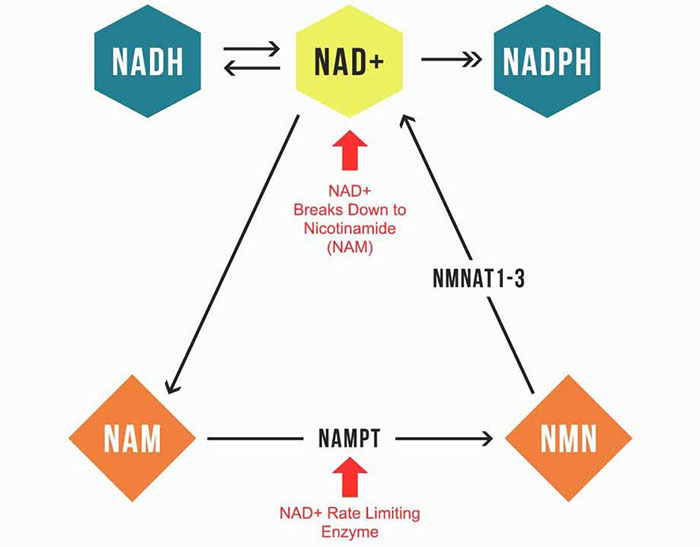
Interestingly, a very recent study that was just published found that niacinamide may be very useful in the treatment and prevention of IBD11 by converting to NAD+ as a cofactor to produce more ATP in the mitochondria. I have written two reviews that discussed the many other benefits of niacinamide to increase NAD+.
Fluoroquinolones, which are frequently prescribed for upper respiratory infections and urinary tract infections (UTIs) have also been shown to harm your heart. In December 2018, the U.S. Food and Drug Administration issued a safety announcement12 about fluoroquinolones after four studies linked the antibiotic to an increased risk of tears in the aorta (aortic dissection), which can be fatal.13
The aorta is the main artery in your body supplying oxygenated blood to your circulatory system. The artery comes from the left side of your heart and runs down the front of your backbone. The review by the FDA found fluoroquinolone antibiotics increase the risk of rupture following an aortic aneurysm (i.e., enlargement of the aorta to more than 1.5 times its normal size).
The finding led the FDA to caution against the use of fluoroquinolone antibiotics in those at risk unless there are no other treatment options available. Specifically, the antibiotic should not be used by:
Those who are at risk for aortic aneurysm
Those suffering peripheral atherosclerotic vascular disease or high blood pressure
The elderly
Those with Ehlers-Danlos syndrome or Marfan syndrome (genetic disorders)
Antibiotics Linked to Colorectal Cancer
Researchers have also linked the use of antibiotics to an increased risk of colorectal cancer. As reported by Live Science in 2014:14
“… researchers looked at the medical records of more than 22,000 colorectal cancer patients in the United Kingdom, and followed them for an average of six years … The researchers compared the amount of antibiotics the patients had taken at least six months before being diagnosed with cancer, to the amount of antibiotics taken by a group of about 86,000 healthy people.
After controlling for known risk factors for colorectal cancer — including obesity, diabetes, smoking and alcohol consumption — the results showed people who had taken antibiotics, including penicillins, quinolones and metronidazole, were 8% to 11% more likely to develop colorectal cancer … possibly through the effects of the drug on colon bacteria …”
A 2016 study15 also concluded that use of antibiotics was associated with an increased risk of colorectal cancer, especially when used frequently, and research16 published in 2017 found that women who had used antibiotics for two months or more were at an increased risk of developing colon polyps, which can be a precursor to colorectal cancer.
Those who used the drugs for a total of at least two months in their 20s and 30s had a 36% increased risk of polyps compared to those who did not, and women who used them for at least two months in their 40s and 50s had a 69% increased risk.
Antibiotics Fuel Chronic Disease by Decimating Your Microbiome
In the article I wrote in February of this year “The New Endangered Species: The Human Gut Microbiome,” I reviewed the documentary film “The Invisible Extinction,” which highlights the work of microbiologists Dr. Martin Blaser and Gloria Dominguez-Bello, who are investigating the links between chronic diseases and the loss of bacterial diversity in the human gut.
Overuse of antibiotics is a major driver of this loss. Elective C-sections and processed foods also contribute to the destruction of our microbiome. According to research published in the Cleveland Clinic Journal of Medicine in 2018,17 Americans have already lost half of their microbial diversity, which is why the risks of antibiotics must be carefully weighed against the benefits prior to use.
Many ‘Health Foods’ Also Contribute to Kidney Stones
As mentioned, diet can also play a significant role in kidney stone development, and processed foods aren’t the only culprits. Oxalate (oxalic acid with calcium attached) account for about 80% of all kidney stones, and high-oxalate foods such as spinach, Swiss chard and beet greens are touted as “superfoods.”
Another high-oxalate food is almonds, which you can easily “overdose” on if you’re eating bread made with almond flour or drinking almond milk, or if you’re on a keto or paleo diet, as they both tend to rely heavily on almonds. Other foods high in oxalate include peanut butter, wheat bran, potatoes, rice bran and dark chocolate.
If you’re prone to kidney stones, these are all foods that need to be avoided as much as possible. High-oxalate foods can also contribute to many other troublesome health problems, as discussed in my December 2022 interviewed with Sally Norton, author of “Toxic Superfoods.”
For example, aside from calcium oxalate kidney stones, other symptoms you might experience if you’re exposed to excessive amounts of oxalate include:
Itchy rashes
Interstitial cystitis (frequent urination and bladder pain)
Poor or slow wound healing
Frail skin that bleeds easily (as your connective tissues are being damaged)
Joint pain
Osteoporosis (as the oxalates are extracting minerals from your bones)
Calcium deposits
Digestive problems
Neurological problems ranging from bad mood and klutziness to tremors
Poor sleep
Rheumatologically muscle pains like fibromyalgia
Vision problems such as near-sightedness, cataracts and poor night vision
Dental plaque or tartar
The Antidote to Oxalates
Now, there is an “antidote” to oxalates that can be helpful if you’re prone to kidney stones. That antidote is citrate. I take citrates every day: magnesium citrate, calcium citrate and potassium citrate, typically with meals. This way absorption of any oxalates in the meal will be impaired. Aside from citrate supplements, raw grass-fed milk, sardines and lemon juice are great options. As explained by Norton in our December 2022 interview (see link above):
“You definitely need calcium and magnesium with high oxalate meals … The citrates in the minerals are especially important for … getting over the chronic illness of having an oxalate overload in your body. So, if you’re past the age of 10 and grew up on standard foods, you’ve got some degree of deposits in your bone marrow, your joints and glands …
The biggest biohack is calcium [citrate] because calcium promotes the clearing [of oxalate]. Some people can’t even tolerate the calcium because their body is so eager to upchuck this mess from its tissues that calcium gives it too much permission.”
Protect and Support Your Microbiome
Seeing how destruction of your microbiome with antibiotics can contribute to kidney stones, this is another area to pay close attention to. Consider the following to protect your microbiome as much as possible:
Do
Eat plenty of fermented foods — Healthy choices include lassi, fermented grass-fed kefir, natto (fermented soy) and fermented vegetables.
Take a probiotic supplement — If you don’t eat fermented foods on a regular basis, a probiotic supplement can be useful.
Boost your soluble and insoluble fiber intake, focusing on vegetables and seeds, including sprouted seeds.
Get your hands dirty in the garden — Exposure to bacteria and viruses in soil can help strengthen your immune system and provide long-lasting immunity against disease.
Open your windows — Research shows opening a window and increasing natural airflow can improve the diversity and health of the microbes in your home, which in turn benefit you.18
Wash your dishes by hand instead of in the dishwasher — Research has shown washing your dishes by hand leaves more bacteria on the dishes than dishwashers do. Eating off these less-than-sterile dishes may decrease your risk of allergies by stimulating your immune system.19 Additionally, many dishwasher detergents have dangerous chemicals so if you do use detergent be careful to select a nontoxic one.
Avoid
Antibiotics, unless absolutely necessary. If you do use them, make sure to reseed your gut with fermented foods and/or a high-quality probiotic supplement.
Foods that are high in oxalates.
Conventionally-raised meats and other animal products, as CAFO animals are routinely fed low-dose antibiotics.
Chlorinated and/or fluoridated water — This includes during bathing or showering.
Processed foods — Excessive sugars, along with otherwise “dead” nutrients, feed pathogenic bacteria. Food emulsifiers such as polysorbate 80, lecithin, carrageenan, polyglycerols, and xanthan gum may have an adverse effect on your gut flora.
Agricultural chemicals — Glyphosate is a widely used herbicide that and could potentially kill many of your beneficial gut microbes if you eat foods contaminated with it.
Antibacterial soap, as it kills off both good and bad bacteria and contributes to the development of antibiotic resistance.
(NaturalHealth365) Did you know kidney cancer is the sixth most prevalent form of cancer in men? It is also among the top 10 most common cancers in women. The average age of diagnosis is 64 though some patients are diagnosed as early as their mid-40s.
A recent study provides some clues as to why kidney cancer metastasizes. Whether you have a family member diagnosed with renal cancer, have the disease yourself, or are simply looking for more ways to live a healthy life, it will benefit you to read this article and forward it to your family and friends.
University of Texas researchers pioneer aggressive renal cell carcinoma model
Researchers at the University of Texas have developed a new model for understanding aggressive renal cancer, providing insights into the genetic and molecular factors behind unstable chromosomes and cancer spread. Their study reveals the importance of specific genes related to interferon receptors in enabling cancer cells to tolerate unstable chromosomes.
Chromosomal instability increases the likelihood of tumors spreading and becoming resistant to treatment. By analyzing different species, the researchers gained a better understanding of the mechanisms driving aggressive kidney cancer.
This breakthrough is significant as it provides an accurate experimental model for studying kidney cancer progression, opening up possibilities for improved treatments. Further investigation showed that disruptions in IFNR genes, responsible for tumor suppression and immune response support, are associated with increased chromosomal instability and metastasis. These findings have potential implications for identifying highly aggressive tumors and aiding in the management of kidney cancer.
Practical tips to prevent kidney cancer
Your dietary and lifestyle choices greatly influence the likelihood of becoming a cancer statistic. While genetics do play a minor role in cancer formation and prevention, there are (more importantly) several practical steps you can take to reduce your risk and protect your health.
One crucial aspect is maintaining a healthy lifestyle. Both high blood pressure and obesity have been linked to an increased risk of kidney cancer. Therefore, it’s important to focus on a balanced and nutritious (organic) diet.
Emphasize the consumption of organic fruits, vegetables, whole grains, and lean proteins. These foods provide essential vitamins, minerals, and antioxidants that support your overall health and help protect against cancer. Additionally, limit your intake of salty snacks and processed foods, as excessive sodium consumption has been associated with an elevated risk of kidney cancer. Also, be mindful of your alcohol consumption, as excessive drinking can contribute to various health problems, including an increased risk of renal cancer.
If you have diabetes, it’s essential to manage your condition effectively. Individuals with diabetes have a higher risk of developing kidney cancer. You can minimize this risk by carefully monitoring and controlling your blood sugar levels through better food choices, regular exercise and stress reduction techniques like, meditation.
If you are a smoker, it’s crucial to understand that inhaling cigarette smoke is one of the leading causes of kidney cancer. Quitting smoking is one of the most impactful steps you can take to improve your overall health and reduce your risk of cancer. Consider joining a smoking cessation program, which can provide you with the necessary support and resources to overcome the addiction. By quitting smoking, you lower your risk of kidney cancer, improve your lung health, and decrease the likelihood of other cancers and chronic diseases.
There is one final thought to consider: the excessive experience of fear has a direct (negative) impact on the health of your kidneys. Therefore, do everything you can to overcome fears by improving the way you think about things … and, naturally, the way you react to situations in your life.
No doubt, taking proactive steps and making informed choices can significantly reduce the chances of developing kidney cancer. Adopting a healthy lifestyle that includes a balanced diet, regular exercise, avoiding tobacco smoke, and managing chronic conditions like diabetes will reduce your risk of kidney cancer and promote overall well-being.
Don’t ever forget, your health is truly in your hands, so take charge and prioritize your well-being.
“Genetically Modified Children” film exposes how Philip Morris and Monsanto have exploited impoverished farmers since 1966, when the Argentinian government authorized the use of GMO crops to withstand Monsanto’s Roundup weedkiller
Tobacco farmers in Argentina are forced to use a multitude of dangerous agrochemicals in order to grow a crop that’s certifiable by U.S. tobacco company Philip Morris
An increasing number of children are being born with severe birth defects and deformities in Argentina
The film interviews Dr. Hugo Gomez Demaio and Dr. Mario Barrera, who are dedicated to highlighting and treating the link between agrochemicals and birth defects
The film features anti-agrochemical activist Sofia Gatica, who is renowned for her work in tracking abnormal rates of cancer, kidney disease and other ailments linked to aerial spraying of glyphosate on GMO soy crops
Editor’s Note: This article is a reprint. It was originally published August 25, 2018.
The shocking film “Genetically Modified Children” unveils the horrors of decades of chemical-intensive agricultural practices in Argentina, where the majority of crops are genetically modified (GM) and routinely doused in dangerous agrochemicals, and the chokehold big tobacco companies such as Philip Morris and chemical and seed giants have on poverty-stricken farmers desperate to earn a living.
The film, produced by Juliette Igier and Stephanie Lebrun, shows the devastating health effects the region’s agricultural sector is having on children,1 an increasing number of whom are being born with monstrous physical deformities. Some of the children’s cases are so severe that, without a medical intervention, will result in death before the age of 5.
The film begins with the crew traveling from North Argentina in the Province of Misiones to the Brazilian frontier, an agricultural region that was one of the nation’s first to begin growing genetically modified organisms (GMOs) in the mid-’90s.
Featured in the film is Ricardo Rivero, regional head of the local electricity company. He learned that the reason families cannot pay their bills is because often they are taking care of a sick or handicapped child, and receiving no assistance from the Argentinian government.
The film shows them visiting the humble home of a tobacco farmer where they meet Lucas Texeira, a 5-year-old boy with an incurable genetic skin disease. The family believes it was caused by the mother’s exposure to Monsanto’s Roundup weedkiller early on in her pregnancy. No one told her it was toxic, she says.
The genetic mutation that caused her son’s condition left him with no pores in his skin, which means he doesn’t perspire. The heat from his body stays inside, causing him severe and painful itching that leads to frequent crying spells. Mr. Texeira expresses his sadness over Lucas’ condition, as well as his fears that he could have another child in the future with a similar deformity.
Agrochemicals Lead to Rise in Birth Defects, Deformities
Like many families in rural Argentina, the Texeiras have grown GM tobacco on their land for years, using a number of various agrochemicals required to produce a crop that’s certifiable by Philip Morris, an American multinational cigarette and tobacco manufacturing company (a division of Altria Company since 2003).
Philip Morris provides farmers GM burley tobacco seeds for the manufacturer of light tobacco cigarettes. Each year, Argentinian farmers are forced to use more than 100 different chemicals in order to grow the perfect-looking tobacco crop — that is, if they hope to make any money.
The Texeira family is no exception. For more than a decade, they have treated their tobacco plants with glyphosate and other agrochemicals — and without any protection. However, after seeing a rise in birth defects among the community’s children, including in their own child, they began to fear for their safety and moved off their farmland, away from the toxic chemicals.
“It’s not easy, but you have to live the life you have,” said Mr. Texeira. “Thank God, Lucas’ problem is just his skin. He’s healthy and can eat. He eats almost anything.” Lucas is a miracle, says the film’s narrator. In this region, there’s a disproportionate number of children born with deformities.
300 Million Liters of Glyphosate Are Applied Each Year
GM crops first entered the country through the Misiones Province of Argentina after the government authorized their use from 1996 onward, a decision based solely on studies conducted by Monsanto, and with no contradicting research.
For more than two decades the land was sprayed with glyphosate and other agrochemicals, contaminating the region’s soil and water. By 2013, more than 24 million hectares2 (59.3 million acres) of GM crops were grown in Argentina, including soy, maize, cotton and tobacco.
Mounting scientific evidence connecting the rise in miscarriages, birth defects and cancer to GMOs and agrochemicals did not dissuade the Argentinian government from subsidizing GM crops. Perhaps, that decision is due in part to the 35% in taxes Argentina receives from GMO soy exports.
Despite the dangers, no one warned tobacco farmers of the risks. In fact, the opposite was true. Farmers in the Misiones province were inundated with various forms of marketing, including commercials from chemical companies insisting agrochemicals were the key to prosperity.
Television advertisements touted the benefits of Monsanto’s Roundup weedkiller, including its ability to kill everything except for GMOs. The marketing worked. Today, more than 300 million liters (79.2 million gallons) of glyphosate are dumped each year onto more than 28 million hectares (69.1 million acres) of land in Argentina.3
The film shows the crew visiting the home of another sick child. Lucas Krauss was born with congenital microcephaly. He suffers from epilepsy, delayed motor and mental development, multiple muscular atrophy and numerous other related pathologies.
The first doctor the family consulted said their son’s condition was due to a lack of oxygen; however, the neurologist had a different opinion. At first, he agreed and said it was due to a lack of oxygen; however, when they pressed him further he admitted that a lack of oxygen was not the only cause, but he refused to say what he believed the true cause was of Lucas’ condition. They wouldn’t even run medical tests, said the boy’s mother.
The family understands that Lucas’ condition, as well as many others in the community, is likely tied to the agrochemicals used to farm tobacco. But the family can’t quit the trade because it’s the main source of income in their area, and most importantly, it’s the only sector that provides social security for its workers. Without the financial aid of the tobacco industry, the father fears he will be unable to care for his special needs son.
“The whole family feels discriminated against because it seems that society doesn’t want to see their reality,” said Rivero. “His parents don’t ask anything for themselves. They’re not asking for anything out of the ordinary. It’s just that the responsible parties — the state is the responsible one for these children’s problems — and it’s not taking responsibility and there’s total desertion.”
In 2010, things started to move. Lawyers from the U.S. traveled to Misiones to visit the families of severely handicapped children. One of their stops included the home of 17-year-old William Nuñez, who was born severely handicapped.
He can’t walk or talk, and has to be fed through a feeding tube in his stomach. The family has received no aid from the government for the medical treatment William needs. Instead, they have learned on their own how to care for their disabled child.
Ignorance and Exploitation
The Nuñez family says they were visited by American lawyers four or five times in a sixth-month period, as well as a handful of doctors from the U.S. and Mexico. The Nuñez family were told that they were not at fault for using agrochemicals, and that they could be awarded up to $3 million for William’s case.
The attorneys asked the family to sign a contract with a commitment not to discuss their case with anyone. Up until now, they have respected the contract. But they haven’t heard from the lawyers in over four years and don’t want to keep quiet any longer.
Next the film introduces a man named Emilio, the son of a tobacco farmer who has created an independent labor union to contend with the two tobacco companies in the region, which often take the side of Big Tobacco.
Tobacco farming is a tough job, says Emilio, adding that people suffer a lot because they work all year long, and the financial incentive is not great. Emilio describes the tobacco industry in San Jacinto, Argentina as a slavery system, one encapsulated by ignorance and exploitation.
The film crew visits a warehouse where all of the region’s tobacco farmers come to sell their product. The farmers’ tobacco crop is transported here at the end of the growing cycle, which includes the sowing, treating, harvesting, drying and sorting. This is the only place they can sell their crop, says Emilio. The film crew is there on the day the farmers learn the value of their year’s work.
“It’s when you get happy or get angry, because if it went well, you know that you’ll be able to buy what you need or what you dreamed about when you were working for it. So, you’ll find out here,” says Emilio.
The crop must meet strict standards set by the cooperative, which inspects each bale in the blink of an eye. They examine the texture, breadth and the color of the leaves. Tobacco in its natural state would never pass the test — only the use of agrochemicals can ensure a good result.
Big Tobacco Dominates the Industry
The film interviews one of the farmers about his feelings on his earnings. He says he received 11,575 Mexican pesos (or about $610 U.S. dollars) for 975 kilos of tobacco. That’s about $3.50 per pound of tobacco. It’s a low price, he says. “To me, it seems like a total rip-off. It’s unfair.”
The farmers say their income was especially low this year as result of the expensive chemical inputs they are forced to use. The chemical companies charge them in U.S. dollars, but they pay in pesos, says one frustrated farmer, adding that he has no way out of the business because he can’t risk losing his social security.
Big Tobacco dominates the industry in San Jacinto, Argentina. It dominates to such an extent that companies like Philip Morris have completely changed tobacco farming. Today, farmers are enslaved by the companies that produce and sell the agrochemicals required to grow a crop that can be certified by Philip Morris.
The film crew manages to capture footage inside a warehouse where farmers go to buy pesticides. Tall stacks of herbicides, fungicides and insecticides line the walls — all of it handled with bare hands.
Among the insecticides is a chemical manufactured by Bayer called Confidor, which contains the insecticides clothianidin, imidacloprid, thiamethoxam and methiocarb,4 all of which, except for methiocarb, belong to a class of bee-killing pesticides known as neonicotinoids, which were banned on all crops grown outdoors in Europe.5
Poison Is a Recurrent Word in Argentina
Before leaving the region, the film crew makes one last stop to visit 50-year-old Raul Gomez, who has created a list of all the chemicals he has had to handle over the past two decades, most of which are now banned due to their toxicity. Gomez is concerned about having to keep the chemicals on his property, most of which are too dangerous for him to dispose of.
He says he was told someone would come and take them, but no one has, so he built shacks to store them. Gomez says he believes he was definitely a guinea pig in that he was forced to work with such dangerous poisons without any knowledge of the implication to his or his family’s health.
He and other farmers say the question isn’t if they will become ill, but when. Everyone in this region has poison running through their bodies, he says, and while he doesn’t feel it now, in a few years he may. “That’s how it is. The consequences come later.”
Next the film crew travels to Posadas, the capital of the Province of Misiones, where doctors are considering a terrifying hypothesis: Exposure to agrochemicals may actually modify the human genome.
They meet 73-year-old Dr. Hugo Gomez Demaio, head of the neurosurgery service at the Pediatric Hospital of Posadas, and Dr. Mario Barrera, neurosurgeon at the Medical School of Nordeste. (Both institutions are in Buenos Aries). The doctors are dedicated to highlighting and treating the link between glyphosate exposure and other agrochemicals and birth defects caused by DNA damage.
Over the years, Demaio has witnessed an increasing number of children suffering from malformations. “These are no more empirical observations, but an inescapable statistic that he has drawn up with his successor, Dr. Barrera,” says the film’s narrator. One hundred percent of these children with severe deformities will die before the age of 5 if they do not have a medical intervention, says Demaio.
The film shows two little girls suffering from hydrocephalus, a condition linked to an abnormality affecting the X chromosome. Hydrocephalus is the buildup of fluids deep within the brain. The excess fluids put pressure on the brain causing damage to brain tissue. Symptoms of hydrocephalus include an unusually large head, a rapid increase in the size of the head and a bulging spot on top.6
‘They Have the Money and We Have the Illness’
The mothers of the two little girls with hydrocephalus say they were exposed to agrochemicals, but indirectly. While agrochemicals were not stored in their home, they say they were exposed to them through the contaminated clothing of their male family members who farm tobacco. The women would wash the men’s clothing in a nearby creek, which also served as their source of drinking water.
Demaio says exposure to agrochemicals may cause genetic damage that’s transmitted to an individual’s offspring, causing a modification of genetic heritage. Barrera explains:
“Even if the entire local environment is contaminated, it does not mean that all children will become sick. But when the father is exposed to herbicides, they are absorbed into the body and alter his DNA. He then passes that genetic mutation on to his children.”
In the beginning, Demaio and Barrera worked alone, but soon other doctors who had made similar observations joined them in their work. In 2009, they published results showing miscarriages and congenital defects among newborns were six times higher than normal, and cancers in small children were five times more common than elsewhere.7
The doctors say the agrochemicals pass from mother to child and cause damage within the first 28 days of pregnancy, resulting in monstrous deformities that are difficult to repair. The most common expression is myelomeningocele,8 a birth defect of the backbone and spinal cord. It’s the most severe lesion of the central nervous system that one can still live with.
Demaio says the Argentinian government refuses to listen to him, so he has dedicated his time to educating young people at universities, many of whom have grown up in tobacco farming families and around pesticides, but know very little about them.
They were told agrochemicals are safe, and necessary, to feed people. “They have the money and we have the illness,” says Demaio, referring to the chemical companies and the profits they’ve earned on unsuspecting farmers forced in a chemical-reliant trade.
A David Versus Goliath Battle
The film crew visits the lawyers in their office in Bueno Aires, the ones who never followed up after visiting the families four years ago. They were not very knowledgeable about the case, so the film crew visits the New York office for which the attorneys had worked on the file years ago.
They speak with Steven J. Phillips of the Phillips & Paolicelli LLP office, which specializes in defending children from toxic products. Phillips says he believes he has a strong case against Monsanto and Philip Morris. Monsanto designed and sold glyphosate to people in South America under conditions in which it knew there would be pregnant women mixing the chemicals.
Monsanto knew it was extremely dangerous but sold the stuff anyway and made a ton of money, said Phillips. Philip Morris insisted the farmers grow the tobacco in a specific way that included the use of glyphosate, and if they didn’t, Philip Morris wouldn’t buy the tobacco. So, the farmers had no choice.
“If you force someone to behave in a way that’s dangerous, mislead them about it, and then their children get hurt, then that’s a reason to bring them to court,” said Phillips. While the attorneys recognize the battle as being a David versus Goliath type, they also know that the truth is on their side.
The truth often prevails, as is the case in the guilty verdict in the landmark Monsanto trial. A jury in San Francisco, California, awarded plaintiff Dewayne Johnson $289 million in damages after determining his cancer was caused by exposure Monsanto’s Roundup weedkiller.9 Organic Consumers Association (OCA) reports:
“The jury’s decision was unanimous: Monsanto was guilty of manufacturing and selling a product that caused Johnson’s cancer. What’s more, the company knew its product could cause cancer — and yet it intentionally hid that fact from Johnson and the public.”
The case is eerily similar to that of the farmers and their families who are suffering from exposure to agrochemicals, including glyphosate, in Argentina. And the tobacco farmers aren’t alone in their battle. There’s another region in Argentina that has become the symbol in the fight against agrochemicals.
Cordoba, the Realm of the Transgenic Soybean
The film crew travels to Cordoba, Argentina’s second most important city, and the last stop in their investigation. Cordoba is characterized for its planting of transgenic soy and where glyphosate is applied from above through aerial spraying.
The town is littered with anti-Monsanto graffiti. In 2012, a historical verdict10 was delivered in Cordoba when a farmer and the owner of a crop-dusting plane were sentenced to three years in prison for illegal aerial spraying. They had been spraying glyphosate within 2,500 meters of a densely, populated area.
The film introduces anti-agrochemical activist Sofia Gatica, who cofounded Mothers of Ituzaingo,11 a group of moms working to stop the indiscriminate agrochemical use that has poisoned the region’s children. Gatica lost her own infant daughter to kidney malformation, and her son lost his ability to walk following exposure to a local agrochemical fumigation.
Gatica is recognized for her work in tracking the abnormal rates of cancer, kidney disease and other conditions in areas close to where glyphosate was applied to GMO soy crops. The Mothers of Ituzaingo had blood tests done on their kids and found that 3 in 4 children living in their community had agrochemicals in their blood, including pesticides, chromium, lead and arsenic.
Hoping to get help from the government, the group presented the results to Argentinian officials, who told them they would only improve the water if the families signed away their right to sue for the water contamination.
Gatica has repeatedly been threatened and physically assaulted for her efforts in fighting the chemical companies. On one occasion in 2014, she was threatened with a gun and told by a man that if she didn’t stop protesting against Monsanto, he would “blow her brains out.”
Making Progress
Despite the uphill battle, Mothers of Ituzaingo and other activists have made good progress. As the OCA reports:12
“In 2008, Argentina’s president ordered the minister of health to investigate the impact of pesticide use in Ituzaingó. A study was conducted by the Department of Medicine at Buenos Aires University and the results corroborated with the research the mothers had done linking pesticide exposure to the many health issues experienced by people in the community.
Gatica also succeeded in getting a municipal ordinance passed that prohibited aerial spraying in Ituzaingó at distances of less than 2,500 meters from residences.
And, in a huge victory, a 2010 Supreme Court ruling banned agrochemical spraying near populated areas and reversed the burden of proof — now the government and soy producers have to prove the chemicals they are using are safe, instead of residents having to prove that the spraying is making them sick.”
Despite the victories, people living in Argentina and other regions saturated with GMOs and agrochemicals have a long, hard road ahead. In 2021, according to a systematic review of the scientific literature published between 2006 and 2018, it was estimated that 385 million cases of unintentional, acute pesticide poisoning (UAPP) occur annually worldwide.13 But agrochemicals are worth $40 billion per year, and are projected to reach $308 billion in value by the year 2025.14
Will the world’s multinational chemical companies ever sacrifice profits to protect public health? Only time will tell; however, the solution likely lies in the legal system, which is making strides around the world to protect the public from harmful agrochemicals.
If your fat intake is higher than 30%, glucose will be metabolized through glycolysis and not in the mitochondria, which increases lactic acid. The fat percentage limit for most healthy people is likely around 35%, whereas diabetics and the obese may need to limit their fat intake to 15%
Your body releases cortisol to produce endogenous glucose when your blood sugar is low. Cortisol breaks down your lean muscle, bones and brain to make amino acids that your liver then converts to glucose. Cortisol also promotes inflammation
The best complex carbs are ripe fruits that grow in tropical conditions, such as oranges, tangerines, mango, melon, watermelon and grapes. Cooked starches such as potatoes and white rice are also good if well-cooked. Avoid resistant starches, as they promote endotoxin production in your colon
This interview features repeat guest Georgi Dinkov who is a virtual firehose of information and an expert on the work of the late Ray Peat,1,2 Ph.D., an author and pioneer in nutrition, bioenergetic medicine, environmental factors and regenerative processes.
Some of the information in this interview will challenge some of your long held views as it did mine. We all have conformational biases and I encourage you to let yours go for awhile and consider the possibility that some of this information might be true for you and others.
This is among the best interviews I’ve done in years, and we take deep dives into a wide variety of topics. The full interview is over three hours long, so I’m dividing it into two parts. This is Part 1.
This year, on a near-daily basis, I’ve been listening to Dinkov’s podcast for two to three hours at a stretch, and I sometimes repeat them two or three times, because each episode is just so chockful of information. If you want to get a deep understanding of biochemistry and bioenergetic medicine, his podcasts on his YouTube channel and blog contain a treasure trove of information that is well worth your time exploring.
The good news is that you don’t have to pay anything to learn this information. No books to purchase, no membership sites to join; it is free for the taking, at least for the time being. Georgi doesn’t have his own channel, but merely is a guest on other people’s channels, which makes him hard to deplatform.
But who knows what the future holds? If this material interests you even a bit I would encourage you to start listening while you can before it disappears. And, as mentioned, I would also strongly recommend that you listen to my podcast with Georgi multiple times as I am sure that 99.9% of listeners will not understand or fully understand this information unless you are exposed to it multiple times.
How Does Cortisol Work?
Most of us think of cortisol as the stress hormone, but that is not its primary purpose in your body, which is to make sure your glucose level never drops too low, as that could result in a hypoglycemic coma which could kill you prematurely.
Both low-carb and fasting are great interventions in the short-term for those who are overweight and metabolically inflexible, but when used chronically they can damage your metabolism and lead to health complications because they tend to cause chronic elevations in cortisol resulting in inflammation and catabolic lean muscle loss.
So, if you don’t have enough glucose in your bloodstream, your body makes glucose by secreting cortisol, which breaks down your lean muscles, bones and brain to make amino acids that then convert to glucose in your liver. In one of his recent podcasts, Dinkov explained that the primary benefit of anabolic steroids is that they’re anti-cortisol. That’s how anabolic steroids work to build muscle mass.
Cortisol also uses up stored fat in a process called lipolysis. While this may sound like a great thing, the problem is that it doesn’t get rid of the harmful visceral fat found around your internal organs that causes inflammation. It burns your good fat, the peripheral and subcutaneous fat, which is useful.
So, ultimately, chronic excess cortisol is going to cause inflammation and impair your immune function. It also increases food cravings. So, you do not want your cortisol to be elevated continuously in an effort to rescue you from hypoglycemia. Hence, a chronic low-carb diet is not a good idea for most people.
Cortisol is also one of the primary drivers of aging. It accelerates the aging process, which is something very few in the longevity community are even aware of. If it is chronically elevated, you simply will die prematurely as it is highly catabolic, meaning it will break down your body tissues. To stay healthy as you age you need to be anabolic and build healthy tissues like muscle and mitochondria. Elevated cortisol will seriously impair those efforts. Dinkov comments:
“I think there’s hardly a chronic condition where you don’t see cortisol implicated, and usually, in the majority of cases, it is elevated cortisol, not low cortisol. In fact, the only situation in which low cortisol becomes problematic is probably Addison’s disease, which is adrenal failure. And that’s very rare.
Studies as far back as the 1950s and ‘60s demonstrated that you can produce every single phenotype of aging if you inject cortisol, or at least create a state of relative glucocorticoid excess in the animal. So you can do it either by injecting synthetic or natural glucocorticoids, or you can do it by reducing the levels of the natural anti-cortisol steroids in the body.
Those are pregnenolone, progesterone and DHEA. In males, testosterone and also dihydrotestosterone. If you reduce the levels of those anti-cortisol steroids and keep the cortisol levels normal, you will still achieve the same kind of phenotype of aging. And that’s pretty much what happens to people as well.
It has been shown that cortisol levels do not decline with age unless you have adrenal failure, while the levels of all of these anti-cortisol, youth-promoting hormones decline with age. Multiple intervention studies have demonstrated that if you administer agents that oppose cortisol at the receptor level, or reduce its synthesis, you can achieve both health results and improve the way you look.”
High Cortisol Is Bad for Your Brain and Mental Health
Importantly, cortisol not only shreds lean muscle, but also brain tissue, so elevated cortisol promotes brain atrophy, which is a hallmark of both dementia and depression. Dinkov cites studies showing that administering anti-cortisol medication to people with treatment-resistant depression put them into remission within as little as 48 hours.
“So I think it’s a very good argument that cortisol is catabolic to the brain, and clearly, if it’s catabolic to the brain, it’s probably not going to improve your mood, if anything is going to worsen it,” he says.
So, it’s clearly important that you need to be doing everything you can to keep your cortisol levels and chronic inflammation low. But it would also be a major mistake to increase your carb intake if you are still on a high-fat diet. I did this experiment in the mid-‘80s after I read the book by Harvey and Marilyn Diamond, called “Fit for Life”.
They suggested having fruit only for breakfast, which I tried. Then I did my lab work and found my fasting triglycerides and lipoprotein profiles had exploded for the worse. I prematurely concluded that a high-fruit diet was nonsense and remained relatively low-carb, eating little to no fruit for nearly four decades.
I recently reevaluated this approach after encountering Ray Peat’s work. I now understand that I was missing important parts of the strategy. I decided to experiment with my eating and now incorporate healthy carbs, primarily from ripe fruit, a few times a day.
However, just because carbs appear to be a better fuel because they generate less reactive oxygen species in your mitochondria, one can’t indiscriminately increase carbs in your diet without paying strict attention to the amount of fat you are consuming, and just as importantly, the quantify and the type of carbs you are consuming. Failure to do may result in a decrease in your health and vitality.
The Vital Metabolic Switch You Need to Understand
This is one of the most important principles in food science that I had never learned or understood until recently. My strong guess is that this is also true for most natural medicine clinicians. That is why I created the figure below to help you visualize so you can better understand this vital concept.
Low-carb diets have helped at least tens of millions of people improve their health for a very good reason, and that is there is a stealth switch that controls what fuel your mitochondria can burn, as they can only burn one fuel at a time: either fat or glucose.
The switch has been given the name the Randle Cycle, but it is more helpful to visualize it as a railroad switch that changes the tracks of the train, and the train can only travel down one track, not both. This is because only one type of fuel can be burned at a time.
The best-case scenario is you metabolize, or burn, glucose in your mitochondria without any reductive stress (a term I will explain in my upcoming interview with Georgi Dinkov). When you do this, you will only generate 0.1% reactive oxygen species (ROS).
Not only does this route generate less ROS, but it also is incredibly efficient at energy production by creating 36 to 38 ATPs for every molecule of glucose that is metabolized. It will also generate metabolic water and carbon dioxide, which are also important for your health.
For this to occur, as indicated in the figure above, you will need to consume less than 30% of your calories as fat. When you consume significantly more than that amount, the switch changes to burn fat in your mitochondria and you will not be able to burn glucose until your fat decreases to less than 30% of calories.
Since glucose is unable to be shuttled into the mitochondria to burn, it winds up backing up into your bloodstream, raising your blood sugar. This is a major contributor to diabetes. What little glucose is burned for fuel is done by using glycolysis, which is a primitive pathway that bacteria and cancer cells use.
It is great we have this pathway as you absolutely need it for quick fuel when you are activating your type II muscle fibers. But if this is the primary way you burn glucose, you are in a catastrophic metabolic state as you are creating loads of lactic acid as a waste product instead of healthy CO2, and you are only generating 2 ATPs for every molecule of glucose, which is 95% less energy.
Lactic acid increases reductive stress, which causes reverse electron flow in the mitochondria and causes reductive stress, which increases the ROS to 3 to 4%, which is 30 to 40 times more than when glucose is burned efficiently in the mitochondria.
Why Lactic Acid and CO2 Are so Important
Remember, when you are burning glucose efficiently in your mitochondria, the glucose is converted not only to 36 to 28 ATP, but when the electrons from the glucose are ultimately handed off to oxygen, metabolic water (deuterium-free) is made and, very importantly, carbon dioxide.
This is vital to understand, as carbon dioxide is a potent stimulator of mitochondrial biogenesis, which will increase the number of mitochondria that you have so you can make even more energy.
Conversely, when you are burning glucose far less efficiently in glycolysis, you are only generating two ATP and rather than creating life-sustaining carbon dioxide, you are generating life-damaging lactic acid, which will degrade your mitochondria and make them die sooner.
Too Much Dietary Fat Impedes Glucose Metabolism
Remember, the metabolic switch happens at about 30% fat. So, if you’re eating more than 30% fat you’re going to be mostly burning fat, and glucose metabolism (oxidation) will be inhibited. If you’re obese, the cutoff for fat is likely even lower. According to Dinkov:
“I’ve noticed that between 15% and 20% [dietary fat] is probably where most people, in their current health state, can metabolize the fat without causing problems for the glucose through the Randle cycle. Especially Type 2 diabetics.
Most of them are overweight or obese, which means they have two sources of fats — one through the diet and the second one from their fatty tissue, because there’s always some lipolysis going on. So for diabetic people, it’s probably a good idea to lower the intake of fat from the diet, because they already have a lot coming from their own bodies.
There’s so many clinics around the world that treat and even cure Type 2 diabetes by putting them on a really restrictive diet until they lose most of their fat. And then suddenly, the metabolism of glucose gets restarted. I think this directly shows you that the problem with glucose wasn’t the glucose itself.
It wasn’t the glucose that was fattening them up. They had too much fat in their bodies, and once you get rid of that fat, no matter how you do it, the problems when metabolizing glucose disappear which, to me, is a great testament to the Randle Cycle.”
You also don’t want fat to be too low, say, less than 15%. Between 15% and 30% might be the sweet spot, although, as noted by Dinkov, the ideal ratio of macronutrients isn’t known. That said, he believes, based on epidemiological studies, that an approximately equal ratio of calories from fat, carbs and protein (i.e., about 33% each) appears to be optimal for long-term health.
I respectfully disagree with this, as I believe 33% protein may be too high unless you weren’t eating many calories. Eating more than 35 to 40 grams of protein at a meal is likely counterproductive, as their absorption will be impaired, and you will be left with having to remove the ammonia and nitrogen, which could damage your kidneys.
At present, I believe that obtaining 15% of your overall calories from protein is probably about right when eating between 2,000 and 3,000 calories per day. Most people don’t need more than 120 grams of protein per day. Beyond that, you start burdening your kidneys. I’ve long used the formula of 1 gram per kilo of lean body mass (not total bodyweight), which Dinkov agrees seems to be an ideal way to determine your daily protein intake.
Weight Loss Rebound Explained
The Randle Cycle also helps explain why many people who lose large amounts of weight end up rebounding and gaining it all back, even when they’re still restricting calories. Dinkov explains:
“There’s always some baseline lipolysis going on. And in the rested state, your muscles prefer to oxidize fat. So, if you have a decent amount of muscle mass, you can burn most of this fat through this baseline lipolysis. The ratio of lean muscle mass to total body weight is the primary determinant of your basal metabolic rate. So, it’s very important to not lose lean muscle mass.
I think a lot of people get themselves in a situation where, through extreme fasting or extreme exercise, they lose a lot of body weight, but they’re not paying attention to how much they’re losing of each of the two components — fat mass and lean muscle mass.
Multiple studies have shown that over long-term fasting or a long-term exhaustive exercise, people lose a lot of body weight, but about 80% of that is lean muscle mass. So, they were much leaner, but their basal metabolic rate was much lower than what they started with because they lost most of their muscle mass.
So, when they went back to their normal lives and stayed on a reduced calorie regimen, they still regained all of their weight, and they were devastated. They said how is this possible?
Well, of course, what do you expect? Your basal metabolic rate went down by 50%. So, unless you stay on this severely restricted-calorie diet, you will regain all of those pounds.
So, the main thing is, maintain muscle mass, restrict a little bit of your dietary intake, and don’t overshoot with the lipolysis. Every time you stress yourself, you’re going to increase the rate of lipolysis. And if you float too much fat into the bloodstream, you will shut down the glucose oxidation, which will contribute to the lactic acid and all the other downstream effects mentioned.”
Not All Carbs Are Created Equal
When most people hear it’s OK to eat carbs, they think it’s an invitation to eat bread, pasta and processed foods and snacks. Nothing could be further from the truth. If your fat intake is over 30% and you throw junk carbs on there, you’re going to disrupt your lipoprotein profiles and increase your risk for heart disease, because you’re not metabolizing the carbs and are contributing to endotoxin production in your large intestine.
You also need to eat the right types of carbs to avoid endotoxin production, which is a major driver of increased cortisol and inflammation. High-fructose corn syrup (HFCS) is a processed carb that you should avoid. Most process including any processed foods that use HFCS because it is so cheap.
Other carbs to avoid would be resistant starches from legumes, beans, lentils, most grains, uncooked potatoes, green bananas, and pasta. Oatmeal can also cause trouble for many. You’ll know it’s incompatible with you if you get gas and/or constipation, or if it slows your digestion. Oatmeal is also high in linoleic acid (LA), which is why I avoid it.
The best complex carbs are ripe fruits that grow in tropical conditions, such as oranges, tangerines, mango, pineapple (keep intake moderate as it contains serotonin), melon, watermelon and grapes. Cooked starches such as potatoes and white rice are also acceptable. Potatoes contain oxalates, which can be problematic, but oxalates are water-soluble, so most will be radically lowered if you boil the potatoes.
If you have small intestinal bacterial overgrowth (SIBO), you may need to avoid starches like rice and potatoes, as you have inhibited ability to break down the starch into glucose. As a result, these kinds of starches may impede your recovery.
Incorporating Exercise for Optimal Results
The older you get, the more important your muscle mass becomes. Not only are strong muscles a requirement for mobility, balance, and the ability to live independently, but having reserve muscle mass will also increase your chances of survival3 when sick or hospitalized.
Muscle is lost far more easily and quicker than it’s built, so finding ways to continuously promote and maintain your muscle mass is crucial, especially as you get older.
Age-related loss of muscle mass is known as sarcopenia, and if you don’t do anything to stop it you can expect to lose about 15% of your muscle mass between your 30s and your 80s.4 An estimated 10% to 25% of seniors under the age of 70 have sarcopenia and as many as half those over the age of 80 are impaired with it.5
While declines in muscle mass and strength are relatively well-synchronized in the 35- to 40-year-old group, strength dramatically drops off as you get into the 75-year-old and over groups, with 85-year-olds usually seeing dramatic declines in strength and function relative to the decline in muscle size.
Blood Flow Restriction Training
One of the reasons I’m so passionate about blood flow restriction (BFR) training is because it has the ability to prevent and widely treat sarcopenia like no other type of training.
There are several reasons why BFR is far superior to conventional types of resistance training in the elderly. Importantly, it allows you to use very light weights, which makes it suitable for the elderly and those who are already frail or recovering from an injury. And, since you’re using very light weights, you don’t damage the muscle and therefore don’t need to recover as long.
I am also a huge fan of walking on the beach and typically go every day for about an hour. I also use the sauna and do targeted stretching daily.
More Information
To learn more, be sure to listen to the entire interview, and keep your eyes peeled for Part 2, which will follow shortly. Also check out Georgi’s blog at www.haidut.me or follow him on Twitter. He also has hundreds of videos on YouTube on a plethora of topics. A major sampling of Ray Peat’s work is also available for free on these two sites: wiki.chadnet.org/Ray-Peat and RayPeat.com.
(NaturalHealth365) Did you know that about 37 million Americans live with chronic kidney disease, a condition that can be prevented by making simple changes to your diet? According to the National Institute of Diabetes and Digestive and Kidney Diseases (NIDDKD), nearly 1 in 3 people with diabetes and 1 in 5 people with high blood pressure are affected by kidney disease.
These numbers are not just alarming, but they also highlight the urgent need to pay attention to what we eat. By understanding the powerful impact of food on our overall health, we can take control of our well-being and avoid becoming another statistic in the growing epidemic of kidney disease.
Nourish your way to kidney health
Imagine if we told you that a simple change in your diet could significantly reduce your risk of developing kidney disease. Would you be willing to make that change? The latest research reveals a clear link between diet and the development of this debilitating condition.
In a study conducted by Alex Chang, MD, from Johns Hopkins University, the findings were crystal clear: individuals with normally functioning kidneys who consumed a diet filled with processed foods, toxic red meats, excessive sodium, and sugary treats while lacking in nutrient-rich options like organic nuts, legumes, and whole foods, were at a significantly higher risk of falling prey to kidney disease.
This discovery holds immense promise and emphasizes the transformative power of what we eat. By taking charge of our dietary choices, we can safeguard our kidneys and pave the way for a healthier future.
Support better kidney function with these delicious foods
Organic Cabbage
Cabbage, a member of the cruciferous vegetable family, is a powerhouse when it comes to promoting kidney health. This leafy vegetable is bursting with essential nutrients that combat free radicals and contribute to overall well-being.
One of the remarkable qualities of cabbage lies in its rich array of phytonutrients. These plant-based compounds possess potent antioxidant properties, helping to neutralize harmful free radicals in the body. By doing so, they assist in reducing oxidative stress and inflammation, which are key factors in the development and progression of kidney disease.
Organic Garlic
This aromatic ingredient not only adds a delightful burst of taste to your meals but also boasts a range of health benefits, including its potential to support kidney health. One of the remarkable properties of garlic lies in its anti-inflammatory effects. Chronic inflammation can contribute to the development of various diseases, including kidney disease. By incorporating garlic into your diet, you can tap into its natural anti-inflammatory properties, which help combat inflammation throughout the body, including the kidneys. This anti-inflammatory action not only supports kidney health but also promotes overall well-being.
For individuals with high blood pressure, garlic is particularly beneficial. Hypertension, if left uncontrolled, can lead to kidney damage over time. Garlic has been shown to have a positive impact on blood pressure levels, helping to lower and regulate them. By incorporating garlic into your meals, you can potentially protect your kidneys from the detrimental effects of hypertension.
Organic Asparagus
This remarkable green vegetable acts as a natural cleanser for your kidneys, going above and beyond to support their optimal performance. Asparagus possesses unique properties that make it an exceptional ally in maintaining kidney health. One notable advantage lies in its ability to act as a natural cleanser for the kidneys. The compounds found in asparagus have diuretic properties, meaning they help increase urine production and promote the flushing out of toxins and waste materials from the kidneys. By enhancing the elimination of harmful substances, asparagus supports the overall detoxification process within the kidneys, ensuring their efficient functioning.
Furthermore, asparagus has been found to significantly impact uric acid levels in the body. Uric acid is a waste product that can accumulate and crystallize, leading to the formation of kidney stones. The remarkable nature of asparagus lies in its potential to break down uric acid and prevent the development of these painful stones. By incorporating asparagus into your diet, you may provide relief for those prone to kidney stones, as this verdant vegetable helps to mitigate their formation.
Organic Cucumbers
Cucumbers are known for their high water content, making them a perfect thirst-quencher. With water constituting nearly 90% of their composition, cucumbers are an excellent addition to your diet when it comes to staying hydrated. Proper hydration is crucial for optimal kidney function, as it supports the efficient elimination of waste products and toxins from the body, reducing the burden on the kidneys and promoting their health.
Beyond hydration, cucumbers are packed with essential vitamins, minerals, and fiber that contribute to your overall health. They are a rich source of vitamins A and C, which act as antioxidants, helping to neutralize harmful free radicals and protect the cells of your kidneys from oxidative stress. Additionally, cucumbers provide minerals such as potassium and magnesium, which play vital roles in maintaining proper kidney function and electrolyte balance.
Keep in mind, if you suffer from kidney disease, seek the advice of a trusted, integrative healthcare professional before introducing new foods. For example, potassium intake must be closely monitored when dealing with severe kidney disease patients.
If you’re looking for ways to boost your overall health while also supporting your kidneys to prevent kidney disease, try adding these delicious foods to your diet!
Looking for a healthy recipe? Try this phytonutrient-rich cucumber juice recipe for a healthy way to start your day, and keep your kidneys running smoothly.
Organic Cucumber Detox Juice (Serves 1)
Ingredients:
1 organic cucumber
2 sticks of organic celery
2 organic carrots
½ organic apple
Directions:
Run these veggies through your juicer, and enjoy your juice right away!
Add in a few ice cubes for a more refreshing juice.
Niacinamide (aka nicotinamide) is a form of niacin (vitamin B3) that plays an important role in energy metabolism. Without it, your mitochondria cannot make energy
Niacinamide is also a precursor to NAD+, which is essential in the conversion of food to energy, maintaining DNA integrity and ensuring proper cell function. NAD+ is also a primary fuel for longevity proteins that become depleted with age
According to recent research, a century-long decline in our basic metabolic rate (BMR) can by itself account for the obesity epidemic. For some reason, we’re spending less energy (burning fewer calories) now, when resting, than people did in decades past
Consumption of polyunsaturated fats may be to blame for this BMR decline. Niacinamide has potent antiobesity effects and also helps inhibit release of inflammatory PUFAs from fat cells
Niacinamide can also help prevent neurodegeneration, kidney disease and heart failure, and reverse leaky gut
In a series of articles, biohacker Georgi Dinkov highlights a variety of benefits of niacinamide (aka nicotinamide), a form of niacin (vitamin B3) that plays a vital role in energy metabolism, as it’s essential for the mitochondrial electron transport chain to function. Without it, your mitochondria cannot make energy.
Niacinamide is so important because it is a precursor for NAD+, which is involved in the conversion of food to energy, maintaining DNA integrity and ensuring proper cell function. NAD+ is also a primary fuel for sirtuins, longevity proteins that become depleted with age.
As such, niacinamide can be an important longevity hack. As I’ve explained in previous articles, niacinamide at a dose of 50 milligrams per day will provide the fuel for NAMPT, the rate limiting enzyme for NAD+. Niacinamide also has potent antiobesity effects, can help prevent neurodegeneration and heart failure, and reverse leaky gut.
Obesity Epidemic Linked to Decline in Basic Metabolic Rate
In a May 2023 article,1 Dinkov reviewed evidence showing that lack of exercise and increased calorie intake are not the cause of the obesity epidemic. Interestingly, there has been a century-long decline in our basic metabolic rate (BMR), or basal energy expenditure. BMR refers to the number of calories your body burns when you’re at rest, which accounts for 60% to 75% of your total daily energy expenditure.
According to research published in the April 2023 issue of Nature Metabolism,2 the adjusted basal metabolic rates (BMR) in the U.S. and Europe have declined by 14.7% in men and 2% in women since the 1990s. While the decline in women was not considered significant, when they looked at a larger data set that stretched back 100 years, a significant drop was confirmed for both sexes.
This, the authors believe, is “a previously unrecognized factor” in the obesity epidemic. In plain English, what this means is that, for some reason, we’re burning fewer calories now when resting or even sleeping than people did in decades past.
“It does not take much acumen to realize that with double digit declines over a 3-decade period, by now our BMR is probably only half of the BMR of people who lived at the turn of the 20th century,” Dinkov writes.3
“What makes the situation worse is that if BMR has declined so much, the current guidelines for ‘optimal’ health — reduced caloric intake and plenty of exercise — are virtually guaranteed to make the situation even worse since they will invariably further lower the BMR …
What could be causing these declines in BMR? Well, chronic stress aside, that decline in BMR mirrors almost perfectly the curves of PUFA [polyunsaturated fat] consumption rates in the general population.
Namely, as the BMR curve has steadily declined over the last 100 years the PUFA consumption rate curve has steadily moved upwards over time. Unless this trend of ever-increasing PUFA consumption is interrupted, I don’t see the decline of BMR flattening (let alone reversing) any time soon.”
Niacinamide’s Antiobesity Effects
In another article, Dinkov cites recent research4,5 showing that niacinamide reprograms cellular metabolism in adipose (fat) tissue and increases mitochondrial biogenesis, which in turn results in fat loss. Basically, it ameliorates obesity-related metabolic dysfunction by increasing fatty acid catabolism.
Obese mice given a daily dose of 2.5 mg of niacinamide per kilo of bodyweight for three weeks lost 47% of their body fat. They also saw increases in lean muscle mass.
Obese mice that were given a daily dose of 2.5 mg of niacinamide per kilo of bodyweight for three weeks lost 47% of their body fat, and this was true whether they ate a regular diet or a high-fat one. They also saw increases in lean muscle mass, mitochondrial biogenesis and energy production, CO2 levels, and physical activity. Insulin sensitivity was also improved.
Where does niacinamide fit into this? Primarily, it has to do with the fact that it raises NAD+, and NAD+ inhibits the release of inflammatory polyunsaturated fats (PUFAs) such as linoleic acid (LA) from your fat cells. Another term for this is anti-lipolytic.
This is a good thing, because when LA is released from your fat cells it is metabolized into highly inflammatory molecules, so you want to release it from your cells very gradually.
PUFAs such as LA are not typically burned as fuel like saturated fats. Instead, they’re stored,6 and the half-life of PUFAs, which get embedded and integrated into your cell membranes, is about 680 days. This means that to rid your body of LA will take approximately seven years, provided you don’t load more in.
It is fascinating to note that most of the body fat in obese individuals is composed of PUFAs. Saturated dietary fat is mostly burned (oxidized) and used up. So, most people have large stores of LA, and these stores need to be lowered to safe levels of 1% to 2% LA.
If your cells are loaded with these inflammatory fats (which they will be if you’ve been eating processed foods), rapid release of LA from your fat cells will precipitate or increase inflammation, so you really want to limit that. Aside from niacinamide, aspirin is also an anti-lipolytic and also slows down the release of LA from your fat cells.
Taking a high-quality vitamin E supplement once a day can also be helpful. In addition to impairing the release of LA from fat cells, just like NAD+ and aspirin, vitamin E also helps prevent the LA from converting into dangerous oxidative linoleic acid metabolites (OXLAMs) once released, so it does double-duty.
Most vitamin E supplements are garbage. To ensure you’re getting a high-quality vitamin E, you want most of the vitamin E isomer as alpha tocopherol, typically about 150 units. It should also have the other tocopherol isomers, alpha, beta and gamma, but at far lower doses.
Additionally, it should have alpha, beta and gamma tocotrienols. Finally, it should only have the “D” isomer. Avoid all vitamin E supplements that are “DL,” as half of it is the wrong isomer and not biologically useful and may even be harmful.
Niacinamide May Protect Against Neurodegeneration
In another May 2023 article,7 Dinkov reviews evidence showing niacinamide may help prevent neurodegeneration by allowing for higher energy levels through energy metabolism in the mitochondria. “There are many studies, going back decades, demonstrating that a drop in NAD+ levels, and thus of NAD/NADH, is a common feature of virtually all neurodegenerative diseases,” he writes.
Studies have also demonstrated that raising NAD+ levels can help prevent and treat many neurological conditions, including Alzheimer’s and ischemic stroke. Dinkov goes on to cite a recent study8,9 that suggests the primary purpose of autophagy, particularly autophagy in your brain, is to maintain optimal NAD+ levels.
When autophagy is low, the resulting NAD depletion causes cytotoxicity in the brain cells and degeneration of brain tissue. Since declining NAD+ levels appear to be what’s behind the neurodegenerative processes, the authors suggest the remedy is to raise NAD+ using precursors such as nicotinamide, nicotinamide mononucleotide (NMN), nicotinamide riboside (NR) or niacin (vitamin B3).
Of these, I’m convinced niacinamide is the best. I’ll review why in the next section. The reason so few promote it is because it’s incredibly inexpensive, so there’s no financial incentive at play.
Another inexpensive solution to increasing or modulating autophagy is aspirin,10 which may activate autophagy without the downside of fasting’s increasing cortisol levels. Also, as Georgi states below:
“Since aspirin is known to modulate autophagy (raise it when it is abnormally low and lower it when it is abnormally high) and niacinamide is a very effective NAD precursor, it is reasonable to try them in combination that should be synergistic when it comes to protecting the brain (and the entire organism) from diseases and even aging.”
Dinkov continues by mentioning some surprising tidbits that I was previously unaware of:
“Last but not least, the study is one of the few to pour cold water on everybody’s favorite anti-aging target — the sirtuins (SIRT). I mentioned SIRT years ago in a post demonstrating that its activity is greatly increased in cancer and that SIRT promotes fatty acid oxidation (FAO), which drives cancer growth and metastases.
Now, [this study] demonstrates that the sirtuin genes are also heavy consumers of NAD and also mentions that their activity actually increases in aging and pathological states. Conversely, inhibiting the sirtuins (SIRT) would be beneficial, as the study itself demonstrates …
The really good news here is that niacinamide is not only a precursor to NAD+, but is also an inhibitor (in higher doses) of both NAD-consuming enzymes mentioned in the study (PARP-1 and SIRT). None of the other NAD precursors have been shown (so far) to inhibit the NAD-consuming enzymes.”
Why Choose Niacinamide?
The reason I’m convinced niacinamide is the best NAD+ precursor is because the immediate breakdown product of NAD+ is niacinamide. As you can see in the illustration below, when NAD is used up, it gets broken down into niacinamide.
This niacinamide is then recycled. First, it’s converted into NMN, and then into NAD+. This is likely why some researchers promote NMN. However, the enzyme NMNAT1-3 that converts NMN to NAD+ is not the rate limiting enzyme. NAMPT is what controls how much NAD+ you make. So, flooding your body with NMN is not going to be as useful as using small amounts of niacinamide and activating NAMPT.
The ideal dosing of niacinamide is from 50 mg three times a day. It is the rare person that will not respond favorably to this simple intervention for increasing NAD+.
Niacinamide Prevents Kidney Disease
Speaking of NAD+, NAD+ deficiency has been linked to kidney disease, and niacinamide can help prevent that too.11 As Dinkov explains in a May 18, 2023, article:12
“Many studies have … shown that elevated lipolysis (delivering inflammatory PUFA to the kidneys) and, consequently, elevated fatty acid oxidation (FAO) as per the Randle Cycle are the … likely culprits. It is well-known that one of the effects of elevated FAO is a decline in the mitochondrial NAD/NADH ratio — i.e. relative deficiency of NAD+.
This is actually the primary mechanism through which elevated FAO inhibits glucose oxidation since lower NAD/NADH ratio inhibits the activity of the enzyme pyruvate dehydrogenase.
In any event, the study … demonstrates that relative deficiency in NAD+ (i.e. lower NAD/NADH ratio) is the direct cause of kidney damage due to the resulting OXPHOS dysfunction. Conversely, elevating NAD+ (and thus NAD/NADH) levels with precursors such as nicotinamide mononucleotide (NMN) or nicotinamide riboside (NR) was effective in completely preventing kidney damage and CKD.
Since NMN is no longer available over the counter and NR is rather expensive, niacinamide remains as the most viable option for replicating the study in humans with CKD, especially considering the fact that niacinamide is just as effective as an NAD+ precursor as NMN/NR while also having potential additional benefits the other two precursor do not.
Namely, niacinamide is an inhibitor of the NAD-consuming enzymes PARP-1 and CD38, so taking niacinamide not only directly increases NAD+ levels but also inhibits its excessive consumption/decline. I can’t find the actual published study that article is based on, but other studies have demonstrated benefits for CKD in animals from human-equivalent (HED) doses in the 250mg-500mg daily range.”
Niacinamide for Leaky Gut
Niacinamide also holds out the promise of healing for all those who struggle with increased gut permeability, so-called “leaky gut,” and related problems. When lipopolysaccharide (LPS), an endotoxin, leaks from your gut into your bloodstream, it causes low-grade systemic inflammation that fuels a wide range of chronic diseases and conditions.
While certain toxins such as glyphosate and gluten have been implicated in leaky gut, recent research13,14 suggests it may be rooted in an energy deficiency which, again, niacinamide can help fix. Dinkov explains:15
“Since apparently intestinal epithelial cells (forming the bulk of the gut barrier) consume at least 20% of the ATP we synthesize daily, any sizable drop in ATP levels results in massive dysfunction in both the structure and function of these cells …
Endotoxin (LPS), produced by the gram-negative members of our microbiome, is known to deplete ATP levels in the epithelial cells. The study used another known ATP depleting agent — ethanol — to cause the energetic deficiency in the epithelial cells and, unsurprisingly, found that endotoxin levels in the blood massively increased.
However … administering niacinamide at a human-equivalent dose of 30mg/kg daily, for 10 days, fully prevented the endotoxemia caused by ethanol, and reversed all the energetic (ATP, NAD, Krebs cycle function) deficits as well, thereby restoring the gut barrier function.
In fact, niacinamide supplementation reversed the energetic deficits to a level surpassing the healthy control group! As I mentioned above, the study is relevant even for people who do not drink alcohol since endotoxin naturally formed in our intestines in response to feeding can also cause similar energetic depletion in the intestinal cells and thus cause the same state of ‘leaky gut’ as ethanol.
While 30mg/kg of niacinamide daily is not a small dose, it is below the daily dose even mainstream medicine considers toxic, and the duration of usage was just 10 days. Furthermore, the treatment lasted 10 days since ethanol was also administered for 10 days. If a person is not drinking daily, then the niacinamide treatment would also likely not be needed daily.
In the absence of daily drinking, I think a reasonable protocol would be to take 30mg/kg on weekends (2 days), maybe twice a month, as a general prophylactic and/or gut-repair regimen.
A daily dose of 200 mg-300 mg would probably have similar beneficial effects as the larger doses taken sporadically. Several human studies already demonstrated that a daily dose of 300 mg niacinamide raises NAD levels to the same degree as 1,000 mg daily.”
Niacinamide for Heart Failure Prevention
Finally, niacinamide may also act as a preventive against heart failure — again because heart failure is a localized symptom of energy deficiency and mitochondrial dysfunction. As explained by Dinkov,16 when your NAD+ level drops, your ATP level also drops, and this puts stress on the cardiomyocytes in your heart. Cardiomyocytes are specialized cells in your heart that generate contractive force.
Thusly stressed, the cardiomyocytes release pro-fibrotic mediators that further suppress mitochondrial function. Over time, this leads to cell death, collagen deposition and fibrosis, which are hallmarks of heart failure.
Research17 published in February 2023 found that replenishing NAD+ prevented this energetic dysfunction, and therefore the subsequent development of heart failure. Here, the human-equivalent of 3.5 mg per kilo of bodyweight was administered via daily injection for two months, but Dinkov and I both believe that oral niacinamide might be just as effective, although you might have to use it for a longer period of time.
General Niacinamide Recommendations
As a blanket recommendation for optimal health, I recommend taking 50 mg of niacinamide three times per day. Niacinamide will only cost you about 25 cents a month if you get it as a powder. Typically, one-sixty-fourth of a teaspoon of niacinamide powder is about 50 mg.
The reason I recommend getting it in powder form is because in most supplement brands, the lowest available dose is 500 mg, and that will decrease NAD+ due to negative feedback on NAMPT, which is the opposite of what you’re looking for.
Also, please note that although niacinamide and niacin are both called vitamin B3, niacin will not activate NAMPT like niacinamide, so it is best to use niacinamide. Additionally, niacinamide, unlike niacin, will not cause flushing which is due to a large release of histamine.
It would also be helpful to make sure you’re getting all the other B vitamins, as they too are crucial for mitochondrial function, especially regular niacin, riboflavin, and folate. Oftentimes, decreased mitochondrial function is due to a deficiency in B vitamins, and that’s easy to fix with a low dose high quality B complex. Usually, when this is the case, improvement can be seen within two to three weeks.
Vitamin K2 is an important fat-soluble vitamin that plays critical roles in protecting your heart and brain, and building strong bones. It also plays an important role in cancer protection
The biological role of vitamin K2 is to help move calcium into the proper areas in your body, such as your bones and teeth. It also helps remove calcium from areas where it shouldn’t be, such as in your arteries and soft tissues
The optimal amounts of vitamin K2 are still under investigation, but it seems likely that 180 to 200 micrograms of vitamin K2 might be enough to activate your body’s K2-dependent proteins to shuttle calcium to the proper areas
If you take oral vitamin D, you also need to take vitamin K2. Vitamin K2 deficiency is actually what produces the symptoms of vitamin D toxicity, which includes inappropriate calcification that can lead to hardening of your arteries
If you take a calcium supplement, it’s important to maintain the proper balance between calcium, vitamin K2, vitamin D, and magnesium. Lack of balance between these nutrients is why calcium supplements have become associated with increased risk of heart attack and stroke
Editor’s Note: This article is a reprint. It was originally published December 16, 2012.
Vitamin K is a fat-soluble vitamin most well-known for the important role it plays in blood clotting. However, many do not realize that there are different kinds of vitamin K, and they are completely different.
The health benefits of vitamin K2 go far beyond blood clotting, which is done by vitamin K1, and vitamin K2 also works synergistically with a number of other nutrients, including calcium and vitamin D.
Dr. Kate Rheaume-Bleue, a naturopathic physician with a keen interest in nutrition, has authored what I believe is one of the most comprehensive books on this important topic, titled: Vitamin K2 and the Calcium Paradox: How a Little Known Vitamin Could Save Your Life.
“I tuned in to the emerging research about K2 early in 2007,” she says. “Not long before, I had read Nutrition and Physical Degeneration by Weston A. Price. When I learned about vitamin K2, I thought:
“Hey, you know what? I’m sure Price talked all about this in his book.” I went to the book, looked through it, and didn’t find any reference to vitamin K2. I was really stumped. A little bit later in 2007, I read a brilliant article by Chris Masterjohn that links vitamin K2 to Price’s work on Activator X.
Once I realized that link, the light bulb went on about how important this nutrient is, and how overlooked it’s been for so long. It really provides the missing piece to the puzzle of so many health conditions, and yet it was being completely overlooked, despite the overwhelming amounts of modern-day research.”
What’s so Special About Vitamin K2?
Vitamin K is actually a group of fat-soluble vitamins. Of the two main ones, K1 and K2, the one receiving the most attention is K1, which is found in green leafy vegetables and is very easy to get through your diet. This lack of distinction has created a lot of confusion, and it’s one of the reasons why vitamin K2 has been overlooked for so long. The three types of vitamin K are:
1.Vitamin K1, or phylloquinone, is found naturally in plants, especially green vegetables; K1 goes directly to your liver and helps you maintain healthy blood clotting
2.Vitamin K2, also called menaquinone, is made by the bacteria that line your gastrointestinal tract; K2 goes straight to your blood vessel walls, bones, and tissues other than your liver
3.Vitamin K3, or menadione, is a synthetic form I do not recommend; it’s important to note that toxicity has occurred in infants injected with this synthetic vitamin K3
It also plays a role in removing calcium from areas where it shouldn’t be, such as in your arteries and soft tissues. “K2 is really critical for keeping your bones strong and your arteries clear,” Rheaume-Bleue says. Now, vitamin K2 can be broken into two additional categories, called:
MK-4 (menaquinone-4), a short-chain form of vitamin K2 found in butter, egg yolks, and animal-based foods.
MK-7 (menaquinone-7), longer-chain forms found in fermented foods. There’s a variety of these long-chain forms but the most common one is MK-7. This is the one you’ll want to look for in supplements, because in a supplement form, the MK-4 products are actually synthetic. They are not derived from natural food products containing MK-4.
Vitamin K1 exclusively participates in blood clotting — that’s sole purpose. K2 on the other hand comes from a whole different set of food sources, and its biological role is to help move calcium into the proper areas in your body, such as your bones and teeth.
The MK-7 – these long-chain, natural bacterial-derived vitamin K2 – is from a fermentation process, which offers a number of health advantages:
It stays in your body longer, and
It has a longer half-life, which means you can just take it once a day in very convenient dosing
How Much Vitamin K2 Do You Need?
The optimal amounts of vitamin K2 are still under investigation, but it seems likely that 180 to 200 micrograms of vitamin K2 should be enough to activate your body’s K2-dependent proteins to shuttle the calcium where it needs to be, and remove it from the places where it shouldn’t.
“The most recent clinical trials used around those amounts of K2,” Rheaume-Bleue says. “The average person is getting a lot less than that. That’s for sure. In the North American diet, you can see as little as maybe 10 percent of that or less. Certainly, not near enough to be able to optimize bone density and improve heart health.”
She estimates that about 80% of Americans do not get enough vitamin K2 in their diet to activate their K2 proteins, which is similar to the deficiency rate of vitamin D. Vitamin K2 deficiency leaves you vulnerable for a number of chronic diseases, including:
Osteoporosis
Heart disease
Heart attack and stroke
Inappropriate calcification, from heel spurs to kidney stones
Brain disease
Cancer
“I talked about vitamin K2 moving calcium around the body. Its other main role is to activate proteins that control cell growth. That means K2 has a very important role to play in cancer protection,” Rheaume-Bleue says.
“When we’re lacking K2, we’re at much greater risk for osteoporosis, heart disease, and cancer. And these are three concerns that used to be relatively rare. Over the last 100 years, as we’ve changed the way we produced our food and the way we eat, they have become very common.”
Researchers are also looking into other health benefits. For example, a study published in the journal Modern Rheumatology1 found that vitamin K2 has the potential to improve disease activity besides osteoporosis in those with rheumatoid arthritis (RA).
Another, published in the journal Science,2 found that vitamin K2 serves as a mitochondrial electron carrier, thereby helping maintain normal ATP production in mitochondrial dysfunction, such as that found in Parkinson’s Disease. According to the authors:
“We identified Drosophila UBIAD1/Heix as a modifier of pink1, a gene mutated in Parkinson’s disease that affects mitochondrial function. We found that vitamin K(2) was necessary and sufficient to transfer electrons in Drosophila mitochondria.
Heix mutants showed severe mitochondrial defects that were rescued by vitamin K(2), and, similar to ubiquinone, vitamin K(2) transferred electrons in Drosophila mitochondria, resulting in more efficient adenosine triphosphate (ATP) production. Thus, mitochondrial dysfunction was rescued by vitamin K(2) that serves as a mitochondrial electron carrier, helping to maintain normal ATP production.”
The Interplay Between Vitamin K2, Vitamin D and Calcium
As I’ve discussed on numerous occasions, vitamin D is a critical nutrient for optimal health and is best obtained from sun exposure or a safe tanning bed. However, many are taking oral vitamin D, which may become problematic unless you’re also getting sufficient amounts of vitamin K2. Dr. Rheaume-Bleue explains:
“When you take vitamin D, your body creates more of these vitamin K2-dependent proteins, the proteins that will move the calcium around. They have a lot of potential health benefits. But until the K2 comes in to activate those proteins, those benefits aren’t realized. So, really, if you’re taking vitamin D, you’re creating an increased demand for K2. And vitamin D and K2 work together to strengthen your bones and improve your heart health.
… For so long, we’ve been told to take calcium for osteoporosis … and vitamin D, which we know is helpful. But then, more studies are coming out showing that increased calcium intake is causing more heart attacks and strokes.
That created a lot of confusion around whether calcium is safe or not. But that’s the wrong question to be asking, because we’ll never properly understand the health benefits of calcium or vitamin D, unless we take into consideration K2. That’s what keeps the calcium in its right place.”
IMPORTANT: If You Take Vitamin D, You Need K2
This is a really crucial point: If you opt for oral vitamin D, you need to also consume in your food or take supplemental vitamin K2.
“There are so many people on the vitamin-D-mega-dose bandwagon, taking more and more of vitamin D. And it could absolutely be causing harm if you are lacking the K2 to complete the job to get the calcium where it’s supposed to be,” Rheaume-Bleue warns.
“We don’t see symptoms of vitamin D toxicity very often. But when we do, those symptoms are inappropriate calcification. That’s the symptom of vitamin D toxicity. And it is actually a lack of vitamin K2 that can cause that …”
While the ideal or optimal ratios between vitamin D and vitamin K2 have yet to be elucidated, Rheaume-Bleue suggests about 150-200 micrograms of K2 will meet the need for the “average” healthy person.
“My earlier recommendation was not taking into account people who were doing high dose of vitamin D supplementation,” Rheaume-Bleue says. “That’s where it gets a little bit more technical. It seems that for the average person, around 200 to 280 micrograms will activate your K2 proteins and do a lot of good for your bones and your heart. If you’re taking high levels of vitamin D … then I would recommend taking more K2.”
The good news is that vitamin K2 has no toxicity. No toxic effects have ever been demonstrated in the medical literature.
“The reason why K2 doesn’t have potential toxic effect is that all vitamin K2 does is activate K2 proteins. It will activate all the K2 proteins it finds. And if they’re all activated and you take extra K2, it simply won’t do that. That’s why we don’t see a potential for toxicity the way we do with vitamin A or D,” she says.
If You Need Calcium, Aim for Calcium-Rich Foods First
For those who are calcium deficient, Rheaume-Bleue recommends looking to food sources high in calcium, before opting for a supplement. This is because many high calcium foods also contain naturally high amounts of, you guessed it, vitamin K2! Nature cleverly gives us these two nutrients in combination, so they work optimally. Good sources of calcium include dairy, especially cheeses, and vegetables, although veggies aren’t high in K2.
Additionally, magnesium is far more important than calcium if you are going to consider supplementing. Magnesium will also help keep calcium in the cell to do its job far better. In many ways it serves as nutritional version of the highly effective class of drugs called calcium channel blockers. If you do chose to supplement with calcium, for whatever reason, it’s important to maintain the proper balance between your intake of calcium and other nutrients such as:
Vitamin K2
Vitamin D
Magnesium
The Importance of Magnesium
As mentioned previously, magnesium is another important player to allow for proper function of calcium. As with vitamin D and K2, magnesium deficiency is also common, and when you are lacking in magnesium and take calcium, you may exacerbate the situation. Vitamin K2 and magnesium complement each other, as magnesium helps lower blood pressure, which is an important component of heart disease.
Dietary sources of magnesium include sea vegetables, such as kelp, dulse, and nori. Few people eat these on a regular basis however, if at all. Vegetables can also be a good source, along with whole grains. However, grains MUST be prepared properly to remove phytates and anti-nutrients that can otherwise block your absorption of magnesium.
As for supplements, Rheaume-Bleue recommends using magnesium citrate. Another emerging one is magnesium threonate, which appears promising primarily due to its superior ability to penetrate the mitochondrial membrane.
How Can You Tell if You’re Lacking in Vitamin K2?
There’s no way to test for vitamin K2 deficiency. But by assessing your diet and lifestyle, you can get an idea of whether or not you may be lacking in this critical nutrient. If you have any of the following health conditions, you’re likely deficient in vitamin K2 as they are all connected to K2:
Do you have osteoporosis?
Do you have heart disease?
Do you have diabetes?
If you do not have any of those health conditions, but do NOT regularly eat high amounts of the following foods, then your likelihood of being vitamin K2 deficient is still very high:
• Certain fermented foods such as natto, or vegetables fermented using a starter culture of vitamin K2-producing bacteria. Please note that most fermented vegetables are not really high in vitamin K2 and come in at about 50 mcg per serving. However, if specific starter cultures are used they can have ten times as much, or 500 mcg per serving
• Goose liver pâté
• Certain cheeses such as Brie and Gouda (these two are particularly high in K2, containing about 75 mcg per ounce)
“An important thing to mention when it comes to cheese (because this becomes an area of confusion), [is that] because cheese is a bacterial derived form of vitamin K2, it actually doesn’t matter if the cheese came from grass-fed milk.
That would be nice, but it’s not the milk that went into the cheese that makes the K2. It’s the bacteria making the cheese, which means it doesn’t matter if you’re importing your brie from France or getting it domestically. Brie cheese, the bacteria that makes brie cheese, will make vitamin K2,” she says.
Fermented vegetables, which are one of my new passions, primarily for supplying beneficial bacteria back into our gut, can be a great source of vitamin K if you ferment your own using the proper starter culture.
We had samples of high-quality fermented organic vegetables made with our specific starter culture tested, and were shocked to discover that not only does a typical serving of about two to three ounces contain about 10 trillion beneficial bacteria, but it also contained 500 mcg of vitamin K2.
Note that not every strain of bacteria makes K2. For example, most yoghurts have almost no vitamin K2. Certain types of cheeses are very high in K2, and others are not. It really depends on the specific bacteria. You can’t assume that any fermented food will be high in K2, but some fermented foods are very high in K2, such as natto. Others, such as miso and tempeh, are not high n K2.
Pregnant? Make Sure You’re Getting Enough Vitamin K2
Last but not least, while vitamin K2 is critical for the prevention of a number of chronic diseases listed above, it’s also vital for women who are trying to conceive, who are pregnant, and for growing healthy children.
“K2 plays a very important role throughout pregnancy (for the development of teeth for both primary and adult teeth, the development of proper facial form, healthy facial form, as well as strong bones), then again throughout childhood to prevent cavities, and through adolescence as the skeleton is growing,” Rheaume-Bleue says.
Vitamin K2 is needed throughout pregnancy, and later while breastfeeding. It may be particularly important during the third trimester, as most women’s levels tend to drop at that time, indicating there’s an additional drain on the system toward the end of the pregnancy. Since vitamin K2 has no toxicity issues, it may be prudent to double or even triple — which is what Rheaume-Bleue did during her own pregnancy — your intake while pregnant.
We use cookies to improve your experience on our site. By using our site, you consent to cookies.
This website uses cookies
Websites store cookies to enhance functionality and personalise your experience. You can manage your preferences, but blocking some cookies may impact site performance and services.
Essential cookies enable basic functions and are necessary for the proper function of the website.
Name
Description
Duration
Cookie Preferences
This cookie is used to store the user's cookie consent preferences.
30 days
These cookies are needed for adding comments on this website.
Name
Description
Duration
comment_author_email
Used to track the user across multiple sessions.
Session
comment_author_url
Used to track the user across multiple sessions.
Session
comment_author
Used to track the user across multiple sessions.
Session
These cookies are used for managing login functionality on this website.
Name
Description
Duration
wordpress_logged_in
Used to store logged-in users.
Persistent
wordpress_sec
Used to track the user across multiple sessions.
15 days
wordpress_test_cookie
Used to determine if cookies are enabled.
Session
Statistics cookies collect information anonymously. This information helps us understand how visitors use our website.
Clarity is a web analytics service that tracks and reports website traffic.
Contains information related to marketing campaigns of the user. These are shared with Google AdWords / Google Ads when the Google Ads and Google Analytics accounts are linked together.
90 days
__utma
ID used to identify users and sessions
2 years after last activity
__utmt
Used to monitor number of Google Analytics server requests
10 minutes
__utmb
Used to distinguish new sessions and visits. This cookie is set when the GA.js javascript library is loaded and there is no existing __utmb cookie. The cookie is updated every time data is sent to the Google Analytics server.
30 minutes after last activity
__utmc
Used only with old Urchin versions of Google Analytics and not with GA.js. Was used to distinguish between new sessions and visits at the end of a session.
End of session (browser)
__utmz
Contains information about the traffic source or campaign that directed user to the website. The cookie is set when the GA.js javascript is loaded and updated when data is sent to the Google Anaytics server
6 months after last activity
__utmv
Contains custom information set by the web developer via the _setCustomVar method in Google Analytics. This cookie is updated every time new data is sent to the Google Analytics server.
2 years after last activity
__utmx
Used to determine whether a user is included in an A / B or Multivariate test.
18 months
_ga
ID used to identify users
2 years
_gali
Used by Google Analytics to determine which links on a page are being clicked
30 seconds
_ga_
ID used to identify users
2 years
_gid
ID used to identify users for 24 hours after last activity
24 hours
_gat
Used to monitor number of Google Analytics server requests when using Google Tag Manager
1 minute
Clarity is a web analytics service that tracks and reports website traffic.





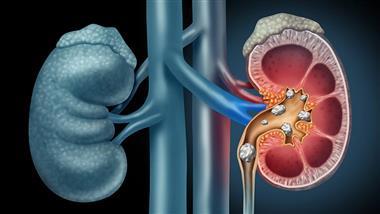
 (
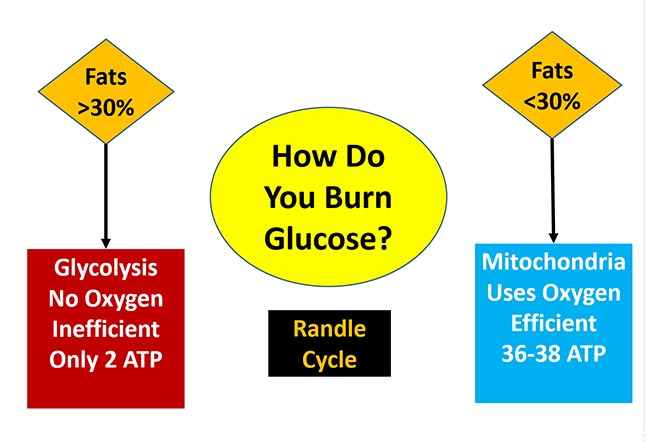
 (