Biofilm
now browsing by category
How microplastics turn harmless bacteria deadly
Reproduced from original article:
https://www.naturalhealth365.com/how-microplastics-turn-harmless-bacteria-deadly.html
by: April 16, 2025
 (NaturalHealth365) The plastic water bottle you just drank from. The takeout container your lunch came in. The synthetic clothing you’re wearing right now. These everyday items are silently participating in one of the most dangerous health experiments in human history – turning harmless bacteria into antibiotic-resistant superbugs in your own body.
While we’ve been taught to fear germs, a new study suggests the true villain might be the microscopic fragments of our plastic-dependent lifestyle that have infiltrated everything from our drinking water to our bloodstreams.
Shocking lab results reveal how microplastics sabotage antibiotic effectiveness
The eye-opening study published in Applied and Environmental Microbiology exposed E. coli bacteria to microplastics smaller than 5mm – about the size of a pencil eraser – with disturbing results. Bacteria that came in contact with these plastic particles became a staggering FIVE TIMES more resistant to four of the most commonly prescribed antibiotics compared to bacteria grown without plastic exposure.
The research team cultured the MG1655 strain of E. coli in specialized broth, exposing the bacteria to microplastics for 48 hours – enough time for the bacteria to form protective biofilms on the plastic surfaces. They tested eight different concentrations of microplastics to measure the impact on bacterial growth and antibiotic resistance.
The results were undeniable: exposure to microplastics caused heightened resistance to nearly every antibiotic tested – essentially rendering these life-saving medications increasingly ineffective.
Why this threatens every American’s health security
This discovery couldn’t come at a more critical time. Antibiotic resistance already claims over 35,000 American lives annually according to the CDC, with more than 2.8 million antibiotic-resistant infections occurring each year in the U.S. alone.
The bacteria studied – E. coli – is particularly concerning since certain strains can cause severe, even life-threatening illness. And this is just one of many dangerous antibiotic-resistant bacteria, including:
- MRSA (Methicillin-Resistant Staphylococcus Aureus): A deadly infection primarily occurring in hospitals that causes more than 120,000 deaths annually
- C. diff (Clostridioides difficile): A devastating bacteria that causes severe colitis and diarrhea, infecting half a million Americans yearly
The hidden mechanism making superbugs even stronger
Scientists have identified the alarming way microplastics enhance bacterial resistance. These plastic particles provide perfect surfaces for bacteria to form protective shields called biofilms – sticky, slime-like layers that adhere to moist surfaces and protect bacteria from antibiotics.
“Based on their observations, the study’s authors concluded that bacteria cells that are better at forming biofilms tend to grow on microplastics,” reports The New Lede, “suggesting the plastic particles can lead to recalcitrant infections in the environment and healthcare setting.”
Even more disturbing, the researchers discovered that bacteria passages with microplastics formed stronger biofilms even after the microplastics were removed – showing these plastic particles are literally selecting for more resistant bacterial strains.
The wastewater “hot spots” creating perfect breeding grounds for superbugs
The dangerous marriage of microplastics and antibiotics plays out daily in our wastewater systems. Treatment plants have become what scientists identify as resistance “hot spots” – places where discarded medications meet plastic fragments, creating ideal conditions for bacteria to develop immunity to our medicines.
Each year, roughly 20 million metric tons of plastic waste enters our environment. Inside treatment facilities, this plastic debris provides perfect surfaces for bacteria to attach, evolve, and potentially return to human populations through various environmental pathways.
The researchers tested common plastic types found in everyday items – polyethylene from bags and bottles, polystyrene from food packaging, and polypropylene from bottle caps and containers. Each type contributed to bacterial resistance, with effectiveness varying based on the plastic’s unique surface characteristics.
The study examined several types of plastic materials including polyethylene, polystyrene, and polypropylene in various sizes. All tested plastics contributed to increased bacterial resistance, though their effects varied depending on their specific surface properties and chemical composition.
Protecting yourself in a world filled with invisible threats
As this crisis worsens, experts recommend several strategies to protect yourself and your family:
- Minimize use of plastics, especially single-use items, to reduce microplastic exposure
- Avoid unnecessary antibiotic use – these medications become less effective with each use
- Consider natural antibacterial alternatives when appropriate, including:
- Honey (particularly Manuka honey)
- Fresh ginger
- Cloves
- Garlic
- Echinacea
Unlike prescription antibiotics that often leave you running to the bathroom with diarrhea or feeling nauseous all day, these natural alternatives fight bacteria without the miserable side effects. They also don’t contribute to the growing resistance problem we’re facing.
The scientists behind this research are calling for real solutions. This isn’t something we can solve with individual choices alone. While reducing your plastic use helps, we need major changes in how our communities handle waste, especially in water treatment plants where this dangerous microplastic-bacteria interaction is happening right under our noses.
As the study team put it, we urgently need to understand how microplastics and antibiotic resistance work together, particularly in places already struggling with high infection rates and plastic pollution. If we don’t get ahead of this problem now, we’re looking at a future where common infections could once again become life-threatening as our medicines stop working – all because of the invisible plastic fragments we’ve allowed to infiltrate virtually every aspect of our lives.
Sources for this article include:
Can Broccoli Help Your Gut?
Reproduced from original article:
https://articles.mercola.com/sites/articles/archive/2023/04/24/can-broccoli-help-your-gut.aspx
The original Mercola article may not remain on the original site, but I will endeavor to keep it on this site as long as I deem it to be appropriate.
Analysis by Dr. Joseph Mercola Fact Checked April 24, 2023
STORY AT-A-GLANCE
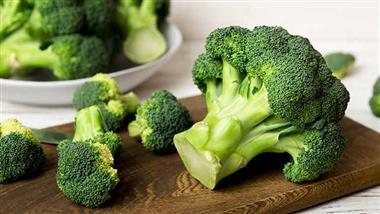
- Evidence reveals that compounds in broccoli help protect the integrity of your intestinal lining and therefore may help prevent leaky gut, which increases inflammation and may be the basis for many chronic diseases
- Broccoli is a cruciferous vegetable with dozens of nutrients that support optimal health, including fiber, the anticancer compounds sulforaphane and glucoraphanin, anti-inflammatory and free radical quenching phenolic compounds and immune-boosting DIM
- 3,3′-diindolylmethane (DIM) is converted from indole-3-carbinol, a compound found in cruciferous vegetables. Researchers believe it may be a potent weapon against antibiotic-resistant pathogens
- You can maximize the benefits of broccoli by lightly cooking it to augment the sulforaphane content. You can raise levels further by pairing it with a myrosinase-containing food such as mustard seed, arugula or radishes
- Broccoli sprouts pack a greater nutritional punch and contain from 10 to 100 times the concentration of glucoraphanin and may have up to 100 times more enzymes than raw fruits and vegetables
Food is a profoundly effective means of affecting your overall health and cruciferous vegetables have long been cherished for their health benefits. Among those are broccoli, cabbage, collards, Brussels sprouts and cauliflower. One of the most well-known compounds in cruciferous vegetables is sulforaphane, which is an organic sulfur that supports normal cell function and division.
A 2023 study1 published in Laboratory Investigation by Penn State University scientists2 finds that broccoli’s health benefits may also extend to protecting the integrity of the gut lining. This important discovery adds to research that demonstrates how to protect your gut health, since a considerable portion of your immune system resides in the gastrointestinal tract.3
As such, optimizing your gut microbiome and protecting your gut integrity is a worthwhile pursuit that has far-reaching effects on physical and mental health. Mounting evidence also suggests that by keeping harmful microbes in the gut in check, protecting health-promoting gut bacteria and protecting the lining of your intestines, you help to shore up your protection against chronic disease.
Animal Model Demonstrates Broccoli Protects Gut Integrity
In the February 2023 study,4 researchers presented evidence that supported the role of the aryl hydrocarbon receptor in building intestinal resilience. Using an animal model, they found that broccoli contains molecules that attach to the receptor and safeguard the intestinal lining. Researcher Gary Perdew said:5
“We all know that broccoli is good for us, but why? What happens in the body when we eat broccoli? Our research is helping to uncover the mechanisms for how broccoli and other foods benefit health in mice and likely humans, as well. It provides strong evidence that cruciferous vegetables, such as broccoli, cabbage, and Brussels sprouts should be part of a normal healthy diet.”
The researchers fed an experimental group of mice a diet that was equal to a human eating roughly 3.5 cups of broccoli each day. The control group received a typical lab diet without broccoli. Examination of the intestinal tissue showed the mice who were fed a lab diet without broccoli had minimal AHR activity.
This reduced food transit time in the small intestines and altered the barrier function. The researchers also analyzed cells within the intestines that help prevent food particles and bacteria from escaping into the body. As SciTechDaily describes,6 these cells include goblet cells that secrete a protective layer of mucus, Paneth cells that secrete lysosomes with digestive enzymes and enterocytes that absorb water and nutrients.
When these cells are healthy, they help regulate intestinal wall integrity. The team found the mice that were not fed broccoli had a decreased number of each of these cells. They also found the mice who were fed broccoli did not experience the same damage. Aryl hydrocarbon receptor ligands found in broccoli will bind to AHR and this initiates activity that improves the function of the cells that line the intestinal wall. Perdew commented:
“The gut health of the mice that were not fed broccoli was compromised in a variety of ways that are known to be associated with disease. Our research suggests that broccoli and likely other foods can be used as natural sources of AHR ligands, and that diets rich in these ligands contribute to the resilience of the small intestine.”
Intact Gut Integrity Lowers Risk of Leaky Gut Syndrome
Mammals have a complicated and specialized gastrointestinal system that relies on an intact mucosal barrier. Evidence continues to mount demonstrating that your gut integrity may be an underlying trigger for most chronic diseases. The intestinal lining forms a barrier and when that permeability is compromised it allows bacteria and toxins to enter the bloodstream.7 Colloquially, this is known as leaky gut.
When environmental factors and pathogens enter the bloodstream, it can trigger the development of autoimmune diseases and increase the level of inflammation in your body. Research evidence also shows other factors that can promote tight cell junctions and therefore lower the risk of leaky gut.
For example, probiotics can enhance the growth of beneficial bacteria, which in turn improves the production of tight junction proteins. On the other hand, pathogenic bacteria facilitate a leaky gut. Lectins also have been linked to autoimmune reactions and inflammation as well as contributing to leaky gut syndrome.
Dr. Steven Gundry, author of “The Plant Paradox: The Hidden Dangers in ‘Healthy’ Foods That Cause Disease and Weight Gain,” suggests that lectins bind to receptor sites in intestinal mucosal cells and interfere with the absorption of nutrients across your intestinal wall.
According to a paper in the Journal of Autoimmunity, “… intestinal permeability (leaky gut) and bacterial translocation are important contributors to chronic systemic inflammation and, without repair of the intestinal barrier, might represent a continuous inflammatory stimulus capable of triggering autoimmune processes.”8
When left unchecked, leaky gut also leads to chronic systemic inflammation.9 Research has found associations between chronic inflammation and diseases that represent some of the leading causes of mortality and disability, such as diabetes, cancer, heart disease, chronic kidney disease and nonalcoholic fatty liver disease.
The specific chronic inflammatory disease that emerges depends in part on your genetic makeup, in part on the types of exposures you’ve had, and in part on the composition of your gut microbiome. As explained by Dr. Alessio Fasano, a pediatric gastroenterologist, researcher and director of the Center for Celiac Research and Treatment:10
“Besides genetic predisposition and exposure to environmental triggers, the pathogenesis of a variety of CIDs [chronic inflammatory diseases] seems to involve mutually influenced changes in gut permeability/Ag trafficking, immune activation, and changes in composition/function of the gut microbiome.
Depending on the host genetic makeup, activated T cells may remain within the GI tract, causing CID of the gut … or migrate to several different organs to cause systemic CID.”

Download this Article Before it Disappears
Multiple Health Benefits From Cruciferous Vegetables
In addition to the immense benefits of improving gut wall integrity, cruciferous vegetables have other health benefits. Sulforaphane11 is one of several compounds that can spark genetic changes and activate genes that fight cancer, while switching off others that fuel tumors. One paper suggested that cruciferous vegetables were “perhaps a key to eliminating cancer as a life-threatening disease.”12
Cruciferous vegetables provide dozens of nutrients that support optimal health, including fiber, the anticancer compounds sulforaphane13,14 and glucoraphanin,15 anti-inflammatory and free radical quenching phenolic compounds16 and immune-boosting DIM.17
3,3′-diindolylmethane (DIM) is converted from indole-3-carbinol, a compound found in cruciferous vegetables. DIM has been found to inhibit the PI3K protein that interrupts the pathway which regulates the growth and survival of cancer cells.18
Compounds in cruciferous vegetables have also been shown to lower your risk of obesity, reduce glucose production and improve Type 2 diabetes,19 support healthy liver function20 and improve allergies and asthma symptoms by reducing oxidative stress in the airways.21
Optimizing your gut microbiome is another way to help protect your health and reduce your risk of chronic disease. One of the easiest ways is to regularly eat traditionally fermented and cultured foods. Another is to include cruciferous vegetables in your daily diet.
A 2023 study22 published in the Journal of Nutritional Biochemistry found a diet rich in cruciferous vegetables helped reduce inflammation, and the metabolites were found to improve both forms of inflammatory bowel disease — ulcerative colitis and Crohn’s disease.23
A high intake of cruciferous vegetables was associated with a reduction in serum levels of proinflammatory cytokines. The bioactive metabolites of glucosinolates, also found in cruciferous vegetables, were associated with anti-inflammatory and anticancer activities. As News Medical Life Sciences notes:24
“Broccoli diets enhance the concentration of Bacteroides in human gut microbiota. In addition, enhancement in Clostridium spp., Proteobacteria, and butyrate-producing bacteria was observed.”
Compound in Broccoli May Solve Antibiotic Resistance
Antimicrobial resistance has been on the rise for several decades. Infections that were once easily treated are becoming a serious threat once again. According to the World Health Organization,25 antimicrobial resistance is “one of the top 10 global public health threats facing humanity,” and the primary cause of this man-made epidemic is the widespread misuse of antibiotics in human medicine and food production.
Agriculture accounts for 80% of all antibiotic use in the U.S.,26,27 so it’s a major source of human antibiotic consumption as well. Pathogens have also developed resistance to more than one drug (pan-resistance), which makes treating them challenging. While pan-resistant superbugs are increasing, the development of new antibiotics to tackle them has come to a near halt.28
Researchers believe that DIM may be a potent weapon against antibiotic-resistant pathogens. In a 2022 study29 published in Pharmaceutics, researchers investigated the activity of DIM in a series of lab assays on gram-negative pathogens. They found DIM has antibiofilm activity. Biofilm is a slimy substance that contains a mixture of bacteria and protein, which makes it challenging for antibiotics to reach the bacteria.
The research showed that DIM treatment on biofilm formation of two bacterial pathogens inhibited Acinetobacter baumannii by 65% and Pseudomonas aeruginosa by 70%. Both pathogens are a major source of hospital-based infections worldwide and are known to be resistant to many antibiotics.30
When DIM was combined with the antibiotic tobramycin, biofilm growth of P. aeruginosa was diminished by 94%.31 Non-healing wounds are often infected with pan-resistant bacteria, and it’s the biofilm that presents prevents the tissue from healing. To test whether DIM could work topically, the researchers infected puncture wounds on pigs with p. aeruginosa.32
They then applied a cream containing either DIM alone, the antibiotic gentamicin alone, or DIM plus gentamicin. The wounds treated with DIM for 10 days healed significantly better than untreated wounds, thanks to a significant reduction in biofilm formation. The combination of DIM plus the antibiotic worked even better. Interestingly, gentamicin alone slowed wound healing and formed lesions that prevented wound closure.
Maximize the Health Benefits of Broccoli
To get the most out of your broccoli, lightly steam it for three to four minutes until it’s tough-tender. Do not steam longer than five minutes. This will allow you to get the most bioavailable sulforaphane out of it. If you opt for boiling, blanch the broccoli in boiling water for no more than 20 to 30 seconds, then immerse it in cold water to stop the cooking process.
If you want to augment the sulforaphane content even further, pair broccoli and other cruciferous veggies with a myrosinase-containing food,33 which is needed for the sulforaphane to form. Mustard seed,34 daikon radishes, wasabi, arugula or coleslaw are high in myrosinase; of these, mustard seed is the most potent.
If you’re not a fan of mature cruciferous vegetables, then consider broccoli sprouts instead. They pack a greater punch in terms of nutrition, so you don’t have to eat as much. According to researchers,35 broccoli sprouts contain 10 to 100 times the concentration of the compound glucoraphanin (the glucosinolate of sulforaphane) of mature broccoli.
Sprouts can also contain up to 100 times more enzymes than raw fruits and vegetables, allowing your body to extract more vitamins, minerals, amino acids and essential fats from the foods you eat. You can easily and inexpensively grow broccoli sprouts at home, indoors, and you don’t have to cook them. They are eaten raw, usually as an addition to salad or juice.
- 1, 4 Laboratory Investigation, 2023; doi: 10.1016/j.labinv.2022.100012
- 2, 5, 6 SciTechDaily, April 9, 2023
- 3 Johns Hopkins Medicine, The Gut: Where Bacteria and Immune System Meet
- 7 Frontiers in Immunology, 2017; 8
- 8 Journal of Autoimmunity, 2018;92
- 9 Nature Medicine, 2019; 25 Abstract
- 10 F1000Research, January 31, 2020
- 11 Cancer Letters, 2008; 269(2)
- 12 Current Pharmacology Reports, 2015;1(1)
- 13 Archives of Pharmacal Research, 2020;43(4)
- 14 Frontiers in Oncology, January 23, 2023
- 15 Medicines, 2015;2(3)
- 16 Phys.org, June 22, 2016
- 17 Journal of Biomedical Research, 2014;28(5)
- 18 Anticancer Agents in Medicinal Chemistry, 2013;13(7)
- 19 New Scientist, June 14, 2017
- 20 Texas A&M Today, February 7, 2020
- 21 Respiratory Research, 2015;16(1)
- 22 Journal of Nutritional Biochemistry, 2023; 113(109238)
- 23, 24 News Medical Life Science, November 29, 2022
- 25 World Health Organization, November 17, 2021
- 26 Food Safety News, February 24, 2011
- 27 American Journal of Public Health, 2015;105(12)
- 28 World Health Organization, November 17, 2021 Why is antimicrobial resistance a global concern?
- 29, 31 Pharmaceutics, 2022;14(5)
- 30 Expert Review of Anti-Infective Therapy, 2010; 8(1)
- 32 Pharmaceutics, 2022;14(5) Section 3.5
- 33 American Institute for Cancer Research November 7, 2013
- 34 Food Chemistry, 2013;138(2-3)
- 35 PNAS, 1997;94(19)
Broccoli Compound May Solve Antibiotic Resistance Problem
Reproduced from original article:
https://articles.mercola.com/sites/articles/archive/2022/08/04/diindolylmethane-health-benefits.aspx
The original Mercola article may not remain on the original site, but I will endeavor to keep it on this site as long as I deem it to be appropriate, and will not be bullied into removing it.
Analysis by Dr. Joseph Mercola Fact Checked August 04, 2022
STORY AT-A-GLANCE
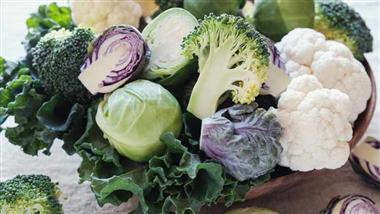
- Cruciferous vegetables have long been cherished for their health benefits. Broccoli, cabbage, collards, Brussels sprouts, cauliflower, kale and bok choy, just to name a few, contain several plant compounds that are important for optimal health, including powerful chemoprotective compounds
- One of the most well-known of these is sulforaphane, an organic sulfur. Sulforaphane supports normal cell function and division while causing apoptosis (programmed cell death) in several types of cancer
- Another important phytochemical found in cruciferous veggies is indole-3 carbinol (I3C), which is converted into diindolylmethane (DIM). DIM boosts immune function and, like sulforaphane, has anticancer properties
- Recent research has found DIM effectively inhibits antibiotic-resistant biofilms and significantly boosts the effectiveness of antibiotics. Pseudomonas aeruginosa and Acinetobacter baumannii are both resistant to multiple drugs. DIM was able to inhibit biofilm formation in these bacteria by 65% to 70%
- When DIM was combined with the antibiotic tobramycin, biofilm growth of P. aeruginosa was diminished by 98%. Applied topically to infected wounds, DIM with or without the antibiotic gentamycin allowed for significantly faster healing, while treatment with gentamycin alone had no effect
Cruciferous vegetables have long been cherished for their health benefits. Broccoli, cabbage, collards, Brussels sprouts, cauliflower, kale and bok choy, just to name a few, contain several plant compounds that are important for optimal health, including powerful chemoprotective compounds.
One of the most well-known of these is sulforaphane, an organic sulfur. Studies have shown sulforaphane supports normal cell function and division while causing apoptosis (programmed cell death) in colon,1 liver,2 prostate,3 breast4 and tobacco-induced lung cancer.5 Just three servings of broccoli per week may reduce a man’s risk of prostate cancer by more than 60%.6
Another important phytochemical found in cruciferous veggies is indole-3 carbinol (I3C),7 which in your gut is converted into diindolylmethane (DIM). DIM in turn boosts immune function and, like sulforaphane, plays a role in the prevention and treatment of cancer.8,9
Cruciferous Compound Can Break Antibiotic Resistance
Interestingly, researchers now believe that DIM may be a potent weapon against antibiotic-resistant pathogens as well.10,11 Israel21c.org reports:12
“A phytochemical derived from cruciferous vegetables, such as broccoli, breaks down the biofilm that lets bacteria resist antibiotics, according to a study from Ben-Gurion University in Israel … The paper,13 co-authored by researchers from Near East University and Girne American University in Cyprus, was published in the journal Pharmaceutics.
The scientists found that phytochemical 3,3′-diindolylmethane (DIM) successfully broke down the biofilms protecting pathogens including Acinetobacter baumannii and Pseudomonas aeruginosa 65% and 70% of the time, respectively …
When the team introduced DIM into an infected wound, it sped up the healing process significantly. ‘Our findings show promise for other avenues of research in addition to known classes of antibiotics,’ said [professor Ariel] Kushmaro.”
Antibiotic Resistance Is a Serious Problem
This could potentially be the breakthrough we’ve been searching for. Antimicrobial resistance has been on the rise for decades, thus making infections that were previously easy to treat a serious threat again. According to the World Health Organization, antimicrobial resistance is “one of the top 10 global public health threats facing humanity,”14 and the primary cause for this man-made epidemic is the widespread misuse of antibiotics.
Antibiotic overuse occurs not just in human medicine, but also in food production. In fact, agricultural uses account for about 80% of all antibiotic use in the U.S.,15 so it’s a major source of human antibiotic consumption.
Animals are often fed antibiotics at low doses for disease prevention and growth promotion, and those antibiotics are transferred to you via meat and other animal products, and even via the manure used as crop fertilizer.
Many pathogens have also developed resistance to more than one drug, so-called pan-resistance, which makes treating them even more problematic. And, while pan-resistant superbugs are increasing, the development of new antibiotics to tackle them has come to a near halt. According to the WHO:16
“In 2019 WHO identified 32 antibiotics in clinical development that address the WHO list of priority pathogens, of which only six were classified as innovative. Furthermore, a lack of access to quality antimicrobials remains a major issue. Antibiotic shortages are affecting countries of all levels of development and especially in health care systems.
Antibiotics are becoming increasingly ineffective as drug-resistance spreads globally leading to more difficult to treat infections and death. New antibacterials are urgently needed — for example, to treat carbapenem-resistant gram-negative bacterial infections as identified in the WHO priority pathogen list.
However, if people do not change the way antibiotics are used now, these new antibiotics will suffer the same fate as the current ones and become ineffective.”
DIM for Pan-Resistant Bacteria
The four pathogenic bacteria investigated in the study17 cited above — Pseudomonas aeruginosa, Acinetobacter baumannii, Serratia marcescens and Providencia stuartii — are all gram-negative bacteria, and in the initial investigation, DIM reduced biofilm formation in all four by as much as 80%.
Of these, Pseudomonas aeruginosa and Acinetobacter baumannii are both resistant to multiple drugs, so in follow-up tests they focused on these two specifically. As previously noted, DIM was able to inhibit biofilm formation in these bacteria by 65% to 70%. When DIM was combined with the antibiotic tobramycin, biofilm growth of P. aeruginosa was diminished by 98%.
Nonhealing wounds are often infected with pan-resistant bacteria, and it’s the biofilm that prevents the tissues from healing back together. To test whether DIM could work topically in these scenarios, the researchers infected puncture wounds on pigs with P. aeruginosa, and then applied a cream containing either DIM alone, the antibiotic gentamycin alone, or DIM plus gentamycin combined.
Wounds treated with DIM for 10 days healed significantly better than untreated wounds, thanks to a significant reduction in biofilm formation, and the combination of DIM plus antibiotic worked even better. Wounds treated with gentamycin alone saw no improvement.
When to Use This Phytochemical
Just like high-dose vitamin C, which is another potent weapon to treat infections, especially when used IV, I don’t believe that DIM should be used every day as a prophylactic to prevent infections. It should be used only when needed to treat antibiotic resistant infections as it will likely do so without any of the side effects of potent antibacterials.
Other Health Benefits of Cruciferous Vegetables
While you may not be able to treat a pan-resistant infection with a few servings of broccoli, the fact that this food may offer a solution to the pressing problem of antibiotic-resistance is exciting, and just goes to show that nature has answers to many of our problems — including problems we’ve created ourselves.
That said, cruciferous veggies have many other health benefits that are worth taking note of, and which you can obtain simply by including more of them in your diet. In addition to its anticancer benefits, I3C — the precursor to DIM — is also a powerful antioxidant, and can help balance both male and female hormones, thereby supporting reproductive health in both sexes.
I3C also supports your liver’s detoxification processes, and helps heal liver damage by supporting the reproduction of normal, healthy cells. Sulforaphane, meanwhile, has been shown to have antidiabetic properties and improves blood pressure.18 It also supports healthy kidney function19 and gut health20 by normalizing DNA methylation.
In simple terms, DNA methylation21 is the process by which a methyl group (one carbon atom attached to three hydrogen atoms) is added to part of a DNA molecule. This is a crucial part of normal cell function as it allows cells to “remember who they are and where they have been.” DNA methylation also suppresses viral- and other disease-related gene expression.
Just realize that broccoli is not a “magic” bullet. In fact, some physicians, like Dr. Paul Saladino, present powerful arguments that nearly all vegetables are to be avoided (but not fruits). This is because the hormetic benefits from their phytochemicals can be obtained in other lifestyle measures.
The most important lifestyle measure would be to avoid all seed oils. If you only limited your diet changes to keep your seed oil less than 2% of your daily calories as confirmed by Cronometer, I strongly believe your health would improve exponentially more than regularly having the finest organic/biodynamic vegetables.
This is largely because excess LA (linoleic acid) is the most pernicious toxin in our food supply and is responsible for most all of our chronic diseases. Other lifestyle measures to improve your health would include exercise, regular sun exposure on bare skin, and sauna. Having said that, compounds found in broccoli and other cruciferous veggies have been shown to:
| Lower your risk of obesity22 |
| Suppress inflammation — In part by reducing (by as much as 73%) reactive oxygen species that cause cell damage,23 and in part through the creation of short chain fatty acids (SCFAs).24 The fiber in cruciferous veggies is broken down into SCFAs by gut bacteria, and SCFAs have been shown to lessen your risk of inflammatory diseases |
| Improve Type 2 diabetes by reducing glucose production — In one study, patients with dysregulated diabetes who received broccoli sprout extract in addition to metformin had up to 10% lower fasting blood glucose levels than the placebo group.25 Sulforaphane also lowers your risk of other health problems associated with Type 2 diabetes, such as heart disease and stroke |
| Support healthy liver function and lower your risk of nonalcoholic fatty liver disease26 |
| Reduce risk of osteoarthritis27 — In part by blocking enzymes linked to joint destruction28 |
| Improve allergies and asthma by reducing oxidative stress in your airways and countering cell damage caused by pollution and allergens29 |
| Improve verbal communication and decrease repetitive behaviors in children with autism — This effect is thought to be related to sulforaphane’s ability to trigger a heat-shock response — a biological effect that protects cells from stress during a fever. Previous research has shown that, in some autistic people, repetitive behaviors decline during fevers.
In one study, positive results from sulforaphane were observed within as little as four weeks. Communication improved, as did symptoms of hyperactivity and irritability. By the end of the 18-week study, about half (15 of 29) of those receiving sulforaphane experienced improved ability to interact socially30 |
| Improve chemically-induced colitis and leaky gut31 |
| Inhibit Helicobacter pylori (H. pylori), the bacteria thought to cause gastric ulcers32 |
| Increase your free testosterone level33 |
| Protect muscles against exercise-induced damage34 |
| Facilitate detoxification of chemical pollutants35,36,37 |
| Protect against neurodegenerative diseases such as Parkinson’s and Alzheimer’s disease38 |
| Promote healthy, beautiful skin (a side effect of improved liver function and detox). Sulforaphane also helps protect your skin against damage from UV radiation39 |
How to Optimize the Benefits of Broccoli
To get the most out of your broccoli, lightly steam it for three to four minutes until it’s tough-tender. Do not steam longer than five minutes. This will allow you to get the most bioavailable sulforaphane out of it. If you opt for boiling, blanch the broccoli in boiling water for no more than 20 to 30 seconds, then immerse it in cold water to stop the cooking process.
If you want to augment the sulforaphane content even further, pair broccoli and other cruciferous veggies with a myrosinase-containing food40 such as mustard seed,41 daikon radishes, wasabi, arugula or coleslaw. Of these, mustard seed is the most potent.
If you’re not a fan of mature cruciferous vegetables, then consider broccoli sprouts instead. They actually pack a greater punch in terms of nutrition, so you don’t have to eat as much. According to researchers at Johns Hopkins University, a mere 5 grams (0.17 ounces) of broccoli sprouts contain concentrations of the compound glucoraphanin equal to that found in 150 grams (5.2 ounces) of mature broccoli.42
Sprouts can also contain up to 100 times more enzymes than raw fruits and vegetables, allowing your body to extract more vitamins, minerals, amino acids and essential fats from the foods you eat. You can easily and inexpensively grow broccoli sprouts at home, indoors, and you don’t have to cook them. They are eaten raw, usually as an addition to salad or juice.
– Sources and References
- 1 Cancer Research March 1, 2000:60(5):1426-33
- 2 Medical News Today March 4, 2016
- 3 Science Direct Aug. 2012
- 4 Clinical Cancer Research May 1, 2010; 16(9):2580-90
- 5 Cancer Research September 15, 2005; 65(18):8548-57
- 6 Selfhacked.com, Sulforaphane as a Panacea
- 7 Superfoods.scientific.research.com Indole 3 Carbinol Benefits and Side Effects
- 8 Nutrition and Cancer 2004;50(2):161-7
- 9 Journal of Biomedical Research 2014 Sep; 28(5): 339–348
- 10, 13, 17 Pharmaceutics 2022; 14(5): 967
- 11 Medical News Today July 18, 2022
- 12 Israel21c.org July 12, 2022
- 14, 16 WHO Antimicrobial Resistance
- 15 Food Safety News February 24, 2011
- 18 American Journal of Hypertension 2012 Feb;25(2):229-35
- 19 Am J Hypertens February 2012
- 20 Dr. Amy Yasko, H. Pylori: Another piece of the puzzle Parts 1 and 2
- 21 Nature Education 2008; 1(1): 116
- 22 Deacon Chronicle January 24, 2018
- 23 Diabetes August 4, 2008
- 24 Science Daily September 29, 2015
- 25 New Scientist June 14, 2017 (Archived)
- 26 Vanduyn Center February 12, 2020
- 27 Arthritis & Rheumatism 2013 Dec;65(12):3130-40
- 28 Live Science May 30, 2013
- 29 Respir Res. 2015; 16(1): 106. September 15, 2015
- 30 PNAS 2014 Oct 28; 111(43): 15550–15555
- 31 Journal of Functional Foods October 2017; 37: 685-698
- 32 Oncology Times January 25, 2006; 28(2): 27-29
- 33 Magnum Health May 5, 2022
- 34 SuppVersity November 12, 2012
- 35 Cancer Prevention Research 2014; 7(8): 813-823
- 36 Johns Hopkins Press Release June 16, 2014
- 37 NPR June 18, 2014
- 38 Oxid Med Cell Longev. 2013; 2013: 415078
- 39 PNAS October 30, 2007; 104(44): 17500-17505
- 40 American Institute for Cancer Research November 7, 2013
- 41 Food Chemistry June 1, 2013; 138(2-3):1734-41
- 42 Proc Natl Acad Sci U S A. 1997 Sep 16;94(19):10367-72