Fructose
now browsing by category
Why Phosphate-Loaded Sodas Hammer Your Metabolism Harder Than Sugar
Reproduced from original article:
https://articles.mercola.com/sites/articles/archive/2026/08/24/phosphate-loaded-sodas-metabolism-damage.aspx
Analysis by Dr. Joseph Mercola August 24, 2026

Story at-a-glance
- A single can of cola floods your system with nearly 100% absorbable inorganic phosphate, triggering hormonal shifts that disrupt vitamin D, calcium balance, and kidney function
- Phosphate in soda raises levels of FGF23, a hormone that accelerates vascular calcification, weakens bones, and increases your long-term risk of heart attack or stroke, even if your labs are normal
- Unlike natural sources, phosphate additives in soda are rapidly absorbed and bypass digestive safeguards, placing a silent burden on your kidneys and arteries with every sip
- When combined with high-fructose corn syrup (HFCS), soda creates a metabolic double hit — HFCS promotes liver fat, raises uric acid, and drives insulin resistance, while phosphate sabotages hormonal and mineral balance
- Replacing soda with sparkling citrus water, magnesium glycinate, and vitamin K2 helps support your bones, protect your heart, and reverse the silent damage phosphate leaves behind
A single can of cola delivers more than just refined sugar — it delivers a metabolic ambush that your body absorbs within minutes. While most people know to worry about the high-fructose corn syrup (HFCS) lurking in soft drinks, few realize that the real damage comes from the phosphate hidden in plain sight.
Phosphoric acid is added to cola for flavor and shelf life, but what it delivers is a rapid spike in inorganic phosphate, a form your body absorbs almost entirely. Your bloodstream reacts fast. Within just 30 to 60 minutes, phosphate levels surge — and with them, a hormone called fibroblast growth factor 23 (FGF23). That one surge sets off a hormonal chain reaction that disrupts calcium absorption, suppresses vitamin D, stresses your kidneys, and begins laying the groundwork for hardening of your arteries.
Unlike the sugar in soda, phosphate acts more like a stealth hormone disruptor. It hijacks your endocrine system with every sip. And it doesn’t matter how healthy you think you are. Even young adults with no chronic conditions have shown elevated FGF23 levels within hours of a single phosphate load.
What’s worse, this phosphate exposure is virtually unregulated by your body. While natural food sources contain phosphate bound in protein or phytate, which slows absorption, sodas deliver inorganic phosphates that enter your system quickly. This largely bypasses your digestive safeguards and leaves your organs to clean up the mess.
It’s a burden your kidneys never signed up for and one your arteries pay for over time. That’s why the real danger in soda isn’t just about sugar — it’s about what happens when fructose and phosphate collide in the same can. Let’s take a closer look at the two ingredients side by side.
What’s Really in a Can of Cola?
When you crack open a can of soda, you’re not just sipping something sweet. You’re taking in a concentrated mix of biologically active compounds that hit your metabolism hard. Each 12-ounce serving of cola contains ingredients that work against your health in different ways — and some are far more damaging than they appear.
• High-fructose corn syrup (HFCS-55, ~39 grams of total sugar) — HFCS-55 is made of roughly 55% fructose and 45% glucose. While glucose raises blood sugar and stimulates insulin, it’s the fructose component that does the deeper damage. Your liver takes the hit first.
Fructose gets funneled directly into your liver’s fat-making process, increasing your liver’s fat load and elevating triglycerides. At the same time, it spikes uric acid, which increases oxidative stress, raises blood pressure, and damages mitochondria. Over time, this combination drives insulin resistance — the foundational defect in obesity, diabetes, and cardiovascular disease.
• Phosphoric acid (~50 to 60 milligrams (mg) of elemental phosphorus) — This is where things turn hormonal. Unlike phosphate found in whole foods, the phosphate in cola is inorganic and nearly 100% bioavailable. That means your body absorbs almost all of it, quickly. Within minutes, it forces your kidneys and bones to compensate.
You’ll see a spike in FGF23 — a hormone that lowers vitamin D, impairs calcium metabolism, and forces your kidneys to waste phosphate in an effort to protect your bloodstream. Repeated exposure increases vascular stiffness and elevates cardiovascular risk, even in people without existing kidney problems.
• Caffeine, caramel color, and artificial flavors — Don’t dismiss the trace components. Caffeine itself increases calcium loss in your urine, compounding the calcium-phosphate imbalance created by phosphoric acid.
Caramel color, especially the ammonia-sulfite processed kind, adds another layer of risk by introducing advanced glycation end products (AGEs). These compounds contribute to inflammation, oxidative stress, and tissue aging. Artificial flavors may seem harmless, but their unknown interactions with your gut and liver remain poorly studied.
Each of these ingredients hits a different pathway — metabolic, endocrine, vascular — but the real problem is how they interact. Fructose depletes adenosine triphosphate (ATP) and raises uric acid. Phosphate hijacks your hormone signaling. Add caffeine and AGEs, and you’ve got a cocktail that does far more than add inches to your waistline.
How Inorganic Phosphate Hijacks Your Hormones and Stresses Your Kidneys
When you eat whole foods, like meat, eggs, or legumes, the phosphate they contain is naturally bound to proteins or plant compounds like phytate. Your body takes its time breaking those down, and you only absorb about 40% to 60% of the phosphate in a typical meal. That’s a manageable load.
But the phosphate in soda doesn’t play by those rules. Phosphoric acid is a form of inorganic phosphate that’s not bound to anything. It bypasses digestion and enters your bloodstream at nearly 100% absorption. Within 30 to 60 minutes, your blood phosphate level spikes. And your body scrambles to respond.
• FGF23 is the hormone that flips your metabolism into damage control — This sudden phosphate flood triggers a spike in FGF23.1 This hormone is produced by your bones to get rid of excess phosphate, but FGF23 suppresses the enzyme 1α-hydroxylase, which your kidneys need to convert vitamin D into its active form, calcitriol. Without calcitriol, your body struggles to absorb calcium, shutting down bone turnover and starving your cells of calcium even when your diet is sufficient.
• Your body tries to rebalance, and your skeleton pays the price — As calcium levels drop, your parathyroid glands kick in. They release parathyroid hormone (PTH), which pulls calcium out of your bones to bring blood levels back up. But this leaching process weakens bone structure over time. If you’re regularly drinking cola, your bones are constantly being tapped to fix a problem that started in your soda can.
• A silent source of wear and tear on your kidneys — With every phosphate spike, your kidneys start dumping phosphate into your urine to keep blood levels in check. This ongoing flush seems protective, but it comes at a cost: micro-damage, oxidative stress, and accelerated wear on delicate filtering structures. Over time, even small, repeated injuries add up, especially if you’re already dealing with other metabolic stressors like insulin resistance or high uric acid.
How Phosphate Hardens Your Arteries and Raises Your Risk of a Heart Attack
You don’t need kidney disease for phosphate to wreck your heart. Even if your lab tests look normal, chronically high phosphate levels, like the ones triggered by regular soda consumption, quietly damage your blood vessels and heart over time. The damage starts in your bloodstream, but it doesn’t stay there.
• Your arteries aren’t supposed to turn into bone, but that’s what happens — Under normal conditions, smooth muscle cells in your arterial walls stay flexible and elastic. But when exposed to persistently elevated phosphate, those same cells begin expressing genes typically seen in bone-forming cells. This process turns pliable arteries into rigid, calcium-laced pipes. Once this transformation begins, it’s extremely difficult to reverse.
• Your hormonal defense system collapses — High phosphate doesn’t just activate bone-building pathways in your arteries. It also disrupts the protective feedback loop between FGF23 and a protein called α-Klotho.2
These two normally work together to regulate phosphate and calcium balance. But when phosphate keeps flooding your system, this balance breaks. Klotho levels drop, oxidative stress goes up, and arterial walls stiffen.3 That stiffening drives up blood pressure and reduces blood flow, setting the stage for a heart attack or stroke.
• Phosphate raises your risk of dying from heart disease — A 2024 meta-analysis showed that people in the highest phosphate quartile had a 44% greater risk of cardiovascular death compared to those with lower phosphate levels, even if their kidney function was perfectly normal.4 This isn’t about end-stage disease or rare cases. It’s about everyday exposures, like the phosphate in your soda, quietly eroding your cardiovascular resilience year after year.
The Collateral Damage You Don’t See — Kidney Strain, Bone Loss, and Faster Aging
The impact of high-phosphate sodas goes far beyond your arteries. What starts as a seemingly harmless beverage choice quickly spreads into a web of silent damage that hits multiple systems in your body. If you’re drinking cola regularly, you’re stacking the odds against your kidneys, bones, and even your longevity.
• Phosphate overload speeds up kidney decline, even before symptoms show up — If you already have mild kidney dysfunction, high-phosphate intake pushes that damage into overdrive. Diets rich in inorganic phosphate, like what’s found in sodas and ultraprocessed foods, accelerate the progression of chronic kidney disease.5
Your kidneys are forced to work overtime to dump excess phosphate from your bloodstream, which increases oxidative stress and causes scarring in the nephrons — the tiny filters inside your kidneys that clean your blood. Over time, this leads to progressive loss of kidney function, even in people who aren’t diabetic or hypertensive. And because kidney damage is largely symptomless until advanced stages, you may not even know it’s happening.
• Soda pulls calcium out of your skeleton and leaves it brittle — Women who drink cola four or more times per week have significantly lower BMD in the hip, one of the most fracture-prone areas of the skeleton.6 The combination of high phosphate and low calcium absorption makes bones porous and weak, raising the risk of osteoporosis and fractures.
• Excess phosphate accelerates the biological clock — Phosphate affects you down to the cellular level. High phosphate levels activate mTOR, a key regulator of growth and metabolism.7
While mTOR has beneficial roles in controlled settings, chronic overactivation leads to DNA damage,8 increased cellular replication errors, and premature senescence — a state where cells stop dividing and enter a permanent state of aging. This isn’t just about disease — it’s about quality of life. Phosphate-laden sodas rob you of resilience, making it harder for your body to recover, repair, and maintain the energy you need to thrive.
Fructose in Soda Still Damages Your Metabolism
Fructose in soda isn’t off the hook. You’ll find about 22 grams of it in every can of HFCS-sweetened soda, and that’s more than enough to create metabolic chaos in the wrong context. But unlike phosphate, which hits hard no matter what, you do have some leverage when it comes to fructose’s effects.
• Fructose goes straight to your liver and turns into fat — Unlike glucose, which is used by nearly every cell in your body, fructose has a narrow processing window — it’s metabolized almost entirely in your liver.
When your liver is already loaded with energy (especially in sedentary or overfed states), it begins converting that fructose into fat. This results in fat droplets building up inside your liver cells and elevates triglycerides in your bloodstream. Over time, this fat buildup contributes to insulin resistance, fatty liver disease, and rising cardiovascular risk.
• Fructose metabolism generates uric acid as a byproduct — High uric acid levels drive inflammation. They impair nitric oxide availability in your blood vessels, reducing their ability to relax and regulate pressure. Elevated uric acid also promotes oxidative stress through the generation of reactive oxygen species (ROS), further damaging the endothelium — the delicate lining of your arteries. This sets the stage for high blood pressure, kidney strain, and accelerated aging.
•Fructose feeds the wrong microbes and fuels leaky gut — Too much fructose also disrupts your gut. It feeds opportunistic bacteria in your small intestine, creating dysbiosis — a microbial imbalance that weakens your gut barrier. When that happens, endotoxins seep into your bloodstream. These toxic fragments drive systemic inflammation, contributing to joint pain, brain fog, and autoimmune flare-ups.
• Fructose isn’t harmful in small, buffered doses — The damage from fructose largely depends on how and when you consume it. When eaten with fiber-rich whole foods like fruit, fructose does far less harm. The fiber slows absorption, and the nutrients in whole fruit counterbalance the inflammatory effects. But in soda, you’re drinking a fast-acting dose with zero buffering — just straight metabolic stress.
How to Protect Yourself from the Hidden Damage in Soda
If you’ve been drinking soda regularly, even just a few cans per week, your body is already dealing with the consequences. That phosphate-fructose combo doesn’t just affect your blood sugar or waistline. It hijacks your hormones, leaches calcium from your bones, stiffens your arteries, and stresses your kidneys.
But the good news is, you’re not stuck. You can take control starting today by removing the source and supporting your body’s natural defenses. Whether you’re an athlete using energy drinks, a parent reaching for a cola, or just looking to break a soda habit, these steps will help you protect your metabolism and cellular health.
1. Swap soda for sparkling water with fresh citrus — If you’re drinking cola — even the diet kind — you’re getting a dose of inorganic phosphate that hits your bloodstream fast. Switch to sparkling mineral water and squeeze in some lemon or lime. You’ll get flavor, hydration, and a small amount of citrate, which helps support kidney function without adding phosphate or HFCS.
2. Ditch phosphate-loaded energy drinks and reach for coconut water with sea salt — If you’re an athlete or just someone who relies on energy drinks or sports colas, those are hammering your kidneys and arteries every time you sip. Coconut water mixed with a pinch of sea salt offers natural electrolytes without the phosphate hit, helping your cells rehydrate and recover without metabolic fallout.
3. Use maple-salt rice bars instead of commercial gels — If you’re using sports gels or preworkout drinks with cola flavoring or phosphoric acid, it’s time to upgrade. Cook some white rice, mix in a little maple syrup and sea salt, press it into a pan, and let it chill. You’ll get slow-burning carbs, no added phosphate, and a better energy profile that doesn’t disrupt your insulin response.
4. Shield your system with magnesium glycinate — If you drink soda now and then — maybe socially or during travel — take 200 to 400 mg of magnesium glycinate with it. This helps bind phosphate, restore calcium balance, and reduce the risk of vascular and kidney damage. It’s a simple tool to soften the metabolic blow.
5. Use vitamin K2 (MK-7) daily to guard your arteries — Vitamin K2 activates matrix-Gla protein, which prevents calcium from getting deposited in soft tissues like your arteries. I recommend 100 to 200 micrograms per day. If you’ve ever had a history of soda drinking, this is a long-term investment in your vascular health. If you’ve already been exposed for years, don’t panic. Your body has the capacity to recover, but only if you remove the drivers and give it the nutrients it needs to repair.
FAQs About Phosphate-Loaded Sodas
Q: What makes soda harmful beyond the sugar content?
A: While HFCS in soda is damaging to liver and metabolic health, the phosphate — especially in the form of phosphoric acid — delivers a faster and more disruptive blow. Inorganic phosphate is absorbed almost instantly, spiking the hormone FGF23, which suppresses vitamin D, disrupts calcium metabolism, and stresses your kidneys and arteries.
Q: How does phosphate affect my bones and heart?
A: Inorganic phosphate triggers hormonal shifts that leach calcium from your bones, weaken your skeleton, and harden your arteries. The rise in FGF23 and drop in active vitamin D impair calcium handling, while high phosphate levels drive smooth muscle cells in your arteries to behave like bone cells, increasing cardiovascular risk even in healthy individuals.
Q: What are the long-term risks of drinking cola regularly?
A: Regular soda consumption increases your risk for chronic kidney disease, osteoporosis, vascular calcification, and premature aging. Studies show that even people without kidney disease experience microdamage to their filtering systems and a significant increase in cardiovascular mortality risk when phosphate levels remain elevated.
Q: Is HFCS still a problem in soda?
A: Yes. HFCS in soda drives fat production in your liver, raises uric acid, and fuels gut dysbiosis. However, the effects of fructose are context-dependent — fructose in fruit behaves differently than HFCS in soda due to the presence of fiber and protective nutrients. In soda, fructose is unbuffered, rapidly absorbed, and synergistically harmful alongside phosphate.
Q: What can I do to protect myself if I’ve been drinking soda?
A: Eliminate soda and similar phosphate-loaded drinks. Replace them with sparkling water and natural electrolyte options like coconut water with sea salt. Use magnesium glycinate (200 to 400 mg) to buffer phosphate exposure and consider taking vitamin K2 (100 to 200 mcg daily) to help prevent calcium from depositing in your arteries. These steps support bone, kidney, and cardiovascular recovery.
- 1 Pflugers Arch. 2024 Nov 27;477(3):495-508
- 2 Scientific Reports November 13, 2024
- 3 Nutrients 2024, 16(11), 1599
- 4 Bone 2016 Nov 12;100:87-93
- 5 Clinical Journal of the American Society of Nephrology March 20, 2025
- 6 The American Journal of Clinical Nutrition October 2006, Volume 84, Issue 4, Pages 936-942
- 7 J Am Soc Nephrol. 2016 Feb 12;27(9):2810-2824
- 8 Nutrients 2025, 17(9), 1587
Developing a Fatty Liver Increases Your Risk of Mortality
Reproduced from original article:
https://articles.mercola.com/sites/articles/archive/2026/07/28/fatty-liver-disease.aspx
Analysis by Dr. Joseph Mercola July 28, 2026
Story at-a-glance
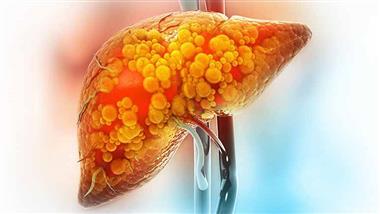
- Fatty liver disease affects nearly 25% of adults globally and progresses silently, leading to cirrhosis, heart disease, diabetes, and liver cancer
- Research shows that fatty liver disease significantly increases mortality risk, especially from endocrine disorders and during the first year after diagnosis
- Cardiovascular disease ranks as a top threat for people with fatty liver disease, with advanced liver fibrosis substantially increasing the risk of serious adverse events
- Excessive fructose consumption from processed foods triggers de novo lipogenesis (fat creation) in the liver and promotes insulin resistance, even without alcohol consumption
- Treatment focuses on addressing root causes through dietary changes, regular physical activity, weight management, muscle-building, and addressing metabolic imbalances like insulin resistance
Fatty liver disease is becoming a widespread condition, affecting nearly 25% of adults globally.1 In other words, about one in every four people around you likely have a fatty liver without even realizing it.
As the name implies, fatty liver is characterized by an abnormal buildup of fat in your liver cells, which triggers inflammation, damages healthy tissue, and eventually leads to permanent scarring known as cirrhosis. Most people living with fatty liver disease don’t experience clear symptoms at first, but as it worsens, fatigue, persistent abdominal discomfort, or unexplained weight loss begin to appear.
Without proper intervention, fatty liver disease progresses to severe liver damage and also significantly raises your risk of heart disease, Type 2 diabetes, and even liver cancer. Even more alarming, research shows that it is directly linked to increased mortality, even in its earlier stages.
Linoleic Acid and Choline Deficiency — A Deadly Combination That Leads to Fatty Liver Disease
In the context of fatty liver disease, excessive linoleic acid (LA) intake is one of the biggest factors because of how it affects your cellular health. Alongside this issue is the lack of choline from your diet. I cover these topics in a study I wrote, which I will share more about in the near future.
• Excess LA creates toxic metabolites — When LA, an omega-6 polyunsaturated fat (PUF), becomes peroxidized, it creates metabolites such as 4-hydroxynonenal (4-HNE), which is a reactive aldehyde known to affect mitochondrial membrane integrity that leads to a buildup of fat in the liver.
As noted in a Nutrients study, “[A] few studies suggested that omega-6 PUFA is related to chronic inflammatory diseases such as obesity, nonalcoholic fatty liver disease and cardiovascular disease.”2
• Choline deficiency contributes to fat buildup — Choline helps maintain cell membrane integrity, and research shows that if there’s a deficiency, fat accumulates in the liver because of impaired very low-density lipoprotein (VLDL) secretion.3
Your liver produces VLDL to transport fat and cholesterol to the cells throughout your body by way of your bloodstream.4 But if there’s not enough phosphatidylcholine (which is synthesized via enough choline intake), fat stays in the liver instead.
• LA and choline deficiency undermine your health — According to independent nutrition researcher Chris Masterjohn, Ph.D., eating foods high in LA while not getting enough choline creates a vicious cycle that ends up with fatty liver disease:5
“I currently believe that dietary fat, whether saturated or unsaturated, and anything that the liver likes to turn into fat, like fructose and ethanol, will promote the accumulation of fat as long as we don’t get enough choline.
Once that fat accumulates, the critical factor igniting an inflammatory fire to this fat is the consumption of too much PUFA (polyunsaturated fat from vegetable and perhaps fish oils).”
Excess Fructose — Another Factor Linked to Fatty Liver Disease
As noted earlier, fatty liver disease is on the rise in America. The original assumption is that alcohol consumption contributed to this pervasive public health issue. However, research shows that you don’t even need to drink to develop fatty liver disease, and another culprit is a common ingredient excessively used in most processed foods — fructose.
• Too much processed fructose harms your liver — Your liver is able to handle modest amounts of fructose by converting it into energy. But when it suddenly receives an influx beyond what is normal (example, when you consume a sweetened drink), your liver undergoes de novo lipogenesis, which means it creates new fat.
• Increased risk of insulin resistance — Consuming high amounts of processed fructose makes your cells more susceptible to insulin resistance. Under normal conditions, insulin helps move sugar from the bloodstream into your cells to be used as energy. But once your cells don’t respond to insulin as they used to, the sugar remains in your blood, causing blood sugar levels to rise and contribute to disease.
• Excess refined sugar shifts your body’s metabolic priorities — To make matters worse, the fructose-driven processes in your liver reduce your body’s ability to burn fat because the bulk of the metabolic effort is aimed at managing the incoming flood of sugar. If this becomes chronic, your body will create more fat that it can comfortably use, increasing your risk of health issues such as heart disease and fatigue.
To be clear, fructose by itself isn’t necessarily harmful. It’s also found in fruits, which contribute to optimal health. The difference is that fruit also contains dietary fiber, vitamins, and other bioactive compounds that slow down fructose absorption. It’s really only processed and refined fructose that is problematic.
So, to protect your liver from developing fatty deposits, even if you’re not drinking alcohol, the solution is obvious — choosing natural sources of sweetness is better compared to processed drinks and foods.
A Deeper Look Into Cause-Specific Mortality Findings
A study published in the Journal of Hepatology6 set out to uncover exactly how fatty liver disease relates to different causes of death. Instead of solely focusing on common cardiovascular or liver-related outcomes, the researchers dug deeper, looking into a wide range of medical issues to show if some conditions were more sharply elevated than others under the influence of fatty liver disease.
• Endocrine-related issues stand out — One noteworthy finding by the study is a noticeable increase in the likelihood of death from endocrine-related causes for people dealing with fatty liver disease.
Endocrine disorders involve hormonal imbalances in organs like the pancreas or thyroid. While you may think of heart or liver complications whenever you hear the phrase “fatty liver disease,” this study showed that hormone-related mortalities were also significantly higher in patients diagnosed with fatty liver disease. Specifically, the risk for these endocrine causes of death are three times more than that of individuals without fatty liver disease.
• Fatty liver disease makes you more susceptible to other chronic conditions — The researchers also addressed deaths attributed to infections, gastrointestinal disease (excluding direct liver conditions), and mental health disorders.
Infections and gastrointestinal problems saw an elevated risk overall, theorizing that fatty liver disease sets off a chain reaction that reduces resilience to certain bacterial or viral threats, as well as creating an environment that is more prone to digestive imbalances.
Furthermore, the researchers noted that the risk of mortality specifically from mental health conditions was not meaningfully increased. However, this is still a noteworthy finding nonetheless.
• Liver cirrhosis causes a cascade of disease — One aspect that deserves mention is the comparison of mortality risk in different subgroups who also suffered from cirrhosis.
Those with advanced cirrhosis showed the greatest vulnerability when it came to non-liver causes of death, even beyond what people usually imagine from hearing “cirrhosis.” Once the liver is significantly compromised, the effects on multiple organ systems become more pronounced.
• The earlier you get treatment, the better the outcome — The research indicated that the mortality hazard was particularly high during the first year after participants received their fatty liver disease diagnosis. That means if you’re diagnosed with this condition, it would be wise to take positive steps sooner rather than later — the health and lifestyle changes you choose will have the biggest impact in those early months.
• Fatty liver disease sets the stage for more severe outcomes — The authors proposed that the metabolic environment surrounding fatty liver disease fosters widespread inflammation and an overload of fatty substances in the bloodstream, which wears down tissues beyond the liver. This chronic state of bodily “alert” reduces a person’s ability to handle secondary complications like infections or hormonal imbalances in the thyroid or pancreas.
Overall, these findings shed light on how fatty liver disease escalates health risks in ways that go well beyond heart or cancer concerns. By uncovering which conditions spike the most, medical professionals and affected patients will be able to adopt a more targeted approach to prevention and eventual healing.
Additional Insights Into Fatty Liver Disease-Related Mortality
A supporting study published in Clinical Molecular Hepatology7 focused on the different ways fatty liver disease impacts a person’s survival. Similar to the Journal of Hepatology study, the researchers assessed which ailments hit hardest, investigating the relative importance of heart complications, cancer, liver failure, and diabetes-related deaths. In addition, they analyzed how those risks shift when fatty liver disease progresses and interacts with other conditions.
• Cardiovascular disease ranks as a top threat — This finding is not just in terms of incidence, but also how often it resulted in mortality for people with fatty liver disease. This challenges the assumption that liver complications always dominate the list, hinting that heart health could be even more urgent for this group.
The team also looked at extra-hepatic cancers, which means cancers that develop outside the liver. According to their findings, extra-hepatic malignancies rose markedly in fatty liver disease patients, intensifying the likelihood of fatal outcomes in that population compared to those who don’t have it.
• A big part of the puzzle is advanced fibrosis — For some people, fat accumulation gradually causes a chain reaction, scarring the liver extensively. This reduces the organ’s ability to detoxify and regulate essential metabolic processes.
The researchers observed that, once the scarring reaches a certain threshold, the risk of serious complications — heart attacks, strokes, and aggressive cancer developments — increases even more than expected from fatty liver disease alone. They also highlighted that metabolic factors, such as high blood sugar or lipid abnormalities, further compound these dangers.
• Certain genetic and hormonal factors influence risk of complications — Carrying variants of the PNPLA3 gene ramps up the severity of fatty liver disease and speeds up its progression. For context: PNPLA3 is involved in how the liver handles fats, so if the gene is slightly altered, fat piles up more rapidly, leading to extra stress on the body.
Another point the researchers stressed involves thyroid function — having low thyroid hormone levels or even borderline levels heighten the all-cause mortality risk in fatty liver disease cases. That link is rooted in how thyroid hormones help control metabolism. If your metabolism slows or becomes erratic, more fat accumulation occurs, fueling inflammatory processes that eventually jeopardize your health.
• Sarcopenia also increases mortality — Muscle tissue is metabolically active, so losing it not only slows metabolism but also undermines the body’s ability to process glucose, regulate insulin, and maintain robust immune defenses.
By tracking patients who had both fatty liver disease and significant muscle loss, the researchers found a higher death rate that extended beyond liver issues alone. This finding shows that maintaining healthy muscle mass — through strength training or adequate protein intake — will be beneficial for those who already have a compromised liver profile.
• Healthy lifestyle adjustments protect your liver — Losing weight was deemed hugely impactful, specifically when people combined healthy eating with consistent physical activity. Essentially, when you burn excess body fat, the inflammatory load on the liver drops.
Less stored fat means less likelihood of insulin resistance, which the study pinpointed as a driver of advanced disease. Meanwhile, the researchers observed that people who followed a healthy diet noticed sharper reductions in their overall mortality risk.
• Chronic inflammation is a central factor — Fatty deposits, once they accumulate enough, trigger inflammatory cells to release substances that undermine vascular integrity, hamper immune responses, and encourage unchecked cell growth. Over time, that escalates everything from minor arterial plaque formation to the emergence of malignant tumors.
Practical Strategies to Fight Fatty Liver Disease
If you’re dealing with fatty liver disease, addressing the core reasons behind it is important to achieve lasting improvement. No one-size-fits-all approach exists, but committing to different targeted, meaningful lifestyle shifts will set you on a path toward healing. Here are my recommendations:
1. Improve your diet — The most immediate way to tackle the root cause of fatty liver is by switching to a healthy diet. Focus your meals on whole, unprocessed foods, especially vegetables, fruits, lean proteins, and healthy carbohydrates. Remember to boost your choline intake as well, which is found in pastured egg yolks, arugula, and grass fed beef liver.
Lastly, remove ultraprocessed foods and anything that contains high-fructose corn syrup and other added sugars.
2. Prioritize physical activity — Exercise is one of the best things you can do for your health. Aim for at least 30 minutes of moderate-intensity activity most days of the week, such as brisk walking, cycling, or swimming.
Increased physical activity helps your body burn off excess fat stores, especially around your liver, and boosts insulin sensitivity, directly reducing the inflammatory cycle caused by fatty liver disease.
3. Actively manage your weight — In relation to the previous point, excess body weight is a culprit in fatty liver development. Losing even a modest amount — around 7% to 10% of your total body weight — has dramatic benefits.8
If you’re obese or overweight, set achievable, incremental weight goals rather than extreme dieting. Steady, consistent reduction is the most effective way to reverse liver fat accumulation.
4. Build and maintain muscle mass — Muscle isn’t just for strength — it’s crucial for metabolism. Engage in resistance training at least twice weekly to build and preserve your muscle mass. This boosts your body’s ability to process sugar, regulate insulin, and reduce harmful fat deposits. Essentially, healthy muscle mass directly supports liver function by lowering systemic inflammation and improving overall metabolism.
5. Address underlying metabolic imbalances — If you’re diabetic, pre-diabetic, or insulin-resistant, improving your blood sugar control is essential. Pay close attention to your carbohydrate intake, choosing complex carbs (like white rice) over simple sugars. To understand the impact of carbohydrates on your metabolic health, read the article “The Hidden Health Benefit of Carbohydrates.”
6. Consider citicoline supplementation — As noted earlier, choline deficiency creates fatty deposits in your liver because the organ is not able to send the produced VLDL throughout your body. To boost your intake, consider taking supplements. However, not just any choline supplement will do — I recommend citicoline because most forms of choline supplements have poor availability.
Citicoline is the immediate precursor for the synthesis of phosphatidylcholine, and increased intake helps your fat to be transported out of your liver. Formulations differ depending on the manufacturer, ranging from 500 to 2,500 mg per day. To find out your ideal dose, consult with your health care provider because choline toxicity, while rare, is a real condition.9
Frequently Asked Questions About Fatty Liver Disease and Chronic Disease
Q: What exactly is fatty liver disease, and why is it a concern?
A: Fatty liver disease occurs when excess fat accumulates in liver cells, leading to inflammation, damage, and eventually, cirrhosis. It significantly increases risks for health complications such as heart disease, Type 2 diabetes, liver cancer, and endocrine disorders. This leads to higher overall mortality rates.
Q: What are the common signs of fatty liver disease?
A: Initially, fatty liver disease usually shows no clear symptoms, making early detection challenging. As it advances, symptoms like fatigue, persistent abdominal discomfort, and unexplained weight loss appear. Early screening and proactive treatment will greatly improve outcomes.
Q: How does fatty liver disease affect health beyond liver damage?
A: Beyond liver damage, fatty liver disease significantly elevates the risk of cardiovascular diseases, endocrine-related deaths, gastrointestinal issues, infections, and extra-hepatic cancers. The chronic inflammation associated with fatty liver disrupts multiple organ systems, leading to heightened vulnerability to other health problems.
Q: What lifestyle factors contribute most to fatty liver disease?
A: Dietary factors, especially excessive fructose from sugary foods and drinks, play a major role. High fructose intake triggers fat creation in the liver, promotes insulin resistance, and reduces fat-burning capacity, exacerbating liver fat accumulation. Other critical factors include obesity, physical inactivity, and loss of muscle mass (sarcopenia).
Q: What are the best ways to treat or reverse fatty liver disease?
A: Fatty liver disease can be effectively treated or reversed by adopting a healthy diet rich in whole foods, engaging in regular physical activity, losing excess body weight, maintaining muscle mass through resistance training, and addressing underlying metabolic conditions, such as insulin resistance or diabetes. Early intervention significantly improves prognosis.
- 1 Hepatology. 2023 Jan 3;77(4):1335–1347
- 2 Nutrients 2020, 12(11), 3365; doi: 10.3390/nu12113365
- 3 Oregon State University Linus Pauling Institute, “Choline”
- 4 Endotext, “Introduction to Lipids and Lipoproteins,” January 14, 2024
- 5 Chris Masterjohn Ph.D. Substack.com, November 23, 2010
- 6 Journal of Hepatology, March 24, 2025
- 7 Clin Mol Hepatol. 2022 Nov 22;29(Suppl):S43–S57
- 8 PLoS One. 2022 Feb 17;17(2):e0263931
- 9 NIH, “Choline”
A Surprising Reason Why You May Need More Carbs in Your Diet
Reproduced from original article:
https://articles.mercola.com/sites/articles/archive/2025/12/28/surprising-reason-why-you-may-need-more-carbs.aspx
Analysis by Dr. Joseph Mercola December 28, 2025
Story at-a-glance
- A ketogenic diet can be very useful initially when transitioning people who are metabolically inflexible. However, continuing in ketosis long term can lead to problems, including stubborn weight gain or the inability to lose unwanted weight
- The reason for this has to do with cortisol. Your body needs glucose, and when deprived for too long, your body will release cortisol to stimulate the production of glucose by your liver. Cortisol also promotes inflammation and central obesity, so you don’t want chronically elevated cortisol levels
- Your metabolic rate is strongly affected by the type of sugar you consume. High-fructose corn syrup promotes ill health while whole fruit, raw honey, and pure organic cane sugar are readily metabolized without promoting weight gain
- When adding in more carbs, you also need to reduce your fat intake to avoid elevating your triglycerides
- Restricting dietary fat and/or blocking the oxidation of fat inside of the cell have strong therapeutic effects against cancer by forcing the cell out of its excessive fatty acid oxidation state
In this interview, Georgi Dinkov and I continue our discussion about diet, diving into some of the finer details that can make or break your health. Dinkov is a student of Ray Peat, who passed away around Thanksgiving 2022, leaving behind a legacy of iconoclastic wisdom on how to optimize biological health.
For example, a ketogenic diet can be very useful initially when transitioning people who are metabolically inflexible, which is about 95% of the population of the United States. So, in the short term, the vast majority of people can benefit from going keto. However, if you continue in ketosis long term, you’re going to run into problems.
Elevated Cortisol Leads to Central Obesity
As just one example, while weight loss is a typical response when going on a ketogenic diet, months later, maintaining that weight loss often becomes a struggle again. Dinkov experienced this firsthand. Once he started following Ray Peat’s recommendations, he lost the weight again and kept it off.
“My take is it’s an endocrine problem,” Dinkov says. “So if you’re struggling with weight you cannot lose, I think it’s a good idea to do a blood work [panel] for the steroids … Every single person that has been struggling with excessive weight that has emailed [me] their blood results, without exception, their cortisol is either high-normal or above the range, both the AM and the PM value.
Their thyroid is less than optimal, in fact, pretty bad for most people … They’re at the upper limit of normal. A very large number of people are basically hypothyroid … I think we are eating foods that are lowering our metabolic rate. We’re living an excessively stressful lifestyle.
That’s probably not a surprise for anybody. Many people think, well, stress is good for you. It’s good as a hormetic response in an acute situation, but not when you have chronically elevated cortisol. Every doctor will tell you if you have a chronic elevated cortisol, you will develop the so-called spectrum of Cushing syndrome …
One of the defining features of elevated cortisol is that you have central obesity. So that, to me, is really the problem. We have higher than desirable levels of stress, suboptimal diet, and we’re surrounded by a number of different endocrine disrupters which are now proven to reliably cause obesity in animal models, even in very small amounts. Most of those are found in plastics.”
Why I Changed My Mind About Low-Carb Diets
One of the foundational concepts of health that I’ve had to radically revise my thinking on, based on the work of the late Ray Peat and his student Georgi Dinkov, is the idea that eating a low-carb diet long-term is the best way to optimize your metabolic and mitochondrial health.
I now realize that this was misguided, and the reason for that has to do with the fact that your body requires glucose and if you aren’t eating it you will go into a hypoglycemic coma and die. Obviously, your body has safeguards to prevent that and the major one is the hormone cortisol.
In medical school, we learned that cortisol is a glucocorticoid. Gluco means glucose (sugar) and cortico means it comes from the adrenal cortex. It’s also another word for steroid. We were told that cortisol is responsible for maintaining glucose homeostasis but led to believe its primary purpose was for inflammation.
Well, that’s just not true. While cortisol certainly contributes to glucose balance, its primary purpose is to raise your blood sugar when it is too low and you don’t have enough glycogen reserves in your liver.

Save This Article for Later – Get the PDF Now
How Does Cortisol Work?
But just how does cortisol increase your blood sugar? It does it by breaking down your muscles, bones, and brain. It sacrifices your lean muscle mass to release amino acids that your liver converts to glucose in a process called gluconeogenesis.
So, ultimately, cortisol also is going to cause inflammation and impair your immune function. And it increases food cravings. So, you do not want your cortisol to be elevated. For a long time, I was a proponent of a low-carb diet, but now I realize that chronic low-carb is not a good idea.
As a fuel, glucose is vastly superior to fat, and this was something I simply got wrong. The same thing goes for fasting. Both low-carb and fasting are great interventions in the short-term for those who are overweight and metabolically inflexible.
However, once you’ve regained your metabolic flexibility, it is important to revise your strategy and add healthy carbs back in, or else these strategies will backfire and lead to decreased metabolic health, compromised mitochondrial function, and impaired metabolism.
Cortisol happens to be the primary aging hormone. If it is chronically elevated, you simply will die prematurely as it is highly catabolic, meaning it will break down your body tissues. To stay healthy as you age, you need to be anabolic and build healthy tissues like muscle and mitochondria. Elevated cortisol will seriously impair those efforts.
Important Cautions Before You Increase Carbs
So, it is clear that you need to be doing everything you can to keep your cortisol levels and chronic inflammation low. But it would also be a major mistake to increase your carb intake if you are still on a high-fat diet. I did this experiment in the mid-80s after I read the book by the Diamonds called Fit for Life.
They suggested having fruit only for breakfast which I tried. Then I did my lab work and found my fasting triglycerides and lipoprotein profiles had exploded for the worse. I prematurely concluded that a high fruit diet was nonsense and remained relatively low carb for nearly four decades.
This was until I encountered Ray Peat’s work and reevaluated my initial impression. I now understand that I was missing important parts of the strategy. And now I eat 3 to 4 pounds of watermelon (without the rind) virtually every morning at 5:30 as my first meal, followed by three eggs and eight ounces of white rice and two ounces of maple syrup 1 to 2 hours later.
That sounds like a lot of carbs, and it is. I have additional fruits later in the day and now my carb intake is about 475 grams a day and comprises about 60% of my daily calories. You might wonder what has happened to my weight and blood sugar with all these extra carbs.
Well, I thought my weight was good at 192 as I increased my muscle mass, but it has decreased by ten pounds to 182 with no change in muscle mass. My fasting blood sugar has dropped ten points. So far it seems to be working for me.
The Vital Metabolic Switch You Need to Understand
This is one of the most important principles in food science that I never learned or understood until later. My strong guess is that this is also true for most natural medicine clinicians. Low-carb diets have helped at least tens of millions of people improve their health for a very good reason and that is there is a stealth switch that controls what fuel your mitochondria can burn as they can only burn one fuel at a time, either fat or glucose.
The switch has been given the name the Randle Cycle, but it is more helpful to visualize it as a railroad switch that changes the tracks of the train, and the train can only travel down one track not both. This is because only one type of fuel can be burned at a time.
The best-case scenario is you metabolize, or burn, glucose in your mitochondria without any reductive stress (a term I will explain in my upcoming interview with Georgi Dinkov). When you do this, you will only generate 0.1% reactive oxygen species (ROS).
Not only does this route generate less ROS but is also incredibly efficient at energy production by creating 36 to 38 ATP for every molecule of glucose that is metabolized. It will also generate metabolic water and carbon dioxide which are also important for your health.
For this to occur you will need to consume less than 30% of your calories as fat. When you consume significantly more than that amount the switch changes to burn fat in your mitochondria and you will not be able to burn glucose until your fat decreases to less than 30% of calories.
Since glucose is unable to be shuttled into the mitochondria to burn it winds up backing up into your blood stream raising your blood sugar. This is a major contributor to diabetes. What little glucose is burned for fuel is done by using glycolysis which is a primitive pathway that bacteria and cancer cells use.
It is great we have this pathway as you absolutely need it for quick fuel when you are activating your type II muscle fibers. But if this is the primary way you burn glucose you are in a catastrophic metabolic state as you are creating loads of lactic acid as a waste product instead of healthy CO2, and you are only generating 2 ATP for every molecule of glucose, which is 95% less energy.
Lactic acid increases reductive stress, which causes reverse electron flow in the mitochondria and causes reductive stress which increase the ROS to 3% to 4% which is 30X to 40X more than when glucose is burned efficiently in the mitochondria. You likely don’t yet understand reductive stress, the opposite of oxidative stress, but will have done an interview with Georgi on this and will be posting it later this month.
How High-Fructose Corn Syrup Causes Disease
One factor that makes a big difference in your metabolic rate is the type of sugar you consume. Contrary to popular belief, there’s a dramatic difference between high-fructose corn syrup and cane sugar. They’re really two different foods. If the high-fructose corn syrup is properly processed to remove all starch, then it’s very similar to cane sugar because it’s about 55% fructose and 45% glucose.
However, studies have shown beverages sweetened with high-fructose corn syrup contain a tremendous amount of starch, which isn’t accounted for in the calories listed on the label. Once the starch is factored in, the caloric content of many sodas can easily quadruple that on the label, so you’re getting FAR more calories than you think.
Additionally, because the starch is made up of such tiny particles, they can enter your blood circulation unprocessed via your digestive system, causing an allergic reaction.
They can also trigger a low-grade inflammatory reaction, which will trigger the release of histamine, nitric oxide, and serotonin. As noted by Dinkov, if you’re sneezing and have itchy eyes even though it’s not allergy season, you may well be having a reaction to something you ate or drank, and high-fructose corn syrup may be the culprit.
Starch particles also serve as fuel for pathogenic bacteria in your gut, and the endotoxins from these bacteria contribute to inflammatory conditions. Small intestine bacterial overgrowth (SIBO) is one example of what can happen, especially if you’re on a proton pump inhibitor, as these drugs decrease the amount of stomach acid you’re producing. Stomach acid is there not only to help with digestion but also to keep bacteria in check.
“If you’re not producing a sufficient amount of acid, you’re going to get bacteria colonizing your small intestine, either from food or creeping up from the large intestine. And that’s not a good thing. Basically … the portion of the intestine that is supposed to be clean and just focused on absorbing food is now harboring a microbiome.
And then, if you give it any kind of a food that the bacteria can process, you’re increasing the turnover [which] result in the endotoxemia that is now accepted to cause a large number of diseases, especially cardiovascular disease, obesity, and neurological disease.
Alzheimer’s has been conclusively tied to chronic low-grade endotoxemia. They’re still claiming there’s a genetic component to it, but they’re now admitting that endotoxin is a causative factor in Alzheimer’s disease,” Dinkov says.
Can Cane Sugar Be Part of a Healthy Diet?
Most people who embrace natural health believe sugar is a pernicious evil, but Peat’s and Dinkov’s position is that the negative effects are primarily caused by high-fructose corn syrup, and that pure cane sugar can actually be a useful strategy to counteract some of the challenges that people can get into when on a strict low-carb diet. Dinkov explains:
“Cane sugar, if it’s pure, has a very different overall systemic health effect than high-fructose corn syrup … I think most of the sugar sold in the crystal form, especially organic ones, is pretty safe. Heavy metal contamination used to be a problem in sugar distillation but it looks like most of the western countries have sorted this out …
Now, some people that have an issue with sugar are saying, ‘Well, it’s just empty calories and whatnot.’ Multiple studies demonstrated that honey, which is very similar in composition to plain white sugar, does not trigger the normal hyperglycemic response that most of the other simple carbohydrates do. In fact, it improves the hyperglycemia in Type 2 diabetic patients despite being pure sugar.
I think that’s the greatest confirmation that we have that sugar is not evil. It depends how you’re getting it and in what form. One animal study demonstrated that rats, when given free access to [Mexican] Coke sweetened with cane sugar, they were eating the equivalent of 8,000 calories daily … without gaining an ounce of fat.
So sugar is not dangerous. It’s perhaps the only nutrient that we evolved to metabolize for fuel. But the other two micronutrients, even though we can metabolize them as fuel, come with a lot of strings attached …
If you’re oxidizing PUFA, then all hell breaks loose. If you’re oxidizing saturated fats, it’s far less dangerous. But in the long run it still puts you, due to the Randle cycle, into the semi-diabetic state because it decreases your insulin sensitivity.
So pure sugar is what we are meant to oxidize for fuel. If you get it from ripe fruit, great. If you can get it from [raw unadulterated] honey, probably just as good if not even better. But if not, then the pure white variety, preferably organic, that you get from the store, I think is a very good source of most of the carb calories that you intend to eat throughout the day.”
The Glucose-Cortisol Link
In my book “Fat for Fuel,” I argued that healthy saturated fats generate fewer free radical species in the electron transport chain than sugar. However, I’m starting to revise my views on this, based on Peat’s work.
The problem is that if your glucose level is low because you’re on a low-carb diet, your body is going to compensate by self-generating glucose, and that stimulus to make glucose is part of the obesity puzzle, because one of the ways in which your body produces glucose is by secreting cortisol.
And, as explained by Dinkov, if your cortisol is chronically elevated, you end up with central obesity and chronic inflammation, which clearly isn’t good. So, you’ve got to have a certain amount of glucose, and it’s best to get it from your diet rather than forcing your liver to make it, as cortisol is then also being churned out. Dinkov explains:
“If glucose is oxidized properly going through the Krebs Cycle and electron transport chain, it generates more carbon dioxide per molecule of glucose oxidized than do fats.
Now, carbon dioxide has this kind of controversial role in medicine. It used to be considered a metabolic byproduct that could be dangerous. People with chronic obstructive pulmonary disease have higher than normal levels of carbon dioxide in the blood.
But then, medicine started to look into this more closely, I think, over the last 10 years, outside of Dr. Pete’s research, and said, ‘Hm. Carbon dioxide seems to have a lot of positive effects in the body.’ One of them is vasodilation.
So basically, if your metabolism is not working properly, if you’re not oxidizing glucose properly, you’re not going to produce sufficient amounts of carbon dioxide. What happens then? Vasoconstriction. And since that is actually a problem, it raises blood pressure and all kinds of other things; all hell breaks loose. The body then releases an emergency vasodilator, known as nitric oxide. And that is now acquiring a bad reputation.
Even in mainstream medical circles, they’ve started seeing that people who are taking the drug nitroglycerin, which used to be the mainstream drug for angina — chest pain — for cardiovascular disease and blood pressure.
With nitroglycerin, you’ll quickly lower blood pressure. But over time, the inflammatory nature of nitric oxide ensures that these people actually get worse. And, in fact, most people who take nitroglycerin on a long-term basis die from a heart attack or ischemic stroke.
So, if you’re not eating enough glucose, your body will make it. And, in fact, the primary evolutionary role of cortisol, the acute role, is actually preventing blood glucose from dropping too low, because that will put you into a hypoglycemic coma.
In the longer run its secondary role is to dampen down inflammation. So really, the acute, the lifesaving role of cortisol on a daily basis, is to prevent you from dropping into a coma because your blood glucose went too low.
But we don’t want that process because it’s going to get the glucose from the tissues. So, we need glucose [in our diet]. I think even the ketogenic proponents are now getting to the point of saying, ‘We cannot be always in ketosis.’ In the long term, it’s not good.”
Will Sugar Feed Cancer?
Ketogenic diets have also been hailed for their ability to prevent and treat cancer, but even this may turn out to be a misunderstanding in the end.
“I think some of the ideas around glucose feeding cancer stem from two basic misunderstandings,” Dinkov says. “One is that cancer is an evil cell, genetically mutated, and that your only chance is to kill all of those cells because they’re not going away by themselves.
First of all, that’s not true. Spontaneous remissions of cancer are known, and they vary depending on the cancer. Prostate cancer has a pretty high rate of spontaneous remission … A paper that came about five years ago … from the MD Anderson Cancer Center in Texas … said it’s always been the position of medicine that cancerous mutations [happen] and after that, the cell becomes metabolically deranged.
But it looks like we’ve had it backwards. It’s the metabolic derangement that happens first, and, over time, this triggers the genetic mutations, because the cell, being in an energetic deficiency, cannot properly maintain its structure. That was a huge admission …
So what we need to be doing here is not trying to kill the cancer cell, because it is not a cancer cell. It is actually a normal cell that is metabolically deranged.
If we could compare it to anything, it’d be a diabetic cell [and] diabetes is now known to be caused by hyperlipidemia — too much fat in the body, too much fat in the blood. Basically, the cells are getting stuck in oxidizing fats, due to the Randle cycle.
And then, the glucose that’s floating around in diabetes, a good portion of it — because it cannot be metabolized — is being peed out … or you’re converting it into lactic acid. This [MD Anderson] paper said the exact same thing is happening in cancer.
We are seeing an abnormal rate of fatty acid oxidation, because the cell is stuck in the cycle due to oversupply of fat.
The glucose, the ‘cancer cell’ cannot actually metabolize it, but because the cell needs its glucose for a variety of purposes — not just synthesizing energy, but also synthesizing DNA and RNA, and those two … can only be synthesized from glucose, not from fats — the cancer cell says, ‘Oh, I’m in a state of extreme deficiency of glucose. Give me more.’
So, it increases the synthesis of these glucose transporters known as GLUT1 through GLUT4. Basically, that’s why when you give a patient with cancer a little bit of radioactive sugar, it accumulates mostly into the tumor, because the tumor has a much higher capacity for uptake of sugar.
However, and this is the key difference, it has a much lower capacity for oxidizing that sugar. So, you’re going to see a lot of radioactive sugar accumulation in the tumor, but most of it will get converted to lactic acid. So this paper that came out said, ‘We need to do something that gets the cell out of its stressed state.’
And I think we already agreed that excessive oxidation of fat is a stress state. Right? We don’t want to produce lactic acid, and as long as we are over-oxidizing fat, we will be producing lactic acid, and we will be uptaking more glucose …
Several studies have come out since then … and they said, ‘OK, how can we restrict the supply of fat?’ assuming the fat is the problem. There’s only really two macronutrients that can go to the cell. Assuming cancer is a metabolic disease, and assuming a cell can only oxidize fat or sugar, then if it’s not the sugar, it’s got to be the fat. There’s nothing else.
And if it’s not the mutations, if the mutations are secondary to the metabolic derangement, it’s got to be one of these two macronutrients that we can manipulate to actually try to cure the cancer. They already tried glucose restriction … That did not cure cancer. It did have a sensitizing effect to chemotherapy, but it did not result in actual cancer remission.
So now we’re back to the other micronutrient, restricting the supply of fat. Multiple studies … I have at least 30 on my blog … have shown that restricting lipolysis by administering the beta blocker propranolol … lowers lipolysis.
The way [propranolol] lowers blood pressure is by blocking adrenaline. If you’re blocking adrenaline, you’re also lowering lipolysis, because adrenaline is the primary activator of the hormone-sensitive lipase enzyme. Basically, you’re going to be restricting the supply of fat from your own tissues to the tumor.
What else can be done? Well, that’s not the only source of fat. You’re also getting it through the diet. Other studies have tried doing low-fat diets for cancer, and are getting actually good results. Not cure, but good results. The propranolol induced full remission in the cancer.”
Summary
Dinkov also cites research in which the beta oxidation inhibitor etomoxir, prescribed for heart disease, induced full remission in neuroglioblastoma, which is thought to be incurable. So, in summary, either restricting dietary fat or blocking the oxidation of fat inside the cell appears to have strong therapeutic effects against cancer by forcing the cell out of its excessive fatty acid oxidation state.
“And, once you do that, there’s no metabolic damage preventing the cell from oxidizing glucose,” Dinkov says. “It’s all functional. If you flood the cell with fat then, basically, that’s what the cell will oxidize, because it’s overabundant relative to the glucose that is getting to the cell. If you stop that process, or at least greatly restrict it, the cell starts oxidizing glucose again.”
The Devil in the Details
Here, I’d like to share a personal story. In an effort to adopt this new knowledge, I increased my carbohydrate intake to about 250 grams to 300 grams, depending on the day and the fruit availability. When I got my blood work back, I was surprised to find my triglycerides were in the low triple digits, just over 100, which is abnormal.
Normally, I’m closer to 50. In my clinical experience, elevated triglycerides is almost always related to excessive carbohydrate intake, which seems to conflict with what Dinkov just explained. But here’s the key: When you increase carbohydrates, you also have to lower fat. If you don’t, you could end up with complications, as just happened to me. So, now I’m lowering my fat intake. Dinkov confirms my experience:
“Most of the animal studies say, ‘High sugar diet causes this. High sugar diet causes that.’ But if you look at their diets, these animals are already on a high-fat diet. All they did was add more sugar on top of it. Well, of course, in a situation like that, you’re going to have an increase in the triglycerides, increase in LDL cholesterol, because the body can synthesize cholesterol from the sugars.
So, you’re going to get these biomarkers associated with cardiovascular disease to increase, but it’s actually not really a fair comparison. What you should be doing is keeping the diets isocaloric, the same. And also, not increase the total amount of calories, just replace some of that fat with sugar …
Another thing that is probably important is that since there’s always some baseline lipolysis going on, when you’re increasing the carbohydrate intake, the excess that cannot get metabolized will get converted to triglycerides and then stored.
When you are increasing the carbohydrate intake, you should be decreasing the amount of fat. If you’re not, then at least you should be taking something that stimulates the oxidation of carbohydrate so that it doesn’t result in the raising of triglycerides.
Aspirin, caffeine, especially vitamin B-3 niacinamide, all of these are known to lower triglycerides and, by now, the consensus mechanism of action is that all three of these components are increasing the oxidation of carbohydrates.
So, if you’re increasing carbohydrates and you’re getting an increase in triglycerides, two things, either you’re eating too much fat or your baseline metabolic rate is not where it should be, so you can use some metabolic stimulation from these substances.”
In addition to increasing the oxidation of glucose as fuel, aspirin, caffeine, and niacinamide may also inhibit the oxidation of fatty acids, specifically linoleic acid, and the most foundational strategy that anyone could implement to improve their health is to lower their linoleic acid, the omega-6 intake. These supplements will also lower inflammation, which in turn will lower your baseline cortisol.
The metabolite of aspirin, salicylic acid, also has an inhibitory effect on the enzyme 11-beta-hydroxysteroid dehydrogenase Type 1. This enzyme synthesizes active cortisol from the inactive precursor cortisone.
“So, aspirin will actually lower your synthesis of cortisol directly, not just by lowering inflammation, but also lowering the actual synthesis of cortisol,” Dinkov explains. “A study demonstrated that baby aspirin, 81-100 milligrams daily, decreased fatty acid oxidation by about 30% …
Aspirin also has an anti-lipolytic effect, not as strong as niacinamide, but it’s got these three different things that are basically helping to lower both the supply of fat to the cell and excessive oxidation of fats even at these tiny dosages.”
Be mindful about the aspirin you use, though. Immediate-release aspirin made with cornstarch is the preferred version that is now hard to find. Extended-release aspirin is not recommended due to the additives they put in it. Your best option would be to use a salicylic acid or willow bark supplement.
Benefits of Vitamin E
Dinkov also reviews the benefits of other supplements, such as vitamin E, which inhibits lipolysis, improves glucose metabolism, acts as an estrogen antagonist and helps counteract much of the damage caused by linoleic acid and other polyunsaturated fats (PUFAs).
According to Dinkov, research suggests your need for vitamin E can be directly calculated by your PUFA intake. You need about 2 milligrams of vitamin E from all sources per gram of PUFA that you’re eating. So, if you’re eating 50 grams of PUFA daily — which is about 10 times what you should be getting — you need about 100 mg of total tocopherol.
Importantly, PUFAs aren’t just the omega-6s. It’s also omega-3. In the interview, Dinkov goes into detail as to why omega-3 supplements such as fish oil are mostly garbage and shouldn’t be used. I also wrote an article about this very topic.
Whole food, in this case, small fatty fish and wild-caught Alaskan salmon are really your best bet. It’s virtually impossible to find fish oil that’s not rancid. So, to review, when you’re calculating your PUFA intake you also need to include your omega-3s. Ideally, your daily PUFA intake would be below 10 grams.
Dinkov’s Dietary Suggestions
In closing, Dinkov reviews some of his top dietary recommendations for optimal health. No. 1 is keeping PUFA intake below 10 grams; below 5 grams would be even better. No. 2 is to avoid high-fructose corn syrup when adding carbs. Stick with the simple sugars from ripe fruit, raw honey (make sure it’s not adulterated with high-fructose corn syrup, as many are) and/or pure organic cane sugar.
As for the macro composition of your diet, equal amounts of fat, healthy carbs, and protein seem to be best for otherwise healthy individuals, so he recommends getting one-third or 33% of your daily calories from each. If you have metabolic problems or some kind of inflammatory disease, he recommends cutting down on fats.
Lower fat intake will also allow your body to digest protein better, as bile acids are released in response to fat, and bile interferes with the absorption of protein. Next, he recommends adding:
- Vitamin E, based on your PUFA intake (as detailed above)
- Aspirin or willow bark extract
- Niacinamide at a dose of 50 mg to a max of 100 mg, three times a day. In addition to antiobesity effects, niacinamide will also help synthesize NAD+, which has important health benefits
- Caffeine — BC powder, sold as a headache remedy, contains both aspirin and caffeine. According to Dinkov, research has shown that taking caffeine with aspirin increases the blood concentrations of both and prolongs their effects. Taking 50 mg of aspirin with 50 mg of caffeine can raise your metabolic rate by about 7% and keep it elevated for up to 12 hours
- Copper — Copper is the rate limiting factor for cytochrome c oxidase (Complex 4). With aging, the amount of copper in that enzyme decreases while iron increases, and the less copper you have, the lower your metabolic rate. Ideally, get your copper from whole foods such as liver, oysters, shrimp, or acerola cherry. If using a supplement, bisglycinate is a good option with high bioavailability
How to Apply This When Using Time-Restricted Eating (TRE)
If you’re using time-restricted eating, or considering starting, then this final side note will be important. If you’re metabolically inflexible, insulin resistant, and unable to easily switch between burning sugar and fat as your primary fuel, then a TRE program, such as that described by Dr. Mindy Pelz in my interview with her, may be quite beneficial, and this is true whether you’re eating a ketogenic diet or not.
However, once you regain your metabolic flexibility, which can take anywhere from a few weeks to a few months, you will need to increase your eating window. The reason for this goes back to the glucose-cortisol connection, Dinkov explains in this interview. Your body needs glucose, and if you deprive it for too long, it will produce cortisol to stimulate your liver to make it.
This increased cortisol can contribute to chronic inflammation and cellular damage. Therefore, once you are no longer insulin resistant, it is best to vary your eating window between eight and 12 hours, and avoid going lower or higher than that window. It is also best to avoid eating before sunrise or after sunset and at least three hours before bedtime.
More Information
To learn more, be sure to listen to the entire interview, as we dive into far greater detail than what I’ve summarized here. Georgi is an absolute fire hydrant when it comes to biochemical details.
Also check out Georgi’s blog at www.haidut.me or follow him on Twitter. You can also obtain a major sampling of Ray Peat’s work for free by going to these two sites: wiki.chadnet.org/Ray-Peat and RayPeat.com.
Inulin-Rich Vegetables Help Protect Your Liver from Fructose Damage
Reproduced from original article:
https://articles.mercola.com/sites/articles/archive/2025/12/16/inulin-for-fatty-liver-disease.aspx
Analysis by Dr. Joseph Mercola December 16, 2025
Story at-a-glance
- Fatty liver disease now affects nearly four in 10 adults, but research shows that eating inulin-rich vegetables like onions, garlic, and leeks helps your gut bacteria “consume” harmful sugars before they can damage your liver
- Scientists at UC Irvine discovered that inulin “trains” your gut microbes to block sugar overload, lower liver fat, improve insulin sensitivity, and boost antioxidant defenses that protect your cells from inflammation
- Inulin’s benefits begin in the small intestine, where microbes ferment fiber into compounds that intercept fructose early, reducing sugar spillover into the bloodstream and preventing new fat formation in the liver
- A small daily intake of cooked onions or garlic strengthens your gut-liver connection naturally, helping stabilize energy, reduce bloating, and improve digestion without relying on supplements
- Consistency matters more than quantity — Feeding your gut steady amounts of this natural fiber trains it to defend your liver, balance blood sugar, and support long-term metabolic health
Fatty liver disease now affects 38% of adults in the United States — a statistic that has increased by 50% in the past 30 years.1 This condition, characterized by the buildup of fat in liver cells, often progresses silently, with many people not realizing they have until they start experiencing symptoms like fatigue, abdominal discomfort, or abnormal liver enzyme levels. When left unaddressed, fatty liver disease can advance to inflammation, fibrosis, and even cirrhosis.
Centuries ago, people naturally ate foods that unknowingly protected their liver health. Garlic, onions, and leeks were common staples in traditional diets across Europe and Asia, prized not just for flavor but for how they “kept the body clean.” Modern science now confirms that these vegetables do much more than aid digestion. They actively train your gut microbes to handle sugar differently, reducing the metabolic load on your liver. And this benefit comes from a natural fiber called inulin.
What the Research Found About the ‘Fiber Revolution’ in Your Gut
A recent study published in Nature Metabolism and conducted by researchers from the UC Irvine (UCI) School of Medicine revealed that inulin-rich vegetables — such as onions, garlic, leeks, and chicory — play a central role in protecting your liver. In particular, increasing your intake of this naturally occurring, plant-based fiber changes the way gut bacteria behave, effectively blocking sugar from harming this vital organ.2
• What is inulin? To put it simply, inulin is a soluble, fermentable prebiotic fiber composed of fructose chains. It travels to the lower gut region where certain gut microbes digest and convert it into short-chain fatty acids (SCFAs) like butyrate and propionate.3 Inulin, as a dietary fiber, not only nourishes colon cells — it offers other benefits, one of which is protecting your liver from the damaging effects of fructose.
• The researchers conducted the study on male mice — This group was more susceptible to fatty liver. The mice were divided into three groups: One group received a fructose-rich diet to induce liver fat and insulin resistance, another received inulin with fructose, and the last was a control group.
• The research was particularly focused on individuals who were not obese — This is a group that’s often overlooked when it comes to metabolic disease prevention. Many people assume only those who are overweight develop fatty liver, but the fact is that even individuals with normal body weight can experience liver damage due to high fructose consumption.4
• They tracked where the sugar went — The researchers used what’s called isotope tracing, meaning there are special forms of fructose and water that can be followed as they move through metabolic pathways. These tracers allowed them to track exactly where the fructose went — whether it was broken down in the gut, converted to fat in the liver, or transformed into amino acids and antioxidants. This gave them a real-time view of how inulin changed the body’s internal chemistry.
• Here’s what they discovered — In mice given sugary HFCS water, adding inulin protected their metabolism. It prevented or reversed fatty liver, lowered harmful liver lipids, and improved insulin resistance. Mechanistically, it turned down fat-making, boosted fat-burning, and rerouted fructose to be broken down by gut microbes before it can overload the liver.
Why the Gut-Liver Axis Matters
Your liver and gut are in constant conversation. Every meal you eat, every sip of soda or bite of processed food, sends signals through this communication highway known as the gut-liver axis. This axis is not a metaphor but a literal connection made possible by the hepatic portal vein, a large blood vessel that carries nutrients, hormones, and microbial byproducts directly from your intestines to your liver.5
• When your gut is healthy, this system functions like a well-tuned messaging network — But when your gut bacteria are unbalanced, what scientists call dysbiosis, that communication turns toxic, flooding the liver with inflammatory compounds and metabolic waste. Over time, that constant exposure overwhelms your liver, leading to fat accumulation, oxidative stress, insulin resistance, and eventually, fatty liver disease.
• So what’s the role of inulin in this? According to Dr. Cholsoon Jang, inulin “changes the bacteria in the gut to promote the consumption of harmful dietary fructose.” In simpler terms, this means that the bacteria in your intestines become proactive and start eating up the sugar before it causes trouble. The result is less sugar “spilling over” to your liver, less fat buildup, and a stronger antioxidant response inside your liver to control inflammation.6
• Here’s one of the most fascinating findings from the featured study — Apparently, inulin’s protective process begins earlier in digestion than scientists previously believed. The small intestine, not just the colon, hosts bacterial communities capable of fermenting inulin. This early fermentation means that sugar molecules like fructose get intercepted before they can cause damage.
The study showed that these bacteria literally consume fructose — burning it as their own energy source before it spills into the bloodstream. This “sugar buffering” effect is one of the main reasons why inulin-rich foods are so effective at preventing fatty liver and insulin resistance.
• Inulin also helped prevent hepatic de novo lipogenesis — This is the biological term for the liver’s creation of new fat from excess sugar. When this process slows down, liver fat levels stabilize, blood sugar becomes easier to regulate, and inflammation declines. It’s a complete metabolic reset that starts with your microbiome, not your medicine cabinet.
• Once the gut was “trained” with inulin, the initial signs of fatty liver were reversed — These include reduced liver fat deposits and better antioxidant response. “Our findings provide insight into how fibre protects our health from harmful nutrients like fructose,” Jang commented.7
• The antioxidant activity was tied to an increase in the liver’s production of glutathione — Called “the master antioxidant,” glutathione is one of the most powerful detoxifying compounds in the body. Glutathione acts as the liver’s natural shield, neutralizing toxins, heavy metals, and oxidative waste. When you eat inulin-rich foods, your gut microbes generate signals that tell your liver to produce more of this crucial molecule, essentially upgrading its built-in defense system.
These findings point toward a future of personalized nutrition strategies. By identifying which types of gut bacteria are most efficient at processing fructose, healthcare practitioners could one day design customized diet plans or prescribe prebiotic or inulin supplementation for different individuals. In Dr. Jang’s words:
“By checking how well someone’s gut bacteria clears fructose before the body absorbs it, we can choose the right prebiotic or probiotic supplement for that person to improve results and reduce side effects.”8
Save This Article for Later – Get the PDF Now
Food First — Onion and Garlic Lead the List
Inulin is found in a variety of vegetables, and chances are some of these are already in your kitchen pantry. These include onions, garlic, chicory root, artichokes, leeks and asparagus. These may seem ordinary, but their prebiotic fiber can help fortify your gut and act as a defensive shield for your liver. Among these, onion and garlic are the easiest to incorporate into most meals:
• It’s okay to start small — Even modest, consistent intake of inulin-rich vegetables, especially onions and garlic, can help strengthen the gut-liver axis that defends against sugar damage. A practical, food-first approach begins with a quarter to half a cup of cooked onion daily or half to one clove of garlic added to your regular meals.
Once your gut adjusts, small portions, like a teaspoon of finely chopped onion in a salad or a sliver of garlic in dressing two to three times per week can amplify the benefits.
• What matters most is consistency — Your gut bacteria need time to adapt and “learn” to process the inulin effectively. The research team found that microbial adaptation is what enables the gut to intercept fructose before it overwhelms the liver. By feeding your microbiome steadily, you’re training your gut to protect your liver every day.
• This gradual approach also taps into the principle of self-efficacy — This refers to the belief that small, repeatable actions can make a measurable difference. Seeing your digestion improve, your energy stabilize, and even your post-meal bloating diminish reinforces the motivation to stick with the habit. It’s not about restriction; it’s about building body confidence through achievable, everyday wins.
• To sustain the habit, personalize it — Connect your meals to outcomes that matter to you: clearer skin, lighter mornings, better digestion, or a sense of control over your health. Each time you chop garlic or caramelize onions, you’re not just cooking — you’re actively retraining your microbiome to protect your liver, improve sugar handling, and lower inflammation.
This sense of personal mastery builds long-term adherence far better than fear-based restriction. As the featured study emphasizes, the gut-liver axis thrives on regular input, not sporadic perfection. Each small meal you prepare is a biological signal to your body that healing is underway.
Other Inulin-Rich Vegetables You Can Try
If you want to mix things up, there are other vegetables that work through the same gut-liver mechanism. Rotating your sources helps your gut bacteria thrive in diversity, improving overall metabolic balance. Here are some inulin-rich vegetables to add to your meals (per 100-gram serving):9
• Leeks (6.5 g) — The white and light green parts are excellent for soups and stir-fries. Their gentle sweetness and high inulin content make them a smooth next step once you’ve mastered onions.
• Chicory root (41.6 g) — Often found in herbal coffee substitutes, it’s one of the richest natural sources of inulin. Start small by adding just a teaspoon of chicory blend at a time to test your comfort level.
• Jerusalem artichoke or sunchoke (18 g) — This vegetable is particularly high in inulin, so begin with very small portions (a few thin slices roasted or blended into soup). Once tolerated, it becomes a powerful ally in training your microbiome for optimal liver protection.
• Asparagus (2.5 g) — Although its inulin is not as high as other vegetables, this food has a well-rounded nutrition profile, offering minerals like copper, selenium, zinc, magnesium, and more.
These everyday inulin-rich vegetables are far more than garnishes — they’re accessible forms of functional medicine you can prepare right in your kitchen. I recommend following this “food-first” approach, as it doesn’t require supplements or complex protocols — just consistency, mindfulness, and an understanding of how these humble kitchen staples translate directly into liver protection and long-term vitality.
How About Inulin Supplements?
Inulin supplements often appear in health stores labeled as “gut health boosters” or “prebiotic powders.” While they might seem like an easy shortcut, it’s important to understand that supplements are not a substitute for real food. This distinction matters because these vegetables provide more than fiber — they deliver enzymes, minerals, and other cofactors that shape how your microbiome responds.
• When you eat a whole vegetable, you’re offering your gut bacteria a complete ecosystem — These include water, nutrients, and structural fibers that slow fermentation and make digestion smoother.
In contrast, a powdered supplement delivers inulin in a concentrated dose that your system might not be ready for. For someone with a balanced gut, this might not cause issues. But if your microbiome is fragile or underdeveloped, which is common after years of stress, low-fiber diets, or antibiotic use, jumping straight into concentrated inulin can backfire.
• That said, there are situations where inulin supplementation can be helpful — If you’re under medical supervision and tracking your Homeostatic Model Assessment of Insulin Resistance (HOMA-IR) score, which is a valuable diagnostic tool that helps assess insulin resistance, adding a measured dose of inulin powder under clinical guidance could make sense. It’s a strategic choice for individuals who need more controlled intake or who can’t tolerate raw or cooked vegetables easily.
Work with a knowledgeable clinician or nutritionist to help you identify a beneficial dose and gradually raise it while monitoring your response.
• Imagine it like strength training for your gut — You wouldn’t walk into a gym and lift 200 pounds on your first day. You start light, master your form, and increase gradually. The same goes for inulin. Whole foods are your training weights: gentle, consistent, and structured. Inulin powder, on the other hand, is advanced resistance: best reserved for when your body is ready for it.
Important Safety Considerations When Consuming Prebiotic Fibers Like Inulin
When you begin increasing prebiotic fiber — especially inulin — it’s normal to experience temporary bloating or gas. These symptoms are not “bad reactions”; they’re feedback from your microbiome.
• Your gut bacteria are adjusting to a new energy source — As they ferment inulin, they produce gases like hydrogen and carbon dioxide, which can cause mild bloating in the first few days or weeks. This is part of the microbial retraining process.
• The key is pacing — Start with very small amounts and increase slowly over time. If you’re using food, that might mean starting with a tablespoon of cooked onion per meal or half a clove of garlic. If you’re under medical care and using a powder, begin with as little as one to two grams daily and work up gradually. Jumping to a full serving too quickly overwhelms your microbiome and creates discomfort.
However, if you regularly feel bloated after meals, go days without a bowel movement or have frequent loose stools, even before you increase your inulin intake, your gut may be in poor shape and is not ready for high-fiber foods. These symptoms are telling you that your microbiome is imbalanced and your gut lining is inflamed or damaged. This is important, as you need to treat the gut overgrowth and fix the damage before reintroducing fermentable fibers like inulin.
• Avoid fiber and fermentable carbs if your digestion is impaired — A damaged gut can’t handle even “healthy” fiber-rich foods. Beans, leafy greens, cruciferous veggies and whole grains all ferment quickly and feed the wrong microbes when your gut is compromised. That drives more bloating, inflammation and gas. In this phase, you want fuel that doesn’t backfire, like whole fruit and cooked starches that digest cleanly without fermenting too fast.
• Reintroduce fermentable fibers in small amounts once your gut calms — When your bloating stops and your digestion becomes regular, that’s your green light. Start with resistant starches like cooked-and-cooled white potatoes or green bananas.
These feed butyrate-producing bacteria, which protect your gut lining and regulate inflammation. This is also when you can slowly add in inulin-rich vegetables like onion, garlic, and leeks. Keep portions small and build up as your tolerance improves (the next section will help you with this).
• Those with gut conditions are advised to approach with extra care — These include Irritable Bowel Syndrome (IBS) or Small Intestinal Bacterial Overgrowth (SIBO). Both conditions involve bacterial imbalance, and adding prebiotics too fast can feed the wrong microbes before balance is restored.
• Listening to your body is the ultimate feedback loop — Discomfort means your microbial community is rebalancing; improvement means they’ve adapted and are now protecting your liver, balancing your blood sugar, and supporting your metabolism. This process embodies the principle of personalization — understanding your unique response and adjusting based on what your body tells you.
A 7-Day Micro-Plan to Build Tolerance
This seven-day micro-plan works like a gentle training schedule for your microbiome. Each day adds just enough new stimulus to encourage microbial diversity, reduce inflammation, and minimize discomfort.
• Days 1 and 2: 2–3 tablespoons of cooked onion in one meal — Add sautéed or roasted onion to your main meal, mixing it into rice or soup. Cooked onion introduces inulin gradually while also supplying antioxidants like quercetin, which help reduce oxidative stress in your gut and liver.
Observe how your body reacts. Bloating, gas, or changes in bowel movement are signs that your microbes are adjusting, not that something is wrong. To manage these early effects, drink water slowly throughout the day and avoid eating too fast.
• Days 3 and 4: Add half a clove of cooked garlic — Garlic is slightly stronger than onion in both flavor and prebiotic potency. It contains allicin, a sulfur compound that supports immune balance and helps suppress harmful bacteria while nourishing beneficial ones.
This step builds microbial endurance. You’re teaching your gut flora to handle a broader range of fermentable fibers, which in turn improves how your liver processes sugars and fats. If you feel gassy, it’s simply feedback that your gut bacteria are producing SCFAs, the very compounds that protect your liver and balance your metabolism.
• Day 5: Include 2 tablespoons (cooked) leeks or chicory — These vegetables provide different strains of inulin and other prebiotic fibers, which encourage microbial variety. Chicory also contains polyphenols that act like fertilizers for your beneficial bacteria. Leeks, on the other hand, have a softer flavor and gentler fiber profile, making them perfect for soups and stews. This step marks the turning point where your gut begins to “graduate” from basic to intermediate tolerance.
• Day 6: Test 1 teaspoon raw onion in a dressing if tolerated — Raw onion introduces a stronger dose of inulin and live enzymes that help activate digestive processes. If you’ve tolerated the previous steps without excessive discomfort, mix one teaspoon of finely minced raw onion into a salad dressing or salsa. This reintroduces natural bacterial signaling compounds that stimulate bile flow.
If you feel mild bloating, reduce the portion or pair the meal with an acidic component such as vinegar or lemon. Acids help pre-digest fibers and ease fermentation pressure in your gut. This day is about testing boundaries safely.
• Day 7: Adjust upward or maintain based on comfort — This is where you customize your intake. If digestion feels light and your energy is stable, you can increase your portions slightly — maybe half a cup of cooked onion daily and one full clove of garlic spread across two meals. If you notice lingering discomfort, stay at your current level for a few more days before advancing. The goal is comfort and consistency, not speed.
This stage reinforces self-efficacy — you’re now in control of your microbiome’s pace of adaptation. You’ve built awareness around how your gut responds and learned to listen to your body’s cues. Over time, this approach strengthens both digestion and confidence in your ability to manage it.
|
A 7-Day Gut Training Plan Here’s a one-week plan to help your gut adjust to inulin-rich foods like onions and garlic — without bloating.
Slow progression lets your gut bacteria adapt, build resilience, and support liver health naturally. |
More Strategies to Address Liver Dysfunction
While inulin shows strong promise in helping protect your liver from sugar damage, it’s just one aspect of keeping this organ in optimal condition. Remember, your liver is your body’s central detox organ, and when it’s overloaded not only with sugar but with harmful fats, toxins, or nutrient gaps, it struggles to do its job efficiently. These tips help target the root causes of liver dysfunction so you can restore balance and help your body heal from the inside out.
1. Eliminate vegetable oils and alcohol — Vegetable oils are high in linoleic acid (LA), a polyunsaturated fat (PUF) that oxidizes and turns into toxic byproducts that damage your mitochondria, the powerhouses of your cells. Alcohol is just as destructive, since it breaks down into a substance that injures your liver cells. Cut both alcohol and vegetable oils right now. For cooking, switch to grass fed butter, ghee, tallow, or coconut oil.
2. Optimize your carbohydrate intake — Aim for 200 to 250 grams of targeted carbohydrates daily from whole, unprocessed foods, adjusting upwards if you are highly active, based on your microbiome. As your digestion strengthens, introduce complex carbohydrates and starches gradually to maintain balanced energy and support metabolic function.
3. Eat choline-rich foods to support liver health — Choline helps package up fats and ship them out so your liver doesn’t become clogged. Without it, fat builds up inside your liver cells, leading to dysfunction and damage. The best food sources are pastured egg yolks and grass fed beef liver.
4. Consider taking a choline supplement if your diet falls short — Citicoline is one of the most effective forms, and doses between 500 milligrams (mg) and 2,500 mg per day have been shown to help your liver export fat while also boosting brain function.
5. Repair with sunlight and smart vitamin D use — Your skin is designed to make vitamin D from sunlight, and daily exposure supports not only your bones and immune system but also your liver’s ability to metabolize fat. But here’s the catch: if you’re still using vegetable oils, the LA stored in your skin increases your risk of sun damage. Eliminate those oils for at least six months before getting peak sun exposure (10 a.m. to 4 p.m.). When sunlight isn’t an option, supplement with vitamin D3.
It’s also important to test and track your vitamin D to stay on target. Instead of guessing, check your vitamin D levels with a simple blood test at least twice a year. Aim for 60 to 80 ng/mL (150 to 200 nmol/L). This range supports healthy liver function, balanced immunity, and energy production.
Frequently Asked Questions (FAQs) About Inulin and Fatty Liver Disease
Q: Does inulin help fatty liver?
A: Yes. A study published in Nature Metabolism journal, clearly demonstrated that inulin-trained microbes intercept fructose early during digestion, before it reaches your liver. This interception prevents fat from building up in liver cells, improving overall liver function and reducing inflammation.
In simpler terms, inulin helps “train” your gut bacteria to eat up sugar first, so your liver doesn’t have to. For anyone managing blood sugar issues, energy swings, or early signs of metabolic imbalance, this is one of the easiest, most natural ways to protect liver health through diet.
Q: Is inulin good for liver health?
A: Inulin does more than help — it transforms how your liver handles sugar and toxins. The study found that it boosts the production of glutathione, your liver’s most powerful antioxidant molecule. Inulin also reduces the “spillover” of sugar from your gut into your bloodstream, which means your liver doesn’t have to convert that excess sugar into fat. Over time, this lowers oxidative stress and supports healthy metabolic rhythm.
Q: Which vegetables have the most inulin?
A: The best natural sources of inulin are those you probably already keep in your kitchen — onions, garlic, leeks, chicory root, and Jerusalem artichoke. Cooked onions and garlic are the easiest and most tolerable ways to start, especially if you’re new to prebiotic fibers.
Leeks offer a gentle alternative that’s excellent for soups and stews, while chicory root and Jerusalem artichoke deliver higher doses for those further along in their gut restoration journey. Each of these vegetables nourishes your beneficial microbes, improves digestion, and supports your gut-liver communication loop.
Q: How much inulin is safe?
A: There’s no one-size-fits-all number, because everyone’s microbiome adapts differently. The key is not how much you eat, but how gradually you introduce it. Think of it as training your gut, not forcing it. Start with small servings — like a few tablespoons of cooked onion — and increase only when your digestion feels comfortable. This slow approach minimizes gas and ensures your bacteria adjust properly.
Q: Why does inulin cause gas or bloating?
A: When you first increase your intake of inulin, your gut bacteria begin fermenting it into short-chain fatty acids (SCFAs) — molecules that nourish your colon and reduce inflammation. This fermentation produces gas as a natural byproduct. If you experience bloating or mild discomfort, that’s a sign your microbes are adjusting to a new food source, not that something’s wrong.
The best approach is to start low, go slow, and focus on cooked vegetables before introducing raw forms. As your microbial community becomes stronger and more balanced, these early symptoms typically fade.
Q: Is food-based inulin better than supplements?
A: Absolutely. Whole foods provide inulin alongside natural cofactors like water, minerals, and enzymes that help your gut process fiber efficiently. Supplements, in contrast, deliver concentrated doses that can overwhelm an untrained gut.
- 1 Diabetes Spectr 2024;37(1):9-19
- 2 Nature Metabolism, 2025, volume 7, pages 1801-1818
- 3 Medical News Today, November 22, 2023
- 4, 6 Scitech Daily, October 9, 2025
- 5 Cleveland Clinic, Portal Vein
- 7 Money Control, October 14, 2025
- 8 New York Post, October 12, 2025
- 9 Doctors Health Press, April 11, 2018
Prunes or Plums — Which Has More Benefits?
Reproduced from original article:
https://articles.mercola.com/sites/articles/archive/2024/03/22/prunes-or-plums.aspx
Analysis by Dr. Joseph Mercola March 22, 2024
STORY AT-A-GLANCE
- Once known as prunes, dried plums are now the more palatable name for the fruit that, whether fresh or dried, contains numerous compounds that impart amazing health advantages
- Studies show that a single serving or about five dried plums may help prevent bone loss in older, osteopenic postmenopausal women
- Plums are loaded with flavonoid polyphenolic antioxidants, primarily lutein and cryptoxanthin, as well as neochlorogenic and chlorogenic acid, but the nutrients are highly concentrated in the dried fruits
- The vitamin C is destroyed when plums are dried, but they become significantly higher in other antioxidants and contain significantly higher concentrations of most of the other nutrients found in the fresh fruit
If you know anyone with osteoporosis, you may be familiar with some of the more overt signs, such as broken bones, weak grip strength or back pain. People with this condition may develop a “stooped” posture or even become shorter because their bones are literally being compressed.
There’s good news, though, as a study revealed dramatic and positive effects from dried plums. Scientists found that “dried plum not only protects against but more importantly reverses bone loss in two separate models of osteopenia,” another name for bone loss and the forerunner of osteoporosis.
Osteoporosis affects both males and females, although more women than men. One study describes it as a “debilitating disorder” exacerbated by age:
“As the demographic shift to a more aged population continues, a growing number of men and women will be afflicted with osteoporosis and a search for potential non-pharmacological alternative therapies for osteoporosis is of prime interest.
Aside from existing drug therapies, certain lifestyle and nutritional factors are known to reduce the risk of osteoporosis.
Our [three]-month clinical trial indicated that the consumption of dried plum daily by postmenopausal women significantly increased serum markers of bone formation, total alkaline phosphatase, bone-specific alkaline phosphatase and insulin-like growth factor-I by 12, 6, and 17%, respectively.”1
Ironically, several drugs taken for osteoporosis taken for five years or more have been shown to actually cause esophageal cancer, according to an Oxford study.2 However, in exploring non-pharmacological alternative therapies, researchers discovered dried plums may not only protect against, but reverse, the condition.
Researcher Bahram H. Arjmandi, Ph.D., from Florida State University, said that over his entire career, he’d examined many fruits, including figs, dates, strawberries and raisins, but none of them come close to having the effe
ct on bone density that dried plums or prunes have.
He added that in terms of bone health, this particular food is exceptional.3 Studies show that a single serving of dried plums may help prevent bone loss in older, osteopenic postmenopausal women as well as the previous recommendation of two servings, equating 100 grams or eight to 10 dried plums.4
Plum History and Description
Closely related to apricots, peaches and almonds, plums are an ancient fruit that experts believe may have originated in China, but were cultivated by Alexander the Great in Mediterranean regions by around 65 B.C.
Plums are about the size of limes, but that’s the only similarity. They’re dark purple (some have a golden tinge) with smooth, rather dull skins and sweet, delectable flesh inside, wrapped around a single, large pit, the main criteria for a drupe. Prunes are simply dried plums, the latter name thought to be more palatable.
All prunes are plums, but the reverse is not always the case. The high sugar content in plums allows them to be dried without fermentation. Further, like all dried fruit, dried plums are dehydrated by natural-drying, sun-drying and the use of dehydrators. Medical Daily clarifies:
“So if dried plums are just plums with the water taken out of them, why do they lower our colon cancer risk while fresh plums don’t? Not only does dried plum retain both soluble and insoluble fiber from its original form, but it also contains more sorbitol than fresh plums.”5
Far more than just a tasty snack, these juicy little fruits are loaded with flavonoid polyphenolic antioxidants, primarily lutein and cryptoxanthin, as well as neochlorogenic and chlorogenic acid, which can help prevent cell damage from oxidation of lipid molecules.
All cell membranes, including those in your brain, are mainly composed of fat-containing lipids, found to inhibit LDL cholesterol oxidation and making them a significant factor in helping prevent chronic disease.6
A Comparison of Nutritional Attributes Between Plums and Prunes
Plums contain 26% of the reference dietary intake (RDI) in vitamin C; 13% in vitamin K; and 11% in vitamin A, or retinol, as well as iron, potassium, thiamine, riboflavin and calcium, plus vitamin B6 and niacin to metabolize one of their most serious drawbacks: high natural sugar and carbohydrate content.
As for prunes, a 1-cup serving gives you 87% of the RDI of vitamin K. The Guardian notes that soluble fiber helps slow down the absorption of glucose, which stabilizes blood sugar levels.7
Because prunes are a concentrated source of the nutrients and phytonutrients found in plums, their antioxidant potential is six times that of the fresh fruit. Prunes are also significantly higher in antioxidants than many other dried or fresh fruits or vegetables. Comparing the two, Healthy Eating observes:
“Although most of the vitamin C in plums is destroyed during the drying process, prunes contain significantly higher concentrations of most of the other nutrients found in the fresh fruit.
One cup of pitted prunes provides 129 percent, 36 percent, 27 percent and 9 percent of the daily recommendations for vitamin K, potassium, vitamin A and iron, respectively. Vitamin K is vital to the function of several proteins involved in blood coagulation, and vitamin A promotes healthy vision.”8
These vitamins, minerals and phytonutrients have several benefits throughout your entire body, including your skin and improved vision due to the high iron, of which a deficiency can cause hair loss.
Save This Article for Later – Get the PDF Now
Fiber: Good for Gut Health and Colorectal Cancer Prevention
Bone health isn’t the only benefit of this oft-neglected fruit, though. Studies indicate dried plums can lower your risk of colon cancer.
One factor that helps give plums and prunes such high marks in this category is fiber, crucial for moving food along smoothly through your colon for elimination, but also the natural chemicals sorbitol and isatin, both helpful for relieving constipation. These three ingredients are why prunes have the (earned) reputation as a laxative. Media outlet Chatelaine notes that fiber:
“Helps to … [optimize] cholesterol by soaking up excess bile in the intestine and then excreting it. Bile is made from cholesterol in the liver in order to digest fat.
When the body excretes bile along with the fiber from prunes and plums, the liver must use cholesterol in the body to make more bile thereby lowering the amount in circulation in the body. Soluble fiber may also inhibit the amount of cholesterol manufactured by the liver in the first place.”9
Plums contain 2 grams of fiber in a 1-cup serving, which also helps produce beneficial gut microbiota. One of the big differences between fresh and dried plums is that the dried version contains 12 grams of fiber, which, compared to fresh plums, is about half of the RDI needed for an entire day (although I believe about 50 grams per 1,000 calories consumed is ideal).
According to Alimentary Pharmacology and Therapeutics, prunes are even more effective than psyllium as a laxative.10 Plus, the sorbitol pulls moisture into your digestive tract to help bring about a bowel movement.11 That’s where its effectiveness as a colorectal cancer preventive comes in.
More Benefits From Plums and Prunes
An online resource called Colon Cleansing and Constipation recommends stewed prunes to alleviate constipation, or infrequent bowel movements. Eating them regularly can help prevent subsequent stomach pain and hemorrhoids. All of these can become serious enough to necessitate surgery.
Aside from skin cancers, colorectal cancer is the third most common cancer in the U.S. It encompasses both rectal and colon cancer, which together have stricken around 140,000 people in the U.S., and more than 50,000 die from it every year, according to the American Society for Gastrointestinal Endoscopy.12
Medical Daily mentioned one study that found eating dried plums can help lower your risk for colon cancer by maintaining good gut bacteria in your colon, adding that “a diet high in [certain] red meats can increase colon cancer risk while a diet high in fruits … [and] vegetables … can reduce colon cancer risk.”13
A FASEB Journal study backed up the gut bacteria benefit, noting that their data supported their initial hypothesis:
“Diet is known to alter metabolism and composition of colon microbiota, which has major implications for disease prevention and treatment … The hypothesis tested by this experiment was that consumption of dried plums would promote retention of beneficial microbiota and patterns of microbial metabolism throughout the colon, and that by doing so would reduce colon cancer incidence.”14
Fructose in Plums and Prunes
It takes around 4 pounds of fresh plums to produce 1 pound of dried plums, and both are very versatile. You can chop them up to add to raw grass fed yogurt, blend them in smoothies and shakes and add them to salads and vegetable dishes. In fact, just about anything you use raisins for, prunes are a tasty, healthy alternative.
Eating plums and prunes may also help alleviate problems related to obesity, heart disease and diabetes. However, whether it’s fresh plums or dried prunes you crave, make sure you consume these in moderation, as they both contain high amounts of sugar. Nutritionist Anshul Jaibharat cautions:
“Prunes are high in natural sugar, so too many may not be good for people watching their weight. After all, excess of anything is stored as fat in your body. Prunes have such high nutritional values ensuring that you can eat just one piece and still gain measurable nutrients.”15
However, the sorbitol, which is a sugar alcohol, is not a source of ethanol, the substance found in alcoholic beverages. It’s a natural substance found in many fruits and vegetables, and is about 50% as sweet as sugar.16
Plums are often used to make the French form of Armagnac, a quickly distilled version of cognac with a raw, earthy body. They also end up soaked in brandy for several desserts, including brûlée. The sugar (and, for the former, alcohol) content in these, however, is considerable and outweighs the nutritional benefits that the fruit provides.
Additionally, prune juice is often loaded with high-fructose corn syrup and, even if it’s not, will still be a significant source of fructose without the fiber benefits, so be aware that consuming the whole fruit is preferable.
- 1 Ageing Res Rev. 2009 April;8(2):122-7
- 2 BMJ. 2010 September 1;341:c4444
- 3, 11, 15 NDTV May 11, 2016
- 4 Osteoporos Int 27, 2271–2279 (2016), Abstract
- 5, 13 Medical Daily September 29, 2015
- 6, 9 Chatelaine January 15, 2016
- 7 The Guardian February 16, 2013
- 8 Healthy Eating
- 10 Alimentary Pharmacology and Therapeutics April 13, 2011
- 12 Gastrointestinal Endoscopy Volume 63, Issue 4, April 2006, Pages 546-557, Introduction
- 14 FASEB Journal April 2015
- 16 Livestrong, October 3, 2017
How to Help Prevent and Treat Alzheimer’s Disease
Reproduced from original article:
https://articles.mercola.com/sites/articles/archive/2023/08/27/dale-bredesen-alzheimers.aspx
The original Mercola article may not remain on the original site, but I will endeavor to keep it on this site as long as I deem it to be appropriate.
Analysis by Dr. Joseph Mercola Fact Checked August 27, 2023
STORY AT-A-GLANCE
- In 2014, Dr. Dale Bredesen published a paper demonstrating healthy lifestyle choices could reverse Alzheimer’s in 9 out of 10 patients. His team is now launching a new randomized, controlled trial at six sites. Biological aging, brain aging and epigenetics will be included in this trial, using newer blood tests that weren’t available even a few years ago
- The glial fibrillary acidic protein (GFAP) test can be a valuable tool. This test basically looks at brain changes associated with astrocytosis. Astrocytes respond when there’s a problem in the brain, so it can give you a heads-up that something is afoot up to 10 years before symptoms set in
- Supporting energy production and reducing inflammation in the brain are the two most important factors to prevent and treat Alzheimer’s
- The entire family of herpes viruses is associated with changes in the brain and neurons. Left untreated, chronic infections put your innate immune system into overdrive. Alzheimer’s is an innate immune system mismatch with the adaptive system. You’re not clearing the pathogen, so you’ve got a continued onslaught of cytokines causing damage in your brain
- Valuable adjuncts that can help improve mitochondrial energy production include methylene blue, niacinamide and glycine
In this video, I interview repeat guest Dr. Dale Bredesen, a neurologist specializing in the treatment of Alzheimer’s. In 2014, he published a paper1 demonstrating the power of lifestyle choices for the prevention and treatment of this tragic condition. By leveraging 36 healthy lifestyle parameters, he was able to reverse Alzheimer’s in 9 out of 10 patients.
This included the use of exercise, ketogenic diet, optimizing vitamin D and other hormones, increasing sleep, meditation, detoxification and eliminating gluten and processed foods. It’s been several years since we spoke last, so he’s got quite a few updates to share.
Randomized Trial Launch
For starters, his team has published another proof-of-concept paper and are now launching a randomized, controlled trial at six sites: Hollywood, Florida; Nashville, Tennessee; Cleveland, Ohio; and Sacramento, Oakland and San Francisco in California.
Biological aging, brain aging and epigenetics will be assessed in this trial, using newer blood tests that weren’t available even a few years ago, including phospho-tau 181, phospho-tau 217, A-beta 42 to 40 ratio, glial fibrillary acidic protein (GFAP) and neurofilament light polypeptide (NF-L).
“A couple of these are not commercially available yet, so we’re doing these as research, but they will all become commercially available,” Bredesen says. “Currently, phospho-tau 181 is commercially available and so is the A-beta 42 to 40 ratio. So now, for the first time, you can get an idea, without necessarily having a PET scan, where you stand.
More importantly, you can follow it as you improve. Prevention is key, but also reversing cognitive decline, which we were the first to do … We’ve seen it again and again, when you’re doing the right things, when you’re attacking the important drivers of the process, you see [reversal].”
Valuable Tests
The GFAP test, while nonspecific, can be a valuable tool. This test basically looks at brain changes associated with astrocytosis. Astrocytes respond when there’s a problem in the brain, so it can give you a heads-up that something is afoot up to 10 years before symptoms become apparent. “The good news is if it’s normal, you’re in pretty good shape. So you want to know that going forward,” he says.
The phospho-tau 181 and phospho-tau 217 are specific tests for Alzheimer’s changes related to the death of neurons. Genetic testing is also important to ascertain how many copies of the APOE ε4 gene you might have. “That’s a critical piece,” Bredesen says. “Everybody should know their APOE status.” Hormone testing and testing for toxins, including mycotoxins and heavy metals, are also important.
Download this Article Before it Disappears
Where There’s Smoke There’s Fire
According to conventional thought, elevated tau and beta-amyloid are causative factors in Alzheimer’s, but Bredesen’s research suggests otherwise. He explains:
“This is a little bit like saying, ‘There’s some smoke there. If we just blow away the smoke, then the house is not going to burn down.’ It makes no sense. The key thing to know is that [tau and beta-amyloid] are responses and mediators. You’ve talked a lot about mitochondrial function, which is absolutely critical in this disease, but we know of many upstream contributors, and that’s another update.
People have not known what’s causing this disease, and it’s often said there’s nothing that prevents, reverses or delays it. Nothing could be further from the truth. We know there are many contributors, [including] anything that damages mitochondria [and] different infections.
What we now see from the research is that Alzheimer’s disease fundamentally is a network insufficiency. You have this beautiful network of about 500 trillion synapses and as you get exposed to inflammation, infections in your mouth, insulin resistance, leaky gut, not enough blood flow, reduced oxygenation, reduced mitochondrial function, any of these things, that network is no longer sufficiently supported.
And, no surprise, it pulls back and that’s why you see the tau. They are part of the mediators of making this effect enhanced. They amplify the problem. Dr. Lee Hood and Dr. Nathan Price have just published a wonderful book called ‘The Age of Scientific Wellness,’ and as they point out, amyloid is an excellent biomarker but a terrible therapeutic target, and that’s exactly what’s coming out of the data.
Unfortunately, Lecanemab was just recommended by the panel for FDA approval. It slowed the decline. But here’s the thing they didn’t say, which they should have said, what are the things that performed better? Lecanemab doesn’t make you better, it doesn’t keep you the same, it slows the decline by 27%. That’s it.
So what worked better in their trials? No. 1, ketones alone worked better than this drug. No. 2, extra virgin olive oil alone in a trial worked better than this drug. No. 3, combined metabolic activators — carnitine, nicotinamide, riboside, things like that. Again, supporting energetics. This is about energetics and inflammation. Those are the two big players.
And then of course, the protocol we developed worked the best of anything. We’ve got people now who have sustained their improvement for more than 10 years. So, it’s sad that this drug has been recommended for approval.”
Two Key Causative Factors That Must Be Addressed
According to Bredesen, supporting energy and reducing inflammation in the brain are the two most important factors to prevent and treat Alzheimer’s. Basics that all of Bredesen’s patients implement include:
| Dietary intervention — Bredesen recommends a plant-rich, mildly ketogenic diet, with a good omega-3 to omega-6 ratio, no dairy, no grains and no simple carbs. “That’s the approach that has worked the best,” he says. “We call that KetoFLEX 12/3.” Nutrition for Longevity now offers meal kits for the KetoFLEX 12/3 diet at KetoFlex123.com, to make it easier to follow.
In the interview, I counter some of Bredesen’s dietary recommendations, as he still recommends polyunsaturated fats (PUFAs). I’m convinced all omega-6 PUFAs need to be kept low, below 2% or even 1% of daily calories, for optimal health, and I strongly suspect people with dementia need to be even more cautious, as the PUFA linoleic acid (LA) appears to be the biggest dietary source of all the drivers of Alzheimer’s, including inflammation, oxidative stress, mitochondrial dysfunction and dysfunction in electron transport chain such that you cannot efficiently produce ATP. I’ve written extensively on the ins and outs of this, so for more information, listen to the interview and/or review “Linoleic Acid — The Most Destructive Ingredient in Your Diet.” I’m also not convinced that the omega-3 to omega-6 ratio is as helpful as commonly suggested since you cannot counter the damage caused by omega-6 fats simply by taking more omega-3. On top of that, most omega-3 supplements, primarily fish oil, are worthless because they’re synthetic and rancid to boot, so making sure you’re getting high-quality omega-3 is an essential factor. |
| Exercise — Bredesen is seeing particularly good results with KAATSU (blood flow restriction training) and exercise with oxygen therapy (EWOT). |
| Sleep optimization — Sleep apnea is a common problem that unquestionably contributes to cognitive decline, as it reduces oxygen to your brain and raises adrenaline while you’re sleeping.
“Sleep is a huge area in and of itself,” Bredesen says. “Patient zero, the first person we treated back in 2012 who reversed her cognitive decline beautifully, she’s now over a decade in on this, doing great continually. She’s now in her late 70s. One of her issues was poor sleep and, of course, one of the things that was addressed. Getting at least an hour of deep sleep and at least an hour and a half of REM sleep is very helpful … Poor sleep gives you more amyloid. It’s just a marker, but it’s a marker of things that aren’t so good, and unfortunately, amyloid then gives you poorer sleep.” |
| Stress reduction |
| Brain training |
| Detox |
| Targeted supplements |
The other part of Bredesen’s program is customized to each patient. Many have undiagnosed chronic infections, for example, that need to be addressed. Common ones include P. gingivalis and T. denticola, which work their way into your brain from your oral microbiome, herpes simplex and human betaherpesvirus 6A (HHV-6A).
The entire family of herpes viruses is associated with changes in the brain and neurons. HHV-6A in particular is associated with the brain degeneration seen in Alzheimer’s. Chlamydia pneumoniae is also highly troublesome, as are all tick-borne infections, including Borrelia, Bartonella, Babesia and Anaplasma.
All these infections put your innate immune system into overdrive and need to be quenched. As noted by Bredesen, COVID-19 and Alzheimer’s are “both innate immune system mismatches with the adaptive system.” You’re not clearing the pathogen, so you’ve got this continued onslaught of cytokines. In the case of COVID, you die from the acute cytokine storm, whereas in Alzheimer’s, you die from cytokine drizzle. “It’s a long-term cytokine problem,” Bredesen says.
High-Fructose Corn Syrup Down-Regulates ATP Production
Bredesen also highlights the importance of avoiding fructose. In March 2023, Dr. Richard Johnson, Bredesen, Dr. David Perlmutter and several other coauthors published a paper2 on Alzheimer’s disease as “a maladaptation of an evolutionary survival pathway mediated by intracerebral fructose and uric acid metabolism.”
“It’s really the long-term research of Rick Johnson. You talk about mitochondrial function, about damage to mitochondria. He’s talking about a change in signal. They’re both important. As he points out, when you get that fructose, your body is literally responding to it saying, ‘Winter is coming. We are going to store fat and we’re going to turn down your ATP by about 15%.’
Well, when you’re right on the ragged edge of not getting enough energetics, then turning down your ATP by 15% is the last thing you want and is associated with cognitive decline.
Rick put together a whole table looking at all the relationships, changes in PET scans, changes in blood biomarkers. In each of these cases, what happens with fructose is the same thing that happens in Alzheimer’s disease.
So again, it comes back to the critical nature of the energetics, whether you’re turning them down by taking too much fructose and high fructose corn syrup, which is not to say you can’t eat some fruit, it just means you don’t want to have massive amounts of fructose.”
Fruit Versus High-Fructose Corn Syrup
Here too, my current views veer a bit. It’s important to understand there is a world of difference between fructose from fruit and high-fructose corn syrup. I used to recommend limiting both sources, but I’ve recently changed my thinking on this, as fructose from fruit activates pyruvate dehydrogenase, which you need to metabolize glucose from pyruvate to acetal-CoA in your mitochondria. If that enzyme is not activated, the glucose cannot be used for fuel.
The key to this riddle for me was the Randle Cycle, which basically acts as a metabolic switch. Your primary fuels are fats and carbs, and the Randle cycle determines how your cells decide which one to burn. When your diet is more than 30% to 35% fat, this switch shifts to fat metabolism, so that you’re burning fat in your mitochondria rather than glucose. The glucose instead gets shuttled into glycolysis and any excess goes out into your blood.
So, eating a lot of fruit and a lot of fat at the same time is not a good idea. In essence, fructose by itself is not what’s causing the problem. Rather it’s eating too much fructose in combination with too much fat. If you increase your fresh fruit intake, you also need to lower your fat intake, or else the sugar can’t be used for fuel.
Additionally, there are individual variations in metabolic flexibility, toxicity and microbiome that likely contribute to a person’s ability to tolerate increased carbohydrates.
The other point of contention I have is that PUFAs also appear to induce torpor (decreased physiological activity marked by a reduced metabolic rate), much like high-fructose corn syrup does. So, I suspect ripe fruit is not going to be a major contributor to dementia. In a previous interview with Johnson, he also admitted being surprised that fructose from fruit did not have the same effects as high-fructose corn syrup. Bredesen replies:
“Yes. And it makes perfect sense. The interesting thing to me is we are frugivore (animals that thrive on raw fruits), we are descended from frugivores. The problem we have today, of course, is that our fruit has been bred to have a much higher sugar content. That’s the issue. But the good news is, it retains the wonderful fiber and, as you pointed out, it doesn’t give you that effect that high fructose corn syrup and processed foods give you.”
Methylene Blue, Niacinamide and Glycine
One treatment adjunct Bredesen favors is methylene blue, which is something I recommend for just about anyone who wants to improve their health and reverse degenerative disease, primarily because it’s so effective at reducing reductive stress. It facilitates electron transfer forward in the mitochondria, thereby allowing ATP production to occur, even if the complexes are damaged.
Raising NAD+ is also important for energy production. NAD+ is oxidized, not reduced, so it facilitates the transfer of electrons forward in the electron transport chain. While there are expensive precursors out there, my favorite is plain old niacinamide, which is incredibly inexpensive yet raises NAD+ effectively.
Recent research has also confirmed that niacinamide helps slow brain aging. For general health, I recommend taking 50 milligrams of niacinamide three times a day. Niacinamide also works synergistically with methylene blue.
Many dementia patients also have low glutathione levels, especially if they’ve been exposed to mycotoxins or other toxins. I’m not a fan of taking glutathione, because glutathione is reduced, and you need the oxidized form to really make it work.
Two other ways to get more glycine into your diet are to eat “nose to tail,” not including muscle meat, or taking a collagen supplement or gelatin powder. “Nose to tail” refers to organ meats and connective tissues, which are rich in collagen. Collagen, in turn, makes up about one-third of the protein in your body, so it’s incredibly important. About 30% of the collagen and gelatin is glycine, so it’s an excellent source.
Precision Medicine Program to Launch
Bredesen is also part of a team launching a Precision Medicine Program at the Pacific Neuroscience Institute in Santa Monica, California. The program will work to prevent and treat chronic conditions at all stages, but will focus on getting people in for prevention and early treatment.
“When you get Alzheimer’s, you go through four stages,” Bredesen says. “You go through a presymptomatic phase, and you go through subjective cognitive impairment (SCI) that lasts on average 10 years. For these areas, prevention and treatment are pretty much 100% effective. We can prevent, and we can reverse virtually every time people are in SCI.
MCI is the next. It’s too bad it’s called mild cognitive impairment. It’s like telling someone they have mildly metastatic cancer. It’s a relatively late stage of Alzheimer’s disease. Still, in our trial, we had 84% of those people improve.
The final stage is dementia. And we still see some people with proof of dementia improve. But the farther you go, the harder it is to get them all the way back. So, we encourage everyone, please come in early.
We’ve had people go from MoCA [Montreal cognitive assessment] scores of 18 to 30, which is fantastic, from demented to normal. We’ve had people go from zero to 9. But we’ve never seen anyone yet be able to go from zero MoCA, which is end-stage Alzheimer’s, to perfect 30 …
A guy wrote me a nasty note a couple years ago, saying ‘How dare you tell people that if they’re too far along, they shouldn’t get on this protocol? My wife had a MoCA score of zero. She’s in a nursing home. We used the protocol that you developed, she only went up a little bit, but her symptoms were so much better.’ She could dress herself, she could speak again, she could engage.
So I don’t say there’s a limit, but it is much harder below 16. You can get some dramatic subjective improvements. And again, we’ve seen people go from 15 to 27. So, it does happen, it’s just that it’s harder the longer you wait, which is why we encourage everyone to come early. If everybody would come in in those first two phases — prevention or SCI — dementia would be a rare problem.”
Beyond salt: New evidence links fructose consumption to hypertension
Reproduced from original article:
https://www.naturalhealth365.com/beyond-salt-new-evidence-links-fructose-consumption-to-hypertension.html
by: April 10, 2023
 (NaturalHealth365) Hypertension is a serious problem in the United States, with almost half (47%) of all American adults diagnosed with the condition. High blood pressure is defined as systolic blood pressure higher than 140 mmHg or diastolic blood pressure higher than 90 mmHg – or if they have hypertension controlled by medication.
Traditionally, doctors have warned hypertensive patients about sodium’s dangers, which has an illustrious history of causing and exacerbating high blood pressure. However, a study suggests another culprit that can also raise blood pressure, a quite unexpected substance that can be just as harmful.
Fructose consumption has been linked to increased blood pressure in adults. What’s more, the study found that children who had a high fructose diet when they were young may be more likely to experience hypertension when they are adults.
What is fructose, and what does it do to the body?
Fructose is a naturally occurring monosaccharide that comes from fruits but can also be produced endogenously in the body when the polyol pathway is activated. It is also the base for high fructose corn syrup. Fructose is very similar in structure to glucose, but the way it affects the body is quite different.
In ancient times fructose was a survival substance regardless of how it was supplied to the body. Once it is in the body, it begins to move toward fuel storage, including glycogen and fat. This is so that the fuel can be used later to provide water and energy. Fructose causes the body to retain sodium which increases blood pressure.
While that can be harmful now, in that time, it aided survival in an environment where salt deprivation and dehydration were the norm. It essentially shifts the production of energy to glycolysis. This is another survival tool because it reduces the body’s demand for oxygen which worked well in places where oxygen was low.
Today, a diet high in fructose can be harmful because the body does not have the same demands it once did. A diet high in fructose up-regulates sodium transporters which can cause an increase in blood pressure. It also inactivates vasodilators while activating vasoconstrictors and can increase appetite and cause thirst.
When it is combined with other substances to form high fructose corn syrup, that’s when it gets really bad.
What the studies found
The study used subjects from the CARDIA study, which examined cardiovascular risk factors in both Caucasian and African American young adults between the ages of 17 and 35 at the time of enrollment. The researchers obtained both dietary data and blood pressure at the time of enrollment for this study. The dietary information quantified both sodium and fructose, while the blood pressure information was taken at several points throughout the study, at seven years, 15 years, and 30 years.
The consumption of sodium and fructose had a significant impact on the prediction of a higher systolic and diastolic blood pressure at year 30 of the follow-up. The conclusion was that a diet high in sodium and fructose during adolescence may have a significant impact on blood pressure, both systolic and diastolic, later in life.
Another study found that consuming it during pregnancy could be a factor in the woman developing preeclampsia. While fructose is vital to fetal development and produced in the body (and production is increased while the woman is pregnant), if the higher production does not return to normal or if the woman’s diet consists of fructose and its derivatives, it can lead to the condition which includes high blood pressure.
The scientific evidence certainly points to the probability that high consumption of fructose can lead to high blood pressure. The best way to avoid this is to read your labels. Know the names of fructose. One of the most notorious is high fructose corn syrup which is a man-made sweetener that has been linked to a number of health problems. You may also see it as fruit sugar, levulose, d-fructofuranose, d-fructose, or d-arabino-hexulose. Be sure to avoid all highly processed foods and stick to food that is as close to fresh, organic and whole as you can get.
High fructose corn syrup is in so many things, including candy, soda, coffee creamer, frozen meals, ready-to-drink teas and coffee, sweetener alternatives, cereals, flavored oatmeal, and more. Even products labeled “healthy” could contain HFC. Bottom line, read your labels diligently and avoid processed foods as much as possible.
Sources for this article include: