Choline
now browsing by category
Vitamin K Helps Lower Mortality Risk in People with Fatty Liver Disease
Reproduced from original article:
https://articles.mercola.com/sites/articles/archive/2026/07/25/vitamin-k-fatty-liver-disease.aspx
Analysis by Dr. Joseph Mercola July 25, 2026
Story at-a-glance
- Fatty liver disease affects 1 in 4 adults globally and can silently progress to liver failure, internal bleeding, or cancer without early warning signs
- Higher vitamin K intake from food was linked to a 19% lower risk of death in people with fatty liver disease, according to long-term research
- Even moderate vitamin K intake — below 121 micrograms per day — was linked to a 33% drop in death risk, especially in those not taking supplements
- Obese individuals and older adults showed less benefit from vitamin K, likely due to reduced utilization or nutrient trapping in fat tissue with age and body weight
- A major cause of fatty liver disease is excess linoleic acid (LA) and low choline intake, which together damage mitochondria, impair fat metabolism, and promote dangerous fat buildup in the liver
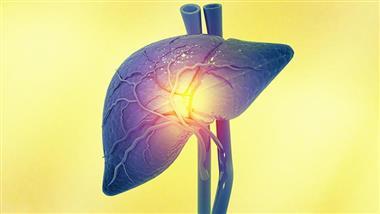
Fatty liver disease is fast becoming an epidemic, with one-fourth of adults globally now struggling with it.1 Many are unaware that they have this condition until severe symptoms manifest. If not addressed immediately, it could lead to liver failure, internal bleeding, or liver cancer.
The good news is that fatty liver disease is preventable and that you actually have more control over your liver health than you think. An easy way to protect your liver health is by consuming a nutritious, well-balanced diet. One of the nutrients that will significantly help is vitamin K — studies have provided supporting evidence on this.
Moderate Vitamin K Intake Lowers Risk of Death in People with Fatty Liver Disease
Fatty liver disease has undergone a major conceptual shift, both in how it’s diagnosed and in how its root causes are understood. Today, the term metabolic dysfunction-associated steatotic liver disease (MASLD) has replaced older labels like nonalcoholic fatty liver disease (NAFLD) and nonalcoholic steatohepatitis (NASH).
I prefer to describe this condition as simply “fatty liver disease.” The additional attribution to cause is just medical jargon that provides no additional information about the condition itself and all three are synonyms for fatty liver disease.
A study published in Scientific Reports investigated whether vitamin K intake affects the survival time of people with fatty liver disease. The researchers analyzed health and nutrition data from 7,857 adults diagnosed with fatty liver disease using U.S. National Health and Nutrition Examination Survey (NHANES) surveys between 2005 and 2018.2
• Researchers investigated whether this specific nutrient plays a role in improving fatty liver disease outcomes — They tracked these participants’ diets and survival outcomes for up to 15 years to determine if there was a relationship between how much vitamin K people ate and their risk of dying from any cause.
Among this group, 842 deaths were recorded during the study period — giving researchers enough data to draw firm conclusions.
• Here’s what they found — People who ate more vitamin K from foods were significantly less likely to die over the follow-up period. Specifically, every one-unit increase in vitamin K intake was linked to a 19% lower risk of dying.
• Moderate intake reduced the risk of dying — What’s even more impressive is that for those consuming less than 121 micrograms (mcg) of vitamin K per day, each step up in intake was linked to a 33% drop in the risk of death. Even after adjusting for different external factors like smoking, alcohol use, body mass index (BMI), and supplement intake, the link between moderate vitamin K consumption and lower mortality risk remained strong.
• Interestingly, the researchers explored why consuming too much vitamin K didn’t provide added benefits — One explanation is that vitamin K shares a metabolic pathway with vitamin E, and high intake of one might interfere with the other. Both nutrients are processed by the same liver enzyme (CYP4F2), and excessive vitamin E has been shown to reduce vitamin K levels in animal studies.
In this study, when the researchers adjusted for vitamin E intake, the protective effect of vitamin K slightly weakened — suggesting some overlap or competition between the two.
Getting Enough Vitamin K from Your Diet Significantly Reduces Your Risk of Fatty Liver Disease
While the featured study shows how vitamin K is beneficial for people already with fatty liver disease, an earlier study published in the Frontiers in Nutrition shows that getting enough of this nutrient from your diet may help avoid the onset of this disease.3
The researchers analyzed data from 3,571 adults across the U.S. using NHANES surveys from 2017 to 2018 to identify whether people with higher vitamin K intake had lower odds of having fatty liver disease — and whether that was different in people who relied on food alone versus those who used dietary supplements.
• People with fatty liver disease consistently ate less vitamin K than those without it — On average, the people who developed fatty liver disease consumed about 123 mcg daily, while the healthy group consumed around 145 mcg per day.
After the researchers adjusted for lifestyle, metabolic, and dietary factors, the data still showed the same results — having more vitamin K in your diet leads to a less fatty liver.
• Vitamin K from foods provided the best benefits — The study found that the protective effects of vitamin K were strongest in people who got this nutrient from their diet. When the researchers looked specifically at people who did not use supplements, the protective link between vitamin K and lower liver fat remained strong and statistically significant.
But among supplement users, the association lost its strength once other factors — like exercise, calorie intake, or metabolic diseases — were accounted for. Hence, the study shows that eating vitamin K-rich foods provided more liver-protective benefits than supplementation.
• The protective effects were consistent across most major groups, except for two — the elderly and obese individuals — One possible explanation is that vitamin K is fat-soluble and gets sequestered in fat tissue. That means obese individuals store vitamin K in fat rather than use it for liver protection.
Why Does Vitamin K Have Beneficial Effects for Fatty Liver Disease?
To understand why vitamin K is so effective, these two studies highlighted several biological mechanisms.4,5
• Vitamin K is essential for activating the matrix Gla protein (MGP) — this protein prevents calcium from hardening in soft tissues. In fatty liver disease, where chronic inflammation accelerates vascular calcification and insulin resistance, this function is especially important. By ensuring MGP is fully activated, vitamin K helps protect both your liver and blood vessels from long-term damage.
• It reduces inflammation, a key driver of fatty liver disease progression — Vitamin K does this by blocking a signaling molecule called NF-κB, which fuels the release of damaging cytokines like IL-6 and TNF-α. This matters because unchecked inflammation pushes fatty liver disease toward more advanced stages, like fibrosis and cancer. By inhibiting this inflammatory cascade, vitamin K helps keep your liver from progressing to those advanced and life-threatening stages.
• Vitamin K supports healthy insulin function — Insulin resistance is one of the primary root causes of fat accumulation in the liver. When your cells ignore insulin, your body stores more fat in the liver — and damage follows. Vitamin K helps restore insulin sensitivity by supporting proper insulin receptor activity. This improves how your body handles glucose and fat, which in turn slows down or even reverses fat accumulation in the liver.
• Vitamin K protects your liver on a cellular level — It helps reduce oxidative stress and prevent ferroptosis, a form of cell death triggered by fat-based toxins and free radicals that build up in the liver. Vitamin K interferes with this destructive process, acting like a molecular shield for liver cells.
It also activates a protein called Gas6, which in turn boosts AMP-activated protein kinase (AMPK), an enzyme that governs fat burning and insulin sensitivity. In short, vitamin K signals your liver to burn fat more efficiently and store less of it — helping reverse the key metabolic damage behind fatty liver disease.
The 2 Types of Vitamin K
Vitamin K exists in two forms — vitamin K1 (phylloquinone) and vitamin K2 (menaquinones).6 These two forms are differentiated through their sources and their functions in your body:
• Vitamin K1 — Derived from plant sources like vegetables, this nutrient facilitates blood coagulation, a vital process that prevents excessive bleeding when injuries occur.
• Vitamin K2 — This plays a more significant role in bone and cardiovascular health, guiding calcium to your bones and away from your arteries. Its primary sources are animal products and fermented foods. In studies, this is the type that protects against fatty liver disease.7
• Vitamin K2 exists in several subforms — These are designated as menaquinone-4 (MK-4) through MK-13. MK-7 through MK-13 are primarily produced by bacterial fermentation in your gut, but they’re also found in fermented foods
• Vitamin K2 is superior, studies show — While both forms of vitamin K are indispensable, there are studies showing that vitamin K2 has certain advantages over K1,8 particularly in terms of absorption, distribution, and overall impact on your body. I recommend reading “Vitamin K1 vs. K2 — Understanding Their Distinct Roles in Your Health” for more information on this topic.
What Are the Best Food Sources of Vitamin K2?
As the second featured study mentioned, ensuring adequate intake of vitamin K particularly through K2-rich foods is the best way to reap the benefits of this nutrient. These include:9
• High-quality animal products — Opt for grass fed and pasture-raised animal products such as tallow and organ meats like liver.
• Certain cheeses like Gouda and Brie — These have high K2 content. Choose cheese made with animal rennet instead of GMO alternatives.
• Fermented foods — Natto, a traditional fermented soybean product, boasts the highest concentration of highly absorbable MK-7 vitamin K2.
• Egg yolks — While egg yolks are classified as an animal product, I do believe they deserve a special mention, as they are among the highest dietary sources of MK-4, a vital form of vitamin K2 that plays a crucial role in bone health, cardiovascular function, and calcium regulation. Plus, egg yolks are a rich source of choline, another nutrient that plays a significant role in liver health (more on this below).
You just need to be careful about your egg sources as most commercial egg sources — even free-range organic — have high levels of polyunsaturated fats (PUF) levels as they are fed grains like soy and corn. Ideally, chickens should be fed rice, barley and split peas. I personally eat six egg yolks a day from chickens who are fed this and have 80% less linoleic acid (LA) than regular chickens.
Below is a comprehensive overview of egg yolks as a top source of MK-4, along with additional dietary sources and considerations.

However, I do understand that there are circumstances where it may be difficult to obtain this nutrient from dietary sources. In this case, I recommend adding a high-quality MK-7 vitamin K2 supplement to your daily regimen.
A Deadly Combination That Leads to Fatty Liver Disease — Excessive Linoleic Acid and Choline Deficiency
Going back to the topic of fatty liver disease, I believe that one of the most significant factors contributing to its increasing rates today is the excessive LA in our modern diet and how it disrupts cellular health. Pair it with choline deficiency, and you end up with a vicious cycle leading to fatty liver disease.
I’ve written a paper on this topic, which is still pending peer-review, however, you can download and read a simplified version here. I’ve also highlighted the most significant points below.

• A key factor leading to fatty liver disease is mitochondrial dysfunction — Ethanol (found in alcohol) and LA are the two most significant drivers of fatty liver disease in our modern diets; they produce toxic aldehyde byproducts when metabolized in the liver. Ethanol is converted into acetaldehyde, while LA breaks down into 4-hydroxynonenal (4-HNE), both of which are highly reactive and damaging to mitochondria. These aldehydes bind to proteins, phospholipids, and mitochondrial DNA, impairing oxidative phosphorylation and reducing the liver’s ability to generate ATP. Over time, this impairs the liver’s capacity to oxidize fats, allowing them to accumulate inside your liver cells.
• When the aldehydes damage the mitochondria’s protective membranes, the inner structure starts to break down — This hampers their energy-making process, reducing production of ATP (your cells’ main energy source) and causing more reactive oxygen species (ROS) to leak out, which adds to oxidative stress.
As the mitochondria start sending distress signals, it activates immune responses, triggering inflammation in the liver. This worsens fatty liver disease — from simple fat buildup, it progresses to serious conditions like fibrosis or liver cirrhosis.
• How does choline help? Choline, an essential nutrient that plays a pivotal role in liver function, mitochondrial performance, and membrane integrity, acts by crossing the intestinal wall and entering the bloodstream. It is then transformed into phosphatidylcholine (PC) through a multi-step process called the CDP-choline pathway. The end result of this process is phosphatidylcholine (PC) — this is the form your liver uses to build membranes and carry fat out of the cell.
• Choline’s roles go beyond liver function — Once absorbed into cells, choline enters a network of metabolic routes that support brain signaling, gene regulation, fat metabolism, and bile composition. It plays a role in fetal development and infant brain growth, nervous system health, and cardiovascular health.
Protect Yourself from Fatty Liver Disease with These Strategies
As these findings show, it’s clear that addressing fatty liver disease starts with making changes to your diet. Certain key nutrients — combined with healthy lifestyle changes — will help protect you from the onset of this disease and minimize its damage. Here are my recommended strategies.
1. Improve your diet — Focus your meals on whole, unprocessed foods, especially vegetables, fruits, lean proteins, and healthy carbohydrates. I also recommend consuming foods high in vitamin K and choline, while removing ultraprocessed foods, especially seed oils that are high in linoleic acid.
2. Consider citicoline supplementation — Choline is abundant in food sources like beef liver, egg yolks, and raw milk. However, if you’re not getting enough, taking a high-quality supplement will help boost your intake.
I recommend citicoline because most forms of choline supplements have poor availability. Citicoline is the immediate precursor for the synthesis of phosphatidylcholine, and increased intake helps your fat to be transported out of your liver. Formulations differ depending on the manufacturer, ranging from 500 to 2,500 mg per day. To find out your ideal dose, consult with your health care provider because choline toxicity, while rare, is a real condition.
3. Manage your weight — Excess body weight is a culprit in fatty liver development — as one of the studies mentioned, vitamin K is fat-soluble and could be sequestered into fat tissue instead of being used by your liver. Losing even a modest amount — around 7% to 10% of your total body weight — will have dramatic benefits.
4. Stay physically active — Exercise is one of the best things you can do for your health, as it helps your body burn off excess fat stores, especially around your liver, and boosts insulin sensitivity, directly reducing the inflammatory cycle caused by fatty liver disease. Aim for at least 30 minutes of moderate-intensity activity most days of the week, such as brisk walking, cycling, or swimming.
5. Address underlying metabolic imbalances — If you’re diabetic, pre-diabetic, or insulin-resistant, improving your blood sugar control is essential. Pay close attention to your carbohydrate intake, choosing complex carbs (like white rice) over simple sugars.
Frequently Asked Questions (FAQs) About Vitamin K and Fatty Liver Disease
Q: How does vitamin K help protect against fatty liver disease?
A: Vitamin K supports liver health by reducing inflammation, improving insulin sensitivity, and preventing fat-related cell damage. It also activates proteins that help prevent scarring and calcification in liver tissue, slowing or reversing disease progression.
Q: Is vitamin K from food better than supplements for liver protection?
A: Yes. Research shows that people who got vitamin K from food had better protection against fatty liver disease and lower risk of death. Whole foods appear to offer more consistent benefits than synthetic forms.
Q: What makes food-based vitamin K more effective than supplements?
A: Food-based vitamin K is absorbed and used by the body more effectively, especially when combined with other nutrients naturally present in whole foods. Supplements may not deliver the same benefits due to differences in metabolism.
Q: Why didn’t obese individuals and older adults benefit as much from vitamin K?
A: Vitamin K is fat-soluble and may get trapped in body fat, especially in obesity. In older adults, metabolic changes might reduce how well their bodies use the vitamin, limiting its liver-protective effects.
Q: What other nutrients affect fatty liver disease risk?
A: Excess linoleic acid (from seed oils) and choline deficiency are a harmful combination that worsens liver damage. Choline helps export fat out of liver cells, while linoleic acid drives mitochondrial injury. Addressing both is key to recovery.
- 1 Hepatology. 2023 Jan 3;77(4):1335-1347
- 2, 4 Sci Rep. 2025 Jun 2;15:19272
- 3, 5 Front. Nutr., 14 April 2023, Sec. Clinical Nutrition, Volume 10 – 2023
- 6 British Journal of Nutrition. 2013;110(8):1357-1368
- 7 Scientific Reports, 2024, volume 14, Article number: 3075
- 8 Int J Mol Sci. 2019 Feb 19;20(4):896
- 9 Haemostasis. 2000 Nov-Dec;30(6):298-307
Developing a Fatty Liver Increases Your Risk of Mortality
Reproduced from original article:
https://articles.mercola.com/sites/articles/archive/2026/07/28/fatty-liver-disease.aspx
Analysis by Dr. Joseph Mercola July 28, 2026
Story at-a-glance
- Fatty liver disease affects nearly 25% of adults globally and progresses silently, leading to cirrhosis, heart disease, diabetes, and liver cancer
- Research shows that fatty liver disease significantly increases mortality risk, especially from endocrine disorders and during the first year after diagnosis
- Cardiovascular disease ranks as a top threat for people with fatty liver disease, with advanced liver fibrosis substantially increasing the risk of serious adverse events
- Excessive fructose consumption from processed foods triggers de novo lipogenesis (fat creation) in the liver and promotes insulin resistance, even without alcohol consumption
- Treatment focuses on addressing root causes through dietary changes, regular physical activity, weight management, muscle-building, and addressing metabolic imbalances like insulin resistance
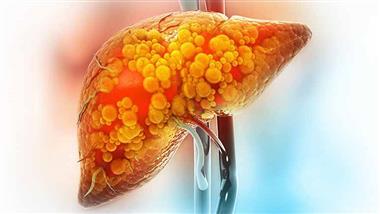
Fatty liver disease is becoming a widespread condition, affecting nearly 25% of adults globally.1 In other words, about one in every four people around you likely have a fatty liver without even realizing it.
As the name implies, fatty liver is characterized by an abnormal buildup of fat in your liver cells, which triggers inflammation, damages healthy tissue, and eventually leads to permanent scarring known as cirrhosis. Most people living with fatty liver disease don’t experience clear symptoms at first, but as it worsens, fatigue, persistent abdominal discomfort, or unexplained weight loss begin to appear.
Without proper intervention, fatty liver disease progresses to severe liver damage and also significantly raises your risk of heart disease, Type 2 diabetes, and even liver cancer. Even more alarming, research shows that it is directly linked to increased mortality, even in its earlier stages.
Linoleic Acid and Choline Deficiency — A Deadly Combination That Leads to Fatty Liver Disease
In the context of fatty liver disease, excessive linoleic acid (LA) intake is one of the biggest factors because of how it affects your cellular health. Alongside this issue is the lack of choline from your diet. I cover these topics in a study I wrote, which I will share more about in the near future.
• Excess LA creates toxic metabolites — When LA, an omega-6 polyunsaturated fat (PUF), becomes peroxidized, it creates metabolites such as 4-hydroxynonenal (4-HNE), which is a reactive aldehyde known to affect mitochondrial membrane integrity that leads to a buildup of fat in the liver.
As noted in a Nutrients study, “[A] few studies suggested that omega-6 PUFA is related to chronic inflammatory diseases such as obesity, nonalcoholic fatty liver disease and cardiovascular disease.”2
• Choline deficiency contributes to fat buildup — Choline helps maintain cell membrane integrity, and research shows that if there’s a deficiency, fat accumulates in the liver because of impaired very low-density lipoprotein (VLDL) secretion.3
Your liver produces VLDL to transport fat and cholesterol to the cells throughout your body by way of your bloodstream.4 But if there’s not enough phosphatidylcholine (which is synthesized via enough choline intake), fat stays in the liver instead.
• LA and choline deficiency undermine your health — According to independent nutrition researcher Chris Masterjohn, Ph.D., eating foods high in LA while not getting enough choline creates a vicious cycle that ends up with fatty liver disease:5
“I currently believe that dietary fat, whether saturated or unsaturated, and anything that the liver likes to turn into fat, like fructose and ethanol, will promote the accumulation of fat as long as we don’t get enough choline.
Once that fat accumulates, the critical factor igniting an inflammatory fire to this fat is the consumption of too much PUFA (polyunsaturated fat from vegetable and perhaps fish oils).”
Excess Fructose — Another Factor Linked to Fatty Liver Disease
As noted earlier, fatty liver disease is on the rise in America. The original assumption is that alcohol consumption contributed to this pervasive public health issue. However, research shows that you don’t even need to drink to develop fatty liver disease, and another culprit is a common ingredient excessively used in most processed foods — fructose.
• Too much processed fructose harms your liver — Your liver is able to handle modest amounts of fructose by converting it into energy. But when it suddenly receives an influx beyond what is normal (example, when you consume a sweetened drink), your liver undergoes de novo lipogenesis, which means it creates new fat.
• Increased risk of insulin resistance — Consuming high amounts of processed fructose makes your cells more susceptible to insulin resistance. Under normal conditions, insulin helps move sugar from the bloodstream into your cells to be used as energy. But once your cells don’t respond to insulin as they used to, the sugar remains in your blood, causing blood sugar levels to rise and contribute to disease.
• Excess refined sugar shifts your body’s metabolic priorities — To make matters worse, the fructose-driven processes in your liver reduce your body’s ability to burn fat because the bulk of the metabolic effort is aimed at managing the incoming flood of sugar. If this becomes chronic, your body will create more fat that it can comfortably use, increasing your risk of health issues such as heart disease and fatigue.
To be clear, fructose by itself isn’t necessarily harmful. It’s also found in fruits, which contribute to optimal health. The difference is that fruit also contains dietary fiber, vitamins, and other bioactive compounds that slow down fructose absorption. It’s really only processed and refined fructose that is problematic.
So, to protect your liver from developing fatty deposits, even if you’re not drinking alcohol, the solution is obvious — choosing natural sources of sweetness is better compared to processed drinks and foods.
A Deeper Look Into Cause-Specific Mortality Findings
A study published in the Journal of Hepatology6 set out to uncover exactly how fatty liver disease relates to different causes of death. Instead of solely focusing on common cardiovascular or liver-related outcomes, the researchers dug deeper, looking into a wide range of medical issues to show if some conditions were more sharply elevated than others under the influence of fatty liver disease.
• Endocrine-related issues stand out — One noteworthy finding by the study is a noticeable increase in the likelihood of death from endocrine-related causes for people dealing with fatty liver disease.
Endocrine disorders involve hormonal imbalances in organs like the pancreas or thyroid. While you may think of heart or liver complications whenever you hear the phrase “fatty liver disease,” this study showed that hormone-related mortalities were also significantly higher in patients diagnosed with fatty liver disease. Specifically, the risk for these endocrine causes of death are three times more than that of individuals without fatty liver disease.
• Fatty liver disease makes you more susceptible to other chronic conditions — The researchers also addressed deaths attributed to infections, gastrointestinal disease (excluding direct liver conditions), and mental health disorders.
Infections and gastrointestinal problems saw an elevated risk overall, theorizing that fatty liver disease sets off a chain reaction that reduces resilience to certain bacterial or viral threats, as well as creating an environment that is more prone to digestive imbalances.
Furthermore, the researchers noted that the risk of mortality specifically from mental health conditions was not meaningfully increased. However, this is still a noteworthy finding nonetheless.
• Liver cirrhosis causes a cascade of disease — One aspect that deserves mention is the comparison of mortality risk in different subgroups who also suffered from cirrhosis.
Those with advanced cirrhosis showed the greatest vulnerability when it came to non-liver causes of death, even beyond what people usually imagine from hearing “cirrhosis.” Once the liver is significantly compromised, the effects on multiple organ systems become more pronounced.
• The earlier you get treatment, the better the outcome — The research indicated that the mortality hazard was particularly high during the first year after participants received their fatty liver disease diagnosis. That means if you’re diagnosed with this condition, it would be wise to take positive steps sooner rather than later — the health and lifestyle changes you choose will have the biggest impact in those early months.
• Fatty liver disease sets the stage for more severe outcomes — The authors proposed that the metabolic environment surrounding fatty liver disease fosters widespread inflammation and an overload of fatty substances in the bloodstream, which wears down tissues beyond the liver. This chronic state of bodily “alert” reduces a person’s ability to handle secondary complications like infections or hormonal imbalances in the thyroid or pancreas.
Overall, these findings shed light on how fatty liver disease escalates health risks in ways that go well beyond heart or cancer concerns. By uncovering which conditions spike the most, medical professionals and affected patients will be able to adopt a more targeted approach to prevention and eventual healing.
Additional Insights Into Fatty Liver Disease-Related Mortality
A supporting study published in Clinical Molecular Hepatology7 focused on the different ways fatty liver disease impacts a person’s survival. Similar to the Journal of Hepatology study, the researchers assessed which ailments hit hardest, investigating the relative importance of heart complications, cancer, liver failure, and diabetes-related deaths. In addition, they analyzed how those risks shift when fatty liver disease progresses and interacts with other conditions.
• Cardiovascular disease ranks as a top threat — This finding is not just in terms of incidence, but also how often it resulted in mortality for people with fatty liver disease. This challenges the assumption that liver complications always dominate the list, hinting that heart health could be even more urgent for this group.
The team also looked at extra-hepatic cancers, which means cancers that develop outside the liver. According to their findings, extra-hepatic malignancies rose markedly in fatty liver disease patients, intensifying the likelihood of fatal outcomes in that population compared to those who don’t have it.
• A big part of the puzzle is advanced fibrosis — For some people, fat accumulation gradually causes a chain reaction, scarring the liver extensively. This reduces the organ’s ability to detoxify and regulate essential metabolic processes.
The researchers observed that, once the scarring reaches a certain threshold, the risk of serious complications — heart attacks, strokes, and aggressive cancer developments — increases even more than expected from fatty liver disease alone. They also highlighted that metabolic factors, such as high blood sugar or lipid abnormalities, further compound these dangers.
• Certain genetic and hormonal factors influence risk of complications — Carrying variants of the PNPLA3 gene ramps up the severity of fatty liver disease and speeds up its progression. For context: PNPLA3 is involved in how the liver handles fats, so if the gene is slightly altered, fat piles up more rapidly, leading to extra stress on the body.
Another point the researchers stressed involves thyroid function — having low thyroid hormone levels or even borderline levels heighten the all-cause mortality risk in fatty liver disease cases. That link is rooted in how thyroid hormones help control metabolism. If your metabolism slows or becomes erratic, more fat accumulation occurs, fueling inflammatory processes that eventually jeopardize your health.
• Sarcopenia also increases mortality — Muscle tissue is metabolically active, so losing it not only slows metabolism but also undermines the body’s ability to process glucose, regulate insulin, and maintain robust immune defenses.
By tracking patients who had both fatty liver disease and significant muscle loss, the researchers found a higher death rate that extended beyond liver issues alone. This finding shows that maintaining healthy muscle mass — through strength training or adequate protein intake — will be beneficial for those who already have a compromised liver profile.
• Healthy lifestyle adjustments protect your liver — Losing weight was deemed hugely impactful, specifically when people combined healthy eating with consistent physical activity. Essentially, when you burn excess body fat, the inflammatory load on the liver drops.
Less stored fat means less likelihood of insulin resistance, which the study pinpointed as a driver of advanced disease. Meanwhile, the researchers observed that people who followed a healthy diet noticed sharper reductions in their overall mortality risk.
• Chronic inflammation is a central factor — Fatty deposits, once they accumulate enough, trigger inflammatory cells to release substances that undermine vascular integrity, hamper immune responses, and encourage unchecked cell growth. Over time, that escalates everything from minor arterial plaque formation to the emergence of malignant tumors.
Practical Strategies to Fight Fatty Liver Disease
If you’re dealing with fatty liver disease, addressing the core reasons behind it is important to achieve lasting improvement. No one-size-fits-all approach exists, but committing to different targeted, meaningful lifestyle shifts will set you on a path toward healing. Here are my recommendations:
1. Improve your diet — The most immediate way to tackle the root cause of fatty liver is by switching to a healthy diet. Focus your meals on whole, unprocessed foods, especially vegetables, fruits, lean proteins, and healthy carbohydrates. Remember to boost your choline intake as well, which is found in pastured egg yolks, arugula, and grass fed beef liver.
Lastly, remove ultraprocessed foods and anything that contains high-fructose corn syrup and other added sugars.
2. Prioritize physical activity — Exercise is one of the best things you can do for your health. Aim for at least 30 minutes of moderate-intensity activity most days of the week, such as brisk walking, cycling, or swimming.
Increased physical activity helps your body burn off excess fat stores, especially around your liver, and boosts insulin sensitivity, directly reducing the inflammatory cycle caused by fatty liver disease.
3. Actively manage your weight — In relation to the previous point, excess body weight is a culprit in fatty liver development. Losing even a modest amount — around 7% to 10% of your total body weight — has dramatic benefits.8
If you’re obese or overweight, set achievable, incremental weight goals rather than extreme dieting. Steady, consistent reduction is the most effective way to reverse liver fat accumulation.
4. Build and maintain muscle mass — Muscle isn’t just for strength — it’s crucial for metabolism. Engage in resistance training at least twice weekly to build and preserve your muscle mass. This boosts your body’s ability to process sugar, regulate insulin, and reduce harmful fat deposits. Essentially, healthy muscle mass directly supports liver function by lowering systemic inflammation and improving overall metabolism.
5. Address underlying metabolic imbalances — If you’re diabetic, pre-diabetic, or insulin-resistant, improving your blood sugar control is essential. Pay close attention to your carbohydrate intake, choosing complex carbs (like white rice) over simple sugars. To understand the impact of carbohydrates on your metabolic health, read the article “The Hidden Health Benefit of Carbohydrates.”
6. Consider citicoline supplementation — As noted earlier, choline deficiency creates fatty deposits in your liver because the organ is not able to send the produced VLDL throughout your body. To boost your intake, consider taking supplements. However, not just any choline supplement will do — I recommend citicoline because most forms of choline supplements have poor availability.
Citicoline is the immediate precursor for the synthesis of phosphatidylcholine, and increased intake helps your fat to be transported out of your liver. Formulations differ depending on the manufacturer, ranging from 500 to 2,500 mg per day. To find out your ideal dose, consult with your health care provider because choline toxicity, while rare, is a real condition.9
Frequently Asked Questions About Fatty Liver Disease and Chronic Disease
Q: What exactly is fatty liver disease, and why is it a concern?
A: Fatty liver disease occurs when excess fat accumulates in liver cells, leading to inflammation, damage, and eventually, cirrhosis. It significantly increases risks for health complications such as heart disease, Type 2 diabetes, liver cancer, and endocrine disorders. This leads to higher overall mortality rates.
Q: What are the common signs of fatty liver disease?
A: Initially, fatty liver disease usually shows no clear symptoms, making early detection challenging. As it advances, symptoms like fatigue, persistent abdominal discomfort, and unexplained weight loss appear. Early screening and proactive treatment will greatly improve outcomes.
Q: How does fatty liver disease affect health beyond liver damage?
A: Beyond liver damage, fatty liver disease significantly elevates the risk of cardiovascular diseases, endocrine-related deaths, gastrointestinal issues, infections, and extra-hepatic cancers. The chronic inflammation associated with fatty liver disrupts multiple organ systems, leading to heightened vulnerability to other health problems.
Q: What lifestyle factors contribute most to fatty liver disease?
A: Dietary factors, especially excessive fructose from sugary foods and drinks, play a major role. High fructose intake triggers fat creation in the liver, promotes insulin resistance, and reduces fat-burning capacity, exacerbating liver fat accumulation. Other critical factors include obesity, physical inactivity, and loss of muscle mass (sarcopenia).
Q: What are the best ways to treat or reverse fatty liver disease?
A: Fatty liver disease can be effectively treated or reversed by adopting a healthy diet rich in whole foods, engaging in regular physical activity, losing excess body weight, maintaining muscle mass through resistance training, and addressing underlying metabolic conditions, such as insulin resistance or diabetes. Early intervention significantly improves prognosis.
- 1 Hepatology. 2023 Jan 3;77(4):1335–1347
- 2 Nutrients 2020, 12(11), 3365; doi: 10.3390/nu12113365
- 3 Oregon State University Linus Pauling Institute, “Choline”
- 4 Endotext, “Introduction to Lipids and Lipoproteins,” January 14, 2024
- 5 Chris Masterjohn Ph.D. Substack.com, November 23, 2010
- 6 Journal of Hepatology, March 24, 2025
- 7 Clin Mol Hepatol. 2022 Nov 22;29(Suppl):S43–S57
- 8 PLoS One. 2022 Feb 17;17(2):e0263931
- 9 NIH, “Choline”
Why Choline Is NOT Associated With Prostate Cancer
Reproduced from original article:
https://articles.mercola.com/sites/articles/archive/2024/04/12/choline-prostate-cancer.aspx
Analysis by Dr. Joseph Mercola April 12, 2024

STORY AT-A-GLANCE
- Choline, essential for numerous physiological processes such as brain development, DNA synthesis and fat metabolism, was officially recognized as a vital nutrient in 1998, with deficiencies linked to severe health issues
- High choline intake is associated with significant health benefits, including reduced risks of heart disease, breast cancer and nonalcoholic fatty liver disease, underscoring its importance in your diet
- Studies suggesting a link between choline intake and an increased risk of prostate cancer fail to account for various dietary and environmental factors, leading to misleading conclusions about eggs
- Choline deficiency poses a greater health risk than high intake. An estimated 90% of Americans already do not meet the adequate daily intake values set by the Institute of Medicine
- Eggs from chickens fed a low-linoleic acid diet are a powerhouse of nutrition. They provide high-quality protein, essential fats, vitamins like D, E and K, and minerals such as selenium and zinc. Eggs also contain B vitamins essential for energy production
Some studies,1 including analyses from NHANES data, have stirred up fears about choline and its alleged link to an increased risk of prostate cancer. This fear causes people to avoid one of the most important nutrients to their health.
As your guide to deciphering the complexities of health and nutrition, I feel it’s imperative to address these concerns and explain why the fear surrounding choline intake, particularly from eggs, is not only misplaced but may also deter you from enjoying one of nature’s most nutrient-dense foods.
First, let’s understand what choline is. Choline, initially discovered in 1862,2 was officially recognized as an essential nutrient for human health by the Institute of Medicine in 1998.3 It plays a critical role in many physiological processes, including:4
| Healthy fetal development5 — Choline is required for proper neural tube closure,6 brain development and healthy vision.7 Research shows mothers who get sufficient choline impart lifelong memory enhancement to their child due to changes in the development of the hippocampus (memory center) of the child’s brain.8 Choline deficiency also raises your risk of premature birth, low birth weight and preeclampsia. |
| The synthesis of phospholipids, the most common of which is phosphatidylcholine, better known as lecithin, which constitutes between 40% and 50% of your cellular membranes and 70% to 95% of the phospholipids in lipoproteins and bile.9 |
| Nervous system health — Choline is necessary for making acetylcholine, a neurotransmitter involved in healthy muscle, heart and memory performance.10 |
| Cell messaging, by producing cell-messaging compounds.11 |
| Fat transport and metabolism — Choline is needed to carry cholesterol from your liver, and a choline deficiency could result in excess fat and cholesterol buildup.12 |
| DNA synthesis, aiding in the process along with other vitamins, such as folate and B12. |
| Methylation reactions.13 |
| Healthy mitochondrial function.14 |
Health Benefits of Choline
Studies have linked higher choline intake to a range of benefits, including a decreased risk for heart disease,15 a 24% decreased risk for breast cancer,16 and the prevention of nonalcoholic fatty liver disease (NAFLD).
In fact, choline appears to be a key controlling factor in preventing the development of fatty liver by enhancing secretion of very low-density lipoprotein (VLDL) particles, which are required to safely transport fat out of your liver.17 Research has also discovered evidence of epigenetic mechanisms of choline,18 which also helps explain how choline helps maintain healthy liver function.
Research19 published in 2020 also concluded that choline has anti-inflammatory activity and can be particularly useful in those with insulin resistance and/or metabolic syndrome. And, while a choline supplement was good in this regard, eggs were far better. Choline has also been shown to prevent neurodegenerative diseases such as Alzheimer’s by:20,21
- Reducing your homocysteine level, an amino acid that has been shown to cause neurodegeneration and is involved in the formation of amyloid plaques, two hallmarks of Alzheimer’s. Choline converts homocysteine into methionine, which has several beneficial effects.
- Inhibiting microglia activation — Microglia cells clear debris from your brain, and while this is a crucial function, in Alzheimer’s the microglia tend to become overactivated, causing inflammation in the brain that can result in the death of neurons. By reducing activation of microglia, choline can help protect Alzheimer’s patients from further brain damage.
Study Linking Choline to Prostate Cancer Has Many Weaknesses
The primary study22 that has many people second-guessing their egg consumption analyzed meat, milk and egg intake and their potential associations with prostate cancer. All of these are sources of choline, although eggs contain the highest amounts.
It suggested there might be a link between high dietary choline intake and an increased risk of advanced, lethal prostate cancer. According to the authors, “Men in the highest quintile of choline intake had a 70% increased risk of lethal prostate cancer.” However, this conclusion overlooks several crucial aspects.
For starters, the study was observational, meaning it can indicate associations but cannot prove causation. Considering the many dietary and environmental factors that can influence health outcomes, it’s extremely difficult to isolate the effect of a single nutrient.
What’s more, they only collected dietary information six times during 22 years of follow-up, which raises questions about accuracy. Many can’t even recall what they ate a few days ago, let alone the type of food and weekly quantity they consumed over the past year. Other shortcomings of this study include the following:
- It does not account for other components of the diet that could influence prostate cancer risk, such as phytonutrients, fiber, and other vitamins and minerals.
- No dose-response relationship across quintiles of choline intake was established. Understanding whether the risk of prostate cancer increases linearly with choline intake or if there’s a threshold effect would be crucial for dietary recommendations.
- The study also looked at postdiagnostic intake of choline and its relationship with lethal prostate cancer among men who were initially diagnosed with nonmetastatic disease and here, no statistically significant link could be found.

Save This Article for Later – Get the PDF Now
The Source of Choline Matters
The source of the choline also matters. Not all choline sources are created equal. Eggs, especially those from chickens fed low-linoleic acid (LA) diets, are incredibly nutrient-dense, offering not just choline but also vitamins, minerals and antioxidants in a natural package that your body can efficiently use.
Conversely, conventionally-raised eggs tend to be high in LA, and as I detailed in my extensive report on LA, this dietary component is a major driver of all chronic disease, including cancer, as it impairs your mitochondrial function and inhibits energy production.
An estimated 90% of the U.S. population is deficient in choline.23 At the same time, most people consume several times more LA than is safe based on historical intakes. So, what’s more likely to contribute to cancer? LA or choline?
There’s also the issue of generalizing. The study population, comprised of 47,896 male health professionals from the United States, may not represent the broader public due to its homogeneity in terms of profession, education, and potentially, socioeconomic status.
These factors can influence dietary habits, health awareness, access to healthcare, and the ability to engage in preventative health behaviors, which in turn could affect the study’s findings and their applicability to the general population.
For example, while health professionals are commonly expected to have greater knowledge about nutrition and disease prevention, this is rarely the case. Rather, they tend to follow standard dietary recommendations issued by government, which have repeatedly been proven to be disastrous for health.
Case in point, for decades, the recommendation has been to avoid saturated fat and cholesterol (both of which are high in eggs) and to opt for polyunsaturated (PUFA) seed oils instead, which, as it turns out, is a perfect recipe for cancer. So, was high choline consumption really the issue, or did they also have higher LA intake because of following misguided dietary recommendations?
Low-PUFA Eggs Are a Powerhouse of Nutrition
Focusing on a single nutrient also fails to consider the synergistic effects of foods. Whole foods like eggs contain a complex mix of nutrients that work together to support health.
Indeed, egg yolks from chickens fed low-LA diets are a powerhouse of nutrition. They provide high-quality protein, essential fats, vitamins E and K, and minerals such as selenium and zinc. Moreover, eggs are one of the few dietary sources of vitamin D, which is crucial for bone health and immune function.
A single hard-boiled egg can contain anywhere from 113 milligrams24 (mg) to 147 mg25 of choline, or about 25% of your daily requirement, making it one of the best choline sources in the American diet.26 Only grass fed beef liver beats it, with 430 mg of choline per 100-gram serving.27
Egg yolk also contains a large amount of B vitamins, all of which are necessary cofactors in the steps to produce energy in your body.
If you’re micronutrient deficient, your metabolism will be low because you don’t have the necessary cofactors to generate ATP, and in carbohydrate metabolism, choline is one of those necessary cofactors. When you add the high rate of choline deficiency in the general population into the mix, it’s highly unlikely that choline would be the cause behind lethal cancer.
How Much Choline Do You Need?
While a dietary reference intake value has not yet been established for choline, the Institute of Medicine set an “adequate daily intake” value of 425 mg per day for women, 550 mg for men and 250 mg for children28,29 to help prevent a deficiency and potential organ and muscle damage.
Curiously, those in the highest quintile of choline intake in this study30 were only getting a median of 509 mg per day, which doesn’t even meet the IOM’s ADI.
Keep in mind, however, that requirements can vary widely, depending on your overall diet, age, ethnicity31 and genetic makeup. As noted in one paper,32 “People with one of several very common genetic polymorphisms in the genes of choline metabolism are more likely to develop hepatic dysfunction when deprived of choline.”
Another study33 found that in some men, 550 mg of choline per day was insufficient as they still developed organ dysfunction. Postmenopausal women were also more prone to develop signs of organ dysfunction than premenopausal women when deprived of adequate amounts of choline for just under six weeks.
Eating a diet high in (otherwise healthy) saturated fats may also increase your choline requirement by as much as 30%.34 Pregnant and breastfeeding women, athletes and postmenopausal women also need higher amounts.
The fearmongering around eggs and choline is a perfect example of how isolating nutrients from their dietary context can lead to misleading conclusions.
The tolerable upper intake level for choline is 3.5 grams per day. Side effects of excessive choline include low blood pressure, sweating, diarrhea and a fishy body odor.35 Unfortunately, none of these signs and symptoms of choline excess were investigated in the featured study.
The Bigger Picture
It’s essential to look beyond headlines and understand the broader context of nutrition science. The fearmongering around eggs and choline is a perfect example of how isolating nutrients from their dietary context can lead to misleading conclusions.
A balanced diet focusing on whole, unprocessed foods is key to optimal health, and sadly, many simply don’t get enough essential nutrients because their diets are so loaded with processed food.
Food testing by Moms Across America (MAA) highlights the seriousness of the situation, as they found school lunches contain more toxins than nutrients.36 All school lunches tested contained heavy metals — some at levels up to 6,293 times higher than the maximum levels allowed in drinking water — and 95% had detectable levels of glyphosate.
Meanwhile, most of the meals were “abysmally low” in essential nutrients. Similarly, fast food meals provide nowhere near your daily nutrient requirements for vitamins and minerals.37
So, in conclusion, don’t let fearmongering dictate your dietary choices. Eggs, particularly from chickens on a healthy diet, remain one of the most nutrient-rich foods you can eat. As always, it’s about the quality and the source. Incorporating eggs into a balanced, nutrient-dense diet supports health far more than it harms.
Assuming you’re not getting choline from other sources, you need to eat at least two, probably three and more, egg yolks per day. I eat six yolks a day (but only one egg white) because I work out and walk at least five to six miles a day. The more active you are, the more choline you need to support a higher metabolic rate.
- 1, 22 American Journal of Clinical Nutrition 2012 Oct; 96(4): 855–863
- 2 Ann Nutr Metab. 2012;61(3):254-258
- 3 Nutr Rev. 2009 Nov; 67(11): 615–623
- 4 Natural Products Insider, The Choline Need (PDF)
- 5 Nutr Today. 2007; 42(4): 181–186
- 6 Am J Epidemiol. 2004 July 15;160(2):102-9
- 7 Am J Epidemiol. 2013 June 15;177(12):1338-47
- 8 J Am Coll Nutr 2004 Dec.;23(6Suppl):621S-626S
- 9, 10, 13, 14, 18, 32 Curr Opin Clin Nutr Metab Care. 2013 May; 16(3): 339–345
- 11 J Inherit Metab Dis. 2011 Feb.:34(1):3-15
- 12 J Biol Chem. 2002 Nov. 1;277(44):42358-65
- 15 ARYA Atheroscler. 2011 Summer;7(2):78-86
- 16 FASEB J. 2008 June;22(6):2045-2052
- 17 Veterinary Journal 2008 Apr;176(1):10-20
- 19 Nutrients 2020; 12(10): 3120
- 20 Molecular Psychiatry January 8, 2019
- 21 Science Daily January 8, 2019
- 23 Clean Eating Magazine November 23, 2021
- 24 Nutrition Data, Hardboiled egg (Archived)
- 25 USDA Nutrient Database Hardboiled egg
- 26 Nutr Rev. 2009 Nov; 67(11):615-623
- 27 USDA Database for Choline January 2008
- 28 Fatty Liver Diet Guide 2012-2015 (Archived)
- 29 NIH Choline Fact Sheet
- 30 American Journal of Clinical Nutrition 2012 Oct; 96(4): 855–863, Table 1
- 31 FASEB J. 2014 July;28(7):2970-8
- 33 American Journal of Clinical Nutrition 2007 May;85(5):1275-85
- 34 Chrismasterjohnphd.com November 23, 2010
- 35 Dietary Reference Intakes for Thiamin, Riboflavin, Niacin, Vitamin B6, Folate, Vitamin B12, Pantothenic Acid, Biotin, and Choline
- 36 Moms Across America September 28, 2022
- 37 Moms Across America October 18, 2023