Antioxidant
now browsing by category
What Are Polyphenols and Why Do We Need Them?
Reproduced from original article:
https://articles.mercola.com/sites/articles/archive/2023/07/31/what-are-polyphenols.aspx
The original Mercola article may not remain on the original site, but I will endeavor to keep it on this site as long as I deem it to be appropriate.
Analysis by Dr. Joseph Mercola Fact Checked July 31, 2023
STORY AT-A-GLANCE
- Polyphenols are powerful organic compounds found in plants, which help protect plants from ultraviolet light, pathogens, oxidative damage and harsh climates
- Consuming foods rich in the more than 8,000 known polyphenols may help ward off chronic diseases, including cardiovascular and neurodegenerative diseases, cancer, Type 2 diabetes and obesity
- There are four major types of polyphenols — flavonoids, phenolic acids, stilbenes and lignans
- Polyphenols positively influence gut microbiota, and it’s likely that gut-modulatory effects may partially explain the benefits of many polyphenol-rich foods
- If you eat a diet based on whole foods, you’ll naturally consume plenty, as polyphenols are abundant in fruits, vegetables, tea, cocoa and more
Polyphenols are powerful organic compounds found in plants, which offer protection from ultraviolet light, pathogens,1 oxidative damage and harsh climates. With more than 8,000 identified to date, consuming foods rich in polyphenols may help ward off both acute and chronic diseases, including cardiovascular and neurodegenerative diseases, cancer,2 Type 2 diabetes and obesity.3
While polyphenols are best known for their anti-inflammatory and antioxidant effects, they affect multiple physiological processes related to enzyme activity, cell proliferation, signaling pathways and more.4
As such, these compounds may be integral to achieving optimal health. Fortunately, if you eat a diet based on whole foods, you’ll naturally consume plenty, as polyphenols are abundant in fruits, vegetables, tea, cocoa and more.
Four Major Types of Polyphenols
All polyphenols have phenolic structural features, but there are a variety of sub-groups within this group of phytochemicals, each with its own distinct features.
1.Flavonoids — Among the 8,000-plus known polyphenols, more than 4,000 are flavonoids.5 These compounds are responsible for the vibrant color in many flowers and fruits, and contribute to the bitterness, astringency, flavor, aroma and oxidative stability of many fruits, berries and vegetables. They can be broken down into six subclasses:6
| Flavonols | Flavones | Flavanones |
| Flavanols | Anthocyanins | Isoflavones |
Several well-known flavonoids include:
• Quercetin, a natural antiviral agent7 found in foods such as onions, apples, plums and green tea, which also combats inflammation and works as a natural antihistamine.
Quercetin shows promise for helping to protect vision as well, with researchers describing their potential effects on degenerative retinal diseases, and noting, “Some polyphenols, especially flavonoids (e.g., quercetin and tannic acid), could attenuate light-induced receptor damage and promote visual health benefits.”8
• Myricetin, found in cranberry, Swiss chard, rutabagas, garlic, blueberries and other foods,9 is being studied for a range of potential therapeutic actions, including anticancer, antidiabetic, antiobesity, anti-inflammatory and hepatoprotective effects, along with protection against cardiovascular disease and osteoporosis.10
• Catechins, which are abundant in green tea, include epicatechin, epigallocatechin, epicatechin gallate and epigallocatechin gallate (EGCG). These compounds have anticancer effects that may help prevent lung, breast, esophageal, stomach, liver and prostate cancers,11 along with anti-inflammatory and antioxidant properties.
Researchers at the University of Leeds and Lancaster University found he EGCG in green tea can help prevent heart disease by dissolving arterial plaque.12 Other research suggests this compound also has the ability to inhibit amyloid beta plaque formation in the brain, which is associated with Alzheimer’s disease.13
2. Phenolic acids — Phenolic acids make up about one-third of the polyphenols in an average diet. Common examples include caffeic acid, gallic acid and ferulic acid. While you can find phenolic acids in all plants, researchers explained in Oxidative Medicine and Cellular Longevity that these compounds “are particularly abundant in acidic-tasting fruits.”14
Edible plant sprouts, such as alfalfa, sunflower and broccoli, also contain phenolic acids,15 as does hibiscus. In hibiscus extract, caffeic acid may be responsible for some of its antiobesity effects, as it’s known to decrease body weight, regulate lipid metabolism and promote the breakdown of fats in the liver.16
3. Stilbenes — In plants, most stilbenes are synthesized in response to infection or injury. There are more than 400 known stilbenes,17 but the longevity compound resveratrol is one of the most popular.18 Resveratrol is found in abundance in muscadine grapes,19 with most of the antioxidants concentrated in the grape skins and seeds.20
Other food sources include berries, such as raspberries, blueberries, cranberries and mulberries, pomegranate, apples, Indian jackfruit and raw cacao. Another potent, yet lesser-known, source of resveratrol is itadori tea, made from Japanese knotweed.21
Stilbenes also have “extraordinary potential for the prevention and treatment of different diseases, including cancer, due to their antioxidant, cell death activation, and anti-inflammatory properties,” noted researchers with the University of Valencia in Spain.22
4. Lignans — Lignans, found in seeds such as flax and sesame and fruits like jackfruit, are metabolized by bacteria in your gut, converting into compounds such as enterodiol and enterolactone, which have weak estrogenic activity. They may help prevent cardiovascular disease and Type 2 diabetes and may help reduce the risk of hormone-associated cancers such as breast, uterine, ovarian and prostate.23
Health Benefits of Polyphenols
Polyphenols act as functional foods with antioxidant properties, helping to eliminate reactive oxygen species that contribute to disease. They also offer anti-inflammatory, antihypertensive and anti-diabetic actions, making them ideal for warding off some of the most common diseases worldwide. Writing in the Journal of Food Biochemistry, researchers with the University of Manitoba in Canada and colleagues explained:24
“The non-communicable diseases (NCDs) burden has been increasing worldwide due to the sedentary lifestyle and several other factors such as smoking, junk food, etc. Scientific literature evidence supports the use of plant-based food polyphenols as therapeutic agents that could help to alleviate NCD’s burden. Thus, consuming polyphenolic compounds from natural sources could be an effective solution to mitigate NCDs concerns.”
In fact, consuming polyphenol-rich foods may have a number of health benefits, including:25,26,27
| Reducing blood pressure | Improving lipid metabolism |
| Lowering blood glucose | Reducing body weight |
| Preventing and improving metabolic syndrome | Protecting heart health |
| Skin protective effects | Antibacterial properties |
| Reducing cancer risk. Researchers believe the antioxidant effects of polyphenols help protect DNA from free radical damage,28 which can trigger cancer development. Polyphenols also reverse epigenetic markers in the DNA believed to reduce tumor growth |
Boost your immune function |
| Protection against osteoporosis, due to a positive effect on bone metabolism29 | Reduced risk of neurodegenerative diseases |

Download this Article Before it Disappears
Polyphenols Are Good for Your Gut
In the video above, you can hear professor Yves Desjardins, with the Institute of Nutrition and Functional Food at the Université Laval, Québec, explain the impressive effects of polyphenols on the gut microbiota, and the resulting beneficial influence on metabolic diseases.30
“We surmise that (poly)phenols’ broad antimicrobial action free ecological niches occupied by competing bacteria, thereby allowing the bloom of beneficial gut bacteria … The beneficial direct impact of (poly)phenols on the gut microbiota relies on two principal modes of action: a direct bacterial stimulatory effect and a direct antimicrobial effect,” Desjardins and colleagues wrote in Frontiers in Nutrition.31
They’ve proposed the term duplibiotics to describe polyphenols’ two modes of action in the gut that benefit humans. Polyphenols also appear to have a prebiotic effect, improving the beneficial bacteria living in your gut. Much of the research has been done on green tea, which plays an important role in balancing your gut flora by increasing good bacteria and reducing the number of potentially harmful bacteria.32
However, it’s likely that gut-modulatory effects may partially explain the benefits of many polyphenol-rich foods. For instance, researchers wrote in The Journal of Nutritional Biochemistry, “The weight-lowering property of fruits, green tea and vinegar wine in obese people may be partly related to their polyphenol content, which changes the gut microbiota.”33 They added:34
“It is clear that dietary polyphenols and their metabolites contribute to the maintenance of gut health by the modulation of the gut microbial balance through the stimulation of the growth of beneficial bacteria and the inhibition of pathogen bacteria, exerting prebiotic-like effects.”
What Are the Best Food Sources of Polyphenols?
If you’d like to add more polyphenol-rich superfoods to your diet, the European Journal of Clinical Nutrition published a list of the 100 richest dietary sources of polyphenols based on milligrams (mg) per 100 grams.
“The richest sources were various spices and dried herbs, cocoa products, some darkly colored berries, some seeds (flaxseed) and nuts (chestnut, hazelnut) and some vegetables, including olive and globe artichoke heads,” the team found.35 Additional foods topping that list include:36
| Cloves | Peppermint | Star anise |
| Cocoa powder | Mexican oregano | Celery seed |
| Dark chocolate | Flaxseed meal | Black elderberry |
| Chestnut seeds | Dried sage | Rosemary |
| Spearmint | Thyme | Blueberries |
| Blackcurrant | Capers | Black olives |
| Hazel nuts | Pecans |
You can further optimize the health benefits of these foods by eating them with a little bit of healthy fat, as polyphenols are fat soluble.37 How the plant is grown can also influence its healing potential. As noted in The American Journal of Clinical Nutrition, agricultural practices and industrial processes can reduce the health effects of polyphenols in food.
“It is important to realize that the polyphenols that are the most common in the human diet are not necessarily the most active within the body, either because they have a lower intrinsic activity or because they are poorly absorbed from the intestine, highly metabolized, or rapidly eliminated,” the researchers explained.38
However, organically grown foods contain statistically higher levels of polyphenols compared to conventionally grown varieties. Also, freeze-drying preserves higher phenol content than air-drying does.39 So, to optimize the polyphenols in your diet, focus on eating a wide variety of fresh, homegrown, organic or biodynamically grown fruits, vegetables, herbs and spices, along with cocoa and tea.
- 1 Oxid Med Cell Longev. 2009 Nov-Dec; 2(5): 270–278. doi: 10.4161/oxim.2.5.9498, Abstract
- 2 Nutrients. 2010 Dec; 2(12): 1231–1246., Intro
- 3 Front. Nutr., 21 September 2018, Abstract, Intro
- 4 Crit Rev Food Sci Nutr. 2020;60(4):626-659. doi: 10.1080/10408398.2018.1546669. Epub 2019 Jan 7
- 5 Nutrients. 2010 Dec; 2(12): 1231–1246., 2. Classification of Polyphenols
- 6 Oxid Med Cell Longev. 2009 Nov-Dec; 2(5): 270–278. doi: 10.4161/oxim.2.5.9498, Flavonoids
- 7 Journal of Infectious Diseases and Preventive Medicine May 24, 2014; 2: 111
- 8 Molecules. 2021 Jun 4;26(11):3407. doi: 10.3390/molecules26113407., Abstract
- 9 BMC Complement Med Ther. 2020; 20: 241., Table 1
- 10 Food Science & Nutrition August 11, 2021, Abstract
- 11 Int J Mol Sci. 2020 Mar; 21(5): 1744
- 12 Journal of Biological Chemistry May 31, 2018, doi: 10.1074/jbc.RA118.002038
- 13 Infectious Agents and Cancer 2017; 12: 36
- 14, 18 Oxid Med Cell Longev. 2009 Nov-Dec; 2(5): 270–278., Figure 2
- 15 Nutrients. 2021 Aug; 13(8): 2882., Section 3
- 16 Food & Function, 2014, 5, 734, Table 4
- 17 Oxidative Medicine and Cellular Longevity vol. 2016, Article ID 3128951, 15 pages, 2016
- 19 Ann N Y Acad Sci. 2015 Aug; 1348(1): 150–160
- 20 Journal of Food Processing and Preservation November 2014
- 21 J Agric Food Chem. 2002 May 22;50(11):3337-40. doi: 10.1021/jf0112973., Intro
- 22 Oxidative Medicine and Cellular Longevity vol. 2016, Article ID 3128951, 15 pages, 2016
- 23 Oregon State University, Linus Pauling Institute, Lignans
- 24 J Food Biochem. 2022 Oct;46(10):e14264. doi: 10.1111/jfbc.14264. Epub 2022 Jun 13
- 25 Food Funct. 2022 Oct 3;13(19):9734-9753. doi: 10.1039/d2fo01552h
- 26 Molecules. 2023 Feb 15;28(4):1845. doi: 10.3390/molecules28041845
- 27 Oxid Med Cell Longev. 2009 Nov-Dec; 2(5): 270–278
- 28 Oxidative Medicine and Cellular Longevity, 2015, 1-14
- 29 Polyphenol Antioxidants and Bone Health: A Review, by Dr Venketeshwer Rao (Ed.), ISBN: 978-953-51- 0296-0
- 30 YouTube, Texas A&M Nutrition and Food Science, Effect of polyphenols on the gut microbiota and their effect on metabolic diseases
- 31 Front. Nutr., 28 June 2021
- 32 Microbiology And Immunology August 25, 2012; 56(11): 729-739
- 33 The Journal of Nutritional Biochemistry August 2013, Volume 24, Issue 8, Pages 1415-1422
- 34 The Journal of Nutritional Biochemistry August 2013, Volume 24, Issue 8, Pages 1415-1422, Conclusion
- 35 European Journal of Clinical Nutrition November 3, 2010; 64: s112-s120, Results
- 36 European Journal of Clinical Nutrition November 3, 2010; 64: s112-s120
- 37 The American Journal Of Clinical Nutrition, 79(5), 727-747
- 38 The American Journal Of Clinical Nutrition, 79(5), 727-747, Bioavailability of Polyphenols
- 39 Journal of Agricultural and Food Chemistry 2003; 51: 1237-1241
Why Molecular Hydrogen Is a Superior Antioxidant
Reproduced from original article:
https://articles.mercola.com/sites/articles/archive/2023/07/23/why-molecular-hydrogen-superior-antioxidant.aspx
The original Mercola article may not remain on the original site, but I will endeavor to keep it on this site as long as I deem it to be appropriate.
Analysis by Dr. Joseph Mercola Fact Checked July 23, 2023
STORY AT-A-GLANCE
- Molecular hydrogen acts as a selective antioxidant, meaning it doesn’t indiscriminately suppress free radicals
- It uses your body’s biological systems and feedback loops to identify where and when you’re under oxidative stress, and when found, pathways are activated and key proteins released that cause your DNA to make the antioxidants themselves
- Molecular hydrogen is not intrinsically an antioxidant. Rather, it helps your body make its own endogenous antioxidants. This is what makes molecular hydrogen so unique
- Molecular hydrogen has been shown to have therapeutic benefits in more than 170 different animal disease models
- The reason it has such diverse benefits in so many different disease models is because all of them have excessive oxidative stress, redox dysregulation and inflammation as their root cause. By regulating the oxidative pathways, molecular hydrogen is able to address these root causes
In this interview, repeat guest Tyler LeBaron, MSc., Ph.D., reviews some of the many benefits of molecular hydrogen (H2). Perhaps most importantly, molecular hydrogen acts as a selective antioxidant, meaning it doesn’t indiscriminately suppress free radicals.
It uses your body’s own biological systems and feedback loops to identify where and when you’re under oxidative stress, and when found, antioxidant genes are stimulated and key antioxidants are transcribed from your DNA. So, molecular hydrogen is not in and of itself a direct radical-scavenging antioxidant. Rather, it helps your body make its own endogenous antioxidants. This is what makes molecular hydrogen so unique.
This is crucial because excessive antioxidants use can be deleterious and molecular hydrogen serves as a redox regulator, so, just like Goldilocks, you get just the right amount, not too much and not too little, which makes your cells very happy.
H2 Activates Nrf2 Pathway
One of the pathways activated by H2 when free radicals are present is the Nrf2 pathway. LeBaron explains:
“In your cell you have this protein, Nrf2, and it’s attached to Keap1. They’re always attached together. But when you get oxidative stress … it can cleave off.
[Oxidative stress] causes the cleaving off of the Nrf2 and the Keap1, and the Nrf2 can then diffuse into the nucleus [where] it binds to the ARE, the antioxidant response element of the DNA. [This triggers] the production of all these endogenous antioxidants — Phase 2 enzymes of detoxification and antioxidation — and there are over 200 of them.”
This is one of the primary benefits of molecular hydrogen. It’s also what makes molecular hydrogen so useful for such a wide variety of conditions. According to LeBaron, it’s been shown to have therapeutic benefits in more than 170 different animal disease models.
“What this means is, for example, there are lots of ways to induce diabetes in an animal model. Using these different models, we can show molecular hydrogen has therapeutic effects. And, yes, the Nrf2 in some cases seems to be extremely important. In fact, by using gene knockout or or interfering RNA, you can blunt the benefits of molecular hydrogen. So, the Nrf2 is very important,” LeBaron says.
Molecular Hydrogen Is an Important Nrf2 Regulator
Sulforaphane, found in broccoli, is another well-studied Nrf2 activator. But in contrast to sulforaphane (as well as other Nrf2 activators), molecular hydrogen does not disturb redox homeostasis within the cell by adding too many antioxidants.
Redox homeostasis is when there’s a specific balance between reducing and oxidizing reactions within the cell. Homeostasis is what you need for optimal cellular health, and either too many free radicals or too many antioxidants can have detrimental effects. When you add molecular hydrogen to a cell that is already at redox homeostasis, however, there’s no increase in Nrf2 or other proteins, so it doesn’t accidentally push it out of homeostasis. As explained by LeBaron:
“That’s important because we don’t want to have reductive stress. If you were to induce the Nrf2 pathway indiscriminately and just keep it going, that would be reductive stress and that would be problematic.
In fact, there are genetic mutations where the Nrf2 is hyperactivated, and that leads to all sorts of problems. Cancer sometimes can activate the Nrf2 really strongly … So what we really are talking about is the regulation of Nrf2.
When we administer molecular hydrogen to healthy cells, we don’t see changes in the Nrf2 level at the protein level. However, if we were to administer a toxin or some other stress, that’s when we would see that molecular hydrogen was able to induce the Nrf2 — and many other proteins, not just the Nrf2 — and provide a protective effect.
That is different than anything else out there. And it has this pretreatment effect as well. So, for example, in one study, they administered molecular hydrogen into a cell culture, and after that, they administered a common environmental toxin.
The exposure caused a decrease in the antioxidant status. So, you could see markers of increased oxidative stress, you could see decrease in superoxide dismutase levels, all these important antioxidants, as well as a decrease in NAD+ to NADH ratio. Having a high ratio is very important, and this stress caused a reduction in this ratio.
However, in the cells that were pretreated with molecular hydrogen, it prevented those reductions from happening, and it provided a protective effect for 24 hours even after the hydrogen gas was out of the cell culture and there was no molecular hydrogen left. That’s because molecular hydrogen works at the gene level, epigenetically even, modulating proteins, the signaling pathways and the phosphorylation cascades …
So, we’re not just activating Nrf2. We’re regulating its production so it’s not too high, not too low … [Molecular hydrogen is an] adaptogenic redox regulator, basically …
And, we are able to provide a protective effect for, say, 24 hours in this case, as opposed to only when it’s present. It’s amazing to think that molecular hydrogen is able to change how the genes express themselves so that it’s going to have favorable effects even after it’s out of the body.”
Download this Article Before it Disappears
Considerations When Administering Molecular Hydrogen
While there’s no risk of overdosing on molecular hydrogen, intermittent exposure produces the best results. It’s also important to get the optimal concentration of H2 molecules to your cells, at least a concentration of about 10 micromolar or higher at the cellular level.
Dose-dependent benefits are seen between 10 micromolar all the way up to 800 micromolar, which is considered the saturation level of molecular hydrogen in water at sea level. The therapeutic dose of regular hydrogen water is 0.5 milligrams per liter (mg/L). Saturation is reached at 1.57 mg/L, but some technologies such as tablets can give much higher levels.
So, when we talk about the “right” and “wrong” ways to take molecular hydrogen, it has to do with the concentration of H2 that you’re getting. For example, the “wrong” way to drink H2 water might be to take a few sips every few minutes, finishing it in an hour.
With each passing minute, the H2 concentration reduces, leaving you with next to nothing by the time you’re finished. You also won’t get that approximate 10 micromolar level concentration required to transcribe the DNA to produce your endogenous antioxidants.
When using molecular hydrogen tablets, which is my preferred method, the nanobubbles contain hydrogen gas, so once the bubbles are gone, you’ve lost most of the hydrogen. So, to ensure maximum concentration, you have to drink it as soon as the tablet has dissolved and the water is still cloudy-looking.
Hydrogen is the smallest-known molecule in the universe and it has no electrical charge, so it can easily penetrate any cell membrane once in your body. However, it will follow a concentration gradient, so when you drink hydrogen water, it’ll go to the stomach first, followed by the intestines and liver before entering your systemic circulation.
“Through Brownian motion and this diffusion gradient, it’ll be a passive diffusion, simple diffusion into the cells, where it’s going to induce effects,” LeBaron says.
“So going back to the tablets, the concentration of the hydrogen in the tablets is not just in dissolved form, but it’s in this quasi-suspended, micro-macro nano bubble form that has a lot of hydrogen density, so to speak, in the water.
So, it’s not going to be as stable. So, absolutely, in that case, you’ve got to drink it very, very quickly while it’s still cloudy. Otherwise, you’re going to lose a high percentage of the hydrogen …
Unfortunately, some hydrogen products do not reach that threshold of 0.5 mg/L. But with the tablets, because so much [hydrogen] is dissolved and a lot of that is in the suspended or quasi form, you have a very high volume of molecular hydrogen, which requires you to drink it faster, but you can get these higher doses of molecular hydrogen.”
What to Look for When Buying Molecular Hydrogen
When it comes to buying a high-quality H2 product, make sure it’s certified according to the International Hydrogen Standards Association (IHSA). This is your assurance that the product is truly capable of at least delivering the proper amount of molecular hydrogen. LeBaron explains:
“We published a paper showing how ORP [oxidation-reduction potential] is very inaccurate, especially if the pH is anything but neutral. So, with the tablets, you might measure something like 0.5 mg/L when really it’s 5 mg/L because of the pH. So, we really can’t use ORP-type meters or other methods.
It has to be gas chromatography. And IHSA uses the gold standard, gas chromatography, and then does a series of testing for safety and purity and a number of other things in order to be classified as a product that could be recommended and used in clinical studies.”
In the interview, LeBaron also does a quick review on the ideal dosing when using inhaled hydrogen. I’ve limited my summary to hydrogen water here, as this is the easiest way to get it, and in many cases, drinking hydrogen water is more effective than inhalation. Molecular tablets are also ideal when traveling, as you can simply drop one in a glass of water.
“In certain cases, it’s 100 times more effective, just looking at different protein expressions, for example,” LeBaron says. “But in other scenarios, the inhalation might be able to work on different pathways, different areas that the drinking cannot, and so they don’t really compete with each other and there could be an additive or synergistic benefit from them.
In the past, I would say most of the research has been done on drinking hydrogen water in clinical studies, and that’s still probably the case, but there are more and more clinical studies being done now with the inhalation of molecular hydrogen that are showing favorable effects.”
Molecular Hydrogen Protects Against Radiation Damage
One of the benefits of molecular hydrogen is that it helps protect against radiation damage, including X-rays from medical diagnostics and the gamma rays you’re exposed to during flights. Every time I fly, I take it just before takeoff, as it takes about an hour before the ARE enzymes are activated and you start producing endogenous antioxidants.
Then I take it once every hour for as long as I’m in the air. If you’re using tablets, put one tablet in 16 ounces of room temperature water and drink it as soon as it’s dissolved. Cold water will make the tablet dissolve slower, so you’ll lose some H2 while waiting for it to fully dissolve. Don’t use carbonated water as the carbon dioxide gas will lower the concentration of hydrogen gas that you can have in the water.
Alternatively, you could pretreat yourself by taking molecular hydrogen for two or three days beforehand. That way, by the time you’re exposed to the radiation, you’ll already have a level of built-in protection. If you need a CT scan, consider pretreating yourself for a couple of days and then take another dose about 30 minutes or so directly before the test.
Molecular Hydrogen Helps Ward Off EMF Damage
Molecular hydrogen may also help ward off some of the damage incurred by nonionizing electromagnetic fields (EMF). One theory advanced by Martin Pall, Ph.D., is that the primary danger of EMFs is the mitochondrial damage triggered by peroxynitrites, one of the most damaging types of reactive nitrogen species.
Low-frequency microwave radiation activates the voltage-gated calcium channels (VGCCs) in the outer membrane of your cells, causing them to open, thus allowing an abnormal influx of calcium ions. This activates nitric oxide, which is a precursor for peroxynitrite.1
What we need to do is decrease the excessive production of superoxide or nitric oxide. Then we could essentially prevent peroxynitrite formation. And that’s exactly what molecular hydrogen does. ~ Tyler LeBaron, MSc, Ph.D.
These potent reactive nitrogen species are associated with an increased level of systemic inflammation and mitochondrial dysfunction and are thought to be a root cause for many of today’s chronic diseases.
Clearly, limiting your EMF exposure should be your primary strategy, but if for whatever reason you cannot, then you may want to consider taking molecular hydrogen regularly to increase your endogenous antioxidants and limit the damage from peroxynitrite and other oxidative stressors. How does this work? LeBaron explains:
“One of the first studies, published in Nature Medicine in 20072 … found that in addition to [molecular hydrogen’s] ability to reduce hydroxyl radicals, [it could] reduce peroxynitrite. We see a reduction of the peroxynitrite levels, and we also see reductions — like in animals and tissue samples — of nitrotyrosine levels, which is a marker of the peroxynitrite as well.
Now, calcium signals can induce nitric oxide and activate various NOX enzymes to increase superoxide production, and then you have superoxide and nitric oxide, and they react instantaneously. If they come in contact with each other, they will form peroxynitrite. The only thing that limits how fast they react is the rate of diffusion.
So, what we need to do is … decrease the excessive production of superoxide or nitric oxide. Then we could essentially prevent peroxynitrite formation. And that’s exactly what molecular hydrogen does.
This is really fascinating because if you took other antioxidants and you put them in the presence of nitric oxide or superoxide, you could scavenge them. They would donate their electrons and neutralize them. That can be good, but it can also be bad, because your body makes and specifically uses things like superoxide to increase mitochondrial biogenesis, or nitric oxide for vasodilation.
So, we don’t want to just neutralize all of these. Hydrogen [is] selective, and if you put molecular hydrogen in the presence of superoxide or nitric oxide, there is no reaction. They don’t have a strong enough oxidizing power for hydrogen to react, so we don’t have to worry about that happening.
The question then is, how does hydrogen help with the superoxide and the nitric oxide when their levels are in excess production? That goes to this signal modulating effect. With superoxide, typically that’s from NADPH oxidase or NOX enzymes that can become hyperactivated.
Molecular hydrogen has this ability to down-regulate this NOX enzyme, so you end up producing less superoxide in the first place. And, if you have less superoxide, then you’re going to make less peroxynitrite.
And then, on the other side, when you have nitric oxide production, you have three main isozymes or enzymes. You have the neuronal nitric oxide synthase (nNOS), endothelial nitric oxide synthase (eNOS) and the inducible nitric oxide synthase (iNOS). eNOS, that’s in the endothelial cells, so typically, that’s good. You want more of that, you kind of lose that as you get older.
Incidentally enough, on a side note, molecular hydrogen can actually improve eNOS. So, we can have better blood perfusion and things in this way.
But the iNOS, specifically from macrophages, can be problematic. And hydrogen has this ability to down-regulate the activity of iNOS, of making this excessive nitric oxide production. So now you’re decreasing superoxide and nitric oxide levels, and consequently you get less peroxynitrite.”
How Molecular Hydrogen Can Optimize Exercise Performance
Molecular hydrogen can also be used to boost exercise endurance. LeBaron published a paper on this in the Canadian Journal of Physiology and Pharmacology a few years ago. There are also several others, including a systematic review and meta-analysis, that detail its favorable effects. As explained by LeBaron, it can help you push yourself harder, improve blood flow and reduce fatigue.
“One of the earliest studies found [molecular hydrogen could] prevent fatigue during a maximal isokinetic knee extension exercise. Isokinetic just means same speed, so you’re on a machine and you’re just doing these leg extensions. I think they did 50 in a row, and you just do them as hard as you can.
The group that took molecular hydrogen was able to maintain a higher force output during those 50 maximal isokinetic knee extensions. Also, they looked at exercising at around 70% your VO2 max, which is about close 70% of your max heart rate, and those who were doing this were able to exercise longer [and] had lower levels of lactate …
One interpretation is that molecular hydrogen may have improved the function of the mitochondria … Now, if we’re getting our ATP production from the mitochondria using aerobic respiration, then we don’t have to go through the anaerobic pathway of making lactate.
So that’s … why we’re seeing lactate decrease; we’re able to use the mitochondria to make ATP, so now we can exercise better, longer and have less fatigue, especially the perceived exertion.
There are also explanations in terms of lactate clearance and accelerating the Cori cycle and different things. But mitochondrial bioenergetics are probably a major target of molecular hydrogen …
[It’s also] protective, because when you exercise, you breathe a lot more and that’s going to make more free radicals. A lot of those free radicals are going to be very good for your body because it’s going to force you to make more antioxidants, it’s going to increase mitochondrial bioenergetics and all this stuff, but you’re still causing damage.
You’re still damaging DNA. With molecular hydrogen, you can negate or reduce the damaging effects of exercise while not inhibiting the benefits of exercise, and in fact, maybe even potentiating the benefits of exercises. This is the idea that hydrogen in some ways can act as an exercise mimetic. Not in the true sense, but maybe it’s a pseudo mimetic because it can activate some of the same metabolic pathways that exercise does.
And, in this case, it can maybe potentiate those benefits of exercise. Then again, to compare that to conventional antioxidants … taking high dose antioxidants can negate the benefits of exercise training.
Normally, with exercise you have improved insulin sensitivity, your glucose levels go down, you have better antioxidant status. Taking high levels of synthetic antioxidants can completely negate those benefits. So, again, hydrogen is superior because it doesn’t do that.”
How Molecular Hydrogen Rejuvenates Your Mitochondria
Interestingly, molecular hydrogen also induces heat shock protein responses, thereby mimicking some of the benefits of sauna therapy. One of the most important benefits of heat shock proteins is that they help refold misfolded proteins that no longer work properly and facilitates their removal if they can’t be properly refolded.
Some of LeBaron’s colleagues in Japan investigated this, showing molecular hydrogen is able to induce mtUPR, the mitochondrial unfolded protein response, which is thought to promote rejuvenation of the mitochondria. Molecular hydrogen has also been shown to upregulate collagen biosynthesis, which is important both for youthfulness and post-injury healing.
More Information
So, to recap, the reason molecular hydrogen can have such diverse benefits in so many different disease models is because, essentially, all of them have excessive oxidative stress, redox dysregulation and inflammation as their root cause.
By regulating the oxidative pathways, molecular hydrogen can address these root causes. It’s also selective and doesn’t create reductive stress by avoiding making excessive antioxidants if your body doesn’t need them.
For these reasons, it’s my absolute favorite antioxidant and, I believe, the best option for most. One potential contraindication would be if you have small intestinal bowel overgrowth (SIBO), as, theoretically, those bacteria may feed on the hydrogen. This has not been confirmed, but it’s a theoretical possibility. So, if you have SIBO, carefully evaluate how you feel after taking it.
If you want to take a deep dive into the science and application of molecular hydrogen, check out LeBaron’s courses, available at molecularhydrogeninstitute.org. The institute offers four levels of certification, plus an apprentice course, but you don’t have to be a health professional to take them.
“These courses are specifically designed to eradicate a lot of the misinformation, get the correct information out and allow you to think about how to use molecular hydrogen the best, how to optimize it and so on. So I think people are going to really like them,” he says.
What Can You Do to Help Prevent Cataracts?
Reproduced from original article:
https://articles.mercola.com/sites/articles/archive/2023/07/26/natural-remedies-for-cataracts.aspx
The original Mercola article may not remain on the original site, but I will endeavor to keep it on this site as long as I deem it to be appropriate.
Analysis by Dr. Joseph Mercola Fact Checked July 26, 2023
STORY AT-A-GLANCE
- Cataracts is an eye condition that causes your vision to blur due to a buildup of proteins on the lens of your eye. Left untreated, cataracts can result in progressive loss of vision and, ultimately, blindness
- The most common treatment for cataracts is surgery, but it’s not without risks. In 42% of cases, cataract surgery results in dry eyes, and in 20% of cases, it leaves the patient with a droopy eyelid
- Your eyes are significantly affected by blood sugar. Chronically high blood sugar from poor nutrition and lack of exercise can trigger long-term damage to your body and make you more prone to eye diseases, including cataracts, glaucoma and blindness
- Antioxidants found in leafy greens and colorful berries and vegetables can help prevent and/or treat cataracts. Key nutrients include carotenoids like lutein, zeaxanthin, astaxanthin and vitamin C
- Other natural remedies for cataracts include N-acetylcarnosine (NAC) drops and N-acetylcysteine amide (NACA) drops
In the video above, Dr. Eric Berg, a chiropractor and health educator, reviews what he believes are some of the best natural alternatives to prevent and/or treat cataracts.
Cataracts1 is an eye condition that causes your vision to blur due to a buildup of proteins on the lens of your eye. Left untreated, cataracts can result in progressive loss of vision and, ultimately, blindness.
Risk factors for cataracts include heavy alcohol use, smoking, older age, diabetes, toxic substances, certain medications and trauma to the eye.2 Signs and symptoms that cataracts are forming include:3,4
| Blurry, cloudy or foggy vision | Changes in color perception |
| Difficulty driving at night due to glare from lights | Sensitivity to sunlight |
| Nearsightedness | Double vision |
| Glasses and contacts no longer seem to improve your vision |
Cataract Surgery Is Not Risk-Free
The most common treatment for cataracts is surgery, but as noted by Berg, it’s not without risks. In 42% of cases, cataract surgery results in dry eyes, and in 20% of cases, it leaves the patient with a droopy eyelid. Other potential side effects include floaters, retinal detachment, eye infection, glaucoma, further vision loss and secondary cataracts.5
Like Berg, I would strongly encourage trying one or more natural remedies before resorting to surgery. He points out that scientific evidence showing the efficacy of natural remedies are typically scant, but that doesn’t mean they’re useless. The reason for this lack of scientific evidence is because few are willing to invest the funds required to study a compound that will never turn a profit.
You cannot patent foods or natural nutrients, for example, and supplements don’t hold a candle with respect to profitability compared to drugs. You cannot charge hundreds or thousands of dollars for a bottle of supplements. On the other hand, the risk you take by trying a natural remedy is near nonexistent.
Adding more nutrients to your diet is not going to hurt you. At worst, you won’t see a benefit. Keep in mind that when we’re talking about food, and even supplements, it’ll typically takes several weeks or months before effects become noticeable, so stay with it long enough to make a difference.
Your Eyes Are Affected by Blood Sugar
As explained by Berg, your eyes are significantly affected by blood sugar. Chronically high blood sugar from poor nutrition and lack of exercise can trigger long-term damage to your body and make you more prone to eye diseases, including cataracts, glaucoma and blindness.6,7,8 Berg explains:9
“When your blood sugar is high, it creates a lot of oxidative stress in different tissues, including the eyes. Our bodies produce [endogenous] antioxidants to protect against this oxidation and free radical damage. But certain things, like age and diet, can cause our bodies to make fewer antioxidants.
However, plants also make potent antioxidants that we can take advantage of to help counter the effects of oxidative stress. The two categories that we’re focusing on today are carotenoids and anthocyanins.”
Download this Article Before it Disappears
Carotenoids and Anthocyanins Support Eye Health
Carotenoids and anthocyanins are natural pigments found in fruits, berries and vegetables. Foods high in carotenoids include yellow, orange, red and purple fruits and vegetables, pasture-raised egg yolks and grass-fed meats.
Key carotenoids known for their protective effects on eye health include beta-carotene (a precursor for vitamin A), lutein, zeaxanthin and astaxanthin. I’ll review some of the benefits and mechanisms of action of lutein and astaxanthin further below.
Antioxidants found in leafy greens and colorful berries and vegetables can help prevent and/or treat cataracts. Key nutrients include carotenoids like lutein, zeaxanthin, astaxanthin and vitamin C.
Foods high in anthocyanins are red, purple and blue, such as bilberries, blueberries, blackberries, chokeberries, black currant and red cabbage (especially red cabbage sprouts), just to name a few. Berg’s homemade cataract remedy is a once-daily shake consisting of:
- 1 cup red, purple or blue berries of your choice
- 1 cup kefir (grass-fed, whole milk, unsweetened)
Kefir contains calcium and probiotics, both of which are thought to be protective against cataracts. Mix the two ingredients in a blender and either consume with a spoon or add a small amount of water to make it easier to drink. Also, consume a diet that is low in fructose, sucrose and other sugars, including lactose from milk, to prevent chronic elevations in blood sugar.
Antioxidant Eye Drops for Cataracts
Other natural remedies for cataracts mentioned by Berg include N-acetylcarnosine (NAC) drops. This should not be confused with N-acetylcycsteine, which is also known as NAC. N-acetylcarnosine has been shown to penetrate your cornea into the lens of your eye, where the cataract is located.
There, the NAC is metabolized into L-carnosine, which has an antioxidant effect on the cataract-affected lens. According to a systematic review by the Cochrane Library,10 “NAC eye drops may reverse or even prevent progression of cataract, thereby improving vision and quality of life.”
A 2017 study11 also found that N-acetylcysteine amide (NACA) drops were effective in reversing cataracts, while a 2022 study12 concluded oxysterol, an oxygenated cholesterol derivative, effectively reversed cataracts in mice. As reported by Medical News Today:13
“The researchers used oxysterol to attempt to alter the levels of alpha-crystallin B or alpha-crystallin A proteins present in the lenses of 26 mice. These proteins often cause cataracts to develop in aging.
The study showed that oxysterol improved lens opacity 61% of the time. This is a promising sign that oxysterol may be an effective, nonsurgical treatment for cataracts.”
Lutein Protects Against Eye Diseases
As mentioned earlier, lutein is a carotenoid that is really important for eye health and helps to protect against not only cataracts but also glaucoma and age-related macular degeneration (AMD), which is the No. 1 cause of blindness in the elderly.
Lutein concentrates in your macula, which is the part of your retina responsible for central vision. Along with zeaxanthin and mesa-zeaxanthin (a metabolite of lutein), these three carotenoids form the retinal macular pigment, which not only is responsible for optimizing your visual performance but also serves as a biomarker for the risk of macular diseases.14
Lutein is also found in the lens, where it helps protect against cataracts and other age-related eye diseases. Among carotenoids, lutein is the most efficient at filtering out blue light — the type that comes from cellphones, computers, tablets and LED lights. Blue light induces oxidative stress in your eyes, which increases the risk of cataracts and macular diseases. Lutein, however, acts as a shield against it.
Your body cannot make lutein, so you must get it from your diet. Following are 10 foods that are particularly rich sources of lutein.
| Dark leafy greens | Carrots | Broccoli |
| Egg yolks | Red and yellow peppers | Sweet corn |
| Avocados | Raspberries | Cherries |
| Paprika |
The word lutein comes from the Latin word “luteus,” which means “yellow.” If you remember this, it may help you pick out vegetables likely to contain higher amounts.
Lutein and zeaxanthin are often found together in foods, although zeaxanthin is far scarcer than lutein. According to a 1998 study in the British Journal of Ophthalmology,15 orange pepper had the highest amount of zeaxanthin of the 33 fruits and vegetables tested.
How Much Lutein and Zeaxanthin Do You Need?
While there’s no recommended daily intake for lutein and zeaxanthin, studies have found health benefits for lutein at doses between 6 milligrams (mg) and 20 mg per day16,17,18 and 2 mg per day for zeaxanthin.19
Research evaluating the effect of lutein, zeaxanthin and meso-zeaxanthin in combination, using a dose of 10 mg of lutein, 10 mg of meso-zeaxanthin and 2 mg of zeaxanthin per day for one year, found it helped improve vision in those who had normal vision at the outset.20
How to Optimize Lutein Absorption
Lutein and other carotenoids are fat-soluble, so to optimize absorption, be sure to add a little bit of healthy fat to your meal. For example, research shows that adding a couple of eggs — which contain both lutein and healthy fats — to your salad can increase the carotenoid absorption from the whole meal as much as ninefold.21,22 Egg yolks are also a primary source of choline, which helps counter dry eye.23
Ideally, opt for organically raised, free-range pastured eggs. Not only do they tend to have a better nutritional profile, by opting for pastured eggs you’ll also avoid pesticide exposure and genetically modified organisms.
Most commercially available eggs come from concentrated animal feeding operations (CAFOs), where the hens are not permitted to forage on pasture. Instead, they’re typically fed a diet of corn and soy, the vast majority of which are genetically engineered. CAFO eggs are also far more prone to cause foodborne illness caused by salmonella contamination.
If you live in an urban area, visiting a local health food store is typically the quickest route to finding high-quality local egg sources. Your local farmers market is another source for fresh free-range eggs. Cornucopia.org also offers a helpful organic egg scorecard24 that rates egg manufacturers based on criteria that are important for organic consumers.
You can often tell the eggs are free-range by the color of the egg yolk. Foraged hens produce eggs with bright orange yolks, indicative of higher amounts of lutein and zeaxanthin. Another way to boost absorption of lutein from your vegetables is to add some raw organic butter or coconut oil to your salad.
Vitamin C Combats Cataracts
Other nutrients are also beneficial for vision health. For instance, vitamin C is associated with a lower risk of cataracts. One study25 compared vitamin C intake and the progression of cataracts in more than 320 pairs of female twins over the course of a decade.
It found that those who ate more vitamin C-rich foods lowered their risk of cataracts by one-third. Interestingly, vitamin C supplements were not associated with a reduction in risk.
Citrus fruits such as kiwis, oranges, lemons, limes and grapefruits are well-known for being high in vitamin C, but the fruit with the highest concentration of all is actually acerola cherries (also known as Barbados cherries). Each cherry has only 1 calorie, but 80 mg of vitamin C and associated micronutrients.
Astaxanthin — The Most Powerful Promoter of Eye Health
Saving the best for last, astaxanthin is even more potent an antioxidant than both lutein and zeaxanthin, and many researchers believe it to be the most powerful antioxidant ever discovered for eye health.26,27
Astaxanthin is produced by the microalgae Haematococcus pluvialis when its water supply dries up, forcing it to protect itself from UV radiation. Besides the microalgae that produce it, the only other source are the sea creatures that consume the algae, such as wild salmon, shellfish and krill.
It’s been found to have protective benefits against a number of eye-related problems, including cataracts, AMD, cystoid macular edema, diabetic retinopathy,28 retinal arterial occlusion and venous occlusion, glaucoma,29 and inflammatory eye diseases such as retinitis, iritis, keratitis and scleritis.
Astaxanthin easily crosses into the tissues of your eye and exerts its effects safely and with more potency than any of the other carotenoids, without adverse reactions. Specifically, astaxanthin has been shown to ameliorate or prevent light-induced damage, photoreceptor cell damage,30 ganglion cell damage and damage to the neurons of the inner retinal layers.
Astaxanthin also helps maintain appropriate eye pressure levels that are already within the normal range and supports your eyes’ energy levels and visual acuity. Depending on your individual situation, you may want to take an astaxanthin supplement. I recommend starting with 4 mg per day and working your way up to about 8 mg per day — or more if you’re suffering from chronic inflammation.
Taking your astaxanthin supplement with a small amount of healthy fat, such as grass-fed butter, coconut oil, MCT oil or eggs, will optimize its absorption. Krill oil also contains high quality animal-based omega-3 fat in combination with naturally occurring astaxanthin, albeit at lower levels than what you’ll get from an astaxanthin supplement.
Other Natural Strategies That Help Protect Your Vision
Despite what your eye doctor may say, in my opinion, there are natural, common-sense strategies you can employ to help protect your healthy vision, starting with your diet. As discussed above, certain foods are more or less necessary for optimal vision and can go a long way toward protecting your eyesight throughout life.
This includes leafy greens and brightly colored vegetables, organic pastured egg yolks, black, blue and purple berries, and seafood rich in astaxanthin, such wild caught Alaskan salmon. Besides these dietary suggestions, here are a few other lifestyle strategies that can help optimize your eye health.
| Avoid blue light, such as that from electronic screens, as blue light reduces melatonin in your lens, which is a big cause for cataracts. Avoiding blue light becomes even more important if you have cataract surgery, as your natural lens has some built-in protection against blue light whereas the artificial lens does not.
(UV-blocking artificial lenses are available through special order, but it’s not standard.) So, if you get cataract surgery, wear blue-blocking glasses when looking at screens and when in artificial lighting indoors. |
| Quit smoking — Smoking ramps up free radical production throughout your body and puts you at risk for less-than-optimal health in many ways. If you want healthy vision for your whole life, you cannot afford to risk less-than-optimal eye health with cigarettes. |
| Care for your cardiovascular system by getting regular exercise — High blood pressure can cause damage to the miniscule blood vessels on your retina, obstructing free blood flow. A regular exercise program can go a long way toward reducing your blood pressure. It’s also critical for optimizing your insulin and leptin levels. |
| Normalize your blood sugar — As mentioned earlier, chronically elevated blood sugar can damage your eyes and obstruct blood flow to your retina. To keep your blood sugar in a healthy range, follow my comprehensive nutrition guidelines. |
| Avoid seed oils and processed foods — Your eyes are highly susceptible to and damaged by polyunsaturated fats (PUFAs) such as linoleic acid (LA), so avoid cooking with seed oils (a.k.a. vegetable oils) and stay clear of processed foods.
I’ve previously interviewed Dr. Chris Knobbe, an ophthalmologist who wrote a book on the historical progression of AMD, showing how it rose in tandem with the consumption of seed oils. His conclusion is that seed oils or high doses of omega-6, specifically LA, were the primary culprit not just in AMD but chronic diseases of all kinds. |
| Avoid aspartame — Vision problems are one of the many potential acute symptoms of aspartame poisoning. |
- 1, 13 Medical News Today, Cataracts
- 2, 3, 5 Landmark Senior Living, Cataracts
- 4 Money Control, Eye Health
- 6 NY State Department of Health, Diabetes Basics, What Complications are Caused by Diabetes?
- 7 Diabetes.org, Complications
- 8 Mayo Clinic, Diabetes Complications
- 9 YouTube Dr. Eric Berg April 3, 2023, Video notes
- 10 Cochrane Database Systematic Reviews February 2017; 2017(2): CD009493
- 11 BMC Ophthalmology 2017; 17: 54
- 12 IOVS May 2022; 63: 15
- 14 Nutrients. 2020 Jun; 12(6): 1721., 1.2 Distribution of Lutein in the Human Body
- 15 British Journal of Ophthalmology Aug 1998; 82(8): 907–910
- 16 Nutrients May 2013; 5(5): 1823-1839
- 17 Investigative Ophthalmology & Visual Science December 2006, Vol.47, 5227-5233
- 18 PLOS ONE December 30, 2019 DOI: 10.1371/journal.pone.0227048
- 19 Verywell Health December 9, 2022
- 20 Investigative Ophthalmology and Visual Sciences June 1, 2016;57(7):3429-39
- 21 Science Daily March 9, 2015
- 22 Time Magazine March 30, 2015
- 23 YouTube Dr. Eric Berg April 3, 2023
- 24 Cornucopia.org Organic Egg Scorecard
- 25 Opthalmology June 2016; 123(6): 1237-1244
- 26 Journal of the Science of Food and Agriculture May 1, 2001: 81(6); 559-568
- 27 Oxid Med Cell Longev. 2019; 2019: 3849692
- 28 J Ophthalmol. 2022; 2022: 8071406
- 29 Marine Drugs 2020 May; 18(5): 239
- 30 Antioxidants (Basel). 2020 Aug; 9(8): 729
Why Watermelon Is Good for Your Cardiometabolic Health
Reproduced from original article:
https://articles.mercola.com/sites/articles/archive/2023/06/02/watermelon-cardiometabolic-health-benefits.aspx
The original Mercola article may not remain on the original site, but I will endeavor to keep it on this site as long as I deem it to be appropriate.
Analysis by Dr. Joseph Mercola Fact Checked June 02, 2023
STORY AT-A-GLANCE
- Only 6.8% of U.S. adults have optimal cardiometabolic health, while an estimated 47 million have cardiometabolic disorders
- Watermelon contains L-citrulline and L-arginine, which are nitric oxide (NO) precursors; NO helps relax blood vessels and widen arteries
- Consuming watermelon juice attenuates reductions in heart rate variability (HRV) after high sugar consumption; low HRV is associated with increased risk of cardiovascular disease and mortality
- Compared to people who don’t eat watermelon, those who do have healthier quality diets and increased nutrient intake
- Among overweight or obese adults, eating watermelon led to greater satiety, including lower hunger, food consumption and desire to eat and greater fullness, compared to eating low-fat cookies
Only 6.8% of U.S. adults have optimal cardiometabolic health,1 while an estimated 47 million have cardiometabolic disorders that increase their risk of heart disease and Type 2 diabetes.2 Risk factors for cardiometabolic disease include high blood pressure, abdominal obesity, elevated fasting blood sugar, dyslipidemia and elevated triglycerides.3
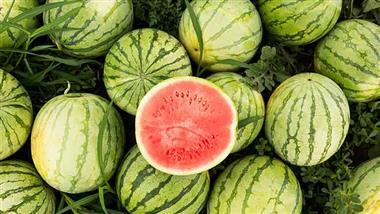
Factors that lower these risks are therefore beneficial for cardiometabolic health. This includes lifestyle factors like eating right, exercising and maintaining a healthy weight. Specifically, in the realm of dietary strategies, watermelon has an ideal mix of nutrients to support cardiometabolic health, making it among the best food choices.
Watermelon Juice Is Good for Heart Rate Variability
Heart rate variability (HRV) is an indicator of your body’s capacity to respond to stress. It measures the variations in time between your heartbeats — a function controlled by your autonomic nervous system (ANS). As such, HRV is said to be a “proxy of autonomic activity” that’s associated with executive functions, emotional regulation and more.4
HRV can help assess autonomic dysfunction, which, according to researchers with Louisiana State University in Baton Rouge, is an “emerging mechanism in the development of cardiometabolic disease.”5 Low HRV, for instance, is associated with increased risk of cardiovascular disease and mortality. Reduced HRV is also linked to the accumulation of visceral fat, hyperglycemia, endothelial dysfunction and increased inflammation.
Watermelon contains L-citrulline and L-arginine, which are nitric oxide (NO) precursors. NO helps relax blood vessels and widen arteries. When consumed orally, l-citrulline is converted to l-arginine. These compounds show promise for heart health, in part via their effect on HRV. According to the Louisiana State University team:6
“The amino acid L-arginine serves as the substrate for NO synthase to promote the enzymatic formation of NO. In healthy participants, increasing the plasma concentrations of L-arginine resulted in improved vagal control of heart rate. Other NO-promoting therapies, such as nitrates and beetroot juice, have also shown some promise in improving HRV.”
Watermelon Juice Attenuates Reductions in HRV
The team previously found that consuming watermelon juice for two weeks increases NO bioavailability. It’s believed that loss of NO bioavailability may play a role in reduced HRV.7 They conducted a randomized, double-blind, placebo-controlled trial to determine the effects of daily watermelon juice consumption for two weeks on HRV during an oral glucose challenge (OGC), or high sugar consumption. OGC has previously been shown to reduce HRV.
The trial involved 18 participants who drank either 500 milliliters (ml) of watermelon juice or a placebo daily for the study period. It found that watermelon juice attenuated the reductions in HRV caused by OCG. According to the study:8
“Using a rigorous study design, we show the efficacy of a naturally rich source of amino acids, L-citrulline, and L-arginine, to preserve HRV during a hyperglycemic episode.
These findings build on our previous work that shows WMJ supplementation protects vascular function during hyperglycemia. NO bioavailability is potentially a link between these two integrated physiological systems, but more work is required to develop a mechanistic understanding of this relationship.”
Download this Article Before it Disappears
Eating Watermelon Linked to Healthier Diet
Separate research, published in the journal Nutrients, used data from the National Health and Nutrition Examination Survey (NHANES) to look into the associations between watermelon intake, nutrient intake and diet quality. Previous studies have linked watermelon extracts or supplements to a number of health benefits, including decreased pulse pressure and lower systolic and diastolic blood pressures.9
However, the extracts used in the studies equate to watermelon intakes of more than 2 pounds a day.10 The featured study set out to determine if eating smaller quantities of fresh, raw watermelon would also yield beneficial effects. About 98% of the study participants, which included both children and adults, consumed raw watermelon.11
Among children, usual intake was 125 grams, or 5/8 cup, a day, while adults typically consumed 161 grams, or about 2/3 cup, daily.12 Compared to people who didn’t eat watermelon, those who did had healthier quality diets and increased nutrient intake. The study found:13
“Children and adult watermelon consumers had greater than 5% higher intake of dietary fiber, magnesium, potassium, and vitamin A as well as more than 5% lower intake of added sugars … as well as higher intake of lycopene and other carotenoids. This study suggests watermelon can increase nutrient intake as well as diet quality in both children and adult Americans.”
Even compared to other foods, such as oatmeal, mango and nuts, watermelon consumption was associated with the highest positive percent changes. For instance, eating watermelon was linked to a 3% increase in total vegetables among children and a 10% increase in adults. Protein increased 5% in children who ate watermelon, and fatty acid ratio had a 9% increase.14
Watermelon is a nutrient-dense food, so it makes sense that eating it daily gives your nutrition a healthy boost. The Nutrients researchers noted, “Studies focused on raw watermelon intake are less common but have reported reduced triglycerides and LDL cholesterol, body weight, BMI, lower risk of prostate, lung, and breast cancer, as well as higher antioxidant capacity.”15
Regarding the lower sugar intake among watermelon consumers, the researchers suggested, “It’s possible the sweetness of watermelon curbed the desire to have other foods with added sugars.”16 A 100-gram serving of watermelon (about 1/2 cup) provides a wealth of important nutrients, including:17
| 112 milligrams (mg) potassium | 8.1 mg vitamin C |
| 28 µg vitamin A | 10 mg magnesium |
| 3 µg folate | 0.4 grams of dietary fiber |
Watermelon Is a Bioavailable Source of Antioxidants
Watermelon is also unique in that it’s a rich source of antioxidants, including lycopene, beta-carotene, beta-cryptoxanthin, lutein and zeaxanthin.
“Watermelon has over ten and six times higher beta-carotene and beta-cryptoxanthin content, respectively, than other commonly consumed fruits,” the researchers noted. “Encouraging Americans to consume watermelon could benefit intake of certain nutrients as well as unique components with antioxidant properties.”18
Diets rich in the carotenoids beta-carotene, lutein and lycopene confer greater resistance against oxidation of low-density lipoprotein (LDL) cholesterol,19 which plays a role in the development of atherosclerosis. Higher plasma concentration of carotenoids was also associated with lower DNA damage.20
Plasma levels of antioxidants such as lutein, zeaxanthin, vitamin E, beta-cryptoxanthin, lycopene and alpha- and beta-carotene are also inversely correlated with congestive heart failure severity.21
Lycopene, a carotenoid antioxidant that gives watermelon its pink or red color, is especially noteworthy, as research suggests it may significantly reduce your risk of stroke. A study that followed men in their mid-40s to mid-50s for more than 12 years found those with the highest blood levels of lycopene were 55% less likely to have a stroke than those with the lowest levels.22
L-citrulline, meanwhile, may have therapeutic usefulness for cardiovascular disease. According to a study in Cardiovascular Drug Reviews:23
“Supplemental administration [of] L-arginine has been shown to be effective in improving NO production and cardiovascular function in cardiovascular diseases associated with endothelial dysfunction, such as hypertension, heart failure, atherosclerosis, diabetic vascular disease and ischemia-reperfusion injury, but the beneficial actions do not endure with chronic therapy.
Substantial intestinal and hepatic metabolism of L-arginine … makes oral delivery very ineffective … In contrast, L-citrulline is not metabolized in the intestine or liver … L-citrulline entering the kidney, vascular endothelium and other tissues can be readily converted to L-arginine, thus raising plasma and tissue levels of L-arginine and enhancing NO production.”
A 2022 meta-analysis further highlighted watermelon consumption for improvement of cardiometabolic risk factors, calling out l-citrulline intake as well:24
“To conclude, longer-term l-citrulline supplementation and watermelon consumption may improve vascular function, suggesting a potential mechanism by which increased l-citrulline intake beneficially affects cardiovascular health outcomes in adults.”
More Reasons to Eat Watermelon
Another study looked at the effects of consuming “whole blenderized watermelon,” which refers to whole watermelon, including the flesh and rind, blended together.25 Overweight or obese children between the ages of 10 and 17 consumed either 1 cup of blenderized watermelon or a sugar-sweetened beverage daily for eight weeks.
Watermelon intake significantly decreased body mass index (BMI), BMI percentile, body fat percentage and HbA1c — a test that measures average blood sugar levels over three months. “Watermelon is a potential alternative to unhealthful snacks for improving anthropometry and some risk factors related to obesity in children,” the study concluded.26
Watermelon, which is 91% water by weight,27 also helps keep people hydrated, and this is another reason it’s so good for you. It also boosts satiety, which has benefits for weight management. In a study of 33 overweight or obese adults, participants consumed either 2 cups of watermelon or low-fat cookies daily for four weeks.28
The watermelon led to greater satiety, including lower hunger, food consumption and desire to eat and greater fullness. Eating watermelon also led to significantly decreased body weight, BMI, systolic blood pressure and waist-to-hip ratio compared to cookie consumption, which led to increased blood pressure and body fat. The watermelon group also enjoyed lower oxidative stress and increased antioxidant capacity. The researchers noted:29
“This study shows that reductions in body weight, body mass index (BMI), and blood pressure can be achieved through daily consumption of watermelon, which also improves some factors associated with overweight and obesity.”
A review of the evidence surrounding watermelon and l-citrulline for cardiometabolic health, spanning studies conducted from 2000 to 2020, further supported watermelon for reduced blood pressure and, potentially, weight control. Emerging evidence even suggests watermelon may boost brain and gut health by increasing NO bioavailability in all tissues.30
- 1 J Am Coll Cardiol. 2022 Jul 12;80(2):138-151. doi: 10.1016/j.jacc.2022.04.046., Results
- 2, 3 American College of Cardiology, Cardiometabolic Initiatives
- 4 Front Neurosci. 2023; 17: 1055445
- 5, 6, 7, 8 Nutrients 2023, 15(4), 810; doi: 10.3390/nu15040810
- 9, 10 Nutrients 2022, 14(22), 4883; doi: 10.3390/nu14224883
- 11 Medical News Today May 10, 2023
- 12, 13 Nutrients 2022, 14(22), 4883; doi: 10.3390/nu14224883, Abstract
- 14, 16, 18, 27 Nutrients 2022, 14(22), 4883; doi: 10.3390/nu14224883, Discussion
- 15, 17 Nutrients 2022, 14(22), 4883; doi: 10.3390/nu14224883, Intro
- 19 Molecular Nutrition and Food Research, 2007;51(8)
- 20 Nutr Metab Cardiovasc Dis. 2001;11(4 Suppl):78
- 21 Free Radic Biol Med. 2002;32(2):148
- 22 Neurology October 9, 2012; 79(15); 1540-1547
- 23 Cardiovascular Drug Review 2006 Fall-Winter;24(3-4):275-90
- 24 Br J Nutr. 2022 Nov 14; 128(9): 1758–1770
- 25, 26 Pediatr Obes. 2023 Apr 18;e13038. doi: 10.1111/ijpo.13038
- 28, 29 Nutrients 2019, 11(3), 595; doi: 10.3390/nu11030595
- 30 Curr Atheroscler Rep. 2021 Dec 11;23(12):81. doi: 10.1007/s11883-021-00978-5
The Many Health Benefits of Fennel
Reproduced from original article:
https://articles.mercola.com/sites/articles/archive/2023/05/29/many-health-benefits-of-fennel.aspx
The original Mercola article may not remain on the original site, but I will endeavor to keep it on this site as long as I deem it to be appropriate.
Analysis by Dr. Joseph Mercola Fact Checked May 29, 2023
STORY AT-A-GLANCE
- Common fennel is a perennial plant in the carrot family. All but the roots are used in traditional culinary and medicinal preparations. The plant is native to the Mediterranean and is believed to have been part of Jewish meals since biblical times
- Although from the same family and similar in taste, anise and fennel are from different plants and have slightly different flavor profiles. Anise is more pungent and often found in Chinese Five Spice powder while fennel seeds have a less sweet licorice flavor that lends itself to savory dishes
- Fennel bulbs are low in calories and are a rich source of fiber and anethole, which gives the plant the distinctive flavor and has anti-inflammatory, anticarcinogenic, immunomodulatory, neuroprotective, chemoprotective and antithrombotic properties
- Fennel seed has anti-infective properties effective against conjunctivitis, and has been incorporated into natural remedies to treat dry cough, pneumonia, bronchitis and asthma. It also has mild diuretic properties
- Animal studies link fennel extract to the treatment of dementia and Alzheimer’s disease. The seeds also have a long history as a digestive aid as they lower cramping, bloating and gas while promoting motility and peristalsis. The seeds have traditionally been used as a galactagogue, helping to increase breast milk supply
Common fennel (Foeniculum vulgare) is a perennial plant in the carrot family that is grown for the edible leaves, shoots, seeds and bulbs. It’s likely the plant was first cultivated in Israel,1 and is believed to have been part of Jewish meals since biblical times. The plant is native to the Mediterranean area, where the seeds are used as a spice, insect repellent and medicine, and the shoots and feathery fronds are added to salad.
Pliny the Elder mentions fennel several times in his encyclopedia, “Natural History,” as a treatment for uterine health, stomach aches, and to care for “stings of serpents.”2 Although the plant has become an invasive species in parts of the U.S., it can be grown in pots, which may help contain the spread.3
The plant appreciates cool weather and temperatures above 75 degrees Fahrenheit can induce bolting, or premature seeding.4 It likes full sun, well-draining soil and should be planted in the early spring or fall months. If the seed heads are collected before they shatter, it may also help prevent the spread of the plant. Although the plant can reach 6 feet in height, it often is ready for harvest when it’s shorter than that.5
Traditionally, the medicinal value of fennel has benefited nursing women and people with gastrointestinal disorders; it has even been used as a mild diuretic to help reduce edema. However, some people don’t like the licorice-like flavor of the fennel plant, which tastes like anise.
Is It Anise or Fennel?
Although anise and fennel are similar in taste and the plants are from the same family, that is where the similarity ends. While fennel produces a bulb at the base that is edible, anise grows as a bush that produces the seed, and only the anise seed is edible.6
Both plants are native to the Mediterranean and both have a licorice flavor derived from anethole, an essential oil found in the seed. Many cooks use the seeds interchangeably, but anise is more pungent and often found in Chinese five spice powder. Fennel seeds have a less sweet licorice flavor that lends itself to savory dishes.
Fennel is a versatile plant and much of it can be eaten.7 The bulb can be trimmed, the outer layer peeled, and the bulb cut in half lengthwise through the middle of the root. The core can be tough on larger bulbs but is often tender in younger plants.
The fennel bulb and stocks can be eaten raw or roasted, caramelized, grilled or candied. Cooking the vegetable tends to reduce the licorice flavoring. The stems can be tossed over coals when grilling fish and the fronds make a garnish on fish or salad.
Vitamin and Antioxidant Components Support Health
The vitamin and nutrient content in fennel bulbs and seeds contribute to supporting overall health and have specific benefits, such as digestive health and anticancer properties. According to the U.S. Department of Agriculture, nutrients in fennel bulbs and seeds include:
| Vitamin/Nutrient | Recommended Daily Allowance8 Women – Men |
1 Cup sliced Fennel bulb9 | 1 Tbs. Fennel seeds10 |
| Calories | 27 | 20 | |
| Protein | 1.08 grams (gm) | 0.916 gm | |
| Calcium | 1,000 mgs | 42.6 milligrams (mg) | 69.6 mg |
| Iron | 8 mg | 0.635 mg | 1.07 mg |
| Magnesium | 310 – 400 mg | 14.8 mg | 22.3 mg |
| Potassium | 2,600 – 3,400 mg | 360 mg | 98 mg |
| Phosphorus | 700 mg | 43.5 mg | 28.2 mg |
| Zinc | 8 – 11 mg | 0.174 mg | 0.215 mg |
| Copper | 900 micrograms (µg) | 0.057 mg (57 µg) | 0.062 mg (62 µg) |
| Folate | 400 µg | 23.5 µg | Not listed |
| Vitamin C | 75 – 90 mg | 10.4 mg | 1.22 mg |
| Vitamin A | 700 – 900 µg | 41.8 µg | 0.406 µg |
The combination of nutrients in fennel seed offers mild diuretic properties, which may be one of the reasons weight loss formulas include the seed.11 In the past, it’s been used as an appetite suppressant and has been incorporated into natural remedies to treat dry, hacking coughs, as well as asthma, pneumonia and bronchitis.
Fennel seed also has anti-infective properties effective against conjunctivitis. A decoction of the seed strained through a paper filter has been used as an eye wash for sore and bloodshot eyes. The essential oil derived from fennel seed has been useful to improve energy levels and incorporated into facial products for mature skin. This includes soaps, creams and lotions.
Kaempferol and quercetin are ubiquitous polyphenols in fruit and vegetables,12 which are beneficial in the fight against cardiovascular disease, which remains the leading cause of death worldwide. Fennel leaves have higher levels of quercetin in milligrams per 100 gm of fresh weight than other plant sources tested, except for dill.
Fennel is also rich in anethole, which helps give the plant its distinctive flavor. The compound has been widely used within the food industry and across the cosmetics and pharmaceutical industries. Studies have also revealed the compound may play a role in several chronic diseases due to the anti-inflammatory, anticarcinogenic, immunomodulatory, neuroprotective, chemoprotective and antithrombotic properties modulated across ion channels.13,14
Fennel bulbs are also rich in prebiotic fiber,15 that helps support gut microbiota and promotes optimal brain and psychological health.16 Adding prebiotic fiber to your diet improves your gut microbiome and thus may impact brain development and function.
Animal studies17 have also linked common fennel in the treatment of dementia and Alzheimer’s. The extract was used in mice for eight consecutive days and found to ameliorate the amnesic effect of chemically induced memory deficits in mice. The powerful antioxidants found in the fennel bulb, such as vitamin C and quercetin, helped to reduce levels of inflammatory markers in an animal model.18
Download this Article Before it Disappears
More Health Benefits From Fennel and Fennel Seeds
Fennel seeds have a long history as an effective digestive aid.19 They appear to help lower digestive cramping, bloating and gas. Volatile oils in the fennel seed help encourage motility and peristalsis, while the aromatic oils have antispasmodic and carminative properties.
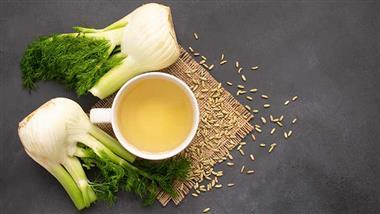
Fennel tea is made by crushing dried seeds and adding them to boiling water. By increasing motility and reducing muscle spasms, drinking fennel tea may help prevent acid reflux and improve digestion. Since the fennel seeds help reduce stomach cramps and lower gas and bloating, they could potentially help relieve the symptoms of irritable bowel syndrome (IBS) and act as a muscle relaxant to ease cramping.
The impact that consuming fennel bulb has on heart disease is related to the prebiotics that help improve gut health. Fennel seeds are rich in potassium, which can help balance your sodium-potassium ratio and have a positive influence on blood pressure. In postmenopausal women, fennel increased sexual satisfaction and reduced painful intercourse,20 and fennel vaginal cream improved arousal, lubrication, sexual satisfaction and orgasm after eight weeks.21
Lifestyle and wellness coach Luke Coutinho shared a fennel tea recipe with the Times of India to help promote sleep. It includes making fennel tea with dried seeds and adding dashes of freshly ground nutmeg and cinnamon, and then drinking it at bedtime.22
Fennel tea also has antimicrobial and antiviral properties, so drinking some tea when you feel a cold coming on may help your body fight the pathogens.23 Fennel tea may be one of the original ways people used to freshen their breath. The antibacterial properties may help kill oral pathogens that cause your breath to smell bad.24
Fennel seeds have traditionally been used as a galactagogue, helping to increase breast milk supply.25 Fennel seeds are used in traditional medicine and are included in several over-the-counter proprietary mixtures believed to help increase milk supply. It is believed to boost milk production by competing with dopamine that binds with prolactin first.26 By preserving prolactin’s milk stimulation properties, the anethole in fennel seed helps boost production.
Health Benefits of Indian Cooking Spice Asafoetida
Asafoetida is an Indian cooking spice made from the gum of a type of giant fennel. The name translates into “rotten resin,”27 which aptly describes the unpleasant odor reminiscent of rotting food and sweaty feet. If you can get past the scent while cooking, it has been long used in lieu of garlic and onions in Indian food.
Asafoetida also can reduce gas and bloating, and sometimes is paired with bean-based dishes for that reason.28 In 2009,29 researchers found it was more effective at killing the H1N1 influenza virus than the commercially manufactured antiviral drug, amantadine.
Asafoetida also contains several chemicals shown to have anti-inflammatory, anticancer and antimutagenic activities. As reported in the Pharmacognosy Review:30
“Dried resin, administered orally to Sprague–Dawley rats at doses of 1.25 and 2.5% w/w of the diet, produced a significant reduction in the multiplicity and size of palpable N-methyl-N-nitrosourea-induced mammary tumors, and a delay in mean latency period of tumor appearance. Oral administration to mice increased the percentage of life span by 52.9%. Intraperitoneal administration did not produce any significant reduction in tumor growth.”
Similarly, a study31 published in the Journal of Ayurveda and Integrative Medicine in 2017 confirmed asafoetida resin had antitumor effects against breast cancer. According to the researchers:
“Our results showed that treatment with asafoetida was effective in decreasing the tumor weight and tumor volume in treated mice. Apart from the antitumor effect, asafoetida decreased lung, liver and kidney metastasis and also increased areas of necrosis in the tumor tissue respectively.”
As with fennel bulb and fennel seed, asafoetida lowers blood pressure,32 has significant smooth muscle relaxant and anticoagulant effects, and certain compounds may have the ability to inhibit acetylcholinesterase,33 which may prove useful against Alzheimer’s disease.
Some People Should Avoid Fennel, Seeds or Oil
The fennel bulb has a crunchy texture and mildly sweet flavor. When purchasing fennel, look for a firm white or pale green color. If the buds are flowering, the plant has gotten overripe.
Fennel and fennel seeds are gentle, but there are instances when fennel can cause an allergic reaction on the skin and in the respiratory tract.34 The essential oil can be toxic in high doses and should be avoided during pregnancy as it has estrogen-like activities. Individuals with estrogen-sensitive conditions, such as breast cancer or other tumors, should also avoid consuming the essential oil.
Other high-sensitivity reactions can include over-excitement of the nervous system and seizures in a sensitive individual. People with Parkinson’s, multiple sclerosis and epilepsy should avoid using the essential oil. Fennel may also slow blood clotting, so people with bleeding disorders or on blood thinners should not use fennel.
When drinking fennel tea or using other products with essential oil, avoid ultraviolet light exposure as it can increase the risk of burns. If a mother or breastfed infant is allergic to carrots, celery, or other plants in the Apiaceae family, the mother should also avoid fennel to reduce the risk of a possible cross-allergic reaction as the compounds cross into the breast milk.
- 1 Tablet Magazine, May 10, 2023
- 2 Food Print, Fennel
- 3 Yates, Fennel
- 4 Plant Village, Fennel, Propagation
- 5 Wisconsin Horticulture, Fennel
- 6 Gardening Know How, Fennel Vs. Anise
- 7 Food Print, Fennel, Cooking with Fennel
- 8 Harvard The Nutrition Source, Vitamins and Minerals
- 9, 15 USDA, Fennel, bulb, raw, 1 cup sliced
- 10 USDA, Fennel Seed, 1 Tbs
- 11, 19 The Northwest School for Botanical Studies, Fennel
- 12 Nutrients, 2019; 11(10)
- 13 Advances in Experimental Medicine and Biology, 2016; 929
- 14 Molecular Pharmacology, 2019;95(4)
- 16 Frontiers in Behavioral Neuroscience, 2016;10 Discussion 50% DTP para 1
- 17 Journal of Medicinal Food, 2006; 9(3)
- 18 European Review for Medical and Pharmacological Sciences, 2012; 16 (4)
- 20 Journal of Menopausal Medicine, 2018 semicolon 24(1)
- 21 Journal of Medicine and Life, 2018; 11(1)
- 22 Times of India, June 28, 2019
- 23 Biomed Research International, 2014; 2014(842674)
- 24 BMC Complementary Medicine and Therapies, 2009; 9
- 25 Drugs and Lactation Database, March 15, 2023
- 26 Mom Junction, March 27, 2023, How does fennel increase breastmilk
- 27 Chemistry World, Asafoetida
- 28 Good Food, Asafoetida
- 29 Journal of Natural Products, 2009;72(9)
- 30 Pharmacognosy Review, 2012;6(12) 45 DTP
- 31 Journal of Ayurveda and Integrative Medicine, 2017; 8(3)
- 32 Pharmacognosy Review, 2012;6(12)
- 33 Journal of Traditional and Complementary Medicine, 2017;7(3) Table 3, 7 down in the table, observation column
- 34 RxList, Fennel, Side Effects
Health News in Review: A New C. difficile Treatment, New AMA Medical Education, and New Insights into Ribosome Oxidation and the Free Radical Theory of Aging
Reproduced from original OMNS article (OrthoMolecular News Service):
http://orthomolecular.org/
Subscribe to the free Orthomolecular Newsletter: http://orthomolecular.org/subscribe.html
Go to the OMNS Archive: http://orthomolecular.org/resources/omns/index.shtml
Orthomolecular Medicine News Service, May 22, 2023
by Michael Passwater
OMNS (May 22, 2023) On April 26, 2023, the FDA approved Vowst for the prevention of recurrence of Clostridioides (formerly known as Clostridium) difficile infection (CDI). [1] There are approximately 500,000 cases of CDI each year in the United States, leading to 10,000 – 15,000 deaths per year. It is the most common hospital acquired infection. [2] C. diff is considered an opportunistic infection since it tends to only cause disease in people with weakened immune systems such as HIV/AIDS patients and transplant patients taking immunosuppressive medications, or people who have had their normal intestinal bacteria (“gut microbiome”) killed by antibiotics. Clindamycin, Fluoroquinolones, and Cephalosporins are the classes of antibiotics most commonly associated with C. diff and other forms of antibiotic associated diarrhea (AAD). The lack of host immune challenge or competition from healthy bacteria allows the invading C diff. bacteria to proliferate and cause illness. Interestingly, standard treatment for CDI is to administer additional antibiotics. Given their weakened, microbiome depleted state, it may not be surprising that people who have had CDI are more likely to suffer from the illness again.
The FDA granted the Vowst drug application “Priority,” “Breakthrough Therapy,” and “Orphan” status. The only alternative treatment recognized by the FDA for recurrent CDI is Rebyota, which the FDA approved Nov 30, 2022. [3] Both Rebyota and Vowst are fecal microbiota products, meaning they come from screened human donors of fecal matter (stool). Reboyta is administered rectally in a single dose. Vowst is administered orally as 4 pills per day for 3 days. Clinical trials with Reboyta showed a 71% success rate compared to a 58% success rate for a placebo, and Vowst showed an 87% success rate compared to a 60% success rate with a placebo. From both treatments, there is an unquantified risk of infectious disease transmission and food allergies due to the possibility of food particles and other fecal materials from the donor persisting in the finished product. One industry expert predicted the cost of a course of treatment with Vowst might be nearly $20,000. [4]
The concept of fortifying or replacing healthy bacteria in the intestines is not novel. Anecdotal, observational, and prospective clinical trials have suggested effectiveness and safety of a variety of probiotics and fermented foods for the prevention and treatment of AAD, including CDI. [5-23] In 2017, a Cochrane analysis of 31 clinical trials concluded there was moderate evidence of effectiveness and safety for probiotics. The analysis noted that more adverse events were seen in patients receiving placebos than patients receiving probiotics. These reviewers acknowledged the need for further studies, but felt the existing evidence was adequate to recommend advising hospitalized patients of the benefits and risks of probiotics. [24] In 2018, the Journal of the American Medical Association (JAMA) published a review of probiotic use with similar conclusions of efficacy and safety as the Cochrane analysis. [25] Maintaining adequate intestinal flora, especially during and after antibiotic treatment, is important for health. Healthy intestinal bacteria crowd out disease causing bacteria, produce vitamins, fatty acids, and other nutrients essential for a healthy body, and modulate the immune system.
Medical Education
The American Medical Association Education Hub (AMA Ed Hub) now offers a “Nutrition and Health” program with 48.5 continuing medical education units. Promotional material for the program states:
“Traditional medical models have discounted the importance of nutrition in health and in the prevention and management of a variety of health conditions, including cardiovascular disease, cancer, diabetes, and obesity. Recent overwhelming evidence has led to increased attention to nutrition as a core element of health, health equity and health care.” (AMA Ed Hub)
Overwhelming evidence, indeed! Although the program is not perfect, and has a distinct anti-supplement bias, it is a step in a healthy direction for American medicine. https://edhub.ama-assn.org/course/303
Those further along in their understanding of nutrition may prefer these educational resources:
International Society of Orthomolecular Medicine online learning: https://isom.ca/online-learning
The Riordon Clinic video library: https://riordanclinic.org/video-gallery
Free Radicals
In 1956, Denham Harman, MD, PhD, published the free radical theory of aging. [26] He suggested that highly reactive oxygen and nitrogen biomolecules generated by cellular respiration and stress caused many of the diseases of aging through destructive actions on cells and tissues. The term “free radical”, now more commonly called reactive oxygen and nitrogen species (RONS), refers to the unpaired electron in an oxygen or nitrogen molecule – an energy state that is not sustainable. [27] The molecule will steal an electron from the first thing it encounters, whether that is a nucleic acid, a protein, or a lipid, and cause a molecular chain reaction through the cell. “Antioxidants” are able to absorb or buffer the free radical by donating an electron to prevent or stop the chain reaction.
Dr. Harman suggested a low calorie, nutrient dense diet and supplementation with one or more inhibitors of oxidation could extend human life by 5 years or more. [28] His theory was met with ridicule and largely dismissed. Oxidative stress and, correspondingly, antioxidants, were not considered important to human health in that era. Even as supportive evidence steadily grew over the decades, criticism persisted. However, RONS have been generally accepted as important factors in many human biological processes. While not a complete explanation of all causes of aging and disease, Dr. Harman’s theory has helped advance our understanding of biochemistry. The evidence associating strong antioxidant capacity with wellness and longevity, and the number of diseases associated with oxidative stress continues to grow [29-35]. Dr. Harman never received a Nobel Prize, but he was nominated 6 times for the award.
Adding additional support to Dr. Harman’s concepts and the involvement of RONS and their neutralization in fundamental mechanisms preventing cellular damage, scientists at UF Scripps recently published insights into the mechanisms used by intracellular ribosomes to absorb free radical damage in a controlled fashion and replace the damaged proteins to restore the function of the ribosome. [36] Ribosomes are the factories that build all proteins. Ribosomes constitute roughly half of the mass of each cell in the human body. The ability of small segments of these critical organelles to “take a hit” to protect the rest of the ribosome is similar to the function of a bumper on an automobile. It is easier to repeatedly replace two proteins (Rps26, Rpl10) than to risk loss of an entire ribosome. Of note, the “bumper proteins” absorbing the free radical hits are rich in the sulfur containing amino acid cysteine, and zinc ions are critical for the bumper protein replacement process. The UF Scripps press release notes that the work could have implications for “cancer, the aging process, and growth and development.” If the damage control mechanism is overwhelmed by an excess of free radicals or if the cell lacks adequate repair materials, widespread ribosomal damage results, and therefore absent or altered protein production ensues which may lead to disease.
Summary
It is good to have choices. As the cost of health care in the United States continues to rise, while outcome measures such as lifespan continue to decline, a critical review of all available options to restore health and remain well is warranted. Informed choice allows wise selection of foods, vitamin and mineral supplements, activities, or prescriptions to address health concerns.
It is also encouraging to see the AMA recognize the key role of nutrition in human health – including serious diseases such as cardiovascular disease and cancer, and to provide increased access to nutrition education for physicians. Hopefully the new AMA “Nutrition and Health” program and similar ones will increase interest in the value of nutrition among healthcare providers and patients. As Hippocrates advised, “Let food be thy medicine and medicine be thy food.”
Continued careful research into the wondrous intricacies of human genetics and biochemistry increases our understanding of the connections between nutrients that serve as substrates, enzymes, and cofactors and the optimization of wellness. These mechanistic insights further inform choice.
“The doctor of the future will give no medication but will interest his patients in the care of the human frame, diet, and in the cause and prevention of disease” -Thomas A. Edison
References
1. FDA (2023) FDA Approves First Orally Administered Fecal Microbiota Product for the Recurrence of Clostridioides difficile Infection. https://www.fda.gov/news-events/press-announcements/fda-approves-first-orally-administered-fecal-microbiota-product-prevention-recurrence-clostridioides
2. CDC (2010) Clostridioides difficile Infection. https://www.cdc.gov/HAI/organisms/cdiff/Cdiff_infect.html
3. FDA (2022) FDA Approves First Fecal Microbiota Product. Nov 30, 2022. https://www.fda.gov/news-events/press-announcements/fda-approves-first-fecal-microbiota-product
4. Reuters (2023) US FDA approves Seres Therapeutics’ pill for deadly C. difficile infections. April 26, 2023. https://www.reuters.com/business/healthcare-pharmaceuticals/us-fda-approves-seres-therapeutics-pill-deadly-c-difficile-infections-2023-04-26
5. Kalakuntla AS, Nalakonda G, Nalakonda K, et al. (2019) Probiotics and Clostridium Difficile: A Review of Dysbiosis and the Rehabilitation of Gut Microbiota. Cureus. 11:e5063. https://pubmed.ncbi.nlm.nih.gov/31516774
6. Strohl M and Dyer D (2019) Diet and C. Difficile. Oncology Nutrition. https://www.oncologynutrition.org/erfc/eating-well-when-unwell/surgery/diet-and-c-difficile
7. Valdovinos MA, Montijo E, Abreu AT, et al. (2017) The Mexican consensus on probiotics in gastroenterology. Rev Gastoenterol Mex. 82:156-178. https://pubmed.ncbi.nlm.nih.gov/28104319
8. Cameron D, Hock QS, Kadim M, et al (2017) Probiotics for gastrointestinal disorders: proposed recommendations for children of the Asia-Pacific region. World J Gastroenterol. 23:7952-7964. https://pubmed.ncbi.nlm.nih.gov/29259371
9. Shen NT, Maw A, Tmanova LL, et al.(2017) Timely use of probiotics in hospitalized adults prevents Clostridium difficile infection: a systematic review with meta-regression analysis. Gastroenterology. 152:1889-1900. https://pubmed.ncbi.nlm.nih.gov/28192108
10. Sebastián Domingo JJ (2017) Review of the role of probiotics in gastrointestinal diseases in adults. Gastroenterol Hepatol. 40:417-429. https://pubmed.ncbi.nlm.nih.gov/28185664
11. Lewis PO, Lundberg TS, Tharp JL, Runnels CW. (2017) Implementation of global strategies to prevent hospital-onset Clostridium difficile infection: targeting proton pump inhibitors and probiotics. Ann Pharmacother. 51:848-854. https://pubmed.ncbi.nlm.nih.gov/28821215
12. Issa I, Moucari R. (2014) Probiotics for antibiotic-associated diarrhea: do we have a verdict? World J Gastroenterol. 20:17788-17795. https://pubmed.ncbi.nlm.nih.gov/25548477
13. Szajewska H, Canani RB, Guarino A, et al. (2016) Probiotics for the prevention of antibiotic-associated diarrhea in children. J Pediatr Gastroenterol Nutr. 62:495-506. https://pubmed.ncbi.nlm.nih.gov/26756877
14. Pace F, Pace M, Quartarone G. (2015) Probiotics in digestive diseases: focus on Lactobacillus GG. Minerva Gastroenterol Dietol. 61:273-292. https://pubmed.ncbi.nlm.nih.gov/26657927
15. Barker AK, Duster M, Valentine S, et al. (2017) A randomized controlled trial of probiotics for Clostridium difficile infection in adults (PICO). J Antimicrob Chemother. 72:3177-3180. https://pubmed.ncbi.nlm.nih.gov/28961980
16. Goldenberg JZ, Lytvyn L, Steurich J, et al. (2015) Probiotics For The Prevention Of Pediatric Antibiotic-Associated Diarrhea. Cochrane Database Syst Rev. 2015 Dec 22;(12):CD004827. https://pubmed.ncbi.nlm.nih.gov/26695080
17. McFarland LV (2007) Meta-Analysis Of Probiotics For The Prevention Of Traveler’s Diarrhea. Travel Med Infect Dis. 5:97-105. https://pubmed.ncbi.nlm.nih.gov/17298915
18. Basu S, Paul DK, Ganguly S, et al. (2009) Efficacy Of High-Dose Lactobacillus Rhamnosus GG In Controlling Acute Watery Diarrhea In Indian Children. J Clin Gastroenterol. 43:208-213. https://pubmed.ncbi.nlm.nih.gov/18813028
19. Guarino A, Guandalini S, Vecchio AL (2015) Probiotics For Prevention And Treatment Of Diarrhea. J Clin Gastroenterol. 49:S37-S45. https://pubmed.ncbi.nlm.nih.gov/26447963
20. Mu Q, Tavella VJ, Luo XM. (2018) Role Of Lactobacillus Reuteri In Human Health And Diseases. Front Microbiol. 9:757. https://pubmed.ncbi.nlm.nih.gov/29725324
21. Falagas ME, Betsi GI, Tokas T, Athanasiou S. (2006) Probiotics For Prevention Of Recurrent Urinary Tract Infections In Women. Drugs 66:1253-1261. https://pubmed.ncbi.nlm.nih.gov/16827601
22. Muresan AIP, Pop LL, Dumitrascu DL (2019) Lactobacillus Reuteri Versus Triple Therapy For The Eradication Of Helicobacter Pylori In Functional Dyspepsia. Med Pharm Rep. 92:352-355. https://pubmed.ncbi.nlm.nih.gov/31750434
23. Remes-Troche JM, Coss-Adame E, Valdovinos-Día MA, et al. (2020) Lactobacillus Acidophilus LB: A Useful Pharmabiotic For The Treatment Of Digestive Disorders. Therap Adv Gastroenterol. 13:1756284820971201. https://pubmed.ncbi.nlm.nih.gov/33281937
24. Goldenberg JZ, Yap C, Lytvyn L, et al. (2017) Probiotics for the prevention of Clostridium difficile-associated diarrhea in adults and children. Cochrane Database Syst Rev. 12:CD006095. https://pubmed.ncbi.nlm.nih.gov/29257353
25. Goldenberg JZ, Mertz D, Johnston BC. (2018) Probiotics to Prevent Clostridium difficile Infection in Patients Receiving Antibiotics. JAMA. 320:499-500. https://pubmed.ncbi.nlm.nih.gov/30027207
26. Harman D (1956) Aging: a theory based on free radical and radiation chemistry. J Gerontol. 11:298-300. https://doi.org/10.1093/geronj/11.3.298. https://pubmed.ncbi.nlm.nih.gov/13332224
27. Weidinger A, Kozlov AV (2015) Biological Activities of Reactive Oxygen and Nitrogen Species: Oxidative Stress versus Signal Transduction. Biomolecules 5:472-484. https://pubmed.ncbi.nlm.nih.gov/25884116
28. Harman D (1992) Free radical theory of aging: history. EXS. 62:1-10. https://pubmed.ncbi.nlm.nih.gov/1450577
29. Andersen HR, Jeune B, Nybo H, et al. (1998) Low Activity of Superoxide Dismutase and High Activity of Glutathione Reductase in Erythrocytes from Centenarians. Age Ageing 27:643-648. https://pubmed.ncbi.nlm.nih.gov/12675104
30. C.A. Lang, Mills BJ, Lang HL, et al. (2002) High Blood Glutathione Levels Accompany Excellent Physical and Mental Health in Women Ages 60 to 103 Years. J. Lab. Clin. Med. 140:380-381. https://pubmed.ncbi.nlm.nih.gov/12486409
31. Aykac K, Ozsurekci Y, Yayla BCC, et al. (2021) Oxidant and antioxidant balance in patients with COVID-19. Pediatr Pulmonol. 56:2803-2810. https://pubmed.ncbi.nlm.nih.gov/34265172
32. Nar R, Çalış AG. (2018) Assessment of dynamic thiol/disulfide homeostasis in patients with asthma. J Lab Med. 42:99-104. https://www.degruyter.com/document/doi/10.1515/labmed-2017-0144/html
33. Erenler AK, Yardan T. (2017) Clinical utility of thiol/disulfide homeostasis. Clin Lab. 63:867-870. https://pubmed.ncbi.nlm.nih.gov/28627824
34. Erel Ö, Neşelioğlu S, Tunçay ME, et al (2021) A sensitive indicator for the severity of COVID-19:thiol. Turk J Med Sci. 51:921-928. https://pubmed.ncbi.nlm.nih.gov/33306332
35. Taylor, E.W. (2009) The oxidative stress-induced niacin sink (OSINS) model for HIV pathogenesis. Toxicology 278: 124-130. https://pubmed.ncbi.nlm.nih.gov/19857540
36. Yang Y-M, Jung Y, Abegg D, et al. (2023) Chaperone-directed ribosome repair after oxidative Damage. Mol Cell 83:1-11. https://pubmed.ncbi.nlm.nih.gov/37086725
Nutritional Medicine is Orthomolecular Medicine
Orthomolecular medicine uses safe, effective nutritional therapy to fight illness. For more information: http://www.orthomolecular.org
Find a Doctor
To locate an orthomolecular physician near you: http://orthomolecular.org/resources/omns/v06n09.shtml
The peer-reviewed Orthomolecular Medicine News Service is a non-profit and non-commercial informational resource.
Editorial Review Board:
Albert G. B. Amoa, MB.Ch.B, Ph.D. (Ghana)
Seth Ayettey, M.B., Ch.B., Ph.D. (Ghana)
Ilyès Baghli, M.D. (Algeria)
Barry Breger, M.D. (Canada)
Ian Brighthope, MBBS, FACNEM (Australia)
Gilbert Henri Crussol, D.M.D. (Spain)
Carolyn Dean, M.D., N.D. (USA)
Ian Dettman, Ph.D. (Australia)
Susan R. Downs, M.D., M.P.H. (USA)
Ron Ehrlich, B.D.S. (Australia)
Hugo Galindo, M.D. (Colombia)
Gary S. Goldman, Ph.D. (USA)
Michael J. Gonzalez, N.M.D., Ph.D. (Puerto Rico)
William B. Grant, Ph.D. (USA)
Claus Hancke, MD, FACAM (Denmark)
Patrick Holford, BSc (United Kingdom)
Ron Hunninghake, M.D. (USA)
Bo H. Jonsson, M.D., Ph.D. (Sweden)
Dwight Kalita, Ph.D. (USA)
Felix I. D. Konotey-Ahulu, M.D., FRCP (Ghana)
Peter H. Lauda, M.D. (Austria)
Alan Lien, Ph.D. (Taiwan)
Homer Lim, M.D. (Philippines)
Stuart Lindsey, Pharm.D. (USA)
Pedro Gonzalez Lombana, M.D., Ph.D. (Colombia)
Victor A. Marcial-Vega, M.D. (Puerto Rico)
Juan Manuel Martinez, M.D. (Colombia)
Mignonne Mary, M.D. (USA)
Joseph Mercola, D.O. (USA)
Jorge R. Miranda-Massari, Pharm.D. (Puerto Rico)
Karin Munsterhjelm-Ahumada, M.D. (Finland)
Sarah Myhill, MB, BS (United Kingdom)
Tahar Naili, M.D. (Algeria)
Zhiyong Peng, M.D. (China)
Isabella Akyinbah Quakyi, Ph.D. (Ghana)
Selvam Rengasamy, MBBS, FRCOG (Malaysia)
Jeffrey A. Ruterbusch, D.O. (USA)
Gert E. Schuitemaker, Ph.D. (Netherlands)
Thomas N. Seyfried, Ph.D. (USA)
Han Ping Shi, M.D., Ph.D. (China)
T.E. Gabriel Stewart, M.B.B.CH. (Ireland)
Jagan Nathan Vamanan, M.D. (India)
Andrew W. Saul, Ph.D. (USA), Editor-In-Chief
Associate Editor: Robert G. Smith, Ph.D. (USA)
Editor, Japanese Edition: Atsuo Yanagisawa, M.D., Ph.D. (Japan)
Editor, Chinese Edition: Richard Cheng, M.D., Ph.D. (USA)
Editor, Norwegian Edition: Dag Viljen Poleszynski, Ph.D. (Norway)
Editor, Arabic Edition: Moustafa Kamel, R.Ph, P.G.C.M (Egypt)
Editor, Korean Edition: Hyoungjoo Shin, M.D. (South Korea)
Editor, Spanish Edition: Sonia Rita Rial, PhD (Argentina)
Editor, German Edition: Bernhard Welker, M.D. (Germany)
Associate Editor, German Edition: Gerhard Dachtler, M.Eng. (Germany)
Assistant Editor: Michael Passwater (USA)
Contributing Editor: Thomas E. Levy, M.D., J.D. (USA)
Contributing Editor: Damien Downing, M.B.B.S., M.R.S.B. (United Kingdom)
Contributing Editor: W. Todd Penberthy, Ph.D. (USA)
Contributing Editor: Ken Walker, M.D. (Canada)
Technology Editor: Michael S. Stewart, B.Sc.C.S. (USA)
Associate Technology Editor: Robert C. Kennedy, M.S. (USA)
Legal Consultant: Jason M. Saul, JD (USA)
Comments and media contact: drsaul@doctoryourself.com OMNS welcomes but is unable to respond to individual reader emails. Reader comments become the property of OMNS and may or may not be used for publication.
Click here to see a web copy of this news release: https://orthomolecular.activehosted.com/p_v.php?l=1&c=284&m=283&s=a8c8fe7bea3fdaa4efae896c7612b3de
This article may be reprinted free of charge provided 1) that there is clear attribution to the Orthomolecular Medicine News Service, and 2) that both the OMNS free subscription link http://orthomolecular.org/subscribe.html and also the OMNS archive link http://orthomolecular.org/resources/omns/index.shtml are included.
Riordan Clinic | Orthomolecular.org
3100 N Hillside Ave
Wichita, Kansas 67219
United States
Beyond Liver Health: Explore the SURPRISING health benefits of milk thistle
Reproduced from original article:
https://www.naturalhealth365.com/beyond-liver-explore-the-surprising-health-benefits-of-milk-thistle.html
by: April 22, 2023
 (NaturalHealth365) Milk thistle, an herb that contains silymarin as its active ingredient, may appear poisonous at first glance due to its sharp stems and potential height of 5-10 feet. However, this member of the Asteraceae family is actually quite beneficial. Originally discovered in Europe and the Mediterranean, this plant has gradually spread to North America, as well as the eastern region of the United States, California, South America, Asia, Australia, and Africa.
Recent research conducted in 2023 indicates that milk thistle extract, when combined with grape seed extract, has the ability to inhibit the growth of lung cancer cells. This is just one of many advantages offered by this exotic-looking herb.
Studies show milk thistle offers many health benefits
Although milk thistle research is still in its early stages, scientists unanimously agree on its numerous benefits, ranging from inhibiting cancer growth to managing diabetes and promoting liver health. These effects are attributed to the herb’s active component, silymarin, which is known for its anti-inflammatory and antioxidant properties.
While this herb is commonly used to treat liver conditions like cirrhosis and hepatitis, it is believed to have a wide range of potential uses that are yet to be fully explored. Components within milk thistle may also have blood sugar-lowering properties, which could be beneficial for individuals with diabetes. There is emerging evidence that silymarin can improve liver function and reduce symptoms of cirrhosis, which is a condition characterized by scarring of the liver.
Scientific analysis has also shown that consuming milk thistle extract containing silymarin is likely to be associated with decreased mortality rates in individuals with liver disease and cirrhosis.
From bone health to brain function and beyond
Milk thistle supplementation offers potential benefits to menopausal and postmenopausal women by helping to preserve bone strength and reduce the risk of osteoporosis. Additionally, when applied topically to the face, the herb has been found to reduce acne as well.
It is worth noting that an increasing number of individuals are turning to this plant to address hepatitis C, a viral liver infection. Although this potential benefit is currently based on anecdotal evidence, it highlights the growing trend of physicians recommending milk thistle to patients.
Pregnant women may also find milk thistle useful, as its silymarin component acts as a galactagogue, stimulating the production of breast milk. Additionally, the herb has the potential to reduce amyloid plaque, which is linked to the development of Alzheimer’s disease and other forms of dementia in older adults.
Finally, there is evidence suggesting that the plant may impact the way in which the liver metabolizes anti-inflammatory medications and antibiotics.
Be strategic when supplementing with this versatile herb
To experience the benefits of milk thistle, it can be consumed as a tea, in pill form, or as an extract, making it easy to incorporate into your daily routine. Seek guidance from a qualified healthcare professional, such as an integrative healthcare provider or health coach, before adding it to your routine.
It’s essential to keep in mind that no supplement can treat, prevent, or cure disease. However, by incorporating milk thistle into a holistic approach to wellness and under the guidance of an experienced healthcare provider, you can greatly improve the quality of your health and vitality.
If you’re looking for a quality milk thistle dietary supplement, visit this page for more information about LiverLuv by LuvByNature.
Sources for this article include:
Unique Health Benefits of Vitamin E
Reproduced from original article:
https://articles.mercola.com/sites/articles/archive/2023/02/24/unique-health-benefits-of-vitamin-e.aspx
The original Mercola article may not remain on the original site, but I will endeavor to keep it on this site as long as I deem it to be appropriate.
Analysis by Dr. Joseph Mercola Fact Checked February 24, 2023
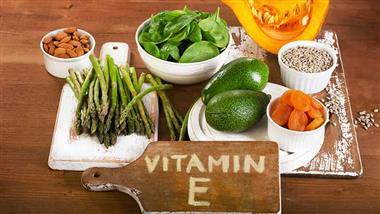
STORY AT-A-GLANCE
- Vitamin E is fat-soluble and comes in eight chemical forms; alpha-tocopherol is the most studied of them and according to the NIH, the only one that meets human requirements
- Vitamin E is a strong antioxidant that has photoprotective properties and helps prevent some cancers. A 2022 paper concludes vitamin E may help enhance cancer immunotherapy by reinvigorating dendritic cells critical to an immune response
- Maintaining optimal levels may help lower systolic blood pressure and diastolic pressure to a lesser degree. Vitamin E insufficiency is associated with an increased risk of cardiovascular events
- Vitamin E may help fertility, demonstrates neuroprotective properties and in combination with vitamin D, vitamin E helps lower symptoms of premenstrual syndrome (PMS)
- While you won’t overdose on vitamin E-rich foods because it’s a fat-soluble vitamin and is stored in fat cells, you can overdose with supplements. This can trigger adverse side effects, including inhibition of platelet aggregation and bleeding
Researchers have discovered that vitamin E comes in eight different forms but only one appears to meet human requirements, according to the National Institutes of Health.1 Some foods are a natural source of vitamin E, which is the name for this group of fat-soluble compounds. Each of the eight forms has some level of biological activity, but it’s alpha-tocopherol that scientists have found prevents the propagation of free radicals and which the body prefers to use.
Additionally, only alpha-tocopherol supplementation has been shown to reverse symptoms of a vitamin E deficiency.2 There are four tocopherol isoforms and four tocotrienol isoforms. Alpha-tocopherol is incorporated into lipoproteins in the liver that are then transported throughout the body.
While this has been the primary chemical form studied, researchers have also found that some forms of tocotrienols have biological activity, although they have lower systemic bioavailability.3
According to the NIH,4 three national surveys showed most Americans may consume less than the recommended dietary allowance (RDA) of vitamin E developed by the Food and Nutrition Board (FNB). The RDA for alpha-tocopherol, which is the only recommendation made by the FNB, is from 11 mg to 15 mg beginning at age 9 through senior years. The RDA for lactating women is 19 mg per day.
The FNB believes alpha-tocopherol intake in healthy adults is likely higher than the national surveys indicate, since frank deficiency is rare and overt symptoms are not usually found in healthy people. However, as you are likely aware, there is a significant difference between overt deficiency and insufficiency that increases your risk of health conditions. Research data has now linked vitamin E with several unique health benefits.
Vitamin E Is a Strong Antioxidant Fighting Aging and Cancer
Understanding the importance of antioxidants began as scientists learned how free radical damage was involved in the early stages of atherosclerosis and that free radical damage may be involved in a host of other chronic health conditions.5 Vitamin E plays a significant role as an antioxidant as it scavenges loose electrons and reduces cellular damage.
One of the benefits of lowering free radical damage is reducing skin damage after UV exposure. Vitamin E has been used in dermatology for more than 50 years and is added to cosmetic products.6 Additionally, the presence of vitamin C can slow lipid oxidation by regenerating alpha-tocopherol from radicals found in cell membranes.7
Vitamin E is a major lipid-soluble antioxidant, protecting against oxidative stress in the epidermis and dermal layers of the skin. Data show that it has strong photoprotective and antiaging properties that help to improve elasticity and structure of the epidermis and dermis. Topical application has been widely used, after which vitamin E accumulates in the cell membranes and extracellular lipid matrix, where it contributes to antioxidant defenses.8
In April 2022, researchers from MD Anderson Cancer Center9 published a paper in Cancer Discovery,10 in which they discuss data that show vitamin E may enhance cancer immunotherapy through a pathway that reinvigorates dendritic cells.
Dendritic cells have been a focus in cancer immunotherapy as they are critical in the immune response. Several strategies have been developed to target these cells in the hope that a better understanding of their function may help improve cancer therapies.11 The researchers found that an analysis of electronic health records showed patients who took vitamin E had significantly improved survival rates.12
Recognizing that the impact of nutritional supplements in addition to immunotherapy is a relatively unexplored area, the researchers undertook an analysis of vitamin E and found that it blocks the activity of the SHP1 checkpoint, which in turn improves T cell ability to mount an antitumor immune response.13 Another 2020 study,14 looked at the benefits of using alpha-tocopherol in cancer prevention.
Researchers began with the understanding that those with a lower nutritional status had an increased risk of cancer and in some populations, supplementation had beneficial effects in lowering the risk. Other studies have focused on tocotrienol and the gamma and delta forms of tocopherols. While these three vitamin E compounds have a lower bioavailability, they appeared to have stronger cancer-preventive properties in animal models and cell lines.
Optimal Levels May Normalize High Blood Pressure
High blood pressure is a risk factor for cardiovascular disease. One 2002 triple-blind, placebo-controlled clinical trial15 evaluated the effects of vitamin E on blood pressure and heart rate in 70 individuals diagnosed with mild high blood pressure. At this time, the new blood pressure guidelines from the American College of Cardiology and American Heart Association had not yet been released.16
While the 2002 study categorized the participants with mild high blood pressure, the new guidelines would categorize those same participants with Stage 2 hypertension. At the end of the study, the researchers found a 24% decrease in systolic blood pressure in patients receiving vitamin E and a 12.5% reduction in diastolic blood pressure.
The participants received 200 IU of vitamin E each day which the researchers concluded could be an effective long-term strategy to reduce blood pressure.17
Another study in 2002 evaluated blood pressure in 15,317 men and women over age 20 and found that antioxidant vitamins could be important in the prevention of high blood pressure.18 Interestingly, researchers in 2000 evaluated vitamin E supplementation in patients whose high blood pressure was controlled using medication. In this case, supplementation appeared to have no relevant effect.19 This study was funded in part by the drug company Bayer Italia.
More recently, a 2019 meta-analysis20 published in the Journal of Human Hypertension analyzed systolic blood pressure, diastolic blood pressure and mean arterial pressure in individuals who received vitamin E supplementation. A review of the qualifying studies showed no significant effect on mean arterial pressure or diastolic blood pressure but a reduction in systolic blood pressure.
Another 2020 paper21 began with the premise that although randomized human trials have resulted in conflicting results with vitamin E supplementation, data show vitamin E deficiency is associated with an increased risk of cardiovascular events. These researchers suggest that the outcome of the human trials was significantly affected by the participants’ comorbidities, genetic variations, gender and age.
In a review of the literature, they found that patients diagnosed with a myocardial infarction frequently had lower plasma levels of vitamin E. They suggest that short-term treatment shows promising results and, thus, using acute rather than chronic supplementation may provide positive clinical outcomes.
More Health Benefits From Vitamin E Antioxidant Capacity
Vitamin E contributes to even more health benefits. Millions of women are impacted by premenstrual syndrome (PMS), which was first described in 1931. In 2009,22 researchers estimated 80% to 90% of women in their reproductive years suffer from symptoms, and up to 8% of those experience severe symptoms.
A 2016 study showed that supplementing with vitamin D and E had a significant effect on PMS symptoms and was “an effective and affordable treatment” for the condition.23 This supports a 1983 double-blind, randomized dose-response study24 of 75 women that suggested supplementation may be valuable for women with symptoms of severe PMS.
Vitamin E is essential for reproductive health in the rodent population,25 most notably in the development of the placenta. A 2018 paper26 acknowledges that while researchers know it is necessary for fertility, studies are lacking on how it affects female reproductive health.
Vitamin E has also demonstrated neuroprotective properties, notably in a study27 of 30 patients with glaucoma whose progression slowed while taking oral alpha-tocopherol acetate and a 2014 paper28 that clarified the use of vitamin E in Alzheimer’s disease, finding it delayed the onset and progression of Alzheimer’s disease. A 2005 animal model29 demonstrated that alpha-tocotrienol acted on molecular checkpoints to protect against stroke-induced neurodegeneration.
More Vitamin E Is Not Better
Vitamin E is a fat-soluble vitamin. The differences between water-soluble and fat-soluble vitamins affect how the vitamins are absorbed and stored. Your body can excrete water-soluble vitamins when there is an excess of the vitamin. But fat-soluble vitamins are dissolved and stored in fat, which is how they travel through the small intestine and are distributed in the bloodstream. Because the vitamin is fat-soluble, it is best absorbed when you’re eating a fat-rich meal.
And, because it’s fat-soluble, your body stores any excess of the vitamin, which increases your risk of adverse side effects. According to the National Institutes of Health,30 it’s highly unlikely that you will experience adverse effects from consuming vitamin E-rich foods. However, high doses of alpha-tocopherol supplements can trigger side effects. Some common side effects include:31
| Diarrhea | Weakness | Blurred vision |
| Nausea | Fatigue | Stomach cramps |
| Headache | Rash | Inhibition of platelet aggregation and bleeding |
Another challenge associated with taking vitamin E supplements is the lack of data indicating synthetic supplements are beneficial. A 2012 study32,33 concluded that synthetic alpha-tocopherols found in vitamin E supplements had no discernible cancer protection but gamma- and delta-tocopherols found in food helped prevent colon, breast and prostate cancer.
Bear in mind that a supplement will not tell you it’s synthetic, so you have to know what to look for on the label.
- Synthetic alpha-tocopherol is typically listed with a “dl” (i.e., dl-alpha-tocopherol)
- Nonsynthetic or naturally derived is typically listed with a “d” (d-alpha-tocopherol). Note that when vitamin E is stabilized by adding either succinic acid or acetic acid, the chemical name changes from tocopherol to tocopheryl (as in d-alpha-tocopheryl succinate, for example)
Vitamin supplements are chemical additions to your body. As with other supplements, there is the potential that vitamin E supplements can interact with different types of medication.34
Because vitamin E inhibits platelet aggregation, using it when you’re taking an anticoagulant or antiplatelet medication can increase the risk of bleeding. People taking antioxidant supplements, such as vitamin E, may find the supplement interferes with statin medications, specifically simvastatin (Zocor) or niacin.
You Can’t Go Wrong With Vitamin E-Rich Foods
Vitamin E is found in green leafy vegetables, nuts and some seeds. CNET lists foods that can help boost your vitamin E intake, including:35
| Sunflower seeds | Almonds | Spinach |
| Avocado | Asparagus | Mango |
| Pumpkin | Red bell pepper | Tomato |
| Hazelnuts | Kiwi |
Grass-fed butter is also a rich source of vitamin E in a highly absorbable form. Butter doesn’t have to be a guilty pleasure. When butter is consumed as a whole food from a grass-fed source it contains many of the nutrients that your body needs. Some of these include:36
- Vitamins A, K2 and E
- Lecithin for cholesterol metabolism and nerve health
- Antioxidants
- Iodine in a highly absorbable form
- 1, 4 National Institutes of Health, Vitamin E
- 2 Oregon State University, vitamin E
- 3, 14 Molecular Carcinogenesis, 2020;59(4)
- 5 Harvard School of Public Health, vitamin E
- 6 Indian Dermatology Online Journal, 2016;7(4)
- 7 Nutrients, 2021;13(1)
- 8 Oregon State University, Vitamin E and Skin Health
- 9, 13 MD Anderson Cancer Center, April 14, 2022
- 10, 12 Cancer Discovery, 2022;12(7)
- 11 Nature Reviews Immunology, 2020;20
- 15, 17 International Journal for Vitamin and Nutrition Research, 2002;72(5)
- 16 American College of Cardiology, November 13, 2017
- 18 Hypertension, 2002;40
- 19 American Journal of Hypertension, 2000;13(5)
- 20 Journal of Human Hypertension, 2019;33
- 21 Antioxidants, 2020;9(10)
- 22, 23 Iranian Journal of Nursing and Midwifery, 2016;21(2)
- 24 Journal of the American College of Nutrition, 1983;2(2)
- 25 Advances in Nutrition, 2012;3(3)
- 26 Antioxidants, 2018;7(2) Abstract
- 27 European Journal of Ophthalmology, 2007;17(4)
- 28 Nutrients, 2014;6(12)
- 29 Stroke, 2005;36(10)
- 30 National Institutes of Health, Vitamin E Health Risks 65% DTP
- 31 CNET, January 30, 2023, Subhead: You May experience side effects
- 32 Cancer Prevention Research, 2012;5(5)
- 33 Science Daily, April 23, 2012
- 34 National Institutes of Health
- 35 CNET, January 30, 2023
- 36 Weston A. Price Foundation, January 1, 2000
Resolving Colds to Advanced COVID with Methylene Blue
Reproduced from original OMNS article (OrthoMolecular News Service):
http://orthomolecular.org/
Subscribe to the free Orthomolecular Newsletter: http://orthomolecular.org/subscribe.html
Go to the OMNS Archive: http://orthomolecular.org/resources/omns/index.shtml
Orthomolecular Medicine News Service, Feb 4, 2023
Editorial by Thomas E. Levy, MD, JD Contributing Editor, OMNS
OMNS (Feb 4, 2023) Linus Pauling first coined the word “orthomolecular” in an article he wrote in the journal Science in 1968. Quite simply, ortho means correct or right, and molecular refers to the simplest building block of any substance. Dr. Pauling started the whole concept of orthomolecular medicine by pointing out that the only true way to prevent or treat any medical condition is to restore whatever important natural substances (nutrients, vitamins, minerals) that are depleted. And the corollary of this approach to healthcare is that no patient is sick because they have low levels of any synthesized agents (prescription drugs) that are not found in nature.
As a rule, a pharmaceutical agent impacts some metabolic pathway in such a manner that helps to alleviate a symptom without lessening the pathology causing that symptom to be present. With the rarest of exceptions, pharmaceutical agents reliably allow a disease to continue to evolve while one or more of the associated symptoms are chronically suppressed. However, when deficiencies of important natural substances are corrected, positive clinical results not known to (or acknowledged by) traditional medicine are consistently seen. Clinical improvement following the resolution of such deficiencies typically indicates that the underlying disease is no longer progressing and possibly even reversing. And depending on how chronic the condition was, an eventual return to physiological normalcy might also result.
Probably the most noteworthy of chronically depleted nutrients in a large majority of people around the world is vitamin C. The literature supporting its positive health impact when properly administered is massive and extending over 80 years now. [1] The benefits of vitamin C and many other important orthomolecular substances continue to be suppressed and even belittled in biased and sometimes frankly fraudulent medical articles. The patented drugs that are promoted relentlessly make knowing the benefits of an inexpensive natural remedy difficult for even sincere healthcare practitioners who want the best for their patients.
Such “education” on the “essential” role of pharmaceutical drugs begins in medical and osteopathic schools, and it never stops. Furthermore, without the endorsement of traditional medicine, many healthcare practitioners are reluctant to use such agents even when they are fully aware of the benefits. Also, as evidenced by the past three years of the COVID pandemic, it appears that a majority of pharmaceutical companies, along with too many hospitals and far too many physicians, place profits far ahead of patient welfare. The application of scientifically-based treatment protocols, many based on orthomolecular principles, continues to be ignored and even suppressed.
Methylene blue (MB), a powerful antioxidant with a clinical impact comparable to even vitamin C, is a major exception to the principles of orthomolecular medicine. It is not produced in the body, and it is not naturally present in any animal or plant. Nevertheless, its documented beneficial health effects rival that of any other known substance, whether normally found in nature or coming out of a laboratory. Just like vitamin C, the true benefits of MB in so many different diseases remain unappreciated and unused by most clinicians, even though it has been safely utilized in many patients for a much longer time than even vitamin C.
The parallels between vitamin C and MB are also reflected in the fact that administering them in either their reduced or oxidized form is comparably beneficial to the patient. This is because the dose of vitamin C or MB is less designed to give a one-time boost to the electron stores of the body than it is to make sure newly-assimilated electrons get optimally distributed throughout the body.
A quality nutrition program is the best source of new (versus recycled) electrons in the body. And the qualities of super antioxidants like vitamin C and MB serve to make sure those electrons are optimally distributed and repeatedly exchanged in redox reactions throughout the body, which is the essence of optimal health.
For those who appreciate metaphors, good nutrition is the product (electron) manufacturing facility, and the premier antioxidants (vitamin C, MB) are the trucks that assure the optimal distribution and delivery of those products throughout the body (country). While it is logical and correct that delivering the antioxidant in its reduced form brings even more electrons into the body, the oxidized form is also highly effective without those extra electrons since it is the distribution and repeated give-and-take of electrons throughout the antioxidant matrix inside the cell that is of greatest therapeutic value. A clear example of this is seen in animal studies where dehydroascorbic acid (DHAA), which is the oxidized form of vitamin C, readily minimizes brain infarct size from induced ischemic stroke, facilitating rapid recovery. In fact, these studies also show that there is a precipitous decline in reduced vitamin C in the ischemic brain which is reversed by the infusion of DHAA. [2]
However, the presence of elevated blood levels of DHAA reported in patients with infectious disease does not mean DHAA is toxic per se. Rather, such elevated levels are just a reflection of increased oxidative stress in such a patient, not the cause of it. [3] Furthermore, any negative impact that DHAA has been reported to have in some in vitro studies does not reliably predict the positive effect that DHAA has in the intact plant, animal, or human, as such test tube studies are not receiving an ongoing new intake of electrons from quality nutrition or sun exposure. [4] Like the ascorbic acid and DHAA forms of vitamin C, the powerful clinical impact of MB appears equal whether administered in its oxidized (methylene blue) or reduced (leucomethylene blue) forms.
Methylene Blue (MB): A Brief History
Methylene blue (MB) is the first drug to be tested and used in humans. Chemically known as methylthioninium chloride, it was first synthesized in 1876, and it was used as an industrial dye. It was later found to be an excellent dye for staining microbes and human tissues as well. In 1891 it was found to be very effective as an anti-malarial agent by Paul Ehrlich. Of note, Ehrlich first coined the term “magic bullet” to refer to how effectively MB targeted and accessed the nervous system. [5] It has since been established to have a selective affinity for the nervous system, although it is highly effective in reaching all cells in the body.
As a powerful antioxidant with the ability to target the brain, MB was used as an antipsychotic drug for 50 years before phenothiazine became the first “official” antipsychotic drug. [6] It continues to be used as a dye for the staining of biological tissue specimens as well as a diagnostic tool in surgical procedures. [7] It has also been established to have numerous and very significant therapeutic purposes for a wide range of medical conditions. Some of the more significant conditions to be consistently and successfully treated by MB include the following:
- Infections, from minimal to life-threatening, including those having progressed to septic shock. Also, acute respiratory distress syndrome (ARDS) and hypoxemia secondary to COVID or any of multiple different pathogens [8,9]; also used for disinfection of plasma to be used for transfusion [10-12]
- Mitochondrial dysfunction [13-15]
- Depression, dementia, psychosis, impaired memory, as well as multiple acute and chronic neurological conditions [16]
- Methemoglobinemia, in which the oxygen-carrying capacity of the blood is critically depleted. [17] MB has FDA approval as a first-line therapy for this condition. [18,19]
Antioxidant Extraordinaire
An ideal antioxidant is one that is equally stable chemically in either its reduced or oxidized state, while having physical access to all the oxidized biomolecules in the body. Such a quality allows the continued giving and taking of electrons throughout the cellular and extracellular spaces, as that molecule does not resist being either reduced or oxidized. This redox (reduction-oxidation) property helps to conduct electron flow inside the cells. This helps to generate and sustain the microcurrents (a current is literally an electron flow) that have been identified inside cells, which work to maintain healthy transmembrane voltages. A sick cell always has a low transmembrane voltage, which directly reflects a redox balance skewed toward oxidation, with a limited influx of new antioxidant (nutrient) molecules available to deal with any new pro-oxidant (toxic) molecules. Normal transmembrane voltages are critical in maintaining healthy ion channels, transporters, pumps, and enzymes in the cell. [20] They are also critical for the optimal synthesis of ATP. [21]
A toxin always works to cause oxidation wherever it is found, or ends up. It is always pro-oxidant in its chemical impact, as it seeks to oxidize a biomolecule and then keep the electron it has “robbed.” The electron it acquires makes the toxin much more stable chemically, and such a reduced toxin will not give up the electron again to another oxidized, or electron-depleted, biomolecule. This means that the electron-sated toxin will never re-donate its electron to an oxidized biomolecule, as would occur with an electron-sated, or reduced, antioxidant molecule.
In addition to increasing the numbers of oxidized biomolecules, this retention of electrons by toxins also impedes/decreases electron flow (microcurrents) since the newly acquired electrons are tightly held and never again released in the manner of an antioxidant that is continually giving and taking electrons. An antioxidant like vitamin C decreases the total number of oxidized biomolecules and supports optimal microcurrents, and a toxin does the opposite. [22]
It is the antioxidant properties of MB that results in the impressive clinical impact it has on so many conditions. In this regard, there is a striking parallel in what MB can do in the body with what vitamin C can do. Both vitamin C and MB are small molecules, and they effectively reach every cell in the body. However, MB requires no active or passive cell wall transporters as does vitamin C, and it has both lipid-soluble and water-soluble characteristics. Because of this, MB passes easily through lipid-rich cell walls, after which it disseminates throughout the water-based cell. [23,24] Also, while both MB and vitamin C access the brain, MB has been found to have a brain concentration up to tenfold higher than in the serum as quickly as one hour after intravenous administration. [25] Uptake is very rapid in the other organs as well. [26]
MB also has well-documented antitoxin properties like vitamin C, but the studies documenting them are much less prolific than those showing the similar effects of vitamin C on pro-oxidants and other poisons. MB helps protect the kidneys against the toxicity of the chemotherapeutic agent, cisplatin. [27] MB has also been shown to protect the brain against the toxicity of another chemotherapeutic agent, ifosfamide. [28,29] It also was shown to effectively treat the encephalopathy induced by ifosfamide after it had developed. And even though there is not an abundance of articles demonstrating the ability of MB to neutralize toxins and repair toxic damage, multiple researchers recommend it be routinely available as an emergency antidote for general use. [30,31]
Many toxins also inflict harm in some individuals by the formation of methemoglobin with a reduction of oxygen delivery to the tissues. Such toxin excesses or poisonings can be effectively treated with MB, as it is already the treatment of choice by many clinicians for methemoglobinemia. MB is always a good partner to be administered along with vitamin C for any toxin excess or overdose. [32,33] The addition of magnesium with MB and vitamin C to overdose patients offers additional protection against the development of fatal arrhythmias that can occur before the MB and vitamin C can resolve and block further toxic impact. [34]
Ideal Shock Therapy
Methylene blue is exceptionally beneficial for both infections in general and for hypotensive shock. This makes it a particularly optimal therapy for the very common cause of intensive care unit death around the planet: septic shock.
Refractory septic shock, a state of disseminated infection with vascular collapse and hypotension often unresponsive to all traditional measures, consistently responds positively to MB therapy, sometimes saving the patient from otherwise certain death.
As with vitamin C and many other non-traditional treatments, nearly all clinicians simply will not take the “leap” from clear-cut positive results in the literature to the application of those results in their patients. At best, they use these non-traditional therapies almost like a final gesture that they have done everything possible to save the patient, even though those therapies have little to no toxicity and should not be relegated to the last option in a treatment protocol. And, of course, this only applies to the clinicians who are even remotely aware of the existence of the data showing how effective and nontoxic these non-traditional therapies are. The many pearls in the medical literature remain completely unharvested by most clinicians. And many more clinicians are very diligent in doing everything possible to maintain the “mainstream status quo” to the point of ignoring and even suppressing anything that might threaten it.
An experienced and honest clinician will tell you that just one dramatic case report that is accurately reported has enormous value. When a patient is on the verge of death despite all that has been done, and one single intervention quickly stops the clinical deterioration and starts a clear recovery, the alert clinician does not need a large prospective, double-blind, and placebo-controlled clinical trial to take such a clinical response seriously. Such a trial would be unethical when the placebo group is not being given the benefit of some inexpensive, nontoxic, and highly effective agent. Especially in the setting of an advanced and rapidly progressing infection with unresponsive shock secondary to sepsis, seeing the patient normalizing only a short time after a treatment is administered compels serious attention.
A clear example of such a case report was reported on a 38-year-old male patient who presented with bilateral pneumonia that subsequently worsened and resulted in bacteria (Klebsiella pneumonia) being released into the bloodstream (septicemia). Lethargic with low blood oxygen when admitted to the hospital, he was given IV fluids with insulin and antibiotics. The oxygen levels continue to decline with increased difficulty breathing, and he was then intubated and supported on a ventilator. Hypotension requiring vasopressor infusion ensued. Broader antibiotic coverage was added. Metabolic acidosis with declining renal function followed, and a few hours later he had a cardiac arrest. Four hours after regaining a heart rhythm and only 25 hours after initial presentation, extracorporeal membrane oxygenation (ECMO) support was started. Nevertheless, critically low blood pressure unresponsive to multiple vasopressors continued.
At this point in time, a 172 mg IV bolus of MB was administered, and an infusion of MB at 0.51 mg/kg/hour was maintained for the next 10 hours. Blood pressure quickly improved and vasopressor support could be decreased. At the conclusion of the infusion, the clinical status stabilized for another 22 hours, but fever with a dropping blood pressure unresponsive to combinations of vasopressors at the highest doses returned. The MB infusion was restarted and blood pressure again responded promptly. This time the infusion was continued for 54 hours, and about seven days after this longer infusion was completed the patient was fully recovered and discharged from the hospital. [35] Another impressive case report on a clinically similar patient showed that MB had to be continually infused for a full 120 hours to prevent repeated clinical relapses, after which the patient stabilized and was eventually discharged. [36]
These case studies, in which the patients effectively serve as their own controls, showed clear improvement on MB when severely ill, clear deterioration back to a life-threatening point after MB discontinuation, and prompt improvement with complete clinical resolution when the MB was restarted and continued for a long enough period. No sincere and competent clinician giving his/her highest priority to patient welfare would ignore the importance of such a clinical response when treating similar patients in the future. And this is especially the case when it is realized that MB, dosed appropriately, has an impeccable safety profile, just like vitamin C. Also, like vitamin C, MB also enhances antibody production in the body. [37] This begs the question: Why not use MB first in such situations, rather than last, or never?
Multiple studies have demonstrated the benefits of MB in stabilizing and even resolving septic shock, which is the worst stage that any infection can reach before the inevitable progression to death. No reports of MB worsening the overall clinical status of septic patients could be found. The studies consistently show that MB always improves hypotension when appropriately administered. Furthermore, it has been shown that MB improves survival in shock of all causes (vasodilatory shock), including the shock of advanced sepsis. [38]
The refractory hypotension in septic shock is consistently seen in the setting of excessive nitric oxide production, which causes too great a decrease in vascular tone. [39] MB promptly counteracts this in restoring normal blood pressure. [40] Furthermore, over 120 years of MB use has clearly established the lack of significant toxicity. Toxic levels exist, as with nearly every other agent (including water), but the amounts needed are far beyond the recommended dosing in established treatment protocols. [41-43]
An open-minded clinician reviewing the literature for the first time to learn about the best treatment for septic shock would certainly utilize methylene blue as a first-line agent. Even low doses of MB and one-time boluses of MB consistently show clear benefit in septic shock. However, the clinical response is much better and consistently achieved with a properly-dosed continuous infusion. [44,45] Septic shock still claims a lot of lives regardless of the therapy, and some clinical studies add MB seemingly as a last-ditch afterthought, after which MB is then reported to be ineffective for improving survival. And even now, some of the most recent clinical research continues to assert that “more studies are needed” on the impact of MB in septic shock, even though the very positive research on MB and septic shock now spans decades. [46-55] MB infusions in hypotensive neonates have also been shown to increase blood pressures rapidly and safely. [56-58]
The impact of MB on septic shock was addressed above in some detail since a patient cannot really be much sicker than having severe hypotension with massive infection and enormously increased oxidative stress throughout the body. However, it is important to realize that MB has also been shown to be very effective in treating different types of hypotensive shock that are unrelated to advanced degrees of infection. [59] Shock with unresponsive hypotension secondary to the ingestion of multiple drugs has responded rapidly to MB infusions, allowing the weaning of other vasopressor agents. [60,61] Shock secondary to anaphylaxis also responds well to MB. [62] One patient with profound refractory hypotensive shock following a dihydropyridine calcium channel blocker overdose only responded positively to MB infusion and was eventually discharged. Prior to the MB infusion, no improvement in blood pressure was seen with saline infusion, several doses of calcium gluconate, glucagon, various vasopressor agents, and even high-dose insulin euglycemic therapy over a period of several hours. [63] Another type of hypotensive shock, cardiac vasoplegia, is also sometimes seen following cardiac surgery. This is effectively treated by methylene blue as well. [64-66]
All forms of hypotensive shock should be treated with MB, and it should be part of the treatment protocol at the outset. It should not just be held back as a last-ditch intervention to save the patient. [67]
Regarding ARDS secondary to COVID, a massive production of pro-inflammatory agents known as a cytokine storm typically precedes imminent death if not effectively terminated and neutralized. [68,69] MB has been uniquely shown to inhibit the production of all three of the major classes of pro-oxidants involved in the cytokine storm clinical picture (reactive oxygen species [ROS], reactive nitrogen species [RNS], and cytokines). [70-72] And as a potent antioxidant, MB is highly effective in neutralizing the wide array of pro-oxidants that have already been produced in the ARDS lungs. MB also combines well with other antioxidants in providing clinical benefit. MB combined with vitamin C and N-acetyl cysteine was very effective in treating advanced COVID. [73]
Furthermore, patients who were severely ill with COVID but showing a steady clinical recovery still greatly benefit from MB. Very many “recovered” COVID patients have significant neurocognitive problems that are lessened or even blocked with adequate dosing of MB. With the known antioxidant properties of MB along with its predilection for targeting increased oxidative stress in the nervous system, it should be part of any COVID treatment, regardless of how well the infection is responding to other therapies. [74,75]
MB, Pathogens, and Photodynamic Therapy (PDT)
Logically, considering its documented impact on advanced septic shock, MB has also been shown to readily kill and/or neutralize a wide range of pathogens. While it can achieve this as a monotherapy, it is enhanced in effectiveness when accompanied by photodynamic therapy (PDT). A protocol using MB with PDT has even been shown to eliminate intracellular pathogens such as prions from the blood. [76] Another MB/PDT approach has shown rapid resolution of moderate to severe COVID in patients who did not require hospitalization. [77] MB has been shown to directly inhibit the initial binding of the COVID spike protein with the ACE2 receptor, a step necessary for the virus to enter the cell. [78-80]
MB and PDT have similar abilities to enhance mitochondrial function.
They both effectively bypass much of the Krebs cycle, producing normal amounts of ATP while generating less oxidative stress in the process of going through the entire cycle. [81] This can result in a complete clinical recovery from mitochondrial dysfunction syndromes.
ATP is produced in the mitochondria due to the shuttling of electrons through the four sequential complexes of the electron transport chain. The fourth complex transfers the electrons to the terminal electron acceptor, oxygen, ultimately resulting in ATP production. MB receives the electrons from the first complex and then directly passes those electrons on to cytochrome c in the fourth complex, bypassing the other complexes. [82] PDT with the photons from near-infrared light also energizes and enables the ability of cytochrome c to donate electrons to oxygen and result in the production of ATP. [83,84]
This bypassing of the earlier complexes of the electron transport chain lowers the production of reactive oxygen species (ROS) that would have been generated by those complexes, decreasing net oxidative stress in the cell. Yet, ATP production continues as though the entire electron transport chain was functioning normally. Less ROS production (mitochondrial oxidative stress) while achieving normal energy production goals is always a desirable, but rarely achieved therapeutic goal, and MB accomplishes this. [85,86] Because of these effects, MB has been promoted as an anti-aging drug. [87] In cultured fibroblasts, MB clearly extends the life span of these cells. [88]
When the mitochondria can be made more efficient in producing energy, every metabolic process in the body is positively impacted. Any of the mitochondrial dysfunction conditions can benefit from MB and PDT, but especially MB due to its antioxidant nature and its ability to be taken regularly in a supplemental fashion without the need to spend time receiving various applications of light therapy. Furthermore, the actions of MB or PDT can also serve to help restore to normal an electron transport chain that had accumulated too much oxidative damage to function with normal efficiency (mitochondrial dysfunction) by decreasing the pro-oxidants (ROS) normally generated in the process of making ATP. [89]
However, there is no need to enhance every MB treatment with PDT to get optimal benefit if the MB is properly-dosed. MB has been shown to inactivate a very large number of viruses and other pathogens in vitro, with and without PDT. [90-96] MB is especially well-suited to dealing with viral infections, as it works
- directly against the virus, and
- prevents virus entry into cells, and
- inhibits viral replication after entry into the cell. [97]
As might be expected, the ability of MB to resolve viral infections indicates its likely positive impact in preventing viral infections as well. During the first wave of COVID-19 infections in France, it was reported that a cohort of 2,500 end-stage cancer patients being treated with a protocol that included 75 mg of MB three times daily had NO reported cases of influenza or COVID. [98]
There is significant research into methylene blue derivatives, which are also highly effective antiviral agents, including against viruses in the smallpox family. [99] Similarly, as MB is of clear-cut benefit in the treatment of depression, MB derivatives are being evaluated for the treatment of depression and neurological disorders. [100] Undoubtedly, the pharmaceutical industry recognizes the incredible abilities of MB, and much effort is going into finding related and effective agents that can be patented in order to generate astronomical profits.
MB and Cancer
On the PubMed website, the entry “cancer methylene blue” results in about 2,500 references. The articles that appear address primarily the role of MB in:
- Localizing (staining) of cancerous tissues and/or identifying as many involved lymph nodes as possible [101-105]
- The inhibition, inactivation, or killing of a wide array of different cancer cells in vitro, with and without the application of PDT [106-113]
- The superiority of MB in treating tumors in mice over traditional chemotherapy [114]
- In combination with PDT, the complete resolution of AIDS-related Kaposi’s sarcoma skin lesions that had been unresponsive to chemotherapy with MB and toluidine blue [115]
- The direct treatment of cancer in dogs [116]
- The direct treatment of cancer in humans (only one article). While treating different types of cancer, the author asserted that MB reliably stopped pain secondary to cancer, improved general health, and added years of longevity. This was reported in 1907! [117] Another article asserted that MB was found to have anticancer effects over a century ago. [118] Of note, NO significant clinical applications of methylene blue on cancer patients were found other than the 1907 study cited above.
The efficacy of an inexpensive and safe agent like MB in many different and even advanced medical conditions make it an ideal general add-on or even stand-alone treatment most of the time. Furthermore, its potent anti-cancer effects in vitro make it especially puzzling why straightforward clinical studies on cancer patients with MB alone or in combination with other agents have not been reported. Even the positive effects of the much-ignored vitamin C on cancer patients have been published in many articles, yet the wonderful properties of MB have been known much longer now than vitamin C. The literature even suggests that MB could play a positive role in the treatment of cancer patients. [119]
MB: Safety and Dosing
The main side effect of MB is a blue discoloration of the urine. Rarely, some blue discoloration of the skin might be noticed when an extended administration of highly-dosed MB has occurred. Nevertheless, both effects are completely reversible in hours to a few days as the MB is eliminated out of the body. At very high doses of MB, some of the hemoglobin in the blood can be converted into methemoglobin, which is an abnormal state where MB is the treatment of choice when given at a lower dose. Even higher doses can result in greater toxic side effects, although higher doses can still be warranted for some critically ill patients who are not responding to other measures, as in terminal septic shock. Also, in patients with depression who are on drugs known as serotonin reuptake inhibitors (SSRIs), the addition of MB is not advisable, as some of these patients can develop a potentially life-threatening development known as serotonin syndrome. [120,121] However, MB is an effective anti-depressant by itself at low doses. [122]
Because they are highly effective antioxidants, both MB and vitamin C have been cited to rarely precipitate red blood cell hemolysis in patients with glucose-6-phosphate dehydrogenase (G6PD) deficiency. Nevertheless, closely-monitored administration of these agents in such patients typically avoids such hemolytic problems. In fact, when the G6PD-deficient patient presents with methemoglobinemia, a condition for which MB is typically the indicated treatment, properly-dosed vitamin C can resolve the condition without using MB. [123,124] Of note, G6PD deficiency resulting in hemolytic anemia from MB is very rare. In African children with malaria, MB therapy was shown to be very safe even when G6PD deficiency was present, as was the case with all 24 deficient children in one study. [125] Another study on 74 healthy but G6PD deficient adult men demonstrated no hemolysis when given MB along with chloroquine. [126]
Generally intravenous dosing is not necessary except for the critically ill patient, as in advanced hypotensive shock. There is no standard, fixed regimen of MB recommended in such situations. Boluses of 2 mg/kg of MB can be given, often followed by infusions of various duration depending on the clinical status and response of the patient. Such infusions are often in the range of 0.5 mg MB/kg/hour over an extended period, but as much as 4 mg MB/kg can be infused over an hour. An effective infusion spanning 120 hours has been reported. Others report that infusions can range from 0.25 to 2 mg MB/kg/hour. [127,128]
For less critical patients, as well as for outpatients, oral MB dosing can range from 10 mg to 50 mg, and that dosage can be taken from one to three times daily, adjusted up or down in dose size and frequency depending on clinical response. Even higher doses can be comfortably used for limited times. 200 mg daily to stabilize COVID patients that are not yet critically ill is a very reasonable dose. A reasonable regular supplementation dose can range from 5 to 15 mg daily for general good health if there is no targeted symptom or medical condition.
As a practical point regarding regular supplementation, a dose of 5 to 15 mg of 1% MB solution (0.5 to 1.5 milliliters) can be added to a small amount of water. A teaspoon of ascorbic acid powder (not sodium ascorbate) can then be added. After sitting for 15 minutes or less, the solution will completely clear with just a slight residual blue tint. [129] This can then be quickly consumed with little staining of the tongue that readily occurs with the MB solution alone. Regardless, the staining resolves quickly. But without the added ascorbic acid, it is best to just put the MB straight into something like tomato juice and then drink that.
Methylene blue is not a nutrient. While having some important similarities with vitamin C, there are differences, including a narrower tolerance limit and higher risk safety profile. Less than 2 mg/kg MB is generally regarded as safe; over 7 mg/kg is more likely to induce side effects. MB administration is to be done with the guidance of a qualified health care provider.
Recap
Methylene blue (MB) is an antioxidant with high redox activity, able to rapidly “oscillate” between its oxidized and reduced forms, much like that seen in vitamin C. A small molecule with fat- and water-soluble characteristics, it reaches all areas and cells of the body, and it especially concentrates in the brain and central nervous system. Like vitamin C, MB is highly effective in maintaining a healthy distribution of electrons already in the body, along with the distribution of new electrons assimilated from the nutrients in a healthy dietary regimen.
MB has a unique ability among antioxidants and other biomolecules to relay electrons from the first complex in the energy-generating Krebs cycle in the mitochondria directly to the fourth complex. This allows the energized fourth complex to then produce ATP without the additional expenditure of energy in the steps of the electron transport chain that was bypassed. As such, MB allows dysfunctional mitochondria to produce healthy levels of ATP while producing less oxidative stress in the process, an optimal way both heal those mitochondria while promoting healing anywhere in the body. Photodynamic therapy (PDT) can also directly activate the energy production of the fourth complex in the electron transport chain.
Like vitamin C, MB is also a very powerful anti-pathogen It has been documented to salvage even late-stage COVID patients supported on ventilators with hypotension secondary to septic shock. For viruses in general, MB has the unique ability to attack the circulating virus, to block its binding of the virus to the cells of the body, and to stop the proliferation of the virus inside the infected cell. When administered as recommended, MB is exceptionally well-tolerated, with a safety profile that extends now over a period of more than 100 years of clinical use.
(OMNS Contributing Editor Dr. Thomas E. Levy [televymd@yahoo.com] is board certified in internal medicine and cardiology. He is also an attorney, admitted to the bar in Colorado and in the District of Columbia. The views presented in this article are the author’s, and not necessarily those of all members of the Orthomolecular Medicine News Service Editorial Review Board. Readers should work in cooperation with their healthcare professional before and during application of this or any other approach to wellness.)
References
1. Levy T (2002) Curing the Incurable. Vitamin C, Infectious Diseases, and Toxins. Henderson, NV: MedFox Publishing
2. Spector R (2016) Dehydroascorbic acid for the treatment of acute ischemic stroke. Medical Hypotheses 89:32-36. PMID: https://pubmed.ncbi.nlm.nih.gov/26968905/
3. Bhaduri J, Banerjee S (1960) Ascorbic acid, dehydro-ascorbic acid, and glutathione levels in blood of patients suffering from infectious diseases. The Indian Journal of Medical Research 48:208-211. PMID: https://pubmed.ncbi.nlm.nih.gov/13800336/
4. Thon M, Hosoi T, Ozawa K (2016) Dehydroascorbic acid-induced endoplasmic reticulum stress and leptin resistance in neuronal cells. Biochemical and Biophysical Research Communications 478:716-720. PMID: https://pubmed.ncbi.nlm.nih.gov/27498033/
5. Wainwright M, Crossley K (2002) Methylene blue-a therapeutic dye for all seasons? Journal of Chemotherapy 14:431-443. PMID: https://pubmed.ncbi.nlm.nih.gov/12462423/
6. Howland R (2016) Methylene blue: the long and winding road from stain to brain: part 2. Journal of Psychosocial Nursing and Mental Health Services 54:21-26. PMID: https://pubmed.ncbi.nlm.nih.gov/27699422/
7. Oz M, Lorke D, Hasan M, Petroianu G (2011) Cellular and molecular actions of methylene blue in the nervous system. Medicinal Research Reviews 31:93-117. PMID: https://pubmed.ncbi.nlm.nih.gov/19760660/
8. Hamidi-Alamdari D, Hafizi-Lotfabadi S, Bagheri-Moghaddam A et al. (2021) Methylene blue for treatment of hospitalized COVID-19 patients: a randomized, controlled, open-label clinical trial, phase 2. Revista de Investigacion Clinica 73:190-198. PMID: https://pubmed.ncbi.nlm.nih.gov/34019535/
9. Mahale N, Godavarthy P, Marreddy S et al. (2021) Intravenous methylene blue as a rescue therapy in the management of refractory hypoxia in COVID-19 ARDS patients: a case series. Indian Journal of Critical Care Medicine 25:934-938. PMID: https://pubmed.ncbi.nlm.nih.gov/34733037/
10. Lozano M, Cid J, Muller T (2013) Plasma treated with methylene blue and light: clinical efficacy and safety profile. Transfusion Medicine Reviews 27:235-240. PMID: https://pubmed.ncbi.nlm.nih.gov/24075476/
11. Babigumira J, Lubinga S, Castro E, Custer B (2018) Cost-utility and budget impact of methylene blue-treated plasma compared to quarantine plasma. Blood Transfusion 16:154-162. PMID: https://pubmed.ncbi.nlm.nih.gov/27893348/
12. Gravemann U, Engelmann M, Kinast V et al. (2022) Hepatitis E virus is effectively inactivated by methylene blue plus light treatment. Transfusion 62:2200-2204. PMID: https://pubmed.ncbi.nlm.nih.gov/36125237/
13. Atamna H, Nguyen A, Schultz C et al. (2008) Methylene blue delays cellular senescence and enhances key mitochondrial biochemical pathways. FASEB Journal 22:703-712. PMID: https://pubmed.ncbi.nlm.nih.gov/17928358/
14. Kuliaviene I, Baniene R, Virketyte S et al. (2016) Methylene blue attenuates mitochondrial dysfunction of rat kidney during experimental acute pancreatitis. Journal of Digestive Diseases 17:186-192. PMID: https://pubmed.ncbi.nlm.nih.gov/26861116/
15. Duicu O, Privistirescu A, Wolf A et al. (2017) Methylene blue improves mitochondrial respiration and decreases oxidative stress in a substrate-dependent manner in diabetic rat hearts. Canadian Journal of Physiology and Pharmacology 95:1376-1382. PMID: https://pubmed.ncbi.nlm.nih.gov/28738167/
16. Rojas J, Bruchey A, Gonzalez-Lima F (2012) Neurometabolic mechanisms for memory enhancement and neuroprotection of methylene blue. Progress in Neurobiology 96:32-45. PMID: https://pubmed.ncbi.nlm.nih.gov/22067440/
17. Mak R, Liebelt E (2021) Methylene blue: an antidote for methemoglobinemia and beyond. Pediatric Emergency Care 37:474-477. PMID: https://pubmed.ncbi.nlm.nih.gov/34463662/
18. Clifton 2nd J, Leikin J (2003) Methylene blue. American Journal of Therapeutics 10:289-291. PMID: https://pubmed.ncbi.nlm.nih.gov/12845393/
19. Jiang Z, Duong T (2016) Methylene blue treatment in experimental ischemic stroke: a mini review. Brain Circulation 2:48-53. PMID: https://pubmed.ncbi.nlm.nih.gov/27042692/
20. Bezanilla F (2008) How membrane proteins sense voltage. Nature Reviews. Molecular Cell Biology 9:323-332. PMID: https://pubmed.ncbi.nlm.nih.gov/18354422/
21. Kaim G, Dimroth P (1999) ATP synthesis by F-type ATP synthase is obligatorily dependent on the transmembrane voltage. The EMBO Journal 18:4118-4127. PMID: https://pubmed.ncbi.nlm.nih.gov/10428951/
22. Levy T (2017) Hidden Epidemic: Silent oral infections cause most heart attacks and breast cancers. Henderson, NV: MedFox Publishing. See Chapter 4. To download free of book (English or Spanish): https://hep21.medfoxpub.com/
23. May J, Qu Z, Cobb C (2004) Reduction and uptake of methylene blue by human erythrocytes. American Journal of Physiology. Cell Physiology 286:C1390-C1398. PMID: https://pubmed.ncbi.nlm.nih.gov/14973146/
24. Bruchey A, Gonzalez-Lima F (2008) Behavioral, physiological and biochemical hermetic responses to the autoxidizable dye methylene blue. American Journal of Pharmacology and Toxicology 3:72-79. PMID: https://pubmed.ncbi.nlm.nih.gov/20463863/
25. Peter C, Hongwan D, Kupfer A, Lauterburg B (2000) Pharmacokinetics and organ distribution of intravenous and oral methylene blue. European Journal of Clinical Pharmacology 56:247-250. PMID: https://pubmed.ncbi.nlm.nih.gov/10952480/
26. DiSanto A, Wagner J (1972) Pharmacokinetics of highly ionized drugs. 3. Methylene blue-blood levels in the dog and tissue levels in the rat following intravenous administration. Journal of Pharmaceutical Sciences 61:1090-1094. PMID: https://pubmed.ncbi.nlm.nih.gov/5044808/
27. Usefzay O, Yari S, Amiri P, Hasanein P (2022) Evaluation of protective effects of methylene blue on cisplatin-induced nephrotoxicity. Biomedicine & Pharmacotherapy 150:113023. PMID: https://pubmed.ncbi.nlm.nih.gov/35483196/
28. Pelgrims J, De Vos F, Van den Brande J et al. (2000) Methylene blue in the treatment and prevention of ifosfamide-induced encephalopathy: report of 12 cases and a review of the literature. British Journal of Cancer 82:291-294. PMID: https://pubmed.ncbi.nlm.nih.gov/10646879/
29. Vakiti A, Pilla R, Moustafa M et al. (2018) Ifosfamide-induced metabolic encephalopathy in 2 patients with cutaneous T-cell lymphoma successfully treated with methylene blue. Journal of Investigative Medicine High Impact Case Reports 6:2324709618786769. PMID: https://pubmed.ncbi.nlm.nih.gov/30083561/
30. Baldo C, Silva L, Arcencio L et al. (2018) Why methylene blue has to be always present in the stocking of emergency antidotes. Current Drug Targets 19:1550-1559. PMID: https://pubmed.ncbi.nlm.nih.gov/29611486/
31. Kaiser S, Dart R (2022) The roles of antidotes in emergency situations. Emergency Medicine Clinics of North America 40:381-394. PMID: https://pubmed.ncbi.nlm.nih.gov/35461629/
32. Gebhardtova A, Vavrinec P, Vavrincova-Yaghi D et al. (2014) A case of severe chlorite poisoning successfully treated with early administration of methylene blue, renal replacement therapy, and red blood cell transfusion: case report. Medicine 93:e60. PMID: https://pubmed.ncbi.nlm.nih.gov/25144325/
33. Adhit K, Menon S, Acharya S, Siddhaarth K (2022) Toxin-induced methehemoglobinemia with kidney injury and hypoxic brain injury in a case of pesticide poisoning: a case report. Cureus 14:e32516. PMID: https://pubmed.ncbi.nlm.nih.gov/36654552/
34. Levy T (2019) Magnesium, Reversing Disease. Henderson, NV: MedFox Publishing. See Chapter 10. To download free copy of book (English or Spanish): https://mag.medfoxpub.com/
35. Jaiswal A, Kumar M, Silver E (2020) Extended continuous infusion of methylene blue for refractory septic shock. Indian Journal of Critical Care Medicine 24:206-207. PMID: https://pubmed.ncbi.nlm.nih.gov/32435102/
36. Dumbarton T, Minor S, Yeung C, Green R (2011) Prolonged methylene blue infusion in refractory septic shock: a case report. Canadian Journal of Anaesthesia 58:401-405. PMID: https://pubmed.ncbi.nlm.nih.gov/21246318/
37. Montegut L, Martinez-Basilio P, Moreira J, Schwartz L, Jolicoeur M (2020) Combining lipoic acid to methylene blue reduces the Warburg effect in CHO cells: from TCA cycle activation to enhancing monoclonal antibody production. PLoS One 15:e0231770. PMID: https://pubmed.ncbi.nlm.nih.gov/32298377/
38. Zhao C, Zhai Y, Hu Z et al. (2022) Efficacy and safety of methylene blue in patients with vasodilatory shock: a systematic review and meta-analysis. Frontiers in Medicine 9:950596. PMID: https://pubmed.ncbi.nlm.nih.gov/36237547/
39. Prauchner C (2017) Oxidative stress in sepsis: pathophysiological implications justifying antioxidant co-therapy. Burns 43:471-485. PMID: https://pubmed.ncbi.nlm.nih.gov/28034666/
40. Jang D, Nelson L, Hoffman R (2013) Methylene blue for distributive shock: a potential new use of an old antidote. Journal of Medical Toxicology 9:242-249. PMID: https://pubmed.ncbi.nlm.nih.gov/23580172/
41. Gebel F, Meng H, Michot F, Truniger B (1989) [Psychogenic water intoxication]. Article in German. Schweizerische Medizinische Wochenschrift 119:169-177. PMID: https://pubmed.ncbi.nlm.nih.gov/2648558/
42. Mercier-Guidez E, Loas G (2000) Polydipsia and water intoxication in 353 psychiatric inpatients: an epidemiological and psychopathological study. European Psychiatry 15:306-311. PMID: https://pubmed.ncbi.nlm.nih.gov/10954875/
43. Kirov M, Evgenov O, Evgenov N et al. (2001) Infusion of methylene blue in human septic shock: a pilot, randomized, controlled study. Critical Care Medicine 29:1860-1867. PMID: https://pubmed.ncbi.nlm.nih.gov/11588440/
44. Brown G, Frankl D, Phang T (1996) Continuous infusion of methylene blue for septic shock. Postgraduate Medical Journal 72:612-614. PMID: https://pubmed.ncbi.nlm.nih.gov/8977944/
45. Juffermans N, Vervloet M, Daemen-Gubbels C et al. (2010) A dose-finding study of methylene blue to inhibit nitric oxide actions in the hemodynamics of human septic shock. Nitric Oxide 22:275-280. PMID: https://pubmed.ncbi.nlm.nih.gov/20109575/
46. Schneider F, Lutun P, Hasselmann M et al. (1992) Methylene blue increases systemic vascular resistance in human septic shock. Preliminary observations. Intensive Care Medicine 18:309-311. PMID: https://pubmed.ncbi.nlm.nih.gov/1527264/
47. Keaney Jr J, Puyana J, Francis S et al. (1994) Methylene blue reverses endotoxin-induced hypotension. Circulation Research 74:1121-1125. PMID: https://pubmed.ncbi.nlm.nih.gov/8187278/
48. Daemen-Gubbels C, Groeneveld P, Groeneveld A et al. (1995) Methylene blue increases myocardial function in septic shock. Critical Care Medicine 23:1363-1370. PMID: https://pubmed.ncbi.nlm.nih.gov/7634806/
49. Preiser J, Lejeune P, Roman A et al. (1995) Methylene blue administration in septic shock: a clinical trial. Critical Care Medicine 23:259-264. PMID: https://pubmed.ncbi.nlm.nih.gov/7532559/
50. Andresen M, Dougnac A, Diaz O et al. (1998) Use of methylene blue in patients with refractory septic shock: impact on hemodynamics and gas exchange. Journal of Critical Care 13:164-168. PMID: https://pubmed.ncbi.nlm.nih.gov/9869542/
51. Memis D, Karamanlioglu B, Yuksel M et al. (2002) The influence of methylene blue infusion on cytokine levels during severe sepsis. Anaesthesia and Intensive Care 30:755-762. PMID: https://pubmed.ncbi.nlm.nih.gov/12500513/
52. Park B, Shim T, Lim C et al. (2005) The effects of methylene blue on hemodynamic parameters and cytokine levels in refractory septic shock. The Korean Journal of Internal Medicine 20:123-128. PMID: https://pubmed.ncbi.nlm.nih.gov/16134766/
53. Kwok E, Howes D (2006) Use of methylene blue in sepsis: a systematic review. Journal of Intensive Care Medicine 21:359-363. PMID: https://pubmed.ncbi.nlm.nih.gov/17095500/
54. Puntillo F, Giglio M, Pasqualucci A et al. (2020) Vasopressor-sparing action of methylene blue in severe sepsis and shock: a narrative review. Advances in Therapy 37:3692-3706. PMID: https://pubmed.ncbi.nlm.nih.gov/32705530/
55. Sari-Yavuz S, Heck-Swain K, Keller M et al. (2022) Methylene blue dosing strategies in critically ill adults with shock-a retrospective cohort study. Frontier in Medicine 9:1014276. PMID: https://pubmed.ncbi.nlm.nih.gov/36388905/
56. Driscoll W, Thurin S, Carrion V et al. (1996) Effect of methylene blue on refractory neonatal hypotension. The Journal of Pediatrics 129:904-908. PMID: https://pubmed.ncbi.nlm.nih.gov/8969734/
57. Goncalves-Ferri W. Albuquerque A, Evora P M, Evora P R (2022) Methylene blue not contraindicated in treating hemodynamic instability in pediatric and neonate patients. Current Pediatric Reviews 18:2-8. 34397332
58. Ismail R, Awad H, Allam R et al. (2022) Methylene blue versus vasopressin analog for refractory septic shock in the preterm neonate: a randomized controlled trial. Journal of Neonatal-Perinatal Medicine 15:265-273. PMID: https://pubmed.ncbi.nlm.nih.gov/34719443/
59. Manji F, Wierstra B, Posadas J (2017) Severe undifferentiated vasoplagic shock refractory to vasoactive agents treated with methylene blue. Case Reports in Critical Care 2017:8747326. PMID: https://pubmed.ncbi.nlm.nih.gov/29098094/
60. Fisher J, Taori G, Braitberg G, Graudins A (2014) Methylene blue used in the treatment of refractory shock resulting from drug poisoning. Clinical Toxicology 52:683-65. PMID: https://pubmed.ncbi.nlm.nih.gov/24364507/
61. Chalise S. Sahib T, Boyer G, Pathak V (2022) Methylene blue in refractory shock. Cureus 14:e31158. PMID: https://pubmed.ncbi.nlm.nih.gov/36505110/
62. Neto A, Duarte N, Vicente W et al. (2003) Methylene blue: an effective treatment for contrast medium-induced anaphylaxis. Medical Science Monitor 9:CS102-CS106. PMID: https://pubmed.ncbi.nlm.nih.gov/14586280/
63. Jang D, Nelson L, Hoffman R (2011) Methylene blue in the treatment of refractory shock from an amlodipine overdose. Annals of Emergency Medicine 58:565-567. PMID: https://pubmed.ncbi.nlm.nih.gov/21546119/
64. Omar S, Zedan A, Nugent K (2015) Cardiac vasoplegia syndrome: pathophysiology, risk factors and treatment. The American Journal of the Medical Sciences 349:80-88. PMID: https://pubmed.ncbi.nlm.nih.gov/25247756/
65. Arevalo V, Bullerwell M (2018) Methylene blue as an adjunct to treat vasoplegia in patients undergoing cardiac surgery requiring cardiopulmonary bypass: a literature review. AANA Journal 86:455-463. PMID: https://pubmed.ncbi.nlm.nih.gov/31584419/
66. Hohlfelder B, Douglas A, Wang L et al. (2022) Association of methylene blue dosing with hemodynamic response for the treatment of vasoplegia. Journal of Cardiothoracic and Vascular Anesthesia 36:3543-3550. PMID: https://pubmed.ncbi.nlm.nih.gov/35697643/
67. Evora P (2013) Methylene blue does not have to be considered only as rescue therapy for distributive shock. Journal of Medical Toxicology 9:426. PMID: https://pubmed.ncbi.nlm.nih.gov/24078299/
68. Hu B, Huang S, Yin L (2021) The cytokine storm and COVID-19. Journal of Medical Virology 93:250-256. PMID: https://pubmed.ncbi.nlm.nih.gov/32592501/
69. Pedrosa A, Martins D, Rizzo M, Silva-Nunes J (2023) Metformin in SARS-CoV-2 infection: a hidden path-from altered inflammation to reduced mortality. A review from the literature. Journal of Diabetes and Its Complications 37:108391. PMID: https://pubmed.ncbi.nlm.nih.gov/36621213/
70. Scigliano G, Scigliano GA (2021) Methylene blue in COVID-19. Medical Hypotheses 146:11055. PMID: https://pubmed.ncbi.nlm.nih.gov/33341032/
71. Dabholkar N, Gorantla S, Dubey S et al. (2021) Repurposing methylene blue in the management of COVID-19: mechanistic aspects and clinical investigations. Biomedicine & Pharmacotherapy 142:112023. PMID: https://pubmed.ncbi.nlm.nih.gov/34399199/
72. Yella SH, Yella SS, Sasanka K, Thangaraju P (2022) Does methylene blue satisfy an option in COVID-19? Infectious Disorders Drug Targets 22:62-65. PMID: https://pubmed.ncbi.nlm.nih.gov/35301956/
73. Hamidi-Alamdari D, Moghaddam A, Amini S et al. (2020) Application of methylene blue-vitamin C-N-acetyl cysteine for treatment of critically ill COVID-19 patients, report of a phase-I clinical trial. European Journal of Pharmacology 885:173494. PMID: https://pubmed.ncbi.nlm.nih.gov/32828741/
74. Magoon R (2021) Impending cognitive and functional decline in COVID-19 survivors. Comment on Br J Anaesth 2021; 126:44-47. British Journal of Anaesthesia 126:e113-e114. PMID: https://pubmed.ncbi.nlm.nih.gov/33390260/
75. Magoon R, Bansal N, Singh A, Kashav R (2021) Methylene blue: subduing the post COVID-19 blues! Medical Hypotheses 150:110574. PMID: https://pubmed.ncbi.nlm.nih.gov/33799158/
76. Simonsen A, Sorensen H (1999) Clinical tolerance of methylene blue virus-inactivated plasma. A randomized crossover trial in 12 healthy human volunteers. Vox Sanguinis 77:210-217. PMID: https://pubmed.ncbi.nlm.nih.gov/10717600/
77. Hepburn J, Williams-Lockhart S, Bensadoun R, Hanna R (2022) A novel approach of combining methylene blue photodynamic inactivation, photobiomodulation and oral ingested methylene blue in COVID-19 management: a pilot clinical study with 12-month follow-up. Antioxidants 11:2211. PMID: https://pubmed.ncbi.nlm.nih.gov/36358582/
78. Coghi P, Yang L, Ng J et al. (2021) A drug repurposing approach for antimalarials interfering with SARS-CoV-2 spike protein receptor binding domain (RBD) and human angiotensin-converting enzyme 2 (ACE2). Pharmaceuticals 14:954. PMID: https://pubmed.ncbi.nlm.nih.gov/34681178/
79. Bojadzic D, Alcazar O, Buchwald P (2021) Methylene blue inhibits the SARS-CoV-2 spike-ACE2 protein-protein interaction-a mechanism that can contribute to its antiviral activity against COVID-19. Frontiers in Pharmacology 11:600372. PMID: https://pubmed.ncbi.nlm.nih.gov/33519460/
80. Coghi P, Yun X, Ng J et al. (2022) Exploring SARS-CoV-2 Delta variant spike protein receptor-binding domain (RBD) as a target for tanshinones and antimalarials. Natural Product Research 36:6150-6155. PMID: https://pubmed.ncbi.nlm.nih.gov/35337238/
81. Yang L, Youngblood H, Wu C, Zhang Q (2020) Mitochondria as a target for neuroprotection: role of methylene blue and photobiomodulation. Translational Neurodegeneration 9:19. PMID: https://pubmed.ncbi.nlm.nih.gov/32475349/
82. Tucker D, Lu Y, Zhang Q (2018) From mitochondrial function to neuroprotection-an emerging role for methylene blue. Molecular Neurobiology 55:5137-5153. PMID: https://pubmed.ncbi.nlm.nih.gov/28840449/
83. Gonzalez-Lima F, Auchter A (2015) Protection against neurodegeneration with low-dose methylene blue and near-infrared light. Frontiers in Cellular Neuroscience 9:179. PMID: https://pubmed.ncbi.nlm.nih.gov/26029050/
84. Salehpour F, Mahmoudi J, Kamari F et al. (2018) Brain photobiomodulation therapy: a narrative review. Molecular Neurobiology 55:6601-6636. PMID: https://pubmed.ncbi.nlm.nih.gov/29327206/
85. Tretter L, Horvath G, Holgyesi A et al. (2014) Enhanced hydrogen peroxide generation accompanies the beneficial bioenergetic effects of methylene blue in isolated brain mitochondria. Free Radical Biology & Medicine 77:317-330. PMID: https://pubmed.ncbi.nlm.nih.gov/25277417/
86. Svab G, Kokas M, Sipos I et al. (2021) Methylene blue bridges the inhibition and produces unusual respiratory changes in complex III-inhibited mitochondria. Studies on rates, mice and guinea pigs. Antioxidants 10:305. PMID: https://pubmed.ncbi.nlm.nih.gov/33669457/
87. Xue H, Thaivalappil A, Cao K (2021) The potentials of methylene blue as an anti-aging drug. Cells 10:3379. PMID: https://pubmed.ncbi.nlm.nih.gov/34943887/
88. Atamna H, Kumar R (2010) Protective role of methylene blue in Alzheimer’s disease via mitochondria and cytochrome c oxidase. Journal of Alzheimer’s Disease 20 Suppl 2:S439-S452. PMID: https://pubmed.ncbi.nlm.nih.gov/20463399/
89. Lin A, Poteet E, Du F et al. (2012) Methylene blue as a cerebral metabolic and hemodynamic enhancer. PLoS One 7:e46585. PMID: https://pubmed.ncbi.nlm.nih.gov/23056355/
90. Bachmann B, Knuver-Hopf J, Lambrecht B, Mohr H (1995) Target structures for HIV-1 inactivation by methylene blue and light. Journal of Medical Virology 47:172-178. PMID: https://pubmed.ncbi.nlm.nih.gov/8830122/
91. Kwiatkowski S, Knap B, Przystupski D et al. (2018) Photodynamic therapy-mechanisms, photosensitizers and combinations. Biomedicine & Pharmacotherapy 106:1098-1107. PMID: https://pubmed.ncbi.nlm.nih.gov/30119176/
92. Eickmann M, Gravemann U, Handke W et al. (2020) Inactivation of three emerging viruses-severe acute respiratory syndrome coronavirus, Crimean-Congo haemorrhagic fever virus and Nipah virus-in platelet concentrates by ultraviolet C light and in plasma by methylene blue plus visible light. Vox Sanguinis 115:146-151. PMID: https://pubmed.ncbi.nlm.nih.gov/31930543/
93. Gendrot M, Andreani J, Duflot I et al. (2020) Methylene blue inhibits replication of SARS-CoV-2 in vitro. International Journal of Antimicrobial Agents 56:106202. PMID: https://pubmed.ncbi.nlm.nih.gov/33075512/
94. Cagno V, Medaglia C, Cerny A et al. (2021) Methylene blue has a potent antiviral activity against SARS-CoV-2 and H1N1 influenza virus in the absence of UV-activation in vitro. Scientific Reports 11:14295. PMID: https://pubmed.ncbi.nlm.nih.gov/34253743/
95. Lim D (2021) Methylene blue-based nano and microparticles: fabrication and applications in photodynamic therapy. Polymers 13:3955. PMID: https://pubmed.ncbi.nlm.nih.gov/34833254/
96. Arentz J, von der Heide H (2022) Evaluation of methylene blue based photodynamic inactivation (PDI) against intracellular B-CoV and SARS-CoV2 viruses under different light sources in vitro as a basis for new local treatment strategies in the early phase of a COVID-19 infection. Photodiagnosis and Photodynamic Therapy 37:102642. PMID: https://pubmed.ncbi.nlm.nih.gov/34863949/
97. Li Z, Lang Y, Sakamuru S et al. (2020) Methylene blue is a potent and broad-spectrum inhibitor against Zika virus in vitro and in vivo. Emerging Microbes and Infections 9:2404-2416. PMID: https://pubmed.ncbi.nlm.nih.gov/33078696/
98. Henry M, Summa M, Patrick L, Schwartz L (2020) A cohort of cancer patients with no reported cases of SARS-CoV-2 infection: the possible preventive role of methylene blue. Substantia 4:888. https://doi.org/10.13128/Substantia-888
99. Priyamvada L, Burgado J, Baker-Wagner M et al. (2021) New methylene blue derivatives suggest novel anti-orthopoxviral strategies. Antiviral Research 191:105086. PMID: https://pubmed.ncbi.nlm.nih.gov/33992710/
100. Delport A, Harvey B, Petzer A, Petzer J (2017) Methylene blue and its analogues as antidepressant compounds. Metabolic Brain Disease 32:1357-1382. PMID: https://pubmed.ncbi.nlm.nih.gov/28762173/
101. Mufti G, Shah P, Parkinson M, Riddle P (1990) Diagnosis of clinically occult bladder cancer by in vivo staining with methylene blue. British Journal of Urology 65:173-175. PMID: https://pubmed.ncbi.nlm.nih.gov/1690584/
102. Iishi H, Tatsuta M, Okuda S, Ishiguro S (1994) Diagnosis of colorectal tumors by the endoscopic Congo red-methylene blue test. Surgical Endoscopy 8:1308-1311. PMID: https://pubmed.ncbi.nlm.nih.gov/7831603/
103. Makanjuola D, Murshid K, Elbakery A et al. (1996) Early detection of breast cancer: report from King Khalid University Hospital. Annals of Saudi Medicine 16:139-143. PMID: https://pubmed.ncbi.nlm.nih.gov/17372413/
104. Saarela A, Kiviniemi H, Rissanen T (1997) Preoperative methylene blue staining of galactographically suspicious breast lesions. International Surgery 82:403-405. PMID: https://pubmed.ncbi.nlm.nih.gov/9412841/
105. Gupta M, Shrivastava K, Raghuvanshi V et al. (2019) Application of in vivo stain of methylene blue as a diagnostic aid in the early detection and screening of oral cancerous and precancerous lesions. Journal of Oral and Maxillofacial Pathology 23:304. PMID: https://pubmed.ncbi.nlm.nih.gov/31516247/
106. Gill W, Taja A, Chadbourne D et al. (1987) Inactivation of bladder tumor cells and enzymes by methylene blue plus light. The Journal of Urology 138:1318-1320. PMID: https://pubmed.ncbi.nlm.nih.gov/3669192/
107. Lee Y, Wurster R (1995) Methylene blue induces cytotoxicity in human brain tumor cells. Cancer Letters 88:141-145. PMID: https://pubmed.ncbi.nlm.nih.gov/7874686/
108. Sanchala D, Bhatt L, Pethe P et al. (2018) Anticancer activity of methylene blue via inhibition of heat shock protein 70. Biomedicine & Pharmacotherapy 107:1037-1045. PMID: https://pubmed.ncbi.nlm.nih.gov/30257315/
109. Lim E, Oak C, Heo J, Kim Y (2013) Methylene blue-mediated photodynamic therapy enhances apoptosis in lung cancer cells. Oncology Reports 30:856-862. PMID: https://pubmed.ncbi.nlm.nih.gov/23708127/
110. Dos Santos A, Terra L, Wailemann R et al. (2017) Methylene blue photodynamic therapy induces selective and massive cell death in human breast cancer cells. BMC Cancer 17:194. PMID: https://pubmed.ncbi.nlm.nih.gov/28298203/
111. Hosseinzadeh R, Khorsandi K, Jahanshiri M (2017) Combination photodynamic therapy of human breast cancer using salicylic acid and methylene blue. Spectrochimica Acta. Part A, Molecular and Biomolecular Spectroscopy 184:198-203. PMID: https://pubmed.ncbi.nlm.nih.gov/28499173/
112. Turchiello R, Oliveira C, Fernandes A et al. (2021) Methylene blue-mediated photodynamic therapy in human retinoblastoma cell lines. Journal of Photochemistry and Photobiology. B, Biology 222:112260. PMID: https://pubmed.ncbi.nlm.nih.gov/34304071/
113. Del Grande M, Miyake A, Nagamine M et al. (2022) Methylene blue and photodynamic therapy for melanomas: inducing different rates of cell death (necrosis and apoptosis) in B16-F10 melanoma cells according to methylene blue concentration and energy dose. Photodiagnosis and Photodynamic Therapy 37:102635. PMID: https://pubmed.ncbi.nlm.nih.gov/34798348/
114. Lai B (1989) [Antitumor effect of methylene blue in vivo]. Article in Chinese. Chinese Journal of Oncology 11:98-100. PMID: https://pubmed.ncbi.nlm.nih.gov/2806052/
115. Tardivo J, Del Giglio A, Paschoal L, Baptista M (2006) New photodynamic therapy protocol to treat AIDS-related Kaposi’s sarcoma. Photomedicine and Laser Surgery 24:528-531. PMID: https://pubmed.ncbi.nlm.nih.gov/16942436/
116. Pursell R (1957) Treatment of cancer in dogs by intravenous methylene blue. Nature 180:1300. PMID: https://pubmed.ncbi.nlm.nih.gov/13493501/
117. Slack H (1907) Methylene blue in the treatment of cancer. The Atlanta Journal-Record of Medicine 9:79-83. PMID: https://pubmed.ncbi.nlm.nih.gov/36020088/
118. Brown J (2022) Treatment of cancer with antipsychotic medications: pushing the boundaries of schizophrenia and cancer. Neuroscience and Biobehavioral Reviews 141:104809. PMID: https://pubmed.ncbi.nlm.nih.gov/35970416/
119. Yang S, Li W, Sumien N et al. (2017) Alternative mitochondrial electron transfer for the treatment of neurodegenerative diseases and cancers: methylene blue connects the dots. Progress in Neurobiology 157:273-291. PMID: https://pubmed.ncbi.nlm.nih.gov/26603930/
120. Basta M (2021) Postoperative serotonin syndrome following methylene blue administration for vasoplegia after cardiac surgery: a case report and review of the literature. Seminars in Cardiothoracic and Vascular Anesthesia 25:51-56. PMID: https://pubmed.ncbi.nlm.nih.gov/32951524/
121. Huang W, Li M (2022) Postoperative serotonin syndrome following administration of preoperative intrapulmonary methylene blue and intraoperative granisetron: a case report. The American Journal of Case Reports 23:e936317. PMID: https://pubmed.ncbi.nlm.nih.gov/35619329/
122. Naylor G, Smith A, Connelly P (1987) A controlled trial of methylene blue in severe depressive illness. Biological Psychiatry 22:657-659. PMID: https://pubmed.ncbi.nlm.nih.gov/3555627/
123. Rehman A, Shehadeh M, Khirfan D, Jones A (2018) Severe acute haemolytic anaemia associated with severe methaemoglobinaemia in a G6PD-deficient man. BMJ Case Reports 2018:bcr2017223369. PMID: https://pubmed.ncbi.nlm.nih.gov/29592989/
124. Lo Y, Mok K (2020) High dose vitamin C induced methemoglobinemia and hemolytic anemia in glucose-6-phosphate dehydrogenase deficiency. The American Journal of Emergency Medicine 38:2488. PMID: https://pubmed.ncbi.nlm.nih.gov/32561141/
125. Meissner P, Mandi G, Witte S et al. (2005) Safety of the methylene blue plus chloroquine combination in the treatment of uncomplicated falciparum malaria in young children of Burkina Faso [ISRCTN2720841]. Malaria Journal 4:45. 16179085
126. Mandi G, Witte S, Meissner P et a. (2005) Safety of the combination of chloroquine and methylene blue in healthy adult men with G6PD deficiency from rural Burkina Faso. Tropical Medicine & International Health 10:32-38. PMID: https://pubmed.ncbi.nlm.nih.gov/15655011/
127. Evora P (2020) Broad spectrum vasopressors support sparing strategies in vasodilatory shock beyond the vascular receptors. Chest 157:471-472. PMID: https://pubmed.ncbi.nlm.nih.gov/32033650/
128. Tchen S, Sullivan J (2020) Clinical utility of midodrine and methylene blue as catecholamine-sparing agents in intensive care unit patients with shock. Journal of Critical Care 57:148-156. PMID: https://pubmed.ncbi.nlm.nih.gov/32145658/
129. Mowry S, Ogren P (1999) Kinetics of methylene blue reduction by ascorbic acid. Journal of Chemical Education 76:970-973.
Nutritional Medicine is Orthomolecular Medicine
Orthomolecular medicine uses safe, effective nutritional therapy to fight illness. For more information: http://www.orthomolecular.org
Find a Doctor
To locate an orthomolecular physician near you: http://orthomolecular.org/resources/omns/v06n09.shtml
The peer-reviewed Orthomolecular Medicine News Service is a non-profit and non-commercial informational resource.
Editorial Review Board:
Albert G. B. Amoa, MB.Ch.B, Ph.D. (Ghana)
Seth Ayettey, M.B., Ch.B., Ph.D. (Ghana)
Ilyès Baghli, M.D. (Algeria)
Ian Brighthope, MBBS, FACNEM (Australia)
Gilbert Henri Crussol, D.M.D. (Spain)
Carolyn Dean, M.D., N.D. (USA)
Ian Dettman, Ph.D. (Australia)
Susan R. Downs, M.D., M.P.H. (USA)
Ron Ehrlich, B.D.S. (Australia)
Hugo Galindo, M.D. (Colombia)
Martin P. Gallagher, M.D., D.C. (USA)
Michael J. Gonzalez, N.M.D., D.Sc., Ph.D. (Puerto Rico)
William B. Grant, Ph.D. (USA)
Claus Hancke, MD, FACAM (Denmark)
Tonya S. Heyman, M.D. (USA)
Patrick Holford, BSc (United Kingdom)
Suzanne Humphries, M.D. (USA)
Ron Hunninghake, M.D. (USA)
Bo H. Jonsson, M.D., Ph.D. (Sweden)
Dwight Kalita, Ph.D. (USA)
Felix I. D. Konotey-Ahulu, MD, FRCP, DTMH (Ghana)
Jeffrey J. Kotulski, D.O. (USA)
Peter H. Lauda, M.D. (Austria)
Alan Lien, Ph.D. (Taiwan)
Homer Lim, M.D. (Philippines)
Stuart Lindsey, Pharm.D. (USA)
Pedro Gonzalez Lombana, MD, MsC, PhD (Colombia)
Victor A. Marcial-Vega, M.D. (Puerto Rico)
Juan Manuel Martinez, M.D. (Colombia)
Mignonne Mary, M.D. (USA)
Joseph Mercola, D.O. (USA)
Jorge R. Miranda-Massari, Pharm.D. (Puerto Rico)
Karin Munsterhjelm-Ahumada, M.D. (Finland)
Tahar Naili, M.D. (Algeria)
Zhiyong Peng, M.D. (China)
Isabella Akyinbah Quakyi, Ph.D. (Ghana)
Selvam Rengasamy, MBBS, FRCOG (Malaysia)
Jeffrey A. Ruterbusch, D.O. (USA)
Gert E. Schuitemaker, Ph.D. (Netherlands)
Han Ping Shi, M.D., Ph.D. (China)
T.E. Gabriel Stewart, M.B.B.CH. (Ireland)
Thomas L. Taxman, M.D. (USA)
Jagan Nathan Vamanan, M.D. (India)
Garry Vickar, M.D. (USA)
Anne Zauderer, D.C. (USA)
Andrew W. Saul, Ph.D. (USA), Editor-In-Chief
Associate Editor: Robert G. Smith, Ph.D. (USA)
Editor, Japanese Edition: Atsuo Yanagisawa, M.D., Ph.D. (Japan)
Editor, Chinese Edition: Richard Cheng, M.D., Ph.D. (USA)
Editor, Norwegian Edition: Dag Viljen Poleszynski, Ph.D. (Norway)
Editor, Arabic Edition: Moustafa Kamel, R.Ph, P.G.C.M (Egypt)
Editor, Korean Edition: Hyoungjoo Shin, M.D. (South Korea)
Editor, Spanish Edition: Sonia Rita Rial, PhD (Argentina)
Editor, German Edition: Bernhard Welker, M.D. (Germany)
Contributing Editor: Thomas E. Levy, M.D., J.D. (USA)
Contributing Editor: Damien Downing, M.B.B.S., M.R.S.B. (United Kingdom)
Contributing Editor: W. Todd Penberthy, Ph.D. (USA)
Contributing Editor: Ken Walker, M.D. (Canada)
Contributing Editor: Michael Passwater (USA)
Technology Editor: Michael S. Stewart, B.Sc.C.S. (USA)
Associate Technology Editor: Robert C. Kennedy, M.S. (USA)
Legal Consultant: Jason M. Saul, JD (USA)
Comments and media contact: drsaul@doctoryourself.com OMNS welcomes but is unable to respond to individual reader emails. Reader comments become the property of OMNS and may or may not be used for publication.
The Countless Health Benefits of Curcumin
Reproduced from original article:
https://articles.mercola.com/sites/articles/archive/2022/06/13/health-benefits-of-curcumin.aspx
The original Mercola article may not remain on the original site, but I will endeavor to keep it on this site as long as I deem it to be appropriate, and will not be bullied into removing it.
Analysis by Dr. Joseph Mercola Fact Checked June 13, 2022
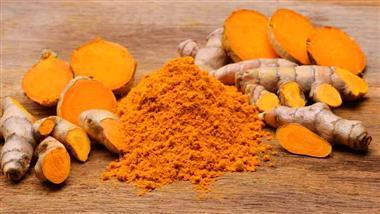
STORY AT-A-GLANCE
- Curcumin is the compound in turmeric that makes the rhizome a yellow-gold color. Turmeric has been used in traditional medicine for 4,000 years and there have been over 3,000 papers published on it within the last 25 years
- In the raw state, curcumin has poor bioavailability; but new delivery systems can raise serum concentrations. Curcumin has neuroprotective properties, showing evidence of improving memory, learning, mitigating cognitive impairment and positively affecting those with multiple sclerosis (MS), ALS, Huntington’s, stroke and autism
- Anti-inflammatory properties may help with pain control in those with osteoarthritis or after surgery. The safety and nontoxicity of curcumin, even at high doses, have been documented in human trials
- Researchers have also found that curcumin has a unique property which both promotes and suppresses angiogenesis, which is important in wound healing and cancer treatment
Interest in curcumin is growing as the discovery of new delivery systems increases the bioavailability of the compound.1 Curcumin is the major biologically active polyphenolic compound of turmeric. Turmeric has long been used in Indian cuisine and medicinal use in traditional Chinese medicine and Ayurvedic medicine.2 Curcumin is the compound that gives turmeric its yellow color.
Studies have suggested that curcumin is a powerful ally in the treatment of several conditions, such as mood disorders and pain control. Importantly, curcumin can cross the blood-brain barrier3 and has potent neuroprotective properties, which suggests it could be useful for neurodegenerative disorders. The cosmetic and fabric industry also uses turmeric and curcumin.4
In its raw form, curcumin has a very poor absorption rate. Generally, just 1% of the product is absorbed by your body.5 Researchers have investigated a variety of different methods to improve absorption. This has included formulations to optimize bioavailability and delivery methods.
Those that appeared to improve the absorption include delivery as a nanoparticle, combination with polylactic-co-glycolic acid, liposomal encapsulation, and taken orally with piperine,6,7 the active ingredient in black pepper.
Consumer Interest in Curcumin Rises as Bio Delivery Improves
Turmeric is derived from the rhizome of a plant in the ginger family native to Southeast Asia. Curcumin is used in supplements and also in cosmetic products designed to reduce inflammation, which may help acne, eczema, and even slow the appearance of skin aging.8 Rising interest has created a market, which experts believe will grow to $191.89 million by 2028.9
This represents a compound annual growth rate (CAGR) of 16.1% from 2021 to 2028. Product demand has also risen in the food industry, which uses turmeric for natural flavoring and coloring.10 The antioxidant and anti-inflammatory properties of turmeric and curcumin are the basis of many of the health claims and foundation for many of the research studies evaluating the compound’s ability to impact many bodily systems.11
However, poor bioavailability of the supplement has hindered scientific study as it is nearly impossible to raise serum concentrations by consuming the supplement alone.12 New drug delivery techniques have included a nanoparticle system, which researchers have found “increases all the biological and pharmacological benefits of curcumin.”13
Several nanoencapsulation techniques were developed to overcome the low therapeutic effects of the compound. To date, many of these are still being researched to find a promising therapeutic candidate for consumer use.14 Other research has focused on compounds that may be administered concurrently that could enhance absorption.
One study found when curcumin was combined with piperine, the major active component of black pepper, it increased the bioavailability of the combination by 2000%.15 However, studies have also shown that piperine inhibits enzymes used to metabolize some drugs and thereby raises the plasma concentration, which can trigger severe adverse side effects.16
Curcumin Has Neuroprotective Properties
Natural plants have been used for medicinal purposes throughout history, and turmeric is no exception. There is evidence it was used in human health as far back as 4,000 years ago and there have been over 3,000 papers published on it within the last 25 years.17
One animal study18 analyzed the effect that curcumin may have on learning and spatial memory in adult and aged mice. The researchers found the animals receiving curcumin performed significantly better than those who did not. They believe the results show that curcumin helps mitigate the cognitive impairment associated with a decrease in brain cell proliferation and neuroblast differentiation.
Several papers have suggested evidence that curcumin plays a role in the prevention and treatment of other neurodegenerative diseases, such as Alzheimer’s disease,19 Parkinson’s disease20 and memory impairment without dementia.21 Other brain disorders that have been positively affected by the administration of curcumin include multiple sclerosis, Huntington’s disease, stroke, autism and amyotrophic lateral sclerosis (ALS).22
Researchers have also found older adults who took the supplement for at least four weeks showed a significant improvement in working memory, general fatigue and contentedness.23 A second study24 examined the effects of curcumin on individuals who had no history of dementia. They followed 40 people between the ages of 50 and 90 years who had mild memory complaints for 18 months.
The data showed25 that those who took curcumin had significant improvements in memory and attention, as well as mild improvement in mood and significantly fewer amyloid and tau signals in the amygdala and hypothalamus, areas of the brain that control some memory and emotional functions. The study’s first author, Dr. Gary Small, said in a press release:26
“Exactly how curcumin exerts its effects is not certain, but it may be due to its ability to reduce brain inflammation, which has been linked to both Alzheimer’s disease and major depression.”
One meta-analysis27 of six short-term, placebo-controlled clinical trials showed that curcumin “appears to be safe, well-tolerated and efficacious among depressed patients,” and could serve as a “novel antidepressant.”
Curcumin also has shown an effect on neuropsychiatric disorders. According to the Anxiety and Depression Association of America,28 anxiety disorder is one of the most common mental illnesses and may develop from a complex set of risk factors.
A second study29 of 123 people diagnosed with major depressive disorder compared curcumin intervention groups to a placebo group. They found those using curcumin experienced improvements without a difference in outcome using three different doses of curcumin. Additionally, three of the trials also reported significant antianxiety effects.
Another literature review30 assessed the benefits of curcumin on several psychiatric disorders. The researchers wrote that the influence of curcumin on several biological activities may be responsible for the results. Additionally, many of these biological activities “are dysregulated in several neuropsychiatric disorders.”31
Anti-Inflammatory Properties Promote Pain Control
Arthritis is a common diagnosis that affects up to 54.4 million people in the U.S. A 2019 report from the Arthritis Foundation32 estimates this number will increase 49% to 78.4 million people by 2040. Additionally, they estimate the number whose activities are limited due to arthritis will jump from 43.5% with the condition in 2015 to 52% by 2040.
People often turn to anti-inflammatory and pain medications to help relieve the pain and discomfort from arthritis. The Arthritis Foundation33 lists several pain relief options to potentially improve activity levels, including topical and oral nonsteroidal anti-inflammatory drugs, steroids, hyaluronic acid, platelet-rich plasma and stem cell injections. Yet, many of these treatments have a list of side effects and are not always well-tolerated.
The safety and nontoxicity of curcumin, even at high doses, have been documented in human trials.34 Curcumin has been studied for pain relief in those with osteoarthritis, which is the most common form of arthritis.35 In one study36 of 139 people with knee osteoarthritis, researchers compared those taking curcumin against those taking diclofenac twice-daily for 28 days.
On Days 14 and 28 there were no statistically significant differences between people taking curcumin and those taking diclofenac in pain measurements. Additionally, the people taking curcumin had fewer episodes of flatulence, statistically significant weight loss and did not require an H2 blocker to reduce excess stomach acid, which 28% of those using diclofenac did.
Researchers found that curcumin had an effect on reducing pain similar to diclofenac, but was better tolerated and had fewer side effects. Similar results have been found in studies that evaluate curcumin for pain control after surgery.
One study37 looked at patient-reported outcomes after laparoscopic cholecystectomy and despite issues with bioavailability, those taking curcumin had better mean pain scores during the first and second week after surgery and better fatigue scores in the first three weeks.
In an animal study,38 researchers found that curcumin reduced the perception of pain in “incision-induced inflammation, nociceptive sensitization, spontaneous pain and functional gait abnormalities.” A second animal study39 found similar results, including pain relief in a dose-dependent manner. Additionally, curcumin treatment appeared to facilitate recovery.
Curcumin: Endothelial Angiogenesis Suppression and Generation
Researchers have also found that curcumin has a unique property in which it both promotes and suppresses angiogenesis. One study40 published by the University of California-Riverside41 demonstrated that curcumin could promote vascular tissue growth, which may eventually be used to help regenerate injured tissue or to heal chronic wounds.
According to 2020 estimates,42 nearly 2.5% of the U.S. experiences chronic wounds and an analysis43 of Medicare data in 2018 identified roughly 8.2 million people with chronic wounds that may or may not have been infected. The estimated cost of treatment ranges from $28.2 billion to $96.8 billion.
The research was built on hyaluronic acid hydrogels, which earlier research44 showed were highly stable, even after being injected through a fine clinical needle or undergoing sterilization. Additionally, they showed good biocompatibility in lab testing. The researchers synthesized curcumin magnetic nanoparticles which they dispersed in a hyaluronic acid hydrogel.45
When tested in stem cell culture, they found it promoted vascular endothelial growth factor (VEGF) and vascular tissue growth. The magnetic properties allowed the scientists to direct the movement of the nanoparticles to the desired location.
They believe this suggests a unique delivery system to help heal injured tissue and concluded, “Overall, our magnetic hydrogels integrated the desirable properties of cytocompatibility and angiogenesis with magnetic guidance, thus proving to be promising for improving tissue regeneration.”46
As the researchers from the University of California noted in a press release,47 curcumin has also demonstrated the ability to suppress cell growth in malignant tumors. Researchers have found this in several types of cancer, including small cell lung cancer,48 breast cancer,49 pancreatic cancer50 and ovarian cancer.51
Effect on Inflammation May Improve Eye Health
The anti-inflammatory effects of curcumin may also affect eye health. Eye conditions can be difficult to treat and may affect your eyesight. Anterior uveitis52 is an eye condition that can result from trauma or is associated with other health conditions such as tuberculosis, rheumatoid arthritis and viral infections. In some cases, there is no obvious underlying cause.
In one study,53 patients with anterior uveitis received a 375 mg dose of curcumin three times a day for 12 weeks. There were 32 participants who completed the 12-week study and results showed that curcumin was effective in reducing symptoms and recurrences in the following three years.
In addition to being a potent antioxidant,54 curcumin also boosts the function of your own antioxidant enzymes.55,56,57 Overall, curcumin appears to be powerful, cost-effective and has a low toxicity profile.
As such, it could be a valuable supplement, especially for the aging population. In younger people, the beneficial impact on pathways that help reverse insulin resistance, metabolic syndrome and obesity58,59 are worth noting. In all, I believe curcumin is a valuable nutritional addition worthy of consideration for all-around good health since inflammation drives so many different disease processes.
- 1 Pharmaceutics, 2021;13(10)
- 2 National Center for Complementary and Integrative Health, Turmeric Background
- 3 Annals of Indian Academy of Neurology, 2008;11(1) Beta Amyloid Plaques para 2 50% down the page
- 4 Natural Products and Bioprospecting, 2017;7(1)
- 5 Cancer Research Treatment 2014; 46(1): 2
- 6 Nutrition Facts, April 11, 2022
- 7 Planta Medica, 1998;64(4)
- 8, 9, 10 GrandView Research, October 2021
- 11, 15 Foods, 2017;6(10)
- 12 The Guardian, May 22, 2022
- 13, 14 Frontiers in Pharmacology, May 1, 2020
- 16 Journal of Pharmacology and Experimental Therapeutics, 2002; 302(2)
- 17 Herbal Medicine: Biomolecular and Clinical Aspects
- 18 Journal of Medicinal Food, 2014; 17(6)
- 19 Annals of Indian Academy of Neurology, 2008;11(1)
- 20 Current Pharmaceutical Design, 2012;18(1)
- 21 University of California, January 23, 2018
- 22 Biofactors, 2019; 45(5)
- 23 Journal of Psychopharmacology, 2015;29(5)
- 24 The American Journal of Geriatric Psychiatry, 2018;26(3)
- 25, 26 UCLA Newsroom, January 22, 2018
- 27 Journal of the American Medical Directors Association 2017 Feb 21. pii: S1525-8610(16)30675-2 Intro and Concl
- 28 Anxiety and Depression Association of America, Did You Know?
- 29 Journal of Affective Disorders January 1, 2017; 207: 188-196
- 30, 31 Journal of Psychopharmacology 2017; doi.org/10.1177/0269881116686883
- 32 Arthritis Foundation, Arthritis By the Numbers
- 33 Arthritis Foundation, Comparing Pain Medications for Osteoarthritis
- 34 APS Journal, 2013;15(1)
- 35 Centers for Disease Control and Prevention, Osteoarthritis first line
- 36 Trials, 2019;20(214)
- 37 Surgical Endoscopy, 2011; 25
- 38 Anesthesia and Analgesia, 2014;118(6)
- 39 Scientific Reports, 2014; 4(4932)
- 40, 46 ACS Applied Material and Interfaces, 2022;14(9)
- 41, 45, 47 Science Daily, April 6, 2022
- 42 Advances in Wound Care, 2021; 10(5)
- 43 Advances in Wound Care, 2019; 8(2)
- 44 Biomed Research International, 2015; doi.org/10.1155/2015/871218 Abstract
- 48 PLOS|One, 2012; doi.org/10.1371/journal.pone.0037960
- 49 Journal of Breast Cancer, 2013;16(2)
- 50 Experimental Therapeutics, Molecular Targets, and Chemical Biology, 2007;67(8)
- 51 Clinical Cancer Research, 2007;13(11)
- 52 American Optometric Association, Anterior Uveitis
- 53 Phytotherapy Research, 1999; 13(4)
- 54 Advances in Experimental Medicine and Biology 2007; 595:105-125
- 55 Toxicological and Environmental Chemistry 2013; 95(6)
- 56 Metabolic Brain Disease, 2018;33(2)
- 57 Biomedicine, 2019;9(4)
- 58 Frontiers in Pharmacology, June 12, 2019
- 59 Toxicology and Applied Pharmacology, 2016;304