Antioxidant
now browsing by category
Beat type 2 diabetes with the power of antioxidant-rich foods
Reproduced from original article:
https://www.naturalhealth365.com/beat-type-2-diabetes-with-the-power-of-antioxidant-rich-foods.html
by: January 22, 2025
 (NaturalHealth365) Type 2 diabetes, which affects well over 500 million people worldwide, has reached epidemic proportions. Conservatively speaking, 1 in 10 U.S. adults has type 2 diabetes, and Western medicine offers little hope for healing this condition. For example, does anyone really believe that taking insulin is the best way to resolve blood sugar imbalances? (Hint: the solution can be found on your plate.)
This devastating condition shows no sign of slowing down anytime soon. In fact, health experts predict that well over 600 million adults will develop diabetes by 2030. As scientists continue to search for more effective methods of prevention and treatment, studies reveal that a diet high in antioxidants — such as fresh fruit, vegetables, and tea — significantly lowers the risk of type 2 diabetes.
Intelligent study reveals that type 2 diabetes can be avoided with the right kind of diet
Fruits and vegetables contain phytonutrients, or plant chemicals, known as flavonoids. These natural compounds have powerful antioxidant effects, scavenging harmful free radicals and reducing the oxidative damage contributing to disease.
Extensive studies have explored the anti-diabetic benefits of individual antioxidants found in fruits and vegetables, but researchers took a slightly different approach to this study. To get a more comprehensive view of the relationship between food and diabetes, they examined the benefits of an overall high-antioxidant diet.
The 15-year study, published in Diabetologia (the journal of the European Association for the Study of Diabetes), involved over 65,000 women between the ages of 40 and 65. Researchers analyzed questionnaires filled out by participants and found that the women with the highest amounts of antioxidants in their diets enjoyed a 27 percent reduction in risk of type 2 diabetes – a very substantial benefit.
The scientists reported that the odds of developing diabetes diminished as antioxidant consumption increased. They noted that antioxidant capacity may play an important role in reducing the risk of diabetes in middle-aged women.
In other words – consistently making a series of simple, healthy dietary choices can dramatically lower the risk of a potentially life-threatening and costly disease.
The secret to success: Antioxidants work – at a molecular level – to fight diabetes
The study is not the only research showing the amazing effects of dietary flavonoids.
Researchers at the Harvard School of Public Health found that blueberry anthocyanins significantly lower the risk of type 2 diabetes.
In a study published in Nutrition and Metabolism, researchers set out to evaluate the biological action and therapeutic potential of dozens of dietary flavonoids and anthocyanins – and concluded by stating unequivocally that the phytochemicals protected against diabetes.
The team reported that flavonoids combat diabetes by helping to maintain blood glucose levels, promoting glucose uptake, and stimulating insulin production from the pancreas’s beta cells.
In addition, flavonoids improve the performance of fat-burning enzymes, decrease LDL cholesterol, and reduce levels of pro-inflammatory cytokines such as interleukin. They significantly raised levels of a pair of antioxidants and disease-fighting enzymes, such as superoxide dismutase and glutathione. They also helped to decrease advanced glycation end products. AGEs are toxins that can trigger and worsen diabetes.
The list of anti-diabetic benefits from flavonoids is truly stunning. It is hard to believe that an ordinary apple or a bowl of blueberries can harbor this type of disease-fighting therapeutic potential – but scientific research has shown it to be true.
Fresh fruits and vegetables offer a rich bounty of flavonoids
Virtually all fruits and vegetables are good sources of antioxidant flavonoids. And these compounds have a synergistic effect – meaning they complement and potentiate each other’s powers.
Apples, grapes, and onions are rich in the flavonoid quercetin, while citrus fruits contain the flavonoids hesperidin, tangeritin, kaempferol, and naringenin.
Cruciferous vegetables such as broccoli and kale contain kaempferol and luteolin. At the same time, blueberries and other purplish-blue plant foods are your best bet for obtaining anthocyanins, beneficial plant pigments with anti-diabetic effects. Anthocyanins are also found in cranberries, cherries, blackberries, currants, raspberries, mulberries, purple grapes, red cabbage, and eggplant skins.
Orange vegetables, such as carrots and squash, contain healthy amounts of beta-carotene.
Keep in mind: fresh fruits and vegetables tend to be high in vitamin C, a potent antioxidant. They are also naturally high in dietary fiber, which can help ward off the obesity that contributes to diabetes.
Enlist fresh, organic fruits and vegetables as your “first line of defense” against diabetes
The roster of foods that can help you fight diabetes is extensive – and delicious!
In addition to the foods already listed, flavonoid-packed fare to put on the menu includes plums, prunes, walnuts, strawberries, parsley, celery, onions, peppers, eggplants, green leafy vegetables and hazelnuts.
Antioxidant-rich beverages include teas – black, green, chamomile – red wine (in moderation), and coffee, which has been shown in studies to protect against type 2 diabetes.
Naturally, it would be best to choose organic varieties to avoid unwanted exposure to toxic chemicals – used in the growing process of most commercial brands.
Experts recommend eating fruits and vegetables raw, lightly steamed, or sautéed for maximum antioxidant benefits. However, since the antioxidant capacity of carrots and celery increases when they are lightly cooked, steaming them is a smart choice.
Researchers have long reported that diets high in fruits and vegetables are strongly associated with a lower risk of developing heart disease and cancer – the two leading causes of death in the United States. Now, thanks to the latest studies, we know that putting fresh fruits and vegetables on the menu can also help us fight another deadly disease.
Sources for this article include:
The Neuroprotective Benefits of Berberine
Reproduced from original article:
https://articles.mercola.com/sites/articles/archive/2024/10/23/berberine-and-neurological-health.aspx
Analysis by Dr. Joseph Mercola October 23, 2024

STORY AT-A-GLANCE
- Berberine is a plant-derived alkaloid with powerful neuroprotective properties, acting through antioxidative, anti-inflammatory, and antiapoptotic pathways. It’s able to cross the blood-brain barrier, directly impacting neural tissue and enhancing cognitive function
- Early studies reveal berberine’s impressive effects on brain health, demonstrating enhanced memory and learning capabilities in animal studies and protecting neurons from oxidative stress and inflammation
- Berberine acts as a “master switch” for brain cells, activating AMPK for efficient energy use, inhibiting acetylcholinesterase to boost memory, and enhancing dopamine levels for improved mood and cognition
- Research shows berberine’s advantages against neurodegenerative diseases like Alzheimer’s and Parkinson’s; it also aids in stroke recovery. Berberine reduces plaque formation, protects neurons and promotes faster healing
- More research is needed to maximize berberine’s brain-protective benefits. Scientists are exploring enhanced formulations, conducting human trials and investigating side effects and long-term safety
With the rising prevalence of conditions like Alzheimer’s, finding effective ways to protect your brain health is more important than ever. Current treatments for neurodegenerative disorders often fall short, leaving patients and their families desperate for better options. That’s where berberine comes in.
A plant-derived alkaloid with neuroprotective properties, berberine shows promise in helping fight and protect against neurodegenerative diseases. Its ability to act through multiple mechanisms, including antioxidative, anti-inflammatory and antiapoptotic pathways, sets it apart from many other plant-based compounds.1
I’ve been following the research on berberine closely, and the results are quite fascinating. Studies have shown that berberine crosses the blood-brain barrier, directly impacting neural tissue. This means it’s able to reach the areas of the brain most affected by neurodegenerative processes.2
Research has also shown that it enhances cognitive function and overall brain health, which is particularly important as we age. Protecting your mental faculties becomes increasingly crucial during your senior years, and berberine offers a promising avenue to help keep your mind sharp.
Early Studies Reveal Berberine’s Impressive Effects on Brain Health
Berberine’s long history in traditional Chinese and Ayurvedic medicine has caught the attention of modern scientists.3 Initial observations in laboratory settings provided evidence on its impact on neurological function. Animal studies also demonstrate berberine’s remarkable effects on cognitive performance, and test subjects displayed enhanced memory and learning capabilities, outperforming their untreated counterparts in various cognitive tests.4
Indeed, berberine packs a powerful punch when it comes to protecting your brain cells. This compound helps fight oxidative stress, which damages neurons over time. It also boosts your brain’s natural antioxidant defenses, creating a shield against harmful free radicals. This matters because oxidative damage plays a big role in conditions like Alzheimer’s disease.
Berberine also tamps down inflammation in your brain that wreaks havoc on delicate neural tissue. Berberine helps calm this inflammatory storm, modulating key signaling pathways that would otherwise contribute to brain cell death.5
Perhaps most interesting is berberine’s ability to protect neurons from programmed cell death, or apoptosis. This process, while normal in some cases, goes into overdrive in neurodegenerative diseases. Berberine inhibits excessive apoptosis, preserving vital brain cells that would otherwise be lost.6
A crucial factor in berberine’s effectiveness is its ability to cross the blood-brain barrier, meaning it directly reaches the areas where it’s needed most, making it a promising candidate for treating various brain disorders.7
These multiple layers of protection make berberine a fascinating subject for neuroscience research. Its diverse actions suggest its usefulness in tackling complex brain diseases from several angles at once.
Berberine Acts Like a Master Switch for Your Brain Cells
When it reaches your brain cells, berberine turns on the AMP-activated protein kinase (AMPK), which is like the energy manager for your neurons. When AMPK is activated, it helps your brain cells use energy more efficiently and stay healthy. This is important because brain cells use high amounts of energy; keeping them well-fed helps them work better and live longer.8
In addition, berberine inhibits acetylcholinesterase. This enzyme normally breaks down acetylcholine, a chemical that helps your brain cells communicate with each other. By slowing down this enzyme, berberine helps keep more acetylcholine around, which boosts your memory and cognitive skills.9
Berberine also boosts your levels of important neurotransmitters like dopamine, which is crucial for mood, motivation and cognitive function. By fine-tuning your dopamine levels, berberine helps keep your brain in a happy, focused state.10
Your brain cell’s powerhouses, the mitochondria, also benefit from berberine. This compound helps these tiny energy factories work more efficiently, which is crucial for keeping your neurons healthy and firing on all cylinders. Having well-functioning mitochondria means healthier, more resilient brain cells.11
Lastly, berberine has an epigenetic effect, meaning it influences which genes your brain cells turn on or off. Think of it this way — berberine helps your neurons read their instruction manual better. By tweaking gene expression, berberine helps your brain cells adapt and respond to stress more effectively.12
All these actions together make berberine a useful compound to help manage your brain health. It’s not just doing one thing — it’s like a Swiss Army knife for your neurons, helping them in multiple ways to stay healthy, energized and protected against damage.

Save This Article for Later – Get the PDF Now
Berberine Offers Hope for Neurological Health Improvement
Berberine’s impact on reducing neurodegenerative diseases is significant. By protecting neurons from damage and improving cognitive function, it helps maintain your quality of life, even as you reach your senior years.
Berberine’s ability to support brain health offers a promising avenue for extending not just your lifespan, but your “brainspan” as well — the period of cognitive vitality. This could transform how you approach retirement, lifelong learning and social engagement in your later years.
In addition, berberine opens up new avenues for drug development in neurology. Pharmaceutical companies are now exploring ways to harness its neuroprotective properties, which could lead to a new generation of drugs that are more effective and have fewer side effects than current options for neurological conditions.13
The increased interest in natural compounds for neurological health sparked by berberine research is reshaping the field. It’s part of a broader shift towards exploring plant-based medicines and nutraceuticals. This trend encourages a more holistic approach to brain health, integrating traditional wisdom with modern scientific understanding.
Berberine Shows Promise Against Alzheimer’s and Other Neurological Conditions
Berberine’s neuroprotective effects are making waves in research on several brain disorders. For example, studies indicate that berberine has therapeutic benefits against Alzheimer’s disease through multiple mechanisms. These include reducing beta-amyloid production, inhibiting tau hyperphosphorylation, and modulating neurotransmitter systems involved in cognitive function.14
Scientists have observed improvements in memory and cognitive function in animal studies. This suggests berberine might help both prevent and treat Alzheimer’s symptoms.15,16,17,18
Parkinson’s disease is another area where berberine shows promise. Studies indicate it protects dopamine-producing neurons, which are the cells that die off in Parkinson’s. By keeping these cells alive, berberine helps slow the progression of this disorder.19
Stroke recovery is yet another field where berberine is making an impact. Berberine has shown promise in protecting against neurological impairments and blood-brain barrier disruption following intracerebral hemorrhage. One study demonstrated that berberine treatment reduced brain edema, improved neurological function, and preserved blood-brain barrier integrity in a mouse model of intracerebral hemorrhage.20
These findings paint an exciting picture of berberine’s uses across a range of neurological conditions. But it’s important to note that most of this research is still in early stages. While animal and cell studies are promising, we need more human trials to fully understand how berberine might be used in clinical settings. Here’s a summary of berberine’s actions in different neurological conditions:
- Alzheimer’s disease — Reduces plaque formation and improves cognitive function
- Parkinson’s disease — Protects dopamine-producing neurons
- Stroke recovery — Reduces brain damage and promotes faster healing
- General neuroprotection — Fights oxidative stress and supports overall brain health
More Research Is Needed to Maximize Berberine’s Brain-Protective Benefits
Scientists are using cutting-edge techniques to unlock berberine’s full advantages for brain health. For example, in vivo imaging allows researchers to observe berberine’s effects unfold in real time inside living brains, so they are able to better understand how the compound interacts with neural tissue and impacts brain function.21
Meanwhile, electrophysiological studies measure the electrical activity of neurons exposed to berberine. These tests show how the compound influences the way brain cells communicate and function. By observing changes in neural signaling, researchers are able to pinpoint exactly how berberine supports healthy brain activity.22
However, large-scale human clinical trials are still needed to validate these findings and determine optimal dosing and administration methods for maximum brain benefits.
Developing enhanced berberine formulations is another key focus. Scientists are exploring ways to improve its bioavailability, allowing more of the compound to reach the brain. This could involve creating novel delivery systems or combining berberine with other substances that boost its absorption.
Investigating side effects and long-term safety is essential as berberine moves closer to clinical use. While generally considered safe, more extensive studies will ensure its appropriate use for various neurological conditions. This research will help establish guidelines for different patient groups and identify any possible interactions with other medications.
Combination therapies incorporating berberine with existing treatments offer exciting possibilities. By pairing berberine with current Alzheimer’s or Parkinson’s medications, researchers hope to enhance overall efficacy and reduce side effects. This approach could lead to more comprehensive treatment strategies for complex neurological disorders.
Berberine Is a Natural Ally Against the Cognitive Effects of Aging
Berberine offers a natural approach to maintaining sharp minds well into your later years. This natural compound demonstrates remarkable neuroprotective properties through multiple mechanisms, including combatting oxidative stress, reducing inflammation and protecting neurons from premature death.
The multifaceted actions of berberine on the brain suggest it aids in healthy aging by preserving cognitive function and neuronal integrity. As scientists continue to unravel berberine’s mechanisms of action, we move closer to harnessing its full advantages for preventing and treating brain disorders. So, stay informed about this exciting field of research — it holds promise for revolutionizing how we approach brain health and neurological care.
- 1, 2, 4, 5, 6, 7, 8, 9, 10, 11, 12, 15, 19, 20, 21, 22 Antioxidants 2023, 12(10), 1883; doi: 10.3390/antiox12101883
- 3, 18 Neuropsychiatr Dis Treat. 2016:12;2509-2520
- 13, 14, 16 Front Pharmacol. 2021; 12: 640758
- 17 Int. J. Mol. Sci. 2023, 24(6), 5896; doi: 10.3390/ijms24065896
Ginseng’s Secret Language: How Plant miRNAs Speak to Human Cells
© GreenMedInfo LLC. This work is reproduced and distributed with the permission of GreenMedInfo LLC.
Want to learn more from GreenMedInfo? Sign up for the newsletter here:
www.greenmedinfo.com/greenmed/newsletter
Reproduced from original article:
https://greenmedinfo.com/content/ginsengs-secret-language-how-plant-mirnas-speak-human-cells
Written By: GreenMedInfo Research Group

Imagine a world where plants can directly communicate with our bodies at a molecular level, fine-tuning our physiological processes. This isn’t science fiction – it’s the fascinating reality of cross-kingdom regulation through microRNAs, with ginseng leading the charge in this botanical-human dialogue.
The Silent Conversation: miRNAs as Cross-Kingdom Messengers
In the intricate dance of life, species have long been known to interact and support one another. However, recent discoveries in the field of molecular biology have unveiled a new layer to these relationships – one that operates at the genetic level through microRNAs (miRNAs). These small, non-coding RNA molecules play a crucial role in regulating gene expression, and remarkably, they can traverse the boundaries between kingdoms.
Ginseng: A Master of Cross-Kingdom Communication
Ginseng, revered for centuries in traditional medicine, has emerged as a prime example of a plant capable of cross-kingdom communication via miRNAs. Recent studies have shown that ginseng-derived miRNAs can survive mammalian digestion and enter circulation, where they interact with our cells and influence various physiological processes.1] This remarkable ability of ginseng miRNAs to cross species boundaries and directly impact mammalian and therefore presumably human physiology opens up new avenues for understanding the molecular basis of ginseng’s therapeutic effects.
Key Human Processes Modulated by Ginseng miRNAs
1. Immune Function
Ginseng miRNAs, particularly miRNA156, have been found to modulate immune responses in humans. They can influence the production of cytokines and the activity of immune cells, potentially explaining ginseng’s reputation as an immune-boosting herb.
2. Energy Metabolism
Research has shown that ginseng miRNAs can affect key enzymes involved in glucose metabolism and energy production. This may contribute to ginseng’s reported effects on fatigue and endurance.
3. Antioxidant Activity
Certain ginseng miRNAs have been observed to upregulate antioxidant enzymes in human cells, offering a molecular explanation for ginseng’s antioxidant properties.
4. Cardiovascular Health
Studies suggest that ginseng miRNAs may influence genes involved in blood pressure regulation and vascular health, aligning with traditional uses of ginseng for cardiovascular support.
The Broader Implications: A Web of Interspecies Support
The discovery of cross-kingdom regulation through miRNAs offers a new perspective on why diverse ecosystems tend to be healthier and more resilient. When plants and animals support one another, they may be engaging in a complex exchange of genetic information that fine-tunes the physiology of all participants.
This interspecies dialogue through miRNAs could explain:
- Why diverse diets tend to promote better health
- The importance of biodiversity for ecosystem and human health
- The molecular basis for some traditional herbal medicines
Conclusion: Redefining Our Relationship with Nature
As we uncover the intricate ways in which species communicate through miRNAs, we are compelled to reconsider our relationship with the natural world. The line between “us” and “them” becomes blurred, revealing a deeply interconnected web of life where genetic information flows freely between species. Ginseng, with its remarkable ability to modulate human physiology through miRNAs, serves as a powerful example of this cross-kingdom collaboration, hinting at the untapped potential of nature to support and enhance human health.
Glutathione: Meet the master antioxidant for optimal health
Reproduced from original article:
https://www.naturalhealth365.com/glutathione-meet-the-master-antioxidant-for-optimal-health.html
by: May 25, 2024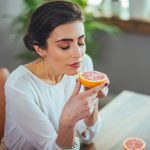 (NaturalHealth365) Researchers and scientists have dubbed it “the master antioxidant,” “the body’s premier antioxidant,” and even “the mother of all antioxidants.” And, no matter how complimentary the labels, glutathione richly deserves any of them.
This indispensable antioxidant helps to neutralize toxins in the body, eliminate dangerous free radicals, detoxify the liver, and support the overall functioning of the entire immune system. Today, we’ll take a closer look at this powerful substance and, more importantly, how to boost glutathione levels within the body.
Glutathione is produced naturally by the body – but levels fall with age
Researchers have known of glutathione since 1889, but it is only over the last thirty years that they have begun to understand and explore its functions.
A small protein molecule, glutathione, is synthesized in the body from three different amino acids: L-cysteine, L-glutamic acid, and glycine. Although it exists in every cell, the vast majority of glutathione is in the liver.
Glutathione regulates cell growth, fights the oxidation of circulating fats in the bloodstream, synthesizes and repairs DNA, helps to transport amino acids in and out of cells and has a whole arsenal of detoxifying and immune-boosting effects.
Unfortunately, glutathione levels begin to fall at midlife and can plummet as low as only 50 percent of what the body needs for optimal health. In addition to aging, low glutathione can also result from overconsumption of heavily processed foods, environmental toxins, drugs, illness, infections, and stress.
Low glutathione levels are linked with chronic health problems
Low glutathione levels inhibit cellular function, allowing dangerous free radicals to cause oxidative damage. Oxidative damage caused by free radicals is at the root of many chronic health issues.
Now, researchers are finding that low levels of glutathione can cause free radical-induced degenerative conditions such as heart disease and cancer – respectively, the number one and number two killers in the United States. Of course, other countries in the Western world show similar grim statistics.
In a study published in the New England Journal of Medicine, researchers found that heart disease patients with low blood levels of glutathione were 30 percent more likely to suffer a heart attack than those with optimal levels.
Other conditions linked to glutathione deficiency include autoimmune diseases, chronic fatigue syndrome, diabetes, Alzheimer’s disease, Parkinson’s disease, autism, arthritis, kidney failure, and liver disease – to name just a few.
Glutathione has major immune system-boosting and detoxifying effects
Glutathione plays such a major role in detoxification and immune system function that it is not altogether far-fetched to picture it as a dragon-slaying hero, rushing to battle and defeat toxins and pathogens wherever these threats may be found.
Glutathione must be balanced in lymphoid cells for the immune system to function properly. Its cysteine molecule makes the reproduction of T-cells possible. Glutathione also actively helps macrophages in the bloodstream fight off pathogens and bacterial invasions and detoxifies reactive oxygen radicals created by ultraviolet light radiation.
In addition, glutathione helps regenerate and recycle other important antioxidants, including vitamin C and vitamin E.
As the major detoxifying agent in the body, glutathione chemically transforms carcinogens, toxins, and drugs into unreactive, harmless compounds that can be eliminated without damaging cell DNA. In the case of heavy metals such as mercury and lead, glutathione neutralizes them by binding with them.
How do I raise my glutathione levels?
Grapefruit, melons, peaches, spinach, and asparagus are good sources of glutathione. These foods should be eaten raw and organic whenever possible. Heating them will deplete their glutathione content.
However, as a protein, glutathione is quickly digested and broken down into individual amino acids. In fact, several studies have shown that dietary intake alone may not be sufficient to increase circulating glutathione levels.
Experts say the best way to increase levels is to supplement with glutathione precursors – the amino acids your body uses as building blocks to produce glutathione.
Foods rich in cysteine – such as cage-free (pasture raised) organic eggs, unsweetened non-GMO whey protein made from non-denatured proteins, garlic, and onions – are excellent choices. Foods that contain sulforaphane – organic cruciferous vegetables like cabbage, Brussels sprouts, and broccoli – can also raise glutathione levels.
As for supplementation, both N-acetyl-cysteine and alpha lipoic acid have been shown to improve glutathione levels in cases of deficiency. Other substances that may help boost glutathione levels include curcumin, melatonin from dark cherries, milk thistle, and the mineral selenium.
Considering all the vital functions glutathione performs, it can be wise to boost glutathione levels to ensure that you have enough of this irreplaceable molecule. Your body will thank you for it.
Sources for this article include:
NIH.gov
NIH.gov
ImmuneHealthScience.com
ImmuneHealthScience.com
Why Organic Mustard Seed Powder Is an Essential Kitchen Staple
Reproduced from original article:
https://articles.mercola.com/sites/articles/archive/2024/03/19/organic-mustard-seed-powder.aspx
The original Mercola article may not remain on the original site, but I will endeavor to keep it on this site as long as I deem it to be appropriate.
Analysis by Dr. Joseph Mercola March 19, 2024

STORY AT-A-GLANCE
- Mustard seed contains compounds that inhibit cancer proliferation. It also contains compounds that augment the cancer-fighting potential of other cruciferous veggies, delivering a double punch when combined
- For this reason, I recommend keeping organic mustard seed powder in your kitchen at all times. Mustard seed powder can also be used to whip up homemade topical remedies, such as plasters and baths to relieve pain
- A compound found in brown mustard seed lowered the risk of bladder cancer by 34.5% and was 100% effective at preventing the spread of cancer into surrounding muscle cells
- The enzyme myrosinase is critical for the conversion of glucosinolates into isothiocyanates — chemoprotective compounds. While all cruciferous veggies contain some myrosinase, you significantly boost conversion by eating them together with a particularly myrosinase-rich food such as mustard seed powder
- Cooking can also affect the health benefits of cruciferous vegetables. To maximize health benefits of broccoli, steam it for three to four minutes. Do not go past five minutes
A number of foods have known anticancer activity. Among the more well-known are members of the cruciferous family, with broccoli leading the pack when it comes to undergoing scientific investigation. One of the lesser-known ones is mustard seed, which also belongs to the brassica genus.1,2
As it turns out, not only does mustard seed contain compounds shown to inhibit cancer proliferation, it also contains compounds that augment the cancer-fighting potential of other cruciferous veggies, delivering a real double punch when combined. For this reason, I recommend keeping organic mustard seed powder in your kitchen at all times. Mustard seed powder can also be used to whip up homemade topical remedies, such as plasters and baths to relieve pain.
Mustard Seed Compound Effectively Blocks Bladder Cancer Progression
One 2010 study3 discovered a compound found in both brown mustard and cruciferous vegetables called allyl isothiocyanate (AITC), also known as mustard oil, lowered the risk of bladder cancer by 34.5% and was 100% effective at preventing the spread of cancer into surrounding muscle cells. The complete stop of cancer progression is quite remarkable considering the cancer metastasized into surrounding tissues 71% of the time in untreated controls.
Importantly, the whole food — mustard seed powder — was more effective than the purified form. Dry mustard seed contain a compound called sinigrin, a precursor to AITC. When combined with water (which is what happens in your stomach), an enzyme called myrosinase converts the sinigrin into AITC.
A related form of this enzyme is found in the human digestive tract, but the plant-based one is far more effective, accomplishing a more complete conversion. This is likely why the whole food worked better than the isolated compound.4
Another interesting finding was that higher doses were not more effective. Animals given 71.5 milligrams (mg) of mustard seed powder per kilo of body weight were the ones in which cancer occurrence was reduced by 34% and metastasis completely blocked.
In animals treated with 715 mg of mustard seed powder per kilo, tumor growth was reduced by just 23%, and tumor invasion still occurred up to 62% of the time. So, a little can go a long way! Other studies have made similar findings. As reported by Natural Society:5
“A similar conclusion was found by Dr. Anthony Di Pasqua, a bioinorganic chemist at the University of North Carolina and his colleague Dr. Fung-Lung Chung from Georgetown University. Their studies support Bhattacharya’s conclusions about AITC is brown mustard seed.
Dr. Di Pasqua said:6 ‘Our studies have shown that, once inside the cell, ITCs [isothiocyanates7] bind to proteins and that protein binding affinities are closely associated with the ability to induce apoptosis (cell suicide).'”
Myrosinase Is the Key to Maximizing Chemoprotective Effects of Cruciferous Veggies
ITCs are derivatives of sulfur-containing compounds called glucosinolates, found in cruciferous vegetables. Different glucosinolates hydrolyze into different ITCs. Broccoli, for example, is high in glucoraphanin, a glucosinolate precursor to sulforaphane, which has well-established chemoprotective effects.8,9 Sulforaphane also helps improve blood pressure, heart health10 and kidney function.
Scientists believe sulforaphane’s benefits are related to improved DNA methylation, which is crucial for normal cellular function and proper gene expression, especially in the easily damaged inner lining of the arteries (endothelium). Broccoli, like mustard seed, also contains sinigrin, the precursor to AITC. As mentioned, glucosinolate hydrolysis is catalyzed by a class of enzymes called myrosinase. Plant sources known to be particularly high in myrosinase include:
| Mustard seed | Garden cress | Wasabi |
| Daikon radish | Horseradish | Arugula |
| Coleslaw |
To reiterate, the enzyme myrosinase is critical for the conversion of the various glucosinolates into isothiocyanates (ITCs)11,12 — the compounds that ultimately provide you with health benefits such as chemoprotection — and, while most if not all cruciferous veggies do contain some myrosinase, you can significantly boost the conversion by eating cruciferous vegetables together with a particularly myrosinase-rich food.
Doing so is a simple way to really maximize the chemoprotective effects of these vegetables. Wasabi, for example, has been shown to increase the chemoprotective effects of cruciferous vegetables by as much as 40%.13
Mustard seed appears to be the most effective, however, as it contains a particularly resilient form of myrosinase. Research confirms mustard seed can boost sulforaphane formation even in boiled broccoli, which is typically not recommended as boiling prevents sulforaphane formation by inactivating the myrosinase in the broccoli.14
Save This Article for Later – Get the PDF Now
ITCs Also Increase Levels of Master Antioxidant in Your Body
Once ITCs are absorbed, they turn into glutathione in your liver. Known as your body’s most powerful antioxidant, glutathione is a tripeptide found in every single cell in your body. It is called “master antioxidant” because it is intracellular and has the unique ability of maximizing the performance of all the other antioxidants, including vitamins C and E, CoQ10, alpha-lipoic acid, as well as the fresh vegetables and fruits that you eat.
Glutathione’s primary function is to protect your cells and mitochondria from oxidative and peroxidative damage. It is also essential for detoxification, energy utilization and preventing the diseases we associate with aging. Glutathione also eliminates toxins from your cells and gives protection from the damaging effects of radiation, chemicals and environmental pollutants.
Add Mustard to All Cruciferous Veggies
AITC is found in all cruciferous vegetables, not just mustard. Here’s a list of vegetables that belong to this important family.15 Adding one or more of these foods to your diet each week may go a long way toward lowering your cancer risk. And, remember, to really boost the chemoprotective effects of these cruciferous veggies, be sure to add some mustard seed powder or other myrosinase-rich food (see earlier list).
| Arugula | Bok choi | Broccoli |
| Broccoli rabe | Broccoli Romanesco | Brussels sprouts |
| Cabbage | Cauliflower | Chinese broccoli |
| Chinese cabbage | Collard greens | Daikon |
| Garden cress | Horseradish | Kale |
| Kohlrabi | Komatsuna | Land cress |
| Maca | Mustard (leaves and seed; brown, green, white and black) | Mizuna |
| Radish | Rutabaga | Tatsoi |
| Pak choi | Turnips (roots and greens) | Wasabi |
| Watercress |
Cooking Also Affects Anticancer Potential of Cruciferous Vegetables
Another factor that can affect the health benefits of cruciferous vegetables to a significant degree is the way you cook them. Studies have not been done on every single member of this family, but research clearly demonstrates there’s an ideal way to prepare and eat mature broccoli.
In the video above, Elizabeth Jeffery, Ph.D., a researcher and professor in the department of food science and human nutrition at the University of Illinois, delves into this research,16 which shows that steaming your broccoli for three to four minutes is ideal. Do not go past five minutes. While I normally recommend eating most of your vegetables raw, mature broccoli and some other cruciferous vegetables are exceptions to this rule.
When you eat raw mature broccoli, you only get about 12% of the total sulforaphane content theoretically available based on the parent compound. Steaming your broccoli spears for three to four minutes will optimize the sulforaphane content by eliminating epithiospecifier protein — a heat-sensitive sulfur-grabbing protein that inactivates sulforaphane — while still retaining the enzyme myrosinase, which converts glucoraphanin to sulforaphane.
Again, without myrosinase, you cannot get any sulforaphane. Boiling your broccoli past the one-minute mark is not recommended, as it will destroy a majority of the myrosinase. If you want to boil your broccoli, blanch it in boiling water for no more than 20 to 30 seconds, immerse it in cold water to stop the cooking process, and be sure to add some mustard seed powder to your dish.
Cauliflower also contains sulforaphane. Boiling or blanching cauliflower causes the greatest loss of antioxidants,17 so steaming appears to be your best bet for cauliflower as well. Unfortunately, while research has identified the ideal steaming times for broccoli, the same has not been identified for cauliflower specifically, but it is likely similar to broccoli’s.
Moreover, research18 reveals different varieties of cauliflower respond differently to various levels of heat and cooking times.
Broccoli Sprouts — Grow Them at Home and Eat Them Raw
Broccoli SPROUTS, on the other hand, are best eaten raw, and are an excellent alternative if you don’t like the taste or smell of mature broccoli.
Sprouted broccoli seeds are also far more potent, nutritionally speaking, than mature broccoli, so you don’t need to eat nearly as much to reap the clinical benefits from key therapeutic compounds. Research shows that even small quantities of broccoli sprout extract have the power to markedly reduce the size of rat mammary tumors induced by chemical carcinogens. As noted by researchers at Johns Hopkins University:19,20
“Three-day-old broccoli sprouts consistently contain 20 to 50 times the amount of chemoprotective compounds found in mature broccoli heads, and may offer a simple, dietary means of chemically reducing cancer risk.”
Broccoli sprouts are easy and inexpensive to grow at home. Growing your own is also the best way to ensure the active ingredients in the sprouts have not been destroyed by processing. Commercially available broccoli sprouts are typically heated in order to kill off harmful bacteria. However, use of high heat may also render the sprouts worthless, as it will negatively affect the conversion of glucosinolates to ITCs.
A study21 evaluating ways of eliminating microbial contaminants on broccoli sprouts found treating the sprouts with high pressure could kill off bacteria while leaving heat-sensitive nutrients intact. What’s more, the pressure treatment actually boosted glucosinolate to ITC conversion. As reported by Science Daily:22
“Results showed that processing broccoli sprouts at 400 to 600 megapascals increased the amount of glucosinolates that turned into isothiocyanates. Up to 85 percent of glucosinolates were converted under high pressure processing, boosting the plants’ potential health-promoting compounds.
The rate of conversion for mild heat treatment at 60 degrees Celsius was 69 percent. Isothiocyanate levels in boiled samples were undetectable or not quantifiable. Thus, the researchers say high pressure could be a preferred method over heating for processing broccoli sprouts.”
Other Medicinal Uses for Mustard Seed
Getting back to mustard seed, powdered mustard seed actually has a long history of use, especially in Ayurvedic medicine, where it was used topically to improve blood circulation and detoxification.
Taken internally, 1 teaspoon of mustard seed powder twice a day can be used as a remedy for constipation. Mustard plaster and mustard baths were also common folk remedies for muscle and joint pain. Part of the pain-relieving effect is due to the mustard seed’s high magnesium and selenium content.
You can easily recreate such remedies today using inexpensive household ingredients. For a soothing, pain-relieving mustard bath, fill your tub with warm water. In a glass jar, mix together the following ingredients, then add to your bath and soak:23
Ingredients
- 1/4 cup baking soda
- 1 tablespoon mustard powder
- 1 or 2 drops wintergreen or peppermint essential oil
- 1 or 2 drops rosemary essential oil
- 1 or 2 drops eucalyptus essential oil
Take-Home Message
There are a number of take-home messages here. First, as a group, cruciferous vegetables are known to have a wide range of health benefits, including the quelling of inflammation and prevention of cancer, and the list of cruciferous vegetables is far longer than most people realize. This means you have plenty to choose from should broccoli, cauliflower or Brussels sprouts fail to tantalize your taste buds.
Secondly, cruciferous veggies contain several different chemoprotective compounds, but they require the enzyme myrosinase to work. Not only do some cruciferous vegetables contain higher amounts of this critical enzyme, but preparation and cooking can greatly affect its activity, and therein lies the problem.
After all, some veggies — Brussels sprouts, for example — are not particularly delectable raw. So, the question is, how do you cook these foods without forgoing the health benefits?
To recap, your best bet for many cruciferous veggies is to lightly steam them and eat them in combination with a myrosinase-rich food. Mustard seed is the most potent. Doing this is a “hack” that basically gives you the benefit of raw food even though it’s been lightly cooked. But there’s yet another trick, presented by Dr. Michael Greger in the video below,24 which he dubs the “hack and hold” technique.
One More Cooking Trick to Boost Sulforaphane Content
When a cruciferous vegetable is chopped, the myrosinase is activated. So, by chopping the food and waiting about 40 minutes, the sulforaphane will have formed, allowing you to cook the food (in excess of the recommended three to four minutes of steaming) without risking sulforaphane loss.
The reason for this is because both the precursor to sulforaphane and the sulforaphane itself are largely resistant to heat. It’s the myrosinase that gets destroyed during cooking, which then prevents the formation of sulforaphane.
By allowing the sulforaphane to form before you cook it, you circumvent this chain of events. An example given by Greger is the making of broccoli soup. When making the soup, you’ll want to blend the raw broccoli first; wait 40 minutes for the sulforaphane to form, then boil it.
- 1, 23 Daily Health Post June 29, 2018
- 2 ScienceDirect, Cruciferous Vegetables
- 3 Carcinogenesis December 2010; 31(12): 2105-2110
- 4 Sott.net March 2, 2011
- 5, 13 Natural Society January 24, 2015
- 6 J Med Chem February 10, 2011; 54(3): 809-816
- 7 Oregon State University, Isothiocyanates
- 8 Medicines July 17, 2015
- 9 Proceedings of the Nutrition Society January 2010; 69(OCE8); E590
- 10 Am J Hypertens February 2012
- 11 Dr. Frank Shallenberger’s Second Opinion, November 16, 2011
- 12 Front Plant Sci. 2015; 6: 831
- 14 Food Chemistry June 1, 2013; 138(2-3):1734-41
- 15 Gardening Know How, Cruciferous Vegetables
- 16 Science Daily April 5, 2005
- 17 Huffington Post October 5, 2015
- 18 LWT – Food Science and Technology 42 (2009) 63–73
- 19 Proc Natl Acad Sci U S A. 1997 Sep 16; 94(19): 10367–10372
- 20 Science Daily September 19, 1997
- 21 Journal of Agricultural and Food Chemistry, 2017; DOI: 10.1021/acs.jafc.7b01380
- 22 Science Daily September 20, 2017
- 24 Nutrition Facts, Second Strategy to Cooking Broccoli
Are Baby Carrots as Good for You as Full Size?
Reproduced from original article:
https://articles.mercola.com/sites/articles/archive/2024/01/16/are-baby-carrots-good-for-you.aspx
The original Mercola article may not remain on the original site, but I will endeavor to keep it on this site as long as I deem it to be appropriate.
Analysis by Dr. Joseph Mercola January 16, 2024
STORY AT-A-GLANCE
- Carrots are a popular snack food in the U.S. as they are easy, sweet and go well with a number of different dipping sauces, such as humus
- While baby carrots are nutrient-dense, they also are bathed in chlorine before sale, increasing the risk of exposure to disinfection byproducts, some of the most dangerous chemicals to your health
- Cooking and cutting whole unprocessed carrots may release more beneficial and powerful antioxidants in the vegetable
Carrots, and especially baby carrots, are a popular snack in the U.S., for adults and children alike. Parents use the bite-sized, sweet treats in children’s lunches to boost the nutrient value of their mid-day meal. They are easy to dip, snack on and require little to no preparation.
Baby carrots today are a breed apart from the original product, which were peeled and reshaped from broken or misshapen larger carrots. California carrot farmer Mike Yurosek was the entrepreneur in the 1980s who reshaped the way you think about carrots.1
As Yurosek’s method of peeling and reshaping has evolved over the years, the popularity of the product has grown. Today, farmers produce hybrid carrots designed to meet the needs of the consumer who wants a fresh out-of-the-bag snack without the hassle of peeling and cleaning. But, does all that convenience come at a price?
Do Small Size Carrots Have Full-Size Nutrients?
Baby carrots appeal to many, as they both taste good and deliver an additional nutritional punch to a diet potentially high in processed foods. Carrots are a root vegetable that are commonly orange in color. Purple, black, red, white and yellow varieties have also been developed, although not as baby carrots.
The current 2-inch carrots are cut from a special variety of plant that grows slim and remains tender.2 The ends of the carrots, or broken pieces, are now used for juicing or are processed into cattle feed.
The carrots used for baby carrots are grown in close proximity, to encourage the root to grow deep and slender, as well as being harvested approximately 40 to 60 days earlier than full grown variety.3
Baby carrots are also not peeled as they once were. Instead, the carrots are shaped from small, slender carrots that don’t have the characteristic lighter colored core, and then are buffed and polished in a tumble drum.4
According to a comparison between baby carrots5 and full-sized carrots6 in the U.S. Department of Agriculture National Nutrient Database for Standard Reference Release, baby carrots have slightly more water and slightly fewer calories.
They each have approximately the same amount of sugar, but baby carrots have less iron, phosphorus and magnesium. Comparing 100 grams of each type of carrot, baby carrots also carry less vitamin A and vitamin C, but significantly more folate than the larger variety.
Although the nutrient value between the two types of carrots is not equal, this may be offset if you are more tempted to eat a greater number of baby carrots than you are the larger, thicker variety.
Benefits of Carrots and Beta-Carotene
In this short video, I briefly go over the role and importance of antioxidants to your health. Carrots are a potent source of antioxidants in your diet, including lycopene, beta-carotene and vitamin A. Half a cup of chopped carrots, whether the larger or smaller baby carrot, contains over 200% of the average daily recommended amount of vitamin A.
The high vitamin A content comes from beta-carotene, which is converted into vitamin A in your liver. Beta-carotene is also a strong antioxidant, effective against free radicals and reducing oxidative stress. By developing a habit of including carrots in your daily diet, you will enjoy some important health benefits.
| Cancer — Antioxidants in carrots may play a role in cancer prevention. Research has demonstrated smokers who eat carrots more than once a week have a lower risk of lung cancer,7 while a beta-carotene-rich diet may also protect against prostate cancer.8,9
Further research demonstrates the association between beta-carotene and a lower risk of colon cancer,10 a positive effect against leukemia11 and reduced risk of gastric cancer.12 A natural toxin carrots use against fungal disease, falcarinol, may stimulate cancer-fighting mechanisms in your body, and has demonstrated the ability to reduce the risk of tumors in rats.13 |
| Vision — Vitamin A deficiency may cause your eye’s photoreceptors to deteriorate, leading to vision problems. Eating foods rich in beta-carotene may restore vision,14 lending truth to the old adage that carrots are good for your eyes.
Carrots may reduce your risk of age-related macular degeneration15 and the incidence of cataracts.16 Additionally, research shows women may reduce their risk of glaucoma by 64% by consuming more than two servings of carrots per week.17 |
| Heart health — Fruits and vegetables that are deep orange in color are associated with a lower risk of coronary heart disease (CHD). Carrots are associated with a 32% lower risk of CHD18 and have been associated with a lower risk of heart attacks in women.19 |
| Metabolic syndrome — Beta-carotene and lycopene, two carotenoids found in carrots, have been associated with a lower incidence of metabolic syndrome in middle aged men.20 Metabolic syndrome is associated with heart disease, stroke and type 2 diabetes. |
| Skin — Orange-red vegetables, rich in beta-carotene, may help prevent cell damage and premature skin aging.
People who suffer from leukoplakia, white lesions found in the mouth and tongue of people exposed to years of smoking or alcohol consumption, and who took a beta-carotene supplement experienced fewer symptoms.21 Researchers have also found people who suffer from scleroderma, a connective tissue disorder causing hardening of the skin, had low levels of beta-carotene.22 |
| Oral health — Carrots may help reduce the number of cavities you get and help keep your teeth clean. Saliva is an alkaline substance, helping to reduce bacteria and plaque production on your teeth. Eating carrots helps to increase your production of saliva and stimulates your gums.23 |
| Brain health — Carrot extract has demonstrated a positive effect on the management of cognitive dysfunction.24 Eating a high number of root vegetables, such as carrots, reduce cognitive decline in middle-aged men and women.25 |
| Liver function — Carrot extract may also help protect your liver from environmental toxins.26 The hepatoprotective benefits of carrots are experienced with both the vegetable and the extract.27 |
| Antiaging effects — Antioxidants help to ward off the damage caused by free radicals, and are a strong antiaging force. Carrots are a valuable source of these antioxidants.28 |
| Anti-inflammatory — The anti-inflammatory properties in carrots are significant even when compared to anti-inflammatory drugs like aspirin, ibuprofen and naproxen.29 |
Download this Article Before it Disappears
Cutting Carrots May Enhance the Nutrient Value
Since baby carrots are buffed, removing the outer protective layer, they require refrigeration to extend their shelf life. Even in the refrigerator, they may start to spoil within 30 days of picking and processing. Many of the health benefits of carrots come from their strong antioxidant activity, which may be enhanced through cooking or cutting the vegetable.
Plants have a rudimentary form of communication and a means of protection. In one study, researchers discovered when a tobacco plant was attacked by a specific insect, the plant released a compound that attracted the insect’s predator, thus protecting itself.30 This same process of chemical change may increase the antioxidant concentration in a carrot after it has been cut.
Both humans and plants use antioxidants to limit the damaging effects of oxidative reactions and stress in cells. Oxidative stress may predispose you to diseases, such as heart disease and cancer. Plant-based phenolic antioxidants may reduce the risk of developing these conditions.31 Some of the phenolic antioxidants produced by plants appear in blood plasma and tissue, which may improve the function of these antioxidants in your body.
Studies suggest that wounding a carrot by cutting or shredding will increase the production of antioxidants in the plant. Author of one study, Luis Cisneros-Zevallos, Ph.D., director of the Plant Bioactives & Bioprocessing Research Lab at Texas A&M University, commented:32
“Wounding fresh produce sends a signal to the cells, which perceive that as if they were under attack or facing adverse conditions. As a result, oxidative stress increases in the cell and they start synthesizing antioxidant molecules to protect the cell from that stress.”
Researchers found the more the plant was wounded or stressed, the greater the antioxidant production at the cellular level.33 The higher the intensity of the damage, the longer the plant produced antioxidants, measured over four days during the study, making carrots rich sources of phenolic antioxidant compounds.
Cooking Your Carrots May Release More Carotenoids
Cooking carrots may also increase the level of beta-carotene and phenolic acids produced by the carrot. Since raw carrots have a tough cell wall, less than 25% of the beta-carotene in carrots is able to be converted into vitamin A.34 During cooking the cellulose walls are dissolved, freeing up nutrients. An increase in total carotenoids available after steam blanching have been demonstrated. When dehydrated, the carotenoids are protected but do not increase.
Another study evaluating the effects of boiling, steaming and frying on carotenoids in vegetables, found steamed vegetables kept the best texture quality, but all three means of cooking demonstrated an overall increase in values.35 Just resist the urge to cut your carrots before cooking to make more antioxidants available for absorption.
Baby Carrots Take a Chlorine Bath
Part of the process baby carrots undergo before reaching the grocery store is a chlorine bath. The largest carrot farm, Grimmway Farms, reports that chlorine is used on all their baby carrots to prevent food poisoning.36 After their chlorine wash they are rinsed, packaged and shipped.
Chlorine is also used to extend the shelf life of the baby carrots.37 As baby carrots begin to age they develop a white appearance on the outer layer. This doesn’t affect the nutrient value of the carrots, but does impact how appetizing they appear. Buffing and processing baby carrots increase the rate at which the carrots begin deteriorating and develop a white blush on the exterior caused from drying out.38
The rate at which this white coating appears will depend upon the condition of the carrots before processing, the amount of abrasiveness of the processing and the humidity levels during storage. Chlorine, used to clean and preserve the carrots, is a common chemical found in your water supply, pesticides, paper and plastics. In the last 30 years, a growing body of evidence has suggested that chlorine and by-products trigger significant negative health conditions.
Although the amount of chlorine in baby carrots is minute, it is added to your overall toxic burden from other sources. It isn’t the chlorine that causes the problems, but rather the disinfection byproducts (DBPs) produced when chlorine interacts with organic matter. These byproducts are far more toxic than the chlorine, including trihalomethanes and haloacetic acids. In this instance, the term organic is used to mean a compound that is carbon-based.
This means these byproducts are produced in all carrots, whether toxic pesticides were used in the growing process or not. Long-term risks of exposure to DBPs include excessive free radical formation, which accelerates aging and vulnerability to gene mutation and cancer. More than 600 DBPs have been discovered, some of which are linked to liver malfunction, arteriosclerotic damage and neurodegenerative changes.39
Scientists are only beginning to understand the long- and short-term impact of chlorine-based chemicals. The healthiest option is to buy whole, unprocessed carrots — ideally organic — then wash, peel and cut them yourself.
Create a Super Trio
Here are three excerpts from studies showing how ginger, turmeric and carrots — three superfoods — were effective in both treatment and prevention of several cancers:
• Ginger — “Although the medicinal properties of ginger have been known for thousands of years, a significant number of in vitro, in vivo, and epidemiological studies further provide substantial evidence that ginger and its active compounds are effective against wide variety of human diseases including GI [gastrointestinal] cancer.
Ginger has been found to be effective against various GI cancers such as gastric cancer, pancreatic cancer, liver cancer, colorectal cancer and cholangiocarcinoma.”40
• Turmeric — “Curcumin is among the more successful chemopreventive compounds investigated in recent years, and is currently in human trials to prevent cancer. The mechanism of action of curcumin is complex and likely multifactorial. We have made the unexpected observation that curcumin strikingly modulates proteins of iron metabolism in cells and in tissues, suggesting that curcumin has properties of an iron chelator.”41
• Carrots — This study has shown that extracts from carrots can induce apoptosis and cause cell cycle arrest in leukemia cell lines.42
Get all three of these powerful antioxidants in one delicious dish: Steam a few cups of carrots in a few tablespoons of water, just until tender-crisp. Add a few teaspoons of butter, sea salt to taste and a half-teaspoon each of grated turmeric and ginger (or half that amount of the ground variety). To serve, mash lightly or serve whole for a wildly healthy, delicious side dish.
- 1, 3, 36 Fox News, January 7, 2014
- 2, 4 Huffington Post, Jan. 27, 2013
- 5 US Department of Agriculture National Nutrient Database for Standard Reference Release Carrots, baby, raw
- 6 US Department of Agriculture National Nutrient Database for Standard Reference Release, Carrots, raw
- 7 International Journal of Epidemiology 1986 Dec;15(4):463-8
- 8 Cancer Epidemiol Biomarkers Prev. 2004 Feb;13(2):260-9
- 9 European Journal of Nutrition 2014 Dec;53(8):1615-23
- 10 International Journal of Clinical Oncology 2014; 19(1) 87-97
- 11 Journal of Medicinal Food. 2011 Nov;14(11):1303-12
- 12 Journal of Gastric Cancer; Dec2015; 15(4):256
- 13 J Agric Food Chem 2005 Mar 9;53(5):1823-7
- 14 Scientific American June 23, 2014
- 15 Investigative Ophthalmology and Visual Science 2014; 55(1):587
- 16 Critical Reviews in Biotechnology 2016; 36(5):829-839
- 17 American Journal of Opthalmology 2008 Jun;145(6):1081-9
- 18 British Journal of Nutrition, 2011; 106(10): 1562-1569
- 19 BMJ 1990; 300(6727):771-773
- 20, 21, 22 J Nutr 2009 May;139(5):987-92
- 23 Well-Being Secrets, 23 Science-Backed Health Benefits of Carrots
- 24 Biological and Pharmaceutical Bulletin, 2006; 29(6):1154
- 25 British Journal of Nutrition, 2011;106(5):752
- 26 Journal of Ethnopharmacology 1995; 47(2):69-74
- 27 Food and Nutrition Sciences, 2014; 5(22)
- 28 Lexwell. Superfood of the Month: Carrots
- 29 Phytotherapy Research, 2003; 17(8):976
- 30 Free Radic Biol Med. 2006 Apr 1;40(7):1152-60
- 31 Current Opinion in Clinical Nutrition and Metabolic Care 2000 Nov;3(6):447-51
- 32 New York Times, Jan. 20, 2017
- 33 Food Chemistry 2012; 134(2):615
- 34 Journal of Food Science and Technology 2012; 49(1):22-32
- 35 Journal of Agriculture and Food Chemistry 2008; 56(1):139
- 37 International Journal of Food Microbiology May 10, 2007
- 38 Health Canada 2009; White Blush on Cocktail Carrots
- 39 Environmental Science and Technology, 2011; 45(13): 5791
- 40 Gastroenterology Research and Practice, 2015;2015; 142979
- 41 Free Radical Biology and Medicine 2006; 40: 1152-1160 (Archive)
- 42 Journal of Medicinal Food 2011; 14(11):1303
Eat More Purple Foods for Cancer Prevention and a Healthier Gut and Heart
Reproduced from original article:
https://articles.mercola.com/sites/articles/archive/2023/12/30/polyphenols-health-benefits.aspx
The original Mercola article may not remain on the original site, but I will endeavor to keep it on this site as long as I deem it to be appropriate.
Analysis by Dr. Joseph Mercola December 30, 2023

STORY AT-A-GLANCE
- Polyphenols are natural plant chemicals with powerful antioxidant properties that help combat inflammation, cardiovascular disease, cancer, dementia, osteoporosis, insulin resistance and more
- Polyphenols help protect your heart health by enhancing bioactivity of flavonoids in the lining of your blood vessels; reducing clumping of platelets in your blood; scavenging free radicals and lowering inflammation
- Animal research found purple potatoes lowered proinflammatory interleukin-6 — a protein known to promote colon cancer — nearly sixfold compared to the control diet in pigs
- A drawback of potatoes is they’re high in starch. By cooling cooked potatoes in the refrigerator, a significant portion of the starch will transform into gut-healthy digestive resistant starch
- Other research shows polyphenols help inhibit proliferation of colon cancer cells and induce cancer cell apoptosis (programmed cell death) through oxidant-mediated mechanisms
Polyphenols1,2 (also known as phenolics) are phytochemicals, natural plant chemicals with powerful antioxidant properties. There are over 8,000 identified polyphenols found in foods such as tea, wine, chocolates, fruits and vegetables. Antioxidants — which in addition to polyphenols include carotenoids and allyl sulfides — help protect your cells from free radical damage, thereby controlling general aging and disease potential.
If your body does not get adequate protection, free radicals can cause cellular damage and dysfunction, raising your risk for chronic diseases such as heart disease, cancer and Alzheimer’s disease, just to name a few.
Polyphenols can be broken down into four general categories — flavonoids, stilbenes, lignans and phenolic acids — with additional subgroupings3 based on the number of phenol rings they contain, and on the basis of structural elements that bind these rings to one another.
As a general rule, foods contain complex mixtures of polyphenols, with higher levels found in the outer layers of the plants, such as the skin.4 Polyphenols give fruits, berries and vegetables their vibrant colors and contribute to the bitterness, astringency, flavor, aroma and oxidative stability of the food.
The Role of Polyphenols in Human Health
In the human body, polyphenols have diverse biological functions and properties, including:5,6
| Fighting cancer cells7,8,9,10 and inhibiting angiogenesis11 (the growth of blood vessels that feed a tumor) |
Protecting your skin against ultraviolet radiation |
| Fighting free radicals and reducing inflammation | Promoting brain health12 |
| Reducing the appearance of aging | Protecting against dementia and Alzheimer’s disease13,14 |
| Modulating your gut microbiome. Polyphenols have a prebiotic effect, nourishing beneficial bacteria15,16,17,18 | Improving bone metabolism, reducing your risk for osteoporosis19,20 |
| Promoting normal blood pressure and protecting your cardiovascular system, thereby lowering your risk for cardiovascular disease.21,22
Flavonoid polyphenols help to reduce the clumping of platelets in your blood and improve the function of your cells that line your arteries and veins23 |
Supporting normal blood sugar levels,24 stabilizing fat metabolism and reducing insulin resistance, thereby lowering your risk for Type 2 diabetes |
As noted in a 2010 scientific review in the journal Nutrients:25
“Research in recent years strongly supports a role for polyphenols in the prevention of degenerative diseases, particularly cancers, cardiovascular diseases and neurodegenerative diseases … Recent studies have revealed that many of these diseases are related to oxidative stress from reactive oxygen and nitrogen species.
Phytochemicals, especially polyphenols, are the predominant contributor to the total antioxidant activities of fruits, rather than vitamin C.
Polyphenols have been found to be strong antioxidants that can neutralize free radicals by donating an electron or hydrogen atom … Polyphenols … complement and add to the functions of antioxidant vitamins and enzymes as a defense against oxidative stress caused by excess reactive oxygen species (ROS).
Although most of the evidence of the antioxidant activity of polyphenols is based on in vitro studies, increasing evidence indicates they may act in ways beyond the antioxidant functions in vivo. Modulation of cell signaling pathways by polyphenols may help significantly to explain the mechanisms of the actions of polyphenol-rich diets.”
How Polyphenols Protect Your Heart Health
The research supporting polyphenols in the prevention and treatment of cardiovascular disease is particularly well-documented.26 For example, higher intakes of fruit-based flavonoids (specifically anthocyanin-rich foods — fruits and berries with a blue, red or dark purple hue — and those high in flavanones, particularly citrus fruits like grapefruit, lemons and oranges) has been found to lower the risk of nonfatal myocardial infarction and ischemic stroke in men.27
Keep in mind that to reap these benefits, you need to eat the whole fruit, not fruit juice, which is simply too high in fructose for optimal health. Excessive fructose is associated with insulin resistance and associated health problems, including diabetes and heart disease. Here’s a sampling of other studies showing how polyphenols helps protect your heart health:
- A systematic review of 14 studies found intake of six classes of flavonoids: flavonols, anthocyanidins, proanthocyanidins, flavones, flavanones and flavan-3-ols, can significantly decrease your risk of heart disease28
- Researchers have long puzzled over how flavonoids help prevent heart disease, but a study29 published last year suggests it has to do with the fact that metabolism of flavonoids enhances their bioactivity in endothelial cells, which form the lining of your blood vessels
- Flavonoids also help to reduce the clumping of platelets in your blood.30 Platelet clumping is one potential precursor in heart attacks and angina
- As antioxidants, polyphenols scavenge free radicals and reduce inflammation in your body
- Polyphenols also inhibit vascular endothelial growth factor (VEGF), which causes complications with atherosclerotic plaques in the arteries, a factor in cardiovascular disease31
Download this Article Before it Disappears
Organic Foods Have Higher Polyphenol Content
How a plant is grown can influence its healing potential by altering the concentration of plant chemicals in it, including its antioxidant content. As noted in a 2004 paper,32 agricultural practices and industrial processes can reduce the health effects of the polyphenols in the food.
Previous research33 shows organically and sustainably grown foods contain statistically higher levels of polyphenols compared to conventionally grown varieties, so whenever you can, try to stick to organic.
Herbs and spices are another great source of polyphenols, so you can’t really go wrong by adding them liberally to your cooking. Berries of all sorts are also an excellent source. Foods that are naturally blue or purple in color are a tipoff that they contain higher amounts of polyphenols. Examples include blueberries, mulberries and purple potatoes, the latter of which were investigated for their ability to lower your risk of cancer and other chronic diseases.
Purple Potatoes May Lower Risk for Colon Cancer
The study34,35 in question investigated the effects of purple potatoes in pigs fed a high-calorie diet, which has been linked to an increased risk of colon cancer. Pigs were fed one of three diets for 13 weeks:
- High-calorie diet
- High-calorie diet supplemented with raw or baked purple potatoes, rich in phenolic acids and anthocyanins — antioxidant compounds shown to have anticancer properties36
- Standard control diet
Compared to the control diet, the high-calorie diet was (as expected) found to increase the level of interleukin-6 (IL-6), a proinflammatory protein known to promote cancer in the colon. The potato-supplemented diet, on the other hand, lowered IL-6 nearly sixfold compared to the control group. According to the authors:
“Anti-IL-6 therapeutics are available for treating colon cancer; however, they are expensive and induce negative side effects. Thus, whole foods could be a better way to combat low-grade chronic colonic inflammation and colon cancer. Whole plant foods have been shown to decrease chronic diseases due to the potential of anti-inflammatory dietary compounds acting synergistically.
We observed that supplementation of HCD [high-calorie diet] with anthocyanin-containing purple-fleshed potatoes, even after baking, suppressed HCD-induced IL-6 expression and … IL-6-related proteins … Our results highlight the importance of IL-6 signaling in diet-linked induction/prevention of colonic inflammation/cancer and demonstrate the potential of a food-based approach to target IL-6 signaling.”
Other research confirms the anticancer benefits of polyphenols, especially for colon cancer. A study37 published last year found polyphenols helped inhibit the proliferation of colon cancer cells and induce cancer cell apoptosis (programmed cell death) through oxidant-mediated mechanisms.
How to Boost Health Effects of Potatoes
A drawback of potatoes is they’re high in starch. By raising your blood sugar, starchy foods contribute to insulin resistance and, ultimately, Type 2 diabetes. Interestingly, by cooking a normally digestible starch such as potato and then cooling it in the refrigerator will alter its chemistry through a process called retrogradation, transforming much of the starch into digestive-resistant type starch.38
As its name implies, digestive-resistant starch refers to low-viscous dietary fibers that resist digestion in the small intestine and slowly ferment in your large intestine. In one study, refrigerating cooked potatoes for 24 hours increased resistant starch by 57%.39
Digestive-resistant starches act as prebiotics, feeding healthy bacteria and improving fat oxidation. In one study, replacing 5% of daily carbohydrates with digestive-resistant starch from whole foods like cooked and chilled potato or underripe banana raised post-meal fat burning by as much as 30%.40
Resistant starch also adds significant bulk to your stools and help you maintain regular bowel movements. And, since they’re indigestible, resistant starches do not result in blood sugar spikes. In fact, research suggests resistant starches actually help improve insulin regulation, thereby reducing your risk of insulin resistance.41,42,43,44
Health Benefits of Mulberry
Mulberries are also rich in polyphenols and other antioxidants. As far back as the Roman Empire, mulberries were used to treat diseases of the mouth, throat and lungs. Native Americans discovered them to have a laxative effect and used them to treat dysentery.45 I planted two twigs a few years back and now I have a mini forest of mulberry shrubs and harvest about 10 gallons of mulberries a year.
Nutritionally, mulberries contain an assortment of high-powered nutrients, such as vitamins A, B complex, C, E and K, each bringing their own constituents for health. They also contain iron, potassium and magnesium. One of the most beneficial resources in mulberries is resveratrol, said to “promote heart health and overall vitality.” According to the Institute for Traditional Medicine:46
“Traditionally, mulberry fruit has been used as a medicinal agent to nourish the yin and blood, benefit the kidneys and treat weakness, fatigue, anemia and premature graying of hair. It is also used to treat urinary incontinence, tinnitus, dizziness and constipation in the elderly and the anemic.”
In addition to historical uses, modern research has found mulberries can help improve your:
- Digestive health — Mulberry contains 25% soluble fiber and 75% insoluble fiber. Both of these dietary fibers can help improve overall digestive health by promoting regular bowel movement and lowering your risk of stomach diseases47
- Blood vessel health — Mulberry can help keep your blood vessels healthy thanks to its resveratrol content. This antioxidant helps increase the production of nitric oxide, which allows your vessels to relax48
- Blood sugar control — Mulberry contains a special antioxidant called DNJ (1-deoxynojirimycin) that inhibits an enzyme in your gut that breaks down carbohydrates into sugar. Since it lowers the amount of sugar going into your system, it is considered beneficial for diabetics who want to control their condition49
- Liver health — According to one study, mulberry can help prevent the buildup of fatty deposits around your liver, which can lower your risk of various hepatic diseases50
Make Polyphenol-Rich Foods Part of Your Daily Diet
It is generally recognized that polyphenols are powerful nutrients that protect your health by fighting against free radicals and preventing damage from oxidation. Free radicals are highly reactive molecules that steal electrons from important tissues like your DNA, proteins and cell membranes.
The loss of an electron, in turn, oxidizes these cells, which makes them unstable and easily breakable. As this free radical damage continues, cells can no longer perform properly; tissues begin to degrade and disease sets in.
That said, free radicals are not all bad, and you don’t want to eliminate all of them. They actually serve as important signaling molecules and play a role in your immune system, attacking foreign invaders and pathogenic bacteria. Eliminating most of them, or aiming for complete eradication, can lead to the opposite problem of actually creating more damage.
Free radicals are a natural byproduct of breathing; antioxidants mop up the excess and leave the rest to fulfill their other functions. This fine balancing act can be easily tipped to the point of either too much or too little. A diet rich in organic fruits, vegetables and nuts will typically supply you with the antioxidants needed to walk this fine line.
One reason why a varied diet of real food works better than simply taking antioxidant supplements is the fact that the isolated antioxidant may not be the exact one your body needs at that moment.
Fruits and veggies, on the other hand, contain a wide array of plant compounds, not just antioxidants such as polyphenols, creating a synergistic effect where the total benefit is far greater than the sum of its parts. Simple ways to increase the intake of antioxidants in your diet include:
- Juicing a wide variety of vegetables
- Eating fresh berries and nuts
- Liberally adding fresh herbs and spices to your cooking
- 1 FoodWatch, Polyphenols
- 2, 6 Global Healing Center, Polyphenols
- 3 About Health, Polyphenols
- 4, 5, 12 Oxidative Medicine and Cellular Longevity 2009 Nov-Dec; 2(5): 270–278
- 7 Pharmacological Research. 2012 Jun;65(6):565-76
- 8 Oxidative Medicine and Cellular Longevity 2015, 1-14
- 9 National Cancer Institute, Tea and Cancer Prevention
- 10 Rev Physiol Biochem Pharmacol. 2007;159:79-113
- 11, 22, 31 Molecular Nutrition and Food Research March 2015: 59(3); 401-412
- 13 Curr Pharm Biotechnol. 2014;15(4):330-42
- 14 Oxidative Medicine and Cellular Longevity 2013, 1-18
- 15 Microbiology and Immunology, 56(11), 729-739
- 16 Research in Microbiology November 2006: 157(9); 876-884
- 17 Microbial Ecology in Health and Disease July 11, 2009: 3(6); 1990
- 18 Crit Rev Food Sci Nutr. 2012;52(10):936-48
- 19 Polyphenol Antioxidants and Bone Health: A Review, ISBN: 978-953-51- 0296-0
- 20 Nutrition Research June 2009; 29(7): 437-456
- 21, 26 Bratisl Lek Listy 2012;113(8):476-80
- 23 The American Journal of Clinical Nutrition January 2005; 81(1): 292S-297S
- 24 Pacific College of Oriental Medicine August 1, 2014
- 25 Nutrients December 2010; 2(12): 1231–1246
- 27 American Journal of Clinical Nutrition August 3, 2016, doi: 10.3945/ ajcn.116.133132
- 28 The British Journal of Nutrition 2014 Jan 14;111(1):1-11
- 29 The Journal of Nutrition February 3, 2016, doi: 10.3945/ jn.115.217943
- 30 The American Journal of Clinical Nutrition, 81(1), 292S-297S
- 32 American Journal of Clinical Nutrition May 2004: 79(5); 727-747
- 33 Journal of Agricultural and Food Chemistry 2003: 51; 1237-1241 (PDF)
- 34 Journal of Nutritional Biochemistry May 2017; 43: 11-17
- 35 Medical News Today September 23, 2017
- 36 Nutrition Journal September 6, 2016; 15: 99
- 37 Journal of Nutrition and Food Sciences February 29, 2016; 6: 468
- 38 Digestive Health Institute May 10, 2013
- 39, 40 Eat This, How to Lose Weight Eating Resistant Starch
- 41 Livescience February 27, 2013
- 42 Advances in Nutrition November 2013: 4; 587-601
- 43 Time Magazine May 6, 2016
- 44 Complementary Therapies in Medicine 2015 Dec;23(6):810-5
- 45 Gardenerdy, Mulberry Facts
- 46 Institute for Traditional Medicine, Mulberry
- 47 Journal of Zhejiang University, 2010 Dec;11(12):973-80
- 48 Organic Facts, 8 Benefits of Mulberries
- 49 Journal of Agricultural and Food Chemistry 2001 Sep;49(9): 2408-13
- 50 Journal of the Science of Food and Agriculture 2011 Dec;91(15): 2740-8
The Wide-Ranging Health Benefits of Quercetin
Reproduced from original article:
https://articles.mercola.com/sites/articles/archive/2023/10/05/health-benefits-of-quercetin.aspx
The original Mercola article may not remain on the original site, but I will endeavor to keep it on this site as long as I deem it to be appropriate.
Analysis by Dr. Joseph Mercola Fact Checked October 05, 2023

STORY AT-A-GLANCE
- Quercetin is a natural antihistamine with anti-inflammatory, antioxidant and antiviral properties
- This natural flavonoid is useful for boosting heart health, relieving allergy symptoms, supporting liver health and more
- Quercetin acts as a zinc ionophore, helping to shuttle zinc through the cellular membrane and into the cell, which is crucial for stopping virus replication
- Rich sources of quercetin include apples — especially the skins — onions, broccoli, cherries, berries and green tea
- I recommend keeping quercetin in your medicine chest for times when you feel you’re coming down with something, such as a cold or influenza
Quercetin is one of more than 4,000 known flavonoids,1 compounds that contribute to the bitterness, astringency, flavor, aroma and oxidative stability of many fruits, berries and vegetables.
Quercetin, in particular, is a plant pigment and natural antiviral agent2 found in foods such as onions, apples, plums and green tea, which also combats inflammation and works as a natural antihistamine.
I recommend keeping quercetin in your medicine chest for times when you feel you’re coming down with something, such as a cold or influenza. However, there’s also good reason to include plenty of quercetin-rich foods in your diet on a regular basis, as it offers multiple benefits to your health.
Quercetin Supports Heart Health
Quercetin exerts a range of biological activities that have a positive role in heart disease, including:3
| Anti-inflammatory | Antihypertensive | Vasodilator effects |
| Antiobesity | Antihypercholesterolemic | Antiatherosclerotic |
In one study of 30 men with coronary heart disease, consuming quercetin-rich red grape polyphenol extract led to an increase in flow-mediated dilation of arteries, which can signal improved endothelial health.4 It also inhibits platelet aggregation and has vasorelaxant properties that help lower blood pressure and prevent cardiac hypertrophy, in which the heart muscles thickens.
Another benefit to quercetin is its potential to lower uric acid levels,5 elevated levels of which are linked to an increased risk of heart disease and stroke,6 not to mention gout insulin resistance and Type 2 diabetes. Dr. David Perlmutter told Yahoo:7
“While we’ve known for decades about how uric acid increases the risk of gout, this new understanding about the role it plays in stroke is really encouraging, since there’s so much we can do to bring our uric acid levels under control. In fact, there’s great research showing how the nutrient quercetin can substantially lower uric acid levels.”
Perlmutter suggests supplementing with 500 milligrams (mg) of quercetin along with 100 mg of luteolin for a gout-lowering effect similar to that induced by the gout drug Allopurinol.8
This natural compound is also useful for optimizing cholesterol levels, as it may help inhibit oxidation of low-density lipoprotein (LDL). It also has blood pressure-lowering effects. A study on rats found daily supplementation reduced systolic blood pressure by 18% and diastolic by 23%.9
In addition, a six-week trial on overweight humans at high risk of heart disease also found that quercetin — at a dose of 150 mg per day — reduced systolic blood pressure and oxidized LDL levels.10 It may even support a healthy weight via multiple antiobesity effects. According to Pharmacognosy Review:
“Quercetin has a specific feature which inhibits fat accumulation in maturing human fat cells and simultaneously triggers apoptosis (programmed destruction) in existing fat cells. In addition, quercetin also blocks the uptake of glucose from the blood, blocks the fat cell production, and enhances fat cell necrosis.”
Quercetin Offers Allergy Relief
In the video above, chiropractor Dr. Jin Sung highlights quercetin’s role in seasonal allergies, noting that it demonstrates the greatest anti-allergy activity among flavonoids and works by modulating the release of histamine from basophils and mast cells.11
In a study comparing quercetin with herbal water on histamine release from mast cells, quercetin inhibited cells’ release of histamine by 95% to 97%.12 Other research shows quercetin supplementation may reduce allergy symptoms such as sneezing, runny nose and itchy eyes.13 The half-life of quercetin is 3.5 to 7.5 hours, so for best results you may want to take it in divided doses.
Sung recommends a dose of 500 mg to 1,000 mg two to four times a day during allergy season to help manage the symptoms, starting with the lowest dose — 500 mg, twice a day — and gradually increasing if necessary.14
Synergistic supplements for allergy relief, which you can take along with quercetin, include stinging nettle, butterbur extract, mangosteen extract, ginger, vitamin C and vitamin D.15
Download this Article Before it Disappears
Powerful Antiviral Effects
In addition to offering antioxidant, anti-inflammatory, anticancer, antimicrobial and immune-modulating properties, quercetin acts as a zinc ionophore.16 These work by shuttling zinc through the cellular membrane and into the cell, which is crucial for stopping virus replication. This is part of what makes it so useful during cold and flu season due to its antiviral effects.
Quercetin was initially found to provide broad-spectrum protection against SARS coronavirus in the aftermath of the 2003 SARS epidemic.17,18,19 A number of studies have also shown quercetin, when used early, also lowers your risk of hospitalization and death from COVID-1920 and improves clinical outcomes.
In one study, patients with COVID-19 who received quercetin along with standard care recovered faster and had less severe symptoms.21
Other viruses known to respond to quercetin include adenovirus, herpes simplex virus, Japanese encephalitis virus, and respiratory syncytial virus (RSV).22 If you’re prone to colds and flu, you could consider taking quercetin for a couple of months before cold and flu season hits to boost your immune system.
Quercetin likely drives zinc into the cell to inhibit viral replication and also works synergistically with vitamin C, which enhances plasma quercetin levels,23 so consider using both together for best results. According to a Frontiers in Immunology review article:24
“There is evidence that vitamin C and quercetin co-administration exerts a synergistic antiviral action due to overlapping antiviral and immunomodulatory properties and the capacity of ascorbate to recycle quercetin, increasing its efficacy.”
Help to Keep Gray Hair Away
Research suggests the use of onion juice as a natural, topical treatment to support hair regrowth,25 and one reason could be due to quercetin. In addition to helping reduce inflammation,26 quercetin enhances the expression of the antioxidant enzyme catalase27 in your scalp, which helps break down hydrogen peroxide that contributes to cell damage and thinning hair.28
By breaking down hydrogen peroxide, catalase — and by extension, quercetin — may also be beneficial for slowing down hair graying. Hydrogen peroxide is a well-known tool for bleaching your hair, but many people aren’t aware that your hair cells make hydrogen peroxide, too.
As you age, the amount produced increases, which researchers believe ultimately bleaches out your hair pigment, turning your hair gray and then white.29
Quercetin is well known for maintaining oxidative balance in the body, both by inhibiting and alleviating oxidative stress.30 This is another way that it may help keep gray hair away. Oxidative stress is the state in which your body’s free radicals (from pollution, poor diet, stress) outnumber your antioxidant defenses (from healthy diet).
Graying hair may be an indicator of oxidative stress-induced damage.31 Research has also shown that people with premature graying had a higher level of pro-oxidants and lower levels of antioxidants than those with normal hair.32 As researchers noted in the FASEB Journal, compounds that slow oxidative stress, such as quercetin, may be useful for slowing down or stopping hair graying.33
Support for Vision, Liver Health and Tumor Regression
Other reasons to embrace quercetin-rich foods include its promise for helping to protect vision, with researchers describing its potential effects on degenerative retinal diseases, noting, “Some polyphenols, especially flavonoids (e.g., quercetin and tannic acid), could attenuate light-induced receptor damage and promote visual health benefits.”34
Additional research published in the August 2019 issue of Phytotherapy Research concluded quercetin has a beneficial impact on nonalcoholic fatty liver disease (NAFLD) “by ameliorating inflammation, oxidative stress and lipid metabolism.”35
It may also be useful for fighting cancer. According to research published in 2016, quercetin may trigger tumor regression by interacting with your DNA and activating the mitochondrial pathway of apoptosis (the programmed cell death of damaged cells).36 Quercetin was found to induce cytotoxicity in leukemic cells, and the effect was dose-dependent.
Limited cytotoxic effects were also found in breast cancer cells. Overall, quercetin increased the lifespan of at least 40% of mice with cancer fivefold compared to untreated controls. The authors attributed these effects to quercetin’s direct interaction with DNA and its activation of the mitochondrial pathway of apoptosis, and suggested quercetin’s potential use as a cancer therapy adjunct deserves further exploration.
Quercetin may also act as a senolytic agent against senescence-mediated cancer growth.37 Cellular senescence is a dynamic and multistep process associated with alterations in metabolic activity and gene expression.38 This can compromise tissue regeneration and contribute to aging.
On the other hand, by removing senescent cells, which are similar to nonreplicating cancer cells that secrete powerful proinflammatory cytokines that destroy your health, age-related dysfunction can be attenuated and potentially extend lifespan.
What Are the Best Sources of Quercetin?
Quercetin is found in many foods, including citrus fruits, green leafy vegetables, broccoli, apples, onions, green tea, red grapes, dark cherries and berries, such as blueberries and cranberries. Among these, the highest levels are found in apples — especially the skins — onions, broccoli, cherries, berries and green tea.39
For an especially concentrated source, consider onion skins. They may have 77 times more quercetin than the flesh.40,41 While consuming onion skins may be unpalatable, consider sipping on a broth made from onion peels for more potent therapeutic effects. Quercetin is also found in medicinal products such as Ginkgo biloba, St. John’s Wort (Hypericum perforatum) and elderberry (Sambucus canadensis).
If you’re using quercetin in supplement form, consider taking it at night (with zinc) before you go to bed and you haven’t eaten for at least three to four hours. If you are metabolically flexible, you will dive into nutritional ketosis while you sleep.
The other benefit of taking quercetin at night is to take advantage of its senolytic action to remove senescent cells. You can further optimize quercetin’s senolytic properties if you take it while you are fasting.
- 1 Nutrients. 2010 Dec; 2(12): 1231–1246
- 2 Journal of Infectious Diseases and Preventive Medicine May 24, 2014; 2: 111
- 3, 4, 10, 22, 39 Pharmacogn Rev. 2016 Jul-Dec; 10(20): 84–89
- 5 British Journal of Nutrition January 20, 2016
- 6 Cureus. 2021 Sep; 13(9): e18172
- 7, 8, 41 Yahoo September 22, 2023
- 9 Br J Pharmacol. 2001 May; 133(1): 117–124
- 11, 14, 15, 16 YouTube, Dr. Jin W. Sung May 10, 2022
- 12 J Herb Pharmacother. 2003;3(4):41-54
- 13 European Review for Medical and Pharmacological Sciences 2022; 26: 4331-4345
- 17 Journal of Virology Sep 2004, 78 (20) 11334-11339
- 18 Bioorg Med Chem. 2006 Dec 15;14(24):8295-306
- 19 Maclean’s February 24, 2020
- 20 International Journal of General Medicine June 8, 2021; 14: 2359-2366
- 21 Int J Gen Med. 2021; 14: 2807–2816
- 23 Journal of the American Dietetic Association 2011 Apr;111(4):542-9
- 24 Frontiers in Immunology June 19, 2020 DOI: 10.3389/firmmu.2020.01451
- 25 J Dermatol. 2002 Jun;29(6):343-6. doi: 10.1111/j.1346-8138.2002.tb00277.x
- 26, 28 Woman’s World July 23, 2023
- 27, 30 Molecules. 2019 Mar; 24(6): 1123
- 29 FASEB J. 2009 Jul;23(7):2065-75
- 31, 33 FASEB J. 2006 Jul;20(9):1567-9
- 32 Int J Trichology. 2015 Jul-Sep;7(3):91-4
- 34 Molecules. 2021 Jun 4;26(11):3407. doi: 10.3390/molecules26113407
- 35 Phytotherapy Research August 26, 2019 DOI: 10.1002/ptr.6486
- 36 Scientific Reports April 12, 2016; 6 Article Number: 24049
- 37 Nutrition Research, 2022; 104
- 38 Frontiers in Cell and Developmental Biology, 2021; doi: 10.3389/fcell.2021.645593
- 40 Journal of Cleaner Production September 10, 2019
Antioxidants Prevent and Can Reverse Cancer
Reproduced from original OMNS article (OrthoMolecular News Service):
http://orthomolecular.org/
Subscribe to the free Orthomolecular Newsletter: http://orthomolecular.org/subscribe.html
Go to the OMNS Archive: http://orthomolecular.org/resources/omns/index.shtml
Orthomolecular Medicine News Service, September 7, 2023
75 Years of Evidence Ignored by Our “Pharmaphilic” Media
by Andrew W. Saul, Editor
OMNS (September 7, 2023) Antioxidant nutrients prevent and reverse cancer. That is a true statement, research-verified time and time again. Most of the following protocols, papers and articles are authored by physicians. They will be of considerable interest to those skeptical of the vitamin-bashing going on in the mass media and medical journals alike. Remember that the major financial support for the media (and medical journals) is pharmaceutical advertising.
Highly successful Vitamin C protocol for the treatment of cancer:
http://www.doctoryourself.com/RiordanIVC.pdf (in English)
Korean http://www.doctoryourself.com/RiordanIVC%20Korean%20Version.pdf
Spanish http://www.doctoryourself.com/RiordanIVCspanish.pdf
Portuguese http://www.doctoryourself.com/RIORDAN%20Portuguese.pdf
Arabic http://www.doctoryourself.com/Riordan%20IVC%20Protocol%20Arabic.pdf
Chinese http://www.doctoryourself.com/Riordan%20Protocol%20Chinese.pdf
German http://www.doctoryourself.com/Riordan-IVC-deu.pdf
Intravenous Vitamin C Expert Lectures:
https://www.youtube.com/watch?v=04cOSwZ43II
https://www.youtube.com/watch?v=Nmr1qsRt8BE
https://www.youtube.com/playlist?list=PL953B95B3BB977F54
https://www.youtube.com/playlist?list=PLIQ39sMYH78ur5o-FDFfd4aNJo36NFWAV
More Video Lectures Online http://www.doctoryourself.com/omns/v07n03.shtml
Remarkable Progress in Regression of Liver Cancer: Less than six months to decrease tumor mass by 85% http://www.doctoryourself.com/omns/v18n26.shtml
Why vitamin C fights cancer so well, and why more and more oncologists are now using it. http://orthomolecular.org/resources/omns/v15n11.shtml
Summary of Recent Research with Three Nutrients in the War against Cancer http://www.doctoryourself.com/omns/v17n26.shtml
High Dose Vitamin C for Cancer http://www.doctoryourself.com/omns/v17n20.shtml
Vitamin C Slows Cancer Down. And, Doctors Say, Can Reverse It as Well http://www.doctoryourself.com/omns/v04n19.shtml
“Vitamin C increases the beneficial effects of radiation and chemotherapy and decreases the adverse effects. But this is not a subtle effect, is not 15-20%, it’s a dramatic effect. Once you start using IV vitamin C, the effect is so dramatic that it is difficult to go back to not using it.” (Victor Marcial-Vega, MD, Oncologist)
Topical Vitamin C Stops Basal Cell Carcinoma http://www.doctoryourself.com/omns/v03n12.shtml
The Metabolic Roots of Cancer http://www.doctoryourself.com/omns/v12n08.shtml
Natural Vitamin E Prevents, Reverses Lung Cancer http://www.doctoryourself.com/omns/v10n07.shtml
Antioxidants Prevent Cancer and Some May Even Cure It http://orthomolecular.org/resources/omns/v09n02.shtml
Vitamins Decrease Lung Cancer Risk by 50% http://orthomolecular.org/resources/omns/v07n13.shtml
Taking 300 IU vitamin E per day reduces lung cancer by 61%. (Mahabir S, Schendel K, Dong YQ et al. Dietary alpha-, beta-, gamma- and delta-tocopherols in lung cancer risk. Int J Cancer. 2008 Sep 1;123(5):1173-80.) http://www.ncbi.nlm.nih.gov/pubmed/18546288 For further information: Vitamin E prevents lung cancer. Orthomolecular Medicine News Service, Oct 29, 2008. http://orthomolecular.org/resources/omns/v04n18.shtml
Vitamin E Prevents Lung Cancer: News Media Virtually Silent on Positive Vitamin Research http://orthomolecular.org/resources/omns/v04n18.shtml
Antioxidants, The Real Story: Biased Researchers; Parroting Press http://www.doctoryourself.com/omns/v09n09.shtml
Vitamin E Attacked Again: Of Course. Because It Works. http://www.doctoryourself.com/omns/v07n11.shtml
Freedom of the press is guaranteed only to those who own one. (Abbott Joseph Liebling)
Now in its twentieth year of publication, the Orthomolecular Medicine News Service remains free to all, has no paid staff, and accepts no money whatsoever from industry or government.
Nutritional Medicine is Orthomolecular Medicine
Orthomolecular medicine uses safe, effective nutritional therapy to fight illness. For more information: http://www.orthomolecular.org
Find a Doctor
To locate an orthomolecular physician near you: http://orthomolecular.org/resources/omns/v06n09.shtml
The peer-reviewed Orthomolecular Medicine News Service is a non-profit and non-commercial informational resource.
Editorial Review Board:
Albert G. B. Amoa, MB.Ch.B, Ph.D. (Ghana)
Seth Ayettey, M.B., Ch.B., Ph.D. (Ghana)
Ilyès Baghli, M.D. (Algeria)
Barry Breger, M.D. (Canada)
Ian Brighthope, MBBS, FACNEM (Australia)
Gilbert Henri Crussol, D.M.D. (Spain)
Carolyn Dean, M.D., N.D. (USA)
Ian Dettman, Ph.D. (Australia)
Susan R. Downs, M.D., M.P.H. (USA)
Ron Ehrlich, B.D.S. (Australia)
Hugo Galindo, M.D. (Colombia)
Gary S. Goldman, Ph.D. (USA)
William B. Grant, Ph.D. (USA)
Claus Hancke, MD, FACAM (Denmark)
Patrick Holford, BSc (United Kingdom)
Ron Hunninghake, M.D. (USA)
Bo H. Jonsson, M.D., Ph.D. (Sweden)
Dwight Kalita, Ph.D. (USA)
Felix I. D. Konotey-Ahulu, M.D., FRCP (Ghana)
Peter H. Lauda, M.D. (Austria)
Fabrice Leu, N.D., (Switzerland)
Alan Lien, Ph.D. (Taiwan)
Homer Lim, M.D. (Philippines)
Stuart Lindsey, Pharm.D. (USA)
Pedro Gonzalez Lombana, M.D., Ph.D. (Colombia)
Victor A. Marcial-Vega, M.D. (Puerto Rico)
Juan Manuel Martinez, M.D. (Colombia)
Mignonne Mary, M.D. (USA)
Joseph Mercola, D.O. (USA)
Jorge R. Miranda-Massari, Pharm.D. (Puerto Rico)
Karin Munsterhjelm-Ahumada, M.D. (Finland)
Sarah Myhill, MB, BS (United Kingdom)
Tahar Naili, M.D. (Algeria)
Zhiyong Peng, M.D. (China)
Isabella Akyinbah Quakyi, Ph.D. (Ghana)
Selvam Rengasamy, MBBS, FRCOG (Malaysia)
Jeffrey A. Ruterbusch, D.O. (USA)
Gert E. Schuitemaker, Ph.D. (Netherlands)
Thomas N. Seyfried, Ph.D. (USA)
Han Ping Shi, M.D., Ph.D. (China)
T.E. Gabriel Stewart, M.B.B.CH. (Ireland)
Jagan Nathan Vamanan, M.D. (India)
Andrew W. Saul, Ph.D. (USA), Editor-In-Chief
Associate Editor: Robert G. Smith, Ph.D. (USA)
Editor, Japanese Edition: Atsuo Yanagisawa, M.D., Ph.D. (Japan)
Editor, Chinese Edition: Richard Cheng, M.D., Ph.D. (USA)
Editor, Norwegian Edition: Dag Viljen Poleszynski, Ph.D. (Norway)
Editor, Arabic Edition: Moustafa Kamel, R.Ph, P.G.C.M (Egypt)
Editor, Korean Edition: Hyoungjoo Shin, M.D. (South Korea)
Editor, Spanish Edition: Sonia Rita Rial, PhD (Argentina)
Editor, German Edition: Bernhard Welker, M.D. (Germany)
Associate Editor, German Edition: Gerhard Dachtler, M.Eng. (Germany)
Assistant Editor: Michael Passwater (USA)
Contributing Editor: Thomas E. Levy, M.D., J.D. (USA)
Contributing Editor: Damien Downing, M.B.B.S., M.R.S.B. (United Kingdom)
Contributing Editor: W. Todd Penberthy, Ph.D. (USA)
Contributing Editor: Ken Walker, M.D. (Canada)
Contributing Editor: Michael J. Gonzalez, N.M.D., Ph.D. (Puerto Rico)
Technology Editor: Michael S. Stewart, B.Sc.C.S. (USA)
Associate Technology Editor: Robert C. Kennedy, M.S. (USA)
Legal Consultant: Jason M. Saul, JD (USA)
Comments and media contact: drsaul@doctoryourself.com OMNS welcomes but is unable to respond to individual reader emails. Reader comments become the property of OMNS and may or may not be used for publication.
Riordan Clinic | Orthomolecular.org
3100 N Hillside Ave
Wichita, Kansas 67219
United States
Are You Throwing Out This Nutrient-Filled Food?
Reproduced from original article:
https://articles.mercola.com/sites/articles/archive/2023/07/31/parsley-nutrient-filled-food.aspx
The original Mercola article may not remain on the original site, but I will endeavor to keep it on this site as long as I deem it to be appropriate.
Analysis by Dr. Joseph Mercola Fact Checked July 31, 2023

STORY AT-A-GLANCE
- There are two common varieties of parsley — flat leaf Italian parsley and curly leaf French parsley. Both pack a powerful nutritional punch and both are often discarded at the end of a meal as just a colorful garnish
- While not commonly used in foods in Western cultures, it is a frequent ingredient in European and Middle Eastern foods. The herb is rich in vitamins A, C and K, magnesium, potassium and folate
- Parsley has powerful antioxidant activity and is rich in luteolin that helps support mental health and has anti-inflammatory and neuroprotective properties. Apigenin is another flavonoid that helps slow cancer growth and improves memory consolidation and flavones have demonstrated antioxidant, antimicrobial, anti-inflammatory and antitumor properties
- Parsley can be grown indoors and outdoors in pots or the ground. The herb can be paired in pots with other sun-loving plants like petunias or other herbs; keep the soil moist and ensure pots have good drainage. Harvest the plant by snipping close to the ground to continue to get new growth
Parsley is a popular garnish in Western cultures and a frequent ingredient in European and Middle Eastern foods. Although you may have tossed it aside as a garnish, this tasty herb packs a powerful nutritional punch. There are two main varieties of parsley.
The curly leaf parsley (Petroselinum crispum) is sometimes called French parsley and the flat leaf (Petroselinum crispum neapolitanum) is also known as Italian parsley.1
Both varieties are nutrient-rich and flavorful. The one you choose for your cooking or salad depends on the flavor you’re after. However, it’s important to taste the plant since the flavor depends on the growing conditions and the age when it was harvested.
You can substitute one for the other but should consider how the texture works best in what you’re cooking. Parsley belongs to the carrot or celery family, which includes herbs like dill and fennel.2
The name comes from a Greek word that translates into “rock celery,” which refers to the habit curly leaf parsley has of thriving on rocks and walls. The herb has a long history in cooking and traditional and herbal medicine. Parsley can help alleviate menstrual pain and should be avoided by women who are pregnant as it can hurt the pregnancy.3
Parsley Is Far More Than a Colorful Garnish
In an article in The Washington Post, freelance food writer Emily Horton described the culinary uses of parsley, writing:4
“Used as a primary seasoning, parsley can carry a dish; its piney, faintly bitter flavor assumes brighter, rounder tones. Paired with more assertive ingredients, it makes a great unifier, assuring balance and nudging harmony forward.
Parsley works more conspicuously to allow the whole to make a greater impression. You can’t say any of that about sage, thyme, marjoram, tarragon, certainly not rosemary, and not even meek, lovely chervil.”
But the health benefits associated with the nutrient-rich herb don’t play inconspicuously. Rich in vitamins A, C and K and magnesium,5 this unassuming little green herb carries some impressive health-boosting clout.
• Beta-carotene — One tablespoon of parsley contains 16 micrograms (µg) of beta-carotene. This fat-soluble vitamin is crucial to supporting your immune system, normal vision and reproduction.6 Adult men and women require 900 mg and 700 micrograms respectively.
Other foods that are rich in vitamin A include cantaloupes, mangoes, beef liver and grass-fed dairy products, such as milk, cheese and eggs. Because the vitamin is fat soluble, your body stores excess amounts, which can increase the risk of hypervitaminosis from supplementation.7
• Vitamin K — One tablespoon of chopped parsley provides 62.3 µg of vitamin K, which nearly meets the adequate intake (AI) of 75 µg. The AI is the level that is assumed to ensure intake adequacy.8 Vitamin K is crucial in the biochemical cascade that controls blood clotting and it contributes to strong healthy bones.
The body breaks vitamin K down quickly and excretes it in the urine and stool. Unlike other fat-soluble vitamins, there are only rare instances of the vitamin reaching toxic levels.9
• Folate — This is the natural form of vitamin B9 that is better absorbed from whole foods than from vitamin-enriched processed foods.10 Folate is involved in the formation of RNA and DNA and protein metabolism. Your body uses it to manufacture healthy red blood cells and it is critical during pregnancy.
• Potassium — Parsley has a healthy potassium-sodium balance with 21.1 mg of potassium to 2.13 mg of sodium. This essential mineral is used by nearly all bodily tissue to help maintain normal fluid levels. Working together, potassium functions inside the cells and sodium supports normal levels outside the cells.11 The body also uses potassium to promote normal blood pressure and muscle contraction.
• Calcium — This mineral plays an important role in several bodily functions, including regulating heart rhythm, nerve function, blood clotting and helping muscles to contract.12 Nearly 99% of the body’s calcium can be found in healthy bones and teeth. If you don’t eat enough foods with calcium and blood levels drop too low, the body signals the bones to release calcium.
Parsley Has Powerful Antioxidant Activity
Antioxidants help fight free radicals and reactive oxygen species (ROS) that can harm your body when levels get too high. Antioxidants are essential for all living things to survive, including plants and animals. Adequate intake is vital to preserve health. Parsley is rich in the following antioxidants:
• Luteolin — Luteolin has demonstrated the capacity to support mental health and reduce brain fog.13 Plants rich in this antioxidant were popular in Chinese traditional medicine for treating cancer, inflammation and high blood pressure.14
Data have demonstrated that luteolin has anti-inflammatory properties and acts as a neuroprotective agent, which researchers believe may play a role in the management of age-related neurodegenerative disorders.15
It is also associated with promoting apoptosis and inhibiting cell proliferation and angiogenesis, both of which contribute to luteolin’s anticancer properties. Researchers have also found that it sensitizes cancer cells to cytotoxicity making it a potential option as an anticancer agent.16
• Apigenin — This flavonoid has also demonstrated the ability to slow cancer growth17 and treatment also inhibits CD3818 and promotes an increase in intracellular NAD+ levels. CD38 is the primary enzyme that lowers NAD+ levels, so by inhibiting it, NAD+ levels increase.
Apigenin also helps improve memory consolidation, learning and overall brain function.19 In a news release, the researchers wrote:20 “Researchers believe apigenin can be used as an alternative approach on future treatments for neurodegenerative diseases as well as in neuronal differentiation strategies in the laboratory.”
• Carotene — There are 192 µg of beta carotene in 1 tablespoon of parsley, which the body can use to convert into Vitamin A. Beta carotene is fat-soluble and so is stored in the body. It is also an antioxidant and there is evidence that foods rich in antioxidants can help support your immune system, skin, mucous membranes and lower your risk of heart disease and cancer.21
However, it is possible to get too much beta carotene using an antioxidant supplement. The richest food sources are orange and yellow fruits and vegetables. Supplementation with beta carotene has been known to increase your sensitivity to the sun, interact with statin medications, cholestyramine, orlistat, mineral oil and excessive use of alcohol, which may increase the risk of liver damage.
• Flavones — Parsley is a rich source of this subclass of flavonoids. There are 1350 mg of flavones in 100 grams of dried parsley leaf.22 Flavones have also demonstrated antioxidant, antimicrobial, anti-inflammatory and antitumor properties.23
Download this Article Before it Disappears
Importance of Vitamin C and Magnesium to Your Health
One tablespoon of parsley24 is packed with 1.9 mg of magnesium and 5.05 mg of vitamin C. One cup of parsley contains 30 mg of magnesium and 79.8 mg of vitamin C. Both nutrients are crucial to optimal health.
Even in small quantities, vitamin C helps protect proteins, lipids and DNA and RNA from ROS generated during normal metabolism. Vitamin C is an antioxidant and helps protect immune cells from damage and can help defend against viruses.25 The antioxidant properties may help lower the risk of neurodegenerative conditions.
Parsley also helps boost your magnesium intake, which plays an important role in the activation of vitamin D.26 Magnesium deficiencies can increase your risk for anxiety, depression, heart disease, migraines, osteoporosis and more. Yet, statistics show that at least 50% of Americans are deficient in magnesium27 and some estimations are far higher.28
Magnesium is integral to cardiovascular, kidney, bone and muscle health. One of the biggest reasons for deficiencies is processed foods, which have unfortunately become a staple in the American diet. Magnesium-rich foods include pasture-raised dairy products, avocado, blackberries and spinach.29
When it comes to oral supplementation, my personal preference is magnesium threonate,30 as it appears to be the most efficient at penetrating cell membranes, including your mitochondria and blood-brain barrier. Other effective ways to boost your magnesium level include:
• Epsom salt (magnesium sulfate) baths — The magnesium will effectively absorb through your skin.
• Using a topical solution — Prepare a supersaturated solution of Epsom salt by dissolving 7 tablespoons of the salt into 6 ounces of water and heating it until all the salt has dissolved. Pour it into a dropper bottle and then apply it to your skin and rub fresh aloe leaves over it to dissolve it.
This is an easy and inexpensive way to increase your magnesium and will allow you to get higher dosages into your body without having to deal with its laxative effects.
You Don’t Need a Garden to Grow Your Own Parsley
Parsley is a biennial plant, which means it grows over two seasons. However, in the second year of growth, the leaves tend to be bitter and tough. In the northern hemisphere, parsley is usually grown as an annual plant since it doesn’t tolerate harsh winters. Parsley grows up to 1 foot high and makes a good companion to other annuals, perennials and herbs.
According to the University of Minnesota Extension program,31 you can grow parsley outdoors as a border or in containers in the garden or indoors. The dark color makes a striking contrast to pansies and petunias, so you might consider the combination with your outdoor flowers. Like petunias and most herbs, parsley does best in a sunny area with roughly six hours of direct sunlight daily.
If you’re starting from seeds, consider soaking them in warm water for 24 hours before planting to speed up germination. The seeds can be sown directly in the ground after the danger of spring frost has passed, or anytime all year round when you’re planting indoors in a bright location.
Ensure pots have holes at the bottom for good drainage and don’t let the plants dry out between watering to ensure the roots have enough water while growing. You’ll continue to get new growth if you harvest parsley by snipping it close to the ground. When you cut off just the tops, the plant doesn’t produce as much second growth.
Fresh parsley has the strongest flavor and the best quality. The herb can be dried or frozen, but you’ll need to use more to achieve the same flavor. Whether it’s dried or frozen, it should be stored in an airtight container and used within one years’ time.32
- 1 The Kitchn, August 13, 2012
- 2 Specialty Produce, Parsley, Current Facts
- 3 Britannica, Parsley, Herbal Medicine
- 4 Washington Post, April 2, 2013
- 5, 24 USDA Food Central, Parsley, Fresh
- 6 NIH, Vitamin A and Carotenoids
- 7 NIH, Vitamin and Carotenoids, Health Professionals, Health Risks from Excessive Vitamin A
- 8 NIH, Vitamin K, Health Professional, Recommended Intakes
- 9 Harvard TH Chan, Vitamin K
- 10 Harvard TH Chan, Folate
- 11 Harvard TH Chan, Potassium
- 12 Harvard TH Chan, Calcium
- 13 ABC Action News, May 26, 2023
- 14, 16 Current Cancer Drug Targets, 2008; 8(7)
- 15 Brain Research Bulletin, 2015; 119(Pt. A)
- 17 Hormones and Cancer, 2012;3(4)
- 18 Diabetes, 2013;62(4)
- 19 Science Daily, December 10, 2015
- 20 EurekAlert! December 10, 2015
- 21 Mount Sinai, Beta Carotene
- 22 Advances in Nutrition, 2017; 8(3)
- 23 European Journal of Medicinal Chemistry, 2014;84 Top para 1
- 25 Nutrients, 2017;9(4)
- 26 Journal of the American Osteopathic Association, 2018;118(3)
- 27 Nutrition Today, 2016;51(3)
- 28 Open Heart, 2018;5(1) Magnesium Deficiency
- 29 Cleveland Clinic, May 17, 2023
- 30 Nutrients, 2022, 14(24)
- 31, 32 University of Minnesota Extension, Growing Parsley in Home Gardens