Antioxidant
now browsing by category
Do You Know the Wide-Ranging Health Benefits of Selenium?
Reproduced from original article:
https://articles.mercola.com/sites/articles/archive/2022/04/21/selenium-health-benefits.aspx
The original Mercola article may not remain on the original site, but I will endeavor to keep it on this site as long as I deem it to be appropriate, and will not be bullied into removing it.
Analysis by Dr. Joseph Mercola Fact Checked
STORY AT-A-GLANCE
- Selenium is a powerful antioxidant that helps reduce the signs of aging you see and feel in your body, which is the result of molecular and immune system changes, increased susceptibility to environmental stressors, metabolic imbalances and disease
- Supplementing with selenium when levels are within normal limits does not prevent heart disease. However, data show people with low serum levels are at higher risk for cardiovascular disease, indicating optimal levels are necessary but more is not better
- An animal model shows selenium may help protect against obesity, which is a significant trigger for many chronic diseases. Low selenium levels may also be linked to age-related cognitive decline and are associated with worse COVID outcomes
- Signs of deficiency include hair loss, fatigue, frequent sickness, cognitive decline and muscle weakness. Brazil nuts are the best food source for selenium as just six to eight nuts provide 989% of your daily allowance
Selenium is an essential trace mineral that plays a unique and important role in a variety of biological functions. Your body cannot make selenium, so it’s important to get it from your food. It’s a major component in more than two dozen proteins that play crucial roles in a variety of functions, including thyroid hormone metabolism, DNA synthesis and reproduction.1
Selenium is also an antioxidant, which means it helps protect the body against free radicals and reactive oxygen species (ROS). It exists in two forms: inorganic and organic, both of which are found in dietary sources — including the organic form in animal tissue.
Like most compounds, your body requires an optimal amount of selenium, which means that more is not better. There is some evidence to suggest that high serum concentrations can adversely affect glycemic control.2 This means that individuals who have Type 2 diabetes or are at risk for Type 2 diabetes should measure serum concentrations before considering using a selenium supplement.
When your body has optimal levels of selenium, it can help improve biological functioning, which in turn has a positive effect on antiaging, heart disease, cognitive decline and viral load progression.
Antioxidant Has Antiaging Benefits
The signs of aging you can visibly see in your skin and experience in your body are the result of molecular and immune system changes, increased susceptibility to environmental stressors, metabolic imbalance and disease that may happen as you age.3 These effects are the result of an imbalance between oxidative defense and ROS damage. Stem cell exhaustion, epigenetic alterations and changes in mitochondrial renewal also affect aging.
While signs of aging are common, there are steps you can take to help mitigate these effects. Maintaining optimal levels of nutrients and micronutrients is one of those steps. A review4 in 2019 showed the effect selenium has on the aging process occurs in part through the role it plays in selenoproteins, which are necessary for the expression of several important antioxidants.5
Selenium is used in the expression of five separate glutathione peroxidases,6 which are responsible for reducing damage from ROS. These and other selenoprotein compounds play powerful roles as antioxidants, reducing the inflammation triggered by ROS and prolonging telomere length, which is the protective cap on the end of DNA strands.7
When telomeres shorten to a critical length after division, the cells either die or stop dividing. These actions play a vital role in aging and some researchers suggest that supplementing with selenium, especially in the elderly, may be of “great significance” as a strategy for the prevention of age-related diseases.8
Low Selenium Raises Risk of Heart and Thyroid Disease
Obesity is a significant risk factor for heart disease. One study published in March 20219,10 found that adding selenium to the diet in an animal model helped protect against obesity and increased the healthy lifespan of the animals. The researchers were also interested in whether selenium could have the same beneficial effect on metabolism as restricting the amino acid, methionine.
Selenium supplementation in this animal model provided the same protection against weight gain as restricting methionine, and dramatically reduced levels of the energy regulating hormones IGF-1 and leptin. The results suggested that supplementing with selenium had nearly the same effect as a diet restricted in methionine.11 But selenium may also have a direct impact on your cardiovascular system.
Scientists have been studying the effect of selenium on the cardiovascular system for decades, after finding that the disease was more prevalent in areas of the world where there were low serum selenium concentrations, such as in eastern Finland.12
One meta-analysis13 in 2006 looked at observational studies that evaluated selenium serum concentrations and found they were inversely associated with the risk for coronary heart disease. The important aspect of this study is the researchers measured serum concentration of selenium and did not rely on an evaluation of supplementation alone.
In 2013, a Cochrane Database Systematic Review14 concluded that there was limited evidence to support selenium supplementation to prevent heart disease. However, data from the studies showed most participants had a baseline or mean selenium serum concentration between 70 and 150 nanograms per milliliter (ng/mL), which is the normal concentration found in human blood serum.15
In other words, it appeared supplementing with selenium was not effective when blood serum concentrations were already within the normal value. Another study16 published in 2020 also evaluated serum selenium levels and found those in the high range of the reference value had a decreased risk for cardiovascular disease and mortality.
Optimal levels of selenium may also help individuals experiencing heart failure. One study17 found serum levels of selenium were independently associated with exercise tolerance in patients with heart failure and deficiency was linked to a 50% higher mortality rate.
Thyroid hormones also influence the cardiovascular system, and may induce or worsen heart disease, including heart failure and atherosclerotic vascular disease.18 Several studies have demonstrated that supplementation with selenium in hyper- and hypothyroidism is associated with improvement.19,20,21
Age-Related Cognitive Decline May Be Linked to Low Selenium
Preventing cognitive impairment in the elderly is a significant public health challenge. One meta-analysis22 that gathered data from Europe, Australia and the Americas found that the incidence of mild cognitive impairment per 1,000 person-years was 40.94 in ages 80 to 84 and 60.1 in ages 85 and older.
According to the Alzheimer’s Association, more than 6 million Americans are currently living with Alzheimer’s and 1 in 3 seniors dies with at least one form of dementia.23 One link may be selenium as it is well understood that serum concentrations of selenium commonly decline with age.
One longitudinal study24 found that decreases in plasma selenium were associated with declines in neuropsychological function in aging people. Another study25 found lower serum levels of selenium were associated with decreased performance and neurological testing in older adults.
As serum deficiencies occur, the brain retains selenium the longest, which has suggested that it plays a vital role in brain function. A review of nine years of data26 has suggested that maintaining optimal selenium status was important to the neuropsychological function in the elderly.
Low Selenium and Zinc Associated With Worse COVID Outcomes
Selenium and zinc both play a role in supporting your immune system. One of the selenoprotein enzymes, glutathione peroxidase, is an important catalyst in the conversion of glutathione. This in turn reduces damage from reactive oxygen species.27 When glutathione peroxidase is compromised, the downstream effect is the overproduction of cytokines that can induce a cytokine storm as seen in severe COVID-19 infections.
Selenium influences other pathways that affect viral diseases as well. Authors of a paper in Environmental Research28 note that HIV-1 infections are higher in areas of Africa where the soil is deficient in selenium and testing shows Ebola infections are closely associated with people who are severely deficient in selenium.
Coxsackievirus is an RNA virus that typically causes a mild illness, yet severe infections are found in areas of China where selenium is deficient.29 The authors have suggested that these pathways influence a person’s reaction to a COVID-19 infection and theorize that supplementing with selenium during an active infection may help reduce damage to the endothelial cells.
Other studies in China30 and Germany31 have demonstrated there’s a positive relationship between the survival rate for people with active COVID-19 infections and selenium levels.
One study32 published in 2021 sought to identify predictive markers doctors could use to better stratify COVID-19 patients on admission to the hospital. In this study, researchers measured serum levels of zinc, iron, copper and selenium. Selenoprotein P levels were also measured, which requires selenium for full expression.
The researchers found that patients admitted with cancer have significant deficits in selenium and zinc. Three of the five patients with the lowest levels of iron, who also had profound selenium and zinc deficits, died during the study. Analysis of the biomarkers found most hospitalized patients had particularly low levels of selenium and zinc.
When patients with comorbidities were analyzed, they found a pronounced deficit in iron, zinc and selenium and a higher chance of survival in cancer patients with higher levels of selenium. The researchers concluded that the data confirmed:33
“… an insufficient Se (total Se and SELENOP) and Zn status at admission to the hospital is associated with an exceptionally high mortality risk and severe disease course with COVID-19.
In view of the predictive accuracy of Se and Zn deficiency as mortality risk factor at hospital admission, supplemental Se and Zn supply should be considered to support the immune system, in particular for patients with inflammation-related comorbidities like cancer or diabetes mellitus.”
Signs of Deficiency and Food Choices Rich in Selenium
Selenium is found in the soil and should concentrate in plant foods. However, experts estimate that up to 1 billion people globally may be deficient from inadequate intake.34
One paper published in Environmental Research35 cited a World Health Organization report that found over 40 countries where the soil is deficient in selenium. Some of the lowest levels are found in New Zealand, Slovakia, Finland and sub-Saharan Africa.
People who have a deficiency in selenium are at higher risk of conditions that affect the endocrine system, cardiovascular system, immune system and reproductive system and that may affect mood and behavior.
Although it’s necessary to be tested to determine if you are deficient, several symptoms may indicate you aren’t getting enough selenium in your diet. These can include:36,37,38
| Hair loss | Fatigue | Weight gain |
| Sick more often | Greater oxidative stress | Shortness of breath |
| Cognitive decline | Muscle weakness |
I recommend getting as many of your essential vitamins, minerals and elements from your diet as possible. The recommended daily allowance for zinc ranges from 2 mg for infants to 11 mg to 8 mg for men and women over the age of 19.39 Food sources include oysters, pasture-raised beef, dark meat chicken, pumpkin seeds and dry roasted cashews.
The recommended daily allowance for selenium ranges from 15 micrograms (mcg) for infants to 55 mcg for men and women over 19 years.40 The best food sources of selenium are Brazil nuts. Just six to eight nuts deliver 544 mcg, or 989% of your daily allowance. Other sources include sardines, pasture-raised beef, turkey, chicken and pasture-raised eggs.
- 1 National Institutes of Health, Selenium
- 2 Oregon State University, selenium, summary
- 3 Biomolecules, 2021;11(10)
- 4, 8 Aging Clinical and Experimental Research, 2019; 31(8)
- 5, 36 Selenium Deficiency, 2021
- 6 Oregon State University, Selenium, Glutathione Peroxidases
- 7 Stanford Medicine, January 22, 2015
- 9 eLifeSciences, March 30, 2021
- 10, 11 Science Daily, March 30, 2021
- 12 Biological Trace Element Research, 1990; 24(2)
- 13 American Journal of Clinical Nutrition, 2006; 84(4)
- 14 Cochrane Database Systematic Review, 2013;2013(1) Characteristics of Included Studies
- 15 Mayo Clinic Laboratories, Selenium, Reference Values
- 16 Critical Reviews in Food Science and Nutrition, 2020; doi.org/10.1080/10408398.2020.1803200
- 17 European Journal of Heart Failure, 2019;22(8)
- 18 Circulation, 2019;139(25)
- 19 Current Opinion in Endocrinology, Diabetes and Obesity, 2013;20(5)
- 20 Nature Reviews Endocrinology, 2020;16
- 21 Endocrine Web, September 15, 2015
- 22 Alzheimer’s and Dementia, 2019;11
- 23 Alzheimer’s Association, Facts and Figures
- 24 Epidemiology, 2007; 18(1)
- 25 Movement Disorders, 2010; 25(12)
- 26 Biofactors, 2012; 38(2)
- 27 Environmental Research, 2021, 196(110984)
- 28 Environmental Research, 2021, 196(110984) Section 3.1 & 3.2
- 29 Environmental Research, 2021, 196(110984) Section 3.3
- 30 American Journal of Clinical Nutrition, 2020; doi.org/10.1093/ajcn/nqaa095
- 31 Nutrients, 2020;12(7) Germany in study design section 2.0
- 32 Nutrients, 2021;13(10) Section 5. Conclusions
- 33 Nutrients, 2021;13(10) Section 5
- 34 Selenium Deficiency, 2021 Section Epidemiology
- 35 Environmental Research, 2021, 196(110984) Section 2.1
- 37 Yahoo!News, February 2, 2018
- 38 Oregon State University, Selenium, Deficiency
- 39 National Institutes of Health, Zinc, Recommended Intakes
- 40 National Institutes of Health, Selenium, Recommended Intakes
The Surprising Health Benefits of Methylene Blue
Reproduced from original article:
https://articles.mercola.com/sites/articles/archive/2022/04/17/methylene-blue-health-benefits.aspx
The original Mercola article may not remain on the original site, but I will endeavor to keep it on this site as long as I deem it to be appropriate, and will not be bullied into removing it.
Analysis by Dr. Joseph Mercola Fact Checked April 17, 2022
Sorry, this video no longer available…
STORY AT-A-GLANCE
- Methylene blue helps mitochondrial respiration and improves brain energy metabolism. By doing that, it can improve cognitive performance and prevent neurodegeneration
- Methylene blue is the parent molecule for hydroxychloroquine and chloroquine, off-patent drugs commonly used to treat not only malaria but also COVID-19
- Emergency rooms around the world use it, as it’s the only known antidote for metabolic poisons causing methemoglobinemia, which is when a metabolic poison interferes with the transport of oxygen in hemoglobin
- Methylene blue is a hormetic drug, so low doses have the opposite effect of high doses
- Low doses, 0.5 mg to 1 mg per kilo of bodyweight, are recommended for nonacute, longer-term treatments. Uses include the prevention and treatment of dementia, post-stroke and other brain injuries, cognitive enhancement, and the general optimization of health if you’re already healthy
In this interview, Francisco Gonzalez-Lima, Ph.D., discusses a really powerful strategy to improve your mitochondria, which generate the vast majority of the energy your cells produce from food.
Gonzalez-Lima is an expert on methylene blue, which helps mitochondrial respiration and improves brain energy metabolism. By doing that, it can improve cognitive performance and prevent neurodegeneration.
“With methylene blue, we have been able to show all of those [benefits],” Gonzalez-Lima says. “Our group was the first to map the effects of methylene blue in the brain of humans and show its effects on improving brain metabolism, blood flow and memory function.”
What Is Methylene Blue?
Methylene blue is the parent molecule for hydroxychloroquine and chloroquine, off-patent drugs commonly used to treat not only malaria but also COVID-19. Best known as a fish tank antiseptic and textile dye for blue jeans, it was actually the first synthetic drug in modern history, developed in 1876. Since then, we’ve discovered it has many really important medicinal benefits.
The first medical application of methylene blue was for malaria. In 1890, Paul Ehrlich, a scientist at the famous Charité Hospital in Berlin, Germany, discovered methylene blue inhibits an enzyme that weakens the malaria parasite.
One of the first antipsychotic medications was also made from methylene blue. Other drugs developed from or with it include antibiotics and antiseptics. In the past, it was commonly used to treat urinary tract infections. It’s also been used as an antiviral agent in blood used for transfusions.
To this day, methylene blue is found in every hospital in the world, as it’s the only known antidote for metabolic poisons (any poison that interferes with oxygen transport or displaces oxygen, either from the blood or from the mitochondria).
For example, if you’re admitted for carbon monoxide poisoning, they’ll give you methylene blue intravenously. Cyanide is another example. The only known antidote for cyanide poisoning is methylene blue. It’s also been speculated that methylene blue might be useful in the treatment of acute lung infections such as SARS-CoV-2.
Importantly, methylene blue is a hormetic drug, which means that low doses have the opposite effect as high doses. For example, it’s primarily used in emergency rooms at the upper dosage limit (3 milligrams to 4 mg per kilo of bodyweight) for methemoglobinemia, which is when a metabolic poison interferes with the transport of oxygen in hemoglobin, by the iron in hemoglobin being oxidized to +3 rather than its normal reduced +2 state.
However, if you take too high a dose, you produce methemoglobinemia. At dosages in between, there’s no effect. Likewise, while low dosages have an antioxidant effect, high doses are pro-oxidative and can kill bacteria and tumor cells.
Methylene Blue, an Antioxidant and Energy Producer
Gonzalez-Lima’s research has primarily focused on low-dose benefits for nonacute purposes over the longer term — such as neuroprotective benefits and cognitive enhancement. While it has several mechanisms of action, a unique feature is that it acts on the level of electrons. He explains:
“Our body uses electrons as part of the electron transport chain that happens inside mitochondria, and these electrons, moved along through the mitochondria, are generated from electron donors that we produce by the foods that we eat.
All the foods that we eat, the only way they contribute to energy is by producing electron donors. They donate these electrons to the electron transport inside the mitochondria. The ultimate electron acceptor in nature is oxygen. That’s why the process of removing electrons from a compound is referred to as oxidation.
In mitochondria, this process is called oxidative phosphorylation. The electron transport is coupled with the phosphorylation of adenosine to eventually produce the adenosine triphosphate molecule (ATP). Methylene blue is an electron cycler. It’s an autooxidizing compound.
So, methylene blue donates its electrons directly to the electron transport chain, it obtains electrons from surrounding compounds, and maintains oxygen consumption and energy production. By doing this, it helps oxygen to be fully reduced into water.
So, it becomes two things that are often not found together. It acts as an antioxidant, because oxygen is neutralized into water by donating electrons to the electron transport, and it produces energy, because when the electron transport pumps are moving along oxidative phosphorylation, you have an increase in ATP formation.
Oftentimes, we have things that improve energy metabolism, but then they lead to oxidative stress. In the case of methylene blue, that’s not the case.
You can increase oxygen consumption rates, increase ATP production for energy metabolism, and at the same time reduce oxidative stress which, of course, will lead to reduction in oxidative damage at the level of mitochondria, then at the level of the other parts of the cells, and eventually membranes of the cells, and reactions that are cascades of this oxidative damage.”
Basically, as an electron cycler, methylene blue acts like a battery, but unlike other compounds that do the same thing, it doesn’t cause damaging oxidation in the process. If anything interferes with oxygenation or cellular respiration, such as cyanide, methylene blue is able to bypass that point of interference through electron cycling, thus allowing mitochondrial respiration, oxygen consumption and energy production to function as it normally would.
Improved Mitochondrial Respiration Improves Health, Cognition
Methylene blue can also be helpful in instances where you have impaired blood flow that prevents the delivery of oxygenated hemoglobin to the tissues. In this case, methylene blue helps counteract the reduced blood flow by optimizing the efficiency of mitochondrial respiration.
Healthy blood flow is particularly important for brain function, and many older people have chronic hypoperfusion that contributes to neurodegeneration and memory problems. These issues, Gonzalez-Lima says, can be prevented by methylene blue.
In summary, inside the electron transport chain in your mitochondria are five complexes, the primary purpose of which is to conduct the electrons generated from food, primarily carbohydrates and fat, in the form of acetyl CoA. Sometimes the electron transport chain gets blocked or impaired, and methylene blue is able to bypass such blockages.
When you’re perfectly healthy, low doses of methylene blue will enhance oxygen consumption, mitochondrial respiration and ATP production above baseline, basically optimizing the whole system. So, it acts as a metabolic enhancer and not just an antidote for metabolic poisons and other inhibitory processes.
The most important complex, Cytochrome c Oxidase, which catalyzes the reaction of oxygen becoming water, is blocked by cyanide. But methylene blue can insert electrons wherever there is a blockage.
What’s more, when you’re perfectly healthy, low doses of methylene blue will enhance oxygen consumption, mitochondrial respiration and ATP production above baseline, basically optimizing the whole system. So, it acts as a metabolic enhancer and not just an antidote for metabolic poisons and other inhibitory processes.
Methylene blue’s action on mitochondrial respiration is also coupled with biochemical upregulation of your oxygen consumption machinery in general, and hemodynamic processes that increase local blood supply to tissues.
And, as detailed by Gonzalez-Lima in the interview, this upregulation remains even after the methylene blue is expelled from your system (primarily through urination unchanged as your body minimally metabolizes it), and over time, it can actually increase the number of mitochondria. In your brain, this will benefit cognition, as your brain is the most energy-dependent organ in your body.
Methylene blue also activates the Nrf2 pathway. Nrf2 is a transcription factor that, when activated, goes into the cell’s nucleus and binds to the antioxidant response element (AREs) in the DNA. It then induces the transcription of further cytoprotective enzymes such as glutathione, superoxide dismutase catalase, glutathione peroxidase, phase II enzymes, heme-1 oxygenase and many others.
Methylene Blue for Brain Health
Perhaps one of the most revolutionary benefits of methylene blue is for the prevention and treatment of dementia, neurodegenerative diseases such as Alzheimer’s and Parkinson’s, and neural injuries caused by stroke and traumatic brain injuries (TBIs). This is particularly important as the COVID jabs have radically increased strokes. As explained by Gonzalez-Lima:
“Any process where increasing oxygen-based energy production plays a major role, methylene blue will have a role to play. One of the first studies we did that was very impressive [was on] a model in the eye. The reason we used the eye was because the retina in animals is readily accessible so that we can inject into the retina.
Rotenone [a broad-spectrum pesticide and Complex 1 inhibitor] inhibits mitochondrial respiration, subsequently there is atrophy and degeneration of the retinal layer, which is very dramatic. If methylene blue is on board, we can prevent this process because the mitochondrial respiration can continue, so the tissue is not affected.
This was a model called an optic neuropathy due to mitochondrial defects. It’s the most common form of blindness in younger people, so we did this to verify in vivo that [methylene blue] could have this neuroprotective effect. Then we did it in other things like brains. We found a similar phenomenon …
Methylene blue can be protective in ischemic and hemorrhagic strokes. We’ve also published a study with a hypoxia. In other words, we reduced the amount of oxygen delivered to the animals, and we could use an fMRI, noninvasively, in the animals to see that we were able to increase the amount of cerebral metabolic rate for oxygen consumption in the presence of methylene blue under hypoxic conditions.
With respect to dementia, by the time you see the tau protein inside neurons, those neurons are metabolically, essentially, dead, so it is too late. By acting on that, you cannot recover the metabolic machinery and the health of the neurons.
So, those neurons are not rescued in any way that is functionally meaningful. Generally speaking, biomarkers are not good therapeutic targets because they may or may not have any causal relationship with the disease.”
In biohacker circles, low-dose methylene blue is used as a nootropic, meaning a compound that helps improve cognitive function. However, while some promote sublingual or buccal application (under your tongue or on the inside of your cheek), the best way is to swallow it, as the acid in your stomach makes it more bioavailable.
Urinary Tract Infections in the Elderly
In my mind, this is one of the most important uses: It is a highly effective agent against urinary tract infections (UTIs). Many elderly are put on antibiotics, which disrupts their microbiome. Methylene blue was used for many decades at a dose of 65 mg per day and was even sold in pharmacies as Urolene Blue.
Since your body doesn’t really metabolize it, it is excreted by your kidneys into your bladder where it reaches very high concentrations over time and becomes a potent oxidant stress that kills virtually any pathogen in the bladder. Plus, it has the additional “side effect” of improving brain health and reducing dementia. In my mind, it is reprehensible medical malpractice not to use methylene blue in UTIs in the elderly. It clearly is the safest and most effective drug of choice.
Contraindications
While methylene blue is very safe, there are some contraindications. One is G6PD deficiency, which is also a contraindication for high-dose ascorbic acid treatments, which could be deadly. Methylene blue is also a mild monoamine oxidase (MAO) inhibitor, so taking high doses with a selective serotonin reuptake inhibitor (SSRI) antidepressant could potentially lead to serotonin syndrome, which is not good. The risk of this, however, is very small. Gonzalez-Lima explains:
“With respect to the warning about the SSRIs, the problem is not methylene blue but the amount of SSRI. The problem was in a specific application of methylene blue where they use it for parathyroid surgery as a stain …
To my knowledge, there’s never been more than five cases, where the patients were anesthetized, and they still had SSRIs [in their system], and they did repeated flushing in the open neck with methylene blue, which exceeded these doses that we have been talking about.
The U.S. FDA reacted with this warning. But this has been reviewed by both surgeons and pharmacologists at the Mayo Clinic, and they wrote a rebuttal paper where they indicate that there is no evidence to suggest oral methylene blue has any interaction with the therapeutic dosing of serotonergic compounds, especially SSRIs, and that this was something that happened under these specific [surgical] conditions.
Canada limits the warning to that particular application, but our FDA went beyond that to any kind of serotonergic drug. I think there is absolutely no evidence for oral methylene blue having interactions in this low-dose range with any SSRIs.
And when they talk about the MAO inhibitor function, it really only works as an MAO inhibitor in the higher concentration of the higher dose range, not the low-dose range. So, the effects of methylene blue as an antidepressant — only to a very limited extent, if you repeat it cumulative treatments — can be due to any kind of a MAO inhibitor role.
In addition, it is due to its metabolic enhancing function, so it antagonizes some of the depression symptoms like the low energy that is experienced with depression. So yes, it is effective to reduce symptoms of depression. Unfortunately, this warning is going to make some physicians scared of using it in combination with SSRIs.”
Dosing Suggestions
As mentioned, methylene blue is a hormetic, so low dosages have the opposite effect of high dosages. While every possible dose response has not been tested, as a general guideline, the benefits Gonzalez-Lima discusses in this interview are based on dosages between 0.5 milligram per kilogram of bodyweight to 4 mg per kg. He admits lower doses may work but he hasn’t tested them.
For an acute treatment, the upper limit is between 3 mg to 4 mg per kg, which is typically the range given as an IV antidote for methemoglobinemia. For nonacute, more long-term treatment, 0.5 mg to 1 mg per kg per day works better. It has a half-life of 12 to 13 hours, so once-a-day dosing is fine. He gives the following example of how methylene blue has been used in the treatment of fears and phobias:
“One of the processes in which a memory formation can be used therapeutically is when you form a memory to extinguish fear. Individuals who have a phobia, you can expose them to the specific situation that is involved in the phobia, and there is a learning called extinction learning that happens that you extinguish your response.
In that situation, we only give methylene blue once after this extinction learning to facilitate the process of memory consolidation. What happens after you go through the learning is the process of consolidation, which requires energy.
So, by facilitating the energy availability during the consolidation phase, which happens over a number of hours, then the next time [you’re exposed to fear-evoking stimuli, you’ve] consolidated that extinction memory more effectively.
We’ve done this also with post-traumatic stress disorder (PTSD), where you use prolonged exposure therapy. In that situation, you can give the methylene blue after different sessions where you see that there is a good extinction learning.
In other words, where people are learning through exposure to reduce their fear levels, that’s when you want to reinforce that therapeutic learning by giving them the methylene blue right after the session.”
For brain health, nootropic effects and the prevention or treatment of dementia, 0.5 mg to 1 mg per kg per day (or when needed) is the dose Gonzalez-Lima recommends and uses.
How to Select a High-Quality Product
Last but not least, selecting the correct product is of crucial importance, in addition to getting the dosing right. There are three basic types of methylene blue: industrial, chemical and pharmaceutical-grade.
The only version you’ll want to use medicinally is pharmaceutical-grade. Do not ingest methylene blue from the pet store that is meant for fish tanks. Industrial-grade methylene blue has lots of impurities, and typically contain only 10% to 25% methylene blue.
Chemical or laboratory grade, which is used for staining purposes on laboratories, has a much higher purity, but it’s still not suitable for medicinal purposes as it typically has heavy metal contaminants like lead, cadmium and arsenic. Over time, the impurities can accumulate in your body, resulting in toxicity.
Pharmaceutical grade is 99%+ pure. This is the kind used when injected intravenously for antidote purposes, or used orally. These products will be marked USP, which stands for United States Pharmacopeia.
According to Gonzalez-Lima, USP is better in terms of purity than the European pharmaceutical grade, which has fewer requirements. Taking the methylene blue with some ascorbic acid (vitamin C) facilitates absorption. You won’t find methylene blue at your local pharmacy but many compounding pharmacies can obtain the pharmaceutical grade.
“Ascorbic acid is a way to facilitate the cycling of methylene blue by promoting its reduction,” he explains. Considering the importance of mitochondrial health, methylene blue appears to be a simple and remarkably effective way to improve your overall health and cognitive function.
A Godsend Against 170 Diseases, It Also Snuffs Out Diseases
Reproduced from original article:
https://articles.mercola.com/sites/articles/archive/2022/04/10/molecular-hydrogen-benefits.aspx
The original Mercola article may not remain on the original site, but I will endeavor to keep it on this site as long as I deem it to be appropriate, and will not be bullied into removing it.
Analysis by Dr. Joseph Mercola Fact Checked April 10, 2022
STORY AT-A-GLANCE
- Molecular hydrogen (H2) is a gas with unique and selective antioxidant effects. It works primarily by improving the redox status of the cell when needed
- Hydrogen is the smallest molecule in the universe, which is why its bioavailability is so great. It’s also neutral, so it can easily penetrate any membrane space in your body
- There are more than 1,000 publications on molecular hydrogen, which demonstrate therapeutic potential in over 170 different human and animal disease models
- Hydrogen is shown to benefit every organ of the human body, effectively mitigating oxidative stress and inflammation
- There are several ways to administer hydrogen, including hydrogen gas inhalation, drinking and/or bathing in hydrogen-rich water, intravenous hydrogen-rich saline injection and hyperbaric hydrogen therapy
This article was previously published October 21, 2018, and has been updated with new information.
Molecular hydrogen is a gas with unique and selective antioxidant effects.1 Tyler W. LeBaron is a world-class expert on molecular hydrogen, who has done research at Nagoya University in Japan, where most of his research started. He’s executive director of the Molecular Hydrogen Institute (MHI), which is a science-based nonprofit under Section 501(c)(3). MHI is focused on advancing the research, education and awareness of hydrogen as a therapeutic medical gas.
He’s also director of several other nonprofit organizations, including the International Hydrogen Standards Association, which is currently creating standards for the ISO criteria for measurement of hydrogen gas. The reason you probably haven’t heard of molecular hydrogen is because it’s relatively new. The landmark paper published on it in Nature Medicine came out only 10 years ago (2007), and most of the research has been done in Asia.
Molecular Hydrogen 101
Molecular hydrogen refers to diatomic hydrogen or H2 gas — two hydrogen atoms combined together. Hydrogen is the smallest molecule in the universe, and is neutral and nonpolar, which is why its bioavailability is so great. It does not dissociate into its electrons and protons when dissolved in water, so it will not alter the pH of water or your body and has nothing to do with the alkaline water concept.
“It’s just hydrogen gas. It’s three times more energy-dense than gasoline. That’s why it’s being looked at as an alternative energy source or fuel,” LeBaron says. “It’s what powers the sun and fusion in producing helium. This is the hydrogen we’re talking about and we’re seeing it can also be therapeutic, [and is] effective whether you inhale it, dissolve it in water and drink it, or other methods of application.
In 2009, I came across an article published in Nature Medicine2 [in 2007] … [which] showed [2 percent] hydrogen [gas] was effective at preventing the brain damage from ischemia reperfusion induced by a middle cerebral artery occlusion in a rat model … I was getting my degree in biochemistry at the time, but I’ve always been interested in health …
I took it from there and was able to read all the research, all the literature, and continue advancing in this area, then later go to Japan. Now I’m able to work with and collaborate with some of the top researchers around the world in this. I feel very fortunate to be involved in this emerging area of hydrogen gas.”
Molecular Hydrogen Has Unique, Selective Antioxidant Effects
Molecular hydrogen remediates oxidative stress, which is one of the most fundamental mechanisms that destroys human health. That’s why molecular hydrogen is so exciting —it has such unique antioxidant effects that specifically target only the most harmful free radicals. Now, while you might think the hydrogen gas dissociates or neutralizes hydroxyl free radicals (which cause the most oxidative damage), it doesn’t appear to work that way.
There are more than 1,000 peer-reviewed scientific publications on molecular hydrogen, which have collectively demonstrated that H2 has therapeutic potential in over 170 different human and animal disease models. In fact, hydrogen is shown to benefit virtually every organ of the human body, The reason why is because hydrogen targets and mitigates the root cause of many diseases, inflammation and oxidation. But just how does it do this? LeBaron explains:
“To understand how hydrogen works, we need to understand how free radicals work and why they’re produced. First, the hydroxyl radical, which is OH neutral with a lone pair electron, is produced in your body through the Fenton reaction. When free radicals get too high, like superoxide radicals, peroxynitrite [or] ionizing radiation,3 [they] can be converted to hydroxyl radicals … [Hydroxyl radicals] are damaging because they’re so reactive …
When you look at other free radicals [such as] nitric oxide, that’s a very important free radical which causes vasodilation. We don’t want to neutralize that. We have superoxide radicals [and] other oxidants like hydrogen peroxide — these are all very important.
Of course, too much is bad, but having them in the right concentrations and at the right locations is very good for you. We don’t want to just neutralize all of those, whereas hydroxyl radicals or peroxynitrite oxidants, we don’t want any of them.
That Nature Medicine publication specifically showed that hydrogen could act as a therapeutic antioxidant by selectively reducing the cytotoxic oxygen radicals, specifically the hydroxyl radical and to a lesser extent peroxynitrite, without decreasing the other oxidants like hydrogen peroxide or superoxide …
Most other antioxidants are not selective … [and] that can be problematic … Hydrogen is selective in that it’s only going to decrease or reduce those toxic radicals like the hydroxyl radical.4“
How Molecular Hydrogen Works
There are two basic definitions of an antioxidant: 1) a molecule that donates an electron to a radical reaction, and 2) a molecule that improves the redox status of the cell. Redox stands for oxidation reduction. In your cells, you need both oxidation and a reduction of oxidation in order for everything to work properly.
When that balance gets perturbed by too much oxidation, you end up with oxidative stress. If you don’t have enough oxidation, you end up with other serious problems. In many cases, damage is not caused by an excess of free radicals but rather a redox dysregulation.
“We need free radicals,” LeBaron says, “and studies have shown you can actually suffer from too much oxidative stress and too much reductive stress5 (or not enough oxidative potential) not only in the same body or the same organ, but in the exact same cell. Too much oxidative stress in the cytosol; not enough oxidative power in endoplasmic reticulum. Hydrogen helps to bring everything back to homeostasis.”
So, while hydrogen has antioxidant effects, it works primarily by improving the redox status of the cell when needed. As a result, you see improvements in superoxide dismutase and glutathione levels, for example. Not only does hydrogen selectively reduce the most toxic radicals, but it can help prevent an excess (which becomes toxic) of the free radicals from being produced in the first place. This is a very powerful prevention mechanism.
Another way is by activating the Nrf2 pathway when the activation is needed. Nrf2 is a transcription factor that, when activated, goes into the cell’s nucleus and binds to the antioxidant response element in the DNA. It then induces the transcription of further cytoprotective enzymes such as glutathione, superoxide dismutase catalase, glutathione peroxidase, phase II enzymes, heme-1 oxygenase and many others.
“One study6,7 [looking at] metabolic syndrome found that subjects drinking hydrogen-enriched water had a 39 percent increase in extracellular superoxide dismutase. So, yes, hydrogen does have this antioxidant-like effect, because it can help regulate Nrf2 pathway8 and bring enzymes and cytoprotective proteins back to the levels they’re supposed to be; back into that realm of homeostasis.”
Cyclical Ingestion Is Key for Optimal Effectiveness
Depending on the individual and their diet, intestinal bacteria that ferment fiber produce about 2.5 gallons of hydrogen gas per day,9 which is part of the therapeutic benefits of fiber. From an evolutionary perspective, we’ve also always been exposed to hydrogen gas.10,11
These facts alone are indicative of its safety. “Anybody can have it — pregnant women, children, everybody. Hydrogen gas itself is very safe. They have used it in deep sea diving to prevent decompression sickness12 since the 1940s,” LeBaron says. (Normally, helium gas is used but for very deep dives, hydrogen gas is used, such as hydrox, which is 96 percent hydrogen.)
Now, if hydrogen gas is so beneficial, and your body already produces loads of it, why would ingesting hydrogen-rich water still be therapeutic, seeing how you’re getting far lower amounts of hydrogen this way?
Interestingly, one Nagoya University study13 showed that while continuous administration of hydrogen in air was ineffective for the prevention of Parkinson’s disease, intermittent exposure was effective. The greatest effects, however, were obtained by drinking hydrogen-rich water. Just what is it about cyclical or intermittent exposure (opposed to continuous) that makes such a big difference? LeBaron explains:
“It appears to be more of a gaseous-signal modulator. The way a signal modulator works is, it needs to have this intermittent type exposure, or else you get habituation or subsequent attenuation of the signal. That’s what we’re seeing with hydrogen gas … it modulates gene expression, protein phosphorylation and many transcription factors, but the primary targets remain elusive.
Molecular hydrogen has also shown clinically to have some great benefits. More research is always needed, but there are some compelling ones that show its safety and effectiveness.
[In one study14] they had 50 patients with cerebral infarction; 25 [received] hydrogen inhalation and 25 in the control group [received] an approved medical drug … [T]he hydrogen was significantly more effective than the approved drug on all the measured parameters, with no side effects.
Again, the reason I’m so passionate about hydrogen is because here we have a molecule that is simple, safe, easy to administer, and actually has some really significant therapeutic potential.
There was just another study published for … Alzheimer’s disease. If you look at the genotype, those with the APOE4 genotype is susceptible to Alzheimer’s disease … When we look at the effects of drinking hydrogen-rich water … they found it was significantly therapeutic for this disease. That’s big because there are no approved drugs that are effective for Alzheimer’s disease.”
Molecular Hydrogen Mimics Effects of Fasting
Interestingly, there’s evidence to suggest that if you have the APOE4 gene, you really need to intermittently fast to avoid Alzheimer’s, and one of the pathways that hydrogen seems to mimic is that of fasting. Dr. Dale Bredesen expands on this in his book “The End of Alzheimer’s.”
LeBaron cites a study published in the Journal of Obesity, which basically shows that drinking hydrogen-rich water had the same effect as restricting calories by about 20%. Also, both fasting and molecular hydrogen increase neuroprotective gastric ghrelin secretion, a hunger hormone, and in at least one study, this was shown to be one of the primary mediators in benefiting those with Parkinson’s disease.15,16,17
Hydrogen Applications for Diabetes
Clinical studies have also shown molecular hydrogen effectively prevents liver damage (fatty liver) caused by a high-sugar diet and metabolic syndrome.18,19 “In some of the metabolic syndrome studies, glucose levels in some of those with impaired glucose tolerance were brought back to the normal range,” LeBaron says. Animal research20 suggest hydrogen may induce GLUT4 translocation by a similar mechanism as insulin.
“We need more studies to investigate this, but some of this preliminary data is really showing it’s a great for these diabetics,21” he says. There’s also some evidence22,23,24,25 it may help suppress cancer growth as an adjunctive treatment and ameliorate the toxicity of cancer drugs,26 but LeBaron is cautious in this regard, saying more research is needed.
Available Hydrogen Therapies
There are a number of ways to administer hydrogen. For example, you can inhale hydrogen gas, and for this, there are inhalation machines you can buy. Caution is required, however. The gas produced at the cathode is hydrogen gas, but if the electrodes are impure or develop mineral buildup, and the water you’re using has chloride in it, then chlorine gas can be produced, which you would then inhale.
Other methods are drinking and/or bathing in hydrogen-rich water, and there are several ways to do that. For example, you could bubble it into the water from a tank of hydrogen gas and dissolve it under pressure. Just keep in mind that if you plan on storing it, you cannot use plastic containers, as the hydrogen molecules are so small they’ll dissipate right through the container.
For clarification, hydrogen gas is simply two hydrogen atoms bound together. When you dissolve it into water, it will not attach to the water molecules, so there’s no risk that you’re going to create some other structure. There are also intravenous hydrogen-rich saline injections and hyperbaric hydrogen therapy, developed in Japan.
How to Measure the Concentration of Hydrogen Gas
One way to check the quality of your molecular hydrogen product is to use a redox titration reagent called H2 Blue. This is available on many different websites, including Amazon.
This allows you to measure the concentration of hydrogen in the water you’re about to drink. To do this, simply fill the small beaker with 6 milliliters of your hydrogen water. If there’s no hydrogen gas in there, the blue reagent will remain blue
If hydrogen gas is present, the reagent will turn from blue to clear. Once it turns clear, add another drop of the reagent. Keep adding a drop at a time until the solution turns blue and stays blue. This is called the titration endpoint.
Simply count how many drops it took to get there. Each drop is equivalent to about 0.1 milligram per liter and the number of drops required to neutralize the test solution will determine the concentration of molecular hydrogen. So, if you had to add 10 drops, you would have 1 milligram of hydrogen per liter.
Therapeutic Dosages
Unfortunately, there’s still insufficient data on what the minimum effective concentration is. There are many variables involved. However, as a very general guideline, clinical studies have shown therapeutic effects at doses ranging from 0.5 milligrams to 5 milligrams or more of hydrogen per day. We should be able to obtain this dose by consuming no more than 1 liter of hydrogen-enriched water according to IHSA standards.
“We need more research, but it appears, at least in some of these studies, that a higher concentration or a higher dose is as effective as and sometimes more effective than a lower amount,” LeBaron says.
In terms of half-life, if you were to drink hydrogen-rich water, you’re going to reach a peak blood level and breath exhalation point after about five to 15 minutes depending on the dose. This demonstrates that hydrogen can easily diffuse into the bloodstream in order to measure changes in the breath. Your hydrogen level returns to baseline in about an hour or so.
“That’s also how we know hydrogen is more of a signal modulator, because you can drink the hydrogen water and it’s gone out of the system within an hour, yet it has residual, therapeutic, protective effects that last for hours, days and even weeks.
One small, double-blinded, randomized study27 on rheumatoid arthritis found that drinking hydrogen-rich water was very effective for the disease … Those with early onset rheumatoid arthritis had remission. During the washout period, no one was taking hydrogen and they … continued to see improvements in the disease for an additional four weeks …
[The reason for this is] because you’re targeting gene expression.28 By taking hydrogen, within three days we see increases for PGC-1α, [which] is mitochondrial biogenesis … There are so many different transcription factors hydrogen operates on, so if we start to alter the gene expression, then some of these changes of the signal modulator can last for quite some time, so we get residual effects.”
More Information
To learn more about molecular hydrogen, please visit the Molecular Hydrogen Institute’s website. There, you’ll find research, video lectures and a variety of other resources, including a number of different certifications for those interested in working with and administering molecular hydrogen.
“Again, we are a science-based nonprofit working to advance the research, education and awareness of hydrogen as a medical gas, so you’re not going to find products and things on our site, but you will find a lot of information, and we do our best to provide what’s going on in the hydrogen area,” LeBaron says.
“I hope that you’ll review this video, review the information on hydrogen, and although we have a responsibility as researchers to understand the molecular mechanisms and targets of hydrogen and do clinical studies, because we have a molecule so significant, and so safe, perhaps it’s also your responsibility to share it; to let other people know about it.
There’s so many people who don’t have access to medical care that this could really benefit. There are also those who have access to too much medical care, where hydrogen can help mitigate the toxic effects.”
- 1 Med Gas Res. 2013 May 16;3(1):10
- 2 Nature Medicine May 7, 2007
- 3 Free Radic Res. 2010 Mar;44(3):275-82
- 4 Biochem Biophys Res Commun. 2009 Nov 27;389(4):651-6
- 5 The EMBO Journal 2015 Sep 14;34(18):2334-49
- 6 Diabetes Metabolism Journal 2014 Oct; 38(5): 337–345
- 7 Diabetes Metabolism Journal 2014
- 8 Am J Physiol Lung Cell Mol Physiol. 2013 May 15;304(10):L646-56
- 9 Gastroenterology 1992 Apr;102(4 Pt 1):1269-77
- 10 Nat Rev Microbiol. 2008 Nov;6(11):805-14
- 11 Nature. 1998 Mar 5;392(6671):37-41
- 12 Mil Surg. 1948 Aug;103(2):107-16
- 13 Med Gas Res. 2012 May 20;2(1):15
- 14 J Stroke Cerebrovasc Dis. 2017 Nov;26(11):2587-2594
- 15 Mov Disord. 2013 Jun;28(6):836-9
- 16 BMC Neurol. 2016; 16: 66
- 17 PLoS One. 2009 Sep 30;4(9):e7247
- 18 Obesity (Silver Spring). 2011 Jul;19(7):1396-403
- 19 Mol Med Rep. 2017 Mar;15(3):1305-1312
- 20 PLoS One. 2013;8(1):e53913
- 21 Nutr Res. 2008 Mar;28(3):137-43
- 22 Science. 1975 Oct 10;190(4210):152-4
- 23 Mol Clin Oncol. 2017 Nov;7(5):891-896
- 24 PeerJ. 2015; 3: e859
- 25 Med Gas Res. 2011 Jun 7;1(1):11
- 26 Cancer Chemother Pharmacol. 2009 Sep;64(4):753-61
- 27 Int Immunopharmacol. 2014 Aug;21(2):468-73
- 28 Scientific Reports 2016; 6: 18971
The Healthy Sugar Substitute You’ve Likely Never Heard About
Reproduced from original article:
https://articles.mercola.com/sites/articles/archive/2022/03/28/what-is-nadph-and-nox.aspx
The original Mercola article may not remain on the original site, but I will endeavor to keep it on this site as long as I deem it to be appropriate, and will not be bullied into removing it.
Analysis by Dr. Joseph Mercola – Expert Review by James DiNicolantonio, Pharm.D Fact Checked

STORY AT-A-GLANCE
- Glycine is mildly sweet and can be used as a sugar substitute in tea or coffee
- Glycine and collagen (an outstanding source of glycine) inhibit the consumption of NADPH, thereby lowering inflammation and oxidative damage
- NADPH oxidase is typically abbreviated as NOX. Inhibiting NOX is an effective way to increase NADPH and your cells’ ability to reduce oxidative stress
- NADPH is used as a reductive reservoir of electrons to recharge antioxidants once they become oxidized. NADPH is also necessary to make your steroid hormones and fats
- Preventing many chronic diseases requires finding a means of inhibiting or modulating NOX. Such strategies include avoiding fructose, practicing nutritional ketosis and supplementing with spirulina, niacin, glycine and collagen
- Glycine supplementation may be beneficial for the prevention and/or treatment of metabolic syndrome, complications from diabetes, cardiac hypertrophy and alcoholic and nonalcoholic liver disorders
This article was previously published February 4, 2019, and has been updated with new information.
As you probably know, inflammation and oxidative damage are primary drivers of most chronic diseases. What you may not be aware of is the importance of nicotinamide adenine dinucleotide phosphate hydrogen (NADPH) and NADPH oxidase, typically abbreviated as NOX, in these processes.
In a recent paper,1James DiNicolantonio, who co-wrote my book, “Superfuel,” details the importance of collagen and glycine for the inhibition of NADPH breakdown. DiNicolantonio, also co-wrote a book with Jason Fung, called “The Longevity Solution,” which takes a deep dive into how collagen and glycine may help promote longevity.
Without sufficient amounts of NADPH, your body cannot recharge glutathione once it becomes oxidized. As you know, glutathione is crucial for detoxification, and both collagen and glycine effectively raises your NADPH level by inhibiting the enzyme that breaks down NADPH.
Considering the importance of NADPH for optimal health and chronic disease prevention, this is really important information that could make a big difference for many, as collagen and glycine are both easily obtainable and relatively inexpensive. But before we delve into the specifics of how glycine affects NOX and NADPH, let’s review some of the basics.
What Is NADPH and NOX?
NADPH is the reduced form of NADP+. It’s a reducing agent necessary for anabolic reactions, including lipid and nucleic acid synthesis. NOX is an enzyme complex that is bound to the cellular membrane, facing the extracellular space. Inhibiting NOX is a useful strategy to increase NADPH and your cells’ ability to counter oxidative stress.
NOX is activated in a large number of pathological conditions that generate a great deal of oxidative stress. In fact, according to DiNicolantonio, NOX overactivity appears to play a significant role in a wide range of health conditions, including but not limited to:
| Vascular diseases and vascular complications of other diseases (diabetes, kidney failure, blindness and heart disease for example) |
| Insulin resistance |
| Neurodegenerative disorders such as Alzheimer’s and Parkinson’s |
| Cancer |
| Glaucoma |
| Pulmonary fibrosis |
| Erectile dysfunction |
As explained by DiNicolantonio in a paper2 detailing bilirubin’s ability to inhibit NOX complexes and downregulate NOX activity, and the benefits of spirulina for this purpose:
“Activation of NADPH oxidase [NOX] is a key mediator of proinflammatory microglial activation … Oxidative stress in adipocytes, stemming largely from NADPH oxidase activity, appears to play a key role in the induction of insulin resistance and the skewing of adipokine and cytokine production in hypertrophied adipocytes.”
Six Ways to Inhibit NOX and Increase NADPH
NADPH is used as a reductive reservoir of electrons for antioxidants that become oxidized and nonfunctional. NADPH is also necessary to make your steroid hormones and fats. When you have low levels, you are in deep trouble.
That said, NADPH appears to be a biological molecule that can be helpful or harmful depending on how much of it is circulating at the time, so it needs to be carefully regulated by your body. For example, although NOX lowers NADPH, it also plays an important role in helping your immune system fight bacteria, and helps your T-cells to function properly.
It follows then, that preventing many chronic diseases would require finding a means of inhibiting or modulating NOX. The good news is there are several ways of doing this that are neither costly nor cumbersome, including the following:
• Niacinamide — Taking nicotinamide can also help increase your NADPH level.3
• Lowering your glucose level and avoiding fructose — Excess glucose is converted to fructose and lowers your NAD+,4 so keeping your glucose low and avoiding fructose is part of the equation.
• Nutritional ketosis — Ketone metabolism increases the negative redox potential of your family of NAD coenzyme redox molecules, which helps control oxidative damage by increasing NADPH and promoting transcription of enzymes of the antioxidant pathways though activation of FOXO3a.5
• Glycine and collagen — As detailed in the featured paper, glycine and collagen (which also contains glycine) also have NOX-inhibiting effects, thereby raising your NADPH level.
The way glycine inhibits NOX superoxide production is by bringing chloride into the cell, which reduces the cell’s ability to push out chloride ions (since it’s pushing against a higher chloride gradient). Chloride ions are required to bring in electrons to generate superoxide, so by minimizing chloride ions, glycine helps minimize oxidative stress.
Glycine Upregulates NADPH and Has Anticancer Activity
According to the featured paper,6 supplemental glycine may be useful for the “prevention and control of atherosclerosis, heart failure, angiogenesis associated with cancer or retinal disorders and a range of inflammation-driven syndromes, including metabolic syndrome.” Glycine may also be an excellent complement to spirulina, as both suppress NOX.
The featured paper also details the anti-angiogenic activity of glycine, which refers to its ability to inhibit the growth of blood vessels that feed tumors. Animal studies, for example, have shown mice with cancer that are fed glycine exhibit suppressed angiogenesis and tumor growth, even though glycine does not affect the proliferation of cancer cells directly.
DiNicolantonio and his team hypothesize that one of the reasons for this antitumor effect has to do with the fact that glycine increases the chloride level in endothelial cells, thereby limiting the export of chloride from the endosome. This in turn inhibits activation of NOX, which has pro-angiogenic activity (meaning it promotes the growth of blood vessels to tumors). According to this paper:7
“This might explain the well-documented anti-angiogenic effects of boosting plasma glycine to the high physiological range. The possibility that supplemental glycine may have clinical utility as an anti-angiogenic agent for cancer control merits evaluation — albeit the concurrent effects of glycine on anticancer immune surveillance should be considered.
The anti-angiogenic effects of glycine might also find application in prevention or treatment of the choroidal neovascularization associated with diabetic retinopathy and age-related macular degeneration. It will be of interest to determine whether retinal pigment epithelium expresses glycine receptors.”
Glycine Also Supports Vascular Health
NOX activation also plays an important role in heart disease, and by inhibiting NOX (which raises NADPH), glycine may also offer protection against cardiovascular problems. DiNicolantonio and his team explain:
“The role of [NOX] complex activation in promoting pro-inflammatory behavior of vascular endothelium is well documented; in particular, endothelial [NOX] plays a mediating role in atherogenesis. It is reasonable to postulate that a high proportion of this [NOX] activation occurs in endosomes, and is susceptible to modulation by cytosolic chloride level.
If so, then we could expect elevated plasma glycine, via stimulation of glycine-activated chloride channels, to suppress endothelial inflammation by opposing endosomal [NOX] activity. Moreover, the hyperpolarizing impact of glycine on endothelium might also promote vascular health by boosting calcium influx into endothelial cells, thereby enhancing the protective activity of the endothelial nitric oxide synthase.
It also seems not unlikely, given the documented impact of glycine on macrophages, that supplemental glycine could oppose atherogenesis and plaque instability via anti-inflammatory effects on intimal macrophages and foam cells … Glycine may also provide antioxidant protection to heart muscle … Moreover, in mice subjected to cardiac pressure overload or angiotensin II administration, glycine supplementation lessens the ensuing cardiac hypertrophy.”
Glycine Supplementation May Improve Your Health
Considering how important it is to minimize inflammation and oxidative stress, and the role NOX and NADPH play in these processes, glycine supplementation holds great promise as a simple and inexpensive aid. I personally take one-quarter teaspoon (about 1 gram) twice a day.
Since glycine is mildly sweet, you could even use it as a healthy sugar substitute in tea or coffee. As noted by DiNicolantonio, “Intakes as high as 31 grams daily have proved safe. It is therefore ideal for incorporation into functional foods and beverages.” The paper also cites a number of studies showing glycine supplementation may be beneficial for the prevention and/or treatment of:8
- Metabolic syndrome — As noted in DiNicolantonio’s paper, “In humans with metabolic syndrome supplemented with 15 grams glycine per day (5 grams thrice daily), plasma markers of oxidative stress declined by 25 percent relative to placebo”
- Complications from diabetes
- Alcoholic and nonalcoholic liver disorders
- Cardiac hypertrophy
Glycine supplementation may also:9
| Help improve sleep |
| Maintain cartilage integrity |
| Moderate the adverse metabolic effects of high-fructose diet |
| Boost glutathione synthesis, especially when used in combination with a N-acetylcysteine (NAC) supplement |
| Improve oxidant-scavenging activity by converting to pyruvate, which is a direct scavenger of hydrogen peroxide and inhibits formation of age-advanced glycation end-products |
| Have antioxidant effects by increasing synthesis of heme and bilirubin, although evidence of this is still lacking, and the effect is likely to be modest |
| Help detoxify glyphosate — Glyphosate is an analog of the amino acid glycine.10 It attaches in places where you need glycine. Importantly, glycine is used up in the detoxification process, hence many of us do not have enough glycine for efficient detoxification.
To eliminate glyphosate, you need to saturate your body with glycine. Dr. Dietrich Klinghardt, who is a specialist in metal toxicity and its connection to chronic infections, recommends taking 1 teaspoon (4 grams) of glycine powder twice a day for a few weeks and then lowering the dose to one-fourth teaspoon (1 gram) twice a day. This forces the glyphosate out of your system, allowing it to be eliminated through your urine |
While glycine powder is an inexpensive option, collagen is another alternative that is extremely rich in glycine. If going this route, I recommend looking for organic grass fed collagen.
- 1, 6, 7, 8, 9 Medical Hypotheses January 15, 2019 [Epub ahead of print]
- 2 BMJ Open Heart 2018;5:e000914 (PDF)
- 3 Antioxid Redox Signal 2019 Feb 20;30(6):890-905
- 4 Pyridine Dinucleotides from Molecules to Man 2018; 28(3)
- 5 IUMB Life 2017; 69.5 DOI: 10.1002/iub.1627
- 10 Journal of Biological Physics and Chemistry
Is Sunbathing More Important Than Vitamin D?
Reproduced from original article:
https://articles.mercola.com/sites/articles/archive/2022/02/26/melatonin-in-mitochondria.aspx
The original Mercola article may not remain on the original site, but I will endeavor to keep it on this site as long as I deem it to be appropriate, and will not be bullied into removing it.
Analysis by Dr. Joseph Mercola Fact Checked February 26, 2022
STORY AT-A-GLANCE
- The vast majority, 95%, of the melatonin your body produces is made inside your mitochondria in response to near-infrared radiation from the sun. Only 5% of melatonin is produced in your pineal gland at night
- During the day, near-infrared rays from the sun penetrate deep into your body and activate cytochrome c oxidase, which in turn stimulates the production of melatonin inside your mitochondria
- Your mitochondria produce ATP, the energy currency of your body. A byproduct of this ATP production is reactive oxidative species (ROS), which are responsible for oxidative stress
- Excessive amounts of ROS will damage the mitochondria, contributing to suboptimal health, inflammation and chronic health conditions such as diabetes, obesity and thrombosis (blood clots)
- Melatonin mops up ROS that damage your mitochondria. Provided you get good sleep and plenty of sun exposure during the day, your mitochondria will be bathed in melatonin, thereby reducing oxidative stress
I have been absolutely fascinated with the association of sun exposure to health for nearly three decades. It was obvious to me that nearly all dermatologists are seriously confused about avoiding the sun, as sun exposure is essential to stay healthy.
I always knew there was some important fact we were missing, and I sincerely believe that in the MedCram video above, we learn what that is. Dr. Roger Seheult explains the ins and outs of how sunlight impacts your health — not only through increasing your vitamin D levels but through melatonin! It’s nearly two hours long, but well worth it if you have the time and are a fraction as fascinated by new science insights that could radically change your health as I am.
A condensed 25-minute version is included below. Seheult’s review is primarily based on the February 2020 paper,1 “Melatonin in Mitochondria: Mitigating Clear and Present Dangers,” published in the Physiology journal. It’s written by the best researcher in melatonin, Russel Reiter, Ph.D., whom I first heard lecture on melatonin over 25 years ago. This paper is one of the best papers I’ve read in a long while and you can access the full paper for free.
Melatonin Is Produced in Response to Sun Exposure
To summarize the key finding before we dive into the nitty-gritty, the vast majority of the melatonin your body produces — 95% — is actually made inside your mitochondria in response to near-infrared radiation from the sun. Only 5% of melatonin is produced in your pineal gland.
It is important to note that melatonin supplements, contrary to what you might expect, do not wind up in your mitochondria where they are needed most to quench the damage from oxidative stress produced in the electron transport chain.
Melatonin, of course, is a master hormone,2 a potent antioxidant3 and antioxidant recycler,4 and a master regulator of inflammation and cell death.5 These functions are part of what makes melatonin such an important anticancer molecule.6
Melatonin has also been shown to be an important part of COVID treatment, reducing incidence of thrombosis and sepsis7 and lowering mortality.8,9 As noted by Seheult, evidence suggests sun exposure may help combat any number of respiratory infections, including COVID, and the production of melatonin in your mitochondria appears to be a key part of why that works.
Seheult reviews a number of evidences showing that COVID rates across the world correlate to the solar index or the amount of sun striking the area. Positive case rates also correlate with vitamin D levels in the blood. Higher blood levels correlate with lower incidence of COVID and higher rates of survival for inpatients.
In short, vitamin D is more than likely a MARKER or surrogate for sun exposure. But all the benefits are likely due to other factors than vitamin D itself. As noted by Seheult, some studies looking at the effect of giving vitamin D to patients treated for severe COVID found no benefit, even at very high doses.
What’s more, research10 looking at UVA levels and COVID mortality rates found areas of the U.S., the U.K. and Italy with higher UVA also had lower COVID mortality rates. Vitamin D does not rise in response to UVA (only UVB), so, something in the sunlight, other than vitamin D, must have a beneficial impact. As noted by the authors:
“In conclusion, this study is observational and therefore any causal interpretation needs to be taken with caution. However, if the relationship identified proves to be causal, it suggests that optimizing sun exposure may be a possible public health intervention.
Given that the effect appears independent of a vitamin D pathway, it suggests possible new COVID-19 therapies and the importance of exploring the role of circulating NO [nitric oxide].”
Here, they speculated that nitric oxide, which is produced in response to UVA, could be the key, as nitric oxide has been shown to limit SARS-CoV-2 replication in vitro in addition to normalizing your blood pressure.
But while it’s true that nitric oxide rises in response to sunlight (specifically UVA and near-infrared), Seheult believes the primary mechanism at work here is melatonin, because it’s produced in response to the infrared spectrum, which makes up a much greater portion of the solar spectrum than ultraviolet, and works regardless of the angle at which it hits the earth.
Hence the southern part of England can have lower COVID deaths than the northern part, even though the entire country is too far north for vitamin D production.
Understanding Solar Energy
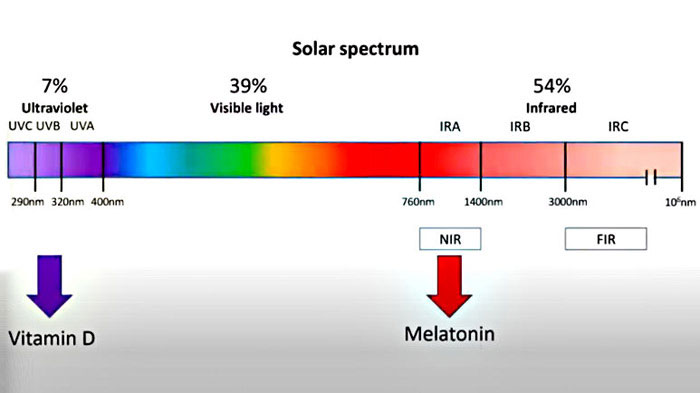
As you can see from the illustration above, 39% of the solar spectrum is what we see as visible light. The majority of the solar spectrum, 54%, is infrared,11 which is not visible but rather felt as heat. Ultraviolet light accounts for only 7% of the solar spectrum, and vitamin D is specifically produced in response to UVB radiation, which is only a small part of the ultraviolet spectrum.
Melatonin is produced inside your mitochondria in response to near-infrared radiation, which is part of the infrared spectrum. Because near-infrared has a much longer wavelength than ultraviolet, it can penetrate much deeper into your body, reaching cells in your subcutaneous tissue and not just on your skin. Near-infrared is not seen but rather felt as warmth. Its penetrative power (heat) also means it can penetrate lightweight clothing.
Melatonin Combats Oxidative Stress, Day and Night
Your mitochondria produce ATP, the energy currency of your cells. A byproduct of this ATP production are reactive oxidative species (ROS), which are responsible for oxidative stress. Excessive amounts of ROS will damage your mitochondria, contributing to suboptimal health, inflammation and chronic health conditions such as diabetes, obesity and thrombosis (blood clots).
The good news is your body has a built-in way to counteract these ROS. Inside your mitochondria, you also have an antioxidant system, and the main antioxidant is melatonin. (Melatonin also upregulates your glutathione pathway.)
Melatonin is perhaps best known as a sleep regulating hormone. At night, the level produced by your pineal gland rises, which help make you sleepy and ready for bed. As the sun rises and morning dawns, the level automatically recedes, allowing you to wake up.
But that’s not all melatonin does. As melatonin is released at night, it travels through your circulatory system and is taken up by cells. Once inside, the melatonin mops up excessive ROS.
Melatonin also helps counteract damaging ROS during the day, but through a different pathway. During the day, near-infrared rays from the sun penetrate deep into your body and activate cytochrome c oxidase, which in turn stimulates the production of melatonin inside your mitochondria.
Melatonin and Sunlight Are Intimately Connected
Melatonin and sunlight are intimately linked and their relationship is unique in the fact that there are two forms of melatonin, circulatory and subcellular, or that produced by the pineal gland and secreted into the blood, and that produced by your mitochondria and used there locally.
Both appear to be controlled by either the absence of sunlight or the presence of sunlight. While circulatory melatonin may be the “hormone of darkness,” subcellular melatonin is the “hormone of daylight.”
Since the beginning of human history, people have lived and worked outdoors during the light of day, absorbing light energy from the sky. An average of 10 hours outdoors each day, 70 hours weekly, was common. Today, we spend an average of fewer than 30 minutes a day or a mere three hours per week in daylight, according to a study by Dr. Daniel Kripke, professor of psychiatry at UC San Diego.12
It is likely that near-infrared (IR) photons stimulate subcellular melatonin synthesis in your mitochondria through cyclic adenosine monophosphate (cAMP) or NF-kB activation, or alternatively by stimulating bone marrow stem cells.13 However, if you fail to expose your skin to sufficient near-IR light from the sun than your mitochondria will have seriously depleted melatonin levels that can’t be corrected through supplementation.
Melatonin’s Role in COVID
Alright, so what does all of this have to do with treating COVID? For this, we need to snake our way through some biology. Angiotensin 2 is a pro-oxidant that is converted into angiotensin 1,7, an antioxidant, by the ACE2 enzyme. ACE2 is the same enzyme the SARS-CoV-2 spike protein attaches to and uses to enter the cell.
Angiotensin 2 increases blood pressure while angiotensin 1,7 lowers it by relaxing your vasculature. If you have high angiotensin 2, you’ll have higher ROS in the cell, which, as mentioned is detrimental, as it damages the machinery of the cell. Angiotensin 1,7, on the other hand, will decrease ROS in the cell.
The problem you encounter with COVID is that when the virus attaches to the cell, it knocks out the ACE2 enzyme (because the spike protein is now bound to it). So, angiotensin 2 increases, angiotensin 1,7 decreases, and the conversion from angiotensin 2 to angiotensin 1,7 cannot occur.
As a result, ROS increases unchecked inside the cell. SARS-CoV-2 infection also increases white blood cell production, and that increases ROS as well. The end result of this elevated oxidative stress is blood clots, which in turn leads to hypoxemia.
Melatonin can break this destructive cycle by mopping up ROS and protecting your mitochondria from destruction.14 As noted by Seheult, if you’re not getting enough sleep at night, and not getting enough sun exposure during the day, your mitochondria are basically “running hot” with inflammation. Melatonin is the coolant that dampens the ROS in your mitochondria.
If your mitochondria are already taxed and you come down with COVID, the added stress can tip you over the edge. If your melatonin system is working well, because you’re getting good sleep and plenty of sun exposure, you’re more likely to fight off the infection and not have it turn serious.
Seed Oils Increase Your Risk for Both COVID and Sunburn
This may seem like a tangent, but it’s an important one. Linoleic acid (LA) makes up the bulk — about 60% to 80% — of the omega-6 fat you consume, and it’s a primary contributor to nearly all chronic diseases. While formerly thought an essential fat, when consumed in excessive amounts, LA actually acts as a metabolic poison.
At a molecular level, excess LA consumption damages your metabolism and impedes your body’s ability to generate energy in the mitochondria. Polyunsaturated fats such as LA are highly susceptible to oxidation, which means the fat breaks down into harmful subcomponents. Oxidized LA metabolites (OXLAMs) are what cause the damage.
Over the last 150 years, the LA in the human diet has increased from 2 to 3 grams a day to 30 or 40 grams. It used to make up just 1% to 2% of the energy in our diet and now it makes up 15% to 20%. This massive increase in LA consumption is what likely contributes to the increased oxidative stress in your body contributing to an increased risk for virtually every chronic degenerative disease.
Primary sources are seed oils and processed foods (which contain seed oils). Conventionally-raised chicken and pork are other common sources, thanks to the LA-rich grains they’re fed. As indicated in the subhead, high LA intake can raise both your risk for sunburn (which you don’t want as that’s what’s contributes to skin cancer) and your risk for COVID.
Eliminating seed oils from your diet will dramatically reduce your risk of sunburn and skin cancer, as susceptibility to UV radiation damage is controlled by the level of PUFAs in your diet. It’s almost like a dial. The PUFAs control how rapidly your skin burns, and how rapidly you develop skin cancer.
As for LA’s impact on COVID, consider this: The key toxin that produces the symptoms of acute respiratory distress syndrome (ARDS) is called leukotoxin, which is made from LA by white blood cells to kill pathogens. Basically, the white blood cells convert the LA into leukotoxin, which contributes to the inflammatory domino effect Seheult describes.
Leukocytes incubated with LA convert all of the LA into this toxin until there’s none left, so, a major part of the disease process in ARDS is the conversion of LA into leukotoxin. That appears to be what’s killing many COVID patients. So, in summary, simply eliminating (or radically reducing) seed oils and conventional chicken and pork from your diet can go a long way toward:
a) Reducing your risk of sunburn, thus allowing you to get plenty of worry-free sun exposure to raise your vitamin D level, increase nitric oxide and boost melatonin production in your mitochondria
b) Lowering your risk of COVID complications by limiting the conversion of LA into leukotoxin
How Melatonin Is Created in Your Mitochondria
While Seheult focuses on the role of melatonin in COVID-19, the paper, “Melatonin in Mitochondria: Mitigating Clear and Present Dangers,”15 goes into much broader applications.
Again, melatonin is important for fighting cancer, and mitochondrial dysfunction plays a central role in most all chronic disease, including cancer, Parkinson’s, Alzheimer’s disease, heart disease and Type 2 diabetes, just to name a few. The paper also describes in far greater detail the mechanism for how melatonin is created within the mitochondria:16
“In normal cells, mitochondria account for energy (ATP) production, which results from glucose metabolism (glycolysis) and cellular respiration (oxidative phosphorylation or OXPHOS) in the inner mitochondrial membrane.
Glycolysis, which occurs in the cytosol, generates pyruvate, which is actively transported into the mitochondrial matrix. Here, pyruvate is converted to acetyl-CoA, the latter linking glycolysis with the citric acid cycle in the mitochondrial matrix and thus coupling it to ATP production.
Acetyl-CoA is also an essential co-factor for N-acetyltransferase (AANAT), which converts serotonin to N-acetylserotonin, the precursor of melatonin; AANAT activity rate limits melatonin synthesis.
In contrast to normal cells, many solid tumor cells allow the metabolism of glucose to pyruvate in the cytosol but restricts the transfer of pyruvate into the mitochondria; this is known as the Warburg effect … The Warburg effect allows cancer cells to rapidly proliferate, avoid apoptosis, and enhance the invasiveness and metastatic processes characteristic of tumors.”
The Warburg Effect in COVID
Interestingly, the Warburg effect is also at play in COVID. As explained in a June 2020 study17 that found melatonin inhibited COVID-19-induced cytokine storm, when your immune cells are in a hyper-inflammatory state, their metabolism changes in a way similar to that of cancer cells:
“Similar to cancer cells … immune cells such as macrophages/monocytes under inflammatory conditions abandon mitochondrial oxidative phosphorylation for ATP production in favor of cytosolic aerobic glycolysis (also known as the Warburg effect) …
The change to aerobic glycolysis allows immune cells to become highly phagocytic, accelerate ATP production, intensify their oxidative burst and to provide the abundant metabolic precursors required for enhanced cellular proliferation and increased synthesis and release of cytokines …
Because of melatonin’s potent antioxidant and anti-inflammatory activities, it would normally reduce the highly proinflammatory cytokine storm and neutralize the generated free radicals thereby preserving cellular integrity and preventing lung damage.”
Optimize Your Health With Sensible Sun Exposure
Basically, what “Melatonin in Mitochondria” found is that melatonin is an ideal target when trying to combat mitochondria-related diseases and cancer, because it has ready access to, and is synthesized in, your mitochondria, right where the oxidative stress occurs. By reprogramming the faulty glucose metabolism, melatonin can optimize mitochondrial function and curtail cancer growth.
Remember, taking melatonin supplements will not transfer to increasing mitochondrial melatonin production. It needs to be produced near your mitochondria and not float down from your pineal gland. So, oral supplementation is not a substitute for going outside during the day.
If you take it during the day, you’re tricking your body into thinking it’s nighttime, which could cause problems. As far as we know, the best way to increase mitochondrial melatonin is to optimize your near-IR exposure through regular sunlight exposure.
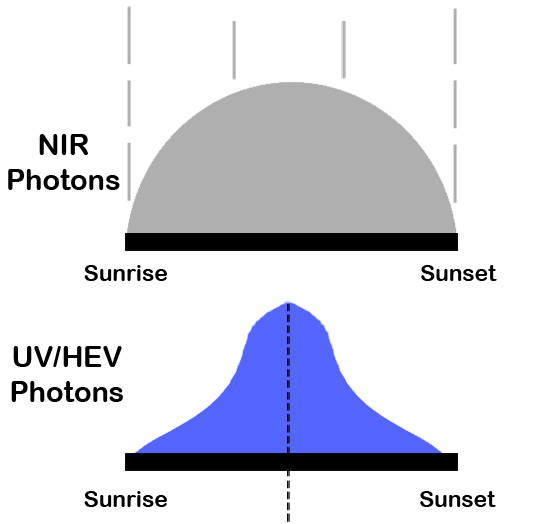
As you can see in the graph above, unlike increasing vitamin D, you have a much broader window where you can get near-IR exposure. Interestingly, spending time in nature is another way to increase your IR levels as most green plants and trees reflect IR. This is likely why forest bathing is so healthy.
The good news is you don’t have to be close to naked to benefit, as you do when optimizing your vitamin D production. The near-infrared radiation will penetrate lightweight clothing. So, you can cover yourself to prevent sunburn if you’re outside for a longer period of time, while still getting the near-infrared that you need. (Also, remember what I just told you about eliminating LA from your diet to cut your sunburn risk.) That said, you will absorb more IR on your bare skin.
The other side of the equation is avoiding bright light late at night. To optimize melatonin release in your pineal gland at night, avoid blue light-emitting gadgets at least a couple of hours before bed and keep the lighting in your room dim. Blue-blocking glasses can also be used. Once in bed, makes sure your room is pitch black, as even a small amount of light can interfere with melatonin production.
Together, sun exposure during the day and keeping it dark at night, will ensure your mitochondria are being bathed — day and night — in melatonin that reduces harmful ROS. So, as suggested by Seheult, try to spend more time outdoors, especially if you’re sick (whether it be COVID or some other respiratory infection) or battle chronic disease.
- 1, 15, 16 Physiology February 5, 2020 DOI: 10.1152/physiol.00034.2019
- 2 Indian J. Exp Biol. May 1996; 34(5): 391-402
- 3 Frontiers in Pharmacology August 21, 2020 DOI: 10.3389/fphar.2020.01220
- 4 Allergy Research Group, Melatonin, the Antioxidant Recycler
- 5 Cell Death & Disease 2019; 10 article number 317
- 6 Oncotarget June 13, 2017; 8(24): 39896–39921
- 7, 8 Diseases, 2021; doi.org/10.1016/j.ijid.2021.10.012
- 9 Frontiers in Medicine, 2020; doi.org/10.3389/fmed.2020.00226
- 10 British Journal of Dermatology May 31, 2021 10.1111/bjd.20093
- 11 Journal of Photobiochemistry and Photobiology February 2016; 155: 78-85
- 12 Sleep Med Rev. 2016 Aug; 28: 69–85
- 13 Melatonin Research February 2019; 2(1): 138-160
- 14 Life Sciences April 1, 2022; 294: 120368
- 17 Medical Drug Discoveries June 2020; 6:100044
Eating Chocolate Could Slash High Blood Pressure Risk
© GreenMedInfo LLC. This work is reproduced and distributed with the permission of GreenMedInfo LLC.
Want to learn more from GreenMedInfo? Sign up for the newsletter here:
www.greenmedinfo.com/greenmed/newsletter
Reproduced from original article:
www.greenmedinfo.com/blog/eating-chocolate-could-slash-high-blood-pressure-risk
Posted on: Wednesday, May 20th 2020 at 4:00 pm
Written By: GreenMedInfo Research Group
This article is copyrighted by GreenMedInfo LLC, 2020

There’s a growing list of research touting chocolate’s antioxidant content, favorable action against disease-inducing oxidative stress and overall health benefits. One study highlights chocolate’s potential to reduce the risk for high blood pressure, which can be good news amid near-epidemic levels of this condition worldwide
A number of studies support the positive effects of cocoa on cardiovascular health, including its ability to reduce common risk factors such as insulin resistance, endothelial dysfunction, low levels of HDL or “good” cholesterol and oxidized LDL (or “bad”) cholesterol.[i]
Recently, a study on French women investigated the potential benefit of cocoa consumption in lowering high blood pressure risk.
Which Cocoa Source Is Good for Blood Pressure?
In a cohort of 45,653 women, researchers estimated chocolate intake based on a 208-item dietary questionnaire and 24-hour recall.[ii] A detailed food composition table helped them estimate quantities of cocoa found in certain foods, such as chocolate drinks, biscuits, cakes, candy bars and desserts. Median chocolate consumption was 2.3 grams (g) per day at baseline.
Self-reported cases of high blood pressure were validated through a drug reimbursement database. Some 12,793 cases of the condition were identified in the study. In their assessment of the links between specific cocoa sources and high blood pressure risk, the group found that moderate — but not high — cocoa intake from all dietary sources was inversely associated with high blood pressure risk.
They concluded that moderately consuming plain chocolate can potentially reduce the risk for high blood pressure, while eating chocolate from sweet sources (i.e., desserts) can bring about an increased risk.
In a 2006 study, researchers saw that consuming around the same amount as the current study — 2.11 g of cocoa a day, which translates to just half an ounce every week — also had benefits. Men with the highest cocoa consumption slashed their risk of cardiovascular death by half compared to men who ate the least cocoa. High cocoa consumption also reduced the risk of all-cause mortality.[iii]
The GreenMedInfo database offers at least 170 abstracts with chocolate research, including a handful on its impact on cardiovascular diseases, high blood pressure and endothelial dysfunction.
Current estimates note that 1.13 billion people around the world have high blood pressure, with most living in low and middle income nations.[iv]
The Antioxidant Factor
In studies featuring the benefits of chocolate, tea, red wine and blueberries, one would likely encounter words like anthocyanins, flavonoids and antioxidants.
Antioxidants are a broad range of biochemicals that scour free radicals. These sinister oxidizers, once set loose, incite a chain reaction that starts to oxidize unsaturated fats of cell membranes, which then leads to crippled DNA expression, cell division and immune function, to name a few functions.[v]
Antioxidants fight oxidative stress or inflammation, which plays an important role in virtually all diseases including cancer, heart disease, diabetes and joint pain.[vi]
In a study published in the American Journal of Clinical Nutrition, chocolate was found to lower risk factors for diabetes.[vii] Eating chocolate’s active constituents, namely cacao and flavan-3-ols, reduced insulin resistance significantly.
Cocoa flavanols (a type of antioxidant) are plant-derived bioactive ingredients from the cacao bean. The dietary consumption of flavanols has been associated with improved cardiovascular health, such as the improvement of blood vessel elasticity and lowered blood pressure.[viii],[ix]
There’s a clincher, however: the compounds are often destroyed during normal food processing. Raw chocolate might be your best bet since the more heated and processed cacao is, the more flavanols and other antioxidants are lost. Raw cacao is available in bean, nib or powder form.
For other forms of chocolate, most experts recommend looking for chocolate that’s organic, fair-trade and as dark as possible, containing at least 70% cacao content.
References [i] Y Wan et al “Effects of cocoa powder and dark chocolate on LDL oxidative susceptibility and prostaglandin concentrations in humans”. Am J Clin Nutr. 2001 Nov;74(5):596-602. [ii] MacDonald CJ et al “Consumption of cocoa-containing foods and risk of hypertension in French women” Eur J Epidemiol. 2020 Jan 25. [iii] Brian Buijsse et al “Cocoa intake, blood pressure, and cardiovascular mortality: the Zutphen Elderly Study” Arch Intern Med. 2006 Feb 27 ;166(4):411-7. [iv] World Health Organization https://www.who.int/news-room/fact-sheets/detail/hypertension [v] GreenMedInfo www.greenmedinfo.com/blog/coffee-tea-turmeric-and-beyond-zero-essential-polyphenols-capt-randall-0 [vi] GreenMedInfo www.greenmedinfo.com/blog/coffee-tea-turmeric-and-beyond-zero-essential-polyphenols-capt-randall-0 [vii] Lee Hooper et al “Effects of chocolate, cocoa, and flavan-3-ols on cardiovascular health: a systematic review and meta-analysis of randomized trials” Am J Clin Nutr. 2012 Feb 1. Epub 2012 Feb 1. [viii] Roberto Sansone et al “Cocoa flavanol intake improves endothelial function and Framingham Risk Score in healthy men and women: a randomised, controlled, double-masked trial: the Flaviola Health Study” British Journal of Nutrition, 2015. [ix] Science Daily https://www.sciencedaily.com/releases/2015/09/150910110832.htm

Flavonoid compounds from milk thistle discovered to have anticancer properties
Reproduced from original article:
https://www.naturalhealth365.com/flavonoid-milk-thistle-3153.html
by: Lori Alton, staff writer | October 14, 2019

(NaturalHealth365) Herbal healers have long treasured milk thistle – and its flavonoid compounds – for its ability to clean out the liver and reduce the risk of illnesses such as hepatitis, cirrhosis and nonalcoholic fatty liver disease.
But milk thistle may possess another valuable feather in its cap – recent studies support the ability of silymarin, a milk thistle constituent, to attack cancer in a variety of ways while leaving normal cells unharmed. In fact, a new South Korean study credits silymarin with the ability to strike at cancer by interfering with a key pathway the disease needs in order to spread.
As if that weren’t impressive enough, research shows that silymarin from milk thistle can strengthen the therapeutic action of chemotherapy drugs, while simultaneously easing their toxic side effects. Not that we “promote” the use of chemotherapy, but – it does illustrate the amazing ability of milk thistle to protect our health.
New study: Silymarin inhibits the spread of stomach cancer cells
In a study conducted at Kongju National University and published just last month in Oncology Reports, researchers found that silymarin significantly decreased the survival and migration of cancer cells – thereby interfering with the ability of the disease to spread to other locations in the body.
Silymarin also caused apoptosis – or programmed “cell suicide”– in stomach cancer cells. The team discovered that silymarin worked by interfering with the MAP-Kinase pathway, a chain of proteins involved in the growth of cancer cells.
Clearly, this is good news! The scientists noted silymarin’s potential for development as a cancer treatment, and called for more study.
Silymarin fights cancer through multiple methods of attack
Why, exactly, are researchers so impressed with silymarin’s therapeutic potential? For one thing, silymarin has powerful antioxidant and anti-inflammatory capabilities, allowing it to scavenge harmful free radicals and limit disease-causing oxidative damage.
In addition, silymarin protects and preserves glutathione, the “master antioxidant” and keystone of the body’s defense system. Silymarin also prevents toxins from binding to cell membrane receptors – thereby helping to protect against the cancer-causing mutation of cells.
Finally, silymarin decreases production of matrix metalloproteinases (MMPs), enzymes that promote the metastasis of cancer. In research published in Carcinogenesis, scientists credited silymarin with suppressing the invasiveness of bone cancer by interfering with production of MMPs.
Plus, in a separate study, researchers noted that silymarin prevented the progression of liver cancer – also by inhibiting MMPs.
Clinical and case studies highlight silymarin’s potential against hormone-sensitive cancers
Silymarin shows particular promise in preventing and treating cancers that depend on hormones to grow, such as cancers of the breast and prostate.
The flavonoid has been shown to block migration in breast cancer cells – even those of triple negative breast cancer, which is particularly invasive. Silymarin also decreases levels of telomerase, which promotes breast cancer cell survival.
In a promising study published in Cancer Research in 2007, 160 mg of silymarin a day reduced prostate cancer tumor size up to 64 percent. Silymarin can also help prevent prostate cancer by boosting levels of proteins that destroy potentially pre-cancerous cells – and by suppressing production of inflammatory molecules linked to prostate cancer spread.
In one study, a regimen of silymarin – along with vitamin C and E along with the cancer-fighting mineral selenium – significantly reduced markers of cancer in prostate cancer patients.
Milk thistle extracts increase the power of conventional cancer drugs, while alleviating toxic effects
In addition to its other gifts, silymarin can help diminish adverse effects from anticancer drugs. In one randomized, placebo-controlled study involving children with acute lymphoblastic leukemia, 160 to 320 mg a day of silymarin for 28 days reduced liver toxicity from chemotherapy.
The flavonoid also helped to restore liver function in breast cancer patients treated with the chemo drug carboplatin. As if that weren’t impressive enough, silymarin also seems to promote and intensify the cancer-fighting properties of other medications and therapies.
In one study, silibinin (a type of silymarin) made brain cancer cells more susceptible to trial cancer treatments. Other studies have demonstrated silymarin’s ability to increase the effectiveness of photodynamic theory on bladder cancer cells.
Non-toxic milk thistle features an excellent safety profile
Milk thistle is available in tablets, capsules and powders – and can even be sipped as a tea. Integrative healthcare providers may advise milk thistle dosages in the area of 100 mg to 450 mg a day – with about 150 mg advised for general liver support.
Note: It’s best to consult with a doctor – that has experience with herbs – before trying milk thistle, and don’t attempt to treat cancer – or any other medical condition – with milk thistle extract unless under the supervision of a medical professional.
Milk thistle’s remarkable ability to destroy cancer cells – coupled with its lack of toxicity – makes it one of the “M.V.P.s” of natural cancer therapies.
Editor’s note: The NaturalHealth365 Store offers LuvByNature LiverLuv – the best supplement for liver support – containing milk thistle plus much more! Click here to order today.
Sources for this article include:
Parsley: Five Top Benefits of This Easy-to-Grow Herb
© GreenMedInfo LLC. This work is reproduced and distributed with the permission of GreenMedInfo LLC.
Want to learn more from GreenMedInfo? Sign up for the newsletter here:
www.greenmedinfo.com/greenmed/newsletter
Reproduced from original article:
www.greenmedinfo.com/blog/parsley-five-top-benefits-easy-grow-herb
Posted on: Thursday, August 19th 2021 at 4:15 pm

Discover the many health benefits of parsley in its fresh and dried forms, from a rich antioxidant profile to natural properties against diabetes and eye disorders
Parsley is often used as a flavoring among the chopped greens in your salad and makes a rich addition to sauces for juicy steaks, or a trusty garnish on your favorite dishes.
However, it’s also a veritable medicine sitting in your pantry, perhaps as juice to relieve edema or a powerful antioxidant source. The possibilities are endless with Petroselinum crispum, an important culinary herb originating from the Mediterranean region.
Parsley contains a formidable lineup of constituents such as coumarins, carotenoids, ascorbic acids and flavonoids for a wide range of health uses. These constituents give parsley plenty of wellness benefits, from being antimicrobial and diuretic to antihypertensive and anticoagulant.[i]
In fact, it’s used in Morocco mostly as an elixir to treat arterial hypertension, diabetes, and cardiac and renal disorders. Here are some of the top benefits of parsley for better health.
1. Rich Nutrient Source
Parsley is a nutrient-dense food. A one-cup serving (60 grams) of fresh parsley provides 22 calories, 3.8 grams (g) of carbohydrates, 1.8 g of protein, 2 g of dietary fiber, 3.72 milligrams (mg) of iron or 22% of the reference daily intake, 332 mg of potassium or 7% of RDI, 79.8 mg of vitamin C and 82.8 mg of calcium.[ii]
Parsley can be used in many flexible forms as part of a healthy diet. You may add fresh parsley to your dressings, sauces and marinades, or simply chop a few sprigs to garnish meals or add the herb to the dish by the end of its cooking time.
You may dry your fresh parsley, too. Tie a bunch together, then hang it upside down in a cool and dry place.[iii] Once completely dry, remove the stems and store the leaves in an airtight container. You may also use a dehydrator or a slightly warm oven. Why not also use the herb as a natural breath freshener? It’s a proven folk remedy against halitosis in a number of places including Italy.[iv]
Parsley can be part of your own home garden; seeds can be planted outdoors in March or April, depending on your growing season, or in late summer for early growth the next spring.
2. Full of Antioxidants
Parsley is chock full of potent antioxidants, which are compounds that prevent cellular damage from free radicals and are required by the body to maintain optimal health.[v] Parsley and celery juices successfully restored antioxidant activity in animal models treated with the chemotherapy drug doxorubicin.[vi]
Further studies show that diets rich in antioxidants such as flavonoids may slash the risk of diseases, including colon cancer.[vii] And as oxidative stress plays a principal role in stress-induced gastric injury, parsley offers antioxidants such as flavonoids, carotenoids and ascorbic acid to combat it.[viii] It might interest you to know that dried parsley appeared in a study to be more antioxidant-rich than its fresh counterpart.[ix]
3. Antidiabetic Action
Many medicinal herbs and spices have been traditionally celebrated for helping to control glucose levels with minimal to no side effects.
Along with Egyptian balsam, parsley extract was found to exhibit antidiabetic and antioxidant properties in Type 1 diabetes mellitus cases.[x] The herbal preparations were found to significantly reduce mean blood glucose levels and significantly increase insulin and total antioxidant capacity in the treated diabetic groups versus the control group.
In a Turkish study, researchers found that parsley had a significant hepatoprotective effect in diabetic animal models, where those treated with the herb demonstrated substantially lower levels of blood glucose, among other markers.[xi]
In similar findings, a separate study concluded that due to its antioxidant properties, parsley extract had a protective effect comparable to diabetes drug glibornuride against hepatotoxicity from the disease.[xii]
4. Promotes Healthy Vision and Bones
Carotenoids such as lutein, beta carotene and zeaxanthin, all found in parsley, help protect the eyes and promote fully functioning vision. Consuming food rich in these carotenoids has been associated with a reduced likelihood of age-related macular degeneration and cataracts.[xiii]
In a study involving 77,466 female nurses ages 45 to 71, lutein and zeaxanthin, on top of foods rich in those carotenoids, were shown to reduce the risk of cataracts severe enough to require extraction.[xiv] Research also vouches for parsley’s bone health benefits. The plant is rich in vitamin K, which is essential for bone health, and in fact packs an impressive 820% of the RDI (984 micrograms) in a one-cup serving.[xv]
In a study, aqueous extracts of parsley as well as basil and chicory, showed bone protection against glucocorticoid-induced osteoporosis in animal subjects.[xvi]
5. Natural Cancer Fighter
Flavonoids possess antioxidant, anti-inflammatory and anticancer activities through multiple mechanisms, including inducing cancer cell death in breast, colorectal and prostate cancers as well as inhibiting malignant cell proliferation in various types of cancer.[xvii]
In a 2020 study, parsley showed anticancer action in human glioblastoma cells alongside an outstanding antioxidant profile. The methanol extract of the herb was also seen as a potential anti-proliferative.[xviii]
Research also showed that parsley may stop breast cancer tumor growth linked to synthetic hormone replacement therapy. In a study, animal subjects exposed to apigenin, a common flavonoid found in parsley, developed fewer tumors and had significant delays in tumor formation compared to subjects not exposed to the flavonoid.[xix]
Find more scientific research on parsley benefits on the GreenMedInfo.com database.

References
[i] Mahmood S et al “Critique of medicinal conspicuousness of Parsley(Petroselinum crispum): a culinary herb of Mediterranean region” Pak J Pharm Sci. 2014 Jan;27(1):193-202.
[ii] NutritionValue.org https://www.nutritionvalue.org/Parsley%2C_fresh_nutritional_value.html
[iii] CookingChannelTV.com https://www.cookingchanneltv.com/devour/2013/06/25-ways-to-use-parsley
[iv] Madhushankari G et al “Halitosis – An overview: Part-I – Classification, etiology, and pathophysiology of halitosis” J Pharm Bioallied Sci. 2015 Aug; 7(Suppl 2): S339-S343.
[v] Lobo V et al “Free radicals, antioxidants and functional foods: Impact on human health” Pharmacogn Rev. 2010 Jul-Dec; 4(8): 118-126.
[vi] Kolarovic J et al “Antioxidant activities of celery and parsley juices in rats treated with doxorubicin” Molecules. 2010 Sep 3 ;15(9):6193-204. Epub 2010 Sep 3.
[vii] Chang H et al “Dietary Flavonoids and the Risk of Colorectal Cancer: An Updated Meta-Analysis of Epidemiological Studies” Nutrients. 2018 Jul 23;10(7):950.
[viii] Akinci A et al “Petroselinum Crispum is Effective in Reducing Stress-Induced Gastric Oxidative Damage” Balkan Med J. 2017 Jan ;34(1):53-59. Epub 2017 Jan 5.
[ix] Opara E et al “Culinary Herbs and Spices: Their Bioactive Properties, the Contribution of Polyphenols and the Challenges in Deducing Their True Health Benefits” Int J Mol Sci. 2014, 15(10), 19183-19202
[x] Khalil N et al “Antidiabetic and Antioxidant Impacts of Desert Date (Balanites aegyptiaca) and Parsley (Petroselinum sativum) Aqueous Extracts: Lessons from Experimental Rats” J Diabetes Res. 2016 ;2016:8408326. Epub 2016 Feb 25.
[xi] Bolkent S et al “Effects of parsley (Petroselinum crispum) on the liver of diabetic rats: a morphological and biochemical study” Phytother Res. 2004 Dec;18(12):996-9.
[xii] Ozsoy-Sacan O et al “Effects of parsley (Petroselinum crispum) extract versus glibornuride on the liver of streptozotocin-induced diabetic rats” J Ethnopharmacol. 2006 Mar 8;104(1-2):175-81. Epub 2005 Oct 11.
[xiii] Abdel-Aal E et al “Dietary sources of lutein and zeaxanthin carotenoids and their role in eye health” Nutrients. 2013 Apr 9;5(4):1169-85.
[xiv] Chasan-Taber L et al “A prospective study of carotenoid and vitamin A intakes and risk of cataract extraction in US women” Am J Clin Nutr. 1999 Oct;70(4):509-16.
[xv] NutritionValue.org https://www.nutritionvalue.org/Parsley%2C_fresh_nutritional_value.html
[xvi] Hozayen W et al “Antiosteoporotic effect of Petroselinum crispum, Ocimum basilicum and Cichorium intybus L. in glucocorticoid-induced osteoporosis in rats” BMC Complement Altern Med. 2016 ;16(1):165. Epub 2016 Jun 2.
[xvii] Hazafa A et al “The Role of Polyphenol (Flavonoids) Compounds in the Treatment of Cancer Cells” Nutr Cancer. 2019 Jul 9:1-12. Epub 2019 Jul 9.
[xviii] Aissani N et al “Anticancer Effect in Human Glioblastoma and Antioxidant Activity ofL. Methanol Extract” Nutr Cancer. 2020 Oct 29:1-9. Epub 2020 Oct 29.
[xix] Mafuvadze B et al “Apigenin prevents development of medroxyprogesterone acetate-accelerated 7,12-dimethylbenz(a)anthracene-induced mammary tumors in Sprague-Dawley rats” Cancer Prev Res (Phila). 2011 Aug;4(8):1316-24. Epub 2011 Apr 19.
Arctic herb linked to IMPROVED quality of life, especially for people feeling emotionally upset
Reproduced from original article:
www.naturalhealth365.com/arctic-herb-quality-of-life-3847.html
by: Karen Sanders, staff writer | May 27, 2021
 (NaturalHealth365) For centuries, natural practitioners have relied on Rhodiola rosea to stop depression, treat age-related cognitive decline, promote overall wellbeing and boost physical performance. Now, emerging data links this ancient herb with the ability to prolong life.
Rhodiola also called golden root or arctic root grows in the mountainous areas of Asia and Europe. The medicinal use of rhodiola root, which has a characteristic fragrance of roses, has been documented as early as the first century A.D. In fact, rhodiola has been traditionally used in Russian folk medicine to treat stress, hysteria, and headaches; in the ancient Indian healing system known as Ayurveda, rhodiola is treasured as a rasayana, or “royal” herb capable of extending life.
Multifaceted herbal solution reduces stress-related fatigue
Like ginseng, another adaptogenic herb, rhodiola boosts the immune system, combats depression and fatigue, and helps the body deal with stress. Animal and test-tube studies have supported the power of rhodiola, as an antioxidant, to decrease the creation of free radicals – which helps to prevent serious health conditions like, cancer and heart disease.
Rhodiola’s therapeutic powers – which have been known to natural healers for close to two thousand years — are currently impressing conventional Western-trained scientists. Even the anti-natural healing advocates at Memorial Sloan-Kettering Cancer Center credit rhodiola with neuroprotective, antidepressant, and antioxidant effects, and confirms that the herb can improve physical and mental performance while reducing stress-related fatigue.
Interestingly, the effects of this useful herb can vary by the amount you take. While low amounts appear to stimulate mental clarity and promote vitality – by improving blood flow to the brain and stimulating the serotonin, norepinephrine, and dopamine systems – higher amounts have a mildly sedating effect.
Recent studies confirm rhodiola has potent life-extending properties
In a study published in 2013 in the medical journal PLOS One, researchers found that rhodiola increased the lifespan of Drosophilia fruit flies by a dramatic 24 percent. Drosophila fruit flies are a common subject of laboratory study, due to both their abbreviated life spans and the number of genes they share in common with humans. Although this result may seem at first glance to have little relevance to human longevity, knowing how rhodiola helps prolong life can help scientists glean valuable insight into ways in which the herb can help treat and prevent age-related health issues and degenerative diseases.
Making the study results even more significant is the fact that rhodiola produced its results by an unusual mechanism that was unrelated to dietary restriction, the usual method of increasing life span in studies.
Dietary restriction prolongs life — up until the point that diet is so severely restricted that malnutrition becomes an issue. Contrary to all expectations, rhodiola prolonged life even when the severely decreased nutrients should have shortened it, and even helped extend the lives of flies that were already elderly. These promising results led researchers to conclude that rhodiola is a viable candidate to treat aging and age-related disease in humans.
Like so many other life-prolonging herbs, rhodiola is rich in antioxidants.
In addition to rhodiola’s primary active constituents – phytochemicals known as rosavin, rosarin, and salidroside – the roots are also packed with flavonoids, catechins, and proanthocyanidins – the same healthful plant pigments found in acknowledged ‘superfoods’ such as blueberries and cherries. Beta-sitosterol, a natural anti-inflammatory substance, is found in rhodiola as well, as well as beneficial gallic acid, which is also a constituent of life-prolonging green tea.
How effective is rhodiola in helping people with depression?
In a double-blind, randomized 6-week study published in 2007 in Nordic Journal of Psychiatry, patients with mild to moderate depression who were given rhodiola experienced a substantial reduction in symptoms of depression and insomnia, as assessed on day 42 with the use of the Hamilton Depression Scale and the Beck Depression Inventory.
Patients who received a placebo rather than rhodiola reported no improvement whatsoever. Plus, no serious side effects were reported in the rhodiola group.
How much rhodiola should I take?
Rhodiola, standardized to contain 3 percent rosavin and 1 to 2 percent salidroside, is available in capsule and tablet form at health food stores and online. The usual amount is 200 to 600 milligrams per day.
Rhodiola is generally considered safe, but you shouldn’t use it to treat depression – or any other condition – unless under the guidance of a qualified medical professional – well trained in herbalism. It can interact with prescription drugs and other supplements; so consult your doctor before taking rhodiola – especially if you also take psychotropic medications or have diabetes or a thyroid condition.
This sweet-smelling, rose-scented arctic root – which is currently being studied for possible applications in treating Alzheimer’s disease and cancer – may hold a sweet promise indeed: the potential for extending human life.
Sources for this article:
NIH.gov
NIH.gov
MSKCC.org
MentalHealthAmerica.net
PLOS.org
Quercetin: What It Is and Why You Need It
© May 25th 2021 GreenMedInfo LLC. This work is reproduced and distributed with the permission of GreenMedInfo LLC.
Want to learn more from GreenMedInfo? Sign up for the newsletter here:
www.greenmedinfo.com/greenmed/newsletter
Reproduced from original article:
www.greenmedinfo.com/blog/quercetin-what-it-and-why-you-need-it
Posted on: Wednesday, May 19th 2021 at 4:15 pm
Written By: GreenMedInfo Research Group
This article is copyrighted by GreenMedInfo LLC, 2021

Find out more about quercetin and how this potent antioxidant flavonoid offers significant therapeutic benefits against a wide range of conditions, from diabetes to DNA damage
Flavonoids are one of nature’s many therapeutic gifts. Widely found in fruits and vegetables, these phenolic substances have antioxidant properties that protect cells from free radical damage.[i] One of the most well-known and studied flavonoids is quercetin, a flavonol mostly found in onions, berries, citrus fruits, broccoli and grapes.
A potent antioxidant, quercetin boasts of anti-inflammatory, anti-hypertensive, antiobesity and anti-atherosclerotic actions. Since free radicals figure into the development of diseases, quercetin holds promise for benefitting conditions such as high blood pressure, vascular disorders and metabolic syndrome.[ii] Here is compelling evidence of the health benefits of quercetin.
Potential Anti-Diabetes Aid
The development of Type 2 diabetes has been linked to oxidant stress caused by an unhealthy diet.[iii] Toona sinensis leaves, which are rich in quercetin, may reduce the risk of diabetes by reducing oxidative stress in the liver.
A topical compound containing substances such as quercetin, ascorbyl palmitate and vitamin D3 was formulated to reduce the oxidative stress contributing to peripheral diabetic neuropathy.[iv] A preliminary study in 2005 showed that the compound may safely relieve the symptoms of diabetic neuropathy and enhance quality of life.
Quercetin displayed protective effects in the kidneys and liver of obese animal models with Type 2 diabetes.[v] Together with quinic acid, quercetin also helped ameliorate hyperglycemia, hyperlipidemia and insulin resistance in diabetic rats.[vi]
Protection From DNA Damage
A 2011 study investigated the potential protective effects of quercetin against DNA damage and oxidative stress induced by methylmercury in animal subjects.[vii] For over 45 days, animal models were orally treated with methylmercury and the flavonoid with doses reflecting human exposure. The team then measured DNA damage in liver cells called hepatocytes and peripheral leukocytes (white blood cells).
The results revealed that methylmercury reduced the concentration of glutathione in the body by 17% and caused DNA damage to liver and blood cells. With quercetin, no such effects manifested. “In summary, our results indicate that consumption of quercetin-rich foods may protect mercury-exposed humans against the adverse health effects of the metal,” the researchers wrote.[viii]
What makes this benefit particularly crucial is that the prevention of DNA damage is involved in preventing cancer via dietary compounds. An aqueous horseradish extract and its main flavonoids kaempferol and quercetin, for instance, demonstrated potential for DNA damage protection likely by acting as antimutagens.[ix]
Chemopreventive Properties
Epidemiological studies vouch for the protective effects of phytochemicals against cancer risk. As a ubiquitous flavonoid, quercetin is an ideal candidate to fight cancer due to its antioxidant and antiproliferative actions.[x]
It is known to modulate a plethora of molecules for multitargeted cancer prevention and therapy. Here are examples of quercetin’s chemopreventive abilities:
- Incorporated in liposomes along with resveratrol, quercetin may be valuable in treating inflammation or oxidative stress associated with precancerous or cancerous skin lesions.[xi]
- Quercetin exhibited a preventive effect on liver cancer in animal models.[xii] Hepatocellular carcinoma, the most common form of liver cancer, is on the rise in many countries, with an estimated 905,677 new cases globally in 2020.[xiii]
- Quercetin inhibited tumor growth and enhanced the sensitivity to thermotherapy, indicating a potential treatment option for hepatocellular carcinoma.[xiv]
- The combination of quercetin and ionizing radiation might be a promising therapy for colon cancer treatment through targeting colon cancer stem-like cells and inhibiting the Notch-1 signaling.[xv]
- Quercetin suppressed the metastatic ability of lung cancer, with potential therapeutic applications for metastatic non-small cell lung cancer in particular.[xvi]
Prevention and Treatment of Various Infections
Quercetin may protect against the antibiotic-resistant Streptococcus pneumoniae infection mainly through inhibiting pneumolysin, a pore-forming cytotoxin and a major determinant of virulence.[xvii] Separate findings previously highlighted quercetin’s therapeutic potential in treating sepsis as well.[xviii]
The flavonoid derivative quercetin-3β-O-D-glucoside (Q3G) also showed promising antiviral activity against two distinct species of Ebola, outbreaks of which occur frequently in African countries.[xix]
Hyaluronic acid, chondroitin sulfate, curcumin and quercetin taken together were also effective in preventing recurrent urinary tract infections in postmenopausal women.[xx]
Read more about scientific proof of the therapeutic value and significance of quercetin across numerous health issues and conditions in the nearly 600 abstracts with quercetin research found on the GreenMedInfo.com database.

References
[i] David A et al “Overviews of Biological Importance of Quercetin: A Bioactive Flavonoid” Pharmacogn Rev. 2016 Jul-Dec; 10(20): 84-89.
[ii] David A et al “Overviews of Biological Importance of Quercetin: A Bioactive Flavonoid” Pharmacogn Rev. 2016 Jul-Dec; 10(20): 84-89.
[iii] Zhang Y et al “Quercetin Isolated from Toona sinensis Leaves Attenuates Hyperglycemia and Protects Hepatocytes in High-Carbohydrate/High-Fat Diet and Alloxan Induced Experimental Diabetic Mice” J Diabetes Res. 2016 ;2016:8492780. Epub 2016 Nov 15.
[iv] Valensi P et al “A multicenter, double-blind, safety study of QR-333 for the treatment of symptomatic diabetic peripheral neuropathy. A preliminary report” J Diabetes Complications. 2005 Sep-Oct;19(5):247-53.
[v] Lai L et al “Protective effects of quercetin and crocin in the kidneys and liver of obese Sprague-Dawley rats with Type 2 diabetes: Effects of quercetin and crocin on T2DM rats” Hum Exp Toxicol. 2020 Oct 6:960327120954521.
[vi] Arya A et al “Synergistic effect of quercetin and quinic acid by alleviating structural degeneration in the liver, kidney and pancreas tissues of STZ-induced diabetic rats: a mechanistic study” Food Chem Toxicol. 2014 Sep ;71:183-96. Epub 2014 Jun 19.
[vii] Barcelos G et al “Protective properties of quercetin against DNA damage and oxidative stress induced by methylmercury in rats” Arch Toxicol. 2011 Feb 1. Epub 2011 Feb 1.
[viii] Barcelos G et al “Protective properties of quercetin against DNA damage and oxidative stress induced by methylmercury in rats” Arch Toxicol. 2011 Feb 1. Epub 2011 Feb 1.
[ix] Molecules. 2014 ;19(3):3160-72. Epub 2014 Mar 14. PMID: 24637991 www.greenmedinfo.com/article/aqueous-horseradish-extract-and-its-main-flavonoids-kaempferol-and-quercetin-h
[x] Priyadarsini R et al “The flavonoid quercetin modulates the hallmark capabilities of hamster buccal pouch tumors” Nutr Cancer. 2011 Feb 2:1. Epub 2011 Feb 2.
[xi] Caddeo C et al “Effect of quercetin and resveratrol co-incorporated in liposomes against inflammatory/oxidative response associated with skin cancer” Int J Pharm. 2016 Nov 20 ;513(1-2):153-163. Epub 2016 Aug 5.
[xii] Seufi A et al “Preventive effect of the flavonoid, quercetin, on hepatic cancer in rats via oxidant/antioxidant activity: molecular and histological evidences” J Exp Clin Cancer Res. 2009 ;28:80. Epub 2009 Jun 11.
[xiii] Medscape January 31, 2021 https://www.medscape.com/answers/197319-39196/what-is-the-global-incidence-of-hepatocellular-carcinoma-hcc-worldwide
[xiv] Dai W et al “Quercetin induces apoptosis and enhances 5-FU therapeutic efficacy in hepatocellular carcinoma” Tumour Biol. 2015 Dec 1. Epub 2015 Dec 1.
[xv] Li Y et al “Quercetin pretreatment enhances the radiosensitivity of colon cancer cells by targeting Notch-1 pathway” Biochem Biophys Res Commun. 2020 Jan 18. Epub 2020 Jan 18.
[xvi] Chang J et al “Quercetin suppresses the metastatic ability of lung cancer through inhibiting Snail-dependent Akt activation and Snail-independent ADAM9 expression pathways” Biochim Biophys Acta. 2017 10 ;1864(10):1746-1758. Epub 2017 Jun 23.
[xvii] Lv Q et al “Quercetin, a pneumolysin inhibitor, protects mice against Streptococcus pneumoniae infection” Microb Pathog. 2020 Mar ;140:103934. Epub 2019 Dec 17.
[xviii] Cui W et al “Quercetin Exerted Protective Effects in a Rat Model of Sepsis via Inhibition of Reactive Oxygen Species (ROS) and Downregulation of High Mobility Group Box 1 (HMGB1) Protein Expression” Med Sci Monit. 2019 Aug 4 ;25:5795-5800. Epub 2019 Aug 4.
[xix] Qiu X et al “Prophylactic efficacy of Quercetin-3-β-O-D-glucoside against Ebola virus infection” Antimicrob Agents Chemother. 2016 Jun 13. Epub 2016 Jun 13.
[xx] Torella M et al “Efficacy of an orally administered combination of hyaluronic acid, chondroitin sulfate, curcumin and quercetin for the prevention of recurrent urinary tract infections in postmenopausal women” Eur J Obstet Gynecol Reprod Biol. 2016 Dec ;207:125-128. Epub 2016 Nov 1.