Omega-6
now browsing by category
Top 7 Kitchen Essentials
Reproduced from original article: https://articles.mercola.com/sites/articles/archive/2022/08/02/kitchen-staples.aspx
Analysis by Dr. Joseph Mercola Fact Checked August 02, 2022
STORY AT-A-GLANCE
- Healthy cooking oils and dietary fats to stock your kitchen with include coconut oil, grass fed butter, organic ghee, lard, tallow and extra-virgin olive oil
- Homemade bone broth speeds healing and recuperation from illness, promotes gut health, fights inflammation, supports joint health, promotes weight loss, and improves sleep and brain function
- Apple cider vinegar is rich in bioactive components that give it potent antioxidant, antimicrobial and many other beneficial properties
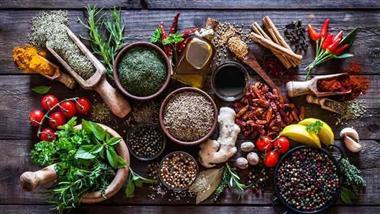
- Top spices for flavor and medicinal properties include Himalayan salt, Indian long pepper, turmeric, cumin, ginger and mustard seed
- Use ceramic knives to prevent browning, ceramic pots and pans to avoid exposure to toxins and dangerous metals, glass food storage containers to avoid plastic chemicals, and separate cutting boards for meat and produce to prevent pathogenic cross-contamination
Eating well and taking care of your health is easier when you have the right ingredients and utensils on hand at all times. Following are some top essentials with which to stock your kitchen — healthy fats, medicinal and health-promoting spices that can be added to a wide variety of dishes, and nontoxic utensils to avoid unnecessary exposures to toxins and harmful pathogens.
1. Healthy Fats and Cooking Oils
While dietary fats are an incredibly important part of a healthy diet, it’s crucial to understand which are healthy and which are not. Processed industrial vegetable oils are best avoided at all times, as they’re typically made with genetically engineered grains contaminated with glyphosate, and are prone to oxidation and produce dangerous byproducts when heated.1 Instead, stock your kitchen with the following healthy cooking oils and dietary fats:
• Coconut oil — This is what I believe is the best cooking oil. It has a number of valuable health benefits, including a positive effect on your heart and antimicrobial properties. It’s also a great source of energy, thanks to its medium-chain fatty acids (MCFAs). When consumed, the MCFAs are digested and converted by your liver into energy that you can immediately use. Coconut oil also helps stimulate your metabolism to encourage a healthy weight profile.
As an added boon, coconut oil has countless other uses besides cooking and eating, from topical beauty applications to first aid treatments, to general household cleaning. Make sure you choose an organic coconut oil that is unrefined, unbleached, made without heat processing or chemicals.
• Grass fed butter — Raw, organic butter made from healthy grass fed cows’ milk contains many valuable nutrients, including vitamins A, D, E and K2, along with minerals and antioxidants that support good health. Recent research2 has also noted that organic grass fed dairy has a “near-perfect” balance of omega-3 and omega-6 fats, as well as higher amounts of conjugated linoleic acid (CLA), which can help reduce your cardiovascular and metabolic disease risks.
• Organic ghee — Ghee, also known as clarified butter, differs from regular butter in that it has fewer dairy proteins, making it a better choice for those with lactose sensitivity or intolerance. Starting with pure butter made from cow’s milk, the ghee-making process involves heating and separating liquid fats from the milk solids, which become caramelized, and removing the milk solids, which also removes most of the lactose.
Ghee is darker and has a nuttier flavor than butter, and with a higher smoke point, it’s a healthier option for sautéing. It also has a longer shelf life, lasting for around six months in the refrigerator or up to a year in the freezer. Ghee has been used in traditional cooking in India, Pakistan and Southeast Asia for thousands of years. It’s also an Ayurvedic go-to for herbal ointments, massage and as a medicinal to remedy rashes and burns.
• Lard and tallow — Tallow is a hard fat that comes from cows. Lard is a hard fat that comes from pigs. They’re both animal fats, and were historically two main fats used in cooking.
• Olive oil — This oil contains healthy fatty acids that can help lower your risk of heart disease. While the standard recommendation has been to avoid using olive oil for cooking and to only use it cold, recent research3 in which 10 popular cooking oils were compared contradicts this advice, showing extra-virgin olive oil actually scored best for both oxidative stability and lack of harmful compounds produced when heated.
A word of caution is warranted, however. Fake olive oil abounds, so it’s important to take the time to investigate your sources. Tests in 2010 suggested that much of the olive oils sold in American grocery stores and restaurants were adulterated with cheap vegetable oils or nonhuman-grade olive oils, which are harmful to health in a number of ways.
While this was more than a decade ago, clearly you still need to read labels and look for key certifications that assure the oil is pure.4
2. Homemade Broth
Homemade bone broth is excellent for speeding healing and recuperation from illness, as it helps “heal and seal” your gut. Physicians harkening as far back as Hippocrates have associated bone broth with gut healing.
It also helps fight inflammation, supports joint health, promotes weight loss, improves sleep and brain function, and is a good source of not only healthy fat but also many important vitamins and minerals, including:
| Calcium | Magnesium |
| Phosphorous | Silicon |
| Sulfur | Trace minerals |
| Chondroitin sulphates | Glucosamine |
Bone broth, in its simplest form, is made using animal bones, vinegar and spices. It is simmered in a pot or slow cooker at least overnight, or as long as 24 to 72 hours.
Longer simmering times result in a more complete release of gelatin, minerals and other nutrients from the bones, which is key to realizing the many health-giving benefits and restorative properties this broth has to offer. Making your own bone broth is extremely cost effective, as you can make use of leftover carcass bones that would otherwise be thrown away.
One important caveat when making broth, whether you’re using chicken or beef, is to make sure they’re from organically-raised, pastured or grass-fed animals.
3. Apple Cider Vinegar
Traditionally, apple cider vinegar is made through a long, slow fermentation process that renders it rich in bioactive components like acetic acid, gallic acid, catechin, epicatechin, caffeic acid and more, giving it potent antioxidant, antimicrobial and many other beneficial properties.
“Mother” of vinegar, a cobweb-like amino acid-based substance found in unprocessed, unfiltered vinegar, indicates your vinegar is of the best quality. Most manufacturers pasteurize and filter their vinegar to prevent the mother from forming, but the “murky” kind is actually best, especially if you’re planning to consume it.
With its wide variety of health benefits, a jug of raw, unfiltered apple cider vinegar is easily one of the most economical and versatile remedies around. I recommend keeping it in your home at all times. Some of the health benefits associated with apple cider vinegar consumption include:
| Blood sugar control — Vinegar is said to be antiglycemic and has a beneficial effect on your blood sugar, likely due to its acetic acid content, which prevents the complete digestion of complex carbohydrates. Another theory is that vinegar helps inactivate digestive enzymes that break down carbohydrates into sugar, thus slowing the conversion of complex carbohydrate into sugar, preventing a spike by giving you more time to pull sugar out of your blood.
There are studies supporting the use of vinegar as a diabetic treatment as well. One study5 found vinegar treatment improved insulin sensitivity in 19% of individuals with type 2 diabetes and 34% of those with prediabetes. |
| Heart health — Polyphenols such as chlorogenic acid help inhibit oxidation of LDL cholesterol,6 while acetic acid helps lower blood pressure.7 Vinegar has also been shown to lower triglyceride levels and VLDL (very low density lipoprotein) cholesterol in animals.8 |
| Weight management — Vinegar may aid weight loss by increasing satiety, another effect attributed to acetic acid. For instance, when volunteers consumed a small amount of vinegar along with a high-carb meal (a bagel and juice) they consumed less food for the remainder of the day. The reduction equated to about 200 to 275 calories a day — an amount that would result in a monthly weight loss of up to 1.5 pounds.9 |
| Sinus congestion — Apple cider vinegar’s ability to break up and reduce mucus in your body can help clear your sinuses. It also has antibacterial properties, making it useful for infections. Here’s what to do:10
Directions
|
| Sore throat — The antibacterial properties of apple cider vinegar may be useful for sore throats as well. Gargle with a mixture of about one-third cup of apple cider vinegar mixed with warm water as needed. Apple cider vinegar with honey and ginger for a sore throat is also a popular and effective remedy. Another mixture for sore throat, recommended by Bonnie K. McMillen, a nurse from the University of Pittsburgh, includes:11
Ingredients
|
| Digestive ailments — Acid reflux typically results from a lack of stomach acid. You can easily improve the acid content of your stomach by taking 1 tablespoon of raw unfiltered apple cider vinegar in a large glass of water daily. The pectin in apple cider vinegar may also help to soothe intestinal spasms. For everyday gut health, a mixture of 2 teaspoons of apple cider vinegar with 1 teaspoon of raw honey in 1 cup of warm water can help. |
| Skin irritations and warts — Apple cider vinegar also works for a variety of skin ailments, from bug bites and poison ivy to sunburn and even warts. You can either apply it directly to the irritated area or try soaking in a bath with about 1 cup of vinegar added. For warts, soak a cotton ball in vinegar and apply it to the wart, covered, overnight. Repeat until the wart disappears. |
| Energy boost — Apple cider vinegar contains potassium and enzymes to help banish fatigue. Plus, its amino acids may help prevent the buildup of lactic acid in your body, further preventing fatigue.12 |
Detox and immune support — Studies have shown apple cider vinegar can be beneficial for liver detoxification and helps cleanse your lymphatic system, which can contribute to improved immune system response. According to The Truth About Cancer:13
|
| Candida — Candida overgrowth in your gut has been linked to many different health issues, including yeast infections, fatigue, poor memory, depression, headaches and sugar cravings.
Candida overgrowth usually happens when your body is too acidic from excessive consumption of processed foods or sugar, or if there are insufficient healthy bacteria in your system. Because apple cider vinegar is fermented with a beneficial yeast, it can serve as a prebiotic for healthy bacteria, essentially helping good bacteria grow. |
4. Himalayan Salt
Salt is essential for life, and your body needs it for optimal function. But it’s important to realize that there are major differences between the refined and highly processed salt found in processed foods and regular table salt, and unrefined natural salt such as Himalayan salt. The latter is important to many biological processes, including:
| Being a major component of your blood plasma, lymphatic fluid, extracellular fluid and even amniotic fluid | Carrying nutrients into and out of your cells, and helping maintain your acid base balance |
| Increasing the glial cells in your brain, which are responsible for creative thinking and long-term planning. Both sodium and chloride are also necessary for the firing of neurons | Maintain and help regulate blood pressure |
| Helping your brain communicate with your muscles, so that you can move on demand via sodium-potassium ion exchange | Supporting the function of your adrenal glands, which produce dozens of vital hormones |
While natural sea salt used to be a healthy source of salt, I shy away from it these days, as recent tests14 reveal 90% of sea salt is contaminated with microplastics. Himalayan salt is not plagued by this contamination.
On hot days, or after exercising and sweating profusely, you can make a wholesome sports drink to replenish lost electrolytes and minerals by mixing a pinch of Himalayan salt and a dash of fresh lemon juice in a glass of water. Apart from culinary purposes, Himalayan salt can also be substituted for bath salts, which will allow your skin to absorb valuable minerals from the water.
5. Black Pepper
Black pepper is another key staple few households would want to do without, and, like most spices, it has medicinal qualities that gives it value far beyond mere flavor. For example, Europeans have used black pepper for thousands of years in traditional medicine to treat inflammation and digestive problems.
Its effectiveness is due in part to a compound known as piperine. Research15 suggest piperine’s ability to inhibit new fat cells from forming, known as adipogenesis, helps reduce waist size and body fat, and optimizes cholesterol levels.
Perhaps more importantly, research has shown growth of several types of pathogens are inhibited by black pepper, including Staph,16 E. coli,17 Helicobacter pylori (bacteria known to cause ulcers),18 and parasites.19 So, black pepper not only may have anti-inflammatory, antioxidant, antibacterial and fever-reducing actions, but immune system-enhancing properties as well.
I recommend using a hand-held mill for grinding fresh peppercorn, as whole peppercorns have an almost indefinite shelf life. Ground pepper only retains optimum freshness for about three months, and is sometimes “adulterated” with something other than black pepper. When cooking, use it at the last moment to retain the full flavor of the essential oils.
Frontier organic black pepper is a tasty choice. Another, which is my personal preference, is Indian long pepper which, as so eloquently described by Serious Eats has a flavor that is:20
“[M]uch more complex than black pepper, reminiscent of spice blends like garam masala more than a single spice. It possesses black pepper’s heat and musk, but in a less harsh, more nuanced way, tempered by sweet notes of nutmeg, cinnamon and cardamom. Its finish lingers on the tongue with a tobacco-like coolness; where black pepper stings, long pepper balms.”
6. Medicinal Spices
While virtually all spices have medicinal qualities of some kind, the following stand out among the crowd:
• Turmeric — The reasons to make turmeric part of your life (if it isn’t already) are almost too numerous to count, especially when you consider its incredible restorative, disease-healing and preventive capabilities.
Turmeric has been on the proverbial “top 10 superfoods” list in Chinese medicine for millennia21 and just as long in the Indian Ayurvedic healing tradition.
One component in turmeric, curcumin, has been proven so effective as an anti-inflammatory that it’s compared to prescription medications, without the toxic side effects22 such as ulcer formation, internal bleeding and a lowered white blood cell count. Its ability to cross the blood-brain barrier also makes it a valuable agent against dementia Alzheimer’s.23,24
Antioxidants in turmeric also neutralize free radicals throughout your body, including your brain, kidney, liver, heart and gastrointestinal tract. In addition, curcumin has been shown to induce expression of phase II antioxidant enzymes, thereby aiding glutathione synthesis, which is important for detoxification.
• Ginger — Ginger has been used for millennia in areas of India and China for much more than adding a sweet/spicy flavor to foods and drinks. It’s proved over time to be a popular remedy to soothe away headaches, nausea — particularly motion sickness — and to treat several problems related to digestive health as well as pain and inflammation from arthritic conditions, to mention but a few.
More recently, research25 shows ginger is a viable antidote and protective agent against fatal poisoning from such agents as pesticides, environmental pollutants, heavy metals, bacterial and fungal toxins and even some cosmetic products and medications.
• Cumin — Cumin is the second most popular spice in the world, second only to black pepper, and is considered by many “the secret sauce” in most savory dishes. Cumin seeds have been prized for thousands of years and are best known in their ground form as a spice added to curry dishes.
Research26 reveals cumin helps stimulate secretion of pancreatic enzymes, which are necessary for proper digestion and nutrient assimilation. Cumin also has anticancer and antidiabetes properties, attributed to its active components, including terpens, phenols and flavonoids.27
In fact, cumin has been found to work better than the antidiabetes drug glibenclamide in treating diabetic rats28 and similar benefits were found in a human study.29
• Mustard seed — Mustard seed which, like broccoli, belongs to the brassica genus,30 contains compounds that inhibit cancer proliferation and metastasis.31 It also contains myrosinase — a compound that augments the cancer-fighting potential of other cruciferous veggies, delivering a double-punch when combined.
The enzyme myrosinase is critical for the conversion of glucosinolates into chemoprotective compounds known as isothiocyanates. While all cruciferous veggies contain some myrosinase, you significantly boost conversion by eating them together with a particularly myrosinase-rich food such as mustard seed powder.
Mustard seed powder can also be used to whip up homemade topical remedies, such as plasters and baths to relieve pain. Part of the pain-relieving effect is due to the mustard seed’s high magnesium and selenium content. In Ayurvedic medicine, it was used topically to improve blood circulation and detoxification. Taken internally, 1 teaspoon of mustard seed powder twice a day can be used as a remedy for constipation.
7. Essential Kitchen Tools
Lastly, the type of kitchen utensils you use during preparation and cooking can also have an effect on your health, for better or worse. To protect and support the health of your entire family, consider the following tips:
• Use ceramic knives for fast-browning produce — Ceramic knives are chemically inert, and said to slow the browning process.32 Ceramic blades are best for slicing fruit, vegetables and boneless meat, but not frozen foods, meat with bones or cheese (because of its tendency to stick). Also avoid using a ceramic blade to crush foods like garlic.
• Switch to ceramic or other inert, nontoxic cookware — The slippery surfaces of nonstick pots and pans comes courtesy of poly- and perfluoroalkyl substances (PFAS), which the U.S. Environmental Protection Agency has found to be likely carcinogens.
When heated, nonstick cookware and bakeware release a related chemical, perfluorooctanoic acid (PFOA), linked to thyroid disease, infertility, organ damage, and developmental and reproductive problems in lab animals.
Hazardous toxins are produced after only two to five minutes of heating the pan. At 464 degrees Fahrenheit, the coating on nonstick cookware begins to break down and release toxins into the air. Stainless steel, aluminum and cast iron pans also have their drawbacks, as the metals may not be entirely inert, resulting in potentially toxic metal exposure.
Ceramic cookware circumvents all of these problems. A true ceramic pan or dish will be made only with water and inorganic materials and minerals from the earth’s crust. Because it doesn’t contain any metals, a ceramic pan is nonreactive and nontoxic. No odors or gases release into the air even when heated to extremely high temperatures.
• Use glass containers for food storage — If you’re still using plastic containers, bags and plastic wrap for food storage, consider switching to glass containers.
Depending on what product you’re using, your plastic might contain phthalates, bisphenol-A, bisphenol-S — endocrine-disrupting “gender-bending” chemicals that are causing males of many species to become more female — PVC and styrene, two carcinogens and more.
Virtually all plastic chemicals carry some risk to health and are best avoided as much as possible, especially if you have children. Glass is completely inert and reusable indefinitely, provided it doesn’t break, in which case it’s recyclable.
• Use separate cutting boards for meat and veggies — Kitchens are notorious breeding grounds for disease-causing bacteria, courtesy of contaminated meat products, including antibiotic-resistant strains of E. coli.
To avoid cross-contamination between foods, use a designated cutting board, preferably wood, not plastic, for raw meat and poultry, and never use this board for other food preparation, such as cutting up vegetables. Color coding your cutting boards is a simple way to distinguish between them.
- 1 Science Daily February 22, 2012
- 2 Food Science & Nutrition February 28, 2018
- 3 Acta Scientific Nutritional Health June 2018; 2(6)
- 4 Epicurious. Seven Ways to Tell if Your Olive Oil Is Fake. May 25, 2017
- 5 Diabetes Care. 2004 Jan;27(1):281-2
- 6 Journal of Food Science May 8, 2014
- 7 Bioscience, Biotechnology, and Biochemistry, 65(12) 2690-2694
- 8 J Agric Food Chem. 2011 Jun 22;59(12):6638-44
- 9 J Am Diet Assoc. 2005 Dec;105(12):1939-42
- 10 Earth Clinic, February 4, 2017
- 11 University of Pittsburgh ACV sore throat recipe
- 12 Reader’s Digest, 15 Benefits of Apple Cider Vinegar
- 13 The Truth About Cancer November 27, 2017
- 14 Environmental Science and Technology, October 4, 2018; DOI: 10.1021/acs.est.8b04180
- 15 J Agric Food Chem. 2012 Apr 18;60(15):3853-60
- 16 Journal of Medical Microbiology October 1, 2011; 60: 1472-1478
- 17 Oncotarget 2015 Oct 20; 6(32): 32468–32483
- 18 American Journal of Translational Research 2016; 8(2): 885–898
- 19 Mini Reviews in Medicinal Chemistry February 2015; 15(2): 145-156
- 20 Seriouseats.com, Long Pepper
- 21 J Nat Sci Biol Med. Jan.-Jun, 2013;4(1):3-7
- 22 Phytother March 9, 2012;26:1719-1725
- 23 Vanderbilt University Jan. 8, 2015
- 24 Ann Indian Acad Neurol. 2008 Jan-Mar; 11(1): 13–19
- 25 Food Chem Toxicol. October 20, 2018 [Epub ahead of print]
- 26 Journal of Medicinal Plants Studies. 2018
- 27 Chem Biodivers. 2015 May;12(5):733-42
- 28 Pharmacological Research September 2002, Volume 46, Issue 3, Pages 251-255
- 29 J Tradit Complement Med. 2017 Jul; 7(3): 332–338
- 30 Daily Health Post August 11, 2014
- 31 Carcinogenesis December 2010; 31(12): 2105-2110
- 32 Food Hacks December 17, 2015
Difficult Times Ahead — How to Break Free From the System
Reproduced from original article:
https://articles.mercola.com/sites/articles/archive/2022/07/29/how-to-maintain-good-health.aspx
The original Mercola article may not remain on the original site, but I will endeavor to keep it on this site as long as I deem it to be appropriate, and will not be bullied into removing it.
Analysis by Dr. Joseph Mercola Fact Checked July 29, 2022
STORY AT-A-GLANCE
- While natural medicine is often viewed with suspicion as something “novel” and “unproven,” it’s actually allopathic medicine that is the new kid on the block. Before John D. Rockefeller seized control over the medical industry 112 years ago, naturopathic-based herbal medicine, sun exposure and homeopathy were standard
- Today, the Rockefeller Foundation is part of The Great Reset cast, which seeks to gain total control over every person in the world — financially, medically, physically and psychologically
- Several crises are now converging, and all of them are life threatening to some degree, starting with the bioweapon they call the COVID “vaccine.” We also face supply chain issues, and shortages of food and energy. Maintaining good health will become a primary concern moving forward, as we’ll face many added stressors
- Simple and free strategies that will improve and protect your health include getting regular sun exposure — the benefits of which include vitamin D production, vitamin A activation and, most importantly, subcellular melatonin production — and optimizing your circadian rhythm
- Eliminating seed oils from your diet and implementing time-restricted eating are two simple ways to improve your metabolic health, reverse insulin resistance and reduce excess body fat
In the video above, I’m interviewed by Maria Zeee of “The Shift.” As some of you know, I went through conventional medical training and started out as an allopathic osteopath, prescribing both drugs and vaccines.
Basically, medical school works as an indoctrination program where you learn how to diagnose disease based on certain sets of symptoms. Any given diagnosis is then treated with a prespecified suite of drugs.
After about five years into private practice, I realized I was on the wrong path — that these therapies did nothing to address the root cause of any disease — and I started educating myself about nutrition and foundational health practices, which have been my focus ever since.
After I realized that, I sent letters to all my patients and let them know that if they weren’t committed to getting off drugs they needed to find a new physician. I lost about 70% of my patients when I sent that letter, but those who remained and agreed to be treated with natural strategies such as nutrition and exercise fared well, and my reputation grew as a result.
Natural Medicine Is Not Unproven
I am in the process of writing my new book and the first chapter will be all about how Rockefeller captured the U.S. medical system over a century ago through a very clever campaign to clean up many problems it had in the 19th century.
He did this through the Flexner report and subsequent strategic investments which essentially gave him control over the entire medical system which would serve as tool for him to sell petrochemical-based pharmaceuticals to further increase his wealth. Most are not aware that even today Rockefeller owns 50% of the drug companies.
While today natural medicine is viewed with suspicion as something “novel” and “unproven,” it’s actually allopathic or “conventional” medicine that is the new kid on the block. Before John D. Rockefeller seized control over the medical industry 112 years ago, naturopathic-based herbal medicine, sun exposure and homeopathy were the standard of care.
Such treatments only became “quackery” after Rockefeller’s successful infiltration. Understanding how Rockefeller corrupted medicine can be helpful in understanding current-day events a bit better as well.
How Medicine Was Corrupted
John’s father was William Avery Rockefeller, an authentic “snake oil salesman” who conned people into buying his useless “Rock Oil” tonic for cancer — a mixture of laxative and petroleum. Avery once admitted he would cheat his children every chance he got, in order to “make ‘em sharp.”1
John D. learned the lessons of duplicity and fraud well, and by the time he was 40, he controlled 90% of the global oil refineries. Within another few years (early 1880s), he also controlled 90% of the marketing of oil, and one-third of all oil wells.
Together with General Motors, Rockefeller secretly bought up and dismantled the public transportation system in the U.S., to promote the need for a family car. They also replaced electric streetcars with gas-guzzling busses to expand their petroleum business.
In 1902, Rockefeller funded the establishment of the General Education Board, through which he intended to control public education. Other oil-backed schemes to mold and reshape the American education system followed, including a scheme to alter the teaching of American history to promote a view of collectivism, as well as a program culminating in the transformation of the practice of medicine.
As mentioned, naturopathic-based herbal medicine was the norm at that time, and Rockefeller set out to shift the medical industry toward using oil-derived pharmaceuticals instead. To that end, the Rockefeller Institute for Medical Research was established in 1901, headed up by Dr. Simon Flexner who, at the time, was a professor of experimental pathology at the University of Pennsylvania.
Flexner’s brother, Abraham, was contracted to write a report on the state of the American medical education system, and his study, The Flexner Report,2 published in 1910, paved the way for Rockefeller to completely overhaul the American medical system.
The result of this report is that virtually every natural medical therapy was criminalized and all practitioners were put out of business and replaced with “scientific” doctors. This was the very beginning of “trust the science”. Natural remedies and ancient effective cures were dismissed as quackery. The only medicines deemed reputable were patentable synthetic drugs, invented in the oil cartel’s own research centers.
Rockefeller’s Plan to Monopolize Medicine, Banking and Food
Around that same time, the oil cartel also found a way to take over and control the U.S. financial system, through the creation of the Federal Reserve, established in 1913. The Rockefellers have been powerbrokers in the banking industry ever since.
They also sought to consolidate control over the global food supply, using philanthropy as their cover for the takeover. The Rockefeller Foundation funded the Green Revolution that led to the introduction of petroleum-based agricultural chemicals, which quickly transformed agriculture, both in the U.S. and abroad.
President Johnson’s “Food for Peace” program actually mandated the use of petroleum-dependent technologies and chemicals by aid recipients, and countries that could not afford it were granted loans from the International Monetary Fund and the World Bank.
The Rockefeller Foundation also funded the “gene revolution” that brought us patentable genetically modified seeds. Today, The Rockefeller Foundation is part of The Great Reset cast, which seeks to gain total control over every person in the world — financially, medically, physically and psychologically.
Unfortunately, a majority of people are still unaware of The Great Reset and what it actually entails. According to Mattias Desmet, Ph.D., who popularized the concept of “mass formation hypnosis” as an explanation for the insanity we saw during the first two years of the pandemic, an estimated 30% of the population are completely hypnotized and unable to see or accept the truth.
About 10% never fell for the hypnotic propaganda, while the remainder are basically “fence sitters” who go along to get along. To prevent The Great Reset, it’s crucial to educate these fence sitters so they realize the danger in going along with the official narrative.
Now’s the Time to Get Healthy
As I note in this interview, several crises are now converging, and all of them are life threatening to some degree, starting with the bioweapon they call the COVID “vaccine.” The COVID shot has already killed hundreds of thousands of people, and more likely millions, and will continue to cause premature death and disability over the next several years.
We also face supply chain issues, and shortages of food and energy. Maintaining good health will become a primary concern moving forward, as there will be so many added stressors. On top of that, hospitals are also more dangerous than ever.
The good news is that getting and staying healthy is fairly simple. Your body is designed to heal itself, given the chance. If you’re new to this, be sure to sign up for my online newsletter and start reading. You can also find my articles archived on Substack.
In the interview, I explain why I had to create a fee-based Censored Library on Substack. For clarity, you can read all of my newsletter articles for free for 48 hours. If you want unlimited access, you’d need to join my Censored Library, which is $5 per month.
Health Tip No. 1: Sun Exposure
So, what are some of the strategies that can help keep you healthy that don’t cost a fortune (or anything at all)? One of the most basic ones is to get regular sun exposure, as its benefits include vitamin D production, vitamin A activation and, most importantly, subcellular melatonin production.
Ninety-five percent of the melatonin in your body is actually produced in your mitochondria in response to near-infrared light. Mitochondria are responsible for cellular energy production, and mitochondrial dysfunction is a root cause of most chronic disease.
Melatonin, meanwhile, is a very powerful antioxidant that reduces oxidative stress. By mopping up free radicals, melatonin reduces damage to the mitochondria and helps them work optimally.
Melatonin also helps increase glutathione, which is a major detoxification agent. Importantly, virtually none of the melatonin created in your mitochondria will ever make its way into your blood. Oral melatonin can also help your chronobiology and regulate sleep, when taken at the appropriate time (in the evening, shortly before bed).
Health Tip No. 2: Cut Seed Oils From Your Diet
If you’re worried about getting sunburn from all this sun exposure, this next talking point will offer relief, because the No. 1 cause of sunburn is excessive intake of seed oils and other foods high in linoleic acid (LA). This includes oils like canola, safflower, corn oil and many others.
The LA actually gets incorporated into your cellular membranes, and if you have high levels of LA in your cells, you’re going to be more prone to both sunburn and skin cancer. While LA has a half-life of about two years, and can take up to seven years to get rid of completely, many will notice a difference in the amount of sun they can tolerate fairly rapidly once they cut this fat from their diet.
That said, sunburn may be the least of your problems if you’re consuming high amounts of LA, as it acts as an overall metabolic poison.3 This will be one of the major subjects of my next book. I am actually hoping to give it to you for free in celebration of our 25th anniversary.
Seed oils, courtesy of the LA, are incredibly proinflammatory4 and drive oxidation in your body. This oxidation, in turn, triggers mitochondrial dysfunction that then drives the disease process.5,6,7,8,9,10,11 Anything over 10 to 15 grams a day is likely to cause problems in the long run, and the average American is eating 80 grams a day.
Your body also breaks down LA into harmful subcomponents called advanced lipid oxidation end products (ALEs) and oxidized LA metabolites (OXLAMs), which can cause significant damage at the cellular level.
For example, an ALE called 4HNE is a mutagen known to cause DNA damage, and OXLAMs are cytotoxic, genotoxic, mutagenic, carcinogenic, thrombogenic, atherogenic and obesogenic.12 In fact, one of the primary reasons for the obesity epidemic in the U.S. is the overwhelming amount of LA being consumed on a daily basis.
In addition to all of that, most seed oils are made from genetically engineered crops, making them a significant source of toxic glyphosate. Aside from cooking oils, the primary sources of LA are processed foods (any food containing or cooked in seed oil) and conventionally raised chicken and pork (as they’re fed a lot of corn).
Health Tip No. 3: Time-Restricted Eating
A third strategy that won’t cost you a dime, and may actually save you money, is time-restricted eating (TRE), a form of intermittent fasting where you eat all your meals and snacks within a six- to eight-hour window, and your last meal at least three hours before bedtime. This means that for 16 to 18 hours a day, you’re fasting.
This schedule will give you virtually all the same benefits as calorie restriction with respect to longevity benefits, but without any of the downsides, the primary one being compliance.
In the U.S., 90% eat across 12 hours. Some will even wake up in the middle of the night to eat, and this is a surefire recipe for metabolic disaster and chronic ill health. One of the primary benefits of TRE is that it will make you metabolically flexible, so that you can burn both fat and carbs for energy.
If you’re constantly hungry, chances are you’re metabolically inflexible and cannot efficiently burn fat. Your body is basically just screaming for another quick energy fix, because carbs burn fast and when they’re gone, you need more. Once your body can efficiently burn fat, hunger usually disappears.
Without hunger pangs driving your search for food, you’ll also be able to simply not eat if you’re in a situation where you can’t find healthy food. This way, you’re not “forced” to eat junk that will deteriorate your health.
TRE will also help prevent excessive activation of the mechanistic target of rapamycin (mTOR). mTOR is found in every tissue and responds to different nutrients and stimuli, including dietary protein, insulin, carbohydrates and exercise, and is best activated twice a day in a pulsatile fashion. When you activate it continuously as most people do when they graze throughout the day, it can lead to an increase in risk in diseases like cancer.
Tip No. 4: Optimize Your Circadian Rhythm
Circadian rhythm optimization is another frequently overlooked strategy that can have a tremendously beneficial impact on your health. Your body is designed to fall asleep a couple of hours or so after the sun has gone down, and to wake up more or less with the sun.
Most adults need right around eight hours of solid sleep per night for everything to function optimally. In the evening, avoid blue light from your TV and electronic screens. If you need lighting, you could use red LED bulbs, low-wattage filament bulbs or salt lamps. Alternatively, you could wear blue-blocking glasses. There are also various apps that will alter the color temperature of your screen at night.
These are but four simple strategies that cost you nothing and can make a huge difference in your health and well-being. There are dozens more, many of which I’ll cover in a free e-book that’s being published later this year. The truth is, your body is biased toward health and can heal from most anything as long as you give it what it needs and eliminate pernicious toxins that are jamming up your mitochondria and cellular machinery.
Become a Perpetual Student and Continue Your Learning
Last but not least, I mention in the interview that one of the most important traits you can develop if you want to be healthy is the mindset of a perpetual student. Pre-internet, learning was a laborious challenge that required physical trips to libraries and book stores, making photocopies and storing reams of paper.
As the internet took off, researching became incredibly easy. For about 20 years, you had the literature of the world at your fingertips. Today, censorship has stifled much of this intellectual freedom, and accessing information about health in particular is again a challenge.
Google, for example, is shadow banning and hiding valuable sites that contradict the official narrative so, unless you know where to look, you may not find them. Fortunately, I’ve been around for 25 years and have a large following that do know where to find my site. Newcomers, however, are at a distinct disadvantage.
So, at this point, it’s very important to identify trusted sources, and to follow them regularly, as doing a Google search is not going to lead you in the right direction anymore.
Virtually all search results are directed toward Big Pharma-approved and “fact checked” sites that regurgitate the talking points put forth by the globalist cabal that seek to force us into The Great Reset. One of my personal favorites that I follow regularly is Dr. Robert Malone’s GETTR account.
- 1 Corbett Report October 6, 2017
- 2 The Flexner Report 1910
- 3 YouTube, Ending the Debate Over Seed Oils September 9, 2021
- 4 J Surg Res. 2012 Sep; 177(1): e35–e43
- 5 STAT April 19, 2017
- 6 BMJ 2016;353:i1246
- 7 NIH Grantome, Dietary Treatment of Hyperlipidemia in Women vs Men
- 8 Atherosclerosis, Thrombosis and Vascular Biology 2004;24:498–503
- 9 Journal of Nutrition, Health and Aging 2018;22(8):885-891
- 10 British Heart Journal 1995 Oct;74(4):449-54
- 11 The Lancet August 29, 2017; 390(10107): 2050-2062
- 12 YouTube, Omega-6 Apocalypse 2, Chris Knobbe August 25, 2021, 6:05
Could You Have a Heart Attack and Not Know It?
Reproduced from original article:
https://articles.mercola.com/sites/articles/archive/2022/07/16/heart-attack-risk-factors.aspx
The original Mercola article may not remain on the original site, but I will endeavor to keep it on this site as long as I deem it to be appropriate, and will not be bullied into removing it.
Analysis by Dr. Joseph Mercola Fact Checked July 16, 2022

STORY AT-A-GLANCE
- Although there are several common symptoms of a heart attack, some experience unusual symptoms they may overlook, leading to a more severe and potentially life-threatening second heart attack
- Learn to identify some of the more uncommon symptoms of a heart attack, including tightness in your arm, tingling on your left side, upper back pain, hot flashes and heartburn
- Data show your risk of a heart attack is affected by your body mass index, smoking and alcohol use, exercise and diet; stress is another factor that can provoke a heart attack
- Taking quick action when you suspect a heart attack may save a life. Simple changes to your diet, exercise and sleep habits may significantly reduce your risk
This article was previously published March 2, 2019, and has been updated with new information.
According to the Centers for Disease Control and Prevention,1 nearly 805,000 Americans have a heart attack each year, and 605,000 are first heart attacks. When you learn the risk factors, symptoms and how to take early action, it increases your chances of survival.
According to the U.S. Department of Health and Human Services, some who suffered a heart attack did not act quickly enough to make it to the hospital on time.2 Delaying treatment can be deadly, so it’s important to learn the warning signs.
While chest pain is the single most common sign for many women, women are also more likely than men to have symptoms other than chest pain when experiencing a heart attack.
What Is a Heart Attack?
Your heart is an extraordinary organ that can function even when detached from your body as long as it is supplied with an adequate amount of oxygen. It works relentlessly to pump blood throughout your body, so it is crucial the muscle receives enough oxygenated blood and nutrients or it can die.
Your heart beats nearly 100,000 times every day and pumps nearly 1 million barrels of blood in an average lifetime. This is enough blood to fill more than three supertankers. One way your heart may experience a loss of blood supply is if there is plaque buildup in your arteries, blocking the flow to your heart.
Heart attack can also happen when blood supply is affected by narrowed heart arteries, commonly known as ischemic heart disease. Although sometimes used interchangeably, a heart attack and cardiac arrest are two different occurrences. Sudden, unexpected cardiac arrest is the third leading cause of death in the U.S.,3 but it is different from a heart attack.
The most immediate and recognizable difference is that a heart attack victim will remain conscious with their heart beating, while someone who suffers a sudden cardiac arrest will be unconscious with no discernible heartbeat.
While a heart attack affects the oxygen supply to the heart muscle, cardiac arrest affects the electrical impulses. During a heart attack, part of the heart may have a reduction in oxygen supply if the blood is restricted, but the remaining areas of the muscle will continue to beat.
During a cardiac arrest, the electrical system is impacted by physical conditions, such as cardiomyopathy, heart failure or arrhythmias. A heart attack will also increase your risk of having a sudden cardiac arrest since the loss of oxygen supply will affect the electrical system in the heart.
This is perhaps the most common reason for a sudden cardiac arrest.4 In other words, loss of oxygen to the heart muscle from a heart attack affects the electrical impulses and may trigger a cardiac arrest.
What Increases Your Risk of Heart Attack?
Although there are stories of people who have a heart attack even when they eat right and exercise, these are the exception rather than the rule. The fact is, no matter how perfectly you eat or how fit you are, there’s no guarantee you’ll remain heart attack free. Women’s Health Magazine shares the stories of five young women and the unusual symptoms they had while suffering a heart attack.5
In a study of over 88,000 women ages 27 to 44 years in the Nurse’s Health Study II, researchers documented 456 cases of coronary heart disease. They found women who adhered to six guidelines lowered their risk of heart disease by 92%. Based on this information, the researchers extrapolated more than 70% of heart attacks could be prevented if individuals implemented:6
- A healthy diet
- Normal body mass index (BMI)
- Getting at least 2.5 hours of exercise each week and watching television seven or fewer hours per week
- Avoiding smoking
- Limiting alcohol to one drink or less per day
Although researchers measured BMI, it should be noted your waist-to-hip ratio is a more reliable risk predictor as it is a greater reflection of visceral fat. The results of this study also support results from a study published the previous year, which concluded the same health habits could prevent 79% of first-time heart attacks in men.7,8
To this I would add maintaining a healthy iron level is important for your heart, as various studies show that both iron deficiency and iron overload9 can be a significant risk factor for heart attack. To that end, excess iron is a more common problem than you may think when it comes to affecting your heart.
For example, a Scandinavian study in Finland10 found elevated ferritin levels raised men’s risk of heart attack two- to threefold. Another11 found elevated ferritin doubled the risk of a fatal heart attack at 2.18, while women with high levels were five times more likely (5.53) to have a fatal heart attack.
Stress Influences Your Heart Health
Stress has an enormous impact on your health. While acute stress is a life-saving biological function enabling you to instinctively square off against an assailant, run away from a predator or take down prey, chronic stress activating the same biological reaction over long periods of time can cause your body to marinate in corrosive hormones around the clock, and has serious consequences.
Chronic stress may lead to the accumulation of stubborn fat, high blood pressure and heart attacks. It increases inflammation in your body and activates your sympathetic nervous system, suppressing your parasympathetic system.
In one study,12 researchers found young and middle-aged women have a harder time recovering after a heart attack than men. They theorized this may be due to the stress of carrying multiple roles. Women are also twice as likely as men to die within the first two weeks following a heart attack.13
Data have demonstrated a link between bouts of intense anger with an 8.5fold higher risk of experiencing a heart attack in the following two hours.14 Stress also increases your risk of heart attack by triggering over activity in your amygdala, activated in response to real and perceived threat. Researchers15 measured nearly 300 participants over the age of 30, none with a diagnosed heart problem.
Participants were observed over two to five years, during which 22 experienced a serious cardiac event. Based on brain scans, the researchers conclude those with higher levels of activity in the amygdala were at an elevated risk of a cardiac event.
In short, people who are highly stressed have a higher activity in the amygdala, which in turn increases inflammation, a risk factor for heart disease. While not concrete proof of causation, activation of the amygdala can trigger arterial inflammation by triggering immune cell production in the bone marrow.
Stress can also trigger a heart attack by raising your levels of disease promoting white blood cells, leading to atherosclerosis, plaque rupture and myocardial infarction.16 The release of norepinephrine during high-stress events can also cause the dispersal of bacterial biofilms within the walls of your arteries, allowing plaque deposits to break loose, thereby triggering a heart attack.
Symptoms of Heart Attack
When a heart attack starts, blood flow to your heart has suddenly become blocked and the muscle can’t get oxygen. If not treated quickly, the muscle fails to pump and begins to die. While often a result of coronary heart disease, a blockage in an artery of the heart can occur following clot formation. Some of the most common symptoms of a heart attack include:17
| Chest pain or discomfort | Upper body discomfort |
| Shortness of breath | Breaking out in a cold sweat |
| Nausea | Sudden dizziness |
| Feeling unusually tired | Lightheadedness |
However, while it’s important to know the common signs of a heart attack, not all heart attacks begin with a sudden crushing chest pain as you might have seen on TV or in the movies. Symptoms can vary from person to person and some may have very few symptoms, especially women.18
Many Women Mistake Heart Attack Symptoms as Anxiety or Stress
Importantly, research19,20 shows women are less likely to report chest pain when having a heart attack. According to the authors, compared to men, “women were more likely to perceive symptoms as stress/anxiety (20.9% versus 11.8%) but less likely to attribute symptoms to muscle pain (15.4% versus 21.2%).”
They were also more likely to use terms such as “pressure,” “tightness” or “discomfort” in the chest rather than referring to it as chest pain. A significantly greater number of women also reported that their doctor did not think their symptoms were heart-related. Overall, 53% of female heart attack patients reported this, compared to just 37% of men.
Nearly 30% of women had actually sought medical help prior to being hospitalized with a heart attack, compared to just 22% of men. What these findings suggest is that both women and their doctors tend to misdiagnose or dismiss symptoms of heart attack, placing them at increased risk of death than men. As noted by the authors:
“The presentation of [acute myocardial infarction] symptoms was similar for young women and men, with chest pain as the predominant symptom for both sexes. Women presented with a greater number of additional non-chest pain symptoms regardless of the presence of chest pain, and both women and their health care providers were less likely to attribute their prodromal symptoms to heart disease in comparison with men.”
Unfortunately, the absence of chest discomfort is a strong predictor of diagnosis and treatment delays.21 For this reason, it’s important to remember there are many other symptoms that might indicate a heart attack in progress, including the following:22
| Anxiety attack | Back pain |
| Heartburn | Hot flashes |
| Extreme fatigue | Feeling electric shocks down on the left side |
| Numbness and stiffness in the left arm and neck | Feeling like they had a large pill stuck in their throat |
Quick Action Saves Lives
Some of the more uncommon symptoms of a heart attack may lead you to believe you aren’t having a heart attack. Even if you’re not sure you’re having a heart attack, if you experience any of these symptoms, it is vital you call for immediate emergency care, as time is of the essence. Acting quickly can save your life.
Using an ambulance is the best and safest way to get to the hospital as emergency personnel can start life-saving treatments before reaching the hospital emergency room and those who arrive by ambulance often receive faster treatment upon arrival.
Emergency medical personnel would much rather treat you in the emergency room for a nonlife-threatening condition then have you die because you were unwilling to go to the emergency room for treatment. You and your family should work out action steps to take should a heart attack occur so there are no questions of what to do.
During a routine office visit, talk to your health care provider about your risks and keep important information with you in case of an emergency. For instance, write down all medications and supplements you’re taking on a card and laminate it, keeping it in your wallet or purse.
Three Underlying Causes of Heart Attacks
While blocked arteries is the conventional explanation for why heart attacks occur, there’s plenty of evidence refuting that notion. In his 2004 book, “The Etiopathogenesis of Coronary Heart Disease,”23 the late Dr. Giorgio Baroldi wrote that the largest study done on heart attack incidence revealed only 41% of people who have a heart attack actually have a blocked artery, and of those, 50% of the blockages occur after the heart attack, not prior to it.
This means at least 80% of heart attacks are not associated with blocked arteries at all. According to Dr. Thomas Cowan, a practicing physician, founding board member of the Weston A. Price Foundation and author of “Human Heart, Cosmic Heart,” three of the core, underlying issues that cause heart attacks are:
• Decreased parasympathetic tone followed by sympathetic nervous system activation — Common causes for this include chronic stress, poor sleep, high blood pressure, diabetes, a high-sugar, low-fat type of diet, smoking and factors that contribute to low mitochondrial function. (In my book, “Fat for Fuel,” I address a number of factors that suppress mitochondrial function, thereby leading to low sympathetic tone.)
• Collateral circulation failure (lack of microcirculation to the heart) — To understand how the blood flows to and through your heart, check out the Riddle’s Solution section on heartattacknew.com’s FAQ page.24 There, you’ll find detailed images of what the actual blood flow looks like.
Contrary to popular belief, blood flow is not restricted to just two, three or four coronary arteries (opinions differ on the actual number). Rather, you have a multitude of smaller blood vessels, capillaries, feeding blood into your heart, and if one or more of your main arteries get blocked, your body will automatically sprout new blood vessels to make up for the reduced flow.
In other words, your body performs its own bypass. According to Cowan, your body is “perfectly capable of bringing the blood to whatever area of the heart it needs, and as long as your capillary network is intact, you will be protected from having a heart attack.”
Not surprisingly, the same factors that cause low sympathetic tone also lead to loss of microcirculation. For example, smoking has a corrosive effect on microcirculation, not just in your extremities but also your heart. A high-sugar, low-fat diet, prediabetes and diabetes, and chronic inflammation also reduce microcirculation.
One of the most effective ways to encourage and improve microcirculation is physical movement, so chronic inactivity will also deteriorate your body’s ability to maintain healthy microcirculation.
Another highly effective and noninvasive treatment option that will help improve microcirculation to your heart is enhanced external counterpulsation (EECP). It’s a Medicare insurance-approved therapy, and studies show EECP alone can relieve about 80% of angina. EECP works by inflating compression cuffs on your thighs and calves that are synchronized with your EKG.
When your heart is in diastole (relaxed), the balloons inflate, forcing blood toward your heart, thereby forcing the growth of new capillaries. It’s a really powerful and safe alternative to coronary bypass surgery for most people. Rather than bypassing one or two large arteries, you create thousands of new capillary beds that supply even more blood than the bypassed vessels. To find a provider, visit EECP.com.25
• Lactic acid buildup in the heart muscle due to impaired mitochondrial function — In essence, angina is a symptom of poor mitochondrial function, causing a buildup of lactic acid that triggers cramps and pain. When this pain and cramping occurs in your heart, it’s called angina. The lactic acid buildup also restricts blood flow and makes the tissue more toxic.
Eventually, as the lactic acid continues to build up, it eventually starts interfering with the ability of calcium to get into the heart muscle. This in turn renders your heart unable to contract, which is exactly what you see on a stress echo or a nuclear thallium scan.
Simple Steps May Reduce Your Risk
Taking simple steps to change your diet and lifestyle may have a significant impact on your risk for a heart attack. It is important to quit smoking and reduce your alcohol intake to protect your heart. Here are several more strategies to reduce your risk.
• Eat real food — You can take control of your health by making small changes to your nutrition plan. A foundational recommendation is to eat real food and limit processed food to no more than 10% of your diet.
• Reduce your sugar intake — The average American eats nearly 22 teaspoons of sugar a day, which is one of the most damaging substances you can ingest. Sugar overloads your liver, tricks your body into gaining weight, causes metabolic dysfunction and increases the inflammatory response, leading to heart disease.
Published research also shows that insulin resistance contributes to heart disease and death,26 and cutting out sugar is a crucial step to normalizing your insulin level.
• Reduce stress — The Emotional Freedom Techniques, breathing techniques and yoga are all methods that can help reduce your stress level and enjoy better health.
• Get restorative sleep — The importance of sleep cannot be overstated. Wakefulness is associated with mitochondrial stress. Researchers have found a 24% increase in heart attacks right after the time change in the spring, which demonstrates how fragile the body is to even the smallest changes in sleep patterns.
Women who get less than four hours of sleep per night double the risk of dying from heart disease27,28 and adults who sleep less than five hours a night have 50% more coronary calcium, a sign of impending heart disease.29
• Exercise — While exercise is extremely important for every aspect of health, your heart needs the right kind of exercise. High endurance training puts an extraordinary amount of stress on your heart, while focusing on high-intensity interval exercise can help strengthen as well as protect your heart.
- 1 Centers for Disease Control and Prevention, Heart Disease Facts
- 2, 17 U.S. Department of Health and Human Services, Heart Attack: Know the Symptoms, Take Action
- 3 Huffington Post, October 25, 2015
- 4 American Heart Association, Heart Attack or Sudden Cardiac Arrest: How Are They Different?
- 5, 22 Women’s Health Magazine, February 6, 2019
- 6 Journal of the American College of Cardiology, 2015; 65(1):43
- 7 RTT News September 24, 2014
- 8 Journal of the American College of Cardiology June 2014
- 9 Nutrients 2013
- 10 Circulation April 21, 1998
- 11 Epidemiology March 1994
- 12 Yale News February 11, 2015
- 13 Women’s Heart Foundation Heart Disease Facts
- 14 European Heart Journal: Acute Cardiovascular Care 2015;4(6):493
- 15 The Lancet, 2017;389(10071):834
- 16 Nature Medicine 2014;20:754-758
- 18, 21 National Institutes of Health, December 10, 2007
- 19 Circulation. Sex Differences in the Presentation and Perception of Symptoms Among Young Patients With Myocardial Infarction. February 20, 2018
- 20 Scand Cardiovasc J. 2006 Dec;40(6):342-7.
- 23 Amazon
- 24 Heartattacknew.com, FAQ, The Riddle’s Solution
- 25 EECP.com
- 26 Cardiovascular Diabetology volume 17, Article number: 122 (2018)
- 27 Sun Sentinel August 29, 2012
- 28 Sleep, March 1, 2009
- 29 NPR, September 14, 2015
The Science Is Screaming: Don’t Make This Trendy Mistake
Reproduced from original article:
https://articles.mercola.com/sites/articles/archive/2022/06/20/everything-you-need-to-know-about-fatty-acids.aspx
The original Mercola article may not remain on the original site, but I will endeavor to keep it on this site as long as I deem it to be appropriate, and will not be bullied into removing it.
Analysis by Dr. Joseph Mercola Fact Checked June 20, 2022

STORY AT-A-GLANCE
- Even though the medical establishment for decades has advised you to consume vegetable oils (omega-6 PUFAs) to prevent heart disease, human trials have conclusively demonstrated that vegetable oils DO NOT decrease atherosclerosis or decrease your risk of dying from cardiovascular disease
- Most people consume far too many omega-6 fats and relatively few omega-3 fats, which promotes the ongoing inflammation underlying most chronic diseases seen today
- Omega-3 fats have been shown to decrease inflammation, reduce your risk for coronary artery disease and others, and reduce your overall risk of dying
- You need both plant- and animal-derived omega-3 fats for optimal health. The best source of animal-based omega-3 fats is krill oil due to its superior potency, stability, bioavailability and sustainability
This article was previously published November 11, 2011, and has been updated with new information.
The science is loud and clear: The correct balance of fatty acids is essential if you want to be the healthiest you can be. That means that maintaining a healthy ratio of omega-6 to omega-3 is important for optimal health. Ideally, you want to maintain a 4-to-1 ratio, or less.
However, studies show that most people are consuming as much as a 12-to-1 ratio, which can be attributed to the consumption of too much α-linolenic acid (ALA), the primary sources of which are vegetable oils such as soybean and canola.1
It’s unfortunate that most people have been fooled by a decades-long fad promoting vegetable oils as the key to good eating and a long life when, in fact, it is a road to ill health and chronic disease. History shows that our lopsided consumption of ALAs began in the early 1900s, when people were discouraged from eating natural animal fats such as butter and lard.2
We now know that refined vegetable oils are among the worst foods to consume, and that we need to limit ALA consumption. As a group, when consumed in the wrong ratios, these fats tend to stimulate inflammatory processes in your body, rather than inhibit them. There are actually two problems related to how fats are being consumed in the U.S. today:
- Most people are consuming far too many omega-6 fats compared to omega-3 fats. As mentioned, the ideal ratio of omega-6 to omega-3 fats is 4-to-1, but this is nearly impossible to achieve if you’re regularly eating processed foods or restaurant fare, as these are loaded with omega-6 from industrial vegetable oils.
- Americans are also consuming far too many polyunsaturated fats (PUFAs). While both omega-3 and omega-6 fats are PUFAs and essential to your health, when omega-6 is consumed in excess, it becomes problematic. In fact, too many PUFAs contribute to chronic inflammation over the long term.
It is easy to get confused when reading about the different types of fats — there are saturated fats and unsaturated fats, omega-3s and omega-6s, PUFAs, long-chain and short-chain fats, and the list goes on. It is important to understand that omega-3 fats are also unsaturated and eating more of them when your omega-6 fats are high is not the solution. It may actually make your metabolic health worse.
In order to help clear up the confusion, this article aims to provide you with a “primer” on fatty acids to increase your understanding of the fundamental differences between the types of fats and how your body uses them. So let’s start by taking a look at the overall category called “fats”—what they’re made of and what they do for you. And then we’ll take a closer look at PUFAs and omega-3s.
Fats for Dummies
Fats are one member of a group of water-insoluble substances called “lipids.” Lipids3 are important to you because they are the primary components of your cell membranes. Other members of the lipid group include sterols, phospholipids, triglycerides and waxes.
Fats both in foods and in your body are simply storage units composed of fatty acids. A fat is distinguished by the specific combination of fatty acids making it up. Fatty acids have three basic purposes in your body:4
- Providing energy
- Providing the building blocks for cell membranes and metabolism
- Acting as raw materials that can be converted to other substances that perform special duties in your body such as hormones
The properties of fats and fatty acids depend on their degree of hydrogen saturation and the length of their molecules, or “chain length.” Chemically, a fatty acid is a chain of carbon atoms with pairs of hydrogen atoms attached, with an “acid group” attached to one end of the molecule.
There are four basic types of fatty acids, based on how many of their carbon bonds are paired with hydrogen:5
• Saturated fats — These fats are fully loaded with hydrogen atoms forming straight chains, and typically solid at room temperature (for example, butter and coconut oil).
• Unsaturated fats — Unsaturated fats come in two varieties:
◦ Monounsaturated fats — Missing one pair of hydrogens
◦ Polyunsaturated Fats (PUFAs) — Missing more than one pair of hydrogens
Unsaturated fats have lost at least one of their pairs of hydrogen atoms from their carbon chain, resulting in molecules that kink or bend at each double bond. The more hydrogen pairs that are missing, the more bent the molecules. The more bent the molecules, the more space they occupy, thereby making the fat a liquid at room temperature (oil).
• Trans fats — Most trans fats are a product of an industrial process called hydrogenation and are not found naturally in foods. It wasn’t until the 1990s that research began to show that trans fats are not a healthy food ingredient.
Vegetable oils and animal fats are typically composed of a mixture of these different fatty acid types. For example, olive oil is mostly monounsaturated fat with a small amount of polyunsaturated fat.6 Lard is primarily 39.2% saturated fat and 45.1% monounsaturated fat, but contains some polyunsaturated fat as well.7
Most vegetable oils are high in PUFAs, whereas most animal fats are high in saturated and monounsaturated fats (except for palm, coconut and olive oils). Saturated and monounsaturated fats are more easily used by your body than polyunsaturated fats.
Fats vary in the length of their carbon chains, leading to another classification scheme based on their number of carbon atoms:8
- Short-chain fatty acids (SCFAs) — Two to four carbon atoms
- Medium-chain fatty acids (MCFAs) — Six to 10 carbon atoms
- Long-chain fatty acids (LCFAs) — Twelve to 26 carbon atoms
- Very-long-chain fatty acids9 (VLCFAs) — Twenty-six to 30 carbon atoms
A fatty acid’s chain length and saturation control its melting point. As chain length increases, melting point increases. Likewise, fats that are solid at room temperature (butter, coconut oil) have longer chain lengths than fats that are liquid at room temperature (fish oil, olive oil). With chain lengths being equal, unsaturated fats have lower melting points than saturated fats.
The Chemical Instability of Polyunsaturated Fats (PUFAs)
Because your tissues are made up mostly of saturated and monounsaturated fats, your body requires more of them than polyunsaturated fats (which is true of all mammals). The main dietary PUFAs are omega-3 and omega-6 fats. Although your body does need these, it needs them in relatively small quantities.
One of the problems with PUFAs is that they are very chemically unstable, and highly susceptible to being altered and denatured by what’s around them. Think about what happens to the oils in your pantry — they are susceptible to going rancid as a result of oxidation. In your body, PUFAs undergo a similar process when exposed to the toxic byproducts of proteins and sugars — especially fructose.
This is why most fish oil supplements have such a short shelf life, and many are already oxidized before they hit the bottle. Consuming oxidized fats can do your body more harm than good.
When you eat too many PUFAs, they are increasingly incorporated into your cell membranes. Because these fats are unstable, your cells become fragile and prone to oxidation, which leads to all sorts of health problems, such as atherosclerosis. Now let’s take a look at the most common PUFAs in your diet—the omega fats.
The Omega Fats
The end of the fatty acid chain, opposite the acid end, is the “omega end.” The location of the first double bond from the omega end dictates whether a fatty acid is an omega-3, omega-6, omega-9 (oleic acid), or another member of the “omega family.” Both omega-3s and omega-6s come in both short-and long-chain varieties.
• Omega-3 Fats
◦ Primarily Plant Based — The shorter-chain form of omega-3 is alpha-linolenic acid (ALA), the only omega-3 found in plants (except for some algae). Foods rich in ALA include flaxseed oil10 (55%), canola oil11 (9%), English walnuts12 (11.6%), and soybean oil13 (7%). ALA is considered essential because your body can’t make it, so you need it in your diet — or its long-chain derivatives.
◦ Animal Based — The longer-chain forms of omega-3 are found mostly in animals and they are eicosapentaenoic and docosahexaenoic acids (EPA and DHA) and are highly unsaturated, mainly found in fish, shellfish and krill.
DHA is the primary structural component of your brain and retina, and EPA is its precursor. Your body can make some EPA and DHA from short-chain ALA, but does so inefficiently. Studies suggest less than 1% of ALA is converted, if you are consuming the typical Western diet. DHA is found in cod liver oil, fatty fish and in smaller concentrations in the organs and fats of land animals.
• Omega-6 Fats
◦ Shorter-chain — The shorter-chain form of omega-6 is linoleic acid (LA), which is the most prevalent PUFA in the Western diet, is abundant in corn oil, sunflower oil, soybean oil and canola oil.
◦ Longer-chain — The longer-chain form of omega-6 is arachidonic acid (AA), which is an important constituent of cell membranes and a material your body uses to make substances that combat infection, regulate inflammation, promote blood clotting, and allow your cells to communicate. AA is found in liver, egg yolks, animal meats and seafood.
Fats: Understanding the Essentials
“Essential fatty acids” (EFAs) is a term referring to the PUFAs your body needs but cannot produce (or convert from other fats), so they must be obtained from your diet.
Traditionally, only two fats were considered “essential” — ALA (an omega-3 fat) and LA (an omega-6 fat). However, we now know it’s the long-chain derivatives — arachidonic acid, DHA, and EPA — that your body needs the most. Although you have the enzymes to convert LA into these longer-chain fats (ALA, DHA and EPA), the conversion isn’t efficient enough for optimal brain growth and development.
This has led to a recent rethinking of what fats to consider “essential” and recommendations for adding more long-chain fats to your diet, to better meet these biological demands.
DHA and EPA: The ‘Anti-Inflammatory Fats’
Scientific studies have uncovered a number of important health benefits from omega-3 fats, and it’s looking more like it’s DHA and EPA that are responsible for those benefits, rather than ALA. Science suggests that omega-3s offer the following benefits to your health:14
| Healthier, stronger bones | Protecting your tissues and organs from inflammation |
| Improved mood regulation | Brain and eye development in babies |
| Reduced risk of Parkinson’s disease | Reduced risk of Alzheimer’s disease |
| Reduced risk of death from ALL causes | Relief from dry eye syndrome |
| Prevention of vascular complications from Type 2 diabetes | Peripheral artery disease |
| Gallstones | Preventing postpartum depression |
| Reducing symptoms of lupus and other autoimmune diseases such as rheumatoid arthritis | Preventing premature death |
| Multiple sclerosis | Combating cancer |
One reason omega-3s are so good for you is their anti-inflammatory properties, especially the omega-3s from animal sources. In the case of DHA, your tissues use this fatty acid it to synthesize compounds called “resolvins,” which help to reduce inflammation. According to the Weston A. Price Foundation:15
“Sufficient DHA allows the immune system to mount a robust inflammatory response against invading pathogens or damaged tissues and to bring the response quickly to an end once the task has been accomplished.
Researchers are increasingly discovering that most degenerative diseases involve an element of chronic, low-level inflammation, and the inability to “turn off” important inflammatory processes once they are no longer needed could be part of the problem. DHA deficiency may therefore be at the root of widespread declines in cognitive function, increases in mental disorders and epidemic levels of degenerative disease.”
A study in the journal Pediatrics16 even showed that supplementing a mother’s DHA during pregnancy and lactation improves her child’s IQ at 4 years of age. EPA, which accumulates in fish, is a precursor to DHA.
Just like DHA, EPA also helps to control inflammation, but this time by interfering with arachidonic acid metabolism. Arachidonic acid is the precursor to PGE2 (a prostaglandin), which is a major initiator of inflammation. You can see how DHA and EPA would work together to naturally reduce inflammation and improve inflammatory conditions like rheumatoid arthritis and asthma.
In rheumatoid arthritis, EPA/DHA supplementation has been shown to reduce joint stiffness and soreness and improve flexibility. And for asthma, a study17 involving fish oil supplementation for asthmatic children (along with improved diet) resulted in better airway function and reduced need for asthma medications, without side effects.
The most profound benefits of EPA may lie in its implications for people at high risk for coronary artery disease. But science has shown that EPA/DHA supplementation can benefit people with other conditions as well, such as:
- EPA/DHA supplementation has helped people with ulcerative colitis.18
- Several studies have shown that people with schizophrenia often have low levels of the particular EFAs necessary for normal nerve cell membrane metabolism. Early results from a few trials suggest EPA can have a positive effect on the mental status of schizophrenics.19
- Epidemiological evidence suggests that populations consuming marine diets rich in EPA have a low incidence of cancer.20 Experimental studies, both in vitro and in vivo, further support EPA’s anticancer activity.
EPA and Your Heart
Even though the medical establishment for decades has advised you to consume vegetable oils (omega-6 PUFAs) to prevent heart disease, human trials have conclusively demonstrated that vegetable oils do not decrease atherosclerosis or decrease your risk of dying from cardiovascular disease.
There is a widespread medical myth that atherosclerotic plaque is caused by too much LDL and cholesterol in your blood. Yet, this is not what the research shows! Instead, science tells us that the mechanism driving atherosclerosis is actually the oxidation of PUFAs in your LDL membrane. You may recall that excess PUFAs lead to fragile cell membranes that can easily be damaged by oxidation.
Furthermore, high LDL appears to be a sign of cholesterol sulfate deficiency — it’s your body’s way of trying to maintain the correct balance by taking damaged LDL and turning it into plaque, within which the blood platelets produce the cholesterol sulfate your heart and brain needs for optimal function.
What this also means is that when you artificially lower your cholesterol with a statin drug, which effectively reduces that plaque but doesn’t address the root problem, your body is not able to compensate any longer, and as a result of lack of cholesterol sulfate you may end up with heart failure. So that I can be perfectly clear about this, I’ll repeat it again:
Atherosclerosis is NOT caused by the amount of cholesterol carried by your LDL, but by oxidative damage to weak cell membranes, resulting from a diet too high in PUFAs and too low in saturated fats.
It is no wonder, then, that trials attempting to prevent heart disease with diets rich in polyunsaturated vegetable oils have failed so miserably! Even the US FDA, which denies most nutritional claims, acknowledges the following cardiovascular benefits of dietary animal-based omega-3 fats.
And the opposite can be said of diets rich in EPA, which have been scientifically shown to improve heart health by:21,22
- Lowering lipid and triglyceride levels in your blood
- Decreasing blood viscosity
- Reducing platelet aggregation, thereby reducing the likelihood of a clot
- Reducing your chances of heart attack
| Antiarrhythmic — Counteracting or preventing cardiac arrhythmia | Antithrombotic — Tending to prevent thrombosis (a blood clot within a blood vessel) |
| Antiatherosclerotic — Preventing fatty deposits and fibrosis of the inner layer of your arteries from forming | Anti-inflammatory — Counteracting inflammation (heat, pain, swelling, etc.) |
| Improving endothelial function — A major factor in promoting the growth of new blood vessels | Antihypertensive — Lowering blood pressure |
| Lowering triglyceride concentrations |
Marine oils are an excellent source of EPA-and DHA-rich omega-3 fats. Many cultures around the world that subsist on traditional diets have very low to nonexistent cardiovascular disease. Many of these cultures have a high intake of marine oils (e.g., the Inuit) — but some do not. However, what ALL of these groups do have in common is the near absence of refined foods.
If you are eating standard American fare, simply taking an omega-3 supplement may not be enough because it needs to be implemented as part of a total nutrition plan which should include eliminating refined/processed food and excess sugar and grains, and a return to whole foods, with an emphasis on fresh organic vegetables and meats. Basically, it’s a return to what our ancestors ate. So, how do you know if you’re getting enough omega-3 fats?
Signs and Symptoms of Fatty Acid Deficiency
To get your omega-3 to omega-6 ratio closer to ideal, simply cut back on all vegetable oils (this includes processed foods, which are loaded with vegetable oils), and begin consuming sources of high-quality omega-3 fats daily. My favorite omega-3 supplement is krill oil, which I’ll discuss in a moment. Common signs and symptoms that your omega-3 to omega-6 ratio may be out of balance include:23
| Dry, flaky skin, alligator skin, or “chicken skin” on backs of arms | Dandruff or dry hair | Brittle or soft nails |
| Cracked skin on heals or fingertips | Lowered immunity, frequent infections | Dry eyes |
| Poor wound healing | Frequent urination or excessive thirst | Fatigue |
| Allergies | Poor attention span, hyperactivity, or irritability | Problems learning |
Certain clusters of symptoms may indicate other fatty acid deficiencies. For example, if you have a deficiency in arachidonic acid, the following symptoms are typical:
- Dry, itchy, scaly skin
- Dandruff and/or hair loss
- Reproductive difficulties
- Gastrointestinal disturbances
- Food intolerances
Deficiencies in either arachidonic acid or DHA24 can result in poor growth, poor immune function and inflammation. DHA deficiency has been linked to ADHD, depression and Alzheimer’s disease, which is understandable as DHA is so critical to your neurological function. If your deficiency is in DHA, you are more likely to experience these symptoms:
- Numbness or tingling
- Weakness or pain
- Psychological disturbances
- Poor cognition
- Poor visual acuity
Plant-Based Versus Animal-based Omega-3 Fats
There are many who argue you can get all of the omega-3 fats you need from plant sources, but I disagree. Plant-based omega-3 sources include flax, hemp, and chia seeds, which are all high in ALA. Your body can convert ALA into EPA and DHA but most people only do this in small quantities.
It appears that this is largely due to the fact that most people are overdoses on omega-6 fats, specifically LA. When you have high quantities of LA in your diet, it serves to inhibit the enzyme, delta-6 desaturase that converts ALA into EPA and then DHA. So the KEY is to lower your LA intake as much as possible so your body can more easily convert any plant based omega-3 into the animal based omega-3 fats, EPA and DHA.
My No. 1 Choice for Omega-3 Supplementation
In a perfect world, you’d get all of the animal-based omega-3s you needed from eating fish and seafood. But the sad reality is that industrial pollution has contaminated most of the world’s fish and seafood with a variety of dangerous toxins like mercury and PCBs. The one exception is krill oil, my favorite omega-3 fat supplement. Krill does not generally have this contamination. I believe it’s the best omega-3 source for the following four reasons:
1. Highest Bioavailability — The omega-3 in krill oil is bound in a phospholipid structure, making it far more bioavailable than fish oil. In fact, nearly 100% of the DHA and EPA in krill oil are immediately available to your body. The omega-3 fats in fish oil, on the other hand, are in triglyceride molecules that have to be broken down in your gut into their base fats, EPA and DHA.
Once these fats are absorbed into your bloodstream, your liver then has to attach them to phosphatidyl choline molecules in order for them be used by your tissues. Because of this, you can only absorb about 15 to 20% of the fish oil you take, while the rest is eliminated in your intestine. (This is what causes many people to not tolerate fish oil very well, “burping up” the fish oil taste).
2. Highest Stability — Unlike ordinary fish oil, krill oil naturally contains the powerful antioxidant astaxanthin, which prevents the perishable DHA and EPA from oxidizing and going rancid.
3. Highest Sustainability — Krill is the largest biomass in the world, and krill harvesting is one of the best regulated on the planet, with strict catch regulations that are reviewed regularly to ensure sustainability.
4. Lowest Dose — Krill oil works at a much lower dose than fish oil. Because krill oil is so potent and used so efficiently by your body, you may only need one 500 mg capsule per day.
- 1 American Journal of Clinical Nutrition January 1, 2000
- 2 BMJ Open Heart August 22, 2018
- 3 Britannica, Lipids
- 4 JPEN J Parenter Enteral Nutr. 2015 Sep;39(1 Suppl):18S-32S
- 5 Open Oregon, Fatty Acid Types and Food Sources
- 6 Frontiers in Nutrition, July 4, 2019
- 7 The Conscious Life. Fat Composition of Lard
- 8 Science Direct, Fatty Acids
- 9 Cells. 2021 Jun; 10(6): 1284
- 10 Lipids. 2011; 46(11): 1043–1052
- 11 NutritionHeart.com, Canola Oil
- 12 Nutrients. 2020 Jan; 12(1): 192
- 13 Science Direct, Soybean Oil
- 14 Indian J Endocrinol Metab. 2013 May-Jun; 17(3): 422–429
- 15 Weston Price Foundation
- 16 Pediatrics. Vol 111. Issue 1. January 2003
- 17 European Respiratory Journal 2000 16: 861-865
- 18 World J Clin Cases. 2014 Jul 16; 2(7): 250–252
- 19 Lipids Health Dis. 2020; 19: 159
- 20 Nutrients. 2019 May; 11(5): 945
- 21 Mount Sinai, EPA
- 22 Heart & Stroke February 6, 2021
- 23 Science Direct, Essential Fatty Acid Deficiency
- 24 Camas Swate Medical Clinic, March 13, 2019
Understanding Your Liver Health
Reproduced from original article:
https://articles.mercola.com/sites/articles/archive/2022/06/13/understanding-your-liver-health.aspx
The original Mercola article may not remain on the original site, but I will endeavor to keep it on this site as long as I deem it to be appropriate, and will not be bullied into removing it.
Analysis by Dr. Joseph Mercola Fact Checked June 13, 2022
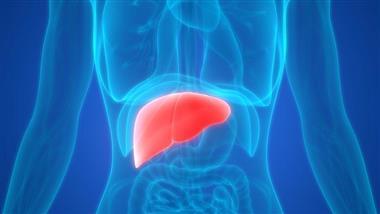
STORY AT-A-GLANCE
- Your liver weighs a little over 3 pounds, filters all of your blood each day, and when healthy is the only organ capable of regenerating; the liver performs nearly 500 functions, including regulating your cholesterol levels
- Three primary liver enzymes, AST, ALT and GGT, offer insight in the health of your liver; GGT is correlated with iron toxicity, increased disease risk and overall mortality, and has become a central factor in the life insurance underwriting process
- While iron is necessary for biological functioning, overload significantly damages your liver and may lead to heart disease, diabetes, cancer and neurodegenerative diseases
- Strategies to normalize your liver function include reducing your carbohydrate intake, balancing your omega-6 to omega-3 ratio, exercising, avoiding medications metabolized in the liver and optimizing your gut microbiome
This article was previously published April 8, 2019, and has been updated with new information.
Your liver weighs a little over 3 pounds and is located on the right side of your abdomen. Reddish brown in color, it’s rubbery to the touch and protected by your rib cage.1 Your liver is the largest solid organ and one of the largest glands in your body, carrying out over 500 essential tasks to maintain optimal health.2
One of the main jobs of the organ is to process and purify blood coming from the hepatic artery and the hepatic portal vein. The liver has two main lobes, each of which have eight segments.3 Each segment is made up of approximately 1,000 lobules connected by small ducts that eventually come together to form the common hepatic duct.4
In addition to filtering your blood, the liver regulates many chemical levels and excretes bile your intestines use to help break down fat.5 Your liver also produces cholesterol, stores and releases glucose as needed, and regulates blood clotting. As your liver metabolizes chemicals or breaks down harmful substances, they are released into the bile or blood.
Bile enters your intestines and ultimately leaves your body in stool, while blood by-products are filtered out by your kidneys and leave through your urine. Your body stores vitamins A, D, E, K and B12 in the liver,6 and the liver functions as part of the phagocyte system, a portion of the immunological function of your body.7
In other words, your liver is highly important to your health. It is also the only organ in your body able to regenerate.8 In mice, if two-thirds of the liver is removed, the tissue regrows to its normal size within seven days. In humans, as long as 25 percent of healthy tissue remains, it regrows without any loss of function in approximately 15 days.
What Do Your Liver Enzymes Tell You?
Although most health practitioners rely on reference ranges provided by a laboratory or defined by their hospital facility, there is an evidence-based set of optimal ranges that more readily predict underlying pathology. Dr. Brian Walsh is a naturopathic physician who has extensive training in molecular biological pathways.
In a previous article, one topic we discussed were two of the tests commonly used to evaluate liver function — the liver enzymes aspartate aminotransferase (AST) and alanine aminotransferase (ALT). The laboratory value ranges for the high end for AST is 40 units per liter (U/L) and 56 U/L for ALT.9
However, Walsh believes the medical literature “very clearly show that, a) men and women should have different AST and ALT reference ranges, and b) [the ideal range] is not much above 20 U/L.”
These two specific enzymes are found mainly in your liver. They are elevated when there is a form of liver damage or injury. A sudden acute jump may indicate injury to the liver, while chronically elevated levels may suggest ongoing damage.
Some of the more common diseases triggering elevated ALT and AST are viral hepatitis A, B or C, cirrhosis of the liver, alcoholic fatty liver disease, hemochromatosis (iron overload) or diminished blood flow from shock or heart failure.10
Another measurement important in the prediction of mortality is gamma-glutamyl transferase (GGT). This liver enzyme is correlated with iron toxicity, increased disease risk and all-cause mortality.11 In an interview with Gerry Koenig, chairman of the board at the Iron Disorders Institute, we discuss the importance of GGT and its involvement in glutathione metabolism and transport of amino acids.
GGT is an important measurement of liver damage,12 potentially greater than AST or ALT, and may also be used as a biomarker for excess iron and early death. Determining mortality risk is a chief responsibility of insurance underwriters who use laboratory values and biomarkers to assign risk scores.13
Liver function tests, particularly GGT, have become a central factor in the life insurance underwriting process.14 GGT is necessary in the production of your body’s primary antioxidant, glutathione. When elevated, it breaks glutathione down.15
Researchers have also found variations in enzyme levels are inheritable and may change by age and sex. To examine the genetic architecture, researchers sampled twins, their siblings, parents and spouses, and found the same genes influence liver enzymes, but the relative contribution to the variation differs in males and females.16
The Importance of Monitoring Iron Levels for Liver Health
Another factor associated with liver damage is iron overload. Iron is one of the most common nutritional supplements used today, as you may find it isolated, added to multivitamins and in fortified processed foods. While it’s necessary for biological function, too much may do tremendous damage.
In fact, iron overload may be a more common problem, and far more dangerous, than iron deficiency anemia.17 Nearly all adult men and postmenopausal women are at risk for iron overload as there is no clear efficient iron excretion method. In other words, these populations do not lose blood on a regular basis.
Blood loss is the primary way to lower excess iron. If excess iron is left untreated it may contribute to cancer, heart disease, diabetes and neurodegenerative diseases.18 Iron triggers damage by catalyzing a reaction with hydrogen peroxide within the mitochondrial membrane, forming hydroxyl free radicals.
These are among the most damaging free radicals and cause severe mitochondrial dysfunction.19 This in turn is at the heart of many chronic degenerative diseases.
GGT may also be used as a screening marker for excess free iron,20 as it is highly interactive with iron and will tend to raise GGT levels. When your serum ferritin and GGT are high, you have a significantly increased risk of chronic health problems.
Balance Omega-3 and Omega-6 Fats for Optimal Liver Function
The American Liver Foundation estimates nearly 25 percent of adults in the U.S. are affected by nonalcoholic fatty liver disease (NAFLD). The condition is associated with serious risks as it may cause the liver to swell (steatohepatitis) and may lead to liver cancer or liver failure.21
It often has no symptoms but may be suspected if you suffer from other associated conditions and your blood tests have high levels of liver enzymes. Progression from NAFLD to nonalcoholic steatohepatitis (NASH) is one of the leading causes of cirrhosis in adults in the U.S.22
Excess amounts of omega-6 fatty acids are challenging to the liver.23 Although both omega-3 and omega-6 are necessary for good health, dietary changes over the past several decades have increased the ratio of omega-6 to omega-3 up to 25-to-1, well above a healthier 5-to-1 ratio, or the 1-to-1 ratio recommended by some experts.24
Experimental studies have suggested this divergence increases your body’s ability to gain fat and, more importantly, increase systemic inflammation. Additionally, the lopsided ratio plays a role in the development of obesity through an increased activity of the cannabinoid system and AA eicosanoid metabolites.25
Researchers have found this process may be reversed by increasing eicosapentaenoic acid (EPA) and docosahexaenoic acid (DHA), both components of marine-based omega-3 fat. Research has also found excessive amounts of damaged omega-6 are associated with inflammatory diseases such as NAFLD, cardiovascular disease, inflammatory bowel disease and Alzheimer’s disease.26
The primary therapeutic action of marine-based omega-3 is reducing inflammation, while omega-6 is needed to initiate the inflammatory response.27 When the ratio is unbalanced in favor of omega-6, it increases the rate of inflammation. Other health benefits associated with a healthy omega-3 to omega-6 ratio include balancing low-density lipoprotein cholesterol and triglyceride levels,28 reducing blood pressure29 and preventing atherosclerosis.30
In addition to reducing the risk of obesity and inflammation, balancing your omega-3 fatty acids against your omega-6 intake can also help reduce your GGT level,31 improve liver fat, reduce triglycerides and improve HDL levels in those with NAFLD or NASH, both inflammatory processes not triggered by alcohol intake.
Cholesterol Profile Reveals Challenges
Your liver is responsible for cholesterol regulation, as it not only synthesizes cholesterol but also removes it from your body, converting it to bile salts to be eliminated in your feces.32
When damaged, your liver is unable to regulate cholesterol levels normally.33 This may result in atherogenic dyslipidemia, or elevated levels of triglycerides and LDL, with low levels of high-density lipoprotein (HDL) — levels commonly associated with the development of atherosclerosis plaques and heart disease.34
However, there is also an association between dyslipidemia and insulin resistance.35 Insulin resistance alters lipid metabolism, leading to the development of atherogenic dyslipidemia, contributing to atherosclerotic plaque formation.36
One reason atherogenic dyslipidemia is a predictor of heart disease is because it indicates insulin resistance, which means in some ways your cholesterol panel may tell you more about your insulin resistance and glucose intolerance than anything else.37
Normalize Your Liver Function Naturally
Dr. David Unwin, a low-carb advocate, was voted among the top 50 most influential general practitioners in the U.K. in September 2018.38 In this short video, he discusses the health improvements patients in his practice have experienced, pertaining to insulin resistance and liver function, as they follow a low-carbohydrate diet.
Your carbohydrate intake has an effect on your glucose metabolism, liver function and your risk of heart disease, stroke and Type 2 diabetes. Reducing carbs to 50 grams for every 1,000 calories and increasing your intake of healthy fats is a powerful way to support your mitochondrial health and reduce your risk of chronic disease. Other ways of protecting your liver health include:
| Optimizing your omega-3 to omega-6 ratio — Maintaining a balance of omega-6 to omega-3 fats as close to 1-to-1 is ideal. Omega-3 fat may be found in wild caught Alaskan salmon, herring, mackerel and anchovies. Consider using a high quality krill oil supplement if you don’t eat these fatty fish on a regular basis. Reduce or eliminate processed foods, which are high in damaged omega-6 fats, and vegetable oils for cooking. |
| Giving blood — If you are male or a postmenopausal woman, giving blood twice a year helps lower your iron level and protect your liver from damage. |
| Exercising — Exercise helps burn triglycerides for fuel and may help reduce liver fat.39 |
| Take N-acetylcysteine (NAC) — This is a precursor to glutathione, a powerful antioxidant that helps reduce oxidative stress and is used in the treatment of chronic fatty liver diseases.40 |
| Avoid medications — Many drugs and hormones are first metabolized through your liver, including birth control and anabolic steroids — in fact, nearly 50% of all drugs on the market are metabolized by just one enzyme in the liver.41
Over-the-counter (OTC) medication such as Tylenol and cold and pain remedies are also metabolized through your liver, as are statins, acid blockers, antifungals and certain antibiotics — in all, over 1,000 OTC drugs and herbal medicines have been associated with drug-induced liver injury.42,43 |
| Avoid alcohol if you have NAFLD or NASH — It’s important to drink alcoholic beverages responsibly, however if you already suffer from NAFLD or NASH, alcohol may increase your risk of cirrhosis and destroy your liver cells.44 |
| Optimize your gut — The release of undigested food and bacteria from a leaky gut condition eventually results in liver inflammation. Emerging evidence has suggested a strong relationship between your gut health and your liver.45
Your liver receives nearly 70% of its blood supply from the intestines through the portal vein.46 Researchers have also discovered up to 75% of those who suffer from chronic liver disease also suffer from microbiome imbalance.47 |
– Sources and References
- 1 ScienceDirect, 2017
- 2, 4, 5, 8 Johns Hopkins. Liver: Anatomy and Functions
- 3, 7 Stanford Children’s Health, Anatomy and Function of the Liver
- 6 TeachMePhysiology, June 3, 2018
- 9, 10 eMedicine Health, Liver Blood Tests
- 11, 15 The Fat Emperor, Fatty Liver Enzyme GGT – Don’t Die from Ignorance
- 12 Cleveland Clinic. Gamma-glutamyl transferase (GGT) Test
- 13, 14, 20 Disease Markers, 2015;2015:818570
- 16 Behavioral Genetics, 2013, 43(4)
- 17 Iron Disorders Institute, Iron Overload
- 18 Medical News Today, March 9, 2017
- 19 Science Direct, Hydroxyl Radical
- 21, 22 American Liver Foundation, July 6, 2017
- 23 Journal of Hepatology, November 2007
- 24, 25 Nutrients, March 2016
- 26 Journal of Nutrition and Metabolism, 2012; 2012: 539426
- 27 Hepatitis Central, Easing Liver Inflammation
- 28 American Family Physician, 2004; 70(1):133
- 29 ClevelandHeartLab, Omega-3 Fatty Acids: A Natural Way to Lower Blood Pressure
- 30 Future Science OA, 2017;3(4): FSO236
- 31 Gastroenterology Research Practice, 2016;2016:1459790
- 32 NIH. Lipid and Lipoprotein Metabolism in Liver Disease. July 21, 2019
- 33 Hepatitis Monthly, 2010;10(4):285
- 34 Indian Journal of Endocrinology and Metabolism, 2013;17(6):969
- 35 Journal of Mid-Life Health, 2018;9(2):85
- 36 Cardiovascular Diabetology, 2018;17:122
- 37 Clinical Cornerstone, 2006
- 38 Diabetes.co.uk, September 3, 2018
- 39, 44 American Liver Foundation, October 4, 2013
- 40 National Institutes of Health, Acetylcysteine
- 41 Current Drug Targets, December 2005
- 42 Drug Safety, June 2010
- 43 Swiss Medical Weekly, September 24, 2010
- 45 Medical Sciences, 2018;6(3):79
- 46 Thorne, January 12, 2018
- 47 Nutrition Metabolism and Cardiovascular Disease, 2012;22(6):471
Many Pathologists Agree Skin Cancer Is Overdiagnosed
Reproduced from original article:
https://articles.mercola.com/sites/articles/archive/2022/06/10/overdiagnosis-of-melanoma.aspx
The original Mercola article may not remain on the original site, but I will endeavor to keep it on this site as long as I deem it to be appropriate, and will not be bullied into removing it.
Analysis by Dr. Joseph Mercola Fact Checked June 10, 2022
STORY AT-A-GLANCE
- A survey of 115 dermatopathologists — doctors who specialize in diagnosing skin disease from skin samples — showed that 68% believe that overdiagnosis of atypical nevi is a public health issue
- One researcher in the study noted that while melanoma diagnoses rose, deaths from the disease did not, which would happen if there were truly an increase since there wasn’t a major breakthrough in treatment during the time of the study
- The American Academy of Dermatology recommends sunscreen for everyone to reduce the risk of skin cancer, yet ingredients in many sunscreen products are toxic to humans and the environment, and some can build up to unhealthy levels in the body after one day of use
- Your body makes vitamin D with exposure to the sun, which lowers your risk of heart disease, infection, diabetes, colorectal and breast cancer, lung disease and pregnancy loss. You can take several steps to naturally protect your skin
Data published in JAMA Dermatology in April 2022 revealed that nearly two-thirds of dermatopathologists believe that skin cancer is overdiagnosed.1 According to the American Academy of Dermatology (AAD),2 skin cancer will affect 1 in 5 Americans in their lifetime, making it one of the most common cancers diagnosed in the U.S.
According to the AAD, exposure to UV radiation from sunlight or tanning beds can increase the risk of developing certain types of skin cancer, especially when a person has five or more blistering sunburns at an early age, from 15 to 20 years. This can increase melanoma risk by 80% and non-melanoma by 68%.
The annual cost of treating skin cancer was $8.1 billion for 4.9 million adults from 2007 to 2011. This was an increase in cost from 2002-2006, when the average annual treatment was $3.6 billion for 3.4 million adults treated each year. This represents a 44% increase in people with skin cancer and a 125% increase in the cost of treatment.
The significant rise in treatment costs is likely not due to the annual increases in medical costs for known treatments. For example, photodynamic therapy (PDT) was commonly used to treat nonmelanoma skin cancer in 2007.3 An evaluation of costs4 showed a 3.2% to 4.7% rise in Medicare reimbursement for PDT from 2012 to 2017.
There have been some advances in the treatment of melanoma and other types of skin cancer,5 which include targeted therapies and immune checkpoint inhibitors, which are immunotherapies that have been used in people with advanced, unresectable melanoma. The drugs include ipilimumab (Yervoy), pembrolizumab (Keytruda) and nivolumab (Opdivo).
The first checkpoint inhibitor was released for use in 2011, and since then five others have reached the market.6 A review7 of the cost and cost-effectiveness of these drugs yielded disappointing results.
One paper8 estimated the cost at $1 million per patient with a “median progression-free survival of 11.4 months,” which Dr. Leonard Salz, from Memorial Sloan-Kettering Cancer Center, called “truly remarkable, for a disease that five years ago was thought virtually untreatable.”9
Data Show Melanoma Cancer Is Overdiagnosed
Researchers in the featured study10 wanted to know the perception of dermatopathologists as it related to the overdiagnosis of melanoma and other skin cancers. The researchers surveyed 115 dermatopathologists to evaluate their perception of overdiagnosis of melanoma as a public health issue. These are board-certified and/or fellowship-trained pathologists who specialize in diagnosing skin diseases from skin samples.
The researchers gave each a set of 18 skin biopsy samples and asked them to interpret the case using their own microscopes. The survey was taken from 2018 to 2019 and the analysis was finalized in September 2021. The results11 showed that 68% of the dermatopathologists believed overdiagnosis was a public health issue for atypical nevi, which are also known as dysplastic nevi or benign acquired melanocytic neoplasms.12
These skin disorders look similar to melanoma but are benign lesions. The survey also showed that the dermatopathologists believe that melanoma in situ was overdiagnosed 47% of the time and invasive melanoma was overdiagnosed 35% of the time. The results also showed that a lower number of pathologists with more years of practice thought atypical nevi were overdiagnosed. The researchers concluded:13
“… about two-thirds of dermatopathologists thought that atypical nevi are overdiagnosed, half thought that melanoma in situ is overdiagnosed, and one-third thought that invasive melanoma is overdiagnosed. No statistically significant associations were found between perceptions about overdiagnosis and interpretive behavior when diagnosing skin biopsy cases.”
Kathleen Kerr, Ph.D., lead researcher from the University of Washington, talked about the importance of these findings:14
“Melanoma diagnoses have been rising in the U.S. If there were truly an epidemic of melanoma, we would expect that deaths from melanoma to show a corresponding rise, since there hasn’t been a major breakthrough in treatment during this time. Yet melanoma deaths have been remarkably constant. This suggests that the rise in melanoma diagnoses is largely due to overdiagnosis.”
Data from the National Cancer Institute15 also demonstrate that the rate of diagnosis of new cases from 1992 to 2019 rose dramatically from 14.6 cases per 100,000 persons to 23.9 per 100,000 persons. Yet, the death rate from melanoma remained steady from 1992 until 2013 at 2.7 deaths per 100,000 persons. By 2019 it had declined to 2.0 deaths per 100,000 persons.
The disparity in diagnosis and death rate suggests the epidemic of melanoma is likely from an overdiagnosis of the skin condition. Kerr16 shared that while advanced melanoma is not difficult to diagnose, early biopsies have a distinct diagnostic variability, which raises the possibility of overdiagnosis.
The second half of their study looked at how a pathologist’s perception of overdiagnosis would affect how they diagnosed a skin biopsy. What they found was that those who believed invasive melanoma was overdiagnosed by the medical community were in fact “slightly more likely to diagnose invasive melanoma compared to other dermatopathologists examining the identical cases.”17
Overdiagnosis of melanoma is a significant problem since the diagnosis often carries consequences that affect the patient on an emotional and financial level. Kerr believes18 it will be challenging to reduce the problem with overdiagnosis as it will require cooperation between patients, primary care physicians and pathologists.
Melanoma Linked to Linoleic Acid; Sun Isn’t the Primary Cause
To prove this point there was a study from 1987,19 during which samples of fat tissue were taken from 100 melanoma patients and 100 people without melanoma and analyzed for fatty acids.
Not only is there an increase in linoleic acid in the tissue of all the subjects, but the percentage of polyunsaturated fatty acids (PUFAs) is significantly higher in the melanoma patients’ tissue. “The suggestion is made that increased consumption of dietary polyunsaturates may have a contributory effect in the etiology of melanoma,” the researchers concluded.20
Linoleic acid is the primary fat found in omega-6 polyunsaturated fats, including vegetable/seed oils, and accounts for about 80% of the fat composition of vegetable oils. Omega-6 fats must be balanced with omega-3 fats in order to not be harmful, but most Americans don’t eat that way.
Most of the omega-6 people eat, including seed oils, has been damaged and oxidized through processing. Once oxidized, it generates oxidized linoleic acid metabolites, which are mutagenic, carcinogenic, cytotoxic and atherogenic.21
“Is it possible that increased linoleic acid consumption could be causing fragility to cell membranes and that could be leading to oxidative damage in the sun leading to DNA damage and then more melanocytic nevi precursor lesions or melanoma or could the same thing be happening with squamous and basal?
I would say yes. It’s not supported by literature yet because there haven’t been any studies looking at this. We need many more studies on linoleic acid … The linoleic acid found in seed oils is most likely one of the biggest drivers of chronic disease in humans.”
Linoleic acid is found in virtually every processed food, including restaurant foods, sauces and salad dressings, as well as “healthy” foods like chicken, pork and some olive oil, so eliminating these foods in your diet is another stepping stone to good health.
Many Sunscreen Ingredients Are Toxic
The AAD’s answer to a rising number of people diagnosed with melanoma and other skin cancers is sunscreen.22 They recommend a sunscreen with broad-spectrum protection, water-resistant SPF 30 or higher. Yet, sunscreen may be one of the worst things you can do to “protect” your skin.
First, I should make it clear that I believe sunscreen is widely overused. There are circumstances where it’s wise and appropriate, but those cases are few and far between. For the most part, you should rely on sensible sun exposure and get out of the sun or wear clothing the minute your skin starts to turn a light pink.
If you’re planning a day at the beach, or will be outdoors for hours at a time, you will need some form of sun protection. However, before grabbing the first bottle of sunscreen, it’s important to look at the ingredients and make a wise choice. One pharmaceutical testing company23 found 27% of the products tested exposed users to known carcinogens.
The data were published in 2021. Researchers tested 294 sunscreen products across a range of companies. They found 78 contained at least three times the level of benzene that the FDA allows under special circumstances. Benzene is an industrial chemical recognized by the CDC, U.S. Health and Human Services and World Health Organization as a known human carcinogen.24
CBS News25 reported 14 of the sunscreen products analyzed with the highest number of contaminants came from popular personal care brands, including Neutrogena, Sun Bum, CVS Health and Fruit of the Earth. While not all the products in these brands contained benzene, “the founder and CEO of Valisure believes the issue is manufacturing contamination affecting specific batches,” CBS News reported.
Although the name is similar, oxybenzone is a different chemical that is approved by the FDA and found in an estimated 70% of sunscreens.26 However, the chemical is a known endocrine disruptor and has been linked to reduced sperm count in men27 and endometriosis28 in women.
In the U.S., sunscreens may also contain at least eight other active ingredients that are suspected of having endocrine-disrupting effects. According to one Danish study,29 13 of 29 sunscreen chemicals that are allowed in the US. and/or the European Union can reduce male fertility by affecting calcium signaling in the sperm, in part by exerting a progesterone-like effect. The U.S. approves eight of these chemicals for use:30
| Avobenzone | Homosalate |
| Meradimate | Octisalate (also known as octyl salicylate) |
| Octinoxate (octyl methoxycinnamate) | Octocrylene |
| Oxybenzone (also called benzophenone-3) | Padimate O |
Ingredients Build Up to Unhealthy Levels
Data funded by the FDA published in JAMA in 201931 and 202032 showed that certain ingredients in sunscreen products may build up in the body at unhealthy levels. The chemicals studied were avobenzone, oxybenzone, octocrylene, homosalate, octisalate and octinoxate. After the 2019 study, the researchers concluded the:33
“… conditions resulted in plasma concentrations that exceeded the threshold established by the FDA for potentially waiving some nonclinical toxicology studies for sunscreens. The systemic absorption of sunscreen ingredients supports the need for further studies to determine the clinical significance of these findings.”
At least one — oxybenzone, found in 70% of sunscreen products — can show up in breast milk, amniotic fluid, urine and blood.34 They also wrote that the ingredients were absorbed after only one day’s exposure, and some persisted in the body after use.
Your Body Requires Vitamin D for Optimal Health
Your body needs vitamin D, which it manufactures after exposure to the sun.35 Vitamin D is involved in the biology of most cells and tissues in your body,36 including your immune system.37 Currently, the U.S. The Preventive Services Task Force38 considers 20 nanograms per milliliter (ng/mL) sufficient.
However, a compelling body of research suggests that 40 ng/mL is the low end of sufficiency39 and 30 ng/mL is rock bottom to prevent disease.40 The ideal level for prevention is actually between 60 ng/mL and 80 ng/mL.41 According to a study in Anticancer Research,42 it requires 9,600 international units of vitamin D each day for the majority of the population (97.5%) to reach 40 ng/mL.
This is a far cry from the current recommendations of 600 IUs of vitamin D per day for adults.43 While optimal levels lower the risk of preterm birth.44 vitamin D deficiency puts you at risk for diabetes,45 heart disease,46 colorectal cancer,47 breast cancer,48 lung disease49 and pregnancy loss.50
The only way to know if you are deficient is a blood test. However, there are some general signs and symptoms that may indicate you should get your vitamin D levels tested sooner rather than later. These include:
- Ongoing musculoskeletal pain and achy bones51
- Frequent infections or illnesses52,53
- Neurological symptoms, such as depression,54 cognitive impairment55 and migraines56
- Fatigue and daytime sleepiness57
Naturally Protect Your Skin From the Summer Sun
While most sunscreens contain toxic ingredients, the good news is that you can support your healthy skin and protect it from damage from the inside out. Scientists have identified several nutrients that can up UV protective activity that reduces your risk of sunburn and related skin damage.
One of those nutrients is astaxanthin. It is a potent antioxidant that acts as an internal sunscreen. Astaxanthin has strong free radical scavenging activity that protects you from oxidative damage. It is produced by the microalgae Haematococcus pluvialis58 when the water supply dries up, to protect itself from ultraviolet radiation. Essentially, it’s the algae survival mechanism.
One paper59 examined the effect of astaxanthin on UV radiation exposure and gene expression. Researchers hypothesized it “would have a significant benefit on protecting against UVA-induced skin photoaging such as sagging and wrinkles.”60
A second paper,61 noted that a combination of 6 mg of astaxanthin taken internally and 2 mg used topically led to “significant benefit” in skin wrinkling, age spots and skin elasticity, texture and moisture content by week eight of the intervention. Several other nutrients naturally play a role in photoprotection, including lycopene,62 beta-carotene,63 vitamin D64 and vitamin E.65
- 1, 10, 13 JAMA Dermatology, 2022; doi:10.1001/jamadermatol.2022.0489
- 2 American Academy of Dermatology, Skin Cancer
- 3 Journal of the American Academy of Dermatology, 2007;56(1)
- 4 JAMA Dermatology, 2020;156(9)
- 5 National Cancer Institute, April 12, 2022
- 6 Nature, September 26, 2017
- 7 Journal of Immunotherapy of Cancer, 2018;6(128)
- 8 American Drug and Health Benefits, 2015;8
- 9 American Drug and Health Benefits, 2015;8 para 1 under pic 2
- 11 JAMA Dermatology, 2022; doi:10.1001/jamadermatol.2022.0489 Abstract/Results
- 12 Up To Date, Atypical Dysplastic Nevi
- 14, 16, 17, 18 NewsWise, May 2, 2022
- 15 National Cancer Institute, Cancer Stat Facts: Melanoma of the Skin
- 19, 20 Nutr Cancer. 1987;9(4):219-26. doi: 10.1080/01635588709513930
- 21 YouTube June 13, 2020
- 22 American Academy of Dermatology, Sunscreen FAQs
- 23, 24 Valisure, May 25, 2021
- 25 CBS News, June 5, 2021
- 26 Reef Repair, October 25, 2019
- 27, 30 Endocrine Society April 1, 2016
- 28 C&EN March 22, 2012
- 29 Endocrine Connections January 2018; 7(1):16
- 31, 33 JAMA 2019;321(21):2082-2091
- 32 JAMA 2020;323(3):256
- 34 JAMA 2019;321(21):2082
- 35 Dermatology Endocrinology, 2013;5(1)
- 36 National Institutes of Health Vitamin D
- 37 Nutrients, 2013;5(7)
- 38 US Preventive Services Task Force, April 13, 2021;325(14):1436-1442. doi:10.1001/jama.2021.3069
- 39 GrassrootsHealth
- 40, 46 International Journal Epidemiology 1990;19(3):559
- 41, 48 PLOS|One, 2018; doi:10.1371/journal.pone.0199265
- 42 Anticancer Research 2011;31(2):607
- 43 National Institutes of Health, Vitamin D, Table 2
- 44 GrassrootsHealth, Research to Support FDA Petition
- 45 Diabetes Care 2004;27(12):2813
- 47 Journal of the National Cancer Institute, 2019;11(2)
- 49 Chest 2005;128(6):3792
- 50 EurekAlert! June 20, 2018
- 51 US Pharmacist March 18, 2009
- 52 Science Daily, February 6, 2022
- 53 Inflammation and Drug Targets, 2013;12(4)
- 54 Journal of Affective Disorders, 2017;208
- 55 Scandinavian Journal of Clinical and Laboratory Investigation, 2012;243
- 56 Frontiers in Neurology, May 13, 2021
- 57 Global Journal of Health Science, 2015;8(6)
- 58 Frontiers in Plant Science, 2016; doi:10.3389/fpls.2016.00531
- 59, 60 Journal of Dermatological Science 2010;58(2):136
- 61 Acta Biochim Pol. 2012;59(1)
- 62 The Journal of Nutrition, 2001;131(5): 1449
- 63 Photochemistry and Photobiology 2008;84(2):284
- 64 Lancet, 2004: 363(9410);728 Context line 3
- 65 Oregon State University Micronutrient Information Center, Vitamin E and Skin Health
‘Toxic Legacy’ — How Glyphosate Destroys Your Health
Reproduced from original article:
https://articles.mercola.com/sites/articles/archive/2022/06/07/toxic-legacy-how-glyphosate-destroys-your-health.aspx
The original Mercola article may not remain on the original site, but I will endeavor to keep it on this site as long as I deem it to be appropriate, and will not be bullied into removing it.
Analysis by Dr. Joseph Mercola Fact Checked June 07, 2022
STORY AT-A-GLANCE
- Glyphosate is a very efficient metal chelator. This, in turn, disrupts your gut microbes because it makes minerals unavailable to the microbes. Your gut microbes need those minerals, as their enzymes depend on them for proper functioning
- There’s a strong correlation between the rise in celiac disease over time and the rise in glyphosate usage on wheat, which is the primary culprit in celiac disease
- Glyphosate may worsen the adverse effects of vaccines, in part because it binds very efficiently to aluminum used as an adjuvant in certain vaccines. Live virus vaccines that do not contain aluminum adjuvant have also been found to be contaminated with glyphosate
- Non-GMO crops such as oats, wheat, barley and legumes like chickpeas and lentils tend to be very high in glyphosate because these crops are sprayed with glyphosate right before harvest as a desiccant to speed the drying process
- Glyphosate also disrupts the shikimate pathway, both in plants and microbes, and beneficial microbes are particularly sensitive to glyphosate
This article was previously published July 11, 2021, and has been updated with new information.
Stephanie Seneff, Ph.D., a senior research scientist at MIT, has published a book, “Toxic Legacy: How the Weedkiller Glyphosate Is Destroying Our Health and the Environment” — without doubt the best book ever written about glyphosate, the active ingredient in Roundup and many other toxic herbicides.
In this book, which was a labor of love for a decade, Seneff explains how and why glyphosate poses an existential threat to humanity, and why it’s so important to avoid it if you care about your health and the health of your family.
“It’s been a decade of learning everything I could about glyphosate,” Seneff says. “When I first heard about it I basically dropped everything else I was doing because I was so confident that I had found the answer to the autism epidemic. That was the thing I was looking for. Back in 2012, I heard a two-hour lecture by Don Huber, and it changed my focus entirely.
I already understood the symptoms of autism, a very complex disease — lots of gut problems and mineral issues — and it all came together with his lecture. Overnight I just started poring over all the papers I could find.
Shortly after that I found Séralini’s paper,1 which had not yet been retracted at that time. It was later republished, the paper by Séralini, a French toxicologist who had shown that very low doses of glyphosate over the lifespan of a rat could cause a lot of damage.
He pointed out that after three months, everything looked good, so it’s a slow kill. This is one thing I emphasize in my book. Glyphosate is subtle, and that’s really a huge problem because people don’t [make the connection]. We have diabetes, obesity, autism, Alzheimer’s. It’s a long, long list, all the gut problems.
The microbes are being very much disturbed by the chronic poisoning with glyphosate, and then the gut becomes a central starting point for many diseases, including neurological diseases and arthritis. So, you see that disruption of the gut, and glyphosate can cause exactly the things that we’re seeing.”
Glyphosate Contamination in Common Products
Before delving into glyphosate, Seneff spent five years focusing on the potential toxicities of vaccines. She still believes vaccines can play a role in the chronic diseases we’re seeing, including autism.
However, glyphosate may actually play a more significant role. Seneff believes it contributes to and worsens damage caused by vaccines, in part because it binds very efficiently to aluminum used as an adjuvant in certain vaccines. It likely binds strongly to many other toxic metals as well.
The theory is that, by being wrapped up with glyphosate molecules, the metals can more easily penetrate various barriers in your body. This is because glyphosate causes these barriers, such as your intestinal barrier and your blood-brain-barrier, to become more porous. And, as leaky gut or leaky brain set in, the toxic metals are shuttled across, along with the glyphosate.
Interestingly, Anthony Samsel, a public health research scientist, and Zen Honeycutt, founder and director of Moms Across America, have independently found glyphosate contamination in live virus vaccines that do not contain aluminum adjuvant.
Seneff suspects glyphosate may be a contaminant in many drugs as well, particularly drugs produced by genetically engineering E. coli or yeast. They’ve also found glyphosate in tampons, which may then be absorbed through your uterine lining.
Seneff also hypothesizes that, since glyphosate is found in many vegetable-based fats, such as canola and soybean oil, studies comparing the health effects of fats may be compromised since they never consider the effects of glyphosate. Interestingly, while not fat-soluble, glyphosate can still enter fats (and is found in the vegetable oils just mentioned).
Samsel suspects glyphosate acts as a phosphate analog, because it has a phosphonate unit, and fats have phosphates (phospholipids). This is something he’s investigating right now, so eventually, we may learn more about that mechanism.
Glyphosate and the Rise in Celiac Disease
In her book, Seneff details the dramatic increase in glyphosate use since its introduction in the mid-’70s. Estimates suggest that 1 pound of glyphosate is applied in the U.S. every year for every man, woman and child in America, which is an astounding amount. It’s not even enough to buy non-GMO products, as many non-GMO items have been shown to have some of the highest levels of glyphosate.
There’s a strong correlation between the rise in celiac disease over time and the rise in glyphosate usage on wheat … which makes sense, because wheat is the source of celiac disease. ~ Stephanie Seneff, Ph.D.
Oats, wheat, barley and legumes like chickpeas and lentils tend to be very high in glyphosate because these crops are sprayed with glyphosate right before harvest as a desiccant to speed the drying process.
“I think that’s the reason for the epidemic in celiac disease,” Seneff says. “Samsel and I wrote a paper on that. We showed there’s a strong correlation between the rise in celiac disease over time and the rise in glyphosate usage on wheat, specifically on wheat. It matches much better to wheat than it does to the other crops, which makes sense, because wheat is the source of celiac disease.”
A case study of an American woman who tried to commit suicide by drinking glyphosate reveal some of the chemical’s effects. She developed a paralyzed gut, and this may well be what’s happening to many, on a low-grade scale. In essence, people’s guts are sort of semi-paralyzed by the glyphosate in the diet, which causes small intestinal bacterial overgrowth (SIBO).
Bacteria starts festering in the upper intestine because the peristalsis is not working properly, so food remnants get stuck. Glyphosate has also been shown to accumulate in the brain, and animal studies show it causes neuro excitotoxicity due to excess glutamate in the brain. This, in turn, “is absolutely connected to autism,” Seneff says.
In her book, Seneff also discusses the importance of sulfur for optimal health, how sulfate deficiency is connected to autism, and how glyphosate can cause sulfate deficiency.
How Glyphosate Affects Your Gut and Autoimmunity
Part of what makes glyphosate so toxic has to do with the fact that it’s a very efficient metal chelator. It binds metals and minerals really well. For example, glyphosate is a million times more effective at chelating aluminum than EDTA, a chelating agent used in heavy metal chelation treatment.
This, in turn, disrupts your gut microbes because it makes minerals unavailable to the microbes. Your gut microbes need minerals, as their enzymes depend on them for proper functioning. Glyphosate also disrupts the shikimate pathway, both in plants and microbes, and beneficial microbes are particularly sensitive to glyphosate.
When lactobacillus bacteria are killed off in your gut, your ability to digest gluten and casein (milk protein) is impaired, as this bacterium carries several enzymes your body does not have that specialize in breaking down proline, an amino acid found in gluten and casein. This, in turn, can eventually lead to autoimmune problems. Seneff explains:
“We have all these allergies to gluten and casein these days, all these different food sensitivities, and I think it’s because the lactobacillus are being killed off. They can’t support the digestion of those proteins anymore. Then the protein sticks around, the peptide sequence, and that’s what causes an immune reaction.
Then you can get an autoimmune attack through molecular mimicry — the antibody mis-recognizes a human protein because it looks like the piece of gluten that they become sensitive to, so they attack a human protein instead.”
Glyphosate Makes Harmful Fat Even More Hazardous
Interestingly, glyphosate may also contribute to the harm caused by the omega-6 fat linoleic acid (LA). LA is metabolized into arachidonic acid, which is metabolized into an endogenous cannabinoid that eases pain. The enzyme that accomplishes this conversion is cytochrome P450 enzyme, which is disrupted by glyphosate.
Seneff suspects arachidonic acid is getting redirected through enzymes that convert arachidonic acid into extremely immunogenic products instead, such as leukotrienes, which act as signaling molecules that turn on an inflammatory response. A generic term for these signaling molecules is eicosanoids. She explains:
“Leukotrienes are rightfully blamed for causing all the chronic pain we’re seeing — rheumatoid arthritis, joint and bone pain, and even, probably, problems with the brain, maybe headaches.
All the different kinds of pain we’re experiencing that are connected to inflammation could be a consequence of cytochrome P450 enzymes blocking the ability to convert arachidonic acid into the endogenous cannabinoid. Instead, it gets redirected towards these signaling molecules that cause all this damage.”
On top of that, LA, when oxidized, turns into highly toxic free radicals such as 4HNE, which cause direct oxidative stress damage to cell membranes, mitochondria, stem cells and DNA. In your mitochondria, a feedback loop then occurs that causes the shutdown of your energy metabolism system, resulting in an increase in adipose tissue. Translation: Excessive LA causes accumulation of belly fat.
Glyphosate Is a Biological Toxin
Its effect on the shikimate pathway is a key mechanism by which glyphosate causes biological harm in humans. The human body does not have this pathway — a fact used by Monsanto to argue for glyphosate’s safety. But the microbes in your body do have it. Research has shown over half the microbes, on average, in your gut have the shikimate pathway and can therefore be decimated by glyphosate.
These include lactobacillus and bifidobacteria, which use the shikimate pathway to produce the aromatic amino acids tryptophan, tyrosine and phenylalanine, crucial coding amino acids that go into all the proteins of your body. They’re absolutely essential for protein assembly, and your body must rely on your diet and gut microbes to produce adequate amounts of these amino acids, as your body cannot produce them any other way.
When your gut microbes are harmed, it can result in a deficiency of tryptophan, tyrosine and phenylalanine. These amino acids are also precursors to many other important biologically active molecules. For example, tryptophan is a precursor to melatonin and serotonin. Tyrosine is a precursor to thyroid hormone, dopamine and adrenaline.
“These are all really, really important hormones that control brain behavior and regulate behavior and mood,” Seneff says. “Serotonin deficiency is connected to depression, and we have an epidemic in depression. So, I think there’s a direct path there. Also, some of the B vitamins come out of the shikimate pathway, including thiamine (B1), riboflavin (B2) and niacin (B3) …
You need thiamine for augmenting your immune system. If you don’t have a lot of thiamine, you’re not going to be able to generate a healthy immune response. That’s why it’s a part of septic protocols. If you’re wrecking it with glyphosate exposure that’s disrupting the shikimate pathway in your gut microflora, you’ve got a huge problem.”
Glycine Can Help Counteract Adverse Effects of Glyphosate
One simple remedy that can help lower your glyphosate burden is to take a glycine supplement. As explained by Seneff, the way glyphosate disrupts the shikimate pathway is by affecting an enzyme called EPSP synthase. That enzyme bonds to a molecule called phosphoenolpyruvate (PEP). The “phospho” in that name stands for phosphate.
At the place where EPSB synthase binds to PEP, there’s a glycine molecule. It’s a highly-conserved glycine in the enzyme. If that glycine is swapped out for alanine, a very similar amino acid, the EPSB synthase enzyme becomes completely insensitive to glyphosate.
“So, it’s black and white — either there’s a glycine there, in which case it’s incredibly susceptible to glyphosate, or there’s alanine, in which case it’s completely insensitive,” Seneff says.
Incidentally, this is how agricultural scientists create glyphosate-resistant GMO crops. They turn the glycine molecule into alanine, thereby rendering the plant impervious to glyphosate.
When glyphosate enters your system, it can take the place of the glycine molecule. While similar, (the “gly” in glyphosate stands for glycine) it’s not identical and does not work the same way as glycine. Hence, this replacement causes all sorts of trouble.
By taking a glycine supplement, you can counteract this chain of events by making sure there’s enough glycine present to fill up those glycine slots. As noted by Seneff, “If there’s lots of glycine, you’re going to be much less likely to pick up glyphosate.” She continues:
“I had thought about glyphosate being glycine, and knowing that it’s a glycine analog and that it was affecting places where glycine binds. Glycine acts as a neural transmitter. Glyphosate messes that up. I thought, ‘I wonder if it can get into the protein in place of glycine?’
My book actually centers on this idea that glyphosate substitutes for glycine in certain proteins. There’s a specific algorithm for where it would happen, and you can show that those proteins are suppressed by glyphosate experimentally.”
Importantly, glyphosate suppresses glucose-6-phosphate dehydrogenase (G6PD), a very important enzyme in red blood cells that maintains NADPH in its reduced form. If you have reduced levels of NADPH, you’re at increased risk for chronic disease, as your ability to recharge antioxidants is impaired. This is yet another mechanism by which glyphosate contributes to any number of disease states.
Glyphosate’s Impact on Collagen
Yet another protein that has a high glycine content is collagen, the primary protein for your connective tissue. It constitutes about one-quarter of your body’s proteins. Because of the presence of glycine, glyphosate has the ability to impair collagen as well.
“I feel confident that glyphosate is messing up collagen,” Seneff says. “Collagen has a beautiful triple helix structure, which gives it really special properties of tensile strength and flexibility to hold water. Collagen has long, long sequences called GXY, GXY, GXY, where every third amino acid is a glycine. Those glycines hook together to form that triple helix.
There are people who have mutations in those glycines that cause joint and bone diseases, and I think glyphosate is causing that. Ehlers-Danlos syndrome is associated with glycine mutations in collagen, and there’s an increase in the prevalence of that syndrome recently.
Of course, you have many more people getting hip replacement surgery, and people have back issues, back pain and shoulder surgery, knee and foot problems. All these different problems with the joints, I suspect, are being caused by misfolded collagen because of glyphosate messing it up.”
Glyphosate’s Impact on Your Vascular System
Another mechanism of action involves the suppression of nitric oxide (NO), primarily through the suppression of endothelial nitric oxide (eNOS), which is one of three ways your body makes NO. eNOS is a close relative to cytochrome 450 enzymes which, as mentioned, are decimated by glyphosate.
“The NO works together with sulfur dioxide to control the viscosity of your blood,” Seneff explains. “NO turns into nitrate … And sulfur dioxide turns into sulfate … Nitrate is a chaotrope, and sulfate is a kosmotrope. Kosmotropes are very interesting molecules that control the viscosity of blood. It’s all about water structuring, stuff that Gerald Pollack talks about.
Kosmotropes make the water structure more like gel and the chaotropes make it more like fluid, liquid. Those two work against each other to maintain the correct viscosity of the blood while other things are going on. If you put a bunch of lipid particles into the blood, it’s going to get more viscous, so you’ve got to make it less-viscous by adding NO.
So, there’s a back and forth between NO and sulfur dioxide that’s regulated by eNOS. This is a theory that I have, and it makes a lot of sense. I have continued to gather evidence that supports it.
If glyphosate messes up eNOS, then it messes up the blood’s ability to maintain its proper viscosity, which means your blood could be too fluid. You could end up with hemorrhaging. It could be too thick, it can’t circulate, so you end up with blood clots.”
More Information
One piece of good news is that Mexico is banning glyphosate and will phase it out entirely by 2024. There are fears Mexico may also start banning U.S. imports found to be contaminated with glyphosate, which would actually work in everyone’s favor by shining a bright light on the matter.
While the ultimate answer is to ban the use of glyphosate worldwide, in the meantime, a key strategy to protect your own health is to buy certified organic or biodynamic food. Glyphosate is not permitted in organic agriculture, and even if contamination occurs, the levels are going to be far lower than that of conventionally-grown foods.
Seneff also recommends eating a high-sulfur diet, as sulfur is crucial for the health of your metabolism and immune system. “Sulfur deficiency, I think, is a driver behind some of our health problems,” she says.
Also consider taking a glycine supplement to counteract and push out any glyphosate you might be exposed to. “Glycine is not very expensive and it is very safe, so it’s an easy thing to take as a supplement, which I think could definitely help,” Seneff says.
Other health-promoting habits include eating plenty of fermented foods and getting optimal amounts of vitamin D and K2. As noted by Seneff, your vitamin D conversion is also adversely affected by glyphosate.
As is typically the case when talking to Seneff, as she is phenomenally well-informed, we cover far more details in this interview than I’ve summarized here — including environmental effects and countermeasures to speed the cleanup of soil and water — so I encourage you to listen to the interview in its entirety.
Of course, to learn more about glyphosate, be sure to pick up a copy of “Toxic Legacy.” It’s by far the best book to date on this pernicious toxin that is robbing people everywhere of their health and quality of life.
Benefits of Sunshine on Your Bare Skin
Reproduced from original article:
https://articles.mercola.com/sites/articles/archive/2022/06/04/benefits-of-sunshine.aspx
The original Mercola article may not remain on the original site, but I will endeavor to keep it on this site as long as I deem it to be appropriate, and will not be bullied into removing it.
Analysis by Dr. Joseph Mercola Fact Checked June 04, 2022
STORY AT-A-GLANCE
- Health care officials’ recommendations to avoid sun exposure unless you’re slathered in sunscreen have deprived humans of their fundamental need for sunlight
- Dr. Paul Saladino, author of “The Carnivore Code,” delves into the many reasons why sunlight is so essential it could even be described as a nutrient
- Nitric oxide is produced in response to UVA and this leads to vasodilation; there are also beta endorphins produced in your skin when it’s exposed to UVA and UVB
- Exposure to UV light has benefits to the immune system; it affects cellular differentiation and can improve wound healing
- Outdoor workers have been found to have a decreased risk of melanoma skin cancer compared to indoor workers; consumption of linoleic acid from seed oils may increase your risk of sunburn and skin cancer
- The key to gaining the benefits of sunlight while minimizing the risk of sunburn is to gradually build up what Saladino refers to as your solar callus
Health care officials’ recommendations to avoid sun exposure unless you’re slathered in sunscreen have deprived humans of their fundamental need for sunlight. In the video above, Dr. Paul Saladino, author of “The Carnivore Code,” a book on nose-to-tail animal-based eating, and host of the Fundamental Health Podcast, delves into the many reasons why sunlight is so essential it could even be described as a nutrient.
“It’s been a critical part of our evolution throughout our existence,” he states.1 “Sunlight, real sunlight, is essential for optimal human life. You cannot be an optimal human without … adequate levels of real outdoor ultraviolet infrared visible spectrum light from the sun in the sky when you are not wearing sunscreens.”2
If more people spent time in the sun — not getting sunburned, but getting gradual exposure and gradually building up your skin’s tolerance — Saladino explains that rates of many types of cancers would likely go down and there would be fewer cardiovascular disease deaths and fewer cases of seasonal affective disorder, while improvements would be seen in many other diseases, such as rheumatoid arthritis and schizophrenia.3 This is the power of the sun.
Cancer Rates Rise With Distance From the Equator
When you put on sunscreen to “protect” your skin from the sun, you’re not only exposing your body to toxic chemicals in the sunscreen but also inhibiting the complex interactions that occur between ultraviolet (UV) light from the sun and your skin.
Nitric oxide, for instance, is produced in response to UVA and this leads to vasodilation. There are also beta endorphins produced in your skin when it’s exposed to UVA and UVB,4 and strong associations with cancer can be found depending on your location in relation to the equator.
“With increasing distances from the equator,” Saladino says, “we know that there are higher rates of colon, breast, pancreas, ovary, brain and kidney cancers, and the blood cancer multiple myeloma — as you move farther from the equator.”5 Tuberculosis is another disease that’s been correlated with sun exposure.6 In 1903, Niels Ryberg Finsen was awarded a Nobel Prize7 for his use of solar heliotherapy, or exposure to sunlight, to treat diseases such as tuberculosis.
“Once the anti-tuberculosis drugs were developed this type of therapy fell out of favor, but there were solariums there were these hospitals throughout the desert southwest. I went to medical school at the University of Arizona in Tucson and some of the places I did rotations were previously hospitals for tuberculosis patients who were put into the sun, and there was some improvement in their disease,” Saladino explains.8
Exposure to UV light also has benefits to the immune system. “It affects cellular differentiation. It can improve wound healing … I don’t think many people think about putting their wounds in the sun to help with healing, but the sun does help.”9
Sunlight Benefits From Vitamin D and Beyond
The fact that your skin produces vitamin D in response to sun exposure is another clue that it’s beneficial. Vitamin D upregulates your ability to fight infections, as well as chronic inflammation, and produces over 200 antimicrobial peptides (AMPs), one of which is cathelicidin, a naturally occurring broad-spectrum antibiotic.
The cathelicidin antimicrobial peptide, or CAMP, is made by immune cells and skin and gut cells, which act as a barrier to infection.10 A wealth of data also show that vitamin D levels are strongly correlated with the severity of SARS-CoV-2 infection.11 Saladino has visited the Hadza tribe in Africa, who are among the best still-living representations of the way humans have lived for tens of thousands of years.
He credits their regular sun exposure, as well as their native diet, for their lack of chronic diseases seen in modernized societies:12
“There is good observational epidemiological research that levels of vitamin D above 30 nanograms per milliliter (ng/mL) were quite protective and if we think about this evolutionarily, groups like the Hadza and the Maasai evolve at the equator. They have a lineage there that is many hundreds, thousands of years old.
Their vitamin D averages around 46 to 48 ng/mL, which I suggest is an evolutionarily appropriate level and probably good for most humans.”
To ward off infection and prevent chronic diseases, the level you’re aiming for is between 60 and 80 ng/mL, with 40 ng/mL being the low cutoff point for sufficiency to prevent a wide range of diseases, including cancer. The key is to get your vitamin D from the sun, not supplements. It’s important to understand that vitamin D is not the only benefit of sunlight. In fact, vitamin D is more than likely a biomarker or surrogate for sun exposure, which is also intricately involved in melatonin production.
During the day, if you get proper sun exposure, near-infrared rays from the sun penetrate deep into your body and activate cytochrome c oxidase, which in turn stimulates the production of melatonin inside your mitochondria. Your mitochondria produce ATP, the energy currency of your body. A byproduct of this ATP production is the creation of reactive oxidative species (ROS), which are responsible for oxidative stress and free radicals.
Excessive amounts of ROS will damage the mitochondria, contributing to suboptimal health, inflammation and chronic health conditions such as diabetes, obesity and thrombosis (blood clots). But melatonin essentially mops up ROS that damage your mitochondria. So by getting plenty of sun exposure during the day, your mitochondria will be bathed in melatonin, thereby reducing oxidative stress.13,14 Saladino adds:15
“I would advise you to get your vitamin D from real sunlight because of the other benefits of real sunlight — endorphins, nitric oxide, perhaps other cholesterol molecules like cholesterol sulfate. We don’t even, I think, understand all of the benefits of being in the sun. There are so many associations with latitude that suggest it could be deeper than vitamin D.”
Sunlight May Affect Your Microbiome
To understand solar energy, it helps to be aware that 39% of the solar spectrum is what we see as visible light. The majority of the solar spectrum, 54.3%, is infrared,16 which is not visible but rather felt as heat. Ultraviolet light accounts for only 6.8% of the solar spectrum, and vitamin D is specifically produced in response to UVB radiation, which is only a small part of the ultraviolet spectrum.
It’s the exposure to this full spectrum light that yields the most benefits, of which most are likely still unknown. Melatonin, for instance, is produced inside your mitochondria in response to near-infrared radiation, which is part of the infrared spectrum. Exposure to another type — narrow bank ultraviolet B, or NB-UVB — leads to another little-known benefit — modulation of the human intestinal microbiome.17
Study participants were divided into groups that took vitamin D supplements during the winter prior to the study and those who did not. They were then exposed to NB-UVB three times during a one-week period.
Not only did vitamin D levels increase in both groups, but the light exposure significantly increased alpha and beta diversity in the group that didn’t take vitamin D, and bacteria from several families were enriched. The researchers proposed that a skin-gut axis may exist that affects the gut microbiome, and it appears to be mediated by sunlight:18
“This is the first study to show that humans with low 25(OH)D serum levels display overt changes in their intestinal microbiome in response to NB-UVB skin exposure and increases in 25(OH)D levels, suggesting the existence of a novel skin-gut axis that could be used to promote intestinal homeostasis and health.”
Melanoma Is Not Always a Sun-Associated Cancer
The question many have with regard to sun exposure is whether it will increase skin cancer risk. Melanoma is considered to be the deadliest form of skin cancer, but data do not support the common rhetoric that it’s caused by sunlight.
In one study of outdoor workers and skin cancer risk in Europe, although they had more UV exposure both during work and leisure time and less sunscreen use compared to indoor workers, “No significant associations were found for melanoma.”19 “This finding is corroborated many times in the literature,” Saladino said. “There is a lot of literature to suggest that there are perhaps multiple roads to melanoma, not all of which are related to the sun.”20
Likewise, in a rapid review published in The Lancet it’s noted that outdoor workers have been found to have a decreased risk of melanoma compared to indoor workers, “suggesting that chronic sunlight exposure can have a protective effect.” It’s also noted that while some melanomas do form on areas of the skin exposed to sun, others form on areas that rarely see the sun.
“So clearly getting burned when you were a kid is a bad thing. You don’t want that to happen, but is melanoma truly a sun-associated cancer? I would say no. I think there is clear evidence that melanoma is not always associated with the sun,” Saladino says.21
Melanoma Linked to Linoleic Acid
Saladino points out a study from 1987,22 during which samples of fat tissue were taken from 100 melanoma patients and 100 people without melanoma and analyzed for fatty acids.
Not only is there an increase in linoleic acid in the tissue of all the subjects, but the percentage of polyunsaturated fatty acids (PUFAs) is significantly higher in the melanoma patients’ tissue. “The suggestion is made that increased consumption of dietary polyunsaturates may have a contributory effect in the etiology of melanoma,” the researchers concluded.23
Linoleic acid is the primary fat found in omega-6 polyunsaturated fats, including vegetable/seed oils, and accounts for about 80% of the fat composition of vegetable oils. Omega-6 fats must be balanced with omega-3 fats in order to not be harmful, but most Americans don’t eat that way.
Most of the omega-6 people eat, including seed oils, has been damaged and oxidized through processing. Once oxidized, it generates oxidized linoleic acid metabolites, which are mutagenic, carcinogenic, cytotoxic and atherogenic.24 According to Saladino:25
“Is it possible that increased linoleic acid consumption could be causing fragility to cell membranes and that could be leading to oxidative damage in the sun leading to DNA damage and then more melanocytic nevi precursor lesions or melanoma or could the same thing be happening with squamous and basal?
I would say yes. It’s not supported by literature yet because there haven’t been any studies looking at this. We need many more studies with linoleic acid … I have major concerns that linoleic acid found in seed oils is one of the biggest drivers of chronic disease in humans.”
Linoleic acid is found in virtually every processed food, including restaurant foods, sauces and salad dressings, as well as “healthy” foods like chicken, pork and some olive oil, so eliminating these foods in your diet is another stepping stone to good health.
Build Up Your Solar Callus
The key to gaining the benefits of sunlight while minimizing the risk of sunburn is not to use sunscreen, which typically contains endocrine-disrupting chemicals, but rather to build up what Saladino refers to as your solar callus:26
“If you are light skin, cover up, get a small amount of sun exposure, develop your solar callus … get that UVA and UVB into the different layers of your skin. Get that UVB-producing melanin gradually dark and gradually think about being in the sun. As a piece of homework that is my prescription for you, get into the sun gradually … this is your chance to fill up your sun reserves.
That’s vitamin D and other compounds that are produced from the sun in your skin and stored in your body but do that gradually. If you’re going to be out in the sun too long to safely be in the sun without burning based on your relative amount of melanin in your skin, then cover yourself.”
Be aware, however, that your diet also plays a significant role in your propensity for sunburn. High intake of linoleic acid raises your risk for sunburn while eliminating seed oils from your diet will dramatically reduce your risk of sunburn and skin cancer, as susceptibility to UV radiation damage is controlled by the level of PUFAs in your diet.
It’s almost like a dial. The PUFAs control how rapidly your skin burns, and how rapidly you develop skin cancer. Saladino points out that psoralens, which are found in certain plant foods like celery and parsnips, can also be problematic, as they make your skin more sensitive to sunlight. The take-home message, however, that Saladino stresses is this:27
“Do not fear the sun, my friends. Don’t get burned, but do not fear the sun — put it on your whole body, see how it feels … If you are in a place where you cannot get sun for much of the year either consider moving or I would consider a tanning bed look for perhaps a tanning bed that has some level of UVA and UVB that mimics the sun.”
- 1 YouTube, CarnivoreMD, The Sun Episode May 10, 2022, 3:30
- 2 YouTube, CarnivoreMD, The Sun Episode May 10, 2022, 9:43
- 3 YouTube, CarnivoreMD, The Sun Episode May 10, 2022, 19:11
- 4 YouTube, CarnivoreMD, The Sun Episode May 10, 2022, 20:50
- 5 YouTube, CarnivoreMD, The Sun Episode May 10, 2022, 20:13
- 6 PLoS One. 2013; 8(3): e57752
- 7 NobelPrize.org, The Nobel Prize in Physiology or Medicine 1903
- 8 YouTube, CarnivoreMD, The Sun Episode May 10, 2022, 23:14
- 9 YouTube, CarnivoreMD, The Sun Episode May 10, 2022, 24:55
- 10 Medical Xpress December 31, 2019
- 11 Nutrients. 2021 Oct; 13(10): 3596
- 12 YouTube, CarnivoreMD, The Sun Episode May 10, 2022, 27:35
- 13 Physiology February 5, 2020 DOI: 10.1152/physiol.00034.2019
- 14 YouTube, MedCram, Sunlight: Optimize Health and Immunity January 21, 2022
- 15 YouTube, CarnivoreMD, The Sun Episode May 10, 2022, 30:19
- 16 Journal of Photobiochemistry and Photobiology February 2016; 155: 78-85
- 17, 18 Front Microbiol. 2019; 10: 2410
- 19 J Eur Acad Dermatol Venereol. 2016 Apr;30 Suppl 3:5-11. doi: 10.1111/jdv.13603
- 20 YouTube, CarnivoreMD, The Sun Episode May 10, 2022, 38:18
- 21 YouTube, CarnivoreMD, The Sun Episode May 10, 2022, 38:46
- 22, 23 Nutr Cancer. 1987;9(4):219-26. doi: 10.1080/01635588709513930
- 24 YouTube June 13, 2020
- 25 YouTube, CarnivoreMD, The Sun Episode May 10, 2022, 39:52
- 26 YouTube, CarnivoreMD, The Sun Episode May 10, 2022, 53:05
- 27 YouTube, CarnivoreMD, The Sun Episode May 10, 2022, 1:03
What’s Your Score on This Heart Attack Predictor Test?
Reproduced from original article:
https://articles.mercola.com/sites/articles/archive/2022/05/24/atherosclerosis-health-risks.aspx
The original Mercola article may not remain on the original site, but I will endeavor to keep it on this site as long as I deem it to be appropriate, and will not be bullied into removing it.
Analysis by Dr. Joseph Mercola Fact Checked May 24, 2022
STORY AT-A-GLANCE
- A primary hindrance to extended health span is the process of atherosclerosis, the hardening of your arteries, which is the No. 1 cause of heart disease
- Your coronary artery calcium or CAC score is a powerful measure of your cardiac disease risk. Having a CAC score of zero in middle age means you have a very low risk (1.4%) of heart attack in the following decade; above 1,000, your risk of a heart attack within the next 10 years is 37%
- While age is typically seen as the primary risk factor for CVD, the CAC score takes precedence when it comes to identifying your real risk, and transcends other risk factors
- High LDL particle count can be a significant risk factor for CVD, but several factors also play a role, and will determine whether high particle count is contributing to atherosclerosis. These include oxidized LDL, damaged glycocalyx, endothelium damage, proteoglycan reactivity and poor HDL functionality
- Factors that drive atherosclerosis and should be avoided or addressed include glucose spikes, insulin resistance, inflammatory drivers, high blood pressure, oxidative stress, nutrient deficiencies, iron overload, heavy metals, autoimmune issues, infections and smoking
This article was previously published August 26, 2019, and has been updated with new information.
Ivor Cummins is a biochemical engineer with a background in medical device engineering and leading teams in complex problem-solving. On his website, TheFatEmperor.com,1 he offers guidance on how to decode science to transform your health.
In the featured lecture, “Avoiding and Resolving Modern Chronic Disease” presented at the Low Carb Denver 2019 conference,2,3 Cummins discusses the root causes of heart disease and other chronic health problems that rob us of our health span.
His father, who died of heart disease, also suffered with vascular dementia for about 15 years. In total, Cummins believes his father lost about 20 years of his health span — years he could have had, had he had access to better information.
According to the statistics Cummins cites, about 30% of people lived past the age of 70 in 1925. Since then, our life span has improved. Nowadays, a greater percentage of people live well into their 80s and 90s, compared to 1925.
However, Cummins believes that with appropriate nutrition and lifestyle modifications, we could live well past 100, and more importantly, remain healthier far longer than we are now.
As noted by Cummins, there’s little point in living longer if you’re chronically ill and cannot enjoy your life. He proposes that the primary hindrance to extended health span is the process of atherosclerosis, the hardening of your arteries, which is the No. 1 cause of heart disease.
By implementing the appropriate lifestyle strategies, you can prevent or at the very least stabilize the disease progression, thereby avoiding a life-threatening heart attack.
Understanding Your CAC Score
In his lecture, Cummins discusses the importance of your coronary artery calcium or CAC score, which he refers to as “the master measure for cardiac disease.”
As noted by the American College of Cardiology,4 a CAC scan “is one way to estimate someone’s risk of developing heart disease or having a heart attack or stroke.” The reason for this is because calcium deposits in your arteries signal buildup of plaque, which over time hardens and narrows your arteries.
The thicker your arteries, the higher your score. Cummins cites research5 showing that having a CAC score of zero in middle age means you have a very low risk (1.4%) of heart attack in the following decade.
A low score between 1 and 100 raises your risk to 4.1%, an intermediate score between 101 and 400 raises your risk to 15%, and a high score between 400 and 1,000 puts your risk at 26%. Above 1,000, your risk of a heart attack within the next 10 years is 37%.
He also cites data from the Framingham study showing the cardiovascular disease (CVD) risk for seniors with a zero CAC score is nearly identical to that of a 50-year-old with a zero score. Ditto for those with intermediate scores.
In other words, while age is typically seen as the primary risk factor for CVD, the CAC score takes precedence when it comes to identifying your real risk, and transcends other risk factors. Needless to say, if you stop the progression of calcification, you decrease your future risk of CVD, and the earlier you catch it, the better.
The CAC scan takes about 30 minutes and costs between $100 and $400.6 While some health insurance plans may pay for this test, most do not, so check your plan details. Ideally, discuss your need with your doctor, who can refer you to a facility that performs the scan. There are also walk-in CAC scan clinics around the U.S.,7 but you’ll still need to share the results with your doctor to have him or her interpret them for you.
What Drives CVD Progression?
To prevent atherosclerotic progression, you need to know what the driving factors are. Cummins compares data of calcification rates in Western white men and those of indigenous cultures.
The differences are provocative, with indigenous Tsimane men having virtually no calcification even into their later years, and even though they have very similar low density protein (LDL) particle counts (a well-recognized risk factor for CVD and the focus of Cummins’ lecture) as white men.
What lifestyle differences may account for these discrepancies? According to Cummins, these indigenous tribesmen have:
- An all-natural, unprocessed diet and healthy omega-3-to-omega-6 ratios
- Low blood glucose and insulin levels
- No diabetes, metabolic syndrome or hyperinsulinemia syndrome
- No hypertension
- No central obesity
Heart Healthy Strategies
If you want to protect your heart and live a healthy life well into your retirement, Cummins believes the following factors are the most important. As you will see below (and in his lecture), these factors are all underlying drivers of atherosclerosis. Thus, to avoid CVD you’ll want to:
| Avoid glucose spikes and insulin resistance | Avoid inflammatory drivers |
| Maintain healthy blood pressure | Limit oxidative stress |
| Address mineral and vitamin deficiencies | Avoid iron overload |
| Avoid heavy metal exposure and/or addressing heavy metal toxicity | Address autoimmune issues |
| Avoid and address infections | Quit smoking |
Factors That Influence the Effects of LDL
Cummins presents a model based on the airline industry’s airplane crash trajectory. There are many defense systems in place, and a failure must appear in each system layer for a crash to occur. The same model can be applied to CVD. In order for a heart attack to occur, more often than not, multiple factors must line up.
You’re probably familiar with the theory that high LDL particle count can be a significant risk factor for CVD. Cummins warns that should a dietary change cause your LDL particle count to skyrocket, you’d be wise to investigate further. To assess whether high LDL particle count is actually a problem, the following factors need to be taken into account, as they all play a role:
• Oxidized LDL in your bloodstream — According to Cummins, recent research shows it’s damage to the LDL in your blood that leads to oxidized LDL. Oxidized LDL is allowed into your arterial wall through the LOX-1 receptor, thereby contributing to the atherosclerotic process.
Meanwhile, undamaged LDLs “do not appear to partake in the process in a meaningful way,” Cummins says. So, if you have high LDL particle count, you’ll want to know whether or not they’re oxidized. The list above (of strategies that will protect your heart), are things that will affect the oxidation of your LDL.
• Damaged glycocalyx — The glycocalyx are tiny hair-like protrusions on the inside of your artery that act as a sieve for LDL. It regulates many of the components that determine which particles will be allowed to enter the artery wall.
The paper8 “Hypothesis: Arterial Glycocalyx Dysfunction Is the First Step in the Atherothrombotic Process” details the role of the glycocalyx. According to Cummins, scientists have identified the following factors as being damaging to the glycocalyx, which also match his list of CVD prevention strategies above:
| Diets high in sugar and processed foods | High blood pressure |
| Oxidative stress | Oxidized LDL (but not native LDL) |
| Smoking | Arterial morphology |
• Damaged endothelium — The endothelium is a single-celled layer inside your artery that manages the damaged LDLs entering the arterial wall. (In his lecture, Cummins explains the two ways in which LDL’s can enter your arterial wall.)
Factors that damage your endothelium, allowing LDLs to be driven across it, include the following. Again, most of the items on Cummins’ list of things to avoid to protect your heart will trigger these endothelia damaging factors:9
| C-reactive protein | Oxidized LDL |
| Oxidant induction | Reactive oxygen species |
| Lipopolysaccharide ingress from infections and leaky gut syndrome that causes an immune reaction | Tumor necrosis factor |
| Angiotensin II | Interleukin-I 7 |
• Proteoglycan reactivity — Proteoglycans are hair-like structures inside your arterial wall that can trap LDL particles and cause them to oxidize. What makes LDL particles get stuck here?
According to Cummins, the research shows it’s not LDL particle size per se that matters most. Heart attack patients, Type 2 diabetics and those with insulin resistance all have higher proteoglycan reactivity, and Cummins believes his list (above) covers most of the issues that these people have.
• Damaged high density lipoprotein (HDL) efflux — High HDL is typically viewed as being protective, but that’s not the whole story. As explained by Cummins, HDL helps remove cholesterol from your arterial wall.
As long as the HDL can keep up with the incoming cholesterol, buildup is prevented. Problems can occur, however, if your HDL become inefficient at their task. The importance and impact of HDL functionality is detailed in the paper10 “HDL Cholesterol Efflux Capacity and Incident Cardiovascular Events.”
The researchers measured not just the HDL level but the actual functionality of the participants’ HDL. Those with highly functional HDL had a significantly lower risk of CVD than those with poorly functioning HDL. “This is the real story on HDL,” Cummins says. So, how do you lower the functionality of your HDL? Fail to address the items on Cummins heart-health list.
Ketogenic Diet Is Part of the Answer
In short, the risk factors Cummins lists (high glucose and insulin levels, inflammation, high blood pressure, oxidative stress and so on), all damage your arteries in ways that allow LDL to cause CVD. Yet for the past half-century, the medical community has been near-exclusively focused on cholesterol while largely ignoring the root causes.
Unfortunately, as noted by Cummins, the media has been complicit in creating bad press and misleading information about lifestyle strategies that can effectively address these root causes, such as nutritional ketosis. The “keto crotch” disinformation, for example, was a PR ploy designed to scare people away from the ketogenic diet.
“All of this media has a chilling effect in applying low-carb or keto, and because a majority of our adult population are now essentially diabetic, we need low-carb and keto to fix the real root causes,” Cummins says.
To extend both your health span and life span, Cummins points out you need to do your due diligence as early as possible, which means addressing the root causes as early in life as possible.
A cyclical ketogenic diet can go a long way toward addressing those issues, lowering inflammation, normalizing your blood glucose, insulin and blood pressure and so on. Aside from eating a low-carb diet, Cummins also recommends:
- Eliminating industrial seed oils and processed foods from your diet
- Eat more low-mercury fish and optimize your omega-3 index
- Eat nutrient-dense whole foods, including eggs, butter and other healthy fats
- Get healthy sun exposure on a regular basis (making sure not to burn)
Diagnostic Recommendations
In summary, Cummins recommends getting regular lab work done to track your status. If your CVD risk based on your lab work is really low, you probably don’t need a CAC scan.
If your lab work indicates high risk, you don’t need a CAC scan, as you need to take action to lower your CVD risk anyway. CAC is best for those in the middle, who want to fine-tune their risk assessment.
If your CAC score is low, maintain a healthy lifestyle and retest in five to seven years to make sure you’re still on track. Midrange scores are indicative that changes are needed, if you want to lower your CVD risk. If you haven’t already implemented the prevention strategies listed earlier, now’s the time.
If your score is high, Cummins recommends following up with expert assessment of more comprehensive blood panels — such as A1C, GGT, ferritin, homocysteine and others — to pinpoint where the problem lies.
In the case of a high score, you may want to do another scan in about two years to get an idea of what your trajectory is — are the changes you’re making producing the desired results? If not, what may you be doing wrong, or what have you failed to address?
A high score also means you have little room for cheating — you’d be wise to implement as many healthy lifestyle strategies as possible, and be strict about maintaining them.
Just remember, your body has a remarkable way of self-healing, given half the chance, and as Cummins notes, we now know a whole lot more about what’s required for good health than we did in decades past. The key is to implement this knowledge.
– Sources and References
- 1 The Fat Emperor
- 2 Low Carb Denver 2019
- 3 Youtube.com Ivor Cummins — Avoiding and resolving modern chronic disease
- 4 Cardio Smart Understanding CAC Scoring
- 5 Youtube.com Ivor Cummins — Avoiding and resolving modern chronic disease, ~ 6 minutes
- 6 Cigna. Coronary Calcium Test
- 7 Mayo Clinic CAC Scans, A caution on walk-in heart scan clinics
- 8 QJM 2008 Jul;101(7):513-8
- 9 Youtube.com Ivor Cummins — Avoiding and resolving modern chronic disease, ~ 18 minutes
- 10 New England Journal of Medicine December 18, 2014; 371(25): 2383-2393
Hidden Jeopardy of Vegetable Oils That Few People Suspect
Reproduced from original article:
https://articles.mercola.com/sites/articles/archive/2022/05/12/effects-of-vegetable-oil-on-our-health.aspx
The original Mercola article may not remain on the original site, but I will endeavor to keep it on this site as long as I deem it to be appropriate, and will not be bullied into removing it.
Analysis by Dr. Joseph Mercola Fact Checked May 12, 2022

STORY AT-A-GLANCE
- Replacing dangerous vegetable oils such as corn oil, soybean oil and canola oil with healthy fats such as lard, butter or coconut oil is a simple way to boost your health and reduce your risk of chronic disease, including cancer
- Vegetable oils are a concentrated source of omega-6 linoleic acid, which has led to a severe imbalance between the omega-6 to omega-3 ratio in most people’s diets. This imbalance appears to be why vegetable oils promote cancer
- Consumption of saturated animal fats such as butter, lard and beef tallow fell by 27% between 1970 and 2014, while consumption of vegetable oils rose by 87%
- Historically, mankind consumed omega-3 and omega-6 at a ratio of 1-to-1. Today, most get 25 times more omega-6 than omega-3, and this imbalance has been linked to heart disease, gastrointestinal diseases, inflammatory conditions and cancer, especially neuroblastoma, breast, prostate, colon and lung cancer
- Your body metabolizes omega-3 and omega-6 PUFAs into eicosanoids (hormone-like substances), and as a general rule, omega-3 eicosanoids are anti-inflammatory while omega-6 eicosanoids have proinflammatory effects. Part of the benefits of omega-3 fats is that they block the proinflammatory effects of omega-6 eicosanoids
This article was previously published November 25, 2019, and has been updated with new information.
Dietary fats are a crucial component of a healthy diet, but the devil’s in the details, and the type of fats you choose can make a world of difference. Replacing dangerous oils with healthy fats is one simple way to boost your health and reduce your risk of chronic disease.
Sadly, the fats that promote ill health are the very ones we’ve been told are the healthiest, and vice versa. Among the absolute worst types of fat you can eat are vegetable oils such as corn oil, soybean oil, sunflower and canola oil, found in most processed foods and restaurant meals.
According to the 2017 U.S. Department of Agriculture report,1 “U.S. Trends in Food Availability,” consumption of saturated animal fats such as butter, lard and beef tallow fell by 27% between 1970 and 2014, while consumption of vegetable oils rose by 87%. Intake of salad and cooking oils specifically rose by a remarkable 248%.
In my view, processed vegetable oils, rich in omega-6 polyunsaturated fatty acids (PUFAs), are the most dangerous dietary factor of them all, taking a greater toll on human health than high fructose corn syrup even.
Not only have vegetable oils been linked to heart disease, gastrointestinal diseases such as irritable bowel disorder, and inflammatory conditions such as arthritis, they’ve also been linked to cancer, especially neuroblastoma, breast, prostate, colon and lung cancer.2
Vegetable Oils — A Hidden Cause of Cancer
In a November 8, 2019, Medium article,3 Maria Cross, a nutritionist with a master of science degree, discusses the science behind vegetable oils and what makes them carcinogenic. She explains:
“There are two classes of PUFA: omega-6 and omega-3. Although functionally distinct and non-interchangeable, these two classes are perpetually engaged in a metabolic balancing act, pushing and pulling as they compete for absorption in the body.
There is nothing intrinsically wrong with omega-6 PUFAs: we need them … If omega-6 fat is essential to health, it makes no sense that it can also cause cancer …
That’s why scientists believe that it is not omega-6 per se that is to blame; it’s the balance between the two groups of PUFA that is out of kilter and wreaking havoc on our bodies. We evolved on, and are genetically adapted to, a diet that provides more or less equal amounts of omega-3 and omega-64 …
With the industrialization of our diets, and the vast quantities of vegetable cooking oils that go into them, the ratio between omega-6 and omega-3 has shifted enormously and we consume up to 25 times5 more omega-6 than omega-3 …
There can only be consequences, and indeed there are: experimental data6 supports the theory that it is this skewed balance between the two PUFAs that influences the development of a tumor.”
How Lopsided PUFA Ratios Promote Cancer
The cancer connection is also reviewed in a 2016 paper,7 “Role of Diets Rich in Omega-3 and Omega-6 in the Development of Cancer,” which points out that “Omega-6 and omega-3 PUFAs often compete with one another for metabolism and act in an opposing manner.”
Your body metabolizes omega-3 and omega-6 PUFAs into eicosanoids, which are hormone-like substances, and as a general rule, omega-3 eicosanoids are anti-inflammatory while omega-6 eicosanoids have proinflammatory effects.8 Part of the benefits of omega-3 fats is that they block the proinflammatory effects of omega-6 eicosanoids.
As noted in the 2016 paper9 cited above, “several studies have demonstrated that omega-6 PUFAs induce progression in certain types of cancer,” while “omega-3 PUFAs possess a therapeutic role against certain types of cancer.”
Table 1 in that paper lists eight known mechanisms by which omega-3 lowers your risk of cancer. For example, omega-3 has been shown to inhibit insulin-like growth factor (IGF) and down-regulate growth factor receptors involved in cancer.
Omega-3 fats also reduce angiogenesis and cell-to-cell adhesion, improve the structure and function of cells, combat inflammation (which is a hallmark of cancer10) and induce cancer cell apoptosis (cell death).11 Table 2 in that same paper lists the pro-tumor mechanisms of omega-6 fats, which include:12
- Creation of reactive species that damage DNA
- 17-beta-estradiol epoxidation, which in turn generates a carcinogenic compound
- Enhancing the genotoxic effects of other compounds
As explained in my book, “Superfuel,” co-written with James DiNicolantonio, Pharm.D., omega-6 also inhibits cardiolipin, an important component of the inner membrane of your mitochondria that needs to be saturated in DHA in order for it to function properly.13
Cardiolipin can be likened to a cellular alarm system that triggers apoptosis (cell death) by signaling caspase-3 when something goes wrong with the cell. If the cardiolipin is not saturated with DHA, it cannot signal caspase-3, and hence apoptosis does not occur. As a result, dysfunctional cells are allowed to continue to grow, which can turn into a cancerous cell.
Vegetable Oils Exacerbate Virtually All Chronic Disease
Cancer is by far not the only health risk associated with vegetable oils. As mentioned, they promote virtually all chronic disease by throwing your omega-3 to omega-6 ratio off kilter. But they also influence your disease risk in other ways.
Importantly, vegetable oils degrade when heated, forming extremely toxic oxidation products, including cyclic aldehydes.14 Cyclic aldehydes cause oxidized low-density lipoprotein (LDL) associated with heart disease. They also crosslink tau protein and create neurofibrillary tangles, thereby contributing to the development of neurodegenerative diseases.
As explained by Dr. Cate Shanahan in her book, “Deep Nutrition: Why Your Genes Need Traditional Food,”15 in order to understand how dietary fats affect your health you need to understand how fats oxidize.
The omega-6 PUFAs found in vegetable oils have highly perishable bonds that react with oxygen, creating a free radical cascade that turns normal fatty acids in your body into dangerous high-energy molecules that zip around, wreaking havoc in a way similar to that of radiation.
What’s more, many of the vegetable oils produced today — especially corn and soy oil — are genetically engineered and a significant source of glyphosate exposure, and glyphosate has also been linked to gut damage and other health problems.
Shanahan’s book also expounds on the hazards of 4-hydroxynonenal (4HNE), which forms during the processing of most vegetable oils. 4HNE is highly toxic, especially to your gut bacteria, and consumption of 4HNE has been correlated with having an obesogenic balance of gut flora.
4HNE causes cytotoxicity and DNA damage, and instigates free radical cascades that damage the mitochondrial membrane. As Shanahan in 2017:
“You can’t design a better delivery vehicle for a toxin that’s going to destroy your health slowly over the course of maybe 10, 20 years, depending on the genetics of your antioxidant system capacity.”
Shanahan also notes that organic vegetable oil is not the answer, as 4HNE occurs even if the oil is obtained from organic crops. It’s an intrinsic byproduct of the refining and processing of the oil, no matter how healthy the oil initially was.
The omega-6 found in vegetable oils also damages the endothelium (the cells lining your blood vessels), allowing LDL and very low-density lipoprotein (VLDL) particles to penetrate into the subendothelium.
In other words, these oils get integrated into your cell and mitochondrial membranes, and once these membranes are impaired, it sets the stage for all sorts of health problems.
They also make cell membranes less fluid, which impacts hormone transporters in the cell membrane and slows your metabolic rate, and inhibit the removal of senescent cells — aged, damaged or crippled cells that have lost the ability to reproduce and produce inflammatory cytokines that rapidly accelerate disease and aging.
Vegetable oils also strip your liver of glutathione (which produces antioxidant enzymes), thereby lowering your antioxidant defenses,16 and inhibit delta-6 desaturase (delta-6), an enzyme involved in the conversion of short-chained omega-3s to longer chained omega-3s in your liver.17
Address Your Omega-6 to Omega-3 Ratio
Marine-based omega-3 is one of the most important fats in the human diet, as docosahexaenoic acid (DHA) and eicosapentaenoic acid (EPA) are actually key structural elements of cells, including your brain cells, and not just simple fuel. If you don’t have enough DHA and EPA, your body’s ability to repair and maintain healthy cell structures is seriously impaired.
The key that many overlook is the importance of getting the ratio of omega-3 to omega-6 right. Simply adding in more omega-3 might not be sufficient if you’re not also taking steps to significantly lower your omega-6 intake, and vegetable oils are a primary source.
As noted in the 2002 paper,18 “The Importance of the Ratio of Omega-6/Omega-3 Essential Fatty Acids”:
“Excessive amounts of omega-6 polyunsaturated fatty acids (PUFA) and a very high omega-6/omega-3 ratio, as is found in today’s Western diets, promote the pathogenesis of many diseases, including cardiovascular disease, cancer, and inflammatory and autoimmune diseases, whereas increased levels of omega-3 PUFA (a low omega-6/omega-3 ratio) exert suppressive effects.
In the secondary prevention of cardiovascular disease, a ratio of 4/1 was associated with a 70% decrease in total mortality. A ratio of 2.5/1 reduced rectal cell proliferation in patients with colorectal cancer, whereas a ratio of 4/1 with the same amount of omega-3 PUFA had no effect.
The lower omega-6/omega-3 ratio in women with breast cancer was associated with decreased risk. A ratio of 2–3/1 suppressed inflammation in patients with rheumatoid arthritis, and a ratio of 5/1 had a beneficial effect on patients with asthma, whereas a ratio of 10/1 had adverse consequences.
These studies indicate that the optimal ratio may vary with the disease under consideration. This is consistent with the fact that chronic diseases are multigenic and multifactorial.
Therefore, it is quite possible that the therapeutic dose of omega-3 fatty acids will depend on the degree of severity of disease resulting from the genetic predisposition. A lower ratio of omega-6/omega-3 fatty acids is more desirable in reducing the risk of many of the chronic diseases of high prevalence in Western societies …”
Since most processed foods and restaurant foods contain these oils, ridding your diet of them means ditching processed fare and restaurant meals, and cooking from scratch using healthier cooking fats. While you do need omega-6, it should be in its unprocessed form, not industrial vegetable oils. Good sources are whole, raw plant seeds and tree nuts.
Healthiest Fats for Cooking
While the devil’s in the details, and the details may be complicated, the simplest way to understand what a healthy diet consists of is to think back 100 years or so and consider what food was back then, and how it was prepared.
What you’re aiming for is real food — whole food that is as close to its natural state as possible. This may be particularly important when it comes to fats. Again, ditching vegetable oils and any food cooked with it can go a long way toward lowering inflammation and mitochondrial and cellular damage, which will protect you from a variety of common killers, including cancer. As for what to replace the vegetable oils with, the following are among your healthiest options:
• Grass fed tallow — This is probably the best fat to cook with.
• Coconut oil is another excellent cooking oil that is loaded with health benefits.
• Olive oil — Authentic olive oil contains healthy fatty acids that can help lower your risk of heart disease. While the standard recommendation has been to avoid using olive oil for cooking and to only use it cold, recent research19 in which 10 popular cooking oils were compared contradicts this advice, showing extra-virgin olive oil actually scored best for both oxidative stability and lack of harmful compounds produced when heated.
A word of caution is warranted, however. Fake olive oil abounds,20 so it’s important to take the time to investigate your sources. Many are adulterated with cheap vegetable oils or nonhuman grade olive oils,21 which are harmful to health in a number of ways.
• Organic butter (preferably made from organic grass fed raw milk) instead of margarines and vegetable oil spreads — Butter is a healthy whole food that has received an unwarranted bad rap.
• Organic ghee is even better, as you remove the milk solids that many have problems with — Ghee is pure fat with no carbs and is what I personally use. The best way to make it is to place it in a glass container in a dehydrator and don’t heat it higher than 100 degrees F. to preserve the quality.
You can suck off the milk solids with a glass baster. Once you have the ghee you don’t even need to refrigerate it as it is stable at room temperature for many weeks.
To round out your healthy fat intake, be sure to eat raw fats, such as those from avocados, raw nuts, raw dairy products and olive oil. Also increase your animal-based omega-3 fat intake by eating more sardines, anchovies, mackerel, herring or wild-caught Alaskan salmon, or take a supplement such as krill oil.
