Melanoma
now browsing by category
Niacinamide Found to Reduce the Risk of New Skin Cancers
Reproduced from original article:
https://articles.mercola.com/sites/articles/archive/2025/11/22/niacinamide-reduce-skin-cancer-risk.aspx
Analysis by Dr. Joseph Mercola November 22, 2025

Story at-a-glance
- Skin cancer affects one in five Americans, with nonmelanoma types like basal and squamous cell carcinoma making up most cases. Niacinamide, a form of vitamin B3, is found to offer a strong preventive effect
- A recent study published in JAMA Dermatology associated niacinamide use with a 14% lower overall risk of developing additional nonmelanoma skin cancers, with the greatest benefit seen after the first cancer diagnosis
- Earlier research showed that taking 500 milligrams of niacinamide twice daily reduced new nonmelanoma skin cancers by 23% and precancerous lesions by up to 15%
- Niacinamide protects your skin by restoring NAD+ for DNA repair, reducing inflammation, supporting immune defenses, and strengthening the barrier that maintains moisture and resilience against environmental stress
- For long-term use, smaller daily doses of 50 milligrams three times per day are safe and sustainable. Combining niacinamide with sensible sun exposure habits and good nutrition strengthens skin defense naturally
Skin cancer is one of the most common cancers worldwide.1 In the United States, one in five Americans is expected to develop skin cancer during their lifetime, and roughly 9,500 people receive a diagnosis each day.2 The vast majority of these cases are nonmelanoma skin cancers, which include basal cell carcinoma (BCC) and squamous cell carcinoma (SCC).3
The incidence of nonmelanoma skin cancers is estimated to be 18 to 20 times higher than that of melanoma.4 Although often treatable when detected early, recurrence is common and remains a significant concern.5 This has led researchers to explore better ways to prevent future cases, and one compound that has been recommended by dermatologists is niacinamide, a form of vitamin B3.6
What Is Niacinamide and How Does It Protect Your Skin?
Niacinamide is one of the two main forms of vitamin B3. The other is niacin, or nicotinic acid, which is known for causing flushing due to histamine release. Niacinamide does not produce this effect, which makes it easier to tolerate and suitable for long-term use. It used to be called nicotinamide, but the term niacinamide is now preferred to prevent confusion with nicotine, an entirely unrelated compound.
• Niacinamide supports the skin at the cellular level — It does this by restoring a vital molecule called nicotinamide adenine dinucleotide (NAD+), a coenzyme that every cell relies on for energy production, DNA repair, inflammation control, and mitochondrial health.
When prolonged UV exposure, oxidative stress, or aging depletes NAD+ levels, skin cells lose the energy needed to maintain normal repair processes. Niacinamide replenishes this supply, keeping your skin’s repair systems active and resilient.
• Inside your cells, niacinamide participates in the NAD+ salvage pathway — When NAD+ breaks down during normal metabolic activity, it forms niacinamide, which the body recycles by converting it into nicotinamide mononucleotide (NMN) and then back into NAD+. This cycle allows your cells to sustain energy production and DNA repair without interruption, ensuring that repair enzymes and antioxidant systems always have the resources they need.
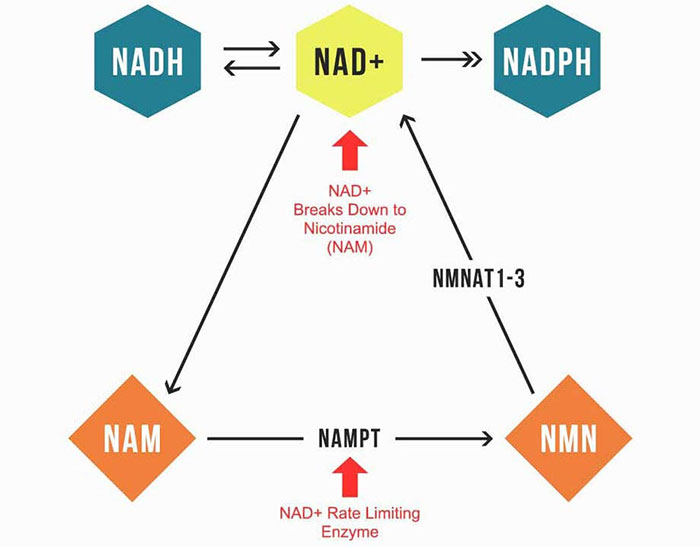
• NAD+ fuels key DNA-repair enzymes — These include poly (ADP-ribose) polymerase (PARPs) and sirtuins, which identify and repair DNA strand breaks. When NAD+ levels drop, these enzymes cannot function effectively, leading to the accumulation of damaged DNA. By maintaining NAD+ availability, niacinamide keeps these enzymes working efficiently and supports the genetic stability of your skin cells.
• Niacinamide also reinforces your skin’s structural defenses — It stimulates ceramide production, strengthening the barrier that locks in moisture and shields against environmental damage.7 Because of its effects, dermatologists have used niacinamide for decades in both topical and oral forms to manage acne, rosacea, hyperpigmentation, and photoaging.8
• Niacinamide’s influence extends far beyond skin health — Clinical studies have shown benefits in conditions linked to metabolic stress, inflammation, and mitochondrial dysfunction, including neurodegeneration,9 glaucoma,10 chronic pain,11 stress,12 and even oxidative damage linked to excessive linoleic acid (LA) intake.
To learn more about how niacinamide supports not only skin health but also your body’s broader resilience, read “The Wide-Ranging Health Benefits of Niacinamide.”
New Evidence Strengthens Niacinamide’s Role in Skin Cancer Prevention
The evidence confirming niacinamide’s protective role against skin cancer has been limited because its over-the-counter availability means most use goes unrecorded in medical databases. This is why researchers conducted a large-scale retrospective cohort study published in JAMA Dermatology, drawing on data from the Veterans Affairs (VA) Corporate Data Warehouse to examine whether niacinamide use led to a reduced risk of new skin cancers.13
• How the study was designed — The research team analyzed data from 33,822 veterans between 1999 and 2024. They identified patients who had filled prescriptions for 500 milligrams (mg) of oral nicotinamide twice daily for more than 30 days and compared them with matched controls who had not received the supplement.
In total, 12,287 niacinamide users were matched with 21,479 nonusers based on factors including age, sex, prior skin cancer history, and use of other dermatologic treatments. The primary outcome was time to the next diagnosis of BCC or cutaneous SCC (cSCC).
• Niacinamide use lowered overall skin cancer risk — Across the full study population, niacinamide use was associated with a 14% lower overall risk of developing skin cancer. The benefit was most pronounced when supplementation began after the first skin cancer diagnosis, producing a 54% reduction in new cases.
However, this preventive effect diminished when treatment was started after multiple prior cancers. Both BCC and cSCC incidence decreased, with the strongest risk reduction seen in cSCC.
• Findings in immunocompromised patients — The study also evaluated a subgroup of 1,334 patients who were immunocompromised due to organ transplants. Among these transplant recipients, no overall significant reduction in cancer risk was observed. However, early use of niacinamide after the first cancer diagnosis was linked to fewer cases of cSCC, underscoring the importance of timing in its effectiveness.
• Early use of niacinamide may redefine preventive skin cancer care — According to the study’s lead author, Dr. Lee Wheless, assistant professor of Dermatology and Medicine at Vanderbilt University Medical Center and a staff physician at VA Tennessee Valley Healthcare System:
“There are no guidelines for when to start treatment with nicotinamide for skin cancer prevention in the general population. These results would really shift our practice from starting it once patients have developed numerous skin cancers to starting it earlier. We still need to do a better job of identifying who will actually benefit, as roughly only half of patients will develop multiple skin cancers.”14
This real-world analysis builds on earlier randomized trials by confirming that niacinamide is associated with lower nonmelanoma skin cancer risk in a large, diverse population.

Save This Article for Later – Get the PDF Now
The First Clinical Evidence of Niacinamide’s Protective Effect
The protective role of niacinamide in skin cancer prevention was first confirmed in a controlled human trial published in The New England Journal of Medicine in 2015.15 The study, known as the Oral Nicotinamide to Reduce Actinic Cancer (ONTRAC) trial and conducted by researchers at the University of Sydney, showed that a simple oral supplement could lower the recurrence of common skin cancers in high-risk patients.16,17
• Study design and participants — The ONTRAC trial included 386 adults aged 30 to 91 years who had developed two or more nonmelanoma skin cancers in the past five years. Participants were randomly assigned to receive nicotinamide, 500 mg twice daily, or placebo for 12 months, with dermatologic evaluations every three months.
• What the results showed — After one year of supplementation, participants taking nicotinamide had 23% fewer new basal and squamous cell carcinomas than those taking placebo. The supplement also reduced actinic keratoses, precancerous lesions that signal future cancer risk, by 11% after three months and 15% after 12 months.
• Safety confirmed across all groups — Niacinamide was well tolerated, with no meaningful side effects. Unlike niacin, it did not cause flushing, headaches, or increased blood pressure, and no participants discontinued treatment due to adverse effects. Its clean safety profile made it an ideal option for older adults or those on multiple medications.
• Why the findings matter for high-risk patients — Lead investigator Diona Damian, MBBS, Ph.D., described niacinamide as “a new opportunity for skin cancer prevention,” noting that it is safe, inexpensive, and immediately accessible for those at greatest risk of recurrence.18
Supporting this view, Dr. Peter Paul Yu, the president of the American Society of Clinical Oncology at the time, called the results “a remarkably simple and inexpensive way to help people avoid repeat diagnoses of some of the most common skin cancers.”19
This trial established the foundation for research on niacinamide and skin cancer prevention. A survey conducted in 2021 found that nearly 77% of dermatologists who perform skin cancer surgery now recommend oral niacinamide to prevent skin cancers.20 Learn more about niacinamide’s protective role in “Niacinamide — The Best Supplement to Prevent Skin Cancer.”
How to Take Niacinamide Supplement
While clinical studies have shown that high doses can deliver therapeutic results in targeted treatments, those levels are not intended for routine use. For ongoing health and cellular support, smaller amounts taken regularly are safer and sustainable.
• Take small, evenly spaced doses throughout the day — For optimal health, I recommend taking 50 milligrams of niacinamide three times per day. You can also take it four times a day if you space out the dose evenly. Take a dose as soon as you get up, another before going to bed, and two more evenly spaced between those times.
• Higher doses can cause adverse effects — The problem with taking too much vitamin B3, whether in the form of niacin or niacinamide, is that it might backfire and contribute to cardiovascular disease and other side effects. Other potential side effects of high doses include nausea, vomiting, headache, dizziness, and fatigue.
• Make sure you’re getting all the other B vitamins — Your body relies on the full spectrum of B vitamins to maintain optimal health, especially regular niacin, riboflavin (B2), folate (B9), and pyridoxine (B6).
Vitamin B3 is found in grass fed beef, liver, wild-caught Alaskan salmon, and bananas,21 while vitamin B6 is abundant in grass fed beef, potatoes, and bananas.22 As for folate, you can obtain it in spinach, broccoli, and asparagus.23 Meanwhile, vitamin B12-rich foods include grass fed beef liver, wild rainbow trout, and wild sockeye salmon.24
5 Additional Strategies to Protect Your Skin Health
While niacinamide plays a key role in maintaining healthy skin, it works best as part of a broader foundation. Your daily lifestyle choices shape how your skin repairs, regenerates, and defends itself. The following strategies complement niacinamide’s protective effects and help lower your risk of skin cancer while supporting long-term skin vitality:
1. Optimize your vitamin D levels — Vitamin D activates receptors that regulate how your cells grow, repair, and communicate, helping reduce the risk of cancer by reducing DNA damage, improving immune surveillance, and promoting normal cell differentiation.25
A study from the University of Eastern Finland found that individuals who took vitamin D regularly had nearly 50% lower melanoma risk, even among those with high-risk skin types.26 Maintaining vitamin D levels in the 60 to 80 ng/mL (150 to 200 nmol/L) range provides the strongest protection.
While many studies discourage sun exposure, sunlight is your body’s primary and most efficient source of vitamin D. The key is to enjoy sunlight in a way that protects your skin from burning. Simple steps taken before and during sun exposure can make all the difference. For practical guidance on how to do this safely, read “Having Optimal Vitamin D Levels Helps Lower Your Risk of Melanoma.”
2. Nourish your skin from the inside out — Foods rich in antioxidants are especially valuable because they neutralize damaging free radicals. Prioritize carotenoid-rich fruits and vegetables such as carrots, sweet potatoes, tomatoes, and leafy greens. These pigments accumulate in your skin, where they act as a natural shield against oxidative damage.27
Equally important are vitamins C and E, which work together to preserve skin integrity. Vitamin C fuels collagen synthesis, accelerates tissue repair, and maintains the connective structure that keeps your skin firm and resilient.28 Good sources include bell peppers, citrus fruits, strawberries, and broccoli.29
Vitamin E shields cell membranes from lipid peroxidation, a reaction that weakens your skin’s lipid barrier and speeds visible aging.30 Pasture-raised eggs, grass fed beef liver, wild-caught fish, and leafy greens provide abundant amounts of this vitamin.
3. Improve sleep and circadian rhythm to boost skin repair — Your skin follows a daily rhythm of repair and renewal that peaks during sleep. Research shows that chronic circadian disruption not only weakens the skin barrier but also increases the risk of tumor formation by impairing clock genes that regulate cell division and DNA stability.31
Aim to get adequate, high-quality sleep nightly by creating a consistent bedtime routine, limiting blue light exposure in the evening, and getting natural sunlight in the morning to help reset your circadian rhythm. Keeping your room cool, dark, and quiet also supports deeper rest, allowing your skin the time it needs to repair and renew overnight.
4. Engage in regular physical activity — A study on melanoma shows that regular physical activity can slow tumor growth and enhance immune surveillance. Researchers also found that exercise boosts the activity of natural killer cells, improves blood flow to skin tissues, and reduces inflammatory signaling linked to tumor progression.32
You don’t need strenuous workouts to gain the benefits. Regular, moderate movements such as walking, stretching, or light resistance exercise will do. Consistent activity also helps balance blood sugar and hormones, which play a direct role in maintaining healthy and resilient skin.33
5. Be wise when it comes to sunscreen — Dermatologists often recommend daily sunscreen use to lower skin cancer risk, but many products on the market contain chemicals that can harm your health and the environment, including oxybenzone, octinoxate, homosalate, and octocrylene.34
If you choose to use a sunscreen, look for zinc oxide or titanium dioxide instead and make sure they’re not nano-sized. Lotions or creams with zinc oxide offer the most stable and broad UVA and UVB protection, while titanium dioxide is a good alternative.
Avoid high-SPF products above 50, which often create a false sense of security and don’t provide significantly better protection. SPF measures UVB defense only, not UVA, which causes the most skin damage and aging. Ultimately, sunscreen should not be your first line of defense. The healthiest approach is safe, sensible sun exposure.
Frequently Asked Questions (FAQs) About Niacinamide and Skin Cancer
Q: What is niacinamide?
A: Niacinamide is a form of vitamin B3 that supports your skin by restoring NAD+, which drives energy production and DNA repair, reducing inflammation, enhancing immune defenses, and strengthening the skin barrier by supporting ceramide production.
Q: Is niacinamide the same thing as niacin?
A: No. Niacinamide (also called nicotinamide) and niacin (nicotinic acid) are two different forms of vitamin B3. Niacin causes flushing due to histamine release, while niacinamide does not. However, excessive intake of either form can contribute to cardiovascular problems.
Q: How much niacinamide should I take for daily support?
A: Smaller doses of 50 milligrams (mg) taken three times per day are ideal for long-term use. Clinical trials that targeted skin cancer prevention used 500 mg twice daily, but that dose was studied in high-risk patients with previous skin cancers.
Q: Can I just get niacinamide from food?
A: You can get some niacinamide from foods naturally high in vitamin B3, including grass fed beef, liver, mushrooms, poultry, and salmon. You may also opt to take supplements to ensure steady support for your skin’s repair and protection processes.
Q: Does niacinamide help with other skin problems?
A: Yes. Dermatologists use niacinamide to manage acne, rosacea, uneven pigmentation, and signs of photoaging. Its anti-inflammatory, antioxidant, and barrier-strengthening effects make it a versatile nutrient for maintaining overall skin balance and resilience.
– Sources and References
- 1, 3, 4 Cancer Pathogenesis and Therapy Volume 3, Issue 2, March 2025, Pages 89-100
- 2 American Academy of Dermatology Association, Skin Cancer
- 5 Biomedicines. 2018 Jan 2;6(1):6
- 6, 14 Medical Xpress, September 18, 2025
- 7 Br J Dermatol. 2000 Sep;143(3):524-31
- 8 YouTube, Dr. Dray, The Skin Supplement You Need to Know About April 28, 2022
- 9 Clinical Trials Nicotinamide as an Early Alzheimer’s Disease Treatment (NEAT) NCT03061474
- 10 JAMA Ophthalmology 2022;140(1):11-18
- 11 Cell Reports Medicine November 8, 2023
- 12 Nutrients. 2022 Jun; 14(11): 2219
- 13 JAMA Dermatol. Published online September 17, 2025. doi: 10.1001/jamadermatol.2025.3238
- 15, 16 N Engl J Med. 2015 Oct 22;373(17):1618-26
- 17, 18, 19 Am Health Drug Benefits. 2015 Aug;8(Spec Issue):13-14
- 20 Dermatol Surg. 2021 Apr 1;47(4):452-453
- 21 NIH ODS, Niacin
- 22 My Food Data, Top 10 Foods Highest in Vitamin B6 April 25, 2024
- 23 My Food Data, Top 10 Foods Highest in Vitamin B9 (Folate) April 25, 2024
- 24 Harvard Health Publishing, The A List for Vitamin B-12 Sources (Archived)
- 25 Melanoma Manag. 2015 Feb 25;2(1):51–61
- 26 Melanoma Research 33(2):p 126-135, April 2023
- 27 Oxid Med Cell Longev. 2014 Mar 26;2014:860479
- 28 Nutrients 2017, 9(8), 866
- 29 Cleveland Clinic, April 10, 2023
- 30 Aspects of Molecular Medicine Volume 5, June 2025, 100063
- 31 Int J Mol Sci. 2021 Jun 6;22(11):6112
- 32 J Cancer. 2024 Jan 1;15(1):1-19
- 33 JMIR Dermatol. 2024 Mar 14;7:e51962
- 34 EWG.org The Trouble with Ingredients in Sunscreens
Do Redheads Need Less Vitamin D?
Reproduced from original article:
https://articles.mercola.com/sites/articles/archive/2023/09/05/do-redheads-need-less-vitamin-d.aspx
The original Mercola article may not remain on the original site, but I will endeavor to keep it on this site as long as I deem it to be appropriate.
Analysis by Dr. Joseph Mercola Fact Checked September 05, 2023
STORY AT-A-GLANCE
- Just 1% to 2% of the global population has red hair, which is caused by a mutation of the melanocortin 1 receptor (MC1R), a gene located on chromosome 16
- Due to their naturally fair skin and lighter complexion, redheads are able to produce vitamin D more effectively than most people
- Redheads are at a greater risk for skin cancer even without sun exposure, and are also likely to be more sensitive to temperature changes, pain and painkillers
- Regardless of whether you possess the MC1R gene, your body needs a certain amount of vitamin D for optimal health, so be sure to check your level, particularly if you live in a northern climate and are experiencing the “winter blues”
Editor’s Note: This article is a reprint. It was originally published January 27, 2018.
Between 1% to 2%, or just 76 to 152 million people, of the global population has red hair. This unique hair color is caused by a mutation of the melanocortin 1 receptor (MC1R), a gene located on chromosome 16. MC1R is a protein involved in regulating your hair and skin color, as well as eye hue. As a recessive trait, the mutated gene must be inherited from both parents to produce a child with red hair.
Variations in the MC1R gene are responsible for a range of reddish hair color — from “strawberry blond” to brown hair with red hues — and fair skin that may or may not be heavily freckled. Due to the type of melanin their bodies produce, redheads are at a greater risk of developing skin cancer even if they avoid sun exposure.
On the positive side, their pale skin and sensitivity to ultraviolet (UV) light helps redheads produce vitamin D more efficiently than their blonde or brunette counterparts.
The History of Red Hair
While data on the exact distribution of redheads worldwide is unavailable, red hair seems to occur more frequently among northern and western Europeans and their descendants. Jacky Colliss Harvey, author of “A History of the Redhead,” told The Washington Post the MC1R gene originated in Central Asia and “thrives mainly in remote regions and closed communities such as Ireland, Scotland and coastal regions of Scandinavia.”1
Redhead characteristics, says Harvey, are due to “a mutation in the MC1R gene that fails to produce sun-protective, skin-darkening eumelanin and instead causes pale skin, freckles and red hair.” Indeed, your eye, hair and skin color are determined by a protein called melanin, of which there are two kinds:2
- Eumelanin — If you produce mostly eumelanin, you tend to have brown or black hair and dark skin that tans easily. Eumelanin also protects your skin from damage caused by the sun’s UV rays.
- Pheomelanin — If you produce mostly pheomelanin, you will likely have blond or red hair, freckles and light-colored skin that tans poorly. Due to the lack of protection from UV radiation afforded by pheomelanin, you will have an increased risk of skin damage caused by sun overexposure.
Professor Jonathan Rees, grant chair of dermatology at Scotland’s University of Edinburgh, and one of a team of scientists to identify the MC1R gene variants in humans,3 suggests Northern European countries are home to a greater proportion of redheads than anywhere else in the world. He believes the biggest concentrations of redheads are found in Ireland and Scotland.
“If you’re in northern Europe, you get used to seeing people with different hair color,” says Rees. “[I]f you just think about Asia, it’s very, very rare to see somebody with red hair. And in most of Africa, it is exceedingly rare to see somebody with red hair. It is an unusual trait globally.”4
Redheads May Need Less Vitamin D Than Others
Due to their naturally fair skin, redheads are able to produce vitamin D more effectively than most people.5 Even though vitamin D can be obtained naturally through sensible exposure to the sun, modern lifestyles and weather conditions in many parts of the world make it nearly impossible for some to obtain sufficient amounts. Given their genetic predisposition, redheads are able to produce it on their own. Said Harvey:6
“As our distant ancestors migrated to settle the cool, gray climes of Northern Europe, redheads had a signal advantage over their darker peers: Their pale skin produced vitamin D more efficiently from the wan sunlight, strengthening their bones and making women more likely to survive pregnancy and childbirth.”
The Daily Mail suggests having red hair and pale skin offers an important health advantage to those who possess it:7
“Redheads, it would seem, boast a genetic [secret] weapon which enables them to fight off certain debilitating and potentially deadly illnesses more efficiently than blondes or brunettes. A pale complexion permits more sunlight into the skin, where it encourages the production of vitamin D. This helps to prevent rickets, a disease which progressively weakens bone structures, and the lung disease tuberculosis, which can be fatal.”
Despite its name, vitamin D is not a regular vitamin. It’s actually a steroid hormone obtained primarily from sun exposure. Its ability to influence genetic expression produces many of its wide-ranging health benefits. Vitamin D is so important, research suggests simply increasing vitamin D3 levels in the general population could lower rates of chronic diseases such as depression, diabetes, heart disease, hypertension, obesity and more.
Beyond contributing to strong bones, sufficient amounts of vitamin D can help reduce your risk of several types of cancer. Furthermore, vitamin D strengthens your immune system, which protects you from colds and the flu by helping your body attack and destroy bacteria and viruses.
Download this Article Before it Disappears
Sufficient Vitamin D Is Necessary for Optimal Health
Regardless of whether you possess the MC1R gene, your body needs a certain amount of vitamin D to promote and safeguard your health. The optimal vitamin D level for general health is in the 40 to 80 nanograms per milliliter (ng/ml) range; 60 to 80 ng/ml appears to be ideal.
While the ideal way to raise your vitamin D is by regularly and sensibly exposing large amounts of your skin to sunshine, that might not be possible where you live. If so, you will want to take an oral vitamin D3 supplement along with vitamin K2 and magnesium, to ensure maximum effectiveness.
You can determine your maintenance dose by measuring your blood level. Ideally, check your vitamin D level twice a year, in winter and summer, when your levels will be at their lowest and highest. As a general guideline, vitamin D experts recommend 4,000 IUs per day for adults, but that applies only if you are already in the therapeutic range. If your levels are low, you may need 8,000 IUs or more per day to start.
Particularly during the winter months, you’ll want to keep an eye on your levels. Lack of UV exposure can bring out the “winter blues,” leading to feelings of depression. If you notice your mood and energy levels are down, you may not be getting enough vitamin D.
Even if you live in an area receiving year-round sun, you are at risk of missing out on vitamin D from natural sun exposure if you spend most of your time indoors, use topical sunscreens or wear long clothing for religious reasons.
Redheads at Greater Risk for Melanoma
If you possess the MC1R gene, you are at a greater risk of developing melanoma, the deadliest form of skin cancer.8 Many have mistakenly assumed the increased risk is related to the fact that fair-skinned people possess the type of melanin that gives them less “natural sunscreen” against the sun’s UV rays. It follows then that the sun would be more damaging to redheads, thereby putting them at increased risk of skin cancer.
The problem with this widely held belief is that melanoma often appears on skin that is not exposed to sun, which suggests there must be another explanation. In fact, research suggests redheads have an increased melanoma risk whether they spend time in the sun or not.
A 2012 study published in the journal Nature,9 among mice bred to be susceptible to cancer, 50% of those with golden-yellow hair (the “redheads”) developed melanoma within a year based on zero exposure to UV light.
This was a far higher incidence rate than occurred among albino or black mice. Even though the researchers initially thought their lights may have been emitting UV radiation, they realized UV light exposure was not the culprit. Instead, the pheomelanin pigment itself, which they say may contribute to damage from oxidative stress in the skin cells, is what triggers cancer.
With respect to subsequent research, published in JAMA Dermatology in 2016,10 Dr. David Fisher, director of the melanoma program at Massachusetts General Hospital, stated, “It’s been known for several decades that UV chemically excites [MC1R-variant] pheomelanin and triggers release of reactive oxygen species, while the brown-black eumelanin has some capacity to absorb UV and is also very good at quenching antioxidant damage in cells.”11
Sensitivity to Temperature, Pain Are Redhead Characteristics
Redheads are also likely to be more sensitive to temperature changes and pain than those with darker hair and skin. Research12,13 conducted at the University of Louisville, in Kentucky, compared the pain tolerance of 30 red-headed volunteers to that of 30 brunettes. The redheads began to feel pain at around 43 degrees F, whereas those with darker hair did not begin to shiver until the temperature dropped near freezing.
The research team believes the MC1R gene may cause a redhead’s temperature-detecting response to become overactivated, resulting in them being more sensitive to cold. This study also involved the use of lidocaine, an anesthetic that works to decrease pain by temporarily numbing the area. Its use was shown to be significantly less effective in redheads. The study authors stated:14
“In summary, redheads are more sensitive to thermal pain than women with dark hair, but do not show differences in baseline electrical pain thresholds. Furthermore, redheads are more resistant to the analgesic effects of subcutaneous lidocaine. These results extend the previous observation that redheads are more resistant to volatile anesthetics.
Mutations of the melanocortin 1 receptor, or as a consequence thereof, therefore seem to modulate pain sensitivity. It remains unclear whether this modulation occurs at a central or peripheral level or both.”
If You Possess MC1R You May Need More Anesthetic
Dr. Daniel Sessler, who was previously associated with the University of Louisville and now chairs the department of outcomes research at Cleveland Clinic, suggested the study confirmed anecdotal evidence he’d gathered indicating redheads were more sensitive to certain types of pain. He stated:15
“After a previous study, we received more than 100 communications from redheads who claimed that anesthesia often failed or that unusually high doses of local anesthetics were required to achieve adequate analgesia. It suggested that the redhead gene may have some role in the pain pathway. That redheads are subject to sunburn and skin cancer must be linked to the difference in pain sensitivity.”
Sessler also heard from redheads with respect to dental pain and their anxiety and fear about going to the dentist. As a result, he suggests that if you have red hair and are considering a dental or surgical procedure requiring an anesthetic, you should talk to your doctor about the likelihood that you may be somewhat resistant to anesthetics.
“Because they’re resistant, many redheads have had bad experiences,” Sessler said. “If they go to the dentist or have a cut sutured, they’ll need more local anesthetic than other people.”16
A study published in the Journal of the American Dental Association17 involving 144 people, 85 of whom possessed variants of the MC1R gene, found participants with MC1R to be more anxious and fearful, as well as more avoidant, of dental care. The study authors said:
“Participants with MC1R gene variants reported significantly more dental care–related anxiety and fear of dental pain than did participants with no MC1R gene variants. They were more than twice as likely to avoid dental care as were the participants with no MC1R gene variants, even after [we] controlled for general trait anxiety and [gender].”
Other research18,19,20 suggests bearers of the MC1R gene are more sensitive to painkillers. Apparently, the same MC1R mutation that is responsible for red hair and fair skin also releases a hormone in the brain that has the ability to mimic endorphins. While endorphins have multiple functions, one of their primary roles relates to providing pain relief.
If you are a redhead, this mimicking ultimately affects how your body receives pain signals from your brain, causing you to have a heightened sensitivity to prescription opioid painkillers. As a result, you may be able to take smaller doses while achieving the same level of pain tolerance as others.21
- 1, 6 The Washington Post June 12, 2015
- 2 National Institutes of Health January 16, 2018
- 3 Nature Genetics November 1995; 11(3):328-30
- 4 BBC News October 2, 2013
- 5 Verify World Redhead Day
- 7 DailyMail.com, Why redheads have a head start in the health stakes
- 8 International Journal of Molecular Sciences June 2013; 14(6): 12222–12248
- 9 Nature October 31, 2012
- 10 JAMA Dermatology 2016; 152(7): 751-753
- 11 PLOS Blogs April 7, 2016
- 12, 14 Anesthesiology March 2005; 102(3): 509–514
- 13, 15 The Guardian September 11, 2005
- 16 The New York Times August 6, 2009
- 17 The Journal of the American Dental Association July 2009; 140(7): 896-905
- 18 BMJ 2010; 341: c6931B
- 19 Journal of Medical Genetics July 2005; 42(7): 583–587
- 20 Proceedings of the National Academy of Sciences of the USA April 15, 2003; 100(8): 4867–4872
- 21 Medical Daily August 18, 2015
Many Pathologists Agree Skin Cancer Is Overdiagnosed
Reproduced from original article:
https://articles.mercola.com/sites/articles/archive/2022/06/10/overdiagnosis-of-melanoma.aspx
The original Mercola article may not remain on the original site, but I will endeavor to keep it on this site as long as I deem it to be appropriate, and will not be bullied into removing it.
Analysis by Dr. Joseph Mercola Fact Checked June 10, 2022
STORY AT-A-GLANCE
- A survey of 115 dermatopathologists — doctors who specialize in diagnosing skin disease from skin samples — showed that 68% believe that overdiagnosis of atypical nevi is a public health issue
- One researcher in the study noted that while melanoma diagnoses rose, deaths from the disease did not, which would happen if there were truly an increase since there wasn’t a major breakthrough in treatment during the time of the study
- The American Academy of Dermatology recommends sunscreen for everyone to reduce the risk of skin cancer, yet ingredients in many sunscreen products are toxic to humans and the environment, and some can build up to unhealthy levels in the body after one day of use
- Your body makes vitamin D with exposure to the sun, which lowers your risk of heart disease, infection, diabetes, colorectal and breast cancer, lung disease and pregnancy loss. You can take several steps to naturally protect your skin
Data published in JAMA Dermatology in April 2022 revealed that nearly two-thirds of dermatopathologists believe that skin cancer is overdiagnosed.1 According to the American Academy of Dermatology (AAD),2 skin cancer will affect 1 in 5 Americans in their lifetime, making it one of the most common cancers diagnosed in the U.S.
According to the AAD, exposure to UV radiation from sunlight or tanning beds can increase the risk of developing certain types of skin cancer, especially when a person has five or more blistering sunburns at an early age, from 15 to 20 years. This can increase melanoma risk by 80% and non-melanoma by 68%.
The annual cost of treating skin cancer was $8.1 billion for 4.9 million adults from 2007 to 2011. This was an increase in cost from 2002-2006, when the average annual treatment was $3.6 billion for 3.4 million adults treated each year. This represents a 44% increase in people with skin cancer and a 125% increase in the cost of treatment.
The significant rise in treatment costs is likely not due to the annual increases in medical costs for known treatments. For example, photodynamic therapy (PDT) was commonly used to treat nonmelanoma skin cancer in 2007.3 An evaluation of costs4 showed a 3.2% to 4.7% rise in Medicare reimbursement for PDT from 2012 to 2017.
There have been some advances in the treatment of melanoma and other types of skin cancer,5 which include targeted therapies and immune checkpoint inhibitors, which are immunotherapies that have been used in people with advanced, unresectable melanoma. The drugs include ipilimumab (Yervoy), pembrolizumab (Keytruda) and nivolumab (Opdivo).
The first checkpoint inhibitor was released for use in 2011, and since then five others have reached the market.6 A review7 of the cost and cost-effectiveness of these drugs yielded disappointing results.
One paper8 estimated the cost at $1 million per patient with a “median progression-free survival of 11.4 months,” which Dr. Leonard Salz, from Memorial Sloan-Kettering Cancer Center, called “truly remarkable, for a disease that five years ago was thought virtually untreatable.”9
Data Show Melanoma Cancer Is Overdiagnosed
Researchers in the featured study10 wanted to know the perception of dermatopathologists as it related to the overdiagnosis of melanoma and other skin cancers. The researchers surveyed 115 dermatopathologists to evaluate their perception of overdiagnosis of melanoma as a public health issue. These are board-certified and/or fellowship-trained pathologists who specialize in diagnosing skin diseases from skin samples.
The researchers gave each a set of 18 skin biopsy samples and asked them to interpret the case using their own microscopes. The survey was taken from 2018 to 2019 and the analysis was finalized in September 2021. The results11 showed that 68% of the dermatopathologists believed overdiagnosis was a public health issue for atypical nevi, which are also known as dysplastic nevi or benign acquired melanocytic neoplasms.12
These skin disorders look similar to melanoma but are benign lesions. The survey also showed that the dermatopathologists believe that melanoma in situ was overdiagnosed 47% of the time and invasive melanoma was overdiagnosed 35% of the time. The results also showed that a lower number of pathologists with more years of practice thought atypical nevi were overdiagnosed. The researchers concluded:13
“… about two-thirds of dermatopathologists thought that atypical nevi are overdiagnosed, half thought that melanoma in situ is overdiagnosed, and one-third thought that invasive melanoma is overdiagnosed. No statistically significant associations were found between perceptions about overdiagnosis and interpretive behavior when diagnosing skin biopsy cases.”
Kathleen Kerr, Ph.D., lead researcher from the University of Washington, talked about the importance of these findings:14
“Melanoma diagnoses have been rising in the U.S. If there were truly an epidemic of melanoma, we would expect that deaths from melanoma to show a corresponding rise, since there hasn’t been a major breakthrough in treatment during this time. Yet melanoma deaths have been remarkably constant. This suggests that the rise in melanoma diagnoses is largely due to overdiagnosis.”
Data from the National Cancer Institute15 also demonstrate that the rate of diagnosis of new cases from 1992 to 2019 rose dramatically from 14.6 cases per 100,000 persons to 23.9 per 100,000 persons. Yet, the death rate from melanoma remained steady from 1992 until 2013 at 2.7 deaths per 100,000 persons. By 2019 it had declined to 2.0 deaths per 100,000 persons.
The disparity in diagnosis and death rate suggests the epidemic of melanoma is likely from an overdiagnosis of the skin condition. Kerr16 shared that while advanced melanoma is not difficult to diagnose, early biopsies have a distinct diagnostic variability, which raises the possibility of overdiagnosis.
The second half of their study looked at how a pathologist’s perception of overdiagnosis would affect how they diagnosed a skin biopsy. What they found was that those who believed invasive melanoma was overdiagnosed by the medical community were in fact “slightly more likely to diagnose invasive melanoma compared to other dermatopathologists examining the identical cases.”17
Overdiagnosis of melanoma is a significant problem since the diagnosis often carries consequences that affect the patient on an emotional and financial level. Kerr believes18 it will be challenging to reduce the problem with overdiagnosis as it will require cooperation between patients, primary care physicians and pathologists.
Melanoma Linked to Linoleic Acid; Sun Isn’t the Primary Cause
To prove this point there was a study from 1987,19 during which samples of fat tissue were taken from 100 melanoma patients and 100 people without melanoma and analyzed for fatty acids.
Not only is there an increase in linoleic acid in the tissue of all the subjects, but the percentage of polyunsaturated fatty acids (PUFAs) is significantly higher in the melanoma patients’ tissue. “The suggestion is made that increased consumption of dietary polyunsaturates may have a contributory effect in the etiology of melanoma,” the researchers concluded.20
Linoleic acid is the primary fat found in omega-6 polyunsaturated fats, including vegetable/seed oils, and accounts for about 80% of the fat composition of vegetable oils. Omega-6 fats must be balanced with omega-3 fats in order to not be harmful, but most Americans don’t eat that way.
Most of the omega-6 people eat, including seed oils, has been damaged and oxidized through processing. Once oxidized, it generates oxidized linoleic acid metabolites, which are mutagenic, carcinogenic, cytotoxic and atherogenic.21
“Is it possible that increased linoleic acid consumption could be causing fragility to cell membranes and that could be leading to oxidative damage in the sun leading to DNA damage and then more melanocytic nevi precursor lesions or melanoma or could the same thing be happening with squamous and basal?
I would say yes. It’s not supported by literature yet because there haven’t been any studies looking at this. We need many more studies on linoleic acid … The linoleic acid found in seed oils is most likely one of the biggest drivers of chronic disease in humans.”
Linoleic acid is found in virtually every processed food, including restaurant foods, sauces and salad dressings, as well as “healthy” foods like chicken, pork and some olive oil, so eliminating these foods in your diet is another stepping stone to good health.
Many Sunscreen Ingredients Are Toxic
The AAD’s answer to a rising number of people diagnosed with melanoma and other skin cancers is sunscreen.22 They recommend a sunscreen with broad-spectrum protection, water-resistant SPF 30 or higher. Yet, sunscreen may be one of the worst things you can do to “protect” your skin.
First, I should make it clear that I believe sunscreen is widely overused. There are circumstances where it’s wise and appropriate, but those cases are few and far between. For the most part, you should rely on sensible sun exposure and get out of the sun or wear clothing the minute your skin starts to turn a light pink.
If you’re planning a day at the beach, or will be outdoors for hours at a time, you will need some form of sun protection. However, before grabbing the first bottle of sunscreen, it’s important to look at the ingredients and make a wise choice. One pharmaceutical testing company23 found 27% of the products tested exposed users to known carcinogens.
The data were published in 2021. Researchers tested 294 sunscreen products across a range of companies. They found 78 contained at least three times the level of benzene that the FDA allows under special circumstances. Benzene is an industrial chemical recognized by the CDC, U.S. Health and Human Services and World Health Organization as a known human carcinogen.24
CBS News25 reported 14 of the sunscreen products analyzed with the highest number of contaminants came from popular personal care brands, including Neutrogena, Sun Bum, CVS Health and Fruit of the Earth. While not all the products in these brands contained benzene, “the founder and CEO of Valisure believes the issue is manufacturing contamination affecting specific batches,” CBS News reported.
Although the name is similar, oxybenzone is a different chemical that is approved by the FDA and found in an estimated 70% of sunscreens.26 However, the chemical is a known endocrine disruptor and has been linked to reduced sperm count in men27 and endometriosis28 in women.
In the U.S., sunscreens may also contain at least eight other active ingredients that are suspected of having endocrine-disrupting effects. According to one Danish study,29 13 of 29 sunscreen chemicals that are allowed in the US. and/or the European Union can reduce male fertility by affecting calcium signaling in the sperm, in part by exerting a progesterone-like effect. The U.S. approves eight of these chemicals for use:30
| Avobenzone | Homosalate |
| Meradimate | Octisalate (also known as octyl salicylate) |
| Octinoxate (octyl methoxycinnamate) | Octocrylene |
| Oxybenzone (also called benzophenone-3) | Padimate O |
Ingredients Build Up to Unhealthy Levels
Data funded by the FDA published in JAMA in 201931 and 202032 showed that certain ingredients in sunscreen products may build up in the body at unhealthy levels. The chemicals studied were avobenzone, oxybenzone, octocrylene, homosalate, octisalate and octinoxate. After the 2019 study, the researchers concluded the:33
“… conditions resulted in plasma concentrations that exceeded the threshold established by the FDA for potentially waiving some nonclinical toxicology studies for sunscreens. The systemic absorption of sunscreen ingredients supports the need for further studies to determine the clinical significance of these findings.”
At least one — oxybenzone, found in 70% of sunscreen products — can show up in breast milk, amniotic fluid, urine and blood.34 They also wrote that the ingredients were absorbed after only one day’s exposure, and some persisted in the body after use.
Your Body Requires Vitamin D for Optimal Health
Your body needs vitamin D, which it manufactures after exposure to the sun.35 Vitamin D is involved in the biology of most cells and tissues in your body,36 including your immune system.37 Currently, the U.S. The Preventive Services Task Force38 considers 20 nanograms per milliliter (ng/mL) sufficient.
However, a compelling body of research suggests that 40 ng/mL is the low end of sufficiency39 and 30 ng/mL is rock bottom to prevent disease.40 The ideal level for prevention is actually between 60 ng/mL and 80 ng/mL.41 According to a study in Anticancer Research,42 it requires 9,600 international units of vitamin D each day for the majority of the population (97.5%) to reach 40 ng/mL.
This is a far cry from the current recommendations of 600 IUs of vitamin D per day for adults.43 While optimal levels lower the risk of preterm birth.44 vitamin D deficiency puts you at risk for diabetes,45 heart disease,46 colorectal cancer,47 breast cancer,48 lung disease49 and pregnancy loss.50
The only way to know if you are deficient is a blood test. However, there are some general signs and symptoms that may indicate you should get your vitamin D levels tested sooner rather than later. These include:
- Ongoing musculoskeletal pain and achy bones51
- Frequent infections or illnesses52,53
- Neurological symptoms, such as depression,54 cognitive impairment55 and migraines56
- Fatigue and daytime sleepiness57
Naturally Protect Your Skin From the Summer Sun
While most sunscreens contain toxic ingredients, the good news is that you can support your healthy skin and protect it from damage from the inside out. Scientists have identified several nutrients that can up UV protective activity that reduces your risk of sunburn and related skin damage.
One of those nutrients is astaxanthin. It is a potent antioxidant that acts as an internal sunscreen. Astaxanthin has strong free radical scavenging activity that protects you from oxidative damage. It is produced by the microalgae Haematococcus pluvialis58 when the water supply dries up, to protect itself from ultraviolet radiation. Essentially, it’s the algae survival mechanism.
One paper59 examined the effect of astaxanthin on UV radiation exposure and gene expression. Researchers hypothesized it “would have a significant benefit on protecting against UVA-induced skin photoaging such as sagging and wrinkles.”60
A second paper,61 noted that a combination of 6 mg of astaxanthin taken internally and 2 mg used topically led to “significant benefit” in skin wrinkling, age spots and skin elasticity, texture and moisture content by week eight of the intervention. Several other nutrients naturally play a role in photoprotection, including lycopene,62 beta-carotene,63 vitamin D64 and vitamin E.65
- 1, 10, 13 JAMA Dermatology, 2022; doi:10.1001/jamadermatol.2022.0489
- 2 American Academy of Dermatology, Skin Cancer
- 3 Journal of the American Academy of Dermatology, 2007;56(1)
- 4 JAMA Dermatology, 2020;156(9)
- 5 National Cancer Institute, April 12, 2022
- 6 Nature, September 26, 2017
- 7 Journal of Immunotherapy of Cancer, 2018;6(128)
- 8 American Drug and Health Benefits, 2015;8
- 9 American Drug and Health Benefits, 2015;8 para 1 under pic 2
- 11 JAMA Dermatology, 2022; doi:10.1001/jamadermatol.2022.0489 Abstract/Results
- 12 Up To Date, Atypical Dysplastic Nevi
- 14, 16, 17, 18 NewsWise, May 2, 2022
- 15 National Cancer Institute, Cancer Stat Facts: Melanoma of the Skin
- 19, 20 Nutr Cancer. 1987;9(4):219-26. doi: 10.1080/01635588709513930
- 21 YouTube June 13, 2020
- 22 American Academy of Dermatology, Sunscreen FAQs
- 23, 24 Valisure, May 25, 2021
- 25 CBS News, June 5, 2021
- 26 Reef Repair, October 25, 2019
- 27, 30 Endocrine Society April 1, 2016
- 28 C&EN March 22, 2012
- 29 Endocrine Connections January 2018; 7(1):16
- 31, 33 JAMA 2019;321(21):2082-2091
- 32 JAMA 2020;323(3):256
- 34 JAMA 2019;321(21):2082
- 35 Dermatology Endocrinology, 2013;5(1)
- 36 National Institutes of Health Vitamin D
- 37 Nutrients, 2013;5(7)
- 38 US Preventive Services Task Force, April 13, 2021;325(14):1436-1442. doi:10.1001/jama.2021.3069
- 39 GrassrootsHealth
- 40, 46 International Journal Epidemiology 1990;19(3):559
- 41, 48 PLOS|One, 2018; doi:10.1371/journal.pone.0199265
- 42 Anticancer Research 2011;31(2):607
- 43 National Institutes of Health, Vitamin D, Table 2
- 44 GrassrootsHealth, Research to Support FDA Petition
- 45 Diabetes Care 2004;27(12):2813
- 47 Journal of the National Cancer Institute, 2019;11(2)
- 49 Chest 2005;128(6):3792
- 50 EurekAlert! June 20, 2018
- 51 US Pharmacist March 18, 2009
- 52 Science Daily, February 6, 2022
- 53 Inflammation and Drug Targets, 2013;12(4)
- 54 Journal of Affective Disorders, 2017;208
- 55 Scandinavian Journal of Clinical and Laboratory Investigation, 2012;243
- 56 Frontiers in Neurology, May 13, 2021
- 57 Global Journal of Health Science, 2015;8(6)
- 58 Frontiers in Plant Science, 2016; doi:10.3389/fpls.2016.00531
- 59, 60 Journal of Dermatological Science 2010;58(2):136
- 61 Acta Biochim Pol. 2012;59(1)
- 62 The Journal of Nutrition, 2001;131(5): 1449
- 63 Photochemistry and Photobiology 2008;84(2):284
- 64 Lancet, 2004: 363(9410);728 Context line 3
- 65 Oregon State University Micronutrient Information Center, Vitamin E and Skin Health