Natural Medicine
now browsing by category
Chlorine in swimming pools causes disease, infections and cancer
Reproduced from original article:
https://www.naturalhealth365.com/chlorine-in-swimming-pools-causes-disease-infections-and-cancer.html
by: March 25, 2023
 (NaturalHealth365) It is important to be mindful of potential dangers to our families, even as we try to improve our diets and lifestyles. For example, while swimming in a pool may seem harmless and even beneficial for exercise and socialization, research shows that the chlorine used to disinfect pools can create harmful disinfection by-products (DBPs) that can cause DNA damage and increase the risk of cancer.
According to the World Health Organization (WHO), there are three ways that chemicals can enter the body: inhalation, digestion, and absorption. When it comes to swimming, all three possibilities exist. One particular issue associated with swimming in a public or private pool is the use of chlorine. While chlorine is effective in killing bacteria, it can also cause skin rashes, allergies, and lung injuries.
In addition, studies have shown that chlorine can react with personal care products on the skin to generate harmful chemicals, increasing the risk of cancer. Therefore, it is crucial to be aware of the potential risks associated with swimming in a chlorinated pool and take appropriate precautions to minimize exposure.
Chlorine can cause serious breathing issues and eye problems
The Centers for Disease Control and Prevention (CDC) says that prolonged contact with chlorine could be a factor in asthma and respiratory disease. The CDC has also connected it to epiglottitis – a potentially life-threatening inflammatory condition of the flap at the base of the tongue. This is due to the inhalation of the gas that chlorine emits. We’ve all “smelled” that chlorine pool aroma. It may even smell clean to us. It turns out it could lead to respiratory disease or accentuate existing respiratory problems.
Eye infections are another side-effect of chlorinated water. The chlorinated water can easily get into the eyes, especially when someone keeps their eyes open while underwater. But the risks don’t stop there. Swallowing too much chlorinated water can lead to liver or kidney problems, and it gets worse. The sodium hypochlorite found in chlorine and other similar compounds have the potential to produce liver cancer.
The connection between chlorine exposure and the development of cancer
Water that has been chlorinated is being blamed for causing a higher percentage of skin cancers each year. If exposed to chlorinated water for an extended period, the chemical will produce a toxic substance that can produce a rash or other infection on the body.
The sun may be determined as the culprit, but rarely it is blamed on chlorine. Another cancer connected to chlorinated water is colorectal cancer. This, too, can happen when a person is overexposed to treated water. Trihalomethanes, a by-product of chlorine, is the main contributor to uninhibited cell growth within the colon.
How to protect yourself from the risks associated with chlorine
There are ways to better protect yourself from the harmful effects of toxic chemicals associated with swimming pools, whether public or private. Obviously, the best way would be to avoid them – completely. But, for ‘pool lovers’ – here are a few healthy tips:
- Limit the swimming times for you and your family. Time at the pool can be relaxing and enjoyable but monitor how much time you and your loved ones are spending in the chlorinated water.
- Rinse chlorinated pool water off of your body. Ensure you and your family shower before, during, and after swimming.
- Wearing protective eye goggles can help decrease the intake of chlorine into the eyes and the body. They can decrease the possibility of eye infections as a result of chlorine.
No matter how you view the threat of chlorine, you should understand that ingesting it is not good. You certainly want family members to enjoy their day at the pool, but they should be reminded to avoid swallowing chlorinated water.
Of course, chlorine in drinking water is a whole other topic, but my best advice would be to use a water purifier that removes unwanted toxins from your water supply.
Unlike sea water, which is briny and immediately unpleasant, some may not see pool water as much different than tap water – which is a big mistake. Make sure family members know not to swallow any amount of pool water.
Sphagnum Moss is one natural way to ensure your family and friends are safe in your family pool. According to David Knighton, a surgeon and founder, and CEO of Creative Water Solutions, moss has been known to inhibit microbes.
The moss was used and tested in the Oxford Community Center in St. Paul, MN. The director, Lynn Waldorf, says that the moss has saved the pool some $35,000 because they use less toxic chemicals, and they had an increase in revenue because more swimmers attended the pool.
There are almost always natural solutions to everyday problems. And best of all, there are ways to improve our lifestyles and health without toxic chemicals. Plus, there is no downside in your search for optimal health.
Sources for this article include:
Does This Popular Pill Lower Risk of Death in Men?
Reproduced from original article:
https://articles.mercola.com/sites/articles/archive/2023/02/11/pde-5is-linked-to-lower-risk-of-death-in-men.aspx
The original Mercola article may not remain on the original site, but I will endeavor to keep it on this site as long as I deem it to be appropriate.
Analysis by Dr. Joseph Mercola Fact Checked February 11, 2023

STORY AT-A-GLANCE
- A study funded by drug company Sanofi found treatment with phosphodiesterase type 5 inhibitors (PDE-5is), such as Viagra, lowers the risk of death in men
- The study was observational, so it can’t confirm that the reduced death risk was caused by the pills
- Sanofi markets the PDE-5is avanafil (Stendra), so it’s far from an unbiased study
- Viagra produces therapeutic levels of nitric oxide, which is responsible for much of its benefit
- You can boost nitric oxide levels naturally via diet, exercise and other lifestyle factors
A study funded by drug company Sanofi found treatment with phosphodiesterase type 5 inhibitors (PDE-5is), such as Viagra, lowers the risk of death in men.1 But the study was observational, so it can’t confirm that the reduced death risk was caused by the pills. Further, Sanofi markets the PDE-5is avanafil (Stendra), so it’s far from an unbiased study.
“Put simply, if a pharmaceutical company funds a trial, the chances of results and conclusions in that company’s favor are increased,” Sergio Sismondo of Queen’s University, Canada, explained in Frontiers in Research Metrics and Analytics.2 He was referring to a 2017 Cochrane Review, which found that when drug manufacturer funds a drug study, it “leads to more favorable efficacy results and conclusions than sponsorship by other sources.”3
So, it’s not surprising that this industry-sponsored study led to favorable results for the drug. However, even putting likely bias aside, there’s reason to believe that the pills’ perceived longevity benefits may be due to other factors.
Industry-Funded Study Shows Viagra Reduces Death Risk
The study, published in The Journal of Sexual Medicine, evaluated the effect of PDE-5is on major adverse cardiovascular events (MACE), including hospitalization for heart attack, stroke, heart failure and coronary revascularization, and overall mortality.4
It involved data from men with erectile dysfunction without a major adverse cardiovascular event within one year. Among the subjects, exposure to PDE-5is was associated with lower incidence of MACE, cardiovascular death and overall mortality compared to no exposure. Further, the risk reduction was linked with PDE-5i exposure level, meaning the noted benefits increased in those taking higher doses.
Specifically, men who took a PDE-5i were 39% less likely to die from heart disease compared to those who did not take the drugs. Men who took PDE-5is also had a 25% lower risk of dying from any cause and a 13% lower risk of having a cardiac event, like a heart attack or stroke.5 But are the purported benefits too good to be true? Dr. Deepak Bhatt, cardiologist and director of Mount Sinai Heart in New York, told ScienceAlert:6
“While it is possible that Viagra may have some cardiovascular benefits, that would require further investigation, and this current study does not prove it. Rather, it is more likely that the patients in this study who were placed on Viagra by their doctors were less likely to have heart disease, because if patients have severe heart disease, they are often not placed on Viagra in the first place.”
The study authors also noted that men taking PDE-5is and capable of engaging in sexual activity may be healthier than other men to begin with, and it’s possible that the increased sexual activity may have also favorably affected their health:7
“It may be postulated that men who have ED and are capable of taking PDE-5is and engaging in sexual activity may be healthier to begin with, and that unmeasured baseline differences may contribute to the effects observed.
A second study limitation is the absence of an independent measure of sexual activity in these men, so it is not clear whether increased sexual activity may have contributed to the benefits seen that were independent of pharmacological effects of PDE-5i exposure.”
Does Viagra Also Lower Alzheimer’s Risk?
Viagra was originally approved and marketed for high blood pressure and angina8 and was prescribed off-label for erectile dysfunction before it was approved for that use. However, drug companies haven’t stopped looking for new ways to market this drug. In 2005, the U.S. Food and Drug Administration (FDA) approved sildenafil — the same active ingredient in Viagra — to treat pulmonary arterial high blood pressure, using the brand name Revatio.9
Further, in 2022, researchers with the Cleveland Clinic analyzed 1,600 approved drugs in the hopes that one of them could be repurposed as an Alzheimer’s treatment.10 Viagra turned out to be surprisingly effective. Usage reduced the risk of Alzheimer’s disease by 69%, while increasing neurite growth and reducing levels of toxic tau proteins.11
It’s important, however, to look into the underlying reasons why Viagra appears to be so beneficial. As a PDE 5 inhibitor, Viagra enhances vasodilation mediated by nitric oxide (NO). Viagra produces therapeutic levels of NO,12 which is responsible for much of its benefit. In fact, in 2003, researchers at Virginia Commonwealth University13 showed, for the first time, that Viagra stimulates the release of NO in heart cells, which reduces damage to the heart muscle during heart attacks.14
However, Viagra comes with a risk of serious side effects, including sudden vision loss and hearing loss, heart attack, stroke, irregular heartbeat and death.15 Viagra use is also associated with an increased risk of developing melanoma,16 the deadliest form of skin cancer. As such, I don’t recommend using Viagra.
That being said, you may be able to harness its potential benefits by naturally boosting NO in your body. NO is a soluble gas produced from the amino acid L-arginine inside your cells, where it supports endothelial function and protects your mitochondria.

Download this Article Before it Disappears
You Can Boost Your Nitric Oxide Naturally
Taking Viagra in the hopes of lowering your risk of death exposes you to potential side effects. Fortunately, there are ways to boost your NO naturally, without the use of drugs. Eating nitrate-rich foods like beets is one of them. Fermented beets contain even higher nitrate levels. Other vegetables high in nitrates include arugula, butter leaf lettuce and spring greens. NO production can be further magnified by combining these foods with probiotics.17
What’s great about boosting NO is that it offers a wide range of benefits. For instance, NO has a direct antiviral effect on SARS-CoV-2, effectively blocking viral replication in vitro.18
High-intensity exercise will also trigger NO production in your body.19 Ideally, you’d both eat nitrate-rich veggies and engage in exercise regularly. While it’s important to give your body the raw materials to create NO, after it’s made it’s stored inside vesicles lining your blood vessels, and it won’t work until you release it. High-intensity exercises are great at releasing it, and I recommend blood flow restriction training (BFR) for this purpose.
The local muscle hypoxia brought on by BFR exercise significantly increases vascular endothelial growth factor (VEGF), which acts like “fertilizer” for your blood vessels. The medical term for this development of new blood vessels is angiogenesis. Angiogenesis, in turn, enhances NO bioavailability. BFR, by way of increasing NO, has also been found to stimulate muscle satellite stem cells and proliferation.20
Exercise, meanwhile, is one of the best ways to extend your longevity and reduce your risk of premature death. While lack of activity is the cause of more than 5 million deaths each year,21 a study published in the European Journal of Preventive Cardiology revealed that estimated age based on subjects’ exercise stress test was a better predictor of mortality than chronological age.22 The results held true for both men and women.
Getting sensible sun exposure on large portions of your body is also important, as NO is released into your bloodstream when sunlight hits your skin.23,24 Ultraviolet A and the near-infrared light spectrum both increase NO, so you’re getting that benefit from both ends of the light spectrum.
As explained in a 2009 paper in the journal Circulation Research,25 when you expose your body to sunlight, photolabile NO derivates such as nitrite and S-nitroso thiols decompose and form vasoactive NO. (Photolabile means the compounds are altered or undergo chemical changes in response to light).
Take Action if You Have Erectile Dysfunction
It’s also important to understand that erectile dysfunction (ED) can act as a “canary in the coalmine,” signaling underlying health problems. One study of 95,000 men found that those with ED had an increased risk of heart-related problems, including:26
- Heart failure
- Stroke
- Peripheral vascular disease
- Ischemic heart disease
- “Other” cardiovascular disease
This doesn’t necessarily mean that erectile dysfunction causes heart problems, but, more likely, that both share a common pathology of the blood vessels known as endothelial dysfunction. The researchers explained:27
“Erectile dysfunction per se is unlikely to be a major independent cause of CVD, and is best considered as a risk marker rather than a risk factor for CVD. That is, it is likely to serve as an indicator, or ‘biomarker,’ of the severity of underlying pathological processes such as atherosclerosis and endothelial dysfunction.”
Natural Strategies for ED
If you have ED, be sure to get your heart health checked out by a holistic health care practitioner and be proactive in making lifestyle changes to support heart health. Taking Viagra, even if it solves the symptoms of ED, will not solve the underlying pathological processes contributing to it. Remember, too, that not every case of ED is physical in nature; there can also be emotional and psychological contributors.
There are, however, natural strategies to target ED as well. Research from Harvard University demonstrated that men younger than 70 who regularly consume foods rich in flavonoids have an 11% to 16% reduced risk of experiencing ED, for instance.28
Pomegranate juice might also be useful for men struggling with mild to moderate erectile dysfunction,29 thanks to its ability to preserve nitric oxide and enhance its biological actions.30 Nitric oxide relaxes and widens blood vessels, thereby increasing penile blood flow.
Toward that end, L-arginine may also improve microcirculation in your genitals that can result in stronger erections and better sexual responsiveness, but without the side effects of Viagra and similar drugs.
L-arginine is more effective when combined with pycnogenol, resulting in significant improvement of sexual functioning.31 Another study found using a combination of 6 grams of L-arginine and 6 milligrams of the compound yohimbine improved the sexual functioning of men diagnosed with mild to moderate ED.32
So whether you’re looking to reduce your risk of premature death or improve ED — or both — taking Viagra is rarely the answer. Instead, you’ll want to ensure your overall lifestyle is a healthy one, as this will not only enhance your longevity but also your sexual health.
- 1, 4 The Journal of Sexual Medicine, Volume 20, Issue 1, January 2023, Pages 38–48
- 2 Front. Res. Metr. Anal., 08 March 2021
- 3 Cochrane Database Syst Rev. 2017 Feb 16;2(2):MR000033
- 5, 6, 9 Science Alert January 23, 2023
- 7 The Journal of Sexual Medicine, Volume 20, Issue 1, January 2023, Pages 38–48, Discussion
- 8 History, March 27, 1998
- 10 Nature Aging volume 1, pages 1175–1188 (2021)
- 11 Greek Reporter December 11, 2022
- 12, 14 Virginia Commonwealth University March 13, 2003
- 13 Circulation Research April 4, 2003, Vol 92, Issue 6
- 15 Drugwatch, Viagra
- 16 JAMA Intern Med. 2014;174(6):964-970. doi: 10.1001/jamainternmed.2014.594
- 17 PLOS One 2015; 10(3): e0119712
- 18 Redox Biology 2020; 37: 101734
- 19 J Sports Med Phys Fitness. 2021 Sep;61(9):1208-1211. doi: 10.23736/S0022-4707.21.11640-8. Epub 2021 Jan 20
- 20 Mol BiolCell. 2000;11(5):1859–97
- 21 The Lancet, 2016;388(10051):1511
- 22 European Journal of Preventive Cardiology, 2019; doi: 10.1177/2047487319826400
- 23 J Invest Dermatol. 2014 Jul;134(7):1839-1846
- 24, 25 Circ Res. 2009 Nov 6;105(10):1031-40
- 26, 27 PLOS Medicine January 22, 2013
- 28 The American Journal of Clinical Nutrition, Volume 103, Issue 2, February 2016, Pages 534–541
- 29 Int J Impot Res. 2007 Nov-Dec;19(6):564-7
- 30 Nitric Oxide 2006 Sep;15(2):93-102
- 31 Journal of Sex & Marital Therapy November 30, 2010
- 32 Eur Urol. 2002 Jun;41(6):608-13; discussion 613. doi: 10.1016/s0302-2838(02)00175-6
Liver cancer death is now the fastest growing cancer threat in the United States, special report
Reproduced from original article:
https://www.naturalhealth365.com/liver-cancer-2252.html
by: August 18, 2021
 (NaturalHealth365) Death rates from liver cancer have doubled since the mid-1980s, reports the American Cancer Society. This dramatic three decades-long rise makes liver cancer the fastest-growing cause of deaths from cancer in the United States. In addition, nonalcoholic fatty liver disease, which can lead to liver cancer, is on the verge of becoming an epidemic – with an astonishing 30 percent of the American population affected to some degree.
What’s really behind this deadly rise in liver disease and liver cancer? That’s exactly what we’ll focus on today and, more importantly, address how you can protect yourself from harm.
American Cancer Society report paints a grim picture about liver cancer
Liver cancer, or hepatocellular carcinoma, is a particularly deadly form of cancer, with only 20 percent of patients surviving five years after diagnosis. According to a recent American Cancer Society (ACS) report published in CA: A Cancer Journal for Clinicians, liver cancer is expected to claim over 29,000 lives – making it the fifth leading cause of cancer deaths in men and the eighth leading cause of cancer deaths in women.
But what is responsible for the skyrocketing rate of liver cancer deaths?
Experts say that one major factor is the higher prevalence of hepatitis C virus in baby boomers. In severe cases, hepatitis C can progress to both liver failure and liver cancer later in life.
In addition, soaring rates of obesity and type 2 diabetes in the United States are conspiring to cause increased rates of liver disease, which in turn raises the odds of developing liver cancer.
Surging rates of nonalcoholic fatty liver disease contribute to rising liver cancer toll
90 million Americans are currently affected by nonalcoholic fatty liver disease (NAFLD) – accumulations of fat in the liver that occur in individuals with minimal or no use of alcohol. Like hepatitis C, NAFLD can lead to liver failure and liver cancer in severe cases.
The most common type of liver disease in both adults and adolescents, NAFLD has been called the “next global health epidemic.” Incredibly, up to 30 percent of the U.S. population currently has NAFLD, although very mild cases may go undiagnosed and practically unnoticed.
Risk factors for NAFLD include obesity, diabetes and high levels of triglycerides – or fats – in the blood.
Symptoms include fatigue, nausea, abdominal pain, weight loss and jaundice – manifested by yellowing of the skin and the whites of the eyes. Other signs that may indicate the presence of NAFLD are itching, impaired ability to concentrate, confusion and swelling of the legs and abdomen.
Exposure to environmental toxins can trigger liver disease
Natural health experts insist that exposure to toxic pesticides and herbicides can cause cancer, and a growing body of research supports this assertion.
Last April, researchers presented explosive new data at the annual meeting of the American Association for Cancer Research – a meta-review involving 16 different studies and demonstrating that people who are exposed to pesticides have a shocking 71 percent greater risk of developing liver cancer.
An additional potential risk factor for liver disease – one that Western medicine has not emphasized – is exposure to glyphosate, the herbicide found in Roundup weed killer. Labeled a “probable carcinogen” by the World Health Organization, glyphosate has already been linked to non-Hodgkin’s lymphoma. It is commonly sprayed on GMO crops of soy, corn, and alfalfa – and glyphosate residue has been detected in many common foods and beverages, including breakfast cereals and wine.
In a recent study published in Nature, researchers found that even infinitesimal doses of glyphosate – as small as .1 parts per billion – in drinking water caused non-alcoholic fatty liver disease, liver dysfunction and cellular damage in rats.
The study is particularly significant, as previous studies have focused on the effects of larger doses. In contrast, the dosages used in the new research are many thousands of times lower than levels currently permitted in the United States.
The good news: Liver disease and liver cancer are completely preventable
Experts believe the deadly trend in liver cancer and liver disease can be reversed. Simple lifestyle changes – such as diet modification, weight loss, physical exercise, reducing exposure to environmental toxins and avoiding smoking and excessive drinking – can go a long way towards preventing liver problems. Early screening and treatment of hepatitis C can also play an important role in cutting rates of liver cancer.
In addition, certain supplements and nutrients can been shown to help treat existing liver disease.
For example: milk thistle, which contains the powerful anti-inflammatory compound silymarin, has proven anti-cancer and liver-protective qualities. In one clinical study published in World Journal of Hepatology, silybin – a constituent of silymarin – was found to effectively reduce biochemical and inflammatory indices of fatty liver.
In a study conducted at Penn State University and published in Nutrients, researchers found that the essential mineral selenium helped prevent the growth and spread of cancer by reducing microvessel density and the metastasis of cancer cells.
Dandelion root, a natural diuretic and detoxifier, is a time-honored and effective liver tonic, while black seed oil has also been shown to reduce the progression of fatty liver disease. Many integrative healthcare providers also recommend supplementing with antioxidant vitamin E.
And, finally, raw organic fruits and vegetables can help to cleanse a fatty liver. Particularly effective are natural juices that feature carrot juice as a primary ingredient. Animal studies have shown that beta-carotene, a natural antioxidant pigment found in carrots, inhibits the invasiveness of liver cancer cells.
Of course, if you suspect you have liver disease, you should consult your trusted, healthcare provider – as soon as possible.
Although the rising rates of liver cancer and associated deaths are alarming, you can defuse much of the threat by living a healthy lifestyle. Your liver will thank you for it!
Sources for this article include:
ScienceDaily.com
UOFMHealth.org
LiveScience.com
Earthclinic.com
Lipoprotein(a): The biggest risk factor for heart attack and stroke?
Reproduced from original OMNS article (OrthoMolecular News Service) here.
Subscribe to the free Orthomolecular Newsletter: http://orthomolecular.org/subscribe.html
Go to the OMNS Archive: http://orthomolecular.org/resources/omns/index.shtml
Orthomolecular Medicine News Service, October 6, 2022
My self-experiment with the Pauling therapy and vitamin C
by Hans W. Diel
OMNS (Oct. 6, 2022) Lipoprotein(a) belongs to the group of so-called lipoproteins, which are small particles that help transport water-insoluble lipids, cholesterol and cholesterol esters in the blood. In order to enable the transport of these substances in the aqueous phase of the blood, they are bound to proteins. The core of lipoprotein(a) consists of an LDL particle. The main difference from LDL is that lipoprotein(a) is equipped with an additional protein, the “sticky” apolipoprotein(a), which “envelopes” the LDL particle. A test specific for lipoprotein(a) is required to measure its blood level, because a standard LDL test cannot determine how much of LDL is lipoprotein(a).
Lipoprotein(a) is considered the greatest risk factor for heart attack and stroke. One in five people is affected by this risk factor – usually without knowing it – and has too much lipoprotein(a) in their blood. This is a hidden danger to health.
A link between high lipoprotein(a) and premature myocardial infarction was suspected as early as the 1970s. Today the link has been proved by numerous epidemiological and genetic studies. The studies concluded that those with the highest lipoprotein(a) values had a 3-4 times higher risk of myocardial infarction than those with the lowest values. [1,2]
My story
I only found out that I belong to the group of people who carry this risk factor, high lipoprotein(a), after my first heart attack eleven years ago. At that time my blood level was 79 mg/dl. I don’t know how high it was before the heart attack, because the level had never been checked in any previous examinations, neither by my family doctors nor by cardiologists or in university hospitals. Until then, I was completely unaware of this “lipoprotein(a)”, which is referred to as “lp(a)” for short.
I don’t know whether my parents or grandparents had elevated lp(a) concentrations and whether I might be hereditarily predisposed. And I also don’t know how long my coronary heart disease existed before the myocardial infarction, because it had never been diagnosed until then.
The doctors in the heart clinic measured lp(a) after the heart attack, but didn’t say a word about it, so I didn’t pay any further attention to the increased value in the laboratory report. The German doctor Ulrich Strunz was the first person to make me aware of the importance of high lp(a) for my heart disease. As he said, it is the most dangerous risk factor for the blood vessels and the actual cause of my coronary heart disease.
Conventional medicine does not yet have any drugs for a therapy to lower high lp(a) levels, although this substance has been studied for almost 60 years.
Since then this “scary” lp(a) has given me no peace. I have read, systematically researched and compiled as much as I could about lp(a) and heart disease. Among the first texts I looked into were the publications by Linus Pauling, which he wrote together with the physician Matthias Rath. [3-7] I wanted to know why Linus Pauling, one of the most important biochemists of the 20th century, recommended such simple natural substances as vitamin C and lysine to prevent lp(a) from sticking to the blood vessels. The reference to this recommendation by Linus Pauling had been given to me by Dr. Strunz.
In these publications, answers to the question of the cause of atherosclerosis, myocardial infarction and heart disease were given that completely deviate from conventional theories. [3-7] They develop the hypothesis that:
- A primary cause of atherosclerosis and heart attack is a chronic deficiency of vitamin C and other micronutrients
- Due to the vitamin C deficiency which leads to decreased collagen production, the arterial walls become weakened and unstable
- In this threatening situation, the body tries to repair the artery walls in a “makeshift” way by depositing repair molecules
- For this purpose, the body increasingly produces such repair molecules, of which the aforementioned lp(a) plays the decisive role
- If vitamin C deficiency continues, the accumulation of lp(a) leads to the development of atherosclerotic plaques and to myocardial infarction and stroke.
- Lp(a) only becomes a risk factor when the arterial walls are injured, caused by chronic vitamin deficiency. Then it is deposited on the arterial walls.
This hypothesis convinced me more than the conventional theory, which for decades has denounced high cholesterol as a danger to heart health. I did not have high cholesterol levels or any of the other so-called risk factors. I didn’t smoke, didn’t drink alcohol, wasn’t overweight, had no high blood pressure, no stress, did not lack exercise, and did not suffer from diabetes. All those risk factors considered dangerous and even causative for heart disease did not apply to me. Everything was always in order during my medical examinations.
Nevertheless I got two heart attacks. The first one happened during training. The second heart attack, five years later, during a 10 km run. I only survived thanks to immediate resuscitation. I must have puzzled the doctors with this.
It was clear to me that I would not have a third chance to survive such an event. I had to prevent this in any case. The doctors’ prognoses were poor: high-risk patient, heart failure therapy, low life expectancy.
I began to fight for my life.
The Pauling therapy
I decided to try out Linus Pauling’s recommendations for lp(a) therapy and the treatment of cardiovascular diseases in a self-experiment – despite dire warnings from the doctors. Pauling’s basic approach is to provide the body with the essential vitamins – first and foremost vitamin C – and other micronutrients in the therapeutic amounts it needs to heal. He recommended vitamin C in a dosage of 6-18 g (6,000-18,000 mg) per day, or until the bowel tolerance limit is reached, and lysine in a dosage of 5-6 g per day. [8]
This treatment method, supplemented by the intake of the amino acid proline (up to 2,000 mg per day) recommended by Matthias Rath, became known as “Pauling therapy”. In my self-experiment, I took these substances in a dosage tailored to my individual needs – supplemented by other vitamins and vital substances (especially: Niacin and other B vitamins, vitamins E, D, and A, and amino acids arginine, citrulline) My self-experiment spanned five years.
The results of my self-experiment in brief
- In the period from 2011 (after my first heart attack) to 2021, a total of 30 lp(a) measurements were performed.
- The lp(a) value at the beginning of my self-test in June 2016 was 110 mg/dl = about 260 nmol/l. This was two weeks after my second heart attack and the highest value measured up to that point.
- The lp(a) value at the last measurement in April 2021 was 50 mg/dl = about 120 nmol/l
- With the Pauling therapy, the drop in lp(a) level was therefore more than half. It was lowered by almost 55 percent to 120 nmol/l, which corresponds closely to the threshold value recommended by the international professional societies (50 mg/dl or 120 nmol/l)
- This self-experiment revealed that the lp(a) value is not – as is generally claimed – unchangeable. The value is subject to considerable fluctuations, and with the application of natural remedies a significant influence and reduction can be achieved
- In the course of the self-experiment, there have been significant improvements in my state of health and my heart disease
- My discontinuing the medicines prescribed by the doctors had no adverse effect.
The decisive role of the Pauling therapy for this success is obvious, documented by my records. More important than the lp(a)-lowering in my self-experiment were the effects on my health and on the healing of my heart disease. And these were extremely positive, confirmed by the report on my cardiological control examinations. It says: cardio pulmonary complete stable condition, asymptomatic patient, no angina pectoris symptoms, no relevant stenosis, ECG unremarkable, good systolic pump function.
More than that, I was able to put my body under full load. Even the cardiac arrhythmias that I had for a long time no longer occurred. Only the Pauling therapy could have caused this success, because I did not use any medication.
After the findings of my self-experiment I trust even more in the Pauling therapy and will continue with it. And I hope to do so for many years to come.
Disclaimer
I am not a doctor, and I believe you should work with yours if you want to implement any of the recommendations and experiences from my self-experiment. Do not discontinue any medication without the approval of your doctor.
(Hans W. Diel is the author of Lipoprotein(a) – The biggest risk factor for heart attack and stroke? Everything you should know about it and how you can protect yourself with natural remedies [German]. ?Druckpunkt Ruhr UG, 2022)
References
1. Kamstrup PR, Benn M, Tybjaerg-Hansen A,Nordestgaard BG (2008) Extreme lipoprotein(a) levels and risk of myocardial infarction in the general population: the Copenhagen City Heart Study. Circulation. 117:176-184. https://pubmed.ncbi.nlm.nih.gov/18086931
2. Kamstrup PR Tybjaerg-Hansen A, Steffensen R, Nordestgaard BG (2009) Genetically elevated lipoprotein(a) and increased risk of myocardia infarction. JAMA. 301:2331-2339. https://pubmed.ncbi.nlm.nih.gov/19509380
3. Rath M, Pauling L. (1990a) Hypothesis: Lipoprotein(a) is a surrogate for ascorbate. PNAS USA 87:6204-6207. https://pubmed.ncbi.nlm.nih.gov/2143582
4. Rath M, Pauling L. (1991) Solution to the Puzzle of Human Cardiovascular Disease: Its primary cause is ascorbate deficiency, leading to the deposition of lipoprotein(a) and fibrinogen/fibrin in the vascular wall. J Orthomolecular Med. 6(3-4):125-134. https://www.dr-rath-foundation.org/wp-content/uploads/2018/03/Solution-to-the-Puzzle-of-Human-Cardiovascular-Disease.pdf
5. Rath M. (1992c) Lipoprotein-a reduction by ascorbate. J Orthomolecular Med. 7:81-82. https://isom.ca/wp-content/uploads/2020/01/JOM_1992_07_2_04_LipoproteinA_Reduction_by_Ascorbate.pdf
6. Rath M, Pauling L. (1992) Unified Theory of Human Cardiovascular Disease Leading the Way to the Abolition of This Disease as a Cause for Human Mortality. J. Orthomolecular Med. 7:5-15. https://isom.ca/wp-content/uploads/2020/01/JOM_1992_07_1_02_A_Unified_theory_of_Human_Cardiovascular_Disease_Leading-.pdf
7. Rath M, Pauling L. (1991b) Apoprotein(a) is an adhesive protein. Journal of Orthomolecular Medicine 6:139-143. https://isom.ca/wp-content/uploads/2020/01/JOM_1991_06_3-4_05_Apoproteina_Is_An_Adhesive_Protein.pdf
8. Pauling L. (1986) How to Live Longer and Feel Better. (2006 Revised Ed) OSU Press. ISBN-13: 978-0870710964
Nutritional Medicine is Orthomolecular Medicine
Orthomolecular medicine uses safe, effective nutritional therapy to fight illness. For more information: http://www.orthomolecular.org
Find a Doctor
To locate an orthomolecular physician near you: http://orthomolecular.org/resources/omns/v06n09.shtml
The peer-reviewed Orthomolecular Medicine News Service is a non-profit and non-commercial informational resource.
Editorial Review Board:
Albert G. B. Amoa, MB.Ch.B, Ph.D. (Ghana)
Seth Ayettey, M.B., Ch.B., Ph.D. (Ghana)
Ilyès Baghli, M.D. (Algeria)
Ian Brighthope, MBBS, FACNEM (Australia)
Gilbert Henri Crussol, D.M.D. (Spain)
Carolyn Dean, M.D., N.D. (USA)
Ian Dettman, Ph.D. (Australia)
Susan R. Downs, M.D., M.P.H. (USA)
Ron Ehrlich, B.D.S. (Australia)
Hugo Galindo, M.D. (Colombia)
Martin P. Gallagher, M.D., D.C. (USA)
Michael J. Gonzalez, N.M.D., D.Sc., Ph.D. (Puerto Rico)
William B. Grant, Ph.D. (USA)
Claus Hancke, MD, FACAM (Denmark)
Tonya S. Heyman, M.D. (USA)
Patrick Holford, BSc (United Kingdom)
Suzanne Humphries, M.D. (USA)
Ron Hunninghake, M.D. (USA)
Bo H. Jonsson, M.D., Ph.D. (Sweden)
Dwight Kalita, Ph.D. (USA)
Felix I. D. Konotey-Ahulu, MD, FRCP, DTMH (Ghana)
Jeffrey J. Kotulski, D.O. (USA)
Peter H. Lauda, M.D. (Austria)
Alan Lien, Ph.D. (Taiwan)
Homer Lim, M.D. (Philippines)
Stuart Lindsey, Pharm.D. (USA)
Pedro Gonzalez Lombana, MD, MsC, PhD (Colombia)
Victor A. Marcial-Vega, M.D. (Puerto Rico)
Juan Manuel Martinez, M.D. (Colombia)
Mignonne Mary, M.D. (USA)
Jun Matsuyama, M.D., Ph.D. (Japan)
Joseph Mercola, D.O. (USA)
Jorge R. Miranda-Massari, Pharm.D. (Puerto Rico)
Karin Munsterhjelm-Ahumada, M.D. (Finland)
Tahar Naili, M.D. (Algeria)
Zhiyong Peng, M.D. (China)
Isabella Akyinbah Quakyi, Ph.D. (Ghana)
Selvam Rengasamy, MBBS, FRCOG (Malaysia)
Jeffrey A. Ruterbusch, D.O. (USA)
Gert E. Schuitemaker, Ph.D. (Netherlands)
Han Ping Shi, M.D., Ph.D. (China)
T.E. Gabriel Stewart, M.B.B.CH. (Ireland)
Thomas L. Taxman, M.D. (USA)
Jagan Nathan Vamanan, M.D. (India)
Garry Vickar, M.D. (USA)
Anne Zauderer, D.C. (USA)
Andrew W. Saul, Ph.D. (USA), Editor-In-Chief
Associate Editor: Robert G. Smith, Ph.D. (USA)
Editor, Japanese Edition: Atsuo Yanagisawa, M.D., Ph.D. (Japan)
Editor, Chinese Edition: Richard Cheng, M.D., Ph.D. (USA)
Editor, Norwegian Edition: Dag Viljen Poleszynski, Ph.D. (Norway)
Editor, Arabic Edition: Moustafa Kamel, R.Ph, P.G.C.M (Egypt)
Editor, Korean Edition: Hyoungjoo Shin, M.D. (South Korea)
Editor, Spanish Edition: Sonia Rita Rial, PhD (Argentina)
Contributing Editor: Thomas E. Levy, M.D., J.D. (USA)
Contributing Editor: Damien Downing, M.B.B.S., M.R.S.B. (United Kingdom)
Contributing Editor: W. Todd Penberthy, Ph.D. (USA)
Contributing Editor: Ken Walker, M.D. (Canada)
Assistant Editor: Helen Saul Case, M.S. (USA)
Technology Editor: Michael S. Stewart, B.Sc.C.S. (USA)
Associate Technology Editor: Robert C. Kennedy, M.S. (USA)
Legal Consultant: Jason M. Saul, JD (USA)
Comments and media contact: drsaul@doctoryourself.com OMNS welcomes but is unable to respond to individual reader emails. Reader comments become the property of OMNS and may or may not be used for publication.
This article may be reprinted free of charge provided 1) that there is clear attribution to the Orthomolecular Medicine News Service, and 2) that both the OMNS free subscription link http://orthomolecular.org/subscribe.html and also the OMNS archive link http://orthomolecular.org/resources/omns/index.shtml are included.
Riordan Clinic | Orthomolecular.org
3100 N Hillside Ave
Wichita, Kansas 67219
United States
How I’m treating my COVID
I’m double vaxxed. It didn’t help of course. I finally got COVID for the first time. Here’s how I’m treating it.
Reproduced from original article: https://stevekirsch.substack.com/p/how-im-treating-my-covid

Steve Kirsch
June 27 2022
Status update 2:52 pm Jun 27
I stopped the drugs other than fluoxetine and the vitamins. I’m back to normal. I was “sick” for a total of 3 days with COVID. Never lost taste or smell. No long haul symptoms.
I’ve always said that the only thing we really needed to do to respond to COVID was tell people:
- If you are sick, stay home
- As soon as you realize you have COVID, start on an early treatment protocol like the one listed below.
Nothing else was needed. In fact, I’d argue that everything we did including vaccination, masking, lockdowns, mandates, remdesivir, standardized hospital protocols, and more was counter-productive; it just made things worse.
Introduction
My wife had COVID (she got it from a golfing partner) and I didn’t wait long enough before interacting with her.
I am double vaccinated because in March 2021, I believed that the FDA and CDC were honest organizations. It wasn’t until 2 months later that I figured out I was badly mistaken. While many others realized this before I did, pretty much all our friends are still on the blue pill. I switched to the red pill as soon as I saw two black swans (a friend with 3 dead relatives 1 week after vaccination and a vendor and his wife both vaccine injured).
I suspected I had COVID because I woke up with muscle aches on Friday morning.
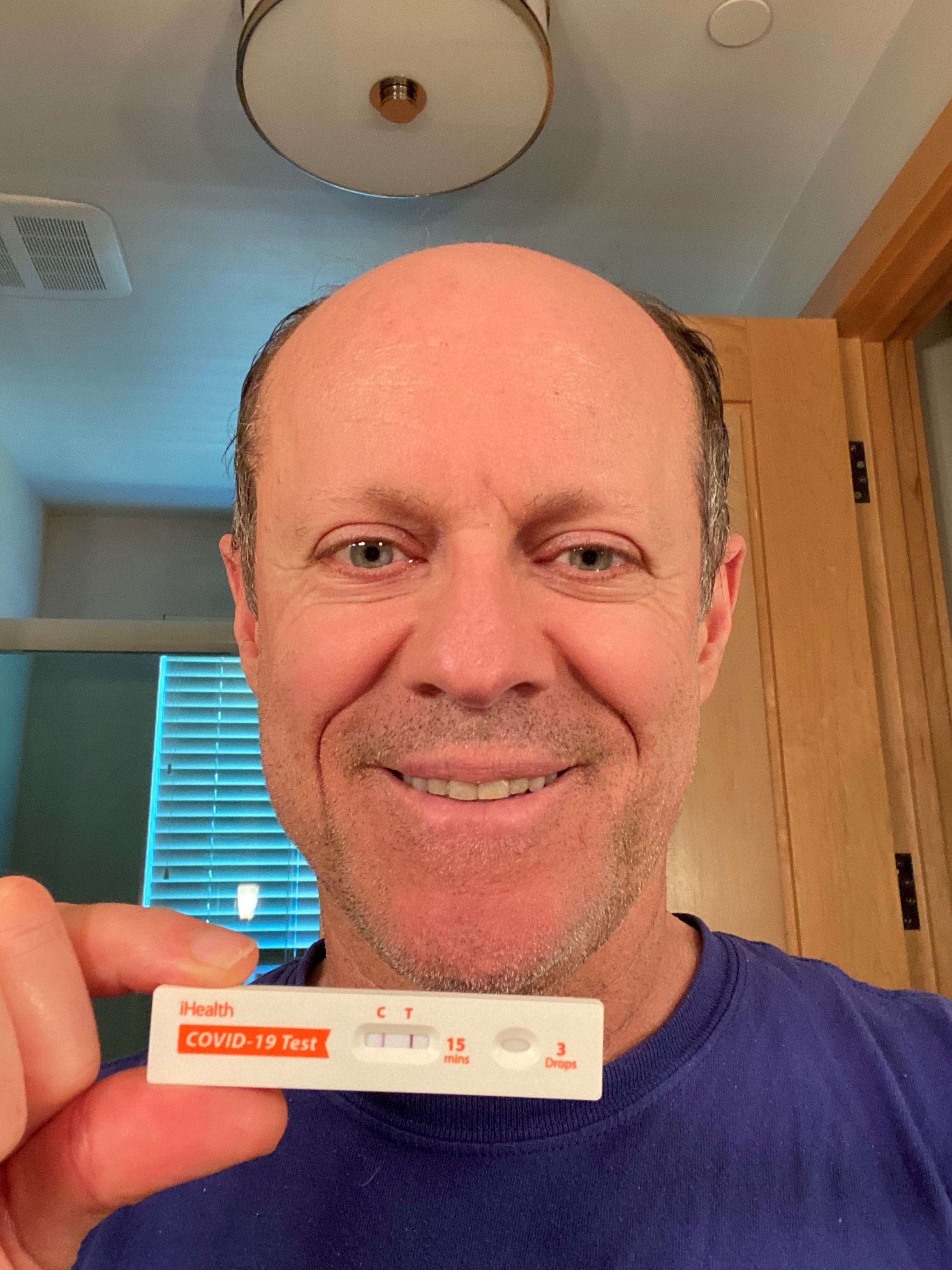
Since I was symptomatic, I verified it was COVID with a test from iHealth. These are the cheapest tests around, less than $5 per test ($9.79 per two pack) if you order from code1supply for example. The iHealth test showed positive for me 30 seconds after I applied the liquid to the well (it is normally supposed to take 15 minutes so I guess I had a high viral load).
Everyone has their own favorite COVID protocol
This is not the only way to treat COVID. This is just what I’m doing.
Your treatment may vary depending on what drugs you are already on so check with your doctor before duplicating what I did.
Also, different doctors will have their own preferences. For example some people will have you take 40,000 units of vitamin D just once. Others say 10,000 IU per day. Which one is better? Hard to know. So all of these treatment protocols are approximate guesses as to the optimum protocol. Which means your doctor may recommend something different and it may be just as good. I’m not making the claim the protocol listed below is optimal.
One thing everyone agrees on is that you always want to start treating COVID instantly as soon as you get diagnosed which is why I always carry the meds with me when I travel.
I already had all the meds on hand because I pre-ordered everything using myfreedoctor.com. If you want to get the cheapest meds, it takes about a week, otherwise you have to use local pharmacies and that can be a lot more expensive.
Here’s the list of things I’m taking. For me, there are no side effects at all for any of these drugs making the combination very easy to take:
- Vitamin C: 3,000 mg/day (3 chewable tablets since I like chewables)
- Vitamin D3: 10K IU/day. Two small little pills in my case.
- Zinc: 50 mg/day (I have this covered since I take Biome Boosters from Progenabiome which supports Sabine Hazan’s research). Don’t overdo the zinc.
- Aspirin: 81 mg (some advise more): I went with the chewable Bayer aspirin. There is some debate about whether full aspirin is better but I’ve read that it is better to take the lower dose, but I can’t recall where I read that; it turned out that different things are activated on the lower dose vs. the higher dose.
- Pepcid: one10 mg tablet 2x per day (20mg /day). Malone’s paper recommends a much higher dose 60mg TID which is 180mg/day. He also recommends using this with Celecoxib which requires a prescription. Also the higher dose was used when this drug was used as the sole therapy. I went with the lower option so this may not do much
- Allegra: once a day. This is complementary to the Pepcid and blocks a different set of receptors.
- NAC: 600 mg/day
- Nigella sativa seeds: 80 mg /kg per day x 10 days (split it up) which is 6gm /day; So I take 1.5 tsp 3X/day.
- Ivermectin (15mg pills compounded): 2 pills/day for 10 days. Take with a fatty meal for best absorption. This is based on my weight which is 77 kg. Your dosage will be proportional to your weight.
- Hydroxychloroquine (200 mg tablets): 2 tablets twice a day on day 1, then 1 tablet twice a day for 10 days total. Ideally take on an empty stomach.
- Activia yogurt: twice a day. This contains bifidobacteria which is helpful for eliminating COVID from your gut.
- Azithromycin (250 mg tablet): 2 tablets day 1, then 1 per day thereafter for 5 days total. Doesn’t do wonders for your gut bacteria though. However, even Sabine Hazan who is a gut bacteria expert recommends this for up to 5 days.
- Melatonin: 3mg extended release at bedtime
- Fluvoxamine: 50mg taken twice a day (total 100 mg per day) for 14 days. AVOID caffeine while on fluvoxamine. You’ll regret it if you ignore my advice.
- Povidone-iodine nasal rinse: 4x day. First I microwave 60ml of distilled water in a NeilMed sinus rinse squeeze bottle. Then I add half an eyedropper of Povidone iodine 10% and 1/4 tsp of salt and use it just like a regular sinus rinse. It should look like a dark iced tea.
- Crest Scope Classic gargle: 4x day because it has CPC (Colgate Total can be used as well). You can also swab your nostrils with this, but the saline rinse is more comfortable.
- Plenty of rest
- Walk around regularly to keep the blood moving. You want to minimize your risk of a DVT or pulmonary embolism.
- If you sit, elevate your feet.
- Take regular pulse ox readings while walking around
- Glutamine: 10 g l-Glutamine available in powder forms taken 3 times a day with meals. In the control group, 38 out of 230 covid patients died. In the glutamine group, 0 out of 222 patients died. The effect of glutamine supplementation on serum levels of some inflammatory factors, oxidative stress, and appetite in COVID-19 patients: a case-control study – PubMed (nih.gov) Again, no mortality and no ICU admission in the glutamine group… Effect of oral l-Glutamine supplementation on Covid-19 treatment – PubMed (nih.gov). This is not to be confused with glutathione which you’d take if you were vaccine injured. On the other hand, there is this paper: Endogenous Deficiency of Glutathione as the Most Likely Cause of Serious Manifestations and Death in COVID-19 Patients.
- Lactoferrin: 750mg per day for 14 days.
- Prednisone 20mg tablets. Take 3 tablets/day for 5 days starting on DAY 8 as last resort and ONLY if needed. I have it handy but you should never need to use it. The mistake a lot of people make is not to read the instructions to only use it LATE in the disease. I know people who start taking it on day 1 and they regret the error. If you started treatment early, you aren’t going to need this drug.
For more ideas and options, see this article on How to treat COVID.
For more on the science behind any of these drugs/supplements, see c19early.com.
How am I doing?
Sat, Jun 25: Productive cough (yellow stuff), diarrhea. Oura says body temp 1.9 degrees over normal.
Sunday, Jun 26: Just feeling a little off/tired. No cough. My nighttime pulse is back down to 68 bpm during sleep. Oura ring indicated Body temp 1.2 degrees over baseline.
Monday, Jun 27: Back to normal. No runny nose, no cough, etc. Never lost smell. My nightime body temp last night is nearly back to normal per my Oura ring.
Mistletoe and the Emerging Future of Integrative Oncology
Reproduced from original article:
https://articles.mercola.com/sites/articles/archive/2022/06/12/mistletoe.aspx
The original Mercola article may not remain on the original site, but I will endeavor to keep it on this site as long as I deem it to be appropriate, and will not be bullied into removing it.
Analysis by Dr. Joseph Mercola Fact Checked June 12, 2022
STORY AT-A-GLANCE
- Mistletoe, a semi-parasitic plant that grows in the branches of trees all over the world, has been used in herbal medicine for thousands of years for conditions such as epilepsy, spleen disorders, pain and rheumatic conditions
- In 1917, Rudolf Steiner, a philosopher with keen observation skills, noticed that mistletoe looks a lot like a tumor, and proposed it might have anticancer properties. Dr. Ita Wegman confirmed Steiner’s suspicion, and the plant has since enjoyed over 100 years of consistent application in oncology, both standalone and as adjuvant support
- Intravenous or subcutaneous mistletoe appears beneficial as an adjunct therapy for all cancers, and there are no drug or health contraindications. Even the most toxic treatments work better and with fewer adverse effects when combined with mistletoe
- Mistletoe is the most studied integrative oncology therapy in the world, and it is utilized in upward of 60% to 80% of all cancer patients in Europe
- Your immune system and metabolic function are both integral parts of addressing cancer, and mistletoe works on both
In this interview, Dr. Nasha Winters, coauthor of “Mistletoe and the Emerging Future of Integrative Oncology,” reviews some of the benefits of this ancient herb in the modern world of oncology. Winters is herself a cancer survivor, so this topic is close to her heart.
“I’m coming on 30 years out of a death sentence, a terminal cancer diagnosis,” she says, “and still to this day get met with so much resistance to what I’ve learned for myself, and for thousands, if not tens of thousands, of other patients directly, as well as way more than that, indirectly, through the training of their physicians …
My crazy controversy is that I focus more on the human organism and the health of that terrain versus the condition, the disease or the label that overlays that person.”
Mistletoe Has a 100-Year Oncological History
Mistletoe, a semi-parasitic plant that grows in the branches of trees all over the world, has been used as a herbal medicine for thousands of years for conditions such as epilepsy, spleen disorders, pain and rheumatic conditions.
Just over 100 years ago, in 1917, Rudolf Steiner, a philosopher with incredibly keen observation skills, noticed the mistletoe looks a lot like a tumor, and proposed it might have anticancer properties. Many vitalistic medical practices, such as Ayurveda, Chinese medicine, naturopathy and homeopathy, for example, use the doctrine of signatures, which is what Steiner was suggesting.
“For instance, you look at a walnut and it kind of looks like a brain and we think, I wonder if that’s any good for the brain? And sure enough, we find some significance in how it impacts the brain. Or things like lungwort. When you look at it, it looks like a lung and we’ve learned that this herbal medicine is very helpful for lung conditions,” Winters says.
A Swiss doctor named Ita Wegman applied Steiner’s observation of mistletoe to see how it would impact a patient with cancer, and the plant has since enjoyed over 100 years of consistent application in oncology, both standalone and as adjuvant support.
“Interestingly enough … Steiner understood that you needed to harvest different components of the plant — berries that bloom in the winter, which is very abnormal, and the leaves that grow in the summer … and grow inward.
It has a very interesting behavior compared to other plants, and that was an observation of how cancer works as well. It goes against the rhythm. It grows out of sync with the organism. That is very much what he recognized.
And as such, he harvested the plant and aspects of the plant at different times, blended it, and then took a particular extract from it. He also noted that it needed to be injected, because you need to remember, 100 years ago we didn’t know about lectins, we didn’t know about viscotoxins, yet somehow, he understood that you needed to inject it to get the anticancer benefit.
You could take the full tincture. You could take it in other ways, and it has a lot of other medicinal impacts, but then it doesn’t have the anticancer impacts, the reason being, we’ve learned — or at least we suspect, because we’re still learning — is that those lectins and things get broken down in our GI tract and they don’t get into the bloodstream; they don’t access the immune system in the way they need to …”
Mistletoe Can Be Used as an Adjunct for All Cancers
According to Winters, mistletoe is likely to be useful as an adjunct therapy for all cancers, and she, along with several other doctors, has been training physicians on how to use mistletoe for several years now.
“One of our physicians has been using mistletoe for 45 years in his practice, and what we’ve seen clinically, and what the research suggests, is that this therapy, it has always been about using it with others. It plays very well with others.
It was never really developed to be a standalone therapy, though believe me, we’ve seen impact with that as well. And it has virtually no contraindications with any of our standard of care therapies. So, we can literally inject this into a patient the morning before they go into a surgery, or they can start on this therapy the very day they’re going to start a round of chemotherapy or radiation.
It bypasses first phase detox pathways of the liver, so it doesn’t interact, intervene, speed up or slow down detox processes that could otherwise cause some adverse events, or change the desired effect of a certain medication, herbal intervention or dietary intervention.”
Mistletoe Is a Key Cancer Treatment Adjunct
In fact, mistletoe has been shown to enhance other interventions. Even the most toxic treatments seemingly work better and with fewer adverse effects when combined with mistletoe.
“This should be utilized, in my personal opinion, with every patient going through a standard of care approach to just enhance their experience with treatment,” she says.
“There are a lot of things that we kind of have to be careful with … but mistletoe, in my experience, and that of my colleagues, is that this is probably the least harmful and least contraindicated substance and therapy I’ve ever had the privilege of working with. It’s pretty extraordinary and rare to find something that is this applicable to the masses …
As I said, it has over 100 years of continuous use, and has over 250 very good randomized studies … It just completed a Phase 1 clinical trial at John’s Hopkins in the United States as an IV application for solid tumors, and is getting ready to be moved into a Phase 2 clinical trial.
It is the most studied integrative oncology therapy in the world, and it is utilized in upwards of 60% to 80% of all cancer patients in Europe. In parts of South and Central America, all over Southeast Asia and India, in different parts of Europe, this is just part of their medical system … It’s just in the United States where we have a little bit of resistance to embracing it into our conventional medical system …
As a naturopathic physician who’s been practicing integrative oncology for some time and who has teachers, mentors, colleagues from all over the world, some of the most powerful anticancer therapies I’ve seen that are beneficial even to the standard of care model of treatment — things like artesunate, curcumin, quercetin, green tea extract, all of those in intravenous forms — have been taken out of our ability to use here in the United States.
Do my colleagues still find workarounds to get access to these very important medicines? Absolutely they do, but they have to tread very carefully and very lightly. But again, you go north of the border or south of the border and you have no problem accessing these therapies. Or go to Europe — and this is what I’ve been doing for the last two years.
These treatments that we’ve had great success with have been plucked out of our ability to access easily, readily, legally, so we’re now having to send our patients abroad for them to actually get good cancer care.
That’s what’s really devastating to me. So, another part of my purpose and mission is to build an in-house residential research institute and integrative cancer hospital right here on our soil so we don’t lose access and patients don’t lose access [to helpful remedies].”
Arizona Research Facility
Winters is currently building that research institute in Arizona, which will be funded entirely by private donations and research grants. Thousands of patients are anxiously waiting for the doors to open. When asked if she isn’t worried our pro-pharma agencies might shut them down, she replies:
“We will be doing all of our due diligence to let people know that these are not FDA approved therapies, that people are coming into a research environment. They’re either paying cash or they’re getting grants based on their financial ability to help them cover this care.
We’re doing it in a pretty open-minded medical state; Arizona has one of the broadest scopes of practice in the country. And we’re also very close to our southern border with Mexico, so that if we do come up against someone shutting down one of our therapies for a bit, we are able to take our patients across the border to a little sister clinic to keep the continuity of care.
We don’t anticipate that happening because people are coming as a buyer beware. They’re coming being well-informed about who we are and what we’re about. And frankly, we get thousands of inquiries a month from all over the world looking for this approach. The patients will drive this home.
It’s a mighty David versus Goliath story, especially now, but I also think the time is now because we have these acts, like the Right to Try Act, and because we do have more and more patients facing this diagnosis with grim outcomes.
And, a study that came out in the last year that looked at 17 years’ worth of conventional cancer treatments found that, overall, of the 96 different drugs they looked at, the average survival rate was 2.4 months. That is the reality and this is what’s driving the clinical oncologists from around the world to sign up and take my course …
So, there is this massive kind of underground movement that’s starting to sprout and come above ground. That’s happening. And frankly, mistletoe is one of the vehicles for that to happen … Instead of trying to fix the model, we’re just creating a new one.”
Another potential “back door” is to convince insurance companies that this is in their best interest. Mistletoe is a natural remedy and therefore cannot be patented, so there’s no incentive for the drug companies to pursue it. But insurance companies may support its use once they realize how much money they can save on hospitalizations, drug coverage and everything else.
Mistletoe Modulates Immune Function
Your immune system and metabolic function are both integral parts of addressing cancer, and mistletoe works on both. It’s important to recognize, however, that it’s not a magic bullet. If you’re eating a standard American diet and are metabolically dysfunctional, mistletoe is not going to be as effective as for someone who is also eating a healthy whole food diet and supporting their health in other ways.
That said, mistletoe is an immunomodulator. Immune therapies are all the rage right now, with a majority of research dollars being funneled into them. Yet the effectiveness rate for these therapies is less than 20%. In other words, they’re hardly a cure.
“A lot of folks have heard of Jimmy Carter’s melanoma story that had metastasized to his brain. He took this immune drug, Keytruda. That’s a checkpoint inhibitor. The most common drugs you’ll hear about are things like Opdivo, Keytruda, PD-1, PDL1 inhibitors, those are checkpoint inhibitors, or CTLA-4 inhibitors, also a type of checkpoint inhibitor.
These are drugs that kind of pull the breaks off your immune system to go hog wild in treating the cancer. Now that seems like a great idea — unless you have underlying metabolic dysfunction, right? Hello! And then, if you have an underlying autoimmune condition, you are also someone who’s likely going to have a not so positive response to these medications.
What I love about mistletoe is it comes in and it modulates that teeter-totter. It doesn’t take the breaks off and make it go hog wild, and it doesn’t suppress. It’s … kind of adaptogenic in some ways. So, it behaves a little bit like a smart drug, in that it can sort of match itself to the individual.
It is not a protocol, it’s a patient-driven process in that we look at the person’s gender, we look at the tumor type, the tumor stage, the general condition of the patient, and then we consider the most appropriate host tree. The most common are the pine, the fir, and the apple tree hosts. Mistletoe [from these trees] tends to have the highest lectin content that have the highest anti-cancer content.
Then we look at the dosing frequency, and if we’re going to do it subcutaneous, intravenous, intratumoral, intraperitoneal, et cetera, depending on where you live in the world and how we’re going to pair it with other therapies, if at all. So, it is based totally on the individual and the individual’s response.
We want the patient to have a little local reaction if they’re injecting it. We want it to get a little redness, irritation and itchiness and maybe tenderness. We want it to raise the body’s temperature a little bit … The point is, we want to create this cytokine release at a very low-grade level. Whereas when we bring on an immune drug like Keytruda, it creates a cytokine release at an explosive level that can sometimes be fatal for patients.”
Other Mechanisms of Action and Synergies
Similar to drugs, mistletoe also has a systemic effect. It doesn’t target a specific receptor site. Instead, it’s a systemic terrain-centric approach. In its mechanisms of action, it’s engaging with B-cells, T-cells, natural killer (NK) cells.
It will basically calm those that are acting overzealous, to prevent an excessive immune reaction, and activate those that are dormant or underperforming. Mistletoe also reduces inflammation, lowering your levels of C-reactive protein, interleukin-6, homocysteine, liver enzymes and more.
It also lowers vascular endothelial growth factor (VEGF), which can be important for certain cancers, and it lowers blood sugar and insulin. Winters also suspects mistletoe may be upregulating both the endorphin and the endocannabinoid system, so you’re getting stress modulation as well.
“So, it’s hitting all of what we call ‘The Terrain 10,’ from my previous book, ‘The Metabolic Approach to Cancer.’ I find that mistletoe tends to hit every one of those … including epigenetic expression … clean up of DNA.
We use it for people who’ve gone through radiation. We’ll use it as a DNA stabilizer. We’ll use it if people have taken a course of Cipro [and other fluoroquinolones] to help clean up the metabolic mayhem, the DNA damage that they cause. We know that it has some impact on insulin and IGF-1.
In our book, we have hundreds of references to all of the different mechanisms of action. My colleague, Dr. Paul Faust, [has written] a beautiful chapter on its direct impact on the immune system and all the nuances of that.
That chapter alone will illuminate for so many people why this therapeutic support and this therapeutic intervention is so helpful for the cancer patient, for prevention of cancer, for cleanup after cancer treatment …
And the synergy, when you pair mistletoe with hyperthermia, like so many of my colleagues in Europe have been doing for the past 50 years, talk about the biggest bang for your buck. We see some pretty extraordinary outcomes.
I’ve had patients go to Europe with Stage 4 [cancer], metastatic disease everywhere, getting IV mistletoe along with local, regional and whole body high-heat hyperthermia that have put their cancer into complete remission in many cases, but at the very least, turning it back into a manageable disease process, and even more interesting, increasing the responsivity to other therapies again.”
More Information
The good news is the number of doctors trained in this therapy is growing, and the treatment itself is only between $200 and $300 a month, so it’s highly affordable while also being highly effective. I think it would be beyond irrational not to integrate this into any cancer therapy you’re considering.
Again, for cancer, oral supplementation is ineffective, as the lectins responsible for the anticancer effects are broken down in your GI tract and therefore can’t enter your bloodstream.
The Physicians’ Association for Anthroposophic Medicine (PAAM) sponsors Winters’ mistletoe trainings. While most are held in person, there’s now also a course available online for licensed physicians. There are plans to take a group of physicians to Europe for immersive in-hospital training in the fall of 2023. Here’s a list of resources where you can find more information:
• AnthrosophicMedicine.org offers articles, research, books, webinars and more. To locate a clinician trained in the proper administration of mistletoe, see PAAM’s health provider directory.
• Clinicians interested in training, visit the education section of PAAM’s website. The next annual training conference will be held in Loveland, Colorado, April 29 through May 6, 2023.
• Metabolic Terrain Institute of Health (MTIH) is the not-for-profit association cofounded by Winters that is building a research hospital in Arizona. MTIH also offers a master course for practitioners, and grants to help patients access these therapies. Certified practitioners can be found on terrain.network.
These practitioners include medical doctors and oncologists who have been taught Winters’ methodology of testing, assessing and treating cancer (which includes but is not limited to mistletoe therapy). MTIH certified practitioners are also listed on DrNasha.com.
• Mistletoe-therapy.org is a European website that offers helpful information for patients and scientific papers directed at clinicians.
• A load of resources are found on the book’s website: www.themistletoebook.com. Proceeds from this book go to fund clinical research and contribute to physician training.
Last but certainly not least, you’ll want to pick up a copy of “Mistletoe and the Emerging Future of Integrative Oncology.” It’s an excellent book.
Monkeypox Infection To Fear or Not to Fear?
Reproduced from original OMNS article (OrthoMolecular News Service):
http://orthomolecular.org
Subscribe to the free Orthomolecular Newsletter: http://orthomolecular.org/subscribe.html
Go to the OMNS Archive: http://orthomolecular.org/resources/omns/index.shtml
Commentary by Thomas E. Levy, MD, JD
OMNS (June 1, 2022) As of the writing of this article, multiple news reports have recently addressed the occurrence of monkeypox virus infections in humans. In the current setting of the entire planet dealing with the COVID pandemic over the last two and a half years, fear is readily stoked that another pandemic with a virus that comes from the same family of viruses as smallpox could be poised to inflict widespread suffering and death. This article will present the significant scientific data and literature surrounding monkeypox infection in humans, which clearly demonstrates that the monkeypox virus presents NO threat of a pandemic or even a large epidemic.
Monkeypox Characteristics
Although many have never heard of it until recently, monkeypox infection is not the result of the emergence of a new virus. Rather, it was first identified in captive cynomolgus monkeys in Denmark in 1958. [1] The first documented human infection was reported in 1970 in a 9-month-old in the Congo. After clinically recovering from the infection and its associated rash over a month-long period, this baby then contracted the measles and died six days later. [2] While not found exclusively in remote populations in Central and West Africa, limited monkeypox outbreaks appear to have occurred most commonly in such areas of the world, where advanced malnutrition can potentially make some otherwise benign infections life-threatening. [3] This initial case also serves to highlight the fact that underlying chronic malnutrition with moderate to severely depleted vitamin and mineral stores in those living in such remote areas of Africa literally sets the stage for contracting any infectious disease. Quickly contracting measles upon the resolution of the monkeypox virus is the logical result of such an advanced depletion of nutrients in the body. The typical mild to moderate clinical presentation of the measles can easily evolve into a fatal infection when a chronic state of nutrient depletion is still further depleted by a month-long bout with the monkeypox virus.
Monkeypox cases have only occurred as very limited outbreaks, never as an epidemic or a pandemic. Such an outbreak is a cluster of cases in a given area from a pathogen with a limited contagion risk. An epidemic/pandemic requires a pathogen that is very easily spread. This is not the case with the monkeypox virus. The United States has already had an outbreak of monkeypox infection in 2003, involving 47 human cases felt to be secondary to the importation of infected wild rodents from Ghana. No secondary larger outbreak or epidemic resulted, however. Furthermore, no human-to-human transmission was documented. [4] Typically, while human-to-human transmission is certainly possible, it is the exposure to and/or the consumption of infected animals, as well as their consumption of each other, that both spreads this virus and serves as a reservoir for it. This is an additional reason for its primary presence in Africa, in addition to the overall poor nutrition on much of this continent. [5,6]
Monkeypox is characterized as a zoonotic infection, meaning it can transmit from animal to human, or vice-versa. [7] Asymptomatic monkeypox infections are very common, as over half of the healthy persons in an area of Ghana, which actually had no reported clinical human cases of monkeypox at the time of this study, had positive immunoglobulin G (IgG) antibodies against the monkeypox virus genus. [8] A similarly large percentage of the healthy residents in a region of the Congo had circulating antibodies as well. [9] Another study in Cameroon found these antibodies in slightly over a third of the subjects tested. [10] This indicates that monkeypox is not typically severe in its clinical course, much less fatal, in any human population. And this would especially be the case in the United States or in a comparable country with a relatively high-quality level of nutrition as well as a relatively widespread intake of vitamin and mineral supplementation.
Ebola, another virus that has been largely limited to African countries, resulted in a substantial outbreak in West Africa from 2014 to 2016, but it never approached pandemic or even significant epidemic proportions. Nevertheless, in the nutrition-depleted populations in which it emerged, death resulted in those individuals demonstrating clinical infection between 25% and 90% of the time, enough to generate a great deal of fear that it could spread and kill easily throughout the world. [11] And even though Ebola killed many who became infected, a substantial number of those individuals exposed developed natural immunity (IgG antibody) response without ever becoming clinically ill. Depending on the location of the African community and the conditions of the testing protocol itself, up to 50% of exposed individuals, including those living with clinically infected individuals, showed the development of natural antibodies to Ebola without ever becoming ill. [12-18] And in spite of the initial fear that was generated, no pandemic, epidemic, or even minor outbreak of Ebola ever occurred in the United States, even though international airline travel reliably introduced infected individuals into the country. [19,20]
Most of the fear currently seen with the potential spread of the monkeypox virus is due to the fact that both monkeypox and smallpox comes from the same genus of DNA viruses. [21] Smallpox has been estimated to have killed between 300 and 500 million people in the 20th century. [22] Understandably, then, anything that is remotely related to smallpox can be expected to generate a great deal of concern.
While the smallpox vaccine is credited for the effective eradication of smallpox, it is also believed by some that waning vaccine immunity is currently leaving over 70% of the world’s population unprotected against smallpox, as this vaccine has not been routinely administered since 1980. [23] Some estimates indicate that the smallpox vaccination has offered roughly an 85% protection against monkeypox infection. [24] And since the vaccine immunity against smallpox is felt to be waning, the associated cross-immunity against related viruses like monkeypox is felt to be fading as well. [25]
However, monkeypox is simply not smallpox. The evidence presented above indicates that many asymptomatic infections occur with monkeypox, and that it is far less contagious than smallpox, with human-to-human transmission being decidedly uncommon. Concurrent epidemics or outbreaks of smallpox and monkeypox have not been reported, and smallpox is not a zoonotic infection like monkeypox, but infects humans only. [26]
Finally, in the more well-fed and healthy populations in the world, monkeypox is simply not a killer virus once contracted. The typical clinical course of monkeypox in such populations much more resembles chickenpox than smallpox. Even if the presumed waning protection of the old smallpox vaccinations results in some increase in human monkeypox cases, it will not turn monkeypox into the highly contagious and deadly killer that is smallpox.
Easily Prevented, Readily Resolved
While some viruses are much more contagious and much more capable of causing severe illness and even death than others, they all share therapeutic susceptibilities. As devastating as Ebola has been to many of the individuals in Africa who have contracted it, bio-oxidative treatment readily resolves it as well as any other virus that is treated before too much advanced organ damage has already taken place. At the height of the Ebola scare in 2014, Drs. Robert Rowen and Howard Robins were so convinced of their ability to cure Ebola infections that they put themselves directly in harm’s way by traveling to Sierra Leone, a West African epicenter of Ebola infection at that time. Of note, many physicians and other healthcare providers in this area of Africa were dying from the infection at that time.
The primary therapy they used to treat the Ebola patients was ozone. And even though great local resistance was met in gaining access to patients, four individuals were successfully treated with ozone therapy. The cornerstone ozone application was direct intravenous ozone gas injection. Supplemental oral vitamin C therapy was administered as well to address its infection-induced deficiency, to bolster immune function, and to minimize the impact of any possible pro-oxidant Herxheimer-like rapid virus kill-off reactions. All four patients improved immediately after the first treatment and complete resolution of their infections was seen between two to five days. Furthermore, no progression of any Ebola-related symptoms was seen after the first ozone treatments were administered. [27]
Other acute viral syndromes that have initially had much of the world on edge in recent years have also been proven to be readily curable, although not with any known prescription drugs. In 2014, Chikungunya virus received a lot of attention, and some outbreaks with this virus were sizeable, although never really reaching epidemic proportions. This viral infection typically left those infected with debilitating symptoms, often resulting in severe pain in many of the joints in the body. The most immunocompetent individuals would often resolve their most severe symptoms in about a week, but in some the joint pain would become chronic and last as long as five years. Separate one-time intravenous infusions with two bio-oxidative agents (vitamin C and hydrogen peroxide) in 56 patients were highly effective in both completely resolving this viral infection, as well as in immediately alleviating much of the chronic pain that remained long after the acute phase of the infection. [28] Treatment with just high-dose vitamin C intravenously (as much as 100 grams daily) in the acute stage of viral infection with Chikungunya, influenza, Zika, and dengue has also been reported to be similarly curative. [29-32]
In a nutshell, unless the patient has advanced organ damage and is very near death, intravenous vitamin C, in sufficient doses, can always be expected to save the patient from succumbing to an advanced infection, especially viral. As the primary electron-donating nutrient in the body, enough vitamin C must be administered to both neutralize the new, ongoing infection-derived pro-oxidants (toxins) while restoring (reducing) the physiological function of those biomolecules that have already been oxidized. A sizeable number of integrative medicine practitioners who appreciate the therapeutic value of IV vitamin C remain needlessly wary of 50- to 100-gram infusions of vitamin C. This unnecessary caution too often results in a total daily dose of vitamin C of 25 grams or less that proves insufficient to save the patient with severe and widespread oxidative damage secondary to an advanced infection. Nevertheless, even such lower doses can oftentimes suffice, just not as reliably so.
The experience at the Riordan Clinic alone in Wichita, Kansas clearly establishes the safety (and efficacy) of even the highest dosing regimens of vitamin C on a routine basis. Over the past 32 years, over 150,000 intravenous infusions of vitamin C have been administered at Riordan campuses. Doses have varied from 7.5 to 250 grams daily, with 50 grams being the most common dose administered. NO significant adverse side effects have occurred, and NO kidney stones have resulted. For more information on the vitamin C-related research and results of the Riordan Clinic, see: https://riordanclinic.org/journal-articles/.
The primary bio-oxidative therapies (vitamin C, hydrogen peroxide, ozone, ultraviolet blood irradiation, and hyperbaric oxygen) have all been shown to eradicate any viral infections for which they have been properly administered. As noted above, intravenous ozone can promptly resolve even an advanced viral infection whenever access to it is available. Properly-dosed intravenous hydrogen peroxide is comparably effective, and as long as the healthcare practitioner is willing to use it, its expense is nominal and it is available literally everywhere. Vitamin C, ultraviolet blood irradiation, and hyperbaric oxygen therapy are incredibly effective as well, but less available and anywhere from slightly to substantially more expensive to apply than the hydrogen peroxide and/or the ozone therapies. These therapies, along with other supportive antipathogenic measures, are discussed in greater detail elsewhere. [33]
Another great option for dealing with any virus once contracted is a combination vitamin C-cortisol approach, especially when the intravenous administration of bio-oxidative agents is not readily available, if at all. A sizeable oral dose of vitamin C (3 to 5 grams, liposome-encapsulated or as sodium ascorbate powder) along with 20 mg of cortisol (hydrocortisone) is dramatically effective in its clinical impact, often resulting in a prompt cessation of infection evolution followed shortly thereafter by complete resolution. As a very general guideline, the vitamin C/cortisol should be taken three times daily until baseline health is restored. Complete clinical resolution is typically seen in 12 to 36 hours. A more prolonged treatment plan is only required when the pathogen has had a longer time to replicate and clinical illness is more pronounced when therapy is initiated. [34,35]
Recap
Monkeypox virus should never be confused with smallpox, even though the viruses have some common family roots. Smallpox is a human infection, and monkeypox is primarily limited to infections in susceptible animal populations. When monkeypox does infect a human, its clinical course is little more than that of a typical case of chickenpox, as long as the infected individual is not grossly malnourished. And even in populations with significant nutrient depletion, monkeypox is very often a completely asymptomatic infection, as high levels of protective antibodies to monkeypox have been documented in significant percentages of these populations. Also, unlike smallpox, monkeypox has both a very low level of contagion and only rarely results in a fatal outcome, even in the most susceptible of populations.
A good level of nutrition, along with judicious supplementation with vitamins and minerals, will almost completely prevent the transmission of monkeypox, from either an infected animal or human. And when it is contracted, the application of any of a number of bio-oxidative and other therapies will give a rapid resolution to this infection. This ease of prevention and susceptibility to rapid cure should be kept in mind before deciding to proceed directly with any monkeypox vaccinations that end up being offered to the public.
References
1. Magnus P, Andersen E, Petersen K, Birch-Andersen A (1959) A pox-like disease in cynomolgus monkeys. Acta Pathologica, Microbiologica, et Immunologica Scandinavica 46:156-176.
2. Ladnyj I, Ziegler P, Kima E (1972) A human infection caused by monkeypox virus in Basankusu Territory, Democratic Republic of the Congo. Bulletin of the World Health Organization 46:593-597. PMID: https://pubmed.ncbi.nlm.nih.gov/4340218
3. Beer E, Rao V (2019) A systematic review of the epidemiology of human monkeypox outbreaks and implications for outbreak strategy. PLoS Neglected Tropical Diseases 13:e0007791. PMID: https://pubmed.ncbi.nlm.nih.gov/31618206
4. Reynolds M, Davidson W, Curns A et al. (2007) Spectrum of infection and risk factors for human monkeypox, United States, 2003. Emerging Infectious Diseases 13:1332-1339. PMID: https://pubmed.ncbi.nlm.nih.gov/18252104
5. Ye F, Song J, Zhao L et al. (2019) Molecular evidence of human monkeypox virus infection, Sierra Leone. Emerging Infectious Diseases 25:1220-1222. PMID: https://pubmed.ncbi.nlm.nih.gov/30900976
6. Patrono L, Pleh K, Samuni L et al. (2020) Monkeypox virus emergence in wild chimpanzees reveals distinct clinical outcomes and viral diversity. Nature Microbiology 5:955-965. PMID: https://pubmed.ncbi.nlm.nih.gov/32341480
7. Eltvedt A, Christiansen M, Poulsen A (2020) A case report of monkeypox in a 4-year-old boy from the DR Congo: challenges of diagnosis and management. Case Reports in Pediatrics 2020:8572596. PMID: https://pubmed.ncbi.nlm.nih.gov/32328334
8. Reynolds M, Carroll D, Olson V et al. (2010) A silent enzootic of an orthopoxvirus in Ghana, West Africa: evidence for multi-species involvement in the absence of widespread human disease. The American Journal of Tropical Medicine and Hygiene 82:746-754. PMID: https://pubmed.ncbi.nlm.nih.gov/20348530
9. Lederman E, Reynolds M, Karem K et al. (2007) Prevalence of antibodies against orthopoxviruses among residents of Likouala region, Republic of Congo: evidence for monkeypox virus exposure. The American Journal of Tropical Medicine and Hygiene 77:1150-1156. PMID: https://pubmed.ncbi.nlm.nih.gov/18165539
10. Guagliardo S, Monroe B, Moundjoa C et al. (2020) Asymptomatic orthopoxvirus circulation in humans in the wake of a monkeypox outbreak among chimpanzees in Cameroon. The American Journal of Tropical Medicine and Hygiene 102:206-212. PMID: https://pubmed.ncbi.nlm.nih.gov/31769389
11. Nyakarahuka L, Kankya C, Krontveit R et al. (2016) How severe and prevalent are Ebola and Marburg viruses? A systematic review and meta-analysis of the case fatality rates and seroprevalence. BMC Infectious Diseases 16:708. PMID: https://pubmed.ncbi.nlm.nih.gov/27887599
12. Baxter A (2000) Symptomless infection with Ebola virus. The Lancet 355:2178-2179. PMID: https://pubmed.ncbi.nlm.nih.gov/10881884
13. Mulangu S, Borchert M, Paweska J et al. (2016) High prevalence of IgG antibodies to Ebola virus in the Efe’ pygmy population in the Watsa region, Democratic Republic of the Congo. BMC Infectious Diseases 16:263. PMID: https://pubmed.ncbi.nlm.nih.gov/27286990
14. Mafopa N, Russo G, Wadoum R et al. (2017) Seroprevalence of Ebola virus infection in Bombali District, Sierra Leone. Journal of Public Health in Africa 8:732. PMID: https://pubmed.ncbi.nlm.nih.gov/29456826
15. Mbala P, Baguelin M, Ngay I et al. (2017) Evaluating the frequency of asymptomatic Ebola virus infection. Philosophical Transactions of the Royal Society of London. Series B, Biological Sciences 372:20160303. PMID: https://pubmed.ncbi.nlm.nih.gov/28396474
16. Timothy J, Hall Y, Akoi-Bore J et al. (2019) Early transmission and case fatality of Ebola virus at the index site of the 2013-2016 West African Ebola outbreak: a cross-sectional seroprevalence survey. The Lancet. Infectious Diseases 19:429-438. PMID: https://pubmed.ncbi.nlm.nih.gov/30799252
17. Bratcher A, Hoff N, Doshi R et al. (2021) Zoonotic risk factors associated with seroprevalence of Ebola virus GP antibodies in the absence of diagnosed Ebola virus disease in the Democratic Republic of Congo. PLoS Neglected Tropical Diseases 15:e0009566. PMID: https://pubmed.ncbi.nlm.nih.gov/34383755
18. Manno D, Ayieko P, Ishola D et al. (2022) Ebola virus glycoprotein IgG seroprevalence in community previously affected by Ebola, Sierra Leone. Emerging Infectious Diseases 28:734-738. PMID: https://pubmed.ncbi.nlm.nih.gov/35202536
19. Fairley J, Kozarsky P, Kraft C et al. (2016) Ebola or not? Evaluating the ill traveler from Ebola-affected countries in West Africa. Open Forum Infectious Diseases 3:ofw005. PMID: https://pubmed.ncbi.nlm.nih.gov/26925428
20. Rauch S, Jasny E, Schmidt K, Petsch B (2018) New vaccine technologies to combat outbreak situations. Frontiers in Immunology 9:1963. PMID: https://pubmed.ncbi.nlm.nih.gov/30283434
21. Babkin I, Babkina I, Tikunova N (2022) An update of orthopoxvirus molecular evolution. Viruses 14:388. PMID: https://pubmed.ncbi.nlm.nih.gov/35215981
22. Muhlemann B, Vinner L, Margaryan A et al. (2020) Diverse variola virus (smallpox) strains were widespread in northern Europe in the Viking Age. Science 369:eaaw8977. PMID: https://pubmed.ncbi.nlm.nih.gov/32703849
23. Rao A, Schulte J, Chen T et al. (2022) Monkeypox in a traveler returning from Nigeria-Dallas, Texas, July 2021. MMWR. Morbidity and Mortality Weekly Report 71:509-516. PMID: https://pubmed.ncbi.nlm.nih.gov/35389974
24. Fine P, Jezek Z, Grab B, Dixon H (1988) The transmission potential of monkeypox virus in human populations. International Journal of Epidemiology 17:643-650. PMID: https://pubmed.ncbi.nlm.nih.gov/2850277
25. Simpson K, Heymann D, Brown C et al. (2020) Human monkeypox-after 40 years, an unintended consequence of smallpox eradication. Vaccine 38:5077-5081. PMID: https://pubmed.ncbi.nlm.nih.gov/32417140
26. Grant R, Nguyen L, Breban R (2020) Modelling human-to-human transmission of monkeypox. Bulletin of the World Health Organization 98:638-640. PMID: https://pubmed.ncbi.nlm.nih.gov/33012864
27. Rowen R, Robins H, Carew K et al. (2016) Rapid resolution of hemorrhagic fever (Ebola) in Sierra Leone with ozone therapy. African Journal of Infectious Diseases 10:49-54. https://www.ajol.info/index.php/ajid/article/view/126773
28. Marcial-Vega V, Gonzalez-Terron G, Levy T (2015) Intravenous ascorbic acid and hydrogen peroxide in the management of patients with Chikungunya. Boletin de la Asociacion Medica de Puerto Rico 107:20-24. PMID: https://pubmed.ncbi.nlm.nih.gov/26035980
29. Gonzalez M, Miranda-Massari J, Berdiel M et al. (2014) High dose intravenous vitamin C and Chikungunya fever: a case report. Journal of Orthomolecular Medicine volume 29. https://isom.ca/wp-content/uploads/High-Dose-Intraveneous-Vitamin-C-and-Chikungunya-Fever-A-Case-Report-29.4.pdf
30. Gonzalez M, Berdiel M, Miranda-Massari J et al. (2016) High dose intravenous vitamin C treatment for Zika fever. Journal of Orthomolecular Medicine volume 31. https://isom.ca/wp-content/uploads/High-Dose-Intravenous-Vitamin-C-Treatment-for-Zika-Fever-31.1.pdf
31. Gonzalez M, Berdiel M, Duconje J et al. (2018) High dose intravenous vitamin C and influenza: a case report. Journal of Orthomolecular Medicine volume 33. https://isom.ca/article/high-dose-vitamin-c-influenza-case-report/
32. Miranda-Massari J, Toro A, Loh D et al. (2021) The effects of vitamin C on the multiple pathophysiological stages of COVID-19. Life 11:1341. PMID: https://pubmed.ncbi.nlm.nih.gov/34947872/
33. Levy T (2021) Rapid Virus Recovery: No need to live in fear! Chapter 10. Henderson, NV: MedFox Publishing. Free download available here: https://www.rvr.medfoxpub.com/
34. Levy T (2021) http://orthomolecular.org/resources/omns/v17n28.shtml
35. Levy T (2022) http://orthomolecular.org/resources/omns/v18n06.shtml
The views presented in this article are the author’s and not necessarily those of all members of the Orthomolecular Medicine News Service Editorial Review Board.
Nutritional Medicine is Orthomolecular Medicine
Orthomolecular medicine uses safe, effective nutritional therapy to fight illness. For more information: http://www.orthomolecular.org
Find a Doctor
To locate an orthomolecular physician near you: http://orthomolecular.org/resources/omns/v06n09.shtml
The peer-reviewed Orthomolecular Medicine News Service is a non-profit and non-commercial informational resource.
Editorial Review Board:
Albert G. B. Amoa, MB.Ch.B, Ph.D. (Ghana)
Seth Ayettey, M.B., Ch.B., Ph.D. (Ghana)
Ilyès Baghli, M.D. (Algeria)
Ian Brighthope, MBBS, FACNEM (Australia)
Gilbert Henri Crussol, D.M.D. (Spain)
Carolyn Dean, M.D., N.D. (USA)
Ian Dettman, Ph.D. (Australia)
Susan R. Downs, M.D., M.P.H. (USA)
Ron Ehrlich, B.D.S. (Australia)
Hugo Galindo, M.D. (Colombia)
Martin P. Gallagher, M.D., D.C. (USA)
Michael J. Gonzalez, N.M.D., D.Sc., Ph.D. (Puerto Rico)
William B. Grant, Ph.D. (USA)
Claus Hancke, MD, FACAM (Denmark)
Tonya S. Heyman, M.D. (USA)
Patrick Holford, BSc (United Kingdom)
Suzanne Humphries, M.D. (USA)
Ron Hunninghake, M.D. (USA)
Bo H. Jonsson, M.D., Ph.D. (Sweden)
Dwight Kalita, Ph.D. (USA)
Felix I. D. Konotey-Ahulu, MD, FRCP, DTMH (Ghana)
Jeffrey J. Kotulski, D.O. (USA)
Peter H. Lauda, M.D. (Austria)
Alan Lien, Ph.D. (Taiwan)
Homer Lim, M.D. (Philippines)
Stuart Lindsey, Pharm.D. (USA)
Pedro Gonzalez Lombana, MD, MsC, PhD (Colombia)
Victor A. Marcial-Vega, M.D. (Puerto Rico)
Juan Manuel Martinez, M.D. (Colombia)
Mignonne Mary, M.D. (USA)
Jun Matsuyama, M.D., Ph.D. (Japan)
Joseph Mercola, D.O. (USA)
Jorge R. Miranda-Massari, Pharm.D. (Puerto Rico)
Karin Munsterhjelm-Ahumada, M.D. (Finland)
Tahar Naili, M.D. (Algeria)
W. Todd Penberthy, Ph.D. (USA)
Zhiyong Peng, M.D. (China)
Isabella Akyinbah Quakyi, Ph.D. (Ghana)
Selvam Rengasamy, MBBS, FRCOG (Malaysia)
Jeffrey A. Ruterbusch, D.O. (USA)
Gert E. Schuitemaker, Ph.D. (Netherlands)
Han Ping Shi, M.D., Ph.D. (China)
T.E. Gabriel Stewart, M.B.B.CH. (Ireland)
Thomas L. Taxman, M.D. (USA)
Jagan Nathan Vamanan, M.D. (India)
Garry Vickar, M.D. (USA)
Ken Walker, M.D. (Canada)
Anne Zauderer, D.C. (USA)
Andrew W. Saul, Ph.D. (USA), Editor-In-Chief
Associate Editor: Robert G. Smith, Ph.D. (USA)
Editor, Japanese Edition: Atsuo Yanagisawa, M.D., Ph.D. (Japan)
Editor, Chinese Edition: Richard Cheng, M.D., Ph.D. (USA)
Editor, French Edition: Vladimir Arianoff, M.D. (Belgium)
Editor, Norwegian Edition: Dag Viljen Poleszynski, Ph.D. (Norway)
Editor, Arabic Edition: Moustafa Kamel, R.Ph, P.G.C.M (Egypt)
Editor, Korean Edition: Hyoungjoo Shin, M.D. (South Korea)
Editor, Spanish Edition: Sonia Rita Rial, PhD (Argentina)
Contributing Editor: Thomas E. Levy, M.D., J.D. (USA)
Contributing Editor: Damien Downing, M.B.B.S., M.R.S.B. (United Kingdom)
Assistant Editor: Helen Saul Case, M.S. (USA)
Technology Editor: Michael S. Stewart, B.Sc.C.S. (USA)
Associate Technology Editor: Robert C. Kennedy, M.S. (USA)
Legal Consultant: Jason M. Saul, JD (USA)
Comments and media contact: drsaul@doctoryourself.com OMNS welcomes but is unable to respond to individual reader emails. Reader comments become the property of OMNS and may or may not be used for publication.
Riordan Clinic | Orthomolecular.org
3100 N Hillside Ave
Wichita, Kansas 67219
United States
7 Conditions Masquerading As Dementia
© GreenMedInfo LLC. This work is reproduced and distributed with the permission of GreenMedInfo LLC.
Want to learn more from GreenMedInfo? Sign up for the newsletter here:
www.greenmedinfo.com/greenmed/newsletter
Reproduced from original article:
https://greenmedinfo.com/blog/7-conditions-masquerading-dementia
Posted on: Monday, May 30th 2022
Written By: GMI Reporter
This article is copyrighted by GreenMedInfo LLC, 2022

More than 40% of dementia diagnoses have been shown to be wrong. Here’s what may really be going on.
Imagine this nightmare. For the last few years your mother has had serious memory problems. She gets lost driving. She repeats the same question to you over and over again. She can’t process new information. She loses her train of thought in mid-sentence. A CT scan comes back with a diagnosis of early Alzheimer’s disease. The doctors offer a prescription with little encouragement it will work.
Do you despair?
A new program from UCLA and the Buck Institute for Research on Aging offers new hope. In the first study of its kind, researchers have proved that natural therapies can not only slow the progress of dementia but can actually reverse it.
In a paper titled “Reversal of Cognitive Decline: A novel therapeutic program“ Dr. Dale Bredesen showed how 9 out of the 10 subjects diagnosed with dementia got their minds back.[i]
Dr. Bredesen is a professor of neurology at The Mary S. Easton Center for Alzheimer’s Disease Research at UCLA, as well as a professor at the Buck Institute. The study was supported by multiple entities including the National Institutes of Health.
Cognitive decline is a major fear as we age. According to the Alzheimer’s Association “dementia is a general term for loss of memory and other mental abilities severe enough to interfere with daily life.” Alzheimer’s disease – just one of many forms of dementia – accounts for 60 to 80 percent of dementia cases. It affects about 5.4 million Americans and 30 million people around the world. By 2050, it’s expected to grow to 160 million people globally, including 13 million Americans. There is no effective treatment for Alzheimer’s and it is already the third leading cause of death in the United States.
Dr. Bredesen believes that multiple factors influence the development of dementia and Alzheimer’s. In a small study, he and his colleagues designed personalized and comprehensive protocols to reverse memory loss in 10 patients.
The results were remarkable. Nine of the 10 participants showed improvement in their memories within three to six months of starting the program.
Six patients had had to discontinue working or were struggling with their jobs at the time they joined the study. ALL were able to return to work or continue working with improved performance.
The subjects included five patients with memory loss associated with Alzheimer’s disease. The others had amnestic mild cognitive impairment, and subjective cognitive impairment.
Only one patient, diagnosed with late stage Alzheimer’s, did not improve.
Doctors used a “systems approach” in treating the patients. They developed a complex, 36-point therapeutic program that includes comprehensive changes in diet, brain stimulation, exercise, optimization of sleep, specific pharmaceuticals and vitamins, and multiple additional steps that affect brain chemistry.
In a press release Dr. Bredesen stated:
The existing Alzheimer’s drugs affect a single target, but Alzheimer’s disease is more complex. Imagine having a roof with 36 holes in it, and your drug patched one hole very well—the drug may have worked, a single “hole” may have been fixed, but you still have 35 other leaks, and so the underlying process may not be affected much.
Dr. Bredesen’s approach is based on extensive testing of each patient to determine what is affecting the signaling network in his or her brain. The protocol is then personalized for the patient. A sample protocol for one of his patients in the study included:
- eliminating all simple carbohydrates;
- eliminating gluten and processed food;
- increasing vegetables, fruits, and non-farmed fish;
- reducing stress with yoga and meditation;
- taking melatonin each night;
- increasing sleep from 4-5 hours per night to 7-8 hours per night;
- taking methylcobalamin (vitamin B12), vitamin D, CoQ10, and fish oil each day;
- optimizing oral hygiene using an electric flosser and electric toothbrush;
- hormone replacement therapy;
- fasting for a minimum of 12 hours between dinner and breakfast;
- fasting for a minimum of three hours between dinner and bedtime; and
- exercising for a minimum of 30 minutes, 4-6 days per week.
Although the downside to the program is the complexity and the number of lifestyle changes required, Dr. Bredesen noted that the only side effect of the protocol was “improved health and an optimal body mass index, a stark contrast to the side effects of many drugs.”
What can you do when faced with a diagnosis of cognitive decline, dementia, or Alzheimer’s disease?
The UCLA protocol recognizes that dementia can have many causes and those causes are often reversible.
Sharp Again Naturally (www.sharpagain.org) is a non-profit organization formed in 2012 to educate the public and the medical community about the reversible causes of dementia.
Here are seven areas Sharp Again Naturally suggests you investigate before accepting a dementia or Alzheimer’s diagnosis. These are conditions that may cause memory loss and dementia but can be reversed:
1. Nutritional imbalances and deficiencies. Deficiencies of omega 3s, vitamin B12, vitamin C, magnesium, selenium, probiotics, and other nutrients frequently cause symptoms of Alzheimer’s and dementia.
Adhering to a balanced Mediterranean-style diet is associated with slower cognitive decline. It’s also linked to a reduced risk of Alzheimer’s.
Studies also show low vitamin D levels are linked to Alzheimer’s. Low folate (vitamin B9) may also lead to cognitive decline.
Adding coconut oil may rescue a brain from Alzheimer’s. And turmeric is known to boost working memory in just one dose.
2. Artificial food colors, flavors, and sweeteners. Artificial additives of all kinds may cause dementia symptoms.
Studies show the artificial sweetener aspartame impairs cognitive function and leads to memory loss.
3. Prescription medication side effects. Drugs, especially pain medications, and psychotropic drugs can severely disrupt cognition.
Statins are particularly harmful. In one study from the University of California – San Diego, 90 percent of patients who stopped taking statin drugs reported improvement in cognitive problems in a matter of weeks. In some of the patients a diagnosis of dementia or Alzheimer’s was reversed.
Another study showed that the sleep drug Ambien increased the risk of dementia in elderly patients.
4. Inflammation from low-level infections, mold, food allergies, and Lyme Disease. Inflammation is the body’s attempt to get rid of a toxic element or organism, and so it occurs in many different situations, even root canals and urinary tract infections.
Studies suggest that mental disorders result from neuroinflammation.
5. Stress and stagnation/inactivity. Stress elevates cortisol levels, leading to inflammation, and in turn to hormone imbalances, cognitive impairment, heightened blood sugar levels, hypertension, delayed healing time, and susceptibility to disease. The body’s self healing mechanisms depend on unimpeded flow of lymph, blood, and other fluids, all of which are promoted by exercise. Inactivity, by contrast, allows cellular shutdown and blockages, taxing the whole system and interfering with healing on every level.
One study showed that in patients younger than 65 years-old, 41% of dementia diagnoses were incorrect. Misdiagnosis occurred most frequently in patients with depression or alcohol abuse.
6. Thyroid and other hormonal imbalances. Many people diagnosed with Alzheimer’s or dementia simply have low levels of T3 thyroid hormone. However, standard thyroid tests completely miss T3 levels, and Synthroid (T4) doesn’t help. It is estimated that 10 to 15% of all nursing home residents may be there because of low T3.
7. Mercury and other heavy metal poisoning. So-called silver amalgam fillings contain 50 percent mercury, and that mercury is neither stable nor inert. It off-gasses, crosses the blood-brain barrier, and destroys neurons even without contact. Removing these fillings is hazardous unless done with mercury-safe protocols.
Annual flu shots are another source of these toxins. Research shows that people who took the flu shot for five consecutive years had 10 times or 1000 percent higher risk of developing Alzheimer’s Disease than people who only had one or two flu shots due to the accumulation of mercury and aluminum in the vaccines.
Most doctors are not expert in these causes of dementia or how to treat them. Sharp Again Naturally is building a medical advisory board and a database to get the word out. It also offers help finding functional medicine specialists, naturopaths, or doctors who practice integrative medicine who are familiar with these areas.
Click here for more information on natural approaches to preventing and overcoming dementia.
Additional References
[i] Dale E. Bredesen, “Reversal of Cognitive decline: A novel therapeutic program.” AGING, September 2014, Vol. 6, No. 9.
Mistletoe and the Emerging Future of Integrative Oncology
Reproduced from original article:
https://articles.mercola.com/sites/articles/archive/2022/05/29/mistletoe.aspx
The original Mercola article may not remain on the original site, but I will endeavor to keep it on this site as long as I deem it to be appropriate, and will not be bullied into removing it.
Analysis by Dr. Joseph Mercola Fact Checked May 29, 2022
STORY AT-A-GLANCE
- Mistletoe, a semi-parasitic plant that grows in the branches of trees all over the world, has been used in herbal medicine for thousands of years for conditions such as epilepsy, spleen disorders, pain and rheumatic conditions
- In 1917, Rudolf Steiner, a philosopher with keen observation skills, noticed that mistletoe looks a lot like a tumor, and proposed it might have anticancer properties. Dr. Ita Wegman confirmed Steiner’s suspicion, and the plant has since enjoyed over 100 years of consistent application in oncology, both standalone and as adjuvant support
- Intravenous or subcutaneous mistletoe appears beneficial as an adjunct therapy for all cancers, and there are no drug or health contraindications. Even the most toxic treatments work better and with fewer adverse effects when combined with mistletoe
- Mistletoe is the most studied integrative oncology therapy in the world, and it is utilized in upward of 60% to 80% of all cancer patients in Europe
- Your immune system and metabolic function are both integral parts of addressing cancer, and mistletoe works on both
In this interview, Dr. Nasha Winters, coauthor of “Mistletoe and the Emerging Future of Integrative Oncology,” reviews some of the benefits of this ancient herb in the modern world of oncology. Winters is herself a cancer survivor, so this topic is close to her heart.
“I’m coming on 30 years out of a death sentence, a terminal cancer diagnosis,” she says, “and still to this day get met with so much resistance to what I’ve learned for myself, and for thousands, if not tens of thousands, of other patients directly, as well as way more than that, indirectly, through the training of their physicians …
My crazy controversy is that I focus more on the human organism and the health of that terrain versus the condition, the disease or the label that overlays that person.”
Mistletoe Has a 100-Year Oncological History
Mistletoe, a semi-parasitic plant that grows in the branches of trees all over the world, has been used as a herbal medicine for thousands of years for conditions such as epilepsy, spleen disorders, pain and rheumatic conditions.
Just over 100 years ago, in 1917, Rudolf Steiner, a philosopher with incredibly keen observation skills, noticed the mistletoe looks a lot like a tumor, and proposed it might have anticancer properties. Many vitalistic medical practices, such as Ayurveda, Chinese medicine, naturopathy and homeopathy, for example, use the doctrine of signatures, which is what Steiner was suggesting.
“For instance, you look at a walnut and it kind of looks like a brain and we think, I wonder if that’s any good for the brain? And sure enough, we find some significance in how it impacts the brain. Or things like lungwort. When you look at it, it looks like a lung and we’ve learned that this herbal medicine is very helpful for lung conditions,” Winters says.
A Swiss doctor named Ita Wegman applied Steiner’s observation of mistletoe to see how it would impact a patient with cancer, and the plant has since enjoyed over 100 years of consistent application in oncology, both standalone and as adjuvant support.
“Interestingly enough … Steiner understood that you needed to harvest different components of the plant — berries that bloom in the winter, which is very abnormal, and the leaves that grow in the summer … and grow inward.
It has a very interesting behavior compared to other plants, and that was an observation of how cancer works as well. It goes against the rhythm. It grows out of sync with the organism. That is very much what he recognized.
And as such, he harvested the plant and aspects of the plant at different times, blended it, and then took a particular extract from it. He also noted that it needed to be injected, because you need to remember, 100 years ago we didn’t know about lectins, we didn’t know about viscotoxins, yet somehow, he understood that you needed to inject it to get the anticancer benefit.
You could take the full tincture. You could take it in other ways, and it has a lot of other medicinal impacts, but then it doesn’t have the anticancer impacts, the reason being, we’ve learned — or at least we suspect, because we’re still learning — is that those lectins and things get broken down in our GI tract and they don’t get into the bloodstream; they don’t access the immune system in the way they need to …”
Mistletoe Can Be Used as an Adjunct for All Cancers
According to Winters, mistletoe is likely to be useful as an adjunct therapy for all cancers, and she, along with several other doctors, has been training physicians on how to use mistletoe for several years now.
“One of our physicians has been using mistletoe for 45 years in his practice, and what we’ve seen clinically, and what the research suggests, is that this therapy, it has always been about using it with others. It plays very well with others.
It was never really developed to be a standalone therapy, though believe me, we’ve seen impact with that as well. And it has virtually no contraindications with any of our standard of care therapies. So, we can literally inject this into a patient the morning before they go into a surgery, or they can start on this therapy the very day they’re going to start a round of chemotherapy or radiation.
It bypasses first phase detox pathways of the liver, so it doesn’t interact, intervene, speed up or slow down detox processes that could otherwise cause some adverse events, or change the desired effect of a certain medication, herbal intervention or dietary intervention.”
Mistletoe Is a Key Cancer Treatment Adjunct
In fact, mistletoe has been shown to enhance other interventions. Even the most toxic treatments seemingly work better and with fewer adverse effects when combined with mistletoe.
“This should be utilized, in my personal opinion, with every patient going through a standard of care approach to just enhance their experience with treatment,” she says.
“There are a lot of things that we kind of have to be careful with … but mistletoe, in my experience, and that of my colleagues, is that this is probably the least harmful and least contraindicated substance and therapy I’ve ever had the privilege of working with. It’s pretty extraordinary and rare to find something that is this applicable to the masses …
As I said, it has over 100 years of continuous use, and has over 250 very good randomized studies … It just completed a Phase 1 clinical trial at John’s Hopkins in the United States as an IV application for solid tumors, and is getting ready to be moved into a Phase 2 clinical trial.
It is the most studied integrative oncology therapy in the world, and it is utilized in upwards of 60% to 80% of all cancer patients in Europe. In parts of South and Central America, all over Southeast Asia and India, in different parts of Europe, this is just part of their medical system … It’s just in the United States where we have a little bit of resistance to embracing it into our conventional medical system …
As a naturopathic physician who’s been practicing integrative oncology for some time and who has teachers, mentors, colleagues from all over the world, some of the most powerful anticancer therapies I’ve seen that are beneficial even to the standard of care model of treatment — things like artesunate, curcumin, quercetin, green tea extract, all of those in intravenous forms — have been taken out of our ability to use here in the United States.
Do my colleagues still find workarounds to get access to these very important medicines? Absolutely they do, but they have to tread very carefully and very lightly. But again, you go north of the border or south of the border and you have no problem accessing these therapies. Or go to Europe — and this is what I’ve been doing for the last two years.
These treatments that we’ve had great success with have been plucked out of our ability to access easily, readily, legally, so we’re now having to send our patients abroad for them to actually get good cancer care.
That’s what’s really devastating to me. So, another part of my purpose and mission is to build an in-house residential research institute and integrative cancer hospital right here on our soil so we don’t lose access and patients don’t lose access [to helpful remedies].”
Arizona Research Facility
Winters is currently building that research institute in Arizona, which will be funded entirely by private donations and research grants. Thousands of patients are anxiously waiting for the doors to open. When asked if she isn’t worried our pro-pharma agencies might shut them down, she replies:
“We will be doing all of our due diligence to let people know that these are not FDA approved therapies, that people are coming into a research environment. They’re either paying cash or they’re getting grants based on their financial ability to help them cover this care.
We’re doing it in a pretty open-minded medical state; Arizona has one of the broadest scopes of practice in the country. And we’re also very close to our southern border with Mexico, so that if we do come up against someone shutting down one of our therapies for a bit, we are able to take our patients across the border to a little sister clinic to keep the continuity of care.
We don’t anticipate that happening because people are coming as a buyer beware. They’re coming being well-informed about who we are and what we’re about. And frankly, we get thousands of inquiries a month from all over the world looking for this approach. The patients will drive this home.
It’s a mighty David versus Goliath story, especially now, but I also think the time is now because we have these acts, like the Right to Try Act, and because we do have more and more patients facing this diagnosis with grim outcomes.
And, a study that came out in the last year that looked at 17 years’ worth of conventional cancer treatments found that, overall, of the 96 different drugs they looked at, the average survival rate was 2.4 months. That is the reality and this is what’s driving the clinical oncologists from around the world to sign up and take my course …
So, there is this massive kind of underground movement that’s starting to sprout and come above ground. That’s happening. And frankly, mistletoe is one of the vehicles for that to happen … Instead of trying to fix the model, we’re just creating a new one.”
Another potential “back door” is to convince insurance companies that this is in their best interest. Mistletoe is a natural remedy and therefore cannot be patented, so there’s no incentive for the drug companies to pursue it. But insurance companies may support its use once they realize how much money they can save on hospitalizations, drug coverage and everything else.
Mistletoe Modulates Immune Function
Your immune system and metabolic function are both integral parts of addressing cancer, and mistletoe works on both. It’s important to recognize, however, that it’s not a magic bullet. If you’re eating a standard American diet and are metabolically dysfunctional, mistletoe is not going to be as effective as for someone who is also eating a healthy whole food diet and supporting their health in other ways.
That said, mistletoe is an immunomodulator. Immune therapies are all the rage right now, with a majority of research dollars being funneled into them. Yet the effectiveness rate for these therapies is less than 20%. In other words, they’re hardly a cure.
“A lot of folks have heard of Jimmy Carter’s melanoma story that had metastasized to his brain. He took this immune drug, Keytruda. That’s a checkpoint inhibitor. The most common drugs you’ll hear about are things like Opdivo, Keytruda, PD-1, PDL1 inhibitors, those are checkpoint inhibitors, or CTLA-4 inhibitors, also a type of checkpoint inhibitor.
These are drugs that kind of pull the breaks off your immune system to go hog wild in treating the cancer. Now that seems like a great idea — unless you have underlying metabolic dysfunction, right? Hello! And then, if you have an underlying autoimmune condition, you are also someone who’s likely going to have a not so positive response to these medications.
What I love about mistletoe is it comes in and it modulates that teeter-totter. It doesn’t take the breaks off and make it go hog wild, and it doesn’t suppress. It’s … kind of adaptogenic in some ways. So, it behaves a little bit like a smart drug, in that it can sort of match itself to the individual.
It is not a protocol, it’s a patient-driven process in that we look at the person’s gender, we look at the tumor type, the tumor stage, the general condition of the patient, and then we consider the most appropriate host tree. The most common are the pine, the fir, and the apple tree hosts. Mistletoe [from these trees] tends to have the highest lectin content that have the highest anti-cancer content.
Then we look at the dosing frequency, and if we’re going to do it subcutaneous, intravenous, intratumoral, intraperitoneal, et cetera, depending on where you live in the world and how we’re going to pair it with other therapies, if at all. So, it is based totally on the individual and the individual’s response.
We want the patient to have a little local reaction if they’re injecting it. We want it to get a little redness, irritation and itchiness and maybe tenderness. We want it to raise the body’s temperature a little bit … The point is, we want to create this cytokine release at a very low-grade level. Whereas when we bring on an immune drug like Keytruda, it creates a cytokine release at an explosive level that can sometimes be fatal for patients.”
Other Mechanisms of Action and Synergies
Similar to drugs, mistletoe also has a systemic effect. It doesn’t target a specific receptor site. Instead, it’s a systemic terrain-centric approach. In its mechanisms of action, it’s engaging with B-cells, T-cells, natural killer (NK) cells.
It will basically calm those that are acting overzealous, to prevent an excessive immune reaction, and activate those that are dormant or underperforming. Mistletoe also reduces inflammation, lowering your levels of C-reactive protein, interleukin-6, homocysteine, liver enzymes and more.
It also lowers vascular endothelial growth factor (VEGF), which can be important for certain cancers, and it lowers blood sugar and insulin. Winters also suspects mistletoe may be upregulating both the endorphin and the endocannabinoid system, so you’re getting stress modulation as well.
“So, it’s hitting all of what we call ‘The Terrain 10,’ from my previous book, ‘The Metabolic Approach to Cancer.’ I find that mistletoe tends to hit every one of those … including epigenetic expression … clean up of DNA.
We use it for people who’ve gone through radiation. We’ll use it as a DNA stabilizer. We’ll use it if people have taken a course of Cipro [and other fluoroquinolones] to help clean up the metabolic mayhem, the DNA damage that they cause. We know that it has some impact on insulin and IGF-1.
In our book, we have hundreds of references to all of the different mechanisms of action. My colleague, Dr. Paul Faust, [has written] a beautiful chapter on its direct impact on the immune system and all the nuances of that.
That chapter alone will illuminate for so many people why this therapeutic support and this therapeutic intervention is so helpful for the cancer patient, for prevention of cancer, for cleanup after cancer treatment …
And the synergy, when you pair mistletoe with hyperthermia, like so many of my colleagues in Europe have been doing for the past 50 years, talk about the biggest bang for your buck. We see some pretty extraordinary outcomes.
I’ve had patients go to Europe with Stage 4 [cancer], metastatic disease everywhere, getting IV mistletoe along with local, regional and whole body high-heat hyperthermia that have put their cancer into complete remission in many cases, but at the very least, turning it back into a manageable disease process, and even more interesting, increasing the responsivity to other therapies again.”
More Information
The good news is the number of doctors trained in this therapy is growing, and the treatment itself is only between $200 and $300 a month, so it’s highly affordable while also being highly effective. I think it would be beyond irrational not to integrate this into any cancer therapy you’re considering.
Again, for cancer, oral supplementation is ineffective, as the lectins responsible for the anticancer effects are broken down in your GI tract and therefore can’t enter your bloodstream.
The Physicians’ Association for Anthroposophic Medicine (PAAM) sponsors Winters’ mistletoe trainings. While most are held in person, there’s now also a course available online for licensed physicians. There are plans to take a group of physicians to Europe for immersive in-hospital training in the fall of 2023. Here’s a list of resources where you can find more information:
• AnthrosophicMedicine.org offers articles, research, books, webinars and more. To locate a clinician trained in the proper administration of mistletoe, see PAAM’s health provider directory.
• Clinicians interested in training, visit the education section of PAAM’s website. The next annual training conference will be held in Loveland, Colorado, April 29 through May 6, 2023.
• Metabolic Terrain Institute of Health (MTIH) is the not-for-profit association cofounded by Winters that is building a research hospital in Arizona. MTIH also offers a master course for practitioners, and grants to help patients access these therapies. Certified practitioners can be found on terrain.network.
These practitioners include medical doctors and oncologists who have been taught Winters’ methodology of testing, assessing and treating cancer (which includes but is not limited to mistletoe therapy). MTIH certified practitioners are also listed on DrNasha.com.
• Mistletoe-therapy.org is a European website that offers helpful information for patients and scientific papers directed at clinicians.
• A load of resources are found on the book’s website: www.themistletoebook.com. Proceeds from this book go to fund clinical research and contribute to physician training.
Last but certainly not least, you’ll want to pick up a copy of “Mistletoe and the Emerging Future of Integrative Oncology.” It’s an excellent book.
The Exciting Emergence of Regenerative Medicine
Reproduced from original article:
https://articles.mercola.com/sites/articles/archive/2022/05/29/emergence-of-regenerative-medicine.aspx
The original Mercola article may not remain on the original site, but I will endeavor to keep it on this site as long as I deem it to be appropriate, and will not be bullied into removing it.
Analysis by Dr. Joseph Mercola Fact Checked May 29, 2022
STORY AT-A-GLANCE
- Tony Robbins’ new book, “Life Force,” details breakthroughs in precision medicine that can transform the quality of your life
- Breakthroughs include stem cell therapies, novel NAD supplements with superior effectiveness, incisionless brain surgery for Parkinson’s disease, audio implants for deaf people and much more
- CCTA testing can predict a heart attack up to five years in advance; Release uses ultrasound to scan your body for connective tissue that has tightened or hardened around nerves or blood vessels. A fluid is then injected into the affected area, instantly releasing that restriction
- Fountain Life, a health care company founded by Robbins, works with doctors around the world to provide testing and regenerative and peak performance medicine
- A Stanford clinical research study of Robbins’ “Date With Destiny” program found 100% of participants with clinical depression were symptom-free 30 days after completion of the five-and-a-half-day course
I recently had the opportunity to interview Tony Robbins — likely the most successful personal development coach in modern history — about what he’s been up to during the last couple of years, and the release of his new book, “Life Force: How New Breakthroughs in Precision Medicine Can Transform the Quality of Your Life and Those You Love.”
During his career, Robbins has coached more than 10 million people through group events, and more than 100 million digitally. Pre-COVID, he would visit, on average, 125 cities in more than a dozen countries each year. The pandemic put a firm stop to all those mass gatherings so, in the end, he innovated and developed virtual interactive multiday seminars that reached millions of people around the world during the global pandemic.
“I’m used to a stadium, and the energy,” Robbins says. “So, I said, ‘This is what we’re going to do. We’re going to build a studio with 50-foot ceilings, 20-foot LEDs, .67 highest resolution …
I’m going to go to the guys at Zoom and see if I can get them to go from 1,000 to 25,000,’ (now 200,0000), and then [we] made software so that people could communicate — like clapping, [by] shaking their phone. If one person does it, you don’t hear it, but when 10,000 people do it, its thunderous. It’s like being at a real event.
I would normally go see a quarter of a million people over most years, some years a million people, but now, we had one the other day for six days; 800,000 people signed up, and then there are people joining them because it’s in their home.
We had over a million people for this one program. Technology has allowed us to touch people’s lives when they need it most. I’m just grateful that we found a way to adapt to make it happen.”
Robbins Impact
When asked what drives him to maintain such a rigorous schedule, all while being more than successful, so much so that he doesn’t actually need to work, Robbins replies:
“I’ve been driven by impact my whole life. I don’t have to work, fortunately, but you feel a sense of responsibility when you know what’s available. That’s why I was so frustrated at the beginning [of the pandemic], because if there was ever a time people needed help, it was during this [pandemic].
Stanford studied my work and that study just came out in a psychiatric journal. It’s mind-boggling. The most you ever see when they do meta studies on depression, in people who get treated, about 40% improve, 60% don’t.
They approached me because, using drugs and everything else, that’s the best they’ve seen. There was one study done by Johns Hopkins two years ago where they used hallucinogenics, magic mushrooms, along with therapy, and they had a four times greater result than anything they’d ever seen, meaning 53% of the people, four weeks later, had no symptoms whatsoever of depression.
They put people through one of my five-and-a-half day ‘Date With Destiny’ programs. People can see it if they go to Netflix — a version of one. ‘Tony Robbins: I’m Not Your Guru,’ compresses it. It’s an hour and 45 minutes. But they followed up with the people. At the end, 30 days later, zero people had any symptoms of clinical depression.
Now I’m working on being able to expand, and none of this would have happened except so many people got depressed over COVID and Stanford said, ‘We got to find some better solutions.’ I’m really grateful for the researchers there and it’s opening up all kinds of doors to help people in a new way.
I’m driven by impact. I’m driven to see people’s lives change. What else are you going to do with your life? Sit around and do nothing? I’m a kid. I’m 62 years old. I got a lot of life in me.”
Overcoming Injury and Pain
His latest book, “Life Force,” grew out of his experience with a physical injury, a severely torn rotator cuff. It was so severe he thought his career might be over. He was also diagnosed with spinal stenosis. Four different doctors told him surgery was the only option, but Robbins was curious about stem cells. Might that help?
“I work with some of the greatest athletes in the world and I remember Cristiano Ronaldo, the greatest soccer player, he was supposed to be out three months. He did stem cells [and was] back in three weeks,” Robbins says.
His doctors said no, but Robbins got hooked up with Dr. Bob Hariri, a neuroscientist and stem cell specialist. Hariri explained that the key to stem cells is using four-day old stem cells, as they contain the “life force.” Fetal (embryonic) stem cells are commercially outlawed in most places, and were out of the question from an ethical perspective.
But these stem cells can also be derived from the placenta and umbilical cord. So, Robbins received intravenous stem cells at a clinic in Panama, three days in a row. “I woke up the third morning with no pain in my shoulder, the MRI is perfect, and no pain in my spine for the first time in 14 years. That made me an evangelist,” he says.
The Stem Cell Phenomenon
This experience inspired Robbins to learn all he could about stem cells, and the book is the product of interviews with numerous experts in the field. Interestingly, Pope Francis invited Robbins to speak at his biannual regenerative medicine conference, which is the largest in the world. There, he met experts and patients alike.
“I met a kid that was supposed to die at 5. He got his sister’s stem cells and he’s now 11 and totally healthy. I met the greatest golfer of all time, Jack Nicklaus, and he said he couldn’t stand for 10 minutes, he was in such pain.
They were going to fuse his spine, which works about 50% of the time and even then, it restricts you. He did stem cells instead and he’s now 82 playing golf and playing tennis … I met this kid who was on America’s Got Talent. He was blind and he’s had gene therapy and he can see now. I mean, things that sound like science fiction [are] now happening …
I did a book on finance where I interviewed 50 of the smartest financial people in the world … I thought, what if I did this with 100 or 150 of the greatest scientists, Nobel Laureates, greatest regenerative medicine doctors? It was a three-year project in the middle of COVID, and it was a passion project. It all came together.”
There are many different types of stem cells and some are more effective than others. Robbins is particularly impressed with the research from a group called Biosplice, which is working on WNT stem cells.
However, my favorite stem cells are Vsels (very small embryonic stem cells), which are taken from your own peripheral blood rather than your bone marrow or fat. Since they are your own cells, they have virtually no chance of causing long term complications to you. They are very similar to PRP (platelet rich plasma) only profoundly more effective.
Your DNA Is Not Your Destiny
While your genes were for a time believed to be the final determinant of your health, we now know this simply isn’t true. As noted by Robbins, “DNA is not destiny.” Epigenetic factors are far more important.
“Think of it as your DNA or your genome is the keyboard on a piano. The epigenome, epi being above, is the player turning on or off the keys, and that’s what makes the music of your life.
What most people don’t understand is that epigenome could be affected by diet, exercise — all the things you teach and that I teach. They’re so simple and critical, they don’t cost anything, and then there’s exposure to radiation, chemicals and things of that nature.
All that plays a role, but in order for us to have that epigenome function at its ideal, there are seven master genes called sirtuins. They do four things, primarily. No. 1, they help the epigenome turn off the right genes. If they don’t do that, you start to break down, your body starts to age, you can have disease.
Secondly, they reduce inflammation, which is the basis of most breakdown in the body. The third thing they do is they affect the mitochondria’s ability to produce ATP, which is the source of energy for everything. Then, the fourth thing they do, is they clean up our DNA, because as we live longer, we get exposed to more radiation, more exposures, and that DNA starts to break down.
The problem is, all this needs a source of fuel for work … Some people do infusions of NAD, but there’s no solid research that I can find that those large molecules are fully absorbed. You can feel like it for a while but it doesn’t seem to be sustainable. The better approach is to give the precursor for [NAD], which is NMN.”
How to Boost Your NAD Level
According to Robbins, NMN has been shown to be very effective in mice, and effects appear to be even greater in humans. The problem is that NMN is highly perishable, and tests have shown most commercially available products have no NMN in them at all.
MIB 626 or NAD3, a product that is still under development, contains a more stable form of NAD, along with coenzymes that act as catalysts to activate more of the NAD in your body. NAD3 is currently on the fast-track to approval thanks to the fact that the U.S. military wants it.
“Imagine you can go to your doctor and get prescribed something that used to be in your body anyway, or at least a co-enzyme of it, and suddenly have all those four things working your best,” Robbins says.
“The more energy your cells can have throughout the whole body means the organ systems, everything will work better, the cleanup of your DNA, the right genes turning on and off, and inflammation reducing. To me, that’s the part that excites me about where things are going. Everything in the book is either now or within 36 months, so you’re prepared for it.”
That said, you can also raise your NAD level naturally. The enzyme for forming NAD is NAMPT, and you can radically upregulate NAMPT through exercise, time-restricted eating (which mimics the effects of calorie restriction) and sauna. NAMPT basically converts nicotinamide — the breakdown product of NAD — into NMN, which in turn reforms into NAD. You can also add 50 mg (1/64 of a teaspoon) of niacinamide powder three times a day for even greater improvement.
Start With the Fundamentals
So, what are the best interventions Robbins has come across in his search for optimal health?
“I think the first thing you have to do is [start] where you are. I can plot a course where I want to go, but if I have a map and I don’t know where I am, it’s worthless. So, you need to do some of the most fundamental blood tests. You’ve got to do heavy metals testing. You can do a hormone test.
If your hormones are off, your body is off … Today, hormone optimization therapy is available with smaller inserts and huge changes, in men and in women. Once you know where you are and you know what your issues are, then you measure those things. You don’t have to measure everything, because you have a base to know where you stand.
Now what are the interventions? For me, you’ve got to include some form of exercise, and for some people, that’s just beyond their scope. That’s why the sauna is so valuable, because I can put somebody in a sauna for 20 minutes … and you’re going to see these heat shock proteins in your body.
There’s a transformation that occurs. Studies show 50% reduction in heart attacks, 60% reduction in stroke, and overall reduction of death at early age is down by 70%.
Then what happens is people feel better and now they can do some simple exercises … I believe in cold also. I use cryotherapy … I think that’s a place to start for people. The other thing I tell people to do is cut 300 calories [a day]. Cut one bagel, and research shows that over two years, a person will usually lose between 17 and 20 pounds, if they’re overweight …
Supplementing, obviously, with the right supplements, to me, is critical. So, figure out where you are, decide where you want to go. Once you know where you are, address what’s there. It might be diabetes, it might be weight loss; whatever it is, address it.
Get yourself the core nutrients, and have a diet that matches your metabolism and a place for your body to have a little bit of a rest with intermittent fasting or the equivalent of intermittent fasting. To me, those are fundamentals.”
For more information on the benefits of sauna, be sure to listen to the full interview. For additional details, you can also review my previous article, “The Stunning Health Benefits of Sauna Therapy.”
More Information
To go along with the book, “Life Force,” Robbins has co-founded two companies to help make precision medicine breakthroughs available to the public. The first one is Fountain Life, which works with doctors around the world to provide testing and regenerative and peak performance medicine.
This includes CCTA testing, which can predict a heart attack up to five years in advance, and Release, which uses ultrasound to scan your body for connective tissue that has tightened or hardened around nerves or blood vessels. A fluid is then injected into the affected area, instantly releasing that restriction.
At present, Fountain Life has nine health centers located in Florida, New York, Pennsylvania, Texas, California, the United Arab Emirates, India and Canada. “About 12% to 14% of people find something through the scans that’s serious, and they’re able to deal with it,” Robbins says. The second company is MyLifeForce.com, from which you can also order a variety of tests at minimal cost.
“What normally costs about $700 … they’ll do it for $350. We make no money on the tests,” Robbins says. “Then it gives you products like the NAD3 — it can recommend what’s available …
So, I have both those groups. One is so you can have basically telemedicine, the other is if you want to do something direct; like the CCAT test, you can order it, your doctor can order it.”
And, last but certainly not least, to learn about the breakthroughs in precision medicine that are already available, or soon will be, be sure to pick up a copy of “Life Force: How New Breakthroughs in Precision Medicine Can Transform the Quality of Your Life and Those You Love.”