Stroke
now browsing by category
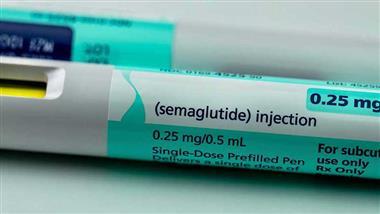
Wegovy Linked to Rare ‘Eye Stroke’ That Can Cause Sudden Blindness
Reproduced from original article:
https://articles.mercola.com/sites/articles/archive/2026/08/02/wegovy-eye-stroke-vision-loss-risk.aspx
Analysis by Dr. Joseph Mercola August 02, 2026
Story at-a-glance
- Researchers found that Wegovy showed the strongest reported association with a rare optic nerve injury that can cause sudden vision loss, raising new questions about the safety of high-dose semaglutide formulations
- Men using Wegovy showed the highest reported risk in the FDA safety database, with odds of optic nerve injury appearing substantially higher than those reported for women
- Analysis of more than 400,000 online discussions revealed that many GLP-1 users frequently reported fatigue, low energy, menstrual changes, chills and hot flashes — symptoms that receive far less attention than digestive side effects
- Real-world patient conversations and artificial intelligence analysis are helping researchers identify emerging drug safety signals much faster than conventional reporting systems alone
- Your body already produces its own GLP-1 hormone through gut microbes that generate butyrate, and restoring this natural system through better gut health supports appetite control and metabolic function without relying on injections
GLP-1 drugs have become some of the most widely prescribed weight-loss medications in the world, and interest in them continues to grow. Researchers are now studying these drugs not only for obesity and Type 2 diabetes, but also for a growing list of other conditions. As millions more people begin using them, scientists are gaining a clearer picture of how these medications affect the body outside the tightly controlled environment of clinical trials.
Much of the public conversation around drugs such as Wegovy and Ozempic focuses on weight loss results. Yet every medication produces effects that extend beyond its primary purpose. Some of those effects are expected and well documented. Others emerge only after large numbers of people begin using a drug in everyday life, creating opportunities for researchers to identify patterns that weren’t obvious during the approval process.
Two recent investigations approached this issue from very different angles. One examined reports submitted to a major federal safety database, while the other analyzed hundreds of thousands of online discussions from people sharing their experiences with these medications. Together, they offer a broader view of what researchers are learning as GLP-1 drugs move to mainstream use.
The findings reveal how modern safety monitoring extends far beyond conventional clinical trials and why researchers are paying close attention to new signals as these medications reach an ever-larger population. One of the most concerning discoveries involved a rare vision-threatening complication that appeared more frequently with one specific GLP-1 formulation than researchers expected.
Wegovy Showed the Strongest Signal for a Rare Eye Stroke Linked to Vision Loss
An analysis published in the British Journal of Ophthalmology examined more than 30.6 million reports submitted to the U.S. Food and Drug Administration’s (FDA) Adverse Event Reporting System between 2017 and 2024.1
They wanted to determine whether semaglutide drugs, including Wegovy, the weight-loss version, and Ozempic, the Type 2 diabetes version, were associated with ischemic optic neuropathy (ION), a condition that damages the optic nerve and threatens vision. Among 31,774 semaglutide-related reports, researchers searched for unusual patterns that might indicate a rare but serious safety concern.
• Wegovy stood out from every other semaglutide product — Although Ozempic generated more reports overall because it reached the market earlier, Wegovy showed by far the strongest association with optic nerve injury.
Researchers identified 28 reports linked to Wegovy and 47 linked to Ozempic, yet Wegovy produced a much stronger safety signal than would normally be expected. Statistical analysis showed that Wegovy users had nearly five times greater odds of reported optic nerve injury than Ozempic users after adjustments for other factors.2
• The difference between the drugs was substantial — Researchers use a measurement called a reporting odds ratio to identify unusual safety patterns. On this scale, a value near 1 means a side effect appears about as often as expected. Wegovy reached 74.89 and Ozempic 18.81 — both far above baseline, but Wegovy in a class of its own.
This means reports of optic nerve injury appeared far more frequently with Wegovy than researchers would expect to see by chance alone. Because both drugs contain semaglutide, the findings suggest that dose and formulation matter, not just the active ingredient itself.
• Men showed the highest reported risk. When researchers analyzed the reports by sex, male Wegovy users produced the strongest signal in the entire study, with odds more than 116 times higher than expected. Additional statistical analysis found that men had more than three times greater odds of reported optic nerve injury than women across semaglutide products. Researchers didn’t identify the reason for this difference, but the magnitude of the gap drew significant attention.
• Higher doses and faster absorption could help explain the findings — Wegovy is prescribed at higher doses than Ozempic, resulting in greater semaglutide exposure over time. The authors suggested that larger doses could contribute to blood pressure fluctuations, fluid loss and disturbances in autonomic nervous system function, which controls automatic processes such as heart rate and blood vessel regulation.
Reduced blood flow from these changes could place the optic nerve under stress because it depends on a continuous supply of oxygen and nutrients. Researchers also noted that no ION cases were reported for Rybelsus, the oral tablet — though far fewer people take it, so the absence isn’t conclusive. Still, its slower absorption and lower drug exposure fit the pattern that dose, not just the active ingredient, may drive the risk.
• Researchers believe the findings warrant urgent investigation despite important limitations — The FDA database can’t prove that Wegovy directly caused optic nerve injury, nor can it determine how frequently the complication occurs among all users. Reporting patterns can also be influenced by media coverage and public awareness.
Even so, the researchers described their findings as the first evidence of a formulation-dependent and dose-dependent association between semaglutide products and ION, with Wegovy showing the strongest signal observed to date. They called for urgent prospective studies to determine whether certain users face a greater risk and whether additional safeguards are needed.
Thousands of GLP-1 Users Reported Side Effects That Clinical Trials Overlooked
A study published in Nature Health by researchers at the University of Pennsylvania examined 410,198 Reddit posts discussing semaglutide and tirzepatide medications, such as Zepbound and Mounjaro, between May 2019 and June 2025.3 Like semaglutide, tirzepatide is used for weight loss and Type 2 diabetes, but it works on two appetite- and blood sugar-regulating hormones instead of one, which is why it is often described as a next-generation version of the same general drug class.
Using artificial intelligence (AI) to sort through the discussions, researchers identified 67,008 people who reported taking one of these drugs and analyzed the side effects they described in their own words. The goal was to determine whether patients were experiencing symptoms that clinical trials and official reporting systems fail to capture.
• Nearly half of users reported at least one side effect — Researchers found that 43.5% of users discussed one or more adverse effects while taking these medications. Digestive complaints dominated the conversations, but the study uncovered a much broader range of concerns than those typically highlighted in drug advertisements or prescribing information.
The findings suggest that everyday quality-of-life symptoms often become apparent only after large numbers of people begin using a medication in the real world.
• Fatigue emerged as one of the most frequently discussed problems — Many users described feeling unusually tired, drained, weak or lacking motivation after starting these medications. Fatigue ranked among the most common complaints in the dataset, yet it receives far less attention than nausea, vomiting or digestive symptoms.
For many people, persistent low energy affects exercise, work performance, concentration and daily productivity, making it a significantly disruptive side effect that’s reported by users.
• Women repeatedly reported changes in reproductive health and body temperature — Nearly 4% of users who discussed side effects also reported menstrual irregularities, including heavier bleeding, bleeding between cycles and changes in cycle timing.4 Researchers also identified recurring reports of chills, feeling unusually cold, hot flashes and fever-like sensations.
These symptoms are not widely recognized as hallmark side effects of GLP-1 drugs, yet they appeared often enough across discussions to stand out as an emerging signal that deserves further investigation.
• The study revealed a gap between clinical trials and everyday experience — Clinical trials excel at identifying major medical risks and measuring effectiveness, but they don’t always capture the symptoms that affect daily life the most. Online communities give people a place to compare experiences freely, creating a large body of information that helps researchers identify patterns that would otherwise remain hidden.
• AI is becoming an early warning system for drug safety — Researchers used advanced language models to recognize that different descriptions often referred to the same symptom, allowing them to organize hundreds of thousands of conversations into meaningful trends.
Study author Sharath Chandra Guntuku noted that well-known side effects appeared prominently in the analysis, confirming that the system was detecting genuine signals, while lesser-known symptoms came directly from patients without prompting.5
As GLP-1 drug use continues to expand, researchers believe this type of real-time monitoring could identify emerging concerns far faster than conventional safety systems, helping patients make more informed decisions about the risks of these medications.
Restore Your Body’s Natural GLP-1 System
The studies in this article raise important questions about the long-term safety of GLP-1 drugs. These drugs do produce weight loss, but they do it by flooding your body with a single synthetic signal at doses that may carry real costs. A different approach asks why your body stopped producing that signal well on its own, and works to restore it. Your gut microbes produce short-chain fatty acids (SCFAs), especially butyrate, which fuel specialized intestinal cells that release GLP-1 naturally.
When this system works properly, your body regulates hunger and metabolism through its own signals rather than through a drug. Many people produce very little butyrate, however, because modern diets and lifestyle habits disrupt the microbes responsible for making it. As butyrate levels fall, gut barrier function deteriorates, inflammation rises and the metabolic signals that help control appetite become less reliable. Rebuilding this system addresses the root cause rather than replacing it.
1. Restore butyrate production by eliminating seed oils — Your first goal is to create an environment where beneficial gut bacteria can thrive again. Seed oils high in linoleic acid (LA) interfere with colon health and make it harder for intestinal cells to use butyrate efficiently. As oxygen levels rise inside the colon, beneficial bacteria decline and inflammation increases.
I recommend reducing LA intake below 5 grams daily, with a target closer to 2 grams. Replace seed oils with more stable fats such as grass fed butter, ghee and tallow. As your gut environment improves, the bacteria responsible for producing butyrate regain their foothold, helping restore natural appetite regulation.
2. Calm your gut before increasing fiber intake — Your gut bacteria produce SCFAs when they ferment certain carbohydrates and fibers. But if you struggle with bloating, gas, abdominal discomfort or irregular bowel habits, avoid the temptation to immediately add large amounts of fiber. A damaged gut often responds poorly to aggressive fiber supplementation.
Start with simpler foods like fruit and white rice, which reduce excessive fermentation and endotoxin production. Endotoxins are inflammatory compounds released from certain gut bacteria that escape into circulation when your intestinal barrier becomes compromised. Allowing your gut lining to recover first creates a stronger foundation for rebuilding a healthy microbiome.
3. Gradually rebuild microbial diversity with the right carbohydrates — Once digestion becomes more predictable, begin expanding your intake of foods that nourish beneficial microbes. Most adults do best with roughly 250 grams of carbohydrates daily, with more needed by physically active individuals.
Begin with whole fruits, root vegetables and well-cooked starches such as white rice. These foods provide glucose needed for healthy cellular energy production while remaining relatively easy to digest. Add non-starchy vegetables next. Beans, legumes and minimally processed whole grains come later and only if your digestion tolerates them comfortably.
4. Feed the bacteria that specialize in making butyrate — Certain foods provide fuel for microbes that excel at butyrate production. Cooked-and-cooled potatoes and slightly green bananas are two of the easiest sources — a fist-sized portion most days is a reasonable start. Both contain resistant starch, a carbohydrate that resists digestion in the small intestine and arrives in your colon intact, where butyrate-making bacteria feast on it.
As butyrate-producing bacteria expand, your intestinal barrier becomes stronger, inflammatory compounds remain contained within your digestive tract and communication between your microbiome and metabolism improves. This process helps restore the natural signaling pathways that regulate appetite and body composition.
5. Activate your own GLP-1 production instead of relying on injections — Your intestine already produces GLP-1. Drugs such as Wegovy and Ozempic attempt to replicate a signal that your body evolved to create on its own. The real goal isn’t lifelong dependence on a medication but restoration of the biological systems that regulate hunger and metabolism naturally.
When your microbiome produces adequate amounts of butyrate and other beneficial SCFAs, the cells responsible for GLP-1 release receive the fuel they need to function properly. Appetite regulation may become more stable.
Metabolic health may improve. Fat loss may become easier to sustain because it’s driven by your body’s own physiology rather than by an external drug. My book, “Weight Loss Cure: Melt Fat Naturally with Your Own GLP-1,” now available in ebook and hard copy, explores this process in far greater detail and outlines practical strategies for restoring the natural GLP-1 system your body already possesses.
This article is for informational purposes only and does not constitute medical advice. Consult a qualified healthcare provider before making changes to your health regimen.
FAQs About Wegovy and Eye Risks
Q: What is the rare eye condition linked to Wegovy?
A: Researchers investigated a condition called ION, which occurs when blood flow to the optic nerve becomes reduced or blocked. The optic nerve carries visual information from your eye to your brain. When its blood supply is disrupted, symptoms such as sudden vision loss, blurred vision or blind spots can occur, and some cases result in permanent vision damage.
Q: How did Wegovy compare to Ozempic in the study?
A: Although both medications contain semaglutide, researchers found that Wegovy showed a much stronger safety signal for reported optic nerve injury. Statistical analysis suggested that Wegovy users had nearly five times greater odds of reported ION than Ozempic users. Researchers believe the higher doses used in Wegovy could play a role in this difference.
Q: Who appeared to face the greatest reported risk?
A: Men showed the strongest association with reported optic nerve injury in the FDA safety database. Male Wegovy users had the highest odds observed in the study, and researchers found that men had more than three times greater odds of reported ION than women across semaglutide products. The reason for this difference remains unclear.
Q: What side effects did GLP-1 users frequently discuss online?
A: In addition to common digestive complaints, users frequently reported fatigue, low energy, menstrual irregularities, chills, feeling unusually cold and hot flashes. Researchers identified these patterns after analyzing more than 400,000 Reddit posts discussing semaglutide and tirzepatide medications.
Q: Is there a way to support GLP-1 naturally without injections?
A: Your body already produces GLP-1 in specialized cells located in your intestine. These cells are fueled by butyrate, an SCFA produced by beneficial gut bacteria. Supporting butyrate production through improved gut health, reducing seed oil consumption, rebuilding microbial diversity and eating foods that nourish butyrate-producing bacteria helps restore your body’s own appetite-regulation system rather than relying solely on medications.
How to Optimize Your Recovery After a Stroke
Reproduced from original article:
https://articles.mercola.com/sites/articles/archive/2026/04/10/neuroplasticity-stroke-rehabilitation.aspx
Analysis by Dr. Joseph Mercola April 10, 2026
Story at-a-glance
- Ischemic strokes can be effectively treated within a three-hour window; thrombolytic drugs can be administered that dissolve the blockage, preventing further damage to your brain
- Following a stroke, it’s important to engage your neuroplasticity to regain lost function. “Stroke of Luck: Master Neuroplasticity for Recovery and Growth After Stroke” is an important reference guide for doctors and patients
- Brain training and physical exercises allow your brain to develop alternate pathways to bypass the damaged area; the sooner you do it after the damage has been incurred, the more effective it will be
- An estimated 795,000 strokes occur each year in the U.S. It’s the fifth leading cause of death, killing an estimated 129,000 annually
- Strokes are becoming more prevalent in younger people. An estimated 10% of all strokes occur in people under the age of 50
Bob Dennis, Ph.D., a biomedical engineer by profession, is also the author of “Stroke of Luck: Master Neuroplasticity for Recovery and Growth After Stroke,” and its much-shortened version, “Stroke of Luck: NOW!: Fast and Free Exercises to Immediately Begin Mastering Neuroplasticity Following Stroke – Right Now!,” an excellent reference book that everyone should have in their medical library.
Why do I recommend you get a copy of Bob’s book now? Because it is highly likely you or someone you know or love will have a stroke, and you simply don’t want to wait for this book to ship to you as you will need access to it immediately if you are to minimize the damage done from the stroke.
Stroke is a massively pervasive problem in the U.S., with an estimated 795,000 strokes occurring each year.1 It’s one of the leading cause of deaths, killing an estimated 129,000 annually. It’s also a leading cause of long-term disability in the U.S.2 Strokes are also becoming more prevalent in younger people. An estimated 10% to 15% of all strokes occur in people under the age of 50.3
The impetus behind the book was Dennis’ personal experience. He’s suffered two strokes so far, the last one in July 2018, at the age of 54, and made a magnificent recovery using the techniques he lays out in his book.
An example that has ignited renewed interest in prevention is the sudden death of 52-year-old actor, Luke Perry, in 2019 from a massive stroke. Unfortunately, if it doesn’t kill you, you may suffer with severe disabilities for the remainder of your life, which is why Dennis’ book is so important.
He compiled this book as a resource to help stroke victims improve their chances of making as full a recovery as possible, and his own story is evidence that it’s possible. He recounts his experience:
“I woke up one morning in early July of 2018 and realized I’d had a stroke while I was in bed. I could barely talk, but I was able to get myself to a doctor. Of course, they loaded me immediately onto an ambulance and took me to a hospital. I was really aware of what was going on and what was happening. I paid very close attention to what they were asking me to do and what they were telling me.
The standard of care now … is that when you have a stroke, within three hours, they can give you thrombolytics — chemicals … to break up a thrombus or a clot … It … saves and preserves brain tissue without permanent death of the neurons. I was outside the three-hour thrombolytic window, so that was not an option.”
Conventional Medicine Falls Short on Stroke Recovery
For clarification, within that three-hour window, they have to determine which type of stroke you had, as giving thrombolytics to someone who has suffered a hemorrhagic stroke would be lethal (since a vein has ruptured and it’s already bleeding inside the brain).
Hence, one of the first things that needs to be done is magnetic resonance imaging (MRI) to determine whether your stroke is due to a blood clot (ischemic stroke) or a rupture (hemorrhagic stroke). According to the American Stroke Association, 87% of strokes are ischemic; the remainder are hemorrhagic.4
“Fortunately for me, most of my colleagues are neurophysiologists. On the very first day, my wife was able to ask them what I should be doing to get the best possible recovery. I got a lot of real expert opinions on it from my colleagues … I kept asking the mainstream physicians, ‘What should I be doing to improve my recovery?’
They kept saying, ‘Well, take your meds, which are statins … and baby aspirin. Consider trying a Mediterranean diet.’ The last thing they said was, ‘Well, you should go to physical therapy (PT) too.’ Now, I spoke to everybody who was at the hospital — a Level 1 neurotrauma stroke center — and that was the sum total of all of their advice.
I was thinking to myself, ‘Seriously, come on. This happens to 800,000 Americans a year? I know there are things you can do after stroke, where’s the good advice?’ It wasn’t forthcoming … Of course, I knew a lot more because I’m a biomedical engineer. I knew a lot more than they were telling me. I got kind of a little angry about the fact that they don’t give good advice.
They basically give you the advice, ‘Just lie there and wait,’ which, in my opinion, is the worst thing you can do. Once you know it’s not hemorrhagic, you should be doing things to promote your neuroplasticity. That’s what I did. I just started doing what I knew was right …
If I couldn’t do something, I did it over and over and over again until I could do it. I recovered from the point where I couldn’t stand, I couldn’t walk, I couldn’t talk. By the end of the first day, I was pretty much ambulatory. I could communicate with people … [in] … one day.
I’m no genius. I’m just a regular guy, but that is neuroplasticity right there happening. You can make the most of it … Right after your brain is injured, you have this brief window of immense neuroplasticity and you need to take advantage of it. I got kind of ticked off by this whole system.
I was like, ‘You know what? Somebody needs to start telling people [that] as soon as you have a stroke, make sure you start doing things, especially the things they’ve asked you to do when they’re assessing you. Because those things are safe. They’re effective. They zero in on your problem, and you can do them without any special equipment.’
One of the ones they asked me to do was talk like a baby — ‘Da, da, da, da, da. Ma, ma, ma, ma, ma’ — which I couldn’t do. But you can sit on a gurney and you can go, ‘Da, da, da, da, da,’ until you can do it, right? I list all of [these strategies] in the book, because I think that they’re a really good place to start.”
Stroke Preparedness
Dennis wanted to make sure this information is available to anyone who needs it, and at a moment’s notice, so the book is primarily designed to be an e-book, and is available for free on Kindle Unlimited on Amazon. “Also, as an e-book, you can have it the day you need it, which is the day you have a stroke,” he says. “You don’t have to wait for it to be delivered.”
You don’t even need to buy the book to get the most important advice and recommendations from it. You can simply click on the preview and read the summary, placed before the table of contents. My recommendation would be to get the book and review it now, before you or someone you love has a stroke, so you’re already familiar with the material.
Dennis’ experience is a powerful demonstration of how you can rapidly regain functionality by taking full advantage of your brain’s capacity to rewire itself, a process called neuroplasticity. Basically, the brain training Dennis describes allows your brain to develop alternate pathways to bypass the damaged neurons, and the sooner you do it after the damage has been incurred, the more effective it will be.
“In the full-length version of the book, which is about 600 pages in hard copy, I talk about the mechanism of neuroplasticity at great length … It turns out neuroplasticity is something that happens every time you learn something.
You can take different kinds of supplements, drugs, and just food substances, which are thought of as nootropics. Sometimes they explicitly say, ‘This promotes neuroplasticity.’ If you put in the term, neuroplasticity, just as a Google search term, there are all kinds of blogs on it.
I downloaded and I show a few of these blogs. They’re all very similar. They all amount to the following: Do novel things. Keep moving. Keep learning. Keep trying things. Keep challenging yourself. You don’t have to have a stroke to have neuroplasticity, right? It just naturally happens when your brain is working and learning new things.”
Helpful Lifestyle Interventions to Aid with Stroke
In addition to brain training exercises, Dennis also implemented a number of powerful lifestyle interventions that aided his healing. Among them, intermittent fasting, which he says radically changed his life and played an important role in his recovery. Since he started intermittent fasting after his stroke last year, he’s lost 52 pounds.
“The book is mostly about attitude and exercises for your mind and body, because your musculoskeletal system does interact with your body. But I do spend some time talking about how different things, like supplements and different technologies … can be helpful. But I’m not an expert in those, and I don’t think I’m really plowing new ground there. I just mention them …
Now, I don’t think anybody should wait to have a stroke before doing intermittent fasting … In fact, if I could wind the clock back to when I was a kid, there would be one change that I would make in my life — I would stop eating all the time. I would intermittently fast … Once you start eating once a day and you eat well, you’re just not hungry the rest of the time.”
Stroke of Luck
The title of the book, “Stroke of Luck,” refers to the concept of being an inverse paranoid, or pronoia, where you presume that when bad things happen, something good can come out of it. In Dennis’ case, that’s exactly what happened. By taking advantage of neuroplasticity, and training extra hard due to his stroke, he ended up not only recovering back to his prestroke state but actually improved beyond that.
His sense of balance improved, and he became ambidextrous. He was also able to eliminate his chronic back pain. As a biomedical engineer, Dennis invented one of the best pulsed electromagnetic field (PEMF) devices on the market called ICES model M1.
One of the reasons behind its development was his desire to create something to help with his own back pain issues. Remarkably, the stroke ended up being part of the answer. He tells the story:
“They had me on opioids, so I developed the PEMF device. It actually worked really well for my lower back pain, general aches and pains, injuries and stuff like that. But then about four or five years ago, I started developing complex regional pain syndrome (CRPS) in my pelvis and legs, which means I was just in pain all the time.
It was probably centrally mediated, which means it was probably something in my brain, because the PEMF was not helping. CRPS is a terrible condition. It’s got, on average, the highest pain scale rating of any condition. There’s virtually no treatment for it …
I threw every scrap of knowledge that I had at it and wasn’t getting better. And then when I had the stroke and came out of it the next morning, the pain was gone … It’s known that certain types of pain are because your brain is mis-wired …
If one [brain] region is damaged, you can vicariate, which means that a different area of the brain can take over that function and adopt it. A lot of people do not know this … There’s a lot about the brain that we just don’t understand. But we do understand that under the right conditions, it can rewire itself …
If you’re exercising enough areas in your brain, you get a total brain response of neuroplasticity. It is known, for example, that one area with one lesion of a stroke in your brain will actually cause neuroplasticity throughout the brain.
If you are actively encouraging neuroplasticity enough in different places in your brain, the rising tide lifts all boats. A lot of things just get better, because your brain is in the zone. It’s in the mode to rewire itself, and it does …
As far as the pain is concerned, it just vanished [after the stroke]. I woke up and it was gone … I wanted a full recovery of my brain, but I did not want the pain back. I didn’t want all of the circuits to vicariate. I only wanted the good ones to vicariate.
I think I’ve been about 90% successful because I had a little tiny bit of the pain return, but now I’m able to exercise and make that go away … In the book, I tried to make it a resource, but I boiled it down to, ‘What does the brain really do? What do we really know? If you want to exercise this kind of sensory input … motor activity or mental activity, you can do these kinds of exercises.'”
Time Is of the Essence
It’s well worth reiterating that when you’re dealing with a stroke, first, you need very rapid medical treatment. You only have a three-hour window within which medication can be administered to dissolve the clot and prevent further damage. But you also need to start your recovery program as quickly as possible — that same day, or as soon as you’re coherent enough to begin. The same applies to PT.
Dennis was told he’d have to wait three weeks for a PT appointment, which he realized was far too long. So, he developed his own PT program. “If I had just done what was prescribed and advised, I don’t think my recovery would have been very good. I certainly could not have given this interview,” he says.
As a result, by the time he saw his physical therapist, he was already able to perform 80% or 90% of the exercises prescribed. Dennis also emphasizes the need to get the most out of your prescribed PT. Many simply drop out and stop going after a couple of sessions, thinking that once they know the exercises, they can just do them at home.
“PT is only as good as what you bring to it,” he says. “When I went to PT, I had a huge list of questions. I said, ‘Can you measure this? Can you measure that?’ They put me on every machine they had. I started getting numbers, so I knew I was doing something right. I was getting better at the sensory organization testing.
Then a few weeks later, I did it again. They said, ‘Whoa. You’re improving way better than anybody in the history of doing this.’ In fact, one of the physical therapists said, ‘Your scores are higher than mine’ … Because I was exercising …
[PT is] the best part of the medical system you definitely want to engage if you have a stroke. Get the best physical therapist that you can and the best occupational therapist and the best speech therapist. I had all three …
[My] fast recovery was because of what I brought to the treatment. If you just do what they’re asking you to do, I think most people will have a pretty poor recovery. I’m going to make a statement now. I will stand by this.
Most people can and should expect a much, much better recovery than the medical system would expect or report if they simply do as much as they can, but also do [what] they cannot do and keep exercising it, and keep doing new things.”
More Information
In my view, “Stroke of Luck” should be required reading for all primary care clinicians, because they really need to understand this information — and provide it as a resource to their stroke patients, as it contains such a valuable variety of recommendations consolidated all in one place.
“What I wanted to do was collect every resource related to exercise, lifestyle, attitude and choices,” Dennis says. “There’s nothing in there that I didn’t try. I didn’t just list a bunch of junk. Even the really strange things, I’ve tried them. If it seemed to me to be stupid and hokey, it’s not in the book.”
The full-length hard copy version of the book, “Stroke of Luck: Master Neuroplasticity for Recovery and Growth After Stroke,” is just over 600 pages and retails for $24.99. It’s also available as an e-book for less than $6 (or free with Kindle Unlimited).
The shortened version, “Stroke of Luck: NOW!: Fast and Free Exercises to Immediately Begin Mastering Neuroplasticity Following Stroke – Right Now!” is only 100 pages long. It’s available in paperback for less than $20, and as an e-book for less than $6 (or free with Kindle Unlimited).
Also, remember you can get the key points in the summary completely free without download simply by opening up the Amazon preview. The shorter version contains the information Dennis believes is imperative to know on the day of your stroke. “I boiled all these things down to the essential points of which exercises you should be thinking about, safety points you should be keeping in mind,” he says. “That’s it.”
Endotoxin/LPS Is a Major Driver of Blood Clotting, Sepsis, Heart Attacks, and Strokes
Reproduced from original article:
https://articles.mercola.com/sites/articles/archive/2025/11/19/endotoxin-blood-clots-gut-health-heart-attacks.aspx
Analysis by Dr. Joseph Mercola November 19, 2025

Story at-a-glance
- Endotoxin, a toxic molecule released by bacteria in your gut, enters your bloodstream and directly triggers blood clot formation — even in people with no signs of infection or heart disease
- Researchers have shown that certain bacterial types, such as E. coli, are especially effective at setting off your body’s clotting response, mimicking what happens during sepsis and other life-threatening events
- Everyday habits that weaken your gut barrier — including eating seed oils, ultraprocessed foods, and alcohol, or living under chronic stress — make endotoxin exposure common, keeping your blood in a “primed” state to clot
- Chronic, low-grade exposure to bacterial toxins links gut health to cardiovascular problems, explaining why heart attacks, strokes, and clotting disorders often strike people who appear healthy
- Supporting your gut with easy-to-digest foods, antioxidants like niacinamide and vitamin E, and natural binders such as raw carrot salad or activated charcoal helps neutralize endotoxin and keep your blood flowing freely
Blood clots are meant to save your life — not threaten it. Yet when your body’s natural repair system misfires, the results are often catastrophic. Clots that form inside healthy vessels block oxygen to vital organs, causing strokes, heart attacks, and tissue damage that often strike without warning. What’s more troubling is that these events are rising among people with no classic risk factors like obesity, suggesting that something deeper is driving the body’s clotting machinery into overdrive.
In recent years, scientists have begun to uncover what that “something” is — and it starts in your gut, not your heart. Hidden inside your intestines are trillions of bacteria that constantly interact with your immune and circulatory systems. When your delicate gut barrier becomes leaky, fragments of bacterial toxins enter your bloodstream, where they trigger the same inflammatory and clotting pathways seen in severe infection.
It’s a process that unfolds quietly for years before symptoms appear, linking everyday digestive health to cardiovascular events once thought to be unrelated. This new understanding shifts the focus from damaged arteries to disrupted biology.
It explains why so many people with “normal” test results still experience clotting issues and why conventional treatments often miss the mark. The following sections explore how researchers traced this invisible connection between gut toxins, inflammation, and blood coagulation — and what that means for your long-term health.
Different Types of Bacterial Endotoxin Trigger Blood Clotting in Distinct Ways
In a study published in the Journal of Biological Chemistry, researchers discovered how bacterial toxins directly trigger blood clots.1 They showed that lipopolysaccharide (LPS) — the toxic outer coating found on certain bacteria, like E. coli, activates your body’s clotting system.
These bacterial toxins, called endotoxins, interact with proteins in your blood that are responsible for starting the clotting process. When this happens, your blood begins forming clots even without injury — a reaction that’s meant to protect you but becomes dangerous when it happens inside healthy blood vessels.
• Some bacterial types are far more dangerous than others — Researchers compared several common forms of E. coli to see which caused the strongest reaction. They found that one particular type was especially effective at turning on the body’s clotting process all by itself.
In their experiments, this bacterial toxin set off a rapid chain reaction in the blood, similar to what happens during sepsis — a severe, life-threatening condition where clots form throughout the body and block blood flow to organs.
• The shape of the bacterial toxin determines how harmful it is — The team discovered that the structure of each LPS type — its shape and electrical charge — determined how strongly it affected clotting. When the LPS molecules clumped together into small clusters, they created perfect “landing pads” for blood proteins to latch onto and activate clot formation.
But when the LPS molecules were single, floating molecules, they did very little. This explains why even small amounts of bacterial debris in your blood cause serious clotting, while purified forms in lab conditions might not.
• Clotting started quickly after exposure to bacteria — In animal studies, the researchers observed that blood clotting began within hours after being exposed to E. coli. As the endotoxins entered the bloodstream, the proteins responsible for clotting switched on in sequence, showing a direct link between toxin levels and clot formation. This rapid response mirrors what doctors see in people with sepsis, where inflammation and clotting accelerate within hours of infection.
• Even bacterial fragments — not just infections — cause clotting — The study showed that it doesn’t take a full-blown infection to trigger this process. Even fragments of dead bacteria circulating in your blood act like magnets for clotting proteins. This suggests that bacterial toxins leaking from your gut or mouth quietly activate your body’s clotting system over time, even when you feel healthy.
• This discovery helps explain why gut health affects your heart and circulation — Continuous, low-level exposure to endotoxins could keep your blood in a “primed” state — ready to clot at the slightest trigger. This constant activation increases your risk for heart attacks and strokes. Their findings highlight the importance of keeping your gut barrier strong and your microbiome balanced, since a healthy gut limits how much of these toxins escape into your bloodstream.
Everyday Gut Endotoxin Exposure Primes Your Blood to Clot
In his commentary on the Journal of Biological Chemistry study, bioenergetic researcher Georgi Dinkov explained how the same endotoxin mechanism described in the paper also occurs in everyday life.2
He noted that LPS — the bacterial fragment identified in the study — isn’t only a factor in sepsis, but also seeps into your bloodstream in smaller amounts after ordinary meals. According to Dinkov, these post-meal surges in LPS activate the same clotting pathways observed in the lab, linking gut leakiness and bacterial toxins to common cardiovascular events such as heart attacks and strokes.
• Even healthy people experience post-meal clotting from endotoxin exposure — Commenting on the Journal of Biological Chemistry findings, Dinkov observed that “even minor increases in endotoxin/LPS in the bloodstream led to activation of all four plasma clotting factors within minutes,” and that this reaction “persisted for hours.”
He emphasized that this process occurs even in healthy individuals after eating, driving a state known as hypercoagulability — meaning your blood clots too easily. Dinkov argued that this phenomenon, which unfolds silently and repeatedly throughout the day, is likely a key reason why many cardiovascular events happen in people without obvious vascular disease.
• Modern lifestyle factors make LPS exposure nearly unavoidable — Most people are constantly exposed to small amounts of endotoxin because modern habits compromise gut integrity. Poor diet, seed oils, alcohol, and chronic stress all weaken your intestinal barrier, allowing bacteria and their toxins to leak into your bloodstream — a state known as endotoxemia.
Once in your bloodstream, endotoxin triggers the release of serotonin and excessive nitric oxide — two signaling molecules that, under stress, disrupt normal circulation. This imbalance damages blood vessel linings, promotes platelet clumping, and leads to tiny clots that restrict oxygen flow long before a heart attack or stroke ever occurs.
• Conventional sepsis treatments fail because they ignore the endotoxin root cause — Dinkov pointed out that the standard medical response to sepsis — high-dose glucocorticoids — misses the real problem. These drugs suppress inflammation without addressing the bacterial toxins driving it. “Glucocorticoids not only do not address the endotoxin angle,” he wrote, “some of them further promote clotting.”
This oversight helps explain why sepsis mortality remains around 40%, despite aggressive hospital interventions. The key, he argued, is targeting endotoxin at its origin in the gut rather than chasing downstream inflammation once the damage is done.
• Simple natural interventions reduce endotoxin and protect against clotting — Dinkov offered practical, low-cost strategies for lowering endotoxin levels. He recommended eating easily digestible foods that don’t ferment in your gut, avoiding resistant starches that feed harmful bacteria, and using raw carrot salad or small amounts of activated charcoal two to three times weekly to bind and remove intestinal toxins.
Niacinamide (vitamin B3) and vitamin E are important nutrients that support gut lining repair and reduce oxidative stress throughout your body.
• Hormone balance and metabolism play a central role in protection — Metabolism and hormone balance determine how efficiently your body neutralizes endotoxin. Dinkov explained that bioidentical progesterone binds to LPS and reduces its toxicity, while optimal thyroid function and stomach acid production keep gut bacteria under control.
Maintaining strong digestion and metabolic health, he noted, minimizes endotoxin release and helps your blood flow freely — giving you far greater control over cardiovascular risk than drugs that treat symptoms after the fact.

Save This Article for Later – Get the PDF Now
5 Studies That Connect Gut Toxins to Stroke, Sepsis, and Systemic Inflammation
You’ve already seen how endotoxin sparks clotting at the molecular level, but it’s not an isolated finding. A growing body of research from across the globe confirms that the same bacterial toxin driving lab-based coagulation also fuels real-world diseases — from silent inflammation to full-blown sepsis and stroke.
• Multiple studies reveal that endotoxin is a silent driver of chronic inflammation — A broad overview published in the Iranian Journal of Basic Medical Sciences described how LPS acts as a chronic inflammatory trigger throughout your body.3 When LPS leaks into your bloodstream, it activates immune receptors that switch on cytokine production — chemical messengers that cause fever, swelling, and oxidative stress.
The review linked this immune overactivation to diseases such as arthritis, diabetes, and cardiovascular disorders. This means that even low-level gut leakiness could be fueling ongoing inflammation that ages your tissues faster and increases your risk of clotting-related illness.
• Genetic evidence ties endotoxin exposure directly to stroke and blood clots — In the Journal of the American Heart Association, researchers analyzed genetic data from thousands of participants and found that people with gene variants linked to higher endotoxin levels had significantly greater odds of thromboembolism and stroke.4
The researchers concluded that endotoxin-related inflammation contributes to thicker, stickier blood. This suggests that your inherited response to bacterial toxins influences how easily your blood forms clots, even if you appear healthy.
• Advanced imaging and molecular tools are redefining how endotoxin is detected in sepsis — A review in Diagnostics (Basel) explained that conventional LPS tests are outdated, often missing low-level or chronic exposure.5 New “omics” technologies — genomics, proteomics, and metabolomics — reveal endotoxin’s fingerprints across hundreds of metabolic and immune pathways.
This research supports the idea that LPS-induced clotting and inflammation start long before sepsis becomes life-threatening. The takeaway is that by the time sepsis is diagnosed, the molecular damage from endotoxin has already been building for days or even weeks. Detecting these subtle changes earlier could transform prevention and treatment.
• In septic shock, endotoxin triggers a cascade that overwhelms the cardiovascular system — A report in Critical Care described how patients in septic shock experience a surge of endotoxin that activates white blood cells and coagulation factors simultaneously.6 The resulting storm of inflammation and microclots impairs circulation, forcing your heart to work harder as blood pressure collapses.
Researchers emphasized that this same mechanism — though slower and less dramatic — also underlies chronic diseases associated with low-grade endotoxemia. It’s the same biological script playing out at different speeds: sudden and deadly in sepsis, gradual and silent in everyday life.
• Your body’s own clotting system traps endotoxin — but at a cost — Research published in PLOS One revealed that blood clots actually bind to LPS molecules as a defense mechanism, effectively “capturing” bacterial toxins to prevent their spread.7
While this protects you in the short term, it also means that repeated exposure to endotoxin leads to more clotting activity, thicker blood, and reduced oxygen delivery. Over time, this protective process backfires — turning into a vicious cycle of inflammation and clot formation.
How to Lower Endotoxin Load and Keep Your Blood Flowing Smoothly
If your blood is prone to clotting, the real problem often starts in your gut, not your veins. When the lining of your intestines becomes leaky, toxins from bacteria enter your bloodstream and trigger your body’s clotting response.
You have far more control over this process than you’ve been led to believe. By improving your digestion, supporting your gut barrier, and reducing bacterial waste before it leaks into your circulation, you keep your blood thin, your energy stable, and your cardiovascular system strong. Here’s where to start:
1. Rebuild your gut barrier with easily digested foods — High-quality carbs contain fermentable fibers that feed beneficial microbes, which produce short-chain fatty acids such as butyrate — meaning fuel that strengthens your intestinal barrier, lowers inflammation, and supports immune balance.
Just be aware of the fiber paradox: fiber is necessary, but if you consume it when your gut is unhealthy, it increases endotoxins and makes symptoms worse. To avoid this, choose foods that your body breaks down easily, starting with fruit and white rice. These produce less bacterial fermentation and endotoxin.
If your gut feels irritated after high-fiber or resistant-starch foods, such as raw cruciferous vegetables or whole grains, take a break from them until your gut health improves. Once your gut barrier is stable again, layer in root vegetables, beans, and then whole grains. Aim for roughly 250 grams of quality carbs daily.
2. Neutralize endotoxin before it enters your bloodstream — Use natural binders that soak up bacterial toxins in your gut. If your gut is healthy, a daily raw carrot salad, eaten with a small amount of coconut oil and vinegar, helps remove endotoxin and waste before they circulate. A few times a week, small doses of activated charcoal does the same. These work like sponges — grabbing toxins and carrying them safely out of your body.
3. Support intestinal repair with key nutrients — Niacinamide and vitamin E both strengthen your gut lining and reduce the inflammatory effects of endotoxin. Niacinamide supports cellular energy production, while vitamin E protects delicate intestinal cells from oxidative stress. Think of these nutrients as your body’s internal repair team — keeping your gut barrier tight and your circulation clear.
4. Balance your hormones to reduce clotting risk — Low thyroid function, estrogen dominance, and stress hormones all increase clotting and slow metabolism. If your hands or feet are often cold or you feel sluggish after meals, you likely need metabolic support. A balanced metabolism — supported by adequate thyroid function, magnesium-rich foods, and natural progesterone — helps your body restore cellular energy, neutralize endotoxin efficiently, and maintain steady blood flow.
5. Eliminate hidden sources of gut inflammation — Alcohol, seed oils, ultraprocessed foods, and long-term fasting weaken your gut barrier and increase bacterial endotoxin production. Replace seed oils with grass fed butter, ghee, or tallow. Avoid alcohol and focus on eating consistent, balanced meals that stabilize your blood sugar and energy.
Every meal is a chance to lower your clotting risk and build healthier blood. These steps don’t just lower inflammation — they restore control over your body’s natural rhythm. By healing your gut and calming your clotting system, you’re building a foundation for stronger immunity, sharper thinking, and longer-lasting vitality.
FAQs About Endotoxins and Blood Clots
Q: What’s the main link between gut health and blood clotting?
A: When your gut barrier weakens, bacterial toxins known as endotoxins leak into your bloodstream. These toxins activate your body’s clotting response, leading to thicker, stickier blood that limits oxygen flow and raises your risk for heart attacks, strokes, and sepsis.
Q: How does everyday lifestyle contribute to this problem?
A: Modern habits such as eating processed foods, consuming seed oils and alcohol, and living under chronic stress damage your gut lining. This constant irritation allows bacterial toxins to enter your blood daily, quietly “priming” your system for clotting even if you appear healthy.
Q: What did research uncover about bacterial toxins and clot formation?
A: Studies published in journals such as the Journal of Biological Chemistry8 and the Journal of the American Heart Association9 revealed that endotoxins from common gut bacteria directly trigger blood-clotting reactions. One strain of E. coli was especially potent, showing how small amounts of bacterial debris rapidly activate clotting pathways that mirror those seen in sepsis.
Q: Why do standard medical treatments for sepsis often fail?
A: Conventional sepsis care focuses on suppressing inflammation instead of eliminating the bacterial toxins that cause it. Drugs like glucocorticoids calm symptoms temporarily but don’t stop the release of endotoxins from your gut, which is why mortality rates remain high even with intensive treatment.
Q: How can I lower my endotoxin load and protect against clotting?
A: You can take practical steps to heal your gut and reduce clot risk. Eat easily digested foods like fruit and white rice, avoid seed oils and alcohol, and use natural detox aids such as raw carrot salad or small doses of activated charcoal. Supporting your gut lining with niacinamide, vitamin E, and healthy hormone balance helps keep your blood flowing smoothly and your cardiovascular system strong.
- 1, 8 Journal of Biological Chemistry January 2025, Volume 301, Issue 1
- 2 To Extract Knowledge from Matter October 2, 2025
- 3 Iranian Journal of Basic Medical Sciences 2025;28(5):553–564
- 4, 9 Journal of the American Heart Association October 20, 2021, Volume 10, Number 21
- 5 Diagnostics (Basel). 2022 Dec 27;13(1):79
- 6 Critical Care October 19, 2023
- 7 PLOS One November 25, 2013
Erythritol and Xylitol Raise Blood Clot and Stroke Risk
Reproduced from original article:
https://articles.mercola.com/sites/articles/archive/2025/08/13/erythritol-xylitol-blood-clot-stroke-risk.aspx
Analysis by Dr. Joseph Mercola August 13, 2025

Story at-a-glance
- Research shows erythritol, a sugar substitute, weakens protective brain cell functions, increases oxidative stress, and compromises the blood-brain barrier integrity
- Erythritol consumption causes rapid platelet clumping and accelerated blood clot formation, dramatically increasing stroke and heart attack risks
- Like erythritol, xylitol increases platelet reactivity and clotting risks, with effects persisting for hours after consumption
- People diagnosed with diabetes, obesity, hypertension, or existing cardiovascular disease experience the most pronounced increases in clotting dangers
- Replace artificial sweeteners with whole fruits, root vegetables, and real carbs while avoiding omega-6 oils for better overall health
You’ve likely heard that sugar substitutes like erythritol are “healthy” sweetening alternatives, but research clearly shows otherwise. Emerging evidence shows that these ingredients compromise your cerebral vascular system, increasing your vulnerability to blood clots, stroke, and neurological damage.
Unfortunately, erythritol isn’t the only sugar alcohol implicated in serious health risks. Another similar sugar substitute, xylitol, has also been linked to increased cardiovascular events, including heart attacks and strokes.
Erythritol Damages Your Brain’s Blood Vessels Directly
In a study published in the Journal of Applied Physiology, researchers investigated what happens to your cardiovascular health when exposed to erythritol. Specifically, they used human brain microvascular endothelial cells, which line and protect your smallest brain blood vessels, to see if erythritol affected their ability to maintain a healthy blood-brain barrier.1
To perform the tests, the team exposed cultured endothelial cells to various concentrations of erythritol to mimic conditions similar to consuming erythritol-containing products. They found clear and consistent evidence of damage to these critical cells, even at low concentrations that match typical human consumption.
• Erythritol affects your brain blood vessels right away — After just a few hours of exposure, erythritol significantly weakened the cells’ protective functions and increased markers of oxidative stress, meaning the cells started becoming damaged.
• There was a substantial rise in reactive oxygen species (ROS) — These refer to unstable molecules that aggressively interact with and damage healthy cells and tissues. Normally, your body carefully manages ROS to prevent harm, but erythritol exposure has significantly disrupted this balance. Higher ROS levels directly translated to increased cell injury and inflammation, ultimately affecting your blood-brain barrier:2
“Uncontrolled increase in oxidative stress in cerebral endothelial cells can lead to disruption in the blood-brain barrier integrity, resulting in increased vascular permeability promoting tissue damage and death.”
• Erythritol affects endothelial cells’ nitric oxide (NO) balance — NO helps maintain vascular health by relaxing blood vessels and supporting proper blood flow. Yet, after erythritol treatment, the endothelial cells showed reduced production, coupled with increased markers indicating endothelial dysfunction — a condition that often precedes serious cardiovascular issues like strokes.
• Vascular blood flow is affected — According to the researchers, your endothelial cells release tissue-type plasminogen activator (t-PA) to maintain vascular flow, and erythritol affects this important function:3
“In the present study, erythritol impaired t-PA release in response to thrombin, indicative of reduced endothelial fibrinolytic capacity. Moreover, impaired capacity of brain microvascular endothelial cells to release t-PA is also associated with weakened blood-brain barrier integrity. Thus, erythritol-induced impairment in t-PA release may extend beyond compromised thrombolytic potential and contribute to greater cerebrovascular dysfunction.”
Erythritol Makes Your Blood Sticky
In an analysis published in Arteriosclerosis, Thrombosis, and Vascular Biology, researchers linked erythritol consumption to increased stickiness of your blood, drastically elevating your risk of forming harmful clots. Digging deeper into the methodology, the team aimed to measure how erythritol affects platelet function — the process responsible for your blood’s ability to clot — compared to regular sugar (glucose).4
Healthy participants were asked to drink a beverage containing either erythritol or glucose in separate sessions, allowing researchers to observe real-time effects on blood clotting. Immediately following consumption, their platelet activity was tracked through blood tests and specialized laboratory measurements.
• Platelet reactivity surged significantly within minutes — Erythritol made the platelets rapidly prone to clumping together. This accelerates clotting, setting the stage for serious health events such as strokes or heart attacks, especially in individuals already facing cardiovascular risks. In fact, the researchers noted that erythritol caused a “>1000-fold increase in erythritol plasma concentration.”5
In laboratory tests designed to mimic clot formation in your blood vessels, clots not only formed faster but were also structurally more robust, increasing the likelihood of dangerous blockages occurring in crucial arteries supplying your heart or brain.
• Erythritol vs. glucose — Glucose did not trigger similar platelet activation or clotting changes. The stark contrast highlights that erythritol uniquely and acutely endangers your vascular health, whereas glucose remains safer to use in this context.
•Thrombin generation was accelerated — This enzyme essentially acts as a catalyst, rapidly converting fibrinogen — a soluble protein circulating in your blood — into fibrin, the insoluble threads that physically form the clot.
Increased thrombin generation means more rapid and intense clot formation, creating the dangerous possibility of vessel blockage and impaired blood flow to critical organs.
• Erythritol amplified the release of dense granules — These are tiny packets of substances that help platelets stick together and form stable clots. When erythritol exposure triggers platelets, these granules quickly discharge their contents, dramatically boosting platelet aggregation and clot robustness. This intensifies the clot formation process even further, magnifying the threat to your cardiovascular system and raising your risk of stroke or heart attack.
Save This Article for Later – Get the PDF Now
Another Alcohol Sugar Is Linked to Heart Problems
A study published in the European Heart Journal explored the cardiovascular risks associated with consuming xylitol, another popular sugar substitute that is categorized as “Generally Recognized as Safe” (GRAS).6 Researchers tested how regular consumption of xylitol affects blood clotting and cardiovascular health, specifically by assessing the sweetener’s impact on platelet activity and risk of forming blood clots.7
By comparing participants who regularly consumed xylitol-containing foods with those who did not, the researchers identified significant increases in cardiovascular risks among the xylitol users. Specifically, individuals consuming xylitol regularly showed markedly elevated platelet reactivity, meaning their blood became noticeably stickier similar to erythritol.
• There was a measurable rise in cardiovascular incidents — This includes heart attacks and strokes, among individuals with high xylitol consumption. According to the data, these health events correlated strongly with elevated levels of xylitol detected in participants’ blood. In other words, the more xylitol present in your bloodstream, the higher your chances of experiencing an adverse cardiovascular event.
• Even moderate, frequent consumption of xylitol significantly heightened platelet activity — Tests conducted on blood samples demonstrated that xylitol directly triggered an increase in platelet aggregation, ultimately forming clots. Moreover, the researchers emphasized that it happened to all participants:8
“[C]onsumption of a xylitol-sweetened drink markedly raised plasma levels and enhanced multiple functional measures of platelet responsiveness in all subjects.”
• The effects of xylitol linger — The study highlighted a troubling time-related finding — platelet activation occurred quickly after xylitol consumption and persisted for several hours. Participants who consumed even modest amounts of xylitol-containing foods experienced a rapid increase in platelet aggregation within minutes.
• Groups who are vulnerable to xylitol’s harmful effects — The researchers observed that individuals already predisposed to cardiovascular disease — such as those with insulin resistance, diabetes, obesity, or hypertension — experienced the most pronounced increase in clotting risk after consuming xylitol. Simply put, if you’re already managing a heart-related condition, consuming xylitol will significantly raise your risk of a heart attack or stroke.
• Platelet activity also surges — When comparing xylitol’s effects on platelets with other sugar alcohols, the researchers found similar but distinct patterns. Like erythritol, xylitol increased clotting risks and even increased platelet activity to concerning levels:9
“[W]e found xylitol, like erythritol, is readily absorbed following oral ingestion by humans, with plasma levels increasing over 1000-fold in the post-prandial setting.”
• Xylitol causes changes in platelet calcium signaling pathways — Under normal conditions, calcium within platelets is tightly controlled. However, exposure to xylitol disrupted these delicate calcium balances, causing platelets to release chemicals rapidly that stimulate clumping and clot formation. This mechanism closely mirrors what researchers observed with erythritol, underscoring a shared risk profile among sugar alcohols.
Overall, these detailed findings offer strong evidence that xylitol — despite its innocent marketing as a healthier sugar alternative — poses genuine and significant cardiovascular dangers.
Avoid Artificial Sweeteners and Consume Real Carbohydrates
If you’re concerned about protecting yourself from blood clots, strokes, or heart disease, the first step is to address your diet by eliminating harmful sugar substitutes like erythritol and xylitol. As noted by the published research, these sweeteners make your blood dangerously sticky and damage the blood vessels that safeguard your brain and heart. To help you get started, here are my recommendations:
1. Cut artificial sweeteners completely — Stop consuming erythritol, xylitol, and other products that contain sugar alcohols right away. Even if they’re labeled “natural,” these sweeteners increase clotting risks and cause harmful inflammation in your blood vessels. Check labels carefully, especially in products marketed as “sugar-free,” and avoid items that contain these ingredients. In the same way, avoid products that use artificial sweeteners, such as aspartame and sucralose.
2. Consider these other sugar substitutes — If you get cravings for sweet food, consider making them at home using healthy alternatives. I recommend natural stevia (the plant itself), as well as Luo Han Guo. Pure dextrose, if it’s derived from clean cane sugar, is a third alternative I recommend.
3. Choose natural carbohydrates instead — Your body thrives on real carbohydrates for energy. Fruit juices with pulp or whole fruits like oranges, apples, and berries are great choices. Root vegetables such as sweet potatoes also offer safe sources of carbohydrates that support your metabolic health without harmful additives.
Aim for 200 to 250 grams of healthy carbohydrates daily to maintain stable insulin levels and improve overall metabolic health. White rice and ripe bananas are also good dietary sources of carbohydrates.
4. Focus on healing your gut microbiome — Gut health is deeply connected to your overall health, including your cardiovascular system. And, as noted in previous articles, artificial sweeteners greatly affect your gut microbiome diversity.
A healthy gut helps maintain balanced inflammation and reduces your overall risk of clotting and cardiovascular problems. That said, I recommend you eat fermented foods regularly such as homemade yogurt, sauerkraut, and kimchi to reseed your gut with healthy bacteria.
5. Lower your exposure to omega-6 fatty acids — If you’ve been eating foods high in alcohol sugars, you’re likely eating other foods that contain linoleic acid (LA), which I believe is one of the most pernicious toxins in the Western food supply.
High intake of LA from vegetable oils (like sunflower, soybean, and canola oils) severely damages your blood vessels and increases inflammation and clotting risk. Choose traditional, safer fats like raw butter from grass fed cows, tallow, or ghee to cook your food at home.
In addition, LA exists in the many foods you eat — even meat. I recommend you maintain your LA intake below 5 grams per day to protect your health. If you can keep it below 2 grams per day, that’s even better. To help you track how much LA you’re eating, I recommend downloading the Mercola Health Coach app when it launches later this year. It will feature the Seed Oil Sleuth tool, which calculates your LA intake down to a tenth of a gram.
Frequently Asked Questions (FAQs) About Alcohol Sugars
Q: What happens to my brain when I consume erythritol?
A: Erythritol damages the tiny blood vessels in your brain by weakening the blood-brain barrier. This allows harmful substances to leak into your brain tissue, triggering inflammation and increasing your risk of stroke and neurological damage. It also disrupts nitric oxide (NO) production, which is key for proper blood flow.
Q: How fast does erythritol affect my blood?
A: The effects are immediate. Within minutes of drinking something with erythritol, your blood becomes more sticky. This means your platelets — the cells that form clots — become highly reactive, making it easier for dangerous clots to form. These changes persist for hours, elevating your stroke and heart attack risk.
Q: Is glucose safer than erythritol or xylitol?
A: Yes. In the clinical studies, glucose did not trigger the same clotting or vascular damage that erythritol and xylitol did. In fact, researchers found that erythritol caused over a thousandfold spike in plasma levels after just one drink, something that did not happen with glucose. If you’re going to use glucose, make sure it comes from pure cane sugar.
Q: Does xylitol cause the same issues as erythritol?
A: Yes. Xylitol increases platelet activity just like erythritol and raises the risk of cardiovascular events, including heart attacks and strokes. Research showed that even moderate use made blood stickier and that the clotting effects lingered for hours. People with insulin resistance, obesity, or high blood pressure are at even greater risk.
Q: What can I do to protect myself?
A: Cut sugar alcohol from your diet, especially products that have erythritol and xylitol. Instead, use real carbohydrates like whole fruits and root vegetables. Avoid vegetable oils as well, which worsen vascular inflammation, and aim for 200 to 250 grams of quality carbs daily.
Fisetin — An Unsung Hero in the Fight Against Vascular Calcification
Reproduced from original article:
https://articles.mercola.com/sites/articles/archive/2025/07/03/fisetin-cardiovascular-benefits.aspx
Analysis by Dr. Joseph Mercola July 03, 2025

Story at-a-glance
- Fisetin, naturally found in strawberries, apples, and onions, prevents artery stiffness by halting harmful calcium buildup in blood vessels
- Regular consumption of fisetin-rich foods significantly reduces inflammation and oxidative stress, effectively lowering your risk of heart disease and stroke
- Fisetin enhances your body’s natural defenses by activating enzymes that switch off dangerous signals responsible for arterial calcification
- Eliminating ultraprocessed foods from your diet protects your arteries from chronic inflammation and metabolic damage
- Daily physical activity and targeted carbohydrate intake help maintain healthy insulin levels, which is essential for preserving flexible arteries and good cardiovascular health
One of the most overlooked threats to your cardiovascular health is vascular calcification, meaning your arteries harden and stiffen as calcium builds up within their walls.
When your arteries lose flexibility, your heart works harder to pump blood, significantly raising your risk for hypertension, heart attack, and stroke. In fact, you could have it right now. Research indicates that nearly half of all adults over the age of 60 have some level of calcification throughout their body, also known as diffuse calcification.1
To manage the issue, researchers are turning towards fisetin, a natural flavonol found abundantly in foods like strawberries, apples, and onions. Interestingly, fisetin also exhibits antioxidant and anti-inflammatory properties that promote better overall health.
Fisetin Prevents Calcium Buildup in Arteries
In a study published in Aging,2 researchers investigated how fisetin helps prevent vascular calcification, a process that makes your blood vessels stiff and less able to function properly. To conduct their study, they used human vascular smooth muscle cells, segments of mouse arteries, and a special mouse model that mimics calcification caused by too much vitamin D.
The team treated cells and tissues with high levels of calcium and phosphate, which simulates conditions that promote artery hardening, and then added fisetin. They closely monitored changes in calcification markers, such as genes and proteins involved in calcium deposition.
• The impact of fisetin on cardiovascular health — When fisetin was added, it dramatically reduced the buildup of calcium in the artery cells and in artery segments from mice. Specifically, it lowered activity levels of genes known to promote calcification, including BMP2, ALPL, and CBFA1.
For context, BMP2 is a gene that signals your body to start depositing calcium, ALPL promotes mineralization, and CBFA1 is crucial in transforming smooth muscle cells into bone-like cells — none of which you want happening in your arteries. In other words, fisetin directly interrupts the dangerous transformation of your artery cells from smooth, flexible structures into hardened, calcium-filled tissues.
• Going deeper into fisetin’s effectiveness — The researchers observed that fisetin significantly reduced calcification markers across all experimental setups, proving it is consistently beneficial, and this wasn’t a minor improvement at all. It was substantial enough to suggest that regular intake of fisetin-rich foods or supplementation could effectively shield your arteries from harmful calcium buildup.
Interestingly, these benefits hinged strongly on one crucial enzyme called dual-specificity phosphatase 1 (DUSP1). When researchers turned it off, fisetin lost its protective effects completely. Even worse, shutting down this enzyme increased calcification, showing that DUSP1 is what fisetin activates to halt the hardening of arteries.
• Fisetin works right away — Time-related specifics were equally striking. In mouse models overloaded with vitamin D (a known way to rapidly induce artery calcification) the introduction of fisetin led to visible improvements in as little as two weeks. Calcium deposits were lower, showing fisetin works swiftly to prevent artery stiffening from progressing once introduced.
• Groups who will benefit the most from fisetin — The research strongly indicates that anyone already at risk from conditions like kidney disease, diabetes, or vitamin D overload (which excessively raises calcium levels) will likely see significant heart-health benefits from fisetin. These groups typically face higher risks of rapid vascular calcification.
Conversely, the effectiveness of fisetin compared to untreated scenarios was stark. Cells and tissues exposed to high phosphate and calcium without fisetin quickly became calcified, mirroring the conditions that lead to stiff, blocked arteries in people. But with fisetin treatment, those same tissues remained flexible and significantly less mineralized.
• A look into the biological processes — The central player in vascular calcification is a protein called p38 mitogen-activated protein kinase (p38 MAPK). Think of this protein as a harmful switch that, when activated by stress signals like excess calcium and phosphate, instructs your artery cells to harden and calcify.
Fisetin’s primary action involves activating DUSP1. When it raises the levels of DUSP1, p38 MAPK gets turned off, blocking the harmful signal pathway.
• Fisetin also helps maintain balance in cell signaling — Normally, cells in your arteries carefully regulate their internal calcium levels, but certain conditions disrupt this balance. High phosphate, chronic inflammation, and metabolic disorders upset calcium regulation, pushing smooth muscle cells toward calcification. By enhancing DUSP1 activity, fisetin restores balance, preserving the natural state of your arteries and safeguarding your cardiovascular system from unnecessary strain.
• The dual role of fisetin for your overall health — Not only does fisetin halt calcium buildup, it also addresses inflammation and oxidative stress, which are powerful contributors to artery disease.
Other Health Benefits of Increasing Fisetin Intake
In a meta-analysis published in Acta Scientific Nutritional Health,3 researchers investigated the different health-promoting effects of fisetin. Moreover, they highlighted its specific advantages for your cardiovascular system.
• Maintain lipid balance — This means your cholesterol and triglyceride levels become healthier. Animal studies showed substantial reductions in LDL cholesterol, commonly called “bad cholesterol,” and triglycerides after fisetin administration. This improvement is essential because lower LDL and triglycerides directly reduce your risk of plaque buildup in arteries, thereby dramatically lowering your chance of heart attack or stroke.
• Improve insulin sensitivity — This is a critical factor for managing and preventing Type 2 diabetes and its related cardiovascular complications. Laboratory tests showed improvements within weeks of fisetin supplementation, particularly on animal models of insulin resistance.
• Manage blood pressure — Several studies cited in the review demonstrated significant drops in blood pressure after fisetin was administered regularly. High blood pressure puts relentless strain on your heart and arteries, increasing risks of severe cardiac events.
• Control metabolic dysfunction — The most substantial cardiovascular benefits of fisetin appeared among test animal models. In these groups, fisetin not only normalized cholesterol levels and blood pressure, but also reduced inflammation. These benefits could also translate for human applications, too.
• Modulate the MAPK pathway — As noted in the previous study, this pathway triggers inflammatory responses in your blood vessels, contributing to plaque buildup and vascular damage if unchecked. Studies reviewed showed that fisetin blocks these inflammatory signals at their source, creating powerful protection against heart disease.
• Antioxidant capabilities — Antioxidants help neutralize harmful free radicals, and fisetin stands out because it specifically protects cardiovascular tissues. Previously published literature outlined in the featured study illustrated that fisetin directly scavenges damaging free radicals in heart cells, reducing oxidative stress and minimizing tissue damage.
When oxidative stress is controlled, your heart stays healthier and functions more effectively, significantly reducing your risks of long-term cardiovascular conditions.
• Anticancer properties — Interestingly, the researchers noted that fisetin helps fight cancer, specifically by activating tumor suppressor pathways through the p53 protein:4
“P53 is often referred to as the ‘guardian of the genome’ because it regulates critical cellular processes, such as DNA repair, cell cycle arrest, and apoptosis (programmed cell death), in response to cellular stress or DNA damage.
In many cancers, p53 is either mutated or downregulated, leading to uncontrolled cell growth and evasion of apoptosis. Fisetin has been shown to restore or enhance the function of p53, promoting cell cycle arrest and apoptosis in cancer cells.”
• Endothelial function support — Healthy endothelial cells are crucial for proper circulation, blood pressure control, and overall heart health, and fisetin was shown to help keep endothelial cells functioning optimally, maintaining healthy blood vessel dilation and smooth blood flow.
Save This Article for Later – Get the PDF Now
How to Protect Your Arteries and Improve Cardiovascular Health
If you’re dealing with early signs of arterial stiffness or simply want to ensure your cardiovascular system remains strong, tackling the root causes is your best strategy. Here are my recommendations to help you effectively improve your heart health naturally:
1. Boost your fisetin intake through diet — Start incorporating more fisetin-rich foods into your meals daily. Strawberries, apples, onions, cucumbers, and even persimmons contain significant amounts of this beneficial flavonol. As the prior studies have shown, increasing your fisetin intake will help reduce the risk of artery calcification, as well as lower inflammation, and improve overall heart health.
2. Cut out ultraprocessed foods from your life — Avoiding ultraprocessed foods, especially those high in linoleic acid (LA) is one of the most effective steps to protect your cardiovascular system.
These synthetic products directly fuel inflammation and oxidative stress, which are major drivers of artery stiffness. Instead, replace these harmful choices with whole, nutritious foods. Ideally, swap high-LA vegetable oils with healthy fats instead, such as grass fed butter, ghee, or tallow.
For a detailed explanation of the dangers that LA poses to human health, I encourage you to read my study published in Advances in Redox Research.5 There, I discuss crucial topics, such as LA’s effect on cardiolipin, metabolic function, and gut microbiome.
3. Get moving with regular exercise — Make exercise a non-negotiable part of your routine. Whether it’s biking, swimming, or lifting weights, regular physical activity significantly reduces inflammation and insulin resistance, improving the flexibility and health of your arteries.
If you are new to exercise, I recommend you start walking. This simple act, done gradually and steadily, is one of the most effective forms of exercise anyone can do. Best of all, it’s an exercise that can’t be overdone. For an in-depth look at the benefits of walking, read “The Benefits of Walking — How to Get More Steps in This Summer.”
4. Lose excess weight — In relation to the previous point, excess weight leads to plaque buildup in your arteries, thus restricting blood flow to your heart. Ultimately, this affects your other organs, too, as they won’t get enough blood. To help you tackle the root cause of obesity, read “Study Challenges the Current Definition of Obesity.”
5. Boost your vitamin K2 intake — This nutrient serves as your body’s master regulator for calcium distribution, ensuring that it supports important functions instead of calcifying your arteries. That said, I recommend boosting your K2 intake via fermented foods, such as natto and homemade fermented veggies. Certain cheeses, such as Munster, Gouda, and Brie, are also rich in vitamin K2.
Frequently Asked Questions (FAQs) About Fisetin and Vascular Calcification
Q: What is vascular calcification, and why is it harmful?
A: Vascular calcification occurs when calcium builds up in artery walls, making them stiff and less flexible. This condition increases the risk of hypertension, heart attacks, and strokes, especially prevalent among adults over age 60.
Q: How can fisetin help prevent vascular calcification?
A: Fisetin, a naturally occurring flavonol found in strawberries, apples, and onions, prevents artery calcification by activating the enzyme DUSP1. This enzyme inhibits harmful signals (specifically the p38 MAPK pathway) that otherwise lead to hardened arteries.
Q: Who would benefit most from increasing fisetin intake?
A: Individuals with conditions like kidney disease, diabetes, or those experiencing excessive vitamin D intake can gain cardiovascular benefits by regularly consuming fisetin-rich foods or supplements.
Q: Beyond cardiovascular health, what other health benefits does fisetin provide?
A: Fisetin supports overall health by improving cholesterol and triglyceride levels, enhancing insulin sensitivity, lowering blood pressure, reducing oxidative stress, and exerting anticancer effects by activating the p53 tumor suppressor pathway.
Q: What dietary and lifestyle changes can I make to improve cardiovascular health?
A: To protect your heart and arteries, incorporate more fisetin-rich foods (like strawberries, onions, apples), eliminate ultraprocessed foods, increase physical activity, manage body weight, and consume vitamin K2-rich foods like fermented vegetables and specific cheeses (Gouda, Brie, and Munster).
Study Finds Elevated Cardiovascular Risk After Early Hysterectomy
Reproduced from original article:
https://articles.mercola.com/sites/articles/archive/2025/07/03/early-hysterectomy-cardiovascular-risk.aspx
Analysis by Dr. Joseph Mercola July 03, 2025

Story at-a-glance
- Hysterectomy is often performed for various gynecologic conditions, yet research shows it significantly alters long-term cardiovascular health, especially when done before age 50 or with ovary removal
- Data from the Nurses’ Health Studies show hysterectomy raises the risk of heart disease and stroke, even with estrogen therapy, particularly for women undergoing surgery before menopause
- A major Korean study confirmed that hysterectomy increases stroke risk across all surgical types, suggesting the uterus itself plays a protective role in cardiovascular health, independent of hormone status
- Hysterectomy may eventually lead to unopposed estrogen activity. Even with normal blood estrogen levels, tissue-level estrogen remains active, which gradually impairs mitochondrial function, metabolism, and overall health
- Take control of your hormonal balance post-hysterectomy by avoiding vegetable oils, limiting exposure to endocrine disruptors, and considering natural progesterone to counter unopposed estrogen activity
Hysterectomy is one of the most common surgeries for women in the United States. The procedure involves removing the uterus, which means no more periods and no possibility of pregnancy. About 600,000 hysterectomies are done each year, and by the time a woman reaches 60, there’s a one in three chance she’s had one.1
Originally, hysterectomy was developed to treat gynecologic cancers. Today, its use extends beyond malignancies to address other debilitating gynecological conditions, such as chronic pelvic pain, fibroids, endometriosis, heavy menstrual bleeding, and uterine prolapse. Many women undergo the procedure well before menopause, sometimes in their 30s or 40s.2
In some cases, both ovaries are removed at the same time, a procedure called bilateral oophorectomy.3 While the surgery might bring real relief, especially if symptoms are severe, it also raises important questions about what happens when reproductive organs are removed before the body’s ready to shut them down on its own.
Findings from the long-running Nurses’ Health Studies shed light on these consequences, revealing a strong link between hysterectomy and increased cardiovascular risk. The data have prompted experts to take a closer look at how and when the procedure is recommended, particularly for younger women.4
Younger Age at Hysterectomy Raises Cardiovascular Risk, Even with Estrogen Use
The featured study, published in Obstetrics & Gynecology,5 analyzed data from nearly 240,000 women, dividing them into three main groups — those who had no surgery, those who had a hysterectomy alone, and those who had a hysterectomy with bilateral oophorectomy. Each group was further split by whether they used estrogen afterward, to evaluate how hormone therapy might influence long-term outcomes.
• Getting hysterectomies at a younger age increases the risk — The researchers observed that women who underwent hysterectomy before age 50 were more likely to experience major cardiovascular events, such as heart attack, stroke, or bypass surgery, compared to women who didn’t have the surgery. Women who had a hysterectomy before age 46 and didn’t use estrogen had a 21% higher risk of cardiovascular disease (CVD) compared to those with no surgery.
• Estrogen use doesn’t fully offset surgical effects — Women who undergo ovary removal or early hysterectomy are often prescribed estrogen to compensate for the sudden drop in hormone production. It’s believed to ease menopausal symptoms and lower some of the health risks linked to hormone loss.
However, the study revealed that even among women who used estrogen after hysterectomy and oophorectomy, those under age 46 still had a 26% increased risk, and those between 46 and 50 faced a slightly lower but still elevated risk. The researchers wrote:
“Younger age at time of hysterectomy, with or without oophorectomy, is associated with higher risk of CVD. Notably, use of estrogen does not appear to mitigate deleterious effects of hysterectomy with oophorectomy before age 50 years.”6
• The risk extends across different age groups — Among women who did not use estrogen and underwent both surgeries, cardiovascular risk was elevated at all ages except in those over 60. Most in this older group were already postmenopausal, which likely explains the difference. These findings suggest a vital window during midlife when the body is especially sensitive to hormonal disruption.
• The pattern points to more than just estrogen loss — While estrogen deficiency has often been blamed for cardiovascular decline after natural or surgical menopause, this study challenges that view. Other pathways, including shifts in hormone ratios, metabolic signaling, and inflammatory responses, may be at play.
While hysterectomy remains an important option for treating severe gynecologic conditions, this study emphasizes the need for careful, individualized decision-making around these surgeries in younger women.
Earlier Korean Study Supports the Link Between the Uterus Removal and CVD
A 2023 study published in JAMA Network Open reinforces the link between early hysterectomy and elevated cardiovascular risk. This large-scale, population-based cohort study from South Korea also set out to examine the long-term cardiovascular risks of hysterectomy by tracking women aged 40 to 49 who underwent reproductive surgery before natural menopause.7
• Early hysterectomy was linked to a higher risk of serious cardiovascular events — In a cohort of over 135,000 women followed for nearly eight years, those who had a hysterectomy before age 50 were more likely to experience major cardiovascular events, including stroke. The incidence rate was 115 per 100,000 person-years in the hysterectomy group, compared to 96 in the control group.
After adjusting for confounding factors, hysterectomy was linked to a 25% increased risk of overall CVD. “These findings suggest that the uterus may have a cardiovascular protective effect in women, independent of female sex hormones,” the authors noted.
• Stroke emerged as the most consistently elevated risk — Even minimally invasive procedures like laparoscopic hysterectomy were associated with a 32% increased risk of stroke compared to those who did not undergo surgery. The consistency of this finding across surgical approaches indicates that simply removing the uterus, regardless of technique, is enough to trigger vascular changes.
• Increased risk persisted despite controlling for other factors — The elevated stroke risk remained significant even after adjusting for common cardiovascular risk variables, including hypertension, diabetes, cholesterol, and hormone therapy. This reinforces the idea that hysterectomy itself may directly influence cardiovascular physiology, rather than just amplifying existing health issues.
• Mechanisms involve disrupted ovarian signaling and changes in blood viscosity — The study outlined two main pathways that may explain the increased cardiovascular risk, even when the ovaries are left in place:
“It has been previously proposed that one of the possible mechanisms is disruption of ovarian blood flow from ovarian ligaments during hysterectomy, which may result in premature ovarian failure. Decreased ovarian blood flow and low ovarian sex steroid levels have been noted after hysterectomy.
… Another possible mechanism is that the loss of menstruation after hysterectomy may result in a hemorheologic deleterious effect. After menopause, an increase in hematocrit levels occurs.
Elevated hematocrit levels are associated with increased blood viscosity, leading to endothelial injury, rupture of plaques by increasing shear stress on the vessel wall, and thrombus formation by red blood cell aggregation, thereby increasing the risk of adverse cardiovascular events.”8
Save This Article for Later – Get the PDF Now
Preserving the Ovaries Doesn’t Prevent the Effects of Early Hysterectomy
Another earlier study from the Mayo Clinic, published in Menopause,9 reinforces the association between hysterectomy and long-term cardiovascular risk. Unlike earlier research that examined the combined removal of the uterus and ovaries, this study focused specifically on women who retained their ovaries. Despite ovarian conservation, the findings showed that hysterectomy alone was still linked to an increased risk of cardiovascular and metabolic disease over time.
• Hysterectomy without oophorectomy still led to increased health risks — The study followed more than 2,094 women in Minnesota who had hysterectomies for benign conditions between 1980 and 2002. According to a Mayo Clinic news release:10
“They found that women undergoing hysterectomy with ovarian conservation were more likely to develop hyperlipidemia, hypertension, obesity, cardiac arrhythmias and coronary artery disease.
Most striking, researchers found that women who underwent hysterectomy with ovarian conservation at or before age 35 had an increased risk of congestive heart failure (4.6-fold increase) and coronary artery disease (2.5-fold increase).”
Dr. Shannon K. Laughlin-Tommaso, the study’s lead author, also added that women between the ages 36 and 50 who had a hysterectomy with their ovaries preserved showed a 1.3-fold increased risk of coronary artery disease, which is an estimated 6% increase in absolute risk.
• The divergence in cardiovascular health didn’t emerge immediately — Instead, differences became clear 20 to 25 years post-surgery, which is around the time most women would naturally reach menopause. This suggests that hysterectomy may set off a slow-moving shift in the body’s regulatory systems, altering the trajectory of aging and disease.
• Ovarian preservation didn’t prevent hormonal disruption — According to Dr. Laughlin-Tommaso, “One theory is that the loss of collateral blood flow to the ovaries caused by a hysterectomy results in decreased ovarian reserve and its sequelae. Or the uterus itself could have a direct, unknown effect on the ovaries.”
• Late-onset effects underscore the need for long-term perspective — Because CVD often develops gradually, the study’s long follow-up period was essential in capturing risk that shorter studies may have missed. Its findings highlight how surgical decisions made in one’s 30s or 40s have ripple effects decades later, altering how and when age-related diseases emerge.
While the authors of this study eventually recommended hormonal treatment to be offered or considered for women who need to undergo a hysterectomy, more recent studies show this strategy doesn’t mitigate the effects.
If you’ve read my previous articles on estrogen, you know I also don’t fully agree that deficiency is the central driver of these outcomes. As I’ll explain below, I believe the more relevant issue lies in how endocrine signaling becomes dysregulated, not depleted, after the cessation of menstruation.
The Hidden Role of Estrogen Imbalance After Hysterectomy
Medical guidelines have long treated estrogen loss as the central concern following natural menopause or surgeries that affect reproductive hormone regulation. This assumption has shaped hormone therapy guidelines for decades and still influences treatment decisions today. But growing evidence shows that the real problem isn’t just how much estrogen is lost — it’s the imbalance that occurs when hormones like progesterone and androgens decline even more.
• In women who have undergone hysterectomy, hormonal imbalance often begins with disrupted ovulation — Even when the ovaries are left intact, removing the uterus can alter ovarian blood flow and hormonal signaling, leading to less consistent ovulation or earlier ovarian decline. Since progesterone is produced only after ovulation, its levels fall first.11 This creates a state of estrogen dominance as progesterone wanes.
• Unopposed estrogen disrupts tissue function and energy metabolism — Estrogen plays essential roles in the body, but without progesterone to moderate its effects, it alters cell behavior. It raises intracellular calcium, impairs mitochondria, and increases receptor sensitivity, which promotes oxidative stress, reduces metabolic flexibility, and strains cardiovascular function.
• Hormone ratios are key to understanding risk — A 2024 study in The Journal of Clinical Endocrinology & Metabolism found that women using estrogen-based hormone replacement therapy (HRT) had:12
◦Fourfold to sevenfold higher concentrations of estrone and estradiol in both subcutaneous and visceral fat compared to non-users.
◦About 30% lower testosterone levels in visceral fat, despite similar total serum testosterone across groups.
◦Lower levels of free (bioavailable) testosterone in blood compared to women not on HRT.
◦Estrogen-to-androgen ratios that were nine to 12 times higher in subcutaneous fat and four to six times higher in visceral fat.
• Fat tissue reveals a hidden layer of estrogen dominance — These findings suggest that estrogen-based HRT doesn’t just raise estrogen levels overall but also creates a strong estrogen-dominant environment specifically within fat tissue. This shift is especially pronounced in both subcutaneous and visceral fat and isn’t always visible through standard blood tests.
That matters because fat tissue plays an active role in regulating inflammation, insulin sensitivity, and blood vessel function. When estrogen overwhelms androgens locally, it alters how fat behaves in ways that affect metabolism and cardiovascular health. In other words, hormone balance inside fat, not just in blood, could be a key factor in understanding the long-term risks and benefits of HRT.
•Estrogen dominance occurs even without hormone therapy — Georgi Dinkov, a respected expert in metabolic health, provided commentary on the Journal of Clinical Endocrinology & Metabolism study. He noted that your progesterone-to-estrogen ratio should fall between 200 and 500 for optimal hormonal balance. Anything below 100 is considered estrogen-dominant.
Yet in the non-HRT group, Dinkov calculated strikingly low ratios — 16 in blood serum, 20 in subcutaneous fat, and 38 in visceral fat, which are all well within the range of estrogen dominance. He points out that if these numbers were found in premenopausal women, they would clearly indicate endocrine imbalance and warrant clinical intervention.13
These suggest that hormonal imbalance after hysterectomy or menopause may already be present before any treatment begins. Adding more estrogen through HRT may not restore balance, but instead deepen the mismatch. For women who have undergone hysterectomy, particularly at younger ages, this may help explain why estrogen therapy doesn’t fully protect against CVD and might even reinforce the underlying physiological stress.
For a deeper look at how hormonal imbalances linked to the cessation of menstruation impact overall health, see the article “Menopause and the Influence of Estrogen Dominance.”
Taking Control of Your Estrogen Balance Post-Hysterectomy
Managing hormonal health after hysterectomy, especially when the procedure occurs before natural menopause, involves more than replacing hormones that are assumed to be lost. What matters more is how the endocrine system recalibrates in the absence of uterine-ovarian signaling and menstrual cycling.
The good news is that you have meaningful control over this hormonal landscape. Many of the most impactful changes come from day-to-day decisions, not prescriptions. The steps below support hormone balance naturally and help reduce the effects of unopposed estrogen.
1. Know your prolactin level — Many people assume they’re low in estrogen based on blood tests, when in reality, estrogen levels can be high within tissues and organs. That’s because serum measurements don’t reflect how much estrogen is stored or active at the tissue level. Estrogen may appear low in plasma but still be elevated in fat, liver, or other sites. Prolactin serves as a more reliable marker of estrogen activity.
Estrogen stimulates the pituitary gland to release prolactin, so elevated prolactin levels often indicate heightened estrogen receptor activation, whether from internal hormone production or external exposure to endocrine-disrupting chemicals (EDCs) found in plastics, cosmetics, and other pollutants. This becomes especially meaningful when paired with low thyroid function, making prolactin a valuable signal of broader hormonal imbalance.
2. Eliminate vegetable oils in your diet — Seed oils are high in linoleic acid (LA) and other polyunsaturated fatty acids (PUFAs), which mimic estrogen and disrupt mitochondrial function. These oils are prevalent in processed foods and restaurant meals. Aim to keep your LA intake below 5 grams per day — 2 grams or less is even better.
To monitor your intake, use an online nutrition tracker like my upcoming Health Coach app, which launches in early July. It features Seed Oil Sleuths™, a built-in tool that scans restaurant menus and grocery items, calculates your daily seed oil exposure to the nearest tenth of a gram, and helps you stay on track effortlessly. Scan the QR code below to join the early-access list and be first in line for smarter, cleaner eating.

3. Become a conscious consumer of everyday products — Nearly 1,000 everyday items are laced with estrogen-mimicking compounds, including xenoestrogens. These endocrine disruptors are found in microplastics, personal care products, and common household cleaners.
To lower your exposure, opt for natural or organic personal care items and check labels for ingredients like parabens and phthalates. Replace conventional cleaners with simple, nontoxic options such as vinegar, baking soda, and essential oils.
Importantly, reduce your reliance on plastic, especially for food and beverages. Choose glass or stainless steel, and do not heat food in plastic containers; heat accelerates chemical leaching. Filter your tap water to remove microplastics. If you use bottled water, go for glass. For hard tap water, boiling it for five minutes significantly cuts down microplastic levels.
4. Reconsider estrogen-based therapies and contraceptives — Take a closer look at your use of estrogen-containing HRT or birth control pills, as they contribute to estrogen dominance. Consider alternatives that support your body’s natural hormonal balance. Even bioidentical estrogen, despite being labeled “natural,” still adds to your overall estrogen load.
5. Consider natural progesterone to counter estrogen — For those reaching perimenopause and menopause, whether naturally or due to hysterectomy, natural progesterone is a particularly helpful consideration. Progesterone acts as a natural antagonist to estrogen, helping to balance its effects. Given the tendency toward estrogen dominance, incorporating natural progesterone helps restore a more balanced hormonal ratio.
For more tips on supporting hormonal balance, check out “Unlocking the Secrets of Hormone Health and Vitality.”
Frequently Asked Questions (FAQs) About Early Hysterectomy
Q: Does having a hysterectomy increase the risk of heart disease?
A: Yes. Multiple long-term studies, such as the research published in Obstetrics & Gynecology, show a clear link between hysterectomy, especially when performed before age 50, and increased cardiovascular disease (CVD) risk. The risk is even higher when the ovaries are also removed.
Q: Does hysterectomy cause early menopause?
A: If the ovaries are removed, menopause begins immediately. But even with ovarian conservation, many women experience earlier ovarian decline after hysterectomy due to disrupted blood flow or hormonal signaling. This can lead to symptoms and risks similar to premature menopause.
Q: Does estrogen therapy prevent heart disease after hysterectomy?
A: Not fully. While estrogen therapy may help reduce menopausal symptoms and some short-term risks, recent studies show it does not completely offset the long-term cardiovascular effects of early hysterectomy.
Q: Why does estrogen dominance matter after hysterectomy?
A: If the ovaries are removed during hysterectomy, estrogen and progesterone levels drop sharply. If the ovaries are preserved, both hormones typically continue to be produced as long as ovulation continues. However, some studies suggest that hysterectomy impairs ovarian blood flow or accelerates ovarian aging, which could eventually reduce hormone output sooner than expected.
In women who stop ovulating, whether due to menopause or surgical effects, progesterone production falls, leaving estrogen unopposed. This unopposed estrogen activity, especially when amplified by estrogen made in fat tissue, may contribute to increased risks of cardiovascular disease, metabolic dysfunction, and estrogen-sensitive conditions. These risks may be higher when hysterectomy is done before natural menopause.
Q: What can I do after a hysterectomy to protect my heart health?
A: Focus on restoring hormonal balance and supporting metabolic health. This includes optimizing endocrine function, reducing estrogen-mimicking exposures, supporting mitochondrial resilience through nutrition, and considering natural progesterone supplementation.
- 1, 3 Cleveland Clinic, Hysterectomy
- 2 Journal of Medicine, Surgery, and Public Health Volume 1, 2023, 100027
- 4, 6 Medscape, May 12, 2025
- 5 Obstetrics & Gynecology 146(1):p 85-93, DOI: 10.1097/AOG.0000000000005902, July 2025
- 7, 8 JAMA Netw Open. 2023;6(6):e2317145
- 9 Menopause. 2018 May;25(5):483–492
- 10 Mayo Clinic, December 21, 2019
- 11 Cleveland Clinic, Progesterone
- 12 J Clin Endocrinol Metab. 2024 Jul 10;110(2):511–522
- 13 Haidut, February 9, 2025
How to Best Optimize Your Muscular Health
Reproduced from original article:
https://articles.mercola.com/sites/articles/archive/2024/12/22/concentric-vs-eccentric-exercise.aspx
Analysis by Dr. Joseph Mercola December 22, 2024
STORY AT-A-GLANCE
- Concentric exercise refers to movements where your muscle is shortened, whereas eccentric movement is when the muscles lengthen. Another way to think about it is moving with or against gravity. During the eccentric part of an exercise, you’re resisting the pull of gravity, and during the concentric part you’re moving against gravity
- Concentric exercise is preferred if you’re trying to improve mitochondrial biogenesis
- Eccentric exercise is typically superior to concentric exercise if you’re looking for strength, performance and hypertrophy (muscle enlargement)
- When doing blood flow restriction (BFR) training, concentric exercise tends to be the most effective
- During concentric exercise, the faster you’re able to lift something, the less amount of weight you’re able to lift. The heavier the weight, the slower the velocity. This relationship is inversed for eccentric exercise, so you’re able to lift far heavier weights eccentrically at a faster velocity
This interview features two repeat guests, Georgi Dinkov, a pro-metabolic expert and a student of the late Ray Peat’s work, and Tyler LeBaron, Ph.D., an adjunct professor of chemistry, exercise physiology, nutrition, and sports bioenergetics. LeBaron is also the founder of the Molecular Hydrogen Institute and as an elite athlete is more than qualified for this discussion. Peat was a biologist with a specialization in physiology.
A large part of our discussion revolves around the pros and cons of eccentric versus concentric exercise, but toward the end we also delve into important topics like the metabolism of cancer, if and when baking soda can be used to treat cancer, and how molecular hydrogen helps prevent stroke damage.
Admittedly this is a dense scientific discussion on the fine details of the specifics of resistance training as a form of health. I felt it was important to bring it to the public as it is somewhat controversial, but it clearly will only be useful for a small segment of the population.
So, if you aren’t interested in resistance training then let me reinforce right at the start, as we do mention it in the interview, but it is buried at the end, that the most important exercise you can do is regular movement throughout the day. If you are a wearing an Oura ring or step counter, you should be shooting for five to seven miles (10,000 to 15,000 steps) per day.
There was a compelling study published earlier this year that showed that moderate activity was far more important than vigorous activity at decreasing mortality. Ideally you can do this activity outside during the middle of the day with minimal clothing on so you can also get your daily sun exposure full of UVB, and near IR to optimize your health.
Since this interview has limited practical use for most of us, I am reposting my new summary of why KAATSU is likely the most important resistance training you can do after 40 to 50 years old. I would also encourage you to read the free article on Substack as it has all the specific details you need to know about KAATSU. If you are interested in purchasing the KAATSU please use the 10% off link that is in the Substack article.
I believe using KAATSU for the last few years is why I was recently able to win an arm-wrestling contest in June at the Orlando Biohacking event with Dr. Marcos De Andrade, who is nearly half my age and in great shape. I am actually doing a full interview with him as to why I believe I was able to beat him and will post that in a future article.
What Are Concentric and Eccentric Exercises?
Concentric exercise refers to movements where your muscle is shortened, whereas eccentric movement is when the muscles lengthen. During a bicep curl, for example, pulling the weight toward your chest is concentric contraction, and extending your arm back out to lower the weight is eccentric contraction.
Another way to think about it is moving with or against gravity. During the eccentric part of an exercise, you’re resisting the pull of gravity, and during the concentric part you’re moving against gravity.
Concentric Exercise Improves Mitochondrial Biogenesis
Dinkov is of the opinion that concentric exercise is preferred if you’re trying to improve mitochondrial biogenesis, or an increase in the quantity of your mitochondria. He feels that eccentric exercise could impair mitochondrial reproduction and explains:
“So, I make [three] main claims here. One is that — at least the studies that I’ve seen — concentric exercise increases mitochondrial biogenesis, the density and the size of the mitochondria a lot more than eccentric does.
The second thing is that concentric exercise has been shown to improve glucose uptake into the cell and reduce lactic acid. Third is that concentric exercise, but not so much eccentric … increases [and] allows muscle cells to synthesize a lot of these protective steroids.
In males, specifically testosterone, and in females, things like dehydroepiandrosterone, which is supposed to be predominantly of adrenal origin. Turns out that it’s not, and muscles can produce it as well.
While eccentric seems to be mostly good for hypertrophy and maybe in corroboration to that, during eccentric exercise only … muscles produce predominantly estrogen …
So you can get bulkier on eccentric exercise, but probably not stronger and not as metabolically healthy, if you assume that a good oxidation of glucose and production of these anti-catabolic hormones — such as propranolol, progesterone, DHA, testosterone from males and mostly DHA for women — is what we’re after. That’s really it in a nutshell.”
LeBaron comments:
“You did clarify one point … regarding the concentric versus eccentric in terms of the mitochondrial biogenesis that, yes, I would agree with. There’s a lot of data that would show that eccentric exercises — eccentric running, eccentric cycling — simply don’t have as much oxygen consumption. The O2 cost is a lot lower.
Also, during that eccentric exercise, you’re damaging the contractile proteins, you’re breaking down the architecture of the sarcomeres. So, yes, in those regards it doesn’t seem that there would be any stimulus — at least not near as much compared to concentric exercise — for mitochondria biogenesis, for oxygen uptake, ATP demands and everything. Eccentric exercises don’t require that.
I also agree with your statement regarding the hypertrophy aspect. I was telling Dr. Mercola that eccentric exercise is really key for hypertrophy and strength. Now, I would say then, what are the superiorities … of the eccentric exercise?”
Save This Article for Later – Get the PDF Now
Benefits of Eccentric Exercise
According to LeBaron, in many studies, including meta-analyses and systemic reviews, eccentric exercise ends up being superior to concentric exercise in terms of strength, performance and hypertrophy (muscle enlargement). He explains:
“First off, if the eccentric exercise damages the muscular architecture, that damage to the muscle cells is one of the potent stimuli for anabolism (increasing muscle growth) and for muscle protein synthesis. It’s not the only one, of course. Metabolic waste and many other stimuli are also important, but eccentric exercise damaging the actual muscle fibers and is a potent stimulus.
In some of these studies, when they did just a concentric exercise without the eccentric portion, there was hardly any benefit in terms of increased strength and or increased hypertrophy, versus a group that did only eccentric and not the concentric portion.
So essentially, they’re doing half the amount of reps because they’re doing [only] the concentric portion. That’s halfway. The other group is only doing the lowering phase, right? So, essentially doing half the amount, they were able to improve just as much, if not often more in different parameters in terms of strength and hypertrophy.
The other part that was interesting is, doing that eccentric portion of the exercise seems to increase muscle hypertrophy longitudinally. Basically, you’re putting sarcomere, the functional unit of the muscle in series, and that could have some benefits. You have maybe more muscle growth at the distal lens of the muscle.
That could explain even some differences between why, say, power lifters who are lifting extremely heavy weight often do eccentric loading, their muscles, and the way they look is different than a bodybuilder where they’re trying to train their muscles to look a certain way versus for absolute strength.
So going back to what we agree with, yes, mitochondrial biogenesis, all the oxygen utilization, that makes much more sense for a concentric exercise. But I would still say in terms of muscle strength and hypertrophy, the eccentric exercise is very important.”
Concentric Movement May Be More Effective with BFR
Another interesting caveat highlighted by LeBaron is a study showing that when doing blood flow restriction (BFR) training, concentric exercise was the most effective.
This makes sense, LeBaron says, “because when you do an eccentric exercise with blood flow restriction, you’re not lifting very much weight.” Since the weight is so light, you’re not breaking down your muscle much, so the primary stimulus in that case is metabolic waste.
With BFR, you get a lot more metabolic waste when doing concentric movements, because during eccentric movement you’re not creating as much metabolic energy since it’s less demanding metabolically. “So, with BFR, concentric is probably more important than the eccentric phase, but not with standard resistance training,” LeBaron says.
Summary of Concentric Versus Eccentric Benefits
Dinkov comments:
“So … we can say that eccentric exercise is like a hormetic response, because you are damaging the muscle periodically and then you have an over-response by the growth, while the concentric exercise is mostly stimulating oxygen consumption and oxidation of glucose.
I have a counter example, because you said that powerlifters do a lot of eccentric. I’m originally from Bulgaria and one of the few sports that we used to be known for … was Olympic power lifting.
They never do eccentric exercise. They’re doing snatches. They’re doing a push and then drop. They never ever do, in the actual training portion, eccentric exercise. They don’t run either. They lift the weight once and they drop it.
And studies on that have shown that is probably the highest muscle contraction force per square inch that has been measured so far. How do you explain that? Or would you agree that concentric is better for strength, while eccentric is better for hypertrophy?”
LeBaron replies:
“I would say that they’re both true, but it’s not totally a paradox. It’s because now we’re talking about elite levels. And this goes into terms of specificity. In general, all in all, eccentric exercise is going to make you stronger and it’s going to grow your muscles more.
But when you start getting to that elite level, now you start talking about sports specificity. And if you’re going to do really, really well at eccentric exercise, you’re going to get really, really good at eccentric exercise — not necessarily maximal concentric, voluntary concentric action.
And so, when you take elite level athletes or people who are extremely well resistance-trained, and you have one group do 100% concentric, partial repetitions and isometric static holds, and another group that does just the eccentric portion, well then, at the end of the study … you’re going to find that the group that did the isometric is going to perform the best in isometric and not as well in the eccentric or concentric.
And the group that does the concentric performs the best in concentric, but not as well in isometric or eccentric. And the group that does eccentric is going to perform the best in eccentric, but not as well in the other two groups. And they’re both going to see these improvements …
I would still say that the eccentric group will probably see the least decrease in the other two, but still not as good as just the concentric. But again, this is the elite level.”
Eccentric Exercise Boosts Results for Nonathletes
LeBaron points out that the No. 1 recommendation he gives people who can’t do a pullup is to simply hold yourself over the bar and lower yourself down slowly. Doing this will allow you to perform a complete pullup much faster than if you were to train by trying to pull yourself up or doing jumping pullups.
The reason this works is because the eccentric exercise reduces neural inhibition while increasing muscle activation of the agonist muscles, which helps to activate those muscle fibers. You’re also engaging more Type 2 muscle fibers. But again, this is primarily true for untrained individuals, not elite-level athletes. Dinkov comments:
“So maybe in summary, we can say that eccentric exercise will allow you to apply lower amount of force for longer [period of time] … while concentric will create ability to apply much higher peak force … but for much shorter times.”
Force Velocity
LeBaron also points out that there is a force velocity relationship with our muscle fibers. If you were to create a graph to illustrate this relationship, on the Y axis you’d have the strength of contraction, and on the X axis you’d have velocity.
During concentric exercise, the faster you’re able to lift something, the less amount of weight you’re able to lift. There’s a curved, linear, inverse relationship where the heavier the weight, the slower the velocity.
“For strength training, it’s often good to work along this entire curve,” LeBaron says. “So sometimes you’re lifting at a lower weight, but you’re keeping that velocity along that curve so you can continue feeding your Type 2 muscle fibers and getting the recruitment of all fiber type distributions.”
This relationship is inversed for eccentric exercise.
“With the eccentric exercise, as the speed of contraction increases, the amount of weight that can be maneuvered also increases. So, you’re able to lift an enormous amount of weight eccentrically at a faster velocity,” LeBaron says.
Remedies for Delayed Onset Muscle Soreness
On a side note, according to LeBaron, delayed onset muscle soreness (DOMS) can largely be prevented by focusing on eccentric exercises. “We get what’s called the repeated bout effect, where doing a heavy day of eccentric exercise and then the very next day doing another set, it doesn’t really break down the muscular architecture even more,” he says.
In other words, there’s a protective effect. It could also help prevent injuries, and increase tendon strength, muscle motor neuron connection and muscle fibers. Of course, pro-metabolic interventions can also be used to address DOMS, including:
- Methylene blue
- Niacinamide
- Vitamin B1 (thiamine) — Taken one hour before exercise, 100 to 150 milligrams of vitamin B1 will inhibit lactic acid buildup
- Red and/or near-infrared light therapy, done as soon as possible after the precipitating event
Benefits of Lactate
That said, lactic acid isn’t necessarily a bad thing. It has certain benefits. LeBaron explains:
“It’s important that we recognize that lactic acid is never actually formed in the body, and almost all textbooks even get that wrong. Generally, they say that the lactic acid molecule is produced and then as soon as it shuttled out of the cell, it converts to lactate and the hydrogen ion.
But that’s actually not even true itself. That lactic acid is never formed, only lactate. That pyruvate is the end of glycolysis. You take pyruvate and you add onto that two hydrogens and two electrons. And so, the formation of lactate actually increases the pH of the body.
I just want to talk a little bit about the benefits of lactate … First off, if you were to take pyruvate and lactate dehydrogenase and put it in water to pH of 7 and make the reaction go forward, you’d actually see the pH of the water rise because, again, you are acquiring a hydrogen ion from the solution, so the pH rises.
That’s critical because it is the production of lactate that retards acidosis. Two reasons, one, because it’s [an] increase in intracellular pH from the production of formation of lactate from pyruvate. And then two, when it does go into the cell — it goes through the cell into the blood — it has to go through a transporter, this model carboxylate transporter, which requires another cation or a hydrogen ion in order to transport out.
So basically, for every lactate molecule that gets excreted into the blood, you are losing two hydrogen ions. And so the pH of the cells is able to maintain that higher pH a lot more effectively. And of course, the blood is full of bicarbonates and hemoglobin, and in many, buffering molecules in protein. So, it can easily handle that for the most part.
But the other big thing is that production of lactate causes regeneration of NAD+, so that the glycolysis can continue. That’s the No. 1 reason why we start producing lactate in the first place … So, you’re always able to regenerate that NAD+. That’s key.
And, this lactate is a neuromodulatory hormone that has so many benefits. It stimulates muscle protein synthesis, for example. It correlates with acid production and metabolic waste … which we know [stimulates] protein synthesis.
Lactate is a preferred energy source of the brain as well. It has very therapeutic effects in the brain … increasing BDNF, brain-derived neurotrophic factor. So, I love lactate. I think it’s great. The mitochondria can also uptake lactate. Mitochondrial lactate transporter can uptake and oxidize lactate as well.”
Myostatin in Eccentric Versus Concentric Exercise
According to Dinkov, several studies have shown that when you’re doing eccentric exercise, the amount of myostatin in the muscles initially decreases. Myostatin is a myokine (a cytokine produced in muscle) that inhibits muscle growth, so if you inhibit myostatin, you gain more muscle growth.
Eventually, however, myostatin levels return to baseline and in some cases even increases, which, according to one study, helps explain why long distance runners are never hypertrophic, meaning they’re typically very lean and don’t have bulky muscles.
“You see that effect even in shorter durations, such as high level high competitive rowing,” Dinkov says. “The heavyweights of the sport, in the first and second year look like bodybuilders, but after that, when they adapt, they start to look lean. One of the studies said that this is basically a result of the adaptive increase in myostatin, if you do chronic eccentric exercise, predominantly.”
LeBaron comments:
“Endurance runners are doing a lot of eccentric running, basically they’re hitting the ground. It’s a lot of muscle damage to their legs, yet they’re not huge. The muscles are very, very small … I agree with you that I think that with the myostatin, that is certainly what is happening initially.
Myostatin levels decrease and then it goes back to baseline and increase even further, which makes sense, because the eccentric exercise is a potent stimulator of hypertrophy. And so, the higher the hypertrophy, the higher the myostatin levels are going to be.
But that’s just one of the reasons. Some of those other reasons is, you’re still not doing your typical Type 2 muscle fiber recruitment. You’re running for hours at a time, and that’s not going to be the same stimulus. In fact, you’re activating AMPK, PGC-1alpha and the peroxisome proliferator-activated receptors, your PPAR gamma areas.”
Basically, you’re emulating fasting, and that’s not going to increase your muscle size. Interestingly, BFR inhibits myostatin, which is part of why it’s so effective for building muscle mass, despite the low weights.
Cancer Misconception Reviewed
Next, we transition to a discussion about cancer and the influence of pH. As noted by both LeBaron and Dinkov, many believe that cancer cells are acidic and can’t survive in an alkaline environment, but that’s incorrect. It’s a misconception that goes back to a false attribution to Dr. Otto Warburg.
Warburg never said that cancer can’t survive in an oxygen-rich or alkaline environment, and, in fact, his research shows the opposite is true. Acidic pH will kill cancer cells, whereas alkalization can induce cancer progression and metastasis.
The core thesis of pro-metabolic therapy for cancer is that mitochondria are dysfunctional because of excessive fatty acid oxidation. For most people consuming more than 30% dietary fat limits your ability to oxidize glucose in the mitochondria and your metabolism shifts to glycolysis which increases lactate.
The shift in the percentage of cells involved in glycolysis can contribute to the development of the cancer, and then eventual spread or metastasis. Dinkov points out that the cancer drug acetazolamide kills cancer by preventing the breakdown of carbon dioxide, which acidifies the cancer cell and induced apoptosis (cell death). This drug has been found to work on many types of cancer and is now in human trials.
Bicarbonate Can Be Helpful in Some Cases
A nondrug therapy that will also acidify your cells would be to take 1 teaspoon of bicarbonate a few times a day. Now, you’re probably thinking, wait a minute, bicarbonate is alkaline and increases pH, and to kill cancer we want to lower the pH. How do we reconcile this? LeBaron explains:
“We want to lower the pH of the cancer cell … to induce apoptosis. But the cancer cells are putting out a lot of acid … first interstitially, but very quickly [also] in the extracellular space. By taking bicarbonate, your body can regulate and buffer that extra acid load a lot more effectively.”
Basically, by retaining the acid within the cell, the pH of the cell is lowered. That said, not all cancers respond well to this.
“There are some studies where bicarbonate actually has the opposite effect because maybe you’re inducing alkalosis,” LeBaron warns. “When you have alkalosis, it’s making that gradient not as favorable because the pH of the cancer cell is already really high, and then the pH of the blood is high.
And so, it’s going to be contraindicated. I’m just saying if somebody has cancer, it’s not the best idea in every case to go get some extra bicarbonate. That may not be what you want to do.”
According to Dinkov, elevated lactate in the blood could be an indication that bicarbonate might be warranted. Many cancer patients have extremely low bicarbonate levels, so testing your bicarbonate level is also a good idea. You can also test your pH. Together, these tests can give you an indication of whether bicarbonate is a good idea for you specifically.
For more in-depth discussion about this and other cancer-related issues — including the risks of a chronic high-fat diet, which causes reductive stress, reverse electron transport and more free radicals — please listen to the interview.
Molecular Hydrogen Helps Prevent Stroke Damage
We also delve into some of the benefits of molecular hydrogen, which is one of LeBaron’s specialty since he is the founder of the Molecular Hydrogen Institute.
“Because I do research on hydrogen gas, I wanted to mention why hydrogen gas is so interesting … specifically in the realm of ischemia and reperfusion. Ischemia [is] … anytime there’s a stop in blood flow … where you don’t have oxygen present, so you have a hypoxic environment. That’s going to cause some free radical damage, because you get a mismatch between oxygen availability and the electron flow …
But most of the damage comes from the reperfusion side, where now the heart starts beating again [in the case of a heart attack] and you clear the blockage, and so the oxygen-rich blood is able to travel through those tissues. Well, now you’re waking up the mitochondria and they’re trying to get active again, and you end up producing a lot of free radicals and oxidative damage.
The first study that really showed us therapeutic effect of hydrogen gas was in Nature Medicine, published in 2007. It was a stroke model, and they found 2% hydrogen gas completely prevented the brain damage …
Hydrogen gas does a couple things, but it’s a pretreatment to improve the oxygen handling capacity of the mitochondria. And, in fact, some data indicates that molecular hydrogen somehow acts as an electron transport chain rectifier. This is extremely fascinating, because we talk about how the electron transport chain is so important.
We want forward electron transport so we can get ATP production, and we can get a little bit of free radicals that we can handle. Sometimes we can get a little bit of reverse electron transport chain, a little bit more free radicals, just for some hormetic effects. We don’t want to go too far out of that homeostatic range, and hydrogen gas is able to modulate this entire process as a rectifier.
It does so because in some cases it’s going to act as an electron sync and sometimes as an electron donor, to get things to go where it needs to be. If you look at the redox potential of the different complexes — complex 1, 2, 3 and 4 — and then you look at the redox potential of hydrogen gas at physiological pH, it’s right in line with where you would want it to be so that it can participate as a rectifier of the electron transport chain.”
More Information
For more details on the topics summarized here, be sure to listen to the entire interview. Also check out Dinkov’s blog at www.haidut.me or follow him on Twitter. He also has hundreds of videos on YouTube on a plethora of topics. A major sampling of Ray Peat’s work is also available for free on these two sites: wiki.chadnet.org/Ray-Peat and RayPeat.com.
If you want to take a deep dive into the science and application of molecular hydrogen, check out LeBaron’s courses, available at molecularhydrogeninstitute.org. The institute offers four levels of certification, plus an apprentice course, but you don’t have to be a health professional to take them.
DMSO Could Save Millions from Brain and Spinal Injury
Reproduced from original article:
https://articles.mercola.com/sites/articles/archive/2024/10/11/dimethyl-sulfoxide-dmso.aspx
Analysis by A Midwestern Doctor October 11, 2024

STORY AT-A-GLANCE
- DMSO is a remarkably safe chemical that protects cells from otherwise fatal stressors (e.g., freezing, burning, shockwaves, ischemia)
- Since the heart, brain, and spinal cord are particularly vulnerable to injury, DMSO can produce miraculous results when those injuries happen
- Despite decades of research, many serious shortcomings exist with how we treat strokes (including brain bleeds), heart attacks, and spinal cord injuries
- As I will show here, had the FDA not sabotaged DMSO’s adoption, in addition to countless lives being saved, millions could have been protected from a lifetime of disability or paralysis
If I were stranded on a desert island or knew the world was ending and I could only bring a few therapies with me, one of them, without a doubt, would be DMSO. This is because:
- It effectively addresses acute injuries (e.g., sprains) and chronic musculoskeletal disorders (e.g., arthritis).
- It’s one of the most effective pain killers in existence.
- It treats severe, often incurable illnesses and prevents long-term disability.
- It’s one of the safest medically active substances available.
Yet, despite it taking the world by storm in the 1960s and thousands of studies being performed that corroborated its benefits, outside of it being a laboratory chemical or an alternative therapy some people use for joint pain, few are even aware of DMSO’s existence.
This was due to the FDA waging a multi-decade long war against DMSO (despite widespread outcry from Congress and the public).
What Is DMSO?
Dimethyl Sulfoxide (DMSO) exists throughout nature1 and has two breakdown products within the body.

Most of it is oxidized to methylsulfonylmethane (MSM — a commonly used joint healing supplement), while a small amount is reduced to DMS and gives rise to DMSO’s characteristic “side effect” a distinctive garlic or clam-like odor that is excreted through the mouth and skin for a few hours that some individuals have difficulty tolerating.
Note: Individuals with insufficient oxidation (who are in a state of reductive stress) are more likely to produce DMS. In turn, when this is addressed, their “DMSO odor” often disappears.
Due to its unique chemistry, DMSO has two remarkable properties:
- It acts as a near-universal solvent (e.g., it interacts with a vast range of biomolecules).2,3
- It’s able to pass through biological membranes without damaging them (something to my knowledge, nothing else can do).4
Because of this, DMSO will rapidly enter the body (including the brain) regardless of its route of administration (e.g., within 5 minutes after going on the skin it can be found in the blood,5 and within an hour it can be found within the bones6), but simultaneously does not accumulate within the body.7
DMSO, in turn, has an almost endless number of uses as it can be applied in almost any manner. Almost any drug or substance can be combined with it and administered through the skin (e.g., steroids, NSAIDs, vitamin C, or hydrogen peroxide). In many cases, the effect of those drugs is enhanced, and simultaneously, their toxicity is reduced (although, in some cases, the toxicity increases).
Cellular Protection
DMSO’s ability to spread throughout the body (including into the brain) initially seems concerning — however rather than be toxic to cells, DMSO heals them and protects them from damage from many otherwise lethal stressors (e.g., heat, blood loss, radiation, sonic shockwaves).
For example, since DMSO does not expand when it freezes and greatly lowers the freezing point of cells, it was a revolutionary substance for preserving frozen cells,8 and likewise, many cases exist of DMSO saving the fingers or toes that otherwise would have required amputation.
Note: Due to the intense scrutiny DMSO received, thousands of papers have been published on its biological effects (including numerous animal safety studies and one where humans were exposed to 3 to 30 times the typical dose for 90 days9) — all of which did not report any significant side effects from DMSO.
In turn, those studies found the most common side effect (affecting 50% to 75% of users) is (reversible) irritation at the site when 70% DMSO is applied topically on the skin (which can be easily mitigated) and the most significant was an allergic reaction in approximately 1 out of every 2000 people (which can easily be screened for).
Save This Article for Later – Get the PDF Now
Circulatory Disorders
DMSO is remarkably effective in managing circulatory disorders, effectively protecting tissues and enhancing blood flow by removing excess fluid, improving circulation, and dissolving clots. Its benefits are particularly evident in conditions like Raynaud’s syndrome, where it eliminated symptoms in 50% of patients,10 and in diabetic circulatory issues, with studies showing over a 94% success11 rate in treating diabetic ulcers.
DMSO also works wonders for varicose veins, often providing noticeable improvements within minutes by strengthening vessel walls and enhancing capillary circulation. In a study of 67 patients with varicose ulcers,12 remarkable responses were documented, even in chronic cases. Additionally, DMSO has been shown to help many other circulatory disorders:13,14


Key mechanisms behind DMSO’s effectiveness include:
• Heart function — It can increase or decrease heart contractions without affecting rhythm, enhancing cardiac output and simultaneously dilates critical blood vessels.15
• Anticlotting properties — DMSO prevents blood clot formation in the body, reduces clot promoting prostaglandins, and is a powerful platelet deaggregator.16,17,18 Its ability to safely block platelet bonding, scavenge harmful radicals, and inhibit tissue factor expression makes DMSO a standout in circulatory health.19
Heart Attacks

Given all of these protective and circulatory enhancing properties, DMSO is an immensely promising treatment for heart attacks and heart attack recovery,20 and this benefit has been demonstrated in numerous animal studies.21,22 Likewise, I and colleagues have had a few situations arise where DMSO was administered to someone having a heart attack and successfully treated it.
Note: We’ve also had some success treating heart attacks by rapidly restoring someone’s physiologic zeta potential.
DMSO and Strokes
Roughly 3.1% of adult Americans have experienced a stroke23 (a figure we expect to rise from the COVID-19 vaccines). Each year, this translates to about 800,000 people in the United States having a stroke, in 2022, 165,393 dying and between 20% to 40% of survivors experiencing long term disability.24
Because of the harm strokes pose to society, and the rate at which brain tissue deteriorates once its blood supply is lost, the medical system prioritizes treating strokes as soon as possible.
Strokes come in two main types: ischemic (caused by clots blocking blood flow) and hemorrhagic (due to ruptured blood vessels). The standard treatment for ischemic strokes is tPA,25 a clot-busting drug. However, administering tPA can be deadly if the stroke is hemorrhagic, so patients must first wait for a CT scan before receiving it.
Furthermore, tPA is only effective within a limited time frame (up to 3 to 4.5 hours26), and only a small percentage of patients (1.8% to 8.5%) actually receive it. Among those who do, only 13%27 see significant improvement. Additionally, tPA can cause serious bleeding complications28 (e.g., 6.4% risk29 of a symptomatic brain bleed) and can’t eliminate larger clots.
In short, strokes remain a leading cause of death and disability worldwide.30 This highlights the need for a better treatment that can safely:
| Effectively treat ischemic strokes | Has no risk of worsening a hemorrhagic stroke |
| Could easily be taken at home, and more importantly, be quickly given on ambulances | Protected brain tissue from dying |
| Prevented reperfusion injuries | Healed damaged brain tissue after a stroke |
DMSO has been known for over 50 years to do just that. For example, a 2002 trial with DMSO combined with fructose diphosphate (FDP — a source of cellular energy) indicated that 63% of elderly patients experienced improved neurological status when treated within 12 hours of a stroke, compared to only 20% with standard care.31


One of the most important aspects of this trial was that while DMSO is the most helpful when given immediately after a stroke, the trial showed DMSO could save the neurons long after the stroke had happened.32

Given the existing options for strokes, a trial like this should have been immediately replicated by premier institutions around the world — but instead almost no one even knows it happened.
Note: Numerous animal studies (listed here) have also demonstrated DMSO’s effectiveness in treating ischemic strokes. Sadly this revolutionary medical treatment remains a forgotten side of medicine.
After I learned how unconscionable the FDA’s prohibition against DMSO was, I made a point to begin telling people I felt were at risk of a stroke to stock DMSO at home, and since then, I’ve had instances where someone (or their caretaker) called me up, described a stroke, I gave them instructions on what to do (since they already had DMSO at home), and by the time they got to the ER, the stroke was “resolved.”
Note: In my opinion, IV DMSO would have been ideal (and more effective) in those situations, but in each case, it was not feasible to implement.
Likewise, many compelling cases have been recorded33 of individuals who treated their strokes with DMSO:
“A Los Angeles school teacher suffered a major stroke just after Christmas, found unconscious at home. Immediately, she was treated with DMSO: first applied topically to her head and then given by intramuscular injection — all without ever going to the hospital, thanks to a family friend’s advice.
Remarkably, she regained consciousness later that day and continued daily DMSO treatments. By the time school resumed in January, she was back teaching, fully recovered and without any mention of her ordeal. She continued her teaching career until retirement, healthy and free of disability.”
In another case, a woman in a coma for three months after a stroke showed no signs of life. Daily topical DMSO treatment was started, and within a month, her brain began to respond. After four months, she returned home and began a regimen of daily DMSO in water alongside topical applications. Three years later, she was living a normal life with only a slight speech defect, claiming her memory was sharper than her husband’s.
Note: There are also many reported cases of individuals who took DMSO for musculoskeletal or pain disorders (by far the most common use of DMSO) who then experienced a permanent improvement of stroke symptoms.
Hemorrhagic Strokes and Traumatic Brain Injuries
While ischemic strokes are difficult to treat, hemorrhagic ones (and other traumatic brain injuries) are even more challenging, and after decades, there has been surprisingly little progress in neurologic intensive care, particularly in preventing long-term paralysis and disability.34
“It was, as if the hand of God had somehow touched the [experimental] animal’s forehead. ‘I don’t believe it,’ I stammered. But it was true. I felt a tingling in my spine because this reawakening of a virtually dead animal had all the markings of a medical breakthrough.
Instead, the discovery, the potential for saving lives and the continued research that should have uncovered other uses for dimethyl sulfoxide and similar agents was quietly laid to rest in the coffers of forgotten medicine.”
Note: Dr. Jack de la Torre’s observations were partly based on the fact he saw numerous animals with flatlined EEGs (which typically precede brain death and then actual death) have the EEGs come back within 10 minutes of receiving DMSO.

In cases of severe brain bleeds, key challenges like increased intracranial pressure (ICP) and inflammation can severely damage brain tissue. Common treatments often fail, leading to further complications (e.g., the most commonly used ICP lowering agents like mannitol can create a “rebound ICP” which is higher than it was at the start).
Remarkably, DMSO35 effectively lowers ICP36 without the rebound effect seen with other agents, while enhancing cerebral blood flow and reducing inflammation.
Research shows DMSO can significantly improve outcomes in traumatic brain injuries. In several studies, patients with elevated ICP experienced rapid decreases in pressure and improved neurological function after DMSO treatment. For instance, one study demonstrated a drop in ICP within 30 minutes for patients with closed head trauma, leading to long-term neurological improvement.37
Additionally, DMSO also addresses many other critical aspects of traumatic brain injuries and brain bleeds (which under conventional care requires many different drugs):

Animal studies further support these findings, showing DMSO’s ability to reduce brain swelling and improve survival rates in models of brain injury. Its unique properties make it a standout option in neurocritical care, addressing multiple challenges associated with brain injuries.38 To put all of this into context:
“A January 11, 1981, a news report39 in the Ocala Star Banner [page 6], carried the headline: ‘DOCTOR CLAIMS DMSO SAVED 11.’ The story read:
SAN DIEGO (AP) — A doctor at the University of San Diego credits the controversial drug DMSO with saving the lives of 11 people who suffered severe head injuries. Dr. Perry E. Camp, a UCSD Medical School neurosurgeon, said Friday that dimethyl sulfoxide was effective for 11 of 30 people judged near death and for which other lifesaving methods have proved useless.
‘To take patients like that and have even one out of 10 survive is phenomenal,’ Camp said. ‘The fact that we have any survivorship at all … doesn’t sound like much, but it is extremely encouraging,’ Camp said.”
Sadly, however, despite the immense amount of research conducted and these results being dramatically better than what the standard of care can offer, this remains an almost completely forgotten side of medicine.
Note: Many of the same principles hold true for concussions, and the pioneers of DMSO felt it was an essential treatment for athletes after they experienced one — particularly since unhealed concussions can predispose the athlete to long-term cognitive issues (e.g., both boxers and professional football players have a threefold risk of dementia).40,41
Spinal Cord Injuries
“We used to think that the damage caused at the moment of injury in a severe head or spinal cord injury was irreversible. But now there are animal studies and a handful of clinical cases that tell us something different. There is still a little bit of time before the injured cells die.
Based on what we’ve seen in animal studies and a handful of human situations, we think that if you can treat a head injury victim within a few hours of the injury, or a spinal cord victim within one hour, there is a good chance of preventing death or the paralysis that would otherwise occur.” — Dr. Jack de la Torre
As much of the same pathology that causes permanent damage in the brain also occurs in the spinal cord (the loss of blood flow and compressive post-traumatic swelling), DMSO can produce miraculous results.42 Despite decades of research, steroids remain the standard treatment, even though they’re largely ineffective and come with significant side effects.43 In fact, spinal surgeons often use steroids simply to avoid lawsuits.44
The greatest success comes when DMSO is administered intravenously within 90 minutes of injury.45 For example, dogs that were expected to be paralyzed after spinal cord trauma regained nearly normal function after DMSO treatment.
Numerous other animal studies have also shown46 DMSO prevents spinal cord injuries from causing paralysis, and in humans numerous miraculous stories exist, such as a 16-year-old quadriplegic girl gradually regained organ function and eventually walked after a year of DMSO therapy. Even older injuries see results — one man, paralyzed for 12 years, regained some feeling and movement after using a DMSO lotion.
Cognitive Impairment and Dementia
Since many neurological disorders are linked to poor blood flow to the brain, previous traumas (e.g., concussions or microstrokes), the accumulation of misfolded proteins or an autoimmune process (all things DMSO is also remarkably effective at treating), it stands to reason that many cognitive disorders would respond to DMSO.
In turn, we find that much in the same way DMSO reverses many other complications of aging (e.g., skin issue, hair loss, poor organ function) IV DMSO is one of the most effective antiaging therapies for the brain (along with ultraviolet blood irradiation or improving the physiologic zeta potential).
Likewise, IV DMSO is one of the only therapies I know of which can help challenging neurological diseases like Multiple Sclerosis, Parkinson’s and ALS. Likewise, I periodically come across anecdotes of DMSO consuming centenarians who have no cognitive impairment despite their age. Numerous animal and human studies demonstrate this. For example:
•18 patients with probable Alzheimer’s disease47 were treated with DMSO and tested regularly for nine months, with great improvements being noted after only three months of treatment, and becoming especially noticeable after six months of treatment. Areas of improvement included memory, concentration, and communication alongside a significant decrease of disorientation in time and space.
•100 patients with cerebrovascular diseases48 (e.g., a previous stroke, cerebral embolism, or a hardening of the arteries of the brain), many of whom were senile received DMSO orally and through intramuscular injections over the course of 50 days. In addition to their coronary heart disease (i.e., atherosclerosis) and high blood pressure improving in 96.12% of them, the observing neurologist noted that their cognition, mood and behavior improved.
•A study of49 104 elderly adults with a disease process causing impaired cognition found DMSO was highly favorable for both their cognitive and psychiatric function.
Note: Since many psychiatric conditions are neurological in nature, DMSO has also been shown to be remarkably effectively here (e.g., a study50 found it had a 100% success rate in treating acute schizophrenia, and an excellent effect on psychosis from manic-depression or alcoholism, chronic schizophrenia, anxiety and obsessive compulsive disorder).
Conclusion
DMSO was discovered during a time when the scientific community was open to exploring unconventional ideas, as science had not yet been handcuffed by a grant system designed to thwart unconventional ideas. In turn, thousands of studies were published on its potential, thanks to dedicated researchers with strong institutional support.
However, despite this promising research, the FDA suppressed its development, consigning years of scientific effort and countless animal sacrifices to the dustbin of history.
This is particularly tragic given the immense suffering caused by conditions that DMSO could potentially alleviate. Decades of research and billions of dollars later, conventional medicine still struggles to treat many of these disorders effectively. Dr. Pierre Kory, after reviewing this article, shared my sentiments:
“In over 15 years of running ICUs and treating brain injuries, strokes, and bleeds, it saddens and infuriates me to know an intervention like DMSO could’ve helped so many. The treatments I relied on were often limited or came with major risks.”
My goal in presenting this work is to give DMSO another chance to flourish and help those in need. I sincerely thank you for your attention and allowing me to do this!
Author’s note: This is an abridged version of a longer article about the remarkable utility of DMSO which goes into greater detail on the points mentioned here (e.g., stroke recovery and spinal cord paralysis or how DMSO protects tissues from a variety of stressors), others not covered (e.g., the wealth of evidence DMSO can treat immensely challenging conditions like amyloidosis and Down Syndrome), and the protocols for internal DMSO use.
That article and its additional references can be read here (along with a companion article discussing DMSO’s remarkable utility for a variety of musculoskeletal injuries and chronic pain conditions).
A Note from Dr. Mercola About the Author
A Midwestern Doctor (AMD) is a board-certified physician from the Midwest and a longtime reader of Mercola.com. I appreciate AMD’s exceptional insight on a wide range of topics and am grateful to share it. I also respect AMD’s desire to remain anonymous since AMD is still on the front lines treating patients. To find more of AMD’s work, be sure to check out The Forgotten Side of Medicine on Substack.
- 1 Nature. 1963 Nov 30:200:885. doi: 10.1038/200885a0
- 2 Biosci Rep. 1994 Dec;14(6):259-81. doi: 10.1007/BF01199051
- 3, 4, 5 Ann N Y Acad Sci. 1975 Jan 27:243:20-3. doi: 10.1111/j.1749-6632.1975.tb25340.x
- 6 Annals of NYAOS, March 1967, Volume 141, Issue 1, Pages 85-95
- 7 J Clin Oncol. 1998 Feb;16(2):610-5. doi: 10.1200/JCO.1998.16.2.610
- 8 Cryobiology. 1987 Feb;24(1):11-6. doi: 10.1016/0011-2240(87)90003-4
- 9 The Human Toxicology of Dimethyl Sulfoxide, August 25, 2011 (Archived)
- 10 DMSO, The True Story of a Remarkable Pain-Killing Drug, January 1981 (Archived)
- 11 Ann N Y Acad Sci. 1975 Jan 27:243:408-11. doi: 10.1111/j.1749-6632.1975.tb25383.x
- 12 Ann N Y Acad Sci. 1975 Jan 27:243:395-402. doi: 10.1111/j.1749-6632.1975.tb25381.x
- 13 Ann N Y Acad Sci. 1975 Jan 27:243:403-7. doi: 10.1111/j.1749-6632.1975.tb25382.x
- 14 Annals of NYAOS, March 1967, Volume 141, Issue 1, Pages 586-598
- 15, 16 Ann N Y Acad Sci. 1975 Jan 27:243:110-21. doi: 10.1111/j.1749-6632.1975.tb25350.x
- 17, 19, 46 The Forgotten Side of Medicine, September 16, 2024
- 18 Prostaglandins. 1976 Apr;11(4):599-607. doi: 10.1016/0090-6980(76)90063-0
- 20, 35 Pharmacological Reports, 2009, 61, Pages 225-235 (Archived)
- 21 J Cardiovasc Pharmacol. 2010 Jan;55(1):106-9. doi: 10.1097/FJC.0b013e3181c87a65
- 22 Amazon, The Persecuted Drug: The Story of DMSO
- 23 CDC, Cerebrovascular Disease or Stroke
- 24 Brain Neurorehabil. 2022 Mar; 15(1): e5
- 25 NINDS, Tissue Plasminogen Activator for Acute Ischemic Stroke (Alteplase, Activase®)
- 26 Stroke, Volume 40, Number 6, doi: 10.1161/STROKEAHA.108.544171
- 27 Arch Neurol. 2008;65(11):1429-1433. doi: 10.1001/archneur.65.11.1429
- 28, 29 Neurohospitalist. 2011 Jul; 1(3): 138–147
- 30 Journal of the American Heart Association, Volume 11, Number 21, doi: 10.1161/JAHA.122.027044
- 31 Neurol Res 2002; 24: 73-80
- 32 Neurol Res. 2002 Jan;24(1):73-80. doi: 10.1179/016164102101199567
- 33 Amazon, The DMSO Handbook for Doctors
- 34 Ciba Found Symp. 1975:(34):3-21. doi: 10.1002/9780470720165.ch2
- 36 Neurosurgery. 1981 Jul;9(1):28-33. doi: 10.1227/00006123-198107000-00005
- 37 Eur J Clin Pharmacol. 1991;40(1):113-4. doi: 10.1007/BF00315149
- 38 J Neurosurg. 1980 Jul;53(1):58-62. doi: 10.3171/jns.1980.53.1.0058
- 39 Google News, Ocala Star Banner, January 11, 1981
- 40, 41 eClinicalMedicine. 2023 Jul; 61: 102056
- 42 Surg Neurol. 1973 Jan;1(1):16-22
- 43 Korean J Neurotrauma. 2022 Apr; 18(1): 22–30
- 44 Can J Neurol Sci. 2008 Mar;35(1):41-5. doi: 10.1017/s031716710000754x
- 45 Amazon, Dimethyl Sulfoxide (DMSO) in Trauma and Disease
- 47 Medical University, Kisheinev
- 48 Rev. Hosp. San Fco. De Borja, 1970
- 49 Rev. Hosp. Psiquiátrico (Santiago), 1970
- 50 Ann N Y Acad Sci. 1967 Mar 15;141(1):655-67
How blue and purple plant pigments battle cancer, heart disease, and stroke
Reproduced from original article:
https://www.naturalhealth365.com/how-blue-and-purple-plant-pigments-battle-cancer-heart-disease-and-stroke.html
by: March 25, 2024
 (NaturalHealth365) The ketogenic diet, the “Paleo” diet, the Mediterranean diet, the DASH diet – it seems there is no end to the head-spinning variety of diets, all touted to support well-being and longevity. However, regardless of which diet they favor, scientists, nutritionists, conventionally trained physicians, and holistic doctors generally acknowledge that multiple studies link higher intakes of “colorful” foods (mainly fruits and vegetables) with lower rates of life-threatening cancers and heart disease.
It turns out that the natural plant pigments in fruits and vegetables contribute more than an attractive “pop” of color. Multiple studies and reviews attest that plant pigments have antioxidant and anti-inflammatory capacities that can help sustain health and even prevent cancer. In addition, according to a new study published in the peer-reviewed Journal of Nutrition, a group of pigments known as anthocyanins is linked with lower rates of ischemic stroke. Read on to discover what’s behind their new place in the scientific spotlight.
Antioxidant benefits found in hundreds of varieties of THIS natural plant compound
Simply put, anthocyanins are natural plant compounds that contribute to red, orange, violet, and blue coloration. They can be found in purple grapes, dark cherries, and blueberries – and in less obvious foods such as black beans, Russet potatoes, and red onions.
And when it comes to studying anthocyanins, researchers have their work cut out for them. Recent reviews have revealed over 500 different types, with delphinidin, cyanidin, and pelargonidin among the most significant. In addition to appearing naturally in many “superfoods,” anthocyanins are currently used in the food industry instead of artificial synthetic colorants.
Anthocyanins help ward off breast cancer
The number one killer of female cancer patients, breast cancer, claimed the lives of over 42,000 Americans in 2020 (the last year for which statistics were available). While the causes of cancer can be complex, scientists say that roughly 35 percent of all cancer-related mortality is dependent on lifestyle – meaning that diet can play an important role.
It appears that anthocyanins’ antioxidant and anti-inflammatory qualities can pay off in anticancer health dividends. In a review published in 2022 in Nutrition Research, the authors reported: “Managing inflammation and reducing amounts of dangerous free radicals through antioxidant-rich fruits and vegetables can be a strategy to prevent the onset of breast cancer.”
And, it is not only breast cancer risk that may be lowered. A recent study published in Food Research International shows that higher intakes of dietary anthocyanins are associated with a lower rate of colorectal cancer.
Anthocyanins target cancer cells through multiple mechanisms
While human studies are limited, cell and animal studies have illustrated the anticancer effects of anthocyanins. Studies have suggested that these beneficial compounds help to inhibit matrix metalloproteinases, enzymes that make it easier for cancer to spread. They also suppress cancer cell growth and even encourage apoptosis, the pre-programmed “suicide” of cancer cells.
In addition, anthocyanins increase the activity of natural detoxification enzymes, such as glutathione and superoxide dismutase, and help to discourage the growth of blood vessels that carry life-sustaining oxygen to tumors. Of course, many of these studies used highly concentrated amounts of anthocyanins. Ongoing research focuses on making anthocyanins more biologically available – in other words, delivering them in such a way that the body can access their full benefits.
Protective effects for the heart and brain
Studies show that anthocyanins can increase flow-mediated dilation, the ability of blood vessels to widen, and promote efficient circulation. In one twelve-week study published in the European Journal of Nutrition, older adults with mild to moderate dementia were given six ounces of cherry juice a day. This intervention appeared to improve verbal fluency, cognition, and long-term memory and significantly lowered systolic and diastolic blood pressure.
In a recent review in Frontiers in Pharmacology, researchers found that higher intake of anthocyanins substantially lowered the risk of heart attack and heart disease-related death in young and middle-aged women. The research also suggested that a diet rich in anthocyanins can lower LDL cholesterol and have beneficial antiobesity effects.
In addition to dark cherries, black beans, and purple grapes, other good sources of dietary anthocyanins include mulberries, elderberries, and blue corn. And don’t forget lustrous, blue-black eggplants! For maximum benefit, eat organic fruit and vegetables to avoid unwanted chemicals and, of course, be sure to wash your food well before eating.
While scientists aren’t claiming that dietary natural plant pigments can treat or cure cancer and other chronic diseases, the latest cutting-edge research suggests that a diet high in anthocyanins can help prevent them. In the long run, this proves just as valuable. The takeaway? It makes good sense to “eat the rainbow!” where a “jackpot” of health benefits awaits.
Sources for this article include:
Sciencedirect.com
Sciencedirect.com
MDPI.com
NIH.gov
Healthline.com
NIH.gov
Hidden Hazards: Nearly 1,000 Everyday Items Identified as Estrogenic Carcinogens
Reproduced from original article:
https://articles.mercola.com/sites/articles/archive/2024/03/25/estrogen.aspx
Analysis by Dr. Joseph Mercola March 25, 2024
STORY AT-A-GLANCE
- Estrogens are linked to serious health risks, including cancer. The National Institutes of Health added steroidal estrogens used in estrogen replacement therapy and oral contraceptives to its list of known human carcinogens in December 2002
- Synthetic estrogen exposure has surged due to environmental contamination and the widespread use of estrogenic chemicals in consumer products
- A January 2024 study identified 279 estrogenic compounds commonly found in consumer products that induce mammary tumors in animals; another 642 chemicals that could potentially increase the risk of breast cancer by stimulating estrogen or progesterone signaling
- Estrogen dominance, characterized by high estrogen levels, is associated with obesity, particularly around the thighs, hips and buttocks
- Strategies to reduce estrogen exposure include avoiding synthetic products, choosing natural alternatives and supporting liver health. Lifestyle modifications, such as maintaining a healthy weight, minimizing plastic use and managing stress can also help lower your estrogen level and reduce associated health risks
While estrogen replacement is generally regarded as beneficial, if not crucial, for women entering into menopause, a closer look reveals it can cause severe problems and you do not, in fact, want high levels of estrogen.
Originally called adipin, estrogen got its name from its association with weight gain, as in adipose (fat) tissue. In the mid-‘50s, when the drug industry started pushing synthetic estrogens, this knowledge faded from memory.
One of the most infamous early synthetic estrogens prescribed was diethylstilbestrol (DES), which caused fetal malformations and deaths, and cancers in the mothers who took it. DES was eventually withdrawn and banned for use in humans.
DES is not estrogen itself but rather a chemical that mimics estrogen’s actions by activating estrogen receptors. In fact, DES can potentially activate these receptors even more strongly than natural estrogen. This alone is a strong indication that estrogen excess is of serious concern. Studies looking at the effects of estrogen and estrogenic chemicals only add to the certainty.
Estrogen Is Carcinogenic
The National Institutes of Health added steroidal estrogens used in estrogen replacement therapy and oral contraceptives to its list of KNOWN human carcinogens all the way back in December 2002.1 In my mind, estrogen and excess linoleic acid are the two primary reasons for most cancers.
Likewise, the Women’s Health Initiative (WHI) studies, which began in 1991,2 showed estrogen replacement therapy in menopausal women significantly increased the risk of heart attacks, strokes, dementia, Parkinson’s disease and cancer, not just in the breast but all female reproductive organs.
In October 2023, I interviewed bioenergetic researcher Georgi Dinkov about the hazards of estrogen. I’ve included that interview above for your convenience.
As noted by Dinkov in a recent blog post,3 that interview apparently “struck a nerve” with a doctor who “went through the trouble of writing an extensive blog post trying to debunk the already established fact that estrogen is a carcinogen, by claiming that most of that data stems from the WHI studies, and that those are now considered flawed, ergo estrogen cannot be considered a carcinogen.”
In response, Dinkov sent the doctor a long, yet not exhaustive, list of academic articles and studies demonstrating that estrogen is indeed a mutagenic carcinogen — and that any chemical with estrogenic properties poses a serious threat to health.
Hundreds of Everyday Chemicals Linked to Increased Breast Cancer Risk
As just one example, a January 2024 paper4 in Environmental Health Perspectives identified 279 estrogenic compounds commonly found in consumer products that induce mammary tumors in animals, and another 642 chemicals that could potentially increase the risk of breast cancer by stimulating estrogen or progesterone signaling. As reported by Environmental Health News:5
“… More than 900 chemicals commonly found in consumer products and the environment have been linked to breast cancer risk in a new study. The study … identified 921 chemicals that could potentially increase the risk of breast cancer and found that 90% are ubiquitous in consumer products, food and drinks, pesticides, medications and workplaces.
The list includes chemicals like parabens and phthalates, which are commonly found in makeup, skin and hair care products; and numerous pesticide ingredients, including malathion, atrazine and triclopyr, which are used on food and in household pest control products in the U.S.
Breast cancer among young women has increased in recent years.6 Between 2010 and 2019, diagnoses among people 30 to 39 years old increased 19.4%, and among those ages 20 to 29, rates increased 5.3%. This change is too fast to be explained by genetics, so researchers have begun looking more closely at potential environmental causes for the disease.
A 2020 study7 found that women who used chemical hair straighteners more than six times a year had about a 30% higher risk of breast cancer than those who didn’t use chemical straighteners. Those products typically contain one or more of the chemicals identified in the new study as increasing the chances of getting breast cancer.”
Save This Article for Later – Get the PDF Now
Everyday Items May Expose You to Hazardous Levels of Estrogen
In modern times, many synthetic compounds, especially plasticizing compounds, have been developed that have estrogenic properties. Other terms for such compounds are endocrine disruptors and xenoestrogens.
DES is strikingly similar in composition to bisphenol-A (BPA), which the U.S. Food and Drug Administration banned for use in baby bottles and sippy cups in 2012.8 Many pesticides, preservatives, organic pollutants, drugs and even textiles also have estrogenic activity. Polyester and spandex, for example, contain high levels of estrogen-mimicking BPA.9 As noted by Dinkov:10
“… it looks like we are bathing 24×7 in a toxic sea of almost 1,000 chemicals with such properties (aka xenoestrogens), and given their ubiquity in food, drugs, industry, household, hospitals, and even nature it is little surprise the population of Western countries is sicker than ever.
Considering the sheer number of chemicals involved and the near impossibility of avoiding them, keeping the metabolic rate high (helps with excretion of xenoestrogens) and usage of anti-estrogenic chemicals (eg. vitamin E, progesterone, pregnenolone, aspirin, DHT, antihistamines, etc) becomes that much more important.”
The Physiological Role of Estrogen
Estrogen’s carcinogenic properties can in part be explained by its ability to increase cells’ ability to hold water. This is why women with estrogen dominance are prone to edema (water retention). Cellular swelling is both a characteristic of the cellular stress response and a signal for cellular proliferation.
During the follicular phase of the menstrual cycle, estrogen stimulates the uterine lining and follicles to swell and multiply in preparation for the fertilization of an egg. Similarly, during and after pregnancy, breast tissue swells and grows larger to facilitate milk production.
But cellular swelling and proliferation is also a hallmark of cancer. Indeed, the word oncology comes from the Greek word “oncos,” which simply means swelling.
In his 1997 book, “From PMS to Menopause: Female Hormones in Context,”11 biologist Ray Peat12 stated that estrogen had been shown to replicate the shock phase of the stress reaction in animals. According to Peat, the physiological purpose of estrogens is to stimulate cell division by triggering water uptake by the cell.
This is one of the greatest books in health I have ever read. Currently it is out of print and being sold by resellers for $350. I hope to connect with Ray’s widow later this year and get permission to republish his book with a new publishing company I am starting called Joy House and hope we can republish it later this year.
Peat believed that estrogen is a metabolic inhibitor that slows down energy production in the cell. Otto Warburg, after whom the Warburg Effect was named, stated that “the prime cause of cancer is the replacement of the respiration of oxygen in normal body cells by a fermentation of sugar.”
In simpler terms, this is when your body has more than enough oxygen to burn (oxidize) glucose in your mitochondria but instead shuttles glucose outside the mitochondria into the cytoplasm to oxidize or burn in glycolysis and produce lactate. This is the classic form of energy production in cancer cells.
It is not that cancer burns sugar for fuel; it is that cancer cells are sick and unable to effectively burns glucose in their mitochondria so they must shift to inefficiently burn glucose in glycolysis in the cytoplasm, despite having enough oxygen present. This is typically due to mitochondrial metabolic dysfunction.
Essentially, this means anything that limits or prevents your cells’ ability to efficiently burn glucose in your mitochondria is capable of causing cancer, and according to Peat, this is precisely what estrogen is doing.
Obesity, Especially in Women, Is Estrogen-Driven
Estrogen can also promote the accumulation of fat around the thighs, hips and buttocks through several mechanisms. For starters, it influences where fat is stored in the body. Women tend to store fat in these areas due to having higher estrogen levels than men. This pattern is often referred to as the “pear-shaped” body type.
Estrogen also promotes the differentiation and proliferation of fat cells (adipocytes) in the subcutaneous fat layer, which is particularly prevalent in the thighs, hips and buttocks and therefore leads to increased fat storage in these areas.
As mentioned, estrogen also plays a role in regulating metabolism, including glucose and lipid metabolism. Higher estrogen levels can promote the uptake and storage of fatty acids in adipose tissue, contributing to fat accumulation in the lower body.
Hormonal interactions and cellular signaling also play a role. Estrogen interacts with other hormones involved in fat metabolism, such as insulin and cortisol, and these interactions can influence fat deposition and distribution in the body, favoring storage in the lower body regions.
Bioidentical estrogens are every bit as dangerous as synthetic ones and are dangerous, in any amounts, unless they are balanced by an abundance of the natural forms of thyroid, progesterone, and DHEA. Estrogen is a cumulative toxin, because it causes changes in every system of your body, even when present in normal amounts. These cumulative changes appear to accelerate aging in all tissues.
Estrogens are one of the primary factors contributing to increasing your cancer risk, along with the plastic burden contributing their xenoestrogens, as both decrease mitochondrial function. Progesterone is the antidote because it is not only anti-estrogen but is a potent cortisol blocker and will improve mitochondria production of cellular energy by blocking estrogen and cortisol.
Progesterone is the main female hormone, and is a protective hormone during pregnancy, but it is also important in men since it is a general brain-regulating and protective hormone. Lastly, adipose tissue contains estrogen receptors, and estrogen signaling can directly affect the function and activity of fat cells. It promotes the expression of genes involved in fat storage and inhibits genes associated with fat breakdown.
Fasting Isn’t the Answer
Contrary to popular belief, extended fasting isn’t the answer if you’re trying to reshape a pear-shaped body type.13 The reason for this is because chronic fasting often ends up burning more muscle than fat. As reported in the Times of India seven years ago:14
“Dr. Purwa Duggal says stubborn fat in areas such as abdomen, thighs, hips, butt, etc are linked to high estrogen. Prolonged starvation does not necessarily mean burning fat. It may initially cause muscle wasting or utilization of glycogen stores.
Catecholamines, which are fight or flight hormones produced in the body in response to stress, are required to burn fat. ‘Blood flow to stubborn fat areas is usually very poor, as a result, the catecholamines are unable to reach the area to mobilize the fat. Even if the fat is mobilized, while it continues to be in the blood stream, it may get re-deposited in the original areas,’ she adds.”
How to Lower Your Estrogen Load
One of the most important strategies aside from avoiding estrogen and xenoestrogens is to take natural progesterone. Most formulations are not effective as they are oral or transdermal. Ideally it should be dissolved in a high-quality vitamin E with MCT oil and rubbed on mucous membranes like your cheeks or gums. Typical doses are 25 to 50 mg once or twice a day.
Considering the health risks associated with estrogen excess, here are some commonsense strategies that can help you limit your exposure and lower your estrogen load:
| Avoid synthetic estrogens — Minimize exposure to synthetic estrogens, such as those found in hormone replacement therapy and oral contraceptives. Consult with a qualified health care professional about alternative treatments and/or contraceptive methods with lower estrogen content. |
| Choose natural products — Opt for natural and organic personal care products, including makeup, skin care, and hair care items, to reduce exposure to synthetic chemicals like parabens and phthalates, which have estrogenic properties. |
| Limit pesticide exposure — Choose organic produce whenever possible to reduce exposure to pesticides, many of which have estrogenic effects. Washing fruits and vegetables thoroughly can also help remove pesticide residues. |
| Rethink your household products — Many household cleaning products, laundry detergents and air fresheners contain chemicals with estrogenic properties. Swap them out for natural, nontoxic alternatives or make your own cleaning solutions using vinegar, baking soda and essential oils instead. |
| Avoid plastic containers — Minimize the use of plastic containers and food packaging, which can leach estrogenic compounds into food and beverages. Instead, opt for glass or stainless steel containers for food storage and water bottles. |
| Maintain a healthy weight — Aim for a healthy weight and body composition through a balanced diet and regular exercise. Excess body fat, particularly around the thighs, hips, and buttocks, can contribute to higher estrogen levels. |
| Support liver health — Support liver function, as the liver plays a crucial role in metabolizing and eliminating excess estrogen from the body. Eat a nutrient-rich diet, limit alcohol consumption, and consider incorporating liver-supporting herbs and supplements, such as milk thistle or dandelion root. |
| Promote hormonal balance — Explore natural approaches to promote hormonal balance, such as consuming foods rich in cruciferous vegetables (such as broccoli, cauliflower and kale) and flaxseeds, which contain compounds that help support estrogen metabolism and detoxification. |
| Reduce stress — Manage stress through relaxation techniques like meditation, deep breathing exercises, yoga or spending time in nature. Chronic stress can disrupt hormone balance, including estrogen levels, so prioritizing stress reduction is essential. |
- 1 Science Daily December 13, 2002
- 2 Women’s Health Initiative
- 3, 10 Haidut.me February 20, 2024 (Archived)
- 4 Environmental Health Perspectives January 10, 2024; 132(1)
- 5 Environmental Health News January 10, 2024
- 6 JAMA Network Open 2023; 6(8):e2328171
- 7 Cancer Epidemiology December 3, 2019
- 8 Legislative Bans of BPA
- 9 CEH.org September 1, 2021
- 11 From PMS to Menopause: Female Hormones in Context (PDF)
- 12 Ray Peat Articles
- 13 Haidut.me December 17, 2023 (Archived)
- 14 Times of India April 25, 2017