Natural Medicine
now browsing by category
Could THIS plant be nature’s answer to stroke recovery?
Reproduced from original article:
https://www.naturalhealth365.com/could-this-plant-be-natures-answer-to-stroke-recovery.html
by: February 10, 2024
 (NaturalHealth365) If you’ve been following the evolution of holistic healthcare, you’re probably aware of the mounting calls to integrate ancient remedies into contemporary medical approaches. Despite this, Western medicine has hesitated to incorporate these age-old solutions for many reasons.
However, a preliminary study presented at the prestigious 2024 International Stroke Conference sheds light on the incredible potential of a plant steeped in centuries of traditional wisdom: ginkgo biloba. This ancient natural remedy, long revered by civilizations and indigenous tribes, is a promising contender for aiding stroke recovery.
The mysterious plant that might be an all-natural answer to stroke recovery
The study above highlights how ginkgo biloba extract can speed up brain recovery within the initial weeks after a stroke. This finding gives meaningful hope to those attempting to regain their health following a stroke.
In particular, ischemic stroke patients, meaning those who suffered strokes resulting from blood clots, display significant improvements in cognitive functionality during the earliest part of the recovery phase after receiving intravenous ginkgo biloba injections. Extract from the plant was injected within the first couple weeks after the stroke, catalyzing meaningful cognitive improvement across the initial stages of post-stroke recovery.
The study consisted of 3,163 people who suffered strokes with mild to moderate blockages. The average participant age was 63, and 64% were men. The study participants received ginkgo biloba extract treatment in 100 medical facilities throughout China. The heads of the study decided to provide half of the participants with a daily IV shot containing 25 milligrams of ginkgo biloba extract in the 48 hours after stroke. The remainder of the study participants were provided with a daily placebo shot.
The research team then analyzed patients’ cognitive abilities using a 30-point test called the Montreal Cognitive Assessment. The study participants were reanalyzed at two weeks and three months. Those provided with the ginkgo biloba extract injection demonstrated improved mental functionality at the two-week mark.
The cognition gap between those provided with the natural remedy and those with the placebo widened even further by the three-month mark, proving that the extract improves mental functionality. The group provided with the extract enjoyed a 20% hike in post-stroke cognition.
Why aren’t ancient remedies used in Western medicine?
The above findings demonstrate the pivotal role ancient remedies, particularly plant extracts, hold in Western medical practices, as exemplified by the study’s utilization of extracts derived from dried ginkgo seeds and leaves. The ginkgo tree, one of Asia’s oldest living trees, is revered by Chinese medical practitioners for its therapeutic potential; however, in the Western hemisphere, ginkgo biloba often receives dismissal as a fringe “new age” supplement primarily relegated to dietary use.
Ginkgo biloba is only one example of many natural remedies ignored by Western medicine. Other common examples include turmeric, which has anti-inflammatory properties and may help manage arthritis and other inflammatory conditions; ginger, known for its anti-nausea and digestive benefits; and garlic, which has antimicrobial properties and may support heart health; and echinacea, believed to boost immune system and shorten the duration of colds and other respiratory infections.
Clearly, the pharmaceutical industry has a controlling grip around Western medicine. But, as more and more people are becoming aware of safer (more effective) ways to heal … one can only hope that this will change the way most doctors respond to health issues. Until then, do your own research and seek the advise of a holistic physician – as needed.
Tips for integrating ginkgo biloba for enhanced cognition
Whether grappling with stroke recovery or simply striving for better cognitive function, incorporating this natural remedy into your daily routine may be a wise idea, given its numerous benefits for both the body and mind. Ginkgo biloba bolsters heart health, regulates blood pressure, enhances eye health, and alleviates anxiety.
Ginkgo biloba is available in supplement forms, such as tablets, powders, and essential oils. However, caution should be exercised regarding ginkgo biloba seeds, as they can pose risks when ingested raw.
Most ginkgo biloba users opt for the supplement in pill form, accompanied by a glass of water. Consuming the supplement with a meal or snack is recommended for optimal digestion and absorption. But before starting any new supplement routine, it’s best to speak with a holistic doctor or healthcare professional for personalized guidance and advice.
Sources for this article include:
Traveling Back in Time — Life Lessons From the Amish
Reproduced from original article:
https://articles.mercola.com/sites/articles/archive/2024/02/03/life-lessons-from-the-amish.aspx
The original Mercola article may not remain on the original site, but I will endeavor to keep it on this site as long as I deem it to be appropriate.
Analysis by Dr. Joseph Mercola February 03, 2024
STORY AT-A-GLANCE
- The documentary, “The Lives of the Amish in the U.S.,” shares how “an encounter with the Amish is like traveling back in time” and why, in this day and age, this could be a very smart move
- The Amish typically avoid technology and other modern-day conveniences like electricity and cars
- There are significant benefits of living in concert with your community — off the grid without being dependent on anyone or any technology
- The Amish typically produce the majority of their own food and aren’t reliant on the public control grid
- A reliance on modern-day comforts and technology leaves you incredibly vulnerable should they collapse, while embodying the preparedness and resourcefulness displayed by the Amish protects your autonomy and freedom
Technology and other modern-day conveniences have become so engrained in our daily lives that most people would be hard-pressed to live without them. This isn’t the case for the Amish, who are still living life much the way it was 300 years ago.
Their way of living, which can prohibit ownership of computers and may rely on electricity only in limited cases for business, may seem filled with unnecessary hardship. But there are significant benefits of living in concert with your community — off the grid without being dependent on anyone or any technology.
The DW Documentary above, “The Lives of the Amish in the U.S.,”1 shares how “an encounter with the Amish is like traveling back in time” and why, in this day and age, this could be a very smart move.
No Reliance on Conveniences That One Day May Be Taken Away
About 370,000 Amish people live in the U.S., primarily in Indiana, Pennsylvania and Ohio. Different communities have slightly different ways of life, with some groups avoiding electricity entirely, for instance, while others do not. However, at the core of being Amish is self-reliance, rejection of most technological advances and devotion to the community.
Without cars, most Amish people drive horse-drawn carts. Others may hire a taxi or use an e-bike to take them distances that are too far for horses to travel. There’s also a notable absence that would be foreign to most modern families — no computers, cellphones, internet or social media in the home.
Chester and his family, featured in the film, follow the Old Amish Ordnung. The word “ordnung” is German for “order” and describes a set of rules that dictates their way of life. In addition to little technology and the use of only batteries and generators, the family heats their home with wood from a nearby forest and uses an old-fashioned washing machine to clean their clothes. Far from being a hassle, this is part of what promotes their well-being. Chester says:2
“Even during COVID and all this turmoil … that was worldwide, we’ve been able to retain a way of living that promotes inner peace. And I don’t think that’s possible if you’re always 24/7, if you’re completely connected to social media and the outside world. Even businesses completely run with … instant communication — it’s great for a business, [but] I’m so happy I can step back from it. And that’s the way I keep my sanity.”
For many, it’s difficult to imagine a life without such modern conveniences as electricity, computers and cellphones. But it’s wise to pay attention as The Great Reset unfolds around us. A common mantra was chanted by world leaders during the COVID-19 pandemic: A Great Reset is necessary to “build back better” from the crisis and create a new sustainable future.
This future is one led by a powerful global cartel eager to gain control over society and, ultimately, humanity. Toward that end, resources that currently seem inalienable — like the right to grow your own food and maintain control of your financial assets — could one day disappear. If you can’t survive without them, you lose all autonomy and are at the mercy of those in control.
Growing Your Own Food Helps Protect Your Freedom
If you control the food supply, you control the population. It’s another area where the Amish have it right, as they produce the majority of their own food. Lloyd and Edna Miller, who run their farm of 50 dairy cows on solar power, are among them.
Edna uses her e-bike to visit a grocery store once a week, purchasing only supplemental items they don’t grow on the farm. The ability to sustain themselves is important not only to the Millers but to the Amish community as a whole. Lloyd says:3
“When COVID came, a lot of people panicked … people aren’t even sure where their food is coming from today. And those are real-life issues … for the most part we could be self- sustainable for quite a long time, especially within the group. Within the group of people that we personally know, we could survive a pretty good long time without any outside input.”
Growing as much food as you can is a principle that everyone can live by. You might invest in a greenhouse, plant an orchard or move to a rural area where you can raise chickens. Any additional level of self-sufficiency you can create will offer you more protection.
The globalists have long held a monopoly on the grain industry, for instance, with their patented genetically modified organisms (GMOs). A similar trend is now occurring with fake food. The globalists are trying to replace animal husbandry with lab-grown meat and even insects, which will allow private companies to effectively control the entire food supply. Those who are able to grow their own food, however, cannot be controlled.
Investing in real things, like land and buildings, is also a wise move and an area where the Amish excel. Although any type of formal education ends after 8th grade, many in the Amish community own and run successful businesses, including blacksmithing and bakeries.
“The Amish are very business-oriented, small business, you know. Small family businesses that are run by families or friends, and we work together as a team,” Tom Berer from Pennsylvania says in the film.4

Download this Article Before it Disappears
Community and Family Life Over Technology
Another tenet that runs deep in the Amish community is self-reliance and looking out for the good of the whole. “It means putting your individual desires, your selfish desires, to the side and doing what is good for the community,” Chester says, adding:5
“As a culture, we don’t like to be dependent on government help. So, we don’t want to accept any handouts. We do not pay into Social Security. We also don’t get the benefits. We don’t get Medicaid or Medicare, but we, within the community, have some church or community-funded programs where it’s all nonprofit.
So, for myself I pay in about $200 every month and that gives me basic coverage, up to $100,000 a year, that’s just for my family.”
To pay for a $50,000 surgery for a 10-year-old Amish boy, the community also came together, with more than 250 people donating and exceeding the goal. There may be health benefits to the Amish lifestyle as well.
In humans, the incidence of depression has grown along with the use of electric lights. While this is only a correlation, it’s interesting to note that Amish populations, which have no electricity, have low rates of depression.6 The Amish also have low rates of asthma, likely due to their farming environment. Substances in Amish house dust may even shape the innate immune system, suppressing the development of allergic asthma.7,8
Further, while some Amish people use telephones — land lines, not cellphones — for business purposes, they usually don’t keep them inside the home, as “too much technology disrupts family life.”9 Meanwhile, in the rest of the U.S., technology and social media use are changing the way the human brain works, especially with high usage.
Data from teens’ phones reveals that usage is, indeed, high, with 6th graders picking up their phones more than 100 times a day, with some picking them up more than 400 times daily. Adolescents also spend an average of 8.2 hours on devices each day, with some spending twice that amount.10
Digital stress, which occurs from connection overload, fear of missing out on online conversations or feeling the need to be always available online, along with anxiety over gaining approval online, is another significant issue. Close to 50% of youth on social media suffer from digital stress, which is associated with increases in depressive symptoms.11
In the Amish community, teens may engage in rumspringa, a period of increased social activity and exploration. The term is Dutch for “running around” and is a rite of passage during which they may choose to leave the Amish community or be baptized into the Amish church.12
The Amish Are Already Free of the Control Grid
The increasing prevalence of smart cities, with connected smart meters, set up the infrastructure for widespread surveillance, while digital IDs keep everything — your finances, health information, employment history and social credit score — all in one place. This means globalists can monitor, and control, your spending and use of resources.
Organizations such as the World Economic Forum and many of the central banks are pushing for the rollout of the globalist control grid. Once in place, it may be impossible or near-impossible to live without a digital ID and central bank digital currencies (CBDCs).
Getting yourself out of the control grid as much as possible is essential for protecting your freedom, and this is another area where the Amish — who do not depend on the control grid — have a significant advantage.
In this way, we can all take a lesson from their old-fashioned ways and strive to live a simpler, more self-reliant lifestyle — build your own “ark,” hone your skills and cultivate a strong community around you. This involves growing your own food or, if you can’t, developing a relationship with a local farmer who can supply food for you.
At the very least, shop small and local, including for your food, supporting local farmers instead of corporate giants. You can also ditch your cellphone, which has been described as a “surveillance weapon and beyond,” as much as possible.13 Even if you have no interest in the Amish way of life, it’s worth recognizing that a reliance on modern-day comforts and technology leaves you incredibly vulnerable should they collapse.
Though it’s uncomfortable to think about, this existence is a fragile one that could be taken away as The Great Reset progresses. Becoming complacent only makes globalists’ plans easier to implement while embodying the preparedness and resourcefulness displayed by the Amish makes a full takeover unlikely.
Along with the practical steps of growing food and considering alternate energy sources, like solar roof panels or a generator, you’ve also got to keep your mind sharp and clear. So, ditch your cellphone and other Big Tech propaganda interference as much as possible in favor of real relationships and local connections. Forge ties in your community where ever you can, and work together, as the Amish do, to build a meaningful, resilient life.
- 1 YouTube, DW Documentary January 5, 2024, Description
- 2 YouTube, DW Documentary January 5, 2024, 19:39
- 3 YouTube, DW Documentary January 5, 2024, 34:49
- 4 YouTube, DW Documentary January 5, 2024, 29:12
- 5 YouTube, DW Documentary January 5, 2024, 24:23
- 6 Transl Psychiatry. 2017 Jan; 7(1): e1017., Aberrant light exposure and mood
- 7 Iowa College of Public Health August 3, 2016
- 8 N Engl J Med 2016; 375:411-421
- 9 YouTube, DW Documentary January 5, 2024, 10:34
- 10 American Psychological Association, Written Testimony Before the U.S. Senate Committee on Judiciary February 14, 2023, Page 10
- 11 American Psychological Association, Written Testimony Before the U.S. Senate Committee on Judiciary February 14, 2023, Page 13
- 12 Britannica, Rumspringa
- 13 Corey’s Digs, Space: The New Frontier for the Central Control Grid October 6, 2023
Can This Get Rid of Fruit Flies in Your Kitchen?
Reproduced from original article:
https://articles.mercola.com/sites/articles/archive/2023/07/10/how-to-get-rid-of-fruit-flies.aspx
The original Mercola article may not remain on the original site, but I will endeavor to keep it on this site as long as I deem it to be appropriate.
Analysis by Dr. Joseph Mercola Fact Checked July 10, 2023

STORY AT-A-GLANCE
- Fruit flies look like small flies or gnats, multiply quickly and can be a problem year-round. The best way to avoid the problem is to eliminate the source of food, which is ripened and fermenting fruit and vegetables
- Some propose using an insecticide to eradicate a fruit fly problem, but there are definitely healthier ways to get rid of the annoying insects. Fruit fly traps can be made with apple cider vinegar and plastic wrap, but another that appears to have more success is made with a paper funnel, jar, fruit and tape
- Household cleaners can be just as damaging to your lungs as cigarettes; consider white vinegar for a fabric softener, baking soda to clean your drains, oven and carpets, and rubber gloves to remove pet hair from your furniture
- Did you know that denture tablets can help keep the toilet clean, you should never clean your shower tile with white vinegar, and you can make organic fertilizer using pasta water? Stay off ladders in the fall and still get your gutters clean by spending 10 minutes making a gutter wand that hooks to your garden hose
- Getting small and large spaces organized can be challenging. Consider how to use magazine holders, hanging shoe organizers, ice trays and empty toilet paper rolls to organize your space. A pallet in the garage can keep long-handled garden equipment together and this simple dryer trick can eliminate a lot of ironing
Fruit flies (Drosophila melanogaster) look like small flies or gnats. They can be a problem year-round, but are especially common in the summer and fall months. These pesky little flies seem to appear out of nowhere and multiply at a rapid pace. Fruit flies are attracted to the scent of ripened or fermenting produce. Adults reach about one-eighth inch in length and have red eyes.
They lay eggs near the surface of fermenting fruit or other organic materials. When the tiny larvae emerge, they feed on this fermenting mass. Given the opportunity, one fruit fly can lay 500 eggs and will complete a life cycle from egg to adult in about one week.1
The best way to avoid the issue is to eliminate the source. Any produce that is ripened should not be left on the counter, but either eaten, refrigerated or discarded. Any damaged portion of the fruit or vegetable should be cut away and discarded since it may contain eggs or larvae.
Once fruit flies have entered the house, all areas containing any rotting food must be located and eliminated. This includes where juice may have spilled under the refrigerator, or a potato is rotting at the back of a closet. After the source of attraction is eliminated, then it’s time to get rid of the fruit flies that are in the house.
Fruit flies are just one potential challenge that can pop up at home. After discussing how to get rid of fruit flies without damaging chemicals, we’ll dive into other healthy ways of managing home maintenance, cleaning and getting organized.
Fruit Fly, Don’t Bother Me
While some advocate using a pyrethrum-based insecticide2 there are definitely healthier and more natural ways of getting rid of the annoying flying insects. The most popular method has been an apple cider vinegar trap.3
The trap is made by filling a bowl or glass with apple cider vinegar and covering the opening with plastic wrap. Poke small holes in the top and leave the container out to attract the flies. Fruit flies are attracted to the scent of apple cider vinegar and will enter the glass or bowl through the small holes in the plastic wrap. Once they’re in, they can’t get out.
Tom’s Guide lists a few more ways of trapping fruit flies, including using dishwasher detergent with apple cider vinegar to decrease the surface tension so when they land on the apple cider vinegar they drown. Bottles of old beer and wine also attract fruit flies and because the bottleneck is narrow, they can’t escape.
The U.S. Sun calls Sara Snell (TikTok HappyHome_withSara79) a “savvy homeowner” who may have made fruit flies “a problem of the past.”4 They featured her solution to a home invasion of fruit flies, which includes some rotting fruit, a piece of paper, a jar and a few strips of tape.
Sara places some fruit at the bottom of the jar and forms the paper into a cone shape with a small hole at the bottom. The top of the cone becomes as wide as the mouth of the jar and the paper is then taped into place. The smell of the rotting fruit attracts the fruit flies, but the size of the hole is so small they cannot get out again.
According to The U.S. Sun, the post went viral and quickly garnered 1.4 million views and currently has over 200 comments. This is just one video on Sara’s channel5 where she features information about low-tox living, cleaning, organizing and cooking.
Healthy Cleaning Hacks
Household cleaners are as dangerous for your lungs as long-term smoking. Research6 from the University of Bergen and Norway demonstrated that cleaning once a week with cleaning products for 20 years is equivalent to smoking 20 cigarettes a day for 10 to 20 years. The following are nontoxic, healthier ways of cleaning your home and protecting your health.
| Fabric softener — Sara features a short video7 on her channel about how bad fabric softener is for the environment and people. In the video, the narrator mentions the many service calls that are directly related to people using fabric softeners. Instead, use a cup of white vinegar in your machine — it softens the clothes and helps keep the pipes clean. |
| Fireplace — Line the bottom of the fireplace with foil for easy clean up.8 The foil protects the base of your fireplace from damage from heat and abrasion, while extending its life. After the fire is finished and the ashes have cooled, simply fold it with the ashes inside and toss. No more sweeping ashes or getting them on the floor. |
| Oven cleaner, drain cleaner and carpet deodorizer — Baking soda was used to clean 99 years’ worth of coal tar from the Statue of Liberty in 1986,9 so there’s a good chance it can remove dirt and grime around your house too. Use one cup or more over the bottom of the oven to remove food and grease. Add water to make a thick paste and let it sit overnight before cleaning the next day. Clean your drains by pouring one-half to 1 cup of baking soda down the drain and then slowly pouring one-half to 1 cup of vinegar after it. Let this sit for 15 minutes and flush it with 1 gallon of boiling water. Deodorize your carpet by sprinkling baking soda on it and waiting 15 minutes before vacuuming thoroughly. |
| Drain cleaner — If you have a particularly stubborn drain, consider using a wet-dry vacuum to suck out hair and debris first. You can increase suction by creating a seal between the nozzle and the drain with a wet rag. |
| No iron, wrinkles are gone — Ironing can be time-consuming, especially when you have several items that need the wrinkles out. Instead, try throwing a couple of ice cubes or a wet washcloth in the dryer with lightweight items that need to be ironed.10 Set the dryer for 10 minutes and watch how the steam removes the wrinkles. |
| Slow shower head — Mineral build-up in the shower head can make for an unsatisfying shower. Remove the shower head and soak it in white vinegar and baking soda for 20 to 60 minutes depending on how much buildup you have.11 Rinse it in hot water and replace it. |
| Pet hair on the furniture — Yes, sticky tape and pet brushes work to remove pet hair, but if you don’t want to buy one more thing for the house, try textured rubber gloves you use to wash the dishes.12 These will pick up pet hair off your furniture in nothing flat. |
Download this Article Before it Disappears
Household Maintenance Made Simple
| Looking for the light switch in the dark — A dab of glow-in-the-dark paint on the tip of the light switch means you won’t be groping in the dark anymore. This is a particularly important safety tip for older adults living alone. |
| Maintain a clean toilet — Once the toilet has been cleaned, drop in a denture tablet once weekly to prevent scaly rings around the bowl.13 |
| Shower and bathroom tile — Never clean your tile with acidic cleaners, like white vinegar. This eats away at the grout sealer and destroys the grout, opening small holes so the backboard gets wet and grows mold. Instead, use a squeegee each time you shower and clean the tile with baking soda and water. In high-traffic areas, grout should be resealed yearly. |
| Stinky garbage disposal — Bits of rotted food in the disposal can make the whole kitchen stink.14 Don’t put your hand in the disposal! Instead, drop in some orange or lemon peel with the water running at half-speed. Run the disposal for about five seconds and let it sit for 15 to 20 minutes. The citrus will help soften the bits of food. Next, run a few ice cubes through the disposal with the water running. Next, cover the disposal and fill the sink half-full; then pull the plug and run the disposal. |
| Slow flushing toilet — Mineral deposits and bacteria may have gotten into the rinse holes under the rim and clogged the water flow.15 You can see the condition of the jets using a small mirror. If there are light-colored scales, you have mineral deposits; dark orange or black spots are bacteria buildup. The jet holes can be cleaned with a piece of wire or coat hanger and a hand mirror. Be sure to wear glasses and gloves to protect against any backsplash. |
| Organic fertilizer — Pasta, rice and potato water contain starch that helps feed your garden plants. Dilute it until it’s not too cloudy.16 Used coffee grounds can boost nutrients and build healthy soil. Either add to your compost pile, sprinkle it around your plants or dilute it in water for liquid fertilizer. Coffee grounds can also help deter some unwanted pests. |
| Vinegar in the garden — Vinegar is an inexpensive way to control weeds when it’s mixed with dish detergent and salt.17 However, this mixture will kill whatever it touches. Spray vinegar around door and window frames to deter ants.18 |
| No-ladder gutter cleaner — You can make a gutter cleaning wand in 20 minutes19 using half-inch PVC pipe, two elbows, a cap and a garden hose coupling. Place the garden hose coupling on one end of a long piece of PVC pipe that’s long enough to reach the gutter while you’re on the ground. Place one 90-degree elbow on the other end and another 6-inch PVC pipe to make an “L” shape. At the end place another 90-degree elbow and a 6-inch PVC pipe. You now have a “J” shape with a long handle. At the end of the 6-inch pipe place the cap with 3-1/8-inch holes drilled. Affix each joint with glue and let it dry. Hook this up to your garden hose and spray out your gutters. |
| Upgrade your pots — When you overwater, it can lead to root rot, but holes at the bottom of the pot may allow the soil to dry quickly. Try adding a couple of old sponges to the bottom of the pot to retain moisture, create airspace and act as a water reserve. |
Get Organized
| Small items — Ice cube trays make perfect storage containers for small items like jewelry, office supplies and tools. You can even find colored silicone trays to match your decor. |
| Wrapping paper sleeve — Don’t tape down the loose edges of wrapping paper.20 Instead, cut an empty toilet paper roll lengthwise and slip it over your wrapping paper. Secure it with tape or a rubber band. The next time you need wrapping paper, you won’t waste any paper. |
| Metal file holders — These are good for more than files or magazines.21 Laid on the long vertical side, they make a perfect holder for water bottles. Placed upright, file holders are a perfect way to store your flip flops, sandals and flats. You can also use them to organize your cleaning supplies under your sinks. |
| Hanging shoe organizer — Looking for a place to store your extra cords and chargers?22 Label each pocket of a hanging shoe organizer with the type of cord or the piece of equipment to which it belongs. |
| Don’t shrink clothes in the dryer — If you have clothes in the wash that shouldn’t go into the dryer, try writing on the washing machine lid with a dry-erase marker, noting the clothes that should not go into the dryer. |
| Storing long-handled garden equipment — It can be difficult to corral all your shovels, rakes and brooms so they don’t fall over. Securely anchor a pallet against the wall and slip your long-handled garden supplies in from the top. They will stay organized and upright for easy access.23 |
| Color code your keys — If you have multiple keys for your home or padlocks, it’s easy to get them confused. Use a dab of matching nail polish on the key and padlock that go together or color code the different keys for your home. |
| Keeping your car clean — Getting into a clean car can feel good, but it’s not long before your car can be full of empty wrappers, cups and dead leaves. Quickly make a sturdy and stable in-car garbage can using a plastic cereal container with a lid. Glue a hook and loop fastener (brand name Velcro) to the bottom of the container so it will hook to the car carpet and line it with a small kitchen garbage bag.24 |
- 1 University of Washington, Introduction to Drosophila Melanogaster
- 2 University of Minnesota Extension, Spotted Wing Drosophila, Managing/using insecticides
- 3 Toms Guide, October 9, 2022
- 4 The U.S. Sun, June 11, 2023
- 5 Tik Tok, happyhome_withsara79
- 6 American Journal of Respiratory and Critical Care Medicine, doi: 10.1164/rccm.201706-1311OC
- 7 Tik Tok, May 2, 2022
- 8 Family Handyman, December 13, 2022 #7
- 9 Iowa State University, March 19, 2015
- 10 Family Handyman, May 19, 2023, #89
- 11 BuzzFeed, May 1, 2020, #7
- 12 BuzzFeed, May 1, 2020, #8
- 13 BuzzFeed, May 1, 2020, #24
- 14 Family Handyman, May 19, 2023, #52
- 15 Family Handyman, May 19, 2023, #49
- 16 Sustainable Holly, May 30, 2021
- 17 Insider, August 18, 2021
- 18 Gardening Know How, Gardening Uses for Vinegar, Additional benefits
- 19 Mr. Handyman, October 21, 2015
- 20 Family Handyman, May 19, 2023, #36
- 21 The Krazy Coupon Lady, May 6, 2023, #10, 11
- 22 The Krazy Coupon Lady, May 6, 2023, #22
- 23 Family Handyman, June 7, 2023, #4
- 24 Family Handyman, June 7, 2023, #37
Is This a Natural Option for Harmful ‘Skinny’ Injections?
Reproduced from original article:
https://articles.mercola.com/sites/articles/archive/2023/07/06/berberine-natural-option-ozempic.aspx
The original Mercola article may not remain on the original site, but I will endeavor to keep it on this site as long as I deem it to be appropriate.
Analysis by Dr. Joseph Mercola Fact Checked July 06, 2023

STORY AT-A-GLANCE
- Some are calling berberine “nature’s Ozempic,” a once-weekly injectable diabetes medication that has grown in popularity as a weight loss product. Semaglutide is marketed as Ozempic for diabetes and in higher doses as Wegovy for weight loss
- Data show adverse side effects include anxiety, confusion, depression, nightmares, seizures and slurred speech. The tablet form has a boxed warning as it’s known to increase the risk of thyroid growths and data show that after withdrawal of the drug, most people regain at least two-thirds of their weight loss
- Berberine works by helping to regulate blood sugar and to improve insulin sensitivity and gut microbiome diversity that may contribute to weight loss. Data show berberine has a positive effect on lipid profile, fasting blood glucose, obesity parameters and systolic blood pressure
- Berberine helps prevent diarrhea, lowers the risk of leaky gut, nourishes beneficial microbes and improves symptoms of fatty liver disease. Other beneficial effects include easing symptoms of anxiety and depression, improving symptoms of PTSD in an animal model and easing symptoms of opioid withdrawal
Berberine is a naturally occurring compound found in certain plants, which some are calling “nature’s Ozempic.”1 It is a once-weekly injectable diabetes medication that has grown in popularity as a weight loss product. However, as popularity has grown, so have shortages.2 In response, some are posting information about alternatives, such as other diabetic drugs, generic Ozempic (semaglutide) made at compounding pharmacies or berberine.
Prescriptions for semaglutide have doubled since mid-2021, rising to more than 1.2 million. In April 2023, a spokesperson for Novo Nordisk, maker of semaglutide, said the drugs are now available in pharmacies nationwide. Semaglutide is sold under the name Ozempic as a diabetes drug and under the name Wegovy as a weight loss prescription drug.
Berberine has received a lot of media attention as it gains momentum on social media as a weight loss supplement. Berberine is a compound that’s extracted from goldenseal, barberry, Oregon grape and tree turmeric. It has traditionally been used in Ayurvedic medicine and traditional Chinese medicine3 for nearly 2,000 years.4
Recent research has analyzed the effect berberine may have on hypertension and insulin resistance. The yellow-colored alkaloid has antibacterial, anti-inflammatory, antiproliferative, antidiarrheal, antineoplastic, antidiabetic and immune-enhancing properties.5
However, the property that appears to have piqued people’s interest is the weight loss potential. While the news media does offer some information about berberine in relation to Ozempic and Wegovy, the vast majority of the information cautions readers.6
The list of potential issues includes that supplements are not reviewed or approved by the FDA, may not be safe for consumption and that people who experience weight loss with berberine should stop immediately and consult with their physician as it suggests the supplement may have been adulterated.
Berberine Helps Regulate Blood Sugar and Aids Gut Microbiome
Research data shows that berberine helps to regulate blood sugar and may help with weight loss. A 2022 systematic review of the literature7 evaluated randomized controlled trials of adults who were given berberine supplementation. The pooled results demonstrated that berberine did reduce insulin levels and the optimal dose given in these studies was 1 gram per day.
The researchers concluded that supplementing with berberine had a positive effect on lipid profile, fasting blood glucose, obesity parameters and systolic blood pressure. One objection to berberine as a potential assistant to weight loss is that it may help insulin resistance, but evidence that it helps with weight loss is “patchy and preliminary.”8
Yet, insulin resistance and weight loss are strongly associated, and the evidence suggests it may be bidirectional. Research9 has shown that insulin sensitivity improves after an individual loses weight and integrates an exercise program into their daily activities. However, the study also showed that exercise training was not enough to prevent insulin resistance and weight loss was required to improve sensitivity.
Other studies10 have also demonstrated a strong association between insulin resistance and weight gain. A 2020 study11 also showed that how sensitive a person’s brain is to insulin may determine weight loss, weight gain and where in the body the weight is lost or gained.
When a person’s brain is sensitive to insulin, they can lose a significant amount of weight, including visceral fat, and the weight loss can be maintained.12 The same study showed that when a person’s brain is insulin resistant, they often regain weight quickly and in the long term, their visceral fat also increases.
In other words, if you are insulin resistant, you can improve insulin sensitivity through weight loss, but weight loss is more difficult when you are insulin resistant.
The data from the systematic review in 202213 showed that berberine could help improve insulin sensitivity and may therefore influence weight loss. According to Dr. Yufang Lin,14 integrative medicine specialist at Cleveland Clinic, the antimicrobial properties in berberine may help improve your gut microbiome and your gut microbiome plays a strong role in your ability to lose weight and maintain that weight loss.15,16
In a 2022 paper17 in Frontiers in Cellular and Infection Microbiology, the researchers wrote that “Studies have shown that BBR [berberine] can alleviate the pathological conditions of metabolic disorders, and the mechanism is related to the regulation of gut microbiota … meanwhile, the structure and function of gut microbiota also changed after intervention by berberine.”
Berberine supports a healthy gastrointestinal tract in several different ways, which can also have a beneficial impact on your mood and mental health. Studies have shown that berberine helps:
- Prevent diarrhea by delaying the amount of time it takes for food to pass through your small intestine18
- Lower your risk of leaky gut19
- Preferentially nourish microbes that produce beneficial short-chain fatty acids, known to have many health benefits20
- Improve symptoms of fatty liver disease by normalizing the gut microbiome21
Semaglutide: Long-Term Results and Adverse Effects
Ozempic and Wegovy are both semaglutide, but Wegovy, which is approved for weight management, is a higher dose. The drug is a GLP-1 agonist that is available as a prefilled pen injector used once weekly. It stimulates the pancreas to release insulin, slows the gastrointestinal tract so you feel full longer and may directly affect appetite control in your brain.22
It can take a few months to reach your personalized target dose to manage the side effects of the drug.23 During this time there can be some weight loss but for most people weight loss begins after several weeks. During clinical trials, people who took a 0.5 mg dose lost 3.73 kilograms (8.2 pounds) over 30 weeks. If a higher a dose is required it must be increased slowly in four-week intervals.
In another study24 published in the New England Journal of Medicine, researchers administered 2.4 mg of semaglutide in a double-blind trial involving 1,961 adults with a body mass index of 30 or greater. The change in body weight from baseline at 68 weeks was a loss of 14.9% in the treatment group and 2.4% body weight loss in the placebo group.
In another study25 published in Nature Medicine, a cohort of adults with obesity or overweight and one related comorbidity, were administered 2.4 mg of semaglutide subcutaneously for 104 weeks. In that time, the intervention group lost 15.2% of their body weight versus 2.6% body weight loss in those taking a placebo.
It’s also important to note that the pharmaceutical company designed semaglutide as a chronic-use drug, in other words, regularly over a long period. A study26 funded by Novo Nordisk and published in Diabetes, Obesity and Metabolism also found that one year after withdrawing the drug, participants regained two-thirds of the weight lost and the researchers concluded that “ongoing treatment is required to maintain improvements in weight and health.”
Most studies also recorded significant side effects with short-term treatment27 that caused participants to withdraw from the studies.28 Serious and common side effects of semaglutide29,30 include anxiety, confusion, depression, difficulty swallowing, nightmares, seizures and slurred speech.
Both medications have a boxed warning when used in tablet form as the drug is known to increase the risk of thyroid C-cell tumors in rodent testing. Because of this, the drug is contraindicated in patients with a personal or family history of Multiple Endocrine Neoplasia syndrome type 2 or medullary thyroid carcinoma.
In a two-year trial, patients who had Type 2 diabetes had an increased risk of diabetic retinopathy complications and some individuals developed antibodies to the drug.31 While there are precautions while using berberine discussed below, they don’t include cancer or neurological disorders.
In addition to the physical side effects, the drug can have a significant impact on your pocketbook or insurance policy. According to GoodRx, a month’s prescription costs from $1,300 to $1,500, depending on where you purchase it.32
Download this Article Before it Disappears
Berberine Affects Insulin Resistance in the Liver
Recent evidence has suggested that trimethylamine-N-oxide (TMAO) is a therapeutic target for insulin resistance and gastrointestinal cancers. A 2017 scientific review33 noted that gut bacteria form metabolites that contribute to developing cancer and insulin resistance and TMAO is one molecule that may be a biomarker or an independent risk factor for insulin resistance.
In a 2019 paper34 led by James DiNicolantonio, Pharm.D., the team showed that elevated levels of TMAO are linked to increased risk for Type 2 diabetes and metabolic syndrome and that TMAO serves as a marker for hepatic insulin resistance.
TMAO is created when gastrointestinal bacteria metabolize choline and carnitine. According to DiNicolantonio, a key factor in significantly elevating TMAO appears to be insulin resistance in the liver. He writes:35
“TMAO arises when dietary choline and carnitine is metabolized by gastrointestinal bacteria to yield trimethylamine, which is then absorbed and oxidized to TMAO by hepatic flavin monooxygenases (FMO), primarily FMO3 … subnormal hepatic insulin activity, as found in those with hepatic [liver] insulin resistance, boosts hepatic FMO3 expression and hence TMAO levels.”
If elevated TMAO reflects hepatic insulin resistance, which in turn raises your risk of cardiovascular disease and Type 2 diabetes, what can you do to correct it and lower your risk?
Berberine is a supplement that is beneficial in the treatment of hepatic insulin resistance and research shows that it functions like metformin,36 a commonly used medication in the treatment of diabetes. At least in part, both activate adenosine monophosphate-activated protein kinase (AMPK), which is known as the “metabolic master switch.”37
AMPK is an enzyme that controls how energy is produced in your body38 and how it’s used by the cells. By activating the enzyme, berberine and metformin help regulate the biological activities that normalize lipid, glucose and energy imbalances. Traditional Chinese medicine practitioners have used berberine to treat diabetes39 and it has also been shown to have a therapeutic effect on Type 2 diabetes, hyperlipidemia and hypertension.40
Anxiety, Depression and Drug Withdrawal
Berberine has other beneficial health effects, including easing symptoms of anxiety and depression. This function may again be related to low levels of AMPK, which is linked to mitochondrial dysfunction, neurodegeneration and chronic inflammation. These lay the groundwork for a wide variety of serious chronic diseases.
In a 2008 study,41 researchers confirmed that berberine has antidepressant effects in a rodent model and concluded, “Taken together, these findings demonstrate that berberine exerted antidepressant-like effect in various behavioral paradigms of despair possibly by modulating brain biogenic amines (norepinephrine, serotonin and dopamine).”
Another study42 found berberine helpful in treating post-traumatic stress disorder (PTSD). In this animal model, the rats exposed to prolonged stress exhibited significantly reduced anxiety-driven behaviors after receiving berberine and were better able to complete an elevated plus maze test. The researchers concluded:
“These results suggest that BER had anxiolytic-like effects on behavioral and biochemical measures associated with anxiety. These findings support a role for reduced anxiety altered DAergic transmission and reduced anxiety in rats with PTSD. Thus, BER may be a useful agent to treat or alleviate psychiatric disorders like those observed in patients with PTSD.”
Berberine has also been shown to activate Sigma1 receptors, a subclass of opioid receptors that react to morphine and similar substances — including those produced naturally in your body — and inhibit glutamate, thereby improving anxiety and depression.43 Sigma1 receptors play a role in oxidative stress, the functioning of your nervous system and the survival of neurons, and as such are believed to influence neuropsychiatric problems.44
A 2012 study45 assessed berberine’s effect on not just depression and anxiety but also on the noradrenergic system. Here, they used morphine-addicted rats to see whether berberine might ease morphine withdrawal — symptoms of which often include depression and anxiety.
The results of the study demonstrated that berberine could significantly reduce withdrawal-associated behaviors from morphine after the drug was discontinued. They hypothesized that this potentially was by modulating the hypothalamic corticotrophin-releasing factor and the central noradrenergic system. They proposed that berberine could be useful for treating or alleviating withdrawal symptoms and preventing morphine use relapse.
According to many studies, berberine is well-tolerated.46 However, it can interfere with some medications, including oral chemotherapy, high blood pressure medications, blood thinners, cholesterol medications, immunosuppressive drugs, and pharmaceutical diabetes treatments. Women who are pregnant or breastfeeding should avoid berberine. Other side effects can include constipation, diarrhea, low blood sugar, nausea and vomiting.
- 1, 4, 8, 14 The New York Times, June 7, 2023
- 2 AP News, April 30, 2023
- 3 Examine, Berberine
- 5 Supplements in Review, July 18, 2017
- 6 NBC News, July 1, 2023
- 7 Frontiers in Nutrition, 2022; 9
- 9 Journal of Physiology, 2009; 587(Pt. 20)
- 10 Journal of Clinical Medicine, 2019;8(10)
- 11 Nature, 2020;11(1841)
- 12 Science Daily, April 24, 2020, highlight and top para
- 13 Frontiers in Nutrition, 2022; 9 Abstract
- 15 Gut Microbes, 2022;14(1)
- 16 Genes, 2018;9(3)
- 17 Frontiers in Cellular and Infection Microbiology, 2022;12(854885)
- 18 Zhongguo Zhong Xi Yi Jie He Za Zhi. 1994;14(12)
- 19 Journal of Infectious Diseases 2011;203(11)
- 20 Scientific Reports 2015;5
- 21 Archives of Iranian Medicine 2016;19(3)
- 22, 23 GoodRx Health, April 26, 2023
- 24, 27 New England Journal of Medicine, 2021; 384
- 25 Nature Medicine, 2022; 28
- 26 Diabetes, Obesity and Metabolism, April 19, 2022
- 28 The Lancet, 2017;5(4)
- 29 Drugs.com, Ozempic
- 30 Drugs.com, Wegovy
- 31 Drugs.com, Wegovy, subheads ocular and immunologic
- 32 GoodRx, Wegovy
- 33 Current Pharmaceutical Design, 2017;23(25)
- 34, 35 Open Heart, 2019;6(1)
- 36 Oncotarget, 2018;9(11)
- 37 American Journal of Physiology, 1999;277(1)
- 38 Molecular Cell, 2017;66(6)
- 39 Endocrine, Metabolic and Immune Disorders Drug Targets 2008;8(2)
- 40 Journal of Ethnopharmacology, 2015;161
- 41 European Journal of Pharmacology, 2008;589(1-3)
- 42 Korean Journal of Physiology and Pharmacology, 2018;22(2)
- 43 News Max, January 25, 2017
- 44 Journal of Pharmacological Sciences, 2015;127(1)
- 45 Korean Journal of Physiology and Pharmacology, 2012; 16(6)
- 46 US News, December 15, 2022
How to Help Prevent and Treat Alzheimer’s Disease
Reproduced from original article:
https://articles.mercola.com/sites/articles/archive/2023/07/02/dale-bredesen-alzheimers.aspx
The original Mercola article may not remain on the original site, but I will endeavor to keep it on this site as long as I deem it to be appropriate.
Analysis by Dr. Joseph Mercola Fact Checked July 02, 2023
STORY AT-A-GLANCE
- In 2014, Dr. Dale Bredesen published a paper demonstrating healthy lifestyle choices could reverse Alzheimer’s in 9 out of 10 patients. His team is now launching a new randomized, controlled trial at six sites. Biological aging, brain aging and epigenetics will be included in this trial, using newer blood tests that weren’t available even a few years ago
- The glial fibrillary acidic protein (GFAP) test can be a valuable tool. This test basically looks at brain changes associated with astrocytosis. Astrocytes respond when there’s a problem in the brain, so it can give you a heads-up that something is afoot up to 10 years before symptoms set in
- Supporting energy production and reducing inflammation in the brain are the two most important factors to prevent and treat Alzheimer’s
- The entire family of herpes viruses is associated with changes in the brain and neurons. Left untreated, chronic infections put your innate immune system into overdrive. Alzheimer’s is an innate immune system mismatch with the adaptive system. You’re not clearing the pathogen, so you’ve got a continued onslaught of cytokines causing damage in your brain
- Valuable adjuncts that can help improve mitochondrial energy production include methylene blue, niacinamide, NAC and glycine
In this video, I interview repeat guest Dr. Dale Bredesen, a neurologist specializing in the treatment of Alzheimer’s. In 2014, he published a paper1 demonstrating the power of lifestyle choices for the prevention and treatment of this tragic condition. By leveraging 36 healthy lifestyle parameters, he was able to reverse Alzheimer’s in 9 out of 10 patients.
This included the use of exercise, ketogenic diet, optimizing vitamin D and other hormones, increasing sleep, meditation, detoxification and eliminating gluten and processed foods. It’s been several years since we spoke last, so he’s got quite a few updates to share.
Randomized Trial Launch
For starters, his team has published another proof-of-concept paper and are now launching a randomized, controlled trial at six sites: Hollywood, Florida; Nashville, Tennessee; Cleveland, Ohio; and Sacramento, Oakland and San Francisco in California.
Biological aging, brain aging and epigenetics will be assessed in this trial, using newer blood tests that weren’t available even a few years ago, including phospho-tau 181, phospho-tau 217, A-beta 42 to 40 ratio, glial fibrillary acidic protein (GFAP) and neurofilament light polypeptide (NF-L).
“A couple of these are not commercially available yet, so we’re doing these as research, but they will all become commercially available,” Bredesen says. “Currently, phospho-tau 181 is commercially available and so is the A-beta 42 to 40 ratio. So now, for the first time, you can get an idea, without necessarily having a PET scan, where you stand.
More importantly, you can follow it as you improve. Prevention is key, but also reversing cognitive decline, which we were the first to do … We’ve seen it again and again, when you’re doing the right things, when you’re attacking the important drivers of the process, you see [reversal].”
Valuable Tests
The GFAP test, while nonspecific, can be a valuable tool. This test basically looks at brain changes associated with astrocytosis. Astrocytes respond when there’s a problem in the brain, so it can give you a heads-up that something is afoot up to 10 years before symptoms become apparent. “The good news is if it’s normal, you’re in pretty good shape. So you want to know that going forward,” he says.
The phospho-tau 181 and phospho-tau 217 are specific tests for Alzheimer’s changes related to the death of neurons. Genetic testing is also important to ascertain how many copies of the APOE ε4 gene you might have. “That’s a critical piece,” Bredesen says. “Everybody should know their APOE status.” Hormone testing and testing for toxins, including mycotoxins and heavy metals, are also important.
Download this Article Before it Disappears
Where There’s Smoke There’s Fire
According to conventional thought, elevated tau and beta-amyloid are causative factors in Alzheimer’s, but Bredesen’s research suggests otherwise. He explains:
“This is a little bit like saying, ‘There’s some smoke there. If we just blow away the smoke, then the house is not going to burn down.’ It makes no sense. The key thing to know is that [tau and beta-amyloid] are responses and mediators. You’ve talked a lot about mitochondrial function, which is absolutely critical in this disease, but we know of many upstream contributors, and that’s another update.
People have not known what’s causing this disease, and it’s often said there’s nothing that prevents, reverses or delays it. Nothing could be further from the truth. We know there are many contributors, [including] anything that damages mitochondria [and] different infections.
What we now see from the research is that Alzheimer’s disease fundamentally is a network insufficiency. You have this beautiful network of about 500 trillion synapses and as you get exposed to inflammation, infections in your mouth, insulin resistance, leaky gut, not enough blood flow, reduced oxygenation, reduced mitochondrial function, any of these things, that network is no longer sufficiently supported.
And, no surprise, it pulls back and that’s why you see the tau. They are part of the mediators of making this effect enhanced. They amplify the problem. Dr. Lee Hood and Dr. Nathan Price have just published a wonderful book called ‘The Age of Scientific Wellness,’ and as they point out, amyloid is an excellent biomarker but a terrible therapeutic target, and that’s exactly what’s coming out of the data.
Unfortunately, Lecanemab was just recommended by the panel for FDA approval. It slowed the decline. But here’s the thing they didn’t say, which they should have said, what are the things that performed better? Lecanemab doesn’t make you better, it doesn’t keep you the same, it slows the decline by 27%. That’s it.
So what worked better in their trials? No. 1, ketones alone worked better than this drug. No. 2, extra virgin olive oil alone in a trial worked better than this drug. No. 3, combined metabolic activators — carnitine, nicotinamide, riboside, things like that. Again, supporting energetics. This is about energetics and inflammation. Those are the two big players.
And then of course, the protocol we developed worked the best of anything. We’ve got people now who have sustained their improvement for more than 10 years. So, it’s sad that this drug has been recommended for approval.”
Two Key Causative Factors That Must Be Addressed
According to Bredesen, supporting energy and reducing inflammation in the brain are the two most important factors to prevent and treat Alzheimer’s. Basics that all of Bredesen’s patients implement include:
| Dietary intervention — Bredesen recommends a plant-rich, mildly ketogenic diet, with a good omega-3 to omega-6 ratio, no dairy, no grains and no simple carbs. “That’s the approach that has worked the best,” he says. “We call that KetoFLEX 12/3.” Nutrition for Longevity now offers meal kits for the KetoFLEX 12/3 diet at KetoFlex123.com, to make it easier to follow.
In the interview, I counter some of Bredesen’s dietary recommendations, as he still recommends polyunsaturated fats (PUFAs). I’m convinced all omega-6 PUFAs need to be kept low, below 2% or even 1% of daily calories, for optimal health, and I strongly suspect people with dementia need to be even more cautious, as the PUFA linoleic acid (LA) appears to be the biggest dietary source of all the drivers of Alzheimer’s, including inflammation, oxidative stress, mitochondrial dysfunction and dysfunction in electron transport chain such that you cannot efficiently produce ATP. I’ve written extensively on the ins and outs of this, so for more information, listen to the interview and/or review “Linoleic Acid — The Most Destructive Ingredient in Your Diet.” I’m also not convinced that the omega-3 to omega-6 ratio is as helpful as commonly suggested since you cannot counter the damage caused by omega-6 fats simply by taking more omega-3. On top of that, most omega-3 supplements, primarily fish oil, are worthless because they’re synthetic and rancid to boot, so making sure you’re getting high-quality omega-3 is an essential factor. |
| Exercise — Bredesen is seeing particularly good results with KAATSU (blood flow restriction training) and exercise with oxygen therapy (EWOT). |
| Sleep optimization — Sleep apnea is a common problem that unquestionably contributes to cognitive decline, as it reduces oxygen to your brain and raises adrenaline while you’re sleeping.
“Sleep is a huge area in and of itself,” Bredesen says. “Patient zero, the first person we treated back in 2012 who reversed her cognitive decline beautifully, she’s now over a decade in on this, doing great continually. She’s now in her late 70s. One of her issues was poor sleep and, of course, one of the things that was addressed. Getting at least an hour of deep sleep and at least an hour and a half of REM sleep is very helpful … Poor sleep gives you more amyloid. It’s just a marker, but it’s a marker of things that aren’t so good, and unfortunately, amyloid then gives you poorer sleep.” |
| Stress reduction |
| Brain training |
| Detox |
| Targeted supplements |
The other part of Bredesen’s program is customized to each patient. Many have undiagnosed chronic infections, for example, that need to be addressed. Common ones include P. gingivalis and T. denticola, which work their way into your brain from your oral microbiome, herpes simplex and human betaherpesvirus 6A (HHV-6A).
The entire family of herpes viruses is associated with changes in the brain and neurons. HHV-6A in particular is associated with the brain degeneration seen in Alzheimer’s. Chlamydia pneumoniae is also highly troublesome, as are all tick-borne infections, including Borrelia, Bartonella, Babesia and Anaplasma.
All these infections put your innate immune system into overdrive and need to be quenched. As noted by Bredesen, COVID-19 and Alzheimer’s are “both innate immune system mismatches with the adaptive system.” You’re not clearing the pathogen, so you’ve got this continued onslaught of cytokines. In the case of COVID, you die from the acute cytokine storm, whereas in Alzheimer’s, you die from cytokine drizzle. “It’s a long-term cytokine problem,” Bredesen says.
High-Fructose Corn Syrup Down-Regulates ATP Production
Bredesen also highlights the importance of avoiding fructose. In March 2023, Dr. Richard Johnson, Bredesen, Dr. David Perlmutter and several other coauthors published a paper2 on Alzheimer’s disease as “a maladaptation of an evolutionary survival pathway mediated by intracerebral fructose and uric acid metabolism.”
“It’s really the long-term research of Rick Johnson. You talk about mitochondrial function, about damage to mitochondria. He’s talking about a change in signal. They’re both important. As he points out, when you get that fructose, your body is literally responding to it saying, ‘Winter is coming. We are going to store fat and we’re going to turn down your ATP by about 15%.’
Well, when you’re right on the ragged edge of not getting enough energetics, then turning down your ATP by 15% is the last thing you want and is associated with cognitive decline.
Rick put together a whole table looking at all the relationships, changes in PET scans, changes in blood biomarkers. In each of these cases, what happens with fructose is the same thing that happens in Alzheimer’s disease.
So again, it comes back to the critical nature of the energetics, whether you’re turning them down by taking too much fructose and high fructose corn syrup, which is not to say you can’t eat some fruit, it just means you don’t want to have massive amounts of fructose.”
Fruit Versus High-Fructose Corn Syrup
Here too, my current views veer a bit. It’s important to understand there is a world of difference between fructose from fruit and high-fructose corn syrup. I used to recommend limiting both sources, but I’ve recently changed my thinking on this, as fructose from fruit activates pyruvate dehydrogenase, which you need to metabolize glucose from pyruvate to acetal-CoA in your mitochondria. If that enzyme is not activated, the glucose cannot be used for fuel.
The key to this riddle for me was the Randle Cycle, which basically acts as a metabolic switch. Your primary fuels are fats and carbs, and the Randle cycle determines how your cells decide which one to burn. When your diet is more than 30% to 35% fat, this switch shifts to fat metabolism, so that you’re burning fat in your mitochondria rather than glucose. The glucose instead gets shuttled into glycolysis and any excess goes out into your blood.
So, eating a lot of fruit and a lot of fat at the same time is not a good idea. In essence, fructose by itself is not what’s causing the problem. Rather it’s eating too much fructose in combination with too much fat. If you increase your fresh fruit intake, you also need to lower your fat intake, or else the sugar can’t be used for fuel.
Additionally, there are individual variations in metabolic flexibility, toxicity and microbiome that likely contribute to a person’s ability to tolerate increased carbohydrates.
The other point of contention I have is that PUFAs also appear to induce torpor (decreased physiological activity marked by a reduced metabolic rate), much like high-fructose corn syrup does. So, I suspect ripe fruit is not going to be a major contributor to dementia. In a previous interview with Johnson, he also admitted being surprised that fructose from fruit did not have the same effects as high-fructose corn syrup. Bredesen replies:
“Yes. And it makes perfect sense. The interesting thing to me is we are frugivore (animals that thrive on raw fruits), we are descended from frugivores. The problem we have today, of course, is that our fruit has been bred to have a much higher sugar content. That’s the issue. But the good news is, it retains the wonderful fiber and, as you pointed out, it doesn’t give you that effect that high fructose corn syrup and processed foods give you.”
Methylene Blue, Niacinamide, NAC and Glycine
One treatment adjunct Bredesen favors is methylene blue, which is something I recommend for just about anyone who wants to improve their health and reverse degenerative disease, primarily because it’s so effective at reducing reductive stress. It facilitates electron transfer forward in the mitochondria, thereby allowing ATP production to occur, even if the complexes are damaged.
Raising NAD+ is also important for energy production. NAD+ is oxidized, not reduced, so it facilitates the transfer of electrons forward in the electron transport chain. While there are expensive precursors out there, my favorite is plain old niacinamide, which is incredibly inexpensive yet raises NAD+ effectively.
Recent research has also confirmed that niacinamide helps slow brain aging. For general health, I recommend taking 50 milligrams of niacinamide three times a day. Niacinamide also works synergistically with methylene blue.
Many dementia patients also have low glutathione levels, especially if they’ve been exposed to mycotoxins or other toxins. I’m not a fan of taking glutathione, because glutathione is reduced, and you need the oxidized form to really make it work.
To make the actual glutathione molecule, you need both cysteine and glycine, so one way to boost your glutathione level would be to take glycine and N-acetylcysteine (NAC).
Two other ways to get more glycine into your diet are to eat “nose to tail,” not including muscle meat, or taking a collagen supplement or gelatin powder. “Nose to tail” refers to organ meats and connective tissues, which are rich in collagen. Collagen, in turn, makes up about one-third of the protein in your body, so it’s incredibly important. About 30% of the collagen and gelatin is glycine, so it’s an excellent source.
Precision Medicine Program to Launch
Bredesen is also part of a team launching a Precision Medicine Program at the Pacific Neuroscience Institute in Santa Monica, California. The program will work to prevent and treat chronic conditions at all stages, but will focus on getting people in for prevention and early treatment.
“When you get Alzheimer’s, you go through four stages,” Bredesen says. “You go through a presymptomatic phase, and you go through subjective cognitive impairment (SCI) that lasts on average 10 years. For these areas, prevention and treatment are pretty much 100% effective. We can prevent, and we can reverse virtually every time people are in SCI.
MCI is the next. It’s too bad it’s called mild cognitive impairment. It’s like telling someone they have mildly metastatic cancer. It’s a relatively late stage of Alzheimer’s disease. Still, in our trial, we had 84% of those people improve.
The final stage is dementia. And we still see some people with proof of dementia improve. But the farther you go, the harder it is to get them all the way back. So, we encourage everyone, please come in early.
We’ve had people go from MoCA [Montreal cognitive assessment] scores of 18 to 30, which is fantastic, from demented to normal. We’ve had people go from zero to 9. But we’ve never seen anyone yet be able to go from zero MoCA, which is end-stage Alzheimer’s, to perfect 30 …
A guy wrote me a nasty note a couple years ago, saying ‘How dare you tell people that if they’re too far along, they shouldn’t get on this protocol? My wife had a MoCA score of zero. She’s in a nursing home. We used the protocol that you developed, she only went up a little bit, but her symptoms were so much better.’ She could dress herself, she could speak again, she could engage.
So I don’t say there’s a limit, but it is much harder below 16. You can get some dramatic subjective improvements. And again, we’ve seen people go from 15 to 27. So, it does happen, it’s just that it’s harder the longer you wait, which is why we encourage everyone to come early. If everybody would come in in those first two phases — prevention or SCI — dementia would be a rare problem.”
The Benefits of Curcumin in Tumor Treatments
Reproduced from original article:
https://articles.mercola.com/sites/articles/archive/2023/06/23/curcumin-benefits.aspx
The original Mercola article may not remain on the original site, but I will endeavor to keep it on this site as long as I deem it to be appropriate.
Analysis by Dr. Joseph Mercola Fact Checked June 23, 2023
STORY AT-A-GLANCE
- Curcumin — a derivative of turmeric and the pigment that gives the curry spice turmeric its yellow-orange color — has been extensively researched
- Curcumin appears to be universally useful for just about every type of cancer, and has the most evidence-based literature supporting its use against cancer of any nutrient
- It has the ability to modulate genetic activity and expression, both by destroying cancer cells, and by promoting healthy cell function
- Research has also shown that it works synergistically with certain chemotherapy drugs, enhancing the elimination of cancer cells
Editor’s Note: This article is a reprint. It was originally published March 2, 2014.
Cancer is one of the leading causes of death. What if there were a safe, natural herb that could work for nearly every type of cancer?
According to Dr. William LaValley, who focuses most of his clinical work on the treatment of cancer, curcumin — a derivative of turmeric and the pigment that gives the curry spice turmeric its yellow-orange color — may fit the bill. It’s a natural compound that has been extensively researched, and has been found to have numerous health applications.
Like me, LaValley was trained in general medicine, but he’s devoted a considerable amount of time to understanding the biochemical pathways that can support health nutritionally. In 1982, he participated in an exchange program to the People’s Republic of China, where he got first-hand experience with the ancient practices of traditional Chinese medicine and acupuncture.
“One of the important messages that I learned there was that natural products, natural molecules, from plants and animals that are already available in nature, have been used by the Chinese for at least hundreds, probably thousands of years. That deeply changed my perspective in the world of medicine,” he says.
“I came back to medical school, and thereafter, looked at how I could integrate the perspective of conventional pharmaceutical administration as well as natural extract, natural product administration.”
Curcumin Has Potent Anticancer Activity
In 2005, he took a 75% sabbatical from clinical practice to immerse himself in the science of molecular biology, specifically the molecular biology of cancer. He also devoted approximately 9,000 to 9,500 hours building a relational database from the PubMed literature about the molecular biology of cancer.
One important lesson he learned through that venture is that the understanding of molecular biology can be applied across a range of diseases and symptoms described in the scientific literature. That knowledge can be applied by searching PubMed and other related databases, looking at the relevant molecular pathways involved.
“In learning the molecular biology of cancer pathways, and in learning that what the evidence actually shows for the effect of natural product extracts on various relevant molecular targets in various cancers, we see that there’s actually quite a large amount of evidence that supports using various molecules, natural products, and pharmaceuticals that are already approved and that have been around for a long time to affect anti-cancer activity along that pathway at that target.
That’s called molecularly targeted anti-cancer treatment, and it’s widely practiced in oncology today.
What’s not widely practiced is the use of the natural products for the molecularly targeted anticancer activity. I provide that for my patients because the evidence base suggests and supports the use of these treatment recommendations.”
Curcumin — A ‘Universal’ Cancer Treatment?
Interestingly, curcumin appears to be universally useful for just about every type of cancer,1 which is really odd since cancer consists of a wide variety of different molecular pathologies. You wouldn’t necessarily suspect that there would be one herb that would work for most of them. LaValley explains how he came to this conclusion:
“I went back to the literature and looked at how I can support the decision-making process and the recommendations that I’m making for treatment from the scientific literature, including literature that goes from the treatment of humans with oral products like pharmaceuticals or natural products.
This is where I learned about this molecule called curcumin, all the way down to its use in animals and then its use in test tubes or petri dish … One of the amazing things about curcumin is that this molecule has some profound anti-inflammatory activity and has activity in many molecular targets.
There are molecules that are in the cells, and those molecules interact with each other along certain pathways or tracks. The traffic of that interaction, the signals that are transferred in that trafficking of information in the molecules, presents many different targets or molecular-specific complexes.”
As explained by LaValley, whether the curcumin molecule causes an increase in traffic or activity of a particular molecular target, or a decrease/inhibition of activity, studies repeatedly show that the end result is a potent anticancer activity. Furthermore, curcumin does not adversely affect healthy cells, suggesting it selectively targets cancer cells. Research has also shown that it works synergistically with certain chemotherapy drugs, enhancing the elimination of cancer cells.
Download this Article Before it Disappears
Curcumin Destroys Cancer in Multiple Ways
Curcumin has the most evidence-based literature2 supporting its use against cancer of any nutrient, including vitamin D, which also has a robust base. Interestingly, this also includes the metabolite of curcumin and its derivatives, which are also anticancerous.
Curcumin has the ability to modulate genetic activity and expression — both by destroying cancer cells and by promoting healthy cell function. It also promotes anti-angiogenesis, meaning it helps prevent the development of additional blood supply necessary for cancer cell growth. As for its effect on molecular pathways, curcumin can affect more than 100 of them, once it gets into the cell. More specifically, curcumin has been found to:
| Inhibit the proliferation of tumor cells | Decrease inflammation |
| Inhibit the transformation of cells from normal to tumor | Inhibit the synthesis of a protein thought to be instrumental in tumor formation |
| Help your body destroy mutated cancer cells so they cannot spread throughout your body | Help prevent the development of additional blood supply necessary for cancer cell growth (angiogenesis) |
Why Whole Turmeric Is Ineffective
Unfortunately, while there’s some curcumin in whole turmeric, there’s not enough in the regular spice to achieve clinically relevant results. The turmeric root itself contains only about 3% curcumin concentration. Another major limitation of curcumin as a therapeutic agent is that it is poorly absorbed. When taken in its raw form, you’re only absorbing about 1% of the available curcumin.
“The natural product industry has developed a standard of a 95% concentration of curcumin,” LaValley explains. “Initially, years ago, that was what we had available for patients. Even at that, taking a 95% concentration orally in a capsule, only 1% of that could be absorbed. In order to get amounts of curcumin in the bloodstream that are reasonable to have therapeutic effect, people had to take large amounts of curcumin …
In searching the literature, I found that a way to change that, to dramatically increase the bioavailability, is actually a very simple process of bringing water to a boil, putting those capsules or some dry powder (I use it by the teaspoon), and boiling it for 10 to 12 minutes. That increases the amount of curcumin dissolved in water from that 1% amount up to 12% or so.
That amount is a vast number of curcumin molecules that are now in a bioavailable or absorbable form.”
However, while this is certainly doable, it’s really inconvenient, and great care must be taken to prevent staining your clothes and kitchen surfaces. It’s a significant enough problem to have been dubbed “yellow kitchen syndrome,” as it’s virtually impossible to get the stains out. Turmeric is in fact an excellent dyeing agent for fabrics, rendering them a yellow-orange color.
Convenience and efficiency has driven many of the changes in the forms of curcumin in later years. Because it’s a fat-loving or lipophilic molecule, many newer preparations now include some sort of oil or fat, which improves its absorbability and bioavailability. Such preparations typically have seven to eight times higher absorption than the raw, unprocessed 95% concentration of dry powder. There are also newer sustained release preparations, which LaValley prefers and recommends.
The Connection Between Cancer and Insulin Resistance
If you are overweight, or have high blood pressure, high cholesterol, and/or diabetes, then in all likelihood insulin and leptin resistance is a factor. Insulin and leptin resistance is also a very common factor among cancer patients.
From my perspective, a ketogenic diet (with or without intermittent fasting) would be a prudent treatment strategy to resolve that underlying problem. Once you’ve normalized your insulin and leptin, you don’t necessarily need to maintain a ketogenic diet, if you find it too restrictive.
“I agree with you that a ketogenic diet is really appropriate in many cases, probably the significant majority of cases,” LaValley says. “It’s been known for probably 80 years or longer that solid tumors, and some of the blood cancers, are sugar-loving. Another term is that they are addicted to sugar.
I use [a] PET scan to demonstrate to patients that here is objective proof that the tumors you have in your body are sugar-avid. They’re taking up sugar at a rate much higher than the other regular healthy cells. I want to drive home that message, so that they are motivated to alter their diet to have a low, low carb intake, causing their body to generate additional nutrient supply molecules called ketones …
What that means is that we’re trying to provide an anticancer antagonistic pressure on the cancer cells by reducing the amount of sugar that’s readily available for uptake by reducing the easily available sugar in the diet and compensating for the nutrient reduction and sugar [reduction] by increasing healthy fats.”
Cutting Down on Protein May Be Useful for Cancer Patients
It would also be prudent to assess your protein intake. Many Americans eat far more protein than required for optimal health. The reason for this is because your body can actually use excess protein to stimulate carbohydrate production.
Excess protein also stimulates the mammalian target of rapamycin (mTOR) pathways, which are useful for building muscles but can be detrimental when treating cancer, as mTOR is a pathway that increases cellular proliferation. (Interestingly, the pharmaceutical drug metformin, which has anticancer activity, also inhibits mTOR, and it turns out that curcumin has a very similar effect.)
The formula I recommend for assessing how much protein you might need in your diet is from nutritionist Dr. Ron Rosedale, which calls for 1 gram of high-quality protein per kilogram of lean body mass, or about half a gram per pound of lean body mass.
As an example, if your body fat mass is 20%, your lean mass is 80% of your total body weight. So, if your total weight is 200 pounds; you would then divide 160 by 2.2 to convert pounds to kilograms and come up with 72.7 grams of protein. If you are doing vigorous exercises or are pregnant, you can add up to another 25% or another 18 grams in this illustration to increase your total to 90 grams per day.
More Information
LaValley is available for consultation on a wide variety of health challenges, including cancer, and he’s licensed to practice medicine in the U.S. and Canada. His medical clinic is located in Chester, Nova Scotia, where he sees patients. Americans can fly there either through Chicago or Newark. His office number in Canada is 902-275-4555. In the U.S. it’s 512-794-8907.
He also spends time in Austin, Texas, where he conducts research. When there, he’s available to consult for other physicians and their patients. He currently is completing a book explaining the science and benefits of molecular integrative oncology (what he calls “the other half of cancer treatment”), to be published in 2023.
“For instance, if a patient has pancreatic cancer and the physician wants to implement one of the protocols that I provide, I will do a consultation with that physician’s patient and then make recommendations to that physician for implementation,” he explains. “In that way, patients are able to get it locally without having to travel to Nova Scotia …
It’s a challenge right now because there’s so much information that’s not readily known by so many physicians that they become afraid. I think one of the biggest issues, certainly in U.S. and Canada, is that when a physician wants to administer one of these natural products, or several of them, as well as some of the off-label pharmaceuticals for their anti-cancer usage, they are afraid of recriminations or disciplinary actions.
That is, I think, very unfortunate, because the evidence base does exist for it, and it’s consistent with the way that other types of conventional medicine or practice using off-label pharmaceuticals as well.
I think that the most important movement that needs to occur is for the patients to recognize their own value in the decision-making process and demand that they have access to these therapeutic choices because they’re available, they’re supported in the evidence base, and they have the right to ask for them rather than to just accept whatever the physician is otherwise offering in the conventional realm.”
Drs. Wilfrid & Evan Shute Cured Thousands with Vitamin E
Reproduced from original OMNS article (OrthoMolecular News Service):
http://orthomolecular.org/
Subscribe to the free Orthomolecular Newsletter: http://orthomolecular.org/subscribe.html
Go to the OMNS Archive: http://orthomolecular.org/resources/omns/index.shtml
Orthomolecular Medicine News Service, June 12, 2023
And it all began over 70 years ago
by Andrew W. Saul, Editor
OMNS (June 12, 2023) The first course I ever taught was entitled “Forgotten Research in Medicine.” That was in 1976. Even by that time, there had been a strikingly large number of impeccably qualified researchers and physicians who had left drug-and-cut medicine behind in favor of a naturopathic approach. I had seen so much well-documented evidence for the safety and effectiveness of therapeutic nutrition against major chronic diseases that I figured it must presently be self-evident to everybody. Surely, I thought, it could only be a matter of time (say twenty years at most) until all doctors shifted to natural healing, because word would spread like wildfire and all their patients would demand it of them.
I’d read a variety of articles documenting an incredibly bitter controversy which raged throughout the 1950’s over the use of vitamin E (d-alpha tocopherol) for cardiovascular disease. Drs. Wilfrid and Evan Shute were at the center of this storm, which encircled their work in Ontario, Canada. They were among the very first medical doctors to clinically employ large doses of the vitamin in place of conventional drug therapy. Almost all of the positive articles I saw were based on case histories and came from the popular press. Almost all of the criticism seemed to come from the medical press, which seemed singularly resistant to even try the Shute’s approach, let alone endorse it. Yet, somehow, their unwillingness to test the Shute’s high-dose, natural vitamin E protocol did not seem to prevent them from dismissing it.
In the early 50’s, Canada was a hotbed of leading-edge nutritional research. In Saskatchewan at about the same time, Dr. Abram Hoffer and Dr. Humphrey Osmond found that niacin was the best way to treat psychosis. The Shutes found that vitamin E was the best way to treat heart disease. One might think that the only possible professional response to such important discoveries would be grateful acceptance and widespread journal publication.
Just the opposite occurred.

https://www.seleneriverpress.com/images/pdfs/THE_FIGHT_OVER_VITAMIN_E_1954_Special_Reprint_4-54.pdf
For decades it has been said that pharmaceutical medicine has little to gain from a cheap vitamin cure that cannot be patented and exploited for high profit. Observers have also witnessed what happens to medical doctors that have defected to drugless healing: they gain many grateful patients, and lose a lot of research funding. Few pharmaceutical companies willingly contribute to the competition.
The Shutes saw early that such would be the case, and paid their own way. They created their own research foundation and treatment facility (the Shute Institute), created their own journal (the Summary), and in so doing, some would say, created their own trouble.
Oddly enough, in 1948 they actually advocated making vitamin E a prescription item.
Perhaps this is understandable, given the spectacular, wonder-drug-style patient recoveries that the Shutes had already seen by mid-century.
TWENTY YEARS OF IGNORED SHUTE VITAMIN E RESEARCH: A Timeline
1936: Vitamin E-rich wheat germ oil cures angina.
1940: Vitamin E suspected as preventive of fibroids and endometriosis, and curative of atherosclerosis.
1945: Vitamin E shown to cure hemorrhages in skin and mucous membranes, and to decrease the diabetic’s need for insulin.
1946: Vitamin E greatly improves wound healing, including skin ulcers. Also demonstrated effective in cases of claudication, acute nephritis, thrombosis, cirrhosis and phlebitis. Vitamin E strengthens and regulates heartbeat.
1947: Vitamin E successfully used as therapy for gangrene, inflammation of blood vessels (Buerger’s disease), retinitis and choroiditis.
1948: Vitamin E helps lupus erythematosus and shortness of breath.
1950: Vitamin E shown to be effective treatment for varicose veins, and in cases of severe body burns.
1954: The Shutes’ medical textbook, Alpha Tocopherol in Cardiovascular Disease, is published.
1956: The Heart and Vitamin E is published.
It is not overly easy to see how such promise could be ignored for long. But it was. Dr. Evan Shute’s frustration with an unnaturally stubborn medical profession comes starkly through the text in his book The Vitamin E Story:
“It was nearly impossible now for anyone who valued his future in Academe to espouse Vitamin E, prescribe it or advise its use. That would make a man a “quack” at once. This situation lasted for many years. In the United States, of course, the closure of the J.A.M.A. pages against us and tocopherol meant that it did not exist. It was either in the U.S. medical bible or it was nought. No amount of documentation could budge medical men from this stance. Literature in the positive was ignored and left unread. Individual doctors often said: “If it is as good as you say, we would all be using it.” But nothing could induce them as persons of scientific background to make the simplest trial on a burn or coronary.” (p 146)
The American Medical Association even refused to let the Shute’s present their findings at national medical conventions. (p 148-9) In the early 1960’s, the United States Post Office successfully prevented even the mailing of vitamin E. (p 166)
Linus Pauling wrote, in the book’s 1985 forward:
“The failure of the medical establishment during the last forty years to recognize the value of Vitamin E in controlling heart disease is responsible for a tremendous amount of unnecessary suffering and for many early deaths. The interesting story of the efforts to suppress the Shute discoveries about Vitamin E illustrates the shocking bias of organized medicine against nutritional measures for achieving improved health.” (vii)
O that things were truly better today, but they are not. Yes, the American public can and does buy vitamin E (even by mail) without a prescription. Still, I am unaware of any burn clinic using topical vitamin E as their primary treatment. I am yet to see “megadose vitamin E cures cardiovascular disease” commercials on TV. I have never seen a bottle of vitamin E in an intensive care unit. It has now been nearly 80 years since vitamin E was seen to greatly help diabetics and cardiovascular patients and only recently has medical research “discovered” a glimmer of the value of this vitamin. Yet for three-quarters of a century, vitamin E has been an available specific for intermittent claudication, angina, prevention of and recovery from heart attack, thrombophlebitis, and a wide variety of other serious conditions.
Aye, there’s the rub.
Vitamin E is entirely too good for too many purposes. Consumer Reports trashed it in back in 1972, and often since. It didn’t help matters that Evan Shute was “only” an obstetrician. (This obstetrician was, however, made a Fellow of the American Society of Angiology in 1969.) And today, vitamin E’s very availability, and exceptional safety, seemingly render it unattractive for hospital use as the spectacular therapy that it is.
Tocopherol has been known and studied since the 1920’s, generally in small quantities as a means to ensure a full-term pregnancy. Without the Shute brothers’ high-dosage clinical work, especially in cardiology, no one at all would be megadosing with vitamin E today. We owe them our thanks, and our lives.
(This article appeared in the Journal of Orthomolecular Medicine, Vol. 17, No. 3, Third Quarter, 2002, pages 179-181 https://isom.ca/jom-archives/vol17-no3-2002/ and is reprinted with permission.)
A bibliography of the Shutes’ principal written work is posted at http://www.doctoryourself.com/biblio_shute.html There is a whole lot for you to look at . . . for which I make no apology whatsoever. Cardiovascular disease remains our number one enemy, the biggest killer of men AND women.
Nutritional Medicine is Orthomolecular Medicine
Orthomolecular medicine uses safe, effective nutritional therapy to fight illness. For more information: http://www.orthomolecular.org
Find a Doctor
To locate an orthomolecular physician near you: http://orthomolecular.org/resources/omns/v06n09.shtml
The peer-reviewed Orthomolecular Medicine News Service is a non-profit and non-commercial informational resource.
Editorial Review Board:
Albert G. B. Amoa, MB.Ch.B, Ph.D. (Ghana)
Seth Ayettey, M.B., Ch.B., Ph.D. (Ghana)
Ilyès Baghli, M.D. (Algeria)
Barry Breger, M.D. (Canada)
Ian Brighthope, MBBS, FACNEM (Australia)
Gilbert Henri Crussol, D.M.D. (Spain)
Carolyn Dean, M.D., N.D. (USA)
Ian Dettman, Ph.D. (Australia)
Susan R. Downs, M.D., M.P.H. (USA)
Ron Ehrlich, B.D.S. (Australia)
Hugo Galindo, M.D. (Colombia)
Gary S. Goldman, Ph.D. (USA)
William B. Grant, Ph.D. (USA)
Claus Hancke, MD, FACAM (Denmark)
Patrick Holford, BSc (United Kingdom)
Ron Hunninghake, M.D. (USA)
Bo H. Jonsson, M.D., Ph.D. (Sweden)
Dwight Kalita, Ph.D. (USA)
Felix I. D. Konotey-Ahulu, M.D., FRCP (Ghana)
Peter H. Lauda, M.D. (Austria)
Alan Lien, Ph.D. (Taiwan)
Homer Lim, M.D. (Philippines)
Stuart Lindsey, Pharm.D. (USA)
Pedro Gonzalez Lombana, M.D., Ph.D. (Colombia)
Victor A. Marcial-Vega, M.D. (Puerto Rico)
Juan Manuel Martinez, M.D. (Colombia)
Mignonne Mary, M.D. (USA)
Joseph Mercola, D.O. (USA)
Jorge R. Miranda-Massari, Pharm.D. (Puerto Rico)
Karin Munsterhjelm-Ahumada, M.D. (Finland)
Sarah Myhill, MB, BS (United Kingdom)
Tahar Naili, M.D. (Algeria)
Zhiyong Peng, M.D. (China)
Isabella Akyinbah Quakyi, Ph.D. (Ghana)
Selvam Rengasamy, MBBS, FRCOG (Malaysia)
Jeffrey A. Ruterbusch, D.O. (USA)
Gert E. Schuitemaker, Ph.D. (Netherlands)
Thomas N. Seyfried, Ph.D. (USA)
Han Ping Shi, M.D., Ph.D. (China)
T.E. Gabriel Stewart, M.B.B.CH. (Ireland)
Jagan Nathan Vamanan, M.D. (India)
Andrew W. Saul, Ph.D. (USA), Editor-In-Chief
Associate Editor: Robert G. Smith, Ph.D. (USA)
Editor, Japanese Edition: Atsuo Yanagisawa, M.D., Ph.D. (Japan)
Editor, Chinese Edition: Richard Cheng, M.D., Ph.D. (USA)
Editor, Norwegian Edition: Dag Viljen Poleszynski, Ph.D. (Norway)
Editor, Arabic Edition: Moustafa Kamel, R.Ph, P.G.C.M (Egypt)
Editor, Korean Edition: Hyoungjoo Shin, M.D. (South Korea)
Editor, Spanish Edition: Sonia Rita Rial, PhD (Argentina)
Editor, German Edition: Bernhard Welker, M.D. (Germany)
Associate Editor, German Edition: Gerhard Dachtler, M.Eng. (Germany)
Assistant Editor: Michael Passwater (USA)
Contributing Editor: Thomas E. Levy, M.D., J.D. (USA)
Contributing Editor: Damien Downing, M.B.B.S., M.R.S.B. (United Kingdom)
Contributing Editor: W. Todd Penberthy, Ph.D. (USA)
Contributing Editor: Ken Walker, M.D. (Canada)
Contributing Editor: Michael J. Gonzalez, N.M.D., Ph.D. (Puerto Rico)
Technology Editor: Michael S. Stewart, B.Sc.C.S. (USA)
Associate Technology Editor: Robert C. Kennedy, M.S. (USA)
Legal Consultant: Jason M. Saul, JD (USA)
Comments and media contact: drsaul@doctoryourself.com OMNS welcomes but is unable to respond to individual reader emails. Reader comments become the property of OMNS and may or may not be used for publication.
This article may be reprinted free of charge provided 1) that there is clear attribution to the Orthomolecular Medicine News Service, and 2) that both the OMNS free subscription link http://orthomolecular.org/subscribe.html and also the OMNS archive link http://orthomolecular.org/resources/omns/index.shtml are included.
Riordan Clinic | Orthomolecular.org
3100 N Hillside Ave
Wichita, Kansas 67219
United States
Why Watermelon Is Good for Your Cardiometabolic Health
Reproduced from original article:
https://articles.mercola.com/sites/articles/archive/2023/06/02/watermelon-cardiometabolic-health-benefits.aspx
The original Mercola article may not remain on the original site, but I will endeavor to keep it on this site as long as I deem it to be appropriate.
Analysis by Dr. Joseph Mercola Fact Checked June 02, 2023
STORY AT-A-GLANCE
- Only 6.8% of U.S. adults have optimal cardiometabolic health, while an estimated 47 million have cardiometabolic disorders
- Watermelon contains L-citrulline and L-arginine, which are nitric oxide (NO) precursors; NO helps relax blood vessels and widen arteries
- Consuming watermelon juice attenuates reductions in heart rate variability (HRV) after high sugar consumption; low HRV is associated with increased risk of cardiovascular disease and mortality
- Compared to people who don’t eat watermelon, those who do have healthier quality diets and increased nutrient intake
- Among overweight or obese adults, eating watermelon led to greater satiety, including lower hunger, food consumption and desire to eat and greater fullness, compared to eating low-fat cookies
Only 6.8% of U.S. adults have optimal cardiometabolic health,1 while an estimated 47 million have cardiometabolic disorders that increase their risk of heart disease and Type 2 diabetes.2 Risk factors for cardiometabolic disease include high blood pressure, abdominal obesity, elevated fasting blood sugar, dyslipidemia and elevated triglycerides.3
Factors that lower these risks are therefore beneficial for cardiometabolic health. This includes lifestyle factors like eating right, exercising and maintaining a healthy weight. Specifically, in the realm of dietary strategies, watermelon has an ideal mix of nutrients to support cardiometabolic health, making it among the best food choices.
Watermelon Juice Is Good for Heart Rate Variability
Heart rate variability (HRV) is an indicator of your body’s capacity to respond to stress. It measures the variations in time between your heartbeats — a function controlled by your autonomic nervous system (ANS). As such, HRV is said to be a “proxy of autonomic activity” that’s associated with executive functions, emotional regulation and more.4
HRV can help assess autonomic dysfunction, which, according to researchers with Louisiana State University in Baton Rouge, is an “emerging mechanism in the development of cardiometabolic disease.”5 Low HRV, for instance, is associated with increased risk of cardiovascular disease and mortality. Reduced HRV is also linked to the accumulation of visceral fat, hyperglycemia, endothelial dysfunction and increased inflammation.
Watermelon contains L-citrulline and L-arginine, which are nitric oxide (NO) precursors. NO helps relax blood vessels and widen arteries. When consumed orally, l-citrulline is converted to l-arginine. These compounds show promise for heart health, in part via their effect on HRV. According to the Louisiana State University team:6
“The amino acid L-arginine serves as the substrate for NO synthase to promote the enzymatic formation of NO. In healthy participants, increasing the plasma concentrations of L-arginine resulted in improved vagal control of heart rate. Other NO-promoting therapies, such as nitrates and beetroot juice, have also shown some promise in improving HRV.”
Watermelon Juice Attenuates Reductions in HRV
The team previously found that consuming watermelon juice for two weeks increases NO bioavailability. It’s believed that loss of NO bioavailability may play a role in reduced HRV.7 They conducted a randomized, double-blind, placebo-controlled trial to determine the effects of daily watermelon juice consumption for two weeks on HRV during an oral glucose challenge (OGC), or high sugar consumption. OGC has previously been shown to reduce HRV.
The trial involved 18 participants who drank either 500 milliliters (ml) of watermelon juice or a placebo daily for the study period. It found that watermelon juice attenuated the reductions in HRV caused by OCG. According to the study:8
“Using a rigorous study design, we show the efficacy of a naturally rich source of amino acids, L-citrulline, and L-arginine, to preserve HRV during a hyperglycemic episode.
These findings build on our previous work that shows WMJ supplementation protects vascular function during hyperglycemia. NO bioavailability is potentially a link between these two integrated physiological systems, but more work is required to develop a mechanistic understanding of this relationship.”
Download this Article Before it Disappears
Eating Watermelon Linked to Healthier Diet
Separate research, published in the journal Nutrients, used data from the National Health and Nutrition Examination Survey (NHANES) to look into the associations between watermelon intake, nutrient intake and diet quality. Previous studies have linked watermelon extracts or supplements to a number of health benefits, including decreased pulse pressure and lower systolic and diastolic blood pressures.9
However, the extracts used in the studies equate to watermelon intakes of more than 2 pounds a day.10 The featured study set out to determine if eating smaller quantities of fresh, raw watermelon would also yield beneficial effects. About 98% of the study participants, which included both children and adults, consumed raw watermelon.11
Among children, usual intake was 125 grams, or 5/8 cup, a day, while adults typically consumed 161 grams, or about 2/3 cup, daily.12 Compared to people who didn’t eat watermelon, those who did had healthier quality diets and increased nutrient intake. The study found:13
“Children and adult watermelon consumers had greater than 5% higher intake of dietary fiber, magnesium, potassium, and vitamin A as well as more than 5% lower intake of added sugars … as well as higher intake of lycopene and other carotenoids. This study suggests watermelon can increase nutrient intake as well as diet quality in both children and adult Americans.”
Even compared to other foods, such as oatmeal, mango and nuts, watermelon consumption was associated with the highest positive percent changes. For instance, eating watermelon was linked to a 3% increase in total vegetables among children and a 10% increase in adults. Protein increased 5% in children who ate watermelon, and fatty acid ratio had a 9% increase.14
Watermelon is a nutrient-dense food, so it makes sense that eating it daily gives your nutrition a healthy boost. The Nutrients researchers noted, “Studies focused on raw watermelon intake are less common but have reported reduced triglycerides and LDL cholesterol, body weight, BMI, lower risk of prostate, lung, and breast cancer, as well as higher antioxidant capacity.”15
Regarding the lower sugar intake among watermelon consumers, the researchers suggested, “It’s possible the sweetness of watermelon curbed the desire to have other foods with added sugars.”16 A 100-gram serving of watermelon (about 1/2 cup) provides a wealth of important nutrients, including:17
| 112 milligrams (mg) potassium | 8.1 mg vitamin C |
| 28 µg vitamin A | 10 mg magnesium |
| 3 µg folate | 0.4 grams of dietary fiber |
Watermelon Is a Bioavailable Source of Antioxidants
Watermelon is also unique in that it’s a rich source of antioxidants, including lycopene, beta-carotene, beta-cryptoxanthin, lutein and zeaxanthin.
“Watermelon has over ten and six times higher beta-carotene and beta-cryptoxanthin content, respectively, than other commonly consumed fruits,” the researchers noted. “Encouraging Americans to consume watermelon could benefit intake of certain nutrients as well as unique components with antioxidant properties.”18
Diets rich in the carotenoids beta-carotene, lutein and lycopene confer greater resistance against oxidation of low-density lipoprotein (LDL) cholesterol,19 which plays a role in the development of atherosclerosis. Higher plasma concentration of carotenoids was also associated with lower DNA damage.20
Plasma levels of antioxidants such as lutein, zeaxanthin, vitamin E, beta-cryptoxanthin, lycopene and alpha- and beta-carotene are also inversely correlated with congestive heart failure severity.21
Lycopene, a carotenoid antioxidant that gives watermelon its pink or red color, is especially noteworthy, as research suggests it may significantly reduce your risk of stroke. A study that followed men in their mid-40s to mid-50s for more than 12 years found those with the highest blood levels of lycopene were 55% less likely to have a stroke than those with the lowest levels.22
L-citrulline, meanwhile, may have therapeutic usefulness for cardiovascular disease. According to a study in Cardiovascular Drug Reviews:23
“Supplemental administration [of] L-arginine has been shown to be effective in improving NO production and cardiovascular function in cardiovascular diseases associated with endothelial dysfunction, such as hypertension, heart failure, atherosclerosis, diabetic vascular disease and ischemia-reperfusion injury, but the beneficial actions do not endure with chronic therapy.
Substantial intestinal and hepatic metabolism of L-arginine … makes oral delivery very ineffective … In contrast, L-citrulline is not metabolized in the intestine or liver … L-citrulline entering the kidney, vascular endothelium and other tissues can be readily converted to L-arginine, thus raising plasma and tissue levels of L-arginine and enhancing NO production.”
A 2022 meta-analysis further highlighted watermelon consumption for improvement of cardiometabolic risk factors, calling out l-citrulline intake as well:24
“To conclude, longer-term l-citrulline supplementation and watermelon consumption may improve vascular function, suggesting a potential mechanism by which increased l-citrulline intake beneficially affects cardiovascular health outcomes in adults.”
More Reasons to Eat Watermelon
Another study looked at the effects of consuming “whole blenderized watermelon,” which refers to whole watermelon, including the flesh and rind, blended together.25 Overweight or obese children between the ages of 10 and 17 consumed either 1 cup of blenderized watermelon or a sugar-sweetened beverage daily for eight weeks.
Watermelon intake significantly decreased body mass index (BMI), BMI percentile, body fat percentage and HbA1c — a test that measures average blood sugar levels over three months. “Watermelon is a potential alternative to unhealthful snacks for improving anthropometry and some risk factors related to obesity in children,” the study concluded.26
Watermelon, which is 91% water by weight,27 also helps keep people hydrated, and this is another reason it’s so good for you. It also boosts satiety, which has benefits for weight management. In a study of 33 overweight or obese adults, participants consumed either 2 cups of watermelon or low-fat cookies daily for four weeks.28
The watermelon led to greater satiety, including lower hunger, food consumption and desire to eat and greater fullness. Eating watermelon also led to significantly decreased body weight, BMI, systolic blood pressure and waist-to-hip ratio compared to cookie consumption, which led to increased blood pressure and body fat. The watermelon group also enjoyed lower oxidative stress and increased antioxidant capacity. The researchers noted:29
“This study shows that reductions in body weight, body mass index (BMI), and blood pressure can be achieved through daily consumption of watermelon, which also improves some factors associated with overweight and obesity.”
A review of the evidence surrounding watermelon and l-citrulline for cardiometabolic health, spanning studies conducted from 2000 to 2020, further supported watermelon for reduced blood pressure and, potentially, weight control. Emerging evidence even suggests watermelon may boost brain and gut health by increasing NO bioavailability in all tissues.30
- 1 J Am Coll Cardiol. 2022 Jul 12;80(2):138-151. doi: 10.1016/j.jacc.2022.04.046., Results
- 2, 3 American College of Cardiology, Cardiometabolic Initiatives
- 4 Front Neurosci. 2023; 17: 1055445
- 5, 6, 7, 8 Nutrients 2023, 15(4), 810; doi: 10.3390/nu15040810
- 9, 10 Nutrients 2022, 14(22), 4883; doi: 10.3390/nu14224883
- 11 Medical News Today May 10, 2023
- 12, 13 Nutrients 2022, 14(22), 4883; doi: 10.3390/nu14224883, Abstract
- 14, 16, 18, 27 Nutrients 2022, 14(22), 4883; doi: 10.3390/nu14224883, Discussion
- 15, 17 Nutrients 2022, 14(22), 4883; doi: 10.3390/nu14224883, Intro
- 19 Molecular Nutrition and Food Research, 2007;51(8)
- 20 Nutr Metab Cardiovasc Dis. 2001;11(4 Suppl):78
- 21 Free Radic Biol Med. 2002;32(2):148
- 22 Neurology October 9, 2012; 79(15); 1540-1547
- 23 Cardiovascular Drug Review 2006 Fall-Winter;24(3-4):275-90
- 24 Br J Nutr. 2022 Nov 14; 128(9): 1758–1770
- 25, 26 Pediatr Obes. 2023 Apr 18;e13038. doi: 10.1111/ijpo.13038
- 28, 29 Nutrients 2019, 11(3), 595; doi: 10.3390/nu11030595
- 30 Curr Atheroscler Rep. 2021 Dec 11;23(12):81. doi: 10.1007/s11883-021-00978-5
A Powerful Adaptogen That Boosts Vitality and Performance
Reproduced from original article:
https://articles.mercola.com/sites/articles/archive/2023/05/29/rhodiola-benefits.aspx
The original Mercola article may not remain on the original site, but I will endeavor to keep it on this site as long as I deem it to be appropriate.
Analysis by Dr. Joseph Mercola Fact Checked May 29, 2023
STORY AT-A-GLANCE
- Rhodiola rosea, sometimes called “golden root,” “roseroot” or “arctic root,” is a powerful adaptogen known to enhance vitality by helping your body adapt to physical, chemical and environmental stress
- Rhodiola rosea extract has been shown to have antidepressant and antianxiety effects, and helps improve symptoms associated with burnout
- The bioactive compounds rosavin and salidroside in rhodiola rosea have been shown to improve passage of serotonin precursors through the blood-brain barrier, and help preserve serotonin, thereby boosting mood
- Extract of rhodiola rosea not only may also enhance cognitive functions, modulate immune function, enhance cardiovascular, nervous system and reproductive health, but also has antiviral effects and enhances physical performance
Editor’s Note: This article is a reprint. It was originally published February 12, 2018.
The perennial plant rhodiola rosea, sometimes called “golden root,” “roseroot” or “arctic root,” is a powerful adaptogen known to enhance vitality by helping your body adapt to physical, chemical and environmental stress. In other words, it helps your body maintain homeostasis. The plant has a long history of use in traditional folk medicine in Russia and Scandinavian countries,1 and modern science has shown rhodiola:2,3,4,5,6
| Has antidepressant and antianxiety benefits7 and helps improve symptoms of burnout | Enhances cognitive function, improving mental clarity, thought formation and focus |
| Helps modulate immune function (raising low immune function and reducing overactive function) | Enhances nervous system health |
| Enhances cardiovascular health | Improves male and female sexual functioning, reproductive health and fertility |
| Improves blood sugar control in diabetics when combined with cinnamon | Has anticancer benefits |
| Helps protect against viral infections8 | Enhances athletic performance and shortens recovery time between workouts |
Exercise Benefits of Rhodiola
A 2004 study9 found extract of rhodiola rosea radix had an anti-inflammatory effect on healthy untrained volunteers, before and after bouts of exhausting exercise. It also protected muscle tissue during exercise. According to the abstract:
“Professional athletes effectively use rhodiola rosea (‘golden radix’) extract as a safe nonsteroid food additive improving endurance and rapid recovery of muscles during several decades. Rhodiola rosea extract improves muscle work due to mobilization and more economic expenditure of energy resources of muscles.
The use of adaptogens including R. rosea improved physical endurance of male athletes, reducing blood lactate level and accelerating recovery after exhausting exercise.”
Other studies have similarly found that rhodiola can significantly increase time to exhaustion during exercise,10 reduce C reactive protein levels and improve neuromotoric fitness. For example, a 2003 animal study11 found that rats given 50 milligrams per kilo (mg/kg) of rhodiola rosea extract along with the same amount of rhodiola crenulata root, prolonged the duration of exhaustive swimming the rats were capable of by nearly 25%.
This improvement was found to be due to the extracts’ ability to activate the synthesis or resynthesis of ATP in mitochondria. The extracts also stimulated reparative energy processes that take place post-exercise. Rhodiola rosea was determined to be the most effective of the two extracts for improving physical working capacity.
Antiviral Effects of Rhodiola
Rhodiola extract has also been shown to protect athletes from viral infections. In one study,12 48 marathon runners randomly received either 600 mg of rhodiola rosea or a placebo for four weeks prior to a race.
Blood samples were collected at three intervals: before the start of the race, and 15 minutes and 1.5 hours after the race ended. Follow-up studies using in vitro assays concluded that rhodiola was able to protect cells against the vesicular stomatitis virus for 12 hours after physical exertion.
David Nieman, director of the Appalachian State University Human Performance Laboratory, discovered that marathon runners are particularly prone to viral illnesses, especially upper respiratory tract illnesses, after competing. Rhodiola, he found, could help with this — in addition to providing athletes with enhanced performance and recovery benefits.
Download this Article Before it Disappears
Antidepressant Benefits
It’s not yet entirely clear how rhodiola rosea actually works, but some studies have shown it helps slow enzymatic breakdown of neurotransmitters such as serotonin by inhibiting monoamine oxidase.13,14 As such, it’s classified as an herbal monoamine oxidase inhibitor (MAOI). The bioactive phytochemical risiridin in rhodiola rosea has been shown to inhibit MAO-B by more than 80%. This helps explain some of its antidepressive and cognitive effects.
By boosting the concentration of important neurotransmitters in your brain, your neurons can communicate better. The bioactive compounds rosavin and salidroside in rhodiola rosea have also been shown to improve passage of serotonin precursors through the blood-brain barrier, and help preserve serotonin by dampening the activity of catechol-o-methyltransferase. Evidence suggests rhodiola also can raise serotonin levels significantly.15
Research published in 2015 compared rhodiola to the antidepressant sertraline, concluding it’s a safer choice. While the drug was overall more effective, rhodiola did improve depressive symptoms and had far fewer side effects. According to psychiatrists who use rhodiola in their clinical practice, the plant extract is a “viable choice in many cases for the treatment of mild to moderate depression.”16
According to a study published in the Journal of Alternative and Complementary Medicine, patients diagnosed with generalized anxiety disorder who received 340 mg of rhodiola rosea extract for 10 weeks also reported significant improvements in symptoms, based on the Hamilton anxiety rating scale, the four-dimensional anxiety and depression scale, and the clinical global impressions of severity/improvement scale.17
A number of other studies have also confirmed rhodiola’s mood boosting effects. According to health reporter and “medicine hunter” Chris Kilham, who specializes in discovering natural remedies:18
“Over 300 human studies19 on rhodiola rosea show that the plant has anti-stress, anti-anxiety, and anti-depressant properties, and that taking the extract of the root produces no significant negative effects. This is in sharp contrast to drugs for the same purposes, which typically cause sleep disorders, digestive upset, sexual dysfunction and a variety of mood disorders.
Unlike many other herbs, rhodiola rosea produces a palpable experience. When you take a preparation of this plant, you feel it. Typically, users report enhanced energy, improved mood, greatly reduced stress, better sleep and improved sexual vitality.”
Rhodiola Safely Combats Chronic Fatigue
Rhodiola’s energy- and vitality-boosting effects can have clear benefits for those struggling with chronic fatigue. A multicenter trial published last year found patients struggling with prolonged fatigue or chronic fatigue syndrome who received 400 mg of dry ethanol rhodiola extract per day for eight weeks experienced significant improvements within the first week.20
Overall, the most significant improvement occurred for the complaint of “general fatigue,” but scores for “impairment at work,” “impairment in social life,” and “impairment in family life” also significantly improved by the end of two months. In all, patients experienced a 42% reduction in total stress and a 39% reduction in fatigue. Eighty-three percent of them reported feeling “very much” or “much” improved by week eight. As reported by the American Botanical Council:21
“Nearly all outcome measures significantly improved over time and continued to decline to week eight, and the treatment was safe and well tolerated. Taken together, the authors conclude that the significant improvement in measures not only of core fatigue symptoms but a broad variety of symptoms and consequences of fatigue suggests a good potential for rhodiola to improve quality of life in chronic fatigue.”
The mechanism behind these effects is thought to be related to rhodiola’s ability to modulate catecholamine release and cAMP levels in your myocardium during stress.22 It also helps reduce the stress hormone cortisol. As noted by Mental Health Daily, “Other proposed mechanisms include interactions with protein kinases p-JNK, nitric oxide, defense mechanism proteins (e.g., heat shock proteins), and regulation of beta-endorphins and opioid peptides.”23,24
Rhodiola Safely Lowers Impact of Daily Stress
Importantly, rhodiola has been shown to be particularly beneficial for your nervous system. Work stress can trigger burnout, and research published in 2000 and 2017 suggest rhodiola can offer significant protection against this kind of stress. As noted in Life Extension Magazine:25
“A number of studies have shown that rhodiola can dramatically reduce mental and physical fatigue under stressful conditions, by increasing the body’s energy levels. In one study,26 a low dose (170 mg/day) of a R. rosea extract was given to 56 young physicians on night call, when there is notable decrease in physical and mental performance.
Using measures of cognitive and memory function, such as associative thinking, short-term memory, calculation, and speed of audiovisual perception, the researchers found a statistically significant reduction of stress-induced fatigue after just two weeks of supplementation with rhodiola. No side effects of rhodiola were reported.”
In a follow-up study27,28 published last year, 118 men and women with symptoms of burnout were given 400 mg of rhodiola rosea extract for 12 weeks. Over the course of the study, levels of emotional exhaustion, fatigue, exhaustion, lack of joy, loss of zest of life and depersonalization symptoms significantly improved.
Improved sexual functioning was also noted. According to the authors, the findings suggest rhodiola rosea extract “might be an important first step toward a continuous alleviation of burnout symptoms, thus inhibiting the exacerbation of the syndrome and preventing the development of subsequent disorders such as depression or physical illness.”
Rhodiola for Diabetic Control
While limited to animal research, evidence also suggests rhodiola may be helpful for diabetics when combined with cinnamomi cassia (cinnamon).29 Both of these remedies have been extensively used in folk medicine for the treatment of diabetes.
Here, diabetic rats fed a mix of rhodiola and cinnamon extracts for 12 weeks experienced significant reductions in blood glucose, while reduced glutathione, glutathione reductase, glutathione S-transferase, glutathione peroxidase, catalase and superoxide dismutase were increased.
Based on these effects, the researchers concluded that rhodiola extract may be helpful for “correcting hyperglycemia and preventing diabetic complications.”30 As noted by Life Extension Magazine,31 “These … results reaffirm earlier studies and anecdotal evidence demonstrating rhodiola as a comprehensive adaptogen that helps the body withstand the accumulating effects of stress and advancing age.”
- 1 American Botanical Council, Rhodiola Rosea: Phytomedicinal Overview
- 2, 16 Fox News April 15, 2015
- 3, 14, 19, 23 Mental Health Daily, Rhodiola Rosea Benefits
- 4, 25, 31 Life Extension December 2007
- 5 Medical News Today, Rhodiola Rosea
- 6 Superfoodly.com Rhodiola Rosea
- 7, 18 Fox News September 12, 2012
- 8 Natural Grocers
- 9 Bulletin of Experimental Biology and Medicine 2004 Jul;138(1):63-4
- 10 Phytomedicine 2011 Feb 15;18(4):235-44
- 11 Bulletin of Experimental Biology and Medicine 2003 Dec;136(6):585-7
- 12 Phytotherapy Research 2014 Dec;28(12):1829-36
- 13 Journal of Ethnopharmacology 2009 Mar 18;122(2):397-401
- 15 Molecules. 2022 Jun; 27(12): 3902
- 17 Journal of Alternative and Complementary Medicine 2008 Mar;14(2):175-80
- 20, 21 American Botanical Council, Complementary Medical Research February 2017; 24(1): 46-52
- 22 Eksp Klin Farmakol. 1994 Nov-Dec;57(6):61-3
- 24 Phytomedicine 2010 Jun;17(7):481-93
- 26 Phytomedicine 2000 Oct;7(5):365-71
- 27 Neuropsychiatric Disease and Treatment 2017; 13: 889–898
- 28 Nutra Ingredients USA August 18, 2017
- 29, 30 Biofactors 2006;26(3):209-19
Natural compound shows promise against even the deadliest forms of cancer
Reproduced from original article:
https://www.naturalhealth365.com/natural-compound-shows-promise-against-even-the-deadliest-forms-of-cancer.html
by: May 24, 2023
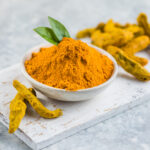 (NaturalHealth365) On the website of the Centers for Disease Control and Prevention (CDC), 2019 is the latest year for which cancer incidence data are available. That same year, 599,589 people died of cancer. However, a natural compound shows strong promise against even the deadliest forms of cancer. It’s called curcumin, and it could be a major breakthrough in cancer prevention and treatment.
The National Cancer Institute has tested over 1,000 compounds, and just 40 of them showed any promise. Curcumin was a leader in this group.
Nature’s powerful medicine, curcumin, derived from turmeric
Curcumin is found in high amounts in the spice turmeric. It can be extracted and concentrated, and numerous studies have shown it to have cancer-protective benefits.
In fact, there have now been hundreds of curcumin studies confirming its efficacy against cancer. These studies have looked at three main areas: using it to treat current cancers, reducing the side effects of radiation and chemotherapy, and curcumin for cancer prevention.
Curcumin shown to be effective against a range of cancers
Curcumin has been found to be particularly helpful against gastrointestinal cancers due to its slow absorption rate. This means higher levels of curcumin stay within the intestinal tract longer, allowing for more healing effects.
Colorectal cancer patients receiving 1,080 mg of curcumin per day between biopsy and surgery (10 to 30 days) showed increased dying tumor cells, lowered inflammation, improved body weight, and higher gene expression indicating cancer suppression. Another colorectal cancer study series showed all of these benefits plus reduced DNA damage and improved protective intracellular scavenging of free radicals.
Curcumin has also shown tremendous promise in addressing pancreatic cancer, one of the most lethal types. Patients given 8,000 mg of curcumin per day showed favorable changes to cancer progression markers. One person showed a reduction in tumor size by 73 percent. Another remained stable for 18 months on curcumin; these results are usually unheard of with pancreatic cancer.
Curcumin disrupts development of cancer cells without unwanted side effects
Other studies have shown curcumin’s anticancer properties against breast, prostate, ovarian, and other cancers. Curcumin was tested at amounts up to 12,000 mg per day. Curcumin has few if any, side effects and has also helped patients who do not respond to chemotherapy.
The development of cancer involves numerous phases, and all of them cause the disruption of normal cellular processes. Curcumin seems to impact all of these phases of cancer development, making it a powerful tool to ward off cancer.
In addition, curcumin slows the proliferation of cancer cells, reduces oxidative stress, supports the immune system, and blocks carcinogens from forming. It also helps to switch on apoptosis signaling, or programmed cell death, to eliminate cancer cells.
A time-tested, natural way to protect against cancer
Curcumin and turmeric have been used as natural medicines since ancient times in many cultures. These substances are highly regarded for their healing properties, and now science is proving their efficacy. Curcumin can be used on its own or combined with other therapies with impressive results for cancer treatment and prevention.
Keep in mind that concentrated doses of curcumin are required for best results in cancer treatment. Anyone with a family history of cancer should strongly consider curcumin supplementation to help with prevention. Naturally, when dealing with a cancer diagnosis, it’s best to work with a trusted integrative healthcare professional.
To learn more about how to stop cancer naturally, own the Stop Cancer Docu-Class, created by Jonathan Landsman and featuring many of the best integrative cancer specialists in the world.
Sources for this article include: