Liver
now browsing by category
The Many Benefits of CoQ10 and Ubiquinol
Reproduced from original article:
https://articles.mercola.com/sites/articles/archive/2023/08/10/many-benefits-of-coq10-and-ubiquinol.aspx
The original Mercola article may not remain on the original site, but I will endeavor to keep it on this site as long as I deem it to be appropriate.
Analysis by Dr. Joseph Mercola Fact Checked August 10, 2023

STORY AT-A-GLANCE
- CoQ10 is a powerful, fat-soluble antioxidant that also has anti-inflammatory effects and plays a role in energy production
- It’s found throughout your body in cell membranes, but it’s most abundant in your heart, lungs, liver, kidneys, spleen, pancreas and adrenal glands
- CoQ10 offers significant benefits for heart health, kidney function, liver disease, migraines and more
- Your production of CoQ10 peaks around the age of 25, then begins to decline; by the age of 65, your body typically produces only about half the amount it did at 25
- Many people, including older adults, those with certain chronic diseases and people taking statin drugs, benefit from ubiquinol supplementation; ubiquinol is the reduced version of CoQ10 that’s more easily absorbed
Coenzyme Q10 or simply CoQ10, (ubiquinone) is a fat-soluble molecule that is found in all cells of your body. It plays a crucial role in the electron transport chain, which is a series of reactions that occur in the mitochondria to generate energy in the form of ATP.1
In addition to its role in energy production, CoQ10 also has antioxidant properties. It can neutralize harmful free radicals and protect cells from oxidative damage. This is particularly important in mitochondria, as the electron transport chain can sometimes leak electrons, leading to the formation of free radicals. CoQ10 helps prevent this leakage and reduces the risk of oxidative stress.
It is worth noting that the quality and composition of CoQ10 supplements can vary. Some commercially available CoQ10 products may be dissolved in vegetable oil, which can affect the interaction between it and other molecules. This may have implications for its respiratory function and potential toxicity for mitochondria.
“CoQ10 is essential for the health of virtually all human tissues and organs,” a review in the Journal of Pharmacy & BioAllied Sciences notes.2 While it’s found throughout the body in cell membranes, it’s most abundant in your heart, lungs, liver, kidneys, spleen, pancreas and adrenal glands.3
As the third most consumed dietary supplement,4 CoQ10’s reputation for health and wellness has gotten around, but its clinical relevance is still very much underappreciated. And the same holds true for ubiquinol — the reduced, electron-rich form of CoQ10 that your body produces naturally.
How CoQ10 Benefits Your Health
CoQ10 protects cellular membranes from oxidative stress induced by free radicals. It also has anti-inflammatory properties. Supplementing with 60 milligrams (mg) to 500 mg of CoQ10 for eight to 12 weeks can significantly reduce tumor necrosis factor alpha (TNF-α), IL-6 and C-reactive protein (CRP);5,6 three measures of widespread inflammation, impacting a number of chronic diseases. CoQ10 also plays a role in a number of other important functions, including:7
| Cholesterol metabolism | Regeneration of vitamins C and E |
| Maintaining lysosomal pH | Sulfur metabolism |
| Amino acid metabolism | Gene expression |
Heart health, however, is CoQ10’s claim to fame. Many conditions, including heart disease, appear to be rooted in mitochondrial dysfunction.8 Cardiac muscle cells have about 5,000 mitochondria per cell,9 where CoQ10 concentrates. For further comparison, mitochondria make up about 35% of the volume of cardiac tissue and only 3% to 8% of the volume of skeletal muscle tissue.10
Further, scavenging of reactive oxygen species (ROS) and a reduction in oxidative stress are an essential part of keeping the heart functioning normally,11 including helping to ward off atrial fibrillation.12
Atrial fibrillation is an abnormal, often rapid, heart rhythm that occurs when the atria, your heart’s upper chambers, beat out of sync with the ventricles, the heart’s lower chambers. It’s a common symptom in those with heart failure or heart disease.
In one study, 102 patients with atrial fibrillation were divided into two groups. One group was given a CoQ10 supplement while the other group was given a placebo. After 12 months of supplementation, 12 people in the placebo group had atrial fibrillation episodes compared to only three people in the CoQ10 group.13 Levels of malondialdehyde, a known biomarker of oxidative stress, also went down significantly in the CoQ10 group.
A systematic review and meta-analysis of cardiovascular risk factors spanning 884 randomized controlled trials with 883,627 participants also found CoQ10 decreased all-cause mortality events.14 Meanwhile, CoQ10 influences several other aspects of heart health, including:
- High blood pressure — CoQ10 acts directly on your endothelium, dilating your blood vessels and lowering blood pressure.15,16 CoQ10 also decreases aldosterone, a hormone that makes you retain salt and water.17,18 When aldosterone goes down, excess salt and water are excreted through your kidneys, often causing your blood pressure to go down.
- Stroke — Systemic inflammation, oxidative stress and nerve cell damage play a role in the development of stroke. Research suggests supplementing with CoQ10 can reduce ischemic lesions and improve outcomes in patients who have been treated with a statin drug after having a stroke (statins reduce CoQ10 levels in your body).19
CoQ10 Benefits Migraines, Kidney Function, NAFLD and More
If you suffer from migraine headaches, you may be interested to know that CoQ10 may play a preventative role in the condition. A meta-analysis of five studies found CoQ10 was more effective than placebo in reducing the number of migraine days per month, along with migraine duration.20
CoQ10 is also protective of the kidneys and may be useful in cases of acute kidney injury due to drugs like nonsteroidal anti-inflammatories, sepsis and other causes. The protective benefits are likely due to CoQ10’s “anti-inflammatory effects, gene expression regulation, enhancement of the activity of antioxidant enzymes, free-radical scavenging, and lipid bilayer membrane stabilization.”21
Its ability to reduce oxidative stress makes CoQ10 useful for age-related diseases as well, with some studies suggesting it can increase lifespan in animal models.22 Benefits have also been found for improving fertility in older women and reducing fertility decline in men.23 It may also stop the progression of nonalcoholic fatty liver disease (NAFLD).
In one study, 44 patients were divided into two groups. One group was given 100 mg of CoQ10 each day, while the other was given a placebo. After four weeks of supplementation, the group taking CoQ10 dropped weight and had lower levels of serum AST, a blood marker that indicates liver disease and/or damage.24

Download this Article Before it Disappears
CoQ10 Levels Decrease With Age
Your body can naturally make CoQ10, but genetic alterations in metabolism, poor diet, oxidative stress, chronic conditions and aging can all interfere with CoQ10 production and lead to CoQ10 deficiency.
While the optimal daily requirement for CoQ10 isn’t known, it’s been estimated at 500 mg per day. Since only an estimated 5 mg comes from dietary sources, most of this is dependent on being synthesized within your body. Your production of CoQ10 peaks around the age of 25, however, then begins to decline. By the age of 65, your body typically produces only about half the amount it did at 25.25
A CoQ10 deficiency can result, which causes a number of deleterious effects, not the least of which is impaired antioxidant defense against oxidative stress caused by free radicals. According to researchers with Liverpool John Moores University in the U.K.:26
“Primary CoQ10 deficiency can affect any part of the body, but particularly the brain, muscle and kidney tissues, as a consequence of their high energy demands. The severity and time frame of symptoms are variable; severe symptoms may be evident in infancy, whereas mild symptoms may not become apparent until the individual is in their 60s.”
In the brain, CoQ10 deficiency can lead to impaired balance and coordination known as ataxia, along with other neurological symptoms. In the kidneys, lack of CoQ10 may cause dysfunction, while in the heart, a weakened heart muscle, similar to hypertrophic cardiomyopathy, can occur.27 Further, the U.K. team explained:28
“Secondary deficiencies of CoQ10 typically occur in the mitochondrial myopathies, cardiovascular disease, type II diabetes, chronic kidney disease, liver disease and critical illness. Depletion of CoQ10 in these disorders may compromise cellular antioxidant status and result in impaired mitochondrial function and cellular energy supply, resulting in, for example, heart failure.”
If you take statin cholesterol-lowering drugs, be aware that they block HMG coenzyme A reductase in your liver, which is how they reduce cholesterol. But this is also the same enzyme that makes CoQ10, making its depletion likely.
Statin-induced CoQ10 deficiency may be responsible for the myopathic — or relating to muscle control — side effects often attributed to these drugs. Interestingly, LDL cholesterol is the major carrier of CoQ10 in your circulation, so it’s also been suggested that the decrease in CoQ10 among statin users is related to the decrease in LDL.29
The Difference Between CoQ10 and Ubiquinol
Ubiquinol is the reduced version of CoQ10, also known as ubiquinone. They’re the same molecule, but when CoQ10 is reduced it takes on two electrons, which turns it into ubiquinol. In your body, this conversion occurs thousands of times every second inside your mitochondria.
The flipping back and forth between these two molecular forms is part of the redox (oxidation/reduction) process that transforms food into energy. Young people are able to use CoQ10 supplements quite well, but older people do better with ubiquinol, as it’s more readily absorbed. You can get some CoQ10 from food as well. Food sources include wild-caught salmon, mackerel, sardines, eggs and organ meats.30
You may also be able to improve your body’s conversion of CoQ10 to ubiquinol by eating lots of green leafy vegetables, which are loaded with chlorophyll, in combination with sun exposure.31,32
CoQ10 and Ubiquinol Dosing
Before we get to the dosing, if you plan on supplementing with CoQ10 you must be absolutely certain the supplement does not contain any vegetable oil in it, as the unsaturated fat will damage the CoQ10 and it will not work optimally.
Most of your CoQ10 requirements are met by making your own. But if your body’s production has declined with age or due to other reasons, like statin drugs, supplementation may be beneficial. Dosing requirements vary depending on your individual situation and needs.
If you’re just starting out with ubiquinol, start with 200 mg to 300 mg per day. Within three weeks, your plasma level will typically plateau to its optimum level. After that, you can go down to a 100 mg per day maintenance dose. This dose is typically sufficient for healthy people. If you have an active lifestyle, exercise a lot or are under a lot of stress, you may want to increase your dose to 200 to 300 mg per day.
If you’re taking a statin drug you must also take at least 100 to 200 mg of ubiquinol or CoQ10 per day, or more. Supplementation is also appropriate for those with chronic diseases such as heart disease, diabetes, amyotrophic lateral sclerosis (ALS), chronic fatigue and autism. Ideally, split the dose up so you’re taking it two or three times a day, rather than taking it all at once, as this will result in higher blood levels.
To find out the best dose for your needs, you’ll want to work with your integrative physician. Remember, too, that CoQ10 is a fat-soluble antioxidant, so consume it along with a healthy source of fat for optimal absorption.
- 1, 30 Cleveland Clinic, What Is CoQ10 March 28, 2022
- 2, 3 J Pharm Bioallied Sci. 2011 Jul-Sep; 3(3): 466–467
- 4 Compr Rev Food Sci Food Saf. 2020 Mar;19(2):574-594. doi: 10.1111/1541-4337.12539. Epub 2020 Feb 19
- 5 Pharmacol Res. 2017;119:128-136
- 6 Pharmacol Res. 2019;148:104290
- 7 Int J Mol Sci. 2020 Sep; 21(18): 6695., Intro
- 8 Integr Med (Encinitas). 2014;13(4):35-43
- 9 PeerJ. 2018;6:e4790
- 10 Am J Physiol Heart Circ Physiol. 2014;307(3):H346-52
- 11 Antioxidants (Basel). 2020;9(4)
- 12, 13 J Investig Med. 2015;63(5):735-9
- 14 Journal of the American College of Cardiology December 13, 2022, Volume 80, Issue 24, Pages 2269-2285
- 15 Molecular Aspects of Medicine. 1994;15(1):s257-s263
- 16 Circ Res. 1989;65(1):1-21
- 17 Am J Physiol. 1965;208:1275-80
- 18 Molecular Aspects of Medicine. 1994;15(1):s265-s272
- 19 Nutr Neurosci. 2019;22(4):264-272
- 20 Acta Neurol Scand. 2019 Mar;139(3):284-293. doi: 10.1111/ane.13051. Epub 2018 Dec 3
- 21 Cell Mol Biol Lett. 2022; 27: 57
- 22 Nutrients. 2019 Sep; 11(9): 2221., Conclusions
- 23 Nutrients. 2019 Sep; 11(9): 2221., Section 3.3
- 24 Arch Med Res. 2014;45(7):589-95
- 25 Int J Mol Sci. 2020 Sep; 21(18): 6695
- 26, 27, 28, 29 Int J Mol Sci. 2020 Sep; 21(18): 6695., 3. Clinical Consequences of CoQ10 Deficiency
- 31 Photochem Photobiol. 2013 Mar-Apr;89(2):310-3. doi: 10.1111/j.1751-1097.2012.01230.x. Epub 2012 Sep 26
- 32 NutritionFacts.org April 4, 2016
Nourish your liver: Essential foods and herbs to safeguard against disease
Reproduced from original article:
https://www.naturalhealth365.com/nourish-your-liver-essential-foods-and-herbs-to-safeguard-against-disease.html
by: Dena Schmidt, staff writer August 7, 2023
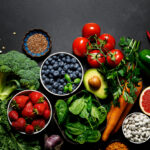 (NaturalHealth365) Liver disease has developed into a silent epidemic, responsible for a staggering two million deaths annually and accounting for 4% of all deaths worldwide. Shockingly, this means that one out of every 25 deaths is attributed to liver-related complications. Among those affected, men bear the brunt, constituting two-thirds of all liver-related fatalities.
The leading causes of liver-related deaths are complications of cirrhosis and hepatocellular carcinoma, with acute hepatitis contributing to a smaller proportion. The culprits behind most cases of cirrhosis worldwide include viral hepatitis, alcohol, and nonalcoholic fatty liver disease. Poor lifestyle choices can serve as triggers for liver disease, leading to a host of signs and symptoms that signal compromised liver health.
Learn the warning signs and stages of liver disease
Liver disease manifests through various signs and symptoms, acting as warning signals for potential health issues. Dark-colored urine, itchy skin, yellow skin and eyes, flu-like symptoms, and tenderness on the upper right side of the abdomen are among the common indicators of liver health problems.
One critical stage of liver health decline is liver fibrosis, often encountered as the third stage of alcoholic liver disease or due to hepatitis C. If left unaddressed, it can progress to more severe conditions, including cirrhosis and other complications. Liver fibrosis is characterized by the development of fibrous tissue, cysts, nodules, and scars within the liver. These coarse tissues impede proper circulation and gradually lead to a loss of liver function. Understanding the progression of liver disease is essential in promoting timely intervention and improved outcomes for those at risk.
Avoiding processed foods, sugar, unhealthy fats, and alcohol crucial to liver health
A key aspect of supporting liver health involves adopting a liver-friendly diet that avoids high-fat, high-sugar, and processed foods known to contribute to inflammation. Previous research has highlighted the crucial link between diet and liver well-being, emphasizing the significance of making wholesome and nutrient-rich choices to maintain optimal liver function.
Let’s delve into the top foods and herbs that provide exceptional support for this vital organ.
Why dark leafy greens matter
When it comes to promoting overall health, few foods can rival the nutritional powerhouse found in organic spinach, kale, chard, and collard greens. Beyond their general health benefits, these dark leafy greens shine as exceptional supporters of liver health. Packed with an array of healthy flavonoids, antioxidants, carotenoids, and vitamin C, they play a pivotal role in maintaining the well-being of this vital organ.
Eat your organic broccoli
Cruciferous vegetables go above and beyond in shielding the liver from potential issues like fatty liver disease. Their remarkable properties include blocking fat uptake and boosting lipid output, offering a protective effect that can make a significant difference in maintaining liver health.
The value of blueberries
Among the wide array of fruits and berries celebrated for their health benefits, organic blueberries stand out as a nutritional powerhouse. These tiny fruits pack a punch when it comes to flavonoids and anthocyanins, boasting the highest levels of these compounds.
Don’t forget about organic garlic
Garlic, a culinary treasure, brings a plethora of health properties to the table. Its impressive profile includes antibacterial, antioxidant, antiviral, and anti-fungal benefits. Moreover, garlic shines as an inflammation-reducing champion, providing a significant boost to the immune system.
The sweetness of pineapple
This delicious (organic) tropical fruit is packed with anti-inflammatory digestive enzymes and plays a vital role in easing the burden on the liver while aiding in the efficient metabolism of foods. A true nutritional powerhouse, it is enriched with vitamins C, B1, magnesium, and potassium, all working together to combat inflammation.
Turmeric is a winner
Abundantly used in Indian cuisine, this spice holds a wealth of health benefits. Brimming with curcuminoids, these powerful compounds are known for their anti-inflammatory properties, making them an invaluable aid in supporting the liver, kidneys, and bile production. By promoting effective digestion, this organic spice lends its golden touch to enhance your health.
Rejuvenate yourself with organic green tea
Rich in antioxidants, this remarkable beverage works its magic by reducing fat accumulation, making it a powerful ally in supporting liver health. Make green tea a regular part of your daily routine and experience its rejuvenating effects.
No doubt, your liver is an “unsung hero,” tirelessly working to keep you healthy. Are you giving it the care it deserves?
Embrace a healthy lifestyle, and add specific foods and herbs to your diet to further boost your liver’s well-being. These dietary additions can reduce inflammation, support liver health, and minimize the risk of liver disease, ensuring your liver remains in top-notch shape.
Sources for this article include:
‘Crapsules’ — The Latest Feces Transplant Pill
Reproduced from original article:
https://articles.mercola.com/sites/articles/archive/2023/08/04/crapsules.aspx
The original Mercola article may not remain on the original site, but I will endeavor to keep it on this site as long as I deem it to be appropriate.
Analysis by Dr. Joseph Mercola Fact Checked August 04, 2023
STORY AT-A-GLANCE
- “Crapsules,” which contain freeze-dried feces from healthy donors, could offer hope for people with liver disease, particularly cirrhosis
- A study funded by the National Institute for Health and Care Research UK will include about 300 people with advanced liver disease who will take either a crapsule or placebo pill every three months for two years
- The researchers hope that adding in “good” bacteria from healthy feces will not only boost gut health in the patients but also lower the risk of infection
- Fecal microbiota transplant (FMT) may also be useful for constipation, inflammatory bowel diseases, obesity and Type 2 diabetes
- Liver conditions influenced by imbalanced gut microbiota, including acute liver injury, viral hepatitis, cirrhosis, autoimmune liver disease, alcoholic liver disease and nonalcoholic fatty liver disease (NAFLD), may also benefit from FMT due to the gut-liver axis
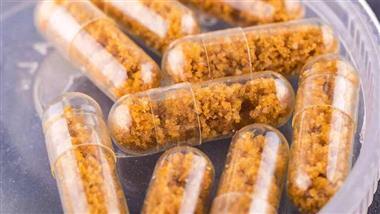
“Crapsules,” which contain freeze-dried feces from healthy donors, could offer hope for people with liver disease, particularly cirrhosis — severe scarring of the liver. People with cirrhosis are at increased risk of serious infections, including bacterial infections caused by multidrug-resistant pathogens.1
“If we can boost liver patients’ own immunity to reduce infections by modifying the microbiome, we can reduce the need for the prescription of antibiotics,” explained Lindsey Edwards of King’s College London. “There is an urgent and unmet need to tackle infection and antimicrobial resistance in chronic liver disease,” she added.2
Edwards is leading a study to determine if crapsules, formally known as fecal microbiota transplant (FMT), could make a difference. It’s just one of many potential uses for the increasingly popular treatment.
Can Freeze-Dried Poop Help Liver Disease?
The study, which is funded by the National Institute for Health and Care Research UK, will include about 300 people with advanced liver disease who will take either a crapsule or placebo pill every three months for two years.3 Those with liver damage tend to have more “bad” bacteria in the gut, increasing their infection risk.
The researchers hope that adding in “good” bacteria from healthy feces will not only boost gut health in the patients but also lower the risk of infection. “The ‘crapsules,’ which have none of the taste or smell as the name suggests, may offer new hope for patients with cirrhosis who are out of treatment options,” said Debbie Shawcross, the study’s chief investigator.4
It’s not the first time improving gut health via fecal transplants has been considered to treat liver conditions. In 2021, a team of Chinese researchers wrote in Seminars in Liver Disease:5
“The human gut harbors a dense and highly diverse microbiota of approximately 1,000 bacterial species. The interaction between the host and gut bacteria strongly influences human health.
Numerous evidence suggest that intestinal flora imbalance is closely associated with the development and treatment of liver diseases, including acute liver injury and chronic liver diseases (cirrhosis, autoimmune liver disease, and fatty liver). Therefore, regulating the gut microbiota is expected to be a new method for the adjuvant treatment of liver diseases.”
Fecal Transplants Have Ancient Roots, Widespread Uses
Evidence of fecal transplant exists from ancient times dating back 1,700 years to the Eastern Jin Dynasty in China.6 It’s said that ingesting fecal material was used as a treatment for diarrhea.7
FMT, defined as “the transplantation of gut microbiota from healthy donors to sick patients via the upper or lower gastrointestinal route to restore the normal intestinal balance,”8 may be useful for constipation, inflammatory bowel diseases, obesity and Type 2 diabetes.9
Liver conditions influenced by imbalanced gut microbiota, including acute liver injury, viral hepatitis, cirrhosis, autoimmune liver disease, alcoholic liver disease and nonalcoholic fatty liver disease (NAFLD), may also benefit from FMT.10 Many aren’t aware that there’s a gut-liver axis, which runs bidirectionally.11
As such, “Liver diseases may lead to an imbalance in the gut microbiota, and this imbalance may aggravate the progression of liver diseases, which they mutually promote and affect,” the Seminars in Liver Disease team explained.12
Disruption of gut microbiota, for instance, has been linked to NAFLD. Artificial sweeteners may also have a role to play in this condition. NAFLD is the most common chronic liver disease in developed countries,13 characterized by a buildup of excess fat in your liver that is not related to heavy alcohol use.
Artificial sweeteners’ ability to cause gut dysbiosis may be another culprit,14 which again signals why FMT may be useful. A number of studies show favorable results for FMT in a range of diseases. Among them:15
- FMT increased intestinal flora diversity and improved cognitive dysfunction in hepatic encephalopathy (HE); case reports also show “dramatic clinical improvements, both subjectively and objectively,” following FMT
- FMT restored disruptions due to antibiotics and improved microbial diversity and function in patients with liver cirrhosis
- FMT led to a significant decline in hepatitis B titer (HBeAg) in patients with hepatitis B
- In a case study of a patient with severe alcoholic hepatitis who was not responding to steroids, FMT led to improvements in general condition on day five of the treatment
- Among 12 patients with Clostridium difficile (C. diff) infection (CDI), FMT led to a cure rate of 89%
Increasing research suggests fecal transplants could be a safe, cost-effective treatment for liver disease and other conditions. As the Seminars in Liver Disease researchers noted:16
“Compared with previous conventional methods (probiotics), FMT is the most direct way to change the composition of gut microbiota. Both basic science research and clinical studies have proven that FMT can effectively improve the state of the gut microbiota under the conditions of acute and chronic liver diseases, rebuild the intestinal microbiome balance, and accelerate disease recovery.”
Download this Article Before it Disappears
‘Poop Pills’ Offer Life-Saving Option for C. Diff
In World War II, the stools of camels were used to treat bacterial dysentery in German soldiers. In 1958, the treatment was described in a report for a patient with antibiotic-associated diarrhea. But it was not until 1978 that its value was recognized in the treatment of C. diff.17
C. diff can trigger a life-threatening condition in those who have been on antibiotics or have a compromised immune system. According to the CDC, there are nearly 500,000 C. diff infections each year, and among those who’ve had it, 1 in 6 will get it again in the next two to eight weeks.18 The condition causes excessive diarrhea, which can lead to severe dehydration, sepsis and death.
The U.K.’s National Institute for Health and Care Excellence recommends fecal microbiota transplant for recurrent C. diff infections in adults who have had two or more previous episodes, stating, “Current evidence on the efficacy and safety of fecal microbiota transplant for recurrent Clostridium difficile infection is adequate to support the use of this procedure provided that normal arrangements are in place for clinical governance, consent and audit.”19
While antibiotics are often the first-line treatment for C. diff, these drugs cause further imbalances to gut microbiota, which can challenge recovery efforts. In fact, it’s exposure to antibiotics that often causes C. diff in the first place.20
On the other hand, FMT is typically successful in treating C. diff in 80% to 90% of patients, with favorable changes seen to gut microbiota.21 According to a review in Gut Microbes, while pre-FMT those with CDI have imbalances in their gut microbiota, this is often remedied by the fecal transplant:22
“The gut microbiota in post-FMT samples resembles that of a healthy person: species from the Bacteroidaceae, Clostridiaceae, Eubacteriaceae, Lachnospiraceae, Prevotellaceae, and Ruminococcaceae families are restored, while species from the Proteobacteria phylum are diminished.”
Crapsules Offer Less Invasive Method
In the past, colonoscopies have been the most successful way of introducing fecal matter into patients, but a poop pill-popping protocol may be less invasive while still offering a life-saving option. In a trial at the University of Alberta, researchers compared the administration of fecal matter using a capsule or colonoscopy.23
All participants in the study had suffered a minimum of three bouts of C. diff. Both groups showed prevention of recurrent infection in 96.2% of the participants.24 While the colonoscopy was invasive, the patients chosen to swallow pills had to down 40 capsules in one sitting.25
Still, using poop pills is noninvasive, less expensive, free of risks associated with sedation and may be done in the doctor’s office. It is not, however, a treatment method you should experiment with at home. Even under investigational conditions, mistakes can be made.
In June 2019, the U.S. Food and Drug Administration released a statement that two immunocompromised adults had received a transplant that unwittingly transmitted a multidrug-resistant organism.26 One of the patients died, which is why proper screening of donors is so important. In August 2022, the FDA warned that monkeypox virus could be transmitted via FMT and recommended additional donor screening questions.27
However, in April 2023, the FDA approved the first “crapsule,” an oral fecal microbiota product called Vowst, which is approved for prevention of CDI recurrence in adults.28 In November 2022, FDA also approved live-jslm (brand name Rebyota), a fecal microbiota product that’s given rectally.29 Both of these microbiota-based drugs are known as live biotherapeutic products, or LBPs. According to the Gut Microbes review:30
“LBPs do not exert antimicrobial activity against C. difficile and thus do not expedite time to or increase overall rates of initial clinical cure. Instead, they are intended to restore a healthy balance of microbiota, thereby decreasing the likelihood of recurrence.”
More Ways to Improve Your Gut Health
FMT and other forms of fecal therapeutics show promise for boosting gut health in cases of liver disease, C. diff and other health conditions. However, prevention remains the best strategy, which is why regularly supporting gut health via a healthy lifestyle is so important. There are many ways to do this, including the following, which will help nourish and protect your microbiome:
| Do | Avoid |
|---|---|
| Eat plenty of fermented foods — Healthy choices include lassi, fermented grass fed kefir, natto (fermented soy) and fermented vegetables. | Antibiotics, unless absolutely necessary. If you do use them, make sure to reseed your gut with fermented foods and/or a high-quality probiotic supplement. |
| Take a probiotic supplement — If you don’t eat fermented foods on a regular basis, a probiotic supplement can be useful. | Conventionally raised meats and other animal products, as CAFO animals are routinely fed low-dose antibiotics. |
| Boost your soluble and insoluble fiber intake, focusing on vegetables and seeds, including sprouted seeds. | Chlorinated and/or fluoridated water — This includes during bathing or showering. |
| Get your hands dirty in the garden — Exposure to bacteria and viruses in soil can help strengthen your immune system and provide long-lasting immunity against disease. | Processed foods — Excessive sugars, along with otherwise “dead” nutrients, feed pathogenic bacteria.
Food emulsifiers such as polysorbate 80, lecithin, carrageenan, polyglycerols and xanthan gum may have an adverse effect on your gut flora. |
| Open your windows — Research shows opening a window and increasing natural airflow can improve the diversity and health of the microbes in your home, which in turn benefit you.31 | Agricultural chemicals, glyphosate (Roundup) in particular is a known antibiotic and could potentially kill many of your beneficial gut microbes if you eat foods contaminated with it. |
| Wash your dishes by hand instead of in the dishwasher — Washing your dishes by hand leaves more bacteria on the dishes than dishwashers do.
Eating off these less-than-sterile dishes may decrease your risk of allergies by stimulating your immune system.32 |
Antibacterial soap, as it kills off both good and bad bacteria and contributes to the development of antibiotic resistance. |
- 1 Curr Treat Options Gastroenterol. 2019; 17(2): 254–270
- 2, 4 Yahoo News June 22, 2023
- 3 Yahoo June 23, 2023
- 5, 6, 8, 16 Semin Liver Dis. 2021 Nov; 41(4): 495–506
- 7 Semin Liver Dis. 2021 Nov; 41(4): 495–506., Origin of Fecal Microbiota Transplantation
- 9, 10 Semin Liver Dis. 2021 Nov; 41(4): 495–506., Intro
- 11, 12 Semin Liver Dis. 2021 Nov; 41(4): 495–506., Connection between Gut Microbiota and Liver Diseases
- 13 Clin Gastroenterol Hepatol. 2019 Apr 4
- 14 EXCLI J. 2020; 19: 620–626
- 15 Semin Liver Dis. 2021 Nov; 41(4): 495–506., Table 1
- 17 News Medical Life Sciences, History of Fecal Transplant
- 18 U.S. CDC, What is C. diff?
- 19 National Institute for Health and Care Excellence, Fecal microbiota transplant for recurrent Clostridium […], Guidance, 1 Recommendations
- 20 Gut Microbes. 2023; 15(1): 2223345
- 21, 22, 30 Gut Microbes. 2023; 15(1): 2223345., Fecal Microbiota Transplantation (FMT)
- 23, 24, 25 JAMA, 2017; 318 (20) DOI: 10.1001/jama.2017.17077
- 26 Food and Drug Administration, June 13, 2019
- 27 U.S. FDA August 22, 2022
- 28 U.S. FDA April 26, 2023
- 29 U.S. FDA December 19, 2022
- 31 ISME Journal 2012 Aug;6(8):1469-79
- 32 Pediatrics February 23, 2015
Is This a Natural Option for Harmful ‘Skinny’ Injections?
Reproduced from original article:
https://articles.mercola.com/sites/articles/archive/2023/07/06/berberine-natural-option-ozempic.aspx
The original Mercola article may not remain on the original site, but I will endeavor to keep it on this site as long as I deem it to be appropriate.
Analysis by Dr. Joseph Mercola Fact Checked July 06, 2023

STORY AT-A-GLANCE
- Some are calling berberine “nature’s Ozempic,” a once-weekly injectable diabetes medication that has grown in popularity as a weight loss product. Semaglutide is marketed as Ozempic for diabetes and in higher doses as Wegovy for weight loss
- Data show adverse side effects include anxiety, confusion, depression, nightmares, seizures and slurred speech. The tablet form has a boxed warning as it’s known to increase the risk of thyroid growths and data show that after withdrawal of the drug, most people regain at least two-thirds of their weight loss
- Berberine works by helping to regulate blood sugar and to improve insulin sensitivity and gut microbiome diversity that may contribute to weight loss. Data show berberine has a positive effect on lipid profile, fasting blood glucose, obesity parameters and systolic blood pressure
- Berberine helps prevent diarrhea, lowers the risk of leaky gut, nourishes beneficial microbes and improves symptoms of fatty liver disease. Other beneficial effects include easing symptoms of anxiety and depression, improving symptoms of PTSD in an animal model and easing symptoms of opioid withdrawal
Berberine is a naturally occurring compound found in certain plants, which some are calling “nature’s Ozempic.”1 It is a once-weekly injectable diabetes medication that has grown in popularity as a weight loss product. However, as popularity has grown, so have shortages.2 In response, some are posting information about alternatives, such as other diabetic drugs, generic Ozempic (semaglutide) made at compounding pharmacies or berberine.
Prescriptions for semaglutide have doubled since mid-2021, rising to more than 1.2 million. In April 2023, a spokesperson for Novo Nordisk, maker of semaglutide, said the drugs are now available in pharmacies nationwide. Semaglutide is sold under the name Ozempic as a diabetes drug and under the name Wegovy as a weight loss prescription drug.
Berberine has received a lot of media attention as it gains momentum on social media as a weight loss supplement. Berberine is a compound that’s extracted from goldenseal, barberry, Oregon grape and tree turmeric. It has traditionally been used in Ayurvedic medicine and traditional Chinese medicine3 for nearly 2,000 years.4
Recent research has analyzed the effect berberine may have on hypertension and insulin resistance. The yellow-colored alkaloid has antibacterial, anti-inflammatory, antiproliferative, antidiarrheal, antineoplastic, antidiabetic and immune-enhancing properties.5
However, the property that appears to have piqued people’s interest is the weight loss potential. While the news media does offer some information about berberine in relation to Ozempic and Wegovy, the vast majority of the information cautions readers.6
The list of potential issues includes that supplements are not reviewed or approved by the FDA, may not be safe for consumption and that people who experience weight loss with berberine should stop immediately and consult with their physician as it suggests the supplement may have been adulterated.
Berberine Helps Regulate Blood Sugar and Aids Gut Microbiome
Research data shows that berberine helps to regulate blood sugar and may help with weight loss. A 2022 systematic review of the literature7 evaluated randomized controlled trials of adults who were given berberine supplementation. The pooled results demonstrated that berberine did reduce insulin levels and the optimal dose given in these studies was 1 gram per day.
The researchers concluded that supplementing with berberine had a positive effect on lipid profile, fasting blood glucose, obesity parameters and systolic blood pressure. One objection to berberine as a potential assistant to weight loss is that it may help insulin resistance, but evidence that it helps with weight loss is “patchy and preliminary.”8
Yet, insulin resistance and weight loss are strongly associated, and the evidence suggests it may be bidirectional. Research9 has shown that insulin sensitivity improves after an individual loses weight and integrates an exercise program into their daily activities. However, the study also showed that exercise training was not enough to prevent insulin resistance and weight loss was required to improve sensitivity.
Other studies10 have also demonstrated a strong association between insulin resistance and weight gain. A 2020 study11 also showed that how sensitive a person’s brain is to insulin may determine weight loss, weight gain and where in the body the weight is lost or gained.
When a person’s brain is sensitive to insulin, they can lose a significant amount of weight, including visceral fat, and the weight loss can be maintained.12 The same study showed that when a person’s brain is insulin resistant, they often regain weight quickly and in the long term, their visceral fat also increases.
In other words, if you are insulin resistant, you can improve insulin sensitivity through weight loss, but weight loss is more difficult when you are insulin resistant.
The data from the systematic review in 202213 showed that berberine could help improve insulin sensitivity and may therefore influence weight loss. According to Dr. Yufang Lin,14 integrative medicine specialist at Cleveland Clinic, the antimicrobial properties in berberine may help improve your gut microbiome and your gut microbiome plays a strong role in your ability to lose weight and maintain that weight loss.15,16
In a 2022 paper17 in Frontiers in Cellular and Infection Microbiology, the researchers wrote that “Studies have shown that BBR [berberine] can alleviate the pathological conditions of metabolic disorders, and the mechanism is related to the regulation of gut microbiota … meanwhile, the structure and function of gut microbiota also changed after intervention by berberine.”
Berberine supports a healthy gastrointestinal tract in several different ways, which can also have a beneficial impact on your mood and mental health. Studies have shown that berberine helps:
- Prevent diarrhea by delaying the amount of time it takes for food to pass through your small intestine18
- Lower your risk of leaky gut19
- Preferentially nourish microbes that produce beneficial short-chain fatty acids, known to have many health benefits20
- Improve symptoms of fatty liver disease by normalizing the gut microbiome21
Semaglutide: Long-Term Results and Adverse Effects
Ozempic and Wegovy are both semaglutide, but Wegovy, which is approved for weight management, is a higher dose. The drug is a GLP-1 agonist that is available as a prefilled pen injector used once weekly. It stimulates the pancreas to release insulin, slows the gastrointestinal tract so you feel full longer and may directly affect appetite control in your brain.22
It can take a few months to reach your personalized target dose to manage the side effects of the drug.23 During this time there can be some weight loss but for most people weight loss begins after several weeks. During clinical trials, people who took a 0.5 mg dose lost 3.73 kilograms (8.2 pounds) over 30 weeks. If a higher a dose is required it must be increased slowly in four-week intervals.
In another study24 published in the New England Journal of Medicine, researchers administered 2.4 mg of semaglutide in a double-blind trial involving 1,961 adults with a body mass index of 30 or greater. The change in body weight from baseline at 68 weeks was a loss of 14.9% in the treatment group and 2.4% body weight loss in the placebo group.
In another study25 published in Nature Medicine, a cohort of adults with obesity or overweight and one related comorbidity, were administered 2.4 mg of semaglutide subcutaneously for 104 weeks. In that time, the intervention group lost 15.2% of their body weight versus 2.6% body weight loss in those taking a placebo.
It’s also important to note that the pharmaceutical company designed semaglutide as a chronic-use drug, in other words, regularly over a long period. A study26 funded by Novo Nordisk and published in Diabetes, Obesity and Metabolism also found that one year after withdrawing the drug, participants regained two-thirds of the weight lost and the researchers concluded that “ongoing treatment is required to maintain improvements in weight and health.”
Most studies also recorded significant side effects with short-term treatment27 that caused participants to withdraw from the studies.28 Serious and common side effects of semaglutide29,30 include anxiety, confusion, depression, difficulty swallowing, nightmares, seizures and slurred speech.
Both medications have a boxed warning when used in tablet form as the drug is known to increase the risk of thyroid C-cell tumors in rodent testing. Because of this, the drug is contraindicated in patients with a personal or family history of Multiple Endocrine Neoplasia syndrome type 2 or medullary thyroid carcinoma.
In a two-year trial, patients who had Type 2 diabetes had an increased risk of diabetic retinopathy complications and some individuals developed antibodies to the drug.31 While there are precautions while using berberine discussed below, they don’t include cancer or neurological disorders.
In addition to the physical side effects, the drug can have a significant impact on your pocketbook or insurance policy. According to GoodRx, a month’s prescription costs from $1,300 to $1,500, depending on where you purchase it.32
Download this Article Before it Disappears
Berberine Affects Insulin Resistance in the Liver
Recent evidence has suggested that trimethylamine-N-oxide (TMAO) is a therapeutic target for insulin resistance and gastrointestinal cancers. A 2017 scientific review33 noted that gut bacteria form metabolites that contribute to developing cancer and insulin resistance and TMAO is one molecule that may be a biomarker or an independent risk factor for insulin resistance.
In a 2019 paper34 led by James DiNicolantonio, Pharm.D., the team showed that elevated levels of TMAO are linked to increased risk for Type 2 diabetes and metabolic syndrome and that TMAO serves as a marker for hepatic insulin resistance.
TMAO is created when gastrointestinal bacteria metabolize choline and carnitine. According to DiNicolantonio, a key factor in significantly elevating TMAO appears to be insulin resistance in the liver. He writes:35
“TMAO arises when dietary choline and carnitine is metabolized by gastrointestinal bacteria to yield trimethylamine, which is then absorbed and oxidized to TMAO by hepatic flavin monooxygenases (FMO), primarily FMO3 … subnormal hepatic insulin activity, as found in those with hepatic [liver] insulin resistance, boosts hepatic FMO3 expression and hence TMAO levels.”
If elevated TMAO reflects hepatic insulin resistance, which in turn raises your risk of cardiovascular disease and Type 2 diabetes, what can you do to correct it and lower your risk?
Berberine is a supplement that is beneficial in the treatment of hepatic insulin resistance and research shows that it functions like metformin,36 a commonly used medication in the treatment of diabetes. At least in part, both activate adenosine monophosphate-activated protein kinase (AMPK), which is known as the “metabolic master switch.”37
AMPK is an enzyme that controls how energy is produced in your body38 and how it’s used by the cells. By activating the enzyme, berberine and metformin help regulate the biological activities that normalize lipid, glucose and energy imbalances. Traditional Chinese medicine practitioners have used berberine to treat diabetes39 and it has also been shown to have a therapeutic effect on Type 2 diabetes, hyperlipidemia and hypertension.40
Anxiety, Depression and Drug Withdrawal
Berberine has other beneficial health effects, including easing symptoms of anxiety and depression. This function may again be related to low levels of AMPK, which is linked to mitochondrial dysfunction, neurodegeneration and chronic inflammation. These lay the groundwork for a wide variety of serious chronic diseases.
In a 2008 study,41 researchers confirmed that berberine has antidepressant effects in a rodent model and concluded, “Taken together, these findings demonstrate that berberine exerted antidepressant-like effect in various behavioral paradigms of despair possibly by modulating brain biogenic amines (norepinephrine, serotonin and dopamine).”
Another study42 found berberine helpful in treating post-traumatic stress disorder (PTSD). In this animal model, the rats exposed to prolonged stress exhibited significantly reduced anxiety-driven behaviors after receiving berberine and were better able to complete an elevated plus maze test. The researchers concluded:
“These results suggest that BER had anxiolytic-like effects on behavioral and biochemical measures associated with anxiety. These findings support a role for reduced anxiety altered DAergic transmission and reduced anxiety in rats with PTSD. Thus, BER may be a useful agent to treat or alleviate psychiatric disorders like those observed in patients with PTSD.”
Berberine has also been shown to activate Sigma1 receptors, a subclass of opioid receptors that react to morphine and similar substances — including those produced naturally in your body — and inhibit glutamate, thereby improving anxiety and depression.43 Sigma1 receptors play a role in oxidative stress, the functioning of your nervous system and the survival of neurons, and as such are believed to influence neuropsychiatric problems.44
A 2012 study45 assessed berberine’s effect on not just depression and anxiety but also on the noradrenergic system. Here, they used morphine-addicted rats to see whether berberine might ease morphine withdrawal — symptoms of which often include depression and anxiety.
The results of the study demonstrated that berberine could significantly reduce withdrawal-associated behaviors from morphine after the drug was discontinued. They hypothesized that this potentially was by modulating the hypothalamic corticotrophin-releasing factor and the central noradrenergic system. They proposed that berberine could be useful for treating or alleviating withdrawal symptoms and preventing morphine use relapse.
According to many studies, berberine is well-tolerated.46 However, it can interfere with some medications, including oral chemotherapy, high blood pressure medications, blood thinners, cholesterol medications, immunosuppressive drugs, and pharmaceutical diabetes treatments. Women who are pregnant or breastfeeding should avoid berberine. Other side effects can include constipation, diarrhea, low blood sugar, nausea and vomiting.
- 1, 4, 8, 14 The New York Times, June 7, 2023
- 2 AP News, April 30, 2023
- 3 Examine, Berberine
- 5 Supplements in Review, July 18, 2017
- 6 NBC News, July 1, 2023
- 7 Frontiers in Nutrition, 2022; 9
- 9 Journal of Physiology, 2009; 587(Pt. 20)
- 10 Journal of Clinical Medicine, 2019;8(10)
- 11 Nature, 2020;11(1841)
- 12 Science Daily, April 24, 2020, highlight and top para
- 13 Frontiers in Nutrition, 2022; 9 Abstract
- 15 Gut Microbes, 2022;14(1)
- 16 Genes, 2018;9(3)
- 17 Frontiers in Cellular and Infection Microbiology, 2022;12(854885)
- 18 Zhongguo Zhong Xi Yi Jie He Za Zhi. 1994;14(12)
- 19 Journal of Infectious Diseases 2011;203(11)
- 20 Scientific Reports 2015;5
- 21 Archives of Iranian Medicine 2016;19(3)
- 22, 23 GoodRx Health, April 26, 2023
- 24, 27 New England Journal of Medicine, 2021; 384
- 25 Nature Medicine, 2022; 28
- 26 Diabetes, Obesity and Metabolism, April 19, 2022
- 28 The Lancet, 2017;5(4)
- 29 Drugs.com, Ozempic
- 30 Drugs.com, Wegovy
- 31 Drugs.com, Wegovy, subheads ocular and immunologic
- 32 GoodRx, Wegovy
- 33 Current Pharmaceutical Design, 2017;23(25)
- 34, 35 Open Heart, 2019;6(1)
- 36 Oncotarget, 2018;9(11)
- 37 American Journal of Physiology, 1999;277(1)
- 38 Molecular Cell, 2017;66(6)
- 39 Endocrine, Metabolic and Immune Disorders Drug Targets 2008;8(2)
- 40 Journal of Ethnopharmacology, 2015;161
- 41 European Journal of Pharmacology, 2008;589(1-3)
- 42 Korean Journal of Physiology and Pharmacology, 2018;22(2)
- 43 News Max, January 25, 2017
- 44 Journal of Pharmacological Sciences, 2015;127(1)
- 45 Korean Journal of Physiology and Pharmacology, 2012; 16(6)
- 46 US News, December 15, 2022
More Reasons to Quit Using Any Artificial Sweeteners
Reproduced from original article:
https://articles.mercola.com/sites/articles/archive/2023/06/21/more-reasons-to-quit-artificial-sweeteners.aspx
The original Mercola article may not remain on the original site, but I will endeavor to keep it on this site as long as I deem it to be appropriate.
Analysis by Dr. Joseph Mercola Fact Checked June 21, 2023
STORY AT-A-GLANCE
- The World Health Organization (WHO) warned people not to consume aspartame (Equal), sucralose (Splenda) or other artificial sweeteners for weight control
- According to WHO, artificial sweeteners don’t offer any long-term benefit in reducing body fat in adults or children
- A WHO systematic review also revealed “potential undesirable effects from long-term use” of artificial sweeteners, including “increased risk of type 2 diabetes, cardiovascular diseases, and mortality in adults”
- Newborns from mothers who consumed a lot of sucralose during pregnancy experienced a number of negative metabolic and inflammatory effects
- Other research linked aspartame consumption to anxiety and found the mental health changes were passed on to future generations
Thousands of popular foods and drinks are made artificially sweet with chemical sweeteners. Long claimed to be a healthy choice because they contain no calories or sugar, evidence continues to emerge that consuming artificial sweeteners is a good way to wreck your health.
It doesn’t matter if you choose aspartame (Equal), sucralose (Splenda) or another artificial sweetener. Consuming these products is putting your health at risk, so much so that even the World Health Organization warned people not to consume them.
WHO Warns Against Non-Sugar Sweeteners for Weight Loss
Diet foods and drinks are among the most common products that contain artificial sweeteners. Marketed as tools for weight loss, this deceptive practice lures people into thinking they’re a smart way to shed extra pounds.
Yet, a systematic review and meta-analysis conducted by the World Health Organization revealed “there is no clear consensus on whether non-sugar sweeteners are effective for long-term weight loss or maintenance, or if they are linked to other long-term health effects at intakes within the ADI.”1
In May 2023, WHO released a new guideline, advising not to use non-sugar sweeteners (NSS) for weight control because they don’t offer any long-term benefit in reducing body fat in adults or children.2
What’s more, the systematic review suggests “potential undesirable effects from long-term use of NSS, such as an increased risk of type 2 diabetes, cardiovascular diseases, and mortality in adults.” In a news release, Francesco Branca, WHO director for nutrition and food safety, said:
“Replacing free sugars with NSS does not help with weight control in the long term. People need to consider other ways to reduce free sugars intake, such as consuming food with naturally occurring sugars, like fruit, or unsweetened food and beverages. NSS are not essential dietary factors and have no nutritional value. People should reduce the sweetness of the diet altogether, starting early in life, to improve their health.”
The WHO guidance to avoid artificial sweeteners applies to all categories of the chemicals, including acesulfame K, aspartame, advantame, cyclamates, neotame, saccharin and sucralose. The systematic review and meta-analysis included 283 studies, which revealed artificial sweeteners are linked to an increased risk of:3
| Obesity | Type 2 diabetes |
| High fasting glucose | All-cause mortality |
| Cardiovascular events | Death from cardiovascular disease |
| Stroke | High blood pressure |
| Bladder cancer | Preterm birth and possible adiposity in offspring later in life |
According to the WHO study:
“Mechanisms by which NSS as a class of molecules might exert effects that increase risk for obesity and certain NCDs [non-communicable diseases] have been reviewed extensively and include interaction with extra-oral taste receptors, possibly with alteration of the gut microbiome.
Because sugars and all known NSS presumably elicit sweet taste through the TAS1R heterodimeric sweet-taste receptor, which has been identified not just in the oral cavity but in other glucose-sensing tissues, it is not surprising that such a group of vastly different chemical entities could be responsible for similar effects on health.”
Reasons To Be Wary of Sucralose
In the U.S., sucralose is the most commonly used artificial sweetener. It’s found in more than 6,000 food products, including many diet beverages. When the U.S. Food and Drug Administration approved sucralose in 1998, none of the studies it reviewed involved humans.4
One of sucralose’s key marketing claims has long been that it neither metabolizes nor bioaccumulates in the human body, thus making it a basically inert substance. In 2018, however, an animal study found sucralose was metabolized in the gastrointestinal tract and accumulated in fat tissue.
This was “not part of the original regulatory decision process for this agent and indicate that it now may be time to revisit the safety and regulatory status of this organochlorine artificial sweetener,” the researchers wrote at the time.5
Based on these findings, consumer group U.S. Right to Know (USRTK) asked the Federal Trade Commission (FTC) to investigate whether sucralose’s marketing claims are deceptive. According to USRTK:6
“Sucralose is 600 times sweeter than sugar and itself contains no calories. Although it has been marketed as a healthy product that can help fend off obesity and diabetes, sucralose consumption has been linked to leukemia, weight gain, obesity, diabetes, liver inflammation, metabolic dysfunction and other illnesses.”
In 2022, a study published in Microorganisms also revealed that consuming sucralose — in “amounts, far lower than the suggested ADI”7 — for just 10 weeks was enough to induce gut dysbiosis and altered glucose and insulin levels in healthy, young adults.
The bacteria most affected by sucralose appeared to belong primarily to the phylum Firmicutes, which are centrally involved in glucose and insulin metabolism. However, it doesn’t end there. Animal studies suggest the sucralose-altered gut microbiome could be involved in inflammation of the gut and liver, as well as cancer.
Additionally, a new study published May 29, 2023, in the Journal of Toxicology and Environmental Health found that a chemical broken down in the body when you consume sucralose is genotoxic and breaks up your DNA.8 The fat soluble compound, sucralose-6-acetate, is produced in your gut during digestion at a threshold exceeding the European Food Safety Authority’s maximum allowance for a single sucralose-sweetened drink in one day.
In their abstract,9 study authors noted the DNA-damaging implications of such toxicity: “Sucralose-6-acetate significantly increased the expression of genes associated with inflammation, oxidative stress and cancer … Overall, the toxicological and pharmacokinetic findings for sucralose-6-acetate raise significant health concerns regarding the safety and regulatory status of sucralose itself.”
Download this Article Before it Disappears
A Warning About Sucralose Intake During Pregnancy
A 2023 study published in Biomedicines also raised red flags about consuming sucralose during pregnancy.10 Animal studies have previously found that sucralose intake during pregnancy may increase the risk of weight gain, metabolic disturbances and low-grade systemic inflammation in offspring. The research team found similar effects in humans.
The study evaluated newborns from women who had heavy sucralose intake — defined as more than 36 milligrams (mg) of sucralose a day during pregnancy — or light sucralose ingestion, defined as less than 60 mg a week. Newborns from mothers with heavy sucralose intake experienced a number of negative metabolic and inflammatory effects compared to newborns of light intake women, including:
- Significant increases in birth weight and insulin
- Substantial increase in the percentage of inflammatory nonclassical monocytes
- Higher IL-1 beta and TNF-alpha with lower IL-10 expression
From 2000 to 2010, the consumption of artificial sweeteners increased 54% in adults and 200% in children. The researchers called for urgent investigation into the effects of artificial sweetener intake during pregnancy, which could significantly increase chronic disease burden in adulthood:
“Together with numerous studies in animal models, present results expand on the notion that sucralose and other NNS [non-nutritive sweeteners] may act as obesogenic factors during fetal development, influencing the onset of obesity and metabolic disease in childhood.
We encourage other research teams to conduct prospective cohort studies to follow up on newborns intrauterinally exposed to sucralose across the years to draw significant conclusions regarding the possible role of NNS in programming obesity and metabolic disease later in life.
The urgent need for additional investigation in this field is justified when considering that up to 50% of obese children become obese in adulthood with a 4-fold increased risk of developing chronic non-communicable diseases such as T2D.”
Is Aspartame Making You Anxious?
Artificial sweeteners’ detrimental effects aren’t limited to the physical realm. Mental health effects have also been reported, including for aspartame. Approved by the FDA in 1981, aspartame can be found in close to 5,000 food and beverage products. Worldwide, 3,000 to 5,000 metric tons of aspartame are produced annually, and, like sucralose, it’s widely consumed by adults, including pregnant women, and children.11
When you consume aspartame, it’s broken down into aspartic acid, phenylalanine — a precursor of monoamine neurotransmitters — and methanol, which may have “potent” effects on your central nervous system, Florida State University (FSU) College of Medicine researchers noted.
Their study, published in PNAS, linked aspartame consumption to anxiety and found the mental health changes were passed on to future generations. The FDA’s recommended maximum daily intake value for aspartame is 50 milligrams per kilogram.
The FSU study involved mice drinking water that contained aspartame at a dosage of approximately 15% of the FDA’s maximum daily intake for humans. The dose was equivalent to a human drinking six to eight 8-ounce cans of diet soda daily.12
The mice consumed the aspartame-laced water for 12 weeks, which led to “robust, dose-dependent anxiety.”13 “It was such a robust anxiety-like trait that I don’t think any of us were anticipating we would see,” study author Sara Jones said. “It was completely unexpected. Usually you see subtle changes.”14
The study came about after the research team looked at the transgenerational effects of nicotine, revealing epigenetic changes in sperm cells. Similar effects may be occurring from artificial sweeteners. Study co-author Pradeep Bhide, the Jim and Betty Ann Rodgers Eminent Scholar Chair of Developmental Neuroscience in the Department of Biomedical Sciences, explained:15
“What this study is showing is we need to look back at the environmental factors, because what we see today is not only what’s happening today, but what happened two generations ago and maybe even longer.”
Mice exposed to aspartame had changes in the expression of genes that regulate excitation-inhibition balance in the amygdala, a region of the brain involved in regulating anxiety and fear. The changes were also seen in up to two generations from the aspartame-exposed mice.16
Aspartame Linked to Cancer, Weight Gain
There’s no reason to consume aspartame if you value your health. Like sucralose, it’s linked to a number of serious health problems, including:17
| Cancer | Cardiovascular disease | Alzheimer’s disease |
| Seizures | Stroke and dementia | Intestinal dysbiosis |
| Mood disorders | Headaches | Migraines |
Adding insult to injury, since many people consume aspartame thinking it will help them “diet,” it’s also linked to weight gain, increased appetite and obesity-related diseases.
In a 2017 systematic review and meta-analysis18 published in the Canadian Medical Association Journal, consuming artificial sweeteners was associated with increases in weight and waist circumference along with increased incidence of obesity, high blood pressure, metabolic syndrome, Type 2 diabetes and cardiovascular events.
Regarding cancer, a 2022 population-based cohort study published in PLOS Medicine, which involved 102,865 adults, revealed artificial sweeteners — especially aspartame and acesulfame-K — were associated with increased cancer risk, including breast cancer and obesity-related cancers.19
Are You Ready to Ditch Artificial Sweeteners?
It’s clear that artificial sweeteners have no place in a healthy diet. Fortunately, as you work to eliminate ultraprocessed foods from your meals, you’ll naturally consume less artificial sweeteners, which are primarily found in products like diet drinks, desserts, candies, snacks and flavored yogurts. Be aware, however, that they’re also hidden in condiments, salad dressing and medications, so you’ll need to read labels to ensure you avoid them.
If cravings are stopping you from giving up these toxic sweeteners, the video above shows how to use the Emotional Freedom Techniques (EFT), a psychological acupressure tool, when you feel a craving coming on. It can help you overcome the urge to consume a poisonous artificial sweetener.
Other natural craving-busters include sour foods like fermented vegetables or water with lemon juice. When you feel the urge to eat something artificially sweet, grab a glass of water or tea with citrus juice added for a much healthier treat.
- 1 WHO April 12, 2022
- 2 WHO May 15, 2023
- 3 WHO April 12, 2022, Executive Summary
- 4, 6 U.S. Right to Know May 30, 2023
- 5 Journal of Toxicology and Environmental Health, Part A. August 21, 2018
- 7 Microorganisms 2022, 10(2)
- 8 News Medical Life Sciences May 31, 2023
- 9 Journal of Toxicology and Environmental Health, Part B. May 29, 2023
- 10 Biomedicines 2023, 11(3), 650; doi: 10.3390/biomedicines11030650
- 11, 16 PNAS December 2, 2022, 119 (49) e2213120119
- 12, 14, 15 Florida State University News December 8, 2022
- 13 PNAS December 2, 2022, 119 (49) e2213120119, Intro
- 17 U.S. Right to Know May 15, 2023
- 18 CMAJ July 17, 2017 189 (28) E929-E939; doi: 10.1503/cmaj.161390, Results
- 19 PLOS Medicine March 24, 2022
What You Need to Know About Vitamin K2, D and Calcium
Reproduced from original article:
https://articles.mercola.com/sites/articles/archive/2023/06/17/vitamin-k2.aspx
The original Mercola article may not remain on the original site, but I will endeavor to keep it on this site as long as I deem it to be appropriate.
Analysis by Dr. Joseph Mercola Fact Checked June 17, 2023
STORY AT-A-GLANCE
- Vitamin K2 is an important fat-soluble vitamin that plays critical roles in protecting your heart and brain, and building strong bones. It also plays an important role in cancer protection
- The biological role of vitamin K2 is to help move calcium into the proper areas in your body, such as your bones and teeth. It also helps remove calcium from areas where it shouldn’t be, such as in your arteries and soft tissues
- The optimal amounts of vitamin K2 are still under investigation, but it seems likely that 180 to 200 micrograms of vitamin K2 might be enough to activate your body’s K2-dependent proteins to shuttle calcium to the proper areas
- If you take oral vitamin D, you also need to take vitamin K2. Vitamin K2 deficiency is actually what produces the symptoms of vitamin D toxicity, which includes inappropriate calcification that can lead to hardening of your arteries
- If you take a calcium supplement, it’s important to maintain the proper balance between calcium, vitamin K2, vitamin D, and magnesium. Lack of balance between these nutrients is why calcium supplements have become associated with increased risk of heart attack and stroke
Editor’s Note: This article is a reprint. It was originally published December 16, 2012.
Vitamin K is a fat-soluble vitamin most well-known for the important role it plays in blood clotting. However, many do not realize that there are different kinds of vitamin K, and they are completely different.
The health benefits of vitamin K2 go far beyond blood clotting, which is done by vitamin K1, and vitamin K2 also works synergistically with a number of other nutrients, including calcium and vitamin D.
Dr. Kate Rheaume-Bleue, a naturopathic physician with a keen interest in nutrition, has authored what I believe is one of the most comprehensive books on this important topic, titled: Vitamin K2 and the Calcium Paradox: How a Little Known Vitamin Could Save Your Life.
“I tuned in to the emerging research about K2 early in 2007,” she says. “Not long before, I had read Nutrition and Physical Degeneration by Weston A. Price. When I learned about vitamin K2, I thought:
“Hey, you know what? I’m sure Price talked all about this in his book.” I went to the book, looked through it, and didn’t find any reference to vitamin K2. I was really stumped. A little bit later in 2007, I read a brilliant article by Chris Masterjohn that links vitamin K2 to Price’s work on Activator X.
Once I realized that link, the light bulb went on about how important this nutrient is, and how overlooked it’s been for so long. It really provides the missing piece to the puzzle of so many health conditions, and yet it was being completely overlooked, despite the overwhelming amounts of modern-day research.”
What’s so Special About Vitamin K2?
Vitamin K is actually a group of fat-soluble vitamins. Of the two main ones, K1 and K2, the one receiving the most attention is K1, which is found in green leafy vegetables and is very easy to get through your diet. This lack of distinction has created a lot of confusion, and it’s one of the reasons why vitamin K2 has been overlooked for so long. The three types of vitamin K are:
1.Vitamin K1, or phylloquinone, is found naturally in plants, especially green vegetables; K1 goes directly to your liver and helps you maintain healthy blood clotting
2.Vitamin K2, also called menaquinone, is made by the bacteria that line your gastrointestinal tract; K2 goes straight to your blood vessel walls, bones, and tissues other than your liver
3.Vitamin K3, or menadione, is a synthetic form I do not recommend; it’s important to note that toxicity has occurred in infants injected with this synthetic vitamin K3
It also plays a role in removing calcium from areas where it shouldn’t be, such as in your arteries and soft tissues. “K2 is really critical for keeping your bones strong and your arteries clear,” Rheaume-Bleue says. Now, vitamin K2 can be broken into two additional categories, called:
- MK-4 (menaquinone-4), a short-chain form of vitamin K2 found in butter, egg yolks, and animal-based foods.
- MK-7 (menaquinone-7), longer-chain forms found in fermented foods. There’s a variety of these long-chain forms but the most common one is MK-7. This is the one you’ll want to look for in supplements, because in a supplement form, the MK-4 products are actually synthetic. They are not derived from natural food products containing MK-4.
Vitamin K1 exclusively participates in blood clotting — that’s sole purpose. K2 on the other hand comes from a whole different set of food sources, and its biological role is to help move calcium into the proper areas in your body, such as your bones and teeth.
The MK-7 – these long-chain, natural bacterial-derived vitamin K2 – is from a fermentation process, which offers a number of health advantages:
- It stays in your body longer, and
- It has a longer half-life, which means you can just take it once a day in very convenient dosing
How Much Vitamin K2 Do You Need?
The optimal amounts of vitamin K2 are still under investigation, but it seems likely that 180 to 200 micrograms of vitamin K2 should be enough to activate your body’s K2-dependent proteins to shuttle the calcium where it needs to be, and remove it from the places where it shouldn’t.
“The most recent clinical trials used around those amounts of K2,” Rheaume-Bleue says. “The average person is getting a lot less than that. That’s for sure. In the North American diet, you can see as little as maybe 10 percent of that or less. Certainly, not near enough to be able to optimize bone density and improve heart health.”
She estimates that about 80% of Americans do not get enough vitamin K2 in their diet to activate their K2 proteins, which is similar to the deficiency rate of vitamin D. Vitamin K2 deficiency leaves you vulnerable for a number of chronic diseases, including:
| Osteoporosis | Heart disease | Heart attack and stroke |
| Inappropriate calcification, from heel spurs to kidney stones | Brain disease | Cancer |
“I talked about vitamin K2 moving calcium around the body. Its other main role is to activate proteins that control cell growth. That means K2 has a very important role to play in cancer protection,” Rheaume-Bleue says.
“When we’re lacking K2, we’re at much greater risk for osteoporosis, heart disease, and cancer. And these are three concerns that used to be relatively rare. Over the last 100 years, as we’ve changed the way we produced our food and the way we eat, they have become very common.”
Researchers are also looking into other health benefits. For example, a study published in the journal Modern Rheumatology1 found that vitamin K2 has the potential to improve disease activity besides osteoporosis in those with rheumatoid arthritis (RA).
Another, published in the journal Science,2 found that vitamin K2 serves as a mitochondrial electron carrier, thereby helping maintain normal ATP production in mitochondrial dysfunction, such as that found in Parkinson’s Disease. According to the authors:
“We identified Drosophila UBIAD1/Heix as a modifier of pink1, a gene mutated in Parkinson’s disease that affects mitochondrial function. We found that vitamin K(2) was necessary and sufficient to transfer electrons in Drosophila mitochondria.
Heix mutants showed severe mitochondrial defects that were rescued by vitamin K(2), and, similar to ubiquinone, vitamin K(2) transferred electrons in Drosophila mitochondria, resulting in more efficient adenosine triphosphate (ATP) production. Thus, mitochondrial dysfunction was rescued by vitamin K(2) that serves as a mitochondrial electron carrier, helping to maintain normal ATP production.”
Download this Article Before it Disappears
The Interplay Between Vitamin K2, Vitamin D and Calcium
As I’ve discussed on numerous occasions, vitamin D is a critical nutrient for optimal health and is best obtained from sun exposure or a safe tanning bed. However, many are taking oral vitamin D, which may become problematic unless you’re also getting sufficient amounts of vitamin K2. Dr. Rheaume-Bleue explains:
“When you take vitamin D, your body creates more of these vitamin K2-dependent proteins, the proteins that will move the calcium around. They have a lot of potential health benefits. But until the K2 comes in to activate those proteins, those benefits aren’t realized. So, really, if you’re taking vitamin D, you’re creating an increased demand for K2. And vitamin D and K2 work together to strengthen your bones and improve your heart health.
… For so long, we’ve been told to take calcium for osteoporosis … and vitamin D, which we know is helpful. But then, more studies are coming out showing that increased calcium intake is causing more heart attacks and strokes.
That created a lot of confusion around whether calcium is safe or not. But that’s the wrong question to be asking, because we’ll never properly understand the health benefits of calcium or vitamin D, unless we take into consideration K2. That’s what keeps the calcium in its right place.”
IMPORTANT: If You Take Vitamin D, You Need K2
This is a really crucial point: If you opt for oral vitamin D, you need to also consume in your food or take supplemental vitamin K2.
“There are so many people on the vitamin-D-mega-dose bandwagon, taking more and more of vitamin D. And it could absolutely be causing harm if you are lacking the K2 to complete the job to get the calcium where it’s supposed to be,” Rheaume-Bleue warns.
“We don’t see symptoms of vitamin D toxicity very often. But when we do, those symptoms are inappropriate calcification. That’s the symptom of vitamin D toxicity. And it is actually a lack of vitamin K2 that can cause that …”
While the ideal or optimal ratios between vitamin D and vitamin K2 have yet to be elucidated, Rheaume-Bleue suggests about 150-200 micrograms of K2 will meet the need for the “average” healthy person.
“My earlier recommendation was not taking into account people who were doing high dose of vitamin D supplementation,” Rheaume-Bleue says. “That’s where it gets a little bit more technical. It seems that for the average person, around 200 to 280 micrograms will activate your K2 proteins and do a lot of good for your bones and your heart. If you’re taking high levels of vitamin D … then I would recommend taking more K2.”
The good news is that vitamin K2 has no toxicity. No toxic effects have ever been demonstrated in the medical literature.
“The reason why K2 doesn’t have potential toxic effect is that all vitamin K2 does is activate K2 proteins. It will activate all the K2 proteins it finds. And if they’re all activated and you take extra K2, it simply won’t do that. That’s why we don’t see a potential for toxicity the way we do with vitamin A or D,” she says.
If You Need Calcium, Aim for Calcium-Rich Foods First
For those who are calcium deficient, Rheaume-Bleue recommends looking to food sources high in calcium, before opting for a supplement. This is because many high calcium foods also contain naturally high amounts of, you guessed it, vitamin K2! Nature cleverly gives us these two nutrients in combination, so they work optimally. Good sources of calcium include dairy, especially cheeses, and vegetables, although veggies aren’t high in K2.
Additionally, magnesium is far more important than calcium if you are going to consider supplementing. Magnesium will also help keep calcium in the cell to do its job far better. In many ways it serves as nutritional version of the highly effective class of drugs called calcium channel blockers. If you do chose to supplement with calcium, for whatever reason, it’s important to maintain the proper balance between your intake of calcium and other nutrients such as:
- Vitamin K2
- Vitamin D
- Magnesium
The Importance of Magnesium
As mentioned previously, magnesium is another important player to allow for proper function of calcium. As with vitamin D and K2, magnesium deficiency is also common, and when you are lacking in magnesium and take calcium, you may exacerbate the situation. Vitamin K2 and magnesium complement each other, as magnesium helps lower blood pressure, which is an important component of heart disease.
Dietary sources of magnesium include sea vegetables, such as kelp, dulse, and nori. Few people eat these on a regular basis however, if at all. Vegetables can also be a good source, along with whole grains. However, grains MUST be prepared properly to remove phytates and anti-nutrients that can otherwise block your absorption of magnesium.
As for supplements, Rheaume-Bleue recommends using magnesium citrate. Another emerging one is magnesium threonate, which appears promising primarily due to its superior ability to penetrate the mitochondrial membrane.
How Can You Tell if You’re Lacking in Vitamin K2?
There’s no way to test for vitamin K2 deficiency. But by assessing your diet and lifestyle, you can get an idea of whether or not you may be lacking in this critical nutrient. If you have any of the following health conditions, you’re likely deficient in vitamin K2 as they are all connected to K2:
- Do you have osteoporosis?
- Do you have heart disease?
- Do you have diabetes?
If you do not have any of those health conditions, but do NOT regularly eat high amounts of the following foods, then your likelihood of being vitamin K2 deficient is still very high:
• Grass-fed organic animal products (i.e. eggs, butter, dairy)
• Certain fermented foods such as natto, or vegetables fermented using a starter culture of vitamin K2-producing bacteria. Please note that most fermented vegetables are not really high in vitamin K2 and come in at about 50 mcg per serving. However, if specific starter cultures are used they can have ten times as much, or 500 mcg per serving
• Goose liver pâté
• Certain cheeses such as Brie and Gouda (these two are particularly high in K2, containing about 75 mcg per ounce)
“An important thing to mention when it comes to cheese (because this becomes an area of confusion), [is that] because cheese is a bacterial derived form of vitamin K2, it actually doesn’t matter if the cheese came from grass-fed milk.
That would be nice, but it’s not the milk that went into the cheese that makes the K2. It’s the bacteria making the cheese, which means it doesn’t matter if you’re importing your brie from France or getting it domestically. Brie cheese, the bacteria that makes brie cheese, will make vitamin K2,” she says.
Fermented vegetables, which are one of my new passions, primarily for supplying beneficial bacteria back into our gut, can be a great source of vitamin K if you ferment your own using the proper starter culture.
We had samples of high-quality fermented organic vegetables made with our specific starter culture tested, and were shocked to discover that not only does a typical serving of about two to three ounces contain about 10 trillion beneficial bacteria, but it also contained 500 mcg of vitamin K2.
Note that not every strain of bacteria makes K2. For example, most yoghurts have almost no vitamin K2. Certain types of cheeses are very high in K2, and others are not. It really depends on the specific bacteria. You can’t assume that any fermented food will be high in K2, but some fermented foods are very high in K2, such as natto. Others, such as miso and tempeh, are not high n K2.
Pregnant? Make Sure You’re Getting Enough Vitamin K2
Last but not least, while vitamin K2 is critical for the prevention of a number of chronic diseases listed above, it’s also vital for women who are trying to conceive, who are pregnant, and for growing healthy children.
“K2 plays a very important role throughout pregnancy (for the development of teeth for both primary and adult teeth, the development of proper facial form, healthy facial form, as well as strong bones), then again throughout childhood to prevent cavities, and through adolescence as the skeleton is growing,” Rheaume-Bleue says.
Vitamin K2 is needed throughout pregnancy, and later while breastfeeding. It may be particularly important during the third trimester, as most women’s levels tend to drop at that time, indicating there’s an additional drain on the system toward the end of the pregnancy. Since vitamin K2 has no toxicity issues, it may be prudent to double or even triple — which is what Rheaume-Bleue did during her own pregnancy — your intake while pregnant.
Stunning statin drug results linked to your risk of death revealed by cardiologist will SHOCK most cardiovascular patients
Reproduced from original article:
https://www.naturalhealth365.com/stunning-statin-drug-results-linked-to-your-risk-of-death-revealed-by-cardiologist-will-shock-most-cardiovascular-patients.html
by: May 11, 2023
 (NaturalHealth365) Statins (aka HMG-CoA reductase inhibitors) are a group of drugs used to lower cholesterol, and boy, are they popular in the Western healthcare model! Consistently ranked among the top ten most-prescribed drugs in the United States – along with other highly profitable drugs used to control lifestyle-related conditions like high blood pressure, diabetes, and heartburn – the global statins market reached a whopping $14.9 billion last year and is expected to exceed $18.1 billion by 2028.
As you may know, statins come with plenty of controversy. Over the past several decades, many opinion articles and peer-reviewed papers have been published regarding concerns such as overprescribing, harsh side effects, and the fact that the benefits vs. risks of statin drugs “[vary] considerably by age, sex, and statin type,” according to one January 2019 study published in Annals of Internal Medicine. (Frustrating then, isn’t it – that despite how much individual factors influence the necessity of a drug, Big Pharma and mainstream media outlets push the narrative of drugs being “safe and effective” for everyone.)
And in a recent interview on the popular podcast The Joe Rogan Experience, one cardiologist shares some shocking insights into the true dangers of this medication.
“Public health scandal:” Renowned British cardiologist sounds off on overprescribing of cholesterol-lowering drug, underreporting of side effects
Branded “controversial” by the most used search engines, Dr. Aseem Malhotra is a British cardiologist who is well-known for championing the fight against excess sugar consumption and overprescribing of medications – not the least of which is the overprescription of statins.
Sharing a clip of his recent interview with Joe Rogan, where he discussed his professional insights in detail, Dr. Malhotra recently wrote on Twitter: “The lack of transparency in the prescription of [cholesterol-lowering] statin drugs in relation to side effects is a public health scandal.” This rings especially true when we consider that research shared by the cardiologist during the interview reveals that statins do NOT appear to have a meaningful protective effect against heart disease death rates … in part because the drug makes people feel so lousy that as many as 50 percent of patients prescribed them stop taking them!
Dr. Malhotra also explains why statin side effects have been historically underreported in the literature. Referring to a process called a “pre-randomization running period,” Dr. Malhotra notes that participants were often enrolled before the trials officially started – and any participants who had side effects were excluded from the remainder of the trial. “The end result of those trials,” Dr. Malhotra says to a shocked Joe Rogan, “is therefore biased toward people who didn’t get side effects.”
For more information, watch a clip from the interview below:
These are the side effects of statin drugs that conventional healthcare providers don’t like to talk about
Informed medical consent requires that prescribing physicians ensure their patients understand the potential benefits and risks of the drugs or treatments they agree to take – otherwise, how could someone consent to an intervention if they don’t fully understand it?
With that in mind, here are some of the most well-known harsh side effects of statin drugs that everybody should be aware of:
- Muscle pain, spasms, and aches
- Severe muscle damage known as rhabdomyolysis
- Liver damage
- Diarrhea
- Nausea
- Fatigue
- Insomnia
- Increased blood sugar – which for many people results in the onset of type 2 diabetes
- Memory loss and confusion
Ask yourself: would you take a drug if you knew that the risks likely outweighed the benefits? Have millions of people around the world currently taken statins been offered the same opportunity to make that informed decision for themselves? Clearly, the answer to both questions would be “no.”
To discover the best heart health strategies, own the Cardiovascular Docu-Class, presented by Jonathan Landsman and featuring many of the top integrative healthcare providers in the world.
Sources for this article include:
Medlineplus.gov
Drugs.com
NIH.gov
Medicalnewstoday.com
Researchandmarkets.com
ACPjournals.org
Mayoclinic.org
This Toxic Herbicide Is Unregulated Despite Court Order
Reproduced from original article:
https://articles.mercola.com/sites/articles/archive/2023/05/06/dicamba.aspx
The original Mercola article may not remain on the original site, but I will endeavor to keep it on this site as long as I deem it to be appropriate.
Analysis by Dr. Joseph Mercola Fact Checked May 06, 2023

STORY AT-A-GLANCE
- In 2020, a federal court ruled the EPA ignored evidence that dicamba would lead to widespread crop damage and invalidated the registrations for this herbicide
- Instead of pulling it from the market, the EPA reapproved it months later with minor label changes
- In 2021, the EPA admitted that its changes made little difference, and dicamba was still causing grave damage, prompting a lawsuit alleging the agency failed to take action against the herbicide, despite the court order
- During the 2021 growing season, the EPA received reports of about 3,500 dicamba-related incidents, which revealed more than 1 million acres of soybean crops were damaged due to dicamba drift; similar damage was expected during 2022
- The EPA reported that these numbers significantly underestimate the true extent of dicamba-driven damage, but it still allows it to be widely used throughout the U.S.
Dicamba, a highly volatile herbicide known for drifting and damaging off-target crops, is still causing widespread environmental damage and, likely, harm to human health. This is despite a 2020 promise from the U.S. Environmental Protection Agency to take action against the chemicals, which are often sprayed “over the top” of genetically engineered dicamba-tolerant soybean and cotton crops.
In 2020, a federal court ruled, “The EPA made multiple errors in granting the conditional registrations”1 for dicamba herbicides, ignoring evidence that they would lead to widespread crop damage.
The court order invalidated the registrations for dicamba,2 but instead of pulling it from the market, the EPA reapproved it months later with minor label changes. In 2021, the EPA admitted that its changes made little difference, and dicamba was still causing grave damage, prompting a lawsuit alleging the agency failed to take action against the herbicide, despite the court order.3
Dicamba Drift Devastates US Crops
Millions of acres of croplands across the U.S. have been damaged by dicamba drift,4 and there’s also disturbing information that the chemical harms trees.5 Dicamba use has also turned farmers against one another, as those experiencing damaged crops blame neighboring farms for spraying dicamba.
When dicamba was first used, it was typically applied only sparingly and not during the growing season due to its known potential to kill nearby crops. As resistance grew to other herbicides, like glyphosate, however, Monsanto — now owned by Bayer — came up with a plan. As reported by investigative journalist Carey Gillam:6
“In 2011 Monsanto announced that glyphosate had been “relied on too long by itself” and said it planned to collaborate with BASF to develop a cropping system of genetically engineered (or GMO) crops that would tolerate being sprayed with dicamba. It said it would introduce a new type of dicamba herbicide that would not drift far from fields where it was sprayed.”
The newer dicamba was approved by the EPA in 2016, but it did not prove to be the panacea that Monsanto had promised. By November 2017, an estimated 3.6 million acres across 25 U.S. states had been damaged by dicamba drift.7 The EPA was aware of the damage then but didn’t go nearly far enough to stop the desecration. According to the EPA:8
“In 2017 and again in 2018, EPA amended the registrations of all over-the-top dicamba products following reports that growers had experienced crop damage and economic losses resulting from the off-site movement of dicamba.
The U.S. Court of Appeals for the Ninth Circuit vacated the 2018 registrations in June 2020 on the basis that ‘EPA substantially understated risks that it acknowledged and failed entirely to acknowledge other risks.’ Days after the court’s decision, EPA issued cancellation orders for the affected products that addressed existing stocks.”
EPA Admits It Failed to Stop Dicamba Damage
Four months after the 2020 court ruling, the EPA reapproved the toxic herbicides with new directions on the labels.9 The EPA reported:10
“In October 2020, EPA issued new registrations for two dicamba products and extended the registration of an additional dicamba product. These registration decisions were made with some input from EPA’s career scientists and managers and were expected to address the risk concerns noted by the Ninth Circuit.
All three registrations included new measures that the Agency expected to prevent off-target movement and damage to non-target crops and other plants.”
However, a follow-up conducted by the EPA in December 2021 revealed the same problems were occurring. The EPA admitted:11
“Despite the control measures implemented in EPA’s October 2020 dicamba registration decision, incident reports from the 2021 growing season showed little change in the number, severity, and/or geographic extent of dicamba-related incidents when compared to the reports the Agency received before the 2020 control measures were required.”
During the 2021 growing season, the EPA received reports of about 3,500 dicamba-related incidents, which revealed:12
- More than 1 million acres of soybean crops were damaged due to dicamba drift
- Dicamba also damaged other non-target crops, including sugar beets, rice, sweet potatoes, peanuts and grapes
- Dicamba damaged plants and trees growing near homes and in wild areas, including a 160,000-acre wildlife refuge
- More than 280 of the incident reports were from counties that had imposed additional restrictions on dicamba use to protect endangered species near dicamba-tolerant soybean and cotton crops
Further, the EPA reported that these numbers significantly underestimate the true extent of dicamba-driven damage, noting:13
“Based on prior research and numerous stakeholder meetings, EPA has reason to believe the number of incidents reported significantly understates the actual number of incidents related to dicamba use. For example, in a 2020 memo, EPA estimated that one in 25 dicamba incidents was reported to EPA. No evidence available to EPA suggests that underreporting has changed.”
Download this Article Before it Disappears
EPA Makes More Dicamba Label Changes
After their 2021 report revealed devastating damage due to dicamba, the EPA admitted that a similar amount of damage likely occurred during 2022:14
“EPA has not yet fully analyzed 2022 incident data, but based on incident reports received and discussions with state regulators, weed scientists, and academics, EPA has reason to believe dicamba-related incidents continued through the 2022 growing season as well.”
Still, in a bulletin released February 16, 2023, the EPA chose not to ban dicamba to stop its environmental destruction. Instead, it approved more labeling amendments intended to reduce the risks of over-the-top dicamba use. The revised labels state that over-the-top dicamba application on dicamba-tolerant crops is prohibited after June 12, 2023, in Iowa, Illinois and Indiana and after June 20 in South Dakota.15
“This restricts over-the-top dicamba application to earlier in the growing season, when temperatures are likely to be lower, and is intended to reduce the potential for dicamba to volatilize and drift off-site,” the EPA noted.16
In 2020, a lawsuit was filed against the EPA by National Family Farm Coalition, Center for Food Safety, Center for Biological Diversity and Pesticide Action Network North America. It challenged the EPA’s reapproval of dicamba after the court had removed it.17 New filings in the lawsuit, made in 2023, again allege the EPA has endangered U.S. cropland by ignoring the 2020 court order. In a statement, the plaintiffs explained:18
“The new litigation was prompted by the EPA’s decision to ignore the court’s ruling and move forward with reapproving the pesticide. In re-approving dicamba, the EPA once again failed to weigh the true costs to farmers and the environment.”
Speaking to The Guardian, Nathan Donley, environmental health science director with the Center For Biological Diversity, blamed the EPA’s close ties with the pesticide industry for their leniency in “treating the pesticide industry not as regulated companies, but as clients”:19
“The pesticide industry has a ton of clout in the EPA’s pesticide office, a ton of ability to persuade people there, and the culture at the office is very in alliance with the pesticide industry.”
Dozens of farmers are suing Bayer and BASF for crop damage caused by dicamba. The first case that went to trial involved Bader Farms in Missouri, which alleged an “ecological disaster” was created to force farmers to buy GE dicamba-tolerant seeds. Bader Farms was awarded $250 million in punitive damages and $15 million in compensatory damages in the case.20
Dicamba Linked to Cancer, Health Risks
The EPA has also downplayed health risks linked to dicamba, stating, “EPA has not identified any risks of concern regarding human health, including all population subgroups, or for occupational handlers. EPA has not identified cancer as a human health risk of dicamba.”21
However, an analysis that evaluated dicamba use with a follow-up period of up to 20 years found an association between the herbicide and liver cancer and intrahepatic bile duct cancer in those with the highest levels of exposure.22 Donley stated in a news release:23
“This sweeping study exposes the terrible human cost of the EPA’s reckless decision to expand the use of dicamba. For the EPA to approve widespread use of this poison across much of the country without assuring its safety to people and the environment is an absolute indictment of the agency’s persistent practice of rubber-stamping dangerous pesticides.
… Just as with glyphosate, we were falsely told that dicamba was completely safe for humans and there was nothing to worry about. With dicamba’s ability to drift for miles, people in many areas of the country are now routinely forced to breathe in this dangerous pesticide.”
Separate research also linked dicamba to colon and lung cancer24 and Non-Hodgkin lymphoma,25 along with an increased risk of hypothyroidism.26
Regulatory Capture Is Putting Health and Environment at Risk
André Leu, former president of International Federation of Organic Agriculture Movements (IFOAM) and current international director of Regeneration International, is the author of “Poisoning Our Children: The Parent’s Guide to the Myths of Safe Pesticides.” He explains how the agricultural industry and global chemical industry have manipulated the system to control and suppress safety concerns.
Through this regulatory capture, regulators end up working for the industry’s rather than the public’s interest. Part and parcel of this process is the revolving door between government and industry, where regulators are given high-paying industry jobs and industry executives get hired as senior managers in regulatory agencies such as the U.S. Environmental Protection Agency (EPA), where they start approving the products of their former company.
“That is really a form of corruption,” Leu says, “But we see this everywhere around the world. In every country I look at, the regulators are owned by the industry.” For its part, the EPA has a long history of siding with the pesticide industry. Not only has it stated that dicamba isn’t harmful, but it’s insisted the herbicide glyphosate “is not likely to be carcinogenic to humans.”27
Moreover, regulators make decisions on the safety of poisons in our food and environment based on data provided by the company selling the toxin — and most of these studies are confidential, so the public — as well as other scientists and researchers — cannot access them.
But as noted by Leu, when access to corporate studies is gained through freedom of information requests or legal discovery, most turn out to be of poor quality while others show a whole range of diseases and risks. When he reviewed data on pesticides, he concluded children, in particular, are at risk from exposure to even small amounts of these chemicals.
We can’t wait for the EPA to take action to start protecting the most vulnerable among us. To minimize your exposure to pesticides — and help influence positive agricultural change in your local area — buy organically produced foods from small farmers as much as possible, and avoid using pesticides around your home and garden. You can also plant and grow your own food using organic methods.
- 1, 2 The Guardian June 4, 2020
- 3, 9, 18, 19 The Guardian April 24, 2023
- 4 University of Missouri August 14, 2017
- 5 University of Missouri Extension, Winter 2018, Volume 22, Number 1
- 6 U.S. Right to Know June 12, 2020
- 7 New York Times November 1, 2017
- 8, 10, 11, 14, 15, 16 U.S. EPA February 16, 2023
- 12, 13 U.S. EPA December 21, 2021
- 17 Center for Food Safety December 21, 2020
- 20 U.S. Right to Know June 20, 2021
- 21 U.S. EPA Dicamba 2020 Registration
- 22 International Journal of Epidemiology, Volume 49, Issue 4, August 2020, Pages 1326–1337, doi: 10.1093/ije/dyaa066
- 23 Center for Biological Diversity May 4, 2020
- 24 Environmental Health Perspectives August 1, 2010, Discussion
- 25 Cancer Epidemiol Biomarkers Prev (2001) 10 (11): 1155–1163
- 26 Environmental Health Perspectives September 26, 2018
- 27 EPA Glyphosate Proposed Interim Registration Review Decision Case Number 0178 April 2019
Exposure to common herbicide promotes breast cancer development, new study reveals
Reproduced from original article:
https://www.naturalhealth365.com/exposure-to-common-herbicide-promotes-breast-cancer-development-new-study-reveals.html
by: April 24, 2023
 (NaturalHealth365) It’s well known that genetics, lifestyle, and environmental factors all play a role in the development of chronic diseases like cancer. As for environmental factors specifically, acute and/or chronic exposure to harmful carcinogenic toxins – often manmade and utilized in manufacturing or agricultural processes – is one of the chief risk factors, especially for conditions like breast cancer.
Now, a new study published in Ecotoxicology and Environmental Safety highlights yet another environmental toxin that could help explain the increasing rates of breast cancer among women. The good news is, with the right information, we can dramatically reduce our risk by taking action today. Keep reading to understand the scope of the problem and how to avoid being harmed.
Popular conventional herbicide compound “promotes breast cancer development,” says new research study
The study in highlight, says “Atrazine promotes breast cancer development by suppressing immune function and upregulating MMP expression.” Published in the March 2023 volume of the aforementioned peer-reviewed journal, the study begins by pointing out that a common herbicide called atrazine is “used extensively” and “is present in both surface water and groundwater.” The authors also stated that laboratory and epidemiological studies had reported an “interfering effect on immune systems, endocrine systems, and tumours” concerning this toxic chemical.
In their study investigating the effects of atrazine on cancer development, the researchers were able to determine that this environmental toxin is cancer-promoting for at least a couple reasons:
- It suppresses immune cell function (specifically, anti-tumor immune function)
- It upregulates (activates) enzymes that help promote tumor development and growth
The authors go so far as to categorize atrazine as “primarily toxic to immune organs.”
While it should be noted that this study involved laboratory practices – including the use of cell cultures and animal models – its results do offer some critical insight into how this popular herbicide can cause harm to humans.
The researchers write that their study “demonstrated that atrazine accelerated the cell cycle and encouraged the proliferation and invasion of breast cancer tumor cells. Furthermore, atrazine can reduce anti-tumor immunity by decreasing lymphocyte infiltration and modulating cytokine production inside the tumor microenvironment, thereby promoting tumor immune escape and breast cancer progression. To fully understand the mechanism underlying atrazine’s immunosuppression of breast cancers, further research is needed.”
So, what is atrazine exactly?
According to the U.S. Centers for Disease Control and Prevention (CDC), atrazine (6-chloro-N-ethyl N’-(1-methylethyl)-triazine-2,4-diamine) is a commonly used and popular herbicide (often sold under brand names Aatrex®, Aatram®, Atratol®, and Gesaprim®) that is used to kill weeds. Most often used on farms, atrazine is often sprayed on crops of sugarcane, corn, pineapples, sorghum, macadamia nuts, and evergreen trees.
In addition, the herbicide is also often used to prevent weed growth in more public areas, such as highways and railroads.
Considered a Restricted Use Pesticide (RUP), atrazine may only be used or purchased by “certified herbicide users,” who must apply for licensure through their state office.
So, how might you be exposed? The CDC notes that atrazine can stay in the water (including groundwater, rivers, lakes, and streams) “for a long time,” but they claim this herbicide “does not tend to accumulate in living organisms such as algae, bacteria, clams, or fish, and, therefore, does not tend to build up in the food chain.” This means one of the primary routes of exposure is through contaminated drinking water (people living near farms where this chemical is used are also at increased risk of exposure). Indeed, atrazine has been detected in at least 20 Superfund sites in the United States.
The CDC adds that potential health effects of exposure to this herbicide include:
- Harm to the reproductive system
- Liver, heart, and kidney damage
- Cancer (as we’ve learned)
- Fetal development problems, including low fetal weight and heart, urinary, and limb defects (following maternal exposure)
As for reducing your risk of exposure, the CDC recommends some common-sense tactics, such as avoiding playing or being in areas near where atrazine is used, investing in a good quality water purification system for your home and/or office, and cleaning and vacuuming your floors regularly (since small amounts of atrazine have been detected in carpets in some Midwestern homes).
Sources for this article include:
Sciencedirect.com
Childrenshealthdefense.org
Cancer.org
CDC.gov
Beyond Liver Health: Explore the SURPRISING health benefits of milk thistle
Reproduced from original article:
https://www.naturalhealth365.com/beyond-liver-explore-the-surprising-health-benefits-of-milk-thistle.html
by: April 22, 2023
 (NaturalHealth365) Milk thistle, an herb that contains silymarin as its active ingredient, may appear poisonous at first glance due to its sharp stems and potential height of 5-10 feet. However, this member of the Asteraceae family is actually quite beneficial. Originally discovered in Europe and the Mediterranean, this plant has gradually spread to North America, as well as the eastern region of the United States, California, South America, Asia, Australia, and Africa.
Recent research conducted in 2023 indicates that milk thistle extract, when combined with grape seed extract, has the ability to inhibit the growth of lung cancer cells. This is just one of many advantages offered by this exotic-looking herb.
Studies show milk thistle offers many health benefits
Although milk thistle research is still in its early stages, scientists unanimously agree on its numerous benefits, ranging from inhibiting cancer growth to managing diabetes and promoting liver health. These effects are attributed to the herb’s active component, silymarin, which is known for its anti-inflammatory and antioxidant properties.
While this herb is commonly used to treat liver conditions like cirrhosis and hepatitis, it is believed to have a wide range of potential uses that are yet to be fully explored. Components within milk thistle may also have blood sugar-lowering properties, which could be beneficial for individuals with diabetes. There is emerging evidence that silymarin can improve liver function and reduce symptoms of cirrhosis, which is a condition characterized by scarring of the liver.
Scientific analysis has also shown that consuming milk thistle extract containing silymarin is likely to be associated with decreased mortality rates in individuals with liver disease and cirrhosis.
From bone health to brain function and beyond
Milk thistle supplementation offers potential benefits to menopausal and postmenopausal women by helping to preserve bone strength and reduce the risk of osteoporosis. Additionally, when applied topically to the face, the herb has been found to reduce acne as well.
It is worth noting that an increasing number of individuals are turning to this plant to address hepatitis C, a viral liver infection. Although this potential benefit is currently based on anecdotal evidence, it highlights the growing trend of physicians recommending milk thistle to patients.
Pregnant women may also find milk thistle useful, as its silymarin component acts as a galactagogue, stimulating the production of breast milk. Additionally, the herb has the potential to reduce amyloid plaque, which is linked to the development of Alzheimer’s disease and other forms of dementia in older adults.
Finally, there is evidence suggesting that the plant may impact the way in which the liver metabolizes anti-inflammatory medications and antibiotics.
Be strategic when supplementing with this versatile herb
To experience the benefits of milk thistle, it can be consumed as a tea, in pill form, or as an extract, making it easy to incorporate into your daily routine. Seek guidance from a qualified healthcare professional, such as an integrative healthcare provider or health coach, before adding it to your routine.
It’s essential to keep in mind that no supplement can treat, prevent, or cure disease. However, by incorporating milk thistle into a holistic approach to wellness and under the guidance of an experienced healthcare provider, you can greatly improve the quality of your health and vitality.
If you’re looking for a quality milk thistle dietary supplement, visit this page for more information about LiverLuv by LuvByNature.
Sources for this article include: