Liver
now browsing by category
The Broad-Spectrum Antiviral Effects of Willow Bark Extract
Reproduced from original article:
https://articles.mercola.com/sites/articles/archive/2023/12/26/willow-bark.aspx
The original Mercola article may not remain on the original site, but I will endeavor to keep it on this site as long as I deem it to be appropriate.
Analysis by Dr. Joseph Mercola December 26, 2023
STORY AT-A-GLANCE
- Willow bark is perhaps most widely known as aspirin’s forerunner, but it appears to have powerful antiviral effects as well
- Willow bark extract has broad-spectrum, antiviral effects against coronaviruses and enteroviruses
- Willow bark is effective against both enveloped and nonenveloped viruses, causing the viruses to cluster together rather than spread apart
- In a study, willow bark broke down the enveloped coronaviruses, while the nonenveloped enteroviruses were “locked down,” meaning their genome wasn’t released and they couldn’t reproduce
- Willow bark extract is often used as a remedy for pain and inflammation, including that related to low back pain, osteoarthritis, tendinitis, bursitis and headaches
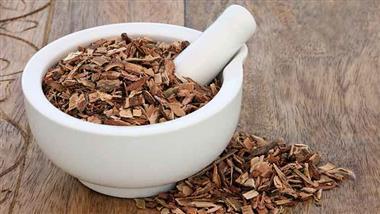
Willow bark is perhaps most widely known as aspirin’s forerunner, but it appears to have powerful antiviral effects1 as well. Willow bark contains salicylates, including salicylic acid — the acetylated form of which is now the active ingredient in aspirin — and its derivative salicin. But willow bark deserves accolades even apart from this contribution.
Used for medicinal purposes for more than 3,500 years,2 willow bark was revered in ancient Egypt, South America, Greece and China. Hippocrates used willow bark for pain and inflammation in the 4th century B.C., while the ancient Egyptians relied on willow bark as a painkiller and antipyretic, or fever reducer.
1763 marked the year the first clinical study involving willow bark was performed, which confirmed its effectiveness as an antipyretic. To this day, much of the research surrounding this natural compound centers on its anti-inflammatory and pain-relieving effects, but willow bark’s antiviral effects are receiving increasing attention.
Willow Bark Extract Inhibits Viruses
Researchers in Finland set out to investigate the antiviral properties of willow (Salix spp.) bark extract against coronaviruses and enteroviruses. Broad-spectrum antiviral effects were noted, with the team revealing willow bark is effective against both enveloped and non-enveloped viruses. Further, it stopped the viruses in different ways.
When viewing viruses treated with willow bark extract under a microscope, the viruses clustered together rather than spreading apart. Willow bark then worked to break down the enveloped coronaviruses, while the non-enveloped enteroviruses were “locked down,” meaning their genome wasn’t released and they couldn’t reproduce.3
Speaking with Phys.org, study author Varpu Marjomäki with the University of Jyväskylä explained, “The extracts acted through distinct mechanisms against different viruses. But the extracts were equally effective in inhibiting the enveloped as well as nonenveloped viruses.”4
Interestingly, when several commercial reference compounds, including salicin and salicylic acid, were tested against OC43, a strain of coronavirus responsible for 15% to 30% of mild upper respiratory tract infections in humans, and CVA9, a strain of coxsackievirus, none was effective, which means willow bark compounds may act synergistically. According to the study:5
“This suggests that any of the commercial reference compounds do not individually contain high enough antiviral activity. This became more evident after fractionation of the bark extract when we observed that all fractions except fraction number 1 contained very high virucidal activities.
Those active fractions contained various interesting chemical groups, of which many are known to contain biological activities. The bioactive properties of these bark extracts and broad-spectrum antiviral activity are thus likely to be due to the synergistic effects of the different detected flavonoids, hydroxycinnamic acid derivatives, and procyanidins.”
What Else Is Willow Bark Good For?
Willow bark extract is often used as a remedy for pain and inflammation, including that related to low back pain, osteoarthritis, tendinitis, bursitis and headaches. One meta-analysis of randomized controlled trials found willow bark was more effective than placebo in relieving pain and improving physical status in people with arthritis. The willow bark was also safe, as no differences in adverse events were found.6
White willow bark (Salix alba) may also work better than placebo for short-term pain relief in people with low back pain.7 Further, willow bark at a daily dose of 240 milligrams reduced pain as well as a daily dose of the now-banned nonsteroidal anti-inflammatory drug (NSAID) Vioxx.8
Willow bark is also known to down regulate inflammatory factors, is useful for sports performance, and often is added to weight loss products.9 Material derived from willow bark also has antibacterial and antibiofilm properties, making it potentially useful for treatment of infected chronic wounds.10
“Traditional folklore claims that willow bark provides a major defense against surrounding pathogens,” researchers wrote in the Journal of Agricultural and Food Chemistry.11 Indeed, lignin, a major component in willow bark, is effective against multiple food-borne and pathogenic microorganisms. Again, willow bark appears to relieve pain and inflammation via multiple mechanisms that work together to offer health benefits. As noted in Phytotherapy Research:12
“Although willow bark extracts are generally standardized to salicin, other ingredients in the extracts including other salicylates as well as polyphenols, and flavonoids may also play prominent roles in the therapeutic actions. Adverse effects appear to be minimal as compared to non-steroidal anti-inflammatory drugs including aspirin.”

Download this Article Before it Disappears
Could Aspirin Fight COVID?
Aspirin is derived from willow bark compounds, so it stands to reason that it, too, may offer benefits against infection. According to Thrombosis Research:13
“The therapy of rheumatism began thousands of years ago with the use of decoctions or extracts of herbs or plants such as willow bark or leaves, most of which turned out to contain salicylates. Following the advent of synthetic salicylate, Felix Hoffman, working at the Bayer company in Germany, made the acetylated form of salicylic acid in 1897. This drug was named “Aspirin” and became the most widely used medicine of all time.”
Aspirin is a staple medicine that is frequently recommended as a remedy to control inflammation and prevent blood clots. There’s also evidence it could have helped limit the COVID-19 pandemic death toll, had it not been downplayed and ignored.
According to research published in April 2021, aspirin reduced COVID-19 patients’ need for mechanical ventilation by 44%, ICU admission by 43% and mortality by 47%.14 Based on this research, it appears COVID-19-related hospital deaths could have been cut nearly in half had aspirin been routinely used. Study author Dr. Jonathan Chow commented on the results, stating:15
“The results of the study do not really surprise us because we know that COVID causes excess clot formation and we know that aspirin is a very potent blood thinner. So, when you have a disease that causes clots and a medication that thins your blood, that may lead to the protective effects that we found.”
A narrative review published in Biomedicines also suggested:16
“… [A] strong pathophysiological rationale for a potential therapeutic role for ASA [acetylsalicylic acid (aspirin)] in COVID-19 has been advocated because of its anti-inflammatory, antiplatelet aggregation and anticoagulant effects, as well as its modulation of the immune system and possible inhibition of viral replication and/or entry.”
Aspirin Has Demonstrated Anti-Infective Properties
Aspirin’s anti-infective properties are also being explored.17 It turns out aspirin has properties that influence the immune response along with offering anti-infective and antibiofilm activity. The compound may be useful against bacteria, viruses, fungi and parasites, targeting conditions such as:18
| Sars-CoV-2 | Viral hepatitis |
| Viral infections | HIV |
| Tuberculosis | Leprosy |
| Mycobacteria | Pneumonia |
| Liver abscess | Gastroenteritis |
| Endocarditis | Endotoxins |
| Sepsis | Prosthetic joint infections |
Aspirin even has potential as an anticancer agent, with daily use associated with a reduced risk of colorectal cancer.19 Interestingly, aspirin also lowers biomarkers of inflammation as well as increases autophagy, similar to fasting, according to a study in mice.20
The study showed that aspirin, or its active metabolite salicylate, caused autophagy by inhibiting the acetyltransferase activity of EP300, which is a specific gene, also known as p300, that codes for proteins that regulate the activity of many genes in tissues throughout your body. It plays an essential role in controlling cell growth and division, prompting cells to mature and take on specialized functions.
Was Aspirin the Target of a Discrediting Campaign?
While I cannot prove it, I suspect aspirin has been (and still is) the target of a discrediting campaign because it competes with newer, far more expensive blood thinners and pain relievers.
For decades, a daily regimen of low-dose so-called “baby aspirin” (81 milligrams), was recommended to prevent and treat heart attack, stroke and angina (chest pain) in those 50 and older. Pharma started attacking aspirin in the 1970s when NSAIDs were introduced as patented far more expensive, but not more effective, alternatives.
The discrediting campaign increased in 2014, when the U.S. Food and Drug Administration started warning against the use of aspirin as a primary preventive for these conditions in those with no history of cardiovascular disease, due to potential side effects and the lack of data to support its use.21
In late 2021, the United States Preventive Services Task Force (USPSTF), a physician group that issues guidance for medical best practices, also updated its guidance to formally discourage people 60 and older from using an aspirin regimen to prevent a first heart attack or stroke.22
Once NSAIDs hit the market in the 1970s, aspirin needed to be downplayed to justify these expensive patented drugs. That’s still the case today. It’s also competing against pricey anticoagulants such as Xarelto (rivaroxaban) and Eliquis (apixaban).
The average retail price for a monthly supply of Eliquis or Xarelto is around $550. A month’s supply of generic heparin is about $30, and warfarin (another generic) is around $19.23 Meanwhile, you can pick up a bottle of 300 baby aspirins, a 10-month supply, for less than $15. That’s a monthly cost of $1.50.24
Should You Take Aspirin or Willow Bark?
I’m convinced of the prophylactic value of aspirin, and I take 325 mg per day. I find its prometabolic, antilipolytic, anti-inflammatory, anticortisol and anti-estrogen effects very appealing, and its safety is well-established.
Aspirin also plays a role in mitochondria function25 and also has other health benefits. Importantly, it helps increase the oxidation of glucose as fuel for your body while inhibiting the oxidation of fatty acids, specifically linoleic acid.
The variety I use is not a tablet but, rather, is 99% pure USP aspirin. if you do decide to use aspirin, be sure to avoid coated extended-release varieties due to the additives they contain. Immediate-release aspirin is the preferred version.
If you are sensitive to aspirin, it would be best to use a salicylic acid or willow bark supplement. When you consume aspirin, the acetylsalicylic acid is metabolized in your body into salicylic acid, which is the compound responsible for the anti-inflammatory, pain-relieving and antithrombotic effects of aspirin. This can be found in willow bark.
Look for a clean, high-quality willow bark supplement. Further, since the research suggests that some of willow bark’s healing properties are due to synergistic effects, it’s possible it may offer benefits above and beyond salicylic acid.
- 1, 5 Front. Microbiol., 08 November 2023, Sec. Virology
- 2, 6 Life (Basel). 2023 Oct; 13(10): 2058
- 3, 4 Phys.org November 8, 2023
- 7, 8 Cochrane Database Syst Rev. 2014 Dec; 2014(12): CD004504
- 9, 12 Phytother Res. 2015 Aug;29(8):1112-6. doi: 10.1002/ptr.5377. Epub 2015 May 22
- 10, 11 J. Agric. Food Chem. 2023, 71, 44, 16554–16567
- 13 Thromb Res. 2003 Jun 15;110(5-6):255-8. doi: 10.1016/s0049-3848(03)00379-7
- 14 Anesthesia & Analgesia April 2021; 132(4): 930-941
- 15 General Surgery News August 4, 2021
- 16, 17 Biomedicines. 2022 Feb; 10(2): 263
- 18 Biomedicines. 2022 Feb; 10(2): 263., Figure 1
- 19 Nat Rev Clin Oncol. 2012 Apr 3;9(5):259-67. doi: 10.1038/nrclinonc.2011.199
- 20 Cell Rep. 2018 Feb 27; 22(9): 2395-240
- 21 American College of Cardiology May 5, 2014
- 22 AAFP October 21, 2021
- 23 Talk to Mira, Cost of Blood Thinners in 2021
- 24 Walmart Aspirin Prices
- 25 Biochem Biophys Res Commun. 2017 Jan 8; 482(2): 346–351
Florida Surgeon General raises alarm about DNA fragments in mRNA COVID jabs
Reproduced from original article:
https://www.naturalhealth365.com/florida-surgeon-general-raises-alarm-about-dna-fragments-in-mrna-covid-jabs.html
by: December 15, 2023
 (NaturalHealth365) Not too long ago, individuals expressing concerns about the safety of COVID shots faced criticism and exclusion. Mainstream media consistently echoed corporate-controlled narratives, often portraying jab skeptics as conspiracy theorists. But, now, the truth is coming out.
Recent reports have shed light on post-jab adverse effects, including paralysis, heart issues, immune system complications, and fatalities. The latest unsettling revelation in this narrative unveils the presence of DNA fragments in injections manufactured by pharmaceutical giants.
Florida’s Surgeon General sounds COVID jab alarm yet again
If there’s an impression that Florida is cautious about COVID-19 shots, it’s because it is. Notably, Governor Ron DeSantis and Surgeon General Joseph Ladapo have been vocal about potential risks associated with the jabs.
Ladapo recently disclosed that certain shots from pharmaceutical giants contain fragments of DNA. Specifically, he pointed out that these DNA fragments were identified in mRNA shots, the technology employed by Moderna and Pfizer. Ladapo directed attention to Dr. Robert M. Califf, Commissioner of the United States Food and Drug Administration, aiming to prompt acknowledgment that COVID shots contain host cell DNA.
Ladapo wrote a letter to Califf and CDC Director Mandy Cohen last week. Notably, he emphasized that he had raised concerns about shot ingredients with Califf in May but had yet to receive a response.
Ladapo’s courageous stand in shaping America’s medical narrative
Historians of the future will characterize Ladapo as an example of America’s best profiles in courage. Ladapo penned a lengthy warning to CDC Director Rochelle Walensky this past spring, highlighting the risks of the COVID jabs.
Ladapo’s writing highlights how the CDC negligently ignored the alarms sounded by himself and other experienced medical professionals, rushing mRNA jabs to an unsuspecting public. The Surgeon General touched on the federal government’s inexcusable use of public tax dollars to force an experimental shot into the arms of United States citizens.
The letter went on to detail how nucleic acid within mRNA shots also transmits DNA to human cells. Back in 2007, the FDA admitted that there is the potential for DNA to integrate after injection into the human body, compromising oncogenes and ultimately causing chromosomes to falter. Oncogenes are a scientific term used to refer to the genes that have the potential to cause cancer to develop in previously healthy cells.
Ladapo also touched on how the FDA’s evolving Guidance for Industry information details how DNA jab biodistribution has the potential to compromise a plethora of body sites, including the following:
- Heart
- Liver
- Brain
- Spleen
- Liver
- Reproductive organs
- Bone marrow
The Surgeon General ended the letter by posing several questions to the FDA. He inquired whether FDA standards for residual DNA consider the unique delivery system of mRNA using lipid nanoparticles and questioned whether the FDA obtained information from pharmaceutical companies to thoroughly investigate potential risks.
Swedish study adds weight to shot concerns
Ladapo isn’t standing alone in raising alarms about DNA fragments in COVID shots. In 2022, the Gateway Pundit highlighted a study by Swedish researchers, revealing the potential of Pfizer’s mRNA jab to modify human DNA. The study underscored how Pfizer’s shot could reverse-transcribe DNA into the human genome within just six hours post-jab exposure.
This revelation brings forth concerns about genotoxic side effects, indicating the potential for genetic mutations that might lead to cancer development. Readers with friends, family, or colleagues who encountered side effects from the shots are encouraged to contribute their stories in the comments below. Let’s open up the conversation on this evolving concern.
Sources for this article include:
Is a Niacin Flush Dangerous?
Reproduced from original article:
https://articles.mercola.com/sites/articles/archive/2023/12/15/is-niacin-flush-dangerous.aspx
The original Mercola article may not remain on the original site, but I will endeavor to keep it on this site as long as I deem it to be appropriate.
Analysis by Dr. Joseph Mercola December 15, 2023
STORY AT-A-GLANCE
- Niacin (vitamin B3) deficiency, called pellagra, is characterized by diarrhea, mental confusion and scaly skin sores; it is often confined to people who have problems absorbing the vitamin from food
- Niacin flush, a common side effect in doses 100 mg and above, is harmless; it starts on your face and may travel to your chest and arms, disappearing after 30 minutes to two hours
- Niacin has significant side effects when taken consistently, but may be used safely once or twice weekly in combination with exercise and sauna to detoxify your body during weight loss
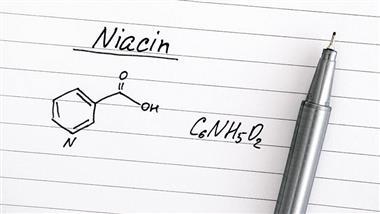
Niacin, or vitamin B3, is important to your overall good health. Vitamin B3 deficiency may result in a condition called pellagra, characterized by mental confusion, diarrhea and scaly skin sores. Deficiencies, however, are rare and often confined to people with trouble absorbing the vitamin from their food.1
The vitamin is water soluble, so it is not stored in the body but eliminated through the kidneys. This means you need a steady supply from your diet. Niacin is found in many foods commonly found in an everyday diet, such as chicken, eggs, legumes (peanuts), milk and rice.2
The vitamin helps convert carbohydrates into glucose and is part of the process in making several sex and stress-related hormones.3 You can meet your daily requirements for niacin through dietary intake.
It is rare to develop a deficiency unless you also suffer from an underlying medical condition that reduces your absorption in the gastrointestinal tract, such as alcoholism. Niacin is available as a supplement, but comes with several potential side effects, especially when taken in large doses. One of those side effects is commonly known as a niacin flush.
How a Niacin Flush Develops
A niacin flush is the most common immediate side effect of taking a supplemental form of the vitamin in a large enough dose. Most people use the niacin form to help reduce cholesterol levels. Another form, niacinamide, does not produce the flushing side effect, but neither does it have an effect on cholesterol levels.4
The flushing effect is not triggered by eating foods high in niacin or vitamin B3. Symptoms begin with a burning or tingling sensation in the chest, neck and face. The skin takes on a flushed or red appearance.5 Your skin may also feel warm to the touch.
As little as a 50 milligram (mg) supplement may trigger a niacin flush reaction. Niacin triggers the blood vessels near the surface of the skin to dilate, causing the tingling sensation and appearance. You may build a tolerance to the vitamin over time, which reduces the flushing effect. Some researchers believe everyone using niacin will experience a flush.6 While irritating, and sometimes alarming if you don’t expect the side effect, a niacin flush is nonetheless harmless.
Taking a time-released version of the supplement, taking it with meals or drinking plenty of fluid with the supplement have all been found to reduce the flushing effect as your body builds tolerance. It may also be helpful to begin taking smaller doses of the supplement throughout the day to reduce the effect. Taking niacin may trigger an upset stomach, nausea or diarrhea. These effects also often diminish over time.7
Reduce Your Risk of Niacin Flush
The flush that accompanies niacin supplementation may appear as a blotchy red appearance on your neck and face.8 The color and tingling sensation may gradually move down your body, usually stopping at your chest and arms. This flush is harmless, without any ill effects other than an irritating and tingling sensation.
A niacin flush may last between 10 and 30 minutes, depending upon the severity of the reaction and the amount of niacin you took. In some cases it may last up to two hours. There are several strategies you may try to reduce the potential you’ll experience this side effect. Taking a cold shower during the flush may help reduce the symptoms as they subside.
Researchers have found that up to 50% of people taking the immediate-release formula of niacin will experience a flush reaction. Switching to a time-release formula may reduce this risk, and may reduce the severity if it occurs.9,10 The flush occurs because niacin at higher doses increases the use of methyl groups and this releases histamine. You can prevent this effect by taking methyl donors like TMG, trimethylglycine.
Starting with smaller doses and slowly increasing the amount of niacin you take daily may help to bypass the side effect of a niacin flush altogether.11 Taking your niacin with food may lengthen the amount of time it takes to be fully absorbed and has also been found to reduce the side effect.
Drinking additional clean, filtered water may help to reduce the niacin flush and will also help support your overall hydration and removal of toxins. Although there has been some research to suggest taking an aspirin 30 minutes prior to taking the niacin supplement will reduce the niacin flush, I recommend trying food, fluids and an extended release formula first.
There is a form of niacin advertised as “no-flush,” which contains inositol nicotinate. However, there is little evidence that it provides you with as much niacin and likely explains why the formula doesn’t produce a flushing effect.12
Download this Article Before it Disappears
Long-Term Use of Sustained Release Niacin Supplements Is Dangerous
While the niacin flush is harmless, long-term use of niacin does have significant side effects that may be dangerous. The sustained release form of niacin may be hepatotoxic, causing irreparable damage to your liver. However non-sustained release forms do not cause this problem and are safe.13
Research also finds long-term use of niacin, prescribed for nearly 50 years at high doses to reduce cholesterol levels, has been linked with an increased risk of death and no association with a reduction in heart attacks or strokes.14 While high doses have been found to reduce cholesterol, an increase in cholesterol is not the causative factor behind heart attack and stroke.15,16
The increased risks in study participants associated with high doses of niacin included excessive bleeding, gout, development of diabetes in those who didn’t have it when the study began, liver problems, excessive infections and loss of blood sugar control in diabetics.17
Macular edema has also been noted in people using niacin in doses more than 1500 mg per day.18 The effect of maculopathy occurred from one to 36 months after high-dose niacin was initiated. Cystoid macular edema causes painless vision loss, resulting in blindness. It has also been noted in patients taking lower doses of niacin.19 In one study, the effects of maculopathy reversed when the supplement was discontinued.20
Weight Management May Increase Your Toxic Load
In this short interview with Dr. George W. Yu, we discuss how weight loss mobilizes greater amounts of toxins as they are released from fat cells, which then need to be removed from your body to reduce potential health problems.
Your body stores toxins in fat and fatty organs, including your brain. As you lose weight these toxins are freed from fat cells. In a paper published in 1990, Dr. David Root found fat cells in Yugoslavian capacitor workers contained 140 to 150 times higher levels than their blood.21
After a detoxification program, the toxic load decreased by 30%. Another study looked at how science may be able to reduce this number even further. Yu and John Laseter, Ph.D., of Accu-Chem Laboratories, assessed the levels of toxic chemicals in visceral fat. They found the average person likely had more than 500 times higher levels of toxins in their body than what was found in their blood.
Root has extensive experience detoxifying veterans exposed to Agent Orange exposure in Vietnam. In treating the veterans he used niacin to mobilize fat and free up toxic chemicals locked in lipophilic fatty tissues. Yu explains the process:22
“Of course, a lot of substances come out from your body. But the two biggest surface areas are the skin and the GI tract. In our clinic, we started thinking that we have to mobilize it not only from the skin by sweating after we use the niacin, but also using the GI tract to pull it out. One of the things that I want to clarify is that people think detoxification is the process.
I think it’s actually mobilization of the toxic chemicals, and then having a way to eliminate it and to excrete it out. ‘Detoxification’ by medical terms is only in the liver. That’s very important. But to mobilize things quickly, you have to use this kind of [mobilization and elimination] system.”
Simple Detox Program Uses Niacin, Exercise and a Sauna
A simple way to detoxify your body starts with optimizing your lean body mass. To mobilize the toxins stored in the fat you’ve lost, Yu recommends using niacin in combination with exercise and sauna therapy. Exercise speeds the number of toxins that are eliminated through the skin. Using a sauna also helps excretion through your pores and may significantly expedite the process.
An infrared sauna heats your tissues several inches deep, enhancing your natural metabolic processes, circulation and tissue oxygenation. Although your skin is a major organ of elimination, most people don’t sweat on a regular basis. Sedentary living, tight fitting clothes and sun damage may reduce your skin’s ability to excrete toxins. Repeated sauna use may restore this process.
Additionally, you may consider using activated charcoal and/or zeolite clay, both pull toxins out of your blood through the GI tract. Yu typically recommends 500 mg of charcoal. Just be aware that any medicines or supplements you take in the same hours will also be bound to the charcoal and eliminated from your body, so do not take them together. Yu recommends 100 mg of niacin once or twice weekly, combined with exercise and sauna to detoxify during an active weight loss program.
On the days you take niacin, start exercising 20 minutes after ingestion. Exercise for approximately 20 minutes, ensure you are sweating, and then get into a sauna for up to one hour. The sauna should be at least 130 degrees Fahrenheit. After the sauna you may want to use the activated charcoal or zeolite clay to help eliminate toxins through your GI tract.
While sweating profusely, you will lose minerals and even some vitamins. So, be sure to rehydrate using a fluid rich with electrolytes, magnesium and potassium. Coconut water is excellent for this purpose as it contains natural electrolytes, vitamins, minerals, trace elements, amino acids, enzymes, antioxidants and phytonutrients.
- 1 MedlinePlus, Pellegra
- 2 MedlinePlus, Niacin
- 3, 5, 7 Mount Sinai Vitamin B3 (Niacin)
- 4 MedlinePlus, Niacin and Niacinamide
- 6 Molecular Pharmacology 2006;70(6):1844-1849
- 8 GoodRx Health. Niacin Flush: Is This Common Supplement Side Effect Harmful? September 21, 2022
- 9 International Journal of Clinical Practice 2009;63(9):1369
- 10 Archives of Internal Medicine 2004; 164(7):697
- 11 Mayo Clinic Proceedings 2010; 85(4):365-379
- 12 British Columbia Drug and Poison Information Centre; Niacin: The facts on flushing
- 13 Journal of the American Medical Association 1994; 271(9):672
- 14, 17 Northwestern University July 17, 2014
- 15 Time Magazine September 12, 2016
- 16 USA Today September 13, 2016
- 18 EyeWorld, Niacin-Induced Cystoid Macular Edema
- 19 Case Reports in Ophthalmological Medicine 2013 Cystoid Macular Edema Induced by Low Doses of Nicotinic Acid
- 20 American Journal of Opthalmology 2003; 135(6):913-914
- 21 Detox Academy Xenobiotic Reduction and Clinical Improvements in Capacitor Workers
- 22 The Finley Center, Dr Yu’s Niacin Detoxification Method
New Research Links Low-Level Lead Exposure to Liver Injury
Reproduced from original article:
https://articles.mercola.com/sites/articles/archive/2023/12/13/low-level-lead-exposure-liver-injury.aspx
The original Mercola article may not remain on the original site, but I will endeavor to keep it on this site as long as I deem it to be appropriate.
Analysis by Dr. Joseph Mercola December 13, 2023
STORY AT-A-GLANCE
- A paper presented at the AASLD — The Liver Meeting in November 2023 suggests a link between exposure to environmental toxins, including low levels of lead, and liver scarring that can lead to liver disease and cancer
- The researchers found that the number of people with advanced liver fibrosis has risen, and the risk factors varied by race and ethnicity, highlighting the theory that chronic disease may be driven, at least in part, by environmental factors
- A second 2023 study found low-level lead exposure was associated with 765 million lost IQ points in children aged 5 and younger and 5.5 million deaths in adults due to cardiovascular disease
- Risks are also multigenerational, meaning that exposure during pregnancy can lead to epigenetic changes in DNA methylation patterns in grandchildren. Your first step is to be tested and work with a health care practitioner who is adept at removing lead without causing more harm
- Avoid consuming more lead by testing for, and filtering out, lead in your cooking and drinking water; by testing older house paint for lead; and being mindful not to buy or use household products that may contain lead, such as medicine, cosmetics and children’s toys
A paper presented at the American Association for the Study of Liver Diseases — The Liver Meeting1 in November 2023, suggests a link between exposure to environmental toxins, including low levels of lead, and liver scarring that can lead to liver disease and cancer. As Andrea Branch, a professor of medicine at Mount Sinai’s School of Medicine in New York, notes, lead is nearly ubiquitous, but not distributed equally in the environment.
Lead use began early in human history, used to thicken and change the opacity of paint.2 In the U.S. peak paint use occurred in the 19th century. Homes built before 1978 typically had some trace of lead-based paint. For decades, lead, in the form of tetraethyl lead, was also used in gasoline as an anti-knock agent. Leaded gasoline helped engines run smoothly but released devastating amounts of toxic metal into the environment.
The U.S. began phasing out leaded gasoline in the 1970s,3 but lead poisoning remains a major health challenge.4 Sadly, lead wasn’t the only gasoline additive that could have been used — 10% alcohol burned cleanly and eliminated soot emissions. However, as explained in the video5 at the top of this page, depending on how much is added, an alcohol additive could lower up to 20% of petroleum profits.
On the other hand, by adding lead to gasoline, the oil industry had a product it could control. The 30-minute film details how corruption caused lead contamination of the environment and poisoned the population. To raise profits, the industry created health problems that researchers, scientists and doctors have been struggling to study and treat for well over 50 years.
Low-Level Lead Exposure Linked to Liver Injury in African Americans
Branch and her research team evaluated blood samples of 36,092 adults from the National Health and Nutrition Examination Survey (NHANES) (1999-2018).6 Information from the blood samples included data on lead, cadmium, mercury and 34 polychlorinated biphenyls (PCBs). There were 7,360 blood samples that also had data on telomere length.
The researchers compared blood samples with the results of another group of individuals with metabolic dysfunction-associated steatotic liver disease (MASLD). In 2023,7 the term nonalcoholic fatty liver disease (NAFLD) was officially replaced with MASLD.
The researchers found that cadmium, which is found in products such as cigarette smoke, batteries, pigments and some chocolates, was associated with liver injury in the cohorts. In further analysis, they also found that African Americans demonstrated liver scarring that was proportional to their blood lead levels. The higher the lead level in the blood sample, the more advanced the individual’s liver injury and scarring.8
Earlier in 2023,9 Branch and her colleagues published a study that analyzed data on 47,422 participants from the same NHANES data. From this, they estimated the number of individuals with advanced liver fibrosis was nearly threefold higher than previous data had indicated. Additionally, the prevalence was higher in non-Hispanic Black and Mexican American persons.
They concluded that the number of individuals with advanced liver fibrosis had risen, and that the risk factors also varied by race and ethnicity.10 Although it has been well documented that low-income communities have a higher burden of pollution, Branch found the data showed African American participants had higher blood serum levels of nearly all toxins that are associated with liver disease.11
A 2021 analysis12 showed that African American patients were less likely to be placed on a liver transplant list and had an increased potential for liver-related death compared to white patients. Branch noted that although a lack of adequate health care is likely one factor, she questions whether the disease may just look different depending on the patient.
Is Chronic Disease Driven by Environmental Exposure?
The newest data builds on the paper from earlier in 2023 and while it doesn’t prove that low-level exposure causes liver damage, it highlights the growing theory that the “chronic disease epidemic might be driven at least in part by the very environments we inhabit.”13
In addition to the connection between lead exposure and liver scarring, the data also showed there was a link with shorter telomeres. These are the end caps on chromosomes that contribute to disease as they shorten with age. The data show that participants with shorter telomeres and higher lead exposure were more likely to have advanced liver fibrosis.
However, as Wei Perng, an associate professor of epidemiology at Colorado School of Public Health noted, she wasn’t clear why the researchers connected telomere length with liver scarring and toxin exposure.14
She hypothesized that the combination of shorter telomeres and overall environmental exposures may be more powerful. Another researcher also noted that telomeres are not commonly associated with liver fibrosis. However, that may not mean they aren’t associated, only that the association has not yet been made.
Download this Article Before it Disappears
Lead Contributes to 5.5 Million Global Deaths Annually
While Branch’s data identified a potentially higher risk to African Americans, a second 2023 study15 published in the Lancet Planetary Health, quantified the global effect of lead poisoning. The researchers used blood level estimates from the Global Burden of Diseases, Injuries, and Risk Factors Study (GBD) 2019.
This study described several health effects related to lead exposure, including chronic kidney disease, idiopathic developmental intellectual disability and cardiovascular disease.
However, the GBD 2019 study only estimated lead-induced mortality from heart disease based on lead causing increased blood pressure and no other factor.16 The estimate for idiopathic developmental intellectual disability did not tally with the effect lead has on intelligence quotient (IQ) in children. These factors suggested that the full effect of lead poisoning may have been underestimated.
Using the same data, researchers developed a modeling study to estimate the global burden, including the cost of IQ loss and cardiovascular disease mortality. They found that exposure led to 765 million lost IQ points in children under 5 years and 5.5 million deaths in adults due to heart disease.17 The vast majority of that loss occurred in low-income and middle-income countries.
The numbers suggested that the global burden of lead exposure has been significantly underestimated and the IQ loss was 80% higher than the previous estimate. The deaths were six times higher than the estimate in the GBD 2019 study and the team calculated the global financial cost at $6 trillion in 2019.
Lead Levels in Adults and Children Linked to Increased Risk
A 2020 report18 from UNICEF and Pure Earth found “It is clear from evidence compiled that lead poisoning is a much greater threat to the health of children than previously understood.” The report stated that roughly 1 in 3 children has levels above 5 micrograms per deciliter (µg/dL), which is approximately 800 million children worldwide, nearly half of whom live in South Asia.
However, the CDC19 uses a blood reference value of 3.5 µg/dL to identify children with potentially dangerous lead levels. If 3.5 µg/dL is used as a cutoff, the number of children who have high blood lead levels would be even higher.
A 2018 study20 showed that lead levels in adults are strongly correlated with a higher risk of death, especially from heart complications, and 18% of deaths and 28.7% of cardiovascular deaths are related to lead toxicity.
They concluded, “Low-level environmental lead exposure is an important, but largely overlooked, risk factor for cardiovascular disease mortality in the USA.” Other health conditions linked to lead exposure include cognitive impairment, attention-related behavioral problems, poor attention span, headache, impotence and reduced cognitive performance.21
The World Health Organization22 has determined that while the CDC and others have lead level cutoffs for exposure, there is no safe level of lead exposure. Lead is a powerful neurotoxin that even at low levels can interfere with cognitive development and lead to lower IQ scores, shortened attention spans and potentially increased violent and criminal behavior later in life.23
Lead Health Risks Are Multigenerational
Based on the data that nearly 18% of all deaths and 28.7% of all cardiovascular deaths are related to lead toxicity, it would make sense that patients would routinely have their lead levels checked. Yet, that rarely happens. Instead, patients with symptoms of heart disease are simply given medication.
This is an egregious error since lead exposure also has multigenerational effects. This means that lead not only places the individual at risk, but it also influences their children and grandchildren, especially if the individual is female.
Doug Ruden, director of epigenomics at Wayne State University, was one of the researchers in a 2015 study24 demonstrating environmental exposure to lead in pregnancy could lead to epigenetic changes in DNA methylation patterns in the grandchildren. He explained the changes and effects to The Allegheny Front:25
“If the mothers had high blood lead levels when they were born, then their grandchildren have changes in their DNA. And the changes in the DNA we were looking at weren’t permanent changes. They’re what we call epigenetic mutations.
The way you think about it is — if a mother is pregnant with a baby, she’s also carrying the baby’s children too. Because it’s like a Russian doll. All of the eggs that a person has in life are actually developed in the fetus, during the fetal period, and all the sperm progenitor cells in the boy babies, the boy fetuses, are also present in the fetus.”
How to Get Lead Out of Your Body and Avoid Further Poisoning
Your first step to lead detoxification is to be tested. Ideally, children at ages 1 and 2 and then again at ages 3 and 4 should be tested for lead levels. According to the CDC, a lead level of 3.5 µg/dL or higher in children26 and according to the Adult Blood Lead Epidemiology and Surveillance (ABLES)27 a level of 5 µg/dL or higher in adults is considered dangerous.
If you find you have elevated lead levels, you should work with a qualified health care practitioner who can help remove the toxin without creating more harm as it leaves. One option is chelation therapy using edetate disodium (EDTA), an agent that binds with calcium and some heavy metals.
EDTA can also release important minerals from the body and so should only be used under the care of a physician who monitors your nutritional status and makes the appropriate recommendations. Another option is an N-acetyl-cysteine (NAC), which is a precursor to glutathione that your body uses for efficient detoxification. Finally, sauna bathing is another nontoxic strategy that can help remove most toxins from your body, including lead.
Also remember that to successfully eliminate lead permanently, you must stop adding more. Some of the primary sources of lead in your home are drinking water, cigarette smoke, cosmetics, medicine and lead-based paint in older homes and cheaply made household objects and children’s toys. Read labels and do internet searches to determine whether a product in question has lead in it.
Consider having your water tested and choosing a high-quality filter rated for lead removal. Always use filtered cold water for drinking or cooking and never cook or mix infant formula with unfiltered hot water from the tap. For information about lead-containing products and recalls, see the Consumer Products Safety Commission’s website.28
- 1, 6, 10 AASLD The Liver Meeting, November 13, 2023
- 2 ZotaPro, July 10, 2020
- 3 Britannica, Tetraethyl Lead
- 4 National Institute of Environmental Health Sciences, August 31, 2022
- 5 YouTube, July 30, 2015 Min 4:38 & 6:30
- 7 Medscape, October 5, 2023
- 8, 11, 13, 14 StatNews, November 27, 2023
- 9 JHEP Report, 2023, 5(4)
- 12 Hepatology, 2021; doi: 10.1002/hep.31742
- 15, 16, 17 The Lancet Planetary Health, September 11, 2023
- 18 The Toxic Truth Report
- 19 Centers for Disease Control and Prevention, Blood Lead Reference Value
- 20 The Lancet Public Health, 2018; 3(4) Percentages para 2 under Table 2 50% DTP; Summary/Interpretation
- 21 CDC, What Are Possible Health Effects from Lead Exposure, Introduction, Children, neurological effects
- 22 World Health Organization, August 11, 2023
- 23 CDC, What Are Possible Health Effects from Lead Exposure
- 24 Scientific Reports, 2015; 5(14466)
- 25 The Allegheny Front, January 29, 2016
- 26 Centers for Disease Control and Prevention, Blood Lead Reference Value, green top box
- 27 Centers for Disease Control and Prevention, Lead, Table box 3
- 28 U.S. Consumer Product Safety Commission, Total Lead Content
NAFLD Has Become a Health Emergency Among Children
Reproduced from original article:
https://articles.mercola.com/sites/articles/archive/2023/10/31/nafld-health-emergency-children.aspx
The original Mercola article may not remain on the original site, but I will endeavor to keep it on this site as long as I deem it to be appropriate.
Analysis by Dr. Joseph Mercola October 31, 2023
STORY AT-A-GLANCE
- NAFLD is characterized by excess fat buildup in your liver. Without proper treatment, it can lead to serious liver problems including nonalcoholic steatohepatitis (NASH), which causes inflammation and fibrosis, or scarring of the liver. NAFLD also increases the risk of other health conditions, including cardiovascular disease
- The first documented cases of nonalcoholic fatty liver disease (NAFLD) didn’t come about until 1980. Today, NAFLD affects 32.4% of people globally, and it’s the most common cause of liver transplant in adults under the age of 50
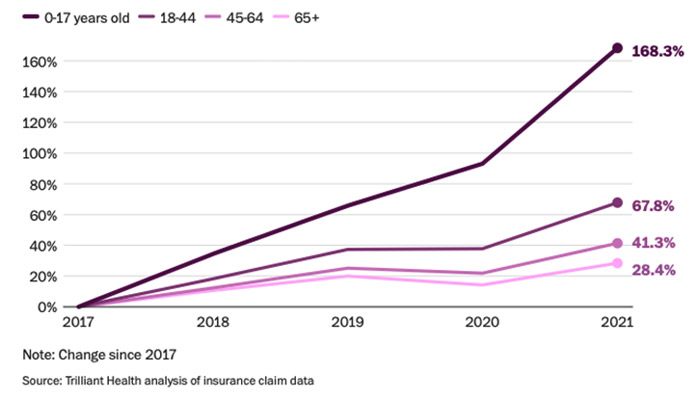
- NAFLD also affects up to 9.6% of American children aged 2 to 19, making it as common as asthma. In 15- to 19-year-olds, prevalence is as high as 17.3%. Prevalence among children 0 to 17 has risen 168.3% since 2017, with a particularly precipitous rise starting in 2020
- The dramatic rise in NAFLD in early 2020 may in part be due to the COVID lockdowns, which had the effect of raising childhood obesity rates by 8.3% to 13.4%, depending on the age group
- Maternal obesity and high consumption of diet soda and/or junk food during pregnancy have both been linked to NAFLD in offspring, and one theory is that artificial sweeteners may be programming the metabolism of the fetus to favor fat storage over energy production
Fatty liver disease used to be a disease seen almost exclusively in the elderly, primarily heavy drinkers. The first documented cases of nonalcoholic fatty liver disease (NAFLD) didn’t come until I was in medical school in 1980.1 At the time, the researchers described it as a “hitherto unnamed liver disease of unknown cause.”
In June 2023, scientists proposed rebranding NAFLD to “metabolic dysfunction-associated steatotic liver disease,” to highlight its relation to other metabolic conditions such as diabetes. What connects all metabolic conditions is that your body is not converting food to energy in an efficient manner.
In the video above, independent health researcher Jay Feldman investigates the true causes of NAFLD. This is Part 2 of an eight-part series. It’s like a master’s course on NAFLD, as he goes over virtually everything you could possibly want or need to know about it. If you or someone you know is currently struggling with NAFLD, I strongly encourage you to view all eight episodes.
In the featured episode, he explains why fructose is NOT the main culprit as commonly thought, how your liver produces fat from both fructose and dietary fats, and how impaired energy production in your mitochondria results in NAFLD.
What Is NAFLD?
NAFLD is characterized by excess fat buildup in your liver. Without proper treatment, it can lead to serious liver problems including nonalcoholic steatohepatitis (NASH), which causes inflammation and fibrosis, or scarring of the liver.
NASH may lead to cirrhosis, which increases the risk of liver cancer, and end-stage liver disease. NAFLD also increases the risk of other health conditions, including cardiovascular disease, which is the No. 1 cause of death in people with NAFLD. NAFLD often has no symptoms, although it may cause fatigue, jaundice, swelling in the legs and abdomen, mental confusion and more.
Your liver carries out more than 500 functions that are essential for health. This includes the production of bile (which breaks down dietary fats and carries away waste), converting excess glucose into glycogen, and regulating amino acids in the blood. It’s also important for detoxification, helping to clear your blood of toxins.
The good news is that your liver, more than almost any other tissue in your body, has phenomenal regeneration capabilities. Even if 90% of it has been removed, it can regrow to its normal size. NAFLD can also be successfully reversed in its early stages via lifestyle changes, like healthy eating and exercising.
NAFLD Prevalence Has Skyrocketed
Today, NAFLD affects 32.4% of people globally,2 and it’s the most common cause of liver transplant in adults under the age of 50.3 NAFLD also affects up to 9.6% of American children aged 2 to 19,4 making it as common as asthma.5 In 15- to 19-year-olds, prevalence is as high as 17.3%.6
What’s particularly strange is that the skyrocketing prevalence in children and teens is quite new. As illustrated in the graph below from Trilliant Health,7 prevalence of NAFLD has risen 168.3% since 2017, with a particularly precipitous rise starting in 2020.
Download this Article Before it Disappears
Obesity Is a Primary Risk Factor for NAFLD
As reported in a March 2021 paper on pediatric NAFLD:8
“The largest risk factor for NAFLD is obesity. Obesity and NAFLD in children are often associated; however, they are not concomitant.
In a 2019 study in 408 children with obesity using whole liver magnetic resonance imaging–proton density fat fraction, the prevalence rate of NAFLD was 26.0%, or roughly one in every four children. In the Teen LABS study of adolescents with obesity severe enough to warrant weight loss surgery, the prevalence rate of NAFLD was higher at 59%.”
The dramatic rise in NAFLD in early 2020 may in part be due to the COVID lockdowns, which had the effect of raising childhood obesity rates by 8.3% to 13.4%, depending on the age group.9
Artificial Sweeteners May Impair Metabolism
That said, NAFLD also occurs in an estimated 8% of normal weight children.10 Inherited predisposition may be part of the problem. But the environment in utero can also influence a child’s risk of NAFLD,11 and this is a far more likely explanation for the recent explosion in prevalence among children.
Maternal obesity and high consumption of diet soda and/or junk food have both been linked to NAFLD in offspring. Artificial sweeteners may be programming the metabolism of the fetus to favor fat storage over energy production.
Maternal obesity and high consumption of diet soda and/or junk food during pregnancy have both been linked to NAFLD in offspring, and one theory is that artificial sweeteners may be programming the metabolism of the fetus to favor fat storage over energy production.12
Babies are also routinely fed unnaturally high amounts of sweeteners in infant formula and baby food. In recent years, the baby formula industry has started marketing formula made with corn syrup solids instead of lactose from cow’s milk. It’s said to be better for babies with sensitivity to lactose.
However, recent research13 suggests formula made with corn syrup solids significantly increases your child’s risk of obesity by age 4, and by extension NAFLD, and those who consume the highest amounts of formula have the highest risk.
So-called “transition formula” and “toddler milk” also contain higher amounts of sugar than regular cow’s milk. Both products are pure marketing inventions that have no nutritional basis. Meanwhile, research14 has shown that consumption of unsweetened cow’s milk is associated with a lower risk of NAFLD.
The Role of Diet
Indeed, our modern diet is probably the most important driver of this condition. As reported by The Washington Post:15
“… many doctors believe that our modern lifestyle — diet, the increase in sedentary activities related to technology and environmental exposures — is to blame. One of the liver’s jobs is to filter toxins, and when something in the body is out of balance, the organ can become damaged and fail …
A little fat in the liver is normal, but when more than 5% of its cells contain fat, the organ’s ability to do its job is impeded, and pediatric specialists say some children they treat have livers with 30 to 40% or even as high as 60% fat …
Some pediatric experts theorize there’s a mismatch between our genetics and the highly processed and sugary foods that have come to dominate childhood diets.
Nutritional surveys show that meals eaten by kids changed radically in a generation, going from very little ultra-processed foods in the early 1980s … to more than 67%16 in recent years. Such diets lead to hormonal changes and other stresses on our bodies.
‘It creates a time bomb, and it is killing our kids,’ said Barry M. Popkin, a professor of nutrition at the Gillings School of Global Public Health at the University of North Carolina at Chapel Hill.”
The Washington Post goes on to cite a January 2022 systematic review17 that found “a parallel but delayed rise” in noncommunicable diseases with rising prevalence of ultraprocessed foods.
Between 1800 and 2019, processed and ultraprocessed foods rose from less than 5% to more than 60%. This radically altered the macronutrient content of our diets. Sugar and seed oil (or “vegetable oil”) consumption rose dramatically, while saturated fat from animals dropped.
Ditch the Fast Food to Protect Your Child’s Health
Of these, I believe the transition from saturated animal fats to seed oils has played the biggest role. As detailed in “Linoleic Acid — The Most Destructive Ingredient in Your Diet,” seed oil is the primary source of linoleic acid (LA), which destroys your mitochondrial function.
I’m convinced excessive LA consumption is the biggest contributor to chronic disease in the Western world, including NAFLD. To understand how LA undermines your health, and that of your children, please read through that article and watch the video included in it. Both provide a comprehensive overview of how LA drives chronic disease of all kinds.
To avoid LA, you’ll need to avoid processed foods, fast foods and most restaurant foods, and focus on real, whole, organically grown foods instead. Processed foods are also routinely contaminated with glyphosate, which can contribute to liver problems. Disturbingly, recent testing revealed 95% of school lunch items had detectable levels of glyphosate,18 so, if at all possible, provide your child with homemade lunches.
A shocking 100% of meals also contained heavy metals at levels up to 6,293 times higher than the maximum levels allowed in drinking water. Meanwhile, most of the meals were “abysmally low” in essential nutrients.
Fast food also contains extremely low amounts of essential nutrients, especially B vitamins. In fact, zero amounts of vitamin B9 or B12 were detected in the top 10 fast foods sampled.19
That’s rather remarkable, considering B12-rich foods include beef and chicken, both of which are staples in fast food, yet fast food beef and chicken provide no B12 at all! If that doesn’t convince you that fast food meat is nowhere near the same as grass fed organic meat, I don’t know what will.
Fatty liver can also be driven by excess sugar when, in addition to seed oils, you are consuming more than 35% or so of your calories as fat. This is likely why this condition is now found even in young children.
Nutrients That Help Combat NAFLD
Upping your intake of specific nutrients can also be helpful if you have NAFLD. Examples include:
| Choline — Choline is important for normal liver function and liver health by moving fat out of your liver. It also helps maintain membrane integrity and manages cholesterol metabolism, including low density lipoproteins (LDL) and very low-density lipoproteins (VLDL). Choline deficiency has been shown to enhance abnormal fat deposits in your liver, causing NAFLD.20
In fact, some experts believe NAFLD is largely the result of shunning choline-rich foods like liver and egg yolks,21 which is then worsened by consuming too much LA. You can increase your intake by consuming more choline-rich foods, such as organic pastured egg yolks, grass fed beef liver, wild-caught Alaskan salmon and krill oil. Arugula is also an excellent source. |
| Vitamin B12 and folic acid may also be protective and have been found to decrease the progression of NASH.22 |
| Niacinamide, also known as nicotinamide (NAM) — Niacinamide is a precursor to nicotinamide adenine dinucleotide (NAD+), a vital signaling molecule that’s believed to play an important role in longevity. Supplementation has also been found to decrease oxidative stress and prevent fatty liver.23 |
| N-acetylcysteine (NAC) — NAC is a precursor needed for glutathione biosynthesis. It’s used as an antidote for acetaminophen toxicity, which causes liver damage by depleting glutathione. Research published in Hepatitis Monthly has shown NAC supplementation helps improve liver function in patients with NAFLD.24 |
| Milk thistle — This herb contains silymarin and silybin, antioxidants that are known to help protect your liver from toxins and even help regenerate liver cells.25 |
| CoQ10 — CoQ10 keeps your mitochondria healthy and plays a crucial role in the production of ATP, the cellular energy required to keep you alive. Supplementing with CoQ10, or the natural form called ubiquinol, has been shown to improve NAFLD by reducing oxidative stress and inflammation.26 |
Remember that supplements should always be used in combination with a healthy lifestyle, including eating right and exercising. If you’re overweight, losing 7% to 10% of your body weight can improve NAFLD, including lowering liver fat content, liver inflammation and fibrosis.27
- 1, 5, 7, 12, 15 Washington Post October 3, 2023 (Archived)
- 2 The Lancet Gastroenterology & Hepatology September 2022; 7(9): 851-861
- 3, 4, 6, 8, 10, 11 Clinical Liver Disease March 2021; 17(3): 196–199
- 9 JAMA 2021;326(14):1434-1436
- 13 American Journal of Clinical Nutrition October 2022; 116(4): 1002–1009
- 14 Frontiers in Nutrition 2023; 10: 1119118
- 16 JAMA 2021;326(6):519-530
- 17 Frontiers of Nutrition January 13, 2022
- 18 Moms Across America September 28, 2022
- 19 Moms Across America October 18, 2023
- 20 Oregon State University Linus Pauling Institute
- 21 chrismasterjohnphd.com November 23, 2010
- 22 Journal of Hepatology, 2022; doi: 10.1016/j.hep.2022.06.033
- 23 The Journal of Nutritional Biochemistry May 21, 2022
- 24 Hepatitis Monthly, 2010; 10(1):12
- 25 Indian J Biochem Biophys. 2006 Oct;43(5):306-11
- 26 Journal of Prescribing Practice. 2020;2(4)
- 27 Curr Obes Rep. 2019 Sep; 8(3): 220–228
Benefits of Coffee and Tea
Reproduced from original article:
https://articles.mercola.com/sites/articles/archive/2023/10/12/benefits-of-coffee-and-tea.aspx
The original Mercola article may not remain on the original site, but I will endeavor to keep it on this site as long as I deem it to be appropriate.
Analysis by Dr. Joseph Mercola Fact Checked October 12, 2023

STORY AT-A-GLANCE
- Tea, particularly green tea, has been linked with a reduced risk of stroke, diabetes and depression, and improved blood pressure, abdominal obesity and glucose levels
- Coffee consumption is associated with reduced risk of premature death and cardiovascular death, heart disease, cancer, nonalcoholic fatty liver disease, cirrhosis and diabetes
- Coffee should be organic and shade-grown; drink it black or with added coconut oil or MCT oil
- Tea should be organic and grown in a nonpolluted environment to avoid contamination with heavy metals or fluoride; drink it without milk, with lemon added if you like
- Pregnant women should not drink coffee or tea due to its caffeine content, which has been linked to low birth weight, heart problems and behavioral problems later in life
Editor’s Note: This article is a reprint. It was originally published January 15, 2018.
Just as you can make or break your health via the foods you choose at each meal, you can support or sabotage your well-being one beverage choice at a time. At one end of the spectrum would be soda — one of the absolute worst choices to drink. At the other, pure water — arguably the best for quenching your thirst and supporting optimal health.
For those times when you’re looking for something to savor and sip, an excellent alternative is coffee or tea, both of which have earned a solid spot among healthy beverages, with some caveats, however.
After water, coffee and tea are the most commonly consumed beverages worldwide, and they’re also top sources of both caffeine and antioxidant polyphenols for Americans. Tea, particularly green tea, has been linked with a reduced risk of stroke, diabetes and depression, and improved blood pressure, abdominal obesity and glucose levels, while coffee consumption is associated with reduced risk of premature death and cardiovascular death, for starters.1
“Coffee is a complex beverage containing hundreds of biologically active compounds,” researchers wrote in the Journal of the American College of Cardiology,2 and this is why it, and tea, have such far-reaching health potential. From your heart to your vision to your brain, there are many reasons to enjoy a cup (or a few) of coffee or tea daily — organic, preferred.
Health Benefits of Coffee From Your Heart to Your Brain
Research presented at the American Heart Association’s Scientific Sessions 2017 found that compared to non-coffee drinkers, coffee drinkers had a 7% lower risk of heart failure and an 8% lower risk of stroke for each additional cup of coffee consumed per week.3 Separate research linked coffee consumption to a lowered risk of heart disease, cancer, nonalcoholic fatty liver disease, cirrhosis and diabetes.4
In the latter study, the largest risk reduction came from drinking three to four cups daily, but they suggested drinking more would likely benefit health, not harm it.
As for your brain health, increased coffee (and tea) consumption was linked to a lower risk of glioma brain tumor, such that people in the top category of coffee consumption were 91% less likely to have glioma compared with those in the bottom category.5
It may help your brain function as well, with research showing that drinking one to two cups of coffee daily may lower your risk of Alzheimer’s disease and other forms of dementia, cognitive decline and cognitive impairment compared to drinking less than one cup.6
Drinking coffee may even enhance long-term memory consolidation7 and, if you drink the caffeinated variety, improve attention and alertness while decreasing your risk of depression.8 Caffeine can be a double-edged sword, with excess consumption causing adverse effects, and everyone’s tolerance to caffeine is unique.
However, most people naturally adjust their coffee consumption to avoid the jittery feeling that comes from too much caffeine. Researchers wrote in the Archives of Internal Medicine:9
“At low to moderate doses, caffeine has well-known psychostimulant effects such as improved psychomotor performance, increased vigilance, elevated arousal (lesser somnolence and greater activation), and increased sensations of well-being and energy.
The known effects of caffeine are dose-dependent, but typically biphasic, i.e. low doses are perceived as pleasant and stimulating whereas a reverse effect is observed with higher doses. Most individuals seem to adapt their caffeine consumption to their own tolerance, so that the habitual is within the range between reinforcing and aversive effects.”
Tea Offers Many Health Benefits, Too
Many of the health benefits offered for coffee consumption can also be gained by drinking tea, so a case can be made for adding either (or both) to your daily diet. For instance, drinking green tea is associated with reduced mortality due to all causes, as well as mortality due to heart disease. Research also shows holistic benefits to green tea consumption, including lower blood pressure, oxidative stress and chronic inflammation.10
In terms of heart health, green tea improves both blood flow and the ability of your arteries to relax, with research suggesting a few cups of green tea each day may help prevent heart disease.11 One of green tea’s claims to fame is the catechin epigallocatechin-3-gallate (EGCG).
Studies show EGCG can be helpful for the prevention of arteriosclerosis, cerebral thrombus, heart attack and stroke — in part due to its ability to relax your arteries and improve blood flow.12 In addition, tea may also benefit:
• Type 2 diabetes — One study found people who consume six or more cups of green tea daily had a 33% lower risk of developing Type 2 diabetes than those who consumed less than one cup per week.13
• Weight loss — There is some evidence that long-term consumption of green tea catechins is beneficial for burning fat and may work with other chemicals to increase levels of fat oxidation and thermogenesis.
• Bone health — Green tea polyphenols combined with a form of vitamin D called alfacalcidol could boost bone structure and strength, according to a study in mice. The mixture may reverse damage to bones caused by lipopolysaccharide (LPS)-induced chronic inflammation, which could in turn reduce the risk of osteoporosis.14
• Vision health — Catechins in green tea could help protect you against glaucoma and other eye diseases, as research found that the compounds travel from your digestive system into the tissues of your eyes. During the study, the catechins found in green tea were absorbed into various parts of the eyes anywhere from 30 minutes to 12 hours after rats were given tea.15
• Cancer — Green tea components have been shown to downregulate the expression of proteins involved in inflammation, cell signalization, cell motility and angiogenesis, while an association between green tea intake and decreased risk of cancers (including ovarian and breast16) has been reported.17
Previous research has shown that green tea polyphenols act on molecular pathways to shut down the production and spread of tumor cells.18 They also discourage the growth of the blood vessels that feed the tumors. EGCG even acts as an antiangiogenic and antitumor agent, and helps modulate tumor cell response to chemotherapy.19
Download this Article Before it Disappears
Different Types of Tea May Offer Different Benefits
Much of the fanfare surrounding tea goes to green tea, but there are many different varieties to consider. Black and green tea (as well as oolong, dark and white teas) come from the same plant, an evergreen called Camellia sinensis. It is the processing method and degree of oxidization (exposure to oxygen) that create the different tea types. While black tea is oxidized, green tea is not oxidized at all after the leaves are harvested.
This minimal oxidation may help to keep the beneficial antioxidants in green tea intact, although both green and black teas have beneficial effects. Generally speaking, the less the tea is oxidized, the lower its caffeine content and higher its antioxidants. White tea is actually the least processed of all teas, while oolong is semi-oxidized, placing it between green and black teas in terms of caffeine and antioxidant levels.20
There are also herbal teas, which vary quite dramatically in flavor and health effects (herbal teas are actually not considered “true” teas, as they do not come from Camellia sinensis, but they can be beneficial and enjoyable nonetheless). What types of benefits do different types of tea offer?
- Green and black tea for your gut — Both green and black tea may alter gut microbes in a way that’s beneficial for preventing weight gain and obesity.21
- Oolong tea for weight management and heart health — The polyphenols in oolong tea help control fat metabolism in your body by activating certain enzymes. A 2001 study published in the Journal of Nutrition found that participants who ingested either full-strength or diluted oolong tea burned 2.9 to 3.4% more total calories daily.22
- Hibiscus tea for overall health — High in vitamin C, minerals and antioxidants, studies suggest hibiscus tea may improve blood pressure, help prevent metabolic syndrome, protect your liver and even provide anticancer effects.23
- Matcha for an antioxidant boost — Matcha is a type of green tea, but unlike regular green tea, in which you steep and discard the leaves, when you drink matcha you consume the entire leaves, which are ground micron fine. Studies indicate that 1 cup of matcha may provide the antioxidant equivalent of 3 cups of regular green tea and as much as 137 times more antioxidants than low-grade green tea.24
Coffee and Tea Caveats: Choose Organic and Ditch the Dairy
The health potential of your coffee and tea depends on several factors, beginning with quality. Coffee, which is a heavily pesticide-sprayed crop, should always be organic, as well as shade-grown. Coffee is a shade-loving plant, but growers often strip forests to make growing and harvesting easier.
This destroys the ecological habitat of many natural pest deterrents, such as birds and lizards, while the pests flourish, resulting in additional pesticide use in nonshade-grown varieties.
It’s equally important to choose organic tea, when available, as well as choose varieties grown in nonpolluted areas, as tea plants readily absorb lead and fluoride from the soil. Selecting organic will help you avoid pesticides, while choosing tea grown in a pristine environment will ensure that the least amount of fluoride, heavy metals and other toxins from soil and water possible leaches into the leaves. A clean growing environment is essential to producing a pure, high-quality tea.
You’ll also want to avoid adding health-busting additives like sugar to your coffee or tea. Even milk is best avoided, as the proteins in milk may bind to and neutralize the antioxidants in tea, such that its health benefits are significantly reduced. For instance, one study found, “Milk counteracts the favorable health effects of tea on vascular function.”25
Similar effects have been noted in coffee, with one study revealing that the antioxidant capacity of coffee was “significantly decreased by milk addition.”26
Further, while most people can safely consume coffee and tea, if you’re pregnant, I believe you should avoid both due to the caffeine. Not only has coffee consumption during pregnancy been linked to low birth weight babies,27 but also to heart problems in a mouse study28 and to behavioral disorders in later life, if the mother consumes caffeine at 15 weeks gestation, a key point when the fetal brain seems most susceptible to caffeine exposure.29
Tricks to Boost the Health Benefits of Your Coffee or Tea
All you need to do to enjoy the health benefits of coffee and tea is slowly sip and savor your organic unsweetened brew. However, if you want to kick the benefits up a notch higher, there are a couple of tricks to do so. For tea, add a squeeze of fresh lemon juice, which may help to stabilize its beneficial catechins so you can absorb more of them.30
For coffee, adding in coconut oil or medium-chain triglyceride (MCT) oil may help you to burn fat and improve your mitochondrial function. Start with a small amount, such as 1 teaspoon of MCT oil, working your way up to 1 or 2 tablespoons, to avoid gastrointestinal side effects. You can also blend in a pat of raw grass fed butter. This recipe is a favorite among those following a ketogenic diet.
In fact, many consider MCTs “the ultimate ketogenic fat,” as it allows you to eat slightly more net carbs while still staying in nutritional ketosis. Without MCTs, you’d have to cut carbs more drastically in order to maintain ketosis, and hot coffee is an ideal carrier for MCT oil.
Ultimately, whether you prefer your coffee black or with MCT oil, or your tea with or without lemon, these beverages represent a simple way to increase your intake of antioxidants and other disease-fighting compounds daily.
- 1 Curr Opin Clin Nutr Metab Care. 2013 Nov;16(6):688-97
- 2 J Am Coll Cardiol. 2013 Sep 17;62(12):1043-1051
- 3 EurekAlert! November 13, 2017
- 4 BMJ. 2017 Nov 22;359:j5024
- 5 Eur J Nutr. 2017 Nov 9
- 6 Clin Nutr. 2017 Jun;36(3):730-736
- 7 Nature Neuroscience 17, 201–203 (2014)
- 8, 9 Arch Intern Med. 2011 Sep 26; 171(17): 1571–1578
- 10 Diabetes Metab J. Jun 2013; 37(3): 173-175
- 11 European Journal of Cardiovascular Prevention & Rehabilitation June 2008, 15(3):300-305
- 12 Eur J of Cardiovascular Prevention & Rehabilitation, June 2008, 15(3):300-305
- 13 Ann Intern Med. 2006 Apr 18;144(8):554-62
- 14 Journal of Nutritional Biochemistry October 29, 2010
- 15 Journal of Agricultural and Food Chemistry February 10, 2010;58(3):1523-34
- 16 Carcinogenesis (2008) 29 (10): 1967-1972
- 17 Gynecol Oncol. 2012 Sep;126(3):491-8
- 18 EurekAlert! December 2004
- 19 Biochem Pharmacol. 2011 Dec 15;82(12):1807-21
- 20 The Tea Spot, About Tea
- 21 European Journal of Nutrition September 30, 2017
- 22 J Nutr. 2001 Nov;131(11):2848-52
- 23 Cardiovasc Hematol Agents Med Chem. 2013 Mar;11(1):25-37
- 24 J Chromatogr A. 2003 Sept. 5;1011(1-2):173-80
- 25 Eur Heart J. 2007 Jan;28(2):219-23
- 26 Food Chem. 2012 Oct 15;134(4):1870-7
- 27 BMC Medicine February 19, 2013, 11:42
- 28 Sci Rep. 2016; 6: 34106
- 29 J Pediatr. 2017 Oct;189:120-127.e1
- 30 Mol Nutr Food Res. 2007 Sep;51(9):1152-62
14 Health Benefits of Spirulina Powder
Reproduced from original article:
https://articles.mercola.com/sites/articles/archive/2023/10/11/spirulina-health-benefits.aspx
The original Mercola article may not remain on the original site, but I will endeavor to keep it on this site as long as I deem it to be appropriate.
Analysis by Dr. Joseph Mercola – Expert Review by James DiNicolantonio, Pharm.D Fact Checked October 11, 2023

STORY AT-A-GLANCE
- Spirulina is a freshwater and saltwater, blue-green algae with powerful health benefits. Often confused with chlorella, the fundamental difference between the two is that spirulina is thousands of years older and does not possess the hard cell wall that makes chlorella closer to a plant than algae
- Spirulina is a sustainable food source with potential to end world hunger. Unlike most plants, it is able to withstand extreme temperature variations and neglect and still thrive
- It has been found in studies to successfully treat a wide range of ailments, including arsenic poisoning, Candida overgrowth and allergic rhinitis, and may lower your risk of stroke and cancer
- The recommended daily dose is typically 3 to 5 grams, taken two or three times a day. Start with a small dose and work your way up to see how your body responds to spirulina
- This article lists potential adverse reactions to spirulina, and what you can do to alleviate them
Editor’s Note: This article is a reprint. It was originally published November 5, 2018.
Imagine a plant that can provide most of the protein you need for health, help prevent the sniffling and sneezing of allergies, reinforce your immune system, combat inflammation, help you control high blood pressure and protect against stroke and cancer. Does such a “superfood” exist?
Yes. It’s called spirulina. As noted in a 1993 scientific review of spirulina’s benefits in the Journal of Applied Phycology:1
“Many preclinical studies and a few clinical studies suggest several therapeutic effects ranging from reduction of cholesterol and cancer to enhancing the immune system, increasing intestinal lactobacilli, reducing nephrotoxicity by heavy metals and drugs and radiation protection.”
Unlike plants you may grow in your garden, this “miracle” plant is a form of blue-green algae that grows in warm, freshwater and saltwater. It’s a simple, one-celled organism that got its name from the Latin word for helix, meaning spiral, because of its spring-like physical characteristic. Its scientific name is Arthrospira platensis, and it belongs to the cyanobacteria family.
What Are the Health Benefits of Spirulina?
Throughout the years, various studies have been conducted regarding spirulina’s potential health benefits. Their findings have revealed that spirulina may help:
- Protect against HIV infection of T-helper cells (because of its amino acid content)
- Fight inflammation
- Provide allergy relief
- Maintain cardiovascular health and control high blood pressure levels
- Enhance brain health and reduce stroke risk
- Combat candida overgrowth, promote a healthy gut microbiome and boost immune system health
- Reduce cancer risk and protect against nephrotoxicity of cancer treatments
- Treat chronic arsenic poisoning
- Shield the body from the effects of radiation
- Inhibit viral production
- Boost muscle strength and endurance
- Promote better blood and bone marrow health
- Support eye health
- Enhance liver health
A Quick History of Spirulina
The use of spirulina as a food source dates all the way back to ninth century Chad and it is believed spirulina was used by the Aztecs in 16th century Mexico.2 Historical records report the selling of cakes made from spirulina harvested from Lake Texcoco. The dried flat cakes called “dihé” were a staple for many meals.
Spirulina didn’t come into commercial production until the 1970s, when a French company began the first large-scale spirulina production plant. Within a few years, America and Japan began producing their own spirulina.
Today, spirulina is being seriously considered as a sustainable food source with the potential to end world hunger, due to its nutritional profile and unique ability to withstand extreme temperature variations and neglect. The United Nations has identified it as a primary ingredient in the fight against malnutrition worldwide.3
In the report “Sustainable Approaches to Combat Malnutrition,”4 economist Urs Heierli, Ph.D., a former country director of the Swiss Agency for Development and Cooperation in Bangladesh and India, notes that a single gram of spirulina per day can correct malnutrition in a child within a matter of a few weeks.
Spirulina is so nutritionally dense, NASA and the European Space Agency are researching the benefits of incorporating spirulina into astronauts’ diets on spaceships and possible missions to Mars.5,6,7
Beyond nutrition, spirulina also offers multiple environmental advantages. For instance, producing spirulina requires 10 times less water than other vegetables, and harvests occur year-round.
Download this Article Before it Disappears
Spirulina Nutrition Facts
Although spirulina is often described as blue-green algae, it is technically a type of cyanobacteria. Cyanobacteria are classified as bacteria because their genetic material is not organized in a membrane-bound nucleus. Unlike other bacteria, they have chlorophyll and use the sun as an energy source, in the way plants and algae do.
One of the special traits of spirulina is its rich protein content. It’s 50 to 70% protein by weight (which is even better than red meat, which is about 27% protein). You would need to consume only 2 tablespoons of spirulina as a protein substitute for a meal. Fifteen to 20% of its weight is carbohydrates.
It also contains 18 different amino acids, including all of the essential amino acids and 10 of the 12 nonessential ones, as well as sulfolipids, which may be protective against HIV infection of T-helper cells.8 Spirulina also contains:
•Vitamins and minerals, including B vitamins and vitamin K, calcium, iron, magnesium, selenium, manganese, potassium and zinc
•Iodine
•Gamma-linolenic acid (GLA), an important fatty acid for heart and joints
•Antioxidant chlorophyll and carotenoids
•Metallothionein compounds (proteins combined with metals that bind heavy radioactive isotopes) and the phytopigment phycocyanin — a pigment protein complex from that light-harvesting phycobiliprotein family; an accessory pigment to chlorophyll, and a close chemical relative to bilirubin (see next section).
Aside from imparting spirulina’s distinctive bluish color, phycocyanin is also a nitrogen storage molecule. The nitrogen atoms bind with heavy metals, such as radioactive caesium-137, strontium-90 and potassium-40, hence aiding in the elimination of these radioactive metals from your body
The Spirulina-Bilirubin Connection
James DiNicolantonio, coauthor of my book, “Superfuel,” published a groundbreaking paper, “Antioxidant Bilirubin Works in Multiple Ways to Reduce Risk for Obesity and Its Health Complications.” He notes that in mammalian cells, phycocyanobilin is converted into phycocyanorubin, a compound nearly identical to bilirubin, a breakdown product of red blood cells (heme) and the chemical responsible for the yellow color of bruises, urine and jaundice.
When a newborn baby gets jaundice, he is placed under “bili lights” in the hospital nursery to prevent brain damage (kernicterus), should his bilirubin levels become too high. The lights break down the bilirubin so it can be excreted.
However, at appropriate levels, bilirubin has a strong free radial scavenging effect. Until recently, scientists were unaware that bilirubin may actually have anti-inflammatory, antioxidant and atheroprotective properties, and there is a growing body of scientific and clinical evidence to support this.
From an evolutionary/biological perspective, it makes sense that nature would have created a way for your body to break down heme,9 which can be toxic if it accumulates. The way bilirubin is thought to provide these health benefits is through its ability to inhibit NADPH oxidase, a metabolic enzyme activated in a large number of pathological conditions that generates a great deal of oxidative stress.
In fact, NADPH overactivity appears to play a significant role in a wide range of health conditions, including but not limited to vascular diseases and vascular complications of other diseases (diabetes, kidney failure, blindness and heart disease, for example), insulin resistance, neurodegenerative disorders such as Alzheimer’s and Parkinson’s, cancer, glaucoma, pulmonary fibrosis and erectile dysfunction.
NADPH appears to be a chemical that can be helpful or harmful depending on how much of it is circulating at the time, so it needs to be carefully regulated by your body. For example, NADPH oxidase plays a key role in helping your immune system fight bacteria, and helps your T-cells to function properly.
It follows then, that preventing many chronic diseases would require finding a means of inhibiting or modulating NADPH oxidase. Bilirubin is believed to assist with this modulating effect.
People with Gilbert Syndrome comprise 5 to 10% of the population and illustrate this phenomenon quite nicely, as they are genetically predisposed to chronically elevated levels of unconjugated bilirubin. These individuals, having two to three times as much bilirubin as the rest of us, enjoy a greatly reduced risk for coronary artery disease, hypertension, carotid atherosclerosis and overall mortality, and this protection is thought to be related to their high bilirubin levels.
Since phycocyanobilin is a very close relative of bilirubin — and spirulina is a great source of phycocyanobilin — spirulina has enormous clinical potential due to its NADPH oxidase inhibiting effect. This is why phycocyanobilin has been the focus of a large amount of research.
Phycobilin extracts have been shown to inhibit NADPH oxidase activity in human aortic endothelium, aortic smooth muscle and renal cell cultures. And bilirubin protects against diabetic nephropathy via downregulation of NADPH oxidase in rats.
Bilirubin Lowers Risk for Obesity and Related Health Problems
Research published by DiNicolantonio10 has also found that bilirubin reduces the risk for obesity and related health problems through a number of mechanisms, but primarily by inhibiting NADPH oxidase complexes, and that downregulating NADPH oxidase activity — which can be done with spirulina, thanks to its bilirubin-mimicking phycocyanobilin — could potentially have “profound implications for preservation of metabolic and vascular health.” As further explained by the authors:
“Expression of inducible form of heme oxygenase, HO-1, can be boosted by oxidative stress — often derived from NADPH oxidase activity; the resultant production of bilirubin feeds back to quell this oxidative stress …
[Phycocyanobilin, which is covalently attached to phycocyanin] is readily converted by biliverdin reductase to the bilirubin analogue phycocyanorubin, which appears to share bilirubin’s ability to inhibit NADPH oxidase complexes. Arguably, this may largely explain the versatile antioxidant and anti-inflammatory properties of oral spirulina … in rodent studies …
A recent cross-sectional epidemiological study evaluating subjects with [Gilbert Syndrome] has discovered that [Gilbert Syndrome] is associated with a reduced tendency to gain body fat in later life … A reasonable deduction is that chronically elevated free unconjugated bilirubin — and perhaps an upregulation in intracellular bilirubin generation — somehow opposes age-related gain in body fat.
Of related interest is a study showing that intraperitoneal administration of bilirubin — administered daily for 14 days — inhibits weight gain in rats fed a diet high in fats and sugar. Bilirubin injections were also found to prevent deterioration of glucose tolerance …
A credible case can be made that the favorable impact of elevated bilirubin on risk for undesirable weight gain reflects preservation of hypothalamic leptin sensitivity …
Activation of NADPH oxidase is a key mediator of proinflammatory microglial activation; hence, elevated bilirubin might be expected to support effective leptin function in the arcuate nucleus, thereby aiding appetite control.
Oxidative stress in adipocytes, stemming largely from NADPH oxidase activity, appears to play a key role in the induction of insulin resistance and the skewing of adipokine and cytokine production in hypertrophied adipocytes.
Hence, bilirubin and heme oxygenase activity could be expected to aid maintenance of adipocyte insulin sensitivity. Indeed, plasma levels of unconjugated bilirubin have been found to correlate inversely with risk for metabolic syndrome and diabetes in prospective epidemiological studies, as confirmed in a recent meta-analysis.
In both cross-sectional and prospective studies, higher plasma bilirubin levels are associated with better insulin sensitivity and decreased risk for metabolic syndrome and Type 2 diabetes — independent of BMI … A direct protective effect of bilirubin on adipocyte function may be largely responsible for this phenomenon.”
In addition to inhibiting systemic inflammation, which is a hallmark of insulin resistance,11 spirulina also benefits diabetics by improving your lipid profile (reducing serum triglycerides and increasing high-density lipoprotein or HDL cholesterol), and improving vasodilation in those who are obese as a result of high-sugar diets.
Other Unique Properties of Spirulina
In addition to this rich nutritional blend, spirulina has the following special properties:
- The proteins in spirulina are of a highly digestible type (83 to 90% digestible), due to the fact that it does not have cellulose walls like yeast and chlorella do. Therefore, the net protein utilization is high (between 53 and 61%) and requires no cooking to increase the bioavailability of its proteins.
- Studies confirm a very high “protein efficiency ratio” for spirulina, meaning your body will be able to efficiently use these amino acids.
- GLA — a powerful anti-inflammatory — is rarely this high in any food and normally has to be synthesized by your body from linoleic acid. GLA is a precursor to important biochemicals such as prostaglandins, leukotrienes and thromboxanes, which serve as chemical mediators for inflammatory and immune reactions.
- Spirulina has no fatty acids with uneven carbon numbers and very low-level branched-chain fatty acids — two types of lipids that higher order animals, like you and me, cannot metabolize.
- Spirulina has about the same calcium, phosphorus and magnesium content as milk, with a vitamin E (tocopherol) level comparable to wheat germ.
Spirulina Versus Chlorella — Similarities and Differences
Chlorella is another form of algae that is sometimes confused with spirulina. The fundamental difference between spirulina and chlorella is that spirulina is millions of years older and does not possess the hard cell wall that makes chlorella closer to a plant than algae.
Chlorella is an excellent way to detoxify your body from mercury, a common problem if you have amalgam dental fillings, have received a thimerosal-containing vaccine or regularly eat contaminated fish. Spirulina is unable to remove heavy metals, as it lacks a cell membrane. It can, however, protect your liver against the toxic effects of heavy metals, and help eliminate toxins such as arsenic. Spirulina also protects against radiation.
Spirulina in the Treatment of Arsenic Poisoning
Most of us take clean, healthy drinking water for granted. Unfortunately, many countries struggle with severe arsenic contamination, and up until the mid-1990s, little could be done to treat patients dying from arsenic poisoning. As noted in a 2006 study:12
“Millions of people in Bangladesh, India, Taiwan and Chile are consuming high concentration of arsenic through drinking water, and thousands of them have already developed chronic arsenic poisoning. There is no specific treatment …
The present placebo-controlled double-blind study was conducted to evaluate effectiveness of spirulina extract plus zinc in the treatment of chronic arsenic poisoning … Results show that spirulina extract (250 mg) plus zinc (2 mg) twice daily for 16 weeks may be useful for the treatment of chronic arsenic poisoning.”
Bangladeshi researchers also conducted a hospital-based study13 where spirulina was given to 33 patients while 17 received a placebo. Eighty-two percent (27 of 33) of those taking spirulina showed tremendous improvement after taking 3 grams of spirulina per day for three months and drinking filtered water to avoid re-exposure.
How Spirulina Protects Against Radiation
There is also a great deal of research showing spirulina’s effectiveness in insulating you from the effects of radiation. Spirulina was actually used to treat children exposed to chronic low-levels of radiation after the Chernobyl nuclear disaster.
Radiation causes hematopoietic syndrome, marked by a three-way drop in blood cells: The result is infection (related to insufficient white cells), anemia (inadequate red blood cells) and bleeding (diminished platelets). Spirulina helps with these symptoms.14
Soviet physicians at the Research and Clinical Institute of Radiation Medicine and Endocrinology in Minsk administered 5 grams of spirulina daily to some of the radiation-exposed children for 45 consecutive days.15
Compared to those who did not receive spirulina, the treated children showed rapid improvements, and there was evidence of bone marrow, spinal fluid, blood cell and liver regeneration. Dangerously low white blood cell counts of about 1,000 (typical of leukemia) rose to 3,000 in 20 days, and urine radioactivity levels decreased by 50% in 20 days.
The Belarus Ministry of Health concluded that spirulina accelerates the evacuation of radionuclides from the human body, without adverse side effects. Spirulina was particularly efficient at deactivating and eliminating radioactive cesium from their bodies.
Spirulina also helps shield cells from gamma radiation, as shown by a 1989 study16 on the bone marrow of mice. It also protects and supports the health of your kidneys, which are some of the first organs to suffer damage after significant radiation exposure. Research17 suggests spirulina also protects against the nephrotoxicity of cancer treatments.
Spirulina Enhances Immune Function
Spirulina also enhances health by acting as a powerful immune booster. In a study18 by investigators at the department of aquaculture at National Taiwan Ocean University, white shrimp were exposed to seawater containing a hot-water extract of spirulina before transferring them to seawater with a pH level of 6.8. The control group was not exposed to spirulina.
The shrimp exposed to the spirulina seawater showed a faster and more promising recovery rate to the high levels of pH than those not given the dose of spirulina first. In other words, the spirulina boosted immune recovery and had a beneficial impact on gene expression after exposure to environmental stress.
Other studies confirm and support spirulina’s reputation as a powerful immune booster, showing it can combat Candida overgrowth and encourage a healthy gut microbiome.19
Controlling Candida is particularly important if you have an autoimmune disease such as Crohn’s disease, chronic fatigue syndrome, Lupus or fibromyalgia, as chronic Candida yeast can worsen your symptoms. Spirulina has also been shown to inactivate the human immunodeficiency virus associated with HIV and AIDS.20
Other Research-Based Health Benefits of Spirulina
The health benefits of spirulina are truly far-ranging and continue to be widely researched. As a result, there is really no way to cover all of the literature related to its potential benefits because there is so much. That said, here’s a sampling of scientific studies demonstrating spirulina’s potential usefulness in preventing and/or treating a number of common health conditions:
| Eye health — As the population ages, the prevalence of age-related macular degeneration (ARMD) is on the rise. ARMD refers to the deterioration of your macula (the region in your eye that controls acute vision), and is the leading cause of blindness.
Your eyes’ macular membranes contain several carotenoid pigments called xanthophylls: lutein, zeaxanthin and possibly astaxanthin, if you’re getting it as part of your diet. These pigments help protect your eyes from damage by slowing down ultraviolet-induced oxidation of lipid membranes, thereby helping prevent degeneration of your macula. Xanthophylls may also help prevent cataracts. Spirulina provides 3,750 to 6,000 micrograms (mcg) of zeaxanthin per 3-gram serving. Eggs are another excellent source of both lutein and zeaxanthin (200 mcg zeaxanthin per yolk). Astaxanthin is also another marine-based nutrient that is in the carotenoid family and is also a potent preventer of ARMD. |
| Cardiovascular health, including blood pressure — Diabetes and cardiovascular health are intimately connected, so it’s no surprise that spirulina shows great potential for people with cardiovascular disease, in terms of creating better lipid profiles, controlling hypertension and increasing blood vessel elasticity.
Diabetic patients given 2 grams of spirulina per day showed improved glycosylated hemoglobin and better lipid profiles in one 2001 study.21 In another study,22 4.5 grams of spirulina per day for six weeks significantly reduced serum triglyceride levels and total cholesterol, while boosting HDL. It also regulated blood pressure among both women and men between the ages of 18 and 65 without any other dietary changes being made. In another randomized double-blind, placebo-controlled study23 done on elderly male and female patients between the ages of 60 and 87, those given 8 grams of spirulina per day for 16 weeks experienced significant reductions in total cholesterol compared to controls who were given a placebo. It is thought that the lipid action of spirulina may be due to its phycocyanin content, which inhibits pancreatic lipase activity, which in turn causes higher excretion of triglycerides through your feces. In one animal study,24 spirulina increased synthesis and release of nitric oxide and inhibited vasoconstriction in rats fed a fructose-rich diet. In another, spirulina protected hamsters from developing atherosclerosis.25 |
| Brain health and stroke prevention — An Indian study26 found that a dosage of 180 mg of spirulina had a protective effect on the brain and nervous system of rats exposed to high amounts of free radicals, compared to rats not given the spirulina before the experiment. This lab test shows the promising effect of spirulina for stroke prevention.
Two other studies (one in the Journal of Agricultural and Food Chemistry,27 the other in the British Journal of Nutrition28) showed that spirulina reduces platelet aggregation, which plays an important role in vascular diseases by reducing your risk for thromboembolism. Other research29 has shown a combination of spirulina, blueberries and spinach led to “a significant reduction in the volume of infarction in the cerebral cortex and an increase in post-stroke locomotor activity” in mice. Oxidative stress is one major source of inflammation, and in your brain, it can result in loss of dopamine neurons and lead to neurodegenerative disorders such as Parkinson’s and Alzheimer’s. As explained above, NADPH oxidase has been shown to play a role in these diseases, and by suppressing NADPH oxidase, the phycocyanin in spirulina can lower your risk for these age-related brain diseases. Animal research30 has also shown that diets enriched with spirulina can reverse inflammation associated with diminished neurogenesis (i.e., the inhibition of production of new neurons), which is another factor in degenerative diseases of the brain. |
| Liver health — The accumulation of fats in your liver is closely associated with metabolic syndrome and strongly raises your risk for dying from cardiovascular disease. Nonalcoholic fatty liver disease is the most common cause of chronic liver disease in North America and is notoriously difficult to treat with conventional medical measures.
Animal studies suggest spirulina can protect your liver in number of ways — preventing the buildup of triglycerides, inhibiting lipid peroxidation, reducing liver inflammation and protecting it from damage by heavy metals — probably as a result of its high antioxidant properties and its ability to synthesize or release nitric oxide. |
| Allergy relief — According to one double blind, placebo controlled study,31 patients treated with spirulina reported relief of symptoms commonly associated with allergic rhinitis, such as nasal discharge and congestion, sneezing and itching.
According to the authors, “Spirulina is clinically effective on allergic rhinitis when compared with placebo. Further studies should be performed in order to clarify the mechanism of this effect.” |
| Reduced pain sensitivity — By inhibiting prostaglandins, which contribute to pain and inflammation, the phycocyanin in spirulina may also be helpful against chronic pain conditions.32 |
| Anticancer activity — Spirulina has a number of blood-strengthening properties, as found by this 2001 animal study33 from China. The study concluded that spirulina has chemoprotective and radioprotective capabilities and shows potential for fighting cancer.
Immune cells in your blood are highly radiosensitive and considered to be good indicators for biological effects taking place at the molecular level. A 2009 study34 also found spirulina extract enhanced the activation of natural killer cells, which have antitumor activity. |
| Antiviral and antiretroviral activity — Research35 published in 1998 found aqueous extract of spirulina effectively inhibited replication of the HIV-1 virus. An extract concentration between 0.3 and 1.2 micrograms per milliliter reduced viral production by 50%. |
| Blood and bone marrow health — Research36 published in 2006 found spirulina extracts enhanced proliferation of bone marrow cells and stimulated spleen cells, resulting in higher ratios of neutrophils (a type of immune cell) and lymphocytes (a form of white blood cell) in the peripheral blood and bone marrow. |
| Muscle strength and endurance — Research37 also suggests spirulina can boost isometric muscle strength and endurance, thanks to its high protein and essential amino acid content, which are necessary for muscle growth. Athletic performance is also improved courtesy of the nitric oxide boost spirulina provides. Spirulina is also a good source of iron, necessary for oxygen transport and energy production in your muscles.
Do keep in mind, however, that excessive iron is a serious health threat, and is more common than anemia (iron deficiency). Ideally, check your iron level annually to make sure you’re in a healthy range. |
Optimal Spirulina — Types and Dosing
There are many types of spirulina out there so it is important to do your homework before making a purchase. Since spirulina grown in an uncontrolled environment has the potential to become contaminated with heavy metals and other toxins, it is important to choose organic spirulina from a reputable source.
Spirulina comes in capsules, tablets, powders and flakes. Dosing depends on what you plan to use spirulina for and to whom it is given. Here are some typical recommendations. Also remember to increase your intake of spring water or filtered water when taking spirulina to help it absorb into your system.
| Starting dose for children — 100 to 1,500 mg (0.5 to 1.5 grams) | Child’s maintenance dose — 5 grams per day |
| Child’s disease-fighting dose — 10 grams per day | Starting dose for adults — 3 grams |
| Adult’s maintenance dose — 10 grams per day | Adult’s disease-fighting dose — 20 grams per day |
| Athlete’s dose — 60 grams per day |
In addition to being your powerhouse of essential vitamins and minerals, spirulina is a potent detoxifier, so depending on your toxic burden, you may or may not experience a detox reaction. For that reason, it is best to start with a small dose and work your way up.
For example, if you are an adult who wishes to take the typical maintenance dose of 10 grams per day, start with one-quarter or one-half this dose to start (see general recommendations above). Once you see how your body responds, you can then gradually increase your intake to the full recommended dose.
Potential Side Effects From Spirulina
Spirulina is a safe source of protein, nutrients, vitamins and minerals with a long history of use. Though there are no known side effects associated with spirulina, your body may react to it based on your current state of health. Some of the most prominent reactions you may experience include:
| Slight fever — The high protein content in spirulina increases metabolism, which may elevate body temperature |
| Dark green stool — Spirulina can remove accumulated waste products in your colon, which may cause darker stool. Also, spirulina is high in chlorophyll, which turns your stool green |
| Gas — Buildup of gas may indicate that your digestive system is not functioning properly |
| Excitability — Your body is converting protein into heat energy, which may cause temporary feelings of restlessness |
| Breakouts and/or itchy skin — This is caused by the colon cleansing process and is a temporary reaction |
| Sleepiness — This is caused by the detoxification process and may indicate your body is exhausted and needs more rest |
Also keep in mind that while spirulina is entirely natural and generally considered a healthy food, there are some important contraindications you need to be aware of. Avoid spirulina if you are:38
- Severely allergic to seafood
- Allergic to iodine
- Pregnant
- Nursing
If you have hyperthyroidism (overactive thyroid), consult your health care provider before taking spirulina. Also avoid taking spirulina if you are currently running a fever, as it may raise it further.
Conclusion
As you can see, spirulina is a potent superfood with a wide variety of health benefits. Just remember to do your research when it comes to buying a product, and go easy when first starting out, until you know how spirulina affects you. Remember, your body may go through an adjustment period when you first start taking it, and your best bet to minimize your risk of a reaction is to gradually increase your dose.
- 1 Journal of Applied Phycology April 1993; 5(2): 235-241
- 2 Spirulina History
- 3 Iimsam.org, Intergovernmental Institution for the use of Micro-algae Spirulina Against Malnutrition
- 4 Sustainable Approaches to Combat Malnutrition by Urs Heierli, Ph.D. (PDF)
- 5 NASA, Characterization of Spirulina Biomass Y for CELSS Diet Potential (PDF)
- 6 ESA.int June 13, 2005
- 7 The Guardian September 12, 2014
- 8, 20 J. Falquet, The Nutritional Aspects of Spirulina (PDF)
- 9 Pediatrics June 2004; 113(6)
- 10 BMJ Open Heart 2018; 5 :e000914
- 11 Molecular Medicine 2008 Mar-Apr; 14(3-4): 222–231
- 12 Clinical Toxicology 2006;44(2):135-41
- 13 Effects of Spirulina on Arsenicosis Patients in Bangladesh, Presentation November 26-27, 2001 (PDF)
- 14 Acta Pharmacol Sin. 2001 Dec;22(12):1121-4
- 15 How to Help Support the Body’s Healing After Intense Radioactive or Radiation Exposure, Bill Bodri (PDF)
- 16 Toxicology Letters 1989 Aug;48(2):165-9
- 17 Cancer Chemother Pharmacol. 2006 Dec;58(6):802-8
- 18 Fish Shellfish Immunol. 2010 Dec;29(6):1092-8
- 19 Candidafood.com
- 21 Journal of Medicinal Food July 7, 2004; 4(4)
- 22 Lipids in Health and Disease November 2007; 6(1): 33
- 23 Ann Nutr Metab. 2008;52(4):322-8
- 24 Arch Med Res. 2006 Jan;37(1):50-7
- 25 Agricultural and Food Chemistry 2007; 55(19): 7962-7967
- 26 J Neural Transm (Vienna). 2010 Sep;117(9):1083-91
- 27 Journal of Agricultural and Food Chemistry 2005 Oct 5;53(20):7734-4
- 28 British Journal of Nutrition February 2006; 95(2): 435-440
- 29 Experimental Neurology 2005 May;193(1):75-84
- 30 PLOS ONE 2010 May 5;5(5):e10496
- 31 Eur Arch Otorhinolaryngol. 2008 Oct;265(10):1219-23
- 32 Anesthesia & Analgesia April 2009; 108(4): 1303-13010
- 33 Acta Pharmacol Sin. 2001 Dec;22(12):1121-4
- 34 Cancer Science 2009 Aug;100(8):1494-501
- 35 J Acquir Immune Defic Syndr Hum Retrovirol. 1998 May 1;18(1):7-12
- 36 Journal of Applied Phycology February 2006; 18(1): 47-56
- 37 Journal of Medicine & Biomedical Sciences March 2010; 2(2): 79-86
- 38 Nutrineat.com Spirulina Side Effects
Fat vs. Glucose for Weight Loss: Constructing the Ideal Menu
Reproduced from original article:
https://articles.mercola.com/sites/articles/archive/2023/09/23/ideal-menu-to-maximize-energy.aspx
The original Mercola article may not remain on the original site, but I will endeavor to keep it on this site as long as I deem it to be appropriate.
Analysis by Dr. Joseph Mercola Fact Checked September 23, 2023
STORY AT-A-GLANCE
- When the fuel from the food you eat cannot efficiently be burned and converted to energy (ATP), it’s typically diverted and stored as fat. So, the primary cause of obesity is the inability to efficiently metabolize food, typically glucose in the mitochondria, into energy
- The inefficient burning of fuel (metabolizing of food) is why people who are obese typically also struggle with other health issues, such as low energy, fatigue, an inability to maintain focus, digestive problems and poor immune function
- Mitochondrial dysfunction, psychological stress, oxidative stress (reductive stress), heavy metals, endotoxin, lack of sleep and certain nutritional deficiencies can flip your metabolism into fat burning, which then impedes the metabolism of glucose and converts the glucose into fat rather than energy
- High energy production equates to high metabolism, so part of the solution for obesity and most other conditions is to raise your metabolic rate
- A key strategy to optimize your mitochondrial energy production is to remove blocks in the electron transport chain. Endotoxin and other bacterial toxins are among the biggest culprits, as they can directly impair electron transport. Another effective blocker of mitochondrial energy production is polyunsaturated fat (PUFA)
In the “GET LEAN Eat Clean” podcast above, personal health and wellness coach Brian Gryn interviews Jay Feldman — a health coach and independent health researcher who is extremely knowledgeable in the work of the late Ray Peat — about the underlying causes of obesity and how to optimize mitochondrial energy. I am also scheduled to interview Jay in the near future.
Feldman is the founder of Jay Feldman Wellness and hosts the Energy Balance podcast. A key concept he presents is that when the fuel from your food you eat cannot be efficiently metabolized and converted to energy (ATP), it’s instead typically diverted and stored as fat. In my view, he is the best teacher of Ray Peat’s work. You can view the first seven episodes of his podcast to develop a foundational understanding of bioenergetic medicine.
Another key concept is that high energy production equates to high metabolism, so part of the solution for obesity is to raise your metabolic rate. Unlike conventional wisdom which suggests calorie restriction is associated with longevity, a high metabolic rate slows aging and helps you remain more youthful — at least biologically speaking — as you age.
Lack of Energy Is a Foundational Problem in Obesity
The inefficient burning of fuel (metabolizing of food) is why people who are obese typically also struggle with other health issues, such as low energy, fatigue, an inability to maintain focus, digestive problems and poor immune function.
As noted by Feldman, these all result from a lack of energy production in your mitochondria. So, the primary problem in obesity is that your body cannot efficiently convert the food you eat into energy. Instead, it gets converted into fat. As a result, you end up with obesity, low energy and perpetual hunger, which leads to overeating. Feldman explains:
“I … come from the bioenergetic view of health … the idea that energy, the energy that’s produced in our mitochondria, is the main driver of our health, and a lack of that energy is what leads to dysfunction …
I would say obesity is an energy problem, and endocrine problems are superimposed, happening on the energetic front. So, it’s really helpful to look at hormones … like cortisol … thyroid hormones … the reproductive hormones …
Those things are really helpful when we’re trying to get a gauge on where somebody’s at because you can’t always see what’s happening in the cells and the mitochondria. So, we can look at hormones as a proxy there, but those hormones are just signals and messengers that are being produced or inhibited in response to what’s going on in terms of the energetic state.”
Glucose Metabolism Is Easily Hindered
As noted by Feldman, your metabolism is a sensitive system, especially when it comes to glucose metabolism. Things like mitochondrial dysfunction, psychological stress, oxidative stress (reductive stress), heavy metals, endotoxin, lack of sleep and certain nutritional deficiencies can flip your metabolism into fat burning, which then impedes the metabolism of glucose and converts the glucose into fat rather than energy.
“This is why we want to be looking at food choices in terms of how they affect our energy production,” Feldman says. The conventional view is that fuel equates to energy, which is why obesity is thought of as an energy excess and all you need to do is eat less and exercise more. But that’s not accurate.
“That [view] is something I think we definitely want to work ourselves away from and instead focus on how well we’re using the food that’s coming in, and what types of foods are better used, considering our human physiology,” Feldman says. “That’s really where we want to focus, as opposed to eating less or exercising more.”
Download this Article Before it Disappears
Lack of Fat Burning Is Not the Problem
Many, myself included, used to believe that optimizing fat burning was the solution not only to obesity but most other health problems as well, but we’re now starting to realize that this is borne out of a misconception. As explained by Feldman:
“I think what’s happened is we’ve come into this with preconceived notions that people are overweight and have excess body fat, so there must be a fat burning problem. And that is an assumption that I would say is definitely not true …
There have been clear metabolic studies where they see that you can be on a low-carb diet and you can be burning more fat with lower insulin, and having more fat released from the fat stores, and still be losing less body fat because there’s also more fat coming into the fat stores.
And on the flip side, you can be on a higher carb diet, burning less body fat, and still losing more body fat because in that case you’re storing less body fat. So, we’ve just focused in on this one piece of the equation — how much fat are we burning — when it doesn’t acknowledge the whole flow in and out of of the fat stores …
I used to think that … everyone was oxidizing carbs and the problem was that we needed to become better fat burners, but when you actually look at what’s going on in these states, fat burning is part of the problem. That is what happens when things are problematic.
There is one caveat here that’s important, which is that burning carbohydrates doesn’t always mean the same thing. We can oxidize glucose through oxidative processes, meaning we go through glycolysis, and then we go through the Krebs cycle, and then we go through the electron transport chain …
The glucose gets oxidized and we end up with a decent amount of energy. When we are in a degenerated state, in addition to burning more fat, we also run through glycolysis more, and glycolysis is the first step … of glucose burning.
Because there are blocks farther down, we can’t use the glucose all the way, and that’s a problem … but that is not caused by the sugar, it’s not caused by the carbohydrates, it’s not caused by carb burning.
That’s caused by mitochondrial dysfunction caused by our ability to produce energy. So, we’re stuck in a very inefficient glucose burning along with fat burning, and that’s not a great state to be in. But that is not the same thing as fully oxidizing glucose in a healthy metabolic state.”
How Your Body Produces Energy
I like to use graphics when explaining this, so let me restate what Feldman is saying, along with a couple of images. In summary, your body can use two fuels for energy: glucose and fat. If you eat any type of sugar or complex carbohydrate, it’s metabolized to glucose. Glucose is then broken down to pyruvate.
At that point in the process, there’s a “switch,” known as the Randle Cycle. The pyruvate can either enter the glycolysis pathway and turn into lactate, or it can be metabolized into acetyl-CoA through aerobic respiration, as shown in the image below.
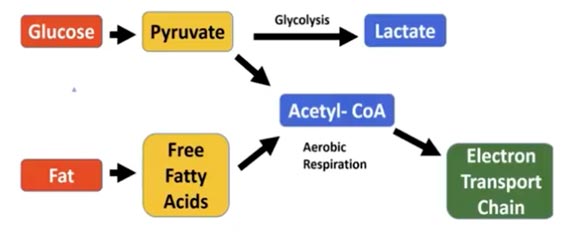
Provided your fat intake is below 30% or so (this is merely a best-guess at this point, as no one knows exactly what the threshold is), the glucose you consume will be shuttled into acetyl-CoA. When it goes to acetyl-CoA, it goes into the electron transport chain in the mitochondria.
Free fatty acids can also be metabolized into acetyl-CoA through beta-oxidation in the mitochondria, and there’s a competition that occurs there with glucose, which is why your fat intake needs to be low enough for glucose to enter this pathway.
Aerobic respiration uses oxygen in the mitochondria, whereas glycolysis, which occurs in the cytosol, does not use oxygen and is very inefficient. Glycolysis only generates two ATP molecules for each molecule of glucose, whereas aerobic respiration, which occurs in the mitochondria, generates 36 to 38 ATPs per molecule of glucose.
Ultimately, you want to burn glucose in your mitochondria. That’s the most efficient, allowing you to generate the most energy, while simultaneously producing the least amount of harmful “exhaust” in the form of reactive oxygen species (ROS).
And, again, the only way to ensure that is to keep your dietary fat content below 30% of your total calories. If you’re insulin resistant, which means you’re metabolically inflexible, that threshold may be closer to 20% or even 10%. So, if you’re insulin resistant, you’ll want to significantly lower your fat intake until your insulin resistance is resolved. Then you can increase it to 30%.
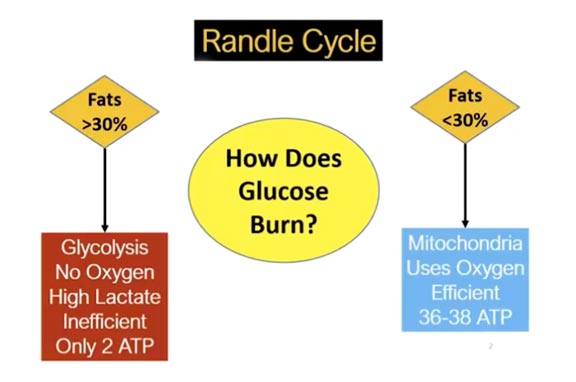
Endotoxin and PUFAs Decimate Mitochondrial Energy Production
Next, Feldman discusses a key strategy to optimize your mitochondrial energy production, which is to remove blocks in the electron transport chain so that electrons can move smoothly forward, without accumulating and backing up.
“We don’t need to focus on doing extra things to stimulate [mitochondrial energy production],” Feldman says. “Our mitochondria will work perfectly well if they have the right fuel and nutrients, and they aren’t being inhibited or blocked.”
According to Feldman, endotoxin (lipopolysaccharide or LPS) and other bacterial toxins are among the biggest culprits when it comes to things that hinder mitochondrial energy production. These toxins can directly impair electron transport through the complexes of the electron transport chain. They can also impair certain enzymes in the Krebs cycle.
The primary solution for obesity and most other conditions is to raise your metabolic rate, and a key strategy for that is to remove blocks in the electron transport chain. Endotoxin and polyunsaturated fats (PUFAs) are two key culprits that need to be eliminated.
Poor digestion is frequently associated with negative gram bacteria in your gut that produce endotoxin, and this will inhibit your ability to convert food to energy, resulting in increased body fat. So, it’s important to reduce your endotoxin load. Aside from poor digestion, excess endotoxin is also a common culprit in degenerative conditions, metabolic syndrome, diabetes and fatty liver. To reduce your endotoxin load:
- Rebalance your gut microbiome by reintroducing beneficial bacteria (probiotics and prebiotics). One of the best and least expensive ways to do this is to eat a serving of fermented vegetables each day.
- Temporarily go on a low-fiber diet and avoid fiber supplements as it can feed undesirable bacteria. Cook your vegetables thoroughly rather than eating them raw, and if your condition is serious, limit fruits for a time too.
- Eat a low-carb ketogenic diet and/or fast until the problem is resolved. As noted by Feldman, “This is one of the main places where low-carb diets, ketogenic diets, fasting, carnivore [diets] are really helpful, as they provide relief from the feeding of bacteria that are producing a lot of endotoxin.” Foods to avoid include most grains, legumes, nuts, and seeds.
- Avoid resistant starches, as they feed LPS-producing bacteria.
Once your microbiome is balanced and symptoms of poor gut function have resolved, you can slowly reintroduce whole fruits, vegetables, roots and tubers, and other foods. Another effective blocker of mitochondrial energy production is polyunsaturated fat (PUFA).
These are your processed seed oils, canola oil being among the worst of the worst. Seed oils are loaded with linoleic acid, an omega-6 PUFA, which appears to be one of the primary drivers of chronic diseases, in part due to its detrimental impact on your mitochondrial function and energy production.
The Expensive Tissue Hypothesis
After a short discussion about ancestral diets and the likelihood that such diets were generally high in carbs, Feldman and Gryn review the “expensive tissue hypothesis,” which is the idea that the less energy you waste on hard to digest, fibrous foods, the more energy is available for your brain.
“… that’s also a reason to be consuming a lot of carbohydrates and not excess protein, because the conversion from protein to glucose and then to energy is very inefficient,” Feldman says.
“It’s about 30% less efficient than just using glucose. So, if we consider the … expensive tissue hypothesis, we shouldn’t be consuming excess protein beyond our needs and trying to use that for energy, because … that leaves less energy for our immune function, our brain function, for reproductive function and and on …
Coming back to weight loss, there’s the constrained model of energy expenditure, which is very related here, which basically says that you can’t just expend more and more calories from, let’s say, exercise, without it coming at a cost.
So, if you exercise 1,000 calories’ worth and before you were burning 2,000 calories, that doesn’t mean that you just burned 3,000. What actually happens is, you start to cut into your own basal metabolic rate, and you start to cut into your bodily function.
So, your reproduction is turned down, your immune function is turned down … Extrapolated, it really also gets at the problem with the ‘eat less exercise more’ advice for weight loss.”
Endotoxin, Not Fructose, Causes Fatty Liver Disease
Feldman also debunks the argument that fructose, unlike what is being promoted by Drs, Robert Lustig, Richard Johnson and David Perlmutter, causes nonalcoholic fatty liver disease (NAFLD). He reminds listeners that both dietary fat and fructose can be converted into fat, and fructose isn’t automatically destined to end up as liver fat.
“In fact, very little fructose gets converted to fat,” he says, because “there are all sorts of of routes for it to go before it’s getting converted to fat … Fructose does go to the liver and it gets picked up by the liver immediately, whereas glucose will go out into the bloodstream and can be picked up by the muscles.
But our livers have developed to handle massive amounts of fructose. Most of the research that is looking at what happens to fructose … is going on in rats. And there are a few differences, there are a few problems there. One is that rat livers are very different from human livers in their capacity for fructose handling.
Our livers have an incredible capacity for handling fructose. Hundreds and hundreds of grams can be stored as glycogen, can be converted to glucose or lactate and sent out to be stored elsewhere, or used elsewhere, and then can also be oxidized.
So, when we consume excess fructose in a normal context, in a healthy liver, very little is going to be going to fat. It takes huge amounts of carbohydrates before you’re … producing much fat in the liver through de novo lipogenesis. And that’s because our livers have this incredible capacity for handling it …”
Feldman also remarks that many fructose studies are flawed in that they’re looking at fructose-only sources, which rarely ever exists in our food supply as it is virtually always accompanied with glucose. Results from such studies therefore do not tell you much about how natural, whole food-based fructose, say from fruit or honey, acts in the body.
“Whether you’re consuming fruit or honey or anything else, the fructose to glucose ratio is always near 1-to-1,” he says. “Sometimes there’s a slight bit more fructose [than] glucose, but even in high fructose corn syrup … it’s about 55% fructose and 45% glucose. We’re really not talking about major differences here.
And that’s important because our intestines don’t absorb pure fructose. If there’s glucose present, we absorb it very well. But if there’s no glucose present … you can’t really absorb it very well.
So, what happens is a lot of it doesn’t get absorbed in our small intestine. [It] continues down to the large intestine where it feeds bacteria. Those bacteria produce endotoxin, and that is what leads to things like fatty liver production [and] fatty liver disease.”
How to Gauge Your Metabolic Rate
According to the rate-of-living theory, the higher your metabolic rate — which means the quicker the electrons move from food toward oxygen, which is the final acceptor of electrons — the faster you’ll age because there’ll be higher oxidative stress.
However, deeper analysis reveals the exact opposite. The truth is, the higher your metabolic rate, the slower you age, because a high metabolism creates fewer ROS that can damage your tissues.
Your metabolism is high when electrons move rapidly and easily through the mitochondrial electron transport chain, which results in optimal energy production. When electrons are impeded from moving forward, they can back up, leak through the mitochondrial membrane and start moving backward, where they combine with oxygen to create excessive ROS.
So, for optimal health, you want high energy production and that means a high metabolic rate. As explained by Feldman, you can gauge your metabolic rate using your pulse and body temperature.
“If you’re not hitting 98.6 [degrees Fahrenheit] later in the day, if you’re not hitting 97.8 or 98.0°F when you’re waking up, that can be a sign of a hypometabolic state,” he says.
“If your [resting] pulse [first thing in the morning] is particularly low, if you’re not getting into the mid-70s or potentially low-80s, depending on your fitness state, that can also be a sign of a low metabolic rate.
The caveat is that the more cardiovascularly fit you are, the lower your pulse rate will be, independent of metabolic state. That’s because your stroke volume increases. The stroke volume is the amount of blood your heart pumps with each beat. So you can have fewer beats and still pump the same amount of blood … You can also look at temperature and pulse before and after a meal.
If … somebody wakes up at temperature 98.4°F. and then they have their breakfast and it drops to 97.5°F., that is a situation of a drop in stress hormones, where someone was waking up in a stress state, their sleep’s probably not optimal, they’re probably not optimal metabolically, then they’re consuming some carbohydrates and their stress hormones drop.
If you’re seeing that happen after a meal, it’s a pretty good sign that that’s what’s happening.
Another good way to do it is just seeing how many calories you can consume while maintaining your weight … If, with your activity and everything else, you should be burning 3,000 calories a day, but you’re maintaining your weight on 2,200 calories a day, that’s a sign that you’re pretty hypometabolic.”
Conversely, if you can maintain your weight when you add more calories, your metabolic rate is likely high, and the extra food will oftentimes improve your sleep, relaxation, energy and recovery.
Methylene Blue — A Useful Rescue Remedy
While there are no magic pills to fix slow metabolism or low energy production, there are some that can help. I’ve previously written about the usefulness of niacinamide, for example. Another helpful one is methylene blue. As explained by Feldman:
“As a supplement, it’s got a number of interesting effects. For one, it’s antimicrobial … but it also has some pretty interesting mitochondrial or energetic effects, where it is able to work as an electron acceptor and donor.
So, if things are not working well in the electron transport chain, the main site where we produce ATP, [if] something’s blocked, let’s say by endotoxin or polyunsaturated fats, whatever it is, methyl blue can help us bypass those issues and allow us to continue to produce energy despite those things.
It also lowers nitric oxide, which is another inhibitor of mitochondrial respiration. So, it’s got a number of benefits. I will say, like any other supplement, there’s a place for it and there’s also a place where it can be problematic, and it’s never the first thing I would go to.
We always want to work at those foundations first — get diet on point, eat consistently, get enough carbs and fats in, make sure we’re getting the nutrients we need, trying to work on our sleep hygiene, our movement …
But I do think there’s a place for methylene blue to help with either those microbial issues or for getting the metabolism going in certain instances. It also, in particular, has some benefits neurologically, because of these stimulating effects on respiration … So, yeah, I like it. Again, it’s not magic in that it is going to fix the problems, but it can be helpful along the way.”
Constructing the Ideal Diet to Maximize Energy
While it’s nearly impossible to come up with a diet that is ideal for everyone, general guidelines can be provided. After that, it’s up to you to experiment and note what works and what doesn’t. For example, some are outfitted with genes that can handle dietary fats better than others, while some may have had their gallbladder removed and can’t handle much fat at all. Following are some general principles for devising your ideal diet:
• Protein — Most adults need about 0.6 to 0.8 grams of protein per pound of lean body mass. As an example, if your body fat mass is 20%, your lean mass is 80% of your total body weight. Ideally, stick to animal-based protein such as clean seafood and low-LA animals like beef, bison, lamb and other ruminant game animals, raw grass fed dairy and organic pastured eggs.
Avoid chicken and pork as, even if pasture-raised and organically fed, they are given grains and other foods that are high in LA so they will increase your LA levels. Many plant-based proteins, including nuts and seeds (with the exception of macadamia nuts), are also high in PUFAs.
• Carbs — Avoid hard-to-digest carbs like most grains, including brown rice, and legumes, unless they’re soaked, properly cooked, sprouted or fermented. Good options include raw authentic honey, maple syrup, white rice, ripe and dried fruit, and well-cooked (preferentially pressure cooked) tubers like red potatoes, sweet potatoes and parsnip.
• Fats — Avoid seed oils, which are loaded with PUFAs like LA. Good options include butter, tallow, ghee, coconut oil and avocados.
If you’ve been on a low-carb, high-fat diet, slowly add in more carbs while simultaneously lowering your fat intake. As mentioned earlier, your fat intake probably needs to be somewhere around 30% or lower to allow for efficient glucose metabolism.
Feldman typically recommends a range of 20% to 40%, with the upper limit being for more physically active people with greater muscle mass. With fats at 30%, carbs would then be in the range of 55% to 60%, with protein making up the remaining 10% to 15%.
Increase Your Metabolism to Slow Your Aging
As mentioned earlier, high metabolism is the key to slowing down aging. And the slower you age, the more youthful and resilient you’ll be. As noted by Feldman:
“When we’re in our 20s, let’s say, or late teens, we can kind of eat whatever, our metabolic rate’s really, [we have] high libido’s, sleep is never an issue … digestion is really good; things don’t bother you. That’s the state … we want to be getting to. And I would say the key difference there is, where is our metabolic rate at?
Over time, metabolic rate slows, mitochondrial respiration slows. If you take aged mitochondria from someone who’s above the age of let’s say 60 or 70, there’s a dramatic reduction in energy production … So, the solution is to get back to that young metabolism. And I think it’s totally doable.
It’s just a matter of eating the things that are designed for optimal function, that allow for maximal energy production, [and] avoiding the things that interfere with that — avoiding the polyunsaturated fats, lowering endotoxin, having good, consistent sleep, consistent movement.
It’s a complex, right? It’s never as simple as ‘Just eat this one thing,’ or ‘just take this one pill.’ [It’s] having that perspective of trying to think of speeding things up, as opposed to slowing things down.”
Omega-3 Fat EPA Significantly Lowers Heart Disease Risk
Reproduced from original article:
https://articles.mercola.com/sites/articles/archive/2023/08/12/epa-lowers-heart-disease-risk.aspx
The original Mercola article may not remain on the original site, but I will endeavor to keep it on this site as long as I deem it to be appropriate.
Analysis by Dr. Joseph Mercola Fact Checked August 12, 2023
STORY AT-A-GLANCE
- Omega-3 fats are essential fats your body needs for proper cell division and function of cell receptors, digestion, muscle activity, blood clotting, visual acuity, cognition, heart health and much more
- A proprietary prescription formulation of fish oil called Vascepa — a highly-processed form of the omega-3 fat EPA — lowered cardiovascular health risks by 25% compared to placebo
- Participants in the Vascepa trial received 4 grams of EPA per day — which is two to four times more EPA than typically given — for five years
- A pair of parallel studies published in 2008 — both lasting four years — found fish oil supplements worked better than placebo and the cholesterol-lowering drug Crestor in patients with chronic heart failure
- While a general recommendation is to take 3 to 4 grams of marine-based omega-3 per day, the only way to identify your ideal dose is to measure your omega-3 index with a blood test. For optimal health, aim for an omega-3 index of 8% or higher
Editor’s Note: This article is a reprint. It was originally published October 8, 2018.
Omega-3 fats are essential polyunsaturated fats (PUFAs) your body needs for proper cell division and function of cell receptors, digestion, muscle activity, blood clotting, visual acuity, cognition, heart health and much more.
Most omega-3s are considered “essential fats” as your body cannot make them. You have to get them from your diet. Omega-3 fats are found in both marine animals and plants, but each of these sources provides different types of omega-3, and they are not interchangeable.
It’s really important to be aware of these differences, especially if you’re taking omega-3 to protect or improve your heart or neurological health. For these benefits, you need marine-based omega-3. So, before I get into the evidence behind omega-3 fats for heart health, which is the primary focus of this article, let’s quickly review the basics.
Omega-3 Basics
Both plant- and animal-based omega-3 have their first double-bond in the third position — hence the name “omega-3.” However, the length of the carbon chain of each omega-3 fat makes a significant difference when it comes to bioavailability and biological effect.1,2,3
• Marine animal-based omega-3 — Found in fatty fish, fish oil and krill oil, marine animal-based omega-3s primarily contain docosahexaenoic acid (DHA), a long-chained PUFA consisting of 22 carbons, and eicosapentaenoic acid (EPA), which has 20 carbons.
• Plant-based omega-3 — Found in flaxseed, flaxseed oil, chia seeds, walnuts and leafy greens, for example, plant-based omega-3s contain alpha-linolenic acid (ALA), a shorter-chained PUFA consisting of 18 carbons. Plant-based omega-3s are completely devoid of DHA and EPA, which is why they cannot be used to obtain EPA and DHA-related health benefits.
While ALA is a precursor to EPA and DHA, the enzyme required for this conversion does not work very well in most people, hence the conversion rate is exceptionally small. Typically, less than 0.5 to 1% of the ALA is converted to EPA.4
DHA is especially important for optimal health, as it is a component of every cell in your body. This is particularly true for your brain, about 90% of which is made up of DHA. All other omega-3 fats are found only in trace amounts in your brain, including ALA, regardless of how much ALA you consume.5
There are actually specific transporters for long-chained omega-3s in your blood-brain barrier, the placenta (in pregnant women), and likely also in your liver, which transport these molecules in a very precise way into the cell membranes where they belong. No such transporters exist for the short-chained omega-3s.
EPA Lowers Heart Disease Risk
Aside from protecting and benefiting your brain, marine-based omega-3 is also really important for heart health. More recently, a study6,7,8 involving a proprietary prescription formulation of fish oil called Vascepa — a highly-processed form of EPA — found the drug lowered cardiovascular health risks by 25% compared to placebo containing mineral oil.
This included heart attacks, strokes, bypass surgery and chest pain requiring hospitalization. The drug trial was called REDUCE-IT and was done for five years. Perhaps the most unusual aspect of this trial is that they used a far higher dosage than is typically used in these types of studies.
Here, participants received 4 grams of EPA per day, which is two to four times more EPA than typically given. Also notable: A 25% reduction in cardiovascular risk is typically what you see with the use of statins, and this significant reduction is believed to be a byproduct of EPA’s ability to lower triglycerides.
While the full study will not be available for review until it is presented at the American Heart Association’s annual meeting November 10, 2018, the preliminary information looks promising, and supports what James DiNicolantonio and I predicted in our book “Superfuel,” which is being published November 13.
While this study is very strong support for the use of marine-based omega-3 fats, please understand that Vascepa is a highly processed and very expensive form of omega-3 that costs around $2,500 a year. You can purchase loads of krill, which I believe is superior because of its absorption and astaxanthin, for that price. As reported by Forbes:9
“Vascepa is already approved by the Food and Drug Administration to cut triglycerides in patients in whom levels have risen above 500 milligrams per deciliter [mg/dL], triple normal.
But there had been skepticism regarding whether it would provide a benefit in heart disease, because other fish oil pills had used much lower doses and because it has proved difficult for any drug significantly to reduce the risk of heart attacks and strokes when given on top of cholesterol-lowering medicines, which are already very effective.
But the results from the 8,179-patient study … seem to leave little doubt that the effect of the drug was substantial in people who had high triglycerides (median triglyceride levels in the study were 219 mg/dL, 50 percent more than normal) and had either had previous cardiovascular problems, such as a heart attack or stroke, or had diabetes and another risk factor for heart disease.”
Download this Article Before it Disappears
Higher Doses of Omega-3 Required for Optimal Health
For all its potential benefits, it’s worth noting that Vascepa costs over $200 per month. Natural EPA sources such as krill oil and clean fish such as anchovies and sardines are far less expensive. The key to achieving these results, though, is to approach the 4 grams per day dose.
As discussed in “Superfuel,” 3 to 4 grams of EPA and DHA appears to be ideal. (Meanwhile, you only need 1 to 2 grams of whole food-based omega-6 linoleic acid per day, ideally from plant seeds and tree nuts, not vegetable oils.)
Taking 3 to 4 grams of omega-3 (EPA and DHA in the form of fatty fish, triglyceride fish oil or krill oil) per day will saturate your cells and cell membranes with DHA, making them very fluid. As a result of improved cell function, your basal metabolic rate increases by as much as 15%, and your fat burning capacity during rest and exercise increases by 20 and 30% respectively.
As an example, research shows replacing 6 grams of visible fat in your diet (such as steak) with 6 grams of high-quality fish oil can help you lose 2 pounds of fat and gain half a pound of muscle in just three weeks.
Again, the reason for this is because omega-3 fat, particularly DHA, makes the cell membrane really fluid, allowing amino acids, glucose, sodium and potassium to easily flow in and out of the cell. Omega-3s also help synthesize protein, so muscle protein synthesis dramatically increases when you consume 3 to 4 grams of animal-based omega-3 per day.
Fish Oil Is Better Than Drugs for Preventing Heart Failure
The Varicepa trial is not the first to find omega-3 benefits your heart. For example, a pair of parallel studies10,11 published in 2008 — both lasting four years — found fish oil supplements worked better than placebo and the cholesterol-lowering drug Crestor in patients with chronic heart failure.
Chronic heart failure is a condition that occurs when the heart becomes enlarged and cannot pump blood efficiently around the body. Omega-3 fats have long been proven to protect and boost heart health in a number of ways. Here is just a sampling of omega-3’s heart benefits:12,13
| Antiarrhythmic — Counteracts and prevents cardiac arrhythmia |
| Antithrombotic — Prevent thrombosis (a blood clot within a blood vessel) |
| Antiatherosclerotic — Prevents fatty deposits and fibrosis of the inner layer of your arteries from forming |
| Anti-inflammatory — Counteracts inflammation |
| Improves endothelial function — A major factor in promoting the growth of new blood vessels |
| Has beneficial effects on the heart’s electrical system, preventing potentially life-threatening heart rhythm disorders |
| Lowers blood pressure |
| Lowers triglyceride concentrations |
DHA and EPA Lower Risk of Heart-Related Death
Other research published in 2016 found eating fatty fish and other omega-3 rich foods (including certain plant-based sources) may lower your risk of a fatal heart attack by about 10%.14
This effect held true even after accounting for confounding factors like age, sex, ethnicity, diabetes and use of aspirin or cholesterol-lowering drugs. While there are benefits from the fish fats you just need to be ultracareful to have clean fish that aren’t loaded with fat soluble toxins that will outweigh the fats’ benefits.
Other studies have found even more significant effects. In one, heart attack survivors who took 1 gram of marine-based omega-3 per day for three years had a 50% reduced chance of sudden cardiac death.15 That’s quite significant considering this is about one-quarter of the ideal dose.
Another placebo controlled study16 published in 2016 found that when taken after a heart attack, high doses of omega-3 can also significantly improve your odds of survival.17,18,19 Here, 360 heart attack patients were divided into two groups. The treatment group took 4 grams of the prescription omega-3 fish oil called Lovaza. The placebo group received corn oil.
After six months, the treatment group showed a 5.6% reduction in scarring of undamaged heart muscle. Their hearts were also better able to pump blood compared to the controls. Despite a positive result, it’s worth noting that corn oil is a terrible placebo. Placebos are supposed to be completely inert, like water.
Corn oil is actually a harmful industrially processed GMO-contaminated omega-6 fat that clearly adversely affects your heart. So, using a corn oil placebo could make the drug appear more potent than it really is.
Other Health Benefits of Marine-Based Omega-3
Aside from the benefits already discussed, omega-3s are also important for:
| Healthy, strong bones | Mood regulation |
| Reducing your risk of Parkinson’s disease | Reducing your risk of death from ALL causes |
| Protecting your tissues and organs from inflammation | Brain and eye development in babies, and preventing premature delivery |
| Reducing your risk of Alzheimer’s disease | Delaying progression to psychosis among patients at high risk for schizophrenia |
| Protecting against osteoarthritis and rheumatoid arthritis (RA)20,21,22 | Protecting against metabolic syndrome,23 including obesity, fatty liver,24 and type 2 diabetes (by reducing inflammation and blood sugar) |
| Improving in premenstrual syndrome (PMS) and dysmenorrhea25 | Lowering your risk for neurological/cognitive dysfunction, including: memory loss, brain aging, learning disorders and ADHD,26 autism and dyslexia27 |
| Reducing your risk of Crohn’s disease | Reducing your risk of colon cancer.28 Colon cancer patients who consumed a minimum of 0.3 grams of omega-3 from fish each day also reduced their risk of dying over the next decade by 41%29 |
| Reducing your risk of kidney disease30 | Reducing your risk of autoimmune disorders, such as lupus and nephropathy |
Your Blood Level, Not the Dosage, Is Key for Optimization
Despite many studies showing the importance of marine-based omega-3 for heart health, some have come to conflicting conclusions. For example, a Cochrane Collaboration review31 concluded omega-3 supplementation has little to no discernible benefit for heart health or longevity.
There are a number of reasons for these perplexing results. Perhaps most importantly, many nutritional studies fail to assess the correct parameters. The importance of looking at achieved blood levels of a nutrient rather than dosage has been made abundantly clear by GrassrootsHealth vitamin D researchers.
When studies look at dosage, no apparent benefits of vitamin D supplementation are found. However, when you look at people’s blood level — the concentration of the nutrient in the body — truly dramatic effects are detected.
The problem is that people metabolize the nutrient at different rates, and while one may need a very small dose to achieve a certain blood level, another may need several times that dose. As a result, assessing health effects based on supplement dosage can be unreliable.
For this reason, I recommend getting your omega-3 level tested on an annual basis. As with vitamin D, blood testing is the best way to customize your dosage to ensure sufficiency, because requirements for omega-3 will vary depending on your lifestyle; your intake of fatty fish, for example, and your level of physical activity.
So, while a general recommendation is to take 3 to 4 grams of omega-3 per day, the only way to really know whether this is too much or too little is via a blood test. For optimal health, you’ll want an omega-3 index of 8% or higher.
Buyer Beware: Most Commercial Fish Oils Are Synthetic
Another reason some fish oil studies reach negative results may be related to the use of inferior products. As noted by Naomi Whittel, former CEO of Twinlab, the processing of fish oil is deeply problematic, rendering the final product into something far from the natural oils you get from the whole fish.
Whittel estimates about 98% of the omega-3 products on the market are inferior (and perhaps even toxic) due to the way the fish are caught and processed — a summary of which is provided in the graphic below.

Several factors come into play that affect the efficacy of fish oil. One is the form of the long-chained omega-3 fats. In fish, about 98% of the DHA and EPA are in the form of triglycerides, which are the most bioavailable. In most commercial fish oil supplements, however, the DHA and EPA are delivered in the form of ethyl esters.32
Triglycerides Versus Ethyl Esters
A triglyceride consists of a three-carbon molecule that forms a “backbone” for the fatty acids to latch onto. Each carbon molecule is linked to a fatty acid so, in total, a triglyceride is composed of three carbons bonded to three fatty acids.
Ethyl ester fish oil is most prevalent simply because it’s far less expensive to produce than the triglyceride form. Ethyl esters are also easier to work with during processing, as they have a higher boiling point. This becomes important during the molecular distillation phase (see above), during which the oils are heated and purified of harmful environmental pollutants.
The molecular distillation phase also concentrates the EPA and DHA. You can tell the concentration of these two fats in any given supplement by looking at the label. In fish, the oil consists of about 20 to 30% EPA and DHA, whereas purified fish oil concentrate typically contains between 60 and 85% EPA and DHA.
Ethyl esters are essentially a synthetic substrate, created through the micro distillation process of crude fish oil, in which ethanol and/or industrial alcohol is added. This mix is heat distilled in a vacuum chamber, resulting in a concentrated omega-3 ethyl ester condensate.
It is also important to note that this purifying molecular distillation process removes vital resolvins and protectins present in the raw material that are important in reducing inflammation, and inflammation is a hallmark of both neurological and cardiovascular diseases and dysfunction.
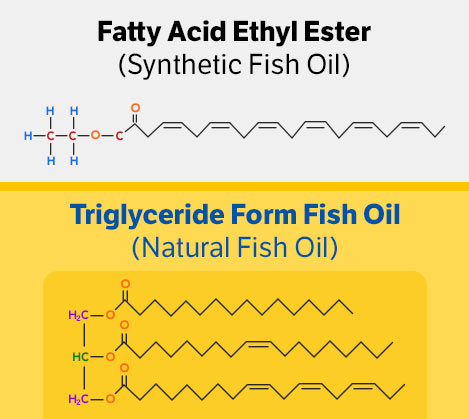
Ethyl Esters Are Poorly Absorbed, May Do More Harm Than Good
Ethyl esters — found in most fish oils — are the least bioavailable form of omega-3. Studies33 suggest a mere 20% of the EPA and DHA in ethyl ester form are absorbed by your body. When taken with other dietary fat, absorption increased threefold to 60%.
Meanwhile, EPA and DHA in their natural triglyceride form were found to have a 69% absorption rate from the start, and when taken with additional dietary fat, absorption increased to 90%. As a result, taking a triglyceride fish oil results in a 50% greater rise in omega-3 blood plasma levels than ethyl ester fish oil.
Another major drawback of ethyl ester fish oils is their rapid oxidation rate. Ethyl ester DHA is far more reactive than triglyceride DHA, oxidizing 33% more rapidly, and consuming rancid omega-3 is not going to do your health any good.
While manufacturers could convert them back into triglyceride form (by detaching the ethyl alcohol molecule and reattaching a glycerol molecule in a process known as re-esterification), this process is a costly one. So, in summary, it’s important to realize that the vast majority of clinical evidence showing health benefits of omega-3 relates to actual fish consumption, and virtually all of the omega-3s in fish are in triglyceride form.
Hence, to achieve reliable results, you really need to either eat omega-3-rich fish, or make sure the supplement you’re taking contains DHA and EPA in their triglyceride form. For a more in-depth understanding of these differences, see the paper, “A Comparison of Synthetic Ethyl Ester Form Fish Oil vs. Natural Triglyceride Form,”34 by Dr. Douglas MacKay.
- 1, 5 Omega-3 Institute, Differentiation of ALA (plant sources) from DHA + EPA (marine sources) as Dietary Omega-3 Fatty Acids for Human Health
- 2 Alwaysomega3s.com, Fact: Not all omega-3s are created equal
- 3 Harvard Nutrition Science, Omega-3s
- 4 Int J Vitam Nutr Res. 1998;68(3):159-73
- 6 STAT News September 24, 2018
- 7 CBS New York September 25, 2018
- 8 European Heart Journal Supplements Volume 22, Issue Supplement J, October 2020, Pages J34-J48
- 9 Forbes September 24, 2018
- 10 The Lancet August 31, 2008; 372(9545): 1223-1230
- 11 The Lancet August 31, 2008; 372(9545): 1231-1239
- 12 University of Rochester Medical Center 2018
- 13 Cleveland Clinic June 2017
- 14 Medical News Today June 27, 2016
- 15 Lancet 1999; 354:447-55
- 16 Circulation. 2016;134:378–391
- 17 Reuters August 1, 2016
- 18 Medical News Today August 2, 2016
- 19 Science Daily August 1, 2016
- 20, 22 Am J Gastroenterol. 2005 Dec;100(12):2674-80
- 21 BMC Musculoskelet Disord. 2010;11:136
- 23 J Anim Physiol Anim Nutr (Berl). 2012 Apr;96(2):295-306
- 24 J Agric Food Chem. 2009 Oct 14;57(19):9339-45
- 25, 26 Alternative Medicine Review 2003 May;8(2):171-9
- 27 Alternative Medicine Review 2007 Sep;12(3):207-27
- 28 Lipids Health Dis. 2008 Aug 29;7(1):30
- 29 Science Daily July 19, 2016
- 30 Urol Res. 2011 Feb;39(1):59-67
- 31 Cochrane Library July 18, 2018
- 32, 33 J Nutr. 2021 May; 151(5): 1111-1118
- 34 A Comparison of Synthetic Ethyl Ester Form Fish Oil vs. Natural Triglyceride Form (PDF)
Do Organs Have a Mind of Their Own?
Reproduced from original article:
https://articles.mercola.com/sites/articles/archive/2023/08/12/organs-have-mind-of-their-own.aspx
The original Mercola article may not remain on the original site, but I will endeavor to keep it on this site as long as I deem it to be appropriate.
Analysis by A Midwestern Doctor August 12, 2023

STORY AT-A-GLANCE
- Organ transplant recipients often experience inexplicable personality changes and memories that appear to come from donor of the original organ
- In many of those cases, it appears that emotions which were trapped in the donor (e.g., because of the donor’s sudden traumatic death) transfer into the recipient
- This transference provides critical insights into both the nature of consciousness and ways to mitigate many of the struggles transplant recipients face
Modern science is founded upon a materialistic paradigm that rejects anything which suggests there is more to each human being than just our flesh and bones. Yet, as medical science finds more and more ways to pry open the doors between life and death, evidence always emerges suggesting the spirit is just as much a part of the human experience as our bodies and minds.
For example, cardiac resuscitation, a modern scientific miracle, made it possible to bring individuals who had died back from beyond the grave. In turn, there are many cases of resuscitated individuals reporting experiences (such as one witnessing and then recalling events that happened while they were clinically dead) that challenge medical science’s conception that conscious arises from electrical activity within the brain.
Organ Transplants
Organ transplants are another example of how medical science, through attempting to break a fundamental constraint of nature in order to save lives, simultaneously opened the door to an understanding of consciousness that challenges the entire materialistic paradigm modern science rests upon.
My interest in this topic first emerged from a conversation years ago with a very innovative mentor who had a knack for finding unconventional solutions to otherwise unsolvable medical issues. The topic at hand was organ transplantation, something which typically suffers from the following issues:
• Recipients can experience a variety of unusual symptoms from the new organ which significantly affect their quality of life.
• There is always a high risk the transplanted organ will fail. Likewise, there is a high risk of death for individuals who received transplanted organs (e.g., 15% – 20% of recipients die within a year of a heart transplant, and after that, there is a constant 4% death rate per year, which results in only 50% being alive after 10 years).
• Many of the issues with heart transplants arise from the immune system viewing the organ as a foreign invader and attacking it. Preventing this requires taking heavy doses of immunosuppressive drugs which both create symptoms from their intrinsic toxicity and from the immune suppression that they create (which in turn requires taking even more medications for life).
To share one story from medical school, I spent quite a bit of time with at the hospital with a classmate who had a kidney transplant, was repeatedly hospitalized for recurrent urinary tract infections, and when hospitalized, required somewhat dangerous intravenous antibiotics.
Note: Because of how problematic transplants can be (yet alone how difficult it is to get a donor organ), I believe anything that can be done to avoid needing a transplant should be the number one priority.
Often when organs fail, the failure is preceded by a gradual decline which can potentially be halted if appropriate steps to reverse that unhealthy momentum are taken early enough in the disease process. Once a significant loss of function has occurred, the only approaches I have ever seen bring those organs back were correctly administered systemic regenerative therapies.
I hence asked my mentor if they had ever found anything which helped and their answer was immediate:
“You have to clear the trapped emotions.”
At the time, I didn’t really know what to make of this response; I trusted my mentor’s results but this really was quite the odd answer. Years later when I came across Paul Pearsall’s The Heart’s Code that response began to make a lot more sense.
Note: much of what follows is sourced from Pearsall’s book. Due to graphic nature of some of the stories within it, I chose to present summarized versions which did not explicitly restate those details. For those who are interested in the full versions, they can be found within his book.
The Heart’s Code
Personality changes are frequently observed after organ transplantations, especially with heart transplants. Since the existence of this phenomenon challenges the materialistic paradigm of where consciousness comes from, very discordant views exist towards it within the medical profession.
Many adamantly deny it happens, some attribute it to other factors (e.g., the extreme stress of waiting for a transplant as your life lies in the balance while always needing to be ready to go the instant it becomes available, the experience of the transplant surgery or the psychological effects of the immunosuppressant drugs), but in face of the overwhelming evidence something we can’t explain is happening, there have been those who were compelled to study it.
For example, Dr. Benjamin Bunzel in the Department of Surgery at the University Hospital in Vienna studied 47 heart transplant patients and found that 79% believed their personality had not been affected be the transplant (but gave signs indicating otherwise to the interviewer), 15% believed it had changed due to the life-threatening event of transplantation rather than from their new heart, while 6% (three in total) reported a distinct change of personality due to their new hearts.
In those three individuals, each noted that they felt compelled to change their prior feelings and reactions to accommodate what they sensed as coming from the memories of their donor.
One reported switching from always being anxious to having a calm heart. The second (a 45-year-old man who received the heart of a 17-year-old boy) reported that he became driven to listen to loud music with headphones or from his car stereo, while his family reported that it seemed as though the little boy in him had come out. The final individual reported being drawn to attending church, his marriage changing and feeling as though his donor was living inside him.
Note: as discussed further below, Pearsall found that approximately 10% heart transplant recipients were overtly sensitive to experiencing emotions they believed come from their donor.
The most well-known personality change was detailed within A Change of Heart, a memoir written by Clair Sylvia, who at the age of 47, received a heart and lung transplant.
“[At the time her transplant] she heard from a nurse that her donor was an 18-year-old boy from Maine who died in a motorcycle accident, but the hospital refused to tell her more, arguing (as most hospitals do) that this is an emotional can of worms for all concerned.”
Five months afterwards she had a vivid dream about a tall, thin young man whose name was Tim, and whose surname began with L. In the dream, writes Sylvia, “we kiss, and as we do I inhale him into me. It feels like the deepest breath I have ever taken. And I know at that moment the two of us, Tim and I, will be together for ever.
I woke up knowing – really knowing – that Tim L was my donor and that some parts of his spirit and personality were now in me.”
At first, Sylvia accepted the advice to leave well alone, but she continued to experience disturbing, unfamiliar feelings and appetites – from her strange new desire to drink beer [which started immediately after the surgery] and eat chicken nuggets, to the profound sense that “the very centre of my being was not mine”.
The mysterious new entity within her body reminded her of pregnancy, when she felt she embodied something “foreign and beyond my control, yet terribly precious and vulnerable [as if] a second soul were sharing my body”. And that soul was stereotypically masculine, making her more aggressive and confident.
Friends remarked that after the transplant she was walking more like a man and she found herself attracted by rounded, blonde women – “as if some male energy in me was responding to them.”
Note: I have seen cases that suggest things experienced by a pregnant mother can shape the deepest layers of the child’s personality, direct the course of their entire life, and in some cases be recalled by the individual. I suspect this is why some ancient cultures believed it was critical for a child’s wellbeing to have the mother live in a non-stressful environment throughout the pregnancy.
Likewise, numerous stories exist showing that individuals who have been close to each other often have an invisible connection. This is most frequently observed with twins (every now and then a twin I know shares a compelling example), with the best example being the Jim twins, who were separated at birth and then 39 years later discovered innumerable and almost impossible to explain similarities in the paths their lives took.
Numerous accounts (such as those listed by Pearsall) also exist of a spouse sensing when something terrible has happened to their partner, and as documented in Dogs That Know When Their Owners Are Coming Home, there have been many instances of pet owners viscerally experiencing the violent death of their pet.
“It was not until 1990, she says, that Sylvia traced the identity of her donor through his obituary in a local paper. His name was Tim, his surname did begin with L, and when Sylvia eventually visited his family she learnt that he had been restlessly energetic, with a love of chicken nuggets, junk food and beer [the habits she adopted after the transplant].”
Note: another woman interviewed by Pearsall who received the heart of a young man reported “When we dance now, my husband says I always try to lead. I think it’s the macho male heart in me making me do that.”
Download this Article Before it Disappears
Pearsall’s Discoveries
In certain cancers, treating them requires taking a heavy dose of chemotherapy that destroys the bone marrow (marrow produces your blood cells and immune system). In these patients, they often first receive chemotherapy and then a bone marrow transplant from a healthy donor to replace their lost bone marrow.
Since Paul Pearsall went through this and was a neuropsychologist, he became compelled to study the psychological effects of transplantation and become a counsellor for individuals who experienced “significant and inexplicable changes in personality” after transplants.
Note: many are now familiar with the Pfizer’s biodistribution studies which showed the vaccine concentrates in the ovaries (which likely explains the high rate of menstrual abnormalities seen in approximately half of vaccinated females).
The biodistribution study also showed that the vaccine concentrates in the bone marrow, and I learned from one patient with a marrow transplant that he had avoided vaccinating because multiple members of his support group had had their marrow transplant fail following COVID vaccination.
In writing The Heart’s Code Pearsall compiled interviews from 73 heart transplant recipients (along with their family members), 67 individuals who received other organ transplants, and interviewed the family members of 18 now deceased organ donors. To quote Pearsall:
“When I listen to the tapes of my interviews with heart and heart-lung transplant recipients and the donor families, I am still taken aback by what they’ve shared with me.”
From these interviews he found numerous common patterns such as:
• Repeatedly recalling the traumatic manner in which the donor died either through dreams or by feeling something resembling the fatal injury the donor experienced in their own body.
• Changes in culinary and music preferences that matched those of the donor. For example, lifelong vegetarians became carnivores, and carnivores became vegetarian.
• Changes in sexual preferences (e.g., a lifelong lesbian becoming attracted to men and then marrying one, another woman receiving the heart of a sex worker and then becoming hypersexual, or one instead losing their sex drive).
Note: one of my colleagues has a male patient who received a female heart, then became compelled to become a woman and is now undergoing a gender transition (something the patient had had never even thought of prior to the transplant). Pearsall also shared that a change in gender orientation be reported to him by one transplant recipient he interviewed. All of these examples shed an interesting light on the belief that “love is in the heart.”
• Sudden overpowering emotions coming over them out of nowhere they feel as though they have no control over (my mentor also observed this). Likewise, this was also observed by a Yale surgeon who documented the experiences of a heart transplant recipient the surgeon followed throughout their hospitalization:
“I can be sitting here feeling fine and all of a sudden something clicks and I get nervous and everything starts going. Something in my body changes, as if somebody pushed a button. I talked to another transplant patient — he’s in his fifth year — and he says it still happens to him.”
Note: personality changes are sometimes reported after certain pharmaceuticals. For example, birth control pills are well known for doing this and sometimes breaking long term relationships apart either due to the pill being started or terminated after years of use. Likewise, I previously discussed how statins often have this tragic side effect.
Recently, I discussed the common observation that the COVID vaccines cause significant cognitive impairment and in that article, multiple readers shared severe and tragic personality changes that had occurred in their significant other.
Heart Transplant Experiences
In his book, Pearsall shared some of the most compelling cases he came across. Given his meticulous use of citations, that he cowrote a paper detailing many inexplicable personality transferences with an academic who independently verified those stories, that he was regularly invited to speak on national television, and the fact that many of his stories match the patterns my colleagues have come across, I am inclined to believe Pearsall was being truthful.
Nonetheless, some of these stories are so extraordinary, I am nonetheless skeptical of them, and unfortunately Pearsall is no longer alive, so it is not possible to verify them with him. Those stories are as follows:
“I recently spoke to an international group of psychologists, psychiatrists, and social workers meeting in Houston, Texas.
I spoke to them about my ideas about the central role of the heart in our psychological and spiritual life, and following my presentation, a psychiatrist came to the microphone during the question and answer session to ask me about one of her patients whose experience seemed to substantiate my ideas about cellular memories and a thinking heart.
The case disturbed her so much that she struggled to speak through her tears. Sobbing to the point that the audience and I had difficulty understanding her, she said, “I have a patient, an eight-year-old little girl who received the heart of a murdered ten-year-old girl.
Her mother brought her to me when she started screaming at night about her dreams of the man who had murdered her donor. She said her daughter knew who it was. After several sessions, I just could not deny the reality of what this child was telling me.
Her mother and I finally decided to call the police and, using the descriptions from the little girl, they found the murderer. He was easily convicted with evidence my patient provided.
The time, the weapon, the place, the clothes he wore, what the little girl he killed had said to him … everything the little heart transplant recipient reported was completely accurate.” As the therapist returned to her seat, the audience of scientifically trained and clinically experienced professionals sat in silence.”
As far as I know, no one has been able independently confirm the above story happened, as each existing reference to it cites Pearsall’s book. However, there are other cases of the donor’s final memories being recalled by the recipient.
For example, a 36 year-old female received the heart of a 21 year-old girl who was killed while running across the street to show her fiancé a picture of her new wedding dress. That recipient reported having a dream almost every night about the girl stating:
“I know she was young and pretty and very happy. I’ve always been sort of a somewhat down type of person yet, somehow [since the transplant], I have this new happiness in me I never experienced before.”
Note: a profound improvement in her mood was also immediately noticed by her family.
There are other compelling examples as well:
“I met the family of my donor and they said their son was a bright young [twenty three year-old] artist and that he was gay. Now I wonder if, when I look at my husband, I am looking at him like a woman would look at him like I used to do, or if I am looking at him like a young gay man would look at him. And one more thing.
His mother said they shot him in the back. After my surgery, I’ve had shooting pains in my lower back, but I guess that’s just the surgery acting up.
Husband of recipient: She has completely changed how she dresses now [she wears much more revealing clothes now] and sometimes during the night she will awake suddenly and scream. I used to think she was having a heart attack, but she would point to her back and say it was like a shooting pain right in the middle of her back.”
The next story comes from a 41 year-old male who received the heart of a 19 year-old girl who was killed when her car was struck by a train:
“I felt it when I woke up. You know how it feels different after a thunderstorm or heavy rain? You know that feeling in the air? That’s kind of how it felt. It was like a storm had happened inside me or like I had been struck by lightning. There is a new energy in me. I feel like nineteen again. I’m sure I got a strong young man’s heart because sometimes I can feel like a roar or surging power within me that I never felt before.
I think he was probably a truck driver or something like that, and he was probably killed by a cement truck or something like that. I feel this sense of speed and raw power in me.”
Wife of recipient: “He’s a kid again. He used to struggle to breathe and had no stamina at all, but now he’s like a teenager. The transplant changed him completely. He keeps talking about power and energy all the time. He says he has had several dreams that he is driving a huge truck or is the engineer of a large steam engine. He is sure that his donor was driving a big truck that hit a bigger truck.”
Sometimes the transfer of memories is not as apparent without the full context to interpret it:
“Oh my God, David, no!,” cried Glenda when she saw the bright lights headed straight for their car. As the squeal of the tires burning to grip the road became one with her own shrill shriek of helpless terror, she knew that she had lost her husband forever. Moments before the car came crashing through their windshield, the couple had argued over something silly and had been sitting in resentful silence.
They had had these little emotional scuffles before, but unlike in the past when they had had skirmishes, this time there would be no opportunity to apologize and reconfirm their love.
Glenda is a practicing family physician. She is well-versed in bioscience and, as I do, admires the rigor and healthy skepticism of modern science. Now, however, the power of something that transcends what science calls common sense was tugging at her heart.
“David’s heart is here,” she added. “I can’t believe I’m saying that to you, but I feel it. His recipient is here in this hospital.” At that moment, the door opened and the young man and his mother walked hurriedly down the center aisle of the chapel.
Glenda’s hand began to tremble and tears rolled down her cheek. She closed her eyes and whispered, “I love you David. Everything is copacetic.” She removed her hand, hugged the young man to her chest, and all of us wiped tears from our eyes. Glenda and the young man sat down and, silhouetted against the background of the stained-glass window of the chapel, held hands in silence.
Speaking in her heavy Spanish accent, the young man’s mother told me, “My son uses that word ‘copacetic’ all the time now. He never used it before he got his new heart, but after his surgery, it was the first thing, he said to me when he could talk. I didn’t know what it means. He said everything was copacetic. It is not a word I know in Spanish.”
Glenda overheard us, her eyes widened, she turned toward us and said, “That word was our signal that everything was OK. Every time we argued and made up, we would both say that everything was copacetic.”
Another case illustrates the different ways a donor’s heart can diffuse into the consciousness of the recipient:
“It’s really strange, but when I’m cleaning house or just sitting around reading, all of a sudden this unusual taste comes to my mouth. It’s very hard to describe, but it’s very distinctive. I can taste something and all of a sudden I start thinking about my donor, who he or she is, and how they lived. After a while, the taste goes away and so do the thoughts, but the taste always seems to come first.”
One case argued strongly against preconceived notions of the recipient causing the personality changes:
“A 47 year-old white male foundry worker, who received the heart of a 17 year-old black male student, discovered after the operation that he had developed a fascination for classical music. He reasoned that since his donor would have preferred ‘rap’ music, his newfound love for classical music could not possibly have anything to do with his new heart.
As it turned out, the donor actually loved classical music, and died “hugging his violin case” on the way to his violin class [he was hit by a car].”
One case illustrates many of the different changes that can occur simultaneously:
The donor’s mother: “My Sara was the most loving girl. She owned and operated her own health food restaurant and scolded me constantly about not being a vegetarian. She was a great kid — wild, but great. She was into the free-love thing and had a different man in her life every few months.
She was man-crazy when she was a little girl and it never stopped. She was able to write some notes to me when she was dying. She was so out of it, but she kept saying how she could feel the impact of the car hitting them. She said she could feel it going through her body.”
The recipient: “You can tell people about this if you want to, but it will make you sound crazy. When I got my new heart, two things happened to me.
First, almost every night, and still sometimes now, I actually feel the accident my donor had. I can feel the impact in my chest. It slams into me, but my doctor said everything looks fine. Also, I hate meat now. I can’t stand it. I was McDonald’s biggest money-maker, and now meat makes me throw up. Actually, whenever I smell it, my heart starts to race. But that’s not the big deal.
My doctor said that’s just due to my medicines. I couldn’t tell him, but what really bothers me is that I’m engaged to be married now. He’s a great guy and we love each other. The [chemistry] is terrific. The problem is, I’m gay. At least, I thought I was. After my transplant, I’m not … I have absolutely no desire to be with a woman. I think I got a gender transplant.”
Note: Susie’s brother also noted that Susie had been an outspoken lesbian but following the transplant, that personality completely disappeared.
One of the most interesting cases was first documented in the Daily Mail. It suggests that abstract skills can also be transferred:
“William Sheridan’s drawing skills were stuck at nursery level. His stick figures were the sort you would expect of a child. But as he convalesced after a heart transplant operation, he experienced an astonishing revelation.
Suddenly he was blessed with an artistic talent he simply did not recognise, producing beautiful drawings of wildlife and landscapes. He was even more amazed when he discovered what he now believes to be the explanation. The man who donated his new heart was a keen artist.”
Note: Pearsall also shared the case of a sensitive nurse who worked in a cancer unit. Two years after her transplant, she became an energy healer and remarked that “I had a new heart with new energy and memories physically placed in me. That really gets your brain’s attention about ‘otherness’ and ‘individuality’.”
In rare cases, heart transplant recipients are able to meet their donors, due to a phenomenon known as “domino transplants” where a patient with failing lungs receives both a heart and lungs simultaneously and then donates their heart to someone else.
When Pearsall interviewed a heart transplant recipient (Fred) and his donor (Jim), both of their wives noted the husband had taken on personality traits of their heart donor (e.g., the depression and romanticism of Jim’s now deceased donor), and that Fred periodically subconsciously mistook his wife for Jim’s wife.
A longer list of some of the most compelling cases Pearsall came across can be found in the article he published. Many of the themes mentioned above are echoed within the article’s stories (e.g., the donor communicating to their family through the recipient, and the donor’s talents, fears or memories being transferred to the recipient).
Additionally, a brief documentary compiled on Pearsall’s work shows live testimonials of transplant recipients affirming these inexplicable transferences of consciousness do in fact happen.
Other Transplanted Organs
Pearsall has also observed personality changes with other organ transplants (e.g., liver and kidney) such as recipients sensing changes in their sense of smell, food preferences, and various emotional factors. However, unlike the heart transplants, these changes were less dramatic, usually transitory and could potentially be due to something else (e.g., transplant medications).
“My colleagues who have worked with transplant recipients have seen similar changes to those described by Pearsall in kidney, liver, and lung transplants, and also noted that certain challenging emotions will spontaneously emerge in the transplant recipients. However, like Pearsall, they believe the most dramatic changes occur in heart transplant recipients.”
Within Chinese Medicine (and to varying extents other holistic medical systems), a belief exists that many of the emotions within the body are generated by the internal organs (while other deeper ones like compassion are generated directly by the spirit). In turn, an imbalance in the organ will generate the emotion (which resolves once the organ is treated), and conversely, excessive amounts of the paired emotion will cause physiologic dysfunction in the organ.
The five classic Chinese pairings are the Liver with Anger, the Lung with Grief, the Heart with Joy (which becomes problematic when excessive), the Spleen with Pensiveness (the emotion that drives excessive thought), and the Kidneys with Fear. For instance, excessively drinking alcohol (which injures the liver) is known to create both anger and depression (another emotion of the liver) in the alcoholic.
Since there are twelve organs within the Chinese model and far more than five emotions, many more pairings exist. It was not possible for me to accurately present those additional pairings because after the first five, existing systems slightly differ in what is paired with what.
That said, I’ve found when talking to individuals who have worked with transplant recipients for organs besides the heart, they’ve found the emotional preferences and emotional changes they observe typically match the pathologic emotions associated with the transplanted organ.
Since the emotions we experience compromise a significant portion of the human experience, the possibility that emotions can emerge from the organs, and more importantly, be transplanted into others raises significant questions as to where our consciousness actually emerges from.
Note: one of the key things that prompted the development of crowd psychology was the observation that emotions could be contagious and rapidly spread throughout groups of people. When you see this happen firsthand with a hostile emotion, it is quite disconcerting to observe and almost seems as though something is jumping from person to person.
Sensitivity to Personality Changes
Since the majority of people who receive heart transplants do not experience significant personality changes, this lead Pearsall to inquire as to what made some individuals sensitive to those personality changes. Pearsall discovered eighteen personality traits often shared by those sensitive individuals.
In contrast, those who did not believe they developed personality changes from the transplant tended to have the opposite personality traits. The traits shared by sensitive individuals were as follows:
1. A feminine point of view — All but two of those who reported recovering the cellular memories of their donor were women.
2. Open-Minded — Most were “accommodators” rather than “assimilators.” Psychologist Jean Piaget described the process of “accommodation” as revising existing schemata, our mental models of persons, objects, events, and situations. He defined “assimilation” as interpreting new information in light of and without changing existing schemata.
3. Body aware — Most were very tuned in to their body and showed a high degree of what psychologist Howard Gardner calls “bodily kinesthetic intelligence.” They seemed to have good control of their bodily motions and high capacity to handle objects skillfully. Many were athletes, carpenters, musicians, and dancers.
4. Music lover — They enjoyed music (often classical), showed a good sense of rhythm, and reacted strongly and emotionally to various sounds and tones.
5. Highly creative — Most reported a vivid, active fantasy life prior to their transplant. Many reported that they loved to read and write, enjoyed poetry or going to plays. When asked if they “were more head or heart,” they all responded “heart.”
6. Environmentally sensitive — They were hyperalert to their environment. When asked to write down a description of a scene they had just experienced, they were extremely accurate down to very fine details compared to the patients who took the path of the head.
7. Good visualization ability — They were easily able to conjure up and share visual images. When asked to describe their donor, they were more than willing to do so and were often surprisingly thorough and accurate.
8. Psychic-Sensitive — They were described by family members or friends as being “psychic” or “very sensitive” to things others are not sensitive to and that they showed this sensitivity long before their illness was diagnosed and their eventual transplant. In some cases, the sensitivity instead developed after the transplant.
9. Dependent — They showed a tendency to be very trusting and dependent on others and very sensitive to others’ views of them. Many had been in therapy, reported enjoying books about psychology, and had embraced various theories of self-help in prior years.
10. Compulsive — They tended to be compulsive and self-critical. Family members described them as hard workers and as being more impatient with their own imperfections than with those of other people.
11. Unresolved grief — They had experienced what they described and family members confirmed as a “severe break” in a prior emotional bond.
12. Animal loving — They loved animals and felt certain that animals were sentient. Most had pets or wished they had pets and said that animals were often more sensitive than many humans.
13. Climate sensitive — They reported loving nature, talking to plants, enjoying a stroll in the woods, and were emotionally very dependent on climate. Despite their love of nature, however, many had allergies.
14. Involved — They showed a high degree of absorption and creativity in anything they attempted and often said whatever they were doing was fun. Family members said they often got so involved with what they were doing that they lost track of time or forgot to eat or sleep.
15. Dreamer — Long before they had become ill or had a transplant, most reported extensive dreaming, memory for dreams, and interest in the significance of their dreams. Following their transplant, most reported dreaming about their donor.
16. Sensual — Most reported being highly sensual. Spouses and family members confirmed that they were gender, tender, and enjoyed hugging and hand-holding.
17. Ectomorphic — Most were slender, had narrow faces, tended to be underweight even before their illness and transplant, and — less consistently — had dark eyes.
18. “Flower”more than “fighter” — Most were able to “go with the flow,” as opposed to trying to control situations.
Note: One thing that jumped out at me about this list was that many of them both matched my own nature and that which I have observed in individuals who are more likely to suffer adverse reactions to pharmaceutical products and surgical procedures.
The susceptibility sensitive individuals have to medical injuries has always profoundly bothered me as I feel they are often the ones most able to see what is wrong with the world (and thus driven to heal it) but instead are often left permanently disabled from previous medical injuries.
Unfortunately, doctors in practice often don’t realize that these sensitive individuals exist and instead assume the sensitive patients should have the same tolerance to medications their other patients do.
The Source of Memories
One question I’ve pondered for decades is where do memories come from. For example, this came up a lot during medical school when I was trying to dissect how I was actually recalling information (so I could optimize my studying process).
In my medical practice, I frequently see patients with traumatic memories stored within their tissues that resurface throughout their everyday lives, and which often disappear once something is done to address them (e.g., one vet who had years of PTSD from being hit by an IED in Iraq recovered after neural therapy was performed on his scars from the IED blast).
Similarly, one of the common pharmaceutical injuries I come across is cognitive impairment. This including losing parts of one’s memory (statins are well-known for this and more recently I’ve seen numerous patients who developed memory impairment after COVID vaccination).
Each of these examples raise a lot of questions of exactly where memories come from, especially when you try to explore your own memories or hear stories of patients searching for theirs.
The origin of memories has also been an active area of scientific research for decades, but has by and large remained a mystery because while parts of the brain are known to be involved in memory, no specific area has been identified as the storage site of our memories.
Instead, existing research suggests memories are stored in a broad network distributed throughout the brain, and there are schools of thought that argue the memory in the brain is akin to a hologram or that the brain does not store a memory but rather encodes a pathway for accessing where the memory is actually stored.
As the examples throughout this article show, transplanted organs can transfer emotions, preferences, memories and skills from the donor to the recipient. As we consider this, it becomes clear that the nature of memory is another area, which when peered deeply enough into raises many profound questions on exactly what it means to be human.
The Burden of a New Heart
Individuals who receive organ transplants, especially of the heart, often experience a variety of negative emotions towards the process (e.g., heart transplant patients are characterized by their surgeons as being especially anxious patients when compared to those receiving other organs).
Some of that is thought to come from the fear and anxiety of not knowing if one will be able to receive the organ before they succumb to their illness and some of it comes from the sense of personal failure in requiring a transplant.
However, the majority comes from not wanting to accept a foreign being has entered them and may begin to shape their personality, beliefs, preferences and habits (e.g., transplant recipients often worry about character of their donor rather than the donor’s health).
I (and others cited by Pearsall) argue this reflects the human brain’s longstanding need to create the illusion it is in control over everything, a tendency that spiritual systems throughout history have identified as a root cause of human suffering.
For example, the Yale surgeon who followed the heart transplant patient revealed that this had been shared by the patient’s wife:
“[He] occasionally seems to go into a trance, sometimes for hours at a time. He seems to be thinking about nothing, she said, but his mind is really trying to escape those thoughts about whose heart he is carrying.”
Each researchers who studied transplant recipients noticed that individuals who did not report any personality changes had been created by their new heart often gave characteristic tells indicating they were being influenced by their new heart and simultaneously demonstrated overt denial something like that could be happening.
Likewise, the non-sensitives tended to view the sensitive individuals in a negative light, believing the sensitives were weird, irrational, or deluding themselves and were hence were often hostile to the mere suggestion personality transference could occur.
Additionally, Pearsall shared a story of being contacted by a board certified psychologist who attacked Pearsall’s theory and then later admitted he had received a kidney from a young hispanic man and went from having a profound dislike of spicy foods to regularly craving tacos and burritos.
Note: Throughout my life, I have seen very similar defensive responses to those seen by Pearsall’s “non-sensitives” whenever an uncomfortable piece of data emerges which challenges the materialistic paradigm someone’s sense of reality revolves around.
When interviewing transplant patients, Pearsall found after the transplant, they typically followed a process resembling the five stages of grief (denial, anger, bargaining, depression and acceptance).
“First, there was the fighting stage, a severe anxiety, cynicism, and often anger with their situation. This was followed by a flow stage, a kind of enlightened euphoria and sense of being a pioneer or great adventurer often shown in the form of transplant advocacy and political and spiritual commitment to the issue of transplantation.
Next, there was the anguish stage in which grieving and guilt not only for the donor but for the heart they lost took place at various levels and in various ways. There was often severe depression during this part of the cycle of adjustment. Finally, there seemed to be a crossroads in the heart transplantation adjustment process.
One road, and the road most often traveled, was a return to cynicism, intellectualization, and much stronger denial than that prior to or just after the transplant. One in ten however instead became intensely interested in the meaning of their heart transplant, interested in the characteristics of their donor, and reported experiencing clear and intense dreams not only about the transplant but about their often very accurate image of their donor.”
Additionally, Pearsall interviewed three transplant surgeons and six nurses who worked with transplant patients. They had all seen things that made them suspect personality aspects were being transferred during the transplantation process, but almost all of them (except for two nurses) wished to remain anonymous until credible scientific evidence existed to substantiate their observations.
Reasons cited included “I don’t want my colleagues to think I’m nuts,” “I’m afraid I would frighten my patients,” and the nurses not wanting to make the doctors they worked with “be uncomfortable.”
Note: the collective psychology described above is very similar to what is repeatedly observed in the medical field. For instance, many saw unacceptable COVID-19 vaccine injuries were happening but were not willing to speak out until a few brave pioneers took on the risk to speak out about what they were seeing.
As a result, the dam is finally breaking on acknowledging the vaccine’s issues, but had the culture of medicine not been one that sanctioned those who spoke against the prevailing narratives, the COVID-19 vaccines could have been stopped before many of their future recipients would be injured by them.
Rejection or Acceptance
Since, not only physical ailments, but also psychiatric disorders are frequently observed in heart transplant patients, this raises the possibility the two may be interrelated. Some, such as an academic Pearsall cited concluded just that:
“Transplant professionals generally agree that psychological rejection of the heart is sometimes associated with physiological rejection.”
Note: researchers also found transplant recipients often feared the donor’s heart would reject them.
Within this paradigm, individuals thus have two choices: they can resist the new heart (which often fragments them psychologically) or they can embrace the new heart. This dichotomy was encapsulated by the fact those who psychologically resist the new heart often refer to it as “the heart” whereas those who embrace it tend to refer to it as “my heart.”
Likewise, this serves as metaphor for the management of organ transplants, where doctors utilize pharmaceuticals to force the immune system to stop resisting the foreign organ. Yet despite the medications used for that purpose, the host never stops resisting, hence requiring both a continual need of immune suppressing drugs and the constant danger the organ will nonetheless be rejected.
Since the immune response is heavily influenced by psychological factors, this provides a potential mechanism for one’s conscious or subconscious outlook towards their new organ to affect the long-term viability of the transplant.
In 1997, the New York Times covered one woman’s heart transplant journey. Its author attended an annual Valentine’s Day party held for more than one hundred heart transplant recipients. There, according to Pearsall, almost every recipient reported “spiritual memories,” or feelings of the energy of their donor. The authors description of that party encapsulates what appears to be the ideal way to treat a new heart:
All the people I met at the party spoke in the same reverent tones about the angel in their chests, about this gift, this responsibility they now bear, and the little prayer they say to the other person inside them. It was as if they were part of some strange new cult, the tribe of the transplanted.
Note: the experience of a guardian angel or new friend living in one’s chest was also reported in some of the cases Pearsall copublished.
Adapting to a New Organ
As best as I can tell, a healthy psychological integration of the new heart appears to often meet the needs of the transplant recipient. At times this happens naturally. For example:
One eight-year-old boy who had received a new heart described the “falling into” rather than “achieving” nature of cardio-sensitivity and cardio-contemplation. He said, “I can feel the other little boy inside me. I didn’t at first, but when my immunity was up and they finally let me play with Pierre [the family French poodle] again, I began to call him King. I don’t know why. Maybe my donor’s dog was called King.
Anyway, now I can feel the other boy with me. It’s like when you don’t know you bumped your knee and then, when you sit down and watch TV or something and you look and see the bruise, that’s when you start to feel it and can’t ignore it anymore. Even after it gets better or the scab falls off, your leg can always remember where it was hurt.”
In other cases, it takes a bit of work. Sylvia (the author of previously described memoir) for instance came to believe that after the sudden trauma of a fatal incident the spirit of the victim gets “stuck”.
“I did the work needed to release Tim’s spirit,” she says. “I feel integrated now. I don’t dream about Tim anymore; his spirit let go of me after a ritual motorbike ride.”
Note: a few methods of clearing trapped emotions (e.g., from trauma) I’ve come across use an agent which elicits a dream where the trapped emotion is released. Since I have not used them directly, I can’t comment on their efficacy, but one colleague very much believes in the agents he uses for this purpose.
My mentor told me that each transplant patient reported suddenly feeling different inside themselves soon after the transplant, felt they were going to go in a different direction, that they had no control over it and that nothing could be done to change it. In many cases, this was accompanied by a wide range of symptoms such as those shared by other transplant recipients throughout this article.
With each of these patients, my mentor found numerous trapped emotions that needed to be released, and trauma (e.g., scars) from the transplant surgery that needed to be addressed with neural therapy. While this greatly improved the quality of life of those patients and in some cases the functioning of their transplanted organ, it was never possible (for obvious reasons) to ethnically assess if it also reduced the need for immune suppressing medications.
Another colleague who also works with trapped emotions found that there were typically numerous trapped emotions carried by the previous organ which were often negative in nature. My colleague also shared that if those emotions are released, the recipient’s body is able to accept the organ with a lot more ease instead of fighting against it or rejecting it.
A variety of related beliefs (cited by Pearsall) have emerged to explain why certain emotions transfer to transplant recipients. For example, two mediums he interviewed shared their perspective that because of the suddenness of the death of most donors, the donor’s spirit may not yet have realized that its body is actually dead and the transplanted heart keeps acting as if it were in its former body, not realizing its original owner is gone.
Conclusion
While many of the ideas Pearsall put forward are difficult to either affirm or disprove, there appears to be an abundance of evidence showing that something science cannot explains happens when someone receives the gift of another’s organs, and that whatever is happening cuts to the core of the human experience.
One of my foundational beliefs is that if something is true, it will inevitably be rediscovered regardless of how it’s looked at. Within many different belief systems, the heart is viewed as both where consciousness (or at least a part of it) resides within the body and the part of you which connects to everything else (in either a harmonious or conflicting manner). All of this is why for example I believe:
- So many people assess others by the qualities they perceive within their hearts.
- Why members of a heart donor’s family repeatedly report being absolutely certain they can sense the donor’s spirit in the recipient.
- Why we feel a tightening in our chest when something alarming occurs (e.g., you see police sirens turn on right behind your car).
- Why it often seems as though our minds is composed of different consciousness (e.g., the rational one originating from the brain and the intuitive one originating from the heart).
Note: To illustrate this point, Pearsall highlighted the phenomenon observed in hypnosis where a hypnotized individual can be made unaware of something in their environment but simultaneously demonstrate another part of their mind is aware that thing exists.
Furthermore, some of those traditions believe each being’s consciousness is a product of multiple fragments of consciousness coming together into one cohesive whole. While this seems inconceivable at first, the stories of the transplant recipients inheriting shards of consciousness that reshape the core aspects of their personality begin to shed light on how this might be possible.
At the start of this article, I shared my belief that science often finds itself stumbling upon universal truths which threaten the foundational beliefs of the existing scientific institutions. Because of this, evidence supporting vital truths often struggles greatly to become recognized, but nonetheless, pressure always builds until the dam holding that truth back bursts.
For example, we’ve seen this process rapidly transpire with the lie that the COVID-19 vaccines were “safe and effective” being forced onto the world and then be gradually chipped away, and now we have arrived at the point that the dam holding it back is developing innumerable leaks.
In my eyes, another critical area to re-examine is the notion that the heart is simply a pump — a theory which has a surprising number of holes (discussed further in this previous article that sought to explain what creates the motion that propels fluids within the body). Here, I attempted to touch upon once facet of the growing body of evidence that the heart plays a vital role in the consciousness and communication of the body.
In next segment of this exploration into the heart, I will discuss innovative Russian research which highlights many of the other critical functions of the heart that make life possible, but remain almost completely unknown outside of a few very small circles.
It is my belief that the critical factors those researchers identified help to explain why the heart, which if it is just a pump should be the easiest organ to replace, has instead been so challenging to make a mechanical replacement for.
As I conclude this article, I want to thank each of you for your openness to considering the unconventional ideas put forward here and the time you spent doing so. It is my sincere belief that our culture being able to adopt paradigm shifting ideas which require us to accept the interconnectedness of the world we inhabit is critical for the evolution of our species and to meet the unprecedented challenges of the modern era.
A Note From Dr. Mercola About the Author
A Midwestern Doctor (AMD) is a board-certified physician in the Midwest and a longtime reader of Mercola.com. I appreciate his exceptional insight on a wide range of topics and I’m grateful to share them. I also respect his desire to remain anonymous as he is still on the front lines treating patients. To find more of AMD’s work, be sure to check out The Forgotten Side of Medicine on Substack.