Nails
now browsing by category
Onychomycosis of 52 Years Responds to Oral Low-Dose Food-Grade Hydrogen Peroxide: Case Report
Reproduced from original article:
https://orthomolecular.activehosted.com/index.php?action=social&chash=26337353b7962f533d78c762373b3318.406&s=a8c8fe7bea3fdaa4efae896c7612b3de
Orthomolecular Medicine News Service, September 7, 2025
By Hannah Ayettey, M.D.; Mary Ayettey-Adamafio, M.D.; Charles Hayfron-Benjamin, Ph.D.; Emmanuel Tagoe, Ph.D.; Hector Addo, M.D.; Ruth Ayettey Brew, M.D.; Isabella Quakyi, Ph.D.; Albert Amoah, Ph.D.; and Seth Ayettey, M.D., Ph.D.
Condensed Report
Background
Onychomycosis (fungal infection of the nails) is notoriously difficult to treat. Conventional antifungal drugs often require long courses, carry risk of side effects, and still relapse frequently. In contrast, dilute oral food-grade hydrogen peroxide (FGHP) has shown promising antifungal action in recent pilot cases.
Case Summary
A 71-year-old woman with 52 years of severe nail fungus affecting all fingers and toes volunteered for FGHP therapy after decades of failed conventional antifungal treatment. She received alternating cycles of 0.5% and 1.0% oral FGHP (40 ml three times daily), followed by a maintenance phase.
Results
- Within the first cycle, diseased nails loosened and detached.
- At 9 months, new nails began growing.
- By 16 months, 8 new toenails and 8 fingernails had fully or partially regenerated.
- Side effects were minimal – only brief nausea on the 1% solution, easily managed.
- The patient reported more energy, resolution of nail pain and discharge, and a return to normal social life.
Figures
Figures reproduced from the original case report, with patient consent.
Figure 1. Fingernails before treatment – showing dystrophic, thickened, and discolored nails.
 Figure 2. Toenails before treatment – all toenails affected, with paronychia.
 Figure 3. Fingernails after 16 months of FGHP therapy – new, healthy nails visible.

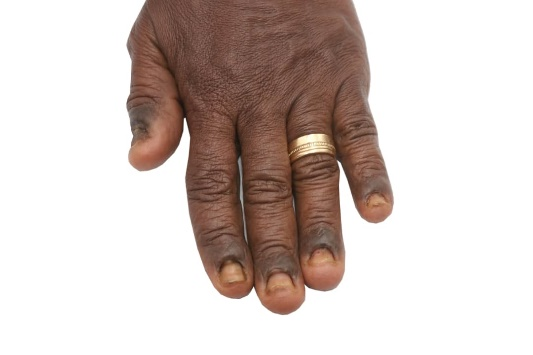 Figure 4. Toenails after 16 months of FGHP therapy – multiple new nails grown back, restoration of nail beds.

Discussion
This case is notable for two reasons:
- FGHP demonstrated selective antifungal effects without damaging healthy tissue.
- Hydrogen peroxide likely acts by generating oxidative stress within iron-rich fungal cells (Fenton reaction), sparing normal host tissue. The patient’s strong family history suggests possible genetic or immune predisposition, yet even in this high-risk context, FGHP proved effective.
Conclusion
Oral low-dose FGHP therapy appears to be a safe, low-cost intervention with potential to overcome resistant onychomycosis. Further clinical studies are urgently needed to confirm dosage, fungal species response, and long-term outcomes.
Editorial Note
This article is a condensed version prepared for OMNS readers. It highlights the essentials of a longer clinical case report.
👉 For the full original article, including detailed methods, full image set, and references, see:
Orthomolecular.org – [Full Case Report]
Orthomolecular Medicine
Orthomolecular medicine uses safe, effective nutritional therapy to fight illness. For more information: http://www.orthomolecular.org
Find a Doctor
To locate an orthomolecular physician near you: http://orthomolecular.org/resources/omns/v06n09.shtml
The peer-reviewed Orthomolecular Medicine News Service is a non-profit and non-commercial informational resource.
Editorial Review Board:
Jennifer L. Aliano, M.S., L.Ac., C.C.N. (USA)
Albert G. B. Amoa, MB.Ch.B, Ph.D. (Ghana)
Seth Ayettey, M.B., Ch.B., Ph.D. (Ghana)
Ilyès Baghli, M.D. (Algeria)
Greg Beattie, Author (Australia)
Barry Breger, M.D. (Canada)
Ian Brighthope, MBBS, FACNEM (Australia)
Gilbert Henri Crussol, D.M.D. (Spain)
Carolyn Dean, M.D., N.D. (USA)
Ian Dettman, Ph.D. (Australia)
Susan R. Downs, M.D., M.P.H. (USA)
Ron Ehrlich, B.D.S. (Australia)
Hugo Galindo, M.D. (Colombia)
Gary S. Goldman, Ph.D. (USA)
William B. Grant, Ph.D. (USA)
Claus Hancke, MD, FACAM (Denmark)
Patrick Holford, BSc (United Kingdom)
Ron Hunninghake, M.D. (USA)
Bo H. Jonsson, M.D., Ph.D. (Sweden)
Dwight Kalita, Ph.D. (USA)
Felix I. D. Konotey-Ahulu, M.D., FRCP (Ghana)
Peter H. Lauda, M.D. (Austria)
Fabrice Leu, N.D., (Switzerland)
Alan Lien, Ph.D. (Taiwan)
Homer Lim, M.D. (Philippines)
Stuart Lindsey, Pharm.D. (USA)
Pedro Gonzalez Lombana, M.D., Ph.D. (Colombia)
Diana MacKay (Gifford-Jones), M.P.P. (Canada)
Victor A. Marcial-Vega, M.D. (Puerto Rico)
Juan Manuel Martinez, M.D. (Colombia)
Mignonne Mary, M.D. (USA)
Dr.Aarti Midha M.D., ABAARM (India)
Jorge R. Miranda-Massari, Pharm.D. (Puerto Rico)
Karin Munsterhjelm-Ahumada, M.D. (Finland)
Sarah Myhill, MB, BS (United Kingdom)
Tahar Naili, M.D. (Algeria)
Zhiwei Ning, M.D., Ph.D. (China)
Zhiyong Peng, M.D. (China)
Pawel Pludowski, M.D. (Poland)
Isabella Akyinbah Quakyi, Ph.D. (Ghana)
Selvam Rengasamy, MBBS, FRCOG (Malaysia)
Jeffrey A. Ruterbusch, D.O. (USA)
Gert E. Schuitemaker, Ph.D. (Netherlands)
Thomas N. Seyfried, Ph.D. (USA)
Han Ping Shi, M.D., Ph.D. (China)
T.E. Gabriel Stewart, M.B.B.CH. (Ireland)
Jagan Nathan Vamanan, M.D. (India)
Dr. Sunil Wimalawansa, M.D., Ph.D. (Sri Lanka)
Andrew W. Saul, Ph.D. (USA), Founding Editor
Richard Cheng, M.D., Ph.D. (USA), Editor-In-Chief
Associate Editor: Robert G. Smith, Ph.D. (USA)
Editor, Japanese Edition: Atsuo Yanagisawa, M.D., Ph.D. (Japan)
Editor, Chinese Edition: Richard Cheng, M.D., Ph.D. (USA)
Editor, Norwegian Edition: Dag Viljen Poleszynski, Ph.D. (Norway)
Editor, Arabic Edition: Moustafa Kamel, R.Ph, P.G.C.M (Egypt)
Editor, Korean Edition: Hyoungjoo Shin, M.D. (South Korea)
Editor, Spanish Edition: Sonia Rita Rial, PhD (Argentina)
Editor, German Edition: Bernhard Welker, M.D. (Germany)
Associate Editor, Arabic Edition: Ayman Kamel, DVM, MBA (Egypt)
Associate Editor, German Edition: Gerhard Dachtler, M.Eng. (Germany)
Assistant Editor: Michael Passwater (USA)
Contributing Editor: Thomas E. Levy, M.D., J.D. (USA)
Contributing Editor: Damien Downing, M.B.B.S., M.R.S.B. (United Kingdom)
Contributing Editor: W. Todd Penberthy, Ph.D. (USA)
Contributing Editor: Michael J. Gonzalez, N.M.D., Ph.D. (Puerto Rico)
Technology Editor: Michael S. Stewart, B.Sc.C.S. (USA)
Associate Technology Editor: Robert C. Kennedy, M.S. (USA)
Legal Consultant: Jason M. Saul, JD (USA)
Comments and media contact: editor@orthomolecular.org OMNS welcomes but is unable to respond to individual reader emails. Reader comments become the property of OMNS and may or may not be used for publication.
This article may be reprinted free of charge provided 1) that there is clear attribution to the Orthomolecular Medicine News Service, and 2) that both the OMNS free subscription link http://orthomolecular.org/subscribe.html and also the OMNS archive link http://orthomolecular.org/resources/omns/index.shtml are included.
Riordan Clinic | Orthomolecular.org
3100 N Hillside Ave
Wichita, Kansas 67219
United States
Unlocking the Power of Methylene Blue
Reproduced from original article:
https://articles.mercola.com/sites/articles/archive/2025/01/08/power-of-methylene-blue.aspx
Analysis by Dr. Joseph Mercola January 08, 2025
STORY AT-A-GLANCE
- Methylene blue enhances cellular energy production by integrating into the electron transport chain, cycling between oxidized and reduced forms to improve mitochondrial efficiency and resolve metabolic issues
- Clinical trials show methylene blue’s role in treating neurological conditions, including slowing progression of Alzheimer’s at doses of 16 mg daily
- Studies indicate methylene blue’s effectiveness in treating septic shock, reducing mortality rates, shortening hospital stays and improving blood pressure without significant adverse effects
- Research reveals methylene blue’s anticancer properties, particularly in chemoresistant ovarian tumors, by selectively targeting cancer cell mitochondria while sparing healthy cells from damage
- Safe dosage ranges from 5 mg to 50 mg daily, but requires medical supervision due to potential interactions with SSRIs and risks for those with kidney issues or G6PD deficiency
Few substances have captured my attention as profoundly as methylene blue. Earlier this year, I engaged in an in-depth discussion with Georgi Dinkov, a respected expert in metabolic health, who shed light on the multifaceted benefits of this remarkable compound.1
Methylene blue, a quinone-like molecule, is not just another supplement; it’s a powerful agent that can play an important role in cellular metabolism. By accepting and donating electrons, methylene blue enhances mitochondrial function, addressing issues like reductive stress that are often overlooked in conventional medicine.
This conversation with Dinkov highlights methylene blue’s role in reaching optimal health and treating a myriad of conditions, ranging from mental health disorders to acute medical emergencies.
Methylene Blue and the Electron Transport Chain
Methylene blue has the ability to integrate seamlessly into the electron transport chain (ETC), which plays a role in cellular energy generation. Unlike traditional antioxidants that either donate or accept electrons and subsequently require excretion, methylene blue possesses the unique capability to cycle between its oxidized and reduced forms indefinitely.
This continuous electron transfer process ensures sustained improvement in mitochondrial efficiency, which is key for energy production and overall cellular health. Dinkov emphasized that methylene blue acts as an emergency oxidant, stepping in to accept electrons even when essential co-actors like NAD+ are deficient.
This makes methylene blue capable of resolving metabolic issues associated with electron buildup and reductive stress. By maintaining the flow of electrons within the ETC, methylene blue prevents the stagnation that leads to cellular dysfunction and various health problems.
Methylene Blue for Enhanced Brain Health
The therapeutic potential of methylene blue is vast and varied, extending across a spectrum of neurological and psychological conditions. Dinkov shared insights into several studies where methylene blue, even at relatively low doses of 15 to 50 milligrams (mg), demonstrated significant benefits in treating treatment-resistant depression and psychosis.2
These findings are groundbreaking, suggesting that methylene blue enhances cognitive function and stabilizes mood by improving mitochondrial performance and reducing oxidative stress in the brain. Methylene blue enhances the benefits of niacinamide (vitamin B3) on brain health and metabolism.3 Furthermore, in terms of neurodegenerative diseases, methylene blue has shown remarkable promise.
A modified version of methylene blue, developed by a UK-based company, has been patented for Alzheimer’s treatment. Clinical trials have reported an astounding 80% reversal of Alzheimer’s symptoms in participants, according to Dinkov, highlighting methylene blue’s ability to not only halt but also reverse cognitive decline.4
These applications underscore the compound’s role in enhancing brain health by ensuring efficient energy production and mitigating the damaging effects of oxidative stress. A stabilized form of methylene blue known as hydromethylthionine (LMTM) also shows promise in treating mild to moderate Alzheimer’s disease.5
Unlike traditional methylene blue, LMTM is a stabilized dihydromesylate salt, which offers improved pharmacokinetic properties, including better brain uptake and longer half-life in humans. The study involved 1,162 patients across two Phase III trials and revealed a concentration-dependent activity of LMTM on cognitive decline and brain atrophy.
Notably, the optimal therapeutic dose was identified around 16 mg a day, which maximizes cognitive benefits without the diminishing returns observed at higher doses of 150 to 250 mg per day. This plateau effect underscores that beyond a certain concentration, no additional benefits are observed, aligning with the study’s findings that higher doses do not confer extra advantages.
Moreover, LMTM demonstrated significant benefits both alone and as an add-on to existing Alzheimer’s treatments. Patients receiving LMTM showed reduced cognitive decline and slower brain atrophy compared to those with lower plasma levels. This suggests that even at lower, more manageable doses, LMTM effectively slows the progression of Alzheimer’s by enhancing mitochondrial function.

Save This Article for Later – Get the PDF Now
Methylene Blue’s Life-Saving Benefits in Septic Shock
Expanding methylene blue’s therapeutic applications, a systematic review and meta-analysis published in Critical Care Explorations evaluated the efficacy and safety of methylene blue in patients with septic shock,6 a condition with high mortality rates.
The analysis included six randomized controlled trials encompassing 302 patients and sought to determine whether methylene blue administration could improve outcomes compared to placebo or usual care.
The findings suggest that methylene blue may significantly reduce short-term mortality, shorten the duration of vasopressor use by approximately 31 hours and decrease hospital length of stay by about two days.
Additionally, methylene blue was associated with an increase in mean arterial pressure at six hours post-administration. Importantly, the study did not find an increase in adverse events.
Methylene blue functions by inhibiting endothelial and inducible nitric oxide synthase, thereby counteracting the profound vasodilation characteristic of septic shock. By restoring vascular tone, methylene blue helps maintain adequate organ perfusion and oxygenation, which are necessary for patient survival.
Methylene Blue for Cancer Treatment — Targeting Ovarian Tumors
Research is also exploring methylene blue as a treatment for ovarian cancer, particularly in cases resistant to conventional chemotherapies. A study published in Cancers (Basel) used a carboplatin-resistant ovarian cancer tumor model in mice to assess the impact of methylene blue on tumor growth.7
The findings revealed a significant in vivo reduction in tumor proliferation among mice treated with methylene blue compared to those receiving carboplatin alone or no treatment. Specifically, methylene blue demonstrated superior tumor suppression, highlighting its effectiveness against chemoresistant ovarian tumors.
Further in vitro analyses provided insights into the mechanisms underlying methylene blue’s anticancer effects. The study examined the impact of methylene blue on mitochondrial energetics in both cancerous and normal cell lines. Methylene blue altered the oxygen consumption rate and mitochondrial membrane potential in the ovarian cancer cells, suggesting enhanced mitochondrial respiration and induction of apoptosis.
In contrast, normal cells exhibited a markedly different response, with less pronounced changes in mitochondrial function, indicating a selective targeting of cancer cell mitochondria by methylene blue.
The combination of methylene blue with a mixture of lipoic acid and hydroxycitrate and carboplatin was investigated to evaluate synergistic effects. While the combination therapy showed a modest enhancement in tumor response compared to methylene blue alone, the difference was not statistically significant. Importantly, the metabolic therapies did not induce toxicity or weight loss in the treated mice, underscoring the favorable safety profile of methylene blue-based treatments.
By targeting the altered mitochondrial function and inducing apoptosis in chemoresistant cancer cells, methylene blue offers a novel approach that could improve treatment outcomes for patients facing limited options. The differential response between cancerous and normal cells also suggests that methylene blue selectively targets tumor metabolism, minimizing harm to healthy tissues.
Methylene Blue in Emergency Situations, Including Heart Attack
Beyond its chronic health benefits, methylene blue proves invaluable in acute medical emergencies. Dinkov elaborated on its effectiveness in treating conditions such as cyanide and carbon monoxide poisoning. In these scenarios, methylene blue acts swiftly to restore cellular respiration by accepting electrons and facilitating the utilization of oxygen, thereby reversing the toxic effects of these poisons.
I also recommend having methylene blue readily available at home in case of a heart attack. While sudden death is the most common symptom of heart disease, surviving individuals face the serious threat of reperfusion injury, where cellular dysfunction and death may worsen following the restoration of blood flow.
Methylene blue administration significantly mitigates tissue damage; however, proper dosage is important to avoid overdose. Administer methylene blue within minutes of the cardiac event to meet the critical time threshold.
In cases of stroke or heart attack, even a single dose below 50 mg may be life-saving. This rapid benefit makes methylene blue an essential tool in emergency medicine, offering a quick and efficient means to counteract metabolic crises.
I strongly advocate for the inclusion of methylene blue in emergency kits, as its ability to stabilize metabolic function swiftly provides an additional layer of protection against sudden, life-threatening metabolic disturbances. The potential of methylene blue to act as a universal antidote in various poisoning scenarios underscores its significance in both medical and emergency settings.
Methylene Blue and Antiaging Benefits
The antiaging properties of methylene blue is another exciting frontier that Dinkov passionately discussed.8 Studies have indicated that methylene blue reverses aging in human cells by maintaining optimal mitochondrial function and reducing oxidative damage, which are key factors in the aging process. Daily doses ranging from 5 mg to 50 mg help achieve the necessary concentration for these benefits without causing discoloration in urine or tissues.
Moreover, when combined with red light therapy, methylene blue’s effects are significantly amplified. This synergy promotes cellular rejuvenation and longevity by enhancing mitochondrial efficiency and reducing oxidative stress, thereby combating the visible signs of aging and supporting overall cellular health.
Dinkov mentioned an innovative approach where methylene blue is used in a dilution similar to mouthwash as an oral rinse, offering antiseptic benefits without the harsh side effects of conventional mouthwashes.9 This application not only leverages methylene blue’s metabolic benefits but also integrates it into daily routines for enhanced health and longevity.
Beyond the primary benefits discussed, methylene blue exhibits several other promising properties that could significantly enhance various aspects of health and medicine. Dinkov mentioned that methylene blue acts as a powerful aromatase inhibitor at sub-micromolar concentrations, which could have implications in managing hormone-related conditions.10
Additionally, methylene blue’s ability to enhance the flow of electrons within the electron transport chain makes it a versatile supplement for addressing a wide range of metabolic disturbances. Dinkov also introduced the concept of the “Methylene Blue Test of Health,” where the dosage at which an individual’s urine begins to turn blue serves as an indicator of their metabolic health.11
A lower dosage threshold for this coloration suggests better metabolic function, while higher thresholds may indicate underlying health issues such as cancer or diabetes, which are characterized by extreme reduction states in cells.
This innovative approach provides a simple yet effective method for individuals to monitor their metabolic health and take proactive measures to address any issues. As research continues to unfold, the full spectrum of methylene blue’s benefits will likely expand, positioning it as a cornerstone in both preventative and therapeutic health strategies.
Safety and Dosage Considerations
While the benefits of methylene blue are substantial, Dinkov highlighted the importance of appropriate dosing to avoid severe adverse effects that may occur with high doses, particularly serotonin syndrome — a fatal condition caused by excessive serotonin levels in the brain.
Methylene blue is a potent monoamine oxidase type A (MAO-A) inhibitor, which may dangerously elevate serotonin levels when combined with selective serotonin reuptake inhibitors (SSRIs) or other serotonergic drugs. I would advise strong caution for anyone ever to take an SSRI drug, as I don’t believe anyone benefits from them.
Further, at doses exceeding 30 mg to 50 mg, methylene blue may cause temporary blue discoloration of urine and, occasionally, the tongue. Although harmless, this effect is startling if unexpected. High doses may also interfere with pulse oximeter readings, leading to inaccurate assessments of blood oxygen levels.
Individuals with severe renal insufficiency should use methylene blue with caution and under close medical supervision, as impaired kidney function affects drug clearance. Additionally, methylene blue is contraindicated for patients with glucose-6-phosphate dehydrogenase (G6PD) deficiency due to the risk of hemolytic anemia.
Common side effects associated with methylene blue include mild and transient gastrointestinal discomfort, such as nausea and diarrhea. Allergic reactions, ranging from skin rashes to life-threatening anaphylaxis, are also possible. Neurological effects like headaches and confusion may occur.
Cardiovascular effects, though less common, may include increased blood pressure and palpitations. Furthermore, methylene blue interacts with various medications, particularly antidepressants and antimalarials, altering their efficacy or causing adverse reactions.
To mitigate these risks, Dinkov recommends lower daily doses of methylene blue, typically between 5 mg to 15 mg, especially for long-term use. These dosages are sufficient to harness its metabolic benefits without significantly increasing the risk of serotonin syndrome. Additionally, Dinkov pointed out that while higher doses (up to 50 mg) have shown efficacy in certain therapeutic applications, they must be approached with caution and under professional supervision.
If you’re considering methylene blue supplementation, consult with a knowledgeable health care professional to tailor the dosage to your specific needs and avoid harmful interactions with other medications.
My Recommendations for Methylene Blue Use
There are three types of methylene blue typically sold — industrial-grade, chemical-grade (laboratory-grade) and pharmaceutical-grade. The only one you should use is the pharmaceutical-grade variety in solid, capsule or tablet form. Avoid using any solutions of methylene blue as dissolving it in water leads to a significant decrease in its effectiveness after 48 to 72 hours.
Methylene blue is a popular choice in aquarium maintenance due to its antifungal, antiparasitic and oxygen-transporting capabilities. It’s commonly used to alleviate fish stress, combat fungal infections and eliminate external parasites like Ich (white spot disease). However, aquarium-grade methylene blue often contains harmful contaminants, including heavy metals, which pose serious health risks to your aquatic pets.
To ensure the safety and well-being of your pets, I strongly advise against using methylene blue products designed for aquariums in any pet-related applications. Instead, choose pharmaceutical-grade methylene blue, which undergoes rigorous testing to confirm it is free from harmful impurities.
Personally, I have eliminated my regular intake of methylene blue, finding that daily walks by the ocean are an excellent way to manage reductive stress naturally. However, in scenarios where I might not have access to the ocean, I would consider taking 5 mg of methylene blue daily, adjusting to 3 mg if I were 75 pounds lighter in weight, and doing so six days a week.
It’s essential to emphasize that the appropriate and legal way to use methylene blue is through a prescription from a qualified physician. If you’re contemplating the use of methylene blue for your health, I strongly encourage you to consult with your doctor to determine if it’s suitable for your specific needs and circumstances.
How DMSO Safely Eliminates ‘Incurable’ Pain
Reproduced from original article:
https://articles.mercola.com/sites/articles/archive/2025/01/03/dmso-chronic-pain.aspx
Analysis by A Midwestern Doctor January 03, 2025

STORY AT-A-GLANCE
- NSAIDs (e.g., ibuprofen) and opioids are the standard for pain management but pose significant risks, causing tens of thousands of deaths annually
- Dimethyl sulfoxide (DMSO) provides powerful pain relief, even helping individuals disabled by conditions like failed spine surgeries or severe arthritis regain health
- It is also effective for hard-to-treat pain cases like complex regional pain syndrome, trigeminal neuralgia, fibromyalgia, migraine headaches and post-surgical pain
- DMSO works through multiple mechanisms to relieve pain, including blocking nerve conduction, reducing inflammation, relaxing muscles, and improving circulation
- Unlike opioids where tolerance develops over time, DMSO often becomes more effective with continued use, and many patients require it less frequently or not at all as their conditions resolve
- This article reviews the science behind DMSO, clinical evidence from thousands of cases, and home treatment protocols for pain, arthritis, and injuries, plus tips on sourcing DMSO
Decades of research have demonstrated DMSO treats a wide range of illnesses, and recently, I’ve provided extensive evidence for how it treats:
| Challenging neurological conditions (e.g., strokes, Down syndrome, dementia, brain and spinal cord injuries) | Many autoimmune conditions |
| Eye, ear, nose, and mouth disorders | A myriad of skin disorders |
| Tissue injuries | Disorders of the internal organs |
However, while DMSO often produces remarkable results for those conditions (e.g., over the last few months, I’ve received more than a thousand testimonials from readers who tried using DMSO with great results), it is best known for its use in treating pain. This is because:
- The response it creates is rapid and dramatic, to the point multiple people with chronic untreatable pain have shared with me it “left them laughing because it was so unbelievable.”
- It accelerates the healing of acute and chronic injuries linked to chronic pain.
- It also helps chronic rheumatic diseases like arthritis.
Why DMSO Stands Out
Drugs like NSAIDs and opioids are linked to severe side effects, including tens of thousands of deaths each year.1 NSAIDs cause heart, kidney, and stomach damage, while opioids carry addiction and overdose risks.2
In contrast, DMSO has demonstrated remarkable safety for over 60 years without a single death reported. Its side effects, most commonly mild skin irritation or a garlic-like odor, are minor and temporary. Even at doses 30 times higher than normal, studies show no toxicity.3
DMSO’s unique combination of safety, efficacy, and versatility makes it a transformative option for pain relief and injury recovery — proving that effective medicine doesn’t have to come with dangerous trade-offs.
This program about DMSO on 60 Minutes, for example, provides a context to how impactful it has been for many Americans in pain:
How DMSO Treats Pain
In addition to rapidly treating injuries4 or autoimmune conditions5 (which are often the root cause of pain) DMSO’s has a few therapeutic properties that make it uniquely suited to safely treat a wide variety of pain conditions.
• Conduction blocking — Many different nerves exist in the body. One group, known as the “small fibers” are responsible for transmitting specific sensations and they (particularly the C fibers) are frequently linked to debilitating chronic pain syndromes (e.g., small fiber neuropathy — characterized by sensations of pins-and-needles, pricks, tingling, and numbness alongside burning pain and electrical shocks).
Note: The five most common symptoms of COVID vaccine injuries, in order, are fatigue, post-exertional malaise, brain fog, small fiber neuropathy, and dysautonomia.
DMSO selectively blocks the conduction of the small fibers, thereby stopping the pain without causing significant damage to the rest of the body or having a tolerance develop to it (rather DMSO typically becomes more effective with time). To illustrate:
| A study found 5% to 10% DMSO blocked the after discharges of C-fibers6 (a process associated with painful stimuli). |
| DMSO has been observed to suppress NMDA and AMPA induced ion fluxes in neurons,7 each of which are receptors linked to chronic pain (e.g., NMDA is linked to central pain sensitization8).
Note: This property has been hypothesized to account for DMSO treating complex regional pain syndrome and cancer pain.9 |
| DMSO has also been observed to block sodium and calcium ions’ entry into cells10 (likewise, many local anesthetics work by blocking sodium ion entry). This effect has also been proposed to explain how DMSO can help cancer pain.11 |
| DMSO has also been reported to significantly enhance the potency of local anesthetics.12,13,14,15 |
| In a human study, 50% DMSO was found to produce partial anesthesia (numbness) to pin pricking sensation.16 |
| Isolated sciatic nerves immersed in 6% DMSO for 30 to 120 minutes developed a temporary 40% decrease in conduction velocity.17 A complete blocking of condition has also been observed with 75% DMSO in radial nerves18 and with 5% DMSO in small peripheral nerve fibers.19 |
• Choline esterase inhibition — Acetylcholinesterase inhibitors increase acetylcholine (the neurotransmitter of the parasympathetic nervous system) by blocking their degradation. Numerous studies show DMSO is an effective acetylcholine esterase inhibitor,20,21,22,23,24,25,26 and that it blocks the inhibitory effects of the sympathetic nervous system.27
Chronic pain has been linked to excessive sympathetic activity, and counterbalancing that with an acetylcholinesterase inhibitor has shown promise for treating chronic pain.28 However, unlike those drugs, DMSO does not have a risk of creating excessive acetylcholine levels (possibly because at higher doses it instead blocks cholinergic transmission,29 or because it is a competitive rather than irreversible inhibitor30).
• Anti-inflammatory — Many of my colleagues who used DMSO in practice find it to be one of the most effective anti-inflammatory agents out there. DMSO in turn, has been repeatedly shown to:31,32
◦ Reduce inflammatory cytokines, prostaglandins, and pathologic inflammatory responses to tissue injury.
◦I ncrease anti-inflammatory prostaglandins.
◦ Neutralize (scavenges) free radicals, which are both a cause and result of chronic inflammation and a common cause of tissue injury, degenerative illness, and chronic pain.
Research also shows DMSO prevents experimentally induced edema,33,34,35 (including severe forms36), allergic eczema,37 contact dermatitis,38,39 tissue necrosis,40,41 granuloma formation,42 arthritis,43,44,45 and joint stiffness following injury.46
Since inflammation is a key cause of pain (e.g., “chronic inflammatory pain” is well recognized47), this likely accounts for some of DMSO’s analgesic properties.
• Muscle relaxation — DMSO tends to relax skeletal muscle48 while simultaneously enhancing the contraction of other muscles49 (e.g., 3% to 6% DMSO enhances the contraction of the heart and stomach).
DMSO applied topically to the skin of patients produces electromyographic evidence of muscle relaxation 1 hour after application,50 while another study found 50% DMSO prevented the contraction of frog skeletal muscles.51
A 1966 study found that (as shown by electromyography) muscles in spasm will relax within 60 minutes of topical application. It also found that this relaxation could be used to treat headaches associated with cervical disease and complex regional pain syndrome.52
As muscle tension is a frequent cause of pain and musculoskeletal disorders, this property likely accounts for some of its efficacy for those conditions.
• Circulatory enhancement — DMSO removes blood clots and increases blood circulation53 and has been recognized to eliminate the pain associated with blood clots. This aligns with Chinese medicine’s view that poor blood flow causes sharp, piercing pain.54
Note: One of the most common side effects of vaccinations is them creating tiny blood clots (discussed further here), which then trigger microstrokes throughout the body that can often be detected with an appropriate neurological examination. To this point, many of the injuries reported from the original smallpox vaccine matched the same unusual pains and neurological symptoms associated with blood stasis in Chinese Medicine.
Save This Article for Later – Get the PDF Now
Treating Pain with DMSO
As opioids are seen as the gold standard for pain control, there is very little awareness research has shown a comparable analgesic exists. To illustrate:
• A 1983 study55 using a common research metric (how mice respond to heat and tail flicks) found that DMSO produced an analgesic effect comparable in strength to morphine.
However, this effect was assessed to be due to a different mechanism as an opioid receptor blocker (naloxone) did not affect DMSO’s ability to eliminate pain, DMSO did not produce any of the side effects seen with opioids, and DMSO’s effect lasted far longer (4 to 6 hours and in some cases over 24 hours — whereas in contrast morphine typically lasted less than 2 hours).
Note: Another mouse study using similar tests also found that DMSO blocks pain.56
However, unlike other analgesics (pain killers), DMSO has a variety of unique properties. These include:
• It treats a very wide range of pain conditions, including ones other analgesics can’t address. For example, case reports exist of DMSO treating phantom pain57 (pain outside the body where an amputated limb had previously existed).
• Rather than the body developing a resistance to it (which is what commonly happens with opioids), DMSO often becomes more effective at eliminating pain with subsequent doses, and in many cases, is needed less and less frequently (or not at all because the condition is resolved).
Because of this, while acute pain rapidly responds to DMSO, chronic pain conditions often take 4 to 7 days of applications for DMSO to begin taking effect and 6 to 8 weeks for lasting relief to occur (e.g., to quote one patient, “after twenty-four DMSO injections, I was completely pain-free”).
• In many cases, as is seen with other applications of DMSO, due to DMSO rapidly spreading throughout the body, the effect is systemic. For example, one study found 65% of patients experienced pain relief if DMSO was applied at the site of pain,58 whereas 61.5% experienced comparable relief when DMSO was applied somewhere further away in the body. Because of this, DMSO has been found to help a wide range of pain conditions.
Headaches
Tension headaches (e.g., those caused by muscular tension of the neck) and sinus headaches tend to respond to DMSO (with relief typically lasting 4 to 6 hours), whereas migraine and cluster headaches are less responsive to DMSO. For example, these results were reported59 by two doctors:

Note: Many headaches are incorrectly categorized as migraine headaches. Additionally, while I have received reports of readers with life-changing improvements in migraine headaches, those headaches typically only respond to DMSO if it’s applied during the early stages of the headache.
• Stanley Jacob MD reported on 59 patients with headaches from a variety of causes, of whom over 75% responded to DMSO.
This included 13 out of 17 patient with years of chronic neck pain from cervical arthritis that triggered headaches, (who then required a gradually decreasing DMSO dose), 4 out of 5 patients with sinus headaches improved from DMSO, 2 out of 2 patients with temporal arteritis (causing severe head pain) who fully recovered after DMSO and 26 out of 35 patients who’d had trigeminal neuralgia for more than a year with numerous failed treatments (13 of whom then had a full recovery).60
• Another study found DMSO both relaxes the cervical musculature and alleviates tension headaches.61
Fibromyalgia
The pioneer of DMSO reported that DMSO helped 70% of Fibromyalgia patients62 (with none experiencing side effects), and there are many published examples of it healing this condition.63
Over the years, I have also heard of quite a few cases of individuals with fibromyalgia having a massive improvement in their quality of life from DMSO but simultaneously, I’ve also seen quite a few cases where it needed to be done slowly for a sensitive patient (as otherwise the initial detoxification response was too much for the individual).
Note: This principle is also important to keep in mind when working with other “sensitive patients.”
Spinal Pain
Many of the most profound benefits from DMSO are found in patients with spinal issues (e.g., spinal stenosis, a failed back surgery, surgical scars, severe arthritis, previous spinal cord injuries, or bulging discs), and numerous testimonies (e.g., many can be found in the 1980 Congressional hearing on DMSO64) exist of individuals who had been in years of crippling pain suddenly getting their lives back because of how effectively DMSO treated their pain and restored their mobility.
However, while I frequently read case reports of this (and I’ve now received dozens from readers), I have only located one that specifically evaluated it. In that 1968 study,65 38 patients with lumbar and cervical disc problems received conventional (nonsurgical) treatments, and half also received DMSO — which was found to halve the required treatment time.
Note: Topically applied DMSO is often extremely helpful for herniated discs (and much safer than systemic steroids). Additionally, a few people found injecting DMSO mixed with lidocaine into the vertebral musculature was quite helpful for spinal pain.
Additionally, there are also many instances of quadriplegics who initially took DMSO to alleviate their chronic pain and then gradually regained motor function as a “side effect” of DMSO. In turn, there are many cases of individuals overcoming lifelong paraplegia, (including cases where their “miraculous” improvement could be traced to DMSO as it stopped once DMSO was withdrawn).
Complex Regional Pain Syndrome
Complex regional pain syndrome (CRPS) is a chronic pain condition involving autonomic and inflammatory issues, often triggered by trauma like surgery and linked to small fiber neuropathy. Its causes remain unclear, and treatment usually relies on multiple drugs targeting symptoms.
DMSO is one of the few effective alternative therapies for CRPS, as it blocks pain from small fibers. Unfortunately, its potential for treating CRPS remains largely overlooked.
Note: Complex regional pain syndrome was an adverse event associated with the HPV vaccine.
The supporting evidence is as follows:
| A 1985 study demonstrated that 50% DMSO reduced the inflammation associated with CRPS and improved symptoms associated with the condition.66 |
| A 1996 study of 32 patients with acute CRPS (e.g., heat, redness, pain, swelling, reduced range of motion) gave them 50% DMSO or placebo for 2 months, and a significant improvement was seen in the DMSO group.67 |
| A 2003 study randomized 64 patients with CRPS to receive topical 50% DMSO and 67 patients to receive N-acetylcysteine (NAC) for 17 weeks to a year. This study found that DMSO was a cost effective therapy that produced good to excellent results for the patients, especially when their CRPS was associated with inflammatory symptoms and when it was done earlier in the illness.68 |
| Another 2003 study of 146 patients also comparing 50% DMSO to NAC (over 24 months) found DMSO was effective, particularly for hot (inflammatory) CRPS.69 |
| A 2012 study gave 29 patients (who had had CRPS for less than a year) 50% topical DMSO and found DMSO significantly reduced their pain (with results approaching a complete absence of pain), brought back the functionality of the affected limb and improved their quality of life.70 |
| A 2012 study used a combination of treatments including 50% DMSO for CRPS and found this combination was effective for treating the condition.71 |
| Finally, a 2005 review of the existing therapies for CRPS concluded 50% DMSO had evidence of efficacy and, compared to the other treatment options, was the least likely to cause harm.72 |
Cancer Pain
Many cancer patients experience severe pain (which increases as the cancer becomes terminal), and in 10% to 20% of cases, it does not respond to standard opioid management.73 In many cases however, it does to DMSO. For example:
• A study included two older patients with cancer pain DMSO, one of whom had an excellent response to treatment and one who had a good response.74
• Another study found that of 7 patients with metastatic cancer pain, DMSO gave 2 a full remission and 2 a partial remission.75
• One of the most well known examples was Otis Bowen MD (a popular second term Indiana governor) who “illegally” used topical DMSO to treat his wife’s pain from terminal multiple myeloma and then publicly denounced the FDA’s absurd embargo on it at the AMA’s 1981 national meeting.76
Remarkably, a few years later, Bowen became Reagan’s Secretary of Health and Human Services, but even then, with this highly ethical doctor at the helm of the HSS, DMSO was unable to overcome the FDA’s prohibition of it.77
Note: For decades, the FDA has relentlessly stonewalled life-changing natural therapies to protect the medical industry from competition, and one of their most egregious campaigns was directed towards DMSO.
Surgical Pain
Since DMSO both accelerates wound healing and reduces pain,78 it is uniquely suited to post-operative pain. Numerous studies support this. For example:
• A rat study found administering DMSO into a wound before closing it significantly reduced the subsequent pain and guarding the rats had, suggesting this approach could address a common complication of surgery.79
• A 1967 study found that DMSO applied to the incision sites of thoracotomy (open chest surgery) patients in concentrations of 60% to 80% resulted in significant pain relief, and reduction of the opioids needed (which in turn led to fewer gastrointestinal complications).
These patients as a group were able to cough more effectively, move more easily both in and out of bed, resume early motion of the arm and shoulder, and in general enjoy a more rapid and less complicated postoperative course.80
• Another study gave 90% DMSO to 64 postpartum women with episiotomy pain and found that over half had pain relief and a reduction in swelling and that there was a significant improvement in mobility (with some patients who had left the hospital then requesting to resume DMSO to alleviate subsequent pain).81
Conclusion
Since the pharmaceutical industry revolves around indefinitely selling pills that temporarily “treat” an illness, pain is one of its most coveted markets. DMSO’s remarkable ability to safely eliminate pain (and that being well-known to hundreds of thousands of Americans over 60 years) hence provides some of the most substantial proof I know of that effective therapies are being deliberately withheld from us to protect the medical monopoly.
Fortunately, the internet’s rapid dissemination of information which challenges prevailing narratives, and the unprecedented ascendency of the Make America Healthy Again has created a window to break this medical monopoly. As such, the results many are now having from DMSO are providing critical first hand experiences that will open eyes to the dysfunctional medical paradigm we are stuck within, and I am immensely grateful to see that this is happening in my lifetime.
Author’s note: This is an abridged version of a longer article that goes into greater detail on the data discussed here, how DMSO is used for pain, arthritis and musculoskeletal injuries (e.g., sprains), and provides guidance for personal DMSO use (e.g., dosing, therapeutic precautions and where to obtain it). That article and its additional references can be read here.
A Note from Dr. Mercola About the Author
A Midwestern Doctor (AMD) is a board-certified physician from the Midwest and a longtime reader of Mercola.com. I appreciate AMD’s exceptional insight on a wide range of topics and am grateful to share it. I also respect AMD’s desire to remain anonymous since AMD is still on the front lines treating patients. To find more of AMD’s work, be sure to check out The Forgotten Side of Medicine on Substack.
- 1 Br J Gen Pract. 2016 Apr;66(645):172–173
- 2 The Forgotten Side of Medicine, October 27, 2023
- 3 Ann N Y Acad Sci. 1975 Jan 27;243:497-506 (Archived)
- 4, 31, 64, 78 The Forgotten Side of Medicine, September 29, 2024
- 5 The Forgotten Side of Medicine, October 20, 2024
- 6, 18 Exp Neurol. 1969 Jun;24(2):272-6
- 7 Exp Neurol. 2001 Jul;170(1):180-5
- 8 Anesthesia & Analgesia 97(4):p 1108-1116, October 2003
- 9, 11 Inflamm Allergy Drug Targets. 2010 Sep;9(4):306-12
- 10 J Pharmacol Exp Ther. 1995 Jun;273(3):1273-86
- 12, 13 Amazon, The Persecuted Drug: The Story of DMSO
- 14 Ann N Y Acad Sci. 1967 Mar 15;141(1):524-31
- 15 American Academy of Ophthalmology and Otolaryngology, Volume 71, Issue 6, 918 – 922
- 16 JAMA. 1965 Sep 6:193:796-804
- 17 Annals of the New York Academy of Sciences, 141: 242-247
- 19 Headache. 1966 Oct;6(3):101-8
- 20, 48 Proc Soc Exp Biol Med. 1966 May;122(1):103-7
- 21 Nature. 1966 Oct 22;212(5060):405
- 22, 29, 49 Ann N Y Acad Sci. 1975 Jan 27:243:337-57
- 23, 30 Biochem Pharmacol. 1983 Jan 1;32(1):151-8
- 24 Brain Res. 1991 Dec 6;566(1-2):329-32
- 25 ACS Chem Neurosci. 2017 Dec 20;8(12):2618-2625
- 26 Brain Research, Volume 566, Issues 1–2, 6 December 1991, Pages 329-332
- 27 Japanese Journal of Pharmacology, Volume 18, Issue 1, 1968, Pages 86-88
- 28 Alzheimers Dement (N Y). 2019 Jun 4:5:175-183
- 32, 53 The Forgotten Side of Medicine, September 15, 2024
- 33, 37, 38, 39, 41 Pharmacology. 1969;2(5):313-9. doi: 10.1159/000136034
- 34, 56 Pharmacol Res. 2008 Jun;57(6):419-25
- 35 In DMSO Symposium, Vienna, pp. 18-24. 1966
- 36 Ann Allergy. 1966 Nov;24(11):633-5
- 40 Ann N Y Acad Sci. 1967 Mar 15;141(1):280-90
- 42, 43 Curr Ther Res Clin Exp. 1968 Sep;10(9):486-92
- 44 DMSO, Attenuation of Adjutant Arthritis in Rats by Treatment with Oxygen Radical Scavengers, Part 1
- 45 Am J Vet Res. 1998 Sep;59(9):1149-52
- 46 Clin Orthop Relat Res. 1988 Aug:(233):304-10
- 47 Anesthesia and Analgesia in Laboratory Animals, Second Edition, 2008
- 50, 52, 61 In DMSO symposium. Vienna: Berlin, Saladruck, Volume 21, 1966
- 51 Annals of the New York Academy of Sciences, 141: 310-325
- 54 The Forgotten Side of Medicine, March 31, 2024
- 55 Ann N Y Acad Sci. 1983:411:19-27
- 57, 63 Amazon, The DMSO Handbook for Doctors
- 58 Die Medizinische Welt, March 1, 1969, 11:606-609
- 59, 74 Ann N Y Acad Sci. 1967 Mar 15;141(1):572-85
- 60 Headache: The Journal of Head and Face Pain, 5: 78-81
- 62 DMSO, Fibromyalgia Syndrome
- 65 Przegl Lek. 1968;24(2):298-300
- 66 Unfallchirurg. 1985 Jul;88(7):330-2
- 67 Acta Anaesthesiol Scand. 1996 Mar;40(3):364-7
- 68 Pharmacoeconomics. 2003;21(2):139-48
- 69 Pain. 2003 Apr;102(3):297-307
- 70 Farm Hosp. 2012 Sep-Oct;36(5):385-91
- 71 Neuromodulation. 2012 Mar-Apr;15(2):144-50; discussion 150
- 72 J Fam Pract. 2005 Jul;54(7):599-603
- 73 Pain Ther. 2023 Apr 13;12(3):645–654
- 75 Annals of the New York Academy of Sciences, 141: 506-516
- 76 The New York Times, November 8, 1985
- 77 Wikipedia, Otis Bowen
- 79 Int Wound J. 2014 Apr 21;13(2):252–256
- 80 Ann N Y Acad Sci. 1967 Mar 15;141(1):493-5
- 81 Annals of the New York Academy of Sciences, 141: 403-405
The Effects of Biotin on Your Hair, Nails and Thyroid
Reproduced from original article:
https://articles.mercola.com/sites/articles/archive/2021/12/27/biotin-benefits.aspx
The original Mercola article may not remain on the original site, but I will endeavor to keep it on this site as long as I deem it to be appropriate, and will not be bullied into removing it.
Analysis by Dr. Joseph Mercola Fact Checked December 27, 2021
STORY AT-A-GLANCE
- Dermatologists frequently prescribe biotin for people with hair loss, despite a paucity of research proving it helps
- Biotin insufficiency is more rare than other nutritional deficiencies but it does happen, leading to hair loss, depression, loss of appetite and numbness and tingling
- Biotin is important in metabolism, having demonstrated the ability to improve glycemic control and strengthen nails
- Supplementation can alter blood tests, including for thyroid, vitamin D and troponin, a marker of cardiac health
This article was previously published July 20, 2020, and has been updated with new information.
Your body uses vitamins for normal cell functioning; Essential vitamins must be consumed because they cannot be manufactured by the cells. Vitamins are grouped into two categories: fat soluble and water soluble.1 The fat soluble types get stored in fatty tissue and absorbed when eaten with dietary fat.
Water soluble vitamins are not stored by your body. Instead, excessive amounts are excreted through the urine. This means that essential water-soluble vitamins must be consumed on a regular basis to prevent any shortages. Vitamin B7, colloquially called biotin, is a water-soluble vitamin your body uses for energy metabolism.
Vitamins have different jobs within the body, including supporting your immune system, neurological system and energy metabolism. Biotin is a cofactor for an enzyme that is crucial in the metabolism of glucose, fatty acids and amino acids. It is also used in the production of hormones and cholesterol.2
Cholesterol is a fat-like substance that’s required in the right amounts for good health. Your body uses about 1,000 mg of cholesterol every day to synthesize hormones and vitamin D and to make cell membranes and the myelin sheath, which surrounds nerve cells.3 Without adequate biotin, your body can’t make enough cholesterol.
What’s Behind Your Hair Loss?
Despite a lack of research to support the idea that biotin may help address hair loss or improve skin and nail health, dermatologists have been prescribing it for years.4 Studies published in 20165 and 20176 included results having to do with the use of biotin to help thinning hair.
Although it was helpful when prescribed to those with a biotin deficiency, it didn’t appear to be useful in others. In the study published in 2016, researchers assessed patients from the Center for Dermatology and Hair Diseases who arrived with complaints of hair loss. They found that 38% of the women also had a biotin deficiency.
The most common type of hair loss in women and men is androgenetic alopecia.7 Men lose it at the front and vertex of the head, with thinning along the sides over the ear. Women start with diffuse thinning at the vertex.
By age 50, 50% of men will experience what is commonly called male pattern baldness. Interestingly, malnutrition, iron deficiency anemia and thyroid disease are also linked to hair loss. Other reasons for loss can include telogen effluvium, when the hair is lost in moderate amounts after a major body stress. Side effects from some drugs, medical illness and a fungal infection of the scalp can also cause hair loss.8
Yet, dermatologist Dr. Wilma Bergfeld from Cleveland Health Clinic finds that one of the most common causes is poor nutrition, more specifically the lack of essential vitamins. She says dermatologists start their detective work with a thorough physical exam and medical history, including family records and information on each patient’s diet, exercise and medications. She commented:9
“If your hair is falling out at the roots, often something is going wrong in your body or in your life situation. We find biotin to be very helpful for hair disorders. It also makes nails thicker, and oral biotin is exceedingly safe, even in large doses. Biotin improves hair growth and helps with inflammation. The hair follicle, the skin and the nails all benefit.”
Common Signs of Insufficiency
Insufficiency of this B vitamin is more rare than other nutritional deficiencies, but it can still occur. Since the body does not store it, your nutrient intake must be consistent. Some of the common signs of insufficiency include hair loss, brittle nails and a red, scaly rash around the eyes, nose, mouth and genitals. Other symptoms may include:10
- Depression
- Loss of appetite or nausea
- Tingling in the extremities
- Numbness
- Hallucinations
Several of the symptoms of biotin insufficiency are neurological in nature. Researchers also suggest that biotin supplementation may be helpful in the treatment of multiple sclerosis (MS). It’s crucial in the development of the myelin sheath, which gets damaged or destroyed in MS. In one study, scientists concluded, “These preliminary data suggest that high doses of biotin might have an impact on disability and progression in progressive MS.”11
Dr. Bruce Cree is a neurologist from the University of California San Francisco. He has a special interest in the disease and commented on a study of a pharmaceutical grade biotin treatment for MS:12
“Taken together, these studies are very promising and provide hope for a condition that has thus far been largely intractable using treatments targeting neuro-inflammation. That the extension study from the SPI trial showed an apparent durability of effect suggests that high dose biotin may have disease modifying properties in addition to its proposed role in enhancing energy metabolism.
Furthermore, the positive impact of high dose biotin points to a new line of inquiry in understanding the pathophysiology of progressive MS.”
Deficiency can happen with prolonged parenteral feedings that are not supplemented with vitamin B7. Individuals who eat raw egg whites for long periods of time can also experience deficiency, since the egg whites contain a type of protein called avidin, which binds with biotin,13 thus preventing the body from absorbing the nutrient.14
Biotin Brings the Good Stuff
Biotin plays a role in metabolic function and the metabolism of carbohydrates and amino acids. The breakdown of these nutrients helps create energy. In one study of 447 people with poorly controlled Type 2 diabetes, researchers added chromium picolinate with biotin for 90 days.15
When compared to the control group who received a placebo, the intervention group showed a reduction in their hemoglobin A1c by 0.54%. Fasting glucose levels were also lower, suggesting the combination may be a successful adjuvant to medication prescribed for glycemic control.
In a second, more recent study, researchers found that the synergistic effect with chromium picolinate is well-tolerated.16 Biotin has also been tested in people with Type 1 diabetes. Scientists believe it may have the potential to slow hepatic steatosis and control diabetic neuropathy and nephropathy.17
As you might expect, since a biotin deficiency can lead to brittle nails, adding extra biotin to the diet may help strengthen them. In an animal study, researchers looked at in vitro lab results involving animal claws and hooves. They used biotin as treatment for nail disorders and found “Several observations in animals and cells lines led to the hypothesis that biotin could be used to treat human nails.”18
Although supplementation with biotin rapidly clears skin rashes associated with the vitamin deficiency, there is no scientific evidence that it can improve everyone’s skin health.19 There is evidence that both deficiency and overload can adversely affect a growing baby. Women who are pregnant should consult their OB/GYN.
Supplements May Alter Thyroid Tests
The Food and Nutrition Board has not established the upper limits for biotin supplementation.20 In 1998, scholars from the National Academy of Sciences gathered information from clinical observations and studies in which biotin deficiency was induced.21 Factors they identified that affect an individual’s body requirement include the ingestion of raw egg whites, genetic defects, anticonvulsants and pregnancy.
They found no adverse effects associated with a high intake of biotin in humans or animals. People taking up to 200 milligrams by mouth each day did not have any signs of toxicity. However, based on results from an animal study, they did find that taking doses of biotin during pregnancy can inhibit placental growth and increase the risk of miscarriage.
The doses used in the study were higher than those that are frequently recommended and they were not found to be useful in determining an upper intake level for humans. The Harvard TH Chan School of Public Health reports that an upper limit for biotin has still not been established as there aren’t negative effects noted with high intakes.22
However, even taking a low dose can interfere with diagnostic blood tests commonly used to measure hormones, such as your thyroid hormone. It can also alter results of vitamin D tests.23 This can be crucial in optimizing your vitamin D level before the fall flu season and the expected second wave of COVID-19.
Taking biotin before a thyroid test has resulted in false diagnoses of Graves’ disease and severe hypothyroidism. A single 10 mg dose taken 24 hours before a thyroid function test can taint the results. The FDA published a warning in 2017 that biotin could interfere with lab tests.24
They received a report of an individual who died following a troponin test, which had been done for markers of cardiac health. The individual had been taking high levels of biotin and the test revealed a false negative, resulting in no treatment following a heart attack.
Biotin can also interact with medications, and some medications can lower biotin levels. For instance, anticonvulsant treatments can significantly lower biotin, which may happen by increasing catabolism of biotin and inhibiting absorption.25
Start With Biotin-Rich Foods
The best way to get your biotin is through whole food, especially if you are concerned about a supplement altering your test results. However, if you steer clear of taking excessive amounts and stop taking supplements at least 24 hours before a blood test, biotin supplements can be safe. It’s important to let your physician know you are taking supplements if you must have an emergency blood test.
There are two forms of biotin found in food. The first is free biotin, found in plants. The second is protein-bound in protein-based animal foods. The free version is more readily absorbed, but your body can use both forms. Foods high in free biotin include:26,27
- Almonds
- Sunflower seeds
- Spinach and broccoli
- Carrots, onions and cauliflower
- Sweet potatoes
Protein-bound biotin is found in:
- Organic, free-range/pastured eggs yolks
- Organ meats such as liver and kidneys
- Dairy products such as milk, butter and cheese (ideally organic raw milk from grass fed cows)
- Seafood (just make sure it’s low in mercury and other contaminants, and wild-caught, not farmed)
One of the best sources of biotin is pastured egg yolk. Cooking the egg white deactivates the avidin, which means eating cooked eggs will not lead to a biotin deficiency. If you choose to take a biotin supplement for hair loss, the Cleveland Clinic dermatologists recommend a mega-B combination:
- 3 milligrams of biotin
- 30 milligrams of zinc
- 200 milligrams of vitamin C
- <1 milligram of folic acid
Bergfeld notes, “Occasionally, the mega B-vitamin combination gives some patients minor gastric trouble but switching them to biotin alone relieves it.”28
- 1 Medline Plus
- 2, 20, 23, 25, 27 National Institutes of Health
- 3 News-Medical, April 19, 2019
- 4, 9, 28 Cleveland Clinic, September 25, 2019
- 5 International Journal of Trichology, 2016;8(2)
- 6 Skin Appendage Disorders, 2017;3:166
- 7 American Family Physician, September 15, 2017
- 8 Harvard Health Publishing, December 2018
- 10, 14 Nutri-Facts
- 11 Multiple Sclerosis and Related Disorders, 2015;4(2):159
- 12 Business Wire, April 21, 2016
- 13, 18 Journal of Dermatological Treatment, 2017;doi.org/10.1080/09546634.2017.1395799
- 15 Diabetes Metabolism Research and Reviews, 2008;24(1)
- 16 Medical Hypotheses, 2015;85(1)
- 17 Medical Hypotheses, 2016;95:45
- 19 Greatist, July 8, 2020
- 21 National Academy of Science, 1996
- 22 Harvard TH Chan School of Public Health
- 24 Food and Drug Administration, November 4, 2019
- 26 The Healthy, August 28, 2019
Selenium in your cancer prevention program
by: July 20, 2019

(NaturalHealth365) What does selenium have to do with your health? The answer may surprise you (and motivate you – in a whole new way!)
Let’s start with a discussion about cancer – the second leading cause of death in the United States, right behind heart disease. Experts predict that cancer will soon surpass heart disease as the leading killer of American adults.
No doubt, we can all agree: the need for a safe (non-toxic) methods of preventing and treating this deadly disease is truly urgent. This brings us to why we – at NaturalHealth365 – are pleased to feature studies like this one – from Nutrition and Cancer highlighting the importance of consuming enough selenium – on a regular basis. (Note: PubMed has over 1,500 studies on “selenium and cancer prevention.”)
An essential trace element found in various foods, soil and water, selenium helps to prevent cancer by enhancing our immune system, increasing protection against stress and disease plus suppressing the growth of cancerous cells.
Selenium enhances the power of a “master antioxidant” to help detoxify the body
One of selenium’s most vital functions is to help create antioxidant enzymes, or selenoproteins, that recycle glutathione, the body’s “master antioxidant” and detoxifier. In this way, selenium strikes a blow against the disease-causing oxidative stress – which contributes to chronic degenerative disease.
But selenium also has many more “tricks up its sleeve” when it comes to fighting cancer.
Do NOT ignore the health dangers linked to toxic indoor air. These chemicals – the ‘off-gassing’ of paints, mattresses, carpets and other home/office building materials – increase your risk of headaches, dementia, heart disease and cancer.
Unlike therapies that address only one specific stage or type of cancer, selenium is pleiotropic. This means that it combats cancer through multiple pathways and mechanisms, allowing it to target the disease in various forms and stages.
So important is selenium that low levels are linked with an eight-fold increased risk of cancers of the bladder, lungs, stomach, esophagus and liver.
And, supplementation has been shown to lower cancer risk, particularly cancers of the bladder, lung and colon.
Selenium’s extensive therapeutic “toolkit” allows it to prevent cancerous cells from developing into tumors
In addition to preserving the selenoproteins that recycle antioxidants, selenium regulates inflammatory molecules that contribute to cancer growth.
This versatile nutrient also helps to boost the immune system, detoxify carcinogens and heavy metals, protect DNA from cancer-causing mutations and inactivate molecules crucial to the development of cancer cells.
In addition, selenium induces apoptosis – the programmed death of cancer cells – meaning it may help check the uncontrolled reproduction that can help cancer spread so swiftly.
Finally, selenium regulates sex hormone receptors used by some cancers, thereby helping to suppress tumor invasion and growth. Peer-reviewed research has documented reductions in cancer risk through selenium supplementation.
One recent meta-analysis involving nine randomized controlled clinical trials and over 152,000 participants showed that selenium supplementation can cut cancer risk by 26 percent.
Participants who had low levels of selenium at the beginning of the study experienced an even larger (36 percent) reduction in risk – and those in high-risk populations experienced a sizeable 34 percent decrease as well.
Great NEWS: Three different forms of selenium join forces to fight cancer “across the board”
Selenium exists in three distinct forms, each with its own unique capabilities against cancer. While their names can be tongue-twisters, it’s worth noting their individual benefits.
Inorganic sodium selenite destroys the mitochondria that exist in tumor cells – while leaving the mitochondria of healthy cells unharmed. It also helps repair damaged DNA while boosting the immune response.
While it is not absorbed as well as organic forms of selenium, sodium selenite seems to do the best job of boosting crucial glutathione activity.
The second form, selenium-methyl L-selenocysteine, is an organic complex of selenium that contains the sulfur-containing amino acid cysteine.
This form suppresses tumor growth by inhibiting angiogenesis – the creation of new blood vessels that carry nutrients to tumors. It also induces the destruction of cancer cells, and has been shown to boost the effectiveness of chemotherapy drugs.
The third form, L-selenomethionine, is an organic compound of selenium that contains the amino acid L-methionine. This is the form most frequently used in clinical trials – and it has yielded extremely promising results.
In a landmark 1996 University of Arizona study, participants were given 200 mcg of L-selenomethionine a day in order to discern whether the complex could prevent skin cancer. The study did not yield any evidence at all that L-selenomethione could prevent basal or squamous cell skin cancer, per se.
But what it did do – slash the incidence of death from all cancers, by 50 percent – caused researchers to do a double take.
The results were so impressive that the team did something that is almost unprecedented in medical research: stopped the “blinded” phase of the study cold – so that all participants could immediately begin to take advantage of maximum protection against cancer.
And that’s not all.
A separate study showed that L-selenomethionine could reduce risk of prostate cancer by 63 percent – when a prior history of cancer existed – and by a whopping 74 percent in those with normal levels of PSA (prostate-specific androgen, which researchers use as a marker of prostate cancer).
How to decrease your risk of bladder cancer by nearly 40 percent
Over 70,000 Americans will be diagnosed with bladder cancer over this year alone – and 14,000 will lose their lives to the disease.
A recent review shows that selenium can substantially decrease the risk of the disease.
In a meta-analysis involving over 17,000 participants and published in Cancer Epidemiology and Prevention Biomarkers, the authors noted that selenium supplementation was associated with a 39 percent decrease in the risk of bladder cancer – when averaged out over both sexes.
When the researchers looked at the effects of selenium supplementation on women alone, they found that it reduced bladder cancer risk by a robust 45 percent. The team called for more study to further explore the benefits of selenium supplementation.
Proper nutrition can help raise selenium levels
The USDA advises that the adult daily allowance for selenium is 55 mcg a day.
You can increase your selenium levels by eating organic cage-free eggs, wild-caught salmon, halibut, poultry and grass-fed beef.
Vegans and vegetarians can obtain selenium through sunflower seeds and Brazil nuts. In fact, with a whopping 607 micrograms of selenium per cup, Brazil nuts are the single best source of this essential mineral.
If you think selenium supplementation might be right for you, check with your integrative healthcare provider before adding it to your health routine – to best advise you on the proper forms and dosages to take.
Sources for this article include: