Hair
now browsing by category
Chia seeds boost your immune system and protect your heart
Reproduced from original article:
https://www.naturalhealth365.com/chia-seeds-boost-your-immune-system-and-protect-your-heart.html
by: July 6, 2023
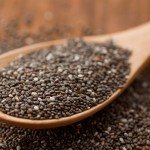 (NaturalHealth365) Chia seeds may be small, but they are bigger than life when it comes to nutrition. These potent powerhouses pack plenty of omega-3 fatty acids, antioxidants, magnesium, fiber, iron, zinc, and calcium.
While known scientifically as the dried seeds of the Salvia hispanica plant, the seeds are much better known by their common name of chia seeds, thanks in no small part to the popular “chia pet” gift line of terra cotta figures. Historically, these seeds have been used to help with a wide range of conditions, and more recent scientific research is providing evidence that backs up what generations have known about this tiny seed’s health benefits.
7 ways chia seeds can help you build a healthy body
Compared to the more commonly known flaxseed, chia seeds offer up more omega-3 fatty acids, fiber, calcium, and phosphorus. Many of the seed’s most significant health benefits stem from its high fiber content.
Here is a look at just seven of the health benefits you can expect to reap from adding these tiny seeds to your regular diet:
1. Reduced risk of heart disease
As the largest producer of chia seeds worldwide, Australia is also home to a majority of the research conducted on the health benefits of chia seeds. In one such study, animals fed chia seeds exhibited significantly better heart health than those not receiving chia seeds. This is likely due to the large quantity of alpha-linolenic acid (ALA) they contain, a type of omega-3 fatty acid that must be obtained through diet. Chia seeds are considered by far the best natural, plant-based source of ALA.
2. Protection against cervical and breast cancer
French researchers also linked high ALA content to lowered risk of breast cancer, according to a study published in the European Journal of Cancer in 2000. In a 2013 study further analyzing these results, scientists found that ALA, the primary fatty acid found in chia seeds, had the ability to induce “cell suicide” in breast and cervical cancer cells without affecting nearby healthy cells.
3. Better insulin sensitivity
Along with improving cardiovascular health, the same Australian study showed that chia seed consumption is linked to improved glucose tolerance and insulin sensitivity.
Lowered insulin sensitivity is associated with insulin resistance and eventual pre-diabetes and type 2 diabetes. It is known that the risk of developing this disease is greatly diminished when adopting healthier eating habits.
4. Immune-boosting capabilities
The ancient Aztecs and Mayans prized chia seeds for their medicinal properties, using them to treat colds and the flu. Modern-day research out of the University of the Valley of Guatemala determined chia seeds have an antioxidant rating much higher than other good dietary sources of antioxidants, including blackberries, mango, pineapples, or grapes.
Chia seeds contain significant amounts of nutrients – including vitamin C, certain flavonols, vitamin E, lignin, and phenolic acids – known to boost the immune system with powerful antioxidants.
5. Improved joint health
The Aztecs also believed that the chia seed was essential for good joint health. Even today, you will find a wealth of anecdotal evidence backing the belief that these tiny seeds are good for the joints. Research shows many of the prominent nutrients found in these seeds possess strong anti-inflammatory and anti-rheumatic properties, making the case that these little seeds are indeed good for healthy joints.
6. Enhanced athletic performance
Athletes are frequently told to load up on carbs to pump up endurance and stamina, but research shows that these seeds offer a healthier alternative to sugary drinks and white flour foods. In one such study, highly trained male athletes were divided into groups provided with a chia drink loaded with omega-3s or given Gatorade.
The researchers found no significant difference when measuring performance after the treatments, suggesting that there would be no “good” reason to consume Gatorade, especially when the chia drink offers a healthier alternative to sugary beverages with unwanted (toxic) ingredients.
7. Healthy hair and skin
The antioxidants found in these seeds are known to slow skin aging by eliminating free radicals. In addition, you will get a number of nutrients, including protein and several minerals and vitamins known to promote healthy hair growth.
How adding these seeds can maximize your health benefits
If you are ready to harvest the benefits of chia seeds, follow a few recommendations to avoid any unwanted side effects common with high-fiber foods, such as bloating and gastrointestinal distress. Avoid consuming more than the recommended two tablespoons of whole seeds daily.
There are many ways to add these seeds to your diet. Consider adding toasted chia to salads for a bit of crunch, blend soaked seeds with fresh fruit to make jam, replace a small amount of the flour with chia seeds in your favorite bread recipe, or throw some soaked seeds into a healthy smoothie.
Also, be sure to drink plenty of clean (purified) water when consuming chia seeds. Research has shown little nutritional difference between whole versus ground seeds, so choose whichever you prefer.
Sources for this article include:
This Is Why You Have Gray Hair
Reproduced from original article:
https://articles.mercola.com/sites/articles/archive/2023/01/02/what-causes-gray-hair.aspx
The original Mercola article may not remain on the original site, but I will endeavor to keep it on this site as long as I deem it to be appropriate.
Analysis by Dr. Joseph Mercola Fact Checked January 02, 2023

STORY AT-A-GLANCE
- An international team of researchers has discovered the first gene linked to gray hair
- The gene has previously been linked to blonde hair in Europeans and is now connected to gray hair as well
- The gene accounted for about 30% of hair graying among study participants
One you reach the age of 30, you have a 10% to 20% chance of graying hair with each passing decade.1 It’s a fact of life that, eventually, virtually everyone will go gray.
Your hair color comes from pigment called melanin. Each hair may contain dark melanin (eumelanin) and light melanin (pheomelanin), which blend together to form the many shades of hair color among humans.
When you’re young, special pigment stem cells called melanocytes inject pigment into keratin-containing cells.
This keratin, a protein, makes up your hair and is responsible for giving it its color. As you age, melanin is reduced, which is why your hair turns gray and, ultimately, white (this means there’s no melanin left).2
Scientists Discover Gene Linked to Graying Hair
What exactly causes melanin to be reduced and hair to turn gray has remained a mystery until now. An international team of researchers has discovered the first gene linked to gray hair.
The study involved a genome-wide association scan in more than 6,000 Latin Americans to look for genes related to features of scalp hair and facial hair, including graying, balding, beard thickness, monobrow, eyebrow thickness and more).3
A gene that has previously been linked to blonde hair in Europeans turned out to be connected to gray hair as well and accounted for about 30% of hair graying among the study participants.
The other 70% is likely due to factors such as age, environment, stress and more. The researchers plan to look for ways to manipulate this genetic pathway to prevent hair from turning gray (including drugs, which I would not recommend taking for the purpose of changing your hair color). Kaustubh Adhikari, Ph.D., a postdoctoral researcher at University College London, told TIME:4
“We might have drugs that boost or stop the protein from acting and change the amount of melanin in hair follicles and change the hair internally … So once the hair comes out like the way you want, you don’t have [to] go out and buy dyes.”
Does Your Hair Have Its Own ‘Biological Clock?’
According to Desmond Tobin, Ph.D., professor of Cell Biology from the University of Bradford in England, your hair follicles may be regulated by a “melanogentic clock” that eventually slows down the activity of melanocyte cells. Further, according to the Library of Congress:5
“… Tobin suggests that hair turns gray because of age and genetics, in that genes regulate the exhaustion of the pigmentary potential of each individual hair follicle. This occurs at different rates in different hair follicles. For some people it occurs rapidly, while in others it occurs slowly over several decades.”
It’s known, for instance, that white people may start going gray in their mid-30s, while Asians typically go gray beginning in their late 30s. African Americans typically don’t go gray until their mid-40s.6
What Else Causes Gray Hair?
Other factors for why hair turns gray include:
• Hydrogen peroxide — Hydrogen peroxide is a well-known tool for bleaching your hair, but many people aren’t aware that your hair cells make hydrogen peroxide, too. As you age, the amount produced increases, which researchers believe ultimately bleaches out your hair pigment, turning your hair grey and then white.7
• Smoking — There is a significant association between tobacco use and graying of hair.8 Cigarette smoking is also linked to premature hair graying, with the onset of gray hair occurring before the age of 30.9
• Oxidative stress — Oxidative stress can be defined as the state in which your free radicals (from pollution, poor diet, stress) outnumber your antioxidant defenses (from healthy diet). Graying hair may be an indicator of oxidative stress-induced damage.10 Research has also shown that people with premature graying had a higher level of pro-oxidants and lower levels of antioxidants than those with normal hair.11
• Vitamin B12 deficiency — This is also linked to premature gray hair, and there is at least one report of pigmentation returning to hair after the vitamin deficiency was resolved.12
Is Premature Gray Hair an Indicator of Health Problems?
It’s thought that going prematurely gray is largely genetic; if you have family members who turned gray early on, there’s a chance you might too.
Obesity is also associated with premature graying,13 and there is some speculation that it could be an indicator of certain health issues. For instance, premature graying of hair may be an important risk marker for the bone condition osteopenia.
According to research published in The Journal of Clinical Endocrinology and Metabolism, people with premature graying but no other identifiable risk factor were 4.4 times as likely to have osteopenia as those without premature graying.14 The researchers suggested:
“The association between premature graying and low bone mass could be related to genes that control peak bone mass or factors that regulate bone turnover.”
Thyroid disorders, anemia and vitiligo have also been linked to premature graying, and it’s even been associated with an increased risk of coronary artery disease (CAD) in young smokers. According to researchers:15
“Premature graying of hair can be used as preliminary evidence by clinicians for classifying patients at risk for premature CAD especially in smokers.”
Does Stress Cause Gray Hair?
It’s commonly believed that stress causes gray hairs (and many parents of teenagers or former presidents, whose hair often turns gray during office would likely attest to that). Science on this topic has frequently come up short, save a 2011 study published in the journal Nature and led by Nobel Prize winner Dr. Robert Lefkowitz.16
That study found chronic stress and frequent activation of the “fight or flight” stress response leads to DNA damage that may promote not only aging, cancer, neuropsychiatric conditions and miscarriages but also affect genes that control hair pigment.
Scientists Reveal Two Potential ‘Cures’ for Gray Hair
Researchers believe they are getting closer to finding a cure for gray hair. Scientists at New York University’s Langone Medical Center, for instance, isolated the Wnt protein, which coordinates pigmentation between melanocytes and another type of stem cell that guides the development of hair follicles.17
When the researchers inhibited the Wnt pathway in black mice, they turned gray. They believe that one day adding the Wnt protein to hair care products or supplements may “cure” gray hair.
Meanwhile, in a follow-up to the original study that linked gray hair to a buildup of hydrogen peroxide, researchers revealed that a UVB-activated compound called PC-KUS could reverse the hydrogen peroxide build up and effectively “cure” gray hair.18
The treatment also works to restore skin color in people with vitiligo. Dr. Gerald Weissmann, editor-in-chief of The FASEB Journal, which published the study, told Medical News Today:19
“For generations, numerous remedies have been concocted to hide gray hair. but now, for the first time, an actual treatment that gets to the root of the problem has been developed.”
The search for a cure for gray hair assumes that gray hair is a problem that needs solving. But there’s nothing intrinsically bad about having gray hair. In fact, from a health perspective you’re far better off going gray than using toxic hair dyes.
And if you’re thinking of embracing your silver locks, now’s a perfect time. So-called “granny hair” is the latest trend, with people paying salons big bucks to go gray. If you’re lucky enough to have earned your gray naturally, you can get this look for free. New York hair stylist Jan-Marie Arteca told Reuters:20
“Granny hair is basically silver hair, any tone of grey in your hair: steel grey, silvery grey, really, really white, platinum-ish with either violet or silver undertones … That’s the trend.”
- 1, 2, 5 The Library of Congress, Everyday Mysteries
- 3 Nature Communications March 1, 2016
- 4 TIME March 1, 2016
- 6 J Clin Aesthet Dermatol. 2021;14(1):38–44. January 1, 2021
- 7 FASEB J. 2009 Jul;23(7):2065-75
- 8 Niger J Surg. 2014 Jul;20(2):83-6
- 9 Indian Dermatol Online J. 2013 Apr;4(2):90-2
- 10 FASEB J. 2006 Jul;20(9):1567-9
- 11 Int J Trichology. 2015 Jul-Sep;7(3):91-4
- 12 Arch Dermatol. 1986 Aug;122(8):896-9
- 13 J Am Acad Dermatol. 2015 Feb;72(2):321-7
- 14 J Clin Endocrinol Metab. 1994 Sep;79(3):854-7
- 15 Ethiop J Health Sci. 2015 Apr;25(2):123-8
- 16 Nature September 15, 2011
- 17 ABC News June 17, 2011
- 18 FASEB J. 2013 Aug;27(8):3113-22
- 19 Medical News Today July 13, 2015
- 20 Reuters April 29, 2015
Study links COVID-19 infection to excessive hair loss
Reproduced from original article:
https://www.naturalhealth365.com/study-links-covid-19-infection-to-excessive-hair-loss.html
by: April 30, 2022
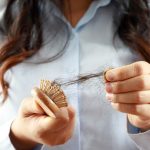 (NaturalHealth365) As the COVID-19 virus swept the globe, people got sick, then they got better, and then … they started losing their hair. That was a delayed aftereffect that no one saw coming. Stress levels were already running high with the lockdowns, illness, crazy mandates, medications, rushed vaxxes, and unrelenting controversy surrounding the pandemic. Add to that, the stress on the body from the virus itself, and you have a recipe for serious stress-related responses.
A study published in the Irish Journal of Medical Science in late August 2021 found a distinct link between acute telogen effluvium – a form of temporary hair loss – and COVID-19. Researchers wanted to examine the virus’s possible effects on the human hair growth cycle and establish a relationship between this condition and COVID.
Post COVID-19 infection associated with excessive hair loss, according to new study
The insanity of the COVID-19 pandemic has taken over our lives. Reports of overcrowded hospitals, deaths, job losses, closed businesses, and resource shortages have stressed the already fearful masses. Mainstream media did a fantastic job keeping the fear-mongering going, scaring people with news about newer variants, the ever-increasing death toll, etc.
So, when reports started coming in about people losing their hair months after having COVID, it was a symptom that no one saw coming.
Authors confirm relationship between COVID-19 infection and telogen effluvium
Researchers assembled 39 patients ranging from 22 to 67 years old. All of the patients had been diagnosed with COVID. Most only had mild and moderate symptoms, and none required hospitalization during their illness.
Two to three months after the illness, all patients in the trial began to experience excessive hair loss. In the study, the authors confirmed the link between COVID-19 infection and acute telogen effluvium. Furthermore, the drugs used to treat the virus were excluded as a cause of hair loss.
Therefore, the researchers believe it is specifically due to the so-called virus itself. But, now, let’s shift our focus to helping those in need.
Support hair growth with these nutrients
In addition to optimal nutrition, good hydration, and good quality sleep, several supplements can support natural hair growth.
Some of the top supplements include:
- Vitamin D: boosts immunity and combats vitamin D deficiency which can contribute to hair loss
- Vitamin E: a powerful antioxidant that is found in many hair growth oral supplements
- Biotin: vitamin B7 is a popular vitamin for hair growth and health
- B12: helps heal the central nervous system and helps the body better handle stress and increases blood flow
- Zinc: powerful promoter of hair follicle recovery
- Vitamin A: an essential vitamin needed by every part of the body
Some natural herbal supplements have also shown success:
- Saw Palmetto
- Curcuma aeruginosa
- Reishi Mushroom
- Pumpkin
- Red clover
- Panax ginseng
- Fish oil (or flaxseed oil)
- Gotu Kola
Finding the right combination for you may take some trial and error, but it is possible to regrow your hair after COVID.
Sources for this article include:
NIH.gov
The Atlantic
NIH.gov
NIH.gov
NIH.gov
Medical News Today
NIH.gov
Do You Know the Wide-Ranging Health Benefits of Selenium?
Reproduced from original article:
https://articles.mercola.com/sites/articles/archive/2022/04/21/selenium-health-benefits.aspx
The original Mercola article may not remain on the original site, but I will endeavor to keep it on this site as long as I deem it to be appropriate, and will not be bullied into removing it.
Analysis by Dr. Joseph Mercola Fact Checked
STORY AT-A-GLANCE
- Selenium is a powerful antioxidant that helps reduce the signs of aging you see and feel in your body, which is the result of molecular and immune system changes, increased susceptibility to environmental stressors, metabolic imbalances and disease
- Supplementing with selenium when levels are within normal limits does not prevent heart disease. However, data show people with low serum levels are at higher risk for cardiovascular disease, indicating optimal levels are necessary but more is not better
- An animal model shows selenium may help protect against obesity, which is a significant trigger for many chronic diseases. Low selenium levels may also be linked to age-related cognitive decline and are associated with worse COVID outcomes
- Signs of deficiency include hair loss, fatigue, frequent sickness, cognitive decline and muscle weakness. Brazil nuts are the best food source for selenium as just six to eight nuts provide 989% of your daily allowance
Selenium is an essential trace mineral that plays a unique and important role in a variety of biological functions. Your body cannot make selenium, so it’s important to get it from your food. It’s a major component in more than two dozen proteins that play crucial roles in a variety of functions, including thyroid hormone metabolism, DNA synthesis and reproduction.1
Selenium is also an antioxidant, which means it helps protect the body against free radicals and reactive oxygen species (ROS). It exists in two forms: inorganic and organic, both of which are found in dietary sources — including the organic form in animal tissue.
Like most compounds, your body requires an optimal amount of selenium, which means that more is not better. There is some evidence to suggest that high serum concentrations can adversely affect glycemic control.2 This means that individuals who have Type 2 diabetes or are at risk for Type 2 diabetes should measure serum concentrations before considering using a selenium supplement.
When your body has optimal levels of selenium, it can help improve biological functioning, which in turn has a positive effect on antiaging, heart disease, cognitive decline and viral load progression.
Antioxidant Has Antiaging Benefits
The signs of aging you can visibly see in your skin and experience in your body are the result of molecular and immune system changes, increased susceptibility to environmental stressors, metabolic imbalance and disease that may happen as you age.3 These effects are the result of an imbalance between oxidative defense and ROS damage. Stem cell exhaustion, epigenetic alterations and changes in mitochondrial renewal also affect aging.
While signs of aging are common, there are steps you can take to help mitigate these effects. Maintaining optimal levels of nutrients and micronutrients is one of those steps. A review4 in 2019 showed the effect selenium has on the aging process occurs in part through the role it plays in selenoproteins, which are necessary for the expression of several important antioxidants.5
Selenium is used in the expression of five separate glutathione peroxidases,6 which are responsible for reducing damage from ROS. These and other selenoprotein compounds play powerful roles as antioxidants, reducing the inflammation triggered by ROS and prolonging telomere length, which is the protective cap on the end of DNA strands.7
When telomeres shorten to a critical length after division, the cells either die or stop dividing. These actions play a vital role in aging and some researchers suggest that supplementing with selenium, especially in the elderly, may be of “great significance” as a strategy for the prevention of age-related diseases.8
Low Selenium Raises Risk of Heart and Thyroid Disease
Obesity is a significant risk factor for heart disease. One study published in March 20219,10 found that adding selenium to the diet in an animal model helped protect against obesity and increased the healthy lifespan of the animals. The researchers were also interested in whether selenium could have the same beneficial effect on metabolism as restricting the amino acid, methionine.
Selenium supplementation in this animal model provided the same protection against weight gain as restricting methionine, and dramatically reduced levels of the energy regulating hormones IGF-1 and leptin. The results suggested that supplementing with selenium had nearly the same effect as a diet restricted in methionine.11 But selenium may also have a direct impact on your cardiovascular system.
Scientists have been studying the effect of selenium on the cardiovascular system for decades, after finding that the disease was more prevalent in areas of the world where there were low serum selenium concentrations, such as in eastern Finland.12
One meta-analysis13 in 2006 looked at observational studies that evaluated selenium serum concentrations and found they were inversely associated with the risk for coronary heart disease. The important aspect of this study is the researchers measured serum concentration of selenium and did not rely on an evaluation of supplementation alone.
In 2013, a Cochrane Database Systematic Review14 concluded that there was limited evidence to support selenium supplementation to prevent heart disease. However, data from the studies showed most participants had a baseline or mean selenium serum concentration between 70 and 150 nanograms per milliliter (ng/mL), which is the normal concentration found in human blood serum.15
In other words, it appeared supplementing with selenium was not effective when blood serum concentrations were already within the normal value. Another study16 published in 2020 also evaluated serum selenium levels and found those in the high range of the reference value had a decreased risk for cardiovascular disease and mortality.
Optimal levels of selenium may also help individuals experiencing heart failure. One study17 found serum levels of selenium were independently associated with exercise tolerance in patients with heart failure and deficiency was linked to a 50% higher mortality rate.
Thyroid hormones also influence the cardiovascular system, and may induce or worsen heart disease, including heart failure and atherosclerotic vascular disease.18 Several studies have demonstrated that supplementation with selenium in hyper- and hypothyroidism is associated with improvement.19,20,21
Age-Related Cognitive Decline May Be Linked to Low Selenium
Preventing cognitive impairment in the elderly is a significant public health challenge. One meta-analysis22 that gathered data from Europe, Australia and the Americas found that the incidence of mild cognitive impairment per 1,000 person-years was 40.94 in ages 80 to 84 and 60.1 in ages 85 and older.
According to the Alzheimer’s Association, more than 6 million Americans are currently living with Alzheimer’s and 1 in 3 seniors dies with at least one form of dementia.23 One link may be selenium as it is well understood that serum concentrations of selenium commonly decline with age.
One longitudinal study24 found that decreases in plasma selenium were associated with declines in neuropsychological function in aging people. Another study25 found lower serum levels of selenium were associated with decreased performance and neurological testing in older adults.
As serum deficiencies occur, the brain retains selenium the longest, which has suggested that it plays a vital role in brain function. A review of nine years of data26 has suggested that maintaining optimal selenium status was important to the neuropsychological function in the elderly.
Low Selenium and Zinc Associated With Worse COVID Outcomes
Selenium and zinc both play a role in supporting your immune system. One of the selenoprotein enzymes, glutathione peroxidase, is an important catalyst in the conversion of glutathione. This in turn reduces damage from reactive oxygen species.27 When glutathione peroxidase is compromised, the downstream effect is the overproduction of cytokines that can induce a cytokine storm as seen in severe COVID-19 infections.
Selenium influences other pathways that affect viral diseases as well. Authors of a paper in Environmental Research28 note that HIV-1 infections are higher in areas of Africa where the soil is deficient in selenium and testing shows Ebola infections are closely associated with people who are severely deficient in selenium.
Coxsackievirus is an RNA virus that typically causes a mild illness, yet severe infections are found in areas of China where selenium is deficient.29 The authors have suggested that these pathways influence a person’s reaction to a COVID-19 infection and theorize that supplementing with selenium during an active infection may help reduce damage to the endothelial cells.
Other studies in China30 and Germany31 have demonstrated there’s a positive relationship between the survival rate for people with active COVID-19 infections and selenium levels.
One study32 published in 2021 sought to identify predictive markers doctors could use to better stratify COVID-19 patients on admission to the hospital. In this study, researchers measured serum levels of zinc, iron, copper and selenium. Selenoprotein P levels were also measured, which requires selenium for full expression.
The researchers found that patients admitted with cancer have significant deficits in selenium and zinc. Three of the five patients with the lowest levels of iron, who also had profound selenium and zinc deficits, died during the study. Analysis of the biomarkers found most hospitalized patients had particularly low levels of selenium and zinc.
When patients with comorbidities were analyzed, they found a pronounced deficit in iron, zinc and selenium and a higher chance of survival in cancer patients with higher levels of selenium. The researchers concluded that the data confirmed:33
“… an insufficient Se (total Se and SELENOP) and Zn status at admission to the hospital is associated with an exceptionally high mortality risk and severe disease course with COVID-19.
In view of the predictive accuracy of Se and Zn deficiency as mortality risk factor at hospital admission, supplemental Se and Zn supply should be considered to support the immune system, in particular for patients with inflammation-related comorbidities like cancer or diabetes mellitus.”
Signs of Deficiency and Food Choices Rich in Selenium
Selenium is found in the soil and should concentrate in plant foods. However, experts estimate that up to 1 billion people globally may be deficient from inadequate intake.34
One paper published in Environmental Research35 cited a World Health Organization report that found over 40 countries where the soil is deficient in selenium. Some of the lowest levels are found in New Zealand, Slovakia, Finland and sub-Saharan Africa.
People who have a deficiency in selenium are at higher risk of conditions that affect the endocrine system, cardiovascular system, immune system and reproductive system and that may affect mood and behavior.
Although it’s necessary to be tested to determine if you are deficient, several symptoms may indicate you aren’t getting enough selenium in your diet. These can include:36,37,38
| Hair loss | Fatigue | Weight gain |
| Sick more often | Greater oxidative stress | Shortness of breath |
| Cognitive decline | Muscle weakness |
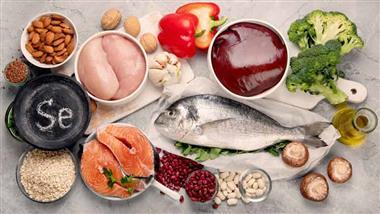
I recommend getting as many of your essential vitamins, minerals and elements from your diet as possible. The recommended daily allowance for zinc ranges from 2 mg for infants to 11 mg to 8 mg for men and women over the age of 19.39 Food sources include oysters, pasture-raised beef, dark meat chicken, pumpkin seeds and dry roasted cashews.
The recommended daily allowance for selenium ranges from 15 micrograms (mcg) for infants to 55 mcg for men and women over 19 years.40 The best food sources of selenium are Brazil nuts. Just six to eight nuts deliver 544 mcg, or 989% of your daily allowance. Other sources include sardines, pasture-raised beef, turkey, chicken and pasture-raised eggs.
- 1 National Institutes of Health, Selenium
- 2 Oregon State University, selenium, summary
- 3 Biomolecules, 2021;11(10)
- 4, 8 Aging Clinical and Experimental Research, 2019; 31(8)
- 5, 36 Selenium Deficiency, 2021
- 6 Oregon State University, Selenium, Glutathione Peroxidases
- 7 Stanford Medicine, January 22, 2015
- 9 eLifeSciences, March 30, 2021
- 10, 11 Science Daily, March 30, 2021
- 12 Biological Trace Element Research, 1990; 24(2)
- 13 American Journal of Clinical Nutrition, 2006; 84(4)
- 14 Cochrane Database Systematic Review, 2013;2013(1) Characteristics of Included Studies
- 15 Mayo Clinic Laboratories, Selenium, Reference Values
- 16 Critical Reviews in Food Science and Nutrition, 2020; doi.org/10.1080/10408398.2020.1803200
- 17 European Journal of Heart Failure, 2019;22(8)
- 18 Circulation, 2019;139(25)
- 19 Current Opinion in Endocrinology, Diabetes and Obesity, 2013;20(5)
- 20 Nature Reviews Endocrinology, 2020;16
- 21 Endocrine Web, September 15, 2015
- 22 Alzheimer’s and Dementia, 2019;11
- 23 Alzheimer’s Association, Facts and Figures
- 24 Epidemiology, 2007; 18(1)
- 25 Movement Disorders, 2010; 25(12)
- 26 Biofactors, 2012; 38(2)
- 27 Environmental Research, 2021, 196(110984)
- 28 Environmental Research, 2021, 196(110984) Section 3.1 & 3.2
- 29 Environmental Research, 2021, 196(110984) Section 3.3
- 30 American Journal of Clinical Nutrition, 2020; doi.org/10.1093/ajcn/nqaa095
- 31 Nutrients, 2020;12(7) Germany in study design section 2.0
- 32 Nutrients, 2021;13(10) Section 5. Conclusions
- 33 Nutrients, 2021;13(10) Section 5
- 34 Selenium Deficiency, 2021 Section Epidemiology
- 35 Environmental Research, 2021, 196(110984) Section 2.1
- 37 Yahoo!News, February 2, 2018
- 38 Oregon State University, Selenium, Deficiency
- 39 National Institutes of Health, Zinc, Recommended Intakes
- 40 National Institutes of Health, Selenium, Recommended Intakes
The Effects of Biotin on Your Hair, Nails and Thyroid
Reproduced from original article:
https://articles.mercola.com/sites/articles/archive/2021/12/27/biotin-benefits.aspx
The original Mercola article may not remain on the original site, but I will endeavor to keep it on this site as long as I deem it to be appropriate, and will not be bullied into removing it.
Analysis by Dr. Joseph Mercola Fact Checked December 27, 2021
STORY AT-A-GLANCE
- Dermatologists frequently prescribe biotin for people with hair loss, despite a paucity of research proving it helps
- Biotin insufficiency is more rare than other nutritional deficiencies but it does happen, leading to hair loss, depression, loss of appetite and numbness and tingling
- Biotin is important in metabolism, having demonstrated the ability to improve glycemic control and strengthen nails
- Supplementation can alter blood tests, including for thyroid, vitamin D and troponin, a marker of cardiac health
This article was previously published July 20, 2020, and has been updated with new information.
Your body uses vitamins for normal cell functioning; Essential vitamins must be consumed because they cannot be manufactured by the cells. Vitamins are grouped into two categories: fat soluble and water soluble.1 The fat soluble types get stored in fatty tissue and absorbed when eaten with dietary fat.
Water soluble vitamins are not stored by your body. Instead, excessive amounts are excreted through the urine. This means that essential water-soluble vitamins must be consumed on a regular basis to prevent any shortages. Vitamin B7, colloquially called biotin, is a water-soluble vitamin your body uses for energy metabolism.
Vitamins have different jobs within the body, including supporting your immune system, neurological system and energy metabolism. Biotin is a cofactor for an enzyme that is crucial in the metabolism of glucose, fatty acids and amino acids. It is also used in the production of hormones and cholesterol.2
Cholesterol is a fat-like substance that’s required in the right amounts for good health. Your body uses about 1,000 mg of cholesterol every day to synthesize hormones and vitamin D and to make cell membranes and the myelin sheath, which surrounds nerve cells.3 Without adequate biotin, your body can’t make enough cholesterol.
What’s Behind Your Hair Loss?
Despite a lack of research to support the idea that biotin may help address hair loss or improve skin and nail health, dermatologists have been prescribing it for years.4 Studies published in 20165 and 20176 included results having to do with the use of biotin to help thinning hair.
Although it was helpful when prescribed to those with a biotin deficiency, it didn’t appear to be useful in others. In the study published in 2016, researchers assessed patients from the Center for Dermatology and Hair Diseases who arrived with complaints of hair loss. They found that 38% of the women also had a biotin deficiency.
The most common type of hair loss in women and men is androgenetic alopecia.7 Men lose it at the front and vertex of the head, with thinning along the sides over the ear. Women start with diffuse thinning at the vertex.
By age 50, 50% of men will experience what is commonly called male pattern baldness. Interestingly, malnutrition, iron deficiency anemia and thyroid disease are also linked to hair loss. Other reasons for loss can include telogen effluvium, when the hair is lost in moderate amounts after a major body stress. Side effects from some drugs, medical illness and a fungal infection of the scalp can also cause hair loss.8
Yet, dermatologist Dr. Wilma Bergfeld from Cleveland Health Clinic finds that one of the most common causes is poor nutrition, more specifically the lack of essential vitamins. She says dermatologists start their detective work with a thorough physical exam and medical history, including family records and information on each patient’s diet, exercise and medications. She commented:9
“If your hair is falling out at the roots, often something is going wrong in your body or in your life situation. We find biotin to be very helpful for hair disorders. It also makes nails thicker, and oral biotin is exceedingly safe, even in large doses. Biotin improves hair growth and helps with inflammation. The hair follicle, the skin and the nails all benefit.”
Common Signs of Insufficiency
Insufficiency of this B vitamin is more rare than other nutritional deficiencies, but it can still occur. Since the body does not store it, your nutrient intake must be consistent. Some of the common signs of insufficiency include hair loss, brittle nails and a red, scaly rash around the eyes, nose, mouth and genitals. Other symptoms may include:10
- Depression
- Loss of appetite or nausea
- Tingling in the extremities
- Numbness
- Hallucinations
Several of the symptoms of biotin insufficiency are neurological in nature. Researchers also suggest that biotin supplementation may be helpful in the treatment of multiple sclerosis (MS). It’s crucial in the development of the myelin sheath, which gets damaged or destroyed in MS. In one study, scientists concluded, “These preliminary data suggest that high doses of biotin might have an impact on disability and progression in progressive MS.”11
Dr. Bruce Cree is a neurologist from the University of California San Francisco. He has a special interest in the disease and commented on a study of a pharmaceutical grade biotin treatment for MS:12
“Taken together, these studies are very promising and provide hope for a condition that has thus far been largely intractable using treatments targeting neuro-inflammation. That the extension study from the SPI trial showed an apparent durability of effect suggests that high dose biotin may have disease modifying properties in addition to its proposed role in enhancing energy metabolism.
Furthermore, the positive impact of high dose biotin points to a new line of inquiry in understanding the pathophysiology of progressive MS.”
Deficiency can happen with prolonged parenteral feedings that are not supplemented with vitamin B7. Individuals who eat raw egg whites for long periods of time can also experience deficiency, since the egg whites contain a type of protein called avidin, which binds with biotin,13 thus preventing the body from absorbing the nutrient.14
Biotin Brings the Good Stuff
Biotin plays a role in metabolic function and the metabolism of carbohydrates and amino acids. The breakdown of these nutrients helps create energy. In one study of 447 people with poorly controlled Type 2 diabetes, researchers added chromium picolinate with biotin for 90 days.15
When compared to the control group who received a placebo, the intervention group showed a reduction in their hemoglobin A1c by 0.54%. Fasting glucose levels were also lower, suggesting the combination may be a successful adjuvant to medication prescribed for glycemic control.
In a second, more recent study, researchers found that the synergistic effect with chromium picolinate is well-tolerated.16 Biotin has also been tested in people with Type 1 diabetes. Scientists believe it may have the potential to slow hepatic steatosis and control diabetic neuropathy and nephropathy.17
As you might expect, since a biotin deficiency can lead to brittle nails, adding extra biotin to the diet may help strengthen them. In an animal study, researchers looked at in vitro lab results involving animal claws and hooves. They used biotin as treatment for nail disorders and found “Several observations in animals and cells lines led to the hypothesis that biotin could be used to treat human nails.”18
Although supplementation with biotin rapidly clears skin rashes associated with the vitamin deficiency, there is no scientific evidence that it can improve everyone’s skin health.19 There is evidence that both deficiency and overload can adversely affect a growing baby. Women who are pregnant should consult their OB/GYN.
Supplements May Alter Thyroid Tests
The Food and Nutrition Board has not established the upper limits for biotin supplementation.20 In 1998, scholars from the National Academy of Sciences gathered information from clinical observations and studies in which biotin deficiency was induced.21 Factors they identified that affect an individual’s body requirement include the ingestion of raw egg whites, genetic defects, anticonvulsants and pregnancy.
They found no adverse effects associated with a high intake of biotin in humans or animals. People taking up to 200 milligrams by mouth each day did not have any signs of toxicity. However, based on results from an animal study, they did find that taking doses of biotin during pregnancy can inhibit placental growth and increase the risk of miscarriage.
The doses used in the study were higher than those that are frequently recommended and they were not found to be useful in determining an upper intake level for humans. The Harvard TH Chan School of Public Health reports that an upper limit for biotin has still not been established as there aren’t negative effects noted with high intakes.22
However, even taking a low dose can interfere with diagnostic blood tests commonly used to measure hormones, such as your thyroid hormone. It can also alter results of vitamin D tests.23 This can be crucial in optimizing your vitamin D level before the fall flu season and the expected second wave of COVID-19.
Taking biotin before a thyroid test has resulted in false diagnoses of Graves’ disease and severe hypothyroidism. A single 10 mg dose taken 24 hours before a thyroid function test can taint the results. The FDA published a warning in 2017 that biotin could interfere with lab tests.24
They received a report of an individual who died following a troponin test, which had been done for markers of cardiac health. The individual had been taking high levels of biotin and the test revealed a false negative, resulting in no treatment following a heart attack.
Biotin can also interact with medications, and some medications can lower biotin levels. For instance, anticonvulsant treatments can significantly lower biotin, which may happen by increasing catabolism of biotin and inhibiting absorption.25
Start With Biotin-Rich Foods
The best way to get your biotin is through whole food, especially if you are concerned about a supplement altering your test results. However, if you steer clear of taking excessive amounts and stop taking supplements at least 24 hours before a blood test, biotin supplements can be safe. It’s important to let your physician know you are taking supplements if you must have an emergency blood test.
There are two forms of biotin found in food. The first is free biotin, found in plants. The second is protein-bound in protein-based animal foods. The free version is more readily absorbed, but your body can use both forms. Foods high in free biotin include:26,27
- Almonds
- Sunflower seeds
- Spinach and broccoli
- Carrots, onions and cauliflower
- Sweet potatoes
Protein-bound biotin is found in:
- Organic, free-range/pastured eggs yolks
- Organ meats such as liver and kidneys
- Dairy products such as milk, butter and cheese (ideally organic raw milk from grass fed cows)
- Seafood (just make sure it’s low in mercury and other contaminants, and wild-caught, not farmed)
One of the best sources of biotin is pastured egg yolk. Cooking the egg white deactivates the avidin, which means eating cooked eggs will not lead to a biotin deficiency. If you choose to take a biotin supplement for hair loss, the Cleveland Clinic dermatologists recommend a mega-B combination:
- 3 milligrams of biotin
- 30 milligrams of zinc
- 200 milligrams of vitamin C
- <1 milligram of folic acid
Bergfeld notes, “Occasionally, the mega B-vitamin combination gives some patients minor gastric trouble but switching them to biotin alone relieves it.”28
- 1 Medline Plus
- 2, 20, 23, 25, 27 National Institutes of Health
- 3 News-Medical, April 19, 2019
- 4, 9, 28 Cleveland Clinic, September 25, 2019
- 5 International Journal of Trichology, 2016;8(2)
- 6 Skin Appendage Disorders, 2017;3:166
- 7 American Family Physician, September 15, 2017
- 8 Harvard Health Publishing, December 2018
- 10, 14 Nutri-Facts
- 11 Multiple Sclerosis and Related Disorders, 2015;4(2):159
- 12 Business Wire, April 21, 2016
- 13, 18 Journal of Dermatological Treatment, 2017;doi.org/10.1080/09546634.2017.1395799
- 15 Diabetes Metabolism Research and Reviews, 2008;24(1)
- 16 Medical Hypotheses, 2015;85(1)
- 17 Medical Hypotheses, 2016;95:45
- 19 Greatist, July 8, 2020
- 21 National Academy of Science, 1996
- 22 Harvard TH Chan School of Public Health
- 24 Food and Drug Administration, November 4, 2019
- 26 The Healthy, August 28, 2019
6 Ways to Reverse Hair Loss
© GreenMedInfo LLC. This work is reproduced and distributed with the permission of GreenMedInfo LLC.
Want to learn more from GreenMedInfo? Sign up for the newsletter here:
www.greenmedinfo.com/greenmed/newsletter
Reproduced from original article:
www.greenmedinfo.com/blog/6-ways-reverse-hair-loss
Posted on: Monday, December 13th 2021 at 7:45 am
Written By: Ali Le Vere, B.S., B.S. – Senior Researcher-Gre… and Sophia Ruiz
This article is copyrighted by GreenMedInfo LLC, 2021

A condition plaguing over 80 million men and women in the United States alone, hair loss a condition that not only indicates possible health issues but can also profoundly diminish quality of life. Here we provide in-depth, actionable information that can provide hair loss sufferers with tools they need to reverse hair loss
Hair loss, although not a life-threatening condition, can be a significant source of social stigma and pose a profound detriment to quality of life. However, it is readily reversible in many cases once the underlying cause is identified and remediated.
In many cases, it can be rectified by optimizing vitamin and mineral status, since vitamins and minerals play a critical role in the hair cycle and in particular in the rapid turnover of the matrix cells residing within the follicle bulb (1). In fact, many of the overt nutritional deficiency diseases are associated with prominent hair loss, showcasing how crucial our diets are not only for prevention of pathology, but also for visible signs of health such as healthy hair.
For example, in the eighteenth century, James Lind documented that scurvy, the vitamin C deficiency disease that historically afflicted sailors on long voyages, was linked to dermatological symptoms including skin hemorrhage and hair loss (1). Other conditions of protein-energy malnutrition including kwashiorkor and marasmus, can also be associated with profound hair loss, underscoring how important diet is to hair quality (1).
Although hair loss is multifactorial, there are several common-sense steps that can be systematically examined and addressed in order to fix it, as outlined below. Many of the approaches elucidated are diet-related, as hair is a rapidly proliferating organ, which therefore requires much of the blood supply and the provision of adequate nutrition.
1. Eat a nutrient-dense diet replete in B vitamins
Human hair, which is comprised of approximately 100,000 hair follicles, grows in three phases, including the active growing or “anagen phase,” which represents 90% of the hairs, the degeneration or “catagen phase,” representing less than 10% of hairs, and the resting or “telogen phase” in which hair is shed, representing 5% to 10% of the hairs (2). During the anagen phase in particular, essential dietary elements including vitamins, minerals, and protein are required.
Deficiencies in the water-soluble vitamin B complex are particularly implicated, since B vitamins play a foundational role in cell metabolism. Because folate and vitamin B12, for example, are active in the production of nucleic acids, they may play a role in the highly proliferative hair follicle (1). Although research is inconsistent, some findings are confirmatory of these deficiencies in conditions of hair loss, such as one study which showed that mean red blood cell folate was significantly suppressed in patients with alopecia areata (AA) (Yousefi 3). Folate is present in a variety of foods, with some of the highest food sources including beef liver, spinach, black-eyed peas, asparagus, and Brussels sprouts.
Vitamin B12 sufficiency is also quintessential to hair growth since it affects the synthesis of almost 100 different substrates including RNA, DNA, and proteins (1). In some investigations, as many as half of the individuals eating a vegan diet were categorized as vitamin B12 deficient (Gilsing 4), since B12 is found exclusively in animal products. Foods naturally rich in vitamin B12 include clams, beef liver, trout, and sockeye salmon, and fortified nutritional yeasts also contain B12 (6 Health Prof Fact Sheet B12).
Deficiencies in riboflavin (vitamin B2) may likewise contribute to hair loss. A precursor of flavin cofactors of the electron transport chain known as flavin mononucleotide (FMN; also known as riboflavin-5′-phosphate) and flavin adenine dinucleotide (FAD), riboflavin is instrumental to the series of redox reactions within the inner mitochondrial membrane that serve to generate cellular energy. Riboflavin is important not only for metabolism of macronutrients but it is also important for cell function, growth, and development and is used as an antioxidant for the immune system and for healthy skin and hair (5).
Pregnant and lactating women, vegans, older adults, alcoholics, people with certain disorders such as Brown-Vialetto-Van Laere syndrome (BVVL), and women on oral contraceptive pills are at risk for riboflavin deficiency (5). The best non-fortified sources of riboflavin are organ meats, with beef liver topping the list. Lean meats, clams, mushrooms, almonds, eggs, quinoa, and salmon also contain moderate amounts.
Lastly, biotin (vitamin B7) is one of the most recommended supplements for reversing hair loss, due to its role as a coenzyme for carboxylase enzymes which play a role in metabolic reactions critical to maintenance of healthy hair such as fatty acid synthesis, gluconeogenesis, and branched-chain amino acid catabolism (6). Although skin rashes, brittle nails, and hair loss are all signs of biotin deficiency, researchers state that large-scale studies do not support the efficacy of biotin supplementation (1).
Even so, biotin deficiency warrants exploration in cases of hair loss, especially where risk factors for biotin deficiency, such as alcoholism, pregnancy, malabsorption, and use of medications including valproic acid and isotretinoin, which disrupt activity in the enzyme biotinidase, are present (1). Excessive consumption of raw eggs can also deplete biotin, because avidin in the egg whites attaches to biotin and interferes with its absorption (1). Cooking eggs can circumvent this problem since it destroys the avidin particles.
A foods-first approach is the safest bet, as long as absorptive processes are intact, because foods contain synergistic nutrients to prevent the genesis of imbalances which can occur with supplementation–and especially with the megadose supplementation which is oftentimes recommended. Beef liver again tops the list as the richest source of biotin followed by whole eggs, with pink salmon, pork chops, hamburger patties, sunflower seeds, and sweet potato also containing fair but comparatively lower amounts.
Other than B vitamins, there are many other essential nutrients for hair growth that go well beyond the scope of this article. However, optimizing digestion and eating a phytonutrient-rich diet consistent with evolutionarily compatible eating principles–with a plate predominated by organic fruits and vegetables, roots and tubers, nuts and seeds, pseudograins such as amaranth, buckwheat, and quinoa where tolerated–alongside sustainably and humanely raised animals and seafood for those who eat from an omnivore template–will help to buffer against nutrient deficiencies.
2. Address Thyroid Dysfunction
It has been well-elucidated within the scientific literature that various endocrine disorders, including hypothyroidism, hyperthyroidism, and parathyroid disorders, can contribute to hair loss (7). Disorders of the thyroid gland, the butterfly-shaped gland that sits at the base of the neck, are implicated in hair loss since thyroid hormone is critical to development and maintenance of the hair follicle (7).
Hashimoto’s thyroiditis, an autoimmune thyroid condition, is the most common cause of hypothyroidism, and should always be investigated in cases of hair loss. To assess thyroid status, a comprehensive thyroid panel including the following biomarkers should be ordered by a holistic physician well-versed in thyroid lab interpretation and optimization:
- free T3 (fT3)
- free T4 (fT4)
- reverse T3
- thyroid peroxidase (TPO) antibodies
- thyroglobulin (TG) antibodies
Although a multifaceted, holistic approach is required to treat Hashimoto’s thyroiditis, foundational first steps include removal of pro-inflammatory food proteins such as gluten. Not only does celiac disease occur twelve times more frequently in individuals with Hashimoto’s relative to the general population (8), but antibodies produced against gluten can cross-react with the thyroid gland.
Gluten is also known to produce leaky gut syndrome, wherein the selective gates between intestinal cells become excessively permeable, allowing for the trafficking of undigested food proteins, microbial byproducts, endotoxins, and foreign agents into systemic circulation (9). This influx of inflammatory components provokes an immune response that can culminate in autoimmune response against the thyroid and other tissues.
The approach to treating Hashimoto’s thyroiditis is complex, and is best done in conjunction with a naturopathic doctor or functional medicine practitioner. However, as is the approach for all autoimmune diseases and chronic illnesses more broadly, addressing the pillars of health and restoring an evolutionarily compatible lifestyle with sun exposure, nature, grounding, community, restorative sleep, and an anti-inflammatory, low-antigen diet free of immunoreactive foods such as gluten, dairy, and soy–as well as replete in thyroid-supportive micronutrients–should top the list of interventions.
3. Check Your Vitamin D Levels
Vitamin D is a fat-soluble vitamin necessary for the balance of the three distinct arms of the immune system: Th1, Th2, and Th17. Generally, polarization to the Th1 or Th17 immune responses away from the Th2 response results in excessive inflammation, tissue damage, and possible autoimmunity (10). In other words, without adequate vitamin D, the scales may be tipped in the direction of an inflammatory cascade that leads to immune dysfunction. Thus, vitamin D’s immunomodulatory effects are undeniably essential for healthy immune responses (11).
A robust body of literature not only informs us of the presence of vitamin D receptors in the hair follicle but also demonstrates a clear connection between vitamin D deficiency and the development of alopecia areata (AA), a form of hair loss with autoimmune implications (12). One hallmark feature of AA is an increased production of Th1-type signaling molecules like interleukin-2 (IL-2) and interferon γ (IFNγ) in and around the hair follicle. Specifically, IFNγ is known to be a potent inhibitor of hair growth (13). These findings give us a deeper understanding as to how vitamin D deficiency and the corresponding immune dysfunction could be involved with the pathogenesis of AA.
However, conflicting findings in the research suggest that AA may not always boil down to a vitamin D deficiency itself. In some cases of AA, a decrease in vitamin D receptor expression and a resultant decrease in vitamin D activity might also contribute (12).
Treating a vitamin D deficiency is usually quite simple. Sun exposure provides a cost-free abundance of vitamin D. However, in winter months or in northern latitudes, supplementation and proactive food consumption might be needed to bolster vitamin D levels. In this case, supplementation with the bioavailable vitamin D3 as opposed to vitamin D2 is prudent. Fatty cold-water fish such as wild-caught salmon, sardines, and mackerel and organic, pasture-raised ghee provide a moderate dose of vitamin D3 in each serving while minimizing the possibility of food intolerances (ghee excludes most immunoreactive dairy proteins).
4. Include Antioxidant-Rich and Anti-Inflammatory Foods In Your Diet
Antioxidant-rich and anti-inflammatory foods are revered as pillars of health for a myriad of reasons. However, their possible applications as treatments in hair loss may give them a more vanity-driven, yet vital application.
Dermal papilla cells (DPCs), cells located at the base of the hair follicle, are responsible for signaling the division of hair follicle cells that leads to hair growth (14). Supporting the integrity and signaling capacity of these cells, then, is of the utmost importance in maintaining hair growth and preventing hair loss.
In cell culture studies, loss of proliferative capacity of DPCs–or the ability of these cells to multiply–is associated with increased markers of oxidative stress, or inflammation (6). Additionally, topical application of lipid peroxides (fats damaged by free radicals) causes cell death of hair follicle cells, leading to the onset of the catagen or shedding phase in the hair cycle. These findings are mirrored by elevated biomarkers of oxidative stress in AA and androgenetic alopecia (AGA), also known as pattern hair loss (15, 16).
What this all means, then, is that inflammation is a potent mediator of hair loss. In addition to the aforementioned Th1 polarization in AA, specific inflammatory molecules are also observed in AGA scalps. In AGA-affected hair follicles, there also seems to be elevated levels of the bacteria strain P. acnes. This particular strain incites the immune system through a release of byproducts called porphyrins (17).
The ensuing response is an activation of IL-1α, a pro-inflammatory cytokine known to inhibit hair growth, and TNF-α, a potent inducer of the inflammatory transcription factor NF-κB which is the gateway to other mediators of inflammation such as prostaglandins, thromboxanes, and leukotrienes. All of this culminates in the production of inflammation-spawning signaling molecules that wreak havoc on hair growth.
By including antioxidant-rich and anti-inflammatory foods as a focus in your diet, you can assist your body in lowering inflammation and mitigating oxidative stress. Try “eating the rainbow” to ensure a diversity of phytonutrients and incorporating fatty fish, turmeric, ginger, and even herbal medicines like cannabinoid-rich full-spectrum hemp oil into your daily routine.
Some of the plant-based foods with the highest antioxidant potential include berries, such as dried varieties of amla (Indian gooseberry), dog rose, and bilberries, fresh black currants, blackberries, cranberries, crowberries, goji berries, strawberries, and zebeck (red sour berries) (18). An analysis of 581 fruits and vegetables found the following plant foods to contain high levels of antioxidants (18):
- Artichokes
- Green and red chili peppers
- Lemon skin
- Curly kale
- Okra flour
- Apples
- Plums
- Apricots
5. Rule out Anemia
Iron deficiency is the leading global cause of anemia, responsible for 30%-50% of anemia in children and other groups. It is more common in women, with studies illuminating that two billion people worldwide are iron deficient (19). Iron deficiency anemia occurs when the balance of iron intake, iron stores, and iron losses become disturbed and can no longer support production of the body’s red blood cells, which carry iron-rich proteins known as hemoglobin. Hemoglobin is important as a result of its role in tissue oxygenation, or the delivery of oxygen to tissue.
Iron deficiency anemia is more common in multiparous women as well as in minority and low-income populations, but other risk factors include heavy menstrual bleeding, malabsorptive disorders, overexercise, pregnancy, presence of microorganisms that use up iron stores or inhibit its absorption, and consumption of substances which impede iron absorption, such as caffeine, antacid medication, calcium supplements, and dairy.
Although low iron is frequently touted as a cause of hair loss, findings vary, but some research does document a relationship between iron deficiency and conditions of hair loss including female pattern hair loss (FPHL), alopecia areata, alopecia universalis or totalis, and telogen effluvium (20). One study found a significant decrease in hair loss and improvement in serum ferritin concentration in subjects with telogen effluvium who received oral iron therapy (21). Another analytical case-control study found that serum ferritin levels below or equal to 30 ng/mL are strongly associated with telogen hair loss in women of childbearing age without systemic inflammation or other underlying disorders (22).
To rule out iron deficiency, the following tests should be ordered. Serum ferritin concentration is especially important, as it is reflective of total body iron stores and can signify the very early stages of iron deficiency (20).
- Serum Iron
- Ferritin
- Total iron binding capacity (TIBC)
- Unsaturated iron binding capacity (UIBC)
- Transferrin saturation percentage
Although iron supplementation or even intravenous iron infusions may be required in extreme cases, investigating why iron levels are low merits examination. Barring absorptive disorders, restoring iron levels through dietary strategies is oftentimes attainable.
Bioavailability of iron is dependent upon dietary context, as certain components in food can either inhibit or enhance iron absorption. For example, pairing iron with vitamin C-rich foods such as Bell pepper, broccoli, grapefruit, kiwi, oranges, and strawberries can enhance iron absorption. Consuming iron away from certain substances which inhibit iron absorption, such as tannins in coffee, oxalates in tea, polyphenols in cocoa, and phytate in soy will also render it more bioavailable. The “heme iron” present in animal foods, such as organ meats, beef, lamb, turkey, oysters, and clams, is generally more usable than “non-heme iron” in plant foods, including leafy greens, olives, quinoa, pumpkin seeds, legumes, and dark chocolate.
6. Enhance Your Insulin Sensitivity
The metabolic dysfunction known as insulin resistance is a contributor to elevated androgen levels, which is a mediating factor in the pattern hair loss known, again, as androgenetic alopecia (AGA) (17). A loss of cellular sensitivity to insulin forces an elevation in blood insulin levels, also known as hyperinsulinemia. In ovarian cell culture studies, hyperinsulinemia has been shown to increase the expression and enhance the activity of the 5α-reductase enzyme responsible for converting testosterone into powerful androgen dihydrotestosterone (DHT) (23).
DHT can stimulate the proliferation of sebaceous gland cells, the microscopic exocrine glands in the skin that secrete an oil, waxy substance known as sebum that lubricates the skin and hair. The result is increased sebum production (17), allowing pro-inflammatory P. acnes bacteria to readily colonize the hair follicle, leading to inflammatory responses, free radical production, and the need for tissue repair.
This tissue repair is initiated by a growth factor called TGF-β1 responsible for creating fibrous scar tissue. Continual stimulation of this process, as in chronic inflammation and oxidative stress, can lead to a process called perifollicular fibrosis. This can cause restricted growth space inside the hair follicle and choked-off blood supply, eventually leading to hair loss.
To prevent this deleterious sequence of events, restoring insulin sensitivity should be the priority. Inhibiting the insulin resistance cascade prevents insulin-associated DHT spikes, which may help reverse and prevent AGA hair loss. The cause of insulin resistance is still elusive, but there is an emerging trend within the literature that suggests inflammation and oxidative stress are inextricably linked to reduced insulin sensitivity (24).
Some natural agents with insulin-sensitizing properties include berberine from goldenseal, bitter melon, cinnamon, and alpha lipoic acid. Curcumin, an active constituent within the golden-hued Indian culinary spice turmeric, is particularly effective, with one study showing that it is 400 to 100,000 times more effective than the prescription drug Metformin at activating the mechanism behind glucose uptake (25).
Omega-3s, the polyunsaturated fatty acids within cold-water fatty fish, also possess potent anti-inflammatory properties that may warrant their use for recovering insulin sensitivity. In one systematic review, researchers concluded: “Short-term fish oil supplementation is associated with increasing the insulin sensitivity among those people with metabolic disorders” (26).
Other Variables in Hair Loss
As illustrated, hair loss is a multi-factorial condition that requires a multi-pronged approach. In addition to the aforementioned factors, it is important to manage stress, since stressors can disrupt the finely-orchestrated hormonal symphony and change hair follicle biochemistry. Equally significant is minimizing exposure to environmental toxicants.
Phthalate-laden, endocrine-disrupting shampoos, conditioners, and styling products as well as chlorinated and fluoridated water not only irritate the hair follicles and can precipitate shedding, but also displace iodine in the thyroid gland and can suppress thyroid function, creating a vicious cycle of hair loss.
Hair is merely outward manifestation of health, such that we can glean insights into an individual’s underlying state of health by assessing hair quality. Luckily, however, because the evidence-based interventions presented here are based in removing the impediments to and restoring the contributors to health–the approaches that bolster hair quality are also oftentimes accompanied by the fortunate byproduct of improving your quality of life and wellness overall.
If hair loss is getting you down, visit the GreenMedInfo database on the subject for more on natural ways to fight this condition.

References
1. Almohanna, H. et al. (2019). The Role of Vitamins and Minerals in Hair Loss: A Review. Dermatological Therapies, 9(1), 51-70.
2. Phillips, T.G. et al. (2017). Hair loss: common causes and treatment. American Family Physician, 96(6), 371-378.
3. Yousefi, M. et al. (2014). Evaluation of serum homocysteine, high-sensitivity CRP, and RBC folate in patients with alopecia areata. Indian Journal of Dermatology, 59(6), 630.
4. Gilsing et al. (2010). Serum concentrations of vitamin B12 and folate in British male omnivores, vegetarians, and vegans: results from a cross-sectional analysis of the EPIC-Oxford cohort study. European Journal of Clinical Nutrition, 64(9), 933-939. doi: 10.1038/ejcn.2010.142
5. Bhusal, A., & Banks, S.W (2019). NCBI Bookshelf: Riboflavin Deficiency. Retrieved from https://www.ncbi.nlm.nih.gov/books/NBK470460/
6. Trüeb R. M. (2009). Oxidative stress in ageing of hair. International Journal of Trichology, 1(1), 6-14. doi:10.4103/0974-7753.51923
7. Vincent, M., & Yogiraj, K. (2013). A Descriptive Study of Alopecia Patterns and their Relation to Thyroid Dysfunction. International Journal of Trichology, 5(1), 57-60.
8. Collin, P. et al. (1994). Autoimmune thyroid disorders and coeliac disease. European Journal of Endocrinology, 130(2),137-140. Retrieved from //www.eje-online.org/content/by/year
9. Fasano, A. (2012). Leaky gut and autoimmune disease. Clinical Review of Allergy and Immunology, 42(1), 71-78. doi: 10.1007/s12016-011-8291-x.
10. Damsker, J. M., Hansen, A. M., & Caspi, R. R. (2010). Th1 and Th17 cells: adversaries and collaborators. Annals of the New York Academy of Sciences, 1183, 211-221. doi:10.1111/j.1749-6632.2009.05133.x
11. Hewison, M. (2012). An update on vitamin D and human immunity. Clinical Endocrinology,76(3), 315-325. doi:10.1111/j.1365-2265.2011.04261.x
12. Gerkowicz, A. et al. (2017). The Role of Vitamin D in Non-Scarring Alopecia. International Journal of Molecular Sciences, 18(12), 2653. doi:10.3390/ijms18122653
13. Ito, T. et al. (2005). Interferon-gamma is a potent inducer of catagen-like changes in cultured human anagen hair follicles. British Journal of Dermatology, 152(4), 623-631. doi:10.1111/j.1365-2133.2005.06453.x
14. Driskell, R. R., Clavel, C., Rendl, M., & Watt, F. M. (2011). Hair follicle dermal papilla cells at a glance. Journal of Cell Science, 124(Pt 8), 1179-1182. doi:10.1242/jcs.082446
15. Prie, B.E. et al. (2015). Oxidative stress and alopecia areata. Journal of Medicine and Life, 8 Spec Issue(Spec Issue), 43-46.
16. Prie, B.E. et al. (2016). Oxidative stress in androgenetic alopecia. Journal of Medicine and Life, 9(1), 79-83.
17. English, R. (2018). A hypothetical pathogenesis model for androgenic alopecia: clarifying the dihydrotestosterone paradox and rate-limiting recovery factors. Medical Hypotheses, 111, 73-81. doi: 10.1016/j.mehy.2017.12.027
18. Carlsen, M.H. et al. (2010). The total antioxidant content of more than 3100 foods, beverages, spices, herbs and supplements used worldwide. Nutrition Journal, 9(3), doi: 10.1186/1475-2891-9-3
19. Miller, J.L. (2013). Iron Deficiency Anemia: A Common and Curable Disease. Cold Spring Harbor Perspectives in Medicine, 3(7): a011866.
20. Park, S.Y. et al. (2013). Iron Plays a Certain Role in Patterned Hair Loss. Journal of Korean Medical Science, 28(6), 934-938. doi: 10.3346/jkms.2013.28.6.934
21. Rushton, D.H. et al. (2002). Causes of hair loss and the developments in hair rejuvenation. International Journal of Cosmetic Science, 24, 17-23.
22. Moeinvaziri, M. et al. (2009). Iron status in diffuse telogen hair loss among women. Acta Dermatovenerologica Croatica (ADC),17(4), 279-284.
23. Kayampilly, P.P. et al. (2010). Stimulatory effect of insulin on 5alpha-reductase type 1 (SRD5A1) expression through an Akt-dependent pathway in ovarian granulosa cells. Endocrinology, 151(10), 5030-5037. doi:10.1210/en.2010-0444
24. Keane, K.N. et al. (2015). Molecular Events Linking Oxidative Stress and Inflammation to Insulin Resistance and β-Cell Dysfunction. Oxidative Medicine and Cellular Longevity, 2015, 181643. doi:10.1155/2015/181643
25. Kim, T. et al. (2009). Curcumin activates AMPK and suppresses gluconeogenic gene expression in hepatoma cells. Biochemistry & Biophysics Research Communications, 388(2), 377-382.
26. Gao, H. et al. (2017). Fish oil supplementation and insulin sensitivity: a systematic review and meta-analysis. Lipids in Health and Disease, 16(1), 131. doi:10.1186/s12944-017-0528-0
27. National Institutes of Health: Office of Dietary Supplements. (2019). Folate: Fact Sheet for Health Professionals. Retrieved from https://ods.od.nih.gov/factsheets/Folate-HealthProfessional/
28. National Institutes of Health: Office of Dietary Supplements. (2019). Riboflavin: Fact Sheet for Health Professionals. Retrieved from https://ods.od.nih.gov/factsheets/Riboflavin-HealthProfessional/
29. National Institutes of Health: Office of Dietary Supplements. (2019).Vitamin B12: Fact Sheet for Health Professionals. Retrieved from https://ods.od.nih.gov/factsheets/VitaminB12-HealthProfessional/
30. National Institutes of Health: Office of Dietary Supplements. (2019). Biotin: Fact Sheet for Health Professionals Retrieved from https://ods.od.nih.gov/factsheets/Biotin-HealthProfessional/#h3


Jojoba Oil for skin and hair
Written by Brenton Wight, Health Researcher, LeanMachine
Copyright [c] 1999-[y] Brenton Wight. All Rights Reserved.
This site is non-profit, existing only to help people improve health and immunity
Updated 11th November 2021
What is Jojoba Oil?
Jojoba Oil comes from the pressed seeds of the jojoba shrub, a North American plant.
Jojoba oil is a type of liquid wax, with cell-protecting properties superior to many other oils.
Rich in vitamins A, E, B, amino acids and omega-6 fatty acids, valuable antioxidants.
Benefits of Jojoba Oil
Jojoba Oil has many properties for face, skin and hair:
- The antioxidants in jojoba oil help skin by protecting skin cells from damage and rejuvenating the skin
- Vitamins B and E shield skin cells from UV rays and pollution
- Amino acids in jojoba oil increase collagen, one of the most important proteins for skin and hair, that helps reduce wrinkles and improve elasticity
- The waxy nature of jojoba oil mimics sebum (the body’s natural oils), hydrating dry areas
- Jojoba oil penetrates the skin’s deep layers, healing the skin from inside and locking in the vitamins and moisture
- The antioxidants and vitamins in jojoba have antimicrobial, antibacterial and antifungal properties, reducing the risk of eczema, psoriasis, acne, dandruff and other skin issues
- Jojoba oil is a great conditioner, hydrating hair, protecting against sun damage and improving health of hair follicles
How To Use Jojoba Oil
Use a small amount of Jojoba oil to dry areas and massage into skin and hair.
Add a little into conditioner for extra benefit. Massage the oil directly to hair strands to reduce split ends.
Side effects
In extremely rare cases, side effects may include a rash and allergic reactions such as hives and itching, but Jojoba is considered hypoallergenic.
Some people are very sensitive to many products, and for safety it is best to try a test patch on a very small area of skin first.
NOTE: Use externally only. Do not ingest. One accidental ingestion should do no harm, but long-term internal consumption may cause problems.
Where to buy Jojoba Oil?
I recommend this Jojoba Oil because it is organic and comes from a reputable supplier.
Five Reasons to Eat More Onions
© April 25th 2021 GreenMedInfo LLC. This work is reproduced and distributed with the permission of GreenMedInfo LLC.
Want to learn more from GreenMedInfo? Sign up for the newsletter here:
www.greenmedinfo.com/greenmed/newsletter
Reproduced from original article:
www.greenmedinfo.com/blog/five-reasons-eat-more-onions
Posted on: Wednesday, April 7th 2021 at 4:30 pm
Written By: GreenMedInfo Research Group
This article is copyrighted by GreenMedInfo LLC, 2021

Onions are an antioxidant, anti-inflammatory, anticancer and pro-heart powerhouse that come in various colors and types. Here are five of the vegetable’s important contributions to health
Vegetables are a crucial source of health and nutrition. There are, however, a few standout veggies, and onions — a staple in many American kitchens and cuisines worldwide — have offered some of the most outstanding benefits for many generations.
The type of onion may clue you in on its specific benefits. Red onions are known to be particularly rich in quercetin, a plant pigment or flavonoid present in many fruits, vegetables and grains. Found in a great variety of foods as well as beverages like tea and wine, flavonoids have antioxidant, anti-inflammatory and anti-carcinogenic properties, along with an ability to modulate cellular enzyme function.[i]
Other varieties such as green, brown and white boast their own sets of health benefits. Green onions, also commonly known as scallions, are traditionally used to treat colds, flu, abdominal pain, headache and heart disease.[ii] Let’s have a look at five impressive health benefits of onions.
1. Support Heart Health
Onions contain antioxidants that may support healthy cholesterol levels as well as help manage blood pressure, both of which may lower the risk of heart disease.
A study involving 70 overweight individuals with high blood pressure found that quercetin-rich onion extract, 162 milligrams (mg) per day in particular, notably pushed down systolic blood pressure by 3 to 6 mmHg versus a placebo.[iii]
Another study conducted in 54 patients with polycystic ovarian syndrome (PCOS) concluded that eating about 40 to 50 grams (g) per day of raw red onions (if overweight) and 50 to 60 g a day (if obese) for an eight-week period slashed total and LDL cholesterol, compared to a control group, which ate smaller amounts of onions.[iv]
2. Fight Oxidative Stress
Onions are an excellent antioxidant source, and in fact offer more than 25 different varieties of flavonoid antioxidants.[v]
Specifically, anthocyanins, which are special plant pigments that give red onions their color, have been associated with a lower likelihood of heart attacks. This was found in a study of 93,600 women with the highest intake of anthocyanin-filled foods.[vi] Additionally, anthocyanins offer protective effects against certain kinds of cancer.[vii]
In a 2012 study, quercetin displayed a protective effect against sodium fluoride-induced oxidative stress in the heart in an animal model.[viii] Consuming onion peel itself, found to contain quercetin in abundance, may also benefit obese individuals as a way to reduce oxidative stress to help prevent the onset of chronic disease.[ix]
3. Improve Skin and Hair Health
Onion extract gel may be useful for wound healing, showing promise in improving the cosmetic appearance of postsurgical scars.[x] A study showed that it significantly improved scar softness, redness, texture, as well as appearance at the excision site at weeks four, six and 10 during the research.
Applied topically, crude onion juice may assist in hair regrowth compared to tap water, potentially serving as an effective topical therapy for patchy alopecia areata.[xi]
4. Provide Anticancer Benefits
Onions contain the flavonoid antioxidant quercetin, which may inhibit the growth of tumors.[xii] In a 2006 study, a uniquely large data set from southern European populations showed an inverse association between the frequent consumption of allium vegetables, particularly onions and garlic, and the risk of several common cancers.[xiii]
Allium vegetables also surfaced in an analysis of a Northeast Chinese population and were linked to a reduced risk of colorectal cancer in both men and women.[xiv]
5. Help Fight Diabetes
Consuming onions may also bring about helpful effects on diabetics by helping lower blood sugar levels. A study in 42 Type 2 diabetics, for instance, showed that consuming 3.5 ounces of fresh red onion decreased fasting blood sugar levels by 40 mg/dl after four hours.[xv]
Quercetin, combined with hesperidin, may also play an effective role in the regulation of insulin metabolism in diabetes.[xvi] Justifying their strong antioxidant properties, garlic, white onion and purple onion display antidiabetes as well as antihypertensive properties.[xvii]
Quercetin also shows promise for preventing neurodegeneration in diabetic retinopathy, a severe complication of the disease and a leading cause of blindness in adults worldwide.[xviii] Discover additional onion health benefits and quercetin wellness benefits on GreenMedInfo.com.
References
[i] Panche A et al “Flavonoids: an overview” J Nutr Sci. 2016 Dec 29;5:e47. doi: 10.1017/jns.2016.41.
[ii] Young Sung Y et al “Aqueous and ethanolic extracts of welsh onion, Allium fistulosum, attenuate high-fat diet-induced obesity” BMC Complement Altern Med. 2018 Mar 20;18(1):105.
[iii] Brull V et al “Effects of a quercetin-rich onion skin extract on 24 h ambulatory blood pressure and endothelial function in overweight-to-obese patients with (pre-)hypertension: a randomised double-blinded placebo-controlled cross-over trial” Br J Nutr. 2015 Oct 28;114(8):1263-77. Epub 2015 Sep 2.
[iv] Ebrahimi-Mamaghani M et al “Effects of raw red onion consumption on metabolic features in overweight or obese women with polycystic ovary syndrome: a randomized controlled clinical trial” J Obstet Gynaecol Res. 2014 Apr;40(4):1067-76. Epub 2014 Mar 10.
[v] Slimestad R et al “Onions: a source of unique dietary flavonoids” J Agric Food Chem. 2007 Dec 12;55(25):10067-80. Epub 2007 Nov 13.
[vi] Cassidy A et al “High anthocyanin intake is associated with a reduced risk of myocardial infarction in young and middle-aged women” Circulation. 2013 Jan 15;127(2):188-96.
[vii] Lin B et al “Effects of anthocyanins on the prevention and treatment of cancer” Br J Pharmacol. 2017 Jun;174(11):1226-1243. Epub 2016 Oct 25.
[viii] Nabavi S et al “Protective effect of quercetin against sodium fluoride induced oxidative stress in rat’s heart” Food Funct. 2012 Feb 8. Epub 2012 Feb 8.
[ix] Kim K et al “Antioxidative Activity of Onion Peel Extract in Obese Women: A Randomized, Double-blind, Placebo Controlled Study” J Cancer Prev. 2015 Sep ;20(3):202-7.
[x] Draelos Z. “The ability of onion extract gel to improve the cosmetic appearance of postsurgical scars” J Cosmet Dermatol. 2008 Jun;7(2):101-4.
[xi] Sharquie K et al “Onion juice (Allium cepa L.), a new topical treatment for alopecia areata” J Dermatol. 2002 Jun;29(6):343-6.
[xii] Hashemzaei M et al “Anticancer and apoptosis-inducing effects of quercetin in vitro and in vivo” Oncol Rep. 2017 Aug; 38(2): 819-828.
[xiii] Galeone C et al “Onion and garlic use and human cancer” Am J Clin Nutr. 2006 Nov;84(5):1027-32.
[xiv] Wu X et al “Allium vegetables are associated with reduced risk of colorectal cancer: A hospital-based matched case-control study in China” Asia Pac J Clin Oncol. 2019 Feb 20. Epub 2019 Feb 20.
[xv] Eldin I et al “Preliminary Study of the Clinical Hypoglycemic Effects of Allium cepa (Red Onion) in Type 1 and Type 2 Diabetic Patients” Environ Health Insights. 2010; 4: 71-77. Epub 2010 Oct 14.
[xvi] Dokumacioglu E et al “The Effects of Hesperidin and Quercetin on Serum Tumor Necrosis Factor-Alpha and Interleukin-6 Levels in Streptozotocin-induced Diabetes Model” Pharmacogn Mag. 2018 Apr-Jun;14(54):167-173. Epub 2018 Apr 10.
[xvii] Oboh G et al “Inhibitory Effect of Garlic, Purple Onion, and White Onion on Key Enzymes Linked with Type 2 Diabetes and Hypertension” J Diet Suppl. 2018 Mar 9:1-14. Epub 2018 Mar 9.
[xviii] Ola M et al “Neuroprotective effects of quercetin in diabetic rat retina” Saudi J Biol Sci. 2017 Sep ;24(6):1186-1194. Epub 2016 Dec 3.

Selenium in your cancer prevention program
by: July 20, 2019

(NaturalHealth365) What does selenium have to do with your health? The answer may surprise you (and motivate you – in a whole new way!)
Let’s start with a discussion about cancer – the second leading cause of death in the United States, right behind heart disease. Experts predict that cancer will soon surpass heart disease as the leading killer of American adults.
No doubt, we can all agree: the need for a safe (non-toxic) methods of preventing and treating this deadly disease is truly urgent. This brings us to why we – at NaturalHealth365 – are pleased to feature studies like this one – from Nutrition and Cancer highlighting the importance of consuming enough selenium – on a regular basis. (Note: PubMed has over 1,500 studies on “selenium and cancer prevention.”)
An essential trace element found in various foods, soil and water, selenium helps to prevent cancer by enhancing our immune system, increasing protection against stress and disease plus suppressing the growth of cancerous cells.
Selenium enhances the power of a “master antioxidant” to help detoxify the body
One of selenium’s most vital functions is to help create antioxidant enzymes, or selenoproteins, that recycle glutathione, the body’s “master antioxidant” and detoxifier. In this way, selenium strikes a blow against the disease-causing oxidative stress – which contributes to chronic degenerative disease.
But selenium also has many more “tricks up its sleeve” when it comes to fighting cancer.
Do NOT ignore the health dangers linked to toxic indoor air. These chemicals – the ‘off-gassing’ of paints, mattresses, carpets and other home/office building materials – increase your risk of headaches, dementia, heart disease and cancer.
Unlike therapies that address only one specific stage or type of cancer, selenium is pleiotropic. This means that it combats cancer through multiple pathways and mechanisms, allowing it to target the disease in various forms and stages.
So important is selenium that low levels are linked with an eight-fold increased risk of cancers of the bladder, lungs, stomach, esophagus and liver.
And, supplementation has been shown to lower cancer risk, particularly cancers of the bladder, lung and colon.
Selenium’s extensive therapeutic “toolkit” allows it to prevent cancerous cells from developing into tumors
In addition to preserving the selenoproteins that recycle antioxidants, selenium regulates inflammatory molecules that contribute to cancer growth.
This versatile nutrient also helps to boost the immune system, detoxify carcinogens and heavy metals, protect DNA from cancer-causing mutations and inactivate molecules crucial to the development of cancer cells.
In addition, selenium induces apoptosis – the programmed death of cancer cells – meaning it may help check the uncontrolled reproduction that can help cancer spread so swiftly.
Finally, selenium regulates sex hormone receptors used by some cancers, thereby helping to suppress tumor invasion and growth. Peer-reviewed research has documented reductions in cancer risk through selenium supplementation.
One recent meta-analysis involving nine randomized controlled clinical trials and over 152,000 participants showed that selenium supplementation can cut cancer risk by 26 percent.
Participants who had low levels of selenium at the beginning of the study experienced an even larger (36 percent) reduction in risk – and those in high-risk populations experienced a sizeable 34 percent decrease as well.
Great NEWS: Three different forms of selenium join forces to fight cancer “across the board”
Selenium exists in three distinct forms, each with its own unique capabilities against cancer. While their names can be tongue-twisters, it’s worth noting their individual benefits.
Inorganic sodium selenite destroys the mitochondria that exist in tumor cells – while leaving the mitochondria of healthy cells unharmed. It also helps repair damaged DNA while boosting the immune response.
While it is not absorbed as well as organic forms of selenium, sodium selenite seems to do the best job of boosting crucial glutathione activity.
The second form, selenium-methyl L-selenocysteine, is an organic complex of selenium that contains the sulfur-containing amino acid cysteine.
This form suppresses tumor growth by inhibiting angiogenesis – the creation of new blood vessels that carry nutrients to tumors. It also induces the destruction of cancer cells, and has been shown to boost the effectiveness of chemotherapy drugs.
The third form, L-selenomethionine, is an organic compound of selenium that contains the amino acid L-methionine. This is the form most frequently used in clinical trials – and it has yielded extremely promising results.
In a landmark 1996 University of Arizona study, participants were given 200 mcg of L-selenomethionine a day in order to discern whether the complex could prevent skin cancer. The study did not yield any evidence at all that L-selenomethione could prevent basal or squamous cell skin cancer, per se.
But what it did do – slash the incidence of death from all cancers, by 50 percent – caused researchers to do a double take.
The results were so impressive that the team did something that is almost unprecedented in medical research: stopped the “blinded” phase of the study cold – so that all participants could immediately begin to take advantage of maximum protection against cancer.
And that’s not all.
A separate study showed that L-selenomethionine could reduce risk of prostate cancer by 63 percent – when a prior history of cancer existed – and by a whopping 74 percent in those with normal levels of PSA (prostate-specific androgen, which researchers use as a marker of prostate cancer).
How to decrease your risk of bladder cancer by nearly 40 percent
Over 70,000 Americans will be diagnosed with bladder cancer over this year alone – and 14,000 will lose their lives to the disease.
A recent review shows that selenium can substantially decrease the risk of the disease.
In a meta-analysis involving over 17,000 participants and published in Cancer Epidemiology and Prevention Biomarkers, the authors noted that selenium supplementation was associated with a 39 percent decrease in the risk of bladder cancer – when averaged out over both sexes.
When the researchers looked at the effects of selenium supplementation on women alone, they found that it reduced bladder cancer risk by a robust 45 percent. The team called for more study to further explore the benefits of selenium supplementation.
Proper nutrition can help raise selenium levels
The USDA advises that the adult daily allowance for selenium is 55 mcg a day.
You can increase your selenium levels by eating organic cage-free eggs, wild-caught salmon, halibut, poultry and grass-fed beef.
Vegans and vegetarians can obtain selenium through sunflower seeds and Brazil nuts. In fact, with a whopping 607 micrograms of selenium per cup, Brazil nuts are the single best source of this essential mineral.
If you think selenium supplementation might be right for you, check with your integrative healthcare provider before adding it to your health routine – to best advise you on the proper forms and dosages to take.
Sources for this article include: