Blood Clots
now browsing by category
Could THIS plant be nature’s answer to stroke recovery?
Reproduced from original article:
https://www.naturalhealth365.com/could-this-plant-be-natures-answer-to-stroke-recovery.html
by: February 10, 2024
 (NaturalHealth365) If you’ve been following the evolution of holistic healthcare, you’re probably aware of the mounting calls to integrate ancient remedies into contemporary medical approaches. Despite this, Western medicine has hesitated to incorporate these age-old solutions for many reasons.
However, a preliminary study presented at the prestigious 2024 International Stroke Conference sheds light on the incredible potential of a plant steeped in centuries of traditional wisdom: ginkgo biloba. This ancient natural remedy, long revered by civilizations and indigenous tribes, is a promising contender for aiding stroke recovery.
The mysterious plant that might be an all-natural answer to stroke recovery
The study above highlights how ginkgo biloba extract can speed up brain recovery within the initial weeks after a stroke. This finding gives meaningful hope to those attempting to regain their health following a stroke.
In particular, ischemic stroke patients, meaning those who suffered strokes resulting from blood clots, display significant improvements in cognitive functionality during the earliest part of the recovery phase after receiving intravenous ginkgo biloba injections. Extract from the plant was injected within the first couple weeks after the stroke, catalyzing meaningful cognitive improvement across the initial stages of post-stroke recovery.
The study consisted of 3,163 people who suffered strokes with mild to moderate blockages. The average participant age was 63, and 64% were men. The study participants received ginkgo biloba extract treatment in 100 medical facilities throughout China. The heads of the study decided to provide half of the participants with a daily IV shot containing 25 milligrams of ginkgo biloba extract in the 48 hours after stroke. The remainder of the study participants were provided with a daily placebo shot.
The research team then analyzed patients’ cognitive abilities using a 30-point test called the Montreal Cognitive Assessment. The study participants were reanalyzed at two weeks and three months. Those provided with the ginkgo biloba extract injection demonstrated improved mental functionality at the two-week mark.
The cognition gap between those provided with the natural remedy and those with the placebo widened even further by the three-month mark, proving that the extract improves mental functionality. The group provided with the extract enjoyed a 20% hike in post-stroke cognition.
Why aren’t ancient remedies used in Western medicine?
The above findings demonstrate the pivotal role ancient remedies, particularly plant extracts, hold in Western medical practices, as exemplified by the study’s utilization of extracts derived from dried ginkgo seeds and leaves. The ginkgo tree, one of Asia’s oldest living trees, is revered by Chinese medical practitioners for its therapeutic potential; however, in the Western hemisphere, ginkgo biloba often receives dismissal as a fringe “new age” supplement primarily relegated to dietary use.
Ginkgo biloba is only one example of many natural remedies ignored by Western medicine. Other common examples include turmeric, which has anti-inflammatory properties and may help manage arthritis and other inflammatory conditions; ginger, known for its anti-nausea and digestive benefits; and garlic, which has antimicrobial properties and may support heart health; and echinacea, believed to boost immune system and shorten the duration of colds and other respiratory infections.
Clearly, the pharmaceutical industry has a controlling grip around Western medicine. But, as more and more people are becoming aware of safer (more effective) ways to heal … one can only hope that this will change the way most doctors respond to health issues. Until then, do your own research and seek the advise of a holistic physician – as needed.
Tips for integrating ginkgo biloba for enhanced cognition
Whether grappling with stroke recovery or simply striving for better cognitive function, incorporating this natural remedy into your daily routine may be a wise idea, given its numerous benefits for both the body and mind. Ginkgo biloba bolsters heart health, regulates blood pressure, enhances eye health, and alleviates anxiety.
Ginkgo biloba is available in supplement forms, such as tablets, powders, and essential oils. However, caution should be exercised regarding ginkgo biloba seeds, as they can pose risks when ingested raw.
Most ginkgo biloba users opt for the supplement in pill form, accompanied by a glass of water. Consuming the supplement with a meal or snack is recommended for optimal digestion and absorption. But before starting any new supplement routine, it’s best to speak with a holistic doctor or healthcare professional for personalized guidance and advice.
Sources for this article include:
Can This Unique Raspberry Protect Your Heart?
Reproduced from original article:
https://articles.mercola.com/sites/articles/archive/2024/02/01/endothelial-health.aspx
The original Mercola article may not remain on the original site, but I will endeavor to keep it on this site as long as I deem it to be appropriate.
Analysis by Dr. Joseph Mercola February 01, 2024

STORY AT-A-GLANCE
- Your endothelium is the collective group of cells that line your blood vessels, representing about 1% of your body mass and a surface area of 5,000 square meters
- The endothelium is directly involved in a number of diseases, including heart disease, diabetes and chronic kidney failure
- Black raspberry decreases markers of inflammation and improves endothelial function, reducing risk factors of cardiovascular disease
- Drinking green tea is associated with an increase in flow-mediated dilation (FMD) of the brachial artery, a measure of endothelium function
- Pomegranate, grape seed extract and garlic are other natural compounds that support endothelial health
Your endothelium is the collective group of cells that line your blood vessels. Representing about 1% of your body mass and a surface area of 5,000 square meters, the endothelium has been described as a “multifunctional endocrine organ strategically placed between the vessel wall and the circulating blood.”1
To put this into perspective, a single layer of endothelial cells lines the inner surface of your entire vascular system, separating your blood from the vessel wall. This “tissue-blood barrier” is semipermeable and plays a key role in regulating the transfer of molecules as well as vascular homeostasis.2
While endothelial dysfunction — an early sign of atherosclerosis3 — is a hallmark of many diseases, including cardiovascular disease, there are a host of natural options to protect your endothelium and keep it healthy.
The Role of Your Endothelium on Overall Health
While once regarded as a simple barrier, the endothelium is now regarded as a dynamic endocrine organ that has a major influence on human health. In the International Journal of Biological Sciences, it’s noted:4
“The endothelium was once thought of as the ‘cellophane wrapper’ of the vascular tree, with no other specific functions than affording selective permeability to water and electrolytes. However, enormous advances since the 1980’s have led to an understanding of the complex functions of this large endocrine organ. Vascular endothelial cells line the entire circulatory system, from the heart to the smallest capillaries.
These cells have very distinct and unique functions that are paramount to vascular biology. These functions include fluid filtration, such as in the glomeruli of the kidneys, blood vessel tone, hemostasis, neutrophil recruitment, and hormone trafficking.”
In addition to serving as a physical barrier, endothelial cells metabolize, synthesize and release vasoactive and other compounds that affect vascular tone, blood pressure, blood flow, coagulation, fibrinolysis, inflammation, immunological reactions and more.
“Any perturbation affecting the capacity and equilibrium of the endothelium as a physical barrier and to metabolize, synthesize and release these substances will cause endothelial dysfunction, which contributes to the development and progression of cardiovascular diseases,” according to a review in the World Journal of Cardiology.5 Further, the endothelium is directly involved in a number of diseases, including:6
| Peripheral vascular disease | Stroke | Heart disease |
| Diabetes | Insulin resistance | Chronic kidney failure |
| Tumor growth and metastasis | Venous thrombosis | Viral infectious diseases |
Black Raspberry and Other Natural Options for Endothelial Health
A healthy lifestyle, including diet and exercise, supports endothelial function,7 but so, too, do a variety of substances from nature.
| Black raspberry — Anthocyanins, the most abundant flavonoids in black raspberries, have anti-inflammatory and anti-angiogenic effects, meaning they help prevent angiogenesis, which may promote cancer. In human intestinal microvascular endothelial cells and human esophageal microvascular endothelial cells, black raspberry extract had both anti-angiogenic and anti-inflammatory effects.8
In a study on patients with metabolic syndrome, black raspberry also increased circulating endothelial progenitor cells (EPCs) and improved cardiovascular risks after 12 weeks.9 Separate research, also on people with metabolic syndrome, similarly revealed that black raspberry significantly decreased inflammatory cytokines, improving vascular endothelial function.10 Animal studies also suggest that black raspberry decreases markers of inflammation and improves endothelial function, reducing risk factors of cardiovascular disease.11 Flavonoids like those in black raspberries even alleviate the vascular endothelial barrier dysfunction that’s induced by advanced glycation end products.12 It’s believed that metabolism of flavonoids is involved in their beneficial role in cardiovascular health, as metabolism increases flavonoids’ vascular efficacy, “resulting in a diversity of structures of varying bioactivity in human endothelial cells.”13 |
| Green tea — Drinking green tea is associated with an increase in flow-mediated dilation (FMD) of the brachial artery, a measure of endothelium function. “The beneficial effect of green tea on endothelial function may be attributed to its high flavonoid content.
As has been shown, epigallocatechin gallate, a major catechin in tea, acutely improves endothelial function in humans with coronary artery disease,” researchers explained in the European Journal of Preventive Cardiology.14 Green tea also increases nitric oxide production by endothelial cells and may boost vascular function via anti-inflammatory pathways. According to the European Journal of Preventive Cardiology scientists:15
Green tea is also a rich source of quercetin. In one study of 30 men with coronary heart disease, consuming quercetin-rich polyphenol extract led to an increase in flow-mediated dilation of arteries, signaling improved endothelial health.16 It also inhibits platelet aggregation and has vasorelaxant properties that help lower blood pressure and prevent cardiac hypertrophy, in which the heart muscles thickens. |
| Black chokeberry — Black chokeberry (Aronia melanocarpa), known for its astringent berries, is another concentrated source of beneficial phenolic compounds, including proanthocyanidins, flavanols, anthocyanins, flavonoids and chlorogenic and caffeic acids.17
Black chokeberry extracts significantly induce endothelial cells nitric oxide (NO) production, even at relatively low concentrations. NO plays an important role in vascular function and endothelial cell dysfunction may impair NO production, increasing the risk of cardiovascular diseases. Writing in the Journal of Food Biochemistry, researchers explained:18
|
Grape seed extract — Grape seed extract contains antioxidant proanthocyanidins, a type of polyphenol that may also benefit endothelial function, thereby protecting heart health. Writing in the journal Nutrients, scientists from Tokyo Medical and Dental University noted:19
In the study of middle-aged adults with prehypertension, participants received either low-dose or high-dose grape seed proanthocyanidin extract or a placebo for 12 weeks. Grape seed extract improved vascular elasticity, while high-dose grape seed extract also decreased blood pressure.20 |
| Pomegranate — Due to its high polyphenol content, pomegranate acts against oxidative stress and is useful for endothelial dysfunction. Pomegranate contains antihypertensive, antiatherogenic, antihyperglycemic and anti-inflammatory compounds that protect heart health by improving endothelial function.
In describing its protective role in endothelial dysfunction, researchers with Federal University of Espirito Santo in Vitoria, Brazil, explained:21
Many of pomegranate’s — known as “the jewel of autumn” — beneficial polyphenols are stored in the peel, which is why pomegranate peel powder is one of my favorite supplements. Research shows pomegranate peel contains more than twice the amounts of antioxidants — specifically phenolics, flavonoids and proanthocyanidins — than the pulp, for instance, and has been shown to protect low-density lipoprotein against oxidation to a far greater degree than pulp.22,23 Other research found polyphenol-rich pomegranate peel extract improved endothelial dysfunction in mice by modulating gut microbiota.24 |
| Garlic — Garlic is a powerful antioxidant that may help fight reactive oxygen species (ROS) in your body. In one study, aged garlic extract reduced ROS, helping to prevent endothelial dysfunction.25 Garlic’s therapeutic properties may act synergistically to support heart health and protect against heart-related events like heart attack.
Aged garlic extract supplementation may increase microcirculation, helping to prevent the atherosclerotic process, while a garlic-herb preparation blocked atherosclerosis progression 1.5-fold in postmenopausal women, with the benefit lasting for 12 months.26 Further, according to a review published in the journal Antioxidants:
Among garlic’s protective effects is the ability to lower blood pressure levels. Aged black garlic (ABG), which contains more antioxidants than raw garlic,27 may be particularly beneficial. While it’s unknown exactly how garlic may lower blood pressure, scientists noted that ABG extract helps improve vasodilation and levels of endothelial nitric oxide synthase (eNOS), among other benefits.28 |
| Fibrinolytic enzymes — The connection between enzymes and the endothelium was highlighted during the COVID-19 pandemic. Studies suggested damage to the endothelium contributed to the development of blood clots, or thrombosis, in the blood vessels of severely ill COVID-19 patients.29
When physicians at the Yale School of Medicine began running clotting tests on their patients,30 levels of Von Willebrand factor (VWF), a clotting protein released by endothelial cells, were found to be significantly elevated, which suggested that damaged endothelial cells may be releasing large quantities of VWF, leading to clots.31 “Our findings show that endotheliopathy is present in COVID-19 and is likely to be associated with critical illness and death. Early identification of endotheliopathy and strategies to mitigate its progression might improve outcomes in COVID-19,” the researchers concluded.32 Under healthy conditions, blood cells can pass through the endothelium lining blood vessels, but when exposed to viral infections and other inflammatory agents, the endothelium becomes sticky and releases VWF. The end result is a cascade of clotting and inflammation, both characteristics of severe COVID-19. In the European Heart Journal it’s stated, “COVID-19, particularly in the later complicated stages, represents an endothelial disease.”33 This is where enzymes come in. One study reported three case studies of patients with severe COVID‐19 respiratory failure who were treated with tissue plasminogen activator (tPA), a serine protease enzyme found on endothelial cells that’s involved in fibrinolysis, or the breakdown of blood clots.34 All three patients benefitted from the treatment. Beyond COVID-19, another study involved 1,062 people with mild hyperlipidemia and/or mild atherosclerosis. They took the fibrinolytic enzyme nattokinase, which “effectively managed the progression of atherosclerosis and hyperlipidemia with a significant improvement in the lipid profile.”35 Significant reduction in carotid artery intima-media thickness, a measure of the extent of arterial thickening related to endothelial dysfunction, was noted, with improvement rates ranging from 66.5% to 95.4%. When using these enzymes for fibrinolytic therapy they need to be taken on an empty stomach, at least one hour before or two hours after meals. Lumbrokinase, which is about 300 times stronger than serrapeptase and nearly 30 times stronger than nattokinase,36 is my strong personal preference and recommendation if you are using a fibrinolytic enzyme. |

Download this Article Before it Disappears
Endothelial Health Depends on a Healthy Lifestyle
Protecting endothelial health is much like protecting heart health — it involves a comprehensive, healthy lifestyle. A sedentary lifestyle, smoking, excess alcohol37 and ultraprocessed foods can all negatively affect endothelial health, while exercise38 and fresh, whole foods, including citrus fruits and dark green vegetables, are protective.39
In addition to black raspberry and the other natural substances above, coenzyme Q10 (CoQ10), a fat-soluble antioxidant, also acts directly on your endothelium, dilating your blood vessels and lowering blood pressure.40,41 CoQ10 is associated with significant improvements in endothelial dysfunction.42 By the age of 65, your body typically produces only about half the amount of CoQ10 it did at 2543 so supplementation with CoQ10 or its reduced form ubiquinol is helpful in some cases.
- 1, 2 Pathophysiology June 2008, Volume 15, Issue 1, Pages 49-67
- 3 Open Cardiovasc Med J. 2010; 4: 302–312
- 4, 6 Int J Biol Sci. 2013; 9(10): 1057–1069
- 5 World J Cardiol. 2015 Nov 26; 7(11): 719–741
- 7 Metabolism December 2011, Volume 60, Issue 12, Pages 1736-1740
- 8 Microvascular Research January 2015, Volume 97, Pages 167-180
- 9 J Med Food. 2016 Apr;19(4):346-52. doi: 10.1089/jmf.2015.3563. Epub 2016 Feb 18
- 10 Phytother Res. 2014 October;28(10);1492-8
- 11 Journal of Food Biochemistry September 12, 2021
- 12 Nutrients. 2022 Mar; 14(5): 1026
- 13 The Journal of Nutrition February 3, 2016
- 14 European Journal of Cardiovascular Prevention and Rehabilitation, Volume 15, Issue 3, 1 June 2008, Pages 300–305
- 15 European Journal of Cardiovascular Prevention and Rehabilitation, Volume 15, Issue 3, 1 June 2008, Pages 300–305, Clinical implications
- 16 Pharmacogn Rev. 2016 Jul-Dec; 10(20): 84–89., Cardiovascular disease prevention
- 17, 18 J Food Biochem. 2016 Aug; 40(4): 404–410
- 19, 20 Nutrients. 2019 Dec; 11(12): 2844
- 21 Curr Pharm Des. 2020;26(30):3684-3699. doi: 10.2174/1381612826666200406152147
- 22 Food Chemistry May 2006; 96(2): 254-260
- 23 Foodnavigator.com July 19, 2008
- 24 Scientific Reports volume 9, Article number: 14150 (2019)
- 25 Antioxidants (Basel). 2020 Jul; 9(7): 619., 5.1 Garlic Properties
- 26 Antioxidants (Basel). 2020 Jul; 9(7): 619., 5.2.2. Cardiovascular Diseases
- 27 Food Chem. 2016 May 15:199:135-9. doi: 10.1016/j.foodchem.2015.11.128. Epub 2015 Nov 30
- 28 Nutrients, 2022; 14(3), Discussion
- 29, 30, 31 The Scientist November 3, 2020
- 32 The Lancet Haematology June 30, 2020
- 33 European Heart Journal, Volume 41, Issue 32, 21 August 2020, Pages 3038–3044, doi: 10.1093/eurheartj/ehaa623
- 34 Diapharma, Tissue Plasminogen Activator
- 35 Front. Cardiovasc. Med., 22 August 2022
- 36 Townsend Letter May 2018
- 37 European Journal of Physiology June 4, 2023
- 38 J Cardiovasc Transl Res. 2022; 15(3): 604–620
- 39 Cleveland Clinic, Endothelium
- 40 Molecular Aspects of Medicine. 1994;15(1):s257-s263
- 41 Circ Res. 1989;65(1):1-21
- 42 Atherosclerosis April 2012, Volume 221, Issue 2, Pages 311-316
- 43 Int J Mol Sci. 2020 Sep; 21(18): 6695., Intro
Study links popular blood thinner to heightened risk of bleeding issues
Reproduced from original article:
https://www.naturalhealth365.com/study-links-popular-blood-thinner-to-heightened-risk-of-bleeding-issues.html
by: December 28, 2023
 (NaturalHealth365) Over 50 million individuals in the U.S. are on blood thinners. Precisely 55% of these users express concerns about experiencing life-threatening bleeding due to their medication. While the potential for increased bleeding is a known side effect of blood thinners, it’s essential to weigh the pros and cons of these anticoagulant medications.
A recent research article from the University of Michigan, featured in the American Society of Hematology’s publication, underscores the critical role of patient education regarding the use and implications of blood thinners.
Recent research shapes our understanding of anticoagulant risks
Many are unaware that even with their profound medical knowledge, physicians can sometimes be swayed by factors beyond clinical expertise. Elements such as personal judgments, financial motivations, and inherent biases can subtly influence their treatment decisions, potentially shaping their choices in prescription medications, including anticoagulants.
Illustrating this concern is a recent study that sheds light on the heightened risk associated with Xarelto (rivaroxaban) in terms of severe bleeding incidents when compared to its counterparts, warfarin and Eliquis (apixaban). Given the implications of such research, it begs the question: shouldn’t patients be proactive in seeking and understanding the treatments they are prescribed?
Make an educated decision when taking a blood thinner
The University of Michigan researchers found that in a year-long observation of 100 patients, rivaroxaban would lead to approximately 40 bleeding incidents, whereas warfarin would result in about 25. While apixaban and warfarin had comparable numbers of bleeding episodes, warfarin was linked to more severe bleeding. It is worth noting the study was limited to patients suffering from atrial fibrillation and/or blood clots.
The study is considered a trailblazer as it is the first to analyze the amount of bleeding through a comparative analysis of Xarelto and Eliquis. The results of the study will likely be confirmed or refuted by follow-up randomized clinical trials.
Nature’s solutions to maintaining a healthy blood flow
Rather than blindly following medical advice, patients are urged to approach their health decisions with thoughtful consideration. While we are not suggesting that you simply disregard a doctor’s recommendations, it’s empowering to recognize that nature offers complementary avenues for well-being. Various spices and herbs have been celebrated for their innate ability to support and optimize blood circulation.
A notable example is cayenne pepper, a favorite among athletes and wellness aficionados seeking to boost circulation. The potency of cayenne pepper can be attributed to its active ingredient, capsaicin. Additionally, the pepper contains capsicum, revered for its positive impact on nerve-related ailments. Although cayenne pepper may evoke a brief warming sensation, this fleeting warmth is frequently perceived as beneficial.
Moving beyond cayenne pepper, staples like cinnamon, garlic, and ginger have also earned accolades for their circulatory-enhancing properties. Cinnamon’s effectiveness is credited to compounds such as cinnamaldehyde, cinnamic acid, and cinnamate, which not only promote circulation but also aid in blood pressure management.
Garlic, packed with beneficial sulfur compounds, facilitates unobstructed blood flow. Concurrently, ginger’s array of bioactive constituents, encompassing terpenes and phenolic compounds, serve as guardians against arterial obstructions. Furthermore, ginger is renowned for its blood-cleansing attributes. And, don’t forget to eat some shitake mushrooms – on a regular basis – to improve the quality of your blood circulation.
Sources for this article include:
Omega-3 — A Simple Way to Lower Your Risk of Disease
Reproduced from original article:
https://articles.mercola.com/sites/articles/archive/2023/11/12/omega-3-to-lower-your-risk-of-disease.aspx
The original Mercola article may not remain on the original site, but I will endeavor to keep it on this site as long as I deem it to be appropriate.
Analysis by Dr. Joseph Mercola November 12, 2023
STORY AT-A-GLANCE
- The Omega-3 Index test measures the amount of EPA and DHA, the two long-chain omega-3s found in marine sources, in red blood cell membranes, expressed as a percentage of the total fatty acids in the membrane
- Most Americans have an index of 4% to 5% of EPA/DHA in their red blood cell membranes, and the target is between 8% to 12%. To raise your index from 5% to 8%, you need roughly 1,000 mg to 1,200 mg of EPA/DHA per day
- Higher omega-3 index has been linked to better health across the board, and appears to lower the risk of most, if not all, chronic diseases
- Another ratio commonly referred to is the omega-6 to omega-3 ratio, but this ratio is not nearly as useful or important as the omega-3 index
- EPA and DHA help thin the blood, lower the risk of stroke and heart attack, lower serum triglyceride levels, blood pressure and inflammation, add structural stability to the mitochondrial membrane and aid mitochondrial energy processes
In this video, I interview William (Bill) Harris, Ph.D., an internationally recognized expert on omega-3 fatty acids. He’s been studying omega-3s since 1980 and has published more than 300 scientific papers on fatty acids and health.
Three years ago, he founded the Fatty Acid Research Institute (FARI)1 in South Dakota, which specializes in epidemiological research, where they look at the relationship between blood omega-3 levels and risk for disease. He’s also a faculty member of the University of South Dakota School of Medicine.
“We’re trying to build a case that omega-3 levels in the blood are as, if not more, important than knowing your cholesterol level when it comes to your health and being able to control it,” he says.
The Omega-3 Index
What he’s referring to is the level of omega-3 in your red blood cell membranes. Two decades ago, his team developed a red blood cell membrane-based omega-3 test called the Omega-3 Index. You can take the Omega-3 Index test at their website for only $49.95.
The Index measures the amount of EPA and DHA, the two long-chain omega-3s found in marine sources, in red blood cell membranes, expressed as a percent of the total fatty acids in the membrane.
“We thought that was absolutely the best way to assess your body’s omega-3 status, and so we’ve been using that ever since,” he says. Harris has conducted correlation studies showing the Omega-3 Index test reflects the status of the heart in heart transplant patients, for example. Commenting on the usefulness of the index, Harris says:
“It responds very well to increased intake of EPA and DHA, like a good biomarker should, and higher levels have been linked to better health across the board of a variety of disease conditions, so I think it really is meaningful.”
Higher Omega-3 Consistently Linked to Better Health
Harris goes on to discuss the relevance of epidemiological, population-based studies, which is where you look at large datasets of people. The Framingham Study is one classic example, where they sought to determine why so many men were dying of heart attacks in a Boston suburb in the 1940s.
Healthy men and women were recruited and data were collected on their lifestyles, diet and bloodwork. Participants were then followed for decades, to see who died of heart attack. The Framingham studies developed the concept of risk factors, which for heart attack include high blood pressure and smoking.
In the mid-1970s, offspring of participants in the original Framingham study were recruited for additional research. This is known as the Framingham Offspring Study, and it included Omega-3 Index testing of stored blood samples.
“The people, on average, were about 65 at the time that blood was drawn in the early 2000s. We then asked the question, ‘If you have a high (or low) omega-3 index at that age, does that predict any disease outcomes?’ Yes, it does. It predicts risk for Alzheimer’s disease. It predicts risk for heart disease. It predicts risk for death from any cause.
With higher levels of omega-3, people live longer. That’s a microcosm of the kinds of studies we work on at the Fatty Acid Research Institute because there have been 50 or 60 Framingham-type studies all around the world. [A]lmost all have measured omega-3 levels and disease outcomes. This is our sandbox!”
Download this Article Before it Disappears
What About the Omega-6 to Omega-3 Ratio?
Another ratio commonly referred to is the omega-6 to omega-3 ratio, but Harris doesn’t think this ratio is nearly as useful or important as the omega-3 index. For starters, it’s not very precise because there are other omega-3 fats besides EPA and DHA, such as DPA and ALA.
There are also seven different types of omega-6 fatty acids, and we don’t know a whole lot about them. One exception is linoleic acid (LA), which I’ve written about on many occasions. I also cowrote a paper on LA2 with Christopher D’Adamo, which was published in the peer-reviewed journal Nutrients in July 2023.
“So, when you say omega-6 or omega-3, you don’t really know what the denominator is and what the numerator is, and it presumes that all the omega-3s behave the same and have the same health benefits, and all the omega-6s have the same health benefits or detriments, which is really not true,” Harris explains.
“That’s not very nuanced in my view, because we’ve seen some studies where some omega-6 fatty acids are apparently good. They’re associated with better outcomes, whereas, others are not. So, to pool them into one metric where you don’t know how it’s made up is another reason I don’t like this particular ratio.
I guess the third one is, you can have a high level of omega-6 and a high omega-3, or a low omega-3 and a low omega-6 and have exactly the same ratio. It’s really the amount that’s there that’s the most important. What we’re lacking in America, or in the West in general, is the long-chain omega-3s. That’s the biggest problem.
I hate to distract from that problem by digging into the omega-6 side of it because some people could say, ‘Well, I can fix my ratio just by eating less omega-6 and not increasing my omega-3,’ and I don’t think that’s going to help.”
The counterargument to that would be that there are enzymes, desaturases and elongases, that take the baseline essential fats — ALA and LA — and convert these precursors into the long chains products, EPA/DHA and ARA, and if you overwhelm the system with LA, you essentially monopolize those enzyme systems and the omega-3 products are harder to make.
If you consume preformed long-chain omega-3s, then that is not an issue, but if you don’t, then excessive omega-6s will prevent the conversion of omega-3. Limiting omega-6 can, in this way, be somewhat helpful, as it allows for the shorter chain omega-3 (ALA) to be converted to the longer chain EPA and DHA. Harris responds:
“That’s true, but there are certain metabolites of even arachidonic acid that are beneficial. For example, lipoxgenase A1 is anti-inflammatory, and prostacyclin prevents platelet aggregation.
There are metabolites of linoleic acid itself that don’t go through arachidonic that have at least beneficial relationships with blood pressure and inflammation. It’s a much more complicated system, I think, than just omega-6 is bad, omega-3 is good. It’s just much more nuanced than that.”
OmegaQuant does offer an omega-6 to omega-3 ratio test called Omega-3 Index plus Omega-6/Omega-3 Ratio. But when it comes to addressing a bad ratio, Harris still believes the best way to do that is to increase your EPA and DHA intake, as opposed to merely lowering your omega-6 intake.
Why Omega-3s Are so Beneficial to Health
So, what is it about omega-3 EPA and DHA that makes them so important for health? In summary, these fatty acids:
| Help thin the blood, which discourages inappropriate clotting that can lead to a stroke or heart attack |
| Lower serum triglyceride levels |
| Help lower blood pressure, in part by improving the health of the lining of your blood vessels so that they can relax better |
| Have several anti-inflammatory effects — For example, provided you have enough EPA and DHA in your membranes, when an inflammatory insult occurs, metabolites of the EPA and DHA — resolvins and protectins — will be synthesized. As their names imply, these metabolites help protect against and resolve inflammation. If you do not have sufficient omega-3, the inflammatory response persists longer and can become chronic |
| Help the mitochondrial membrane process energy — Improving the fluidity and flexibility of the mitochondrial membrane allows enzymes and the other proteins embedded in the membrane to operate more smoothly |
| Add structural stability to cell membranes throughout the body — Importantly, if the membrane is loaded with monounsaturated or saturated fats, the omega-3 cannot get in there. The membrane will then be stiffer in that area, which impedes the activity of essential receptors, enzymes, transporters and other proteins that control the flow of nutrients into and waste products out of the cell.
With the proper amount of omega-3, the membranes allow these agents to move freely, making everything work as it should |
Why Fish Oil Is Not an Ideal Omega-3 Source
While most reach for fish oil to increase their omega-3 level, this isn’t the best choice. In fact, most “fish oils” on the market today are actually synthetic ethyl esters, which are different from the triglyceride and phospholipid forms omega-3 found in sea foods, which are roughly 50/50 triglycerides and phospholipids. Krill oil also delivers omega-3 primarily in the phospholipid form. Harris explains:
Yesterday I spoke to a few hundred people at the Documenting Hope Conference in Orlando and was able to share my latest insights on how to optimize your health and prepare for the next crisis. I was surprised that people fly in from around the world to see me.
“Yes, there are two natural forms. The omega-3s are found in triglycerides, which we classically think of as oils. A triglyceride has three fatty acids on each molecule. Typically, in most fish that are rich in omega-3, one of those three will be EPA or DHA, so about 30% of the fish oil will be omega-3. That’s the triglyceride.
The other natural form that marine omega-3s are found in is phospholipids. Phospholipids are the primary constituents of cell membranes, and it’s in the cell membrane where the omega-3s do their primary work.
There are two spots for fatty acids on a phospholipid, and it depends on the fish, but typically about maybe 20% to 30% of the phospholipids have EPA and DHA. Those two forms are natural. You get both triglycerides and phospholipids when you eat a salmon steak or any other “oily” fish; these are the highest in omega-3.
The ethyl ester is a completely synthetic product. It starts out as a raw fish oil. That’s where that EPA and DHA molecules comes from in the first place, but at the refinery, all the fatty acids get chopped off of the triglyceride backbone. Then they throw away the monounsaturates, the saturates and the small amount of omega-6s, and that leaves the omega-3s by themselves.
The omega-3s have to be hooked to something before encapsulation, and so the favorite thing is to hook them up to ethanol (alcohol) to make “ethyl esters.” When all they have in the vat is now omega-3 ethyl esters, then they can pack more EPA and DHA into each capsule, so the concentration is higher.
Virtually all of the pharmacologic products that are omega-3-based are ethyl esters, and they have been used since the mid-1990s. But there is nothing “natural” about an ethyl ester.
I guess there’s debate on how effective they are. We do know that if you take the ethyl ester on an empty stomach, you’re not really going to absorb it. They’re very poorly absorbed.
Their absorption can be improved if you take the ethyl ester with a fatty meal, because that will stimulate the digestive juices and allow some of it to be absorbed, but it’s not the best form for absorption. Triglycerides and phospholipids are much better forms for absorption.”
Are Ethyl Esters Beneficial?
In the Italian GISSI-Prevenzione Trial,3 published in 1999, heart attack survivors were given one capsule of Omacor (an ethyl ester form with 840 mg of EPA+DHA per 1 g capsule) a day. After two to three years of follow-up, they reported a tremendous drop in cardiovascular death and all-cause mortality.
However, there was no placebo group. They merely compared it to standard of care. It was also an open-label trial, with no objective assessment of compliance.4 Moreover, the study was funded by companies that sell the product, so there’s a conflict of interest there that may have influenced the results.
Indeed, since then, several studies have used Omacor (or Lovaza, the US version) and have produced mixed results. Some showed no benefit at all, others were positive. An example of the latter is the REDUCE-IT Study, which used an EPA-only ethyl ester called Vascepa, made by Amarin. Patients at high risk for heart disease were given 4 grams a day.
Compared to placebo, at the five-year mark, the treatment group had a 25% lower risk of cardiovascular disease, nonfatal heart attacks and all-cause mortality. That was a very positive outcome. However, the placebo was an indigestible mineral oil, which may have confounded results. Did Vascepa really improve health, or did the “placebo” increase the risk of cardiac events?
“That’s been hotly debated,” Harris says. “Of course, if your placebo really is harmful, even if your drug does nothing, it will look like the latter is doing great because it’s doing better than the placebo, which is supposed to be neutral.
Well, there is considerable evidence now that at least some of the apparent benefit of the EPA ethyl ester was derived from a worsening of outcomes in the placebo group. Taking 4 grams, almost a teaspoon of mineral oil a day for five years, well, that’s just not natural at all.”
See Me Speak Live in Miami Next Sunday
Next Sunday I will be speaking at the Everything Matters Event in Miami. It will be a very small event of only a few hundred people at the Sacred Space in Miami and we will be diving deep into the world of quantum healing and spiritual connection. For the first time ever I will be sharing my spritiual journey and my latest insights on how to optimize your health through bioidentcal progesterone therapy that I just learned last week and am using myself to balance my hormones.
It is a rare opportunity to hear me speak as the next time I am scheduled to speak will be at Biohacking in June next year. You will also have an opportunity to have dinner with me on Sunday evening. And one of the biggest surprises is that the tickets for this event are 95% less expensive than Biohacking. The dinner and admission is only $200 next week and is $5000 at Biohacking. My guess is that tickets for the event will sell out today.
So come and see me speak live and have dinner with me next Sunday at the Everything Matters Event in Miami. You can enjoy the warm weather and sunshine with temperatures projected to be 82 for a high and 72 for a low in lovely south Florida. It will likely be the last opportunity to hear me speak before the next crisis hits. Hope to see you there.
How Much Omega-3 Do You Need?
So, in summary, the best sources of omega-3 DHA and EPA are cold-water fatty fish like wild-caught Alaskan salmon (farm-raised salmon has omega-3 but in lower amounts than it used to since farmers have been adding vegetable oils to the salmon feed), mackerel, herring, sardines and krill oil.
The next question is, how much do you need for optimal health and disease prevention? This brings us back to the Omega-3 Index. Most Americans have an index of 4% to 5% of EPA/DHA in their red blood cell membranes, and the target is thought to be between 8% and 12%.
From Harris’ studies, raising your index from 5% to 8%, you need roughly 1,000 mg to 1,200 mg of EPA/DHA per day. As for the ratio of EPA to DHA, Harris says the general recommendation is either a 60-to-40 or 40-to-60 mix. “Just don’t do a 10-to-90 mix.” The ratio is a nonissue if you’re getting your omega-3s from fatty fish, which provide these fatty acids in a fairly balanced amount.
“Personally, I try to eat fish a couple of times a week,” Harris says. “But I don’t always succeed, so I do what a lot of people do. I take a supplement. I take about 1,400 mg a day, EPA and DHA.”
The best way to determine the dose you need is to do an Omega-3 Index test, available from OmegaQuant. It’s a dried blood spot test and the kit is sent to your home. The basic test is about $50, and you get your results about five days after it’s received in the lab. After a few months of supplementing, retest to see where you’re at, and adjust your dose accordingly. In closing, Harris notes:
“Again, my mantra is the Omega-3 index. EPA and DHA [levels] are what need to be improved, need to be increased. It’s not a silver bullet, but it’s one thing you CAN do something about cheaply, safely, easily, quickly. There’s not a disease yet that we’ve seen that has not benefited from having a higher omega-3.”
The COVID Clots
Reproduced from original article:
https://articles.mercola.com/sites/articles/archive/2023/10/07/the-covid-clots.aspx
The original Mercola article may not remain on the original site, but I will endeavor to keep it on this site as long as I deem it to be appropriate.
Analysis by Dr. Joseph Mercola Fact Checked October 07, 2023
STORY AT-A-GLANCE
- Many symptoms of long COVID and injuries from COVID-19 shots may be due to microclots throughout the body
- Investigative journalist Sharyl Attkisson speaks with Jordan Vaughn, founder and president of the Microvascular Research Foundation (MVRF), in Birmingham, Alabama, about the issue, revealing a triple anticoagulant therapy — aspirin, fibrinolytic enzymes and ivermectin may help
- Vaughn and colleagues have treated more than 1,500 such patients, with close to 80% experiencing a significant reduction in symptoms
- Typical diagnostic scans can’t detect microclots, and many people suffering are told by their doctors that symptoms are all in their head
- MVRF is planning clinical trials in early 2024 to test the use of triple anticoagulant therapy, nutraceuticals and supplements to eliminate microclots due to long COVID and COVID-19 jabs
Many symptoms of long COVID and injuries from COVID-19 shots may be due to microclots throughout the body, which coagulate and cause various vascular pathologies. The microclots make it difficult for cells to get enough oxygen, leading to symptoms such fatigue, brain fog and muscle weakness to heart attack and stroke.1
In the video above, investigative journalist Sharyl Attkisson speaks with Jordan Vaughn, CEO and owner at MedHelp clinics, in Birmingham, Alabama, about the issue, revealing a triple anticoagulant therapy that may help.2
80% Experience Symptom Relief Following Clot Treatment
Vaughn is the founder and president of the Microvascular Research Foundation (MVRF), which he founded to help those suffering from COVID-19 shot injuries and long COVID. He and colleagues have treated more than 1,500 such patients, with close to 80% experiencing a significant reduction in symptoms.3
Those affected range from teenage athletes to adults in their 90s. While it’s easy for health care providers to brush off debilitating symptoms as a consequence of aging in older adults, Vaughn says he sees a lot of athletes affected, with symptoms even conventional providers can’t just explain away. At the root of the damage, he told Attkisson, is the spike protein:4
“The fundamental pathogen … is the spike protein. And, in fact, what made COVID so dangerous is also what makes the vaccine something that also can cause significant issues because, again, the spike protein itself is what’s unique.
It’s what makes the damage and it’s what truly is the pathogenic mechanism of this virus … Unfortunately … the powers that be chose to use that same spike protein, and in fact a pre-conformational form of it, to vaccinate the population.”
COVID-19 Is a Vascular Problem, Not an Airway Problem
In June 2020, one of Vaughn’s mentors, Dr. Jaco Laubscher in South Africa, suggested the symptoms of COVID-19 were primarily vascular in nature, not respiratory. He posted a video for physicians warning that most were “barking up the wrong tree” when it came to treating COVID-19 as a viral pneumonia.5
He and colleagues, including Dr. Resia Pretorius, have published research showing that microclots due to COVID-19 are resistant to fibrinolysis,6 which your body typically uses to break down blood clots.
The vascular damage caused by COVID-19 also explains why ventilators typically led to dire outcomes for COVID patients. A February 2020 study published in The Lancet Respiratory Medicine stated, “Mechanical ventilation is the main supportive treatment for critically ill patients” infected with novel coronavirus 2019 (COVID-19).7 In March 2020, the American Hospital Association suggested that up to 960,000 Americans may need ventilator support due to COVID-19.8
But it quickly became apparent that mechanical ventilators may cause more harm than good in a significant number of COVID-19 patients. In a JAMA study that included 5,700 patients hospitalized with COVID-19 in the New York City area between March 1, 2020 and April 4, 2020, mortality rates for those who received mechanical ventilation ranged from 76.4% to 97.2%, depending on age.9
Similarly, in a study of 24 COVID-19 patients admitted to Seattle-area ICUs, 75% received mechanical ventilation and, overall, half the patients died between one and 18 days after being admitted.10 Vaughn explained:11
“One of the worst things you can do to somebody with a vascular regulation problem of the lungs is to increase the pressure in the lungs because you’re just going to close off more vessels with a ventilator, and that’s why … in many ways a ventilator was a death knell.”
The other major clue at the time came from people who were taking anticoagulants to thin their blood. They tended to have better COVID outcomes, again supporting the vascular nature of the disease:12
“The one thing that was kind of a signal to us was that a lot of people that were already on anticoagulants or antiplatelets were the people that survived hospitalization. Typically, those aren’t the healthier people in a population but for some reason there was some protective effect that it offered them.
So, there’s something about anticoagulant blood thinners … so people who are on blood thinners to begin with weren’t that healthy going in sometimes had better outcomes after COVID and people were trying to explain why that could be.”
Download this Article Before it Disappears
Typical Diagnostics Miss Microclots
Long COVID symptoms vary but often include fatigue, shortness of breath, brain fog, sleep disorders, fevers, gastrointestinal problems, anxiety and depression.13 Severity ranges from mild to debilitating, and the disorder shares many similarities with post-jab injuries.
Many people who’ve received COVID-19 shots report long COVID-like symptoms,14 such as memory problems, headaches, blurred vision, loss of smell, nerve pain, heart rate fluctuations, dramatic blood pressure swings and muscle weakness. In many cases the symptoms are debilitating, but doctors may brush them off as all in the patient’s head.
“The reality is it affects everybody if they have it [microclots] and it inhibits the ability for oxygen to get to tissues,” Vaughn says. “And nothing’s going to work well if oxygen doesn’t get to those tissues, from your brain to your vestibular system, your balance your hearing. All the way to the way your heart operates to, in a sense, even how your body recovers from exercise.”15
Part of the problem is that typical diagnostic scans can’t detect microclots. At the Microvascular Research Foundation it’s explained that the only way to know whether your symptoms are due to microclots is to “look at your blood plasma through an immunofluorescent microscope. This microscope is capable of 2000x magnification and can detect the presence of amyloid fibrin with immunofluorescent stain.”16
Vaughn, again, saw many cases of athletes whose doctors couldn’t find anything wrong on scans, but who knew something was off with their body:17
“The metaphor I always like to use … is it’s almost like you’re standing in your shower at home and there’s nothing coming out of your showerhead. And you called a plumber and the plumber comes over to your house, digs up your front yard and tells you, ‘The water main is open, why did you call me?’ And I think that’s where medicine is.
A lot of the things that doctors currently do is really dependent on being able to have a yes or no diagnosis. And a lot of the diagnostic equipment we have doesn’t go down to the small vessel level and isn’t really able to tell us what’s truly going on at the tissue level. So just because the water main’s open doesn’t mean you can still take a shower.”
‘Clotting Problems Are a Major Cause of the Pathogenicity’
Attkisson also spoke with New York pulmonologist Dr. Pierre Kory, who helped found the Front Line COVID-19 Critical Care Working Group (FLCCC). He and colleagues also noticed early on that blood clotting was a significant issue in COVID-19:18
“I started the pandemic in the ICU and actually one of the first papers I wrote back in April of 2020 was really on the hypercoagulability or the real strong propensity to form clots. And this is in the most severe forms of acute COVID. So, we already knew that there was really severe clotting problems going on with these patients.
Later, when I went into the care of these patients with long COVID or long vacs, it’s extremely complex … We understand that the clotting problems are a major cause of the pathogenicity … but I will say, though, that this syndrome is really complex.
There’s a number of other dysregulated systems that have been triggered by the spike protein including a dysregulated immune system, which you could tie that back to the lack of proper blood flow …
Even just the clotting problems are complex because one of the things we noticed … is that the red cells themselves tend to clump together. There’s a receptor that gets triggered by the spike and you see these clumping of red cells, which is not a common issue that we’ve seen in medicine.”
Kory is an expert on the drug ivermectin, a widely used antiparasitic drug that was vilified during the pandemic. “Ivermectin actually … dispels the clumping,” he says.19 Research also recently vindicated ivermectin, showing not only did ivermectin work against COVID-19, it was remarkably effective, resulting in a 74% reduction in excess deaths in the 10 states where it was used most intensively.20
Fibrinolytic Enzymes May Help
MVRF is planning clinical trials in early 2024 to test the use of triple anticoagulant therapy, nutraceuticals and supplements to eliminate microclots due to long COVID and COVID-19 jabs.21 In the meantime, Vaughn recommends aspirin and fibrinolytic enzymes to “tilt the body toward fibrinolysis, which is a fancy word for let’s get rid of this sludge.”22
Lumbrokinase is my top recommendation for a fibrinolytic enzyme, as it’s about 300 times stronger than serrapeptase and nearly 30 times stronger than nattokinase.23 Extracted from earthworms, lumbrokinase is a highly effective antithrombotic agent that reduces blood viscosity and platelet aggregation24 while also degrading fibrin, which is a key factor in clot formation.
However, I spoke with cardiologist Dr. Peter McCullough as we were both presenting at an Orlando dental meeting and he told me that he was having better results with bromelain, curcumin and serrapeptase. I am also in the process of investigating a homeopathic of snake venom s that has been reported to help many people. I will report on this in a future article.
In 2020, researchers wrote in the Journal of Thrombosis and Haemostasis about favorable effects using fibrinolytic therapy for COVID-19:25
“There is evidence in both animals and humans that fibrinolytic therapy in acute lung injury and acute respiratory distress syndrome (ARDS) improves survival, which also points to fibrin deposition in the pulmonary microvasculature as a contributory cause of ARDS.
This would be expected to be seen in patients with ARDS and concomitant diagnoses of DIC [disseminated intravascular coagulation] on their laboratory values such as what is observed in more than 70% of those who die of COVID-19.”
The researchers reported three case studies of patients with severe COVID-19 respiratory failure who were treated with tissue plasminogen activator (TPA), a serine protease enzyme found on endothelial cells that’s involved in fibrinolysis, or the breakdown of blood clots.26
Kory adds that because there are so many pathophysiologic processes going on in these cases, even beyond microclots, that a new specialty called spikeopathy should be formed to study it. He’s found that many people respond favorably to ivermectin while others benefit from additional therapies like low-dose naltrexone and even antihistamines.
The Fall-Out From COVID Jabs Continues
Dr. Patrick Whelan, from the department of pediatrics at UCLA School of Medicine, wrote a letter to the U.S. Food and Drug Administration in 2020, warning that COVID-19 shots could lead to problems with microvasculature and be disastrous for the public, particularly children.27 He never heard back from the FDA, but in 2022 published a study with colleagues to follow up on adverse events caused by the shots.28
“It turned out that they were pretty frequent,” he told Attkisson. “About 1 out of every 800 vaccinated individuals developed some kind of an adverse event.”29 If you’re struggling with ongoing symptoms, find a provider who understands the complexity of the condition and is willing to work with you to find a solution.
In addition to fibrinolytic enzymes and ivermectin, you can also review FLCCC’s I-RECOVER30 protocol, which provides step-by-step instructions on how to treat long COVID31 and/or reactions from COVID-19 injections.32
- 1 The Guardian January 5, 2022
- 2 YouTube, Full Measure with Sharyl Attkisson, The COVID Clots, September 12, 2023
- 3 The Microvascular Research Foundation, About
- 4 YouTube, Full Measure with Sharyl Attkisson, The COVID Clots, September 12, 2023, 9:30
- 5 1819 News September 29, 2022
- 6 Cardiovasc Diabetol. 2021 Aug 23;20(1):172. doi: 10.1186/s12933-021-01359-7
- 7 The Lancet Respiratory Medicine February 24, 2020
- 8 Society of Critical Care Medicine March 19, 2020
- 9 JAMA April 22, 2020
- 10 The New England Journal of Medicine May 21, 2020
- 11, 12 YouTube, Full Measure with Sharyl Attkisson, The COVID Clots, September 12, 2023, 12:23
- 13 NIH February 23, 2021
- 14 Science January 20, 2022
- 15, 17 YouTube, Full Measure with Sharyl Attkisson, The COVID Clots, September 12, 2023, 16:00
- 16, 21 The Microvascular Research Foundation, FAQ
- 18, 19 YouTube, Full Measure with Sharyl Attkisson, The COVID Clots, September 12, 2023, 24:50
- 20 WND August 19, 2023
- 22 YouTube, Full Measure with Sharyl Attkisson, The COVID Clots, September 12, 2023, 27:00
- 23 Townsend Letter May 2018
- 24 Proteome Science volume 21, Article number: 8 (2023)
- 25 J Thromb Haemost. 2020 May 11 : 10.1111/jth.14828
- 26 Diapharma, Tissue Plasminogen Activator
- 27, 29 YouTube, Full Measure with Sharyl Attkisson, The COVID Clots, September 12, 2023, 36:47
- 28 Vaccine. 2022 Sep 22; 40(40): 5798–5805
- 30 FLCCC Alliance, I-RECOVER
- 31 FLCCC Alliance, I-RECOVER, Long COVID
- 32 FLCCC Alliance, I-RECOVER, Post-Vaccine Treatment Protocol
Vitamin K2 Is Important for Vascular Health
Reproduced from original article:
https://articles.mercola.com/sites/articles/archive/2023/09/18/vitamin-k2-vascular-health.aspx
The original Mercola article may not remain on the original site, but I will endeavor to keep it on this site as long as I deem it to be appropriate.
Analysis by Dr. Joseph Mercola Fact Checked September 18, 2023
STORY AT-A-GLANCE
- Vitamin K1 (phylloquinone) is found in green leafy plants and is best known for the role it plays in blood clotting. Vitamin K2 (menaquinones) comes in several forms, the most common of which are MK-4, found in animal foods, and MK-7, found in fermented foods. Vitamin K2 plays important roles in bone and cardiovascular health
- Research has found that people with the highest intakes of both types of vitamin K have significantly lower risks of atherosclerosis-related heart disease. Those with the highest intakes of vitamin K1 had a 21% lower risk of being hospitalized with atherosclerosis-related heart disease and those with the highest intakes of vitamin K2 had a 14% lower risk. Those with high vitamin K2 intake also had a 34% lower risk of peripheral artery disease
- One of the primary ways in which vitamin K2 protects your cardiovascular health is by activating matrix Gla protein (MGP), which is a potent inhibitor of arterial calcification. Vitamin K2 can have a direct blood pressure lowering effect in some individuals
- Low vitamin K status also raises the risk of frailty, impaired mobility and disability in elderly individuals
- Statin drugs can deplete your body of vitamin K2 by inhibiting MK-4 synthesis. As a consequence, statins may contribute not only to age-related frailty but also insulin resistance, because MK-4 synthesis requires the same enzymes that synthesize cholesterol
Vitamin K is a fat-soluble vitamin that has a significant influence on your bone, heart and cardiovascular health. Vitamin K1 (phylloquinone) is found in green leafy plants and is best known for the role that it plays in blood clotting.
Vitamin K2 (menaquinones) comes in several forms, the most common of which are menaquinone-4 (MK-4) and MK-7, which play important roles in bone and cardiovascular health. While vitamin K1 has been found to moderately reduce the risk of bone fractures,1 MK-7 is more effective than vitamin K1 at reaching and protecting your bones.2,3
MK-4 is a short-chain form of vitamin K2 found in animal products such as meat, eggs, liver and dairy.4,5 The source matters, however. For example, animal products from factory-farmed animals are not high in MK-4 and should be avoided. Only grass-fed animals (not grain-fed) will develop naturally high levels.
MK-4 has a short biological half-life, making it a poor candidate as a dietary supplement. However, MK-4 from food is important for good health as it plays a role in gene expression. For example, research6 has found it may lower your risk of liver cancer.
MK-7 is a longer-chained vitamin K2 found in fermented foods such as sauerkraut, certain cheeses and natto (a fermented soy product).7 It’s produced by specific bacteria during the fermentation process. However, not all strains of bacteria make it,8 so not all fermented foods will provide it.
Most commercial yogurts, for example, provide little to no vitamin K2, and while certain types of cheeses, such as Gouda, Brie and Edam, are high in K2, others are not. MK-7 is what you’ll want to look for in supplements, as this form is extracted from real food and has a longer half-life.9
Vitamin K-Rich Diets Lower Atherosclerosis Risk
A 2022 study by Edith Cowan University, in which patients were followed for 23 years, found that people with the highest intakes of both types of vitamin K had significantly lower risks of atherosclerosis-related heart disease.10
We believe that vitamin K works by protecting against the calcium build-up in the major arteries of the body leading to vascular calcification. ~ Dr. Nicola Bondonno
Those with the highest intake of vitamin K1 had a 21% lower risk of being hospitalized with atherosclerosis-related heart disease and those with the highest intake of vitamin K2 had a 14% lower risk. Those with high vitamin K2 intake also had a 34% lower risk of peripheral artery disease. As noted by senior author Nicola Bondonno:11
“Current dietary guidelines for the consumption of vitamin K are generally only based on the amount of vitamin K1 a person should consume to ensure that their blood can coagulate.
However, there is growing evidence that intakes of vitamin K above the current guidelines can afford further protection against the development of other diseases, such as atherosclerosis.
Although more research is needed to fully understand the process, we believe that vitamin K works by protecting against the calcium build-up in the major arteries of the body leading to vascular calcification.”
How Vitamin K Protects Your Cardiovascular System
One of the primary ways in which vitamin K2 protects your cardiovascular health is by activating matrix Gla protein (MGP), which is a potent inhibitor of arterial calcification.
As explained in a 2019 study,12,13 “Stiffening and calcification of the large arteries are forerunners of cardiovascular complications,” and by improving your vitamin K2 status, you can significantly reduce arterial stiffness14 and improve blood pressure. Other investigations have also found that vitamin K2 can have a direct blood pressure lowering effect in some individuals.15
Download this Article Before it Disappears
Vitamin K Status Also Plays a Role in Frailty
Vitamin K has also been shown to play an important role in frailty. As reported by Science News:16
“Reduced levels of circulating vitamin K are linked to an increased risk of mobility limitation and disability in older adults, according to a study published in the Journals of Gerontology: Series A17 …
‘Low vitamin K status has been associated with the onset of chronic diseases that lead to disability …’ said Dr. Kyla Shea, a nutrition scientist in the Vitamin K Laboratory at the Jean Mayer USDA Human Nutrition Research Center on Aging (HNRCA) at Tufts University.
‘Here, we’re building on previous studies that found that low levels of circulating vitamin K are associated with slower gait speed and a higher risk of osteoarthritis.’ Dr. Shea and colleagues examined two biomarkers: circulating levels of vitamin K and a functional measure of vitamin K (plasma ucMGP).
They used data from 635 men and 688 women ages 70-79 years old, who participated in the Health, Aging, and Body Composition Study (Health ABC). Mobility was assessed every six months for 6 to 10 years through annual clinic visits and phone interviews in the intervening time.
For the analysis, the researchers defined mobility limitation as two consecutive semi-annual reports of having any amount of difficulty either with walking a quarter of a mile or climbing 10 steps without resting, and mobility disability as two consecutive semi-annual reports of having a lot of difficulty or inability to walk or climb the same amount.
They found that older adults with low levels of circulating vitamin K were more likely to develop mobility limitation and disability. The other biomarker, plasma ucMGP, did not show clear associations with mobility limitation and disability.
Specifically, older adults with low circulating vitamin K levels were nearly 1.5 times more likely to develop mobility limitation and nearly twice as likely to develop mobility disability compared to those with sufficient levels. This was true for both men and women.”
Statin Drugs Deplete Vitamin K2
A factor that many overlook is the impact of statins (cholesterol-lowering drugs). In addition to depleting your body of Coenzyme Q10, which can adversely impact your heart health as it’s crucial for mitochondrial ATP production and healthy contraction of the heart muscle, statin drugs can also deplete your body of vitamin K2 by inhibiting MK-4 synthesis.18
Consequently, statins may contribute not only to age-related frailty but also insulin resistance, because MK-4 synthesis requires the same enzymes that synthesize cholesterol. As noted in a 2020 study:19,20
“There is emerging data to suggest that by inhibiting the production of intermediates of cholesterol synthesis, statins also inhibit the mevalonate pathway and impede the production of vitamin K2 in peripheral tissues.
There is growing evidence to suggest that vitamin K2 plays a key role in glucose homeostasis as well as vascular calcification. On this background, we hypothesized that statin use would be associated with both insulin resistance and vascular calcification in community-dwelling participants of a large longitudinal study of osteoporosis.”
As predicted, statin users did have higher indices of insulin resistance, which the authors stressed “could be relevant in healthy aging.” In conclusion, they recommended that individuals who have risk factors for diabetes should avoid lipophilic statins21 such as atorvastatin, simvastatin, lovastatin, fluvastatin, cerivastatin and pitavastatin.
Safer alternatives, according to this study, would be nonlipophilic statins (i.e., hydrophilic statins, which are only distributed to the liver), with the exception of rosuvasatin, a high-potency hydrophilic statin. Doing this “may provide the intended cardiovascular protection without the increased incidence of insulin resistance,” the authors said.
General Dosing Suggestions
To optimize your vitamin K status, the ideal solution is to eat plenty of vitamin K-rich foods. K1-rich sources include green leafy veggies like collard and turnip greens, kale, spinach, broccoli, Brussels sprouts, cabbage and lettuces.22
K2 MK-4 is found in organic, grass fed and pastured animal foods like eggs, liver, meat, and dairy,23,24 while MK-7 is found in fermented foods such as natto, sauerkraut, and cheeses such as Gouda, Brie and Edam.25
If you opt for an oral K2 supplement, it’s best taken with your evening meal, along with any vitamin D and/or calcium and magnesium you may be taking. As explained in previous articles, anytime you take a vitamin D supplement, you also need to be mindful of taking extra vitamin K2 and magnesium.
The K2 is needed to prevent arterial calcification while magnesium is required for vitamin D conversion. If you take large doses of vitamin D, you may inadvertently deplete magnesium, as it’s required in the conversion of vitamin D into its active form.
Research26 has shown you need 146% more vitamin D to achieve a blood level of 40 ng/ml (100 nmol/L) if you do not take supplemental magnesium, compared to taking your vitamin D with at least 400 mg of magnesium per day.
Combined intake of magnesium and vitamin K2 has an even greater effect. You need 244% more oral vitamin D if you’re not concomitantly taking magnesium and vitamin K2. What this means in practical terms is that if you take all three supplements in combination, you need far less oral vitamin D to achieve a healthy vitamin D level.
Unfortunately, the ideal ratio of vitamin K2 to D is still undetermined, so there are no hard and fast rules here. Some experts suggest 200 micrograms of vitamin K2 per day will meet the needs of the “average” healthy person,27 but if you’re taking high-dose vitamin D, you may need a bit more.
Also, if you’re going to use a vitamin K2 supplement, it is best to use MK-7, since MK-4 has a short biological half-life. One caveat: While nontoxic, people who are taking vitamin K antagonists, i.e., drugs that reduce blood clotting by reducing the action of vitamin K, are advised to avoid vitamin K2 (MK-7) supplements.
- 1 Medicine 2017;96(17): e6725
- 2, 9 Nutraceutical Business Review, February 23, 2016
- 3 Osteoporosis International 2013, DOI: 10.1007/s00198-013-2325-4
- 4, 23 Journal of Agricultural and Food Chemistry 2006; 54: 483-468 (PDF)
- 5, 7, 24, 25 Haemostasis, 2000; 30: 298
- 6 Journal of Hepatology, 2007; 47(1): 83
- 8 Journal of Food Science and Technology 2015 Aug; 52(8): 5212
- 10, 11 SciTechDaily, January 4, 2022
- 12 Journal of the American Heart Association March 22, 2019; DOI: 10.1161/JAHA.119.011960
- 13 VitaminK2.org
- 14 Open Heart 2021;8:e001715
- 15 American Journal of Health-System Pharmacy August 2012; 69(15): 1307-1309
- 16 Science News June 14, 2019
- 17 Journals of Gerontology: Series A April 2020; 75(4): 792-797
- 18 Haidut.me June 6, 2020
- 19 Journal of the Endocrine Society August 2020; 4(8): bvaa057
- 20 Healio June 5, 2020
- 21 Cardiology 2020; 145(6): 384-386
- 22 Harvard Vitamin K
- 26 GrassrootsHealth Magnesium and Vitamin K2 Combined Important for Vitamin D Levels
- 27 YouTube, December 11, 2021 Min 11:13
Top Tips to Lower Your Blood Pressure
Reproduced from original article:
https://articles.mercola.com/sites/articles/archive/2023/08/24/tips-to-lower-your-blood-pressure.aspx
The original Mercola article may not remain on the original site, but I will endeavor to keep it on this site as long as I deem it to be appropriate.
Analysis by Dr. Joseph Mercola Fact Checked August 24, 2023

STORY AT-A-GLANCE
- Nearly half of American adults have high blood pressure (hypertension), which increases your risk for stroke, heart failure, sexual dysfunction, vision loss, heart attack, kidney disease and kidney failure
- Elevated insulin and leptin levels are typically the cause of hypertension, so implementing strategies to normalize these levels are the first steps to resolving hypertension. In addition to checking your blood pressure, check your fasting insulin level. A healthy level to strive for is about 2 μU/mL or 3 μU/mL
- To address high blood pressure, be sure to swap out processed foods for whole foods. Also consider going organic. Foods notorious for causing blood pressure to rise that should be avoided include processed foods, most grains, partially hydrogenated oils (synthetic trans fats) and seed oils (aka vegetable oils) such as corn, canola, soy and safflower oils
- Keep an eye on your sodium-to-potassium and omega-3-to-omega-6 ratios. Also optimize your vitamin D level, ideally through regular sun exposure
- Exercise regularly, making sure you include isometric (static contraction) exercises such as wall squats and planking, and learn how to effectively address day-to-day stress. One effective stress management tool is the Emotional Freedom Techniques (EFT)
According to the U.S. Department of Health and Human Services, nearly half of American adults have high blood pressure, currently defined as blood pressure consistently at or above 130/80 mm Hg.1
High blood pressure increases your risk for a number of serious health problems, including stroke, heart failure, sexual dysfunction, vision loss, heart attack, kidney disease and kidney failure.2
Four out of 5 adults with high blood pressure are outrageously recommended to take prescription medication as the first step to lowering it, and all are advised to implement lifestyle changes. The fact that 3 out of 4 hypertensive patients still do not have their blood pressure under control really emphasizes the need for basic lifestyle changes to resolve this problem.3
While medical textbooks claim most cases of high blood pressure are idiopathic, meaning the underlying cause is unknown, this is simply not true. High blood pressure is typically a symptom of insulin and leptin resistance, and most people can normalize their blood pressure without resorting to drugs.
What Causes High Blood Pressure?
One of the primary underlying causes of high blood pressure is related to your body being metabolically inflexible and producing too much insulin and leptin in response to a high-carbohydrate and processed food diet. As your insulin and leptin levels rise, it causes your blood pressure to increase. As noted in one study:4
“Insulin resistance and hypertension are the components of metabolic syndrome and often coexist. Clinical studies have shown that about 50% of hypertensive individuals have hyperinsulinemia or glucose intolerance, whereas up to 80% of patients with Type 2 diabetes have hypertension.”
Elevated uric acid levels are also significantly associated with high blood pressure, so any program adopted to address high blood pressure needs to help normalize both your insulin sensitivity and uric acid level.
As it turns out, by radically lowering your sugar and processed food intake, you can address all three issues in one fell swoop. I’ll also review several other treatment strategies in upcoming sections. But first, let’s review some of the basics of what high blood pressure is, how to assess obesity-related hypertension risk, and why drugs aren’t an ideal solution.
How’s Your Blood Pressure?
There are two numbers given in a blood pressure reading. The upper or first number is your systolic blood pressure. The lower or second number is your diastolic pressure. For example, a reading of 120/80 mm Hg means you have a systolic pressure of 120 and a diastolic pressure of 80.
Systolic arterial pressure is the highest pressure in your arteries. It occurs when your ventricles contract at the beginning of your cardiac cycle. Diastolic pressure refers to the lowest pressure and occurs during the resting phase of your cardiac cycle. Ideally, your blood pressure should be about 120/80 without medication.
If you’re older than 60, your systolic pressure is the most important cardiovascular risk factor. If you’re younger than 60 and have no other major risk factors for cardiovascular disease, then your diastolic pressure is believed to be a more important risk factor.5
According to the latest guidelines,6 issued in 2017 by the American Heart Association, the American College of Cardiology, and nine other health organizations, the following blood pressure classifications are used to determine whether you might suffer from hypertension:
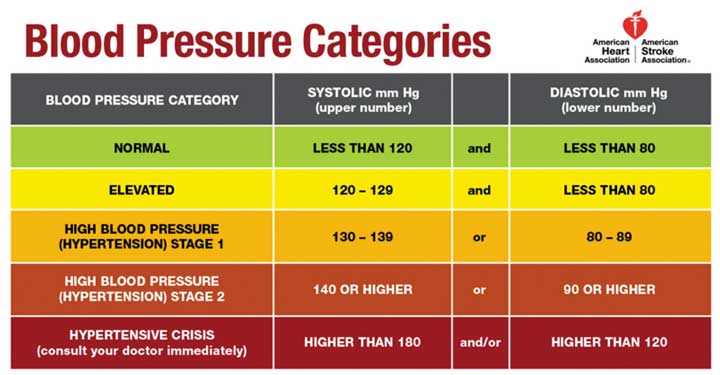
Hypertension is also categorized as either primary or secondary. Primary hypertension applies to most people with high blood pressure, and while the conventional view is that the cause is idiopathic or unknown, it’s typically linked to insulin/leptin resistance. Secondary hypertension refers to high blood pressure that is caused by another medical condition, such as chronic liver disease.
Download this Article Before it Disappears
What’s Your Fasting Insulin Level?
I believe most all Stage 1 and even a high percentage of Stage 2 hypertension can be successfully treated to where drugs become unnecessary, provided you’re aggressive enough in your diet and lifestyle modifications. However, if you have seriously elevated blood pressure, it would be wise to be on medication to prevent a stroke while you’re revising your lifestyle.
In addition to checking your blood pressure on a regular basis, I highly recommend getting a fasting insulin level test done. Remember, high blood pressure and insulin resistance tend to go together, and if your hypertension is the result of elevated insulin levels, you’ll know how to nip it in the bud by the end of this article.
The fasting insulin level you want to strive for is about 2 or 3 microU per mL (μU/mL). If it’s 5 or above, you clearly need to lower your insulin level to reduce your risk of high blood pressure and other cardiovascular health hazards. Keep in mind that the so-called “normal” fasting insulin level is anywhere from 5 to 25 μU/mL. Please do not make the mistake of thinking that this “normal” insulin range equates to optimal.
How to Find a Blood Pressure Measuring Device
According to a 2019 study,7 nearly 46% of American adults could benefit from self-monitoring to avoid “white coat” hypertension. Whether you suspect (or know) you have high blood pressure, an automatic blood pressure meter is a good investment for every household.
Top rated blood pressure meters for home use include the following. Consumer Reports tested these devices for accuracy, comfort, clarity of display and ease of use, and all are commercially available on Amazon and other large retailers and pharmacies:8
- Omron Platinum BP5450
- Omron Silver BP5250
- Omron 10 Series BP7450
- A&D Medical UA767
- Rite Aid Deluxe Automatic BP3AR1-4DRITE
To measure your blood pressure, follow these guidelines:9
- Don’t exercise, smoke or drink coffee or caffeinated beverages within 30 minutes of measuring your blood pressure. Also empty your bladder and relax for at least five minutes beforehand.
- Sit with your back straight on a firm chair. Avoid sitting on the couch as that encourages slouching. Keep your feet flat on the floor and do not cross your ankles or legs.
- Make sure your arm is supported on a flat surface, such as an armrest or table, with your upper arm at heart level.
- Place the blood pressure cuff directly above the bend of your elbow on bare skin. Do not measure on top of clothes. The cuff should be snug but not too tight nor too loose. Press the Start button and remain still while the pressure is being taken.
- Measure your blood pressure at the same time every day, and take multiple readings each time. Ideally, take two readings one minute apart and record the results.
How to Avoid a False Hypertension Diagnosis
To avoid a false hypertension diagnosis, keep in mind that your blood pressure reading can vary significantly from day to day, and even from one hour to the next, so don’t overreact if you get one high reading here or there. It’s when your blood pressure remains consistently or chronically elevated that significant health problems can occur. Several factors can affect the validity of your blood pressure reading, including:
•Incorrect blood pressure cuff size — If you’re overweight, taking your reading with a size “average” blood pressure cuff can lead to a falsely elevated blood pressure reading, so make sure your doctor or health care professional is using the correct cuff size for your arm.
•Incorrect arm position — If your blood pressure is taken while your arm is parallel to your body, your reading can be up to 10% higher than it really is. Blood pressure readings should always be taken with your arm at a right angle to your body.
•Nervousness — “White coat hypertension” is a term used for when a high blood pressure reading is caused by the stress or fear associated with a doctor or hospital visit. This can be a transient yet serious concern. If this applies to you, stress reduction is key.
To decrease your risk of being falsely diagnosed with hypertension in this situation, take a moment to calm down (be sure to arrive for your appointment ahead of time so you can unwind), then breathe deeply and relax when you’re getting your blood pressure taken.
Use Waist-to-Hip Ratio to Assess Your Hypertension Risk
Research suggests your waist size may be an effective measure for assessing obesity-related hypertension risk.10 If you have a high waist-to-hip ratio, i.e., you carry more fat around your waist than on your hips, you may be at an increased risk for obesity-related hypertension. Your waist size is also a powerful indicator of insulin sensitivity, and studies indicate that waist size is one of the most powerful ways to predict your risk for diabetes.
To calculate your waist-to-hip ratio, measure the circumference of your hips at the widest part, across your buttocks, and your waist at the smallest circumference of your natural waist, just above your belly button. Then divide your waist measurement by your hip measurement to get the ratio.
The University of Maryland offers an online waist-to-hip ratio calculator11 you can use. The Mayo Clinic uses the following waist-to-hip ratio designations to evaluate your health risk:
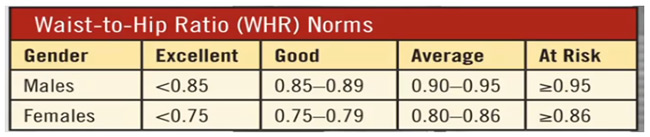
Drugs Can Increase Risk of Fall-Related Injuries
Before I review lifestyle modifications that can help you normalize your blood pressure, I want to address the issue of medications. It’s important to realize that while blood pressure medications can be very effective at lowering blood pressure, they do not in any way, shape or form address the underlying cause.
According to the most recent statistics from the American Heart Association, about 20% of people with hypertension have resistant hypertension, meaning they cannot control it with three or more medications,12 so these drugs clearly don’t work as advertised for a lot of people.
There are also side effects to contend with; some of them quite harmful and/or debilitating. For example, one JAMA study13 found that hypertensive patients over the age of 70 who were taking blood pressure medication increased their risk of serious falls requiring hospitalization due to fractures, brain injuries, or dislocation of the hip, knee, shoulder or jaw.
The risk of falling can increase if your blood pressure drops too low, too suddenly, upon standing. According to the authors:14
“Antihypertensive medications were associated with an increased risk of serious fall injuries, particularly among those with previous fall injuries. The potential harms vs benefits of antihypertensive medications should be weighed in deciding to continue treatment with antihypertensive medications in older adults with multiple chronic conditions.”
Some Blood Pressure Drugs Raise Risk of Blindness
Another major population study discovered that hypertension drugs called vasodilators increase your risk of early onset age-related macular degeneration (AMD), which is the most common cause of blindness among American seniors. As noted in a press release:15
“… [R]esearchers … conducted a long-term population-based cohort study from 1988 to 2013 of nearly 5,000 residents of Beaver Dam, Wis., aged 43 to 86 years …
The researchers found that, after adjusting for age, sex and other factors, using any vasodilator such as Apresoline and Loniten, which open (dilate) the blood vessels — was associated with a 72% greater risk of developing early-stage AMD.
Among people who were not taking vasodilators, an estimated 8.2% developed signs of early AMD. In comparison, among those taking a vasodilator medication, 19.1% developed the disease.
The researchers also found that taking oral beta blockers such as Tenormin and Lopressor was associated with a 71% increase in the risk of neovascular AMD, a more advanced and vision-threatening form of the disease.
Among those who were not taking oral beta blockers an estimated 0.5% developed signs of neovascular AMD. In comparison among those taking oral beta blockers, 1.2% developed neovascular AMD.”
Key Lifestyle Strategies for Lowering Your Blood Pressure
Alright, time to get down to the nitty gritty of normalizing your blood pressure. As mentioned earlier, high blood pressure is typically associated with insulin resistance, which results from eating a diet too high in the omega-6 fat linoleic acid (LA). As your insulin level elevates, so does your blood pressure.
Excessive omega-6/LA consumption is another dietary factor that contributes to high blood pressure by hardening your arteries (atherosclerosis), which researchers now have pinpointed as yet another treatment focus for hypertension.
So, make sure you avoid all trans fats or hydrogenated fats that have been modified in such a way to extend their shelf life. This includes margarine, seed oils and “butter-like” spreads. Of course, this also includes all foods made or cooked with these fats.
The late Dr. Fred Kummerow was the first scientist to document the dangers of trans fats. Trans fats prevent the formation of prostacyclin, which acts as a natural blood-thinning agent. By diligently avoiding trans fats, your body will make prostacyclin that keeps your blood thin, which will reduce your risk of heart attack and stroke.
Now, if you think about these two factors alone — insulin resistance and atherosclerosis — what kind of diet is bound to produce high blood pressure? The answer, of course, is a processed food diet, loaded with high fructose corn syrup, grains and damaged omega-6 fats, a majority of which are LA.
Knowing that, the answer to correcting high blood pressure becomes rather self-evident. If your blood pressure is running high, you need to restore your insulin and leptin sensitivity, and the following strategies are among the most effective for doing so:
1. Replacing processed foods with whole, unprocessed organic foods.
2. Avoiding all seed oils — It would be helpful to also eliminate seeds and nuts unless you have been on a low LA diet for at least three years.
3. Optimizing your vitamin D (which I discuss in greater detail below).
4. Only use healthy fats — Sources of healthy fats to add to your diet include: grass fed butter, raw organic dairy, organic pastured egg yolks, coconuts, coconut oil and macadamia nuts, grass fed meats and pasture-raised poultry.
The best carbs to add would be ripe fruit that you tolerate well. But, the key is to make sure your fat intake is below 30%, which you can determine with Cronometer. If you fail to do this the carbs can convert to fat and change your cholesterol profile unfavorably.
5. Exercising regularly — In an upcoming section, I’ll review the most effective type of exercise if you have high blood pressure.
Vitamin D Can Relax Arteries and Improve Blood Pressure
Vitamin D deficiency and high consumption of harmful omega-6 fats like linoleic acid (LA) can lead to stiff arteries. Vitamin D deficiency appears to be associated with both arterial stiffness and hypertension.16
Each cell in your body has a DNA library that contains information needed to address virtually every kind of stimulus it may encounter, and the master key to enter this library is activated vitamin D. This is why vitamin D functions in so many different tissues and affects such a large number of different diseases and health conditions, one of which is heart disease.
Research17 has shown that the farther you live from the equator, the higher your risk of developing high blood pressure. Blood pressure also tends to be higher in winter months than during the summer. Exposing your bare skin to sunlight affects your blood pressure through a variety of different mechanisms, including the following:
- Sun exposure causes your body to produce vitamin D. Lack of sunlight reduces your vitamin D stores and increases parathyroid hormone production, which increases blood pressure.
- Vitamin D deficiency has also been linked to insulin resistance and metabolic syndrome, a group of health problems that can include insulin resistance, elevated cholesterol and triglyceride levels, obesity, and high blood pressure.
- Vitamin D is also a negative inhibitor of your body’s renin-angiotensin system (RAS), which regulates blood pressure.18 If you’re vitamin D deficient, it can cause inappropriate activation of your RAS, which may lead to hypertension.
- Additionally, exposure to UV rays is thought to cause the release of endorphins, chemicals in your brain that produce feelings of euphoria and relief from pain. Endorphins naturally relieve stress, and stress management is an important factor in resolving hypertension.
Guidelines for Optimizing Your Vitamin D Level
Ideally, you’ll want to get your vitamin D through sun exposure on your bare skin. If you opt for an oral vitamin D supplement, make sure you use vitamin D3, not D2, which is typically prescribed by doctors but has been linked to poorer health outcomes.
Also, make sure to measure your vitamin D level before you start supplementing. The reason for this is because you cannot rely on blanket dosing recommendations. The crucial factor here is your blood level, not the dose, as the dose you need is dependent on several individual factors, including your baseline blood level.
Data from GrassrootsHealth’s D*Action studies suggest the optimal level for health and disease prevention is between 60 ng/mL and 80 ng/mL, while the cutoff for sufficiency appears to be around 40 ng/mL.
In Europe, the measurements you’re looking for are 150 to 200 nmol/L and 100 nmol/L respectively. That said, as a general guideline, research by GrassrootsHealth suggests that adults need about 8,000 IUs per day to achieve a serum level of 40 ng/mL.
I’ve published a comprehensive vitamin D report in which I detail vitamin D’s mechanisms of action and how to ensure optimal levels. I recommend downloading and sharing that report with everyone you know. A quick summary of the key steps is as follows:
1. First measure your vitamin D level — Your doctor can order this test for you.
2. Assess your individualized vitamin D dosage — To do that, you can either use the chart below, or use GrassrootsHealth’s Vitamin D*calculator. To convert ng/mL into the European measurement (nmol/L), simply multiply the ng/mL measurement by 2.5. To calculate how much vitamin D you may be getting from regular sun exposure in addition to your supplemental intake, use the DMinder app.19
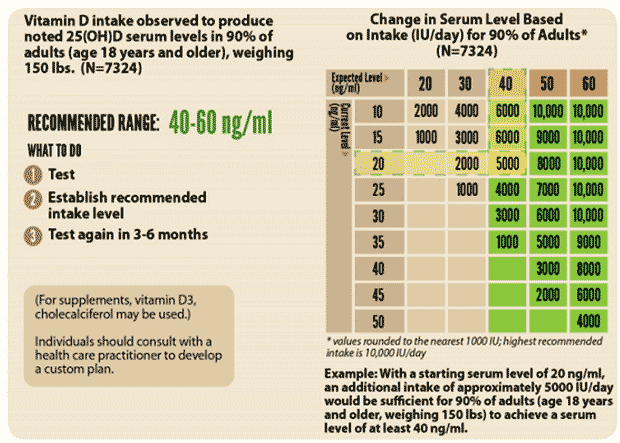
3. Retest in three to six months — Lastly, you’ll need to remeasure your vitamin D level in three to six months, to evaluate how your sun exposure and/or supplement dose is working for you.
Take Your Vitamin D With Magnesium and K2
Keep in mind that if you decide to supplement with oral vitamin D3, you also need to boost your vitamin K2 intake, as these two nutrients work in tandem. Together, vitamin D and vitamin K2 produce and activate Matrix GLA Protein (MGP), which congregates around the elastic fibers of your arterial lining, guarding them against calcium crystal formation.
Vitamin K2 also activates a protein hormone called osteocalcin, produced by osteoblasts, which is needed to bind calcium into the matrix of your bone. Osteocalcin also appears to help prevent calcium from depositing into your arteries.
In other words, without the help of vitamin K2, the calcium that vitamin D so effectively lets in can work against you by building up inside your arteries rather than your bones.
It’s also strongly recommended to take magnesium concomitant with oral vitamin D and K2. Data from nearly 3,000 individuals reveal you need 244% more oral vitamin D if you’re not also taking magnesium and vitamin K2.20 What this means in practical terms is that if you take all three supplements in combination, you need far less oral vitamin D in order to achieve a healthy vitamin D level.
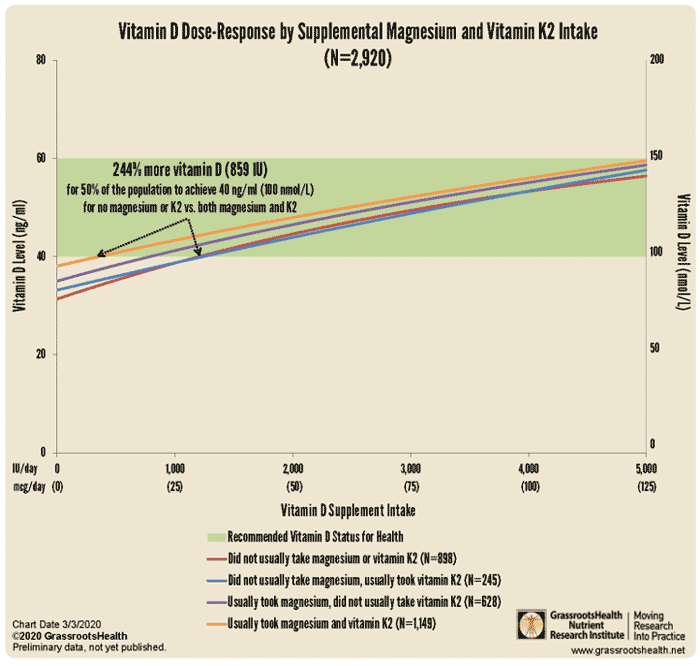
Two Key Factors to Consider When Buying Meat
While some studies suggest a vegetarian diet can help resolve high blood pressure, I do not believe this makes for an ideal diet in the long run, as avoiding all meats can lead to nutritional deficiencies.
From what I’ve learned, I believe the quality and quantity of the meat may be a major part of the equation. First, in terms of quantity, if you eat more protein than your body needs, it will convert most of those calories to sugar. Additionally, it will need to remove the nitrogen waste products from your blood, which will stress your kidneys and deteriorate kidney function if you already have compromised kidneys.
As a general guideline, most adults need about 0.6 to 0.8 grams of protein per pound of lean body mass. (As an example, if your body fat mass is 20%, your lean mass is 80% of your total body weight.)
In terms of quality, meat from organically raised, grass fed and finished animals is far superior to that from animals raised in concentrated animal feeding operations (CAFOs).
CAFO beef and poultry have many disadvantages, including fewer of the most valuable nutrients found in organically raised meats, while being contaminated with hormones, antibiotics, drugs, pesticides and herbicides like glyphosate. Furthermore, since most CAFOs feed animals genetically engineered (GE) grains (primarily corn and soy), there’s also the issue of whether such feed might alter the meat in ways we still have not recognized.
Also, it is best to restrict your meat choices to beef, bison, lamb and other ruminant game animals. It is best to avoid chicken and pigs as, even if pasture-raised and organically fed, they are given grains and other foods that are high in LA so they will increase your LA levels.
Should You Cut Sodium to Lower Your Blood Pressure?
Insulin also affects your blood pressure by causing your body to retain sodium. Sodium retention causes fluid retention. Fluid retention in turn can cause high blood pressure, which may ultimately lead to congestive heart failure.
A standard recommendation if you have high blood pressure is to reduce the amount of sodium in your diet. While it’s certainly beneficial to cut out processed foods and salt, limiting sodium is not the hypertension cure that many think it is.
If you’re simply opting for low-sodium processed foods, you’re hardly doing your health any favors, as such fare is likely compensating for the lack of flavor with harmful fats and/or sugar. You’ve probably heard of the DASH diet,21 which is claimed to be among the most effective for controlling hypertension. It consists largely of fresh vegetables, fruits, lean protein, whole grains, low-fat dairy and very low sodium content.
Processed foods and LA promote hypertension to a far greater degree than excess salt. Salt is essential for maintaining and regulating blood pressure, but the crux lies in the type of salt you consume.
Natural unprocessed salt, such as Himalayan salt, contains 84% sodium chloride and 16% naturally occurring trace minerals. Processed (table) salt, on the other hand, contains 97.5% sodium chloride and the rest are manmade chemicals. The natural, unprocessed form is essential for good health; table salt is best avoided altogether.
But there’s yet another factor that comes into play when we’re talking about sodium and blood pressure, and that’s the issue of maintaining a healthy sodium-to-potassium ratio. Your body needs potassium to maintain proper pH levels in your body fluids, and it also plays an integral role in regulating your blood pressure. In fact, potassium deficiency may be a greater contributor to high blood pressure than excess sodium.
The Importance of Proper Sodium-to-Potassium Ratio
People who eat processed foods frequently and very few fresh fruits and vegetables likely have an imbalance in their sodium-potassium ratio. The key to relaxing your arterial walls and reducing blood pressure is the ratio between sodium and potassium.
If you’re unsure of your sodium and potassium intake, use chronometer.com/mercola, which is a nutrient tracker that allows you to enter foods and then calculates the ratios automatically. Generally, it’s recommended that you eat five times more potassium than sodium.
According to the U.S. Department of Agriculture,22 the average intake of potassium in the U.S. population is 2,640 milligrams (mg) per day. Other surveys have found similar intakes.23 Meanwhile, the National Academies Sciences Engineering Medicine (formerly Institute of Medicine) recommends 4,700 mg per day for people over the age of 14.24
Potassium helps lower your blood pressure by relaxing the walls of your arteries, and according to Harvard Health,25 many people with high systolic blood pressure can successfully lower it simply by increasing their potassium intake.
In my view the absolute best way to increase your potassium is by beating ripe fruit. I typically get around 3,000 mg from watermelon, orange juice and tangerines, and another 2,000 mg from other sources.
For a more complete list of potassium-rich foods, see DietaryGuidelines.gov’s “Food Sources of Potassium” page.26 Taking potassium supplements is not a good strategy and simply will not provide you with the benefits you seek.
The Best Exercises for High Blood Pressure
Exercise is well-known for its ability to normalize blood pressure, but all forms of exercise are not the same in this regard. Existing exercise guidelines for blood pressure management emphasize cardio, such as running and cycling.
But, a recent investigation revealed that isometric exercise, where your muscles are in static contraction, is the most effective for lowering blood pressure, while aerobic exercise is next to last in terms of effectiveness.
A July 2023 meta-analysis27 reviewed 270 randomized controlled trials published between 1990 and February 2023 that reported reductions in systolic blood pressure (SBP) and/or diastolic blood pressure (DBP) following an exercise intervention of two weeks or more, with a pooled sample size of 15, 827 people. In rank order, the analysis found significant reductions in resting SBP and DBP following:
- Isometric exercise (–8.24/–4.00 mmHg)
- Combined training (–6.04/–2.54 mmHg)
- Dynamic resistance training (–4.55/–3.04 mmHg)
- Aerobic exercise (−4.49/–2.53 mmHg)
- High-intensity interval training (–4.08/–2.50 mmHg)
Effectiveness based on the “surface under the cumulative ranking curve” (SUCRA) values for systolic — which refers to the mean probability of being the best for lowering your systolic blood pressure — placed isometric exercise in the No. 1 slot with an effectiveness rating of 98.3%, followed by combined training (75.7%), dynamic resistance training (46.1%), aerobic exercise training (40.5%) and high-intensity interval training (39.4%).
In secondary meta-analyses of submodes, the wall squat was the most effective for reducing SBP, while running was most effective for reducing DBP. In conclusion, the authors noted:28
“Various exercise training modes improve resting blood pressure, particularly isometric exercise. The results of this analysis should inform future exercise guideline recommendations for the prevention and treatment of arterial hypertension.”
The key take-home is that static contraction of muscle as you hold your body in one position, i.e., isometric exercise, is the most effective type of exercise if you want to lower your blood pressure. Examples of isometric exercises include the following.29,30,31 For more details, including exercise instructions, see “Which Exercises Are Best for Lowering Blood Pressure?”
| Wall squat | Isometric calf raise | Planking |
| Hollow-body hold | Low isometric squat | Static slide lunge |
| Overhead hold | Iso hang | Glute bridge |
| Incline pushup hold | V-sit | Single-leg stand |
Addressing Stress-Related Hypertension
Although many people believe that the “tension” part of hypertension refers to stress as the cause, the primary cause is, as previously mentioned, insulin and leptin resistance. That said, the link between stress and hypertension is well-documented.
In fact, it has been shown that people with heart disease can significantly lower their risk of a cardiac event by learning to manage their stress. Suppressed negative emotions such as fear, anger and sadness can radically increase your cortisol levels and severely limit your ability to cope with the unavoidable everyday stresses of life.
It’s not the stressful events themselves that are harmful, but your lack of ability to cope. The good news is, strategies exist to rapidly and effectively transform your suppressed, negative emotions, and relieve stress.
One of the most well-studied of these is an energy psychology method called the Emotional Freedom Techniques (EFT). By teaching your body to slow down and relax when stress hits — essentially short-circuiting your physical stress reaction — you can protect your health. EFT is easy to learn and can be done just about anytime, anywhere. For a demonstration, see the video below.
Other Helpful Strategies
In addition to everything already mentioned, there are still more dietary and lifestyle strategies that can be of help if you struggle with high blood pressure. Here are several additional alternatives for your consideration:
| Avoid caffeine — The connection between coffee consumption and high blood pressure is not well understood, but there is ample evidence to indicate that if you have high blood pressure, coffee and other caffeinated drinks and foods can exacerbate your condition. |
| Supplement with vitamins C and E — Studies indicate that vitamins C32 and E33 may be helpful in lowering blood pressure. If you’re eating a whole food diet, you should be getting enough of these nutrients through your diet alone.
Unless you have radically lowered your LA tissue levels, it is vital to take the correct vitamin E supplement until you do, as it will limit the damage that LA can cause. I consider it to be one of the three most important supplements you can take. It is also helpful in lowering dangerous estrogen levels in your body that can increase your risk of cancer. If you decide you need a supplement, make sure to take a natural (not synthetic) form of vitamin E. You can tell what you’re buying by carefully reading the label. Natural vitamin E is always listed as the ‘d-‘ isomer (d-alpha-tocopherol, d-beta-tocopherol, etc.) Synthetic vitamin E is listed as ‘dl-‘ isomers. |
| Eat more fruit and berries — In what researchers called the first-of-its-kind study in the U.K., scientists used objective measures for dietary intake across thousands of residents, using data for 25,618 people in Norfolk, U.K., and compared the data against their blood pressure measurements.34
The difference in blood pressure between those with the lowest 10% of flavanol intake and those with the highest 10% of intake was between 2 and 4 mmHg. According to the authors, this was comparable to the difference measured when a person switched to a Mediterranean diet or the Dietary Approaches to Stop Hypertension (DASH) diet. Because fruit contains fructose, it can increase your risk of insulin resistance if you eat large amounts; examples of lower fructose fruits that are beneficial for most people include avocados, berries, kiwi and citrus fruits. |
| Quercetin — Quercetin has also been shown to lower blood pressure. Quercetin is a flavonol found in red grapes, onions, red leaf lettuce, elderflower and green tea, to name a few.35
According to a Japanese study,36 quercetin helps lower blood pressure by modifying vascular compliance and resistance, total blood volume and the autonomic nervous system. It also appears to have a unique ability to regulate gene expression that is mediated by controlling negative chloride actions in the cell’s cytosol. Negative chloride ions help control the intracellular activity of many other ions in the cytosol, which is the water-based fluid that surrounds intracellular structures. The gene expression that controls the chloride ions triggers sodium reabsorption, which then reduces body fluid volume and therefore influences volume-mediated high blood pressure. The researchers noted several past studies that demonstrated taking between 150 mg per day and 730 mg per day could lower high blood pressure, decreasing both systolic and diastolic pressures. |
| Supplement with magnesium — Magnesium is also important for healthy blood pressure and few people get enough from their diet these days. Hundreds of studies and scientific papers show there’s a clear correlation between magnesium and high blood pressure.
Magnesium stored in your cells relaxes muscles. If your magnesium level is too low, your blood vessels will constrict rather than relax, and this constriction raises your blood pressure. According to a 2011 paper37 in The Journal of Clinical Hypertension, magnesium intake of 500 mg to 1,000 mg per day may reduce blood pressure by as much as 5.6/2.8 mmHg. Its blood pressure lowering effects are most pronounced when potassium intake is also high, and sodium intake low. Magnesium also boosts the effectiveness of “all antihypertensive drug classes,” according to this paper. Magnesium-rich foods38 include baked potato and white rice, just to name a few. That said, the magnesium content of most foods is dwindling due to the destruction of soils, so it’s one nutrient that I recommend taking as a supplement. |
| Engage in inspiratory muscle strength training (IMST) — Strengthening your breathing muscles with IMST can also be helpful. IMST was originally developed for critically ill patients with respiratory diseases. It helped to improve the strength of their inspiratory muscles by using a handheld device that provides resistance while inhaling.
A 2021 study39 evaluated the effect that IMST could have on reducing blood pressure and thus reducing the risk of cardiovascular disease. Thirty-six adults aged 50 to 79 who had above normal systolic blood pressure were enrolled. Half the participants used high resistance IMST and the other half used low resistance IMST for six weeks. At the end of the intervention, the group using high resistance had a nine-point reduction in their systolic blood pressure. The daily training consists of 30 breaths a day. The breathing exercise takes just five to 10 minutes a day, with benefits noticeable within two weeks. You can learn more about this in “Breathing Exercise Could Reduce Blood Pressure.” |
Take Control of Your Blood Pressure
The best treatment strategy for high blood pressure is to evaluate your lifestyle and make the necessary adjustments, with particular emphasis on normalizing your insulin and leptin levels. We’ve covered a lot of ground in this report, so here’s a summary of key points to remember:
| In addition to checking your blood pressure, check your fasting insulin level. A healthy level to strive for is about 2 μU/mL or 3 μU/mL. |
| Swap out processed foods for whole foods and implement TRE. Also consider going organic. Meats should ideally be grass fed and pasture finished. Foods notorious for causing blood pressure to rise and that should be avoided include processed foods, most grains, partially hydrogenated oils (synthetic trans fats), and seed oils (aka vegetable oils) such as corn, canola, soy and safflower oils.40 |
| Keep an eye on your sodium-to-potassium and omega-3-to-omega-6 ratios. This is automatically done if you swap processed foods for whole foods and make sure you are eating plenty of ripe fruit that you enjoy and is adjusted to your activity rate and fat intake. |
| Optimize your vitamin D level, ideally through regular sun exposure. |
| Exercise regularly, and make sure you include isometric (static contraction) exercises such as wall squats and planking. |
| Learn how to effectively address day-to-day stress. One effective stress management tool is the Emotional Freedom Techniques (EFT). |
- 1, 3 HHS.gov Estimated Hypertension Prevalence, Key Findings Bullet One
- 2 Heart.org Health Threats from High Blood Pressure
- 4 Diabetology & Metabolic Syndrome 2014; 6: 12
- 5 AJMC.com, JNC 8 Hypertension Guidelines: An In-Depth Guide
- 6 Harvard Health November 16, 2021
- 7 Hypertension June 24, 2019; 74: 399-406
- 8 Consumer Reports Best Blood Pressure Meters February 3, 2023
- 9 Heart.org How to Use a Blood Pressure Monitor
- 10 Canadian Journal of Cardiology September 2012: 28(5); S122
- 11 University of Maryland, Waist to Hip Ratio Calculator
- 12 Harvard Health August 1, 2023
- 13, 14 JAMA Internal Medicine 2014;174(4):588-595
- 15 EurekAlert! May 28, 2014
- 16 Vitamin D Council, Hypertension
- 17 Hypertension. 1997; 30: 150-156
- 18 J Steroid Biochem Mol Biol. 2004 May;89-90(1-5):387-92
- 19 DMinder app
- 20 GrassrootsHealth Magnesium and Vitamin K2 Combined Important for Vitamin D Levels
- 21 N Engl J Med 1997; 336:1117-1124
- 22 U.S. Department of Agriculture Food Research Group, Potassium Intake of the U.S. Population
- 23 Nutrition Today September-October 2018; 53(5): 184-195
- 24 National Academies Sciences Engineering Medicine Table S-3
- 25 Harvard Health Publishing, January 23, 2017
- 26 DietaryGuidelines.gov Food Sources of Potassium
- 27 British Journal of Sports Medicine July 25, 2023 DOI: 10.1136/bjsports-2022-106503
- 28 British Journal of Sports Medicine July 25, 2023 DOI: 10.1136/bjsports-2022-106503, Conclusion
- 29 Vertimax
- 30 US News June 15, 2020
- 31 Vertimax 20 Isometric Exercises
- 32 American Journal of Clinical Nutrition 2012 May; 95(5): 1079–1088
- 33 Journal of Human Hypertension 2019; 33: 499-507
- 34 Scientific Reports, 2020;10(1)
- 35 Superfoodly, 100 Quercetin Foods
- 36 Molecules, 2017;22(2)
- 37 The Journal of Clinical Hypertension November 2011; 13(11): 843–847
- 38 Cleveland Clinic Magnesium-Rich Foods
- 39 Journal of the American Heart Association, 2021;10:e020980
- 40 Dr. Sinatra, What is the Best Heart Healthy Diet Plan?
How to Identify Atrial Fibrillation and What Might Help
Reproduced from original article:
https://articles.mercola.com/sites/articles/archive/2023/06/27/afib-atrial-fibrillation.aspx
The original Mercola article may not remain on the original site, but I will endeavor to keep it on this site as long as I deem it to be appropriate.
Analysis by Dr. Joseph Mercola Fact Checked June 27, 2023

STORY AT-A-GLANCE
- Atrial fibrillation (Afib) is an abnormal, often rapid, heart rhythm that can lead to serious complications, including stroke and heart failure
- Symptoms of Afib include lightheadedness, dizziness, fatigue, chest pain and a feeling that your heart is fluttering or pounding; sometimes Afib causes no symptoms
- Obesity, sedentary lifestyle, poor sleep and stress may increase your risk of Afib
- Lumbrokinase, a complex fibrinolytic enzyme extracted from earthworms, naturally thins the blood, which is useful for Afib patients, who are at increased risk of blood clots
- Oxidative stress and increased reactive oxygen species (ROS) can play a role in the development of Afib; ubiquinol and CoQ10 supplements help reduce oxidative stress
Atrial fibrillation (Afib)1 is an abnormal, often rapid, heart rhythm that occurs when the atria, your heart’s upper chambers, beat out of sync with the ventricles, the heart’s lower chambers. It’s a common symptom in those with heart failure or heart disease.
Afib is one of the most common arrhythmias, or irregular heart rhythms, affecting more than 2 million U.S. adults.2 While it sometimes goes away on its own, it can often become more frequent, with episodes lasting longer. Because Afib can lead to serious complications, including stroke and heart failure,3 it’s important to know what to watch out for — and how to help prevent it.
What Is Atrial Fibrillation?
In a healthy heart, contractions occur about once per second at rest. During Afib, however, this increases significantly. According to Johns Hopkins Medicine:4
“In a person with Afib, faulty electrical signals make the atria contract irregularly and much faster than normal. The atria then get out of sync with the ventricles. Blood can pool in the atrium, which may lead to blood clots and strokes. Afib that causes the lower chambers to beat too quickly can cause heart failure. Afib may occur occasionally, or it can be constant.”
A normal heart beats 60 to 150 times per minute. But during Afib, the atria may contract 400 or more times a minute. “The ventricles become overwhelmed trying to keep up with the contractions. They beat faster than they should, and they may not have time to fill with blood and pump blood normally,” Johns Hopkins explains. There are three types of Afib:
- Paroxysmal Afib, which happens intermittently and resolves on its own within seven days.
- Persistent Afib, which persists for more than seven days. Electric shocks known as cardioversion may be necessary to get the heart beating normally again.
- Long-standing persistent Afib, which persists for more than one year.
What Are the Signs of Afib?
Because atrial fibrillation causes your heart’s upper and lower chambers to work out of sync, your heart may not be able to pump blood to your lungs and elsewhere in your body effectively. Lightheadedness, dizziness and fatigue can result, as can chest pain.
Afib may also feel like your heart skipped a beat or is fluttering or pounding in your chest. It can lead to blood pooling in your chest, increasing your risk of blood clots that may lead to stroke.
The condition is also known to cause heart disease and worsen the condition if it already exists, but sometimes Afib causes no symptoms at all — making diagnosis difficult.5 When symptoms do occur, atrial fibrillation may lead to:6
| Angina, or chest pain caused by reduced blood flow to the heart | Dizziness |
| Fainting | Fatigue |
| Palpitations | Weakness |
| Shortness of breath | Blood clots |
| Heart failure | Stroke |
Download this Article Before it Disappears
Afib Risk Factors
Your risk of atrial fibrillation increases with age. While it’s estimated that 2% of the general population worldwide suffers from Afib, this increases to 10% to 12% of those 80 and over.7
Inflammation and oxidative stress play a role in problems with atrial structure and “electrical remodeling” that may contribute to Afib, but, as noted in the International Journal of Molecular Sciences, “Undoubtedly, aging constitutes the primary factor responsible for the pathogenesis of the arrhythmia.” Known Afib risk factors include:8
| Age over 50 years | Excessive alcohol use | High stress levels |
| Heart failure | High blood pressure | Male sex |
| Obesity | Sedentary lifestyle | Sleep apnea |
| Poor sleep | Tall height | Thyroid disease |
While genetics is also thought to play a role, especially when Afib occurs at younger ages, lifestyle changes may also influence the condition.
“Obesity, excessive alcohol use, and obstructive sleep apnea are all known to contribute …” the International Journal of Molecular Sciences researchers noted.9 “As such, lifestyle and dietary modifications including weight loss, alcohol reduction, and cardiometabolic risk factor management would be a cornerstone for AF prevention.” This includes:10
| Maintaining a healthy weight | Avoiding excess alcohol |
| Being physically active | Managing stress |
| Not smoking | Consuming heart-healthy foods |
Controversy Over Common Afib Drug
Medications including beta blockers, calcium channel blockers and blood thinners, such as Xarelto (rivaroxaban), are often prescribed to treat Afib. Xarelto is taken to thin the blood to prevent blood clots and strokes. However, it can trigger deadly bleeding, an adverse effect that The New York Times said consumers weren’t adequately warned about.11
After the drug hit the market, reported episodes were serious and common enough that, in 2018, the U.S. Food and Drug Administration approved Andexxa to act as an antidote to stop bleeding caused by Xarelto.
Subsequently, about 25,000 lawsuits were filed against Johnson & Johnson and Bayer, which jointly sell Xarelto, claiming that the companies failed to warn patients about the drug’s potentially fatal bleeding risks. Although they did not admit liability, the companies agreed to pay $775 million to settle the lawsuits in 2019.
Further, the drug may have been approved based on manipulated data. The research in question was published by researchers with Temple University in Philadelphia. In August 2022, The Journal of American College of Cardiology (JACC) retracted a paper12 that concluded Xarelto “could have a healing effect on hearts.”13
In addition to the retracted research study, the Journal of Molecular and Cellular Cardiology and the Journal of Biological Chemistry are investigating five more papers by the Temple University team.14
The U.S. Office of Research Integrity (ORI), which oversees research integrity activities on behalf of the Secretary of Health and Human Services, including oversight of research misconduct inquiries and investigations,15 also requested in September 2020 that Temple University investigate the research. As a result, Temple University is also looking into 15 papers published from 2008 to 2020, which received grant money from the U.S. National Institutes of Health.16
Further, if you’re taking Xarelto, you should know that a nationwide population-based cohort study published in 2021 found that, compared to other direct oral anticoagulants (DOACs), Xarelto was associated with higher rates of gastrointestinal bleeding.17
Specifically, compared to Eliquis (apixaban), manufactured by Bristol-Myers Squibb, Xarelto was 46% more likely to cause gastrointestinal bleeding. According to lead study author Dr. Arnar B. Ingason with the University of Iceland, Reykjavik:18
“We had this theory that rivaroxaban would have potentially higher risks of GI bleeding because it’s given as a once-daily dose, compared to the other two drugs, which are given twice daily. Theoretically, this should cause greater variance in drug plasma concentration, making these patients more susceptible to bleeding.”
A 2016 study found similar results, noting, “In a population-based study of patients receiving DOAC agents, we found apixaban had the most favorable GI safety profile and rivaroxaban [Xarelto] the least favorable profile.”19
Lumbrokinase Is a Better Option
One option for those looking to avoid Xarelto’s risks is lumbrokinase, a complex fibrinolytic enzyme extracted from earthworms. As noted in the Institute for Progressive Medicine, this represents a potentially safer option for thinning your blood naturally:20
“Generally, we are better off with blood that clots less easily … Individuals at high risk of forming clots, such as those with atrial fibrillation, are often treated with blood thinners like aspirin or stronger agents like Coumadin … All of these agents, however, present a significant risk of bleeding, and may themselves cause brain hemorrhage, urinary or gastrointestinal bleeding.
Lumbrokinase … reduces coagulation by lowering blood viscosity, lowering the activity of clotting factors including fibrinogen, and degrading fibrin, a critical factor in clot formation. It has a stronger effect on reducing blood viscosity than other enzyme preparations.”
Fibrinolytic agents like lumbrokinase, as well as serrapeptase and nattokinase, are proteolytic enzymes that act as natural anticoagulants by breaking down fibrin that forms blood clots. Fibrin, a clotting material that restricts blood flow, is found both in your bloodstream and connective tissue such as your muscles. Fibrinolytic enzymes are antihypertensive, anti-atherosclerotic, lipid lowering and antiplatelet agents, which also have neuroprotective effects.21
A study involving 12 men revealed that just one 2,000 FU dose of nattokinase enhanced fibrinolysis and anti-coagulation.22 It activated multiple fibrinolytic and anti-thrombotic pathways simultaneously, the researchers explained. While all of the fibrinolytic enzymes are effective and beneficial, you’ll need much higher doses of nattokinase and, especially, serrapeptase, than lumbrokinase to achieve similar effects.
So, if you are using a fibrinolytic enzyme, my strong personal preference and recommendation is to use lumbrokinase. It is important to understand that when using lumbrokinase for fibrinolytic therapy, it needs to be taken on an empty stomach, at least one hour before or two hours after meals containing protein. Otherwise, the enzymes will be wasted in the digestion of your food and won’t serve their fibrinolytic purpose.
CoQ10 Is Also Useful for Atrial Fibrillation
Ubiquinol — the reduced, electron-rich form of CoQ10 that your body produces naturally — plays an important role in the electron transport chain of your mitochondria, where it facilitates the conversion of energy substrates and oxygen into the biological energy (adenosine triphosphate, or ATP) needed by your cells for life, repair and regeneration.
It’s a fat-soluble antioxidant, meaning it works in the fat portions of your body, such as your cell membranes, where it mops up potentially harmful byproducts of metabolism known as reactive oxygen species (ROS). As such, ubiquinol and CoQ10 supplements help protect your mitochondrial membranes from oxidative damage.
Oxidative stress and increased ROS can play a role in the development of Afib. Conversely, scavenging of ROS and a reduction in oxidative stress have been shown to be an essential part of keeping the heart functioning normally.23
In one study, 102 patients with Afib were divided into two groups. One group was given a CoQ10 supplement while the other group was given a placebo. After 12 months of supplementation, 12 people in the placebo group had Afib episodes compared to only three people in the CoQ10 group.24 Levels of malondialdehyde, a known biomarker of oxidative stress, also went down significantly in the CoQ10 group.
Your body can naturally make CoQ10, but genetic alterations in metabolism, poor diet, oxidative stress, chronic conditions and aging can all interfere with CoQ10 production and lead to CoQ10 deficiency. Statin drugs can also deplete CoQ10.
Ubiquinol production ramps up from early childhood until your mid- to late 20s. By the time you hit 30, it begins to decline.25 Young people are able to use CoQ10 supplements quite well, but older people do better with ubiquinol, as it’s more readily absorbed.
If you’re having chest pain or irregular heartbeat, you should seek medical attention. However, you may be able to support heart health and address health conditions like Afib by leading a healthy lifestyle and using supportive supplements like ubiquinol or CoQ10 and lumbrokinase.
- 1, 24 J Investig Med. 2015;63(5):735-9
- 2, 3, 5 NIH, National Heart, Lung, and Blood Institute, What Is Atrial Fibrillation?
- 4, 6, 8 Johns Hopkins Medicine, What Is Afib?
- 7 Int J Mol Sci. 2022 Jan; 23(1): 6., Intro
- 9 Int J Mol Sci. 2022 Jan; 23(1): 6., Prevention-Conclusions
- 10 NIH, Atrial Fibrillation, Treatment, Lifestyle Changes
- 11 The New York Times March 25, 2019
- 12 J Am Coll Cardiol Basic Trans Science. 2020 Jan, 5 (1) 69–83
- 13 HealthExec September 14, 2022
- 14, 16 Reuters September 13, 2022
- 15 The Office of Research Integrity, FAQs, No. 1
- 17 Ann Intern Med. 2021 Nov;174(11):1493-1502. doi: 10.7326/M21-1474. Epub 2021 Oct 12
- 18 TCTMD October 11, 2021
- 19 Gastroenterology December 31, 2016
- 20 Institute for Progressive Medicine
- 21 Front. Cardiovasc. Med., 22 August 2022, Intro
- 22 Scientific Reports volume 5, Article number: 11601 (2015)
- 23 Antioxidants (Basel). 2020;9(4)
- 25 Biofactors 1999, 371-378, page 372
What You Need to Know About Vitamin K2, D and Calcium
Reproduced from original article:
https://articles.mercola.com/sites/articles/archive/2023/06/17/vitamin-k2.aspx
The original Mercola article may not remain on the original site, but I will endeavor to keep it on this site as long as I deem it to be appropriate.
Analysis by Dr. Joseph Mercola Fact Checked June 17, 2023
STORY AT-A-GLANCE
- Vitamin K2 is an important fat-soluble vitamin that plays critical roles in protecting your heart and brain, and building strong bones. It also plays an important role in cancer protection
- The biological role of vitamin K2 is to help move calcium into the proper areas in your body, such as your bones and teeth. It also helps remove calcium from areas where it shouldn’t be, such as in your arteries and soft tissues
- The optimal amounts of vitamin K2 are still under investigation, but it seems likely that 180 to 200 micrograms of vitamin K2 might be enough to activate your body’s K2-dependent proteins to shuttle calcium to the proper areas
- If you take oral vitamin D, you also need to take vitamin K2. Vitamin K2 deficiency is actually what produces the symptoms of vitamin D toxicity, which includes inappropriate calcification that can lead to hardening of your arteries
- If you take a calcium supplement, it’s important to maintain the proper balance between calcium, vitamin K2, vitamin D, and magnesium. Lack of balance between these nutrients is why calcium supplements have become associated with increased risk of heart attack and stroke
Editor’s Note: This article is a reprint. It was originally published December 16, 2012.
Vitamin K is a fat-soluble vitamin most well-known for the important role it plays in blood clotting. However, many do not realize that there are different kinds of vitamin K, and they are completely different.
The health benefits of vitamin K2 go far beyond blood clotting, which is done by vitamin K1, and vitamin K2 also works synergistically with a number of other nutrients, including calcium and vitamin D.
Dr. Kate Rheaume-Bleue, a naturopathic physician with a keen interest in nutrition, has authored what I believe is one of the most comprehensive books on this important topic, titled: Vitamin K2 and the Calcium Paradox: How a Little Known Vitamin Could Save Your Life.
“I tuned in to the emerging research about K2 early in 2007,” she says. “Not long before, I had read Nutrition and Physical Degeneration by Weston A. Price. When I learned about vitamin K2, I thought:
“Hey, you know what? I’m sure Price talked all about this in his book.” I went to the book, looked through it, and didn’t find any reference to vitamin K2. I was really stumped. A little bit later in 2007, I read a brilliant article by Chris Masterjohn that links vitamin K2 to Price’s work on Activator X.
Once I realized that link, the light bulb went on about how important this nutrient is, and how overlooked it’s been for so long. It really provides the missing piece to the puzzle of so many health conditions, and yet it was being completely overlooked, despite the overwhelming amounts of modern-day research.”
What’s so Special About Vitamin K2?
Vitamin K is actually a group of fat-soluble vitamins. Of the two main ones, K1 and K2, the one receiving the most attention is K1, which is found in green leafy vegetables and is very easy to get through your diet. This lack of distinction has created a lot of confusion, and it’s one of the reasons why vitamin K2 has been overlooked for so long. The three types of vitamin K are:
1.Vitamin K1, or phylloquinone, is found naturally in plants, especially green vegetables; K1 goes directly to your liver and helps you maintain healthy blood clotting
2.Vitamin K2, also called menaquinone, is made by the bacteria that line your gastrointestinal tract; K2 goes straight to your blood vessel walls, bones, and tissues other than your liver
3.Vitamin K3, or menadione, is a synthetic form I do not recommend; it’s important to note that toxicity has occurred in infants injected with this synthetic vitamin K3
It also plays a role in removing calcium from areas where it shouldn’t be, such as in your arteries and soft tissues. “K2 is really critical for keeping your bones strong and your arteries clear,” Rheaume-Bleue says. Now, vitamin K2 can be broken into two additional categories, called:
- MK-4 (menaquinone-4), a short-chain form of vitamin K2 found in butter, egg yolks, and animal-based foods.
- MK-7 (menaquinone-7), longer-chain forms found in fermented foods. There’s a variety of these long-chain forms but the most common one is MK-7. This is the one you’ll want to look for in supplements, because in a supplement form, the MK-4 products are actually synthetic. They are not derived from natural food products containing MK-4.
Vitamin K1 exclusively participates in blood clotting — that’s sole purpose. K2 on the other hand comes from a whole different set of food sources, and its biological role is to help move calcium into the proper areas in your body, such as your bones and teeth.
The MK-7 – these long-chain, natural bacterial-derived vitamin K2 – is from a fermentation process, which offers a number of health advantages:
- It stays in your body longer, and
- It has a longer half-life, which means you can just take it once a day in very convenient dosing
How Much Vitamin K2 Do You Need?
The optimal amounts of vitamin K2 are still under investigation, but it seems likely that 180 to 200 micrograms of vitamin K2 should be enough to activate your body’s K2-dependent proteins to shuttle the calcium where it needs to be, and remove it from the places where it shouldn’t.
“The most recent clinical trials used around those amounts of K2,” Rheaume-Bleue says. “The average person is getting a lot less than that. That’s for sure. In the North American diet, you can see as little as maybe 10 percent of that or less. Certainly, not near enough to be able to optimize bone density and improve heart health.”
She estimates that about 80% of Americans do not get enough vitamin K2 in their diet to activate their K2 proteins, which is similar to the deficiency rate of vitamin D. Vitamin K2 deficiency leaves you vulnerable for a number of chronic diseases, including:
| Osteoporosis | Heart disease | Heart attack and stroke |
| Inappropriate calcification, from heel spurs to kidney stones | Brain disease | Cancer |
“I talked about vitamin K2 moving calcium around the body. Its other main role is to activate proteins that control cell growth. That means K2 has a very important role to play in cancer protection,” Rheaume-Bleue says.
“When we’re lacking K2, we’re at much greater risk for osteoporosis, heart disease, and cancer. And these are three concerns that used to be relatively rare. Over the last 100 years, as we’ve changed the way we produced our food and the way we eat, they have become very common.”
Researchers are also looking into other health benefits. For example, a study published in the journal Modern Rheumatology1 found that vitamin K2 has the potential to improve disease activity besides osteoporosis in those with rheumatoid arthritis (RA).
Another, published in the journal Science,2 found that vitamin K2 serves as a mitochondrial electron carrier, thereby helping maintain normal ATP production in mitochondrial dysfunction, such as that found in Parkinson’s Disease. According to the authors:
“We identified Drosophila UBIAD1/Heix as a modifier of pink1, a gene mutated in Parkinson’s disease that affects mitochondrial function. We found that vitamin K(2) was necessary and sufficient to transfer electrons in Drosophila mitochondria.
Heix mutants showed severe mitochondrial defects that were rescued by vitamin K(2), and, similar to ubiquinone, vitamin K(2) transferred electrons in Drosophila mitochondria, resulting in more efficient adenosine triphosphate (ATP) production. Thus, mitochondrial dysfunction was rescued by vitamin K(2) that serves as a mitochondrial electron carrier, helping to maintain normal ATP production.”
Download this Article Before it Disappears
The Interplay Between Vitamin K2, Vitamin D and Calcium
As I’ve discussed on numerous occasions, vitamin D is a critical nutrient for optimal health and is best obtained from sun exposure or a safe tanning bed. However, many are taking oral vitamin D, which may become problematic unless you’re also getting sufficient amounts of vitamin K2. Dr. Rheaume-Bleue explains:
“When you take vitamin D, your body creates more of these vitamin K2-dependent proteins, the proteins that will move the calcium around. They have a lot of potential health benefits. But until the K2 comes in to activate those proteins, those benefits aren’t realized. So, really, if you’re taking vitamin D, you’re creating an increased demand for K2. And vitamin D and K2 work together to strengthen your bones and improve your heart health.
… For so long, we’ve been told to take calcium for osteoporosis … and vitamin D, which we know is helpful. But then, more studies are coming out showing that increased calcium intake is causing more heart attacks and strokes.
That created a lot of confusion around whether calcium is safe or not. But that’s the wrong question to be asking, because we’ll never properly understand the health benefits of calcium or vitamin D, unless we take into consideration K2. That’s what keeps the calcium in its right place.”
IMPORTANT: If You Take Vitamin D, You Need K2
This is a really crucial point: If you opt for oral vitamin D, you need to also consume in your food or take supplemental vitamin K2.
“There are so many people on the vitamin-D-mega-dose bandwagon, taking more and more of vitamin D. And it could absolutely be causing harm if you are lacking the K2 to complete the job to get the calcium where it’s supposed to be,” Rheaume-Bleue warns.
“We don’t see symptoms of vitamin D toxicity very often. But when we do, those symptoms are inappropriate calcification. That’s the symptom of vitamin D toxicity. And it is actually a lack of vitamin K2 that can cause that …”
While the ideal or optimal ratios between vitamin D and vitamin K2 have yet to be elucidated, Rheaume-Bleue suggests about 150-200 micrograms of K2 will meet the need for the “average” healthy person.
“My earlier recommendation was not taking into account people who were doing high dose of vitamin D supplementation,” Rheaume-Bleue says. “That’s where it gets a little bit more technical. It seems that for the average person, around 200 to 280 micrograms will activate your K2 proteins and do a lot of good for your bones and your heart. If you’re taking high levels of vitamin D … then I would recommend taking more K2.”
The good news is that vitamin K2 has no toxicity. No toxic effects have ever been demonstrated in the medical literature.
“The reason why K2 doesn’t have potential toxic effect is that all vitamin K2 does is activate K2 proteins. It will activate all the K2 proteins it finds. And if they’re all activated and you take extra K2, it simply won’t do that. That’s why we don’t see a potential for toxicity the way we do with vitamin A or D,” she says.
If You Need Calcium, Aim for Calcium-Rich Foods First
For those who are calcium deficient, Rheaume-Bleue recommends looking to food sources high in calcium, before opting for a supplement. This is because many high calcium foods also contain naturally high amounts of, you guessed it, vitamin K2! Nature cleverly gives us these two nutrients in combination, so they work optimally. Good sources of calcium include dairy, especially cheeses, and vegetables, although veggies aren’t high in K2.
Additionally, magnesium is far more important than calcium if you are going to consider supplementing. Magnesium will also help keep calcium in the cell to do its job far better. In many ways it serves as nutritional version of the highly effective class of drugs called calcium channel blockers. If you do chose to supplement with calcium, for whatever reason, it’s important to maintain the proper balance between your intake of calcium and other nutrients such as:
- Vitamin K2
- Vitamin D
- Magnesium
The Importance of Magnesium
As mentioned previously, magnesium is another important player to allow for proper function of calcium. As with vitamin D and K2, magnesium deficiency is also common, and when you are lacking in magnesium and take calcium, you may exacerbate the situation. Vitamin K2 and magnesium complement each other, as magnesium helps lower blood pressure, which is an important component of heart disease.
Dietary sources of magnesium include sea vegetables, such as kelp, dulse, and nori. Few people eat these on a regular basis however, if at all. Vegetables can also be a good source, along with whole grains. However, grains MUST be prepared properly to remove phytates and anti-nutrients that can otherwise block your absorption of magnesium.
As for supplements, Rheaume-Bleue recommends using magnesium citrate. Another emerging one is magnesium threonate, which appears promising primarily due to its superior ability to penetrate the mitochondrial membrane.
How Can You Tell if You’re Lacking in Vitamin K2?
There’s no way to test for vitamin K2 deficiency. But by assessing your diet and lifestyle, you can get an idea of whether or not you may be lacking in this critical nutrient. If you have any of the following health conditions, you’re likely deficient in vitamin K2 as they are all connected to K2:
- Do you have osteoporosis?
- Do you have heart disease?
- Do you have diabetes?
If you do not have any of those health conditions, but do NOT regularly eat high amounts of the following foods, then your likelihood of being vitamin K2 deficient is still very high:
• Grass-fed organic animal products (i.e. eggs, butter, dairy)
• Certain fermented foods such as natto, or vegetables fermented using a starter culture of vitamin K2-producing bacteria. Please note that most fermented vegetables are not really high in vitamin K2 and come in at about 50 mcg per serving. However, if specific starter cultures are used they can have ten times as much, or 500 mcg per serving
• Goose liver pâté
• Certain cheeses such as Brie and Gouda (these two are particularly high in K2, containing about 75 mcg per ounce)
“An important thing to mention when it comes to cheese (because this becomes an area of confusion), [is that] because cheese is a bacterial derived form of vitamin K2, it actually doesn’t matter if the cheese came from grass-fed milk.
That would be nice, but it’s not the milk that went into the cheese that makes the K2. It’s the bacteria making the cheese, which means it doesn’t matter if you’re importing your brie from France or getting it domestically. Brie cheese, the bacteria that makes brie cheese, will make vitamin K2,” she says.
Fermented vegetables, which are one of my new passions, primarily for supplying beneficial bacteria back into our gut, can be a great source of vitamin K if you ferment your own using the proper starter culture.
We had samples of high-quality fermented organic vegetables made with our specific starter culture tested, and were shocked to discover that not only does a typical serving of about two to three ounces contain about 10 trillion beneficial bacteria, but it also contained 500 mcg of vitamin K2.
Note that not every strain of bacteria makes K2. For example, most yoghurts have almost no vitamin K2. Certain types of cheeses are very high in K2, and others are not. It really depends on the specific bacteria. You can’t assume that any fermented food will be high in K2, but some fermented foods are very high in K2, such as natto. Others, such as miso and tempeh, are not high n K2.
Pregnant? Make Sure You’re Getting Enough Vitamin K2
Last but not least, while vitamin K2 is critical for the prevention of a number of chronic diseases listed above, it’s also vital for women who are trying to conceive, who are pregnant, and for growing healthy children.
“K2 plays a very important role throughout pregnancy (for the development of teeth for both primary and adult teeth, the development of proper facial form, healthy facial form, as well as strong bones), then again throughout childhood to prevent cavities, and through adolescence as the skeleton is growing,” Rheaume-Bleue says.
Vitamin K2 is needed throughout pregnancy, and later while breastfeeding. It may be particularly important during the third trimester, as most women’s levels tend to drop at that time, indicating there’s an additional drain on the system toward the end of the pregnancy. Since vitamin K2 has no toxicity issues, it may be prudent to double or even triple — which is what Rheaume-Bleue did during her own pregnancy — your intake while pregnant.
Vitamin K Protects Against Diabetes
Reproduced from original article:
https://articles.mercola.com/sites/articles/archive/2023/06/05/vitamin-k-protects-against-diabetes.aspx
The original Mercola article may not remain on the original site, but I will endeavor to keep it on this site as long as I deem it to be appropriate.
Analysis by Dr. Joseph Mercola Fact Checked June 05, 2023
STORY AT-A-GLANCE
- Canadian researchers identified a protective role vitamin K plays against diabetes following past research implicating vitamin K in the development of the disease. Diabetes was the seventh leading cause of death in 2017 and total health care costs were $327 billion in 2019
- The researchers found vitamin K in large quantities in beta cells where insulin is produced and discovered it plays an important role in maintaining calcium, which prevents a disturbance in insulin secretion
- Vitamin K is a fat-soluble vitamin and important to lowering the inflammatory response, bone metabolism, preventing mineralization of the arterial system, and preventing heart attack, stroke, peripheral vascular disease and cancer
- Other important factors in the development of diabetes include carbohydrate intake, artificial sweeteners, seed oils and statin medications. Addressing these factors as well as increasing omega-3 fat consumption and ensuring you are not deficient in vitamin C and magnesium can also help prevent diabetes
In a May 2023 paper, Canadian researchers announced they had newly identified a protective role that vitamin K plays against diabetes.1 In 2019, diabetes was the seventh leading cause of death in the U.S.,2 a disease which affected approximately 37.3 million people in 2019.3
How Diabetes Affects Public Health
According to the CDC,4 the total number of existing cases of diabetes steadily increased from 2001 to 2020 and similar trends were seen when the population was examined by ethnic group, education level, race, age and sex. The CDC further broke down the data by the percentage of adults with diagnosed diabetes in each state.
When this table is compared against 2021 data of obese adults,5 it is apparent that many of the states with higher numbers of obese adults also have higher percentages of adults with diagnosed diabetes.
In 2017,6 it was estimated the total health care cost for people diagnosed with diabetes was $327 billion. The total direct cost in 2017 was $237 billion, which rose dramatically from $188 billion in 2012. In 2018 diabetes was responsible for 8.25 million hospital discharges, 17 million emergency room visits and 62,012 people with end-stage kidney disease.
One of the hallmark signs of diabetes is high blood sugar, which happens for several reasons. For example, the pancreas may not make enough insulin, which is the hormone that helps glucose move from the bloodstream into the cells to be used for energy. The cells may also become insulin resistant, a significant risk factor for which is overeating carbohydrates and added sugars. These spike your insulin level and gradually increase resistance.
Sugar and carbohydrate can cause a hormonal response, which changes metabolism and is a primary cause of weight gain.7,8 In essence, this data supports the statement that you cannot out-exercise your diet and therefore your risk for Type 2 diabetes. According to the CDC,9 the daily mean percentage of carbohydrate intake for men and women is 45.9% and 47.4% respectively.
The current Dietary Guidelines for Americans, 2020-2025, lists the upper limit for carbohydrates at 65%,10 although the limits were based on nearly 20-year-old data. According to the 2020 guidelines, the “Estimates are based on Estimated Energy Requirements (EER) set by the Institute of Medicine. Source … 2005.”
Vitamin K and Gamma Carboxylation Protects Insulin Production
Scientists know that vitamin K is necessary for gamma-carboxylation of glutamic acids that occurs in the cells and affects protein secretion.11 Past clinical studies have also implicated vitamin K in the development of diabetes, yet the underlying mechanism has remained unclear.
Vitamin K is best known for the role it plays in blood clotting. The gamma-carboxylation reaction is essential to the process of blood clotting and scientists have suspected this process may also have other functions in the body.12 Past studies show a link between a lower intake of vitamin K and an increased risk of Type 2 diabetes.
Researchers from the University of Montreal first determined that vitamin K was present in large quantities in beta cells — where insulin is produced — and involved in gamma-carboxylation. Then, using an animal model, they identified the role vitamin K plays in the gamma-carboxylation inside the beta cells and how the presence of vitamin K may help protect against diabetes. Julie Lacombe conducted the laboratory work and commented in a press release:13
“We were able to identify a new gamma-carboxylated protein called ERGP. Our study shows that this protein plays an important role in maintaining physiological levels of calcium in beta cells in order to prevent a disturbance of insulin secretion. Finally, we show that vitamin K through gamma-carboxylation is essential for ERGP to perform its role.”
The researchers point out that this is the first time in 15 years a new vitamin K-dependent protein has been identified. This potentially opens a new area of research in the role vitamin K plays in the body, as well as new therapeutic applications for diabetes.
Download this Article Before it Disappears
More Health Benefits From Vitamin K
Vitamin K is a fat-soluble vitamin that significantly influences your health.14 Since your body stores very little, it’s rapidly depleted without regular dietary intake. Several common drugs can also deplete levels of vitamin K, which makes ensuring adequate consumption even more important.
Vitamin K is involved in several bodily functions, including bone metabolism and preventing blood vessel mineralization. This means it plays a particularly important role in the prevention of osteoporosis, heart disease and bleeding disorders.
There are two main forms of vitamin K and several subtypes, which can make matters a little confusing. The difference between vitamins K1 and K2 was clearly established in the 2004 Rotterdam study,15 which focused on the effect the vitamins had on heart health. While vitamin K1 has no real effect on heart disease, vitamin K2 is important to the cardiovascular system.
Vitamin K1 plays other roles. In a 2020 study,16 researchers found older individuals with low levels of vitamin K1 had a higher probability of mobility issues and disability than those with higher levels. One of the reasons vitamin K2 plays an important role in bone and heart health has to do with complex biochemical reactions involving the enzymes matrix gla-protein and osteocalcin.
“Gla” stands for glutamic acid, which binds to calcium in the cells of the arterial walls and removes it from the lining of your blood vessels.17 It then helps facilitate the integration of calcium into the bone matrix.
Calcium deposits in the arteries are responsible for atherosclerosis, commonly called hardening of the arteries, which slowly blocks blood flow. This is a common cause of heart attacks, strokes and peripheral vascular disease. Vitamin K2 also helps move calcium into tooth enamel and plays a role in preventing tooth decay.18
Vitamin K2 plays a role in cancer prevention, as noted in the 2010 European Prospective Investigation into Cancer and Nutrition study.19 People with higher intakes of vitamin K2 also had lower cancer risk and mortality. Evidence has also suggested20 that vitamin K2 can reduce the risk of Non-Hodgkin lymphoma by 45% as compared to those with the lowest intake of vitamin K2. The researchers attribute this role to the vitamin’s ability to inhibit inflammatory cytokines.
The inflammatory response is crucial in many chronic diseases and diseases of aging, and research has suggested both vitamin K1 and K2 have anti-inflammatory properties. In one analysis,21 researchers found vitamin K helps protect against chronic aging conditions, cardiovascular disease and inflammation.
Another study22 demonstrated a reduction in C-reactive protein, a common biomarker used to evaluate inflammation in patients with rheumatoid arthritis. Vitamin K2 may also play a role in chronic kidney disease. One clinical trial23 demonstrated four weeks of supplementation with vitamin K2 MK-7 significantly reduced calcification in the participants’ blood vessels.
Vitamin K2 MK-7 has also demonstrated benefits in participants with age-related macular degeneration.24 In a 2012 paper,25 researchers revealed the role vitamin K2 serves as a mitochondrial electron carrier, which helps maintain normal ATP production in mitochondrial dysfunction like that found in Parkinson’s disease.
Multiple Factors Contribute to Diabetes
There were an estimated 96 million adults diagnosed with prediabetes in 2019. However, this may only be a matter of semantics as many are suffering from what the late Dr. Joseph Kraft calls “diabetes in situ.”26 I believe any fasting blood sugar that regularly measures over 90 suggests insulin resistance and Kraft suggested 8 out of 10 Americans were insulin resistant based on data from 14,384 patients.
The risks of prediabetes include being overweight and inactivity.27 One factor that significantly increases your risk of obesity, and therefore Type 2 diabetes, is artificial sweeteners. A 2018 animal study28 confirmed that artificial sweeteners raise your risk of obesity and diabetes.
Other studies29 have demonstrated that women who consume artificial sweeteners feel hungrier and consume more food than those who drink sugar-sweetened beverages. This research showed30 the body is not fooled by artificial sweeteners, which is another reason why they promote, rather than prevent, obesity.
During the COVID-19 pandemic, there was a 17% rise in deaths in people with diabetes.31 During the pandemic, 39.5% of all deaths related to COVID occurred in those with diabetes.32 Inactivity and a poor diet fueled the diabetic crisis during the pandemic. Diets that focus on ultraprocessed foods and fast foods are at the root of the problem as they are loaded with dangerous seed oils, misleadingly named “vegetable oils.”
Yet, the American Diabetes Association continues to recommend seed oils like canola “as part of a healthy balanced diet.”33 These oils are rich in omega-6 linoleic acid, which is the most common fat in the American diet. An important take-home message is that linoleic acid is not digested. Instead, it is stored while saturated fat is mostly burned or oxidized and used up.34 This aptly illustrates the importance of the type of fat you eat.
Secondary effects from some medications can also increase the risk of developing diabetes. One of the most significant of those medications is statins. These are cholesterol-lowering medications with a long history of adverse events and side effects that could double the risk of diabetes with long-term use.35
Ensuring your bedroom is pitch black is a simple way to reduce your risk of chronic disease. A real-world study36 in individuals aged 63 to 84 found those who were exposed to light during sleep were more likely to be obese and have high blood pressure or diabetes.
Strategies to Reduce Your Risk or Reverse High Blood Sugar
Eating a balanced, healthy diet of fresh, organically raised fruits and vegetables and steering clear of artificial sweeteners and all processed foods is the best way to take control of your glucose levels. The timing of your meals also matters.
Time-restricted eating (TRE) is a simple yet powerful intervention for weight loss. TRE mimics the eating habits of our ancestors and restores your body to a more natural state that allows a host of metabolic benefits to occur.37 If you’re overweight or obese, I recommend limiting your eating window to six to eight hours per day instead of the more than 12-hour window most people use.
As mentioned, one of the most important strategies to reduce your risk for diabetes or reverse the disease is to reduce your LA intake. Many people will experience weight loss as a “side effect” of reducing intake of LA. Ideally, consider cutting LA down to below 7 grams per day, which is close to what our ancestors used to get before all of these chronic health conditions, including obesity, diabetes, heart disease and cancer, became widespread.
To do so, you’ll need to avoid nearly all ultraprocessed foods, fast foods and restaurant foods, as virtually all of them contain seed oils. The easiest way to do this is to prepare the majority of your food at home so you know what you are eating.
Also, be aware that, because animals are fed grains that are high in linoleic acid,38 it’s also hidden in “healthy” foods like chicken and pork, which makes these meats a major source that should be avoided. Olive oil is another health food that can be a hidden source of linoleic acid, as it’s often cut with cheaper seed oils. Instead, use tallow, ghee or butter to cook with. Ghee is better than butter as it has a higher smoke point.
Still Other Strategies
Several other strategies can also help improve blood sugar control and protect your overall health. One is to pay attention to the type of fat in your diet.
While omega-6 linoleic acid primarily found in vegetable/seed oils, nuts and seeds are damaging in the amounts consumed by Americans, most people don’t get enough omega-3 fatty acids. Omega-3 fats are found in fatty, cold-water fish such as wild-caught Alaskan salmon, anchovies, sardines, mackerel and herring.
It’s best to avoid farmed salmon as there is an exaggerated potential for contamination, including pollution, disease, toxicity and inferior nutritional quality. Most farmed fish are also fed genetically engineered corn and soy, which is a completely unnatural diet for marine life and loaded with hazardous omega-6 fat that is stored in the flesh, raising the consumers’ intake of omega-6 fat.
A December 2020 study39 showed adults who test positive for glutamic acid decarboxylase (GAD65) antibodies can significantly reduce the risk of adult-onset Type 1 diabetes by eating omega-3-rich fatty fish. Type 1 diabetes is an autoimmune condition and the researchers found that those who did not eat fatty fish were twice as likely to develop the disease.40
Other nutrient deficiencies associated with the development of diabetes include vitamin C, vitamin D and magnesium. With vitamin C, one study showed that supplementation may help lower glucose levels.41 Likewise, other studies show that vitamin D supplementation can be an ally against diabetes.42
Magnesium is also an often-overlooked nutrient. Deficiency is associated with Type 2 diabetes and heart disease43 and low levels may be the greatest predictor of heart disease.44 Magnesium deficiency is linked to a higher risk of insulin resistance since it impairs the body’s ability to regulate blood sugar.45
In one study46 of prediabetics, those with the highest magnesium intake lowered their risk for blood sugar and metabolic problems by 71% when compared to those with the lowest intake. To compound the problem, high serum levels of insulin, which is common in insulin resistance, lead to further magnesium loss.47
- 1, 11 Cell Reports, 2023; 42(5)
- 2 Diabetes Association, Statistics About Diabetes, Deaths
- 3 Centers for Disease Control and Prevention, National and State Diabetes Trends, section 1
- 4 Centers for Disease Control and Prevention, National and State Diabetes Trends
- 5 CDC, Nutrition, Physical Activity, and Obesity: Data, Trends and Maps Choose Obesity/Weight Status, Adults who have obesity, View by total and 2021
- 6 Diabetes Research Institute Foundation, Diabetes Statistics Section 3
- 7 American Society for Nutrition, September 13, 2021 bullets
- 8 The American Journal of Clinical Nutrition, 2021;114(6)
- 9 Centers for Disease Control and Prevention, Diet/Nutrition
- 10 Dietary Guidelines for Americans, 2020 – 2025, Download PDF
- 12, 13 NewsWise, May 18, 2023
- 14 Oregon State University, Vitamin K
- 15 Journal of Nutrition, 2004;134(11)
- 16 The Journals of Gerontology, 2020; 75(4)
- 17 Thrombosis and Haemostasis, 2008;100(4)
- 18 Steve Lin, Use Vitamin K2 to Remineralize Your Teeth
- 19 American Journal of Clinical Nutrition, 2010;91(5)
- 20 Science Daily, April 21, 2010
- 21 Anti-Inflammatory Actions of Vitamin K, April 22, 2016
- 22 Modern Rheumatology, 2012;23(5)
- 23 BMC Nephrology, 2017;18(191)
- 24 Dermato-Endocrinology, 2014;6(1)
- 25 Science, 2012;336(6086)
- 26 The Fat Emperor, May 10, 2015
- 27 CDC, December 30, 2022, Section 3
- 28 US News, April 23, 2018
- 29 JAMA Nutrition, Obesity, and Exercise 2021;4(9)
- 30 The Journal of Physiology 2013 Nov 15;591(22)
- 31 Reuters, August 12, 2021
- 32 CDC, MMWR Weekly 2020;69(28) Subhead 2 para 3
- 33 American Diabetes Association, Fats, Monounsaturated fat
- 34 Haidut.me October 22, 2019
- 35 Diabetes Metabolism Research and Reviews, 2019;35(8)
- 36 Sleep, 2023, 46(3)
- 37 Science November 16, 2018; 362(6416): 770-775
- 38 Journal of Dairy Science January 2018; 101(1): 222-232
- 39 Diabetes Care, 2020;44(2)
- 40 Healio, December 31, 2020 para 4
- 41 NPS Medicinewise. February 25, 2019
- 42 McMaster University October 2, 2018
- 43 Reuters, December 30, 2016
- 44 New Hope Network January 31, 2013 para 1
- 45 World Journal of Diabetes, 2015;6(10)
- 46 Nutrients, 2013;5(10) Abstract 4 lines from bottom
- 47 Diabetic Medicine, 1995;12(8)