Antioxidant

now browsing by category


Five Reasons to Eat More Onions

© April 25th 2021 GreenMedInfo LLC. This work is reproduced and distributed with the permission of GreenMedInfo LLC.
Want to learn more from GreenMedInfo? Sign up for the newsletter here:
www.greenmedinfo.com/greenmed/newsletter
Reproduced from original article:
www.greenmedinfo.com/blog/five-reasons-eat-more-onions
Posted on: Wednesday, April 7th 2021 at 4:30 pm
Written By: GreenMedInfo Research Group
This article is copyrighted by GreenMedInfo LLC, 2021


Onions are an antioxidant, anti-inflammatory, anticancer and pro-heart powerhouse that come in various colors and types. Here are five of the vegetable’s important contributions to health

Vegetables are a crucial source of health and nutrition. There are, however, a few standout veggies, and onions — a staple in many American kitchens and cuisines worldwide — have offered some of the most outstanding benefits for many generations.

The type of onion may clue you in on its specific benefits. Red onions are known to be particularly rich in quercetin, a plant pigment or flavonoid present in many fruits, vegetables and grains. Found in a great variety of foods as well as beverages like tea and wine, flavonoids have antioxidant, anti-inflammatory and anti-carcinogenic properties, along with an ability to modulate cellular enzyme function.[i]

Other varieties such as green, brown and white boast their own sets of health benefits. Green onions, also commonly known as scallions, are traditionally used to treat colds, flu, abdominal pain, headache and heart disease.[ii] Let’s have a look at five impressive health benefits of onions.

1. Support Heart Health

Onions contain antioxidants that may support healthy cholesterol levels as well as help manage blood pressure, both of which may lower the risk of heart disease.

A study involving 70 overweight individuals with high blood pressure found that quercetin-rich onion extract, 162 milligrams (mg) per day in particular, notably pushed down systolic blood pressure by 3 to 6 mmHg versus a placebo.[iii]

Another study conducted in 54 patients with polycystic ovarian syndrome (PCOS) concluded that eating about 40 to 50 grams (g) per day of raw red onions (if overweight) and 50 to 60 g a day (if obese) for an eight-week period slashed total and LDL cholesterol, compared to a control group, which ate smaller amounts of onions.[iv]

2. Fight Oxidative Stress

Onions are an excellent antioxidant source, and in fact offer more than 25 different varieties of flavonoid antioxidants.[v]

Specifically, anthocyanins, which are special plant pigments that give red onions their color, have been associated with a lower likelihood of heart attacks. This was found in a study of 93,600 women with the highest intake of anthocyanin-filled foods.[vi] Additionally, anthocyanins offer protective effects against certain kinds of cancer.[vii]

In a 2012 study, quercetin displayed a protective effect against sodium fluoride-induced oxidative stress in the heart in an animal model.[viii] Consuming onion peel itself, found to contain quercetin in abundance, may also benefit obese individuals as a way to reduce oxidative stress to help prevent the onset of chronic disease.[ix]

3. Improve Skin and Hair Health

Onion extract gel may be useful for wound healing, showing promise in improving the cosmetic appearance of postsurgical scars.[x] A study showed that it significantly improved scar softness, redness, texture, as well as appearance at the excision site at weeks four, six and 10 during the research.

Applied topically, crude onion juice may assist in hair regrowth compared to tap water, potentially serving as an effective topical therapy for patchy alopecia areata.[xi]

4. Provide Anticancer Benefits

Onions contain the flavonoid antioxidant quercetin, which may inhibit the growth of tumors.[xii] In a 2006 study, a uniquely large data set from southern European populations showed an inverse association between the frequent consumption of allium vegetables, particularly onions and garlic, and the risk of several common cancers.[xiii]

Allium vegetables also surfaced in an analysis of a Northeast Chinese population and were linked to a reduced risk of colorectal cancer in both men and women.[xiv]

5. Help Fight Diabetes

Consuming onions may also bring about helpful effects on diabetics by helping lower blood sugar levels. A study in 42 Type 2 diabetics, for instance, showed that consuming 3.5 ounces of fresh red onion decreased fasting blood sugar levels by 40 mg/dl after four hours.[xv]

Quercetin, combined with hesperidin, may also play an effective role in the regulation of insulin metabolism in diabetes.[xvi] Justifying their strong antioxidant properties, garlic, white onion and purple onion display antidiabetes as well as antihypertensive properties.[xvii]

Quercetin also shows promise for preventing neurodegeneration in diabetic retinopathy, a severe complication of the disease and a leading cause of blindness in adults worldwide.[xviii] Discover additional onion health benefits and quercetin wellness benefits on GreenMedInfo.com.


References

[i] Panche A et al “Flavonoids: an overview” J Nutr Sci. 2016 Dec 29;5:e47. doi: 10.1017/jns.2016.41.

[ii] Young Sung Y et al “Aqueous and ethanolic extracts of welsh onion, Allium fistulosum, attenuate high-fat diet-induced obesity” BMC Complement Altern Med. 2018 Mar 20;18(1):105.

[iii] Brull V et al “Effects of a quercetin-rich onion skin extract on 24 h ambulatory blood pressure and endothelial function in overweight-to-obese patients with (pre-)hypertension: a randomised double-blinded placebo-controlled cross-over trial” Br J Nutr. 2015 Oct 28;114(8):1263-77. Epub 2015 Sep 2.

[iv] Ebrahimi-Mamaghani M et al “Effects of raw red onion consumption on metabolic features in overweight or obese women with polycystic ovary syndrome: a randomized controlled clinical trial” J Obstet Gynaecol Res. 2014 Apr;40(4):1067-76. Epub 2014 Mar 10.

[v] Slimestad R et al “Onions: a source of unique dietary flavonoids” J Agric Food Chem. 2007 Dec 12;55(25):10067-80. Epub 2007 Nov 13.

[vi] Cassidy A et al “High anthocyanin intake is associated with a reduced risk of myocardial infarction in young and middle-aged women” Circulation. 2013 Jan 15;127(2):188-96.

[vii] Lin B et al “Effects of anthocyanins on the prevention and treatment of cancer” Br J Pharmacol. 2017 Jun;174(11):1226-1243. Epub 2016 Oct 25.

[viii] Nabavi S et al “Protective effect of quercetin against sodium fluoride induced oxidative stress in rat’s heart” Food Funct. 2012 Feb 8. Epub 2012 Feb 8.

[ix] Kim K et al “Antioxidative Activity of Onion Peel Extract in Obese Women: A Randomized, Double-blind, Placebo Controlled Study” J Cancer Prev. 2015 Sep ;20(3):202-7.

[x] Draelos Z. “The ability of onion extract gel to improve the cosmetic appearance of postsurgical scars” J Cosmet Dermatol. 2008 Jun;7(2):101-4.

[xi] Sharquie K et al “Onion juice (Allium cepa L.), a new topical treatment for alopecia areata” J Dermatol. 2002 Jun;29(6):343-6.

[xii] Hashemzaei M et al “Anticancer and apoptosis-inducing effects of quercetin in vitro and in vivo” Oncol Rep. 2017 Aug; 38(2): 819-828.

[xiii] Galeone C et al “Onion and garlic use and human cancer” Am J Clin Nutr. 2006 Nov;84(5):1027-32.

[xiv] Wu X et al “Allium vegetables are associated with reduced risk of colorectal cancer: A hospital-based matched case-control study in China” Asia Pac J Clin Oncol. 2019 Feb 20. Epub 2019 Feb 20.

[xv] Eldin I et al “Preliminary Study of the Clinical Hypoglycemic Effects of Allium cepa (Red Onion) in Type 1 and Type 2 Diabetic Patients” Environ Health Insights. 2010; 4: 71-77. Epub 2010 Oct 14.

[xvi] Dokumacioglu E et al “The Effects of Hesperidin and Quercetin on Serum Tumor Necrosis Factor-Alpha and Interleukin-6 Levels in Streptozotocin-induced Diabetes Model” Pharmacogn Mag. 2018 Apr-Jun;14(54):167-173. Epub 2018 Apr 10.

[xvii] Oboh G et al “Inhibitory Effect of Garlic, Purple Onion, and White Onion on Key Enzymes Linked with Type 2 Diabetes and Hypertension” J Diet Suppl. 2018 Mar 9:1-14. Epub 2018 Mar 9.

[xviii] Ola M et al “Neuroprotective effects of quercetin in diabetic rat retina” Saudi J Biol Sci. 2017 Sep ;24(6):1186-1194. Epub 2016 Dec 3.


Disclaimer: This article is not intended to provide medical advice, diagnosis or treatment. Views expressed here do not necessarily reflect those of GreenMedInfo or its staff.

Pomegranate: Evidence-Based Benefits of This Antioxidant Superstar

© April 13th 2021 GreenMedInfo LLC. This work is reproduced and distributed with the permission of GreenMedInfo LLC.
Want to learn more from GreenMedInfo? Sign up for the newsletter here:
www.greenmedinfo.com/greenmed/newsletter
Reproduced from original article:
www.greenmedinfo.com/blog/pomegranate-evidence-based-benefits-antioxidant-superstar
Posted on: Friday, April 9th 2021 at 12:45 pm
Written By: Dr. Diane Fulton
This article is copyrighted by GreenMedInfo LLC, 2021


Pomegranate, with its characteristic red arils, is small but mighty when it comes to substantial benefits to your health as a superfood

Pomegranate has been called an antioxidant superstar. In fact, researchers have confirmed that pomegranate has three times the antioxidant power of red wine and green tea.[i] The antioxidant impact in pomegranate comes from compounds known as polyphenols. Pomegranate includes flavonoids (catechin and anthocyanins), condensed tannins, phenolic acids, hydrolysable tannins (punicalagin), alkaloids and lignans.

From lab studies of pomegranate compounds, scientists have verified that pomegranate has beneficial antioxidant, antidiabetic, antiobesity, anti-hypertensive and anti-inflammatory properties.[ii],[iii] Isn’t it time to add pomegranate to your healthy routine?

Six Therapeutic Qualities of Pomegranate

1. Lowers Oxidative Stress

Oxidative stress refers to the imbalance between the production of reactive oxygen species (free radicals) and antioxidant defenses.[iv] This imbalance is caused by environmental stressors (i.e., ultraviolet light, exposure to radiation, pollutants, pesticides, industrial chemicals, smoking, ozone and heavy metals) and internal factors (nutrition, inflammation, lifestyle, conditions like dementia, cancer, diabetes and chronic illnesses).[v]

Accumulation of the reactive oxygen species (ROS) and oxidative damage has been linked to multiple pathologies, including neurodegenerative diseases, metabolic disorders, atherosclerosis, cardiovascular diseases,[vi] diabetes, cancer, recovery from overexercise/injuries, skin diseases and premature aging.[vii]

Pomegranate’s antioxidant superpower decreases oxidative stress, which helps to prevent and improve these oxidative related diseases and subsequent symptoms.

2. Prevents Lifestyle Diseases and Lowers Complications

Lifestyle diseases are ailments that are primarily based on the day-to-day habits of people (such as being sedentary, smoking, unhealthy diet and alcohol abuse) and include diabetes, cardiovascular diseases, chronic respiratory illnesses, stroke and cancer. Precursors can be high blood pressure, high blood sugar levels, high levels of fat in the blood, high levels of stress and obesity.[viii]

The antioxidant protection of pomegranate polyphenols helps prevent lifestyle related diseases by reducing ROS and increasing antioxidant activity.[ix] A meta-analysis of eight studies regarding pomegranate juice consumption and high blood pressure showed significant reductions in both systolic and diastolic blood pressure after taking pomegranate juice; researchers recommend including this fruit juice in your heart-healthy diet.[x]

Pomegranate was a potent antioxidant in diabetes-induced oxidative stress and fibrosis in a study of rats and partially ameliorated erectile dysfunction, a symptom caused by diabetes.[xi]

Consumption of concentrated pomegranate juice (50 grams per day) had favorable effects on two markers of inflammation (high-density lipoprotein cholesterol and IL6) and increased total antioxidant capacity by approximately 75% in a clinical study of 40 patients with Type 2 diabetes.[xii]

3. Reduces Cancer

Researchers found that pomegranate peel extract inhibited growth of prostate cancer cells, particularly in migration and invasion, which are two critical steps in prostate cancer metastasis.[xiii] In a study of hamsters, pomegranate peel extract exhibited significant antioxidant activity in their lung fibroblasts by reducing ROS by 29% to 36%.

In human breast and colon cancer cells, pomegranate extract decreased cancer cell growth both in drug-sensitive cells by 15% to 30% and in drug resistant (doxorubicin-resistant) cells by 5% to 20%, suggesting the potential usefulness of pomegranate extract in people exposed to oxidative stress and as a therapy for human cancers.[xiv]

Compared to juice, the total phenolic content and free radical scavenging potential was significantly higher in the pomegranate extract enhanced in a lab compared to its two fractions (anthocyanins and copigments) and showed the highest radical scavenging activity against galvinoxyl and DPPH radicals, oxidative stress markers in human liver cancer.

Results indicated that anthocyanins and copigments act together synergistically in reducing oxidative stress.[xv] Pomegranate was shown to improve oxidative stress levels in a jaundice-induced animal model.[xvi] Jaundice can be caused by hepatitis, gallstones, gallbladder cancer and pancreatic tumors.[xvii]

Preliminary studies show that pomegranate supplementation could prevent breast cancer by reducing two sex hormones related to breast cancer risk in a study of 64 healthy postmenopausal women who were randomly assigned to drink eight ounces of either 100% commercial pomegranate juice (intervention) or apple juice (control) for three weeks; the intervention group showed significant declines in both estrone and testosterone levels.[xviii]

A pomegranate emulsion containing various bioactive phytochemicals was found to exert substantial chemopreventive effect against induced mammary tumors in rats via antiproliferative and proapoptotic actions, which disrupted the estrogen hormone, signaling a possible breast cancer treatment for humans.[xix]

An oral capsule containing a blend of pomegranate, green tea, broccoli and turmeric, or an identical placebo, for six months was compared in 199 men with localized prostate cancer; the polyphenol food supplement group had 63% lower prostate-specific antigen (PSA) levels, a marker of progression of prostate cancer, compared to the control group.[xx]

In their comprehensive review of clinical trial studies, researchers confirmed that pomegranate plays a vital role in prevention and treatment of breast, prostate, lung, colon, skin and liver cancers.[xxi]

4. Boosts Recovery and Faster Healing of Injuries After Exercise

Consumption of pomegranate juice over three weeks improved two oxidative stress markers and thus decreased the oxidative damage caused by exercise in a study of 30 high-endurance athletes.[xxii]

Supplementation — 50 milliliters daily for two months — of pomegranate juice in a study of 19 Polish athletes found a significant strengthening of plasma antioxidant potential in the supplementing group measured by the increase of total antioxidant capacity and IL-6 levels.[xxiii]

Watermelon juice enriched with pomegranate and citrulline showed no increase in muscle damage and a significant maintenance of force during exercise and a significant decrease in the rating of perceived exertion and muscle soreness after exercise in 19 healthy men.[xxiv]

In a mice study, pomegranate red peel extract showed high antioxidant activity that significantly enhanced serum biochemical parameters and reduced oxidative stress; scientists recommended pomegranate for a daily animal diet or as a beverage for humans to gain antioxidant protective effects and improve health.[xxv]

Endurance running places substantial physiological strain on the body, which can develop into chronic inflammation and overuse injuries, but supplementation with pomegranate, curcumin and methlysulfonylmethane (MSM) reduced systemic inflammation and oxidative stress without adverse side effects in 15 marathon runners.[xxvi]

5. Improves Skin and Premature Aging

In a review of current studies, researchers found that phenolic compounds in pomegranate may have a protective effect on skin exposed to high levels of air pollution. That effect includes increasing antioxidant activity by reducing harmful ROS related to oxidative stress and lowering inflammatory markers such as cytokines and chemokines in skin diseases and decreased premature skin aging caused by particles in the air.[xxvii]

In addition, pomegranate was shown to be beneficial for reducing harmful effects of solar UVB radiation on animal skin[xxviii],[xxix] and ultraviolet (UVA and UVB) radiation on human skin.[xxx] Daily oral pomegranate consumption (eight ounces of pomegranate juice or 1,000 milligrams of pomegranate extract) enhanced protection from UV photo damage in a study of 74 women.[xxxi]

6. Decreases Inflammation

In a meta-analysis of 16 randomized controlled trials involving 572 subjects, pomegranate supplementation significantly reduced inflammation biomarkers of hs-CRP, IL-6 and TNF-α compared to the placebo group.[xxxii]

High-sensitivity C-reactive protein (hs-CRP) indicates your risk of developing coronary artery disease (narrowing of the heart’s arteries) and inflammation in your body. Coronary artery disease can lead to a heart attack.[xxxiii] Interleukin-6 (IL-6) is a protein that helps regulate immune responses and is used as a marker of immune system activation. IL-6 levels can be elevated with inflammation, infection, autoimmune disorders, cardiovascular diseases and some cancers.[xxxiv]

Tumor necrosis factor alpha (TNF- α) is a protein that contributes to inflammation as well. In healthy people, it is an essential part of the immune system, helping the body mount attacks against invading bacteria and viruses and heal damaged tissues; in those having autoimmune diseases such as arthritis, excess levels of TNF- α in the blood can lead to unnecessary inflammation and chronic pain.[xxxv]

Brain inflammation is one of the leading factors in neurological disorders like dementia, including Alzheimer’s disease. Scientists found evidence that pomegranate peel extract provides preventive and progressive benefits in neural diseases by positively affecting spatial memory and decreasing biomarkers of neuroplasticity, oxidative stress and inflammation in a mouse model of neurodegeneration.[xxxvi]

In a placebo-controlled study of 261 non-demented individuals from 50 to 75 years old, daily consumption of pomegranate juice (230 milliliters) stabilized the treated group’s ability to learn visual information over a year.[xxxvii]

A study of rats with aluminum chloride induced neurotoxicity showed that pomegranate peel extract could inhibit aluminum-induced oxidative stress and pathologies in the brain, possibly related to its anti-apoptotic and antioxidant abilities.[xxxviii]

Super Abilities of Pomegranate

Scientists are increasingly interested in the therapeutic benefits of pomegranate on diabetes, stroke recovery and clogged arteries. To learn more about pomegranate’s ability to improve your health, see GreenMedInfo.com’s article “6 Health Benefits of Pomegranate” and its database on pomegranate (the substance) and pomegranate peel.


References

[i] Gil MI, Tomás-Barberán FA, Hess-Pierce B, Holcroft DM, Kader AA. Antioxidant activity of pomegranate juice and its relationship with phenolic composition and processing. J Agric Food Chem. 2000 Oct;48(10):4581-9. doi: 10.1021/jf000404a. PMID: 11052704.

[ii] C Mayasankaravalli, K Deepika, D Esther Lydia, Reuben Agada, Dluya Thagriki, Chandramohan Govindasamy, Veeramani Chinnadurai, Othman Mohammed Othman Gatar, Ameer Khusro, Young Ock Kim, Hak-Jae Kim. Profiling the phyto-constituents offruits peel extract and accessing itsantioxidant, anti-diabetic, anti-obesity, and angiotensin-converting enzyme inhibitory properties. Saudi J Biol Sci. 2020 Dec ;27(12):3228-3234. Epub 2020 Oct 6. PMID: 33304128

[iii] Kandylis P, Kokkinomagoulos E. Food Applications and Potential Health Benefits of Pomegranate and its Derivatives. Foods. 2020; 9(2):122. https://doi.org/10.3390/foods9020122


[iv] D. John Betteridge. What is oxidative stress? Metabolism, February 01, 2000; 49 (2), Supplement 1, 3-8, DOI: 10.1016/S0026-0495(00)80077-3


[v]  Medical News Today, Articles, Effects of Oxidative Stress. https://www.medicalnewstoday.com/articles/324863#effects.


[vi] Taniyama Y, Griendling KK. Reactive oxygen species in the vasculature: molecular and cellular mechanisms. Hypertension. 2003 Dec;42(6):1075-81. doi: 10.1161/01.HYP.0000100443.09293.4F. Epub 2003 Oct 27. PMID: 14581295.

[vii] Sena LA, Chandel NS. Physiological roles of mitochondrial reactive oxygen species. Mol Cell. 2012 Oct 26;48(2):158-67. doi: 10.1016/j.molcel.2012.09.025. PMID: 23102266; PMCID: PMC3484374.


[viii] Tabish SA (2017) Lifestyle Diseases: Consequences, Characteristics, Causes and Control. J Cardiol Curr Res 9(3): 00326. DOI: 10.15406/jccr.2017.09.00326


[ix] Chong Zhao, Takenori Sakaguchi, Kosuke Fujita, Hideyuki Ito, Norihisa Nishida, Akifumi Nagatomo, Yukimasa Tanaka-Azuma, Yoshinori Katakura. Pomegranate-Derived Polyphenols Reduce Reactive Oxygen Species Production via SIRT3-Mediated SOD2 Activation. Oxid Med Cell Longev. 2016 ;2016:2927131. Epub 2016 Oct 20. PMID: 27840668

[x] Amirhossein Sahebkar, Claudio Ferri, Paolo Giorgini, Simona Bo, Petr Nachtigal, Davide Grassi. Effects of pomegranate juice on blood pressure: A systematic review and meta-analysis of randomized controlled trials. Pharmacol Res. 2016 Nov 23 ;115:149-161. Epub 2016 Nov 23. PMID: 27888156


[xi] E Onal, D Yilmaz, E Kaya, T Bastaskın, N Bayatlı, S Gur. Pomegranate juice causes a partial improvement through lowering oxidative stress for erectile dysfunction in streptozotocin-diabetic rat. Int J Impot Res. 2016 Sep 1. Epub 2016 Sep 1. PMID: 27581707


[xii] Farideh Shishehbor, Majid Mohammad Shahi, Mehdi Zarei, Azadeh Saki, Mehrnoosh Zakerkish, Fatemeh Shirani, Maryam Zare. Effects of Concentrated Pomegranate Juice on Subclinical Inflammation and Cardiometabolic Risk Factors for Type 2 Diabetes: A Quasi-Experimental Study. Int J Endocrinol Metab. 2016 Jan ;14(1):e33835. Epub 2016 Jan 30. PMID: 27279834

[xiii] Deng Y, Li Y, Yang F, Zeng A, Yang S, Luo Y, Zhang Y, Xie Y, Ye T, Xia Y, Yin W. The extract from Punica granatum (pomegranate) peel induces apoptosis and impairs metastasis in prostate cancer cells. Biomed Pharmacother. 2017 Sep;93:976-984. doi: 10.1016/j.biopha.2017.07.008. Epub 2017 Jul 14. PMID: 28724216.

[xiv] Helena Moreira, Aleksandra Slezak, Anna Szyjka, Jan Oszmianski, Kazimierz Gasiorowski. Antioxidant and cancer chemopreventive activities of cistus and pomegranate polyphenols. Acta Pol Pharm. 2017 Mar ;74(2):688-698. PMID: 29624275

[xv] Tina Kostka, Johanna Josefine Ostberg-Potthoff, Karlis Briviba, Seiichi Matsugo, Peter Winterhalter, Tuba Esatbeyoglu. Pomegranate (L.) Extract and Its Anthocyanin and Copigment Fractions-Free Radical Scavenging Activity and Influence on Cellular Oxidative Stress. Foods. 2020 Nov 6 ;9(11). Epub 2020 Nov 6. PMID: 33172172

[xvi] E E Yilmaz, Z Arikanoğlu, A Turkoğlu, E Kiliç, H Yüksel, M Gümüş. The protective effects of pomegranate on liver and remote organs caused by experimental obstructive jaundice model. Eur Rev Med Pharmacol Sci. 2016 Feb ;20(4):767-72. PMID: 26957283

[xvii] My Cleveland Clinic, Health, Diseases, Adult Jaundice. https://my.clevelandclinic.org/health/diseases/15367-adult-jaundice

[xviii] Rachna Kapoor, Alayne Ronnenberg, Elaine Puleo, Robert Treat Chatterton, Joanne F Dorgan, Navindra P Seeram, Susan R Sturgeon. Effects of Pomegranate Juice on Hormonal Biomarkers of Breast Cancer Risk. Nutr Cancer. 2015 Oct ;67(7):1113-9. Epub 2015 Sep 1. PMID: 26327495

[xix] Animesh Mandal, Anupam Bishayee. Mechanism of Breast Cancer Preventive Action of Pomegranate: Disruption of Estrogen Receptor and Wnt/β-Catenin Signaling Pathways. Molecules. 2015;20(12):22315-22328. Epub 2015 Dec 12. PMID: 26703530

[xx] R Thomas, M Williams, H Sharma, A Chaudry, P Bellamy. A double-blind, placebo-controlled randomised trial evaluating the effect of a polyphenol-rich whole food supplement on PSA progression in men with prostate cancer-the UK NCRN Pomi-T study. Prostate Cancer Prostatic Dis. 2014 Mar 11. Epub 2014 Mar 11. PMID: 24614693

[xxi] Shahindokht Bassiri-Jahromi. (Pomegranate) activity in health promotion and cancer prevention. Oncol Rev. 2018 Jan 30 ;12(1):345. Epub 2018 Jan 30. PMID: 29441150

[xxii] Fuster-Muñoz E, Roche E, Funes L, Martínez-Peinado P, Sempere JM, Vicente-Salar N. Effects of pomegranate juice in circulating parameters, cytokines, and oxidative stress markers in endurance-based athletes: A randomized controlled trial. Nutrition. 2016 May;32(5):539-45. doi: 10.1016/j.nut.2015.11.002. Epub 2015 Dec 7. PMID: 26778544.

[xxiii] A Urbaniak, P Basta, K Ast, A Wołoszyn, J Kuriańska-Wołoszyn, Ewa Latour, A Skarpańska-Stejnborn. The impact of supplementation with pomegranate fruit (Punica granatum L.) juice on selected antioxidant parameters and markers of iron metabolism in rowers. J Int Soc Sports Nutr. 2018 Jul 24 ;15(1):35. Epub 2018 Jul 24. PMID: 30041701

[xxiv] Martínez-Sánchez A, Alacid F, Rubio-Arias JA, Fernández-Lobato B, Ramos-Campo DJ, Aguayo E. Consumption of Watermelon Juice Enriched in l-Citrulline and Pomegranate Ellagitannins Enhanced Metabolism during Physical Exercise. J Agric Food Chem. 2017 Jun 7;65(22):4395-4404. doi: 10.1021/acs.jafc.7b00586. Epub 2017 May 26. PMID: 28513179.

[xxv] D Aboelsoued, F A M Abo-Aziza, M H Mahmoud, K N Abdel Megeed, N M T Abu El Ezz, F M Abu-Salem. Anticryptosporidial effect of pomegranate peels water extract in experimentally infected mice with special reference to some biochemical parameters and antioxidant activity. J Parasit Dis. 2019 Jun ;43(2):215-228. Epub 2019 Jan 14. PMID: 31263326


[xxvi] Tanner EA, Gary MA, Michalik S, Davis AA, McFarlin BK. Optimized Curcumin, Pomegranate Extract, and Methylsulfonylmethane Reduce Acute, Systemic Inflammatory Response to a Half-marathon Race. Altern Ther Health Med. 2020 Jul 1:AT6137. Epub ahead of print. PMID: 32619204.

[xxvii] Yong Chool Boo. Can Plant Phenolic Compounds Protect the Skin from Airborne Particulate Matter? Antioxidants (Basel). 2019 Sep 6 ;8(9). Epub 2019 Sep 6. PMID: 31500121

[xxviii] Naghma Khan, Deeba N Syed, Harish Chandra Pal, Hasan Mukhtar, Farrukh Afaq. Pomegranate fruit extract inhibits UVB-induced inflammation and proliferation by modulating NF-κB and MAPK signaling pathways in mouse skin(†). Photochem Photobiol. 2011 Dec 19. Epub 2011 Dec 19. PMID: 22181855

[xxix] Mineka Yoshimura, Yuko Watanabe, Kouichi Kasai, Jun Yamakoshi, Takuro Koga. Inhibitory effect of an ellagic acid-rich pomegranate extract on tyrosinase activity and ultraviolet-induced pigmentation. Biosci Biotechnol Biochem. 2005 Dec;69(12):2368-73. PMID: 16377895

[xxx] Lisbeth A Pacheco-Palencia, Giuliana Noratto, Lal Hingorani, Stephen T Talcott, Susanne U Mertens-Talcott. Protective effects of standardized pomegranate (Punica granatum L.) polyphenolic extract in ultraviolet-irradiated human skin fibroblasts. J Agric Food Chem. 2008 Sep 24;56(18):8434-41. Epub 2008 Aug 22. PMID: 18717570

[xxxi] Susanne M Henning, Jieping Yang, Ru-Po Lee, Jianjun Huang, Mark Hsu, Gail Thames, Irene Gilbuena, Jianfeng Long, Yunhui Xu, Esther HaeIn Park, Chi-Hong Tseng, Jenny Kim, David Heber, Zhaoping Li. Pomegranate Juice and Extract Consumption Increases the Resistance to UVB-induced Erythema and Changes the Skin Microbiome in Healthy Women: a Randomized Controlled Trial. Sci Rep. 2019 Oct 10 ;9(1):14528. Epub 2019 Oct 10. DOI: 10.1038/s41598-019-50926-2. PMCID: PMC6787198 PMID: 31601842

[xxxii] Peng Wang, Qiang Zhang, Huijuan Hou, Zhiyong Liu, Li Wang, Reyhaneh Rasekhmagham, Hamed Kord-Varkaneh, Heitor O Santos, Guangtao Yao. The effects of pomegranate supplementation on biomarkers of inflammation and endothelial dysfunction: A meta-analysis and systematic review. Complement Ther Med. 2020 Mar ;49:102358. Epub 2020 Feb 26. PMID: 32147056

[xxxiii] Mayo Clinic, Tests- Procedures, C-Reactive Protein Test, https://www.mayoclinic.org/tests-procedures/c-reactive-protein-test/about/pac-20385228

[xxxiv] Lab Tests Online, Tests, Interleukin-6, https://labtestsonline.org/tests/interleukin-6


[xxxv] Medical News Today, Articles. https://www.medicalnewstoday.com/articles/324841

[xxxvi] Maressa Caldeira Morzelle, Jocelem Mastrodi Salgado, Milena Telles, Danilo Mourelle, Patricia Bachiega, Hudson Sousa Buck, Tania Araujo Viel. Neuroprotective Effects of Pomegranate Peel Extract after Chronic Infusion with Amyloid-β Peptide in Mice. PLoS One. 2016 ;11(11):e0166123. Epub 2016 Nov 9. PMID: 27829013

[xxxvii] Prabha Siddarth, Zhaoping Li, Karen J Miller, Linda M Ercoli, David A Merril, Susanne M Henning, David Heber, Gary W Small, Randomized placebo-controlled study of the memory effects of pomegranate juice in middle-aged and older adults, The American Journal of Clinical Nutrition, Volume 111, Issue 1, January 2020, Pages 170-177, https://doi.org/10.1093/ajcn/nqz241

[xxxviii] Ahmed E Abdel Moneim. Evaluating the potential role of pomegranate peel in aluminum-induced oxidative stress and histopathological alterations in brain of female rats. Biol Trace Elem Res. 2012 Dec ;150(1-3):328-36. Epub 2012 Sep 5. PMID: 22945624


Disclaimer: This article is not intended to provide medical advice, diagnosis or treatment. Views expressed here do not necessarily reflect those of GreenMedInfo or its staff.


Ready to fight heart disease? Boost your heart health with these tiny seeds

Reproduced from original article:
www.naturalhealth365.com/sunflower-seeds-heart-health-3718.html

by:  | February 4, 2021

sunflower-seeds-heart-health(NaturalHealth365) In spite of scientific advances, heart disease is still the leading cause of death for Americans.  Yet, experts tell us, many cases of cardiovascular disease are preventable, with simple lifestyle changes – such as a clean diet – to help improve our heart health.

Do you crave “junky” foods?  The seeds of a cheerful, hardy summer flower – scientifically known as Helianthus annuus – offer a tasty alternative to junk foods such as potato chips and cookies, and can help you redirect your cravings towards healthier fare.

Sunflower seeds – with their crunchy, pleasing texture and mildly sweet, buttery taste – are virtually perfect snack food.  They are not only packed with essential micronutrients and antioxidants but are also rich in natural plant oils that work together to ward off heart disease.

Editor’s note: Heart disease now kills 31% of all people worldwide … and the root causes are NOT what you think!  Click here to discover the truth inside the Cardiovascular Docu-Class, hosted by Jonathan Landsman, creator of NaturalHealth365.

Science-backed compounds provide POWERFUL heart health benefits

In addition to polyunsaturated linoleic acid, sunflower seeds contain oleic acid – an extremely beneficial monounsaturated acid that is also found in such heart-healthy treats as olives and avocados.  Oleic acid helps to lower harmful LDL cholesterol while raising amounts of desirable HDL cholesterol.

In addition, animal studies have shown that a diet high in oleic acid can help reverse the negative effects of inflammatory cytokines.  As inflammation triggers many serious health conditions – including heart disease and cancer – this bodes well for sunflower seeds’ ability to promote coronary health.

Do NOT ignore the health dangers linked to toxic indoor air.  These chemicals – the ‘off-gassing’ of paints, mattresses, carpets and other home/office building materials – increase your risk of nasal congestion, fatigue, poor sleep, skin issues plus many other health issues.

Get the BEST indoor air purification system – at the LOWEST price, exclusively for NaturalHealth365 readers.  I, personally use this system in my home AND office.  Click HERE to order now – before the sale ends.

Can oleic acid prevent heart disease?

The simple answer is yes.  In a study published in 2004 in Nutrition, omega-3 polyunsaturated acids, including oleic acid, decreased the risk of cardiovascular disease.  Oleic acid also lowered unhealthy LDL cholesterol and decreased concentrations of vascular cell adhesion molecules, making cells less ‘sticky’ – and reducing the risk of atherosclerosis, strokes, blood clots, and heart disease.

But wait, there is even more good news!

Sunflower seeds are rich in amino acids, organic compounds essential to the production of protein.  In addition to their role as “building blocks” of protein, amino acids can help to prevent the buildup of body fat and boost the immune system; they can also boost heart health in a variety of ways.

A mere quarter of a cup – about 35 grams – of sunflower seeds contains an impressive .70 grams of arginine – which can increase the elasticity of arteries while decreasing vascular resistance.  By helping to keep blood vessels dilated, arginine enhances blood flow, helping to prevent the development of coronary artery disease.

Sunflower seeds also offer healthy amounts of tryptophan.  Many people know that tryptophan can promote restful sleep and reduce anxiety and mood swings; not as well known is the fact that tryptophan is a potent antioxidant that can scavenge harmful free radicals in the body.

Glutamic acid, also found in sunflower seeds, benefits the cardiovascular system as well.  In a 2009 study published in Circulation: Journal of the American Heart Association, researchers found that this amino acid can significantly lower blood pressure.

A quarter cup of sunflower seeds improves your health in more ways than you can imagine

The same quarter-cup serving of sunflower seeds contains over 80 percent of the adult daily value of antioxidant and anti-inflammatory vitamin E – which helps protect against the oxidation of cholesterol, a major factor in heart disease. Sunflower seeds are also high in selenium, a terrific antioxidant – especially when taken in conjunction with vitamin E.  Sunflower seeds also contain healthy levels of magnesium – which helps to regulate blood pressure, and niacin – which boosts levels of desirable high-density lipoproteins.

With 204 calories to a quarter-cup, sunflower seeds are not a low-cal food.  However, one serving offers the same amount of protein as an 8-oz. container of yogurt; sunflower seeds’ exemplary amounts of vitamins, minerals, micronutrients, and protein make them a very good caloric investment.  In addition, they are naturally high in heart-healthy dietary fiber – which leads to a feeling of satiety and can help prevent overeating.

Here are some of our favorite ways to enjoy sunflower seeds

It doesn’t much matter if you buy your sunflower seeds shelled or unshelled;  the important thing is that they are organic. Unshelled sunflower seeds should feel crisp and firm;  avoid any that appear limp, soggy, or withered.

Shelled sunflower seeds should be grayish-white, and have a fresh, clean fragrance;  if they are visibly yellowed, this could mean that they are rancid.  Unshelled seeds may be stored at room temperature in an airtight container, while shelled seeds should be refrigerated.

You can use these versatile seeds to add flavor and texture to rice, pasta, tabouleh, or casserole dishes.  Sprinkle them over green salads, stir them into oatmeal, or use them to enliven chicken salad.  Highly portable and convenient to eat, sunflower seeds are perfect for quick energy on the hiking trail, or for an afternoon pick-me-up at your desk.

With almost every constituent working together to ward off coronary disease, it is almost as if sunflower seeds have been divinely engineered towards the goal of protecting your heart.  All you have to do is nibble away and enjoy.

Sources for this article include:

AHA.Journals.org
NIH.gov
CDC.gov


Reverse signs of aging naturally, by adding this fruit to your diet

Reproduced from original article:
www.naturalhealth365.com/blueberries-reverse-aging-3712.html

by:  | January 30, 2021

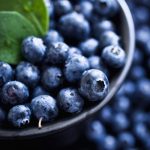
blueberries(NaturalHealth365) With millions of baby boomers closing in on age 65, the American population is aging at an unprecedented rate.  The Federal Interagency Forum on Aging-Related Statistics predicts that by 2030, boomers over age 65 will be 72 million strong.

As they enter their “golden years,” they will be accompanied by an increased vulnerability to age-related conditions such as osteoarthritis, dementia, and congestive heart failure. Thankfully, nature offers powerful ways to help improve cognitive function and effectively reverse other signs of aging.

Slow down the aging process with this “superfood”

The good news is that a powerful weapon against degenerative diseases is already freely available and sold by the pint.  And you don’t even need to visit a pharmacy to obtain it – it can be found in the produce aisle of your local market.

Vaccinium myrtillus, otherwise known as blueberry, has potent anti-inflammatory and antioxidant capabilities.  In fact, it has the highest score for antioxidant capacity per serving of all fruits, vegetables, herbs, and spices tested to date – it’s no surprise that the USDA’s Human Nutrition Research Center on Aging has named blueberries one of the healthiest foods on the planet.

Blueberries reduce inflammation, fight MULTIPLE other diseases

By reducing free radical and inflammatory damage in the brain, blueberries help reverse the aging neurons’ degenerative changes.  Their ability to neutralize free radical damage in the collagen matrix of tissues helps them ward off degenerative and inflammatory diseases such as arthritis. Their bluish-reddish pigments, or anthocyanins, improve the integrity of support structures in the joints.

They can also decrease the “stickiness” of blood platelets, making them important players in the fight against atherosclerosis.

Do NOT ignore the health dangers linked to toxic indoor air.  These chemicals – the ‘off-gassing’ of paints, mattresses, carpets and other home/office building materials – increase your risk of nasal congestion, fatigue, poor sleep, skin issues plus many other health issues.

Get the BEST indoor air purification system – at the LOWEST price, exclusively for NaturalHealth365 readers.  I, personally use this system in my home AND office.  Click HERE to order now – before the sale ends.

Blueberries improve cognitive function in more than one way.

Numerous animal, test tube, and human studies have all supported blueberries’ ability to reduce signs of Alzheimer’s disease and other forms of dementia, alleviate age-related cognitive deficits and improve memory.  In a 2006 animal study published in Neurobiology of Aging, researchers found that blueberry extracts helped older rats regain their ability to generate heat shock protein 70 – a substance that protects against stress and inflammation in the brain.

While young rats generate this substance in abundance in response to stress, elderly rats typically produce very little.  After the elderly rats’ diet was supplemented with blueberry extracts for 10 weeks, their heat shock response was restored to that of youthful, vigorous rats, leading researchers to conclude that the antioxidant and anti-inflammatory effects of blueberries could alleviate age-related cognitive deficits.

A year earlier, a study published in Pharmacological Research demonstrated that rats given blueberry extracts for 30 days had significant improvements in cognitive function, causing researchers to conclude that blueberries could be beneficial in preventing age-related memory deficits.

Another 2005 study, published in Nutrition and Neuroscience, showed that blueberry extracts could cross the blood-brain barrier and localize in the sections of the brain responsible for memory and learning.  Significantly, the more blueberry extracts found in the cortex of the brain, the more pronounced the improvement in cognitive performance.

It gets even better! Your brain is not the only organ that benefits from eating blueberries

Yes! In a small but controlled clinical study published in 2010 in the Journal of Agricultural and Food Chemistry, 12 weeks of daily consumption of wild blueberry juice caused improved recall, learning, and comprehension in elderly volunteers who had been diagnosed with age-related memory changes.  Researchers credited anthocyanins in blueberries with increasing neuronal signaling and concluded that blueberries could afford cognitive benefits.

And the news keeps getting better…

Scientists have found that blueberries protect the endothelium, or inner cell wall of the arteries, thereby cutting atherosclerosis risk and the risk of heart attacks and strokes.  Prevention of the oxidation of LDL cholesterol and reducing the aggregation of platelets – two more of blueberries’ gifts – also help delay or avoid the onset of atherosclerosis.

In a study published in 2010 in the Journal of Nutrition, blueberry powder given for 20 weeks caused rats to have smaller atherosclerotic lesions than those in the control group.  Researchers noted that the blueberry powder boosted levels of antioxidant enzymes and reduced the oxidative stress and inflammation that contributes to atherosclerosis.

Combine blueberries with the right foods to protect against digestive diseases

Blueberries protect against inflammatory digestive diseases, such as ulcerative colitis and IBS – especially when eaten with probiotic foods.

In a 2010 study conducted at Lund University Faculty of Engineering in Sweden, researchers found that the protective effects of blueberries against ulcerative colitis were even more pronounced when the berries were eaten along with probiotics, such as the lactobacillus found in live yogurt cultures.

Combining blueberries and probiotics reduces inflammation-promoting bacteria in the gastrointestinal tract and raises blood levels of immune system-boosting butyric and propionic acids.

A blueberry is a blueberry, right? Not so fast. 

Wild blueberries score highest for antioxidants and polyphenols, but farm-grown, cultivated blueberries aren’t too far behind.  If you have access to wild blueberry plants, it can be very rewarding to harvest your own.  Naturally, take care that the berries have been properly identified and that the area is free of pesticides and animal waste.

Many small, local blueberry farms allow you to pick your own berries; if this isn’t feasible, look for fresh, organic blueberries at your local market or produce stand.  Select berries with intense, violet-blue coloration and a whitish “bloom” on the surface. Berries should be firm, plump and intact, and should move freely in their container when it’s shaken.

Avoid washing blueberries until right before you are ready to eat them, and opt for raw, whole berries rather than those that have been cooked, stewed, or preserved; heating them can lower their anthocyanin levels.

However, if you’ve picked or purchased too many berries, don’t hesitate to freeze them.  Repeated experiments have shown that frozen blueberries retain virtually all their beneficial phytochemicals.  And, finally, fresh, unwashed blueberries may be stored in the refrigerator in a tightly sealed container for up to three days.

Fresh blueberries, one of the gustatory pleasures of summer, are more than just a sweet, refreshing snack – researchers have shown that this superfood can help protect against chronic and degenerative disease.  As an entire generation prepares to transition from “middle-aged” to “elderly,” the timing couldn’t be better.

Sources for this article include:
NIH.gov
Sciencedaily.com
Sciencedaily.com
NIH.gov


Pistachios

Written by Brenton Wight, Health Researcher
Copyright [c] 1999-[y] Brenton Wight. All Rights Reserved.
This site is non-profit, existing only to help people improve health
Updated 2nd January 2021

Pistachios are more than a tasty snack, they are probably the best nuts to eat!
They are very nutritious, with more than 30 vitamins, minerals, antioxidants, proteins, γ-tocopherol, β-carotene, lutein, selenium, flavonoids, phytoestrogens, potassium, vitamin B-6, beta-carotene, lutein + zeaxanthin, selenium, fibre and are low-carbohydrate.
Even though they contain healthy fats, they actually help fat burning, along with cholesterol improvement, heart health, blood glucose improvement, even better sexual function!

Main Benefits:

  • Plenty of vitamin B-6, essential for the brain, nerves, energy, breaking down fats, lowering homocysteine, treating anxiety, depression, PMS, ADD, ADHD
  • Heart health, blood vessels, cholesterol and triglyceride improvement due mainly to the antioxidants
  • Diabetes improvement due to lower blood glucose and corresponding lower insulin levels
  • Curb the appetite due to the protein, healthy fats and fibre content
  • Studies show benefit for erectile dysfunction in men
  • Lutein and zeaxanthin in pistachios helps protect the eyes from macular degeneration and other eye disease
  • Prebiotics and fibre in pistachios help feed our healthy gut bacteria, the first line of defense for immunity

References
http://care.diabetesjournals.org/content/early/2014/08/07/dc14-1431

https://www.medicaldaily.com/regularly-eating-pistachios-might-help-reduce-blood-sugar-levels-diabetes-risk-300780

http://www.truthaboutabs.com/pistachio-nutrition-benefits.html

Five Natural Substances to Reduce Facial Wrinkles

© 22nd September 2020 GreenMedInfo LLC. This work is reproduced and distributed with the permission of GreenMedInfo LLC. Want to learn more from GreenMedInfo? Sign up for the newsletter here www.greenmedinfo.com/greenmed/newsletter
Reproduced from original article:
www.greenmedinfo.com/blog/five-natural-substances-reduce-facial-wrinkles
Posted on: Tuesday, September 22nd 2020 at 4:30 pm
Written By: GreenMedInfo Research Group
This article is copyrighted by GreenMedInfo LLC, 2020

Food feeds your skin, and this is clearly demonstrated by how a number of natural ingredients and herbal extracts can help reduce and prevent facial wrinkles. Here are five time-tested ways to say goodbye to those deep, unnerving wrinkles

While it’s impossible to turn back the hands of time, there are natural ways that can help manage the effects of aging along with the wrinkles and age spots that come with it.

Part of combating wrinkles and other age-related spots and imperfections is understanding the story of your skin: it mirrors your body’s health from the inside out, reflecting all the toxins and chemicals in food and the environment, chronic stress, activity level and other lifestyle choices you make.

It’s worth knowing that many wrinkles are not permanent and may even be reversible. They are often a sign that your body needs to be better hydrated.

The jury is still out on what the actual fountain of youth is, but there are natural substances that can effectively slow the appearance of wrinkles and keep your skin looking radiant and youthful for a very long time.

Food, for instance, feeds your skin; what you eat can radically affect the appearance of wrinkles. A study showed that women who consumed more green and yellow vegetables had significantly fewer wrinkles.[i] Skin-friendly fats are also found in grass-fed meat and dairy, wild-caught salmon, coconut oil and olive oil, to name a few.

Even daily consumption of almonds, a healthy snack, may reduce the severity and depth of wrinkles in postmenopausal women, highlighting almonds’ potential anti-aging benefits.[ii] Further, here are additional alternatives to costly, synthetic beauty products to help zap those wrinkles away.

1. Date Palm Kernel

Research shows that the date palm kernel contains phytochemicals that can potentially rejuvenate skin.

A 2019 study, in exploring the effects of a cream containing its extract on facial wrinkle reduction and other skin parameters in healthy subjects, found that an eight-week regimen improved facial skin hydration, elasticity and melanin concentration.[iii]

It also reduced wrinkle size and depth. The cream was well-tolerated by the participants’ skin, and the effects may be attributed to the major phytochemicals and phytosterols offered by the extract.

2. Green Tea and Ginkgo

A combination of green tea and ginkgo biloba extracts was found effective in enhancing skin conditions and making it more elastic.[iv]

This was concluded by researchers in a preclinical study on hairless mice as well as a clinical study on 48 human volunteers. The green tea and ginkgo extracts combined substantially enhanced epidermis thickness and the number of cell layers, suggesting a moisturizing effect in the deeper layers of skin as well as increased cell renewal.

3. Pine Bark and Antioxidants

A multi-nutrient mixture made up of vitamin C, vitamin E, carotenoids, selenium, zinc, amino acids and glycosaminoglycans, blueberry extract and pycnogenol, which is derived from the French maritime pine tree, improved visible signs of aging in women ages 45 to 73.[v] Skin elasticity was raised by 9% after six weeks of treatment, while skin roughness was 6% lower after 12 weeks of treatment.

4. Pomegranate Cream

A study from February 2020 found that an anthocyanins-rich pomegranate cream as a topical formulation can have strong anti-aging activity.[vi] Anthocyanins are antioxidant compounds that offer pomegranate arils their color. They can protect skin from oxidant exposure, a major factor in the acceleration of aging and skin degeneration.


5. Red Ginseng

Red ginseng isn’t known as Panax for nothing, as the word means “cure for all.” It’s a fabulous herbal remedy for practically all body ailments there are.

It has also emerged as an excellent skin whitening and anti-aging product, helping suppress the production of melanin or the pigment that gives color to skin.[vii] In an experiment, it also reduced wrinkle formation, inhibited collagen degradation and enhanced the resilience, moisture and tone of skin.

Note that red ginseng is a form of unpeeled and steamed Panax ginseng, also referred to as Asian or Korean ginseng. It is believed to have “heating” action that improves circulation. Red ginseng is available in liquid extracts, tinctures, capsules and powders.

Visit the GreenMedInfo.com database for at least 157 more abstracts with aging skin research.

Also, learn about the dangers of BOTOX treatments: Botox’s Ugly ‘Side Effects’ Run Deeper Than Skin, Alter Mind & Numb Emotion


References

[i] Nagata C et al “Association of dietary fat, vegetables and antioxidant micronutrients with skin ageing in Japanese women” Br J Nutr. 2010 May;103(10):1493-8. Epub 2010 Jan 20.

[ii] Foolad N et al “Prospective randomized controlled pilot study on the effects of almond consumption on skin lipids and wrinkles” Phytother Res. 2019 Oct 1. Epub 2019 Oct 1.

[iii] Alsohaimi A et al “Assessment of the Effect of Extract Formulation of Date Palm Kernel on Facial Skin Wrinkles: Biophysical Measurements and Digital Profilometry” J Cosmet Sci. 2019 Nov/Dec;70(6):277-290.

[iv] Campos P et al “Synergistic effects of green tea and ginkgo biloba extracts on the improvement of skin barrier function and elasticity” J Drugs Dermatol. 2014 Sep ;13(9):1092-7.

[v] Segger D et al “Supplementation with Evelle improves skin smoothness and elasticity in a double-blind, placebo-controlled study with 62 women” J Dermatolog Treat. 2004 Jul;15(4):222-6.

[vi] Abdellatif A et al “Anthocyanins rich pomegranate cream as a topical formulation with anti-aging activity” J Dermatolog Treat. 2020 Feb 5:1-8. Epub 2020 Feb 5.

[vii] Saba E et al “Korean Red Ginseng extract ameliorates melanogenesis in humans and induces antiphotoaging effects in ultraviolet B-irradiated hairless mice” J Ginseng Res. 2020 May ;44(3):496-505. Epub 2019 May 15.

GMI Research Group

The GMI Research Group (GMIRG) is dedicated to investigating the most important health and environmental issues of the day.  Special emphasis will be placed on environmental health.  Our focused and deep research will explore the many ways in which the present condition of the human body directly reflects the true state of the ambient environment.


Disclaimer
: This article is not intended to provide medical advice, diagnosis or treatment. Views expressed here do not necessarily reflect those of GreenMedInfo or its staff.

Can glutathione help combat fatty liver disease?

Reproduced from original article:
www.naturalhealth365.com/glutathione-liver-disease-3311.html

glutathione-detox(NaturalHealth365) Glutathione – a powerful antioxidant that’s found within every cell of the body – is made up of amino acids. This antioxidant contributes to a variety of important bodily functions, including vitamin regeneration, breaking down free radicals, immune system support, helping the liver to handle fats, making DNA, and even the creation of sperm cells.  But, unlike many other antioxidants, the body is actually able to make this substance in your liver.

Researchers have previously found links between certain diseases and low glutathione levels.  Since the antioxidant plays an important role in the antioxidant and detoxification systems of cells, scientists hypothesized that glutathione supplementation would help combat fatty liver disease.  And in a fairly recent study, researchers investigated oral supplementation in individuals with nonalcoholic fatty liver disease (NAFLD) with positive results.

The proper amount of glutathione proves to be beneficial for people with fatty liver disease

The study involved 34 patients with nonalcoholic fatty liver disease, all of whom had been diagnosed via ultrasonography. First, patients underwent lifestyle interventions, such as diet and exercise changes for a period of three months.

Then, patients were treated with 300 mg per day of glutathione. Clinical parameters like liver fat, liver fibrosis, and alanine aminotransferase (ALT – a blood test that checks for liver damage) levels were all checked both before and after treatment with glutathione.

Among the patients who finished this protocol, a significant decrease in ALT levels were seen after treatment with glutathione.  Patients also so decreases in ferritin, triglyceride, and non-esterified fatty acid levels.

Overall, the study demonstrated that oral supplementation of glutathione does offer some significant potential therapeutic effects for patients with fatty liver disease, although study authors note that larger-scale clinical trials should be done for verification.

Do NOT ignore the health dangers linked to toxic indoor air.  These chemicals – the ‘off-gassing’ of paints, mattresses, carpets and other home/office building materials – increase your risk of headaches, dementia, heart disease and cancer.

Get the BEST indoor air purification system – at the LOWEST price, exclusively for NaturalHealth365 readers.  I, personally use this system in my home AND office.  Click HERE to order now – before the sale ends.

Powerful antioxidant offers additional health benefits

Beyond this new study showing the benefits of glutathione for individuals with liver disease, the powerful antioxidant offers a number of additional health benefits as well.

Benefits include:

  • Counteracting free radicals: As an antioxidant, it helps fight free radicals, protecting your body from their damaging and aging effects.
  • Improves insulin sensitivity: One study showed that individuals who have insulin resistance often have low glutathione levels.
  • Combating cancer: Some research shows glutathione may help prevent cancer progression as well.
  • Alleviate symptoms of Parkinson’s: Research shows that maintaining healthy levels of glutathione may help alleviate or at least reduce symptoms associated with Parkinson’s disease.
  • Boosting the immune system: By protecting cell mitochondria and reducing inflammation, glutathione helps boost the immune system.

Although glutathione offers a number of proven health benefits, as you grow older, levels of glutathione decrease.  Injury, stress, and illness can all affect glutathione stores, as well.

Therefore, eating an organic diet, reducing or eliminating smoking and alcohol consumption, and avoiding exposure to environmental toxins can help prevent glutathione depletion.  Naturally, adding a glutathione supplement to your diet in the amount of 200 – 500 mg per day may also prove helpful, although you should always talk to your integrative physician before making any changes to your diet or supplement routine.

Sources for this article include:

NIH.gov
NaturalHealth365.com
MedicalNewsToday.com

The Importance of Melatonin for Optimal Health


Reproduced from original article:
https://articles.mercola.com/sites/articles/archive/2020/02/06/melatonin-for-sleep.aspx

Analysis by Dr. Joseph Mercola Fact Checked image
February 06, 2020
melatonin for sleep

STORY AT-A-GLANCE

  • Your circadian rhythm is largely dictated by your pineal gland, located near the center of your brain, which produces melatonin, a hormone that is crucial for the regulation of your sleep cycle
  • Melatonin is also an important energy hormone and a potent antioxidant that appears to play an important role in cancer prevention. It also benefits your brain, cardiovascular and gastrointestinal health, and has been shown to boost immune function
  • Melatonin helps protect your mitochondria, which generate energy inside your cells. Melatonin appears to be the most powerful antioxidant in this regard, as it has the ability to enter into your mitochondria. It also recharges glutathione
  • Melatonin works synergistically with vitamin D to optimize mitochondrial function. It also enhances vitamin D signaling
  • Multiple sclerosis, cancer, neuropsychiatric disorders and high blood pressure are all examples of diseases that appear strongly linked to and affected by your vitamin D and melatonin status

Sleeping well is an essential strategy to optimize your health, and at the heart of it is your circadian rhythm. This is also known as your body clock. It’s a natural, biological timer present in every one of your cells that helps your body recognize sleepiness and wakefulness over a period of 24 hours.

Your circadian rhythm is largely dictated by your pineal gland, located near the center of your brain, which produces melatonin, a hormone that is crucial for the regulation of your sleep cycle.

If you have had enough exposure to bright light in the daytime, your pineal gland typically starts secreting melatonin around 9 p.m.1 As the amount of melatonin in your brain increases, sleepiness sets in as your body begins to prepare for sleep.

If you stay awake past dark, artificial light — especially that emitted by electronic devices — will inhibit your body’s melatonin production, so, ideally, you would stop using electronics at least an hour or two before bedtime to help increase melatonin production and maintain a steady circadian rhythm.

Melatonin Does More Than Control Sleep

While melatonin works as a natural sleep regulator, its biological effects don’t end there.2 It’s also a potent antioxidant3 that plays an important role in cancer prevention.4 It’s also thought to be important for brain, cardiovascular and gastrointestinal health,5 and has been shown to boost your immune function in a variety of ways.

In one study,6 researchers suggested melatonin may even improve the treatment of bacterial diseases such as tuberculosis. In another, melatonin was identified as a potential tool against inflammation and autoimmune diseases, including Type 1 diabetes.7

Melatonin is also an important energy hormone. As noted in the Stanford University course paper “Melatonin and Energy Levels:”8

“… decreasing the melatonin in the blood stream, consistent with the body’s natural response to suppress the secretion in the presence of light, causes the body to function at a higher energy level … An increase in the melatonin levels leads to a subsequent decrease in energy levels.

As such, understanding how to control and optimize the secretion and suppression of the melatonin for optimal hours of the day could help improve the treatment of sleep disorders and positively impact the energy levels of individuals.”

In short, if your sleep efficiency is impaired, meaning you’re not sleeping as deeply as you should, for as long as is ideal, then your energy level is going to be adversely affected.

Conversely, spending most of your daytime hours in poorly lit rooms, especially if you’re also exposed to excessive light after sunset, can impair your melatonin production, causing you to not sleep well.

Melatonin Protects Your Mitochondria

Importantly, the antioxidant activity of melatonin also helps protect your mitochondria, the tiny organelles inside your cells that generate most of the ATP or energy currency of your body. As noted in a 2007 paper in the Frontiers of Bioscience:9

“Melatonin is an ancient molecule present in unicellular organisms at the very early moment of life … The best-known actions of melatonin, currently supported by experimental and clinical data, include antioxidant and anti-inflammatory abilities, some of them involving genomic regulation of a series of enzymes.

Besides, melatonin displays anticonvulsant and antiexcitotoxic properties. Most of the beneficial consequences resulting from melatonin administration may depend on its effects on mitochondrial physiology.”

In fact, melatonin appears to be the most powerful antioxidant in this regard, as it has the ability to actually enter into your mitochondria.10 This is an ability that not all antioxidants have. According to this Frontiers of Bioscience paper,11 melatonin helps “prevent mitochondrial impairment, energy failure and apoptosis in oxidatively-damaged mitochondria.”

One of the things that makes melatonin so powerful is that it doesn’t just act as an antioxidant in and of itself; it also interacts with your body’s innate antioxidant system where it recharges glutathione.12 However, this brings us back to the importance of sleep.

Since melatonin is only released in response to darkness, and is easily and significantly inhibited by light (such as regular room lighting and electronic screens, after dark), your mitochondrial health will suffer if you do not take steps to optimize your sleep.

Aside from worsening your sleep quality and decreasing your sleep quantity, low melatonin production also increases oxidative stress, speeds up the aging process and raises your risk of degenerative diseases and chronic fatigue, thanks to its influence over your mitochondria.

Advertisement

Click here to find out why 5G wireless is NOT harmless


Melatonin Works Synergistically With Vitamin D

In my February 2, 2020, article “The Importance of Vitamin D for Optimal Sleep,” which features my interview with neurologist and sleep coach Dr. Stasha Gominak, I review the hidden influence vitamin D has on your sleep.

A paper13 that will be published in the May 2020 issue of The Journal of Steroid Biochemistry and Molecular Biology — which I was able to review early, parts of which I’m sharing with you here — sheds further light on this connection. Not only does melatonin enhance vitamin D signaling, the two molecules act synergistically to optimize your mitochondrial function.

As noted in this paper,14 “The biosynthetic pathways of vitamin D and melatonin are inversely related relative to sun exposure,” meaning both are dependent on properly timed exposure to the sun.

A hypothesis presented by the researchers is that vitamin D and melatonin “play an essential role as modulators of mitochondrial function and adaptation to circadian and seasonal variations.”

Additionally, “both molecules are involved in the homeostatic functioning of the mitochondria,” the authors point out, stressing that the mitochondria are, in fact, “the final common target for melatonin and vitamin D.” Furthermore:

“A deficiency of these molecules has been associated with the pathogenesis of cardiovascular diseases, including arterial hypertension, neurodegenerative diseases, sleep disorders, kidney diseases, cancer, psychiatric disorders, bone diseases, metabolic syndrome, and diabetes, among others.

During aging, the intake and cutaneous synthesis of vitamin D, as well as the endogenous synthesis of melatonin are remarkably depleted, therefore, producing a state characterized by an increase of oxidative stress, inflammation, and mitochondrial dysfunction …

Mitochondrial dysfunction has been related to the etiologies of many complex diseases where overactivation of the renin-angiotensin-aldosterone system (RAAS), vitamin D deficiency and the reduction of melatonin synthesis converge.

In this sense, experimental and clinical evidence indicates that inflammation, oxidative stress, as in mitochondrial dysfunction, are consistent with low levels of melatonin and vitamin D, and also represent risk factors connected with development and maintenance of prevalent acute and chronic pathologies.”

Melatonin-Vitamin D Combo Produces Strong Synergistic Effects

According to the 2020 paper in The Journal of Steroid Biochemistry and Molecular Biology,15 multiple sclerosis, cancer, neuropsychiatric disorders and high blood pressure are all examples of diseases that appear strongly linked to and affected by your vitamin D and melatonin status.

Interestingly, a 2012 study16 pointed out melatonin is “an overlooked factor in schizophrenia and in the inhibition of antipsychotic side effects.” Vitamin D deficiency has also been linked to a higher risk of schizophrenia,17,18 especially when levels are low during development.19

When combined in treatment, melatonin and vitamin D produce strong synergistic effects against cancer. Two separate studies20,21 have demonstrated the combination induces apoptosis and inhibits growth and division of breast cancer cells. In one of them, the combination resulted in “an almost complete cell growth arrest at 144 hours.”22

These effects were attributed (at least in part) to enhanced release of transforming growth factor beta 1 (TGF-β1), a type of cytokine that controls cell growth, proliferation, differentiation and apoptosis. Melatonin in combination with vitamin D has also been shown to protect against apoptotic ischemia-reperfusion injury in the kidney.23

Simple Ways to Optimize Your Melatonin and Vitamin D

The evidence suggests optimizing your melatonin production by making sure you sleep well at night may be a hidden key to maintaining mitochondrial health, which in turn is paramount for longevity and the prevention of virtually all chronic health problems.

However, while there are likely many benefits to supplementing with vitamin D and melatonin, it makes no sense to do so unless you are seeking to optimize your body’s own production.

The good news is it’s relatively simple and inexpensive to increase your melatonin and vitamin D levels. To optimize your vitamin D, I recommend getting sensible sun exposure on large portions of your body on a regular basis, ideally daily.

For further guidance, see “The Risks and Benefits of Sun Exposure.” If for whatever reason you cannot get sufficient amounts of sun exposure, consider taking a vitamin D3 supplement (along with a little extra vitamin K2 to maintain a healthy ratio between these two nutrients).

I personally have not taken any oral vitamin D for well over 10 years and my levels are typically over 70 ng/mL, even in the winter, but I have started taking sublingual melatonin as I am now older than 65, and believe there are benefits for such, even though I sleep in pitch dark and get bright sun exposure around 85% of the time during the day.

Optimizing your melatonin production starts with getting plenty of bright sunlight during the day, as this helps “set” your circadian clock. Then, as the evening wears on and the sun sets, you’ll want to avoid bright lighting.

Blue light from electronic screens and LED light bulbs is particularly problematic and inhibits melatonin the most. If you need lighting, opt for incandescent light bulbs, candles or salt lamps. The blue light from electronic screens can be counteracted by installing blue-blocking software such as Iris,24 or wearing blue-blocking glasses.

Additionally, an interesting paper25 in Nature Structural & Molecular Biology, published in 2017, highlights the usefulness of time-restricted eating to improve your sleep cycle. As noted in this paper:

“The robustness of the circadian clock deteriorates with aging. Two new studies show that aging reprograms the circadian transcriptome in a cell-type-dependent manner and that such rewiring can be reversed by caloric restriction …

Surprisingly, the expression of core clock genes and clock-controlled genes remained unchanged with aging, despite the drastic circadian reprogramming. Thus, the core clock machinery remains largely intact in old age, giving hope for the prospect of reversing aging-associated circadian reprogramming to potentially improve physiological functions.

Indeed, CR-induced robust reprogramming of the circadian transcriptome partially overlaps with the circadian transcriptome in young mice. Thus, the profound physiological impact of CR may be, in part, mediated by the reprogramming of the circadian clock …

Given that aging-associated accumulation of DNA damage in stem cells originates from exposure to mitochondrial stress and that the mitochondrial protective programs are repressed in aged adult stem cells, it is tempting to speculate that reactivating the mitochondrial protective programs may provide a means to reduce the accumulation of cellular damage and reverse aging-associated circadian reprogramming.”

– Sources and References

Beyond Curcumin: Why Turmeric Is Not the Same as Curcumin

© 28th January 2020 GreenMedInfo LLC. This work is reproduced and distributed with the permission of GreenMedInfo LLC. Want to learn more from GreenMedInfo? Sign up for the newsletter here www.greenmedinfo.com/greenmed/newsletter
Reproduced from original article:
https://www.greenmedinfo.com/blog/beyond-curcumin-why-turmeric-not-same-curcumin

Posted on:  Tuesday, January 28th 2020 at 10:30 am

When hearing about turmeric, curcumin gets all the glory, but this ancient healing root contains other impressive compounds too, like turmerosaccharides. If you haven’t heard of them before, here’s why you should

Turmeric is a hot topic here at GreenMedInfo.com. For example, you can read about how Science Confirms Turmeric As Effective As 14 Drugs, 600 Reasons Turmeric May Be the World’s Most Important Herb and even How WHOLE Turmeric Heals the Damaged Brain.

Yet, here’s what most people — even health and nutrition enthusiasts — often don’t realize. Despite the two often being referred to interchangeably, turmeric is actually far different than the popular supplement ingredient curcumin.

Sure, curcumin is derived from turmeric, but when it comes to their uses, benefits and bioavailability, the differences between turmeric and curcumin are quite significant, and in this article you’ll discover exactly why, and why you may want to think beyond curcumin when it comes to using turmeric in your diet.

Turmeric Versus Curcumin

Turmeric is just a root, and technically the root of Curcuma longa, which is a flowering plant of the ginger family. It contains many bioactive plant substances, but one particular group, the curcuminoids, are often touted as possessing the biggest health-promoting bang-for-your-buck. These curcuminoids include demethoxycurcumin, bisdemethoxycurcumin and — you guessed it — curcumin.

But curcumin is only present at about 2% to 8% concentration in the average turmeric preparation.[i] Curcumin is well-known for its anti-inflammatory, anti-carcinogenic and antioxidant effects, but if curcumin is all that you’re relying on for the benefits of curcumin, you’re technically missing out on 92% to 98% of the other plant bioactive compounds in the whole turmeric root.

Don’t feel bad about being on the curcumin bandwagon. After all, curcumin is the most studied curcuminoid and is also the most abundant curcuminoid found in turmeric.

The Problem With Curcumin

But there’s a problem. Despite its wide array of potential benefits, the actual bioavailability of curcumin in humans and animals is quite low. Curcumin also has a high rate of metabolization and rapid systemic clearance.

So getting enough curcumin into your system to reach blood levels sufficient to exert the benefits shown in research requires consuming around 3 to 5 teaspoons of turmeric powder a day. And that’s a lot of turmeric, along with posing a high risk of having a constantly yellowish-orange stained mouth.

Even then, curcumin is so poorly absorbed that it often needs to be combined with something that can increase its bioavailability. One quite popular example of this is an extract found in black pepper. On many supplement labels, you’ll see listed a patented extract obtained from black pepper fruits called BioPerine, which is commonly used as a curcumin bioavailability enhancer.

Another strategy to increase the bioavailability of curcumin is via the use of phytosomes, which are plant extracts that are bound to phosphatidylcholine. Once attached to phosphatidylcholine, there is much higher absorption of curcumin (up to 30 times more bioavailability).

Finally, we get to the biggest problem with curcumin: if you’re relying on it as your only source to obtain the benefits of turmeric, then you’re missing out on other components of this impressive root.

Beyond Curcumin

I don’t quite understand why we seem to myopically focus on curcumin in the health, nutrition and supplement industry.

After all, the entire turmeric rhizome has been used in Ayurvedic medicine for over 4,000 years, and during most of this time there was no fancy technology such as a patented Bioperine extract or phosphatidylcholine molecules in supplement form to increase bioavailability of the curcumin, nor was there technology to extract appreciable amounts of curcumin from the turmeric.

Instead, turmeric’s long history of culinary, medicinal and cosmetic use in India includes water-based preparations for internal use (known as Kashaya), fat-based (oil, ghee) preparations for internal use (known as Sneha), and powder preparation for internal use (known as Churna). Consider this anecdote from the book “Herbal Medicine: Biomolecular and Clinical Aspects”:

“The use of turmeric dates back nearly 4000 years to the Vedic culture in India, where it was used as a culinary spice and had some religious significance. It probably reached China by 700 ad, East Africa by 800 ad, West Africa by 1200 ad, and Jamaica in the eighteenth century. In 1280, Marco Polo described this spice, marveling at a vegetable that exhibited qualities so similar to that of saffron.

According to Sanskrit medical treatises and Ayurvedic and Unani systems, turmeric has a long history of medicinal use in South Asia. Susruta’s Ayurvedic Compendium, dating back to 250 bc, recommends an ointment containing turmeric to relieve the effects of poisoned food.”

You can read more about turmeric’s journey from traditional to modern medicine in “Herbal Medicine: Biomolecular and Clinical Aspects”.[ii]

If these ancient healers have been harnessing the power of turmeric via fresh juice, teas, tinctures and powders, as well as using it topically in the form of creams, lotions, pastes and ointments, then why has most of the research up until very recently been centered around the curcuminoids — which, as mentioned, are a fraction of 2% to 8% of the plant?

These traditional healing and food practices related to the use of turmeric indicate that it’s not just the curcuminoid component of turmeric that is likely to possess physiological benefits. Enter turmerosaccharides.

Turmerosaccharides are water-soluble bioactive polysaccharides extracted from that remaining 90+% percent of the turmeric root. The fact that turmerosaccharides are water-soluble means that all of the good stuff is more easily absorbed into the tissues of your body and metabolized more quickly than the curcumin-based fat-soluble components of turmeric.

How Turmerosaccharides Work

The first property of turmerosaccharides that makes them more desirable is the fact that they are naturally water-soluble. Through a steam extraction process, turmerosaccharides are isolated from the turmeric oil, without the need for using any harsh solvents. This means the bioavailability of turmerosaccharides is significantly higher than that of curcumin.

In addition, the effects of tumerosaccharides on your body are astounding, especially if you’re active or suffer from soreness from overexertion. A 2013 study found that turmerosaccharides reduced joint tenderness, crepitation, swelling and effusion related to overuse, while increasing joint function and flexibility.[iii] Patients with primary knee osteoarthritis received either turmerosaccharides, glucosamine sulfate, a combination of turmerosaccharides and glucosamine sulfate, or a placebo for 42 days. The efficacy of the different treatments was assessed during the treatment period, on both day 21 and day 42 of the study.

The analysis of post-treatment scores following the administration of turmerosaccharides at each clinical visit showed a significant decrease in joint issues compared to the placebo. The turmerosaccharides-treated group also showed a significant decrease in the use of their standard medication, along with clinical and subjective improvement compared to placebo.

Another study investigated turmerosaccharides’ effect on human knee cartilage and found that it protects cartilage homeostasis,[iv] which means that it balances out the natural rate of synthesis and degradation, keeping joints happily balanced. Interleukin 1 beta (a natural protein involved with inflammation) and hydrogen peroxide (which is generally toxic to cells) are both bad news bears for chondrocytes, which are your cartilage-producing cells.

This study looked at the effects of turmerosaccharides by exposing these chondrocytes to these toxins with and without turmerosaccharides, then measuring markers indicating cell degradation, aging and death, as well as cartilage creation, degradation and general inflammation.

The presence of turmerosaccharides decreased cartilage cell destruction and general inflammation in the knee cartilage cells, and also protected compounds that improve cartilage creation, such as glycosaminoglycans and type II collagen.

In other studies, turmerosaccharides were shown to significantly reduce acute and chronic inflammation and support a balanced inflammatory response[v] as well as increase gene expression of type II collagen.[vi]

Where Can You Find Turmerosaccharides?

So by now, you’re probably wondering where you can actually get turmerosaccharides. One easy option would be to find high-quality turmeric root grown in clean soil, and then boil it in water, preferably via a decoction method, which involves a long simmering process in hot water, and can work quite well for a variety of hard, woody herbs and spices, such as roots, bark and stems.

Another option is to look for nutritional supplements that contain Turmacin® — which is a water-soluble extract of turmeric that contains high amounts of turmerosaccharides. And there’s absolutely no reason that you can’t co-consume turmerosaccharides along with curcumin to get even more benefits out of the wonderful turmeric root.

For more on turmeric, curcumin and other ancestral and modern scientific ways to enhance recovery and decrease inflammation, you can read Chapter 14 of my new book “Boundless”, which tackles more on healing the body more quickly from injuries, inflammation and hard workouts.


References

[i] Biofactors. 2013 Jan-Feb;39(1):78-87. doi: 10.1002/biof.1074. Epub 2013 Jan 22.

[ii] Herbal Medicine: Biomolecular and Clinical Aspects. 2nd edition. Chapter 13, Turmeric, the Golden Spice

[iii] Inflammopharmacology. 2013 Apr;21(2):129-36. doi: 10.1007/s10787-012-0163-3. Epub 2012 Dec 16.

[iv] Inflammopharmacology. 2018 Oct;26(5):1233-1243. doi: 10.1007/s10787-017-0433-1. Epub 2018 Jan 8.

[v] Antiinflamm Antiallergy Agents Med Chem. 2015;14(1):53-62.

[vi] Inflammopharmacology. 2018 Oct;26(5):1233-1243. doi: 10.1007/s10787-017-0433-1. Epub 2018 Jan 8.

Disclaimer: This article is not intended to provide medical advice, diagnosis or treatment. Views expressed here do not necessarily reflect those of GreenMedInfo or its staff.
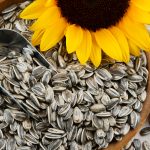
All About Ginkgo Biloba: Benefits of This Timeless Herbal Supplement


Reproduced from original article:
https://articles.mercola.com/vitamins-supplements/ginkgo-biloba.aspx

Ginkgo biloba leaves

STORY AT-A-GLANCE

  • Known as one of the oldest trees on the planet, ginkgo biloba has been long revered for its many medicinal uses
  • Get to know more about ginkgo biloba – how it works, what’s the best way to take it and other health considerations before using this supplement

The ginkgo biloba tree is known for its resilience and hardiness, and for good reason – it is the oldest living tree species known to man. It’s said that a ginkgo tree can live for as long as 1,000 years, with heights reaching up to 120 feet.1 Thus, it should come as no surprise that this plant can have healing benefits, too.

Today, ginkgo biloba ranks as one of the top-selling herbal remedies,2 with a long history of medicinal use for various illnesses and health problems. Get to know more about ginkgo biloba – how it works, what’s the best way to take it and other health considerations before using this supplement.

What Is Ginkgo Biloba?

Also known as the maidenhair tree, ginkgo biloba is one of the oldest trees on Earth, having said to have been in existence for 350 million years.3 In fact, it’s often referred to as a “living fossil,” as it has continued to thrive even after major extinction events.4

The ginkgo biloba tree is the only surviving species from the Ginkgoaceae family.5 The name is said to come from the Japanese words “gin” and “kyo,” which means “silver” and “apricot” respectively, which refers to the ginkgo fruit’s resemblance to apricots.6

Ginkgo biloba is native to Asia, particularly in China, Korea and Japan. In fact, some ginkgo trees in China are said to be 2,500 years old.7 This plant is also believed to have thrived in Europe and North America during ancient times, but after the Ice Age, all the wild ginkgo trees in these areas were destroyed.8

The ginkgo tree is known for being tough and hardy – it can even thrive in polluted environments, such as urban roadsides and large modern cities.9 The plant has short branches and fan-shaped leaves, which change colors during fall.

However, ginkgo fruits are inedible, emit an unpleasant scent (reminiscent of rancid butter10) and have inner seeds that may be poisonous.11 Today, organic ginkgo biloba supplements are widely available, and is sold either in liquid extract, capsule or tablet form. The extract is made from the dried leaves of the plant.12

Ginkgo Biloba’s Uses for the Body: Its Mechanism of Action

Although it has been popularly utilized in Chinese medicine for more than 5,000 years, it is only recently that researchers are uncovering what components account for ginkgo biloba’s many uses and benefits. According to the book “Prescription for Herbal Healing,” written by Phyllis A. Bach:13

“Ginkgo increases the body’s production of adenosine triphosphate (ATP), a compound that is the main source of energy at the cellular level. This activity has been shown to boost the brain’s metabolism of glucose for energy and to increase its electrical activity.”

Particularly impressive are the flavonoids in ginkgo, called ginkgolides, which are said to have an effect on even the smallest microcapillaries, leading to widespread benefits on all of the body’s organs, especially the brain.14 Ginkgo biloba is also known for its antioxidant abilities, brought on by ginkgolides as well, and is said to prevent platelet aggregation inside arterial walls to keep plaque from forming.15

Advertisement

Click here to find out why 5G wireless is NOT harmless


Take a Look at Some of Ginkgo Biloba’s Health Benefits

So what exactly is ginkgo biloba good for? According to research, taking ginkgo biloba supplement may help improve:

•Memory and thinking — Some research suggests that ginkgo may offer improvements in memory, speed of thinking and attention among healthy adults.16 In fact, it is touted as a “brain herb” that may have potential benefits for people suffering from dementia.17

•Eye health — Ginkgo may help prevent macular degeneration and glaucoma by deactivating the platelet-activating factor (PAF), which is necessary for growth of new capillaries, and increasing circulation within the eye, supplying more oxygen to the retina.18 One small study found that people with glaucoma had improvements to their vision after taking 120 milligrams of ginkgo daily for eight weeks.19

•Reproductive health and sexual function — One of ginkgo biloba’s benefits for men is its potential for helping treat impotence. It enhances nitric oxide’s effects, allowing more blood to flow into the penis to help maintain erection during sexual intercourse.20

•Anxiety — According to a study published in the Journal of Psychiatric Research, people with generalized anxiety disorder experienced better anxiety relief after taking ginkgo biloba, compared to those who took a placebo.21

•Raynaud’s syndrome — This is an illness that triggers episodes of numbness and cold due to a decrease in the blood supply to the fingers and toes (earlobes, lips and nose may also be affected), triggered by stress or cold temperatures.22 A study said that ginkgo biloba may reduce the number of episodes in patients who have this illness.23

•Skin and hair health — The rich antioxidant content of ginkgo biloba can help eliminate free radicals that can cause wrinkles and other signs of aging. Extracts of this herb are also used in hair care products to keep your tresses strong, long and shiny.24

Ginkgo Biloba Studies Claim It May Benefit Dementia and Alzheimer’s Patients

There have been numerous research conducted on the effectiveness of ginkgo biloba for certain health conditions, and one of the most widely studied claims is its potential effects for degenerative illnesses like dementia and Alzheimer’s disease. According to WebMD, this herb may halt the progression of dementia symptoms, especially if the condition is brought on by atherosclerotic vascular disease.25

Initially, ginkgo was thought to improve blood flow going to the brain, but recent findings reveal that this herb may actually give protective effects to nerve cells against Alzheimer’s as well.26 One study, for example, found that EGb 761, a ginkgo biloba extract, may be clinically effective in treating Alzheimer’s dementia.27

Another research supported this claim, saying that the extract was safe to use and may help stabilize and improve cognitive and social functioning of dementia patients for between 6 to 12 months.28 However, there’s still conflicting evidence on whether it can have the same cognitive effects on healthy adults.

Ginkgo Biloba May Have Side Effects

There are individuals who reported having mild upset stomach and mild headaches that last a day or two after taking ginkgo biloba. Some who took large doses experienced nausea, vomiting, diarrhea, restlessness and dizziness. Finnish physicians also reported that their patients experienced orthostatic hypotension, a sudden loss of blood pressure when standing up, after using ginkgo for several days.29

In addition, the leaves of this herb contain long-chain alkylphenols, which have allergenic properties. If you are allergic to poison ivy and other plants with alkylphenols, do not take ginkgo.30

Take Note: Listen to Your Body When Using Ginkgo Biloba

As with any supplement, it is important that you listen to your body when using ginkgo biloba. It may offer potential benefits, but if your body is exhibiting unpleasant symptoms while using this supplement, then you may be better avoiding it or finding another alternative. Seek your physician’s advice should any of the symptoms above occur.