


Vitamins

now browsing by category


Fibromyalgia

Written by Brenton Wight, Health Researcher
Updated 10th September 2020, Copyright [c] 1999-[y] Brenton Wight. All rights Reserved.

What is Fibromyalgia?

Fibromyalgia is a chronic condition, typically very painful, especially in response to pressure, and sometimes patients have symptoms like stiff muscles, joints and connective tissues.
Other symptoms often include depression, anxiety, sleep disturbance, difficulty swallowing, bowel and bladder problems, numbness and tingling, muscle spasms or twitching, weakness, nerve pain, palpitations,
cognitive dysfunction (“foggy thinking”).
Around 2% of the population are affected, usually between the ages of 20 and 50, although not all patients have all symptoms.
Women are nine times more likely than men to suffer from the condition, giving weight to the theory that hormones play a big part in the cause and treatment.
Diagnosis is difficult because there is no formal test. Symptoms are vague and similar to many other conditions.
Often patients with celiac disease are mistakenly diagnosed with Fibromyalgia, and do better on a gluten-free diet.
In fact, nearly everyone will do better on a gluten-free diet, or even better, a diet free from all grains, flour and any other product of grains, regardless of refined, wholemeal or any other form.
Some medical specialists say it is “all in the head” but few patients would agree with this!

Testing

Although there is no formal testing for fibromyalgia, the following tests should be arranged by the doctor to eliminate some factors that may indicate or aggravate Fibromyalgia:

  • Ferritin (Iron Study) – A serum ferritin level under 50 ng/ml means a 650% increased risk for Fibromyalgia
  • Thyroid Function – If autoimmune hypothyroidism is present, it should be treated first to see if Fibromyalgia symptoms subside
  • Other autoimmune conditions – Lupus, Rheumatoid Arthritis and others can resemble Fibromyalgia symptoms and should be treated first
  • CRP (C-Reactive Protein) – An inflammation marker. Source of any inflammation should be treated first
  • The FM/a blood test (plasma and PBMC (Peripheral Blood Mononuclear Cells) – Tests cytokine concentration. Low cytokines may indicate Fibromyalgia

Treatment

Doctors say there is no known cause or cure. However, some approaches can be very effective in reducing symptoms, including:

Therapeutic options

  • Mindfulness Training reduces psychological distress and depression
  • Yoga, Tai-Chi and other stretching exercises are helpful as they stimulate the lymph glands, increasing our HDL (good cholesterol), improving waste product and toxin removal, also reducing pain, fatigue, mood, cortisol levels and improves coping ability

Diet

  • Raw Food has been shown in studies to significantly improve the majority of fibromyalgia patients
  • Vitamin C and Broccoli consumption in a study found that the combination of 100mg of vitamin C from food, plus a 400mg broccoli supplement reduced pain by 20% and decreased 17% in Fibromyalgia impact scores

Things to avoid

Exposures to toxins definitely increase fibromyalgia risk:

  • Breast Implants have been linked to cancer, autoimmune disease, fibromyalgia and chronic pain
  • Aspartame (an artificial sweetener) should be eliminated from the diet, as it turns into formaldehyde in the body, which can aggravate fibromyalgia.
    Natural sweeteners such as Erythritol, Xylitol and pure Stevia are healthy alternatives
  • MSG (MonoSodium Glutamate) should be eliminated from the diet. Known to cause headaches and fibromyalgia
  • Vaccine Adjuvants containing mercury or aluminium have been shown to cause musculoskeletal pain conditions like fibromyalgia
  • Fluoride comes from fluoridated tap water, foods irrigated with fluoridated water, toothpaste, dental treatments and antibiotics, and must be avoided. A fluoridated water supply should be switched to rainwater and/or install a Reverse Osmosis water system for all drinking and cooking. Ordinary water filters do not remove fluoride, and even boiling water makes little difference

Prescription Medications increase risk

Many prescription medications increase risk of fibromyalgia, or actually cause it.

  • Statin Drugs reduce CoQ10 and vitamin D3, causing hundreds of health problems, including fibromyalgia and muscle pain, vastly outweighing any benefit in many cases
  • Prescription antidepressants like Celexa (Citalopram), Paxil (Paroxetine) and Prozac (Fluoxetine) include fluoride which makes fibromyalgia even worse, and causes weight gain.
    Antidepressants increase risk of cancer by over 40%, and most of the time do not work any better than a placebo
  • Many drugs contain bromide, which is even worse than fluoride, and more easily displaces iodine from the thyroid gland
  • Antibiotics destroy many bad bacteria, but also much of the good bacteria as well, compromising our immune system, which can take up to two years to rebuild
  • Paracetamol, Panadol, Tylenol and other names for acetaminophen should be avoided as studies show them to start causing liver issues even at the recommended dose two 500 mg tablets four times a day (4000 mg) for a few days. Unfortunately, patients who experience a lot of pain invariably over-dose, and just a 50% increase starts causing severe liver damage. The advertising slogan “safe and effective” is one of the biggest lies of the drug industry, and the most common cause of liver poisoning in the Western world. The majority of all patients on the liver transplant waiting list are there because of Panadol overdose. Panadol also reacts with an enzyme in the body to destroy our natural glutathione, which is one of the body’s main defenses against pathogens, often called the “master antioxidant”. Less glutathione means more Fibromyalgia

Here is a list of some drugs commonly prescribed that contain Fluoride or Bromide, two halogens that displace iodine from the thyroid and cause hypothyroidism, Hashimoto’s disease, depression, weight gain, hair loss, cancer, and will aggravate Fibromyalgia:

  • Advair (fluticasone) – fluoride
  • Alphagen (brimonidine) – bromide
  • Atrovent (Ipratropium) – bromide
  • Avelox (moxifloxacin) – fluoride
  • Adovart (dulasteride) – fluoride
  • Celebrex (celecoxib) – fluoride
  • Celexa (citalopram) – fluoride and bromide
  • Cipro (ciprofloxacin) – fluoride
  • Clinoril (sulindac) – fluoride
  • Combivent (from the ipratropium) – bromide
  • Crestor (rosuvastatin) – fluoride
  • Diflucan (fluconazole) – fluoride
  • DuoNeb (nebulized Combivent) – fluoride
  • Enablex (darifenacin) – bromide
  • Flonase (fluticasone) – fluoride
  • Flovent (fluticasone) – fluoride
  • Guaifenex DM (dextromethorphan) – bromide
  • Lescol (fluvastatin) – fluoride
  • Levaquin (levofloxacin) – fluoride
  • Lexapro (escitalopram) – fluoride
  • Lipitor (atorvastatin) – fluoride
  • Lotrisone topical cream – fluoride
  • Paxil (paroxetine) – fluoride
  • Prevacid (lansoprazole) – fluoride
  • Protonix (pantoprazole) – fluoride
  • Prozac (fluoxetine) – fluoride
  • Pulmicort (budesonide) – fluoride
  • Razadyne (galantamine) – bromide
  • Risperdal (risperidone) – fluoride
  • Spiriva (tiotropium) – bromide
  • Tobra Dex (from dexamethasone) – fluoride
  • Travatan (travoprost) – fluoride
  • Triamcinolone – fluoride
  • Vigamox (moxifloxacin) – fluoride
  • Vytorin (from eztimibe) – fluoride
  • Zetia (eztimibe) – fluoride

An immune response to intestinal bacteria may cause some symptoms, so an alkaline diet with plenty of enzyme-rich raw vegetables and fresh fruit may help, along with a little cheese, yogurt, whey, fermented vegetables such as Sauerkraut, and/or supplemental probiotics such as Acidophilus
to build up beneficial intestinal bacteria. 75% of our immune system is in the gut, and this is where the immune system often first breaks down.

MSG (monosodium glutamate) has been shown to aggravate symptoms, so most processed food, which contains MSG, often hidden in the ingredients list by being called other names or chemicals, should be eliminated.

Eliminating yeast from the diet may also help. Yeast is a raising agent found in most breads and other flour-based baked foods, also Vegemite. Changing to a fresh food diet of vegetables and fruit can eliminate yeast, lose excess weight, build immunity and improve general health.

Casein from milk and other milk products may also help, although some people are sensitive to dairy products and do better with no milk or other dairy products.

Food allergies can be a problem and I would start by eliminating wheat, flour, bread, cakes, anything made from flour, sugar, soy, milk, corn, eggs and nuts for at least a week or two.
If that helps, introduce them back into the diet one at a time (except sugar, which should be omitted forever, and all flour products), until the culprit is found.

If that is not enough, see my Vaccinations article and read about the relationship between Panadol, Vaccinations, Glutathione and Autism.

Many Fibromyalgia patients also suffer from IBS (Irritable Bowel Syndrome), CFS (Chronic Fatigue Syndrome), RA (Rheumatoid Arthritis) and SLE or Lupus (Systemic Lupus Erythematosus), but the above treatments can improve all of these conditions.
While these natural alternatives may not work for everyone, nearly all patients report improvement in their condition, and of course, these are all good for weight loss, fighting diabetes, cardiovascular disease, Alzheimer’s disease, better sleep, improved mood, reduced pain, better pain tolerance, building muscle and reduced cancer risk. Many patients are deficient in GH (growth hormone) so high-intensity exercise and weight loss will help by increasing natural production of Growth Hormone.

Copyright [c] 1999-[y] Brenton Wight and BJ&HJ Wight trading as Lean Machine abn 55293601285. All Rights Reserved.

Ferritin and Iron

Written by Brenton Wight, Health Researcher, LeanMachine
Copyright [c] 1999-[y] Brenton Wight. All Rights Reserved.
This is a free, not-for-profit site, existing only to help everyone improve or regain health.
Articles on this site represent 11 years of research, many by well-respected others.
Updated 9th October 2021

What is Ferritin?

Ferritin is an intracellular (inside the cell) protein, in the shape of a hollow sphere. Ferritin stores iron by allowing entry of iron as ferric hydroxide phosphate complexes, and when the body needs iron, releases it as required.
Ferritin is produced by almost every living organism, from bacteria to plants, animals and humans.
In humans, ferritin is a buffer against iron deficiency and iron overload, and is found in most tissues as a cytosolic protein, which means it is inside the cytoplasm, the fluid inside each cell between the outer cell wall and the nucleus (The nucleus contains our DNA).
However, small amounts of ferritin are secreted into the serum (blood) where it works as a carrier of iron.
Plasma ferritin (in the blood) is also an indirect marker of the total amount of iron stored in the body. Serum ferritin levels are used to determine iron deficiency (anaemia) or iron overload.
Ferritin keeps iron in a soluble, non-toxic form. Free ferritin (not combined with iron) is called apoferritin.

The Haemoglobin molecule is a very large molecule, almost identical to the Chlorophyll molecule in plants. Chlorophyll has a central atom of Magnesium, giving plants the green colour. Haemoglobin has Iron as the central atom, giving blood the red colour.
75% of the body’s iron is stored in haemoglobin, 10 to 20% in ferritin, and the rest in the protein transferrin (the iron transport protein). Small amounts are found in myoglobin, cytochromes, as unbound serum iron and in body tissues.
Excess iron is usually stored in the Liver, Spleen and Bone Marrow, but also in the Pancreas, Joints, Skin, Pituitary, Adrenals, Thyroid, Heart and other organs.

Why do we need Iron?

If we have too little iron, we cannot make enough red blood cells, reducing our ability to carry oxygen to all parts of the body.
If we have too much iron, it can damage organs and contribute to cancer, heart disease, the entire cardiovascular system, especially the endothelial cells (the inside lining of all blood vessels), the kidneys and the liver.
Red blood cells are made in the bone marrow, and have a lifespan of around 4 months, when they die (the process called Necrosis).
The body makes around 200 billion new red blood cells every day, along with around 10 billion white cells and about 400 billion platelets every day, and around the same amount die every day.
Dead red blood cells are then broken down by Macrophages (special white blood cells) in the spleen. Some are disposed of in the digestive tract (which makes our poo brown) and parts of other cells are re-used. Haemoglobin is further broken down to salvage the iron, and excess iron is then stored in the liver.
Too much iron in the liver can cause Cirrhosis (Scar tissue replacing healthy cells).
We can have too much iron in some cases because the body does not know how to get rid of excess iron, it only knows how absorb it and to store it (using the transferrin protein).


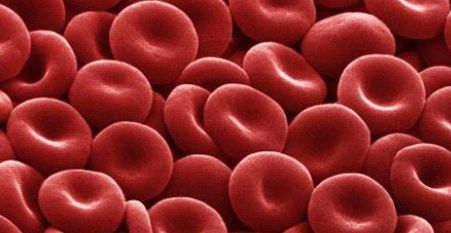
Healthy red blood cells.

As red blood cells approach death, or are infected with a parasite or bacteria, or have a genetic defect, or are cancerous, the shape, size, smoothness and colour may be different.

How is Iron absorbed?

Iron in food is processed in the high-acid stomach, where it is changed into a form that allows it to be absorbed.
Absorption takes place mainly in the duodenum (part of the small intestine) and also to a lesser extent near the end of the small intestinal tract.
After absorption, iron is transported by the transferrin protein. A healthy body has the ability to absorb more iron when it is required, and absorb less when it is not required.

Haemoglobin, Hemoglobin or Hbg

Haemoglobin is a protein contained in red blood cells.
The job of haemoglobin is to carry oxygen from the lungs to all of the tissue in the body, then return carbon dioxide back to the lungs.
Haemoglobin is composed of four globulin chains (protein molecules) which are connected together, and in adults, haemoglobin contains two alpha-globulin chains and two beta-globulin chains.
In foetuses and infants, haemoglobin contains two alpha chains and two gamma chains, and during growth to an adult, gamma chains are slowly removed, replaced by beta chains to form adult haemoglobin.
Every globulin chain contains the heme molecule as the central structure, and iron is embedded in the heme molecule, essential for the transport of oxygen and carbon dioxide.
Haemoglobin is also essential to help maintain the shape of every red blood cells, which resemble a donut with a dished centre rather than a hole. Any abnormal shape can cause poor flow through blood vessels.

Anaemia, Anemia

Anaemia is a condition where we do not have enough haemoglobin, which is usually, but not always, related to iron deficiency. It can be related to blood loss, from donating blood, from heavy menstrual bleeding, internal bleeding, blood loss from an injury, or insufficient iron in the diet (such as vegans or vegetarians).
IDA (Iron Deficiency Anaemia)
In most cases of anaemia, a blood test will reveal low haemoglobin and low ferritin, a result of iron deficiency, and the doctor will normally recommend iron supplementation or dietary changes or both.
ACD (Anaemia of Chronic Disease)
The body has a safety mechanism against harmful invaders such as cancer or bacteria. When sensing an invader, the body will move all iron it can from red blood cells back to ferritin, because all invaders need iron to thrive, and so does cancer. The body will leave just enough iron in haemoglobin for the cells to survive, but not enough to feed the invader.
We must NEVER take extra iron in cases of Chronic Disease, as we are only feeding the invader and doing more harm to our body.
ACD can be diagnosed by blood tests where we have low haemoglobin, but high ferritin. A C-Reactive Protein test (indicator of inflammation) is advised as well as ferritin if ACD is suspected.
When the disease clears up, the body will automatically return iron levels to normal.
Many doctors do not order ferritin tests when iron is low, resulting in the patient taking iron supplements which can cause damage or even death, so an accurate diagnosis of IDA or ACD is essential.
In some cases, IDA and ACD can occur at the same time, making diagnosis more difficult. One traditional test is Bone Marrow Aspiration with Iron Staining, but the Serum Transferrin Receptor test can help differentiate between IDA and ACD.
The Serum Transferrin Receptor test is significantly less affected by inflammation than the Serum Ferritin test. Results can be high in IDA and usually low in ACD, and the ratio of Serum Transferrin Receptor to the logarithim of Serum Ferritin Concentration is more helpful to distinguish ACD from IDA than is either individual test.
Kidney Damage
If the patient has any kidney damage (sometimes as a result of high iron) then it is possible to have high iron in the body tissues, while regular iron and ferritin tests results are normal or even low. In these cases, a specialist should supervise all testing.

Blood Tests

Normally, the doctor will organise a “Ferritin Study”.
This includes the following tests:

  • Serum Iron – how much iron is circulating in the blood, but this varies considerably and does not always mean a lot without also looking at the TIBC test below.
  • Serum Transferrin – or TIBC (Total Iron Binding Capacity) or Transferrin Saturation. Iron is bound to transferrin (which is produced by the liver), and TIBC is a direct measure of transferrin. Iron overload is indicated with levels over 55% for males and 50% for females. Fasting is preferred for accuracy. Note that inflammation causes reduced transferrin levels
  • Serum Ferritin – Indicates body iron stores. Typical lab results: Normal range 15 to 350 ug/L for men (some labs say up to 500ug/L), 15 – 300 ug/L for women, and varies depending on the lab and the method used, however LeanMachine says that these upper limits are way too high, and that anything over 80 ug/L indicates a possible iron overload condition, and anything below 20 ug/L indicates a possible iron deficiency. A healthy range is 20 to 80 ug/L, and the desirable range is 40 to 60 ug/L, but note that levels over 80 ug/L may be also be caused by liver disease, inflammation or cancer
  • Soluble Transferrin Receptors – Transferrin receptors present on cell surfaces are responsible for internalization of transferrin resulting in intracellular release or iron. With low iron stores, expression of transferrin receptors increases, so the level of soluble transferrin receptors inversely reflects iron stores, and is unaffected by any inflammation, however high soluble transferrin receptors may also mean haemolysis (premature red cell death)
  • A complete blood examination is also required to check Haemoglobin and other factors related to red blood cells, also liver and kidney function. Typical haemoglobin blood results 130g/L to 170g/L for adult males, 120g/L to 150g/L for adult females. For more info on these tests, see my article www.leanmachine.com.au/blood-tests-how-to-read-the-results
  • Further tests may include a Liver Biopsy, SQUID (Superconducting Quantum Interference Device), or MRI (Magnetic Resonance Imaging), but these are generally not required except for extreme cases

Note that these are Australian tests. In the USA, the results are in ng/ml (nanograms per millilitre), which is exactly the same as ug/L (micrograms per litre), with upper and lower numbers both divided by 1000, giving the same numerical result.

Types of dietary Iron

There are two main types of dietary iron, heme iron found in meat and other animal products, and non-heme iron found in plant products.
Generally, heme iron is better absorbed than non-heme iron, leaving vegans more at risk for iron insufficiency, however heme iron is also more dangerous for the body in high levels.
A healthy body self-regulates iron levels, by absorbing more iron when we need it, and absorbing less iron when we do not need it, but sometimes this regulation is upset or overloaded.

Factors affecting ferritin/iron levels

Menopausal women often (but not always) have low iron, especially if periods are heavy, while post-menopausal women usually have normal iron.
Pregnancy increases iron requirements, as the body needs to make around 30% more blood to support the developing foetus, requiring 30% more iron. The body will use the body’s stored iron, but if stored iron is insufficient, anaemia will occur. All pregnant women should get their iron and haemoglobin tests done at each trimester, especially if diet or other factors place them at risk.
Blood donors will often have low iron. Red Cross blood donation centres always test haemoglobin levels, and if too low (or even too high), that person cannot donate blood.
For an adult male, the normal range is 125g/L to 185g/L
For an adult woman, the normal range is 115g/L to 165g/L.
For donations of whole blood for males, the acceptable range is 120 to 165g/L for women, and 130 to 185g/L for men.
For donations of plasma and platelets, the acceptable range is 115 to 165g/L for women, and 125 to 185g/L for men.
If below 130 (male) or 120 (female), that person should build up their iron reserves and seek medical advice.
Bleeding in the GI (Gastro-Intestinal) tract can cause low iron, as in any other form of blood loss.
Bleeding because of haemorrhoids or anal fissures, or bleeding from cancer or inflammation in the small intestine, colon or stomach will cause low iron. If stools are dark, or blood in urine, or any unexplained abdomen pain, see your doctor.
Various foods and vitamins can increase or decrease iron absorption – see below.
Foods high in iron are also generally high in Vitamin B12, and both are required for correct ferritin/iron metabolism and healthy Red Blood Cells.
Vegetarians and vegans in particular are susceptible to low iron and B12, as both come mainly from animal products.
As we age, we tend to have reduced stomach acid, resulting in less B12 absorption, and to a lesser extent, reduced absorption of all other minerals, vitamins and other nutrients.
If we take supplemental iron, the body will absorb less iron from the diet.
If we have a low-iron diet, the body responds by absorbing more iron from anything available in food.

Genetics

Sickle cell disease, thalassemia and haemochromatosis can all be inherited, and genetic testing for these and other genes affecting ferritin/iron is available.

Sickle Cell Anaemia

An inherited condition, mainly descendants of African people. A problem with the haemoglobin beta gene causes some red blood cells to become sickle-shaped, especially in hot, dry and intense exercise conditions.
25% of the population in West Africa have the sicklemia trait, also high in South and Central Americans, especially in Panama. Sometimes appears in Mediterranean countries like Italy, Greece, and Spain. Malaria may be a factor, as Indians, Middle Easterners (e.g. Arabs and Iranians), Native Americans, North Africans, and Turks have small but significant cases.
People with Sickle Cell Anemia actually have an advantage in some countries, as they are able to survive better if infected with Malaria. The “sickleing” of the red blood cells is promoted when the Malaria parasite enters, and the body’s own immune system is then able to identify and destroy the cell, along with the malaria parasite.

Thalassemia

An inherited condition, originating in Mediterranean countries, causing weakening and destruction of red blood cells by mutant genes, affecting haemoglobin production. Similar to Sickle-Cell Anaemia.

Haemochromatosis (inherited iron overload disorder)

There is a genetic test for Haemochromatosis.
The test gives results for mutations C282Y and/or H63D of the HFE gene:

  • Mutation not found (No Haemochromatosis)
  • Heterozygous (which means one faulty gene) – Generally no or mild symptoms, bu bay be a “carrier” for children
  • Homozygous (which means two faulty genes)

Children of a Mother and Father who are both carriers of one faulty gene have:

  • 50% risk of inheriting one mutated HFE gene (and becoming a carrier)
  • 25% risk of inheriting both mutated HFE genes (and at risk of excess iron absorption and symptoms of haemochromatosis)
  • 25% risk of inheriting two normal genes, and will not be a carrier

Around 1 in 188 Australians have the HFE genotype C282Y mutation, the most dangerous kind, although 1 in 8 people are carriers for this gene. There are many primary (inherited) types, including:

  • Type 1 – Classical haemochromatosis – Gene Mutation – HFE Genes C282Y and H63D, often with variations. C282Y is more serious.
  • Type 2A – Juvenile haemochromatosis – HJV (Haemojuvelin), also known as RGMc and HFE2 Genes
  • Type 2B – Hepcidin antimicrobial peptide (HAMP) or HFE2B Gene
  • Type 3 – Gene Mutation – Transferrin receptor-2 (TFR2 or HFE3 Genes)
  • Type 4 – African Iron Overload – Ferroportin (SLC11A3/SLC40A1 Genes)
  • Neonatal haemochromatosis – unknown cause
  • Acaeruloplasminaemia (very rare) – Caeruloplasmin
  • Congenital atransferrinaemia (very rare) – Transferrin
  • GRACILE syndrome (very rare) – BCS1L Gene

Also secondary types, which are not inherited, but acquired, especially if the patient has received many repeated blood transfusions.

  • Severe chronic haemolysis – either intravascular haemolysis or ineffective erythropoiesis (haemolysis within the bone marrow)
  • Excess iron from the diet
  • Excess iron from supplements. Any supplements must be kept away from children. This is a common cause of childhood poisoning

Conditions may involve mutant genes inherited from both parents, so patients may have widely differing symptoms.
1 in 700 people with haemochromatosis have no mutation in the HFE gene. This is called Non-HFE haemochromatosis, due to mutations in other genes.

Symptoms of Low Ferritin/Iron

  • Brittle Nails and/or spoon-shaped fingernails
  • Intolerance to Cold
  • Craving or Eating Non-Foods – dirt, hair, coins, etc (Pica)
  • Irritibility, Loss of Concentration, Dizziness
  • Pale appearance, especially membranes – inside of mouth and eyelids
  • Headache
  • Increased infections
  • RLS (Restless Leg Syndrome)
  • Shortness of Breath
  • Weakness
  • Fatigue
  • Loss of Appetite
  • Mouth Ulcers
  • Dry Mouth and/or Sore Tongue
  • Tachycardia (faster than normal heartbeat
  • Arrhythmia (irregular heart beat)
  • Dizziness
  • Drowsiness
  • Loss of Consciousness (Syncope)
  • Enlarged spleen
  • Vitamin B12 deficiency
  • Vitamin D3 deficiency

Symptoms – High Ferritin/Iron

  • Chronic fatigue, tiredness, weakness
  • Low levels of L-Glutathione
  • Low levels of antioxidants
  • Joint pain or aches
  • Abdominal pain
  • Diabetes mellitus (Type 2)
  • Arrhythmia (irregular heart beat)
  • Congestive heart failure
  • Heart attack
  • Changes in skin colour to bronze, ashen-grey or green
  • Period is irregular or stops (women)
  • Low Libido
  • Osteoporosis
  • Osteoarthritis
  • Hair loss
  • Enlarged liver or spleen
  • Impotence (men)
  • Infertility
  • Hypogonadism
  • Hypothyroidism
  • Depression
  • Mood swings
  • Low adrenal function
  • Neurodegenerative disease
  • High blood glucose
  • High liver enzymes – ALT, AST, GGT
  • High serum iron and serum ferritin
  • Higher risk of cancer
  • Weight Loss

How Much Iron do we Need?

Depends on who we are.
For post-menopausal women and healthy men, 8mg daily.
For menopausal women or blood donors, 18mg daily to replace iron in lost blood.
For pregnant women, 27mg daily for rapid growth and development.
Many breakfast cereals give all of menopausal women’s iron requirement, two-thirds the amount required for pregnancy, but double the amount for men and post-menopausal women, not counting intake from other meals.
Typically, there is a total of 3 to 4 grams of iron in the body. A normal diet should give most people enough iron, but vegans and vegetarians and blood donors will oten be lacking. People consuming large quantities of meat, especially liver meats, can reach iron overload withour knowing.

To INCREASE Ferritin/Iron

  • Some breakfast cereals are fortified with extra iron
  • Red meat – beef, lamb, kangaroo and organ meats, especially liver are rich in iron
  • Low alcohol consumption (one drink daily with food) is fine, but overdoing it will cause liver damage
  • Vitamin C (orange juice, fruit, supplements) will increase absorption of iron from food, up to 6 times greater absorption
  • Avoid donating blood too often, or not at all if haemoglobin is less than 130 (men) or 120 (women)
  • Build testosterone, by diet and exercise and/or supplementation to help build new red blood cells
  • If vitamin B-12 and/or Folate is low, supplement or change diet

Iron Overload

This is a dangerous condition, and if iron overload is suspected, a ferritin study is required. See above under “Blood Tests”.

To DECREASE Ferritin/Iron

Blood donation (therapeutic venesection) is usually the best method, and helps save lives of others.
If ineligible for Red Cross donations, private organisations can do this. Usually a ferritin reading of several hundred can be brought down to the normal range after half a dozen or so blood donations.
The only down side is that donations must be spread out over many months to allow the body to build new blood.
Next best option is using IP6 (Inositol Hexaphosphate) which can chelate excess iron from the body.
IP6 can help when the body cannot excrete excess ferritin/iron on it’s own, which can often happen. The body has limited capacity to remove iron, as it tries to always recycle iron.
Also the best alternative when blood donation is impossible, impracticable or ruled out for religious reasons.
IP6 has the added benefit of improving immunity.

More serious cases of iron overload can be treated with:
Deferoxamine (Desferal®) – administered via a needle from a pump attached to the body for 8 to 10 hours a day.
Deferasirox (Exjade®) – a tablet dissolved in a glass of water or juice, taken once a day.
Both methods can have undesirable side-effects, including hearing and vision loss, nausea, diarrhea, rash, kidney or liver injury, so LeanMachine recommends first using blood donation, IP6 and diet measures first.

  • Donate Blood at the Red Cross. Reduces old blood recycling, leading to reduced iron stores which are used up in making new blood. May take several sessions over several months
  • Take IP6 (Inositol Hexaphosphate)
  • Eat cabbage every day (cooked, not raw). No scientific studies have been carried out with cabbage, but plenty of anecdotal evidence suggest it works, possibly by filling up on cabbage, the patient may not feel like red meat…
  • Avoid red meat, and especially liver and other organ meats
  • Drink green tea, black tea, oolong tea or coffee, and/or take a Green Tea Extract. The tannins in tea reduce iron absorption
  • Take Vitamin E, Vitamin B-6, Curcumin
  • Avoid taking too much Vitamin C, as this can increase iron absorption
  • Do not cook in iron pots or pans, even if you have low iron, as metallic iron is bad for the body, regardless of the Ferritin status
  • Avoid alcohol, especially wine with steak
  • Never take iron supplements. If you take a multivitamin, or a “women’s health” or “men’s health” supplement, ensure it has no iron
  • Never drink well water or bore water unless it has been tested free from iron (and other harmful metals)
  • Take Astaxanthin – an extremely powerful antioxidant, 550 times better than Vitamin E. Will not chelate iron, but will help repair the damage

The Low-Iron Diet

Green Tea, black tea, oolong tea and coffee all contain tannins which inhibit iron absorption, so drinking these with a meal can help lower ferritin and iron levels.
Drinking milk with a meal also helps reduce iron absorption because of the calcium in milk that competes with iron for absorption.
Eat an egg every day, as eggs contain a compound that impairs absorption of iron. Avoid red meats, chicken and fish are better choices, much lower in iron than red meat. Better still, go vegetarian or vegan.
Calcium supplements can reduce iron absorption, but can also cause increased plaque in arteries, especially the Calcium Carbonate (ground limestone) used in cheap supplements, so should be avoided.
Breakfast cereals with whole grains contain some iron, but many are fortified with extra iron and should be avoided. Try an apple for breakfast instead and help keep the doctor away.

Disclaimer

LeanMachine is a health researcher, not a doctor, and everyone should consult with their own health professional before taking any product to ensure there is no conflict with existing prescription medication.
LeanMachine has been researching nutrition and health since 2010 and has completed many relevant studies including:
Open2Study, Australia – Food, Nutrition and Your Health
RMIT University, Australia – Foundations of Psychology
Swinburne University of Technology, Australia – Chemistry – Building Blocks of the World
University of Washington, USA – Energy, Diet and Weight
Johns Hopkins Bloomberg School of Public Health, USA – Health Issues for Aging Populations
Johns Hopkins Bloomberg School of Public Health, USA – International Nutrition
Johns Hopkins Bloomberg School of Public Health, USA – Methods in Biostatistics I
Johns Hopkins Bloomberg School of Public Health, USA – Methods in Biostatistics II
Johns Hopkins Bloomberg School of Public Health, USA – Principles of Human Nutrition
TUFTS University, USA – Nutrition and Medicine
TUFTS University, USA – Lipids/Cardiovascular Disease I and Lipids/Cardiovascular Disease II
Technical Learning College, USA – Western Herbology, Identification, Formulas
Bath University, England – Inside Cancer
WebMD Education – The Link Between Stroke and Atrial Fibrillation
WebMD Education – High Potassium: Causes and Reasons to Treat
Leiden University Medical Center, Netherlands – Anatomy of the Abdomen and Pelvis
MIT (Massachusetts Institute of Technology) – A Clinical Approach to the Human Brain
LeanMachine has now examined thousands of studies, journals and reports related to health and nutrition and this research is ongoing.

Copyright © 1999-[y] Brenton Wight and BJ & HJ Wight trading as Lean Machine abn 55293601285

5 ways to avoid gallstones naturally

Reproduced from original article:
www.naturalhealth365.com/5-ways-to-avoid-gallstones-3245.html
 | January 6, 2020

gallstones

(NaturalHealth365) According to the most current data about gallstones –  deposits of crystallized cholesterol in the gallbladder or bile ducts, about 15 percent of the American population are affected by this preventable condition.

And, while many gallstones are “silent” and cause no symptoms, serious complications – including bile duct infection, pancreatitis and an increased risk of heart disease and gallbladder cancer – can sometimes occur. The good news: a variety of natural nutrients and supplements can help slash your risk of developing these potentially troublesome deposits.

Just don’t expect your conventionally trained physician to talk to you about this.

In fact, the “typical response” of Western medicine is to surgically remove the gallbladder (a procedure known as cholecystectomy), if there’s a problem.  But, again, you ought to know that there are many non-invasive, non-toxic techniques to ward off gallstones.  Let’s take a closer look!

Warning: The standard American diet is a perfect “recipe” for promoting the development of gallstones

When it comes to raising the risk of gallstones, a high (toxic) fat, high calorie and highly processed diet is a primary culprit.  Unfortunately, with the ease of obtaining “fast” foods, junk foods and highly processed foods, this is the diet of far too many people.

Other factors that can raise the risk of developing gallstones include obesity, a sedentary lifestyle, increasing age and certain medications, such as diuretics.

Do NOT ignore the health dangers linked to toxic indoor air.  These chemicals – the ‘off-gassing’ of paints, mattresses, carpets and other home/office building materials – increase your risk of headaches, dementia, heart disease and cancer.

Get the BEST indoor air purification system – at the LOWEST price, exclusively for NaturalHealth365 readers.  I, personally use this system in my home AND office.  Click HERE to order now – before the sale ends.

Genetics can also play a role. And, women are statistically more likely to develop gallstones than men.

Note: while losing weight can help cut the risk of developing gallstones, experts recommend that the loss be gradual, and not exceed about 3 pounds a week. As ironic as it seems, prolonged fasting and sudden, drastic weight loss can also trigger the development of gallstones.

The following substances have been shown in human and animal studies to be particularly effective against gallstones. Of course, consult with an experienced integrative physician before supplementing with any of them.

Observational study: Vitamin C supplementation slashes gallstone risk

A potent antioxidant, vitamin C works in the body to scavenge harmful free radicals and reduce the oxidative stress that plays a role in gallstone formation.  By helping to convert excess cholesterol into bile acids, vitamin C may help reduce cholesterol concentrations, thereby decreasing the chance of gallstones.

In one study, gallstone patients slated for gallbladder removal were given 2,000 mg of vitamin C a day for two weeks before their surgeries.  These patients were found to have improved bile composition, and less cholesterol crystallization, than those who hadn’t received supplementary vitamin C.

But, a 2009 study yielded even more dramatic findings.

In an observational study involving over 2,100 subjects, researchers found that regular vitamin C users were a whopping 66 percent less likely to develop gallstones than those who didn’t supplement.

Imagine if these results were achieved by a brand-new drug?!  The pharmaceutical companies would doubtless crow over these remarkable results in a non-stop barrage of commercials.

Ironically, however, non-toxic, natural, inexpensive vitamin C has received no such media fanfare in the decade following this study – a typical result when it comes to the therapeutic benefits of any vitamin.

Omega-3 fatty acids in fish oil discourage gallstone formation

Fish oil, rich in beneficial omega-3 fatty acids, has received kudos from natural health experts for its ability to reduce inflammation, support healthy cardiovascular function and ease depression.  Now, research shows that EPA and DHA, the primary fatty acids in fish oil, also help prevent gallstones.

Like vitamin C, EPA and DHA inhibit cholesterol crystallization and improve bile composition.  In a study published in Journal of Nutrition, researchers gave 11.3 grams a day of omega-3s from fish oil to obese women who were on medically supervised weight-loss diets of 1,200 calories per day.

When compared to the placebo group, the omega-3 group experienced a reduction in the time it took to form cholesterol crystals, thereby slowing gallstone formation.  As an added “bonus:” the researchers noted that the group also enjoyed a reduced risk of heart disease.

The team concluded that omega-3 fatty acids can cut the risk of developing gallstones that accompanies rapid weight loss – an especially important point for those looking to improve their health!

SAM-e is a useful tool for promoting gallbladder health

SAM-e, short for S-adenosylmethionine, is a molecule found naturally in the body. With potent anti-inflammatory and mood-elevating effects, SAM-e is currently used to treat a variety of ills, including arthritis pain and depression.

This versatile compound also has a protective effect on the liver and gallbladder.

In addition, SAM-e improves bile flow and decreases cholesterol concentration – two important defenses against gallbladder problems. Like vitamin C, it contributes to antioxidant protection, and reduces the oxidative stress that can trigger gallstones.

Note: researchers have found that women with increased estrogen levels are more likely to suffer from gallstones. Significantly, SAM-e reduced bile cholesterol by almost one third in women taking oral contraceptives.

Natural health experts normally advise SAM-e dosages in the area of 600 mg to 1,200 mg a day, but check first with your own healthcare provider.

Curcumin from turmeric: The “golden spice” has a glowing reputation for fighting gallstones

Curcumin, the active ingredient in the medicinal spice turmeric, has long been valued by natural healers for its ability to ease inflammation, combat infection and fight cancer. A carotenoid, or natural plant pigment, curcumin is responsible for the brilliant yellow-orange coloration of turmeric.

Both animal and human studies have shown that curcumin has the ability to improve cholesterol and lipid metabolism, increase bile flow, reduce gallbladder inflammation and promote normal bile acid metabolism.

There is even evidence that curcumin can reduce post-operative pain and fatigue after gallbladder removal. In an intriguing study published in Surgical Endoscopy, patients who had their gallbladders removed required less pain medication when they were given curcumin.

Curcumin is available in supplemental form, with typical dosages ranging from 500 mg to 2,000 mg a day.  Just be sure to look for a formulation that includes black pepper – which greatly improves curcumin absorption.

EGCG in green tea may fight not only gallstones – but deadly gallbladder diseases as well

EGCG, or epigallocatechin gallate, is a flavonoid found in green tea. This potent antioxidant and anti-inflammatory has been demonstrated to prevent gallstones in animals – and human studies back this up.

Not only does EGCG prevent gallstones, but it appears to play a role in warding off some of the potentially life-threatening forms of gallbladder disease.

A population-based study in China, published in International Journal of Cancer, showed that drinking at least one cup of green tea for six months cut the risk of developing gallstones by 27 percent, the risk of bile duct cancer by 35 percent and the risk of gallbladder cancer by 44 percent.

Not a bad payoff for merely sipping a daily cup of fragrant and refreshing green tea!

Take action: Reduce the risk of gallstones with natural techniques

You can cut your risk of gallstones by removing white sugar, refined carbohydrates and saturated or trans fats from your diet – while eating plenty of fiber-rich fresh fruits and vegetables and healthy amounts of monounsaturated fats (such as those found in avocados, nuts and olive oil).

Note: an influential 2017 French study showed that people who consumed a Mediterranean diet – which roughly mirrors the above suggestions – enjoyed a dramatically lower risk of gallstones.

And, it couldn’t hurt to add garlic, onions, fenugreek and cayenne to your diet – all have been associated with lower risk of gallstones.

And, finally, increasing your activity level can help ward off gallstones, too. One study showed that between two and three hours of moderate exercise per week could lower the odds of developing gallstones by 25 percent.

Sources for this article include:

LifeExtension.com
NIH.gov
Gallbladderattack.com
NIH.gov

TMG Benefits

Written by Brenton Wight, Health Researcher, LeanMachine
Copyright © 1999-[y] Brenton Wight, LeanMachine
This site is non-profit, existing only to help people improve health and immunity
Updated 16th June 2020

TMG (Trimethylglycine) is a powerful nutrient, much like a vitamin, functioning as methyl donor, anti-oxidant, anti-inflammatory, energy booster, toxin remover, immune booster and more.
Also called betaine (first isolated from sugar beets) but different from Betaine Hydrochloride.

TMG the Methyl Donor

The TMG molecule comprises three methyl groups (CH3) joined to one molecule of glycine (C2H5NO2). The benefit of TMG is that it releases easily one, two, or all three of the methyl groups.
Releasing one methyl group then leaves behind DMG (Dimethylglycine) which is just TMG with only two methyl groups. Releasing all methyl groups leaves just Glycine, which is the smallest molecule of all of the amino acids, which allows it to go almost anywhere in the body, including crossing the blood-brain barrier.
DMG is considered a B-complex vitamin, shown to help:

  • Behaviour and speech in autistic children and adults
  • ADHD (Attention Deficit-Hyperactivity Disorder)
  • Neurological function
  • Reducing seizures
  • Stress tolerance
  • Oxygen utilisation
  • Liver activity
  • Athletic performance
  • Anti-aging
  • Anti-inflammatory
  • Anti-viral and anti-bacterial
  • Immune boosting
  • Shrinking tumours
  • Allergies
  • Chronic fatigue syndrome
  • Respiratory disorders
  • Alcoholism, drug addiction.
  • Cholesterol and triglycerides
  • Blood pressure
  • Blood glucose

Although DMG has all of these benefits, and is available as a supplement, LeanMachine recommends that people supplement with TMG as we then receive all of the benefits of DMG plus the benefit of 50% better methylation.

Methyl groups (CH3) are essential for millions of biochemical reactions every second in the body, these are a few examples:

  • Lowering homocysteine, an amino acid, which inflames arteries when levels rise, leading to “hardening of the arteries”. Homocysteine levels are a much better indicator of cardiovascular disease than cholesterol. High homocysteine is commonly caused by insufficient methyl groups. The body gets methyl groups from TMG, Active Folate, Active Vitamin B-12, SAM-e, DMAE, Methionine, Taurine, Cysteine and Vitamin B-6.
    Other causes of high homocysteine are mercury and copper toxicity. High homocysteine also causes methionine deficiency, in turn causing SAM-e (S-Adenosyl Methionine) deficiency which can lead to depression. Methionine is required for protein synthesis
  • Excess homocysteine also leads to osteoporosis, birth defects, cancer, ageing and free radicals, all helped by TMG
  • Methyl groups are required for the Phase 2, P450 liver detoxification pathway, a critical biochemical sequence of events. Fat-soluble toxins are joined to a methyl group, enabling a greater water solubility, then allowing the liver to remove them from the body. For toxins unable to be removed, methylation helps render them less toxic
  • TMG increases production of SAM-e, helping to reduce depression
  • TMG reduces risk of diabetes, as insulin release and insulin activity rely on methyl group donation
  • TMG donates methyl groups for protein synthesis (biosynthesis), the copying of genetic code from DNA to RNA (genetic transcription), then to the synthesis (formation) of every chemical in the body
  • TMG insufficiency causes biosynthesis slowing, telomeres shortening, and genetic errors (transcription errors) raises cancer risk from DNA mutations

The Methylation Process

This is a vital and most common chemical process in hundreds of essential chemical reactions, including:

  • Methylation is essential for manufacture of all the chemicals for the body
  • Stops certain viruses that could damage DNA
  • Stops the production of trophoblast (fast-growing cells that may lead to cancer)
  • Suppresses replication of DNA in areas where the body does not want it replicated
  • Important for neurological chemicals and blood chemicals
  • Corrects timing problems of the X chromosome in cell replication
  • Causea a genetic trait to come from only one parent, and not both
  • Prevents some genetic diseases
  • Helps prevent shortening of gene telomeres
  • Methylation is a primary method of removing toxins in the phase 2 liver detoxification system
  • Methylation converts toxins of all kinds from insoluble, less soluble or fat-soluble compounds into water-soluble compounds to allow excretion. Larger molecules are eliminated through the bile, smaller ones are excreted in the urine
  • Methylation is required for synthesis of dopamine and serotonin, improving mood, energy, wellbeing, alertness, concentration, and visual clarity
  • Methylation helps with liver detoxification
  • Methylation is required for conversion of homocysteine to methionine, which converts to other amino acids by various pathways
  • Methylation helps balance hormones such as estrogens, reducing risk of estrogen-related cancers
  • Reduces inflammation by removing toxins, balancing hormones, synthesising neurotransmitters and other methods
  • Methylation protects the mitochondria and adaptive energy production to stop us from becoming very tired
  • Restores SAM-e in spinal fluid, working as a methyl donor when restored by methyl groups
  • Methylation is required for the body to make CoQ10 (Coenzyme Q10), vital for heart health and energy production in the mitochondria
  • Methylation increases muscle mass, important in cancer and other wasting diseases, and for general health
  • Methylation may improve libido in some people

Who needs TMG?

Almost everyone needs supplemental TMG, even healthy people with a healthy diet, to provide enough methylation for modern life. Those subject to stress, toxins, cardiovascular disease, mental illness, depression, fatigue, exhaustion or almost any other medical condition, almost certainly need extra TMG.

Other benefits of TMG

The Parasympathetic System

TMG can improve the parasympathetic system, helping balance the autonomic nervous system. Hair mineral analyses show about half the population has an autonomic nervous system imbalance (sympathetic dominance), where the sympathetic (fight-or-flight) nervous system is “switched on” too often and too long, usually due to stress, causing many chronic health conditions. TMG may help reverse any imbalance, contributing to healing. Some doctors use “sympathetic dominance” in a different context such as “a sympathetic state of body chemistry” which is different from “sympathetic dominance” used here.

The MTHFR Defect

Almost half the people on Earth have the abnormal MTHFR gene expression, where the biosynthesis of folate is reduced, sometimes marginally, sometimes largely.
Often incorrectly called a “genetic defect” when it is actually a transcription error, polymorphism or abnormal gene expression where errors occur in copying the DNA code rather than a problem with the actual DNA code.
This is why Active Folate has benefits, as it is already in the (6S)-5-methyltetrahydrofolate form required by the body, while regular folate must be converted in the body to this form.
TMG can help supply the methyl groups where insufficent folate cannot. Active folate can be up to 700% more useful in the body, compared to regular folic acid. Note that folic acid is a cheap folate substitute used in many foods claiming to be “folate enriched” but folic acid may prevent absorption of real folate in foods or active folate supplements, and LeanMachine advises total avoidance of foods or supplements containing folic acid.

Antioxidant and anti-inflammatory

There are not many reports on these properties, but they do exist, possibly as a result of methyl group donation

Effects on the Brain

TMG has a positive effect on the brain, likely due to methylation and SAM-e production. Recommended for those at high risk for Alzheimer’s, dementia, Parkinsons, depression, anxiety, seizures, migraine headache, ADHD (Attention Deficit-Hyperactivity Disorder), MS (Multiple Sclerosis) and other brain conditions.

SAM-e Benefits

1. Heart Disease

SAM-e is used for heart disease, also for fibromyalgia, abdominal pain, osteoarthritis, bursitis, tendonitis, chronic lower back pain, ageing, CFS (Chronic Fatigue Syndrome), improving mental performance, liver disease, spinal cord injury, lead poisoning, to break down bilirubin or porphyrin (or precursors).

2. PMS

SAM-e is often taken for PMS (Premenstrual Syndrome) and a more severe form PMDD (Premenstrual Dysphoric Disorder).

IV use of SAM-e

IV (Intravenous) use of SAM-e is used for depression, osteoarthritis, AIDS-related nervous system disorders, fibromyalgia, liver disease, cirrhosis, and intrahepatic cholestasis (a liver disorder in pregnant women)

SAM-e Injections

SAM-e is often injected for fibromyalgia, depression, and Alzheimer’s disease.

Effects on Digestion

TMG aids digestion, again likely because of positive methylation throughout the body.

Glycine

Glycine is the component left over when all three methyl groups have been donated from TMG.
Glycine is the smallest of the amino acids and very important for collagen formation and many other functions. Collagen, the most abundant protein in the body, is used for connective tissue: Tendons, ligaments, cartilage, skin, nails, arteries, veins, etc. Without collagen, we could not stand up, our body would be a pile of mush on the floor!
Glycine, in large doses (up to 3000 mg daily), has been found helpful for sleep and alertness. Although not recommended as a first-line supplement for sleep, it may help if other supplements like Valerian fail to work. This may explain why TMG helps induce restful sleep in some individuals.

Natural sources of TMG

TMG is normally made in the body, but not enough when there are toxins present or the diet is poor or absorption of nutrients is a problem.
TMG can come from the diet. Foods high in TMG include broccoli, quinoa, spinach, lamb, chicken, and beets. A vegetarian or vegan diet tends to be very low in TMG. Foods high in TMG are usually also high in folate, and both are methyl donors.
However, most people do not eat enough of these foods, and even eating large amounts will not provide enough TMG for optimum health.

Risk factors for low TMG

Generally, the body cannot make enough, the modern diet is poor in TMG, and the number of pesticides, chemicals, heavy metal contamination uses up all TMG available.

  • Mercury is a poison that lowers TMG production in the body, and at the same time increases the need for TMG in the body. Almost everyone is mercury toxic now, as mercury is everywhere in the environment, especially in seafood and in dental amalgam fillings
  • Copper toxicity also interferes with TMG, and most people today are toxic from copper pipes, tapware, cookware even if blood or urine tests are negative. While copper is essential for the body to build hemoglobin in blood, we need Chelated Copper from food or supplements, not metallic copper from copper pipes and cookware. Zinc deficiencies cause accumulation of copper in the body, and women have a higher risk than men. Causes headaches, female organ problems, depression, anxiety, skin conditions. Too much zinc (and/or magnesium) competes with copper for absorption, often leading to a copper deficiency.

Supplements

Supplementary TMG is helpful for most people because of low body production, low in the diet, and higher requirements in our toxic world.
TMG 1000mg 100 tablets (most popular, best value).

Stress

Stress, inflammation, inflammation and some diseases increase our need for more TMG.

Dosage of TMG

  • Women: Up to 1000 mg daily
  • Men: Up to 3000 mg daily
  • Children: Less than adults, in proportion to body weight

There are no reliable guides or tests to determine TMG dosage, but the figures above should be a good starting point.
If the sodium/potassium ratio is low, extra TMG may help.
Do not overdose, as too much TMG may lead to over-methylation, causing fatigue, nausea, hair loss, dizziness or other symptoms.
Most people have no side effects from TMG apart from feeling better, getting better sleep and having more energy.
Cautions:
Do not continue a high dose for extended periods.
Children need proportionately less TMG than adults, depending on their size and weight, but babies generally do not need TMG. Older children may need about 250 to 500 mg daily.
TMG is available as tablets, liquid capsules or crystals. Some children and the elderly may have problems with swallowing tablets. TMG has a sweet taste, so TMG crystals can be simply added to food.
Some people have problems tolerating TMG, so they may need a smaller dose. Try reducing the dose until any symptoms disappear.
People who have unresolved resentments seem to have more problems taking TMG, as an enzyme is activated which can cause anger, fear, depression or anxiety symptoms. These symptoms disappear if the dose is reduced or eliminated, but if one can tolerate the symptoms, TMG may help the person resolve their issues of conflict.
Some reports suggest that too much TMG may cause diarrhea and nausea, and may raise cholesterol levels, so those with high cholesterol should keep the level monitored.

Poor Methylation

Several factors affect poor methylation, such as:

  • Raw vegetables are considered healthy, but cooked vegetables provide more dietary methyl groups
  • Sugars in any form appear to harm correct methylation, and are bad for our health anyway
  • Fermented foods are healthy, but are problem for methylation because:
    • Some contain aldehydes (toxic to the liver), including kombucha tea, kimchi, and most fermented grains
    • They contain ferments, which are bacteria or yeasts

    Safer fermented foods, eaten in moderation, include yogurt, kefir, miso and most good quality cheeses

  • Too much animal protein in the diet can cause high methionine and reduce methylation
  • Fighting inflammation or infections consumes methyl groups, requiring more methylation
  • Heavy metal toxicity, especially copper and mercury, interfere with methyl group formation
  • High-dose niacin or niacinamide cause the body to use up methyl groups to detoxify and excrete niacin through the liver. Doses less than 50 mg daily are generally tolerated well
  • Any liver toxins will reduce formation of methyl donors, also liver detoxification pathways require methyl groups, using up more methyl groups
  • Methyl donor production seems to decrease with age, so seniors need more TMG
  • Women of child-bearing age have much better methylation than men. Men always need more TMG than women

Methylation and Cancer

Cancer increases the need for methylating agents like TMG. People often die with cancer because they cannot eliminate their toxic metals and chemicals because of poor liver methylation, so toxins accumulate until death occurs.

Hair Mineral Analysis

More TMG may be required if a hair mineral test reveals:

  • High zinc level, which may indicate presence of hidden toxic metals
  • “Four lows pattern” meaning all four electrolyte minerals low: Calcium, Magnesium, Sodium, Potassium. Indicates impaired methylation
  • High mercury, becoming more common
  • High copper
  • High levels of the other toxic metals

These results indicate long-term toxic metal exposure.

Disclaimer

LeanMachine is not a doctor, and everyone should consult with their own health professional before taking any product to ensure there is no conflict with existing prescription medication.
LeanMachine has been researching nutrition and health since 2010 and has completed many relevant studies including:
Open2Study, Australia – Food, Nutrition and Your Health
RMIT University, Australia – Foundations of Psychology
Swinburne University of Technology, Australia – Chemistry – Building Blocks of the World
University of Washington, USA – Energy, Diet and Weight
Johns Hopkins Bloomberg School of Public Health, USA – Health Issues for Aging Populations
Johns Hopkins Bloomberg School of Public Health, USA – International Nutrition
Johns Hopkins Bloomberg School of Public Health, USA – Methods in Biostatistics I
Johns Hopkins Bloomberg School of Public Health, USA – Methods in Biostatistics II
Johns Hopkins Bloomberg School of Public Health, USA – Principles of Human Nutrition
TUFTS University, USA – Nutrition and Medicine
TUFTS University, USA – Lipids/Cardiovascular Disease I and Lipids/Cardiovascular Disease II
Technical Learning College, USA – Western Herbology, Identification, Formulas
Bath University, England – Inside Cancer
WebMD Education – The Link Between Stroke and Atrial Fibrillation
WebMD Education – High Potassium: Causes and Reasons to Treat
Leiden University Medical Center, Netherlands – Anatomy of the Abdomen and Pelvis
MIT (Massachusetts Institute of Technology) – A Clinical Approach to the Human Brain
LeanMachine has now examined thousands of studies, journals and reports related to health and nutrition and this research is ongoing.

Updated 16th June 2020, Copyright © 1999-[y] Brenton Wight and BJ & HJ Wight trading as Lean Machine abn 55293601287

7 Natural Ways to Cure Canker Sores

© 7th November 2019 GreenMedInfo LLC. This work is reproduced and distributed with the permission of GreenMedInfo LLC. Want to learn more from GreenMedInfo? Sign up for the newsletter here www.greenmedinfo.com/greenmed/newsletter
Reproduced from original article:
www.greenmedinfo.health/blog/7-natural-ways-cure-canker-sores-1

Posted on: Thursday, November 7th 2019 at 2:15 pm
Written By: Sayer Ji, Founder

7 Natural Ways to Cure Canker Sores

Evidence-based natural alternatives to drugs for canker sores abound! 

Canker sores (apthous mouth ulcers) afflict approximately 20% of the population, and are cause for great annoyance. Always painful and sometimes an eye sore, they are the most common type of mouth ulcer, with women being more affected than men for unknown reason.

While they are almost invariably self-limiting, with complete scar-free healing taking approximately seven to ten days, many opt for conventional treatments which include antiseptics (chlorhexidine), antiinflammatory drugs (amlexanox), antibiotics (tetracyclines) and corticosteroids (triamcinolone acetonide), all of which carry unpleasant side effects.[1]

For those looking for natural alternatives a recent study published in the journal Quintessence International, titled “Efficacy of honey in comparison to topical corticosteroid for treatment of recurrent minor aphthous ulceration: A randomized, blind, controlled, parallel, double-center clinical trial,” found that honey was as effective as topical steroid treatment for accelerating the resolution of symptoms.

But there are other effective natural alternatives, such as:

  • Vitamin B12: Surprisingly, the lower quality cyanide-based form of B12 (cyanocobalamin; we prefer methylcobalamin for general health) has been found to be 96% effective in lessening symptoms of canker sore. A 2008 study concluded: “Cyanocobalamin treatment maybe beneficial for patients with RAU even when serum cobalamin levels are normal. We suggest that higher serum cobalamin levels should be attained in patients with RAU for mucosal protection.”[2]
  • Eliminate Cow’s Milk Products: While there are plenty of reasons to avoid cow’s milk protein (butter being relatively benign and beneficial, being free of the highly antigenic milk proteins), for canker sore, a 2012 study found that having an immune reactivity to cow’s milk proteins is associated with increased occurrence of canker sore. They reported: “These results indicate the strong association between high levels of serum anti-SCMP IgA, IgG, and IgE antibodies, especially to caseins: α-, β-, and κ-casein from cow’s milk and clinical manifestations of RAU [recurrent apthous ulcer].”[3]
  • Garlic (Allicin): The primary active component of garlic known as allicin has been suggested to be an ideal anti-canker sore remedy. As documented in a 2008 review on the topic, garlic “decreases inflammatory factors secretion, reduces the migration of neutrophils, inhibits bacterium and virus, antagonizes oxidation and regulate immunity. By these bioactivities of anti-inflammation, anti-microbial activity, anti-oxidation and immunomodulation, the allicin may be an effective therapeutic candidate to control the pain, promote ulcer healing and prevent the recurrence of RAU [recurrent apthous ulcer].”
  • Laser Therapy: A recent study found that low-level laser therapy reduced the pain and the inconvenience of eating, drinking, and brushing teeth for patients with RAS [recurrent apthous ulcers], compared with placebo.[4]
  • Eradicate Helicobacter Pylori Infection: A 2014 meta-analysis found that H. pylori infection is associated with an increased risk of RAS [recurrent apthous ulcers], and that the eradication of H. pylori in the stomach may promote relief of RAS [recurrent apthous ulcer] symptoms and healing of oral ulcers, and even prevent the occurrence of RAS.”[5] For natural ways to eradicate H. pylori, take a look at our extensive database on the subject: 50+ Natural Ways to Kill H. Pylori.
  • Avoid Gluten: There are over 200 clinically confirmed reasons to avoid gluten. But regardless of whether or not you think you are sensitive, for those suffering from canker sores, gluten avoidance is a good strategy. A 2008 study found that, “Oral mucosal lesions may be markers of chronic gastrointestinal disorders [caused by gluten], such as those causing malabsorption.” The researchers concluded: “The epidemiological association found between coeliac disease and aphthous-like ulcers suggests that recurrent aphthous-like ulcers should be considered a risk indicator for coeliac disease, and that gluten-free diet leads to ulcer amelioration.”[6]

So there you have it. Rather than looking at canker sores as ‘idiopathic,’ i.e. “we just don’t know what causes it,” you can take back control of your health by incorporating very simple dietary and nutritional changes. By employing safe, evidence-based natural interventions, and avoiding gluten and dairy — a change that has many unintended, beneficial ‘side effects’ — you may find your symptoms resolving faster than you expected.

Originally published: 2014-07-20

Article updated: 2019-11-07


References

[1] Belenguer-Guallar I, Jiménez-Soriano Y, Claramunt-Lozano A. Treatment of recurrent aphthous stomatitis. A literature review. J Clin Exp Dent. 2014 Apr 1;6(2):e168-74. doi: 10.4317/jced.51401. eCollection 2014 Apr. Review. PubMed PMID: 24790718; PubMed Central PMCID: PMC4002348.

[2] Erim Gulcan, Serdar Toker, Hasan Hatipoğlu, Aynur Gulcan, Aysun Toker. Cyanocobalamin may be beneficial in the treatment of recurrent aphthous ulcers even when vitamin B12 levels are normal. Am J Med Sci. 2008 Nov;336(5):379-82. PMID: 19011392

[3] Irina Besu, Ljiljana Jankovic, Aleksandra Konic-Ristic, Sanvila Raskovic, Valeri Besu, Milanko Djuric, Sasa Cakic, Ileana Ursu Magdu, Zorica Juranic. The role of specific cow’s milk proteins in the etiology of recurrent aphthous ulcers. J Oral Pathol Med. 2012 Aug 24. Epub 2012 Aug 24. PMID: 22924810

[4] Margit Albrektson, Lennart Hedström, Håkan Bergh. Recurrent aphthous stomatitis and pain management with low-level laser therapy: a randomized controlled trial. Oral Surg Oral Med Oral Pathol Oral Radiol. 2014 May ;117(5):590-4. Epub 2014 Feb 6. PMID: 24725989

[5] Lin Li, Huiyuan Gu, Guoxin Zhang. Association between recurrent aphthous stomatitis and Helicobacter pylori infection: a meta-analysis. Clin Oral Investig. 2014 Jul ;18(6):1553-60. Epub 2014 Mar 29. PMID: 24682540

[6] G Campisi, C Di Liberto, A Carroccio, D Compilato, G Iacono, M Procaccini, G Di Fede, L Lo Muzio, A Craxi, C Catassi, C Scully. Coeliac disease: oral ulcer prevalence, assessment of risk and association with gluten-free diet in children. Dig Liver Dis. 2008 Feb ;40(2):104-7. Epub 2007 Dec 11. PMID: 18063428

Disclaimer: This article is not intended to provide medical advice, diagnosis or treatment. Views expressed here do not necessarily reflect those of GreenMedInfo or its staff.

‘Sunshine Vitamin’ Regenerates and Detoxifies Your Hormones

© 17th December 2019 GreenMedInfo LLC. This work is reproduced and distributed with the permission of GreenMedInfo LLC. Want to learn more from GreenMedInfo? Sign up for the newsletter here www.greenmedinfo.com/greenmed/newsletter
Reproduced from original article:
www.greenmedinfo.health/blog/sunshine-vitamin-regenerates-and-detoxifies-your-hormones
Posted on: Tuesday, December 17th 2019 at 10:00 am
Written By: Sayer Ji, Founder
This article is copyrighted by GreenMedInfo LLC, 2019

Sunshine Vitamin Regenerates and Detoxifies Your Hormones

Sometimes called the ‘sunshine vitamin’ because it is found in high levels in citrus fruits, vitamin C has a uniquely regenerative role in hormone health and cancer prevention that has been overlooked for over twenty years!

Truly groundbreaking research on the regenerative potential of vitamin C therapy for hormone health as well as cancer prevention was performed over twenty years ago, and yet still today it has received little to no attention.

Published in 1993 in the journal Radiation Physics and Chemistry and titled, “Photo-induced regeneration of hormones by electron transfer processes: Potential biological and medical consequences,” Austrian researchers explored the role that vitamin C plays in preventing the degradation of steroid hormones into toxic and cancer-promoting metabolites known as “hormone transients.”  Their stated goal was “to investigate if hormone transients resulting by e.g. electron emission can be regenerated.”

The molecular structure of progesterone, estrone (a form of estrogen) and testosterone is such that when exposed to differing biological and/or environmental conditions, e.g. UV light, pH, temperature, they lose electrons, becoming toxic and often carcinogenic metabolites that represent a burden on the body’s eliminative capabilities. Vitamin C is a well-known electron donor, which is to say a substance that donates electrons to another compound (i.e. a ‘reducing agent’). Vitamin C’s ability to donate electrons can have an antioxidant effect as far as neutralizing free radicals, or as is the case with transient hormone metabolites, a structurally regenerative one.

The study’s design and results were summarized as follows:

“Investigations were performed using progesterone (PRG), testosterone (TES) and estrone (E1) as representatives of hormones. By irradiation with monochromatic UV light (λ=254 nm) in a media of 40% water and 60% ethanol, the degradation as well as the regeneration of the hormones was studied with each hormone individually and in the mixture with VitC as a function of the absorbed UV dose, using HPLC. Calculated from the obtained initial yields, the determined regeneration of PRG amounted to 52.7%, for TES to 58.6% and for E1 to 90.9%.”

Remarkably, vitamin C was capable of almost complete regeneration of estrone and quite significant regeneration of both progesterone (52.7%) and testosterone (58.6%).

These experimental results have profound implications if they prove to carry over to human physiology. For instance, vitamin C may offer an alternative (or at least adjuvant and/or ‘drug sparing’ effect) to hormone replacement therapy, which suffers from the problem of ‘feeding the deficiency,’ i.e. negative feedback loops operative within our endocrine system can result in the down-regulation of endogenous steroid hormone production when exogenous forms are supplied.

The researchers noted that this was (at the time) the first scientific evidence proving:

“[H]ormone transients originating by the electron emission process can be successfully regenerated by the transfer of electrons from a potent electron donor, such as vitamin C (VitC).”

While a preliminary study, the researchers identified two possible implications of their research to human medicine:

  • Cancer Prevention/Treatment: “The regeneration of hormones by electron transfer process using a potent electron donor, such as VitC, might offer a new pathway for an efficient reduction in the formation of metabolites, also such initiating cancer among others.”
  • Hormone Replacement Therapy: “The reported results concerning the ability of VitC to act as electron donor in the regeneration of hormone transients might also be of benefit in the clinical application of hormones (e.g. contraceptive, HRT).”

Vitamin C, of course, is exceptionally safe at high doses and has hundreds of proven health benefits (view our Vitamin C health benefit database), whereas conventional chemopreventive agents for cancer, e.g. Tamoxifen, and hormone replacement therapy using animal derived and/or synthetic hormone analogs, cause a wide range of adverse health effects, including at times increased mortality.

For additional related research you can read two previous on vitamin C’s role in cancer treatment in intravenous form and vitamin C rich foods like pomegranate as an alternative to hormone replacement therapy.

Originally published: 2018-08-20

Article updated: 2019-12-17

Disclaimer: This article is not intended to provide medical advice, diagnosis or treatment. Views expressed here do not necessarily reflect those of GreenMedInfo or its staff.

Vitamin C prevents cell damage from toxic water

Reproduced from original article:
www.naturalhealth365.com/cell-damage-antioxidants-3236.html
by:  | 

cell-damage-toxic-water

(NaturalHealth365) Hexavalent chromium is a harmful industrial contaminant that’s been found in public drinking water throughout the nation. According to the Occupational Health and Safety Administration (OSHA), the contaminant is carcinogenic; exposure can also lead to health problems like organ damage and asthma. But, given how serious this environmental toxin can be, you may be surprised to learn that antioxidants like vitamin C could help.

Also known as ascorbic acid, vitamin C is a well-studied nutrient that has several known health benefits. Now, new research out of Olivet Nazarene University in Illinois shows that both vitamin C and other antioxidants may play a key role in protecting you against this potentially dangerous chemical.

Vitamin C protects you against cell damage from industrial toxins

Researchers from The University of Illinois conducted a study to figure out if the antioxidants vitamin C and epigallocatechin gallate (found in green tea) could prevent the type of cell damage and toxicity caused by exposure to hexavalent chromium.

To briefly summarize their findings:

  • Oxidative toxic effects can occur in cells when exposed to water that contains hexavalent chromium at a concentration of 200 parts per billion or more.
  • The toxic effects are mitigated when the same contaminated water interacts with vitamin C at a concentration of just 10 parts per million.
  • Toxic effects of hexavalent chromium are also mitigated when water interacts with the antioxidant epigallocatechin gallate at a concentration of 15 parts per million.

It’s a good sign when new findings corroborate previous research. For instance, last year we reported on the fact that vitamin C has also been shown to chemically destroy another harmful substance – chlorine.

Additionally, other experiments have determined bacterial DNA mutations that normally occur after exposure to 20 parts per billion of hexavalent chromium do not occur when the same bacteria are exposed to 20 parts per million of vitamin C.

Do NOT ignore the health dangers linked to toxic indoor air.  These chemicals – the ‘off-gassing’ of paints, mattresses, carpets and other home/office building materials – increase your risk of headaches, dementia, heart disease and cancer.

Get the BEST indoor air purification system – at the LOWEST price, exclusively for NaturalHealth365 readers.  I, personally use this system in my home AND office.  Click HERE to order now – before the sale ends.

What can we take away from this new data? The researchers suggest that hexavalent chromium is so harmful for human health because it promotes cell damage via oxidization (like metaphorical rust on cells). It makes sense then that antioxidants including vitamin C can be effective at combating these oxidizing effects.

Take advantage of these five other health benefits of vitamin C

Of course, conventional science will insist that we “need more research” to determine if adding vitamin C to your diet could counteract the harmful effects of hexavalent chromium exposure – something that as many as 200 million Americans face.

But, in the meanwhile, check out these other reasons to add more vitamin C  to your diet:

  1. Helps your body produce collagen, the most abundant protein necessary in skin, joints, tendons, and other connective tissues
  2. Accelerates wound healing.
  3. Improves blood vessel health and therefore enhances cardiovascular health.
  4. Reduces the symptoms of seasickness.
  5. Enhances your body’s ability to absorb iron from food and therefore can protect against anemia.

According to Mayo Clinic, you should aim for around 65 to 90 milligrams of vitamin C per day.  But, naturally, integrative healthcare providers will tell you that’s too little – especially for chronically sick people.

You can find more vitamin C in foods like organic kiwi fruit, kale, broccoli, papaya, and cauliflower.  But, again, if you’re not feeling well – you’ll probably need a lot more vitamin C (than found in food) and require some form of supplementation.

Sources for this article include:

Sciencedaily.com
Healthline.com
Medicalnewstoday.com
Mayoclinic.org
OSHA.gov

10 Ways to Live Longer


Reproduced from original article:
https://articles.mercola.com/sites/articles/archive/2019/12/24/10-ways-to-live-longer.aspx

Analysis by Dr. Joseph Mercola Fact Checked image

December 24, 2019

10 ways to live longer

STORY AT-A-GLANCE

  • Researchers from Arizona and Texas have made a breakthrough discovery in plant DNA that could lead to stopping cancer cold, as well as slowing the aging process
  • Centenarians are optimistic and have low rates of depression and other psychiatric problems
  • Good quality sleep, in the right amount, can improve how you think and adapt to life’s circumstances
  • Eating well and avoiding toxins also factor into your overall well-being

Youthfulness, vitality and a long, prosperous life have been sought after throughout human history. And now, it seems scientists may have discovered one of the keys to turning back the hands of time.

Researchers from Arizona State University and Texas A&M University have made a breakthrough discovery in plant DNA that could lead to stopping cancer cold and slowing the aging process, ABC affiliate News 15 Arizona reports.1

The research involves telomerase, an enzyme that produces the DNA of telomeres, which have been shown to play a role in the aging process. As your telomeres lengthen, they protect your cells from aging.

Take It From the Experts: Centenarians Share Their Secrets

While direct applications from the study to human health are distant, there are a number of things you can do now to improve your health span, according to one of the co-authors. In interviews and surveys with centenarians, certain themes came up time and time again when they explained why they’ve lived so long. The 10 most common reasons they gave for their long lives were:

Keeping a positive attitude Eating good food
Participating in moderate exercise like walking, gardening swimming, etc. Living clean (not smoking or drinking excessively)
Living independently Having family to interact with
Having a circle of friends Being born with “good” genes
Having faith/spirituality Staying mentally active and continually learning

Centenarians are the fastest growing segment of the U.S population, with numbers doubling every decade; by the year 2050, the number of people who will have reached the century mark is expected to pass 1 million.

Centenarians have 60% lower rates of heart disease, stroke and high blood pressure, yet scientific explanations for their health and longevity remain elusive. As a group, they are happy and optimistic and have extremely low rates of depression and other psychiatric problems, suggesting you may live longer by maintaining the right attitude.

Hopefulness and Positivity Affect the Heart

There are compelling links between cardiac health and mental health. For example, having untreated depression or anxiety disorder increases your odds of having a heart attack or developing heart disease. Stress hormones are again a primary culprit.

According to Julia Boehm, author of earlier Harvard studies looking at optimism and cardiovascular disease (CVD):2

“The absence of the negative is not the same thing as the presence of the positive. We found that factors such as optimism, life satisfaction and happiness are associated with reduced risk of CVD regardless of such factors as a person’s age, socioeconomic status, smoking status or body weight.”

With a later study,3 author Eric Kim told The Harvard Gazette:

“While most medical and public health efforts today focus on reducing risk factors for diseases, evidence has been mounting that enhancing psychological resilience may also make a difference.

Our new findings suggest that we should make efforts to boost optimism, which has been shown to be associated with healthier behaviors and healthier ways of coping with life challenges.”

Advertisement

Preorder your copy now and receive bonus gifts


The Significance of Sound Sleep

Getting adequate sleep is an important part of both mental and physical health. Too much or too little can lead to metabolic issues, as well as changes in mood and your ability to focus. Your circadian rhythm, which affects your sleep/wake cycle, holds implications for your brain, body temperature, hormones and cell regeneration among other things.4

“Irregular rhythms have been linked to various chronic health conditions, such as sleep disorders, obesity, diabetes, depression, bipolar disorder and seasonal affective disorder,” say scientists from the National Institute of General Medical Sciences.5

Italian researchers found that deletion of a specific gene related to aging also affects glucose homeostasis. According to their article, published in the journal Glia, “Disruption of the circadian cycle is strongly associated with metabolic imbalance and reduced longevity in humans.”6

Telomeres and telomerase activity are also controlled by your circadian rhythm,7 making proper sleep an important part of longevity. In a 2007 study involving 21,268 adult twins, Finnish researchers found that adults who slept more than eight hours per night, or less than seven, showed increased risk of death.8

Of course, the quality of your sleep is also important, not just the quantity. Good quality sleep, in the appropriate amount, can improve how you think and adapt to the demands on your time and changes throughout your day. There is evidence suggesting that a calm mind and active body are two important ingredients for longevity.

The meditative technique known as “mindfulness” has even been shown to have a beneficial effect on genetic expression. According to a 2018 article in Brain, Behavior, and Immunity,9 meditation has also been found to affect the enzyme telomerase, which some researchers believe is actively involved with the process of aging.

After Resting, Be Sure to Refuel

Additionally, there are many other strategies you can implement to improve your health and extend your life span. To live longer, you need to counteract the progressive loss of muscle mass by increasing your protein intake as you age. The elderly, bodybuilders and endurance athletes typically have higher than normal protein requirements for their age group.

It’s also important to cycle high and low protein intake. Ideally, combine protein restriction with time-restricted eating, followed by increased protein intake on strength training days.

Fasting 16 to 20 hours each day is likely ideal, as this allows your body to more thoroughly deplete the glycogen stores in your liver. Benefits of fasting include the suppression of mammalian target of rapamycin (mTOR) and the activation of autophagy, both of which play decisive roles in disease prevention and longevity.

You’d also be wise to avoid eating two to three hours before bed, as late-night eating will decrease your nicotinamide adenine dinucleotide (NAD+) level, which is crucial for health and longevity. Late-night eating will also make you pack on unwanted pounds, as the excess calories will not be burned but stored as fat.

Preventing Cognitive Decline

Naturally, if you’re going to live longer, you’ll want to be healthy for the remainder, and that includes maintaining your cognitive function. Specific nutrients that can help prevent dementia and cognitive decline include vitamin D, DHA, folate and magnesium. Additional nutrients of notable interest, which are readily available in supplement form, include:

  • Astaxanthin — Commonly called “king of the carotenoids,” is a potent anti-inflammatory from specific types of microalgae and may be useful for treating joint and muscle pain. It also supports healthy vision and can be used as an “internal sunscreen.”
  • Ergothioneine — Found in porcini mushrooms, ergothioneine appears to play a specific role in protecting your DNA from oxidative damage. Along with glutathione, it may offer protection against age-related conditions such as Alzheimer’s disease, cancer and heart disease.
  • PQQ — Particularly important for the health and protection of your mitochondria, PQQ has been shown to help protect against Alzheimer’s and Parkinson’s disease. It also works synergistically with CoQ10, producing better results than when either one is used alone. Celery, parsley and kiwi are dietary sources of PQQ.

Kick the Chemicals to the Curb

Naturally, there’s also the issue of toxic exposures, which can take a toll on your health, so avoiding toxins is a given, right along with eating a wholesome diet of organic, unprocessed foods.

This includes tossing out your toxic household cleaners, soaps, personal hygiene products, air fresheners, bug sprays, lawn pesticides and insecticides, just to name a few, and replacing them with nontoxic alternatives.

A group of scientists from Southeast University and Changzhou No. 7 People’s Hospital in China recently published a study10 about the role of plastics in our environment and how long-term exposure affects our health. They found that high concentrations of nanoplastic particles reduced the life span of roundworms.

They believe that different levels of exposure may have effects on locomotion and immune response, indicating that nanopolystyrene is likely toxic to all types of organisms.

“Our results highlight the potential of long-term nanopolystyrene exposure in reducing longevity and in affecting health state during the aging process in environmental organisms,” they wrote. Next week I will post my interview with leading researcher James Clement on his book, “The Switch,” that will go into far more fascinating details on this topic.

Sources and References

Does Vitamin D Supplementation Prevent Cancer and Cardiovascular Disease?


Reproduced from original article:
https://articles.mercola.com/sites/articles/archive/2019/12/17/vitamin-d-supplements-disease-prevention.aspx

Analysis by Dr. Joseph Mercola – Fact Checked
vitamin d supplements disease prevention

STORY AT-A-GLANCE

  • Recent research claims “high dose” vitamin D supplementation did not result in a lower incidence of cancer or cardiovascular events than placebo
  • The “high dose” given in this trial was a mere 2,000 international units (IUs) a day, which is still only a quarter or less of what many need to raise their blood level into a protective range
  • The study did not test and track participants’ vitamin D blood levels, which is the only way to ensure sufficiency and adherence to the protocol
  • Cancer is a slow-growing disease and effects of nutritional intervention typically only become evident after several years. When the first two years of follow-up data were excluded, people who took 2,000 IUs of vitamin D3 per day had a 25 percent lower risk of cancer in the years following (years three through five)
  • Many need upward of 10,000 IUs a day in order to achieve a blood level of 40 ng/mL (100 nmol/L) or higher, which is the bottom cutoff for health and disease prevention. Ideally, you’ll want a level between 60 and 80 ng/mL (150 and 200 nmol/L)

The effectiveness of vitamin D supplementation has again been questioned with negative headlines1,2 trumpeting its failure to prevent cancer and cardiovascular disease. What most researchers and journalists fail to address, however, is the fact that:

  • The “high dose” given in this trial was a mere 2,000 international units (IUs) a day, which is still only a quarter or less of what many need to raise their blood level into a protective range
  • They did not test and track participants’ vitamin D blood levels, which is the only way to ensure sufficiency

Based on those two factors alone, a negative result is precisely what one would predict. Still, despite such limitations, the study actually found some rather remarkable benefits that were simply glossed over.

In fact, had it been a drug trial, vitamin D would likely have been declared a miracle drug against both cancer and cardiovascular disease, based on the findings. This is the kind of perversion of science and selective reporting that shackles public health.

VITAL Study Conclusions

The study3,4 in question, which was in part funded by the U.S. National Institutes of Health, was published in the January 2019 issue of the New England Journal of Medicine (NEJM). (A second study5 compared omega-3 supplementation against placebo for the same endpoints.) As detailed in the vitamin D paper, the study was:

“[A] nationwide, randomized, placebo-controlled trial, with a two-by-two factorial design, of vitamin D3 (cholecalciferol) at a dose of 2000 IU per day6 and marine n−3 (also called omega-3) fatty acids at a dose of 1 gram per day7 for the prevention of cancer and cardiovascular disease among men 50 years of age or older and women 55 years of age or older in the United States.

Primary end points were invasive cancer of any type and major cardiovascular events (a composite of myocardial infarction, stroke or death from cardiovascular causes). Secondary end points included site-specific cancers, death from cancer and additional cardiovascular events.”

In conclusion, the authors determined that “Supplementation with vitamin D did not result in a lower incidence of invasive cancer or cardiovascular events than placebo.”

What the VITAL Data Actually Reveals

However, as noted by GrassrootsHealth,8 a nonprofit public health research organization dedicated to moving public health messages regarding vitamin D and omega-3 from research into practice, “when the separate types of heart disease or death from cancer were analyzed, there were 30 different very significant results,” summarized in the graph9 below.

risk reduction vitamin d omega-3

Importantly, when the researchers excluded data from the first two years of supplementation, cancer mortality “was significantly lower with vitamin D than with placebo.”10 The reason this is important is because cancer is a slow-growing disease and effects of nutritional intervention typically only become evident after several years. It’s unreasonable to think you can take a supplement and within weeks or months see a drastic difference in health outcomes. The paper states that clearly, and adds:

“Supplemental vitamin D also did not reduce the occurrence of breast, prostate or colorectal cancers. However, there was a suggestive 17 percent reduction in cancer deaths, which became a 25 percent reduction in analyses that excluded the first two years of follow-up.”

Let me repeat those two points for clarity:

  1. While incidence of breast, prostate and colorectal cancers were unaffected, those who took a non-ideal dose of vitamin D3 supplements still had a 17 percent lower risk of actually dying from those cancers
  2. When the first two years of follow-up data were excluded, people who took a mere 2,000 IUs of vitamin D3 per day had a 25 percent lower risk of cancer in the years following (years three through five)

How is this not good news? Again, let’s remember that 2,000 IUs is really insufficient for most people, yet even at this insufficient dosage, the risk of cancer was cut by 25 percent.

For Most, 2,000 IUs a Day Is Suboptimal for Cancer Prevention

In years past, it was widely believed that 4,000 IUs was the upper safe limit, above which you risked vitamin D toxicity, but studies have since refuted this, showing there’s no risk of toxicity until you hit 30,000 IUs a day, or a blood level of 200 ng/ml (500 nmol/L).11 Still, the misconception persists.

A significant body of research shows many need upward of 10,000 IUs a day in order to achieve a blood level of 40 ng/mL (100 nmol/L) or higher, which is the bottom cutoff for health and disease prevention. Ideally, you’ll want a level between 60 and 80 ng/mL (150 and 200 nmol/L). This is where the majority of health benefits become really apparent.

As noted in a 2009 study12 on athletic performance and vitamin D, “At levels below 40 to 50 ng/mL the body diverts most or all of the ingested or sun-derived vitamin D to immediate metabolic needs, signifying chronic substrate starvation (deficiency).”

As noted earlier, the VITAL study did not use vitamin D blood levels as the marker for deficiency or sufficiency, and this is perhaps the most significant problem with this study. Blood levels were only measured in a subgroup of 1,644 participants (out of 25,871) after the first year of daily supplementation.

In this group, the mean vitamin D blood level increased from 29.8 ng/mL (74 nmol/L) at baseline to 41.8 ng/mL (104 nmol/L). In other words, most of those taking vitamin D supplements had barely adequate vitamin D levels, and were still significantly short of having ideal blood levels — levels at which research shows the risk of cancer is cut up to 80 percent.

Why You Cannot Trust Studies That Base Results on Dosage Rather Than Blood Measurement

This certainly is not the first time studies have claimed vitamin D supplementation is useless. Last year, a meta-analysis13 concluded once-a-month high-dose vitamin D supplementation had no impact on cancer risk. Here, participants received an initial bolus dose of 200,000 IUs of vitamin D, followed by a monthly dose of 100,000 IUs (so-called pulsed or pulsatile dosing) for a median of three years.

While the media played this up as a finding contradicting recommendations to optimize your vitamin D to lower your cancer risk, it really only made a case against once-a-month mega-dosing. As noted by GrassrootsHealth scientists, for optimal results, you need to supplement frequently (ideally daily) and focus on the achieved serum level, not the dosage.

What’s more, 100,000 IUs per month actually only comes out to about 3,000 IUs per day, which again is far below what most adults need to raise their vitamin D serum level into the protective range of 60 to 80 ng/mL, with 40 ng/mL being the low-end cutoff for sufficiency.

Indeed, this analysis noted the mean baseline vitamin D concentration was just over 26 ng/mL, and the mean follow-up level was just 20 ng/mL higher in the supplement group than the placebo group that received no vitamin D.

As in the current NEJM study, participants’ vitamin D levels were also not measured regularly throughout the study, and the association with cancer was not analyzed by serum level but by daily dosage.

This point really cannot be stressed enough: The key factor is not how much vitamin D you take but whether or not your blood level of vitamin D is within the “Goldilocks’ zone” of 60 to 80 ng/mL, and the only way to ascertain that is through blood testing.

How to Assess Study Quality

GrassrootsHealth scientists have also argued that pulsatile dosing at intervals greater than two weeks may actually cause a form of vitamin D deficiency at the cellular level.

According to GrassrootsHealth, to accurately ascertain the benefit of vitamin D in any given trial, researchers must track not only the baseline and final vitamin D serum level plus the dose given, but also the form (vitamin D2 versus D3) and the dosing interval.

Adherence to protocol is also measured by blood level. If a participant’s blood level doesn’t change, you know that individual was probably not taking the supplement as instructed, rendering their result null and void.

All of these factors can influence the results, and it’s important to get them all right. Identifying the ideal parameters are all part of what GrassrootsHealth is doing. Another study, published in 2017, claimed it found “no case” for vitamin D supplementation during pregnancy.14

In reality, it found seven positive outcomes,15 including increased birth weight, a 40 percent reduction in gestational diabetes, an 18 percent reduction in preeclampsia and a 17 percent reduction in gestational hypertension.

What this study failed to find was a reduction in preterm birth, and this was ultimately translated into headlines that made it appear as though pregnant women have no need for vitamin D supplementation! In reality, nothing could be further from the truth.16,17

So, in summary, when evaluating vitamin D research, the following parameters are what you’re looking for in a high-quality study, as without these, the results are likely to be significantly flawed and likely negative:

•Supplementation should be frequent, ideally daily — Bolus doses given at intervals greater than two weeks are likely to be ineffective. According to Carole Baggerly, director and founder of GrassrootsHealth, pulsatile dosing at intervals greater than two weeks may actually cause a form of vitamin D deficiency at the cellular level.

•Dosage, baseline and final vitamin D serum level must all be tracked — Most studies fail in this regard, as most only track dosage and not serum level, which is the most crucial parameter of all.

In short, it doesn’t matter how large or small the dose is, as long as it gets the participants into a specific blood level range, as the individual response to any given dose varies widely, depending on several different factors, including intake of other nutrients (such as magnesium), age, ethnicity, body weight and amount of sun exposure.

•The form of vitamin D must be identified — Are they using vitamin D2 or D3? And are they tracking sun exposure, which is the primary way your body produces vitamin D?

There’s Strong Evidence Vitamin D Lowers Your Chronic Disease Risk

Vitamin D, a steroid hormone, is vital for the prevention of many chronic diseases, including but not limited to:

  • Type 2 diabetes
  • Age-related macular degeneration (the leading cause of blindness)
  • Alzheimer’s disease
  • Heart disease
  • Well over a dozen different types of cancer, including skin cancer — the very cause of concern that has led so many to avoid the sun exposure necessary for vitamin D production

In the case of heart disease, vitamin D plays a vital role in protecting and repairing damage to your endothelium.18 It also helps trigger production of nitric oxide — which improves blood flow and prevents blood clot formation — and significantly reduces oxidative stress in your vascular system, all of which are important to help prevent the development and/or progression of cardiovascular disease.

Just last year, a Norwegian study19 published in The Journal of Clinical Endocrinology and Metabolism found “a normal intake of vitamin D” significantly reduces your risk of death if you have cardiovascular disease.20

According to vitamin D researcher Dr. Michael Holick, vitamin D deficiency — defined as a level below 20 ng/mL (50 nmol/L) — can also raise your risk of heart attack by 50 percent, and if you have a heart attack while vitamin D deficient, your risk of dying is nearly guaranteed.

Vitamin D also has powerful infection-fighting abilities, making it a useful aid in the treatment of tuberculosis, pneumonia, colds and flu, while maintaining a healthy vitamin D level will typically prevent such infections from taking root in the first place. Studies have also linked higher vitamin D levels with lowered mortality from all causes.21,22,23

A Majority of Breast Cancer Cases Could Be Avoided by Raising Vitamin D Levels Among the General Public

Importantly, the ongoing research by GrassrootsHealth has firmly established that 20 ng/mL, which is conventionally considered the cutoff for sufficiency, is nowhere near sufficient for optimal health and disease prevention.

As mentioned, 40 ng/mL (100 nm/L) appears to be at the low end of optimal, and most participants in the featured NEJM study were likely hovering right around this low-end blood level (based on measurements from a very limited subgroup).

Still, recall the risk of cancer in Years 3 through 5 among those who supplemented with 2,000 IUs a day (thereby reaching a mean blood level of just under 42 ng/mL) went down by 25 percent. GrassrootsHealth research shows the ideal protective range is between 60 and 80 ng/mL (150 to 200 nm/L), and the higher the better within this range.

Research has actually demonstrated that most cancers occur in people with a vitamin D blood level between 10 and 40 ng/mL.24,25 Meanwhile, research shows women with vitamin D levels above 60 ng/mL have an 83 percent lower risk of breast cancer than those with levels below 20 ng/mL.26 Data from GrassrootsHealth ongoing D*Action study actually suggests 80 percent of breast cancer incidences could be prevented simply by optimizing vitamin D and nothing else!

breast cancer rates vitamin d level

The key, however, is to achieve the proper blood level, which has nothing to do with dosage. And the reason this correlation has never been elucidated before is because no one was using high-enough dosage to actually get participants vitamin D levels above 60 ng/mL, which is where you really start seeing these dramatic reductions in disease.

Optimizing Your Vitamin D Is a Key Disease Prevention Strategy

The evidence in support of vitamin D optimization is overwhelming, and becomes all the more compelling when the blood level is the primary parameter being measured and tracked. The key take-home message here is that 2,000 IUs is insufficient for most people, although it may still cut the risk of cancer by about 25 percent.

Overall, research supports the idea that higher levels offer greater cancer protection, and even levels as high as 100 ng/mL appear safe and beneficial. Importantly, having a serum vitamin D level of 60 ng/mL has been shown to positively impact anyone with breast cancer or Type 1 diabetes, as well as pregnant women and lactating mothers.

It’s a shame that so many researchers still have not grasped the importance of measuring blood levels rather than simply going by dosage, and relatively low dosages at that. In reality, what this NEJM study (and others like it) show is that insufficient vitamin D dosage fails to achieve optimal results. It’s not that vitamin D itself is useless. GrassrootsHealth D*Action study is clearly leading the pack here, revealing what’s required.

It’s an ongoing study that relies on public participation, and you can join at any time. To participate, simply purchase the D*Action Measurement Kit and follow the registration instructions included. (Please note that 100 percent of the proceeds from the kits go to fund the research project. I do not charge a single dime as a distributor of the test kits.)

As a participant, you agree to test your vitamin D levels twice a year during a five-year study, and share your health status to demonstrate the public health impact of this nutrient. There is a $65 fee every six months for your sponsorship of this research project, which includes a test kit to be used at home, and electronic reports on your ongoing progress.

You will get a follow up email every six months reminding you “it’s time for your next test and health survey.” By participating in this project, you help move vitamin D research forward so that, hopefully, one day we can end this nonsensical debate about whether vitamin D optimization is worth pursuing or not.

– Sources and References

Choose Avocados to Help Reduce Risk for Obesity and Diabetes


Reproduced from original article:
https://articles.mercola.com/sites/articles/archive/2019/12/06/avocados-help-reduce-obesity-diabetes-risk.aspx

Analysis by Dr. Joseph Mercola  — Fact Checked
avocado diabetes

STORY AT-A-GLANCE

  • Avocados may help with weight management and blood sugar control, reducing your risk of obesity and diabetes. Avocados help you feel full longer, are packed with fiber and are high in amounts of several essential vitamins and minerals, including the B vitamins, potassium and vitamin K
  • Researchers have discovered a unique fat molecule in avocados, avocatin B (AvoB), which demonstrates a positive effect on reducing insulin resistance by assisting the body in the complete oxidation of fatty acids in mitochondria. Results were positive in an animal study and human subjects
  • Factors affecting your risk of diabetes include obesity, high blood pressure, lack of physical activity, depression and a history of heart disease or stroke. Additionally, low levels of vitamin D and magnesium are associated with a higher risk of diabetes
  • The practice of intermittent fasting, during which you restrict calories for several hours or days, has a positive effect on metabolic flexibility, reducing your risk of diabetes. Consider one of several ways to incorporate this practice in your routine

Avocados are rich in monounsaturated fat your body burns easily for energy. They may be one of the healthiest foods you can eat every day as they help protect your heart and optimize your cholesterol. They also are rich in fiber.

Together with high amounts of several essential vitamins and minerals, including the B vitamins, potassium and vitamin K, the avocado is a fruit you may want to consider for more than guacamole. Adding avocados to salad also helps your body to absorb three to five times more carotenoids, helping your body fight against free radical damage.

An average sized avocado also contains about 10% of the recommended daily value of magnesium, a mineral used by every organ in your body. Insufficient levels may lead to unexplained muscle fatigue or weakness, abnormal heart rhythms or muscle spasms.

Avocados are also surprisingly high in fiber, which plays an important role in digestive, heart and skin health. Fiber is also important in helping to regulate blood sugar and weight management. One study found eating one-half of a fresh avocado with lunch may help you feel full longer and prevent snacking later.

Avocados don’t ripen on the tree, but only after they’re picked. Choose firm avocados, as they will keep in the refrigerator for a couple of weeks, ripening slowly. On your counter, they will ripen within a few days. After you cut it, an avocado will turn brown from oxidation.

If you don’t eat it all, you can keep it fresh longer by leaving the pit with the avocado and storing in an airtight container. Brush lemon juice and olive oil over the cut flesh to help inhibit oxidation. Be aware, though, that the oil can add oiliness to the texture, while the juice will give it a slight lemon flavor.

Avocados at Breakfast May Reduce Hunger Through the Day

Being overweight increases the risk of insulin resistance and Type 2 diabetes, and it’s possible that eating avocados may help address these conditions. When it comes to weight management, some ethnic groups may be more prone to developing both prediabetes and Type 1 diabetes, for example, Hispanic/Latino Americans, according to the Centers for Disease Control and Prevention.1

Although this is “a diverse group that includes people of Cuban, Mexican, Puerto Rican and South and Central American,” they all have a higher potential risk of developing diabetes than nonHispanic whites, the CDC says. The increased risk may come from general risk factors including genetics, foods you eat, your weight and your activity levels.

To gain insight into how to affect change, one survey of Hispanic millennials showed that they would be interested in learning about lifestyle changes they could make that could reduce their risk for diabetes without medication.2 The investigation was spearheaded by the Hass Avocado Board, which runs Saborea Uno Hoy, a self-described research program3 that promotes avocados for their health benefits.

A clinical study published in Nutrients4 sought to evaluate how well avocados could satisfy hunger and replace carbohydrates in a meal. Using 31 overweight or obese adults, the researchers used a visual analog scale that matched against serum levels of ghrelin, a hormone associated with appetite, to measure how full the participants felt after consuming one of three different meals.

There was greater suppression of hunger after the participants consumed a whole avocado as compared to the control meal high in carbohydrates and low in fat. They also felt more satisfied after a meal with a half or whole avocado as compared to the control meal.

The researchers wrote, “Replacing carbohydrates in a high-carbohydrate meal with avocado-derived fat-fiber combination increased feelings of satiety …” Although the study size was small, the findings support a growing body of research that eating healthy fats, including those found in avocados, has a positive impact on weight management and glucose control.

A Fat Found Only in Avocado Associated With Glycemic Control

Another intriguing study found that avocados have yet another impact on glucose control and the management of diabetes.5 Researchers from the University of Guelph in Ontario, Canada, discovered a fat molecule found only in avocados, avocatin B (AvoB), has a positive effect on reducing insulin resistance.6

The researchers wrote a diabetic’s inability to properly utilize blood glucose is associated with mitochondrial fatty acid oxidation. When the body completely oxidizes fatty acid, the body can use fat for fuel. However, obesity and diabetes inhibit the body’s ability to completely oxidize fatty acids.

AvoB counters this incomplete oxidation in the pancreas and skeletal muscles, improving insulin sensitivity. As detailed by Science Daily, scientists fed mice fed high-calorie meals for eight weeks to induce obesity and insulin resistance. Then, in the following five weeks, they added AvoB to the diet of half the group.

At the end of the study the treated animals weighed less than those in the control group, demonstrating slower weight gain during the intervention, and exhibiting improved insulin sensitivity. The researchers also engaged human subjects and found AvoB supplement was absorbed safely without affecting kidney or liver function.

The human subjects also enjoyed weight reduction while eating a typical Western diet. The beneficial effects of consuming monounsaturated fats from avocados shown in recent studies support past research7 comparing a diet rich in complex carbohydrates against one rich in oleic acid from avocado and olive oil.

Data revealed replacing complex digestible carbohydrates with monounsaturated fatty acids in those with noninsulin-dependent diabetes improved the participants lipid profile while maintaining glycemic control.

Certain Lifestyle Choices May Increase Risk of Diabetes

In 2015, 9.4% of the U.S. population had been diagnosed with diabetes.8 This is slightly higher than the 8.5% of global prevalence among adults over 18 years of age recorded by the World Health Organization9 in 2014.

Your potential risk of developing Type 2 diabetes is dependent on your lifestyle choices and genetics. While you can’t change your genes, there are certain risk factors over which you have control that can affect your chances of getting diabetes, including:10

Being overweight or obese Having high blood pressure Dealing with depression
Having an imbalance in your cholesterol levels Having a history of heart disease or stroke Being physically inactive

In addition to these risk factors, low levels of vitamin D also affect your risk for developing metabolic syndrome, characterized by high triglycerides, low levels of high-density lipoprotein (HDL) cholesterol, large waist circumference, high blood pressure and high blood sugar and/or insulin resistance.

Vitamin D is a steroid hormone responsible for influencing virtually every cell in your body. Studies have found those who have lower levels of vitamin D have a greater risk of developing metabolic syndrome. Low levels of magnesium also contribute to the development of type 2 diabetes and heart disease.

One review found magnesium deficiency may be the greatest predictor of heart disease, and that even subclinical deficiency may compromise your cardiovascular health. Studies have found those who have Type 2 diabetes are more prone to magnesium deficiency; depletion has been found in 75% with poorly controlled disease.

In addition, magnesium plays an important role in the regulation of high blood pressure, another risk factor for Type 2 diabetes. Studies have also demonstrated supplementation may lower your risk and improve your condition if you currently have diabetes.

You can boost your magnesium by eating foods rich in magnesium, using Epsom salt baths or taking an oral supplement. My personal preference is magnesium threonate, since it appears to be efficient at penetrating cell membranes, including the mitochondria and blood-brain barrier.

Intermittent Fasting Helps You Achieve Metabolic Flexibility

When your body is resistant to insulin it lowers the cells’ ability to use glucose for energy. In response, the pancreas secretes more insulin to overcome the cells’ weak response and maintain blood glucose in a healthy range. Additionally, animal studies have demonstrated that repeated fasting may induce pancreatic beta cell growth accompanied by a marked improvement in blood sugar control.

In one animal study, researchers found pancreatic fat plays a role in the development of Type 2 diabetes, but intermittent fasting helps prevent these fatty deposits. The team found mice undergoing intermittent fasting every other day exhibited better glucose control and less fat in the liver and pancreas than the control group that was allowed unlimited food.

Intermittent fasting encourages your body to burn fat for fuel. By not relying exclusively on carbohydrates, it reduces insulin resistance that can develop in tissues and organs. Your skeletal muscle burns 60% to 80% of glucose thought to be related to the interaction of skeletal muscle and insulin resistance in those with Type 2 diabetes.

An overall metabolic inflexibility may be overridden by fasting and improving mitochondrial capacity. In other words, the ability to use both fat and carbohydrates for fuel is necessary to reduce insulin resistance, maintain weight and achieve optimal health.

What Is Intermittent Fasting and How Do You Practice It?

There are several ways to integrate intermittent fasting. The idea is to forgo food for a specific amount of time. The method you choose will vary by the number of days, hours and calories you allow.

There is no one plan that works for everyone, so it’s likely you’ll find a way to fit it into your lifestyle preferences to improve your metabolic flexibility. I recommend starting with a 12-hour fast from 7 p.m. until 7 a.m. Once you have achieved this for a week, try adding one hour every week for a month. This will help you easily move from a 12-hour daily fast to a 16-hour daily fast.

Before starting, remember intermittent fasting is not necessarily a form of calorie restriction but, rather, eliminating food sources to improve metabolic flexibility. Sugar and hunger cravings will disappear as your body begins burning fat, so the quality of your diet does play an important role in your health.

Reduce or eliminate as much processed food as possible and practice fasting under your physician’s care if you have an underlying medical condition. Here are several different ways of incorporating intermittent fasting into your daily routine:

  • 12-hours-a-day fast — This is often used as a jumping-off point as described above.
  • 16-hours-a-day fast — This is sometimes referred to as the 16/8 method and is a graduation from the 12-hour fast. Many people choose to finish eating by 7 p.m. and do not eat again until noon.
  • Two days a week — For some it may be easier to restrict food for 24 hours twice weekly as opposed to each day. Men may eat up to 600 calories on the fasting days and women up to 500 calories. To use this type of intermittent fasting successfully, there should be at least one nonfasting day between your fasting days.
  • Every other day — There are several variations of an every-other-day plan. Some completely avoid solid food and others allow up to 500 calories on fasting days. The authors of one study found this type of intermittent fasting was effective for weight loss and heart health for both normal and overweight adults.
  • Meal skipping — This is a more flexible approach that works well for those who respond to hunger signals and normally eat when they’re hungry and skip meals when they’re not.
– Sources and References