Vitamins

now browsing by category


How to Prevent and Treat Seasonal Affective Disorder


Reproduced from original article:
https://articles.mercola.com/sites/articles/archive/2019/12/05/how-to-prevent-treat-seasonal-affective-disorder.aspx

Analysis by Dr. Joseph Mercola Fact Checked

December 05, 2019

STORY AT-A-GLANCE

  • Seasonal affective disorder (SAD) is a form of depression that occurs seasonally, typically ramping up in the fall and winter months and disappearing come spring
  • Helpful treatments include optimizing your vitamin D and omega-3 levels, light therapy (including blue light exposure in the morning, but not later in the day), optimizing your sleep, the Emotional Freedom Techniques and exercise
  • Your health and mood are intricately tied to exposure to sunlight. For example, your serotonin levels (the hormone typically associated with elevating your mood) rise when you’re exposed to bright light. Your melatonin level also rises and falls (inversely) with light and darkness
  • Vitamin D deficiency is very common, and should be a top consideration when you’re looking for a solution to flagging mood and energy — especially if it occurs during fall and winter months
  • While light therapy can take up to four weeks before you notice improvement, it was shown to be more effective than antidepressants for moderate to severe depression in a 2015 study

The loss of daylight hours during winter is a common cause of seasonal affective disorder (SAD), a type of depression that hits seasonally and lifts as spring and summer rolls back around.

The fact that SAD occurs when the days begin to darken and sunlight is at a minimum is not a coincidence. Your health and mood are intricately tied to exposure to sunlight. For example, your serotonin levels (the hormone typically associated with elevating your mood) rise when you’re exposed to bright light.

Your melatonin level also rises and falls — inversely — with light and darkness. When it’s dark, your melatonin levels increase, which is why you may feel tired when the sun starts to set, and in the heart of winter, this may be at as early as 3 p.m. if you live far from the equator. Light and darkness also control your biological clock, or circadian rhythm, which impacts hormones that regulate your appetite and metabolism.

As explained in the paper, “Seasonal Affective Disorder: An Overview of Assessment and Treatment Approaches,” published in the journal Depression Research and Treatment in 2015:1

“… SAD is a recurrent major depressive disorder with a seasonal pattern usually beginning in fall and continuing into winter months. A subsyndromal type of SAD, or S-SAD, is commonly known as ‘winter blues.’ Less often, SAD causes depression in the spring or early summer.

Symptoms center on sad mood and low energy. Those most at risk are female, are younger, live far from the equator, and have family histories of depression, bipolar disorder, or SAD … Typical treatment includes antidepressant medications, light therapy, vitamin D, and counselling.”

Considering the many health risks associated with antidepressants, and the fact that their efficacy is right on par with placebos, my recommendation is to avoid them if at all possible.

Aside from light therapy and vitamin D, other drug-free treatment options include optimizing your omega-3 level, exercise, the Emotional Freedom Techniques (EFT) and normalizing your circadian rhythm, all of which will be reviewed here.

The Role of Vitamin D

As explained in the featured paper,2 vitamin D appears to play a role in the activity of serotonin, a mood-balancing hormone, and melatonin, a hormone that responds to light and dark.

People with SAD tend to have lower serotonin and higher melatonin levels, which can account for the fatigue, tiredness and depressed mood typically associated with this condition. According to the Depression Research and Treatment paper:3

“A systematic review and meta-analysis concluded that low levels of vitamin D are associated with depression … During the winter months of November through February, those living about 33 degrees north or 30 degrees south of the equator are not able to synthesize vitamin D.

Many people with SAD and S-SAD have insufficient or deficient levels of vitamin D, and although no further studies have confirmed the findings, research investigating this association suggests that taking 100,000 IU daily may improve their symptoms.

Taking vitamin D before winter darkness sets in may help prevent symptoms of depression. Adverse reactions or intoxication is rare but could occur from doses of more than 50,000 IU per day.”

Vitamin D deficiency is very common, and should be a top consideration when you’re looking for a solution to flagging mood and energy — especially if it occurs during fall and winter months.

Ideally, you’ll want to get your vitamin D level tested twice a year, in summer and winter, when your levels are highest and lowest. This will help you fine-tune your dosage over time. While regular sun exposure is the best way to optimize your vitamin D level, this isn’t possible in many areas during the winter, thus necessitating the use of oral supplements instead.

GrassrootsHealth has a helpful calculator that can help estimate the dose required to reach healthy vitamin D levels based upon your measured starting point. The optimal level you’re looking for is between 60 and 80 ng/ml, and for all-around health, you’ll want to maintain this level year-round.

Omega-3 Fats Are Important Too

Another nutrient that can be helpful is marine-based omega-3. As noted in a 2009 review4 of three studies looking at the impact of omega-3 supplementation on patients with unipolar depression, childhood major depression and bipolar depression:

“Twelve bipolar outpatients with depressive symptoms were treated with 1.5-2.0 g/day of EPA for up to 6 months. In the adult unipolar depression study, highly significant benefits were found by week 3 of EPA treatment compared with placebo.

In the child study, an analysis … showed highly significant effects of omega-3 on each of the three rating scales. In the bipolar depression study, 8 of the 10 patients who completed at least one month of follow-up achieved a 50% or greater reduction in Hamilton depression scores within one month.”

In another study5 published that same year, people with lower blood levels of omega-3s were found to be more likely to have symptoms of depression and a more negative outlook while those with higher blood levels demonstrated the opposite emotional states.

A more recent review,6 published in 2015, pointed out that “Cell signaling and structure of the cell membrane are changed by omega-3-fatty acids, which demonstrates that an omega-3-fatty acid can act as an antidepressant.”

Importantly, this paper also points to research showing that the ratio of omega-3 to omega-6 is an important factor that can influence your depression risk. People with severe symptoms of depression have been found to have low concentrations of omega-3 in conjunction with considerably higher concentrations of omega-6.

You can learn more about the importance of this ratio in “Getting Your Omega-3 to Omega-6 ratio Right Is Essential For Optimal Health.” The key, really, to normalizing this ratio is to increase your omega-3 intake while simultaneously lowering your omega-6 consumption. This means you’ll need to ditch processed and fried foods, as they’re typically loaded with omega-6-rich vegetable oils.

Get Tested Today

GrassrootsHealth, which is conducting consumer-sponsored research into both vitamin D and omega-3, is one of your most cost-effective alternatives when it comes to testing.

Their vitamin D testing kit enrolls you into the GrassrootsHealth D*Action project, where your anonymized data will help researchers to provide accurate data about the vitamin D status in the population, the level at which disease prevention is obtained, and guidance on dosing to achieve optimal levels.

vitamin D testing kit

Their vitamin D, magnesium and omega-3 test kit is another option that will allow you to check the status of several vital nutrients at once. Each kit contains instructions for how to collect your blood sample. You then mail in your sample and fill out a quick online health questionnaire through GrassrootsHealth. A link to your test results will be emailed to you about a week after your blood samples have been received.

vitamin D magnesium omega 3 test kit

Light Therapy Is More Effective Than Antidepressants

Light therapy,7 using full-spectrum nonfluorescent lighting that has blue light to artificially mimic sunlight, is among the most effective treatment options for SAD. You want to avoid fluorescents as they emit large amounts of dirty electricity. Ideally, have the light exposure in the morning, well after sunrise. As noted in the Depression Research and Treatment paper:8

“Knowing the difference decreased daylight can make in triggering SAD and S-SAD, approaches seeking to replace the diminished sunshine using bright artificial light, particularly in the morning, have consistently showed promise …

Light boxes can be purchased that emit full spectrum light similar in composition to sunlight. Symptoms of SAD and S-SAD may be relieved by sitting in front of a light box first thing in the morning, from the early fall until spring …

Typically, light boxes filter out ultraviolet rays and require 20–60 minutes of exposure to 10,000 lux of cool-white… light daily during fall and winter.

This is about 20 times as great as ordinary indoor lighting … Light therapy should not be used in conjunction with photosensitizing medications such as lithium, melatonin, phenothiazine antipsychotics, and certain antibiotics.”

While light therapy can take up to four weeks before you notice an improvement, it was shown to be more effective than antidepressants for moderate to severe depression in a 2015 study.9,10 In it, the researchers evaluated the effectiveness of light therapy, alone and in conjunction with the antidepressant fluoxetine (sold under the brand name Prozac).

The eight-week trial included 122 adults between the ages of 19 and 60, who were diagnosed with moderate to severe depression. The participants were divided into four groups, receiving:

  • 30 minutes of light therapy per day upon waking, using a 10,000 lux Carex brand day-light device, classic model, plus a placebo pill
  • Prozac (20 mg/day) plus a deactivated ion generator serving as a placebo light device
  • Light therapy plus Prozac
  • Placebo light device plus placebo pill (control group)

In conclusion, the study found that the combination of light therapy and Prozac was the most effective — but light therapy-only came in at a close second, followed by placebo. In other words, the drug treatment was the least effective of all, including placebo.

The mean changes in the Montgomery-Åsberg Depression Rating Scale from baseline to the eight-week end point was 16.9 for the combination therapy (active light- and drug therapy), and 13.4 for light therapy alone.

Blue Light During Daytime Hours May Improve Your Mood

In addition to the bright white light used in light therapy, blue light has also been shown to be useful. According to a 2010 study,11 blue light appears to play a key role in your brain’s ability to process emotions, and its results suggest that spending more time in blue-enriched light could help prevent SAD.

Blue light is prevalent in outdoor light, so your body absorbs the most during the summer and much less in the winter. Because of this, the researchers suggested that adding blue light to indoor lighting, as opposed to the standard yellow lights typically used, may help boost mood and productivity year-round, and especially during the winter.

Keep in mind, however, that blue light after sunset or before sunrise should be avoided, as it can disrupt your circadian rhythm. In fact, one of the reasons for insomnia and poor sleep is related to excessive exposure to blue light-emitting technologies such as TV and computer screens, especially in the evening.

The blue light depresses melatonin production, thereby preventing you from feeling sleepy. So, to be clear, you only want to expose yourself to blue light in the morning, and possibly afternoon, but not in the evening.

In “How the Cycles of Light and Darkness Affect Your Health and Well-Being,” researcher Dan Pardi explains the peculiar effect blue light has on your brain, which sheds further light on why it’s so important to expose yourself to blue light during daytime hours only, and why you need to avoid it at night:

“[R]ods and cones in the eye… are specialized cells that can transduce a photo signal into a nerve signal… In the mid-90s, a different type of cell was discovered… [called] intrinsically photosensitive Retinal Ganglion Cells (ipRGC).

It does the same thing as rods and cones: it transduced light to a nerve signal. But instead of the signal going to your visual cortex, it goes to your master clock. Those cells are most responsive to blue light. If you can block blue light, you can actually create something called circadian darkness or virtual darkness.

What that means is that you can see, but your brain doesn’t think that it’s daytime; your brain thinks that it’s in darkness. That is actually a practical solution for living with artificial light in our modern world…

With more awareness, future digital devices will adjust lighting in the evening to automatically dim and emit amber/red light [instead of blue]. This is much better for healthy circadian rhythms and sleep quality.”

Address Insomnia

As you can tell by Pardi’s explanation above, the blue light issue is closely related to your sleep quality and circadian rhythm maintenance, and this too is an important component of mental health.

Historically, humans went to sleep shortly after sunset and woke up when the sun rose. Straying too far from this biological pattern will disrupt delicate hormonal cycles in your body, which can affect both your mood and your health. Indeed, the link between depression and lack of sleep is well established, and sleep disturbance is one of the telltale signs of depression.12

Sleep therapy has also been shown to significantly improve depression. While there are individual differences, as a general rule, you’ll want to aim for about eight hours of sleep per night.

For many, this will require going to bed earlier, which can be difficult if you’ve been watching TV or using electronics beforehand, as the blue light from the screen suppresses your melatonin production.

So, an important part of the solution is to avoid screen-time for a couple of hours before bed. Alternatives to not watching TV or using electronics is to install a blue light modulating software such as Iris,13 or using blue-blocking glasses.

Just make sure you don’t wear blue blocking glasses during the daytime, which is when you need the blue light exposure. Also, make sure the glasses filter out light between 460 to 490 nanometers (nm), which is the range of blue light that most effectively reduces melatonin. You can easily tell this by looking at a blue light and if it doesn’t disappear with the glasses, it is not blocking that frequency.

Exercise Helps Prevent Depression

Like sleep, exercise can impact your risk of depression. Even a minimal amount of exercise may be enough to combat depression in some people — as little as one hour a week could prevent 12% of future cases of depression, according to one study.14

Participants were followed for 11 years in this study, during which time it was revealed that people who engaged in regular leisure-time exercise for one hour a week, regardless of intensity, were less likely to become depressed. On the flipside, those who didn’t exercise were 44% more likely to become depressed compared to those who did so for at least one to two hours a week.

Exercise benefits your brain and mood via multiple mechanisms, including creating new, excitable neurons along with new neurons designed to release the GABA neurotransmitter, which inhibits excessive neuronal firing, helping to induce a natural state of calm15 — similar to the way anti-anxiety drugs work, except that the mood-boosting benefits of exercise occur both immediately after a workout and on in the long term.

Exercise also boosts levels of potent brain chemicals like serotonin, dopamine and norepinephrine, which may help buffer some of the effects of stress. What’s more, anandamide levels are known to increase during and following exercise.16 Anandamide is a neurotransmitter and endocannabinoid produced in your brain that temporarily blocks feelings of pain and depression. It can also be activated with CBD products.

Tap for Symptoms of Depression

Last but not least, EFT, a form of psychological acupressure, is a noninvasive way that can help treat symptoms of depression, whether related to seasonal light differences or not.

Some people avoid energy psychology, believing it’s an alternative form of New Age spirituality. Nothing could be further from the truth. It is merely an advanced tool that can effectively address some of the psychological short circuiting that occurs in emotional illnesses.

It is not associated with any religion or spiritual outlook at all, but merely an effective resource you can use with whatever spiritual belief you have. In the video above, EFT practitioner Julie Schiffman demonstrates how you can use EFT to relieve your symptoms.

It’s the Season To Be Glad, Not SAD

Since SAD is triggered by the loss of light, it makes sense that light therapy is among the most effective treatments. Vitamin D and/or omega-3 deficiency, as well as lack of sleep and exercise, can also play a significant role, so addressing these basic lifestyle factors could also be what you need to avoid the winter blues.

In closing, it may be worth noting that it’s natural for your body to want to slow down somewhat in the wintertime. While this can be difficult when your work and personal life dictate otherwise, allowing yourself to slow down a bit and surrender to the overwinter process may ultimately help you to respect your body’s circadian rhythm, and recharge.

That said, this doesn’t mean you should plant yourself on the couch for the winter and not venture outdoors. On the contrary, staying active and spending time outdoors during the day are among the best “cures” for SAD.

Warfarin – The Rat Poison Drug

Written by Brenton Wight, Health Researcher
Copyright [c] 1999-[y] Brenton Wight. All Rights Reserved.
Updated 19th September 2020

Why use Warfarin?

Warfarin is a blood thinner, belonging to a class of drugs known as anti-coagulants, designed to keep blood thin and prevent clots. They make it hard for clots to form, which is a good thing if we are trying to prevent an ischemic (blood blockage) stroke, but a bad thing if we have a hemorrhagic (bleeding)stroke.
It is the most often prescribed drug prescribed for AF (atrial fibrillation), a type of irregular heartbeat, where upper chambers of the heart quiver instead of contracting efficiently, affecting millions of people.
Although AF is not necessarily life-threatening by itself, it can increase risk of blood clots which can break free to cause an ischemic stroke if the clot lodges in a brain artery, or pulmonary thrombosis if lodged in a lung artery.
However, there are down sides.
– Warfarin makes it difficult to stop a cut from bleeding.
– Warfarin increases risk of a hemorrhagic stroke (bleeding in the brain).
– Warfarin increases risk of intestinal bleeding.
– Warfarin increases risk of an aneurysm where a blood vessel ruptures.
– Warfarin increases risk of uncontrolled bleeding due to a fall or accident.

The Warfarin Study

A new study shows that Warfarin (marketed under the name Coudamin), a heart drug taken by millions of people, increases dementia risk 300%.
This study, led by Dr. T. Jared Bunch, was conducted by the Intermountain Healthcare Clinical Pharmacist Anticoagulation Service, based in Salt Lake City, and examined the medical records of more than 10,000 patients.
Dr Bunch presented the study results at the Heart Rhythm Society’s annual meeting in San Francisco.
The findings were:

  • Patients with erratic warfarin levels have a higher risk of small clots, or small bleeds in the brain, causing dementia
  • AF patients have three times the risk of dementia compared to those who take warfarin for other conditions
  • Some foods, drinks, antibiotics and other drugs alter warfarin blood levels quickly. Regular blood tests and dose variations are essential to maintain the correct range
  • The dementia risk increases to four times higher if the dose is not exactly right or requires frequent adjustment

History of Rat Poison

The University of Wisconsin developed the drug as a rat poison in the 1940’s. It kills rodents by invoking bleeding. Rats bleed to death after ingesting the poison.
Endo Laboratories began selling it for human use in the 1950’s, but Warfarin proved to be a management problem for doctors and patients. Bad reactions to many foods and some drugs, especially antibiotics, are common with Warfarin treatment.

Warfarin Side Effects

Another study by New England Journal of Medicine showed that warfarin accounts for double the emergency hospitalizations than any other drug, and is the leading cause of emergency room visits by seniors.
Apart from dementia, warfarin causes internal bleeding, stomach ulcers, kidney failure, and chronic cough. Hillary Clinton takes warfarin, and has suffered a severe cough while campaigning in 2016.
Of course, given that dementia is a common problem with seniors, and the risk for dementia is three to four times higher, more dementia means more missed or doubled-up doses of Warfarin, sometimes leading to death of the patient.

Prescription Alternatives

There are a few options:

  • Apixaban (Eliquis)
  • Dabigatran (Pradaxa)
  • Edoxaban (Savaysa)
  • Rivaroxaban (Xarelto)

Whichever we use, there is always a risk of bleeding problems.
The new medications have a reduced risk of bleeding, and wear off faster than warfarin, so appear to be safer.
However, dangerous bleeding while taking warfarin can be controlled with Vitamin K, or a combination of PCC (prothrombin complex concentrate) and fresh frozen plasma.
The amount of vitamin K in the diet, contained in leafy green vegetables, determines the effectiveness of Warfarin, so we must consistently eat the same foods. We can eat salads (and we should) but we have to eat them all the time with warfarin. This is not a problem for the new drugs because Vitamin K does not interfere with their operation. If we ate plenty of salads regularly throughout our life, we would probably never need warfarin!
Praxbind (idarucizumab) can be used in emergencies to reverse the anti-clotting effects of Pradaxa.
Other drugs to reverse blood-thinning are still in development.
Xarelto currently (in 2019) has no approved antidote, meaning that an overdose or a bleed from, say, a fall resulting in a nasty bump on the head, could cause death by a brain bleed.
Because Xarelto and others have no really effective antidote, bleeding is difficult to control. Given that many seniors with poor cognitive function are taking these drugs, overdosing is common, and can cause death. A horrifying sight in the emergency room is a patient bleeding from the nose, eyes, fingernails, toenails etc.

Drugs and Lifestyle

The new drugs are more convenient in that they do not require as many blood tests as warfarin, which requires testing at least monthly, after getting the initial dose right, where the starting dose is high, followed by a maintenance dose, and blood tests are required every 2 to 3 days until the levels stabilise.
Apart from the inconvenience of regular blood testing, many people do not like getting stuck with a needle so often.

Interaction with Other Medications

Some prescription drugs, some supplements and some foods interfere with warfarin, while others make warfarin work too well, which can cause a major bleeding problem.
Some seniors have presented at the emergency room with blood coming from all fingernails, toenails, eyes, nose, mouth, etc.
Often the slightest bump in the body results in extensive bruising, and a small cut results in excessive bleeding.
There is an enormous list of medications that interact with warfarin. The newer blood thinners also have interactions, but nowhere near as many.
The new blood thinners have some benefits over warfarin, but if we manage our warfarin well, there is no need to change. However, if we have kidney failure or mechanical heart valves the new medications may not be safe.

Natural Alternatives

Warfarin patients whose dosages often change should ask their doctor for alternative medications, as other blood thinners have fewer potential problems.
Aspirin is another blood-thinning medication given to those with cardiovascular problems, but again, can cause massive problems with internal bleeding, loss of eyesight from Macular Degeneration (bleeding and expansion of blood vessels in the retina), or hemmorhagic stroke (brain bleed).
Natural remedies work well for some people, and here are a few known to work:

These or other natural alternatives may require Warfarin levels to be lowered. Thinning the blood too much while taking Warfarin may be very dangerous.
Green leafy vegetables, high in vitamin K, act as an antidote to warfarin, requiring higher dosage for effectiveness, but a change in diet will cause a higher risk of bleeding.

Disclaimer

LeanMachine is not a doctor, and everyone should consult with their own health professional before taking any product to ensure there is no conflict with existing prescription medication.
LeanMachine has been researching nutrition and health since 2011 and has completed many relevant studies including:
Open2Study, Australia – Food, Nutrition and Your Health
RMIT University, Australia – Foundations of Psychology
Swinburne University of Technology, Australia – Chemistry – Building Blocks of the World
University of Washington, USA – Energy, Diet and Weight
Johns Hopkins Bloomberg School of Public Health, USA – Health Issues for Aging Populations
Johns Hopkins Bloomberg School of Public Health, USA – International Nutrition
Johns Hopkins Bloomberg School of Public Health, USA – Methods in Biostatistics I
Johns Hopkins Bloomberg School of Public Health, USA – Methods in Biostatistics II
Johns Hopkins Bloomberg School of Public Health, USA – Principles of Human Nutrition
TUFTS University, USA – Nutrition and Medicine
TUFTS University, USA – Lipids/Cardiovascular Disease I and Lipids/Cardiovascular Disease II
Technical Learning College, USA – Western Herbology, Identification, Formulas
Bath University, England – Inside Cancer
WebMD Education – The Link Between Stroke and Atrial Fibrillation
WebMD Education – High Potassium: Causes and Reasons to Treat
Leiden University Medical Center, Netherlands – Anatomy of the Abdomen and Pelvis
MIT (Massachusetts Institute of Technology) – A Clinical Approach to the Human Brain
LeanMachine has now examined thousands of studies, journals and reports related to health and nutrition and this research is ongoing.

Copyright [c] 1999-[y] Brenton Wight and BJ & HJ Wight trading as Lean Machine abn 55293601285

Why Your Brain Craves PQQ


Reproduced from original article:
https://articles.mercola.com/sites/articles/archive/2019/12/02/pqq-for-brain-health.aspx

Analysis by Dr. Joseph Mercola – Fact Checked
December 02, 2019
pqq for brain health

STORY AT-A-GLANCE

  • Pyrroloquinoline quinone (PQQ) is particularly important for the health and protection of your mitochondria. It also helps regenerate new mitochondria
  • PQQ has been shown to improve the function of beta amyloid-damaged brain cells — a hallmark of Alzheimer’s disease — and prevent the formation of alpha-synclein proteins associated with Parkinson’s disease. It can even help prevent neuronal cell death in cases of traumatic brain injury
  • Studies show PQQ improves mental processing and memory. It also works synergistically with CoQ10, producing better results than either of these nutrients alone
  • PQQ lowers C-reactive protein and interleukin-6, which are inflammatory biomarkers, and upregulates Nrf2 expression — a biological hormetic that upregulates beneficial intercellular antioxidants
  • PQQ has also been shown to boost the activity of primary life span extension transcriptional factors, which led the researchers to surmise that PQQ may play a role in longevity

While your diet is one of the most important tools you can use to take control of your health, certain supplements can be helpful, especially when it comes to improving your mitochondrial function. One particularly powerful supplement in this regard is pyrroloquinoline quinone (PQQ),1 which has been shown to promote the growth of new mitochondria (mitochondrial biogenesis).

Your mitochondria also require PQQ to catalyze energy producing reactions, and it’s critical in protecting your mitochondria from damage. Your mitochondria are the tiny energy producers inside your cells, which is why mitochondrial dysfunction is at the heart of just about all chronic diseases, old age and death.

In order for your body to function properly, it needs sufficient energy and, for that, you need well-nourished, well-functioning mitochondria. PQQ is an important player in this regard.2 As noted by Dave Asprey, founder of Bulletproof and author of books on energy, life span and brain power:3

“Anti-aging starts at the cellular level and PQQ is an easy way to protect your cells, all while helping to improve the most mitochondrial-dense parts of your body like your brain and heart.”

PQQ Enhances Mitochondrial Density and Function

PQQ is relatively unique in its ability to enhance mitochondrial biogenesis, i.e., the creation of new, healthy mitochondria in aging cells, which is the basis of so many of its health benefits. As reported by Better Nutrition magazine:4

“In addition to improving energy production, this characteristic of PQQ shifts some of the aging process into reverse gear. In a study5 at the University of California, Davis, researchers gave a small group of men and women PQQ supplements and tested the effects 76 hours later.

Using blood and urine tests, researchers found that PQQ improved mitochondrial performance and reduced chronic inflammation. The effective dose was 0.3 mg of PQQ per kilogram of body weight — 20 mg of PQQ for a 150-pound person, as an example.”

One mechanism by which PQQ lowers inflammation, improves mitochondrial function and stimulates mitochondrial biogenesis is by upregulating Nrf2 expression — a biological hormetic that upregulates intercellular antioxidants such as superoxide dismutase and catalase.

PQQ has also been shown to boost the activity of primary life span extension transcriptional factors, which led the researchers to surmise that PQQ may play a “novel role” in longevity.6 Indeed, it modulates a variety of signaling pathways, including mTOR, which plays a role in aging and cancer,7 and helps repair DNA,8 all of which suggests it may help you live longer.

PQQ also enhances NADH,9 which is converted to NAD+ as food is broken down into energy.10 When DNA damage is repaired, NAD+ is used up, and if you run out you can’t repair the damage, which is likely the central cause for most of the diseases we are seeing in the modern world now.

How PQQ Protects and Benefits Your Brain

PQQ’s ability to shield your brain cells and their DNA from harm also suggests it can be a powerful preventive aid against neurodegenerative diseases. Mitochondrial DNA is quite prone to damage from free radicals and pro-oxidants. Most of the free radicals in the body are produced within the mitochondria themselves, which is why they’re so susceptible.

Free radicals are an unavoidable artifact of converting food into cellular fuel, and your food is ultimately metabolized in your mitochondria. PQQ has been shown to protect against this kind of damage. It also activates your mitochondria’s built-in repair and replication mechanisms.

In your brain, the practical end result is an overall improvement of neurologic function,11 including improved cognition, learning and memory,12 and a reduced risk of neurodegenerative diseases. Research13 has shown PQQ protects and improves the survival of neurons by stimulating the synthesis of nerve growth factor (NGF) in certain glial cells found in your central nervous system.

It’s also been shown to improve the function of beta amyloid-damaged brain cells14 — a hallmark of Alzheimer’s disease — and prevent the formation of alpha-synclein proteins associated with Parkinson’s disease.15

According to a 2012 study,16 PQQ can even help prevent neuronal cell death in cases of traumatic brain injury. According to the authors of this study, “PQQ may play an important role in recovery post-TBI.”

Adding CoQ10 Provides Synergistic Benefits

Both animal and human studies using doses between 10 and 20 milligrams (mg) of PQQ have demonstrated improvement in mental processing and memory on its own, but combining it with Coenzyme Q10 could potentially be even more beneficial.

One study found PQQ in combination with CoQ10 produced better results than either of these nutrients alone, so there appears to be some synergistic effects. I recommend using the reduced form of CoQ10, called ubiquinol, as it is more readily available for your body.

Both CoQ10 and PQQ are fat-soluble, so they’re best taken with a small amount of fat in your meal rather on an empty stomach. In addition to being a powerful antioxidant in its own right, CoQ10/ubiquinol also facilitates the recycling (catalytic conversion) of other antioxidants, so when taken in combination with PQQ, you’re really turbocharging your body’s antioxidant capacity.

PQQ Is a Powerful Antioxidant and Immune Booster

Another reason why PQQ is so beneficial has to do with its powerful antioxidant activity. It’s capable of undergoing upward of 20,000 catalytic conversions. A catalytic conversion is when an antioxidant neutralizes a free radical. In other words, PQQ is a remarkably efficient antioxidant. For comparison, vitamin C can only go through four catalytic conversions before it’s used up.17,18

Research has shown PQQ lowers the inflammatory biomarkers C-reactive protein and interleukin-6 in humans at doses between 0.2 mg and 0.3 mg per kg.19

PQQ also supports your immune function and PQQ deficiency has been linked to immune dysfunction.20 In one study,21 PQQ supplementation increased the responsiveness of B- and T-cells (white blood cells that play central roles in your immune response) to mitogens (proteins that induces cell division or mitosis).

PQQ Activates Metabolic Master Switch

The list of potential applications for PQQ is extremely long, as its metabolic effects go well beyond improving mitochondrial function. For example, it helps activate adenosine monophosphate-activated protein kinase (AMPK), which is an important molecular target for metabolic health.

AMPK is an enzyme inside your body’s cells. It’s sometimes called a “metabolic master switch” because it plays an important role in regulating metabolism. As noted in the Natural Medicine Journal:22

“AMPK induces a cascade of events within cells that are all involved in maintaining energy homeostasis … AMPK regulates an array of biological activities that normalize lipid, glucose, and energy imbalances.

Metabolic syndrome (MetS) occurs when these AMPK-regulated pathways are turned off, triggering a syndrome that includes hyperglycemia, diabetes, lipid abnormalities, and energy imbalances …

AMPK helps coordinate the response to these stressors, shifting energy toward cellular repair, maintenance, or a return to homeostasis and improved likelihood of survival.

The hormones leptin and adiponectin activate AMPK. In other words, activating AMPK can produce the same benefits as exercise, dieting, and weight loss — the lifestyle modifications considered beneficial for a range of maladies.”

With age, your AMPK level drops naturally, but poor diet can reduce AMPK activity at any age. This enzyme plays a major role in body fat composition, inflammation and blood lipids, so boosting its activity can go a long way toward improving blood sugar control, reducing visceral fat and lowering LDL cholesterol.

AMPK also stimulates mitochondrial autophagy (mitophagy) and mitochondrial biogenesis, as well as five other critically important pathways: insulin, leptin, mTOR, insulin-like growth factor 1 (IGF-1) and proliferator-activated receptor gamma co-activator 1-alpha (PGC-1α).

It is important to note that PQQ will not likely work well, if at all, if you are eating around the clock, as elevated insulin levels will activate mTOR and inhibit AMPK, thus limiting PQQ’s ability to increase it.

Other Benefits of PQQ

PQQ has also been linked to several other health benefits, including:

  • Improved reproductive outcomes in animals23 (PQQ deficiency has been linked to abnormal reproductive performance24)
  • Reduced risk of nonalcoholic fatty liver disease in offspring when given to obese mouse mothers during pregnancy and lactation25
  • Improved sleep (by modulating the cortisol awakening response)26

As you can see, the list of PQQ’s health benefits is quite long. And, while PQQ is found in foods such as natto, parsley, green pepper, spinach, papaya, kiwi and green tea,27 the amounts you get from your diet are likely to be insufficient if you want to reap all of its beneficial health effects.

When taking a PQQ supplement, you’ll know within a few weeks whether the brand and dosage is working for you. Overall, you should feel better, with greater energy and clearer thinking.

– Sources and References

Watermelon Benefits

Written by Brenton Wight, Health Researcher, LeanMachine
Copyright © 1999-[y] Brenton Wight, LeanMachine
Updated 17th August 2020, Copyright © 1999-[y] Brenton Wight and BJ & HJ Wight trading as Lean Machine

For many people, watermelon is great on a hot Summer day, but I eat Watermelon year-round for it’s exceptional benefits.
Some claim that watermelon has little benefit because it is mainly water, but the truth is that even though Watermelons contain about 90% water, they also contain:

  • Lycopene
  • Vitamin A
  • Vitamin B6
  • Vitamin C
  • Antioxidants
  • Citrulline
  • Minerals
  • Potassium
  • Magnesium
  • Cucurbitacin E
  • Low Calories (46 in a cup)

Lycopene

Like tomatoes, watermelon has a lot of Lycopene, the bright red carotenoid that has anti-inflammatory and antioxidant properties, and benefits the cardiovascular system, bones, skin, brain, and has cancer protective properties as well.
Diabetes: Although Watermelon has some fructose content, Lycopene has been shown to reduce blood glucose levels and should be helpful for diabetics. Most people do not eat too much Watermelon at once because it is very filling, due to the high water content and high fibre content, so  the glycemic load (GI) is actually fairly low.
The diabetes damage done to the cardiovascular system may be prevented or reduced by consuming Watermelon.
Cancer: Lycopene is helpful to prevent many cancers, especially the estrogen-driven caners, breast cancer in women and prostate cancer in men.

Citrulline, Arginine and Nitric Oxide

Citrulline is a natural amino acid, and the highest levels in any plant are found in Watermelon.
The body then converts Citrulline into L-Arginine, another amino acid.
L-Arginine then creates Nitric Oxide (NO), famous for lowering blood pressure by relaxing, widening and protecting blood vessels, reducing blood pressure and allowing more oxygen to every part of the body.
Cardiovascular: Endothelial cells line blood vessel walls, and Nitric Oxide reduces damage to blood vessel walls, reducing stiffness and allowing the walls to relax and widen, allowing greater blood flow and reducing blood pressure. The damage, normally caused by junk foods and processed oils containing trans fats, is why the body attempts to repair blood vessels by building clots on the damaged area. Clots are made from calcium and cholesterol, wrapped in fibrin to hold them together. Doctors prescribe statin drugs to reduce cholesterol, but it makes more sense to protect the blood vessels first to stop the need for clots, also to eliminate poor quality calcium supplements like calcium carbonate (limestone), common in cheap supplements. Vitamin D3 increases calcium absorption, but we also need Vitamin K2 MK7 to help remove excess calcium from the blood and deposit in the bones and teeth where it belongs, also Magnesium to improve effectiveness of Vitamin D3.
We also need to INCREASE HDL (the “good” cholesterol) to improve cardiovascular health.
Weight Loss: Arginine blocks an enzyme that stores fat, helping to prevent excess accumulation of fat in fat cells. Arginine is available as a supplement, but much is lost through the digestive system, so AKG is a better choice, giving greater Nitric Oxide in the blood. Of course Watermelon is cheap and has many other health benefits.
Erectile dysfunction: In a similar way that Viagra works, Nitric Oxide can improve erectile dysfunction in men.
One would have to consume a lot of watermelon for the same effect as Viagra, but older men are still advised to eat Watermelon for the many benefits.

Cucurbitacin E

Watermelons contain Cucurbitacin E (C32H44O8) which is a natural compound found in the Cucurbitaceae family, Citrullus genus that prevents disease, and has cytotoxic, anti-tumour, hepatoprotective (liver health), anti-inflammation, antimicrobial, anthelmintic (anti-helminths: parasites), cardiovascular and anti-diabetic properties.
The tripterpenoid content helps block pain and inflammation similar to the action of NSAID’s like ibuprofen and aspirin, but without the side-effects.

Erectile Dysfunction

Common among older men, Erectile Dysfunction can be treated with Watermelon, a safe way to increase Citrulline, Arginine and Nitric Oxide to increase blood flow and oxygen where it is needed, unlike the little blue pill that can be dangerous.

Skin

Lycopene protects our skin from harmful Ultra-Violet light from the Sun, reducing risk of skin cancers. LeanMachine has never worn sunscreen in his life, and gets plenty of sunshine year-round as well as taking Vitamin D3, and has never had a Melanoma, while friends working primarily in offices and wearing hats and sunscreen have died or had serious surgery to remove Melanomas. More office workers die from Melanoma than construction workers!

Cholesterol

Doctors prescribe Statin drugs like lollies, but Watermelon is one of several foods that beat Statin drugs, without the debilitating side-effects of Statins which include Cognitive decline, Cancer, Muscle breakdown, Kidney damage, Heart damage, Diabetes, Sexual dysfunction, Cataracts and more, while clobbering Vitamin D, Cholesterol Sulfate, Co-Enzyme Q10 and other essential substances.

Carotenoids

Lycopene is a Carotenoid (powerful antioxidant), protecting us from many common conditions.
In a study of 13,000 adults, low levels of carotenoids were a key predictor of early death.
Other studies show the strong link between levels of lycopene and heart disease, and yet more studies showed a 39% decrease in stroke risk in men with the highest blood levels of lycopene.

Cancer

10 studies in a 2014 meta-analysis showed Lycopene to be protective against ovarian cancers, as well as brain tumors and breast tumors.
Several other studies showed that higher intakes of Lycopene was associated with a 50% decreased risk of prostate cancer, especially the more lethal kind of prostate cancer, due to by inhibition of neoangiogenesis that occurs in tumor development.
Further studies show benefits for lung cancer, esophageal, stomach, pancreatic, colorectal, and cervical cancers.

Rehydration

Watermelons get their from the fact that they are 90% water, which is full of electrolytes and potassium,  helping us to stay hydrated or to rehydrate especially  after a hard, sweaty workout, and also helps reduce muscle soreness, mainly eaten before an intense workout.

Eat the Seeds and the Rind from Ripe Watermelons

When Watermelon is Reddest and Ripest, Lycopene content is at the highest level.
The green rind is also full of chlorophyll and even more citrulline than the red flesh. Hard to eat, but in a blender with a whole lemon or lime makes a healthy slushy treat.
Black Watermelon seeds are edible and contain iron, zinc, fibre and protein.
Seedless Watermelon is the only option at many supermarkets, but is still alright to eat because they are NOT genetically modified, simply a hybrid form, bred for no-seed content.

Pick the Best Watermelon

The best Watermelons have a pale, butter-colored yellow spot underneath, not white or green.  Select the heaviest for its size, and thump to listen for the best hollow bass sound.

References

www.drugs.com/npp/lycopene.html
Watermelon Study, University of Florida
Lycopene as effective as-statins for artery health
The Great Cholesterol Myth
FDA Consumer Updates
Heirloom Tomatoes
What You Have Not Been Told About Statin Drugs
Physicians Health Study – Stroke Risk
https://www.ahajournals.org/doi/full/10.1161/01.str.0000132197.67350.bd

8 Juicy Reasons to Eat More Strawberries

© 30th October 2019 GreenMedInfo LLC. This work is reproduced and distributed with the permission of GreenMedInfo LLC. Want to learn more from GreenMedInfo? Sign up for the newsletter here www.greenmedinfo.com/greenmed/newsletter
Reproduced from original article:
www.greenmedinfo.health/blog/8-juicy-reasons-eat-more-strawberries

Posted on: Wednesday, October 30th 2019 at 11:00 am

Who doesn’t love strawberries? And you don’t need any reason other than the pleasure of their sweetness to eat them every day. But according to researchers from Oklahoma State University, there’s lots more to strawberries than the flavor.[i]

Their study was published in the journal Critical Reviews in Food Science and Nutrition with funding from the NIH and the California Strawberry Commission. In it the researchers review over 130 studies attesting to the strawberry’s status as a “functional food.”

There is no regulated meaning for the term “functional food.” But it usually refers to a food that provides some benefit in addition to calories that may reduce disease risk or promote general health. That can be said of every fresh, organic whole food. But functional food is also a term that has become a marketing tool for food manufacturers who “enrich” their processed foods with vitamins, minerals, herbs and other supplements.

But strawberries don’t need any enriching. They consistently rank among the top fruits and vegetables for health benefits. They are full of powerful natural compounds that include:

  • Antioxidants – Strawberries were found to have higher oxygen radical absorbance capacity (ORAC) activity than black raspberries, blackberries or red raspberries.[ii] One study even found strawberries have the highest antioxidant capacity of ALL fruits and vegetables commonly available in the UK as measured by the trolox equivalent antioxidant capacity (TEAC) assay.[iii]
  • Polyphenols – Strawberries have been listed among the 100 richest sources of dietary polyphenols.[iv] They contain flavonoids like catechin, epicatechin, quercetin, kaempferol, cyanidins, naringenin, hesperadin, pelargonidin, ellagic acid and ellagitannins. Flavonoids are free radical scavengers, and have anti-inflammatory effects. They also dilate blood vessels and slow tumor growth.
  • Vitamins and Minerals – Strawberries are high in vitamin C (ascorbic acid), B vitamins, vitamin E, folate, carotenoids and potassium.
  • Anthocyanins – These are water-soluble compounds responsible for the deep colors of berries and are among the principal bioactives in strawberries.
  • Phytosterols – These plant-derived sterols have structures and functions similar to cholesterol.

All of those natural components translate to a broad range of health benefits. Animal and cell culture studies show strawberries may be effective in reducing risk factors for cardiovascular disease including obesity, hyperglycemia, hyperlipidemia, hypertension, and oxidative stress.

Here are eight scientifically proven reasons to eat more strawberries:

1. Strawberries Lower Heart Attack Risk

In an analysis of data from over 93,000 subjects in the famous Nurses’ Health Study I and the Nurses’ Health Study II, researchers looked at the effects of eating strawberries and blueberries on cardiovascular health. They found that over a 14-year period, women eating just three servings weekly of blueberries or strawberries reduced their risk of heart attack by 33% compared to those eating berries once monthly or less.[v]

In addition, in an analysis of data from over 34,489 postmenopausal women in the Iowa Women’s Health Study, eating strawberries was associated with a significant reduction in deaths from cardiovascular disease over a 16-year follow-up period.[vi]

2. Strawberries Reduce Hypertension

Researchers again used the data from the two Nurses Studies as well as data from the Health Professionals Follow-Up Study to measure cardiovascular health benefits of strawberry and blueberry anthocyanins. They found that higher intakes of strawberry and blueberry anthocyanins (16-22 mg/day) were associated with a significant 8% reduction in the risk of hypertension. That was compared to those consuming only 5-7 mg/day of berry anthocyanins.[vii]

3. Strawberries Lower Inflammation and C-Reactive Protein (CRP)

In a study of 38,176 female US health professionals enrolled in the Women’s Health Study participants were asked whether they ate fresh, frozen, or canned strawberries “never,” or “less than one serving per month,” or up to “6+ servings per day.” Over an 11-year follow-up period, cardiovascular disease was lower among those consuming more strawberries.

CRP levels were significantly reduced among women consuming just two or more servings of strawberries per week.[viii]Elevated CRP is strongly associated with inflammation and is a high-risk factor for cardiovascular disease.

4. Strawberries Reduce Cancer Risk

In a prospective five-year cohort study in an elderly population, higher consumption of fresh strawberries and other fruits and vegetables was associated with significantly reduced cancer mortality. The authors attribute these observations to the carotenoid content of fruits and vegetables known to exert anti-carcinogenic effects.[ix]

In another larger five-year prospective cohort study, eating more foods from the Rosaceae botanical subgroup, including strawberries, was associated with a protective effect against esophageal squamous cell carcinoma compared to eating less of this fruit group.[x] The same cohort also reported reduced rates of head and neck cancer among those consuming more servings of the Rosaceae botanical subgroup including strawberries.[xi]

Other studies show that strawberries can even reverse early stage esophageal cancer.

5. Strawberries Reduce Oxidized Cholesterol

Studies show strawberries increase plasma antioxidant capacity helping to reduce oxidized LDL cholesterol. In human trials fresh, frozen, or freeze-dried strawberries were shown to reduce oxidative stress associated with metabolic syndrome or eating high-fat meals.[xii]

6. Strawberries Lower LDL Cholesterol and Raise HDL Cholesterol

The fiber, phytosterols, and polyphenols in strawberries have been shown to lower serum total and LDL cholesterol.[xiii] It’s also been shown to raise serum high-density lipoprotein (HDL)-cholesterol.[xiv]

7. Strawberries Help Control Blood Glucose Levels

Polypenols in a berry mixture that included strawberries produced a lower glucose response after eating a meal.[xv]

8. Strawberries May Help Reverse Age-Related Neurodegenerative Disorders

In an animal study researchers at the USDA Human Nutrition Research Center on Aging at Tufts found that strawberry extracts significantly reversed signs of age-related neuronal deficits.[xvi]

And animals eating a diet including 2% strawberries for two months showed significant protection from radiation damage to neurons.[xvii] Researchers suggest that strawberries and other berries may have a role in reversing Alzheimer’s disease or Parkinson’s disease.[xviii]

Are Fresh or Frozen Strawberries Better?

Studies show benefits to all forms of strawberries whether fresh, frozen, dried, pureed, or made into juices or jams. But the more they’re processed the more strawberries can lose some of their active compounds.

Frozen strawberries have significantly higher vitamin C (ascorbic acid) and polyphenols than freeze-dried or air-dried.[xix] Processing strawberries into juices and purees also results in a loss of ascorbic acid, polyphenols, and antioxidant capacity.[xx] And canning strawberries or making them into jams can significantly reduce the levels of anthocyanins and total phenolic compounds.[xxi]

Fresh or frozen are the best choices for health benefits when it comes to strawberries. But processed strawberry products still have some benefits and are a good choice when the real things aren’t in season.

Just remember to buy organic berries. Most conventionally grown strawberries are heavily sprayed with pesticides.

For more studies visit GreenMedInfo’s page on strawberries.

Originally published: 2014-10-07

Article updated: 2019-10-30


References

[i] Arpita Basu , Angel Nguyen , Nancy M. Betts & Timothy J. Lyons “Strawberry As a Functional Food: An Evidence-Based Review.” Critical Reviews in Food Science and Nutrition, (2014) 54:6, 790-806.

[ii] Wang, S. Y., and Lin, H. S. (2000). “Antioxidant activity in fruits and leaves of blackberry, raspberry, and strawberry varies with cultivar and developmental stage.” J. Agric. Food Chem. 48:140-146.

[iii] Proteggente, A. R., Pannala, A. S., Paganga, G., Van Buren, L., Wagner, E., Wiseman, S., Van De Put, F., Dacombe, C., and Rice-Evans, C. A. (2002). The antioxidant activity of regularly consumed fruit and vegetables reflects their phenolic and vitamin c composition. Free Radic. Res. 36:217-233.

[iv] P’erez-Jim’enez, J., Neveu, V., Vos, F., and Scalbert, A. (2010). “Identification of the 100 richest dietary sources of polyphenols: An application of the phenolexplorer database.” Eur. J. Clin. Nutr. 64:S112-S120.

[v] Aedín Cassidy, Kenneth J Mukamal, Lydia Liu, Mary Franz, A Heather Eliassen, Eric B Rimm. High anthocyanin intake is associated with a reduced risk of myocardial infarction in young and middle-aged women. Circulation. 2013 Jan 15 ;127(2):188-96.

[vi] Mink, P. J., Scrafford, C. G., Barraj, L. M.,Harnack, L., Hong, C. P.,Nettleton, J. A., and Jacobs, D. R., Jr. (2007). Flavonoid intake and cardiovascular disease mortality: A prospective study in postmenopausal women. Am. J. Clin. Nutr. 85:895-909.

[vii] Cassidy, A., O’Reilly, E. J., Kay, C., Sampson, L., Franz, M., Forman, J. P., Curhan, G., and Rimm, E. B. (2010). Habitual intake of flavonoid subclasses and incident hypertension in adults. Am. J. Clin. Nutr. 93:338-347.

[viii] Sesso, H. D., Gaziano, J. M., Jenkins, D. J., and Buring, J. E. (2007). Strawberry intake, lipids, c-reactive protein, and the risk of cardiovascular disease in women. J. Am. Coll. Nutr. 26:303-310.

[ix] Colditz, G. A., Branch, L. G., Lipnick, R. J.,Willett,W. C., Rosner, B., Posner, B. M., and Hennekens, C. H. (1985). Increased green and yellow vegetable intake and lowered cancer deaths in an elderly population. Am. J. Clin. Nutr. 41:32-36.

[x] Freedman, N. D., Park, Y., Subar, A. F., Hollenbeck, A. R., Leitzmann, M. F., Schatzkin, A., and Abnet, C. C. (2007). Fruit and vegetable intake and esophageal cancer in a large prospective cohort study. Int. J. Cancer. 121:2753-2760.

[xi] Freedman, N. D., Park, Y., Subar, A. F., Hollenbeck, A. R., Leitzmann, M. F., Schatzkin, A., and Abnet, C. C. (2008). Fruit and vegetable intake and head and neck cancer risk in a large United States prospective cohort study. Int. J.Cancer. 122:2330-2336.

[xii] Paiva, S. A., Yeum, K. J., Cao, G., Prior, R. L., and Russell, R. M. (1998). Postprandial plasma carotenoid responses following consumption of strawberries, red wine, vitamin c or spinach by elderly women. J. Nutr. 128:2391-2394.

[xiii] Basu, A., Fu, D. X., Wilkinson, M., Simmons, B., Wu, M., Betts, N. M., Du, M., and Lyons, T. J. (2010). Strawberries decrease atherosclerotic markers in subjects with metabolic syndrome. Nutr. Res. 30:462-469.

[xiv] Erlund, I., Koli, R., Alfthan, G., Marniemi, J., Puukka, P., Mustonen, P.,Mattila, P., and Jula, A. (2008). Favorable effects of berry consumption on platelet function, blood pressure, and hdl cholesterol. Am. J. Clin. Nutr. 87:323-331.

[xv] T¨orr¨onen, R., Sarkkinen, E., Tapola, N., Hautaniemi, E.,Kilpi, K., andNiskanen, L. (2010). Berries modify the postprandial plasma glucose response to sucrose in healthy subjects. Br. J. Nutr. 103:1094-1097

[xvi] Joseph, J. A., Shukitt-Hale, B., Denisova, N. A., Prior, R. L., Cao, G., Martin, A., Taglialatela, G., and Bickford, P. C. (1998). Long-term dietary strawberry, spinach, or vitamin e supplementation retards the onset of age-related neuronal signal-transduction and cognitive behavioral deficits. J. Neurosci. 18:8047-8055.

[xvii] Rabin, B. M., Joseph, J. A., and Shukitt-Hale, B. (2005). Effects of age and diet on the heavy particle-induced disruption of operant responding produced by a ground-based model for exposure to cosmic rays. Brain Res. 1036:122-129.

[xviii] Joseph, J. A., Shukitt-Hale, B., and Willis, L. M. (2009). Grape juice, berries, and walnuts affect brain aging and behavior. J. Nutr. 139:1813S-1817S.

[xix] Asami, D. K., Hong,Y. J.,Barrett, D. M., and Mitchell, A. E. (2003).Comparison of the total phenolic and ascorbic acid content of freeze-dried and air-dried marionberry, strawberry, and corn grown using conventional, organic, and sustainable agricultural practices. J. Agric. Food Chem. 51:1237-1241.

[xx] Klopotek,Y., Otto, K., and B¨ohm,V. (2005). Processing strawberries to different products alters contents of vitamin c, total phenolics, total anthocyanins, and antioxidant capacity. J. Agric. Food Chem. 53:5640-5646.

[xxi] Ngo, T., Wrolstad, R. E., and Zhao, Y. (2007). Color quality of Oregon strawberries-impact of genotype, composition, and processing. J. Food Sci. 72:C025-C032.

Disclaimer: This article is not intended to provide medical advice, diagnosis or treatment. Views expressed here do not necessarily reflect those of GreenMedInfo or its staff.
LeanMachine Note: Strawberries may also be sprayed, so organic is best, and wash before eating.

Common antibiotic could lead to fatal heart issues

Reproduced from original article:
www.naturalhealth365.com/antibiotic-heart-risks-3192.html

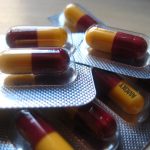
antibiotic

(NaturalHealth365) Antibiotics are a popular class of drugs that the U.S. Centers for Disease Control and Prevention (CDC) estimate are frequently over-prescribed. In fact, the CDC has previously suggested that as many as 1 in 3 antibiotic prescriptions are unnecessary!

Used to kill infections, antibiotics can also wreak havoc on your gut health and immune system. And along with the physicians incorrectly prescribing them and individuals incorrectly taking them, antibiotics are giving rise to the dangerous public health crisis of antibiotic resistance, aka “superbugs.”  To make matters worse, data indicates that a certain type of antibiotic sold as, Zithromax poses serious heart risks to consumers.

Heart attack warning: Zithromax antibiotic could be a deadly choice

Zithromax is an antibiotic typically prescribed for infections like bronchitis, ear infections, and pneumonia.  Sometimes called azithromycin, Zmax, or “Z-Pack”, many doctors and patients prefer it because it can be taken for fewer days than other common antibiotics like amoxicillin. Compared to the typical 10-day course, a full course of Zithromax is only five days.

However, Zithromax is twice as expensive as generic amoxicillin and can cost as much as a few bucks per pill – which likely explains why pharmaceutical companies love it so much (sales for the drug topped $464 million in 2011 in the United States alone).

But data from a 2012 study out of Vanderbilt University determined that people who use Zithromax have an increased risk of sudden deadly heart issues. Researchers looked at millions of antibiotic prescriptions given to well over half a million Medicaid patients between the years of 1992 and 2006.

They discovered that 29 heart-related deaths occurred among people taking Zithromax during the short five-day course.

Do NOT ignore the health dangers linked to toxic indoor air.  These chemicals – the ‘off-gassing’ of paints, mattresses, carpets and other home/office building materials – increase your risk of headaches, dementia, heart disease and cancer.

Get the BEST indoor air purification system – at the LOWEST price, exclusively for NaturalHealth365 readers.  I, personally use this system in my home AND office.  Click HERE to order now – before the sale ends.

While rare, these heart-related deaths were enough to show that certain individuals taking Z-Pack drugs may be twice as likely to die while taking the drug compared to similar individuals taking other kinds of antibiotics (or taking none at all).  The proposed reason is that Z-Pack drugs may lead to dysfunctional electrical activity and ultimately lead to fatal heart rhythms.

This data has been corroborated by other research, including a follow-up paper published in May 2012 in the prestigious New England Journal of Medicine.

Today, the U.S. Food and Drug Administration cautions medical providers to avoid giving Zithromax to patients with known cardiovacular risk factors, including prolonged QT intervals, potassium or magnesium deficiencies, bradycardia (slow heart rate), or people already taing drugs to treat abnormal heart rhythms.

How to avoid the need for antibiotics and reduce your risk of infections

Let’s face it: antibiotics are a risky class of drugs and are medically unnecessary at least 30% of the time.

So, to help yourself stay healthy throughout the year and help you avoid both bacterial infections and antibiotics …

  • Make sure you’re getting enough vitamin C and vitamin D through foods like leafy greens, citrus fruits, fatty fish and eggs (you can also back up your health with high quality supplements).
  • Cut out heavily processed foods: Especially simple sugars, these foods are main drivers behind the rise of chronic disease and can make you sick, fat, and more prone to infections.
  • Commit to good quality sleep! Not getting enough sleep damages your immune system. It also promotes weight gain and higher levels of stress.

Sources for this article include:

NHS.uk
Mayoclinic.org
CBSnews.com
NEJM.org
Medicalnewstoday.com
Yahoo.com
CDC.gov
FDA.gov

The Damaging Effects of Oxalates on the Human Body


Reproduced from original article:
articles.mercola.com/sites/articles/archive/2019/11/10/oxalic-toxicity.aspx

Analysis by Dr. Joseph Mercola – Fact Checked – November 10, 2019

STORY AT-A-GLANCE

  • Oxalic acid or oxalates are very tiny molecules that bind minerals like calcium and form crystals. It is found in a variety of seeds, nuts and many vegetables. It’s only two carbons and four oxygen molecules. It’s a highly reactive compound that is attracted to positively charged minerals
  • Oxalates not only can cause kidney stones (calcium oxalate kidney stones) but also may be responsible for a wide variety of other health problems related to inflammation, auto-immunity, mitochondrial dysfunction, mineral balance, connective tissue integrity, urinary tract issues and poor gut function
  • Oxalic acid can harm glandular function, connective tissue function, neurological function and the function of the tissues of excretion, particularly the kidneys and bladder
  • Having a damaged gut lining will increase your absorption of oxalates. An inflamed or damaged gut lining is a very common problem, thanks to frequent antibiotic use and the presence of a number of chemicals in our food supply, including glyphosate. Other plant compounds such as phytates and lectins (such as gluten) can worsen gut health and exacerbate the impact of oxalates
  • Tissue destruction, fibromyalgia and autoimmune diseases such as rheumatoid arthritis and lupus are all issues that can be related to oxalates

Sally Norton,1 who has studied nutrition and has a graduate degree in public health, is one of the leading experts on oxalate poisoning — a topic you don’t hear much about. Chances are you may never have heard about oxalates, or have any idea why they might matter.

As is often the case with experts in any health field, her expertise is an outgrowth of her personal struggles with health problems that didn’t respond to more conventional treatments, including healthy living (Norton was a vegetarian for 16 years).

“Like so many other people who are now discovering this, I was the kind of person who, no matter what I did, I could not create the vibrant robust health that I felt that I wanted, that I felt was intended for me to have.

It was just perpetual frustration, which is kind of amazing because the more you try to be healthy, the less it works — even when you’ve got a degree in nutrition from Cornell University and a degree in public health.

I worked in integrative medicine and knew all the holistic and complementary healing modalities … Here I was, the health expert who was not healthy …

The Vulvar Pain (VP) Foundation started educating people 25 years ago and making a big effort to get foods properly tested to know about oxalates in food because the story here is that we’re eating foods that are full of a toxin called oxalate …

We’re not paying attention to how this chemical’s affecting our physiology … [Oxalate] is a natural chemical that plants make, and we even make oxalate in our own metabolism.”

Chances are, if you have heard of oxalates, you’ve heard of them in relation to calcium oxalate kidney stones. A vast majority of the scientific information available on oxalate refers to this. However, while it certainly contributes to kidney stones, it can also have other detrimental health effects.

Interestingly, from the 1850s through the early 1900s, oxalate poisoning was well-recognized. Back then, it was referred to as oxalic acid diathesis. It was known to be a seasonal problem that got worse in the spring and summer, when fresh greens were available, when people’s oxalate consumption would go up.

Unfortunately, it has since gotten lost and left out of clinical science. As noted by Norton, there’s scientific evidence showing oxalic acid can harm glandular function, connective tissue function, neurological function and the function of excretion routes, particularly the kidneys.

Oxalate 101


Oxalic acid or oxalates are tiny molecules found in a variety of seeds, nuts and vegetables. It’s only two carbons and four oxygen molecules. It’s a highly reactive compound that is attracted to positively charged minerals. Norton explains:

“Calcium has a particular love of oxalate, and vice versa. The two of them seek each other out quite easily. We often see very abundantly the calcium oxalate form of oxalate. We see it in the plants. The plants form crystals and have the smaller individual ions and nanocrystals.

But they do form these bigger constructions, these kinds of plant pyramids, rocks and sticks and diamonds and things that the plants make, probably deliberately for many … plants are making use of oxalate for self-defense.

In the body, you’re going to see these other forms … A molecule that has less strong a bond — potassium oxalate, sodium oxalate and so on — those are the soluble forms. When you see oxalate in nature, you see the big calcium oxalate crystals — that’s the same thing that the kidney stone is made of. The major ingredient of the classic kidney stone is oxalate.

Unfortunately, in our parlance in medicine, we think of it as calcium … We just generalize to calcium because there are multiple types of calcium stones. But in the case of oxalate stones and oxalates causing calcification in the body, the oxalate part gets sort of dropped.

Medicine is not taught that you need the substrate to make a kidney stone. You need to provide enough oxalic acid or oxalate, soluble oxalate, the potassium oxalate, the sodium oxalates and so on. You can provide enough of that to perform this calcification in the kidneys and elsewhere in the body.

The plants that we’re eating have these oxalate crystals. The big ones just cause abrasion … They’re very small, but at the cellular level they’re quite big and abrasive. They just cause mechanical damage …

These soluble oxalates are the ones that easily — because they’re so tiny — pass through in between cells. Just with passive transport, we end up absorbing oxalates. The amount we absorb depends on a lot of factors, especially the health of our digestive tract.

Those of us with any inflammation in the digestive tract are more prone … to absorbing more of that soluble oxalate and even nanocrystals of calcium oxalate. At least 1% of calcium oxalate from food is also absorbed, in addition to the soluble oxalate.

But you see, soluble oxalate is not content being potassium oxalate. It would much rather be calcium oxalate, iron oxalate or magnesium oxalate. Right away, it starts grabbing minerals. It starts messing with mineral metabolism. It even can create bouts of acidosis.”

Advertisement

Get Up to 40% Off on Select Complete Probiotics


Conditions That Can Worsen Oxalates’ Impact

As mentioned, having a damaged gut lining will increase your absorption of oxalates. Most people, in fact, have damaged gut lining, thanks to a number of assaulting compounds and chemicals.

The presence of glyphosate in our food supply is one of these problematic compounds. If you’re not eating mostly organic food, you’re bound to be consuming glyphosate, which can wreak havoc on your gut function, as described in “Glyphosate: Pathways to Modern Diseases.”

Other gut-destroying exposures include frequent antibiotic use, which can lead to various forms of microbiome imbalance, including small intestinal bacterial overgrowth.

Some processed foods contain mucus-destroying emulsifiers. Even a number of naturally occurring plant compounds such as phytates and lectins (such as gluten) as well as the sharp oxalate microcrystals are trouble for gut health. These and other compounds found in foods can worsen gut inflammation and exacerbate the impact of oxalates by allowing oxalates easy entry into the blood stream.

Many of the foods that have become popularized in the modern diet are also high-oxalate foods, which means exposure is higher in general.

High-Oxalate Foods

Examples of high-oxalate foods include potatoes, peanuts, nuts, spinach, beets, beet greens, chocolate, blackberries, kiwi, figs, black beans, buckwheat, quinoa and whole grains. Norton ate a lot of beans, soy, Swiss chard, and sweet potatoes when she was a vegetarian; these are all high oxalate foods. When she cut wheat and soy from her diet, sweet potatoes became a daily staple in her diet.

Eventually, she discovered the healing value of animal foods such as bone broth, but it took many years of painful disease before she made the connection between her arthritis and her favorite plant foods.

Nuts and seeds tend to contain high amounts of oxalates, so any seed is suspect if you’re sensitive. Pumpkin seeds, watermelon seeds, sunflower and flax are among the safest, as they contain lower amounts. Oils and fats, even when extracted from plants, are all low in oxalates.

“When you extract an oil or fat, you do not take with you the oxalates. It could have been from a peanut. The oil’s still low. Olives are pretty high, but olive oil’s low. It’s really simple. It’s not in the animal foods, and it’s not in the oils and fats. But it’s in most things that are seeds,” Norton says.

“It’s also in several green vegetables, mainly spinach, Swiss chard and beet greens. Those are really the bad ones. There are a couple of kales that are not so good.

Collards are kind of medium bad. The mixed greens that people like now … those baby mixes are loaded with little beet green leaves, little Swiss chard leaves, which are high [in] oxalates …

Certain fruits are really high: kiwi … clementine … Anjou pears, guava, figs, elderberries, apricots, blackberries, unripe avocados … Starfruit is so high it’s really dangerous.”

Signs and Symptoms of Oxalate Poisoning

Tissue destruction, fibromyalgia and autoimmune diseases such as rheumatoid arthritis and lupus are all issues that can be related to oxalates because oxalate in tissues trigger the inflammasome reactions of the body’s innate immune system.

“This reactive compound kind of trashes your basic building blocks of connective tissue,” Norton says. Oxalates also cause inflammation and interfere with your body’s natural healing and repair mechanisms that usually happen overnight while you sleep.

Needless to say, this can worsen a wide variety of ailments, and trigger just as many. Norton tells the story of her own health problems, and how she finally identified oxalates as the culprit causing them all.

“Glycoproteins are where the oxalates get stuck on cells. We tend to see oxalates keeping old injuries in place where you don’t fully recover all the way. That’s one symptom. You’ve got things that don’t completely clear up. For me, it was my feet … I was forced to leave school and go get these feet dealt with. I just could not function anymore.

I had surgery. I stayed out of school for four years because I wasn’t getting better … I was getting weird vulvar symptoms, arthritis, fatigue, difficulty focusing and cognitive problems. There are a lot of neurological neurotoxicity [effects from oxalate] that interfere with cognitive function and sleep.

Fast forward years later to 2009 when I learned about the Vulvar Pain Foundation and connected the bout of vulvar pain that I had to my diet. But it took me years more of flipping around with complete disability. I could no longer work … I basically was sofa-bound.

I had to have a hysterectomy … There was endometriosis in there. The ovaries were trashed … and I didn’t recover well from that. My endocrinologist sent me off to this sleep lab because he said, ‘You’re eating great. You look awesome by way of blood tests. But, obviously, you can’t read, function or exercise.’

I was surprised to see that my nervous system was so toxic that my brain was waking up 29 times an hour … I developed irritable bowel syndrome, and then eventually it turned into chronic constipation, which is very common amongst us oxalate-poisoned people.

Part of what’s going on there is those nerves and muscles are almost paralyzed. They’ve lost their control. Their sphincters aren’t working well. The muscle tone in the colon is not functioning well because of this constant stream of oxalates coming …

It looks like you have SIBO, or you probably do, because of all the antibiotics. Of course, … emulsifiers in our [processed] foods are eroding away the mucous layer. The mucous layer is another layer of protection that we’ve lost and increases our absorption of oxalates.”

Eventually, you may develop signs and symptoms that look very much like an autoimmune disease, such as rheumatoid arthritis or lupus. Norton realized she needed to get her gut healthy. The question was how. She’d already tried everything she could think of.

An experiment with a kiwi diet in 2013 finally made the oxalate issue hit home. Her arthritis flared up and she couldn’t sleep from the pain. At that point, it dawned on her that the kiwi — a high-oxalate fruit — and the arthritis were connected.

In about 10 days on an oxalate-free diet, all of her symptoms improved. Six months after that, her feet, which had never properly healed after her surgery, were completely fine.

Lectins and Oxalates Are a Problematic Mix

On a related note, lectins — another plant chemical — can also wreak havoc on your health, and Dr. Steven Gundry, author of “The Plant Paradox: The Hidden Dangers in ‘Healthy’ Foods That Cause Disease and Weight Gain,” strongly believes lectins are at play in many autoimmune diseases. Norton warns that together, lectins and oxalates can “gang up on you.”

“Plants have many other chemicals too. In my research, it looks like the main target of plant chemicals that are aggressive and harmful to us is the gut … Lectins are going to create that leaky damage and make you vulnerable to infection and absorbing oxalates.

Basically, these [oxalate] nanocrystals and ions are the most toxic forms. The bigger ones that later on you can see in … kidney stones, they’re actually less toxic than the little ones.

Nanocrystals are known to interfere with the charge on cells. They depolarize cell membranes and start disabling the functions of membranes, which means your mitochondria are not working. The oxalate slows down the mitochondrial ability to produce energy.

The nanocrystals of asbestos and oxalates have basically the same level of harm. It’s just that we don’t eat asbestos three times a day and call it health food.”

How Oxalates Contribute to Heart Failure

Oxalates can also contribute to heart arrhythmia, heart failure, endothelial disorders or generalized endothelial distress. Endothelial cells are the cells that line everything, including your vascular system. Oxalates floating around your vascular system can do considerable damage, causing irritation and injury to endothelial cells.

“You set up the conditions for vascular problems,” Norton says. “Oxalates are grabbing minerals. It’s taking calcium out of the blood … and probably other minerals as well. It also has the potential to take the place of the normal chelator that would hold iron in your transferrin …

What we see in people who are post-keto, where they’ve been doing the almond bread and spinach smoothies a lot (these are the kind of people who come to me — ex-vegans and ex-keto dieters), they are getting attacks of heart rates of 130, 150. They’re getting attacks of arrhythmia … A few of them get hospitalized and they’re seeing T-wave inversions … In this case, people have stopped eating the almond bread and the spinach smoothies …

Now the body is so ready to be done with the oxalate that’s gotten stuck in all these tissues that it starts removing too much at one time. Then you get localized acidosis. You get effects in the blood. You get effects in the heart rate.

We see this electrolyte disturbance, which involves continued wasting of potassium and other minerals. We have to keep re-adding these minerals. Also, it’s almost like tissue dehydration. I really like to push salt, potassium, calcium and magnesium to help manage this sort of flushing …

Diaphragm hiccups, by the way, are a bad sign … hiccups are a neurotoxicity symptom; the vagus nerve and the whole diaphragm is getting flipped up by being poisoned … The literature … shows that one of the last symptoms before the rats die or the humans die from oxalic acid poisoning is hiccups …”

Dental tartar and even dental caries are other signs of excessive oxalates. I struggled with chronic tartar buildup myself, until I learned it was related to oxalates. When clearing out oxalates you may also experience sinus pain. Your sinuses, eyes, teeth, jaw and salivary glands are all prone to oxalate buildup, as are your fingers, toes, feet and joints in general.

Do You Need to Ditch High-Oxalate Foods From Your Diet?

If you’re eating a lot of high-oxalate foods and are struggling with any kind of chronic health issue that doesn’t seem to respond to other sensible lifestyle changes and treatments, you’d be wise to give a low- or no-oxalate diet a try.

In my own case, I was eating a lot of sweet potatoes because they’re a good source of “healthy” carbs, but they are also loaded with oxalates. All potatoes are. There is no potato that’s not high in oxalates, so get rid of the potatoes. Norton offers the following advice:

“Turning this around, you have to make a decision that you’re willing to walk away from group think because everybody around you thinks that plants are so great and you need the spinach smoothies … If you’re willing to get some facts that are science-based, then I’ve got a lot of free information on my website.

The way I understand one of the major mechanisms is this something called a trigger-maintenance theory of the oxalate accumulation in the body. The body is really smart. It’s holding onto oxalates because it’s trying to protect you from that heart arrhythmia and all that vascular damage.

The nonvascular system … the body is willing to sacrifice in order to keep the vascular system well … If you’ve got too much oxalate in your blood, the other cells will deliberately hold on to it as a temporary deal …

The body’s holding on to oxalate is meant to be temporary. Every tissue that’s holding oxalate so wants it to be gone. You give it that opportunity when you stop eating oxalates. But there can be so much already onboard. If that stuff starts moving at the same time, you could release oxalate from tissues at a [toxic] level … We’ve got to be careful about how quickly and how we go about moving [oxalate out] …

There are simple things you can do to start lowering your oxalate. Pick the foods that you don’t need in your life and then eventually get down to the chocolate and cut that too …

On my website you can get a beginner’s guide2 that explains the basics and has a graphic that shows that your spinach smoothie is 20 times what your level of oxalate should be on a whole day’s intake. It has a list of the safe bet foods and the worst offender foods that you’ve got to start cutting back on and then eventually eliminating altogether …

The two main causes of disease are toxicity and nutrient deficiency. Oxalate is causing both … You’re losing both B-vitamins and minerals. It’s very toxic. It is a poison. It’s fundamentally messing with the basics of metabolism that allows tissue recovery, repair, [that] allows growth and flourishing.”

The Carnivore Elimination Diet

Norton has for several months now been doing the carnivore diet as described in “Health Effects of the Carnivore Diet,” which features my interview with Dr. Paul Saladino. Norton discusses her transition:

“I kept seeing allergy, intolerance and colon intolerance to a lot of plant foods. I had already worked my way down to eating lemon juice because citric acid … helps weaken in bonds of the [oxalate] crystals and make them quite easy to come apart.

Citric acid protects your kidneys and is a great way to dissolve kidney stones. A half a cup of lemon juice a day and a low-oxalate diet will help your kidneys release all this oxalate painlessly. You just start peeing out all your kidney problems without pain.

I was using a lot of lemon juice, four or so lemons a day, and eating coconut products and coconut water, often from fresh young coconuts, sometimes bottled or dried coconut, and very little else for like a year. It really does help the colon repair and recover. It’s such a nice elimination diet.

April 1, 2019, I dropped the lemons and a few more supplements I was taking, like vitamin E, and dropped the coconut products … I went full carnivore.

I, myself, think that the mitochondrial and metabolic damage that’s happening from the oxalates is also being promoted by PUFAs, the polyunsaturated fatty acids, which I did not have a lot in my diet.

But some of us still need some sugars in the diet to keep the mitochondria happy. I’m back to using some maple syrup and some mangoes and a little bit of carbs to keep my legs from cramping up with low muscle glycogen.

I still love a high-fat diet. I eat a lot of beef fat and pork fat. I really enjoy a meat-centered diet. I think it’s a fabulous elimination diet that can help us. Then figure out how to bring back into the diet, as much as you wish to, low-oxalate foods like lettuce, apples and coconut stuff and some rice, some blueberries … things that you may want in your diet.

There’s a whole lot of vegetables in the cabbage family that are low in oxalate, if your digestive tract likes them, [that] … have resistant starch in them and can be useful … Transitioning from a high-oxalate diet to a low-oxalate diet, maybe even all the way down to the carnivore-style elimination diet, needs to be gradual.

Because if you create a big microbiome die-off, you’re just going to feel sick from that as well. When the oxalates start coming out, that makes you feel sick. That’s another reason why we need supplements.”

Recommended Supplements for Oxalate Poisoning

Supplements recommended by Norton for those struggling with oxalate poisoning include calcium citrate, potassium citrate, magnesium citrate and potassium bicarbonate. These are all simple mineral salts that you can easily buy in bulk powders, which I recommend doing as readymade capsules contain amounts that are so low you’ll have to swallow a whole handful of pills to get the dosage you need.

If you dislike the taste of potassium bicarbonate (which has a flavor reminiscent of baking soda), you can purchase large empty capsules and make your own. Natural unprocessed salt (such as Himalayan salt) is another important “supplement.”

“Some people go through these waves of feeling ill again as their body starts pushing out oxalates because, when you stop eating oxalate, that doesn’t fix your oxalate problem in the short run, because you’re still full of oxalates …

It’s just that the acute phases that were occurring post-meal aren’t there anymore. But you’re going to have some other phases that are often circadian in nature where you have waves of not feeling good.

We want to be aware that some of what’s going on there is a form of acidosis … The combination of lemon juice and bicarbs — about a quarter cup of lemon juice and about one-eighth teaspoon of sodium bicarb and one-eighth teaspoon of potassium bicarb — makes a lovely Alka-Seltzer Gold, made with natural citric acid …”

Again, any changes you make, whether removing food items high in oxalate or adding supplements, make sure you do it slowly and incrementally. If you have a lot of oxalate in your body, too-rapid a change can shock your already fragile system, causing you to get worse rather than better.

Over time, work your way up to 1,200 milligrams of calcium citrate, about 400 to 500 mg of magnesium and 2,500 – 4,000 mg of potassium per day. The purpose of the calcium citrate is to help release oxalates from your tissues, so when looking for calcium citrate, make sure it does not have vitamin D in it, as the vitamin D encourages absorption of oxalates.

“The bicarb is wonderful because it’s not citric acid [which, for some, can irritate the gut]. It is also alkalizing, as is the citric acid and the minerals. All of this helps with alkalization. You’re replacing the minerals. You’re also providing it citric acid, which protects your kidneys and other tissues from oxalate accumulation and damage.

They’re really helpful. You want to take as much as you can tolerate, because the more the merrier when it comes to the minerals. I think general liquid mineral for a broad spectrum is really good, [and] taking [natural unprocessed] salt to help pull hydration and pull potassium back into the bones and the muscles.

A lot of us, if you get any muscle numbness, like fibromyalgia pains, that’s the potassium deficiency showing up in the muscles, where they end up in chronic rigor and you get hypoxia from the poor circulation going on there.

Once you’ve got enough potassium that will disappear completely in about five or six weeks … I have salt and potassium bicarb, potassium citrate always in my drinking water … I drink it all day long, all the time …”

If you don’t want to drink it throughout your day, Norton recommends taking a third of your daily dose at bedtime, as this is when your body is repairing and recovering and needs these nutrients most. Take another dose in the morning, and a third dose with a meal. An additional dose can be taken if you’re having an episode you think might be related to oxalate release.

More Information

Norton currently has a book in the works. Until then, the best place to find more information is her website, SallyKNorton.com. There you can find symptom lists, guidance on oxalate-elimination, low-oxalate recipes, free articles and additional interviews and talks,3 along with more details on the science behind oxalates’ devastating health effects.

For a quick look at your own intake of high oxalate foods and the signs of oxalate-related health issues, check out Sally’s Symptom and Exposure Inventory, HERE.

“If you work your way through the various tabs on my site, you will get a huge education there,” Norton says. “And then work your way … through my blog … There’s enough reading there. You’ll be busy for a while. That will really help a lot.”


Low Magnesium Linked to Diabetes and High Blood Pressure


Reproduced from original article:
https://articles.mercola.com/sites/articles/archive/2019/11/18/low-magnesium-diabetes.aspx

Analysis by Dr. Joseph Mercola – Fact Checked – November 18, 2019
low magnesium diabetes

STORY AT-A-GLANCE

  • Magnesium is involved in more than 600 different biochemical reactions in your body, and deficiency can contribute to significant health problems. Two common pathologies associated with magnesium deficiency are Type 2 diabetes and heart disease
  • Low magnesium levels have been linked to insulin resistance, a precursor to Type 2 diabetes, as it impairs your body’s ability to regulate blood sugar, which is important for the prevention of Type 2 diabetes
  • Recent research links low magnesium levels with diabetes and high blood pressure, both of which are risk factors for heart disease
  • Magnesium has been shown to improve Type 2 diabetes. Diabetics who took 250 milligrams of magnesium per day for three months improved their insulin sensitivity by 10% and reduced blood sugar by 37%
  • The best way to ascertain your magnesium status is to do an RBC magnesium test, which measures the amount of magnesium in your red blood cells, along with tracking any signs and symptoms of magnesium deficiency

Magnesium1 is involved in hundreds of biochemical reactions in your body,2,3 and deficiency can contribute to significant health problems. Two common pathologies associated with magnesium deficiency are Type 2 diabetes4,5 and heart disease.

According to one scientific review,6 low magnesium may actually be the greatest predictor of heart disease, and other recent research7 published in Open Heart journal suggests even subclinical magnesium deficiency can compromise your cardiovascular health.

As noted in a 2018 scientific review8,9 published in Open Heart journal, a “vast majority of people in modern societies are at risk for magnesium deficiency” due to “chronic diseases, medications, decreases in food crop magnesium contents, and the availability of refined and processed foods.”

According to this review, most fail to meet the recommended daily allowance (RDA) for magnesium; 48% of Americans do not get sufficient magnesium from their diet. Among postmenopausal women with osteoporosis, the rate of magnesium deficiency is 84%.10

Type 2 diabetics also tend to be more prone to magnesium deficiency, and magnesium depletion has been found in 75% of patients with poorly controlled Type 2 diabetes, the review states.11

Magnesium Protects Your Heart Health

Low magnesium has been linked to a higher risk for high blood pressure,12 stroke13 and sudden cardiac death.14 According to the Open Heart study authors,15 “most people need an additional 300 mg of magnesium per day in order to lower their risk of developing numerous chronic diseases,” and this includes heart disease and diabetes. Magnesium supports healthy heart function and helps prevent heart disease by:16

  • Combating inflammation, thereby helping prevent hardening of your arteries
  • Normalizing blood pressure
  • Improving blood flow by relaxing your arteries and preventing your blood from thickening, allowing it to flow more smoothly

Magnesium Status Impacts Diabetes and Blood Pressure

Magnesium also plays an important role in diabetes, and this is not nearly as recognized as it needs to be. Low magnesium levels have been linked to a higher risk of insulin resistance, a precursor to Type 2 diabetes,17 as it impairs your body’s ability to regulate blood sugar, which is important for the prevention of Type 2 diabetes.18,19,20,21

In one study,22 prediabetics with the highest magnesium intake reduced their risk for blood sugar and metabolic problems by 71%, compared to those with the lowest intake. High levels of insulin in the blood, common with insulin resistance, also lead to further loss of magnesium.23

Most recently, a study24 published in October 2019 in the online issue of Diabetes Research and Clinical Practice again linked low magnesium levels with both diabetes and high blood pressure, both of which are risk factors for heart disease. As reported by the authors:25

“Across the quartiles of serum magnesium from high to low, the prevalence ratios for diabetes were 1.00, 1.35, 1.88, and 2.70, respectively. The presence of hypertension significantly increased the probability of diabetes along a wide range of low serum magnesium. A low intake of MRDP [magnesium related dietary pattern] was also positively associated with diabetes and high HbA1c.”

Advertisement

Get Up to 40% Off on Select Ketogenic Packs


Other Studies Linking Magnesium Status to Diabetes Risk

An earlier meta-analysis,26 published in 2007, also found that magnesium intake was inversely associated with Type 2 diabetes incidence. This analysis included seven cohort studies looking at magnesium from either food or diet and supplements combined. According to the authors:

“All but one study found an inverse relation between magnesium intake and risk of Type 2 diabetes, and in four studies the association was statistically significant.

The overall relative risk for a 100 mg day increase in magnesium intake was 0.85. Results were similar for intake of dietary magnesium and total magnesium. There was no evidence of publication bias.”

Magnesium supplementation not only can lower your risk of Type 2 diabetes, but also has been shown to improve your condition if you already have full-blown diabetes. This was demonstrated in a 2018 study27 in the journal Nutrients.

Type 2 diabetics who took 250 milligrams (mg) of magnesium per day for three months saw a significant improvement in insulin levels and HbA1C (hemoglobin A1c, which is a marker of long-term glucose control) compared to controls.

As noted by the authors,28 “The results of this study matched previous studies that concluded that daily oral Mg supplementation substantially improved insulin sensitivity by 10% and reduced blood sugar by 37%.”

Are You Deficient in Magnesium?

The best way to ascertain your magnesium status is to do an RBC magnesium test, which measures the amount of magnesium in your red blood cells, along with tracking any signs and symptoms of magnesium deficiency, such as:29,30

Seizures; muscle spasms, especially “charley horses” or spasms in your calf muscle that happen when you stretch your leg, and/or eye twitches
Numbness or tingling in your extremities
Insulin resistance
High blood pressure, heart arrhythmias and/or coronary spasms
Increased number of headaches and/or migraines
Low energy, fatigue and/or loss of appetite
The Trousseau sign31 — To check for this sign, a blood pressure cuff is inflated around your arm. The pressure should be greater than your systolic blood pressure and maintained for three minutes.

By occluding the brachial artery in your arm, spasms in your hand and forearm muscles are induced. If you are magnesium deficient, the lack of blood flow will cause your wrist and metacarpophalangeal joint to flex and your fingers to adduct (illustrated in the video below).

A more exhaustive list can be found in Dr. Carolyn Dean’s blog post, “Gauging Magnesium Deficiency Symptoms,”32 which will give you a checklist to go through every few weeks. This will also help you gauge how much magnesium you need to resolve your deficiency symptoms.

Get Tested Today

GrassrootsHealth, which is conducting consumer-sponsored research into vitamin D and omega-3, has now added magnesium to its nutrient research.

Their Vitamin D, Magnesium and Omega 3 PLUS Elements test kit is an excellent and cost-effective way to check the status of several vital nutrients, along with the essential minerals selenium, zinc and copper and the harmful heavy metals cadmium, lead and mercury.

Each kit contains instructions for how to collect your blood sample. You then mail in your sample and fill out a quick online health questionnaire through GrassrootsHealth.

Your participation in this research project will enable GrassrootsHealth researchers to provide accurate data about the magnesium status in the population, the level at which disease prevention is actually obtained, and guidance on dosing to achieve optimal levels.

All of this is crucial information that can go a long way toward improving public health. As explained by GrassrootsHealth, questions about magnesium that this particular project aims to provide answers for include:33

  • What specific health outcomes are associated with this nutrient for me, for the total group?
  • How can I figure out how much to take? What’s the dose-response relationship for all? For me?
  • Does it matter if I’m also taking vitamin D? Omega-3?
  • Does it matter what compound of this nutrient I take? What time of day? How often?
  • What are the demonstrated health outcomes used to create this nutrient’s recommended range?

Your test results will be emailed to you in about 10 to 20 days after your samples are received. Your health data are used anonymously. Please note that 100% of the proceeds from the kits go to fund the research project. I do not charge anything extra as a distributor of these test kits.

check magnesium levels

Why Most People Need More Magnesium

One of the reasons why magnesium insufficiency or deficiency is so common, both among adults34 and teens,35 is in part due to the fact that most people don’t eat enough plant foods. Magnesium is actually part of the chlorophyll molecule responsible for the plant’s green color.

If you frequently eat processed foods, your risk of deficiency is magnified. That said, even if you eat plenty of greens you might still need to take a supplement, as most foods are grown in mineral-depleted soils and are thus much lower in magnesium than they have been historically.

Magnesium absorption is also dependent on having sufficient amounts of selenium, parathyroid hormone and vitamins B6 and D, and is hindered by excess ethanol, salt, coffee and phosphoric acid in soda.

Sweating, stress, lack of sleep, excessive menstruation, certain drugs (especially diuretics and proton-pump inhibitors) also deplete your body of magnesium.36 For these reasons, most people probably need to take supplemental magnesium. Taking a magnesium supplement is particularly advisable if you:37

Experience symptoms of insufficiency or deficiency38
Have high blood pressure
Engage in strenuous exercise on a regular basis — Research39 shows just six to 12 weeks of strenuous physical activity can result in magnesium deficiency, likely due to increased magnesium demand in your skeletal muscle
Are taking diuretics or medication for high blood pressure, especially thiazides, which have been shown to induce undetectable magnesium deficiency40 (while patients may have normal or even high serum magnesium, their bodies are actually depleted of magnesium)
Have had or are planning heart transplant or open heart surgery
Are at risk for or have had a heart attack, or if you experience ventricular arrhythmia
Have congestive heart failure
Are insulin resistant or diabetic (as this increases magnesium depletion)

Eat More Magnesium-Rich Foods

The recommended dietary allowance for magnesium is around 310 to 420 mg per day depending on your age and sex,41 but many experts believe you may need 600 to 900 mg per day.42

Personally, I believe many may benefit from amounts as high as 1 to 2 grams (1,000 to 2,000 mg) of elemental magnesium per day, as most of us have electromagnetic field exposures that simply cannot be mitigated, and the extra magnesium may help lower the damage from that exposure.

If your veggie consumption is low to begin with, consider including more magnesium-rich vegetables in your daily diet. Dark-green leafy vegetables lead the pack when it comes to magnesium content, and juicing your greens is an excellent way to boost your intake.

Other foods that are particularly rich in magnesium include natto, raw cacao nibs, unsweetened cocoa powder, avocados, pumpkin and sesame seeds, and herbs like chives and basil.43 One way to check your daily magnesium intake from foods is to use a free online nutritional tracker such as Cronometer.

Other Ways to Boost Your Magnesium Level

If your magnesium intake from food is found lacking, it would certainly be wise to supplement, either orally or topically. For oral supplementation, my personal preference is magnesium threonate, as it appears to be the most efficient at penetrating cell membranes, including your mitochondria and blood-brain barrier.

As a general rule, I recommend starting out on a dose of 200 mg of oral magnesium citrate per day, gradually increasing your dose until you develop slightly loose stools. To use this method, you need to use magnesium citrate, as it’s known for having a laxative effect. Once you know your cutoff, you can switch to other forms if you like. Other effective ways to boost your magnesium level include:

•Taking Epsom salt (magnesium sulfate) baths, as the magnesium will effectively absorb through your skin.

•Using a topical solution — I prepare a supersaturated solution of Epsom salt by dissolving 7 tablespoons of the salt into 6 ounces of water and heating it until all the salt has dissolved. I pour it into a dropper bottle and then apply it to my skin and rub fresh aloe leaves over it to dissolve it.

This is an easy and inexpensive way to increase your magnesium and will allow you to get higher dosages into your body without having to deal with its laxative effects.

Magnesium can be taken with or without food. If you’re also taking calcium, take them together. If you exercise regularly, consider taking your calcium and magnesium in a ratio of one part calcium to two parts magnesium with your pre-workout meal.

While the ideal ratio of magnesium to calcium is thought to be 1-to-1, most people get far more calcium than magnesium from their diet; hence, your need for supplemental magnesium may be two to three times greater than calcium.

Sources and References

Low vitamin D levels linked to poor liver and kidney function

Reproduced from original article:
www.naturalhealth365.com/vitamin-d-fatty-liver-3187.html

Low vitamin D levels linked to poor liver and kidney function(NaturalHealth365) Ideally, the entire human body ought to work together, as a harmonious system, keeping us safe from harm and pain-free – all the days of our life.  Naturally, if one part of the body doesn’t work well, it will affect other areas of the body.  Having said that, oddly enough, most people have no idea how a simple vitamin D deficiency can be influenced by poor liver and kidney function.

Whether deriving vitamin D from food or the skin, both your liver and kidneys must be working correctly.  In other words, poor kidney function, a fatty liver or other types of liver disease can result in a vitamin D deficiency, further affecting those organs and the rest of the body.

The link between poor kidney function and vitamin D deficiency

In addition, the kidneys are essential to helping the body produce vitamin D3 – which is the active form of this vitamin. They’re also critical for filtering and removing waste from your blood, maintaining proper pH, and regulating levels of chloride, sodium, bicarbonate, and potassium.

Studies have found that vitamin D levels have the potential to help predict the early signs of kidney disease. When the kidneys do not function correctly, they’re unable to provide the body with enough metabolic vitamin D, eventually resulting in additional symptoms related to a deficiency.

One study published in Ethnicity and Disease discovered that patients who have chronic kidney disease have an extremely high rate of severe vitamin D deficiency as well. Deficiency becomes a cycle because, with poor kidney function, deficiency becomes exacerbated because of the kidneys reduced ability to take vitamin D absorbed by the body and convert it into the active form the body can use.

Do NOT ignore the health dangers linked to toxic indoor air.  These chemicals – the ‘off-gassing’ of paints, mattresses, carpets and other home/office building materials – increase your risk of headaches, dementia, heart disease and cancer.

Get the BEST indoor air purification system – at the LOWEST price, exclusively for NaturalHealth365 readers.  I, personally use this system in my home AND office.  Click HERE to order now – before the sale ends.

Anyone with low levels of vitamin D should also have their kidney function tested since the early stages of kidney disease often have few other symptoms.

Low vitamin D levels confirmed in people with fatty liver disease

Responsible for bile production, detoxification, synthesizing blood components, converting nutrients, and more, the liver is also an essential organ needed in the processing of vitamin D within the body.  The liver produces the form of vitamin D known as calcidiol – which is the precursor to the active form of vitamin D.

Due to impaired synthesis, studies have found that low levels of vitamin D are quite common in individuals with liver failure.

Liver disease also can impair the absorption of the vitamin.  Low levels of vitamin D, as well as bone disease, have been recognized for some time as complications of fatty liver disease.

However, studies have also confirmed low levels of vitamin D in individuals with noncholestatic (non-fatty) liver disease. In one study, more than 92% of patients with liver disease had some level of vitamin D deficiency, even in patients who were not currently in liver failure.

In many cases, fatty liver goes undiagnosed early on because it has few symptoms and may not show up in ultrasounds or liver function tests. Going forward, on a practical level, low levels of vitamin D could be a warning sign of a fatty liver and should be addressed, before it’s too late.

Editor’s note: Click here to access the Fatty Liver Docu-Class, hosted by your truly Jonathan Landsman.  This event features 33 top experts on liver health and integrative healthcare.  You’ll discover how to detoxify the body and avoid unwanted disease symptoms.

Sources for this article include:

NIH.gov
NIH.gov

The Little Known Miracle of Life: Fulvic acid

© 7th November 2019 GreenMedInfo LLC. This work is reproduced and distributed with the permission of GreenMedInfo LLC. Want to learn more from GreenMedInfo? Sign up for the newsletter here www.greenmedinfo.com/greenmed/newsletter
Reproduced from original article:
www.greenmedinfo.health/blog/little-known-miracle-life-fulvic-acid

Posted on: Thursday, November 7th 2019 at 12:30 pm

In the beginning, the earth was blessed with rich, fertile soil and lush vegetation. The soil was teaming with microbes — bacteria, fungi, and protozoa, to name a few. In the perfect cycle of life, microbes in the soil break down dead plant material and create substances and nutrients that nourish plants. When humans eat these plants, we enjoy the nutrients that they provide

The microbes in the soil make the hidden treasure called fulvic acid, the miracle of life. Fulvic acid is not a vitamin or a mineral and science cannot synthesize this substance in a laboratory. Our bodies require it for optimal health, but, we no longer get fulvic acid in adequate amounts from our food.

While the scientific research is growing in support of fulvic acid, there are less than 1,750 studies on PubMed.gov. One needs to dig around to find fulvic studies related to human benefits, but information and clinical evidence exists. This is not “just another supplement” but a powerful, life-giving substance that is quietly disappearing from our food and this is taking a toll on human health.

Fulvic acid has been reported to rejuvenate health and bring a multitude of benefits that are unmatched by any other natural substance.

Fulvic acid (FA) has been used for 3,000 years as Shilajit in Indian medicine.

Carrasco-Gallardo stated, “It is likely that the curative properties attributable to shilajit are provided by the significant levels of fulvic acids that shilajit contains, considering that fulvic acid is known by its strong antioxidant actions.” [v]

Historically, it was believed that fulvic acid/Shilajit had immune-modulating, antioxidant, diuretic, antihypertensive, and hypoglycemic benefits. [Winker][Trivadi] FA was used in diabetes, and to support the urinary, immune, digestive, cardiac, and nervous systems. [xxiv][i][ii][viii]

In Ayurveda literature it is called “rasayana” or rejuvenator, enhancing the quality of life. [xxxviii][xv]

Benefits

Fulvic acids can be found in compost or peat, lignite (brown coal which gives inferior fulvic acid) or ancient humic deposits that come from deep within the earth. Unlike other deposits formed over time deep below the earth’s surface, like coal, oil and natural gas, humic deposits are safe, providing powerful compounds that provide an impressive number of benefits for plants, humans and animals.

  • enhances the body’s absorption of vitamins and minerals [xxxix]
  • anti-inflammatory effects [iv][x][xiv][xxxvii][xxxiii]
  • anti-allergy [xl]
  • improves many aspects of eczema [xiv]
  • speeds skin healing [xxix][xiv][xxxvii]
  • enhances healing of wounds infected with drug-resistant pathogens [xliv][xlii]
  • protects against free radical damage as an antioxidant [iv][xxxiv][xxv]
  • anti-aging benefits [v]
  • improves gut flora and gut health [xxxix]
  • anti-diarrheal effects in animals and humans [xxvi]
  • improves energy levels [xxiv]
  • reduces oxidative stress [xxxix]
  • useful in treatment of osteoarthritis patients [xix]
  • shows antiviral activity, interfering with a virus’ ability to attach to a host cell, penetrate the host cell, and reproduce itself [xxii][xxviii]
  • displays antimicrobial activity [xxxvi]
  • displays antifungal activity [xiii][xxxii]
  • effective for the management of oral biofilm infections [xxxiii]
  • anti-aging effect on the skin, increasing fibroblast viability and reducing collagen degradation [xxi]
  • neuroprotective, improves memory and brain function [v][ix][xvi]
  • supports the immune system [xxxix]
  • stimulates metabolism [vi]
  • cleanses toxins and heavy metals from the body [xviii][vii][xxiii]
  • shows immunomodulatory activity [xxxi]
  • modulates homocysteine and pro-inflammatory mediators linked to atherosclerosis [xii]
  • promotes ulcer healing [xv][xxxi][xli]

Science cannot create fulvic acid

Fulvic acid offers a seemingly endless spectrum of benefits for human and animal health that would make any pharmaceutical company nervous. Fulvic acid cannot be made by man because it involves photosynthesis and humification. The process that creates fulvic acid requires nature’s recyclers, microorganisms, working in fertile, rich soil over a long period of time. Microbes decompose organic material (manure, compost, decaying plant material), in the soil to create nutrients for the plant including trace minerals, carbon, hydrogen, oxygen, nitrogen, phosphorus, and potassium. Microbes make the minerals in the soil into a useful form for plants and over time the microbes help create an amazing substance called humus (hyoo-muh s).

“Essentially, All Life Depends Upon The Soil … There Can Be No Life Without Soil And No Soil Without Life”

~ Charles E. Kellogg, head of the Soil Survey in the United States Department of Agriculture (USDA) for 37 years (1934-1971)

We never had to worry about getting enough fulvic acid, it simply existed in our soil and in our food, since time began. Fertile soil, and the microbial life within it, is a highly valuable natural resource that is critical for food security and for human health. Fertile soil is teaming with microbial life (it is interesting to note that there are more bacteria in two spoonfuls of rich, fertile soil than there are humans on planet earth). Sustainable farming practices that add compost and organic compounds to the soil help create a robust microbial community. Microbes are required for the cycle of life. They work to break down plant and animal matter, and over hundreds and thousands of years, fulvic acid is one of the end products of decomposition.

Common agricultural practices cause the loss of fulvic acid in food and the progressive deterioration of human health

Over the past 50 to 100 years, farming practices that sustained humans for thousands of years have drastically changed. Chemical fertilizers, herbicides and pesticides were created to increase crop yield, kill insects and control weeds. Modern agricultural practices increase the amount of food produced but the toll this has taken on soil microbes, plant nutrients and human and animal health is underappreciated.

While attempting to kill the pests and weeds and bolster plant production, the chemicals used in agriculture have inadvertently attacked friendly troops in the soil jungle.

The price of growing food this way is dramatically altering the natural recycling process required in nature, and the downstream effects on human health are mounting.

Fulvic acid may seem like “just another nutrient” that is declining in food, but it is actually the most important health-building compound because it is nature’s intended vehicle for transporting minerals and other nutrients into living cells.

Fulvic acid is nature’s answer to depleted food and too many toxins

Fulvic acid and humic acid are the key substances found in humus, the end result of the humification process where microbes in the soil break down once living matter, usually plants. It is believed that most of the health benefits attributed to Shilajit and humic substances are primarily due to the presence of fulvic acid. [v]

Fulvic acid is a very small molecule of low molecular weight. It is smaller than humic acid and penetrates the cell membrane and even the mitochondria. [v] Because fulvic acid bonds easily to nutrients like vitamins and minerals, it efficiently delivers nutrients where they are needed. Without fulvic acid our bodies’ ability to absorb nutrients (from food or supplementation) is diminished. [xxiv]

Fulvic acid’s small molecular weight coupled with the fact that it is water soluble at all pH levels, makes it superior for working in the body to:

  • deliver nutrients
  • bring antioxidant benefits
  • remove cellular waste products and toxins [xliii]

“You can trace every sickness, every disease and every ailment to a mineral deficiency.”

~Dr. Linus Pauling, awarded two Nobel Prizes

It is well known that minerals are required for a range of biochemical processes, but mineral deficiencies are epidemic. Our food lacks the vitamin and mineral content that it should have and most supplements do not absorb well enough to correct mineral deficiencies. The fulvic acid complex contains bioavailable minerals and trace elements that are desperately needed to combat widespread mineral deficiency in humans.

Fulvic acid is nature’s answer to the problem that man has created with over-farming and the production of processed foods.

Fulvic acid is a magical vehicle with 60 seats

The main components of fulvic acid are carbon, hydrogen and oxygen. These molecules in fulvic acid easily bond to other molecules and transport them through the body. It can possess over 70 trace elements, electrolytes, polyphenols, flavonoids, and essential amino acids.

Naturopathic physician, Dr. Daniel Nuzum, has been studying fulvic acid since 1998. He has used fulvic acid supplements with thousands of patients, and he researches and teaches extensively about fulvic acid. Very few doctors can make this claim, and have little to no experience with fulvic acid. Dr. Nuzum is an expert and he is able to communicate a difficult concept in a way that is easy to understand. “Fulvic acts like the FedEx truck and the garbage truck,” Dr. Nuzum explained. “It delivers nutrition into the cell and carries the trash (toxins & waste) out too!”

Fulvic acid has 60 receptor sites and because it is a carbon-based compound, it bonds easily to nutrients. Dr. Nuzum likens fulvic acid to a 60-passenger bus carrying nutrients in each of the 60 seats. The fulvic acid bus travels along to cells needing a nutrient package delivered. When it drops off the nutrient package, a seat is empty on the fulvic acid bus, so it picks up cellular waste and toxins, like the garbage man, and removes them from your system.

The missing puzzle piece

Many people are feeling the effects of low nutrient absorption, even in the presence of a good diet with regular intake of supplemental vitamins and minerals. This information about fulvic acid is the missing puzzle piece for many people seeking health. Whether you are fighting an infection, rebuilding health, or desire anti-aging strategies, add fulvic acid daily to help your body absorb and use needed nutrients. Take advantage of this powerful electrolyte and antioxidant.

Increase cellular voltage to increase health and energy

Fulvic acid has highly active carbon, hydrogen, molecular oxygen (available oxygen) and enables better electrolyte balance. It recharges cells allowing them to carry an electrical charge longer than normal and survive longer as a cell.

Your body must get enough electrons to keep cells at a healthy, healing voltage. While proper nutrition is a critical piece, it is not enough without voltage. This is where fulvic acid comes in to help. Fulvic acid brings molecular oxygen into the body, increasing the oxygen concentration.

CareyLyn Carter, biochemist and researcher said in an interview, “Fulvic acid molecules act like mini-batteries, going around and charging everything that it comes in contact with. It raises the voltage. When our cell’s membranes are fully charged, nutrients can get inside the cell more easily. When nutrients are inside cells they are available for biochemical processes that support our wellness.”

A closer look at fulvic acid for skin conditions, cancer and brain health

Fulvic acid improves skin conditions

Fulvic acid has anti-inflammatory properties.

A randomized, double blind, controlled study showed that fulvic acid significantly improves inflammatory skin conditions, like eczema with topical use, twice daily. It has been shown to be a safe and effective treatment for skin infections, and would be useful for humans and animals. [xiv]

It was found that fulvic acid reduces the pH of the skin, relieves the itch and improves the appearance of the skin rash. [xiv] FA relieves inflammatory skin conditions. [xxxvii]

Fulvic acid has antimicrobial properties and is a safe and effective topical treatment for skin infections. [xxxvi] Previously studies were cited supporting the use of fulvic acid and humic substances for wounds, rashes and fungal infections.

Fulvic acid has anti-cancer actions

Fulvic acid and the humic compounds are potential cancer chemopreventive agents [xxvii] and have been shown to induce cancer cell apoptosis. [xx]

Fulvic acid and humic substances have actions that combat certain cancer risk factors:

  • free radicals (fulvic acid acts as an antioxidant) [v][xliii][xxx]
  • toxins and heavy metals (fulvic acid bonds to and removes toxins and heavy metals) [xviii][vii][xxiii]
  • UV Radiation (fulvic acid is a photoprotective agent) [xxiv]
  • diabetes (humic substances showed hypoglycemic effects in animal studies) [xxxv]
  • inflammation (Winkler and Ghosh stated in a 2018 review study “there is substantial evidence to pursue FvA (fulvic acid) research in preventing chronic inflammatory diseases, including diabetes.”) [xxxix]

Huang showed that fulvic acid suppresses resistin. High levels of serum resistin are associated with several types of cancer and is thought to play a role in the development of colorectal cancer (CRC) by initiating the adhesion of colorectal cancer cells to the endothelium. FA inhibits the adhesion of CRC activated by resistin.[xvii]

Fulvic acid is neuroprotective and gives brain benefits

The Journal of Alzheimer’s Disease, published a study in 2011 that concluded, fulvic acid “has several nutraceutical properties with potential activity to protect cognitive impairment.” Researchers showed evidence that fulvic acid inhibited the formation of intracellular tangles of tau protein, seen in Alzheimer’s disease. [ix]

How to supplement with fulvic acid

Natural sources of fulvic acid

As discussed, conventional food production methods are destroying microbes in the soil, therefore it is imperative to eat the highest quality, organically grown food possible to increase the fulvic acid content and nutrient content of the food.

Organic vegetables

It is possible to get fulvic acid from plants, provided that they have been grown organically, in fertile soil, rich in humic substances. As you know from the earlier discussion on current agricultural practices, this is very difficult to find these days so most people benefit from taking fulvic acid as a supplement.

The best organic vegetables, in terms of fulvic acid, are the root vegetables like radishes, carrots and beets, but there is no way to know for sure that you are getting adequate fulvic acid from your diet.

Organic unsulphured blackstrap molasses from sugar cane

Another source of fulvic acid is organic unsulphured blackstrap molasses from sugar cane. This sweetener provides a good source of minerals and fulvic acid to aid in mineral absorption.

Fulvic acid supplementation

If you are taking any medication, please consult with your healthcare provider for contraindications. While fulvic acid is safe, there just are not enough studies on using fulvic acid with medication.

Take fulvic acid daily as part of your health rejuvenation regimen.

As fulvic acid supplements are being added to the market in a variety of forms, the consumer must be aware that not all fulvic acid supplements are equally safe. Fulvic acid is available in liquid preparations or powder supplements and capsules. It is believed that liquid forms are more bioavailable.

Here are a few things to consider when looking for a fulvic acid supplement:

  • Source. It is important to know that the fulvic acid was not obtained from brown coal (lignite) or deposits from a source contaminated with heavy metals like aluminum, lead, mercury and arsenic. Look for a product sourced from high quality humic shale.
  • Extraction. Look for fulvic acid extracted with pure, distilled water (not tap water) and no harsh solvents.
  • Water. Tap water containing chlorine and fluoride must never mix with fulvic acid or any of nature’s nutrients as harmful compounds can form. Find out if your fulvic acid provider uses tap water in their supplement preparation.
  • Potency. Will the supplier provide lab-verified data about their potency.
  • Preservative-free, ideally.
  • Glass packaging. Using any type of plastic in the extraction or bottling of fulvic acid is dangerous because the fulvic acid breaks plastic down. Plastic is a petroleum-based substance and will contaminate fulvic acid solutions.

Fulvic acid is a natural, water soluble substance that can be combined with liquids for oral consumption and it can be used topically. Follow directions from the manufacturer of the product you choose, and consider different options for use:

  • Combine fulvic acid with other plant compounds, like spirulina in water, to enhance the benefits.
  • Add fulvic acid to a smoothie or antioxidant superfood supplement drink.
  • Take fulvic acid with herbs, medicinal mushrooms or essential oils suitable for internal consumption.
  • Topically, use fulvic acid in a natural healing salve recipe including plant extracts known to support the skin’s healing.

Should you add fulvic acid to your daily health regimen?

The choice is yours. I believe that we need to supplement with fulvic acid now in order to harness the ability to get more nutrient absorption, increased detoxification, and increased electrical potential.

This may be the missing puzzle piece and help explain the dramatic increase in chronic disease that people of all ages are experiencing. The information on fulvic acid resonated with me the first time I began hearing about it. When that happens, I cannot keep silent – for who knows whether you and I have come to this information for such a time as this.

Originally published: 2019-11-06

Article updated: 2019-11-07