Gall Bladder
now browsing by category
Gallbladder removal triggers multi-organ consequences that persist for more than a decade
Reproduced from original article:
https://www.naturalhealth365.com/gallbladder-removal-triggers-multi-organ-consequences-that-persist-for-more-than-a-decade.html
by: April 10, 2026
(NaturalHealth365) Surgeons perform nearly 934,000 gallbladder surgeries in the United States every year. Across North America, about 9.9% of the population has undergone a cholecystectomy – the surgical removal of the gallbladder.
Doctors often tell patients the procedure is routine. Recovery is straightforward, and life typically returns to normal quickly. A growing body of research tells a more complicated story.
A 2025 review confirmed that somewhere between 5% and 47% of people who have their gallbladder removed go on to develop new or persistent symptoms – a condition doctors call post-cholecystectomy syndrome, though most patients are never warned it exists.
A separate study published in January 2026 followed nearly 400,000 people over 15 years, including more than 26,000 who had undergone the surgery. The findings were difficult to ignore. People who had their gallbladder removed faced an elevated long-term risk of stroke, Alzheimer’s disease, dementia, lung scarring, and several cancers.
Those risks did not fade with time. In many cases, they grew stronger over the years that followed.
Researchers confirm that gallbladder removal affects far more than digestion
The gallbladder is not a passive storage organ. Before removal, it concentrates and releases bile in coordinated pulses timed to meals, supporting fat digestion, fat-soluble vitamin absorption, and cholesterol regulation. Without a gallbladder, bile drips continuously and uncontrollably into the small intestine, disrupting the gut microbiome, impairing fat digestion, and exposing the intestinal lining to a chronic, low-grade irritant.
The consequences extend beyond the gut. Bile is a key regulator of metabolic signaling. Disrupted bile flow alters insulin sensitivity, triglyceride metabolism, and the liver’s own detoxification capacity.
Moreover, the gallbladder is neurologically connected to the stomach and esophagus through a set of reflexes that disappear with its removal. The result, for many patients, is a cascade of new symptoms – chronic diarrhea, bloating, fatty food intolerance, reflux, and abdominal pain – that are rarely attributed to the surgery itself in a follow-up appointment.
What happens to the liver when the gallbladder is removed
The liver becomes the primary point of consequence. Without the gallbladder acting as a buffer, the liver must continuously produce and release bile directly into the bile duct. This creates a chronic demand on liver function that simply did not exist before surgery.
Over time, this sustained pressure contributes to changes in bile composition, increased intestinal permeability, and a shift in the gut bacteria that process bile acids. Altered bile acid metabolism directly increases the risk of fatty liver disease, colorectal cancer, and metabolic dysfunction. The 2026 study identifies all of these conditions within the post-cholecystectomy risk profile.
Supporting the liver proactively is therefore not optional for someone who has had this surgery. In many respects, it is the most important thing they can do.
What to do if your gallbladder has been removed
Rebuild bile support with targeted nutrition: The liver still needs help doing what the gallbladder used to assist with. Bile salts in supplement form, taken with fatty meals, can support fat digestion and reduce diarrhea experienced by many post-cholecystectomy patients.
Ox bile supplements provide the closest functional equivalent. Additionally, bitter foods, such as dandelion greens, arugula, artichoke, and radicchio, stimulate the liver to produce bile and support bile flow naturally.
Protect the liver with every meal: Organic cruciferous vegetables, such as broccoli, Brussels sprouts, and cauliflower, activate the liver’s phase II detoxification enzymes. Beets support bile production and flow. Milk thistle’s active compound, silymarin, directly protects liver cells from oxidative damage and has decades of human evidence behind it.
And, finally, turmeric’s curcumin reduces the liver inflammation that continuous bile exposure can trigger over time.
Repair and nourish the gut: Continuous bile exposure alters the microbiome and irritates the gut lining. Consequently, rebuilding microbial diversity through fermented foods — kefir, sauerkraut, and kimchi — and targeted probiotic strains that metabolize bile acids is critical.
Furthermore, L-glutamine supports intestinal cell repair, reducing the permeability that allows bacterial toxins to reach the liver directly.
Reduce the dietary fat load strategically: Not all fat is equal for someone without a gallbladder. Medium-chain triglycerides from coconut oil do not require bile for absorption. In contrast, large amounts of long-chain saturated fat at a single sitting overwhelm the liver’s capacity to manage unregulated bile flow. Smaller, more frequent meals with a moderate amount of healthy fat spread across the day significantly reduce the digestive burden.
Support fat-soluble vitamin absorption: Without adequate bile, the absorption of vitamins A, D, E, and K drops substantially. Deficiencies in these nutrients accumulate silently and contribute to immune dysfunction, bone loss, and poor cellular repair. Testing fat-soluble vitamin levels and supplementing appropriately is a step that most post-cholecystectomy patients are never advised to take.
The conversation most patients are never hear after surgery
Western medicine frames gallbladder removal as the end of the problem. In reality, for a significant percentage of patients, the removal marks the beginning of a new, longer chapter. The 2026 study’s 15-year data make clear that the downstream consequences of cholecystectomy reach far beyond the digestive system – into the cardiovascular system, the brain, and metabolic function.
Living well after gallbladder removal is entirely possible. The path runs through the liver. Supporting bile production and protecting liver cells from ongoing stress are the levers that matter most.
What to Expect After Gallbladder Surgery and How to Support Recovery
Reproduced from original article:
https://articles.mercola.com/sites/articles/archive/2025/04/24/what-to-expect-after-gallbladder-surgery.aspx
Analysis by Dr. Joseph Mercola April 24, 2025

STORY AT-A-GLANCE
- Gallbladder removal surgery leads to constant bile dripping into your intestines, making fat digestion unpredictable and often causing diarrhea, gas, and bloating
- Up to 40% of people experience post-cholecystectomy syndrome, with symptoms like nausea, upper abdominal pain, and digestive distress lasting for months or longer
- Bile reflux is common after gallbladder surgery and causes burning discomfort and heartburn, especially if you eat large or high-fat meals
- Retained gallstones in the bile ducts might still form after surgery, leading to infections, pain, and the need for additional medical intervention
- Eating small, low-fat meals, introducing soluble fiber, staying well-hydrated, and watching for serious symptoms are key to easing digestive problems and supporting long-term recovery
Gallbladder surgery is one of the most performed surgeries worldwide.1 In the U.S., more than 1.2 million of these surgeries are done per year,2 and the most common reason is gallstones. These are small, hardened deposits of digestive fluid that block the flow of bile, leading to severe pain in the upper right abdomen, nausea, and, in serious cases, infection or pancreatitis.3
Gallstones are just one of the reasons why the gallbladder is removed, and if you’re curious, yes, it’s possible to live a healthy life without your gallbladder. However, there are some challenges you must overcome — particularly relating to your digestive system — and important reminders to remember after having this surgical procedure to make sure your recovery goes smoothly.
The Basics — What Is the Gallbladder and Why Does It Need To Be Removed?
Your gallbladder is a 3- to 4-inch long pear-shaped sac in your abdominal cavity located beneath your liver. Its primary purpose is to store and concentrate the bile produced by your liver. The bile is a greenish-brown fluid used by your body to break down and absorb the fat you eat.4
• How the gallbladder works — When you eat fat, your liver sends bile directly into the duodenum (small intestine). Your gallbladder will also spring into action, contracting and squeezing more concentrated bile through the common bile duct into the small intestine to aid in the breakdown of the fat. Carbs and proteins are more easily digested and don’t need this extra bile.
• Bile composition — Bile is made up of water, cholesterol, lecithin, bile salts (which break fats into smaller droplets that are easier for digestive enzymes to process), and bile pigments. The primary bile pigment is bilirubin, made from red blood cells that are broken down in the liver. This pigment is responsible for making urine yellow and stool brown.
• The pancreas’ role in the digestive process — Your pancreas produces and sends enzymes into the common bile duct via the pancreatic duct. Together, the digestive juices from your liver and pancreatic enzymes break down the food you eat into liquid form so that your body will absorb the nutrients from it.
• Gallstones affect 15% of the U.S. population — However, only 20% will have complications or symptoms.5 If the gallstones become large enough to block a biliary duct, it causes varying degrees of pain. If left untreated, the blockage could lead to cholecystitis, or inflammation of the gallbladder.
To prevent the gallbladder from rupturing, you must treat the infection with anti-inflammatory medications; otherwise, it becomes life-threatening, as it causes gangrene or a gallbladder abscess — this is when a pocket of pus forms inside the gallbladder. In severe cases of cholecystitis, the gallbladder is removed — this is called a cholecystectomy.
Gallbladder Surgery Leads to Major Digestive Changes
A recent report published by The Hearty Soul looked closely at what people really experience after gallbladder surgery and how the body responds.6
• Cholecystectomy brings on more than just a missing organ — It causes a shift in how your digestive system handles fat, how your bile flows, and how your body reacts in the weeks and months afterward. Rather than ending with the surgery, the real work for your body begins once you’re back home and trying to eat normally again.
• Common digestive problems show up fast and stay longer than expected — People who are recovering from gallbladder surgery usually experience short-term issues like bloating and diarrhea, as well as more serious long-term complications like bile acid malabsorption and even weight changes.
• Diarrhea is a common concern — It occurs in up to 20% of people who had a gallbladder surgery; this is due to continuous bile dripping into the intestines without the gallbladder acting as a reservoir. The bile irritates the colon, making digestion unpredictable and uncomfortable.
• Some symptoms last much longer than most people expect — While many people improve within a few weeks, some individuals continue to struggle for months or even longer.

Save This Article for Later – Get the PDF Now
Gallbladder Removal Significantly Affects Your Body’s Bile Regulation
One key takeaway from The Hearty Soul’s findings is that the digestive problems aren’t random. They result from clear, identifiable changes in your body’s bile regulation.7
• Without a gallbladder, bile doesn’t have anywhere to go to — Bile acids are made in your liver and are supposed to be stored in the gallbladder until your body needs them to break down fats. Without that storage tank, the liver continues making bile, which now just drips into your small intestine — whether or not food is present.
• Continuous bile overwhelms your digestion — Before, bile is only released in response to food, but because it now drips continuously, it overwhelms your system. “Fat digestion is less efficient without a gallbladder, which can result in gas, indigestion, and bloating,” the article notes.
• It leads to digestive issues — The continuous bile flow irritates the intestinal lining and speeds up transit time through your digestive tract. This explains why diarrhea and loose stools become so common.
• Your colon struggles to handle excess bile — It isn’t designed to handle constant bile exposure. Although your body attempts to reabsorb bile acids in the small intestine, when overwhelmed, excess bile spills into the colon. This results in bile acid malabsorption — a condition where your body fails to recycle bile effectively, leading to chronic diarrhea, cramping, and urgent bowel movements.
Coping with the Symptoms After the Surgery
Interestingly, the article also highlighted that not everyone’s body reacts the same way. The most noticeable digestive difficulties seemed to affect those who previously had gallstones, suggesting their digestive systems were already struggling before surgery.8
•I t’s not just about discomfort — In some cases, stones might still form in the bile duct, a condition called choledocholithiasis. It could lead to infections and more surgeries down the road. People who’ve previously had gallstones were more prone to developing choledocholithiasis.
• The most severe cases involve post-cholecystectomy syndrome — This isn’t a disease in itself, but rather a group of symptoms that persist after the surgery, including nausea, upper abdominal pain, and digestive distress. At least 5% to 40% of patients experience this syndrome.
• What you eat makes a huge difference in recovery — It matters just as much as the surgery itself. The Hearty Soul recommended starting with clear liquids like broth and gelatin and then slowly transitioning to small, low-fat meals. Stick to low-fat, high-fiber foods — such as beans, fruits, and vegetables — to reduce the risk of bloating and diarrhea.
• Don’t underestimate the power of hydration — If you’re dealing with bile acid diarrhea, drinking enough water and replacing lost minerals with broth and electrolyte drinks is essential to avoid fatigue and dehydration.
• Weight gain or loss is often linked to post-surgery eating habits — The article notes that weight changes are common after surgery, not because of the surgery itself, but due to shifts in your appetite and dietary habits. Some people lose weight from fear of eating foods that might trigger symptoms, while others gain weight by leaning on processed or comfort foods that feel safe but are high in sugar and starch.
• It’s important to start introducing soluble fiber into your diet — Foods like carrots, prunes, beets, okra, and chickpeas act like sponges, binding to bile acids and reducing irritation in your digestive tract.
Recovery After Gallbladder Removal Is Less Predictable Than You Think
According to the Cleveland Clinic, recovery from gallbladder surgery involves long-term adjustment. If you’re going through this procedure or supporting someone who is, you must be ready to expect certain challenges.9
• Surgical type influences recovery length and side effects — Those who underwent open surgery reported more pain and required longer rest before returning to normal activities. However, patients who had a laparoscopic or robotic surgery (which only use small incisions and are less invasive) were typically able to resume daily life faster.
Even so, they still needed to watch for common issues like constipation, which often came from pain medication rather than the surgery itself. Regardless of the procedure, hydration, gentle movement, and avoiding alcohol in the first two weeks all aided faster recovery.
• Recovery timelines vary, and symptoms sometimes linger — While most people do well, recovery doesn’t always follow a smooth timeline. According to the Cleveland Clinic, about two weeks is typical for laparoscopic recovery and six to eight weeks for open procedures; however, complications extend these timelines.
• Bile duct injuries, if they occur, require immediate attention — While rare, these could cause bile leakage and trigger serious infections. These complications require immediate attention and additional interventions.
• Don’t ignore severe symptoms — If you experience swelling around your incision, persistent nausea, or yellowing skin (jaundice), these symptoms could signal bile leakage or retained stones. Both of these can be corrected if caught early, so make sure to inform your physician immediately.
• Post-cholecystectomy syndrome persists beyond surgery — Another important detail the Cleveland Clinic emphasized is if post-cholecystectomy syndrome persists beyond the first few months, you need to return to your healthcare provider for further evaluation.
• The speed of improvement depends on diet and habits — Most patients see symptoms improve within four to six weeks, but some patients report persistent symptoms beyond one year.
The best improvements were seen in patients who followed dietary guidelines early on — eating small, low-fat meals and gradually reintroducing heavier foods only after their system adjusted. Those who ignored this advice and rushed back to normal eating patterns reported higher rates of gas, bloating, and indigestion.
• Bile reflux is common and disrupts digestion — This is when small amounts of bile leak into the stomach, causing burning discomfort and heartburn symptoms. The reason this happens is because the continuous bile flow sometimes backs up into the stomach. Patients who experience this were advised to avoid large meals and high-fat foods and to eat in smaller portions throughout the day.10
How to Ease Digestive Problems After Gallbladder Surgery
If you’ve had your gallbladder removed, the most important step is addressing the bile imbalance and supporting your digestion with the right food choices and daily habits. If you’re struggling with diarrhea, bloating, or inconsistent bowel movements, here’s what I recommend to help your body adapt and feel better.11,12
1. Start slow and stay low-fat for the first few weeks — Your body needs time to adjust to constant bile trickling into your intestine. If you jump into eating heavy meals right away, you’ll only make bloating and diarrhea worse. Start with clear liquids like broth, gelatin, and electrolyte drinks. Slowly move to small portions of lean protein, steamed vegetables, and soft fruits.
2. Introduce soluble fiber to bind bile and calm your gut — Soluble fiber acts like a sponge for excess bile, helping to reduce diarrhea and irritation. I recommend starting with gentle options like carrots, chickpeas, and beets. If you are a person who has struggled with fiber before, go slow — too much too fast causes gas. Start with one serving a day and build up. Keep track in a simple notebook or on your phone so you’ll know what helps and what doesn’t.
3. Hydrate smart and replace lost minerals — Diarrhea after surgery leaves you dehydrated and drained. I advise sipping on bone broth, coconut water, or an electrolyte drink each day. If you’re an active person, pay even closer attention to this — losing electrolytes through sweat and loose stools makes you feel lightheaded and weak.
4. Watch for bile reflux and manage meal sizes — If you’ve started feeling heartburn or a bitter taste in your mouth after eating, you might be dealing with bile reflux. This happens when bile backs up into your stomach.
I suggest eating five to six small meals instead of three large ones. If you are someone used to skipping meals or having big dinners, this will require adjustment, but it’s worth it. Keep meals simple, avoid spicy foods, and never lie down right after eating.
5. Don’t ignore symptoms that stick around — Even though mild issues are common, persistent pain, yellowing of the skin or eyes, or dark urine are signs something more serious is going on. These symptoms point to bile duct blockages or stones that need attention. If you notice these changes, don’t wait.
Act quickly to prevent bigger problems. Staying aware of these signs gives you the power to protect your health and avoid further complications.
Frequently Asked Questions (FAQs) About Recovery After Gallbladder Surgery
Q: What digestive problems could arise after gallbladder surgery?
A: Changes in how your body handles fat will occur, with common issues like diarrhea, gas, and bloating. This happens because bile drips continuously into your intestines without being stored, making digestion unpredictable and often uncomfortable.
Q: How long will post-surgery digestive issues last?
A: Most people improve within four to six weeks, but up to 40% of patients experience post-cholecystectomy syndrome with symptoms like nausea, abdominal pain, and digestive distress that last for months or longer.
Q: Can gallstones still form after gallbladder removal?
A: Yes, stones might still form in the bile ducts, a condition called choledocholithiasis. This causes infections, pain, and might require additional medical intervention if not caught early.
Q: What are the best foods to eat to help my digestion after surgery?
A: Start with clear liquids and slowly introduce small, low-fat meals. Focus on soluble fiber foods like carrots, chickpeas, and oats to help bind excess bile and reduce irritation in your gut.
Q: How do I know if something is seriously wrong after surgery?
A: Watch for signs like persistent abdominal pain, yellowing of your skin or eyes (jaundice), dark urine, or pale stools. These symptoms could indicate bile duct blockages or infections and need immediate attention.
Best Kept Secrets to Prevent, Halt, or Even Reverse Macular Degeneration
© GreenMedInfo LLC. This work is reproduced and distributed with the permission of GreenMedInfo LLC.
Want to learn more from GreenMedInfo? Sign up for the newsletter here:
www.greenmedinfo.com/greenmed/newsletter
Reproduced from original article:
https://greenmedinfo.com/blog/best-kept-secrets-prevent-halt-or-even-reverse-macular-degeneration1
Posted on: Wednesday, April 10th 2024
Written By: Katherine Carroll, NTP

Have you ever felt your money was wasted on supplements? That even though you consistently followed the protocol from your health-care practitioner you were not getting the results others obtained with the same program? You may have been right! We’ve helped hundreds of patients with age-related macular degeneration (ARMD) with these healing secrets designed to help “non-responders”; those for whom the average supplement and dietary protocol fails to work.
ARMD is the leading cause of blindness in elderly Western populations and it is marked by central vision loss where blind spots or scotomas intrude. Threading a needle and passing the driver’s licensing test eventually become impossible but ARMD is preventable – even reversible to some degree with the diligent, intelligently targeted efforts we have put into practice in our clinics to increase the chances of success.

The best doctor’s recommendations or nutritional consulting for ARMD are fruitless unless nutrients are able to be broken down or micellized, transported to the macula, and assimilated there. After years of observing how some patients prevent ARMD despite strong hereditary tendencies, how some halt or even reverse impending blindness, and how some patients actually get worse despite being on the same protocol, it became clear that powerful tactics were needed in addition to recommending dietary changes or supplements.
The strategies we employ are successful for many individuals and have applications far beyond the diagnosis of ARMD. They will influence conditions or diseases where proper fat breakdown is essential to impact issues such as dry eye, post-cholecystectomy (gallbladder surgery) status, liver disease, etc. The eye, GI tract, liver, and gallbladder are intricately entwined. Think about it, when your liver is sick, your eyes turn yellow or jaundiced. When your GI tract is out of balance, red, itching “allergy” eyes often result. Interesting signaling! The solution is more complicated than just popping a supplement or even making some dietary changes. Are you ready to learn the secrets? Whether you have macular degeneration or not, these concepts will serve you well.
Best Kept Secret #1: Work from the GI Tract Outward
Some doctors, when pressed if they had only one system to specialize in, would tell you, “The GI tract.” Why? Because the GI tract is central to good health and its ability to affect the entire body so powerful when operating at its peak. It is here that we begin to improve vision. The target nutrients used in past studies[1] to prevent, halt, or reverse ARMD are lutein, zeaxanthin, beta-carotene, antioxidants, and fish oil. The carotenoids (lutein, zeaxanthin, and beta-carotene) concentrate in the central part of the retina, and help us identify colors and see fine details, so they are vital in a healing strategy. They also provide protection against blue light, which damages the retina. Building macular optical pigment density (MOPD) is the goal in this approach, replenishing the macula; but first we have to break down these carotenoids and antioxidants and then shuttle them to the macula by following several simple tactics.
Dr. Stuart Richer, who demonstrated success in reversing macular degeneration with the LAST studies,[2] shares an encouraging increase in MOPD in the pictures below. From July 14, 2011, to October 6, 2011, the degree of MOPD increased by employing some of the following strategies. A picture is worth a thousand words and is the tool best used to motivate patients to committed action. These pictures give hope to those losing their eyesight; the macula is refilling nicely with lutein and zeaxanthin.


The graphs show MOPD, at baseline on the left and increasing in the right-hand picture reflected by the non-red portions of the image after nearly three months of supplementation use. This means the macula is refilling with lutein and zeaxanthin.
To ensure proper breakdown of supplements, use a good digestive supplement, preferably one that contains ox bile, taurine, lecithin, and adequate hydrochloric acid, or a combination of these. Thinning the bile is a major key to eye health as it will help more lutein get to the macula. Doing a liver/gallbladder flush[3] seasonally is an aggressive part of the plan, if one wishes to take a serious, logical approach. Remember, the liver and gallbladder influence the eye, so aim to create a healthy, fully functioning liver and gallbladder. We are not only our eyes. We are a complete system, so thinking from a systems biology approach[4] may create the desired healing response. To do this, head south to the GI tract first.

Interior Terrain Influences Absorption, So Start Clean
A well-functioning GI tract influences the eye tremendously. Support digestive ability by following the 4-R[5] or GI Restoration program. Absorption of the macula-replenishing carotenoids like beta-carotene will be hindered by the presence of Helicobacter pylori bacteria and/or an imbalance of intestinal bacteria. This interior terrain needs a healthy balance of good bacteria versus bad bacteria by using targeted supplements and the support of digestive enzymes along with the other approaches discussed in the 4-R protocol.
All of the targeted supplements and carotenoid-rich foods we suggest will not do you a bit of good unless they are first broken down or micellized.
As even Wikipedia notes, “Micelle formation is essential for the absorption of fat-soluble vitamins and complicated lipids within the human body. Bile salts formed in the liver and secreted by the gall bladder allow micelles of fatty acids to form. This allows the absorption of complicated lipids (e.g., lecithin) and lipid soluble vitamins (A, D, E and K) within the micelle by the small intestine.”[6]
These are the micellizing “magicians” that get the job done: (1) Ox Bile: Supply exogenous ox bile, particularly to post-cholecystectomy patients; (2) Lecithin: (Sunflower or soy) can be added to the diet to aid in fat breakdown; and (3) Taurine: A precursor to bile production, which also thins bile.
Fat-soluble lutein and zeaxanthin, essential to replenish the macula, require being emulsified or broken down to the micellized state in order to enter the bloodstream for transport by a very surprising particle “shuttle,” high-density lipoprotein (HDL).
Sufficient, Well-functioning Bile Is Vital
Bile acids are made from cholesterol in the liver and stored and concentrated in the gallbladder where they act as an emulsifying agent to break up fat into smaller globules, making it more soluble or hydrophilic. This process is called micelle formation. Fat and fat-soluble vitamins like A, D, E, K, beta-carotene, and the carotenoid family are carried to the intestinal mucosa, absorbed into the lymphatic system, and then into the bloodstream. So what is the best kept secret? First, break down the fat-soluble vitamins and then get them to the macula by raising HDL levels to 61 or above. Do you know what your HDL level is?
We discovered this secret by observing hundreds of macular-degeneration patients and had noted in their history that many had had their gallbladder removed or else they were obese or otherwise compromised and had trouble digesting fats, as evidenced by their dry skin, dry eyes, weight gain, gas and bloating, or floating or shiny stools after fatty meals had been consumed. The connection was obvious! No gallbladder, fat maldigestion, or liver or GI issues equaled problems. Half a million people a year are opting for cholecystectomy (gallbladder surgery), not realizing that they can simply cleanse the liver and gallbladder with a “flush,”[7] which is basically an “oil change” that removes old, stasis bile and relieves symptoms in most cases. It is not hard or expensive to do and anyone can do it. And it is certainly worth a try.
However, we are concerned – particularly in a patient with macular degeneration who has undergone cholecystectomy – that fat-soluble vitamins be effectively broken down and absorbed. It is hoped that practitioners caring for macular-degeneration patients incorporate these strategies into their standard of care so that non-responders will have more chance of improvement.
But proper breakdown isn’t the end of the story. Nutrient transport is another key player. Call the HDL “Shuttle.”
Best Kept Secret #2: Lutein and Zeaxanthin Need HDL Particles
Lutein and zeaxanthin, critical components to replenish the macula, are carried in the bloodstream to the macula on HDL particles. That’s amazing. Carotenoids responsible for central vision hitch a ride on a cholesterol particle and hone in on their destination: the macula. And you thought cholesterol was the enemy … wrong! Cholesterol in a healthy ratio and thin bile are key players in this healthy-eye strategy.
Bile is made of bile salts, cholesterol esters, and lecithin. Keep cholesterol at a healthy, total level and at an optimal HDL-to-low density lipoprotein (LDL) ratio because if cholesterol is too low, we will not have enough of the raw materials we need to make bile. Be sure you have what it takes to make cholesterol. Even magnesium plays a part. Blood-serum concentration of lutein and zeaxanthin by proper breakdown of nutrients into micellized globules is important, but equally important is the ability to transport them to their targeted destination. Unless HDL cholesterol is adequate – at least 61 milligrams per deciliter – time and money are potentially wasted on supplements.
Strategies to Raise HDL
Since keeping your HDL at 61 mg/dl or over is important, you might consider the following strategies:
- Exercise: Regular exercise that raises your heart rate for 20 to 30 minutes increases HDL.
- Lose Weight and stop eating transfats: Carotenoids concentrate in the fat first, so if overweight, lose weight! Meantime, while you’re working on it, take more lutein and zeaxanthin and employ the most successful diet recorded to lose weight and reduce disease: the Hale Project[8] documented the amazing success of the Mediterranean Diet (MeDi). Not only is it a smart way to eat, but it also reduced all causes of death and disease by fifty percent in study participants aged 70-90 with active disease processes established after ten years adherence, practicing moderate red wine consumption, light exercise, and not smoking. Macular degeneration or not, this diet is proven!
- Drink Red Wine or use Resveratrol: High-altitude or heat-stressed vine wines from Argentina, Chile, Australia, or damp, moldy vines found in areas like the Finger Lakes of New York are typically higher in resveratrol and will not only raise HDL but also influence health at 1-2 glasses per day. If you don’t drink wine or it is contraindicated for you, then use non-alcoholic resveratrol.
- Take Niacin and Fish Oil: both increase HDL.
- Quit Smoking: Besides reducing HDL smoking asphyxiates the eye.
- Get an Oil Change: Remove all transfats from your diet and replace them with healthy, healing oils to raise your HDL. Employ olive oil, coconut oil, ghee, hemp oil, and flax oil.
There is strength in combining a multi-pronged approach, so consider employing the total approach. Preventing, halting, and even reversing blindness is worth every sacrifice or new habit employed to ensure success and these secrets are a winning combination.
Summarizing the Total Approach
- Aim for an HDL of 61 mg/dl.
- Lose weight, if needed, and take a combination of supplements proven to halt or reverse macular degeneration. If overweight, take more than the recommended amount of carotenoids or use water-soluble zeaxanthin. In either case, employ the MeDi. It extends life and reduces disease.
- Take a supplement that supports proper fat breakdown along with a good eye vitamin.
- Do the 4R program[9] and/or a liver/gallbladder flush in the Spring and Fall to improve fat assimilation.
- Flush and nourish the liver/gallbladder.
- Eat a preferably organic diet, rich in the carotenoids, to replenish the macular pigment (MOPD -remember the pictures?). Egg yolk, kale, spinach, collard and turnip greens lightly steamed, romaine lettuce, broccoli, Brussels sprouts, red and yellow vegetables, and fruits are all great sources.
*A special thanks to Dr. Stuart Richer, Dr. Donald Carroll, NTP, and Bill Sardi, Medical Researcher, for reviewing this article.
This article is for informational purposes only. By providing the information herein, I am not diagnosing, treating, curing, mitigating or preventing any type of disease or medical condition. Before beginning any type of natural, integrative, or conventional treatment or regime, it is advisable to seek the advice of a licensed healthcare professional.
©2013 Katherine Ann Carroll. All Rights Reserved.
Resources
[1] https://www.ncbi.nlm.nih.gov/pubmed/15117055
[2] https://www.ncbi.nlm.nih.gov/pubmed/15117055
[3] https://curezone.com/schulze/herbal_5day_liver_cleanse.asp
[4] https://en.wikipedia.org/wiki/Systems_biology
[5] https://flt.metagenics.com/practitioners/programs/4r-gi-health-program
[6] https://en.wikipedia.org/wiki/Micelle
[7] https://curezone.com/schulze/herbal_5day_liver_cleanse.html
[8] https://www.ncbi.nlm.nih.gov/pubmed/15383513
[9] https://flt.metagenics.com/practitioners/programs/4r-gi-health-program
 Kat Carroll is Executive Director of the National Health Federation and Managing Editor of the National Health Federation’s magazine, Health Freedom News, and is on the Board of Directors of the National Health Federation Canada and the Advisory Board for GreenMedInfo. Kat received the NHF 2014 Health Freedom Hero award. She also writes for several publications, and is currently compiling a book on Codex Alimentarius based on first-hand experience attending International Codex meetings.
5 ways to avoid gallstones naturally
Reproduced from original article:
www.naturalhealth365.com/5-ways-to-avoid-gallstones-3245.html
Lori Alton, staff writer
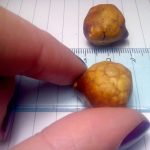
(NaturalHealth365) According to the most current data about gallstones – deposits of crystallized cholesterol in the gallbladder or bile ducts, about 15 percent of the American population are affected by this preventable condition.
And, while many gallstones are “silent” and cause no symptoms, serious complications – including bile duct infection, pancreatitis and an increased risk of heart disease and gallbladder cancer – can sometimes occur. The good news: a variety of natural nutrients and supplements can help slash your risk of developing these potentially troublesome deposits.
Just don’t expect your conventionally trained physician to talk to you about this.
In fact, the “typical response” of Western medicine is to surgically remove the gallbladder (a procedure known as cholecystectomy), if there’s a problem. But, again, you ought to know that there are many non-invasive, non-toxic techniques to ward off gallstones. Let’s take a closer look!
Warning: The standard American diet is a perfect “recipe” for promoting the development of gallstones
When it comes to raising the risk of gallstones, a high (toxic) fat, high calorie and highly processed diet is a primary culprit. Unfortunately, with the ease of obtaining “fast” foods, junk foods and highly processed foods, this is the diet of far too many people.
Other factors that can raise the risk of developing gallstones include obesity, a sedentary lifestyle, increasing age and certain medications, such as diuretics.
Do NOT ignore the health dangers linked to toxic indoor air. These chemicals – the ‘off-gassing’ of paints, mattresses, carpets and other home/office building materials – increase your risk of headaches, dementia, heart disease and cancer.
Get the BEST indoor air purification system – at the LOWEST price, exclusively for NaturalHealth365 readers. I, personally use this system in my home AND office. Click HERE to order now – before the sale ends.
Genetics can also play a role. And, women are statistically more likely to develop gallstones than men.
Note: while losing weight can help cut the risk of developing gallstones, experts recommend that the loss be gradual, and not exceed about 3 pounds a week. As ironic as it seems, prolonged fasting and sudden, drastic weight loss can also trigger the development of gallstones.
The following substances have been shown in human and animal studies to be particularly effective against gallstones. Of course, consult with an experienced integrative physician before supplementing with any of them.
Observational study: Vitamin C supplementation slashes gallstone risk
A potent antioxidant, vitamin C works in the body to scavenge harmful free radicals and reduce the oxidative stress that plays a role in gallstone formation. By helping to convert excess cholesterol into bile acids, vitamin C may help reduce cholesterol concentrations, thereby decreasing the chance of gallstones.
In one study, gallstone patients slated for gallbladder removal were given 2,000 mg of vitamin C a day for two weeks before their surgeries. These patients were found to have improved bile composition, and less cholesterol crystallization, than those who hadn’t received supplementary vitamin C.
But, a 2009 study yielded even more dramatic findings.
In an observational study involving over 2,100 subjects, researchers found that regular vitamin C users were a whopping 66 percent less likely to develop gallstones than those who didn’t supplement.
Imagine if these results were achieved by a brand-new drug?! The pharmaceutical companies would doubtless crow over these remarkable results in a non-stop barrage of commercials.
Ironically, however, non-toxic, natural, inexpensive vitamin C has received no such media fanfare in the decade following this study – a typical result when it comes to the therapeutic benefits of any vitamin.
Omega-3 fatty acids in fish oil discourage gallstone formation
Fish oil, rich in beneficial omega-3 fatty acids, has received kudos from natural health experts for its ability to reduce inflammation, support healthy cardiovascular function and ease depression. Now, research shows that EPA and DHA, the primary fatty acids in fish oil, also help prevent gallstones.
Like vitamin C, EPA and DHA inhibit cholesterol crystallization and improve bile composition. In a study published in Journal of Nutrition, researchers gave 11.3 grams a day of omega-3s from fish oil to obese women who were on medically supervised weight-loss diets of 1,200 calories per day.
When compared to the placebo group, the omega-3 group experienced a reduction in the time it took to form cholesterol crystals, thereby slowing gallstone formation. As an added “bonus:” the researchers noted that the group also enjoyed a reduced risk of heart disease.
The team concluded that omega-3 fatty acids can cut the risk of developing gallstones that accompanies rapid weight loss – an especially important point for those looking to improve their health!
SAM-e is a useful tool for promoting gallbladder health
SAM-e, short for S-adenosylmethionine, is a molecule found naturally in the body. With potent anti-inflammatory and mood-elevating effects, SAM-e is currently used to treat a variety of ills, including arthritis pain and depression.
This versatile compound also has a protective effect on the liver and gallbladder.
In addition, SAM-e improves bile flow and decreases cholesterol concentration – two important defenses against gallbladder problems. Like vitamin C, it contributes to antioxidant protection, and reduces the oxidative stress that can trigger gallstones.
Note: researchers have found that women with increased estrogen levels are more likely to suffer from gallstones. Significantly, SAM-e reduced bile cholesterol by almost one third in women taking oral contraceptives.
Natural health experts normally advise SAM-e dosages in the area of 600 mg to 1,200 mg a day, but check first with your own healthcare provider.
Curcumin from turmeric: The “golden spice” has a glowing reputation for fighting gallstones
Curcumin, the active ingredient in the medicinal spice turmeric, has long been valued by natural healers for its ability to ease inflammation, combat infection and fight cancer. A carotenoid, or natural plant pigment, curcumin is responsible for the brilliant yellow-orange coloration of turmeric.
Both animal and human studies have shown that curcumin has the ability to improve cholesterol and lipid metabolism, increase bile flow, reduce gallbladder inflammation and promote normal bile acid metabolism.
There is even evidence that curcumin can reduce post-operative pain and fatigue after gallbladder removal. In an intriguing study published in Surgical Endoscopy, patients who had their gallbladders removed required less pain medication when they were given curcumin.
Curcumin is available in supplemental form, with typical dosages ranging from 500 mg to 2,000 mg a day. Just be sure to look for a formulation that includes black pepper – which greatly improves curcumin absorption.
EGCG in green tea may fight not only gallstones – but deadly gallbladder diseases as well
EGCG, or epigallocatechin gallate, is a flavonoid found in green tea. This potent antioxidant and anti-inflammatory has been demonstrated to prevent gallstones in animals – and human studies back this up.
Not only does EGCG prevent gallstones, but it appears to play a role in warding off some of the potentially life-threatening forms of gallbladder disease.
A population-based study in China, published in International Journal of Cancer, showed that drinking at least one cup of green tea for six months cut the risk of developing gallstones by 27 percent, the risk of bile duct cancer by 35 percent and the risk of gallbladder cancer by 44 percent.
Not a bad payoff for merely sipping a daily cup of fragrant and refreshing green tea!
Take action: Reduce the risk of gallstones with natural techniques
You can cut your risk of gallstones by removing white sugar, refined carbohydrates and saturated or trans fats from your diet – while eating plenty of fiber-rich fresh fruits and vegetables and healthy amounts of monounsaturated fats (such as those found in avocados, nuts and olive oil).
Note: an influential 2017 French study showed that people who consumed a Mediterranean diet – which roughly mirrors the above suggestions – enjoyed a dramatically lower risk of gallstones.
And, it couldn’t hurt to add garlic, onions, fenugreek and cayenne to your diet – all have been associated with lower risk of gallstones.
And, finally, increasing your activity level can help ward off gallstones, too. One study showed that between two and three hours of moderate exercise per week could lower the odds of developing gallstones by 25 percent.
Sources for this article include: