Keto
now browsing by category
Fast-Food Shrinks Your Brain
Reproduced from original article:
https://articles.mercola.com/sites/articles/archive/2022/10/20/processed-fast-food-shrinks-brain.aspx
The original Mercola article may not remain on the original site, but I will endeavor to keep it on this site as long as I deem it to be appropriate.
Analysis by Dr. Joseph Mercola Fact Checked October 20, 2022

STORY AT-A-GLANCE
- People today are consuming about 650 kilocalories more daily than they were in the 1970s, an amount equivalent to a fast-food meal consisting of a burger, fries and soft drink
- Poor diet and lack of activity may lead to normal but elevated blood glucose levels, even in people without Type 2 diabetes, contributing to neurodegenerative processes
- “High normal” blood sugar levels may progress to impaired fasting glucose and, eventually, Type 2 diabetes; impaired glucose metabolism is then associated with neurodegeneration that impairs cognitive function
- The authors of the featured study suggested that you may begin to lose neurons and neuron function early in life if you eat poorly, and such changes may be difficult, if not impossible, to counteract once the damage is done; the sooner you start focusing your diet on whole, unprocessed foods, the better
Eating fast food — the epitome of highly processed “fake” foods — can have lasting ramifications on your brain health, so much so that researchers at Australian National University suggested you can cause “irreversible” damage by the time you reach middle age, just by eating a fast-food diet and not staying active.1
If you are middle-aged and haven’t been eating the best, don’t panic — you can start making healthier changes starting today. However, the new study is eye-opening, once again hitting home the importance of healthy eating when it comes to keeping your mind strong as you age.
Fast Food Increases Risk of Type 2 Diabetes
In a review by the scientists in the featured study,2 they stated that people today are consuming about 650 Kilocalories more daily than they were in the 1970s — an amount equivalent to a fast-food meal consisting of a burger, fries and soft drink. (A Kilocalorie, or Kcal, is equal to 1 Calorie, with a capital “C,” while 1,000 calories with a lowercase “c” equal 1 Kilocalorie.)
This amount is about one-quarter of the recommended daily food energy needs for men and just under one-third for women.3 “The extra amount of energy that people consume daily compared to 50 years ago means that many people have an unhealthy diet,” ANU professor Nicolas Cherbuin, lead author of the study, said in a news release, adding:4
“People eating too much of the wrong kind of food, particularly fast food, is the other big worry. As a society, we need to stop asking, ‘do you want fries with that?’, and the mindset that comes with it. If we don’t, then expect to see more overweight and obese people suffering from serious diseases.”
The review5 focused on “how normal but elevated blood glucose levels in individuals without T2D [Type 2 diabetes] contribute to neurodegenerative processes, and how the main risk factors for T2D diabetes, including obesity, lack of physical activity and poor diet, modulate these effects.” Often, “high normal” blood sugar levels progress to impaired fasting glucose and, eventually, Type 2 diabetes.
Impaired glucose metabolism is then associated with neurodegeneration that impairs cognitive function. What’s more, these factors begin not in old age but much earlier, such that following a healthy lifestyle in young adulthood may be protective against cognitive decline later. According to the study:6
“The notion that T2D is associated with neurodegeneration, cognitive impairment, dementia and mortality is not new. However, these associations are often thought to be mostly relevant in old age despite the availability of substantial evidence indicating that the pathological processes at play are initiated in mid-adulthood or before.
… It is of particular concern that the pathological cascade leading to higher FBG and ultimately T2D typically begins decades before and starts impacting cerebral health and cognition from its onset.”
Ultraprocessed Foods Lead to Insulin Resistance
Dr. Suzanne De La Monte of Brown University has also conducted research showing that systemic insulin resistance diseases linked to obesity and Type 2 diabetes promote neurodegeneration. She wrote in the journal Panminerva Medica:7
“Insulin resistance diseases, including Alzheimer’s disease (AD), obesity, type 2 diabetes mellitus (T2DM), non-alcoholic steatohepatitis (NASH), and metabolic syndrome are prevalent in modern high tech societies, and they are costly because they consume large percentages of healthcare budgets, lead to disability, and cause premature death.
The unrelenting appetite for highly processed, high starch, high fat, and high caloric content foods is literally eroding health status across all age groups in the United States. Thanks to the robust domestic and international research efforts over the past decade, it is now clear that insulin resistance can afflict any organ and tissue in the body.
The consequences include deficits in energy metabolism, increased inflammation and oxidative stress, and proneness to cellular degeneration and death. No thanks to commercial luring of the uninformed who seek the comfortable lifestyles of the West, insulin resistance diseases are quickly spreading throughout the world and beginning to bear their tolls on global health.”
Poor Diet May Shrink Your Brain
Worldwide, more than 39% of the population are overweight; 13% are obese — triple what it was in 1975.8 but this percentage goes even higher in developed areas like Europe and the Americas, where prevalence is 50% to 60%.9 According to the featured study, “Diet and physical activity are the main determinants of adiposity [being overweight or obese].”10 Obesity, in turn, is associated with negative changes in your brain. The researchers noted:11
“As a whole the body of evidence presented … strongly suggests that persistently elevated FBG [fasting blood glucose] are associated with brain shrinkage, progressive loss of function across several cognitive domains, the development of dementia, and ultimately, premature death.
It is also clear that T2D’s main risk factors contribute in a major way to these effects and that clinical T2D represents the greatest risk to cerebral health.”
Both diabetes and higher fasting glucose levels are linked with lower total brain volume.12 Research published in Radiology also found that obesity may lead to alterations in brain structure, shrinking certain regions.13 Among men, higher total body fat percentage was linked to lower brain gray matter volume. Specifically, 5.5% greater total body fat percentage was associated with 3,162 mm3 lower gray matter volume.
Gray matter is the outer layer of the brain associated with high-level brain functions such as problem-solving, language, memory, personality, planning and judgment. In a study reported by Sci News,14 among men, 5.5% greater total body fat was also associated with 27 mm3 smaller globus pallidus volume, an association also seen in women.
In women, 6.6% greater total body fat percentage was associated with 11.2 mm3 smaller globus pallidus volume. According to Frontiers in Neuroanatomy, the globus pallidus is a brain region that plays a role in supporting a range of functions, including motivation, cognition and action.15 Obesity has also been associated with changes in white matter microstructure, which may be related to cognitive function.16
Researchers at Loughborough University in England have also revealed that carrying excess weight around your midsection may affect your brain health, even leading to a concerning decline in brain volume.17
This study involved 9,652 participants with an average age of 55.4, plus or minus 7.5 years, who received scores for both body mass index (BMI), a flawed formula that divides your weight by the square of your height, and waist-to-hip ratio (WHR). (I believe your waist-to-hip ratio is a more reliable indicator of your future disease risk than BMI because a higher ratio suggests you have more visceral fat — a measure BMI tells you nothing about.)
As explained in Science Alert,18 participants with a BMI and WHR in a healthy range had an average gray matter brain volume of 798 cubic centimeters, but this dropped to 786 cubic centimeters among those with a high BMI and high WHR.
Eating Sugar for Breakfast Could Make You Hungrier Later
If you tend to start your day with a bowl of sugary cereal, a doughnut or a pastry, you could be further setting yourself up for a day of unhealthy eating. That’s because research suggests consuming a large amount of sugar in the morning could leave you feeling hungrier before lunch and dinner, as well as prompt you to eat more at these meals.19
What’s more, people who consumed greater amounts of snacks, desserts, fast food and candy bars are more likely to struggle with food addiction. Among those who ate fast food, in particular, the odds of food addiction were highest among study participants who consumed five or more servings of hamburgers, french fries and pizza a week.20
In the longer term, Health Promotion Perspectives found that frequent fast food consumption is linked to a host of problems, even beyond your brain health, including:21
- Overweight and abdominal fat gain
- Impaired insulin and glucose homeostasis
- Lipid and lipoprotein disorders
- Induction of systemic inflammation and oxidative stress
- Increased risk of developmental diabetes, metabolic syndrome and cardiovascular disease
Eating fast food three or more times a week is even linked to an increased risk of severe asthma, rhinoconjunctivitis and eczema in adolescents and children.22
The Sooner You Start Eating Healthy, the Better
It’s never too late to make positive changes to your diet. That being said, the sooner you start focusing your diet on whole, unprocessed foods, the better. The authors of the featured study even suggested that you may begin to lose neurons and neuron function early in life if you eat poorly, and such changes may be difficult, if not impossible, to counteract once the damage is done.
According to Cherbuin, “The damage done is pretty much irreversible once a person reaches midlife, so we urge everyone to eat healthy and get in shape as early as possible — preferably in childhood but certainly by early adulthood.”23 He continued:
“What has become really apparent in our investigation is that advice for people to reduce their risk of brain problems, including their risk of getting dementia, is most commonly given in their 60s or later, when the ‘timely prevention’ horse has already bolted.
Many people who have dementia and other signs of cognitive dysfunction, including shrinking brains, have increased their risk throughout life by eating too much bad food and not exercising enough. One of the best chances people have of avoiding preventable brain problems down the track is to eat well and exercise from a young age.”
What Type of Diet Is Best for Your Brain?
Just as processed fast foods can damage your brain, nutrient-dense whole foods can protect it. Even in terms of mental health, a good-quality diet is linked with better outcomes, whereas increased consumption of processed food increases the risk of anxiety and depression.24 As further noted in Nature Reviews, Neuroscience:25
“We now know that particular nutrients influence cognition by acting on molecular systems or cellular processes that are vital for maintaining cognitive function. This raises the exciting possibility that dietary manipulations are a viable strategy for enhancing cognitive abilities and protecting the brain from damage, promoting repair and counteracting the effects of aging.
Emerging research indicates that the effects of diet on the brain are integrated with the actions of other lifestyle modalities, such as exercise and sleep.”
While reducing your intake of processed foods and eliminating added sugars is essential, I recommend going a step further and adopting a ketogenic diet for protecting your brain health. When your body burns fat as its primary fuel, ketones are created, which not only burn very efficiently and are a superior fuel for your brain, but also generate fewer reactive oxygen species (ROS) and less free radical damage.
A type of ketone called beta-hydroxybutyrate is also an important epigenetic player, having significant effects on DNA expression, increasing detoxification pathways and your body’s own antioxidant production. Beta-hydroxybutyrate also stimulates specific receptors on cells called g-proteins.
When these receptors are tagged by this beta-hydroxybutyrate during mild ketosis, it helps reduce the activation of pathways that lead to inflammation, and inflammation is a driver in most all chronic diseases, including Alzheimer’s disease.
For the best results, however, combine nutritional ketosis with intermittent fasting. The ketogenic diet provides many of the same health benefits associated with fasting and intermittent fasting, but when done together, most people will experience significant improvements in their health.
The details are provided in my book “Fat for Fuel.” In addition, individual nutrients and foods such as animal-based omega-3 fats, pastured organic egg yolks, coconut oil and blueberries are also excellent brain-boosting foods.
It’s been found that people with cognitive impairments who improved their diet and exercised three times a week were able to improve their brain function after just six months.26 So, no matter what you’ve been eating up until now, it’s a great time to start eating better and get active — your brain will thank you for it.
- 1, 3, 4, 23 Australia National University June 13, 2019
- 2, 5, 6, 9, 10, 11 Frontiers in Neuroendocrinology June 6, 2019
- 7 Panminerva Med. 2012 Sep; 54(3): 171–178
- 8 World Health Organization. Obesity and Overweight. June 9, 2021
- 12 Diabetes Care. 2011 Aug;34(8):1766-70
- 13 Radiology. 2019 Apr 23:181012
- 14 Sci News April 25, 2019
- 15 Front. Neuroanat., 10 April 2017
- 16 Neuroscientist. 2013 Feb; 19(1): 8–15
- 17 Neurology January 9, 2019
- 18 Science Alert January 10, 2019
- 19 Nutr Res Pract. 2013 Apr; 7(2): 77–81
- 20 Appetite. 2018 Feb 1; 121: 186–197
- 21 Health Promot Perspect. 2015; 5(4): 231–240
- 22 BMJ Volume 68, Issue 4
- 24 Am J Public Health. 2014 October; 104(10): e31–e42
- 25 Nat Rev Neurosci. 2008 Jul; 9(7): 568–578
- 26 Neurology January 15, 2019; 92 (3)
Powerful Protection for Women Against Tumors
Reproduced from original article:
https://articles.mercola.com/sites/articles/archive/2022/09/01/fasting-for-leading-diseases.aspx
The original Mercola article may not remain on the original site, but I will endeavor to keep it on this site as long as I deem it to be appropriate, and will not be bullied into removing it.
Analysis by Dr. Joseph Mercola Fact Checked September 01, 2022

STORY AT-A-GLANCE
- Research suggests time-restricted feeding (intermittent fasting) drastically reduces a woman’s risk of breast cancer, in part by lowering insulin
- Intermittent fasting releases ketones into your bloodstream, which help preserve brain function and protect against epileptic seizures, cognitive impairment and other neurodegenerative diseases
- By improving your insulin sensitivity, intermittent fasting can both prevent and reverse Type 2 diabetes, which is rooted in insulin resistance
- When intermittently fasting, it’s critical to avoid processed foods, particularly refined carbohydrates, sugar/fructose and grains. Focus on vegetable carbohydrates, healthy protein in moderate amounts and healthy fats such as butter, eggs, avocado, coconut oil, olive oil and raw nuts
- My new book, “KetoFast,” presents a modified form of water-only fasting (in combination with a cyclical ketogenic diet) that is easier to do, and provides greater benefits because you’re able to do it more frequently
According to research1 presented at the Endocrine Society’s annual meeting, March 23, 2019, intermittent fasting, where you eat all your meals for the day within a narrow window of time — in this case eight hours — drastically reduces a woman’s risk of breast cancer. According to Dr. Manasi Das, a postdoctoral fellow at the University of California, San Diego, who led the research team:2
“Improving the metabolic health of postmenopausal women with obesity may mitigate their risk for breast cancer. Time-restricted eating may be more successful than calorie restriction in controlling the negative effects of obesity, due to the hunger and irritability that makes it more difficult to stick with long-term calorie restriction.
The results suggest the anti-tumor effect of time-restricted eating is at least partially due to lower levels of insulin, suggesting this intervention may be effective in breast cancer prevention and therapy.
Exploring the ability of time-restricted eating to prevent breast cancer could provide an inexpensive but effective strategy to prevent cancer impacting a wide range of patients and represents a groundbreaking advance in breast cancer research.”
Link Between Insulin Resistance and Cancer Strengthens
The team conducted three separate experiments on mice whose ovaries had been removed to simulate a postmenopausal state. In the first, the mice were first fattened up with a high-fat diet, after which they were divided into two groups: One had access to food around the clock, while the other had eight-hour access to chow at night (the time of highest physical activity).
The control group consisted of lean mice given access to a low-fat diet 24 hours a day. Three weeks into the experiment, all of the animals were injected with breast cancer cells. Results showed time-restricted feeding, also known as intermittent fasting, reduced tumor growth in the obese mice to levels similar to those in the lean mice.
In the second experiment, they used mice that were genetically modified to develop breast cancer. As before, half of them had round-the-clock access to a high-fat diet while the other had access to food for eight hours. Here, they also assessed the impact of insulin by artificially raising insulin in some mice using an insulin pump, while lowering it in others using the drug diazoxide.
In the third experiment, mice fed a low-fat diet were either given insulin via an insulin pump or saline as a control, while mice on a high-fat diet were either given diazoxide to lower their insulin levels, or no drug as the control. As you’d suspect, higher insulin levels fueled tumor development, while lower levels inhibited cancer growth. As reported by the New York Post:3
“The results add to a growing body of evidence that indicates obesity and metabolic syndrome, a collection of risk factors that increase the chance of developing heart disease stroke and diabetes, are also risk factors for cancer, particularly postmenopausal breast cancer.”
Indeed, other studies have found intermittent fasting is a powerful anticancer strategy, and researchers are even working on getting it approved by the U.S. Food and Drug Administration as an adjunct to cancer treatment to improve long-term survival rates.
Benefits of Intermittent Fasting
Intermittent fasting, i.e., following a meal-timing schedule where you’re fasting for at least 16 hours every day and eating all of your meals within eight consecutive hours, has a long list of confirmed health benefits.
There are also other intermittent fasting plans where you dramatically cut back on your calories for a certain number of days each week, while eating normally during the remainder. The 5-to-2 intermittent fasting plan is one such example. The fasting mimicking diet, developed to match the effects of water-only fasting, is another.
Most if not all of these plans have similar benefits, which include the following.4,5,6,7 For a rundown of the science behind some of these benefits, see Chris Kresser’s article “Intermittent Fasting: The Science Behind the Trend.”8
| Releasing ketones into your bloodstream, which help preserve brain function and protect against epileptic seizures, cognitive impairment9 and other neurodegenerative diseases |
| Boosting production of brain-derived neurotrophic factor, which stimulates creation of new brain cells and triggers brain chemicals that protect against brain changes associated with Alzheimer’s and Parkinson’s disease10 |
| Increasing growth hormone by as much as 1,300 percent in women and 2,000 percent in men,11 thereby promoting muscle development and vitality |
| Lowering insulin and improving your insulin sensitivity; studies have shown intermittent fasting can both prevent and reverse Type 2 diabetes, which is rooted in insulin resistance12,13,14,15 |
| Increasing levels of the neurotransmitter norepinephrine, which helps your body break down fat to be used as fuel and benefits your metabolism16,17,18 |
| Upregulating autophagy and mitophagy,19 which will help protect against most disease, including cancer20 and neurodegeneration21 |
| Shifting stem cells from a dormant state to a state of self-renewal |
| Boosting mitochondrial energy efficiency and biosynthesis |
| Lowering oxidative stress and inflammation22 |
| Improving circulating glucose23 and lipid levels |
| Reducing blood pressure |
| Improving metabolic efficiency and body composition, modulating levels of dangerous visceral fat and significantly reducing body weight in obese individuals |
| Reproducing some of the cardiovascular benefits associated with exercise |
| Regenerating the pancreas24 and improve pancreatic function |
| Protecting against cardiovascular disease |
| Reducing low-density lipoprotein and total cholesterol |
| Improving immune function25 |
| Synchronizing your body’s biological clocks26 |
| Eliminating sugar cravings as your body adapts to burning fat instead of sugar |
| Increase longevity — There are a number of mechanisms contributing to this effect. Normalizing insulin sensitivity is a major one, but fasting also inhibits the mTOR pathway, which plays an important part in driving the aging process |
Intermittent Fasting Considerations
While intermittent fasting is likely to be beneficial for most people, here are some points to consider:
• Intermittent fasting does not have to be a form of calorie restriction — It’s a practice that should make you feel good. If your fasting strategy is making you feel weak and lethargic, re-evaluate your approach.
• Sugar cravings are temporary — Your hunger and craving for sugar will slowly dissipate as your body starts burning fat as its primary fuel. Once your body has successfully shifted into fat burning mode, it will be easier for you to fast for as long as 18 hours and still feel satiated.
• When intermittent fasting, it’s important to eat real food — While intermittent fasting may sound like a panacea against ill health and excess weight, it alone may not provide you with all of these benefits. The quality of your diet plays an important role if you’re looking for more than mere weight loss.
It’s critical to avoid processed foods, particularly refined carbohydrates, sugar/fructose and grains. Focus your diet on vegetable carbohydrates, healthy protein in moderate amounts, and healthy fats such as butter, eggs, avocado, coconut oil, olive oil and raw nuts.
What Is KetoFast?
My book, “KetoFast,” is the follow-up to my best-selling book “Fat for Fuel.” As I mention in the Q&A video above, you really need to implement the strategies laid out in “Fat for Fuel” first (which include daily intermittent fasting and cyclical nutritional ketosis), before you move on to “KetoFast.”
I wrote “KetoFast” because I strongly believe multiday water-only fasting is a profoundly effective intervention. However, while extended water fasts have been used for centuries, modern day life presents us with toxic exposures that can actually make water fasting problematic, as fasting very effectively releases toxins. Most people today are severely toxic, and the sudden release of those toxins could potentially be harmful.
So, “KetoFast” essentially presents a modified form of water fasting (in combination with a cyclical ketogenic diet) that is easier to do, and provides greater benefits because you’re able to do it more frequently. As mentioned though, it’s best to have implemented a month of six- to eight-hour daily intermittent fasting and nutritional ketosis as laid out in “Fat for Fuel” first before you get into this longer type of fasting.
Once you’re metabolically flexible and can burn fat for fuel, the combination of cyclical nutritional ketosis and cyclical fasting is phenomenal for weight loss and optimizing your health and longevity. As I’ve discussed in previous articles, I’ve done several five-day water-only fasts in the past, but with this modified strategy, I likely won’t do a longer water fast like that again, as I don’t believe it’s necessary.
In summary, the modified fasting method I describe in “KetoFast” involves daily intermittent fasting for 16 to 18 hours five to six days a week. Then, once or twice a week, you have a single 300- to 500-calorie meal that day, followed by a 24-hour water-only fast. In essence, that means you’re only eating 300- to 500 calories in 42 hours. In the book, I also make dietary recommendations to ensure you’re getting the nutrients your body needs to support your detox pathways.
In the video above, I answer a wide variety of fasting related questions from readers, covering specific nutrients and more general timing recommendations, as well as some questions about cyclical ketosis.
How to Implement Cyclical Keto and Fasting
Fasting and nutritional ketosis provide many of the same benefits, and both work best when implemented in a pulsed fashion. Together, I believe cyclical keto and intermittent fasting is a near-unbeatable combination capable of really maximizing the health benefits of both. Here is a quick summary of how to implement these two strategies as a cohesive program:
1. Implement an intermittent fasting schedule — Eat all of your meals — either breakfast and lunch, or lunch and dinner — within a six- to eight-hour window each day. Fast for the remaining 16 to 18 hours. If all of this is new to you and the idea of making changes to your diet and eating habits seems too daunting, simply start out by eating your regular diet on this timed schedule.
Once this has become routine, move on to implement the ketogenic diet (step 2), followed by the cyclical component (step 3). You can take comfort in knowing that once you reach step 3, you will be able to cycle in some of your favorite healthy carbs once again on a weekly basis.
2. Switch to a ketogenic diet until you can create measurable ketones — The three-part key is to 1) restrict net carbohydrates (total carbs minus fiber) to 20 to 50 grams per day, 2) replace the lost carbs with healthy fats so that you’re getting anywhere from 50 to 85 percent of your daily calories from fat, and 3) limit protein to one-half gram of protein per pound of lean body mass.
(To determine your lean body mass, subtract your body fat percentage from 100, then multiply that percentage by your current weight.)
Vegetables, which are loaded with fiber, can be eaten without restrictions. The primary carb sources that need to be cut out are grains and all forms of sugar, including high-fructose fruits. (Healthy net carbs will be cycled back in once you’ve entered ketosis.)
Examples of healthy fat sources include avocados, coconut oil, animal-based omega-3 from fatty fish, butter, raw nuts (macadamia and pecans are ideal as they’re high in healthy fat while being low in protein), seeds, olives and olive oil, grass fed animal products, MCT oil, raw cacao butter and organic pastured egg yolks.
Avoid all trans fats and highly refined polyunsaturated vegetable oils. Adding these harmful fats27 can cause more damage than excess carbs, so just because an item is “high in fat” does not mean you should eat it.
Maintain these ratios of net carbs, fat and protein until you’ve achieved ketosis and your body is burning fat for fuel. Keto testing strips can be used to confirm that you’re in ketosis, defined as having blood ketones in the range of 0.5 to 3.0 mmol/L. Keep in mind it can take anywhere from a couple of weeks to a few months before your body is able to effectively burn fat again.
Also remember that precision is important when it comes to these nutrient ratios. Too many net carbs will effectively prevent ketosis as your body will use any available glucose first, since it’s a much faster-burning fuel, so make sure you have some basic measuring and tracking tools on hand.
This includes a kitchen scale, measuring cups and a nutrient tracker (www.cronometer.com/mercola is a free, accurate nutrient tracker that is already set up for nutritional ketosis).
3. Once you’ve confirmed that you’re in ketosis, begin cycling in and out of keto by eating higher amounts of net carbs once or twice a week. As a general recommendation, triple the amount of net carbs on these high-carb days. Cycling in and out of nutritional ketosis will maximize the biological benefits of cellular regeneration and renewal, while minimizing the potential drawbacks of continuous keto.
While higher net carb amounts are allowed once or twice a week at this stage, I would advise you to still be mindful of what’s healthy and what’s not. Ideally, you’d forgo potato chips and bagels, and focus on adding in healthier alternatives such as digestive-resistant starches.
High net-carb foods such as potatoes, rice, bread and pasta all become more digestive-resistant when they’re cooked, cooled and then reheated, and this is one way of making such indulgences a bit healthier.
4. At this point, you’re ready to move on to the modified water-only fasting regimen described in “KetoFast” — Again, this involves daily intermittent fasting for 16 to 18 hours on days you are not KetoFasting. Then, once or twice a week, you have a single 300- to 500-calorie meal that day, followed by fasting until your next normal meal. For a six-hour eating window this means you’d only eat 300 to 500 calories in a 42-hour period.
- 1 Endocrine Society Press Release March 25, 2019
- 2, 3 New York Post March 26, 2019
- 4 American Journal of Clinical Nutrition July 2007: 86(1); 7-13
- 5 Cell Metabolism December 2, 2014: 20(6); 991-1005
- 6 Cell Metabolism June 18, 2015 DOI: dx.doi.org/10.1016/j.cmet.2015.05.012
- 7 British Journal of Diabetes & Vascular Disease March/April 2013: 13(2); 68-72
- 8 Chris Kresser March 27, 2019
- 9 Neurobiol Aging. 2012 Feb; 33(2): 425.e19–425.e27
- 10 Washington Post December 31, 2012
- 11 EurekAlert! April 3, 2011
- 12 Annual Review of Nutrition August 2017; 37: 371-393
- 13, 26 Ageing Res Rev. 2017 Oct; 39: 46–58
- 14 Cell Metabolism June 5, 2018; 27(6): 1212-1221.e3
- 15 Am J Clin Nutr. 2005 Jan;81(1):69-73
- 16 Am J Clin Nutr. 2000 Jun;71(6):1511-5
- 17 J Clin Endocrinol Metab. 2002 Jul;87(7):3373-7
- 18 Endocrinology 2016 Feb; 157(2): 679–691
- 19 Am J Physiol Cell Physiol. 2011 Feb;300(2):C308-17
- 20 Cell 2009 Jun 12;137(6):1062-75
- 21 Autophagy 2010 Aug 16; 6(6): 702–710
- 22 Free Radic Biol Med. 2007 Mar 1;42(5):665-74
- 23 Journal of Applied Physiology July 28, 2005: 99(6); 2128-2136
- 24 Cell February 23, 2017; 168(5): 775-788
- 25 Cell Stem Cell June 5, 2014
- 27 Shanahan C., Deep Nutrition. Flatiron Books, 2018
The Science Behind Time-Restricted Eating
Reproduced from original article:
https://articles.mercola.com/sites/articles/archive/2022/07/03/time-restricted-eating-science.aspx
The original Mercola article may not remain on the original site, but I will endeavor to keep it on this site as long as I deem it to be appropriate, and will not be bullied into removing it.
Analysis by Dr. Joseph Mercola Fact Checked July 03, 2022
STORY AT-A-GLANCE
- Time-restricted eating (TRE) is a form of intermittent fasting where you eat all of your meals for the day within a restricted window of time. Your eating window could range from two to eight hours a day, fasting for the remaining 16 to 22 hours
- Researchers found that eating all meals between 8 a.m. and 2 p.m. resulted in greater metabolic flexibility, reduced hunger and increased sense of fullness, resulting in weight loss
- In another study, an eight-hour time-restricted feeding schedule was found to produce mild caloric restriction and weight loss, without calorie counting
- Compared to controls, strength training athletes who trained while adhering to a time-restricted eating schedule saw a decrease in fat mass after eight weeks, while maintaining muscle mass and maximal strength
- A similar study found men who performed resistance training for eight weeks while eating all meals within four hours on non-workout days (four days a week) lowered their calorie intake while increasing strength and muscular endurance
This article was previously published August 9, 2019, and has been updated with new information.
Research overwhelmingly supports the notion that ditching the three square meals a day approach in favor of time-restricted feeding — a form of intermittent fasting — can do wonders for your health. Contrary to modern belief, your body isn’t designed to be fed throughout the day, and the near-continuous grazing that most engage in can have serious health consequences.
Research by Satchidananda Panda, Ph.D., suggests 90% of people eat for more than 12 hours a day, and over time this habit will wreak havoc on your metabolism and limit your ability to metabolize fat as a primary fuel.
When you eat throughout the day and never skip a meal your body adapts to burning sugar as its primary fuel, resulting in the downregulation of enzymes that utilize and burn stored fat.1,2
As a result, you become progressively more insulin resistant and start gaining weight. Efforts to lose weight also become ineffective for this very reason, since to lose body fat, your body must first be able to actually burn fat.
Many biological repair and rejuvenation processes also take place while you’re fasting, and this is another reason why all-day grazing triggers diseases while fasting prevents them.
What Is Time-Restricted Eating (TRE)?
Time-restricted eating is just what it sounds like. It’s a form of intermittent fasting where you eat all of your meals for the day within a restricted window of time, ranging from two to eight hours. That means you’re avoiding food (fasting) for 16 to 22 consecutive hours. Eating within a four- to six-hour window is likely close to metabolic ideal for most. As noted in the paper “A Time to Fast,” published in the November 2018 issue of Science:3
“Adjustment of meal size and frequency have emerged as powerful tools to ameliorate and postpone the onset of disease and delay aging, whereas periods of fasting, with or without energy intake, can have profound health benefits.
The underlying physiological processes involve periodic shifts of metabolic fuel sources, promotion of repair mechanisms, and the optimization of energy utilization for cellular and organismal health …
In general, both prolonged reduction in daily caloric intake and periodic fasting cycles have the power to delay the onset of disease and increase longevity.”
Fat-Burning Capacity Is Required for Weight Loss
As just mentioned, to shed body fat, your body must have the ability to burn fat for fuel. While it may seem like this ability should be inherent in everyone, all the time (since we know fat can be used as fuel), metabolic dysfunction triggered by an inappropriate diet and feeding schedule can prevent this. In a nutshell, to be an efficient fat-burner, you need to:
- Eat a diet with a higher fat-to-sugar ratio (i.e., more healthy fats and less net carbohydrates), and
- Restrict the timing of your meals so that you’re fasting for a greater number of hours than you’re eating
This will (over time) teach your body to burn fat for fuel again, rather than relying on fast-burning carbs, and in addition to burning dietary fats, your body will also start accessing and burning stored body fat.
While either of these strategies alone (fasting or eating a ketogenic diet) will shift your body from carb-burning to fat-burning, doing them together will yield the fastest results. To learn more about this, see “Why Intermittent Fasting Is More Effective Combined With Ketogenic Diet.”
How Time-Restricted Feeding Promotes Weight Loss
So, what’s the evidence that time-restricted eating actually promotes weight loss? Aside from a number of animal studies,4 consider the following research,5 published in the July 2019 issue of Obesity.
This study was founded on the premise that by eating earlier in the daytime, you properly align with the natural fluctuations in the circadian rhythm that regulates your metabolism. As a result, weight loss is enhanced.
The question it sought to answer was whether this benefit is mediated through increased energy expenditure or simply lower energy intake. To find out, 11 overweight participants first adhered to an early time-restricted eating schedule, eating all meals between 8 a.m. and 2 p.m. for four days.
For the next four days, they ate all meals between 8 a.m. and 8 p.m. They were also required to maintain a regular sleep schedule throughout. On the last day of each trial, energy expenditure and substrate oxidation levels were measured.
Results revealed meal-timing primarily facilitates weight loss by reducing appetite and increasing fat oxidation. Energy expenditure remained unaffected. As explained by lead author Courtney Peterson, Ph.D., associate professor of nutrition sciences at the University of Alabama at Birmingham:6
“We think the longer daily fast gives people’s bodies more time each day to dip into their fat reserves and burn fat. The body is typically maximally efficient at burning fat when people fast for at least 12-24 hours at a time.”
Overall, eating all meals earlier in the day, between 8 a.m. and 2 p.m., resulted in greater metabolic flexibility, lower ghrelin (known as the hunger hormone) levels, reduced hunger and increased sense of fullness, and this is thought to drive the weight loss.
TRE Improves Weight Loss in Obese Adults
Another study7 published in the Nutrition and Healthy Aging journal in 2018 examined how TRE — without counting calories — affects weight in obese adults. Here, they used an eight-hour restricted eating window.
Twenty-three overweight adults were instructed to eat however much food they wanted between 10 a.m. and 6 p.m. for 12 weeks. For the remainder of the day and night, they were only allowed water. Weight loss and metabolic parameters were compared to the historical records of a group of matched controls.
At the end of 12 weeks, body weight decreased by an average of 2.6% and energy intake decreased by 341 calories per day compared to controls. Systolic blood pressure also decreased by an average of 7 mm Hg.
According to the authors, their findings “suggest that 8-hour time restricted feeding produces mild caloric restriction and weight loss, without calorie counting. It may also offer clinical benefits by reducing blood pressure.”
How Restricted Feeding Affects Fat and Muscle in Fit Adults
Overweight individuals are not the only ones who stand to benefit from time-restricted feeding, as evidenced by a 2016 study8 in the Journal of Translational Medicine, which evaluated the effects of TRE on basal metabolism, strength, body composition, inflammation levels and cardiovascular risk factors in fit men. As explained by the authors:9
“Thirty-four resistance-trained males were randomly assigned to time-restricted feeding (TRF) or normal diet group (ND). TRF subjects consumed 100% of their energy needs in an 8-h period of time each day, with their caloric intake divided into three meals consumed at 1 p.m., 4 p.m., and 8 p.m.
The remaining 16 h per 24-h period made up the fasting period. Subjects in the ND group consumed 100% of their energy needs divided into three meals consumed at 8 a.m., 1 p.m., and 8 p.m. Groups were matched for kilocalories consumed and macronutrient distribution.”
Strength training consisted of a split routine with three weekly sessions on nonconsecutive days for eight weeks. All participants had engaged in continuous resistance training for at least five years before the study.10
Compared to controls, at the end of the eight-week study, the treatment group experienced a decrease in fat mass while maintaining muscle mass and maximal strength.11
Interestingly, while blood glucose and insulin decreased significantly, as expected, so did testosterone and insulin-like growth factor 1, two anabolic hormones.12 Unfortunately, no hypothesis is presented for these findings.
They also found that, aside from a reduction in triglycerides, the time-restricted feeding protocol did “not confirm previous research suggesting a positive effect of [intermittent fasting] on blood lipid profiles.”
The researchers address this in the discussion section of the study, postulating that this may be related to the fact that all of the subjects were “normolipemic athletes,” meaning their blood lipid profiles were normal to start with. Despite that, the authors conclude:
“Our results suggest that an intermittent fasting program in which all calories are consumed in an 8-h window each day, in conjunction with resistance training, could improve some health-related biomarkers, decrease fat mass, and maintain muscle mass in resistance-trained males.”
A similar study13 published in the European Journal of Sport Science found that men who performed resistance training for eight weeks while eating all meals within four hours on non-workout days (four days a week) lowered their calorie intake while still increasing strength and muscular endurance.
The Many Health Benefits of Intermittent Fasting
A large and growing body of medical research supports the use of time-restricted feeding (intermittent fasting), showing it has a wide range of biological benefits. Aside from facilitating fat loss while protecting and even promoting muscle strength, studies show various forms of fasting,14 including a variety of intermittent fasting protocols and time-restricted feeding, can:
| Promote insulin sensitivity,15,16 which is crucial for your health as insulin resistance or poor insulin sensitivity contributes to nearly all chronic diseases |
| Improve leptin sensitivity17 |
| Improve blood sugar management by increasing insulin-mediated glucose uptake rates18 |
| Lower triglyceride levels19 |
| Increase human growth hormone production (HGH) — Commonly referred to as “the fitness hormone,” HGH plays an important role in maintaining health, fitness and longevity, including promotion of muscle growth, and boosting fat loss by revving up your metabolism.
Research20,21 shows fasting can raise HGH by as much as 1,300% in women and 2,000% in men. The fact that it helps build muscle while simultaneously promoting fat loss explains why HGH helps you lose weight without sacrificing muscle mass, and why even athletes can benefit from intermittent fasting |
| Suppress inflammation and reduce oxidative damage |
| Promote multisystem regeneration22 by upregulating autophagy and mitophagy,23 natural cleansing processes necessary for optimal cellular renewal and function, and promoting regeneration of stem cells24 |
| Prevent or reverse Type 2 diabetes, as well as slow its progression |
| Improve immune function by regenerating damaged stem cells25,26 |
| Lower blood pressure27,28 |
| Reduce your risk of heart disease29 |
| Boost mitochondrial energy efficiency and biogenesis30 |
| Reduce your risk of cancer, in part by optimizing autophagy31 |
| Increase longevity32,33,34 — There are a number of mechanisms contributing to this effect. Normalizing insulin sensitivity is a major one, but fasting also inhibits the mTOR pathway,35 which plays an important part in driving the aging process |
| Regenerate the pancreas36 and improve pancreatic function |
| Improve cognitive function and protect against neurological diseases (such as dementia, Alzheimer’s disease37 and Parkinson’s disease38,39) thanks to the production of ketone bodies40 (byproducts of fatty acid breakdown, which are a healthy and preferred fuel for your brain) and brain-derived neurotrophic factor41 (BDNF, which activates brain stem cells to convert into new neurons, and triggers numerous other chemicals that promote neural health).
Animal research42 also shows intermittent fasting increases neurons resistance to excitotoxic stress |
| Eliminate sugar cravings as your body adapts to burning fat instead of sugar |
TRE Is Beneficial for Most
Contrary to longer fasts and calorie restriction, TRE is a strategy that can work for most people. Remember, you’re not actually limiting or counting calories — you can (theoretically) eat whatever you want in any amount — you’re simply restricting the time in which you eat all this food, although you will get better results by eating healthy nonprocessed foods and not consuming excessive carbs.
Weakness and lethargy, which are signs of undernourishment, should not occur. It’s a practice that should make you feel good and actually reduce your hunger over time.
Your hunger and craving for sugar will slowly dissipate as your body starts burning fat as its primary fuel. Once your body has successfully shifted into fat burning mode, it will be easier for you to fast for as long as 22 hours and still feel satiated. I typically fast for at least 18 hours a day and sometimes as much as 22 hours.
While time-restricted feeding and intermittent fasting will in theory work regardless of your diet, I do not recommend it if you’re eating a preponderance of processed foods. The quality of your diet is particularly important if you’re looking for more than mere weight loss.
It’s critical to avoid refined carbohydrates, sugar/fructose and grains. Focus your diet on vegetable carbohydrates, healthy protein in moderate amounts, and healthy fats such as butter, eggs, avocado, coconut oil, olive oil and raw nuts.
- 1 Cell February 8, 2018; 172(4): 731-743.E12
- 2 Medical News Today February 8, 2018
- 3 Science November 16, 2018; 362(6416): 770-775, Page 1
- 4 Medical News Today July 4, 2018
- 5 Obesity July 24, 2019; 27(8), Abstract
- 6 Inverse July 24, 2019
- 7, 28 Nutrition and Healthy Aging 2018; 4(4): 345–353, Abstract
- 8 Journal of Translational Medicine 2016; 14: 290
- 9 Journal of Translational Medicine 2016; 14: 290, Abstract Methods
- 10 Journal of Translational Medicine 2016; 14: 290, Methods Training
- 11 Journal of Translational Medicine 2016; 14: 290, Abstract Results
- 12 Journal of Translational Medicine 2016; 14: 290, Results and Discussion
- 13 European Journal of Sport Science 2017; 17(2): 200-207, Abstract
- 14 Science November 16, 2018; 362(6416): 770-775
- 15, 42 PNAS May 13, 2003; 100(10): 6216-6220, Abstract
- 16 Cell Metabolism June 5, 2018; 27(6): 1212-1221.e3
- 17 PLOS ONE 2014; 9(3): e92214
- 18 Journal of Applied Physiology July 28, 2005: 99(6); 2128-2136, Abstract
- 19 Medscape March 7, 2019
- 20 Intermountain Healthcare Press Release April 3, 2011
- 21 Nutrition, Metabolism & Cardiovascular Diseases November 2013; 23(11): 1050-1057
- 22 Cell Metabolism June 2015; 22(1)
- 23, 31 Clinics 2018; 73: e814s
- 24, 25 Cell Stem Cell June 5, 2014; 14(6): 810-823
- 26 USC News June 5, 2014
- 27 Journal of the American Society of Hypertension 2018; 12(1): 42-49 (PDF)
- 29 American Journal of Cardiology 2008 Oct 1;102(7):814-819
- 30 Frontiers in Physiology May 3, 2019, Caloric Restriction, Intermittent Fasting, and Mitochondrial Function
- 32 NIH.gov Press Release September 6, 2018
- 33 The Harvard Gazette November 3, 2017
- 34 Journals of Gerontology, Series A July 17, 2015; 70(9): 1097-1104
- 35 Aging 2018 Jul; 10(7): 1640–1648
- 36 Cell February 23, 2017; 168(5): 775-788
- 37 Neurobiology of Disease April 2007; 26(1): 212-220
- 38 Aging Research Reviews August 2006; 5(3): 332-353
- 39 Washington Post December 31, 2012
- 40 IUMB Life 2017; 69.5 DOI: 10.1002/iub.1627, Conclusion
- 41 Annual Review of Nutrition 2005;25:237-60
Top Tips for a Healthier 2022
Reproduced from original article:
https://articles.mercola.com/sites/articles/archive/2022/01/04/top-tips-for-a-healthier-2022.aspx
The original Mercola article may not remain on the original site, but I will endeavor to keep it on this site as long as I deem it to be appropriate, and will not be bullied into removing it.
Analysis by Dr. Joseph Mercola Fact Checked January 04, 2022

STORY AT-A-GLANCE
- The start of a new year is often a good time to take stock and plan out beneficial lifestyle changes. Included are 22 tips for making 2022 your healthiest year yet
- Top tips include optimizing your vitamin D, targeting your immune system with immune-boosting nutraceuticals, treating COVID symptoms early, improving your liver health, protecting your vision and combating inflammation and autoimmune diseases
- Items to eliminate include processed foods high in seed oils and processed sugar, as well as electromagnetic field exposures, freedom of speech robbers such as Google and Facebook, and toxic clothing
- Items to add include magnesium, collagen, filtered water, vision-enhancing nutrients, osteoporosis-busting exercise and healthy sleep
The start of a new year is often a good time to take stock and plan out beneficial lifestyle changes. Here are 22 tips for making 2022 your healthiest year yet. How many have you incorporated so far, and which ones can you add to your toolbox for the coming year?
Tip 1: Optimize Your Vitamin D
Vitamin D optimization is an absolute foundational strategy for fighting infections as it bolsters the first line of defense of your immune system. Ideally, test your vitamin D level twice a year, in the winter and summer, to make sure you’re in a healthy range of 60 ng/mL to 80 ng/mL year-round. (A compelling body of research suggests 40 ng/mL is the cutoff for sufficiency.)
Vitamin D can reduce your risk of COVID-19 and other respiratory infections by reducing the survival and replication of viruses, reducing inflammatory cytokine production, maintaining endothelial integrity and increasing ACE2 concentrations, which helps lower COVID-19 severity.
If your vitamin D levels are not optimal and you come down with COVID, it is best to take 0.5 mcg of calcitriol on the first day and then 0.25 mcg for a week, as this is the active form of vitamin D. Merely swallowing regular vitamin D capsules will not help with COVID for one to two weeks, which is why you must add calcitriol.
You can learn more about the mechanisms behind vitamin D in my June 2020 scientific report, available on StopCovidCold.com. October 31, 2020, I also published a scientific review1 in the peer-reviewed journal Nutrients — “Evidence Regarding Vitamin D and Risk of COVID-19 and Its Severity” — co-written with William Grant, Ph.D., and Dr. Carol Wagner, both of whom are part of the GrassrootsHealth expert vitamin D panel. You can read the paper for free here.
Tip 2: Up Your Intake of Key Immune-Boosting Nutrients
Many nutrients are known for their immune-boosting properties and ability to ward against encapsulated RNA viruses such as influenza and coronaviruses. A number of them were identified and listed in a February 2020 article in the journal Progress in Cardiovascular Diseases.2,3,4
A number of nutrients have also shown promise against the atypical symptoms associated with severe COVID-19, such as excessive, out of control inflammation and blood clots.
While these symptoms have become increasingly rare as the virus has mutated into milder strains (Omicron being a prime example), some early COVID-19 patients are still struggling with long-term symptoms, colloquially known as “long COVID.” For them, such nutraceuticals may be particularly helpful.
Here’s a summary of the nutritional supplements identified. (For suggested dosages, see the Progress in Cardiovascular Diseases paper.5)
| N-acetylcysteine (NAC) — Encourages glutathione production, thins mucus, lowers your chances of influenza infection and reduces your risk of developing severe bronchitis. |
| Elderberry extract — Known to shorten influenza duration by two to four days and reduce the severity of the flu. |
| Spirulina — Reduces severity of influenza infection severity and lowers influenza mortality in animal studies. In a human trial, spirulina significantly lowered the viral load in patients with HIV infection. |
| Beta-glucan — Reduces severity of influenza infection severity and lowers influenza mortality in animal studies. |
| Glucosamine — Upregulates mitochondrial antiviral-signaling protein (MAVS), reduces severity of influenza infection severity and lowers influenza mortality in animal studies. |
| Selenium — Selenium deficiency increases the rate at which viruses can mutate, promoting the evolution of more pathogenic strains. |
| Zinc — Supports “effective function and proliferation of various immune cells,” lowering mortality in the elderly by 27%. If treating acute COVID, it’s best taken with quercetin (500 mg) to drive the zinc into the cell to limit viral replication. |
| Lipoic acid — Helps boost type 1 interferon response, which activate intracellular antimicrobial programs, thereby limiting viral spread between cells, and modulate your innate immune responses, restraining pro-inflammatory pathways and inhibiting cytokine production. They also activate your adaptive immune system.6 |
| Sulforaphane — Helps boost type 1 interferon response. |
| Resveratrol — A 2005 study7 in The Journal of Infectious Diseases found resveratrol has the power to inhibit the replication of influenza A virus, significantly improving survival in influenza-infected mice. According to the authors, resveratrol “acts by inhibiting a cellular, rather than a viral, function,” which suggests it “could be a particularly valuable anti-influenza drug.” |
Tip 3: Treat COVID as FIRST Sign of Infection
Should you develop COVID symptoms, you simply MUST start treatment immediately. We now know early treatment is key for successful resolution of the infection. It could literally be the difference between life and death and I can’t stress that enough. It is far better to overtreat a cold like COVID than ignoring the symptoms and dismissing them.
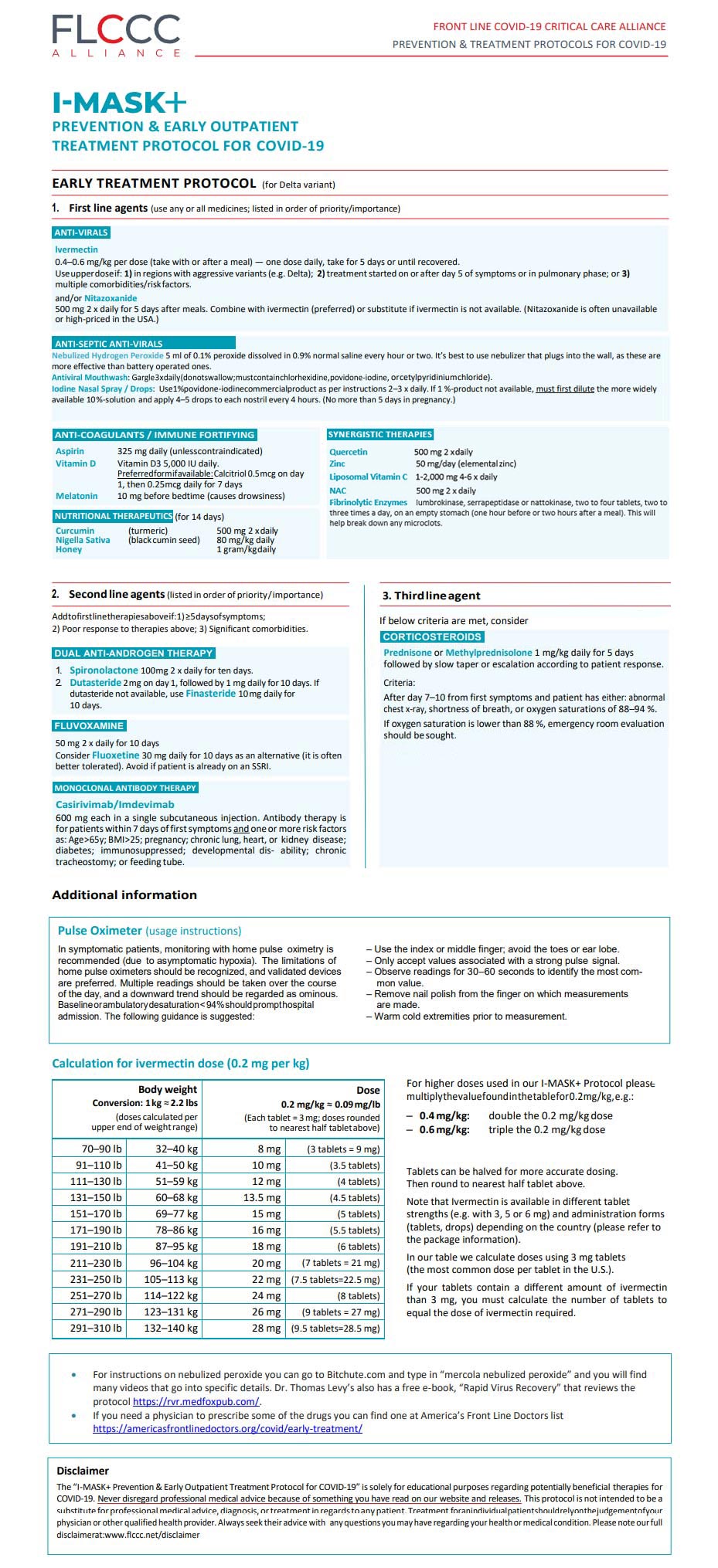
There are several early treatment protocols available, most of which focus on similar remedies. I believe the Frontline COVID-19 Critical Care Alliance’s (FLCCCs) protocol is among the most comprehensive. You can find a listing of doctors who can prescribe necessary medicines on the FLCCC website.
There, you can also find downloadable PDFs in several languages for prevention and early at-home treatment, the in-hospital protocol and long-term management guidance for long-haul COVID-19 syndrome.
A slightly revised version of the FLCCC protocol is below. I’ve altered some of the dosages, and added a few more therapies that they have yet to include, such as nebulized hydrogen peroxide and intravenous ozone.
Tip 4: Optimize Your Health With Systemic Enzymes
Enzymes are proteins composed of individual amino acids necessary to speed up cellular functions and biological processes. Some of the bodily processes that require enzymes include energy production, oxygen absorption, toxic waste removal, breaking down fats in your blood, dissolving blood clots and fighting infections.
Proteolytic enzymes such as lumbrokinase and serrapeptase act as blood cleansers that combat inflammation and rebalance your immune system.
In the era of COVID, an enzyme called lumbrokinase may be of particular benefit, as it helps break down blood clots. If you’ve had COVID-19 in the past, and/or received one or more COVID injections, lumbrokinase may be helpful to prevent blood clotting issues.
Proteolytic enzymes such as lumbrokinase and serrapeptase serve to digest unwanted proteins in your blood, like blood clots. They also help combat inflammation and rebalance your immune system, facilitating the removal of inflammatory proteins, removing fibrin (a clotting material that restricts blood flow and prolongs inflammation), reducing edema in inflamed regions, and boosting the potency of macrophages and killer cells.
If you want these enzymes to work on the potentially damaging proteins in your blood and not the food in your stomach, you will need to take them on an empty stomach, either one hour before or two hours after a meal. Otherwise the enzymes will be used to digest your food and not work in your bloodstream.
Tip 5: Boost Your Liver Health With Choline
Nonalcoholic fatty liver disease (NAFLD) is a common condition caused by an unhealthy processed food diet. Aside from cutting out processed foods high in sugars and seed oils, adding in more choline can be helpful, as it appears to be a key controlling factor in arresting the development of fatty liver.
It does this by enhancing secretion of very low density lipoprotein (VLDL) particles in your liver, which are required to safely transport fat out of your liver. Choline deficiency may result in excess fat and cholesterol buildup. Choline also aids in DNA synthesis and is important for healthy mitochondrial function.
Choline-rich foods to consider loading up on include wild-caught Alaskan salmon, krill oil, organic pastured chicken, vegetables such as broccoli, cauliflower and asparagus, shiitake mushrooms, grass fed beef liver and pastured egg yolks.
A single hard-boiled egg can contain anywhere from 113 to 147 milligrams of choline, or about 25% of your daily requirement, making it one of the best choline sources in the American diet. Only grass fed beef liver beats it, with 430 milligrams of choline per 100-gram serving.
Tip 6: Eliminate ALL Seed (Vegetable) Oils
A compelling report in the journal Gastroenterology offers a radically novel yet logically sound explanation as to why some COVID-19 patients develop life-threatening organ failure, namely their high unsaturated fat intake. Since diet-related comorbidities are responsible for 94% of COVID-19-related deaths,8 taking control of your diet is a simple, common-sense strategy to lower the risks associated with this infection.
Simply put, high intake of polyunsaturated fats (PUFAs) — a primary source of which is industrial seed oils — is associated with increased mortality from COVID-19, while healthy saturated fats actually lower your risk of death.
Omega-6 linoleic acid (LA) makes up the bulk of the omega-6 consumed and is the primary contributor to nearly all chronic diseases, because when consumed in excessive amounts, LA acts as a metabolic poison radically limiting mitochondrial function and your ability to produce cellular energy.
The reason for this is because polyunsaturated fats such as LA are highly susceptible to oxidation. As the fat oxidizes, it breaks down into harmful sub-components such as advanced lipid oxidation end products (ALES) and oxidized LA metabolites (OXLAMs). These ALES and OXLAMs are actually what cause the damage.
While excess sugar is certainly bad for your health and should typically be limited to 25 grams per day or less, it doesn’t cause a fraction of the oxidative damage that LA does. Processed vegetable oils are a primary source of LA, but even food sources hailed for their health benefits contain it, and can be a problem if consumed in excess. Cases in point: olive oil and conventionally raised chicken, which are fed LA-rich grains.
Tip 7: Boost Your Magnesium Intake
Magnesium is required for the healthy function of most cells in your body. Deficiency will impede your cellular metabolic function and deteriorate mitochondrial function, which can result in more serious health problems. Deficiency is widespread, thanks to inadequate consumption of leafy greens, so if you rarely eat your veggies, you could probably benefit from supplementation.
Having low amounts of magnesium has also been shown to significantly increase your supplemental vitamin D requirement. Research by GrassrootsHealth9 shows you need 146% more vitamin D to achieve a blood level of 40 ng/ml (100 nmol/L) if you do not take supplemental magnesium, compared to taking your vitamin D with at least 400 mg of magnesium per day.
Your vitamin K2 intake can also affect your required vitamin D dosage. Data10 from nearly 3,000 individuals revealed 244% more oral vitamin D was required to get 50% of the population to achieve a vitamin D level of 40 ng/ml (100 nmol/L) if they weren’t concurrently also taking magnesium and vitamin K2. So, a simple way to optimize your vitamin D absorption is to take it in conjunction with magnesium and K2.
Foods with the highest magnesium levels include spinach, Swiss chard, turnip greens, beet greens, collard greens, broccoli, Brussels sprouts, kale, bok choy and romaine lettuce.
If you’re using a supplement, you may want to use magnesium threonate to provide at least some of your magnesium, as it appears to be most efficient at penetrating cell membranes, including your mitochondria and blood-brain barrier. Another effective way to boost your magnesium level is to take Epsom salt (magnesium sulfate) baths, as the magnesium will effectively absorb through your skin.
Tip 8: Improve Your Bowel Evacuation
Healthy evacuation of your bowels is a factor that many tend to ignore. The good news is that improving your bowel function can be as simple as changing how you sit on the toilet. Your puborectalis muscle helps control elimination during a bowel movement and prevent incontinence when you’re standing.
However, when you sit on a typical toilet, this muscle cannot fully relax, which is why you may need to push or even strain in order to have a bowel movement. While squatting, however, the muscle relaxes fully, making elimination easier.
Squatting on the toilet bowl can help you eliminate waste better if you are constipated. But this requires strength, flexibility and balance, especially if you’re not used to this method. Other options include using a simple footstool to help you get into a more “squatty” position or leaning forward as you sit on the toilet, with your hands on or near the floor.
Tip 9: Combat Chronic Inflammation
Chronic inflammation is a hallmark of virtually all disease, including cancer, obesity and heart disease. While inflammation is a perfectly normal and beneficial process that occurs when your body’s white blood cells and chemicals protect you from foreign invaders like bacteria and viruses, it leads to trouble when the inflammatory response gets out of hand and continues indefinitely.
Your diet plays a significant, if not primary, role in this chain of events and is the perfect place to start to address it. Certain nutritional supplements can also be helpful as add-ons. Here’s a summary of key principles:
• Limit or eliminate vegetable oils (seed oils) — A key part of an anti-inflammatory diet involves excluding refined vegetable oils, as they are clearly one of the most pernicious and pervasive poisons in the food supply. Simply avoiding all processed foods and most restaurant foods will go a long way toward helping you avoid them.
• Eat more veggies — Vegetables are a key anti-inflammatory staple. Ideally, opt for organic locally grown veggies that are in season, and consider eating a fair amount of them raw. If you struggle with autoimmune disease or have significant inflammation in your body, though, consider limiting vegetables with high lectin content. Some high- lectin foods can be made safer to eat through proper soaking and cooking, as well as fermenting and sprouting.
• Add in fermented foods — Traditionally fermented and cultured foods are other anti-inflammatory staples that work their “magic” by optimizing your gut flora. A majority of inflammatory diseases start in your gut as the result of an imbalanced microbiome.
Fermented foods such as kefir, natto, kimchi, miso, tempeh, pickles, sauerkraut, olives and other fermented vegetables will help reseed your gut with beneficial bacteria. Ideally, you’ll want to eat a wide variety of them as each contains a different set of beneficial bacteria (probiotics).
If you don’t like fermented vegetables, consider yogurt made from raw, organic milk from grass fed cows. Yogurt has been shown to reduce inflammation by improving the integrity of your intestinal lining, thereby preventing toxins in your gut from crossing into your bloodstream.
• Boost your omega-3 fat intake — Marine-based omega-3 fats found in fatty cold-water fish that are low in environmental toxins — such as wild Alaskan salmon, sardines and anchovies — are also important anti-inflammatories, particularly for brain and heart health. In fact, your omega-3 level is a powerful predictor of mortality. If you don’t enjoy these types of fish, consider using krill oil instead.
• Cook with herbs and spices — Ounce for ounce, herbs and spices are among the most potent anti-inflammatory ingredients available and making sure you’re eating a wide variety of them on a regular basis can go a long way toward preventing chronic illness. Among the most potent anti-inflammatory herbs and spices are cloves, cinnamon, Jamaican allspice, apple pie and pumpkin pie spice mixtures, oregano, marjoram, sage, thyme and Italian spice.
Tip 10: Filter Your Water
While the U.S. has many water quality concerns, it doesn’t really matter where you live anymore, as many dangerous chemicals find their way into the ecosystem, spreading from one continent to another. This is why filtering your household water is more a necessity than an option these days.
Filtering your drinking water is good practice, but equally important is filtering the water you use for bathing. This is because immersing yourself in contaminated water may be even more hazardous to your health than drinking it.
Chemicals absorbed through your skin go directly into your bloodstream, bypassing your digestive and internal filtration systems. Unfiltered water can also expose you to dangerous chlorine vapors and chloroform gas, which can cause dizziness, fatigue, asthma, airway inflammation and respiratory allergies.
Unless you can verify the purity of your water, you should seriously consider installing a high-quality, whole-house water filtration system. Ideally, filter the water both at the point of entry and at the point of use. This means filtering all the water that comes into the house, and then filtering again at the kitchen sink and shower. As for the type of filtration system to get, there are various options, most of which have both benefits and drawbacks.
Common options include reverse osmosis (RO), ion exchange, and granular carbon or carbon block filters. Ideally, you want a filtration system that uses a combination of methods to remove contaminants, as this will ensure the removal of the widest variety of contaminants.
Tip 11: Reduce Your EMF Exposure
One of the most dangerous kinds of pollution affecting your health is the invisible sea of electromagnetic fields (EMFs) your body swims in daily, both outdoors and in your home. Common sources include cell phones, cell towers, computers, smart meters and Wi-Fi, to name just a few. Strategies to reduce your EMF exposure include:
| Connect your computer to the internet via a wired connection and put it in airplane mode. Also opt for wired keyboards, trackballs, mice, printers and house phones. |
| If you must use Wi-Fi, be sure to shut it off whenever it’s not in use, especially at night. |
| Shut off the electricity to your bedroom at night to reduce electrical fields from the wires in your walls. |
| Use a battery-powered alarm clock, ideally one without any light. |
| Replace your microwave oven with a steam convection oven, which will heat your food quickly and far more safely. |
| Avoid “smart” appliances and thermostats that depend on wireless signaling, including smart TVs. Consider using a large computer monitor as your TV instead, as it doesn’t emit Wi-Fi. |
| Opt out of smart meters if you can or add a shield to an existing smart meter. |
| Avoid using a wireless baby monitor. Instead, move the baby’s bed into your bedroom, or use a hard-wired monitor. |
| Remove all fluorescent lights from your home and switch to incandescent bulbs. |
| Avoid carrying your cell phone on your body unless it’s in airplane mode, and never sleep with it in your bedroom. |
| Use the speakerphone on your cell phone, and hold it at least 3 feet away from you. Ideally, use your cell phone as little as possible. |
Even if you implement these strategies, you’re unlikely to eliminate all exposure, as EMFs saturate public places and can invade your home from your neighbors. To minimize the harmful effects, the following strategies can be helpful:
• Increase your magnesium intake — As a natural calcium channel blocker, magnesium can help reduce the effects of EMF on your voltage-gated calcium channels. Since many are deficient in magnesium, I believe you could benefit from as much as 1 to 2 grams of magnesium per day.
• Molecular hydrogen — Molecular hydrogen has been shown to target free radicals produced in response to radiation, such as peroxynitrites. Studies have shown molecular hydrogen can mitigate about 80% of this damage.
Molecular hydrogen will also activate Nrf2, a biological hormetic that upregulates superoxide dismutase, catalase and all the other beneficial intercellular antioxidants. This in turn lowers inflammation, improves your mitochondrial function and stimulates mitochondrial biogenesis.
• Protective spices — Cinnamon, cloves, ginger root, rosemary and turmeric have exhibited protective effects against EMF-induced damage.
Tip 12: Boost Your Collagen Production Naturally
Collagen is the most common and abundant of your body’s proteins. One of its primary purposes is to provide structural scaffolding for your various tissues to allow them to stretch while still maintaining tissue integrity.
As a compound of essential amino acids, there’s only one way to get collagen: Your body can’t produce it, so you must obtain it through your diet. Historically, traditional diets provided ample collagen in the form of broth made from boiled chicken feet or beef bones. These are by far your best alternatives.
If you decide to use a collagen supplement, it’s important to know what to look for. Laboratory testing has revealed many popular collagen and bone broth products contain potentially hazardous contaminants typically associated with concentrated animal feeding operations (CAFOs), so to avoid contaminants, make sure your collagen supplement is certified “100% Organic” by the U.S. Department of Agriculture (USDA).
Moreover, collagen supplements can be either unhydrolyzed (undenatured) or hydrolyzed (denatured). The processing that most collagen supplements undergo to become hydrolyzed can also result in questionable byproducts that are best avoided. My personal preference is to use a less denatured (unhydrolyzed) organic collagen supplement, as it has a more balanced amino acid profile.
That said, I still believe the natural approach is best. Making homemade bone broth using bones and connective tissue from grass fed, organically raised animals isn’t very complicated and will produce the best results.
Tip 13: Optimize Your Sleep
One of the most radical and recent discoveries revealing the importance of sleep for health is that each and every organ has its own biological clock. In your brain is a “master clock” that synchronizes these clocks and your bodily functions to match the 24-hour light and dark cycle.
When you upset your circadian rhythm by not getting enough sleep, the results can have far-reaching consequences, affecting everything from mood, creativity and brain detoxification to DNA expression, chronic disease risk — including dementia — and longevity. Helpful tips to optimize your sleep include:
| Sleep in complete darkness, or as close to it as possible, to avoid lowering melatonin production, which can interfere with your sleep. |
| Keep the temperature in your bedroom no higher than 70 degrees Fahrenheit. |
| Eliminate EMFs in your bedroom. |
| Keep all electronic devices at least 3 feet from your bed. |
| Adopt a neutral sleeping position by propping your pillow under your neck, not your head, to maintain a proper spinal curve. |
| Reserve your bed for sleeping and don’t keep a TV in your bedroom. |
| Consider separate bedrooms if sharing your bed with a partner impairs your sleep. Pets may also need to be kept in another room if they disturb your sleep. |
Tip 14: Ditch Google and Facebook Once and for All
Over the years, the government and business monopolies, including the likes of Big Tech, have formed a global alliance hell-bent on protecting and concentrating member profits. The price for keeping business going as usual is personal liberty and freedom of speech that may impact these fascist government-industrial complexes.
In recent times, we’ve seen unprecedented efforts to censor natural health topics in various online platforms, especially Google and Facebook, under the guise of protecting you against “misinformation.”
By censoring the voices that challenge mainstream information on crucial health topics like pharmaceutical drugs, vaccines, GMOs, pesticides, junk foods, artificial sweeteners and fake meat, Google and Facebook are able to protect the profits of its advertisers and stakeholders.
Across the board, Google only gives you the results they want you to see, while relevant articles and news they deem “harmful” are buried. Facebook, meanwhile, relies on so-called “fact checkers” to dissuade and redirect users away from anything that contradicts the mainstream narrative. We now have proof that Facebook’s “fact checks” are nothing more than opinion pieces, thanks to a lawsuit by journalist John Stossel,11,12,13 but they’re still presented as assertions of facts.
If you’re fed up with Google’s and Facebook’s exploitation and manipulation, the best way to break free is by being informed. If we work together to boycott them, Google and Facebook will crumble.
We have added a built-in sharing tool on top of each newsletter article to make it easier for you to share it to your friends and family via email or text. And, while the articles on my website are only viewable for 48 hours, we are in the process of transferring our entire archive over to the Censored Library on Substack. This will allow us to bring back my previously deleted articles in a liability-protected format.
For just $5 a month, or the discounted annual rate of $50 per year, you will have access to all of my articles, all the time, even after they’ve been deleted from Mercola.com.


Tip 15: Protect Your Eye Health
Your ocular health affects your overall well-being, so routine eye exams are an important health basic. Additionally, keep your eyes healthy and your vision sharp by:
• Removing trans fats from your diet — As with linoleic acid, processed foods and baked goods are primary sources of harmful trans fats.
• Removing high fructose corn syrup from your diet — High blood pressure can damage the small blood vessels in your retina, obstructing blood flow, and a key strategy to normalize your blood pressure is to dramatically reduce your fructose intake.
High sugar intake is also a primary culprit of elevated blood sugar readings. High blood sugar not only obstructs blood flow by damaging blood vessels in your retina but also pulls fluid from the lens of your eye, which can affect your ability to focus. As a general guide, I recommend keeping your total daily fructose consumption below 25 grams a day, including fructose from fruit.
• Eating your veggies — Consuming high amounts of carotenoid-rich vegetables, especially ones rich in lutein and zeaxanthin, can encourage healthy vision.
• Boosting your omega-3 fat intake — Omega-3 fats protect healthy vision. Good sources include wild-caught Alaskan salmon, sardines and anchovies. If you use a supplement, I recommend krill oil, which also contains astaxanthin, a potent antioxidant.
• Quitting smoking — Smoking increases free radical production throughout your body, putting you at risk for any number of health problems, including vision problems.
Aside from lutein and zeaxanthin, astaxanthin is one of the best antioxidants for eye health. It’s been shown to protect against a number of eye-related problems, including age-related macular degeneration, which is the No. 1 cause of blindness in the elderly, glaucoma, cataracts, inflammatory eye diseases, cystoid macular edema, retinal arterial occlusion, diabetic retinopathy and venous occlusion.
Astaxanthin also helps maintain appropriate eye pressure, energy levels and visual acuity. Because the above list includes several of the leading causes of blindness in the U.S., this powerful antioxidant becomes increasingly important.
Tip 16: Grow Your Own Food
Growing your own food has many rewards, from providing you with fresher, uncontaminated produce and cutting your grocery bill, to increasing your sense of well-being and slashing your risk of depression. Research14 also shows elderly individuals who garden on a regular basis have a 36% lower risk of dementia than non-gardeners.
There are many different ways to grow your own food, even if you live in an apartment. You can use virtually every square foot of your space, including vertical space, for growing food. Hanging baskets are ideal for a wide variety of foods, such as strawberries, leafy greens, runner beans, pea shoots, tomatoes and a variety of herbs. And, instead of flowers, window boxes can hold herbs, greens, radishes, scallions, bush beans, strawberries, chard and chilies, to name just a few.
Rule No. 1 for growing nutrient-dense food is building healthy soil. There are five basic principles to growing topsoil and building a healthy soil ecosystem, and these rules apply whether you’re working a farm or tending a small vegetable garden in your backyard:
- Avoid disturbing the soil microbiome — The less mechanical disturbance the better, which means no tillage, herbicides, pesticides or fungicides
2. Protect the soil’s surface — Use cover crops, untreated lawn clippings, mulch and wood chips to maintain soil biology, prevent water evaporation and lower soil temperature, which is particularly important on hot days
3. Diversify your crops — Having a diverse array of plant life is essential to healthy soil, and cover crops help fulfill this requirement
4. Maintain living roots in the ground as long as possible — Growing something at all times is key to soil vitality, so be sure to plant a cover crop after you harvest your vegetables
5. Integrate livestock and other animals, including insects — To mimic the impact of wild herds, regenerative farmers will pasture chickens, cows, lambs, pigs and other animals to benefit the soil and ensure a highly nutrient-dense finished product. While many homeowners cannot keep farm animals on their property, you can easily attract pollinators and predator insects to ward off garden pests by including lots of flowering plants
One of the simplest and most inexpensive gardening alternatives is to grow your own sprouts. They’re a particularly excellent choice during winter months, when outdoor gardening is limited or ruled out. They also grow quickly, allowing you to harvest in about a week, and you don’t have to cook them. Sprouts are also a perfect complement to fermented vegetables, which are also easy and inexpensive to make at home, from scratch.
Sprouts are actually among the most nutrient-dense foods out there. Topping the list are sunflower seed and pea sprouts, which are typically about 30 times more nutritious than organic vegetables. Sunflower and pea sprouts are among my own favorites. Broccoli sprouts, known for their anticancer activity, are another excellent choice.
Tip 17: Try Blood Flow Restriction (BFR) Training
Blood flow restriction (BFR) training, also known as vascular occlusion training, involves “partially restricting arterial inflow and fully restricting venous outflow” while working the occluded muscle. BFR training works on a very simple principle: It tricks your body into believing that it’s moving far heavier weights than you’re actually using, generating compensatory metabolic responses.
With BFR training, you’re able to significantly enhance your strength and muscle mass using a fraction of the weight typically used, in about half the time it would normally take.
Its ability to achieve such remarkable physiological benefits has to do with the fact that when you restrict the venous blood flow from the muscle group being engaged, you create a relatively hypoxic environment in the exercising muscle which then boosts beneficial metabolic responses, such as increasing muscle lactate and growth hormone, and inhibiting myostatin.
Venous flow restriction is achieved by wrapping the extremity being worked with an inflatable cuff or band. The band needs to be tight enough to shut down the venous return to the heart, allowing the venous blood to “pool” in the region of the limb that is being exercised, while loose enough to allow arterial flow-through.
With very light exercise, and in about 15 to 20 minutes, you get an exhaustive workout that sends a signal to your brain to help you “recover and adapt to it.” Your brain then sends out a wide variety of powerful hormonal responses that cause your muscles and blood vessels to grow.
BFR is particularly beneficial for the elderly, as it dramatically reduces the risk of injury while optimizing muscle growth beyond what strength training with heavy weights can actually do! To learn the ins and outs of BRF, be sure to download and read through my free BFR report.
Tip 18: Lower Your Risk for Autoimmune Disease
Autoimmune diseases are on the rise, so the earlier you take steps to prevent them, the better. The good news is that some of the strategies that can lower your risk of autoimmune problems are incredibly simple and inexpensive.
For example, drinking a solution of baking soda on a daily basis can help reduce inflammation associated with and caused by autoimmune conditions. Baking soda provides a signal to mesothelial cells — which line your internal organs — that your body is doing fine; it’s not under attack, so developing an aggressive immune system and/or a harmful autoimmune response is unnecessary.15
To try this strategy, simply add one-half teaspoon of baking soda to half a glass of water (about 4 ounces), stir until it’s completely dissolved, and repeat no more than three times per day, and no more than seven one-half teaspoons in any given 24-hour period.
Another strategy that costs nothing is to allow fevers to run their course, as long as they’re not above 103 degrees F. While most tend to rush to administer fever-reducing medicine at the first sign of a low-grade fever, this can actually backfire. Fever facilitates your detoxification process, with the aim of producing a cleaner system. Reducing the fever can effectively prevent or interrupt your body’s natural healing process.
A far better alternative would be to administer liposomal vitamin C, which will aid and speed the process, not stop it. Certain homeopathic medicines can also be beneficial. If you’ve suppressed fevers all your life, you may benefit from regular saunas, ideally one with low or no electromagnetic fields, as this will help detoxify your system. If you’ve been vaccinated, you probably need to take saunas on a regular basis as well.
Tip 19: Combat Osteoporosis
With osteoporosis — brittle bone — comes the risk of bone fractures due to a fall, and hip fractures in particular are notorious for raising an older individual’s risk of death. Low bone density, known as osteopenia, also raises your risk of fractures and may progress into osteoporosis. But before you turn to conventional drugs, you should know that there are far safer ways to address this problem, such as by loading up on nutrients that help promote bone growth. These include:
| Vitamin D | Vitamins K1 and K2 |
| Calcium | Magnesium |
| Collagen | Boron |
| Strontium |
Sufficiently load-bearing exercise is also important. Research suggests the load needed to trigger bone growth in the hip is 4.2 times your bodyweight. Unfortunately, conventional strength training comes nowhere near that — but BFR does! So, preventing osteoporosis is yet another reason to add BFR to your lifestyle tool kit.
Tip 20: ‘Green’ Up Your Wardrobe
Fast fashion is a major contributor to the global waste problem, as clothing is now the fastest growing category of waste. Across the board, throughout the distribution chain, whatever cannot be sold always ends up in a landfill. The textile industry is also a major environmental polluter.
The primary solution should be obvious: Buy less. Buying only what you actually need will allow you to spend more on high-quality items that last. If an item is still in good condition but for whatever reason doesn’t fit your body or lifestyle anymore, ask around to see if anyone wants or needs it first.
As a last-ditch resort, donate clothing that is still in good condition to a reputable charity that serves the needs of your local community. Local women’s shelters and crisis centers may accept your donations.
If you need to purchase new clothes, make sure to choose organic, GOTS-certified clothing made from sustainably grown fabrics. The SITO brand is an example of a GOTS-certified organic clothing brand, established by the biodynamic certification agency Demeter. SITO supports our global mission for improving fabric production and putting an end to fast fashion.
Tip 21: Take Control of Your Blood Pressure
In 2017, the American Heart Association (AHA) and the American College of Cardiology, along with nine other health organizations, changed the cutoff used to diagnose high blood pressure from 140/90 to 130/80.
This slight shift increased the number of people diagnosed with high blood pressure to include many who had previously been considered within the normal range. According to the AHA, an estimated 103 million U.S. adults today have high blood pressure (hypertension), and about 1 in 3 people has prehypertension.
According to medical physiology textbooks, as much as 95% of hypertension is called essential hypertension, meaning the underlying cause is unknown. However, a number of factors have been identified as contributing to high blood pressure, including but not limited to insulin and leptin resistance, potassium deficiency and elevated uric acid levels. The good news is that there are many techniques and lifestyle changes, including the following:
| Exercise — A comprehensive fitness program can go a long way toward regaining your insulin sensitivity and normalizing your blood pressure. In fact, exercise is considered a first line of treatment by several health authorities, including the World Health Organization, the International Society of Hypertension and the U.S. Joint National Committee on Detection, Evaluation and Treatment of High Blood Pressure.
If you are insulin resistant, you’ll also want to include weight training. When you work individual muscle groups, you increase blood flow to those muscles, and good blood flow will increase your insulin sensitivity. |
| Vitamin D optimization — Vitamin D deficiency is associated with both arterial stiffness and hypertension. For optimal health, maintain a vitamin D level between 60 ng/mL and 80 ng/mL year-round. |
| Time-restricted eating — Eating all your meals within a six- to eight-hour window each day is one of the most effective ways I’ve found to normalize your insulin/leptin sensitivity, which is a root cause of high blood pressure. |
| Stress management — It has been shown that people with heart disease can lower their risk of subsequent cardiac events by over 70% simply by learning to manage their stress. Suppressed negative emotions such as fear, anger and sadness can severely limit your ability to cope with the unavoidable every day stresses of life. It’s not the stressful events themselves that are harmful, but your lack of ability to cope. |
| Essential oils — A number of essential oils can be helpful, including lavender, ylang- ylang, marjoram, bergamot, rose, frankincense, rosemary, lemon balm and clary sage. |
| Beets — In one small placebo-controlled trial,16 one glass (250 milliliters or 8.5 ounces) of beetroot juice per day for one month reduced blood pressure in those diagnosed with hypertension by an average of 8 mmHg systolic and 4 mmHg diastolic pressure.
This 8/4 mmHg reduction is very close to that provided by blood pressure medications, which typically can reduce blood pressure by about 9/5 mmHg, and for many it was enough to bring their blood pressure down to normal levels. The treatment group also saw a 20% improvement in blood vessel dilation capacity and a 10% reduction in arterial stiffness. |
Tip 22: KetoFast
KetoFast is the term I coined to describe a protocol that combines three key strategies: a cyclical ketogenic diet, intermittent fasting and cyclical partial fasting. The first step to KetoFast is to make sure you stop eating at least three hours before bedtime to avoid creating unnecessary free radicals.
Next, compress your eating to a six- to eight-hour timeframe, meaning you eat all of your calories for the day during those six to eight hours. For the remaining 16 to 18 hours, you’re fasting. For example, delay your first meal of the day until 11 am or noon and stop eating by 7 pm.
Once you’ve followed this intermittent fasting schedule for a month, you can move into the second phase, which involves having a single reduced-calorie meal, ideally breakfast, followed by a 24-hour water-only fast, once or twice a week. This meal will typically be somewhere between 300 and 500 calories. This meal should consist of:
- Carbs — Less than 10 grams of net carbohydrates (total carbs minus fiber), primarily from nonstarchy vegetables, seeds or nuts.
- Protein — Half of your personalized daily protein requirement. If you’re younger than 60, a general recommendation for your daily protein requirement would be 0.8 grams of protein per kilogram of lean body mass, or 0.5 grams of protein per pound of lean body mass. The key here is not just lowering your overall protein intake but, rather restricting your intake of branched-chain amino acids such as leucine, found primarily in meat and dairy products.
- Fat — The remainder of your calories come from healthy fats such as coconut oil, avocado, MCT oil, butter, olive oil and raw nuts.
The day after your water-only fast, go ahead and feast. Now’s the perfect time to do hardcore strength training, and to load up on protein. Immediately after your workout is when you’ll want to eat that grass fed organic steak and/or whey protein, as now you’re in rebuilding mode.
The intermittent and partial fasting regimen described in KetoFast essentially mimics ancestral eating patterns, allowing your body to work optimally by allowing for periods of breakdown and cleanout, and periods of rebuilding and rejuvenation.
One way that your body promotes this is through autophagy, which is the body’s innate cleanout process, in which damaged mitochondria, proteins and cellular components are digested and then recycled during the regeneration phase, which occurs during refeeding. By upregulating autophagy, you may significantly lower your risk of most diseases, including cancer and neurodegeneration.
A common misconception is that because nutritional ketosis is so beneficial, it stands to reason that remaining in ketosis for the rest of your life would be the way to go. I disagree with this approach, having experienced the drawbacks of it firsthand.
Continuous keto can start wreaking havoc with your hormonal system, specifically your thyroid. It’s important to realize that nutritional ketosis is a catabolic process, meaning you’re breaking things down. This is a good and necessary process, but you also need to build your body back up! After some months on a continuous ketogenic diet, you start losing muscle mass, which is the complete opposite of what you’re looking for.
I strongly recommend cycling in and out of ketosis once you’ve regained your metabolic flexibility and are able to effectively burn fat for fuel. In other words, you stay in ketosis only long enough to make sure you’re burning fat, and then you move into a more balanced approach where you’re adding in higher amounts of healthy carbs once or twice a week.
- 1 Nutrients October 31, 2020;12, 3361; doi:10.3390/nu12113361
- 2 Prog Cardiovasc Dis. 2020 Feb 12. pii: S0033-0620(20)30037-2
- 3 EurekAlert! January 24, 2020
- 4 Elsevier.com January 24, 2020
- 5 Prog Cardiovasc Dis. 2020 Feb 12. pii: S0033-0620(20)30037-2, Table 1
- 6 Nat Rev Immunol. 2014 Jan; 14(1): 36–49
- 7 The Journal of Infectious Diseases May 15, 2005; 191(10): 1719-1729
- 8 CDC.gov August 26, 2020
- 9 GrassrootsHealth Is Supplemental Magnesium Important for Vitamin D Levels?
- 10 GrassrootsHealth Magnesium and Vitamin K2 Combined Important for Vitamin D Levels
- 11 wattsupwiththat.com John Stossel Lawsuit against Meta Platforms (PDF)
- 12 WND December 10, 2021
- 13 wattsupwiththat.com December 9, 2021
- 14 Medical Journal of Australia 2006 Jan 16;184(2):68-70
- 15 Science Daily April 25, 2018
- 16 Medical News Today February 22, 2018
Calm Your Mind and Lower Your Blood Pressure With This
Reproduced from original article:
https://articles.mercola.com/sites/articles/archive/2020/10/22/meditation-may-lower-blood-pressure.aspx
Analysis by Dr. Joseph Mercola Fact Checked October 22, 2020

STORY AT-A-GLANCE
- Meditation may play an important role in lowering blood pressure by favorably influencing a recently identified set of genes and biological pathways
- One of the ways that meditation works to calm the body and mind is by triggering the relaxation response, which is the opposite of the fight-or-flight response that occurs due to stress
- The relaxation response practice enhanced the expression of genes associated with energy metabolism, mitochondrial function and insulin secretion while reducing the expression of genes linked to inflammation and stress-related pathways
- Mindfulness meditation led to a reduction in blood pressure that was related to genes involved in immune regulatory pathways, metabolism and glucose metabolism, cardiovascular system development and circadian rhythm
- Lifestyle modification and mind-body interventions may be at least as effective as drug treatment for high blood pressure and are generally free of side effects
More than 1.13 billion people worldwide,1 including up to 100 million Americans, have high blood pressure. Among certain populations, particularly older Americans, the prevalence of high blood pressure rises to more than 50%, making it a significant burden for public health, as high blood pressure is a major risk factor for coronary, cerebrovascular and peripheral vascular disease, along with heart attack and stroke.2
Medications are the first line of treatment for high blood pressure in conventional medicine, but such drugs carry “burdensome” side effects that often cause people to stop taking them, researchers noted in The Journal of Alternative and Complementary Medicine, adding — importantly — that lifestyle modification and mind-body interventions may be at least as effective as drug treatment and are generally free of side effects.3
Their study revealed, in fact, that mind-body practices that trigger your body’s relaxation response, such as meditation, play an important role in lowering blood pressure by favorably influencing a recently identified set of genes and biological pathways.4
The Power of Your Relaxation Response
One of the ways that meditation works to calm the body and mind is by triggering the relaxation response,5 which is the opposite of the fight-or-flight response that occurs due to stress.
By focusing on a word, phrase or repetitive prayer and disregarding everyday thoughts, the relaxation response is said to be activated,6 a process that’s similar to what occurs during mindfulness meditation, transcendental meditation and other meditative practices.
Once the relaxation response is elicited, biochemical changes are known to occur, including decreased oxygen consumption, blood pressure, heart and respiratory rate, and alterations in cortical and subcortical brain regions.7
In 2013, researchers revealed that relaxation response practice enhanced the expression of genes associated with energy metabolism, mitochondrial function and insulin secretion while reducing the expression of genes linked to inflammation and stress-related pathways,8 signaling its profound power within the body.
They also revealed, for the first time, that engaging in practices that evoke your body’s relaxation response, particularly when they’re done over the long term, “may evoke its downstream health benefits by improving mitochondrial energy production and utilization and thus promoting mitochondrial resiliency …”9
Meditation May Lower Blood Pressure by Altering Genetic Expression
As it relates to blood pressure, researchers with Beth Israel Deaconess Medical Center (BIDMC), Massachusetts General Hospital (MGH), and the Benson-Henry Institute for Mind Body Medicine at MGH revealed specific genes associated with the relaxation response that may reveal why it’s so beneficial for blood pressure.10
“In this study, we found that the relaxation response can successfully help reduce blood pressure in hypertensive patients who are not taking medication,” study author Dr. Randall Zusman, director of the division of hypertension at MGH, said in a news release.11
The study involved 58 people with Stage 1 hypertension, which the study defined as having a systolic blood pressure between 140 and 159mm Hg and diastolic between 90 and 104mm Hg.
It should be noted that, in 2017, the American College of Cardiology and the American Heart Association published new guidelines that changed what was officially considered “high” blood pressure, and via these guidelines, blood pressure at or above 140/90 mm Hg is considered Stage 2 hypertension.12
None of the patients was taking medications to control their blood pressure at the start of the study, during which participants attended eight weekly sessions of mind-body interventions designed to elicit the relaxation response.
This included mindfulness meditation along with mantra repetition and diaphragmatic breathing. The participants also used a guided audio CD to help invoke the relaxation response once a day while at home.
Of the 24 participants who completed the eight-week intervention, 13 had a significant drop in blood pressure, such that they were no longer considered to have Stage 1 hypertension.
The researchers then conducted a gene expression analyses to look for differences in gene expression among those who had responded to the mind-body intervention and those who had not. The expression of 1,771 genes differed among the two groups, and the study revealed that the reduction in blood pressure was related to genes involved in:13
- Immune regulatory pathways
- Metabolism and glucose metabolism
- Cardiovascular system development
- Circadian rhythm
The researchers noted that genes linked to the immune system appeared to be particularly critical for blood pressure reduction, and, according to study author Dr. John Denninger:14
“Our results suggest that the relaxation response reduced blood pressure — at least in part — by altering expression of genes in a select set of biological pathways.
Importantly, the changes in gene expression associated with this drop in blood pressure are consistent with the physical changes in blood pressure and inflammatory markers that one would anticipate and hope to observe in patients successfully treated for hypertension.”
Research Mounts That Meditation Works for High Blood Pressure
The calming effect of meditation has been shown in numerous studies to benefit blood pressure. In a 2019 study published in the Journal of Human Hypertension, mindfulness meditation was evaluated for its effects on not only blood pressure but also anxiety, stress and depression.
For an eight-week period, participants engaged in mindfulness training for two hours a week, or participated in a control group involving health education talks. The meditation group had lower blood pressure monitoring values after the intervention, and were also less judgmental, more accepting and less depressed than the control group.15
Practicing “mindfulness” means you’re actively paying attention to the moment you’re in right now. Rather than letting your mind wander, when you’re mindful, you’re living in the moment and letting distracting thoughts pass through your mind without getting caught up in their emotional implications.
Another group of researchers conducted a meta-analysis involving 13 studies on meditation and yoga for blood pressure health. Blood pressure decreased in response to both meditation and yoga, and meditation appeared to be particularly useful in decreasing the blood pressure of subjects older than 60 years.16
In another example, meditation exercises, particularly qigong, were useful for lowering diastolic blood pressure in people with elevated levels,17 while research shows meditation may also help lower blood pressure with just three months of practice, while at the same time decreasing psychological distress and increasing coping ability among young adults.18
More Reasons to Meditate
In addition to promoting your body’s relaxation response, meditation offers a host of additional benefits, including reducing stress via stress-reduction pathways in your body.19 As explained via a press release:20
“When an individual experiences stress, activity in the prefrontal cortex — responsible for conscious thinking and planning — decreases, while activity in the amygdala, hypothalamus and anterior cingulate cortex — regions that quickly activate the body’s stress response — increases.
Studies have suggested that mindfulness reverses these patterns during stress; it increases prefrontal activity, which can regulate and turn down the biological stress response. Excessive activation of the biological stress response increases the risk of diseases impacted by stress (like depression, HIV and heart disease).
By reducing individuals’ experiences of stress, mindfulness may help regulate the physical stress response and ultimately reduce the risk and severity of stress-related diseases.”
High blood pressure is just one such stress-related disease,21 and meditation offers a simple, inexpensive tool to help manage stress that can be practiced virtually anytime, anywhere.
Beyond stress, meditation can be a powerful pain reliever,22 and research from the National Center for Complementary and Alternative Medicine (NCCAM) supports the notion that meditation acts as a form of “mental exercise” that can help regulate your attention and emotions while improving well-being.
It’s been found previously that meditation prompts changes in the amygdala, a region of your brain associated with processing emotion. The research suggests these beneficial brain changes persist even after the meditation session is over, resulting in enduring changes in mental function.23
Two Common Forms of Meditation
If you’re new to meditation, you may want to get started with one of two common forms, mindfulness meditation and self-induced transcendence. For mindfulness meditation, simply sit quietly, perhaps with some soothing music, breathe rhythmically, and focus on something such as your breathing, a flower, an image, a candle, a mantra, or even just being there, fully aware, in the moment.
At the same time, let distracting thoughts pass by without taking your focus. Transcendence-style meditation is another form, which strengthens your corpus callosum, the bridge between your two brain hemispheres, according to Emily Fletcher of @zivameditation, my friend and meditation teacher.
By strengthening the connection between your right and left hemispheres, you gain access to more creative problem solving, and increase your productivity without adding stress.
Fletcher’s book, “Stress Less, Accomplish More: Meditation for Extraordinary Performance,” is an excellent guide for people with busy minds and busy lives, and may help you stick with meditation for the long run, which is particularly important if you’re using it to help control your blood pressure. This is also key to triggering your body’s relaxation response. In an interview, Fletcher stated:24
“The point of meditation is not to stop your mind from thinking. The point of meditation is to be a stress relieving tool, and the way that we do that in this style is that we de-excite the nervous system which creates order and we give the body very deep rest. The body wants to thank us for that, and it thanks us by dissolving our stress.”
Healthy Blood Pressure Strategies
Meditation is only one component of maintaining a healthy blood pressure. Insulin resistance is another, because as your insulin and leptin levels rise, it causes your blood pressure to increase. Eventually, you may become insulin and/or leptin resistant.
With regard to insulin resistance, research shows intermittent fasting promotes insulin sensitivity and improves blood sugar management by increasing insulin-mediated glucose uptake rates,25 which is important for resolving high blood pressure.
Toward that end, KetoFasting, which combines a cyclical ketogenic diet and intermittent fasting with cyclical partial fasting, is an important strategy to optimize your blood pressure and can be combined with meditation and other relaxation-response triggering activities to help you achieve optimal health.
- 1 World Health Organization, Blood Pressure Prevalence
- 2, 3, 10 The Journal of Alternative and Complementary MedicineVol. 24, No. 5
- 4 Science Daily April 4, 2018
- 5 PLoS One. 2013 May 1;8(5):e62817. doi: 10.1371/journal.pone.0062817. Print 2013
- 6, 7, 8, 9 PLOS One May 1, 2013
- 11, 13, 14 Benson-Henry Institute, Study: Relaxation Response Therapy Reduces Blood Pressure in Hypertension
- 12 U.S. CDC, Facts About Hypertension
- 15 J Hum Hypertens. 2019 Mar;33(3):237-247. doi: 10.1038/s41371-018-0130-6. Epub 2018 Nov 13
- 16 J Altern Complement Med. 2017 Sep;23(9):685-695. doi: 10.1089/acm.2016.0234. Epub 2017 Apr 6
- 17 Evid Based Complement Alternat Med 2017; 2017: 9784271
- 18 American Journal of Hypertension, December 2009
- 19 Current Directions in Psychological Science December 16, 2014
- 20 Eurekalert February 12, 2015
- 21 Hypertens Res. 2018 Aug;41(8):553-569. doi: 10.1038/s41440-018-0053-1. Epub 2018 May 29
- 22 J Neurosci. 2011 Apr 6;31(14):5540-8
- 23 Front Hum Neurosci. 2012;6:292
- 24 Yogabodynaturals.com
- 25 Science November 16, 2018; 362(6416): 770-775
Why Is Age a Factor in COVID-19?
Reproduced from original article:
https://articles.mercola.com/sites/articles/archive/2020/07/29/why-is-age-a-factor-in-covid-19.aspx
Analysis by Dr. Joseph Mercola Fact Checked July 29, 2020

STORY AT-A-GLANCE
- Senescent cells, in combination with the presence of chronic, low-grade inflammation without overt infection, may raise the potential risk for severe disease with COVID-19
- Senescent cells are no longer able to divide; instead they build up in body tissue and secrete inflammatory cytokines that trigger inflammation and dysfunction
- Senolytic therapies help clear these cells; taking quercetin and following a ketogenic diet are two options that are immediately available to you
For centuries, people have been searching for the Fountain of Youth. Many thought it was a real fountain where a person could bathe or drink to slow the aging process. While that fountain doesn’t exist, there are several strategies you may use to affect a change internally with external results.
Several factors affect aging, including chronic inflammation that leads to chronic disease. Although inflammation plays an essential role in repairing injury, chronic inflammation may result in health conditions like bowel diseases, arthritis, diabetes and heart disease.1
Although many times you won’t notice early visible signs of chronic inflammation, there is mounting evidence that it is an underlying factor in chronic disease.2 There is also evidence that natural remedies are effective in reducing inflammation and thus reducing the potential for chronic disease.3
Underlying or baseline inflammation can exacerbate the aging process and raise the risk of severe infectious disease, as has been demonstrated by the numbers of people 65 and older who have died from COVID-19. The Centers for Disease Control and Prevention reports that 8 of every 10 deaths from COVID-19 are people age 65 and older.4
Inflammaging Associated With Frailty and Increased Death
Inflammaging is the “chronic low-grade inflammation occurring in the absence of overt infection.”5 This type of damaging inflammation negatively impacts immunity. Researchers hope that by preventing baseline inflammation, they can improve the immune response.
This is a significant pathway to help reduce the severity of disease in older individuals infected with SARS-CoV-2.6 This novel coronavirus brings about a serious condition in the elderly, increasing morbidity and mortality.
Severe disease often presents with excessive inflammation in the pulmonary system, especially in older individuals with high baseline C-reactive protein, indicating a heightened inflammatory response. Data show that inflammation biomarkers like this are relatively accurate predictors of mortality in the elderly, increasing their susceptibility to all sorts of maladies.7
In a paper published in Science Mag, the authors discuss some of the cellular and systemic challenges faced by older adults in their fight against infectious diseases, including COVID-19.8
They hypothesize that a low-grade inflammatory response may be the result of several mechanisms, including a compromised gut microbiome and obesity. As the body ages, it also slowly loses the ability to clear dead and dying cells, which subsequently increases inflammatory activity.
These senescent cells are no longer able to divide, and they accumulate throughout the body. However, they are not “silent” but rather can secrete inflammatory cytokines and other inflammatory molecules that can trigger inflammation and dysfunction.
Reducing Baseline Inflammation May Lower Disease Severity
If you have a baseline inflammatory response, the flu vaccine may not be as effective for you as expected.9 Researchers have improved the body’s response to an antigen by administering an inhibitor,10 which suggests that baseline inflammation has a significant effect on the immune system.
The authors also theorize this may be relevant to older individuals with severe respiratory tract disease. As we age, the number of senescent cells and the level of baseline inflammation rises. Another way to improve immunity and reduce inflammation, then, may be to eliminate them.
This has prompted the development of senolytic therapies to do just that. The relationship between baseline inflammation and severe disease in older individuals with COVID-19 has not yet been defined, but one hypothesis is that the senescent cells and pre-existing inflammatory cells amplify the effects of COVID-19 in the respiratory tract.
Another theory is that the baseline inflammation in the body is not damaging on its own, but it may start a cellular cascade, which heightens inflammation with an infection. In addition to this, senescent cells can bring about more inflammation. Their buildup in the pulmonary tract may contribute to an increase in severe disease.
While the authors of the perspective published in Science Mag promote vaccination against SARS-CoV-2, they also point out that any effective treatment for the elderly may require a combination of antiviral and anti-inflammatory treatments.

Clearing Senescent Cells With Senolytics
Senolytic therapies were initially developed with the aim of reducing the severity of disease in the elderly and making an impact on the meteoric rise in chronic diseases, including Type 2 diabetes, heart disease and idiopathic pulmonary fibrosis (IPF).11
However, it’s not a big leap to predict that the beauty industry may use the science to develop a new line of products to slow the aging process. According to Mayo Clinic researchers, preclinical data have demonstrated the potential for drugs to selectively encourage apoptosis in dying cells and have a positive effect on:12
| Cardiac dysfunction | Type 2 diabetes |
| Liver steatosis | Vertebral disk degeneration |
| Pulmonary fibrosis | Vascular hyporeactivity and calcification |
| Osteoporosis | Radiation-induced damage |
The possibility of impacting multiple diseases and functional deficits at the same time excites the scientific community because it can move geriatric medicine from largely reacting to disease to preventing it and thus slowing the aging process.
The potential to extend life and reduce disease has prompted some scientists to investigate the use of antibiotics as senolytics, despite the dangerously high level of antibiotic-resistant bacteria.13 In 2018, a team from the University of Salford in the U.K. published a study with “the goal of identifying and repurposing FDA-approved antibiotics, for the targeting of the senescent cell population.”14
The lab-based study involved human fibroblasts, and the team identified Azithromycin and Roxithromycin as drugs that showed senolytic activity. Another drug in the same family, Erythromycin, did not have the same effect.
In an interview with Health Europa, one member of the research team, Michael Lisanti, said he believes the next steps are clinical trials. He acknowledges they haven’t examined the relationship to antimicrobial resistance and that azithromycin is not an ideal antibiotic in this “context.” He went on to say:15
“Potentially in the future, once researchers identify what it is about the azithromycin that is causing the senescent cells to die, they could develop future drugs — azithromycin is a stepping stone in this context …”
You May Have a Senolytic in Your Vitamins — Quercetin
Although not all scientists agree,16 many argue that quercetin demonstrates senolytic properties. Early laboratory trials using human fibroblast cells showed quercetin “influence(s) cellular life span, survival and viability of HFL-1 primary human fibroblasts.”17
Early results from a clinical trial with chemotherapy agent Dasatinib and quercetin showed the combination of the two may lower the number of senescent cells in people with diabetic kidney disease.18
While encouraging, as one writer points out, “synergy with other compounds is a very different story from unilateral effects.”19 Yet, in other studies using only quercetin, its effect on lung fibrosis was found to diminish inflammation in the lab and to reduce pulmonary collagen deposits in an animal model after induced damage.20
The researchers went on to test the singular use of quercetin in an animal model with induced lung fibrosis and found:21
“Quercetin inhibited the progression of lung fibrosis, reduced the expression of senescent cell markers and SASP, and promoted overall health benefit in an experimental fibrosis model in aged mice. Last, we conclude that the data provided in our study are very promising and may add to current therapeutic strategies for IPF and other fibrotic disorders.”
Metabolic Therapies on the Horizon
Metabolic therapies are another strategy that may be used to halt the progression of viral disease. In the new field of immunometabolism research, scientists have discovered that metabolism has an influence on altering viral replication and affecting the body’s response to a pathogen.
One of the strategies showing promise is ketosis. In a paper published in the journal Cell, scientists said they believe the principal ketone body beta-hydroxybutyrate (BHB) is highly effective, and is:22
“… a highly efficient oxidative fuel and signaling metabolite. BHB has been shown to have diverse molecular effects, including metabolic regulation; increased cellular resistance to oxidative stress; inhibition of nuclear factor κB (NF-κB) signaling via HCAR2 receptor binding; decreased activity of components of the innate immune system, such as the nonobese diabetic (NOD)-, leucine-rich repeat (LRR)-, and pyrin domain-containing protein 3 (NLRP3) inflammasome;decreased systemic inflammatory burden; modifying gene expression; and acting as a fuel in the context of energetic stress.”
Clinical trials are currently underway to investigate the use of a ketogenic diet to reduce the signs of aging, prevent heart failure and neurodegeneration and manage diabetes. Researchers hope that using a ketogenic diet on intubated patients who are confirmed positive for COVID-19 may help reverse the progression of the disease.23
The authors of the paper warn it’s important to distinguish between ketoacidosis, which is a metabolic dysfunction leading to uncontrolled ketone accumulation, and adaptive physiological levels of ketosis in response to eating a low carbohydrate diet.
In intubated patients in the ICU, they believe using an exogenous source of ketones rather than inducing ketosis through prolonged fasting will have a greater positive effect.
For those who are not intubated, the authors write of potential immunological advantages when a ketogenic metabolic state is initiated. Researchers have also found medications that mimic caloric restriction, such as metformin, can reduce the inflammatory response because they get rid of senescent cells in much the same way that senolytic agents work.24
Fasting and Cyclical Ketogenic Diet Raise Ketone Levels
In addition to quercetin, you may have a significant impact on your health and immune system by practicing a cyclical ketogenic eating plan. There are several other benefits including losing weight, fighting inflammation, reducing appetite and lowering insulin levels.
As I’ve written in the past, limiting carbs and decreasing your eating window to 6-8 hours may help protect you against influenza. A team from Yale School of Medicine tested a theory in a small animal model study and found “… that the consumption of a low-carbohydrate, high-fat ketogenic diet (KD) protects mice from lethal IAV infection and disease.”25
By integrating a cyclical approach to the ketogenic diet, you can increase the health benefits and have greater flexibility in your meal planning. I describe an approach to this in “Will Eating Keto Help Prevent Flu?” In another article I discussed my KetoFast protocol to help reduce metabolic dysfunction.
- 1 Harvard Health Publishing, April 2020
- 2 EMBO Reports, 2012;13(11)
- 3 EcoWatch, January 30, 2016
- 4 Centers for Disease Control and Prevention
- 5 Frontiers in Cardiovascular Medicine, 2018;5(12)
- 6, 8, 10 Science Mag, 2020;369(6501)
- 7 Trends Endocrinol Metab. 2017;28(3):199
- 9 PLOS|One 2013; doi.org/10.1371/journal.pone.0079816
- 11 MedicalXpress, January 7, 2019
- 12 Journal of the American Geriatric Society, 2017;65(10):2297
- 13, 15 Health Europa, June 10, 2020
- 14 Aging, 2018;10(11): 3294
- 16 PLOS|One, 2018;13(1)
- 17 Experimental Gerontology, 2010;45(10)
- 18 EBioMedicine, 2019;47:446
- 19 Fight Aging, January 16, 2018
- 20 ATS Journal, 2019;60(1)
- 21 ATS Journal, 2019;60(1), Quercetin in Idiopathic Pulmonary Fibrosis: Another Brick in the Senolytic Wall
- 22 Cell, 2020; doi.org/10.1016/j.medj.2020.06.008
- 23 Clinical Trials, June 17, 2020
- 24 Trends in Endocrinology & Metabolism, 2016;doi.org/10.1016/j.tem.2016.09.005
- 25 Science Immunology, 2019;4(41)
Alzheimer’s Prevention
Written by Brenton Wight, Health Researcher
Copyright [c] 1999-[y] Brenton Wight. All Rights Reserved.
Updated 22nd June 2022
Doctors say there is no cure for Alzheimer’s Disease, in spite of over 80 billion dollars in research over the last few decades.
This is partly true, as there is no drug, no “magic bullet” to slow or stop this dreadful condition.
Hundreds of studies with new drugs have shown most of the time that those on a placebo did BETTER than those on the drug!
In rare cases, those on the drug did very slightly better, but any improvement was not enough to justify bringing the drug to market.
However, we CAN identify risk factors, and we CAN in most cases prevent the onset of Alzheimer’s, and we CAN in most cases reverse the disease, or at least ease the symptoms to give the patient (and the carers) a better quality of life.
If the intervention is soon enough, it CAN be CURED in some, but not all cases.
There is no miracle one-shot treatment, but a combination of many factors.
The time to start treatment is not when we are 60 and forget where the keys are, but from birth!
The lifetime changes we need to prevent Alzheimer’s will also prevent heart disease, diabetes, cancer and many other diseases, and give our lives vitality.
How many people are at risk?
In the USA, over 5 million Americans have Alzheimer’s disease, and around 14% of the population will eventually get Alzheimer’s, or around 45 million people.
Results in Australia are similar. Over 10% of the population over 65 have Alzheimer’s, and 30% of those over 85 have Alzheimer’s. In the decade from 2010 to 2020, deaths from Alzheimer’s has risen 20% and looks set to replace Cardiovascular disease as the Number 1 cause of death.
Many people now suffer from Early Onset Alzheimer’s, showing signs as young as 30 years of age.
In the USA, it is now the third leading cause of death, but these figures are understated. People do not actually die from Alzheimer’s – they die because the parts of the brain that control bodily functions shut down, so they die when their organs shut down.
The patient may die from pneumonia because the lungs now cannot function or some other organ fails to work and the Doctor or Coroner has to determine which organ failed.
This is a problem in every country, but some countries have very much reduced rates of Alzheimer’s, mainly due to better diets and reduced toxins.
Diagnosis
Originally, there was no firm diagnosis without examining the brains of patients after death.
Researchers found that most patients had Amyloid Plaques in the brain, and also high levels of aluminium.
PET scans (Positron Emission Tomography) are used with a radioactive tracer (which binds to amyloid plaques) to determine the amount and location of amyloid plaques in the brain.
However, this diagnosis is still not conclusive, as many people have amyloid plaques, but no sign of any dementia even into old age, although these people have a higher risk. Often symptoms do not appear for decades after the start of amyloid plaque deposits. Other patients have no sign of Amyloid plaques but still have Alzheimer’s, so drugs developed to reduce Amyloid plaques have proven unsuccessful in prevention and treatment.
Standard blood tests for glucose level, triglycerides, kidney and liver function can help determine the risk. However, those with less than optimum blood results may die of Cardiovascular, Cancer or some other disease before Alzheimer’s sets in.
So the PET scan is used with other tests for cognitive performance to arrive at a diagnosis.
Who is at risk?
Genetics plays an important part, and so does diet, exercise, lifestyle and supplements.
Here are some risk factors, in no particular order:
- Age is the greatest risk factor. Dementia can affect about 10% of those over the age of 65, but 33% of those over 80
- Gender – Women represent over 60% of Alzheimer’s patients, but part of this may be due to their longer lifespans
- Gluten – Celiacs often have “Wheat Brain” causing disturbances, anxiety, depression and Alzheimer’s. Many dementia patients recover fully on a gluten free diet
- Prescription medications such as many sedatives, hypnotics, blood pressure, hay fever, insomnia, depression and arthritis medications are linked to higher risk of Alzheimer’s
- Anaesthetics are linked to Alzheimer’s. The more operations people have, the higher the risk
- High Blood Pressure (systolic over 140 in mid-life) doubles the risk of Alzheimer’s and increases vascular dementia by 600%, but blood pressure medications can be just as bad, so reduce it naturally without medication
- Sleep Apnea starves the brain of vital oxygen and increases risk of Alzheimer’s
- B-12 deficiency increases Alzheimer’s risk. Gastric Bypass Surgery, Celiac disease, vegan/vegetarian diets, antacids (like Nexium) and many medications all reduce availability and/or absorption of B-12
- Diabetes doubles the risk of Alzheimer’s (often called “Diabetes of the Brain” or “Type 3 Diabetes”)
- Vision problems increase Alzheimer’s risk. Opthalmologists can detect abnormal widths of blood vessels in the retina which can indicate early Alzheimer’s
- Tobacco – Smokers have double the risk for Alzheimer’s. Family and others breathing second-hand smoke also have higher risk
- Living alone after a partner’s death means we have six times the risk of Alzheimer’s, and those who divorce and live alone have three times the risk.
- Isolation is a significant risk factor for depression and dementia. Find a friend!
- Obesity is a risk. The lower the BMI (Body Mass Index) the lower the risk. Obesity raises risk by around 75%
- Family history increases the risk. See the Genetics section below, but environmental factors, diet and lifestyle choices can be passed on to children
- Education improves outcome, and lack of education increases Alzheimer’s risk. Studies suggest higher education increases “cognitive reserve” which may offset dementia symptoms
- Concussion or head trauma increases Alzheimer’s risk exponentially with the number and severity of head injuries
- Quality sleep is essential for the ability of the body to repair itself by flushing toxins from the brain
- Excessive alcohol consumption can lead to alcoholic dementia and higher risk of Alzheimer’s as well as many other health risks
- Mental activities improves the brain, physically and psychologically. Learn new things strengthens and develops new nerve cells
- Sedentary lifestyles are a large risk for the brain as well as the body. Exercise is a must for the brain and the body
- Chronic bladder disease increases risk
- Chronic Candida infections increase risk
Overcoming risk factors:
- Change the diet – see below
- Get regular, uninterrupted sleep
- Socialising, visiting friends, joining a group
- Crosswords, puzzles, new experiences, learning a musical instrument or another language
- Exercise helps control blood glucose levels, keeps excess weight down, increases oxygen and circulation, and joining a gym can also help with socialisation
- Use the many supplements available
Genetics
There is a strong genetic predisposition to Alzheimer’s, but also there is a strong contribution of environment, diet and lifestyle.
Rates of Alzheimer’s disease have increased much faster than any genetic changes could have occurred.
This means that much is under our control, because even with a genetic predisposition, we can reduce risk with epigenetic (non-genetic influences on gene expression) changes.
Example: The most important genetic risk factor is the ApoE epsilon 4 allele (ApoE4), and 14% to 20% of the population has this gene.
Everyone carries two copies of the APOE gene, which makes the protein ApoE (apolipoprotein E).
There are three different types (alleles) of the APOE gene: E2, E3 and E4, and because we all have two copies of the gene, the combination determines our APOE “genotype” which can be any combination of the 2 copies: E2/E2, E2/E3, E2/E4, E3/E3, E3/E4, or E4/E4.
The majority of people have two E3 alleles (E3/E3) so this is defined as the “average risk”.
The E2 allele is the least common form, and if we have two E2 alleles (E2/E2) or one E2 and one E3 (E2/E3) we have about 40% REDUCED risk of Alzheimer’s.
The E4 allele, present in 14% to 20% of the population, increases the risk for Alzheimer’s, especially late-onset Alzheimer’s, but this does NOT mean that we will get Alzheimer’s disease if we have one or two copies of E4, as about one third of Alzheimer’s patients do not have even a single E4.
All it means is that our risk is increased, also increased is the risk of potential Alzheimer’s at a younger age.
To quantify the risk:
If we have no copies of E4, we still have around 9% risk of Alzheimer’s.
If we have a single copy of E4, our risk increases to around 30%.
If we have two copies of E4, risk is between 50% to 90% but in all cases, we CAN REDUCE the risk.
Many people are horrified to learn that they have up to a 90% risk of Alzheimer’s, but they need not be.
With some dietary, lifestyle and supplement changes, those at greatest risk can easily fall into the 10% who do NOT get Alzheimer’s.
SAD (Standard American Diet)
Genetic statistics above apply only to average people, typically Caucasians living in the Western World and consuming a typical Western diet of processed food, sugar, MSG, hydrogenated oils, chemicals, heavy metals, pesticides, insecticides and other toxic substances.
These statistics do NOT apply to those with a healthy diet of natural, organic food living in a low-toxin environment.
In fact, many people already down the cognitive decline have recovered on a healthy diet and sustained the improvement for several years, according to Dr Dale Bredesen who has been running a program for years now.
Dr Bredesen does not know how many more years it will be, but does know that patients on the program have removed the biochemical drivers which can be measured in blood tests, so so is very optimistic about their future health for many years to come.
Should we get genetic testing?
This is up to the individual. Some people would prefer not to know. Others want to know.
My father died from Alzheimer’s at about age 72 after many years in a Nursing Home, existing but without knowing who his family members were. So did my Grandmother on my Mother’s side, so I assume I may well have inherited a high genetic risk. I am now 75 as I revise this article. For me, testing is irrelevant, because I changed to a Paleo-style diet at age 63, which turned my life around.
From obese to lean, from grey hair to brown, from allergies to everything to allergies to nothing, from high blood pressure and triglycerides to normal, from poor physical strength to strong, fit and full of energy, from frequent headaches to none, from always getting sick to never getting sick.
If I had the genetic test and it was the worst result, I would only continue to do what I am doing now, using dietary and lifestyle modifications.
Have I halted Alzheimers? I hope so, but I often cannot remember some of the thousands of medical terms I have come across in my 12 years of research. Come back here in 25 years as I approach 100 and I will let you know how I have done.
Amyloid Plaques vs Tangles
Amyloid is a protein, normally found throughout the body. In Alzheimer’s, this protein divides improperly, creating beta amyloid which is toxic to brain neurons.
Amyloid is actually antimicrobial and has benefits for the body, but some people, especially those with the E4/E4 alleles cannot naturally break down these plaques, but there are dietary methods which can.
Not all Alzheimer’s patients have beta Amyloid plaques. About 10% of patients have neurofibrillary tangles which cause similar symptoms, but are also inclined to have more aggressive behavior.
Three Kinds of Alzheimer’s
Humans liberate amyloid as a protective response in the body to three different fundamental metabolic and toxic perturbations:
- Type 1: Characterized by systemic inflammation. Blood tests typically reveal high hs-CRP (high-sensitivity C-reactive protein), low albumin:globulin ratio, and high cytokine levels such as interleukin-1 and interleukin-6.
Imaging reveals temporoparietal reductions in glucose utilization.
Those at risk include people with chronic infections or inflammation from other causes, and the normal antimicrobial protective response liberates amyloids. - Type 2: Characterized by normal inflammation, but an atrophic (wasting away) profile, with reduced support from estradiol, progesterone, testosterone, insulin, and vitamin D, often with high homocysteine and insulin resistance. Imaging reveals temporoparietal reductions in glucose utilization. As NGF (Nerve Growth Factor) diminishes, amyloid production increases.
Type 2 in particular can be CAUSED by LOW CHOLESTEROL, resulting in atrophy (brain shrinkage), reduced hormone production, poor health and eventually Alzheimer’s.
All because we are taking statins that lower cholesterol, or we are not eating enough healthy fats, but too many unhealthy fats (Canola oil, Soybean Oil, Margarine, etc)
We prevent our cells from doing what they are supposed to do, so we end up with a shrunken brain without the lipid (fat) content we need. A fat-free diet means atrophy of the brain.
See the Cholesterol Fraud and the Big Fat Lie sections below. - Type 3: Different from types 1 and 2. Still β-amyloid positive and phospho-tau positive, but a younger onset (late 40s to early 60s).
Genotype ApoE is usually E3/E3 instead of E4/E4 or E3/E4 with little or no family history.
Onset usually follows a period of stress, depression, sleep loss, anesthesia, or menopause/andropause.
Memory loss is not a main symptom, instead there are cortical issues: dyscalculia (trouble with arithmetic), aphasia (trouble speaking or understanding speech – damage to the left side of the brain), executive dysfunction (emotional or behavioural problems from frontal lobe issues).
Imaging studies often reveal extra-hippocampal disease, greater general cerebral atrophy and frontal-temporal-parietal abnormalities.
Lab results often reveal hypozincemia (low zinc) and/or a high copper:zinc ratio, and can indicate adrenal fatigue (low pregnenolone, DHEA-S (dehydroepiandrosterone sulfate), and/or AM cortisol.
Chronic infections like mycotoxins, Lyme, viral infections, HSV-1 (a herpes simplex virus) are all risk factors.
Some patients have “Alzheimer’s type 1.5” where a combination of symptoms of both type 1 and 2 Alzheimer’s occurs.
Glycotoxicity (too much sugar in the brain) causes an insulin resistant brain. Combine this with AGEs (Advanced Glycation End products), and we have both inflammation from AGEs, plus atrophic withdrawal response because we are now resistant to insulin.
So we have a double condition of type 1 and type 2.
Type 3 patients often have MARCoNS (Multiple Antibiotic-Resistant Coagulase-Negative Staph), a colonisation of antibiotic-resistant staphylococcus in the nasal cavity.
Also high blood levels of TGF-beta-1 (Transforming Growth Factor beta-1), high C4A (a protein that in humans is encoded by the C4A gene), and low MSH (Melanocyte-Stimulating Hormone) is very common, typically with HLA-DR/DQ haplotypes shown by Dr Ritchie Shoemaker to be associated with CIRS.
Alzheimer’s from nose infections?
We have known for years that our healthy gut bacteria is essential to prevent almost every disease, and now research is looking at the rhinosinal microbiome, the healthy bacteria in our nose.
This is now becoming known as Inhalational Alzheimer’s.
The nose is the most direct route to the brain, and bad bacteria in the mucous lining of the airways can damage the brain.
Pathologists now believe there are unknown pathogens in the rhinencephalon, the “nose-smell” (olfacation) system.
Many Alzheimer’s patients start losing their sense of smell as one of the early signs of the disease, and this is probably why.
I am confident that my nasal bacteria is back to normal after having very bad allergies and taking antihistamines from when I was about 16 to when I was 63.
Allergies stopped when the bad diet stopped.
Dr. Susan Lynch at UCSF has found that the nose problem is not so much an unknown pathogen, but a lack of microbial diversity.
Beneficial microorganisms in the nose protect against many pathogens, and one of the best seems to be Lactobacillus sakei, used to make sake and kimchi.
This could explain why Japanese people have comparatively low rates of Alzheimer’s, although rates are rising in Japan because of the Western influence, with meat and dairy replacing rice as a staple food.
When Japanese people migrate to Western countries and adopt a Western diet, they have the same risk as anyone else.
So for the Japanese, it is not a genetic problem, but a diet problem, and this applies to everyone.
AGEs – Advanced Glycation End products
AGEs are formed when food cooked at high temperatures (over 120 degrees C) combines with sugar. AGEs are very damaging to the body, accelerating the ageing process and chronic disease.
AGEs worsen diabetes, kidney disease, Alzheimer’s, inflammation, atherosclerosis (stiffening of the arteries), cardiovascular disease and stroke.
AGEs cause glycation of LDL cholesterol, promoting oxidation, and oxidized LDL is a major factor in atherosclerosis.
AGEs form photosensitizers in the eye lens, leading to cataract development.
To reduce AGEs, never cook at high temperatures (steaming is best, always at 100 degrees C), eat plenty of raw food (salads, and small amounts of fruit), and eliminate all sugar and processed foods.
Conventional Drugs
Drug companies have been trying for years to get rid of Amyloid plaques, thinking they are the cause of Alzheimer’s.
However, the body needs amyloid to protect the brain, so we need to look at what is causing the plaques instead of trying to get rid of them. Latest research shows that Amyloid plaques are antimicrobial, so can be both damaging and protecting!
Alzheimer’s – “Diabetes Type 3”
Some researchers are now labeling Alzheimer’s as “Diabetes Type 3” because sugar causes Alzheimer’s.
Sugar also causes diabetes, cardiovascular disease, obesity and many more diseases, mainly due to processed foods.
As with diabetes, where sugar causes insulin resistance, we have insulin resistance in the brain, causing degeneration.
When the brain becomes insulin resistant, it means that glucose cannot enter the brain cells, so those cells die.
However, all is not lost. If we switch to a Ketonegic diet, we can feed our brain with fat instead of sugar. More on this diet below.
Diagnosing the type of Alzheimer’s
Unlike cancer, where we can biopsy a tumour, we must look at historical, biochemical, genetic, imaging, and function information to determine the type of Alzheimer’s.
Of course this rarely happens except in research applications. The doctor simply says the patient has Alzheimer’s and may give a drug which in the long term will not make much difference.
This is a shame, because about half of all cases can be halted, and in some cases substantially improved, by reverting to the correct diet.
Even better would be to eat a correct diet from birth, reducing the risk of Alzheimer’s to near zero, as well as preventing cancer, heart disease, diabetes and other modern diseases.
Exercise
Physical exercise is extremely important to keep the brain and body healthy.
Researchers are not sure why, but LeanMachine says it is obvious:
Exercise burns off the high glucose levels that cause “Diabetes of the Brain” and exercise boosts oxygen levels and circulation in the brain.
Any type of exercise is beneficial, such as:
- Walking, jogging or running
- Calisthenics
- Squats
- Push-ups, chin-ups
- Skipping
- Gardening
Exercises have the added benefit of socialisation in a group, such as:
- Join a gym
- Tai-Chi or Yoga classes
- Athletics clubs
- Dancing classes
Exercising the Brain
The body has a disturbing property: Anything not used for a while gets broken down to be used somewhere else.
If we do not use a muscle for a week, the body starts breaking it down.
But if we exercise regularly, we stop muscles wasting, and we actually build up our muscles.
If we do not use parts of the brain, the body starts breaking it down.
But if we exercise our brain, we can hang on to the parts we use, and develop new pathways to replace parts we have lost. Exercises such as:
- Learning a new language
- Playing a musical instrument
- Crossword or other puzzles
- Socialising in groups or clubs
Meditation
Meditation is not normally seen as exercise for the brain, but sitting in a quiet, dark room away from all daily distractions not only promotes a calming effect, but increases various brain-saving hormones.
Meditation, like dreaming, helps the brain sort out the junk memories and recent problems by concentrating on things that have made us feel good in the past.
We may have pleasant memories like sitting on a sandy beach listening to the waves rolling in on a beautiful sunny day. By concentrating on peaceful and pleasant memories, we forget problems with out hectic daily life.
Supplements
The modern diet is lacking in vitamins, minerals, amino acids and other nutrients, mainly because of:
- Over-farming – growing the same food in the same ground year after year, depleting these vital elements
- Over-processing – hydrogenation, adding sugar, adding chemicals, overheating
- Toxins from farming chemicals contaminates the environment
- Water is contaminated by fluoride and chlorine
The supplements everyone over 50 should take are:
Organic Coconut Oil, taken several times a day, a tablespoon at a time.
LeanMachine considers this one of the best prevention and treatment methods available for Alzheimer’s.
This encourages the body to burn healthy fats instead of sugar, called the Ketogenic Diet which burns ketones, which is what our ancestors did in their natural low-carb diets. See the Ketogenic Diet below.
Coconut oil appears to break down the amyloid plaque buildup in the brain. Perhaps the plaques are no longer required when the brain is fed by healthy fats instead of glucose.
Coconut oil is also the absolute best for cooking, replacing any other fat, because coconut oil remains stable at high temperatures, and is full of MCT (Medium Chain Triglycerides) which go straight to the liver to be burned as fuel, and cannot be stored as fat in the body.
Coconut oil also contains Lauric Acid, which keeps our skin wrinkle-free and healthy.
– PS (Phosphatidylserene) is a component of the cerebral cortex’s neuronal membrane, and can improve memory and mood, reduce stress, improve learning and more.
It does this by controlling input and production of choline, acetylcholine, norepinephrine, dopamine and glucose.
– NAC (N-Acetyl Cysteine) which helps the body make Glutathione, the body’s natural “Master Antioxidant” that fights cancer, Alzheimer’s and many other conditions.
– Curcumin is the active ingredient in Turmeric which has been used for thousands of years for dementia, cancer and many other conditions.
– Vitamin B-12 because as we age, our stomach acid levels drop, preventing the high-acid conditions required for B-12 absorption from food. Even more essential for vegans and vegetarians as B-12 mainly comes from animal products.
– B-group vitamins because these are vitally important for nerves and brain health. Make sure they include Choline, and also the methyl version of B-12 and Folate (not Folic Acid).
– ALA (Alpha Lipoic Acid) as an antioxidant to help remove heavy metals from the brain, reduce inflammation, and improve the effectiveness of votamins C and E.
– Vitamin D3 because over half the ageing population are taking statin medication (which they should NOT) and statins halt production of 7-dehydrocholesterol, the first step in the manufacture of vitamin D3. Worse, many of these seniors are in Aged Care facilities and never see the light of day, so cannot make vitamin D3 from sunlight. If they are ever taken outside, it is only early morning or late afternoon when they cannot get vitamin D3 anyway. More info in my Vitamin D3 article.
– Ginkgo Biloba is highly recommended to improve blood flow in the brain. Should not be used in conjunction with dangerous prescription blood thinners.
– TMG (Trimethylglycine) is an effective methyl donor for the facilitation of methylation processes. Supports a healthy homocysteine level, which in turn supports healthy cardiovascular function and helps prevent Alzheimer’s. Homocysteine, a damaging amino acid, with the aid of TMG, is turned into methionine, a safe and beneficial amino acid. Methylation is essential for DNA repair and production of SAMe, which helps joints, lifts mood, fights depression and protects brain cells from amyloid plaques. Read more in my TMG article.
– SAMe (S-Adenosyl Methionine) can help protect the brain and also help treat depression, anger, anxiety which are common symptoms in some Alzheimer’s patients.
– Vinpocetine has shown mixed results but mostly beneficial in limited human trials using 10mg 3 times daily.
– Vitamin E is recommended to improve the healthy fats in the brain and increase antioxidants.
– Benfotiamine with Leucine can help remove glucose and improve insulin resistance.
Many other supplements can help, including:
In addition, many supplements primarily used to treat diabetes will also help prevent Alzheimer’s.
The Cholesterol Fraud
Previous research indicated that high cholesterol was a risk factor for Alzheimer’s.
Again, this was wrong. Doctors started prescribing statin drugs for those people with high cholesterol, or those with signs of dementia with normal cholesterol.
What happened? They got Alzheimer’s WORSE and got it FASTER than patients who did NOT take statins.
Researchers only looked at total cholesterol which is a complete waste of time.
25% of the cholesterol in the body is in the brain, mainly in the myelin sheath.
Around 60% of our brain is fat, mainly in the form of cholesterol.
The myelin sheath (oligodendroglia) that surrounds and protects our neurons are 70% cholesterol, 30% protein.
Starve the brain of healthy fat, and we get Alzheimer’s. Almost guaranteed.
Reduce cholesterol and what happens? The protective myelin sheaths break down as they are starved of cholesterol, allowing the brain cells to be damaged. Damage them enough, and they die. Then we have dementia. Damage enough cells, and the brain can no longer support our basic functions, like breathing. Then we die.
This is why statin drugs are BAD.
Sure, in some cases, they can slightly reduce risk of heart attacks, but they INCREASE death from all other causes, including Alzheimer’s.
The net result is that on average, we will not live a day longer on statin medication.
Statins will give us lousy final years with muscle breakdown, osteoporosis, more sickness and dementia.
We need plenty of healthy fats like coconut oil, walnuts, avocados, fish, eggs, butter from grass-fed cows, unheated olive oil.
We must NOT consume bad fats: Canola oil, margarine, anything hydrogenated, anything heated over 120 degrees C.
Cholesterol is NOT the enemy.
We NEED cholesterol, especially HDL (High Density Lipoprotein) cholesterol which reduces inflammation, and helps clean up the body (like a garbage collector). Without HDL Cholesterol, we die within 24 hours.
We also need LDL (Low Density Lipoprotein), still incorrectly called “bad” cholesterol, as we die without it.
LDL has antimicrobial effects, so the idea that we should drive it down to zero is ludicrous. LDL is essential to transport nutrients around the body (and into the brain) as well as helping the body manufacture hormones and other important products. LDL was essential for our evolutionary ancestors millions of years ago, and we still need it.
The brain is mostly fat, and 40% of the brain is CHOLESTEROL.
Many things that were protective in our native environment are problems in our modern environment, but if we go back to our ancestral diet, problems are resolved.
Studies show time after time that people with low cholesterol die young, while people with normal to high cholesterol live longest.
These studies are ignored by the big drug companies. Because statin sales make them billions of dollars, of course they continue the Big Cholesterol Lie, one of the biggest frauds in medical history. Their own study showed increased deaths and terrible side effects so they stopped the study short at that time, supposedly to “save patient’s lives” when the opposite was true.
The dangerous cholesterol is VLDL (Very Low Density Lipoprotein) which cannot easily be tested.
Because triglycerides contain some VLDL, labs estimate VLDL value by simply taking a percentage of triglycerides.
High triglycerides are much more of a danger signal than high cholesterol, and are almost always related to obesity, poor diet of processed foods, especially dangerous fats.
The Big Fat Lie
We have been told for decades that fat is bad for us.
Forget about “low fat” or “fat free” diets.
Another big fat lie, coming from a scientist who plucked figures out of a study to suit an argument he was proposing.
When the data was analysed completely, many decades later, it showed the complete opposite.
The largest and longest study in the world was the Framingham study which showed that those who ate the most fat lived longer than those who ate the least.
Fat is not unhealthy in general, in fact it is essential for health.
The UNHEALTHY fats are man-made artificial fats (margarine, Canola oil) and other processed fats that are hydrogenated to improve shelf life and heated to extremes during manufacture, often going rancid in the process, causing oxidised VLDL (Very Low Density Lipoprotein), the REAL dangerous “food”.
What is REALLY bad is carbohydrates, and when manufacturers remove fats from food, they replace them with carbohydrates, causing most “modern” diseases including Alzheimer’s and Diabetes.
The Ketogenic Diet
For the first two million years of human life on Earth, carbohydrate consumption was very low.
Carbohydrates were uncommon, with the majority of food being nuts, seeds, eggs, fish, fruit and vegetables. Meat was eaten very rarely when an animal was killed.
These people did not burn carbohydrates for energy, they burned FAT. In particular, ketones, the basis of the ketogenic diet.
A ketogenic diet means maintaining a fasting state of ketosis. Ketones are produced when the body is in a state of ketosis.
Ketones fuel cells using a different pathway from glucose.
Glucose has to have insulin to allow glucose into cells, but as we all should know, our typical modern diet is loaded with carbohydrates, forcing the pancreas into overdrive making enough insulin.
Eventually our cells become insulin resistant, so the pancreas produces even more insulin to force glucose into the cells, creating even more insulin resistance.
We are now a full-blown diabetic, and when the pancreas starts shutting down, we need insulin injections for the rest of our life.
However, when we feed the cells with ketones, they simply enter the cell naturally, and do NOT require insulin or anything else to do so.
This is critically important for five of our modern diseases: Obesity, Cancer, Diabetes, Cardiovascular and Alzheimer’s, all caused or aggravated by high blood glucose, bad fats and inflammation.
Ketones are also signaling molecules as well.
Benefits of the ketogenic diet include:
- Helps the body express new restorative and healing genes
- Reduces inflammation (underlying cause of nearly every disease)
- Stimulates the immune system
- Aids weight loss
- Stops or slows degenerative disease
- Reduces risk of Alzheimer’s, Cancer, Cardiovascular, Diabetes and Obesity
The Anti-Alzheimer’s diet
Spices
Add these spices to every meal possible.
Of course they will spice up any meal, but also help clear the brain of problems and reduce risk of cardiovascular disease, cancer, diabetes and many more modern illnesses.
- Sage – one of the best brain-saving spices
- Cloves – one of the most potent antioxidants
- Curry – a blend of other great spices
- Ginger – reduces inflammation and improves immunity
- Turmeric – for Curcumin, colour, flavour
- Ceylon Cinnamon – Better and safer than regular cinnamon
Ketogenic Diet – Healthy fats, intermittent fasting.
Read How Cyclical Ketosis can help combat Chronic Fatigue
Avoid Trans Fats
Read Trans Fats Linked to Increased Risk for Alzheimers
Avoid Processed Foods
Only shop in the greengrocer department at the Supermarket, preferably the organic section.
Buy or grow your own real food. Nothing in a bag, box, tin because toxic ingredients are sure to be added.
Avoid AGEs
Forget fried foods. Steaming is the best way to cook. Never Microwave. Eat raw salads daily.
This section often updated. Please come back soon (if you remember!)
Copyright [c] 1999-[y] Brenton Wight and BJ&HJ Wight trading as Lean Machine.
All Rights Reserved.
Vigorous Exercise Leads to Lower Mortality for Women
Reproduced from original article:
https://fitness.mercola.com/sites/fitness/archive/2020/01/10/vigorous-exercise-benefits.aspx
Analysis by Dr. Joseph Mercola 
January 10, 2020

STORY AT-A-GLANCE
- Heart disease and cancer are the two top reasons people die in the U.S.; data show women who can exercise vigorously have a reduced risk of mortality from heart disease, cancer and other causes
- Women who have high cardiovascular fitness also enjoy a reduced risk of dementia, which may be related to higher levels of a protein responsible for improving mitochondrial biogenesis
- Combining intermittent fasting with the ketogenic diet plan may boost the health benefits and improve mitochondrial health. This includes not eating within three hours of going to bed to reduce free radical damage
- Lack of exercise is globally responsible for nearly 5 million deaths each year; the more you move and exercise the lower the potential rate of death. Aim to sit as little as possible during the day
Heart disease and cancer are the top two reasons people die in the U.S. The term heart disease is used to identify several types of conditions, including cardiovascular disease, coronary artery disease and heart attack. While many think of this as a man’s disease, the CDC1 reports almost as many women will die each year from it.
The most common type, coronary heart disease, affects 6.2% of women 20 and older. Many women report having no symptoms before experiencing a heart attack, but others may have symptoms of angina, nausea or fatigue. Diabetes, obesity, an unhealthy diet and lack of physical activity are all lifestyle choices that increase your risk for heart disease.
Each of these same factors increase your risk of cancer. Some of the types of cancer that more frequently affect women include breast, cervical, lung, colorectal and skin.2 Most cancers strike women after menopause, but gynecological cancers may happen at any time.
Every year 90,000 women are diagnosed with one form of gynecological cancer and 242,000 with breast cancer. The signs of gynecological cancers may be vague and mimic symptoms of other conditions, such as unexplained weight loss, constant fatigue, loss of appetite or feeling full, pain in the pelvis or a change in bowel habits.
Fitness Protects Women Against Risk of Premature Death
New data recently presented at the European Society of Cardiology3 strongly suggest that women who can exercise vigorously experience a significantly lower risk of mortality from heart disease, cancer and other causes. Although there have been multiple studies using male participants or mixed groups, the researchers proposed that information specific to women was scarce.
The study used data from 4,714 adult females who had undergone echocardiograms for known or suspected coronary artery disease. Treadmill stress tests were used with increasing intensity to measure fitness, which the researchers defined as a maximum workload of 10 metabolic equivalents (METs).
Women who were able to achieve 10 METs or more were compared to those who achieved less. A measurement of 10 METs is equivalent to walking up four flights of stairs fast without stopping or going up three flights quickly.
The researchers followed the participants for a median 4.6 years and found there were 345 deaths from cardiovascular disease, 164 from cancer and 203 from other causes. After adjusting for influencing factors, the findings revealed that women in the higher MET group had a lower risk of death from all measured causes.
By comparison, women in the lower fitness group experienced an annual rate of death nearly four times higher and the annual cancer death rate doubled. One researcher, Dr. Jesus Peteiro, noted the average age of participants was 64 years and 80% were from 50 to 75 years. He went on to comment:4
“Good exercise capacity predicted lower risk of death from cardiovascular disease, cancer, and other causes. Looking at both examinations together, women whose heart works normally during exercise are unlikely to have a cardiovascular event.
But if their exercise capacity is poor, they are still at risk of death from cancer or other causes. The best situation is to have normal heart performance during exercise and good exercise capacity.”
The women underwent imaging of their heart during the treadmill test to assess function. Those with poor function during the test were more likely to succumb to cardiovascular disease during the follow-up period, but it was not predictive of death from other causes.5 Peteiro said: “The results were the same for women over 60 and less than 60, although the group under 50 was small.”

Cardiovascular Fitness Also Reduces Risk of Dementia
Staying fit is key to reducing your potential risk for many chronic diseases, including those affecting the central nervous system. Across the world there are 47 million who are living with dementia, and this is expected to increase to 75 million by 2030. You may be able to significantly slash this risk by taking simple steps to improve your cardiovascular fitness.
A study from the University of Gothenburg in Sweden showed women with the highest cardiovascular fitness had an 88% reduced risk of dementia as compared to those with moderate fitness. Even maintaining some fitness proved to have benefit as those with the lowest level experienced a 41% greater risk of dementia than those with average fitness.
The researchers did not assess how much exercise the participants engaged in but used an ergometer cycling test during which additional resistance was added as the women continued to cycle until they were exhausted. The authors wrote:
“These results suggest that cardiovascular fitness is associated with the sparing of brain tissue in aging humans. Furthermore, these results suggest a strong biological basis for the role of aerobic fitness in maintaining and enhancing central nervous system health and cognitive functioning in older adults.”
A second way fitness may protect neurological health is by increasing levels of PGC-1alpha responsible for improving mitochondrial biogenesis. Data reveal that those with Alzheimer’s have less PGC-1alpha in their brain. Cells containing more produce less of the toxic amyloid protein associated with the development of Alzheimer’s disease.
Participants diagnosed with mild to moderate Alzheimer’s were enrolled in a four-month supervised exercise program. The results demonstrated they had fewer neuropsychiatric symptoms from the disease than the control group who did not exercise.
A progressive walking program in those with early Alzheimer’s disease led to improvements in cardiovascular fitness and functional ability. This in turn led to improved memory and increases in the size of the brain’s hippocampus.
Mitochondrial Function Linked to Reducing Risk of Disease
Your mitochondria are minute powerhouses in your cells producing a majority of the energy your body generates, as well as coordinating apoptosis, or programmed cell death, important in the prevention of malfunctioning cells that may turn into cancer.
Your brain is the most energy-dependent organ and therefore is particularly susceptible to impaired energy production. This process may then make the brain more susceptible to age-related disease.
As you age, the genes controlling mitochondrial energy generation may be turned down, and mitochondria are noted to be less dense and more fragmented. With insufficient energy and dysfunctional mitochondria, defective cells can survive and multiply.
There are several ways your mitochondria may be damaged, but much of it may result from superoxide free radicals. Although the production of superoxide is part of a normal process, when produced at higher than normal levels it damages the DNA in your mitochondria. This damage increases when you are not metabolically flexible.
That means you burn a higher percentage of carbohydrates for fuel than you do fat. The process of burning carbs leaks more electrons that combine with oxygen to form superoxide. High-carbohydrate processed foods prevent you from burning fat efficiently, which produces less oxidative stress than carbs. Your nutrition is also foundational to protecting your mitochondrial health.
Combining Nutritional Plan With Fitness Boosts Benefits
When you combine a strong nutritional plan to boost metabolic flexibility with cardiovascular fitness you build on the health benefits of both. For many years the standard dietary recommendations were three square meals a day with small snacks in between.
The most obvious risk of this eating plan is the potential of overeating. But, the less obvious risk is metabolic dysfunction, raising your risk of cancer, heart disease and dementia.
For a number of years, I have strongly advised against eating within three hours of going to bed. The authors of one study found that eating an early dinner, or skipping it entirely, changes the way the body metabolizes fat and carbohydrates. This improves fat burning and reduces hunger. The key in the study was eating the last meal of the day by the middle of the afternoon.
The only changes made to the participants’ meals was timing. The total number and types of calories remained the same. Results showed the participants were less hungry and experienced increased fat burning during the evening hours, along with improved metabolic flexibility. It appears that late night eating will boost free radical damage, negatively impacting mitochondrial function.
By taking advantage of your circadian rhythm you optimize your metabolism. During sleep your body requires less energy. Thus, if you eat right before bed, mitochondria produce excessive amounts of free radicals. In one study of 1,800 people with prostate and breast cancer, researchers found that meal timing reduced the risk of cancer.
They also found that those who awakened early had a higher risk of cancer when they ate dinner late in the evening compared to those who were more energetic at night. A very effective option is to combine intermittent fasting, extend the amount of time you go without food and follow a ketogenic diet.
Fasting upregulates autophagy and mitochondrial health, activating stem cells and stimulating mitochondrial biosynthesis. What many don’t realize is that many of these benefits happen during the refeeding phase, making what you eat foods that are essential to your optimal health.
In one study participants lost 3% of their body weight while practicing time restricted eating even though they didn’t change their nutritional choices. While they lost weight, they did not improve important disease parameters, including visceral fat, diastolic blood pressure, triglycerides, fasting glucose or fasting insulin.
When intermittent fasting is combined with a ketogenic diet it provides many of the same benefits of fasting, in addition to improvements in health such as increased muscle mass, improved insulin sensitivity, reduced inflammation, reduced risk of cancer and increased longevity.
Lack of Exercise May Be Worse Than Smoking
Exercise and nutrition are two of the best preventive strategies against many common health conditions. In one study scientists found that the lack of physical activity came with a global price tag of $67.5 billion in 2013 and that it causes more than 5 million deaths each year, while smoking kills 6 million.
Another group of researchers analyzed data on more than 120,000 people and found that cardiovascular fitness had a greater impact on risk of death than smoking, diabetes or heart disease. However, as important as cardiovascular fitness is, you’ll find you can’t out-exercise the number of hours you sit down.
The average U.S. adult will sit nine to 12 hours each day. While sitting is not inherently dangerous, the cumulative effects on your cardiovascular and musculoskeletal system can seriously impact your health and shorten your life.
In a four-year evaluation of 8,000 Americans over the age of 45, researchers found that those who moved more were healthier. There was also a correlation between death rate and the number of hours the participants spent sitting each day. The bare minimum of movement is 10 minutes for every hour of sitting. However, it is wiser to strive to sit as little as possible.
Sitting correctly requires greater muscle activation and will reduce your potential risk of lower back pain and strain. For specific instructions on how to sit right and for a list of some of the negative side effects of sitting for long periods, see “The Importance of Standing More, Sitting Less.”
Excess Body Fat Can Age Your Brain Faster Than Muscle
Reproduced from original article:
https://articles.mercola.com/sites/articles/archive/2020/01/09/obesity-and-brain-health.aspx
Analysis by Dr. Joseph Mercola
January 09, 2020

STORY AT-A-GLANCE
- Increasing research shows that maintaining healthy levels of body fat and greater muscle mass has an effect on your brain health and may slow your rate of cognitive aging
- People with higher amounts of abdominal fat had worse fluid intelligence with age, while those with greater muscle mass were more protected against such declines
- Women who had greater muscle mass tended to have better scores in fluid intelligence during the study period
- Past research has linked midlife obesity with an increased risk of mild cognitive impairment, changes in short-term memory and executive functioning and dementia
- In addition to regular exercise to increase muscle mass, eating a ketogenic diet to maintain a healthy body weight and avoid obesity may support your brain health as you age
Staying fit as you age is about far more than aesthetics. Increasing research shows that maintaining healthy levels of body fat and greater muscle mass has an effect on your brain health and even your rate of cognitive aging. It’s known, for instance, that being obese in midlife and early late-life is associated with worse cognitive aging.1
What’s more, the amount of muscle and fat you have may be a more important factor in how your level of fluid intelligence decreases over time than your chronological age. Your chronological age, i.e., your age in years, is just a numerical measurement, but your real age is your biological age as dictated by your choices and habits, as well as your modifiable risk factors like levels of muscle and fat.
While many people tend to gain fat and lose muscle mass as they age, this can be largely combated by staying active and eating right — lifestyle choices that will influence your cognitive function significantly.
More Muscle, Less Fat Protects Your Brain
In a study by Iowa State researchers, data from 4,431 adults were examined to compare levels of lean muscle mass, abdominal fat and subcutaneous fat with changes in fluid intelligence — the ability to solve problems in new situations — over a six-year period.2,3
Those with higher amounts of abdominal fat had worse fluid intelligence with age, while those with greater muscle mass were more protected against such declines. In fact, women who had greater muscle mass tended to have better scores in fluid intelligence during the study period.
Study co-author Auriel Willette, assistant professor of food science and human nutrition at Iowa State University, said in a news release, “Chronological age doesn’t seem to be a factor in fluid intelligence decreasing over time. It appears to be biological age, which here is the amount of fat and muscle.”4
What’s more, the study revealed a link between the immune system and how changes in fat levels affect cognition. Previous research suggests a higher body mass index (BMI) leads to greater immune system activity in the blood, which in turn activates the immune system in the brain, with a negative outcome on cognitive function.5
The featured study also found that changes in white blood cells called lymphocytes and eosinophils explained the link between abdominal fat and worsening fluid intelligence in women. In men, basophils, another type of white blood cell, were linked to about half of the link between fat levels and fluid intelligence, the study found.6
“Lymphocytes, eosinophils, and basophils may link adiposity to cognitive outcomes,” the researchers explained.7 Similar research has revealed that overweight and obese individual have greater brain atrophy in middle-age, corresponding with an increase in brain age of 10 years.8
How Obesity Affects Your Brain
Obesity has multiple effects on the brain, including anatomically speaking. Obese individuals may have reduced gray matter in brain regions such as the hippocampus, prefrontal cortex and other subcortical regions. Atrophy in the hippocampus, in turn, has been linked to Alzheimer’s disease.9
Gray matter is the outer layer of the brain associated with high-level brain functions such as problem-solving, language, memory, personality, planning and judgment. Even in elderly people who are otherwise cognitively normal, obesity is associated with measureable deficits in brain volume in the frontal lobes, anterior cingulate gyrus, hippocampus, and thalamus compared to individuals with a normal weight.10
Further research published in Radiology found that obesity may lead to alterations in brain structure, shrinking certain regions.11 Among men, higher total body fat percentage was linked to lower brain gray matter volume. Specifically, 5.5% greater total body fat percentage was associated with 3,162 mm3 lower gray matter volume.
Among men, 5.5% greater total body fat was also associated with 27 mm3 smaller globus pallidus volume, an association also seen in women. In women, 6.6% greater total body fat percentage was associated with 11.2 mm3 smaller globus pallidus volume.
The globus pallidus is a brain region that plays a role in supporting a range of functions, including motivation, cognition and action.12 Obesity was also associated with changes in white matter microstructure, which may be related to cognitive function.13
Cognitively speaking, there’s also a strong link between obesity and deterioration in cognitive function, as well as to other brain disorders such as dementia, anxiety and depression. Further, past research has linked midlife obesity with an increased risk of mild cognitive impairment, changes in short-term memory and executive functioning and dementia.14
Obesity-Associated Health Problems Also Harm Your Brain
Obesity’s effects on brain health are also due to its associated health problems, including heart disease, diabetes and atherosclerosis, each of which can have its own deleterious effects on your brain. For instance, as noted in Frontiers in Neuroscience:15
“Obesity-derived vascular problems, such as atherosclerosis and arteriosclerosis, which are systemic diseases, are known to affect the steady blood flow of vessels that feed the brain, thus contributing to cognitive impairment or even stroke, where large areas of the brain die due to the stop in the blood flow of a major brain artery caused by a blood clot.”
In terms of diabetes, of which obesity is a key risk factor, having this condition in midlife is associated with a 19% greater cognitive decline over 20 years compared with not having the condition.16 Even those with prediabetes had significantly greater cognitive decline than those without.
Indeed, “Epidemiological studies have linked type-2 diabetes mellitus with cognitive impairment and dementia, with insulin resistance and hyperglycemia as the probable mechanistic links,” researchers noted.17
Coming full circle, eating a highly processed, junk food diet not only increases obesity risk but also can lead to normal but elevated blood sugar levels that, in turn, can lead to impaired glucose metabolism and Type 2 diabetes. Both diabetes and higher fasting glucose levels are linked with lower total brain volume.18
Impaired glucose metabolism is then associated with neurodegeneration that impairs cognitive function. This connection begins not in old age but much earlier, such that following a healthy lifestyle in young adulthood may be protective against cognitive decline later.19
The Inflammation Connection
Obesity can trigger chronic inflammation in your body, and chronic inflammation in your brain (neuroinflammation) is known to impair neurogenesis, your brain’s ability to adapt and grow new brain cells. It’s also linked to neurodegenerative disorders such as Alzheimer’s disease (AD), and it’s been suggested that “Obesity may serve as an amplifier or initiator of the chronic inflammation observed in AD patients.”20
Further, higher levels of inflammatory markers have also been associated with lower brain volume, including “greater atrophy than expected for age.”21 Excess body fat, particularly visceral fat, is also related to the release of proteins and hormones that can cause inflammation, which in turn can damage arteries and enter your liver, affecting how your body breaks down sugars and fats.
According to a study in the Annals of Neurology, “[A]dipose-tissue derived hormones, such as adiponectin, leptin, resistin or ghrelin, could also play a role in the relation between adipose tissue and brain atrophy.”22 Further, obesity may also be associated with lower volume in brain regions that regulate food-reward circuitry,23 possibly influencing overeating.
Strength Training Is Good for Your Brain
While obesity takes a toll on your brain, increased muscle mass protects it, which is likely one reason why strength training has been found to be beneficial for your brain. In other words, your body’s physical strength may serve as a marker of your brain power.
In fact, strength training is known to trigger beneficial neurobiological processes,24 leading to positive functional brain changes, including in the frontal lobe, with corresponding improvements in executive functions. One systematic review even found that strength training led to less white matter atrophy in the brain, with researchers noting:25
“Taken together, during aging processes, a substantial decline in muscular strength, especially in lower limb muscles, occurs, and accumulating evidence suggests that lower muscular strengths are linked to poorer cognitive performance.
Hence, resistance (strength) exercises (a single bout of resistance exercise, also referred to as acute exercise) and resistance (strength) training (more than one resistance exercise session, also referred to as chronic exercise … ) seem to be promising activities to ensure the preservation of physical functioning and cognitive functions with aging.”
Regular strength training, in addition to other forms of exercise and daily activity, is an important strategy for keeping your brain sharp and may help to offset some of the cognitive decline that occurs with age.
Avoid Obesity and Protect Your Brain With a Ketogenic Diet
While obesity may accelerate neurodegeneration, regular exercise to increase your muscle mass will be protective. Further, eating a ketogenic diet will help protect your brain from free radical damage and will supply the cells with preferred fuel while also helping you to lose weight and avoid obesity.
A ketogenic diet is high in healthy fats and low in net carbohydrates (total carbs minus fiber), prompting your body to start burning fat as its primary fuel, rather than sugar. This produces ketones, which not only burn efficiently but are also a superior fuel for your brain. Ketones also generate fewer reactive oxygen species (ROS) and less free-radical damage.
One of the simple strategies you can implement is to take ketone precursors like refined MCT oils of caprylic acid (C-8). The eight-chain carbon fats are readily converted to ketones. I personally use up to 5 ounces of our Ketone Energy when I have maxed out my protein and carb intake and need a source of healthy clean fat. This keeps my ketone level around 1 to 2.0 mmol/l. Just recognize that you have to build up to a high dose of MCT oil slowly or you will have problems with loose stools.
Recent studies have also demonstrated the benefits of nutritional ketosis for brain health. In one, researchers found a ketogenic diet improved neurovascular function, in part by improving your gut microbiome.26
In a second study, the researchers concluded a ketogenic diet acted as a veritable “fountain of youth” in their animal study by significantly improving neurovascular and metabolic functions, compared to the animals eating an unrestricted diet.27 Releasing ketones into your bloodstream helps preserve brain function and protects against cognitive impairment and other neurodegenerative diseases.28
KetoFasting, the program I developed and detail in my book, “KetoFast: A Step-By-Step Guide to Timing Your Ketogenic Meals,” combines a cyclical ketogenic diet and intermittent fasting with cyclical partial fasting to optimize health and longevity.
Not only can KetoFasting help you to lose weight, but your cognition typically improves thanks to the biological cleansing and regeneration that occurs throughout your body, including your brain.
- 1, 7 Brain, Behavior, and Immunity November 2019, Volume 82, Pages 396-405
- 2, 5, 6 Science Daily December 17, 2019
- 3 Brain, Behavior, and Immunity Volume 82, November 2019, Pages 396-405
- 4 Newsweek December 20, 2019
- 8 Neurobiol Aging. 2016 Nov; 47: 63–70.
- 9, 14, 15, 17, 20 Front Neurosci. 2019; 13: 513.
- 10 Hum Brain Mapp. 2010 Mar; 31(3): 353–364.
- 11, 23 Radiology. 2019 Apr 23:181012.
- 12 Front. Neuroanat., 10 April 2017
- 13 Neuroscientist. 2013 Feb; 19(1): 8–15.
- 16 Ann Intern Med. 2014;161(11):785-793
- 18 Diabetes Care. 2011 Aug;34(8):1766-70.
- 19 Frontiers in Neuroendocrinology June 6, 2019
- 21 Neurology. 2007 Mar 27;68(13):1032-8.
- 22 Ann Neurol. 2010 Aug; 68(2): 136–144.
- 24, 25 European Review of Aging and Physical Activity volume 16, Article number: 10 (2019)
- 26 Scientific Reports, 2018; 8(6670)
- 27 Front. Aging Neurosci., 26 July 2018
- 28 Neurobiol Aging. 2012 Feb; 33(2): 425.e19–425.e27
How Cyclical Ketosis Can Help Combat Chronic Fatigue
Reproduced from original article:
https://articles.mercola.com/sites/articles/archive/2019/12/20/cyclical-ketogenic-eating-for-chronic-fatigue.aspx
Analysis by Dr. Joseph Mercola
December 20, 2019

STORY AT-A-GLANCE
- Chronic fatigue syndrome appears to be rooted in mitochondrial dysfunction. Your mitochondria are responsible for energy production, and as the name implies, low energy and severe fatigue are hallmarks of this condition
- Immune cells in the blood of patients diagnosed with chronic fatigue show clear signs of low energy production. The debilitating fatigue they experience is due to an inability to produce the cellular energy needed
- A ketogenic diet, high in healthy fats and low in net carbohydrates, with moderate protein, is a key dietary strategy that helps optimize mitochondrial function
- Patients with chronic fatigue also lack diversity in the gut microbiome, and the presence of certain inflammatory cytokines in their blood closely correlates with symptom severity
- Strategies that reduce inflammation, heal your gut microbiome and support mitochondrial function and energy synthesis are all beneficial for chronic fatigue patients
Chronic fatigue syndrome (CFS), which is thought to affect up to 2.5 million Americans,1 is a debilitating condition in which sufferers experience unrelenting fatigue no matter how much rest they get. Pain and chronic inflammation are other hallmarks. A number of other names are also used for this condition, including:
- Myalgic encephalopathy/myalgic encephalomyelitis (ME)
- Post-viral fatigue syndrome (PVFS)
- Chronic fatigue immune dysfunction syndrome (CFIDS)2
- Systemic exertion intolerance disease (SEID)3
The most common designation is ME/CFS and, according to the CDC, about 90% of people with ME/CFS have not yet been diagnosed.4 In the past, ME/CFS was typically brushed off as being a psychological problem, but in more recent years, researchers have discovered physiological commonalities between groups of individuals that validate their symptoms.
For example, ME/CFS patients tend to have similar changes in gut bacteria, and certain inflammatory biomarkers in your blood appear to correlate with ME/CFS symptoms.5 Most recently, researchers have found additional support for the hypothesis that ME/CFS is rooted in mitochondrial dysfunction, which makes logical sense considering your mitochondria are responsible for energy production.
These tiny powerhouses are an interconnected network that rapidly and effectively distributes energy throughout your body’s cells.6 Your mitochondria are also responsible for programmed cell death, and serve as important signaling molecules that help regulate the expression of your genes.
When your mitochondria do not work properly, low energy is a natural side effect. Knowing this, the remedy becomes clearer as well. A ketogenic diet, high in healthy fats and low in net carbohydrates, with moderate protein, is a key dietary strategy that helps optimize mitochondrial function.
What Is Chronic Fatigue Syndrome?
Until recently, the diagnosis of ME/CFS has been one of exclusion. This meant all other illnesses mimicking the symptoms of ME/CFS had to first be ruled out before doctors could suggest you were suffering from ME/CFS. Symptoms of ME/CFS can vary widely from one individual to the next.
The most common symptom is one of overwhelming exhaustion that worsens with physical or mental energy expenditure and does not get better with rest.7 It may take up to 48 hours after activity to experience the full extent of the exhaustion. Other symptoms of the condition may mimic other medical conditions, and include:8,9,10
| Muscle pain | Memory problems | Headaches |
| Sore throat | Pain in multiple joints | Difficulty sleeping |
| Tender lymph nodes | Visible muscle twitching (fasciculations) | Difficulty concentrating |
| Short attention span | Word find problems | Excessive sweating |
| Palpitations | Fainting | Clumsiness |
| Enlarged glands | Intermittent flu-like symptoms | Alcohol intolerance |
| Irritable bowl-like symptoms | Mood swings | Temperature control |
| Food intolerance | Gastrointestinal problems | Hypersensitivity to light and noise |
ME/CFS Is a Side Effect of Cellular Exhaustion
As mentioned, researchers have now identified what appears to be a root problem: exhaustion at a cellular level. This study11 was published in PLOS One at the end of October 2017. Immune cells in the blood of patients diagnosed with ME/CFS “show clear signs of low energy production,” Science Alert reports.12 This strongly suggests mitochondrial dysfunction, as the mitochondria are responsible for energy production. As noted in the featured article:13
“Researchers looked specifically at the metabolic processes of oxidative phosphorylation and glycolysis — two ways cells break apart chemical fuel to transfer energy in respiration. White blood cells taken from 52 patients with CFS and 35 controls were put through their paces under optimal and stressful conditions, testing their capacity to deal with low oxygen levels.
There appeared to be a number of key differences in their metabolic processes. But none were as dramatic as the contrast in maximum levels of respiration. By forcing the cells to boost their energy production, the researchers found those with CFS could only squeeze about another 50 percent from their cells — unlike the controls, who nearly doubled their output.”
In short, ME/CFS patients lack the ability to compensate for increased stress on a cellular level, and the debilitating fatigue they experience is due to the inability to produce the cellular energy needed to keep the body fully functional. Their mitochondria are simply unable to produce enough ATP to maintain an energy gradient across their cell membranes. As noted by the authors:
“Lower reserve capacity observed in CFS patients are indicative of the cells of patients performing closer to their capacity in normal conditions without stress than healthy controls. Lowered maximal respiration suggests that the PBMCs [peripheral blood mononuclear cells] of CFS patients are not capable of the same levels of respiration as healthy controls.”
ME/CFS Also Linked to Lack of Microbial Diversity in Gut
Another study published in the journal Microbiome evaluated the blood and stool of 48 people diagnosed with ME/CFS and compared the results to those from 39 healthy people.14,15 Here, differences were found in both stool and blood samples. Using DNA sequencing, a process of determining the precise order of nucleotides in a DNA molecule, they found a distinct lack in diversity in the gut microbiome in affected individuals.
Although these changes could not be clearly identified as either the cause or consequence of ME/CFS, researchers were heartened by the presence of these markers in 83% of the sample, and the possibility of treatment options to reduce symptoms. Quoted in the Washington Journal, professor of molecular biology and genetics at Cornell University, Maureen Hanson said:16
“Our work demonstrates that the gut bacterial microbiome in chronic fatigue syndrome patients isn’t normal, perhaps leading to gastrointestinal and inflammatory symptoms in victims of the disease. Furthermore, our detection of a biological abnormality provides further evidence against the ridiculous concept that the disease is psychological in origin.”
Addressing Leaky Gut May Help ME/CSF Patients
The researchers theorize the inflammatory markers in the blood could be the result of a “leaky gut from intestinal problems that allow bacteria to enter the blood.”17 Indeed, other recent research18,19 has confirmed the presence of more than a dozen inflammatory cytokines in blood that closely correlate with reported symptom severity in patients suffering from ME/CFS.
This confirms a suspicion of some researchers that symptoms of fluctuating flu-like symptoms and body aches associated with ME/CFS is linked to an inflammatory response.20 It’s important to realize that there is a distinct link between leaky gut and the foods you eat. Probably the single most important factor here is the herbicide glyphosate, which is pervasive. Between 1974 and 2014, over 3.5 billion pounds of glyphosate were used in the U.S. alone.21
Worldwide in 2017, 4.4 billion pounds (2 billion kilograms) of glyphosate were being used annually.22 Glyphosate will decimate tight junctions and contribute to leaky gut. Fortunately, you can radically reduce your exposure by eating organic and avoiding processed foods, which are usually contaminated. You can also check your glyphosate level with a simple urine test, to see how badly you’ve been exposed.
Grains and lectins, even organic non-GMO, are particularly troublesome. Research shows that gluten stimulates a protein molecule in your gut called zonulin, which triggers the opening of junctures between the cells in your gut lining. In essence, it makes your gut more permeable, allowing food particles to escape into your bloodstream, causing inflammation, immune reactions and raising your risk of various autoimmune disorders.
Certain plant lectins may also contribute to leaky gut by binding to receptor sites on your intestinal mucosal cells, thereby interfering with the absorption of nutrients across your intestinal wall. As such, they act as “antinutrients” and can have a detrimental effect on your gut microbiome by shifting the balance of your bacterial flora.
Among the worst culprits are wheat germ agglutinin (WGA), found in wheat and other seeds in the grass family. In fact, according to Dr. Steven Gundry, author of “The Plant Paradox: The Hidden Dangers in ‘Healthy’ Foods That Cause Disease and Weight Gain,” gluten is a minor problem compared to WGA.
Evidence suggests lectins are strongly associated with autoimmune disorders in general, so anyone struggling with a dysfunctional immune system may want to seriously consider experimenting with a low-lectin diet. As for ME/CFS, leaky gut is not an automatic precursor. However, healing and sealing your gut and reducing the inflammatory response in your body may result in a significant reduction in chronic fatigue symptoms by supporting your immune system.
Ketogenic Diet May Speed Resolution of Chronic Fatigue
In 2015, Dr. Courtney Craig, a chiropractor and nutritionist, wrote about her personal experience with the ketogenic diet. Diagnosed with CFS in her teen years, she’s been able to control her condition using a number of integrative health strategies, including intermittent fasting and nutritional ketosis. Describing a particularly harrowing relapse, she goes on to discuss how switching to a ketogenic diet helped her rapidly recover. She writes, in part:23
“I needed a serious immune and mitochondrial reset … So, I shifted my usual paleo-diet around, and astonishingly I bounced back very quickly … I started consuming about 80 percent of my calories from healthy fats … This is something I do periodically when the fatigue rears its ugly head … It’s also advocated by doctors like … Dr. Thomas Seyfried …
I flipped a switch on my metabolism. I stopped relying so much on glucose for metabolism, and instead encouraged my liver to break down those dietary fats into ketones — a much “cleaner” energy source … The downside of burning carbohydrate as fuel, is production of cellular stress and free radicals. Ketones provide a “cleaner” energy for cells and are less damaging to cell membranes … A ketogenic diet can be initiated with a 12 to 72 hour fast.
Then the diet is maintained by consuming 75-90% of calories as fat, with the remainder coming from moderate amounts of protein and very little carbohydrate. The ketogenic diet is one that should be considered when dealing with ME/CFS … A body of research in animals and humans have highlighted some of the mechanisms by which dietary ketones promote cellular health.“
Indeed, when your body is able to burn fat for fuel, your liver creates water-soluble fats (ketones) that:
- Burn far more efficiently than carbs, thereby creating fewer reactive oxygen species and secondary free radicals that can damage your cellular and mitochondrial cell membranes, proteins and DNA
- Decrease inflammation, as they are histone deacetylase inhibitors
- Mimic the life span extending properties of calorie restriction, which includes improved glucose metabolism and reduced inflammation24
- Have a similar structure to branched-chain amino acids, thereby aiding the building muscle mass and promoting longevity
The Importance of Cyclical Ketosis
Nutritional ketosis is the metabolic state associated with an increased production of ketones in your liver; i.e., the biological reflection of being able to burn fat, and is defined as having blood ketones in the range of 0.5 to 3.0 millimoles per liter. As a general guideline, a dietary intake of 20 to 50 grams (or less) per day of net carbs (total carbohydrates minus fiber) while also keeping protein low-to-moderate is usually low enough to allow you to make the shift to nutritional ketosis.
However, once you achieve metabolic flexibility and are able to generate ketones with nutritional ketosis, it’s important to include higher carb intakes every now and then. For all its benefits, continuous ketosis actually has some downsides that are easily avoided by implementing a cyclical “feast and famine” regimen. I detail the reasons for this in my book, “Fat for Fuel.” In summary, long-term uninterrupted ketosis can trigger a rise in blood sugar by driving your insulin level too low.
This paradoxical situation can occur because the primary function of insulin is not actually to drive sugar into the cell but rather to suppress the production of glucose by your liver (hepatic gluconeogenesis).
Cycling in and out of nutritional ketosis will effectively prevent this rise in blood sugar in the absence of high glucose. So, once you are able to burn fat as fuel, having a day or two each week where you eat more net carbs and protein is important, especially when you’re doing strength training, to prevent sarcopenia.
After a day of “feasting,” you then cycle back into nutritional ketosis (the “fasting” stage) for the remainder of the week. By periodically pulsing higher carb intakes, consuming, say, 100 or 150 grams of carbs opposed to 20 to 50 grams per day, your ketone levels will dramatically increase and your blood sugar will drop.
Chronic Fatigue Patients Need Mitochondrial Support
In this 2016 interview, I discuss the importance of mitochondrial function and how it may impact your symptoms of chronic illnesses like ME/CFS. It stands to reason that a condition that triggers an inflammatory response and gut dysfunction, and that results in overwhelming fatigue, will respond favorably to treatment strategies that reduce inflammation, heal your gut microbiome and support mitochondrial function and energy synthesis.
Diet-wise, a cyclical ketogenic diet would be a foundational strategy. The following dietary recommendations will also help heal and seal your gut, lower inflammation and support healthy energy production. You can also read more about supporting your gut health in “Nourishing Your Gut Bacteria is Critical for Health and Mental Well-Being.”
| Avoid gluten and wheat products — Gliadins, a component of gluten, are a class of protein found in wheat and cereals that increase the permeability of your gut. Keep in mind that gluten can also be found in other grains, not just wheat. |
| Avoid lectins — To learn more, including which foods are best avoided due to high lectin content, please see “How to Reduce Lectins in Your Diet.” |
| Reduce your net carbs — The carbohydrate sugar, like grains, will upset the balance of microbes in your gut. Sugar is the food source for bacteria that can prompt damage to your intestinal walls, while fiber is the food source for bacteria that build your intestinal membranes.
Your net carbs are the total grams of carbohydrates you’ve eaten in a day, minus the grams of fiber you’ve eaten. The difference is your net carbs. Seek to reduce your net carbs to 50 grams per 1,000 calories of food you eat each day. |
| Increase your fiber intake — The fiber you eat from whole foods is the nutrient source for bacteria in your gut that helps maintain and build the membrane cells in your intestinal walls. This helps to seal the “gaps” between the cells and reduces any leakage of waste products and bacteria into your blood stream. Focus on eating whole food vegetables, nuts and seeds (with the exception of lectin-rich varieties). |
| Eat fermented foods — Fermented foods are a great source of natural probiotics to feed healthy microbes in your gut. Olives, pickles, kimchi, cheese from grass fed cows, homemade yogurt and sauerkraut are just a few of the foods you may not have considered. Your best bet is to make your own. In this video, Julie and I demonstrate how to make your own fermented vegetables at home.
|
| Supplement with nutrients important for cellular energy synthesis such as ubiquinol, the reduced form of CoQ10, and D-ribose, a core building block of adenosine triphosphate or ATP. Also eat foods rich in glutathione precursors, sulfur and selenium to encourage glutathione production. Glutathione is one of your body’s most important antioxidants and a natural detoxification agent. |
| Intermittently fast, making sure your last meal is taken at least three hours before bedtime. The rationale for avoiding late night eating is directly tied to the way your body produces energy. |
Other Strategies to Help Reduce Chronic Fatigue Symptoms
There is no known cure for ME/CFS, but there are strategies that can help alleviate symptoms,25 over and beyond the dietary recommendations already mentioned. My full metabolic mitochondrial therapy program is described in my book, “Fat for Fuel.” Cold thermogenesis, photobiology, detoxification, exercise and avoiding electromagnetic fields are all strategies that will help improve mitochondrial health and function.
When it comes to exercise, work out according to your ability, with a focus on increasing the amount of exercise you can handle. Research shows that a combination of aerobic activity and strength training can improve pain and fatigue symptoms. Gentle exercise such as yoga can also be an excellent part of your program, and yoga benefits your mind as well as your body.
You may also want to address your mental outlook. In addition to talk therapy, I would recommend trying The Emotional Freedom Techniques (EFT) to help normalize your bioenergetic circuitry. Emotionally traumatic events can leave “energy blockages” for many years, which then interfere with your overall health, including immune function. There are many different techniques that can be used, but EFT is my favorite, and it’s easy to learn and apply.
- 1 CDC, July 22, 2019
- 2 National CFIDS Foundation, July 2, 2019
- 3 National Academy of Sciences February 10, 2015 Press Release
- 4, 7, 8 CDC, July 12, 2018
- 5 Science Daily June 27, 2016
- 6 Molecular Expressions, Mitochondria
- 9 CDC, November 19, 2019
- 10 Stanford Medicine, October 28, 2014
- 11 PLOS One October 24, 2017
- 12, 13 Science Alert November 7, 2017
- 14 Microbiome 2016; 4(1)
- 15, 16, 17 Washington Post June 30, 2016
- 18 PNAS June 28, 2017
- 19, 20 Science Alert, August 1, 2017
- 21 EcoWatch, January 10, 2017
- 22 Healing Earth, Zach Bush Interview August 4, 2017
- 23 Health Rising April 6, 2015
- 24 IUMB Life April 3, 2017, DOI: 10.1002/iub.1627
- 25 CDC, November 19, 2019, Treatment of ME/CFS