Gut
now browsing by category
Oxalates — The Hidden Dangers in ‘Healthy’ Foods
Reproduced from original article:
https://articles.mercola.com/sites/articles/archive/2024/04/28/oxalates-in-food.aspx
Analysis by Dr. Joseph Mercola April 28, 2024
STORY AT-A-GLANCE
- Oxalates, or dicarboxylic acids, are natural compounds found in many foods like leafy greens and nuts. Despite their simple carbon dioxide-based structure, they can form harmful crystals in the body and disrupt biological processes
- Oxalates can bind to calcium to form insoluble crystals that may lead to kidney stones and other health issues
- Oxalates can also inhibit crucial enzymes in the mitochondrial electron transport chain, reducing energy production and increasing oxidative stress
- If you struggle with chronic health issues related to mineral imbalances or metabolic inflexibility, minimizing your oxalate intake is advisable
- Foods high in oxalates that should be avoided if sensitive include spinach, almonds, peanut butter and sweet potatoes
In today’s episode, I am thrilled to welcome back Sally Norton, an esteemed authority on oxalates, whose expertise is invaluable for anyone seeking to understand this topic.
Norton has dedicated years to meticulously analyzing data and compiling an authoritative guide on oxalates, “Toxic Superfoods: How Oxalate Overload Is Making You Sick — and How to Get Better.” In it, she reviews how and why foods we’ve been told are healthy can undermine your health.
Her academic background includes a bachelor’s degree in nutritional science from Cornell University and her master’s degree in public health from the University of North Carolina, Chapel Hill. In this interview, we explore the broader implications of oxalates on health, Norton’s personal journey with oxalate sensitivity, and her innovative solutions for common nutritional misunderstandings.
What Are Oxalates?
Oxalates are natural compounds found in many foods, including leafy greens, nuts, and seeds. Another term for oxalate is dicarboxylic acid, which is made up by two carbon dioxide (CO2) molecules. As I’ve discussed in previous articles, CO2 is essential for health and life itself, so how is it that two CO2 molecules together cause so much harm?
The key problem with oxalates is not their CO2 origin but rather their ability to form crystals that interfere with normal biological processes. Dicarboxylic acids, such as oxalate, are characterized by having two carboxyl groups (COOH), which can lose protons under physiological conditions, leaving them with a negative charge.
This negative charge allows them to bind positively charged ions like calcium. When oxalates bind with calcium, they form calcium oxalate crystals, which are not soluble and can accumulate, leading to the formation of kidney stones or other tissue deposits.
Moreover, the electromagnetic properties of these charged oxalate ions can interfere with cellular functions. For example, the negatively charged oxalate can disrupt enzyme functions that are crucial for cellular energy production.
The enzymes in the mitochondrial electron transport chain, which are vital for ATP (energy) production, can be inhibited by the binding of oxalate ions, resulting in decreased energy production and increased oxidative stress within cells. In this way, oxalates contribute to broader metabolic and physiological dysfunctions.
This paradoxical nature of oxalates — arising from a simple and essential molecule like CO2 but leading to complex health challenges — illustrates the nuanced interactions within human biochemistry. In essence, the “charging” of dicarboxylic acids like oxalate transforms them into reactive molecules that can disrupt normal cellular processes through electromagnetic interactions.
As a result, people with compromised kidney function aren’t the only ones who need to be concerned about oxalates. Just about anyone struggling with chronic health issues related to mineral imbalances and/or metabolic flexibility may be adversely impacted by them and would do well to minimize their intake.
Oxalate Rashes Are a Common Symptom of Oxalate Toxicity
Oxalate toxicity can cause several problems that are very common, such as oxalate rashes — intensely itchy rashes that have no apparent cause. I struggled with that for 15 years before I finally discovered the cause. While using my aloe vera plants helped me, the best solution is to avoid oxalate-rich foods, as they’re what’s causing it.
Topical calcium citrate can also help resolve those itchy rashes. The reason topical calcium citrate works so well is twofold. Calcium binds to and forms precipitates with oxalates. It also addresses the calcium and electrolyte interference caused by oxalates.
“This interference with electrolytes and calcium is a major toxic effect,” Norton says. “And as the immune system is trying to deal with those oxalates in the subdermis, you’re getting additional electrolyte disturbances.
I don’t really know the mechanism of why that calcium topically is so powerful, but it’s amazing [for] any skin injury, People who are doing hair removal or whatever, damaging their skin, putting calcium on top of it, it just heals like overnight …
Interestingly, you can see it in the primary hyperoxaluria literature where high oxalate levels turn fascia and other connective tissues into calcified sheets. You can see it in the X-rays in kids that end up dying of oxalate poisoning that, just because the body is high oxalate, it causes calcification in tissues …
Calcium encourages oxalate clearing depending on how much oxalate is already in the diet, but once you’re low in oxalate, adding more calcium can increase the mobilization of oxalate.”
Citrate, such as fresh-squeezed lemon juice, taken internally, will also help dissolve oxalates.

Save This Article for Later – Get the PDF Now
Oxalate-Rich Foods to Avoid
In the interview, Norton specifies several foods that are particularly high in oxalate and need to be avoided if you’re sensitive. Top examples include:
• Spinach — Typically, spinach can have oxalate levels as high as 600-800 mg per 100 grams
• Almonds — Almonds generally contain about 122 mg of oxalates per 100 grams. Nuts in general tend to be problematic, not only for oxalates but also for linoleic acid. As noted by Norton:
“These seeds from the trees are designed with all these multiple anti-nutrients to kick you in the gut. All the anti-nutrients are gut toxic. They’re all causing some degree of gut damage. Nuts are just designed to be indigestible. They’re designed to dismantle your ability to digest food. If you want a healthy gut, you don’t want nuts kicking your gut over and over again.”
• Peanut butter — Peanut butter can have around 140 mg per 100 grams
• Sweet potatoes — They contain about 30 mg of oxalates per 100 grams, which is considered high compared to other vegetables but much lower than spinach or nuts
• Figs — Figs have approximately 40 mg per 100 grams
Surprisingly, collagen-rich protein sources, including gelatin, bone broth, animal skins, tendons and ligaments, meat cuts that include a lot of connective tissues such as oxtail, neck and shank, and organ meats like heart and liver, can also be aggravating if you’re sensitive to oxalates or struggle with recurring kidney stones. So, it is wise to avoid oxalates until your gut is healed and you can tolerate them.
Decreased Mitochondrial Energy Production Contributes to Oxalate Toxicity
Metabolic inflexibility refers to your body’s reduced ability to switch between fuel sources, particularly between carbohydrates and fats, efficiently. This inflexibility can impair your energy production capabilities. When energy production is compromised, especially at the cellular level in the gut lining, it impairs your body’s ability to maintain a low oxygen environment in the large intestine, which is required to keep pathogenic bacteria in check.
The large intestine is typically an anaerobic (low oxygen) environment where beneficial bacteria thrive. These bacteria are crucial for various functions, including maintaining the integrity of the gut barrier and modulating immune responses.
A healthy gut with a properly maintained anaerobic environment supports the growth of beneficial obligate anaerobes, such as the keystone species Akkermansia. When the oxygen gradient is disturbed due to insufficient energy production (as seen in metabolically inflexible individuals), it allows facultative anaerobes (bacteria that can utilize oxygen when available) to proliferate.
These bacteria often produce endotoxins, also known as lipopolysaccharides (LPS), which can cause inflammation if they translocate across the compromised gut barrier into the systemic circulation.
Oxalates indirectly contribute to this scenario by exacerbating mitochondrial dysfunction and reducing cellular energy production. This reduction in ATP production can impair the maintenance of the anaerobic conditions necessary in the large intestine, facilitating the overgrowth of facultative anaerobes and the subsequent production of endotoxins.
The Intricate Relationship Between Gut Bacteria and Oxalates
Another important bacterium is Oxalobacter formigenes, a beneficial bacterium in the gut that plays a crucial role in the metabolism and regulation of bodily oxalate levels. It digests oxalate crystals and basically signals the gut wall to excrete oxalate for its own nourishment.
In this way, Oxalobacter helps reduce the concentration of oxalate in your gut, which can consequently lower the risk of oxalate crystallization and the formation of kidney stones and other health problems. However, the relationship between oxalates and Oxalobacter also has a hazardous aspect.
While these bacteria can mitigate some of the risks associated with high oxalate levels, their presence and effectiveness can be compromised if the oxalate levels become too high or if the gut environment becomes inhospitable due to other dietary or metabolic imbalances.
Excessive oxalates can overwhelm the gut system, inhibit other beneficial gut flora, and contribute to a reduction in Oxalobacter populations, thus diminishing their protective role. But the reason oxalates are able to overwhelm your system goes right back to having low or impaired metabolism again.
Your body’s inability to produce cellular energy to maintain the oxygen gradient in your gut causes the Oxalobacter to disappear in the first place, which allows the oxalates to accumulate. It’s basically a self-perpetuating cycle in the wrong direction. As noted by Norton:
“It’s this vicious cycle because one of the major ways that oxalate itself is toxic is by breaking down cellular production of ATP. It blocks the last step of glycolysis. It blocks Complex II.
It causes all this oxidative stress and inflammation that messes up the mitochondria. It’s messing up the membranes of the mitochondria in the cell. So, this is one of its mechanisms of harm. And then you have these redundant ways in which the energy production is being destroyed.
And unfortunately, the body really tries hard to look like everything’s fine. So, this can go on under the hood for decades. Then suddenly in your late 30s or in your 40s, you suddenly feel old and broken.”
How to Minimize the Harmful Effects of Oxalates
We cover a lot of ground in this interview, so here’s a quick summary of the strategies and food choices discussed that can help minimize the harmful effects of oxalates or aid in their elimination:
| Limit high-oxalate foods — This is of course a no-brainer. Reducing your intake of foods known to be high in oxalates such as spinach, almonds, and peanut butter will decrease your overall oxalate load. |
| Increase your calcium intake — Consuming foods high in calcium or using calcium supplements can bind to oxalates in the gut, preventing their absorption and facilitating their excretion through the stool. Foods rich in calcium include dairy products, leafy greens, and fortified foods. |
| Hydrate adequately — Drinking sufficient water is crucial as it helps to flush out oxalates through the urine and prevents kidney stones from forming. |
| Balance your collagen intake — While collagen is extremely beneficial, it’s important to moderate its intake if you are sensitive to oxalates, given that collagen breakdown can lead to oxalate production. So, do consume sources of collagen like bone broth, but do so in moderation. |
| Optimize your gut health — Promoting a healthy gut microbiome by consuming probiotic-rich foods like yogurt, kefir and fermented vegetables can support the growth of beneficial bacteria, including those that can degrade oxalates like Oxalobacter. |
| Citrate consumption — Citrate, found in citrus fruits like lemons and oranges, can help by binding with calcium and oxalate, thereby reducing the formation of kidney stones. Avoid over-supplementation with ascorbic acid, however, as high doses can convert into oxalate. Ascorbic acid is the most common form of vitamin C used in dietary supplements. |
| Cook high-oxalate foods well — Cooking methods that involve boiling can help reduce oxalate content in foods as the oxalates will leach into the cooking water. |
| Topical calcium for oxalate-related skin irritations — If oxalates are causing skin irritations, applying topical calcium can alleviate symptoms by precipitating oxalates at the site. |
More Information
To learn more, pick up a copy of “Toxic Superfoods: How Oxalate Overload Is Making You Sick — and How to Get Better.” You can also find more information on her website, SallyKNorton.com, or follow her on YouTube, Facebook, Twitter/X and Instagram.
Why Constipation Is on the Rise
Reproduced from original article:
https://articles.mercola.com/sites/articles/archive/2024/04/26/people-suffering-chronic-constipation-rises.aspx
Analysis by Dr. Joseph Mercola April 26, 2024

STORY AT-A-GLANCE
- Constipation is more than an aggravating condition; this silent epidemic has led to millions of doctors’ visits and 700,000 emergency room visits, and costs billions of dollars in direct and indirect health care costs
- Factors that influence your risk include eating a low-fiber diet, using medications that affect your bowels, dehydration, lack of exercise and frequent use of laxatives or enemas
- You may reduce your risk of chronic constipation by learning to squat when you have a bowel movement, using the bathroom when you feel the urge, getting regular exercise, eating real food and fermented food
For most people, an occasional bout of constipation is a minor aggravation. However, this is not the case for the nearly 12% to 19% of the U.S. population suffering from chronic constipation.1 This means 63 million people have difficulty passing hard, dry, lumpy stool, suffer from feeling bloated, have abdominal pain or feel as if there is something stuck in their rectum or intestines.2
For many, the topic of their bowel movements is a private matter. This makes understanding and learning about the actual mechanics of how stool is produced and eliminated difficult, as many don’t find it a topic they want to discuss, even with their physicians.
The number of stools you have each week is closely linked to the types of food you eat, the amount of exercise you get and your hydration status. While many people may have a bowel movement once a day, the normal amount ranges between four times each week to several times a day.3 What differentiates infrequent stools and constipation is the consistency of the stool, the difficulty in passing it and other symptoms you may experience, such as bloating or feeling full.
Unfortunately, the number of people who suffer from chronic constipation is rising, leading to a characterization of the condition as a “silent epidemic” as those who suffer often suffer in silence.
Number of People Suffering From Chronic Constipation on the Rise
A 2013 survey by the American Gastroenterological Association4 found 16% of Americans suffer from chronic constipation and nearly 33.5% over age 60 experience the condition. This leads to millions of visits to the doctor’s office or clinic, and nearly 700,000 visits to an emergency room every year.5 Although the condition is normally treated on an outpatient basis, the number of people admitted to the hospital since 1997 has doubled.
One study estimated that if the 6% of Americans suffering from functional constipation incorporated natural lifestyle changes to improve their condition, $12.7 billion in direct medical costs could be avoided annually.6 The researchers felt this was a conservative estimate as it did not account for lost wages or productivity.
While the survey found an increasing number of people suffered from chronic constipation, it was not a study that evaluated the causes behind the problem. There are several controllable factors common to a modern lifestyle that contribute to an increasing risk, and factors over which you have no control.
For instance, the number of people who suffer from constipation rises significantly with age.7 This may be related to both lifestyle choices, such as diet and exercise, and to age-related neurogenic dysfunction.8
There are a significant number of choices you make each day that increase your risk of developing chronic constipation. One is learned constipation, as your rectum is flexible and can stretch. In a study using college students, researchers found participants could easily train themselves to evacuate their bowels every 51 hours instead of every 28, leading the scientists to conclude bowel habits may induce constipation.9 Other factors that influence your risk include:10,11,12,13
| Low-fiber diet | Changes in your routine | Lack of exercise |
| Avoiding a bowel movement when you have the urge | Drinking insufficient amount of fluid | Certain medications, such as opiates, antidepressants, antacids and anti-hypertensives |
| Frequent use of laxatives or enemas | Poor nutrition leading to vitamin deficiency, including magnesium deficiency | Iron supplements |
Significant Health Problems Linked to Chronic Constipation
Few people realize that chronic constipation, and the daily agony that accompanies the condition, may be dangerous or even deadly. The American College of Gastroenterology believes a diagnosis of chronic constipation warrants further medical workup, as patients may have a higher likelihood of colon cancer, even if they don’t present with colon cancer symptoms, such as GI bleeding, anemia or weight loss.14
When the scientists started the study, they didn’t expect too many surprises. Yet, after analyzing the results they found medical conditions they didn’t anticipate would be associated with chronic constipation, including ischemic colitis, diverticulitis and other gastrointestinal cancers.
Chronic constipation is also related to at least one brain disorder: Parkinson’s disease. A number of studies have demonstrated a link between your gut health and your psychological health. A link between an unbalanced microbiome (one symptom of which is constipation) and Parkinson’s disease may be related to proteins from the gut that accumulate in the brain.
In one study, 21 days after specific proteins were injected into the stomach and intestines of mice they were found to have migrated as far as the vagus nerve.15
Constipation may also increase your risk of kidney diseases.16 Researchers reviewed medical records of over 3.5 million U.S. veterans and followed their care for seven years. At the start of the study each participant had normal kidney function. Although a causative relationship could not be proven with the method used in the study, those with constipation had a 13% increased risk of kidney disease and 9% increased risk of kidney failure.
Researchers have also found suffering from constipation may increase your risk of anal fissures, stool incontinence, hemorrhoids and urological disorders.17 The seriousness of the symptoms may vary, depending upon the severity of your constipation. An association has also been found between people suffering rectal prolapse, a condition where part of the large intestines slips out of the anus, and constipation.
Another factor connected with constipation is back pain.18 In some cases, back pain may result in the use of pain medications like opiates that slow your intestinal tract and lead to constipation. In other cases, back pain is the result of your constipation. For instance, irritable bowel syndrome or a fecal impaction may lead to back pain.
Save This Article for Later – Get the PDF Now
Steer Clear of Laxatives
Constipation is a symptom of other conditions and not a disease or illness process itself. Thus, treating just the symptom may mean you’re overlooking another more serious problem. Many people turn to over-the-counter laxatives to immediately relieve the discomfort, but this may have additional consequences that hinder your recovery.
Laxatives come in a variety of forms including pills, capsules, liquid, suppositories and enemas. Although tempting, if you choose to use a laxative, do it with extreme caution. The active ingredient in many enemas draw water from your body into your large intestines, softening the stool. When too much is used it can increase your risk of dehydration, and by altering your electrolyte balance, you risk kidney or heart damage and death.
Stimulant laxatives work by increasing the muscular action in your intestines. This includes senna or cassia laxatives, often marketed as being “natural.” Over time, these types of laxatives damage the function of your intestinal walls and decrease the ability of your muscles to contract on their own.
If you must use something to immediately relieve constipation, consider trying a glycerin suppository that doesn’t contain any stimulants. The suppository often produces results within two hours and works by drawing water into your large intestines directly where your hard stool is located, softening it enough to evacuate your bowels.
Magnesium May Help Constipation and Protect Against Disease
One of the most popular short-term natural supplements that is effective against constipation is magnesium. Magnesium is an essential mineral and a cofactor used in multiple enzymes.19 A deficiency is associated with poor absorption of vitamin D and an increased risk of heart disease, stroke, osteoporosis and diabetes. Supplementation is being used to treat migraine headaches, hypertension and asthma.
Magnesium is important to mitochondrial health, and in the production of energy in every cell in your body. It is estimated that 50 years ago people routinely received nearly 500 milligrams (mg) of magnesium every day from their food. Today, with soil depletion and poor nutritional habits, many may only receive from 100 mg to 300 mg per day. Although organic, unprocessed foods are your best bet; the amount you receive will depend upon the soil the plants were grown in.
The recommended dietary allowance (RDA) for magnesium is between 310 and 420 mg per day, dependent upon your age and sex.20 However, these amounts are based on reducing your potential for deficiency and don’t necessarily address the amount you need to maintain optimal health.
Some researchers believe you may need between 600 and 900 mg per day. Dr. Carolyn Dean, author of “The Magnesium Miracle,” recommends that you use your body as a marker for your ideal personal dose.
Begin by taking 200 mg of oral magnesium citrate each day and gradually increase the amount until you develop slightly loose stools. Magnesium citrate has a mild laxative effect — whatever your body doesn’t absorb will affect your intestines as it is flushed out through your stool, which helps you identify your personal cutoff point. There is ample evidence demonstrating the effectiveness of using magnesium to naturally improve constipation.21,22,23
Magnesium comes in several forms including chelate, threonate, citrate and sulfate. Citrate is the form that has the most effect on your intestinal tract and helps produce loose stools. However, if you are taking magnesium supplements for other health reasons, my personal preference is magnesium threonate as it appears to more effectively penetrate your cell membranes and boost your mitochondrial health, thus boosting your energy level.
Try Squatting to Enhance Elimination
Sitting on your toilet may be comfortable, but placement of your knees and upper legs at 90 degrees to your abdomen actually pinches off your anal canal and makes having a bowel movement more difficult. On the other hand, when you squat, your knees are brought closer to your abdomen, which changes the relationship of your rectum and sphincter, positioning your organs and muscles in a way that relaxes your rectum. This maximizes the efficiency of your evacuation.
In this position, muscles around your rectum and pubic bones relax. This encourages complete emptying of your rectum and cecum without straining. It also reduces the potential for stagnation of stool in your lower intestines and subsequent accumulation of toxins that impact the growth of your gut microbiome. In many non-Westernized cultures people routinely squat to evacuate their bowels and don’t sit on a toilet.
It is interesting to note that in cultures where people squat daily, people don’t have the high prevalence of bowel diseases experienced in countries where toilets are commonplace. Squatting without support is challenging when you haven’t grown up squatting on a daily basis. A simple and inexpensive method of achieving good body position is to use a small foot stool. This places your organs and muscles in a more natural position and enables easier evacuation.
Fiber, Movement and Other Natural Ways of Reducing Constipation
I list several ways of reducing your risk of constipation below. But, I strongly recommend you incorporate fermented foods to help “reseed” your gut with good bacteria that will help you regain and maintain bowel regularity. The video above includes a short demonstration of how to make your own fermented foods at home.
In some circumstances these lifestyle choices are not enough to eliminate your constipation. As chronic constipation is one of the hallmark symptoms of hypothyroidism, it is important to discuss your situation with your physician. In many cases though, simple changes to your diet and daily lifestyle will reduce your risk of constipation and improve your gut health, such as:
| Swap out processed foods for whole, high-fiber foods, such as leafy green vegetables, squash and broccoli. These foods feed your gut microbiome, reduce your vulnerability to infection and promote softer stools that keep your intestinal walls intact.24
The American Heart Association recommends eating 30 grams of fiber each day,25 but the average American eats approximately 15 grams each day, which contributes to the growing rate of constipation.26 |
| Remove gluten, artificial sweetener and sugar from your diet as they all damage your intestinal tract. |
| Regular exercise can also help reduce constipation.27 The physical movement helps increase the motility in your digestive tract and can stimulate the urge to have a bowel movement. |
| When you feel the urge to have a bowel movement, don’t wait. The longer the stool sits in your colon, the more water is removed and the more difficult it is to pass. |
| Consider using a foot stool to get into a squatting position to have a bowel movement. This will strengthen the muscles around your rectum and encourages a complete emptying of your bowel without straining. |
| Stay well hydrated with clean, pure water. |
| Avoid pharmaceutical drugs that change the speed of your bowel function or cause GI disruptions, such as opiate pain medications, antidepressants, antibiotics, antacids and laxatives. |
| Address your emotional challenges and life changes using tools, such as Emotional Freedom Techniques (EFT). |
- 1, 17 U.S. News, June 28, 2009
- 2, 11, 18 Everyday Health, Constipation Symptoms
- 3 Very Well, June 13, 2023
- 4 Gastroenterology 2013;144(1):218
- 5, 10 Stat News, August 17, 2017
- 6 BMC Public Health 2014;14:374
- 7 Nursing Older People, 2015;27(3):16
- 8 Biogerontology 2015;16(2):265
- 9 Digestive Diseases and Sciences, 1990;35(10):1271
- 12 Mayo Clinic Constipation, Symptoms and Causes (Archived)
- 13 Medicine.net, Constipation, June 22, 2023
- 14 Medscape, October 26, 2015
- 15 Science News, November 16, 2016
- 16 New York Times, November 10, 2016
- 19 Oregon State University Linus Pauling Institute, Magnesium
- 20 National Institutes of Health, Magnesium
- 21 My Magnesium Deficiency, How Magnesium Quickly Stopped My Awful Constipation
- 22 The People’s Pharmacy, March 9, 2017
- 23 Very Well, November 7, 2023
- 24 Scientific American, November 23, 2016
- 25, 26 University of California San Francisco, Increasing Fiber Intake
- 27 Scand J Gastroenterol. 2019 Feb;54(2):169-177
How Your Microbiome Influences Your Dietary Recommendations
Reproduced from original article:
https://articles.mercola.com/sites/articles/archive/2024/04/21/sugar-microbiome-endotoxin.aspx
Analysis by Dr. Joseph Mercola April 21, 2024
STORY AT-A-GLANCE
- Contrary to popular belief among followers, Ray Peat, Ph.D., did not advocate for high consumption of sugar. While sugar is acceptable in moderation, refined sugar, particularly in large amounts, can be problematic due to its impact on the microbiome. There’s also a debate over the best source of carbohydrates. Fruit is traditionally favored over starch. However, starch is likely superior, provided you have a healthy gut microbiome, which most people lack
- Efficient mitochondrial function is crucial as it provides the energy needed to maintain an optimal gut environment. Poor mitochondrial function can lead to an imbalance in gut microbiota, favoring pathogenic over beneficial bacteria
- Akkermansia, a highly beneficial bacteria in your large intestine, plays a crucial role in maintaining gut health and should constitute about 10% of the gut microbiome. However, it is absent in many individuals, likely due to inadequate mitochondrial function and resultant oxygen leakage in the gut. Widespread use of antibiotics can also disrupt the microbiome by killing both beneficial and harmful bacteria, leading to a dominance of pathogenic bacteria which produce harmful endotoxins
- Collagen supports skin health, joint strength, and gut health due to its amino acid profile. Collagen should ideally comprise about 5% of your daily calorie intake. Avoid going above 10% as it can be problematic
- Investigators using a pro-metabolic (energy-enhancing) approach are currently experimenting with vitamins and an aspirin analog to target cancer metabolism by inducing apoptosis through lowering intracellular pH. Preliminary studies show promising results in stopping tumor growth and even regressing tumors
In the ever-evolving field of bioenergetic medicine, the relationship between our diet, microbiome, and overall health continues to unveil complex and intriguing connections. At the heart of this exploration is the legacy of Ray Peat, Ph.D., whose theories on sugar intake and metabolic function have sparked widespread debate and interest among researchers and health enthusiasts alike.
In this interview, repeat guest Georgi Dinkov, a bioenergetic medicine researcher and I delve into the nuanced understanding of how our microbiome influences dietary choices, particularly the contentious decision between starch and fruit as preferable sources of carbohydrates. Dinkov also reviews groundbreaking research and innovative treatments that aim to manipulate cellular energy pathways to combat cancer.
My Take on the Fruit Versus Starch Controversy
Many of Peat’s followers believe that he advocated large amounts of sugar, but that’s not the case. Sugar, or glucose more specifically, is necessary for cellular health. Refined sugar can be a problem, especially in large amounts.
The issue really boils down to your microbiome, which Peat didn’t really understand as many technical advances have been made since he was actively learning. He certainly warned about the hazards of endotoxin, but I suspect he may not have fully appreciated the power of the microbiome.
The contention within the bioenergetic medicine community is that it’s wise to avoid starch and replace it with ripe fruit. They mostly believe fruit is the ultimate carbohydrate, but I now suspect starch may be the ideal type of carb, but only if your gut microbiome is optimal.
Since most people have poor gut health they don’t do well when eating a significant amount of starch. Most also have dysfunctional mitochondria, and if you don’t have enough mitochondria, you can’t create cellular energy efficiently enough to ensure a healthy gastrointestinal tract.
Your gut contains primarily two types of gram-negative bacteria: beneficial and pathogenic. The beneficial ones include obligate anaerobes, which cannot survive in the presence of oxygen and are essential for health. They do not produce harmful endotoxins and contribute positively by producing short-chain fatty acids, like butyrate, propionate, and glucagon-like peptide-1 (GLP-1).
Proper gut function requires energy to maintain an oxygen-free environment in the large intestine, where 99% of gut microbes reside. Insufficient energy leads to oxygen leakage, which harms obligate anaerobes while not impacting the facultative anaerobes, thereby disrupting the balance of the microbiome.
Pathogenic bacteria, or facultative anaerobes, can survive in oxygen and are harmful, as they possess endotoxins in their cell walls. Feeding these bacteria with starch can exacerbate their growth, leading to health issues.
The only carbohydrate that does not promote these bacteria is fruit juice, which some people may tolerate better than whole fruit. Polyphenols, found in high amounts in fruits but not starches, also has beneficial effects on the gut microbiome.
In short, enhancing mitochondrial energy production is crucial for maintaining a healthy gut environment. When you do that, it helps suppress the growth of pathogenic bacteria and support beneficial microbial populations.
The bacterium Akkermansia is particularly beneficial and should ideally constitute about 10% of your gut microbiome. However, DNA analyses suggest about one-third of people have few to no Akkermansia at all, and I suspect this is due to insufficient energy production (low metabolism) and resulting oxygen leakage in the gut.
Antibiotics Can Worsen an Already Bad Situation
As noted by Dinkov, the high prevalence of antibiotics in our food supply also has a detrimental effect on the microbiome by indiscriminately killing off both good and bad bacteria. Pathogenic bacteria tend to rebound faster, resulting in a predominance of endotoxin-producing bacteria that destroy the intestinal barrier.
A robust intestinal barrier can prevent bacterial fragments from entering the bloodstream, whereas a compromised barrier allows these harmful fragments through while blocking beneficial compounds like short-chain fatty acids (SCFAs).
The overall health impact of the microbiome, therefore, significantly depends on the integrity of the intestinal barrier, and the strength and function of the intestinal barrier, in turn, is determined by the presence or absence of endotoxins.
Considering the adverse effects of antibiotics on gut health, I do not support Peat’s recommendation to use antibiotics to kill off pathogenic bacteria. It’s not an ideal solution. What you need to do is restructure your microbiome, and the most effective way to do that, I believe, is through eating foods that support Akkermansia and other beneficial bacteria, and avoid foods like linoleic acid that destroy these bacteria.
One of the reasons Akkermansia is so important is because it produces mucin, a thick, protective gel-like substance that lines various parts of the body, including the gastrointestinal tract. Mucin forms a protective barrier on the gut lining, shielding the epithelial cells of the intestinal wall from mechanical damage, chemical irritation from stomach acids and digestive enzymes, and pathogenic organisms like bacteria and viruses.
Mucin also supports the immune system by trapping potential pathogens and other foreign particles, which are then expelled from the body through the digestive process. It also contains antibodies and antimicrobial peptides that help fight off infections.
Lastly, mucin serves as a food source for other beneficial gut bacteria. This relationship is essential for digestive health, as the bacteria fed by Akkermansia aid in digestion, produce essential nutrients, and help maintain an overall balance of gut flora.
Save This Article for Later – Get the PDF Now
Intestinal Motility Is Dependent on Your Metabolic Rate
As noted by Dinkov, there’s also a tight relationship between intestinal motility — the frequency and quality of bowel movements — and metabolic rate, particularly in relation to thyroid function. Historically, frequent bowel movements (nearly after every meal) were considered normal and were used as a diagnostic indicator of thyroid health.
Currently, however, the accepted norm for bowel movements has shifted to once a day or even once every two days without concern, unless constipation extends beyond a week. Ideally, you should have at least one or two bowel movements per day.
The composition of your stool can also provide insights into your hydration status and gut fermentation processes, which are indicative of the overall health of the colon and reflect your metabolic rate. Patterns in urination and bowel movements can also serve as indicators of metabolic health, with infrequent bowel movements and excessive urination suggesting a low metabolic rate.
The Importance of Collagen
Another one of Peat’s recommendations that I don’t think he stressed enough is the value of collagen (or gelatin). Collagen and gelatin are related substances, but they differ in structure and uses due to how they are processed and prepared. Gelatin, I think, is an inferior form of collagen.
They contain the same amino acids, and are known to support skin health, strengthen joints and bones, and improve digestive health. However, because collagen peptides are smaller and more bioavailable, they may be more efficiently absorbed by the body than gelatin.
About 30% of your bone is collagen, making it an essential dietary component to prevent osteoporosis (age-related bone loss). Your muscle fibers also contain loads of collagen, not to mention your tendons and ligaments, so you can’t build muscle if you don’t have enough collagen. Collagen intake can also help lower your risk of insulin resistance. As noted by Dinkov:
“Several studies have demonstrated that if you ingest collagen with a very large amount of glucose, it doesn’t trigger nearly the same insulin response because the collagen can fill in for a lot of the insulin. Some of the peptides are very similar in structure. So, it’s like you’re ingesting insulin and you don’t have to trigger your pancreas to produce as much. So, you directly improve your insulin sensitivity with every meal.”
Unfortunately, many who are following a carnivore diet fail to realize that most of the protein should be in the form of collagen, NOT red meat. An all-meat diet will only accelerate your demise, as most of the amino acids in muscle meat — methionine, histidine, tryptophan and cysteine — promote inflammation and suppress thyroid function and metabolism.1

According to Dinkov, tryptophan is also directly carcinogenic. Collagen, meanwhile, contains radically higher levels of glycine, proline, hydroxyproline and alanine, which are essential for health. Dinkov comments:
“Glycine is an actual neurotransmitter. It’s the major inhibitory neurotransmitter in the spinal cord and one of the major neurotransmitters that regulates gastrointestinal motility. So, without sufficient amounts of glycine in the body, you’ll have problems with digestion even if you don’t have an inflamed gastrointestinal tract.”
Bone Broth Is an Ideal Source of Collagen
The best source of collagen is homemade bone broth, which you can whip up in four hours using a pressure cooker, such as the Instant Pot. Simply place the bones in the pressure cooker, fill the pot with pure, filtered water — just enough to cover the bones — add salt and other spices to taste, then set it to cook on high for two hours if the bones are CAFO (from animals raised in a concentrated animal feeding operation), and four hours if organic and grass fed.
Organic grass fed beef bones are the best. Using bones from CAFO beef can be problematic due to potential heavy metal contamination. When cooking these bones in a pressure cooker, it’s best to limit the time to two hours to avoid introducing heavy metals into your broth.
If you’re using beef bones from grass fed organic sources, you can safely cook them for four hours. I recommend chilling the bone broth before you eat it. This will allow the fat to rise to the top so you can skim it off. While some beef fat is good, excess can be problematic.
On a side note, if you have a dog, you can carve off the loose cartilage around the joints after two hours and feed the cartilage to your pet. If you cook the bones for four hours or longer, most of the collagen will be dissolved in the broth, so there won’t be anything left to pick off. More importantly, you never want to give your dog cooked bones as they can splinter during chewing and cause great damage to the esophagus.
Another delicious way to get more collagen into your diet is to make homemade ice cream. My homemade healthy ice cream recipe done in a Ninja Creami includes one scoop of my collagen protein powder, three tablespoons of maple syrup, two egg yolks, and a cup of goat milk. It tastes almost identical to store-bought ice cream but is much healthier.
How Much Protein and Collagen Do You Need?
So, just how much collagen do you need? As noted by Dinkov, in studies conducted on rodents, researchers have discovered that adding 1% to 2% collagen to the diet can effectively mimic the life-extending effects observed from the depletion of certain amino acids such as cysteine, tryptophan and methionine.
This finding is particularly intriguing as it suggests a possible direct translation of these benefits to humans due to the metabolic nature of the intervention. When considering overall dietary protein, the consensus among nutritionists is that it should ideally comprise about 15% of your total daily calories.
Approximately one-third of this protein, or about 5%, should ideally be collagen. This recommendation is based on achieving the optimal balance for health benefits without adverse effects. It’s probably safe to increase the proportion of collagen up to 10% of total calorie intake.
A similar ratio — 5% to 30% — applies to dietary fat as well. That range is probably ideal. The remainder of your daily calories would then come from healthy carbs, mostly fresh fruits (if you can tolerate them) and fruit juice if you’re mitochondrially impaired, or starches like white rice and cooked potatoes if your metabolism is high (which is indicative of healthy mitochondrial energy production).
Amino Acids and Their Role in Fatigue
Interestingly, cheese is also high in tryptophan, significantly more than egg white. However, according to Dinkov, the casein in the cheese basically acts as a tryptophan blocker. Calcium also has tryptophan-buffering effects. He also goes on to explain how different types of amino acids interact in the body, particularly in relation to brain function and fatigue.
A key point to remember though is that most cheeses today are made with genetically modified rennet, so make sure you’re buying cheese made from raw, organic, grass fed milk and natural animal-based rennet only.
Amino acids are building blocks of proteins that have various functions in the body. Among them, branched-chain amino acids (BCAAs) and aromatic amino acids like L-tyrosine and phenylalanine are important. BCAAs include leucine, isoleucine, and valine. The blood-brain barrier is a filter that controls what substances can enter the brain from the bloodstream.
BCAAs and aromatic amino acids such as L-tyrosine and tryptophan compete to cross this barrier, and if you consume large amounts of BCAAs alone, they outcompete L-tyrosine and tryptophan at the blood-brain barrier. This results in lower levels of L-tyrosine and tryptophan in the brain, which in turn can decrease the levels of neurotransmitters like serotonin.
Dinkov cites animal research showing that fatigue during exhaustive exercise isn’t primarily caused by a lack of energy but rather by an increase in serotonin in the brain. Administering BCAAs and L-tyrosine seemed to mitigate this type of fatigue without significantly adding calories, suggesting the importance of amino acid balance over sheer energy intake.
He also reviews some of the natural ways to influence amino acid absorption and serotonin levels, such as consuming foods rich in BCAAs, aspirin, cheese, and fruits containing salicylic acid, such as blackberries and apricots. All of these have an inhibitory effect on the absorption of inflammatory amino acids from food.
Results of a Personal Experiment
Biomolecular biologist Brad Marshall, whom I recently interviewed, argues that starches are a more ideal carb than fruit, but again, the caveat is that you must have a healthy microbiome. If you don’t, starches can pose problems.
Since my gut health is good and my metabolism high, I make 6 cups of white rice cooked in bone broth for my dog and I each day, along with an egg yolk or two. I think these three foods — bone broth, white rice and low-linoleic acid egg yolk — make for a close to optimal meal, both for humans and dogs. I also eat about half a pound of organic, grass fed cheese each day.
After eating this amount of cheese, rice and bone broth for one month, I did a SICA test to assess my bone mass and body fat percentage. I’d grown half an inch in height, gained 4 pounds in total body weight yet my body fat decreased from 8.5% to 5.3%. Basically, I gained 4 pounds of pure muscle.
The increase in height is explained by improved structural integrity of my vertebral discs. They get crushed with time, which is why you tend to shrink with age. The bone broth supplies loads of collagen, which strengthens those vertebra. An increase in connective tissue also increases intracellular water, and at the time that I did this test, my intracellular water had increased by half a liter.
Vitamins and Cancer Metabolism
Dinkov also discusses the findings of experimental studies he’s involved in, in which they’re using vitamins and pharmaceutical agents to target the metabolism of cancer cells. Vitamins studied include B1 (thiamine), B3 (niacinamide), and B7 (biotin). These vitamins were chosen based on historical studies, some nearly a century old, that connect them to cancer metabolism.
As explained by Dinkov, thiamine (B1) acts as a cofactor for pyruvate dehydrogenase, a crucial enzyme in cellular energy production. Thiamine also inhibits pyruvate dehydrogenase kinase (PDK), which itself inhibits pyruvate dehydrogenase (PDH). Thus, B1 indirectly supports energy production by keeping PDH active.
Niacinamide (B3) converts to NAD+ in your body, thereby affecting the NAD+ to NADH ratio, which is vital for metabolic processes like the functioning of another enzyme, alpha-ketoglutarate dehydrogenase. NAD+ also inhibits lipolysis, reducing fat availability to cancer cells which can use fat as fuel.
Biotin (B7), meanwhile, is noted for significant effects in human studies involving neurological disorders like multiple sclerosis and Huntington’s disease.
High doses of biotin (300 mg) have been observed to halt the progression of primary progressive multiple sclerosis, with the proposed mechanism being an improvement in mitochondrial function. It also appears to enhance the Krebs cycle, a key component of cellular respiration, as shown by increased carbon dioxide production in cell cultures.
A combination of all three were found to completely stop tumor growth but didn’t trigger regression. The research used the JEKO-1 cell line, which is a type of human mantle cell lymphoma.
This cell line is described as being highly malignant and fatal when transplanted into immunocompromised animals, showing a 100% mortality rate and 0% chance of tumor regression, whether through treatment or spontaneously. This indicates the aggressive nature of the tumor and the challenge it presents for therapeutic intervention.
Seeking additional treatment options, the researcher then added aspirin at a dose of approximately 1.5 grams per day, which is high but below toxic levels typically associated with treatments for conditions like rheumatoid arthritis. This dosage successfully led to the full regression of tumors in three experimental mice.
After the tumors regressed, the mice were monitored for recurrence. One mouse showed signs of potential tumor recurrence, but this subsided, and after 70 days — a significantly extended period compared to the usual two-week lifespan due to the lethality of the tumors — all mice remained tumor-free.
With the success of aspirin, the focus shifted to a more potent analog, 2,6-dihydroxy benzoic acid, known for its stronger acidic properties and better lipophilicity, which can potentially lower the intracellular pH of cancer cells more effectively. This shift in pH is crucial because cancer cells typically avoid apoptosis (programmed cell death) by maintaining an alkaline internal environment. Lowering the pH is thought to trigger apoptosis.
This compound, 2,6-dihydroxy benzoic acid, which was used in the past to treat rheumatoid arthritis at doses significantly lower than those required for aspirin, showed promising results in further lowering the dose required for treatment compared to aspirin. The initial results from using this compound in conjunction with vitamins showed that tumors not only regressed but the treatment was effective at much lower doses.
So, in summary, a combination of vitamins and an aspirin analog may be a potent cancer treatment, minimizing side effects related to high doses of conventional aspirin. This shows how a combination of dietary supplements and pharmaceutical agents can target the metabolic vulnerabilities of cancer cells, specifically through the manipulation of intracellular pH to induce apoptosis.
Low PUFA Linked to Cancer Prevention
Dinkov also reviews other experimental approaches aimed at understanding and manipulating cancer cell behavior through dietary and pharmacological means. In a fascinating dietary experiment, mice were fed a fat-free diet for two weeks prior to tumor implantation attempts.
Remarkably, these mice exhibited resistance to tumor growth, suggesting that a deficiency in essential fatty acids, particularly polyunsaturated fats (PUFAs), could prevent cancer formation. This finding radically challenges existing theories on the benefits of ketosis and the use of high-fat diets as a way to manage cancer.
Dinkov’s team is now working on the transition from animal models to human cancer protocols. He’s confident this will happen because the pharmacokinetics — how the body absorbs, distributes, metabolizes, and excretes a drug — of the involved chemicals are well-understood.
This includes the acidic analog of aspirin (2,6-dihydroxy benzoic acid), which, although less familiar, has some historical human data supporting its use. The process involves translating dosage from mice to humans based on body surface area and metabolic differences, which are generally well-documented and allow for relatively straightforward adjustments.
He also notes that in the 1950s and 1960s, they used high doses of natural desiccated thyroid for terminal cancer cases, which aligns with Otto Warburg’s theories on cancer metabolism. Warburg hypothesized that cancer growth is caused by the energy generated from glucose fermentation; hence, a pro-metabolic (energy-enhancing) approach such as what Dinkov’s team is working on, rather than an anti-metabolic (energy-reducing) therapy, might be more effective.
More Information
For more details on the topics summarized here, be sure to listen to the interview in its entirety. Also check out Georgi’s blog at haidut.me or follow him on Twitter. He also has hundreds of videos on YouTube on a plethora of topics.
Autism and ADHD Linked to Disturbed Gut Flora Very Early in Life
Reproduced from original article:
https://articles.mercola.com/sites/articles/archive/2024/04/25/neurodevelopmental-disorders-gut-flora.aspx
Analysis by Dr. Joseph Mercola April 25, 2024

STORY AT-A-GLANCE
- The makeup of gut flora at birth and during the first year of life may play a key role in the development of neurodevelopmental disorders, including autism spectrum disorder, attention deficit hyperactivity disorder, communication disorders and intellectual disability
- The research connected changes in gut bacteria in early life to neurodevelopmental disorders and identified early signs of mood and digestive problems
- Children with three or more ear infections treated with antibiotics were more likely to develop a speech disorder, ADHD or an intellectual disability
- Among children who developed neurodevelopmental disorders, higher levels of inflammatory Citrobacter bacteria and lower levels of beneficial Coprococcus were found in the microbiome
- Antibiotics may be responsible for this effect, with researchers suggesting penicillin may increase Citrobacter while decreasing or eliminating Coprococcus
The makeup of gut flora at birth and during the first year of life may play a key role in the development of neurodevelopmental disorders, including autism spectrum disorder (ASD), attention deficit hyperactivity disorder (ADHD), communication disorders and intellectual disability.1 Worldwide, 3.4 billion people suffer from health conditions that affect the nervous system.2
While much remains to be discovered about how early gut microbiota affect cognition, it’s known that gut bacteria are involved in metabolism, neurological health, immune function and the health of the gastrointestinal tract. Further, gut-brain communication occurs via multiple avenues, including along the vagus nerve and through transport of short-chain fatty acids (SCAs).3
Gut microbes can also synthesize neurotransmitters, according to researchers with the University of Florida. In a study published in the journal Cell, they reveal that disruptions to gut flora in very early life may raise the risk of autism, ADHD and more.4
Gut Bacteria in Early Life Tied to Neurodevelopmental Disorders
The study tracked a group of Swedish children from birth over a 20-year period to identify factors that might influence whether they develop a neurodevelopmental disorder. Researchers collected extensive data from early in the children’s lives using detailed questionnaires about infections, antibiotic use, stress, prenatal conditions and family health history.
They also analyzed biological markers such as metabolites in umbilical cord blood and stool, types of body cell proteins and gut bacteria. Out of the 16,440 children monitored, 1,197 — or 7.3%5 — were diagnosed with a neurodevelopmental disorder, and significant links were found between certain early-life factors and the likelihood of developing NDs.
Notably, the research connected changes in gut bacteria to these disorders and identified early signs of mood and digestive problems.
“The remarkable aspect of the work is that these biomarkers are found at birth in cord blood or in the child’s stool at 1 year of age over a decade prior to the diagnosis,” study author Eric Triplett said in a news release.6 Interestingly, infants who went on to develop neurodevelopmental disorders were deficient in many bacteria known to promote gut health, including Akkermansia, Bifidobacterium, Ruminococcus and Faecalibacterium.
“Akkermansia muciniphila was associated with substances that contribute to the production of chemical signals in the brain known as neurotransmitters. These neurotransmitters play a crucial role in brain function and mood regulation,” the University of Florida reported.7
Antibiotics, Stress May Alter Microbiome, Contributing to Neurodevelopmental Damage
The study also revealed that children who had three or more ear infections treated with penicillin from the time they were born until age 5 were at increased risk of NDs compared to those in the control group. Specifically, they were:8
- 3.89 times more likely to develop a speech disorder
- 3.27 times more likely to develop ADHD
- 2.44 times more likely to develop an intellectual disability
Further, among children who developed neurodevelopmental disorders, higher levels of Citrobacter bacteria, which are associated with inflammation, and lower levels of Coprococcus, which are linked to mental health benefits, were found in the microbiome. Antibiotics may be responsible for this effect, with researchers suggesting penicillin may increase Citrobacter while decreasing or eliminating Coprococcus.9
“We’re not trying to say that antibiotics are necessarily a bad thing,” lead study author Angelica Ahrens said. “But perhaps overuse can be detrimental to the microbiome, and for some children, for whatever reason, their microbiome might not recover as readily.”10
Meanwhile, both environmental and emotional stress also increased the risk of NDs. Children whose mothers smoked during pregnancy were three times more likely to develop NDs, while toddlers exposed to secondhand smoke were 4.88 times more likely to develop ADHD. Toddlers whose fathers smoked more than 15 cigarettes daily were also 3.47 times more likely to develop autism.11
Further, among children later diagnosed with autism, higher levels of PFDA (perfluorodecanoic acid) were found. PFDA is a breakdown product often found in food packaging, especially those made to be grease-resistant, such as microwave popcorn bags and fast-food wrappers.12 “These substances are known to be associated with chronic inflammation, oxidative stress, immune suppression, and possible involvement in autoimmune diseases,” the researchers noted.13
According to Ahrens, “There’s a pretty consistent pattern where it seems increased stressors — whether from emotional stress or exposure to adverse health influences — can impact the immune system and, subsequently, the microbiome — along with all its downstream effects.”14
Save This Article for Later – Get the PDF Now
Children Are Exposed to an ‘Enormous Burden of Stressors’
It’s rarely just one factor that triggers a neurodevelopmental disorder or other chronic disease. Typically, it’s a combination of factors — like processed food loaded with linoleic acid, childhood vaccines, antibiotic overuse and environmental pollutants — that causes gut dysfunction and other imbalances in the body.
Beth Lambert, who in 2009 founded Epidemic Answers, a research organization focused on helping children with autism and other chronic diseases, explained in our interview that it’s the total load of modern living that often adds up to chronic diseases like autism:
“It’s what we call the total load of modern living. The total load is a concept that’s been around for a very long time, especially in environmental medicine … Patricia Lemer, who wrote a book called ‘Outsmarting Autism,’ first applied the concept of total load to neurodevelopmental conditions like autism, where she would say, basically, ‘It isn’t one thing that causes autism. It’s really a perfect storm, a total load.
It’s too many stressors of modern living on a body that doesn’t have enough resources to withstand those stressors.’
Here’s an example. Why is it that two children go into a pediatrician’s office, one gets their 18-month vaccines and the other one gets their 18-month vaccines, one develops autism and the other one doesn’t? Is it genes? Is it what the child ate that day? Is it the fact that one child had a sickness and the other one didn’t?
Was it because this child was on antibiotics when he had vaccines and this one wasn’t? There are so many variables in each child and in each story. So, that’s where I think the total load concept or total load theory really stands up is because there’s so much medical literature on modern living and the ways that we live in the modern world and how it damages your health.
Inflammatory foods, processed foods, the enormous quantity of sugar that modern children consume, the number of pharmaceuticals children have, the antibiotics, for instance … Antibiotics … destroy your gut bacteria. What is the significance of that? That gut bacteria regulates everything from your immune system to your digestion of food and your metabolism.
So, all of those factors are going to impact a child, especially when they are in that critical developmental time. So, if you think about an infant and all the work they have to do to get to crawl, and walk, and talk, and relate to the humans in their lives, all of that takes an enormous amount of energy.
If their body is burdened with toxins from the laundry detergent, and from the mercury and cadmium on their toys, and from the inflammatory foods they’re eating, and their vaccines and their antibiotics and their proton pump inhibitors … that’s when you’re going to see them begin to develop symptoms, whether those are skin symptoms, like eczema, allergies, or whether it’s neurodevelopmental symptoms.
As we’re going through this developmental timeline, if you have an enormous burden of stressors, inflammation going on in your body, and you’re supposed to be developing vision or speech, your body’s too busy dealing with all those stressors, so you’re going to have an arrested, impaired, or delayed development.”
Are EMFs the No. 1 Risk Factor?
Electromagnetic fields (EMFs) are the cigarettes of the 21st century — and most people are being exposed 24 hours a day. Most of the radiation emits from cellphones, cell towers, computers, smart meters and Wi-Fi, to name just a few of the culprits.
Exposure causes serious mitochondrial dysfunction due to free radical damage. Among the most common consequences of chronic EMF exposure to your brain are chronic conditions like Alzheimer’s, anxiety, depression and autism.15
Research published in Pathophysiology suggests autism may be associated with biological disturbances that are similar to the effects of EMF and radiofrequency exposures.16 Martin Pall, Ph.D., also discovered a previously unknown mechanism of biological harm from microwaves emitted by cellphones and other wireless technologies via voltage gated calcium channels (VGCCs) embedded in your cell membranes.17
VGCCs are found in high concentrations in the brain, and research involving animals has shown that even low levels of microwave EMFs can have significant and varied effects on the brain. Studies suggest that when these VGCCs are activated by EMFs, it can lead to a range of neuropsychiatric effects.
At least 26 studies have linked EMFs to neuropsychiatric effects, and five specific criteria have been used to demonstrate that this relationship is causal, meaning EMFs can cause these effects.18 While it’s nearly impossible to avoid EMF exposure completely, there are practical ways to limit it.
Given the number of EMFs that bombard you all day long, getting educated about the negative effects of EMFs is imperative to your well-being. Particularly if you are dealing with a serious illness or neurodevelopmental disorder like autism, it is well worth your time to reduce your EMF exposure as much as possible.
One strategy is to connect your desktop computer to the internet via a wired connection and put your desktop — and cellphone — in airplane mode. Also avoid wireless keyboards, trackballs, mice, game systems, printers and house phones. Opt for the wired versions instead. If you must use Wi-Fi, shut it off when not in use, especially at night when you’re sleeping. Shutting off the electricity to your bedroom at night will also help reduce your exposure.
How to Support a Healthy Microbiome
Avoiding antibiotics, including those found in conventionally raised meat, is key to keeping your microbiome health intact. Ultraprocessed foods, artificial sweeteners, chlorinated and fluoridated water and antibacterial products are other culprits that can worsen your microbial health.
Consuming fermented foods is an important step to increase microbiome diversity as well as decreases markers of inflammation.19 If you do take antibiotics or are looking for another supportive measure for gut health, consider spore-based probiotics, or sporebiotics. These are part of a group of derivatives of the Bacillus microbe and have been shown to dramatically increase your immune tolerance.
During pregnancy and in early life, vaginal delivery (versus caesarean), breastfeeding and exposure to older siblings can help establish a healthy microbiome during these crucial periods of development.20 As noted by microbiologist Dr. Marty Blaser:21
“Before modern times, microbes were transferred from mother to child during vaginal birth, from the mother’s breast during nursing, through skin-to-skin contact, and from the mother’s mouth by kissing.
Now, widespread cesarean delivery, bottle-feeding, extensive bathing (especially with antibacterial soaps), and especially the use of antibiotics have changed the human ecology and altered transmission and maintenance of ancestral microbes, which affects the composition of the microbiota.
The microbes, both good and bad, that are usually acquired early in life are especially important, since they affect a developmentally critical stage.”
- 1, 3, 4, 13 Cell April 3, 2024
- 2, 8, 9, 10, 11, 14 University of Florida April 3, 2024
- 5, 6, 7 Medical Xpress April 4, 2024
- 12 Salon March 23, 2023
- 15 Journal of Chemical Neuroanatomy September 2016; 75(Pt B): 43-51
- 16 Pathophysiology June 2013, Volume 20, Issue 3, Pages 191-209
- 17 Rev Environ Health. 2015;30(2):99-116
- 18 Journal of Chemical Neuroanatomy September 2016, Volume 75, Part B, Pages 43-51
- 19 Cell July 12, 2021
- 20 Nat Rev Cancer. 2018 May 21
- 21 Cleveland Clinic Journal of Medicine December 2018, 85 (12) 928-930
Why You Want More Carbon Dioxide
Reproduced from original article:
https://articles.mercola.com/sites/articles/archive/2024/04/23/benefits-of-co2.aspx
Analysis by Ashley Armstrong April 23, 2024

STORY AT-A-GLANCE
- CO2 plays a critical role in oxygen transport within the body; higher CO2 levels enable hemoglobin to release more oxygen to cells, a process explained by the Bohr and Haldane effects
- CO2 supports vital physiological functions such as improving vasodilation, gut health, and the functionality of Vitamin K, which includes enhancing blood clotting and bone mineralization
- Proper carbohydrate oxidation produces 50% more CO2 compared to fat oxidation, enhancing the delivery of oxygen to cells and boosting energy production
- Increasing your CO2 levels can elevate your metabolic rate, as CO2 helps deliver oxygen more efficiently, allowing cells to produce significantly more energy from glucose
- Proper carbohydrate metabolism and controlled breathing (preferably nasal) will help you maintain optimal CO2 levels
Understanding the importance of CO2 to human physiology was one of the things that made me realize that being a good carb burner is necessary to achieve optimal health. CO2 is health supporting.
And the proper oxidation of carbohydrates produces 50% more carbon dioxide than fat oxidation (in other words, you produce 50% more CO2 when you properly burn carbs).
Many understand how important oxygen is — we have to breathe, right? Oxygen is vital for energy metabolism. It is the final electron acceptor in the electron transport chain. And when O2 isn’t available in the cell, our cells then use the inefficient glycolytic pathway (fermentation) for energy production more than necessary.
What is not commonly understood is HOW oxygen gets to our cells, and that process relies on CO2! CO2 is often labeled a “byproduct” of energy metabolism, but it is not given the credit it deserves. More CO2 means more oxygen is delivered to our cells, improving our energy production. It is a feedforward cycle since we are able to produce more energy and thus more CO2.
This is because the delivery of O2 requires an exchange of gases (CO2 and O2) at the cellular level. Hemoglobin, a protein in our blood responsible for carrying CO2 and oxygen, releases the oxygen bound to it in the presence of higher CO2 concentrations. And releases CO2 in the presence of higher O2 concentrations. The relationship between O2 and CO2 in the body is explained by the Bohr and Haldane effect:1
- Bohr — High concentration of CO2 in the cells causes a low pH (acidic environment), causing hemoglobin to unload more O2 in the cells and take up CO2
- Haldane — High concentration of O2 in the lungs means hemoglobin will unload CO2 and take up oxygen
The higher the concentration of CO2, the more effectively oxygen can be utilized and the better we will make energy. But improving oxygen delivery is just one benefit of CO2. Here are eight more.
Eight Benefits of CO2
1. CO2 increases the metabolic rate — Since CO2 promotes delivery of O to cells, we can produce more energy per molecule of glucose (~36 ATP relative to 2 ATP) using full oxidative phosphorylation (proper carb burning).
“The presence of carbon dioxide is an indicator of proper mitochondrial respiratory functioning.” ~ Ray Peat, Ph.D.
2. CO2 improves function of Vitamin K since CO2 concentrations determine the rate of Vit K dependent carboxylation reactions2 — CO2 activates the Vit K dependent proteins & thus assists fat soluble vitamins in fulfilling their physiological functions.
“The greater the supply of carbon dioxide, the better vitamin K can do its job.” ~ Chris Masterjohn, Ph.D.
“[V]itamin K uses [CO2] to activate proteins that protect our heart valves and blood vessels from calcification.” ~ Chris Masterjohn, Ph.D.
CO2 is thus important for the following Vit K functions: blood clotting, preventing soft tissue calcification, mineralizing bones and teeth, utilizing energy, and hormonal health.
3. CO2 improves vasodilation by relaxing smooth muscles around blood vessels3,4 — A vasodilator is a substance that causes smooth muscle to relax thus dilating the tubular passages it lines.
4. CO2 improves gut health — You want HIGH CO2 levels in your gut, and many people, unfortunately, have LOW CO2 levels and HIGH O2 levels (not what we want!)
The colonic microflora is extremely complex. And while it is near impossible to define what the ideal microbiome should look like (resident microbes are highly diverse, vary between individuals, and change with diet), recent evidence supports that colonic bacteria should be dominated by obligate anaerobic bacteria (meaning they cannot survive in high oxygen environments) that are able to benefit us by breaking down non-usable fibers.5
Balanced gut microbiomes are characterized by the dominance of obligate organisms, while an expansion of facultative organisms (bacteria that can survive in high O2 environments) is a common marker of gut dysbiosis.
Thus, the inside of the colon should be a low oxygen and high CO2 environment to ensure we have dominance of obligate anaerobes that can breakdown complex carbs and provide our cells with short chain fatty acids, and lower levels of facultative organisms since these facultative anaerobic bacteria do not specialize in consuming fiber and might even interfere with host nutrition.
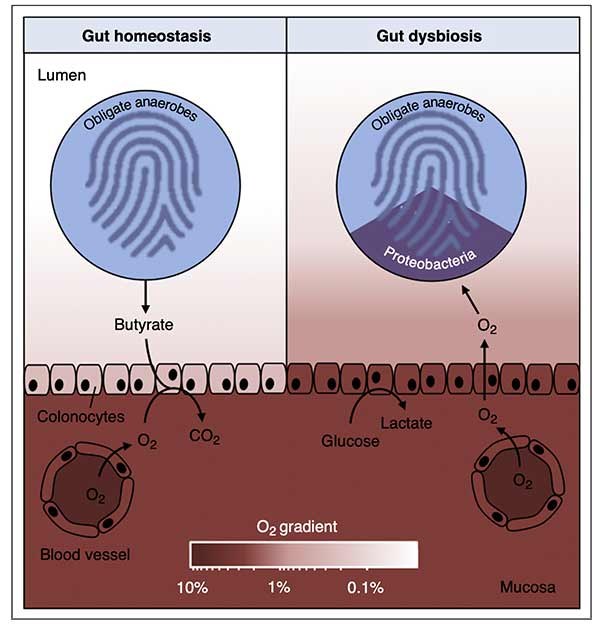 Image from
 So, maintaining a low oxygen and high CO2 environment helps keep the microbiome in check. The internal environment of our body impacts how our body functions.
5. CO2 improves calcium utilization6 — When CO2 exits the cell, it brings with it free water and calcium,7 lowering cellular bulk water. It is toxic to have persistent intracellular calcium, and you want as little free water as possible inside cells. In fact, some machines use the intracellular water level when looking for cancer.8
“The carbon dioxide can be changed into carbonic acid, by chemically combining with water. Carbonic acid is hydrophilic, and so it quickly leaves the cell, taking with it some of the oppositely charged ions, such as calcium and sodium.”9
6. CO2 protects the cell and mitochondria structure from damage, acting like an antioxidant and cell stabilizer — Since it improves oxygen delivery, it reduces free radical damage.10,11,12,13,14 It also protects against hypoxia and the negative effects of intracellular calcium and inflammation.15,16,17,18,19,20 Abundant CO2 inside and outside the cell protects lipids and proteins susceptible to oxidation.21,22 In fact, CO2 is part of our antioxidant defense system.23
“The suppression of mitochondrial respiration increases the production of toxic free radicals, and the decreased carbon dioxide makes the proteins more susceptible to attack by free radicals.” ~ Ray Peat, Ph.D.
“The failure to oxidize glucose to CO2 is oxidative stress.” ~ Ray Peat, Ph.D.
7. CO2 prevents accumulation of lactic acid in the cell, which we see in cancer, diabetes, and other chronic conditions24,25,26,27 — Lactic acid is a byproduct of inefficient carb metabolism that suppresses efficient oxidation of glucose and burdens the liver’s energy supply. Elevated lactic acid levels have a hypoxic effect and signals to the cell that it is under stress.
“The presence of lactic acid, which indicates stress or defective respiration, interferes with energy metabolism in ways that tend to be self-promoting. Harry Rubin’s experiments demonstrated that cells become cancerous before genetic changes appear. The mere presence of lactic acid can make cells more susceptible to the transformation into cancer cells. (Mothersill, et al., 1983.)
Diabetics typically have elevated lactate, which shows that glucose doesn’t have a problem getting into their cells, just getting oxidized.” ~ Ray Peat, Ph.D.
More CO2 improves oxidation and thus prevents accumulation of lactic acid since full oxidative phosphorylation (proper carb metabolism) can occur.
“Lactic acid and carbon dioxide have opposing effects.” ~ Ray Peat, Ph.D.
8. CO2 improves longevity — The higher you live in altitude (and thus the higher CO2 levels), the lower the cancer, heart disease and overall better health.28 Moreover, maximum lifespan of mammals is positively correlated with blood CO2.29
“People who live at very high altitudes live significantly longer; they have a lower incidence of cancer (Weinberg, et al., 1987) and heart disease (Mortimer, et al., 1977), and other degenerative conditions, than people who live near sea level.” ~ Ray Peat, Ph.D.
How Do We Achieve Higher CO2 Levels?
How we eat and breathe impacts how much CO2 we have in our body. You can increase the endogenous production (with proper carb burning), or reduce the outflow (with proper breathing).
CO2 is formed intracellularly during energy metabolism inside the mitochondria. Since carbs are richer in oxygen than fat, they consume less water in their metabolism and release 50% more CO230 (if we use them properly). The more carbs we efficiently burn for energy, the more CO2 we make.
“Higher CO2 has benefits, and a higher ratio of carbohydrates to fat being oxidized for fuel yields greater CO2.”31
The body’s primary source of CO2 is cellular metabolism — so properly burning carbs is the primary source of CO2. In fact, the Keto diet significantly reduces carbon dioxide stores.32 Even Dr. Lustig admits that ketosis reduces the amount of CO2 produced by the body in relation to the amount of oxygen it consumes.33
How we breathe also impacts the CO2 levels inside of our body, as we blow off a ton of CO2 with mouth breathing! Mouth breathing is, in a sense, self-suffocation and hyperventilation when taken to the extreme because we’re driving down CO2 levels to the point that we decrease oxygen availability to the cells. Overtime this can lead to degeneration, and a lot of mouth breathing is a sign of a stressed and lowered metabolism.
Nose breathing is a MUST, and utilizing mouth tape can help reduce levels of mouth breathing while sleeping. For extra CO2 work, try nose bag breathing with a brown paper bag to increase CO2 levels. This is very powerful to do before bed!
In summary, there are a number of health advantages of having elevated cellular CO2 levels. Proper breathing is very important for blood CO2 levels, but it does not change cellular CO2 levels — what you eat does! And being a good carb burner is one of the best ways to achieve elevated levels.
Save This Article for Later – Get the PDF Now
Transform Your Health — One Step at a Time


Ashley and her sister Sarah have put together a truly groundbreaking step-by-step course called “Rooted in Resilience.” They have compiled what clearly is the best application of Dr. Ray Peat’s work on Bioenergetic Medicine that I have ever seen.
It is so good that I am using the core of their program to teach the many Health Coaches that I am in the process of training for the new Mercola Health Clinics I am opening this fall. It took these women working nearly full-time on this project for a year to create it.
This has to be one of the absolute best values for health education I have ever seen. If you want to understand why you struggle with health problems and then have a clear program on how to reverse those challenges, then this is the course for you.
It is precisely the type of program I wish I would have had access to when I got out of medical school. I fumbled around for decades before I reached the conclusion they discuss in the course and share with you so you can restore your cellular energy production and recover your health.
| Select and eat the right foods to heal your metabolism and improve glucose utilization |
| Balance your hormones to help reduce anxiety, weight gain and sleep disturbances |
| Use reverse dieting to increase your calories without gaining weight and tanking your metabolism, all while improving your energy levels |
| Heal your gut for proper immune function, mood and weight management |
| Tweak your diet and lifestyle habits to improve your mindset and mental health |
| Crush your fitness goals with ease and get your life back on track |
| Master the most essential habits for health with bonus guides, including over 100 meal plans to take the stress out of meal time planning and shopping, and so much more! |
Learn more about Rooted in Resilience here.
About the Author
Ashley Armstrong is the cofounder of Angel Acres Egg Co., which specializes in low-PUFA (polyunsaturated fat) eggs that are shipped to all 50 states (join waitlist here), and Nourish Cooperative, which ships low-PUFA pork, beef, cheese, A2 dairy and traditional sourdough to all 50 states. Waitlists will reopen shortly.
- 1 Jpn J Physiol 1984;34(2):205-16
- 2 J Biol Chem 2011 Dec 30;286(52):44821-32
- 3 Stroke 1977;8:226–229
- 4 J Thorac Cardiovasc Surg. 2004 Sep;128(3):354-6
- 5 Nat Rev Microbiol 2018 Feb;16(2):103-110
- 6 Aviat Space Environ Med 1998 Mar;69(3):291-8
- 7 Pflugers Arch 2010 Nov;460(6):953-64
- 8 Structural Dynamics 7, 054701 (2020)
- 9 Ray Peat Water: swelling, tension, pain, fatigue, aging
- 10 Physiol Res 2002;51(4):335-9
- 11 Vopr Med Khim 1996 Jul-Sep;42(3):193-202
- 12 Izv Akad Nauk Ser Biol 1997 Mar-Apr:(2):204-17
- 13 Patol Fiziol Eksp Ter 1995 Jul-Sep:(3):34-40
- 14, 22 Vojnosanit Pregl 1996 Jul-Aug;53(4):261-74
- 15 Fiziol Zh SSSR Im I M Sechenova 1978 Oct;64(10):1456-62
- 16, 21, 23 Fiziol Zh Im I M Sechenova 1995 Feb;81(2):47-52
- 17 Stroke 1996;27:1634–1640
- 18 Acta Neurobiol Exp 2007;67(2):197-206
- 19 Biull Eksp Biol Med 1994 Oct;118(10):395-8
- 20 Biull Eksp Biol Med 1995 Jun;119(6):590-3
- 24 Clin Endocrinol 2011 Feb;74(2):191-6
- 25 Int J Epidemiol 2010 Dec;39(6):1647-55
- 26 Diabetes 1988;37(8):1020–1024
- 27 Ray Peat Lactate vs. CO2 in wounds, sickness, and aging; the other approach to cancer
- 28 Aging Dis 2014 Aug; 5(4): 274–280
- 29 Biogerontology 2013; 14: 687-691
- 30 ChrisMasterjohnphd.com
- 31 Journal of Evolution and Health An Ancestral Health Society Publication March 2017; 2(1)
- 32 Lung 2015 Dec;193(6):939-45
- 33 Harvard TH Chan Keto diet considered for Navy SEALS
Best Kept Secrets to Prevent, Halt, or Even Reverse Macular Degeneration
© GreenMedInfo LLC. This work is reproduced and distributed with the permission of GreenMedInfo LLC.
Want to learn more from GreenMedInfo? Sign up for the newsletter here:
www.greenmedinfo.com/greenmed/newsletter
Reproduced from original article:
https://greenmedinfo.com/blog/best-kept-secrets-prevent-halt-or-even-reverse-macular-degeneration1
Posted on: Wednesday, April 10th 2024
Written By: Katherine Carroll, NTP

Have you ever felt your money was wasted on supplements? That even though you consistently followed the protocol from your health-care practitioner you were not getting the results others obtained with the same program? You may have been right! We’ve helped hundreds of patients with age-related macular degeneration (ARMD) with these healing secrets designed to help “non-responders”; those for whom the average supplement and dietary protocol fails to work.
ARMD is the leading cause of blindness in elderly Western populations and it is marked by central vision loss where blind spots or scotomas intrude. Threading a needle and passing the driver’s licensing test eventually become impossible but ARMD is preventable – even reversible to some degree with the diligent, intelligently targeted efforts we have put into practice in our clinics to increase the chances of success.

The best doctor’s recommendations or nutritional consulting for ARMD are fruitless unless nutrients are able to be broken down or micellized, transported to the macula, and assimilated there. After years of observing how some patients prevent ARMD despite strong hereditary tendencies, how some halt or even reverse impending blindness, and how some patients actually get worse despite being on the same protocol, it became clear that powerful tactics were needed in addition to recommending dietary changes or supplements.
The strategies we employ are successful for many individuals and have applications far beyond the diagnosis of ARMD. They will influence conditions or diseases where proper fat breakdown is essential to impact issues such as dry eye, post-cholecystectomy (gallbladder surgery) status, liver disease, etc. The eye, GI tract, liver, and gallbladder are intricately entwined. Think about it, when your liver is sick, your eyes turn yellow or jaundiced. When your GI tract is out of balance, red, itching “allergy” eyes often result. Interesting signaling! The solution is more complicated than just popping a supplement or even making some dietary changes. Are you ready to learn the secrets? Whether you have macular degeneration or not, these concepts will serve you well.
Best Kept Secret #1: Work from the GI Tract Outward
Some doctors, when pressed if they had only one system to specialize in, would tell you, “The GI tract.” Why? Because the GI tract is central to good health and its ability to affect the entire body so powerful when operating at its peak. It is here that we begin to improve vision. The target nutrients used in past studies[1] to prevent, halt, or reverse ARMD are lutein, zeaxanthin, beta-carotene, antioxidants, and fish oil. The carotenoids (lutein, zeaxanthin, and beta-carotene) concentrate in the central part of the retina, and help us identify colors and see fine details, so they are vital in a healing strategy. They also provide protection against blue light, which damages the retina. Building macular optical pigment density (MOPD) is the goal in this approach, replenishing the macula; but first we have to break down these carotenoids and antioxidants and then shuttle them to the macula by following several simple tactics.
Dr. Stuart Richer, who demonstrated success in reversing macular degeneration with the LAST studies,[2] shares an encouraging increase in MOPD in the pictures below. From July 14, 2011, to October 6, 2011, the degree of MOPD increased by employing some of the following strategies. A picture is worth a thousand words and is the tool best used to motivate patients to committed action. These pictures give hope to those losing their eyesight; the macula is refilling nicely with lutein and zeaxanthin.


The graphs show MOPD, at baseline on the left and increasing in the right-hand picture reflected by the non-red portions of the image after nearly three months of supplementation use. This means the macula is refilling with lutein and zeaxanthin.
To ensure proper breakdown of supplements, use a good digestive supplement, preferably one that contains ox bile, taurine, lecithin, and adequate hydrochloric acid, or a combination of these. Thinning the bile is a major key to eye health as it will help more lutein get to the macula. Doing a liver/gallbladder flush[3] seasonally is an aggressive part of the plan, if one wishes to take a serious, logical approach. Remember, the liver and gallbladder influence the eye, so aim to create a healthy, fully functioning liver and gallbladder. We are not only our eyes. We are a complete system, so thinking from a systems biology approach[4] may create the desired healing response. To do this, head south to the GI tract first.

Interior Terrain Influences Absorption, So Start Clean
A well-functioning GI tract influences the eye tremendously. Support digestive ability by following the 4-R[5] or GI Restoration program. Absorption of the macula-replenishing carotenoids like beta-carotene will be hindered by the presence of Helicobacter pylori bacteria and/or an imbalance of intestinal bacteria. This interior terrain needs a healthy balance of good bacteria versus bad bacteria by using targeted supplements and the support of digestive enzymes along with the other approaches discussed in the 4-R protocol.
All of the targeted supplements and carotenoid-rich foods we suggest will not do you a bit of good unless they are first broken down or micellized.
As even Wikipedia notes, “Micelle formation is essential for the absorption of fat-soluble vitamins and complicated lipids within the human body. Bile salts formed in the liver and secreted by the gall bladder allow micelles of fatty acids to form. This allows the absorption of complicated lipids (e.g., lecithin) and lipid soluble vitamins (A, D, E and K) within the micelle by the small intestine.”[6]
These are the micellizing “magicians” that get the job done: (1) Ox Bile: Supply exogenous ox bile, particularly to post-cholecystectomy patients; (2) Lecithin: (Sunflower or soy) can be added to the diet to aid in fat breakdown; and (3) Taurine: A precursor to bile production, which also thins bile.
Fat-soluble lutein and zeaxanthin, essential to replenish the macula, require being emulsified or broken down to the micellized state in order to enter the bloodstream for transport by a very surprising particle “shuttle,” high-density lipoprotein (HDL).
Sufficient, Well-functioning Bile Is Vital
Bile acids are made from cholesterol in the liver and stored and concentrated in the gallbladder where they act as an emulsifying agent to break up fat into smaller globules, making it more soluble or hydrophilic. This process is called micelle formation. Fat and fat-soluble vitamins like A, D, E, K, beta-carotene, and the carotenoid family are carried to the intestinal mucosa, absorbed into the lymphatic system, and then into the bloodstream. So what is the best kept secret? First, break down the fat-soluble vitamins and then get them to the macula by raising HDL levels to 61 or above. Do you know what your HDL level is?
We discovered this secret by observing hundreds of macular-degeneration patients and had noted in their history that many had had their gallbladder removed or else they were obese or otherwise compromised and had trouble digesting fats, as evidenced by their dry skin, dry eyes, weight gain, gas and bloating, or floating or shiny stools after fatty meals had been consumed. The connection was obvious! No gallbladder, fat maldigestion, or liver or GI issues equaled problems. Half a million people a year are opting for cholecystectomy (gallbladder surgery), not realizing that they can simply cleanse the liver and gallbladder with a “flush,”[7] which is basically an “oil change” that removes old, stasis bile and relieves symptoms in most cases. It is not hard or expensive to do and anyone can do it. And it is certainly worth a try.
However, we are concerned – particularly in a patient with macular degeneration who has undergone cholecystectomy – that fat-soluble vitamins be effectively broken down and absorbed. It is hoped that practitioners caring for macular-degeneration patients incorporate these strategies into their standard of care so that non-responders will have more chance of improvement.
But proper breakdown isn’t the end of the story. Nutrient transport is another key player. Call the HDL “Shuttle.”
Best Kept Secret #2: Lutein and Zeaxanthin Need HDL Particles
Lutein and zeaxanthin, critical components to replenish the macula, are carried in the bloodstream to the macula on HDL particles. That’s amazing. Carotenoids responsible for central vision hitch a ride on a cholesterol particle and hone in on their destination: the macula. And you thought cholesterol was the enemy … wrong! Cholesterol in a healthy ratio and thin bile are key players in this healthy-eye strategy.
Bile is made of bile salts, cholesterol esters, and lecithin. Keep cholesterol at a healthy, total level and at an optimal HDL-to-low density lipoprotein (LDL) ratio because if cholesterol is too low, we will not have enough of the raw materials we need to make bile. Be sure you have what it takes to make cholesterol. Even magnesium plays a part. Blood-serum concentration of lutein and zeaxanthin by proper breakdown of nutrients into micellized globules is important, but equally important is the ability to transport them to their targeted destination. Unless HDL cholesterol is adequate – at least 61 milligrams per deciliter – time and money are potentially wasted on supplements.
Strategies to Raise HDL
Since keeping your HDL at 61 mg/dl or over is important, you might consider the following strategies:
- Exercise: Regular exercise that raises your heart rate for 20 to 30 minutes increases HDL.
- Lose Weight and stop eating transfats: Carotenoids concentrate in the fat first, so if overweight, lose weight! Meantime, while you’re working on it, take more lutein and zeaxanthin and employ the most successful diet recorded to lose weight and reduce disease: the Hale Project[8] documented the amazing success of the Mediterranean Diet (MeDi). Not only is it a smart way to eat, but it also reduced all causes of death and disease by fifty percent in study participants aged 70-90 with active disease processes established after ten years adherence, practicing moderate red wine consumption, light exercise, and not smoking. Macular degeneration or not, this diet is proven!
- Drink Red Wine or use Resveratrol: High-altitude or heat-stressed vine wines from Argentina, Chile, Australia, or damp, moldy vines found in areas like the Finger Lakes of New York are typically higher in resveratrol and will not only raise HDL but also influence health at 1-2 glasses per day. If you don’t drink wine or it is contraindicated for you, then use non-alcoholic resveratrol.
- Take Niacin and Fish Oil: both increase HDL.
- Quit Smoking: Besides reducing HDL smoking asphyxiates the eye.
- Get an Oil Change: Remove all transfats from your diet and replace them with healthy, healing oils to raise your HDL. Employ olive oil, coconut oil, ghee, hemp oil, and flax oil.
There is strength in combining a multi-pronged approach, so consider employing the total approach. Preventing, halting, and even reversing blindness is worth every sacrifice or new habit employed to ensure success and these secrets are a winning combination.
Summarizing the Total Approach
- Aim for an HDL of 61 mg/dl.
- Lose weight, if needed, and take a combination of supplements proven to halt or reverse macular degeneration. If overweight, take more than the recommended amount of carotenoids or use water-soluble zeaxanthin. In either case, employ the MeDi. It extends life and reduces disease.
- Take a supplement that supports proper fat breakdown along with a good eye vitamin.
- Do the 4R program[9] and/or a liver/gallbladder flush in the Spring and Fall to improve fat assimilation.
- Flush and nourish the liver/gallbladder.
- Eat a preferably organic diet, rich in the carotenoids, to replenish the macular pigment (MOPD -remember the pictures?). Egg yolk, kale, spinach, collard and turnip greens lightly steamed, romaine lettuce, broccoli, Brussels sprouts, red and yellow vegetables, and fruits are all great sources.
*A special thanks to Dr. Stuart Richer, Dr. Donald Carroll, NTP, and Bill Sardi, Medical Researcher, for reviewing this article.
This article is for informational purposes only. By providing the information herein, I am not diagnosing, treating, curing, mitigating or preventing any type of disease or medical condition. Before beginning any type of natural, integrative, or conventional treatment or regime, it is advisable to seek the advice of a licensed healthcare professional.
©2013 Katherine Ann Carroll. All Rights Reserved.
Resources
[1] https://www.ncbi.nlm.nih.gov/pubmed/15117055
[2] https://www.ncbi.nlm.nih.gov/pubmed/15117055
[3] https://curezone.com/schulze/herbal_5day_liver_cleanse.asp
[4] https://en.wikipedia.org/wiki/Systems_biology
[5] https://flt.metagenics.com/practitioners/programs/4r-gi-health-program
[6] https://en.wikipedia.org/wiki/Micelle
[7] https://curezone.com/schulze/herbal_5day_liver_cleanse.html
[8] https://www.ncbi.nlm.nih.gov/pubmed/15383513
[9] https://flt.metagenics.com/practitioners/programs/4r-gi-health-program
 Kat Carroll is Executive Director of the National Health Federation and Managing Editor of the National Health Federation’s magazine, Health Freedom News, and is on the Board of Directors of the National Health Federation Canada and the Advisory Board for GreenMedInfo. Kat received the NHF 2014 Health Freedom Hero award. She also writes for several publications, and is currently compiling a book on Codex Alimentarius based on first-hand experience attending International Codex meetings.
Could Endometriosis Be Caused by Bacteria?
Reproduced from original article:
https://articles.mercola.com/sites/articles/archive/2024/02/23/endometriosis-fusobacterium.aspx
The original Mercola article may not remain on the original site, but I will endeavor to keep it on this site as long as I deem it to be appropriate.
Analysis by Dr. Joseph Mercola February 23, 2024

STORY AT-A-GLANCE
- A 2023 study found Fusobacterium could be linked to the development of endometriosis, which is a proliferation of uterine endometrial tissue in areas of the abdomen outside the uterus
- The condition causes pain, heavy and irregular periods, fatigue and gastrointestinal symptoms during a menstrual period, such as diarrhea, constipation and pain with urination or bowel movements
- Certain species of Fusobacterium are commonly found in the human gut and oral flora, but infections with other invasive species have been linked to a wide range of clinical presentations from non-severe pharyngitis to life-threatening abscesses and sepsis
- Endometriosis places women at an increased risk of other health problems, including infertility, cancer, cutaneous melanoma, Non-Hodgkin’s lymphoma, autoimmune diseases, cardiovascular disease, asthma, obesity, migraine headaches and irritable bowel syndrome
- Women can take several steps to reduce the risk of developing endometriosis or help reduce the symptoms, including avoiding endocrine-disrupting chemicals as the condition is hormone dependent, avoiding sugar to reduce inflammation and pain, and considering several nutraceuticals that may help reduce symptoms
There is a good and a bad side to bacteria. One 2023 study1 published in Science Translational Medicine revealed data suggesting one genus of an anaerobic, gram-negative bacteria,2 Fusobacterium, plays an influential role in the development of endometriosis. This genus of bacteria has species that live symbiotically with humans and others that develop invasive infections.
The inappropriate use of antibiotics and bacterial infections has culminated in the “greatest public health challenge of our time”3 — antimicrobial resistance. One important focus of attaining and maintaining optimal health is supporting a balanced gut microbiome. When bacteria develop the ability to avoid the drugs designed to kill them, resistant infections can proliferate and become difficult or impossible to treat.
Your gut microbiome is a major contributor to a wide range of physical, mental and emotional health conditions. Research links gut microbial dysbiosis to obesity, Type 2 diabetes, cardiovascular disease,4 athletic performance,5 cognitive impairment,6 depression and anxiety.7 It should then come as no surprise that bacteria may play a role, regardless of how significant, in many of the prevalent chronic health conditions that plague society.
The film, “The Invisible Extinction,”8 highlights the work of microbiologists Dr. Martin Blaser and Gloria Dominguez-Bello — a husband-wife team — who warn that the human microbiome is endangered, putting human health at risk.
As data indicating the significance of a healthy microbiome to overall health continues to mount, researchers are also identifying ways in which harmful bacteria play a role in noninfectious disease development. And, one particular bacterial infection associated with endometriosis, Fusobacterium, may suggest a potential treatment pathway for this painful disorder.9
Could This Bacteria Trigger Endometriosis?
The 2023 study10 found that Fusobacterium, a bacterial type that’s commonly found in the human gut and oral flora, may be linked to endometriosis. The study included 155 women in Japan11 and found 64% of women presenting with endometriosis had Fusobacterium within ovarian endometriotic lesions. However, less than 10% of women without endometriosis had the Fusobacterium in their endometrium.12
The researchers used an animal model and inoculated Fusobacterium into mice which then increased myofibroblasts and the weight and number of endometriotic lesions. The mice were treated with antibiotics and researchers found this could, in large part, not only prevent endometriosis from developing, but help reduce the endometriotic lesions that were already established.
The researchers believe the data support a potential mechanism for the development of endometriosis and suggest it could be an approach to treating the disease.13
In addition to evaluating for the presence of Fusobacterium within human endometrial tissue and testing an animal model, the researchers also used cell culture experiments to find that the bacteria initiated a substance called TGF-beta, which appeared to activate normally dormant cells.
Although certain species of Fusobacterium live symbiotically within the oral and gut microflora, this species of Fusobacterium is invasive and has been linked to other infections and diseases.14 Although the infections with Fusobacterium are uncommon,15 they tend to infect younger and older individuals and cause a wide range of clinical symptoms from non-severe pharyngitis to life-threatening abscesses and sepsis.
What Is Endometriosis?
The word “endometriosis” is derived from the name of the tissue that lines the uterus, which is the endometrium. This lining is what the body releases with each menstrual cycle. Each month, the body grows a new endometrium in preparation for a potential pregnancy. Endometriosis occurs when this tissue grows in areas of the abdomen outside of the uterus.
According to Johns Hopkins Medicine, the condition affects up to 10% of women.16 The endometrial tissue most often grows on or around the reproductive organs, such as the ovaries, fallopian tubes, space between the uterus and the rectum, or the lining of the pelvic cavity. Less frequently, it can also grow around the bladder, intestines, rectum and stomach.
The condition increases pain associated with menstrual cramps and can cause pain during or after sex. Women may also experience heavy or irregular periods, fatigue and gastrointestinal symptoms during a menstrual period such as diarrhea, constipation and pain with urination or bowel movements.
Although the condition has no known cause, data does show certain factors increase the risk, including starting menstruation before age 11, a family history of endometriosis and periods that last more than 7 days. Although in many cases, a diagnosis of endometriosis begins with severe symptoms, some women can have endometriotic lesions outside the uterus but have no symptoms.17
While data from the featured study is encouraging, as it helps to at least point to a potential trigger, it’s important to note that endometriosis is likely multifactorial and may have cultural or environmental differences. A 2021 study18 published in Reproductive Sciences evaluated a group of 371 fertile women with endometriosis, 175 from China and 196 from Italy. Symptoms and quality of life were compared, which revealed significant differences between the two groups.
Italian women presented with symptoms at a younger age, more frequently with severe pain, were more often diagnosed with deep infiltrating endometriosis and had more systemic comorbidities at the time of diagnosis than women from China. Scores on tests also showed the Italian group of women had worse health-related quality of life.
In the group of Chinese women, there was less pain, diagnosis at an older age, ovarian and superficial endometriosis and better quality of life scores. The researchers suggested that the differences may be related to ethnicity, healthcare system or social and cultural background.19
Download this Article Before it Disappears
Endometriosis and Comorbidities
Endometriosis is debilitating. According to Science Alert,20 women in the U.K. often wait an average of 7.5 years before seeing their physician for a diagnosis and Yale Medicine21 estimates that women in the U.S. may experience symptoms for 10 years before getting a proper diagnosis.
Unfortunately, this places these women at risk of more health problems, including infertility. In some cases, endometriosis causes complete infertility, but in other cases, fertility may not be affected. Research22 also suggests that women with endometriosis have a higher risk of pregnancy-related complications, including preterm delivery, miscarriage, preeclampsia, bowel perforation and uterine rupture.
When left untreated, endometriosis not only leads to infertility, but other organ damage. A 2015 systematic review23 of the literature identified studies that looked at the association between endometriosis and specific diseases.
They found increasing evidence that women with endometriosis have a higher risk of several chronic diseases, suggesting that the condition is not harmless with respect to long-term health. According to this review, women with endometriosis had a “higher risk of ovarian and breast cancers, cutaneous melanoma, asthma, and some autoimmune, cardiovascular and atopic diseases, and at decreased risk of cervical cancer.”24
In a separate article,25 one of the scientists postulated potential explanations for the associations, including that studies may have had a methodological bias. Other explanations included the potential that endometriosis induces physiological changes that increase the risk of chronic disease, that women with endometriosis share specific risk factors for chronic disease, or that the treatment for endometriosis could increase the risk of some chronic diseases.
Analysis of data from Taiwan26 identified similar associations between endometriosis and chronic diseases. In this population, the researchers also found an association with irritable bowel syndrome, migraine headaches, pelvic inflammatory disease, obesity, chronic liver disease, cardiovascular disease, diabetes, rheumatoid arthritis and chronic renal disease.
A 2023 study27 published in the journal Nature Genetics may help explain the comorbidity with other inflammatory and pain-related conditions. In a genome-wide association meta-analysis of European and East Asian participants, the researchers:
“… observed significant genetic correlations between endometriosis and 11 pain conditions, including migraine, back and multisite chronic pain (MCP), as well as inflammatory conditions, including asthma and osteoarthritis.”
The severity of the symptoms can affect mental health28 and may compromise social relationships, which in turn influences support systems. Depression and anxiety can also amplify the perception of pain. In one study,29 researchers estimated that at least one-third of women with endometriosis suffer from depression and anxiety.
Reducing Symptoms of Endometriosis
Insulin sensitivity may also play a role in endometriosis. A 2019 review30 looked at the likelihood of the coexistence of Type 1 diabetes and endometriosis, including the prospect that therapeutic strategies could help reduce complications. While Type 1 diabetes is an autoimmune disease, endometriosis is not.
However, according to the paper, they share similar pathophysiological pathways, including an association with chronic inflammation and an overactive immune response. A 2002 study31 also showed women with endometriosis more frequently had mechanical dysfunction in the gastrointestinal system and reactive hypoglycemia with normal insulin levels.
According to the researchers, the nerve dysfunction found in women with endometriosis was identical to that found in individuals with insulin resistance and resulted in debilitating gastrointestinal symptoms. In addition to strategies that improve insulin sensitivity and reduce resistance, women with endometriosis may consider addressing other factors that contribute to symptoms of endometriosis, such as:
• Avoiding endocrine disruptors — Endometriosis is hormone dependent, and data has linked exposure to environmental endocrine disrupting chemicals (EDCs) with the development of endometriosis. A 2023 study32 looked at epidemiological and experimental data of four EDCs and found:
“The available information strongly indicates that environmental exposure to EDCs such as PCBs, dioxins, BPA, and phthalates individually or collectively contribute to the pathophysiology of endometriosis.”
One commonly used EDC is oxybenzone, found in many sunscreen formulations. The Environmental Working Group (EWG) calls oxybenzone “the most worrisome sunscreen active ingredient,”33 as the chemical is readily absorbed through the skin, is associated with skin reactions and has demonstrated hormone-disrupting properties.
A 2012 study34 associated benzophenone, the class of drugs to which oxybenzone belongs,35 as an EDC that has a high likelihood of increasing the risk of endometriosis. EDC chemicals are found in many everyday products, including pesticides, plastics and food storage materials, and antibacterial soaps.36
• Avoiding sugar — Dysregulated blood sugar has a significant influence on endometriosis as it promotes an inflammatory response in the body,37 which may contribute to a flare-up of the disease and raise pain levels. As blood sugar rises, cortisol can also rise which lowers progesterone levels and sets the stage for higher levels of estrogen.38
• Considering physical activity — Physical activity and exercise is an important factor in attaining and maintaining optimal health. Yet, for women with endometriosis, they may want to consider physical activity a prescription to help lower inflammation and painful symptoms. While the literature examining endometriosis is not conclusive, data does reveal that physical activity helps lower the inflammatory response.39
One review of the literature40 was unable to find enough quality studies to produce a quantitative meta-analysis, but did identify a couple studies showing activity improved pain intensity and decreased stress levels. The researchers suggested future high-quality randomized controlled trials were necessary to determine if physical activity improved symptoms and quality of life.
A 2023 study41 in the International Journal Gynecology and Obstetrics, reviewed the benefits of physical therapy in women with endometriosis, doing a meta-analysis on six studies that evaluated pain intensity and quality of life measures. The data show these non-pharmacological therapies “are a therapeutic option for women with endometriosis for improving pain intensity and physical function.”
• Considering supplements — Women with endometriosis may also consider nutraceuticals that have demonstrated a beneficial effect against the pain and symptoms of endometriosis. N-acetylcysteine (NAC), chasteberry and melatonin may all offer some relief.
In a 2013 Italian study,42 women who took 600 mg of NAC three times a day for three consecutive days per week, for three months, saw such significant improvement that half of the treatment group were able to cancel their surgeries. Eight of the 47 women in the intervention group had complete remission. The researchers concluded that:43
“Our results are better than those reported after hormonal treatments … NAC actually represents a simple effective treatment for endometriosis, without side effects, and a suitable approach for women desiring a pregnancy.”
Chasteberry is known as “the woman’s herb,” and has a long history of use in female fertility and hormonal health. A leaf decoction has demonstrated a reduction in symptoms of endometriosis within clinical practice and reduction in endometrial cyst size.44 Chasteberry may also help reduce inflammation and balance reproductive hormones.45
Chasteberry may help increase progesterone production, which affects the luteal phase of the menstrual cycle, the time from ovulation until bleeding starts. These issues are often linked to menstrual irregularities, including endometriosis.
Melatonin has also shown some promise for pain control. In one study,46 10 mg per day of melatonin helped decrease pain by 39.8% and dysmenorrhea by 38.01%.
- 1, 10, 12, 13 Science Translational Medicine, 2023;15(700)
- 2 Journal of Critical Care Medicine, 2017;3(4)
- 3 Centers for Disease Control and Prevention, November 15, 2022
- 4 Indian Heart Journal, 2021;73(3)
- 5 Current Gastroenterology Reports, 2020;22(11)
- 6 Frontiers in Pharmacology, 2022; 13
- 7 Clinics and Practice, 2017;7(4)
- 8 The Invisible Extinction
- 9, 11 Nature, June 14, 2023
- 14 Science Alert, June 15, 2023 Para 7, 9
- 15 The Journal of Critical Care Medicine, 2017; 3(4)
- 16 Johns Hopkins Medicine, Endometriosis
- 17 Cleveland Clinic, Endometriosis, How is endometriosis diagnosed?
- 18, 19 Reproductive Sciences, 2021; 28(8)
- 20 Science Alert, April 17, 2023
- 21 Yale Medicine, Endometriosis
- 22 Endometriosis.net, June 20, 2018 subhead 1, para 1
- 23, 24 Human Reproduction Update, 2015;21(4)
- 25 Endometriosis, Endometriosis and Co-morbidities
- 26 Journal of the Chinese Medical Association, 2016; 79 (11)
- 27 Nature Genetics, 2023;55
- 28 International Journal of Women’s Health, 2017; 9
- 29 Frontiers in Neuroendocrinology, 2022;65
- 30 Journal of endocrinology, 2019; 243(3)
- 31 Fertility and Sterility, 2002; 77 (Supplement 1)
- 32 Reproductive Toxicology, 2023;115
- 33 Environmental Working Group, The trouble with ingredients in sunscreens
- 34 Environmental Science & Technology, 2012;46(8)
- 35 Biomonitoring California, Benzophenone-3
- 36 Endocrine Society, January 24, 2022
- 37 Cleveland Clinic, January 28, 2022
- 38 Endometriosis.net, March 9, 2021
- 39 Nature Reviews Immunology, 2011;11
- 40 BMC Women’s Health, 2021; 21(355)
- 41 International Journal Gynecology and Obstetrics, 2023; 162(1)
- 42, 43 Evidence-Based Complementary and Alternative Medicine, 2013 (240702)
- 44 Current Drug Delivery, 2019; 16(5) 40% DTP 7.7
- 45 Cleveland Clinic, November 22, 2022
- 46 Pain, 2013;154(6)
Embrace milk thistle’s anticancer flavonoids
Reproduced from original article:
https://www.naturalhealth365.com/embrace-milk-thistles-anticancer-flavonoids.html
by: January 26, 2024
 (NaturalHealth365) Herbal healers have long treasured milk thistle – and its flavonoid compounds – for its ability to clean out the liver and reduce the risk of illnesses such as hepatitis, cirrhosis, and nonalcoholic fatty liver disease (NAFLD). But milk thistle may possess another valuable feather in its cap – recent studies support the ability of silymarin, a milk thistle constituent, to attack cancer in various ways while leaving normal cells unharmed. In fact, new research published in the International Journal Of Biological Macromolecules explores the potential of polyphenolic compounds, including silymarin, to reduce colorectal cancer tumor size in vivo.
Another study credits silymarin with the ability to attack cancer by interfering with a critical pathway the disease needs to spread. As if that weren’t impressive enough, research shows that silymarin from milk thistle can strengthen the therapeutic action of chemotherapy drugs while simultaneously easing their toxic side effects. Not that we “promote” the use of chemotherapy, but – it illustrates milk thistle’s fantastic ability to protect our health.
Silymarin inhibits the spread of stomach cancer cells
In a study conducted at Kongju National University and published in Oncology Reports, researchers found that silymarin significantly decreased the survival and migration of cancer cells – thereby interfering with the ability of the disease to spread to other locations in the body.
Silymarin also caused apoptosis – or programmed “cell suicide”- in stomach cancer cells. The team discovered that silymarin worked by interfering with the MAP-Kinase pathway, a chain of proteins involved in cancer cell growth.
Clearly, this is good news! The scientists noted silymarin’s potential for development as a cancer treatment and called for more study.
Silymarin fights cancer through multiple methods
Why, exactly, are researchers so impressed with silymarin’s therapeutic potential? For one thing, silymarin has powerful antioxidant and anti-inflammatory capabilities, allowing it to scavenge harmful free radicals and limit disease-causing oxidative damage.
In addition, silymarin protects and preserves glutathione, the “master antioxidant” and keystone of the body’s defense system. Silymarin also prevents toxins from binding to cell membrane receptors – thereby helping to protect against the cancer-causing mutation of cells.
Finally, silymarin decreases the production of matrix metalloproteinases (MMPs), enzymes that promote cancer metastasis. In research published in Carcinogenesis, scientists credited silymarin with suppressing the invasiveness of bone cancer by interfering with the production of MMPs.
In a separate study, researchers noted that silymarin prevented the progression of liver cancer, also by inhibiting MMPs.
Clinical and case studies highlight silymarin’s potential against hormone-sensitive cancers
Silymarin shows particular promise in preventing and treating cancers that depend on hormones to grow, such as cancers of the breast and prostate.
The flavonoid has been shown to block migration in breast cancer cells – even those of triple-negative breast cancer, which is particularly invasive. Silymarin also decreases levels of telomerase, which promotes breast cancer cell survival.
In a promising study published in Cancer Research, 160 mg of silymarin a day reduced the size of prostate cancer tumors by up to 64 percent. Silymarin can also help prevent prostate cancer by boosting levels of proteins that destroy potentially pre-cancerous cells and suppressing the production of inflammatory molecules linked to prostate cancer spread.
In one study, a protocol of silymarin with vitamins C and E, along with the cancer-fighting mineral selenium, significantly reduced markers of cancer in prostate cancer patients.
Milk thistle extracts increase the power of conventional cancer drugs while alleviating toxic effects
In addition to its other gifts, silymarin can help diminish the adverse effects of anticancer drugs. In one randomized, placebo-controlled study involving children with acute lymphoblastic leukemia, 160 to 320 mg a day of silymarin for 28 days reduced liver toxicity from chemotherapy.
The flavonoid also helped to restore liver function in breast cancer patients treated with the chemodrug carboplatin. As if that weren’t impressive enough, silymarin also seems to promote and intensify the cancer-fighting properties of other medications and therapies.
In one study, silibinin (a type of silymarin) made brain cancer cells more susceptible to trial cancer treatments. Other studies have demonstrated silymarin’s ability to increase the effectiveness of photodynamic theory on bladder cancer cells.
Non-toxic milk thistle features an excellent safety profile
Milk thistle is available in tablets, capsules, and powders – and can even be sipped as a tea. Holistic healthcare providers may advise 100 mg to 450 mg a day – with about 150 mg advised for general liver support.
Note: It’s best to consult with a doctor who has experience with herbs before trying milk thistle. Don’t attempt to treat cancer or any other medical condition with milk thistle extract unless under the supervision of a medical professional.
Sources for this article include:
Study: The Anti-Inflammatory Properties of Ginger
Reproduced from original article:
https://articles.mercola.com/sites/articles/archive/2024/01/26/ginger-anti-inflammatory-properties.aspx
The original Mercola article may not remain on the original site, but I will endeavor to keep it on this site as long as I deem it to be appropriate.
Analysis by Dr. Joseph Mercola January 26, 2024

Story at-a-glance
- The bioactive compounds in ginger help counteract neutrophil hyperactivity in certain autoimmune diseases by increasing cyclic adenosine monophosphate (cAMP), which in turn inhibits neutrophil extracellular trap (NET) formation
- Researchers were encouraged to find a natural supplement that could help fight overactive neutrophils and may complement treatment programs to relieve symptoms of diseases like rheumatoid arthritis, lupus and antiphospholipid syndrome
- Ginger positively influences your gut by accelerating gastric emptying, and thus reduces the potential for heartburn. Alongside other spices, it can increase your gut microbiome diversity and, in turn, help to suppress long-term weight gain
- Ginger can modulate pain associated with menstruation, osteoarthritis, migraines and delayed onset muscle soreness. Research also finds cardioprotective properties, which may be attributed to antihypertensive and antiplatelet activity
Roughly 5,000 years ago, ginger (Zingiber officinale) was a luxury item.1 The root can be eaten fresh, pickled, preserved, candied, powdered or ground and researchers have now found the mechanism through which ginger helps reduce the symptoms of autoimmune diseases.2
Ginger is from the same family as cardamom and turmeric and is indigenous to tropical Asia. However, since ginger does not grow in the wild, the exact origins are unclear. It has been used medicinally and in food for at least 5,000 years.3
When the Roman Empire fell, the ginger trade was taken up by Arab merchants and spread across Europe. It continues to be used in traditional medicine today. Ayurvedic practitioners promote ginger to improve digestion and destroy toxins but warn that pregnant women, people with high blood pressure, skin diseases, gallstones or peptic ulcers should limit their intake. Data also suggests that adding ginger to your diet can do more than impact autoimmune diseases.
Ginger May Help Inflammation in Autoimmune Diseases
In January 2021,4 researchers from the University of Michigan demonstrated that a bioactive compound in ginger helped lower antibody production and stop disease progression in an animal model in which the animals had the autoimmune diseases antiphospholipid syndrome or lupus.
Ginger has traditionally been used to help lower inflammation, but until the most recent study published by the University of Colorado, the biological mechanism that underlies the anti-inflammatory properties had not been identified. In the paper5 published in JCI Insight, the research team noted the previously reported activity against antiphospholipid syndrome and lupus.
In the current study,6 they explored how taking a whole ginger extract could impact neutrophils in autoimmune mice and healthy humans. The study examined neutrophil extracellular trap (NET) formation and how that influenced inflammation. NET formation is also known as NETosis which, when restrained, could help reduce inflammation and symptoms in people with different types of autoimmune diseases.
NETs are microscopic structures that look like spider webs. They promote clotting and inflammation, which contributes to the development and progression of several autoimmune diseases such as rheumatoid arthritis, lupus and antiphospholipid syndrome.
In this trial, researchers gave 20 milligram supplements of gingerols to healthy volunteers over seven days. They found the supplementation increased cyclic adenosine monophosphate (cAMP), which was responsible for inhibiting NETosis.
“Our research, for the first time, provides evidence for the biological mechanism that underlies ginger’s apparent anti-inflammatory properties in people,” said senior co-author Dr. Jason Knight, associate professor in the department of internal medicine, division of rheumatology, at the University of Michigan.
“There are not a lot of natural supplements, or prescription medications for that matter, that are known to fight overactive neutrophils. We, therefore, think ginger may have a real ability to complement treatment programs that are already underway. The goal is to be more strategic and personalized in terms of helping to relieve people’s symptoms,” he added.
The researchers hope the results of this study will help garner funding for clinical trials using ginger in people with inflammatory diseases where neutrophils play a prominent role, including in the treatment of COVID-19.
Known Effects on the Gastrointestinal Tract
What you eat and drink has an impact on the development of heartburn and data shows ginger offers a range of gastroprotective effects, including against dyspepsia (indigestion).7 Ginger can reduce the pressure on the lower esophageal sphincter, which helps prevent heartburn. It also prevents dyspepsia, flatulence and bloating.
Clinical trials have demonstrated how ginger extract can increase gastrointestinal motility and accelerate gastric emptying, another factor that influences heartburn. Ginger is also one of the most popular home remedies used by people with irritable bowel syndrome (IBS) to help control their symptoms, although a small pilot study showed ginger was not more effective than a placebo.
Adding two or three slices of fresh ginger root to two cups of hot water and letting it steep for several minutes results in a delicious cup of ginger root tea. Try drinking it approximately 20 minutes before eating a meal to help lower your potential risk of heartburn.
In a 2022 study8 the researchers noted that past data demonstrated that taking capsules of spices including cinnamon, oregano, ginger, black pepper and cayenne pepper could favorably affect the composition of your gut bacteria after just two weeks. They engaged 54 adults who were at risk of cardiovascular disease9 to add a blend of herbs and spices, including cinnamon, ginger, cumin, turmeric, rosemary, oregano, basil and thyme, to a controlled diet.
The researchers evaluated three different doses — one-eighth teaspoon per day, three-fourth teaspoon per day or 1.5 teaspoons per day.10 They tested gut bacteria diversity after four weeks of consuming herbs and spices and found those consuming three-fourths teaspoon or 1.5 teaspoon daily doses increased gut diversity, which represents a healthy change in the gut microbiome.
Decreased diversity has been linked to chronic conditions such as obesity and Type 2 diabetes. “Research has shown that people who have a lot of different microbes have better health and a better diet than those who don’t have much bacterial diversity,” study author Penny Kris-Etherton, Evan Pugh University professor of nutritional sciences at Penn State, said.11
Specifically, the researchers noted an increase in the Ruminococcaceae bacterial group, which is known to be beneficial for immune function and liver metabolism. The researchers noted that past studies had suggested enrichment of this family could suppress long-term weight gain and diet-induced obesity.
Data from a pilot study12 also demonstrated that ginger could reduce the proliferation of colorectal epithelium and increase apoptosis and differentiation, especially of the colonic mucosa in the crypts. These results were consistent with other research data, suggesting that ginger has a chemoprotective property that lies in the ability to regulate cell function and viability.
Download this Article Before it Disappears
Ginger and Pain Relief
Clinical trials have also demonstrated that ginger can modulate pain through a variety of mechanisms, including inhibiting prostaglandins.13 Traditionally, ginger has been used to treat pain associated with menstruation, osteoarthritis, migraines and delayed onset muscle soreness.
More than 400 chemical substances have been identified in ginger root extracts, and researchers continue to find new ones. Recently, more patients who have diseases linked to chronic inflammation are considering natural pain relief options to protect themselves from drug side effects related to long-term use or as prophylactic treatment.
A narrative review of 10 years of randomized control trials14 examined how ginger has been used to treat several conditions and the method by which the active compounds helped lower chronic inflammatory disease symptoms.
Evidence from six clinical trials evaluated the efficacy of ginger in symptoms of dysmenorrhea and found that the most common length of time ginger was taken was during the first three days of menstruation, all of which showed ginger was effective to some degree in decreasing pain in women with dysmenorrhea.
A review of the data15 evaluating ginger against knee osteoarthritis looked at randomized clinical trials using either oral or topical ginger. Two studies suggested that ginger helped reduce pain and two assessed topical use of an aromatic essential oil, which the researchers believed had the potential as an alternative for short-term pain relief.
The review concluded16 that while there is good evidence in vitro and in animal models to demonstrate that ginger has anti-inflammatory activities and could lower chronic inflammatory disease symptoms, especially pain, human studies were not numerous.
Many of the human clinical trials were conducted in Asia and the researchers theorized that the outcome expectancy could differ across ethnicities and cultures, so it was important to confirm the promising pain-relieving effects in a worldwide population.
Ginger and Your Heart
As the acknowledgment of the health benefits of herbs and spices continues to grow, researchers are finding even more health benefits from ginger. Two 2021 studies demonstrate how ginger could have a significantly positive effect on heart health.
In the first study,17 the researchers chose to review the phytochemical properties of the bioactive components of ginger and the health benefits it has in several diseases with special attention paid to the cardiovascular system.
After a comprehensive search of the literature, researchers noted that ginger was among the herbs used to develop new drugs that have more potency and fewer side effects. They noted that the cardioprotective effects may be attributed to the antihypertensive, antiplatelet and antihyperlipidemic activities of ginger. They suggest that these biological activities offer new insight into the treatment of cardiovascular disease.18
The second study19 analyzed the effects ginger extract could have on cardiomyocyte hypertrophy, cardiac fibrosis and the ultimate development of heart failure. The study began using cultured cardiomyocytes and cardiac fibroblasts in the lab. These were first treated with ginger extract and then stimulated with phenylephrine.
The lab data showed that ginger extract could suppress the increase in the surface area of cardiomyocytes that are commonly induced by the drug treatment. The extract also suppressed the mRNA levels of brain natriuretic peptide (BNP) and atrial natriuretic factor (ANF), which are upregulated in a variety of cardiac disorders, including congestive heart failure, hypertensive heart disease, and ischemic heart disease.20
Next, the researchers used mice who were surgically treated and then given a daily oral dose of ginger extract for eight weeks.21 The mice then had echocardiographic analysis and, finally, the heart weight was measured and compared against the body weight. The researchers found that the mice taking the ginger extract had a reduction in the expected increased posterior wall thickness and a decrease in systolic dysfunction.
While the featured study demonstrated that ginger has a positive effect on those who have specific autoimmune diseases, it’s apparent that the overall effects can also positively influence your gut health, reduce pain and offer some protection to your cardiovascular system. Many of these effects are also related to the anti-inflammatory properties of the bioactive compounds in ginger.
- 1, 3 Ancient Origins, December 15, 2018
- 2 University of Colorado Anschutz Medical Campus, September 22, 2023
- 4 Michigan Medicine, January 6, 2021
- 5, 6 JCI Insight, 2023; doi: 10.1172/jci.insight.172011
- 7 Food Science & Nutrition, 2019;7(1) 2
- 8, 9 The Journal of Nutrition, 2022;152(11)
- 10, 11 PennState, December 2, 2022
- 12 Cancer Prevention Research, 2013;6(4)
- 13, 16 Phytotherapy Research, 2020;34(11)
- 14 Phytotherapy Research, 2020;34(11) 3.1
- 15 Phytotherapy Research, 2020;34(11) 3.3
- 17, 18 Current Molecular Pharmacology, 2021; 14(6)
- 19, 21 European Cardiology Review, 2021; 16
- 20 Journal of Transplantation, 2012; 2012 first line
Can This Probiotic Fix Your Gut and Hair?
Reproduced from original article:
https://articles.mercola.com/sites/articles/archive/2024/01/22/probiotics-lactobacillus.aspx
The original Mercola article may not remain on the original site, but I will endeavor to keep it on this site as long as I deem it to be appropriate.
Analysis by Dr. Joseph Mercola January 22, 2024
STORY AT-A-GLANCE
- The probiotic bacteria Lactobacillus reuteri help upregulate the hormone oxytocin, a chemical messenger that plays important roles in the male and female reproductive systems and influences aspects of human behavior, including sexual arousal, recognition, trust and interpersonal bonding
- L. reuteri also upregulate systemic immune responses, thereby promoting wound healing, mental health, metabolism and myoskeletal maintenance
- Aged mice fed L. reuteri-containing probiotic yogurt experienced skin and hair changes that mimic the peak health and reproductive fitness seen in younger animals, including thicker dermis, and thicker, shinier, more lustrous fur. In contrast, age-matched controls that ate chow alone had dull fur and suffered from occasional alopecia and dermatitis
- L. reuteri have antimicrobial, immune-boosting and immune-regulating effects, and strengthen the intestinal barrier. Lactobacilli also benefit your health by breaking down dietary fiber into beneficial short-chain fatty acids, breaking down phytonutrients, promoting the growth of other beneficial gut microbes, maintaining an appropriate pH level in your gut, and inhibiting endotoxin production
- Mental health problems have in recent years been linked to gut health and immune function, and studies have confirmed that different species of Lactobacillus can help prevent and/or treat these conditions
Probiotic supplements have long been promoted for their ability to improve your gastrointestinal health. However, as noted in a 2016 paper,1 gut bacteria also “exert effects beyond the local boundaries of the gastrointestinal tract to include distant tissues and overall health.”
For example, the probiotic bacteria Lactobacillus reuteri help upregulate the hormone oxytocin, a chemical messenger that plays important roles in the male and female reproductive systems and influences aspects of human behavior, including sexual arousal, recognition, trust and interpersonal bonding.2
L. reuteri also upregulate systemic immune responses, thereby promoting wound healing, mental health, metabolism and myoskeletal maintenance.3 Some of these effects are achieved through competitive inhibition, which is when beneficial bacteria crowd out harmful ones.
Beneficial bacteria like L. reuteri also serve important signaling functions, and as a whole, your gut microbiome interacts with various systems of your body via immune-endocrine-brain signaling networks.
As such, probiotics “provide novel therapeutic strategies to stimulate powerful homeostatic pathways and genetic programs, stemming from the coevolution of mammals and their microbiome,” the 2016 paper4 concludes.
Lactobacillus Reuteri Induce Healthy Glow
An earlier study, published in 2013,5 found that aged mice fed a commercially-available vanilla-flavored L. reuteri-containing probiotic yogurt experienced skin and fur changes that mimic the “peak health and reproductive fitness characteristic of much younger animals,” including a thicker dermis, and thicker, shinier, more lustrous coats.
These changes were largely attributed to a bacteria-induced interleukin-10-dependent mechanism in the males and a more acidic pH in the skin of the females. In contrast, age-matched controls that ate chow alone had dull fur and suffered from occasional alopecia and dermatitis.
Results were also reproduced using purified L. reuteri in water. The researchers point out that healthy-looking fur (and hair in humans) also tend to be a sign of good fertility, and is a recognized sign of health in general, both among animals and humans:
“In a previous GI immune-related study, we documented changes in fur appearance in mice treated with probiotics. Similar ‘probiotic’ organisms dominate under natural conditions during infancy and fertility in many animal species.
Taken together these facts lead us to hypothesize that probiotics may play a role in effecting the ‘glow of health’ associated with youth and reproductive fitness. Further, we postulated that feeding of probiotic organisms recapitulates these beneficial integumentary effects characteristic of youth within aged adult animals …
Using published data of Ravel et al (2011) for vaginal microbiome and pH levels of human females, we found that an acidic vaginal pH correlated with Lactobacillus sp abundance and peak fertility, estimated to be 25 years of age in women.
Taken together with our earlier data, this led us to postulate that probiotic bacteria induce host physiological changes including a more acidic pH resulting in radiant skin and shiny hair signaling peak health and fertility and thus a good reproductive investment.”
The primary bacterium responsible for the healthy glow in this study was again from the genus of lactobacillus — gram-positive, anaerobic bacteria that metabolize carbohydrates to produce lactic acid. Lactobacillus is the largest genus within the lactic acid bacteria (LAB) group.6
This genus is best known for its ability to promote gastrointestinal health and modulate the immune system, making it valuable in the treatment of GI issues such as inflammatory bowel diseases,7,8 but as these two (and other) studies show, their influence is quite extensive and includes most if not all of your body.
Antimicrobial, Anti-Inflammatory and Immune Regulatory Effects
As detailed in the 2018 paper, “Role of Lactobacillus Reuteri in Human Health and Diseases,” L. reuteri’s mechanisms of action include:9
• Antimicrobial effects, as it produces several antimicrobial molecules, including organic acids, ethanol and reuterin. As a result, L. reuteri can effectively inhibit the colonization of pathogenic microbes and remodel the composition of your commensal microbiota (opportunistic pathogens).
Importantly, studies10,11 have shown L. reuteri and L. rhamnosus GG can lower the risk of staph infections and sepsis during wound healing when applied topically. L. rhamnosus GG was found to promote cell migration, resulting in more rapid wound closure, while L. reuteri increased cell division rates, thereby aiding in the wound healing.
The idea of placing live bacteria on an open wound is questionable, but since the extract of killed bacteria proved to have a similar effect, the researchers suggest bacterial extracts may eventually be used in wound care.
Another double-blind, placebo-controlled study12,13 found that use of L. reuteri prodentis-containing lozenges improved the efficacy of standard treatment for chronic periodontitis (scaling and root planing) by 53%.
• Immune-boosting and immune-regulating effects — Some L. reuteri strains are known to inhibit the production of proinflammatory cytokines while simultaneously promoting regulatory T cell development and function.
• Strengthening the intestinal barrier, thereby decreasing microbial translocation from the gut lumen to other tissues. As a result, a wide variety of diseases rooted in systemic inflammation may be ameliorated.
Lactobacilli also benefit your health by:
• Breaking down dietary fiber into beneficial short-chain fatty acids.
• Breaking down phytonutrients such as polyphenols, which have anti-inflammatory and antioxidant benefits.
• Promoting the growth of other beneficial gut microbes, including bacteria that produce butyrate, which is a fuel source for the cells in your gut lining and inhibits inflammation.14
• Maintaining an appropriate pH level in your gut by producing lactate and acetate from dietary fiber. And, by balancing the acidity in your gut, they encourage the proliferation of beneficial and harmless (commensal) bacteria while minimizing the harmful ones.
Download this Article Before it Disappears
Strain-Specific Benefits
Specific Lactobacillus strains have also been shown to be particularly beneficial for certain health conditions. For example:15
| L. acidophilus is recommended in the treatment of ulcerative colitis. |
| L. plantarum may ameliorate irritable bowel disease (IBD), irritable bowel syndrome (IBS), heart disease, cancer and gastrointestinal problems. It’s also been shown to decrease pathological hallmarks of Alzheimer’s, including amyloid plaques and tangles.16 |
| L. reuteri can be useful in the treatment of infant colic and leaky gut, and for the prevention of urogenital disease, dental caries and food sensitivities. |
| L. casei can help prevent antibiotic-associated diarrhea and clostridium difficile infections, and improve your body’s glucose response. |
| Preliminary animal research suggests L. paracasei might be able to prevent Type 2 diabetes by influencing genes involved in glucose metabolism.17 |
| L. rhamnosus has been shown to help women lose weight.18 |
| A probiotic milk product containing L. acidophilus, L. casei, Bifidobacterium bifidum and L. fermentum was shown to lower highly sensitive c-reactive protein levels (a marker of inflammation) by 18% after 12 weeks in elderly patients diagnosed with Alzheimer’s.19
Meanwhile, those who got a placebo saw a 45% increase in hs-CRP. The placebo group also continued to decline cognitively, while those who got the probiotics saw significant improvement in their mini-mental state examination (MMSE) scores. |
| L. helveticus may help improve memory.20 |
Lactobacillus Regulates Your Mood Too
In addition to the above mentioned effects, mental health problems have in recent years also been linked to gut health and immune function, and several studies21 have found that different strains of the Lactobacillaceae22 family in particular are diminished in people with anxiety and depression.
Others have confirmed that different species of Lactobacillus can help prevent and/or treat these conditions — so much so, Lactobacillus has been dubbed a “psychobiotic.”23 For instance, one 2011 study24 found L. rhamnosus has a marked effect on GABA levels in certain brain regions and lowers the stress-induced hormone corticosterone, resulting in reduced anxiety- and depression-related behavior.
Most recently, researchers at the University of Virginia School of Medicine discovered that two strains of Lactobacillus bacteria — L. intestinalis and L. murinus — help dampen stress responses by modulating levels of an immune mediator called interferon gamma (IFNγ). As explained by the authors:25
“… we found that the Lactobacillus species themselves, and not the disrupted microbial communities, are protective from environmental stressors. Further, we determine that Lactobacillaceae are maintaining homeostatic IFNγ levels which are mediating these behavioral and circuit level responses …
By utilizing mice lacking Lactobacilli from birth, we found that Type 1 adaptive immunity is important as a primary mediating factor in stress resistance.
Building off a body of work showing that Lactobacillus is necessary for the maintenance of systemic IFNγ, we further demonstrate that both Lactobacilli and IFNγ are necessary for resilience to environmental stressors.”
Lactobacillus Inhibits Endotoxin Production
Lactobacillus also inhibits the growth of gram-negative endotoxin-producing bacteria through a process known as competitive inhibition,26 and eliminating endotoxin is crucial for health in several respects.
Endotoxin, also known as lipopolysaccharide (LPS), is produced by gram-negative bacteria in your gut. As explained in several previous articles, endotoxin is one of several factors that destroy mitochondrial function, promotes glycolysis and, ultimately, cancer metabolism.
When complex carbs aren’t digested in your stomach, they travel down to the intestine where they feed these gram-negative bacteria, and as the bacteria grow, multiply and die, they release LPS, which can result in leaky gut, allergic reactions, organ dysfunction and even sepsis.
Endotoxin also catalyzes a series of metabolic reactions that convert tryptophan in your gut to serotonin. Most people think serotonin is good, but mostly, especially higher levels, it is not good for your health. You do not want high levels of serotonin because it’s an antimetabolite.
This means it suppresses your body’s ability to create energy in your mitochondria in the electron transport chain, so you become tired and fatigued, your metabolic rate slows and you gain weight.
To address this vicious cycle, you need to heal and seal your gut. Beneficial bacteria such as Bifidobacteria and Lactobacillus, and beneficial yeast like Saccharomyces boulardii, can all help rein in the endotoxin production through competitive inhibition.
Probiotics such as these also strengthen your intestinal barrier (the “seal” part of “heal and seal your gut”) by increasing mucus production, stimulating release of antimicrobial peptides, and increasing tight junction integrity.27
At the same time, you also want to strictly limit your intake of refined sugar and most starches, as these types of carbs tend to feed the bacteria that produce endotoxin, especially if your microbiome is less than optimal. Alcohol is also best avoided, as it too can promote the growth of gram-negative bacteria and the accumulation of endotoxin.
As explained in a 2008 study,28 when gram-negative bacteria metabolize alcohol, they can also produce acetaldehyde, which increases intestinal permeability to endotoxin. In other words, the acetaldehyde facilitates the endotoxins’ entry into your blood circulation.
How to Feed the Lactobacillus in Your Gut
The greater the diversity of your gut microbiome, the more likely you are to be able to maintain overall good health as the beneficial bacteria will maintain homeostasis and make sure opportunistic pathogens (commensal bacteria) won’t get the upper hand.
There are three primary ways to increase the number of Lactobacilli and other beneficial bacteria in your gut:29
- Take a high-quality probiotic supplement that contains one or more strains.
- Consume fermented foods such as unpasteurized yogurt or kefir made from raw milk, sour cream, and fermented vegetables such as sauerkraut.
- Eat foods that promote proliferation of Lactobacilli, such as dietary fiber, Konjac flour, wheat bran, buckwheat, barley, apples, walnuts, artichoke, and chokeberry.
- 1, 3, 4 Int. Rev. Neurobiol 2016; 131:91-126
- 2 Cleveland Clinic Oxytocin
- 5 PLOS One January 16, 2013; 8(1): e53867
- 6 Frontiers in Immunology 2022; 13: 840245
- 7 American Journal of Translational Research 2020; 12(5): 1569–1583
- 8 Gastrointestinal and Liver Physiology November 1, 2010
- 9 Frontiers in Microbiology 2018; 9: 757
- 10 Applied Environmental Microbiology September 2014; 80(18): 5773-5781
- 11 Medical News Today August 3, 2017
- 12 Journal of Clinical Periodontology DOI: 10.1111/jcpe.12155
- 13 Medical News Today August 19, 2013
- 14, 15, 17, 20, 22, 27, 29 Atlas Biomed Lactobacillus
- 16 Journal of Clinical and Diagnostic Research 2017 Aug; 11(8): KC01–KC05
- 18 Wellnessresources.com January 4, 2014
- 19 Frontiers in Aging Neuroscience November 10, 2016 (PDF)
- 21, 23 Brain, Behavior and Immunity January 2024; 115: 458-469, Introduction
- 24 Proc Natl Acad Sci U S A. 2011 Sep 20;108(38):16050-5
- 25 Brain, Behavior and Immunity January 2024; 115: 458-469
- 26 Frontiers in Immunology April 6, 2022; 13 DOI: 10.3389/fimmu.2022.840245, Competitive Resistance section
- 28 Alcohol August 2008; 42(5): 349-361