Gut
now browsing by category
The Keys to Trusting Your Gut
Reproduced from original article:
https://articles.mercola.com/sites/articles/archive/2024/07/21/keys-to-trusting-your-gut.aspx
Analysis by Dr. Joseph Mercola July 21, 2024
STORY AT-A-GLANCE
- Gary Vaynerchuk, a prominent entrepreneur and digital marketing expert, transformed his family’s liquor business from $3 million to $60 million in revenue through pioneering online marketing strategies
- Traditional Eastern European natural health practices have had a deep and lasting effect on his lifestyle and beliefs about the body’s innate healing abilities
- Your body is designed to be healthy. It’s not designed to get diseased. That only happens because you’re not providing the foundational elements required for self-healing. If you have a healthy metabolism, you will not have chronic pain anywhere, and energy to spare
- Metabolically healthy people also tend to be perpetually curious. You must have enough energy to be curious, and most people don’t have enough energy because they’re metabolically poisoned. Optimism is another feature commonly found among healthy people
- Vaynerchuk’s books, such as “Crush It!” and “Jab, Jab, Jab, Right Hook,” reflect his expertise in leveraging social media to build personal and business brands
In this video, I interview Gary Vaynerchuk about his family roots and how his upbringing contributed to his current success. Vaynerchuk, often known as Gary Vee, is a prominent entrepreneur, author, speaker, and internet personality.
He’s best known for his work in digital marketing and social media, leading his own company VaynerMedia, a digital agency focused on social media-first approaches. He first gained prominence by revolutionizing his family’s wine business through innovative online marketing, which included creating one of the first e-commerce platforms for alcohol and hosting a daily webcast called “Wine Library TV.”
His efforts dramatically increased the business’s annual revenue from $3 million to $60 million. Vaynerchuk has also authored several books, including “Crush It! Why NOW Is the Time to Cash in on Your Passion” and “Jab, Jab, Jab, Right Hook: How to Tell Your Story in a Noisy Social World,” which provide insights into leveraging social media to build personal brands and businesses.
He is also involved in venture capital, having invested in companies like Facebook, Twitter, Tumblr and Uber early on. Through his personal brand and his company, he’s become a leading influencer among marketing professionals and entrepreneurs.
Family, Faith and Health
Vaynerchuk was born in Babruysk, Belarus, which was part of the Soviet Union until its dissolution in 1991. His family emigrated to the United States when he was 3 years old. His father opened a liquor store and Gary, even as a young boy, would help out, because that’s how families in Belarus work. They work together.
Eastern Europeans also tend to have deep spiritual family values, which is relatively rare in the U.S. these days. I heard him on a few other podcasts and was intrigued by the fact that he was so tuned into the spiritual aspect of reality.
I’m not as interested in WHAT he does, as HOW he does it. Where does the passion come from? I’m also intrigued by how the love of one’s parents can contribute to a person’s success in life. Are the two connected? I believe so.
Natural Healing — Your Body Knows What to Do
Eastern Europeans also tend to be far savvier about natural health than many Americans. Vaynerchuk recounts the story of how his great grandmother would wake him and his sister up when she came to visit and make them go outside and walk on the grass in their bare feet. Today, this is known as “grounding” or “earthing.”
“I’m very affected by my upbringing,” he says. “It’s my framework. I was also taught to never go to the doctor, ever, for my whole life. And also, no foreign chemicals. If I take two Advil right now, I’m unconscious.
Whether it’s the foods, or the things you put into your body, or how you interact with nature. I also remember my family being weird — or so I thought as a kid in the 80s in America.
We’d go to Sandy Hook, the beach, and my family would immediately run in and grab sand from the bottom of the ocean and scrub their faces with it. The other thing, literally anytime I wasn’t feeling well, for the first 15 years of my life, my mom or my grandma would say ‘Drink some tea and go to sleep …’
If you asked 18-year-old me in 1993, ‘Talk about medicine,’ my initial answers would be ‘ginger, cinnamon, mint, red beets.’ When I used to have a chest cold, my mom would put vodka on a rack and heat it up and put it on my chest. Not Vicks VapoRub. Just real ancient, historical ways of doing stuff …
I just remembered something I haven’t thought about 30 years. I used to think of my body like a superhero. If the superhero character got their thumb cut off, the thumb would just grow back in. I literally grew up thinking that if I did nothing, that it would fix itself.
Three weeks ago, I jammed my thumb playing basketball very badly. My friends were like, ‘Let’s put some ice on it.’ It swelled up. I didn’t do it.
A week later, my trainer said, ‘You know, it’s interesting that you didn’t do the ice thing, because I’ve been reading a lot about how the body naturally does it. It swells up to protect you. It’s a natural cast.’ It was just interesting the way he was talking about it. And he said, ‘Some people are now debating that you’re actually better off not icing it.’”

Save This Article for Later – Get the PDF Now
Healthy Body, Healthy Mind
Indeed, your body is designed to stay healthy. It’s not designed to get diseased. That only happens because you’re not providing the foundational elements required for self-healing. If you have a healthy metabolism, you will not have chronic pain anywhere, and energy to spare.
Metabolically healthy people also tend to be perpetually curious. You must have enough energy to be curious, and most people don’t have enough energy because they’re metabolically poisoned. Like Vaynerchuk suggests, optimism is another feature commonly found among healthy people.
“I believe my optimistic point of view on everything has an incredible impact on my life,” Vaynerchuk says. “So, it goes both ways. I grew up in my dad’s liquor store, and so, I got into very bad habits and really hurt my back. My QL.
But I would say soft tissue and fascial work has given me a new lease on life. I’ve always felt healthy. But I definitely had aches and pains and mobility issues until I got serious about that seven, 10 years ago.”
Foundational Basics Pay Off
The challenge most of us have is that our work doesn’t in any way, shape, or form resemble the work of our ancestors, whose work forced them to move about all day long. We don’t do that. Most people are stuck behind a desk most of the day. There are serious consequences of this, including aches and pains.
I’m in the process of developing something called 22nd Century yoga, which is a form of mobility medicine where you engage in daily movements that will help you stay limber. Also, as noted by Vaynerchuk, when you violate your own inner wisdom, your body will communicate your mistake to you, frequently in the form of pain, discomfort or fatigue.
For example, most people realize that they feel better after spending time outdoors in a natural setting. Just being in the sun has tremendous healing benefits, not only because it prompts vitamin D production but also because the near-infrared rays in sunlight nourish your body in other ways.
Sunlight interacts with light receptor proteins called chromophores in your body. When light hits the chromophores, they activate a variety of biological processes, including mitochondrial chelating systems in the cells, nitric oxide release and ATP production, all of which, together, promote DNA repair and cellular regeneration. Most of the Eastern European patients that I treated instinctively knew that the sun is a source of nutrition and were outside regularly.
The same thing goes for getting dirty, which helps strengthen your immune system. “I still have a very good relationship with germs,” Vaynerchuk says. “It’s incredible to me how infrequent I struggle with any kind of cold.” Today, we know that as the hygiene hypothesis, which suggests that if you’re overly hygienic and too assiduous about cleaning with antiseptics, your immune system becomes weaker.
Finding Balance
In the interview, we also talk about the role of media and how it’s being used for propaganda, including health propaganda.
“One of the great things that happened to me was I was born in the Soviet Union, but I grew up in America. So, propaganda was something I thought about all the time. Like when Reagan was president, I could sense that he was doing a good PR job. At 10, I understood.
I was also very entrepreneurial, and very quickly, in my early 20s, I’m like ‘Everything is business.’ We now talk about Big Food, Big Pharma. It was very, very intuitive to me in my 20s. And so, I’ve lived my adult life taking everything with a grain of salt.
I feel like that’s becoming a more modern conversation as people are trying to figure out east-west, historical versus modern. And you know, I do think people overcorrect the other way.
I’ve got personal [friends] who so have demonized modern medicine that they are no longer with us, because they didn’t do some things that they should have that probably could have helped them. So, I think a lot about finding the middle.”
As mentioned, while not a health expert, Vaynerchuk’s perspective on health tends to be intuitively spot-on, thanks to his upbringing. Ultimately, you’d want to trust your body to figure it out. It is not that you abandon rationality and data — you certainly need to take that into consideration — but to blindly trust experts other than your body is a foolish choice in my opinion.
On Marketing Well
Next, our conversation transitions into areas that Vaynerchuk is most known for, namely marketing and entrepreneurship. He comments:
“I think what I’ve done well is communicate to people about incredible truths [that] in marketing … have been fruitful. I think people are getting a lot more alternative knowledge from the way the internet works and things of that nature. But I think I’m incredibly practical.
It’s funny, I think about business and marketing the way that you and I are discussing health right now. If you’re worried about your body, why on earth would you not listen to your body? I find something very interesting about the medical industry, which is they like to fight each other on who’s right.
And I see it in marketing. I tell a lot of marketing ideological professors or pontificators who also write books like I do — ‘Wait a minute, if you’re so good at marketing, why doesn’t your book sell?’ I grew up learning marketing by trying to help my father’s liquor store do more business, because that’s what you do for your family business.
And so, since I was 6 years old, I’ve been obsessed with attention. Let me explain what I mean. What I find amazing about what you and I are doing right now is we couldn’t do this 40 years ago. Humans that have passion or expertise for things couldn’t get into the world. We needed to have a gatekeeper say that we’ll interview you or will give you three minutes on this show.
But no one had platforms. And so, I’ve been focused on attention my whole life. And now, every platform allows for attention. That is a remarkable change in the world. So, for example, I believe that what I was doing at 6, which was paying attention to what the cars that were driving by my lemonade stand would most likely look at to see that my lemonade was 25 cents.
From that day on to today, I spend all of my time trying to understand where consumer attention is. What are they paying attention to? What do they look at? Which platforms? Is it direct mail? Is it Google? Is it YouTube? Is it TikTok? And so, my great passion is understanding where attention is and then communicating in practical, optimistic terms what we are talking about.”
Three Keys to Marketing Success
In the early 2000s, Vaynerchuk broke out with a wine show on YouTube called Wine Library TV. He cites three reasons for the success of that show.
“One, I was deeply knowledgeable and passionate about wine at that point, and I spoke about wine in a way that no one had ever spoken about it before. Wine was put on a very elitist pedestal. And as you probably know, through your life, people are intimidated by wine, right? …
So, I wanted to make it less intimidating. I spoke about it in very casual terms, and I would compare it to things that people knew. Instead of talking about a wine tasting like ‘an esoteric cassis from the south of France,’ I would say, ‘You know that grape Jolly Rancher you loved as a kid?’ I made it relatable.
And finally, I used a new medium. I was able to use YouTube when it first came out when nobody really knew how big it was going to be to reach a lot more people than, let’s say, The New York Times’ dining section.
I believe the framework that I started for wine is what I do now. I have a marketing company called VaynerMedia that works with the biggest companies in the world to do their marketing and social and traditional channels. But I feel passionate for the people that are listening that are entrepreneurial.
I just wrote a new book called ‘Day Trading Attention,’ which is really my thesis. I couldn’t explain to everyone here how great of an opportunity everybody has to reach an audience for the first time, really, in the history of distribution, [in a way that’s] immediate and creative.
For the first 15 years, it was email marketing. You would have to amass a lot of followers, and then you would post and a percentage of them would see it. We now live in a new era where it’s really profound.
Every individual piece of content on LinkedIn, on YouTube, on Instagram, has the potential to reach a very broad audience based on the quality of the piece of content, not on how many followers you have.
This is a level of meritocracy of information and entertainment that we have never seen in the history of the world. And I could not recommend more for people to get very serious about organic social media, meaning you just post — you don’t even have to run media ads on it — for you and your platform.”
The Hidden Connection Between Your Gut and Your Intuition
Vaynerchuk continues:
“I turned on Netflix the other night and saw a documentary about gut health trending in the top 10. I was happy to see that. I’m personally fascinated by intuition and the fact that — I believe — the gut is your primary brain, and your brain is second.”
He’s, again, spot-on. Your gut is the primary way that you obtain health, and I would say 97% to 98% of the public do not have good gut health. It correlates really strongly with metabolic flexibility, the ability to optimally generate cellular energy. They’re intimately related, and if you don’t have good gut health, you can’t connect to your gut, which is sort of a euphemistic way of saying you can’t connect to your energy or your intuition.
AI Will Revolutionize Information Sharing yet Again
Of course, we now stand at the precipice of yet another revolution, in terms of information gathering and sharing. In the last several years, we’ve seen the rise of tremendous censorship, especially pertaining to natural or alternative health, which is in direct competition with Big Pharma.
For a time, after being deplatformed everywhere, I feared the knowledge I and many others have and share would eventually be lost forever. Now, I realize that’s not the case.
Artificial intelligence such as ChatGPT is rapidly overtaking traditional search engines, and there’s a tremendous opportunity in that. Just about anyone can create their own AI chatbots trained on the material YOU want it to know, and at present, there doesn’t appear to be a way to put that genie back in the box.
More Information
To learn more, you can pick up any one of his books, listen to his podcast, or follow him on Facebook, Instagram, X, YouTube or TikTok.
In addition to “Crush It! Why NOW Is the Time to Cash In on Your Passion,” “Jab, Jab, Jab, Right Hook: How to Tell Your Story in a Noisy Social World” and “Day Trading Attention: How to Actually Build Brand and Sales in the New Social Media World,” he’s also coming out with a children’s book called “Meet Me in the Middle.” It’s a story about a patient pig and an eager eagle.
“Patience is [among] my top five favorite traits in a human being,” he says. “However … a lot of people, when they hear me talking about patience, think that I’m talking about non-action, or that I’m talking about laziness. And I keep telling people, there’s a reason that there are separate words. Laziness and patience are not the same …
I created V Friends, it’s my Sesame Street-meets-Pokémon, to help kids and parents finally find the middle, because everything can be great and balanced, and most things aren’t, really, where they’re at.”
The Fat of the Matter: Practical Tips to Improve Dietary Fat Choices and Boost Metabolic Health
Reproduced from original article:
https://articles.mercola.com/sites/articles/archive/2024/07/16/practical-tips-improving-dietary-fat-intake.aspx
Analysis by Ashley Armstrong July 16, 2024

STORY AT-A-GLANCE
- The Western diet has shifted dramatically from saturated fats to polyunsaturated fatty acids (PUFAs) over the past century, coinciding with declining life expectancy and rising chronic disease rates in the U.S.
- Dietary fats play crucial roles beyond energy provision, including cellular structure, hormone production, nutrient absorption, and metabolic signaling. High-PUFA diets may trigger hibernation-like signals in your body, potentially resulting in a lower metabolic rate, increased stress, and fat gain
- PUFAs are prone to oxidation, producing toxic byproducts that can damage proteins, DNA, and cellular components. Excessive PUFA consumption may also interfere with thyroid hormone utilization and impair gut health, contributing to inflammation and metabolic issues
- Common sources of PUFAs include vegetable oils, nuts, seeds, conventionally-raised pork and chicken, dairy alternatives, and many restaurant and packaged foods
- Practical steps to improve dietary fat balance include choosing saturated fats for cooking, limiting nut consumption, opting for beef and lamb over pork and chicken, avoiding dairy alternatives, reducing restaurant meals, and minimizing packaged foods
Over the past century, there has been a dramatic shift in the types of fats consumed in the typical Western diet. Traditional diets, which contained saturated fats from animal sources, have given way to diets high in polyunsaturated fatty acids (PUFAs), particularly those derived from vegetable oils. This shift was largely driven by the belief that saturated fats were harmful to cardiovascular health, a notion that has been increasingly challenged and debunked in recent years.
The impact of this dietary change has been profound. According to data from the Centers for Disease Control and Prevention (CDC), life expectancy in the United States declined for the third consecutive year in 2022, a trend not seen since World War I. Simultaneously, chronic diseases such as diabetes, heart disease, and cancer continue to rise, with the CDC reporting that 6 in 10 adults in the U.S. have a chronic disease, and 4 in 10 have two or more.
Obesity rates have also skyrocketed. The National Health and Nutrition Examination Survey (NHANES) data shows that the prevalence of obesity among adults increased from 30.5% in 1999-2000 to 42.4% in 2017-2018. These statistics paint a grim picture of the state of public health in the United States, and they beg the question: Could the changes in our dietary fat intake be a contributing factor?
The Role of Dietary Fats in the Body
To understand why the type of fat we consume matters so much, we need to look at the various roles that dietary fats play in our bodies. Far from being merely a source of energy, fats are integral to numerous bodily functions and structures.
1. Energy source — Fats are the most energy-dense macronutrient, providing 9 calories per gram compared to 4 calories per gram for both carbohydrates and proteins.
2. Structural components — Fats are essential components of our cells, influencing their fluidity and function. The type of fat in our diet can directly impact the composition of our tissues.
3. Hormone production — Many hormones are derived from cholesterol, a type of lipid. Adequate fat intake is necessary for proper hormone production and balance.
4. Nutrient absorption — Certain vitamins (A, D, E, and K) are fat-soluble, meaning they require fat for absorption and transportation in the body.
5. Signaling molecules — Perhaps most intriguingly, dietary fats can act as signaling molecules, influencing various metabolic processes in the body.
How Dietary Fats Impact Your Metabolic Rate
One of the most critical aspects of dietary fat is its impact on metabolic rate. The ratio of different types of fats in our diet can significantly influence how our bodies function at a metabolic level.
Research suggests that a higher ratio of PUFAs to saturated fats in the diet may send different signals to the body compared to a diet higher in saturated fats. Specifically, a diet higher in monounsaturated fatty acids (MUFAs) and PUFAs relative to saturated fats may trigger hibernation-like signals in the body. These signals can lead to:
- Lower metabolic rate
- Increased reductive stress
- Increased fat gain
Three health challenges associated with high-PUFA diets include:
1. PUFA oxidation and toxic byproducts — PUFAs are particularly vulnerable to oxidation due to their chemical structure. They contain two or more double bonds, and it’s the carbon atom between these double bonds that is susceptible to oxidation at physiological temperatures. When PUFAs oxidize, they can produce toxic and inflammatory byproducts.
Chris Masterjohn, a nutrition researcher, provides an apt analogy: “PUFAs, in this sense, are like delicate glass … When glass shatters, it invariably leaves behind a mess of dangerous shards … Likewise, when PUFAs shatter they leave behind shards [aldehydes], which are capable of damaging proteins, DNA and other structurally and functionally important components of our cells.”
2. Interference with thyroid hormone utilization — PUFAs have been shown to interfere with thyroid hormone utilization,1 which can lead to a slowdown in metabolic rate. The thyroid gland produces hormones that regulate metabolism, and any disruption to this system can have wide-ranging effects on overall health.
A study published in the “Journal of Nutritional Biochemistry” in 2020 found that high-PUFA diets can suppress thyroid function by interfering with the binding of thyroid hormones to their receptors. This interference can lead to symptoms of hypothyroidism, including weight gain, fatigue, and cold intolerance, even when thyroid hormone levels appear normal on blood tests.
3. Impairment of gut health — The gut microbiome plays a crucial role in overall health, and recent research has shown that dietary fats can significantly influence gut health. High-PUFA diets have been associated with increased gut permeability, dysbiosis, and inflammation.
A 2019 study published in “Nature Communications” found that diets high in omega-6 PUFAs promoted intestinal inflammation and increased the risk of inflammatory bowel diseases. The researchers observed that these fats altered the composition of the gut microbiome and increased the production of pro-inflammatory molecules.
Save This Article for Later – Get the PDF Now
Practical Tips for Improving Dietary Fat Intake
Given the potential health consequences of excessive PUFA consumption, it’s important to be mindful of the types and amounts of fats in our diets. While it’s not necessary (or possible) to eliminate PUFAs from the diet, here are my six key practical steps you can take to improve your dietary fat balance.
1. Limit consumption of nuts and seeds — Nuts and seeds are often touted as healthy snacks, and while they do contain some beneficial nutrients, they are also typically high in PUFAs. The ease of overconsumption is a particular concern with nuts and seeds. For example, only 1/2 half-cup of raw walnuts contains 23.6 grams of PUFAs, including 19 grams of omega-6 fatty acids. This amount far exceeds the recommended daily intake of PUFAs for most people.
Instead of relying heavily on nuts and seeds for snacks, consider alternatives that are rich in saturated fats. High-quality dark chocolate or coconut-based snacks can provide a satisfying crunch without the high-PUFA content. These options are rich in saturated fats, which are more stable and less likely to oxidize in the body.
2. Choose cooking oils wisely — One of the most significant sources of PUFAs in the modern diet is vegetable oils, which are often promoted as healthy cooking oils due to their high smoke points. However, the smoke point of an oil is not the best indicator of its stability or safety for cooking. Instead, we should focus on the oil’s oxidative stability and PUFA content.
Oils high in PUFAs, such as soybean, corn, and sunflower oils, are highly unstable when heated. They can produce harmful compounds even before reaching their smoke point. On the other hand, fats high in saturated fatty acids are much more stable at high temperatures. For cooking, prioritize fats with a higher percentage of saturated fat:
- For high-heat cooking (frying, searing) — Use beef tallow, lamb tallow, or ghee.
- For medium-heat cooking (sautéing, baking) — Use ghee, tallow, butter, coconut oil, or lard.


While high-quality olive oil and avocado oil can be used occasionally, their high monounsaturated fat content makes them less ideal for frequent use if optimizing metabolic rate is the goal.
3. Be mindful of pork and chicken consumption — The fatty acid composition of animal products is heavily influenced by the animal’s diet. Unfortunately, most commercially raised chickens and pigs are fed diets high in PUFAs, which results in meat and fat that are also high in PUFAs.
If you don’t have access to pork and chicken products from farms that use low-PUFA feed, consider choosing leaner cuts of these meats to reduce overall PUFA consumption. Alternatively, prioritize beef and lamb, which tend to have a more favorable fatty acid profile even when conventionally raised.
4. Avoid dairy alternatives — Many people have turned to dairy alternatives in recent years, whether due to lactose intolerance, ethical concerns, or perceived health benefits. However, these alternatives often fall short when it comes to fat composition and overall nutrient density. Let’s compare whole milk to a popular alternative, oat milk:
- One cup of whole milk contains about 8 grams of fat — 4.6 grams saturated, 2 grams monounsaturated (MUFA), and only 0.5 grams polyunsaturated (PUFA).
- One cup of oat milk contains about 7 grams of fat — 0.8 grams saturated, 1.4 grams MUFA, and 4.0 grams PUFA.
The difference in PUFA content is striking!

The bar chart shows that cow milk is rich in SFAs and low in PUFAs. Whereas, oat milk and soy milk are significantly higher in PUFAs.
If you can tolerate dairy, stick with real dairy products. If dairy intolerance is an issue, coconut milk is a better alternative as it is rich in saturated fats. However, it’s important to note that coconut milk cannot replicate the full nutritional profile of dairy.
5. Limit eating out — Eating out has become a common part of modern life, but it can pose significant challenges to maintaining a healthy fat balance in your diet. Here’s a more detailed look at why limiting restaurant meals is important and how to navigate dining out when necessary:
- Prevalence of vegetable oils — Most restaurants, especially fast-food chains and casual dining establishments, use vegetable oils for cooking due to their low cost and long shelf life. These oils are typically high in PUFAs, particularly omega-6 fatty acids.
- High-temperature cooking — Many restaurant cooking methods involve high temperatures (frying, grilling, sautéing), which can cause oxidation of PUFAs, leading to the formation of toxic byproducts. The level of oxidation can double or quadruple in a matter of just a few minutes of heating.2
- Reuse of cooking oils — To cut costs, many restaurants reuse their cooking oils multiple times. A study published in the “Journal of Food Science and Technology” found that repeated heating of vegetable oils leads to the formation of harmful compounds such as polar compounds and polymers. More than 80% of restaurant cooking oil is oxidized beyond the recommended limit.3
- Alarming levels of harmful compounds — A shocking study analyzing aldehyde levels found that the current daily consumption of fried vegetable oil in the US (approximately 5 tablespoons) is equivalent to smoking 25 cigarettes per day. This startling comparison underscores the potential harm of regularly consuming foods fried in vegetable oils.
- Hidden oils in sauces and dressings — Even dishes that aren’t obviously fried often contain vegetable oils in sauces, dressings, and marinades. Check out the ingredient list of this ranch dressing that is used at many restaurants!

Fig. A common ranch used at restaurants, which is predominantly filled with PUFAs. Data from WebstaurantStore.4
Strategies for healthier eating out:
1. Choose restaurants wisely — Opt for establishments that prioritize fresh, whole ingredients and are transparent about their cooking methods.
2. Ask about cooking methods — Don’t hesitate to ask how dishes are prepared. Request that your food be cooked in butter if possible.
3. Opt for simple preparations — Choose grilled, roasted, or steamed options over fried or sautéed dishes.
4. Customize your order — Many restaurants are willing to accommodate special requests. Ask for vegetables to be steamed without oil, or for dressings and sauces on the side.
5. Focus on whole foods — Choose meals centered around whole protein sources (like grilled fish or roasted chicken), a simple carb source (like rice or potatoes) and vegetables.
6. Be cautious with salads — While salads seem healthy, they’re often loaded with PUFA-rich dressings.
6. Minimize packaged foods — Many packaged and processed foods contain hidden vegetable oils. Reading ingredient labels is crucial if you must buy pre-prepared foods. Some common culprits include:
| Butter alternatives like margarine | Baked goods |
| Plant-based milk alternatives | Coffee creamers |
| Potato chips | Crackers |
| Pre-made pizzas | Salad dressings |
| Microwave popcorn |
By preparing more meals at home using whole, unprocessed ingredients, you can have greater control over the types of fats in your diet. Assessing packaged food that you eat regularly and critically analyzing the ingredients would also be an important step!
Conclusion
The dramatic shift in dietary fat composition over the past century has coincided with alarming trends in public health. While correlation doesn’t necessarily imply causation, the mounting evidence suggests that our increased consumption of PUFAs, particularly from vegetable oils, may be contributing to the rise in chronic diseases and metabolic dysfunction.
By being mindful of the types and amounts of fat in our diets, prioritizing saturated and monounsaturated fats over polyunsaturated fats, and implementing the practical tips outlined in this article, we can take significant steps towards improving our metabolic health.
Ultimately, the goal is not to eliminate PUFAs entirely from our diets, but to strive for a better balance. By making informed choices about the fats we consume, we can support our body’s natural metabolic processes and pave the way for better health and longevity.
About the Author
Ashley Armstrong is the cofounder of Angel Acres Egg Co., which specializes in low-PUFA (polyunsaturated fat) eggs that are shipped to all 50 states (join waitlist here), and Nourish Cooperative, which ships low-PUFA pork, beef, cheese, A2 dairy and traditional sourdough to all 50 states. Waitlists will reopen shortly.
- 1 Journal of Translational Medicine volume 22, Article number: 501 (2024)
- 2 Food Chem. 2016 Dec 1:212:663-70. doi: 10.1016/j.foodchem.2016.06.021. Epub 2016 Jun 8
- 3 Journal of Chemical Health Risks, Monitoring of Edible Oils Quality in Restaurants and Fast Food Centers Using Peroxide and Acid Values, January 2018
- 4 WebstaurantStore, Ken’s Foods Ranch Dressing 1 Gallon – 4/Case
Top 5 Reasons Never to Use Splenda
© GreenMedInfo LLC. This work is reproduced and distributed with the permission of GreenMedInfo LLC.
Want to learn more from GreenMedInfo? Sign up for the newsletter here:
www.greenmedinfo.com/greenmed/newsletter
Reproduced from original article:
https://greenmedinfo.com/blog/top-5-reasons-never-use-splenda
Posted on: Saturday, June 29th 2024 at 8:45 pm
Written By: Sayer Ji, Founder
This article is copyrighted by GreenMedInfo LLC, 2024
.jpg)
Splenda is marketed as a no-calorie, no-guilt sugar substitute. Blood sugar stable, it “passes right through” the body, so it’s safe for diabetics AND you won’t gain weight! Are these claims masking the ugly truth about this chemical imposter? As mounting research shows, when it comes to our diet, there is no free lunch
Splenda’s Spurious Claims
The allure is plain to see: a sweetener made from sugar, that tastes like sugar, but has zero calories. If the marketing is to be believed, this product is better than the real thing. It’s everything we love, with all of the evils removed.
When it comes to product marketing, beware the free lunch. Despite claims by the manufacturers that Splenda use is part of a healthy lifestyle, research is piling up that tells a very different story.
From the myth-busting studies linking Splenda to diabetes and weight-gain to sobering research showing increased risks of cancer, and more, our sucralose research portal reveals 22 different signs of trouble associated with this artificial sweetener.
Before we dive into the top reasons to avoid Splenda, let’s separate fact from fiction regarding exactly what this false promise really is.
What IS Splenda?
The brand name “Splenda” refers to the chemical compound sucralose. The story of this substance does not attempt to conceal its bizarre origin: The year was 1974, when a chemist at a British college was told to “test” this new creation. Instead, he heard “taste,” which he did. The substance had an intensely sweet impact on the tongue, and like that, a new “food” was created for the public.
Seeing the actual chemical name of Splenda makes the synthetic product’s true nature much clearer:
1,6-dichloro-1,6-dideoxy-BETA-D-fructofuranosyl-4-chloro-4-deoxy-alpha-D-galactopyranoside
Although the product is touted as being derived from sugar, sucralose, aka Splenda, is not a form of sucrose, or cane sugar. Natural sugar is a hydrocarbon built around 12 carbon atoms. Sucralose is produced through substituting three hydroxyl groups (hydrogen + oxygen) with three chlorine atoms in the sugar (sucrose) molecule.
When sugar molecules are transformed into Splenda, they become chlorocarbons, the same chemical family as the deadly pesticide, DDT, disinfectants like Clorox Bleach, and the WWI poison gas, dichlorourea. Thanks to its sugary simulation, this dangerous toxicant has earned a place on grocery store shelves and in products worldwide.
Who’s Protecting You?
You may be thinking, “The FDA would never approve this if it wasn’t safe.” Common sense dictates that trying to pass toxic chemicals off as foods would never be allowed to happen in civilized society, right?
Sadly, our collective past has proven that regulatory safety nets often fail to protect consumer safety. Artificial sweeteners like sucralose and aspartame are approved for sale in 90 nations around the world, despite overwhelming evidence linking them to a wide range of serious health conditions, such as cancer, liver failure, and brain damage.
But as concerns about sucralose mount, the scientific consensus is taking notice. A recent Italian study linking Splenda to leukemia in mice prompted the Center for the Public Interest in Science to downgrade the safety classification for Splenda from “safe” to “caution.”
New evidence indicates that many of the associated health concerns present at even lower exposure levels than the manufacturers would have us believe. “Use caution” may prove to be an understatement with serious health consequences.
How Much is Too Much?
While manufacturers go to great lengths to cherry-pick studies in which damage occurs only in high doses, research shows the amount of Splenda required to cause toxic effects is much lower than current guidelines allow. In fact, the acceptable daily intake of Splenda may be set hundreds of times too high to ensure safety.
In 1998, the FDA approved an acceptable daily intake (ADI) for humans of 5 mg/kg per day, based on toxicity studies in rats measuring observed effect level. This safety limit was based on observations of the rats’ outward presentations of disease symptoms.
Since that time, much has been learned about the importance of what is unseen in our biological ecosystem, namely the trillions of microbes that constitute the microbiome. Research into the impact of Splenda on gut health concluded that the observation threshold for adverse effects to the microbiome of rats was 454 times lower than when initially measured, indicating that significant effects are expected in humans who are consuming far less than the advertised acceptable daily intake of Splenda.
Top 5 Reasons to Avoid Splenda
When you understand what Splenda is, and realize there is no regulatory safety net between you and harm, it makes understanding the facts about Splenda even more critical. Here are five alarming reasons to avoid this artificial sweetener.
- It’s toxic and carcinogenic
Regulatory agencies may be slow to recognize the signs, but our bodies know immediately what is food, and what is poison. A recent study published in the European Journal of Nutrition concluded that rats metabolize sucralose in the same way they metabolize other harmful drugs and toxins. The body treats Splenda as a poison, and works fast to remove it.
Scientists found other toxicological issues with long-term exposure to sucralose. Bowel enlargement, kidney mineralization, and changes to pelvic tissue were some of the side-effects of doses well within limits of the allowable daily intake level set for humans.
These findings do much to disprove the manufacturers claim that this substance merely passes, unaltered, through the digestive tract. The makers of Splenda argue that this “remarkably stable” chemical transits, unchanged, into the urine and feces, when in fact, up to 11% to 27% is absorbed into the body (FDA, 1999).
What effects will these accumulated chemicals have on our health? According to James Bowen, M.D:
“Any chlorocarbons not excreted intact from the body can cause immense damage to the processes of human metabolism and, eventually, our internal organs.”
Warning: Heating Splenda Increases the Risks
Recent findings add increased urgency to existing safety concerns surrounding Splenda’s heat-stability. Advertised as “ideal for baking”, results show that Splenda is even more dangerous when heated to a mere 248℉.
At this relatively low-heat level, Splenda degrades into toxic compounds like chloropropanol and deadly dioxins. This evidence presents a sharp contrast to the claim that Splenda can safely be used in high-heat processes.
- Increases risks of diabetes and obesity
Splenda is marketed as a way to “get a little sweetness in your life” without any of the concerns surrounding weight gain or sugar sensitivity. It’s becoming clear just how false this advertising really is. In fact, the trade-off may be far worse than the real thing.
Studies on human test subjects show that sucralose alters the body’s ability to process glucose, creating glucose intolerance, metabolic disturbances, and diabetes-promoting effects that are key factors in obesity. These harmful responses occur despite sucralose containing no calories and being classified as a ‘non-nutritive sweetener.’
In one such trial, a single dose of sucralose led to increases in plasma glucose concentrations, a 20% increase in insulin levels, a 22% greater peak insulin secretion rate, and a 7% decrease in insulin sensitivity.
This human study linked Splenda to diabetes-associated metabolic changes, including increased appetite and weight gain, calling into question its value as a sweetener for those suffering with, or wishing to prevent, blood sugar disorders.
If these sweeteners pass through the gut intact, and are mostly unabsorbed by the body, what could be responsible for these adverse impacts on gut function and insulin response?
It’s in the Microbiota
Researchers hypothesized, and later proved, that gut microbiota drove these adverse effects, including “increased weight and waist-to-hip ratio; higher fasting blood glucose, impaired glucose tolerance, and elevated markers of fatty liver disease.”
They observed significant changes to the gut bacterial composition of mice consuming artificial sweeteners, which brings us to the next reason to avoid Splenda: its effects on the all-important intestinal microbiome.
- Harms the GI tract
Research into the microbiome continues to yield breakthrough discoveries on the intimate relationship between the ‘enteric brain’ and the central nervous system. This connection may reveal previously unrecognized consequences of the use of this artificial sweetener. It’s negative impact on the microbiome is clear:
- Sucralose reduced the number of beneficial bacteria in the gastrointestinal tract (e.g., lactobacilli, bifidobacteria),
- While increasing the count of detrimental bacteria (e.g., enterobacteria).
- Adverse effects on gut flora did not return to normal (baseline) despite the allowance of a 3-month recovery period.
- Sucralose altered the pH of the gastrointestinal tract, a prime factor in the development of disease states
These findings coincide with a global uptick in inflammatory bowel disease, particularly evident in Canada, where Sucralose has been proposed to be a primary driver of this disturbing trend.
- Contaminates breast milk
The use of sucralose has grown so prevalent, even our most vulnerable populations are incapable of opting out of exposure. A recent government-funded study found sucralose contaminated 65% of all breast milk samples assayed.
The groundbreaking study, “Nonnutritive Sweeteners in Breast Milk“, found that sucralose survives maternal metabolism and enters breast milk in the majority of samples tested. The presence of non-nutritive sweeteners in the breast milk was irrespective of whether the mother knowingly consumed the substance.
Adequate proof of the safety of sucralose in infants is not available, and tests are unethical to perform in human subjects. This is one reason for the use of animals in surrogate risk assessments. One such assessment involves testing a chemical’s safety by determining the amount needed to kill 50% of rodents within a short time frame (“acute toxicity”), and then deducing an “acceptable level of harm” to humans. This is done primarily by adjusting for body weight differences between rodents and humans.
This outdated and misleading standard does not account for low-dose, chronic exposures over time, nor does it account for the synergistic toxicities of multiple chemical exposures occurring simultaneously in real-world situations. Until such rigorous testing can be performed, the use of non-nutritive sweeteners should be halted by those wishing to conceive, and women who are pregnant or breastfeeding.
- Suppresses Thyroid Function, Disrupts Hormones
A study published in the European Journal of Nutrition is the first study of its kind to evaluate the effects of Splenda on thyroid function and metabolism.
Their findings reveal that sucralose is an endocrine disruptor: it disrupts the body’s hormonal systems. In this study, resultant effects included thyroid hormone suppression, increased appetite, and weight gain.
The researchers believed that Splenda’s adverse effects would be reflected in “thyroid histopathology,” i.e. increased instances of thyroid lesions and tumors. Could this be one of the drivers behind the mysterious global uptick in thyroid cancer diagnoses?
In this study, researchers lament the widespread use of non-nutritive sweeteners, particularly concerning due to lack of research on their effects on thyroid:
“Non-nutritive sweeteners are the most widely used food additives worldwide. However, their metabolic outcomes are still a matter of controversy and their effect on the thyroid activity, a key regulator of metabolism, has not been previously studied.”
The chief aim of this study was to reveal the effect of “sweet-type flavor on selected parameters of thyroid activity.”
105 rats were divided into 3 groups that could consume, free-choice, one of three different diets. The three, wheat starch-based diets had identical caloric content, yet differed in the following ways:
- Diet #1 contained no sugar
- Diet #2 contained 10 grams of sucrose (cane sugar)
- Diet #3 contained .0167 grams of sucralose, enough to create the same sweet flavor intensity as Diet #2
Because previous research has established that carbohydrates directly affect thyroid, this study was designed to isolate only the difference between the artificial and natural sweetener. Results indicated that both the presence and type of sweet-flavor carrier effects thyroid activity.
Compared to the diet with cane sugar which stimulates thyroid activity, sucralose diminished thyroid hormone activity. Additionally, key hormone concentrations (T4 & T3) were lower for subjects eating sucralose than in either the sugary or non-sweet diets. Researchers determined that sucralose significantly altered the thyroid and metabolic functions of the animals, with symptoms resembling those of hypothyroidism.
This study proved sucralose is not metabolically inert, the claim often made when questions of toxicity are raised. The results provide compelling evidence that the difference in thyroid and metabolic effects observed between the study groups were due to sucralose’s significant and complex toxicological properties.
For more information and the latest medical research, check out GreenMedInfo’s sucralose research database.
Check out the research on the health benefits of natural sweeteners like honey, and stevia, a no-calorie alternative to synthetic sweeteners.
Sayer Ji is founder of Greenmedinfo.com, author of international best-seller REGENERATE: Unlocking Your Body’s Radical Resilience through the New Biology, co-founder of Stand for Health Freedom (501c4), and UNITE.live, a global, multi-media platform for conscious creators and their communities.
Disclaimer: This article is not intended to provide medical advice, diagnosis or treatment. Views expressed here do not necessarily reflect those of GreenMedInfo or its staff.
Longevity Expert Shares Clues About Drivers of Chronic Disease
Reproduced from original article:
https://articles.mercola.com/sites/articles/archive/2024/06/30/drivers-of-chronic-disease.aspx
Analysis by Dr. Joseph Mercola June 30, 2024
STORY AT-A-GLANCE
- Dr. Ahvie Herskowitz, a former UCSF professor, treats complex health issues by addressing root causes. He believes microbiome problems and leaky gut are fundamental to many diseases, including cancer and autoimmune disorders
- Chronic diseases often result from accumulated toxicities and nutritional deficiencies. Herskowitz estimates 80%-90% of Americans have metabolic syndrome, largely due to processed foods and environmental toxins
- “Nuisance symptoms” like toenail fungus or indigestion may indicate underlying health issues. Herskowitz found Alzheimer’s patients had 2.5 times more such symptoms compared to healthy individuals
- To measure biological age, Herskowitz uses tests for oxidative stress, chronic immune function, mitochondrial function, and senescent cells. He also emphasizes the importance of monitoring serum ferritin levels
- Herskowitz describes an innovative cancer test that analyzes tumor genomics to guide chemotherapy decisions. He believes this approach could revolutionize cancer treatment in the United States
I recently interviewed Dr. Ahvie Herskowitz, former clinical professor of medicine at the University of California, San Francisco, and founder of Anatara Medicine, a multidisciplinary integrative center in San Francisco.1 Herskowitz, an internist, has a deep foundational knowledge and science background that’s ideal for treating complicated health care cases.
We may be collaborating on a project in the future, but in the meantime at his center, they’re using advanced techniques to help people restore their health, including strategies for longevity and treatments for very ill patients, including those with autoimmunity, gut problems, cancer and more.
Microbiome Issues, Leaky Gut Causing Failure to Thrive
Herskowitz treats illness by looking at the foundational causes of disease. We discussed that a leading cause of death is, in my view, endotoxemia resulting in septic shock. This occurs when you secrete endotoxin from facultative anaerobes, otherwise called oxygen-tolerant bacteria, which shouldn’t be in your gut.
These pathogenic bacteria secrete a very virulent form of endotoxin, also known as lipopolysaccharides (LPS), which can cause inflammation if they translocate across the compromised gut barrier into the systemic circulation. Leaky gut, or a disturbed microbiome, is therefore one of the foundational causes of all disease.
Herskowitz explains, “I think that everyone that’s doing poorly and failing to thrive has a biome issue and a leaky gut issue, almost 100% … And in the standard allopathic intensive care units, it’s not considered a foundational issue.” When Herskowitz treats cancer patients, he says, they’re often in a state of failure to thrive.
“They’ve gotten so burdened by so many different layers of toxicity, that their system cannot keep up anymore enough,” he says. “And … that’s eventually due to mitochondrial failure throughout the body.”
Patients Overwhelmed by Toxicity and Nutritionally Depleted
Chronic diseases often result due to a buildup of toxicities and a lack nutrition and healing in the body to compensate for them. “All these toxicities affect every cell of the body simultaneously,” Herskowitz says.
“So, we all have relative strengths and weaknesses. And that comes up as to what organ is going to be the most involved. But we all have to almost decide whether we’re going to release these toxins on a day-to-day basis, otherwise our concept of longevity is going to be badly estimated.”
Herskowitz estimates that 80% to 90% of the U.S. population has metabolic syndrome, which increases the risk of heart disease, stroke and Type 2 diabetes. Obesity is another epidemic. Both are due to several factors, including toxicity that started more than 50 years ago as the food supply became increasingly processed. Herskowitz explains:
“This is where you get to the concept of an infinite number of toxicities, feeding a system that only has a finite way of cellular responses … it’s the seed oils [containing] linoleic acid, it’s the ultraprocessed foods and snacks. So, when you go to a general store today …
The overwhelming majority of the food that’s sold there is not to be for human consumption … and then the concept of our farming system has evolved toward efficiency … listen, industry is not our friend. It’s not our partner … their job is to sell more stuff, and to do so in an efficient way.
… I watched it over 45 years, I mean, ‘70s, ‘80s, 90s, this stuff is getting worse. Now the most difficult group to get an appointment with in the hospital is not the cardiology department, because it’s usually the largest department, but it’s endocrine and rheumatology, neurology.”
In other words, exposure to ultraprocessed foods and other toxicities is wreaking havoc in the body, leading to widespread chronic disease. “It causes havoc within the communications network, so that hormones go awry, inflammation goes awry and the detoxification system is overwhelmed,” Herskowitz explains.
“This leads to all the different disorders … it’s a straightforward thing … you have this nutrient depletion, which obviously … you’re more susceptible to everything. And then each of us is reaching our limit, so to speak.”
Save This Article for Later – Get the PDF Now
Why You Should Pay Attention to ‘Nuisance Symptoms’
Herskowitz often sees patients when they’re very ill — but they don’t start out this way. He often looks back into their medical records over 25 years to see their past medical history. People who end up with serious diseases like Alzheimer’s disease often have far more “nuisance symptoms” over the years. This includes symptoms such as toenail fungus, indigestion, occasional diarrhea, hyperactivity or even high blood pressure.
In Herskowitz’s experience, his Alzheimer’s patients had 2.5 times more nuisance symptoms compared to a control group that didn’t have Alzheimer’s. “It’s consistent with this toxicity type of concept,” he says. “When you’re toxic, you have all these little things going on, and you don’t pay attention to them, because they’re not severe.”
However, they’re clues that something is off balance in your body, which can likely be addressed in the early stages. Unfortunately, most physicians aren’t looking for these types of systemic problems.
Tests to Measure How Old You Really Are
One of the challenges facing longevity medicine is figuring out what to measure in order to get an idea of how old you really are — meaning your biological age, which is how well your body is functioning compared to your chronological age, the actual number of years you’ve been alive. Biological age can be younger or older than your chronological age depending on your lifestyle, environmental factors and genetics.
Herskowitz believes oxidative stress is one useful measure to show where you are in a given moment in time over time. At his center, they use a urine test called 8-hydroxy-2-deoxyguanosine (8-OHdG) as a biomarker for oxidative damage and they use the lipid peroxides as a marker. He also uses tests to measure chronic immune function, mitochondrial function and senescent cells.
Senescent cells are cells that have stopped dividing and entered a state of permanent growth arrest without undergoing cell death. These cells can no longer replicate, but they remain metabolically active.
Senescence is a natural part of the cellular lifecycle and serves as a mechanism to prevent the proliferation of damaged cells, which can lead to cancer. However, the accumulation of senescent cells over time can contribute to aging and various age-related diseases. According to Herskowitz:
“[We look for] concepts of the subtlety of how the immune system is being suppressed. And it’s not the current CBC [complete blood count]. It’s more on the chronic side. So how does it deal with biological toxins? And that’s more a journey into the complement immune cascade, which deals with chronic infection, chronic biological toxins and how to deal with it.
So, measures of complement cascades for autoimmunity as well. And then probably the biggest one, other than mitochondrial function and oxidative stress, to me is if we can measure the number of senescent cells we have in our body at any time. The higher it is, the worse you’re doing.”
Herskowitz also uses markers of metabolic pathways that measure glucose metabolism. “It’s not as simple as glucose,” he says. “It’s more inflammatory/metabolic/hormonal,” or the fact that patients are so nutrient deficient that their system isn’t generating sufficient energy. Further, on a day-to-day basis, Herskowitz uses serum ferritin level as an important marker of health.
I have also long stated that serum ferritin, which measures stored iron, is one of the most important tests that everyone should have done on a regular basis as part of a preventive, proactive health screen.
Innovative Test for Cancer Treatment
Meanwhile, Herskowitz described an innovative test for tumors that can improve treatment decisions. Many people with cancer capitulate to taking chemotherapy, either because of fear, their own choice or direction from loved ones or their oncologist.
Many alternative practitioners treating cancer patients say their biggest challenge is the fact that virtually no one comes to see them before they take chemotherapy, which often destroys their body’s healing abilities.
Herskowitz, who uses antioxidants, nutrition, photobiomodulation, intravenous therapies and other strategies for cancer, details a test he believes may change the way chemotherapy is given in the U.S.:
“There’s a new innovation you should be aware of. And that’s taking a slice of the tumor itself on the biopsy side, articulating the various genomic mutations, and looking for the same genomic mutations in the peripheral blood. Now, it’s not a new generation of circulating tumor cell counts, and this is all different generation. So, the goal here is, say, I’m on chemo.
I don’t want to be on it, unless it’s working. Whether it’s high dose chemo, or even low dose chemo, I want it to be working on my behalf. And unless these markers are going down, I’m going to switch. I can tell my oncologist to switch because the genomic data are universally accepted by any oncologist in any university setting.
And I think that’s going to change the way chemotherapy is given in the United States over time. These are approved tests for advanced cancers, and now they’re moving to get approvals for all cancers of any kind.”
Cellular Function Is Becoming Less Efficient
In his decades of clinical experience, Herskowitz says he’s seen our overall capacity for cellular function becoming less efficient. “Practicing now is just different,” he says. For instance, less than 2% of the population used to have autoimmunity, but now he believes it’s somewhere between 10% and 20% — and we may be reaching a tipping point.
“I don’t know where we’re going to be in 10 years … people are still functioning, which is remarkable … [but] I think that we’ve lost most of our reserves. Our reserve function is relatively gone So, maybe more than 50% of our reserve function has now gone over the last four decades,” he says, referring to not only biological resiliency but also metabolic and mitochondrial function. Fortunately, there’s still hope to turn health around.
“Mitochondrial biogenesis is possible, at some point, so I think we still have a lot of hope that right now we can reverse by going clean. And the cleaner you go, the better you’ll feel anyway,” Herskowitz explains. The fact is, your body has unbelievable resiliency provided you identify what’s causing your problems and address it, including by eliminating ultraprocessed foods from your diet and reducing your exposure to other toxicities.
You can find out more about Herskowitz’s strategies for longevity and chronic disease at his website Anataramedicine.com. As mentioned, we’re going to be working together in the future so Herskowitz can further direct his knowledge and insights into correcting the faults in the system. He adds:
“I can tell you one thing. I’ll end it like this. There’s a lot of secrets going on, there’s a lot of mystery. There’s a lot of things we don’t know very much about. And the worst thing a doctor can do is have an arrogant attitude. They understand everything. And I think that as long as we remain open and honest now, and remain lifelong learners, we will all be in better shape.”
‘Failure to Thrive’ Is an Outdated Medical Diagnosis
Reproduced from original article:
https://articles.mercola.com/sites/articles/archive/2024/07/01/failure-to-thrive.aspx
Analysis by Dr. Joseph Mercola July 01, 2024

STORY AT-A-GLANCE
- “Failure to thrive” is a diagnosis that arose in the earliest 20th century, and is still given to children and adults today. It ignores the underlying conditions that can contribute to poor health, mainly impaired cellular energy production
- Factors affecting cellular health include excessive linoleic acid intake, exposure to electromagnetic fields, endotoxin production in the gut and xenoestrogen ingestion from plastics
- Strategies to help optimize your health include minimizing linoleic acid consumption to below 5 grams per day from all sources, reducing reliance on plastic wrapping, avoiding processed foods and optimizing gut health
- Ultraprocessed fortified products that will “address nutritional deficiencies” and supposedly help with growth and development contain unhealthy ingredients like canola oil, soy and artificial sweeteners. They cannot substitute the nutrients you get from real whole foods
As technology advances, so has the ability of doctors to provide an accurate diagnosis to their patients. But as the saying goes, old habits die hard, and one medical diagnosis that still lives on is “failure to thrive,” (FTT) which is commonly given to both children and adults.1
FTT carries an accusatory tone, squarely putting the blame on the patient instead of finding out underlying conditions that needs to be addressed. Getting an FTT diagnosis can cause delays in receiving health care, leading to a downward spiral of poor health.
The Origin of an Outdated Medical Diagnosis
According to a May 2024 article from The New York Times,2 the earliest trace of the medical term “failure to thrive” was published in the 1933 edition of a medical textbook titled “The Diseases of Infancy and Childhood.”3 Essentially, it’s a catch-all term for infants and young children experiencing poor growth, “regardless of the underlying cause.”4
While pediatricians criticized and challenged the medical discourse surrounding FTT in children, this line of thinking eventually spread to geriatrics, the field of medicine focusing on the elderly.5 According to The New York Times:
“In 1976, three neurologists noted6 the similarity between this ‘well-defined pediatric syndrome’ and a pattern of muscle wasting and cognitive decline in some of their older patients that led to sudden death.
Before long, adult ‘failure to thrive’ had become an official diagnosis and a research priority for the Institute of Medicine. Like a virus jumping from species to species, it had made the jump across specialties. And in this field, too, problems soon appeared.”
But what does FTT mean? In its simplest terms, it means that a child didn’t grow as fast or as big as other children. However, the issue here is that FTT isn’t clearly defined, and “ideal growth” can have different metrics.7
Adult FTT is similar, but the circumstances are different. It presents itself as a combination of poor nutrition, weight loss and physical inactivity, as well as psychological factors, such as depression. But again, FTT, in the case of adults, cannot be pointed to a single disease.8
‘Failure to Thrive’ Is a Failure of the Medical System
A diagnosis of FTT may be the most unacceptable verdict you can get during a visit to the doctor. It shifts back the blame to your upbringing and other factors beyond your control, implying your parents didn’t properly care for you when you were young. If your child has been diagnosed with FTT, then you’re considered a bad parent.
As noted by The New York Times,9 doctors must become detectives to address your or your child’s health concerns, but FTT lazily ignores any possible solutions.
In one example, a geriatrician in St. Paul’s Hospital in Canada learned that an 82-year-old man diagnosed with Alzheimer’s had fallen and injured his head. Even if tests revealed internal bleeding, other doctors diagnosed him with FTT, which, is not accurate in any way at all.
This leads me to the crux of the matter — FTT does nothing to address the root cause of what patients are truly experiencing, further reinforcing my criticisms of the health care industry’s preference for allopathic, or symptom-based, approach to treatment.
If you or a loved one has been recently given a diagnosis of FTT, it would be wise to not take it at face value. I believe that at the heart of FTT is poor cellular health, or your body’s inability to produce energy properly, which I’ll discuss below.
Save This Article for Later – Get the PDF Now
Four Factors That Cause Poor Cellular Health
Before I discuss the factors contributing to poor cellular health, I will outline the common denominator found in all of them — calcium dysregulation. More than just a mineral for your bones and teeth, calcium also plays a role in countless cellular activities, such as cell division and neurotransmitter release. The mitochondria within your own cells also use calcium ions for their needs, such as producing energy.10
As it turns out, elevated intracellular calcium can result in increased superoxide and nitric oxide levels, which combine into peroxynitrite, a potent reactive oxygen species that can contribute to poor health. Research11 has shown that peroxynitrite can contribute to endothelial cell dysfunction and even lung injury that can lead to pulmonary edema. Among diabetics,12 peroxynitrite may interfere with insulin signaling.
That said, here are four key factors that can affect intracellular calcium, thus your body’s overall cellular health.
• Excess polyunsaturated fat (PUFA) intake — Linoleic acid (LA), an omega-6 PUFA found abundantly in seed and vegetable oils as well as ultraprocessed foods, may be the most harmful ingredient in the Western diet. When consumed in excess, it negatively impacts your metabolic rate and gut microbiome, which are the two of the most important factors that impact your health.
The main issue with PUFAs is they’re easily damaged through oxidation,13 beginning the downward spiral to poor metabolic health by releasing damaging free radicals.14 In turn, they break down further into ALEs (advanced lipoxidation end products). In the case of omega-6 fats, they turn into dangerous OXLAMs (oxidized linoleic acid metabolites).15,16 Moreover, LA has been found to increase intracellular calcium, resulting in the generation of peroxynitrite.17
In a study18 published in Neurology, a pro-inflammatory diet was associated with a higher risk for dementia, a disease rooted in mitochondrial dysfunction.19 If you have problems with your mitochondria, metabolic health is affected, as they play a central role in energy production.20
The researchers noted that PUFAs are one of the top contributors to inflammation. Trans fat, which is a highly processed form of vegetable oil,21 also rank high in the list of pro-inflammatory macronutrients.
• Estrogen load from microplastics — Did you know that you’re possibly eating a credit card’s worth of plastic every week? In an analysis22 published by the World Wildlife Fund (WWF), undertaken by the University of Newcastle in Australia, data suggest that people are consuming around 5 grams of plastic every week.
Water (from all sources, including ground water and tap water), is the largest source of microplastics. Another notable source is shellfish. Since they’re eaten whole, which includes their digestive systems, any microplastics they consumed while living in plastic-filled oceans transfer to you.
That said, how are plastics related to estrogen? It turns out they have estrogenic properties,23 and in the context of cellular health, estrogen increases intracellular calcium levels, as noted in published research.24,25,26
• Endotoxin production in the gut — In healthy intestines, the tight junctions in their walls act like gatekeepers, choosing which nutrients can enter your bloodstream to be sent to your organs that need sustenance. However, these tight junctions can open, causing substances that must remain in the gut to leak into the bloodstream.
When this happens, your body’s immune function acts up, resulting in health problems such as food sensitivities, allergies and autoimmune diseases. One such substance that more people need to be aware of is endotoxin.
Endotoxin is a portion of the outer membrane of gram-negative bacteria, and is what remains when a bacterium disintegrates.27 As you can imagine, if your gut permeability is compromised, more endotoxins can enter your bloodstream, triggering disease. Again, an increase in intracellular calcium plays a role in this interaction, as noted one study.28
Left unabated, these endotoxins can wreak havoc on your system, which can be life-threatening. In a study29 published in BJA Education, endotoxins can lead to septic shock, causing symptoms such as fever and hypotension. Another notable symptom is hyperventilation, which occurs due to endotoxins and other inflammatory sources stimulate the medullary respiratory center in your brain.30
Endotoxin overload is a downstream problem of excessive LA intake, which sets off the chain reaction that raises oxygen levels in your large intestine (where it shouldn’t be), thereby allowing endotoxin-producing, pathogenic bacteria to thrive and take over. Pathogenic bacteria can survive in oxygen-rich environments, whereas beneficial bacteria cannot.
• Electromagnetic field (EMF) exposure — People are bombarded with EMFs every day with hidden consequences to public health. Studies have linked them to health issues such as lower sperm quality31 and neuronal DNA damage.32 Now, research has found that it’s a potent factor in poor cellular health, too.
How do EMFs work against your health in this context? Again, we return to the concept of impaired release of calcium into the cell. In the case of EMFs, they activate voltage-gated calcium channel (VGCC) receptors within the cell, catalyzing the production of peroxynitrite by triggering an influx of calcium.33
Research34,35,36 published by Martin Pall, Ph.D., shows that VGCCs can already be activated by low-intensity sources EMFs, such as cell phones. If that’s the case, what more for stronger sources of EMFs, such as Wi-Fi and 5G towers?
Addressing the Root of Poor Cellular Health
Since your cellular health can be affected by many factors, it makes sense to apply a multifaceted approach to repair it. In this regard, adopting a combination of healthy lifestyle changes can help put you back on track. Here are my recommendations:
• Minimize LA intake — It would be wise to keep your LA intake below 5 grams from all sources. If you can get it below 2 grams, that’s even better. To help you track your LA intake, make it a habit to enter all your foods into Cronometer, a free online nutrition tracker. That way, you can tally how much LA you’re consuming per day.
Resist the temptation to eat all processed foods, especially from fast food establishments. Remove and avoid all sources of seed oils and nuts from your diet, as these are high in linoleic acid. I also advise restricting your intake of monounsaturated fatty acids (MUFAs) like olive oil, as they contain oleic acid, which is nearly as bad as linoleic acid.
I believe that minimizing your LA intake can help address a big part of your cellular health. Also, since LA is so pervasive in the food system, it’s hard to be deficient in it. To learn more about LA’s damaging effects, I recommend reading my article, “Linoleic Acid — The Most Destructive Ingredient in Your Diet.”
• Repair your gut health — Complex carbs have long been thought to be beneficial for the gut microbiome, whereas simple carbs (sugar) have been linked to aging. However, I don’t recommend you jump right into eating foods made of complex carbohydrates, as it can be problematic if your gut health is impaired.
Research shows that complex carbohydrates nourish your gut microbiome, especially the ones living in your large intestine. These include plant cell wall polysaccharides, such as cellulose, which are then fermented in the gut by your microbiota.37
However, the main issue with complex carbohydrates is if your gut health isn’t already optimized, they can also feed pathogenic bacteria. They thrive in your gut when you’re exposed to metabolic poisons like LA16 and xenoestrogens.17 As a result, mitochondrial energy production is impaired. The lack of energy allows oxygen into the large intestine, creating the ideal setting for pathogenic bacteria to grow.
As harmful bacteria continue feeding on the complex carbohydrates you just ate, they multiply further. Once enough of them die, they leave behind an endotoxin called lipopolysaccharide that further impairs cellular energy production. If you’re experiencing bowel issues, then it means your gut isn’t well-equipped to digest them.
To remedy this, slowly incorporate complex carbohydrates into your diet. I recommend fresh juice from ripe fruits. If your body can tolerate it, move onto healthy, whole ripe fruits. My top choices include:
| Oranges | Tangerines | Mango |
| Grapes | Melon | Watermelon |
| Pineapple (in moderation, as it contains serotonin) | ||
After you’ve accustomed yourself to whole fruits, you can add more complex carbohydrates, but slowly. Start with cooked starches, mainly potatoes and white rice. However, potatoes contain water-soluble oxalates, which can be problematic once they accumulate in your body. So, make sure to boil them to lower their oxalate content.
You can also increase the amount of resistant starch,18 which doesn’t spike your blood sugar, by cooking, refrigerating or reheating the food before eating.
• Reduce EMF exposure — Two of the most important actions you can do to quickly reduce EMF exposure is by turning off the Wi-Fi and opting for Ethernet cables. The other one is being diligent with your phone use, especially at night. It’s best to turn it off at night, since you don’t use it anyway, and purchase an analog alarm clock.
For additional information, I recommend you to read my article, “EMFs Destroy Sperm Count” which goes into greater detail about different strategies to minimize EMF exposure in your home.
• Reduce your plastic consumption — Just like EMFs, plastic — which contain estrogenic chemicals — is all around us and practically inescapable, considering most food and other consumer goods are packaged in it. Here are several ways you can reduce your exposure to plastic:
| Opt for products sold in glass containers rather than plastic whenever possible. | Store your food in glass containers rather than plastic ones. |
| Look for plastic-free alternatives to commonly used products at home, such as toothbrushes and toys. | Choose reusable products over single-use ones, such as glass bottles for your drinks, cloth grocery bags, handkerchiefs, cloth diapers and nondisposable razors. |
| Invest in a home filtration system for your drinking water. In addition, bring your own refillable water bottles when going out. | Bring your own silverware, as well as glass containers in the event you have to dine outside. |
‘Nutritionally Fortified’ Ultraprocessed Products Will Not Solve FTT
Pharmaceutical companies have latched onto the FTT bandwagon, releasing fortified products aimed at children and adults that will “address nutritional deficiencies” and supposedly “help” their bodies grow. While the intention seems noble, do not fall for their advertising, as these products contain highly processed sugar and other ingredients that do not contribute to better health. Some examples of these products include:
- BOOST by Nestlé
- PediaSure and Ensure by Abbott
- Pro-Stat by Nutricia
- Med Pass by Hormel Health Labs
- Breakfast Essentials by Carnation
Upon close inspection, you’ll find that these ultraprocessed products contain soy protein isolates and sources of LA, such as canola oil.38,39,40 Other unhealthy ingredients include artificial sweeteners, such as sucralose.41
In 2023, a woman from New York sued Abbott Laboratories, accusing the company of misleading its consumers that its PediaSure products were “clinically proven to boost children’s height.” According to Reuters:42
“Joanne Noriega said she bought PediaSure Grow & Gain vanilla and strawberry drinks for her 8-year-old grandson, who was ‘short for his age,’ believing they would help him get taller.
After a year of two PediaSure drinks per day, her grandson was still short for his age and had become ‘so overweight’ that she stopped buying the drinks.
Noriega dismissed PediaSure as ‘just a flavored sugar and milk-based drink that contains vitamins, which is not a cure for shortness.’ She said also that Abbott ‘knows from its own studies that its Clinically Proven Claim is false and misleading.’”
As such, it’s better to avoid them and focus on eating real, healthy foods that provide the optimal nutrition you and your child need. These synthetic, fortified products cannot replace the nutrients that fresh real foods provide.
- 1, 2, 9 The New York Times, May 13, 2024
- 3 Paediatrics and Child Health Volume 18, Issue 10, October 2008, Pages 464-46, Abstract
- 4 Paediatrics and Child Health Volume 18, Issue 10, October 2008, Pages 464-46, Introduction
- 5 Mount Sinai Health System, What Is Geriatrics?
- 6 The Journal of Nervous and Mental Disease 162(6):p 401-409, June 1976
- 7 Johns Hopkins Medicine, Failure to Thrive
- 8 Medscape, Failure to Thrive in Elderly Adults
- 10 Current Biology 2006; 16(18)
- 11, 12 Experimental Lung Research 2000; 26: 349-359
- 13 Oxid Med Cell Longev. 2014;2014: 360438. doi: 10.1155/2014/360438, Abstract
- 14 Pharmacognosy Review. 2010;4(8):118-126, Lipid Peroxidation
- 15 Nephrology Dialysis Transplantation, Volume 16, Issue 8, August 2001, Pages 1598–1606
- 16 Prostaglandins Leukot Essent Fatty Acids. 2012 Oct-Nov;87(4-5):135-41
- 17 Journal of Lipid Research Volume 45, Issue 5, May 2004, Pages 794-804, Abstract
- 18 Neurology. 2021 Dec 14; 97(24): e2381–e2391, Abstract
- 19 Curr Neuropharmacol. 2022 Mar 28; 20(4): 675–692, Abstract
- 20 Biochem Biophys Res Commun. 2017 Jan 15;482(3):426-431
- 21 Mayo Clinic, Trans Fat Is Double Trouble for Heart Health
- 22 World Wildlife Fund, Assessing Plastic Ingestion From Nature to People
- 23 Environ Health Perspect. 2011 Jul 1; 119(7): 989–996, Abstract
- 24 Endocrinology 2015; 131(3): 1305-1312
- 25 International Journal of Biological Sciences 2022; 18(3): 1065-1078
- 26 Proc Natl Acad Sci April 1999; 96: 4686-4691
- 27 Britannica, Endotoxin
- 28 Biochimica et Biophysica Acta (BBA) – Molecular Basis of Disease Volume 1454, Issue 1, 31 May 1999, Pages 1-10, Abstract
- 29 BJA Educ. 2022 Jun; 22(6): 224–230, Gram-Negative Septic Shock
- 30 Medscape, Septic Shock Clinical Presentation
- 31 Environ Int. 2014 Sep:70:106-12
- 32 NeuroToxicology Volume 94, January 2023, Pages 46-58, Abstract
- 33 Open Journal of Veterinary Medicine, 11, 57-86, Abstract
- 34 J Cell Mol Med. 2013 Aug;17(8):958-65
- 35 IJIREM Volume- 2 Issue- 5 Year- 2015, 71-76
- 36 Rev Environ Health. 2015;30(2):99-116
- 37 Nutrients. 2022 Sep; 14(18): 3809, Gut and Carbohydrates
- 38 Nestle, BOOST Original
- 39 Carnation, Breakfast Essentials
- 40 Hormel Health Labs, Med Pass Fortified Nutrition Shakes
- 41 Nutricia, Pro-Stat
- 42 Reuters, May 16, 2023
How Your Gut Microbiome Affects Your Oxalate Tolerance
Reproduced from original article:
https://articles.mercola.com/sites/articles/archive/2024/06/23/oxalate-intolerance-gut-microbiome.aspx
Analysis by Dr. Joseph Mercola June 23, 2024
STORY AT-A-GLANCE
- Oxalates are naturally occurring substances found in many plants, including vegetables and fruit
- While they’re a normal part of human metabolism and your diet, can contribute to the formation of kidney stones and other problems in sensitive individuals
- The problem isn’t the oxalates themselves but a damaged gut, which interferes with your body’s ability to clear oxalates effectively
- In my interview with Ruth Ann Foster, ScD, BSN, RN, we explore the underlying causes of that gut dysfunction and how it relates to overall health
- A diet of ultraprocessed foods and antibiotics are two primary culprits underlying gut dysfunction and oxalate intolerance
Oxalates are naturally occurring substances found in many plants, including vegetables, fruits, nuts and seeds. Chemically, oxalate is the ionized form of oxalic acid, explains Ruth Ann Foster, ScD, BSN, RN.1 While they’re a normal part of human metabolism and your diet, they can bind to minerals like calcium, forming crystals known as calcium oxalate.
When consumed in large amounts or in susceptible individuals, oxalates can contribute to the formation of kidney stones. However, the problem isn’t the oxalates themselves but a damaged gut, which interferes with your body’s ability to clear oxalates effectively.
In my interview with Foster, who has a doctorate in holistic nutrition and studies the relationships between minerals, microbes and water, we explore the underlying causes of that gut dysfunction and how it relates to overall health.
People Have Eaten High-Oxalate Diets for Millenia
“I really got started on oxalates when I was doing my dissertation on magnesium and drinking water. And because magnesium is, you know, vital it inside the cell,” Foster explains. “It’s an antagonist with calcium, which is made mainly outside of the cell. And, you know, the majority of kidney stones are calcium oxalate, and that has coincided with a deficiency in magnesium. So, I was well aware of problems with oxalates.”2
However, she started to wonder why oxalates are such a problem. Initially, she thought plants may be the issue, assuming Eskimos and other native cultures didn’t eat a lot of high-oxalate foods and were therefore healthy, with low rates of kidney stones. But it turned out that high-oxalate foods are common in many traditional diets:3
“I found that there are a lot of ancestral tribes and communities that ate a lot of oxalates and a lot of people that are still living on them today. So, then I started looking more into kidney stone disease and realize yes, while it’s been around since antiquity, it really has taken off exponentially since the Industrial Revolution — since we started eating processed foods.
And, you know, processing our water to take the magnesium out of the drinking water … one of the first groups of people that I looked at … were the people in the lower Pecos … region of I think it’s Western Texas, and they ate a lot of oxalates. But they were able to clear them.
And then looking around at that, looking at animals in the kind of desert area, there’s a wood rat, a white-throated wood rat, that also consumes most of its diet in an oxalate cactus and things like that. But it also excretes them.
So, scientists are now using the woodrat to study our microbiome. And they’ve taken some of the transplanted fecal material from the woodrat into lab rats. And they’ve been able to maintain oxalate clearing tolerance for nine months later. So, there’s something going on in the gut microbiome.”
Foster also researched the Inuits, first assuming that their very low rates of kidney stone disease are due to a diet low in fruits and vegetables, and low in oxalates. Yet, once again, she revealed these native cultures have eaten high-oxalate foods all along, without the problems they cause to so many people today:4
“It turns out … the Inuits eat a lot of high-oxalate foods, and they eat them all year long. They don’t just eat them [during] their short little growing season. They ferment them, they dry them, and so on …
Plus, the other thing that they would do is they eat the rumen of some of the reindeer that they find, which is, again, it’s going to have some bacteria in it. And that helps them to be able to process through these things. So then looking at Africa, same kind of thing, high-oxalate foods. And in each one of these situations, all of these people have been able to clear the oxalates.”
Antibiotics, Ultraprocessed Foods Are Destroying Gut Health
Exposures to antibiotics and ultraprocessed foods represent a key difference in traditional cultures and those living in the modern world. These factors are destroying gut health among those living in the Western world, such that many people are unable to handle high-oxalate foods.
“Overall, accumulating evidence reveals that kidney stones are fundamentally linked to a damaged gut, which impairs the body’s ability to clear oxalates. We must, therefore, consider the real culprits like refined sweeteners, ultraprocessed foods and seed oils — hallmarks of the modern industrial diet,” Foster writes.5
One consequence is that an important bacterium, Oxalobacter formigenes, is now missing in many adults’ guts. “A lot of the primitive cultures still have Oxalobacter in their guts,” Foster says.6 This beneficial bacterium plays a crucial role in the metabolism and regulation of bodily oxalate levels. It digests oxalate crystals and basically signals the gut wall to excrete oxalate for its own nourishment.
In this way, Oxalobacter helps reduce the concentration of oxalate in your gut, which can consequently lower the risk of oxalate crystallization and the formation of kidney stones and other health problems. However, this is just one type of beneficial bacteria involved in oxalate degradation. According to Foster:7
“With rapid advances in technology, scientists have learned that multiple bacterial species can degrade oxalate, working through a large network. For example, monitoring the gut bacteria of over one thousand healthy participants, one study found that the majority (92%) of gut microbiomes contained several species of oxalate-degrading bacteria.
Because of the complexity of the oxalate-degrading network, researchers now understand the importance of assessing gut health in its entirety rather than focusing on a single bacterial type such as O. formigenes … Hence, a healthy gut is key to maintaining oxalate tolerance.”
Save This Article for Later – Get the PDF Now
Healthy Foods Often Get Blamed for Problems Caused by a Damaged Gut
Often, Foster says, when people try to switch from a highly processed diet to a healthy one, they introduce more high-oxalate foods, like spinach and beets. Then, digestive issues, such as bloating, gas and abdominal pain, may occur due to the irritation of the intestinal lining by oxalates.
“You want to correct it and so you start eating healthy, and then you get even sicker … then, instead of blaming the bad foods, you blame the healthy food,” Foster says. In short, as a result of an ultraprocessed diet, mitochondrial dysfunction and an inability to create sufficient cellular energy occurs.
So, many people have lost the ability to maintain a high enough concentration of beneficial bacteria in their gut that actually digest the healthy fibers in fruit, vegetables and grain. Then, when you do eat those types of foods, you get worse, as you’re not feeding the good bacteria anymore, because they’re not there, they can’t survive.
Instead, you have a buildup of pathogenic bacteria that produce toxic endotoxin, one of several factors that destroys mitochondrial function.
Two Major Types of Bacteria — Oxygen Tolerant and Oxygen Intolerant
A healthy gut with a properly maintained anaerobic environment supports the growth of beneficial oxygen intolerant, such as the keystone species Akkermansia. When the oxygen gradient is disturbed due to insufficient energy production (as seen in metabolically inflexible individuals), it allows pathogenic oxygen tolerant bacteria to proliferate.
These bacteria often produce more virulent endotoxins, also known as lipopolysaccharides (LPS), which can cause inflammation if they translocate across the compromised gut barrier into the systemic circulation. Oxalates indirectly contribute to this scenario by exacerbating mitochondrial dysfunction and reducing cellular energy production.
Colonocytes are the epithelial cells lining the surface of your colon, where they make up the majority — about 80% — of the epithelial cell population. Not only do they serve as the barrier, the actual lining of your gut, but they perform beta oxidation and are involved in the metabolism of short chain fatty acids.
In the process of metabolizing short chain fatty acids, colonocytes consume a significant amount of oxygen, reducing the oxygen levels in your colon. The short chain fatty acids that colonocytes need are produced from the fibers that you eat — typically from healthy foods like vegetables, apples and other fruits.
These fibers nourish both good and bad bacteria, however. if you have a preponderance of pathogenic bacteria, it makes it hard to eat healthy, because eating healthy foods makes you feel worse due to the radical increase in endotoxin, which can kill you.
In my view, the No. 1 cause of death, that exceeds heart disease and cancer, is endotoxemia. Healthy, unprocessed foods are historically all our ancient ancestors had — they didn’t have to deal with processed foods. So, they had a healthy gut and were able to consume high-oxalate foods without a problem.
Once your gut is healthy, consuming dietary oxalate helps you maintain tolerance by feeding sustaining oxalate-degrading bacteria, Foster notes. The key is to consume a healthy amount — neither too much nor too little:8
“Maintaining tolerance by daily consuming some dietary oxalate is important. Ironically, when dietary oxalate intake is lower than fifty milligrams per day, oxalate absorption increases significantly. At the same time, overconsuming high amounts of dietary oxalates, especially in the form of foods like spinach smoothies, can be hazardous.”
As mentioned, you have to have cellular energy to consume high-oxalate foods without issue. But if you don’t have it, then you enter a cascading downhill spiral that gets increasingly worse.
Modern Diets Are the Problem
Foster points out that it’s not dietary oxalates that are the issue, but rather modern diets focused on ultraprocessed foods:9
“Considering escalating diabetes rates and poor American dietary habits, it appears that gut dysbiosis and the overconsumption of industrially ultraprocessed foods are more responsible for oxalate toxicity than the overconsumption of so-called ‘superfoods’ like spinach or sweet potatoes.
Simply put, it is not oxalate-containing foods like spinach that are increasing the production and absorption of oxalate. To address the oxalate problem, we must consider the impact of processed and ultraprocessed industrial foods on gut and kidney health.”
This includes seeds oils, high in omega-6 polyunsaturated fatty acids (PUFAs) like linoleic acid. Foster explains:10
“Overconsumption of industrial seed oils, high in omega-6 polyunsaturated fatty acids (PUFAs), contributes to AGE [advanced glycation end product] production … The fatty acid ratio of omega-6 to omega-3 is a driving factor in kidney disease and many other chronic illnesses.
In the past 30 years, dietary omega-6 consumption has increased in the face of omega-3 deficiency. The ideal ratio of omega-6 to omega-3 is about two to one, but today’s ratio is over 20 to one. Researchers have noted that a ‘USDA egg’ has an omega-6 to omega-3 ratio of about 20:1.
Industrial seed oils and other sources of omega-6 weaken and soften the cell membranes, which enhance oxalate binding to the nephrons and begin crystal formation. Accumulating evidence shows a link between increased consumption of omega-6 fatty acids and kidney stone disease.
In contrast, higher intakes of omega-3 fatty acid (mostly from seafood) protect against the risk of kidney stone formation, CKD [chronic kidney disease] and other degenerative diseases, as evidenced by the diet of traditional Inuit populations, rich in omega-3 fatty acids.”
The addition of excessive amounts of omega-6 fat to the diet via ultraprocessed foods is what catalyzed the now epidemic levels of mitochondrial dysfunction. It caused depletion of colonocytes because of the gradual intrusion and increase in oxygen concentration in the colon that causes this cascade of death in your microbiome.
Glucose (Dextrose) May Offer a Short-Term Solution
In my view, the healthiest fuel for your mitochondria is glucose, not fat, as fat increases reductive stress and slows down the electron transport chain. Some cells, like the colonocytes, thrive on beta oxidation, so do our heart cells. Most cells require glucose, but if you’re following a keto or carnivore diet, you’re likely carb deficient.
There’s a lot of consequences from that, but many people get better on carnivore or keto because they stop eating ultraprocessed foods and feeding these patterns.
In the short-term, however, to get out of this destructive cycle, consider taking glucose, which is more commonly called dextrose. It’s pretty inexpensive — about $5 a pound. Glucose never reaches your colon; it’s all absorbed in your small intestine. Because of that, it avoids the complication of providing fuel to the facultative anaerobes, the pathogenic bacteria that can make endotoxin.
Consuming glucose is preferable to not consuming any carbs, which is highly problematic, in part because your cortisol level goes up. Ultimately, if your body is producing high amounts of cortisol to compensate for the lack of healthy carbs in your diet, this is not a state you want to be in for a prolonged period if you want to live a long and healthy life.
So, if you’re unable to tolerate healthy carbs, try pure glucose for a few weeks. This is especially useful for those who are seriously damaged, who don’t have the capacity to eat virtually any carbohydrates. You can go on a high-dextrose diet until your gut starts to heal. You save more cellular energy, which allows you to introduce more carbs back in to your diet, helping to restore your mitochondrial function.
Fraud in the Probiotics Market
Unfortunately, once you’re lacking cellular energy and your gut health is disrupted, most probiotic supplements on the market are useless, as they’re all fatally flawed. No one has yet figured out how to how to take that raw material and put it in a capsule and get it into your gut. It dies in the meantime. There’s a lot of fraud going on in this area, which I’m going to expose shortly.
Further, no one has yet grown Oxalobacter, but I’ve got a research team on it right now to define the protocol. These bugs are very difficult to grow and require many millions of dollars of investment to identify the specific protocol that causes them to thrive and then to harvest them. Once they’re harvested, you still have the technical challenge of putting them into a capsule in a way that doesn’t kill them.
I’m hoping we’ll have Oxalobacter within a year or two. It’s one of our priorities to get that out because it’s just like a seed to encourage good bacterial growth in your gut. But remember, if you put a seed in the Sahara Desert, and there’s no water, the seed can’t grow. It’s the same with Oxalobacter.
Even if you have the best Oxalobacter supplement in the world, if you put it in most everyone’s gut, nothing’s going to happen because the environment isn’t healthy enough to support it. You have to take care of the foundational causes of the issue first, including resolving mitochondrial dysfunction and an inability to create sufficient cellular energy.
Protecting Your Microbiome Is Key
The health of your microbiome begins even before birth, from conception. This crucial window of development sets the stage for your gut health — a topic Foster says she’d like to expand on in book form:11
“The book that I would like to write is … the first 1000 days. And it is from conception to about age 3, when that whole microbiome is developed … we get our gut colonized at birth … we [once] thought that the baby was born sterile. We now know that babies come out with, I think, 100 different species in the colon, ready to go. And it comes from the mother’s … microbiome.”
However, early antibiotic treatments, lack of breastfeeding and other factors often disrupt gut microbiome early on. At any age, however, promoting a healthy gut microbiome by avoiding ultraprocessed foods and consuming probiotic-rich foods like yogurt, kefir and fermented vegetables can support the growth of beneficial bacteria, including those that can degrade oxalates like Oxalobacter.
Drinking sufficient water is also crucial as it helps to flush out oxalates through your urine and prevents kidney stones from forming. Foster explains that not only is the quality of your drinking water important but the mineral content also matters:12
“Higher mineral content is associated with increased urinary citrate, while lower mineral content is not. Mineral water frequently contains bicarbonate, which is absent in tap water. Gerolsteiner, a naturally sparkling mineral water, is a great source of magnesium and high in bicarbonate. As mentioned, magnesium is a natural stone inhibitor, while bicarbonate increases the excretion of citrate, another important inhibitor.
Mineral water provides the most bioavailable forms of magnesium and calcium. Because they are hydrated (ionic), these minerals are rapidly absorbed. Likewise, raw milk is a valuable source of bioavailable magnesium and calcium. Other liquids to increase hydration can include bone broths, soups, tea (depending on oxalate content) and limited amounts of sour kombucha.”
The Health Benefits of Getting Dirty
Reproduced from original article:
https://articles.mercola.com/sites/articles/archive/2024/06/03/health-benefits-of-getting-dirty.aspx
Analysis by Dr. Joseph Mercola June 03, 2024

STORY AT-A-GLANCE
- Evidence demonstrates that getting dirty is one key to a healthy immune system, a lower rate of allergies and asthma and a better mood, as it can help seed your skin and gut microbiome with beneficial microbes
- The Hygiene Hypothesis proposes that without exposure to bacteria you are at higher risk of illness. Conversely, the Farm Effect proposes that children and adults who are routinely exposed to dirt and animals have a lower risk of the same
- Someday, today’s population may be known as the indoor generation as most people spend up to 90% of their time inside
- Gardening reduces stress and exposes you to soil-based Mycobacterium vaccae, which animal and clinical studies have demonstrated has anti-inflammatory properties that can affect mood
- Embracing the outdoors may help reduce your seasonal allergy reactions. Consider taking probiotics, avoiding antibacterial soap, eating organic and fermented foods, and getting your hands dirty in your garden
One key to a healthy immune system, a lower rate of allergies and a better mood might be getting dirty. But not just any dirt. This isn’t the dust in your house or grease from the garage. The dirt I’m talking about is in the garden, or your pots if you live in an apartment.
According to the Asthma and Allergy Foundation of America,1 roughly 1 in 3 adults and 1 in 4 children in the U.S. have seasonal allergies, eczema or a food allergy. In 2021, 81 million people were diagnosed with seasonal allergic rhinitis, which was 26% of adults and 19% of children. Seasonal allergies cause 3.1 million missed workdays and cost $8 billion annually.2 In other words, it’s nothing to sneeze at.
Your gut microbiome, which is affected by your exposure to dirt, also influences your mood, including depression and anxiety. There is a crucial relationship between anxiety and depression.3 In 2020 and 2021, researchers estimated the prevalence of anxiety from 26.9% to 31.9% and the prevalence of depression from 28% to 33.7%.4 Those percentages represent a large part of the U.S. population.
The first line of treatments for seasonal allergies, anxiety and depression are medications, many of which come with a long line of side effects. The good news? There is strong data to suggest that by carefully cultivating your gut microbiome you may influence your risk and severity of allergies and mood disorders.
Why a Little Bit of Dirt May Be Healthy for You
It’s called the Farm Effect or the Hygiene Hypothesis. The basic idea is that the more you’re exposed to soil and dirt, the more diverse your gut microbiome and the stronger your immune system, which affects many physiological processes.
In 1989, David Strachan a professor of epidemiology at the University of London/St George’s Hospital5 published a paper6 proposing that children who were exposed to more germs were less susceptible to developing disease and illness as they grow. He found differences between children who had more and fewer siblings. This was dubbed the “Hygiene Hypothesis,” which was then framed as “the Old Friends” or “microbiota hypothesis.”7
A 2012 paper8 found that microbial diversity plays a central role in protective effects against asthma and allergies. The researchers found individuals exposed to cows, straw and drinking unprocessed, raw milk just three times experienced protective effects from asthma but not atopy (eczema and allergic rhinitis).
This was dubbed the “Farm Effect,” “one of the most compelling observations to arise from investigations of the microbiome in asthma development, and it is one of the key phenomena that has maintained the relevance of the hygiene hypothesis.”9
Exposure to microbes when you’re young can lead to a much lower risk of asthma and allergic inflammation when you’re older. Researchers have proposed exposure to animal-associated microbes is key, yet analysis of the published data finds potential gaps and questions the specific exposures that offer the best protective effect.
A 2016 study10 in The New England Journal of Medicine identified some significant differences. The researchers analyzed the rates of asthma and allergies among Amish communities,11 including the Hutterites, who are a group living largely in Canada and the northwest U.S. While both communities make their livelihood from farming, Amish families use traditional methods, including livestock power tools while Hutterites use modern farm machinery.
The researchers found that only 10% of Amish school children were diagnosed with asthma and allergies while up to 30% of Hutterite children experienced those conditions. The researchers concluded that the dust from the farm fields might protect the Amish children while being sheltered from the exposure might increase the vulnerability of Hutterite children.
Proper Hygiene Has Its Place
Regular hand washing became a strong focus of public health agencies during and after 2020 to remove germs, avoid illness and prevent the spread of germs to others.12 The importance of hand washing to prevent the spread of infection became a worldwide focus in 2008 during the first Global Hand Washing Day.13
Many parents spend a good deal of time teaching young children the importance of taking baths, washing their hands before meals or staying as clean and germ-free as possible. Is this counterintuitive to the Farm Effect, Hygiene Hypothesis and multiple studies demonstrating that many of our kids may have become too clean for their own good?
No, it isn’t. Exposure to common viruses is not what seeds your gut microbiome with beneficial bacteria. Hand washing to reduce the spread of viral infections is necessary, but digging into a handful of soil or hiking through the woods offers exposure to different live cultures.
Save This Article for Later – Get the PDF Now
Being Out in Nature Helps Seed Your Microbiome
Someday, today’s population might be known as the indoor generation. A report on a survey from window manufacturing company VELUX found nearly 1 in 4 Americans spend their entire day indoors without ever going outside.14
On average, the 16,000 people from 14 countries who were surveyed believed they spent 18% of their day inside, but the actual amount was 90%. Peter Foldbjerg, head of daylight energy and indoor climate at VELUX, said in a press release:
“With the pressures of modern life, we are all now firmly a part of the Indoor Generation and we need to understand the implications on our health and wellbeing of life indoors, as well as outdoors, when it comes to polluted air.
We are a 24/7 society and this has disconnected us from the natural rhythms of nature — our circadian rhythm, a neurophysiological term for the 24-hour body clock that anticipates and adapts our physiology to the different phases of the day, sleep and wake cycle. All of this impacts our sleep quality and general health.”
So, while the first step is to step outside, the second step might be to get your hands in the dirt. Scientists have discovered the broad range of benefits that microbes play on mental and physical health. Christopher Lowry, professor of integrative physiology at the University of Boulder Colorado told The New York Times that when we are outside, “we’re breathing in a tremendous amount of microbial diversity.”15
A study from Finland revealed that children who went to nature-oriented daycare centers experienced greater biodiversity in their skin microbiome and gut bacterial community. The researchers found correlations between the gut microbiota and their immunological systems concluding that the results:16
“… support the biodiversity hypothesis and the concept that low biodiversity in the modern living environment may lead to an uneducated immune system and consequently increase the prevalence of immune-mediated diseases.”
Anti-inflammatory Fat in Soil-Dwelling Bacterium May Affect Mood
Soil exposure may not only help allergies and asthma, but it could affect your mood. In a 2004 paper17 published in the Annals of Oncology, physicians reported the effect of injecting SRL172, (killed Mycobacterium vaccae) alongside chemotherapy to treat non-small cell lung cancer.
The researchers had hypothesized this may help the body fight cancer based on previous studies where the suspension was used in individuals with drug-resistant pulmonary tuberculosis18 and to boost immune system response.19
However, the data showed there was no difference between the control group who did not receive SRL172 and the intervention group in overall survival, which was the primary endpoint of the study.
The researchers found that patients who received SRL172 experienced improved quality of life in the time they had left. This was a unique demonstration of the influence the bacterium had over mood in a group of individuals who were facing a challenging health condition.
In 2007,20 Lowry injected heat-killed or M. vaccae into mice and exposed them to stress tests. The animals that received the bacteria demonstrated less stress during the tests. A later research group21 fed mice the bacterium and found they ran mazes twice as fast and enjoyed doing it. The researchers theorized it had something to do with the effect on the immune system.
In 2010, Dorothy Matthews of the Sage Colleges, presented her results at the annual American Society for Microbiology meeting. They found the bacteria appeared to stimulate the hippocampus, which is responsible for spatial memory and changed the mice’s mood as they demonstrated less anxiety-related behavior.
“It just shows that we evolved with dirt as hunter-gatherers,” she said. “So, turn off your TV and go work in your garden, or walk in the woods.”22
Lowry continued studying Mycobacterium vaccae and in 2019 he published information on anti-inflammatory fat found in the bacterium that might explain the effect it has on mood and stress.23 The anti-inflammatory fat — 10(Z)-hexadecenoic acid — appear to inhibit inflammation in immune cells. The research supports the Farm Effect and brings researchers closer identifying how it could help reduce stress and anxiety for those in high-stress jobs.
Embracing the Outdoors May Reduce Your Seasonal Allergy Reactions
Thankfully, you don’t have to live on a farm to experience the Farm Effect. While taking probiotics and prebiotics can help reseed your gut microbiome and affect your overall health, several more steps can prevent damage and help improve your microbiome diversity.
| Stop using antibacterial soap and detergents — Regular soap and water can clean your hands, and there is no evidence that antibacterial soap offers more benefits.24 |
| Clean up your diet — Choose organically grown foods and eliminate products grown with genetically modified seeds or sprayed with pesticides and insecticides as these destroy your gut bacteria. |
| Eat fermented foods — Fermented vegetables are inexpensive and easy to make at home and provide a host of health benefits, including seeding your gut microbiome. |
| Go gardening — No matter where you live you can garden. Even in an apartment, you can grow plants in pots and get your hands dirty. Just remember to leave the gardening gloves for when you’re pruning plants with thorns and use your bare hands for planting. |
| Get dirty — Children love getting dirty, and adults may want to take a page from their playbook. Think about playing in the dirt or mud, making mud pies, bug hotels, fairy gardens or even mud art. Take up a mud sport like mud runs, mountain biking or hiking. The idea is to just get dirty. “I think we underestimate how much exposure we get from simply being outside,” Lowry said.25 |
| Not all dirt is good dirt — Steer clear of dirt in polluted areas that contain harmful contaminants and can be unhealthy for children and adults. Don’t use chemical weed killer or glyphosate and choose the best soil possible for your pots and raised gardens so you enjoy the same benefits as your plants. |
- 1 Asthma and Allergy Foundation of America, Allergy Facts, Green bar #2 & #7
- 2 Allergy and Asthma Network, Allergy Statistics in the U.S.
- 3 American Journal of Psychiatry, May 1, 2020, Abstract
- 4 Journal of Family Medicine and Primary Care, 2023; 12(6)
- 5 St. George’s University of London, Professor David Strachan
- 6 BMJ, 1989; 299(6710)
- 7 Archives of Medical Research, 2017;48(8)
- 8 Current Opinion in Allergy and Clinical Immunology, 2012; 12(5)
- 9 The Journal of Allergy and Clinical Immunology, 2021; 148(1)
- 10 The New England Journal of Medicine, 2016; 375
- 11 Stat News, August 3, 2016
- 12 Centers for Disease Control and Prevention, May 4, 2023
- 13 Global Hand Washing Partnership, About Global Handwashing Day
- 14 PR Newswire, May 15, 2018
- 15, 25 The New York Times, April 17, 2024
- 16 Science Advances, 2020;6(42)
- 17 Annals of Oncology 2004; 15(6)
- 18 Respiratory Medicine, 2001; 95(6)
- 19 Immunology, 2001; 102(2)
- 20 Neuroscience, 2007; 146
- 21, 22 New Scientist, May 27, 2010
- 23 Neuroscience News, May 29, 2019
- 24 Centers for Disease Control and Prevention, November 4, 2022, Soap (Archived)
Protect your liver health naturally with probiotics
Reproduced from original article:
https://www.naturalhealth365.com/protect-your-liver-health-naturally-with-probiotics.html
by: May 4, 2024
 (NaturalHealth365) An imbalance of gut bacteria in the digestive system contributes to numerous ailments, including heart disease, type 2 diabetes, obesity, Crohn’s disease, Parkinson’s, cognitive issues, immune system suppression, and even cancer. But that’s not all: recent research is now showing that a gut imbalance can also have a negative impact on liver health.
Certain bacteria, in the presence of others, can lead to a host of liver health issues, including nonalcoholic fatty liver disease (NAFLD). Research has shown that probiotics can help regulate gut bacteria and, by extension, support liver health. One way this helps is by preventing fat accumulation inside the liver.
Unbalanced gut bacteria can lead to insulin resistance and fatty liver disease
A new study published in Current Opinion in Gastroenterology found that the intestinal microbiome and the gut-liver axis play a crucial role in health and disease. The review summarizes the progress in the field over the last three years, with a focus on metabolic dysfunction-associated steatotic liver disease (MASLD), alcohol-associated liver disease (ALD), autoimmune liver disease (AILD), and hepatocellular carcinoma (HCC).
Novel therapeutic approaches targeting the microbiome, such as phages and pre- and postbiotics, have shown promise in preclinical models. Fecal microbiota transplantation has been effective in attenuating liver disease, while probiotics have been found to be safe in patients with alcohol-associated hepatitis and to improve liver disease and alcohol addiction.
A 2003 research study at Johns Hopkins University examined the connection between intestinal bacterial overgrowth and NAFLD. The researchers found intestinal bacteria was relevant to hepatic insulin resistance related to liver disease.
Since choline is required to transport fat from the liver, changes to choline metabolism can contribute to fat accumulation, which in turn can trigger NAFLD. Improving the balance of intestinal microbes with probiotics could help reduce the chances of insulin resistance, NAFLD, and other related health problems.
In addition to liver health, probiotics hold the key to heart health and lower cancer risk
Imperial College of London researchers also found that altering the microbiome assisted in improving insulin resistance. Their study confirmed nonalcoholic fatty liver disease is likely caused by an imbalance in gut bacteria.
Up to 85 percent of the normal intestinal flora found in the gut microbiome are either harmless or beneficial to health and well-being. These “good” bacteria help to create essential nutrients and generate by-products that reduce the risk for certain health problems, including digestive disorders, metabolic syndromes, cancers, heart disease, and liver disease.
The aging process and the use of antibiotics can disrupt this important balance in the gut environment. The loss of good bacteria allows the unhealthy bacteria to become more prevalent, which can then set the stage for a host of health problems.
How probiotics can help to support gut health and healthy blood sugar levels
Insulin is created in the pancreas to deal with elevated blood sugar. It pushes glucose from the bloodstream into the cells for conversion into energy, effectively regulating blood glucose levels. Insulin resistance can lead to fatigue and the production of triglycerides, which deposit fatty acids in the liver. Intestinal imbalance is one of the factors of insulin resistance.
Probiotics are beneficial bacteria that can re-colonize the gastrointestinal tract with positive flora to bring a number of health benefits. They are also an excellent way to prevent the accumulation of fat around the liver.
Naturally, a healthy (organic) diet and exercise are essential but never underestimate the power of probiotics to enhance overall well-being.
The bottom line is that if you have any digestive health problems, do not ignore them. Your digestive tract is the foundation for your life – physically, mentally, and emotionally.
Sources for this article include:
NIH.gov
LiverSupport.com
OnlineLibrary.wiley.com
LiverSupport.com
LiverSupport.com
LiverSupport.com
Symptoms of Diverticulitis and How to Treat It
Reproduced from original article:
https://articles.mercola.com/sites/articles/archive/2024/05/10/diverticulitis-symptoms.aspx
Analysis by Dr. Joseph Mercola May 10, 2024
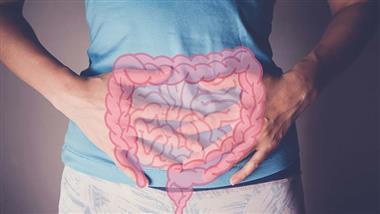
STORY AT-A-GLANCE
- Diverticulitis is an inflammation or infection of small pouches called diverticula that can develop along the walls of your intestines
- Diverticulitis can cause abdominal pain, constipation, diarrhea, nausea, vomiting, fever and rectal bleeding
- More severe cases can lead to serious complications, including abscesses, fistulas and intestinal blockage
- Restoring your gut microflora and cellular energy production are key to resolving diverticulitis
- Eating foods that support Akkermansia, such as polyphenol-rich fruit, and other beneficial bacteria, and avoiding linoleic acid, are important for diverticulitis; rectal CO2 insufflation may also help
Diverticulitis is an inflammation or infection of small pouches called diverticula that can develop along the walls of your intestines. The formation of these pouches is known as diverticulosis, a common condition that typically causes few or no symptoms. However, when these pouches become inflamed or infected, it leads to diverticulitis, which can be painful and may lead to serious complications.
Diverticulosis is common in the U.S. and other parts of the world where heavily processed diets are the norm. It’s estimated that 30% of Americans over 50 have diverticulosis, which rises to 50% of those over 60% and 75% in people over 80.1
Most often, the condition affects the sigmoid colon, a section of the large intestine near the end of the digestive tract. Among those with diverticulosis, about 4% develop diverticulitis.2
What Are the Symptoms of Diverticulitis?
You can have diverticulosis and not know it, since it often causes no symptoms. But in the case of diverticulitis, it’s typically a different story. Common symptoms include:3
• Abdominal pain — When diverticula become inflamed, they cause the surrounding tissues in the intestinal wall to also become inflamed. This inflammation can lead to pain that’s typically felt in the lower left side of the abdomen and may be severe.
The pain may also spread to your pelvis and back. In people of Asian descent, diverticulosis may occur more often in the first part of the colon, so diverticulitis in that region may cause pain in the upper right abdomen.4
• Bowel changes — The inflammation associated with diverticulitis can affect the movement of the bowel, leading to disruptions in the normal rhythm of digestion. This can result in constipation or diarrhea, along with bloating and gas. Feelings of fullness can also occur.
• Nausea and vomiting — Gastrointestinal irritation may lead to nausea while increased movement of the intestines in an attempt to expel irritants and bacteria may lead to vomiting. In more severe cases, the inflammation can lead to a partial or complete blockage of the intestine, which can trigger vomiting.
• Fever — When diverticula become inflamed, they can also become infected, usually by bacteria. The fever is a sign that your body is actively fighting an infection.
• Rectal bleeding — As diverticulitis progresses, the inflamed diverticula can cause small blood vessels to stretch and rupture, leading to bleeding. This can result in blood appearing in the stool.
Diverticulitis can be classified as acute, which occurs suddenly and often causes intense abdominal pain, fever and nausea, or chronic, with persistent symptoms due to the ongoing inflammation.
More severe cases can lead to serious complications, which are sometimes the first sign of the disease. Each year, about 200,000 people are hospitalized due to diverticulitis, while 71,000 are hospitalized with diverticular bleeding.5 Complications may include:6
- Abscesses
- Perforation, or a hole, in your colon
- Fistulas, an abnormal tunnel between your colon and another area of the body, such as your bladder
- Intestinal blockages
- Peritonitis, an infection of the abdominal cavity
What Causes Diverticulitis?
Certain genes may increase your risk of diverticulitis, but lifestyle factors also play a role, including:7
- Eating ultraprocessed foods
- Inactivity
- Using certain medications, including nonsteroidal anti-inflammatory drugs (NSAIDs) and steroids
- Obesity
- Smoking
While a number of factors contribute to diverticulitis, a disrupted microbiome and eating a highly processed, low-fiber diet are chief among them. Dietary fiber is crucial for maintaining a healthy digestive system. It helps to bulk up your stool and softens it, making it easier to pass through the colon. This reduces the strain and pressure in your colon during bowel movements.
When your diet lacks sufficient fiber, your stools become harder and smaller, requiring your colon to exert more pressure to move them along. This increased pressure can cause your colon’s muscular wall to develop weak spots.
Over time, the continuous pressure may force the inner lining of your colon through these weak spots in the muscle layer, forming diverticula. Further, a diet low in fiber keeps the intra-colonic pressure elevated because of the harder, smaller stools and the greater effort needed to expel them.
This sustained high pressure is believed to not only contribute to the formation of diverticula but also increase the risk of these diverticula becoming inflamed or infected, leading to diverticulitis. As noted in Cureus:8
“Many theories have been suggested for the different etiologies of diverticular disease, and the most common cause is believed to be a low-fiber diet. It is believed that diets low in fibers are associated with increased intra-colonic pressure, which leads to diverticula formation.”
Save This Article for Later – Get the PDF Now
Diverticulitis Linked to Gut Microbiome Composition
Researchers with Massachusetts General Hospital and Harvard Medical School in collected stool samples from 121 women with severe diverticulitis and compared them to stool samples from 121 women without the condition.9 They conducted a detailed analysis of the overall microbial community structures and metabolomic profiles in the collected samples, revealing significant differences between the groups.
Women with diverticulitis had more pro-inflammatory agents such as the microbe Ruminococcus gnavus, 1,7-dimethyluric acid and various histidine-related metabolites. There was also a notable depletion of butyrate-producing bacteria, which are known for their anti-inflammatory properties, as well as a reduction in anti-inflammatory ceramides.
The study highlighted how microbial composition may influence the protective association between a fiber-rich diet and diverticulitis, suggesting that dietary fiber’s protective effects can be significantly altered by a person’s existing gut microbiota composition. A review published in the Journal of Personalized Medicine further described gut microbiota’s potential role in diverticulitis, noting:10
“Changes in microbiota composition have been observed in patients who were developing acute diverticulitis, with a reduction of taxa with anti-inflammatory activity, such as Clostridium cluster IV, Lactobacilli and Bacteroides.
Recent observations supported that a dysbiosis characterized by decreased presence of anti-inflammatory bacterial species might be linked to mucosal inflammation, and a vicious cycle results from a mucosal inflammation driving dysbiosis at the same time.
An alteration in gut microbiota can lead to an altered activation of nerve fibers, and subsequent neuronal and muscular dysfunction, thus favoring abdominal symptoms’ development.”
Restoring Your Gut Microflora and Cellular Energy Production Are Key
Dysbiosis, or an imbalance of microbial communities, in your gut plays a central role in the development of diverticulitis.11 A balanced gut microbiota helps reduce inflammation in the colon. Certain beneficial bacteria produce short-chain fatty acids (SCFAs) like butyrate, which have anti-inflammatory properties. These SCFAs help maintain the health of the colon lining and prevent inflammation that can lead to diverticulitis.
A robust intestinal barrier can also prevent bacterial fragments from entering your bloodstream, whereas a compromised barrier allows these harmful fragments through while blocking SCFAs. However, most people have dysfunctional mitochondria, and if you don’t have enough mitochondria, you can’t create cellular energy efficiently enough to ensure a healthy gastrointestinal tract.
Your gut contains primarily two types of gram-negative bacteria: beneficial and pathogenic. The beneficial ones include obligate anaerobes, which cannot survive in the presence of oxygen and are essential for health. They do not produce harmful endotoxins and contribute positively by producing SCFAs like butyrate, propionate and glucagon-like peptide-1 (GLP-1).
Proper gut function requires energy to maintain an oxygen-free environment in the large intestine, where 99% of gut microbes reside. Insufficient energy leads to oxygen leakage, which harms obligate anaerobes while not impacting the facultative anaerobes, thereby disrupting the balance of the microbiome.
Pathogenic bacteria, or facultative anaerobes, can survive in oxygen and are harmful, as they possess endotoxins in their cell walls. In short, enhancing mitochondrial energy production is crucial for maintaining a healthy gut environment. When you do that, it helps suppress the growth of pathogenic bacteria and support beneficial microbial populations, which in turns reduces your risk of diverticulitis.
Widespread use of antibiotics can also disrupt the microbiome by killing both beneficial and harmful bacteria, leading to a dominance of pathogenic bacteria which produce harmful endotoxins. Optimizing your mitochondrial function is, however, one of the most important strategies you can do to optimize your cellular energy, so it’s at the core of almost everything that you do to improve your health.
How to Restructure Your Microbiome
Akkermansia, highly beneficial bacteria in your large intestine, plays a crucial role in maintaining gut health and should constitute about 10% of the gut microbiome. However, it is absent in many individuals, likely due to inadequate mitochondrial function and resultant oxygen leakage in the gut.
Eating foods that support Akkermansia, such as polyphenol-rich fruit, and other beneficial bacteria, and avoiding foods like linoleic acid — found in vegetable and seed oils in most processed foods — that destroy these bacteria, will help to restructure your microbiome in a positive way. You can also use an Akkermansia probiotic supplement.
One of the reasons Akkermansia is so important is because it produces mucin, a thick, protective gel-like substance that lines various parts of the body, including the gastrointestinal tract. Mucin forms a protective barrier on the gut lining, shielding the epithelial cells of the intestinal wall from mechanical damage, chemical irritation from stomach acids and digestive enzymes, and pathogenic organisms like bacteria and viruses.
Mucin also supports the immune system by trapping potential pathogens and other foreign particles, which are then expelled from the body through the digestive process. It also contains antibodies and antimicrobial peptides that help fight off infections.
Lastly, mucin serves as a food source for other beneficial gut bacteria. This relationship is essential for digestive health, as the bacteria fed by Akkermansia aid in digestion, produce essential nutrients and help maintain an overall balance of gut flora.
Increasing CO2 Likely Beneficial
Carbon dioxide (CO2) is a driver of energy production, as it improves the delivery of oxygen into your cells. While CO2 is typically thought of as nothing more than a harmful waste product of respiration, and a “pollutant” that endangers the planet, the reality is that it’s essential for most life on Earth. In fact, CO2 appears to be a more fundamental component of living matter than oxygen.12
“Really, every condition you can think of, both physiological and mental, can be remediated, and in many cases cured, by increasing endogenous CO2 production and decreasing degradation,” Georgi Dinkov says.
Importantly, CO2 allows for more efficient energy production in your mitochondria, which is why people who live or spend time at higher altitudes tend to be healthier and have fewer chronic health problems such as asthma. The reason for this is because the pressure of CO2 relative to oxygen is greater at higher altitudes.
In order to have sufficient CO2 production, you need healthy mitochondria, because CO2 is produced exclusively in the Krebs cycle in the mitochondria. If you have mitochondrial dysfunction, if you’re hypothyroid or have high levels of inflammation, as is the case in diverticulitis, then you will not be producing enough CO2.
While it’s important to optimize your endogenous (internal) production of CO2, exogenous delivery or supplementation will produce the greatest benefits, as you can deliver far greater amounts than your body can produce. Such strategies include:
- Breathing into a paper bag
- Drinking carbonated water and other carbonated beverages
- CO2 baths
- A special suit into which CO2 is pumped
- Taking small amounts of baking soda in your drinking water
A book written in 1905 by Achilles Rose, M.D. discusses delivery by rectal insufflation. During rectal CO2 insufflation, a small tube or catheter is inserted into the rectum, and a controlled amount of CO2 is gently infused. This is a highly effective way to deliver CO2.
I am currently in the process of setting up an IRB (Institutional Review Board) approved study that will be exploring the therapeutic value of administering CO2 gas rectally to reverse the damage caused by decades of excess LA consumption that caused a radical decrease in mitochondrial function and cellular energy production resulting in a compromised oxygen gradient differential in the large intestine that allows pathogenic bacteria to become squatters and occupy the spaces of the obligate anaerobic species like Akkermansia that provide benefits and do not produce toxic endotoxin.
- 1, 3, 4 Cleveland Clinic, Diverticulosis
- 2 Cleveland Clinic, Diverticulitis
- 5, 6 National Institute of Diabetes and Digestive and Kidney Diseases, Definition & Facts for Diverticular Disease
- 7 National Institute of Diabetes and Digestive and Kidney Diseases, Symptoms & Causes of Diverticular Disease
- 8 Cureus. 2023 Aug; 15(8): e43158
- 9 Nat Commun. 2024 Apr 29;15(1):3612. doi: 10.1038/s41467-024-47859-4
- 10 J Pers Med. 2021 Apr; 11(4): 298
- 11 Neurogastroenterology & Motility May 27, 2023
- 12 Conscious Breathing Carbon Dioxide, Physiology
The Keys to Trusting Your Gut
Reproduced from original article:
https://articles.mercola.com/sites/articles/archive/2024/05/05/keys-to-trusting-your-gut.aspx
Analysis by Dr. Joseph Mercola May 05, 2024
STORY AT-A-GLANCE
- Gary Vaynerchuk, a prominent entrepreneur and digital marketing expert, transformed his family’s liquor business from $3 million to $60 million in revenue through pioneering online marketing strategies
- Traditional Eastern European natural health practices have had a deep and lasting effect on his lifestyle and beliefs about the body’s innate healing abilities
- Your body is designed to be healthy. It’s not designed to get diseased. That only happens because you’re not providing the foundational elements required for self-healing. If you have a healthy metabolism, you will not have chronic pain anywhere, and energy to spare
- Metabolically healthy people also tend to be perpetually curious. You must have enough energy to be curious, and most people don’t have enough energy because they’re metabolically poisoned. Optimism is another feature commonly found among healthy people
- Vaynerchuk’s books, such as “Crush It!” and “Jab, Jab, Jab, Right Hook,” reflect his expertise in leveraging social media to build personal and business brands
In this video, I interview Gary Vaynerchuk about his family roots and how his upbringing contributed to his current success. Vaynerchuk, often known as Gary Vee, is a prominent entrepreneur, author, speaker, and internet personality.
He’s best known for his work in digital marketing and social media, leading his own company VaynerMedia, a digital agency focused on social media-first approaches. He first gained prominence by revolutionizing his family’s wine business through innovative online marketing, which included creating one of the first e-commerce platforms for alcohol and hosting a daily webcast called “Wine Library TV.”
His efforts dramatically increased the business’s annual revenue from $3 million to $60 million. Vaynerchuk has also authored several books, including “Crush It! Why NOW Is the Time to Cash in on Your Passion” and “Jab, Jab, Jab, Right Hook: How to Tell Your Story in a Noisy Social World,” which provide insights into leveraging social media to build personal brands and businesses.
He is also involved in venture capital, having invested in companies like Facebook, Twitter, Tumblr and Uber early on. Through his personal brand and his company, he’s become a leading influencer among marketing professionals and entrepreneurs.
Family, Faith and Health
Vaynerchuk was born in Babruysk, Belarus, which was part of the Soviet Union until its dissolution in 1991. His family emigrated to the United States when he was 3 years old. His father opened a liquor store and Gary, even as a young boy, would help out, because that’s how families in Belarus work. They work together.
Eastern Europeans also tend to have deep spiritual family values, which is relatively rare in the U.S. these days. I heard him on a few other podcasts and was intrigued by the fact that he was so tuned into the spiritual aspect of reality.
I’m not as interested in WHAT he does, as HOW he does it. Where does the passion come from? I’m also intrigued by how the love of one’s parents can contribute to a person’s success in life. Are the two connected? I believe so.
Natural Healing — Your Body Knows What to Do
Eastern Europeans also tend to be far savvier about natural health than many Americans. Vaynerchuk recounts the story of how his great grandmother would wake him and his sister up when she came to visit and make them go outside and walk on the grass in their bare feet. Today, this is known as “grounding” or “earthing.”
“I’m very affected by my upbringing,” he says. “It’s my framework. I was also taught to never go to the doctor, ever, for my whole life. And also, no foreign chemicals. If I take two Advil right now, I’m unconscious.
Whether it’s the foods, or the things you put into your body, or how you interact with nature. I also remember my family being weird — or so I thought as a kid in the 80s in America.
We’d go to Sandy Hook, the beach, and my family would immediately run in and grab sand from the bottom of the ocean and scrub their faces with it. The other thing, literally anytime I wasn’t feeling well, for the first 15 years of my life, my mom or my grandma would say ‘Drink some tea and go to sleep …’
If you asked 18-year-old me in 1993, ‘Talk about medicine,’ my initial answers would be ‘ginger, cinnamon, mint, red beets.’ When I used to have a chest cold, my mom would put vodka on a rack and heat it up and put it on my chest. Not Vicks VapoRub. Just real ancient, historical ways of doing stuff …
I just remembered something I haven’t thought about 30 years. I used to think of my body like a superhero. If the superhero character got their thumb cut off, the thumb would just grow back in. I literally grew up thinking that if I did nothing, that it would fix itself.
Three weeks ago, I jammed my thumb playing basketball very badly. My friends were like, ‘Let’s put some ice on it.’ It swelled up. I didn’t do it.
A week later, my trainer said, ‘You know, it’s interesting that you didn’t do the ice thing, because I’ve been reading a lot about how the body naturally does it. It swells up to protect you. It’s a natural cast.’ It was just interesting the way he was talking about it. And he said, ‘Some people are now debating that you’re actually better off not icing it.’”
Save This Article for Later – Get the PDF Now
Healthy Body, Healthy Mind
Indeed, your body is designed to stay healthy. It’s not designed to get diseased. That only happens because you’re not providing the foundational elements required for self-healing. If you have a healthy metabolism, you will not have chronic pain anywhere, and energy to spare.
Metabolically healthy people also tend to be perpetually curious. You must have enough energy to be curious, and most people don’t have enough energy because they’re metabolically poisoned. Like Vaynerchuk suggests, optimism is another feature commonly found among healthy people.
“I believe my optimistic point of view on everything has an incredible impact on my life,” Vaynerchuk says. “So, it goes both ways. I grew up in my dad’s liquor store, and so, I got into very bad habits and really hurt my back. My QL.
But I would say soft tissue and fascial work has given me a new lease on life. I’ve always felt healthy. But I definitely had aches and pains and mobility issues until I got serious about that seven, 10 years ago.”
Foundational Basics Pay Off
The challenge most of us have is that our work doesn’t in any way, shape, or form resemble the work of our ancestors, whose work forced them to move about all day long. We don’t do that. Most people are stuck behind a desk most of the day. There are serious consequences of this, including aches and pains.
I’m in the process of developing something called 22nd Century yoga, which is a form of mobility medicine where you engage in daily movements that will help you stay limber. Also, as noted by Vaynerchuk, when you violate your own inner wisdom, your body will communicate your mistake to you, frequently in the form of pain, discomfort or fatigue.
For example, most people realize that they feel better after spending time outdoors in a natural setting. Just being in the sun has tremendous healing benefits, not only because it prompts vitamin D production but also because the near-infrared rays in sunlight nourish your body in other ways.
Sunlight interacts with light receptor proteins called chromophores in your body. When light hits the chromophores, they activate a variety of biological processes, including mitochondrial chelating systems in the cells, nitric oxide release and ATP production, all of which, together, promote DNA repair and cellular regeneration. Most of the Eastern European patients that I treated instinctively knew that the sun is a source of nutrition and were outside regularly.
The same thing goes for getting dirty, which helps strengthen your immune system. “I still have a very good relationship with germs,” Vaynerchuk says. “It’s incredible to me how infrequent I struggle with any kind of cold.” Today, we know that as the hygiene hypothesis, which suggests that if you’re overly hygienic and too assiduous about cleaning with antiseptics, your immune system becomes weaker.
Finding Balance
In the interview, we also talk about the role of media and how it’s being used for propaganda, including health propaganda.
“One of the great things that happened to me was I was born in the Soviet Union, but I grew up in America. So, propaganda was something I thought about all the time. Like when Reagan was president, I could sense that he was doing a good PR job. At 10, I understood.
I was also very entrepreneurial, and very quickly, in my early 20s, I’m like ‘Everything is business.’ We now talk about Big Food, Big Pharma. It was very, very intuitive to me in my 20s. And so, I’ve lived my adult life taking everything with a grain of salt.
I feel like that’s becoming a more modern conversation as people are trying to figure out east-west, historical versus modern. And you know, I do think people overcorrect the other way.
I’ve got personal [friends] who so have demonized modern medicine that they are no longer with us, because they didn’t do some things that they should have that probably could have helped them. So, I think a lot about finding the middle.”
As mentioned, while not a health expert, Vaynerchuk’s perspective on health tends to be intuitively spot-on, thanks to his upbringing. Ultimately, you’d want to trust your body to figure it out. It is not that you abandon rationality and data — you certainly need to take that into consideration — but to blindly trust experts other than your body is a foolish choice in my opinion.
On Marketing Well
Next, our conversation transitions into areas that Vaynerchuk is most known for, namely marketing and entrepreneurship. He comments:
“I think what I’ve done well is communicate to people about incredible truths [that] in marketing … have been fruitful. I think people are getting a lot more alternative knowledge from the way the internet works and things of that nature. But I think I’m incredibly practical.
It’s funny, I think about business and marketing the way that you and I are discussing health right now. If you’re worried about your body, why on earth would you not listen to your body? I find something very interesting about the medical industry, which is they like to fight each other on who’s right.
And I see it in marketing. I tell a lot of marketing ideological professors or pontificators who also write books like I do — ‘Wait a minute, if you’re so good at marketing, why doesn’t your book sell?’ I grew up learning marketing by trying to help my father’s liquor store do more business, because that’s what you do for your family business.
And so, since I was 6 years old, I’ve been obsessed with attention. Let me explain what I mean. What I find amazing about what you and I are doing right now is we couldn’t do this 40 years ago. Humans that have passion or expertise for things couldn’t get into the world. We needed to have a gatekeeper say that we’ll interview you or will give you three minutes on this show.
But no one had platforms. And so, I’ve been focused on attention my whole life. And now, every platform allows for attention. That is a remarkable change in the world. So, for example, I believe that what I was doing at 6, which was paying attention to what the cars that were driving by my lemonade stand would most likely look at to see that my lemonade was 25 cents.
From that day on to today, I spend all of my time trying to understand where consumer attention is. What are they paying attention to? What do they look at? Which platforms? Is it direct mail? Is it Google? Is it YouTube? Is it TikTok? And so, my great passion is understanding where attention is and then communicating in practical, optimistic terms what we are talking about.”
Three Keys to Marketing Success
In the early 2000s, Vaynerchuk broke out with a wine show on YouTube called Wine Library TV. He cites three reasons for the success of that show.
“One, I was deeply knowledgeable and passionate about wine at that point, and I spoke about wine in a way that no one had ever spoken about it before. Wine was put on a very elitist pedestal. And as you probably know, through your life, people are intimidated by wine, right? …
So, I wanted to make it less intimidating. I spoke about it in very casual terms, and I would compare it to things that people knew. Instead of talking about a wine tasting like ‘an esoteric cassis from the south of France,’ I would say, ‘You know that grape Jolly Rancher you loved as a kid?’ I made it relatable.
And finally, I used a new medium. I was able to use YouTube when it first came out when nobody really knew how big it was going to be to reach a lot more people than, let’s say, The New York Times’ dining section.
I believe the framework that I started for wine is what I do now. I have a marketing company called VaynerMedia that works with the biggest companies in the world to do their marketing and social and traditional channels. But I feel passionate for the people that are listening that are entrepreneurial.
I just wrote a new book called ‘Day Trading Attention,’ which is really my thesis. I couldn’t explain to everyone here how great of an opportunity everybody has to reach an audience for the first time, really, in the history of distribution, [in a way that’s] immediate and creative.
For the first 15 years, it was email marketing. You would have to amass a lot of followers, and then you would post and a percentage of them would see it. We now live in a new era where it’s really profound.
Every individual piece of content on LinkedIn, on YouTube, on Instagram, has the potential to reach a very broad audience based on the quality of the piece of content, not on how many followers you have.
This is a level of meritocracy of information and entertainment that we have never seen in the history of the world. And I could not recommend more for people to get very serious about organic social media, meaning you just post — you don’t even have to run media ads on it — for you and your platform.”
The Hidden Connection Between Your Gut and Your Intuition
Vaynerchuk continues:
“I turned on Netflix the other night and saw a documentary about gut health trending in the top 10. I was happy to see that. I’m personally fascinated by intuition and the fact that — I believe — the gut is your primary brain, and your brain is second.”
He’s, again, spot-on. Your gut is the primary way that you obtain health, and I would say 97% to 98% of the public do not have good gut health. It correlates really strongly with metabolic flexibility, the ability to optimally generate cellular energy. They’re intimately related, and if you don’t have good gut health, you can’t connect to your gut, which is sort of a euphemistic way of saying you can’t connect to your energy or your intuition.
AI Will Revolutionize Information Sharing yet Again
Of course, we now stand at the precipice of yet another revolution, in terms of information gathering and sharing. In the last several years, we’ve seen the rise of tremendous censorship, especially pertaining to natural or alternative health, which is in direct competition with Big Pharma.
For a time, after being deplatformed everywhere, I feared the knowledge I and many others have and share would eventually be lost forever. Now, I realize that’s not the case.
Artificial intelligence such as ChatGPT is rapidly overtaking traditional search engines, and there’s a tremendous opportunity in that. Just about anyone can create their own AI chatbots trained on the material YOU want it to know, and at present, there doesn’t appear to be a way to put that genie back in the box.
More Information
To learn more, you can pick up any one of his books, listen to his podcast, or follow him on Facebook, Instagram, X, YouTube or TikTok.
In addition to “Crush It! Why NOW Is the Time to Cash In on Your Passion,” “Jab, Jab, Jab, Right Hook: How to Tell Your Story in a Noisy Social World” and “Day Trading Attention: How to Actually Build Brand and Sales in the New Social Media World,” he’s also coming out with a children’s book called “Meet Me in the Middle.” It’s a story about a patient pig and an eager eagle.
“Patience is [among] my top five favorite traits in a human being,” he says. However … a lot of people, when they hear me talking about patience, think that I’m talking about non-action, or that I’m talking about laziness. And I keep telling people, there’s a reason that there are separate words. Laziness and patience are not the same …
I created V Friends, it’s my Sesame Street-meets-Pokémon, to help kids and parents finally find the middle, because everything can be great and balanced, and most things aren’t, really, where they’re at.”