Melatonin
now browsing by category
Melatonin — the Missing Link Between Sleep Deprivation and Immune Dysregulation
Reproduced from original article:
https://articles.mercola.com/sites/articles/archive/2026/04/21/melatonin-sleep-deprivation-immune-dysregulation.aspx
Analysis by Dr. Joseph Mercola April 21, 2026

Story at-a-glance
- A 2025 review of 50 studies found that sleep deprivation lowers melatonin, which directly increases inflammatory signals and weakens immune cell performance
- When melatonin drops, your immune cells lose energy, struggle to coordinate their defense tasks and become less effective at fighting infections
- Chronic sleep disruption raises stress hormones like cortisol, shifts immune balance, and damages your gut barrier, compounding inflammation throughout your body
- Older adults, shift workers and people with insomnia face greater immune disruption because their melatonin levels are more easily suppressed
- Rebuilding melatonin through sunlight exposure, nighttime darkness, proper nutrition, and targeted nanoliposomal support strengthens immune timing, reduces inflammation and improves cellular resilience
You already know poor sleep makes you sick more easily — but you probably don’t know exactly why. The mechanism behind that vulnerability hasn’t been fully mapped — until now. A 2025 narrative review in the International Journal of Molecular Sciences pulled together two decades of research to answer a specific question: what actually breaks down between a short night of sleep and a weakened immune system?1 The answer centers on one hormone.
Melatonin does far more than make you drowsy. It coordinates immune cell activity, controls inflammatory signaling, and protects the energy systems inside every cell that mounts a defense against infection. When sleep loss suppresses melatonin night after night, those systems unravel — and the damage extends well beyond fatigue.
The review reveals how that unraveling plays out across your immune system, your gut, your stress hormones, and your cellular energy production, and it identifies who’s most at risk. Understanding the full chain of events clarifies why restoring melatonin isn’t optional but essential for immune resilience.
When Melatonin Drops, Sleep Loss Rewires Your Immune Defenses
For the study, researchers examined 50 studies published between 2000 and 2025 to determine how sleep deprivation alters melatonin and immune function.2 The goal was to identify whether reduced melatonin acts as the missing link between sleep loss and immune dysregulation.
• The findings consistently linked low melatonin to immune imbalance — Across the reviewed studies, consistent sleep loss lowered melatonin and coincided with elevated proinflammatory cytokines along with increased oxidative stress and reduced immune cell activity. Oxidative stress is essentially cellular rust — an accumulation of reactive molecules that damage the internal machinery your immune cells depend on.
Cytokines are chemical messengers that tell immune cells when to attack. When they stay elevated too long, your body shifts into a chronic inflammatory state. At the same time, natural killer cells and lymphocytes — white blood cells that destroy infected or abnormal cells — lost efficiency under sleep-deprived conditions. This translates into slower, weaker immune responses when your body needs them most.
• Certain groups showed stronger immune disruption — If you’re over 60, working night shifts or struggling with insomnia, you’re already starting with lower melatonin — and sleep loss compounds the deficit faster. Aging reduces melatonin production on its own, and night-shift light exposure suppresses it further.
In these groups, reduced melatonin aligned with higher infection risk and impaired immune regulation. If you fall into one of these categories, the biological stress from sleep loss compounds faster.
• Sleep deprivation amplified inflammatory markers — The review reported sustained increases in inflammatory markers even after sleep restriction ended in animal models, suggesting that immune disruption lingers beyond the night of poor sleep. One bad night doesn’t just cost you one day of weakened immunity — the inflammatory echo keeps reverberating even after you catch up on sleep.
• Immune balance shifted in measurable ways — Sleep deprivation revs up your hypothalamic-pituitary-adrenal (HPA) axis — the hormonal relay system that connects your brain to your adrenal glands and controls your stress response. The result: elevated cortisol, your body’s main stress hormone.
Elevated cortisol reduced lymphocyte counts in people with insomnia, shifting immune balance. In simple terms, your immune system changes gears and becomes less effective at fighting viruses and intracellular threats. The review also described activation of a genetic switch that increases proinflammatory cytokine production.
• Gut integrity and microbiota were directly affected — Animal models reviewed showed that sleep deprivation damaged the intestinal barrier, disrupted the gut microbiota, and reduced short-chain fatty acids (SCFAs).
SCFAs are beneficial compounds produced by gut bacteria that calm inflammation and support brain and immune signaling. Lower SCFA levels aligned with neuroinflammation and cognitive deficits following sleep loss. That means poor sleep affects not just immunity but also mental clarity and gut resilience.
How Melatonin Powers Immune Cells and Controls Inflammation
The review described melatonin as a protector of mitochondrial function, meaning it helps immune cells produce adenosine triphosphate (ATP) — the energy currency of your cells. Mounting an immune response is one of the most energy-demanding things your body does — a single activated T cell can burn through its ATP reserves in hours.
When melatonin levels fell, immune cells experienced higher oxidative stress and greater risk of cell death during immune activation. Without sufficient ATP, immune cells can’t mount coordinated responses. This connects sleep quality directly to cellular energy output.
• Melatonin directly modulated inflammatory signaling pathways — Melatonin interacts with immune cell receptors and inhibits macrophage activity, lowering nitric oxide production. Macrophages are immune cells that engulf pathogens but also drive inflammation when overstimulated.
By reducing these inflammatory outputs, melatonin helps maintain immune balance. The review also noted melatonin’s role in regulating signaling that governs expression of many proinflammatory genes.
• Circadian synchronization influenced immune timing — Melatonin, governed by the suprachiasmatic nucleus — your brain’s master clock — synchronized immune rhythms with the light-dark cycle. When sleep schedules were irregular, melatonin production dropped sharply, throwing off the timing of white blood cells and weakening their ability to carry out their core defense tasks. Desynchronization weakened coordinated immune action, increasing susceptibility to infection.
• Supplementation restored immune markers in certain contexts — The review cited experimental and clinical evidence showing that melatonin supplementation restored antioxidant capacity, enhanced natural killer cell activity, and improved immune markers in specific populations, including individuals undergoing chemotherapy and children with Down syndrome.
Nutritional strategies such as tryptophan-enriched foods also supported melatonin synthesis and improved sleep quality. These findings demonstrate that restoring nighttime melatonin aligns immune rhythm and improves resilience.
Rebuild Melatonin to Strengthen Immune Balance
If your immune system feels inflamed, reactive or easily overwhelmed, focus on the hormone that coordinates the entire repair cycle: melatonin. Sleep is important, but melatonin is the signal that tells your immune cells when to calm inflammation, repair tissue and restore balance. When melatonin production drops, inflammatory cytokines rise, oxidative stress increases and immune timing falls apart. Your goal is to rebuild melatonin naturally — at the mitochondrial level and at night.
Your body produces melatonin through two distinct pathways — and both need support. The first is your pineal gland, a small structure deep in your brain that releases melatonin into your bloodstream after dark. This is the melatonin that governs your sleep-wake cycle, synchronizes immune timing and signals your body to enter nighttime repair mode. It depends entirely on darkness.
The second pathway operates inside your mitochondria — the energy-producing structures within nearly every cell, including your immune cells. This mitochondrial melatonin acts as a localized antioxidant, neutralizing oxidative stress right where it’s generated and protecting the cellular machinery your immune system depends on. It doesn’t follow a circadian rhythm. Instead, it’s triggered by near-infrared light from the sun penetrating your skin and tissues during the day.
These two systems are complementary. Daytime sunlight builds your internal antioxidant defense. Nighttime darkness activates your circadian immune repair signal. When either pathway is neglected — too much time indoors during the day or too much artificial light at night — your total melatonin output drops and your immune system loses both its shield and its clock. The steps below address both pathways.
1. Use sunlight to stimulate mitochondrial melatonin — Most of your melatonin is produced inside your mitochondria as part of your antioxidant defense system. Near-infrared light from the sun penetrates your skin and activates signals that trigger this internal melatonin production. If you spend your days behind glass, under LED lights or indoors, you miss this signal.
Get outside daily. Allow natural sunlight to reach your skin gradually and safely. Avoid harsh midday sun until you have reduced seed oils, which are high in linoleic acid (LA), for at least six months — high LA levels increase sun sensitivity. Sunlight strengthens your cellular melatonin defense from the inside out.
2. Reinforce nighttime melatonin release with darkness — Your pineal gland releases melatonin only in darkness. Even small amounts of artificial light suppress that release. Dim your lights after sunset. Remove glowing electronics from your bedroom. Block outside light with blackout curtains if needed. Darkness isn’t optional — it’s the trigger that tells your body to enter immune repair mode.
3. Support melatonin synthesis with proper nutrient balance — Melatonin forms from serotonin, which forms from the amino acid tryptophan. You need adequate protein intake — roughly 0.8 grams per pound of lean body mass (or about 1.76 grams per kilogram), with one-third from collagen-rich sources like bone broth — to supply these building blocks.
Undereating protein or chronically restricting carbohydrates stresses your metabolism and suppresses hormonal balance. Most adults require 250 grams of carbohydrates daily to maintain strong mitochondrial energy production. When your metabolism is stable, melatonin synthesis improves.
4. Lower inflammatory burdens that suppress melatonin signaling — Chronic inflammation interferes with melatonin’s protective effects. Remove seed oils high in LA, including soybean oil, corn oil, canola oil, sunflower oil, and all processed foods that contain them.
Replace them with stable fats such as tallow, ghee or grass fed butter. Avoid ultraprocessed foods that disrupt your gut microbiome and increase endotoxin load. When oxidative stress drops, melatonin functions more efficiently inside your immune cells.
5. Optimize your sleep environment to amplify natural melatonin release — Your brain releases its strongest pulse of melatonin during deep, uninterrupted sleep in a cool, dark, and quiet environment. Keep your bedroom temperature slightly cool, ideally between 60 and 68 degrees Fahrenheit, to support deeper sleep cycles. Eliminate background noise or use steady pink noise to prevent stress-driven awakenings that blunt melatonin output.
Choose breathable bedding and avoid caffeine or alcohol, which fragment sleep and suppress nighttime melatonin signaling. When your sleep becomes deeper and more continuous, your melatonin curve strengthens, inflammatory signals calm down and your immune system regains its nighttime repair rhythm.
6. Use nanoliposomal melatonin strategically when needed — If your rhythm has been disrupted by travel, shift work or chronic stress, targeted support helps restore balance. Look for nanoliposomal (NLP) melatonin. NLP technology encloses melatonin in microscopic lipid particles that improve absorption and cellular delivery. This allows lower doses to achieve physiologic effects. Use it to reinforce your natural rhythm, not override it.
The objective is restoration of timing and immune coordination. When you rebuild melatonin at its source — through morning sunlight, evening darkness, the right nutrients and a lower inflammatory burden — your immune system doesn’t just recover. It regains the timing, precision and resilience it was designed to have.
FAQs About Melatonin and Immune Health
Q: How does sleep deprivation weaken your immune system?
A: Sleep deprivation suppresses melatonin, the hormone that coordinates immune timing and controls inflammation. When melatonin drops, inflammatory cytokines rise, oxidative stress increases and immune cells lose efficiency. Over time, this shift weakens your ability to fight infections and maintain immune balance.
Q: What role does melatonin play beyond sleep?
A: Melatonin does far more than make you sleepy. It protects mitochondrial function inside immune cells, helping them produce ATP — the energy required to mount a defense. It also regulates inflammatory signaling and keeps immune responses from becoming excessive or chaotic.
Q: Who is most vulnerable to low melatonin levels?
A: Older adults, people with insomnia and shift workers face greater risk because aging and nighttime light exposure reduce melatonin production. Chronic circadian disruption in these groups increases inflammation and raises susceptibility to infection.
Q: How does melatonin affect my gut and brain?
A: Sleep loss reduces melatonin and disrupts your gut microbiome, lowering SCFAs that help control inflammation. This weakens your intestinal barrier and contributes to neuroinflammation, which affects both immune resilience and cognitive clarity.
Q: What are the most effective ways to rebuild melatonin naturally?
A: Daily sunlight exposure, strict nighttime darkness, adequate protein and carbohydrate intake to support melatonin synthesis, elimination of inflammatory seed oils and strategic use of nanoliposomal melatonin all help restore proper melatonin rhythm. When melatonin timing is rebuilt, immune coordination and cellular energy improve.
Europe Establishes Its First Clinical Guide for Photobiomodulation in Cancer Care
Reproduced from original article:
https://articles.mercola.com/sites/articles/archive/2026/02/14/photobiomodulation-europe-clinical-guide-cancer-care.aspx
Analysis by Dr. Joseph Mercola February 14, 2026

Story at-a-glance
- Photobiomodulation (PBM) is a light-based therapy that uses specific wavelengths to interact with body tissues, influencing cellular activity without heat and supporting recovery across both medical and general wellness settings
- Europe recently released its first formal clinical guide for PBM in oncology, marking a shift toward standardized use of light-based supportive care across cancer treatment centers
- Clinical research shows PBM is most strongly supported for managing oral mucositis and radiation-related skin damage, two common cancer complications that can interfere with eating, speaking, and treatment continuity
- Beyond cancer care, PBM has been studied for wound healing, nerve pain, musculoskeletal recovery, skin health, and hair loss, with consensus reviews supporting its safety when properly applied
- Effective PBM depends on correct wavelength selection, dosing, and device quality, with red and near-infrared light delivering biologically active energy when used within established therapeutic ranges
Chemotherapy and radiation remain central to modern cancer treatment, yet they often place a heavy burden on the body, affecting everything from your ability to eat and speak to the health of your skin and nerves. For patients and clinicians alike, addressing these treatment-related complications continues to be a persistent challenge. In response, oncologists have begun exploring light-based approaches as a way to reduce these secondary burdens.
Light has shaped life on Earth since the first single-celled organisms used it to generate energy billions of years ago — and your cells still respond to specific wavelengths in ways that influence not just sleep-wake cycles but also healing. Photobiomodulation (PBM) is a treatment approach that harnesses this relationship between light and biology, with research backing its benefits in various medical fields.
Europe has recently taken a significant step in bringing this therapy into mainstream cancer care. A newly released guide represents the first comprehensive European standard for using PBM in oncology, establishing standards for a therapy that many clinicians have yet to fully explore.1 This development reflects a broader shift in how supportive cancer care is being approached.
Europe Sets a Formal Framework for PBM in Oncology
In October 2025, the French-speaking Association for Supportive Care in Cancer (AFSOS) introduced the first European reference guide for the use of PBM in oncology. The announcement was made during the 16th National Congress of Oncology Supportive Care, held in Lille, France. This marks the first formal clinical standard for PBM in European oncology.2
• The guide sets clear clinical standards for PBM use — Led by Dr. Antoine Lemaire of Valenciennes General Hospital, the guide outlines when and how PBM should be integrated into supportive cancer care. It emphasizes that many clinicians remain unfamiliar with PBM despite its growing evidence base, and it positions the new reference document as a tool to close this knowledge gap. The aim is to standardize usage, so patients receive consistent care across treatment centers.
• Well-established uses of PBM across supportive cancer care — Cancer treatments place significant stress on tissues that divide rapidly or rely on delicate structural integrity, such as the lining of the mouth, skin, nerves, and connective tissue. Among PBM’s applications in oncology, the strongest clinical support exists for treating mucositis and radiodermatitis, both of which are common and painful complications of cancer treatment.
Mucositis refers to the painful inflammation and ulceration of the mucous membranes lining the digestive tract, which can make eating and swallowing extremely difficult for patients undergoing chemotherapy or radiation. Radiodermatitis refers to skin damage caused by radiation exposure and can range from redness and dryness to blistering and open wounds. It is common in breast, head and neck, and pelvic cancers.3
• The guide also covers other applications where evidence is moderate but promising — These conditions span multiple types of tissue and treatment-related complications, including:4,5
◦Lymphoedema — Persistent swelling caused by impaired lymphatic drainage after surgery or radiation.
◦Xerostomia — Dry mouth resulting from salivary gland damage during head and neck radiation treatment.
◦Trismus — Restricted jaw movement linked to muscle or joint stiffness after radiation.
◦Osteoradionecrosis — Bone injury and breakdown caused by impaired blood flow after radiation.
◦Dysphagia — Difficulty swallowing due to tissue inflammation or neuromuscular impairment.
◦Dysphonia — Voice changes or hoarseness from irritation or injury to vocal structures.
◦Dysgeusia — Altered or reduced taste perception related to chemotherapy.
◦Chemotherapy-induced neuropathy and alopecia — Nerve pain, numbness, and hair loss triggered by cytotoxic drugs.
◦Palmoplantar erythroderma — Redness, swelling, and tenderness of the palms and soles linked to certain chemotherapies.
• PBM delivers low-intensity light to stimulate mitochondrial activity without heat — The guide describes PBM therapy as “a mechanism in which red, near infrared, or blue light is delivered to damaged target tissues.” The approach relies on controlled light exposure rather than thermal effects and is applied using devices selected according to tissue depth and treatment location.
However, while the guide includes blue light within its technical definition of PBM, I do not recommend artificial blue light exposure for therapeutic use, as it disrupts circadian signaling and has well-documented effects on sleep regulation, hormonal balance, and systemic health. For this reason, red and near-infrared wavelengths remain the focus of safer and more biologically aligned applications.
• Around 100 cancer centers in France are currently equipped with PBM devices — These clinics use either laser or light-emitting diode (LEDs) equipment. While lasers tend to deliver more focused penetration, LEDs provide broader diffusion, and both can be effective depending on the clinical need. The choice of tool, treatment duration, and dosing parameters all depend on the area being treated and the depth of tissue involvement.
Therapeutic dosing generally falls within the range of 10 to 12 joules per square centimeter, but each device has its own set of instructions to ensure the light reaches the target tissue at the correct strength. Sessions typically last about 20 minutes, often administered once or twice per week in protocols that span eight to 16 sessions. Adjustments are made based on symptom severity and location.
• The therapy is also expanding beyond oncology — Private clinicians increasingly use these devices in sports medicine and gynecologic care, while patient associations advocate for broader access. Some patients now request PBM directly, which raises the need for oncology clinicians to understand PBM and recognize appropriate indications within cancer care pathways.
• Despite growing adoption in clinical settings, PBM faces several barriers to wider use — The most pressing is the lack of dedicated reimbursement. At present, the cost of PBM is typically bundled into consultation fees, which limits its scalability.
The guide raises concerns about the rise of home-use PBM devices, noting that many sold online lack proper safety certification, deliver inadequate or poorly calibrated doses, or emit wavelengths that can pose health risks. While this caution is valid, it’s also important to recognize that not all consumer devices fall into this category.
When properly designed, dosed, and used with informed guidance, some at-home units can be a useful part of a broader therapeutic approach. The key is understanding how to choose equipment that’s both safe and effective. I’ll go into more detail later on how to evaluate devices and what to look for if you’re considering one for personal use.
By laying out clear protocols, validated use cases, and technical considerations, the new European guide brings much-needed structure to a therapy that has, until now, been applied unevenly across clinics. To understand why European oncologists are standardizing PBM protocols, it helps to grasp how light actually interacts with your cells.
Understanding the Science Behind Light
Not all light affects your body the same way. What matters is the wavelength — essentially, how long or short each wave of light is, measured in nanometers. Each part of the light spectrum interacts with your cells differently, and only a specific range carries the ability to penetrate deeply enough to influence healing, energy production, and inflammation without causing harm.
• Solar rays can be divided into three categories — Ultraviolet (UVA, UVB, and UVC) account for 7% of the solar spectrum. Visible light (violet, indigo, blue, green, yellow, orange, red), ranging from 400 to 700 nanometers, accounts for 39% of the spectrum. Invisible infrared (near-, mid-, and far-infrared) light, ranging from 700 to 10,000 nanometers, accounts for 54% of the spectrum.
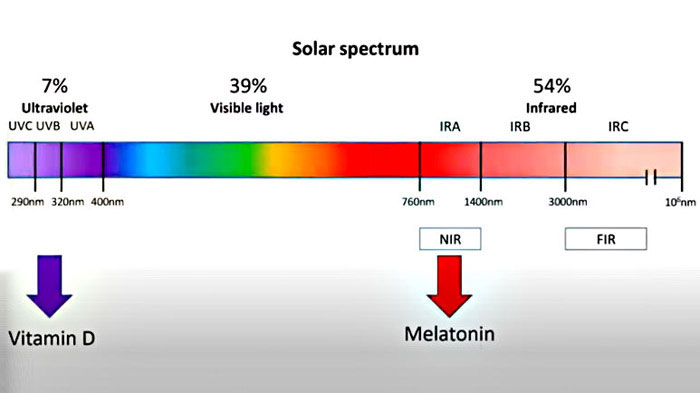
• This range is called the optical window — The ideal optical window is about halfway through the near-infrared range, between 600 and 900 nanometers. Within this optical window, the wavelengths are long enough to penetrate the body and reach deep into the tissues, but they’re not readily absorbed by hemoglobin, melanin, and water. The optical window sweet spot is around 800 to 810 nanometers.
• Penetration depth varies by wavelength — Red light starts around 600 nanometers. In the range of about 630 to 660 nanometers, red light typically reaches a few millimeters into tissue, making it relevant for skin and superficial structures. Meanwhile, near-infrared light begins above 700 nanometers. At around 800 to 850 nanometers, it penetrates much deeper, reaching muscles, joints, and other underlying tissues.
Longer wavelengths, closer to 1,050 nanometers, can penetrate even further, with research exploring their interaction with deeper tissue and neural structures, although these applications remain an active area of investigation.
• The key target within your cells is an enzyme called cytochrome c oxidase — This is a protein embedded in your mitochondria that acts as the final gatekeeper in cellular energy production. When this enzyme absorbs red or near-infrared light, it accelerates the production of adenosine triphosphate (ATP), the molecule your body uses for cellular energy. This increase in ATP supports everything from tissue repair to immune signaling and metabolic resilience.
• PBM influences melatonin production, but not the kind produced by your brain at night — Instead, near-infrared light stimulates melatonin synthesis inside the mitochondria, which account for roughly 95% of the melatonin produced in your body. By comparison, the melatonin secreted by the pineal gland during nighttime represents only 5% of your body’s total melatonin output.
Within mitochondria, melatonin serves as a powerful antioxidant. It neutralizes free radicals generated during normal energy production and helps protect mitochondrial structures from oxidative damage. Because mitochondria are present in nearly every cell, this mechanism helps explain why red and near-infrared light can exert effects across such a wide range of tissues.
• Nitric oxide is another key player — When light triggers its release from cellular storage sites, it leads to improved circulation by widening blood vessels and reducing inflammation. The result is better blood flow to damaged tissues, improved oxygen delivery, and support for immune and repair processes in areas under stress.
This broad impact on core biological functions has made PBM an area of growing interest in fields beyond oncology. To get a deeper look at how different wavelengths work in the body and what makes them therapeutically active, read “Exploring Benefits of Different Wavelengths of Light in Photobiomodulation.”

Save This Article for Later – Get the PDF Now
Other Health Benefits of PBM Beyond Cancer Care
A clinical consensus published in the Journal of the American Academy of Dermatology reviewed the available evidence on PBM and found that it shows therapeutic benefit for the following conditions:6
• Wound healing — Chronic wounds can persist for weeks or months due to poor blood flow, infection risk, or high levels of inflammation. This includes diabetic foot ulcers, venous leg ulcers, pressure ulcers (bedsores), and burns. PBM supports healing in these cases by improving circulation, reducing inflammation, and promoting tissue repair, especially when used alongside standard wound care.
• Peripheral nerve conditions — Damage to the peripheral nervous system can cause burning, tingling, numbness, or shooting pain in the limbs. PBM has been shown to help reduce nerve-related pain and restore some sensory function, particularly in cases of diabetic neuropathy or chemotherapy-induced nerve injury.
Additional studies have looked at its potential to relieve post-herpetic neuralgia (shingles-related nerve pain), improve bladder control, and stabilize blood pressure reflexes, though more data is needed in those areas.
• Musculoskeletal performance and recovery — PBM may influence muscle performance and fatigue depending on dose and wavelength. While further high-quality research is needed, these findings suggest promising uses in sports medicine and physical rehabilitation.
• Cognitive function and neurodegeneration — Though consensus was not reached for all neurological conditions, PBM has been studied for its effects on cognitive performance, memory, and attention. Applications explored in early or experimental studies include brain injury, dementia, chronic migraines, Alzheimer’s disease, and Parkinson’s disease.
I also recently finished a hypothesis paper, which has yet to be published, in which I propose that near-infrared light absorbed by mitochondria triggers local melatonin synthesis, which may activate powerful antioxidant defenses within brain cells. This mitochondrial melatonin system appears distinct from pineal melatonin and operates without circadian rhythms.
According to the model, near-infrared exposure initiates a cascade involving glutathione amplification and SIRT3 activation that offers targeted protection against oxidative stress. I believe this light-triggered mechanism could help defend neurons from age-related degeneration, particularly when combined with adequate intake of glutathione precursors like glycine and N-acetylcysteine (NAC).
• Dermatological and aesthetic uses — PBM has found a place in clinical dermatology, particularly for improving scar appearance and skin rejuvenation. In patients with androgenic alopecia, PBM has also been shown to promote hair regrowth when used at appropriate wavelengths and dosages.
• Oral applications — PBM has been described as generally well tolerated when used for maxillofacial conditions. While the consensus review did not detail specific clinical outcomes, separate research published in The Journal of the American Dental Association reports that PBM may be used as an adjunctive therapy in dental settings to support wound healing, reduce inflammation, and help manage pain.7
As with any biologically active therapy, outcomes depend not just on what condition is being treated, but on how the therapy is delivered. Understanding how to choose the right device — and how to dose it correctly — is essential for translating the science of PBM into safe, practical results.
Practical Guidance for Choosing a PBM Device and Using It Effectively
Using PBM to effectively improve your general wellness depends on both how much light is delivered and how it is delivered. Dose, wavelength, and device quality work together to determine whether PBM produces a meaningful biological response. The aim is to apply enough energy to activate cellular processes without exceeding the range where the effect begins to diminish. Here are some tips to keep in mind:
• Aim for the therapeutic middle range rather than going too low or too high — Research commonly uses doses between 5 and 50 joules per session, with a joule representing the amount of energy delivered in watts per second. This reflects a well-established principle in PBM: insufficient energy produces weak or no biological response, while excessive energy can reduce or inhibit the intended effect.
• Use about 25 joules per session for general whole-body wellness — This level can be reached using a large PBM panel and corresponds to roughly 10 minutes of exposure to the front of the body and 10 minutes to the back. This session length provides enough energy to support cellular signaling and tissue recovery without overwhelming the system.
• Match the device to your health goal, required depth, and daily routine — Consider what you intend to treat, how deep the light needs to reach, and how easily the device fits into your daily routine. Adjustable settings that control wavelength and dosage improve flexibility and help tailor sessions to your needs.
Always choose a clinically validated device from a reputable manufacturer to ensure safety, reliability, and accurate energy delivery. A practitioner trained in PBM can help tailor your dosing schedule based on individual health goals and response patterns.
• Choose a mixed red and near-infrared unit when you want both surface and deep-tissue effects — This device allows you to address both surface-level and deeper tissue issues simultaneously. However, achieving these combined benefits requires spending about 50% more time using the device compared to using a device that emits only near-infrared light.
• Select low-EMF, low-flicker devices to reduce unnecessary stress exposure — Mito Red is one example of a PBM manufacturer that has addressed several common concerns found in many light therapy devices. One of the key features is its extremely low electromagnetic field (EMF) output, measuring under 1 milligauss at a 6-inch distance and dropping to background levels beyond that.
In contrast, some infrared panels emit 5 to 10 gauss or more when used at close range, which may be a consideration for those sensitive to EMFs. They also eliminated light flicker, a subtle but measurable pulsing that tends to occur in infrared light devices and can affect neurological comfort over time. Visit their website to explore the full product line, including portable units, full-body panels for home use, commercial-grade panels, and red-light room systems.
• Consider using sauna therapy — Far infrared saunas, in particular, provide a practical way to deliver therapeutic wavelengths while also supporting detoxification through sweat. Learn more in “Infrared Sauna After Training Speeds Recovery and Supports Athletic Performance.”
• PBM complements natural light exposure — Regular time in natural sunlight remains the best way to receive a full spectrum of beneficial light wavelengths. But for many people, daily exposure is inconsistent or limited by season, lifestyle, or environment. PBM can be a great health investment to fill the gaps when natural light isn’t available, but it’s meant to supplement — not replace — sunlight exposure.
Frequently Asked Questions (FAQs) About Photobiomodulation
Q: What are the benefits of PBM in patients undergoing cancer treatment?
A: PBM is used in cancer care to help manage treatment-related side effects. Clinical research shows it may reduce the severity and duration of oral mucositis, ease pain in the mouth and throat, improve tolerance to radiation-related skin reactions, and support recovery of tissues affected by chemotherapy or radiation.
By helping preserve your ability to eat, speak, and maintain skin and nerve comfort, PBM may also reduce treatment interruptions and improve overall quality of life while you are undergoing cancer therapy.
Q: Why do red and near-infrared light matter more than other wavelengths?
A: Red and near-infrared wavelengths fall within a range that allows light to penetrate tissue without being excessively absorbed by skin pigment, blood, or water. This makes them better suited for interacting with deeper tissues compared to shorter wavelengths.
Q: Should I use blue light as part of PBM therapy?
A: Blue light is included in some technical definitions of photobiomodulation, but artificial blue light exposure can disrupt circadian signaling and sleep regulation. For this reason, focusing on red and near-infrared light aligns better with overall biological health outside tightly controlled medical settings.
Q: Can I use a PBM device at home?
A: Some at-home devices are designed to deliver appropriate wavelengths and doses, but quality varies widely. Look for clinically validated equipment with clear specifications and avoid devices that lack safety certification or accurate output information. Guidance from a knowledgeable practitioner helps reduce misuse.
Q: Does PBM replace spending time outdoors?
A: PBM does not replace natural sunlight. Time outdoors provides a broader spectrum of light and supports circadian health in ways devices cannot fully replicate. PBM works best as a supplement when regular outdoor light exposure is limited by the environment or schedule.
Melatonin Fights Against Skeletal Muscle Damage Caused by ‘Diabesity’
Reproduced from original article:
https://articles.mercola.com/sites/articles/archive/2025/04/02/melatonin-skeletal-muscle-damage.aspx
Analysis by Dr. Joseph Mercola April 02, 2025

STORY AT-A-GLANCE
- Obesity and insulin resistance impair your mitochondrial function. This leads to muscle breakdown, reduced endurance, and worsening glucose control, which further fuels metabolic disease
- A recent study found that melatonin helps combat obesity-driven muscle deterioration by improving mitochondrial function, reducing oxidative stress, and restoring muscle fibers
- Research shows that melatonin boosts brown adipose tissue (BAT) function, which increases calories burned, improves metabolic flexibility, and protects mitochondria from oxidative damage in diabetes and obesity
- Melatonin makes muscles more resilient and efficient, as it optimizes energy expenditure, activates metabolic pathways that regulate energy production and fat oxidation, prevents fat accumulation and increases fatigue-resistant muscle fibers
- Boost your natural melatonin by getting morning sunlight, reducing digital screen use at night, making your bedroom completely dark and doing relaxing activities before bed
Obesity-driven muscle deterioration occurs when mitochondria, the energy-producing centers of your cells, stop working properly. Skeletal muscle requires constant energy, but when insulin resistance sets in, mitochondrial function declines and oxidative stress skyrockets.
As a result, your body loses its ability to efficiently generate energy, while inflammation and free radicals break down muscle fibers faster than they regenerate. Over time, this leads to muscle weakness, reduced endurance, and worsening glucose control, which fuels the very disease that caused the problem in the first place.
With metabolic disease on the rise, solutions that support mitochondrial health are more important than ever. New research published in Free Radical Biology and Medicine1 in February 2025 highlights an unexpected player in this process — melatonin. While this hormone is more commonly known as a sleep regulator, melatonin is also a key factor in preserving muscle function and optimizing energy metabolism at the cellular level.
How Melatonin Supports Muscle Health and Prevents Damage from ‘Diabesity’
The featured study, led by researchers from the University of Granada, Spain, looked at how melatonin influences muscle health in rats with both obesity and diabetes, a condition they referred to as “diabesity.” Researchers aimed to determine if melatonin prevents muscle loss by increasing energy production and improving muscle fibers. They focused on the vastus lateralis, a large leg muscle that helps with movement and stability. The researchers observed that melatonin:2
• Restores muscle fibers lost due to diabetes — After 12 weeks of melatonin supplementation, researchers observed that melatonin increased slow-twitch muscle fibers and reduced fast-twitch fibers. This is important because slow-twitch fibers are more efficient at using oxygen, helping muscles sustain activity longer without fatigue, unlike fast-twitch fibers, which tire more quickly.
• Improves muscle metabolism and efficiency — The researchers also found that melatonin-treated rats had a higher proportion of oxidative muscle fibers, which require less energy to sustain contractions and allow muscles to function more efficiently. This fiber shift means muscles are better equipped for sustained movement and improved endurance capacity, which is important for individuals with metabolic disorders.
• Boosts cellular energy production — The study showed that melatonin improved mitochondria by increasing their ability to convert nutrients into ATP (energy). This means cells produced more ATP while generating less waste. This made muscle cells more energy-efficient and better equipped to handle metabolic stress.
• Protects muscle cells from oxidative stress — In diabetes, mitochondria produce excess reactive oxygen species (ROS), which damage muscle tissue and accelerate aging. Melatonin lowered ROS levels while boosting antioxidant enzyme activity, especially superoxide dismutase (SOD), which neutralizes harmful molecules. This helps protect mitochondrial integrity and prevent muscle breakdown.
• Strengthens muscle cells at a deeper level — Researchers found that melatonin activated key proteins involved in cellular defense and muscle adaptation, helping muscles resist metabolic stress and recover more effectively.
• Enhances fat-burning in muscles — Melatonin improved how muscle cells processed fat by increasing the activity of enzymes that convert fat into energy. This meant muscles used fat more efficiently instead of storing it, which is especially important for people with obesity and diabetes, as poor fat metabolism leads to weight gain and worsens health problems.
• Works even better in females — Female diabetic rats showed greater improvements in oxidative muscle fibers and energy production, suggesting melatonin’s benefits may be influenced by hormones. This could be especially helpful for postmenopausal women at risk of muscle loss and metabolic decline.
• Maintains strength and energy despite diabetes — By improving energy production, fat metabolism, and muscle protection, melatonin helps counteract muscle loss in diabetes and obesity. It supports endurance, strengthens muscle fibers, and reduces cellular stress, making it a powerful tool for muscle health.
This study builds upon years of research from the University of Granada, which has progressively examined how melatonin supports mitochondrial function, muscle composition, and metabolic health.
How Does Melatonin Enhance Fat Burning and Metabolic Health?
A 2021 study conducted by the research team from the University of Granada, published in Antioxidants (Basel),3 was one of the first to investigate melatonin’s role in metabolic regulation. This study focused on brown adipose tissue (BAT). Unlike white fat, which stores energy, BAT burns fat to produce heat, which helps keep the body warm and regulates metabolism.
However, in people with obesity and diabetes, BAT function declines, leading to slower metabolism, increased fat storage, and impaired energy balance. Researchers aimed to see if melatonin could restore BAT’s ability to burn fat efficiently, improve mitochondrial function, and reduce stress inside cells. According to their findings, melatonin:
• Improves how brown fat burns energy — The study found that melatonin increased the efficiency of mitochondria inside BAT, allowing them to generate energy more effectively. This meant cells produced more ATP (the body’s main energy currency) while wasting less energy.
• Boosts calorie-burning capacity — Melatonin increased levels of UCP1, a protein that turns on BAT’s calorie-burning function. With higher UCP1 activity, BAT cells burned more fat for fuel, helping to improve overall metabolism. Additionally, melatonin increased the number and activity of mitochondria in BAT, further enhancing its ability to burn calories and regulate body temperature.
• Protects brown fat from cellular damage — In metabolic diseases like diabetes, cells produce high levels of harmful ROS, which damage mitochondria and make fat-burning less efficient. The study found that melatonin reduced oxidative stress by boosting antioxidant enzyme activity, which helped neutralize harmful molecules and preserve BAT’s fat-burning function.
• Improves metabolic flexibility — Healthy metabolism depends on your body’s ability to switch between burning fat and glucose for energy, depending on demand. In diabetes, this flexibility is often lost, making it harder to burn stored fat. Melatonin helped restore this ability in BAT, making it easier for the body to balance energy use and prevent insulin resistance.
Save This Article for Later – Get the PDF Now
How Melatonin Increases Mitochondrial Health and Muscle Composition
Building on these results, a 2023 study also published in Antioxidants (Basel)4 by the same research group shifted the focus from BAT to skeletal muscle, your body’s primary site for movement, strength, and glucose use. They investigated whether melatonin could restore muscle energy production, improve endurance, and protect against muscle deterioration, and found that it:
• Helps muscle cells produce energy more efficiently — Melatonin helped mitochondria maintain their normal function by regulating fission (splitting) and fusion (merging), two processes that keep mitochondria healthy. This prevented energy breakdown and kept muscle cells working more efficiently.
• Activates key muscle-protective enzymes — Melatonin activated SIRT1, an enzyme that shields muscle cells from oxidative stress and improves endurance-based muscle fibers. This means muscle tissue was better protected from the harmful effects of diabetes, reducing fatigue, and preserving strength.
• Promotes cellular renewal — In diabetes, damaged mitochondria accumulate inside muscle cells, making them weaker and more prone to breakdown. The study found that melatonin stimulated autophagy, a process where muscle cells remove damaged mitochondria and replace them with new, fully functional ones. This kept muscle cells stronger, healthier, and more resilient over time.
• Increases fatigue-resistant muscle fibers — Skeletal muscle contains different types of fibers, some designed for quick bursts of energy (fast-twitch fibers) and others for endurance (slow-twitch fibers). The study found that melatonin increased the proportion of oxidative muscle fibers (Type I and Type IIa), which are better at using fat for fuel and resisting fatigue. This means muscles could sustain activity for longer without becoming exhausted.
These findings reinforced the idea that melatonin plays an essential role in supporting skeletal muscle metabolism, improving endurance capacity, and protecting against muscle degeneration in metabolic disorders.
Melatonin Optimizes Energy Expenditure and Prevents Fat Storage
A 2024 study published in Biomedicine and Pharmacotherapy5 expanded upon these findings, combining insights from both skeletal muscle and brown fat studies to investigate melatonin’s broader metabolic effects. Researchers explored how melatonin activates key metabolic pathways that regulate energy balance, endurance and mitochondrial biogenesis (the process of creating new mitochondria). Their findings showed that melatonin:
• Stimulates muscle cells to burn extra energy instead of storing it as fat — Melatonin increased levels of sarcolipin (SLN), a protein that prevents muscles from storing excess energy. Instead, SLN forces muscle cells to burn extra energy as heat rather than storing it as fat, helping to reduce fat buildup while increasing energy expenditure.
• Activates key energy-regulating pathways — Researchers discovered that melatonin turned on a metabolic system that helps muscles generate energy, burn fat, and build stronger mitochondria. This activation enhances the body’s ability to generate sustained energy and resist metabolic stress.
• Improves muscle metabolic efficiency — Skeletal muscle in melatonin-treated rats showed higher mitochondrial function, making muscles more resistant to fatigue and better equipped to handle metabolic stress.
• Prevents fat buildup even without diet or exercise changes — One of the most striking findings was that melatonin led to significantly lower visceral fat storage, even without changes in food intake or physical activity. This suggests that melatonin increases energy expenditure, making the body burn more calories at rest while improving the ability to switch between burning fat and glucose.
This study provided even more evidence that melatonin is a key regulator of metabolism, not just a sleep hormone. To learn more about the role melatonin plays in your health, read “What You Need to Know About Melatonin.”
How Sunlight Triggers Mitochondrial Melatonin Production
While melatonin is commonly associated with the pineal gland and nighttime sleep cycles, over 95% of your body’s melatonin is actually produced inside your mitochondria, and this process depends on your exposure to natural sunlight.6
• Near-infrared (NIR) light from the sun drives this process — NIR light, which is abundant in early morning and late afternoon sunlight, ranges from 800 to 1,000 nanometers. This range of wavelengths is invisible and has the ability to penetrate deep into your skin and activate cytochrome c oxidase in your mitochondria. This key enzyme stimulates the production of mitochondrial melatonin.7
• Mitochondrial melatonin acts as a powerful antioxidant — Unlike pineal melatonin, which follows the circadian rhythm, mitochondrial melatonin production neutralizes free radicals before they damage cellular structures, similar to how plants boost melatonin levels when exposed to environmental stressors like heat or drought.8,9
• Natural sunlight is non-negotiable — Anytime your bare skin is exposed to natural sunlight, you can be sure you’re receiving the NIR wavelengths needed to trigger melatonin production in your mitochondria. Conversely, when indoors under artificial lighting, you can be certain you’re not getting any.
• Artificial light fails to trigger this process — Artificial lighting, no matter how advanced, cannot replicate the full spectrum of natural sunlight. Most indoor lighting lacks the NIR wavelengths. Even sitting near a window offers no benefit, since low-emissivity (low-e) glass filters out the majority of NIR radiation.
To learn more about the benefits of NIR light, check out “Light Therapy Might Help Ease ‘Dry’ Form of Macular Degeneration.”
How to Optimize Your Melatonin Production Naturally
While melatonin supplementation is beneficial for certain health conditions, it’s also important to support your body’s natural melatonin production. Although melatonin has a strong safety record, long-term high doses (over 5 to 10 milligrams) may pose risks.
One concern is that melatonin helps release heavy metals like mercury from the body, which may cause damage unless properly detoxified. If taking higher doses, it’s best to follow a good detox plan and use a sauna regularly to flush out toxins. To naturally optimize your melatonin production, follow these tips:
• Get bright sunlight during the day — As explained above, sunlight plays an important role beyond regulating your circadian rhythm, which lowers melatonin during the day and increases it at night. It also delivers the wavelengths needed to activate mitochondrial melatonin production. Try to spend at least 15 minutes in the morning sun to support both sleep and cellular health.
However, it’s important to avoid high-intensity sun exposure until you’ve been off vegetable oils for about six months, as these oils significantly raise your risk of sunburn. Discover the keys to safer sun exposure in “The Role of Sun Exposure in Optimizing Your Cellular Health.”
• Limit blue light exposure at night — Blue light from phones, computers and LED lights suppresses melatonin production, making it harder to fall asleep. In the evening, use dim lighting, salt lamps, or incandescent bulbs instead of harsh LEDs. If you must use screens, wear blue-blocking glasses or install blue-light filtering software.
• Sleep in total darkness — Even small amounts of light can disrupt melatonin levels. Use blackout curtains, a sleep mask, or remove glowing electronics to create a pitch-dark sleeping environment.
• Manage stress before bed — High stress raises cortisol, which blocks norepinephrine, the hormone needed for melatonin release. Try meditation, stretching or deep breathing before bed and avoid stressful activities like work or intense discussions in the evening.
By following these natural strategies, you will help your body produce enough melatonin for restful sleep and better overall health.
Frequently Asked Questions (FAQs) About Melatonin and Muscle Health
Q: How does melatonin help prevent muscle loss?
A: Melatonin protects muscles from deterioration caused by obesity and diabetes by improving energy production, reducing oxidative stress and supporting muscle fiber regeneration.
Q: Can melatonin boost energy and endurance?
A: Yes. Melatonin helps your mitochondria work better, meaning your cells create more energy with less waste. It also shifts muscle composition to favor endurance fibers, so you stay active longer without getting tired as quickly.
Q: Does melatonin help burn fat?
A: Yes, melatonin encourages your muscles to burn fat for fuel instead of storing it. It also activates key metabolic pathways that regulate energy and prevent excess fat accumulation, making it a great tool for managing weight.
Q: What’s the best way to boost melatonin naturally?
A: To support natural melatonin production, get bright sunlight during the day, limit blue light exposure at night, sleep in total darkness and manage stress levels. These steps help regulate your circadian rhythm and optimize melatonin release.
Q: Is it safe to take high doses of melatonin?
A: Melatonin is generally safe, but very high doses (over 5 to 10 milligrams) may release stored toxins like mercury. If you’re taking higher doses, supporting detox with sauna sessions and proper nutrition helps minimize any risks.
- 1, 2 Free Radical Biology and Medicine. Volume 227, 1 February 2025, Pages 322-335
- 3 Antioxidants (Basel). 2021 Sep 17;10(9):1482
- 4 Antioxidants (Basel). 2023 Jul 27;12(8):1499
- 5 Biomedicine & Pharmacotherapy Volume 172, March 2024, 116314
- 6 Int J Mol Sci. 2021 Nov 19;22(22):12494
- 7 Biology (Basel). 2023 Jan 6;12(1):89
- 8 Curr Protein Pept Sci. 2021;22(5):413-429
- 9 CABI Agriculture and Bioscience, Volume 5, Article number: 103 (2024)
Melatonin — A ‘Nighttime Guardian’ Against Alzheimer’s
Reproduced from original article:
https://articles.mercola.com/sites/articles/archive/2024/12/18/melatonin-alzheimers.aspx
Analysis by Dr. Joseph Mercola December 18, 2024

STORY AT-A-GLANCE
- Alzheimer’s disease affects over 50 million people worldwide, with poor sleep being a significant risk factor
- Disrupted circadian rhythms are common in Alzheimer’s patients and exacerbate cognitive decline; when your melatonin levels are balanced, you support the synchronization of your brain’s internal clocks, which enhances overall brain function and resilience
- Clinical studies show melatonin supplementation improves cognitive function in Alzheimer’s patients, with decreased melatonin levels serving as an early indicator of the disease
- Melatonin functions as a powerful antioxidant, supports immune system health, aids reproductive success, reduces post-operative pain and has anticancer properties; it also helps maintain the integrity of your blood-brain barrier, an important defense that keeps harmful substances out of your brain
- Natural melatonin production can be optimized through morning sunlight exposure, minimizing evening blue light, maintaining a dark bedroom and reducing stress before bedtime
Alzheimer’s disease is a formidable challenge, affecting over 50 million people worldwide and projected to surpass 150 million by 2050.1 If you or a loved one are concerned about cognitive decline, understanding Alzheimer’s roots is crucial. This condition is marked by the buildup of amyloid-beta (Aβ) plaques and neurofibrillary tangles (NFTs) in the brain, leading to neuronal loss and dementia.
While genetics play a role, lifestyle and environmental factors significantly influence your risk. Among these, sleep disorders like insomnia and sleep apnea stand out as modifiable risk factors linked to Alzheimer’s. Poor sleep disrupts essential brain processes, including the clearance of Aβ.
Not only does poor sleep contribute to Alzheimer’s, but the onset of Alzheimer’s also worsens sleep quality.2 By prioritizing healthy sleep habits, you support your brain’s natural defense mechanisms, reducing your risk of developing Alzheimer’s disease.
Melatonin — More Than Just a Sleep Aid
Melatonin, a hormone produced by your pineal gland, is widely recognized for regulating sleep cycles. But its benefits extend far beyond helping you fall asleep. Melatonin is secreted into your bloodstream at night, signaling to your body that it’s time to rest. This hormone not only influences peripheral organs but also plays a vital role in your central nervous system.
Further, if you’re looking to protect your brain health, melatonin might be your nighttime guardian. It interacts with specific receptors in your brain, initiating pathways that reduce the production of Aβ proteins and counteract their effects.3 Additionally, melatonin helps maintain the integrity of your blood-brain barrier, an important defense that keeps harmful substances out of your brain.4
As you age, melatonin production naturally declines, which may contribute to the increased risk of Alzheimer’s. By supplementing with melatonin, you restore some of its protective effects, supporting both your sleep quality and cognitive health. Incorporating melatonin into your nightly routine could be a simple yet powerful step toward safeguarding your brain against the ravages of Alzheimer’s.
Melatonin’s Anti-Amyloid and Tau-Reducing Effects
There’s debate over whether amyloid-beta is a symptom of Alzheimer’s, rather than a cause, and could have a protective role in the disease process.5 Nonetheless, when you take melatonin, it reduces the production of Aβ by promoting the non-amyloidogenic pathway, which prevents plaque formation.6
Moreover, melatonin doesn’t stop there — it also addresses tau protein abnormalities. Hyperphosphorylated tau proteins form neurofibrillary tangles, disrupting neuronal function and leading to cognitive decline. Melatonin has been shown to inhibit the enzymes responsible for tau hyperphosphorylation, thereby preventing the formation of these tangles.7
Additionally, melatonin enhances the clearance of Aβ from your brain by supporting astrocytes and improving the efficiency of the glymphatic system, your brain’s waste removal pathway.8 These dual actions make melatonin a powerful ally in reducing both Aβ and tau-related damage.
Save This Article for Later – Get the PDF Now
Melatonin’s Impact on Circadian Rhythms and Your Brain
Your body’s internal clock, or circadian rhythm, governs numerous physiological processes, including sleep, hormone release and cellular regeneration. Melatonin is a key regulator of these rhythms, ensuring that your body’s functions stay in sync with the day-night cycle. Disrupted circadian rhythms are common in Alzheimer’s patients and exacerbate cognitive decline.
When your melatonin levels are balanced, you support the synchronization of your brain’s internal clocks, which enhances overall brain function and resilience. By strengthening your blood-brain barrier (BBB), melatonin also helps protect your brain from harmful substances that could trigger inflammation and oxidative stress — both of which are implicated in Alzheimer’s disease.9
By maintaining robust circadian rhythms, melatonin helps ensure that your brain effectively removes toxins and supports neuronal health. If you struggle with irregular sleep patterns, supplementing with melatonin may help restore your circadian balance, providing a protective shield for your brain against the disarray that may lead to Alzheimer’s disease.
Clinical Evidence and Future Prospects of Melatonin in Alzheimer’s Prevention
Clinical studies are beginning to validate the promising effects of melatonin observed in animal models and cell lines. Research involving elderly individuals and patients with mild cognitive impairment has shown that melatonin supplementation can improve cognitive functions and sleep quality.10
For instance, a meta-analysis of 22 randomized controlled trials found that melatonin treatment over six to 12 months was associated with better cognitive performance in Alzheimer’s patients.
Additionally, higher physiological melatonin levels have been linked to larger hippocampal volumes, a brain region that’s important for memory and often compromised in Alzheimer’s. Pilot studies also suggest that melatonin, combined with bright light therapy, reduces agitated behaviors and improves sleep in dementia patients.11
Melatonin Levels as an Early Indicator of Alzheimer’s
Separate research underscores melatonin’s pivotal role not only in sleep regulation but also in the early detection of Alzheimer’s disease.12 A study published in the Journal of Pineal Research revealed that aged individuals exhibiting the initial neuropathological changes of Alzheimer’s already show significantly decreased levels of melatonin in their cerebrospinal fluid.
Their findings demonstrated a clear negative correlation between melatonin levels and the severity of Alzheimer’s neuropathology, specifically in the temporal cortex — the brain region where AD pathology typically begins.
This decline occurs even before the onset of clinical symptoms, suggesting that melatonin depletion is an early event in Alzheimer’s progression. By measuring cerebrospinal fluid melatonin levels, health care providers may be able to detect Alzheimer’s at a stage where interventions might be most effective.
The Pineal Gland — Your Brain’s Master Regulator
At the heart of melatonin production lies your pineal gland, a small but mighty organ nestled in the center of your brain. Often referred to as the “Seat of the Soul” by René Descartes, your pineal gland plays a key role in synchronizing your body’s internal clock with the external environment.13
It receives information about the light-dark cycle from your eyes and translates this into melatonin secretion. During darkness, your pinealocytes — specialized cells within your pineal gland — synthesize and release melatonin, signaling to your body that it’s time to wind down and prepare for sleep. This rhythmic production not only regulates your sleep patterns but also influences various physiological processes throughout your body.
As you age, your pineal gland may become calcified, reducing its efficiency and melatonin output, which may contribute to sleep disturbances and increased vulnerability to neurodegenerative diseases like Alzheimer’s.
Understanding the pivotal role of the pineal gland highlights the importance of maintaining its health through proper light exposure, minimizing nighttime blue light from screens and considering melatonin supplementation to support its natural functions and protect your cognitive well-being.
That being said, while melatonin is often described as a pineal hormone, only 5% of your body’s melatonin — which is also a potent anticancer agent — is produced in your pineal gland. The other 95% is produced inside your mitochondria — provided you get proper sun exposure, which is intricately involved in melatonin production.
Melatonin’s Multifaceted Benefits Beyond Sleep
Melatonin’s benefits extend far beyond helping you drift off at night. This versatile hormone acts as a powerful antioxidant and supports your immune system, reproductive health and even energy metabolism. For instance, melatonin influences insulin sensitivity and glucose homeostasis, playing a role in preventing Type 2 diabetes.14
A comprehensive umbrella review of meta-analyses published in Pharmacological Research also revealed that melatonin supplementation significantly improves pregnancy rates in women undergoing assisted reproductive technology (ART).15 This boost is attributed to melatonin’s role in enhancing the quality of embryos.
By acting as a powerful antioxidant, melatonin reduces oxidative stress in the reproductive environment, fostering healthier egg and sperm cells. Additionally, melatonin supports hormonal balance, which is necessary for successful implantation and pregnancy maintenance.
The review also revealed that perioperative patients who received melatonin required significantly fewer pain relievers.16 This pain-relief benefit is attributed to melatonin’s anti-inflammatory and analgesic properties, which help reduce the perception of pain and lower the need for additional pain medications.
Additionally, melatonin’s immune-boosting properties enhance your body’s ability to fight cancer while reducing inflammation and fatigue.17 Melatonin may also enhance the effectiveness of cancer therapies by inhibiting tumor growth and promoting apoptosis in cancer cells.
Melatonin Is a Key Player in Reducing Cellular Damage
As mentioned, melatonin serves as a formidable antioxidant, protecting your cells from the damaging effects of oxidative stress. A systematic review and meta-analysis explored melatonin’s impact on oxidative stress and found compelling evidence supporting its antioxidant properties.18
The analysis of 15 randomized controlled trials revealed that melatonin supplementation significantly boosted total antioxidant capacity while simultaneously reducing markers of oxidative damage, such as protein carbonyl (PCO) and malondialdehyde (MDA). These findings suggest that melatonin not only enhances your body’s ability to combat oxidative stress but also directly mitigates the harmful byproducts of free radical activity.
Lowering PCO levels means reducing the oxidation of proteins, which is vital for maintaining enzyme function and cellular integrity. Similarly, reducing MDA levels helps prevent lipid peroxidation, safeguarding your cell membranes from deterioration.19
How to Optimize Your Melatonin Production
While certain health conditions may benefit from melatonin supplementation, keep in mind that it also helps to optimize your body’s own production. Further, while melatonin has a high safety profile, using high-dose melatonin long term could be risky, as doses over 5 milligrams (mg) to 10 mg are likely to draw out heavy metals like mercury from your body.
Unless you’re following a good detoxification program and using a sauna regularly, these heavy metals could cause biological damage. Optimizing your melatonin production naturally starts with ensuring you receive sufficient bright sunlight during the day, as this helps regulate your circadian rhythm.
Try to spend at least 15 minutes in morning sunlight to help control melatonin levels, lowering them to appropriate daytime levels. This will help you stay alert during the day and improve your sleep quality at night.
As evening approaches and the sun sets, it’s important to minimize exposure to artificial lighting. Blue light from electronic devices and LED lights is particularly harmful because it suppresses melatonin production. If you need to use lights in the evening, choose incandescent bulbs, candles or salt lamps instead.
To counteract the blue light emitted by screens, consider using blue-blocking software or wearing blue-blocking glasses. Additionally, make sure your bedroom is completely dark when you sleep, as even light shining through closed eyelids reduces melatonin levels. If your bedroom isn’t entirely dark at bedtime, consider using a sleep mask or installing blackout curtains.
Engaging in stress-relieving activities like stretching or meditation before bed is also be beneficial. This is because melatonin release depends on the hormone norepinephrine. High stress levels, which increase cortisol production, inhibit the release of norepinephrine and, consequently, melatonin. Therefore, in addition to practicing stress-reduction techniques, try to avoid stressful activities — such as work-related projects — in the evening hours.
- 1, 2, 3, 4, 6, 7, 8, 9, 10, 11 Molecular Psychiatry August 11, 2024
- 5 J Alzheimers Dis. 2009 Oct; 18(2): 447–452
- 12 J Pineal Res. 2003 Sep;35(2):125-30
- 13, 14 Endotext, Physiology of the Pineal Gland and Melatonin October 30, 2022
- 15, 16, 17 Pharmacological Research February 2022, Volume 176, 106052
- 18, 19 Hormone Molecular Biology and Clinical Investigation November 13, 2020, Volume 41, Issue 4
What You Need to Know About Melatonin
Reproduced from original article:
https://articles.mercola.com/sites/articles/archive/2024/06/23/what-you-need-to-know-about-melatonin.aspx
Analysis by Dr. Joseph Mercola June 23, 2024
STORY AT-A-GLANCE
- Melatonin is one of the most important antioxidant molecules and certainly the most ancient, as it has been part of biological life for over 3 billion years. It’s present in prokaryotes, which are bacteria, and even in plants
- In the human body melatonin not only has independent direct antioxidant effects on its own, but it also stimulates the synthesis of glutathione and other important antioxidants like superoxide dismutase and catalase
- Mitochondrial melatonin production is one of the reasons why regular sun exposure is so crucial. The near-infrared spectrum, when hitting the skin, trigger the generation of melatonin in your mitochondria
- Considering melatonin’s function within the mitochondria, and the fact that mitochondrial dysfunction is a hallmark of most chronic disease, it makes sense that melatonin would be helpful against a number of different diseases, including the two most common — heart disease and cancer
- Melatonin and methylene blue belong in every emergency medical kit. In cases of an acute heart attack or stroke, melatonin can help limit the damage, while methylene blue augments cytochromes to allow the continued production of ATP even without the use of oxygen, which also helps minimize cell death and tissue damage
In this interview, Russel Reiter, Ph.D. — a world-class expert on melatonin — discusses some of the biological activities and health benefits of this important molecule. With some 1,600 papers to his credit, as well as three honorary doctor of medicine1 degrees, he’s published more studies on melatonin than anyone else alive.
Melatonin 101
Melatonin is one of the most important antioxidant molecules and certainly the most ancient, as it has been part of biological life for over 3 billion years. It’s present in prokaryotes, which are bacteria, and even in plants. In the human body — aside from having direct antioxidant effects — it also stimulates the synthesis of glutathione and other important antioxidants like superoxide dismutase and catalase. Reiter continues:
“Melatonin has been here forever … and its functions have evolved. It has learned to work successfully with other molecules during this three-billion-year evolution. One of the molecules with which it collaborates is glutathione … But the antioxidant activity of melatonin is extremely diverse.
It in fact is a very good radical scavenger. There are other radical scavengers — vitamin C, vitamin E and so forth — but melatonin is superior to those. But beyond that, it stimulates antioxidative enzymes, especially in mitochondria. Mitochondria are small organelles in the cell that generate the bulk of the free radicals.
So, it’s very important to have a good antioxidant at the level of the mitochondria and melatonin happens to be located and is, in fact, synthesized in the mitochondria. Melatonin scavenges radicals that are generated, but it also stimulates something called sirtuin-3, which activates or deacetylates super oxide dismutase (SOD), which is a very important antioxidative enzyme.
It also removes free radicals and prevents the degeneration of the mitochondria, and why this is so important is because mitochondria are really the center of the action within a cell. In other words, there’s strong evidence that aging, frailty of aging, senescence of cells as we age, relate to molecular damage at the level of the mitochondria, and melatonin seems to be very efficient at protecting mitochondria from that damage.”
Melatonin increases glutathione through a genomic effect on the enzyme that regulates the synthesis of gamma glutamylcysteine synthase, the rate limiting enzyme in glutathione synthesis. Melatonin activates that enzyme.
Glutathione tends to be found in high concentrations in cells, although some is also found, to a lesser degree, in the extracellular space and the mitochondria. Meanwhile, 95% of the melatonin in your body is concentrated within the mitochondria inside the cells.
Its antioxidant effects are quite diverse, but include preventing free radical generation by enhancing the efficiency of the electron transport chain so fewer electrons leach onto oxygen molecules to generate super oxide antiradical.
How Mitochondrial Melatonin Is Generated
Mitochondrial melatonin production is one of the reasons why regular sun exposure is so crucial. Most people understand that sun exposure on bare skin generates vitamin D, courtesy of UVB (ultraviolet B radiation). Few, however, understand that the near-infrared spectrum, when hitting your skin, triggers the generation of melatonin in your mitochondria. Reiter explains:
“Near-infrared radiation penetrates relatively easily the skin and subcutaneous tissues. Every one of those cells contains mitochondria and it appears that near-infrared radiation that is detected in fact induces melatonin production. That is important, because we now think that melatonin within mitochondria is inducible under a lot of stressful conditions.
That is not definitively proven, but it appears that under stress, all cells may upregulate their ability to produce melatonin because it’s so highly productive. And typically, under stress, free radicals are generated. That is emphasized by the [fact] that in plants … that happens.
In other words, if you expose plants to drought, heat, cold, to metal toxicity, the first thing they do is upregulate their melatonin, because all of those situations generate free radicals. And we suspect, although that has not yet been definitely proven, in animal cells as well, including human [cells].”
Identifying the specific wavelengths that trigger melatonin production can be tricky, but generally speaking, it’s likely to be the range between 800 to 1,000 nanometers (nm). This range of near-infrared is invisible, and has the ability to penetrate tissue. Visible wavelengths generally do not penetrate the skin, and therefore cannot stimulate your mitochondria.
Anytime your skin is exposed to natural sunlight, however, you can be sure you’re receiving the necessary wavelengths of near-infrared to generate melatonin in your mitochondria. Conversely, when indoors under artificial lighting, you can be certain you’re not getting any. This is because most window glass is low-e and filters out a good portion of the near-infrared, so even sitting near a window is not going to provide you with this benefit.
To compensate for time spent indoors, I use a 250-watt Photo Beam near-infrared bulb from SaunaSpace in my office. I keep it lit when I’m in my office and have my shirt off. Considering most people spend most of their days indoors, mitochondrial melatonin deficiency is likely rampant. And, since many also do not get enough sleep, they also have a deficiency in the melatonin synthesized in the pineal gland in response to darkness.
Save This Article for Later – Get the PDF Now
The Two Types of Melatonin
As hinted at above, there are two types of melatonin in your body: The melatonin produced in your pineal gland, which traverses into your blood, and subcellular melatonin produced inside your mitochondria.
Importantly, the melatonin that your mitochondria produces does not escape your mitochondria. It doesn’t go into your blood. So, you’re not going to directly increase your blood or serum level of melatonin by sun exposure. But, bright sun exposure around solar noon will indirectly help your pineal gland to produce melatonin during the night.
It is important to understand that your blood level of melatonin is indicative of the melatonin produced in your pineal gland, and/or oral supplementation. Conversely, the melatonin produced by your pineal gland cannot enter into the mitochondria, which is why it is so important to get regular sun exposure. Reiter explains:
“In other words, if you surgically remove the pineal gland from an animal or human, blood levels of melatonin are essentially zero. Not totally zero — I think what happens is that the mitochondria in other cells continue to produce melatonin and some of that leaks out into the blood and gives you a residual — but you have no circadian rhythm.
Melatonin production in the pineal gland is highly rhythmic, depending on the light-dark cycle. This is not true for melatonin in mitochondria. It’s not cyclic. It’s not impacted by the light dark environment. It may be affected by certain wavelengths of energy, but it’s not affected by the light dark environment.
So, blood levels are derived from the pineal gland, and this rhythm is very important for setting circadian rhythms. In other words, the function of that melatonin is quite different from the function of the mitochondrial produced melatonin. It sets the rhythm. Of course, there’s always some scavenging by that melatonin as well, but the real scavenging s involved with mitochondrial-produced melatonin.”
Oral Supplementation Neutralizes Free Radicals
Oral supplementation, however, can enter your cells and mitochondria. This is a detail I was wrong about before, and which Reiter clarifies in this interview:
“If you supplement with melatonin, it can also enter cells and get into the mitochondria as well. And that is also very important … As you age, mitochondrial melatonin diminishes. If you supplement with melatonin, it will get into your mitochondria and, in fact, do what melatonin does — neutralize free radicals and protect the mitochondria’s function.”
Melatonin Is Vital to Heart Attack and Stroke Recovery
Considering melatonin’s function within your mitochondria, and the fact that mitochondrial dysfunction is a hallmark of most chronic disease, it makes sense that melatonin would be helpful against a number of different diseases, including the two most common — heart disease and cancer.
As explained by Reiter, one of the situations that is most devastating for the heart and brain is temporary interruption of the blood supply as a result of a cardiac arrest or stroke. This deprives the tissues of oxygen, and without oxygen, they rapidly deteriorate.
When the blood vessel reopens, which is called reperfusion, and oxygen flows back into those oxygen-deprived cells, this tends to be the time of maximum damage, as loads of free radicals are generated once the blood starts flowing again.
“There’s a large host of studies, including some in humans, where if you give melatonin to induced heart attack in animals or an accidental heart attack in humans, you can preserve or reduce the amount of cardiac infarct, the amount of damage that occurs in the heart,” Reiter says.
“There’s a very famous cardiologist in the Canary Islands, professor Dominguez-Rodriguez, whom I worked with. And we, about three years ago, published a paper where we infused melatonin directly into the heart after the vessel was opened. That reduced cardiac damage by roughly 40%.
The other thing that happens in a heart attack is that cardiac cells do not regenerate. Once you lose a cardiac cell, they’re done … and are replaced by fibrous tissue. Of course, fibrous tissue is not contractile, so you get heart failure.
We just published a paper, again with this same cardiologist, showing that if people who are potentially suffering with heart failure because of a damaged heart, they survive better and longer if they are given melatonin on a regular basis. It’s a small study … but I think that would be a worthwhile field to exploit.”
Dosage Suggestions for Acute Heart Attack
In terms of dosage, it’s difficult to translate doses used in animal studies onto human subjects. In animals, doses between 5 to 10 milligrams per kilogram of bodyweight are used. In humans, however, the dose is calculated on the basis of surface area rather than on body size, and that significantly reduces the amount of melatonin that you have to give.
That said, Reiter stresses that melatonin has no known toxic threshold, so even though we don’t know what the ideal dose is, we do know it’s safe even at high doses. Additionally, the timing of the dose will be important. The first dose should be taken immediately, but subsequent melatonin dosing should follow circadian biology, so around 10 a.m., 4 p.m., and before bed.
“If I had a heart attack and I had melatonin on my person, I would take melatonin,” Reiter says. “The question is how much? … This is not a recommendation to any of your patients, but I would not be hesitant about taking 50 milligrams at the time, and some subsequently for the next 24 hours, even during the day. Because you don’t want to lose any more heart cells than is absolutely necessary …
I have suggested this a number of times. In other words, an emergency medical technician goes out, picks up a patient who has clearly a heart attack. I think on site, immediately, melatonin should be given intravenously rather than orally. It’d be difficult to give it orally. That would be my recommendation.”
Emergency Medical Kit for Acute Heart Attack or Stroke
In cases of an acute heart attack or stroke (which have virtually identical tissue damage mechanisms, just one affects the heart and the other your brain), I would also add methylene blue. Methylene blue is well-documented to be highly beneficial for reperfusion injuries,2 especially if you do it right at the beginning of the event, because it augments cytochromes to allow the continued production of ATP even without the use of oxygen.
Melatonin and methylene blue belong in every emergency medical kit. In cases of an acute heart attack or stroke, melatonin can help limit the damage, while methylene blue augments cytochromes to allow the continued production of ATP even without the use of oxygen, which also helps minimize cell death and tissue damage.
So, together, methylene blue and melatonin could act as a one-two punch if you’ve got a stroke or heart attack. They really should be part of every emergency kit.
As an interesting side note, melatonin can also be useful in people with Type 2 diabetes. Reiter notes he has diabetic colleagues who take 1 gram of melatonin daily to counteract the free radical damage caused by hyperglycemia. Keep in mind that melatonin does not treat the cause of the diabetes. It only helps to counteract the damage being caused.
Half Life and Bioavailability of Melatonin
The half life of melatonin in the blood is only about 40 minutes. Within cells, the half life varies according to the level of oxidative stress present. If oxidative stress is high, the melatonin is destroyed much faster, and oxidative stress is low, it remains within the cell much longer.
Reiter also notes that in addition to being a free radical scavenger, all of melatonin’s metabolic kin — its active metabolites, such as N-acetyl-5-methoxytryptamine — are also excellent scavengers. While quickly used up in the presence of high oxidative stress, melatonin is also rapidly taken up when used orally, hence the suggestion to take multiple doses spread out.
Ideally, you’d want to use sublingual or intravenous melatonin, because it’ll enter your bloodstream much faster. Another option is to make your own rectal suppositories. If you swallow it, it needs to pass through and be metabolized by your liver.
Melatonin Is Also a Potent Antiviral
In addition to its antioxidant potency, melatonin also has antiviral capacity. These two features combined is thought to be why it’s been so useful against COVID-19.
“I’m going to give you a very specific example,” Reiter says. “Here’s a local physician, Dr. Richard Neil, whom I have known for a number of years. When COVID-19 became common, he called me, we discussed it, he started giving 1 mg per kilogram of body weight (once a day) for about five days, at the time of diagnosis. He has now treated more than 2,000 patients, very successfully, with melatonin.
The importance of melatonin in reference to COVID is that it is not specifically for [the original Wuhan strain]. The variants, Delta, Omicron, they’re viruses we think will respond. We currently have a paper in press where we showed that in animals, Zika virus toxicity is also prevented by melatonin, and we’ve checked four different coronaviruses in pigs.
That paper also shows that melatonin prevents the damage — the consequence — of those viruses. I think [melatonin] is generally a quite good antiviral agent and should be considered as useful. When President Trump was hospitalized with COVID, one of the molecules he was given was melatonin. Obviously, the physicians treating him knew this literature.”
So, to summarize, if you have symptoms of COVID, you could consider taking oral or sublingual melatonin 30 to 45 minutes before bedtime, first thing in the morning, at 10 a.m. and again at 4 p.m. You clearly want to avoid it a few hours before and after solar noon, as taking supplementation during that time will likely impair pineal nighttime melatonin secretion.
Reiter points out that slow-release melatonin has not been widely studied, and he generally doesn’t recommend it for that reason.
Melatonin for Cancer
Melatonin can also be useful in the prevention and treatment of cancer. Reiter explains:
“Cancer cells are clever. They do everything they can to permit their continued survival. It seems counterintuitive, but what they do is they prevent pyruvate from entering the mitochondria, and that reduces ATP production. But as a consequence of doing that, they accelerate something called glycolysis and that’s very inefficient in producing ATP, but it does it very rapidly. So, then they have sufficient energy.
The importance of preventing pyruvate from entering the mitochondria, we now think is the fact that pyruvate is a precursor to something called acetyl coenzyme A. Acetyl coenzyme A is a cofactor for the enzyme that regulates melatonin production in the mitochondria.
So, by eliminating or preventing pyruvate from getting into the mitochondria, [the cancer cells] prevent or reduce melatonin production, because they don’t allow the necessary cofactor to be produced. In other words, we predicted about four years ago that, in fact, the mitochondria of cancer cells would produce less melatonin.
We have subsequently shown that in two studies, both uterine cancers. Clearly, melatonin levels and the activity of the enzymes in the mitochondria of these types of cancer cells are at least about half what they would normally be. The prevention of pyruvate into the mitochondria, that’s Warburg type metabolism.
The other thing is the pyruvate is metabolized into lactic acid. It escapes the cell and produces an acidic environment for the cancer cell, and cancer cells like that acidic environment. So, if you can reduce the Warburg type metabolism, you may be able to limit the growth of cancer cells and perhaps also the metastasis …
Some cancer cells may only be part-time cancerous because [during nighttime] when they have high melatonin, then they avoid Warburg type metabolism. The interesting thing about Warburg type metabolism [is that] … many pathological cells, inflammatory cells, cells that are affected by amyloid beta in the brain, exhibit this specific type metabolism …
And we know that inflammatory cells — M2 and M1 inflammatory cells — can be converted back and forth by melatonin. The inflammatory cells can be prevented by giving them melatonin [because of] its effect on Warburg type metabolism. So, Warburg type metabolism is common in many, many pathological cells.”
The Link Between Metabolic Flexibility, Melatonin and Cancer
One of the reasons for why cancer is so prevalent likely has to do with the fact that 93% of Americans are metabolically inflexible and cannot seamlessly transition between burning carbs and fats for fuel.3 Glucose (sugar) is one of the primary fuels that most people have. Glucose has six carbons and is metabolized into pyruvate, which is a three-carbon molecule. Pyruvate, in turn, is metabolized in the mitochondria to acetyl-CoA.
The reason the Warburg Effect works is b pecauseyruvate dehydrogenase kinase (PDK) inhibits the inflow of pyruvate into the mitochondria so it cannot be converted into acetyl-CoA, and acetyl-CoA is not only needed in the production of melatonin, but is also used to efficiently produce ATP in the mitochondria and is how glucose is used in the mitochondria.
Another source of acetyl-CoA is beta oxidation of fats, which breaks down the fat to the two carbon molecule acetyl-CoA, which enters the mitochondria an active transport molecule, courtesy of MCT (mono carboxylase transporter). My point here is that when you are metabolically inflexible, the Warburg Effect becomes massive. But if you’re cardiometabolically healthy and can burn fat, you can effectively bypass that defect.
Prior to my interview with Reiter, I certainly knew that limiting carbs and preventing the Warburg effect was important in cancer treatment, but I hadn’t realized that one of the metabolic byproducts of acetyl-CoA was needed to produce melatonin. So, being metabolically flexible not only impairs the Warburg effect, but also supplies melatonin to combat the excessive oxidative stress in cancer.
This is why I would strongly encourage each and every one of you to regularly engage in two activities the rest of your life. First, expose as much of your skin as you can to an hour of sunshine a day around solar noon.
Second, you have to eliminate all seed oils from your diet, as excess seed oils are the primary reason why most people are metabolically inflexible. While the average person’s consumption of these oils is around 25% to 30% of total daily calories, it should only be about 1% to 2% (mine is 1.5%).
Could Endometriosis Be Caused by Bacteria?
Reproduced from original article:
https://articles.mercola.com/sites/articles/archive/2024/02/23/endometriosis-fusobacterium.aspx
The original Mercola article may not remain on the original site, but I will endeavor to keep it on this site as long as I deem it to be appropriate.
Analysis by Dr. Joseph Mercola February 23, 2024

STORY AT-A-GLANCE
- A 2023 study found Fusobacterium could be linked to the development of endometriosis, which is a proliferation of uterine endometrial tissue in areas of the abdomen outside the uterus
- The condition causes pain, heavy and irregular periods, fatigue and gastrointestinal symptoms during a menstrual period, such as diarrhea, constipation and pain with urination or bowel movements
- Certain species of Fusobacterium are commonly found in the human gut and oral flora, but infections with other invasive species have been linked to a wide range of clinical presentations from non-severe pharyngitis to life-threatening abscesses and sepsis
- Endometriosis places women at an increased risk of other health problems, including infertility, cancer, cutaneous melanoma, Non-Hodgkin’s lymphoma, autoimmune diseases, cardiovascular disease, asthma, obesity, migraine headaches and irritable bowel syndrome
- Women can take several steps to reduce the risk of developing endometriosis or help reduce the symptoms, including avoiding endocrine-disrupting chemicals as the condition is hormone dependent, avoiding sugar to reduce inflammation and pain, and considering several nutraceuticals that may help reduce symptoms
There is a good and a bad side to bacteria. One 2023 study1 published in Science Translational Medicine revealed data suggesting one genus of an anaerobic, gram-negative bacteria,2 Fusobacterium, plays an influential role in the development of endometriosis. This genus of bacteria has species that live symbiotically with humans and others that develop invasive infections.
The inappropriate use of antibiotics and bacterial infections has culminated in the “greatest public health challenge of our time”3 — antimicrobial resistance. One important focus of attaining and maintaining optimal health is supporting a balanced gut microbiome. When bacteria develop the ability to avoid the drugs designed to kill them, resistant infections can proliferate and become difficult or impossible to treat.
Your gut microbiome is a major contributor to a wide range of physical, mental and emotional health conditions. Research links gut microbial dysbiosis to obesity, Type 2 diabetes, cardiovascular disease,4 athletic performance,5 cognitive impairment,6 depression and anxiety.7 It should then come as no surprise that bacteria may play a role, regardless of how significant, in many of the prevalent chronic health conditions that plague society.
The film, “The Invisible Extinction,”8 highlights the work of microbiologists Dr. Martin Blaser and Gloria Dominguez-Bello — a husband-wife team — who warn that the human microbiome is endangered, putting human health at risk.
As data indicating the significance of a healthy microbiome to overall health continues to mount, researchers are also identifying ways in which harmful bacteria play a role in noninfectious disease development. And, one particular bacterial infection associated with endometriosis, Fusobacterium, may suggest a potential treatment pathway for this painful disorder.9
Could This Bacteria Trigger Endometriosis?
The 2023 study10 found that Fusobacterium, a bacterial type that’s commonly found in the human gut and oral flora, may be linked to endometriosis. The study included 155 women in Japan11 and found 64% of women presenting with endometriosis had Fusobacterium within ovarian endometriotic lesions. However, less than 10% of women without endometriosis had the Fusobacterium in their endometrium.12
The researchers used an animal model and inoculated Fusobacterium into mice which then increased myofibroblasts and the weight and number of endometriotic lesions. The mice were treated with antibiotics and researchers found this could, in large part, not only prevent endometriosis from developing, but help reduce the endometriotic lesions that were already established.
The researchers believe the data support a potential mechanism for the development of endometriosis and suggest it could be an approach to treating the disease.13
In addition to evaluating for the presence of Fusobacterium within human endometrial tissue and testing an animal model, the researchers also used cell culture experiments to find that the bacteria initiated a substance called TGF-beta, which appeared to activate normally dormant cells.
Although certain species of Fusobacterium live symbiotically within the oral and gut microflora, this species of Fusobacterium is invasive and has been linked to other infections and diseases.14 Although the infections with Fusobacterium are uncommon,15 they tend to infect younger and older individuals and cause a wide range of clinical symptoms from non-severe pharyngitis to life-threatening abscesses and sepsis.
What Is Endometriosis?
The word “endometriosis” is derived from the name of the tissue that lines the uterus, which is the endometrium. This lining is what the body releases with each menstrual cycle. Each month, the body grows a new endometrium in preparation for a potential pregnancy. Endometriosis occurs when this tissue grows in areas of the abdomen outside of the uterus.
According to Johns Hopkins Medicine, the condition affects up to 10% of women.16 The endometrial tissue most often grows on or around the reproductive organs, such as the ovaries, fallopian tubes, space between the uterus and the rectum, or the lining of the pelvic cavity. Less frequently, it can also grow around the bladder, intestines, rectum and stomach.
The condition increases pain associated with menstrual cramps and can cause pain during or after sex. Women may also experience heavy or irregular periods, fatigue and gastrointestinal symptoms during a menstrual period such as diarrhea, constipation and pain with urination or bowel movements.
Although the condition has no known cause, data does show certain factors increase the risk, including starting menstruation before age 11, a family history of endometriosis and periods that last more than 7 days. Although in many cases, a diagnosis of endometriosis begins with severe symptoms, some women can have endometriotic lesions outside the uterus but have no symptoms.17
While data from the featured study is encouraging, as it helps to at least point to a potential trigger, it’s important to note that endometriosis is likely multifactorial and may have cultural or environmental differences. A 2021 study18 published in Reproductive Sciences evaluated a group of 371 fertile women with endometriosis, 175 from China and 196 from Italy. Symptoms and quality of life were compared, which revealed significant differences between the two groups.
Italian women presented with symptoms at a younger age, more frequently with severe pain, were more often diagnosed with deep infiltrating endometriosis and had more systemic comorbidities at the time of diagnosis than women from China. Scores on tests also showed the Italian group of women had worse health-related quality of life.
In the group of Chinese women, there was less pain, diagnosis at an older age, ovarian and superficial endometriosis and better quality of life scores. The researchers suggested that the differences may be related to ethnicity, healthcare system or social and cultural background.19
Download this Article Before it Disappears
Endometriosis and Comorbidities
Endometriosis is debilitating. According to Science Alert,20 women in the U.K. often wait an average of 7.5 years before seeing their physician for a diagnosis and Yale Medicine21 estimates that women in the U.S. may experience symptoms for 10 years before getting a proper diagnosis.
Unfortunately, this places these women at risk of more health problems, including infertility. In some cases, endometriosis causes complete infertility, but in other cases, fertility may not be affected. Research22 also suggests that women with endometriosis have a higher risk of pregnancy-related complications, including preterm delivery, miscarriage, preeclampsia, bowel perforation and uterine rupture.
When left untreated, endometriosis not only leads to infertility, but other organ damage. A 2015 systematic review23 of the literature identified studies that looked at the association between endometriosis and specific diseases.
They found increasing evidence that women with endometriosis have a higher risk of several chronic diseases, suggesting that the condition is not harmless with respect to long-term health. According to this review, women with endometriosis had a “higher risk of ovarian and breast cancers, cutaneous melanoma, asthma, and some autoimmune, cardiovascular and atopic diseases, and at decreased risk of cervical cancer.”24
In a separate article,25 one of the scientists postulated potential explanations for the associations, including that studies may have had a methodological bias. Other explanations included the potential that endometriosis induces physiological changes that increase the risk of chronic disease, that women with endometriosis share specific risk factors for chronic disease, or that the treatment for endometriosis could increase the risk of some chronic diseases.
Analysis of data from Taiwan26 identified similar associations between endometriosis and chronic diseases. In this population, the researchers also found an association with irritable bowel syndrome, migraine headaches, pelvic inflammatory disease, obesity, chronic liver disease, cardiovascular disease, diabetes, rheumatoid arthritis and chronic renal disease.
A 2023 study27 published in the journal Nature Genetics may help explain the comorbidity with other inflammatory and pain-related conditions. In a genome-wide association meta-analysis of European and East Asian participants, the researchers:
“… observed significant genetic correlations between endometriosis and 11 pain conditions, including migraine, back and multisite chronic pain (MCP), as well as inflammatory conditions, including asthma and osteoarthritis.”
The severity of the symptoms can affect mental health28 and may compromise social relationships, which in turn influences support systems. Depression and anxiety can also amplify the perception of pain. In one study,29 researchers estimated that at least one-third of women with endometriosis suffer from depression and anxiety.
Reducing Symptoms of Endometriosis
Insulin sensitivity may also play a role in endometriosis. A 2019 review30 looked at the likelihood of the coexistence of Type 1 diabetes and endometriosis, including the prospect that therapeutic strategies could help reduce complications. While Type 1 diabetes is an autoimmune disease, endometriosis is not.
However, according to the paper, they share similar pathophysiological pathways, including an association with chronic inflammation and an overactive immune response. A 2002 study31 also showed women with endometriosis more frequently had mechanical dysfunction in the gastrointestinal system and reactive hypoglycemia with normal insulin levels.
According to the researchers, the nerve dysfunction found in women with endometriosis was identical to that found in individuals with insulin resistance and resulted in debilitating gastrointestinal symptoms. In addition to strategies that improve insulin sensitivity and reduce resistance, women with endometriosis may consider addressing other factors that contribute to symptoms of endometriosis, such as:
• Avoiding endocrine disruptors — Endometriosis is hormone dependent, and data has linked exposure to environmental endocrine disrupting chemicals (EDCs) with the development of endometriosis. A 2023 study32 looked at epidemiological and experimental data of four EDCs and found:
“The available information strongly indicates that environmental exposure to EDCs such as PCBs, dioxins, BPA, and phthalates individually or collectively contribute to the pathophysiology of endometriosis.”
One commonly used EDC is oxybenzone, found in many sunscreen formulations. The Environmental Working Group (EWG) calls oxybenzone “the most worrisome sunscreen active ingredient,”33 as the chemical is readily absorbed through the skin, is associated with skin reactions and has demonstrated hormone-disrupting properties.
A 2012 study34 associated benzophenone, the class of drugs to which oxybenzone belongs,35 as an EDC that has a high likelihood of increasing the risk of endometriosis. EDC chemicals are found in many everyday products, including pesticides, plastics and food storage materials, and antibacterial soaps.36
• Avoiding sugar — Dysregulated blood sugar has a significant influence on endometriosis as it promotes an inflammatory response in the body,37 which may contribute to a flare-up of the disease and raise pain levels. As blood sugar rises, cortisol can also rise which lowers progesterone levels and sets the stage for higher levels of estrogen.38
• Considering physical activity — Physical activity and exercise is an important factor in attaining and maintaining optimal health. Yet, for women with endometriosis, they may want to consider physical activity a prescription to help lower inflammation and painful symptoms. While the literature examining endometriosis is not conclusive, data does reveal that physical activity helps lower the inflammatory response.39
One review of the literature40 was unable to find enough quality studies to produce a quantitative meta-analysis, but did identify a couple studies showing activity improved pain intensity and decreased stress levels. The researchers suggested future high-quality randomized controlled trials were necessary to determine if physical activity improved symptoms and quality of life.
A 2023 study41 in the International Journal Gynecology and Obstetrics, reviewed the benefits of physical therapy in women with endometriosis, doing a meta-analysis on six studies that evaluated pain intensity and quality of life measures. The data show these non-pharmacological therapies “are a therapeutic option for women with endometriosis for improving pain intensity and physical function.”
• Considering supplements — Women with endometriosis may also consider nutraceuticals that have demonstrated a beneficial effect against the pain and symptoms of endometriosis. N-acetylcysteine (NAC), chasteberry and melatonin may all offer some relief.
In a 2013 Italian study,42 women who took 600 mg of NAC three times a day for three consecutive days per week, for three months, saw such significant improvement that half of the treatment group were able to cancel their surgeries. Eight of the 47 women in the intervention group had complete remission. The researchers concluded that:43
“Our results are better than those reported after hormonal treatments … NAC actually represents a simple effective treatment for endometriosis, without side effects, and a suitable approach for women desiring a pregnancy.”
Chasteberry is known as “the woman’s herb,” and has a long history of use in female fertility and hormonal health. A leaf decoction has demonstrated a reduction in symptoms of endometriosis within clinical practice and reduction in endometrial cyst size.44 Chasteberry may also help reduce inflammation and balance reproductive hormones.45
Chasteberry may help increase progesterone production, which affects the luteal phase of the menstrual cycle, the time from ovulation until bleeding starts. These issues are often linked to menstrual irregularities, including endometriosis.
Melatonin has also shown some promise for pain control. In one study,46 10 mg per day of melatonin helped decrease pain by 39.8% and dysmenorrhea by 38.01%.
- 1, 10, 12, 13 Science Translational Medicine, 2023;15(700)
- 2 Journal of Critical Care Medicine, 2017;3(4)
- 3 Centers for Disease Control and Prevention, November 15, 2022
- 4 Indian Heart Journal, 2021;73(3)
- 5 Current Gastroenterology Reports, 2020;22(11)
- 6 Frontiers in Pharmacology, 2022; 13
- 7 Clinics and Practice, 2017;7(4)
- 8 The Invisible Extinction
- 9, 11 Nature, June 14, 2023
- 14 Science Alert, June 15, 2023 Para 7, 9
- 15 The Journal of Critical Care Medicine, 2017; 3(4)
- 16 Johns Hopkins Medicine, Endometriosis
- 17 Cleveland Clinic, Endometriosis, How is endometriosis diagnosed?
- 18, 19 Reproductive Sciences, 2021; 28(8)
- 20 Science Alert, April 17, 2023
- 21 Yale Medicine, Endometriosis
- 22 Endometriosis.net, June 20, 2018 subhead 1, para 1
- 23, 24 Human Reproduction Update, 2015;21(4)
- 25 Endometriosis, Endometriosis and Co-morbidities
- 26 Journal of the Chinese Medical Association, 2016; 79 (11)
- 27 Nature Genetics, 2023;55
- 28 International Journal of Women’s Health, 2017; 9
- 29 Frontiers in Neuroendocrinology, 2022;65
- 30 Journal of endocrinology, 2019; 243(3)
- 31 Fertility and Sterility, 2002; 77 (Supplement 1)
- 32 Reproductive Toxicology, 2023;115
- 33 Environmental Working Group, The trouble with ingredients in sunscreens
- 34 Environmental Science & Technology, 2012;46(8)
- 35 Biomonitoring California, Benzophenone-3
- 36 Endocrine Society, January 24, 2022
- 37 Cleveland Clinic, January 28, 2022
- 38 Endometriosis.net, March 9, 2021
- 39 Nature Reviews Immunology, 2011;11
- 40 BMC Women’s Health, 2021; 21(355)
- 41 International Journal Gynecology and Obstetrics, 2023; 162(1)
- 42, 43 Evidence-Based Complementary and Alternative Medicine, 2013 (240702)
- 44 Current Drug Delivery, 2019; 16(5) 40% DTP 7.7
- 45 Cleveland Clinic, November 22, 2022
- 46 Pain, 2013;154(6)
Can Valerian Root Help You Sleep Better?
Reproduced from original article:
https://articles.mercola.com/sites/articles/archive/2023/12/22/valerian-root-for-sleep.aspx
The original Mercola article may not remain on the original site, but I will endeavor to keep it on this site as long as I deem it to be appropriate.
Analysis by Dr. Joseph Mercola December 22, 2023

STORY AT-A-GLANCE
- Valerian root has a sedative effect and has a long history of use to promote relaxation and sleep. Studies show it helps improve the speed at which you fall asleep, depth of sleep and sleep quality
- Melatonin is another helpful sleep aid, with lower doses being more effective than larger ones
- For chronic insomnia, you need to address foundational causes. Get bright sun exposure during the day, avoid excessive amounts of light and blue light at night, and avoid electromagnetic fields
Insomnia is defined as a medical condition involving difficulty falling asleep or staying asleep through the night. While aggravating in and of itself, insomnia can also lead to or exacerbate many other health problems, ranging from fatigue and an increased risk of accidents to a heightened risk of diabetes and cancer.
According to the latest estimates, insomnia may affect upward of 70 million American adults, with men reporting a higher incidence than women.1
According to the U.S. Centers for Disease Control and Prevention (CDC), more than one-third of American adults fail to get at least seven hours of sleep on a regular basis,2 which is associated with an increased risk of chronic ill health and mental distress. As noted by Dr. Wayne Giles, director of CDC’s Division of Population Health:3
“As a nation we are not getting enough sleep. Lifestyle changes such as going to bed at the same time each night; rising at the same time each morning; and turning off or removing televisions, computers, mobile devices from the bedroom, can help people get the healthy sleep they need.”
Another really crucial lifestyle aspect that can have a profound impact on your ability to sleep is sunlight and artificial light exposure during the day and night. Getting appropriate light exposure at the appropriate time of day — which I’ll discuss further below — is perhaps one of the most important factors that needs to be addressed if you’re having trouble sleeping.
One of the worst things you can do is reach for a sleeping pill. That said, certain natural supplements may be helpful as a temporary fix while you address the root causes. Here, I’ll review a couple of supplements known for their beneficial influence on sleep.
Valerian Root — Nature’s Valium
Frequently referred to as “nature’s Valium,” valerian root (Valeriana officinalis) has a sedative effect and has been used in traditional medicine to promote relaxation and sleep for at least 2,000 years. Some of the sedating compounds in valerian root include:
• Valerenic acid — As noted by Authority Nutrition,4 stress can lower your levels of gamma-aminobutyric acid (GABA), which in turn has been linked to anxiety and impaired, poor quality sleep. The valerenic acid in valerian root has been shown to inhibit breakdown of GABA, resulting in greater calm and relaxation. Valium and Xanax work in similar ways.
• Isovaleric acid, which helps prevent involuntary muscle contractions. Its action is similar to valproic acid, used to treat epilepsy
• Hesperidin, an antioxidant with sedative properties
• Linarin, an antioxidant with sedative properties
Valerian has also been shown to help maintain serotonin levels in the brain, which has a mood stabilizing effect. In fact, a number of studies have noted valerian root (sometimes in combination with other herbs, such as lemon balm), can be useful for anxiety brought on by acute or chronic stress.
Studies have also demonstrated its usefulness for hyperactivity, generalized anxiety disorder and obsessive-compulsive disorder. However, too high a dose can have the converse effect, increasing anxiety. In one study, anxiety was increased when the highest dose, 1,800 milligrams (mg), was administered.5
Valerian May Improve Sleep
Valerian is one of the most commonly used herbal remedies for insomnia. Studies have found it helps improve6 the speed at which you fall asleep, depth of sleep (achieving deep sleep 36% faster7), and overall quality of sleep. Bear in mind, however, that herbs can affect different people in different ways, and 1 in 10 people actually tend to feel energized by valerian root, which may impede sleep. If you notice this tendency, clearly valerian is not a good sleep aid for you.
Higher dosages can also have this reverse effect, so always start with a minimal dose, and use the lowest dose needed to achieve the desired effect. Typical dosages used in studies range between 400 mg and 900 mg, taken anywhere from 30 minutes to two hours before bed.
A 2011 study,8 which focused on post-menopausal women, found 30% of participants experienced improved sleep quality after taking 530 mg of valerian twice a day for four weeks. An earlier study,9 published in 2001, also found that people who are regularly kept awake at night, plagued by thoughts of work deadlines, relationship problems or other stressful life events might find relief from either valerian or kava.
In that study, adults who had suffered from stress-induced insomnia for over 15 years first received 120 mg daily of kava for six weeks. Then, after two weeks off treatment, they received 600 mg of valerian daily for another 6 weeks.
Overall, participants reported that both herbs significantly relieved their symptoms of stress and insomnia, and while the majority, 58%, reported no side effects from either treatment, 16% reported vivid dreams after taking valerian and 12% experienced dizziness with kava.
In a 1989 study,10 44% of participants reported “perfect” sleep and 89% reported improved sleep after taking a 400 mg of a valerian preparation called Valerina Natt.
Download this Article Before it Disappears
Side Effects and Contraindications
Importantly, studies have not found any serious adverse effects from valerian, although some users report headache, stomach ache, irregular heartbeat or dizziness.11,12 Unlike sleeping pills, when used as directed, valerian will not adversely affect your reaction time, alertness or concentration the following day.
That said, avoid valerian if you’re on any kind of sedatives (either drugs or natural herbs or supplements with sedative effects), narcotics, antidepressants or anti-seizure medication. Also, do not take it with alcohol, and do not drive or use machinery within several hours of taking valerian. Valerian may also be contraindicated if you are pregnant or have liver problems, and should not be given to children under the age of 3.
Melatonin May Be an Even Better Option
I personally believe melatonin is one of the best options available, as far as supplemental sleep aids are concerned. Melatonin is a hormone produced by your pineal gland, which is affected by light and dark.
At night, when it gets dark, your pineal gland begins producing melatonin, which makes you feel sleepy. (Melatonin also acts as an antioxidant and regulator of mitochondrial functions,13 which is why chronic sleep problems can raise your risk of disease,14 including cancer15).
When functioning normally, your melatonin levels will remain elevated for about 12 hours (usually between 9 p.m. and 9 a.m.). Then, as the sun rises, your pineal gland typically stops producing melatonin and the levels in your blood decrease, signaling it’s time to wake up.
The pineal gland’s sensitivity to light explains why LED lights and electronics should be filtered or avoided at least an hour or two before bed, and why something as simple as turning on a light in the middle of the night to go to the bathroom can interfere with your sleep for the rest of the night.
Interestingly enough, studies have shown lower doses of melatonin are more effective, so do not make the mistake of thinking that more is better. You can start with as little as 0.25 mg of melatonin and work your way up in quarter-milligram increments from there until you get the desired effect.
As with valerian, too high a dose can have the reverse effect, making it more difficult to fall and stay asleep. Still, even melatonin is only a short-term solution. The best option if you regularly have trouble sleeping is to try to find out the root cause of your insomnia. More often than not, the trouble can be traced back to insufficient sunlight exposure during the day and inappropriate and/or excessive artificial lighting at night.
To Sleep Well, Mind Your 24-Hour Light Exposure
If you have trouble sleeping at night, be sure to:
• Get bright sunlight exposure during the day, as this helps “set” your internal body clock or circadian rhythm. Your body requires exposure to bright daylight, especially in the early morning, to produce healthy amounts of melatonin each night.
Artificial indoor lighting is several magnitudes lower than daylight, so there’s really no substitute for spending at least 15 to 30 minutes outdoors at some point between 9 a.m. and noon, ideally without sunglasses or regular glasses on.
• Avoid or filter blue light sources in the evening, such as LED lighting, fluorescent lighting and electronic screens, as blue light suppresses melatonin production, thereby impeding your ability to fall asleep and reducing sleep quality.16 You can mitigate the negative impact of artificial lights and electronic screens by wearing blue-blocking glasses.
I now put on my red-colored glasses as soon as the sun sets, as they also filter out yellow and green, which can also disturb melatonin production. I use $12.99 red laser eye protection safety glasses from Amazon.17 I only wear them after sunset. If I need to shield myself from blue light before sunset I use amber-colored glasses.
Historically, the only light source our ancient ancestors had at night was fire, which has virtually no blue or green light. Even moonlight and starlight is a form of solar (i.e., a form of fire) radiation, and while there is some blue there, it is greatly diminished and nowhere near that of a fluorescent or LED light bulb, or your computer or TV screen.
Exposure to these blue light frequencies after sunset virtually assures that you will lower your melatonin and melanopsin levels. It also increases your risk of blindness from macular degeneration.
• Sleep in total darkness — My rule of thumb is, if you can see your hand in front of your face, then there is too much light for optimal sleep. If you find blackout shades too costly, you could just wear a well-fitting sleep mask to prevent stray light from filtering through your eyelids. It is not as good, though, as your skin has some sensitivity to light, so strive for complete darkness whenever possible.
Electromagnetic Fields Can Also Impair Sleep
Aside from getting the correct kind of light exposure during the day and avoiding excessive amounts of light and blue light at night, it’s also important to address the electromagnetic field (EMF) emitted from wiring and electronic devices.
While blue light at night reduces your melatonin secretion and therefore antioxidant protection for your mitochondrial function, EMF from electronic devices not only impairs melatonin secretion, it also harms your mitochondria by producing oxidative damage. Thus, your computer, cellphone and other electronic devices may impair sleep and damage your health in more ways than one.
Cancer is one major concern of EMF exposure,18,19,20 as mitochondrial damage lays the foundation for future cancer development. DNA damage triggered by EMF also leads to changes in cellular function and premature cell death. In 2011, the World Health Organization actually classified cellphone radiation as a 2B carcinogen, or “possibly carcinogenic to humans.”21
EMF also has a detrimental effect on the health of your brain, altering function and potentially fueling dementia. Even though measured EMF from cellphones is considered low, studies have demonstrated it can alter your brain function and activity.22 EMF from cellphones and Wi-Fi is also linked to changes in brain neurons that affect memory and the ability to learn.23
EMF-Proofing Your Bedroom
Eliminating EMF exposure can be tricky business, as most homes are quite literally swimming in electric currents. Still, there are ways to reduce EMF to a smaller or greater degree, depending on how far you’re willing to go. Here are some suggestions, ranging from modest to more extreme:
• Avoid running electrical cords underneath your bed.
• One of the most important is to turn off your Wi-Fi at night. Since you don’t need internet access while sleeping, this is a simple remedy that most people can implement.
• Move alarm clocks and other electrical devices away from your head, or ideally out of the room. If these devices must be used, keep them as far away from your bed as possible, preferably at least three feet. Cellphone chargers should be kept at least 4 feet away from your bed, while portable phone bases and wireless routers should be kept as far away from your bedroom as possible.
• Avoid sleeping with your head against a wall that contains unshielded electric wiring and/or electric meters, circuit breaker panels, televisions or stereos on the other side. Unfortunately, few communities in the U.S. require wall wiring to be placed in metal-clad conduit. This is primarily done for fire prevention, but it also eliminates most electric fields.
Therefore, more than likely, you are exposed to electric fields that radiate from the wires in the wall at the head of your bed, even if you don’t have any electronics on the other side of the wall. The solutions in both instances are to move your bed 3 feet away from the wall, install an EMF protection canopy over your bed, or turn off the power breaker to your bedroom.
• Pull your circuit breaker before bed to kill all power in your house.
To Sleep Well, Don’t Rely on Temporary Fixes
It’s important to understand that while herbs are far less problematic than sleeping pills (which fail to live up to their promises while carrying significant health risks), ultimately even these natural supplements are just temporary fixes that don’t address the root cause. If you’re struggling with insomnia on a regular basis, you are far better off seeking to correct the problem at its foundation, as discussed above.
- 1 Trend Statistics, Insomnia, August 18, 2016
- 2, 3 CDC.gov February 18, 2016
- 4 Science Direct. Effects of Chronic Mild Stress on GABAergic System. August 26, 2022
- 5 Phytotherapy Research 2006 Feb;20(2):96-102
- 6 Express July 8, 2020
- 7 Am J Med. 2006 Dec; 119(12): 1005–1012
- 8 Menopause 2011 Sep;18(9):951-5
- 9 Phytotherapy Research 2001 Sep;15(6):549-51
- 10 Pharmacology, Biochemistry and Behavior 1989 Apr;32(4):1065-6
- 11 J Complement Integr Med. 2011
- 12 National Center for Complementary and Integrative Health. Valerian
- 13, 14 International Journal of Alzheimer’s Disease, 2011; 2011:326320
- 15 Nature Reviews Cancer 2009; 9(12): 886
- 16 Live Science, February 26, 2016
- 17 Amazon.com, HDE Laser Eye Protection Safety Glasses for Red and UV Lasers
- 18 US National Toxicology Program May 19, 2016
- 19 Bulletin of the World Health Organization, 1999; 77(11):906
- 20 British Journal of Cancer 2010; 103(7):1128
- 21 World Health Organization, Reviewed October 2014
- 22 Environmental Working Group, August 27, 2013
- 23 Biomol Ther (Seoul). 2019 May; 27(3): 265–275
Strategies to Optimize Mitochondrial Health in Long COVID
Reproduced from original article:
https://articles.mercola.com/sites/articles/archive/2023/04/02/optimize-mitochondrial-health-long-covid.aspx
The original Mercola article may not remain on the original site, but I will endeavor to keep it on this site as long as I deem it to be appropriate.
Analysis by Dr. Joseph Mercola Fact Checked April 02, 2023
STORY AT-A-GLANCE
- Mitochondrial dysfunction is at the root of most all chronic diseases, and it also plays a crucial role in conditions such as long COVID, which is becoming quite common. It’s also a root factor that must be addressed in COVID jab injuries, regardless of symptoms or severity
- One of the most foundational lifestyle components that can make or break your mitochondrial health is electromagnetic field (EMF) exposure. To allow your body to heal, you’ll want to minimize EMF exposure as much as possible
- The cristae of the inner membrane of the mitochondria contains a fat called cardiolipin, the function of which is dependent on the type of fat you get from your diet. Cardiolipin is important because, if cardiolipin is damaged, mitochondrial energy production will be impaired. The most damaging fat is omega-6 linoleic acid, found in seed oils
- Another major culprit that destroys mitochondrial function is excess iron, and almost everyone has too much iron. Copper is also important for energy metabolism, detoxification and mitochondrial function, and copper deficiency is common. Copper is also required for proper iron recycling, and low ferritin is typically a sign of copper insufficiency
- Other strategies reviewed include sun exposure and near-infrared light therapy, time-restricted eating, NAD+ optimizers and methylene blue, which can be a valuable rescue remedy
The video above features a recent lecture I gave to the American College for Advancement in Medicine (ACAM) on how to optimize your mitochondrial health and function.
Mitochondrial dysfunction is at the root of most all chronic diseases, and it also plays a crucial role in conditions such as long COVID, which is becoming quite common. It’s also a root factor that must be addressed in COVID jab injuries, regardless of symptoms or severity.
Features of the post-jab injuries we see point to severe mitochondrial dysfunction, which in turn causes energy failure. The same goes for long COVID in people who struggle with unrelenting fatigue and other symptoms for months after they’ve recovered from COVID-19 infection.
If you can improve your mitochondrial function and restore energy supply to your cells, you’re going to massively increase your odds of reversing the problems caused by the jab or the virus.
US Life Expectancy Falls in Historic Decline
Allopathic medicine has been a leading cause of death in the U.S. for over two decades. In 1998, researchers concluded that properly prescribed and correctly taken pharmaceutical drugs were the fourth leading cause of death in the U.S.
Two years later, in 2000, Dr. Barbara Starfield published her groundbreaking paper, “Is US Health Really the Best in the World?”1 in which she provided data showing that medical errors by doctors were the third leading cause of death. Little has changed since then.
In 2016, Johns Hopkins patient safety experts calculated that more than 250,000 patients died each year from medical errors, again pegging it as the third leading cause of death.2
In July 2022, the National Institutes of Health concluded the annual death toll from medical errors could be as high as 440,000 — and possibly even more because of lack of reporting — making it, still, the third leading cause of death.3
In future years, I believe the medical intervention sold as “COVID vaccines” will prove to be the No. 1 killer of Americans, and we’re already seeing that trend. Something extraordinarily odd happened in 2020 and 2021, something that shaved nearly three years off the life expectancy in the U.S.4
Even a tenth or two-tenths of a year mean decline in life expectancy on a population level is a big deal, as it means a lot more people are dying prematurely than they really should be. A three-year drop is simply unheard of.
While media blame this drop on COVID-19 infection, that makes no sense because the average age of those who died from COVID was about 85, well over the life expectancy in 2019. No, this massive drop in life expectancy is due to younger people dying decades earlier than they should, and the only factor that can account for that is the mass injection of people with an experimental bioweapon.
Limit Your EMF Exposure
One of the most foundational lifestyle components that can make or break your mitochondrial health is electromagnetic field (EMF) exposure. To allow your body to heal, you’ll want to minimize EMF exposure as much as possible. The World Health Organization classified cell phone radiation as a 2B carcinogen in May 2011.
However, as I detail in my 2020 book, “EMF*D,” it’s actually a Class 2A carcinogen. To minimize your EMF exposure, which includes electric fields, magnetic fields and radiofrequencies:
- Keep your cell phone in airplane mode whenever you’re not actively using it
- Do not sleep with it near your bed
- At night, be sure to turn off your Wi-Fi
- Turn the breakers off to your bedroom, as the electrical wiring in most homes also emit dirty electricity
- Alternatively, sleep in an EMF-shielding tent, which is what I use whenever I travel and have no control over the EMF exposure in my room
Download this Article Before it Disappears
Dietary Fat Choices Influence Energy Production
You have about 40 quadrillion to 100 quadrillion mitochondria throughout the cells of your body. In my lecture, I show a picture of the structure of your mitochondria. The cristae of the inner membrane of the mitochondria contains a fat called cardiolipin,5 the function of which is dependent on the type of fat you get from your diet.
Cardiolipin is important, because it influences the structure of the cristae inside your mitochondria, which is the area where energy production occurs. If cardiolipin is damaged, then the complexes will not be close enough together to form supercomplexes and thus the mitochondrial energy production will be impaired.
Cardiolipin also works like a cellular alarm system that triggers apoptosis (cell death) by signaling caspase-3 when something goes wrong with the cell. If the cardiolipin is damaged from oxidative stress due to having too much LA, it cannot signal caspase-3, and hence apoptosis does not occur. As a result, dysfunctional cells are allowed to continue to grow, which can turn into a cancerous cell.
The type of dietary fat that promotes healthy cardiolipin is omega-3 fat, and the type that destroys it is omega-6, especially linoleic acid (LA), which is highly susceptible to oxidation. So, to optimize your mitochondrial function, you want to avoid LA as much as possible, and increase your intake of omega-3s.
Primary sources of LA include seed oils used in cooking, processed foods and restaurant foods made with seed oils, condiments, seeds and nuts, most olive oils and avocado oils (due to the high prevalence of adulteration with cheaper seed oils), and animal foods raised on grains such as conventional chicken and pork.
Ideally, consider cutting LA down to below 7 grams per day, which is close to what our ancestors used to get. If you’re not sure how much you’re eating, enter your food intake into Cronometer — a free online nutrition tracker — and it will provide you with your total LA intake.
Cronometer will tell you how much omega-6 you’re getting from your food down to the tenth of a gram, and you can assume 90% of that is LA. Anything over 10 grams of LA is likely to cause problems. Healthy fat replacements include tallow, butter or ghee, all of which are excellent for cooking.
Address Iron Excess and Copper Insufficiency
Another major culprit that destroys mitochondrial function is excess iron, and almost everyone, with the exception of menstruating women and those with large blood losses, have too much iron. On the other side of this coin is copper, which most people are deficient in.
Iron and copper are highly interdependent and need to be considered together. Low ferritin is rarely indicative of low iron. In most cases, it’s a sign that copper insufficiency is preventing proper iron recycling. Copper is also crucial for energy metabolism, detoxification and mitochondrial function.6 You can learn more about this in “The Poorly-Understood Role of Copper in Anemia.”
To increase your copper level, you can either take 4 to 10 milligrams of copper bisglycinate per day, or eat more copper-rich foods, such as bee pollen, grass fed beef liver and acerola cherry. (Acerola cherry is very high in vitamin C, which contains the copper-rich tyrosinase enzyme.)
The other side of the equation is to lower your iron, which is easily done through regular blood donations. One way is to simply donate blood two to four times a year. If losing 10% of your blood in one sitting is problematic, then you can remove blood in smaller amounts once a month on the schedule I have listed below. If you have congestive heart failure or severe COPD, you should discuss this with your doctor, but otherwise this is a fairly appropriate recommendation for most.
| Men | 150 ml |
| Postmenopausal Women | 100 ml |
| Premenopausal Women | 50 ml |
The Importance of Sun Exposure
A third leading contributor to mitochondrial dysfunction is lack of sun exposure. Getting regular sun exposure is crucial for several different reasons:
1.UVB triggers vitamin D production in your skin — In addition to playing an important role in infections, vitamin D is also necessary for mitochondrial function and cell health in general.7,8 The ideal source of vitamin D is sun exposure, so if you live in an area with plenty of year-round sunshine, aim to expose as much bare skin as possible for about an hour during solar noon.
If you live in an area that doesn’t get enough sunshine during parts of the year, you’ll want to take a vitamin D3 supplement, along with magnesium and vitamin K2.
You need 244% more oral vitamin D if you’re not also taking magnesium and vitamin K2,9 so taking them together means you need far less vitamin D in order to achieve a healthy vitamin D level, which is between 60 ng/mL and 80 ng/mL (150 nmol/L to 200 nmol/L).
2.Near-infrared rays in sunlight shining on your bare skin trigger melatonin production in your mitochondria10 — The vast majority of the melatonin your body produces (95%) is made inside your mitochondria in response to near-infrared radiation from the sun. Only 5% of melatonin is produced in your pineal gland.
Melatonin is a master hormone,11 a potent antioxidant12 and antioxidant recycler,13 a master regulator of inflammation and cell death,14 and an important anticancer molecule.15
Melatonin has also been shown to be an important part of COVID treatment, reducing incidence of thrombosis and sepsis16 and lowering mortality,17,18 and is a known cytoprotector with neuroprotective properties that can potentially reduce the neurological sequelae documented in patients infected with COVID-19.19
When your mitochondria produce ATP (the energy currency of your cells), reactive oxygen species (ROS) are created as a byproduct. ROS are responsible for oxidative stress, and excessive amounts of ROS will damage your mitochondria, contributing to suboptimal health, inflammation and thrombosis (blood clots).
Melatonin production in your mitochondria is your body’s built-in mechanism to counteract this damage, but in order for this invaluable system to work, you must expose your body to near-infrared light. While you can raise your vitamin D level using a supplement, this cannot be done with melatonin.
Oral melatonin supplements do not wind up in your mitochondria where they are needed most to quench the damage from oxidative stress produced in the electron transport chain. An alternative to sun exposure would be to use a near-infrared sauna, described in “Near-Infrared Sauna Therapy — A Key Biohack for Health.”
3.Near-infrared light also:
- Increases mitochondrial ATP production
- Increases autophagy
- Increases heat shock proteins, which help proteins maintain their three-dimensional structure and refold misfolded proteins
- Reduces inflammation
- Triggers the conversion of retinol (vitamin A) to retinoids, which are crucial for immune function
- Structures the water in your body — Structured water acts like a storage battery that stores energy in your body in your blood, and helps push blood cells through your capillaries
Restore Metabolic Function With Time-Restricted Eating
The vast majority of people eat across 12 hours or more, which is a recipe for metabolic disaster. Health statistics bear this out. In July 2022, the Journal of the American College of Cardiology20 posted an update on the metabolic fitness or flexibility of the American population.
Metabolic fitness includes things like blood glucose and blood sugar, blood pressure and weight, and metabolic flexibility refers to your body’s ability to seamlessly transition between burning fat and carbohydrates as your primary fuel.
TRE is one of the easiest yet most powerful interventions for restoring metabolic flexibility and optimizing your mitochondrial function, which is key for recovery from any illness or disease.
In 2016, 12.2% of Americans were considered metabolically fit.21 Two years later, in 2018, only 6.8% of U.S. adults had optimal cardiometabolic health.22 That was four years ago so, today, that ratio is probably even lower, especially if you consider the number of people who are now struggling with mitochondrial dysfunction as a result of the COVID jab.
TRE is one of the easiest yet most powerful interventions for restoring metabolic flexibility and optimizing your mitochondrial function, which is key for recovery from any illness or disease.
As a general rule, I recommend compressing your eating window to between six and eight hours, and fasting for the remaining 14 to 16 hours each day. The timing of that eating window is important though.
You want to avoid eating first thing in the morning (wait at least two or three hours) and you want to avoid eating right before bed. Ideally, have your last meal at least three hours or more before bedtime. So, to give you an example, you could eat all your meals between 10 a.m. and 6 p.m., or 11 a.m. and 5 p.m.
Optimize NAD+
Boosting nicotinamide adenine dinucleotide (NAD+) is, I believe, another crucial component when treating COVID jab injuries and long COVID. NAD+ is a crucial signaling molecule believed to play an important role in mitochondrial function and longevity.
NAD is used up by DNA repair enzymes and enzymes involved in inflammation and immunity, such that chronic inflammation or acute illness can rapidly result in depletion. To learn more about the role of NAD+ in health, see my interview with Nichola Conlon, Ph.D., a molecular biologist, featured in “The Crucial Role of NAD+ in Optimal Health.” There are a number of ways to boost NAD+ without resorting to expensive supplements, including:
- Circadian rhythm optimization
- TRE and other forms of intermittent fasting
- Low-dose niacinamide (not niacin), taken at a dose of 50 mg three times a day. More is not better as it will impair the function of your longevity proteins (sirtuins)
- Intense exercise in a fasted state
Mitochondrial Rescuer: Methylene Blue
Methylene blue can be particularly useful for addressing the fatigue and neurological problems that are common in long COVID and COVID jab injuries, as it works as an electron cycler. It basically acts like a battery, but unlike other compounds that do the same thing, it doesn’t cause damaging oxidation in the process.
If anything interferes with oxygenation or cellular respiration, methylene blue is able to bypass that point of interference through electron cycling, thus allowing mitochondrial respiration, oxygen consumption and energy production to function as it normally would.
Methylene blue can also be helpful in instances where you have impaired blood flow that prevents the delivery of oxygenated hemoglobin to the tissues. In this case, methylene blue helps counteract the reduced blood flow by optimizing the efficiency of mitochondrial respiration.
Methylene blue also activates the Nrf2 pathway. Nrf2 is a transcription factor that, when activated, goes into the cell’s nucleus and binds to the antioxidant response element (AREs) in the DNA. It then induces the transcription of further cytoprotective enzymes such as glutathione, superoxide dismutase catalase, glutathione peroxidase, phase II enzymes, heme-1 oxygenase and many others.
Methylene blue’s action on mitochondrial respiration is also coupled with biochemical upregulation of your oxygen consumption machinery in general. This upregulation remains even after the methylene blue is expelled from your system, and over time, it can actually increase the number of mitochondria.
For neurological conditions, consider using methylene blue in combination with near-infrared sauna therapy. A 2020 paper23 in Translational Neurodegeneration reviews the benefits of this combination, specifically as it refers to neuroprotection.
Methylene Blue Dosages and Quality Considerations
Methylene blue is a hormetic, so low dosages have the opposite effect of high dosages. While every possible dose response has not been tested, as a general guideline, the benefits mentioned here are based on lower dosages, ranging from 0.5 mg per kilogram of bodyweight to 4 mg per kg at most. For brain health and nootropic effects, a dosage between 0.5 mg to 1 mg per kg per day is recommended.
Selecting the correct product is of crucial importance. There are three basic types of methylene blue: industrial, chemical and pharmaceutical-grade. The only version you’ll want to use medicinally is pharmaceutical-grade, which is 99%+ pure. Lower grades will contain varying levels of heavy metals and other contaminants.
Pharmaceutical grade will be marked USP, which stands for United States Pharmacopeia. Taking it with some ascorbic acid (vitamin C) facilitates absorption. To learn more, see “The Surprising Health Benefits of Methylene Blue,” in which I interview Francisco Gonzalez-Lima, Ph.D., who has spent many years studying this drug.
- 1 JAMA. 2000;284(4):483-485
- 2 Hopkins Medicine May 3, 2016
- 3 NIH. Medical Error. July 4, 2022
- 4 New York Times August 31, 2022 (Archived)
- 5 YouTube, Omega-6 Apocalypse 2, Chris Knobbe August 25, 2021
- 6 Medeiros, et al, 2009, Kansas State University Select Cardiac Copper Chaperone Proteins Up-Regulated by Dietary Copper Deficiency
- 7 Int J Mol Sci June 2018; 19(6): 1672
- 8 Am J. Physiol Cell Physiol March 1, 2020; 318(3): c536-c541
- 9 GrassrootsHealth Magnesium and Vitamin K2 Combined Important for Vitamin D Levels
- 10 Physiology February 5, 2020 DOI: 10.1152/physiol.00034.2019
- 11 Indian J. Exp Biol. May 1996; 34(5): 391-402
- 12 Frontiers in Pharmacology August 21, 2020 DOI: 10.3389/fphar.2020.01220
- 13 Allergy Research Group, Melatonin, the Antioxidant Recycler
- 14 Cell Death & Disease 2019; 10 article number 317
- 15 Oncotarget June 13, 2017; 8(24): 39896–39921
- 16, 17 Diseases, 2021; doi.org/10.1016/j.ijid.2021.10.012
- 18 Frontiers in Medicine, 2020; doi.org/10.3389/fmed.2020.00226
- 19 Diseases, 2020;8(4)
- 20 Journal of the American College of Cardiology July 2022; 80(2): 138-151
- 21, 22 Metab Syndr Relat Disord February 2019; 17(1): 46-52
- 23 Translational Neurodegeneration 2020; 9: 19
The Importance of Melatonin for Optimal Health
Reproduced from original article:
https://articles.mercola.com/sites/articles/archive/2022/11/18/melatonin-for-sleep.aspx
The original Mercola article may not remain on the original site, but I will endeavor to keep it on this site as long as I deem it to be appropriate.
Analysis by Dr. Joseph Mercola Fact Checked November 18, 2022

STORY AT-A-GLANCE
- Your circadian rhythm is largely dictated by your pineal gland, located near the center of your brain, which produces melatonin, a hormone that is crucial for the regulation of your sleep cycle
- Melatonin is also an important energy hormone and a potent antioxidant that appears to play an important role in cancer prevention. It also benefits your brain, cardiovascular and gastrointestinal health, and has been shown to boost immune function
- Melatonin helps protect your mitochondria, which generate energy inside your cells. Melatonin appears to be the most powerful antioxidant in this regard, as it has the ability to enter into your mitochondria. It also recharges glutathione
- Melatonin works synergistically with vitamin D to optimize mitochondrial function. It also enhances vitamin D signaling
- Multiple sclerosis, cancer, neuropsychiatric disorders and high blood pressure are all examples of diseases that appear strongly linked to and affected by your vitamin D and melatonin status
Sleeping well is an essential strategy to optimize your health, and at the heart of it is your circadian rhythm. This is also known as your body clock. It’s a natural, biological timer present in every one of your cells that helps your body recognize sleepiness and wakefulness over a period of 24 hours.
Your circadian rhythm is largely dictated by your pineal gland, located near the center of your brain, which produces melatonin, a hormone that is crucial for the regulation of your sleep cycle.
If you have had enough exposure to bright light in the daytime, your pineal gland typically starts secreting melatonin around 9 p.m.1 As the amount of melatonin in your brain increases, sleepiness sets in as your body begins to prepare for sleep.
If you stay awake past dark, artificial light — especially that emitted by electronic devices — will inhibit your body’s melatonin production, so, ideally, you would stop using electronics at least an hour or two before bedtime to help increase melatonin production and maintain a steady circadian rhythm.
Melatonin Does More Than Control Sleep
While melatonin works as a natural sleep regulator, its biological effects don’t end there.2 It’s also a potent antioxidant3 that plays an important role in cancer prevention.4 It’s also thought to be important for brain, cardiovascular and gastrointestinal health,5 and has been shown to boost your immune function in a variety of ways.
In one study,6 researchers suggested melatonin may even improve the treatment of bacterial diseases such as tuberculosis. In another, melatonin was identified as a potential tool against inflammation and autoimmune diseases, including Type 1 diabetes.7
Melatonin is also an important energy hormone. As noted in the Stanford University course paper “Melatonin and Energy Levels:”8
“… decreasing the melatonin in the blood stream, consistent with the body’s natural response to suppress the secretion in the presence of light, causes the body to function at a higher energy level … An increase in the melatonin levels leads to a subsequent decrease in energy levels.
As such, understanding how to control and optimize the secretion and suppression of the melatonin for optimal hours of the day could help improve the treatment of sleep disorders and positively impact the energy levels of individuals.”
In short, if your sleep efficiency is impaired, meaning you’re not sleeping as deeply as you should, for as long as is ideal, then your energy level is going to be adversely affected.
Conversely, spending most of your daytime hours in poorly lit rooms, especially if you’re also exposed to excessive light after sunset, can impair your melatonin production, causing you to not sleep well.
Melatonin Protects Your Mitochondria
Importantly, the antioxidant activity of melatonin also helps protect your mitochondria, the tiny organelles inside your cells that generate most of the ATP or energy currency of your body. As noted in a 2007 paper in the Frontiers of Bioscience:9
“Melatonin is an ancient molecule present in unicellular organisms at the very early moment of life … The best-known actions of melatonin, currently supported by experimental and clinical data, include antioxidant and anti-inflammatory abilities, some of them involving genomic regulation of a series of enzymes.
Besides, melatonin displays anticonvulsant and antiexcitotoxic properties. Most of the beneficial consequences resulting from melatonin administration may depend on its effects on mitochondrial physiology.”
In fact, melatonin appears to be the most powerful antioxidant in this regard, as it has the ability to actually enter into your mitochondria.10 This is an ability that not all antioxidants have. According to this Frontiers of Bioscience paper,11 melatonin helps “prevent mitochondrial impairment, energy failure and apoptosis in oxidatively-damaged mitochondria.”
One of the things that makes melatonin so powerful is that it doesn’t just act as an antioxidant in and of itself; it also interacts with your body’s innate antioxidant system where it recharges glutathione.12 However, this brings us back to the importance of sleep.
Since melatonin is only released in response to darkness, and is easily and significantly inhibited by light (such as regular room lighting and electronic screens, after dark), your mitochondrial health will suffer if you do not take steps to optimize your sleep.
Aside from worsening your sleep quality and decreasing your sleep quantity, low melatonin production also increases oxidative stress, speeds up the aging process and raises your risk of degenerative diseases and chronic fatigue, thanks to its influence over your mitochondria.
How Mitochondrial Melatonin Is Generated
Mitochondrial melatonin production is one of the reasons why regular sun exposure is so crucial. Most people understand that sun exposure on bare skin generates vitamin D, courtesy of UVB (ultraviolet B radiation). Few, however, understand that the near-infrared spectrum, when hitting your skin, triggers the generation of melatonin in your mitochondria.
Russel Reiter, Ph.D. is a world-class expert on melatonin. With some 1,600 papers to his credit, as well as three honorary doctor of medicine13 degrees, he’s published more studies on melatonin than anyone else alive. In a previous interview, he explained how the near-infrared spectrum triggers the generation of melatonin in your mitochondria:
“Every one of those cells contains mitochondria and it appears that near-infrared radiation that is detected in fact induces melatonin production. That is important, because we now think that melatonin within mitochondria is inducible under a lot of stressful conditions.
That is not definitively proven, but it appears that under stress, all cells may upregulate their ability to produce melatonin because it’s so highly productive. And typically, under stress, free radicals are generated. That is emphasized by the [fact] that in plants … that happens.
In other words, if you expose plants to drought, heat, cold, to metal toxicity, the first thing they do is upregulate their melatonin, because all of those situations generate free radicals. And we suspect, although that has not yet been definitely proven, in animal cells as well, including human [cells].”
For more information on how this works, see my article, “What You Need to Know About Melatonin,” which includes my interview with Reiter.
Melatonin Works Synergistically With Vitamin D
In my February 2, 2020, article “The Importance of Vitamin D for Optimal Sleep,” which features my interview with neurologist and sleep coach Dr. Stasha Gominak, I review the hidden influence vitamin D has on your sleep.
A paper14 published in the May 2020 issue of The Journal of Steroid Biochemistry and Molecular Biology — which I was able to review early, parts of which I’m sharing with you here — sheds further light on this connection. Not only does melatonin enhance vitamin D signaling, the two molecules act synergistically to optimize your mitochondrial function.
As noted in this paper,15 “The biosynthetic pathways of vitamin D and melatonin are inversely related relative to sun exposure,” meaning both are dependent on properly timed exposure to the sun.
A hypothesis presented by the researchers is that vitamin D and melatonin “play an essential role as modulators of mitochondrial function and adaptation to circadian and seasonal variations.”
Additionally, “both molecules are involved in the homeostatic functioning of the mitochondria,” the authors point out, stressing that the mitochondria are, in fact, “the final common target for melatonin and vitamin D.” Furthermore:
“A deficiency of these molecules has been associated with the pathogenesis of cardiovascular diseases, including arterial hypertension, neurodegenerative diseases, sleep disorders, kidney diseases, cancer, psychiatric disorders, bone diseases, metabolic syndrome, and diabetes, among others.
During aging, the intake and cutaneous synthesis of vitamin D, as well as the endogenous synthesis of melatonin are remarkably depleted, therefore, producing a state characterized by an increase of oxidative stress, inflammation, and mitochondrial dysfunction …
Mitochondrial dysfunction has been related to the etiologies of many complex diseases where overactivation of the renin-angiotensin-aldosterone system (RAAS), vitamin D deficiency and the reduction of melatonin synthesis converge.
In this sense, experimental and clinical evidence indicates that inflammation, oxidative stress, as in mitochondrial dysfunction, are consistent with low levels of melatonin and vitamin D, and also represent risk factors connected with development and maintenance of prevalent acute and chronic pathologies.”
Melatonin-Vitamin D Combo Produces Strong Synergistic Effects
According to the 2020 paper in The Journal of Steroid Biochemistry and Molecular Biology,16 multiple sclerosis, cancer, neuropsychiatric disorders and high blood pressure are all examples of diseases that appear strongly linked to and affected by your vitamin D and melatonin status.
Interestingly, a 2012 study17 pointed out melatonin is “an overlooked factor in schizophrenia and in the inhibition of antipsychotic side effects.” Vitamin D deficiency has also been linked to a higher risk of schizophrenia,18,19 especially when levels are low during development.20
When combined in treatment, melatonin and vitamin D produce strong synergistic effects against cancer. Two separate studies21,22 have demonstrated the combination induces apoptosis and inhibits growth and division of breast cancer cells. In one of them, the combination resulted in “an almost complete cell growth arrest at 144 hours.”23
These effects were attributed (at least in part) to enhanced release of transforming growth factor beta 1 (TGF-β1), a type of cytokine that controls cell growth, proliferation, differentiation and apoptosis. Melatonin in combination with vitamin D has also been shown to protect against apoptotic ischemia-reperfusion injury in the kidney.24
Simple Ways to Optimize Your Melatonin and Vitamin D
The evidence suggests optimizing your melatonin production by making sure you sleep well at night may be a hidden key to maintaining mitochondrial health, which in turn is paramount for longevity and the prevention of virtually all chronic health problems.
However, while there are likely many benefits to supplementing with vitamin D and melatonin, it makes no sense to do so unless you are seeking to optimize your body’s own production.
The good news is it’s relatively simple and inexpensive to increase your melatonin and vitamin D levels. To optimize your vitamin D, I recommend getting sensible sun exposure on large portions of your body on a regular basis, ideally daily.
If for whatever reason you cannot get sufficient amounts of sun exposure, consider taking a vitamin D3 supplement (along with a little extra vitamin K2 to maintain a healthy ratio between these two nutrients).
I personally have not taken any oral vitamin D for well over 10 years and my levels are typically over 70 ng/mL, even in the winter, but I have started taking sublingual melatonin as I am now older than 65, and believe there are benefits for such, even though I sleep in pitch dark and get bright sun exposure around 85% of the time during the day.
Optimizing your melatonin production starts with getting plenty of bright sunlight during the day, as this helps “set” your circadian clock. Then, as the evening wears on and the sun sets, you’ll want to avoid bright lighting.
Blue light from electronic screens and LED light bulbs is particularly problematic and inhibits melatonin the most. If you need lighting, opt for incandescent light bulbs, candles or salt lamps. The blue light from electronic screens can be counteracted by installing blue-blocking software such as Iris,25 or wearing blue-blocking glasses.
Additionally, an interesting paper26 in Nature Structural & Molecular Biology, published in 2017, highlights the usefulness of time-restricted eating to improve your sleep cycle. As noted in this paper:
“The robustness of the circadian clock deteriorates with aging. Two new studies show that aging reprograms the circadian transcriptome in a cell-type-dependent manner and that such rewiring can be reversed by caloric restriction …
Surprisingly, the expression of core clock genes and clock-controlled genes remained unchanged with aging, despite the drastic circadian reprogramming. Thus, the core clock machinery remains largely intact in old age, giving hope for the prospect of reversing aging-associated circadian reprogramming to potentially improve physiological functions.
Indeed, CR-induced robust reprogramming of the circadian transcriptome partially overlaps with the circadian transcriptome in young mice. Thus, the profound physiological impact of CR may be, in part, mediated by the reprogramming of the circadian clock …
Given that aging-associated accumulation of DNA damage in stem cells originates from exposure to mitochondrial stress and that the mitochondrial protective programs are repressed in aged adult stem cells, it is tempting to speculate that reactivating the mitochondrial protective programs may provide a means to reduce the accumulation of cellular damage and reverse aging-associated circadian reprogramming.”
- 1 Sleep Foundation, Melatonin and Sleep
- 2 Pharmacological Research April 2012; 65(4): 437-444
- 3 Journal of Pineal Research December 17, 2002; 34(1)
- 4 International Journal of Molecular Sciences, 2013 Jan 24;14(2):2410-30
- 5 Current Neuropharmacology, 2017 Apr;15(3):434-443
- 6 Antimicrobial Agents and Chemotherapy, 1999 Apr;43(4):975-7
- 7 International Journal of Molecular Sciences, 2013 Apr; 14(4):8638-8683
- 8 Stanford University, Melatonin and Energy Levels, Sierra Kersten, May 24, 2018
- 9, 11 Front Biosci. 2007 Jan 1;12:947-63
- 10 The Journal of Steroid Biochemistry and Molecular Biology May 2020; 199: 105595, Page 13
- 12 Neuro Endocrinol Lett. 2006 Jun;27(3):365-8
- 13 UT Health. Russel Reiter, Ph.D.
- 14, 16 The Journal of Steroid Biochemistry and Molecular Biology May 2020; 199: 105595
- 15 The Journal of Steroid Biochemistry and Molecular Biology May 2020; 199: 105595, Abstract
- 17 Metabolic Brain Disease 2012; 27: 113-119
- 18 Journal of Neural Transmission 2000; 107: 839-842
- 19 IMAJ February 2012; 14: 88-92
- 20 Schizophrenia Bulletin September 10, 2010; 36(6): 1073-1078
- 21 Journal of Surgical Research April 2003; 110(2): 332-337
- 22, 23 Journal of Pineal Research November 22, 2010; 50(2)
- 24 The Journal of Steroid Biochemistry and Molecular Biology May 2020; 199: 105595, Page 19
- 25 Iristech.co
- 26 Nature Structural & Molecular Biology September 2017; 24(9): 687-688