
Cardiovascular

now browsing by category

Without our heart, we die, so why do people insult our heart with poor nutrition?


Artificial Sweetener ‘Fad’ Additives: Worse Than Sugar?


Reproduced from original article:
https://articles.mercola.com/sites/articles/archive/2022/06/16/artificial-sweeteners-health-risks.aspx
The original Mercola article may not remain on the original site, but I will endeavor to keep it on this site as long as I deem it to be appropriate, and will not be bullied into removing it.


Analysis by Dr. Joseph Mercola     Fact Checked     June 16, 2022

artificial sweeteners

STORY AT-A-GLANCE

  • Merisant has created a line of artificial sweeteners fortified with vitamins and minerals under the company’s Equal Plus brand, and is available in three versions: vitamin C and zinc; B vitamins; antioxidant formula with vitamins C and E
  • The products are marketed as a “good source” of these nutrients, as a single packet provides 10% of the daily recommended value of the added vitamins and minerals
  • The addition of vitamins and minerals does absolutely nothing to change the artificial sweetener’s detrimental impact on your health. Studies have shown artificial sweeteners raise your risk of obesity, Type 2 diabetes, metabolic syndrome and related health conditions
  • Artificial sweeteners promote metabolic dysfunction by interfering with learned responses that contribute to glucose control and energy homeostasis
  • They also destroy gut microbiota, induce glucose intolerance and interact with sweet-taste receptors expressed throughout your digestive system that play a role in glucose absorption and trigger insulin secretion

This article was previously published February 26, 2019, and has been updated with new information.

According to 2022 statistics1 nearly 42.4% of American adults and 22.4% of children ages 2 to 192 are now obese, not just overweight. While the CDC states that the COVID-19 pandemic, disordered eating and other social determinants helped push these statistics, it’s inarguable that processed foods and sweetened beverages clearly contribute to weight gain.

Unfortunately, many make the mistake of thinking artificially sweetened products are a healthier option to regular sugar, as they cut down your calories. However, nothing could be further from the truth.

Over the years, an ever-growing number of studies have shown artificial sweeteners raise your risk of both obesity and Type 2 diabetes — perhaps even to a greater degree than sugar does. One example is an animal study3,4 presented at the 2018 Experimental Biology conference in San Diego.

The study, which explored how different sweeteners affect the way food is used and stored in the body, and how they affect vascular functioning, found both sugar and artificial sweeteners result in impairments, albeit through different pathways.

After being fed a diet high in either artificial sweeteners (aspartame or acesulfame potassium) or sugars (glucose or fructose) for three weeks, detrimental effects were seen in all groups. All had increased blood lipids (fats), but the artificial sweeteners also accumulated in the blood of the animals, which harmed the blood vessel lining to a greater degree.

The results indicate that artificial sweeteners alter how your body processes fat and produces energy at the cellular level. So, while operating on completely different chemical pathways, they produce the same kinds of health consequences as sugar.

The Latest Fad: Fortified Artificial Sweeteners

Despite such evidence, the artificial sweetener market continues to thrive. As reported by Food Navigator,5 Merisant launched a new zero calorie sweetener called Sugarly Sweet exclusively on Amazon in late January 2019, and has also created a line of artificial sweeteners fortified with vitamins and minerals.

The fortified sweeteners are sold under the company’s Equal Plus brand, and are available in three versions: vitamin C and zinc,6 vitamins B3, B5 and B12,7 or vitamins C and E.8 The products are marketed as a “good source” of these nutrients, as a single packet provides 10% of the daily recommended value of the added vitamins and minerals. E.G. Fishburne, director of Merisant marketing in North America, told Food Navigator:9

“Consumers are looking to get more out of their foods, including more vitamins and nutrients, and that hasn’t really permeated into the sweetener space. So, we thought it was a natural fit with someone adding a sweetener to their coffee or beverage in the morning. Why not have that added benefit of getting a good source of a vitamin in that as well?”

Well, just because something sounds like a good idea doesn’t mean it actually is, and that’s certainly the case here. The added vitamins and minerals do absolutely nothing to change the artificial sweetener’s detrimental impact on your health.

The Metabolic Effects of Zero Calorie Sweeteners

It’s important to realize that while artificial sweeteners have no (or very few) calories, they are still metabolically active.10 As explained in the 2016 paper,11 “Metabolic Effects of Non-Nutritive Sweeteners,” many studies have linked artificial sweeteners to an increased risk for obesity, insulin resistance, Type 2 diabetes and metabolic syndrome. The paper presents three mechanisms by which artificial sweeteners promote metabolic dysfunction:

  1. They interfere with learned responses that contribute to glucose control and energy homeostasis
  2. They destroy gut microbiota and induce glucose intolerance
  3. They interact with sweet-taste receptors expressed throughout the digestive system that play a role in glucose absorption and trigger insulin secretion

In addition to the sweet taste receptors on your tongue, you also have sweet taste receptors in your gut, which release signaling molecules into your bloodstream in response to sweet taste, thereby triggering your pancreas to release insulin in preparation for a glucose spike (which is what would happen if you ate sugar).

In short, the artificial sweetener basically tricks your body into storing fat by raising your insulin level, even though the sugar never arrives. Studies have also demonstrated that when sweet taste and caloric intake are mismatched, your body loses its ability to properly regulate your blood sugar. Sweet taste without calories also increases appetite12 and subjective hunger ratings.13

Artificial Sweeteners Are Toxic to Gut Bacteria

Artificial sweeteners also have effects on your gut microbiome that are significantly different from sugar. While sugar is detrimental because it tends to feed health-harming microbes, artificial sweeteners could easily be considered the worst of the two, as they have been shown to be downright toxic to gut bacteria.

In a 2008 study,14 sucralose (Splenda) was shown to reduce gut bacteria by as much as 50%, preferentially targeting bacteria known to have important human health benefits. Consuming as few as seven little Splenda packets may be enough to have a detrimental effect on your gut microbiome.

Aside from the countless side effects associated with an impaired gut microbiome, sucralose has also been linked to a wide variety of other health effects. For example, according to Cleveland Clinic,15 when Splenda upsets the microbiome, it also leads to increased inflammation, which then “can contribute to a variety of problems, including obesity and diabetes.”

More recent research has confirmed and expanded these findings, showing that all currently approved artificial sweeteners disrupt the gut microbiome. The animal study,16 published in the journal Molecules in October 2018, found aspartame, sucralose, saccharin, neotame, advantame and acesulfame potassium-k all cause DNA damage in, and interfere with, the normal and healthy activity of gut bacteria.

While all six artificial sweeteners were found to have toxic effects on gut bacteria, there were individual differences in the type and amount of damage they produced:

  • Saccharin caused the greatest, most widespread damage, exhibiting both cytotoxic and genotoxic effects, meaning it is toxic to cells and damages genetic information in the cell (which can cause mutations).
  • Neotame was found to cause metabolic disruption in mice, and raised concentrations of several fatty acids, lipids and cholesterol. Several gut genes were also decreased by this sweetener.
  • Aspartame and acesulfame potassium-k were both found to cause DNA damage. Acesulfame potassium-k is commonly found in sports supplements.

Artificial Sweeteners May Cause Muscle Breakdown

Other research,17 mentioned at the beginning of this article, found that in addition to harming blood vessels and raising the risk of obesity and Type 2 diabetes, artificial sweeteners also caused the breakdown of muscle.

As explained by lead author Brian Hoffmann, Ph.D., assistant professor in the department of biomedical engineering at the Marquette University and Medical College of Wisconsin,18 “[Artificial] sweeteners kind of trick the body. And then when your body’s not getting the energy it needs — because it does need some sugar to function properly — it potentially finds that source elsewhere.” Muscle is one such alternative source.

Study: Artificial Sweeteners Increase Risk of Cancer

In a groundbreaking 2022 study published in PLOS Medicine, researchers studying 102,865 persons in France found that consumption of artificial sweeteners was associated with increased risk of cancer.19 Researchers said:

“Results from this large-scale population-based cohort study suggest a positive association between higher intake of artificial sweeteners (especially aspartame and acesulfame-K) and overall cancer risk. More specifically, aspartame intake was associated with increased breast and obesity-related cancers …

… While these results need to be replicated in other large-scale cohorts and underlying mechanisms clarified by experimental studies, they provide important and novel insights for the ongoing re-evaluation of food additive sweeteners by the European Food Safety Authority and other health agencies globally.”

How Artificial Sweeteners Trick Your Body Into Eating More

A paper20 published in the Yale Journal of Biology and Medicine in 2010 specifically addressed the neurobiology of sugar cravings, and the effect of artificial sweeteners in light of the neurobiology of food reward. As explained in this paper:

“Food reward consists of two branches: sensory and postingestive … The postingestive component depends on metabolic products of the food … The postingestive effects contained both positive and negative neuronal signals separate from mechanical satiety.

For moderately concentrated nutrients, rats learned to prefer the food associated with regular feeding than “sham feeding,” in which the ingested food flowed out of the body through a gastric fistula.

However, rats did not show preference if highly concentrated nutrients were used. Hypothalamus has been shown to mediate the postingestive food reward. Hypothalamus secretes various neuropeptides to regulate energy, osmotic balance and feeding behavior … Increasing evidence suggests that artificial sweeteners do not activate the food reward pathways in the same fashion as natural sweeteners.

Lack of caloric contribution generally eliminates the postingestive component. Functional magnetic imaging in normal weight men showed that glucose ingestion resulted in a prolonged signal depression in the hypothalamus. This response was not observed with sucralose ingestion.

Natural and artificial sweeteners also activate the gustatory branch differently. The sweet taste receptor … contain several ligand-binding sites … On the functional level, sucrose ingestion, compared to saccharin ingestion, was associated with greater activation of the higher gustatory areas such as the insula, orbitofrontal cortex and amygdala.

These pilot investigations are consistent with a revised hypothesis: Sweetness decoupled from caloric content offers partial, but not complete, activation of the food reward pathways.

Activation of the hedonic component may contribute to increased appetite. Animals seek food to satisfy the inherent craving for sweetness, even in the absence of energy need. Lack of complete satisfaction, likely because of the failure to activate the postingestive component, further fuels the food seeking behavior.”

‘Diet’ Beverages Linked to Increased Heart Problems

In related news, an observational study21 by the American Heart Association found that, compared to drinking none or just one “diet” drink per week, drinking two or more artificially sweetened beverages per day raises the risk of stroke, heart attack and early death in women over 50 by 23%, 29% and 16% respectively.

The risk is particularly high for women with no previous history of heart disease, those who are obese and/or African-American women. The study included more than 81,700 women from the Women’s Health Initiative Observational Study, a longitudinal study of the health of nearly 93,680 postmenopausal women between the ages of 50 and 79. The mean follow-up time was close to 12 years. According to the authors:

“Most participants (64.1 percent) were infrequent consumers (never or <1/week) of [artificially sweetened beverages] ASB, with only 5.1 percent consuming ≥2 ASBs/day.

In multivariate analyses, those consuming the highest level of ASB compared to never or rarely … had significantly greater likelihood of all end points (except hemorrhagic stroke), after controlling for multiple covariates.

Adjusted models indicated that hazard ratios … were 1.23 for all stroke; 1.31 for ischemic stroke; 1.29 for coronary heart disease; and 1.16 for all-cause mortality.

In women with no prior history of cardiovascular disease or diabetes mellitus, high consumption of ASB was associated with more than a twofold increased risk of small artery occlusion ischemic stroke … High consumption of ASBs was associated with significantly increased risk of ischemic stroke in women with body mass index ≥30 …”

In an accompanying editorial,22 “Artificial Sweeteners, Real Risks,” Hannah Gardener, assistant scientist, department of neurology at the University of Miami, and Dr. Mitchell Elkind suggest drinking pure water instead of no-calorie sweetened beverages, as it is by far the safest and healthiest low-calorie drink there is.

If you want some flavor, just squeeze a little bit of fresh lemon or lime into mineral water. In instances where your cooking, baking or beverage needs a little sweetener, be mindful of your choice.

Healthier Sugar Substitutes

Two of the best sugar substitutes are Stevia and Lo Han Kuo (also spelled Luo Han Guo). Stevia, a highly sweet herb derived from the leaf of the South American stevia plant, is sold as a supplement. It’s completely safe in its natural form and can be used to sweeten most dishes and drinks.

Lo Han Kuo is similar to Stevia, but is my personal favorite. I use the Lakanto brand vanilla flavor which is a real treat for me. The Lo Han fruit has been used as a sweetener for centuries, and it’s about 200 times sweeter than sugar.

A third alternative is to use pure glucose, also known as dextrose. Dextrose is only 70% as sweet as sucrose, so you’ll end up using a bit more of it for the same amount of sweetness, making it slightly more expensive than regular sugar.

Still, it’s well worth it for your health as it does not contain any fructose whatsoever. Contrary to fructose, glucose can be used directly by every cell in your body and as such is a far safer sugar alternative.

EXCLUSIVE: Shocking microscopy photos of blood clots extracted from those who “suddenly died” – crystalline structures, nanowires, chalky particles and fibrous structures

Reproduced from original article:
www.naturalnews.com/2022-06-12-blood-clots-microscopy-suddenly-died.html


Sunday, June 12, 2022 by: 
Tags: , , , , , , , , , , , , 

This article may contain statements that reflect the opinion of the author

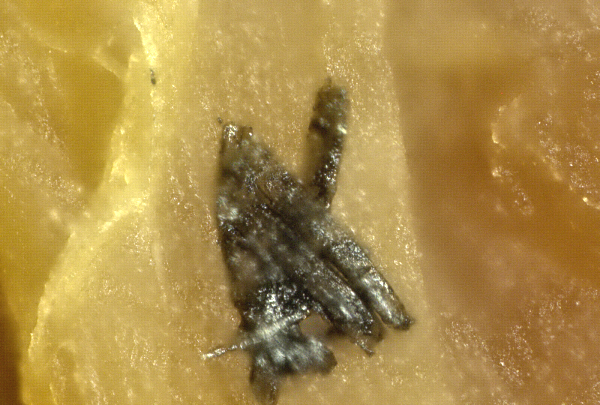
Image: EXCLUSIVE: Shocking microscopy photos of blood clots extracted from those who “suddenly died” – crystalline structures, nanowires, chalky particles and fibrous structures

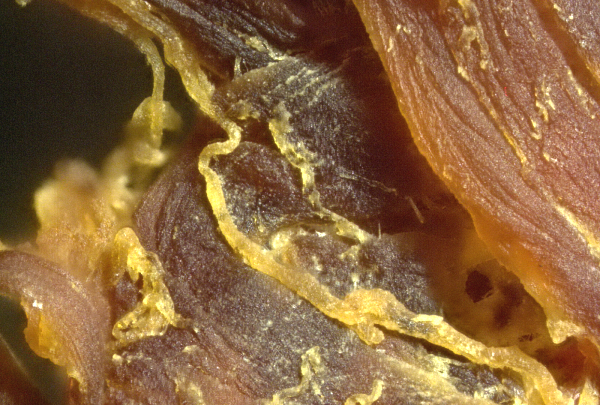
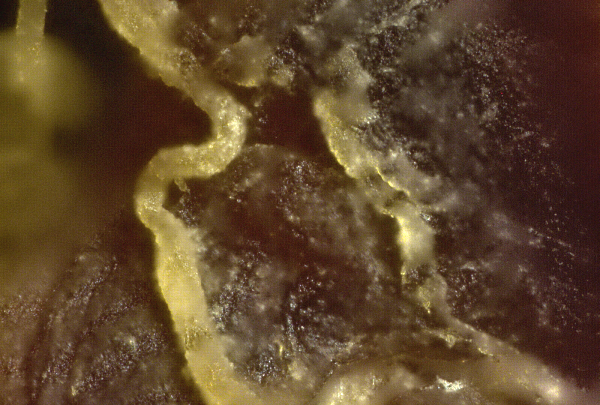
(Natural News) EXCLUSIVE: Today we are publishing a series of lab microscopy photos of bizarre clots which are now being routinely found in adults who “suddenly died,” usually in a number of months following covid vaccinations.

These clots are often referred to as “blood clots” but they are nothing at all like normal clots, and they consist of far more than mere blood cells. Unlike normal clots which are gelatinous, almost jelly-like, these so-called “clots” contain extremely large, complex, repeating structural elements (all shown below) that are clearly being constructed in the blood of the victims who died from these clots.

All of these clots were extracted from patients within a few hours of their death. These are not the result of post-mortem blood stasis. These are structures found in blood vessels and arteries. They are not congealed blood.

We wish to publicly thank Dr. Jane Ruby for connecting us to the embalmer (Richard Hirschman) who provided these clots. (Telegram channel T.ME/DRJANERUBY) Without the persistence of Dr. Ruby, you would not be seeing this report. Dr. Ruby is frequently featured on the Stew Peters Show (StewPeters.TV) and will also be my featured guest Monday on the Infowars.com broadcast.

Here’s a vial of these raw clots, washed of blood and preserved, before staining:
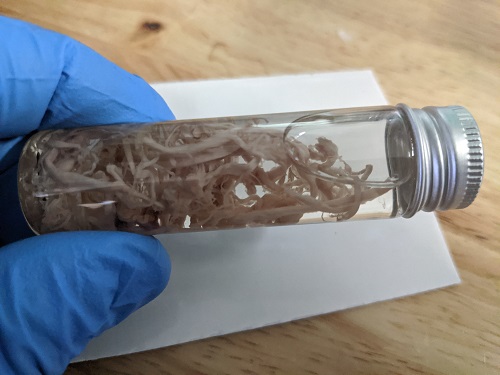
These structures exhibit the following shocking properties:

  • They are tough, fibrous and resilient, showing material properties similar to small rubber bands.
  • They consist of many strands of small, fibrous strands.
  • These fibrous strands (see the very last photo set below) show repeating patterns of scale-like engineering, as if the body has been programmed to build another life form inside the blood vessels.
  • There are strange crystalline-like structures found on these clots, exhibiting transparency and resistance to normal gram staining techniques.
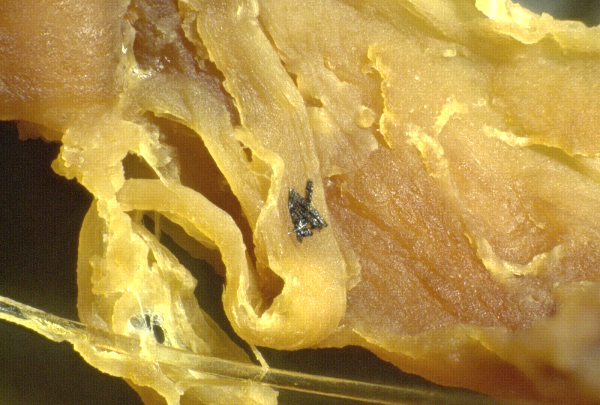
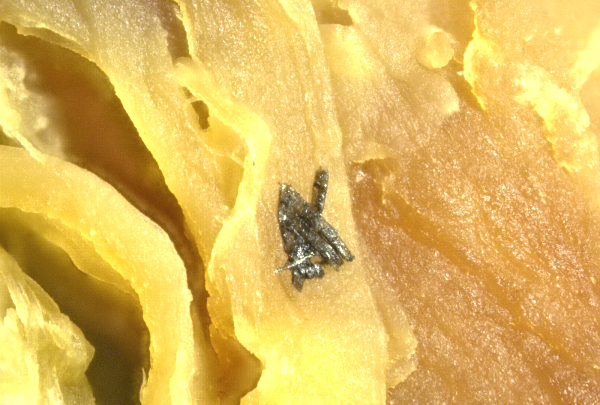
  • Below, you will find one example of a structure that appears to resemble a silicon-like biocircuitry or microchip-like structure. We don’t yet know what it is.
  • One of the photo sets below reveals what appears to be a biocircuitry wire which clearly shows repeating patterns and nano-scale interface structures that are assembled in a specific geometry for an unknown purpose.

Brighteon.TV

Context for the photos you are about to see:

  • I received these “blood clot” samples from a reputable embalmer (Richard Hirschman) who is active in the field of embalming and who confirmed these are not blood vessels or other tissues of any kind. They are structures that were evacuated from inside blood vessels during embalming procedures.
  • I stained these samples using standard gram staining techniques used for microbiology in order to enhance structural contrast during microscopy. One of the samples below — the more yellowish sample — was stained only with iodine, not any violet-colored stains.
  • The samples were then washed with ethyl alcohol and prepared on slides using standard tissue sample preparation for microscopy.
  • Microscope magnification varies from 20x to 1500x, depending on the photo shown below. Magnifications are indicated with each photo set.
  • I retain possession of these samples and can reproduce these photographs if required. Any competent lab microscopy operator could reproduce these photos using the same samples.
  • My descriptions shown below are merely my own observations and are not intended to indicate certainty of the substances being identified. For example, when I talk about “biocircuitry” or “nanowires,” I cannot confirm these are structures actually engineered for purposes of biocircuits. Merely, they resemble structures that seem to indicate such a purpose, but further research would be needed to confirm these observations.

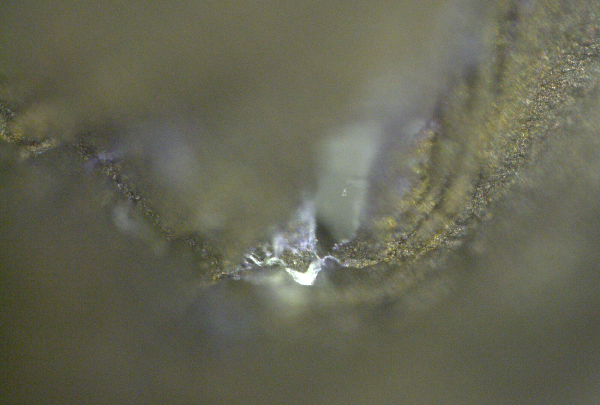
Microscopy photo set #1: Strange crystal-like nanostructures

This first set shows strange crystal-like structures that resist staining techniques and appear to show some sort of nano-scale, clear crystalline structures which would normally never appear in blood or blood clots.

Everything you are looking at in these photos is part of a blood clot extracted from an expired human being.

Magnifications shown here are 20x, 50x, 200x and 500x:

Microscopy photo set #2: Structures, strands and particles

This second set shows very close-up details on the strands, structures and particles found in these blood clots.

Magnifications shown are 20x, 50x, 100x, 200x, 500x, 1000x: (extreme magnifications causes a loss of depth of field which is why the highly-magnified photos seem so blurry in certain areas)




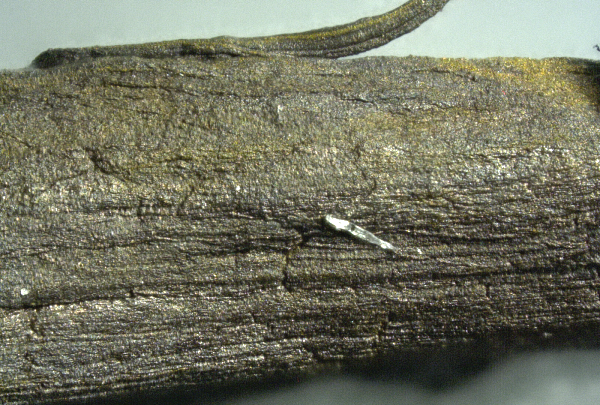
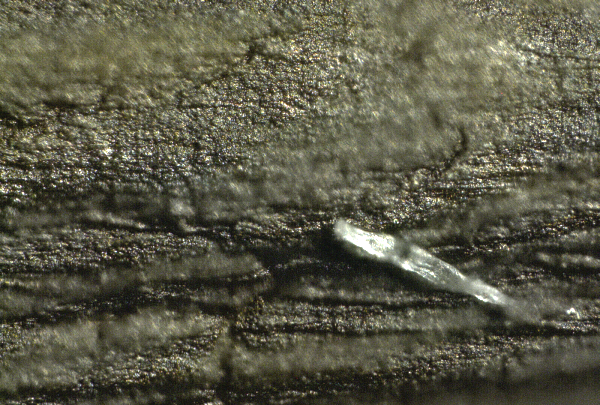
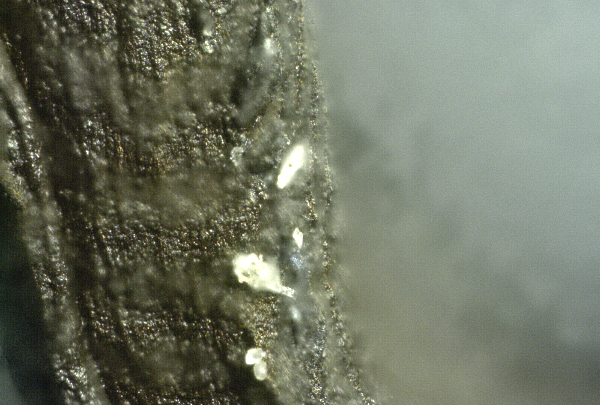
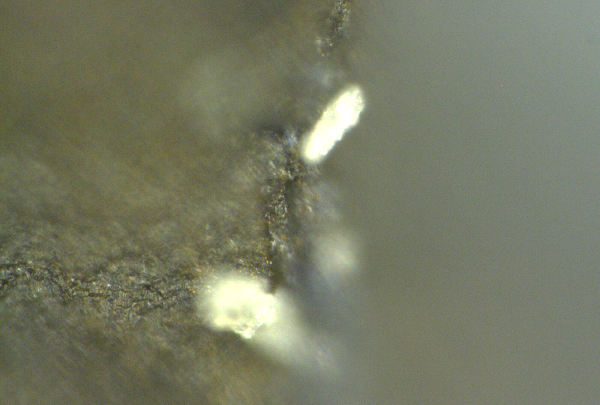
Microscopy photo set #3: Crystal-shaped structures

Crystal-like structures are attached to the bark-like structure of the blood clot. Remember, this clot is stained using a violet stain, which accounts for its dark purple color.

Magnifications are 20x, 50x, 100x, 200x, 500x and 1000x:

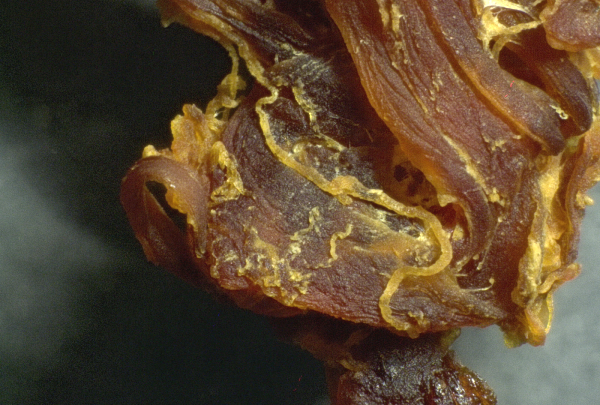
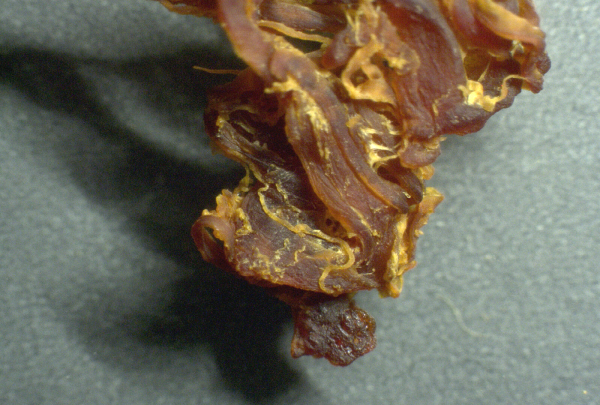
Microscopy photo set #4: Fibrous material is not simply congealed blood cells

The following sample was stained with iodine, then washed with ethyl alcohol. If you did not realize where this came from, you might think this was a sample of beef jerky or a chicken nugget. In reality, all of this is clot tissue that was found inside blood vessels or arteries.

As you can see, these are in no way “normal” blood clots. These have structure and are fibrous. They are clearly being built by the body, using protein synthesis instructions to create this large mass that nearly resembles muscle tissue. Yet it is being built inside the blood vessels.

Magnifications are 20x, 50x, 100x and 200x:
Microscopy photo set #5: Silicon-like “chip” structure

This series shows something that appears to resemble silicon-based microchip structures, although I cannot claim with certainty that this is a circuit of any kind. It simply resembles what micro-circuitry looks like at similar magnifications.

Magnifications used here at 20x, 50x, 100x, 200x and 500x:
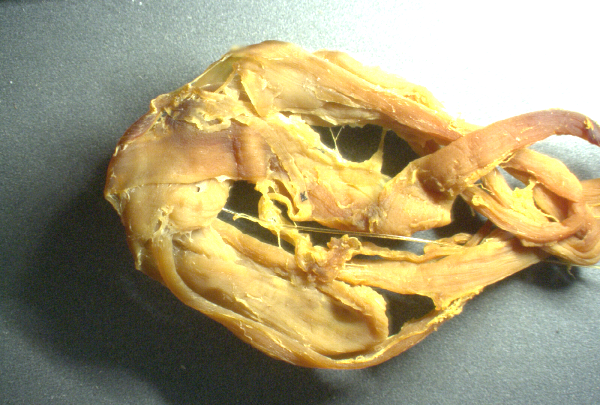
Microscopy photo set#6: Chalk-like white particles

An embalmer told me that blood emptied from the bodies of these people during embalming often appears to show “chalk-like” white particles which are visible even to the naked eye in certain cases.

My microscopy photos seem to have captured some of these chalk-like white particles which resist staining and seem to be scattered across certain regions of these clots.

Magnifications used here are 20x, 50x, 100x, 200x, 500x, 1000x and 1500x:

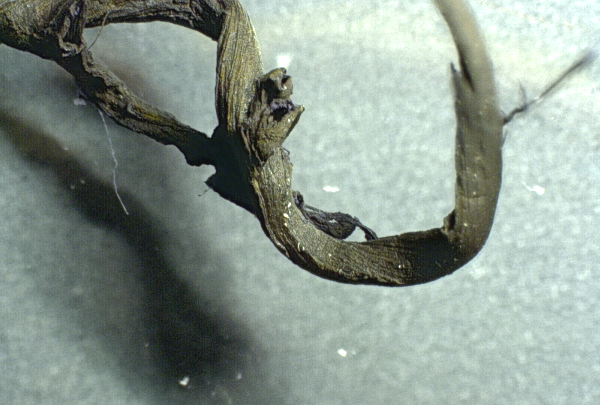
Microscopy photo set#7: “Nanowire” structures and repeating, structural scales

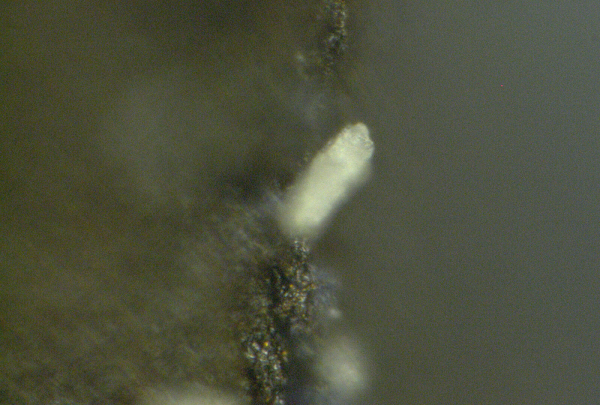
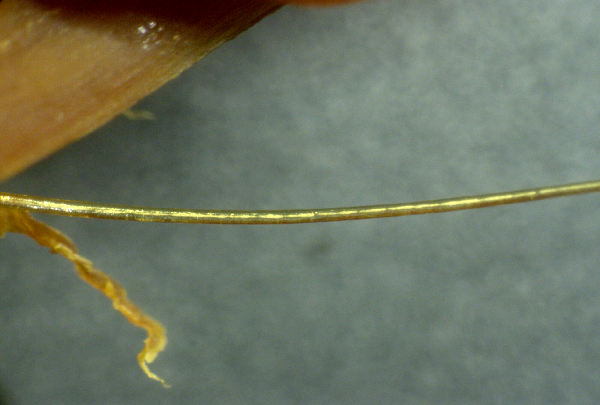
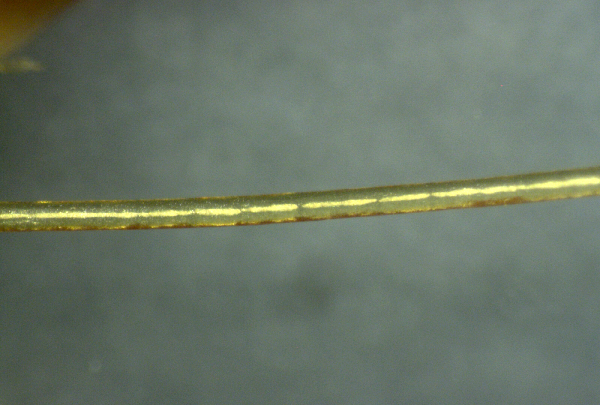
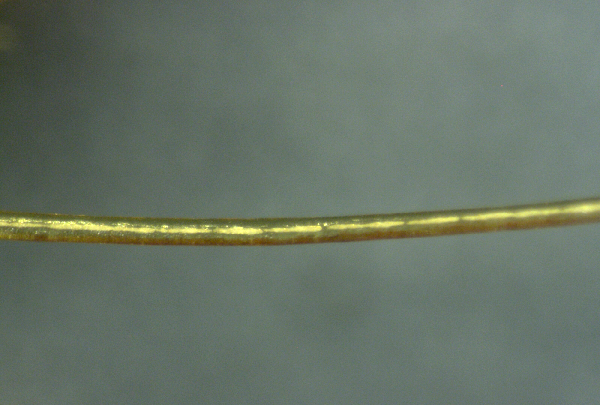
What follows here is a stunning look at what appears to be, at first, a micro-scale wire. Zooming it, we see a series of repeating structures along the top that appear to be nano-scale wire interface junctions. The entire “wire” is made of repeating segments, and its outer layer is covered in repeating “scale-like” patterns that actually resemble reptile skin more than anything human.

For the record, we don’t know what these structures are. However, it’s clear this doesn’t belong anywhere in the circulatory system.

Finally, this fiber is not simply a human hair. It is firmly attached to the blood clot and when I tried to remove it, it would not tear away easily. This is not a contamination issue, it is a structure emanating from the clot itself. Everything you see here came out of a human being’s blood vessels:

Magnifications used here are 20x, 50x, 100x, 200x, 200x, 500x, 500x, 500x, 1000x and 1500x:

What is all this?

We don’t yet know what all these structures are. We know what they are not, however: They are not simply clotted blood cells. If they were, then at the 1500x magnification shown in the last photo, above, we would be able to see individual blood cells. These are not blood cells, they are protein structures.

Protein structures circulating in the blood like this, building up over time, are clearly being constructed by the body’s cells. The ribosomes in the cells instruct the body what proteins to construct. These ribosomes are hijacked by mRNA gene therapy injections, which overwrite new instructions to the cells, causing them to manufacture something other than human.

I believe the structures you are seeing above are the result of mRNA protein synthesis instructions which have been injected into people under the false umbrella of “vaccines.” I welcome input from other experts who may have other theories or explanations of where this is coming from.

More research is needed to confirm the function and composition of these structures, yet because of the extreme censorship and “science authoritarianism” that now exists in the world, no lab or university will dare examine these clots and honestly report the results. To do so would risk losing all NIH funding and federal grants, since the very same people who engineer vaccines and bioweapons also control most science funding in America.

Thus, only independent scientists, labs and journalists will dare tell the truth about these clots.

In conclusion, they are not “blood” clots. They are structures in the blood. They are “structural clots” or “fibrous clots” that are extremely large and are being constructed inside the body over time.

My grave concern is that every person who has been injected with mRNA instructions may be constructing these fibrous structures inside their bodies at this very minute, and that it’s only a matter of time before they block major arteries or cause heart attacks, strokes or other acute causes of “Sudden Adult Death Syndrome” (SADS).

I believe these structures may very well explain why so many seemingly healthy adults are suddenly dying.

Hear more details on Brighteon.com and Infowars.com

I will be discussing these findings in more detail Monday mid-day on my Situation Update podcast at my channel on Brighteon.com:

https://www.brighteon.com/channels/hrreport

In addition, I am unveiling all these photos and findings as I host the Infowars.com “Alex Jones Show” broadcast Monday, June 13th, beginning at 11 am central. The three-hour show will feature several expert guests who will comment on these findings and present their own information about what these may be and how many people are being affected right now.

Tune in at www.InfoWars.com

And pray for humanity.

Do You Know the Difference Between Salt and Sodium?


Reproduced from original article:
https://articles.mercola.com/sites/articles/archive/2022/06/11/salt-and-sodium.aspx
The original Mercola article may not remain on the original site, but I will endeavor to keep it on this site as long as I deem it to be appropriate, and will not be bullied into removing it.


Analysis by Dr. Joseph Mercola     Fact Checked     June 11, 2022

salt and sodium

STORY AT-A-GLANCE

  • Sodium is an essential mineral and electrolyte your body uses to maintain fluid balance, muscle function and nerve impulses. Salt is a combination of 40% sodium and 60% chloride, another essential mineral
  • Salt was once primarily a food preservative, which meant people of yesteryear consumed far greater amounts than today; not only that, the evidence does not support the claimed benefits of low-sodium diets. Salt restriction is associated with poor outcomes in patients with heart failure, higher heart disease mortality, erectile dysfunction and heat stroke
  • Normalizing salt intake can lower sugar cravings and improve athletic performance. A proper sodium-potassium ratio improves cardiovascular outcomes and reduces the risk of high blood pressure and stroke
  • Consider your sodium and potassium sources carefully. Bananas have potassium but are also rich in fructose. Consider spinach, beet greens and mushrooms instead
  • Avoid processed salt and consider Himalayan salt as a natural alternative that has lower toxic pollutants and is higher in potassium compared to other salts

Did you know that salt and sodium are not the same things? The distinction is important since for decades doctors have recommended patients limit their salt intake.1 According to a historical report in Scientific American,2 it was 1904 when doctors in France first reported that patients with high blood pressure consumed a lot of salt.

In 1970, Lewis Dahl claimed he had “unequivocal” evidence that salt was linked to high blood pressure based on an animal study. When the amount of salt fed to the animals was scaled to size, it was equal to humans consuming 500 grams of sodium each day. As a comparison, the American Heart Association estimates the average American consumes 3.4 grams of sodium each day, which is far more than their recommended 1.5 grams or less.3

Dahl also claimed to find the same link in population trends.4 However, several years later researchers were unable to find the same associations when they compared intake within the populations. Although the new data could not confirm Dahl’s work, it did not stop the U.S. Senate Select Committee on Nutrition and Human Needs from recommending in 1977 that Americans cut their salt consumption by up to 85%.

Sodium is a mineral and an important electrolyte your body uses for fluid balance, muscle function and nerve impulses.5 It’s represented by “Na” on the Periodic Table of Elements.6 Another essential electrolyte7 is chloride (Cl), which your body also uses to maintain fluid balance and is essential for acid-base homeostasis and electrical neutrality.

Chloride levels are measured in serious metabolic disorders and researchers have long known, “Abnormalities in chloride channel expression and function in many organs can cause a range of disorders.”8

The combination of sodium and chloride makes up salt. The chemical formula is NaCl and it is also known as sodium chloride. Table salt is approximately 40% sodium and 60% chloride.9 As you can see, consuming 3,400 mg of salt is far different from 3,400 mg of sodium, so it’s important to know the difference.

Historically, Salt Intake Was Far Higher

Historically, salt has been widely and regularly used. As James DiNicolantonio PharmD., author of “The Salt Fix: Why the Experts Got It All Wrong — and How Eating More Might Save Your Life,” discussed in this short video, the incidence and prevalence of many chronic diseases began to rise when salt intake declined.

Salt was primarily used as a food preservative, which meant that in the past, people consumed far greater amounts than we do today. Salt was highly valued and production legally restricted, so it became a method of trade and currency. Special rations were given to Roman soldiers, known as “salarium argentum,” which was the forerunner to the English word salary.10

Salt played a key role in the Civil War11 and in the 1600s it was estimated that the average person in Sweden was eating 100 grams of salt each day.12 Despite a dramatic reduction in salt intake during the 1900s, blood pressure rose. The idea that salt intake correlates with blood pressure was popularized by the Dietary Approaches to Stop Hypertension (DASH) study13 that was published in 1999.

Lower salt intake was one of the dietary approaches employed in the study, but it wasn’t the only one. The DASH diet was also low on processed foods and sugars, and these may have a far greater impact on your blood pressure than salt.

Additionally, the idea that an excessive amount of sodium “over time causes the body to hold onto water longer to dilute the sodium,”14 is a simplistic explanation of a far more complex condition. As with all vitamins, minerals and chemicals in the body, each affects and is affected by several different systems.

Your sodium balance is at least impacted by magnesium, calcium and potassium, which in turn affects several aspects of your health, including blood pressure, bone density and heart and kidney health. In other words, each time you change the level of one, you impact the levels of others.

Evidence Does Not Support Low-Sodium Diets

Sodium restriction has been a cornerstone of heart failure management. However, a paper published by researchers at Rush University Medical Center15 found restriction was associated with a significant increase in the risk of heart failure and death. They concluded that in patients who are symptomatic of chronic heart failure, “sodium restriction may have a detrimental impact on outcome.”

Two studies16,17 published in 2011 showed similar results. The first was published in JAMA18 in which the researchers were interested in assessing urinary sodium excretion and its prediction on blood pressure and health outcomes.

They enrolled 3,681 participants who they classified without cardiovascular disease, 1,499 of whom had high blood pressure. The participants were followed for a median 7.9 years, and the researchers found:19

“… systolic blood pressure, but not diastolic pressure, changes over time aligned with change in sodium excretion, but this association did not translate into a higher risk of hypertension or CVD complications. Lower sodium excretion was associated with higher CVD mortality.”

The second, published in the American Journal of Hypertension,20 was a meta-analysis of randomized controlled studies where the researchers followed the participants for at least 6 months and compared adults with no salt restriction against those who had dietary salt restrictions.

They identified seven qualifying studies, three of which followed participants with normal blood pressure and two with high blood pressure. As expected, they found in the combined 6,250 participants that salt reduction also reduced the amount of urinary salt excretion.

The data also revealed there was no strong evidence that salt reduction affected all-cause mortality in people with normal blood pressure or those with high blood pressure. They also found participants on a salt-restricted diet had a higher risk of all-cause mortality if they were diagnosed with heart failure.21

Health Benefits Associated With Salt Consumption

In this short video, DiNicolantonio discusses the five benefits of eating what he calls a “normal” amount of salt in your diet,22 as compared to most guidelines that recommend less than a teaspoon per day. As he points out, exercising for an hour a day can result in a loss of one-half teaspoon of salt in sweat. When this is combined with eating less than a half teaspoon of salt, a person could quickly become sodium deficient.

He recommends eating 1.5 teaspoons of salt per day, or approximately 3,500 milligrams of sodium. When you’re not getting enough sodium, or you have a deficiency, it can lead to problems with athletic performance, erectile dysfunction, sleep challenges, and the risk of heatstroke.

The second benefit is that with more normalized salt consumption, you have a lower risk of sugar cravings. He says, “It turns out that we have an activation in the reward center in our brain when we are salt deficient and unfortunately addictive substances like sugar can actually have a higher dopamine response if we’re not getting enough salt.”23

Sodium levels in your body can also help to reduce stress hormones, such as angiotensin II, renin, aldosterone, noradrenaline and adrenaline.24 These stress hormones increase arterial stiffness and can potentially lead to high blood pressure, diabetes and chronic kidney disease.25

Salt also helps balance calcium and magnesium. Since your body requires salt, it will pull it from the bone to maintain a normal blood level, while also pulling magnesium and calcium.26

Finally, DiNicolantonio says the fifth benefit is better exercise performance, especially when you consume salt about 90 minutes before exercising. He says that studies show this additional salt increases your ability to exercise 21 minutes longer with a heart rate approximately 10 beats per minute lower and at a lower body temperature.27

Sodium-Potassium Ratio Is Much More Important

Another mineral important to heart health is potassium. Researchers28 have found the risk of cardiovascular events decreased as potassium levels increased. In this large study, they analyzed the intake of sodium and potassium as it related to blood pressure in 369 communities and as it related to cardiovascular disease and mortality in 255 communities. Combined, there were 178,311 participants. They discovered:29

“All major cardiovascular outcomes decreased with increasing potassium intake in all countries. Sodium intake was associated with cardiovascular disease and strokes only in communities where mean intake was greater than 5 g/day.”

Your body uses potassium to relax the walls of the arteries, which keeps your muscles from cramping and lowers your blood pressure. Reducing blood pressure with potassium has also been shown to reduce the incidence of stroke.30 Researchers found women without high blood pressure who consumed the most potassium had a 21% reduced risk of stroke.

Those who consumed the most were also 12% less likely to die during the study than those who consumed the least.31 There is significant evidence that the potassium-to-sodium balance is key to normalizing your blood pressure and protecting your cardiovascular health.32 A better strategy to promote public health would be to focus on a high-quality diet rich in potassium rather than in lowering salt consumption.

The easiest way to negatively affect your ratio of potassium and sodium is to eat a diet of processed foods, which are notoriously low in potassium and high in sodium. The body also uses potassium to maintain proper pH levels, which also plays a role in regulating blood pressure. In fact, as indicated in one study33 of 102,216 adults from 18 countries, potassium deficiency may be more responsible for hypertension than excess sodium.

According to an article in Harvard Health Publishing,34 our ancestors ate nearly 11,000 mg of potassium a day and 700 mg of sodium. This is nearly 16 times more potassium than sodium. In the current standard American diet, people consume a vastly different ratio with an average of 2,500 mg of potassium and 3,600 mg of sodium.

Another study35 published in 2011 was one of the first and largest to evaluate the relationship between salt, potassium and heart disease deaths. They found those who were at greater risk of heart disease deaths had a combination of too much sodium and too little potassium.

Consider Your Sodium and Potassium Sources

When you’re choosing foods to increase your potassium levels, one of the first foods many consider is bananas. One medium banana contains 451 mg of potassium.36 However, bananas are far from being your only source of potassium and contain 6 grams of total fructose.37 So, consider foods high in potassium without the added fructose, such as beet greens, spinach, leafy greens, sweet potato, mushrooms and acorn squash.38

From my perspective, the clear answer is to avoid processed salt and use natural salt in moderation. I believe it is hard for a healthy person to overdo natural salt, as it is a nutritional goldmine — provided you pay attention to your sodium-to-potassium ratio and your source of sodium.

The beauty of using Himalayan salt is that, in addition to being naturally lower in sodium, it’s much higher in potassium compared to other salts — including other natural salt like sea salt or Celtic salt. Additionally, Himalayan salt is far lower in toxic pollutants, such as plastic microparticles, commonly found in processed salt and sea salt.

Remember, aside from the basic differences in nutritional content, it’s processing that makes table salt (and the salt used in processed foods) detrimental to your health. What your body needs is natural, unprocessed salt, without added chemicals or pollutants.

Fiber is another important addition to your nutritional plan to reduce your risk of cardiovascular disease. There are two main types of dietary fiber: soluble and insoluble. Ideally, you need both on a regular basis.

• Soluble fiber — Soluble fiber, found in cucumbers, blueberries, beans and nuts, dissolves into a gel-like texture, helping to slow down your digestion. This helps you to feel full longer, which can help with weight control.

Likewise, it slows down the rate at which other nutrients are digested, including carbs, so they’re not as likely to raise your blood sugar. Some foods rich in soluble fiber also help feed good bacteria in your gut.

• Insoluble fiber — Insoluble fiber, found in foods like dark green leafy vegetables, green beans, celery and carrots, does not dissolve and stays basically intact as it moves through your colon. By adding bulk to your stool, it helps food to move through your digestive tract more quickly for healthy elimination.

Insoluble fiber is also sometimes called roughage, a term describing one of its functions. As it moves through your colon, it helps move along food particles tending to adhere to the sides. Food remaining stuck to your colon may cause bloating, pain and constipation, as well as other problems.

NHS reveals in FOI that Ambulance Call-Outs for Heart Illness have DOUBLED since Covid-19 Vaccination began among all age-groups

Reproduced from original The Exposé article:
https://expose-news.com/2022/06/06/nhs-ambulance-call-outs-heart-doubled-since-covid-vaccination

By:  on June 6, 2022

The National Health Service has confirmed in response to a freedom of information request that ambulance call-outs relating to immediate care required for a debilitating condition affecting the heart nearly doubled in the whole of 2021 and are still on the rise further in 2022. But the most concerning published figures show that they have also doubled among people under the age of 30.


Let’s not lose touch…Your Government and Big Tech are actively trying to censor the information reported by The Exposé to serve their own needs. Subscribe now to make sure you receive the latest uncensored news in your inbox…

Follow The Exposé’s official Channel on Telegram here
Join the conversation in our Telegram Discussion Group here


On the 25th April 2022, Duncan Husband sent a Freedom of Information (FOI) request to the West Midlands Ambulance Service University NHS Foundation trust requesting to know the following –

‘Can you please tell me, under the Freedom Of Information Act,
The amount of call outs for patients with heart conditions per year, between 1st January 2017 and present day?
The amount of call outs for patients with strokes per year, between 1st January 2017 and present day?
If possible, can you also give me the total number of the above patients who were under 30.
Can you give me the monthly stats for each year please?’

The NHS responded on the 18th May with a spreadsheet containing the requested information.

The following table is the one provided by the NHS for the number of overall ambulance call-outs for heart conditions by month and year –

The following chart visualised the data in the table above –

The following table is the one provided by the NHS for the number of ambulance call-outs for heart conditions among people under the age of 30 by month and year –

The following chart visualised the data in the table above –

As we can see from the above two charts, ambulance call-ours for high conditions have been higher overall since January 2021, and have been increasing month on month. It was not until April 2021 that we saw a significant increase among people under the age of 30 though, and it again has increased month on month since then.

The following chart shows the overall total call-outs by year for everyone and those aged 0 to 29 –

The average number of annual call outs between 2017 and 2020 equates to 24,463. Meaning the number of call-outs increased by 48% in 2021. The average number of annual call-outs among under 30’s between 2017 and 2020 equates to 3,940. Meaning the number of call-outs increased by 82% in 2021.

The following chart shows the monthly average number of ambulance call-outs for conditions relating to the heart by year –

There was a significant increase in 2021 among all age groups, and unfortunately, things have got even worse in the first few months of 2022.

The question is, why

We really don’t need to look any further than the number of cases of myocarditis caused by Covid-19 vaccination. Myocarditis is a condition that causes inflammation of the heart muscle and reduces the heart’s ability to pump blood and can cause rapid or abnormal heart rhythms.

Eventually, myocarditis weakens the heart so that the rest of the body doesn’t get enough blood. Clots can then form in the heart, leading to a stroke or heart attack. Other complications of the condition include sudden cardiac death. There is no mild version of myocarditis, it is extremely serious due to the fact that the heart muscle is incapable of regenerating. Therefore, one the damage is done there is no rewinding the clock.

The following chart shows reports of myocarditis to the U.S. Centers for Disease Control’s Vaccine Adverse Event Reporting System by year –

Heart damage is ubiquitous throughout the vaccinated population, and the damage is being diagnosed in multiple ways. Acute cardiac failure rates are now 475 times the normal baseline rate in VAERS. Tachycardia rates are 7,973 times the baseline rate. Acute myocardial infarction is 412 times the baseline rate. The rates of internal haemorrhage, peripheral artery thrombosis, coronary artery occlusion are all over 300 times the baseline rate.

Fully vaccinated people are suffering like never before.

Covid-19 vaccination was supposed to ease pressure on the NHS, not apply more.

Antibiotics Linked to Inflammatory Bowel Disease


Reproduced from original article:
https://articles.mercola.com/sites/articles/archive/2022/06/01/antibiotics-linked-to-ibd.aspx
The original Mercola article may not remain on the original site, but I will endeavor to keep it on this site as long as I deem it to be appropriate, and will not be bullied into removing it.


Analysis by Dr. Joseph Mercola     Fact Checked     June 01, 2022

antibiotics linked to ibd

STORY AT-A-GLANCE

  • People over 60 who have used antibiotics may be at increased risk of developing inflammatory bowel disease (IBD)
  • Use of antibiotics was associated with a 64% increased risk of developing IBD, and the risk increased with additional doses
  • Compared with those who had taken no antibiotics in the previous five years, risk of IBD in those who received five or more antibiotics prescriptions increased by 236%
  • All classes of antibiotics were associated with increased IBD risk, but fluoroquinolones had the most notable association
  • Antibiotics have also been linked to an increased risk of bowel cancer, heart attack and stroke

People over 60 who have used antibiotics may be at increased risk of developing inflammatory bowel disease (IBD), a condition characterized by chronic inflammation of the gastrointestinal (GI) tract.1 The finding, which was presented at the Digestive Disease Week conference held in San Diego, California, in May 2022, may explain the rising rates of IBD occurring among older adults.

“It’s quite important to really understand what’s driving this,” lead study author Dr. Adam Faye, of New York University Langone School of Medicine, said in a news release. “There’s clearly something in the environment that’s driving this new onset of older-onset IBD.”2

An estimated 3 million (or 1.3%) of U.S. adults suffer from IBD, which includes Crohn’s disease and ulcerative colitis.3 A CDC study revealed that from 2001 to 2018, the prevalence of IBD among 25.1 million Medicare beneficiaries aged 67 years or older increased among all racial/ethnic groups.4

Environmental factors are a likely culprit, with the CDC researchers finding that living in urban areas was associated with an increased risk of IBD. As such they stated that factors that influence the microbiome, such as pollution, diet and lifestyle, could be involved.5

Antibiotics also have a significant effect on the microbiome and represent another environmental factor that may be driving up IBD rates in older adults. Faye said:6

“In older adults, we think that environmental factors are more important than genetics. When you look at younger patients with new diagnoses of Crohn’s disease and ulcerative colitis, there’s generally a strong family history. But that is not the case in older adults, so it’s really something in the environment that is triggering it.”

IBD Risk Increases by 64% With Antibiotics Use

Faye and colleagues analyzed records from more than 2.3 million adults aged 60 to 90 who were part of the Danish National Patient Register and the Danish National Prescription Register from 2000 to 2018. Patients newly diagnosed with IBD were identified and compared with antibiotic use.

Use of antibiotics was associated with a 64% increased risk of developing IBD, and the risk increased with additional doses.7 Compared with those who had taken no antibiotics in the previous five years:8

  • One prescription for antibiotics was associated with a 27% increased risk of IBD
  • Two prescriptions increased risk by 55%
  • Three prescriptions increased risk by 67%
  • Four prescriptions increased risk by 96%
  • Five or more prescriptions increased risk by 236%

Adults who had been prescribed antibiotics one to two years prior to IBD diagnosis had the highest risk, but those who took the drugs two to five years prior also had an elevated risk. All classes of antibiotics were associated with increased IBD risk, though fluoroquinolones, which include brand names Cipro and Levaquin, had the most notable association.9

This is the same class of drugs that may harm your heart by causing an increased risk of ruptures or tears in the aorta blood vessel. The aorta is the main artery in your body supplying oxygenated blood to your circulatory system.

In December 2018, the U.S. Food and Drug Administration warned that fluoroquinolones taken by mouth or via injection could lead to these aortic dissections or ruptures of an aortic aneurysm that could lead to serious bleeding or death.10 The risks of these and other antibiotics must be carefully weighed against the benefits prior to use.

“We think of antibiotic stewardship not only to prevent the development of multidrug-resistant organisms, but in this case now we should be thinking about it to prevent the development of inflammatory bowel disease,” Faye said,11 pointing out that antibiotics’ disruption to the gut microbiome could be contributing to the development of IBD.

“Maybe there’s something in the microbiome that antibiotics are doing that’s priming an individual to then later develop inflammatory bowel disease, and this really needs to be looked at further,” he said.12

Antibiotics Linked to Bowel Cancer

While antibiotics can be lifesaving, at least 30% of outpatient antibiotic prescriptions are unnecessary, according to CDC estimates.13 Taking antibiotics when unnecessary exposes you to increased risk for no benefit, and the risks include serious disease aside from IBD — even cancer.

In 2014, researchers linked antibiotics use to a slightly increased risk (8% to 11%) of developing colorectal cancer, also known as bowel cancer, possibly because of alterations to the gut microbiome.14 Likewise, past research has also shown that people with less bacterial diversity in their gastrointestinal tracts are more likely to develop colon cancer.15

Separate research found that women who had used antibiotics for two months or more were at an increased risk of developing colon polyps, which can be a precursor to colorectal cancer.16 Those who used the drugs for a total of at least two months in their 20s and 30s had a 36% increased risk of polyps compared to those who did not.

Even taking antibiotics for 15 days or more, at any age range, was associated with an increased risk of polyps. In 2016, another study also found increasing use of antibiotics was associated with an increasing risk of colorectal cancer, especially when used frequently.17

Antibiotics May Increase Risk of Stroke, Heart Attack

Even one course of antibiotics negatively alters your microbiome for up to a year,18 which is precisely why it’s crucial to only use antibiotics when absolutely necessary. When used for longer periods, they also can cause considerable damage, including to your heart.

A study published in the European Heart Journal found that women aged 60 and older who used antibiotics for two months or longer — often for respiratory infections, urinary tract infections and dental problems — were 32% more likely to develop cardiovascular disease than women who did not use such drugs.19

Overall, among women in late adulthood who take antibiotics for two months or more, 6 per 1,000 would develop cardiovascular disease, compared to 3 per 1,000 for women who did not. Women in middle age (40 to 59 years) who used antibiotics for longer than two months also had a 28% increased risk of cardiovascular disease. Again, alterations in gut microbiota were highlighted as playing a detrimental part in antibiotics’ adverse effects to the heart.

“Antibiotic use is the most critical factor in altering the balance of microorganisms in the gut. Previous studies have shown a link between alterations in the microbiotic environment of the gut and inflammation and narrowing of the blood vessels, stroke and heart disease,” study author Lu Qi, director of the Tulane University Obesity Research Center in New Orleans, stated in a news release.20

Taking antibiotics for at least two months also increases the risk of death from all causes by 27% among women in late adulthood, compared to women who did not take the drugs.21 The women taking long-term antibiotics also had a 58% higher risk of death due to heart problems.

Millions Suffer From Antibiotic-Resistant Infections

Due to the widespread misuse and overuse of antibiotics — including by industrial agriculture for purposes of growth promotion22,23 and preventing diseases in animals — many types of bacteria have developed resistance to antibiotics. As a result, more than 2.8 million antibiotic-resistant infections occur in the U.S. annually, with more than 35,000 people dying as a result.24

When Clostridioides difficile infections, which are associated with antibiotics use, are added in to these figures, more than 3 million infections and 48,000 deaths attributed to antibiotics use or antibiotic-resistant infections occur every year in the U.S.

This public health emergency underscores the fact that when you take antibiotics, there are both short- and long-term risks, the latter of which, such as antibiotic-resistant infections or IBD, may not become evident until long after you’ve stopped taking the drugs.

Natural Options for IBD

If you must take antibiotics, add more traditionally fermented and cultured foods to your diet to optimize your gut flora, and consider the use of spore-based probiotics, or sporebiotics, which are part of a group of derivatives of the microbe called Bacillus, have been shown to dramatically increase your immune tolerance.

I also recommend taking the beneficial yeast Saccharomyces boulardii after you’ve finished your antibiotics to prevent secondary complications of antibiotic treatment, such as diarrhea. If you’ve been diagnosed with ulcerative colitis, one of the forms of IBD, be aware that natural treatment options may help.

Ulcerative colitis symptoms range from mild to severe, and while most people have periods of remission when symptoms disappear, it can be debilitating when symptoms flare up, causing frequent, urgent bowel movements, fatigue, nausea, weight loss, fever and anemia. In about 10% of cases, ulcerative colitis is severe and may lead to bloody bowel movements and severe abdominal cramping.25

Up to one-third of patients even undergo surgery to remove the colon and rectum,26 but ginger, which has a range of biological activities, including antioxidant, anti-inflammatory and cytotoxic (potential anti-carcinogenic) effects,27 has been shown to reduce disease activity in this condition.28

In one study, ginger was found to reduce malondialdehyde (MDA), a biomarker of oxidative stress, in patients with ulcerative colitis significantly after six and 12 weeks. Ginger also led to reductions in severity of disease activity and increased patients’ quality of life significantly after 12 weeks.29

IBD can be challenging to treat, so work with a knowledgeable natural health care practitioner who can develop a comprehensive treatment protocol. However, in addition to ginger the following natural options may also provide some relief:

  • Probiotics — People with inflammatory conditions such as ulcerative colitis who took the probiotic bacteria Bifidobacterium infantis for eight weeks had lower levels of inflammation than those taking a placebo.30
  • Curcumin — The turmeric compound curcumin may help to induce and maintain remission in ulcerative colitis patients without serious side effects.31
  • Omega-3 fats — The animal-based omega-3 fats in krill oil, EPA and DHA, have immune-boosting qualities along with anti-inflammatory properties proven to benefit disorders of the gut, including ulcerative colitis.32
  • Optimizing vitamin D levels — In vitamin-D-deficient patients with ulcerative colitis, vitamin D supplementation was associated with reduced intestinal inflammation in one study.33

Latest Bad News About COVID Vaccines


Reproduced from original article:
https://articles.mercola.com/sites/articles/archive/2022/05/24/latest-bad-news-about-covid-vaccines.aspx
The original Mercola article may not remain on the original site, but I will endeavor to keep it on this site as long as I deem it to be appropriate, and will not be bullied into removing it.


Analysis by Dr. Joseph Mercola     Fact Checked     May 24, 2022

latest bad news about covid vaccines

STORY AT-A-GLANCE

  • A previously healthy 36-year-old mother of two died 11 days after receiving a Pfizer COVID-19 shot; her death was deemed to be caused by myocarditis due to the shot
  • Emergency calls for cardiac arrest and acute coronary syndrome increased more than 25% among 16- to 39-year-olds from January to May 2021, compared to the same time period in 2019 and 2020
  • Pfizer deliberately excluded pregnant women from COVID-19 shot trials; the recommendation that the shots are safe and effective for pregnant women was based on a 42-day study involving 44 rats
  • Research conducted by the New York State Department of Health found the shots’ effectiveness declined rapidly among 5- to 11-year-olds, falling from 68% to just 12%
  • Considering the adverse effects and lack of effectiveness, many have called for an immediate withdrawal of the shots

A previously healthy 36-year-old mother of two died 11 days after receiving a Pfizer COVID-19 shot.1 Initially, her cause of death was deemed inconclusive, but at an inquest, pathologist Dr. Sukhvinder Ghataura explained that he believes the COVID-19 shot was to blame. He told the coroner:2

“On the balance of probabilities, she had vaccine-related problems. There is nothing else for me to hang my hat on. It is the most likely reason, in my conclusion. It is more than likely Dawn died in response to the Covid jab.”

Government officials continue to deny deaths linked to Pfizer’s mRNA COVID-19 shot. In the U.S., they’ve only acknowledged nine deaths as causally associated with Johnson and Johnson’s COVID-19 shot as of May 10, 2022.3 But this case, which occurred in the U.K., highlights the potential dangers of shot-induced myocarditis.

According to Ghataura, the woman had several signs of myocarditis, or inflammation of the heart muscle, including inflammation of the heart, fluid in the lungs and a small clot in her lungs.

She had also reported menstrual irregularities, jaw pain and arm pain.4 When asked by a family member whether he believed the woman would still be alive today if she hadn’t received the shot, Ghataura said, “It’s a difficult question but I would say yes.”5

COVID-19 Shots Increase Heart Attack Risk by 25% in Youth

At the conclusion of the inquest regarding the woman’s death, assistant coroner Alison McCormick stated, “I give the narrative conclusion that her death was caused by acute myocarditis, due to recent Covid-19 immunization.”6 Myocarditis is a recognized adverse effect of mRNA COVID-19 shots,7 and one that has been named in other deaths.

Dr. Neil Singh Dhalla, a CEO of a major health clinic, fell asleep four days after he got a COVID-19 booster shot — and died from a heart attack.8 The autopsy stated myocarditis. He was only 48 years old and had never had heart problems in his life. In another example, epidemiologists confirmed that two teenage boys from different U.S. states died of myocarditis days after getting the Pfizer shot.9

Both had received second doses of the shot. In a study that examined the autopsy findings, it’s reported that the “myocarditis” described in the boys’ deaths is “not typical myocarditis pathology”:10

“The myocardial injury seen in these post-vaccine hearts is different from typical myocarditis and has an appearance most closely resembling a catecholamine-mediated stress (toxic) cardiomyopathy. Understanding that these instances are different from typical myocarditis and that cytokine storm has a known feedback loop with catecholamines may help guide screening and therapy.”

An astounding study published in Scientific Reports further revealed that calls to Israel’s National Emergency Medical Services (EMS) for cardiac arrest and acute coronary syndrome increased more than 25% among 16- to 39-year-olds from January 2021 to May 2021, compared to the same time period in 2019 and 2020.11

The researchers evaluated the association between the volume of the calls and other factors, including COVID-19 shots and COVID-19 infection, but a link was only found for the shots:12

“[T]he weekly emergency call counts were significantly associated with the rates of 1st and 2nd vaccine doses administered to this age group but were not with COVID-19 infection rates.

While not establishing causal relationships, the findings raise concerns regarding vaccine-induced undetected severe cardiovascular side-effects and underscore the already established causal relationship between vaccines and myocarditis, a frequent cause of unexpected cardiac arrest in young individuals.”

COVID Shots Weren’t Tested on Pregnant Women

The U.S. Food and Drug Administration and Pfizer attempted to hide COVID-19 shot clinical trial data for 75 years. “When I saw that, that’s when I got very vocal and said fraud has occurred. How do I know that? They won’t show us the clinical data,” former Blackrock portfolio manager Edward Dowd said.13 This should be a red flag for all Americans.

Now that a lawsuit forced the FDA to release thousands of the documents, data about what they were trying to hide is coming out. Among the revelations is evidence that Pfizer deliberately excluded pregnant women from COVID-19 shot trials. So how did they make the recommendation that the shots are safe and effective for pregnant women?

This was based on a 42-day study involving 44 rats.14 What’s more, a Pfizer-BioNTech rat study revealed the shot more than doubled the incidence of preimplantation loss and also led to a low incidence of mouth/jaw malformations, gastroschisis (a birth defect of the abdominal wall) and abnormalities in the right-sided aortic arch and cervical vertebrae in the fetuses.15

A CDC-sponsored study that was widely used to support the U.S. recommendation for pregnant women to get injected “presents falsely reassuring statistics related to the risk of spontaneous abortion in early pregnancy,” according to the Institute for Pure and Applied Knowledge (IPAK).16

When the risk of miscarriage was recalculated to include all women injected prior to 20 weeks’ gestation, the incidence was seven to eight times higher than the original study indicated, with a cumulative incidence of miscarriage ranging from 82% to 91%.

Also buried in one of the documents is the statement, “Clinical laboratory evaluation showed a transient decrease in lymphocytes that was observed in all age and dose groups after Dose 1, which resolved within approximately one week …”17 What this means is Pfizer knew that, in the first week after the shot, people of all ages experienced transient immunosuppression, or put another way, a temporary weakening of the immune system, after the first dose.

Pfizer and FDA Knew Vaccines Were Not ‘Safe and Effective’

“It looks to me — this is not an overstatement from what I’ve seen — that this was a clinical trial that by August 2021, Pfizer and the FDA knew was failed, the vaccines were not safe and effective,” said investigative author Naomi Wolf. “That they weren’t working. That the efficacy was waning … and that they were seriously dangerous. And they rolled it out anyway.”18

Regarding the shots for pregnant women, Wolf said, in an interview with Stephen Bannon on “War Room,” that a spike in severe adverse events among pregnant women coincides with the rollout of COVID-19 shots.

U.S. Department of Defense (DOD) whistleblowers datamined the DOD health database, revealing significant increases in rates of miscarriage and stillbirths, along with cancer and neurological disease, since COVID-19 jabs rolled out.19 “This is honestly one of the wors[t] things I’ve ever, ever seen in my 35 years as a reporter,” Wolf said.20

Not only does IPAK’s data show COVID-19 injections prior to 20 weeks are unsafe for pregnant women, but 12.6% of women who received it in the third trimester reported Grade 3 adverse events, which are severe or medically significant but not immediately life-threatening. Another 8% also reported a fever of 38 degrees C (100.4 degrees F), which can lead to miscarriage or premature labor.21

Young children are also developing severe hepatitis and nobody knows why.22 COVID-19 shots have been linked to cases of liver disease23 and liver damage following the shots has been deemed “plausible.”24

Confirmed: COVID Shots Affect Menstrual Cycles

It’s clear that there are many unknowns about how COVID-19 shots affect pregnancy and reproduction, including their effects on menstrual cycles. Women around the globe have reported changes in their menstrual cycles following COVID-19 shots, and health officials have tried to brush off the reports or label them all as anecdotal.

But a study published in Obstetrics & Gynecology — and funded by the National Institute of Child Health and Human Development (NICHD) and the National Institutes of Health’s (NIH) Office of Research on Women’s Health — confirms an association between menstrual cycle length and COVID-19 shots.25

Clinical trials for COVID-19 shots did not collect data about menstrual cycles following injection, and the Vaccine Adverse Event Reporting System (VAERS) does not actively collect menstrual cycle information either, making it difficult to initially determine whether the shots were having an effect. Anecdotal reports on social media, however, are numerous and, according to the study, “suggest menstrual disturbances are much more common …”26

The Obstetrics & Gynecology study involved 3,959 individuals between the ages of 18 and 45 years. Those who had not received a COVID-19 shot noted no significant changes in cycle four during the study compared to their first three cycles.

Those who received COVID-19 shots, however, had longer menstrual cycles, typically by less than one day, when they received the shots. The longer cycles were noted for both doses of the injection, with a 0.71-day increase after the first dose and 0.91-day increase after the second dose.27

While the researchers described the change as not clinically significant, meaning it’s not notable from a health standpoint, there were some women who experienced even greater menstrual changes, particularly those who received two shots in the same menstrual cycle. These changes included a two-day increase in cycle length and, in some cases, changes in cycle length of eight days or more.

Pfizer Shot Only 12% Effective in Children

Adding insult to injury, research conducted by the New York State Department of Health shows the dismal reality about the effectiveness of COVID-19 shots in children.28 From December 13, 2021 to January 24, 2022, they analyzed outcomes among 852,384 children aged 12 to 17 years, and 365,502 children aged 5 to 11 year, who had received two doses of the shots.

Effectiveness declined rapidly among 5- to 11-year-olds, falling from 68% to just 12%. Protection against hospitalization also dropped, from 100% to 48%. Among 11-year-olds alone, vaccine effectiveness plunged to 11%.29 The lackluster response was blamed on the dosage discrepancies among the age groups, as 5- to 11-year-olds receive two 10-microgram Pfizer shots, while 12- to 17-year-olds receive 30-microgram shots.30

In the younger age group, the shots provided almost no protection at all. And it’s not only children who are affected by the shots’ rapidly waning effectiveness. COVID-19 booster shots also lose effectiveness rapidly, with protection plummeting by the fourth month post-shot.31 One CDC-funded study involved data from 10 states collected from August 26, 2021 to January 22, 2022, periods during which both delta and omicron variants were circulating.

Visits to emergency rooms and urgent care facilities, as well as hospitalizations, among people seeking medical care for COVID-19 were analyzed. The study did not include milder COVID-19 cases, for which no medical attention was sought.

While initially vaccine effectiveness against COVID-19-associated emergency department or urgent care visits and hospitalizations was higher after the booster shot, compared to the second COVID-19 injection, effectiveness waned as time passed since vaccination.32

Within two months of the second COVID-19 shot, protection against emergency department and urgent care visits related to COVID-19 was at 69%. This dropped to 37% after five months post-shot. The low effectiveness five months after the initial shot series is what prompted officials to recommend a booster dose — and the third shot “boosted” effectiveness to 87%.

This boost was short-lived, however. Within four to five months post-booster, protection against emergency department and urgent care visits decreased to 66%, then fell to just 31% after five months or more post-booster.33

Considering the adverse effects and lack of effectiveness, many have called for an immediate withdrawal of the shots. IPAK believes the data are already compelling enough to withdraw the shots for vulnerable populations, including pregnant and breastfeeding women, children and those of child-bearing age.34

Janci Chunn Lindsay, Ph.D., a prominent toxicologist and molecular biologist who works with M.D. Anderson Cancer Center-Houston, spoke at the CDC’s Advisory Committee on Immunization Practices meeting held April 23, 2021, and also called for “all gene therapy vaccines” to “be halted immediately due to safety concerns on several fronts,” including fertility.35

What’s Your Score on This Heart Attack Predictor Test?


Reproduced from original article:
https://articles.mercola.com/sites/articles/archive/2022/05/24/atherosclerosis-health-risks.aspx
The original Mercola article may not remain on the original site, but I will endeavor to keep it on this site as long as I deem it to be appropriate, and will not be bullied into removing it.


Analysis by Dr. Joseph Mercola     Fact Checked     May 24, 2022

STORY AT-A-GLANCE

  • A primary hindrance to extended health span is the process of atherosclerosis, the hardening of your arteries, which is the No. 1 cause of heart disease
  • Your coronary artery calcium or CAC score is a powerful measure of your cardiac disease risk. Having a CAC score of zero in middle age means you have a very low risk (1.4%) of heart attack in the following decade; above 1,000, your risk of a heart attack within the next 10 years is 37%
  • While age is typically seen as the primary risk factor for CVD, the CAC score takes precedence when it comes to identifying your real risk, and transcends other risk factors
  • High LDL particle count can be a significant risk factor for CVD, but several factors also play a role, and will determine whether high particle count is contributing to atherosclerosis. These include oxidized LDL, damaged glycocalyx, endothelium damage, proteoglycan reactivity and poor HDL functionality
  • Factors that drive atherosclerosis and should be avoided or addressed include glucose spikes, insulin resistance, inflammatory drivers, high blood pressure, oxidative stress, nutrient deficiencies, iron overload, heavy metals, autoimmune issues, infections and smoking

This article was previously published August 26, 2019, and has been updated with new information.

Ivor Cummins is a biochemical engineer with a background in medical device engineering and leading teams in complex problem-solving. On his website, TheFatEmperor.com,1 he offers guidance on how to decode science to transform your health.

In the featured lecture, “Avoiding and Resolving Modern Chronic Disease” presented at the Low Carb Denver 2019 conference,2,3 Cummins discusses the root causes of heart disease and other chronic health problems that rob us of our health span.

His father, who died of heart disease, also suffered with vascular dementia for about 15 years. In total, Cummins believes his father lost about 20 years of his health span — years he could have had, had he had access to better information.

According to the statistics Cummins cites, about 30% of people lived past the age of 70 in 1925. Since then, our life span has improved. Nowadays, a greater percentage of people live well into their 80s and 90s, compared to 1925.

However, Cummins believes that with appropriate nutrition and lifestyle modifications, we could live well past 100, and more importantly, remain healthier far longer than we are now.

As noted by Cummins, there’s little point in living longer if you’re chronically ill and cannot enjoy your life. He proposes that the primary hindrance to extended health span is the process of atherosclerosis, the hardening of your arteries, which is the No. 1 cause of heart disease.

By implementing the appropriate lifestyle strategies, you can prevent or at the very least stabilize the disease progression, thereby avoiding a life-threatening heart attack.

Understanding Your CAC Score

In his lecture, Cummins discusses the importance of your coronary artery calcium or CAC score, which he refers to as “the master measure for cardiac disease.”

As noted by the American College of Cardiology,4 a CAC scan “is one way to estimate someone’s risk of developing heart disease or having a heart attack or stroke.” The reason for this is because calcium deposits in your arteries signal buildup of plaque, which over time hardens and narrows your arteries.

The thicker your arteries, the higher your score. Cummins cites research5 showing that having a CAC score of zero in middle age means you have a very low risk (1.4%) of heart attack in the following decade.

A low score between 1 and 100 raises your risk to 4.1%, an intermediate score between 101 and 400 raises your risk to 15%, and a high score between 400 and 1,000 puts your risk at 26%. Above 1,000, your risk of a heart attack within the next 10 years is 37%.

He also cites data from the Framingham study showing the cardiovascular disease (CVD) risk for seniors with a zero CAC score is nearly identical to that of a 50-year-old with a zero score. Ditto for those with intermediate scores.

In other words, while age is typically seen as the primary risk factor for CVD, the CAC score takes precedence when it comes to identifying your real risk, and transcends other risk factors. Needless to say, if you stop the progression of calcification, you decrease your future risk of CVD, and the earlier you catch it, the better.

The CAC scan takes about 30 minutes and costs between $100 and $400.6 While some health insurance plans may pay for this test, most do not, so check your plan details. Ideally, discuss your need with your doctor, who can refer you to a facility that performs the scan. There are also walk-in CAC scan clinics around the U.S.,7 but you’ll still need to share the results with your doctor to have him or her interpret them for you.

What Drives CVD Progression?

To prevent atherosclerotic progression, you need to know what the driving factors are. Cummins compares data of calcification rates in Western white men and those of indigenous cultures.

The differences are provocative, with indigenous Tsimane men having virtually no calcification even into their later years, and even though they have very similar low density protein (LDL) particle counts (a well-recognized risk factor for CVD and the focus of Cummins’ lecture) as white men.

What lifestyle differences may account for these discrepancies? According to Cummins, these indigenous tribesmen have:

  • An all-natural, unprocessed diet and healthy omega-3-to-omega-6 ratios
  • Low blood glucose and insulin levels
  • No diabetes, metabolic syndrome or hyperinsulinemia syndrome
  • No hypertension
  • No central obesity

Heart Healthy Strategies

If you want to protect your heart and live a healthy life well into your retirement, Cummins believes the following factors are the most important. As you will see below (and in his lecture), these factors are all underlying drivers of atherosclerosis. Thus, to avoid CVD you’ll want to:

Avoid glucose spikes and insulin resistance Avoid inflammatory drivers
Maintain healthy blood pressure Limit oxidative stress
Address mineral and vitamin deficiencies Avoid iron overload
Avoid heavy metal exposure and/or addressing heavy metal toxicity Address autoimmune issues
Avoid and address infections Quit smoking

Factors That Influence the Effects of LDL

Cummins presents a model based on the airline industry’s airplane crash trajectory. There are many defense systems in place, and a failure must appear in each system layer for a crash to occur. The same model can be applied to CVD. In order for a heart attack to occur, more often than not, multiple factors must line up.

You’re probably familiar with the theory that high LDL particle count can be a significant risk factor for CVD. Cummins warns that should a dietary change cause your LDL particle count to skyrocket, you’d be wise to investigate further. To assess whether high LDL particle count is actually a problem, the following factors need to be taken into account, as they all play a role:

• Oxidized LDL in your bloodstream — According to Cummins, recent research shows it’s damage to the LDL in your blood that leads to oxidized LDL. Oxidized LDL is allowed into your arterial wall through the LOX-1 receptor, thereby contributing to the atherosclerotic process.

Meanwhile, undamaged LDLs “do not appear to partake in the process in a meaningful way,” Cummins says. So, if you have high LDL particle count, you’ll want to know whether or not they’re oxidized. The list above (of strategies that will protect your heart), are things that will affect the oxidation of your LDL.

• Damaged glycocalyx — The glycocalyx are tiny hair-like protrusions on the inside of your artery that act as a sieve for LDL. It regulates many of the components that determine which particles will be allowed to enter the artery wall.

The paper8 “Hypothesis: Arterial Glycocalyx Dysfunction Is the First Step in the Atherothrombotic Process” details the role of the glycocalyx. According to Cummins, scientists have identified the following factors as being damaging to the glycocalyx, which also match his list of CVD prevention strategies above:

Diets high in sugar and processed foods High blood pressure
Oxidative stress Oxidized LDL (but not native LDL)
Smoking Arterial morphology

• Damaged endothelium — The endothelium is a single-celled layer inside your artery that manages the damaged LDLs entering the arterial wall. (In his lecture, Cummins explains the two ways in which LDL’s can enter your arterial wall.)

Factors that damage your endothelium, allowing LDLs to be driven across it, include the following. Again, most of the items on Cummins’ list of things to avoid to protect your heart will trigger these endothelia damaging factors:9

C-reactive protein Oxidized LDL
Oxidant induction Reactive oxygen species
Lipopolysaccharide ingress from infections and leaky gut syndrome that causes an immune reaction Tumor necrosis factor
Angiotensin II Interleukin-I 7

• Proteoglycan reactivity — Proteoglycans are hair-like structures inside your arterial wall that can trap LDL particles and cause them to oxidize. What makes LDL particles get stuck here?

According to Cummins, the research shows it’s not LDL particle size per se that matters most. Heart attack patients, Type 2 diabetics and those with insulin resistance all have higher proteoglycan reactivity, and Cummins believes his list (above) covers most of the issues that these people have.

• Damaged high density lipoprotein (HDL) efflux — High HDL is typically viewed as being protective, but that’s not the whole story. As explained by Cummins, HDL helps remove cholesterol from your arterial wall.

As long as the HDL can keep up with the incoming cholesterol, buildup is prevented. Problems can occur, however, if your HDL become inefficient at their task. The importance and impact of HDL functionality is detailed in the paper10 “HDL Cholesterol Efflux Capacity and Incident Cardiovascular Events.”

The researchers measured not just the HDL level but the actual functionality of the participants’ HDL. Those with highly functional HDL had a significantly lower risk of CVD than those with poorly functioning HDL. “This is the real story on HDL,” Cummins says. So, how do you lower the functionality of your HDL? Fail to address the items on Cummins heart-health list.

Ketogenic Diet Is Part of the Answer

In short, the risk factors Cummins lists (high glucose and insulin levels, inflammation, high blood pressure, oxidative stress and so on), all damage your arteries in ways that allow LDL to cause CVD. Yet for the past half-century, the medical community has been near-exclusively focused on cholesterol while largely ignoring the root causes.

Unfortunately, as noted by Cummins, the media has been complicit in creating bad press and misleading information about lifestyle strategies that can effectively address these root causes, such as nutritional ketosis. The “keto crotch” disinformation, for example, was a PR ploy designed to scare people away from the ketogenic diet.

“All of this media has a chilling effect in applying low-carb or keto, and because a majority of our adult population are now essentially diabetic, we need low-carb and keto to fix the real root causes,” Cummins says.

To extend both your health span and life span, Cummins points out you need to do your due diligence as early as possible, which means addressing the root causes as early in life as possible.

A cyclical ketogenic diet can go a long way toward addressing those issues, lowering inflammation, normalizing your blood glucose, insulin and blood pressure and so on. Aside from eating a low-carb diet, Cummins also recommends:

  • Eliminating industrial seed oils and processed foods from your diet
  • Eat more low-mercury fish and optimize your omega-3 index
  • Eat nutrient-dense whole foods, including eggs, butter and other healthy fats
  • Get healthy sun exposure on a regular basis (making sure not to burn)

Diagnostic Recommendations

In summary, Cummins recommends getting regular lab work done to track your status. If your CVD risk based on your lab work is really low, you probably don’t need a CAC scan.

If your lab work indicates high risk, you don’t need a CAC scan, as you need to take action to lower your CVD risk anyway. CAC is best for those in the middle, who want to fine-tune their risk assessment.

If your CAC score is low, maintain a healthy lifestyle and retest in five to seven years to make sure you’re still on track. Midrange scores are indicative that changes are needed, if you want to lower your CVD risk. If you haven’t already implemented the prevention strategies listed earlier, now’s the time.

If your score is high, Cummins recommends following up with expert assessment of more comprehensive blood panels — such as A1C, GGT, ferritin, homocysteine and others — to pinpoint where the problem lies.

In the case of a high score, you may want to do another scan in about two years to get an idea of what your trajectory is — are the changes you’re making producing the desired results? If not, what may you be doing wrong, or what have you failed to address?

A high score also means you have little room for cheating — you’d be wise to implement as many healthy lifestyle strategies as possible, and be strict about maintaining them.

Just remember, your body has a remarkable way of self-healing, given half the chance, and as Cummins notes, we now know a whole lot more about what’s required for good health than we did in decades past. The key is to implement this knowledge.

– Sources and References

Covid Truths: Dangers of the “Vaccines” Are Increasingly Revealed

Reproduced from original The Exposé article:
https://expose-news.com/2022/05/22/dangers-of-the-vaccines-are-increasingly-revealed

By:   on MAY 22, 2022


While most researchers, virologists, infectious disease researchers and epidemiologists have been intimidated into silence, a growing number of high integrity individuals with tremendous expertise have come forward, to tell the truth—that is, that these vaccines are deadly.


The Exposé reports the facts the mainstream refuse to. Let’s not lose touch, subscribe today to receive the latest news from The Exposé in your inbox…

Follow The Exposé on Telegram
Join The Exposé’s Telegram Discussion Group


By Russell L. Blaylock, 22 April 2022

Most new vaccines must go through extensive safety testing for years before they are approved. New technologies, such as the mRNA and DNA vaccines, require a minimum of 10 years of careful testing and extensive follow-up. These new so-called vaccines were “tested” for only 2 months and then the results of these safety tests were and continue to be kept secret. Testimony before Senator Ron Johnson by several who participated in the 2 months study indicates that virtually no follow-up of the participants of the pre-release study was ever done. Complaints of complications were ignored and despite promises by Pfizer that all medical expenses caused by the “vaccines” would be paid by Pfizer, these individuals stated that none were paid. Some medical expenses exceed 100,000 dollars.

As an example of the deception by Pfizer, and the other makers of mRNA vaccines is the case of 12-year-old Maddie de Garay, who participated in the Pfizer vaccine pre-release safety study. At Sen. Johnson’s presentation with the families of the vaccine injured, her mother told of her child’s recurrent seizures, that she is now confined to a wheelchair, must be tube fed and suffers permanent brain damage. On the Pfizer safety evaluation submitted to the FDA her only side effect is listed as having a “stomach ache”. Each person submitted similar horrifying stories.

The Japanese resorted to a FOIA (Freedom of Information Act) lawsuit to force Pfizer to release its secret biodistribution study. The reason Pfizer wanted it kept secret is that it demonstrated that Pfizer lied to the public and the regulatory agencies about the fate of the injected vaccine contents (the mRNA enclosed nano-lipid carrier). They claimed that it remained at the site of the injection (the shoulder), when in fact their own study found that it rapidly spread throughout the entire body by the bloodstream within 48 hours.

The study also found that these deadly nano-lipid carriers collected in very high concentrations in several organs, including the reproductive organs of males and females, the heart, the liver, the bone marrow, and the spleen (a major immune organ). The highest concentration was in the ovaries and the bone marrow. These nano-lipid carriers also were deposited in the brain.

Dr. Ryan Cole, a pathologist from Idaho reported a dramatic spike in highly aggressive cancers among vaccinated individuals, (not reported in the [corporate] media). He found a frighteningly high incidence of highly aggressive cancers in vaccinated individuals, especially highly invasive melanomas in young people and uterine cancers in women. Other reports of activation of previously controlled cancers are also appearing among vaccinated cancer patients. Thus far, no studies have been done to confirm these reports, but it is unlikely such studies will be done, at least studies funded by grants from the NIH.

The high concentration of spike proteins found in the ovaries in the biodistribution study could very well impair fertility in young women, alter menstruation, and could put them at an increased risk of ovarian cancer. The high concentration in the bone marrow could also put the vaccinated at a high risk of leukaemia and lymphoma. The leukaemia risk is very worrisome now that they have started vaccinating children as young as 5 years of age. No long-term studies have been conducted by any of these makers of covid-19 vaccines, especially as regards the risk of cancer induction. Chronic inflammation is intimately linked to cancer induction, growth and invasion and vaccines stimulate inflammation.

Cancer patients are being told they should get vaccinated with these deadly vaccines. This, in my opinion, is insane. Newer studies have shown that this type of vaccine inserts the spike protein within the nucleus of the immune cells (and most likely many cell types) and once there, inhibits two very important DNA repair enzymes, BRCA1 and 53BP1, whose duty it is to repair damage to the cell’s DNA. Unrepaired DNA damage plays a major role in cancer.

There is a hereditary disease called xeroderma pigmentosum in which the DNA repair enzymes are defective. These ill-fated individuals develop multiple skin cancers and a very high incidence of organ cancer as a result. Here we have a vaccine that does the same thing but to a less extensive degree.

One of the defective repair enzymes caused by these vaccines is called BRCA1, which is associated with a significantly higher incidence of breast cancer in women and prostate cancer in men.

It should be noted that no studies were ever done on several critical aspects of this type of vaccine.

They have never been tested for long term effects.

They have never been tested for induction of autoimmunity.

They have never been properly tested for safety during any stage of pregnancy.

No follow-up studies have been done on the babies of vaccinated women.

There are no long-term studies on the children of vaccinated pregnant women after their birth (especially as neurodevelopmental milestones occur).

It has never been tested for effects on a long list of medical conditions:

  • Diabetes
  • Heart disease
  • Atherosclerosis
  • Neurodegenerative diseases
  • Neuropsychiatric effects
  • Induction of autism spectrum disorders and schizophrenia
  • Long term immune function
  • Vertical transmission of defects and disorders
  • Cancer
  • Autoimmune disorders

Previous experience with the flu vaccines clearly demonstrates that the safety studies done by researchers and clinical doctors with ties to pharmaceutical companies were essentially all either poorly done or purposefully designed to falsely show safety and cover-up side effects and complications. This was dramatically demonstrated with the previously mentioned phoney studies designed to indicate that hydroxychloroquine and ivermectin were ineffective and too dangerous to use. These fake studies resulted in millions of deaths and severe health disasters worldwide. As stated, 80% of all deaths were unnecessary and could have been prevented with inexpensive, safe repurposed medications with a very long safety history among millions who have taken them for decades or even a lifetime.

It is beyond ironic that those claiming that they are responsible for protecting our health approved a poorly tested set of vaccines that has resulted in more deaths in less than a year of use than all the other vaccines combined given over the past 30 years. Their excuse when confronted was—“we had to overlook some safety measures because this was a deadly pandemic.”

In 1986 President Reagan signed the National Childhood Vaccine Injury Act, which gave blanket protection to pharmaceutical makers of vaccines against injury litigation by families of vaccine-injured individuals. The Supreme Court, in a 57-page opinion, ruled in favour of the vaccine companies, effectively allowing vaccine makers to manufacture and distribute dangerous, often ineffective vaccines to the population without fear of legal consequences. The court did insist on a vaccine injury compensation system which has paid out only a very small number of rewards to a large number of severely injured individuals. It is known that it is very difficult to receive these awards. According to the Health Resources and Services Administration, since 1988 the Vaccine Injury Compensation Program (VICP) has agreed to pay 3,597 awards among 19,098 vaccine-injured individuals applying amounting to a total sum of $3.8 billion. This was prior to the introduction of the covid-19 vaccines, in which the deaths alone exceed all deaths related to all the vaccines combined over a thirty-year period.

In 2018 President Trump signed into law the “right-to-try” law which allowed the use of experimental drugs and all unconventional treatments to be used in cases of extreme medical conditions. As we have seen with the refusal of many hospitals and even blanket refusal by states to allow ivermectin, hydroxychloroquine or any other unapproved “official” methods to treat even terminal covid-19 cases, these nefarious individuals have ignored this law.

Strangely, they did not use this same logic or the law when it came to ivermectin and hydroxychloroquine, both of which had undergone extensive safety testing by over 30 clinical studies of high quality and given glowing reports on both efficacy and safety in numerous countries. In addition, we had a record of use for up to 60 years by millions of people, using these drugs worldwide, with an excellent safety record. It was obvious that a group of very powerful people in conjunction with pharmaceutical conglomerates didn’t want the pandemic to end and wanted vaccines as the only treatment option. Kennedy’s book makes this case using extensive evidence and citations.

Dr. James Thorpe, an expert in maternal-foetal medicine, demonstrates that these covid-19 vaccines given during pregnancy have resulted in a 50-fold higher incidence of miscarriage than reported with all other vaccines combined. When we examine his graph on foetal malformations there was a 144-fold higher incidence of foetal malformation with the covid-19 vaccines given during pregnancy as compared to all other vaccines combined. Yet, the American Academy of Obstetrics and Gynaecology and the American College of Obstetrics and Gynaecology endorse the safety of these vaccines for all stages of pregnancy and among women breastfeeding their babies.

It is noteworthy that these medical speciality groups have received significant funding from Pfizer pharmaceutical company. The American College of Obstetrics and Gynaecology, just in the 4th quarter of 2010, received a total of $11,000 from Pfizer Pharmaceutical company alone. Funding from NIH grants is much higher. The best way to lose these grants is to criticise the source of the funds, their products or pet programs. Peter Duesberg, because of his daring to question Fauci’s pet theory of AIDS caused by the HIV virus, was no longer awarded any of the 30 grant applications he submitted after going public. Prior to this episode, as the leading authority on retroviruses in the world, he had never been turned down for an NIH grant. This is how the “corrupted” system works, even though much of the grant money comes from our taxes.

Source

Russel Blaylock, a retired American neurosurgeon, wrote the above in an extensive article, ‘Covid Update: What’s the truth?’, published on 22 April in the Surgical Neurological International journal.  We are republishing sections, more easily digestible portions, of his article as a series of articles titled ‘Covid Truths’.

This article is the fourth in our series and covers the section titled ‘Dangers of the Vaccines Are Increasingly Revealed by Science’ in Blaylocks’s article.

Although we have not included them, Blaylock’s article is well referenced.

Read Blaylock’s full article – Blaylock RL. Covid UPDATE: What is the truth?. Surg Neurol Int 22-Apr-2022;13:167 – by following this LINK.

Covid Truths: Dangers of the “Vaccines” Are Increasingly Revealed

Higher Cholesterol Is Associated With Longer Life


Reproduced from original article:
https://articles.mercola.com/sites/articles/archive/2022/05/21/higher-cholesterol-is-associated-with-longer-life.aspx

Analysis by Dr. Joseph Mercola     
Fact Checked     May 21, 2022

higher cholesterol is associated with longer life

STORY AT-A-GLANCE

  • Cholesterol, the soft, waxy substance found in every cell in your body, is used to produce several of your body’s vital functions, including hormones and vitamin D. High cholesterol is now recognized for its link to longer life
  • Faulty science says your total cholesterol is not a gauge of your heart disease risk, because when your levels are measured, elevated levels called triglycerides are also taken into account
  • Found in every cell of your body, cholesterol is used to produce several of your body’s vital functions, including those that involve hormones and vitamin D
  • Studies show a contrary or inverse link between all-cause mortality and total cholesterol levels; in other words, mortality is highest when your cholesterol is low, without exception
  • Considering the false information on cholesterol, continued prescriptions for statins, and the potentially devastating side effects they cause, it’s clear why researchers are calling for a paradigm shift in the way cholesterol is treated

For those who aren’t sure the conventional health community is wholly in support of individual health when it comes to cholesterol levels — which in some cases still adheres to the story line that too much cholesterol increases the risk of heart disease — you’re right to be concerned.

Taking a global view of what cholesterol is and how it affects your body is a smarter way to approach it than the simple “cholesterol kills” narrative that’s been the drum beat for so many years.

Cholesterol, the soft, waxy substance found in every cell in your body, is used to produce several of your body’s vital functions, including those that involve hormones and vitamin D. About 75% of it is made by your liver and the remainder is derived from the foods you eat; 25% is in your brain.

There are two types: High-density is the first. It is also known as HDL, or the “good” kind that keeps cholesterol away from your arteries and removes it from your arteries. The second type is low density lipoprotein, or LDL. LDL is the “bad” kind that can build up in your arteries, form plaque that narrows your arteries and form a clot. This can then make its way to your heart or brain and cause either a heart attack or stroke.

The American Heart Association (AHA)1 now recommends that you balance your levels at about 150 (milligrams per deciliter) (mg/dL). According to old, unfounded science, your total cholesterol — the sum of all the cholesterol in your body — is not a gauge of your heart disease risk. When your levels are measured, elevated levels of triglycerides are also taken into account. According to Børge Nordestgaard, from the University of Copenhagen and Copenhagen University Hospital:

“So far, both cardiologists and [physicians] have focused mostly on reducing LDL cholesterol, but in the future, the focus will also be on reducing triglycerides and remnant cholesterol.”2

Does It Matter What Kills You?

In a commentary posted on Mission.org, a rhetorical question is presented: With all the ways you can die, does it really matter what kills you? On one hand, “If you’re dead, you’re dead, no matter from what,” so it seems silly to “focus on changing something that lowers the risk of death from one cause only to raise that risk from another.”3

It’s an astute observation when you read studies showing conclusively that cholesterol has very little to do with heart disease. Even more importantly, cholesterol is crucial for your health. If it’s too low, then eventually, your hormones, disease risk, cell signaling pathways, and yes, your heart, will suffer. In fact, new research shows that a too-low LDL level could put you at higher risk for a stroke.4

The Dietary Guidelines Advisory Committee (DGAC), which reviews the Dietary Guidelines for Americans every five years, investigated the issue. On page 91 of the 572-page report, the 2015-2020 guidelines noted:5

“Previously, the Dietary Guidelines for Americans recommended that cholesterol intake be limited to no more than 300 mg/day.

The 2015 DGAC will not bring forward this recommendation because available evidence shows no appreciable relationship between consumption of dietary cholesterol and serum (blood) cholesterol, consistent with the AHA/ACC (American Heart Association / American College of Cardiology) report. Cholesterol is not a nutrient of concern for overconsumption.”

Yet, even though the government’s ChooseMyPlate doesn’t mention cholesterol, it’s obvious the cholesterol-is-evil myth is being pushed by physicians and medical agencies such as Harvard Health, which has proposed its own dietary guidelines called “The Healthy Eating Plate.”6

Chastising the USDA for remaining “silent on fat,” Harvard Health says this “could steer consumers toward the type of low-fat, high-carbohydrate diet that makes it harder to control weight and worsens blood cholesterol profiles.”

It’s no wonder people are confused about where cholesterol fits in your diet, when major health agencies send one message to the public and the government sends a completely different one in their dietary guidelines.

Interestingly, the 2015-2020 guidelines were created nearly seven years ago, but information on the importance of cholesterol is nearly two decades old.7 As the Honolulu Heart Program study published in The Lancet in 2001 states:

“Our data accord with previous findings of increased mortality in elderly people with low serum cholesterol, and show that long-term persistence of low cholesterol concentration actually increases risk of death.”

The narrative challenges those who insist that eating foods that contain fat of any kind — saturated fats and trans fats alike — are harmful. Many who make this claim also maintain that “Saturated fat is a bad fat because it raises your LDL level more than anything else in your diet.”8 However, as explained in the Mission.org article:

“While total cholesterol is a poor if not utterly worthless risk marker for heart disease, doctors have focused on it to the exclusion of how it might affect other causes of death. It does you little good to save yourself from heart disease if it means that you increase your risk of death from cancer. All-cause mortality — death from anything — is the most appropriate measure to use when looking at risk factors.”9

The Best Measure for Risk Factors

“Death from anything” may be a clearer term for the one so often used in clinical settings: All-cause mortality. Either way, as quoted by the following study, that’s what the latest research says is the best measure for the factors that increase the risk of what eventually and most likely will take someone’s life.

When it comes to your risk of death from heart disease, there’s much more evidence that inflammation is at the bottom of heart disease rather than high cholesterol, just as it is for a number of other serious diseases. If you want to find what might help you live longer, that’s the premise of a lengthy Japanese study published in the Annals of Nutrition & Metabolism. As the featured study, it notes that regardless of someone’s age, people with higher cholesterol live longer:

“Overall, an inverse trend is found between all-cause mortality and total (or low density lipoprotein [LDL]) cholesterol levels: mortality is highest in the lowest cholesterol group without exception. If limited to elderly people, this trend is universal. As discussed in Section 2, elderly people with the highest cholesterol levels have the highest survival rates irrespective of where they live in the world …

Based on data from Japan, we propose a new direction in the use of cholesterol medications for global health promotion; namely, recognizing that cholesterol is a negative risk factor for all-cause mortality and re-examining our use of cholesterol medications accordingly.”10

After showing that people of all ages with higher cholesterol levels live longer in Japan, in support of these conclusions, similar conclusions were made by a study based in the Netherlands and published in BMJ in 2016.11

The study adjusted for several heart risk factors like smoking, high blood pressure and a history of diabetes melllitus. Participants were placed in groups depending on whether their cholesterol levels were low, medium or high, and those with the highest cholesterol levels were found to have the lowest death rates.

The title of the BMJ review reveals the outcome — there was a “lack of an association or an inverse association between low-density-lipoprotein cholesterol and mortality in the elderly.”12

In short, older people with high LDL cholesterol generally live just as long as — and may even outlive — people with low LDL, which begs the question of how the current cholesterol theory was arrived at in the first place. At the very least, the study authors imply the cholesterol question should at least be re-evaluated. It concluded:

“Our review provides the basis for more research about the cause of atherosclerosis and (cardiovascular disease) and also for a re-evaluation of the guidelines for cardiovascular prevention, in particular because the benefits from statin treatment have been exaggerated.”13

One of the first studies published with information suggesting that high cholesterol is not as heart-damaging as once thought was the Honolulu Heart Program,14 offering further evidence that higher cholesterol levels may be heart protective. The authors concluded by questioning whether there is “scientific justification for attempts to lower cholesterol to concentrations below 4-65 mmol/L in elderly people,” adding that “prudence dictates a more conservative approach in this age group.”15

Can High Cholesterol Really Be Heart Protective?

Perhaps the question that would get to the point quicker is to ask why the Japanese study infers that people with low versus high cholesterol die sooner? The Mission offers referenced studies that show a few factors that could be weighing in:

• Cholesterol may protect against infections and atherosclerosis, as “the many observations that conflict with the LDL receptor hypothesis, may be explained by the idea that high serum cholesterol and/or high LDL is protective against infection and atherosclerosis.”16

• Cholesterol may protect against cancer, although in previous cases where low cholesterol was linked to cancer, exclusions were made to tip the scales, such as excluding possible prior drug treatment, namely clofibrate, a popular cholesterol-lowering drug before statins, by subjects — leaving the question open as to whether it was the low cholesterol that caused the cancer, or the drug treatments that contributed to it.17

• Low cholesterol (180 mg/dL and lower) and violence in psychiatric patients have been linked. When patients in a long-term psychiatric hospital with a history of seclusion or restraints were compared with other patients, there was a “highly significant and strong association between lower cholesterol levels and violent behavior.” The authors did caution, however, that cholesterol levels should not be used to predict violence.18

• There’s also an association between low cholesterol and suicide dating back more than a decade, as researchers found that people in the lowest quartile of cholesterol concentration had more than six times the suicide rates than those in the highest quartile.19

It should be noted that at least one study in Japan20 determined that high cholesterol and suicide were connected.

But, in fact, numerous recent studies have corroborated the earlier ones connecting low cholesterol to suicide,21 with various findings: For example, one found that low triglycerides, reduced BMI and waist circumference, specifically, but not total cholesterol, were connected to a higher risk of suicide;22 while a 2019 study23 found that “low cholesterol is associated with aggression in suicide attempters.”

So What About Statins?

Significantly, the authors of an Annals of Nutrition & Metabolism study didn’t hold back when drawing conclusions regarding why the cholesterol conundrum has gone on so long when the evidence is so clear: “For the side defending this so-called cholesterol theory, the amount of money at stake is too much to lose the fight.”24

The Annals of Nutrition & Metabolism study’s introduction mentions a medical practitioner who advocated statins to his patients to drive down cholesterol until he read the Scandinavian Simvastatin Survival Study,25 in which 4,444 patients with different types of heart disease were given simvastatin — which is touted to be a safe, long-term treatment to improve survival in cardiovascular heart disease patients.

As it turns out, the claim that high cholesterol causes heart disease and death is incorrect; it is, in fact, the opposite. Three reviews26,27,28 supporting the cholesterol hypothesis were found to contain altered data to support their conclusions, according to Expert Review of Clinical Pharmacology, in which it is noted that:

“Our search for falsifications of the cholesterol hypothesis confirms that … the conclusions of the authors of the three reviews are based on misleading statistics, exclusion of unsuccessful trials and by ignoring numerous contradictory observations.”29

Drugs.com30 contributors state that the 35 million people on statins often experience myriad side effects. Liver damage, for instance, is said to be “rare,” implying that ongoing liver tests while taking statins likely aren’t necessary. Some doctors, however, say you’ll need a baseline liver function test beforehand. The most common side effects of statins are:

  • Headaches, muscle pain, lower back or side pain
  • Nasal congestion or stuffiness, or a runny nose
  • Difficulty sleeping
  • Constipation
  • Hoarseness

And, just in case you needed another source to implicate statins’ role in psychiatric problems, an April 2018 study found that lowering cholesterol levels in men could bring about changes in nerve cell membranes and behavior in men:

“Men seem to be more sensitive to low cholesterol levels as the association between low cholesterol levels and aggression is found mostly in men,” the authors said. “… Lowering cholesterol levels with statins brings about several changes in the serotonergic system, nerve cell membrane microviscosity and behaviour, and needs to be done with precaution in susceptible individuals.

Cholesterol levels could serve as a biological risk marker for violence and suicidal tendencies in psychiatric patients with depression and schizophrenia.”

More Studies and Reviews on Statin Use

Rather than pointing patients in the direction of finding dietary solutions, including eating both the whites and the yolks when having eggs, and ditching processed vegetable oils in favor of healthy cooking oils like coconut oil, olive oil and avocado oil, Harvard Health Medical School updated an article on how to “manage” muscle pain from taking statins, perpetuating the cholesterol myth. They stated:

“If you’re not taking a statin now, you may well be soon. These medications are commonly prescribed to lower ‘bad’ LDL cholesterol and have been shown to reduce the risk of heart attack, stroke, and death.

They are routinely recommended for people who have cardiovascular disease and for many people ages 40 to 75 who don’t have cardiovascular disease but have at least one risk factor (high blood pressure, high cholesterol, diabetes, or smoking) and a 7.5% or greater risk of a stroke or heart attack in the next decade.

Moreover, recent research indicates that they may benefit high risk individuals over age 75 as well … Taking a statin may give you some assurance that you’re doing all you can to avoid heart attack and stroke …”31

Exercising, losing weight, adopting healthy eating habits and including vitamin D and coenzyme Q10 (CoQ10) supplements in your diet are all good strategies for maintaining your cholesterol levels. Unfortunately, the common suggestion for alleviating muscle pain due to statin use is more of the same — just try taking a lower dose or switching to another statin prescription.32

As if that weren’t enough, experts say statins may impair your memory and cause amnesia, a possibility real enough to call for a warning on the labels of prescriptions.33 Statin use may precipitate a higher risk of developing cataracts34 and it “significantly” increases the likelihood of raising the fasting glucose levels of non-diabetics, as well as inducing high blood sugar.35

In another review of the adverse effects of statins, it was noted that “an array of additional risk factors for statin AEs [adverse events] are those that amplify (or reflect) mitochondrial or metabolic vulnerability, such as metabolic syndrome factors, thyroid disease, and genetic mutations linked to mitochondrial dysfunction.”36

Given the false information saying cholesterol is at fault for causing heart-related disease, the continued prescriptions being handed out to patients for statins, and the side effects they cause, it’s clear why, in their introduction, the authors of the Annals of Nutrition & Metabolism study stressed:37

“This, we believe, marks the starting point of a paradigm shift in not only how we understand the role cholesterol plays in health, but also how we provide cholesterol treatment …

Our purpose in writing this supplementary issue is to help everyone understand the issue of cholesterol better than before, and we hope that we lay out the case for why a paradigm shift in cholesterol treatment is needed, and sooner rather than later.”

– Sources and References

Hidden Jeopardy of Vegetable Oils That Few People Suspect


Reproduced from original article:
https://articles.mercola.com/sites/articles/archive/2022/05/12/effects-of-vegetable-oil-on-our-health.aspx
The original Mercola article may not remain on the original site, but I will endeavor to keep it on this site as long as I deem it to be appropriate, and will not be bullied into removing it.


Analysis by Dr. Joseph Mercola     Fact Checked     May 12, 2022

effects of vegetable oil on our health

STORY AT-A-GLANCE

  • Replacing dangerous vegetable oils such as corn oil, soybean oil and canola oil with healthy fats such as lard, butter or coconut oil is a simple way to boost your health and reduce your risk of chronic disease, including cancer
  • Vegetable oils are a concentrated source of omega-6 linoleic acid, which has led to a severe imbalance between the omega-6 to omega-3 ratio in most people’s diets. This imbalance appears to be why vegetable oils promote cancer
  • Consumption of saturated animal fats such as butter, lard and beef tallow fell by 27% between 1970 and 2014, while consumption of vegetable oils rose by 87%
  • Historically, mankind consumed omega-3 and omega-6 at a ratio of 1-to-1. Today, most get 25 times more omega-6 than omega-3, and this imbalance has been linked to heart disease, gastrointestinal diseases, inflammatory conditions and cancer, especially neuroblastoma, breast, prostate, colon and lung cancer
  • Your body metabolizes omega-3 and omega-6 PUFAs into eicosanoids (hormone-like substances), and as a general rule, omega-3 eicosanoids are anti-inflammatory while omega-6 eicosanoids have proinflammatory effects. Part of the benefits of omega-3 fats is that they block the proinflammatory effects of omega-6 eicosanoids

This article was previously published November 25, 2019, and has been updated with new information.

Dietary fats are a crucial component of a healthy diet, but the devil’s in the details, and the type of fats you choose can make a world of difference. Replacing dangerous oils with healthy fats is one simple way to boost your health and reduce your risk of chronic disease.

Sadly, the fats that promote ill health are the very ones we’ve been told are the healthiest, and vice versa. Among the absolute worst types of fat you can eat are vegetable oils such as corn oil, soybean oil, sunflower and canola oil, found in most processed foods and restaurant meals.

According to the 2017 U.S. Department of Agriculture report,1 “U.S. Trends in Food Availability,” consumption of saturated animal fats such as butter, lard and beef tallow fell by 27% between 1970 and 2014, while consumption of vegetable oils rose by 87%. Intake of salad and cooking oils specifically rose by a remarkable 248%.

In my view, processed vegetable oils, rich in omega-6 polyunsaturated fatty acids (PUFAs), are the most dangerous dietary factor of them all, taking a greater toll on human health than high fructose corn syrup even.

Not only have vegetable oils been linked to heart disease, gastrointestinal diseases such as irritable bowel disorder, and inflammatory conditions such as arthritis, they’ve also been linked to cancer, especially neuroblastoma, breast, prostate, colon and lung cancer.2

Vegetable Oils — A Hidden Cause of Cancer

In a November 8, 2019, Medium article,3 Maria Cross, a nutritionist with a master of science degree, discusses the science behind vegetable oils and what makes them carcinogenic. She explains:

“There are two classes of PUFA: omega-6 and omega-3. Although functionally distinct and non-interchangeable, these two classes are perpetually engaged in a metabolic balancing act, pushing and pulling as they compete for absorption in the body.

There is nothing intrinsically wrong with omega-6 PUFAs: we need them … If omega-6 fat is essential to health, it makes no sense that it can also cause cancer …

That’s why scientists believe that it is not omega-6 per se that is to blame; it’s the balance between the two groups of PUFA that is out of kilter and wreaking havoc on our bodies. We evolved on, and are genetically adapted to, a diet that provides more or less equal amounts of omega-3 and omega-64 …

With the industrialization of our diets, and the vast quantities of vegetable cooking oils that go into them, the ratio between omega-6 and omega-3 has shifted enormously and we consume up to 25 times5 more omega-6 than omega-3 …

There can only be consequences, and indeed there are: experimental data6 supports the theory that it is this skewed balance between the two PUFAs that influences the development of a tumor.”

How Lopsided PUFA Ratios Promote Cancer

The cancer connection is also reviewed in a 2016 paper,7 “Role of Diets Rich in Omega-3 and Omega-6 in the Development of Cancer,” which points out that “Omega-6 and omega-3 PUFAs often compete with one another for metabolism and act in an opposing manner.”

Your body metabolizes omega-3 and omega-6 PUFAs into eicosanoids, which are hormone-like substances, and as a general rule, omega-3 eicosanoids are anti-inflammatory while omega-6 eicosanoids have proinflammatory effects.8 Part of the benefits of omega-3 fats is that they block the proinflammatory effects of omega-6 eicosanoids.

As noted in the 2016 paper9 cited above, “several studies have demonstrated that omega-6 PUFAs induce progression in certain types of cancer,” while “omega-3 PUFAs possess a therapeutic role against certain types of cancer.”

Table 1 in that paper lists eight known mechanisms by which omega-3 lowers your risk of cancer. For example, omega-3 has been shown to inhibit insulin-like growth factor (IGF) and down-regulate growth factor receptors involved in cancer.

Omega-3 fats also reduce angiogenesis and cell-to-cell adhesion, improve the structure and function of cells, combat inflammation (which is a hallmark of cancer10) and induce cancer cell apoptosis (cell death).11 Table 2 in that same paper lists the pro-tumor mechanisms of omega-6 fats, which include:12

  • Creation of reactive species that damage DNA
  • 17-beta-estradiol epoxidation, which in turn generates a carcinogenic compound
  • Enhancing the genotoxic effects of other compounds

As explained in my book, “Superfuel,” co-written with James DiNicolantonio, Pharm.D., omega-6 also inhibits cardiolipin, an important component of the inner membrane of your mitochondria that needs to be saturated in DHA in order for it to function properly.13

Cardiolipin can be likened to a cellular alarm system that triggers apoptosis (cell death) by signaling caspase-3 when something goes wrong with the cell. If the cardiolipin is not saturated with DHA, it cannot signal caspase-3, and hence apoptosis does not occur. As a result, dysfunctional cells are allowed to continue to grow, which can turn into a cancerous cell.

Vegetable Oils Exacerbate Virtually All Chronic Disease

Cancer is by far not the only health risk associated with vegetable oils. As mentioned, they promote virtually all chronic disease by throwing your omega-3 to omega-6 ratio off kilter. But they also influence your disease risk in other ways.

Importantly, vegetable oils degrade when heated, forming extremely toxic oxidation products, including cyclic aldehydes.14 Cyclic aldehydes cause oxidized low-density lipoprotein (LDL) associated with heart disease. They also crosslink tau protein and create neurofibrillary tangles, thereby contributing to the development of neurodegenerative diseases.

As explained by Dr. Cate Shanahan in her book, “Deep Nutrition: Why Your Genes Need Traditional Food,”15 in order to understand how dietary fats affect your health you need to understand how fats oxidize.

The omega-6 PUFAs found in vegetable oils have highly perishable bonds that react with oxygen, creating a free radical cascade that turns normal fatty acids in your body into dangerous high-energy molecules that zip around, wreaking havoc in a way similar to that of radiation.

What’s more, many of the vegetable oils produced today — especially corn and soy oil — are genetically engineered and a significant source of glyphosate exposure, and glyphosate has also been linked to gut damage and other health problems.

Shanahan’s book also expounds on the hazards of 4-hydroxynonenal (4HNE), which forms during the processing of most vegetable oils. 4HNE is highly toxic, especially to your gut bacteria, and consumption of 4HNE has been correlated with having an obesogenic balance of gut flora.

4HNE causes cytotoxicity and DNA damage, and instigates free radical cascades that damage the mitochondrial membrane. As Shanahan in 2017:

“You can’t design a better delivery vehicle for a toxin that’s going to destroy your health slowly over the course of maybe 10, 20 years, depending on the genetics of your antioxidant system capacity.”

Shanahan also notes that organic vegetable oil is not the answer, as 4HNE occurs even if the oil is obtained from organic crops. It’s an intrinsic byproduct of the refining and processing of the oil, no matter how healthy the oil initially was.

The omega-6 found in vegetable oils also damages the endothelium (the cells lining your blood vessels), allowing LDL and very low-density lipoprotein (VLDL) particles to penetrate into the subendothelium.

In other words, these oils get integrated into your cell and mitochondrial membranes, and once these membranes are impaired, it sets the stage for all sorts of health problems.

They also make cell membranes less fluid, which impacts hormone transporters in the cell membrane and slows your metabolic rate, and inhibit the removal of senescent cells — aged, damaged or crippled cells that have lost the ability to reproduce and produce inflammatory cytokines that rapidly accelerate disease and aging.

Vegetable oils also strip your liver of glutathione (which produces antioxidant enzymes), thereby lowering your antioxidant defenses,16 and inhibit delta-6 desaturase (delta-6), an enzyme involved in the conversion of short-chained omega-3s to longer chained omega-3s in your liver.17

Address Your Omega-6 to Omega-3 Ratio

Marine-based omega-3 is one of the most important fats in the human diet, as docosahexaenoic acid (DHA) and eicosapentaenoic acid (EPA) are actually key structural elements of cells, including your brain cells, and not just simple fuel. If you don’t have enough DHA and EPA, your body’s ability to repair and maintain healthy cell structures is seriously impaired.

The key that many overlook is the importance of getting the ratio of omega-3 to omega-6 right. Simply adding in more omega-3 might not be sufficient if you’re not also taking steps to significantly lower your omega-6 intake, and vegetable oils are a primary source.

As noted in the 2002 paper,18 “The Importance of the Ratio of Omega-6/Omega-3 Essential Fatty Acids”:

“Excessive amounts of omega-6 polyunsaturated fatty acids (PUFA) and a very high omega-6/omega-3 ratio, as is found in today’s Western diets, promote the pathogenesis of many diseases, including cardiovascular disease, cancer, and inflammatory and autoimmune diseases, whereas increased levels of omega-3 PUFA (a low omega-6/omega-3 ratio) exert suppressive effects.

In the secondary prevention of cardiovascular disease, a ratio of 4/1 was associated with a 70% decrease in total mortality. A ratio of 2.5/1 reduced rectal cell proliferation in patients with colorectal cancer, whereas a ratio of 4/1 with the same amount of omega-3 PUFA had no effect.

The lower omega-6/omega-3 ratio in women with breast cancer was associated with decreased risk. A ratio of 2–3/1 suppressed inflammation in patients with rheumatoid arthritis, and a ratio of 5/1 had a beneficial effect on patients with asthma, whereas a ratio of 10/1 had adverse consequences.

These studies indicate that the optimal ratio may vary with the disease under consideration. This is consistent with the fact that chronic diseases are multigenic and multifactorial.

Therefore, it is quite possible that the therapeutic dose of omega-3 fatty acids will depend on the degree of severity of disease resulting from the genetic predisposition. A lower ratio of omega-6/omega-3 fatty acids is more desirable in reducing the risk of many of the chronic diseases of high prevalence in Western societies …”

Since most processed foods and restaurant foods contain these oils, ridding your diet of them means ditching processed fare and restaurant meals, and cooking from scratch using healthier cooking fats. While you do need omega-6, it should be in its unprocessed form, not industrial vegetable oils. Good sources are whole, raw plant seeds and tree nuts.

Healthiest Fats for Cooking

While the devil’s in the details, and the details may be complicated, the simplest way to understand what a healthy diet consists of is to think back 100 years or so and consider what food was back then, and how it was prepared.

What you’re aiming for is real food — whole food that is as close to its natural state as possible. This may be particularly important when it comes to fats. Again, ditching vegetable oils and any food cooked with it can go a long way toward lowering inflammation and mitochondrial and cellular damage, which will protect you from a variety of common killers, including cancer. As for what to replace the vegetable oils with, the following are among your healthiest options:

• Grass fed tallow — This is probably the best fat to cook with.

• Coconut oil is another excellent cooking oil that is loaded with health benefits.

• Olive oil — Authentic olive oil contains healthy fatty acids that can help lower your risk of heart disease. While the standard recommendation has been to avoid using olive oil for cooking and to only use it cold, recent research19 in which 10 popular cooking oils were compared contradicts this advice, showing extra-virgin olive oil actually scored best for both oxidative stability and lack of harmful compounds produced when heated.

A word of caution is warranted, however. Fake olive oil abounds,20 so it’s important to take the time to investigate your sources. Many are adulterated with cheap vegetable oils or nonhuman grade olive oils,21 which are harmful to health in a number of ways.

• Organic butter (preferably made from organic grass fed raw milk) instead of margarines and vegetable oil spreads — Butter is a healthy whole food that has received an unwarranted bad rap.

• Organic ghee is even better, as you remove the milk solids that many have problems with — Ghee is pure fat with no carbs and is what I personally use. The best way to make it is to place it in a glass container in a dehydrator and don’t heat it higher than 100 degrees F. to preserve the quality.

You can suck off the milk solids with a glass baster. Once you have the ghee you don’t even need to refrigerate it as it is stable at room temperature for many weeks.

To round out your healthy fat intake, be sure to eat raw fats, such as those from avocados, raw nuts, raw dairy products and olive oil. Also increase your animal-based omega-3 fat intake by eating more sardines, anchovies, mackerel, herring or wild-caught Alaskan salmon, or take a supplement such as krill oil.

healthiest cooking oil