Cardiovascular

now browsing by category

Without our heart, we die, so why do people insult our heart with poor nutrition?


Reversal of Cardiovascular Diseases with Orthomolecular Medicine

Reproduced from original OMNS article (OrthoMolecular News Service):
http://orthomolecular.org/


Subscribe to the free Orthomolecular Newsletter: http://orthomolecular.org/subscribe.html
Go to the OMNS Archive: http://orthomolecular.org/resources/omns/index.shtml

Orthomolecular Medicine News Service, May 1, 2022

New Free-Access Video:

Two Case Reports and Literature Review

https://youtu.be/0oeZeJRp0WY or https://www.brighteon.com/channels/OMES

Presented by Richard Z. Cheng, MD, PhD

OMNS (May 1, 2022) Cardiovascular diseases (CVDs) are the leading cause of death, killing some 18 million people globally, costing more than $320 billion annually in the USA alone. About 2/3 of these deaths are due to heart attacks and strokes, with atherosclerosis the key pathology. Although the causes of CVDs continue to be debated, it is generally accepted in the literature that atherosclerotic CVDs are inflammatory diseases with elevated oxidative stress. Oxidative stress is due to the imbalance of excessive oxidants (toxins) and deficient antioxidants. The resulting deficiency of vitamin C, a primary antioxidant, leads to impairment of collagen synthesis. Collagen plays a critical role in the integrity of arterial walls. Collagen deficiency results in arterial wall damage and an inflammatory response leading to atherosclerosis and associated pathologies including coronary artery stenosis and occlusion.

Based on the review and analysis of decades of research, we have previously proposed an integrative orthomolecular medicine approach that includes healthy lifestyle, nutritional supplementation with a focus on high dose vitamin C and other antioxidants, and toxin avoidance and removal (detox). We report here that with this protocol we have reversed two cases of atherosclerotic CVDs. Existing evidence and clinical experience suggest that atherosclerosis is preventable and reversible.

[The above 32 minute presentation inaugurates the new video arm of the Orthomolecular Medicine News Service. The Orthomolecular Medicine Educational Video Service is free-access, peer-reviewed, and non-commercial. https://www.youtube.com/channel/UC1dbpz2xB3jhAAyjvLn2yOQ/about
Videos will also be posted on Brighteon at https://www.brighteon.com/channels/OMES
This video is from Brighteon as YuoTube indiscriminately delete videos that may affect the profits of the big drug companies.

Your comments, corrections and suggestions are invited and may be made directly to <DrCheng@drwlc.com> .]

More Cardiovascular Disease articles from OMNS:

Spencer A, Saul AW (2010) Vitamin C and Cardiovascular Disease. Orthomolecular Medicine News Service. http://orthomolecular.org/resources/omns/v06n20.shtml

Smith RG, Saul AW (2011) Two Vitamin C Tablets Every Day Could Save 200,000 Lives Every Year: Ascorbate Supplementation Reduces Heart Failure. Orthomolecular Medicine News Service. http://orthomolecular.org/resources/omns/v07n14.shtml

Orthomolecular Medicine News Service (2005) Vitamin C Fights Heart Disease – Vitamin C Saves Lives. http://orthomolecular.org/resources/omns/v01n02.shtml

Nutritional Medicine is Orthomolecular Medicine

Orthomolecular medicine uses safe, effective nutritional therapy to fight illness. For more information: http://www.orthomolecular.org

Find a Doctor

To locate an orthomolecular physician near you: http://orthomolecular.org/resources/omns/v06n09.shtml

The peer-reviewed Orthomolecular Medicine News Service is a non-profit and non-commercial informational resource.

Editorial Review Board:

Albert G. B. Amoa, MB.Ch.B, Ph.D. (Ghana)
Seth Ayettey, M.B., Ch.B., Ph.D. (Ghana)
Ilyès Baghli, M.D. (Algeria)
Ian Brighthope, MBBS, FACNEM (Australia)
Gilbert Henri Crussol, D.M.D. (Spain)
Carolyn Dean, M.D., N.D. (USA)
Ian Dettman, Ph.D. (Australia)
Susan R. Downs, M.D., M.P.H. (USA)
Ron Ehrlich, B.D.S. (Australia)
Hugo Galindo, M.D. (Colombia)
Martin P. Gallagher, M.D., D.C. (USA)
Michael J. Gonzalez, N.M.D., D.Sc., Ph.D. (Puerto Rico)
William B. Grant, Ph.D. (USA)
Claus Hancke, MD, FACAM (Denmark)
Tonya S. Heyman, M.D. (USA)
Patrick Holford, BSc (United Kingdom)
Suzanne Humphries, M.D. (USA)
Ron Hunninghake, M.D. (USA)
Bo H. Jonsson, M.D., Ph.D. (Sweden)
Dwight Kalita, Ph.D. (USA)
Felix I. D. Konotey-Ahulu, MD, FRCP, DTMH (Ghana)
Jeffrey J. Kotulski, D.O. (USA)
Peter H. Lauda, M.D. (Austria)
Alan Lien, Ph.D. (Taiwan)
Homer Lim, M.D. (Philippines)
Stuart Lindsey, Pharm.D. (USA)
Pedro Gonzalez Lombana, MD, MsC, PhD (Colombia)
Victor A. Marcial-Vega, M.D. (Puerto Rico)
Juan Manuel Martinez, M.D. (Colombia)
Mignonne Mary, M.D. (USA)
Jun Matsuyama, M.D., Ph.D. (Japan)
Joseph Mercola, D.O. (USA)
Jorge R. Miranda-Massari, Pharm.D. (Puerto Rico)
Karin Munsterhjelm-Ahumada, M.D. (Finland)
Tahar Naili, M.D. (Algeria)
W. Todd Penberthy, Ph.D. (USA)
Zhiyong Peng, M.D. (China)
Isabella Akyinbah Quakyi, Ph.D. (Ghana)
Selvam Rengasamy, MBBS, FRCOG (Malaysia)
Jeffrey A. Ruterbusch, D.O. (USA)
Gert E. Schuitemaker, Ph.D. (Netherlands)
T.E. Gabriel Stewart, M.B.B.CH. (Ireland)
Thomas L. Taxman, M.D. (USA)
Jagan Nathan Vamanan, M.D. (India)
Garry Vickar, M.D. (USA)
Ken Walker, M.D. (Canada)
Anne Zauderer, D.C. (USA)

Andrew W. Saul, Ph.D. (USA), Editor-In-Chief
Associate Editor: Robert G. Smith, Ph.D. (USA)
Editor, Japanese Edition: Atsuo Yanagisawa, M.D., Ph.D. (Japan)
Editor, Chinese Edition: Richard Cheng, M.D., Ph.D. (USA)
Editor, French Edition: Vladimir Arianoff, M.D. (Belgium)
Editor, Norwegian Edition: Dag Viljen Poleszynski, Ph.D. (Norway)
Editor, Arabic Edition: Moustafa Kamel, R.Ph, P.G.C.M (Egypt)
Editor, Korean Edition: Hyoungjoo Shin, M.D. (South Korea)
Editor, Spanish Edition: Sonia Rita Rial, PhD (Argentina)
Contributing Editor: Thomas E. Levy, M.D., J.D. (USA)
Contributing Editor: Damien Downing, M.B.B.S., M.R.S.B. (United Kingdom)
Assistant Editor: Helen Saul Case, M.S. (USA)
Technology Editor: Michael S. Stewart, B.Sc.C.S. (USA)
Associate Technology Editor: Robert C. Kennedy, M.S. (USA)
Legal Consultant: Jason M. Saul, JD (USA)

Comments and media contact: drsaul@doctoryourself.com OMNS welcomes but is unable to respond to individual reader emails. Reader comments become the property of OMNS and may or may not be used for publication.

Click here to see a web copy of this news release: https://orthomolecular.acemlna.com/p_v.php?l=1&c=226&m=229&s=a8c8fe7bea3fdaa4efae896c7612b3de

This article may be reprinted free of charge provided 1) that there is clear attribution to the Orthomolecular Medicine News Service, and 2) that both the OMNS free subscription link http://orthomolecular.org/subscribe.html and also the OMNS archive link http://orthomolecular.org/resources/omns/index.shtml are included.

Riordan Clinic | Orthomolecular.org
3100 N Hillside Ave
Wichita, Kansas 67219
United States

Israeli Study finds 25% increase in Heart-Related Emergency Calls for People aged under 40 since mass Covid Injection Campaign began

Reproduced from original The Exposé article:
https://dailyexpose.uk/2022/05/05/israeli-study-increase-heart-related-emergency-calls

By: on May 5, 2022


A study from Israel has confirmed a strong correlation between a massive increase in emergency cardiovascular events among people under the age of 40 and the beginning of the country’s mass Covid vaccination program.

“While not establishing causal relationships,” the authors wrote, “the findings raise concerns regarding vaccine-induced undetected severe cardiovascular side-effects and underscore the already established causal relationship between vaccines and myocarditis, a frequent cause of unexpected cardiac arrest in young individuals.”

The study, ‘Increased emergency cardiovascular events among under-40 population in Israel during vaccine rollout and third COVID-19 wave’ published in Nature on 28 April, used data from Israel’s National Emergency Medical Services (“EMS”) between 2019 and 2021 and evaluated emergency calls among 16- to 39-year-olds across Israel “with potential factors including Covid-19 infection and vaccination rates.”

“This study leverages a unique dataset of all EMS CA [cardiac arrest] and ACS [acute coronary syndrome] calls in Israel over two and half years that span 14 months prior to the start of the Covid-19 pandemic, 10 months that include two waves of the Covid-19 pandemic, and 6 months with a third wave of the pandemic parallel to the vaccination rollout among the 16-year-old and over population.”

The researchers found a 25% increase in emergency calls for CA and ACS between January to May 2021, compared with the same period in 2019 and 2020. This coincides with the beginning of Israel’s Covid mass vaccination program which began in late December 2020.  Israel primarily used Pfizer’s Covid injection.

“The weekly emergency call counts were significantly associated with the rates of 1st and 2nd vaccine doses administered to this age group but were not with Covid-19 infection rates,” the study authors wrote.

“The increase in CA and ACS calls starting early January 2021 seems to track closely the administration of 2nd dose vaccines. This observation is consistent with prior findings that associated more significant adverse events, including myocarditis to the 2nd dose of the vaccine. A second increase in the CA and ACS call counts is observed starting April 18th, 2021, which seems to track an increase of single-dose vaccination to individuals who recovered from Covid-19 infections.

The researchers noted that their study aligns with previous investigations that found the overall incidence rate of heart complications like cardiac arrest “were not always associated with higher Covid-19 infection rates at a population level.”

There was also no connection between hospitalisation rates for myocardial infarctions with the initial Covid wave compared to pre-pandemic baselines in Israel.

Twelve studies showing cardiovascular and myocarditis complications linked to Pfizer, Moderna and AstraZeneca Covid injections

  1. Dias, L. et al. Cerebral venous thrombosis after BNT162b2 mRNA SARS-CoV-2 vaccine. J. Stroke Cerebrovasc. Dis. 66, 105906 (2021). Article Google Scholar
  2. Kantarcioglu, B. et al. An update on the pathogenesis of COVID-19 and the reportedly rare thrombotic events following vaccination. Clin. Appl. Thromb. Hemost. 27, 10760296211021498 (2021). CAS PubMed PubMed Central Google Scholar
  3. Surveillance of Myocarditis (Inflammation of the Heart Muscle) Cases Between December 2020 and May 2021 (Including). https://www.gov.il/en/departments/news/01062021-03
  4. Vogel, G. & Couzin-Frankel, J. Israel reports link between rare cases of heart inflammation and COVID-19 vaccination in young men. https://www.sciencemag.org/news/2021/06/israel-reports-link-between-rare-cases-heart-inflammation-and-covid-19-vaccination (2021).
  5. Wise, J. Covid-19: Should we be worried about reports of myocarditis and pericarditis after mRNA vaccines?. BMJ 373, n1635. https://doi.org/10.1136/bmj.n1635 (2021). Article PubMed Google Scholar
  6. Larson, K. F. et al. Myocarditis after BNT162b2 and mRNA-1273 vaccination. Circulation https://doi.org/10.1161/CIRCULATIONAHA.121.055913 (2021). Article PubMed PubMed Central Google Scholar
  7. Bozkurt, B., Kamat, I. & Hotez, P. J. Myocarditis with COVID-19 mRNA vaccines. Circulation 144, 471–484 (2021). CAS Article Google Scholar
  8. Verma, A. K., Lavine, K. J. & Lin, C.-Y. Myocarditis after Covid-19 mRNA vaccination. N. Engl. J. Med. https://doi.org/10.1056/NEJMc2109975 (2021). Article PubMed PubMed Central Google Scholar
  9. Patone M, Mei XW, Handunnetthi L, Dixon S, Zaccardi F, Shankar-Hari M, Watkinson P, Khunti K, Harnden A, Coupland CAC, Channon KM, Mills NL, Sheikh A, Hippisley-Cox J. Risks of myocarditis, pericarditis, and cardiac arrhythmias associated with COVID-19 vaccination or SARS-CoV-2 infection. Nat Med. 2022 Feb;28(2):410-422. https://pubmed.ncbi.nlm.nih.gov/34907393/
  10. V-safe. https://www.cdc.gov/coronavirus/2019-ncov/vaccines/safety/vsafe.html
  11. COVID-19 Vaccine safety updates Advisory Committee on Immunization Practices (ACIP) June 23, 2021. https://www.cdc.gov/vaccines/acip/meetings/downloads/slides-2021-06/03-COVID-Shimabukuro-508.pdf
  12. Sun CLF, Jaffe E, Levi R. Increased emergency cardiovascular events among under-40 population in Israel during vaccine rollout and third COVID-19 wave. Sci Rep. 2022 Apr 28;12(1):6978. doi: 10.1038/s41598 022-10928-z. PMID: 35484304; PMCID: PMC9048615.
Israeli Study finds 25% increase in Heart-Related Emergency Calls for People aged under 40 since mass Covid Injection Campaign began

Cardiologist estimates 30 percent of U.S. pilots may have COVID jab-induced heart conditions

Reproduced from original article:
https://www.naturalhealth365.com/cardiologist-estimates-30-percent-of-u-s-pilots-may-have-covid-jab-induced-heart-conditions.html

by:  | April 29, 2022

jab-induced-heart-conditions(NaturalHealth365)  Are we on the precipice of a major uptick in serious heart problems among otherwise young, healthy Americans due to the mass-disseminated mRNA COVID shots?  Observations from several medical experts, including a well-known Cardiologist, suggest that we are.

Some individuals who appear to be facing worrisome jab-related heart problems are commercial airline pilots.  Advocacy groups also say these pilots are being forced to keep mum about their health issues – and that a far greater percentage of them are likely suffering than the U.S. Federal Aviation Administration (FAA) would like to admit.

“It’s going to end in catastrophe:” Airline pilot fears for colleagues’ safety, says U.S. pilots are unable to talk about jab-related health problems

Joshua Yoder is an airline pilot and co-founder of the U.S. Freedom Flyers (USFF), an advocacy group formed to help transportation industry employees maintain their medical autonomy and oppose federal vax statutes.

As noted by the website American Greatness, Yoder recently disclosed in an interview with Vaccine Safety Research Foundation founder Steve Kirsch that the USFF has already received hundreds of reports of pilots experiencing chest pain and other adverse side effects of COVID shots while flying planes.

Of course, people experiencing chest pain caused by jab-related pericarditis or myocarditis (heart inflammation) is concerning enough.  But to know that men and women are experiencing these issues while flying commercial aircrafts is deeply worrisome, Yoder says.  Plus, many of these airline pilots are reluctant to speak out about their health problems because they fear losing their jobs.

“I’m afraid if we keep going down this path,”  he said in his interview with Kirsch, “at some point, it’s going to end in catastrophe.”

“If passengers actually knew what was going on at the airlines and the FAA,” he adds, “they would be livid, and everyone would be jumping on a class action suit against all of them.”

Vaxxed pilots should be “medically flagged,” experts warn, and not allowed to fly if they fail heart function tests out of fear of suffering medical emergency, losing control of aircraft mid-flight

In his interview, Yoder also shared what well-known Texan cardiologist Dr. Peter McCullough said to him in a prior conversation: “if every vaccinated pilot were to be screened, there would be somewhere around a 30 percent loss in manpower” due to new jab-related cardiac issues.

Dr. McCullough has certainly not been quiet about expressing his professional concerns over the COVID shots.  On December 15, 2021, he teamed up with other advocates – including pathologist Dr. Ryan Cole, Lt. Col Teresa Long, MD, Lt. Col. Peter Chambers, DO, and Robert Kennedy, Jr. – and sent a letter to the FAA outlining several recommendations based on safety issues with the COVID jabs that American pilots have been forced to receive.  Their recommendations included the following:

  • “Medically flagging all vaccinated pilots”
  • Medically de-certifying and grounding any and all pilots who fail heart health screening tests, including EKGs, D-dimer tests, troponin tests, and cardiac MRIs, or “who otherwise show symptoms indicative of possible blood-clotting issues or myocarditis,” including chest pain, shortness of breath, and decreased exercise tolerance

The letter also presents extensive data showing an alarming rise in heart inflammation and other cardiac problems among COVID-vaxxed individuals.

In their letter, Dr. McCullough and colleagues also contend that the FAA, by allowing newly jabbed pilots to fly without appropriate medical clearance following their vaccinations, is “putting both pilots and the general public at risk of death and/or serious injury.”

Sources for this article include:

Amgreatness.com
Roar-assets-auto.rbl.ms


CDC Study finds Covid-19 Vaccination increases risk of suffering Autoimmune Disease Myocarditis by 13,200%

Reproduced from original The Exposé article:
https://dailyexpose.uk/2022/05/01/cdc-study-covid-vaccine-risk-myocarditis-13200percent/

By:  on May 1, 2022

A study conducted by the US Centers for Disease Control and Food and Drug Administration has shown that the risk of myocarditis following mRNA COVID vaccination is around 133x greater than the background risk in the population.

This means Covid vaccination increases the risk of suffering myocarditis, an autoimmune disease causing inflammation of the heart, by 13,200%.


The Exposé is now censored by Facebook & Twitter. Let’s not lose touch, subscribe today to receive the latest news from The Exposé in your inbox…


The study, conducted by researchers from the U.S. Centers for Disease Control (CDC) as well as from several U.S. universities and hospitals, examined the effects of vaccination with products manufactured by Pfizer-BioNTech and Moderna.

The study’s authors used data obtained from the CDC’s VAERS reporting system which were cross-checked to ensure they complied with CDC’s definition of myocarditis; they also noted that given the passive nature of the VAERS system, the number of reported incidents is likely to be an underestimate of the extent of the phenomenon.

1626 cases of myocarditis were studied, and the results showed that the Pfizer-BioNTech product was most associated with higher risk, with 105.9 cases per million doses after the second vaccine shot in the 16 to 17 age group for males, and 70.7 cases per million doses after the second shot in the 12 to 15 age group for males. The 18 to 24 male age group also saw significantly higher rates of myocarditis for both Pfizer’s and Moderna’s products (52.4 and 56.3 cases per million respectively).

Key Points
Question  What is the risk of myocarditis after mRNA-based COVID-19 vaccination in the US?

Findings  In this descriptive study of 1626 cases of myocarditis in a national passive reporting system, the crude reporting rates within 7 days after vaccination exceeded the expected rates across multiple age and sex strata. The rates of myocarditis cases were highest after the second vaccination dose in adolescent males aged 12 to 15 years (70.7 per million doses of the BNT162b2 vaccine), in adolescent males aged 16 to 17 years (105.9 per million doses of the BNT162b2 vaccine), and in young men aged 18 to 24 years (52.4 and 56.3 per million doses of the BNT162b2 vaccine and the mRNA-1273 vaccine, respectively).

Meaning  Based on passive surveillance reporting in the US, the risk of myocarditis after receiving mRNA-based COVID-19 vaccines was increased across multiple age and sex strata and was highest after the second vaccination dose in adolescent males and young men.

Source

The study found that the median time to symptom onset was two days, and that 82 percent of cases were in males, consistent with previous studies. Around 96 percent of affected people were hospitalised, with most treated with nonsteroidal anti-inflammatory drugs; 87 percent of those hospitalised had resolution of symptoms by time of discharge.

At the time of data review, two reports of death in people younger than 30 years of age with potential myocarditis still remained under investigation and were not included in the case counts.

Among the reported symptoms were: chest pain, pressure, or discomfort (89%), shortness of breath (30%), abnormal ECG results (72%), and abnormal cardiac MRI findings (72%).

The study’s authors noted that myocarditis following vaccination appeared to resolve more swiftly than in typical viral cases; however, given that vaccination is no longer considered a reliable way in which to avoid COVID infection, it is unclear whether this has any specific relevance to the cost-benefit analysis of COVID vaccination, especially considering the low risk of complications following coronavirus infection for the age group most at risk for heart-related complications following vaccination.

Given the plethora of studies confirming a link between vaccination and myocarditis, the CDC has commenced active surveillance of adolescents and young adults to monitor their progress following heart-related incidents after vaccination. Long-term outcome data, however, are not yet available.

In the meantime, the American Heart Association and the American College of Cardiology advise that people with myocarditis should refrain from competitive sports for three to six months, and only resume strenuous exercise after normal ECG and other test results are obtained. In addition, they advise that further mRNA vaccine doses should be deferred.

Conclusions
“Based on passive surveillance reporting in the US, the risk of myocarditis after receiving mRNA-based COVID-19 vaccines was increased across multiple age and sex strata and was highest after the second vaccination dose in adolescent males and young men. This risk should be considered in the context of the benefits of COVID-19 vaccination.”

Source

Erectile Dysfunction and Niacin

Reproduced from original OMNS article (OrthoMolecular News Service)

Subscribe to the free Orthomolecular Newsletter: http://orthomolecular.org/subscribe.html
Go to the OMNS Archive: http://orthomolecular.org/resources/omns/index.shtml

Orthomolecular Medicine News Service, April 26, 2022

by W. Todd Penberthy, PhD and Andrew W. Saul

OMNS (Apr. 26, 2022) There is solid evidence that niacin (the standard form of vitamin B3) on its own can help effectively treat erectile dysfunction. [1] Niacin’s long-term circulatory benefits may include facilitating a male’s erection, which is dependent on blood supply to the penis, because niacin normalizes blood lipids. Niacinamide will not achieve this. [2,3]

It’s important to appreciate that an ED diagnosis likely denotes greater significance than just the loss of ability to have satisfactory sex. In fact, ED is considered to be one the earliest presentations prognostic of atherosclerotic cardiovascular disease – the most common age-related cause of death. [4] Hyperlipidemia, hypercholesterolemia, tobacco abuse, diabetes, or coronary artery disease are common risk factors present in ED. [5]

Fortunately, pennies a day of over-the-counter high-dose niacin is established as an effective treatment for directly addressing atherosclerosis, hyperlipidemia, hypercholesterolemia, and coronary disease and niacin has been used safely and effectively for over 60 years in clinical medicine. [6-8] Generally, the higher the dose of niacin, the more effective it is. [9] It is always best to take it with food and not in a fasted state.

Similar to popular ED drugs, niacin is also a vasodilator, but the vasodilation induced by ED drugs may be longer-lasting. For example, the niacin flush itself, commonly ends within half an hour or so. Still, it is not entirely known whether the flush pathway is the primary mechanism of action for how niacin works to provide benefits for ED patients as there are many therapeutic mechanisms for high-dose niacin treatment.

In short, the engorgement of the penis relies on a healthy circulation and niacin directly addresses these concerns in a safe fashion.

The biochemistry of a male erection initiates from a cascade nerve signals starting in the brain and running the length of the spinal cord down to the penis. In response to these signals, nerves within a spongy vasculature (corpus cavernosom) release nitric oxide gas molecules that drive production of cyclic guanosine monophosphate (CGMP) that ultimately exerts the relaxing expansive effect characteristic of an erection.

However, a permanent erection is of course unacceptable, so nature provided the phosphodiesterase type 5 (PDE5) enzyme to break down the CGMP and accordingly pharmaceutical companies developed drugs like Viagra to inhibit PDE5 to keep the cGMP levels elevated with stimulation of erection as desired. While Viagra is the most used approach, penile injections of prostaglandin (PGE1) mimetics were used prior to the introduction of Viagra and have been considered the gold standard for directly addressing ED, albeit with more side effects. [10] Niacin treatment increases nitric oxide synthase production and niacin causes a massive release of prostaglandins including PGE2 in the flush, but it is unknown whether niacin boosts PGE1 as well.

eNOS: Endothelial nitric oxide synthase, an enzyme that helps to make nitric oxide (NO),
PDE5: Phosphodiesterase type 5 (PDE5) breaks down cGMP (below)
cGMP: Cyclic guanosine monophosphate is involved in producing more NO
IIEF: International Index of Erectile Function, an accepted standard for measuring ED outcomes.

There is evidence that niacin alone does work for ED. The first niacin-only for treating ED study was “Effect of Niacin on Erectile Function in Men Suffering Erectile Dysfunction and Dyslipidemia.” [1] The authors wrote:

“[W]hen patients were stratified according to the baseline severity of ED, the patients with moderate and severe ED who received niacin showed a significant improvement in IIEF-Q3 scores and IIEF-Q4 scores compared with baseline values, but not for the placebo group. The improvement in IIEF-EF domain score for severe ED patients in the niacin group were 5.28 (p≤0.001) as compared to 2.65 (p < 0.04) for placebo respectively.”

The results had high statistical significance (meaning they were almost certainly not due to chance). The authors concluded that “Niacin alone can improve the erectile function in patients suffering from moderate to severe ED and dyslipidemia.”

Sildenafil (a common generic version of the better-known Viagra) is prescribed for pulmonary hypertension. It is a vasodilator. While niacin has not been commonly recognized as a treatment for hypertension, it can assist in lowering blood pressure. However, the effect of niacin is much more continuous than sildenafil, with a far greater number of clinically proven benefits than the PDE5 inhibitors.

This makes perfect sense, given that increased circulation is the very basis of the male erection and any dyslipidemia-associated blockage can be expected to interfere with this process.

While PDE5 inhibitors work ultimately by increasing nitric oxide (NO), niacin is also known to increase NO.

Severe ED most commonly involves poor circulation that can be effectively treated with high-dose niacin therapy. This comes with the side benefit of possibly saving your life from a cardiovascular event. Reduction in mortality by the most common cause of death has been proven for niacin in RCTs even 9 years after cessation of treatment (2.4g/d), but not for Viagra/sildenafil except in neonates, but not adults with pulmonary hypertension. [11-13]

One study has examined the PDE5 inhibitor vardenafil, with or without niacin, with propionyl-l-carnitine and l-arginine (NCA). Treatment with NCA alone increased IEFF5 by 2 points, vardenafil increased it by 4 points, NCA plus vardenafil increased it by 5 points, and placebo exerted no change at all. [14]

In addition to ED, sildenafil (Viagra) is used for pulmonary hypertension, high altitude edema, and Raynaud’s phenomena. We personally know people whose Raynaud’s disappeared after 2 weeks of treatment with high dose niacin. The vasodilation effect has been reported to be sufficient to noticeably help, and the warming sensation of the flush is welcomed by people with cold extremities. It is about dose: enough niacin must be taken to get the flush. This varies greatly from person to person. Remember that vasodilation occurs with standard niacin but not with other niacin forms. Niacinamide will not work, and inositol niacinate probably will not work. For comfort, niacin should be taken with food and not in a fasted state.

To the amazement of physicians and patients, high doses of niacin routinely correct dyslipidemia. Higher doses generally confer the greatest effect. This includes high-dose niacin-mediated routine correction of elevated total cholesterol, triglycerides, VLDL, and LDL, while simultaneously boosting HDL (“good cholesterol”) more than any known pharmaceutical.

It should also be noted that there are many different marketed laboratory tests for assessing the lipid contributions to the risk of atherosclerotic cardiovascular disease. Among the most significant contributors prognostic of future cardiovascular events is high Lp(a) and fibrinogen. [15,16] Niacin lowers Lp(a) and fibrinogen. [1,6,16] By contrast, statins in fact raise Lp(a), which is completely undesirable, and they well known to have many side effects, including some that can be serious. Still statins are commonly used and continue to be explored in new clinical trials given the great profit incentive.

Sildenafil (Viagra) is used for ED, pulmonary hypertension, high altitude edema, and Raynaud’s phenomena. We personally know people whose Raynaud’s disappeared after 2 weeks of treatment with high dose niacin.

PDE5 inhibitors (sildenafil/Viagra, vardenafil, tadalafil, and avanafil) do not directly cause penile erections but instead affect the response to sexual stimulation. Sildenafil was the first to be approved and is most effective in men with mild-to-moderate ED. Sexual stimulation is necessary to activate the response. The side effects of sildenafil include headache, flushing, indigestion, nasal congestion, and impaired vision, including photophobia and blurred vision. By comparison, niacin has been around much longer than sildenafil/Viagra. Since the 1930s, niacin has been examined in many more trials than sildenafil/Viagra, which was first marketed for ED in 1998.

Niacin’s dyslipidemia-correcting benefits are highly dose-dependent, with plain old original immediate release niacin exerting the greater benefits than timed release. [9] These studies have clearly shown that correction of dyslipidemic measures of HDL cholesterol, triglycerides, total cholesterol, and LDL-C are greater when administering the high dose of 3g/d as compared to 2g, 1g, or 500mg.

Niacin requirements and dosing is highly individual. Some individuals are more sensitive than others to the niacin flush response. First, one should always take high-dose niacin with food and not in a fasted state; Secondly, the more one takes a high dose of niacin, the more one can tolerate it. So, one may start their “high-dose” at 50mg three times a day and go for 1-2 weeks before increasing this to higher doses. Ideally an individual can eventually comfortably take 500mg or up to 2g per administration taken once or twice a day. Some are very sensitive to even 50mg, while others can take 2g and notice nothing. Generally, the latter is not a good sign.

To prevent ED, it will likely be most effective to correct deficiencies in ED-associated biochemical pathways, including the levels of niacin and arginine, because these pathways depend on niacin and arginine for nitric oxide production. Further, the simple fact that niacin costs less than three percent of the cost of ED drugs is in itself reason to investigate further.

(Research biochemist Dr. W. Todd Penberthy is a continuing medical education writer and consultant [ www.cmescribe.com ]. In addition to numerous journal publications, he has contributed chapters describing the latest vitamin research to textbooks including Present Knowledge in Nutrition and Biochemical, Physiological, and Molecular Aspects of Human Nutrition. Andrew Saul, along with Drs. Abram Hoffer and Harold Foster, is author of Niacin: The Real Story, which has been translated into German, Polish, and Chinese. In addition to authoring or coauthoring a dozen other books, Saul is editor of the textbook The Orthomolecular Treatment of Chronic Disease.)

References

1. Ng C-F, Lee C-P, Ho AL, et al. (2011) Effect of niacin on erectile function in men suffering erectile dysfunction and dyslipidemia. J Sex Med. 8:2883-2893. https://pubmed.ncbi.nlm.nih.gov/21810191

2. Hoffer A, Saul AW, Foster HD (2015) Niacin: The Real Story. Basic Health Pubs. ISBN-13: ‎ 978-1591202752. Summary and detailed contents at http://www.doctoryourself.com/niacinreviews.html .

3 Parsons W (2000) Cholesterol Control Without Diet. Lilac Press. ISBN-13: ‎ 978-0966256871

4. Nehra A, Jackson G, Miner M, et al. (2012) The Princeton III Consensus Recommendations for the Management of Erectile Dysfunction and Cardiovascular Disease. Mayo Clin Proc 87:766-778. https://pubmed.ncbi.nlm.nih.gov/22862865

5. Miner M, Seftel AD, Nehra A, et al. (2012) Prognostic utility of erectile dysfunction for cardiovascular disease in younger men and those with diabetes. Am Heart J. 164:21-28. https://pubmed.ncbi.nlm.nih.gov/22795278

6. Carlson LA (2005) Nicotinic acid: the broad-spectrum lipid drug. A 50th anniversary review. J Intern Med. 258:94-114. https://pubmed.ncbi.nlm.nih.gov/16018787

7. Creider JC, Hegele RA, Joy TR (2012) Niacin: another look at an underutilized lipid-lowering medication. Nat Rev Endocrinol. 8:517-528. https://pubmed.ncbi.nlm.nih.gov/22349076

8. Guyton JR, Bays HE (2007) Safety considerations with niacin therapy. Am J Cardiol. 99:22C-31C. https://pubmed.ncbi.nlm.nih.gov/17368274

9. Pieper JA (2002) Understanding niacin formulations. Am J Manag Care 8:S308-S314. https://pubmed.ncbi.nlm.nih.gov/12240702

10. Preckshot J (1999) Male impotency and the compounding pharmacist. Int J Pharm Compd. 3:80-83. https://pubmed.ncbi.nlm.nih.gov/23985547

11. Canner PL, Berge KG, Wenger NK, et al. (1986) Fifteen year mortality in Coronary Drug Project patients: long-term benefit with niacin. J Am Coll Cardiol. 8:1245-1255. https://pubmed.ncbi.nlm.nih.gov/3782631

12. Kelly LE, Ohlsson A, Shah PS. (2017) Sildenafil for pulmonary hypertension in neonates. Cochrane Database Syst Rev. 8:CD005494. https://pubmed.ncbi.nlm.nih.gov/28777888

13. Wang R, Jiang F, Zheng Q, et al. (2014) Efficacy and safety of sildenafil treatment in pulmonary arterial hypertension: a systematic review. Respir Med. 108:531-537. https://pubmed.ncbi.nlm.nih.gov/24462476

14. Gentile V, Antonini G, Antonella Bertozzi M, et al. (2009) Effect of propionyl-L-carnitine, L-arginine and nicotinic acid on the efficacy of vardenafil in the treatment of erectile dysfunction in diabetes. Curr Med Res Opin. 25:2223-2228. https://pubmed.ncbi.nlm.nih.gov/19624286

15. Tunstall-Pedoe H, Woodward M, Tavendale R, et al. (1997) Comparison of the prediction by 27 different factors of coronary heart disease and death in men and women of the Scottish Heart Health Study: cohort study. BMJ 315:722-729. https://pubmed.ncbi.nlm.nih.gov/9314758

16. Jacobson TA (2013) Lipoprotein(a), cardiovascular disease, and contemporary management. Mayo Clin Proc. 88:1294-1311. https://pubmed.ncbi.nlm.nih.gov/24182706

Nutritional Medicine is Orthomolecular Medicine

Orthomolecular medicine uses safe, effective nutritional therapy to fight illness. For more information: http://www.orthomolecular.org

Find a Doctor

To locate an orthomolecular physician near you: http://orthomolecular.org/resources/omns/v06n09.shtml

The peer-reviewed Orthomolecular Medicine News Service is a non-profit and non-commercial informational resource.

Editorial Review Board:

Albert G. B. Amoa, MB.Ch.B, Ph.D. (Ghana)
Seth Ayettey, M.B., Ch.B., Ph.D. (Ghana)
Ilyès Baghli, M.D. (Algeria)
Ian Brighthope, MBBS, FACNEM (Australia)
Gilbert Henri Crussol, D.M.D. (Spain)
Carolyn Dean, M.D., N.D. (USA)
Ian Dettman, Ph.D. (Australia)
Susan R. Downs, M.D., M.P.H. (USA)
Ron Ehrlich, B.D.S. (Australia)
Hugo Galindo, M.D. (Colombia)
Martin P. Gallagher, M.D., D.C. (USA)
Michael J. Gonzalez, N.M.D., D.Sc., Ph.D. (Puerto Rico)
William B. Grant, Ph.D. (USA)
Claus Hancke, MD, FACAM (Denmark)
Tonya S. Heyman, M.D. (USA)
Patrick Holford, BSc (United Kingdom)
Suzanne Humphries, M.D. (USA)
Ron Hunninghake, M.D. (USA)
Bo H. Jonsson, M.D., Ph.D. (Sweden)
Dwight Kalita, Ph.D. (USA)
Felix I. D. Konotey-Ahulu, MD, FRCP, DTMH (Ghana)
Jeffrey J. Kotulski, D.O. (USA)
Peter H. Lauda, M.D. (Austria)
Alan Lien, Ph.D. (Taiwan)
Homer Lim, M.D. (Philippines)
Stuart Lindsey, Pharm.D. (USA)
Pedro Gonzalez Lombana, MD, MsC, PhD (Colombia)
Victor A. Marcial-Vega, M.D. (Puerto Rico)
Juan Manuel Martinez, M.D. (Colombia)
Mignonne Mary, M.D. (USA)
Jun Matsuyama, M.D., Ph.D. (Japan)
Joseph Mercola, D.O. (USA)
Jorge R. Miranda-Massari, Pharm.D. (Puerto Rico)
Karin Munsterhjelm-Ahumada, M.D. (Finland)
Tahar Naili, M.D. (Algeria)
W. Todd Penberthy, Ph.D. (USA)
Zhiyong Peng, M.D. (China)
Isabella Akyinbah Quakyi, Ph.D. (Ghana)
Selvam Rengasamy, MBBS, FRCOG (Malaysia)
Jeffrey A. Ruterbusch, D.O. (USA)
Gert E. Schuitemaker, Ph.D. (Netherlands)
T.E. Gabriel Stewart, M.B.B.CH. (Ireland)
Thomas L. Taxman, M.D. (USA)
Jagan Nathan Vamanan, M.D. (India)
Garry Vickar, M.D. (USA)
Ken Walker, M.D. (Canada)
Anne Zauderer, D.C. (USA)

Andrew W. Saul, Ph.D. (USA), Editor-In-Chief
Associate Editor: Robert G. Smith, Ph.D. (USA)
Editor, Japanese Edition: Atsuo Yanagisawa, M.D., Ph.D. (Japan)
Editor, Chinese Edition: Richard Cheng, M.D., Ph.D. (USA)
Editor, French Edition: Vladimir Arianoff, M.D. (Belgium)
Editor, Norwegian Edition: Dag Viljen Poleszynski, Ph.D. (Norway)
Editor, Arabic Edition: Moustafa Kamel, R.Ph, P.G.C.M (Egypt)
Editor, Korean Edition: Hyoungjoo Shin, M.D. (South Korea)
Editor, Spanish Edition: Sonia Rita Rial, PhD (Argentina)
Contributing Editor: Thomas E. Levy, M.D., J.D. (USA)
Contributing Editor: Damien Downing, M.B.B.S., M.R.S.B. (United Kingdom)
Assistant Editor: Helen Saul Case, M.S. (USA)
Technology Editor: Michael S. Stewart, B.Sc.C.S. (USA)
Associate Technology Editor: Robert C. Kennedy, M.S. (USA)
Legal Consultant: Jason M. Saul, JD (USA)

Comments and media contact: drsaul@doctoryourself.com OMNS welcomes but is unable to respond to individual reader emails. Reader comments become the property of OMNS and may or may not be used for publication.

This article may be reprinted free of charge provided 1) that there is clear attribution to the Orthomolecular Medicine News Service, and 2) that both the OMNS free subscription link http://orthomolecular.org/subscribe.html and also the OMNS archive link http://orthomolecular.org/resources/omns/index.shtml are included.

Riordan Clinic | Orthomolecular.org
3100 N Hillside Ave
Wichita, Kansas 67219
United States

Omega-3 and Vitamin D May Reduce Heart Failure Complications


Reproduced from original article:
https://articles.mercola.com/sites/articles/archive/2022/04/25/omega-3-and-vitamin-d-heart-failure.aspx
The original Mercola article may not remain on the original site, but I will endeavor to keep it on this site as long as I deem it to be appropriate, and will not be bullied into removing it.


Analysis by Dr. Joseph Mercola     Fact Checked     April 25, 2022

omega 3 and vitamin d heart failure

STORY AT-A-GLANCE

  • People with Type 2 diabetes who use omega-3 supplements have a lower incidence of hospitalization for heart failure. Despite advances in drug therapy, the prognosis for heart failure continues to remain poor with a mortality of 60% over one year in people with severe disease
  • Factors that can lead to heart failure include high blood pressure, coronary artery disease and atherosclerosis, all of which place additional stress on the heart leading to dysfunction and enlargement
  • Multiple studies have demonstrated that vitamin D also plays a significant role in heart health as it has an impact on mineral metabolism, myocardial function and inflammation. Deficiency is highly prevalent in people with heart failure and is a prognostic indicator of poor outcomes
  • Two other nutrients essential to heart health are sulfur and magnesium. Sulfur is a key component of glutathione, a powerful antioxidant that is crucial to heart health. Magnesium plays a vital role in controlling blood pressure, which is a significant factor in heart failure
  • Although low sodium diets have been a cornerstone in heart failure management, data demonstrate that they are associated with an increased risk of failure and death

Data from a study1 published in April 2022 in JACC: Heart Failure reveals that people with Type 2 diabetes who used omega-3 supplements had a lower incidence of hospitalization with heart failure. Heart failure is a form of heart disease in which the heart experiences ventricular dysfunction.

The heart is separated into four chambers. The bottom two chambers called the ventricles, pump blood to the lungs or the body.2 When there is left ventricular failure, a person experiences fatigue and shortness of breath. With right ventricular failure a person may experience abdominal and peripheral fluid buildup.

Heart failure can affect one or both sides of the heart. Experts believe there are more than 15 million new diagnoses of heart failure globally each year.3 In the U.S., more than 600,000 new cases are diagnosed each year. Additionally, it’s estimated that 10 times that number of Americans currently have heart failure.

Despite advances in drug therapy, the prognosis continues to remain poor. Individuals with severe heart failure have a mortality rate of up to 60% over one year and up to 30% mortality rate in mild to moderate failure.4 Heart failure develops as the ventricles become inefficient. This can happen from a variety of different factors that place excessive demand on the heart.

One factor that can lead to heart failure is long-term, uncontrolled high blood pressure or hormonal disorders such as hyperthyroidism. But, the primary cause of heart failure is coronary artery disease, which reduces the delivery of oxygen and nutrients to the heart muscle. Over time, this leads to impaired function.

There’s also a relationship between chronic high blood pressure and coronary artery disease,5 which means that high blood pressure may have an effect on the development of heart failure through at least two pathways. The primary focus of the featured study was to evaluate whether an omega-3 supplement could reduce the risk of hospitalization for heart failure in participants with or without Type 2 diabetes.

Omega-3 Supplements Lower Risk of Heart Failure Admission

The data were gathered from the vitamin D and omega-3 trial (VITAL)6 that started in 2010. VITAL, the parent trial for this study, engaged 25,871 men and women to evaluate their dietary supplementation of vitamin D3 or omega-3 fatty acids and the impact it had on developing heart disease, stroke or cancer in people who did not have a history of these health conditions.

Participants took the supplements for a five-year intervention phase and researchers have continued with ongoing follow-up. The ancillary study began in 2014, in which the researchers assessed the role that race and Type 2 diabetes had on supplementation with omega-3 fatty acids.

There were four arms to the study.7 The first group received 2,000 international units (IU) per day of vitamin D3 and 1 gram per day of fish oil. The researchers compared results against three other groups who received either two placebos, or a placebo for vitamin D or fish oil. The primary outcome measure was new heart failure with hospitalization and the secondary outcome measure was recurrent hospitalization.

When the researchers evaluated the results8 they found that omega-3 supplements could reduce hospitalization rate for the first heart failure by 0.69 in participants who had Type 2 diabetes when compared to taking a placebo. They also found that omega-3 effectively reduced recurrent hospitalization in black participants. The results did not show a benefit for individuals who did not have Type 2 diabetes.

However, the researchers did not measure the omega-3 index for these individuals, thus it is difficult to determine if omega-3 levels were low in those who experienced the greatest benefit. There is evidence to suggest from past studies that individuals with Type 2 diabetes have significantly lower omega-3 indices than those who do not have Type 2 diabetes,9 suggesting increasing dietary intake may help prevent the condition.

Data10 also suggests that omega-3 supplementation may help lower inflammatory levels in people with diabetes, which also contributes to better heart health.11

Vitamin D Significant Factor in Heart Failure Outcomes

One arm of the study included participants who took only vitamin D and a placebo to replace omega-3 fatty acids. In this cohort, the researchers did not find that only vitamin D could help reduce hospitalization rates in people with heart failure. However, there is evidence from multiple past studies that vitamin D has a significant effect on protecting heart health.

Data from one study showed an anti-inflammatory effect from vitamin D in patients with congestive heart failure (CHF) suggesting it may serve as “a new anti-inflammatory agent for the future treatment of the disease. Our data provide evidence for the involvement of an impaired vitamin D–parathyroid hormone axis in the progression of CHF.”12

Evidence also suggests that vitamin D has an impact on mineral metabolism and myocardial dysfunction in patients with CHF. Researchers wrote in the American Journal of Cardiology that deficiency may be “a contributing factor in the pathogenesis of CHF.”13

Epidemiological studies have also provided strong support that vitamin D has cardioprotective effects14 and data also show that most patients with CHF have insufficient vitamin D levels, lower than 20 ng/mL.15 Researchers hypothesize that this may be related to the sedentary lifestyle of people with CHF and that insufficient levels contribute to the etiology of the disease.

More data indicated that low concentrations of vitamin D3 contribute to a poor prognosis in patients with heart failure, which may be related to inflammation.16 Furthermore, deficiency is highly prevalent, including in patients with heart failure and is “a significant predictor of reduced survival.”17

Researchers found that supplementing with vitamin D was independently associated with a reduction in mortality and that lower vitamin D levels were associated with high body mass index, diabetes, decreased calcium and hemoglobin levels and female gender.18

Sulfur and Magnesium: Two Crucial Nutrients for Heart Health

Sulfur has been a “forgotten” nutrient and you don’t hear it mentioned very often. Yet it’s very important for optimal body function and health. You get most of your sulfur from certain proteins in your diet, specifically, those that contain the amino acids methionine, cysteine, cystine, homocysteine, homocystine and taurine.19 Of these, the two most important are methionine and cysteine.

Neither of these is stored in the body, although glutathione is a key storage form of sulfur.20 Glutathione keeps many other antioxidants performing at peak levels and cysteine availability is thought to be a rate-limiting factor for glutathione synthesis.21 According to Stephanie Seneff, Ph.D., who has written several papers on sulfur,22,23,24 deficiency appears to play a role in a wide range of health problems and diseases, including heart disease.

In 2011, during an interview with Seneff,25 we discussed the influence that sulfur has on health and disease. She talked about the crucial connections between sulfur, cholesterol and vitamin D, suggesting that sensible sun exposure plays an important role in heart and cardiovascular health as it regulates not only vitamin D3 but also cholesterol sulfate in circulation.

Magnesium also plays a crucial role in high blood pressure and cardiovascular disease. Because serum magnesium is not a reflection of the total amount your body has available, experts believe that most cases of deficiency go undiagnosed.26 Additionally, because of a decrease of magnesium in the soil, medications and the number of processed foods eaten by the majority of people, many are at risk for deficiency.

Low levels of magnesium have been associated with Type 2 diabetes, high blood pressure, atherosclerotic vascular disease and sudden cardiac death.27 Some estimates are that nearly half the U.S. population eats less than the required amount of magnesium-rich food and that the prevalence and incidence of Type 2 diabetes rose while consumption of magnesium declined.

Magnesium is a natural calcium channel blocker that also increases nitric oxide production to relax the arteries and improve endothelial dysfunction.28 These functions reduce the risk of high blood pressure.29

Researchers have been studying the effect of magnesium on blood pressure for many years, but not always with the same results. One literature review of 44 human trials proposes that the dissimilar results are a function of study designs that are not uniformly matched between studies.30 When a uniform subset of the 44 studies was combined, the scientists found a strong effect of magnesium against high blood pressure.

Low Sodium Diet Increases Risk of Heart Failure

In this video, James DiNicolantonio, Pharm.D, discusses the parallel between the rise of high blood pressure, diabetes and obesity with the reduction in salt consumption that began in the early 1900s. He goes on to explain that one of the body’s ways of retaining salt is to increase insulin. With a low salt intake, your body becomes insulin resistant, which helps explain the rise in triglyceride levels in people who eat a low salt diet.

Guy Johnson, Ph.D., principal at Johnson Nutrition Solutions LLC, filed a petition with the FDA to request a qualified health claim for conventional foods and dietary supplements that contain 20% of the daily value of magnesium.31 He proposed, based on hundreds of studies and papers,32 that magnesium could reduce the risk of high blood pressure.

Six years later, in January 2022,33 the FDA responded with a 42-page letter,34 in which they concluded there wasn’t enough evidence35 after reviewing just 38 intervention studies. After documenting their reasons for discounting the results, the letter identified a secondary factor that must be met for the qualified health claim to be used — the conventional foods must also meet the “low sodium” criteria, writing:36

“Sodium attracts water, and a high-sodium diet draws water into the bloodstream, which can increase the volume of blood and subsequently your blood pressure. High blood pressure or hypertension is a condition that makes the heart work too hard, and the high force of the blood flow can harm arteries and organs (such as the heart, kidneys, brain, and eyes).”

However, this is a rather simplistic view of how the body works. Sodium balance is impacted by several nutrients and kidney health. Your body uses magnesium, calcium37 and potassium38 to balance sodium, which in turn affects other aspects of your health, such as bone destiny, blood pressure, and heart and kidney health. When one level changes, it affects the others.

Sodium restriction has been a cornerstone of heart failure management. To move the focus to the other more damaging white crystal — sugar39 — one paper40 from Rush University Medical Center found salt restriction was associated with an increased risk of heart failure and death.

A second study41 demonstrated the risk of cardiovascular events decreased as the potassium level increased. There have been hundreds of studies across nearly every bodily system that shows maintaining overall health is not a singular function but, rather, a complex interaction between nutrients, enzymes and bodily systems.

Sleep Is Another Factor That May Raise Risk of Heart Disease

Your heart health depends on multiple factors, including how many hours of sleep you get each night. Researchers with the National Center for Cardiovascular Research42,43 in Madrid, Spain found people who slept less than six hours each night were 27% more likely to have subclinical atherosclerosis than those who slept for seven or eight hours each night.

Subclinical atherosclerosis can trigger congestive heart failure as it increases the exercise load on the heart muscle. People who have fragmented sleep, which means they wake up often or have trouble falling asleep, also had a 34% increased risk of subclinical atherosclerosis compared to longer sleepers.44 In the study, the researchers found there was a sweet spot since sleeping either too little or too much increased risk.

Women who slept for more than eight hours a night doubled the risk of subclinical atherosclerosis compared to those who slept seven or eight hours each night. The participants who were an average age of 46 years had a 5.9% risk of having a heart attack or stroke in the next 10 years or 17.7% in the next 30 years.45 Yet, when the women slept for less than six hours a night, that risk increased to 6.9% for 10 years and 20.9% for 30 years.

“[T]his study emphasizes we have to include sleep as one of the weapons we use to fight heart disease — a factor we are compromising every day,” senior study author José M. Ordovás, Ph.D., said.46 What’s more, he added, “This is the first study to show that objectively measured sleep is independently associated with atherosclerosis throughout the body, not just in the heart.”

The link between sleep and heart health is not new, and it could be that even seven hours is just barely enough. People who sleep less than seven hours a night have an increased risk of heart disease,47 and this is true regardless of other factors that influence heart health, like age, weight, smoking and exercise habits.

People who struggle with sleep apnea, which causes frequent nighttime awakenings, often have heart trouble as well. Women with sleep apnea tend to have higher levels of the protein troponin T, which is a marker for heart damage and are more likely to have an enlarged heart,48 which is a risk factor for heart failure. Too little sleep may also increase the inflammation in your body.

“Sleep-deprived people have higher blood levels of stress hormones and substances that indicate inflammation, a key player in cardiovascular disease. Even a single night of insufficient sleep can perturb your system,” according to Dr. Susan Redline, of the Division of Sleep Medicine at Harvard Medical School.49

Lack of sleep also increases your risk of several health problems that take a toll on heart health, including high blood pressure, Type 2 diabetes and obesity, which are all risk factors for heart failure.

– Sources and References

Do You Know the Wide-Ranging Health Benefits of Selenium?


Reproduced from original article:
https://articles.mercola.com/sites/articles/archive/2022/04/21/selenium-health-benefits.aspx
The original Mercola article may not remain on the original site, but I will endeavor to keep it on this site as long as I deem it to be appropriate, and will not be bullied into removing it.


Analysis by Dr. Joseph Mercola     Fact Checked     

selenium health benefits

STORY AT-A-GLANCE

  • Selenium is a powerful antioxidant that helps reduce the signs of aging you see and feel in your body, which is the result of molecular and immune system changes, increased susceptibility to environmental stressors, metabolic imbalances and disease
  • Supplementing with selenium when levels are within normal limits does not prevent heart disease. However, data show people with low serum levels are at higher risk for cardiovascular disease, indicating optimal levels are necessary but more is not better
  • An animal model shows selenium may help protect against obesity, which is a significant trigger for many chronic diseases. Low selenium levels may also be linked to age-related cognitive decline and are associated with worse COVID outcomes
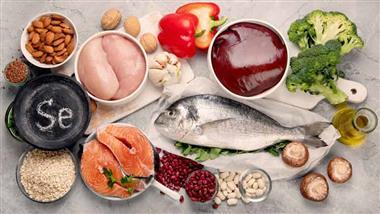
  • Signs of deficiency include hair loss, fatigue, frequent sickness, cognitive decline and muscle weakness. Brazil nuts are the best food source for selenium as just six to eight nuts provide 989% of your daily allowance

Selenium is an essential trace mineral that plays a unique and important role in a variety of biological functions. Your body cannot make selenium, so it’s important to get it from your food. It’s a major component in more than two dozen proteins that play crucial roles in a variety of functions, including thyroid hormone metabolism, DNA synthesis and reproduction.1

Selenium is also an antioxidant, which means it helps protect the body against free radicals and reactive oxygen species (ROS). It exists in two forms: inorganic and organic, both of which are found in dietary sources — including the organic form in animal tissue.

Like most compounds, your body requires an optimal amount of selenium, which means that more is not better. There is some evidence to suggest that high serum concentrations can adversely affect glycemic control.2 This means that individuals who have Type 2 diabetes or are at risk for Type 2 diabetes should measure serum concentrations before considering using a selenium supplement.

When your body has optimal levels of selenium, it can help improve biological functioning, which in turn has a positive effect on antiaging, heart disease, cognitive decline and viral load progression.

Antioxidant Has Antiaging Benefits

The signs of aging you can visibly see in your skin and experience in your body are the result of molecular and immune system changes, increased susceptibility to environmental stressors, metabolic imbalance and disease that may happen as you age.3 These effects are the result of an imbalance between oxidative defense and ROS damage. Stem cell exhaustion, epigenetic alterations and changes in mitochondrial renewal also affect aging.

While signs of aging are common, there are steps you can take to help mitigate these effects. Maintaining optimal levels of nutrients and micronutrients is one of those steps. A review4 in 2019 showed the effect selenium has on the aging process occurs in part through the role it plays in selenoproteins, which are necessary for the expression of several important antioxidants.5

Selenium is used in the expression of five separate glutathione peroxidases,6 which are responsible for reducing damage from ROS. These and other selenoprotein compounds play powerful roles as antioxidants, reducing the inflammation triggered by ROS and prolonging telomere length, which is the protective cap on the end of DNA strands.7

When telomeres shorten to a critical length after division, the cells either die or stop dividing. These actions play a vital role in aging and some researchers suggest that supplementing with selenium, especially in the elderly, may be of “great significance” as a strategy for the prevention of age-related diseases.8

Low Selenium Raises Risk of Heart and Thyroid Disease

Obesity is a significant risk factor for heart disease. One study published in March 20219,10 found that adding selenium to the diet in an animal model helped protect against obesity and increased the healthy lifespan of the animals. The researchers were also interested in whether selenium could have the same beneficial effect on metabolism as restricting the amino acid, methionine.

Selenium supplementation in this animal model provided the same protection against weight gain as restricting methionine, and dramatically reduced levels of the energy regulating hormones IGF-1 and leptin. The results suggested that supplementing with selenium had nearly the same effect as a diet restricted in methionine.11 But selenium may also have a direct impact on your cardiovascular system.

Scientists have been studying the effect of selenium on the cardiovascular system for decades, after finding that the disease was more prevalent in areas of the world where there were low serum selenium concentrations, such as in eastern Finland.12

One meta-analysis13 in 2006 looked at observational studies that evaluated selenium serum concentrations and found they were inversely associated with the risk for coronary heart disease. The important aspect of this study is the researchers measured serum concentration of selenium and did not rely on an evaluation of supplementation alone.

In 2013, a Cochrane Database Systematic Review14 concluded that there was limited evidence to support selenium supplementation to prevent heart disease. However, data from the studies showed most participants had a baseline or mean selenium serum concentration between 70 and 150 nanograms per milliliter (ng/mL), which is the normal concentration found in human blood serum.15

In other words, it appeared supplementing with selenium was not effective when blood serum concentrations were already within the normal value. Another study16 published in 2020 also evaluated serum selenium levels and found those in the high range of the reference value had a decreased risk for cardiovascular disease and mortality.

Optimal levels of selenium may also help individuals experiencing heart failure. One study17 found serum levels of selenium were independently associated with exercise tolerance in patients with heart failure and deficiency was linked to a 50% higher mortality rate.

Thyroid hormones also influence the cardiovascular system, and may induce or worsen heart disease, including heart failure and atherosclerotic vascular disease.18 Several studies have demonstrated that supplementation with selenium in hyper- and hypothyroidism is associated with improvement.19,20,21

Age-Related Cognitive Decline May Be Linked to Low Selenium

Preventing cognitive impairment in the elderly is a significant public health challenge. One meta-analysis22 that gathered data from Europe, Australia and the Americas found that the incidence of mild cognitive impairment per 1,000 person-years was 40.94 in ages 80 to 84 and 60.1 in ages 85 and older.

According to the Alzheimer’s Association, more than 6 million Americans are currently living with Alzheimer’s and 1 in 3 seniors dies with at least one form of dementia.23 One link may be selenium as it is well understood that serum concentrations of selenium commonly decline with age.

One longitudinal study24 found that decreases in plasma selenium were associated with declines in neuropsychological function in aging people. Another study25 found lower serum levels of selenium were associated with decreased performance and neurological testing in older adults.

As serum deficiencies occur, the brain retains selenium the longest, which has suggested that it plays a vital role in brain function. A review of nine years of data26 has suggested that maintaining optimal selenium status was important to the neuropsychological function in the elderly.

Low Selenium and Zinc Associated With Worse COVID Outcomes

Selenium and zinc both play a role in supporting your immune system. One of the selenoprotein enzymes, glutathione peroxidase, is an important catalyst in the conversion of glutathione. This in turn reduces damage from reactive oxygen species.27 When glutathione peroxidase is compromised, the downstream effect is the overproduction of cytokines that can induce a cytokine storm as seen in severe COVID-19 infections.

Selenium influences other pathways that affect viral diseases as well. Authors of a paper in Environmental Research28 note that HIV-1 infections are higher in areas of Africa where the soil is deficient in selenium and testing shows Ebola infections are closely associated with people who are severely deficient in selenium.

Coxsackievirus is an RNA virus that typically causes a mild illness, yet severe infections are found in areas of China where selenium is deficient.29 The authors have suggested that these pathways influence a person’s reaction to a COVID-19 infection and theorize that supplementing with selenium during an active infection may help reduce damage to the endothelial cells.

Other studies in China30 and Germany31 have demonstrated there’s a positive relationship between the survival rate for people with active COVID-19 infections and selenium levels.

One study32 published in 2021 sought to identify predictive markers doctors could use to better stratify COVID-19 patients on admission to the hospital. In this study, researchers measured serum levels of zinc, iron, copper and selenium. Selenoprotein P levels were also measured, which requires selenium for full expression.

The researchers found that patients admitted with cancer have significant deficits in selenium and zinc. Three of the five patients with the lowest levels of iron, who also had profound selenium and zinc deficits, died during the study. Analysis of the biomarkers found most hospitalized patients had particularly low levels of selenium and zinc.

When patients with comorbidities were analyzed, they found a pronounced deficit in iron, zinc and selenium and a higher chance of survival in cancer patients with higher levels of selenium. The researchers concluded that the data confirmed:33

“… an insufficient Se (total Se and SELENOP) and Zn status at admission to the hospital is associated with an exceptionally high mortality risk and severe disease course with COVID-19.

In view of the predictive accuracy of Se and Zn deficiency as mortality risk factor at hospital admission, supplemental Se and Zn supply should be considered to support the immune system, in particular for patients with inflammation-related comorbidities like cancer or diabetes mellitus.”

Signs of Deficiency and Food Choices Rich in Selenium

Selenium is found in the soil and should concentrate in plant foods. However, experts estimate that up to 1 billion people globally may be deficient from inadequate intake.34

One paper published in Environmental Research35 cited a World Health Organization report that found over 40 countries where the soil is deficient in selenium. Some of the lowest levels are found in New Zealand, Slovakia, Finland and sub-Saharan Africa.

People who have a deficiency in selenium are at higher risk of conditions that affect the endocrine system, cardiovascular system, immune system and reproductive system and that may affect mood and behavior.

Although it’s necessary to be tested to determine if you are deficient, several symptoms may indicate you aren’t getting enough selenium in your diet. These can include:36,37,38

Hair loss Fatigue Weight gain
Sick more often Greater oxidative stress Shortness of breath
Cognitive decline Muscle weakness

I recommend getting as many of your essential vitamins, minerals and elements from your diet as possible. The recommended daily allowance for zinc ranges from 2 mg for infants to 11 mg to 8 mg for men and women over the age of 19.39 Food sources include oysters, pasture-raised beef, dark meat chicken, pumpkin seeds and dry roasted cashews.

The recommended daily allowance for selenium ranges from 15 micrograms (mcg) for infants to 55 mcg for men and women over 19 years.40 The best food sources of selenium are Brazil nuts. Just six to eight nuts deliver 544 mcg, or 989% of your daily allowance. Other sources include sardines, pasture-raised beef, turkey, chicken and pasture-raised eggs.

– Sources and References

Official Government data shows a 73% increase in the number of Young Adults & Teens suffering Heart Attack, Myocarditis & Stroke since the Covid-19 Vaccine roll-out

Reproduced from original The Exposé article:
https://dailyexpose.uk/2022/04/21/73-percent-increase-heart-attacks-young-adults-covid-jab-rollout/

By: on April 21, 2022

An investigation of official figures published by Public Health Scotland show there has been a 67% increase compared to the historical average in the number of people aged 15 to 44 suffering heart attacks, cardiac arrest, myocarditis, stroke, and other cardiovascular diseases, since this age group was first offered the Covid-19 injection.

But further analysis shows this issue is actually getting worse, with the numbers for 2022 so far revealing a 73% increase against the historical average.

With myocarditis; an autoimmune condition that causes inflammation of the heart, a known side-effect of the Covid-19 injections, is it time for the authorities to suspend the administration of these experimental injections to the public? And is it time for them to also publicly admit the damage they have done?


The Exposé is now heavily censored by Google, Facebook, Twitter and PayPal. Let’s not lose touch, subscribe today to receive the latest news from The Exposé in your inbox…


It is now well known that a possible severe consequence of getting the Covid-19 injection is that one may develop either myocarditis or pericarditis, or in some cases both. We know this because the authorities have had to admit it occurs, although as expected have downplayed it as extremely rare. Which probably means it is much more common than people realise.

In simple terms, myocarditis is an autoimmune disease that causes inflammation of the heart muscle. This inflammation enlarges and weakens the heart, creates scar tissue and forces it to work harder to circulate blood and oxygen throughout the body. (source)

Whilst Pericarditis is an autoimmune disease causing inflammation of the pericardium, a sac-like structure with two thin layers of tissue that surround the heart to hold it in place and help it work.

Here’s how both autoimmune diseases have affected people in the USA according to the Vaccine Adverse Event Reporting System (VAERS), where just 1-10% of adverse reactions are actually reported –

Here’s how those unprecedented amount of cases of myo/pericarditis reported to VAERS have been distributed by age –

As you can clearly see, the two autoimmune conditions are much more likely to occur in younger age groups, and the UK Medicine Regulator has admitted this is the case –

You may have noticed how the UK Medicine Regulator, the MHRA, stated how “most of these cases [of Myocarditis] were mild”. So nothing to worry about then? Unfortunately not. A mild case of myocarditis or pericarditis does not exist. You only get one heart, and it is incapable of regenerating/ repairing once damage has been done.

Ongoing cardiovascular medication or even a heart transplant may be needed. Overall, myocarditis which can cause dilated cardiomyopathy, are thought to account for up to 45 percent of heart transplants in the U.S. today. (source)

Myocarditis can permanently damage your heart muscle, possibly causing:

  • Heart failure. Untreated, myocarditis can damage your heart’s muscle so that it can’t pump blood effectively. In severe cases, myocarditis-related heart failure may require a ventricular assist device or a heart transplant.
  • Heart attack or stroke. If your heart’s muscle is injured and can’t pump blood, the blood that collects in your heart can form clots. If a clot blocks one of your heart’s arteries, you can have a heart attack. If a blood clot in your heart travels to an artery leading to your brain, you can have a stroke.
  • Rapid or irregular heart rhythms (arrhythmias). Damage to your heart muscle can cause an arrhythmia.
  • Sudden cardiac death. Certain serious arrhythmias can cause your heart to stop beating (sudden cardiac arrest). It’s deadly if not treated immediately.

With all that being said the following data that has been published by Public Health Scotland should come as no surprise despite being completely and utterly shocking.

Public Health Scotland (PHS) has a not very well known database presenting figures on the wider impact to the health service due to measures imposed in the name of Covid-19. The database is called ‘COVID-19 wider impacts on the health care system‘.

We have previously researched the data contained within the database to reveal a huge upsurge in cases of ovarian cancer across Scotland since the introduction of the Covid-19 injections. It just so happens that a study conducted by Pfizer reveals the mRNA Covid-19 injection accumulates in the ovaries.

But this time we decided to analyse the data for cardiovascular cases across Scotland. Cardiovascular diseases are conditions that affect the structures or function of your heart, such as:

For the ‘out of hours’ category, and the ‘ambulance service’ category, PHS provides a breakdown by age. Meaning we can assess the number of cardiovascular cases among adults aged 15 to 44.

Here is how Public Health Scotland present the data on the number of cases requiring out-of-hours care across Scotland –

As you can see from the above the weekly number of cases has been highest among 15-44-year-olds since the beginning of the pandemic, but that gap between all other age groups suddenly got much bigger in 2021.

This is confirmed by the second graph above which shows the percentage change in cardiovascular cases against the 2018-2019 historical average. From around July 2021 there has been a huge spike in cardiovascular cases among 15-44-year-olds that should set alarm bells ringing and deserves further attention. So that’s exactly what we gave it.

We extracted the data and produced a series of charts in order to present the figures provided by Public Health Scotland much more clearly and to attempt to understand the severity of what has been occurring since the introduction of the Covid-19 injections.

The following chart shows the number of people aged 15-44 requiring out-of-hours treatment for cardiovascular cases per week from the week ending 4th July 2021 to the week ending 20th Feb 2022, as well as the 2018-2019 historical average per week among the same age group –

The historical average shows that there have been anywhere from around 60 to just over 100 cardiovascular cases among 15 to 44-year-olds requiring out-of-hours treatment across Scotland. But the data for 2021 and 2022 shows that there have been anywhere from around 110 cases to 185 cardiovascular cases among 15 to 44-year-olds requiring out-of-hours treatment.

So the number of cases have essentially doubled.

The following chart shows the number of people aged 15-44 requiring an ambulance for cardiovascular cases per week from the week ending 4th July 2021 to the week ending 21st November 2021 (the most up to date data), as well as the 2018-2019 historical average per week among the same age group –

The historical average shows that there have been anywhere from around 185 to just over 250 people aged 15-44 requiring an ambulance for cardiovascular cases per week across Scotland. But the data for 2021 and 2022 shows that there have been anywhere from around 290 cases to 390 people aged 15-44 requiring an ambulance for cardiovascular cases per week.

So cases haven’t quite doubled but they’ve still increased quite dramatically.

The following chart shows percentage change in the number of people aged 15-44 requiring out-of-hours treatment for cardiovascular cases per week from the week ending 4th July 2021 to the week ending 20th Feb 2022, compared to the 2018-2019 historical average per week among the same age group –

Here we can see that the number of cases requiring out-of-hours care has been higher throughout this entire period, ranging from a 35% increase in a single week to a staggering 117% increase in a single week compared to the historical average.

The following chart shows the percentage change in the number of people aged 15-44 requiring an ambulance for cardiovascular cases per week from the week ending 4th July 2021 to the week ending 21st November 2021 2018-2019 , compared to the historical average per week among the same age group –

Again we can see that the number of 15 to 44-year-olds requiring an ambulance has been higher than the historical average throughout the entire period, ranging from a 23% increase in a single week to an 82% increase compared to the historical average.

The following chart shows the number of people aged 15-44 requiring out-of-hours treatment for cardiovascular cases per month from July 2021 to February 2022, as well as the 2018-2019 historical average per month among the same age group –

January has seen the most cases both historically and in 2022, but the difference here is that 2022 saw a 78.07% increase on the historical average, this was not however the worst increase seen since July 2021.

The following chart shows the percentage change in the number of people aged 15-44 requiring out-of-hours treatment for cardiovascular cases per month from July 2021 to February 2022, as well as the 2018-2019 historical average per month among the same age group –

The biggest increase was actually recorded in September 2021, with a 82% increase recorded against the historical average. This was closely followed by December 2021 with an 81% increase against the historical average. The smallest increases were recorded in both October and November 2021, but these months still saw a 50% and 49% increase against the historical average.

The following chart shows the number of people aged 15-44 requiring an ambulance for cardiovascular cases per month from July 2021 to February 2022, as well as the 2018-2019 historical average per month among the same age group –

June 2021 saw the most people aged 15-44 requiring an ambulance due to an issue such as suffering a heart attack, cardiac arrest, myocarditis, or stroke with 1,772 cases. But the historical average shows that October is usually the month where the highest number of people requiring an ambulance is recorded.

Unfortunately, Public Health Scotland are yet to publish any further data on the ambulance service past November 2021, but we will most likely find a huge jump in cases again as was seen with people requiring out-of-hours treatment.

The following chart shows the percentage change in the number of people aged 15-44 requiring an ambulance for cardiovascular cases per month from July 2021 to February 2022, compared to the 2018-2019 historical average per month among the same age group –

The largest increase was again recorded in September 2021, with a 82% increase against the historical average. This was followed by July 2021 which saw a 71% increase and then August 2021 which saw a 66% increase. The lowest percentage change was again recorded in October and November 2021, but these months still saw a 50% and 49% increase.

The following chart shows the number of people aged 15 to 44 requiring an ambulance or out-of-hours treatment for cardiovascular cases in different time periods –

What we can clearly see above is the number of out-of-hours cases between 27th June and 21st November 2021, 27th June and 26th December 2021, 27th December and 20th February 2022, and 27th June 2021 and 20th February 2022 compared to the historic average.

As well as the number of people requiring an ambulance between 27th June and 21st November 2021 as well as the historic average. And finally the combined number of out of hours cases and ambulance cases between 27th June and 21st November 2021 compared to the combined historic average.

As you can see 2021 and 2022 has seen substantially more cardiovascular cases among 15 to 44-year-olds in all date-ranges. But what we’re really interested in seeing here is the percentage change compared to the historic average.

The following chart shows the percentage change in the number of people aged 15 to 44 requiring an ambulance or out-of-hours treatment for cardiovascular cases in different time periods –

Because the ambulance data currently only goes as far as 21st November 2021 we’ve calculated the same time period for out-of-hours cases.

What we can see here is that between 27th June and 21st November, the number of people requiring an ambulance due to suffering a heart attack, cardiac arrest, myocarditis, stroke etc., increased by 50%, whilst the number of out-of-hours cases in the same time frame increased by 63%.

With both ambulance figures and out-of-hours figures combined up to 21st November we can see that there was a 53.45% increase against the historic average. But when combining the ambulance figures with the full amount of out-of-hours figures up to 20th February 2022, we can see there was a 57% increase against the historic average.

The number of people aged 15-44 requiring out-of-hours treatment for cardiovascular cases between 27th June 2021 and 20th February 2022, saw a 67.36% increase against the historic average. But what we’re most interested in is how the figures for 2022 so far stack up against the figures for the second half of 2021.

The out-of-hours data shows that there was a 65.45% increase in the number of people requiring out-of-hours treatment for cardiovascular cases in the second half of 2021. But the data for 2022 so far shows that things are actually getting worse rather than improving.

The number of people aged 15-44 requiring out-of-hours treatment for cardiovascular cases between 27th December and 20th February 2022 was 73% higher than the historic average in the same time frame.

The big question of course is, why?

Perhaps the following three charts taken from the UK Government Covid-19 Dashboard showing vaccination uptake of dose 1, 2 and 3 across Scotland by both age group and month may go some way to answering that question –

We know Covid-19 isn’t to blame otherwise we would have seen similar figures in 2020. The only other major thing that changed in the second half of 2021 and 2022 so far from the situation in 2018 and 2019, is that millions of people aged 15-to-44 have taken an experimental injection known to cause damage to the cardiovascular system, and mainly to this age group.

The question authorities and their “scientific”/”medical” advisers should now be asking themselves is, ‘what on earth have we done?’.

The answer of course is that they have coerced a demographic of the population into taking an injection they simply did not need, and that has now caused a 53% to 67% increase in heart attacks, cardiac arrest, myocarditis, stroke, etc., since July 2021. An increase that is showing no signs of slowing with a 73% increase against the historical average recorded so far in 2022.

That’s what they have done.

Is It True That Salt Is Bad for Your Heart?


Reproduced from original article:
https://articles.mercola.com/sites/articles/archive/2022/04/20/is-salt-bad-for-your-heart.aspx
The original Mercola article may not remain on the original site, but I will endeavor to keep it on this site as long as I deem it to be appropriate, and will not be bullied into removing it.


Analysis by Dr. Joseph Mercola     Fact Checked     April 20, 2022

STORY AT-A-GLANCE

  • “Conventional wisdom” states that a high-sodium diet will increase your blood pressure, thereby raising your risk for a cardiac event. However, this claim is largely based on uncontrolled case reports from the early 1900s
  • A 2018 systematic review found no evidence of benefit from a low-sodium diet for those with heart failure
  • The randomized controlled SODIUM-HF trial, published in April 2022, also found no benefit for patients with Class 2 or 3 heart failure, as lower sodium intake had no statistically significant impact on clinical events
  • Contrary to popular belief, it’s actually hard to consume harmful amounts of sodium, but it’s easy to end up with too little. Symptoms of sodium deficiency include muscle fatigue, muscle spasm, cramps, heart palpitations, lethargy and confusion
  • Low-salt recommendations rarely take coffee intake into account, even though coffee consumption is extremely common and will rapidly deplete your salt stores. Sweating will also eliminate salt from your body, so if you sweat a lot, you may get rid of more than you add back in if you’re on a low-salt diet

“Conventional wisdom” states that a high-sodium diet will increase your blood pressure, thereby raising your risk for a cardiac event. This claim is largely based on uncontrolled case reports from the early 1900s,1 and despite more rigorous studies finding no support for the low-sodium recommendation, the dogma around it has been hard to break through.

No Evidence to Support Low-Sodium Diet

For example, in December 2018, a systematic review2 of nine studies concluded there was no robust high-quality evidence available to either support or refute the use of a low-sodium diet for people with heart failure. Then, in April 2022, the results of the SODIUM-HF trial3 were published.4 As reported by Medscape:5

“SODIUM-HF is a pragmatic randomized controlled trial that tested general advice on dietary sodium against a low-sodium diet of 1,500 mg daily … Patients in SODIUM-HF had class II-III New York Heart Association heart failure … average age 66 years, average left ventricular ejection fraction of 36%, good medical therapy.

The study was carried out in 26 sites in six countries over six years … The primary endpoint was a composite of all-cause death and hospitalization or emergency department visit for cardiovascular (CV) reasons.”

Between baseline and the first 12 months of treatment, the median sodium intake decreased from 2,286 mg per day to 1,658 mg in the low sodium group, and from 2,119 mg per day to 2,073 mg among controls.

At the end of the six-year study, 15% of the low-sodium arm and 17% of controls had experienced cardiovascular-related admission to hospital, a cardiovascular-related emergency department visit, or died — a difference in incidence that did not meet statistical significance.

In ambulatory patients with heart failure, a dietary intervention to reduce sodium intake did not reduce clinical events. ~ The Lancet

Interestingly, all-cause death was slightly higher in the low-sodium group at 6%, compared to 4% among controls, although this did not meet statistical significance either. As reported by Medscape:6

“The authors concluded with just one spin-free sentence: ‘In ambulatory patients with heart failure, a dietary intervention to reduce sodium intake did not reduce clinical events.’”

One shortcoming of the study that may have confounded results is the fact that the control group didn’t consume very high amounts of salt. The median difference in intake between the two groups was only 415 mg per day. The average American consumes about 3 grams of salt per day, so the control group wasn’t truly representative of the American public.

Another criticism has been that the enrolled patients weren’t sick enough to benefit from a low-sodium diet. Some believe had they included patients with more severe heart failure, they might have found a benefit. Still, these shortcomings don’t negate the results. In his Medscape review, Dr. John Mandrola notes:7

“SODIUM-HF is an ambitious trial looking at sodium restriction in different cultures. It showed that under current care, in a typical heart failure cohort, recommending a stricter low-sodium diet vs general advice did not make a difference in outcomes … My takeaway is that we don’t have to spend time and energy getting patients to adhere to a super-low-sodium diet.”

Salt Deficiency Is a Real Problem

Contrary to popular belief, it’s actually hard to consume harmful amounts of sodium, but it’s easy to end up with too little. Symptoms of sodium deficiency include muscle fatigue, muscle spasm, cramps, heart palpitations, lethargy and confusion.

Sodium is an electrolyte (a substance that conducts electricity) and helps regulate the amount of water found inside and surrounding your cells. As an electrolyte, it’s also important for the regulation of your blood pressure. If your salt level gets too low, you can end up chronically dehydrated. Many patients with high blood pressure are also prescribed diuretics, which worsens the situation.

Low-salt recommendations also rarely take coffee intake into account either, even though coffee consumption is extremely common and will rapidly deplete your salt stores. If you drink four cups of coffee in a day, you can easily expel more than 1 teaspoon of salt in your urine within four hours. Yet, you’re being told to consume 1 teaspoon of salt (2,300 mg of sodium) per day or less.

If you’re a coffee drinker and follow this advice, you can end up with a significant sodium deficiency within mere days, as your body is losing large amounts of salt. Sweating will also eliminate salt from your body, so if you sweat a lot, you may get rid of more than you add back in if you’re on a low-salt diet.

Historical Salt Intakes Were 10 Times Higher

So, the universal recommendation to restrict salt intake isn’t a wise one. It also doesn’t make much sense from historical and population perspectives. Historically, people consumed more than 10 times the amount of salt we consume today (as it was a primary food preservative).

In the 1600s in Sweden, it was estimated that the average person was consuming 100 grams of salt per day. Today, most people get 10 grams of salt per day or less (1 teaspoon of salt equates to 2,300 milligrams (mg) of sodium and the average American consumes about 3,400 mg of sodium per day). The emergence of high blood pressure in the early 1900s actually coincides with a significant reduction in salt intake as refrigeration replaced salt preservation.

Both the Japanese and South Koreans, whose life expectancies are among the longest in the world, also consume the highest amounts of salt. All of these data and more are detailed in “The Salt Fix: Why the Experts Got It All Wrong — and How Eating More Might Save Your Life,” written by James DiNicolantonio, Pharm.D.

The idea that salt intake correlates with blood pressure was popularized by the Dietary Approaches to Stop Hypertension (DASH) study,8 published in 1999. Lower salt intake was one of the dietary approaches employed in that study, but it wasn’t the only one. The DASH diet was also low in processed foods and sugars, and these may have a far greater impact on your blood pressure than salt.

Low-Salt Recommendations May Do More Harm Than Good

According to DiNicolantonio, your blood pressure may indeed go down when you reduce your salt intake. The problem is that your total cholesterol to high-density lipoprotein (HDL) ratio, which is a much better predictor of heart disease than low-density lipoprotein (LDL), is worsened right along with it. Triglycerides and insulin are also increased.

So, overall, your heart disease risk increases rather than decreases, even though your blood pressure readings appear better. What’s worse, salt deficiency also increases your chances of developing insulin resistance, because one of the ways in which your body preserves salt is by raising your insulin level. Higher insulin helps your kidneys retain more salt.

Insulin resistance, in turn, is a hallmark of not only heart disease but most chronic diseases. So, by not taking the whole disease picture into account, the low-salt diet advice may actually end up doing more harm than good. Unfortunately, as salt was vilified, sugar ended up getting a free pass.

Your salt status also directly controls your magnesium and calcium levels. If you do not get enough salt, your body not only starts pulling sodium from the bone, it also strips your bone of magnesium and calcium to maintain a normal sodium level.

Your body will also attempt to maintain sodium by decreasing the amount of sodium lost in sweat, excreting magnesium and calcium instead. Thirdly, low sodium will elevate aldosterone, a sodium-retaining hormone, which also reduces magnesium by shuttling it out through your urine.

A low-sodium diet is therefore one of the worst things you can do for your health, especially your bone and heart health, as magnesium is one of the most important minerals for biological function.

Listen to Your Body

So, the take-away here is that there’s really no reason to be concerned about getting too much salt in your diet. A 2017 study9,10 confirmed your body maintains a relatively constant sodium balance regardless of your intake, and any excess is simply be expelled through your kidneys. According to DiNicolantonio, a person with healthy kidneys can consume at least 86 grams of salt per day.

Your body also has a built-in “salt thermostat” that basically tells you how much you need by regulating your craving for salt. So, learn to listen to your body and remember that if you sweat profusely, either through exercise or sauna use, for example, or drink caffeinated beverages, you automatically will need more than usual.

A number of medical conditions can also increase sodium loss or prevent your body from absorbing salt well, such as inflammatory bowel diseases, sleep apnea, adrenal deficiency, bariatric surgery, kidney diseases, hypothyroidism and celiac disease. So, if you have any of these, you may need a bit more salt in your diet to compensate.

All of that said, there are some salt-sensitive subpopulations that may need to limit their salt intake to 2,300 mg per day. This includes those with:

  • Endocrine disorders
  • High aldosterone levels
  • Cushing’s syndrome
  • Elevated cortisol
  • Liddle syndrome, a rare condition affecting about 1 in 1 million individuals, causing them to retain too much salt. If treated with amiloride, salt intake probably does not need to be restricted

Your Sodium-Potassium Ratio Is Far More Important

While salt has been vilified as a cause of high blood pressure and heart disease, research shows the real key to normalizing your blood pressure is actually the ratio of sodium to potassium — not your sodium intake alone.11

Both salt and potassium are electrolytes, but while most of your potassium resides inside your cells, most of the sodium resides outside of your cells. Potassium works in your body to relax the walls of your arteries, keep your muscles from cramping and lower your blood pressure.12,13,14,15

As a general rule, you want to consume five times more potassium than sodium. If you eat a standard American diet of processed food, you’re likely getting twice as much sodium as potassium. A simple way to check your ratio is to use my customized version of the free nutrient tracker, cronometer.com/mercola, which will calculate your sodium-to-potassium ratio automatically based on the foods you enter.

Healthy Versus Unhealthy Salt

To reap the benefits of salt, make sure it’s unrefined and minimally processed. One of my personal favorites is Himalayan pink salt, as it’s also rich in naturally-occurring trace minerals needed for healthy bones, fluid balance and overall health. Another good choice is Redmond Real Salt which, like Himalayan salt, is mined from an ancient ocean salt deposit.

Table salt is not recommended, for a number of reasons. For starters, natural salt typically contains 84% sodium chloride and 16% naturally-occurring trace minerals, including silicon, phosphorous and vanadium.

Processed table salt, on the other hand, contains over 97% sodium chloride; the rest is man-made chemicals such as moisture absorbents and flow agents. A small amount of iodine may also be added. In recent years, researchers have also discovered that some 90% of table salts are contaminated with plastic.16

Besides these basic differences in nutritional content, the processing also radically alters the chemical structure of the salt. So, while you definitely need salt for optimal health, not just any salt will do. What your body needs is natural, unprocessed salt, without added chemicals or plastic.

A Staggering Number of Athletes Collapsed This Past Year


Reproduced from original article:
https://articles.mercola.com/sites/articles/archive/2022/04/19/athletes-collapse-after-covid-vaccine.aspx
The original Mercola article may not remain on the original site, but I will endeavor to keep it on this site as long as I deem it to be appropriate, and will not be bullied into removing it.


Analysis by Dr. Joseph Mercola     Fact Checked     April 19, 2022

STORY AT-A-GLANCE

  • More than 769 athletes have collapsed on the field during a game from March 2021 to March 2022
  • The shocking statistic was revealed by One America News Network (OAN), which also found the average age of the athletes who suffered cardiac arrest is just 23 years old
  • An updated report by Good Sciencing, a team of investigators, news editors, journalists and “truth seekers,” has detailed 890 cardiac arrests and other serious issues among athletes, including 579 deaths, following COVID-19 shots
  • With cases like these becoming impossible to ignore, even a mainstream media sports channel in Australia speculated that the health issues could be linked to COVID-19 shots, and one of the hosts acknowledged that multiple players have suffered from heart issues and Bell’s palsy following COVID-19 booster shots

More than 769 athletes have collapsed on the field during a game from March 2021 to March 2022. The shocking statistic was revealed by One America News Network (OAN), which also found the average age of the athletes who suffered cardiac arrest is just 23 years old.1 The unprecedented surge in cardiac arrest and other heart issues among elite athletes coincides with the rollout of COVID-19 jabs.

The Miami Open made headlines in early April 2022 after 15 players — all of whom had reportedly received COVID-19 injections2 — dropped out. Among them were favorites Paula Badosa and Jannik Sinner. Badosa left the court in tears after becoming unwell, and Sinner’s opponent said he saw him “bend over” on the court, noting “it was very strange.”3 Even the fans were confused, with one stating, “What is going on?”4

As Pearson Sharp of OAN explained, “These are just two of more than 769 athletes who have collapsed during a game, on the field, over the last year.” He continued:5

“How many 23-year-old athletes were collapsing and suffering heart attacks before this year? Do you know any 23-year-old people who had heart attacks before now? And these are just the ones we know about. How many have gone unreported? Nearly 800 athletes — young, fit people in the prime of life — falling down on the field. In fact, 500% more soccer players in the EU are dropping dead from heart attacks than just one year ago.

Coincidence? When the Pfizer vaccine is known to cause heart inflammation? No. In fact, many doctors treating these players list their injuries and deaths as being directly caused by the vaccine … This is not a coincidence.”

VAERS May Not Show the Whole Picture

As of April 1, 2022, the Vaccine Adverse Event Reporting System (VAERS), which is where adverse events caused by COVID-19 jabs in the U.S. are supposed to be collected, lists 26,693 deaths along with 147,677 hospitalizations in association with the COVID-19 shot.6 There are also 13,677 heart attacks and 38,024 cases of myocarditis (inflammation of the heart muscle) and pericarditis (inflammation of the tissue sac surrounding the heart).

Myocarditis and pericarditis cause symptoms such as chest pain, shortness of breath and a fluttering or pounding heart. Cases have occurred most often after mRNA COVID-19 injections (Pfizer-BioNTech or Moderna), particularly in male adolescents and young adults, according to the CDC. Further, myocarditis occurs more often after the second injection, usually within a week.7

Past investigations have shown only between 1%8 and 10%9 of adverse reactions are ever reported to VAERS, which is a passive, voluntary reporting system, so the actual number could be much higher. Kyle Warner is one athlete who filed a VAERS report about his own health injuries following the COVID-19 jab. It took him 45 minutes to complete — a length of time that many doctors can’t or won’t devote when it comes to reporting adverse vaccine reactions seen among their patients.

Warner, who is 29 years old, was at the peak of his career as a professional mountain bike racer when, in June 2021, he got his second dose of Pfizer’s COVID-19 shot. He suffered a reaction so severe that, months later, he was still spending days in bed, easily overwhelmed by too much mental or physical exertion.

“I believe where there is risk, there needs to be choice,” he said.10 Instead, “People are being coerced into making a decision based on lack of information versus being convinced of a decision based on total information transparency.”11 Despite the rising number of adverse effects being reported in VAERS, top government officials, such as NIAID director Dr. Anthony Fauci and CDC director Dr. Rochelle Walensky, have attempted to discredit it.

Most notably, this occurred during a Senate hearing when both individuals implied that if a person had received the jab and was then killed in a car accident, it’s possible it could be recorded in VAERS as a vaccine injury.12 However, while anyone can make a report to VAERS — a component that critics use to claim that VAERS can contain errors and even false claims — due to the lengthy and complicated submittal process, adverse events are notoriously under- — not over- — reported.

Shocking Stories of Athletes Harmed by COVID-19 Jabs

Warner developed pericarditis, postural orthostatic tachycardia syndrome (POTS) and reactive arthritis following his second dose of Pfizer’s COVID-19 shot.13 Again, he’s a young, world-class athlete whose life has been sidelined by the shots.

Unfortunately, many doctors are unwilling to acknowledge that the COVID-19 shots might be related to patients’ injury complaints, and many who have been injured find their stories have remained hidden from public view, with YouTube, Instagram, Facebook and other social media platforms censoring their personal stories and videos. Some, however, have made it through to mainstream media, including:

• Florian Dagoury, a world record holder in static breath-hold freediving. After receiving his second dose of Pfizer’s COVID-19 injection, he experienced increased heart rate and a reduction in his breath-holding capacity. A cardiologist diagnosed him with myocarditis and pericarditis.14 As a result of the shots, Dagoury’s career may be over.

• Jeremy Chardy, a 34-year-old professional tennis player ranked 73rd in the world, suspended his season due to a severe adverse reaction to the COVID-19 shot, which left him unable to engage in intense activity.15

• Veteran triathlete Antoine Méchin, 32, is facing the potential end to his career after receiving Moderna COVID-19 injections. After his second dose, he began to experience shortness of breath and low-back pain, which turned out to be a pulmonary embolism.

The symptoms, which included breathing problems and arm pain, started after the first dose, but doctors brushed off his shortness of breath as related to stress and fatigue. About a month after his second dose, shortness of breath and body pain returned. Only after testing at a sports clinic was the pulmonary embolism revealed.16

Unprecedented Cases of Athletes Collapsing and Dying

U.K. football legend and sports commentator Matt Le Tissier, featured in the video above, is among those who have been speaking out about the large number of athletes who have collapsed or died on the field — and he lost his job as a commentator because of it. In an interview with Red Voice Media, Le Tissier is asked about his thoughts on the surge of cardiac events in the sporting world, to which he responded:17

“I’ve never seen anything like it. I played for 17 years. I don’t think I saw one person in 17 years have to come off the football pitch with breathing difficulties, clutching their heart, heart problems …

The last year, it’s just been unbelievable how many people, not just footballers but sports people in general, tennis players, cricketers, basketball players, just how many are just keeling over. And at some point, surely you have to say this isn’t right, this needs to be investigated.”

By December 2021, 300 reports of athletes collapsing, and some dying, had already been collected,18 including high-profile European Soccer star Adama Traore, who clutched his chest and collapsed on the field. An updated report by Good Sciencing, a team of investigators, news editors, journalists and “truth seekers,” has detailed 890 cardiac arrests and other serious issues among athletes, including 579 deaths, following COVID-19 shots.19

They’re maintaining a “nonexhaustive and continuously growing list of mainly young athletes who had major medical issues in 2021/2022 after receiving one or more COVID vaccines” and note:20

“It is definitely not normal for so many mainly young athletes to suffer from cardiac arrests or to die while playing their sport, but this year it is happening. Many of these heart issues and deaths come shortly after they got a COVID vaccine. While it is possible this can happen to people who did not get a COVID vaccine, the sheer numbers clearly point to the only obvious cause.

… Initially, many of these were not reported. We know that many people were told not to tell anyone about their adverse reactions and the media was not reporting them. They started happening and ramping up after the first COVID vaccinations.

The mainstream media still are not reporting most, but sports news cannot ignore the fact that soccer players and other stars collapse in the middle of a game due to a sudden cardiac arrest. Many of those die — more than 50%.

We also note that many posts in Facebook, Instagram, twitter, forums and news stories are being removed. So now we are receiving some messages saying there is no proof of the event or of vaccination status. That is partly because this information is being hidden.”

Gary Dempsey, a professional soccer player with a nearly two-decade career, also tweeted just how unusual the recent wave of cardiac events among athletes is:21

“Was a professional for nearly 20 years. From 1996. Played nearly 500 games. Club and international level. Never ever was there 1 cardiac arrest. Either in the crowd or a player. It’s actually quite scary.”

Heart Issues and Bell’s Palsy ‘Through the Roof’

Luke Rudkowski tweet
The video above is from a mainstream sports channel in Australia,22 detailing another professional athlete, Ollie Wines, who is out of the game due to nausea, dizziness and heart palpitations.

With cases like this becoming impossible to ignore, the “Sunday Footy Show” panel speculated that the health issues could be linked to COVID-19 shots, and one of the hosts acknowledged that multiple players have suffered from heart issues and Bell’s palsy following COVID-19 booster shots. “Wards filled with people suffering the same issues,” he said.23

Former professional footballer Matthew Lloyd, who was recently diagnosed with Bell’s palsy, stated, “Heart issues and Bell’s palsy have gone through the roof since the boosters and Covid issues.”24

During phase 3 clinical trials of mRNA COVID-19 shots, more cases of facial paralysis occurred in the vaccine groups (seven out of 35,654) compared to the placebo group (one out of 35,611), leading the U.S. Food and Drug Administration to recommended monitoring vaccine recipients for facial paralysis.25

Lloyd also said that he’s heard of many cases of heart issues similar to Wines’. “We had [sports journalist] Michelangelo Rucci on … and he said that there’s a ward filled with people with similar symptoms to Ollie Wines — nausea, heart issues — so there has to be something more to it.”26

It’s well known that toxic spike proteins can circulate in your body after infection or COVID-19 injection, causing damage to cells, tissues and organs. As your heart beats faster during intense athletic activity, the spike proteins are able to circulate faster throughout your body, pointing to a potential reason why so many athletes are collapsing on the field.

It’s important that these stories are heard, so if you or a loved one has been injured by a COVID-19 injection, please share your story with us and encourage others you know who have a story to share theirs as well.