Bacteria
now browsing by category
Who Knew Humans Have a Third Set of Teeth?
Reproduced from original article:
https://articles.mercola.com/sites/articles/archive/2024/03/16/third-set-of-teeth.aspx
The original Mercola article may not remain on the original site, but I will endeavor to keep it on this site as long as I deem it to be appropriate.
Analysis by Dr. Joseph Mercola March 16, 2024

STORY AT-A-GLANCE
- Dental experts are exploring a medication to regenerate teeth, initially targeting anodontia, which could revolutionize dental care
- Wisdom teeth, often called “third molars,” aren’t a separate set, but the final teeth to emerge in adulthood, evolving from ancestral needs
- Gingivitis, if left untreated, can progress to periodontitis, highlighting the importance of proactive oral hygiene to prevent tooth loss
- Gum disease not only affects oral health, but it also correlates with brain health, indicating a broader impact on overall wellness
- Simple practices like oil pulling with coconut oil and maintaining a diet rich in whole foods complement oral hygiene routines, promoting healthier teeth and gums
Most people are born with 20 baby teeth and 32 permanent teeth. But around 1% of people have a condition called hyperdontia, which means they have extra teeth, known as supernumerary teeth.1
These extra teeth can be either baby or permanent, and there might be one or several of them. However, according to Katsu Takahashi, who heads the dentistry and oral surgery department at the Medical Research Institute Kitano Hospital in Osaka, Japan, about 1 in 3 cases of hyperdontia lead to the growth of a third set of teeth.
What’s interesting is that Takahashi and his colleagues believe that all humans might have once had the ability to grow a third set of teeth, but over time, this ability was lost.2 There’s even evidence suggesting that the “buds” for a third set of teeth may still exist.
Pioneering a Tooth Regenerative Drug
Sharks and certain reptiles have a unique ability: Their teeth continuously regenerate throughout their lives, sometimes as frequently as every two weeks.3 Could humans also tap into this regenerative power to grow new teeth once they’re lost? Takahashi and his team firmly believe so, and they’re actively developing a medication to try to make this a reality.
Their groundbreaking work, published in 2021, unveiled a protein produced by the uterine sensitization-associated gene-1 (USAG-1 gene)4 that hampers tooth growth in mice. By using a neutralizing antibody medicine to block USAG-1,5 the mice successfully grew new teeth.6 Now, the team is focused on translating these findings into a medication for humans, aimed at addressing anodontia — the complete absence of teeth — in children aged 2 to 6.
The clinical trials are slated to commence in July 2024, with the potential for the product to reach dentists’ offices by 2030.7 Takahashi told The Mainichi:8
“The idea of growing new teeth is every dentist’s dream. I’ve been working on this since I was a graduate student. I was confident I’d be able to make it happen … In any case, we’re hoping to see a time when tooth-regrowth medicine is a third choice alongside dentures and implants.”
Does a Third Set of Teeth Naturally Exist in Humans?
In a 2023 review published in Regenerative Therapy, Takahashi and colleagues detailed the progress made in tooth regeneration. They wrote, “Anti-USAG-1 antibody treatment in mice is effective in tooth regeneration and can be a breakthrough in treating tooth anomalies in humans.”9 They continued:
“With approximately 0.1% of the population suffering from congenital tooth agenesis and 10% of children worldwide suffering from partial tooth loss, early diagnosis will improve outcomes and the quality of life of patients. Understanding the role of pathogenic USAG-1 variants, their interacting gene partners, and their protein functions will help develop critical biomarkers.
Advances in next-generation sequencing, mass spectrometry, and imaging technologies will assist in developing companion and predictive biomarkers to help identify patients who will benefit from tooth regeneration.”
In humans, the potential for tooth regeneration hinges on what experts like Takahashi refer to as a “third dentition,” an additional set of teeth believed to naturally occur in humans.
“In addition to the permanent dentition in humans, a ‘third dentition’ with one or more teeth can occur. In some cases, this third dentition is thought to develop as a partial dentition following permanent dentition,” they explain. “In humans, a rudimentary epithelial form of the third dentition has been identified … Detection of the third dentition during early childhood facilitates the visualization and characterization of hyperdontia in the mouth of infant and some fetuses.”10
Apart from studies on mice, researchers also experimented on ferrets and found that using antibodies targeting USAG-1 resulted in tooth regeneration, akin to the concept of a third dentition. “This result is encouraging given that ferrets share dental patterns similar to those of humans,” they noted in Regenerative Therapy.11
While further testing for safety and effectiveness is crucial, the team remains optimistic about the potential of this treatment to stimulate tooth growth in humans.12
“Compared to dental implants and dentures, antibody-based treatment is more cost-effective and uses a naturally existing third dentition in humans at certain ages. Anti-USAG-1 antibody treatment in mice is effective for tooth regeneration and can be a breakthrough in treating tooth anomalies in humans.”

Save This Article for Later – Get the PDF Now
Understanding Wisdom Teeth: Decoding the Role of ‘Third Molars’
Wisdom teeth, often known as “third molars,” are not a separate set of teeth; rather, they are the final set of teeth to emerge in adulthood.13 It’s believed that these molars, which typically appear between the ages of 18 to 24, might have served a purpose for our ancestors, who had larger jaws and more teeth.14
However, as human jaws have evolved to be smaller, wisdom teeth sometimes fail to erupt fully through the gums. When they do, they can pose issues if there isn’t adequate space. Oral health specialists commonly advise removing wisdom teeth if they’re growing in at odd angles, causing discomfort, experiencing tooth decay or impacting adjacent teeth, leading to inflammation.
Despite these recommendations, many parents choose to have their teenagers’ wisdom teeth extracted preventatively, even in the absence of apparent issues. Statistics suggest that around 5 million individuals undergo wisdom teeth removal annually, with many of these procedures potentially being unnecessary.15 A 2005 Cochrane Review also indicated that a significant number of wisdom teeth extractions could be avoided.16
The review highlighted the importance of judicious decision-making based on specific indicators for extraction, which could potentially reduce the need for surgical procedures by 60% or more. Furthermore, the authors suggested that closely monitoring asymptomatic wisdom teeth might be a reasonable approach. A subsequent 2020 Cochrane Review reiterated the ongoing debate surrounding the removal of asymptomatic and disease-free wisdom teeth:17
“Impacted wisdom teeth can cause swelling and ulceration of the gums around the wisdom teeth, damage to the roots of second molars, decay in second molars, gum and bone disease around second molars and development of cysts or tumors.
It is generally agreed that removing wisdom teeth is appropriate if signs or symptoms of disease related to the wisdom teeth are present, but there is less agreement about how asymptomatic disease-free impacted wisdom teeth should be managed.”
The Link Between Oral Health and Your Body’s Health
The medication researchers are testing will initially be designed to promote tooth regrowth in those with anodontia, but its success could pave the way for broader applications, including addressing tooth loss. However, it’s crucial to recognize that declining oral health not only affects your teeth but also impacts your overall well-being.
Without preventive oral hygiene, you can develop gingivitis, an inflammatory condition triggered by the buildup of plaque or bacteria on teeth. One of the symptoms of gingivitis is red, bleeding gums. Left untreated, gingivitis can progress to periodontitis, a severe infection that may lead to tooth loss.
Furthermore, dental health significantly influences brain health, as evidenced by studies linking gum disease to hippocampal atrophy, the shrinking of a brain region associated with Alzheimer’s disease. In one study18 involving 172 individuals aged 55 and older,19 both gum disease and tooth count were associated with changes in brain structure. Participants with mild gum disease and fewer teeth exhibited accelerated shrinkage in the left hippocampus.
In this cohort, the researchers found that people with one less tooth experienced more brain shrinkage at a rate that was equivalent to nearly one year of brain aging.
A systematic review and meta-analysis of 13 studies revealed a marked increase in the risk of Alzheimer’s disease and mild cognitive impairment among individuals with periodontal disease compared to those without.20 This risk was particularly pronounced in individuals with severe periodontal disease. Moreover, beyond cognitive decline, periodontitis has been linked to various systemic diseases, including:21
| Diabetes | Heart disease | Respiratory disease |
| Adverse pregnancy outcomes | Cancer | Nervous system diseases |
Recognizing Warning Signs of Oral Health Issues
Nearly half of adults aged 30 or older — about 46% — exhibit signs of gum disease, while approximately 9% have severe gum disease.22 However, the tricky part is that many individuals are unaware of their condition because gum disease often remains “silent,” showing no signs or symptoms until it reaches more advanced stages.23
In the early phase of gingivitis, you might notice that your gums bleed during brushing, flossing or when eating hard foods. Additionally, your gums may appear red or swollen. As the disease progresses, your gums might recede, making your teeth look longer. You may also experience loose teeth, mouth sores, bad breath and pus between your gums and teeth.24
Unlike anodontia, a rare genetic disorder resulting in tooth loss, the loss of teeth later in life can often be prevented by taking proactive oral health measures. Consistent oral hygiene practices, such as regular brushing, flossing and tongue scraping, coupled with routine cleanings by a mercury-free biological dentist, play a crucial role in maintaining healthy teeth and gums.
Adopting a lifestyle that prioritizes a diet rich in fresh, whole foods is also vital for promoting a naturally clean mouth and good oral health. Another beneficial practice is oil pulling, which involves swishing a small amount of oil, like coconut oil, around your mouth for approximately 20 minutes before spitting it out into the garbage.
Oil pulling, when combined with regular brushing and flossing, can help reduce gingivitis and plaque, as well as bacterial colony counts in saliva.25 Only a small amount of oil is needed to achieve good results — 1 tablespoon for adults and 1 teaspoon for a child.
Coconut oil, known for its antibacterial and antiviral properties, is particularly suitable for oil pulling. Research has shown that coconut oil pulling is as effective as chemical mouthwash (chlorhexidine) in reducing plaque, gingival index score, bleeding-on-probing and gingivitis,26 highlighting its potential benefits for oral health.
While the concept of growing a third set of teeth holds promise, the potential side effects of using medication to achieve this result are uncertain. For now, staying vigilant about your oral health can help ensure that your teeth remain firmly in place — where they belong — at any stage of life.
- 1, 2, 8 The Mainichi June 12, 2023 (Archived)
- 3 Florida Museum February 17, 2020
- 4 Nature, 2021;11(13674)
- 5, 7 Euro News August 5, 2023
- 6 Popular Mechanics September 4, 2023 (Archived)
- 9, 10, 11, 12 Regenerative Therapy March 2023; 22:160
- 13 Cleveland Clinic, Wisdom Teeth
- 14 National Library of Medicine, Wisdom teeth: Overview May 7, 2020
- 15 Vox February 4, 2015
- 16 Cochrane Database Systematic Review April 18, 2005; (2): CD003879
- 17 Cochrane Review May 4, 2020
- 18 Neurology January 24, 2006; 66 (2)
- 19 Science Daily July 5, 2023
- 20 Psychogeriatrics. 2021;21(5)
- 21 Frontiers in Aging and Neuroscience, 2022; 14
- 22 U.S. CDC, Gum Disease, Overview, last bullet
- 23, 24 American Academy of Periodontology, Gum Disease Information
- 25, 26 Heliyon 2020;6(8)
Could Endometriosis Be Caused by Bacteria?
Reproduced from original article:
https://articles.mercola.com/sites/articles/archive/2024/02/23/endometriosis-fusobacterium.aspx
The original Mercola article may not remain on the original site, but I will endeavor to keep it on this site as long as I deem it to be appropriate.
Analysis by Dr. Joseph Mercola February 23, 2024
STORY AT-A-GLANCE
- A 2023 study found Fusobacterium could be linked to the development of endometriosis, which is a proliferation of uterine endometrial tissue in areas of the abdomen outside the uterus
- The condition causes pain, heavy and irregular periods, fatigue and gastrointestinal symptoms during a menstrual period, such as diarrhea, constipation and pain with urination or bowel movements
- Certain species of Fusobacterium are commonly found in the human gut and oral flora, but infections with other invasive species have been linked to a wide range of clinical presentations from non-severe pharyngitis to life-threatening abscesses and sepsis
- Endometriosis places women at an increased risk of other health problems, including infertility, cancer, cutaneous melanoma, Non-Hodgkin’s lymphoma, autoimmune diseases, cardiovascular disease, asthma, obesity, migraine headaches and irritable bowel syndrome
- Women can take several steps to reduce the risk of developing endometriosis or help reduce the symptoms, including avoiding endocrine-disrupting chemicals as the condition is hormone dependent, avoiding sugar to reduce inflammation and pain, and considering several nutraceuticals that may help reduce symptoms
There is a good and a bad side to bacteria. One 2023 study1 published in Science Translational Medicine revealed data suggesting one genus of an anaerobic, gram-negative bacteria,2 Fusobacterium, plays an influential role in the development of endometriosis. This genus of bacteria has species that live symbiotically with humans and others that develop invasive infections.
The inappropriate use of antibiotics and bacterial infections has culminated in the “greatest public health challenge of our time”3 — antimicrobial resistance. One important focus of attaining and maintaining optimal health is supporting a balanced gut microbiome. When bacteria develop the ability to avoid the drugs designed to kill them, resistant infections can proliferate and become difficult or impossible to treat.
Your gut microbiome is a major contributor to a wide range of physical, mental and emotional health conditions. Research links gut microbial dysbiosis to obesity, Type 2 diabetes, cardiovascular disease,4 athletic performance,5 cognitive impairment,6 depression and anxiety.7 It should then come as no surprise that bacteria may play a role, regardless of how significant, in many of the prevalent chronic health conditions that plague society.
The film, “The Invisible Extinction,”8 highlights the work of microbiologists Dr. Martin Blaser and Gloria Dominguez-Bello — a husband-wife team — who warn that the human microbiome is endangered, putting human health at risk.
As data indicating the significance of a healthy microbiome to overall health continues to mount, researchers are also identifying ways in which harmful bacteria play a role in noninfectious disease development. And, one particular bacterial infection associated with endometriosis, Fusobacterium, may suggest a potential treatment pathway for this painful disorder.9
Could This Bacteria Trigger Endometriosis?
The 2023 study10 found that Fusobacterium, a bacterial type that’s commonly found in the human gut and oral flora, may be linked to endometriosis. The study included 155 women in Japan11 and found 64% of women presenting with endometriosis had Fusobacterium within ovarian endometriotic lesions. However, less than 10% of women without endometriosis had the Fusobacterium in their endometrium.12
The researchers used an animal model and inoculated Fusobacterium into mice which then increased myofibroblasts and the weight and number of endometriotic lesions. The mice were treated with antibiotics and researchers found this could, in large part, not only prevent endometriosis from developing, but help reduce the endometriotic lesions that were already established.
The researchers believe the data support a potential mechanism for the development of endometriosis and suggest it could be an approach to treating the disease.13
In addition to evaluating for the presence of Fusobacterium within human endometrial tissue and testing an animal model, the researchers also used cell culture experiments to find that the bacteria initiated a substance called TGF-beta, which appeared to activate normally dormant cells.
Although certain species of Fusobacterium live symbiotically within the oral and gut microflora, this species of Fusobacterium is invasive and has been linked to other infections and diseases.14 Although the infections with Fusobacterium are uncommon,15 they tend to infect younger and older individuals and cause a wide range of clinical symptoms from non-severe pharyngitis to life-threatening abscesses and sepsis.
What Is Endometriosis?
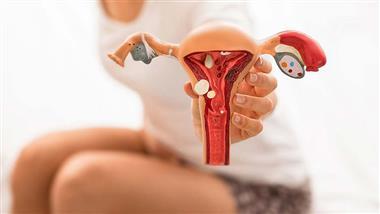
The word “endometriosis” is derived from the name of the tissue that lines the uterus, which is the endometrium. This lining is what the body releases with each menstrual cycle. Each month, the body grows a new endometrium in preparation for a potential pregnancy. Endometriosis occurs when this tissue grows in areas of the abdomen outside of the uterus.
According to Johns Hopkins Medicine, the condition affects up to 10% of women.16 The endometrial tissue most often grows on or around the reproductive organs, such as the ovaries, fallopian tubes, space between the uterus and the rectum, or the lining of the pelvic cavity. Less frequently, it can also grow around the bladder, intestines, rectum and stomach.
The condition increases pain associated with menstrual cramps and can cause pain during or after sex. Women may also experience heavy or irregular periods, fatigue and gastrointestinal symptoms during a menstrual period such as diarrhea, constipation and pain with urination or bowel movements.
Although the condition has no known cause, data does show certain factors increase the risk, including starting menstruation before age 11, a family history of endometriosis and periods that last more than 7 days. Although in many cases, a diagnosis of endometriosis begins with severe symptoms, some women can have endometriotic lesions outside the uterus but have no symptoms.17
While data from the featured study is encouraging, as it helps to at least point to a potential trigger, it’s important to note that endometriosis is likely multifactorial and may have cultural or environmental differences. A 2021 study18 published in Reproductive Sciences evaluated a group of 371 fertile women with endometriosis, 175 from China and 196 from Italy. Symptoms and quality of life were compared, which revealed significant differences between the two groups.
Italian women presented with symptoms at a younger age, more frequently with severe pain, were more often diagnosed with deep infiltrating endometriosis and had more systemic comorbidities at the time of diagnosis than women from China. Scores on tests also showed the Italian group of women had worse health-related quality of life.
In the group of Chinese women, there was less pain, diagnosis at an older age, ovarian and superficial endometriosis and better quality of life scores. The researchers suggested that the differences may be related to ethnicity, healthcare system or social and cultural background.19
Download this Article Before it Disappears
Endometriosis and Comorbidities
Endometriosis is debilitating. According to Science Alert,20 women in the U.K. often wait an average of 7.5 years before seeing their physician for a diagnosis and Yale Medicine21 estimates that women in the U.S. may experience symptoms for 10 years before getting a proper diagnosis.
Unfortunately, this places these women at risk of more health problems, including infertility. In some cases, endometriosis causes complete infertility, but in other cases, fertility may not be affected. Research22 also suggests that women with endometriosis have a higher risk of pregnancy-related complications, including preterm delivery, miscarriage, preeclampsia, bowel perforation and uterine rupture.
When left untreated, endometriosis not only leads to infertility, but other organ damage. A 2015 systematic review23 of the literature identified studies that looked at the association between endometriosis and specific diseases.
They found increasing evidence that women with endometriosis have a higher risk of several chronic diseases, suggesting that the condition is not harmless with respect to long-term health. According to this review, women with endometriosis had a “higher risk of ovarian and breast cancers, cutaneous melanoma, asthma, and some autoimmune, cardiovascular and atopic diseases, and at decreased risk of cervical cancer.”24
In a separate article,25 one of the scientists postulated potential explanations for the associations, including that studies may have had a methodological bias. Other explanations included the potential that endometriosis induces physiological changes that increase the risk of chronic disease, that women with endometriosis share specific risk factors for chronic disease, or that the treatment for endometriosis could increase the risk of some chronic diseases.
Analysis of data from Taiwan26 identified similar associations between endometriosis and chronic diseases. In this population, the researchers also found an association with irritable bowel syndrome, migraine headaches, pelvic inflammatory disease, obesity, chronic liver disease, cardiovascular disease, diabetes, rheumatoid arthritis and chronic renal disease.
A 2023 study27 published in the journal Nature Genetics may help explain the comorbidity with other inflammatory and pain-related conditions. In a genome-wide association meta-analysis of European and East Asian participants, the researchers:
“… observed significant genetic correlations between endometriosis and 11 pain conditions, including migraine, back and multisite chronic pain (MCP), as well as inflammatory conditions, including asthma and osteoarthritis.”
The severity of the symptoms can affect mental health28 and may compromise social relationships, which in turn influences support systems. Depression and anxiety can also amplify the perception of pain. In one study,29 researchers estimated that at least one-third of women with endometriosis suffer from depression and anxiety.
Reducing Symptoms of Endometriosis
Insulin sensitivity may also play a role in endometriosis. A 2019 review30 looked at the likelihood of the coexistence of Type 1 diabetes and endometriosis, including the prospect that therapeutic strategies could help reduce complications. While Type 1 diabetes is an autoimmune disease, endometriosis is not.
However, according to the paper, they share similar pathophysiological pathways, including an association with chronic inflammation and an overactive immune response. A 2002 study31 also showed women with endometriosis more frequently had mechanical dysfunction in the gastrointestinal system and reactive hypoglycemia with normal insulin levels.
According to the researchers, the nerve dysfunction found in women with endometriosis was identical to that found in individuals with insulin resistance and resulted in debilitating gastrointestinal symptoms. In addition to strategies that improve insulin sensitivity and reduce resistance, women with endometriosis may consider addressing other factors that contribute to symptoms of endometriosis, such as:
• Avoiding endocrine disruptors — Endometriosis is hormone dependent, and data has linked exposure to environmental endocrine disrupting chemicals (EDCs) with the development of endometriosis. A 2023 study32 looked at epidemiological and experimental data of four EDCs and found:
“The available information strongly indicates that environmental exposure to EDCs such as PCBs, dioxins, BPA, and phthalates individually or collectively contribute to the pathophysiology of endometriosis.”
One commonly used EDC is oxybenzone, found in many sunscreen formulations. The Environmental Working Group (EWG) calls oxybenzone “the most worrisome sunscreen active ingredient,”33 as the chemical is readily absorbed through the skin, is associated with skin reactions and has demonstrated hormone-disrupting properties.
A 2012 study34 associated benzophenone, the class of drugs to which oxybenzone belongs,35 as an EDC that has a high likelihood of increasing the risk of endometriosis. EDC chemicals are found in many everyday products, including pesticides, plastics and food storage materials, and antibacterial soaps.36
• Avoiding sugar — Dysregulated blood sugar has a significant influence on endometriosis as it promotes an inflammatory response in the body,37 which may contribute to a flare-up of the disease and raise pain levels. As blood sugar rises, cortisol can also rise which lowers progesterone levels and sets the stage for higher levels of estrogen.38
• Considering physical activity — Physical activity and exercise is an important factor in attaining and maintaining optimal health. Yet, for women with endometriosis, they may want to consider physical activity a prescription to help lower inflammation and painful symptoms. While the literature examining endometriosis is not conclusive, data does reveal that physical activity helps lower the inflammatory response.39
One review of the literature40 was unable to find enough quality studies to produce a quantitative meta-analysis, but did identify a couple studies showing activity improved pain intensity and decreased stress levels. The researchers suggested future high-quality randomized controlled trials were necessary to determine if physical activity improved symptoms and quality of life.
A 2023 study41 in the International Journal Gynecology and Obstetrics, reviewed the benefits of physical therapy in women with endometriosis, doing a meta-analysis on six studies that evaluated pain intensity and quality of life measures. The data show these non-pharmacological therapies “are a therapeutic option for women with endometriosis for improving pain intensity and physical function.”
• Considering supplements — Women with endometriosis may also consider nutraceuticals that have demonstrated a beneficial effect against the pain and symptoms of endometriosis. N-acetylcysteine (NAC), chasteberry and melatonin may all offer some relief.
In a 2013 Italian study,42 women who took 600 mg of NAC three times a day for three consecutive days per week, for three months, saw such significant improvement that half of the treatment group were able to cancel their surgeries. Eight of the 47 women in the intervention group had complete remission. The researchers concluded that:43
“Our results are better than those reported after hormonal treatments … NAC actually represents a simple effective treatment for endometriosis, without side effects, and a suitable approach for women desiring a pregnancy.”
Chasteberry is known as “the woman’s herb,” and has a long history of use in female fertility and hormonal health. A leaf decoction has demonstrated a reduction in symptoms of endometriosis within clinical practice and reduction in endometrial cyst size.44 Chasteberry may also help reduce inflammation and balance reproductive hormones.45
Chasteberry may help increase progesterone production, which affects the luteal phase of the menstrual cycle, the time from ovulation until bleeding starts. These issues are often linked to menstrual irregularities, including endometriosis.
Melatonin has also shown some promise for pain control. In one study,46 10 mg per day of melatonin helped decrease pain by 39.8% and dysmenorrhea by 38.01%.
- 1, 10, 12, 13 Science Translational Medicine, 2023;15(700)
- 2 Journal of Critical Care Medicine, 2017;3(4)
- 3 Centers for Disease Control and Prevention, November 15, 2022
- 4 Indian Heart Journal, 2021;73(3)
- 5 Current Gastroenterology Reports, 2020;22(11)
- 6 Frontiers in Pharmacology, 2022; 13
- 7 Clinics and Practice, 2017;7(4)
- 8 The Invisible Extinction
- 9, 11 Nature, June 14, 2023
- 14 Science Alert, June 15, 2023 Para 7, 9
- 15 The Journal of Critical Care Medicine, 2017; 3(4)
- 16 Johns Hopkins Medicine, Endometriosis
- 17 Cleveland Clinic, Endometriosis, How is endometriosis diagnosed?
- 18, 19 Reproductive Sciences, 2021; 28(8)
- 20 Science Alert, April 17, 2023
- 21 Yale Medicine, Endometriosis
- 22 Endometriosis.net, June 20, 2018 subhead 1, para 1
- 23, 24 Human Reproduction Update, 2015;21(4)
- 25 Endometriosis, Endometriosis and Co-morbidities
- 26 Journal of the Chinese Medical Association, 2016; 79 (11)
- 27 Nature Genetics, 2023;55
- 28 International Journal of Women’s Health, 2017; 9
- 29 Frontiers in Neuroendocrinology, 2022;65
- 30 Journal of endocrinology, 2019; 243(3)
- 31 Fertility and Sterility, 2002; 77 (Supplement 1)
- 32 Reproductive Toxicology, 2023;115
- 33 Environmental Working Group, The trouble with ingredients in sunscreens
- 34 Environmental Science & Technology, 2012;46(8)
- 35 Biomonitoring California, Benzophenone-3
- 36 Endocrine Society, January 24, 2022
- 37 Cleveland Clinic, January 28, 2022
- 38 Endometriosis.net, March 9, 2021
- 39 Nature Reviews Immunology, 2011;11
- 40 BMC Women’s Health, 2021; 21(355)
- 41 International Journal Gynecology and Obstetrics, 2023; 162(1)
- 42, 43 Evidence-Based Complementary and Alternative Medicine, 2013 (240702)
- 44 Current Drug Delivery, 2019; 16(5) 40% DTP 7.7
- 45 Cleveland Clinic, November 22, 2022
- 46 Pain, 2013;154(6)
What Are the Primary Causes and Potential Complications of Urinary Tract Infections?
Reproduced from original article:
https://articles.mercola.com/sites/articles/archive/2024/01/24/uti-causes-complications.aspx
The original Mercola article may not remain on the original site, but I will endeavor to keep it on this site as long as I deem it to be appropriate.
Analysis by Dr. Joseph Mercola January 24, 2024

STORY AT-A-GLANCE
- About 80% to 90% of the time, UTIs are caused by E. coli bacteria introduced to your urinary tract
- UTI-causing E. coli may be introduced to your body from the food you eat, namely chicken, as well as pork and beef
- One study suggested E. coli from food may cause 640,000 UTIs in the U.S. each year, and numbers may be higher in areas near concentrated animal feeding operations (CAFOs)
- If not effectively treated, UTIs can progress to kidney infections and sepsis; deaths from UTIs increased by 2.4-fold from 1990 to 2019
- Methylene blue is a highly effective agent against UTIs, as it kills virtually any pathogen in your bladder without disrupting the microbiome the way antibiotics do
Urinary tract infections (UTIs) are one of the most common health conditions globally, with at least half of women affected by one or more UTIs during their lifetime.1 While UTIs are about 3.6 times more common in women than men, they tend to be more complicated when they occur in men.
Such was the case for U.S. Defense Secretary Lloyd Austin, who was hospitalized for a UTI that developed after he had prostate cancer surgery.2 While he’s expected to make a full recovery, deaths from UTIs increased by 2.4-fold from 1990 to 2019.
Globally, they cause a significant burden to health systems and public health, while reducing quality of life in individuals. In 2019 alone, there were 404.61 million cases of UTI worldwide, along with 236,790 deaths.3
What Causes Most UTIs?
About 80% to 90% of the time, UTIs are caused by E. coli bacteria,4 which can be introduced into your urinary tract in a number of ways, such as via your own feces or during sexual intercourse. The urethra, which carries urine out of your body from your bladder, is much shorter in women than in men, which is one reason why women tend to get more UTIs.
“It’s much more difficult for bacteria to work all the way up to the bladder” in men, Marisa Clifton, the director of women’s health for the Brady Urological Institute of the Johns Hopkins University School of Medicine, told The Washington Post.5 But this is just one contributing factor to UTIs.
Risk of UTIs increases with age, particularly after the age of 60.6 Kidney stones also make UTIs more likely, as does benign prostate enlargement in men, which may cause an inability to completely empty the bladder, increasing infection risk. In women, changes in estrogen levels after menopause may alter bacterial growth, making UTIs more likely.7
Another reason why UTIs tend to have such a high recurrence rate in postmenopausal women is because the infection can be caused by several different pathogens. According to research published in the Journal of Molecular Biology, data uncovered via urine and bladder biopsies “suggest that diverse bacterial species and the adaptive immune response play important roles” in recurrent UTIs.8
In this population, bacteria may form communities deep within the bladder wall, triggering chronic inflammation and making treatment difficult. Exposure to antibiotic-resistant bacteria in hospitals is another driving factor in UTIs. In health care facilities, up to 9.4% of patients may develop healthcare-associated UTIs, which can be deadly.
Among hospitalized patients, UTIs have a mortality rate of 2.3% along with associated annual costs of $340 million to $450 million annually in the U.S.9 While E. coli remains the most common cause of UTIs, including recurrent UTIs, other common UTI pathogens include:10
| Klebsiella pneumoniae | Staphylococcus spp. |
| Enterococcus faecalis | Group B Streptococcus |
| Proteus mirabilis | Pseudomonas aeruginosa |
UTIs May Be a Foodborne Illness Linked to Chicken
E. coli is normally found in the intestinal tract.11 Problems only arise when these ordinary bacteria are present in high numbers in places where they shouldn’t be, like your urinary system. Conventional wisdom has maintained UTIs are primarily caused by a transfer of naturally occurring E. coli via sexual contact with an infected individual and/or the transfer of fecal bacteria from your anus to your urethra by poor personal hygiene.
However, more recent studies have conclusively demonstrated that a majority of UTIs are actually caused by exposure to contaminated chicken.12 In short, it’s likely that UTI-causing E. coli may also be introduced to your body from the food you eat, namely CAFO (concentrated animal feeding operation) chicken, as well as pork and beef.
One study involved 2,460 chicken, pork and turkey samples purchased from large retail stores in Flagstaff, Arizona, nearly 80% of which were found to contain E. coli.13 The researchers also tested blood and urine samples from people who visited a major medical center in the area, finding E. coli in 72.4% of those diagnosed with a UTI.
In particular, a strain of E. coli known as E. coli ST131 showed up in both the meat samples, particularly poultry, and the human UTI samples. Most of the E. coli in the poultry was a variety known as ST131-H22, which is known to thrive in birds and was also found in the human UTI samples.
“Our results suggest that one ST131 sublineage — ST131-H22 — has become established in poultry populations around the world and that meat may serve as a vehicle for human exposure and infection,” the researchers noted, adding that this E. coli lineage is just one of many that may be transmitted from poultry and other meat sources to people.
A 2020 study also noted that poultry and pork are major reservoirs for so-called extra-intestinal pathogenic E. coli — the strains causing UTIs. To test the theory that eating meat could therefore increase the risk of UTIs, they compared UTI risk in vegetarians to that in meat eaters. Results showed a vegetarian diet was associated with a 16% lower risk of UTI.14
A Consumer Reports investigation also revealed fecal contamination (enterococcus and/or nontoxin-producing E. coli) that may cause UTIs in all 458 pounds of ground beef it tested.15
Download this Article Before it Disappears
E. Coli From Food May Cause 640,000 UTIs Annually in the US
If you eat food contaminated with E. coli, and that E. coli migrates from your gut to your anus to your urethra, a UTI could result.16 Using comparative genomic analysis, researchers with the University of Minnesota and colleagues found that about 8% of the E. coli infections in their population — most of which were UTIs — were likely due to foodborne zoonotic strains.17
Foodborne E. coli strains were associated with asymptomatic bacteria in the urine, UTIs and sepsis, with significant public health effects. The scientists explained:18
“The public health implications of our findings are substantial. Since E. coli causes approximately 6 to 8 million UTIs in the U.S. annually, as many as 480,000 to 640,000 extraintestinal FZEC [foodborne zoonotic E. coli] infections could occur in the U.S. each year.
Our findings also implies that, collectively, FZEC strains could cause more UTIs annually than any non-E. coli uropathogenic species (e.g., Klebsiella pneumoniae) or any of the major human-associated extraintestinal pathogenic E. coli lineages, including ST131-H30, ST95, and ST73.”
UTIs caused by foodborne E. coli may be even more common in areas close to CAFOs as well as in low- and middle-income countries, where water, sanitation and hygiene infrastructure are less developed, the study found.19
UTI Complications Can Be Deadly
If E. coli gets into your urinary tract and multiplies, you may experience these common signs of a UTI:
- Burning with urination
- Frequent urges to urinate
- Lower abdominal pain or aching
- Blood in your urine (sometimes, but not always)
- Cloudy or foul-smelling urine
The reason your body cannot simply expel the E. coli through urination is because the bacteria are covered with tiny fingerlike projections called fimbriae, made of an amino acid-sugar complex, a glycoprotein called lectin, which makes them sticky.20
This stickiness allows the bacteria to adhere to the inner wall of your bladder and/or work their way upward toward your kidneys, at which point the situation can become quite serious. If the infection spreads to your kidneys, you may experience additional signs of illness, including:21
- Fatigue
- Fever, chills or night sweats
- Pain in your side, back or groin
- Mental changes or confusion
- Nausea and vomiting
Sepsis is another potential complication of untreated or unsuccessfully treated UTI, which can happen if the infection is caused by drug-resistant bacteria. Sepsis can be life-threatening.
In older adults, confusion, delirium, dizziness and other behavioral changes may be the only signs of a UTI, which can make diagnosis difficult22 and delay treatment. If these symptoms occur in an older adult, they should be checked for a UTI. Treatment with methylene blue can be very helpful in these cases, as I discuss below.
What Helps Reduce the Risk of UTIs?
To maintain a healthy urinary tract and help prevent UTIs from occurring:
| Drink plenty of pure, filtered water every day | Urinate when you feel the need; don’t resist the urge to go |
| Wipe from front to back to prevent bacteria from entering your urethra | Take showers instead of baths; avoid hot tubs/Jacuzzis |
| Cleanse male and female genital areas prior to sexual intercourse | Avoid using feminine hygiene sprays, which may irritate your urethra |
| Use a bidet | Eat fermented foods such as kefir, sauerkraut and other fermented vegetables, which are great for your overall health, including your urinary system |
Cranberries can also be helpful. Research published in the Cochrane Database of Systematic Reviews noted that these tart berries contain proanthocyanidins that help prevent E. coli from sticking to the urothelial cells lining the bladder.23
The review, which included 50 studies with 8,857 randomized participants, showed cranberry products reduce both the risk of developing UTIs and the risk of symptomatic, culture-verified urinary tract infections in women with recurrent UTIs. The data supported the “use of cranberry products to reduce the risk of symptomatic, culture-verified UTIs in women with recurrent UTIs, in children, and in people susceptible to UTIs following interventions.”
Paying attention to the source of your meat is also important, given its connection to UTI-causing bacteria and antibiotic resistance. While I don’t recommend eating chicken due to the high amounts of linoleic acid it typically contains, if you do eat chicken, choosing organic, pasture-raised options should lower the contamination risk. Ideally, any meat you eat should come from a local farmer using regenerative farming methods the way nature intended.
As for treatment, consider methylene blue, the parent molecule for hydroxychloroquine and chloroquine, off-patent drugs commonly used to treat not only malaria but also COVID-19. Methylene blue is actually the oldest drug in the world. It was founded in 1876 and used as a textile dye for blue jeans, but it has many important medicinal benefits.
It is a highly effective agent against UTIs, as it’s excreted by your kidneys into your bladder where it reaches very high concentrations and becomes a potent oxidant stress that kills virtually any pathogen there — without disrupting the microbiome the way antibiotics do. Plus, it has the additional “side effect” of improving brain health and reducing dementia, making it ideal for UTI treatment in older adults.
- 1, 9 Front Public Health. 2022; 10: 888205
- 2, 5, 7 The Washington Post January 9, 2024 (archived)
- 3 Front Public Health. 2022; 10: 888205., Intro
- 4 National Kidney Foundation, Urinary Tract Infections
- 6 Front Public Health. 2022; 10: 888205., Results
- 8 Journal of Molecular Biology April 17, 2019 [Epub ahead of print]
- 10 Disease-A-Month. The Etiology of Urinary Tract Infection. February 2003
- 11 CDC.gov E. coli Q&A
- 12 Wired July 11, 2012
- 13 mBio August 2018, 9 (4) e00470-18
- 14 Scientific Reports volume 10, Article number: 906 (2020)
- 15 Consumer Reports December 21, 2015
- 16 The New York Times March 27, 2023
- 17, 18, 19 One Health June 2023, Volume 16, 100518, Abstract
- 20 Front. Med., 18 June 2021
- 21 Penn Medicine, Urinary Tract Infection (UTI)
- 22 Cureus. 2022 Dec; 14(12): e32321
- 23 Cochrane Library, April 17, 2023
Can This Probiotic Fix Your Gut and Hair?
Reproduced from original article:
https://articles.mercola.com/sites/articles/archive/2024/01/22/probiotics-lactobacillus.aspx
The original Mercola article may not remain on the original site, but I will endeavor to keep it on this site as long as I deem it to be appropriate.
Analysis by Dr. Joseph Mercola January 22, 2024
STORY AT-A-GLANCE
- The probiotic bacteria Lactobacillus reuteri help upregulate the hormone oxytocin, a chemical messenger that plays important roles in the male and female reproductive systems and influences aspects of human behavior, including sexual arousal, recognition, trust and interpersonal bonding
- L. reuteri also upregulate systemic immune responses, thereby promoting wound healing, mental health, metabolism and myoskeletal maintenance
- Aged mice fed L. reuteri-containing probiotic yogurt experienced skin and hair changes that mimic the peak health and reproductive fitness seen in younger animals, including thicker dermis, and thicker, shinier, more lustrous fur. In contrast, age-matched controls that ate chow alone had dull fur and suffered from occasional alopecia and dermatitis
- L. reuteri have antimicrobial, immune-boosting and immune-regulating effects, and strengthen the intestinal barrier. Lactobacilli also benefit your health by breaking down dietary fiber into beneficial short-chain fatty acids, breaking down phytonutrients, promoting the growth of other beneficial gut microbes, maintaining an appropriate pH level in your gut, and inhibiting endotoxin production
- Mental health problems have in recent years been linked to gut health and immune function, and studies have confirmed that different species of Lactobacillus can help prevent and/or treat these conditions
Probiotic supplements have long been promoted for their ability to improve your gastrointestinal health. However, as noted in a 2016 paper,1 gut bacteria also “exert effects beyond the local boundaries of the gastrointestinal tract to include distant tissues and overall health.”
For example, the probiotic bacteria Lactobacillus reuteri help upregulate the hormone oxytocin, a chemical messenger that plays important roles in the male and female reproductive systems and influences aspects of human behavior, including sexual arousal, recognition, trust and interpersonal bonding.2
L. reuteri also upregulate systemic immune responses, thereby promoting wound healing, mental health, metabolism and myoskeletal maintenance.3 Some of these effects are achieved through competitive inhibition, which is when beneficial bacteria crowd out harmful ones.
Beneficial bacteria like L. reuteri also serve important signaling functions, and as a whole, your gut microbiome interacts with various systems of your body via immune-endocrine-brain signaling networks.
As such, probiotics “provide novel therapeutic strategies to stimulate powerful homeostatic pathways and genetic programs, stemming from the coevolution of mammals and their microbiome,” the 2016 paper4 concludes.
Lactobacillus Reuteri Induce Healthy Glow
An earlier study, published in 2013,5 found that aged mice fed a commercially-available vanilla-flavored L. reuteri-containing probiotic yogurt experienced skin and fur changes that mimic the “peak health and reproductive fitness characteristic of much younger animals,” including a thicker dermis, and thicker, shinier, more lustrous coats.
These changes were largely attributed to a bacteria-induced interleukin-10-dependent mechanism in the males and a more acidic pH in the skin of the females. In contrast, age-matched controls that ate chow alone had dull fur and suffered from occasional alopecia and dermatitis.
Results were also reproduced using purified L. reuteri in water. The researchers point out that healthy-looking fur (and hair in humans) also tend to be a sign of good fertility, and is a recognized sign of health in general, both among animals and humans:
“In a previous GI immune-related study, we documented changes in fur appearance in mice treated with probiotics. Similar ‘probiotic’ organisms dominate under natural conditions during infancy and fertility in many animal species.
Taken together these facts lead us to hypothesize that probiotics may play a role in effecting the ‘glow of health’ associated with youth and reproductive fitness. Further, we postulated that feeding of probiotic organisms recapitulates these beneficial integumentary effects characteristic of youth within aged adult animals …
Using published data of Ravel et al (2011) for vaginal microbiome and pH levels of human females, we found that an acidic vaginal pH correlated with Lactobacillus sp abundance and peak fertility, estimated to be 25 years of age in women.
Taken together with our earlier data, this led us to postulate that probiotic bacteria induce host physiological changes including a more acidic pH resulting in radiant skin and shiny hair signaling peak health and fertility and thus a good reproductive investment.”
The primary bacterium responsible for the healthy glow in this study was again from the genus of lactobacillus — gram-positive, anaerobic bacteria that metabolize carbohydrates to produce lactic acid. Lactobacillus is the largest genus within the lactic acid bacteria (LAB) group.6
This genus is best known for its ability to promote gastrointestinal health and modulate the immune system, making it valuable in the treatment of GI issues such as inflammatory bowel diseases,7,8 but as these two (and other) studies show, their influence is quite extensive and includes most if not all of your body.
Antimicrobial, Anti-Inflammatory and Immune Regulatory Effects
As detailed in the 2018 paper, “Role of Lactobacillus Reuteri in Human Health and Diseases,” L. reuteri’s mechanisms of action include:9
• Antimicrobial effects, as it produces several antimicrobial molecules, including organic acids, ethanol and reuterin. As a result, L. reuteri can effectively inhibit the colonization of pathogenic microbes and remodel the composition of your commensal microbiota (opportunistic pathogens).
Importantly, studies10,11 have shown L. reuteri and L. rhamnosus GG can lower the risk of staph infections and sepsis during wound healing when applied topically. L. rhamnosus GG was found to promote cell migration, resulting in more rapid wound closure, while L. reuteri increased cell division rates, thereby aiding in the wound healing.
The idea of placing live bacteria on an open wound is questionable, but since the extract of killed bacteria proved to have a similar effect, the researchers suggest bacterial extracts may eventually be used in wound care.
Another double-blind, placebo-controlled study12,13 found that use of L. reuteri prodentis-containing lozenges improved the efficacy of standard treatment for chronic periodontitis (scaling and root planing) by 53%.
• Immune-boosting and immune-regulating effects — Some L. reuteri strains are known to inhibit the production of proinflammatory cytokines while simultaneously promoting regulatory T cell development and function.
• Strengthening the intestinal barrier, thereby decreasing microbial translocation from the gut lumen to other tissues. As a result, a wide variety of diseases rooted in systemic inflammation may be ameliorated.
Lactobacilli also benefit your health by:
• Breaking down dietary fiber into beneficial short-chain fatty acids.
• Breaking down phytonutrients such as polyphenols, which have anti-inflammatory and antioxidant benefits.
• Promoting the growth of other beneficial gut microbes, including bacteria that produce butyrate, which is a fuel source for the cells in your gut lining and inhibits inflammation.14
• Maintaining an appropriate pH level in your gut by producing lactate and acetate from dietary fiber. And, by balancing the acidity in your gut, they encourage the proliferation of beneficial and harmless (commensal) bacteria while minimizing the harmful ones.
Download this Article Before it Disappears
Strain-Specific Benefits
Specific Lactobacillus strains have also been shown to be particularly beneficial for certain health conditions. For example:15
| L. acidophilus is recommended in the treatment of ulcerative colitis. |
| L. plantarum may ameliorate irritable bowel disease (IBD), irritable bowel syndrome (IBS), heart disease, cancer and gastrointestinal problems. It’s also been shown to decrease pathological hallmarks of Alzheimer’s, including amyloid plaques and tangles.16 |
| L. reuteri can be useful in the treatment of infant colic and leaky gut, and for the prevention of urogenital disease, dental caries and food sensitivities. |
| L. casei can help prevent antibiotic-associated diarrhea and clostridium difficile infections, and improve your body’s glucose response. |
| Preliminary animal research suggests L. paracasei might be able to prevent Type 2 diabetes by influencing genes involved in glucose metabolism.17 |
| L. rhamnosus has been shown to help women lose weight.18 |
| A probiotic milk product containing L. acidophilus, L. casei, Bifidobacterium bifidum and L. fermentum was shown to lower highly sensitive c-reactive protein levels (a marker of inflammation) by 18% after 12 weeks in elderly patients diagnosed with Alzheimer’s.19
Meanwhile, those who got a placebo saw a 45% increase in hs-CRP. The placebo group also continued to decline cognitively, while those who got the probiotics saw significant improvement in their mini-mental state examination (MMSE) scores. |
| L. helveticus may help improve memory.20 |
Lactobacillus Regulates Your Mood Too
In addition to the above mentioned effects, mental health problems have in recent years also been linked to gut health and immune function, and several studies21 have found that different strains of the Lactobacillaceae22 family in particular are diminished in people with anxiety and depression.
Others have confirmed that different species of Lactobacillus can help prevent and/or treat these conditions — so much so, Lactobacillus has been dubbed a “psychobiotic.”23 For instance, one 2011 study24 found L. rhamnosus has a marked effect on GABA levels in certain brain regions and lowers the stress-induced hormone corticosterone, resulting in reduced anxiety- and depression-related behavior.
Most recently, researchers at the University of Virginia School of Medicine discovered that two strains of Lactobacillus bacteria — L. intestinalis and L. murinus — help dampen stress responses by modulating levels of an immune mediator called interferon gamma (IFNγ). As explained by the authors:25
“… we found that the Lactobacillus species themselves, and not the disrupted microbial communities, are protective from environmental stressors. Further, we determine that Lactobacillaceae are maintaining homeostatic IFNγ levels which are mediating these behavioral and circuit level responses …
By utilizing mice lacking Lactobacilli from birth, we found that Type 1 adaptive immunity is important as a primary mediating factor in stress resistance.
Building off a body of work showing that Lactobacillus is necessary for the maintenance of systemic IFNγ, we further demonstrate that both Lactobacilli and IFNγ are necessary for resilience to environmental stressors.”
Lactobacillus Inhibits Endotoxin Production
Lactobacillus also inhibits the growth of gram-negative endotoxin-producing bacteria through a process known as competitive inhibition,26 and eliminating endotoxin is crucial for health in several respects.
Endotoxin, also known as lipopolysaccharide (LPS), is produced by gram-negative bacteria in your gut. As explained in several previous articles, endotoxin is one of several factors that destroy mitochondrial function, promotes glycolysis and, ultimately, cancer metabolism.
When complex carbs aren’t digested in your stomach, they travel down to the intestine where they feed these gram-negative bacteria, and as the bacteria grow, multiply and die, they release LPS, which can result in leaky gut, allergic reactions, organ dysfunction and even sepsis.
Endotoxin also catalyzes a series of metabolic reactions that convert tryptophan in your gut to serotonin. Most people think serotonin is good, but mostly, especially higher levels, it is not good for your health. You do not want high levels of serotonin because it’s an antimetabolite.
This means it suppresses your body’s ability to create energy in your mitochondria in the electron transport chain, so you become tired and fatigued, your metabolic rate slows and you gain weight.
To address this vicious cycle, you need to heal and seal your gut. Beneficial bacteria such as Bifidobacteria and Lactobacillus, and beneficial yeast like Saccharomyces boulardii, can all help rein in the endotoxin production through competitive inhibition.
Probiotics such as these also strengthen your intestinal barrier (the “seal” part of “heal and seal your gut”) by increasing mucus production, stimulating release of antimicrobial peptides, and increasing tight junction integrity.27
At the same time, you also want to strictly limit your intake of refined sugar and most starches, as these types of carbs tend to feed the bacteria that produce endotoxin, especially if your microbiome is less than optimal. Alcohol is also best avoided, as it too can promote the growth of gram-negative bacteria and the accumulation of endotoxin.
As explained in a 2008 study,28 when gram-negative bacteria metabolize alcohol, they can also produce acetaldehyde, which increases intestinal permeability to endotoxin. In other words, the acetaldehyde facilitates the endotoxins’ entry into your blood circulation.
How to Feed the Lactobacillus in Your Gut
The greater the diversity of your gut microbiome, the more likely you are to be able to maintain overall good health as the beneficial bacteria will maintain homeostasis and make sure opportunistic pathogens (commensal bacteria) won’t get the upper hand.
There are three primary ways to increase the number of Lactobacilli and other beneficial bacteria in your gut:29
- Take a high-quality probiotic supplement that contains one or more strains.
- Consume fermented foods such as unpasteurized yogurt or kefir made from raw milk, sour cream, and fermented vegetables such as sauerkraut.
- Eat foods that promote proliferation of Lactobacilli, such as dietary fiber, Konjac flour, wheat bran, buckwheat, barley, apples, walnuts, artichoke, and chokeberry.
- 1, 3, 4 Int. Rev. Neurobiol 2016; 131:91-126
- 2 Cleveland Clinic Oxytocin
- 5 PLOS One January 16, 2013; 8(1): e53867
- 6 Frontiers in Immunology 2022; 13: 840245
- 7 American Journal of Translational Research 2020; 12(5): 1569–1583
- 8 Gastrointestinal and Liver Physiology November 1, 2010
- 9 Frontiers in Microbiology 2018; 9: 757
- 10 Applied Environmental Microbiology September 2014; 80(18): 5773-5781
- 11 Medical News Today August 3, 2017
- 12 Journal of Clinical Periodontology DOI: 10.1111/jcpe.12155
- 13 Medical News Today August 19, 2013
- 14, 15, 17, 20, 22, 27, 29 Atlas Biomed Lactobacillus
- 16 Journal of Clinical and Diagnostic Research 2017 Aug; 11(8): KC01–KC05
- 18 Wellnessresources.com January 4, 2014
- 19 Frontiers in Aging Neuroscience November 10, 2016 (PDF)
- 21, 23 Brain, Behavior and Immunity January 2024; 115: 458-469, Introduction
- 24 Proc Natl Acad Sci U S A. 2011 Sep 20;108(38):16050-5
- 25 Brain, Behavior and Immunity January 2024; 115: 458-469
- 26 Frontiers in Immunology April 6, 2022; 13 DOI: 10.3389/fimmu.2022.840245, Competitive Resistance section
- 28 Alcohol August 2008; 42(5): 349-361
The Microbiome Solution — Healing Your Body From the Inside Out
Reproduced from original article:
https://articles.mercola.com/sites/articles/archive/2023/12/24/microbiome-solution.aspx
The original Mercola article may not remain on the original site, but I will endeavor to keep it on this site as long as I deem it to be appropriate.
Analysis by Dr. Joseph Mercola December 24, 2023
STORY AT-A-GLANCE
- One of the worst things you can do during pregnancy is to take an antibiotic. Young children also need to be shielded from antibiotics, as they devastate the microbiome
- Other medications best avoided, due to their devastating impact on your microbiome include hormone treatments, including birth control pills, antibacterial products containing triclosan and proton pump inhibitors
- Fiber-rich vegetables are massively important. Not only do they provide valuable nutrients your body needs, they also provide nutrition to the microbes in your gut, which feed on fiber
By now, you’re probably aware of how important a balanced gut microbiome is to your overall health, but how do you go about optimizing your gut flora? And what steps can you take to protect and nourish your baby’s microbiome, even before and during birth?
In this interview, Dr. Robynne Chutkan, a gastroenterologist (a doctor who specializes in the gut) and author of the book, “The Microbiome Solution: A Radical New Way to Heal Your Body From the Inside Out,” will guide you through the details.
Chutkan finished medical school in 1991. Like most conventionally trained doctors, she whole-heartedly endorsed pharmaceutical intervention “whenever possible, as frequently as possible.” Over the course of several years, however, she began to investigate alternative routes to health.
“My area of expertise is inflammatory bowel disease,” she says. “I trained in New York, at Columbia for medical school and residency, and then at Mount Sinai Hospital … Never once during my training did the idea that you could treat this set of diseases with food as opposed to pharmaceutical intervention, ever come up …
But when I arrived at Georgetown to join the faculty in 1997 … I started seeing a lot of patients, a lot of them women. Many wanted to know, ‘What can I do? What can I eat? How can I change what I’m doing to feel better?’ Of course, I had no answers at all for these questions.
I just had a lot of fancy drugs that I knew a lot about. Over the course of time, I started to experiment a little bit, mostly on myself, playing around with different ways of eating …”
Approaching Food as Medicine
She also conducted a study, in which she asked patients about their use of alternative and complementary practices to treat their Crohn’s and ulcerative colitis. She was surprised to discover that 70% of them were using some kind of complementary or alternative technique, sometimes in addition to conventional medicine.
“It was a sort of don’t-ask-don’t-tell policy,” she says. “I started to get interested and I wanted to know what people were doing and if it was helping …
This was the time when the specific-carbohydrate diet, which is very similar to the Paleo diet, had been popularized … I clearly remember the first patient I sat down with who … had had severe Crohn’s disease. She came back and was feeling great …
She was eating lean protein, lots of vegetables and some nuts and seeds … I remember doing her colonoscopy and seeing her very severe Crohn’s healed. I could not believe it. I said ‘I’ve got to find out more about this.’
I think it really was the patients who caused me to question what we were doing. I started looking at the drugs we were using and the side effects. Don’t get me wrong, I’m all for judicious use of conventional drugs when you don’t have lots of other options.
But to be strongly recommending drugs that we know can cause cancer and severe infection and other problems, and not having any conversation about this concept of foodist medicine, which is so well-proven, particularly in the gastroenterology world, I think that’s medical negligence.”
How C-Section Can Set a Child on the Path Toward Autoimmune Disease
Another incentive driving Chutkan’s growing interest in alternative treatments was her daughter. She was delivered via C-section, and because Chutkan had contracted influenza right before the delivery, her newborn daughter was given antibiotics as a precaution.
This was the beginning of a long series of illnesses, where she’d get sick, receive another round of antibiotics, only to get sick again and receive more medication. By the age of 2, her daughter had received 16 rounds of antibiotics.
According to Chutkan, this pattern is very common among patients who are subsequently diagnosed with Crohn’s disease and ulcerative colitis. Many are C-section babies who were then bottle-fed and received multiple rounds of antibiotics.
“I saw her heading down that road and I said ‘I really have to do something. If we don’t stop this cycle, this is what’s going to happen.’ I’m proud to be a doctor, but it’s sometimes hard to hold your head up these days because in my office, most of what I spend my time doing is trying to undo medical mischief.
Well-meaning physicians who either are not well-informed or just have tunnel vision; dermatologists putting young people on years of potent antibiotics, when you consider the fact that five days of a broad-spectrum antibiotic … can remove a third of your gut bacteria … We are creating disease.”
Download this Article Before it Disappears
Avoid Antibiotics Unless Your Life Hangs in the Balance
Indeed, one of the worst things you can do during pregnancy is to take an antibiotic. Young children also need to be shielded from antibiotics, as they devastate the microbiome. Perhaps the single most important take-home point is to avoid antibiotics unless your life hangs in the balance.
Don’t take them frivolously, and certainly not as a precautionary measure. Other medications best avoided, due to their devastating impact on your microbiome include:
• Hormone treatments, including birth control pills
• Antibacterial products containing triclosan
• Proton pump inhibitors (PPIs). According to Chutkan, research shows 20% of the bacteria in the microbiome are changed from long-term use of acid suppressing drugs.
In fact, the authors concluded that PPI use was just as dangerous as antibiotic use in the long term. Despite that, gastroenterologists routinely put patients on long-term acid suppression without giving it a second thought
Should you have an infection, there are a number of alternatives to antibiotics you can try. For example, D-mannose is very effective against urinary tract infections. “We use a topical form of probiotics mixed with coconut oil for bacterial vaginosis for women. It works great,” Chutkan says.
Beware of Hidden Antibiotics
Chutkan also addresses the issue of hidden antibiotics. Eighty percent of all the antibiotics sold in the U.S. are actually used in the food industry. Animals raised in concentrated animal feeding operations (CAFOs) are routinely given low-dose antibiotics to prevent disease associated with factory farming. So while you may be really judicious about medical antibiotics, you may still ingest antibiotics through factory-farmed food, especially animal products.
“I think this is an area where it’s really important to buy organic and to know not just what you’re eating, but what the food you’re eating has eaten, tracing it all the way back, because 80%, that’s an astounding number; we already have the highest per capita consumption of antibiotics in the world …
From infancy, the average American child will take somewhere around 18 to 20 courses of antibiotics by their 18th birthday. Then you add to that, how many courses of antibiotics they’re probably ingesting with food. It’s really astounding. It’s almost like the myth of Sisyphus.
We’re on this treadmill. From the minute we’re born — one could argue even before birth with the in-utero exposure — we are in this incredible downward spiral to destroy our microbiome. You have to be so vigilant about all of these things.”
Fecal Microbiota Transplant — A Potentially Life-Saving Procedure
Chutkan’s book, “The Microbiome Solution,” provides an excellent chapter on fecal microbiota transplants (FMTs). It even includes instructions on how to do it yourself, were you to choose that route. While most people are not candidates for a stool transplant, it can be a life-saving measure in extreme cases. That said, it’s important to understand that the stool transplant is only as good as a donor’s stool.
“I love my husband very much, but he grew up playing football and eating Burger King every day after practice. I don’t want his stool, because it’s probably not robust enough, growing up eating a standard American diet and taking the usual arsenal of medications.
I’ve always said, if I ever develop a severe autoimmune disease … and I am failing the typical options, I’m heading to Tanzania to get some stool from the Hadza tribe, or down to the Amazon. I want some high-octane stool,” Chutkan says. “When you contemplate donor stool, it’s not just a matter of excluding serious infectious diseases like HIV, syphilis or hepatitis. It’s really about evaluating how robust the microbiome of your donor is …”
Your Microbiome Is Constantly Changing and, With That, Your Health
While an FMT can be highly beneficial in extreme cases, the vast majority of people simply need to optimize their own microbiome through dietary and lifestyle changes. The good news is our microbiomes are constantly changing, based on diet and environmental exposures, so you have a great deal of personal control.
If you have a long history of antibiotic use, it may be more difficult for you to shift your gut flora and repair the cellular-microbial damage that has already occurred. But you can still improve a great deal.
“For most people who have eaten poorly [and] taken some drugs, there is incredible opportunity for recovery, but it really has to be meaningful change,” Chutkan says.
“The idea that you can continue to eat potato chips and soda and not eat vegetables and just take a fancy probiotic and get better, is really magical thinking. I really try to stress in my practice that it’s not the microbes that you put in your body; it’s what you feed those microbes.”
Fiber-rich vegetables are massively important. Not only do they provide valuable nutrients your body needs, they also provide nutrition to the microbes in your gut, which feed on fiber. Another part of the equation is eating foods grown in healthy soils. Factory-farmed vegetables grown in nutrient-poor soils are not going to give you the same bang for your buck.
As noted by Chutkan and many other health experts, nutrition and human health really starts in the soil. To learn more, check out Dr. Maya Shetreat-Klein’s book “The Dirt Cure: Growing Healthy Kids With Food Straight from Soil.”
How to Optimize Your Baby’s Health if a C-Section Is Unavoidable
Since you’re bypassing the birth canal, children born via C-section are not “inoculated” with their mother’s bacteria. Sometimes a C-section is necessary. It can be lifesaving for the baby or the mother. But evidence suggests C-sections are vastly overused in the U.S., and most are not medically necessary.
In her book, Chutkan includes a complete birthing plan to optimize your and your baby’s microbiome, and it begins with the recommendation to avoid C-section at all cost, unless medically necessary.
“You really have to push because, again, your physician is very well-meaning, but they have been trained and indoctrinated to think that a C-section is fine. You might find yourself in the unusual position of having to educate your physician about the risks of C-section. There’s plenty of good information out there to do that. The first thing is to try and avoid it,” she says.
“If you have to have a C-section, I love the information Maria Gloria Dominguez-Bello [Ph.D.,] provides [on] vaginal seeding … [M]ake sure your doctor and their team know about this. Because if you start doing this and people don’t know what you’re doing, they’re going to call security and take the baby away.
The idea is to take a gauze pad and soak it in the perineal juices … Then when the baby is born via C-section, instead of essentially disinfecting them with antibacterial products like they do in the hospital, take this vaginal pad that’s soaked in all this wonderful flora from the mother and wipe the baby down, especially the head, the eyes, the mouth, all of that. Wipe them down so you’re sort of approximating a vaginal birth.”
According to Chutkan, studies show babies born vaginally are colonized with Bifidobacteria, lactobacillus and many other healthy bacteria from the mother’s microbiome. C-section babies are colonized mostly with hospital-acquired staph, and this microbial difference can follow the child for years to come.
Not surprisingly then, C-section babies tend to have higher rates of allergy, asthma, obesity and autoimmune diseases — all of which have been linked to poor microbial diversity and makeup. Being able to intervene with this vaginal seeding technique is quite brilliant, and could go a long way toward normalizing your baby’s microbiome if you have to have a C-section.
Other Dos and Don’ts for New Parents
Next comes breastfeeding. Not only is breast milk nutritionally superior to formula, it also has a direct impact on your baby’s microbiome. The third most common ingredient in breast milk is human milk oligosaccharides (HMOs), a type of sugar that is completely indigestible.
It provides no nutrition per se, rather it nourishes the beneficial bacteria in your baby’s digestive tract, which in turn helps repel staph and other potentially harmful microbes, including microbes that may linger on your nipples.
“It’s a great example of this synergy between what’s happening on the mother’s side and what’s going on in the baby’s side, and how it’s all supposed to work together. That’s another critical thing for people to know,” Chutkan says, adding:
“It’s amazing how much stuff gets done to you in the hospital that you don’t know about. Most women don’t know they get antibiotics for a C-section … I didn’t know that my daughter got not one but two potent antibiotics intravenously in the neonatal intensive care unit. You sign a general consent for treatment …
You know that doctors are well-meaning. You know they’re vested in a good outcome for the health of your child, but you make the crucial mistake of thinking they know and completely understand the ramifications of what they’re doing. It’s clear that they don’t, and so you have to be very aware of that …
Your doctors, for the most part … are lovely, well-meaning people, but they are not well-informed. They are getting their medical information from sources that compel them to keep practicing [a certain] way.”
Vitamin D and Inflammatory Bowel Disease
As previously noted, Chutkan’s specialty is inflammatory bowel disease (IBD), a serious autoimmune disease that can be lethal. IBD is not to be confused with irritable bowel syndrome (IBS), which is a functional disease — it can be painful and disabling, but it’s not going to kill you. IBD patients are frequently prescribed very toxic drugs and may even require surgery to remove a part of their colon.
If you have IBD, optimizing your vitamin D to a level between 40 and 60 nanograms per milliliter (ng/ml) is an important consideration. Crohn’s patients also need to pay attention to vitamin B12, because when your ileum — the end part of your small intestine — is inflamed or has been surgically removed, you cannot absorb B12 as efficiently. Malabsorption of fat-soluble vitamins A, D, E and K, magnesium, iron and more, can also occur.
“Vitamin D has definitely been shown in many studies to be important for inflammation in general, certainly in patients with IBD,” Chutkan says.
“It’s one of the first things we check and make sure that people are adequately supplemented … We have people we put on high-dose supplementation … if they’re down in the single digits … I recommend getting 20 minutes of sun exposure [on] upper body, arms and shoulders, without sunscreen, each day.”
On Treating IBD
When it comes to treating IBD, Chutkan focuses on using food as medicine, and in 77% of cases, her patients will no longer need immune modifying agents once they’ve properly adjusted their diet. She typically begins by assessing the level of inflammation. The most challenging situation is when you have “fibrostenotic disease,” where Crohn’s disease has caused severe scarring and narrowing of the gastrointestinal (GI) tract. In some cases, it can be severe enough to be irreversible.
People with colitis who have a lot of ulceration in the colon, and people who have Crohn’s who don’t have a lot of scarring but have active ulceration, are generally able to successfully treat their condition through diet. Next, she screens for nutrient deficiencies, such as vitamin D, B12, ferritin and fat-soluble vitamins, and begins assessing the diet. Chutkan uses a combination diet that is part specific-carbohydrate diet, part paleo and part vegan.
Increasing Vegetable Intake Is Crucial
Three years ago, Chutkan and colleagues published a small pilot study consisting of 12 patients, nine with Crohn’s and three with ulcerative colitis.
“We looked retrospectively at the diet. We found some interesting things. We found that the average time for the diet to work was about 90 days. When I say to work, to really kick in to the point where people felt like they were in remission. But some people notice results in as quickly as two to three days. Other people take several months. Ninety days was kind of the sweet spot.
Two-thirds of patients were able to get off their medication or significantly reduce their medication. Again, the majority of people, when we looked endoscopically, had healing of the inflammation.
But this is the most important part of the study: everybody took out the processed carbohydrates. Everybody was off gluten, off refined sugar. Essentially grain-free for the most part. As people get better, we do add in some brown rice, some legumes and so on.
For the most part, it was looking like a modified paleo diet. But there were two distinct groups: the group who got better and the group who didn’t, despite excluding all the not-so-great stuff. What was the difference?
The difference was the amount of vegetables people were consuming. The people who took out the gluten and the processed sugars … without increasing their vegetable intake, did not tend to do a lot better. The people who really ramped up their consumption of green leafy vegetables, and particularly the stringy vegetables like celery, asparagus and artichokes, which are high in inulin that really feed gut bacteria, did significantly better.”
So, a key take-home point here is that it’s not enough to simply remove certain foods, such as sugar and refined grains. You must also replace them with a significant amount of vegetables.
In fact, there appears to be a critical threshold when it comes to vegetables, which you must meet in order to see meaningful changes in your health. Dr. Terry Wahls has noted that multiple sclerosis (MS) patients typically need six to nine servings of leafy greens each day in order to affect positive change.
Chutkan says the same applies to autoimmune patients with Crohn’s and ulcerative colitis. Each morning, she makes herself a green smoothie with spinach, kale, celery, parsley, green apple, a peeled lemon, some fresh ginger and water. Each day, she’ll drink two to four glasses.
On Breaking the Mold
Chutkan is a perfect example of a conventional physician who, by listening to her patients and keeping an open mind, broke through the brainwashing — the carefully orchestrated propaganda created by the drug and medical industries. And she shares a great deal of priceless information in her book, “The Microbiome Solution.”
“[W]hen I saw the results of a meta-analysis out of Mount Sinai hospital … looking at over 7,000 patients with inflammatory bowel disease and identifying frequent antibiotic use, particularly in childhood, as one of the main risk factors for developing IBD, I said, ‘People have to know this.’
… [A]s an author, it is an incredible privilege to be able to put your nickel down and say ‘This is what I think. This is what I believe in. I feel an obligation to share it with you.’ But it’s also scary. People come after you …
I had a lot of conversations with Penguin about what I could or couldn’t say, or should or shouldn’t say. It’s scary because you know there’s an incredible amount of money being made by some of these companies. When you say something that’s critical, their goal is to crush you. They’ve done it very effectively to a lot of people we know.
It’s scary but you get to the point where you feel like you cannot legitimately not share this information with people. As you know, books are not a way to get rich, right? Typically, books are probably, at best, a break-even proposition, or you lose money writing a book when you think about the amount of time it takes.
But it is an incredible way to take this information out of the office … and get it into the hands of millions of people. That’s a wonderful privilege … I do have to say that I am emboldened by practitioners like you who have been doing this for a very long time and play such an important role in this education of the public.
You’ve been criticized by conventional medicine and by pharmaceutical companies. It really emboldens those of us who have our eyes open to say ‘You know what? I’m going to speak the truth. I’m going to educate patients. I’m going to try to bring a few colleagues along. I’m going to be okay.'”
How Patients Can Help Their Doctors
As noted by Chutkan, many doctors still do not realize the wool has been pulled over their eyes. They don’t realize they are being used to market drugs for pharmaceutical companies — some of which are effective, others not so much, and virtually all of which have side effects.
However, all is not lost. Just like Chutkan came to see the light after being repeatedly prompted by her patients to provide answers other than drugs, you too can affect positive change by talking to and informing your doctor about strategies that are important to you.
“I think … it’s so important for patients to not just abandon their doctors,” she says. “If you have a doctor and you have a decent relationship with them, but they’re still hell bent on prescribing an antibiotic you don’t need, I think it’s so important to say to them ‘This is why I don’t want to take the antibiotic. Here is a book you should read.’
Because that’s what people did with me. People trusted me. They felt that I had their best interest at heart. They took the time to educate me and I’m so glad they did. I think we have to bring a colleague along. We have to bring our physicians along and not just abandon them entirely.”
One of the books you can bring your physician if he or she wants to prescribe antibiotics is “The Microbiome Solution.” It should really open their eyes. Chutkan is incredibly articulate, and her book is chockfull of valuable information that can have a tremendously beneficial impact on your health.
New Study Shows a Specific Gut Bacteria Linked to Alzheimer’s
Reproduced from original article:
https://articles.mercola.com/sites/articles/archive/2023/10/26/gut-bacteria-linked-to-alzheimers.aspx
The original Mercola article may not remain on the original site, but I will endeavor to keep it on this site as long as I deem it to be appropriate.
Analysis by Dr. Joseph Mercola October 26, 2023
STORY AT-A-GLANCE
- Specific gut bacteria are linked to Alzheimer’s disease, potentially triggering neuroinflammatory processes via the microbiota-gut-brain axis
- An analysis revealed 10 microbiota genera with a significant link to Alzheimer’s, four of which were associated with apolipoprotein E (APOE), a gene that may raise Alzheimer’s risk
- Among them was the proinflammatory genus Collinsella, which is not only linked to Alzheimer’s but also Type 2 diabetes, atherosclerosis and rheumatoid arthritis
- Collinsella may increase Alzheimer’s risk by increasing the expression of inflammatory cytokines as well as increasing gut permeability
- Certain members of the Firmicutes phylum were protective against Alzheimer’s, as they metabolized butyrate from carbohydrates; butyrate is anti-inflammatory, reduces gut permeability and activates the secretion of brain-derived neurotrophic factor (BDNF), reduced levels of which have been linked to Alzheimer’s
Despite 6 million U.S. adults living with Alzheimer’s — with numbers expected to reach 13 million by 20501 — its cause remains elusive. The gut, including its unique makeup up microbial inhabitants, may play an important role, however.
An analysis published in Scientific Reports2 even uncovered specific gut bacteria that may be linked to Alzheimer’s disease, potentially triggering neuroinflammatory processes via the microbiota-gut-brain axis.
Certain Gut Bacteria May Promote Alzheimer’s
An imbalance in gut microbiota has previously been linked with neurodegenerative diseases, including Alzheimer’s.3 Certain microbes may secrete toxins and short-chain fatty acids (SCFAs) that make the gut more permeable or alter immune function. It’s also been found that people with Alzheimer’s may have less diversity in their gut bacteria, promoting disease.
As such, researchers wrote in Scientific Reports, “Uncovering the genetic basis of microbial abundance and its effect on AD [Alzheimer’s disease] could suggest lifestyle changes that may reduce an individual’s risk for the disease.”4 The team used data from the largest genome-wide association study of gut microbiota, analyzing records of 119 bacterial genera.
Initially, 20 gut microbiota genera stood out for their potential link to Alzheimer’s. A more refined search then revealed 10 genera with a significant link to Alzheimer’s, four of which were associated with apolipoprotein E (APOE), a gene that may raise Alzheimer’s risk.
Among them was the proinflammatory genus Collinsella, which not only is linked to Alzheimer’s but also Type 2 diabetes, atherosclerosis and rheumatoid arthritis.5 According to the study:6
“Overall, the host genetic factors influencing the abundance of ten genera are significantly associated with AD, suggesting that these genera may serve as biomarkers and targets for AD treatment and intervention. Our results highlight that proinflammatory gut microbiota might promote AD development through interaction with APOE.”
Gut Microbes Interact With Your Nervous System
There are more than 100 trillion microbial cells in your body, 95% of which are in your gut.7 Gut microbes interact with your central nervous system via the microbiota-gut-brain axis, which involves neural, immune, endocrine and metabolic pathways.8
Certain gut bacteria may release lipopolysaccharide (LPS) and amyloids, which contribute to inflammation in the brain that may drive Alzheimer’s. LPSs are dead bacteria or, more specifically, the cell walls of dead bacteria. Your immune system treats them as living bacteria and mounts immune defenses against the perceived invaders.
LPSs have been found in amyloid plaques in the brains of Alzheimer’s patients.9 By promoting proinflammatory cytokines, bacteria may also play a role in damaging the integrity of the microbiota-gut-brain axis and the blood-brain barrier.10
Of the 10 gut microbiota genera uncovered with a significant link to Alzheimer’s, six were negatively associated with Alzheimer’s, meaning that they were less common in people with Alzheimer’s than in those without the disease and may therefore have a protective effect.
The remaining four were positively associated with Alzheimer’s, meaning they were more abundant in those with Alzheimer’s disease, making them a risk factor for the condition. Specifically:11
- Bacteria protective against Alzheimer’s included Firmicutes phylum (Eubacterium nodatum group, Eisenbergiella and Eubacterium fissicatena group) as well as from Actinobacteria (Adlercreutzia, Gordonibacter) and Bacteroidetes (Prevotella9)
- Bacteria associated with Alzheimer’s included Firmicutes (Lachnospira and Veillonella), Actinobacteria (Collinsella) and Bacteroidetes (Bacteroides)
Download this Article Before it Disappears
Gut Bacteria Can Be Protective or Pathogenic
Collinsella appeared as a risk factor for Alzheimer’s in both phases of the study and has previously been found exist in abundance in mice and people with Alzheimer’s disease. It’s likely that Collinsella may increase Alzheimer’s risk by increasing the expression of inflammatory cytokines as well as increasing gut permeability.12
As for the protective bacteria, certain members of the Firmicutes phylum metabolize butyrate from carbohydrates. Butyrate activates the secretion of brain-derived neurotrophic factor (BDNF),13 reduced levels of which have been linked to Alzheimer’s disease. Further, the team explained:14
“Butyrate is a major SCFA metabolite in the colon that might be a critical mediator of the colonic inflammatory response. Alongside its anti-inflammatory properties, butyrate is also essential in maintaining tight junctions that prevent dysbiotic gut permeability.”
Despite their beneficial effects in regard to butyrate, however, Eubacterium nodatum and Eisenbergiella have previously been associated with neurodegenerative diseases, showing the complexity of gut microbiota interactions in the body.
“This suggests that oral and gut populations of the same microbial taxa may have different etiologies with the same disease … we are the first to report a protective association between genetically-predicted Eisenbergiella, Eubacterium nodatum group, and Eubacterium fissicatena group abundance with AD,” the researchers noted.15
Gut Bacteria Linked to Amyloid Deposits in the Brain
Alzheimer’s is characterized by an accumulation of beta-amyloid plaques and neurofibrillary tangles in the brain. There’s debate over whether amyloid beta is a symptom of Alzheimer’s, rather than a cause, and could potentially have a protective role in the disease process.16
However, a team of Swiss and Italian researchers found a connection between imbalanced gut microbiota and the development of amyloid plaques in the brain.17 The researchers used PET imaging to measure amyloid deposition in their brains, then measured markers of inflammation and proteins produced by intestinal bacteria, such as LPSs and SCFAs, in their blood.
High blood levels of LPSs and the SCFAs acetate and valerate were associated with large amyloid deposits in the brain, while butyrate appeared to have a protective effect; high levels of butyrate were associated with less amyloid.
Probiotics and Fasting Protect Brain Health
Given the strong associations between gut health and Alzheimer’s, it’s possible that a “bacterial cocktail” could be given early on to help slow disease progression or prevent it altogether.18 Not only do animal studies suggest that probiotics, along with exercise, may decrease the progression of Alzheimer’s disease by altering the microbiome,19 but a number of studies found probiotics represent a viable therapeutic option:20
“Currently available studies showed that probiotic administration conferred neuroprotective benefits and could attenuate cognitive deficits and modulate gut microbiota dysbiosis, which may be related to oxidative and inflammatory pathways … Thus, probiotics seem to be an attractive approach to combat AD, which deserves to be further studied by well-designed large-scale clinical studies.”
Changes in the gut may also help explain why fasting may be beneficial for neurodegenerative diseases. Fasting activates autophagy, which is your body’s way of taking out the trash, and will also trigger the regeneration of stem cells. In our 2017 interview, Dr. Steven Gundry explained that this also may have a direct connection with LPSs, and giving your gut a rest from these proinflammatory proteins via fasting may be healing:
“We have an amazing repair system that goes to work when you’re fasting. Not the least of which is [letting] your gut rest. It’s probably one of the smartest things that any of us can do — putting the wall of your gut at rest, not having to absorb nutrients, not having to deal with the constant inflow of lectins or toxins.
But I think more importantly, it gives [your body] a chance to finally do some serious cleaning of your brain … Alzheimer’s and Parkinson’s have a unifying cause, and that is the brain is defending itself against perceived threat, a lot of which are LPSs. If you put your gut at rest and don’t have LPSs coming into your system, and the longer you can maintain that, realistically, the better off you are.
As Jason Fung would say, intermittent fasting is great; doing a modified calorie-restricted diet is great, but it technically is so much easier to just stop eating … The second level of my modified food pyramid is ‘Don’t eat anything.’”
Gut’s Link to Parkinson’s Disease Grows Stronger
It’s interesting that Gundry points out the unifying cause between Alzheimer’s and Parkinson’s, as they may both begin in the gut. The “gut first” hypothesis states that Parkinson’s disease is the result of abnormal, misfolded proteins in the gastrointestinal tract.
“According to the hypothesis, the inciting agent — this misfolded protein — starts in the nerves of the gut wall and ascends to the brain, causing those pathological changes that lead to Parkinson’s,” Dr. Pankaj J. Pasricha, chair of internal medicine at the Mayo Clinic, told The Washington Post.21
Pasricha and colleagues found that four gastrointestinal issues — constipation, difficulty swallowing, delayed stomach emptying and irritable bowel syndrome — are associated with Parkinson’s disease and might be predictive of diagnosis.22
Gut-related symptoms often begin years before typical symptoms of Parkinson’s like tremors and stiffness, but 2003 research by German neuroanatomist Heiko Braak first suggested that Parkinson’s disease may originate in the gastrointestinal tract.23
Then, in 2019, researchers injected misfolded alpha-synuclein into the guts of healthy mice, then tracked it to see where it ended up.24 Alpha-synuclein is a type of protein naturally found in the human body. When the proteins are misfolded, they may clump together and cause damage to nerve cells that lead to areas of dead brain matter called Lewy bodies.25
These areas of dead brain cells lead to Parkinson’s disease symptoms such as problems with movement and speech.26 After one month, alpha-synuclein had turned up in the brainstems of the mice, while after three months it had traveled to the brain’s amygdala and midbrain. Within seven and 10 months, it had turned up in even more regions of the brain.
Next, the researchers injected the misfolded proteins into the guts of mice that had a severed vagus nerve. After seven months, no signs of cell death were present in the mice brains, and it appeared that the proteins were not able to advance to the brain. The study also evaluated behavioral changes in the groups of mice, such as their ability to build nests.
After seven months, mice with intact vagus nerves that received the misfolded proteins in their gut built smaller, messier nests, a sign of problems with motor control. Mice that did not receive the injection, and mice that received the injection but had a severed vagus nerve, scored consistently higher on nest-building activities.27
Problems with memory and anxiety also appeared in the intact vagus nerve mice that received the misfolded proteins in their guts, which were not seen in the other groups of mice.28 If Parkinson’s does, indeed, begin in the gut, it paves the way for early treatment and potential prevention, similar to Alzheimer’s.
How to Build a Healthier Gut
While much remains to be discovered about the role of your gut in diseases like Alzheimer’s and Parkinson’s, you can take steps today to nourish your body’s microbiota.
Fiber is “the single most important component of the diet to feed the microbiome,” Gloria Dominguez-Bello, president of The Microbiota Vault, says,29 but it’s largely absent in ultraprocessed foods that make up the majority of Americans’ diets. Chemicals in the food supply, such as the herbicide glyphosate, also disrupt microbes.30
Consumption of whole foods is linked to higher gut microbiota diversity,31 as is consuming herbs and spices like cinnamon, oregano, ginger, black pepper and cayenne pepper.32 In one study, diversity of gut bacteria increased after four weeks of consuming herbs and spices, in three-fourths teaspoon or 1.5 teaspoon daily doses.33
Consuming fermented foods is another solid strategy for optimizing the health of your gut microbiome. A study assigned 36 adults to consume a diet high in fermented foods or high-fiber foods for 10 weeks. Those consuming fermented foods had an increase in microbiome diversity as well as decreases in markers of inflammation.34
The issue is that many Americans do not consume these healthy whole foods on a regular basis, instead consuming processed junk foods devoid of fiber and nutrients and packed with additives.
Artificial sweeteners have also been found to alter gut bacteria in adverse ways.35 You’ll also want to avoid antibiotics unless absolutely necessary and, if you do use them, reseed your gut with beneficial bacteria by eating fermented foods or taking a high-quality probiotic supplement.
- 1 Alzheimer’s Association, Alzheimer’s Disease Facts and Figures
- 2, 3, 4, 6, 7, 8, 10, 11, 12, 14, 15 Scientific Reports March 31, 2023
- 5 Science Alert September 27, 2023
- 9, 18 Science Daily November 13, 2020
- 13 Brain Circulation 2019; 3: 124-129
- 16 J Alzheimers Dis. 2009 Oct; 18(2): 447–452
- 17 J Alzheimers Dis. 2020;78(2):683-697. doi: 10.3233/JAD-200306
- 19 Exp Gerontol. 2019 Jan;115:122-131. doi: 10.1016/j.exger.2018.12.005. Epub 2018 Dec 6
- 20 Appl Microbiol Biotechnol. 2021 Oct;105(20):7721-7730. doi: 10.1007/s00253-021-11607-1. Epub 2021 Oct 1
- 21 The Washington Post September 28, 2023
- 22 Gut August 24, 2023
- 23 J Neural Transm (Vienna). 2003 May;110(5):517-36
- 24 Neuron. 2019 Jun 17
- 25, 27 EurekAlert June 26, 2019
- 26, 28 The Guardian June 26, 2019
- 29 People January 3, 2023
- 30 Substack, ‘Toxic Legacy’ — How Glyphosate Destroys Your Health June 27, 2021
- 31 Int. J. Mol. Sci. 2019, 20(8), 1835
- 32, 33 The Journal of Nutrition, Volume 152, Issue 11, November 2022, Pages 2461–2470
- 34 Cell July 12, 2021
- 35 Gut Microbes. 2015; 6(2): 149–155
Likely the Filthiest Food on Earth, yet Seen as Wholesome
Reproduced from original article:
https://articles.mercola.com/sites/articles/archive/2023/10/20/fecal-bacteria-on-chicken.aspx
The original Mercola article may not remain on the original site, but I will endeavor to keep it on this site as long as I deem it to be appropriate.
Analysis by Dr. Joseph Mercola October 20, 2023

STORY AT-A-GLANCE
- According to preliminary data from the CDC, there were 25,606 food-borne infections, 5,893 hospitalizations and 120 deaths from food poisoning in 2018. In 2017, there were 24,484 infections, 5,677 hospitalization and 122 deaths
- Poultry is a major source of Campylobacter, which has been the most commonly identified infection since 2013. It causes diarrhea and 18% of those affected require hospitalization. Guillain-Barré syndrome is a rare but possible outcome of Campylobacter infection
- A 2011 study conducted by the Physicians Committee for Responsible Medicine (PCRM) found 48% of the 120 chicken products tested were contaminated with E. coli, commonly found in feces. The following year, repeat testing revealed the exact same result: 48% of chicken products again tested positive
- PCRM filed a petition for rulemaking with the USDA in 2013, asking the agency to regulate fecal contamination as an adulterant. PCRM has now filed a lawsuit against USDA over the agency’s failure to respond
- Studies using DNA matching have shown a majority of urinary tract infections are the result of exposure to contaminated chicken, not sexual contact with an infected person or transfer of your own E. coli from your anus to your urethra
Editor’s Note: This article is a reprint. It was originally published May 15, 2019.
While there are many environmental and human health hazards associated with modern food production, perhaps one of the most pressing concerns for any given individual is the ever-rising risk of food poisoning.
According to preliminary data from the CDC, there were 25,606 foodborne infections, 5,893 hospitalizations and 120 deaths from food poisoning in 2018.1 In 2017, there were 24,484 infections, 5,677 hospitalization and 122 deaths.2
For further comparison, between the years of 2009 and 2015 — a span of six years — there were 5,760 reported foodborne outbreaks resulting in 100,939 illnesses, 5,699 hospitalizations and 145 deaths.3
According to a recent report,4 the incidence of infection per 100,000 Americans was highest for Campylobacter, which was responsible for 19.5% of all cases — a 12% increase from 2015-2017 — followed by:
| Salmonella 18.3% — A 9% increase from 2015-2017 | Shiga toxin–producing Escherichia coli (STEC) 5.9% — An increase of 26% from 2015-2017 |
| Shigella 4.9% | Vibrio 1.1% — An increase of 109% from 2015-2017 |
| Yersinia 0.9% — An increase of 58% from 2015-2017 | Cyclospora 0.7% — A 399% increase from 2015-2017 |
| Listeria 0.3% |
Chicken Is a Primary Source of Many Food-Borne Illnesses
While produce has become a significant source of food poisoning — two multistate outbreaks of STEC in 2018 were traced back to contaminated romaine lettuce,5 for example — raw chicken remains a primary concern. As noted in the CDC report:6
“Campylobacter has been the most commonly identified infection … since 2013. It causes diarrhea, sometimes bloody, and 18% of persons are hospitalized. A rare outcome of Campylobacter infection is Guillain-Barré syndrome, a type of autoimmune-mediated paralysis.
Poultry is a major source of Campylobacter. In August 2018, FSIS [U.S. Department of Agriculture’s (USDA) Food Safety and Inspection Service] began using a new testing method; in a study of that method, Campylobacter was isolated from 18% of chicken carcasses and 16% of chicken parts sampled …
The incidence of infections with Enteritidis, the most common Salmonella serotype, has not declined in over 10 years. Enteritidis is adapted to live in poultry, and eggs are an important source of infection.
By 2012, FDA had implemented the Egg Safety Rule, which requires preventive measures during the production of eggs in poultry houses and requires subsequent refrigeration during storage and transportation, for all farms with ≥3,000 hens.
In 2018, a multistate outbreak of Enteritidis infections was traced to eggs from a farm that had not implemented the required egg safety measures after its size reached ≥3,000 hens.
Chicken meat is also an important source of Enteritidis infections. In December 2018, FSIS reported that 22% of establishments that produce chicken parts failed to meet the Salmonella performance standard …”
Factory Farmed Chicken Is Notoriously ‘Dirty’
Over the years, food testing has shown that factory farmed chickens (i.e., chickens raised in concentrated animal feeding operations or CAFOs) are particularly prone to contamination with dangerous pathogens, including antibiotic-resistant bacteria that make the illness all the more difficult to treat. For example:
• Consumer Reports testing in 2007 found 80% of whole chicken broilers harbored salmonella and/or campylobacter,7 two of the leading causes of foodborne illness. Retesting in 2010 revealed a modest improvement, with two-thirds being contaminated with these disease-causing bacteria.
Three years later, in 2013, Consumer Reports8 found potentially harmful bacteria on 97% of the chicken breasts tested, and half of them had at least one type of bacteria that was resistant to three or more antibiotics.
• A 2011 study conducted by the Physicians Committee for Responsible Medicine (PCRM) found 48% of the 120 chicken products tested (obtained from 15 grocery chains in 10 U.S. cities) were contaminated with E. coli, commonly found in feces.9,10 The following year, repeat testing revealed the exact same result: 48% of chicken products again tested positive for fecal bacteria (E. coli).11
• An Environmental Working Group analysis12,13 of food testing done by the Food and Drug Administration (FDA) in 2015 found 36% of chicken breasts, legs, thighs and wings were contaminated with drug-resistant enterococcus faecalis, 71% of which were resistant to tetracyclines.
Download this Article Before it Disappears
PCRM Sues USDA Over Failure to Address Contamination Issue
Based on its 2011 test results, the PCRM filed a petition for rulemaking14 with the USDA in 2013, asking the agency to address the issue of fecal contamination on chicken by regulating fecal contamination as an adulterant under the Federal Meat Inspection Act and the Poultry Products Inspection Act. As noted by PCRM in its April 17, 2019, press release:15
“Although USDA implements a ‘zero tolerance’ policy for fecal contamination, this policy only applies to visible fecal contamination. Chicken products pass inspection as long as feces are not visible to the naked eye.
The lawsuit and petition quote a federal inspector who said, ‘We often see birds going down the line with intestines still attached, which are full of fecal contamination. If there is no fecal contamination on the bird’s skin, however, we can do nothing to stop that bird from going down that line.
It is more than reasonable to assume that once the bird gets into the chill tank (a large vat of cold water), that contamination will enter the water and contaminate all of the other carcasses in the chiller. That’s why it is sometimes called ‘fecal soup.’”
In its petition for rulemaking, the PCRM argued that the USDA’s standard of “no visible feces” is woefully inadequate and would be considered “disgusting by the average consumer.” According to PCRM, fecal bacteria really should be regulated as an adulterant.
The lawsuit arose because the USDA failed to respond not only to the PCRM’s 2013 petition but also to its 2017 Freedom of Information Act (FOIA) request, in which the physicians group sought “documentation of fecal contamination rates detected in poultry slaughter plants and other data related to poultry inspection and slaughter line speed.”16
The lawsuit seeks to compel the USDA to provide a “substantive response” to its petition, as well as a response to its FOIA request. The New Poultry Inspection System implemented by USDA in 2014 increased allowable slaughter and processing line speeds to between 140 and 175 birds per minute. According to PCRM:
“Data show that plants operating under this model are more likely to fail USDA’s performance standards for Salmonella, a bacteria found in feces, than those operating under the traditional inspection scheme.”17
The USDA defends its standard, saying that fecal bacteria and fecal material are not interchangeable terms. KatieRose McCullough, director of regulatory and scientific affairs for the North American Meat Institute, told The Washington Post:18
“Bacteria like E. coli are naturally present in the environment as numerous studies on all types of items from foods to phones, keyboards and toothbrushes have shown. This does not mean any of those items are contaminated with feces.”
Contaminated Chicken Is a Primary Risk Factor for UTIs
Food poisoning isn’t the only concern when it comes to contaminated chicken. A form of E. coli known as ExPEC (extra-intestinal pathogenic E. coli) has been shown to be responsible for 85% of urinary tract infections (UTIs).19 Conventional wisdom has maintained UTIs are primarily caused by a transfer of the E. coli via sexual contact with an infected individual and/or the transferring of fecal bacteria from your anus to your urethra.
However, more recent studies have shown this to be incorrect, showing a majority of UTIs are in fact the result of exposure to contaminated chicken.20 What’s more, of the 8 million UTIs occurring in the U.S. each year, an estimated 10% are now resistant to antibiotics, which can result in kidney infection and blood poisoning (sepsis).
Drug resistance has become common enough that doctors are now advised to test for drug resistance before prescribing an antibiotic for a UTI. Part of the problem goes back to the fact that antibiotics have remained widely used in agriculture for growth promotion purposes, allowing resistance to develop.
As early as 2005, papers were published showing drug-resistant E. coli strains from supermarket meat matched strains found in human E. coli infections.21 American, Canadian and European studies22,23,24 published in 2012 all confirmed close genetic matches between drug-resistant E. coli collected from human patients and those found on poultry (chicken and turkey).
More recently, a study25 published in the journal mBio in 2018 found 79.8% of chicken, pork and turkey samples purchased from large retail stores in Flagstaff, Arizona, were contaminated with E. coli. The researchers also tested blood and urine samples from people who visited a major medical center in the area, finding E. coli in 72.4% of those diagnosed with a UTI.
In particular, a strain of E. coli known as E. coli ST131 showed up in both the meat samples (particularly poultry) and the human UTI samples. Most of the E. coli in the poultry was a variety known as ST131-H22, which is known to thrive in birds. This specific strain was also found in the human UTI samples.
“Our results suggest that one ST131 sublineage — ST131-H22 — has become established in poultry populations around the world and that meat may serve as a vehicle for human exposure and infection,” the researchers noted, adding that this E. coli lineage is just one of many that may be transmitted from poultry and other meat sources to people.
Make Sure Chicken and Eggs Are Organic and Free-Range
While findings such as the ones discussed in this article are a potent reminder to cook poultry thoroughly and handle it carefully during preparation, another option is to skip CAFO chicken entirely. It’s easily one of the most contaminated foods in the U.S. and also has a weak nutritional profile compared to other protein sources, including pasture-raised chicken.
For example, a study26,27,28 by the American Pastured Poultry Producers Association (APPPA), which compared the nutrient value of pastured chickens with the USDA’s National Nutrient Database for Standard Reference values for CAFO chicken, found pasture-raised chickens contained 406.8% more vitamin E (1.86 IUs per 100 grams compared to 0.367 IUs) and had an average omega-3-to-6 ratio of 1-to-5, which is near ideal, compared to the USDA’s value of 1-to-15.29
Pastured chicken also had about half the fats of CAFO chicken (saturated, monounsaturated and polyunsaturated), and 11.1% more cholesterol.
Considering the hazards associated with raw chicken, if you’re going to eat it, I would recommend making sure it’s organic and free-range, pasture-raised. Ditto for eggs, as CAFO eggs are also far more prone to pathogenic contamination than organic pastured eggs.
Your best bet is to find a local source of organic, free range eggs. The Cornucopia Institute’s egg report and scorecard ranks 136 egg producers according to 28 organic criteria, is an excellent resource if no local producers are available.
In June 2017, Cornucopia also began working on a chicken report and scorecard. Considering the egg report took six years to produce, it may still be a while before the chicken scorecard is ready. You can contribute to this report by following the simple instructions listed in their June 13 Action Alert.30
Commonsense Precautions When Handling Chicken
If and when you do cook chicken, be sure to take commonsense precautions to avoid contaminating other foods and kitchen surfaces and spreading any bacteria that may be present to yourself or others. To avoid cross-contamination between foods in your kitchen, adhere to the following recommendations:
- Use a designated cutting board, preferably wood, not plastic, for raw meat and poultry, and never use this board for other food preparation, such as cutting up vegetables. Color coding your cutting boards is a simple way to distinguish between them
- To sanitize your cutting board, use hot water and detergent. Simply wiping it off with a rag will not destroy the bacteria
- For an inexpensive, safe and effective kitchen counter and cutting board sanitizer, use 3% hydrogen peroxide and vinegar. Keep each liquid in a separate spray bottle, and then spray the surface with one, followed by the other, and wipe off. Coconut oil can also be used to clean, treat and sanitize your wooden cutting boards. It’s loaded with lauric acid that has potent antimicrobial actions. The fats will also help condition the wood
Also, be sure to wash your hands with warm water and soap before and each time after you handle the chicken. The video below demonstrates how to properly wash your hands to avoid the spreading of bacteria.
How to Treat UTIs Without Antibiotics
Lastly, should you contract a UTI, here are some helpful tips. While cranberry juice is often recommended, most cranberry juices are loaded with fructose, which tends to promote health problems when consumed in high amounts. For this reason, I don’t recommend drinking cranberry juice when you have an infection. Since your immune system is already taxed, adding fructose into the mix is inadvisable.
A far better alternative is pure D-mannose, which is the active ingredient in cranberry juice responsible for its benefit to your urinary system. It can also be derived from berries, peaches, apples and other plants. Pure D-mannose is 10 to 50 times stronger than cranberry and has been shown to cure over 90% of UTIs within one to two days. It’s nontoxic and completely safe, with no adverse effects.
I also recommend trying D-mannose before you resort to antibiotics, to avoid killing off beneficial bacteria. Digestive problems and secondary yeast infections are common side effects of antibiotics. D-mannose doesn’t actually kill bacteria — it just renders them unable to stay in your urinary tract.
The cell walls of E. coli are covered with tiny fingerlike projections called fimbria, made of a glycoprotein called lectin that makes them sticky. This allows them to cling to the inner walls of your bladder and even work their way upward to your ureter and kidneys.
The lectin on the bacteria’s fimbria binds to mannose, which naturally covers the internal lining of your urinary organs. This is why they’re so difficult to flush out. When you take D-mannose, the E. coli suddenly find mannose molecules present not only on the surface of your epithelial cells but also in the urine. As they latch on to the mannose in your urine, they are easily expelled through your urine.
To help flush the bacteria out, be sure to drink plenty of clean, pure water to encourage plentiful urination. To alleviate the burning sensation, dissolve 1 teaspoon of baking soda in 8 ounces of water and drink the whole glass first thing in the morning. Its alkaline nature can help neutralize or lessen the acidity of your urine, thereby making urination less uncomfortable.
- 1, 4, 6 CDC.gov MMWR April 26, 2019; 68(16);369–373
- 2 CDC.gov MMWR March 23, 2018; 67(11);324–328
- 3 CDC.gov Surveillance for Foodborne Disease Outbreaks — United States, 2009–2015
- 5 CDC.gov E. coli Outbreak Linked to Romaine Lettuce January 9, 2019
- 7 Consumer Reports January 2010
- 8 Consumer Reports December 19, 2013
- 9, 15, 16, 17 PCRM.org April 17, 2019
- 10, 14 FSIS.USDA.gov Petition for Rulemaking March 14, 2013
- 11 PCRM.org, Chicken Should Carry Feces Warning Label, April 17, 2012
- 12 EWG.org June 28, 2018 Press Release
- 13 EWG.org June 28, 2018
- 18 Washington Post April 17, 2019
- 19 Emerg Infect Dis. 2012 Mar; 18(3): 415–421
- 20 Wired July 11, 2012
- 21 The Atlantic July 11, 2012
- 22 Foodborne Pathogens and Disease July 3, 2012; 9(7): 625-631
- 23 Clinical Infectious Diseases May 21, 2012; 55(5): 712-719
- 24 Emerging Infectious Diseases March 2012; 18(3)
- 25 mBio Aug. 2018, 9 (4) e00470-18
- 26, 28, 29 APPPA. Pasture and Feed Affect Broiler Carcass Nutrition. April 22, 2015
- 27 APPPA Grit Issue 80
- 30 Cornucopia Institute June 13, 2017
Why Synthetic Food Is Very Dangerous
Reproduced from original article:
https://articles.mercola.com/sites/articles/archive/2023/10/04/synthetic-food.aspx
The original Mercola article may not remain on the original site, but I will endeavor to keep it on this site as long as I deem it to be appropriate.
Analysis by Dr. Joseph Mercola Fact Checked October 04, 2023
STORY AT-A-GLANCE
- An estimated 99% of the components making up whole food are a complete mystery. The U.S. Department of Agriculture’s National Nutrient Database for Standard Reference details 188 nutritional components of food, including 38 flavonoids, yet scientists estimate there are more than 26,000 different biochemicals in our food
- We know even less about the constituents of processed foods and synthetic foods, which falsely claim to be “equivalents” to whole foods, such as “animal-free meats” or “animal-free milk”
- Scientists cannot create equivalence when they don’t even know what 85% or more of the whole food they’re trying to replicate consists of
- A paper published in the April 2023 issue of Animal Frontiers warns that cultured products are not nutritionally equivalent to the meats they’re intended to replace
- A May 2023 report by the Food and Agriculture Organization concluded there are at least 53 potential health hazards associated with lab-grown meat, including the possibility of contamination with heavy metals, microplastics, nanoplastics and chemicals, allergenic additives, toxic components, antibiotics and prions
Do you know what’s in the food you eat? Remarkable as it may seem, 99% of the components making up whole food are a complete mystery. As reported by New Scientist in July 2020:1
“We know next to nothing about the vast majority of compounds in our diet … ‘Our understanding of how diet affects health is limited to 150 key nutritional components,’2 says Albert-László Barabási at Harvard Medical School, who coined the term nutritional dark matter.
‘But these represent only a small fraction of the biochemicals present in our food’ … The idea that food is a rich and complex mix of biochemicals is hardly news.
Even the well-known macronutrients — proteins, carbohydrates and fats — are hugely diverse. There’s also a vast supporting cast of micronutrients: minerals, vitamins and other biochemicals, many of which are only present in minuscule quantities, but which can still have profound health effects.”
The official source of nutritional information is the U.S. Department of Agriculture’s (USDA) National Nutrient Database for Standard Reference.3 It lists the composition of hundreds of thousands of foods, but it’s not as detailed as you might imagine.
In all, it details only 188 nutritional components, including 38 flavonoids, yet scientists estimate there are more than 26,000 different biochemicals in our food.4,5
As noted by New Scientist,6 “with the USDA as your guide, 99.5% of the components in food are a mystery,” and as noted by Barabási, “It would be foolish to dismiss 99.5% of the compounds we eat as unimportant7 … We will not really understand how we get sick if we don’t solve this puzzle.”8
Searching for Nutritional ‘Dark Matter’
Disturbed by the information gap, an international team of researchers started working on a more comprehensive database a decade ago called FooDB,9 which as of 2020 contained information on some 70,000 nutritional compounds.
Yet even this database still has a long way to go. An estimated 85% of the nutritional components listed remain unquantified, meaning they know a food contains a particular component, but they don’t know how much. The health implications of most compounds also remain largely unknown. New Scientist notes:10
“This is also true of individual micronutrients. ‘Consider beta-carotene,’ says Barabási. ‘It tends to be positively associated with heart disease, according to epidemiological studies, but studies adding beta-carotene to the diet do not show health benefits.
One potential reason is that beta-carotene never comes alone in plants; about 400 molecules are always present with it. So epidemiology may be detecting the health implications of some other molecule.’
Another probable cause is the effect of the microbiome on dark nutrients, says [FooDB founder David] Wishart. ‘Most dark nutrients are chemically transformed by your gut bacteria.
That’s probably why studies on the benefits of different foods give relatively ambiguous results. We don’t properly control for the variation in gut microflora, or our innate metabolism, which means different people get different doses of metabolites from their food.’”
Processed Foods Are an Even Greater Mystery
The reason I started with that background is because we know even less about the constituents of processed foods and synthetic foods that ignorantly claim to be “equivalents” to whole foods, such as “animal-free meats” or “animal-free milk.”
Food processing alone will often alter the composition of bioactive molecules in a food, and hence the food’s impact on health,11 but today, processed foods also contain a wide array of synthetic chemicals that, prior to the modern era, were never part of the human diet. As such, they pose incredible risks to long term health and well-being. Processed foods may also have intergenerational effects.
How can scientists create equivalence when they don’t even know what 85% or more of the whole food they’re trying to replicate consists of?
In recent years, the idea that we can simply replace whole foods with synthetic, genetically modified or lab-grown alternatives that are wholly equivalent to the original food has taken root. In reality, that’s simply impossible.
How can scientists create equivalence when they don’t even know what 85% or more of the whole food they’re trying to replicate consists of? Common sense will tell you they can’t. It might look, smell and even taste similar, but the micronutrient composition will be entirely different, and as a result, the health effects will be incomparable as well.
Download this Article Before it Disappears
Animal-Free Equivalence Is a PR Fraud
Take cultured meat, for example. It’s said to be equivalent to real animal meat because it’s grown from animal cells. The cells are then grown in a nutrient solution inside a bioreactor until it becomes a meat-like slab.
Similarly, Bored Cow12 animal-free milk is a dairy alternative made with whey protein obtained through a fermentation process, plant-based fats (in lieu of milk fats), citrus fiber (for creaminess) and added vitamins and minerals.
Defenders of cultured meat insist that this product is not “fake meat” but “actual meat,”13 the only difference being that no animal had to be slaughtered to create it. Cultured meat and other synthetic foods are also said to be more environmentally friendly. But nothing could be further from the truth.
Their impact is far more akin to that of the pharmaceutical industry than the food industry. According to a recent “cradle-to-gate life cycle” analysis,14,15,16,17 the lab-grown meat industry produces anywhere from four to 25 times more CO2 than traditional animal husbandry.
Based on this assessment, each kilo of cultured meat produces anywhere from 542 pounds (246 kilos) to 3,325 pounds (1,508 kg) of carbon dioxide emissions, making the climate impact of cultured meat four to 25 times greater than that of conventional beef. And this information is only provided to refute those who believe the global warming fallacy.
As noted by the authors, investors have poured billions of dollars into animal cell-based meat (ACBM) sector based on the theory that cultured meat is more environmentally friendly than beef. But according to these researchers, that hype is based on flawed analyses of carbon emissions.
Cultured meat is also the epitome of ultraprocessed food18 and therefore likely to cause health problems like those caused by other ultraprocessed foods, such as obesity,19 cardiovascular diseases, Type-2 diabetes, metabolic syndrome, irritable bowel syndrome, cancer,20 mental health problems21 and increased all-cause mortality.22,23,24,25,26
A paper27 published in the April 2023 issue of Animal Frontiers also warned that there are several implications of cell-based meat that need to be considered, but aren’t, including the fact that cultured products are not nutritionally equivalent to the meats they’re intended to replace.
The claim that no animals are killed in the process is also false. At present, most cultured or cell-based meats are created by growing animal cells in a solution of fetal bovine serum (FBS), which is made from the blood of unborn calves. In short, pregnant cows are slaughtered to drain the unborn fetus of its blood.
Is It Safe to Eat Tumors?
There are also many unanswered questions surrounding safety. For example, to get the cell cultures to grow, some companies are using immortalized cells, which technically speaking are precancerous and/or fully cancerous.28 (Other companies use embryonic stem cells or cells from living animals.29)
The reason for using immortalized cells is because normally behaving cells cannot divide forever. Most cells will only multiply a few dozen times before they become senescent (old) and die.
This won’t work when your intention is to grow thousands of pounds of tissue from a small number of cells, hence they use immortalized cells that have no off switch for their replication and can divide indefinitely.
Meat substitutes cultured in this way could therefore be thought of as tumors, seeing how the flesh is entirely made up of precancerous or cancerous cells. Is it safe to eat tumors? We don’t know.
MIT biologist Robert Weinberg, Ph.D., has proposed that humans can’t get cancer from these cells because they’re not human cells and therefore cannot replicate inside your body.30 However, there’s no long-term research to back this theory.
Dietary Headaches to Come
It’s also important to realize that the nutritional composition and safety of synthetic foods will vary depending on the brand.
When you’re dealing with beef, for example, the meat from one cow will be relatively identical to that of any other cow (one major exception being the way they’re raised and fed). One wild-caught salmon is comparable to any other wild-caught salmon, and each russet potato is more or less identical to every other russet potato.
But since each synthetic food brand uses proprietary ingredients and processes, no two will have the identical composition or safety, so even if one is eventually proven safe and nutritious, those results cannot be applied to any other brand.
This variance has the potential to create major problems in the future when all sorts of foods have been replaced with synthetic non-equivalents. How do you determine which cultured beef, chicken or salmon brand might be best for you? How will you devise a sensible diet plan when every food comes in myriad variations of varying composition and safety?
Synthetic Foods Pose Unique Food-Safety Hazards
Many synthetic food proponents claim lab-created food will bypass a host of food-safety problems, but the converse is far more likely to be true. Sure, beef, for example, can be contaminated during processing, packaging, transport or storage, or during the cooking process.
But in cultured meat, every ingredient and processing step brings with it the potential of contamination, and any of the hundreds of ingredients could have toxic effects, alone or in synergy.
Indeed, an in-depth analysis31,32 of the available evidence by the Food and Agriculture Organization of the United Nations (FAO) and a World Health Organization expert panel, published in May 2023, concluded there are at least 53 potential health hazards associated with lab-grown meat.
Among them are the possibility of contamination with heavy metals, microplastics, nanoplastics and chemicals, allergenic additives, toxic components, antibiotics and prions.
What’s more, some of the ingredients that go into synthetic biology like cultured meat are regulated as “non-detectable manufacturing aids,” and you won’t even know what they are. Israeli startup Profuse Technology, for example, has developed a growth media supplement that massively encourages protein growth.
As reported by Food Navigator Europe in an article titled “Cultivated Meat ‘Breakthrough’: Media Supplement Achieves Full Muscle Maturation on Scaffold Within 48 Hours,”33 the supplement reduces the time to grow filets and steaks by 80% and augments the protein in the final product by a factor of five.
An Unsustainable Model
The cultured meat process also produces toxic biowaste — a problem that doesn’t exist in conventional agriculture and food processing. In the video above, Alan Lewis, vice president of government affairs for Natural Grocers, reviews what goes into the making of synthetic biology.
The starting ingredients are typically cheap sugars and fats derived from genetically engineered corn and soy, grown in environmentally destructive monocultures with loads of herbicides, pesticides, and synthetic fertilizers.
As a result, they’re loaded with chemical residues. Hundreds of other ingredients may then be added to the ferment to produce the desired end product, such as a certain protein, color, flavor or scent. The most-often used microorganism in the fermentation process is E. coli that has been gene-edited to produce the desired compound through its digestive process.
The microorganism must also be antibiotic-resistant, since it needs to survive the antibiotics used to kill off other undesirable organisms in the vat. As a result, antibiotic-resistant organisms also become integrated into the final product, and the types of foodborne illness that might be caused by gene-edited antibiotic-resistant E. coli and its metabolites are anyone’s guess.
In addition to the desired target metabolite, these gene-edited organisms may also spit out non-target metabolites with unknown environmental consequences and health effects. But that’s not all. Once the target organisms are extracted, what’s left over is hazardous biowaste.
While traditional fermentation processes, such as the making of beer, produce waste products that are edible by animals, compostable and pose no biohazard, the biowaste from these synthetic biology ferments must first be deactivated, and then must be securely disposed of. It cannot go into a landfill.
Protect Your Health by Avoiding Frankenfoods
Making food that requires GMO inputs and produces more CO2 than conventional farming and hazardous biowaste to boot is hardly a sustainable model. But then again, synthetic biology and processed foods are not being pushed out of true concern for sustainability.
If that was the goal, everyone would be looking at regenerative agriculture where every part of the system supports and sustains other parts, thereby eliminating the need for chemical inputs, radically reducing water needs while optimizing yields.
No, synthetic biology is pursued because it is a formidable control mechanism. Those who own all the synthetic food production will control the world in a very literal sense. To learn more about this plot for control, see “The Fake ‘Food as Medicine’ Agenda.”
In short, the globalists already own and control most of the carbohydrates grown in the world today. By replacing real animal foods with patented lab-made protein alternatives, they’ll have unprecedented power to control the world’s population.
It’ll also grant them greater control over people’s health. It’s already known that the consumption of ultraprocessed food contributes to disease, and the benefactor of ill health is Big Pharma.
The processed food industry has spent many decades driving chronic illness that is then treated with drugs rather than a better diet. Synthetic foods will likely be an even bigger driver or chronic ill health and early death.
The fact is, fake meat and dairy cannot replace the complex mix of nutrients found in grass fed beef and dairy, and it’s likely that consuming ultraprocessed meat and milk alternatives may lead to many of the same health issues that are caused by a processed food diet. So, if you want to really protect your health and the environment, skip pseudofoods that require patents and stick to those found in nature instead.
- 1, 6, 7, 10 New Scientist July 22, 2020 (Archived)
- 2, 4 Nature Food 2020; 1: 33-37
- 3 National Nutrient Database for Standard Reference (Archived)
- 5 Afekta February 26, 2020
- 8 Inside Science December 9, 2019
- 9 FooDB
- 11 Knowable Magazine September 20, 2023
- 12 Bored Cow Animal-Free Milk
- 13 Food Safety News September 19, 2023
- 14 BioRxiv April 21, 2023
- 15 New Scientist May 9, 2023
- 16 Interesting Engineering May 14, 2023
- 17 Watts Up With That? May 12, 2023
- 18 Friends of the Earth, From Lab to Fork, June 2018 (PDF)
- 19 Cell Metabolism, 2019; doi: 10.1016/j.cmet.2019.05.008
- 20 BMJ 2018; 360:k322
- 21 Advisory UPF Dangerous for Your Brain
- 22 JAMA Internal Medicine February 11, 2019;179(4):490-498
- 23 BMJ February 14, 2018; 360
- 24 JAMA 2017;317(9):912-924
- 25 BMJ, 2019;365:I1451
- 26 BMJ, 2019;365:l1949
- 27 Animal Frontiers April 2023; 13(2): 68-74
- 28, 29, 30 The Fern February 7, 2023
- 31 FAO.org Food Safety Aspects of Cell-Based Food
- 32 ISAAA.org May 10, 2023
- 33 Food Navigator Europe September 26, 2023
What’s Actually in the COVID-19 Vaccines?
Reproduced from original article:
https://articles.mercola.com/sites/articles/archive/2023/09/30/sv40-promoter-covid-vaccine.aspx
The original Mercola article may not remain on the original site, but I will endeavor to keep it on this site as long as I deem it to be appropriate.
Analysis by Dr. Joseph Mercola Fact Checked September 30, 2023
STORY AT-A-GLANCE
- Microbiologist Kevin McKernan and colleagues discovered simian virus 40 (SV40) promoters in COVID-19 shots that, for decades, have been suspected of causing cancer in humans
- The media were quick to “fact check” the finding, with the AP publishing a rebuttal titled, “No, ‘Monkey Virus DNA’ Was Not Found in COVID Vaccines”
- McKernan points out again that they never stated the entire SV40 virus is in the shots, just the SV40 promoter and enhancer, which is also cause for concern
- While there are limits on how much DNA can be in a vaccine due to concern over DNA integration, the guidelines don’t consider lipid nanoparticles and other factors in COVID-19 shots that could enhance how much DNA can enter a cell
- Not only do COVID-19 shots contain SV40 promoters, they also contain a 72 base pair insertion that makes the promoter much more aggressive and also drives the sequence into the nucleus of the cell, raising additional health risks
Jan Jekielek, senior editor with The Epoch Times and host of “American Thought Leaders,” spoke with microbiologist Kevin McKernan — a former researcher and team leader for the MIT Human Genome project1 — about DNA contamination in COVID-19 shots.2
In a preprint study McKernan and colleagues assessed the nucleic acid composition of four expired vials of the Moderna and Pfizer mRNA shots. “DNA contamination that exceeds the European Medicines Agency (EMA) 330ng/mg requirement and the FDAs 10ng/dose requirements” was found.3
So, in addition to the spike protein and mRNA in COVID-19 shots, McKernan’s team also discovered simian virus 40 (SV40) promoters that, for decades, have been suspected of causing cancer in humans, including mesotheliomas, lymphomas and cancers of the brain and bone.4 The media were quick to “fact check” the finding, with the AP publishing a rebuttal titled, “No, ‘Monkey Virus DNA’ Was Not Found in COVID Vaccines.’”5
Speaking with Jekielek, McKernan took issue with the AP’s fact check article, noting their paper “never said that the entire virus was present in the vaccines. We said that the promoter and the enhancer and the origin was in there, along with the polyA signal. It seems as if the AP has erected a strawman argument where they are trying to debunk something that was never said.”6
Could DNA Contamination in COVID Shots Cause Cancer?
The AP and other media outlets also downplayed the notion that DNA contamination in COVID-19 injections could contribute to cancer. “They are trying to make claims that this is not cancer-causing,” McKernan says, but “there are limits on how much DNA can be in a vaccine precisely because of the concern over DNA integration.”7
Such guidelines were based on research by the U.S. Food and Drug Administration’s molecular biologist Keith Peden,8 but when he evaluated how much DNA could “safely” exist in vaccines, he didn’t consider lipid nanoparticles (LNPs) and other factors that could enhance how much DNA could enter a cell. McKernan explains:9
“Here are two additional things going on that mean the DNA in these vaccines is more likely to get to the nucleus and integrate into the genome than the information they had at that time. When they came to those regulations, they were assuming the previous DNA in the shots were host cell DNA, like maybe you grew the vaccine in some type of monkey kidney cell.
As a result of this, there’s background monkey DNA, or background human DNA, due to whatever host cell line they use. We have something very different going on here. We have a well-known promoter that’s used in gene therapy that’s inside the vaccines that’s getting injected through an LNP that makes it very effective at transecting cells. Then it has a signal in there that drives that DNA into the nucleus.
I don’t think Keith Peden had anticipated that when he came up with these 10 nanogram limits of DNA. I’d say the verdict is still out as to whether or not they can be cancer-causing, but the risk is certainly elevated from what the FDA’s guidelines have been constructed off of.”
How SV40 Promoters in COVID Shots Could Drive Disease
McKernan explains that in many cases, when tumors are sequenced, they’re found to contain sequences from SV40 and other viruses, which can integrate into your genome, causing disruptions and instability that can trigger the cell line to grow out of control.10
In the case of COVID-19 shots, he says, “The concern is if this DNA integrates the genome, one portion of the SSV40 sequence is an SV40 promoter, a very strong promoter, which means it drives transcription wherever it lands in the genome.
If this happens to drop itself in front of a proto-oncogene [a gene that has the potential to cause cancer] and drives a lot of expression off of a gene that’s known, if you hyper-express it and turn the cell cancerous, then we have a concern that DNA is in fact doing that.”11
But not only do COVID-19 shots contain SV40 promoters, they also contain a 72 base pair insertion that makes the promoter much more aggressive and also drives the sequence into the nucleus of the cell. “And they’re right next to each other,” McKernan says. “If this DNA moves into the nucleus and it drags a promoter with it, and that integrates in front of a gene, it can disrupt gene regulation and potentially lead to the oncogenesis.”12
At the same time, a Pfizer trial showed that the shots may induce lymphocytopenia and neutropenia, or low concentrations of white blood cells. This could further allow for cancerous changes to proliferate. “After vaccination, patients have lower white blood cells, which you need to clear out cells that are misbehaving, like cancer cells,” McKernan adds.13
He’s also seen research showing that the spike protein from COVID-19 shots can enter the nucleus and disrupt regulation of p53 and BRCA1 genes:14
“People are probably familiar with BRCA1 because of breast cancer genes, but p53 is also another guardian of the genome. These are genes that clean up genomes that have been broken or have integration events …
If you have all three of those potentially increased integration risks happening, with white blood cell reduction and spike protein inhibiting the genes that are meant to clean up this type of problem, the combination of those things could certainly be tied to the rise in cancer that we’re currently seeing.”
Download this Article Before it Disappears
COVID Shots’ Lipid Nanoparticles Could Also Be Toxic
Another concerning compound in COVID-19 shots are the lipid nanoparticles, or LPNs. Because natural mRNA is easily broken down, this means the gene therapy needs a special delivery system to make it to the body’s cells. Moderna and Pfizer used lipid nanoparticles that contain polyethylene glycol (PEG)15 for this purpose.
The mRNA is wrapped in lipid nanoparticles (LNPs) that carry it to your cells, and the LNPs are “PEGylated” — that is, chemically attached to PEG molecules to increase stability.16 In their corporate prospectus17 released in 2018 at the time of their stock market launch, Moderna acknowledged that their LNPs carried risks.18 Among them, Moderna stated:
- “Most of our investigational medicines are formulated and administered in an LNP which may lead to systemic side effects related to the components of the LNP which may not have ever been tested in humans.”19
- “While we have continued to optimize our LNPs, there can be no assurance that our LNPs will not have undesired effects. Our LNPs could contribute, in whole or in part, to one or more of the following: immune reactions, infusion reactions, complement reactions, opsonation reactions, antibody reactions including IgA, IgM, IgE or IgG or some combination thereof, or reactions to the PEG from some lipids or PEG otherwise associated with the LNP.”20
Meanwhile, the shot trials didn’t include a control to show what happens if you just expose people to LNPs without mRNA. McKernan says:21
“What happens to people in that case? We don’t know the answer to that … a year from now, there will be more of a scientific consensus that spike protein was a bad idea, and that maybe we should switch this to a different protein or maybe we should use this platform to hit RSV [respiratory syncytial virus] or flu. If we don’t know the toxicity of the LNPs alone, that might be just as dangerous of an approach.
We really do need to understand if this transfection is a good way to fend off a respiratory virus. Many people have argued that this is a horrible way to thwart off a respiratory virus because you’re building immunity in the wrong compartment of the body.
You really need immunity in the nasal mucosa, and you’re not going to get very effective nasal mucosa immunity through injection. You take on all of these injection risks where you’re sending LNPs through the entire body and it’s not very targeted.”
What Happens if Shot Particles Enter the Ovaries?
There are concerns that shot particles are traveling throughout the body with unknown effects. Pfizer’s biodistribution study, which was used to determine where the injected substances go in the body, showed the spike protein from the shots accumulated in “quite high concentrations” in the ovaries.22
A Japanese biodistribution study for Pfizer’s jab also found that vaccine particles move from the injection site to the blood, after which circulating spike proteins are free to travel throughout the body, including to the ovaries, liver, neurological tissues and other organs.23 According to McKernan:24
“We know from the biodistribution study that some of these LNPs are getting to the ovaries, so that’s a huge concern. If 1% of these LNPs get to the ovaries, there’s 40 billion in each shot, we’re getting down to 400 million that go to the ovaries. Now you’re starting to really concern yourself.
If there’s only 300,000 oocytes in each female, and there are 400 million LNPs down there, these numbers are worrisome. What are we doing to the germline in the future generation?”
Already, a study published in Obstetrics & Gynecology — and funded by the National Institute of Child Health and Human Development (NICHD) and the National Institutes of Health (NIH) Office of Research on Women’s Health — confirmed an association between menstrual cycle length and COVID-19 shots.25
The implication is that the shots could be having an effect on fertility. As the Obstetrics & Gynecology researchers noted, “Menstrual cyclicity is an overt sign of health and fertility.”26
‘There Is Residual DNA in Both Shots’
As for why the SV40 promoter and enhancer is in COVID-19 shots in the first place, it’s related to the plasmid growth medium, which is E. coli. McKernan explains:27
“It’s [SV40 promoter] a common tool used in the biotech industry to drive very aggressive expression of a gene. In this case, Pfizer has it in front of a neomycin resistance gene, which drives resistance for neomycin. The reason they want it there is so that they can grow this plasmid in E. coli.
E. coli doubles every 30 minutes, so you can grow E. coli overnight and get gobs of this DNA. You then have to purify it from E. coli to make RNA out of it.
There is some risk that if you don’t fully purify it from E. coli, you can leave behind what’s known as endotoxin or lipopolysaccharides, usually abbreviated as LPS. This is an additional risk that Pfizer took on. Moderna’s doing a very similar thing, although they don’t have SV40 in there. They are using E. coli to amplify their plasmid DNA, and it comes with some of this risk.
What we do know is there is residual DNA in both shots, and this DNA is either right above the regulatory limit or tenfold higher … When looking at RNA to DNA ratios, it’s even worse. The actual outcome is that there is more like a 17- to 80-fold gap from what is required in the regulations, as best we can tell.”
According to McKernan, Pfizer also used two different tools to measure RNA versus DNA. This allowed them to “cook the books,” inflating the amount of RNA and depressing the amount of DNA so “they can squeak through these regulatory requirements without anyone really understanding what’s going on.”28 Further, Pfizer didn’t disclose its SV40 information to the European Medicines Agency, which McKernan believes was intentional:29
“They did that because they know the SV40 region is a very controversial base in its history in the vaccine field. The polio vaccines were contaminated with the full virus, not just these little components, but the full virus.
The full virus has over 5,000 bases. The components we have are about 466 bases of the virus, but they’re arguably the most functional aspects of the virus’s genome for replicating and for gene expression. The fact that they hid that this is in there from the EMA is a concern.”
While McKernan and colleagues continue to spread the word about SV40 promotor and components in COVID-19 shots, the media continues to try to discredit their findings. McKernan points out again that they never stated the SV40 virus is in the shots — but that doesn’t make their study any less worrisome:30
“We said there was an SV40 promoter and some of the components. We were very clear about that, but it quickly got associated with, ‘These guys are claiming there’s something there that isn’t there.’ Then everyone missed the point that there are components of SV40 that are actually quite functional that we need to be concerned about.
They are in these vaccines because they’ve been studied as being gene therapy tools … They are perhaps not as frightening as what happened in the polio vaccine, which some people have attributed to causing some cancers in the past. It’s still a controversy in that field, but there’s still things that we need to know about.
… There does seem to be a tendency for them [media] to either erect a strawman, or flood the zone with alternate information, so that an average person is just confused on what to believe, because there’s a mixture of messages coming through the media that are meant to drown out the real signal.”
- 1 The Healthcare Channel May 22, 2023
- 2 The Epoch Times August 23, 2023
- 3 OSF Preprints April 10, 2023
- 4 Expert Rev Respir Med October 2011; 5(5): 683-697
- 5 AP June 23, 2023
- 6, 7 American Thought Leaders, Jekielek/McKernan Transcript, Page 1
- 8 U.S. FDA, Development of Quantitative Assays to Evaluate the Safety of Cell Substrates and Vaccines, Keith Peden
- 9, 10, 11, 12, 13, 14 American Thought Leaders, Jekielek/McKernan Transcript, Page 2
- 15 Anthrax Vaccine January 11, 2021
- 16 Science December 21, 2020
- 17, 19, 20 SEC.gov November 9, 2018
- 18 Children’s Health Defense August 6, 2020
- 21, 24 American Thought Leaders, Jekielek/McKernan Transcript, Page 3
- 22 Children’s Health Defense June 3, 2021
- 23 Rights and Freedoms, Confidential Pfizer Research Document
- 25, 26 Obstetrics & Gynecology: January 5, 2022 – Volume – Issue – 10.1097
- 27, 28, 29 American Thought Leaders, Jekielek/McKernan Transcript, Page 4
- 30 American Thought Leaders, Jekielek/McKernan Transcript, Page 20
Why You Should Never Take Antacids for Digestive Reflux
Reproduced from original article:
https://articles.mercola.com/sites/articles/archive/2023/09/27/never-take-antacids-for-digestive-reflux.aspx
The original Mercola article may not remain on the original site, but I will endeavor to keep it on this site as long as I deem it to be appropriate.
Analysis by Dr. Joseph Mercola Fact Checked September 27, 2023
STORY AT-A-GLANCE
- Proton pump inhibitors (PPIs) inhibit acid production in your stomach and are routinely used to treat acid reflux. An estimated 15% of the U.S. population are on PPIs. Antacids like Tums neutralize acid in your stomach but don’t block production. They’re the least harmful, as their effects are temporary. Be sure to read the ingredients list, however, as many acid neutralizing medications contain aluminum hydroxide, a toxic compound that impairs your body’s zeta potential
- If you regularly suffer from heartburn or acid reflux, inhibiting acid production is actually the last thing you want to do
- Acid reflux occurs when contents from your stomach back up into your esophagus, causing stomach acid to irritate the lining of your esophagus. However, excess acid is not the problem. Low acid is, because the lower esophageal sphincter (LES) is pH sensitive and only closes once sufficient acidity is present in the stomach
- Other causes of heartburn include hiatal hernia, medications and foods that relax the LES, foods that irritate the stomach, obesity, smoking and helicobacter pylori infection
- PPIs and antacids are inadvisable as none of the potential underlying causes involves excess stomach acid. What you need is more acid. Long term use of PPIs can compromise your health, as insufficient stomach acid has been linked to asthma, GI-related issues, skin diseases, depression, gallbladder disease, migraines, macular degeneration, osteoporosis and a variety of autoimmune conditions
Americans spend a whopping $13 billion a year on over-the-counter (OTC) antacids (acid neutralizers) and prescription proton pump inhibitors (PPIs), which are the most popular antireflux medications on the market.1 It’s estimated that over 27% of Americans are taking antacids, and more than 15% are on PPIs.2,3
PPI drugs like Nexium, Prevacid and Prilosec inhibit acid production in your stomach and are routinely used to treat acid reflux, a condition affecting about 20% of the U.S. population.4 Once prescribed, your doctor may keep you on a PPI drug for years, despite label warnings suggesting they be used only for short periods.
Antacids like Tums neutralize acid in your stomach but don’t block production. As such, they’re the least harmful, as their effects are temporary. That said, many acid neutralizing medications contain aluminum hydroxide, a toxic compound that impairs your body’s zeta potential,5 so be sure to read the ingredients.
If you regularly suffer from heartburn or acid reflux and are using prescription PPIs or OTC antacids, you’ll want to pay careful attention to this article, as inhibiting acid production is the last thing you want to do.
In a September 16, 2023, Substack article,6 A Midwestern Doctor took a deep dive into the problems caused by acid-suppressing medications, and how to properly address acid reflux.
As noted in that article, PPIs top the list of medications that are routinely prescribed despite providing minimal benefit and causing real harm. I’ll review some of the highlights from that article here, but if you want more, I highly recommend reading his article, “Stomach Acid Is Good For You,”7 in its entirety.
The Primary Cause of Acid Reflux
Acid reflux occurs when contents from your stomach back up into your esophagus, causing stomach acid to irritate the lining of your esophagus. Other common names for this condition include acid indigestion, acid regurgitation, heartburn and gastroesophageal reflux disease (GERD).
If you experience acid reflux symptoms more than twice a week, you very likely have reflux disease or GERD, which involves bloating, burning pain in your chest and gut discomfort.
Now, because stomach acid is involved, and the word “acid” connotes the idea of “burning,” it’s commonly believed that excess stomach acid is the problem. Indeed, the entire antacid industry is built around this idea.
Acid reflux occurs when contents from your stomach back up into your esophagus, causing stomach acid to irritate the lining of your esophagus. However, excess acid is not the problem. Low acid is, because the lower esophageal sphincter is pH sensitive and only closes once sufficient acidity is present in the stomach.
Unfortunately, that’s completely backward. Acid reflux is typically caused by a deficiency in stomach acid, not excess. How is this possible? It’s rather simple, actually. As explained by A Midwestern Doctor:8
“The lower esophageal sphincter is pH sensitive and only closes once sufficient acidity is present in the stomach (which makes sense since otherwise food would not be able to get to the stomach in the first place, but once it’s there, you need a way to keep it from getting back into the throat).”
Other Causes of Heartburn
When low acid is not the cause of heartburn, the culprit can any of the following:
| A hiatal hernia — The hernia basically forces the LES open, allowing gastric juices to back up into your throat9 | Helicobacter pylori infection10 — One 2012 study found 82.5% of GERD patients tested positive for H. pylori infection11 |
| Obesity12 | Smoking, by interfering with the LES function13 |
| Certain medications can relax the LES, including bronchodilators, calcium channel blockers (blood pressure meds), valium, nitroglycerine and opioids14 | Foods, including fats, chocolate, caffeinated beverages, peppermint and spearmint, sugar, onions and alcohol can also weaken the LES15 |
| Foods that irritate your stomach can trigger reflux. Common irritants include citrus fruits, tomato, spicy foods, carbonated beverages, coffee and high-lectin foods16 |
In all these cases, the solution is to address the underlying problem, which would be to fix the hernia, treat the H. pylori infection, lose weight, quit smoking, minimize use of the offending drug (be sure to discuss alternatives with your doctor) and not eat the foods that are causing your LES to relax or that irritate your stomach.
OTC antacids and PPIs are entirely the wrong approach, regardless of the underlying cause, because none of the underlying causes of acid reflux have anything to do with excess stomach acid.
These drugs will reduce what little acid you have, leaving less to be regurgitated, but they basically ensure you’ll never get better. What’s worse, over time, low acid can contribute to a whole host of other health problems.
Download this Article Before it Disappears
The Purpose of Stomach Acid
Stomach acid serves several important functions, such as breaking down proteins, killing ingested pathogens, ensuring optimal nutrient absorption and regulating the rest of the digestion process.
If you use acid blockers, you’re compromising your entire digestive system, which can have downstream effects. For example, poor protein digestion increases your risk of food allergies.17 As reported by A Midwestern Doctor, there are clear links between insufficient stomach acid and a variety of health conditions, the following in particular:18
| Asthma | GI-related issues |
| Skin diseases | Depression |
| Gallbladder disease | Migraines |
| Macular degeneration | Osteoporosis |
| Autoimmune conditions, including but not limited to Celiac disease, Type 1 juvenile diabetes, Grave’s disease (hyperthyroid), lupus, multiple sclerosis (MS), rheumatoid arthritis and ulcerative colitis |
Low stomach acid can also have a detrimental impact on your immune function by allowing harmful pathogens such as bacteria and viruses to enter your GI tract. For example, a 2021 systematic review19 found that patients taking PPIs had a 77% higher risk of dying from COVID infection than those who did not take these drugs.
Low stomach acid has also been linked to impaired nutrient absorption, an 80% increased risk of stomach cancer,20 19% increased risk of death,21 28% increased risk of a major cardiac event,22 74% increased risk of kidney disease23 (and a 142% increased risk of death for these patients), 37% increased risk for pneumonia24 and a 33% increased risk for dementia.25
So, one of the take-home messages from this is that acid reflux is also a warning sign that other bodily systems may be adversely impacted. The good news is that all these related conditions can be improved by addressing the acid reflux the right way, which is to increase the acidity of your stomach so that the pH-sensitive esophageal sphincter can close properly.
What Causes Stomach Acid Insufficiency?
Before we address how to increase stomach acid, let’s review why it happens in the first place. Stomach acid production is known to decrease with age, and diet likely plays an important role in that decline. Stomach acid is made from hydrogen and chloride, and processed foods frequently do not contain the dietary sources of these components.
Hydrogen-rich foods include fresh fruits, vegetables, proteins and whole grains,26 while high amounts of chloride are found in salt, seaweed, rye, tomatoes, lettuce, celery and olives.27
Certain autoimmune conditions can also attack acid producing cells in your stomach, causing production to decline. H. pylori infections in your stomach will lower acid production as well. Mitochondrial dysfunction may also be a major part of the puzzle. As explained by A Midwestern Doctor:
“Stomach acid production is an energy intensive process (hence the cells which make stomach acid having a large number of mitochondria), and I have long suspected that mitochondrial dysfunction … is partly responsible for declining stomach acid levels.”
Importantly, PPIs will shut down acid production, and the longer you’re on them, the less acid your body will produce. As a result, it can be extremely difficult to stop using these drugs.
As soon as you stop taking them, you’ll experience rebound, and the rebound won’t stop until your stomach acid level is normalized and the LES starts closing properly, which in some long-term use cases can take up to two years.28
Talk to Your Doctor About Getting Off PPIs
Considering the dangers posed by PPIs, you do need to get off these drugs though. The best and safest way to do that is to work with your doctor to lower the dose you’re taking while simultaneously implementing the following lifestyle modifications:
- Avoid reflux triggers and/or any food that irritates your stomach
- Avoid processed foods and sugar
- Eat a Mediterranean diet, focused on fruits, healthy fats, lean meats, nuts and vegetables. Research published in the Journal of the American Medical Association Otolaryngology — Head & Neck Surgery found a Mediterranean diet was as effective as PPIs in treating acid reflux symptoms29
- Reseed your gut with beneficial bacteria from traditionally fermented foods or a high-quality probiotic supplement
- Thoroughly chew each bite of food
Once you get down to the lowest dose of the PPI, you can start substituting with an over-the-counter H2 blocker like Pepcid (famotidine) which appears to be the safest of all the options out there. Then, gradually wean off the H2 blocker over the next several weeks.
Natural Remedies for Treating Occasional Reflux Problems
If you suffer from occasional heartburn, indigestion and other minor reflux symptoms, forgo the PPIs and OTC antacid medications and try one or more of the following nondrug alternatives instead:30,31,32,33,34
| Aloe juice — The juice of the aloe plant naturally helps reduce inflammation, which may ease symptoms of acid reflux. Drink about one-half cup of aloe juice before meals. To avoid its laxative effect, look for a brand in which the laxative component has been removed. |
| Apple cider vinegar (raw, unfiltered) — Take 1 tablespoon of raw unfiltered apple cider vinegar in a large glass of water before or directly after meals. |
| Astaxanthin — When compared to a placebo, this potent antioxidant was found to reduce symptoms of acid reflux, especially for individuals with pronounced H. pylori infection.35 The researchers concluded a daily dose of 40 mg of astaxanthin was effective for reflux reduction. |
| Baking soda — One-half to 1 teaspoon of baking soda (sodium bicarbonate) in an 8-ounce glass of water or orange juice will help neutralize your stomach acid and ease the burn of acid reflux. While I do not advise this as an ongoing remedy, it is effective on an “emergency” basis when you are in excruciating pain. |
| Ginger root — Ginger has a gastroprotective effect by suppressing H. pylori. It also accelerates gastric emptying which, when impaired, contributes to heartburn. Add two or three slices of fresh ginger root to 2 cups of hot water and let it steep for several minutes. Drink it about 20 minutes prior to your meal. |
| Sauerkraut — Consuming sauerkraut or cabbage juice will stimulate your body to produce stomach acid. |
| Glutamine — The amino acid glutamine has been shown to address gastrointestinal damage caused by H. pylori. Glutamine is found in many foods, including beef, chicken, dairy products, eggs, fish and selected fruits and vegetables. L-glutamine is widely available as a supplement. |
| Ripe papaya or a papain supplement — Papaya contains papain, an enzyme useful for breaking down both protein and carbohydrates. |
| Fresh pineapple or bromelain supplement — Bromelain is a proteolytic enzyme found in pineapple that helps digest proteins. |
| Pepsin supplement — Like bromelain, pepsin is a proteolytic enzyme involved in protein digestion.36 |
| Betaine HCI supplement — Betaine HCl is the hydrochloride salt of betaine, not to be confused with betaine or trimethylglycine (TMG). As noted in a 2020 review paper:37 “… the most common recommendation for the use of betaine HCl supplements is usually implemented using an empirical test for low stomach acid whereby increasing doses of betaine HCl are given during sequential meals until such time as an uncomfortable sensation is noticed by the patient.
Along with improvements in symptoms of dyspepsia (or laboratory analysis of improved protein digestion), the lack of side effects acts as an empirical confirmation that low gastric acid production was contributing to poor digestion and/or dyspeptic symptoms.” |
| Bitters — Bitters have a long history of use in herbal medicinal traditions to promote digestion and/or to relieve digestive complaints.38 |
| Slippery elm — Slippery elm coats and soothes your mouth, throat, stomach and intestines, and contains antioxidants that may help address inflammatory bowel conditions. Because it stimulates nerve endings in your gastrointestinal tract, it is useful for increasing mucus secretion, which has a protective effect against ulcers and excess acidity. |
| Vitamin D — Vitamin D is important for your gut health. Once your vitamin D levels are optimized, you will benefit from your body’s production of about 200 antimicrobial peptides that will help eradicate gut infections. |
| Zinc — Your stomach needs zinc to produce stomach acid, so make sure your body has the necessary raw ingredients. The recommended daily amount for adults is 8 to 11 mg. Zinc rich foods include oysters, lobster, beef, cashew nuts, beans and raw yogurt. A zinc supplement can be used if you rarely eat these foods.39 |
- 1 Time September 7, 2017
- 2, 5, 6, 7, 8, 9, 14, 15, 16, 18, 28 Midwestern Doctor Substack September 16, 2023
- 3 Therapeutic Advances in Gastroenterology 2018; 11: 1756284818777943
- 4 The Surgical Clinic. What Is GERD?
- 10 Acta Biomedica 2018; 89(Suppl 8): 40–43, H. pylori and reflux disease
- 11 JSLF April-June 2012; 16(2): 260–263
- 12 Acta Biomedica 2018; 89(Suppl 8): 40–43, Conclusion
- 13 Acta Biomedica 2018; 89(Suppl 8): 40–43, Reflux disease and esophagitis, definition and pathophysiology and Conclusion
- 17, 33, 37, 38 Integr Med February 2020; 19(1): 32-36
- 19 World Journal of Clinical Cases April 26, 2021; 9(12): 2763-2777
- 20 Cancers July 2022; 14(13): 3052
- 21 Gastroenterology June 30, 2022; 163(4): 852-861
- 22 International Journal of Cardiology August 10, 2013; 167(3):965-974
- 23 British Journal of Clinical Pharmacology December 23, 2020; 87(7): 2967-2976
- 24 Ann Pharmacother May 2022; 56(5):524-532
- 25 Neurology August 9, 2023 DOI: 10.1212/WNL.0000000000207747
- 26 Life Persona 10 Foods Containing Hydrogen
- 27 Mount Sinai Chloride in Diet
- 29 Journal of the American Medical Association Otolaryngology – Head & Neck Surgery September 7, 2017; doi: 10.1001/jamaoto.2017.1454
- 30 Health January 25, 2016
- 31 Everyday Roots, 15 Natural Remedies for Heartburn & Severe Acid Reflux
- 32, 36, 39 Medical News Today 6 Ways to Increase Stomach Acid
- 34 Drugwatch PI Alternatives
- 35 Phytomedicine June 2008; 15(6-7): 391-9