Bacteria
now browsing by category
Health Department Covers Up Illegal Lab in California
Reproduced from original article:
https://articles.mercola.com/sites/articles/archive/2023/09/05/health-department-covers-up-illegal-lab.aspx
The original Mercola article may not remain on the original site, but I will endeavor to keep it on this site as long as I deem it to be appropriate.
Analysis by Dr. Joseph Mercola Fact Checked September 05, 2023
STORY AT-A-GLANCE
- In mid-December 2022, an illegal Chinese medical lab was discovered in Reedley, California, in a dilapidated warehouse. The company, Universal Meditech Inc. — which was operating without a state license or other required permits — was manufacturing a wide variety of test kits, including pregnancy tests, ovulation tests, COVID-19 test kits and various drug tests
- The lab was found to be improperly storing at least 20 infectious agents, including E. coli, coronavirus, malaria, hepatitis B and C, dengue, chlamydia, herpes, rubella and HIV
- Investigations were launched by local, state and federal authorities, all of whom concluded there was no criminal activity going on at the lab, nor any evidence that the lab posed a threat to public health or national security
- August 11, 2023, the U.S. Food and Drug Administration issued a warning about several of the tests produced in the Reedley lab. Universal Meditech has also issued a recall of tests that have already been sent to distributors, but not for tests that have already reached consumers
- While the investigation into the illicit lab began in late December 2022, the public wasn’t informed about its existence until July 2023. According to local officials, state and federal agencies told them to keep quiet
In mid-December 2022, Jesalyn Harper, a code enforcement officer for the city of Reedley, California, responded to a seemingly routine complaint about parked cars outside a run-down decades-old warehouse.
She got suspicious when she discovered a garden hose protruding through a rear wall, and a foul odor coming from a ventilation fan.
Inside, she was met by three Chinese women wearing lab coats, plastic gloves and surgical masks. The company, Universal Meditech Inc. — which was operating without a state license or other required permits — was reportedly manufacturing a wide variety of test kits, including pregnancy tests, ovulation tests, COVID-19 test kits and various drug tests.1,2 The company distributed the tests under the name Prestige Biotech Inc.
As reported by ABC News,3 when Harper conducted an impromptu inspection of the building, she found “dozens of refrigerators and ultralow-temperature freezers hooked to illegal wiring; vials of blood and jars of urine in shelves and plastic containers; and about 1,000 white lab mice being kept in crowded, soiled containers.”
Many of the mice were dead in their cages; others were in distress.4 The lab was later found to also be improperly storing at least 20 infectious agents, including E. coli, coronavirus, malaria, hepatitis B and C, dengue, chlamydia, herpes, rubella and HIV.5,6,7
In broken English, the women told Harper the owner resided in China, and gave her a phone number and email address. Alarmed by what she’d found, Harper contacted Fresno County health officials and the FBI.
Investigators Claim There Was No Threat
Local, state and federal authorities all launched investigations, concluding there was no criminal activity going on at the lab, nor any evidence that the lab posed a threat to public health or national security.
The mice, said to have been genetically engineered to carry SARS-CoV-2, were inspected by a veterinarian associated with the Lawrence Berkeley National Laboratory.
According to the vet, the mice had not been exposed to any kind of experimentation. They’d only been used to grow SARS-CoV-2 antibodies. The owner of the business told the Fresno health department that the mice were used to confirm their COVID test worked.
In March 2023, Reedley officials took legal action to shut the lab down.8 Working with the city of Reedley, the Fresno County Department of Public Health first got a court-issued warrant to inspect the property, where they discovered hazardous materials, chemicals and medical waste.
Photos9 show rows of dirty freezers and bare floors covered in dirt. To think this dilapidated, dirty-beyond-belief facility was producing medical tests, which need to be produced in controlled, sterile surroundings, is just shocking.
As of July 7, 2023, all biological agents have been cleaned out and destroyed by the Fresno health department.10 The property has since been declared abandoned and will be torn down.11
FDA Warning for Reedley Lab Tests Has Been Issued
August 11, 2023, the U.S. Food and Drug Administration issued a warning12 about several of the test kits produced in the Reedley lab. Universal Meditech has also issued a recall of tests that have already been sent to distributors, but not for tests that have already reached consumers.
The tests are known to have been sold online under the brand names of the following four distributors, and they may not have identified Universal Meditech as the manufacturer. The tests may also have been sold by other distributors (and hence under other brand names) as well:13
- Prestige Biotech Inc.
- AC&C Distribution LLC
- HealthyWiser
- Home Health U.S. Inc.
The specific tests affected by the FDA’s warning are:14
| One Step Pregnancy Test | DiagnosUS One Step Ovulation Test | HealthyWiser UriTest 10 Parameter Reagent Test Strips for Urinalysis |
| HealthyWiser UriTest UTI Test Strips | HealthyWiser KetoFast Ketone Test Strips | HealthyWiser pH-Aware pH Test Strips |
| To Life hCG Pregnancy Urine Test | Am I Pregnant Pregnancy Midstream Test | DeTec hCG Pregnancy Urine Test |
| PrestiBio Pregnancy Strips | PrestiBio Rapid Detection Pregnancy Test Midstream | PrestiBio Ovulation Strips |
| PrestiBio Urinalysis Test Strip 10 Parameters | PrestiBio Ketone Test Strips | PrestiBio Breast Milk Alcohol Test Strips |
The FDA’s recommendations regarding these tests, are as follows:15
- Do not purchase or use any of these tests.
- If you’ve purchased any of these tests, throw them out.
- If you’ve used any of these tests, do not trust the results. Test again with a different test.
- If you’ve experienced a quality problem with any of these tests, contact the FDA’s MedWatch Adverse Event Reporting program.

Download this Article Before it Disappears
State and Federal Officials Wanted It Kept Quiet
Reedley city manager Nicole Zieba told ABC News,16 “They were bad actors. They never came to the city and they moved in in the middle of the night. Those are pretty big elements that tell us they did not want us to know they were here.”
According to Zieba, the lab had been operating illegally in Reedley since October 2022. Before that, the company had operated — and been kicked out of — Canada; Texas; Fresno, California; Tulare, California; and Fresno again, before moving into Reedley.17
While the investigation into the illicit lab began in late December 2022, the public wasn’t informed about its existence until July 2023. According to Zieba and other local officials, state and federal agencies told them to keep quiet.18 Joe Prado, who works with the Fresno County Department of Public Health, told MSN:19
“As we were communicating with state and federal agencies, they’re making it very clear, we cannot speak on this. This is our protocol, this is what they adhered to and they’re not able to speak on an ongoing investigation. They’ve made that clear pretty much since day one.”
Zieba told ABC News she decided to heed their advice since the Department of Toxic Substances Control found no threats in the water, sewer system or air. “Had there been any hazard to their safety, we would have immediately notified the public,” she said.
While staying mum about an ongoing investigation might seem reasonable to those doing the investigating, considering public trust in government is at an all-time low, transparency would seem more prudent. As noted by the editor of Everything South City:20
“Concerned residents cannot be dismissed as annoying ‘Gadflies’ by city officials or staff, they must be taken seriously and addressed. For each question posed, there are 50+ others seeking the same answers, although they might not articulate the questions themselves.
Our ‘gadflies’ are an important part of our societal ecosystem and we need to encourage the public to speak up and ask for clarity when they have questions and we must demand timely answers that aren’t CYA narrative from those sworn to protect us. Public servants must remember they are not rulers over us, as some might believe, but they are here to serve us all …”
No Medical Lab Oversight
Fears about bioweapons production in rural America aside, the discovery of the illegal lab in Reedley has also exposed another problem, which is that there’s no governmental agency in charge of overseeing private medical labs.21 As noted by Harper:22
“We’re finding out that with these private labs, there really isn’t as much regulation as there is for publicly funded labs, labs that receive grants. There’s no one technically looking for them.”
The frightening reality is that no one knows how many other facilities like Universal Meditech there might be in the U.S. and elsewhere. According to ABC News:23
“House Speaker Kevin McCarthy, a California Republican who represents a Congressional district neighboring Reedley’s, said … he plans to raise concerns over the ‘very disturbing’ case with colleagues on the Select Committee on China and follow up with the FBI.
‘My concern is to get to the bottom of what happened here but to also look at where this is happening in other parts of this country as well,’ McCarthy said.”
Shoddy and unprofessional labs like Universal Meditech aren’t the only private facilities that can pose a threat to public health. Genentech, owned by Roche, was in August 2021 found to be in violation of hazardous waste management, including hazardous waste air emissions, at three different locations in South San Francisco.24
Violations included storing hazardous medical waste without a permit, failing to meet requirements related to monitoring hazardous waste air emissions, failing to properly mark hazardous waste equipment, failing to perform required inspections of emissions control equipment, failing to maintain overfill protection controls for a hazardous waste tank, and not including necessary federal waste codes on hazardous waste manifests. In August 2023, Genentech was ordered to pay $158,208 in civil penalties as a result.25
COVID Pandemic and Reedley Lab Are Stark Warnings
Between the COVID pandemic (which most likely was the result of a biolab accident in Wuhan, China), and the discovery of an illegal lab in Reedley (which haphazardly stored infectious pathogens in a facility deemed so dilapidated that it must now be torn down), I’d say there’s cause for concern.
strong>One of the greatest threats mankind currently faces is the proliferation of biolabs, from high-security laboratories to the kind run by Universal Meditech.
How many more illegal labs are there in the U.S.? How many around the world? How many infectious pathogens are out there, stored in freezers with makeshift wiring and handled by workers wearing nothing but plastic gloves and surgical masks? How many seemingly “respectable” companies are cutting corners in their hazardous waste management and their biosecurity?
It seems clear that one of the greatest threats mankind currently faces is the proliferation of biolabs, from high-security laboratories to the kind run by Universal Meditech. It’s just a matter of time before something truly nasty gets out. This is why I believe we must push for a total ban on gain-of-function research that can make a pathogen more lethal.
Families Sue EcoHealth Alliance Over Coronavirus Research
Unfortunately, there doesn’t seem to be sufficient political will to grapple with this threat. That would probably be the most effective strategy. Instead, people are forced to turn to lawsuits.
The families of four people who died from COVID-19 are now suing EcoHealth Alliance,26 the National Institutes of Health-funded nonprofit that funneled research dollars to the Wuhan Institute of Virology (WIV).
The lawsuit, filed with the Manhattan Supreme Court, argues that EcoHealth Alliance funded coronavirus research at the WIV that led to the creation of SARS-CoV-2, and that president Peter Daszak knew the virus was dangerous and “capable of causing a worldwide pandemic.”
EcoHealth and Daszak are also being sued by four more families and three COVID survivors. Two of the lawsuits are filed in New York state and one in Pennsylvania. As reported by the New York Post, August 12, 2023:27
“Despite partially-funding the Wuhan Institute of Virology, where the virus originated, EcoHealth failed to make sure critical safety measures were in place — then worked to cover up the origins of the outbreak, they claimed in court papers.
‘If we had known the source or origin of this virus and had not been misled that it was from a pangolin in a wet market, and rather we knew that it was a genetically manipulated virus, and that the scientists involved were concealing that from our clients, the outcome could have been very different,’ Patricia Finn, the victims’ attorney, told The Post …
‘[The families of the deceased] are … enraged because the truth of what really happened appears to be coming forward,’ Finn added …
In a June report, the Government Accountability Office said that EcoHealth Alliance — which doles out money given to them by the National Institutes of Health — gave $1,413,720 to the Wuhan Institute of Virology, while a separate investigation found the government may have paid millions in duplicating grants to the Wuhan-based research institutions through EcoHealth.”
With any amount of luck, lawsuits against the companies, organizations and individuals involved in risky gain-of-function research on coronaviruses will make these mad scientists think twice. Still, we need a comprehensive worldwide ban, a solid international agreement, to safeguard the world from pandemics like COVID-19.
If viruses are being engineered to be more deadly, and if they’re stored in labs and shoddy warehouses around the world, something truly devastating will eventually get out. We don’t need One Health. We don’t need the World Health Organization’s pandemic treaty. Biosecurity calls, first and foremost, for a worldwide ban on risky gain-of-function research.
- 1, 22 Shockya.com August 8, 2023
- 2 Legal Insurrection August 16, 2023
- 3, 5, 16, 21, 23 ABC News August 9, 2023
- 4, 6, 8, 10, 11 ABC30.com August 9, 2023
- 7, 20, 24, 25 Everything South City August 12, 2023
- 9 KMPH.com Photo Gallery
- 12, 15 FDA Warning August 11, 2023
- 13, 14 Fresnobee August 15, 2023
- 17, 19 MSN August 10, 2023
- 18 Fox News August 9, 2023
- 26, 27 New York Post August 12, 2023
How to Put an End to Heartburn, Without Pills?
Reproduced from original article:
https://articles.mercola.com/sites/articles/archive/2023/08/30/natural-remedies-for-heartburn-relief.aspx
The original Mercola article may not remain on the original site, but I will endeavor to keep it on this site as long as I deem it to be appropriate.
Analysis by Dr. Joseph Mercola Fact Checked August 30, 2023
STORY AT-A-GLANCE
- Heartburn pills like omeprazole (Prilosec) are improperly prescribed in up to 70% of cases; they’re also linked to osteoporosis, infections and nutrient deficiencies
- Pepcid (famotidine) is an H2 blocker that can be used to wean off Prilosec and other proton pump inhibitors. It also has very powerful anti-serotonin effects and can be purchased OTC
- One of the most common causes of heartburn is insufficient amounts of stomach acid; consuming sauerkraut or cabbage juice is one way to stimulate your body to produce stomach acid
- While processed foods should be avoided, consuming a Mediterranean diet, which focuses on fruits, healthy fats, lean meats and vegetables, may be as effective as medications in treating acid reflux symptoms
- Ginger tea is beneficial, as ginger accelerates gastric emptying, which, when impaired, contributes to heartburn
- Astaxanthin, deglycyrrhizinated licorice, slippery elm and vitamin D can also help relieve heartburn
Omeprazole (Prilosec), a proton-pump inhibitor (PPI) used to treat heartburn, stomach ulcers and gastroesophageal reflux disease (GERD), is the sixth most common drug prescribed in the U.S.1 Other PPIs include lansoprazole (Prevacid), pantoprazole (Protonix), rabeprazole (AcipHex) and esomeprazole (Nexium) — and they’re often prescribed to reduce stomach acid,2 in a misguided attempt to relieve heartburn.
An estimated 113 million PPI prescriptions are filled worldwide each year,3 but it’s estimated that up to 70% of people taking them shouldn’t be.4 Fortunately, there are many natural methods for heartburn that provide relief without exposing you to the many side effects linked to these popular heartburn pills.
PPIs Are Intrinsically Taken and Should Not Be Used
Initially intended only for treatment of several serious conditions, including bleeding ulcers, severe acid reflux involving damage to the esophagus and Zollinger-Ellison syndrome,5 a rare condition that causes your stomach to produce excess acid, proton pump inhibitors (PPIs) were not meant to be used for everyday heartburn.
Further, they’re only supposed to be taken for a short period of time. Using them long-term can be habit-forming and dangerous, yet they’re commonly prescribed to hospital patients, who often continue taking them after being discharged, with no planned stopping point.6 In fact, up to 80% of patients are inappropriately prescribed a PPI at discharge.7 The consequences can be dire, as PPIs are associated with a number of adverse effects, including:8
- Osteoporosis and related fractures
- Community-acquired pneumonia
- Clostridium difficile colitis
- Cardiovascular morbidity
- Hypomagnesemia, or low magnesium levels
Research shows taking PPIs for more than two years increases your risk of vitamin B12 deficiency,9 while the drugs are also linked to dementia, to the extent that researchers concluded, “The avoidance of PPI medication may prevent the development of dementia.”10
Why PPIs Cause More Harm Than Good
PPIs inhibit the proton pump in your body that produces hydrochloric acid. But excess stomach acid is rarely the primary trigger of heartburn and indigestion. On the contrary, heartburn is typically an indicator you have too little hydrochloric acid, which means if you add a PPI medication, you are only going to exacerbate the problem by decreasing your acid level even more.
Because hydrochloric acid (and pepsin) is necessary to break down protein in your intestinal tract, reduced acid levels affect your body’s ability to absorb nutrients. Without adequate protein breakdown, you also increase your risk of dysbiosis, an imbalance in gut microbiome between harmful and friendly bacteria.
As these undigested protein molecules ferment in your intestines, they become food for pathogens such as Candida, C. difficile and Helicobacter pylori (H. pylori). If you’re currently taking PPIs, be aware that you can develop both tolerance to and dependance on them. As explained in Gastroenterology & Hepatology:11
“The treatment itself may also predispose patients to a need for ongoing therapy. In suppressing acid, PPIs stimulate the body’s feedback loop that tries to reactivate acid secretion.
If the drug is removed, there is a potential risk of rebound hypersecretion, creating a sort of dependency on the drug because the body is acclimated to having acid suppressed. In addition, ongoing feedback stimulation creates a need for ongoing therapy to control symptoms.”
For this reason, it’s important to wean yourself off them gradually to avoid severe rebound symptoms. Do not stop taking PPIs cold turkey. Instead, work with your health care provider to gradually lower the dose you’re taking while simultaneously implementing the natural strategies that follow.
Once you get down to the lowest dose of the PPI, you can start substituting an over-the-counter (OTC) H2 blocker. There are many like Tagamet, Cimetidine or Ranitidine, but Zantac (famotidine) is by far the best and the safest. Then, gradually wean off the H2 blocker over a period of several weeks.
Famotidine is a potent serotonin antagonist and can help those who are taking SSRIs to come off them as they will help lower serotonin levels. Unlike most drugs, it is a relatively safe drug if used long term.
Download this Article Before it Disappears
What Causes Heartburn?
One of the most common causes of heartburn is insufficient amounts of stomach acid. Your body needs stomach acid to properly digest food and absorb nutrients. If you don’t have enough, undigested food in your gastrointestinal tract can lead to indigestion and heartburn.
The leftover food in your gut can also cause bacterial overgrowth, including H. pylori, which is linked to gastritis, peptic ulcer disease and symptoms of acid reflux. As mentioned, if you use PPIs, they cause low stomach acid and, over time, may cause the glands that secrete acid in your stomach to stop working altogether.12
Hiatal hernia, in which the top of your stomach bulges through your diaphragm, is another potential cause of heartburn, as it allows food and acid to back up into your esophagus.13 Physical therapy and chiropractic care can sometimes be effective in resolving this condition.
Food allergies are another potential contributing factor, with caffeine, alcohol and nicotine among the top culprits. However, eating processed foods can also contribute, as it negatively alters your gut microbiome, encouraging the overgrowth of harmful microbes.
Increase Stomach Acid to Resolve Heartburn Naturally
A key strategy to resolving heartburn is to increase the acid content of your stomach. Taking a betaine hydrochloride (also known as trimethyl glycine) supplement, which is available without a prescription, is one way to do so. Take as many as you need to get the slightest burning sensation and then decrease by one capsule. You can also consume 1 tablespoon of raw unfiltered apple cider vinegar in a large glass of water to increase stomach acid.
I also recommend swapping out processed table salt for an unprocessed version like Celtic salt. By consuming enough of the raw material, you will encourage your body to make sufficient amounts of hydrochloric acid (stomach acid) naturally. Fermented vegetables are another dietary addition to focus on if you have heartburn.
Sauerkraut or cabbage juice is among the strongest stimulants for your body to produce stomach acid. It will also provide you with valuable bacteria to help balance and nourish your gut. Having a few teaspoons of fermented cabbage juice from sauerkraut before your meal will do wonders to improve your digestion. Fresh raw cabbage juice can also be very useful to heal resistant ulcers.
What You Eat and Drink Matters
Your diet, including beverages, also plays a role in heartburn symptoms. While processed foods should be avoided, consuming a Mediterranean diet, which focuses on fruits, healthy fats, lean meats and vegetables, may be as effective as PPIs in treating acid reflux symptoms.14
For occasional relief from burning reflux symptoms, alkaline water,15 due to its higher pH level than regular drinking water, may deliver soothing relief by neutralizing the acid in your body. One of the best ways to do this is to use 1 teaspoon of baking soda in 4 ounces of orange juice and stir.
Just make sure that the glass is only half-full as the reaction causes foaming that can cause the glass to overflow. This will help neutralize your stomach acid and ease the burn of acid reflux Another simple strategy is taking frequent sips of water, which can help in the management of GERD symptoms.16
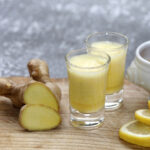
Ginger tea is also useful, as it decreases pressure on the lower esophageal sphincter, helping to prevent heartburn and other gastrointestinal symptoms. Ginger also accelerates gastric emptying which, when impaired, contributes to heartburn,17 and helps suppress H. pylori. Add two or three slices of fresh ginger root to 2 cups of hot water and let it steep for several minutes. Drink it about 20 minutes prior to eating a meal.
The juice of the aloe plant is another natural remedy to help reduce inflammation, which may ease symptoms of acid reflux. Drink about one-half cup of aloe juice before meals. To avoid its laxative effect, look for a brand in which the laxative component has been removed.
Natural Remedies for Heartburn Relief
Getting regular sun exposure to optimize your vitamin D levels is critically important for gut health, as it plays a role in the production of 200 antimicrobial peptides that will help eradicate gut infections. Other remedies that may help you manage occasional bouts of heartburn and other minor reflux symptoms include:
• Astaxanthin — When compared to a placebo, this potent antioxidant was found to reduce symptoms of acid reflux, especially for individuals with pronounced H. pylori infection.18 “Significantly greater reduction of reflux symptoms were detected in patients treated with the highest dose of the natural antioxidant astaxanthin” compared to placebo, the study found.
Researchers concluded a daily dose of 40 milligrams of astaxanthin was effective for reflux reduction.
• Deglycyrrhizinated licorice root — Deglycyrrhizinated licorice (DGL) may also be helpful because it helps block inflammatory prostaglandins. One study found DGL protected gastric mucosa and relieved GERD symptoms better than acid-suppressive drugs.19
Licorice must be approached cautiously, however, because it contains the active metabolite glycyrrhiza, which at high doses can affect your adrenal glands, cause muscle weakness or numbness and raise your blood pressure.
Licorice is contraindicated if you’re on diuretics or stimulant laxatives. Women on hormone therapy, who have estrogen-dependent cancers or reproductive conditions like endometriosis, should also avoid it.
• Glutamine — The amino acid glutamine has been shown to address gastrointestinal damage caused by H. pylori. According to Susan Hagen, associate professor of surgery at Harvard Medical School, who’s studied the issue:20
“Gastric damage develops when the bacteria weakens the stomach’s protective mucous coating, damages cells and elicits a robust immune response that is ineffective at ridding the infection … Our findings suggest that extra glutamine in the diet could protect against gastric damage caused by H. pylori.”
Glutamine is found in many foods, including beef, chicken, dairy products, eggs, fish and selected fruits and vegetables. L-glutamine is widely available as a supplement.
• Papaya (papain supplement) or Pineapple (bromelain supplement) — Papaya contains papain, an enzyme useful for breaking down both protein and carbohydrates. Bromelain is a proteolytic enzyme found in pineapple, and like papain, helps digest proteins. Bromelain also promotes anti-inflammatory activity and helps you maintain regular bowel movements.
• Slippery elm — Slippery elm coats and soothes your mouth, throat, stomach and intestines, and contains antioxidants that may help address inflammatory bowel conditions.
Because it stimulates nerve endings in your gastrointestinal tract, it is useful for increasing mucus secretion, which has a protective effect against ulcers and excess acidity. Try mixing 1 to 2 tablespoons of slippery elm powder with water, consumed after meals and before bedtime.21
Other natural compounds, including curcumin, pectin and peppermint oil, have also been found to improve gastrointestinal symptoms and gut microbes while reducing the need for reflux medications.22 A dietary supplement containing melatonin, l-tryptophan, vitamin B6, folic acid, vitamin B12, methionine and betaine was also superior to omeprazole in the treatment of GERD.23
So, when it comes to finding relief from symptoms and support to address the underlying causes of most heartburn cases, there are numerous natural options at your disposal. These, combined with a whole food diet and limited processed foods, will help heal your gut and put an end to heartburn naturally.
- 1 Pharmacy (Basel). 2018 Jun; 6(2): 43., Figure 1
- 2 Harvard Health Publishing September 30, 2021
- 3 US Pharm. 2019:44(12):25-31
- 4, 6 Fed Pract. 2017 Feb; 34(2): 19–23
- 5 Arch Intern Med. 2010 May 10;170(9):747-8. doi: 10.1001/archinternmed.2010.64
- 7 BMC Geriatr. 2022; 22: 306
- 8 BMJ Open. 2020; 10(11): e040473
- 9 JAMA 2013;310(22):2435-2442
- 10 JAMA Neurol. 2016;73(4):410-416. doi: 10.1001/jamaneurol.2015.4791
- 11 Gastroenterol Hepatol (N Y). 2008 May; 4(5): 322–325
- 12 Cleveland Clinic, Hypochlorhydria
- 13 Mayo Clinic, Hiatal Hernia
- 14, 15 Journal of the American Medical Association Otolaryngology – Head & Neck Surgery September 7, 2017; doi: 10.1001/jamaoto.2017.1454
- 16 Case Rep Gastrointest Med. 2019; 2019: 9205259
- 17 Food Sci Nutr. 2019 Jan; 7(1): 96–108., Gastric Emptying and Dyspepsia
- 18 Phytomedicine June 2008; 15(6-7): 391-9
- 19 Journal of the Australian Traditional-Medicine Society (Vol. 23, Issue 2)
- 20 The Harvard Gazette May 15, 2009
- 21 University of Wisconsin Integrative Medicine, An Integrative Approach to GERD
- 22 Nutr Res. 2020 Apr;76:37-51. doi: 10.1016/j.nutres.2020.02.008. Epub 2020 Feb 8
- 23 Journal of Pineal Research Oct 2006, 41(3):195-200
Nourishing Gut Bacteria Is Critical for Health, Well-Being
Reproduced from original article:
https://articles.mercola.com/sites/articles/archive/2023/08/13/nourishing-gut-bacteria.aspx
The original Mercola article may not remain on the original site, but I will endeavor to keep it on this site as long as I deem it to be appropriate.
Analysis by Dr. Joseph Mercola Fact Checked August 13, 2023
STORY AT-A-GLANCE
- One of the best and least expensive ways to optimize your gut microbiome is to eat traditionally fermented and fiber-rich foods. Probiotic supplements can also be beneficial
- One of the reasons a healthy diet is able to influence your health is by creating an optimal environment for beneficial bacteria in your gut, while decreasing pathogenic or disease-causing bacteria, fungi, and yeast
- If you have to take an antibiotic, be sure to also take a high-quality probiotic. To ensure the bacteria’s survival, take the probiotic a few hours before or after taking the antibiotic
Editor’s Note: This article is a reprint. It was originally published March 13, 2016.
Barely a day goes by without some type of media announcement noting the importance of your gut flora.
One of the best and least expensive ways to optimize your gut microbiome is to eliminate sugars and processed sugars and eat traditionally fermented foods, but probiotic supplements can also be beneficial.
Greg Leyer,1 who has a Ph.D. in food microbiology, is head of scientific affairs at Chr Hansen, a global, differentiated bioscience company that develops natural ingredient solutions for the food, nutritional, pharmaceutical and agricultural industries, and he’s been passionate about probiotics and health for more than two decades:2
“I got interested in microbiology and spent my graduate research career looking at pathogenic bacteria, those bacteria we want to avoid and that make us sick,” he says.
“In the course of doing those studies, I became aware that not all bacteria are bad and became intrigued in this whole concept of probiotics … My first post-graduate job was in the area of developing probiotics for infant nutrition. That was 21 years ago.
I’ve been in the probiotic research development field ever since, and have seen the clinical research and the market just explode.”
Nourishing Your Microbiome Begins With Real Food
Mounting evidence reveals there’s more to nutrition than previously thought — a large component of it actually revolves around nourishing the health-promoting bacteria in your body, thereby keeping harmful microbes in check.
Probiotics are supplements designed to increase your beneficial bacteria, the largest concentration of which is found in your gut. Different types of bacteria live in different locations in your gastrointestinal tract. You also have bacteria residing in other areas of your body, such as your mouth and skin.
While probiotic supplements have their benefits and their place, it’s important — before taking a supplement — to optimize the conditions where these beneficial bacteria grow.
One of the reasons a healthy diet is able to influence your health is by the fact that it helps create an optimal environment for beneficial bacteria in your gut, while decreasing pathogenic or disease-causing bacteria, fungi, and yeast.
“Healthy eating” basically amounts to eating real food, which means avoiding processed foods and staying away from sugars, because few things fertilize and accelerate the growth of pathogenic microbes better than sugar. As noted by Leyer:
“In studies done in people all over the world, you’ll see different microbial communities residing in people that have different dietary intakes. You want to provide foods that are going to nourish this healthy community of bacteria in your gastrointestinal tract.
Sugars aren’t selective. Bacteria like sugars, but the bad bacteria love sugars. Eating real food, complex carbohydrates, fiber, and things like that, are more selective. Simply put, the pathogenic bacteria don’t utilize non-fiber carbs as efficiently. It’s more difficult for them to grow with complex carbohydrates as an energy source.”
The Importance of Probiotics When Taking an Antibiotic
Unfortunately, the U.S. Food and Drug Administration restricts supplement makers from making certain health claims; for example, you cannot market a probiotic saying, “This is useful to take after an antibiotic,” because that would imply that antibiotics might harm you in some way.
As a result of these restrictions, unless you spend a fair amount of time reading about the subject you may not be aware of many of the benefits of probiotics.
“There’s a lot of very compelling research that we’re not able to talk about on a product label,” Leyer notes. “One of the exciting areas is the role of healthy bacteria when co-prescribed with an antibiotic, and the effect it has on maintaining healthy populations in your gut.
Antibiotics are selective for bacteria and not viruses, but they’re not terribly selective for a particular type of bacteria. Antibiotics — and many studies have shown this — will have a tremendously disruptive effect on the overall microbial community.
They’ll kill the target organism that might be causing your infection which is a good thing … but they also do a lot of harm to the good bacterial populations that are there.
Studies have shown that when you co-administer probiotics with antibiotics and continue the probiotic administration even after stopping the antibiotic regimen, you’re quickly able to restore that microbial community to the healthy state it was prior to the antibiotic treatment.”
Download this Article Before it Disappears
Guidelines for Taking Probiotics With Antibiotics
If you’re taking an antibiotic, don’t simultaneously take the probiotic as the antibiotic is liable to simply kill the bacteria off. Instead, take them a few hours before or after taking the antibiotic. From the clinical research Leyer has done, this strategy appears to work quite well.
Saccharomyces yeast, a beneficial type of yeast, may also be helpful when taking a course of antibiotics, as it has also been shown to prevent antibiotic-associated diarrhea.
“Fifteen to 25% of people who take an antibiotic end up getting antibiotic-associated diarrhea.
Probiotics — I’ll include Saccharomyces in this group — have been shown to have tremendous benefits in reducing the risk of developing that kind of secondary complication of antibiotic treatment,” Leyer says.
The Hazards of Antibiotics in the Food Supply
Medical antibiotics are not the sole source of exposure. About 80% of all antibiotics sold in the U.S. are actually used in livestock production to fatten up the animals and prevent disease.
So, unless you’re buying organic grass-fed meats, you’re likely ingesting minute doses of antibiotics with each hamburger and steak you eat. This continuous low-dose exposure has the added downside of promoting antibiotic resistance. The role of antibiotics in promoting (rather than treating) disease is slowly gaining ground.
There’s no question that antibiotics have saved lives. But if you were to carefully analyze and objectively determine their true impact, you just might find they’ve done more harm than good. Leyer cites the book “Missing Microbes: How the Overuse of Antibiotics Is Fueling Our Modern Plagues,” written by Dr. Martin Blaser, which presents the theory that many of our modern disease epidemics may be rooted in the disruptive effect modern foods have on our microbiota.
“Keeping your intestinal microflora healthy, consuming healthy, active, probiotic bacteria is a key component to maintaining, in my opinion, your overall health,” Leyer says.
Probiotics for the Prevention of Leaky Gut, and More
Leaky gut results when there’s a disruption in the interconnections between the cells in your intestines. Little holes or tears can develop, allowing food particles to enter your blood stream, which can cause an autoimmune response.
It’s a serious problem, and I’ve known a number of people who nearly died from it. There are a number of causes for leaky gut, but whatever the cause, one of the most powerful remedies is to consume homemade organic bone broth and fermented vegetables. Certain probiotic supplements can also be helpful. According to Leyer:
“I am familiar with the evidence behind certain probiotics and their ability to prevent or lessen leaky gut. The issue with leaky gut is that you’re getting things into the circulation system that aren’t supposed to be there. Lipopolysaccharides (LPS) … are inflammatory components from gram-negative bacteria … [LPS] is a diagnostic test to look for leaky gut.
What we’re finding is that subchronic levels of LPS circulating in the blood causes this chronic inflammation cascade. Chronic inflammation seems to be at the root of a lot of disease states … One that is front and center is Type 2 diabetes and insulin resistance.
There’s been some really intriguing work with probiotics maintaining tight-junction barrier, reducing leaky gut, reducing circulating LPS, and affecting insulin sensitivity through downplaying this inflammation.”
Probiotics have also been extensively tested for their immunological functions. For example, in the elderly, probiotics can help boost activity of immune cells that fight off cancer cells. The mechanism involved here is an orchestration of immune chemical messengers called cytokines. But there’s still much to be learned about the exact mechanisms by which probiotics influence health.
“There are some areas in the probiotic science where the mechanisms are becoming better understood. And there are some areas in probiotic science that is more theory than really causal right now.
But the more layers of the onion you peel back, the more you understand this is an incredibly complicated web of information from gut to human, to nervous system to immune system. This complex interplay is at the heart of probiotic mechanisms and one reason it is not so simple to clearly identify.” Leyer explains.
Probiotics and the Gut-Brain Axis
It’s become quite clear that the benefits of probiotics transcend the gut. More recent studies have delved into the role of gut bacteria in the workings of the gut-brain axis, and how they benefit your mental and psychological health. Anxiety, depression and other mood disorders are increasingly recognized as being, in part, related to an unbalanced microbiome.
Probiotics appear to have the ability to make compounds called neuropeptides that interact directly with your brain. Probiotics certainly influence your immune system by way of modulating inflammation, which has interactions with and can cross the blood-brain barrier.
“There’s an interesting study where people gave infants probiotic bacteria for the first two years of their life,” Leyer says. “They were really looking at the ability of this probiotic to ward off the incidence of atopic eczema or skin rashes.
When the kids were 13 years old, they went back and said, ‘Okay. Let’s look at autistic spectrum disorder, attention-deficit hyperactivity disorder (ADHD), and [other] psychological kind of issues and ask if there is a relationship between those children who were administered the probiotic early in life, and incidence.’
Of the kids that took the probiotic, none had developed any kind of autistic spectrum disorders; 17% of those that did not get probiotics developed autistic spectrum disorders. The study wasn’t designed to look at ADHD or autism, but it’s an interesting way to look back in time and say:
Here’s a population of people that were essentially imprinted with probiotic bacteria at a very young age. We now understand better that there’s this developmental window in young people that’s critically important for longer term health.”
Beware of ‘Probiotic’ Junk Food
As a general rule, I believe most people would be able to obtain most of their nutritional support from real food. This is certainly the case with beneficial bacteria, because there are a lot of good fermented foods that provide them.
One of my biggest pet peeves when it comes to probiotic foods is yogurt, because most of them are nothing more than creamy junk food. The Cornucopia Institute has published a Yogurt Buyer’s Guide and Scorecard3,4 where you can learn more about your favorite brands.
Many who seek to improve their health buy commercial yogurt from the grocery store, thinking they’re doing something good for themselves when in reality they’re not. They’d be far better off taking a probiotic supplement, as then they’d avoid added sugars and other unhealthy additives. The exception to that rule is traditionally cultured yogurt made from organic raw milk.
Commercial yogurts often contain upwards of 25 to 30 grams of sugar per serving, which meets or exceeds the daily recommended amount of sugar for the whole day!
The amount of probiotics you’ll get from commercial yogurt is also far lower than what you’d get from a high-quality probiotic supplement. A commercial yogurt might give you a million probiotic cells, which sounds like a lot, but if you take a quality-made supplement you’re getting tens of billions of probiotics — three orders of magnitude greater amounts. So in that respect, a supplement is clearly easier and more cost-effective.
“The other thing you have to consider is that in a yogurt, you’ve got a very acidic condition that’s degrading the quality of the probiotics over the course of the shelf life of that yogurt. In a quality-made dietary supplement, these probiotics are essentially in suspended animation or dormant until you consume them; they come back to life when you swallow the capsule.” Leyer notes.
Probiotic Guidelines
Many tend to imagine that taking probiotics is like planting seeds in your garden. They grow, reproduce, and all you basically have to do is “seed and feed” them. But that’s actually not the case. Your intestinal tract contains thousands of different bacterial types, not to mention fungi and viruses. It’s a challenging environment with lots of competition.
Probiotics have developed the ability to withstand normal concentrations of stomach acid and bile in the small intestine, and live there, but they don’t live and thrive there forever. As noted by Leyer:
“When you stop taking the probiotics, studies show that you start seeing less and less of that probiotic residing there. It will decline to this baseline level similar to where it was before you started taking a probiotic supplement.
On the immune side, there are studies that show that immune benefits decline within a few days after stopping taking the probiotics. So it’s really important to maintain a continual onslaught of these healthy bacteria.”
Factors to look for when trying to identify a high-quality probiotic supplement include the following:
| Make sure it’s a reputable brand. If you trust the products made by a company, perhaps they’re doing a great job making their probiotics as well. |
| Look for a potency count (colony forming units or CFUs) of 50 billion or higher. That’s the number of bacteria being delivered per dose. |
| Declaration of shelf life, i.e. the shelf life of the CFUs. Avoid capsules that only declare the CFUs at time of manufacture. Food products should be in resealable packaging and stored as directed. |
| Look for a product containing multiple species of bacteria, as high diversity tends to be associated with better health. That said, products containing species of Lactobacillus and Bifidobacteria are generally recommended.
Examples would be Lactobacillus acidophilus and Lactobacillus plantarum. These organisms predominantly reside in the small intestine or the upper gastrointestinal tract (GI) where a vast majority of your immune cells reside. Bifidobacteria, on the other hand, reside in the large intestine or the lower bowel, which is another critical location associated with health. Bifidobacterium lactis, Bifidobacterium longum, and Bifidobacterium bifidum are important ones. |
| Look for non-GMO brands. |
| Confirm that they’re manufactured according to current Good Manufacturing Practices (cGMP).5 |
Optimize Your Microbiome for a Disease Prevention Strategy
As noted by Leyer, “probiotic consumption for health and wellness is here to stay.” A tremendous amount of research shows that the microbial community in your body has a wide ranging influence over your health. “The days of ‘all bacteria are bad’ are long gone,” Leyer says. “Eating clean and natural foods, nourishing your gut, and having a healthy intestinal community are really at the core of wellness.”
I also firmly believe that applying this knowledge can make a distinct and positive difference in your health, boosting not only your immune function, but also your neurological function and mood. Best of all, supporting your microbiome isn’t very complicated. You do need to take proactive steps to implement certain key strategies while actively avoiding other factors though. So to optimize your microbiome, consider the following recommendations:
| Do | Avoid |
|---|---|
| Eat plenty of fermented foods — Healthy choices include lassi, fermented grass-fed organic milk such as kefir, natto (fermented soy), and fermented vegetables. | Antibiotics, unless absolutely necessary, and when you do, make sure to reseed your gut with fermented foods and/or a high quality probiotic supplement.6,7 |
| Take a probiotic supplement — Although I’m not a major proponent of taking many supplements (as I believe the majority of your nutrients need to come from food), probiotics is an exception if you don’t eat fermented foods on a regular basis. | Conventionally-raised meats and other animal products, as CAFO animals are routinely fed low-dose antibiotics, plus genetically engineered grains loaded with glyphosate, which is widely known to kill many bacteria. |
| Boost your soluble and insoluble fiber intake, focusing on vegetables, nuts, and seeds, including sprouted seeds. | Chlorinated and/or fluoridated water — Especially in your bathing such as showers, which are worse than drinking it. |
| Get your hands dirty in the garden — Exposure to bacteria and viruses can serve as “natural vaccines” that strengthen your immune system and provide long-lasting immunity against disease.
Getting your hands dirty in the garden can help reacquaint your immune system with beneficial microorganisms on the plants and in the soil. According to a 2014 report,8 lack of exposure to the outdoors can in and of itself cause your microbiome to become “deficient.” |
Processed foods — Excessive sugars, along with otherwise “dead” nutrients, feed pathogenic bacteria.
Food emulsifiers such as polysorbate 80, lecithin, carrageenan, polyglycerols, and xanthan gum also appear to have an adverse effect on your gut flora.9 Unless 100% organic, they may also contain GMOs that tend to be heavily contaminated with pesticides such as glyphosate. Artificial sweeteners have also been found to alter gut bacteria in adverse ways.10 |
| Open your windows — For the vast majority of human history the outside was always part of the inside, and at no moment during our day were we ever really separated from nature.
Today, we spend 90% of our lives indoors. And, although keeping the outside out does have its advantages it has also changed the microbiome of your home. Research11 shows that opening a window and increasing natural airflow can improve the diversity and health of the microbes in your home, which in turn benefit you. |
Agricultural chemicals, glyphosate (Roundup) in particular is a known antibiotic and will actively kill many of your beneficial gut microbes if you eat foods contaminated with Roundup. |
| Wash your dishes by hand instead of in the dishwasher — Research has shown that washing your dishes by hand leaves more bacteria on the dishes than dishwashers do, and that eating off these less-than-sterile dishes may actually decrease your risk of allergies by stimulating your immune system. | Antibacterial soap, as they too kill off both good and bad bacteria, and contribute to the development of antibiotic resistance. |
- 1 Greg Leyer
- 2 The Power of Probiotics Mercola Transcript
- 3 Cornucopia Institute Yogurt Buyers Guide
- 4 Cornucopia Institute Yogurt Report November 19, 2014
- 5 FDA.gov, Current Good Manufacturing Practices
- 6 Science News March 19, 2015
- 7 Cell Reports March 19, 2015 [Epub ahead of print]
- 8 BBC News August 26, 2014
- 9 Time February 25, 2015
- 10 Scientific American March 17, 2015
- 11 ISME Journal 2012 Aug;6(8):1469-79
What Are Polyphenols and Why Do We Need Them?
Reproduced from original article:
https://articles.mercola.com/sites/articles/archive/2023/07/31/what-are-polyphenols.aspx
The original Mercola article may not remain on the original site, but I will endeavor to keep it on this site as long as I deem it to be appropriate.
Analysis by Dr. Joseph Mercola Fact Checked July 31, 2023
STORY AT-A-GLANCE
- Polyphenols are powerful organic compounds found in plants, which help protect plants from ultraviolet light, pathogens, oxidative damage and harsh climates
- Consuming foods rich in the more than 8,000 known polyphenols may help ward off chronic diseases, including cardiovascular and neurodegenerative diseases, cancer, Type 2 diabetes and obesity
- There are four major types of polyphenols — flavonoids, phenolic acids, stilbenes and lignans
- Polyphenols positively influence gut microbiota, and it’s likely that gut-modulatory effects may partially explain the benefits of many polyphenol-rich foods
- If you eat a diet based on whole foods, you’ll naturally consume plenty, as polyphenols are abundant in fruits, vegetables, tea, cocoa and more
Polyphenols are powerful organic compounds found in plants, which offer protection from ultraviolet light, pathogens,1 oxidative damage and harsh climates. With more than 8,000 identified to date, consuming foods rich in polyphenols may help ward off both acute and chronic diseases, including cardiovascular and neurodegenerative diseases, cancer,2 Type 2 diabetes and obesity.3
While polyphenols are best known for their anti-inflammatory and antioxidant effects, they affect multiple physiological processes related to enzyme activity, cell proliferation, signaling pathways and more.4
As such, these compounds may be integral to achieving optimal health. Fortunately, if you eat a diet based on whole foods, you’ll naturally consume plenty, as polyphenols are abundant in fruits, vegetables, tea, cocoa and more.
Four Major Types of Polyphenols
All polyphenols have phenolic structural features, but there are a variety of sub-groups within this group of phytochemicals, each with its own distinct features.
1.Flavonoids — Among the 8,000-plus known polyphenols, more than 4,000 are flavonoids.5 These compounds are responsible for the vibrant color in many flowers and fruits, and contribute to the bitterness, astringency, flavor, aroma and oxidative stability of many fruits, berries and vegetables. They can be broken down into six subclasses:6
| Flavonols | Flavones | Flavanones |
| Flavanols | Anthocyanins | Isoflavones |
Several well-known flavonoids include:
• Quercetin, a natural antiviral agent7 found in foods such as onions, apples, plums and green tea, which also combats inflammation and works as a natural antihistamine.
Quercetin shows promise for helping to protect vision as well, with researchers describing their potential effects on degenerative retinal diseases, and noting, “Some polyphenols, especially flavonoids (e.g., quercetin and tannic acid), could attenuate light-induced receptor damage and promote visual health benefits.”8
• Myricetin, found in cranberry, Swiss chard, rutabagas, garlic, blueberries and other foods,9 is being studied for a range of potential therapeutic actions, including anticancer, antidiabetic, antiobesity, anti-inflammatory and hepatoprotective effects, along with protection against cardiovascular disease and osteoporosis.10
• Catechins, which are abundant in green tea, include epicatechin, epigallocatechin, epicatechin gallate and epigallocatechin gallate (EGCG). These compounds have anticancer effects that may help prevent lung, breast, esophageal, stomach, liver and prostate cancers,11 along with anti-inflammatory and antioxidant properties.
Researchers at the University of Leeds and Lancaster University found he EGCG in green tea can help prevent heart disease by dissolving arterial plaque.12 Other research suggests this compound also has the ability to inhibit amyloid beta plaque formation in the brain, which is associated with Alzheimer’s disease.13
2. Phenolic acids — Phenolic acids make up about one-third of the polyphenols in an average diet. Common examples include caffeic acid, gallic acid and ferulic acid. While you can find phenolic acids in all plants, researchers explained in Oxidative Medicine and Cellular Longevity that these compounds “are particularly abundant in acidic-tasting fruits.”14
Edible plant sprouts, such as alfalfa, sunflower and broccoli, also contain phenolic acids,15 as does hibiscus. In hibiscus extract, caffeic acid may be responsible for some of its antiobesity effects, as it’s known to decrease body weight, regulate lipid metabolism and promote the breakdown of fats in the liver.16
3. Stilbenes — In plants, most stilbenes are synthesized in response to infection or injury. There are more than 400 known stilbenes,17 but the longevity compound resveratrol is one of the most popular.18 Resveratrol is found in abundance in muscadine grapes,19 with most of the antioxidants concentrated in the grape skins and seeds.20
Other food sources include berries, such as raspberries, blueberries, cranberries and mulberries, pomegranate, apples, Indian jackfruit and raw cacao. Another potent, yet lesser-known, source of resveratrol is itadori tea, made from Japanese knotweed.21
Stilbenes also have “extraordinary potential for the prevention and treatment of different diseases, including cancer, due to their antioxidant, cell death activation, and anti-inflammatory properties,” noted researchers with the University of Valencia in Spain.22
4. Lignans — Lignans, found in seeds such as flax and sesame and fruits like jackfruit, are metabolized by bacteria in your gut, converting into compounds such as enterodiol and enterolactone, which have weak estrogenic activity. They may help prevent cardiovascular disease and Type 2 diabetes and may help reduce the risk of hormone-associated cancers such as breast, uterine, ovarian and prostate.23
Health Benefits of Polyphenols
Polyphenols act as functional foods with antioxidant properties, helping to eliminate reactive oxygen species that contribute to disease. They also offer anti-inflammatory, antihypertensive and anti-diabetic actions, making them ideal for warding off some of the most common diseases worldwide. Writing in the Journal of Food Biochemistry, researchers with the University of Manitoba in Canada and colleagues explained:24
“The non-communicable diseases (NCDs) burden has been increasing worldwide due to the sedentary lifestyle and several other factors such as smoking, junk food, etc. Scientific literature evidence supports the use of plant-based food polyphenols as therapeutic agents that could help to alleviate NCD’s burden. Thus, consuming polyphenolic compounds from natural sources could be an effective solution to mitigate NCDs concerns.”
In fact, consuming polyphenol-rich foods may have a number of health benefits, including:25,26,27
| Reducing blood pressure | Improving lipid metabolism |
| Lowering blood glucose | Reducing body weight |
| Preventing and improving metabolic syndrome | Protecting heart health |
| Skin protective effects | Antibacterial properties |
| Reducing cancer risk. Researchers believe the antioxidant effects of polyphenols help protect DNA from free radical damage,28 which can trigger cancer development. Polyphenols also reverse epigenetic markers in the DNA believed to reduce tumor growth |
Boost your immune function |
| Protection against osteoporosis, due to a positive effect on bone metabolism29 | Reduced risk of neurodegenerative diseases |
Download this Article Before it Disappears
Polyphenols Are Good for Your Gut
In the video above, you can hear professor Yves Desjardins, with the Institute of Nutrition and Functional Food at the Université Laval, Québec, explain the impressive effects of polyphenols on the gut microbiota, and the resulting beneficial influence on metabolic diseases.30
“We surmise that (poly)phenols’ broad antimicrobial action free ecological niches occupied by competing bacteria, thereby allowing the bloom of beneficial gut bacteria … The beneficial direct impact of (poly)phenols on the gut microbiota relies on two principal modes of action: a direct bacterial stimulatory effect and a direct antimicrobial effect,” Desjardins and colleagues wrote in Frontiers in Nutrition.31
They’ve proposed the term duplibiotics to describe polyphenols’ two modes of action in the gut that benefit humans. Polyphenols also appear to have a prebiotic effect, improving the beneficial bacteria living in your gut. Much of the research has been done on green tea, which plays an important role in balancing your gut flora by increasing good bacteria and reducing the number of potentially harmful bacteria.32
However, it’s likely that gut-modulatory effects may partially explain the benefits of many polyphenol-rich foods. For instance, researchers wrote in The Journal of Nutritional Biochemistry, “The weight-lowering property of fruits, green tea and vinegar wine in obese people may be partly related to their polyphenol content, which changes the gut microbiota.”33 They added:34
“It is clear that dietary polyphenols and their metabolites contribute to the maintenance of gut health by the modulation of the gut microbial balance through the stimulation of the growth of beneficial bacteria and the inhibition of pathogen bacteria, exerting prebiotic-like effects.”
What Are the Best Food Sources of Polyphenols?
If you’d like to add more polyphenol-rich superfoods to your diet, the European Journal of Clinical Nutrition published a list of the 100 richest dietary sources of polyphenols based on milligrams (mg) per 100 grams.
“The richest sources were various spices and dried herbs, cocoa products, some darkly colored berries, some seeds (flaxseed) and nuts (chestnut, hazelnut) and some vegetables, including olive and globe artichoke heads,” the team found.35 Additional foods topping that list include:36
| Cloves | Peppermint | Star anise |
| Cocoa powder | Mexican oregano | Celery seed |
| Dark chocolate | Flaxseed meal | Black elderberry |
| Chestnut seeds | Dried sage | Rosemary |
| Spearmint | Thyme | Blueberries |
| Blackcurrant | Capers | Black olives |
| Hazel nuts | Pecans |
You can further optimize the health benefits of these foods by eating them with a little bit of healthy fat, as polyphenols are fat soluble.37 How the plant is grown can also influence its healing potential. As noted in The American Journal of Clinical Nutrition, agricultural practices and industrial processes can reduce the health effects of polyphenols in food.
“It is important to realize that the polyphenols that are the most common in the human diet are not necessarily the most active within the body, either because they have a lower intrinsic activity or because they are poorly absorbed from the intestine, highly metabolized, or rapidly eliminated,” the researchers explained.38
However, organically grown foods contain statistically higher levels of polyphenols compared to conventionally grown varieties. Also, freeze-drying preserves higher phenol content than air-drying does.39 So, to optimize the polyphenols in your diet, focus on eating a wide variety of fresh, homegrown, organic or biodynamically grown fruits, vegetables, herbs and spices, along with cocoa and tea.
- 1 Oxid Med Cell Longev. 2009 Nov-Dec; 2(5): 270–278. doi: 10.4161/oxim.2.5.9498, Abstract
- 2 Nutrients. 2010 Dec; 2(12): 1231–1246., Intro
- 3 Front. Nutr., 21 September 2018, Abstract, Intro
- 4 Crit Rev Food Sci Nutr. 2020;60(4):626-659. doi: 10.1080/10408398.2018.1546669. Epub 2019 Jan 7
- 5 Nutrients. 2010 Dec; 2(12): 1231–1246., 2. Classification of Polyphenols
- 6 Oxid Med Cell Longev. 2009 Nov-Dec; 2(5): 270–278. doi: 10.4161/oxim.2.5.9498, Flavonoids
- 7 Journal of Infectious Diseases and Preventive Medicine May 24, 2014; 2: 111
- 8 Molecules. 2021 Jun 4;26(11):3407. doi: 10.3390/molecules26113407., Abstract
- 9 BMC Complement Med Ther. 2020; 20: 241., Table 1
- 10 Food Science & Nutrition August 11, 2021, Abstract
- 11 Int J Mol Sci. 2020 Mar; 21(5): 1744
- 12 Journal of Biological Chemistry May 31, 2018, doi: 10.1074/jbc.RA118.002038
- 13 Infectious Agents and Cancer 2017; 12: 36
- 14, 18 Oxid Med Cell Longev. 2009 Nov-Dec; 2(5): 270–278., Figure 2
- 15 Nutrients. 2021 Aug; 13(8): 2882., Section 3
- 16 Food & Function, 2014, 5, 734, Table 4
- 17 Oxidative Medicine and Cellular Longevity vol. 2016, Article ID 3128951, 15 pages, 2016
- 19 Ann N Y Acad Sci. 2015 Aug; 1348(1): 150–160
- 20 Journal of Food Processing and Preservation November 2014
- 21 J Agric Food Chem. 2002 May 22;50(11):3337-40. doi: 10.1021/jf0112973., Intro
- 22 Oxidative Medicine and Cellular Longevity vol. 2016, Article ID 3128951, 15 pages, 2016
- 23 Oregon State University, Linus Pauling Institute, Lignans
- 24 J Food Biochem. 2022 Oct;46(10):e14264. doi: 10.1111/jfbc.14264. Epub 2022 Jun 13
- 25 Food Funct. 2022 Oct 3;13(19):9734-9753. doi: 10.1039/d2fo01552h
- 26 Molecules. 2023 Feb 15;28(4):1845. doi: 10.3390/molecules28041845
- 27 Oxid Med Cell Longev. 2009 Nov-Dec; 2(5): 270–278
- 28 Oxidative Medicine and Cellular Longevity, 2015, 1-14
- 29 Polyphenol Antioxidants and Bone Health: A Review, by Dr Venketeshwer Rao (Ed.), ISBN: 978-953-51- 0296-0
- 30 YouTube, Texas A&M Nutrition and Food Science, Effect of polyphenols on the gut microbiota and their effect on metabolic diseases
- 31 Front. Nutr., 28 June 2021
- 32 Microbiology And Immunology August 25, 2012; 56(11): 729-739
- 33 The Journal of Nutritional Biochemistry August 2013, Volume 24, Issue 8, Pages 1415-1422
- 34 The Journal of Nutritional Biochemistry August 2013, Volume 24, Issue 8, Pages 1415-1422, Conclusion
- 35 European Journal of Clinical Nutrition November 3, 2010; 64: s112-s120, Results
- 36 European Journal of Clinical Nutrition November 3, 2010; 64: s112-s120
- 37 The American Journal Of Clinical Nutrition, 79(5), 727-747
- 38 The American Journal Of Clinical Nutrition, 79(5), 727-747, Bioavailability of Polyphenols
- 39 Journal of Agricultural and Food Chemistry 2003; 51: 1237-1241
From spice rack to superhero: How ginger puts infection-fighting white blood cells on “high alert”
Reproduced from original article:
https://www.naturalhealth365.com/from-spice-rack-to-superhero-how-ginger-puts-infection-fighting-white-blood-cells-on-high-alert.html
by: July 11, 2023
 (NaturalHealth365) Experts warn that antibiotic resistance, in which disease-causing bacteria become immune to the drugs meant to defeat them, is reaching dangerous levels worldwide. In fact, even the Centers for Disease Control reports that this emerging public health crisis caused over 5 million deaths around the globe in 2019 alone. As scientists scramble to identify natural products that can serve as alternatives to antibiotics, a common kitchen spice – ginger – is giving rise to new hope.
Ginger root, prized in the Ayurvedic and traditional Chinese medicine healing systems, has long been believed to support immune system health. Now, a new scientific study shows that a compound found in ginger can boost the readiness of white blood cells to fight infection. Let’s look at the intriguing mechanisms that allow ginger to put the body’s defense system on high alert.
Compound in ginger gives the “all hands on deck” signal to infection-fighting immune cells
The study, conducted at the Technical University of Munich and published in Molecular Nutrition and Food Research, examined the effect of gingerol – a pungent compound found in ginger – on immune cells known as neutrophil granulocytes. Often referred to as the “first line of defense” against infection, neutrophils destroy disease-causing bacteria and other pathogens by engulfing them, a process known as phagocytosis. (For good measure, neutrophils release anti-microbial enzymes as well).
The researchers found that gingerol seemed to enhance the inclination of neutrophils to attack pathogens. In other words, gingerol helped to “prime” the neutrophils, moving them from a resting state to a “ready to go” state. When researchers exposed cells to a peptide that mimics bacterial infection, they found that cells stimulated by the gingerol reacted about 30 percent more strongly than untreated cells.
Even modest amount of gingerol triggers beneficial response
The scientists found that the gingerol worked through a specific receptor, TRPV1, located on the neutrophils. (TRPV1 is also the receptor for capsaicin, the active component of chili peppers). And the team found that even very low concentrations of gingerol were enough to modulate cell activity. This supports the assumption that even modest amounts of gingerol – such as the amount found in a liter of ginger tea – could help “tweak” the immune system for the better. In addition, the ginger compounds appeared to enter the blood rapidly (roughly 30 to 60 minutes after consuming a liter of ginger tea).
While more research is needed to further unlock the infection-fighting capabilities of ginger and its compounds, the study provides a fascinating peek into the process. Additionally, it supports what forward-thinking doctors and herbal healers have always maintained: ginger enhances the ability of the immune system to target and destroy invading bacteria.
Ginger combats the microbial culprits responsible for common illnesses
In addition to promoting immune system defense against pathogens, gingerol has antibacterial, antifungal, and antiviral properties of its own. In a 2017 review published in the International Journal of Molecular Science, the authors cited laboratory studies showing that gingerol significantly inhibited the growth of multiple pathogens – including salmonella (a common food-borne microbe that causes diarrhea, fever, and stomach pains), E. coli, P. gingivalis (implicated in gum disease) and P. aeruginosa.
Most impressive of all, gingerol has been shown to work against methicillin-resistant staphylococcus aureus – the bacteria commonly known as MRSA. While ginger is not a silver bullet against pathogens, it appears to be able to discourage their growth – and to do so without contributing to the scourge of antibiotic resistance.
Elevate recipes with ginger while supporting immune health
You can access the benefits of ginger – and its lemony, spicy flavor – in a variety of ways. Employ it fresh or powdered in poultry, beef, and seafood recipes, or add the sliced or minced root to salads, salsa, and marinades. You can also partake in a zingy ginger shot, nibble on pickled ginger, or ginger in a fresh juice. (Ginger partners particularly well with apple, carrot and lemon juices).
To make a spicy, energizing ginger tea, wash and thinly slice a two-inch piece of fresh ginger root, then add to hot water and boil for ten to 30 minutes. Strain, allow the mixture to cool, and then sip away. If desired, you can sweeten it with raw honey and add a splash of lemon juice. (By the way, scientists report that ginger stimulates an enzyme in saliva that breaks down sulfur compounds, resulting in fresher breath. Is there no end to the benefits of this versatile spice?)
Many holistic doctors advise ginger to reduce pain and inflammation. Multiple studies have supported its use in treating osteoarthritis and menstrual cramps, and a 2020 review published in Cytokine credited it with lowering inflammatory markers such as C-reactive protein. Ginger is also advised to regulate blood sugar, promote healthy digestion, ease nausea, and protect against cognitive decline and Alzheimer’s disease.
Supplementary ginger is available in the form of capsules, tablets, tinctures, and extracts. Holistic healthcare providers typically advise amounts of 500 mg two or three times a day but check with your own doctor before supplementing.
No doubt, this new study suggests that natural herbs offer a safe way to eliminate the threat of antibiotic resistance, especially when used with other healthy lifestyle choices. So, go ahead and add this hard-working herb to your diet and enjoy the health benefits today.
Sources for this article include:
Onlinelibrary.wiley.com
Sciencedaily.com
Sciencedaily.com
Clevelandclinic.org
NIH.gov
WHO.int
CDC.gov
NIH.gov
More Reasons to Quit Using Any Artificial Sweeteners
Reproduced from original article:
https://articles.mercola.com/sites/articles/archive/2023/06/21/more-reasons-to-quit-artificial-sweeteners.aspx
The original Mercola article may not remain on the original site, but I will endeavor to keep it on this site as long as I deem it to be appropriate.
Analysis by Dr. Joseph Mercola Fact Checked June 21, 2023
STORY AT-A-GLANCE
- The World Health Organization (WHO) warned people not to consume aspartame (Equal), sucralose (Splenda) or other artificial sweeteners for weight control
- According to WHO, artificial sweeteners don’t offer any long-term benefit in reducing body fat in adults or children
- A WHO systematic review also revealed “potential undesirable effects from long-term use” of artificial sweeteners, including “increased risk of type 2 diabetes, cardiovascular diseases, and mortality in adults”
- Newborns from mothers who consumed a lot of sucralose during pregnancy experienced a number of negative metabolic and inflammatory effects
- Other research linked aspartame consumption to anxiety and found the mental health changes were passed on to future generations
Thousands of popular foods and drinks are made artificially sweet with chemical sweeteners. Long claimed to be a healthy choice because they contain no calories or sugar, evidence continues to emerge that consuming artificial sweeteners is a good way to wreck your health.
It doesn’t matter if you choose aspartame (Equal), sucralose (Splenda) or another artificial sweetener. Consuming these products is putting your health at risk, so much so that even the World Health Organization warned people not to consume them.
WHO Warns Against Non-Sugar Sweeteners for Weight Loss
Diet foods and drinks are among the most common products that contain artificial sweeteners. Marketed as tools for weight loss, this deceptive practice lures people into thinking they’re a smart way to shed extra pounds.
Yet, a systematic review and meta-analysis conducted by the World Health Organization revealed “there is no clear consensus on whether non-sugar sweeteners are effective for long-term weight loss or maintenance, or if they are linked to other long-term health effects at intakes within the ADI.”1
In May 2023, WHO released a new guideline, advising not to use non-sugar sweeteners (NSS) for weight control because they don’t offer any long-term benefit in reducing body fat in adults or children.2
What’s more, the systematic review suggests “potential undesirable effects from long-term use of NSS, such as an increased risk of type 2 diabetes, cardiovascular diseases, and mortality in adults.” In a news release, Francesco Branca, WHO director for nutrition and food safety, said:
“Replacing free sugars with NSS does not help with weight control in the long term. People need to consider other ways to reduce free sugars intake, such as consuming food with naturally occurring sugars, like fruit, or unsweetened food and beverages. NSS are not essential dietary factors and have no nutritional value. People should reduce the sweetness of the diet altogether, starting early in life, to improve their health.”
The WHO guidance to avoid artificial sweeteners applies to all categories of the chemicals, including acesulfame K, aspartame, advantame, cyclamates, neotame, saccharin and sucralose. The systematic review and meta-analysis included 283 studies, which revealed artificial sweeteners are linked to an increased risk of:3
| Obesity | Type 2 diabetes |
| High fasting glucose | All-cause mortality |
| Cardiovascular events | Death from cardiovascular disease |
| Stroke | High blood pressure |
| Bladder cancer | Preterm birth and possible adiposity in offspring later in life |
According to the WHO study:
“Mechanisms by which NSS as a class of molecules might exert effects that increase risk for obesity and certain NCDs [non-communicable diseases] have been reviewed extensively and include interaction with extra-oral taste receptors, possibly with alteration of the gut microbiome.
Because sugars and all known NSS presumably elicit sweet taste through the TAS1R heterodimeric sweet-taste receptor, which has been identified not just in the oral cavity but in other glucose-sensing tissues, it is not surprising that such a group of vastly different chemical entities could be responsible for similar effects on health.”
Reasons To Be Wary of Sucralose
In the U.S., sucralose is the most commonly used artificial sweetener. It’s found in more than 6,000 food products, including many diet beverages. When the U.S. Food and Drug Administration approved sucralose in 1998, none of the studies it reviewed involved humans.4
One of sucralose’s key marketing claims has long been that it neither metabolizes nor bioaccumulates in the human body, thus making it a basically inert substance. In 2018, however, an animal study found sucralose was metabolized in the gastrointestinal tract and accumulated in fat tissue.
This was “not part of the original regulatory decision process for this agent and indicate that it now may be time to revisit the safety and regulatory status of this organochlorine artificial sweetener,” the researchers wrote at the time.5
Based on these findings, consumer group U.S. Right to Know (USRTK) asked the Federal Trade Commission (FTC) to investigate whether sucralose’s marketing claims are deceptive. According to USRTK:6
“Sucralose is 600 times sweeter than sugar and itself contains no calories. Although it has been marketed as a healthy product that can help fend off obesity and diabetes, sucralose consumption has been linked to leukemia, weight gain, obesity, diabetes, liver inflammation, metabolic dysfunction and other illnesses.”
In 2022, a study published in Microorganisms also revealed that consuming sucralose — in “amounts, far lower than the suggested ADI”7 — for just 10 weeks was enough to induce gut dysbiosis and altered glucose and insulin levels in healthy, young adults.
The bacteria most affected by sucralose appeared to belong primarily to the phylum Firmicutes, which are centrally involved in glucose and insulin metabolism. However, it doesn’t end there. Animal studies suggest the sucralose-altered gut microbiome could be involved in inflammation of the gut and liver, as well as cancer.
Additionally, a new study published May 29, 2023, in the Journal of Toxicology and Environmental Health found that a chemical broken down in the body when you consume sucralose is genotoxic and breaks up your DNA.8 The fat soluble compound, sucralose-6-acetate, is produced in your gut during digestion at a threshold exceeding the European Food Safety Authority’s maximum allowance for a single sucralose-sweetened drink in one day.
In their abstract,9 study authors noted the DNA-damaging implications of such toxicity: “Sucralose-6-acetate significantly increased the expression of genes associated with inflammation, oxidative stress and cancer … Overall, the toxicological and pharmacokinetic findings for sucralose-6-acetate raise significant health concerns regarding the safety and regulatory status of sucralose itself.”
Download this Article Before it Disappears
A Warning About Sucralose Intake During Pregnancy
A 2023 study published in Biomedicines also raised red flags about consuming sucralose during pregnancy.10 Animal studies have previously found that sucralose intake during pregnancy may increase the risk of weight gain, metabolic disturbances and low-grade systemic inflammation in offspring. The research team found similar effects in humans.
The study evaluated newborns from women who had heavy sucralose intake — defined as more than 36 milligrams (mg) of sucralose a day during pregnancy — or light sucralose ingestion, defined as less than 60 mg a week. Newborns from mothers with heavy sucralose intake experienced a number of negative metabolic and inflammatory effects compared to newborns of light intake women, including:
- Significant increases in birth weight and insulin
- Substantial increase in the percentage of inflammatory nonclassical monocytes
- Higher IL-1 beta and TNF-alpha with lower IL-10 expression
From 2000 to 2010, the consumption of artificial sweeteners increased 54% in adults and 200% in children. The researchers called for urgent investigation into the effects of artificial sweetener intake during pregnancy, which could significantly increase chronic disease burden in adulthood:
“Together with numerous studies in animal models, present results expand on the notion that sucralose and other NNS [non-nutritive sweeteners] may act as obesogenic factors during fetal development, influencing the onset of obesity and metabolic disease in childhood.
We encourage other research teams to conduct prospective cohort studies to follow up on newborns intrauterinally exposed to sucralose across the years to draw significant conclusions regarding the possible role of NNS in programming obesity and metabolic disease later in life.
The urgent need for additional investigation in this field is justified when considering that up to 50% of obese children become obese in adulthood with a 4-fold increased risk of developing chronic non-communicable diseases such as T2D.”
Is Aspartame Making You Anxious?
Artificial sweeteners’ detrimental effects aren’t limited to the physical realm. Mental health effects have also been reported, including for aspartame. Approved by the FDA in 1981, aspartame can be found in close to 5,000 food and beverage products. Worldwide, 3,000 to 5,000 metric tons of aspartame are produced annually, and, like sucralose, it’s widely consumed by adults, including pregnant women, and children.11
When you consume aspartame, it’s broken down into aspartic acid, phenylalanine — a precursor of monoamine neurotransmitters — and methanol, which may have “potent” effects on your central nervous system, Florida State University (FSU) College of Medicine researchers noted.
Their study, published in PNAS, linked aspartame consumption to anxiety and found the mental health changes were passed on to future generations. The FDA’s recommended maximum daily intake value for aspartame is 50 milligrams per kilogram.
The FSU study involved mice drinking water that contained aspartame at a dosage of approximately 15% of the FDA’s maximum daily intake for humans. The dose was equivalent to a human drinking six to eight 8-ounce cans of diet soda daily.12
The mice consumed the aspartame-laced water for 12 weeks, which led to “robust, dose-dependent anxiety.”13 “It was such a robust anxiety-like trait that I don’t think any of us were anticipating we would see,” study author Sara Jones said. “It was completely unexpected. Usually you see subtle changes.”14
The study came about after the research team looked at the transgenerational effects of nicotine, revealing epigenetic changes in sperm cells. Similar effects may be occurring from artificial sweeteners. Study co-author Pradeep Bhide, the Jim and Betty Ann Rodgers Eminent Scholar Chair of Developmental Neuroscience in the Department of Biomedical Sciences, explained:15
“What this study is showing is we need to look back at the environmental factors, because what we see today is not only what’s happening today, but what happened two generations ago and maybe even longer.”
Mice exposed to aspartame had changes in the expression of genes that regulate excitation-inhibition balance in the amygdala, a region of the brain involved in regulating anxiety and fear. The changes were also seen in up to two generations from the aspartame-exposed mice.16
Aspartame Linked to Cancer, Weight Gain
There’s no reason to consume aspartame if you value your health. Like sucralose, it’s linked to a number of serious health problems, including:17
| Cancer | Cardiovascular disease | Alzheimer’s disease |
| Seizures | Stroke and dementia | Intestinal dysbiosis |
| Mood disorders | Headaches | Migraines |
Adding insult to injury, since many people consume aspartame thinking it will help them “diet,” it’s also linked to weight gain, increased appetite and obesity-related diseases.
In a 2017 systematic review and meta-analysis18 published in the Canadian Medical Association Journal, consuming artificial sweeteners was associated with increases in weight and waist circumference along with increased incidence of obesity, high blood pressure, metabolic syndrome, Type 2 diabetes and cardiovascular events.
Regarding cancer, a 2022 population-based cohort study published in PLOS Medicine, which involved 102,865 adults, revealed artificial sweeteners — especially aspartame and acesulfame-K — were associated with increased cancer risk, including breast cancer and obesity-related cancers.19
Are You Ready to Ditch Artificial Sweeteners?
It’s clear that artificial sweeteners have no place in a healthy diet. Fortunately, as you work to eliminate ultraprocessed foods from your meals, you’ll naturally consume less artificial sweeteners, which are primarily found in products like diet drinks, desserts, candies, snacks and flavored yogurts. Be aware, however, that they’re also hidden in condiments, salad dressing and medications, so you’ll need to read labels to ensure you avoid them.
If cravings are stopping you from giving up these toxic sweeteners, the video above shows how to use the Emotional Freedom Techniques (EFT), a psychological acupressure tool, when you feel a craving coming on. It can help you overcome the urge to consume a poisonous artificial sweetener.
Other natural craving-busters include sour foods like fermented vegetables or water with lemon juice. When you feel the urge to eat something artificially sweet, grab a glass of water or tea with citrus juice added for a much healthier treat.
- 1 WHO April 12, 2022
- 2 WHO May 15, 2023
- 3 WHO April 12, 2022, Executive Summary
- 4, 6 U.S. Right to Know May 30, 2023
- 5 Journal of Toxicology and Environmental Health, Part A. August 21, 2018
- 7 Microorganisms 2022, 10(2)
- 8 News Medical Life Sciences May 31, 2023
- 9 Journal of Toxicology and Environmental Health, Part B. May 29, 2023
- 10 Biomedicines 2023, 11(3), 650; doi: 10.3390/biomedicines11030650
- 11, 16 PNAS December 2, 2022, 119 (49) e2213120119
- 12, 14, 15 Florida State University News December 8, 2022
- 13 PNAS December 2, 2022, 119 (49) e2213120119, Intro
- 17 U.S. Right to Know May 15, 2023
- 18 CMAJ July 17, 2017 189 (28) E929-E939; doi: 10.1503/cmaj.161390, Results
- 19 PLOS Medicine March 24, 2022
Black cumin plus vitamin D equals a top antiviral combination
Reproduced from original OMNS article (OrthoMolecular News Service):
http://orthomolecular.org/
Subscribe to the free Orthomolecular Newsletter: http://orthomolecular.org/subscribe.html
Go to the OMNS Archive: http://orthomolecular.org/resources/omns/index.shtml
Orthomolecular Medicine News Service, June 1, 2023
The remarkable clinical versitility of Nigella sativa
by Max Langen
OMNS (June 1, 2023) Nigella sativa, also called black cumin, is one of the most important medicinal plants. Its seeds (sometimes called “black seeds”) have been used for thousands of years as a spice and condiment, and in several traditional medicine systems to treat a wide range of diseases. This plant is described and acknowledged in ancient medical and religious literature. The Bible mentions Nigella sativa as “Curative black seed,” and it is also known as prophetic medicine, since Prophet Muhammad, the founder of Islam, referred to it as “cure for every disease except death.” It was mentioned in Chinese and Indian traditional medicine and was also described in traditional Arab and Islamic medicine. [1-3]
The biochemical content of nigella sativa seeds includes oils (30-40%), essential oils including thymoquinone, nigellidine, and PUFAs, and many other proteins (~25%), minerals, fatty acids, alkaloids, sterols (alpha-hederine), phenolics, flavonoids, and saponins. Recent clinical studies have shown that seeds of nigella sativa and their major compounds including thymoquinone have strong immunomodulatory, anti-inflammatory, anti-oxidant, antiviral, antibacterial, antimalarial, antifungal, antihistaminic, anticancer, antidiabetic, anti-epileptic, anti-asthmatic, anti-allergic, antitussive, anticoagulant, analgesic, cardioprotective, hepatoprotective, gastroprotective and neuroprotective effects, among others. [1-3]
Nigella sativa has shown in several studies to be highly effective for the prevention and treatment of Covid-19, massively reducing severe outcomes and mortality. Many could still be alive had this therapy not been widely ignored. Also, the combination of nigella sativa and vitamin D has shown to be remarkably effective in the clearance of a viral infection.
Before looking more closely at those impressive results from studies on Covid-19, here are short summaries of what recent clinical studies have shown about the healing effects of nigella sativa for other conditions, including other infectious diseases. As of April 2023, there are more than 1900 scientific publications on nigella sativa. More than 90 randomized controlled trials (RCTs) and meta-analyses of RCTs have been published to date that tested the effectiveness of nigella sativa for various diseases and health outcomes, with a large majority of them showing clear benefits. This evidence suggests that nigella sativa could be used as an effective (adjuvant) treatment to improve many conditions. RCTs, often placebo-controlled, or meta-analyses of RCTs have shown that nigella sativa, often administered as capsules with 1000 or 2000 mg of nigella sativa seed oil, or pharmaceutical powder of the seeds (and sometimes given in other forms, for example as pure, non-powdered nigella sativa seeds or as topical ointment/gel application) can effectively:
- reduce hypertension by lowering both systolic and diastolic blood pressure. [4]
- support achieving and maintaining a healthy weight in overweight individuals by helping to moderately reduce weight and body mass index. [5]
- treat metabolic syndrome, by reducing body mass index, waist circumference and body fat percentage, fasting glucose and lipid levels. The combination of nigella sativa + turmeric was even more effective. [6]
- improve glucose status in patients with type 2 diabetes, by decreasing fasting plasma glucose, postprandial glucose and long term glucose (HbA1c) levels. [7] In patients with prediabetes, it reduces glycemic and anthropometric parameters just as effectively as the drug metformin. [8]
- decrease blood lipid levels, including total cholesterol, very low density cholesterol, LDL cholesterol and triglycerides for individuals with excessive levels. [9]
- treat nonalcoholic fatty liver disease by improving the grades of liver steatosis, injury and fatty liver. Various liver and cholesterol parameters improved. [10,11]
- increase total antioxidant capacity and reduce oxidative stress. [12]
- reduce inflammatory processes (especially hs-CRP and TNF-alpha), suggesting that it decreases chronic inflammation. [12] Of note, chronic low-grade inflammatory processes are important causes of most diseases and conditions including cancer.
- improve cardiovascular health and therefore reduce the risk of cardiovascular diseases via many different mechanisms (incl. reduction of hypertension, cholesterol and body weight, glucose regulation, reduction of silent inflammation and oxidative stress etc.) In patients at increased risk of cardiovascular disease, it also improved flow-mediated dilation, the level of nitric oxide, and lowered mean arterial pressure and heart rate, [13,14] suggesting that it can greatly stabilize the health of the cardiovascular system.
- improve kidney parameters, suggesting that it may help maintain or increase health of the kidneys. [9] In patients with (advanced) chronic kidney disease (stage 3 or 4) due to diabetic nephropathy, it reduced blood glucose and improved kidney parameters incl. serum creatinine and glomerular filtration rate etc. suggesting that it may stop the progression of kidney disease or even help reverse it. [15] An additional study confirmed that patients with advanced kidney disease greatly improve by nigella sativa. The addition of nigella sativa to the treatment protocol caused a “marked improvement” in clinical features and kidney parameters. [16]
- dissolve kidney stones. In the nigella sativa group, 44% of patients excreted their kidney stones completely, and in a further 52% the size of the stones was reduced. In the placebo group, only 15% excreted their stones, 12% had a reduction of stone size, and 15% even had an increase of stone size. [17] This suggests nigella sativa may also prevent kidney stone formation.
- improve Hashimoto thyroiditis, which is one of the most common autoimmune diseases. TSH, antibodies against the thyroid and vascular endothelial growth factor decreased, while the thyroid hormone T3 level increased, suggesting that it helps reverse the disease, strengthens the health of the thyroid and may also be an effective treatment for autoimmune diseases in general. [18] As will be shown below, nigella sativa has already shown to be effective for several autoimmune conditions: rheumatoid arthritis, ulcerative colitis, psoriasis, vitiligo and asthma.
- decrease the severity of rheumatoid arthritis. Swollen joints and morning stiffness were also reduced. [19]
- reduce stool frequency in patients with ulcerative colitis. [20]
- improve psoriasis. Both oral and gel administration of nigella sativa were effective in most patients and led to improvements after several weeks of treatment. However, the combination of both oral and gel administration led to the best outcomes. 55% of psoriasis patients who received this combination achieved a good response. Further, 30% even had an excellent response or achieved a complete cure. Of note, if the treatment was stopped, the condition returned in some patients, indicating that it may be helpful for these patients to continue the treatment. [21]
- treat vitiligo (patchy skin pigmentation). Nigella sativa (as a gel application) was more effective than fish oil in reducing the vitiligo area scoring index. [22]
- treat hand eczema. Nigella sativa (as gel application) was just as effective as the drug betamethasone, reducing the severity of hand eczema and increasing quality of life in the affected patients. [23]
- treat dermatitis. Nigella sativa reduced the symptoms and signs of occupational contact dermatitis like eczematous lesions. In many patients, dermatitis improved or disappeared completely. Of note, oral capsules were more effective than topical administration. [24]
- treat acne vulgaris (as gel application). After 2 months, the acne disability index had declined by 64% in the Nigella sativa group, compared with 5% in the placebo group. [25]
- reduce symptoms of asthma (shortness of breath, night time waking, interference with activity), reduce rescue treatment and inhaler use, rating of asthma control, and improve lung function measured as forced expiratory volume at 1 second (FEV1). [26]
- treat impaired lung function in chemical war victims. Nigella sativa (as boiled extract) improved pulmonary function, chest wheezing and all other respiratory symptoms. The need to use inhalers and drugs decreased, suggesting that it may at least partially substitute for drugs. [27]
- treat allergic conditions, including allergic rhinitis, by reducing runny nose, nasal congestion, sneezing attacks, nasal itching, turbinate hypertrophy etc. in affected patients. [28,29]
- reduce knee osteoarthritis symptoms and pain. [30] Nigella sativa (as gel/oil application) was more effective in relieving pain (51% reduction) than the common pharmaceutical pain reliever diclofenac (14% reduction). [31]
- improve symptoms of menopausal women (in combination with another herbal medication: Vitex agnus-castus). Psychosocial, physical and vasomotor (hot flashes) symptoms decreased. [33]
- treat polycystic ovary syndrome. It was effective in the treatment of menstrual irregularities in women with PCOS. [34]
- stabilize/increase mood, calmness and cognition, and decrease anxiety. [35]
- treat major depressive disorder. In the intervention group that received the antidepressant sertraline + Nigella sativa capsules, the depression scores declined more than in the control group that only received sertraline + placebo. [36]
- increase attention and memory, suggesting that it may help prevent cognitive decline and dementia. [37]
- treat epilepsy in patients resistant to conventional anti-epileptic drugs. Administration of the aqueous extract of Nigella sativa or high dose thymoquinone (one of its main active ingredients) reduced the frequency of epileptic seizures. [38,39]
- improve nasal dryness, obstruction and crusting (as intranasal application) in older people suffering from nasal mucosa symptoms. [40]
- improve oral submucous fibrosis. Burning sensation decreased by 80% after continuous application of nigella sativa. Mouth opening was also reduced. [41]
- treat alveolar osteitis/dry socket (painful inflammation following tooth extraction). Nigella sativa (as oil and powder) was a more effective dressing material than a commonly used commercial dressing. Those who received this treatment had immediate and complete pain relief and required less repeated visits. [42]
- improve recovery of oral cavity ulcers or traumatic ulcers. [43]
- treat gingivitis. Nigella sativa oil reduced the gingival index score, inflammation, and pathogenic (streptococcus) bacteria. By decreasing biofilm formation and disrupting the colonization of such bacteria, it may help reduce the progression of periodontal diseases. It was as effective as chlorhexidine, suggesting that nigella sativa could be an alternative to chemical mouthwashes. [44]
- treat insomnia. Nigella sativa restored restful sleep in patients with sleep issues. [45]
- improve irritable bowel syndrome after some weeks of continuous intake. Severity of the disease symptoms, abdominal distention and the impact of the condition on daily life decreased, and defecation improved. [46]
- reduce urinary incontinence (in older women). [47]
- improve semen quality (sperm count, motility, morphology, volume etc.) in infertile men, suggesting that it may help reverse infertility and increase pregnancy rates. [48]
- treat female infertility by improving reproductive parameters including the number of ovarian follicles and reducing oxidative stress and may therefore help reverse female infertility and increase pregnancy rates. [49]
- increase volume of breastmilk in breastfeeding mothers. [50]
- treat (chronic) rhinosinusitis. Nigella sativa (as nasal drops) reduced the congestion, pain, numbness, pressure, fullness and bad breath in patients with chronic rhinosinusitis. [51]
- treat arsenic poisoning in patients with palmar arsenical keratosis. Nigella sativa reduced the body arsenic load, which led to an improvement of arsenical keratosis. Therefore, it might also support detoxification of other toxic metals. [52]
- improve immune health. Nigella sativa (1 g of seed oil per day) has an immunopotentiating effect, increasing total lymphocyte count, CD3+ and CD4+ cells, suggesting that it reduces the risk of infectious diseases. [53]
- prevent side effects of toxic cancer therapies: Nigella sativa (as a gel application) reduced the incidence and severity of phlebitis (inflammation of veins), a common complication of intravenous chemotherapy. [54] As a mouth rinse it decreased the severity of chemotherapy-induced oral mucositis. Erythema, ulceration and pain were reduced. Therefore, it enabled those patients to consume normal food. [55] Nigella sativa (as a gel application) reduced the risk of developing acute radiation dermatitis in breast cancer patients treated with radiotherapy. [56] Nigella sativa also reduced the risk of developing febrile neutropenia (FN), a dangerous complication of chemotherapy. Chemotherapy harms the immune system and often leads to a reduction of immune cells (neutrophil granulocytes). 5 grams of nigella sativa seeds per day greatly reduced the risk of developing a chemotherapy-induced FN, inhibiting the harm done to the immune system and reducing by almost 90% severe or deadly (viral, bacterial, fungal) infections. [57]
- treat hepatitis C infections by attenuating viral load. 50% of hepatitis C patients treated with (a relatively low dose of) nigella sativa had a decrease in the quantitative viral load and 17% even became seronegative. [58] A higher dose might have been even more effective. Of note, another study also showed that hepatitis can be treated more effectively by adding nigella sativa and vitamin C to conventional therapy. [59]
- treat vaginitis caused by a candida albicans infection. Standard therapy + nigella sativa was more effective in reducing several symptoms and signs of candida-induced vaginitis compared with standard therapy + placebo. [60]
- eradicate helicobacter pylori infections (bacteria), which are among the leading causes of gastric cancer. Resistance of helicobacter towards pharmaceutical drugs has recently increased alarmingly. Eradication of helicobacter occurred in almost 60% of patients who were treated with high dose nigella sativa + honey. [61] Double-blind RCTs confirmed that patients who received standard therapy + nigella sativa achieved a greater eradication. [62,63]
- treat staphylococcal skin infections. In neonates with staphylococcal skin infections, it was similarly effective as the antibacterial drug mupirocin. [64]
- inhibit bacterial wound infections caused by staphylococcus aureus. A lab study with samples obtained from cases of wound infections in a hospital showed that high dose thymoquinone may inhibit s. aureus and therefore prevent/treat such wound infections. [65]
- inhibit MRSA (methicillin resistant staphylococcus aureus), which is one of the deadliest bacterial infections often acquired in a hospital. Nigella sativa (in high concentrations in a preclinical study) was shown to have inhibitory effects against MRSA. [66] It also had inhibitory effects against vancomycin resistant staphylococcus aureus (VRSA). [67]
- accelerate the recovery of acute respiratory infections overall (flu/cold etc.). Patients with an acute respiratory infection who received nigella sativa had a greater chance of becoming symptom-free after only 4 days. [68] A combination of nigella sativa oil + echinacea extract + garlic powder + panax ginseng extract + vitamin C + zinc cut the duration of a common cold in half (4 vs. 8 days of median recovery time). [69]
Treating Covid-19
Nigella sativa not only prevented Covid-19 in many people, but also accelerated the recovery and greatly reduced the development of severe symptoms or death in patients with Covid-19. [3] Several compounds of nigella sativa, including thymoquinone, nigellidine and alpha-hederin have proven antiviral and anti-inflammatory effects. Thymoquinone can inhibit the main protease in SARS-CoV-2, causing a “strong anti-SARS-CoV-2 activity.” [70]
A prospective prophylaxis study with 376 participants has shown that daily consumption of 40 mg/kg of nigella sativa seeds (= 3000 mg per day for a 75 kg person) reduced the risk of developing a symptomatic case of Covid-19 by more than 60%. Of note, the results of this study were available in Jan 2021. [71] A widespread recommendation to use nigella sativa would therefore have been an effective way to limit the pandemic and reduce the incidence of symptomatic infections in the population.
In a recent RCT with hospitalized Covid-19 patients, the treated group received standard therapy and 80 mg/kg/day of encapsulated nigella sativa seeds plus 1 g/kg/day of honey. [72] The results showed that the treated group had significantly faster viral clearance and recovery. In fact, those who received NS + honey recovered almost twice as fast. Overall, the patients in the treated group had a 82% lower risk of death compared with the control group. Importantly, these striking results of this high quality study were available in Nov. 2020, during the first year of the pandemic. [73]
Therefore, by 2020 it was clear that this treatment could reduce the fatality rate of hospitalized Covid-19 patients by 80%. Since then, millions of Covid-19 patients have died, but many of these deaths could have been easily prevented, not only with nigella sativa and honey, but also with other natural and orthomolecular treatment protocols that have shown to be similarly effective in reducing mortality of Covid-patients. [74,75]
Importantly, earlier treatment with nigella sativa can even prevent the progression and development of severe stages of Covid-19. A recent RCT showed that, if treatment with nigella sativa is started early in the disease course, shortly after symptoms begin, serious complications (and therefore hospitalization etc.) can be strongly reduced. Among those patients who only received the standard treatment, 17% developed a severe case. However, among those who received nigella sativa seeds for a duration of 2 weeks, only 1% developed severe symptoms, a 93% reduction. The results of this RCT were published in Jan 2021. [76]
A recent RCT confirmed that daily treatment with 1000 mg of nigella sativa seed oil (in capsules) improves recovery from Covid-19. The patients in the intervention group (standard therapy + nigella sativa) recovered significantly faster from Covid-symptoms than those in the control group (who only received standard therapy). The intervention group had a 75% lower risk of requiring hospitalization. [77]
In another RCT, Covid-19 outpatients were divided into four groups:
Group 1 received standard therapy + nigella sativa capsules, group 2 received standard therapy + vitamin D, group 3 received standard therapy + a combination of both nigella sativa and vitamin D and group 4 received only standard therapy (control group). The results showed that while viral clearance and symptom recovery occurred faster in groups 1 and 2 compared with the control group, the combination group that received both nigella sativa + vitamin D had the most impressive results with regard to recovery of the disease. The authors noted the remarkably fast viral clearance and reduction of many symptoms in this combination group and recommended this treatment for Covid-patients. [78] It is therefore highly likely that nigella sativa + vitamin D may also be a very effective treatment combination for other (infectious) diseases. They may have synergistic effects.
The evidence clearly shows: Had nigella sativa been used widely to treat Covid-19, many lives could have been saved. Unfortunately, however, governments around the world chose to recommend (or enforce) an experimental prophylactic drug, which caused massive numbers of serious adverse events and injuries [79] and led to significant excess mortality. [80] Analyses from various countries clearly showed that the higher the uptake of this experimental drug in 2021, the stronger the increase in excess deaths in 2022. Extensive mortality analyses by many scientists indicate that these drugs caused the deaths of 6.5 to 13 million people worldwide. [81]
Even before the roll-out of those experimental drugs, many people died from side effects of typical conventional medicine. Prescription drugs are one of the leading causes of death in Europe and in the United States of America. [82] Orthomolecular or natural medicine has been shown to be highly effective for many conditions and diseases, suggesting that most of these deaths from conventional drugs could easily be prevented by more widespread use of natural treatment approaches. Of course, each individual’s situation is different and may require different treatment approaches. Health issues should always be discussed with an orthomolecular or natural health care provider who can offer medical advice and help finding the best natural (or natural + conventional) treatment for an individual.
Many nigella sativa products are available and not all of them are high quality. When choosing nigella sativa capsules (rather than consuming the raw seeds in sufficient amounts), one should make sure that the seed oil is cold-pressed, to ensure that the capsules contain the seeds’ effective compounds. The color of the oil needs to be golden and a bitter smell/taste should prevail. A lighter yellow color would be a negative sign, which indicates that too many of the compounds have been removed during the processing.
References:
1. Ahmad MF, Ahmad FA, Ashraf SA, et al. (2021) An updated knowledge of Black seed (Nigella sativa Linn.): Review of phytochemical constituents and pharmacological properties. J Herb Med. 25:100404. https://pubmed.ncbi.nlm.nih.gov/32983848
2. Ijaz H, Tulain UR, Qureshi J, et al. (2017) Review: Nigella sativa (Prophetic Medicine): A Review. Pak J Pharm Sci. 30:229-234. https://pubmed.ncbi.nlm.nih.gov/28603137
3. Maideen NMP (2020) Prophetic Medicine-Nigella Sativa (Black cumin seeds) – Potential herb for COVID-19? J Pharmacopuncture. 23:62-70. https://pubmed.ncbi.nlm.nih.gov/32685234
4. Sahebkar A, Soranna D, Liu X, et al. (2016) A systematic review and meta-analysis of randomized controlled trials investigating the effects of supplementation with Nigella sativa (black seed) on blood pressure. J Hypertens. 34:2127-2135. https://pubmed.ncbi.nlm.nih.gov/27512971
5. Mousavi SM, Sheikhi A, Varkaneh HK, et al. (2018) Effect of Nigella sativa supplementation on obesity indices: A systematic review and meta-analysis of randomized controlled trials. Complement Ther Med. 38:48-57. https://pubmed.ncbi.nlm.nih.gov/29857879
6. Amin F, Islam N, Anila N, Gilani AH. (2015) Clinical efficacy of the co-administration of Turmeric and Black seeds (Kalongi) in metabolic syndrome – a double blind randomized controlled trial – TAK-MetS trial. Complement Ther Med. 23:165-174. https://pubmed.ncbi.nlm.nih.gov/25847554
7. Askari G, Rouhani MH, Ghaedi E, et al. (2019) Effect of Nigella sativa (black seed) supplementation on glycemic control: A systematic review and meta-analysis of clinical trials. Phytother Res. 33:1341-1352. https://pubmed.ncbi.nlm.nih.gov/30873688
8. Mostafa TM, Hegazy SK, Elnaidany SS, et al. (2021) Nigella sativa as a promising intervention for metabolic and inflammatory disorders in obese prediabetic subjects: A comparative study of Nigella sativa versus both lifestyle modification and metformin. J Diabetes Complications 35:107947. https://pubmed.ncbi.nlm.nih.gov/34006388
9. Razmpoosh E, Safi S, Abdollahi N, et al. (2020) The effect of Nigella sativa on the measures of liver and kidney parameters: A systematic review and meta-analysis of randomized-controlled trials. Pharmacol Res. 156:104767. https://pubmed.ncbi.nlm.nih.gov/32201245
10. Tang G, Zhang L, Tao J, Wei Z. (2021) Effect of Nigella sativa in the treatment of nonalcoholic fatty liver disease: A systematic review and meta-analysis of randomized controlled trials. Phytother Res. 35:4183-4193. https://pubmed.ncbi.nlm.nih.gov/33728708
11. Khonche A, Huseini HF, Gholamian M, et al. (2019) Standardized Nigella sativa seed oil ameliorates hepatic steatosis, aminotransferase and lipid levels in non-alcoholic fatty liver disease: A randomized, double-blind and placebo-controlled clinical trial. J Ethnopharmacol. 234:106-111. https://pubmed.ncbi.nlm.nih.gov/30639231
12. Montazeri RS, Fatahi S, Sohouli MH, et al. (2021) The effect of nigella sativa on biomarkers of inflammation and oxidative stress: A systematic review and meta-analysis of randomized controlled trials. J Food Biochem. 45:e13625. https://pubmed.ncbi.nlm.nih.gov/33559935
13. Emamat H, Mousavi SH, Kargar Shouraki J, et al. (2022) The effect of Nigella sativa oil on vascular dysfunction assessed by flow-mediated dilation and vascular-related biomarkers in subject with cardiovascular disease risk factors: A randomized controlled trial. Phytother Res. 36:2236-2245. https://pubmed.ncbi.nlm.nih.gov/35412685
14. Badar A, Kaatabi H, Bamosa A, (2017) Al-Elq A, Abou-Hozaifa B, Lebda F, Alkhadra A, Al-Almaie S. Effect of Nigella sativa supplementation over a one-year period on lipid levels, blood pressure and heart rate in type-2 diabetic patients receiving oral hypoglycemic agents: nonrandomized clinical trial. Ann Saudi Med. 37:56-63. https://pubmed.ncbi.nlm.nih.gov/28151458
15. Ansari ZM, Nasiruddin M, Khan RA, Haque SF (2017) Protective role of Nigella sativa in diabetic nephropathy: A randomized clinical trial. Saudi J Kidney Dis Transpl. 28:9-14. https://pubmed.ncbi.nlm.nih.gov/28098097
16. Alam MA, Nasiruddin M, Haque SF, Khan RA. (2020) Evaluation of safety and efficacy profile of Nigella sativa oil as an add-on therapy, in addition to alpha-keto analogue of essential amino acids in patients with chronic kidney disease. Saudi J Kidney Dis Transpl. 31:21-31. https://pubmed.ncbi.nlm.nih.gov/32129194
17. Ardakani Movaghati MR, Yousefi M, Saghebi SA, et al. (2019) Efficacy of black seed (Nigella sativa L.) on kidney stone dissolution: A randomized, double-blind, placebo-controlled, clinical trial. Phytother Res. 33:1404-1412. https://pubmed.ncbi.nlm.nih.gov/30873671
18. Farhangi MA, Dehghan P, Tajmiri S, Abbasi MM. (20106) The effects of Nigella sativa on thyroid function, serum Vascular Endothelial Growth Factor (VEGF) – 1, Nesfatin-1 and anthropometric features in patients with Hashimoto’s thyroiditis: a randomized controlled trial. BMC Complement Altern Med. 16:471. https://pubmed.ncbi.nlm.nih.gov/27852303
19. Gheita TA, Kenawy SA. (2012) Effectiveness of Nigella sativa oil in the management of rheumatoid arthritis patients: a placebo controlled study. Phytother Res. 26:1246-8. https://pubmed.ncbi.nlm.nih.gov/22162258
20. Nikkhah-Bodaghi M, Darabi Z, Agah S, Hekmatdoost A. (2019) The effects of Nigella sativa on quality of life, disease activity index, and some of inflammatory and oxidative stress factors in patients with ulcerative colitis. Phytother Res. 33:1027-1032. https://pubmed.ncbi.nlm.nih.gov/30666747
21. Ahmed Jawad H, Ibraheem Azhar Y, Al-Hamdi Khalil I (2014) Evaluation of efficacy, safety and antioxidant effect of Nigella sativa in patients with psoriasis: A randomized clinical trial. Journal of Clinical and Experimental Investigations. 5:186-193. https://un.uobasrah.edu.iq/papers/4104.pdf
22. Ghorbanibirgani A, Khalili A, Rokhafrooz D. (2014) Comparing Nigella sativa Oil and Fish Oil in Treatment of Vitiligo. Iran Red Crescent Med J. 16:e4515. https://pubmed.ncbi.nlm.nih.gov/25068060
23. Yousefi M, Barikbin B, Kamalinejad M, et al. (2013) Comparison of therapeutic effect of topical Nigella with Betamethasone and Eucerin in hand eczema. J Eur Acad Dermatol Venereol. 27:1498-1504. https://pubmed.ncbi.nlm.nih.gov/23198836
24. Saad A, Besher S, Ammar N, Emam, H (2001) Therapeutic effects of Nigella Sativa on occupational contact dermatitis. Central European J Occ and Env Med. 7:26-38. https://www.researchgate.net/profile/Amal-Saad-Hussein/publication/230838076_THERAPEUTIC_EFFECTS_OF_NIGELLA_SATIVA_ON_OCCUPATIONAL_CONTACT_DERMATITIS/links/0912f5051cf358aed8000000/THERAPEUTIC-EFFECTS-OF-NIGELLA-SATIVA-ON-OCCUPATIONAL-CONTACT-DERMATITIS.p
25. Soleymani S, Zargaran A, Farzaei MH, et al. (2020) The effect of a hydrogel made by Nigella sativa L. on acne vulgaris: A randomized double-blind clinical trial. Phytother Res. 34:3052-3062. https://pubmed.ncbi.nlm.nih.gov/32548864
26. Han A, Shi D. (2021) The efficacy of Nigella sativa supplementation for asthma control: a meta-analysis of randomized controlled studies. Postepy Dermatol Alergol. 38:561-565. https://pubmed.ncbi.nlm.nih.gov/34658694
27. Boskabady MH, Farhadi J. (2008) The possible prophylactic effect of Nigella sativa seed aqueous extract on respiratory symptoms and pulmonary function tests on chemical war victims: a randomized, double-blind, placebo-controlled trial. J Altern Complement Med. 14:1137-1144. https://pubmed.ncbi.nlm.nih.gov/18991514
28. Nikakhlagh S, Rahim F, Aryani FH, et al. (2011) Herbal treatment of allergic rhinitis: the use of Nigella sativa. Am J Otolaryngol. 32:402-407. https://pubmed.ncbi.nlm.nih.gov/20947211
29. Kalus U, Pruss A, Bystron J, et al. (2003) Effect of Nigella sativa (black seed) on subjective feeling in patients with allergic diseases. Phytother Res. 17:1209-1214. https://pubmed.ncbi.nlm.nih.gov/14669258
30. Huseini HF, Mohtashami R, Sadeghzadeh E, et al. (2022) Efficacy and safety of oral Nigella sativa oil for symptomatic treatment of knee osteoarthritis: A double-blind, randomized, placebo-controlled clinical trial. Complement Ther Clin Pract. 49:101666. https://pubmed.ncbi.nlm.nih.gov/36150238
31. Azizi F, Ghorat F, Rakhshani MH, Rad M (2019) Comparison of the effect of topical use of Nigella Sativa oil and diclofenac gel on osteoarthritis pain in older people: A randomized, double-blind, clinical trial. J Herb Med. 16:100529. https://www.sciencedirect.com/science/article/abs/pii/S2210803319300053
32. Huseini HF, Kianbakht S, Mirshamsi MH, Zarch AB. (2016) Effectiveness of Topical Nigella sativa Seed Oil in the Treatment of Cyclic Mastalgia: A Randomized, Triple-Blind, Active, and Placebo-Controlled Clinical Trial. Planta Med. 82:285-288. https://pubmed.ncbi.nlm.nih.gov/26584456
33. Molaie M, Darvishi B, Jafari Azar Z, et al. (2019) Effects of a combination of Nigella sativa and Vitex agnus-castus with citalopram on healthy menopausal women with hot flashes: results from a subpopulation analysis. Gynecol Endocrinol. 35:58-61. https://pubmed.ncbi.nlm.nih.gov/30129806
34. Naeimi SA, Tansaz M, Hajimehdipoor H, Saber S (2020) Comparing the Effect of Nigella sativa oil Soft Gel and Placebo on Oligomenorrhea, Amenorrhea and Laboratory Characteristics in Patients with Polycystic Ovarian Syndrome, a Randomized Clinical Trial. Res J Pharmacogn. (RJP) 7:49-58. https://www.rjpharmacognosy.ir/article_99289_f5613bb45b6fb6dd8a7a2a9b5f7857a1.pdf
35. Bin Sayeed MS, Shams T, Fahim Hossain S, et al. (2014) Nigella sativa L. seeds modulate mood, anxiety and cognition in healthy adolescent males. J Ethnopharmacol. 152:156-162. https://pubmed.ncbi.nlm.nih.gov/24412554
36. Zadeh AR, Eghbal AF, Mirghazanfari SM, et al. (2022) Nigella sativa extract in the treatment of depression and serum Brain-Derived Neurotrophic Factor (BDNF) levels. J Res Med Sci. 27:28. https://pubmed.ncbi.nlm.nih.gov/35548175
37. Bin Sayeed MS, Asaduzzaman M, Morshed H, et al. (2013) The effect of Nigella sativa Linn. seed on memory, attention and cognition in healthy human volunteers. J Ethnopharmacol. 148:780-786. https://pubmed.ncbi.nlm.nih.gov/23707331
38. Akhondian J, Parsa A, Rakhshande H. (2007) The effect of Nigella sativa L. (black cumin seed) on intractable pediatric seizures. Med Sci Monit. 13:CR555-9. 4 https://pubmed.ncbi.nlm.nih.gov/18049435
39. Akhondian J, Kianifar H, Raoofziaee M, et al. (2011) The effect of thymoquinone on intractable pediatric seizures (pilot study). Epilepsy Res. 93:39-43. https://pubmed.ncbi.nlm.nih.gov/21112742
40. Oysu C, Tosun A, Yilmaz HB, et al. (2014) Topical Nigella Sativa for nasal symptoms in elderly. Auris Nasus Larynx. 41:269-272. https://pubmed.ncbi.nlm.nih.gov/24398317
41. Pipalia PR, Annigeri RG, Mehta R. (2016) Clinicobiochemical evaluation of turmeric with black pepper and nigella sativa in management of oral submucous fibrosis-a double-blind, randomized preliminary study. Oral Surg Oral Med Oral Pathol Oral Radiol. 122:705-712. https://pubmed.ncbi.nlm.nih.gov/27720650
42. Khan ZA, Prabhu N, Ahmed N, et al. (2022) A Comparative Study on Alvogyl and a Mixture of Black Seed Oil and Powder for Alveolar Osteitis: A Randomized Double-Blind Controlled Clinical Trial. Int J Clin Pract. 2022:7756226. https://pubmed.ncbi.nlm.nih.gov/35685605
43. Sadat Afraz E, Kazemi S, Ghaneei F, et al. (2022) The Healing Effects of Nigella sativa Gel on Oral Traumatic Ulcer. Int J BioLife Sci. 1:118. https://www.jobiost.com/article_162053.html
44. Rahman I, Mohammed A, AlSheddi MA, et al. (2023) Nigella sativa oil as a treatment for gingivitis: A randomized active-control trial. Asian Pac J Trop Med. 16:129-1138. https://www.apjtm.org/text.asp?2023/16/3/129/372290
45. Mohan ME, Thomas JV, Mohan MC, et al. (2023) A proprietary black cumin oil extract (Nigella sativa) (BlaQmax(r)) modulates stress-sleep-immunity axis safely: Randomized double-blind placebo-controlled study. Front Nutr. 10:1152680. https://pubmed.ncbi.nlm.nih.gov/37139438
46. Alavinejad P, Aghadhani M, Bakhtiari N, et al. (2023) Evaluation of total black seed (Nigella sativa) extract efficacy in patients with irritable bowel syndrome – pilot study. Eur. Chem. Bull. 12:997-1006. https://www.eurchembull.com/uploads/paper/85fcfba8ff6ae017bd08ff7823739390.pdf
47. Alizadeh A, Mohammah-Alizadeh-Charandabi S, Khodaie L, Mirghafourvand M. (2023) Effect of Nigella sativa L. seed oil on urinary incontinence and quality of life in menopausal women: A triple-blind randomized controlled trial. Phytother Res. 37:2012-2023. https://pubmed.ncbi.nlm.nih.gov/36640148
48. Kolahdooz M, Nasri S, Modarres SZ, et al. (2014) Effects of Nigella sativa L. seed oil on abnormal semen quality in infertile men: a randomized, double-blind, placebo-controlled clinical trial. Phytomedicine. 21:901-905. https://pubmed.ncbi.nlm.nih.gov/24680621
49. Amalia A, Hendarto H, Mustika A, Susanti I (2022) Effects of Nigella Sativa on Female Infertility: A Systematic Review. Proc 6th Int Conf Med Health Inform. May 2022, 234-237. https://dl.acm.org/doi/abs/10.1145/3545729.3545776
50. Zakaria R, Astuti SCD (2022) The Effect of Black Cumin (Nigella Sativa) on Breastfeeding Mothers. J Info Kesehatan 20:29-40. https://jurnal.poltekeskupang.ac.id/index.php/infokes/article/view/627/437
51. Nemati S, Masroorchehr M, Elahi H, et al. (2021) Effects of Nigella sativa Extract on Chronic Rhinosinusitis: A Randomized Double Blind Study. Indian J Otolaryngol Head Neck Surg. 73:455-460. https://pubmed.ncbi.nlm.nih.gov/34722227
52. Bashar T, Misbahuddin M, Hossain MA. (2014) A double-blind, randomize, placebo-control trial to evaluate the effect of Nigella sativa on palmar arsenical keratosis patients. Bangladesh J Pharmacol. 9:15-21. http://www.bdpsjournal.org/index.php/bjp/article/view/188/611
53. Salem A, Bamosa A, Alam M, et al. (2021) Effect of Nigella sativa on general health and immune system in young healthy volunteers; a randomized, placebo-controlled, double-blinded clinical trial. F1000Research 10:1199 https://f1000research.com/articles/10-1199
54. Behnamfar N, Parsa Yekta Z, Mojab F, Kazem Naeini SM. (2019) The effect of nigella sativa oil on the prevention of phlebitis induced by chemotherapy: a clinical trial. Biomedicine (Taipei). 9:20. https://pubmed.ncbi.nlm.nih.gov/31453801
55. Hussain SA, Mohammed Ameen HA, Mohammed MO, et al. (2019) Nigella sativa Oil Mouth Rinse Improves Chemotherapy-Induced Oral Mucositis in Patients with Acute Myeloid Leukemia. Biomed Res Int. 2019:3619357. https://pubmed.ncbi.nlm.nih.gov/31781612
56. Rafati M, Ghasemi A, Saeedi M, et al. (2019) Nigella sativa L. for prevention of acute radiation dermatitis in breast cancer: A randomized, double-blind, placebo-controlled, clinical trial. Complement Ther Med. 47:102205. https://pubmed.ncbi.nlm.nih.gov/31780017
57. Mousa HFM, Abd-El-Fatah NK, Darwish OA, et al. (2017) Effect of Nigella sativa seed administration on prevention of febrile neutropenia during chemotherapy among children with brain tumors. Childs Nerv Syst. 33:793-800. https://pubmed.ncbi.nlm.nih.gov/28349493
58. Barakat EM, El Wakeel LM, Hagag RS. (2013) Effects of Nigella sativa on outcome of hepatitis C in Egypt. World J Gastroenterol. 19:2529-2536. https://pubmed.ncbi.nlm.nih.gov/23674855
59. Ahmed S, Zahoor A, Ibrahim M, et al. (2020) Enhanced Efficacy of Direct-Acting Antivirals in Hepatitis C Patients by Coadministration of Black Cumin and Ascorbate as Antioxidant Adjuvants. Oxid Med Cell Longev. 2020:7087921. https://pubmed.ncbi.nlm.nih.gov/32566096
60. Adiban Fard F, Tork Zahrani S, Akbarzadeh Bagheban A, Mojab F. (2015) Therapeutic Effects of Nigella Sativa Linn (Black Cumin) on Candida albicans Vaginitis. Arch Clin Infect Dis. 10:e22991. https://brieflands.com/articles/archcid-20960.pdf
61. Hashem-Dabaghian F, Agah S, Taghavi-Shirazi M, Ghobadi A. (2016) Combination of Nigella sativa and Honey in Eradication of Gastric Helicobacter pylori Infection. Iran Red Crescent Med J. 18:e23771. https://pubmed.ncbi.nlm.nih.gov/28191328
62. Alizadeh-Naini M, Yousefnejad H, Hejazi N. (2020) The beneficial health effects of Nigella sativa on Helicobacter pylori eradication, dyspepsia symptoms, and quality of life in infected patients: A pilot study. Phytother Res. 34:1367-1376. https://pubmed.ncbi.nlm.nih.gov/31916648
63. Mohtashami R, Huseini HF, Heydari M, et al. (2015) Efficacy and safety of honey based formulation of Nigella sativa seed oil in functional dyspepsia: A double blind randomized controlled clinical trial. J Ethnopharmacol. 175:147-52. https://pubmed.ncbi.nlm.nih.gov/26386381
64. Babu B, Rao P, Suman E, Udayalaxmi J (2023) A Study of Antibacterial Effect of Nigella Sativa Seed Extracts on Bacterial Isolates from Cases of Wound Infection. Infect Disord Drug Targets. 2023 Apr 3. Online ahead of print. https://pubmed.ncbi.nlm.nih.gov/37016531
65. Rafati S, Niakan M, Naseri M. (2014) Anti-microbial effect of Nigella sativa seed extract against staphylococcal skin Infection. Med J Islam Repub Iran. 28:42. https://pubmed.ncbi.nlm.nih.gov/25405108
66. Hannan A, Saleem S, Chaudhary S, et al. (2008) Anti bacterial activity of Nigella sativa against clinical isolates of methicillin resistant Staphylococcus aureus. J Ayub Med Coll Abbottabad. 20:72-74. https://pubmed.ncbi.nlm.nih.gov/19610522
67. Liaqat F, Sheikh AA, Nazir J, et al. (2015) Report-Isolation identification and control of vancomycin resistant Staphylococcus aureus. Pak J Pharm Sci. 28:997-1004. https://pubmed.ncbi.nlm.nih.gov/26004734
68. Elango A, Rao LN, Sugumar P, Radhakrishnan A. (2022) Evaluation of Clinical Efficacy and Safety of Nigella Sativa Seed Oil added to Standard Treatment in Uncomplicated Respiratory Infection – A Randomised, Open Labelled, and Parallel Arm Study. Special Issue – COVID-19 & Other Communicable Diseases 91-97. https://medical.advancedresearchpublications.com/index.php/Journal-CommunicableDiseases/article/view/815/702
69. Yakoot M, Salem A. (2011) Efficacy and safety of a multiherbal formula with vitamin C and zinc (Immumax) in the management of the common cold. Int J Gen Med. 4:45-51. https://pubmed.ncbi.nlm.nih.gov/21403792
70. Abdallah HM, El-Halawany AM, Darwish KM, et al. (2022) Bio-Guided Isolation of SARS-CoV-2 Main Protease Inhibitors from Medicinal Plants: In Vitro Assay and Molecular Dynamics. Plants (Basel) 11:1914. https://pubmed.ncbi.nlm.nih.gov/35893619
71. Al-Haidari KAA, Faiq TAN, Ghareeb OA (2021) Preventive value of black seed in people at risk of infection with COVID-19. Pak J Med Health Sci. 15:384-387. https://pjmhsonline.com/2021/jan/384.pdf
72. Ashraf S, Ashraf S, Ashraf M, et al. (2023) DOCTORS LOUNGE consortium.(2023) Honey and Nigella sativa against COVID-19 in Pakistan (HNS-COVID-PK): A multicenter placebo-controlled randomized clinical trial. Phytother Res. 37:627-644. https://pubmed.ncbi.nlm.nih.gov/36420866
73. Ashraf S, Ashraf S, Ashraf M, et al. (2020) Honey and Nigella sativa against COVID-19 in Pakistan (HNS-COVID-PK): A multi-center placebo-controlled randomized clinical trial. medRxiv preprint, Nov 2020. https://www.medrxiv.org/content/10.1101/2020.10.30.20217364v4.full.pdf
74. Leal-Martínez F, Abarca-Bernal L, García-Pérez A, et al. (2022) Effect of a Nutritional Support System to Increase Survival and Reduce Mortality in Patients with COVID-19 in Stage III and Comorbidities: A Blinded Randomized Controlled Clinical Trial. Int J Environ Res Public Health. 19:1172. https://pubmed.ncbi.nlm.nih.gov/35162195
75. Langen M (2023) Millions of avoidable deaths from COVID-19. Orthomolecular Medicine News Service. http://orthomolecular.org/resources/omns/v19n16.shtml
76. Al-Haidari KAA, Faiq TN, Ghareeb OA (2021) Clinical trial of black seeds against covid – 19 in Kirkuk city/Iraq. Indian J Foren Med Toxicol 15:3393-3399. https://www.revistaamplamente.com/index.php/ijfmt/article/view/15825
77. Koshak AE, Koshak EA, Mobeireek AF, et al. (2021) Nigella sativa for the treatment of COVID-19: An open-label randomized controlled clinical trial. Complement Ther Med. 61:102769. https://pubmed.ncbi.nlm.nih.gov/34407441
78. Said SA, Abdulbaset A, El-Kholy AA, et al. (2022) The effect of Nigella sativa and vitamin D3 supplementation on the clinical outcome in COVID-19 patients: A randomized controlled clinical trial. Front Pharmacol. 13:1011522. https://pubmed.ncbi.nlm.nih.gov/36425571
79. Fraiman J, Erviti J, Jones M, et al. (2022) Serious adverse events of special interest following mRNA COVID-19 vaccination in randomized trials in adults. Vaccine. 40:5798-5805. https://pubmed.ncbi.nlm.nih.gov/36055877
80. Aarstad, J.; Kvitastein, O.A. Is there a Link between the 2021 COVID-19 Vaccination Uptake in Europe and 2022 Excess All-Cause Mortality?. Asian Pac J Health Sci. 10:25-30. https://hvlopen.brage.unit.no/hvlopen-xmlui/bitstream/handle/11250/3062560/Aarstad.pdf
81. Rancourt DG, Baudin M, Hickey J, Mercier J (2023) Age-stratified COVID-19 vaccine-dose fatality rate for Israel and Australia. Correlation Research in the Public Interest. https://correlation-canada.org/report-age-stratified-covid-19-vaccine-dose-fatality-rate-for-israel-and-australia
82. Gøtzsche PC. (2014) Our prescription drugs kill us in large numbers. Pol Arch Med Wewn. 124:628-634. https://pubmed.ncbi.nlm.nih.gov/25355584
Nutritional Medicine is Orthomolecular Medicine
Orthomolecular medicine uses safe, effective nutritional therapy to fight illness. For more information: http://www.orthomolecular.org
Find a Doctor
To locate an orthomolecular physician near you: http://orthomolecular.org/resources/omns/v06n09.shtml
The peer-reviewed Orthomolecular Medicine News Service is a non-profit and non-commercial informational resource.
Editorial Review Board:
Albert G. B. Amoa, MB.Ch.B, Ph.D. (Ghana)
Seth Ayettey, M.B., Ch.B., Ph.D. (Ghana)
Ilyès Baghli, M.D. (Algeria)
Barry Breger, M.D. (Canada)
Ian Brighthope, MBBS, FACNEM (Australia)
Gilbert Henri Crussol, D.M.D. (Spain)
Carolyn Dean, M.D., N.D. (USA)
Ian Dettman, Ph.D. (Australia)
Susan R. Downs, M.D., M.P.H. (USA)
Ron Ehrlich, B.D.S. (Australia)
Hugo Galindo, M.D. (Colombia)
Gary S. Goldman, Ph.D. (USA)
Michael J. Gonzalez, N.M.D., Ph.D. (Puerto Rico)
William B. Grant, Ph.D. (USA)
Claus Hancke, MD, FACAM (Denmark)
Patrick Holford, BSc (United Kingdom)
Ron Hunninghake, M.D. (USA)
Bo H. Jonsson, M.D., Ph.D. (Sweden)
Dwight Kalita, Ph.D. (USA)
Felix I. D. Konotey-Ahulu, M.D., FRCP (Ghana)
Peter H. Lauda, M.D. (Austria)
Alan Lien, Ph.D. (Taiwan)
Homer Lim, M.D. (Philippines)
Stuart Lindsey, Pharm.D. (USA)
Pedro Gonzalez Lombana, M.D., Ph.D. (Colombia)
Victor A. Marcial-Vega, M.D. (Puerto Rico)
Juan Manuel Martinez, M.D. (Colombia)
Mignonne Mary, M.D. (USA)
Joseph Mercola, D.O. (USA)
Jorge R. Miranda-Massari, Pharm.D. (Puerto Rico)
Karin Munsterhjelm-Ahumada, M.D. (Finland)
Sarah Myhill, MB, BS (United Kingdom)
Tahar Naili, M.D. (Algeria)
Zhiyong Peng, M.D. (China)
Isabella Akyinbah Quakyi, Ph.D. (Ghana)
Selvam Rengasamy, MBBS, FRCOG (Malaysia)
Jeffrey A. Ruterbusch, D.O. (USA)
Gert E. Schuitemaker, Ph.D. (Netherlands)
Thomas N. Seyfried, Ph.D. (USA)
Han Ping Shi, M.D., Ph.D. (China)
T.E. Gabriel Stewart, M.B.B.CH. (Ireland)
Jagan Nathan Vamanan, M.D. (India)
Andrew W. Saul, Ph.D. (USA), Editor-In-Chief
Associate Editor: Robert G. Smith, Ph.D. (USA)
Editor, Japanese Edition: Atsuo Yanagisawa, M.D., Ph.D. (Japan)
Editor, Chinese Edition: Richard Cheng, M.D., Ph.D. (USA)
Editor, Norwegian Edition: Dag Viljen Poleszynski, Ph.D. (Norway)
Editor, Arabic Edition: Moustafa Kamel, R.Ph, P.G.C.M (Egypt)
Editor, Korean Edition: Hyoungjoo Shin, M.D. (South Korea)
Editor, Spanish Edition: Sonia Rita Rial, PhD (Argentina)
Editor, German Edition: Bernhard Welker, M.D. (Germany)
Associate Editor, German Edition: Gerhard Dachtler, M.Eng. (Germany)
Assistant Editor: Michael Passwater (USA)
Contributing Editor: Thomas E. Levy, M.D., J.D. (USA)
Contributing Editor: Damien Downing, M.B.B.S., M.R.S.B. (United Kingdom)
Contributing Editor: W. Todd Penberthy, Ph.D. (USA)
Contributing Editor: Ken Walker, M.D. (Canada)
Technology Editor: Michael S. Stewart, B.Sc.C.S. (USA)
Associate Technology Editor: Robert C. Kennedy, M.S. (USA)
Legal Consultant: Jason M. Saul, JD (USA)
Comments and media contact: drsaul@doctoryourself.com OMNS welcomes but is unable to respond to individual reader emails. Reader comments become the property of OMNS and may or may not be used for publication.
This article may be reprinted free of charge provided 1) that there is clear attribution to the Orthomolecular Medicine News Service, and 2) that both the OMNS free subscription link http://orthomolecular.org/subscribe.html and also the OMNS archive link http://orthomolecular.org/resources/omns/index.shtml are included.
Riordan Clinic | Orthomolecular.org
3100 N Hillside Ave
Wichita, Kansas 67219
United States
Health News in Review: A New C. difficile Treatment, New AMA Medical Education, and New Insights into Ribosome Oxidation and the Free Radical Theory of Aging
Reproduced from original OMNS article (OrthoMolecular News Service):
http://orthomolecular.org/
Subscribe to the free Orthomolecular Newsletter: http://orthomolecular.org/subscribe.html
Go to the OMNS Archive: http://orthomolecular.org/resources/omns/index.shtml
Orthomolecular Medicine News Service, May 22, 2023
by Michael Passwater
OMNS (May 22, 2023) On April 26, 2023, the FDA approved Vowst for the prevention of recurrence of Clostridioides (formerly known as Clostridium) difficile infection (CDI). [1] There are approximately 500,000 cases of CDI each year in the United States, leading to 10,000 – 15,000 deaths per year. It is the most common hospital acquired infection. [2] C. diff is considered an opportunistic infection since it tends to only cause disease in people with weakened immune systems such as HIV/AIDS patients and transplant patients taking immunosuppressive medications, or people who have had their normal intestinal bacteria (“gut microbiome”) killed by antibiotics. Clindamycin, Fluoroquinolones, and Cephalosporins are the classes of antibiotics most commonly associated with C. diff and other forms of antibiotic associated diarrhea (AAD). The lack of host immune challenge or competition from healthy bacteria allows the invading C diff. bacteria to proliferate and cause illness. Interestingly, standard treatment for CDI is to administer additional antibiotics. Given their weakened, microbiome depleted state, it may not be surprising that people who have had CDI are more likely to suffer from the illness again.
The FDA granted the Vowst drug application “Priority,” “Breakthrough Therapy,” and “Orphan” status. The only alternative treatment recognized by the FDA for recurrent CDI is Rebyota, which the FDA approved Nov 30, 2022. [3] Both Rebyota and Vowst are fecal microbiota products, meaning they come from screened human donors of fecal matter (stool). Reboyta is administered rectally in a single dose. Vowst is administered orally as 4 pills per day for 3 days. Clinical trials with Reboyta showed a 71% success rate compared to a 58% success rate for a placebo, and Vowst showed an 87% success rate compared to a 60% success rate with a placebo. From both treatments, there is an unquantified risk of infectious disease transmission and food allergies due to the possibility of food particles and other fecal materials from the donor persisting in the finished product. One industry expert predicted the cost of a course of treatment with Vowst might be nearly $20,000. [4]
The concept of fortifying or replacing healthy bacteria in the intestines is not novel. Anecdotal, observational, and prospective clinical trials have suggested effectiveness and safety of a variety of probiotics and fermented foods for the prevention and treatment of AAD, including CDI. [5-23] In 2017, a Cochrane analysis of 31 clinical trials concluded there was moderate evidence of effectiveness and safety for probiotics. The analysis noted that more adverse events were seen in patients receiving placebos than patients receiving probiotics. These reviewers acknowledged the need for further studies, but felt the existing evidence was adequate to recommend advising hospitalized patients of the benefits and risks of probiotics. [24] In 2018, the Journal of the American Medical Association (JAMA) published a review of probiotic use with similar conclusions of efficacy and safety as the Cochrane analysis. [25] Maintaining adequate intestinal flora, especially during and after antibiotic treatment, is important for health. Healthy intestinal bacteria crowd out disease causing bacteria, produce vitamins, fatty acids, and other nutrients essential for a healthy body, and modulate the immune system.
Medical Education
The American Medical Association Education Hub (AMA Ed Hub) now offers a “Nutrition and Health” program with 48.5 continuing medical education units. Promotional material for the program states:
“Traditional medical models have discounted the importance of nutrition in health and in the prevention and management of a variety of health conditions, including cardiovascular disease, cancer, diabetes, and obesity. Recent overwhelming evidence has led to increased attention to nutrition as a core element of health, health equity and health care.” (AMA Ed Hub)
Overwhelming evidence, indeed! Although the program is not perfect, and has a distinct anti-supplement bias, it is a step in a healthy direction for American medicine. https://edhub.ama-assn.org/course/303
Those further along in their understanding of nutrition may prefer these educational resources:
International Society of Orthomolecular Medicine online learning: https://isom.ca/online-learning
The Riordon Clinic video library: https://riordanclinic.org/video-gallery
Free Radicals
In 1956, Denham Harman, MD, PhD, published the free radical theory of aging. [26] He suggested that highly reactive oxygen and nitrogen biomolecules generated by cellular respiration and stress caused many of the diseases of aging through destructive actions on cells and tissues. The term “free radical”, now more commonly called reactive oxygen and nitrogen species (RONS), refers to the unpaired electron in an oxygen or nitrogen molecule – an energy state that is not sustainable. [27] The molecule will steal an electron from the first thing it encounters, whether that is a nucleic acid, a protein, or a lipid, and cause a molecular chain reaction through the cell. “Antioxidants” are able to absorb or buffer the free radical by donating an electron to prevent or stop the chain reaction.
Dr. Harman suggested a low calorie, nutrient dense diet and supplementation with one or more inhibitors of oxidation could extend human life by 5 years or more. [28] His theory was met with ridicule and largely dismissed. Oxidative stress and, correspondingly, antioxidants, were not considered important to human health in that era. Even as supportive evidence steadily grew over the decades, criticism persisted. However, RONS have been generally accepted as important factors in many human biological processes. While not a complete explanation of all causes of aging and disease, Dr. Harman’s theory has helped advance our understanding of biochemistry. The evidence associating strong antioxidant capacity with wellness and longevity, and the number of diseases associated with oxidative stress continues to grow [29-35]. Dr. Harman never received a Nobel Prize, but he was nominated 6 times for the award.
Adding additional support to Dr. Harman’s concepts and the involvement of RONS and their neutralization in fundamental mechanisms preventing cellular damage, scientists at UF Scripps recently published insights into the mechanisms used by intracellular ribosomes to absorb free radical damage in a controlled fashion and replace the damaged proteins to restore the function of the ribosome. [36] Ribosomes are the factories that build all proteins. Ribosomes constitute roughly half of the mass of each cell in the human body. The ability of small segments of these critical organelles to “take a hit” to protect the rest of the ribosome is similar to the function of a bumper on an automobile. It is easier to repeatedly replace two proteins (Rps26, Rpl10) than to risk loss of an entire ribosome. Of note, the “bumper proteins” absorbing the free radical hits are rich in the sulfur containing amino acid cysteine, and zinc ions are critical for the bumper protein replacement process. The UF Scripps press release notes that the work could have implications for “cancer, the aging process, and growth and development.” If the damage control mechanism is overwhelmed by an excess of free radicals or if the cell lacks adequate repair materials, widespread ribosomal damage results, and therefore absent or altered protein production ensues which may lead to disease.
Summary
It is good to have choices. As the cost of health care in the United States continues to rise, while outcome measures such as lifespan continue to decline, a critical review of all available options to restore health and remain well is warranted. Informed choice allows wise selection of foods, vitamin and mineral supplements, activities, or prescriptions to address health concerns.
It is also encouraging to see the AMA recognize the key role of nutrition in human health – including serious diseases such as cardiovascular disease and cancer, and to provide increased access to nutrition education for physicians. Hopefully the new AMA “Nutrition and Health” program and similar ones will increase interest in the value of nutrition among healthcare providers and patients. As Hippocrates advised, “Let food be thy medicine and medicine be thy food.”
Continued careful research into the wondrous intricacies of human genetics and biochemistry increases our understanding of the connections between nutrients that serve as substrates, enzymes, and cofactors and the optimization of wellness. These mechanistic insights further inform choice.
“The doctor of the future will give no medication but will interest his patients in the care of the human frame, diet, and in the cause and prevention of disease” -Thomas A. Edison
References
1. FDA (2023) FDA Approves First Orally Administered Fecal Microbiota Product for the Recurrence of Clostridioides difficile Infection. https://www.fda.gov/news-events/press-announcements/fda-approves-first-orally-administered-fecal-microbiota-product-prevention-recurrence-clostridioides
2. CDC (2010) Clostridioides difficile Infection. https://www.cdc.gov/HAI/organisms/cdiff/Cdiff_infect.html
3. FDA (2022) FDA Approves First Fecal Microbiota Product. Nov 30, 2022. https://www.fda.gov/news-events/press-announcements/fda-approves-first-fecal-microbiota-product
4. Reuters (2023) US FDA approves Seres Therapeutics’ pill for deadly C. difficile infections. April 26, 2023. https://www.reuters.com/business/healthcare-pharmaceuticals/us-fda-approves-seres-therapeutics-pill-deadly-c-difficile-infections-2023-04-26
5. Kalakuntla AS, Nalakonda G, Nalakonda K, et al. (2019) Probiotics and Clostridium Difficile: A Review of Dysbiosis and the Rehabilitation of Gut Microbiota. Cureus. 11:e5063. https://pubmed.ncbi.nlm.nih.gov/31516774
6. Strohl M and Dyer D (2019) Diet and C. Difficile. Oncology Nutrition. https://www.oncologynutrition.org/erfc/eating-well-when-unwell/surgery/diet-and-c-difficile
7. Valdovinos MA, Montijo E, Abreu AT, et al. (2017) The Mexican consensus on probiotics in gastroenterology. Rev Gastoenterol Mex. 82:156-178. https://pubmed.ncbi.nlm.nih.gov/28104319
8. Cameron D, Hock QS, Kadim M, et al (2017) Probiotics for gastrointestinal disorders: proposed recommendations for children of the Asia-Pacific region. World J Gastroenterol. 23:7952-7964. https://pubmed.ncbi.nlm.nih.gov/29259371
9. Shen NT, Maw A, Tmanova LL, et al.(2017) Timely use of probiotics in hospitalized adults prevents Clostridium difficile infection: a systematic review with meta-regression analysis. Gastroenterology. 152:1889-1900. https://pubmed.ncbi.nlm.nih.gov/28192108
10. Sebastián Domingo JJ (2017) Review of the role of probiotics in gastrointestinal diseases in adults. Gastroenterol Hepatol. 40:417-429. https://pubmed.ncbi.nlm.nih.gov/28185664
11. Lewis PO, Lundberg TS, Tharp JL, Runnels CW. (2017) Implementation of global strategies to prevent hospital-onset Clostridium difficile infection: targeting proton pump inhibitors and probiotics. Ann Pharmacother. 51:848-854. https://pubmed.ncbi.nlm.nih.gov/28821215
12. Issa I, Moucari R. (2014) Probiotics for antibiotic-associated diarrhea: do we have a verdict? World J Gastroenterol. 20:17788-17795. https://pubmed.ncbi.nlm.nih.gov/25548477
13. Szajewska H, Canani RB, Guarino A, et al. (2016) Probiotics for the prevention of antibiotic-associated diarrhea in children. J Pediatr Gastroenterol Nutr. 62:495-506. https://pubmed.ncbi.nlm.nih.gov/26756877
14. Pace F, Pace M, Quartarone G. (2015) Probiotics in digestive diseases: focus on Lactobacillus GG. Minerva Gastroenterol Dietol. 61:273-292. https://pubmed.ncbi.nlm.nih.gov/26657927
15. Barker AK, Duster M, Valentine S, et al. (2017) A randomized controlled trial of probiotics for Clostridium difficile infection in adults (PICO). J Antimicrob Chemother. 72:3177-3180. https://pubmed.ncbi.nlm.nih.gov/28961980
16. Goldenberg JZ, Lytvyn L, Steurich J, et al. (2015) Probiotics For The Prevention Of Pediatric Antibiotic-Associated Diarrhea. Cochrane Database Syst Rev. 2015 Dec 22;(12):CD004827. https://pubmed.ncbi.nlm.nih.gov/26695080
17. McFarland LV (2007) Meta-Analysis Of Probiotics For The Prevention Of Traveler’s Diarrhea. Travel Med Infect Dis. 5:97-105. https://pubmed.ncbi.nlm.nih.gov/17298915
18. Basu S, Paul DK, Ganguly S, et al. (2009) Efficacy Of High-Dose Lactobacillus Rhamnosus GG In Controlling Acute Watery Diarrhea In Indian Children. J Clin Gastroenterol. 43:208-213. https://pubmed.ncbi.nlm.nih.gov/18813028
19. Guarino A, Guandalini S, Vecchio AL (2015) Probiotics For Prevention And Treatment Of Diarrhea. J Clin Gastroenterol. 49:S37-S45. https://pubmed.ncbi.nlm.nih.gov/26447963
20. Mu Q, Tavella VJ, Luo XM. (2018) Role Of Lactobacillus Reuteri In Human Health And Diseases. Front Microbiol. 9:757. https://pubmed.ncbi.nlm.nih.gov/29725324
21. Falagas ME, Betsi GI, Tokas T, Athanasiou S. (2006) Probiotics For Prevention Of Recurrent Urinary Tract Infections In Women. Drugs 66:1253-1261. https://pubmed.ncbi.nlm.nih.gov/16827601
22. Muresan AIP, Pop LL, Dumitrascu DL (2019) Lactobacillus Reuteri Versus Triple Therapy For The Eradication Of Helicobacter Pylori In Functional Dyspepsia. Med Pharm Rep. 92:352-355. https://pubmed.ncbi.nlm.nih.gov/31750434
23. Remes-Troche JM, Coss-Adame E, Valdovinos-Día MA, et al. (2020) Lactobacillus Acidophilus LB: A Useful Pharmabiotic For The Treatment Of Digestive Disorders. Therap Adv Gastroenterol. 13:1756284820971201. https://pubmed.ncbi.nlm.nih.gov/33281937
24. Goldenberg JZ, Yap C, Lytvyn L, et al. (2017) Probiotics for the prevention of Clostridium difficile-associated diarrhea in adults and children. Cochrane Database Syst Rev. 12:CD006095. https://pubmed.ncbi.nlm.nih.gov/29257353
25. Goldenberg JZ, Mertz D, Johnston BC. (2018) Probiotics to Prevent Clostridium difficile Infection in Patients Receiving Antibiotics. JAMA. 320:499-500. https://pubmed.ncbi.nlm.nih.gov/30027207
26. Harman D (1956) Aging: a theory based on free radical and radiation chemistry. J Gerontol. 11:298-300. https://doi.org/10.1093/geronj/11.3.298. https://pubmed.ncbi.nlm.nih.gov/13332224
27. Weidinger A, Kozlov AV (2015) Biological Activities of Reactive Oxygen and Nitrogen Species: Oxidative Stress versus Signal Transduction. Biomolecules 5:472-484. https://pubmed.ncbi.nlm.nih.gov/25884116
28. Harman D (1992) Free radical theory of aging: history. EXS. 62:1-10. https://pubmed.ncbi.nlm.nih.gov/1450577
29. Andersen HR, Jeune B, Nybo H, et al. (1998) Low Activity of Superoxide Dismutase and High Activity of Glutathione Reductase in Erythrocytes from Centenarians. Age Ageing 27:643-648. https://pubmed.ncbi.nlm.nih.gov/12675104
30. C.A. Lang, Mills BJ, Lang HL, et al. (2002) High Blood Glutathione Levels Accompany Excellent Physical and Mental Health in Women Ages 60 to 103 Years. J. Lab. Clin. Med. 140:380-381. https://pubmed.ncbi.nlm.nih.gov/12486409
31. Aykac K, Ozsurekci Y, Yayla BCC, et al. (2021) Oxidant and antioxidant balance in patients with COVID-19. Pediatr Pulmonol. 56:2803-2810. https://pubmed.ncbi.nlm.nih.gov/34265172
32. Nar R, Çalış AG. (2018) Assessment of dynamic thiol/disulfide homeostasis in patients with asthma. J Lab Med. 42:99-104. https://www.degruyter.com/document/doi/10.1515/labmed-2017-0144/html
33. Erenler AK, Yardan T. (2017) Clinical utility of thiol/disulfide homeostasis. Clin Lab. 63:867-870. https://pubmed.ncbi.nlm.nih.gov/28627824
34. Erel Ö, Neşelioğlu S, Tunçay ME, et al (2021) A sensitive indicator for the severity of COVID-19:thiol. Turk J Med Sci. 51:921-928. https://pubmed.ncbi.nlm.nih.gov/33306332
35. Taylor, E.W. (2009) The oxidative stress-induced niacin sink (OSINS) model for HIV pathogenesis. Toxicology 278: 124-130. https://pubmed.ncbi.nlm.nih.gov/19857540
36. Yang Y-M, Jung Y, Abegg D, et al. (2023) Chaperone-directed ribosome repair after oxidative Damage. Mol Cell 83:1-11. https://pubmed.ncbi.nlm.nih.gov/37086725
Nutritional Medicine is Orthomolecular Medicine
Orthomolecular medicine uses safe, effective nutritional therapy to fight illness. For more information: http://www.orthomolecular.org
Find a Doctor
To locate an orthomolecular physician near you: http://orthomolecular.org/resources/omns/v06n09.shtml
The peer-reviewed Orthomolecular Medicine News Service is a non-profit and non-commercial informational resource.
Editorial Review Board:
Albert G. B. Amoa, MB.Ch.B, Ph.D. (Ghana)
Seth Ayettey, M.B., Ch.B., Ph.D. (Ghana)
Ilyès Baghli, M.D. (Algeria)
Barry Breger, M.D. (Canada)
Ian Brighthope, MBBS, FACNEM (Australia)
Gilbert Henri Crussol, D.M.D. (Spain)
Carolyn Dean, M.D., N.D. (USA)
Ian Dettman, Ph.D. (Australia)
Susan R. Downs, M.D., M.P.H. (USA)
Ron Ehrlich, B.D.S. (Australia)
Hugo Galindo, M.D. (Colombia)
Gary S. Goldman, Ph.D. (USA)
Michael J. Gonzalez, N.M.D., Ph.D. (Puerto Rico)
William B. Grant, Ph.D. (USA)
Claus Hancke, MD, FACAM (Denmark)
Patrick Holford, BSc (United Kingdom)
Ron Hunninghake, M.D. (USA)
Bo H. Jonsson, M.D., Ph.D. (Sweden)
Dwight Kalita, Ph.D. (USA)
Felix I. D. Konotey-Ahulu, M.D., FRCP (Ghana)
Peter H. Lauda, M.D. (Austria)
Alan Lien, Ph.D. (Taiwan)
Homer Lim, M.D. (Philippines)
Stuart Lindsey, Pharm.D. (USA)
Pedro Gonzalez Lombana, M.D., Ph.D. (Colombia)
Victor A. Marcial-Vega, M.D. (Puerto Rico)
Juan Manuel Martinez, M.D. (Colombia)
Mignonne Mary, M.D. (USA)
Joseph Mercola, D.O. (USA)
Jorge R. Miranda-Massari, Pharm.D. (Puerto Rico)
Karin Munsterhjelm-Ahumada, M.D. (Finland)
Sarah Myhill, MB, BS (United Kingdom)
Tahar Naili, M.D. (Algeria)
Zhiyong Peng, M.D. (China)
Isabella Akyinbah Quakyi, Ph.D. (Ghana)
Selvam Rengasamy, MBBS, FRCOG (Malaysia)
Jeffrey A. Ruterbusch, D.O. (USA)
Gert E. Schuitemaker, Ph.D. (Netherlands)
Thomas N. Seyfried, Ph.D. (USA)
Han Ping Shi, M.D., Ph.D. (China)
T.E. Gabriel Stewart, M.B.B.CH. (Ireland)
Jagan Nathan Vamanan, M.D. (India)
Andrew W. Saul, Ph.D. (USA), Editor-In-Chief
Associate Editor: Robert G. Smith, Ph.D. (USA)
Editor, Japanese Edition: Atsuo Yanagisawa, M.D., Ph.D. (Japan)
Editor, Chinese Edition: Richard Cheng, M.D., Ph.D. (USA)
Editor, Norwegian Edition: Dag Viljen Poleszynski, Ph.D. (Norway)
Editor, Arabic Edition: Moustafa Kamel, R.Ph, P.G.C.M (Egypt)
Editor, Korean Edition: Hyoungjoo Shin, M.D. (South Korea)
Editor, Spanish Edition: Sonia Rita Rial, PhD (Argentina)
Editor, German Edition: Bernhard Welker, M.D. (Germany)
Associate Editor, German Edition: Gerhard Dachtler, M.Eng. (Germany)
Assistant Editor: Michael Passwater (USA)
Contributing Editor: Thomas E. Levy, M.D., J.D. (USA)
Contributing Editor: Damien Downing, M.B.B.S., M.R.S.B. (United Kingdom)
Contributing Editor: W. Todd Penberthy, Ph.D. (USA)
Contributing Editor: Ken Walker, M.D. (Canada)
Technology Editor: Michael S. Stewart, B.Sc.C.S. (USA)
Associate Technology Editor: Robert C. Kennedy, M.S. (USA)
Legal Consultant: Jason M. Saul, JD (USA)
Comments and media contact: drsaul@doctoryourself.com OMNS welcomes but is unable to respond to individual reader emails. Reader comments become the property of OMNS and may or may not be used for publication.
Click here to see a web copy of this news release: https://orthomolecular.activehosted.com/p_v.php?l=1&c=284&m=283&s=a8c8fe7bea3fdaa4efae896c7612b3de
This article may be reprinted free of charge provided 1) that there is clear attribution to the Orthomolecular Medicine News Service, and 2) that both the OMNS free subscription link http://orthomolecular.org/subscribe.html and also the OMNS archive link http://orthomolecular.org/resources/omns/index.shtml are included.
Riordan Clinic | Orthomolecular.org
3100 N Hillside Ave
Wichita, Kansas 67219
United States
Cranberries Can Reduce Risk for Urinary Tract Infections
Reproduced from original article:
https://articles.mercola.com/sites/articles/archive/2023/05/15/cranberries-reduce-urinary-tract-infections-risk.aspx
The original Mercola article may not remain on the original site, but I will endeavor to keep it on this site as long as I deem it to be appropriate.
Analysis by Dr. Joseph MercolaFact Checked
STORY AT-A-GLANCE
- Polyphenols found in cranberries may help reduce the risk of developing urinary tract infections (UTIs) and reduce the risk of symptomatic, culture-verified UTIs in women with recurrent UTIs
- Cranberry products had little to no benefit in elderly men and women in residential facilities, in pregnant women or adults with incomplete bladder emptying
- Data have conclusively demonstrated that a majority of the rising number of UTIs are caused by exposure to contaminated chicken. A close genetic match has been found between drug-resistant E. coli in humans and bacteria found in poultry
- Cranberries are rich in iodine, and a diet high in flavonoids, also found in cranberries, can lower the risk of heart disease, cancer and all-cause mortality, and have a sustained benefit on the cardiovascular system of healthy individuals
- Several preventive practices can reduce the risk of a UTI, including staying well-hydrated, taking showers instead of baths, urinating when you feel the need and avoiding feminine hygiene sprays; consider starting a UTI treatment at home
Cranberries are rich in polyphenols, which are metabolites that scientists believe are involved in plant defense. One group of polyphenols are proanthocyanidins, which are the compounds that give fruits or flowers a distinctive purple, blue or red coloring and belong to a subclass called flavonoids.1
Flavonoids are found in some fruits, vegetables, tea, wine and dark chocolate. These compounds have long been studied for their beneficial effects on health and are now an indispensable part of applications in the cosmetics, pharmaceutical, medicinal and nutraceutical industries.2 Nearly every group of flavonoids acts as an antioxidant to protect the body against reactive oxygen species (ROS).
Proanthocyanidins found in cranberries are unique to the fruit and have very distinctive properties.3 This distinction may, in part, be responsible for the results of a Cochrane Library systematic review of the literature4 which continues to demonstrate that cranberries are effective in the effort to reduce urinary tract infections (UTIs).
Cochrane Review Finds Cranberries Help Prevent UTIs
Cranberries are native to North America and were used as a staple by Native Americans for centuries. The berries have a natural preservative, allowing sailors to keep them on board to prevent scurvy.5 Native Americans once used them to draw poison from wounds, calm nerves and ward off indigestion. The berries have also been commonly used as a treatment for UTIs.
The berries are also known as bearberries since bears enjoy eating them, or bounce berries, since they bounce after being dropped when they are fresh. Although the fruit is little, they pack a nutritional punch, including a good source of fiber, vitamin C and a variety of antioxidants. Unlike other berries, they’re naturally low in sugar, which is why many commercially prepared cranberry products contain added sweeteners.
The most recent Cochrane systematic review of the literature6 included an additional 26 studies more than the last review, bringing the total number to 50 studies with 8,857 randomized participants. The results of this review showed cranberry products reduce both the risk of developing UTIs and the risk of symptomatic, culture-verified urinary tract infections in women with recurrent UTIs.
The review concluded that the data supported the “use of cranberry products to reduce the risk of symptomatic, culture-verified UTIs in women with recurrent UTIs, in children, and in people susceptible to UTIs following interventions. The evidence currently available does not support its use in the elderly, patients with bladder emptying problems, or pregnant women.”7
The review also included studies that compared cranberry products with probiotics and antibiotics. When compared to preventive antibiotic use, cranberry products had little or no difference in the risk of a UTI, but when compared against probiotics, cranberry appeared to lower the risk of symptomatic, culture-verified UTIs.
Gastrointestinal side effects were the most reported in the studies and the number of participants who reported GI upset did not differ between those taking the placebo and those taking cranberry products.
Epidemiologist Jonathan Craig from Flinders University, commented on the results, “This is a review of the totality of the evidence, and as new evidence emerges, new findings might occur. In this case, the new evidence shows a very positive finding that cranberry juice can prevent UTI in susceptible people.”8
UTI Prevalence Rises With Increasing Antimicrobial Resistance
You may have learned that UTIs are primarily caused by the transfer of Escherichia coli (E. coli) during sexual contact with an infected individual or by transferring fecal bacteria from your anus to your urethra. However, more recent studies have conclusively demonstrated that a majority of the rising number of UTIs9 are caused by exposure to contaminated chicken.10
Factory-farmed chickens are a source of most antibiotic-resistant UTIs. This can be traced back to the routine use of antibiotics for growth promotion and infection prevention for animals kept in close quarters, which has increased antibiotic resistance. Data11 gathered from 2005 to 2007 matched drug-resistant E. coli strains from supermarket meat to human E. coli infections.
Research12,13 has since confirmed humans can develop antibiotic resistance by eating poultry treated with antibiotics. Bacteria from conventionally raised chicken, and in those who ate the chicken, were found to be more prone to developing resistance against Synercid, a strong antibiotic used to treat Vancomycin-resistant enterococcus faecium.
Researchers have also found a close genetic match between drug-resistant E. coli in human patients and bacteria found in poultry. In a 2018 study,14 79.8% of chicken, pork and turkey samples from stores in Flagstaff, Arizona, were contaminated with E. coli.
Blood and urine samples from patients at a major medical center in the area revealed E. coli in 72.4% of those who were diagnosed with a UTI. A strain of E. coli known as E. coli ST131 showed up in the meat samples and the human UTI samples.
“Our results suggest that one ST131 sublineage — ST131-H22 — has become established in poultry populations around the world and that meat may serve as a vehicle for human exposure and infection,” the researchers noted,15 adding that this E. coli lineage is just one of many that may be transmitted from poultry and other meat sources to people.
In essence, the research showed that eating chicken treated with antibiotics can cause you to develop resistance to the last known line of defense against bacterial pathogens, which is a steep price to pay for inexpensive meat. By 2023, multidrug-resistant E. coli was found in 68.3% of meat samples in Spain.16
Download this Article Before it Disappears
Factory Farmed Chicken Linked to UTI Mechanism of Infection
The featured study found that cranberry products had a significant impact on preventing UTIs in women. Women are also more prone to urinary tract infections, in part because of a shorter urethra. This is the tube that carries urine from the bladder to the outside of the body. The prostate gland in adult men17 produces a bacterial growth inhibitor secreted directly into the urinary system, which may help prevent urinary tract infections.
Research in 201518 demonstrated that while several pathogens can trigger a UTI, the most common are E. coli, Klebsiella pneumoniae, Proteus mirabilis, Enterococcus faecalis and Staphylococcus saprophyticus. Of these, about 90% of UTIs are caused by E. coli,19 which is normally found in the intestinal tract.
E. coli only triggers an infection when it’s present in high numbers in areas of the body where it should not be, like the urinary tract system. The usual signs and symptoms of a UTI20 include frequent urges to urinate and burning with urination, lower abdominal pain, blood in the urine and or cloudy or foul-smelling urine.
Your body cannot flush E. coli out of the body with urine because the bacteria are covered with finger-like projections called fimbria.21 These are made of an amino acid sugar complex that makes them sticky. The stickiness allows the bacteria to adhere to the wall of the bladder and increases the potential for the bacteria to work its way up to the kidneys. At this point, the situation can become serious.
A complication of untreated or unsuccessfully treated UTIs is sepsis. When the infection is caused by a drug-resistant bacterium, sepsis becomes more likely. An infusion of vitamin C, hydrocortisone and thiamine has been shown to impressively reduce mortality from sepsis, but many health care professionals are still unaware of this revolutionary treatment.22
A UTI in an older individual can trigger behavioral changes, such as agitation, social withdrawal, mental confusion and even hallucinations. According to Dr. Amanda Smith, medical director at the Byrd Alzheimer’s Institute at the University of South Florida, symptoms of UTI in the elderly actually tend to be primarily behavioral,23 which can result in delayed diagnosis and treatment.
Flavonoids Each Day Help Keep the Doctor Away
After many years of research, scientists have found that the nutrient value in cranberries is associated with more than preventing urinary tract infections. Since your body cannot produce iodine, you must consume it from your food. While an iodine deficiency is reemerging as a public health threat,24 it is also completely preventable in the Western world.
Scientists are only just beginning to understand the relationship that iodine has with more than the thyroid gland. Cranberries are a rich source of iodine. I suggest consuming fresh, organic cranberries or 100% cranberry juice with no added sugar. If you have urinary tract stones25 or take blood thinning medication like warfarin,26 it’s important to avoid cranberries.
Research data27 have also determined that cranberries can have a sustained benefit on the cardiovascular system of healthy individuals. In an initial pilot study with five young men, the data showed cranberry powder improved flow mediated dilation,28 which is a noninvasive assessment of endothelial function proven to be an effective prognostic indicator of future cardiovascular events.29
Following the pilot study, 45 healthy men consumed cranberry powder equivalent to 100 grams of fresh cranberries for one month. In just two hours after the first dose, researchers measured a significant Improvement in flow mediated dilation,30 which was duplicated at the end of the study. They also identified cranberry metabolites that could be used to predict the positive effects they found in the flow mediated dilation measurements.
A 23-year study31 published in 2019 also demonstrated that a diet high in flavonoids can lower the risk of heart disease, cancer and all-cause mortality. The researchers studied the diet of 56,048 Danish people and found even moderate consumption of foods high in flavonoids was inversely associated with all-cause, cardiovascular and cancer mortality. After reaching 500 mg per day, the association between intake and lower risk plateaued.
In 2015,32 researchers observed that the more flavonoid-rich foods people ate, the less apt they were to develop heart disease, experience a nonfatal heart problem or die from heart disease. A 2013 meta-analysis33 demonstrated the incidence of breast cancer was “significantly decreased” in women who reported high intake.
Among the nutrients packed into cranberries is resveratrol. This is another phytochemical that has antioxidant, anti-inflammatory and anticarcinogenic properties. Resveratrol helps protect against age-related diseases, including improving blood flow to the brain, suppressing inflammatory effects in microglia and astrocytes34 and protecting against vascular dementia.35
Preventing and Treating a UTI at Home
Prevention is, of course, your best option. Fermented foods such as kefir, sauerkraut and other fermented vegetables are great for your overall health, including your urinary system. Women can take some specific hygiene steps to maintain a healthy urinary tract:
| Drink plenty of pure, filtered water every day | Urinate when you feel the need; don’t put off going to the bathroom |
| Wipe from front to back to prevent bacteria from entering your urethra | Take showers instead of tub baths; avoid hot tubs/Jacuzzis |
| Cleanse male and female genital areas prior to sexual intercourse | Avoid using feminine hygiene sprays, which may irritate your urethra |
| Use a bidet |
As mentioned earlier, the fimbria (fingerlike projections) of E. coli is made of a sticky glycoprotein called lectin, which is why the bacteria are so hard to flush out. It’s not impossible, however, even without an antibiotic. While antibiotics are typically the go-to treatment, you may want to start with a D-mannose supplement.36
Mannose is produced by your cells and covers the internal lining of your urinary organs. The lectin on the bacteria’s fimbria binds to mannose. This is why the bacteria adhere to the walls of your urinary system. When you take D-mannose, the E. coli adheres to the mannose in your urine and is then flushed out when you urinate. As the bacterial load is reduced, they’re more easily overtaken by agents of your immune system.
According to Dr. Jonathan Wright, medical director of Tahoma Clinic in Tukwila, Washington, infections caused by a bacterium other than E. coli may be eliminated by taking a saturated solution of potassium iodide (SSKI). Both treatments are recommended by Wright, who is also author of the book, “D-Mannose and Bladder Infection: The Natural Alternative to Antibiotics.”
For UTIs caused by bacteria or fungi other than E. coli, Wright suggests taking 15 drops of SSKI in water every three to four hours for two days (three days maximum). In order to know which of these treatments would work best, you’d need to perform a culture test to identify the bacteria responsible for your infection.
Alternatively, Wright suggests taking D-mannose first, and if significant improvement doesn’t occur, move on to SSKI. A culture test is also advisable when symptoms do not quickly abate to rule out a drug-resistant infection, as this will require close medical supervision to avoid serious complications.
- 1 University of Rochester Medical Center, Proanthocyanidins
- 2 Journal of Nutritional Science, 2016;5:e47
- 3 Science Daily, March 22, 2022
- 4, 6, 7 Cochrane Library, April 17, 2023
- 5 American Botanical Council, August 31, 2012
- 8 Science Alert, April 24, 2023, last para
- 9 Harvard Health Publishing, October 14, 2019
- 10 Wired, July 11, 2012
- 11 Emerging Infectious Diseases, 2010;16(1)
- 12 Journal of Infectious Disease, 2006;194(9)
- 13 Science Daily, October 17, 2006
- 14, 15 mBio, 2018;9(4)
- 16 CIDRAP, April 17, 2023
- 17 Illinois Department of Public Health, Facts About Urinary Tract Infections
- 18 Nature Reviews Microbiology, 2015;13(5)
- 19 UCSF Health, Urinary Tract Infections
- 20 Centers for Disease Control and Prevention, Urinary Tract Infection
- 21 PNAS, 1996; 93(18)
- 22 EVMS, Has Sepsis Met Its Match?
- 23 Aging Care, August 7, 2018
- 24 American Thyroid Association, Iodine Deficiency
- 25 Journal of Urology, 2005;174(2)
- 26 Mayo Clinic, Warfarin Diet: What Foods Should I Avoid?
- 27 Food and Function, March 22, 2022
- 28, 30 Study Finds, March 23, 2022
- 29 Hypertension, 2011;57
- 31 Nature Communications, 2019;10(3651)
- 32 Journal of Translational Medicine, 2015;13(218)
- 33 PLOS|One, January 18, 2013
- 34 Journal of Neuroinflammation, 2010;7(46)
- 35 Archives of Medical Science, 2019;15(4)
- 36 Antibiotics (Basel). 2022 Mar; 11(3): 314
Can Broccoli Help Your Gut?
Reproduced from original article:
https://articles.mercola.com/sites/articles/archive/2023/04/24/can-broccoli-help-your-gut.aspx
The original Mercola article may not remain on the original site, but I will endeavor to keep it on this site as long as I deem it to be appropriate.
Analysis by Dr. Joseph Mercola Fact Checked April 24, 2023
STORY AT-A-GLANCE
- Evidence reveals that compounds in broccoli help protect the integrity of your intestinal lining and therefore may help prevent leaky gut, which increases inflammation and may be the basis for many chronic diseases
- Broccoli is a cruciferous vegetable with dozens of nutrients that support optimal health, including fiber, the anticancer compounds sulforaphane and glucoraphanin, anti-inflammatory and free radical quenching phenolic compounds and immune-boosting DIM
- 3,3′-diindolylmethane (DIM) is converted from indole-3-carbinol, a compound found in cruciferous vegetables. Researchers believe it may be a potent weapon against antibiotic-resistant pathogens
- You can maximize the benefits of broccoli by lightly cooking it to augment the sulforaphane content. You can raise levels further by pairing it with a myrosinase-containing food such as mustard seed, arugula or radishes
- Broccoli sprouts pack a greater nutritional punch and contain from 10 to 100 times the concentration of glucoraphanin and may have up to 100 times more enzymes than raw fruits and vegetables
Food is a profoundly effective means of affecting your overall health and cruciferous vegetables have long been cherished for their health benefits. Among those are broccoli, cabbage, collards, Brussels sprouts and cauliflower. One of the most well-known compounds in cruciferous vegetables is sulforaphane, which is an organic sulfur that supports normal cell function and division.
A 2023 study1 published in Laboratory Investigation by Penn State University scientists2 finds that broccoli’s health benefits may also extend to protecting the integrity of the gut lining. This important discovery adds to research that demonstrates how to protect your gut health, since a considerable portion of your immune system resides in the gastrointestinal tract.3
As such, optimizing your gut microbiome and protecting your gut integrity is a worthwhile pursuit that has far-reaching effects on physical and mental health. Mounting evidence also suggests that by keeping harmful microbes in the gut in check, protecting health-promoting gut bacteria and protecting the lining of your intestines, you help to shore up your protection against chronic disease.
Animal Model Demonstrates Broccoli Protects Gut Integrity
In the February 2023 study,4 researchers presented evidence that supported the role of the aryl hydrocarbon receptor in building intestinal resilience. Using an animal model, they found that broccoli contains molecules that attach to the receptor and safeguard the intestinal lining. Researcher Gary Perdew said:5
“We all know that broccoli is good for us, but why? What happens in the body when we eat broccoli? Our research is helping to uncover the mechanisms for how broccoli and other foods benefit health in mice and likely humans, as well. It provides strong evidence that cruciferous vegetables, such as broccoli, cabbage, and Brussels sprouts should be part of a normal healthy diet.”
The researchers fed an experimental group of mice a diet that was equal to a human eating roughly 3.5 cups of broccoli each day. The control group received a typical lab diet without broccoli. Examination of the intestinal tissue showed the mice who were fed a lab diet without broccoli had minimal AHR activity.
This reduced food transit time in the small intestines and altered the barrier function. The researchers also analyzed cells within the intestines that help prevent food particles and bacteria from escaping into the body. As SciTechDaily describes,6 these cells include goblet cells that secrete a protective layer of mucus, Paneth cells that secrete lysosomes with digestive enzymes and enterocytes that absorb water and nutrients.
When these cells are healthy, they help regulate intestinal wall integrity. The team found the mice that were not fed broccoli had a decreased number of each of these cells. They also found the mice who were fed broccoli did not experience the same damage. Aryl hydrocarbon receptor ligands found in broccoli will bind to AHR and this initiates activity that improves the function of the cells that line the intestinal wall. Perdew commented:
“The gut health of the mice that were not fed broccoli was compromised in a variety of ways that are known to be associated with disease. Our research suggests that broccoli and likely other foods can be used as natural sources of AHR ligands, and that diets rich in these ligands contribute to the resilience of the small intestine.”
Intact Gut Integrity Lowers Risk of Leaky Gut Syndrome
Mammals have a complicated and specialized gastrointestinal system that relies on an intact mucosal barrier. Evidence continues to mount demonstrating that your gut integrity may be an underlying trigger for most chronic diseases. The intestinal lining forms a barrier and when that permeability is compromised it allows bacteria and toxins to enter the bloodstream.7 Colloquially, this is known as leaky gut.
When environmental factors and pathogens enter the bloodstream, it can trigger the development of autoimmune diseases and increase the level of inflammation in your body. Research evidence also shows other factors that can promote tight cell junctions and therefore lower the risk of leaky gut.
For example, probiotics can enhance the growth of beneficial bacteria, which in turn improves the production of tight junction proteins. On the other hand, pathogenic bacteria facilitate a leaky gut. Lectins also have been linked to autoimmune reactions and inflammation as well as contributing to leaky gut syndrome.
Dr. Steven Gundry, author of “The Plant Paradox: The Hidden Dangers in ‘Healthy’ Foods That Cause Disease and Weight Gain,” suggests that lectins bind to receptor sites in intestinal mucosal cells and interfere with the absorption of nutrients across your intestinal wall.
According to a paper in the Journal of Autoimmunity, “… intestinal permeability (leaky gut) and bacterial translocation are important contributors to chronic systemic inflammation and, without repair of the intestinal barrier, might represent a continuous inflammatory stimulus capable of triggering autoimmune processes.”8
When left unchecked, leaky gut also leads to chronic systemic inflammation.9 Research has found associations between chronic inflammation and diseases that represent some of the leading causes of mortality and disability, such as diabetes, cancer, heart disease, chronic kidney disease and nonalcoholic fatty liver disease.
The specific chronic inflammatory disease that emerges depends in part on your genetic makeup, in part on the types of exposures you’ve had, and in part on the composition of your gut microbiome. As explained by Dr. Alessio Fasano, a pediatric gastroenterologist, researcher and director of the Center for Celiac Research and Treatment:10
“Besides genetic predisposition and exposure to environmental triggers, the pathogenesis of a variety of CIDs [chronic inflammatory diseases] seems to involve mutually influenced changes in gut permeability/Ag trafficking, immune activation, and changes in composition/function of the gut microbiome.
Depending on the host genetic makeup, activated T cells may remain within the GI tract, causing CID of the gut … or migrate to several different organs to cause systemic CID.”
Download this Article Before it Disappears
Multiple Health Benefits From Cruciferous Vegetables
In addition to the immense benefits of improving gut wall integrity, cruciferous vegetables have other health benefits. Sulforaphane11 is one of several compounds that can spark genetic changes and activate genes that fight cancer, while switching off others that fuel tumors. One paper suggested that cruciferous vegetables were “perhaps a key to eliminating cancer as a life-threatening disease.”12
Cruciferous vegetables provide dozens of nutrients that support optimal health, including fiber, the anticancer compounds sulforaphane13,14 and glucoraphanin,15 anti-inflammatory and free radical quenching phenolic compounds16 and immune-boosting DIM.17
3,3′-diindolylmethane (DIM) is converted from indole-3-carbinol, a compound found in cruciferous vegetables. DIM has been found to inhibit the PI3K protein that interrupts the pathway which regulates the growth and survival of cancer cells.18
Compounds in cruciferous vegetables have also been shown to lower your risk of obesity, reduce glucose production and improve Type 2 diabetes,19 support healthy liver function20 and improve allergies and asthma symptoms by reducing oxidative stress in the airways.21
Optimizing your gut microbiome is another way to help protect your health and reduce your risk of chronic disease. One of the easiest ways is to regularly eat traditionally fermented and cultured foods. Another is to include cruciferous vegetables in your daily diet.
A 2023 study22 published in the Journal of Nutritional Biochemistry found a diet rich in cruciferous vegetables helped reduce inflammation, and the metabolites were found to improve both forms of inflammatory bowel disease — ulcerative colitis and Crohn’s disease.23
A high intake of cruciferous vegetables was associated with a reduction in serum levels of proinflammatory cytokines. The bioactive metabolites of glucosinolates, also found in cruciferous vegetables, were associated with anti-inflammatory and anticancer activities. As News Medical Life Sciences notes:24
“Broccoli diets enhance the concentration of Bacteroides in human gut microbiota. In addition, enhancement in Clostridium spp., Proteobacteria, and butyrate-producing bacteria was observed.”
Compound in Broccoli May Solve Antibiotic Resistance
Antimicrobial resistance has been on the rise for several decades. Infections that were once easily treated are becoming a serious threat once again. According to the World Health Organization,25 antimicrobial resistance is “one of the top 10 global public health threats facing humanity,” and the primary cause of this man-made epidemic is the widespread misuse of antibiotics in human medicine and food production.
Agriculture accounts for 80% of all antibiotic use in the U.S.,26,27 so it’s a major source of human antibiotic consumption as well. Pathogens have also developed resistance to more than one drug (pan-resistance), which makes treating them challenging. While pan-resistant superbugs are increasing, the development of new antibiotics to tackle them has come to a near halt.28
Researchers believe that DIM may be a potent weapon against antibiotic-resistant pathogens. In a 2022 study29 published in Pharmaceutics, researchers investigated the activity of DIM in a series of lab assays on gram-negative pathogens. They found DIM has antibiofilm activity. Biofilm is a slimy substance that contains a mixture of bacteria and protein, which makes it challenging for antibiotics to reach the bacteria.
The research showed that DIM treatment on biofilm formation of two bacterial pathogens inhibited Acinetobacter baumannii by 65% and Pseudomonas aeruginosa by 70%. Both pathogens are a major source of hospital-based infections worldwide and are known to be resistant to many antibiotics.30
When DIM was combined with the antibiotic tobramycin, biofilm growth of P. aeruginosa was diminished by 94%.31 Non-healing wounds are often infected with pan-resistant bacteria, and it’s the biofilm that presents prevents the tissue from healing. To test whether DIM could work topically, the researchers infected puncture wounds on pigs with p. aeruginosa.32
They then applied a cream containing either DIM alone, the antibiotic gentamicin alone, or DIM plus gentamicin. The wounds treated with DIM for 10 days healed significantly better than untreated wounds, thanks to a significant reduction in biofilm formation. The combination of DIM plus the antibiotic worked even better. Interestingly, gentamicin alone slowed wound healing and formed lesions that prevented wound closure.
Maximize the Health Benefits of Broccoli
To get the most out of your broccoli, lightly steam it for three to four minutes until it’s tough-tender. Do not steam longer than five minutes. This will allow you to get the most bioavailable sulforaphane out of it. If you opt for boiling, blanch the broccoli in boiling water for no more than 20 to 30 seconds, then immerse it in cold water to stop the cooking process.
If you want to augment the sulforaphane content even further, pair broccoli and other cruciferous veggies with a myrosinase-containing food,33 which is needed for the sulforaphane to form. Mustard seed,34 daikon radishes, wasabi, arugula or coleslaw are high in myrosinase; of these, mustard seed is the most potent.
If you’re not a fan of mature cruciferous vegetables, then consider broccoli sprouts instead. They pack a greater punch in terms of nutrition, so you don’t have to eat as much. According to researchers,35 broccoli sprouts contain 10 to 100 times the concentration of the compound glucoraphanin (the glucosinolate of sulforaphane) of mature broccoli.
Sprouts can also contain up to 100 times more enzymes than raw fruits and vegetables, allowing your body to extract more vitamins, minerals, amino acids and essential fats from the foods you eat. You can easily and inexpensively grow broccoli sprouts at home, indoors, and you don’t have to cook them. They are eaten raw, usually as an addition to salad or juice.
- 1, 4 Laboratory Investigation, 2023; doi: 10.1016/j.labinv.2022.100012
- 2, 5, 6 SciTechDaily, April 9, 2023
- 3 Johns Hopkins Medicine, The Gut: Where Bacteria and Immune System Meet
- 7 Frontiers in Immunology, 2017; 8
- 8 Journal of Autoimmunity, 2018;92
- 9 Nature Medicine, 2019; 25 Abstract
- 10 F1000Research, January 31, 2020
- 11 Cancer Letters, 2008; 269(2)
- 12 Current Pharmacology Reports, 2015;1(1)
- 13 Archives of Pharmacal Research, 2020;43(4)
- 14 Frontiers in Oncology, January 23, 2023
- 15 Medicines, 2015;2(3)
- 16 Phys.org, June 22, 2016
- 17 Journal of Biomedical Research, 2014;28(5)
- 18 Anticancer Agents in Medicinal Chemistry, 2013;13(7)
- 19 New Scientist, June 14, 2017
- 20 Texas A&M Today, February 7, 2020
- 21 Respiratory Research, 2015;16(1)
- 22 Journal of Nutritional Biochemistry, 2023; 113(109238)
- 23, 24 News Medical Life Science, November 29, 2022
- 25 World Health Organization, November 17, 2021
- 26 Food Safety News, February 24, 2011
- 27 American Journal of Public Health, 2015;105(12)
- 28 World Health Organization, November 17, 2021 Why is antimicrobial resistance a global concern?
- 29, 31 Pharmaceutics, 2022;14(5)
- 30 Expert Review of Anti-Infective Therapy, 2010; 8(1)
- 32 Pharmaceutics, 2022;14(5) Section 3.5
- 33 American Institute for Cancer Research November 7, 2013
- 34 Food Chemistry, 2013;138(2-3)
- 35 PNAS, 1997;94(19)