Allergy
now browsing by category
Soybean Oil Linked to Genetic and Neurological Damage
Reproduced from original article:
https://articles.mercola.com/sites/articles/archive/2023/01/20/soybean-oil-side-effects.aspx
The original Mercola article may not remain on the original site, but I will endeavor to keep it on this site as long as I deem it to be appropriate.
Analysis by Dr. Joseph Mercola Fact Checked January 20, 2023
STORY AT-A-GLANCE
- Whether partially hydrogenated, organic or genetically modified to be low in linoleic acid, soybean oil can cause dysfunction at a cellular level
- Recent research warns soybean oil can cause neurological and metabolic changes associated with autism, Alzheimer’s, anxiety, depression, obesity, insulin resistance, Type 2 diabetes and fatty liver disease
- The animal study compared the health effects of diets high in conventional soybean oil, GE soybean oil low in linoleic acid and coconut oil. Both types of soybean oil had pronounced effects on the brain
- The soybean diets caused dysfunction in about 100 different genes in the hypothalamus, including one that is responsible for producing oxytocin, which has beneficial effects on your heart
- Potential health hazards of soybean oil include the harmful health effects of unfermented soy, the potential hazards of GE soy, the harm associated with glyphosate-contaminated food, and high amounts of processed omega-6 skewing your omega-3 to omega-6 ratio
Far worse than the biologic damage caused by refined sugar is the molecular havoc caused by processed vegetable oils. Soybean oil in particular has a questionable safety profile for several reasons, and processed foods are positively loaded with it.
Whether partially hydrogenated, organic or genetically modified to be low in linoleic acid, soybean oil can cause dysfunction at a cellular level. Unfortunately, many health authorities have insisted omega-6-rich vegetable oils like soybean oil are healthier than saturated animal fats such as butter and lard, and this myth has been a tough one to dismantle, despite the evidence against it.
An estimated 94% of the soybeans grown in the U.S. are genetically engineered (GE) to tolerate herbicides,1 primarily glyphosate (the active ingredient in Monsanto/Bayer’s Roundup), which cannot be washed off. As a result, most soybean-based products are contaminated with glyphosate, which compounds their toxicity.
Soybean Oil Linked to Genetic and Neurological Damage
Most recently, research2,3,4,5 published in the journal Endocrinology warns soybean oil — the most widely consumed cooking oil in America — can cause neurological and metabolic changes associated with:
| Autism | Alzheimer’s disease |
| Anxiety | Depression |
| Obesity | Insulin resistance |
| Type 2 diabetes | Fatty liver disease |
The study, done on mice, compared the health effects of diets high in conventional soybean oil, GE soybean oil low in linoleic acid and coconut oil. As reported by Neuroscience News:6
“The same UCR research team found in 2015 that soybean oil induces obesity, diabetes, insulin resistance, and fatty liver in mice. Then in a 2017 study, the same group learned that if soybean oil is engineered to be low in linoleic acid, it induces less obesity and insulin resistance.
However, in the study released this month, researchers did not find any difference between the modified and unmodified soybean oil’s effects on the brain. Specifically, the scientists found pronounced effects of the oil on the hypothalamus, where a number of critical processes take place.”
Your hypothalamus7 is a key regulator of homeostasis and metabolism in your body, and also plays a role in your stress response and hormone regulation.
According to the authors, the soybean diets (both conventional and GE), caused dysfunction in about 100 different genes in the hypothalamus, including one that is responsible for producing oxytocin, colloquially known as “the love hormone,” which has beneficial effects on your heart.
Other dysregulated genes included ones associated with “inflammation, neuroendocrine, neurochemical and insulin signaling.” The coconut oil diet had “negligible effect.”
The fact that GE soybean oil that is designed to be low in omega-6 linoleic acid had similar effects as conventional high-linolenic acid soybean oil effects suggests linoleic acid isn’t the problem, as previously suspected. The study also ruled out another suspected soybean chemical, stigmasterol, as coconut oil enriched in stigmasterol had no ill effects.
The team will continue their investigation in an effort to identify the real culprit behind these genetic effects. In the meantime, co-author Poonamjot Deol, an assistant project scientist at the University of California Riverside, urges people to “reduce consumption of soybean oil.”
Unfermented Soy Linked to Many Health Problems
The idea that unfermented soy in general and soybean oil in particular, are healthy is refuted by thousands of studies linking unfermented soy to a wide range of health problems. In her book, “The Whole Soy Story,” Dr. Kaayla Daniel details research implicating unfermented soy in the development of:8
| Malnutrition | Digestive distress |
| Immune system breakdown | Thyroid dysfunction |
| Cognitive decline | Reproductive disorders |
| Infertility | Cancer |
| Heart disease | Food allergies |
Fermented organic soy, on the other hand, has a number of important health benefits, and are the only soy products I recommend eating. Healthy options include:
- Tempeh — A fermented soybean cake with a firm texture and nutty, mushroom-like flavor.
- Miso — A fermented soybean paste with a salty, buttery texture (commonly used in miso soup).
- Natto — Fermented soybeans with a sticky texture and strong, cheese-like flavor.
- Soy sauce — Traditionally made by fermenting soybeans, salt and enzymes; beware that many varieties on the market today are made artificially, using a chemical process.
Problematic Components in Soy
While the featured Endocrinology study was unable to identify the exact soy compound responsible for the genetic damage, there are many plant chemicals found in soy that are capable of causing problems, including:
| Phytoestrogens (isoflavones) genistein and daidzein, which mimic and sometimes block the hormone estrogen — Isoflavones resemblance to human estrogen is why some recommend using soy therapeutically to treat symptoms of menopause.
However, most of us tend to be exposed to too many estrogen compounds and have a lower testosterone level than ideal, so I believe it’s important to limit your exposure to feminizing phytoestrogens. Even more importantly, there’s evidence9 isoflavones may disturb endocrine function, contribute to infertility and promote breast cancer, which is definitely a significant concern. As noted in a 2017 scientific review on dietary phytoestrogens:10
|
| Phytates, which block your body’s uptake of minerals — Phytic acid binds to metal ions, preventing the absorption of certain minerals, including calcium, magnesium, iron and zinc11 — all of which are co-factors for optimal biochemistry in your body.
This is particularly problematic for vegetarians, because eating meat reduces the mineral-blocking effects of these phytates. Sometimes phytic acid can be beneficial, especially in postmenopausal women and adult men, both of whom are prone to excessive iron, a potent oxidant capable of causing significant biological stress. However, phytic acid does not selectively inhibit iron absorption; it inhibits all minerals. This is very important to remember, as many already suffer from mineral deficiencies from inadequate diets. The soybean has one of the highest phytate levels of any grain or legume, and the phytates in soy are highly resistant to normal phytate-reducing techniques such as long, slow cooking. Only a long period of fermentation will significantly reduce the phytate content of soybeans. |
| Enzyme inhibitors, which hinder protein digestion. |
| Hemagglutinins,12 which cause red blood cells to clump together and inhibit oxygen takeup and growth.13 |
| Omega-6 fat (linolenic acid), which is pro-inflammatory — The massive overconsumption of highly refined vegetable oils such as soybean oil is largely due to the wrongful demonization of saturated fats. This has had the effect of turning the average American’s omega-3 to omega-6 ratio upside down, which is a major driver of chronic inflammation, which in turn is an underlying factor in virtually all chronic diseases. |
| “Antinutrients” such as saponins, soyatoxin, lectins and oxalates — While a small amount of antinutrients would not likely cause a problem, the amount of soy and soybean oil that many Americans are now eating is very high. |
| Goitrogens — Goitrogens,14 found in all unfermented soy whether it’s organic or not, are substances that block the synthesis of thyroid hormones and interfere with iodine metabolism, thereby interfering with your thyroid function. |
Another Major Hazard of GE Soybeans: Glyphosate
If you need yet another reason to reconsider your consumption of soybean oil, consider this: In addition to having an unhealthier nutritional profile than organic soybeans, Roundup Ready GE soy has been shown to contain high amounts of glyphosate.15
According to a 2014 study16,17 published in Food Chemistry, which looked at the compositional differences between various types of soybeans, glyphosate readily accumulates in Roundup Ready soybeans, and GE soybeans contained a mean glyphosate residue level of 3.3 milligrams per kilo. The most contaminated samples contained as much as 8.8 mg of glyphosate per kilo.
Meanwhile, a 2010 study18 in the journal Chemical Research in Toxicology found malformations in frog and chicken embryos occurred at 2.03 mg of glyphosate per kilo. The malformations primarily affected the face, skull, brain and spinal cord. According to this study:
“Organic soybeans showed the healthiest nutritional profile with more sugars, such as glucose, fructose, sucrose and maltose, significantly more total protein, zinc and less fiber than both conventional and GM-soy.
Organic soybeans also contained less total saturated fat and total omega-6 fatty acids than both conventional and GM-soy. GM-soy contained high residues of glyphosate and AMPA … Conventional and organic soybean batches contained none of these agrochemicals.
Using 35 different nutritional and elemental variables to characterize each soy sample, we were able to discriminate GM, conventional and organic soybeans without exception, demonstrating ”substantial non-equivalence” in compositional characteristics for ‘ready-to-market’ soybeans.”
It’s important to realize that once applied to crops, glyphosate actually becomes integrated into the cells of the plant, so it cannot be washed off. And, while the chemical industry is still defending the safety of glyphosate, mounting research suggests it can harm health in a number of different ways.
Importantly, the chemical has been shown to decimate beneficial gut bacteria. Glyphosate has also been shown to cause DNA damage19 and to act as an endocrine disruptor.20 For an overview of how glyphosate’s impact affects your health, see “Roundup May Be Most Important Factor in Development of Chronic Disease.”
Safeguard Your Health by Ditching Vegetable Oils
To recap, there are several potential health hazards of soybean oil to consider, either alone or in combination:
- The harmful health effects of unfermented soy
- The potential hazards of GE soy
- The harm associated with glyphosate contaminated food
- High amounts of processed omega-6 skewing your omega-3 to omega-6 ratio
If you want to avoid dangerous fats of all kinds, your best bet is to eliminate processed foods from your diet. My comprehensive nutrition plan offers helpful guidance for this process.
When cooking, coconut oil, butter, lard and ghee are healthy options. Also be sure to swap out margarines and vegetable oil spreads for organic butter, preferably made from raw grass fed milk. Butter is a healthy whole food that has received an unwarranted bad rap.
Other healthy fats to include in your diet are avocados, raw dairy products, olive oil, olives, organic pastured eggs and raw nuts. To further balance your omega-3 to omega-6 ratio you may also need a high-quality source of animal-based omega-3 fat, such as krill oil, if you’re not in the habit of eating small, fatty fish such as sardines, anchovies and mackerel, and/or wild caught Alaskan salmon.
- 1 Economic Research Service, Recent Trends in GE Adoption
- 2 Endocrinology January 8, 2020 DOI: 10.1210/endocr/bqz044
- 3 UC Riverside News January 17, 2020
- 4, 6 Neuroscience News January 17, 2020
- 5 manoramaonline.com January 18, 2020
- 7 Endocrineweb.com, Overview of the Hypothalamus
- 8 Amazon
- 9, 10 British Journal of Pharmacology June 2017; 174(11): 1263-1280
- 11 American Journal of Food Technology 2011; 6(3): 235-243
- 12 The Journal of Biological Chemistry 1965; 241(3): 684-689 (PDF)
- 13 Science Direct Hemagglutinins
- 14 Baillieres Clin Endocrinol Metab. 1988 Aug;2(3):683-702
- 15 Food Chemistry June 15, 2014; 153: 207-215
- 16 Food Chemistry 2014: 153; 207-215
- 17 Foodexposed.co.za January 23, 2014
- 18 Chemical Research in Toxicology 2010; 23(10):1586–1595
- 19 Archives of Toxicology 2012; 86: 805-813 (PDF)
- 20 Toxicology 2009; 262: 184-191 (PDF)
Does Green-Yellow Snot Mean You Have a Sinus Infection?
Reproduced from original article:
https://articles.mercola.com/sites/articles/archive/2022/12/24/does-green-yellow-snot-mean-sinus-infection.aspx
The original Mercola article may not remain on the original site, but I will endeavor to keep it on this site as long as I deem it to be appropriate.
Analysis by Dr. Joseph Mercola Fact Checked December 24, 2022

STORY AT-A-GLANCE
- The color of your snot, or nasal mucus, offers clues to your health, including a viral or fungal infection. Not all green or yellow-colored snot means you have a sinus infection
- Seasonal allergies can change the color of your nasal mucus to white and cause a runny nose. However, the common cold or sinus infection will usually also trigger a fever, headaches and a productive cough
- You can lower your risk of an upper respiratory infection or sinus infection by caring for your immune system through hydration, an adequate amount of quality sleep, promoting the proliferation of healthy bacteria in your gut microbiome and eating a vitamin-rich diet
- Several natural strategies that help to shorten a cold include zinc lozenges, nebulized hydrogen peroxide, chicken soup, vitamin C and echinacea tea
After you blow your nose, do you open the tissue and look? Although not many people talk about it, it’s time to break that taboo and talk about the color of your snot. Snot is the everyday term for mucus that your nasal passages naturally produce. This mucus serves the purpose of trapping allergens, pathogens and dust that you inhale before they reach your lungs.
Snot is sticky and loaded with antibacterial and antiviral proteins your body uses to fight off germs. A 2016 paper called it an “understudied host-restriction factor for influenza virus.”1 The mucus in your nasal cavity is made up of molecules called mucins that mix with water to form a gluey gel.
Mucus is the first line of defense in the respiratory system. Each day, your lungs manufacture roughly 100 milliliters, which is just over 3 ounces.2 The mucus that comes up from your lungs is thicker and stickier than what’s in your nose and is also known as phlegm.
This is nothing compared to the one liter (33.8 ounces) of mucus your nose and sinuses produce each day when you are healthy.3 When the mucus dries it becomes boogers. Picking boogers irritate the inside of your nose and one 2022 study4 published in Scientific Reports found there was an association between people who picked their nose and those who had a higher risk of Alzheimer’s disease.
If you have ever looked in a tissue after blowing your nose, you realize that the color of your snot can change when you are sick or suffering from seasonal allergies. The color of your snot is a good indicator of the health of your upper respiratory system.5
There Are Clues in the Color of Your Snot
Respiratory viruses first infect the nose and sinuses. Your sinuses are four paired air-filled, interconnected cavities within the skull.6 They are linked to your nasal passages and create mucus that flows into your nose. The sinuses also serve to warm and humidify the air you breathe before it moves into your lungs.
While the color of your mucus or snot gives you an indication of what’s going on, it is the consistency with which it happens that is the best indicator. For example, snot may turn yellow or green during the initial stages of a cold, but it must stay green-colored for 12 or more days to indicate that the infection has moved into the sinuses.
The color of your snot is not the only indication of a sinus infection. Your doctor will use a physical examination and reports of symptoms that include fever, headaches, facial pain, nasal congestion, teeth pain and bad breath7 to diagnose a sinus infection. Did you know there are seven colors of snot you might have? These are the colors and what they may mean:8
| Clear snot — This is an indication that nothing is going on in your respiratory system. However, excess clear snot could signal the beginning of a cold or a reaction to an allergen. |
| White snot — This could indicate dehydration, a nasal infection or a reaction to an allergen. Oftentimes when your snot is white you might be congested and have swollen, irritated nasal mucous membranes. |
| Yellow snot — This can indicate that you are fighting a cold or an infection. The color comes from dead white blood cells that your body is expelling. You may feel sick but do not necessarily need to see your doctor. |
| Green snot — The color of the mucus is caused by dead white blood cells and other cellular debris. It indicates your immune system is fighting hard against a viral pathogen. This is normal during a cold. However, if the color remains green for 12 or more days and you have other symptoms, it may be time to see your doctor as it could be a sinus infection. |
| Pink or red snot — The color comes from small amounts of blood released from dry, irritated or damaged nasal tissue. This can happen if you pick your nose, blow your nose aggressively or if the humidity in the room is consistently lower than 40%. |
| Brown snot — This color could be from dried blood or the result of inhaling colored dust particles. It’s not an immediate cause for alarm but should resolve quickly and spontaneously. If you’re coughing up brown mucus or consistently blowing brown mucus out of your nose, it may be time to see the doctor. |
| Black snot — This color can occur in smokers or drug users. If you suddenly begin blowing black snot, it could signal a fungal infection, which is a strong indicator to see your physician as soon as possible. |
Allergy or Infection?
For some, it’s easy to tell the difference between seasonal allergies and a mild cold. However, some individuals have such significant reactions to seasonal allergies that they may appear just as sick and miserable as if they had contracted a cold or flu.
Each of these conditions shares many of the same symptoms, such as a runny nose, cough and congestion. One of the significant differences is fever. People experiencing seasonal allergic reactions rarely have a fever while those who have a cold nearly always have a low-grade temperature.
Allergies and colds cause people to experience sneezing, runny or stuffy nose, headaches, coughing and fatigue.9 Seasonal allergies follow a pattern and symptoms tend to stick around longer than the 7 to 10 days of a normal cold virus.
Allergies usually cause a dry cough while a cold may produce a wet cough. Colds typically occur during the winter and spring months while allergies often show up during the spring and summer months when pollen is more prevalent. Interestingly, you can develop a sinus infection, middle ear infection and an exacerbation of your asthma with both a cold and seasonal allergy.10
Tips Help Lower Your Risk of an Upper Respiratory Infection
There are several strategies you can use to lower your risk of contracting an upper respiratory infection at any time during the year. Each of these strategies helps to support your immune system and promote good health.
• Hydration — Your nasal mucus11 includes water so when you get dehydrated, your nasal mucus gets thicker and does not work as well. When you are dehydrated it is difficult for your body to transport the necessary nutrients to your organ systems and it slows lymphatic drainage of foreign invaders and waste material.
• Humidity — Scientists have known that cold and flu transmit more easily during the winter months when the humidity in the air is lower. Indoor heating contributes to making the air dryer, and the author of a 2009 paper12 wrote that past studies had demonstrated the virus survives better and is more easily transmitted in lower humidity.
A 2019 animal study showed that not only were the mice more susceptible to flu when housed in low humidity conditions, they also got sicker. The researchers concluded that “dry air impairs host defense against influenza infection, reduces tissue repair and inflicts caspase-dependent disease pathology.”13
• Sleep — Sleep and your circadian system exert a strong regulatory influence on immune functions.14 During sleep, there’s an increased production of cytokines that contribute to recovery from illness and injury. Sleep may also strengthen immune memory and reinforce the system’s ability to recognize and react to dangerous pathogens.
A modest amount of sleep loss can reduce the activity of natural killer cells by an average of 72% when compared to individuals who had a full night’s sleep.15 When participant sleep was restricted to 4 hours for one night, there was an increase in the release of inflammatory cytokines that play a role in heart disease and metabolic disorders.
• Gut microbiome — Your gut microbiome is part of your antiviral defense. A 2020 article by Harvard Medical School reported on a recent study, writing:16
“The work … pinpoints a group of gut microbes, and a specific species within it, that causes immune cells to release virus-repelling chemicals known as type 1 interferons. The researchers further identified the precise molecule — shared by many gut bacteria within that group — that unlocks the immune-protective cascade.”
• Vitamin insufficiency — A poor diet, excess weight and exposure to environmental toxins17 such as those you find in foods sprayed with pesticides, can depress your immune system and increase your risk of illness. Eating a poor diet also reduces your vitamin and nutritional intake which is linked to your immunity.
Diets that are high in ultraprocessed foods can negatively affect your immune system, as well as foods that are high in refined sugars and a diet low in fruits and vegetables. A deficiency of a single nutrient can alter the immune response, including deficiencies in zinc, selenium, iron, folic acid and vitamins A, B6, C, D and E,18 even when the deficiencies are mild.
Tips to Combat Viral Respiratory Illnesses
There are several natural strategies you can use to shorten the length of a cold.
| Zinc lozenges — Zinc is an effective natural remedy that can shorten the common cold by an average of 33%.19 Zinc lozenges are most effective when started in the first 24 hours you experience symptoms.20 |
| Hydrogen peroxide — One of my favorite treatments for upper respiratory viruses, including SARS-CoV-2 that causes COVID-19, is nebulized hydrogen peroxide. The treatment is simple and effectively helps kill the virus in your respiratory tract. The video below demonstrates how to administer the treatment, which must use food-grade hydrogen peroxide and not the product you purchase in the grocery store. |
| Chicken soup — Homemade chicken soup is soothing when you’re sick, and it contains the amino acid cysteine21 that may thin the mucus in your lungs, so it clears more easily.22 |
| Vitamin C — Eating foods high in vitamin C may shorten the duration of your cold.23 Food high in vitamin C includes red bell peppers, tomatoes, sweet potatoes, broccoli, kiwi and citrus fruits. |
| Echinacea tea — Echinacea is one of the more popular Native American medicinal plants that may help shorten your cold when you start drinking the tea on the first or second day. Researchers have found it will reduce the recurrence of a viral infection.24 Drinking two or three cups of hot tea a day may also help soothe a sore throat. |
| Propolis — This material is collected from trees by bees to maintain the hive. One study showed a propolis nasal spray improved children’s recovery from the common cold.25 |
- 1 Cell Host Microbe, 2016; 19(2)
- 2 Science News Explores, February 20, 2019
- 3 MDLive, What Your Mucus Tells You About Your Health
- 4 Scientific Reports, 2022;12(2759)
- 5 Business Insider, December 5, 2022
- 6 Maryland ENT Center, What Are the Sinuses Responsible For?
- 7 American College of Allergy, Asthma & Immunology, Sinus Infection, Symptoms
- 8 PennMedicine, March 4, 2020
- 9, 10 NIH News in Health, October 2014
- 11 University of California Irvine, April 13, 2020
- 12 Science, February 9, 2009
- 13 PNAS, 2019;116(22)
- 14 Sleep Foundation, April 22, 2022
- 15 Centers for Disease Control and Prevention, Sleep and the Immune System
- 16 Harvard Medical School November 18, 2020
- 17 Harvard T.H. Chan School of Public Health, Nutrition and Immunity
- 18 The American Journal of Clinical Nutrition, 1997;66(2)
- 19 JRSM Open, 2017;8
- 20 Journal of the American Pharmacists Association, 2004;44 Data Synthesis
- 21 My Food Data, November 10, 2019
- 22 Daily Mail, December 23, 2015
- 23 Oregon State University, Vitamin C, Common Cold section
- 24 Advances in Therapy, 2015;32(3)
- 25 Journal of Biological Regulators and Homeostatic Agents, 2017;31(4)
Broccoli Compound May Solve Antibiotic Resistance Problem
Reproduced from original article:
https://articles.mercola.com/sites/articles/archive/2022/08/04/diindolylmethane-health-benefits.aspx
The original Mercola article may not remain on the original site, but I will endeavor to keep it on this site as long as I deem it to be appropriate, and will not be bullied into removing it.
Analysis by Dr. Joseph Mercola Fact Checked August 04, 2022
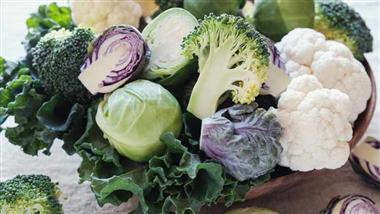
STORY AT-A-GLANCE
- Cruciferous vegetables have long been cherished for their health benefits. Broccoli, cabbage, collards, Brussels sprouts, cauliflower, kale and bok choy, just to name a few, contain several plant compounds that are important for optimal health, including powerful chemoprotective compounds
- One of the most well-known of these is sulforaphane, an organic sulfur. Sulforaphane supports normal cell function and division while causing apoptosis (programmed cell death) in several types of cancer
- Another important phytochemical found in cruciferous veggies is indole-3 carbinol (I3C), which is converted into diindolylmethane (DIM). DIM boosts immune function and, like sulforaphane, has anticancer properties
- Recent research has found DIM effectively inhibits antibiotic-resistant biofilms and significantly boosts the effectiveness of antibiotics. Pseudomonas aeruginosa and Acinetobacter baumannii are both resistant to multiple drugs. DIM was able to inhibit biofilm formation in these bacteria by 65% to 70%
- When DIM was combined with the antibiotic tobramycin, biofilm growth of P. aeruginosa was diminished by 98%. Applied topically to infected wounds, DIM with or without the antibiotic gentamycin allowed for significantly faster healing, while treatment with gentamycin alone had no effect
Cruciferous vegetables have long been cherished for their health benefits. Broccoli, cabbage, collards, Brussels sprouts, cauliflower, kale and bok choy, just to name a few, contain several plant compounds that are important for optimal health, including powerful chemoprotective compounds.
One of the most well-known of these is sulforaphane, an organic sulfur. Studies have shown sulforaphane supports normal cell function and division while causing apoptosis (programmed cell death) in colon,1 liver,2 prostate,3 breast4 and tobacco-induced lung cancer.5 Just three servings of broccoli per week may reduce a man’s risk of prostate cancer by more than 60%.6
Another important phytochemical found in cruciferous veggies is indole-3 carbinol (I3C),7 which in your gut is converted into diindolylmethane (DIM). DIM in turn boosts immune function and, like sulforaphane, plays a role in the prevention and treatment of cancer.8,9
Cruciferous Compound Can Break Antibiotic Resistance
Interestingly, researchers now believe that DIM may be a potent weapon against antibiotic-resistant pathogens as well.10,11 Israel21c.org reports:12
“A phytochemical derived from cruciferous vegetables, such as broccoli, breaks down the biofilm that lets bacteria resist antibiotics, according to a study from Ben-Gurion University in Israel … The paper,13 co-authored by researchers from Near East University and Girne American University in Cyprus, was published in the journal Pharmaceutics.
The scientists found that phytochemical 3,3′-diindolylmethane (DIM) successfully broke down the biofilms protecting pathogens including Acinetobacter baumannii and Pseudomonas aeruginosa 65% and 70% of the time, respectively …
When the team introduced DIM into an infected wound, it sped up the healing process significantly. ‘Our findings show promise for other avenues of research in addition to known classes of antibiotics,’ said [professor Ariel] Kushmaro.”
Antibiotic Resistance Is a Serious Problem
This could potentially be the breakthrough we’ve been searching for. Antimicrobial resistance has been on the rise for decades, thus making infections that were previously easy to treat a serious threat again. According to the World Health Organization, antimicrobial resistance is “one of the top 10 global public health threats facing humanity,”14 and the primary cause for this man-made epidemic is the widespread misuse of antibiotics.
Antibiotic overuse occurs not just in human medicine, but also in food production. In fact, agricultural uses account for about 80% of all antibiotic use in the U.S.,15 so it’s a major source of human antibiotic consumption.
Animals are often fed antibiotics at low doses for disease prevention and growth promotion, and those antibiotics are transferred to you via meat and other animal products, and even via the manure used as crop fertilizer.
Many pathogens have also developed resistance to more than one drug, so-called pan-resistance, which makes treating them even more problematic. And, while pan-resistant superbugs are increasing, the development of new antibiotics to tackle them has come to a near halt. According to the WHO:16
“In 2019 WHO identified 32 antibiotics in clinical development that address the WHO list of priority pathogens, of which only six were classified as innovative. Furthermore, a lack of access to quality antimicrobials remains a major issue. Antibiotic shortages are affecting countries of all levels of development and especially in health care systems.
Antibiotics are becoming increasingly ineffective as drug-resistance spreads globally leading to more difficult to treat infections and death. New antibacterials are urgently needed — for example, to treat carbapenem-resistant gram-negative bacterial infections as identified in the WHO priority pathogen list.
However, if people do not change the way antibiotics are used now, these new antibiotics will suffer the same fate as the current ones and become ineffective.”
DIM for Pan-Resistant Bacteria
The four pathogenic bacteria investigated in the study17 cited above — Pseudomonas aeruginosa, Acinetobacter baumannii, Serratia marcescens and Providencia stuartii — are all gram-negative bacteria, and in the initial investigation, DIM reduced biofilm formation in all four by as much as 80%.
Of these, Pseudomonas aeruginosa and Acinetobacter baumannii are both resistant to multiple drugs, so in follow-up tests they focused on these two specifically. As previously noted, DIM was able to inhibit biofilm formation in these bacteria by 65% to 70%. When DIM was combined with the antibiotic tobramycin, biofilm growth of P. aeruginosa was diminished by 98%.
Nonhealing wounds are often infected with pan-resistant bacteria, and it’s the biofilm that prevents the tissues from healing back together. To test whether DIM could work topically in these scenarios, the researchers infected puncture wounds on pigs with P. aeruginosa, and then applied a cream containing either DIM alone, the antibiotic gentamycin alone, or DIM plus gentamycin combined.
Wounds treated with DIM for 10 days healed significantly better than untreated wounds, thanks to a significant reduction in biofilm formation, and the combination of DIM plus antibiotic worked even better. Wounds treated with gentamycin alone saw no improvement.
When to Use This Phytochemical
Just like high-dose vitamin C, which is another potent weapon to treat infections, especially when used IV, I don’t believe that DIM should be used every day as a prophylactic to prevent infections. It should be used only when needed to treat antibiotic resistant infections as it will likely do so without any of the side effects of potent antibacterials.
Other Health Benefits of Cruciferous Vegetables
While you may not be able to treat a pan-resistant infection with a few servings of broccoli, the fact that this food may offer a solution to the pressing problem of antibiotic-resistance is exciting, and just goes to show that nature has answers to many of our problems — including problems we’ve created ourselves.
That said, cruciferous veggies have many other health benefits that are worth taking note of, and which you can obtain simply by including more of them in your diet. In addition to its anticancer benefits, I3C — the precursor to DIM — is also a powerful antioxidant, and can help balance both male and female hormones, thereby supporting reproductive health in both sexes.
I3C also supports your liver’s detoxification processes, and helps heal liver damage by supporting the reproduction of normal, healthy cells. Sulforaphane, meanwhile, has been shown to have antidiabetic properties and improves blood pressure.18 It also supports healthy kidney function19 and gut health20 by normalizing DNA methylation.
In simple terms, DNA methylation21 is the process by which a methyl group (one carbon atom attached to three hydrogen atoms) is added to part of a DNA molecule. This is a crucial part of normal cell function as it allows cells to “remember who they are and where they have been.” DNA methylation also suppresses viral- and other disease-related gene expression.
Just realize that broccoli is not a “magic” bullet. In fact, some physicians, like Dr. Paul Saladino, present powerful arguments that nearly all vegetables are to be avoided (but not fruits). This is because the hormetic benefits from their phytochemicals can be obtained in other lifestyle measures.
The most important lifestyle measure would be to avoid all seed oils. If you only limited your diet changes to keep your seed oil less than 2% of your daily calories as confirmed by Cronometer, I strongly believe your health would improve exponentially more than regularly having the finest organic/biodynamic vegetables.
This is largely because excess LA (linoleic acid) is the most pernicious toxin in our food supply and is responsible for most all of our chronic diseases. Other lifestyle measures to improve your health would include exercise, regular sun exposure on bare skin, and sauna. Having said that, compounds found in broccoli and other cruciferous veggies have been shown to:
| Lower your risk of obesity22 |
| Suppress inflammation — In part by reducing (by as much as 73%) reactive oxygen species that cause cell damage,23 and in part through the creation of short chain fatty acids (SCFAs).24 The fiber in cruciferous veggies is broken down into SCFAs by gut bacteria, and SCFAs have been shown to lessen your risk of inflammatory diseases |
| Improve Type 2 diabetes by reducing glucose production — In one study, patients with dysregulated diabetes who received broccoli sprout extract in addition to metformin had up to 10% lower fasting blood glucose levels than the placebo group.25 Sulforaphane also lowers your risk of other health problems associated with Type 2 diabetes, such as heart disease and stroke |
| Support healthy liver function and lower your risk of nonalcoholic fatty liver disease26 |
| Reduce risk of osteoarthritis27 — In part by blocking enzymes linked to joint destruction28 |
| Improve allergies and asthma by reducing oxidative stress in your airways and countering cell damage caused by pollution and allergens29 |
| Improve verbal communication and decrease repetitive behaviors in children with autism — This effect is thought to be related to sulforaphane’s ability to trigger a heat-shock response — a biological effect that protects cells from stress during a fever. Previous research has shown that, in some autistic people, repetitive behaviors decline during fevers.
In one study, positive results from sulforaphane were observed within as little as four weeks. Communication improved, as did symptoms of hyperactivity and irritability. By the end of the 18-week study, about half (15 of 29) of those receiving sulforaphane experienced improved ability to interact socially30 |
| Improve chemically-induced colitis and leaky gut31 |
| Inhibit Helicobacter pylori (H. pylori), the bacteria thought to cause gastric ulcers32 |
| Increase your free testosterone level33 |
| Protect muscles against exercise-induced damage34 |
| Facilitate detoxification of chemical pollutants35,36,37 |
| Protect against neurodegenerative diseases such as Parkinson’s and Alzheimer’s disease38 |
| Promote healthy, beautiful skin (a side effect of improved liver function and detox). Sulforaphane also helps protect your skin against damage from UV radiation39 |
How to Optimize the Benefits of Broccoli
To get the most out of your broccoli, lightly steam it for three to four minutes until it’s tough-tender. Do not steam longer than five minutes. This will allow you to get the most bioavailable sulforaphane out of it. If you opt for boiling, blanch the broccoli in boiling water for no more than 20 to 30 seconds, then immerse it in cold water to stop the cooking process.
If you want to augment the sulforaphane content even further, pair broccoli and other cruciferous veggies with a myrosinase-containing food40 such as mustard seed,41 daikon radishes, wasabi, arugula or coleslaw. Of these, mustard seed is the most potent.
If you’re not a fan of mature cruciferous vegetables, then consider broccoli sprouts instead. They actually pack a greater punch in terms of nutrition, so you don’t have to eat as much. According to researchers at Johns Hopkins University, a mere 5 grams (0.17 ounces) of broccoli sprouts contain concentrations of the compound glucoraphanin equal to that found in 150 grams (5.2 ounces) of mature broccoli.42
Sprouts can also contain up to 100 times more enzymes than raw fruits and vegetables, allowing your body to extract more vitamins, minerals, amino acids and essential fats from the foods you eat. You can easily and inexpensively grow broccoli sprouts at home, indoors, and you don’t have to cook them. They are eaten raw, usually as an addition to salad or juice.
– Sources and References
- 1 Cancer Research March 1, 2000:60(5):1426-33
- 2 Medical News Today March 4, 2016
- 3 Science Direct Aug. 2012
- 4 Clinical Cancer Research May 1, 2010; 16(9):2580-90
- 5 Cancer Research September 15, 2005; 65(18):8548-57
- 6 Selfhacked.com, Sulforaphane as a Panacea
- 7 Superfoods.scientific.research.com Indole 3 Carbinol Benefits and Side Effects
- 8 Nutrition and Cancer 2004;50(2):161-7
- 9 Journal of Biomedical Research 2014 Sep; 28(5): 339–348
- 10, 13, 17 Pharmaceutics 2022; 14(5): 967
- 11 Medical News Today July 18, 2022
- 12 Israel21c.org July 12, 2022
- 14, 16 WHO Antimicrobial Resistance
- 15 Food Safety News February 24, 2011
- 18 American Journal of Hypertension 2012 Feb;25(2):229-35
- 19 Am J Hypertens February 2012
- 20 Dr. Amy Yasko, H. Pylori: Another piece of the puzzle Parts 1 and 2
- 21 Nature Education 2008; 1(1): 116
- 22 Deacon Chronicle January 24, 2018
- 23 Diabetes August 4, 2008
- 24 Science Daily September 29, 2015
- 25 New Scientist June 14, 2017 (Archived)
- 26 Vanduyn Center February 12, 2020
- 27 Arthritis & Rheumatism 2013 Dec;65(12):3130-40
- 28 Live Science May 30, 2013
- 29 Respir Res. 2015; 16(1): 106. September 15, 2015
- 30 PNAS 2014 Oct 28; 111(43): 15550–15555
- 31 Journal of Functional Foods October 2017; 37: 685-698
- 32 Oncology Times January 25, 2006; 28(2): 27-29
- 33 Magnum Health May 5, 2022
- 34 SuppVersity November 12, 2012
- 35 Cancer Prevention Research 2014; 7(8): 813-823
- 36 Johns Hopkins Press Release June 16, 2014
- 37 NPR June 18, 2014
- 38 Oxid Med Cell Longev. 2013; 2013: 415078
- 39 PNAS October 30, 2007; 104(44): 17500-17505
- 40 American Institute for Cancer Research November 7, 2013
- 41 Food Chemistry June 1, 2013; 138(2-3):1734-41
- 42 Proc Natl Acad Sci U S A. 1997 Sep 16;94(19):10367-72
Adverse Reactions to COVID Vaccines I Came Across During Their First Year on the Market
Reproduced from original article:
https://amidwesterndoctor.substack.com/p/adverse-reactions-to-covid-vaccines
I have spent the last year working to document this. It is a lot to take in but I feel it needs to be said.

A Midwestern Doctor
Mar 6th 2022
At the time I published this article it went viral and was seen by a lot of people. Since it was published, adverse events have continued to accumulate at an accelerating pace and I reached the point where I could no longer conduct a detailed followup on each case I heard of. For this reason, I decided to “cap” this project at one year, and it appears like so many other things, this report will end up being yet another critical safety signal that was missed. Before I go to the log itself, I would like to briefly share some thoughts I have on the new changes that have occurred since the time of my original report.
Most of the health care providers I have spoken to have also observed an increasing trend in vaccine injuries (especially cancers). For example this was a recent conversation with a friend who works in a major hospital (over the course of the year they identified a severe and a critical vaccine injury which were listed in cases below):
Me: Have you been noticing a change in the frequency of adverse reactions to the COVID vaccines?
Her: Yes. Last night we had a 26 year old come to out ER with a retinal infarction (this is a very rare condition that primarily affects older patients). The medical residents here are starting to talk about it, and I’ve heard many of the supervising doctors reference America’s Front Line Doctors. Huge change from 6 months ago. The whole thing is really painful to observe and it’s now difficult for me to recall all the injuries I am seeing.
When the vaccines came to market, one concern I had around their entire rollout (it was very eery) was that a few years after the mRNA vaccines came to the market, they would become significantly more deadly and this was a fear I kept in the back of my mind as I watched the rollout occur. Likewise if a delayed toxicity were to be the greatest issue, there would still be significant adverse events in the most sensitive members of the population (which as you know has happened). The delayed toxicity has begun to emerge and at this point I can see the following possible explanations for the increasing rate of death we are observing:
• The toxicity of each successive vaccine is worse than the preceding one. Since the campaign was structured to require continual boosters, it is hence reasonable to expect more adverse events would occur as more doses were being phased in.
• Because the mRNA was designed not to break down (so the vaccines would be more likely to be effective), individuals will develop a continually increasing spike protein load, and at some point a critical threshold is passed (which varies person to person) leading to death. This critical threshold may arise from an amyloid deposits due to spike proteins throughout the body or gradually increasing blood coagulation and clotting directly caused by spike protein.
• The immune suppression over time will increase further susceptibility to infectious disease like COVID (discussed and explained here) and to cancers which will often lethal (Ryan Cole originally sounded the alarm on this). I have seen many unusual aggressive cancers following vaccination, and now my colleagues in medicine are starting to notice this trend. Because the spike protein functionally has the GP-120 protein (this is what HIV uses to infect while blood cells and has been a common antigen on Fauci’s HIV vaccine candidates), successive COVID infections likely further worsen the immune system. Interestingly, one of the more effective treatments clinicians are using for vaccine injuries Maraviroc, is a HIV drug that blocks HIV’s- GP-120 from being able to affect cells.
• The spike protein is both immunostimulatory and has a significant overlap with human tissue making it likely to cause a wide range of autoimmune diseases once it is distributed throughout the tissue. Chronically worsening autoimmune diseases can gradually lead to a wide range of fatal conditions including heart and kidney failure.
I wish I could provide any more definitive answers to these questions, but that is the best I have been able to come up with after having looked at this for the last year. The original log and adverse event log follows. It is very likely you will see an identical experience to what someone you know experienced described within; likewise I have also seen almost everything here be reported in adverse event surveys I’ve been requested to evaluate.
Introduction
Note: I’ve tried to use very neutral language to describe these events, but this has been a very difficult process for me to watch. I’ve also taken out a lot of the additional emotional details shared with me by these individuals and the trauma they’ve experienced to shorten the piece. Additionally, many of the people I know and have guided through the process have access to options for mitigating these injuries, something most people don’t. I’ve read through various support groups, and in general found their experiences are typically worse than what I am describing here as they are not privileged to have access to ways to mitigate the harm.
When the COVID vaccines were being developed, I felt the mRNA ones would be pushed through to open up the mRNA market (as Pharma has a dire need to develop new medications and the potential mRNA market is worth trillions), and necessary safety checks would be skipped to make sure mRNA vaccinations came into use. I was initially worried they would prolong the epidemic (as they would prevent people from developing proper immunity to the virus and encourage mutations of the virus) and I had a fear in the future they could lead to significant neurological, autoimmune, fertility and cancer related issues (for example a concerning letter had been published regarding potential effects on fertility). Once I was able to examine Pfizer’s trial, and observed the high rates of acute reactions they were willing to admit occurred (approximately 4x those of the influenza vaccine), I realized those potential issues were much more probable (especially as members of the trial in private groups reported adverse events that did not appear in the trial report) and I ruffled a lot of feathers as I told colleagues I knew to avoid them.
Succinctly, I (and others) felt there would likely be a significant number of people developing these chronic health issues, but the number would be small enough to sweep it under the rug. When parts of Pfizer’s IND application to the EMA (Europe’s FDA) were leaked there were numerous red flags that jumped out to me. The most notable was Pfizer being allowed to skip performing the normally required animal studies on Fertility, Genotoxicity (cancer potential), and Autoimmunity studies of their drug. I took this as a tacit admission Pfizer knew there would be very concerning results if these studies were conducted, so the best option they had was to never “do” them.
Before the vaccine rollout began, I also noticed that in addition to the full throttle promotion of the vaccine in the media, many outlets stated the vaccine may briefly make you feel awful, but not to worry about it. Given that I have never seen that message provided in the past for any other vaccine, this rang an alarm bell for me, and I had an expectation the vaccine would probably have a chronic side effect profile similar to Gardasil (which was previously regarded by many to the most harmful and unnecessary vaccine on the market).
As many of my friends are in Medicine, I was able to observe the roll out from day 1 and noticed the toxicity was worse than reported by Pfizer’s study but in line with my expectations. I immediately noticed that most of my acquaintances who had significant acute reactions had had COVID prior to the vaccine. Similarly, as had been reported by Pfizer, reactions to the second shot were almost always much more severe than the first (this still holds true with the booster in turn producing an even worse reaction). As the common element between the vaccine and a COVID infection were spike proteins, this led me to wonder if the spike protein was allergenic (making COVID largely an allergic disease) or it was cumulatively creating a coagulation of the blood (and other fluids in the body) that eventually hit a threshold people could not handle. My current hypothesis is that both are occurring and exacerbating the other, although there are many other potential mechanisms for spike protein toxicity.
Once the vaccine was release to the general public, I began seeing patients appear for various acute autoimmune and neurological conditions (I would classify as “moderate”) immediately following vaccination at a much higher rate than I had expected. Each time they told me the other doctors they saw either insisted the reaction was either not linked to vaccination, or the fact they had the reaction was a really good sign, because if they ended up getting COVID the adverse event would have been much much worse. Shortly after, I then began having friends contact me inquiring if the vaccine could cause a fatal heart attack or stroke, something I had not anticipated would occur.
This set off major alarm bells and I tried to warn my coworkers, who would not listen, and repeated the arguments they and others had told my patients. Before long, I realized even if I was powerless to change anything I had a duty to bear witness to what was occurring and document what I encountered.
As I began receiving more cases, I decided to try and make the best of the data being received.
The rules I settled on were:
– If at all possible, I want to avoid having more than 1 degree of separation from the injured person, that way the sample is smaller and more defined. In here I noted when I violated that.
– I cannot count reports from people who are soliciting vaccine reactions (ie. a doctor well known for treating vaccine reactions, as they will have a much larger pool of people being pulled to them)
– I cannot solicit reports from everyone I know as that inflates the sample.
– Based on my relationship with the person, and their relationship to the injured individual, I need to be reasonably confident the report is real and not fabricated.
– I need to feel there’s enough data for a tentative causality to be considered.
My primary reason for all of this is that everyone likes to say “severe reactions to vaccines are 1/1,000,000.” My logic was there is absolutely no way I know 1,000,000 people through 1 degree of separation. My guess is I know 50,000-100,000 people through 1 degree of separation so at the absolutely most I will hear of 10% of the cases (probably less) within this sample, so if I have at least 10 cases of severe injury within this sample that is a large red flag.
I would also like to note that due to my work situation, relative to most providers I saw a very low volume of vaccinated patients once the vaccinations became available. Additionally, physicians I’ve spoken to who have practices that cater to vaccine injured individuals, physicians in specialties that treat the conditions vaccines can cause, reports I’ve read online, and the recently linked survey from Israel, all of which report the same results I have personally witnessed (along with the other various databases that have been leaked).
When describing the reactions, I’ve tried to roughly describe how I knew the person who reported it to me without revealing too much identifying issues as I feel that adds a useful dimension to this (so I’ve just labeled everyone as a “friend”). As a lot of my friends are in medicine, I’ve broken them into 2 categories, Physician (MD or DO), and all other health care workers. The majority of people reported 1-2 cases to me. As far as I know, the most I received from one person was 4 cases. I would estimate I have recorded about 85% of the significant, severe, and critical cases I was told about. While I have many friends in the medical field I’ve met since medical school, give or take every physician I met who was comfortable confiding these stories with me were people I knew before they graduated and became doctors (as there is a different type of bond that forms).
I do not think every case listed in here was caused by vaccination, but I suspect most were. To protect the identities of individuals within here, while the information I was provided was very specific, but I’ve made much of the information in this article fairly vague.
I’ve sorted the reactions by type, with each having its own section. Also PMH stands for past medical history, which is relevant since it’s unusual for complex illnesses to emerge without a past history of similar things. Additionally, the blood clots described in many of these cases are highly unusual (rapid near occlusion of blood vessels previously showing no signs of partial occlusion, a wide range typically effective anticoagulants not preventing the clot, clots reforming in the same location after removal, and clots forming in areas you rarely see them).
I also must note that I only know one of case listed in here (a non-fatal but permanently debilitating one) which made it to VAERS. This was partly due to me being very close to the injured individual, her whole family working in health care (herself included), and me being on her case to get it in. While it’s possible some other cases made it to VAERS, I do not know of any other that did and I frequently asked this question, so I have no doubt the side effects are being under-reported. In many cases I do not know if they received Pfizer or Moderna, and in those cases I just leave it unspecified.
I have also seen numerous cases of severe injuries happening to a husband and wife, which has led me to suspect they were vaccinated at the same time and more reactive vaccine lots exist, which they both received at the time of vaccination. Lastly, there is a designation for the severity of the event. The reason for that being included will be discussed in a conclusion following the specific adverse events.
The adverse events are broken into the following sections:
Strokes, likely Strokes and Blood Clots
Hemorrhages
Heart Conditions
Sudden Death (unknown cause)
Anaphylaxis and Allergies
Other Neurological Conditions
Psychiatric
Autoimmunity and Chronic Fatigue
Immune Suppression and Cancer
Menstrual Irregularities and Miscarriages
Birth Defects
Miscellaneous:
Followed by a Conclusion
Additionally, I have observed some very strange effects from the COVID vaccines I cannot explain the mechanism for. With each of these, I’ve made an effort to document and establish it definitely occurred (such as bringing another physician with me to evaluate the individual). However, since these events are so peculiar, I am not mentioning them here as I feel they will take more away from this than they will add to it.
Lastly, at one of my current jobs, there are 7 people I regular speak to, most of whom are physicians. Of those people: 2 who are very pro-vaccine had significant reactions to the vaccine (one took a while to admit to me) that are still impairing their lives a year later and each is almost certainly tied to the vaccine, while 3 other coworkers know numerous people who have had adverse reactions but they themselves have not been vaccinated, and 1 of them refused vaccination. I don’t think 33% of people who are vaccinated have significant chronic complications, but it’s very disconcerting when you see small data sets like this. I have also seen a lot of odd issues come up with people I don’t know as well at my work I suspect are linked but have no way to prove and hence are excluded from documentation.
The major issue in all of this is that despite the fact there was supposed to be one, there is presently no data set which is actually monitoring for all the adverse reactions occurring, so we have to make do with all these assorted data sets instead. Similarly, when a suspected vaccine injury or side effect occurs, the burden of proof has been put on individuals to prove the vaccine was harmful, rather than the vaccine to prove it did was safe and not cause the injury. This is unacceptable for an experimental mandated therapy.
Strokes, likely strokes and blood clots:
Critical-(Health care worker I was introduced to while staying at a small hotel who works at a rural hospital in the neurological unit) Since the COVID vaccine started, we have been seeing a large influx of young patients with strokes (and have never previously seen patients in this age group with strokes). In most cases we do not ask if they had received the COVID vaccine during intake, but I know of one patient who did (~60 year old male) with no significant PMH who was admitted for a stroke and reported recently receiving the COVID vaccine. He kept on clotting and developing PEs and DVTs. The clots did not respond to heparin, so we had to give agratroban which partially but not fully stop the clots, and we transferred him to a larger hospital. He passed away shortly after.
Significant-(Close friend I’ve known since early in my medical career who is a well-known physician)-My mid 70s patient developed a chronic blood clot in the left saphenous vein that responded poorly to anticoagulants and created shortness of breath for him (I, the author, also ran into someone else who had this exact same condition occur after the initial vaccines and had it worsen after the booster). After my patient received the booster, he and another patient developed an inability to tell up from down down (which was very disorienting) and I had not seen in my 50 year career.
Moderate-My patient was a healthy mid 40s male who had flashes and a temporary loss of vision in one eye after first vaccine. Ophthalmology could not find signs of a retinal detachment and concluded it must have been an ocular migraine (I suspect this was due to a small clot). Patient had an acute reaction to the second vaccine (a week of severe diffuse muscle pain and joint pains) which resolved following treatment.
Significant-(Good friend I’ve known since medical school works at a fairly famous hospital): I had a patient who developed a blood clot in the vasculature leading to one of his eyes after the vaccine and permanently damaged his vision in that eye.
Severe-(Acquaintance and health care worker I worked with for a few years at my last job)-A few days after the second vaccine, my elderly mother suffered a rapid cognitive decline and now just isn’t really there anymore. When I last checked with my acquaintance, this had persisted for over a year.
Critical-(Friend and health care provider I’ve known since medical school)-My elderly mother lost ability to speak right after her second vaccine. Health and cognition then immediately declined rapidly and she died 2 weeks later. The person who told me this story was ardently pro-vaccine until she suffered a severe reaction to the Moderna, and then confided this and a few other cases to me as everyone in her family got the vaccine at the first chance they could.
Critical-(Friend and health care provider I’ve known since medical school)-
My friend’s mom I knew quite well who was elderly and frail had an immediate cognitive decline following the vaccine, and died about a week later.
Critical-(Friend and health care provider I’ve known since medical school)-
My good friend’s mom who had baseline dementia died a week after the vaccine.
Significant-(Good friend, health care provider, and family friend I’ve known since medical school): My husband’s brother’s wife I see periodically had a stroke one week after the shot (Pfizer) and lost use of her arm. The function slowly returned but did not come back 100%.
Severe-(Close friend I’ve known for 7 years): My close friend’s stepmom I’d spent time with had a stroke not even 12 hours after the second Pfizer and was hospitalized for cerebral edema. I do not know if this person survived.
Critical-(Close family friend I have known since I was in Kindergarten)-
My mother in nursing home received the vaccine, had a stroke and died.
Severe-(Good friend I’ve known for 10 years and a health care provider)-My stepdad is 88 and had some existing neuropathy prior to vaccination. He has been dizzy and has had several falls since he got the vaccine. Something is very different now with his cognition now. For example the other day and his expression just went blank, and then he fell and was confused for a while afterwards.
Severe-(Good friend I’ve known for 5 years): My aunt’s hairdresser friend’s can’t speak correctly after her 2nd dose & also gets lost now. She can’t find her way home.
<This violates the 1 degree of separation rule>
Severe-(Good friend I have known for 22 years): My close friend was an active healthy male in his late 30’s with no health issues. He developed a stroke a day after receiving the vaccine and was hospitalized for weeks. We do not know which shot he got as he has been unable to communicate. His parents had to travel ~1500 miles cross country to come get him in Texas and bring him back to home where they’re helping him recover. He can’t work, and lost everything from this. He still has trouble speaking and lost the use of one arm.
Critical-(Wife of one mentors I’ve spent some time with) My father is a mid 70s male who had excellent memory. He got the first 2 vaccines when they were first available. He used to have excellent memory. Since he got the 2nd vaccine his long-term memory has significantly declined, and rather than having crystal clear memory he often can’t remember things. He just got the 3rd booster, and last week after getting it, he was so dizzy, he could only crawl to bathroom and was super fatigued throughout the week. He also has pre-existing metastatic pancreatic cancer he has been receiving treatment for. At some point I will try to follow up on what happened to him, although it may be a while before I see her again.
Critical-(A good friend forwarded me this text from her good friend to ask if this can happen) “I visited my daughter in law’s family to take care of them and found out her mother in law died from blood clots she developed after the vaccine.
<This violated the 1 degree of separation rule>
Critical-(Health care provider I’ve known since medical school)-My close friend’s brother I somewhat knew died of a stroke after the COVID Vaccine. He was in his 50s, previously healthy and active. He had recently purchased new skis as he was looking forward to the winter season. I actually don’t know how long after the vaccination the stroke happened and the family has not been willing to tell me as they are very pro-vaccine.
Critical-(Family friend and health care provider)-An 80 year old female with no PMH was a friend of mine and a very close friend of an immediate family member who spent who was with her throughout her hospitalization. I do not sure what happened to my friend after the 1st vaccine, but after 2nd vaccine, she could not stand up on her legs because she had severe myalgia in her hips and legs and collapsed onto herself when she tried to stand. 24 hours after the vaccination, she went to the ER, and was diagnosed with blood clots throughout her legs. She also then developed a severe fever that would not stop, tested positive for COVID and as she decompensated, was put onto a ventilator, and within a week passed. Of note, this case could be diagnosed as an unvaccinated COVID death, as she was less than 2 weeks from her second vaccine and thus did not have “full vaccination status,” but my family member believes at the hospital, at least while alive she was not treated as a COVID case because there were no isolation precautions on her room and they were able to be with her.
Critical-(Family friend and other health care provider): An almost 50 year old male with no past medical history, was one of my clients. Immediately after the first moderna he tested negative for COVID. A week later he presented to the ER, tested positive for COVID and was diagnosed with blood clots throughout his body. He received multiple transfusions in the hospital (I am not sure of what) and 3 weeks after presenting to the ER passed away in the hospital.
Critical-(Close friend and college professor I’ve known since the start of medical school) A ~60 year woman (my neighbor and friend) was in good health got 2nd shot, then 2 weeks later passed at home and pulmonary embolism was diagnosed on autopsy.
(It is entirely possible some of deaths I’ve classified as likely heart attacks were actually pulmonary embolisms as per federal directives, autopsies are almost never performed on possible vaccine deaths).
Critical-(My mother’s friend I’ve known since highschool): My mentally handicapped sister (early 50s) had breast cancer 11 years ago, and was treated for a while with a breast cancer medication known for causing uterine cancer. She subsequently developed uterine cancer, shortly before the COVID lockdowns started. She was admitted to a hospital without acute signs of illness to begin inpatient treatment (and her family was not allowed to be there) about 2 months after the diagnosis. Shortly before her admission the COVID vaccine was made available, and at the start of the admission, she was told by the supervising physician she needed to take the vaccine and within 24 hours of receiving it died from a pulmonary embolism.
Severe-(Close friend and physician I’ve known since medical school): My patient’s husband is a pilot for a major commercial airline (I am not listing the airline). In January he got the COVID vaccine. Since that time, he has had severe headaches, blurred vision and dizziness that have persisted for 10 months. He has become unable to fly is permanently grounded himself.
<This technically violates 1 degree of separation>
Significant-(My patient): My grandmother is an early 80s female with no PMH. She received the booster (moderna of prfizer) and had a mini-stroke (slurred speech plus tingling and numbness of hands) a few days later. She was observed at the hospital for 2 nights and then sent home on anticoagulant medication. She has now recovered completely.
Significant-(Close friend I’ve known since early in my medical career who is a well-known physician): A sister of my physician colleague had a non-fatal stroke shortly after COVID-vaccination.
<This technically violates 1 degree of separation>
Significant-(Physician and good friend I know from my medical residency)-My patient developed recurrent blood clots after the COVID vaccine, and also developed chronic testicular swelling which has persisted since vaccination. (Of note, this is also what Nicki Manaj tweeted about happening to her relative in trinidad)
Significant-A physician I know well developed persistent blood clots in a leg and periodic difficulty breathing after vaccination which persisted for at least 9 months and worsened after the booster. Like many of the other clots I’ve heard of (both from covid and the vaccines), it only had a partial response to traditional anticoagulant therapy.
Critical-(One of my patients who is the mayor of a somewhat well known town) An almost 80 year male was a close friend of mine. He was in excellent health and regularly engaged in outdoor activity. He was vaccinated for COVID early in the vaccine roll out. 6 months ago after that vaccination, he had a small stroke. A few days ago, my patient saw him and he did not seem to be doing well (first time my patient every observed that). 3 days later he was admitted to a hospital and told my friend the doctors said he would be in the hospital for a few weeks. He passed on the 3rd day of his hospitalization.
Significant-(Close friend I’ve known for a long time)-The assistant manager of my condo (50 years old) developed a stroke shortly after the booster and is not currently at my condo because she is undergoing rehabilitation for the stroke.
Severe-(Very close friend and physician colleague)-I had a male in his 80s, otherwise healthy, severe cognitive decline following vaccination. He fortunately did recover with extensive integrative therapies (typically they do not).
Severe-(Very close friend and physician colleague)-My patient today shared that her mother developed a stroke after the COVID-19 vaccine.
(Friend who is a physician): “I work at a stroke center (acute strokes and post stroke rehabilitation). Recently we’ve had a huge change in the patient population arriving with many younger people who would never have strokes appearing and the strokes not responding the same way to anticoagulants.”
When I asked if they noticed this started after COVID began or after the Vaccines were rolled out, they got very tight lipped and said “I don’t want to go there because I have to be vaccinated for work and if I think it’s dangerous I’ll create a nocebo effect on myself” (if you think a drug can harm you, you are more likely to experience harm due to the reverse placebo effect). My impression was they had seen enough to be very worried about the potential link and was doing their best to ignore it.
Hemorrhages:
Severe-(Health care worker and friend I’ve known since medical school)
My elderly friend had a near fatal GI bleed a week after the vaccine. He ended up on a vent and eventually needed the plug to be pulled. I am not sure if it was related to the vaccine as he was on a heavy NSAID dose for his knee arthritis, but it was notable he’d been on it for years and the fatal bleed was immediately after the vaccine
Severe-(Health care provider and good friend from college): My patient’s mother had a hemorrhagic stroke from a ruptured aneurysm and was hospitalized for it shortly after the vaccine. I was not able to get any additional information from her.
One of my friends had a friend who experienced a fatal ruptured aneurysm shortly after the COVID vaccination. I was not able to get additional information on this case so I am not listing it beyond this mention.
Severe, Severe, Severe-A pediatric hospitalist I know through acquaintances told me that in the middle of the vaccination campaign, when mothers were receiving the COVID vaccine, she had 3 infants in the NICU in one week who had an autoimmune response to their platelets such as ITP leading to significant bleeding. Previously, at most she had seen one case like this per year. She attempted to sound an alarm on this but it went nowhere. Issues like this have been reported with other immunogenic vaccinations, and I have read of cases of people developing fatal bleeding after the vaccination.
Heart Conditions:
The first 2 stories came from a physician has been a good friend of mine since we went to medical school. As he put it, I have seen a lot of very weird things happen after the COVID vaccination which may or may not have been linked, but in these 2 cases it was very hard for me consider any other possible explanation.
Critical-(Close friend, physician, known since medical school):
I had a ~50yo Male with PMHx of new onset Chest Pain and PMH of Coronary Artery Disease with some other chronic medical conditions (ie. he was a smoker) who was very dear to me. About a year ago, he had an epiphany and radically changed his life around to address his health issues. He was under my direct care for nearly 9 months during which we were able to make huge gains in his health with nearly full resolution of most his existing chronic medical conditions. During one of the healthiest periods in his life where he had no signs of heart disease, he decided to take the first Moderna. 5 days later he was admitted to my hospital. Cardiology attempted to open a 99% stenosed vital coronary artery, however this was not possible to and he was sent home with the alternative medical management. He passed away the next day at home after discharge.
Severe-(Close friend, physician, known since medical school)-A ~50 year old male presented with new onset severe atrial fibrillation at a clinic and was sent by the doctor to my ER. He ran numerous times each day, looked in great health, had no PMH (beyond a history of strokes in his father) and never needed a doctor. He was an appropriate body weight and traveled quite frequently with his wife. He had a modestly symptomatic Covid infection in late 2020 and both Pfizers before I saw him. Workup revealed new onset heart failure (and a severely reduced ejection fracture; how the heart pumps blood) with unremarkable labs. During his 1st day he had a stroke in one of the most important arteries in the brain, and but they were able to manually remove the clot from the brain (this is a complex procedure many hospitals can’t do). Ten days after showing up to the hospital, while on anticoagulants to prevent further strokes, he had a second progressive stroke in the same area. Symptomatic recovery occurred within a few days after the first stroke and a week after the second. When we looked at his heart, we also found a blood clot in its main chamber. As far as I know this patient eventually recovered, and after completing rehabilitation we did not hear further from him,
Severe-(Good friend, health care provider I have known since medical school): My uncle had a heart attack give or take a week after the vaccine (I think it was Pfizer but I’m not positive). It was a difficult process, but he ultimately survived.
Severe-(Friend I’ve known for over a decade)-My father-in-law was a healthy ~60 year old male who exercised regularly and was a retired firefighter. He had no previous cardiovascular medical conditions (not even hypertension). 30 days after his second Pfizer vaccine he died suddenly from a heart attack.
Significant (Friend I’ve known for a few years): A 50 yr old colonel I know from the military who is my commander told me he was diagnosed with myocarditis 4 months after Pfizer #2 after he sought medical care for new onset cardiac issues. He was fit beforehand with no PMH. I don’t know how much is physical stamina has been affected because we have not had to do anything significant physical assessments recently.
Severe-(Friend I’ve known for over a decade)-My friend is a ~30 year old healthy male with no heart issues, who had had symptoms highly suggestive of COVID-19 well before he received the pfizer vaccine. After vaccination, he was hospitalized for 4 days for a heart attack that required invasive medical intervention at the hospital. He told me doctors thought based on the timeline and his age it was likely due to the COVID-19 vaccine but they could not definitively rule it in or out.
One of my colleagues who is a very close friend has told me they have observed vaccinated individuals they know (primarily patients) seem to be having a significant decline in their health about 6 months after vaccination, although in many cases it’s not possible to determine the exact time they very vaccinated or if this was actually due to the booster (which you get 1 year after vaccination), so while the range could be anywhere from 3 months to 1 year, their guess was 6 months. The next 3 cases, the one of rapid cognitive decline that was treated and that of the glioblastoma were from my colleague.
Critical-(Above colleague) I had a patient in their mid 70s who had been completely stable with multiple comorbidities for many years who suddenly had acute onset heart failure approximately 6 months – 1 year after vaccination and is now in hospice (which means they will die soon).
Severe-(Above colleague) I had a patient in their mid 60s with chronic atrial fibrillation (this is a problematic but relatively manageable heart condition) who had acute heart failure develop approximately 6 months following vaccination. I expect their condition to be terminal.
Critical-(Above colleague):
One of my family friends with in relatively good health, received the vaccine, had 12 hrs of worsening shortness of breath and then was found dead at home, autopsy showed cardiomegaly and pulmonary edema. I know the death happened after vaccination, but I was not able to get an exact timeline.
Severe-(Good friend I have known decades): My ~50 ex-husband had a heart attack 3 months after J&J. 2 months prior to the vaccine, he had a full physical and was given a clean bill of health (he takes excellent care of his health, teaches martial arts for a living, and is in top physical shape). He became fatigued after the vaccine, and a few weeks before the heart attack had trouble breathing and developed all over body pain. I brought him to the ER in cardiopulmonary arrest where he was successfully resuscitated. He was in the hospital for four days. He had a stent put in one artery. They also had to perform chest compressions on him during his hospital state even after stent was in for a subsequent episode of cardiac arrest.
Critical-(Close friend from highschool, works as an executive for a large company): A longtime close family friend of mine (almost 80) was well known in his area because had been repeatedly elected to an important state political office. He developed heart failure immediately after his second mRNA shot and 8 days later died from a heart attack.
Severe-(Close friend from highschool, works as an executive for a Fortune 500 company): Another family friend is a judge had a series of severe heart problems develop immediately after the 2nd dose of his mRNA shot that eventually resulted in him amongst other things requiring a pacemaker.
Significant-(Good friend I have known decades): My ~80 year old mother developed heart issues 2 weeks after the second Pfizer vaccine that were formally diagnosed as myocarditis. She is now on permanent medical therapy for her newly diagnosed heart condition.
Critical-(Acquaintance and health care coworker): One of the patients I did the intake on today told me their friend passed shortly after receiving the vaccine and is hence not willing to take it.
Moderate-(Longtime family friend, health care provider): An almost 20 year old younger relative in my immediate family was in great health, with great athletic and respiratory function. He had previously experienced covid a year prior to receiving the vaccine (including having a positive test). After the 1st moderna he had short term rashes, exhaustion and joint soreness. After the 2nd moderna he had similar but much more severe rashes, massive exhaustion and joint soreness, and then a few months later required ER care for palpitations and hypertension.
Like many other cases, I never got a subsequent follow up on how this person was doing from the friend who told me (as they aren’t my patients it is not feasible for me to repeatedly check in and follow up on what’s happening).
Significant-(Good friend I’ve known since medical school and a physician who works at a famous hospital): I had a patient who was a young healthy athlete who developed palpitations after the vaccine and lost the ability to play the rest of his college season.
Critical-(A patient): My good friend (older woman) had an adverse reaction to the first vaccine. After the second vaccine, she died shortly after from cardiac arrest. A doctor on the case who I had seen previously aggressively promote vaccines told me he believed the vaccine killed her.
Critical-(Good friend and part of a family I am very close to I’ve known years): My best friend’s dad I used to hang out with passed from a heart attack. He found out at the funeral that he died a few days after his second vaccine dose. His father was ~70 years old, in good health, and had just moved into his dream house he’d worked years to be able to move into.
Severe-(Close friend and professor I’ve known for 7 years) ~80 male who was a very good friend of mine and no PMH besides a brief period of kidney failure the recovered with hydration over a hospitalization. After Moderna, 2 to 3 weeks later, he developed CHF and extreme difficulty breathing and significant difficulty exerting himself which has persisted for 2 months (I was not able to find out what happened after this). He also developed other issues such as trouble eating and extreme diarrhea.
Severe-(Good friend and physician I met in medical school)-A close family member I’ve known since childhood (mid 60s) had no history of heart disease, but was on general medicine to prevent it, including a stronger anticlotting agent. After he got his second Pfizer, he had an occlusion in a heart artery and a heart attack. I am not sure if they were linked, but I was helping him stay on top of his medical care, and this it was a very surprising event. Additionally, the type of heart attack he had is not that common.
Significant-(An almost 30 year old male who was working at a farm stand I visited who I had spent a bit of time with 7 years prior): I got pericarditis after the 2nd Moderna was injected in my left arm and could not move or take any type of pressure on my chest for about a week. I think I am fine now and have not noticed any further issues, but I am never going to get the booster.
Critical-(Family Friend I have known since highschool): A ~50 year old carpet dealer in my spiritual community was in moderately good health and lived in India I would regularly order carpets from him and periodically correspond with him. He received the vaccine. Within 24 hours, he became very ill and his family attempted to get him to an emergency room. As the emergency rooms were full, it took a few tries to be admitted to one, and he died in the car before being admitted. I am almost certain he received the Astrazeneca vaccine (based on the timing of the rollouts and the availability of vaccines at the time he was vaccinated) However, there are 2 other vaccines in India (India’s and Russia’s) so it could have been those. Astrazeneca is very similar to J&J.
Critical-(Physician and close friend I’ve known since medical school) A close friend of my husband I spent some time with was in his early 40s and had no PMH. My partner’s close friend I hung out with in his late 30s. He had no PMH and died from a heart attack a week and half after the vaccine.
Severe-(Close friend I’ve known for almost a decade)-My friend’s father got Pfizer. Shortly before coming into get his second shot (so I know it was a bit less than 2 weeks) he had a heart attack that required a lot of medical care but he ultimately survived.
Significant-(Physician and good friend from medschool): My boyfriend developed pericarditis and chronic chest pain along with brainfog, depression, and frequent fatigue after the moderna vaccine. It has persisted for about 9 months. We separated and I have not since followed up on him.
Critical, Critical-(Physician and close friend from medschool): One of my patients is a lawyer who works for the military. She knows of 2 people in the military who died from cardiac arrest less than 24 hours after receiving the vaccination. In both cases, a VAERS report was filed, and then later it was manually deleted and removed from VAERS. As a result, neither of their deaths are now registered.
<Technically this violated 1 degree of separation>
Severe-(Family friend and an acquaintance of mine): A ~70 year old male, and close friend, had a PMH of asthma in the past but was in good health and had no other PMH. I know he either got pfizer or moderna. After the first shot, 2 days later he had a heart attack and required urgent transport to another hospital for quadruple bypass. He has mostly recovered but has some fatigue and weakness now.
Severe-(A good friend of my mother and an acquaintance of mine): One of my clients got the booster and 2 weeks later he had a heart attack that required bypass surgery.
Significant-(Good friend, PhD who deeply believes in vaccines, ~50 years old): They got the vaccine when it was first available and then developed all the signs and symptoms of endocarditis after the first dose, something they’d never experienced anything similar to. After a few days, they were started on steroids and blood thinners and when they got the second dose they did not have a severe reaction, leading them to suspect the steroids suppressed the adverse response. They have not felt well or normal for 10 months since this happened. They subsequently got the booster, and called me up to tell me they and had prolonged period (roughly a month) of severe brain fog where they could not perform basic work.
Significant-(Good friend, acupuncturist I’ve known for a few years): I had a patient who developed documented myocarditis following vaccination.
Significant-(Patient, ~30 years old) My patient developed pericarditis like symptoms after the second moderna vaccination that have so far persisted for 8 months. When I last spoke to them, they had not seen a cardiologist for a full evaluation as I advised them to do.
Critical-(Good friend I’ve known for 9 years): A guy I know who was also a very close friend of my stepdad was a ~70 year old healthy male with no PMH who was frequently engaged in extensive physical activity (long distance biking trips, skiing the in alps etc). He got pretty sick from COVID about a year before he got the vaccine. He got the vaccine to travel, went on a trip to Europe, flew home, felt ill after flying home, a week later had a heart attack, was diagnosed with some type of heart issue beyond the heart attack and died a week later in the hospital.
Critical-(Physician I spent time with who is a friend of my mother’s friend): There was a healthy teenager who developed Myocarditis after the vaccination I saw when they were in the ICU. Considering my experience, that of colleagues, and the patient populations we work with, I believe the incidence of myocarditis is around 1/5000 vaccinations administered (I felt he had a good rationale for this estimate).
Significant-(Passenger I sat by on my plane): A middle aged woman on my plane with no past medical history had an episode of syncope on the plane after standing. Once we landed, she was escorted off to be seen by paramedics who gave her fairly standard emergent medical care for a suspected heart issue, after which she had a second episode of syncope. As I was not involved in her care (another person on the plane took charge of it), I don’t know most of the details, but I know she had very low blood pressure and was taken the hospital shortly after leaving the plane, and I overheard someone else on the plane tell their friend this passenger had recently been boosted (so I ultimately don’t know if it’s true). I fly a lot, but I have never seen something like this happen before, and I don’t personally know anyone who has witnessed paramedics get someone from their plane. However, I have heard of pilots having severe reactions while flying and detailed a case in this.
Moderate-(Acquaintance and physician I have known for a year): My friend who did not want the vaccine was forced to get the vaccination to continue her medical program. After the first dose she developed significant dysmenhorrea, chest pain, difficulty sleeping and recurrent bouts of sudden tachycardia, sometimes waking up at night with a highly elevated heart rate. 6 months later, the issues have not improved and she is experiencing significant changes in her quality of life because of this issue. So far she has not gotten the second dose.
Significant-(Close friend I’ve known since the start of college, I somewhat know their father): My dad is a ~60 year old male in pristine health. After he got his second vaccine, he developed gradually worsening heart issues but I have not been able to get a clear diagnosis of what is occurring and he recently needed a stent. He is very pro-vaccine so he will not discuss the potential association with me.
Critical-(A friend who is a mayor): A good friend of mine with no PMH except vision problems was a ~60 year old woman in good health about a week after vaccination developed significant edema (swelling) in her legs, went to the hospital, was diagnosed with heart failure, and passed the next morning in the hospital.
Critical-(A patient) My friend was a mid-twenties woman with no past medical history. About a week after she was vaccinated, she was driving her kids to school and while in the car with them, had a heart attack and died.
Severe-(A patient)-A very good friend of mine’s daughter got vaccine to continue be on the swim team, and developed numbness in her hands and wrists immediately afterwards. She then subsequently developed myocarditis.
Severe-(A friend of mine who is a healthy young adult)-I was required to get the vaccine by the military. I went through an almost year long process to apply for an exemption. It was approved by someone high up, and then for some reason vetoed by someone higher up. I considered quitting, but felt I had a duty given my responsibilities and took the J&J vaccine (and picked a “safe” lot) which I believed to be the least harmful option, and immediately afterwards got ill (heart rate going up to 170) and was hospitalized where I was diagnosed with a vaccine reaction and severe sepsis (although there was no identifiable source of infection). I now have significant circulatory problems and had a prolonged period where I cannot not stand up. Presently if I exert myself, I have a very high rate and I cannot do most physical activities.
Severe, Severe?, Severe?-(A close friend and healthcare worker I know from college)- They contacted me to tell me to tell me the following:
Hey, I wanted you to know that right now on my cardiology unit we have 3 younger patients (35-45) with new onset heart failure or cardiomyopathies without significant past medical histories (this is not typical, especially given the age). I only know the vaccine history of one, he got 2 doses of Moderna 6 months ago. I wanted to find out if the other 2 were but there was no way for me to ask without getting outed as an anti-vaxxer.
(Close friend’s romantic partner who is a medical student): I know multiple people in Israel including a neighbor who died immediately after the Pfizer or Moderna vaccine, some who were of younger age. Many of them link the death to vaccination and are extremely upset with how their government is handling this and covering everything up. As I was only able to speak with him briefly (I primarily spoke to my friend), and these cases are more vague I am not including in the total but am mentioning it here. The main point he emphasized is that while Israel has largely been used as Pfizer’s test site for the vaccine (and much of our policy has been based off their results) since all the posts on social media are in Hebrew, very few people outside of Israel have any idea what’s going on since they can’t translate it.
There are also cases that are hard for me to decide what to do with. For example, with someone I regularly buy food from I had this conversation recently (I’m very deliberate with how I bring this up):
Other person in line: Where have you been?
Him: Sorry I’ve been gone for the last month, I was sick.
Me: Oh I’m sorry, what happened? I’m a doctor so I find these things interesting.
Him: I was in the hospital for heart failure. I had to be there for a week and be put on oxygen.
Me: Did they put you on meds?
Him: Yes, that’s helped me a lot.
Me: Oh no, did you get COVID?
Him: No
Me: Are you sure you didn’t? Were you vaccinated? Sometimes people who weren’t vaccinated don’t realize they had COVID.
Him: Yeah I was vaccinated and I never got COVID.
Me: Ah I see. For whatever it’s worth, I’ve met a lot of people who had heart failure after the vaccine.
Other person in line: I have heard of that happening to a lot of people too.
Him: I had my first heart failure episode a year and a half ago, so I don’t think it was related to the vaccine.
The logic that is tricky here is that if you have a pre-existing heart condition, you are much more likely to have a heart complication develop from the vaccine than if you don’t (for clarity, I am referring to the absolute risk comparing if you had vaccinated vs never vaccinated here). But at the same time, if you have someone with no risk factors for heart failure with no past history of heart failure suddenly develop heart failure vaccine failure, the odds are higher this effect was definitely caused by the vaccine, whereas in the previous case it could have happened spontaneously independent of vaccination. Sometimes you can tease this out based on the broader picture (such as them suddenly developing highly unusual clots in the heart or coronary arteries), but in many times you can’t. Things like this are what you need randomized trials that test these patients (those with pre-existing heart conditions) that are correctly conducted and honestly report the results or large honest databases to detect what is occurring but as we have neither. Thus for cases like this they ultimately fall on the observer to intuitively decide if casualty exists and in most cases doctors will default to saying no. I personally felt it was likely enough there was a correlation to list this and prior to the vaccines it was so rare for me to run into stories like this, but I did not include it in my tally because I really have no way to know.
Sudden Death (unknown cause)
These are most likely cardiac arrest or pulmonary emboli, but could also say be an anaphylactic reaction.
Critical-One of the patients of another provider in my clinic I worked at had appointment cancelled due to death from the COVID vaccine (I heard the office staff mention it to me right after it happen).
Critical-(Close friend I have known for 4 years): I was at a restaurant getting lunch and we talked to the waiter there about the vaccine, he said he’s never getting it because his previously completely healthy friend (his age, so late 20’s or early 30’s) got the vaccine, put his kids to sleep, went to bed and then died.
<this case violates the 1 degree of separation rule>
Critical-(Distant friend I met through a close friend): My friend had an acquaintance in her 30s that was in good health. She got vaccinated and later in the day after the vaccination while standing on their front porch with her children inside passed out on their front porch dead.
<this case violates the 1 degree of separation rule>
Critical-(Acquaintance, acupuncturist)
I have a patient going to college. The guy he shared his dorm with was quite healthy, with no PMH to my patients knowledge. His college offered the vaccine and that guy was one of the ones who took it. He died in his sleep that same day which was quite traumatic for my patient to wake up to. I found this out after my patient explained to me why he was never getting the vaccine.
<this case violates the 1 degree of separation rule>
Critical-(Patient): My cousin’s husband was a mid 40s male in good health with no significant medical history. He took the vaccine on Friday. On Saturday he began to feel sick and off. In the morning my cousin found him dead on the couch and for some reason he did not tell me, thought the death was from anaphylaxis. No autopsy was conducted.
<this case violates the 1 degree of separation rule>
Critical,Critical (Patient): My boyfriend has 2 aunts who were vaccinated and then died after vaccination. I am still waiting for additional information on these cases.
Anaphylaxis and Allergies:
Significant-(Friend and good friend of my brother I’ve known since medical school who a health care provider): I nearly died from anaphylaxis after the first dose of Moderna I got at a mass vaccination site. It took site a while to recognize I was anaphylactic despite hives bursting out on my hand. As the vaccine site had no epiPens (I verified this really happened), I had to drive about 30 minutes away to the ER. Since then I’ve been having sharp pains in my left kidney, my neurology has gone haywire and certain things like cold water cause my throat to tighten up. I had months where I was worried I would need to carry an epiPen for the rest of my life. She was trying to do a lot of holistic therapies to mitigate the allergy (they really did a lot here that very few people would have access to). When I followed up with this person at 16-weeks after the injury and her functionality very gradually returned, but during this time, she has been largely unable to work due to fatigue, pain and brain fog. 8 months later when I saw her, she had returned to work but did not quite seem to be in the same place she was before this all happened.
Significant-(Good friend and physician I know from medical school): My friend had anaphylaxis after the vaccine and has now recovered.
Significant-(Close friend and a health care provider I’ve known since medical school): My father had an anaphylactic reaction to the booster, has developed severe food allergies to a large number of foods since he got the vaccine, and a few months later also developed rashes over his body.
Significant-(Close friend and a health care provider I’ve known since medical school): My step-mom developed hives after the booster and has been progressively developing food allergies since then.
Significant-Physician I met in passing and had lunch with: My daughter had to get the vaccine for college. She became ill and can longer compete in competitive sports. In addition, she also developed severe allergies to a lot of things that has to now be managed with medication.
An immediate family member who was working with dermatologists after the vaccine rollout have told me they’ve seen numerous patients developed hives and other acute skin conditions immediately after the vaccine and as far as they knew these reactions were always dismissed as being unrelated to vaccination.
Other Neurological Conditions:
In virtually every support group I have come across many people posted about experiencing severe migraines. I have personally run into a few people who had this side effect (ie. they mentioned it in passing when we were both guests at a resort and they were talking to someone else). I did however not log these, but I believe they are very common.
Significant-(Close friend I’ve known since early in my medical career who is a well-known physician) I have had 2 mid 70s patients who developed a strange type of dizziness afte the booster I have not run into before (they have been in practice for roughly 50 years) where each developed a debilitating condition where they had trouble distinguishing up from down and would get very disoriented, however, it was no vertigo as the room did not spin around. These issues began after the booster.
Significant-(Close friend I’ve known since early in my medical career who is a well-known physician)-I had an elderly patient in her 80s who developed confusion and brain fog after her booster. If I had to use your scale to describe its impact on her life, I would say it was significant.
Critical-(Health care provider I was introduced to while staying at a small hotel who works at a rural hospital at the neurological unit).
70 year old male with Diabetes and HTN and COPD who had recently received the COVID vaccine was admitted to the neuro unit and developed classic Guillain-Barré that eventually progressed to respiratory paralysis. Due to the hospital being a rural critical access one, the standard therapeutics for Guillain-Barré was not available and there was a delay in transferring him to a better facility (he was transferred twice). During this time he had to be vented and could never be weaned from the vent so care was eventually withdrawn and he died. (4A)
Severe-(I was introduced to him by a good friend I’ve known for a year)-I was a civil servant who was forced to get the vaccine for work. After the first dose I became ill and lost significant mental function. I gradually developed Guillain-Barré and lost the ability to use my lower body. My work initially refused to let me take a sick leave, but eventually sent me to workers compensation who diagnosed everything as being stress. I was eventually fired from my work and lost all my benefits because I did not get the second shot. The Guillain-Barré eventually stopped at my pelvis and after months I have regained some function but is still very difficult for me to walk. Additionally, when he described his symptoms, I am relatively certain he had a stroke that caused him to pass out and created additional permanent disability for him.
Severe-(A close friend referred this individual to me for advice): I had MRI confirmed Multiple Sclerosis that was stable for a 15 years I treated with life-style methods. In May I received the COVID vaccine, and had a stressful summer. My MS suddenly began progressing over the summer and now I have significant difficulty walking. My patient was very pro-vaccine and did not associate the MS with the vaccine.
Severe-(A different close friend referred this individual to me for advice): I had MRI confirmed MS that was stable for approximately 10 years and have also had chronic lyme disease. A few months after I got the COVID vaccine, my MS started to rapidly worsen and now I have trouble walking.
Severe-My patient’s boyfriends sister who she knew somewhat well was an almost 30 year old female with no PMH (including no signs of MS) who developed MS after the first vaccine. Because of this reaction she did not get the second vaccine.
Significant, Significant, Significant: In addition to the above MS patients, I have spoken to someone online who had the exact same chronology as the two above described individuals who had a rapid progression of their MS. A member of my immediate family worked with a neurologist for 10 days and told me during this time, they saw 3 people who significant worsening of autoimmune neurological conditions following vaccination (I believe one was MS, one was myasthenia gravis and one was Charcot-Marie-Tooth). I listed those 3 as significant because I did not hear enough to assess the severity of these exacerbations.
Significant-(Close friend I’ve known for years) My relative, a mid 40s male with no significant medical history developed seizures after his second pfizer dose which have continued for 3 months so far. Amongst other things, this has required him to be placed on cardiac medications.
Significant-(One of my patients)-One of my friends developed a significant seizure disorder after the COVID vaccine that has not gone away. I did not see this patient later as they no longer required medical care, so I do not know what happened to their friend.
Significant-(Good friend I’ve known for years)-One of my friends developed severe tinnitus and burning pain in the same ear that has persisted for 6 months since vaccination and has significantly impacted their quality of life. I was unable to get any additional information on this case but I have read numerous cases online of individuals experiencing severe tinnitus from the vaccination. Also when I had COVID, at the peak of the illness I had a brief period of tinnitus that was different from any previous ringing I had heard in my ears (it sounded much more agitated).
Moderate-I had a mid50s patient who developed persistent vertigo (dizziness) immediately following her first vaccine and asked me if I felt it was appropriate to take the second. After I saw her, I then began finding a large number of reports of this happening.
Moderate-(A patient)-My ex-boyfriend I lived with for a decade called me up to tell me he developed severe vertigo that persisted for at least a month after vaccination.
Critical-One doctor I worked with developed ALS after the vaccine. As I did not know him well, I was never able to get an exact timeline from him or additional details, I am not certain the causality matches but I believe it did. I am listing this as a critical, because while there are a few alternative methods for treating ALS very few people know of, this is one disease which is virtually certain to completely disable and then kill you within a few years.
Critical-(One of my patients)-My friend I’ve known before she became a doctor is a 68 year old MD. She received the vaccine and then gradually developed ALS which was diagnosed 9 months after vaccination. As stated in the previous case, ALS is a terrible disease.
Significant-(Patient)-My 71 yo. Neighbor had trouble with legs and difficulty walking after she received the vaccine, and she cannot handle walking on any terrain which is not even and flat.
Moderate-(Close friend I’ve known since colleage in excellent health)-I had to be vaccinated for work and then a few weeks later had a seizure and had to be picked up by an ambulance to be taken to the hospital.
Severe-(Physician Acquaintance)-I had a patient who developed transverse myelitis after vaccination and seizures after their booster.
Significant-(Air Bnb Host)-One of my coworkers partially lost her hearing from the vaccine. As a result she has to wear hearing aids and use sign language now.
A good friend and well known physician told me has seen a significant number of patients who developed minor neurological issues such as numbness in certain parts of their body after vaccination (particularly the booster).
Moderate-(A mid 50s patient) For context: A physician acquaintance I spoke to stated she measured the CSF pressure of a few people after vaccination and found a significant increase in CSF pressure occurred that persisted for a few days to weeks and reoccurred following the booster. Another physician, a Cranial Osteopath I spoke to (they specialize in palpating CSF) told me that the vaccine appears to cause all the fluids in the body to go “haywire.”
My patient reported between our visits that she got the booster, and shortly afterwards became extremely ill for 3 days before recovering. In addition to the typical symptoms associated with this experience, she said she had a terrible headache she had never experienced something similar to before. She told me she had looked around and eventually found this picture she felt described what she was experiencing was happening to her head (I’m trying to locate the picture, but it was a colored picture of the cranial bones all separated and spaced out from each other so you could see the individual bones)
After thinking about it for a while, I realized that sensation in theory could be caused by an increased CSF pressure. With any luck over the next few years, I will have a clearer understanding as to the nature of this phenomena.
A good friend from medical school is a neurologist and generally supportive of the vaccine. When I’ve asked for specifics on what neurological disorders they have observed from the vaccine, they told me it has primarily been seizures. However, they’ve also observed seizures after COVID-19 so they are undecided on if this side effect is a deal breaker for the vaccine or a necessary trade off.
Psychiatric:
Note: I believe heart damage will cause anxiety palpitations and panic attacks that are often written off as emotional issues of the patient, and neurological damage similarly will cause very psychiatric conditions that are written off as psychosomatic. Myself and colleagues have seen post COVID patients that developed varying degrees of psychosis and new psychiatric disorders.
Moderate-A physician and good friend of mine I’ve known since I was a pre-med is a early 30s female with no health issues. She had to get the COVID vaccine for work. Afterwards, she noticed that she was fatigued and had difficulty focusing after the vaccine and she also had a period of about a week of hallucinations and very weird dreams.
Significant-(Family friend who is a therapist, A): One of my clients is a late 30s female in great health with no previous history of anxiety or panic attacks. After the first moderna she fainted. After the 2nd, she developed anxiety and panic attacks that have not stopped, and 3 months later also developed chronic fatigue and can barely work but has been pushing herself to as she has 3 children to care for.
Severe-A mid-twenties medical student I met at a conference shortly before her graduation had pre-existing anxiety issues before vaccination. She was required to be vaccinated for school and got the vaccine. Since the vaccine, she has developed palpitations and severe anxiety psychiatric medications have not helped along with intermittent episodes of distorted perceptions of reality. She did not tell anyone at her school about this about these side effects because she was understandably afraid of being labeled as anti-vax. Her psychiatric condition gradually worsened, and she was unable to find anything to help it, leading her to have to withdraw from her internship right after graduating from medical school. I periodically communicate with her, and as far as I know she has not recovered and does not know what to do with her life now.
I have also seen cases of depression following vaccination. In the survey conducted by Israel, they also observed a significant increase in pre-existing psychiatric conditions.
Autoimmunity and Chronic Fatigue:
While I have devoted less space to this issue, at this point in time, I believe it the most common significant side effect of the vaccinations.
About a month after the COVID vaccine became available to the general population, my work schedule opened up and gave me a lot of open days. As I had been seeing a pattern of immune flares following vaccination (such as severe burning at sites of periodic arthritis or old injuries), I realized I had a once in a career window I didn’t want to miss and contacted a rheumatologist I was friends with to ask her if I could observe her at work. While I was there, I observed give or take 1/3 of the patients who showed up either had a new autoimmune condition onset following vaccination, or reported a condition they had had for a long time and was stable flared following vaccination and they required a significant adjustment (increase) of their medication dose. When we spoke a year later, she told me she had also estimated the number at 1/3 of her patients, and this had not changed since I saw her. They estimate they see approximately 100 patients a week, and they’ve had hundreds (but not thousands) patients who have developed significant or severe vaccine injuries of an autoimmune nature. For additional context, in the recently completed Israeli survey, they found 25% of those receiving a vaccination experienced an exacerbation of a pre-existing autoimmune condition.
Like the neurological conditions detailed above (many of which are ultimately autoimmune disorders within the nervous system), there seems to be frequent exacerbation of autoimmune conditions. As I was aware of the potential for this to occur, I specifically discussed this potential contraindication with colleagues (such as those with organ transplants requiring immunosuppressants). I later found out that Pfizer made preexisting autoimmune conditions a exclusion criteria for their trial, and this is likely one of the many reasons why the adverse events reported by Pfizer were so much rarer than what has been observed in the general population (similarly they did not test the elderly, who appear to be the most vulnerable to adverse reactions and are the group being prioritized for vaccination). I find this insidious as I have heard so many people with autoimmune conditions (that worsened) told me they were told they had to get the vaccine because they were particularly vulnerable to COVID, yet few if any providers were aware of the fact this demographic was never tested in the original trials (so many scandals….).
Significant-A friend and healthcare worker I’ve known since medical school developed searing pain in a scar site from a previous knee surgery shortly after her second moderna. After receiving a cortisone shot for the knee, she developed polymyaglia rheumatica and lost the ability to function and was in constant pain and fatigue the progressively worsened. She spent months seeing many of the best specialists in the area without success but has been aggressively treating it with prednisone as there were signs it was transitioning to giant cell arteritis (which is a much more serious condition that can take your vision). The rheumatologist she worked with told her he had seen several patients who developed polymyalgia rheumatica after modern. After about 8 months of minimal improvement, she started low dose naltrexone which has made things more bearable for her.
She also had a tendon in my hand swell and suddenly rupture at the site of an old injury after the 2nd moderna, which necessitated immediate surgery to reattach it. The orthopedic surgeon she worked with told me he seen several patients who had similar tendon swellings following moderna.
Significant-(Physician I’ve been good friends with since medical school)-I do general practice in a republican area where very few of my patients want to vaccinate, but I do have one mid 50s white female who developed polymyalgia rheumatica after vaccination.
Significant-(Family friend and health care provider)-An early 40s female who was in good health with no PMH is a close friend of mine and had a position as a pillar of support for community. After 1st moderna, she developed significant and extremely unpleasant rashes, became bed ridden for 2-3 weeks, and had to stop working. After recovering, she got the second moderna and quickly developed Chronic Fatigue, which required her leave her dream position she had worked years for and was depended upon by her community to perform. After 3 months, she was able to resume working at her job, but she has gone to an assistive role as she does not have the stamina to do her original job. In the whole time I’ve known her, she never complained about energy or showed signs of being tired. Her energy level is now completely different from how she had been for the first 4 decades of her life and she continually complains about chronic fatigue and body soreness.
Significant-(Family friend and health care provider): One of my family members has a 40 year old male teacher I have briefly interacted with that has and has no PMH. A week after his 2nd moderna, he tested positive for COVID and was extremely ill, requiring him to take 3 months off work. He has now mostly recovered, but states he had never become anywhere near that sick before.
Significant-(Close friend): A very close childhood friend of mine has ulcerative colitis in 2007 that spontaneously remitted. He got two doses of Pfizer. After each dose he got very ill. Following his second dose, the Ulcerative Colitis returned, he experiences significant symptoms (including frequent rectal bleeding) and it has impaired his ability to function in day to day life. So far he has not yet been able to successfully address it through medical management.
Significant-(Health care provider I was introduced to while staying at a small hotel who works at a rural hospital at the neurological unit): An early 60s female patient arrived to the ER telling everyone she had recently been vaccinated and how proud she was of doing it. She had no previous autoimmune conditions and developed multiple new autoimmune syndromes and very strange labs I don’t remember seeing in a patient before. She survived, but with a range of complications from the new chronic autoimmune conditions.
Significant-(Health care worker I worked with who shared their story with me)-I had generally controlled lupus and received her first dose of Moderna. About 2 weeks later, I got quite ill and developed an altered mental status and then remembers waking up in hospital. At admission, I had had an elevated white count (about 3-4x the upper limit of normal), was hyponatremic, had thrombocytosis and was told I developed an acute kidney injury. I was in the hospital for about 3 days and had never had anything like this happen before.
Critical-(My physician colleague and very close friend mentioned in the heart failure section) I had an approximately 70 year old female patient with diabetes who with no previous signs or indications of cancer, rapidly developed a glioblastoma (this is the same brain cancer that say killed John McCain) a few months after vaccination. They are now deceased.
Immune Suppression and Cancer:
Critical-(A good friend I’ve known for about 15 years) I had an uncle who was 76 and in very good shape with no past medical history (didn’t even smoke). He received the vaccine and 2 days later became developing progressive breathing issues. He was eventually hospitalized and diagnosed with fungal pneumonia and died 2 months after vaccination in the hospital. The doctors were very confused about his presentation and said it was extraordinarily rare. He was tested for HIV to see if he had AIDS (as normally this is the only way you can this condition) which came up negative. This is very similar to a case of pneumocystic pneumonia described by in Patricia Lee MD’s letter to the HSS.
Significant-(A patient)-A close friend of mine’s son got the vaccine and since then has been having recurrent mononucleosis since then (he was very sick the first time and now it gets better and comes back and repeats).
Significant,Significant-A good friend and physician completing a fellowship is working with an ophthalmologist says he was told by that doctor that the rate of shingles he’s seen has increased 2-3x in the last 8 months, particularly in the young who normally rarely get shingles. My friend contacted me because he saw two patients under 40 today who had natural immunity to chickenpox who had developed both shingles and shingles in the eye (which is an awful and rare condition that can permanently ruin your vision and typically shows up in 1/100,000 person years and typically only in people with immune deficiencies).
I also know of multiple people through 1 degree of separation who have developed shingles after being vaccinated (at a younger age than shingles typically emerges), which has also been reported as a side effect. I know one of these people has been extremely miserable because of it.
Critical-(Friend and physician I’ve known for a few years) My colleague had a patient was an almost 30 year old male with no past medical history except stable lipomas he had had for years. When the vaccine became available, he took the second dose of the COVID vaccine. Shortly afterwards (I know it was almost immediately but did not get the exact number of days), his previously stable lipomas started growing (very unusual). A month later, he was able to have the lipoma biopsied, and pathology found a very rare tumor. The patient then full body imaging to stage it, found it in the organ where it typically found, took a pretty invasive biopsy of the tumor and found it had the same genetic lineage as that found within the lipoma. When I (the author) looked up the cancer, I found out there are less than 100 cases a year in the United States, it never appears in this patient demographic, it never presents in this manner, and has a poor prognosis.
Severe-(Close friend and physician)-One of my patients had a pituitary ademona that had been stability medically managed for years. After she took the vaccine at her endocrinologists advice, her prolactin levels spiked and no longer respond to medical management so she is having a re-evaluation by neurological surgery for her pituitary adenoma. After she spoke with the doctor managing her cancer, she was told that this same effect had happened to all of other patients in his practice with pituitary adenomas who were vaccinated.
Severe-(Friend of mine I’ve known for 3 years): My boss’s mom had breast cancer that was in remission for 6-8 months, then she got moderna, and then in about 2 months the cancer came back and for the last 8 months she has been going through chemo for this remission.
Severe-(Close friend who is a well known physician I have known since the start of my career): My patient, is an early 60s female with PMH with lyme and mold toxicity. She was pressured by her family to get the vaccination, got J&J. She felt ill and immediately developed blood stasis she was able to show me under a microscope. She also began to develop phlebitis at each site where she had a blood draw and in less than 2 months after J&J she developed Multiple Myeloma (for reference she had no signs suggesting the presence of multiple myeloma prior to vaccination).
When the Pfizer bio-distribution studies were made available from Japan, in addition to the the lipid nanoparticles accumulating in the ovaries, they also found they went to the bone marrow. Following chemotherapy for multiple myeloma, bone marrow stem cell transplants are sometimes needed for these patients. One of my patients recently had a bone marrow transplant for multiple multiple myeloma. He decided to investigate possible interactions between the vaccine and his condition. He found in his facebook support group for individuals, multiple individuals reported that they had developed multiple myeloma after vaccination, and numerous reported their bone marrow stem cell transplants had failed following the COVID vaccination. He thought this seemed very plausible given its bioaccumulation data and avoided the vaccine.
Severe-(Friend of mine I’ve known for over a decade) A friend of a friend and a customer of mine in his early 50s had a carcinoma a few years ago that went into remission following treatment. His ex-wife was a pediatrician and convinced him to get a vaccine at the very start of the rollout. His carcinoma came back shortly afterwards and is very aggressive.
Critical-Good friend of mine who is a nurse I met in college: my husband had testicular cancer (same one Lance Armstrong had) that was diagnosed in 2009, which had metastasized to his heart and lungs, causing him to frequently see stars and have chest pain. Chemo and radiation resolved his cancer, but during the treatment, one injection was done incorrectly and bruised his arm leading to him having a lamp that never went away. We received the vaccines when they were first available (early 2021), and the booster in November 2021. Since 2009, the lump on my husbands arm never changed in size. In February or March of 2022, we realize it had begun to grow, and it went from the size of a small grape to the size of an egg. Oncology evaluated of the tumor who is able to determine that it was a spindle cell neoplasm which is notorious in Sarcoma so they are planning to treat him as though he has sarcoma (which has a poor prognosis). The treating physicians consider this case to be very unusual, the only other possible contributing factor we can identify for the growth of the tumor was that he took doxycycline and approximately a month before we noticed the growth has been occurring.
Critical-Good friend of mine who is a nurse practitioner: my aunt’s breast cancer which had been in remission rapidly metastasized after vaccination and she died three months later.
A friend I’ve known since childhood is currently undergoing integrative cancer treatment. He told me quite a few of the people he’s met there told him they either developed a cancer after the vaccine or had a stable one that went crazy after the vaccine. I have not been able to get enough specifics from him (as he lives in a very liberal pro-vaccine area so they are reluctant to incriminate the vaccine). If I get additional information I will update that section.
I also know of a medical school with a relatively small class size a friend works at (which is not a superfund site) where multiple students have developed cancer since enrolling (where vaccination as far as I know is 100% required) and are currently undergoing chemotherapy. She asked me about this, and neither of us could think of a case of a student in medical school undergoing chemo, so this could be a coincidence and I am hoping it is not a sign of things to come.
Longhaul COVID:
Many of the chronic symptoms of the vaccine seem to match longhaul COVID. Additionally, a decent number of people with longhaul COVID allegedly reported that getting the vaccine made their longhaul covid go away (which may have been marketing to increase COVID vaccine uptake). As many of the symptoms of COVID vaccine injuries resemble longhaul COVID, this is an interesting phenomena. I presently know of two people who had longhaul COVID and took one of the mRNA vaccinations to improve it.
Moderate-A close friend from highschool caught COVID from his mother shortly after she vaccinated, and after he recovered noticed he had a chronic moderate fatigue he had not had before. He decided to get the vaccine to treat it, and for a week felt very ill (to the point for the first time in his life he was worried he might die). Since that passed, he noticed that he can no longer tolerate going on airplanes (he feels ill in a similar manner to how he felt during the week of acute illness) and he seems to have an increased tendency towards blood clotting (ie. with the blood that comes out of his nose). However, his moderate persistent fatigue did resolve and is no longer there.
Severe-(Healthcare provider I’ve known since highschool)-I had a patient who was a young male who got Covid right in the beginning of the pandemic and then developed Longhaul COVID, which left him permanently physically weak but mentally present. After he got the vaccine to treat longhaul COVID, he became weaker and unable to do any school or anything else and moves very slowly—health wise and physically. His muscle strength now tests 3/5 and lower, just barely overcoming gravity, if at all. He also now has trouble with conversations, reading anything, etc.
Miscarriage and Menstrual Issues:
While frequently reported online, alongside major menstrual changes, no one I know has shared a case of anyone they having a miscarriage following vaccination.
One of my good friends (a health care provider I’ve known for 8 years) told me she has a friend a coworker who both had their babies suddenly stop growing after the vaccine. In one case, it required her to be induced at 32 weeks to deliver. In the other case, the baby went from being normal weight to in the bottom 1% and they lost the pregnancy. Due to the sensitivity of the issue, she was not able to get more specifics on either. Two other people I know shared some cases of miscarriages happening with me, but I think these came from groups they belonged to for expectant mothers who shared their story rather than someone they knew personally.
A lot of people (either for themselves or close friends) have shared stories of extremely abnormal menstrual changes immediately following vaccination (ie. older woman who had stopped menstruating previous started having severe painful bleeding). As there have been so many, I haven’t logged them. I also spoke with a female acupuncturist recently who said the majority of adverse effects from the vaccine she had seen in patient were major changes in the menstrual cycle and she had 8-10 women (including ones of older ages) in her practice with this issue.
As far as I can tell, menstrual irregularities is one of the 5 most common side effects of the vaccine, and I believe it arises from the mRNA vaccines accumulating in the ovaries (this came from a FOIA from Japan), as the ovaries regulate menstruation.
Birth Defects:
Severe-(Good friend I have known for the last 12 years)-My friend is a 30 year old female with no medical issues besides some musculoskeletal issues. She is a very pro-vaccine and received the J&J vaccine when she was 2 months pregnant. Immediately after she received the vaccine, she became acutely ill and developed hives. Later in her pregnancy, she received a prenatal ultrasound that showed her baby only had 1 kidney. As the kidneys form between 5 weeks to 12 weeks of gestation, there is a distinct possibly the J&J vaccine was teratogenic (especially given that the renal vasculature appears to be one of the tissues the spike proteins target as it has ACE2 receptors and so forth).
Miscellaneous:
Severe-(Family friend and other health care provider): An almost 80 year old male I have known well for 12 years and have served on a lot of committees and boards with had no PMH. After the 1st Moderna, he developed vertigo and severe pain at the injection site, and became very weak and wobbly with poor balance. After 2nd Moderna, he had massive inflammation which caused serious disabilities and ended up with a rare disease that could not be diagnosed but resembled sepsis. He now has much pain in his knee joints now he has so much pain the he cannot walk. As he was pro-vaccine he did not want to report it. Prior to this he was extremely vital and I never saw anything like this in the 12 years I’ve known him. He is still not himself. He was always very sharp minded. He is now foggy brained and cannot remember things I said.
Significant-(Family friend and health care provider): An early 30s female who is a close friend I see on a daily basis who was extremely vibrant and had no health issues. After the first moderna, she had a rash over her whole body, alongside fainting, swelling in her upper joints. After the 2nd moderna, she developed recurrent pneumonia and was unable to get a clear diagnosis for which has required weekly monitoring for the last few months to monitor its progression. She was also diagnosed with a rare neuropathy in her feet that has made her mostly unable to walk. As she is pro-vaccine, she has not shared additional information with me that could incriminate the vaccine.
Severe, Critical-(Physician and close friend): I saw a patient this week who told me that two of his sisters got acutely ill 3 days after the vaccine and were hospitalized for “COVID.” One passed, the other had a prolonged hospitalization and has not yet recovered.
Critical-(Mother’s close friend I’ve known since highschool): A friend of mine was a 60 year old male who had been in treatment for Colon Cancer for about 1.5 years. He received the COVID vaccine, shortly after felt like he was on the way out, gave a will to a friend who was nearby and died about a week later without a known cause of death. He had started a course of chemo a bit before being vaccinated, but did not seem to have significant illness until the vaccination. Correlation is difficult to draw here and the cause of death was unknown.
Severe-(Good friend of a member of my immediate family)-My good friend is a regular diver and received the moderna vaccine. Subsequently he went on another dive and had a normal ascent. He developed decompression sickness and a stroke from the ascent and required treatment in a decompression chamber. As he had dived regularly for years, we thought it was likely due to the vaccination.
Severe-I have a friend who is an early 40s male with PMH of GERD and IBS he was able to treat with acupuncture, and enlargement of a part of his heart and previous bad reactions to pharmaceutical drugs. He was in good health prior to vaccination and was forced to vaccinate so he could work and took J&J as he felt it was likely to be the safest. For the 3 month period I was able to stay in touch with him, he was mostly disabled an in significant pain with severe fatigue brain fog and many other unpleasant symptoms. Some of them looked to me like he might be experiencing myocarditis or inflammatory damage to his nervous system. As he has no health care insurance, he was unable to get any type of care, and this unfortunately is very common for vaccine injuries. I asked him to make a log of his symptoms he kept up for about 60 days, and it is interesting but depressing to read the summary of everything he’s been through each day. One issue many people with severe pharmaceutical injuries have is that their life is a “living hell” but very few people can sympathize yet alone empathize with what they are going through, and I felt his log was a good way to concisely convey that.
Significant – Physical Therapist I’ve known since medical school: my direct relative developed auto brewery syndrome after receiving his vaccination. As this is an extremely rare condition, it took us a while to identify this was occurring. It has not yet been formally diagnosed and I will let you know when it does. [there is a large amount of evidence that Sars-CoV-2 alters the gut microbiome, so this is a very interesting case]
Conclusion:
One of the major challenges with discussing pharmaceutical drug injuries is that some injures are acute and severe, some are concerning events that have a high potential to turn into something very bad in the future, and some are chronic disabling conditions, or as I would term: Acute, Borderline and Chronic. All 3, especially chronic ones are common, but surveys of adverse events typically only capture certain specific acute events, leading to most issues being unreported or difficult for most people to grasp from the presented data. One of my long term focuses in turn has been studying adverse reactions to pharmaceuticals in support groups and reading about the common symptoms and common experiences of injured patients.
From all of this, I developed a 4 point scale (moderate, significant, severe, critical) that attempted to find a common ground in the severity of acute, borderline and chronic adverse events. Given how normal statistical distributions work, less severe adverse reactions are more common than more adverse reactions. However, in this case, as I was not soliciting the reactions, most of the less severe reactions were not reported to me (someone is not going to call you up to say their dad got a headache from a vaccine, but they will if they had a fatal heart attack). Similarly, I did not log most of the moderate reactions reported to me, even though I saw a lot of them and many were sufficient to make pro-vaccines physicians tell me they wish they had never been vaccinated.
Prior to beginning this project, I’ve known adults who had significant drug reactions (children are harder to fit into this classification), and off the top of my head for adults I can think of:
2 people who significant reactions to the HPV vaccine and 1 person who had a moderate reaction to it (all of these were teenagers rather than adults)
1 person who had a severe reaction to a Fluroquinolone antibiotic and 4 who had moderate or significant reactions
2 people who had severe reactions to Accutane
4 people who had significant reactions to a SSRI antidepressant
5 people who had a significant-severe reactions to a Influenza vaccine (and 10 or so with moderate reactions), including a patient I took care of on a night shift and a very close friend’s family member who developed guillain-barré.
1 person who had a significant reaction to the pneumococcal vaccine I hospitalized.
2 people who had significant reactions to a Statin and 1 who had a moderate reaction
1 Person who had a significant reaction to the Japanese Encephalitis Vaccine given to Marines
1 Person who refused the COVID vaccine because had a severe injury from the 1976 Swine Flu Vaccine (I also had a mentor who started practice at this time and told me he had many patients who were injured from it).
Prior to COVID, I had personally admitted 2 people to the hospital for adverse reactions to vaccinations, something my coworkers told me was extraordinarily rare to ever come across even once.
Comparatively, with the COVID vaccines, I presently know of the following (I did not tally or include all of the moderates I found as there were too many):
Critical Injuries: 45
Severe Injuries: 45
Significant Reactions: 45
My belief is that moderate reactions are much more common than significant, significant more common than severe and severe more common than critical, but as critical are more likely to be shared with me, I will be more likely to hear of more of those.
Typically when a drug has between 10-100 critical injuries reported to the FDA, they strongly look at pulling it from the market or giving it a blackbox warning. I thus feel these vaccines are not being held to the adverse reporting standard we expect. I would like to again emphasize part of the reason I put this list together was because I was reading a lot of reports on the internet of adverse events, and to some extent you don’t actually know if they are real or people posting them, but I know every single one described here happened.
Or as another commenter here wrote: I was a Midwestern nurse last year after the gene therapy roll out. Was a case mgr did discharge planning. Saw 10-12 side effects Daily. Everything you shared and more. 2 cases of amnesia ( one was a healthy anesthesiologist). 1 girl in her twenties with blood in her tears. Had to leave that job
| Recently Eugyppius also published a summary of adverse reactions he received from his fairly large group of followers. While it’s difficult to assess the denominator here, I want to note that most of what was listed here I have also observed within my much smaller sample. As best as I can gather, these chronic effects are increasing with time, and the only way I can describe it is that it seems like a Tsunami is building. Most of my family were killed by the Nazis, and one of the most common lines after the war was “Never Again.” My sincere hope is that we can all work together to establish structural reforms to make that happen and help make medicine be practiced the way it was meant to be practiced. |

10 Things to Eliminate for Better Health
Reproduced from original article:
https://articles.mercola.com/sites/articles/archive/2022/05/02/10-things-to-eliminate-for-better-health.aspx
The original Mercola article may not remain on the original site, but I will endeavor to keep it on this site as long as I deem it to be appropriate, and will not be bullied into removing it.
Analysis by Dr. Joseph Mercola Fact Checked May 02, 2022

STORY AT-A-GLANCE
- Removing toxic exposures from your life can help reduce your risk of disease and increase your quality of life and well-being
- The No. 1 item to remove is linoleic acid, the primary fatty acid found in vegetable/seed oils in most processed and restaurant foods
- Other items to eliminate for better health include artificial sweeteners, plastic food containers and bottles and nonstick cookware
- Antibacterial soaps, commercial cleaning and personal care products, and EMFs from your cellphone should also be eliminated as much as possible
- Avoiding eating after dinner and replacing your desk chair with a standup desk round out the list of items you can do for optimal health
For more than two decades, it’s been my goal to empower you with tools to take control of your health and improve your quality of life and well-being. An estimated 60% of Americans say they want to feel healthier,1 yet only 2.7% actually meet the definition of leading a healthy lifestyle.2
While it can feel overwhelming to overhaul your physical activity levels and eating habits, breaking down the changes into “bite-sized” steps makes it much more manageable.
The information that follows is an example of straightforward, powerful strategies that can make a dramatic difference to your health, even if you institute it one step at a time. By removing these items from your life, you eliminate exposure to toxic influences that contribute to disease and malaise, while opening space for the introduction of health-promoting influences in their place.
Eliminate These 10 Things for a Healthier Life
1. Linoleic acid — Linoleic acid is the primary fat found in polyunsaturated fatty acids (PUFAs), including vegetable/seed oils, and accounts for about 80% of the fat composition of vegetable oils. Omega-6 fats must be balanced with omega-3 fats in order to not be harmful, but this isn’t the case for most Americans. Most of the omega-6 people eat, including seed oils, has been damaged and oxidized through processing.
“Most of this linoleic acid, when it oxidizes, it develops lipid hydroperoxides and then these rapidly degenerate into … oxidized linoleic acid metabolites,” says Dr. Chris Knobbe, an ophthalmologist and the founder and president of the Cure AMD Foundation.3 According to Knobbe, OXLAMs (oxidized linoleic acid metabolites) are:
- Cytotoxic and genotoxic
- Mutagenic
- Carcinogenic
- Atherogenic
- Thrombogenic
Metabolic dysfunction can also occur, while OXLAMs are toxic to the liver and are associated with inflammation, fibrosis and fatty liver disease in humans.4 Linoleic acid is found in virtually every processed food, including restaurant foods, sauces and salad dressings, so to eliminate it you’ll need to eliminate most processed foods and restaurant foods from your diet — unless you can confirm that the chef only cooks with butter.
However, because animals are fed grains that are high in linoleic acid,5 it’s also hidden in “healthy” foods like chicken and pork, which makes these meats a major source as well. Olive oil is another health food that can be a hidden source of linoleic acid, as it’s often cut with cheaper seed oils.
2. Eating after dinner — The timing of your meals is nearly as important as the foods that make them up. Time restricted eating (TRE) is a simple powerful intervention that mimics the eating habits of our ancestors and restores your body to a more natural state that allows a whole host of metabolic benefits to occur.6
TRE involves limiting your eating window to six to eight hours per day instead of the more than 12-hour window most people use. Research shows, for instance, that TRE promotes insulin sensitivity and improves blood sugar management by increasing insulin-mediated glucose uptake rates,7 which is important for resolving Type 2 diabetes.
In another study, when 15 men at risk of Type 2 diabetes restricted their eating to even a nine-hour window, they lowered their mean fasting glucose, regardless of when the “eating window” commenced.8 Ideally, you’ll want to stop eating for several hours before bedtime, then start your eating window in mid- to late morning after you wake up.
3. EMFs and cellphones — Most cellphones include a little-known warning that states to keep the phone a certain distance away from your body — usually 5 to 15 millimeters (mm) — to limit exposure to radiofrequency (RF) exposure to under the federal safety limit.9 If you carry your phone in your pocket or your bra, or hold it against your ear when you talk, you’re violating this warning with unknown health consequences.
Devra Davis, Ph.D., founder and president of the Environmental Health Trust, has warned for years about the risks of cellphones in general but, in particular, about the risks to pregnant women and their unborn children, noting that prenatal animal studies have shown exposure to radiation from cellphones:10
- Altered DNA
- Altered brain metabolism
- Compromised spinal cords
- Affected learning abilities
Research conducted by the National Toxicology Program (NTP)11 also found “clear evidence” that exposure to cellphone radiation led to heart tumors in the male rats, along with “some evidence” that it caused brain and adrenal gland tumors in them.12
While most people won’t want to eliminate their cellphone entirely, avoid carrying it on your body and keep it in airplane mode as much as possible. However, even in airplane mode it can still emit signals, which is why you should not sleep with it in your bedroom and should turn it off at night.
4. Artificial sweeteners — Consuming artificially sweetened foods and beverages leads to disruptions to metabolism13,14 and has been linked to increased appetite and cravings, as well as an increased risk of diabetes and other metabolic diseases.15,16
The artificial sweeteners acesulfame potassium and sucralose — brand name Splenda —may even interfere with your liver’s detoxification process, as research found they inhibited the activity of P-glycoprotein (PGP), a “defense protein” that’s important for protecting organisms against environmental toxins.17
Because PGP also plays a role in other body functions, including maintaining the blood-brain barrier, the researchers stressed the need for further research to determine how artificial sweeteners may be affecting other organs beyond the liver. A large-scale cohort study also found that people who consumed higher levels of artificial sweeteners, including aspartame, had higher risk of overall cancer compared to nonconsumers.18
Specifically, total cancer risks increased by 13% among artificial sweetener consumers, while the risk of breast cancer rose by 22% and the risk of obesity-related cancers increased up to 15%.19 In addition to their common usage in diet beverages and low-sugar snacks, be aware that artificial sweeteners are hidden in many products that might surprise you, including dairy products, ketchup, salad dressing, baked goods and medications.
5. Plastic food containers and bottles — If you’re still storing your food in plastic containers or drinking from plastic bottles, switching to safe alternatives like glass, ceramic and stainless steel is a smart choice.
Microplastics, which are simply tiny pieces of plastic, are common in bottled water, for starters. When researchers with the department of chemistry at the State University of New York at Fredonia tested 259 bottles of water, they found microplastic contamination in 93% of them.20
It’s unknown what health risks are posed by consuming these tiny plastic particles, but it is known that microplastics may act like sponges for contaminants including heavy metals, persistent organic pollutants, polychlorinated biphenyls (PCBs) or pathogens, or could cause harm on a cellular or subcellular level.21
Plastics can also leach chemicals into your food and beverages. Phthalates are just one example of high-production volume chemicals used frequently as plasticizers in polyvinyl chloride (PVC) and other plastics, some of which are used in food packaging used by fast food and take-out restaurants. The risk may be even greater if you heat food in plastic or even let a plastic water bottle sit in the sun.
For instance, antimony, a toxic chemical used to manufacture polyethylene terephthalate (PET) plastics used for water bottles, is known to leach into water, and a study found that storing the bottles at higher temperatures increased the amount of leaching.22
6. Nonstick cookware — The convenience of a nonstick surface comes at a steep price, as chemicals used in their production persist in the environment, are contaminating water supplies and have been linked to developmental problems, cancer, liver damage, immune effects, thyroid problems and more.
Polyfluoroalkyl or perfluoroalkyl chemicals (PFASs), which include PFOA and PFOS, are estimated to be in the blood of more than 98% of Americans.23 While production of PFOA ended in 2015, DuPont and other companies have substituted similar chemicals in the production of nonstick cookware.
In May 2015, more than 200 scientists from 40 countries signed the Madrid Statement, which warns about the harms of PFAS chemicals and documents the following potential health effects of exposure:24
| Liver toxicity | Disruption of lipid metabolism, and the immune and endocrine systems |
| Adverse neurobehavioral effects | Neonatal toxicity and death |
| Tumors in multiple organ systems | Testicular and kidney cancers |
| Liver malfunction | Hypothyroidism |
| High cholesterol | Ulcerative colitis |
| Reduced birth weight and size | Obesity |
| Decreased immune response to vaccines | Reduced hormone levels and delayed puberty |
Healthier options include ceramic and enameled cast iron cookware, both of which are durable, easy to clean and completely inert, which means they won’t release any harmful chemicals into your home.
7. Antibacterial soaps and detergents — The excessive and liberal use of antimicrobial products like household and industrial disinfectants, hand sanitizers and other antibacterial cleaners is raising the risk of antimicrobial resistance (AMR) in the environment.
AMR has been declared one of the top 10 global public health threats to humanity,25 causing about 700,000 deaths globally every year.26 The use of antibacterial soap even causes shifts in the microbial composition of your skin, which could affect skin health.27
Antibacterial products may also contain triclosan, an antibacterial chemical and known endocrine disrupter. It’s so widely used that it’s estimated 75% of the U.S. population has been exposed, a concerning statistic since it is readily absorbed into human skin and oral mucosa, where it may affect immune responses, production of reactive oxygen species and cardiovascular functions.28 Reproductive and developmental effects have also been observed.
Unless you are in a hospital setting, avoid antibacterial soaps and detergents, including hand sanitizers and wipes, toothpaste, deodorants and laundry detergents.
8. Commercial cleaning products — Household cleaning products commonly release volatile organic compounds that may cause asthma and respiratory illnesses. One study found women who used chemical cleaning agents had accelerated decline in lung function, which may signal a risk to long-term respiratory health.29
Phthalates are also common in cleaning products, especially fragranced varieties. Studies show associations between exposure to phthalates in utero and the following health conditions:30
| Attention-deficit hyperactivity disorder (ADHD) | Other behavioral problems |
| Adverse cognitive development | Lower IQ |
| Poorer psychomotor development | Impaired social communication |
The good news is that it’s easy to replace chemical cleaners with a short list of basic ingredients, which can be used to make your own natural cleaning products:
| Baking soda | White vinegar | Lemon juice |
| Hydrogen peroxide | Liquid castile soap | Organic essential oils (optional). Certain ones, including lavender and tea tree oil, have antibacterial qualities |
| Mixing bowls | Spray bottles | Microfiber cloths |
9. Toxic personal care products — Personal care products often contain endocrine-disrupting chemicals, including phthalates and parabens, and toluene, a neurotoxicant. Very few chemicals on the market are tested for safety, but even those that aren’t necessarily safe. Part of this is because safety testing is typically done on just one chemical at a time, and under laboratory conditions.
The way you’re actually exposed to chemicals — in combination and under countless different real-world scenarios — may increase their toxicity exponentially. It’s possible that use of personal care products and cosmetics may influence age at menopause,31 along with having a baby that’s at increased risk of being small for gestational age.32
At least 11 chemicals and chemical families of concern have been uncovered that are commonly used in cosmetics. They include:33
| Butylated hydroxyanisole/butylated hydroxytoluene Coal tar dyes |
Diethanolamine | Formaldehyde releasing preservatives |
| Parabens | Phthalates | 1,4 dioxane |
| Polycyclic aromatic hydrocarbons | Siloxanes | Talc/asbestos |
| Triclosan |
To avoid exposure, simplify your routine and make your own personal care products using safe ingredients like coconut oil, mild soap and essential oils.
10. Your chair — Sitting is a pernicious negative influence on your health, as being sedentary for long periods of time each day appears to accelerate aging at the cellular level.34 Among close to 1,500 older women included in one study, those who sat the longest were, on average, eight years older, biologically speaking, than women who moved around more often.35
Separate research, published in the American Journal of Preventive Medicine, further found that sitting for more than three hours a day caused 3.8% of all-cause deaths in the 54 countries surveyed.36
Cutting your sitting time to less than three hours a day could increase your life expectancy by 0.2 years, the researchers concluded. More than 60% of people globally spend more than three hours a day sitting,37 so “sit less, move more” is a motto worth repeating. A simple way to do this is to replace your desk chair with a standup desk and walk each day as much as possible.
Remember, while I encourage you to work your way through each item on this list, you don’t have to eliminate them all overnight. With each toxic exposure you remove from your life, you’ll enjoy better health and receive renewed motivation to keep going on your quest toward reaching optimal health.
- 1 The Beet January 27, 2021
- 2 Mayo Clinic Proceedings April 1, 2016, Volume 91, Issue 4, P432-442
- 3 YouTube June 13, 2020
- 4 J Lipid Res. 2018 Sep; 59(9): 1597–1609
- 5 Journal of Dairy Science January 2018; 101(1): 222-232
- 6, 7 Science November 16, 2018; 362(6416): 770-775
- 8 Obesity April 19, 2019; 27(5)
- 9, 10 YouTube, CBC News March 24, 2017
- 11, 12 National Toxicology Program November 1, 2018
- 13 Curr Biol. 2017 Aug 2
- 14 Medicine Net August 11, 2017
- 15 Yale J Biol Med. 2010 Jun;83(2):101-8
- 16 Tech Times August 12, 2017
- 17 Sci Adv. 2016 Apr; 2(4): e1600001
- 18 PLOS Medicine March 24, 2022
- 19 UPI March 24, 2022
- 20 Front Chem. 2018; 6: 407
- 21 CNN December 5, 2018
- 22 Water Research February 2008, Volume 42, Issue 3, Pages 551-556
- 23 Environ Health Perspect. 2007 Nov; 115(11): 1596–1602
- 24 Environ Health Perspect 123:A107–A111, Madrid Statement
- 25 WHO, Antimicrobial Resistance
- 26 Front Microbiol. 2020; 11: 1020
- 27 PLoS One. 2018; 13(8): e0199899
- 28 J Toxicol Environ Health B Crit Rev. 2017; 20(8): 447–469
- 29 American Journal of Respiratory and Critical Care Medicine February 16, 2018
- 30 American Journal of Public Health page e2 February 18, 2021
- 31, 33 Fertil Steril. 2016 Sep 15; 106(4): 978–990
- 32 Sci Rep. 2019; 9: 8030
- 34, 35 American Journal of Epidemiology January 18, 2017
- 36 American Journal of Preventive Medicine March 2016
- 37 The New York Times March 29, 2016
Air Pollution Is Making Your Allergies Worse
Reproduced from original article:
https://articles.mercola.com/sites/articles/archive/2021/06/19/allergies-worsened-by-air-pollution.aspx
Analysis by Dr. Joseph Mercola Fact Checked June 19, 2021

STORY AT-A-GLANCE
- Air pollution attaches to pollen and can damage your lungs, which may help drive protein allergens deeper into your pulmonary system to trigger a significant allergic response
- Rising levels of carbon dioxide gas have lengthened the growing season, contributing to more pollen in the air. However, the pollen has less protein, which may be contributing to the collapsing bee population
- The number of people with food allergies is also rising, including adults who develop food allergies
- Your allergic response is mediated by your gut microbiome. Another physiological biomarker tied to seasonal and food allergies is vitamin D; consider testing your level twice a year to identify your vitamin D requirements
With each passing year, more people are affected by seasonal allergies. In the quest to identify the mechanism behind the growing number of people experiencing allergies, scientists have identified several factors that play an important role. One of these is air pollution.1,2
According to the Asthma and Allergy Foundation of America,3 more than 50 million Americans have experienced a variety of types of allergies each year, and that number only continues to rise. The annual cost exceeds $18 billion for allergic rhinitis and $25 billion for food allergies.
The most common types of seasonal allergies are reactions to tree, grass and weed pollen. Allergic rhinitis, which is also called hay fever, affects 5.2 million children and 19.2 million adults. Although these numbers are staggering, scientists expect them to continue to rise as increasing levels of carbon dioxide (CO2) have affected plant growth and pollen production.
The most common symptoms of allergic rhinitis include sneezing, stuffy, runny nose, watery and itchy eyes and itching in your nose, throat or mouth. A sizable number of allergy sufferers experience noticeable brain fog as well. Food and seasonal allergies are your body’s reactions to particles it considers foreign.
The first time your body meets a protein allergen, plasma cells release immunoglobulin E (IgE).4 This attaches to the surface of mast cells, which are found in great numbers in your surface tissue such as skin and nasal mucus membranes. Mast cells release important chemical mediators, one of which is histamine.
The next time your body encounters this allergen, your mast cells become activated within minutes and release a powerful cocktail of histamines, leukotrienes and prostaglandins. This triggers the cascade of symptoms that you associate with allergies.
Rising Levels of CO2 Feed Flowering Plants
One of the major components of air pollution is carbon dioxide. According to the Center for Climate and Energy Solutions,5 carbon dioxide makes up 76% of all greenhouse gas emissions. Trees and other plants use carbon dioxide for photosynthesis. You might think rising levels of carbon dioxide may be good for plant life, but like most things, plants need a balance.
Gilles Oliver is an engineer from the National Aerobiological Surveillance Network, which tracks pollen throughout France. He spoke with a reporter from Vice France about the interaction between CO2 and plant life, saying,6 “But when the proportion of this CO2 in the air increases, plants grow faster and produce more pollen.”
An increase in pollen production raises your exposure to pollen, and thus produces more severe seasonal allergies. Changes in temperature and CO2 have also extended the frost-free season and thus lengthened pollen season.7 However, the pollen being produced by these plants may be contributing to the collapse of the bee population.
Scientists have found that increases in CO2 produce more pollen, but the pollen has lower protein levels.8 When bees harvest from flowers they first drink the nectar and then collect the pollen. Nectar is high in carbohydrates, while pollen offers long-term nutrition and provides the bees’ only natural source of protein.
When scientists compared flowers from Canada Goldenrod collected from 1842 to the present, they found the percentage of protein dropped by 33%.9 Over the same number of years, CO2 levels have risen by 30%. This increased the carbohydrates in the pollen making it essentially junk food for bees.10
The researchers confirmed the CO2 change in the environment played a role in dropping protein levels through testing published in the Proceedings of the Royal Society B.11
More than 100 past studies have demonstrated the change in atmospheric carbon dioxide reduces the nutritional value of plants, but this study was the first to examine the effects on bees. Mathilde Renard, an agricultural engineer at the Environmental Department of the Paris City Hall, also spoke with the Vice France reporter about the rising pollen counts in Paris.12
She attributes some of the urban pollen to the city’s planting efforts. One of the main strategies Paris is now using is to diversify the species to reduce the pollen concentration for each plant, in the hope of reducing citizens’ allergic response.
Other gardening choices that affect pollen count include preferentially planting male trees.13 Female trees shed more seeds and fruit, which need to be cleaned, but male trees tend to produce more allergic pollen. Some city planners have also chosen species based on their aesthetic value. For instance, birch trees are pretty, but birch tree pollen is one of the largest allergic triggers in the northern hemisphere.14
Pollution and Allergens Interact in Rising Allergies
Oliver attributes the increase in allergies in France to air pollution, saying,15 “It does two things. If you have allergies, it weakens your respiratory tract so you can get ill more easily. It also breaks up the pollen particles in the air, which allows them to penetrate deeper in our respiratory systems.”
The effect of air pollution on your body is insidious. The World Health Organization16 determined 92% of the global population is breathing polluted air. Most people associate air pollution with respiratory conditions since it has a significant impact on your pulmonary health.
However, while the damage to your lungs is significant, it’s important to remember air pollution affects more than your pulmonary system. For example, a study17 published in Environmental Health found a link between living close to busy roads and developing non-Alzheimer’s dementia and Parkinson’s disease.
According to the WHO, by 2016 air pollution was already responsible for respiratory diseases that killed 543,000 children aged 5 years and younger every year.18 Air pollution is also responsible for asthma in 14% of children around the globe. In April 2019, London launched an ultra-low emissions zone in central London in an attempt to reduce emissions by 45%.19
Researchers found that children living in these areas had a reduction in lung capacity by about 5% when pollution rose above legal levels.20 Dr. Ben Barrett commented on studies evaluating the effect air pollution has on pulmonary health in children, saying:21
“Air pollution has been found to restrict lung growth in children. Low lung function in childhood can persist into adulthood and is often associated with other health problems including chronic obstructive lung disease in later life.”
Air Pollution May Also Drive Pollen Deeper Into Your Lungs
As Oliver commented, air pollution increases the ability of pollen to penetrate your lungs. This can happen through several mechanisms.22 These include the facilitation of pollen release, stimulating the IgE-mediated response and enhancing the expression of allergens within pollen grains.
Grains of pollen do not only carry allergens, but can also elicit allergic responses in individuals who are sensitized. Pollen grains are too large to penetrate deep into the respiratory tract, so symptoms observed with patients who are allergic to pollen are more likely due to particles that are smaller than pollen grains. According to researchers:23
“Interestingly, air pollutants bind to these particles and exacerbate allergic disorders. Moreover, pollen grains release biologically active lipids, which activate immune cells in vitro.”
Researchers postulate that the interaction between air pollution and pollen grains outside the body may increase the amount of allergen released into the environment. This may happen through a variety of mechanisms that researchers have been studying in the lab and with human participants.24
They found that allergic reactions to grass pollen are greater in cities than in rural areas. Several types of air pollutants act “as adjuvants through binding to allergens and stimulating IgE synthesis, resulting in exacerbation of asthma symptoms.”25
A Clean Society May Increase Risk of Food Allergies
The number of people experiencing food allergies is also on the rise. One paper26 published by Yale University27 proposed the rising number may be the result of an exaggerated activation of the system that protects you against eating toxic foods. As many as 8% of children28 have a potentially deadly response to the major eight food allergens, often referred to as the “Big 8.”29
These include milk, eggs, wheat, soybeans, fish, crustacean shellfish, tree nuts and peanuts. Your body uses multiple sensory mechanisms to monitor what you eat, including chemosensory processes in the gut. The Yale University scientists argue that the body has a food quality control system in which an allergic response plays a significant role.
One prevailing theory for this rise in food allergies is living in a too-clean environment. This is also called the hygiene hypothesis, which some scientists have expanded to include processed foods, dishwashing detergent and other environmental chemicals.
In a paper30 written in Clinical and Experimental Immunology, the researchers argue these factors also play a role in disrupting your internal food quality control system.
There is a difference between a food sensitivity, intolerance and a food allergy.31 A true allergy is mediated by the immune system and triggered by a reaction to proteins found in your food or drink. Food intolerances are also called food sensitivities. These are usually an unpleasant gastrointestinal reaction, but the reaction is not mediated by your immune system.
Although most food allergies develop in childhood, it’s not unheard of for adults to develop a food allergy. Data32 gathered from October 2015 to September 2016 suggest 10.8% of adults are allergic to food. Scientists believe this contradicts the long-held belief that most allergies develop in childhood.
In a survey of 40,443 adults, 38.3% had food allergies that sent them to the emergency room and 48% had at least one triggered after the age of 18. Your gut microbiome is vital to the functioning of your immune system, which mediates an allergic response to food. You’ll find suggestions on how to optimize your gut microbiome in “How Your Gut Health Impacts Your Disease Risk.”
Vitamin D — Links to Seasonal and Food Allergies
One physiological biomarker tied to the risk of seasonal and food allergies is vitamin D. Researchers have found there is both experimental and clinical evidence that vitamin D is linked to allergic rhinitis.33
One double-blind placebo-controlled clinical trial34 evaluated the combined effect of vitamin D supplementation with an antihistamine medication. The study found that the people who received vitamin D and the medication had a significant decrease in their symptoms as compared to those who only received the medication.
The researchers measured vitamin D levels after eight weeks, finding those who received the supplement had a mean serum level of 24 nanograms per milliliter (ng/mL) and the level in the group who did not get vitamin D supplementation was 15 ng/mL.
It is important to note that the researchers did not use the supplement as a basis for concluding the vitamin D had a positive effect, but rather the serum level of vitamin D. The rising level of food allergies also corresponds to the increasing number of people with vitamin D deficiency. Vitamin D plays a significant role in the regulation of IgE, important in the development of food allergies.
The link between vitamin D deficiency, which has almost doubled in just over 10 years in the U.S.,35 and poor regulation of IgE responses, may be a significant factor. Both play a role in the development, severity and course of allergic diseases and may help explain, at least in part, why so many adults are developing food allergies.
Vitamin D deficiency has become so widespread it’s been called a pandemic by a Harvard Medical School researcher.36 The short list of health benefits attributed to vitamin D optimization include improving your immune system, strengthening muscles, bones and teeth and improving your cardiovascular health.
I recommend you get your vitamin D level tested twice each year — once when the level is likely to be at its lowest (midwinter) and once when it’s at its highest (midsummer). Grassroots Health offers vitamin D testing through its D*Action Study and has an online vitamin D calculator you can use to estimate your vitamin D requirements.
To read more about the interaction between vitamin D deficiency and allergies, how to optimize your vitamin D and the synergy between vitamin D3, magnesium, calcium and vitamin K2, see “Vitamin D Deficiency Can Lead to Increased Allergies.”
- 1, 6, 12, 15 Vice, June 4, 2021
- 2 Environmental Epidemiology, 2019;3
- 3 Asthma and Allergy Foundation of America, Allergy Facts and Figures
- 4 Medical News Today, October 10, 2017
- 5 Center for Climate and Energy Solutions, Global Carbon Dioxide Emissions
- 7 Climate Central, April 8, 2015
- 8 Science News for Students, April 29, 2016
- 9, 10 Yale Environment360 May 10, 2016
- 11 Proceedings of the Royal Society B, 2016; doi.org/10.1098/rspb.2016.0414
- 13 The Guardian, May 16, 2020
- 14 Allergy, 2019; doi.org/10.1111/all.13758
- 16 World Health Organization, September 27, 2016
- 17 Environmental Health, 2020;19(8)
- 18 World Health Organization, Air Pollution and Child Health July 10, 2018
- 19 The Guardian, April 6, 2019
- 20 The Lancet, 2018; doi.org/10.1016/S2468-2667(18)30202-0
- 21 London.gov, March 19, 2019
- 22, 23, 24, 25 Reports of Biochemistry and Molecular Biology, 2018;6(2)
- 26 Cell, 2021; doi.org/10.1016/j.cell.2020.12.007
- 27, 28 Science Daily, January 14, 2021
- 29 The Food Institute May 8, 2020
- 30 Clinical and Experimental Immunology, 2010;160(1)
- 31 Harvard Health Publishing, January 30, 2020
- 32 Journal of the American Medical Association, 2019;2(1)
- 33 Asia Pacific Allergy, 2017;7(2)
- 34 Rhinology, 2019;276
- 35 BBC, September 13, 2019
- 36 Drugs and Aging, 2007;24(12)
Seasonal Allergies? These 6 Foods May Help
© May 21st 2021 GreenMedInfo LLC. This work is reproduced and distributed with the permission of GreenMedInfo LLC.
Want to learn more from GreenMedInfo? Sign up for the newsletter here:
www.greenmedinfo.com/greenmed/newsletter
Reproduced from original article:
www.greenmedinfo.com/blog/seasonal-allergies-these-6-foods-may-help
Posted on: Tuesday, May 18th 2021 at 4:30 pm
Written By: GreenMedInfo Research Group
This article is copyrighted by GreenMedInfo LLC, 2021

When seasonal allergies flare, do you reach for antihistamine drugs that can leave you edgy and dehydrated? If you’d like to explore natural options for your runny nose, sneezing, itchy eyes, and post-nasal drip, these six foods, all rich in nutrients called flavonoids, may help you combat hay fever
The first signs of spring are unmistakable for the allergy-prone: red, watery eyes, congestion, a pervasive tickle in your throat and, of course, fatigue; how do you sleep when you can’t breathe freely?
While some people reach for over-the-counter medication at the first sign of allergies, side effects like drowsiness, blurred vision, dizziness, nausea and vomiting may be giving you pause. These top six anti-allergy foods are nature’s way of helping you breathe easy and enjoy the fruits of spring.
It’s All About the Flavonoids
The prevalence of allergic diseases has increased worldwide in the last 20 years. The standard American diet (SAD) is a causal factor that is scientifically linked to this increase as well as to worsened symptoms for allergy sufferers.[i]
As natural health enthusiasts know, increasing the amount of fruits and vegetables in your diet can provide an array of health benefits, including boosting immunity to illness and disease. Flavonoids are phytonutrients found in plant foods that are one of the key components identified by science as driving this boost in resilience.
A 2007 study reported that flavonoids, ubiquitously present in fruits, vegetables and teas, inhibit histamine release and suppress the body’s allergic response.[ii] Top anti-allergy foods contain copious quantities of flavonoids to help you manage allergy symptoms without the draining effects of medication.
1. Onions (Quercetin)
You may not know what quercetin is, but you’re already acquainted if onions are a part of your diet. A natural plant pigment, quercetin is a flavonoid found in fruits like apples and berries, in vegetables like broccoli, and in herbs like tea and St. John’s wort.
Onions and shallots are considered the most important source of quercetin in many countries since they are available year-round. Quercetin is known for stimulating the immune system through antioxidant and anti-allergic properties characterized by antiviral activity and antihistamine effects.[iii]
Quercetin’s allergy-busting superpowers are so pronounced, quercetin extract is the main ingredient of many anti-allergy drugs and supplements.[iv] When your seasonal allergies start flaring, try adding sulfur-rich onions liberally to your diet. The highest concentration of quercetin is found in the outer rings where it provides UV-protection for the bulb.[v]
If you balk at the thought of eating onions, quercetin is available as a dietary supplement to aid during times of hay fever and high pollen count.
2. Turmeric (Curcumin)
Curcumin, one of the active flavonoids in the spice turmeric, is a super-supplement with a long history of use for health concerns that cause inflammation, such as seasonal allergies. Curcumin’s antioxidant and anti-inflammatory properties have been clinically validated to support the body when the discomforts of hay fever start to flare.
Curcumin’s anti-allergy effects have been researched for decades, including a 2015 study examining the impact of curcumin supplementation on inflammatory markers detected in the body during an allergic reaction, including histamines and cytokines.[vi]
Researchers found that curcumin improved symptoms of allergic rhinitis, inhibited the changes in nasal mucosa associated with allergic reactions and decreased serum levels of histamines in mice. Curcumin also significantly suppressed the production of inflammatory cytokines in the blood.[vii]
3. Bee Pollen (Propolis)
Bee pollen is an ancient aid for human health, helpful for issues like fever reduction and wound healing, and as a topical medicament due to its antiseptic and disinfectant properties.[viii] An enzyme-rich mix of flower pollens, honey, wax and bee secretions, bee pollen granules contain essential vitamins and amino acids and are a potent source of plant flavonoids.[ix]
Bee propolis is related to, but not the same as, bee pollen. A resinous substance made by bees as they gather exudate from trees, propolis is a popular health supplement worldwide. Waxy in nature, bees use propolis to construct their hives, and this miraculous substance has been studied as a human health aid for conditions including upper respiratory infections, colds, flus and seasonal allergies.[x]
In a study published in the Journal of Medicinal Food, researchers explored the efficacy of honeybee-collected pollen on allergic reactions in the bloodstream. Daily oral administration of bee pollen to mice significantly reduced cellular-level activation of specific blood antigens found during an allergic reaction.[xi]
Propolis and bee pollen extracts are available for seasonal or year-round consumption. With more bioactive components, extracts may be the fastest route to quick allergy relief.[xii]
4. Kiwi (Vitamin C)
Kiwifruits, commonly referred to as kiwis in the U.S., are a premier source of vitamin C,[xiii] a key nutrient in diet-based illness-prevention strategies. Adequate vitamin C in your diet helps stave off disease and may boost your resistance to seasonal allergies.
A 2013 study explored the association of antioxidants with allergic rhinitis (AR) in children.[xiv] Allergic rhinitis refers to a group of symptoms affecting the nose and nasal passages and may include common allergic responses to dust, pollen, or pet dander.
Noting the increase in allergic diseases in recent decades, researchers tested the potential link between intake of vitamins A, C and E on allergy symptoms. Children with AR were placed into four groups, one each receiving supplementation of vitamin C, A or E, and one control group.
The group receiving supplemental vitamin C had fewer AR symptoms,[xv] suggesting that a boost of vitamin C, in the form of a little green kiwi, is just what the sinus doctor ordered.
5. Broccoli Sprouts
Sprouted broccoli seeds are a rich source of the sulfur-based nutrient sulforaphane, which may help attenuate allergic rhinitis by reducing inflammation in the nasal passages.[xvi] A potent anti-inflammatory, sulforaphane also works to detoxify your body by neutralizing free radicals,[xvii] actions that may help reduce symptoms of allergy flare-ups.
Airborne pollutants cause oxidative stress that can contribute to the incidence of allergy and asthma, problems often exacerbated during hay fever season. A 2014 study demonstrated that treatment with broccoli sprout extract, containing high concentrations of sulforaphane, suppressed the nasal inflammatory response in human subjects exposed to levels of diesel exhaust particles equivalent to driving on a Los Angeles freeway during evening rush hour traffic.[xviii]
Results showed that the average nasal white blood cell count increased by 66% over the period of initial screening and increased by a whopping 85% over control group levels 24 hours after initial exposure to the diesel toxins.[xix]
6. Kimchi
Studies on probiotics have demonstrated their effectiveness at reducing allergy symptoms. One symptom that may accompany an allergic attack is wheezing — labored breathing when congestion is present in the lungs, creating a whistle-like sound.
A 2010 study explored the use of probiotics to suppress allergic responses in the airways and found that when it comes to medicine, food truly is the best form around.
The study compared the effectiveness of probiotics obtained from heat-killed lactobacilli strains, like those often found in commercial probiotic supplements, and lactobacillus sakei bacteria isolated from kimchi, a spicy fermented vegetable dish. Results showed that eating kimchi was more effective at suppressing a hyper-allergic response in the airways than heat-killed lactic acid bacteria.[xx]
Eating fermented vegetables like kimchi introduces live strains of healthy bacteria into your gut, allowing breakdown in the digestive tract and facilitating enculturation of these heat-sensitive bacteria.
Prepared kimchi is widely available in Asian markets, but it’s easy to make your own. Mix roughly chopped cabbage, ginger, onions, garlic and red chilis with brine and store in airtight jars. While fresh vegetables may only be viable for a matter of days, fermenting vegetables in brine can increase shelf-life to several months.
References
[i] Kawai M, Hirano T, Higa S, Arimitsu J, Maruta M, Kuwahara Y, Ohkawara T, Hagihara K, Yamadori T, Shima Y, Ogata A, Kawase I, Tanaka T. Flavonoids and related compounds as anti-allergic substances. Allergol Int. 2007 Jun;56(2):113-23. doi: 10.2332/allergolint.R-06-135. Epub 2007 Mar 1. PMID: 17384531
[ii] Kawai M, Hirano T, Higa S, Arimitsu J, Maruta M, Kuwahara Y, Ohkawara T, Hagihara K, Yamadori T, Shima Y, Ogata A, Kawase I, Tanaka T. Flavonoids and related compounds as anti-allergic substances. Allergol Int. 2007 Jun;56(2):113-23. doi: 10.2332/allergolint.R-06-135. Epub 2007 Mar 1. PMID: 17384531
[iii] Mlcek J, Jurikova T, Skrovankova S, Sochor J. Quercetin and Its Anti-Allergic Immune Response. Molecules. 2016;21(5):623. Published 2016 May 12. doi: 10.3390/molecules21050623
[iv] Mlcek J, Jurikova T, Skrovankova S, Sochor J. Quercetin and Its Anti-Allergic Immune Response. Molecules. 2016;21(5):623. Published 2016 May 12. doi: 10.3390/molecules21050623
[v] Mlcek J, Jurikova T, Skrovankova S, Sochor J. Quercetin and Its Anti-Allergic Immune Response. Molecules. 2016;21(5):623. Published 2016 May 12. doi: 10.3390/molecules21050623
[vi] Ning Zhang, Hong Li, Jihui Jia, Mingqiang He. Anti-inflammatory effect of curcumin on mast cell-mediated allergic responses in ovalbumin-induced allergic rhinitis mouse. Cell Immunol. 2015 Nov-Dec;298(1-2):88-95. Epub 2015 Sep 28. PMID: 26507910
[vii] Ning Zhang, Hong Li, Jihui Jia, Mingqiang He. Anti-inflammatory effect of curcumin on mast cell-mediated allergic responses in ovalbumin-induced allergic rhinitis mouse. Cell Immunol. 2015 Nov-Dec;298(1-2):88-95. Epub 2015 Sep 28. PMID: 26507910
[viii] Wagh VD. Propolis: a wonder bees product and its pharmacological potentials. Adv Pharmacol Sci. 2013;2013:308249. doi: 10.1155/2013/308249
[ix] Joanna Kocot, Małgorzata Kiełczykowska, Dorota Luchowska-Kocot, Jacek Kurzepa, Irena Musik, “Antioxidant Potential of Propolis, Bee Pollen, and Royal Jelly: Possible Medical Application”, Oxidative Medicine and Cellular Longevity, vol. 2018, Article ID 7074209, 29 pages, 2018. https://doi.org/10.1155/2018/7074209
[x] Wagh VD. Propolis: a wonder bees product and its pharmacological potentials. Adv Pharmacol Sci. 2013;2013:308249. doi: 10.1155/2013/308249
[xi] Ishikawa Y, Tokura T, Nakano N, Hara M, Niyonsaba F, Ushio H, Yamamoto Y, Tadokoro T, Okumura K, Ogawa H. Inhibitory effect of honeybee-collected pollen on mast cell degranulation in vivo and in vitro. J Med Food. 2008 Mar;11(1):14-20. doi: 10.1089/jmf.2006.163. PMID: 18361733
[xii] Joanna Kocot, Małgorzata Kiełczykowska, Dorota Luchowska-Kocot, Jacek Kurzepa, Irena Musik, “Antioxidant Potential of Propolis, Bee Pollen, and Royal Jelly: Possible Medical Application”, Oxidative Medicine and Cellular Longevity, vol. 2018, Article ID 7074209, 29 pages, 2018. https://doi.org/10.1155/2018/7074209
[xiii] Vissers MC, Carr AC, Pullar JM, Bozonet SM. The bioavailability of vitamin C from kiwifruit. Adv Food Nutr Res. 2013;68:125-47. doi: 10.1016/B978-0-12-394294-4.00007-9. PMID: 23394985.
[xiv] Seo JH, Kwon SO, Lee SY, et al. Association of antioxidants with allergic rhinitis in children from seoul. Allergy Asthma Immunol Res. 2013;5(2):81-87. doi: 10.4168/aair.2013.5.2.81
[xv] Seo JH, Kwon SO, Lee SY, et al. Association of antioxidants with allergic rhinitis in children from seoul. Allergy Asthma Immunol Res. 2013;5(2):81-87. doi: 10.4168/aair.2013.5.2.81
[xvi] David Heber, Zhaoping Li, Maria Garcia-Lloret, Angela M Wong, Tsz Ying Amy Lee, Gail Thames, Michael Krak, Yanjun Zhang, Andre Nel. Sulforaphane-rich broccoli sprout extract attenuates nasal allergic response to diesel exhaust particles. Food Funct. 2014 Jan ;5(1):35-41. PMID: 24287881
[xvii] Egner PA et al, “Rapid and sustainable detoxication of airborne pollutants by broccoli sprout beverage: results of a randomized clinical trial in china.” Cancer Prev Res (Phila). 2014 Aug;7(8):813-23. https://www.ncbi.nlm.nih.gov/pubmed/24913818
[xviii] David Heber, Zhaoping Li, Maria Garcia-Lloret, Angela M Wong, Tsz Ying Amy Lee, Gail Thames, Michael Krak, Yanjun Zhang, Andre Nel. Sulforaphane-rich broccoli sprout extract attenuates nasal allergic response to diesel exhaust particles. Food Funct. 2014 Jan ;5(1):35-41. PMID: 24287881
[xix] David Heber, Zhaoping Li, Maria Garcia-Lloret, Angela M Wong, Tsz Ying Amy Lee, Gail Thames, Michael Krak, Yanjun Zhang, Andre Nel. Sulforaphane-rich broccoli sprout extract attenuates nasal allergic response to diesel exhaust particles. Food Funct. 2014 Jan ;5(1):35-41. PMID: 24287881
[xx] Hye-Jin Hong, Eugene Kim, Daeho Cho, Tae Sung Kim. Differential suppression of heat-killed lactobacilli isolated from kimchi, a Korean traditional food, on airway hyper-responsiveness in mice. J Clin Immunol. 2010 May;30(3):449-58. Epub 2010 Mar 5. PMID: 20204477

Allergy ALERT: Here is how to reduce your exposure to allergens plus 5 natural solutions
Reproduced from original article:
www.naturalhealth365.com/natural-allergy-remedy-3825.html
by: Sara Middleton, staff writer | May 9, 2021
 (NaturalHealth365) According to the Asthma and Allergy Foundation of America, more than 50 million Americans experience allergies of some sort every year. And with spring in full swing, millions of us are about to experience the hallmark sneezing, itchy throats, and watery eyes that signal hay fever in full effect.
Want to find relief that doesn’t depend solely on the pharmacy? Let’s review some of the most effective natural allergy options we know about.
HEPA filters, probiotics, and these additional allergy solutions might give you relief this spring and summer
If you’re trying to stay away from prescription or over-the-counter antihistamines, consider adding a variety of natural allergy relief remedies into your daily routine. Some may work for you better than others, so experiment with a few.
HEPA filters: It’s not clear if HEPA (high-efficiency particulate air) filters always or significantly improve allergy symptoms, but we do have some studies that support their use. For instance, one 2018 study from the Asian Pacific Journal of Allergy and Immunology found that the use of HEPA filters improved clinical symptoms of allergic rhinitis as well as reduced the amount of particulate matter in the air.
Probiotics: In 2015, a systematic review of 23 studies concluded that “probiotics may be beneficial in improving symptoms and quality of life in patients with allergic rhinitis,” but note that further research is needed to clarify recommendations. Currently recommended amounts for probiotic supplements range widely, from 1 billion to 10 billion or more colony-forming units (CFUs). The scientific plausibility of probiotics alleviating allergy symptoms is considerable, given that probiotics support gut and immune health.
Acupuncture: Ever tried acupuncture? A 2015 review of 13 papers, including 2,365 participants, published in the American Journal of Rhinology & Allergy, found that acupuncture appears to be a safe and valid natural remedy for allergy relief.
Frankincense oil: Inhaling this fragrant essential oil (either by putting it in a diffuser or placing it in a carrier oil and dabbing it behind the ears) may reduce fatigue, ease symptoms, and improve quality of life in people who have seasonal allergies, according to a 2016 randomized controlled trial. Other essential oils touted for their allergy-relief benefits include peppermint oil and eucalyptus oil.
Quercetin: Laboratory studies have found that this nutrient — found in foods like broccoli, cauliflower, onions, citrus fruits, grapes, and green tea — prevents the release of histamine, which is a key compound involved in the body’s allergic response. We don’t have strong human data to prove its effectiveness at reducing allergy symptoms, but anecdotal evidence suggests it offers benefits. Other nutrients and supplements said to promote allergy relief include vitamin C and the blue-green algae spirulina.
Here are 5 ways to reduce your exposure to allergens
Treating allergies, whether with medications or natural remedies, is important for improving your quality of life. But preventing an allergic response in the first place matters, too. Here are five simple ways to avoid your exposure to allergens in your home and community:
- Check the pollen forecast: Input your town and zip code at Pollen.com or a similar resource, so you’ll know how bad the pollen is in your area and will be prepared to take more preventive action.
- On high pollen count days, stay indoors and close the windows.
- When going outside, wear wraparound sunglasses to block allergens from your eyes, and try putting some Vaseline around your nose to trap pollen particles!
- Shower before going to bed to avoid bringing pollen and debris onto your pillowcase and bed linens.
- Vacuum and dust regularly.
And, finally, as a “bonus tip,” many integrative healthcare providers will remind you to avoid conventionally-produced dairy products, sugar or flour-based food products because they tend to cause mucus buildup.
Sources for this article include:
Pollen.com
AAFA.org
NIH.gov
APJAI-journal.org
NHS.uk
NIH.gov
EPA.gov
Harvard.edu
Hindawi.com
MountSinai.org
NIH.gov
Could a Too-Clean Society Trigger a Rise in Food Allergies?
Reproduced from original article:
https://articles.mercola.com/sites/articles/archive/2021/02/05/too-clean-society-trigger-rise-food-allergies.aspx
Analysis by Dr. Joseph Mercola Fact Checked February 05, 2021

STORY AT-A-GLANCE
- Your body uses multisensory mechanisms to monitor what you eat, each of which may be impacted by processed foods and environmental toxins; they also play a role in your response to food antigens
- Other potential factors that impact the development of food allergies include your vitamin D level, overuse of antibiotics or antacids and a delay in feeding children typical allergy-related foods until later in life
- Food allergies are triggered by the immune system, while a food intolerance is a gut reaction to something you’ve eaten. Although most food allergies start in childhood, it is not uncommon for people over 18 years to develop them
- You may reduce your potential risk for allergies through protecting your gut health by avoiding medications or toxins that alter the balance, and by eating fermented foods to repopulate beneficial bacteria and optimizing your vitamin D level
A paper published by Yale University scientists proposes the rising number of adults and children who experience food allergies may be the result of an exaggerated activation of the body’s system that protects you against eating toxic foods.1 They write that as many as 8% of children in the U.S. have a potentially deadly response to what are classified as the major eight food allergens.
These are often referred to as the “Big 8” and include milk, eggs, wheat, soybeans, fish, crustacean shellfish, tree nuts and peanuts.2 According to data from 2010 referenced by the American Academy of Allergy, Asthma and Immunology, a study of 38,480 children under 18 years revealed the rate of food allergies fluctuated from 6% to 8.5%, depending on the age group.3
A later survey ending in 2016 of nearly identical size (38,408 children) found similar results, which identified 7.6% of children with food allergies.4 The data were gathered from parental surveys and not confirmed testing. They found the most reported allergies were peanut, milk and shellfish.
However, the researchers concluded the prevalence may be higher since they excluded approximately 4% of the reports in which the history was not consistent with a food allergy reaction. The U.S. Centers for Disease Control and Prevention reported a rising rate of food allergies in children from data gathered from 1997 to 2011.5
They found that over a 14-year period the rate of food allergies increased from 3.4% to 5.1%. According to the most recent data from 2016, that rate may have jumped again to 7.6%,6 which means the rate has more than doubled in 19 years. Yale immunobiologists propose this trajectory may be the result of an increasing amount of unnatural substances or environmental chemicals.7
Your Body Has a Food Quality Control System
The rising number of children and adults experiencing food allergies has raised concerns with physicians and researchers. In the paper from Yale University published in the journal Cell, researchers discussed the multiple sensory mechanisms your body uses to monitor what is consumed.8
These systems include smell, taste and chemosensory processes established in the gut and impacted by your gut microbiome. In this paper, the scientists argue that the body has a food quality control system in which an allergic response plays a role. The identification and response against food antigens can result in a lethal food allergy.
One prevailing theory for the rise in food allergies has been a “too clean” environment — called the hygiene hypothesis — where children and adults are no longer exposed to natural pathogens in the environment, triggering the immune system to become hypersensitive.9
Writing in Clinical & Experimental Immunology, scientists expanded the explanation to include the presence of processed foods, dishwashing detergent and other environmental chemicals, as well as a “too clean” environment with the absence of natural microbial exposure.
They argue these all play a role in disrupting the internal food quality control system, designed to help protect your body from noxious chemicals and harmful substances. The group believes this theory may lay the groundwork for future research, treatment or prevention. In a press release from Yale University, one of the authors suggested:10
“We can’t devise ways to prevent or treat food allergies until we fully understand the underlying biology. You can’t be a good car mechanic if you don’t know how a normal car works.
One factor is increased use of hygiene products and overuse of antibiotics and, secondly, a change in diet and the increased consumption of processed food with reduced exposure to naturally grown food and changed composition of the gut microbiome.
Finally, the introduction of food preservatives and environmental chemicals such as dishwashing detergents introduced novel elements for immune systems to monitor.”
When your body detects toxins have been consumed, it also activates the parasympathetic nervous system, intended to help neutralize the health threat.11 This response can trigger food allergies and a lack of natural threats can make the system hypersensitive.
The team believes the collective changes to the food supply and environment have effectively made the immune system respond to food proteins in the same way they would to protect against toxins.

More Potential Reasons for Rising Number of Food Allergies
The furor generated by soaring prices for an EpiPen, a life-saving treatment for the potentially lethal anaphylactic allergic reaction, has made it evident there is a lot of money at stake in the medical treatment of allergies.
As veterinarian Dr. Karen Becker recently covered in one of her Healthy Pets articles, this is another way pets are good for your health. Exposure to dogs and cats can influence the developing immune system of children. Two studies were presented at the American College of Allergy, Asthma & Immunology in 2017 demonstrating children born in homes with a dog had a lower risk of allergic eczema and asthma,12 supporting earlier research.13
The exposure to diverse bacteria and other microbes from dogs has led to them being called “the new probiotic.”14 Dieter Steklis, a professor of psychology and anthropology at the University of Arizona, has studied the physical and microbiome relationship in humans and pets. He spoke with a journalist from the Tucson Sentinel, saying:15
“It’s always surprised me how many diseases and disorders are linked to inflammatory processes that link back to your immune system. If having a dog actually tames your immune system, which is what it seems to do, then elderly who have a dog may have a lower chance of depressive illnesses.”
Other theories that have been proposed for rising food allergies include overuse of medications used to reduce stomach acid, as these can alter your gastrointestinal microbiome.16
Research from King’s College London also proposed that when parents avoid introducing young children to foods known to produce an allergy there was an increased potential the child would have a reaction later.17 The study selected children who had a known allergic reaction to eggs or had eczema to evaluate if avoiding an allergen would increase or decrease a food allergy.
The data showed when parents avoided feeding their children peanuts, 13.7% developed an allergy by the time they were 5 years as compared to 1.9% who were introduced to peanuts earlier. Researchers are also questioning if food allergy rates are rising because we spend more time indoors, thus contributing to the fact that vitamin D levels in nearly 40% (39.92%) of the general population are suboptimal.18
Research analyzing EpiPen use in the U.S. found a strong north-south gradient, where more were used in the northern states, suggesting there were “important etiological clues (vitamin D status)” that merit further investigation.19
Similar data were found in Australia two years later when it was revealed EpiPen use and anaphylaxis admissions were more common in areas receiving less sunshine, providing “additional support for a possible role of vitamin D in the pathogenesis of anaphylaxis.”20
Is It a Food Allergy or an Intolerance?
There is a difference between a food sensitivity or reaction and a food allergy. A true food allergy is mediated by the immune system and triggered by a reaction to proteins found in a specific food or drink. Food sensitivities, also called food intolerance, is usually an unpleasant gastrointestinal reaction to something you’ve consumed but is not mediated by your immune system.21
For example, a true milk allergy is different from lactose intolerance.22 The first triggers an immune response and the second triggers gastrointestinal symptoms from an inability to digest milk proteins. Type 1 food allergies involve immunoglobulin-E (IgE), which is an antibody found in the blood and mast cells in all body tissues.
After you’ve eaten the food the first time, cells produce IgE for the food protein that triggered the reaction, called an allergen. IgE is released and attaches to the surface of mast cells. This sets the stage for the next time you eat the food that contains the specific allergen. The protein interacts with the IgE on the mast cells and triggers a release of histamine.
IgE reactions sometimes start with itchiness in your mouth, followed by vomiting, diarrhea and stomach pain. Some protein allergens can cross immediately into your bloodstream and trigger a bodywide reaction including dizziness or feeling faint, repetitive coughing, tight, hoarse throat and a weak pulse.23 It can also activate an anaphylactic reaction resulting in a drop in blood pressure, hives and wheezing.
A Type 1 food allergy can take anywhere from a few minutes to a couple of hours to develop. A second type of food allergy, Type 3, is mediated by immunoglobulin-G (IgG). This is a delayed food allergy that happens four to 28 hours after exposure.24
Adult-Onset Food Allergies Are Not Uncommon
Although most food allergies develop in childhood, it is not unheard of for adults to develop a food allergy. Data from a cross-sectional survey of adults living in the U.S. suggest at least 10.8% of adults are allergic to food. Information was gathered from October 2015 to September 2016.25
There were 40,443 adults who completed the survey and while 19% reported some type of food allergy, only 10.8% reported symptoms concurrent with an IgE reaction. The study was published in the Journal of the American Medical Association in a collaboration between Stanford food allergy expert Dr. Kari Nadeau and scientists at Northwestern University.26
The researchers believe this contradicts a long-held belief that most allergies develop in childhood. Past data had estimated 9% of adults had true food allergic responses. In the cohort, researchers found 38% of those they determined to have food allergies had experienced a reaction that sent them to the emergency room and 48% reported at least one food allergy was triggered after age 18.
Some food allergies developed as an adult can be severe, such as the reactions that graduate student Amy Barbuto experienced in a Thai restaurant. In an interview with a journalist from Texas Medical Center, Barbuto recounted her first allergic response at the restaurant.27
Before that day she had a food intolerance to gluten, but in 2011 she suffered an anaphylactic reaction when the wrong soy sauce was used in her food. Since then she was hospitalized 25 times from 2011 to 2020 for allergic reactions. She talked about the difficulty of avoiding gluten, saying:28
“It’s a hard one to avoid, even when you work your hardest to avoid it. My allergy is so severe that I could get exposed and not even know it. My food can look gluten-free, look normal … but all it would take is somebody having touched bread and then touched my plate.”
Reduce Your Potential Risk for Food Allergies
As Barbuto’s story demonstrates, food allergies can develop well into adulthood and become potentially lethal. There are steps you can take to lower your potential risk of developing an allergy or experiencing an anaphylactic response.
Your gut microbiome is vital to the health and optimal functioning of your immune system, which mediates an allergic response to food. By caring for your gut microbiome, you help protect your health. As I’ve written before in “How Your Gut Health Impacts Your Disease Risk”:
- Fermented foods help repopulate your gut with healthy bacteria
- Antacids change your stomach acid and negatively affect your gut microbiome
- Steer clear of antibiotics, including in your food, unless absolutely necessary, and take a quality probiotic when you must use antibiotics
- Reduce or eliminate processed foods, as they are high in sugar that feed harmful bacteria in your gut
- Optimize your vitamin D levels through sensible sun exposure or supplementation if you live in areas with little sun. There are strategies you can use to achieve your vitamin D goals, as I shared in “The Most Important Paper Dr. Mercola Has Ever Written”
- 1, 7 Science Daily, January 14, 2021
- 2 Nutrition Today, 2020;55(1)
- 3 American Academy of Allergy, Asthma and Immunology
- 4, 6 Pediatrics, 2018;142(6)
- 5 Centers for Disease Control and Prevention, May 2013
- 8 Cell, 2021; doi.org/10.1016/j.cell.2020.12.007
- 9 Clinical and Experimental Immunology, 2010;160(1)
- 10, 11 Yale News, January 14, 2021
- 12 American College of Allergy, Asthma & Immunology, October 27, 2017
- 13 Clinical and Experimental Allergy, 2012;42(9)
- 14 The New York Times, June 6, 2017
- 15 Tucson Sentinel, March 9, 2015
- 16 University Medical Center Groningen, December 11, 2015
- 17 The New England Journal of Medicine, 2015;372:803
- 18 Cureus, 2018;10(6)
- 19 Journal of Allergy and Clinical Immunology, 2007;120(1)
- 20 Annals of Allergy, Asthma and Immunology, 2009; 103(6)
- 21 Harvard Health Publishing, January 30, 2020
- 22 Allergy, Asthma & Clinical Immunology, 2018;14(55)
- 23 American College of Allergy, Asthma and Immunology, Food Allergies
- 24 World Allergy Organization, Food Allergy
- 25 Journal of the American Medical Association, 2019;2(1)
- 26 Stanford Medicine, January 4, 2019
- 27 Texas Medical Center, February 5, 2020
- 28 Texas Medical Center, February 5, 2020, para 8
3,150 People Experience ‘Health Impact Events’ After COVID Vaccination
Reproduced from original article:
https://blogs.mercola.com/sites/vitalvotes/archive/2020/12/21/3150-people-experience-_1820_health-impact-events_1920_-after-covid-vaccination.aspx
December 21, 2020
If getting the COVID-19 vaccine means that you’ll be unable to continue going to work or you might have trouble doing even basic daily activities, would you still opt to receive it?
As of December 18, 3,150 people who’ve been vaccinated with the Pfizer-BioNTech vaccine have already reported experiencing “health impact events.” According to an article by The Epoch Times:
“Those who are experiencing these ‘events’ are ‘unable to perform normal daily activities, unable to work,’ or “required care from [a] doctor or health care professional.”
These reports came in via the app V-Safe, which allows users to send “check-ins” on their health status to the CDC.
Allergic reactions or anaphylaxis, is a common side effect, and the effects are so severe to require hospitalization, as is the case with a worker from the Bartlett Regional Hospital, who was hospitalized for at least two nights after suffering from “increased heartbeat, shortness of breath, and skin rash and redness.”
In an Illinois hospital, four workers suffered adverse reactions like tingling and an elevated heart rate, prompting them to temporarily halt vaccinations.
Speaking to reporters, Peter Marks, Ph.D., director of the Food and Drug Administration’s Center for Biologics Evaluation and Research, said:
“We’ll be looking at all of the data we can from each of these reactions to sort out exactly what happened. And we’ll also be looking to try to understand which components of the vaccine might be helping to produce them.”
Sources:
The Epoch Times, December 20, 2020