Vitamins
now browsing by category
Why You Should Never Take Antacids for Digestive Reflux
Reproduced from original article:
https://articles.mercola.com/sites/articles/archive/2023/09/27/never-take-antacids-for-digestive-reflux.aspx
The original Mercola article may not remain on the original site, but I will endeavor to keep it on this site as long as I deem it to be appropriate.
Analysis by Dr. Joseph Mercola Fact Checked September 27, 2023
STORY AT-A-GLANCE
- Proton pump inhibitors (PPIs) inhibit acid production in your stomach and are routinely used to treat acid reflux. An estimated 15% of the U.S. population are on PPIs. Antacids like Tums neutralize acid in your stomach but don’t block production. They’re the least harmful, as their effects are temporary. Be sure to read the ingredients list, however, as many acid neutralizing medications contain aluminum hydroxide, a toxic compound that impairs your body’s zeta potential
- If you regularly suffer from heartburn or acid reflux, inhibiting acid production is actually the last thing you want to do
- Acid reflux occurs when contents from your stomach back up into your esophagus, causing stomach acid to irritate the lining of your esophagus. However, excess acid is not the problem. Low acid is, because the lower esophageal sphincter (LES) is pH sensitive and only closes once sufficient acidity is present in the stomach
- Other causes of heartburn include hiatal hernia, medications and foods that relax the LES, foods that irritate the stomach, obesity, smoking and helicobacter pylori infection
- PPIs and antacids are inadvisable as none of the potential underlying causes involves excess stomach acid. What you need is more acid. Long term use of PPIs can compromise your health, as insufficient stomach acid has been linked to asthma, GI-related issues, skin diseases, depression, gallbladder disease, migraines, macular degeneration, osteoporosis and a variety of autoimmune conditions
Americans spend a whopping $13 billion a year on over-the-counter (OTC) antacids (acid neutralizers) and prescription proton pump inhibitors (PPIs), which are the most popular antireflux medications on the market.1 It’s estimated that over 27% of Americans are taking antacids, and more than 15% are on PPIs.2,3
PPI drugs like Nexium, Prevacid and Prilosec inhibit acid production in your stomach and are routinely used to treat acid reflux, a condition affecting about 20% of the U.S. population.4 Once prescribed, your doctor may keep you on a PPI drug for years, despite label warnings suggesting they be used only for short periods.
Antacids like Tums neutralize acid in your stomach but don’t block production. As such, they’re the least harmful, as their effects are temporary. That said, many acid neutralizing medications contain aluminum hydroxide, a toxic compound that impairs your body’s zeta potential,5 so be sure to read the ingredients.
If you regularly suffer from heartburn or acid reflux and are using prescription PPIs or OTC antacids, you’ll want to pay careful attention to this article, as inhibiting acid production is the last thing you want to do.
In a September 16, 2023, Substack article,6 A Midwestern Doctor took a deep dive into the problems caused by acid-suppressing medications, and how to properly address acid reflux.
As noted in that article, PPIs top the list of medications that are routinely prescribed despite providing minimal benefit and causing real harm. I’ll review some of the highlights from that article here, but if you want more, I highly recommend reading his article, “Stomach Acid Is Good For You,”7 in its entirety.
The Primary Cause of Acid Reflux
Acid reflux occurs when contents from your stomach back up into your esophagus, causing stomach acid to irritate the lining of your esophagus. Other common names for this condition include acid indigestion, acid regurgitation, heartburn and gastroesophageal reflux disease (GERD).
If you experience acid reflux symptoms more than twice a week, you very likely have reflux disease or GERD, which involves bloating, burning pain in your chest and gut discomfort.
Now, because stomach acid is involved, and the word “acid” connotes the idea of “burning,” it’s commonly believed that excess stomach acid is the problem. Indeed, the entire antacid industry is built around this idea.
Acid reflux occurs when contents from your stomach back up into your esophagus, causing stomach acid to irritate the lining of your esophagus. However, excess acid is not the problem. Low acid is, because the lower esophageal sphincter is pH sensitive and only closes once sufficient acidity is present in the stomach.
Unfortunately, that’s completely backward. Acid reflux is typically caused by a deficiency in stomach acid, not excess. How is this possible? It’s rather simple, actually. As explained by A Midwestern Doctor:8
“The lower esophageal sphincter is pH sensitive and only closes once sufficient acidity is present in the stomach (which makes sense since otherwise food would not be able to get to the stomach in the first place, but once it’s there, you need a way to keep it from getting back into the throat).”
Other Causes of Heartburn
When low acid is not the cause of heartburn, the culprit can any of the following:
| A hiatal hernia — The hernia basically forces the LES open, allowing gastric juices to back up into your throat9 | Helicobacter pylori infection10 — One 2012 study found 82.5% of GERD patients tested positive for H. pylori infection11 |
| Obesity12 | Smoking, by interfering with the LES function13 |
| Certain medications can relax the LES, including bronchodilators, calcium channel blockers (blood pressure meds), valium, nitroglycerine and opioids14 | Foods, including fats, chocolate, caffeinated beverages, peppermint and spearmint, sugar, onions and alcohol can also weaken the LES15 |
| Foods that irritate your stomach can trigger reflux. Common irritants include citrus fruits, tomato, spicy foods, carbonated beverages, coffee and high-lectin foods16 |
In all these cases, the solution is to address the underlying problem, which would be to fix the hernia, treat the H. pylori infection, lose weight, quit smoking, minimize use of the offending drug (be sure to discuss alternatives with your doctor) and not eat the foods that are causing your LES to relax or that irritate your stomach.
OTC antacids and PPIs are entirely the wrong approach, regardless of the underlying cause, because none of the underlying causes of acid reflux have anything to do with excess stomach acid.
These drugs will reduce what little acid you have, leaving less to be regurgitated, but they basically ensure you’ll never get better. What’s worse, over time, low acid can contribute to a whole host of other health problems.

Download this Article Before it Disappears
The Purpose of Stomach Acid
Stomach acid serves several important functions, such as breaking down proteins, killing ingested pathogens, ensuring optimal nutrient absorption and regulating the rest of the digestion process.
If you use acid blockers, you’re compromising your entire digestive system, which can have downstream effects. For example, poor protein digestion increases your risk of food allergies.17 As reported by A Midwestern Doctor, there are clear links between insufficient stomach acid and a variety of health conditions, the following in particular:18
| Asthma | GI-related issues |
| Skin diseases | Depression |
| Gallbladder disease | Migraines |
| Macular degeneration | Osteoporosis |
| Autoimmune conditions, including but not limited to Celiac disease, Type 1 juvenile diabetes, Grave’s disease (hyperthyroid), lupus, multiple sclerosis (MS), rheumatoid arthritis and ulcerative colitis |
Low stomach acid can also have a detrimental impact on your immune function by allowing harmful pathogens such as bacteria and viruses to enter your GI tract. For example, a 2021 systematic review19 found that patients taking PPIs had a 77% higher risk of dying from COVID infection than those who did not take these drugs.
Low stomach acid has also been linked to impaired nutrient absorption, an 80% increased risk of stomach cancer,20 19% increased risk of death,21 28% increased risk of a major cardiac event,22 74% increased risk of kidney disease23 (and a 142% increased risk of death for these patients), 37% increased risk for pneumonia24 and a 33% increased risk for dementia.25
So, one of the take-home messages from this is that acid reflux is also a warning sign that other bodily systems may be adversely impacted. The good news is that all these related conditions can be improved by addressing the acid reflux the right way, which is to increase the acidity of your stomach so that the pH-sensitive esophageal sphincter can close properly.
What Causes Stomach Acid Insufficiency?
Before we address how to increase stomach acid, let’s review why it happens in the first place. Stomach acid production is known to decrease with age, and diet likely plays an important role in that decline. Stomach acid is made from hydrogen and chloride, and processed foods frequently do not contain the dietary sources of these components.
Hydrogen-rich foods include fresh fruits, vegetables, proteins and whole grains,26 while high amounts of chloride are found in salt, seaweed, rye, tomatoes, lettuce, celery and olives.27
Certain autoimmune conditions can also attack acid producing cells in your stomach, causing production to decline. H. pylori infections in your stomach will lower acid production as well. Mitochondrial dysfunction may also be a major part of the puzzle. As explained by A Midwestern Doctor:
“Stomach acid production is an energy intensive process (hence the cells which make stomach acid having a large number of mitochondria), and I have long suspected that mitochondrial dysfunction … is partly responsible for declining stomach acid levels.”
Importantly, PPIs will shut down acid production, and the longer you’re on them, the less acid your body will produce. As a result, it can be extremely difficult to stop using these drugs.
As soon as you stop taking them, you’ll experience rebound, and the rebound won’t stop until your stomach acid level is normalized and the LES starts closing properly, which in some long-term use cases can take up to two years.28
Talk to Your Doctor About Getting Off PPIs
Considering the dangers posed by PPIs, you do need to get off these drugs though. The best and safest way to do that is to work with your doctor to lower the dose you’re taking while simultaneously implementing the following lifestyle modifications:
- Avoid reflux triggers and/or any food that irritates your stomach
- Avoid processed foods and sugar
- Eat a Mediterranean diet, focused on fruits, healthy fats, lean meats, nuts and vegetables. Research published in the Journal of the American Medical Association Otolaryngology — Head & Neck Surgery found a Mediterranean diet was as effective as PPIs in treating acid reflux symptoms29
- Reseed your gut with beneficial bacteria from traditionally fermented foods or a high-quality probiotic supplement
- Thoroughly chew each bite of food
Once you get down to the lowest dose of the PPI, you can start substituting with an over-the-counter H2 blocker like Pepcid (famotidine) which appears to be the safest of all the options out there. Then, gradually wean off the H2 blocker over the next several weeks.
Natural Remedies for Treating Occasional Reflux Problems
If you suffer from occasional heartburn, indigestion and other minor reflux symptoms, forgo the PPIs and OTC antacid medications and try one or more of the following nondrug alternatives instead:30,31,32,33,34
| Aloe juice — The juice of the aloe plant naturally helps reduce inflammation, which may ease symptoms of acid reflux. Drink about one-half cup of aloe juice before meals. To avoid its laxative effect, look for a brand in which the laxative component has been removed. |
| Apple cider vinegar (raw, unfiltered) — Take 1 tablespoon of raw unfiltered apple cider vinegar in a large glass of water before or directly after meals. |
| Astaxanthin — When compared to a placebo, this potent antioxidant was found to reduce symptoms of acid reflux, especially for individuals with pronounced H. pylori infection.35 The researchers concluded a daily dose of 40 mg of astaxanthin was effective for reflux reduction. |
| Baking soda — One-half to 1 teaspoon of baking soda (sodium bicarbonate) in an 8-ounce glass of water or orange juice will help neutralize your stomach acid and ease the burn of acid reflux. While I do not advise this as an ongoing remedy, it is effective on an “emergency” basis when you are in excruciating pain. |
| Ginger root — Ginger has a gastroprotective effect by suppressing H. pylori. It also accelerates gastric emptying which, when impaired, contributes to heartburn. Add two or three slices of fresh ginger root to 2 cups of hot water and let it steep for several minutes. Drink it about 20 minutes prior to your meal. |
| Sauerkraut — Consuming sauerkraut or cabbage juice will stimulate your body to produce stomach acid. |
| Glutamine — The amino acid glutamine has been shown to address gastrointestinal damage caused by H. pylori. Glutamine is found in many foods, including beef, chicken, dairy products, eggs, fish and selected fruits and vegetables. L-glutamine is widely available as a supplement. |
| Ripe papaya or a papain supplement — Papaya contains papain, an enzyme useful for breaking down both protein and carbohydrates. |
| Fresh pineapple or bromelain supplement — Bromelain is a proteolytic enzyme found in pineapple that helps digest proteins. |
| Pepsin supplement — Like bromelain, pepsin is a proteolytic enzyme involved in protein digestion.36 |
| Betaine HCI supplement — Betaine HCl is the hydrochloride salt of betaine, not to be confused with betaine or trimethylglycine (TMG). As noted in a 2020 review paper:37 “… the most common recommendation for the use of betaine HCl supplements is usually implemented using an empirical test for low stomach acid whereby increasing doses of betaine HCl are given during sequential meals until such time as an uncomfortable sensation is noticed by the patient.
Along with improvements in symptoms of dyspepsia (or laboratory analysis of improved protein digestion), the lack of side effects acts as an empirical confirmation that low gastric acid production was contributing to poor digestion and/or dyspeptic symptoms.” |
| Bitters — Bitters have a long history of use in herbal medicinal traditions to promote digestion and/or to relieve digestive complaints.38 |
| Slippery elm — Slippery elm coats and soothes your mouth, throat, stomach and intestines, and contains antioxidants that may help address inflammatory bowel conditions. Because it stimulates nerve endings in your gastrointestinal tract, it is useful for increasing mucus secretion, which has a protective effect against ulcers and excess acidity. |
| Vitamin D — Vitamin D is important for your gut health. Once your vitamin D levels are optimized, you will benefit from your body’s production of about 200 antimicrobial peptides that will help eradicate gut infections. |
| Zinc — Your stomach needs zinc to produce stomach acid, so make sure your body has the necessary raw ingredients. The recommended daily amount for adults is 8 to 11 mg. Zinc rich foods include oysters, lobster, beef, cashew nuts, beans and raw yogurt. A zinc supplement can be used if you rarely eat these foods.39 |
- 1 Time September 7, 2017
- 2, 5, 6, 7, 8, 9, 14, 15, 16, 18, 28 Midwestern Doctor Substack September 16, 2023
- 3 Therapeutic Advances in Gastroenterology 2018; 11: 1756284818777943
- 4 The Surgical Clinic. What Is GERD?
- 10 Acta Biomedica 2018; 89(Suppl 8): 40–43, H. pylori and reflux disease
- 11 JSLF April-June 2012; 16(2): 260–263
- 12 Acta Biomedica 2018; 89(Suppl 8): 40–43, Conclusion
- 13 Acta Biomedica 2018; 89(Suppl 8): 40–43, Reflux disease and esophagitis, definition and pathophysiology and Conclusion
- 17, 33, 37, 38 Integr Med February 2020; 19(1): 32-36
- 19 World Journal of Clinical Cases April 26, 2021; 9(12): 2763-2777
- 20 Cancers July 2022; 14(13): 3052
- 21 Gastroenterology June 30, 2022; 163(4): 852-861
- 22 International Journal of Cardiology August 10, 2013; 167(3):965-974
- 23 British Journal of Clinical Pharmacology December 23, 2020; 87(7): 2967-2976
- 24 Ann Pharmacother May 2022; 56(5):524-532
- 25 Neurology August 9, 2023 DOI: 10.1212/WNL.0000000000207747
- 26 Life Persona 10 Foods Containing Hydrogen
- 27 Mount Sinai Chloride in Diet
- 29 Journal of the American Medical Association Otolaryngology – Head & Neck Surgery September 7, 2017; doi: 10.1001/jamaoto.2017.1454
- 30 Health January 25, 2016
- 31 Everyday Roots, 15 Natural Remedies for Heartburn & Severe Acid Reflux
- 32, 36, 39 Medical News Today 6 Ways to Increase Stomach Acid
- 34 Drugwatch PI Alternatives
- 35 Phytomedicine June 2008; 15(6-7): 391-9
Niacinamide Enhances Natural Killer Cells to Beat Carcinomas
Reproduced from original article:
https://articles.mercola.com/sites/articles/archive/2023/09/25/niacinamide-nk-cells-carcinomas.aspx
The original Mercola article may not remain on the original site, but I will endeavor to keep it on this site as long as I deem it to be appropriate.
Analysis by Dr. Joseph Mercola Fact Checked September 25, 2023
STORY AT-A-GLANCE
- According to recent research, nicotinamide, also known as niacinamide (a form of niacin or vitamin B3), enhances natural killer (NK) cells’ ability to defeat blood cancers
- Pretreating NK cells with an unspecified amount of niacinamide upregulated a lymphocyte homing molecule called CD26L, which improved the antitumor functions of the NK cells in several ways
- The combination of niacinamide-enhanced NK cells and monoclonal antibody treatment resulted in complete remission in 11 of 19 patients within 28 days, and three had partial response
- Niacinamide also protects your skin against ultraviolet radiation damage from the sun, thereby reducing your risk of skin cancer
- It’s also been shown to improve survival after cardiac arrest, primarily by restoring tissue NAD+, and can help prevent heart failure
According to recent research,1,2 nicotinamide3 (also known as niacinamide), a form of niacin (vitamin B3), enhances natural killer (NK) cells’ ability to defeat blood cancers.
Scientists have previously tried to use infusions of monoclonal antibodies mixed with NK cells as a novel treatment for blood cancers, with limited success. Now, researchers at the University of Minnesota have discovered that the ability of NK cells to destroy cancer cells can be significantly augmented by pretreating them with niacinamide.
The combination of niacinamide-enhanced NK cells and monoclonal antibody treatment resulted in complete remission in 11 of 19 patients within 28 days, and three had partial response.
Doing so upregulated a lymphocyte homing molecule called CD26L, which improved the antitumor functions of the NK cells in several ways. Unfortunately, the paper doesn’t specify the dose used to achieve these beneficial effects.
Niacinamide Boosts NK Cells’ Ability to Kill Cancer
As reported by Medical Xpress:4
“‘Allogeneic natural killer cell adoptive transfer has shown the potential to induce remissions in relapsed or refractory leukemias and lymphomas,’ writes Dr. Frank Cichocki and colleagues in the journal.
‘Strategies to enhance natural killer cell survival and function are needed to improve clinical efficacy. We demonstrated that natural killer cells cultured ex vivo with interleukin-15 — IL-15 — and nicotinamide exhibited stable induction of l-selectin, a lymphocyte adhesion molecule important for lymph node homing’ …
In the small preliminary study, Cichocki and collaborators found that nicotinamide not only enhances the activity of natural killer cells but boosts their persistence in the blood and bolsters the capability of these cells not only to hunt down cancer cells, but to handily destroy them.
The combination of nicotinamide-enhanced natural killer cells and monoclonal antibody treatment was safe in 30 patients, including 20 with relapsed or difficult-to-treat non-Hodgkin lymphoma.
Among 19 patients with non-Hodgkin lymphoma, 11 demonstrated a complete response and three had a partial response within 28 days of treatment.5 Nicotinamide appears to protect the natural killer cells from oxidative stress, while enhancing their ability to home in on lymph nodes, the team found …
Natural killer cells treated with nicotinamide in the lab also demonstrated an increased ability to generate an inflammatory and toxic response against cancer cells.”
Niacinamide Restores NAD+ Levels
Another mechanism that can help explain how niacinamide improves the anticancer functions of NK cells is that it boosts the NAD+ (nicotinamide adenine dinucleotide) level in the cells. As explained in the featured study:6
“Elevated NAD+ in NK cells cultured with NAM [niacinamide] may also account for their enhanced function. Recent work has shown that NAD+ concentrations are low in tumor-infiltrating lymphocytes relative to peripheral blood T cells, and NAD+ modulates human T cell function by regulating cellular energy metabolism.
In these studies, reduced NAD+ resulted in attenuated maximal respiratory capacity of mitochondria and concomitant decreases in adenosine 5′-diphosphate (ADP) and ATP.
In agreement with this work, we observed elevated ATP and increased mitochondrial oxidative phosphorylation in NK cells cultured with NAM. These metabolic alterations correlated with enhanced natural cytotoxicity, ADCC, and inflammatory cytokine production.”
Download this Article Before it Disappears
Niacinamide to the Rescue After Cardiac Arrest
That niacinamide boosts NAD+ has also been demonstrated in other studies. For example, a September 2023 animal study in PLOS ONE found that niacinamide improves survival after cardiac arrest, primarily by restoring tissue NAD+. As explained in the abstract:7
“Metabolic suppression in the ischemic heart is characterized by reduced levels of NAD+ and ATP. Since NAD+ is required for most metabolic processes that generate ATP, we hypothesized that nicotinamide restores ischemic tissue NAD+ and improves cardiac function in cardiomyocytes and isolated hearts and enhances survival in a mouse model of cardiac arrest.
Mouse cardiomyocytes were exposed to 30 min simulated ischemia and 90 min reperfusion. NAD+ content dropped 40% by the end of ischemia compared to pre-ischemia.
Treatment with 100 μM nicotinamide (NAM) at the start of reperfusion completely restored the cellular level of NAD+ at 15 min of reperfusion. This rescue of NAD+ depletion was associated with improved contractile recovery as early as 10 min post-reperfusion.
In a mouse model of cardiac arrest, 100 mg/kg NAM administered IV immediately after cardiopulmonary resuscitation resulted in 100% survival at 4 h as compared to 50% in the saline group.
In an isolated rat heart model, the effect of NAM on cardiac function was measured for 20 min following 18 min global ischemia. Rate pressure product was reduced by 26% in the control group following arrest.
Cardiac contractile function was completely recovered with NAM treatment given at the start of reperfusion. NAM restored tissue NAD+ and enhanced production of lactate and ATP, while reducing glucose diversion to sorbitol in the heart.
We conclude that NAM can rapidly restore cardiac NAD+ following ischemia and enhance glycolysis and contractile recovery, with improved survival in a mouse model of cardiac arrest.”
The 100 micromolar niacinamide solution used at the start of reperfusion equates to just 12.2 milligrams of niacinamide. But this was in an in-vitro cell study, not a human, and the key point is that this is still a very low dose and in line with the dose I have been recommending to optimize health, of 50 mg of niacinamide up to three times a day.
NAD+ Is Crucial for Optimal Health and Longevity
As detailed in “The Crucial Role of NAD+ in Optimal Health,” which features my interview with Nichola Conlon, Ph.D., a molecular biologist and antiaging specialist, NAD+ is one of the most important biomolecules in your body.
It’s involved in the conversion of food to energy, maintaining DNA integrity and ensuring proper cell function, including the maintenance and repair of cells.
Your NAD+ level declines with age, which is thought to be a major contributor to aging and age-related disease. The good news is there’s a simple and inexpensive way to boost your NAD+ level, namely niacinamide supplementation.
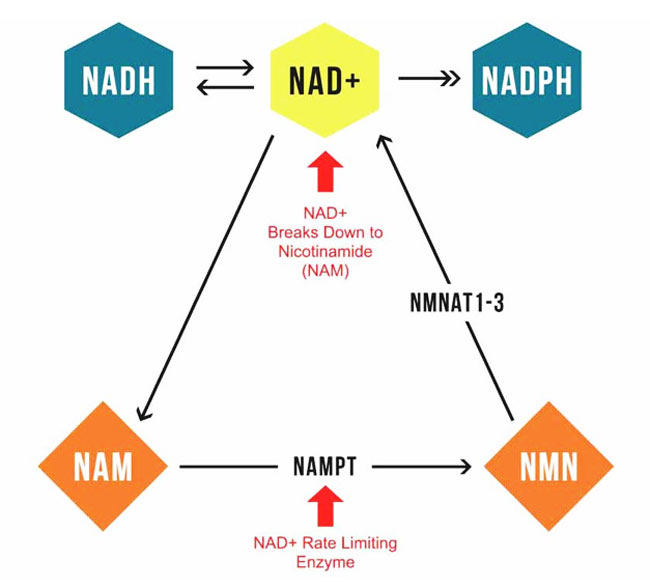
While other NAD+ precursors are typically recommended, like NR or NMN, they’re hundreds of times more expensive, and may be less effective. The reason I’m convinced niacinamide is the best NAD+ precursor is because it’s the immediate breakdown product of NAD+.
The rate limiting enzyme in the salvage pathway to restore niacinamide back to NAD+ is NAMPT. As you can see in the graphic below, niacinamide is first converted to NMN before NAD+. This is likely why many promote NMN.
However, the enzyme NMNAT1-3 that converts NMN to NAD+ is not the rate limiting enzyme. NAMPT controls how much NAD+ you make, so flooding your body with NMN is not going to be as useful as using small amounts of niacinamide and activating NAMPT.
Recent animal research8 demonstrated that a low dose of 2.5 mg per kilo of body weight daily for three weeks — which is about 170 mg a day for a 150-pound person — increased cellular NAD+ by 30%. So, taking 50 mg of niacinamide three times a day appears ideal for most.
Niacinamide for Heart Failure Prevention
Niacinamide may also act as a preventive against heart failure9 — again because heart failure is a localized symptom of energy deficiency and mitochondrial dysfunction. When your NAD+ level drops, your ATP level also drops, and this puts stress on the cardiomyocytes in your heart.
Cardiomyocytes are specialized cells in your heart that generate contractive force. Thusly stressed, the cardiomyocytes release pro-fibrotic mediators that further suppress mitochondrial function. Over time, this leads to cell death, collagen deposition and fibrosis, which are hallmarks of heart failure.
Research10 published in February 2023 found that replenishing NAD+ prevented this energetic dysfunction, and therefore the subsequent development of heart failure. Here, the human-equivalent of 3.5 mg per kilo of bodyweight was administered via daily injection for two months, but I believe that oral niacinamide might be just as effective, although you might have to use it for a longer period of time.
Niacinamide in Skin Cancer
Getting back to niacinamide’s potential role in cancer treatment, a 2015 study11 found it helps protect your skin against ultraviolet radiation damage from the sun, thereby reducing your risk of skin cancer.
Three hundred eighty-six participants who’d had two or more nonmelanoma skin cancers in the previous five years were divided into two groups. The treatment group received 500 mg of niacinamide twice a day for 12 months while controls received a placebo.
The participants were evaluated by dermatologists at three-month intervals for 18 months. The primary end point was the number of new nonmelanoma skin cancers (i.e., basal-cell carcinomas plus squamous-cell carcinomas) during the 12-month intervention period.
At 12 months, the rate of new nonmelanoma skin cancers in the treatment group was 23% lower than among controls. They also had a 20% lower rate of new basal-cell carcinomas, and a 30% lower rate of new squamous-cell carcinomas. As a result, the authors concluded:
“Oral nicotinamide was safe and effective in reducing the rates of new nonmelanoma skin cancers and actinic keratoses in high-risk patients.”
A 2020 safety and efficacy review of niacinamide also pointed out that:12
“Nicotinamide (or niacinamide), a form of vitamin B3 that is often confused with its precursor nicotinic acid (or niacin), is a low-cost, evidence-based oral treatment option for actinic keratosis, squamous cell carcinomas, basal cell carcinomas, and bullous pemphigoid.”
General Niacinamide Recommendations
As a blanket recommendation for optimal health, I recommend taking 50 mg of niacinamide three times per day. Niacinamide will only cost you about 25 cents a month if you get it as a powder. Typically, one sixty-fourth of a teaspoon of niacinamide powder is about 50 mg.
The reason I recommend getting it in powder form is because in most supplement brands, the lowest available dose is 500 mg, and that will decrease NAD+ due to negative feedback on NAMPT, which is the opposite of what you’re looking for.
Also note that although niacinamide and niacin are both classified as vitamin B3, niacin will not activate NAMPT like niacinamide, so it is best to use niacinamide. Additionally, niacinamide, unlike niacin, will not cause flushing which is due to a large release of histamine.
- 1 Science Translational Medicine July 19, 2023; 15(705) DOI: 10.1126/scitranslmed.ade3341
- 2, 4 MedicalXpress September 16, 2023
- 3, 12 Skin Therapy Letters November 2020; 25(5): 7-11
- 5 Science Translational Medicine July 19, 2023; 15(705) DOI: 10.1126/scitranslmed.ade3341, Page 11
- 6 Science Translational Medicine July 19, 2023; 15(705) DOI: 10.1126/scitranslmed.ade3341, Page 15
- 7 PLOS ONE September 2023; 18(9): e0291598
- 8 The Journal of Nutritional Biochemistry May 21, 2022
- 9 Haidut.me March 3, 2023
- 10 Nature Cardiovascular Research February 13, 2023; 2: 174-191
- 11 NEJM October 22, 2015; 373(17): 1618-1628
Eggs Are Good for Your Cholesterol
Reproduced from original article:
https://articles.mercola.com/sites/articles/archive/2023/09/25/eggs-are-good-for-your-cholesterol.aspx
Analysis by Dr. Joseph Mercola Fact Checked September 25, 2023

STORY AT-A-GLANCE
- Eggs are considered one of the world’s most perfect foods, but became a target based on the faulty premise of the medical establishment that eating too many yolks would drive up cholesterol
- Chickens weren’t regarded as much beyond egg production until a new concept featuring chicken as a main course took flight in the late ’40s, based on the food industry’s initiative to find more uses for chickens
- Dense, small-particle LDL cholesterol in your body is a risk factor for heart disease risk, while large, fluffy LDL particles constitute a lower risk, but here’s the kicker: Eggs convert small LDL particles to large particles
- In the study, people with Type 2 diabetes or prediabetes ate 12, eight or two eggs per week for a year, after which a series of tests showed no negative health consequences whatsoever
- The 113 milligrams of choline (nearly 25% of your Daily Reference Intake or DRI) is crucial for pregnant women, as it helps to prevent certain birth defects, including spina bifida, and support the brain development of unborn babies
Chicken as the foundation of a delicious home-cooked meal has been an American mainstay for decades. Not centuries, you might ask? As a matter of fact, up until the 1920s, homesteaders filled chicken coops with chickens to fulfill one main purpose: to produce eggs.
Chickens weren’t regarded as much beyond egg production until a new concept featuring chicken as a main course took flight in the late ’40s. It was based, not surprisingly, on the food industry’s initiative to find more uses for said chickens. Today we have a plethora of chicken recipes, from broth to casseroles to fried, not to mention nuggets. But what happened to eggs?
Eggs became a target based on the faulty premise of the medical establishment that eating too many yolks would drive up cholesterol and pack your carotid arteries with plaque. As recently as 2012, eggs were still being maligned and even deemed as health-damaging as smoking cigarettes, according to a Canadian journal.1 Many still believe this, and it’s the misinformation that’s damaging health, not egg consumption.
According to a study2 led by Nick Fuller at the University of Sydney, Australia, and published in the American Journal of Clinical Nutrition, eggs, “despite conflicting evidence continuing around the world,” are not responsible for heart disease or high cholesterol.
In fact, they’re one of the most nutritious foods in your kitchen. When he led the first portion of the study, Fuller wrote that eggs can support several aspects of health, including eye, blood vessel and heart health, healthy pregnancies and fat regulation, noting:
“Despite being vilified for decades, dietary cholesterol is understood to be far less detrimental to health than scientists originally thought. The effect of cholesterol in our food on the level of cholesterol in our blood is actually quite small.”3
No Matter How Many, Egg Intake Shows No Negative Results
The latest study notes that people with Type 2 diabetes or prediabetes ate a dozen eggs a week for a year, at which point a series of tests showed no negative results whatsoever. Study participants consumed high (12), medium and low (two) eggs per week for the first three months. Times Now News explains:
“This was aimed at maintaining optimal weight for the three months. In a bid to lose weight, the same members were asked to embark on a weight loss plan while consuming the same amount of eggs they were consuming earlier. For six months, the participants continued on their consumption of eggs while they were monitored by the researchers.”4
Prior to the study, Australian Men’s Health observes, cardiovascular risk factors such as blood sugar and blood pressure levels were taken into account when the researchers gathered the results, as those are considered risk factors associated with egg consumption.
Interestingly, the study concluded that the 128 individuals in the study lost weight even on a high-egg diet and continued to lose when the study came to a close.
Backing up the study results, the Australian Heart Foundation notes that “Eggs can be included as part of a heart healthy eating pattern, and can be chosen as one of a variety of protein foods including fish and seafood, legumes, nuts and seeds, and poultry, in preference to unprocessed red meat.”5 As for the cholesterol content:
“Eggs don’t altercate the LDL levels in blood. An egg contains only 212 mg of cholesterol which is lesser than even the half recommended dietary allowance of cholesterol for a day. Since the liver already produces a large amount of cholesterol every day, consumption of eggs balances the ratio with the liver’s production. In fact, eggs increase the HDL or good cholesterol levels in your body.”6
Cholesterol in your blood known as LDL is narrowed down to two subtypes: dense, small particles and large, fluffy particles. The dense small-particle LDL type is what can be identified as a risk factor for increasing your heart disease risk, while people with large LDL particles have a lower risk, but here’s the kicker: Eggs convert small LDL particles to large particles.7
Perception Is the Problem
One of the biggest problems in the discussion regarding saturated fats and cholesterol is that the medical community hasn’t explained it to the public very well, probably because there’s a lot of confusion on the part of this collective majority.
The fact is, even though it may raise cholesterol, your lipid profile may actually improve when you eat more saturated fat, especially when you cut the amount of carbohydrates you consume, according to Dr. Aseem Malhotra, an interventional cardiologist consultant at Croydon University Hospital in London.
Saturated fat not only increases your HDL, it also increases large, fluffy LDLs, which is what you want. On top of that, LDL has been grossly exaggerated as a risk factor for heart disease, with the exception of people who have a genetic abnormality. Malhotra notes:
“The mantra that saturated fat must be removed to reduce the risk of cardiovascular disease has dominated dietary advice and guidelines for almost four decades. Yet scientific evidence shows that this advice has, paradoxically, increased our cardiovascular risks.
Furthermore, the government’s obsession with levels of total cholesterol, which has led to the overmedication of millions of people with statins, has diverted our attention from the more egregious risk factor of atherogenic dyslipidaemia [elevated levels of triglycerides and small-dense LDL and low levels of HDL cholesterol].”8
Interestingly, many of the scientists who are noting the increase in egg consumption and its role in causing “high cholesterol” talk about saturated fat as if it’s still an enemy. Body and Soul explains:
“The truth is that cholesterol is a very important part of the body — and an essential element to good health. It is a structural molecule that is an essential part of every single cell membrane.
It is used to make steroid hormones such as testosterone, (estrogen) and cortisol; helps your metabolism work efficiently; and produces bile acids, which helps the body digest fat and absorb important nutrients. The truth is, without cholesterol we wouldn’t even exist.”9
Download this Article Before it Disappears
Reasons to Start (or Continue) Eating Eggs
Instead of focusing on the faulty science that made you worry unnecessarily about consuming too much cholesterol, there are numerous reasons to go ahead and enjoy them. They’re loaded with vitamins and minerals; in fact, just one boiled egg imparts these very good-for-you nutrients, in terms of the Reference Daily Intake (RDI):
| 6% of the RDI in vitamin A | 5% of the RDI in folate |
| 7% of the RDI in vitamin B5 (pantothenic acid) | 9% of the RDI in vitamin B12 |
| 15% of the RDI in protein | 15% of the RDI in vitamin B2 |
| 9% of the RDI in phosphorus | 22% of the RDI in selenium |
In addition, eggs contain a healthy amount of calcium, zinc and vitamins D, K, E and B6, as well as healthy fats. Lutein and zeaxanthin are important antioxidants that build up in the retinas of your eyes. This effectively protects your vision by inhibiting the development of cataracts and macular degradation, two of the world’s most common and serious eye ailments.
Along with the high amounts of vitamin A, your vision is further defended with every egg you eat. Fuller reiterated that other nutritional advantages come through “micronutrients like carotenoids (for eye health), arginine (for healthy blood vessels) and folate (for healthy pregnancies and heart health),” according to the University’s news release.10
Choline: Eggs Are a Main Source
One very important aspect of eggs is the rich source of choline — about 113 milligrams (mg) in a single egg, nearly 25% of your DRI — which is necessary for building cell wall membranes, producing the molecules crucial for brain signaling and to make the brain chemical acetylcholine, involved in storing memories.
It also helps prevent the buildup of homocysteine in your blood (linked to heart disease) and reduces chronic inflammation. Choline plays a crucial role in pregnant women, as it helps to prevent certain birth defects, including spina bifida and, again, is very important for the brain development of unborn babies.
According to a study published in the journal Nutrients, only 8% of U.S. adults are getting enough choline and only 8.5% of pregnant women are consuming adequate amounts.
Researchers added, “This research illustrates that it is extremely difficult to achieve the adequate intake for choline without consuming eggs or taking a dietary supplement.”11 Conversely, symptoms associated with low choline levels include memory problems, lethargy and brain fog. Because your body can only synthesize small amounts at a time, you need to get it from your diet on a regular basis.
Eggs: Not Just for Breakfast
Perhaps just as important as what eggs do for your health may be what eggs do for your food. Not just for breakfast, eggs are used to make everything from healthy pancakes to egg salad. Incredible Egg12 notes five of the egg’s top cooking functions; eggs:
- Bind ingredients in prepared foods like meatloaf and salmon patties
- Leaven baked “high-rises” such as soufflés and sponge cakes
- Emulsify mayonnaise, salad dressings and hollandaise sauce
- Clarify soups and thicken custards
- Add color, flavor, moisture and nutrients to baked goods
The good news is, some of the egg dishes you may have been avoiding, not to mention eggs by themselves, yolk and all, are back on the table. That said, it’s important to understand that not any old egg is “good” for eating. Organic, pastured eggs are the best by far, as they’re not produced in a CAFO, or concentrated animal feeding operation, which yields eggs far more likely to be contaminated with disease-causing bacteria such as Salmonella.
Everything you need to know about every aspect of egg production and what constitutes farm-fresh eggs can be found right here. You’ll note that the best way to eat your organic, pastured eggs is raw or very lightly cooked, such as poached, soft-boiled or over easy with very runny yolks. However, if you’re looking for something a little different, here’s a healthy, delicious recipe, inspired by Food.com:13
Sweet Potato and Spinach Frittata
Ingredients
- 6 eggs, lightly beaten
- 1 1/4 cups asiago cheese, shredded, divided
- 3/4 cup medium cheddar, shredded
- 1/4 cup milk
- 1 tablespoon butter
- 3 cups sweet potatoes, peeled, diced
- 4 cups spinach, coarsely chopped
Procedure
- Position oven rack 6-inches from broiler. Preheat broiler.
- In a medium bowl, whisk together eggs, 3/4 cup of the Asiago cheese, cheddar cheese, and milk.
- In a 12-inch non-stick oven-proof skillet over medium heat, melt butter; add sweet potatoes. Cover and cook for 5-6 minutes, stirring occasionally, or until sweet potatoes are almost tender.
- Add spinach and cook, uncovered for 1-2 minutes or until slightly wilted.
- Reduce heat to medium-low; pour egg mixture over vegetables; cover and cook for 5-6 minutes or until bubbles are coming through mixture and bottom is golden brown (eggs won’t be fully set).
- Remove cover; sprinkle with remaining 1/2 cup Asiago cheese.
- Broil for 1 1/2 minutes or until egg is set and cheese is bubbling and slightly browned.
- Let stand for 5 minutes; run spatula around outside edge of skillet to release frittata. Slice and serve immediately.
- 1 Atherosclerosis October 2012
- 2 Science Daily May 7, 2018
- 3 The University of Sydney August 4, 2015
- 4, 6, 7 Times Now News May 9, 2018
- 5 Heart Foundation Eggs & Heart Healthy Eating
- 8 BMJ October 22, 2013
- 9 Body and Soul December 19, 2016
- 10 The University of Sydney August 4, 2015
- 11 Nutrients July 3, 2017
- 12 Incredible Egg 2018
- 13 Food.com
Vitamin K2 Is Important for Vascular Health
Reproduced from original article:
https://articles.mercola.com/sites/articles/archive/2023/09/18/vitamin-k2-vascular-health.aspx
The original Mercola article may not remain on the original site, but I will endeavor to keep it on this site as long as I deem it to be appropriate.
Analysis by Dr. Joseph Mercola Fact Checked September 18, 2023
STORY AT-A-GLANCE
- Vitamin K1 (phylloquinone) is found in green leafy plants and is best known for the role it plays in blood clotting. Vitamin K2 (menaquinones) comes in several forms, the most common of which are MK-4, found in animal foods, and MK-7, found in fermented foods. Vitamin K2 plays important roles in bone and cardiovascular health
- Research has found that people with the highest intakes of both types of vitamin K have significantly lower risks of atherosclerosis-related heart disease. Those with the highest intakes of vitamin K1 had a 21% lower risk of being hospitalized with atherosclerosis-related heart disease and those with the highest intakes of vitamin K2 had a 14% lower risk. Those with high vitamin K2 intake also had a 34% lower risk of peripheral artery disease
- One of the primary ways in which vitamin K2 protects your cardiovascular health is by activating matrix Gla protein (MGP), which is a potent inhibitor of arterial calcification. Vitamin K2 can have a direct blood pressure lowering effect in some individuals
- Low vitamin K status also raises the risk of frailty, impaired mobility and disability in elderly individuals
- Statin drugs can deplete your body of vitamin K2 by inhibiting MK-4 synthesis. As a consequence, statins may contribute not only to age-related frailty but also insulin resistance, because MK-4 synthesis requires the same enzymes that synthesize cholesterol
Vitamin K is a fat-soluble vitamin that has a significant influence on your bone, heart and cardiovascular health. Vitamin K1 (phylloquinone) is found in green leafy plants and is best known for the role that it plays in blood clotting.
Vitamin K2 (menaquinones) comes in several forms, the most common of which are menaquinone-4 (MK-4) and MK-7, which play important roles in bone and cardiovascular health. While vitamin K1 has been found to moderately reduce the risk of bone fractures,1 MK-7 is more effective than vitamin K1 at reaching and protecting your bones.2,3
MK-4 is a short-chain form of vitamin K2 found in animal products such as meat, eggs, liver and dairy.4,5 The source matters, however. For example, animal products from factory-farmed animals are not high in MK-4 and should be avoided. Only grass-fed animals (not grain-fed) will develop naturally high levels.
MK-4 has a short biological half-life, making it a poor candidate as a dietary supplement. However, MK-4 from food is important for good health as it plays a role in gene expression. For example, research6 has found it may lower your risk of liver cancer.
MK-7 is a longer-chained vitamin K2 found in fermented foods such as sauerkraut, certain cheeses and natto (a fermented soy product).7 It’s produced by specific bacteria during the fermentation process. However, not all strains of bacteria make it,8 so not all fermented foods will provide it.
Most commercial yogurts, for example, provide little to no vitamin K2, and while certain types of cheeses, such as Gouda, Brie and Edam, are high in K2, others are not. MK-7 is what you’ll want to look for in supplements, as this form is extracted from real food and has a longer half-life.9
Vitamin K-Rich Diets Lower Atherosclerosis Risk
A 2022 study by Edith Cowan University, in which patients were followed for 23 years, found that people with the highest intakes of both types of vitamin K had significantly lower risks of atherosclerosis-related heart disease.10
We believe that vitamin K works by protecting against the calcium build-up in the major arteries of the body leading to vascular calcification. ~ Dr. Nicola Bondonno
Those with the highest intake of vitamin K1 had a 21% lower risk of being hospitalized with atherosclerosis-related heart disease and those with the highest intake of vitamin K2 had a 14% lower risk. Those with high vitamin K2 intake also had a 34% lower risk of peripheral artery disease. As noted by senior author Nicola Bondonno:11
“Current dietary guidelines for the consumption of vitamin K are generally only based on the amount of vitamin K1 a person should consume to ensure that their blood can coagulate.
However, there is growing evidence that intakes of vitamin K above the current guidelines can afford further protection against the development of other diseases, such as atherosclerosis.
Although more research is needed to fully understand the process, we believe that vitamin K works by protecting against the calcium build-up in the major arteries of the body leading to vascular calcification.”
How Vitamin K Protects Your Cardiovascular System
One of the primary ways in which vitamin K2 protects your cardiovascular health is by activating matrix Gla protein (MGP), which is a potent inhibitor of arterial calcification.
As explained in a 2019 study,12,13 “Stiffening and calcification of the large arteries are forerunners of cardiovascular complications,” and by improving your vitamin K2 status, you can significantly reduce arterial stiffness14 and improve blood pressure. Other investigations have also found that vitamin K2 can have a direct blood pressure lowering effect in some individuals.15
Download this Article Before it Disappears
Vitamin K Status Also Plays a Role in Frailty
Vitamin K has also been shown to play an important role in frailty. As reported by Science News:16
“Reduced levels of circulating vitamin K are linked to an increased risk of mobility limitation and disability in older adults, according to a study published in the Journals of Gerontology: Series A17 …
‘Low vitamin K status has been associated with the onset of chronic diseases that lead to disability …’ said Dr. Kyla Shea, a nutrition scientist in the Vitamin K Laboratory at the Jean Mayer USDA Human Nutrition Research Center on Aging (HNRCA) at Tufts University.
‘Here, we’re building on previous studies that found that low levels of circulating vitamin K are associated with slower gait speed and a higher risk of osteoarthritis.’ Dr. Shea and colleagues examined two biomarkers: circulating levels of vitamin K and a functional measure of vitamin K (plasma ucMGP).
They used data from 635 men and 688 women ages 70-79 years old, who participated in the Health, Aging, and Body Composition Study (Health ABC). Mobility was assessed every six months for 6 to 10 years through annual clinic visits and phone interviews in the intervening time.
For the analysis, the researchers defined mobility limitation as two consecutive semi-annual reports of having any amount of difficulty either with walking a quarter of a mile or climbing 10 steps without resting, and mobility disability as two consecutive semi-annual reports of having a lot of difficulty or inability to walk or climb the same amount.
They found that older adults with low levels of circulating vitamin K were more likely to develop mobility limitation and disability. The other biomarker, plasma ucMGP, did not show clear associations with mobility limitation and disability.
Specifically, older adults with low circulating vitamin K levels were nearly 1.5 times more likely to develop mobility limitation and nearly twice as likely to develop mobility disability compared to those with sufficient levels. This was true for both men and women.”
Statin Drugs Deplete Vitamin K2
A factor that many overlook is the impact of statins (cholesterol-lowering drugs). In addition to depleting your body of Coenzyme Q10, which can adversely impact your heart health as it’s crucial for mitochondrial ATP production and healthy contraction of the heart muscle, statin drugs can also deplete your body of vitamin K2 by inhibiting MK-4 synthesis.18
Consequently, statins may contribute not only to age-related frailty but also insulin resistance, because MK-4 synthesis requires the same enzymes that synthesize cholesterol. As noted in a 2020 study:19,20
“There is emerging data to suggest that by inhibiting the production of intermediates of cholesterol synthesis, statins also inhibit the mevalonate pathway and impede the production of vitamin K2 in peripheral tissues.
There is growing evidence to suggest that vitamin K2 plays a key role in glucose homeostasis as well as vascular calcification. On this background, we hypothesized that statin use would be associated with both insulin resistance and vascular calcification in community-dwelling participants of a large longitudinal study of osteoporosis.”
As predicted, statin users did have higher indices of insulin resistance, which the authors stressed “could be relevant in healthy aging.” In conclusion, they recommended that individuals who have risk factors for diabetes should avoid lipophilic statins21 such as atorvastatin, simvastatin, lovastatin, fluvastatin, cerivastatin and pitavastatin.
Safer alternatives, according to this study, would be nonlipophilic statins (i.e., hydrophilic statins, which are only distributed to the liver), with the exception of rosuvasatin, a high-potency hydrophilic statin. Doing this “may provide the intended cardiovascular protection without the increased incidence of insulin resistance,” the authors said.
General Dosing Suggestions
To optimize your vitamin K status, the ideal solution is to eat plenty of vitamin K-rich foods. K1-rich sources include green leafy veggies like collard and turnip greens, kale, spinach, broccoli, Brussels sprouts, cabbage and lettuces.22
K2 MK-4 is found in organic, grass fed and pastured animal foods like eggs, liver, meat, and dairy,23,24 while MK-7 is found in fermented foods such as natto, sauerkraut, and cheeses such as Gouda, Brie and Edam.25
If you opt for an oral K2 supplement, it’s best taken with your evening meal, along with any vitamin D and/or calcium and magnesium you may be taking. As explained in previous articles, anytime you take a vitamin D supplement, you also need to be mindful of taking extra vitamin K2 and magnesium.
The K2 is needed to prevent arterial calcification while magnesium is required for vitamin D conversion. If you take large doses of vitamin D, you may inadvertently deplete magnesium, as it’s required in the conversion of vitamin D into its active form.
Research26 has shown you need 146% more vitamin D to achieve a blood level of 40 ng/ml (100 nmol/L) if you do not take supplemental magnesium, compared to taking your vitamin D with at least 400 mg of magnesium per day.
Combined intake of magnesium and vitamin K2 has an even greater effect. You need 244% more oral vitamin D if you’re not concomitantly taking magnesium and vitamin K2. What this means in practical terms is that if you take all three supplements in combination, you need far less oral vitamin D to achieve a healthy vitamin D level.
Unfortunately, the ideal ratio of vitamin K2 to D is still undetermined, so there are no hard and fast rules here. Some experts suggest 200 micrograms of vitamin K2 per day will meet the needs of the “average” healthy person,27 but if you’re taking high-dose vitamin D, you may need a bit more.
Also, if you’re going to use a vitamin K2 supplement, it is best to use MK-7, since MK-4 has a short biological half-life. One caveat: While nontoxic, people who are taking vitamin K antagonists, i.e., drugs that reduce blood clotting by reducing the action of vitamin K, are advised to avoid vitamin K2 (MK-7) supplements.
- 1 Medicine 2017;96(17): e6725
- 2, 9 Nutraceutical Business Review, February 23, 2016
- 3 Osteoporosis International 2013, DOI: 10.1007/s00198-013-2325-4
- 4, 23 Journal of Agricultural and Food Chemistry 2006; 54: 483-468 (PDF)
- 5, 7, 24, 25 Haemostasis, 2000; 30: 298
- 6 Journal of Hepatology, 2007; 47(1): 83
- 8 Journal of Food Science and Technology 2015 Aug; 52(8): 5212
- 10, 11 SciTechDaily, January 4, 2022
- 12 Journal of the American Heart Association March 22, 2019; DOI: 10.1161/JAHA.119.011960
- 13 VitaminK2.org
- 14 Open Heart 2021;8:e001715
- 15 American Journal of Health-System Pharmacy August 2012; 69(15): 1307-1309
- 16 Science News June 14, 2019
- 17 Journals of Gerontology: Series A April 2020; 75(4): 792-797
- 18 Haidut.me June 6, 2020
- 19 Journal of the Endocrine Society August 2020; 4(8): bvaa057
- 20 Healio June 5, 2020
- 21 Cardiology 2020; 145(6): 384-386
- 22 Harvard Vitamin K
- 26 GrassrootsHealth Magnesium and Vitamin K2 Combined Important for Vitamin D Levels
- 27 YouTube, December 11, 2021 Min 11:13
Could a Vitamin Reduce Hearing Deficit?
Reproduced from original article:
https://articles.mercola.com/sites/articles/archive/2023/09/11/vitamin-hearing-problems.aspx
The original Mercola article may not remain on the original site, but I will endeavor to keep it on this site as long as I deem it to be appropriate.
Analysis by Dr. Joseph Mercola Fact Checked September 11, 2023
STORY AT-A-GLANCE
- Loss of cholesterol in the inner ear may be involved in age-related hearing loss — and phytosterols may help resolve it
- Phytosterols, which have a structure and function similar to cholesterol, led to improvements in the function of outer hair cells in the inner ear, which help amplify sounds
- They may help balance cholesterol in the inner ear, which may be a useful strategy to prevent or delay hearing loss
- Finally, phytosterols also have anti-inflammatory and anticancer activities and may target neuroinflammation and neurodegeneration
- Early humans ate phytosterol-rich diets, consuming as much as 1 gram per day, but the typical modern U.S. diet is relatively low in these beneficial plant-derived compounds
Loss of cholesterol in the inner ear may be involved in age-related hearing loss — and phytosterols, a common over-the-counter supplement, may help resolve it. The finding, published in PLOS Biology, could be “an innovative therapeutic strategy in preventing and/or delaying hearing loss,” the team suggests.1
Age-related hearing loss, also known as presbycusis, affects about 1 in 3 U.S. adults between the ages of 65 and 74. By age 75, close to half of adults may have hearing problems.2 Typically, the loss is gradual, so you may not notice it until the hearing difficulty becomes severe. Phytosterols, which have a structure and function similar to cholesterol,3 may be one option to help slow hearing loss that may occur due to aging.
Low Cholesterol in the Ear Linked to Hearing Problems
Cholesterol plays an important role in the function of neural cell membranes and their associated proteins. It binds to and conditions multiple protein complexes and, in the central nervous system, is involved in synapse formation, interactions between cells and intracellular signaling. Maintaining optimal cholesterol levels in the brain is therefore intricately involved in brain health. According to the PLOS Biology study:4
“Importantly, all cholesterol within the CNS is synthesized in situ due to the fact that peripheral cholesterol cannot cross the blood–brain barrier. Thus, cholesterol levels need to be tightly regulated in the brain, and disruption of cholesterol homeostasis has been linked to cognitive dysfunction and to the development of neurodegenerative diseases.”
It’s also known that cholesterol levels in the brain’s hippocampus may decline with age, affecting cell function, leading the researchers to hypothesize that cholesterol deficiency in the ear may also have ill effects.
Outer hair cells (OHCs) in the inner ear use electromotility to change their length, helping to amplify sounds. Electromotility involves the motor protein prestin, but with increasing age, OHCs may not stretch properly when sounds occur, preventing sound amplification and contributing to difficulty hearing.5 A lack of cholesterol may help explain why:6
“The organization of the OHC lateral wall is exclusive among hair cells and other mammalian cell types because it contains a tightly regulated level of cholesterol. It has been postulated that alterations in the cholesterol content in the OHC lateral wall might modulate the function and/or distribution of prestin within the plasma membrane.”
The team measured the amount of cholesterol 24-hydroxylase (CYP46A1), a brain-specific enzyme that breaks down cholesterol, in inner ear OHCs in mice, finding more of it — and therefore less cholesterol — in older mice compared to younger mice. Further, when CYP46A1 was over-activated with a drug — the antiretroviral efavirenz, used to treat HIV — in young mice, it also led to hearing loss.7
According to the researchers, “Our results show that cholesterol levels in the inner ear are reduced during aging, an effect that is associated with an increased expression of the cholesterol 24-hydroxylase (CYP46A1), the main enzyme responsible for cholesterol turnover in the brain.”8
Phytosterols Reversed Hearing Loss
The team then wanted to find out if increasing cholesterol in the brain could reverse the hearing loss caused by the CYP46A1-activating drug. Since cholesterol cannot cross the blood-brain barrier (BBB), they gave young mice phytosterols, which are structured similarly to cholesterol, and can cross the BBB, instead.
Mice given the CYP46A1-activating drug and phytosterols for three weeks had improvements in OHC function. “Strikingly, phytosterols supplementation increased the levels of prestin in the OHCs with an apparent recovery of the normal prestin distribution in the lateral wall,” the team explained.9
“Our findings show for the first time the importance of cholesterol homeostasis in the inner ear as a pharmacotherapeutic strategy to prevent and/or delay hearing loss.”10
Download this Article Before it Disappears
Phytosterols Have Anti-Inflammatory, Anticancer Effects
In addition to influencing the rates at which cholesterol is absorbed, biosynthesized and excreted,11 phytosterols have anti-inflammatory activities and may target neuroinflammation and neurodegeneration.12
The U.S. Food and Drug Administration even endorses the consumption of phytosterols, stating in a 2019 revision to the Code of Federal Regulations, “Scientific evidence demonstrates that diets that include plant sterol/stanol esters may reduce the risk of [coronary heart disease].”13
They may also have anticancer effects, and it’s estimated that eating a phytosterol-rich diet may lower cancer risk by 20%. A review published in Biomedicine & Pharmacotherapy detailed the many ways that phytosterols may act as natural anticancer agents:14
“Phytosterols may … affect host systems, enabling antitumor responses by improving immune response recognition of cancer, affecting the hormone dependent endocrine tumor growth, and by sterol biosynthesis modulation. Moreover, phytosterols have also exhibited properties that directly inhibit tumor growth, including reduced cell cycle progression, apoptosis induction, and tumor metastasis inhibition.”
While it’s believed that early humans ate phytosterol-rich diets, consuming as much as 1 gram per day, the typical U.S. diet is relatively low in these beneficial plant-derived compounds.15 It’s estimated that modern humans eat between 150 and 450 milligrams (mg) of phytosterols per day, depending on diet.
Vegetarians and vegans may have generally higher intakes, as phytosterols are found in all plant foods.16 Some good food sources of phytosterols include:17
| Oranges | Brussels sprouts | Pomegranates and pomegranate seed oil |
| Celery | Broccoli | Onions |
| Tangerines | Mangos | Cauliflower |
| Romaine lettuce | Peas |
Age-Related Hearing Loss Is Linked to Dementia
Age-related hearing loss doesn’t typically exist in a bubble — it’s strongly associated with accelerated cognitive decline and risk of dementia in older adults18 This, too, may have a low cholesterol connection. According to the PLOS Biology study:19
“Several works have demonstrated a reduction in cholesterol levels in the hippocampus during aging, leading to a profound effect on the plasma membrane structure and cell function. Reduced cholesterol content in the aged brain and in neurodegenerative diseases was also reported in humans’ brain samples.
Among the causes for age-associated cholesterol loss, an increase in the levels of the cholesterol-hydroxylating enzyme CYP46A1 in the hippocampus, associated with oxidative stress accumulation, has been proposed … Interestingly, restoring brain cholesterol levels can rescue biochemical, synaptic, and cognitive deficits of aged mice and in a mouse model of Huntington’s disease.”
Lower levels of low-density lipoprotein (LDL) cholesterol are also linked to a higher risk of dementia, as is the use of statin cholesterol-lowering drugs. One study found that people with early mild cognitive impairment and low to moderate cholesterol levels at the start of the study who used lipophilic statins had more than double the risk of dementia compared to those who did not use statins.20
Lipophilic statins, such as atorvastatin (Lipitor), simvastatin (Zocor), Fluvastatin (Lescol), and lovastatin (Altoprev), dissolve more readily in fats21 and can easily enter cells22 and be distributed throughout your body.
The subjects also had significant decline in metabolism of the brain’s posterior cingulate cortex, which is the brain region that declines most significantly in early Alzheimer’s disease.23 Cholesterol, in fact, has many ties to brain health:24
- Decreasing cholesterol levels in the elderly may be associated with cerebral atrophy, which occurs with dementia
- High LDL cholesterol may be beneficial by reducing neurons’ impairments or helping repair injured neurons
- Acceleration of neurodegeneration has occurred when neurons where short on cellular cholesterol or cholesterol supply
- Cholesterol plays an important role in the synthesis, transportation and metabolism of steroid hormones and lipid-soluble vitamins, and both of these are important to synaptic integrity and neurotransmission
What Else Contributes to Hearing Loss?
Cholesterol is just one factor that may be involved in hearing. Other nutrients, including a lack of vitamins A, B, C, D and E, as well as zinc, magnesium and selenium, may also play a role.25 Researchers with Hanyang University in Korea explained in the journal Nutrients:26
“Antioxidants such as vitamins, which inhibit the formation of free radicals, may play a specific role in preventing and treating HL [hearing loss]. Therefore, several studies have been reported on the relationship between HL and vitamins A, C, and E in humans. Magnesium (Mg) has also been reported to reduce HL through synergistic effects with vitamins.
These findings suggest that free radical scavengers, such as vitamins A, C and E, act in synergy with Mg to reduce changes in hearing thresholds more reliably than treatment with any single agent. Therefore, higher intake of antioxidants and/or magnesium may be associated with a lower risk of HL. Selenium (Se) may also play a role in hearing. Moreover, a lack of vitamin B has been reported to increase the risk of HL.”
Exposure to loud noise, including noise pollution, also contributes to hearing loss over time. The PLOS Biology team explained that a lifetime of loud noise exposure even exacerbates and may trigger age-related hearing loss. “The high level of noise exposure in modern society makes presbycusis a mixture of acquired auditory stress, trauma and otological disease superimposed upon an intrinsic aging process.”27
Unsafe listening practices in young people using personal listening devices (earbuds) and attending loud venues also increase their risk of hearing loss, which one study estimates may affect more than 1 billion 12- to 34-year-olds worldwide.28
Noise pollution, which can come from heavy traffic, construction machinery, loud music, leaf blowers and countless other sources, is another common risk factor. It’s estimated that 10 million Americans have permanent hearing loss due to noise pollution or noise-related trauma.29
In addition to eating well, including a nutrient- and phytosterol-rich diet, you can help protect your hearing and prevent age-related hearing loss by avoiding loud noises as much as possible, reducing your exposure to loud sounds, including music, and wearing protective earplugs or earmuffs when using loud equipment, such as a lawnmower.30
- 1, 3, 4, 6, 8, 9, 10, 27 PLOS Biology August 24, 2023
- 2 National Institute on Deafness and Other Communication Disorders, Age-Related Hearing Loss
- 5, 7 SciTechDaily August 27, 2023
- 11 J AOAC Int. 2015 May-Jun;98(3):679-684. doi: 10.5740/jaoacint.SGERacette
- 12 Curr Pharm Des. 2021;27(3):383-401. doi: 10.2174/1381612826666200628022812
- 13 U.S. Food & Drug Administration April 1, 2019
- 14 Biomed Pharmacother. 2017 Apr;88:786-794. doi: 10.1016/j.biopha.2017.01.068. Epub 2017 Jan 31
- 15, 16 Oregon State University, Linus Pauling Institute, Micronutrient Information Center, Phytosterols
- 17 Biomedical and Environmental Sciences December 2008, Volume 21, Issue 6, Pages 449-453
- 18, 19 PLOS Biology August 24, 2023, Intro
- 20 Journal of Nuclear Medicine May 2021, 62 (supplement 1) 102, Conclusion
- 21 Harvard Health Publishing January 27, 2020
- 22 Front Cardiovasc Med. 2021; 8: 687585
- 23 Journal of Nuclear Medicine May 2021, 62 (supplement 1) 102
- 24 Front Neurol. 2018; 9: 952
- 25 Nutrients. 2019 Feb; 11(2): 307
- 26 Nutrients. 2019 Feb; 11(2): 307., 2. Evidence that Nutrition if a Factor Affecting HL
- 28 BMJ Global Health, 2022;7:e010501
- 29 Environmental Health Sciences Center March 3, 2023
- 30 National Institute on Deafness and Other Communication Disorders, Age-Related Hearing Loss (Presbycusis)
Antioxidants Prevent and Can Reverse Cancer
Reproduced from original OMNS article (OrthoMolecular News Service):
http://orthomolecular.org/
Subscribe to the free Orthomolecular Newsletter: http://orthomolecular.org/subscribe.html
Go to the OMNS Archive: http://orthomolecular.org/resources/omns/index.shtml
Orthomolecular Medicine News Service, September 7, 2023
75 Years of Evidence Ignored by Our “Pharmaphilic” Media
by Andrew W. Saul, Editor
OMNS (September 7, 2023) Antioxidant nutrients prevent and reverse cancer. That is a true statement, research-verified time and time again. Most of the following protocols, papers and articles are authored by physicians. They will be of considerable interest to those skeptical of the vitamin-bashing going on in the mass media and medical journals alike. Remember that the major financial support for the media (and medical journals) is pharmaceutical advertising.
Highly successful Vitamin C protocol for the treatment of cancer:
http://www.doctoryourself.com/RiordanIVC.pdf (in English)
Korean http://www.doctoryourself.com/RiordanIVC%20Korean%20Version.pdf
Spanish http://www.doctoryourself.com/RiordanIVCspanish.pdf
Portuguese http://www.doctoryourself.com/RIORDAN%20Portuguese.pdf
Arabic http://www.doctoryourself.com/Riordan%20IVC%20Protocol%20Arabic.pdf
Chinese http://www.doctoryourself.com/Riordan%20Protocol%20Chinese.pdf
German http://www.doctoryourself.com/Riordan-IVC-deu.pdf
Intravenous Vitamin C Expert Lectures:
https://www.youtube.com/watch?v=04cOSwZ43II
https://www.youtube.com/watch?v=Nmr1qsRt8BE
https://www.youtube.com/playlist?list=PL953B95B3BB977F54
https://www.youtube.com/playlist?list=PLIQ39sMYH78ur5o-FDFfd4aNJo36NFWAV
More Video Lectures Online http://www.doctoryourself.com/omns/v07n03.shtml
Remarkable Progress in Regression of Liver Cancer: Less than six months to decrease tumor mass by 85% http://www.doctoryourself.com/omns/v18n26.shtml
Why vitamin C fights cancer so well, and why more and more oncologists are now using it. http://orthomolecular.org/resources/omns/v15n11.shtml
Summary of Recent Research with Three Nutrients in the War against Cancer http://www.doctoryourself.com/omns/v17n26.shtml
High Dose Vitamin C for Cancer http://www.doctoryourself.com/omns/v17n20.shtml
Vitamin C Slows Cancer Down. And, Doctors Say, Can Reverse It as Well http://www.doctoryourself.com/omns/v04n19.shtml
“Vitamin C increases the beneficial effects of radiation and chemotherapy and decreases the adverse effects. But this is not a subtle effect, is not 15-20%, it’s a dramatic effect. Once you start using IV vitamin C, the effect is so dramatic that it is difficult to go back to not using it.” (Victor Marcial-Vega, MD, Oncologist)
Topical Vitamin C Stops Basal Cell Carcinoma http://www.doctoryourself.com/omns/v03n12.shtml
The Metabolic Roots of Cancer http://www.doctoryourself.com/omns/v12n08.shtml
Natural Vitamin E Prevents, Reverses Lung Cancer http://www.doctoryourself.com/omns/v10n07.shtml
Antioxidants Prevent Cancer and Some May Even Cure It http://orthomolecular.org/resources/omns/v09n02.shtml
Vitamins Decrease Lung Cancer Risk by 50% http://orthomolecular.org/resources/omns/v07n13.shtml
Taking 300 IU vitamin E per day reduces lung cancer by 61%. (Mahabir S, Schendel K, Dong YQ et al. Dietary alpha-, beta-, gamma- and delta-tocopherols in lung cancer risk. Int J Cancer. 2008 Sep 1;123(5):1173-80.) http://www.ncbi.nlm.nih.gov/pubmed/18546288 For further information: Vitamin E prevents lung cancer. Orthomolecular Medicine News Service, Oct 29, 2008. http://orthomolecular.org/resources/omns/v04n18.shtml
Vitamin E Prevents Lung Cancer: News Media Virtually Silent on Positive Vitamin Research http://orthomolecular.org/resources/omns/v04n18.shtml
Antioxidants, The Real Story: Biased Researchers; Parroting Press http://www.doctoryourself.com/omns/v09n09.shtml
Vitamin E Attacked Again: Of Course. Because It Works. http://www.doctoryourself.com/omns/v07n11.shtml
Freedom of the press is guaranteed only to those who own one. (Abbott Joseph Liebling)
Now in its twentieth year of publication, the Orthomolecular Medicine News Service remains free to all, has no paid staff, and accepts no money whatsoever from industry or government.
Nutritional Medicine is Orthomolecular Medicine
Orthomolecular medicine uses safe, effective nutritional therapy to fight illness. For more information: http://www.orthomolecular.org
Find a Doctor
To locate an orthomolecular physician near you: http://orthomolecular.org/resources/omns/v06n09.shtml
The peer-reviewed Orthomolecular Medicine News Service is a non-profit and non-commercial informational resource.
Editorial Review Board:
Albert G. B. Amoa, MB.Ch.B, Ph.D. (Ghana)
Seth Ayettey, M.B., Ch.B., Ph.D. (Ghana)
Ilyès Baghli, M.D. (Algeria)
Barry Breger, M.D. (Canada)
Ian Brighthope, MBBS, FACNEM (Australia)
Gilbert Henri Crussol, D.M.D. (Spain)
Carolyn Dean, M.D., N.D. (USA)
Ian Dettman, Ph.D. (Australia)
Susan R. Downs, M.D., M.P.H. (USA)
Ron Ehrlich, B.D.S. (Australia)
Hugo Galindo, M.D. (Colombia)
Gary S. Goldman, Ph.D. (USA)
William B. Grant, Ph.D. (USA)
Claus Hancke, MD, FACAM (Denmark)
Patrick Holford, BSc (United Kingdom)
Ron Hunninghake, M.D. (USA)
Bo H. Jonsson, M.D., Ph.D. (Sweden)
Dwight Kalita, Ph.D. (USA)
Felix I. D. Konotey-Ahulu, M.D., FRCP (Ghana)
Peter H. Lauda, M.D. (Austria)
Fabrice Leu, N.D., (Switzerland)
Alan Lien, Ph.D. (Taiwan)
Homer Lim, M.D. (Philippines)
Stuart Lindsey, Pharm.D. (USA)
Pedro Gonzalez Lombana, M.D., Ph.D. (Colombia)
Victor A. Marcial-Vega, M.D. (Puerto Rico)
Juan Manuel Martinez, M.D. (Colombia)
Mignonne Mary, M.D. (USA)
Joseph Mercola, D.O. (USA)
Jorge R. Miranda-Massari, Pharm.D. (Puerto Rico)
Karin Munsterhjelm-Ahumada, M.D. (Finland)
Sarah Myhill, MB, BS (United Kingdom)
Tahar Naili, M.D. (Algeria)
Zhiyong Peng, M.D. (China)
Isabella Akyinbah Quakyi, Ph.D. (Ghana)
Selvam Rengasamy, MBBS, FRCOG (Malaysia)
Jeffrey A. Ruterbusch, D.O. (USA)
Gert E. Schuitemaker, Ph.D. (Netherlands)
Thomas N. Seyfried, Ph.D. (USA)
Han Ping Shi, M.D., Ph.D. (China)
T.E. Gabriel Stewart, M.B.B.CH. (Ireland)
Jagan Nathan Vamanan, M.D. (India)
Andrew W. Saul, Ph.D. (USA), Editor-In-Chief
Associate Editor: Robert G. Smith, Ph.D. (USA)
Editor, Japanese Edition: Atsuo Yanagisawa, M.D., Ph.D. (Japan)
Editor, Chinese Edition: Richard Cheng, M.D., Ph.D. (USA)
Editor, Norwegian Edition: Dag Viljen Poleszynski, Ph.D. (Norway)
Editor, Arabic Edition: Moustafa Kamel, R.Ph, P.G.C.M (Egypt)
Editor, Korean Edition: Hyoungjoo Shin, M.D. (South Korea)
Editor, Spanish Edition: Sonia Rita Rial, PhD (Argentina)
Editor, German Edition: Bernhard Welker, M.D. (Germany)
Associate Editor, German Edition: Gerhard Dachtler, M.Eng. (Germany)
Assistant Editor: Michael Passwater (USA)
Contributing Editor: Thomas E. Levy, M.D., J.D. (USA)
Contributing Editor: Damien Downing, M.B.B.S., M.R.S.B. (United Kingdom)
Contributing Editor: W. Todd Penberthy, Ph.D. (USA)
Contributing Editor: Ken Walker, M.D. (Canada)
Contributing Editor: Michael J. Gonzalez, N.M.D., Ph.D. (Puerto Rico)
Technology Editor: Michael S. Stewart, B.Sc.C.S. (USA)
Associate Technology Editor: Robert C. Kennedy, M.S. (USA)
Legal Consultant: Jason M. Saul, JD (USA)
Comments and media contact: drsaul@doctoryourself.com OMNS welcomes but is unable to respond to individual reader emails. Reader comments become the property of OMNS and may or may not be used for publication.
Riordan Clinic | Orthomolecular.org
3100 N Hillside Ave
Wichita, Kansas 67219
United States
Do Redheads Need Less Vitamin D?
Reproduced from original article:
https://articles.mercola.com/sites/articles/archive/2023/09/05/do-redheads-need-less-vitamin-d.aspx
The original Mercola article may not remain on the original site, but I will endeavor to keep it on this site as long as I deem it to be appropriate.
Analysis by Dr. Joseph Mercola Fact Checked September 05, 2023
STORY AT-A-GLANCE
- Just 1% to 2% of the global population has red hair, which is caused by a mutation of the melanocortin 1 receptor (MC1R), a gene located on chromosome 16
- Due to their naturally fair skin and lighter complexion, redheads are able to produce vitamin D more effectively than most people
- Redheads are at a greater risk for skin cancer even without sun exposure, and are also likely to be more sensitive to temperature changes, pain and painkillers
- Regardless of whether you possess the MC1R gene, your body needs a certain amount of vitamin D for optimal health, so be sure to check your level, particularly if you live in a northern climate and are experiencing the “winter blues”
Editor’s Note: This article is a reprint. It was originally published January 27, 2018.
Between 1% to 2%, or just 76 to 152 million people, of the global population has red hair. This unique hair color is caused by a mutation of the melanocortin 1 receptor (MC1R), a gene located on chromosome 16. MC1R is a protein involved in regulating your hair and skin color, as well as eye hue. As a recessive trait, the mutated gene must be inherited from both parents to produce a child with red hair.
Variations in the MC1R gene are responsible for a range of reddish hair color — from “strawberry blond” to brown hair with red hues — and fair skin that may or may not be heavily freckled. Due to the type of melanin their bodies produce, redheads are at a greater risk of developing skin cancer even if they avoid sun exposure.
On the positive side, their pale skin and sensitivity to ultraviolet (UV) light helps redheads produce vitamin D more efficiently than their blonde or brunette counterparts.
The History of Red Hair
While data on the exact distribution of redheads worldwide is unavailable, red hair seems to occur more frequently among northern and western Europeans and their descendants. Jacky Colliss Harvey, author of “A History of the Redhead,” told The Washington Post the MC1R gene originated in Central Asia and “thrives mainly in remote regions and closed communities such as Ireland, Scotland and coastal regions of Scandinavia.”1
Redhead characteristics, says Harvey, are due to “a mutation in the MC1R gene that fails to produce sun-protective, skin-darkening eumelanin and instead causes pale skin, freckles and red hair.” Indeed, your eye, hair and skin color are determined by a protein called melanin, of which there are two kinds:2
- Eumelanin — If you produce mostly eumelanin, you tend to have brown or black hair and dark skin that tans easily. Eumelanin also protects your skin from damage caused by the sun’s UV rays.
- Pheomelanin — If you produce mostly pheomelanin, you will likely have blond or red hair, freckles and light-colored skin that tans poorly. Due to the lack of protection from UV radiation afforded by pheomelanin, you will have an increased risk of skin damage caused by sun overexposure.
Professor Jonathan Rees, grant chair of dermatology at Scotland’s University of Edinburgh, and one of a team of scientists to identify the MC1R gene variants in humans,3 suggests Northern European countries are home to a greater proportion of redheads than anywhere else in the world. He believes the biggest concentrations of redheads are found in Ireland and Scotland.
“If you’re in northern Europe, you get used to seeing people with different hair color,” says Rees. “[I]f you just think about Asia, it’s very, very rare to see somebody with red hair. And in most of Africa, it is exceedingly rare to see somebody with red hair. It is an unusual trait globally.”4
Redheads May Need Less Vitamin D Than Others
Due to their naturally fair skin, redheads are able to produce vitamin D more effectively than most people.5 Even though vitamin D can be obtained naturally through sensible exposure to the sun, modern lifestyles and weather conditions in many parts of the world make it nearly impossible for some to obtain sufficient amounts. Given their genetic predisposition, redheads are able to produce it on their own. Said Harvey:6
“As our distant ancestors migrated to settle the cool, gray climes of Northern Europe, redheads had a signal advantage over their darker peers: Their pale skin produced vitamin D more efficiently from the wan sunlight, strengthening their bones and making women more likely to survive pregnancy and childbirth.”
The Daily Mail suggests having red hair and pale skin offers an important health advantage to those who possess it:7
“Redheads, it would seem, boast a genetic [secret] weapon which enables them to fight off certain debilitating and potentially deadly illnesses more efficiently than blondes or brunettes. A pale complexion permits more sunlight into the skin, where it encourages the production of vitamin D. This helps to prevent rickets, a disease which progressively weakens bone structures, and the lung disease tuberculosis, which can be fatal.”
Despite its name, vitamin D is not a regular vitamin. It’s actually a steroid hormone obtained primarily from sun exposure. Its ability to influence genetic expression produces many of its wide-ranging health benefits. Vitamin D is so important, research suggests simply increasing vitamin D3 levels in the general population could lower rates of chronic diseases such as depression, diabetes, heart disease, hypertension, obesity and more.
Beyond contributing to strong bones, sufficient amounts of vitamin D can help reduce your risk of several types of cancer. Furthermore, vitamin D strengthens your immune system, which protects you from colds and the flu by helping your body attack and destroy bacteria and viruses.
Download this Article Before it Disappears
Sufficient Vitamin D Is Necessary for Optimal Health
Regardless of whether you possess the MC1R gene, your body needs a certain amount of vitamin D to promote and safeguard your health. The optimal vitamin D level for general health is in the 40 to 80 nanograms per milliliter (ng/ml) range; 60 to 80 ng/ml appears to be ideal.
While the ideal way to raise your vitamin D is by regularly and sensibly exposing large amounts of your skin to sunshine, that might not be possible where you live. If so, you will want to take an oral vitamin D3 supplement along with vitamin K2 and magnesium, to ensure maximum effectiveness.
You can determine your maintenance dose by measuring your blood level. Ideally, check your vitamin D level twice a year, in winter and summer, when your levels will be at their lowest and highest. As a general guideline, vitamin D experts recommend 4,000 IUs per day for adults, but that applies only if you are already in the therapeutic range. If your levels are low, you may need 8,000 IUs or more per day to start.
Particularly during the winter months, you’ll want to keep an eye on your levels. Lack of UV exposure can bring out the “winter blues,” leading to feelings of depression. If you notice your mood and energy levels are down, you may not be getting enough vitamin D.
Even if you live in an area receiving year-round sun, you are at risk of missing out on vitamin D from natural sun exposure if you spend most of your time indoors, use topical sunscreens or wear long clothing for religious reasons.
Redheads at Greater Risk for Melanoma
If you possess the MC1R gene, you are at a greater risk of developing melanoma, the deadliest form of skin cancer.8 Many have mistakenly assumed the increased risk is related to the fact that fair-skinned people possess the type of melanin that gives them less “natural sunscreen” against the sun’s UV rays. It follows then that the sun would be more damaging to redheads, thereby putting them at increased risk of skin cancer.
The problem with this widely held belief is that melanoma often appears on skin that is not exposed to sun, which suggests there must be another explanation. In fact, research suggests redheads have an increased melanoma risk whether they spend time in the sun or not.
A 2012 study published in the journal Nature,9 among mice bred to be susceptible to cancer, 50% of those with golden-yellow hair (the “redheads”) developed melanoma within a year based on zero exposure to UV light.
This was a far higher incidence rate than occurred among albino or black mice. Even though the researchers initially thought their lights may have been emitting UV radiation, they realized UV light exposure was not the culprit. Instead, the pheomelanin pigment itself, which they say may contribute to damage from oxidative stress in the skin cells, is what triggers cancer.
With respect to subsequent research, published in JAMA Dermatology in 2016,10 Dr. David Fisher, director of the melanoma program at Massachusetts General Hospital, stated, “It’s been known for several decades that UV chemically excites [MC1R-variant] pheomelanin and triggers release of reactive oxygen species, while the brown-black eumelanin has some capacity to absorb UV and is also very good at quenching antioxidant damage in cells.”11
Sensitivity to Temperature, Pain Are Redhead Characteristics
Redheads are also likely to be more sensitive to temperature changes and pain than those with darker hair and skin. Research12,13 conducted at the University of Louisville, in Kentucky, compared the pain tolerance of 30 red-headed volunteers to that of 30 brunettes. The redheads began to feel pain at around 43 degrees F, whereas those with darker hair did not begin to shiver until the temperature dropped near freezing.
The research team believes the MC1R gene may cause a redhead’s temperature-detecting response to become overactivated, resulting in them being more sensitive to cold. This study also involved the use of lidocaine, an anesthetic that works to decrease pain by temporarily numbing the area. Its use was shown to be significantly less effective in redheads. The study authors stated:14
“In summary, redheads are more sensitive to thermal pain than women with dark hair, but do not show differences in baseline electrical pain thresholds. Furthermore, redheads are more resistant to the analgesic effects of subcutaneous lidocaine. These results extend the previous observation that redheads are more resistant to volatile anesthetics.
Mutations of the melanocortin 1 receptor, or as a consequence thereof, therefore seem to modulate pain sensitivity. It remains unclear whether this modulation occurs at a central or peripheral level or both.”
If You Possess MC1R You May Need More Anesthetic
Dr. Daniel Sessler, who was previously associated with the University of Louisville and now chairs the department of outcomes research at Cleveland Clinic, suggested the study confirmed anecdotal evidence he’d gathered indicating redheads were more sensitive to certain types of pain. He stated:15
“After a previous study, we received more than 100 communications from redheads who claimed that anesthesia often failed or that unusually high doses of local anesthetics were required to achieve adequate analgesia. It suggested that the redhead gene may have some role in the pain pathway. That redheads are subject to sunburn and skin cancer must be linked to the difference in pain sensitivity.”
Sessler also heard from redheads with respect to dental pain and their anxiety and fear about going to the dentist. As a result, he suggests that if you have red hair and are considering a dental or surgical procedure requiring an anesthetic, you should talk to your doctor about the likelihood that you may be somewhat resistant to anesthetics.
“Because they’re resistant, many redheads have had bad experiences,” Sessler said. “If they go to the dentist or have a cut sutured, they’ll need more local anesthetic than other people.”16
A study published in the Journal of the American Dental Association17 involving 144 people, 85 of whom possessed variants of the MC1R gene, found participants with MC1R to be more anxious and fearful, as well as more avoidant, of dental care. The study authors said:
“Participants with MC1R gene variants reported significantly more dental care–related anxiety and fear of dental pain than did participants with no MC1R gene variants. They were more than twice as likely to avoid dental care as were the participants with no MC1R gene variants, even after [we] controlled for general trait anxiety and [gender].”
Other research18,19,20 suggests bearers of the MC1R gene are more sensitive to painkillers. Apparently, the same MC1R mutation that is responsible for red hair and fair skin also releases a hormone in the brain that has the ability to mimic endorphins. While endorphins have multiple functions, one of their primary roles relates to providing pain relief.
If you are a redhead, this mimicking ultimately affects how your body receives pain signals from your brain, causing you to have a heightened sensitivity to prescription opioid painkillers. As a result, you may be able to take smaller doses while achieving the same level of pain tolerance as others.21
- 1, 6 The Washington Post June 12, 2015
- 2 National Institutes of Health January 16, 2018
- 3 Nature Genetics November 1995; 11(3):328-30
- 4 BBC News October 2, 2013
- 5 Verify World Redhead Day
- 7 DailyMail.com, Why redheads have a head start in the health stakes
- 8 International Journal of Molecular Sciences June 2013; 14(6): 12222–12248
- 9 Nature October 31, 2012
- 10 JAMA Dermatology 2016; 152(7): 751-753
- 11 PLOS Blogs April 7, 2016
- 12, 14 Anesthesiology March 2005; 102(3): 509–514
- 13, 15 The Guardian September 11, 2005
- 16 The New York Times August 6, 2009
- 17 The Journal of the American Dental Association July 2009; 140(7): 896-905
- 18 BMJ 2010; 341: c6931B
- 19 Journal of Medical Genetics July 2005; 42(7): 583–587
- 20 Proceedings of the National Academy of Sciences of the USA April 15, 2003; 100(8): 4867–4872
- 21 Medical Daily August 18, 2015
What Are the Signs of Vitamin B Complex Deficiency?
Reproduced from original article:
https://articles.mercola.com/sites/articles/archive/2023/09/04/symptoms-of-vitamin-b-complex-deficiency.aspx
The original Mercola article may not remain on the original site, but I will endeavor to keep it on this site as long as I deem it to be appropriate.
Analysis by Dr. Joseph Mercola Fact Checked September 04, 2023
STORY AT-A-GLANCE
- A deficiency in B vitamins may lead to respiratory conditions, dementia, psychiatric symptoms and blood disorders
- Some groups experience a greater risk of B vitamin deficiency, such as the elderly, those exposed to pesticides, individuals taking proton pump inhibitors, those who drink large amounts of alcohol or who have an autoimmune disease
- B vitamins help your body detoxify from air pollution, which causes serious damage to your lungs, heart and other organ systems; folate may also help reduce the incidence of neural tube defects in infants and prevent the development of autism and schizophrenia
- While the terms folate and folic acid are often used interchangeably, they are not identical; folic acid may trigger liver damage comparable to the damage produced by glyphosate
Editor’s Note: This article is a reprint. It was originally published July 16, 2018.
Traditional media often run stories about how supplements may cause problems. One of the problems with studies highlighting supplements is they typically use synthetic vitamins, and not whole food supplements. Your body was not made to process unnatural agents, often posing as equivalents to the real thing. The reality is they are frequently not the same and do not provide you with the same health benefits.
Vitamin deficiencies may lead to illness and disease, and contribute to chronic issues such as high blood pressure, dementia and cancer. One nutritional deficiency having the potential to wreak havoc on your health, your cognition and even your respiratory system is a deficiency in vitamin B complex. B vitamins also help your body to detoxify from chronic exposure to pollutants and chemicals.
Elderly Have Higher Rates of Deficiency
A large population study conducted in Ireland1 discovered a larger than expected number of adults over age 50 with vitamin B12 and folate deficiencies. Researchers from Trinity College Dublin2 analyzed information from over 5,000 adults to establish a general level of vitamin B12 and folate in a mature population.
Public health policies in many countries have suggested supplementing processed foods with folic acid and vitamin B12 may ensure the population at large has access to these nutrients. However, the present findings3 suggest official health policies may not be sufficient. The researchers noted both folate and vitamin B12 are crucial to brain health, red blood cell production, and synthesis and repair of DNA and nerve functions.4
The data revealed as many as 1 in 8 older adults has low levels of vitamin B12 or a B12 deficiency, and 1 in 7 has low or deficient folate levels. As the age of the participants increased, the prevalence of inadequate folate levels seemed to increase. Percentages rose from 14% in people up to 60 years, rising to 23% in participants older than 80.5
Past studies have linked poor long-term health, especially in older adults, to low nutritional levels of folate and vitamin B12. The high rates of deficiency seen in older populations are cause for concern. Dr. Rose Anne Kenny, principal investigator in the study,6 believes since these deficiencies may be treated with food fortification, significant policy and practice implications are suggested for government and health services.
Fortification of food products in Ireland is voluntary, but some foods are enriched with micronutrients such as folic acid. In the U.S., folic acid fortification is mandatory, yet an estimated 3.2% of adults over 50 continue to demonstrate deficiency and another 20% have borderline deficient levels of vitamin B12, according to the National Health and Nutrition Examination Survey (NHANES) by the Centers for Disease Control and Prevention (CDC).7
B Vitamin Deficiencies Are Dangerous to Your Health
Vitamin B deficiencies are linked with a number of health concerns. B12 deficiency is a known cause for central and peripheral nervous system damage. One study demonstrated deficiency increased the prevalence of laryngeal hyper-responsiveness and subsequently lowered cough thresholds.
After B12 supplements were given, patients found their symptoms significantly improved. According to the study,8 the results suggest a deficiency may contribute to chronic cough by favoring sensory neuropathy.
Central nervous system disorders are also associated with a deficiency in vitamin B, including dementia and Alzheimer’s. In the U.S., Alzheimer’s disease is at epidemic proportions, with 5.4 million Americans living with the disease and the number expected to jump to 16 million by 2050. In a study published in PNAS,9 researchers found vitamins B6, B12 and folic acid may help slow the progression of Alzheimer’s disease, confirming and supporting previous studies.
All of the 156 study participants were over the age of 70 and diagnosed with mild cognitive impairment. One group received a placebo and the other high-dose vitamin B supplementation consisting of B6, B12 and folic acid.10 The treatment demonstrated an effective slowing of the shrinkage of the whole brain volume over two years and reduced cerebral atrophy in brain regions particularly vulnerable to damage by Alzheimer’s.
Psychiatric conditions also respond significantly to vitamin B supplementation. Research has demonstrated it reduces symptoms associated with schizophrenia more so than standard drug treatments alone.11 When used together with antipsychotics, vitamin B supplements may restore nutritional deficits, reduce oxidative stress and modulate neurological pathways that exacerbate symptoms of psychiatric illness.
The late Dr. Abram Hoffer was a leading niacin researcher and world authority on the therapeutic use of niacin.12 He found certain people have what he termed a niacin dependency. This means they need far more niacin on a regular basis than normal and are essentially dependent in order to remain well.
This appears to be the case in some suffering specific disorders, including attention deficit disorder, anxiety, depression, obsessive compulsive disorder and general psychosis; deficiency may trigger mania, psychosis and paranoid delusions. Vitamin B deficiencies are also associated with:
FatigueWeaknessAnemiaSkin infectionsNauseaMental confusionDigestive issuesNerve problems (numbness, tingling, trouble walking)13
Download this Article Before it Disappears
Groups More at Risk for B Complex Vitamin Deficiencies
While B12 is easily obtained from animal proteins such as meat, fish, milk and cheese, advancing age may diminish your ability to absorb the vitamin from food.14 Absorption depends on adequate stomach acid, pepsin and gastric intrinsic factor.
Insufficient amounts of acid may also be present if you use acid blockers for heartburn. Individuals who regularly use a proton pump inhibitor may develop a B12 deficiency.15 Excessive intake of alcohol may result in reduced absorption rates as well.
Individuals who suffer other stomach or small intestine disorders, such as celiac or Crohn’s disease, may be unable to absorb vitamin B12 from their food.16 Those who have had surgical procedures in their gastrointestinal tract for weight loss or procedures resulting in removal of all or part of the stomach may also be at risk.
Individuals who practice strict vegetarianism or are vegans are at greater risk than those who are lacto-ovo vegetarians, as natural food sources are limited to animal-based foods.
The B-group of vitamins is a collection of eight water-soluble vitamins,17 which are unable to be stored by the body and must be consumed regularly in your diet. Extended cooking times or food processing can destroy or reduce the availability of many of the B vitamins. In the featured study from Ireland, low or deficient vitamin B12 was more commonly found in smokers, those who lived alone and those from lower socioeconomic backgrounds.18
There are also groups of people who have an increased requirement, such as women who are pregnant or breastfeeding, those who have an autoimmune disorder or people with HIV infections. Frank vitamin B6 deficiency is relatively rare in the U.S., but some suffer from subclinical deficiency or suboptimal levels. People with poor renal function, autoimmune disorders such as rheumatoid arthritis or those who are alcohol dependent have greater difficulty in absorbing vitamin B6.19
Detoxify From Chronic Air Pollution
Chronic exposure to pesticides and air pollution may help deplete vitamin B complex. Adequate amounts of all eight vitamins are necessary to aid in your body’s nutritional demands during detoxification.20 According to the World Health Organization,21 92% of people worldwide breathe polluted air and live in toxic environments responsible for at least 1 in 4 deaths reported worldwide.
Poor air quality causes serious damage to your lungs, heart and other organ systems. However, maintaining optimal levels of vitamin B complex may help to offset your exposure to toxic air pollution.22 In a study published in PNAS,23 researchers recruited 10 volunteers between 18 and 60 years of age. The participants were exposed to clean air and given a placebo to establish a baseline.
During the next round of testing, they inhaled concentrated smog for two hours, after which blood samples were collected. Next, participants received daily supplements of 2.5 milligrams (mg) of folic acid, 50 mg of vitamin B6 and 1 mg of vitamin B12 for four weeks before inhaling hazardous levels of fine particulate matter (PM 2.5) air pollution.
It is important to note the dosages used during the study were higher than those recommended by the Institute of Medicine. However, this was not the first time higher than normal doses of vitamin B vitamins have shown distinct health benefits.
Following four weeks of supplementation the participants experienced a reduction in genetic damage in 10 gene locations, protected mitochondrial DNA from harmful effects and reparation of some of the genetic damage caused by the pollution.24
Benefits to Maintaining Optimal Levels of B Vitamins
Folate (vitamin B9) is one of the B vitamins needed to produce red and white blood cells in your bone marrow and to convert carbohydrates into energy. Although your body is capable of making folate in your gut,25 it requires specific probiotic bacteria, which may not currently populate your gut microbiome. Adequate amounts of folate are extremely important during periods of rapid growth, such as during infancy, adolescence and pregnancy.
For this reason, in the 1990s the U.S. mandated grain-based foods to be fortified with folic acid to help prevent neural tube defects in infants born to mothers who may not have consumed enough folate.26 Neural tube defects are complex congenital malformations that result when the neural tube closure during embryogenesis fails.
Although supplementation with folic acid has demonstrated a decrease in the prevalence of neural tube defects,27,28 other lines of evidence have suggested B12, choline and methylation metabolism are also involved.29
Optimal levels of vitamin B9 may also deter the development of psychosis and autism in children. In one study, researchers compared school-age children born before the fortification mandate against young people born after, finding an increase in utero folic acid exposure was associated with changes in later brain development, which in turn predicted a reduced risk for symptoms of psychosis.30
The team from Massachusetts General Hospital31 reviewed two sets of brain images taken between ages 8 and 18, revealing those born after full implementation of folic acid fortification had different patterns of cortical maturation. These differences were characterized by significantly thicker brain tissue and delayed thinning of the cerebral cortex, regions associated with the development of schizophrenia.
Folate may also mitigate the risk of pesticide-induced autism. As glyphosate disrupts your gut microbiome, it may lead to a decreased ability to produce folate and induce folate deficiency. Research by UC Davis finds taking a recommended amount of folic acid at the time of conception may lower your child’s risk of pesticide-related autism. In a press release, researchers wrote:32
“In the study, children whose mothers took 800 or more micrograms of folic acid (the amount in most prenatal vitamins) had a significantly lower risk of developing autism spectrum disorder (ASD) — even when their mothers were exposed to household or agricultural pesticides associated with increased risk.
Mothers who took less than 800 micrograms and encountered household pesticides had a much higher estimated risk of having a child who developed an ASD than moms who took 800 micrograms of folic acid or more and were not exposed to pesticides. The associated risk increased for women exposed repeatedly.
Women with low folic acid intake who were exposed to agricultural pesticides during a window from three months before conception to three months afterward also were at higher estimated risk.”
Folate or Folic Acid?
While the terms folate and folic acid are often used interchangeably, it is important to realize there are significant differences between them. Massachusetts Institute of Technology research scientist Stephanie Seneff, Ph.D., writes in a Weston A. Price article about the differences between the two:33
“The folic acid supplement that’s added to flour is a synthetic version of the B vitamin, which is oxidized and missing the methyl group. The active form of the vitamin is technically called methyltetrahydrofolate. Folic acid is much more stable, whereas folate easily breaks down with aging or with heat … Folic acid is a (cheaper) synthetic molecule whereas folate is natural.
A definitive study from 1991 involving 33 centers in seven countries seemed to support the decision, suggesting a clear benefit from folic acid supplementation with little down side.
A bold assumption in supplementing with folic acid rather than folate was that the gut microbes would take care of reducing folic acid to folate (adding two hydrogen atoms and reducing double bonds) and then adding the all-important methyl group, prior to its absorption into the bloodstream. If this doesn’t happen, the folic acid is useless, and may even have toxic effects.
A much more recent study, from 2014, suggests that this assumption was wrong. Through direct measurements of folic acid metabolites in the hepatic portal vein, they discovered that the human gut can methylate folate but it can’t efficiently reduce folic acid, a step that is necessary prior to methylation.
This means that the unreduced and unmethylated folic acid makes its way to the liver, which then is tasked with both reducing it and methylating it.
This costs the liver dearly, both in antioxidant capacity and in methylation capacity. In fact, it can be expected to drive the liver toward a hyperoxidized state, with a high ratio of oxidized-to-reduced glutathione and a depletion of an important compound called nicotinamide adenine dinucleotide phosphate (NADPH) and methionine, all of which lead to liver stress. Unfortunately, glyphosate does all of these things in the liver as well.”
Find These Valuable Nutrients in Your Food
As a rule, I recommend getting most, if not all, of your nutrition from real food. Ideally, this is from organically raised foods to avoid exposure to toxic pesticides. Depending upon your situation and condition however, you may need one or more supplements.
If you find you rarely or never eat foods rich in one of these nutrients you may want to consider using a high-quality, ideally food-based supplement. Consider limiting your sugar intake and incorporating fermented foods to help improve your absorption and reduce damage to your mitochondria and metabolism.
As the entire B group of vitamins is produced within your gut, it is important to eat fermented foods and organically grown whole food to provide your microbiome with important fiber and beneficial bacteria to optimize your internal vitamin B production.
- 1, 4, 5 Medical News Today, June 29, 2018
- 2 The Irish Longitudinal Study on Ageing
- 3 British Journal of Nutrition, 2018;120(1)
- 6, 7 UPI, June 26, 2018
- 8 American Journal of Clinical Nutrition, 2001; 93(3):542
- 9, 10 PNAS, 2013; 110(23):9523
- 11 The University of Manchester. B Vitamins Reduce Schizophrenia Symptoms. February 16, 2017
- 12 Orthomolecular, October 7, 2005
- 13 Harvard Health. Vitamin B12 Deficiency Can Be Sneaky and Harmful. March 23, 2022
- 14 New York Times, September 6, 2016
- 15 NIH. Vitamin B12. Fact Sheet for Professionals
- 16 National Institutes of Health, Vitamin B12
- 17 Better Health Channel, Vitamin B
- 18 Science Daily, June 26, 2018
- 19 National Institutes of Health, Vitamin B6
- 20, 22 EFSA. Tolerable Upper Intake Levels for Vitamins and Minerals
- 21 World Health Organization, September 27, 2016
- 23, 24 PNAS, 2017;114(13):3503
- 25 Nutrients, 2011; 3(1):118
- 26, 30 Medical Xpress, July 3, 2018
- 27 New England Journal of Medicine, 2007;357:135
- 28 Pediatrics, 1999;104(2)
- 29 International Journal of Environmental Research and Public Health, 2013; 10(9):4352
- 31 Journal of the American Medical Association, July 3, 2018; doi: 10.1001/jamapsychiatry.2018.1381
- 32 Nutrition Perspectives. Issue 3. July-September 2017
- 33 Weston Price, May 4, 2016
Protect Yourself From Disease and Outrageous Medical Costs
Reproduced from original article:
https://articles.mercola.com/sites/articles/archive/2023/08/26/medical-costs-debt-trap.aspx
The original Mercola article may not remain on the original site, but I will endeavor to keep it on this site as long as I deem it to be appropriate.
Analysis by Dr. Joseph Mercola Fact Checked August 26, 2023
STORY AT-A-GLANCE
- In the U.S., 66.5% of bankruptcies are due to medical bills, which amounts to 530,000 medical bankruptcies each year
- Staying healthy by taking control of your health is key to avoiding this medical bill debt trap
- Seek to get one hour of sun exposure daily with minimal clothing; ideally, combine your sun exposure with one hour of daily walking
- Eliminate seed oils from your diet; they’re high in linoleic acid (LA), which is toxic at high levels and when consumed out of balance with omega-3; eliminating processed foods is key to reducing LA
- Improve mitochondrial function using niacinamide at a dose of 50 milligrams three times per day, and take a daily aspirin tablet
In the U.S., 66.5% of bankruptcies are due to medical bills, which amounts to 530,000 medical bankruptcies each year.1 Among those who file bankruptcy due to medical expenses, 72% have health insurance,2,3 highlighting the outrageous state of health care in America.
If you end up in the hospital, you know you’re going to receive a bill — but you don’t typically know how much that bill will be. It’s no wonder that two-thirds of adults worry about being able to afford surprise medical bills like these.4,5
In fact, in a survey of public financial worries, being able to afford unexpected medical bills topped the list, followed by concerns about paying for health insurance deductibles and prescription drugs.6 Staying healthy by taking control of your health is key to avoiding this medical bill debt trap.
Big Pharma Manipulates Patents to Drive Up Drug Costs
If U.S. medical costs seem sky-high, it’s not in your imagination. Big Pharma keeps drug costs elevated due to patents, which last 20 years, and sometimes up to 40, preventing competitors from introducing less expensive generics to the market.7 A report from I-Mak analyzed the 12 best-selling drugs in the U.S., finding that their makers file hundreds of patent applications, most of which are granted.8
While U.S. patent law intends patents to provide 10 years of protection, the mass patents allow drug makers to monopolize the market and drive up costs. “These patents are used by drugmakers for the purpose of forestalling generic competition while continuing to increase the price of these drugs,” I-Mak reported.9
On average, among the top 12 drugs studied, there were 125 applications filed and 71 patents granted per drug. Prices also increased 68% since 2012. According to I-Mak, “There are 38 years of attempted patent protection blocking generic competition sought by drugmakers for each of these top grossing drugs — or nearly double the 20-year monopoly intended under U.S. patent law.”10
Hospitals Charge You Up to 18 Times Over Their Cost
It’s not only drug costs that are bankrupting Americans. Hospital stays can also lead to financial ruin — and it’s easy to see why when you realize the price-gouging going on. In “Fleecing Patients,”11 National Nurses United highlighted that the 100 most expensive U.S. hospitals charge patients from $1,129 to $1,808 for every $100 of their costs.12
That is 11.3 to 18 times what their actual costs are. Many companies, like grocery stores, typically operate on margins of 1 to 3% profits,13 or 0.1 to 0.3 times their costs.
“There is no excuse for these scandalous prices. These are not markups for luxury condo views, they are for the most basic necessity of your life: your health,” Jean Ross, RN, president of National Nurses United, said in a news release, adding:14
“Unpayable charges are a calamity for our patients, too many of whom avoid — at great risk to their health — the medical care they need due to the high cost, or they become burdened by devastating debt, hounded by bill collectors or driven into bankruptcy.”
It’s gotten so bad that 30% of adults in one survey said they had to choose between paying for medical bills or necessities like food and housing.15 Hospitals then go after patients who can’t pay. In Maryland alone, one of the only states to publish such data, hospitals have filed more than 145,000 medical debt lawsuits in the last decade, trying to recover $268.7 million.16
Download this Article Before it Disappears
5 Keys to Take Control of Your Health
I’ve long recommended staying out of hospitals as much as possible to protect your health. But doing so will also protect your pocketbook. While you should always seek medical care when you need it — especially in cases of emergency — I am going to list the most powerful lifestyle strategies I know that you can take to radically reduce your likelihood of getting sick and ending up saddled with oppressive medical debt that can lead to bankruptcy.
Assiduously following these recommendations will go a long way to immunizing you against all chronic diseases that are the primary reason most people wind up in the hospital.
1. Get one hour of daily sunshine — Head outdoors for a daily dose of sunshine as often as possible. Ideally, seek to get one hour of sun exposure daily with minimal clothing. If you spend more time in the sun, the rates of many types of cancers would radically decrease and there would be fewer cardiovascular disease deaths.17
One of the primary benefits is that your skin produces vitamin D in response to sun exposure. Vitamin D upregulates your ability to fight infections, as well as chronic inflammation, and produces over 200 antimicrobial peptides (AMPs), one of which is cathelicidin, a naturally occurring broad-spectrum antibiotic.
The cathelicidin antimicrobial peptide, or CAMP, is made by immune cells and skin and gut cells, which act as a barrier to infection.18,19 Beyond vitamin D, which may serve as more of a marker for proper sun exposure, getting out in the sun is involved in melatonin production.
Near-infrared rays from the sun penetrate deep into your body and activate cytochrome c oxidase, and also stimulate the production of melatonin inside your mitochondria. Your mitochondria produce ATP, the energy currency of your body. A byproduct of this ATP production is reactive oxidative species (ROS), which are responsible for oxidative stress.
Excessive amounts of ROS will damage the mitochondria, contributing to suboptimal health, inflammation and chronic health conditions such as diabetes, obesity and thrombosis (blood clots). But melatonin essentially mops up ROS that damage your mitochondria. So, by getting plenty of sun exposure during the day, your mitochondria will be bathed in melatonin, thereby reducing oxidative stress.20,21
2. Eliminate seed oils from your diet
You might be concerned about getting skin cancer from all the sun exposure in the first recommendation, but it turns out that the primary reason for getting skin cancer is related to the amount of linoleic acid (LA) that is in your skin. It is really hard to get any cancer, including skin cancer, if you have low LA levels.
I would strongly recommend that you view the video above even if you have previously seen it, as it will remind you of the vital importance of this strategy and, more importantly, how to properly implement a low LA diet.
Linoleic acid is the primary fat found in polyunsaturated fatty acids (PUFAs), including vegetable/seed oils. It accounts for about 80% of the fat composition of these oils. Examples of seed oils high in omega-6 include soybean, cottonseed, sunflower, rapeseed (canola), corn and safflower.22
The single best comprehensive rule to follow is to avoid virtually all processed foods. If you simply do that you will be in the ball park and will only need some fine tweaks that are reviewed in the video above.
3. Avoid all processed foods — LA is found in virtually every processed food, including restaurant foods, sauces and salad dressings, so to eliminate it you’ll need to eliminate most processed foods and restaurant foods from your diet — unless you can confirm that the chef only cooks with butter.
Processed convenience foods are linked to an increased risk of developing and dying from cancer,23 and they contribute to premature death.24 Yet, 61% of Americans’ food intake comes in the form of highly processed foods and drinks. The amount is similar in Canada (62%) and the U.K. (63%).25
When you cut processed foods from your diet, not only will you drastically reduce LA but also other toxic additives, such as emulsifiers and artificial sweeteners, which can lead to pathophysiological changes such as impaired glucose tolerance, neuroinflammation and oxidative stress.26 Eating processed junk foods is also linked to metabolic syndrome and all-cause mortality,27 along with cognitive decline28 and depression.29
One caveat, because animals are fed grains that are high in linoleic acid,30 it’s also hidden in “healthy” foods like chicken and pork, which makes these meats a major source as well. Olive oil is another health food that can be a hidden source of linoleic acid, as it’s often cut with cheaper seed oils.
4. Walk one hour a day — Daily movement is another critical element of health and longevity. Ideally, walk outdoors, so you can combine No. 1 — sun exposure — with your exercise. Walking is a powerful form of activity for a number of reasons. It’s free and accessible — you can do it virtually anywhere. And it’s gentle enough that most people can engage in it, even if you’re out of shape and haven’t exercised in a while.
Walking even 8,000 steps once or twice a week is associated with significantly lower all-cause and cardiovascular mortality risk.31 People who participate in outdoor walking groups also enjoy significant reductions in systolic and diastolic blood pressure, resting heart rate, body fat, depression scores and body mass index, along with increases in VO2max, a marker of fitness level.32
Any type of walking appears beneficial, but if you want to increase intensity, Nordic walking, which involves walking with fixed-length ski poles, leads to even greater increases in functional capacity — or the ability to carry out activities related to daily living — compared to other forms of exercise, including high-intensity interval training (HIIT) and moderate-to-vigorous intensity continuous training (MICT).33
5. Improve mitochondrial function — Your mitochondrial health plays a vital role in longevity and disease prevention. To put it simply, if your mitochondria are not functioning well, nothing else will either. Mitochondria are the powerhouses of your cells, producing about 85% of the energy generated in your body.
There are a number of ways to optimize your mitochondrial function, but one element is niacinamide (aka nicotinamide), a form of niacin (vitamin B3) that plays a vital role in energy metabolism. It’s essential for the mitochondrial electron transport chain to function. Without it, your mitochondria cannot make energy.
Niacinamide is so important because it is a precursor for NAD+, which is involved in the conversion of food to energy, maintaining DNA integrity and ensuring proper cell function. NAD+ is also a primary fuel for PARP, which is an important DNA repair enzyme. NAD+ also fuels the conversion of cortisol to its inactive form, cortisone.
Niacinamide at a dose of 50 milligrams three times per day will provide the fuel for the rate limiting enzyme for NAD+, NAMPT. Niacinamide also has potent antiobesity effects, can help prevent neurodegeneration and heart failure, and reverse leaky gut.
I recommend getting niacinamide in powder form because the lowest available dose in most supplements is 500 mg, and that will decrease NAD+ due to negative feedback on NAMPT, which is the opposite of what you’re looking for.
Niacinamide will only cost you about 25 cents a month if you get it as a powder. Typically, one-sixty-fourth of a teaspoon of niacinamide powder is about 50 mg. There is a company, though, that has just created an inexpensive 50 mg tablet for convenience.
I also recommend taking one aspirin tablet daily. Aspirin plays a role in mitochondria function34 and also has other health benefits. Importantly, it helps increase the oxidation of glucose as fuel for your body while inhibiting the oxidation of fatty acids, specifically linoleic acid.
I know this one seems silly, but it really does work to prevent so many diseases and it is dirt cheap. Aspirin has been (and still is) the target of a massive discrediting campaign by Pharma as it competes with newer, far more expensive blood thinners and pain relievers.
If you are taking it for blood thinning the dose is a baby aspirin (85 mg) per day. If you are using it for disease prevention it would be one regular aspirin. Ideally get a clean version of aspirin. You can find a bottle of 1000 on Amazon that only has corn starch. There is a company though (healthnatura.com) that sells pure USP grade aspirin powder that is about as good as you can get.
If you are sensitive to aspirin, it would be best to use a salicylic acid or willow bark supplement, as this is the active ingredient. Look for a clean, high-quality willow bark supplement.
By taking the five steps above, you can significantly improve your health — inexpensively — and reduce your risk of chronic disease. In turn, you’re less likely to require expensive medical treatments that put both your physical and financial health at risk.
– Sources and References
- 1 Am J Public Health. 2019 March; 109(3): 431–433
- 2 HuffPost March 24, 2015
- 3 YouTube, Valuetainment July 31, 2023, 0:17
- 4 YouTube, Valuetainment July 31, 2023, 1:54
- 5, 6 KFF February 28, 2020
- 7 YouTube, Valuetainment, June 2, 2023, 1:20
- 8, 9, 10 I-Mak, Overpatented, Overpriced, Executive Summary
- 11 National Nurses United, Fleecing Patients November 2020
- 12, 14, 15, 16 National Nurses United November 16, 2020
- 13 Marketing Food Online November 30, 2022
- 17 YouTube, CarnivoreMD, The Sun Episode May 10, 2022, 19:11
- 18 Medical Xpress December 31, 2019
- 19 The Journal of Steroid Biochemistry and Molecular Biology April 2020
- 20 Physiology February 5, 2020 DOI: 10.1152/physiol.00034.2019
- 21 YouTube, MedCram, Sunlight: Optimize Health and Immunity January 21, 2022
- 22 Int J Mol Sci. 2020 Feb; 21(3): 741
- 23 Imperial College London February 1, 2023
- 24 American Journal of Preventive Medicine November 7, 2022
- 25 Front Nutr. 2019; 6: 70
- 26 Public Health Nutr. 2022 Nov; 25(11): 3225–3234., Discussion
- 27 Front Nutr. 2019; 6: 70., Intro
- 28 CNN, August 1, 2022
- 29 Public Health Nutr. 2022 Nov; 25(11): 3225–3234
- 30 Journal of Dairy Science January 2018; 101(1): 222-232
- 31 JAMA Netw Open. 2023 Mar; 6(3): e235174
- 32 Br J Sports Med. 2015 Jun;49(11):710-5. doi: 10.1136/bjsports-2014-094157. Epub 2015 Jan 19
- 33 SciTechDaily July 17, 2022
- 34 Biochem Biophys Res Commun. 2017 Jan 8; 482(2): 346–351
Top Tips to Lower Your Blood Pressure
Reproduced from original article:
https://articles.mercola.com/sites/articles/archive/2023/08/24/tips-to-lower-your-blood-pressure.aspx
The original Mercola article may not remain on the original site, but I will endeavor to keep it on this site as long as I deem it to be appropriate.
Analysis by Dr. Joseph Mercola Fact Checked August 24, 2023
STORY AT-A-GLANCE
- Nearly half of American adults have high blood pressure (hypertension), which increases your risk for stroke, heart failure, sexual dysfunction, vision loss, heart attack, kidney disease and kidney failure
- Elevated insulin and leptin levels are typically the cause of hypertension, so implementing strategies to normalize these levels are the first steps to resolving hypertension. In addition to checking your blood pressure, check your fasting insulin level. A healthy level to strive for is about 2 μU/mL or 3 μU/mL
- To address high blood pressure, be sure to swap out processed foods for whole foods. Also consider going organic. Foods notorious for causing blood pressure to rise that should be avoided include processed foods, most grains, partially hydrogenated oils (synthetic trans fats) and seed oils (aka vegetable oils) such as corn, canola, soy and safflower oils
- Keep an eye on your sodium-to-potassium and omega-3-to-omega-6 ratios. Also optimize your vitamin D level, ideally through regular sun exposure
- Exercise regularly, making sure you include isometric (static contraction) exercises such as wall squats and planking, and learn how to effectively address day-to-day stress. One effective stress management tool is the Emotional Freedom Techniques (EFT)
According to the U.S. Department of Health and Human Services, nearly half of American adults have high blood pressure, currently defined as blood pressure consistently at or above 130/80 mm Hg.1
High blood pressure increases your risk for a number of serious health problems, including stroke, heart failure, sexual dysfunction, vision loss, heart attack, kidney disease and kidney failure.2
Four out of 5 adults with high blood pressure are outrageously recommended to take prescription medication as the first step to lowering it, and all are advised to implement lifestyle changes. The fact that 3 out of 4 hypertensive patients still do not have their blood pressure under control really emphasizes the need for basic lifestyle changes to resolve this problem.3
While medical textbooks claim most cases of high blood pressure are idiopathic, meaning the underlying cause is unknown, this is simply not true. High blood pressure is typically a symptom of insulin and leptin resistance, and most people can normalize their blood pressure without resorting to drugs.
What Causes High Blood Pressure?
One of the primary underlying causes of high blood pressure is related to your body being metabolically inflexible and producing too much insulin and leptin in response to a high-carbohydrate and processed food diet. As your insulin and leptin levels rise, it causes your blood pressure to increase. As noted in one study:4
“Insulin resistance and hypertension are the components of metabolic syndrome and often coexist. Clinical studies have shown that about 50% of hypertensive individuals have hyperinsulinemia or glucose intolerance, whereas up to 80% of patients with Type 2 diabetes have hypertension.”
Elevated uric acid levels are also significantly associated with high blood pressure, so any program adopted to address high blood pressure needs to help normalize both your insulin sensitivity and uric acid level.
As it turns out, by radically lowering your sugar and processed food intake, you can address all three issues in one fell swoop. I’ll also review several other treatment strategies in upcoming sections. But first, let’s review some of the basics of what high blood pressure is, how to assess obesity-related hypertension risk, and why drugs aren’t an ideal solution.
How’s Your Blood Pressure?
There are two numbers given in a blood pressure reading. The upper or first number is your systolic blood pressure. The lower or second number is your diastolic pressure. For example, a reading of 120/80 mm Hg means you have a systolic pressure of 120 and a diastolic pressure of 80.
Systolic arterial pressure is the highest pressure in your arteries. It occurs when your ventricles contract at the beginning of your cardiac cycle. Diastolic pressure refers to the lowest pressure and occurs during the resting phase of your cardiac cycle. Ideally, your blood pressure should be about 120/80 without medication.
If you’re older than 60, your systolic pressure is the most important cardiovascular risk factor. If you’re younger than 60 and have no other major risk factors for cardiovascular disease, then your diastolic pressure is believed to be a more important risk factor.5
According to the latest guidelines,6 issued in 2017 by the American Heart Association, the American College of Cardiology, and nine other health organizations, the following blood pressure classifications are used to determine whether you might suffer from hypertension:
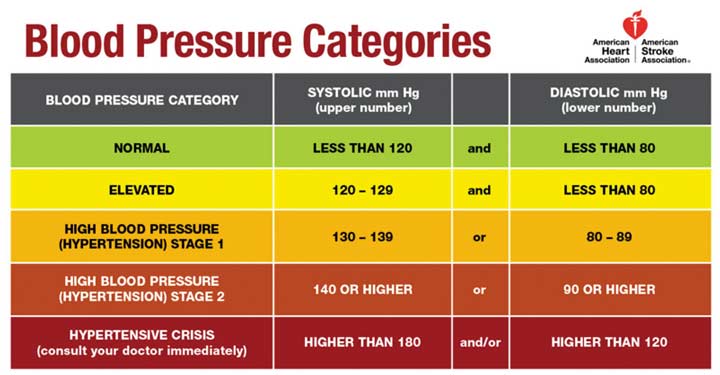
Hypertension is also categorized as either primary or secondary. Primary hypertension applies to most people with high blood pressure, and while the conventional view is that the cause is idiopathic or unknown, it’s typically linked to insulin/leptin resistance. Secondary hypertension refers to high blood pressure that is caused by another medical condition, such as chronic liver disease.
Download this Article Before it Disappears
What’s Your Fasting Insulin Level?
I believe most all Stage 1 and even a high percentage of Stage 2 hypertension can be successfully treated to where drugs become unnecessary, provided you’re aggressive enough in your diet and lifestyle modifications. However, if you have seriously elevated blood pressure, it would be wise to be on medication to prevent a stroke while you’re revising your lifestyle.
In addition to checking your blood pressure on a regular basis, I highly recommend getting a fasting insulin level test done. Remember, high blood pressure and insulin resistance tend to go together, and if your hypertension is the result of elevated insulin levels, you’ll know how to nip it in the bud by the end of this article.
The fasting insulin level you want to strive for is about 2 or 3 microU per mL (μU/mL). If it’s 5 or above, you clearly need to lower your insulin level to reduce your risk of high blood pressure and other cardiovascular health hazards. Keep in mind that the so-called “normal” fasting insulin level is anywhere from 5 to 25 μU/mL. Please do not make the mistake of thinking that this “normal” insulin range equates to optimal.
How to Find a Blood Pressure Measuring Device
According to a 2019 study,7 nearly 46% of American adults could benefit from self-monitoring to avoid “white coat” hypertension. Whether you suspect (or know) you have high blood pressure, an automatic blood pressure meter is a good investment for every household.
Top rated blood pressure meters for home use include the following. Consumer Reports tested these devices for accuracy, comfort, clarity of display and ease of use, and all are commercially available on Amazon and other large retailers and pharmacies:8
- Omron Platinum BP5450
- Omron Silver BP5250
- Omron 10 Series BP7450
- A&D Medical UA767
- Rite Aid Deluxe Automatic BP3AR1-4DRITE
To measure your blood pressure, follow these guidelines:9
- Don’t exercise, smoke or drink coffee or caffeinated beverages within 30 minutes of measuring your blood pressure. Also empty your bladder and relax for at least five minutes beforehand.
- Sit with your back straight on a firm chair. Avoid sitting on the couch as that encourages slouching. Keep your feet flat on the floor and do not cross your ankles or legs.
- Make sure your arm is supported on a flat surface, such as an armrest or table, with your upper arm at heart level.
- Place the blood pressure cuff directly above the bend of your elbow on bare skin. Do not measure on top of clothes. The cuff should be snug but not too tight nor too loose. Press the Start button and remain still while the pressure is being taken.
- Measure your blood pressure at the same time every day, and take multiple readings each time. Ideally, take two readings one minute apart and record the results.
How to Avoid a False Hypertension Diagnosis
To avoid a false hypertension diagnosis, keep in mind that your blood pressure reading can vary significantly from day to day, and even from one hour to the next, so don’t overreact if you get one high reading here or there. It’s when your blood pressure remains consistently or chronically elevated that significant health problems can occur. Several factors can affect the validity of your blood pressure reading, including:
•Incorrect blood pressure cuff size — If you’re overweight, taking your reading with a size “average” blood pressure cuff can lead to a falsely elevated blood pressure reading, so make sure your doctor or health care professional is using the correct cuff size for your arm.
•Incorrect arm position — If your blood pressure is taken while your arm is parallel to your body, your reading can be up to 10% higher than it really is. Blood pressure readings should always be taken with your arm at a right angle to your body.
•Nervousness — “White coat hypertension” is a term used for when a high blood pressure reading is caused by the stress or fear associated with a doctor or hospital visit. This can be a transient yet serious concern. If this applies to you, stress reduction is key.
To decrease your risk of being falsely diagnosed with hypertension in this situation, take a moment to calm down (be sure to arrive for your appointment ahead of time so you can unwind), then breathe deeply and relax when you’re getting your blood pressure taken.
Use Waist-to-Hip Ratio to Assess Your Hypertension Risk
Research suggests your waist size may be an effective measure for assessing obesity-related hypertension risk.10 If you have a high waist-to-hip ratio, i.e., you carry more fat around your waist than on your hips, you may be at an increased risk for obesity-related hypertension. Your waist size is also a powerful indicator of insulin sensitivity, and studies indicate that waist size is one of the most powerful ways to predict your risk for diabetes.
To calculate your waist-to-hip ratio, measure the circumference of your hips at the widest part, across your buttocks, and your waist at the smallest circumference of your natural waist, just above your belly button. Then divide your waist measurement by your hip measurement to get the ratio.
The University of Maryland offers an online waist-to-hip ratio calculator11 you can use. The Mayo Clinic uses the following waist-to-hip ratio designations to evaluate your health risk:
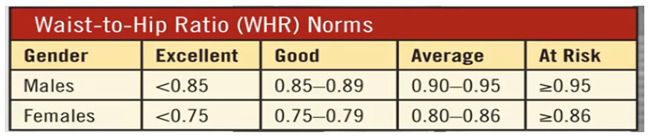
Drugs Can Increase Risk of Fall-Related Injuries
Before I review lifestyle modifications that can help you normalize your blood pressure, I want to address the issue of medications. It’s important to realize that while blood pressure medications can be very effective at lowering blood pressure, they do not in any way, shape or form address the underlying cause.
According to the most recent statistics from the American Heart Association, about 20% of people with hypertension have resistant hypertension, meaning they cannot control it with three or more medications,12 so these drugs clearly don’t work as advertised for a lot of people.
There are also side effects to contend with; some of them quite harmful and/or debilitating. For example, one JAMA study13 found that hypertensive patients over the age of 70 who were taking blood pressure medication increased their risk of serious falls requiring hospitalization due to fractures, brain injuries, or dislocation of the hip, knee, shoulder or jaw.
The risk of falling can increase if your blood pressure drops too low, too suddenly, upon standing. According to the authors:14
“Antihypertensive medications were associated with an increased risk of serious fall injuries, particularly among those with previous fall injuries. The potential harms vs benefits of antihypertensive medications should be weighed in deciding to continue treatment with antihypertensive medications in older adults with multiple chronic conditions.”
Some Blood Pressure Drugs Raise Risk of Blindness
Another major population study discovered that hypertension drugs called vasodilators increase your risk of early onset age-related macular degeneration (AMD), which is the most common cause of blindness among American seniors. As noted in a press release:15
“… [R]esearchers … conducted a long-term population-based cohort study from 1988 to 2013 of nearly 5,000 residents of Beaver Dam, Wis., aged 43 to 86 years …
The researchers found that, after adjusting for age, sex and other factors, using any vasodilator such as Apresoline and Loniten, which open (dilate) the blood vessels — was associated with a 72% greater risk of developing early-stage AMD.
Among people who were not taking vasodilators, an estimated 8.2% developed signs of early AMD. In comparison, among those taking a vasodilator medication, 19.1% developed the disease.
The researchers also found that taking oral beta blockers such as Tenormin and Lopressor was associated with a 71% increase in the risk of neovascular AMD, a more advanced and vision-threatening form of the disease.
Among those who were not taking oral beta blockers an estimated 0.5% developed signs of neovascular AMD. In comparison among those taking oral beta blockers, 1.2% developed neovascular AMD.”
Key Lifestyle Strategies for Lowering Your Blood Pressure
Alright, time to get down to the nitty gritty of normalizing your blood pressure. As mentioned earlier, high blood pressure is typically associated with insulin resistance, which results from eating a diet too high in the omega-6 fat linoleic acid (LA). As your insulin level elevates, so does your blood pressure.
Excessive omega-6/LA consumption is another dietary factor that contributes to high blood pressure by hardening your arteries (atherosclerosis), which researchers now have pinpointed as yet another treatment focus for hypertension.
So, make sure you avoid all trans fats or hydrogenated fats that have been modified in such a way to extend their shelf life. This includes margarine, seed oils and “butter-like” spreads. Of course, this also includes all foods made or cooked with these fats.
The late Dr. Fred Kummerow was the first scientist to document the dangers of trans fats. Trans fats prevent the formation of prostacyclin, which acts as a natural blood-thinning agent. By diligently avoiding trans fats, your body will make prostacyclin that keeps your blood thin, which will reduce your risk of heart attack and stroke.
Now, if you think about these two factors alone — insulin resistance and atherosclerosis — what kind of diet is bound to produce high blood pressure? The answer, of course, is a processed food diet, loaded with high fructose corn syrup, grains and damaged omega-6 fats, a majority of which are LA.
Knowing that, the answer to correcting high blood pressure becomes rather self-evident. If your blood pressure is running high, you need to restore your insulin and leptin sensitivity, and the following strategies are among the most effective for doing so:
1. Replacing processed foods with whole, unprocessed organic foods.
2. Avoiding all seed oils — It would be helpful to also eliminate seeds and nuts unless you have been on a low LA diet for at least three years.
3. Optimizing your vitamin D (which I discuss in greater detail below).
4. Only use healthy fats — Sources of healthy fats to add to your diet include: grass fed butter, raw organic dairy, organic pastured egg yolks, coconuts, coconut oil and macadamia nuts, grass fed meats and pasture-raised poultry.
The best carbs to add would be ripe fruit that you tolerate well. But, the key is to make sure your fat intake is below 30%, which you can determine with Cronometer. If you fail to do this the carbs can convert to fat and change your cholesterol profile unfavorably.
5. Exercising regularly — In an upcoming section, I’ll review the most effective type of exercise if you have high blood pressure.
Vitamin D Can Relax Arteries and Improve Blood Pressure
Vitamin D deficiency and high consumption of harmful omega-6 fats like linoleic acid (LA) can lead to stiff arteries. Vitamin D deficiency appears to be associated with both arterial stiffness and hypertension.16
Each cell in your body has a DNA library that contains information needed to address virtually every kind of stimulus it may encounter, and the master key to enter this library is activated vitamin D. This is why vitamin D functions in so many different tissues and affects such a large number of different diseases and health conditions, one of which is heart disease.
Research17 has shown that the farther you live from the equator, the higher your risk of developing high blood pressure. Blood pressure also tends to be higher in winter months than during the summer. Exposing your bare skin to sunlight affects your blood pressure through a variety of different mechanisms, including the following:
- Sun exposure causes your body to produce vitamin D. Lack of sunlight reduces your vitamin D stores and increases parathyroid hormone production, which increases blood pressure.
- Vitamin D deficiency has also been linked to insulin resistance and metabolic syndrome, a group of health problems that can include insulin resistance, elevated cholesterol and triglyceride levels, obesity, and high blood pressure.
- Vitamin D is also a negative inhibitor of your body’s renin-angiotensin system (RAS), which regulates blood pressure.18 If you’re vitamin D deficient, it can cause inappropriate activation of your RAS, which may lead to hypertension.
- Additionally, exposure to UV rays is thought to cause the release of endorphins, chemicals in your brain that produce feelings of euphoria and relief from pain. Endorphins naturally relieve stress, and stress management is an important factor in resolving hypertension.
Guidelines for Optimizing Your Vitamin D Level
Ideally, you’ll want to get your vitamin D through sun exposure on your bare skin. If you opt for an oral vitamin D supplement, make sure you use vitamin D3, not D2, which is typically prescribed by doctors but has been linked to poorer health outcomes.
Also, make sure to measure your vitamin D level before you start supplementing. The reason for this is because you cannot rely on blanket dosing recommendations. The crucial factor here is your blood level, not the dose, as the dose you need is dependent on several individual factors, including your baseline blood level.
Data from GrassrootsHealth’s D*Action studies suggest the optimal level for health and disease prevention is between 60 ng/mL and 80 ng/mL, while the cutoff for sufficiency appears to be around 40 ng/mL.
In Europe, the measurements you’re looking for are 150 to 200 nmol/L and 100 nmol/L respectively. That said, as a general guideline, research by GrassrootsHealth suggests that adults need about 8,000 IUs per day to achieve a serum level of 40 ng/mL.
I’ve published a comprehensive vitamin D report in which I detail vitamin D’s mechanisms of action and how to ensure optimal levels. I recommend downloading and sharing that report with everyone you know. A quick summary of the key steps is as follows:
1. First measure your vitamin D level — Your doctor can order this test for you.
2. Assess your individualized vitamin D dosage — To do that, you can either use the chart below, or use GrassrootsHealth’s Vitamin D*calculator. To convert ng/mL into the European measurement (nmol/L), simply multiply the ng/mL measurement by 2.5. To calculate how much vitamin D you may be getting from regular sun exposure in addition to your supplemental intake, use the DMinder app.19
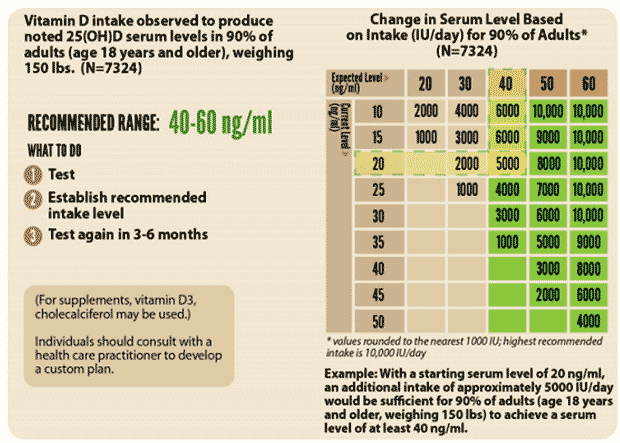
3. Retest in three to six months — Lastly, you’ll need to remeasure your vitamin D level in three to six months, to evaluate how your sun exposure and/or supplement dose is working for you.
Take Your Vitamin D With Magnesium and K2
Keep in mind that if you decide to supplement with oral vitamin D3, you also need to boost your vitamin K2 intake, as these two nutrients work in tandem. Together, vitamin D and vitamin K2 produce and activate Matrix GLA Protein (MGP), which congregates around the elastic fibers of your arterial lining, guarding them against calcium crystal formation.
Vitamin K2 also activates a protein hormone called osteocalcin, produced by osteoblasts, which is needed to bind calcium into the matrix of your bone. Osteocalcin also appears to help prevent calcium from depositing into your arteries.
In other words, without the help of vitamin K2, the calcium that vitamin D so effectively lets in can work against you by building up inside your arteries rather than your bones.
It’s also strongly recommended to take magnesium concomitant with oral vitamin D and K2. Data from nearly 3,000 individuals reveal you need 244% more oral vitamin D if you’re not also taking magnesium and vitamin K2.20 What this means in practical terms is that if you take all three supplements in combination, you need far less oral vitamin D in order to achieve a healthy vitamin D level.
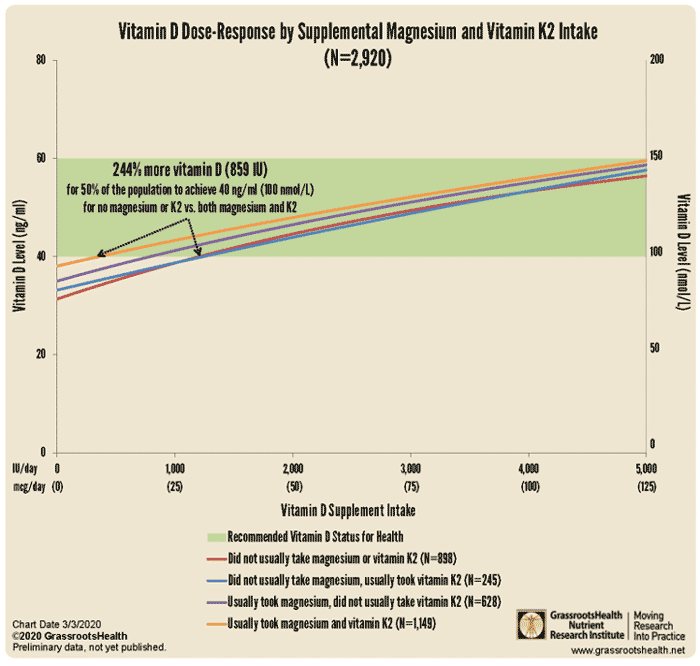
Two Key Factors to Consider When Buying Meat
While some studies suggest a vegetarian diet can help resolve high blood pressure, I do not believe this makes for an ideal diet in the long run, as avoiding all meats can lead to nutritional deficiencies.
From what I’ve learned, I believe the quality and quantity of the meat may be a major part of the equation. First, in terms of quantity, if you eat more protein than your body needs, it will convert most of those calories to sugar. Additionally, it will need to remove the nitrogen waste products from your blood, which will stress your kidneys and deteriorate kidney function if you already have compromised kidneys.
As a general guideline, most adults need about 0.6 to 0.8 grams of protein per pound of lean body mass. (As an example, if your body fat mass is 20%, your lean mass is 80% of your total body weight.)
In terms of quality, meat from organically raised, grass fed and finished animals is far superior to that from animals raised in concentrated animal feeding operations (CAFOs).
CAFO beef and poultry have many disadvantages, including fewer of the most valuable nutrients found in organically raised meats, while being contaminated with hormones, antibiotics, drugs, pesticides and herbicides like glyphosate. Furthermore, since most CAFOs feed animals genetically engineered (GE) grains (primarily corn and soy), there’s also the issue of whether such feed might alter the meat in ways we still have not recognized.
Also, it is best to restrict your meat choices to beef, bison, lamb and other ruminant game animals. It is best to avoid chicken and pigs as, even if pasture-raised and organically fed, they are given grains and other foods that are high in LA so they will increase your LA levels.
Should You Cut Sodium to Lower Your Blood Pressure?
Insulin also affects your blood pressure by causing your body to retain sodium. Sodium retention causes fluid retention. Fluid retention in turn can cause high blood pressure, which may ultimately lead to congestive heart failure.
A standard recommendation if you have high blood pressure is to reduce the amount of sodium in your diet. While it’s certainly beneficial to cut out processed foods and salt, limiting sodium is not the hypertension cure that many think it is.
If you’re simply opting for low-sodium processed foods, you’re hardly doing your health any favors, as such fare is likely compensating for the lack of flavor with harmful fats and/or sugar. You’ve probably heard of the DASH diet,21 which is claimed to be among the most effective for controlling hypertension. It consists largely of fresh vegetables, fruits, lean protein, whole grains, low-fat dairy and very low sodium content.
Processed foods and LA promote hypertension to a far greater degree than excess salt. Salt is essential for maintaining and regulating blood pressure, but the crux lies in the type of salt you consume.
Natural unprocessed salt, such as Himalayan salt, contains 84% sodium chloride and 16% naturally occurring trace minerals. Processed (table) salt, on the other hand, contains 97.5% sodium chloride and the rest are manmade chemicals. The natural, unprocessed form is essential for good health; table salt is best avoided altogether.
But there’s yet another factor that comes into play when we’re talking about sodium and blood pressure, and that’s the issue of maintaining a healthy sodium-to-potassium ratio. Your body needs potassium to maintain proper pH levels in your body fluids, and it also plays an integral role in regulating your blood pressure. In fact, potassium deficiency may be a greater contributor to high blood pressure than excess sodium.
The Importance of Proper Sodium-to-Potassium Ratio
People who eat processed foods frequently and very few fresh fruits and vegetables likely have an imbalance in their sodium-potassium ratio. The key to relaxing your arterial walls and reducing blood pressure is the ratio between sodium and potassium.
If you’re unsure of your sodium and potassium intake, use chronometer.com/mercola, which is a nutrient tracker that allows you to enter foods and then calculates the ratios automatically. Generally, it’s recommended that you eat five times more potassium than sodium.
According to the U.S. Department of Agriculture,22 the average intake of potassium in the U.S. population is 2,640 milligrams (mg) per day. Other surveys have found similar intakes.23 Meanwhile, the National Academies Sciences Engineering Medicine (formerly Institute of Medicine) recommends 4,700 mg per day for people over the age of 14.24
Potassium helps lower your blood pressure by relaxing the walls of your arteries, and according to Harvard Health,25 many people with high systolic blood pressure can successfully lower it simply by increasing their potassium intake.
In my view the absolute best way to increase your potassium is by beating ripe fruit. I typically get around 3,000 mg from watermelon, orange juice and tangerines, and another 2,000 mg from other sources.
For a more complete list of potassium-rich foods, see DietaryGuidelines.gov’s “Food Sources of Potassium” page.26 Taking potassium supplements is not a good strategy and simply will not provide you with the benefits you seek.
The Best Exercises for High Blood Pressure
Exercise is well-known for its ability to normalize blood pressure, but all forms of exercise are not the same in this regard. Existing exercise guidelines for blood pressure management emphasize cardio, such as running and cycling.
But, a recent investigation revealed that isometric exercise, where your muscles are in static contraction, is the most effective for lowering blood pressure, while aerobic exercise is next to last in terms of effectiveness.
A July 2023 meta-analysis27 reviewed 270 randomized controlled trials published between 1990 and February 2023 that reported reductions in systolic blood pressure (SBP) and/or diastolic blood pressure (DBP) following an exercise intervention of two weeks or more, with a pooled sample size of 15, 827 people. In rank order, the analysis found significant reductions in resting SBP and DBP following:
- Isometric exercise (–8.24/–4.00 mmHg)
- Combined training (–6.04/–2.54 mmHg)
- Dynamic resistance training (–4.55/–3.04 mmHg)
- Aerobic exercise (−4.49/–2.53 mmHg)
- High-intensity interval training (–4.08/–2.50 mmHg)
Effectiveness based on the “surface under the cumulative ranking curve” (SUCRA) values for systolic — which refers to the mean probability of being the best for lowering your systolic blood pressure — placed isometric exercise in the No. 1 slot with an effectiveness rating of 98.3%, followed by combined training (75.7%), dynamic resistance training (46.1%), aerobic exercise training (40.5%) and high-intensity interval training (39.4%).
In secondary meta-analyses of submodes, the wall squat was the most effective for reducing SBP, while running was most effective for reducing DBP. In conclusion, the authors noted:28
“Various exercise training modes improve resting blood pressure, particularly isometric exercise. The results of this analysis should inform future exercise guideline recommendations for the prevention and treatment of arterial hypertension.”
The key take-home is that static contraction of muscle as you hold your body in one position, i.e., isometric exercise, is the most effective type of exercise if you want to lower your blood pressure. Examples of isometric exercises include the following.29,30,31 For more details, including exercise instructions, see “Which Exercises Are Best for Lowering Blood Pressure?”
| Wall squat | Isometric calf raise | Planking |
| Hollow-body hold | Low isometric squat | Static slide lunge |
| Overhead hold | Iso hang | Glute bridge |
| Incline pushup hold | V-sit | Single-leg stand |
Addressing Stress-Related Hypertension
Although many people believe that the “tension” part of hypertension refers to stress as the cause, the primary cause is, as previously mentioned, insulin and leptin resistance. That said, the link between stress and hypertension is well-documented.
In fact, it has been shown that people with heart disease can significantly lower their risk of a cardiac event by learning to manage their stress. Suppressed negative emotions such as fear, anger and sadness can radically increase your cortisol levels and severely limit your ability to cope with the unavoidable everyday stresses of life.
It’s not the stressful events themselves that are harmful, but your lack of ability to cope. The good news is, strategies exist to rapidly and effectively transform your suppressed, negative emotions, and relieve stress.
One of the most well-studied of these is an energy psychology method called the Emotional Freedom Techniques (EFT). By teaching your body to slow down and relax when stress hits — essentially short-circuiting your physical stress reaction — you can protect your health. EFT is easy to learn and can be done just about anytime, anywhere. For a demonstration, see the video below.
Other Helpful Strategies
In addition to everything already mentioned, there are still more dietary and lifestyle strategies that can be of help if you struggle with high blood pressure. Here are several additional alternatives for your consideration:
| Avoid caffeine — The connection between coffee consumption and high blood pressure is not well understood, but there is ample evidence to indicate that if you have high blood pressure, coffee and other caffeinated drinks and foods can exacerbate your condition. |
| Supplement with vitamins C and E — Studies indicate that vitamins C32 and E33 may be helpful in lowering blood pressure. If you’re eating a whole food diet, you should be getting enough of these nutrients through your diet alone.
Unless you have radically lowered your LA tissue levels, it is vital to take the correct vitamin E supplement until you do, as it will limit the damage that LA can cause. I consider it to be one of the three most important supplements you can take. It is also helpful in lowering dangerous estrogen levels in your body that can increase your risk of cancer. If you decide you need a supplement, make sure to take a natural (not synthetic) form of vitamin E. You can tell what you’re buying by carefully reading the label. Natural vitamin E is always listed as the ‘d-‘ isomer (d-alpha-tocopherol, d-beta-tocopherol, etc.) Synthetic vitamin E is listed as ‘dl-‘ isomers. |
| Eat more fruit and berries — In what researchers called the first-of-its-kind study in the U.K., scientists used objective measures for dietary intake across thousands of residents, using data for 25,618 people in Norfolk, U.K., and compared the data against their blood pressure measurements.34
The difference in blood pressure between those with the lowest 10% of flavanol intake and those with the highest 10% of intake was between 2 and 4 mmHg. According to the authors, this was comparable to the difference measured when a person switched to a Mediterranean diet or the Dietary Approaches to Stop Hypertension (DASH) diet. Because fruit contains fructose, it can increase your risk of insulin resistance if you eat large amounts; examples of lower fructose fruits that are beneficial for most people include avocados, berries, kiwi and citrus fruits. |
| Quercetin — Quercetin has also been shown to lower blood pressure. Quercetin is a flavonol found in red grapes, onions, red leaf lettuce, elderflower and green tea, to name a few.35
According to a Japanese study,36 quercetin helps lower blood pressure by modifying vascular compliance and resistance, total blood volume and the autonomic nervous system. It also appears to have a unique ability to regulate gene expression that is mediated by controlling negative chloride actions in the cell’s cytosol. Negative chloride ions help control the intracellular activity of many other ions in the cytosol, which is the water-based fluid that surrounds intracellular structures. The gene expression that controls the chloride ions triggers sodium reabsorption, which then reduces body fluid volume and therefore influences volume-mediated high blood pressure. The researchers noted several past studies that demonstrated taking between 150 mg per day and 730 mg per day could lower high blood pressure, decreasing both systolic and diastolic pressures. |
| Supplement with magnesium — Magnesium is also important for healthy blood pressure and few people get enough from their diet these days. Hundreds of studies and scientific papers show there’s a clear correlation between magnesium and high blood pressure.
Magnesium stored in your cells relaxes muscles. If your magnesium level is too low, your blood vessels will constrict rather than relax, and this constriction raises your blood pressure. According to a 2011 paper37 in The Journal of Clinical Hypertension, magnesium intake of 500 mg to 1,000 mg per day may reduce blood pressure by as much as 5.6/2.8 mmHg. Its blood pressure lowering effects are most pronounced when potassium intake is also high, and sodium intake low. Magnesium also boosts the effectiveness of “all antihypertensive drug classes,” according to this paper. Magnesium-rich foods38 include baked potato and white rice, just to name a few. That said, the magnesium content of most foods is dwindling due to the destruction of soils, so it’s one nutrient that I recommend taking as a supplement. |
| Engage in inspiratory muscle strength training (IMST) — Strengthening your breathing muscles with IMST can also be helpful. IMST was originally developed for critically ill patients with respiratory diseases. It helped to improve the strength of their inspiratory muscles by using a handheld device that provides resistance while inhaling.
A 2021 study39 evaluated the effect that IMST could have on reducing blood pressure and thus reducing the risk of cardiovascular disease. Thirty-six adults aged 50 to 79 who had above normal systolic blood pressure were enrolled. Half the participants used high resistance IMST and the other half used low resistance IMST for six weeks. At the end of the intervention, the group using high resistance had a nine-point reduction in their systolic blood pressure. The daily training consists of 30 breaths a day. The breathing exercise takes just five to 10 minutes a day, with benefits noticeable within two weeks. You can learn more about this in “Breathing Exercise Could Reduce Blood Pressure.” |
Take Control of Your Blood Pressure
The best treatment strategy for high blood pressure is to evaluate your lifestyle and make the necessary adjustments, with particular emphasis on normalizing your insulin and leptin levels. We’ve covered a lot of ground in this report, so here’s a summary of key points to remember:
| In addition to checking your blood pressure, check your fasting insulin level. A healthy level to strive for is about 2 μU/mL or 3 μU/mL. |
| Swap out processed foods for whole foods and implement TRE. Also consider going organic. Meats should ideally be grass fed and pasture finished. Foods notorious for causing blood pressure to rise and that should be avoided include processed foods, most grains, partially hydrogenated oils (synthetic trans fats), and seed oils (aka vegetable oils) such as corn, canola, soy and safflower oils.40 |
| Keep an eye on your sodium-to-potassium and omega-3-to-omega-6 ratios. This is automatically done if you swap processed foods for whole foods and make sure you are eating plenty of ripe fruit that you enjoy and is adjusted to your activity rate and fat intake. |
| Optimize your vitamin D level, ideally through regular sun exposure. |
| Exercise regularly, and make sure you include isometric (static contraction) exercises such as wall squats and planking. |
| Learn how to effectively address day-to-day stress. One effective stress management tool is the Emotional Freedom Techniques (EFT). |
- 1, 3 HHS.gov Estimated Hypertension Prevalence, Key Findings Bullet One
- 2 Heart.org Health Threats from High Blood Pressure
- 4 Diabetology & Metabolic Syndrome 2014; 6: 12
- 5 AJMC.com, JNC 8 Hypertension Guidelines: An In-Depth Guide
- 6 Harvard Health November 16, 2021
- 7 Hypertension June 24, 2019; 74: 399-406
- 8 Consumer Reports Best Blood Pressure Meters February 3, 2023
- 9 Heart.org How to Use a Blood Pressure Monitor
- 10 Canadian Journal of Cardiology September 2012: 28(5); S122
- 11 University of Maryland, Waist to Hip Ratio Calculator
- 12 Harvard Health August 1, 2023
- 13, 14 JAMA Internal Medicine 2014;174(4):588-595
- 15 EurekAlert! May 28, 2014
- 16 Vitamin D Council, Hypertension
- 17 Hypertension. 1997; 30: 150-156
- 18 J Steroid Biochem Mol Biol. 2004 May;89-90(1-5):387-92
- 19 DMinder app
- 20 GrassrootsHealth Magnesium and Vitamin K2 Combined Important for Vitamin D Levels
- 21 N Engl J Med 1997; 336:1117-1124
- 22 U.S. Department of Agriculture Food Research Group, Potassium Intake of the U.S. Population
- 23 Nutrition Today September-October 2018; 53(5): 184-195
- 24 National Academies Sciences Engineering Medicine Table S-3
- 25 Harvard Health Publishing, January 23, 2017
- 26 DietaryGuidelines.gov Food Sources of Potassium
- 27 British Journal of Sports Medicine July 25, 2023 DOI: 10.1136/bjsports-2022-106503
- 28 British Journal of Sports Medicine July 25, 2023 DOI: 10.1136/bjsports-2022-106503, Conclusion
- 29 Vertimax
- 30 US News June 15, 2020
- 31 Vertimax 20 Isometric Exercises
- 32 American Journal of Clinical Nutrition 2012 May; 95(5): 1079–1088
- 33 Journal of Human Hypertension 2019; 33: 499-507
- 34 Scientific Reports, 2020;10(1)
- 35 Superfoodly, 100 Quercetin Foods
- 36 Molecules, 2017;22(2)
- 37 The Journal of Clinical Hypertension November 2011; 13(11): 843–847
- 38 Cleveland Clinic Magnesium-Rich Foods
- 39 Journal of the American Heart Association, 2021;10:e020980
- 40 Dr. Sinatra, What is the Best Heart Healthy Diet Plan?