Oils
now browsing by category
Hidden Jeopardy of Vegetable Oils That Few People Suspect
Reproduced from original article:
https://articles.mercola.com/sites/articles/archive/2022/05/12/effects-of-vegetable-oil-on-our-health.aspx
The original Mercola article may not remain on the original site, but I will endeavor to keep it on this site as long as I deem it to be appropriate, and will not be bullied into removing it.
Analysis by Dr. Joseph Mercola Fact Checked May 12, 2022

STORY AT-A-GLANCE
- Replacing dangerous vegetable oils such as corn oil, soybean oil and canola oil with healthy fats such as lard, butter or coconut oil is a simple way to boost your health and reduce your risk of chronic disease, including cancer
- Vegetable oils are a concentrated source of omega-6 linoleic acid, which has led to a severe imbalance between the omega-6 to omega-3 ratio in most people’s diets. This imbalance appears to be why vegetable oils promote cancer
- Consumption of saturated animal fats such as butter, lard and beef tallow fell by 27% between 1970 and 2014, while consumption of vegetable oils rose by 87%
- Historically, mankind consumed omega-3 and omega-6 at a ratio of 1-to-1. Today, most get 25 times more omega-6 than omega-3, and this imbalance has been linked to heart disease, gastrointestinal diseases, inflammatory conditions and cancer, especially neuroblastoma, breast, prostate, colon and lung cancer
- Your body metabolizes omega-3 and omega-6 PUFAs into eicosanoids (hormone-like substances), and as a general rule, omega-3 eicosanoids are anti-inflammatory while omega-6 eicosanoids have proinflammatory effects. Part of the benefits of omega-3 fats is that they block the proinflammatory effects of omega-6 eicosanoids
This article was previously published November 25, 2019, and has been updated with new information.
Dietary fats are a crucial component of a healthy diet, but the devil’s in the details, and the type of fats you choose can make a world of difference. Replacing dangerous oils with healthy fats is one simple way to boost your health and reduce your risk of chronic disease.
Sadly, the fats that promote ill health are the very ones we’ve been told are the healthiest, and vice versa. Among the absolute worst types of fat you can eat are vegetable oils such as corn oil, soybean oil, sunflower and canola oil, found in most processed foods and restaurant meals.
According to the 2017 U.S. Department of Agriculture report,1 “U.S. Trends in Food Availability,” consumption of saturated animal fats such as butter, lard and beef tallow fell by 27% between 1970 and 2014, while consumption of vegetable oils rose by 87%. Intake of salad and cooking oils specifically rose by a remarkable 248%.
In my view, processed vegetable oils, rich in omega-6 polyunsaturated fatty acids (PUFAs), are the most dangerous dietary factor of them all, taking a greater toll on human health than high fructose corn syrup even.
Not only have vegetable oils been linked to heart disease, gastrointestinal diseases such as irritable bowel disorder, and inflammatory conditions such as arthritis, they’ve also been linked to cancer, especially neuroblastoma, breast, prostate, colon and lung cancer.2
Vegetable Oils — A Hidden Cause of Cancer
In a November 8, 2019, Medium article,3 Maria Cross, a nutritionist with a master of science degree, discusses the science behind vegetable oils and what makes them carcinogenic. She explains:
“There are two classes of PUFA: omega-6 and omega-3. Although functionally distinct and non-interchangeable, these two classes are perpetually engaged in a metabolic balancing act, pushing and pulling as they compete for absorption in the body.
There is nothing intrinsically wrong with omega-6 PUFAs: we need them … If omega-6 fat is essential to health, it makes no sense that it can also cause cancer …
That’s why scientists believe that it is not omega-6 per se that is to blame; it’s the balance between the two groups of PUFA that is out of kilter and wreaking havoc on our bodies. We evolved on, and are genetically adapted to, a diet that provides more or less equal amounts of omega-3 and omega-64 …
With the industrialization of our diets, and the vast quantities of vegetable cooking oils that go into them, the ratio between omega-6 and omega-3 has shifted enormously and we consume up to 25 times5 more omega-6 than omega-3 …
There can only be consequences, and indeed there are: experimental data6 supports the theory that it is this skewed balance between the two PUFAs that influences the development of a tumor.”
How Lopsided PUFA Ratios Promote Cancer
The cancer connection is also reviewed in a 2016 paper,7 “Role of Diets Rich in Omega-3 and Omega-6 in the Development of Cancer,” which points out that “Omega-6 and omega-3 PUFAs often compete with one another for metabolism and act in an opposing manner.”
Your body metabolizes omega-3 and omega-6 PUFAs into eicosanoids, which are hormone-like substances, and as a general rule, omega-3 eicosanoids are anti-inflammatory while omega-6 eicosanoids have proinflammatory effects.8 Part of the benefits of omega-3 fats is that they block the proinflammatory effects of omega-6 eicosanoids.
As noted in the 2016 paper9 cited above, “several studies have demonstrated that omega-6 PUFAs induce progression in certain types of cancer,” while “omega-3 PUFAs possess a therapeutic role against certain types of cancer.”
Table 1 in that paper lists eight known mechanisms by which omega-3 lowers your risk of cancer. For example, omega-3 has been shown to inhibit insulin-like growth factor (IGF) and down-regulate growth factor receptors involved in cancer.
Omega-3 fats also reduce angiogenesis and cell-to-cell adhesion, improve the structure and function of cells, combat inflammation (which is a hallmark of cancer10) and induce cancer cell apoptosis (cell death).11 Table 2 in that same paper lists the pro-tumor mechanisms of omega-6 fats, which include:12
- Creation of reactive species that damage DNA
- 17-beta-estradiol epoxidation, which in turn generates a carcinogenic compound
- Enhancing the genotoxic effects of other compounds
As explained in my book, “Superfuel,” co-written with James DiNicolantonio, Pharm.D., omega-6 also inhibits cardiolipin, an important component of the inner membrane of your mitochondria that needs to be saturated in DHA in order for it to function properly.13
Cardiolipin can be likened to a cellular alarm system that triggers apoptosis (cell death) by signaling caspase-3 when something goes wrong with the cell. If the cardiolipin is not saturated with DHA, it cannot signal caspase-3, and hence apoptosis does not occur. As a result, dysfunctional cells are allowed to continue to grow, which can turn into a cancerous cell.
Vegetable Oils Exacerbate Virtually All Chronic Disease
Cancer is by far not the only health risk associated with vegetable oils. As mentioned, they promote virtually all chronic disease by throwing your omega-3 to omega-6 ratio off kilter. But they also influence your disease risk in other ways.
Importantly, vegetable oils degrade when heated, forming extremely toxic oxidation products, including cyclic aldehydes.14 Cyclic aldehydes cause oxidized low-density lipoprotein (LDL) associated with heart disease. They also crosslink tau protein and create neurofibrillary tangles, thereby contributing to the development of neurodegenerative diseases.
As explained by Dr. Cate Shanahan in her book, “Deep Nutrition: Why Your Genes Need Traditional Food,”15 in order to understand how dietary fats affect your health you need to understand how fats oxidize.
The omega-6 PUFAs found in vegetable oils have highly perishable bonds that react with oxygen, creating a free radical cascade that turns normal fatty acids in your body into dangerous high-energy molecules that zip around, wreaking havoc in a way similar to that of radiation.
What’s more, many of the vegetable oils produced today — especially corn and soy oil — are genetically engineered and a significant source of glyphosate exposure, and glyphosate has also been linked to gut damage and other health problems.
Shanahan’s book also expounds on the hazards of 4-hydroxynonenal (4HNE), which forms during the processing of most vegetable oils. 4HNE is highly toxic, especially to your gut bacteria, and consumption of 4HNE has been correlated with having an obesogenic balance of gut flora.
4HNE causes cytotoxicity and DNA damage, and instigates free radical cascades that damage the mitochondrial membrane. As Shanahan in 2017:
“You can’t design a better delivery vehicle for a toxin that’s going to destroy your health slowly over the course of maybe 10, 20 years, depending on the genetics of your antioxidant system capacity.”
Shanahan also notes that organic vegetable oil is not the answer, as 4HNE occurs even if the oil is obtained from organic crops. It’s an intrinsic byproduct of the refining and processing of the oil, no matter how healthy the oil initially was.
The omega-6 found in vegetable oils also damages the endothelium (the cells lining your blood vessels), allowing LDL and very low-density lipoprotein (VLDL) particles to penetrate into the subendothelium.
In other words, these oils get integrated into your cell and mitochondrial membranes, and once these membranes are impaired, it sets the stage for all sorts of health problems.
They also make cell membranes less fluid, which impacts hormone transporters in the cell membrane and slows your metabolic rate, and inhibit the removal of senescent cells — aged, damaged or crippled cells that have lost the ability to reproduce and produce inflammatory cytokines that rapidly accelerate disease and aging.
Vegetable oils also strip your liver of glutathione (which produces antioxidant enzymes), thereby lowering your antioxidant defenses,16 and inhibit delta-6 desaturase (delta-6), an enzyme involved in the conversion of short-chained omega-3s to longer chained omega-3s in your liver.17
Address Your Omega-6 to Omega-3 Ratio
Marine-based omega-3 is one of the most important fats in the human diet, as docosahexaenoic acid (DHA) and eicosapentaenoic acid (EPA) are actually key structural elements of cells, including your brain cells, and not just simple fuel. If you don’t have enough DHA and EPA, your body’s ability to repair and maintain healthy cell structures is seriously impaired.
The key that many overlook is the importance of getting the ratio of omega-3 to omega-6 right. Simply adding in more omega-3 might not be sufficient if you’re not also taking steps to significantly lower your omega-6 intake, and vegetable oils are a primary source.
As noted in the 2002 paper,18 “The Importance of the Ratio of Omega-6/Omega-3 Essential Fatty Acids”:
“Excessive amounts of omega-6 polyunsaturated fatty acids (PUFA) and a very high omega-6/omega-3 ratio, as is found in today’s Western diets, promote the pathogenesis of many diseases, including cardiovascular disease, cancer, and inflammatory and autoimmune diseases, whereas increased levels of omega-3 PUFA (a low omega-6/omega-3 ratio) exert suppressive effects.
In the secondary prevention of cardiovascular disease, a ratio of 4/1 was associated with a 70% decrease in total mortality. A ratio of 2.5/1 reduced rectal cell proliferation in patients with colorectal cancer, whereas a ratio of 4/1 with the same amount of omega-3 PUFA had no effect.
The lower omega-6/omega-3 ratio in women with breast cancer was associated with decreased risk. A ratio of 2–3/1 suppressed inflammation in patients with rheumatoid arthritis, and a ratio of 5/1 had a beneficial effect on patients with asthma, whereas a ratio of 10/1 had adverse consequences.
These studies indicate that the optimal ratio may vary with the disease under consideration. This is consistent with the fact that chronic diseases are multigenic and multifactorial.
Therefore, it is quite possible that the therapeutic dose of omega-3 fatty acids will depend on the degree of severity of disease resulting from the genetic predisposition. A lower ratio of omega-6/omega-3 fatty acids is more desirable in reducing the risk of many of the chronic diseases of high prevalence in Western societies …”
Since most processed foods and restaurant foods contain these oils, ridding your diet of them means ditching processed fare and restaurant meals, and cooking from scratch using healthier cooking fats. While you do need omega-6, it should be in its unprocessed form, not industrial vegetable oils. Good sources are whole, raw plant seeds and tree nuts.
Healthiest Fats for Cooking
While the devil’s in the details, and the details may be complicated, the simplest way to understand what a healthy diet consists of is to think back 100 years or so and consider what food was back then, and how it was prepared.
What you’re aiming for is real food — whole food that is as close to its natural state as possible. This may be particularly important when it comes to fats. Again, ditching vegetable oils and any food cooked with it can go a long way toward lowering inflammation and mitochondrial and cellular damage, which will protect you from a variety of common killers, including cancer. As for what to replace the vegetable oils with, the following are among your healthiest options:
• Grass fed tallow — This is probably the best fat to cook with.
• Coconut oil is another excellent cooking oil that is loaded with health benefits.
• Olive oil — Authentic olive oil contains healthy fatty acids that can help lower your risk of heart disease. While the standard recommendation has been to avoid using olive oil for cooking and to only use it cold, recent research19 in which 10 popular cooking oils were compared contradicts this advice, showing extra-virgin olive oil actually scored best for both oxidative stability and lack of harmful compounds produced when heated.
A word of caution is warranted, however. Fake olive oil abounds,20 so it’s important to take the time to investigate your sources. Many are adulterated with cheap vegetable oils or nonhuman grade olive oils,21 which are harmful to health in a number of ways.
• Organic butter (preferably made from organic grass fed raw milk) instead of margarines and vegetable oil spreads — Butter is a healthy whole food that has received an unwarranted bad rap.
• Organic ghee is even better, as you remove the milk solids that many have problems with — Ghee is pure fat with no carbs and is what I personally use. The best way to make it is to place it in a glass container in a dehydrator and don’t heat it higher than 100 degrees F. to preserve the quality.
You can suck off the milk solids with a glass baster. Once you have the ghee you don’t even need to refrigerate it as it is stable at room temperature for many weeks.
To round out your healthy fat intake, be sure to eat raw fats, such as those from avocados, raw nuts, raw dairy products and olive oil. Also increase your animal-based omega-3 fat intake by eating more sardines, anchovies, mackerel, herring or wild-caught Alaskan salmon, or take a supplement such as krill oil.

10 Reasons Behind Most Chronic Health Issues
Reproduced from original article:
https://articles.mercola.com/sites/articles/archive/2022/04/20/10-reasons-behind-most-chronic-health-issues.aspx
The original Mercola article may not remain on the original site, but I will endeavor to keep it on this site as long as I deem it to be appropriate, and will not be bullied into removing it.
Analysis by Dr. Joseph Mercola Fact Checked April 20, 2022

STORY AT-A-GLANCE
- Obesity is a driving force behind preventable chronic diseases, and diet is a major factor in maintaining a healthy weight. Just 10 food companies control the manufactured food in your grocery store, most of which is ultraprocessed and high in sugar
- Many of those foods are made with genetically modified crops, which make up 70% of crops grown in the U.S. and 70% of the American diet is processed food, leading to many of the current chronic diseases
- Some doctors have become legalized drug dealers, overprescribing pharmaceutical products as a symptom of a larger issue in medicine, in which doctors are more influenced by Big Pharma than by the health care needs of their patients
- Government policies began favoring large corporate farmers in the 1970s, and now Big Pharma also controls agriculture and seed supplies, which means they control the food you eat and when you get sick, supply you with drugs to treat your chronic disease
- Replacing saturated fat with sugar, whole grain and vegetable and seed oils has had a significant effect on the rising number of people with obesity and chronic illness. With each passing year, it becomes more important to be aware of the food choices you make as they impact your health and wellness
The 2015-2016 National Health and Nutrition Examination Survey (NHANES) recorded the highest rate of obesity ever documented by the survey — 39.6% of adults with obesity.1 Those numbers only continue to grow. The Centers for Disease Control and Prevention2 recorded 42.5% of adults 20 and over with obesity in 2017-2018.
When the percentage of people who are overweight is included, that percentage rises dramatically to 73.6% of the population. The adult obesity prevalence map3 shows the highest prevalence of obesity and overweight in the Midwest and southern states with greater than 40% of the population recorded as obese.
The exception is Florida, where the percentage of the population who are obese ranges between 25% and 30%. The greatest challenge to maintaining a healthy weight is your diet. There are other factors that contribute to weight gain, including a lack of physical activity.
But it’s important to recognize that you’ll never out-exercise a poor diet. So, it’s the first factor you should address if you want to maintain a healthy weight, which is important as obesity is one of the major triggers for preventable disease.4
According to the U.S. Centers for Disease Control and Prevention,5 6 of every 10 adults in the U.S. have at least one chronic health condition, such as heart disease, cancer or Type 2 diabetes. These are also the leading causes of death in the U.S.,6 and obesity and overweight are significant risk factors for them.7
One 10-year study8 showed there was a dose-response relationship between being overweight or obese and the development of several chronic health conditions including golf including gallstones, type 2 diabetes, high blood pressure, colon cancer, and heart disease.
There are significant challenges within the food supply that make it more and more difficult each month for people to make healthy choices. @MrSollozzo from the Meat Mafia Podcast created an informative graphic tweet9 in which he lists many of the diet and food-related challenges faced by Americans today, such as:
1. 10 Companies Control Almost All Manufactured Food
Oxfam America is a nonprofit organization that focuses on the inequalities that drive poverty and Injustice. In 201410 they created a powerful graphic image demonstrating how 10 companies control nearly every food product and beverage you find in the grocery store. Between them, revenues add up to more than $1 billion every day.
These companies include CocaCola, Mars, Nestle, Kellogg, General Mills, Wrigley and Wonka. They have a vested interest in ensuring loyal customers and engaging new customers each year using advertising to promote their products as healthy, wise diet choices for foods or as a fun dessert splurge.
It is difficult for many to ignore the hot buttons11 they push in their advertising campaigns, which include featuring catchy packaging,12 funding nutrition studies13 and publishing enticing print and video campaigns.14
Advertising drives people’s preferences and eating habits, which supports a company’s financial return, and in turn, drives the obesity epidemic. If you think your hands are tied, though, you still have a voice in what these companies market as you can vote with your pocketbook by refusing to purchase their products.
2. 70% of All Crops Are Genetically Modified (GM)
When you’re looking through the produce aisle for tonight’s meal, consider the fact that nearly 70% of crops grown in the U.S. are from genetically modified seeds. According to data15 from the International Service for the Acquisition of Agri-biotech Applications (ISAAA) the most popular GM crops are soybeans, maize, cotton and canola.
Soybeans, corn and canola are products used in many processed and ultraprocessed foods on grocery store shelves. There are two types of genetically engineered seed: herbicide-tolerant (HT) and insect-resistant (Bt).16 The USDA finds the adoption rate for both is increasing, and the adoption of stacked seed varieties, which has both traits, has accelerated in recent years.
The implications for your health after exposure to GM plants are significant and tied to the use of the herbicide glyphosate,17 which has increased dramatically in the last 20 years.18 Your gut flora is extremely important to your health and is negatively impacted by glyphosate. Experts have tied exposure to glyphosate and GM plants to an imbalance in gut bacteria19 and a variety of chronic diseases, including obesity.20
3. Meat Packers Underpay Ranchers and Overcharge Consumers
In 2020, the Department of Justice began formally investigating antitrust violations of the four largest beef packers in the U.S.,21 following complaints from several states and agricultural organizations. The “Big 4” companies are Cargill, Tyson Foods, JBS and National Beef, and they are responsible for processing 85% of all beef made into steaks, roasts and other cuts.22
When hamburger is factored into the equation, the Big 4 processes 70% of beef production. The four firms gained greater control of the industry in the early 1990s when USDA data showed the market share of slaughtered animals rose from 25% in 1977 to 71% in 1992. Several incidents brought attention to the consolidation that gave just four companies controlling interest in the market.
Cattle ranchers are frustrated by the price drops they experience when a meatpacking plant closes, while the packing companies benefit from rising meat prices. In the short term, this impacts the rancher’s livelihood and ability to stay in business. In the long-term, rising prices at the grocery store from lower supply levels may move more people to purchase plant-based fake “meat”.
4. 70% of the American Diet Is Processed Food
When you investigate the links between obesity and chronic illness, roughly 70% of the crops grown in the U.S. are genetically modified; 73.6% of the population is overweight or obese;23 roughly 60% of the population has at least one chronic disease and, according to data from two studies,24,25 consumption of ultraprocessed and processed foods is just over 70% in the general population.
There are well over 40,000 on grocery store shelves, with the majority being processed and ultraprocessed foods.26 One study27 found that 57.9% of foods eaten were ultraprocessed and contributed 89.7% of calories from added sugar. Data also show that an excess of sugar in the diet may lead to a decrease in satiety, an increase in calorie intake and impaired energy production in your body.28
One model tracked the link between rising sugar consumption and obesity rates, finding that “past U.S. sugar consumption is at least sufficient to explain adult obesity change in the past 30 years.”29
5. Doctors Have Become Legalized Drug Dealers
@MrSollozzo calls doctors “legalized drug dealers,”30 as many frequently overprescribe medications31 rather than help patients change lifestyle habits to avoid chronic disease. Examples can be found in patients who are overprescribed pain medication, proton pump inhibitors, antidepressants,32 antibiotics33 and medications to manage the side effects of other medications.34
This is a symptom of a larger condition in which a physician’s care appears to be highly influenced by the pharmaceutical industry and not by a focus on the prevention or treatment of physical conditions that include nutritional and lifestyle alterations.
6. Big Pharma Controls Agriculture and the Seed Supply
In the 1990s, laws were introduced to protect bioengineered crops. In 2021, four large corporations owned more than 50% of the world’s seeds, which is a staggering monopoly that dominates the global food chain.35 One of those companies is Bayer, which acquired Monsanto in 2018.36
Monsanto is an agrochemical and agricultural biotechnology company, owned by a pharmaceutical company that controls a significant portion of the world’s seed supply, namely GM seed.37 Essentially, this means that Monsanto controls the GE food you eat, and Bayer supplies you with the drugs you need to treat your chronic disease triggered by that food.
7. Government Policies Favor Corporate Farming
Earl Butz was secretary of the USDA in the 1970s. It was his vision to create a centralized food system which, as Grist writes, “plunged a pitchfork into New Deal agricultural policies that sought to protect farmers from the big agribusiness companies whose interests he openly pushed.”38 At the time he was appointed to the USDA, he had served as a board member for several large firms, including Ralston Purina.
Critics predicted that these ties might compromise his ability to function objectively, and the prophecy was fulfilled when he forced agribusiness and large farming conglomerates on the national interest. His legacy continues to thrive as small farmers are gradually forced out of business and large conglomerates buy up huge tracts of land, expanding the reach of GE produce and concentrated animal feeding operations (CAFOs).
Most people have likely never shaken the hand of their local farmer, who may sell produce and meat at local farmers markets, to small grocers or directly to you, the consumer. One of the best things about these local food suppliers is that they are incentivized to provide you with the best quality food to stay in business.
8. ‘Science’ Replaced Saturated Fat With Refined Sugar
Research known as the Seven Countries Study was conceived by the late Ancel Keys, a mid-20th century physiologist who promoted polyunsaturated fats over natural, saturated dietary fats.39 He launched the study in 1958 with the intent of identifying dietary patterns that impact heart disease.40
The results of the study changed government dietary recommendations for decades, with recommendations to eliminate saturated fats from your diet. Along with the addition of polyunsaturated fats to replace the missing natural fats, the food industry also added sugar and whole grains to the mix of processed foods meant to tempt your palate.
Yet, as science has demonstrated, this move has had a broad impact on health and instead of helping to decrease heart disease, actually increased many people’s risk of coronary heart disease as replacement leads to:41
“… changes in LDL, high-density lipoprotein (HDL), and triglycerides that may increase the risk of CHD.
Additionally, diets high in sugar may induce many other abnormalities associated with elevated CHD risk, including elevated levels of glucose, insulin, and uric acid, impaired glucose tolerance, insulin and leptin resistance, non-alcoholic fatty liver disease, and altered platelet function. A diet high in added sugars has been found to cause a 3-fold increased risk of death due to cardiovascular disease.”
As a result of the new processed foods, average Americans developed a sweet tooth so strong that many experts believe they are consuming as much as 130 pounds of sugar each year.42,43,44 Sugar has become so cheap and ubiquitous, that it’s in nearly every processed and ultra-processed food.
9. Natural Fats Replaced With Factory-Produced Vegetable Oils
According to the USDA, consumption per year of added fat and oil rose by 30 pounds from 1970 to 2010. However, the amount of saturated animal fat declined while the rate of vegetable fat from seed oils increased.45 These are industrial vegetable and seed oils that are likely behind the majority of diseases diagnosed in this past century.
The number of people diagnosed with heart disease, cancer, high blood pressure, diabetes, obesity, metabolic syndrome, Alzheimer’s disease and stroke has all risen dramatically in the last decades and they all are linked to the consumption of seed oil.
In a 45-minute presentation titled, “Diseases of Civilization: Are Seed Oil Excesses the Unifying Mechanism?” Dr. Chris Knobbe reveals startling evidence that seed oils, so prevalent in modern diets, are the reason for most of today’s chronic diseases.46
His research indicts the high consumption of omega-6 seed oil in everyday diets as the major unifying driver of the chronic degenerative diseases of modern civilization. He calls the inundation of Western diets with harmful seeds oils “a global human experiment … without informed consent.”47
10. Fake Meat Plant Foods Sold as Healthier Choice
Although many fake meat products are sold as a healthier choice for you and the environment, it turns out that this is yet another smokescreen to control the food supply. As meat prices rise, more people may consider a choice they may not have before: to eat fake meat.
Total revenues for the plant-based Beyond Meat brand have grown steadily from $16.2 million in 2016 to $87.9 million in 201848 and exceeded expectations in 2020, hitting $406.8 million.49 The rising market share is a testament to how well their branding and advertising has convinced the public that they are healthier than pure animal protein.
Yet, it’s widely known that ultraprocessed foods are the enemies of good health, even increasing the risk of premature death by 62% when eaten in quantities of more than four servings each day, with each added serving increasing the risk by another 18%.50
So what is plant-based “meat,” anyway? “It’s not food; it’s software, intellectual property — 14 patents, in fact, in each bite of Impossible Burger with over 100 additional patents pending for animal proxies from chicken to fish,” says Seth Itzkan, environmental futurist and cofounder and co-director of Soil4Climate.51
He suggests fake meat products are destroying the environment by perpetuating a harmful reliance on genetically engineered (GE) grains while accelerating soil loss and detracting from regenerative agriculture.
Buyer Beware
Controlling the food supply is one more way of controlling your health and your future. With every passing year, it becomes more important to be aware of the food choices you make each day as they impact your health and wellness.
Your nutrition dictates how well your body works, and therefore how well you feel each day. As summer approaches, make a commitment to make smart choices for your health and visit local farmers markets for produce, seek out regeneratively-grown produce, meat and dairy products and consider buying your meat and dairy directly from local farmers.
– Sources and References
- 1 Trust for America’s Health, The State of Obesity 2018
- 2 Centers for Disease Control and Prevention, Obesity and Overweight
- 3 Centers for Disease Control and Prevention, Adult Obesity Prevalence Map
- 4 Polish Journal of Food and Nutrition Science, 2019;69(3)
- 5 Centers for Disease Control and Prevention, March 21, 2022
- 6 Centers for Disease Control and Prevention, Leading Causes of Death
- 7 University of Mississippi Medical Center, Obesity and Chronic Disease
- 8 JAMA, 2001;161(13)
- 9, 30 Twitter, MrSollozzo, April 11, 2022
- 10 Oxfam America, December 10, 2014
- 11 Zen Business, Hot Button Marketing
- 12 Nutrients, 2019;11(5)
- 13 BMJ, 2020;371
- 14 Pan American Health Organization, Marketing of Ultra-processed and Processed Food and Non-alcoholic Drink Products
- 15 International Service for the Acquisition of Agri-biotech Applications, July 23, 2018
- 16 USDA, Recent Trends in GE Adoption
- 17 Environmental Health, 2016;15(19)
- 18 Environmental Sciences Europe, 2016;28(3)
- 19 Neurotoxicology, 2019;75:1
- 20 Impact of Genetically Modified Organisms on Environment and Health, 2021
- 21 Bloomberg, June 4, 2020
- 22 Reuters, June 17, 2021
- 23 CDC Obesity and Overweight September 10, 2021
- 24, 27 BMJ Open, 2016;6:e009892
- 25 American Journal of Clinical Nutrition, 2021;115(1)
- 26 Troy Media, December 26, 2019
- 28 BMJ Open Heart, 2016;3:e000469
- 29 Economics & Human Biology, 2020;36(100818)
- 31 StatNews, April 2, 2019
- 32 Journal of Clinical Medicine Research, 2019;11(9)
- 33 Centers for Disease Control and Prevention, May 3, 2016
- 34 BBC, September 22, 2021
- 35 DW, August 4, 2021
- 36 Fierce Pharma, August 29, 2019
- 37 Leaders in Wildlife Conservation, March 30, 2021
- 38 Grist, February 8, 2008
- 39 Seven Countries Study, Ancel Keys, top paras
- 40 Seven Countries Study, About the Study, para 1
- 41 Progressive Cardiovascular Disease, 2016;58(5) Abstract
- 42 Smithsonian, May 2017
- 43 Daily Health Post, July 25, 2019
- 44 DailyInfographic, March 25, 2015
- 45 USDA, January 2017
- 46 YouTube, June 13, 2020
- 47 YouTube, June 13, 2020, minute 10:36
- 48 Forbes August 28, 2020
- 49 Beyond Meat 2020 Financial Results February 25, 2021
- 50 BMJ 2019;365:l1949
- 51 Medium, May 25, 2020
This Nutrient Could Cut Tumor Growth Up to 67%
Reproduced from original article:
https://articles.mercola.com/sites/articles/archive/2022/04/18/omega-3-fatty-acids-could-cut-tumor-growth.aspx
The original Mercola article may not remain on the original site, but I will endeavor to keep it on this site as long as I deem it to be appropriate, and will not be bullied into removing it.
Analysis by Dr. Joseph Mercola Fact Checked April 18, 2022

STORY AT-A-GLANCE
- Data presented at the 2022 Experimental Biology meeting showed omega-3 fatty acids could cut tumor growth by 67% when combined with immunotherapy or anti-inflammatory therapy, but omega-6 fats could accelerate tumor growth
- Past research has demonstrated an unbalanced intake of omega-6 fats, commonly found in vegetable oils and processed foods, could promote the growth of cancer cells
- Data revealed an omega-3 index greater than 5.7% lowers the risk of death in COVID-19. Past research shows adequate levels of omega-3 have a positive impact on viral infections and a combination of vitamin D and omega-3 can help prevent autoimmune disease
- The only way to know if you need a supplement is to test using an omega-3 index. The best type of supplement is sustainable krill oil since fish oil has a higher risk of oxidative damage and krill oil also contains astaxanthin, which helps reduce oxidative damage
Dietary fats are essential to your good health. However, like everything else, you can eat too much of some or not enough of others. When this happens, your body does not work effectively. Research from Harvard Medical School’s Beth Israel Deaconess Medical Center in Boston demonstrated omega-3 fat could reduce tumor growth by 67%.1
Your body uses fat to keep your skin and hair healthy, absorb certain vitamins,2 temperature control,3 and for an essential role in neurological health.4 The most dangerous type of fat is trans-fat, which is commonly found in baked goods and processed foods.5
During processing, certain healthy oils can be turned into solids using a process called hydrogenation. This extends the shelf life and creates trans fats in the process. There are no health benefits, and it is not safe to eat any of them. On the other hand, polyunsaturated fats are essential, which means your body needs this type of fat but cannot manufacture it, so you must get it in food.
The two main types are omega-3 and omega-6 fatty acids. The number identifies where the first carbon-carbon double bond appears.6 Both fats may be essential, but it’s vital to get them in the right ratio to reduce the risk of a chronic inflammatory response.
Omega-6 fats are found in high concentrations in processed foods, corn oil, sunflower oil and safflower oil.7,8 The optimal ratio of omega-3 to omega-6 fats is 1-to-4 or lower.9 Unfortunately, the typical Western diet has a ratio of 1-to-16.10
Many people are becoming more aware of the importance of omega-3 fats to their overall health. Yet, they may still be unsure of how much is needed to achieve or maintain optimal levels. Adjusting your ratio may help reduce your risk of many chronic diseases that are so prevalent in Western Society.
Excessive intake of omega-6 fats nearly tripled in the last 100 years with the introduction of vegetable oil.11 Researchers have now found that integrating omega-3 fat into the diet and reducing omega-6 could have a significant impact on the prevention and treatment of cancer.12
Omega-3 Fatty Acids Help Fight Cancer
The research13 was presented April 4, 2022 at the annual Experimental Biology meeting in Philadelphia.14 The animal model showed that omega-3 fatty acids helped promote the cancer-fighting activities of immunotherapy and anti-inflammatory therapy.
Immunotherapy is a type of biological treatment that prompts the immune system to attack cancer cells.15 Biological therapies use compounds from living organisms. Several types of immunotherapies help promote the immune system’s response, including monoclonal antibodies which are used in the treatment of COVID-19.16
The scientists sought to determine the impact of what a cancer patient eats on antitumor activity after treatment with immunotherapy or an anti-inflammatory therapy designed to inhibit the enzyme soluble epoxide hydroxylase.17 As of the time of the study, immunotherapy was approved for use in the treatment of cancer, but anti-inflammatory therapy was still under clinical investigation.
The researchers used an animal model to produce primary and metastatic malignancies. The animals were first fed one of three diets for 10 days before tumor injection and the remainder of the study period. One group received a standard diet, one a diet high in omega-3 and the third group a diet high in omega-6. One week after tumors were injected, each group was split into four different intervention groups.
The groups were either given no treatment, immunotherapy, anti-inflammatory therapy or both therapies simultaneously. The researchers evaluated the response of the tumors to diet supplementation in addition to the cancer treatment. What they found was that omega-3 fatty acids helped block tumor growth in the three treatment groups of mice.
The mice receiving the high omega-3 diet and both cancer treatments showed a reduction of 67% growth when compared to the group of mice eating a normal diet and receiving no treatment.18 By comparison, cancer cell growth increased in the mice who ate the high omega-6 diet and were given immunotherapy.
The researchers believe the results indicated there could be synergistic activity between omega-3 fatty acids and immunotherapy and anti-inflammatory therapy for cancer. The research is being presented by Abigail Kelly from Harvard Medical School Beth Israel Deaconess Medical Center. She commented on the results in a press release, saying:19
“We demonstrated, for the first time, that the combination of immunotherapy and anti-inflammatory treatment (sEHi) was more effective when mice were fed diets enriched with omega-3 fatty acids. This is very promising because dietary supplementation is easy to implement for cancer patients and can be added for patients already on immunotherapy.”
Abundance of Omega-6 Fatty Acids Promotes Cancer
The data on omega-6 and omega-3 in the scientific literature is not new. In fact, research showing omega-6 fats promote malignant growth dates to the 1990s.20 And yet, many people are unaware that the imbalance of omega-3 and omega-6 fats in their diet may be increasing their risk of developing cancer.
Data in 2008 revealed that omega-6 fatty acids in combination with heterocyclic amines (HA), produced when meat and fish are cooked, increased the likelihood of breast cancer in post-menopausal women.21 The amount of HA was not associated with the potential risk in this cohort. Rather, it was the combination of HA and omega-6 that increased the potential risk of a diagnosis of breast cancer.
Another paper published in 2012 discussed the results of studies that also found a link between omega-6 and breast cancer.22 Data also show higher intake of omega-6 can increase the risk of prostate cancer and a low ratio of omega-6 to omega-3 can improve the effectiveness of treatment.23
Omega-6 fatty acid metabolites also promote angiogenesis in malignant tumors by increasing growth factor expression.24 Data have demonstrated there is a relationship between omega-6 consumption and the progression of certain types of cancer growths, such as breast, prostate, lung, colorectal and neuroblastoma.25
Combination of D and Omega-3 Helps Prevent Autoimmune Disease
Vitamin D and omega-3 have several things in common,26 not the least of which is that they play important roles in cardiovascular health and most who are deficient in one are also deficient in the other. This sparked the VITAL study,27 which is an ongoing study in which researchers are studying the effect of these dietary supplements on the risk of cardiovascular disease or cancer in 25,871 men and women.
The combination deficiency also has a negative effect on your immune health. One study28 published in the BMJ has suggested that supplementing with vitamin D and omega-3 could lower your risk of developing an autoimmune disease, such as psoriasis, thyroid diseases and rheumatoid arthritis as you get older. The researchers from Brigham and Women’s Hospital and Harvard Medical School used data from the VITAL trial.
They followed the participants for more than five years and compared supplementation against self-reported autoimmune diseases diagnosed during the study period. They wrote:29
“Vitamin D supplementation for five years, with or without omega-3 fatty acids, reduced autoimmune disease by 22%, while omega-3 fatty acid supplementation with or without vitamin D reduced the autoimmune disease rate by 15% (not statistically significant).”
However, participants who took both an omega-3 supplement, and vitamin D decreased their risk of autoimmune disease by 30%. Further, when participants took the supplements for at least two years, the risk decreased even more to 39%.
Study author Dr. Karen Costenbader, lupus program director at Brigham and Women’s Hospital, explained that the findings are so powerful, she can now answer one of her patients’ most common questions — “Which vitamins or supplements do you recommend?” She said:30
“Now, when my patients, colleagues, or friends ask me, I can point to our research findings, which suggest that for women age 55 years and older, and men 50 years and older, marine omega-3 fatty acids (fish oil) 1000 mg a day, and vitamin D 2000 IU a day — the doses used in VITAL — lead to a 22% reduction in all autoimmune diseases with vitamin D, and a 15% reduction in the same with fish oil supplementation over 5.3 years of randomized follow-up.
In the trial, these supplements were prescription grade and underwent rigorous quality testing. They were safe and well tolerated and no increase in adverse events was found.”
Omega-3 Level Effects Infection Rate
The name of the infection on everyone’s lips for the last two years has been COVID-19. Yet, colds, flu and gastrointestinal viral infections have not disappeared. Research also indicates that optimal levels of omega-3 fatty acids may have a protective effect on viral illness. Since it may still be top of mind, let’s start with how omega-3 fatty acid levels have helped improve COVID-19 outcomes.
A study31 published in January 2021, analyzed the omega-3 index in 100 individuals and compared that against their COVID-19 outcomes. The patients were admitted to Cedar Sinai Medical Center starting March 1, 2020, with a confirmed case of COVID-19. Blood samples were drawn and stored within 10 days of diagnosis.
The primary outcome measurement was death, and the risk was analyzed as a measure of quartiles. When they analyzed the overall data, the researchers found that older individuals and those admitted with a “do not resuscitate” order had a higher likelihood of dying. Blood samples were then separated from the highest to the lowest quartile.
Researchers found there was only one death in the group with an omega-3 index that measured 5.7% or greater. He was a 66-year-old man admitted with a do not resuscitate order. In the other 3 quartiles, a total of 17% of the patient’s died. The blood samples also confirmed past results that had demonstrated the average person in the U.S. has an omega-3 index near 5%.32
Several other studies also confirmed these results, showing individuals with adequate levels of omega-3 had better outcomes from COVID-19.33,34 Research before 2020 also showed that omega-3 has an impact on viral infections, including influenza35 and bacterial infections associated with COPD.36
Omega-3 Also Helps Heart Health
Several epidemiological and clinical trials have demonstrated that omega-3 fatty acids play a role in the risk of cardiovascular disease. Those with risk factors associated with coronary heart disease benefit from omega-3 fats.37 Supplementation may also reduce heart and all-cause mortality.
In one study38 of 84,688 nurses who were followed over 16 years, researchers analyzed their omega-3 intake and compared the health outcomes of those who rarely ate fish (less than once per month) to those who ate the greatest amount (five or more times each week). They found that those with the highest intake had the lowest risk of coronary heart disease.
Another group of scientists39 used a medication described as a “highly purified eicosapentaenoic acid ethyl ester” that is “a synthetic derivative of omega-3 fatty acid.”40 They found that those taking the medication experienced a significantly lower number of ischemic events than those taking a placebo, including those taking statin medications. The researchers concluded:41
“Among patients with elevated triglyceride levels despite the use of statins, the risk of ischemic events, including cardiovascular death, was significantly lower among those who received 2 g of icosapent ethyl twice daily than among those who received placebo.”
Choose Krill Oil Over Fish Oil for Omega-3
The best way to know if you need to supplement with omega-3 is to test your level. The omega-3 index measures the amount of omega-3 on your red blood cells as a reflection of the amount found in the rest of your body. Before the test was developed in 2004, an assay was not available.
Since the lifespan of a red blood cell is about 120 days,42 the test measures an average of your omega-3 intake and isn’t influenced by a recent meal that was high in omega 3. The test has been used to evaluate data from several studies, including the Framingham Study43 and the Women’s Health Initiative.44
The index is expressed as a percent of all fatty acids in the red blood cell membrane.45 Data from studies Harris performed showed the healthy range of omega-3 is from 8% to 12%.46 One study showed that a low index is just as powerful a predictor of early death as smoking.47
The best omega-3 supplement is from an animal-based source. Krill oil and fish oil provide both eicosapentaenoic acid (EPA), and docosahexaenoic acid (DHA). Krill is sustainable and resistant to oxidative damage since it also contains astaxanthin. Fish oil has a greater potential for contamination and has a higher risk of oxidative damage that can occur during processing and after you open the bottle.48
In an analysis of fish oil available over the counter in Canada, researchers analyzed 171 supplements from 49 brands.49 They found 50% of the samples exceeded one measurement of oxidation and 39% exceeded what is considered safe by international standards.
In addition to a lower rate of contamination, krill oil is far more potent than fish oil. In one study,50 participants who took krill oil required only 62.8% of the amount of those taking fish oil to achieve the same results.
– Sources and References
- 1, 12, 13, 17, 18, 19 NewsWise, March 25, 2022
- 2 National Institute of General Medicine Sciences, December 15, 2010
- 3 National Institutes of Health, July 28, 2014
- 4 Current Neuropharmacology, 2018;16(7)
- 5 Harvard Health Publishing, August 13, 2018
- 6 Food Insight, July 30, 2020
- 7 American Society for Nutrition, September 24, 2020
- 8 Advances in Nutrition, 2020;11(6)
- 9 BMJ Open Heart, 18;5:e000946 Last para above Conclusion animal study
- 10 Biomedicine and Pharmacotherapy, 2002;56(8)
- 11 Today’s Dietitian, 2013;15(4):38
- 14 Experimental Biology 2022
- 15 National Cancer Institute, Immunotherapy to Treat Cancer
- 16 NIH, February 1, 2022
- 20 International Journal of Oncology, 1995;7(3)
- 21 Reuters, September 26, 2008
- 22 BMC Medicine, 2012;10(50)
- 23 Nutrition and Cancer, 2013;65(4)
- 24 Cancer and Metastasis Reviews, 2013;32
- 25 Boletin Medico del Hospital Infantil de Mexico, 2016;73(6)
- 26 Omegaquant, August 13, 2018
- 27 VITAL study
- 28, 29 The BMJ, 2022; 376
- 30 BMJ 2022;376:o243
- 31 Prostaglandins, Leukotrienes and Essential Fatty Acids, 2021; doi.org/10.1016/j.plefa.2021.102250
- 32 OmegaQuant, March 25, 2020, para 5
- 33 Frontiers in Physiology, 2021; doi.org/10.3389/fphys.2020.624657
- 34 Infection and Chemotherapy, 2020;52(4)
- 35 Biochimica et Biophysica Acta, 2015;1851(4)
- 36 University of Rochester Medical Center, March 14, 2016
- 37 American Heart Association
- 38 JAMA, 2002;287(14):1815
- 39, 41 New England Journal of Medicine, 2019;380:11
- 40 PubChem
- 42 Stanford Blood Center, December 13, 2010
- 43, 47 EurekAlert! June 24, 2021
- 44 Prostaglandins, Leukotrienes and Essential Fatty Acids, 2017;121
- 45 The American Journal of Clinical Nutrition, 2008;87(6)
- 46 OmegaQuant, July 9, 2018
- 48 Journal of Nutritional Science, 2015;4:e36
- 49 Journal of Nutritional Science, 2015;4:e30
- 50 Lipids, 2011;46(1):37
Soybean Oil May Cause Irreversible Changes in Your Brain
Reproduced from original article:
https://articles.mercola.com/sites/articles/archive/2022/03/09/soybean-oil-cause-genetic-changes-brain.aspx
The original Mercola article may not remain on the original site, but I will endeavor to keep it on this site as long as I deem it to be appropriate, and will not be bullied into removing it.
Analysis by Dr. Joseph Mercola Fact Checked March 09, 2022

STORY AT-A-GLANCE
- Vegetable oils and seed oils like soy, canola, sunflower, grapeseed, corn, safflower, peanut and rice bran oil are loaded with omega-6 linoleic acid (LA), which acts as a metabolic poison when consumed in excess. Anything over 10 grams a day will cause problems in the long run
- Seed oils are incredibly proinflammatory and drive oxidation in your body. This oxidation, in turn, triggers mitochondrial dysfunction that then drives the disease process
- Soybean oil has been shown to cause irreversible genetic changes in the brains of mice. This was true both for unmodified soybean oil and soybean oil modified to be low in LA. Both produced pronounced effects on the hypothalamus, which regulates metabolism and stress responses
- A number of genes in the mice that were fed soybean oil were not functioning correctly, including a gene that produces oxytocin, the “love hormone.” About 100 other genes also affected. These changes could have ramifications for energy metabolism, proper brain function and diseases such as autism and Parkinson’s disease
- Olive oil and avocado oil are commonly adulterated with cheaper seed oils, and even pure olive oil is loaded with LA. If you’re in the habit of eating olive oil, you may want to limit your intake to 1 tablespoon per day or less
Your choice of cooking oil can make a profound difference in your health. I’ve often warned against the use of soybean oil. Not only is partially hydrogenated soybean oil loaded with trans fat, which has been linked to heart disease,1 it’s also a source of an omega-6 fat called linoleic acid (LA), which is highly susceptible to oxidation and is typically from GMO seeds.
The problem results once you start to digest this fat, as you break it down into harmful sub-components called advanced lipid oxidation end products (ALEs) and oxidized LA metabolites (OXLAMs) that can cause significant damage at the cellular level. For example, an ALE called 4HNE is a mutagen known to cause DNA damage. Studies have shown there’s a definite correlation between elevated levels of 4HNE and heart failure.
Additionally, LA breaks down into 4HNE faster when the oil it is contained in is heated.2 This is largely why cardiologists recommend avoiding fried foods. ALEs and OXLAMs also play a very significant role in cancer and heart disease.
LA-Rich Soybean Oil Linked to Obesity and Diabetes
In 2015, a UC Riverside research team found soybean oil induced obesity, insulin resistance, diabetes and fatty liver in mice.3 Two years later, they confirmed this by showing soybean oil modified to be low in LA caused less obesity and insulin resistance than the unmodified soybean oil.4
The dogma is that saturated fat is bad and unsaturated fat is good. Soybean oil is a polyunsaturated fat, but the idea that it’s good for you is just not proven. ~ Frances Sladek, UC Riverside toxicologist
Then, in 2020, that same team published research5,6 showing soybean oil, both the modified and unmodified versions, actually produced genetic changes in the brains of mice, and they were not for the better. However, this time LA was not the primary culprit.
Soybean Oil Linked to Genetic Changes in the Brain
In this surprising study,7 the researchers compared diets high in three different types of fat.
- Soybean oil, which has a high LA content
- Soybean oil modified to be low in LA
- Coconut oil
It is surprising, because I would have thought that the LA produced the damaging effects, but LA was ruled out. So, they have identified yet another reason to avoid consuming soy products. As reported by the UC Riverside, the researchers:8
“… did not find any difference between the modified and unmodified soybean oil’s effects on the brain. Specifically, the scientists found pronounced effects of the oil on the hypothalamus, where a number of critical processes take place.
‘The hypothalamus regulates body weight via your metabolism, maintains body temperature, is critical for reproduction and physical growth as well as your response to stress,’ said Margarita Curras-Collazo, a UC Riverside associate professor of neuroscience and lead author on the study.
The team determined a number of genes in mice fed soybean oil were not functioning correctly. One such gene produces the ‘love’ hormone, oxytocin. In soybean oil-fed mice, levels of oxytocin in the hypothalamus went down.
The research team discovered roughly 100 other genes also affected by the soybean oil diet. They believe this discovery could have ramifications not just for energy metabolism, but also for proper brain function and diseases such as autism or Parkinson’s disease …
[T]he research team has not yet isolated which chemicals in the oil are responsible for the changes they found in the hypothalamus. But they have ruled out two candidates.
It is not linoleic acid, since the modified oil also produced genetic disruptions; nor is it stigmasterol, a cholesterol-like chemical found naturally in soybean oil. Identifying the compounds responsible for the negative effects is an important area for the team’s future research …
‘The dogma is that saturated fat is bad and unsaturated fat is good. Soybean oil is a polyunsaturated fat, but the idea that it’s good for you is just not proven,’ [UC Riverside toxicologist Frances] Sladek said.
Indeed, coconut oil, which contains saturated fats, produced very few changes in the hypothalamic genes. ‘If there’s one message I want people to take away, it’s this: reduce consumption of soybean oil,’ [assistant project scientist Poonamjot] Deol said …”
Seed Oils — A Most Harmful Ingredient in the Modern Diet
While that UC Riverside study claimed the genetic changes in the brain applied only to soybean oil and no other vegetable oils, there are loads of other research showing vegetable oils, also known as seed oils, are some of the most harmful foods you could eat.
In the video above,9 Dr. Chris Knobbe, an ophthalmologist and founder and president of the Cure AMD Foundation, a nonprofit dedicated to the prevention of age-related macular degeneration (AMD), gives an excellent synopsis of why seed oils are the unifying mechanism behind westernized chronic diseases like heart disease, obesity, cancer and diabetes. Some of the points he makes are:
Heart disease, now the leading cause of death in the U.S.,10 was virtually unknown in the 19th century. The same goes for cancer, which caused 0.5% of deaths in 1811 and 5.8% of deaths in 1900 — spiking to more than 31% of deaths in 2010.11
A similar pattern emerged for diabetes, which was rare in the 19th century and had a prevalence of 0.37% in 1935. By 2020, there was a 28-fold increase in 85 years, to a prevalence of 10.5%.
Obesity? Same story. With a prevalence of just 1.2% in the 19th century, obesity increased 33-fold in 115 years, to a prevalence of 39.8% in 2015.12 By 1990, meanwhile, 24% of U.S. adults were diagnosed with metabolic syndrome, which is a combination of high blood pressure, dyslipidemia, insulin resistance, hyperglycemia and visceral obesity.
By 2015, 88% of U.S. adults failed to meet five criteria for metabolic health, measured by blood glucose, triglycerides, HDL cholesterol, blood pressure and waist circumference.13
Macular degeneration and osteoarthritis followed similar striking increases, causing Knobbe to ask, “What was so ubiquitous during this time that could have prompted these changes?” Dietary history provides the answer, with the introduction of four primary processed foods — sugar, industrially processed seed oils, refined flour and trans fats — acting as the culprits.
Seed Oils Are Incredibly Proinflammatory
The problem with seed oils is that they’re incredibly proinflammatory14 and they increase excessive oxidative damage in your body. This oxidative stress, in turn, triggers mitochondrial damage and dysfunction that then drives the disease process. Several studies15,16,17,18,19,20,21 have demonstrated the truth of this.
The OXLAMs (LA metabolites) are also cytotoxic, genotoxic, mutagenic, carcinogenic, thrombogenic, atherogenic and obesogenic.22 Then, there’s the issue of direct toxicity from pesticides and herbicides.
Most of the vegetable oils produced today — especially canola, corn and soy — are made from genetically engineered crops and are therefore a significant source of toxic glyphosate exposure. According to Knobbe, the reason these oils have been able to remain in the food supply, despite their high toxicity, is because they’re not acute biological poisons, but chronic ones.23
Seed oils were introduced into the U.S. diet in 1866. By 2010, they made up 32% of Americans’ diet, which amounts to 80 grams per person per day.24 In contrast, in 1865, most people would have only about 2% to 3% of their caloric intake from omega-6 LA from butter, lard and beef tallow.
Ancestrally raised animals had very low omega-6, but this changed significantly once animals started being raised in concentrated animal feeding operations (CAFOs). CAFO pork, for example, can contain up to 20% omega-6 fats, thanks to them being fed a diet high in omega-6 grains.25 The results of this dietary change have been significant.
Today, omega-6 fats make up anywhere from 20% to 30% of the average person’s daily calories, with 80% of it being LA. Instead of 80 grams per day, your goal is to get it under 7 grams per day. That would but you into the healthy percentage range of LA that our ancestors from a mere 150 years ago consumed.
According to a report by Jeff Nobbs,26 6 in 10 Americans have a chronic disease, and heart disease, asthma, cancer and diabetes have increased 700% since 1935. During this time, Americans have been smoking and drinking less, exercising more and eating “healthier” according to conventional guidelines to lower saturated fat and sodium. Nobbs, too, believes seed oil is the missing link that explains why Americans keep getting sicker.
Processed Seed Oils Harm Your Health in Many Ways
Aside from oxidation, inflammation and mitochondrial dysfunction, processed seed oils and vegetable oils like soybean oil also harm your health in other ways. For example, they’ve been found to:27
| Damage the endothelium (the cells lining your blood vessels) and cause an increase in penetration of LDL and very low-density lipoprotein (VLDL) particles into the subendothelium.28
In other words, these oils get integrated in your cell and mitochondrial membranes, and once these membranes are damaged, it sets the stage for all sorts of health problems. With a half-life of 600 to 680 days,29 it can take years to clear them out of your body. They also get incorporated into tissues such as your heart and brain. One result of this could be memory impairment and increased risk of Alzheimer’s disease. Canola oil, in particular, has been linked to Alzheimer’s.30 |
| Make your cell membranes more permeable, allowing things to enter that shouldn’t. |
| Make your cell membranes less fluid, which impacts hormone transporters in the cell membrane and slows your metabolic rate. |
| Inhibit cardiolipin,31 an important fat in the inner membrane of your mitochondria that needs to have non-damaged fat to perform optimally and facilitate optimal function of the electron transport chain and production of ATP.
Cardiolipin also works like a cellular alarm system that triggers apoptosis (cell death) by signaling caspase-3 when something goes wrong with the cell. If the cardiolipin is not saturated with DHA, it cannot signal caspase-3, and hence apoptosis does not occur. As a result, dysfunctional cells are allowed to continue to grow, which can turn into a cancerous cell. |
| Inhibit the removal of senescent cells, i.e., aged, damaged or crippled cells that have lost the ability to reproduce and produce inflammatory cytokines that rapidly accelerate disease and aging. |
| Strip your liver of glutathione (which produces antioxidant enzymes), thereby lowering your antioxidant defenses.32 |
| Inhibit delta-6 desaturase (delta-6), an enzyme involved in the conversion of short-chained omega-3s to longer chained omega-3s in your liver.33 |
| Impair your immune function and increase mortality from COVID-19. Saturated fat, on the other hand, may lower your risk of death.34 The authors of that study noted that unsaturated fats “cause injury [and] organ failure resembling COVID-19.”
More specifically, unsaturated fats are known to trigger lipotoxic acute pancreatitis, and the sepsis and multisystem organ failure seen in severe cases of COVID-19 greatly resembles this condition. In short, linoleic acid contributes to the inflammatory domino effect that eventually kills some people with COVID-19. |
| Make your fat cells more insulin sensitive, thereby causing insulin resistance.35 |
How to Avoid These Dangerous Fats
Considering the profoundly serious damage they cause, eliminating seed and vegetable oils from your diet can go a long way toward improving your health. This includes soy, canola, sunflower, grapeseed, corn, safflower, peanut and rice bran oil.
Also, be mindful of olive oil and avocado oil, as both are commonly adulterated with cheaper seed oils. That said, even pure olive and avocado oil are loaded with LA. If, like me, you’re in the habit of eating olive oil, I would strongly encourage you to limit your intake to 1 tablespoon per day or less. In my view, olive oil is not a magic bullet and if you are already consuming 80 grams of LA per day, it will only worsen, not help, your health.
To avoid these oils, don’t cook with them, of course, but also avoid processed foods, condiments, fast foods and restaurant foods. If you eat out, you’re undoubtedly eating unhealthy amounts of seed oils, as most restaurant foods are loaded with it.
Fried foods, dressing and sauces tend to be key culprits. Your best bet is to prepare most of your food at home, so you know what you are eating and, in the case of seed oils, what you’re not.
Conventionally raised chicken and pork are also very high in LA, and therefore best avoided. As mentioned earlier, CAFO animals are routinely fed grains such as corn, and as a result, their meat becomes high in LA, as the corn is loaded with it. You can learn more about this in Joe Rogan’s interview with Dr. Paul Saladino, author of “The Carnivore Code.”
How Much Linoleic Acid Is Too Much?
Many now understand that your omega-6 to omega-3 ratio is very important, and should be about 1-to-1 or possibly up to 4-to-1, but simply increasing your omega-3 intake won’t counteract the damage done by excessive LA. You really need to minimize the omega-6 to prevent damage from taking place.
Ideally, consider cutting LA down to below 7 grams per day, which is close to what our ancestors used to get before all of these chronic health conditions, including obesity, diabetes, heart disease and cancer, became widespread. If olive oil puts you over the limit, consider cooking with tallow or lard instead.
If you’re not sure how much you’re eating, enter your food intake into Cronometer — a free online nutrition tracker — and it will provide you with your total LA intake. The key to accurate entry is to carefully weigh your food with a digital kitchen scale so you can enter the weight of your food to the nearest gram.
Cronometer will tell you how much omega-6 you’re getting from your food down to the 10th of a gram, and you can assume 90% of that is LA. Anything over 10 grams is likely to cause problems.
- 1 The Atlantic November 8, 2013
- 2 Science Daily February 22, 2012
- 3 PLOS ONE July 22, 2015 DOI: 10.1371/journal.pone.0132672
- 4, 6, 8 University of California January 23, 2020
- 5, 7 Endocrinology January 8, 2020; 161(2): bqz044
- 9, 31 YouTube, Omega-6 Apocalypse 2, Chris Knobbe August 25, 2021
- 10 U.S. CDC, Heart Disease Facts
- 11 YouTube, Omega-6 Apocalypse 2, Chris Knobbe August 25, 2021, 8:26
- 12 YouTube, Omega-6 Apocalypse 2, Chris Knobbe August 25, 2021, 9:21
- 13 YouTube, Omega-6 Apocalypse 2, Chris Knobbe August 25, 2021, 10:09
- 14 J Surg Res. 2012 Sep; 177(1): e35–e43
- 15 STAT April 19, 2017
- 16 BMJ 2016;353:i1246
- 17 NIH Grantome, Dietary Treatment of Hyperlipidemia in Women vs Men
- 18 Atherosclerosis, Thrombosis and Vascular Biology 2004;24:498–503
- 19 Journal of Nutrition, Health and Aging 2018;22(8):885-891
- 20 British Heart Journal 1995 Oct;74(4):449-54
- 21 The Lancet August 29, 2017; 390(10107): 2050-2062
- 22 YouTube, Omega-6 Apocalypse 2, Chris Knobbe August 25, 2021, 6:05
- 23 YouTube, Omega-6 Apocalypse 2, Chris Knobbe August 25, 2021, 5:10
- 24 YouTube, Omega-6 Apocalypse 2, Chris Knobbe August 25, 2021, 13:04
- 25 YouTube, Omega-6 Apocalypse 2, Chris Knobbe August 25, 2021, 15:01
- 26 Jeff Nobbs, What’s Driving Chronic Disease? March 28, 2020
- 27 Spotify Joe Rogan Podcast #1551 with Paul Saladino
- 28 Open Heart 2018;5:e000898
- 29 Journal of Lipid Research 1966 Jan;7(1):103-11
- 30 Medical News Today December 7, 2017
- 32, 33 Deep Nutrition: Why Your Genes Need Traditional Food by Dr. Cate Shanahan
- 34 Gastroenterology 2020 Sep; 159(3): 1015–1018.e4
- 35 YouTube June 23, 2020
How Coconut Oil Can Benefit Your Health
Reproduced from original article:
https://articles.mercola.com/sites/articles/archive/2022/02/24/how-coconut-oil-can-benefit-your-health.aspx
The original Mercola article may not remain on the original site, but I will endeavor to keep it on this site as long as I deem it to be appropriate, and will not be bullied into removing it.
Analysis by Dr. Joseph Mercola Fact Checked February 24, 2022
STORY AT-A-GLANCE
- Saturated fats, and most particularly coconut oil, are an important part of the human diet. Research suggests coconut oil may help control Crohn’s disease by improving your gut microbiome
- Studies show coconut oil supports healthy thyroid function, promotes heart health and healthy brain function, boosts immune function and energy, aids weight loss and even disintegrates viral membranes of SARS-Co-V
- Coconut oil is an excellent choice for cooking, as it can resist heat-induced damage. Processed vegetable oils produce oxidized cholesterol and toxic cyclic aldehydes and acrylamide when heated
- Bulletproof coffee is a brain-boosting high-performance beverage you can easily make by adding MCT oil or coconut oil and grass fed, unsalted butter or ghee to black, organic coffee
- Coconut oil can also replace a number of pricy and potentially hazardous personal care products, including moisturizers, hair masks, shaving lotion, cleansers and makeup removers, body scrub, toothpaste and much more
This article was previously published January 22, 2018, and has been updated with new information.
Despite the fact that more than 2,000 studies1 have been performed on coconut oil, demonstrating a wide range of benefits, it continues to be wrongfully vilified to this day, mainly because 90% of its fat content is saturated fat. However, saturated fats, and most particularly coconut oil, are an important part of the human diet. If you have bought into the media hype that saturated fats are unhealthy and will raise your risk of heart disease, it may be time to reconsider your position.
Coconut products, particularly coconut oil, have been used by certain populations around the world for millennia, and in places where coconut oil is consumed as part of the standard diet, people seem to thrive.
Take the Polynesian populations of Pukapuka and Tokelau, for example, whose diets tend to be high in coconut and other saturated fats and low in cholesterol and sugar. Here, researchers found that “vascular disease is uncommon in both populations and there is no evidence of the high saturated fat intake having a harmful effect.”2
Another study3 focused on the Kitava in Papua New Guinea. Besides eating a lot of fish, fruit and tubers, coconut is also a prominent staple. None of the indigenous people in this study reported stroke, sudden death, chest pain or discomfort due to coronary heart disease (CHD).
In fact, the researchers concluded that stroke and CHD appeared to be absent in this population. Aside from its internal health benefits, coconut oil also has countless other uses. You can rely on it for topical beauty applications, for example, thereby avoiding any number of hazardous chemicals.
How Coconut Oil Can Benefit Your Health and Well-Being
Nutritionally speaking, the healthy fats found in coconut oil can have significant effects on your well-being. Research has shown it can:
| Support healthy thyroid function — Unlike soy oil and other vegetable oils, coconut oil does not interfere with thyroid function. It has anti-inflammatory properties that can help reduce inflammation that may lead to hypothyroidism and hyperthyroidism.4 |
| Promote heart health — Animal and human studies have found that heart disease risk factors such LDL and HDL cholesterol levels may be improved by taking coconut oil.5 In particular, coconut oil’s saturated fats may increase “good” HDL cholesterol, while also helping convert “bad” LDL cholesterol into a less harmful form.6 |
| Promote healthy brain function — Researchers found that ketones may work as an alternative energy source for malfunctioning brain cells, which has been found to reduce symptoms in patients with Alzheimer’s disease.7 |
| Boost immune function — The lauric acid, antimicrobial lipids, capric acid and caprylic acid that coconut oil contains are known for their antifungal, antibacterial and antiviral properties.8 Regularly using it may help prevent colds/flu, and alleviate illnesses like hepatitis C, herpes and the Epstein-Barr virus.9
Research published in March 2021 also showed that the lauric acid in coconut oil disintegrates viral membranes of SARS-Co-V, inhibits the virus’ maturation and prevents binding of viral proteins to host cell membranes.10 |
| Boost energy — The medium-chain fatty acids (MCTs) in coconut oil are immediately digested and converted into energy by your liver. |
| May support healthy metabolism — Some animal studies have shown coconut oil may raise metabolism.11 |
| Aid weight loss — Coconut oil provides an excellent fuel for your body and stimulates your metabolism to help you shed excess body fat. |
| Aid digestion — Coconut oil is easy on your digestive system and will not produce an insulin spike in your bloodstream. The MCTs can also be absorbed easily in your digestive tract, compared to longer chain fatty acids found in polyunsaturated vegetable oils. |
| Control Crohn’s disease — Research shows healthy plant-derived fats such as coconut oil can bring about positive changes in your gut bacteria, decreasing the symptoms of Crohn’s disease, an often debilitating condition. |
| Maintain healthy, youthful looking skin — Applying coconut oil topically benefits your skin, reducing the appearance of wrinkles and fine lines as the oil keeps your connective tissues strong and supple. Limited evidence also suggests it may boost collagen production,12 although the mechanism of action is unknown. |
| Control candida — A study published in mSphere found that mice given coconut oil had a tenfold drop in the colonization of Candida albicans yeast in their gut, compared to mice given soybean oil or beef tallow.13 |
| Promote oral health — One study found that massaging coconut oil on your gums for 10 minutes a day for three weeks significantly reduces plaque and decay-causing Streptococcus mutans.14 |
Use Coconut Oil for Cooking
Coconut oil is an excellent choice for cooking, as it can resist heat-induced damage. This way, you’re not consuming damaged, oxidized oils. Processed vegetable oils, on the other hand, such as soybean, corn, cottonseed and canola oil, produce oxidized cholesterol when heated, which increases thromboxane formation — a factor that clots your blood, as well as two toxins: cyclic aldehydes and acrylamide.
It’s beyond unfortunate that the American Heart Association (AHA) decided to slow down much-needed progress by sending out its international presidential advisory15 warning against the use of coconut oil and butter, reiterating its old recommendation to use polyunsaturated fatty acids (PUFAs) such as margarine and vegetable oil instead.
Overall, the AHA still recommends limiting your daily saturated fat intake to 5 to 6% of your daily calories, based on a 2,000 calorie-a-day diet.16 In my opinion, this is far below what your body needs for optimal health.
This advisory was sharply criticized by many health experts, and for good reason. For starters, the studies on which the advisory was based all date from the 1960s and early 1970s — the eras when the low-fat myth was born and grew to take hold. Many studies since then have demolished and refuted the science the AHA still clings to, but none of them were included.
According to Dr. Cate Shanahan,17 a family physician and author of “Deep Nutrition: Why Your Genes Need Traditional Food,” the AHA’s message “is not only false, it is dangerous,” noting that the AHA is actually making false claims since none of the studies included in their analysis involved coconut oil specifically.
It’s also worth noting that most of the early studies on coconut oil that found less than favorable results used partially hydrogenated coconut oil, not unrefined virgin coconut oil.18 Hydrogenated oil is not the same as unrefined oil, even when you’re talking about something as healthy as coconut. This little detail is what led to the undeserved vilification of coconut oil in the first place.
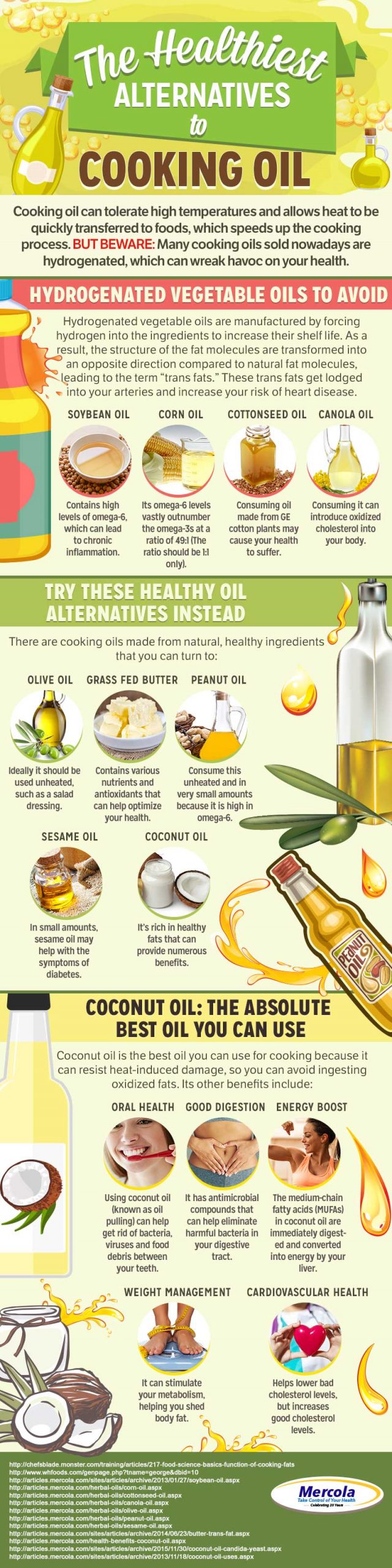
Why Vegetable Oils Are a Hazardous Choice
Modern research is just now starting to reveal what actually happens at the molecular level when you consume vegetable oil and margarine, and it’s clear that these fats are not doing your heart any favors.
For example, Sanjoy Ghosh,19 a biologist at the University of British Columbia, has shown your mitochondria cannot easily use PUFAs for fuel due to the fats’ unique molecular structure. Other researchers have shown the PUFA linoleic acid can cause cell death in addition to hindering mitochondrial function.20
PUFAs are also not readily stored in subcutaneous fat. Instead, they tend to get deposited in your liver, where they contribute to fatty liver disease, and in your arteries, where they contribute to atherosclerosis.
According to Frances Sladek,21 Ph.D., a toxicologist and professor of cell biology at UC Riverside, PUFAs behave like a toxin that builds up in tissues because your body cannot easily rid itself of them. When vegetable oils like sunflower oil and corn oil are heated, cancer-causing chemicals like aldehydes are also produced.22
So, in summary, if your aim is better heart health, ignore the AHA’s ignorant and prejudiced advice on dietary fats and cooking oils. It’ll lead you in the complete opposite direction.
While the AHA claims replacing saturated fats with PUFAs will cut your risk of heart disease, CHD rates have not improved in the decades that people have followed its recommendations on fat intake. Common sense tells us if the AHA’s advice hasn’t worked in the last 65 years, it’s not likely to start working now.
Medium-Chain Triglycerides and Their Health Benefits
Ninety percent of the fat in coconut oil is saturated and about two-thirds of the fats are medium-chain fats, also referred to as MCTs. MCTs get their name from their chemical structure, and can be divided into four groups based on their carbon length:
- 6 carbons (C6), caproic acid
- 8 carbons (C8), caprylic acid
- 10 carbons (C10), capric acid
- 12 carbons (C12), lauric acid
Clinical uses of MCT oil (typically a combination of C8 and C10, which increase ketone levels far more effectively than the others) include:
| Appetite reduction and weight loss23,24 |
| Improved cognitive and neurological function with possible implications in neurodegenerative diseases |
| Increased energy levels and improved athletic performance |
| Improved mitochondrial function and subsequent reduced risk for diseases such as atherosclerosis, diabetes, cancer, cardiovascular disease and autoimmune diseases |
| As part of a specialized dietary therapy for the treatment of epilepsy25 |
| Prevention of nonalcoholic fatty liver disease26 |
As a general rule, the shorter the carbon chain, the more efficiently the MCT is converted into ketones, which are an excellent mitochondrial fuel. Ketones can even pass the blood-brain barrier to supply your brain with energy. They’re a far preferable fuel than glucose, as they produce fewer reactive oxygen species and secondary free radicals when burned.
Ketones also help suppress the hunger hormone ghrelin, and as your ketone level rises, CCK, a satiety hormone, is activated. As a result, food cravings and hunger pangs vanish, which will go a long way toward avoiding unnecessary snacking. MCTs also:
- Have a thermogenic effect, which has a positive effect on your metabolism
- Are helpful for ridding your gut of harmful microorganisms like pathogenic bacteria, viruses, fungi and parasites
- Have antioxidant and anti-inflammatory properties
MCT Oil — Another Healthy Alternative
Coconut oil provides a mix of all of these MCTs, but the longer-chained C12 (lauric acid) makes up over 40% of it. (The exception is fractionated coconut oil, which contains primarily C8 and C10.27) Lauric acid is most well-known for its antibacterial, antimicrobial and antiviral properties. Since it’s a longer-chained molecule, it does not increase ketone levels to any significant degree.
While coconut oil provides a range of MCTs, for clinical uses such as those listed above, a more concentrated and potent MCT oil is recommended. Most commercial brands of MCT oil contain a 50/50 combination of C8 and C10. My personal preference is straight C8 (caprylic acid), as it converts to ketones the fastest. It also tends to be easier on your digestion.
Concentrated MCT oil and/or coconut oil can both be consumed daily, but start with a small amount. Taking high doses of MCT oil before you develop tolerance can cause loose stools and gastrointestinal side effects.
I recommend taking no more than 1 teaspoon of MCT oil to start. Have it at the same time as another fat, such as a handful of nuts, with ghee in your coffee, or as one of the oils in your salad dressing. Once your tolerance increases, you can slowly increase to as much as 4 tablespoons of MCT oil or coconut oil per day.
If you stop taking it for a while and then restart, begin with a small amount again to allow your digestive system to readjust. That said, MCT oil is often more easily digested by those struggling to digest other types of fat, such as those with malabsorption, leaky gut, Crohn’s disease or gallbladder impairment (such as an infection or if you had your gallbladder removed).
Upgrade Your Coffee Creamer
Many people who drink coffee do so with all kinds of additives, often referred to just as “cream and sugar”. Nondairy creamer can scarcely be called “cream” at all and is more aptly described as a synthetic combination of chemicals, trans fats, high-fructose corn syrup and artificial flavors. Give your coffee an upgrade by adding some grass fed butter, MCT oil or C8 to it. You can also make this brain-boosting high-performance beverage found on the Bulletproof blog:28
Procedure
- Brew 1 cup (8 to 12 ounces) of coffee using filtered water with 2 1/2 heaping tablespoons of freshly ground organic coffee beans. A French press will help preserve beneficial oils in the coffee that would otherwise be filtered out.
- Add anywhere from 1 teaspoon to 2 tablespoons of C8 MCT oil. Alternatively, you could use organic coconut oil.
- Add 1 to 2 tablespoons of grass fed, unsalted butter or grass fed ghee.
- Mix the ingredients in a blender for 20 to 30 seconds until it looks like a foamy latte.
Explore the Many Uses for Coconut Oil
Keeping a jar of organic coconut oil on hand could save you a lot of money since it replaces a wide variety of other products, both in the kitchen and elsewhere. As mentioned, coconut oil is not only a beneficial food. It can also replace a number of pricy and potentially hazardous personal care products, including moisturizers, hair masks, shaving lotion, cleansers and makeup removers, body scrub, toothpaste and much more.
If you’ve been fooled into going on a low-fat diet, or follow advice that recommends vegetable oils over coconut oil or butter, please look at the evidence and reconsider your options. Saturated fats will not make you pack on pounds; nor will it raise your risk for heart disease. On the contrary, saturated fat, such as that found in coconut oil, offers many health benefits, including improved heart health. If you don’t believe it, try it out for yourself.
Swap all of those margarine spreads and processed vegetable oils you’re using for coconut oil. After about three months or so, recheck your blood levels and compare your results. Chances are, you’ll find yourself in a lower risk category for heart disease than you were before, even if your total cholesterol (which says nothing about your heart disease risk) happens to go up. A simple way to get more coconut oil into your diet is to add it to your coffee or smoothie in the morning.
- 1 U.S. National Library of Medicine, PubMed Search Coconut Oil
- 2 American Journal of Clinical Nutrition 1981 Aug; 34(8): 1552-61
- 3 Journal of Internal Medicine 1993 Mar; 233(3): 269-75
- 4 Positive Med, September 16, 2015
- 5 BMJ Open 2018 Mar 6;8(3):e020167
- 6 Lipids 2009 Jul;44(7):593-601
- 7 BMC Neurosci. 2008; 9(Suppl 2): S16
- 8 Organic Facts, Health Benefits of Coconut Oil
- 9 Prev Nutr Food Sci. 2021 Mar 31; 26(1): 1–11
- 10 Prev Nutr Food Sci.2021 Mar 31; 26(1): 1–11
- 11 Science Direct Coconut Oil and Antioxidative Neuroprotection. 2020
- 12 Skin Pharmacol Physiol. 2010;23(6):290-7
- 13 mSphere November 18, 2015, DOI: 10.1128/mSphere.00020-15
- 14 J Indian Soc Periodontol. 2014 Jul;18(4):441-6.
- 15 Circulation, AHA Presidential Advisory June 15, 2017
- 16 American Heart Association. Saturated Fat. November 1, 2021
- 17 Drcate.com
- 18 New York Times March 1, 2011
- 19 University of British Columbia, Sanjoy Ghosh
- 20 Biochimica et Biophysica Acta September 10, 2002: 1555(1-3): 160-165
- 21 Scientia. Dr. Frances M. Sladek. Turning the Tables on ‘Healthy’ Fats. Febrjary 18, 2017
- 22 Telegraph November 7, 2015
- 23 Journal of the Academy of Nutrition and Dietetics 2015 Feb;115(2):249-63
- 24 Biochimie 2016 Jan;120:40-8
- 25 Mental Health Daily, MCT Oil Benefits
- 26 Experimental Biology and Medicine 2013 Feb;238(2):151-62
- 27 Science Direct. Coconut Oil. 2018
- 28 Bulletproof.com Bulletproof Coffee Recipe
Top Tips for a Healthier 2022
Reproduced from original article:
https://articles.mercola.com/sites/articles/archive/2022/01/04/top-tips-for-a-healthier-2022.aspx
The original Mercola article may not remain on the original site, but I will endeavor to keep it on this site as long as I deem it to be appropriate, and will not be bullied into removing it.
Analysis by Dr. Joseph Mercola Fact Checked January 04, 2022

STORY AT-A-GLANCE
- The start of a new year is often a good time to take stock and plan out beneficial lifestyle changes. Included are 22 tips for making 2022 your healthiest year yet
- Top tips include optimizing your vitamin D, targeting your immune system with immune-boosting nutraceuticals, treating COVID symptoms early, improving your liver health, protecting your vision and combating inflammation and autoimmune diseases
- Items to eliminate include processed foods high in seed oils and processed sugar, as well as electromagnetic field exposures, freedom of speech robbers such as Google and Facebook, and toxic clothing
- Items to add include magnesium, collagen, filtered water, vision-enhancing nutrients, osteoporosis-busting exercise and healthy sleep
The start of a new year is often a good time to take stock and plan out beneficial lifestyle changes. Here are 22 tips for making 2022 your healthiest year yet. How many have you incorporated so far, and which ones can you add to your toolbox for the coming year?
Tip 1: Optimize Your Vitamin D
Vitamin D optimization is an absolute foundational strategy for fighting infections as it bolsters the first line of defense of your immune system. Ideally, test your vitamin D level twice a year, in the winter and summer, to make sure you’re in a healthy range of 60 ng/mL to 80 ng/mL year-round. (A compelling body of research suggests 40 ng/mL is the cutoff for sufficiency.)
Vitamin D can reduce your risk of COVID-19 and other respiratory infections by reducing the survival and replication of viruses, reducing inflammatory cytokine production, maintaining endothelial integrity and increasing ACE2 concentrations, which helps lower COVID-19 severity.
If your vitamin D levels are not optimal and you come down with COVID, it is best to take 0.5 mcg of calcitriol on the first day and then 0.25 mcg for a week, as this is the active form of vitamin D. Merely swallowing regular vitamin D capsules will not help with COVID for one to two weeks, which is why you must add calcitriol.
You can learn more about the mechanisms behind vitamin D in my June 2020 scientific report, available on StopCovidCold.com. October 31, 2020, I also published a scientific review1 in the peer-reviewed journal Nutrients — “Evidence Regarding Vitamin D and Risk of COVID-19 and Its Severity” — co-written with William Grant, Ph.D., and Dr. Carol Wagner, both of whom are part of the GrassrootsHealth expert vitamin D panel. You can read the paper for free here.
Tip 2: Up Your Intake of Key Immune-Boosting Nutrients
Many nutrients are known for their immune-boosting properties and ability to ward against encapsulated RNA viruses such as influenza and coronaviruses. A number of them were identified and listed in a February 2020 article in the journal Progress in Cardiovascular Diseases.2,3,4
A number of nutrients have also shown promise against the atypical symptoms associated with severe COVID-19, such as excessive, out of control inflammation and blood clots.
While these symptoms have become increasingly rare as the virus has mutated into milder strains (Omicron being a prime example), some early COVID-19 patients are still struggling with long-term symptoms, colloquially known as “long COVID.” For them, such nutraceuticals may be particularly helpful.
Here’s a summary of the nutritional supplements identified. (For suggested dosages, see the Progress in Cardiovascular Diseases paper.5)
| N-acetylcysteine (NAC) — Encourages glutathione production, thins mucus, lowers your chances of influenza infection and reduces your risk of developing severe bronchitis. |
| Elderberry extract — Known to shorten influenza duration by two to four days and reduce the severity of the flu. |
| Spirulina — Reduces severity of influenza infection severity and lowers influenza mortality in animal studies. In a human trial, spirulina significantly lowered the viral load in patients with HIV infection. |
| Beta-glucan — Reduces severity of influenza infection severity and lowers influenza mortality in animal studies. |
| Glucosamine — Upregulates mitochondrial antiviral-signaling protein (MAVS), reduces severity of influenza infection severity and lowers influenza mortality in animal studies. |
| Selenium — Selenium deficiency increases the rate at which viruses can mutate, promoting the evolution of more pathogenic strains. |
| Zinc — Supports “effective function and proliferation of various immune cells,” lowering mortality in the elderly by 27%. If treating acute COVID, it’s best taken with quercetin (500 mg) to drive the zinc into the cell to limit viral replication. |
| Lipoic acid — Helps boost type 1 interferon response, which activate intracellular antimicrobial programs, thereby limiting viral spread between cells, and modulate your innate immune responses, restraining pro-inflammatory pathways and inhibiting cytokine production. They also activate your adaptive immune system.6 |
| Sulforaphane — Helps boost type 1 interferon response. |
| Resveratrol — A 2005 study7 in The Journal of Infectious Diseases found resveratrol has the power to inhibit the replication of influenza A virus, significantly improving survival in influenza-infected mice. According to the authors, resveratrol “acts by inhibiting a cellular, rather than a viral, function,” which suggests it “could be a particularly valuable anti-influenza drug.” |
Tip 3: Treat COVID as FIRST Sign of Infection
Should you develop COVID symptoms, you simply MUST start treatment immediately. We now know early treatment is key for successful resolution of the infection. It could literally be the difference between life and death and I can’t stress that enough. It is far better to overtreat a cold like COVID than ignoring the symptoms and dismissing them.
There are several early treatment protocols available, most of which focus on similar remedies. I believe the Frontline COVID-19 Critical Care Alliance’s (FLCCCs) protocol is among the most comprehensive. You can find a listing of doctors who can prescribe necessary medicines on the FLCCC website.
There, you can also find downloadable PDFs in several languages for prevention and early at-home treatment, the in-hospital protocol and long-term management guidance for long-haul COVID-19 syndrome.
A slightly revised version of the FLCCC protocol is below. I’ve altered some of the dosages, and added a few more therapies that they have yet to include, such as nebulized hydrogen peroxide and intravenous ozone.
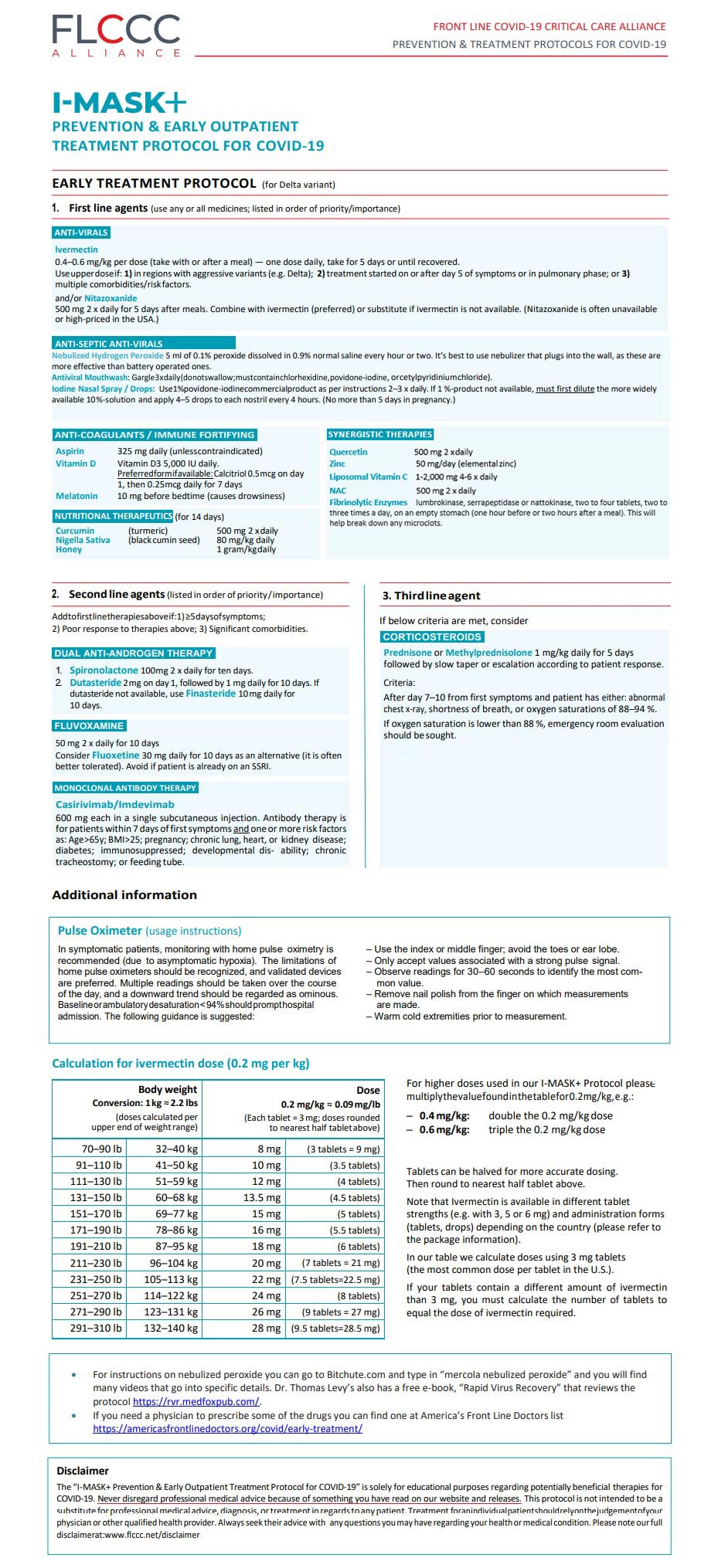
Tip 4: Optimize Your Health With Systemic Enzymes
Enzymes are proteins composed of individual amino acids necessary to speed up cellular functions and biological processes. Some of the bodily processes that require enzymes include energy production, oxygen absorption, toxic waste removal, breaking down fats in your blood, dissolving blood clots and fighting infections.
Proteolytic enzymes such as lumbrokinase and serrapeptase act as blood cleansers that combat inflammation and rebalance your immune system.
In the era of COVID, an enzyme called lumbrokinase may be of particular benefit, as it helps break down blood clots. If you’ve had COVID-19 in the past, and/or received one or more COVID injections, lumbrokinase may be helpful to prevent blood clotting issues.
Proteolytic enzymes such as lumbrokinase and serrapeptase serve to digest unwanted proteins in your blood, like blood clots. They also help combat inflammation and rebalance your immune system, facilitating the removal of inflammatory proteins, removing fibrin (a clotting material that restricts blood flow and prolongs inflammation), reducing edema in inflamed regions, and boosting the potency of macrophages and killer cells.
If you want these enzymes to work on the potentially damaging proteins in your blood and not the food in your stomach, you will need to take them on an empty stomach, either one hour before or two hours after a meal. Otherwise the enzymes will be used to digest your food and not work in your bloodstream.
Tip 5: Boost Your Liver Health With Choline
Nonalcoholic fatty liver disease (NAFLD) is a common condition caused by an unhealthy processed food diet. Aside from cutting out processed foods high in sugars and seed oils, adding in more choline can be helpful, as it appears to be a key controlling factor in arresting the development of fatty liver.
It does this by enhancing secretion of very low density lipoprotein (VLDL) particles in your liver, which are required to safely transport fat out of your liver. Choline deficiency may result in excess fat and cholesterol buildup. Choline also aids in DNA synthesis and is important for healthy mitochondrial function.
Choline-rich foods to consider loading up on include wild-caught Alaskan salmon, krill oil, organic pastured chicken, vegetables such as broccoli, cauliflower and asparagus, shiitake mushrooms, grass fed beef liver and pastured egg yolks.
A single hard-boiled egg can contain anywhere from 113 to 147 milligrams of choline, or about 25% of your daily requirement, making it one of the best choline sources in the American diet. Only grass fed beef liver beats it, with 430 milligrams of choline per 100-gram serving.
Tip 6: Eliminate ALL Seed (Vegetable) Oils
A compelling report in the journal Gastroenterology offers a radically novel yet logically sound explanation as to why some COVID-19 patients develop life-threatening organ failure, namely their high unsaturated fat intake. Since diet-related comorbidities are responsible for 94% of COVID-19-related deaths,8 taking control of your diet is a simple, common-sense strategy to lower the risks associated with this infection.
Simply put, high intake of polyunsaturated fats (PUFAs) — a primary source of which is industrial seed oils — is associated with increased mortality from COVID-19, while healthy saturated fats actually lower your risk of death.
Omega-6 linoleic acid (LA) makes up the bulk of the omega-6 consumed and is the primary contributor to nearly all chronic diseases, because when consumed in excessive amounts, LA acts as a metabolic poison radically limiting mitochondrial function and your ability to produce cellular energy.
The reason for this is because polyunsaturated fats such as LA are highly susceptible to oxidation. As the fat oxidizes, it breaks down into harmful sub-components such as advanced lipid oxidation end products (ALES) and oxidized LA metabolites (OXLAMs). These ALES and OXLAMs are actually what cause the damage.
While excess sugar is certainly bad for your health and should typically be limited to 25 grams per day or less, it doesn’t cause a fraction of the oxidative damage that LA does. Processed vegetable oils are a primary source of LA, but even food sources hailed for their health benefits contain it, and can be a problem if consumed in excess. Cases in point: olive oil and conventionally raised chicken, which are fed LA-rich grains.
Tip 7: Boost Your Magnesium Intake
Magnesium is required for the healthy function of most cells in your body. Deficiency will impede your cellular metabolic function and deteriorate mitochondrial function, which can result in more serious health problems. Deficiency is widespread, thanks to inadequate consumption of leafy greens, so if you rarely eat your veggies, you could probably benefit from supplementation.
Having low amounts of magnesium has also been shown to significantly increase your supplemental vitamin D requirement. Research by GrassrootsHealth9 shows you need 146% more vitamin D to achieve a blood level of 40 ng/ml (100 nmol/L) if you do not take supplemental magnesium, compared to taking your vitamin D with at least 400 mg of magnesium per day.
Your vitamin K2 intake can also affect your required vitamin D dosage. Data10 from nearly 3,000 individuals revealed 244% more oral vitamin D was required to get 50% of the population to achieve a vitamin D level of 40 ng/ml (100 nmol/L) if they weren’t concurrently also taking magnesium and vitamin K2. So, a simple way to optimize your vitamin D absorption is to take it in conjunction with magnesium and K2.
Foods with the highest magnesium levels include spinach, Swiss chard, turnip greens, beet greens, collard greens, broccoli, Brussels sprouts, kale, bok choy and romaine lettuce.
If you’re using a supplement, you may want to use magnesium threonate to provide at least some of your magnesium, as it appears to be most efficient at penetrating cell membranes, including your mitochondria and blood-brain barrier. Another effective way to boost your magnesium level is to take Epsom salt (magnesium sulfate) baths, as the magnesium will effectively absorb through your skin.
Tip 8: Improve Your Bowel Evacuation
Healthy evacuation of your bowels is a factor that many tend to ignore. The good news is that improving your bowel function can be as simple as changing how you sit on the toilet. Your puborectalis muscle helps control elimination during a bowel movement and prevent incontinence when you’re standing.
However, when you sit on a typical toilet, this muscle cannot fully relax, which is why you may need to push or even strain in order to have a bowel movement. While squatting, however, the muscle relaxes fully, making elimination easier.
Squatting on the toilet bowl can help you eliminate waste better if you are constipated. But this requires strength, flexibility and balance, especially if you’re not used to this method. Other options include using a simple footstool to help you get into a more “squatty” position or leaning forward as you sit on the toilet, with your hands on or near the floor.
Tip 9: Combat Chronic Inflammation
Chronic inflammation is a hallmark of virtually all disease, including cancer, obesity and heart disease. While inflammation is a perfectly normal and beneficial process that occurs when your body’s white blood cells and chemicals protect you from foreign invaders like bacteria and viruses, it leads to trouble when the inflammatory response gets out of hand and continues indefinitely.
Your diet plays a significant, if not primary, role in this chain of events and is the perfect place to start to address it. Certain nutritional supplements can also be helpful as add-ons. Here’s a summary of key principles:
• Limit or eliminate vegetable oils (seed oils) — A key part of an anti-inflammatory diet involves excluding refined vegetable oils, as they are clearly one of the most pernicious and pervasive poisons in the food supply. Simply avoiding all processed foods and most restaurant foods will go a long way toward helping you avoid them.
• Eat more veggies — Vegetables are a key anti-inflammatory staple. Ideally, opt for organic locally grown veggies that are in season, and consider eating a fair amount of them raw. If you struggle with autoimmune disease or have significant inflammation in your body, though, consider limiting vegetables with high lectin content. Some high- lectin foods can be made safer to eat through proper soaking and cooking, as well as fermenting and sprouting.
• Add in fermented foods — Traditionally fermented and cultured foods are other anti-inflammatory staples that work their “magic” by optimizing your gut flora. A majority of inflammatory diseases start in your gut as the result of an imbalanced microbiome.
Fermented foods such as kefir, natto, kimchi, miso, tempeh, pickles, sauerkraut, olives and other fermented vegetables will help reseed your gut with beneficial bacteria. Ideally, you’ll want to eat a wide variety of them as each contains a different set of beneficial bacteria (probiotics).
If you don’t like fermented vegetables, consider yogurt made from raw, organic milk from grass fed cows. Yogurt has been shown to reduce inflammation by improving the integrity of your intestinal lining, thereby preventing toxins in your gut from crossing into your bloodstream.
• Boost your omega-3 fat intake — Marine-based omega-3 fats found in fatty cold-water fish that are low in environmental toxins — such as wild Alaskan salmon, sardines and anchovies — are also important anti-inflammatories, particularly for brain and heart health. In fact, your omega-3 level is a powerful predictor of mortality. If you don’t enjoy these types of fish, consider using krill oil instead.
• Cook with herbs and spices — Ounce for ounce, herbs and spices are among the most potent anti-inflammatory ingredients available and making sure you’re eating a wide variety of them on a regular basis can go a long way toward preventing chronic illness. Among the most potent anti-inflammatory herbs and spices are cloves, cinnamon, Jamaican allspice, apple pie and pumpkin pie spice mixtures, oregano, marjoram, sage, thyme and Italian spice.
Tip 10: Filter Your Water
While the U.S. has many water quality concerns, it doesn’t really matter where you live anymore, as many dangerous chemicals find their way into the ecosystem, spreading from one continent to another. This is why filtering your household water is more a necessity than an option these days.
Filtering your drinking water is good practice, but equally important is filtering the water you use for bathing. This is because immersing yourself in contaminated water may be even more hazardous to your health than drinking it.
Chemicals absorbed through your skin go directly into your bloodstream, bypassing your digestive and internal filtration systems. Unfiltered water can also expose you to dangerous chlorine vapors and chloroform gas, which can cause dizziness, fatigue, asthma, airway inflammation and respiratory allergies.
Unless you can verify the purity of your water, you should seriously consider installing a high-quality, whole-house water filtration system. Ideally, filter the water both at the point of entry and at the point of use. This means filtering all the water that comes into the house, and then filtering again at the kitchen sink and shower. As for the type of filtration system to get, there are various options, most of which have both benefits and drawbacks.
Common options include reverse osmosis (RO), ion exchange, and granular carbon or carbon block filters. Ideally, you want a filtration system that uses a combination of methods to remove contaminants, as this will ensure the removal of the widest variety of contaminants.
Tip 11: Reduce Your EMF Exposure
One of the most dangerous kinds of pollution affecting your health is the invisible sea of electromagnetic fields (EMFs) your body swims in daily, both outdoors and in your home. Common sources include cell phones, cell towers, computers, smart meters and Wi-Fi, to name just a few. Strategies to reduce your EMF exposure include:
| Connect your computer to the internet via a wired connection and put it in airplane mode. Also opt for wired keyboards, trackballs, mice, printers and house phones. |
| If you must use Wi-Fi, be sure to shut it off whenever it’s not in use, especially at night. |
| Shut off the electricity to your bedroom at night to reduce electrical fields from the wires in your walls. |
| Use a battery-powered alarm clock, ideally one without any light. |
| Replace your microwave oven with a steam convection oven, which will heat your food quickly and far more safely. |
| Avoid “smart” appliances and thermostats that depend on wireless signaling, including smart TVs. Consider using a large computer monitor as your TV instead, as it doesn’t emit Wi-Fi. |
| Opt out of smart meters if you can or add a shield to an existing smart meter. |
| Avoid using a wireless baby monitor. Instead, move the baby’s bed into your bedroom, or use a hard-wired monitor. |
| Remove all fluorescent lights from your home and switch to incandescent bulbs. |
| Avoid carrying your cell phone on your body unless it’s in airplane mode, and never sleep with it in your bedroom. |
| Use the speakerphone on your cell phone, and hold it at least 3 feet away from you. Ideally, use your cell phone as little as possible. |
Even if you implement these strategies, you’re unlikely to eliminate all exposure, as EMFs saturate public places and can invade your home from your neighbors. To minimize the harmful effects, the following strategies can be helpful:
• Increase your magnesium intake — As a natural calcium channel blocker, magnesium can help reduce the effects of EMF on your voltage-gated calcium channels. Since many are deficient in magnesium, I believe you could benefit from as much as 1 to 2 grams of magnesium per day.
• Molecular hydrogen — Molecular hydrogen has been shown to target free radicals produced in response to radiation, such as peroxynitrites. Studies have shown molecular hydrogen can mitigate about 80% of this damage.
Molecular hydrogen will also activate Nrf2, a biological hormetic that upregulates superoxide dismutase, catalase and all the other beneficial intercellular antioxidants. This in turn lowers inflammation, improves your mitochondrial function and stimulates mitochondrial biogenesis.
• Protective spices — Cinnamon, cloves, ginger root, rosemary and turmeric have exhibited protective effects against EMF-induced damage.
Tip 12: Boost Your Collagen Production Naturally
Collagen is the most common and abundant of your body’s proteins. One of its primary purposes is to provide structural scaffolding for your various tissues to allow them to stretch while still maintaining tissue integrity.
As a compound of essential amino acids, there’s only one way to get collagen: Your body can’t produce it, so you must obtain it through your diet. Historically, traditional diets provided ample collagen in the form of broth made from boiled chicken feet or beef bones. These are by far your best alternatives.
If you decide to use a collagen supplement, it’s important to know what to look for. Laboratory testing has revealed many popular collagen and bone broth products contain potentially hazardous contaminants typically associated with concentrated animal feeding operations (CAFOs), so to avoid contaminants, make sure your collagen supplement is certified “100% Organic” by the U.S. Department of Agriculture (USDA).
Moreover, collagen supplements can be either unhydrolyzed (undenatured) or hydrolyzed (denatured). The processing that most collagen supplements undergo to become hydrolyzed can also result in questionable byproducts that are best avoided. My personal preference is to use a less denatured (unhydrolyzed) organic collagen supplement, as it has a more balanced amino acid profile.
That said, I still believe the natural approach is best. Making homemade bone broth using bones and connective tissue from grass fed, organically raised animals isn’t very complicated and will produce the best results.
Tip 13: Optimize Your Sleep
One of the most radical and recent discoveries revealing the importance of sleep for health is that each and every organ has its own biological clock. In your brain is a “master clock” that synchronizes these clocks and your bodily functions to match the 24-hour light and dark cycle.
When you upset your circadian rhythm by not getting enough sleep, the results can have far-reaching consequences, affecting everything from mood, creativity and brain detoxification to DNA expression, chronic disease risk — including dementia — and longevity. Helpful tips to optimize your sleep include:
| Sleep in complete darkness, or as close to it as possible, to avoid lowering melatonin production, which can interfere with your sleep. |
| Keep the temperature in your bedroom no higher than 70 degrees Fahrenheit. |
| Eliminate EMFs in your bedroom. |
| Keep all electronic devices at least 3 feet from your bed. |
| Adopt a neutral sleeping position by propping your pillow under your neck, not your head, to maintain a proper spinal curve. |
| Reserve your bed for sleeping and don’t keep a TV in your bedroom. |
| Consider separate bedrooms if sharing your bed with a partner impairs your sleep. Pets may also need to be kept in another room if they disturb your sleep. |
Tip 14: Ditch Google and Facebook Once and for All
Over the years, the government and business monopolies, including the likes of Big Tech, have formed a global alliance hell-bent on protecting and concentrating member profits. The price for keeping business going as usual is personal liberty and freedom of speech that may impact these fascist government-industrial complexes.
In recent times, we’ve seen unprecedented efforts to censor natural health topics in various online platforms, especially Google and Facebook, under the guise of protecting you against “misinformation.”
By censoring the voices that challenge mainstream information on crucial health topics like pharmaceutical drugs, vaccines, GMOs, pesticides, junk foods, artificial sweeteners and fake meat, Google and Facebook are able to protect the profits of its advertisers and stakeholders.
Across the board, Google only gives you the results they want you to see, while relevant articles and news they deem “harmful” are buried. Facebook, meanwhile, relies on so-called “fact checkers” to dissuade and redirect users away from anything that contradicts the mainstream narrative. We now have proof that Facebook’s “fact checks” are nothing more than opinion pieces, thanks to a lawsuit by journalist John Stossel,11,12,13 but they’re still presented as assertions of facts.
If you’re fed up with Google’s and Facebook’s exploitation and manipulation, the best way to break free is by being informed. If we work together to boycott them, Google and Facebook will crumble.
We have added a built-in sharing tool on top of each newsletter article to make it easier for you to share it to your friends and family via email or text. And, while the articles on my website are only viewable for 48 hours, we are in the process of transferring our entire archive over to the Censored Library on Substack. This will allow us to bring back my previously deleted articles in a liability-protected format.
For just $5 a month, or the discounted annual rate of $50 per year, you will have access to all of my articles, all the time, even after they’ve been deleted from Mercola.com.


Tip 15: Protect Your Eye Health
Your ocular health affects your overall well-being, so routine eye exams are an important health basic. Additionally, keep your eyes healthy and your vision sharp by:
• Removing trans fats from your diet — As with linoleic acid, processed foods and baked goods are primary sources of harmful trans fats.
• Removing high fructose corn syrup from your diet — High blood pressure can damage the small blood vessels in your retina, obstructing blood flow, and a key strategy to normalize your blood pressure is to dramatically reduce your fructose intake.
High sugar intake is also a primary culprit of elevated blood sugar readings. High blood sugar not only obstructs blood flow by damaging blood vessels in your retina but also pulls fluid from the lens of your eye, which can affect your ability to focus. As a general guide, I recommend keeping your total daily fructose consumption below 25 grams a day, including fructose from fruit.
• Eating your veggies — Consuming high amounts of carotenoid-rich vegetables, especially ones rich in lutein and zeaxanthin, can encourage healthy vision.
• Boosting your omega-3 fat intake — Omega-3 fats protect healthy vision. Good sources include wild-caught Alaskan salmon, sardines and anchovies. If you use a supplement, I recommend krill oil, which also contains astaxanthin, a potent antioxidant.
• Quitting smoking — Smoking increases free radical production throughout your body, putting you at risk for any number of health problems, including vision problems.
Aside from lutein and zeaxanthin, astaxanthin is one of the best antioxidants for eye health. It’s been shown to protect against a number of eye-related problems, including age-related macular degeneration, which is the No. 1 cause of blindness in the elderly, glaucoma, cataracts, inflammatory eye diseases, cystoid macular edema, retinal arterial occlusion, diabetic retinopathy and venous occlusion.
Astaxanthin also helps maintain appropriate eye pressure, energy levels and visual acuity. Because the above list includes several of the leading causes of blindness in the U.S., this powerful antioxidant becomes increasingly important.
Tip 16: Grow Your Own Food
Growing your own food has many rewards, from providing you with fresher, uncontaminated produce and cutting your grocery bill, to increasing your sense of well-being and slashing your risk of depression. Research14 also shows elderly individuals who garden on a regular basis have a 36% lower risk of dementia than non-gardeners.
There are many different ways to grow your own food, even if you live in an apartment. You can use virtually every square foot of your space, including vertical space, for growing food. Hanging baskets are ideal for a wide variety of foods, such as strawberries, leafy greens, runner beans, pea shoots, tomatoes and a variety of herbs. And, instead of flowers, window boxes can hold herbs, greens, radishes, scallions, bush beans, strawberries, chard and chilies, to name just a few.
Rule No. 1 for growing nutrient-dense food is building healthy soil. There are five basic principles to growing topsoil and building a healthy soil ecosystem, and these rules apply whether you’re working a farm or tending a small vegetable garden in your backyard:
- Avoid disturbing the soil microbiome — The less mechanical disturbance the better, which means no tillage, herbicides, pesticides or fungicides
2. Protect the soil’s surface — Use cover crops, untreated lawn clippings, mulch and wood chips to maintain soil biology, prevent water evaporation and lower soil temperature, which is particularly important on hot days
3. Diversify your crops — Having a diverse array of plant life is essential to healthy soil, and cover crops help fulfill this requirement
4. Maintain living roots in the ground as long as possible — Growing something at all times is key to soil vitality, so be sure to plant a cover crop after you harvest your vegetables
5. Integrate livestock and other animals, including insects — To mimic the impact of wild herds, regenerative farmers will pasture chickens, cows, lambs, pigs and other animals to benefit the soil and ensure a highly nutrient-dense finished product. While many homeowners cannot keep farm animals on their property, you can easily attract pollinators and predator insects to ward off garden pests by including lots of flowering plants
One of the simplest and most inexpensive gardening alternatives is to grow your own sprouts. They’re a particularly excellent choice during winter months, when outdoor gardening is limited or ruled out. They also grow quickly, allowing you to harvest in about a week, and you don’t have to cook them. Sprouts are also a perfect complement to fermented vegetables, which are also easy and inexpensive to make at home, from scratch.
Sprouts are actually among the most nutrient-dense foods out there. Topping the list are sunflower seed and pea sprouts, which are typically about 30 times more nutritious than organic vegetables. Sunflower and pea sprouts are among my own favorites. Broccoli sprouts, known for their anticancer activity, are another excellent choice.
Tip 17: Try Blood Flow Restriction (BFR) Training
Blood flow restriction (BFR) training, also known as vascular occlusion training, involves “partially restricting arterial inflow and fully restricting venous outflow” while working the occluded muscle. BFR training works on a very simple principle: It tricks your body into believing that it’s moving far heavier weights than you’re actually using, generating compensatory metabolic responses.
With BFR training, you’re able to significantly enhance your strength and muscle mass using a fraction of the weight typically used, in about half the time it would normally take.
Its ability to achieve such remarkable physiological benefits has to do with the fact that when you restrict the venous blood flow from the muscle group being engaged, you create a relatively hypoxic environment in the exercising muscle which then boosts beneficial metabolic responses, such as increasing muscle lactate and growth hormone, and inhibiting myostatin.
Venous flow restriction is achieved by wrapping the extremity being worked with an inflatable cuff or band. The band needs to be tight enough to shut down the venous return to the heart, allowing the venous blood to “pool” in the region of the limb that is being exercised, while loose enough to allow arterial flow-through.
With very light exercise, and in about 15 to 20 minutes, you get an exhaustive workout that sends a signal to your brain to help you “recover and adapt to it.” Your brain then sends out a wide variety of powerful hormonal responses that cause your muscles and blood vessels to grow.
BFR is particularly beneficial for the elderly, as it dramatically reduces the risk of injury while optimizing muscle growth beyond what strength training with heavy weights can actually do! To learn the ins and outs of BRF, be sure to download and read through my free BFR report.
Tip 18: Lower Your Risk for Autoimmune Disease
Autoimmune diseases are on the rise, so the earlier you take steps to prevent them, the better. The good news is that some of the strategies that can lower your risk of autoimmune problems are incredibly simple and inexpensive.
For example, drinking a solution of baking soda on a daily basis can help reduce inflammation associated with and caused by autoimmune conditions. Baking soda provides a signal to mesothelial cells — which line your internal organs — that your body is doing fine; it’s not under attack, so developing an aggressive immune system and/or a harmful autoimmune response is unnecessary.15
To try this strategy, simply add one-half teaspoon of baking soda to half a glass of water (about 4 ounces), stir until it’s completely dissolved, and repeat no more than three times per day, and no more than seven one-half teaspoons in any given 24-hour period.
Another strategy that costs nothing is to allow fevers to run their course, as long as they’re not above 103 degrees F. While most tend to rush to administer fever-reducing medicine at the first sign of a low-grade fever, this can actually backfire. Fever facilitates your detoxification process, with the aim of producing a cleaner system. Reducing the fever can effectively prevent or interrupt your body’s natural healing process.
A far better alternative would be to administer liposomal vitamin C, which will aid and speed the process, not stop it. Certain homeopathic medicines can also be beneficial. If you’ve suppressed fevers all your life, you may benefit from regular saunas, ideally one with low or no electromagnetic fields, as this will help detoxify your system. If you’ve been vaccinated, you probably need to take saunas on a regular basis as well.
Tip 19: Combat Osteoporosis
With osteoporosis — brittle bone — comes the risk of bone fractures due to a fall, and hip fractures in particular are notorious for raising an older individual’s risk of death. Low bone density, known as osteopenia, also raises your risk of fractures and may progress into osteoporosis. But before you turn to conventional drugs, you should know that there are far safer ways to address this problem, such as by loading up on nutrients that help promote bone growth. These include:
| Vitamin D | Vitamins K1 and K2 |
| Calcium | Magnesium |
| Collagen | Boron |
| Strontium |
Sufficiently load-bearing exercise is also important. Research suggests the load needed to trigger bone growth in the hip is 4.2 times your bodyweight. Unfortunately, conventional strength training comes nowhere near that — but BFR does! So, preventing osteoporosis is yet another reason to add BFR to your lifestyle tool kit.
Tip 20: ‘Green’ Up Your Wardrobe
Fast fashion is a major contributor to the global waste problem, as clothing is now the fastest growing category of waste. Across the board, throughout the distribution chain, whatever cannot be sold always ends up in a landfill. The textile industry is also a major environmental polluter.
The primary solution should be obvious: Buy less. Buying only what you actually need will allow you to spend more on high-quality items that last. If an item is still in good condition but for whatever reason doesn’t fit your body or lifestyle anymore, ask around to see if anyone wants or needs it first.
As a last-ditch resort, donate clothing that is still in good condition to a reputable charity that serves the needs of your local community. Local women’s shelters and crisis centers may accept your donations.
If you need to purchase new clothes, make sure to choose organic, GOTS-certified clothing made from sustainably grown fabrics. The SITO brand is an example of a GOTS-certified organic clothing brand, established by the biodynamic certification agency Demeter. SITO supports our global mission for improving fabric production and putting an end to fast fashion.
Tip 21: Take Control of Your Blood Pressure
In 2017, the American Heart Association (AHA) and the American College of Cardiology, along with nine other health organizations, changed the cutoff used to diagnose high blood pressure from 140/90 to 130/80.
This slight shift increased the number of people diagnosed with high blood pressure to include many who had previously been considered within the normal range. According to the AHA, an estimated 103 million U.S. adults today have high blood pressure (hypertension), and about 1 in 3 people has prehypertension.
According to medical physiology textbooks, as much as 95% of hypertension is called essential hypertension, meaning the underlying cause is unknown. However, a number of factors have been identified as contributing to high blood pressure, including but not limited to insulin and leptin resistance, potassium deficiency and elevated uric acid levels. The good news is that there are many techniques and lifestyle changes, including the following:
| Exercise — A comprehensive fitness program can go a long way toward regaining your insulin sensitivity and normalizing your blood pressure. In fact, exercise is considered a first line of treatment by several health authorities, including the World Health Organization, the International Society of Hypertension and the U.S. Joint National Committee on Detection, Evaluation and Treatment of High Blood Pressure.
If you are insulin resistant, you’ll also want to include weight training. When you work individual muscle groups, you increase blood flow to those muscles, and good blood flow will increase your insulin sensitivity. |
| Vitamin D optimization — Vitamin D deficiency is associated with both arterial stiffness and hypertension. For optimal health, maintain a vitamin D level between 60 ng/mL and 80 ng/mL year-round. |
| Time-restricted eating — Eating all your meals within a six- to eight-hour window each day is one of the most effective ways I’ve found to normalize your insulin/leptin sensitivity, which is a root cause of high blood pressure. |
| Stress management — It has been shown that people with heart disease can lower their risk of subsequent cardiac events by over 70% simply by learning to manage their stress. Suppressed negative emotions such as fear, anger and sadness can severely limit your ability to cope with the unavoidable every day stresses of life. It’s not the stressful events themselves that are harmful, but your lack of ability to cope. |
| Essential oils — A number of essential oils can be helpful, including lavender, ylang- ylang, marjoram, bergamot, rose, frankincense, rosemary, lemon balm and clary sage. |
| Beets — In one small placebo-controlled trial,16 one glass (250 milliliters or 8.5 ounces) of beetroot juice per day for one month reduced blood pressure in those diagnosed with hypertension by an average of 8 mmHg systolic and 4 mmHg diastolic pressure.
This 8/4 mmHg reduction is very close to that provided by blood pressure medications, which typically can reduce blood pressure by about 9/5 mmHg, and for many it was enough to bring their blood pressure down to normal levels. The treatment group also saw a 20% improvement in blood vessel dilation capacity and a 10% reduction in arterial stiffness. |
Tip 22: KetoFast
KetoFast is the term I coined to describe a protocol that combines three key strategies: a cyclical ketogenic diet, intermittent fasting and cyclical partial fasting. The first step to KetoFast is to make sure you stop eating at least three hours before bedtime to avoid creating unnecessary free radicals.
Next, compress your eating to a six- to eight-hour timeframe, meaning you eat all of your calories for the day during those six to eight hours. For the remaining 16 to 18 hours, you’re fasting. For example, delay your first meal of the day until 11 am or noon and stop eating by 7 pm.
Once you’ve followed this intermittent fasting schedule for a month, you can move into the second phase, which involves having a single reduced-calorie meal, ideally breakfast, followed by a 24-hour water-only fast, once or twice a week. This meal will typically be somewhere between 300 and 500 calories. This meal should consist of:
- Carbs — Less than 10 grams of net carbohydrates (total carbs minus fiber), primarily from nonstarchy vegetables, seeds or nuts.
- Protein — Half of your personalized daily protein requirement. If you’re younger than 60, a general recommendation for your daily protein requirement would be 0.8 grams of protein per kilogram of lean body mass, or 0.5 grams of protein per pound of lean body mass. The key here is not just lowering your overall protein intake but, rather restricting your intake of branched-chain amino acids such as leucine, found primarily in meat and dairy products.
- Fat — The remainder of your calories come from healthy fats such as coconut oil, avocado, MCT oil, butter, olive oil and raw nuts.
The day after your water-only fast, go ahead and feast. Now’s the perfect time to do hardcore strength training, and to load up on protein. Immediately after your workout is when you’ll want to eat that grass fed organic steak and/or whey protein, as now you’re in rebuilding mode.
The intermittent and partial fasting regimen described in KetoFast essentially mimics ancestral eating patterns, allowing your body to work optimally by allowing for periods of breakdown and cleanout, and periods of rebuilding and rejuvenation.
One way that your body promotes this is through autophagy, which is the body’s innate cleanout process, in which damaged mitochondria, proteins and cellular components are digested and then recycled during the regeneration phase, which occurs during refeeding. By upregulating autophagy, you may significantly lower your risk of most diseases, including cancer and neurodegeneration.
A common misconception is that because nutritional ketosis is so beneficial, it stands to reason that remaining in ketosis for the rest of your life would be the way to go. I disagree with this approach, having experienced the drawbacks of it firsthand.
Continuous keto can start wreaking havoc with your hormonal system, specifically your thyroid. It’s important to realize that nutritional ketosis is a catabolic process, meaning you’re breaking things down. This is a good and necessary process, but you also need to build your body back up! After some months on a continuous ketogenic diet, you start losing muscle mass, which is the complete opposite of what you’re looking for.
I strongly recommend cycling in and out of ketosis once you’ve regained your metabolic flexibility and are able to effectively burn fat for fuel. In other words, you stay in ketosis only long enough to make sure you’re burning fat, and then you move into a more balanced approach where you’re adding in higher amounts of healthy carbs once or twice a week.
- 1 Nutrients October 31, 2020;12, 3361; doi:10.3390/nu12113361
- 2 Prog Cardiovasc Dis. 2020 Feb 12. pii: S0033-0620(20)30037-2
- 3 EurekAlert! January 24, 2020
- 4 Elsevier.com January 24, 2020
- 5 Prog Cardiovasc Dis. 2020 Feb 12. pii: S0033-0620(20)30037-2, Table 1
- 6 Nat Rev Immunol. 2014 Jan; 14(1): 36–49
- 7 The Journal of Infectious Diseases May 15, 2005; 191(10): 1719-1729
- 8 CDC.gov August 26, 2020
- 9 GrassrootsHealth Is Supplemental Magnesium Important for Vitamin D Levels?
- 10 GrassrootsHealth Magnesium and Vitamin K2 Combined Important for Vitamin D Levels
- 11 wattsupwiththat.com John Stossel Lawsuit against Meta Platforms (PDF)
- 12 WND December 10, 2021
- 13 wattsupwiththat.com December 9, 2021
- 14 Medical Journal of Australia 2006 Jan 16;184(2):68-70
- 15 Science Daily April 25, 2018
- 16 Medical News Today February 22, 2018
Black Seed Oil Evaluated for Chronic Inflammation
Reproduced from original article:
https://articles.mercola.com/sites/articles/archive/2021/11/12/black-seed-oil-covid.aspx
The original Mercola article may not remain on the original site, but I will endeavor to keep it on this site as long as I deem it to be appropriate, and will not be bullied into removing it.
Analysis by Dr. Joseph Mercola Fact Checked November 12, 2021

STORY AT-A-GLANCE
- Black seed oil may be an alternative herbal treatment for combating COVID-19
- The bioactive compounds have an antihistamine effect and anti-inflammatory properties that downregulate interferon regulatory factor 3 activation and promote autophagy
- Researchers hypothesize that several of the terpenes in the oil are similar in structure to chloroquine and may act as a zinc ionophore; evidence also suggests one compound may block ACE2 receptors, which the virus uses to release viral RNA into the cell
- Black seed oil has many traditional medicinal uses, including as an antidiabetic, antimicrobial, bronchodilator and antioxidant
- The Front Line doctors list black seed oil as an alternative therapeutic agent in the treatment of COVID-19. However, the oil is high in linoleic acid and so should not be used preventively against COVID
Black seed oil has been used for its therapeutic benefits for thousands of years. Since the pandemic began, researchers have been evaluating the effect it may have on COVID-19.1 The seeds come from the Nigella sativa (N. sativa) plant that grows in Southern Europe, Southwest Asia and the Middle East.2 Traditional medicine healers have used the seeds in different forms.
Black seed is coal-black with a dull surface and shaped like tiny Brazil nuts. The bioactive components include thymoquinone, α-hederin, alkaloids and omega-6 fatty acids.
Black seed oil has also been used for dermatological applications. For example, a review of the literature in the Journal of Dermatology & Dermatologic Surgery3 found black seed oil could promote wound healing in farm animals and reduce the impact of vitiligo in lizards.
In one clinical study4 in humans, lotion infused with 10% of N. sativa oil reduced acne vulgaris after two months with 67% of the patients fully satisfied and 28% partially satisfied with the results.
In the current research,5 scientists believe the oil may have promising benefits in the treatment and prevention of COVID-19. However, while short-term use for treatment may be advantageous, it is wise to avoid long-term use for prevention.
Black Seed Oil May Be a Promising Option for COVID-19
Historically, black seed oil has been used to help balance the inflammatory response in the body as well as reduce oxidative stress, inflammation and ischemia. Using recent computational findings, one research group found the active ingredients in N. sativa were “strongly suggestive of combating emerged COVID-19 pandemic.”6
The paper suggests that the active ingredients, especially thymoquinone, α-hederin, and nigellidine, may be an alternative herbal treatment in the combat against COVID-19. The paper reviews several pathways that the active ingredients in black seed oil may use to protect health.
For example, the researchers reviewed past studies that demonstrated the actions the active ingredients in black seed oil have on the immune system, which may help reduce the severity of COVID-19. The active compounds have a significant antihistamine effect in animal studies and thymoquinone downregulates interferon regulatory factor 3 activation, which plays a critical role in innate immune responses.7
Autophagy is a mechanism that clears out damaged cells in the body. Data has shown that COVID-19 suppresses autophagy and that pharmacological agents used to induce the process may therefore have an antiviral effect. One study8 published in 2018 indicated thymoquinone promotes autophagy in the heart muscle.
The researchers suggest that further study should be undertaken to determine if thymoquinone has a similar effect with COVID-19. Severe COVID-19 is characterized by cytokine storms that may require intensive care.9 Animal studies have demonstrated that the bioactive compound α-hederin has anti-inflammatory activity and can decrease histamine levels.
The researchers reported one study had found thymoquinone helped inhibit two enzymes that produce inflammatory leukotriene and prostaglandins. Researchers suggest that these actions may potentially make the active compounds in N. sativa useful in the treatment and prevention of SARS-CoV-2 viral infections.
Finally, in their review of comorbid conditions associated with COVID-19, the researchers found that N. sativa may have a positive effect against diabetes, high blood pressure, heart disease, autoimmune and auto inflammatory diseases and bacterial infections associated with COVID-19.
After a review of the evidence, the researchers suggest that further experiments with the active compounds found in black seed oil are required to determine if they have preventive potential or may provide a new treatment modality.10
Zinc Combinations Help Treat COVID-19
Research into medications that may influence COVID-19 have included antivirals. One such antiviral being studied is favipiravir. Data show the drug was approved and has been used for flu infections in Japan.11 In late 2020, a study published in PNAS12 revealed that when given in high doses to hamsters favipiravir had promising antiviral activity against SARS-CoV-2.
However, a computer-model molecular docking study published in Biological and Medicinal Chemistry13 revealed that the bioactive compounds nigellidine and α-hederin found in black seed oil were able to inhibit SARS-CoV-2 with a greater potential than favipiravir, chloroquine and hydroxychloroquine.
Evidence from a second paper that reviewed the biological effects of the active compounds in black seed oil suggested that thymoquinone may block ACE2 receptors,14 which is where the SARS-CoV-2 binds to the cell and releases the viral RNA into the cytoplasm.
Contrary to what the PNAS hamster study found, these researchers hypothesized that chloroquine, and potentially the derivative hydroxychloroquine, may also interfere with the virus’s ability to bind with the ACE2 receptors.
This is one pathway the researchers suggest that black seed oil may use in the treatment of COVID-19. Another pathway is as a zinc ionophore. The body uses zinc in several pathways to support the immune system, including:15
- Proliferation and activation of natural killer cells, macrophages, neutrophils, and T and B cells
- Mediating protection against reactive oxygen species produced during an inflammatory response
- Stopping recombinant RNA dependent RNA polymerase activity needed to replicate SARS-CoV-2
- Inhibiting replicase processing
Therefore, moving zinc into the cytoplasm is crucial to help prevent the replication of the SARS-CoV-2 virus and thus effectively stop infected cells from infecting other cells.
Oral supplementation of zinc alone is not sufficiently effective since zinc cannot move easily across the cell wall. It needs another compound to provide transportation. The second compound is called a zinc ionophore. The application of zinc with an ionophore has demonstrated improved outcomes in patients hospitalized with COVID.16
Research has identified several zinc ionophores, including chloroquine,17 hydroxychloroquine,18 quercetin and EGCG.19 Scientists have suggested that several of the terpenes in black seed oil, such as nigellimine, are similar in structure to chloroquine. They hypothesize that this may mean they can function in a similar manner as a zinc ionophore.20
Thus, recent data have shown that the active ingredients found in black seed oil may have greater potential in the treatment of COVID-19 than antiviral drugs, may act as a zinc ionophore and may help block the ACE2 receptors the virus uses to infect cells.
Black Seed Oil Has Traditional Medicinal Uses
N. sativa is a popular and traditional medicinal and has a long history of use in several diseases and ailments.21 Traditional medicine has used black seed oil as a diuretic, antidiarrheal, appetite stimulant, analgesic, lower blood pressure, liver tonic and skin disorder treatment.22 However, research has also explored the pharmacological activity of black seed oil and found it has many properties, including:23
| Antidiabetic | Anticancer | Immunomodulator |
| Analgesic | Antimicrobial | Anti-inflammatory |
| Spasmolytic | Bronchodilator | Hepato-protective |
| Renal protective | Gastro-protective | Antioxidant |
The immune-modulating activities of black seed oil help to regulate the immune system and maybe another pathway in the treatment for COVID-19. In addition to the studies using black seed oil, researchers have also separated the bioactive ingredients and evaluated their potential benefit against SARS-CoV-2.
A data review24 on thymoquinone was published in February 2021, in which the researchers reviewed the bioactivity of the compound found in past research. They wrote that thymoquinone increased the activity and number of natural killer cells, macrophages, lymphocytes and cytokines suppressors.
Additionally, they cite past research that showed the active ingredient had antiviral potential against other viruses, including human immunodeficiency virus, other coronaviruses, Epstein-Barr virus, cytomegalovirus and hepatitis C. In addition, they reviewed an Egyptian study in which thymoquinone demonstrated antiviral activity in a strain of SARS-CoV-2 isolated in patients and the inhibitory effect it has on the viral protease, which may reduce viral replication.
One study25 from Saudi Arabia evaluated the effectiveness of black seed oil as a supplement in patients with mild COVID-19 who were between 18 and 65 years. The intervention group received 500 mg of soft gel capsules twice daily for 10 days in addition to their standard treatment.
Initial results were published on Clinical Trials.26 The primary outcome measurement was the percentage of participants who showed clinical recovery within 14 days after treatment began. The team reported 62.1% of those receiving the black seed oil demonstrated recovery from mild COVID-19 while 36% of the control group recovered within 14 days.
Consider Oil for Short-Term Use to Reduce Health Risk
The Front Line COVID-19 Critical Care Alliance (FLCCC)27 lists black seed oil as an alternative for prevention and treatment of COVID-19. They stress there is no “magic bullet” for COVID-19, yet:28
“… a number of therapeutic agents have shown great promise for both the prevention and treatment of this disease including Ivermectin, Vitamin D, quercetin, melatonin, fluvoxamine, corticosteroids, curcumin (turmeric), Nigella sativa and antiandrogen therapy.”
The team recommends taking N. sativa with honey as they both have antimicrobial, antiviral, immunomodulatory and anti-inflammatory effects with proven safety profiles. They list N. sativa and honey in the prevention protocol for children and adolescents, and as an alternative for first-line treatment in the early treatment protocol at home.
While short-term use of black seed oil may be efficacious in the treatment of COVID-19, long-term use for prevention may have other unwanted effects. One study29 of the chemical composition of black seed oil shows that the majority of fatty acids are from linoleic acid, an omega-6 polyunsaturated fat or (PUFA).
As I have discussed in an interview with Tucker Goodrich,30 linoleic acid (LA) is likely the leading contributing cause of virtually all chronic diseases we have encountered in the last century.
When LA is consumed in excessive amounts, it acts as a metabolic poison. Chances are you’re getting an excess amount of this dangerous fat from foods that you may even consider healthy. For example, olive oil and chicken, which are fed LA-rich grains, increase your levels of omega-6 fatty acids.
Many are aware that the omega-3 to omega-6 ratio is important and should be close to equal. However, it is not as simple as raising omega-3 fatty acids. You need to minimize omega-6. fats A compelling report in the journal Gastroenterology31 has offered a logically sound explanation as to why some patients with COVID-19 develop life-threatening organ failure.
The data indicate that the mortality rates appear to be heavily influenced by the amount of unsaturated fats you eat, such as LA. To date, there have been no clinical studies on the treatment they believe may help reduce the rate of organ failure and ICU admissions, namely the administration of calcium and egg albumen. It appears these compounds can bind the unsaturated fats and reduce injury to vital organs.
Take Care to Lower Your Omega-6 Intake
Fortunately, you can analyze your food for LA from the convenience of your home. All you need to do is accurately enter your food intake into Cronometer — a free online nutrition tracker — and it will provide you with your total LA intake. The key is to carefully weigh your food with a digital kitchen scale so you can enter the weight of your food to the nearest gram.
Cronometer.com is free to use as a desktop version. If you feel the need to use your cellphone (which is not recommended), then you will need to purchase a subscription. Personally, I have used the desktop version exclusively for the last five years as it has greater functionality and allows me to avoid electromagnetic fields from my phone.
Ideally, it is best to enter your food before you eat it. The reason for this is quite simple: It’s impossible to delete the food once you have already eaten it, but you can easily delete it from your menu if you find something that pushes you over the ideal limit.
Once you’ve entered the food for the day, go to the “Lipid” section on the lower left side. To find out how much LA is in your diet for that day, you merely need to see how many grams of omega-6 are present since roughly 90% of the omega-6 you eat is LA.
Thus, you can see that chronic use of black seed oil for prevention against COVID-19 will likely increase your risk of other chronic diseases that increase your risk of severe disease. If you are interested in using black seed oil, consider the extracts of the bioactive ingredients and not the whole oil.
If you are seeking an alternative for prevention and treatment, consider a combination of quercetin and zinc. Quercetin also has antiviral properties32 and is a zinc ionophore.33 While safe to take for about two weeks when you’re ill, it is important you are careful with zinc supplements as you may offset your zinc/copper balance and negatively impact your immune system.34,35
- 1, 5, 6, 7, 9, 10 Phytotherapy Research, 2020; doi.org/10.1002/ptr.6895
- 2, 22, 23 Asian Pacific Journal of Tropical Biomedicine, 2013; 3(5)
- 3 Journal of Dermatology & Dermatologic Surgery, 2015; 19(2) 3, 4.2, 5.1
- 4 The Iraqi Postgraduate Medical Journal, 2010;9(2)
- 8 Cellular Biochemistry, 2018; 119(9)
- 11 Proceedings of the Japan Academy, 2017;93(7)
- 12 PNAS, 2020;117(43)
- 13 Biological and Medicinal Chemistry, 2020; doi.org/10.26434/chemrxiv.12055716.v1
- 14, 15, 20 Journal of Herbal Medicine, 2020; 23(100382)
- 16, 18 Journal of Medical Microbiology, 2020;69(10)
- 17 PLOS|One, 2014;9(10)
- 19, 33 Journal of Agricultural and Food Chemistry, 2014;62(32)
- 21 Iranian Journal of Basic Medical Sciences, 2014;17(12)
- 24 Dovepress, 2021; doi.org/10.2147/DDDT.S308863
- 25 BMC Trials, 2020; 21(703)
- 26 Clinical Trials, May 26, 2020
- 27, 28 FLCCC, An overview of the MATH+, I-MASK+ and I-RECOVER Protocols, Intro page 7
- 29 Natural Product Research, 2010;24(12)
- 30 Bitchute, December 11, 2020
- 31 Gastroenterology, 2020;159(3)
- 32 Natural Product Communications, 2020; doi.org/10.1177/1934578X20976293
- 34 Oregon State University, Zinc, bullet 5
- 35 Oregon State University, Copper, Bullets 1-3
Jojoba Oil for skin and hair
Written by Brenton Wight, Health Researcher, LeanMachine
Copyright [c] 1999-[y] Brenton Wight. All Rights Reserved.
This site is non-profit, existing only to help people improve health and immunity
Updated 11th November 2021
What is Jojoba Oil?
Jojoba Oil comes from the pressed seeds of the jojoba shrub, a North American plant.
Jojoba oil is a type of liquid wax, with cell-protecting properties superior to many other oils.
Rich in vitamins A, E, B, amino acids and omega-6 fatty acids, valuable antioxidants.
Benefits of Jojoba Oil
Jojoba Oil has many properties for face, skin and hair:
- The antioxidants in jojoba oil help skin by protecting skin cells from damage and rejuvenating the skin
- Vitamins B and E shield skin cells from UV rays and pollution
- Amino acids in jojoba oil increase collagen, one of the most important proteins for skin and hair, that helps reduce wrinkles and improve elasticity
- The waxy nature of jojoba oil mimics sebum (the body’s natural oils), hydrating dry areas
- Jojoba oil penetrates the skin’s deep layers, healing the skin from inside and locking in the vitamins and moisture
- The antioxidants and vitamins in jojoba have antimicrobial, antibacterial and antifungal properties, reducing the risk of eczema, psoriasis, acne, dandruff and other skin issues
- Jojoba oil is a great conditioner, hydrating hair, protecting against sun damage and improving health of hair follicles
How To Use Jojoba Oil
Use a small amount of Jojoba oil to dry areas and massage into skin and hair.
Add a little into conditioner for extra benefit. Massage the oil directly to hair strands to reduce split ends.
Side effects
In extremely rare cases, side effects may include a rash and allergic reactions such as hives and itching, but Jojoba is considered hypoallergenic.
Some people are very sensitive to many products, and for safety it is best to try a test patch on a very small area of skin first.
NOTE: Use externally only. Do not ingest. One accidental ingestion should do no harm, but long-term internal consumption may cause problems.
Where to buy Jojoba Oil?
I recommend this Jojoba Oil because it is organic and comes from a reputable supplier.
The Type of Fat You Eat Affects Your COVID Risk
Reproduced from original article:
https://articles.mercola.com/sites/articles/archive/2021/10/18/unsaturated-fat-intake.aspx
Analysis by Dr. Joseph Mercola Fact Checked October 18, 2021

STORY AT-A-GLANCE
- A compelling report in the journal Gastroenterology offers a radically novel yet logically sound explanation as to why some COVID-19 patients develop life-threatening organ failure, namely their high unsaturated fat intake
- Data indicate that COVID-19 mortality rates are heavily influenced by the amount of unsaturated fats you eat. Simply put, unsaturated fat intake is associated with increased mortality from COVID-19, while saturated fat intake lowers your risk of death
- The researchers believe early treatment with calcium and egg albumin will reduce rates of organ failure and ICU admissions, as they bind unsaturated fats and reduce organ injury
- Omega-6 linoleic acid (LA) makes up the bulk of the omega-6 consumed and is the primary contributor to nearly all chronic diseases, because when consumed in excessive amounts, LA acts as a metabolic poison
- Detailed instructions for how to calculate and track your LA intake are included
This article was previously published January 11, 2021, and has been updated with new information.
A compelling report1 in the journal Gastroenterology offers a radically novel yet logically sound explanation as to why some COVID-19 patients develop life-threatening organ failure. According to the authors, data indicate that COVID-19 mortality rates are heavily influenced by the amount of unsaturated fats you eat.
Simply put, unsaturated fat intake is associated with increased mortality from the infection. On the bright side, they believe early treatment with inexpensive calcium and egg albumin will reduce rates of organ failure and ICU admissions.
While no clinical studies have been done yet on this type of therapy, the authors believe it’s time to do one, as it appears early albumin and calcium supplementation can bind unsaturated fats and reduce injury to vital organs. They also point out that saturated fats are protective.
The Most Dangerous Fat of All
I’m currently writing a book on what I believe might be the primary disease-maker in the Western diet, namely omega-6 linoleic acid (LA). And, since diet-related comorbidities are responsible for 94% of all COVID-19-related deaths,2 taking control of your diet is a simple, common-sense strategy to lower the risks associated with this infection.
LA makes up the bulk — about 90% — of the omega-6 consumed and is the primary contributor to nearly all chronic diseases. While an essential fat, when consumed in excessive amounts, LA acts as a metabolic poison.
The reason for this is because polyunsaturated fats such as LA are highly susceptible to oxidation. As the fat oxidizes, it breaks down into harmful sub-components such as advanced lipid oxidation end products (ALES) and OXLAMS (oxidized LA metabolites). These ALES and OXLAMS are actually what cause the damage.
One type of advanced lipid oxidation end product (ALE) is 4HNE, a mutagen known to cause DNA damage. Studies have shown there’s a definite correlation between elevated levels of 4HNE and heart failure.
LA breaks down into 4HNE even faster when the oil is heated, which is why cardiologists recommend avoiding fried foods. LA intake and the subsequent ALES and OXLAMS produced also play a significant role in cancer. HNE and other ALES are extraordinarily harmful even in exceedingly small quantities.
While excess sugar is certainly bad for your health and should typically be limited to 25 grams per day or less, it doesn’t cause a fraction of the oxidative damage that LA does.
Processed vegetable oils are a primary source of LA, but even food sources hailed for their health benefits contain it, and can be a problem if consumed in excess. Cases in point: olive oil and conventionally raised chicken, which are fed LA-rich grains.
Many now understand that your omega-6 to omega-3 ratio is very important, and should be about 1-to-1 or possibly up to 4-to-1, but simply increasing your omega-3 intake won’t counteract the damage done by excessive LA. You really need to minimize the omega-6 to prevent damage from taking place.
LA Damages Your Mitochondria
In order to understand how excess LA consumption damages your metabolism and impedes your body’s ability to generate energy in your mitochondria we need to explore some molecular biology. There’s a particular fat only located in your mitochondria — most of it is found in the inner mitochondrial membrane — called cardiolipin.
Cardiolipin is made up of four fatty acids, unlike triglycerides that have three, but the individual fats can vary. Examples include LA, palmitic acid and the fatty acids found in fish oil, DHA and EPA. Each of these have a different effect on mitochondrial function, and depending on the organ, the mitochondria work better with particular kinds of fatty acids.
For example, your heart preferentially builds cardiolipin with LA, while your brain dislikes LA and preferentially builds cardiolipin in the mitochondria with fats like DHA. As mentioned, LA is highly susceptible to oxidation.
The LA within the mitochondria cardiolipin is exposed to cytochromes in the electron transport chain that contain iron, which in turn can catalyze oxidation of the cardiolipin. This is bad news because oxidation of cardiolipin is one of the things that controls autophagy.
In other words, oxidation of cardiolipin is one of the signals your body uses when there’s something wrong with a cell, so it triggers the destruction of that cell, a process called apoptosis. Your cells know that they’re broken when they have too many damaged mitochondria, and the process that controls this is largely the oxidation of omega-6 fats contained within cardiolipin.
So, by altering the composition of cell membranes and stored fatty acids in cells to one that’s richer in omega-6 fats, you make your cardiolipin far more susceptible to oxidative damage. The good news is that by making a few well-chosen tweaks to your diet, you change the composition of fatty acids in both your cell membranes and your cardiolipin to a favorable composition.
Fat Intake Linked to COVID-19 Outcomes
Getting back to the issue of how your fat intake can affect your COVID-19 outcome, the Gastroenterology paper3 points out that unsaturated fats “cause injury [and] organ failure resembling COVID-19.” More specifically, unsaturated fats are known to trigger lipotoxic acute pancreatitis, and the sepsis and multisystem organ failure seen in severe cases of COVID-19 greatly resembles this condition.
The solution they propose, namely early supplementation with egg albumin and calcium, is thought to be helpful because they are known to bind unsaturated fats, thereby reducing injury to organs. The two conditions also share other risk factors. As explained in the paper:4
“Unsaturated fatty acids (UFAs) generated by adipose lipolysis cause multisystem organ failure, including acute lung injury. Severe acute pancreatitis and severe COVID-19 share obesity as a risk factor, along with lipase elevation, hypoalbuminemia, and hypocalcemia.”
The authors further explain that the ACE2 receptor that the SARS-CoV-2 virus uses to gain entry into your cells resides on fat cells, and oleic acid — a monounsaturated omega-9 fat found in olive oil — has been shown to cause multisystem organ failure, including acute lung injury.
PUFAs in general also depolarize mitochondria and increase inflammatory mediators. All of this is what caused the researchers to explore the potential connection between lipotoxicity (toxicity caused by harmful fats such as LA) and severe COVID-19 resulting in organ failure.
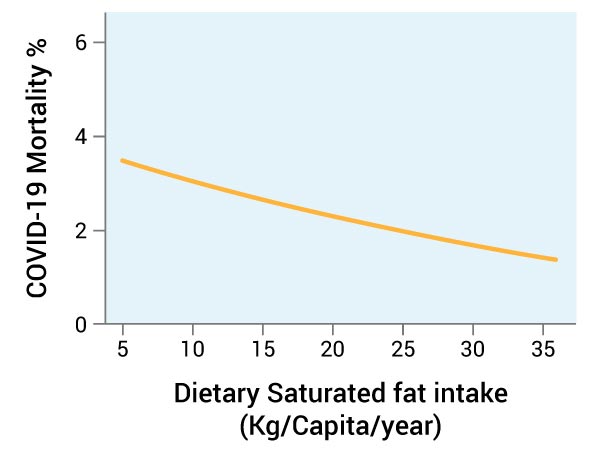
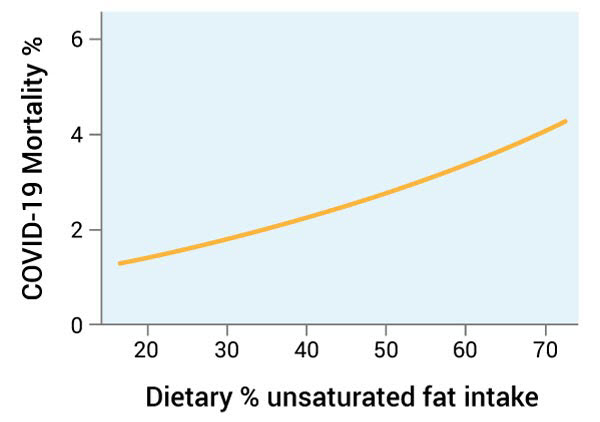
The paper contains an interesting diagram that summarizes the investigative approach they took to reach the conclusion that unsaturated fat intake correlates to COVID-19 outcomes, which I unfortunately cannot include here. In summary, though, it shows that higher intakes of polyunsaturated fats (PUFAs), primarily LA, resulted in a greater risk of severe COVID-19, while higher intake of saturated fat lowered the risk.
PUFAs Raise COVID-19 Mortality While Saturated Fat Lowers It
The researchers discovered that hypocalcemia (lower-than-average levels of calcium in your blood or plasma) and hypoalbuminemia (low albumin in your blood) are observable early on in patients with severe COVID-19.
When looking at data from COVID-19 patients, the also found that low arterial partial pressure of oxygen and percentage of oxygen ratios were associated with higher levels of unbound fatty acid levels in their blood. They also speculate that UFAs may cause vascular leakage, inflammatory injury and arrhythmia during severe COVID-19.
In tests on mice, animals given LA developed a range of conditions resembling lethal COVID-19, including hypoalbuminemia, leucopenia (low white blood cell count), lymphopenia (low lymphocyte count), lymphocytic injury, thrombocytopenia (low platelet count), hypercytokinemia (cytokine storm), shock and kidney failure.
How to Calculate Your LA Intake With Cronometer
Considering the damage LA imparts, it’s not surprising that it could play a significant role in the outcome of COVID-19. As mentioned, virtually all of the comorbidities associated with COVID-19 are diet related, share many of the same risk factors, and can be triggered or worsened by high LA intake.
Fortunately, you won’t have to spend hundreds of dollars to have your food analyzed for LA. All you need to do is accurately enter your food intake into Cronometer — a free online nutrition tracker — and it will provide you with your total LA intake. The key to accurate entry is to carefully weigh your food with a digital kitchen scale so you can enter the weight of your food to the nearest gram.
Cronometer.com is free to use when you use the desktop version. If you feel the need to use your cellphone (which is not recommended) to enter your data, then you will need to purchase a subscription. Personally, I have used the desktop version exclusively for the last five years as it has greater functionality and allows me to avoid electromagnetic fields from my phone.
Ideally, it is best to enter your food for the day before you actually eat it. The reason for this is quite simple: It’s impossible to delete the food once you have already eaten it, but you can easily delete it from your menu if you find something pushes you over the ideal limit.
Once you’ve entered the food for the day, go to the “Lipid” section on the lower left side of the app. The image below is taken from one of my recent data entries and shows you what the section looks like. To find out how much LA is in your diet for that day, you merely need to see how many grams of omega-6 is present. About 90% of the omega-6 you eat is LA.
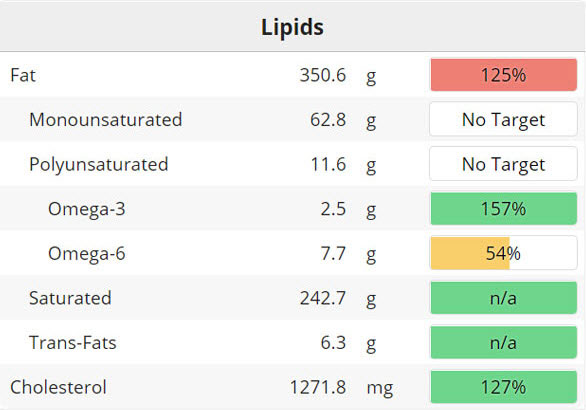
To find out the percentage of calories the omega-6/LA represents in your diet, go to the “Calories Summary” section shown in the image below. In my case, I consumed 3,887 calories. Since there are nine calories per gram of fat, you will need to multiply the number of omega-6 grams times nine to obtain the total amount of omega-6 calories. In my case, that is 69.3 calories.
Next, divide the LA calories by your total calories. In this example, that would be 69.3/3887 = .0178. If you multiply that number by 100, or move the decimal point two spaces to the left, you will have the percentage as a whole number. In my example, it is 1.8% of LA. This falls within the ideal LA percentage range, which is between 1% and 2% of your total calorie intake.
Cronometer is in the process of automatically displaying the “Percent of Omega-6” in your diet, but that will not be deployed until early 2021, so use the formula above to calculate it for yourself until then.
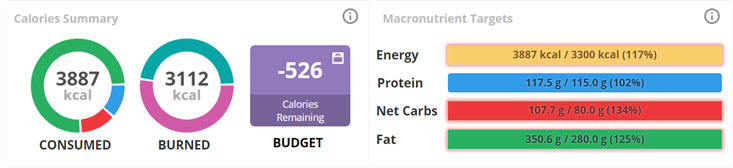
Helpful Feature You Might Not Be Aware Of
Most people aren’t aware of an incredibly helpful feature in Cronometer that allows you to easily identify where all your LA is coming from. If you mouse over the percent field next to the omega-6 value, you will see a popup displayed that will rank order the foods based on the quantity of LA they contain.
In my case, below, you can see that the four eggs I ate are my largest source of LA. Eggs are a very healthy food but, unfortunately, nearly all chickens, including pasture raised, are fed grains that are loaded with LA. Even if the grains are organic, they still contain LA.
I raise my own chickens and am in the middle of an experiment to change this by feeding my chickens a very low-LA, no-grain diet. I will have the eggs analyzed in a research lab and hope to get the LA levels 90% lower, which should hopefully get my LA intake below 5 grams.
It is interesting to note from my analysis that my primary protein, bison, only contributes 0.5 grams of LA even though I had 8 ounces that day. For the most part, fruit is also LA-free, which makes it a better source of healthy carbs than grains.
I also use rice on my high-carb diet days, in this case about 100 grams of carbs for the day, and the rice has no LA in it. Both rice and millet are two of the best grains to use as they have no gluten. The rice has the additional advantage, though, of being LA-free. It is best to use white rice, as the fiber in brown rice provides little nutritional benefit and may actually cause some problems.
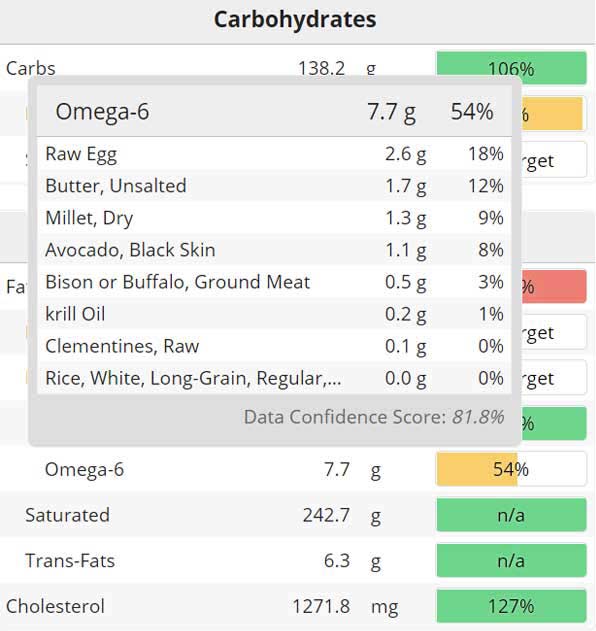
Carbohydrates — Choose Wisely
I must admit that I have a prejudice in this area as my first book in 2004 (which was a New York Times best seller) was “The No Grain Diet.” The concern about avoiding grains was largely based on consuming excessive carbohydrates that could lead to insulin resistance. At the time, I wasn’t aware that increased LA consumption was likely a far more significant issue than excessive carbs, or that most grains are typically loaded with LA.
However, when you have increased carbs in the form of sugar and processed wheat, and then add seed oils, you have the Devil’s Triad, which collectively contribute to most metabolic diseases.
So even though I wrote the book 17 years ago, I still believe most grains should be avoided, or at the least minimized, because they are typically high in carbs and LA. Many are also loaded with other problems like gluten, oxalates and phytates.
In my book, “Fat for Fuel,” I advocated the cyclical use of balanced and healthy carbs in the form of fruits and healthier grains. For most of us, fruit is a far healthier option than grains as there is virtually no LA in fruit, with exceptions like avocado, which is technically a fruit.
Metabolic Flexibility Is Key for Optimal Health
About 90% of the population is insulin resistant. Ideally, you will first want to become metabolically flexible and improve your ability to burn fat as your primary fuel. I discuss this strategy extensively in “Fat for Fuel.” It typically takes a few weeks to a few months for someone to transition to a metabolically flexible state.
When you are metabolically flexible, you will typically have normal blood pressure, not be overweight, and have a fasting blood glucose below 90, which you can easily measure at home.
While limiting carbs to less than 50 grams per day when you are metabolically inflexible is a powerful strategy, once you regain your ability to burn fat for fuel, most will find that they need to include a healthy source of carbs back into their diet. A simple strategy would be to shoot for around 50 grams on your low-carb days and double or triple that on your high-carb days.
You can start by simply alternating low and high carb days and monitor your fasting blood glucose. If it starts to rise over time, you will know that it is probably better to decrease the frequency of your high-carb days. Again, the best carbs to use would be fruit or white rice, as they are virtually LA-free. After you have been on a low-LA diet for a year or two, you can integrate other carbs that are higher in LA.
Fats — Be Careful of Cooking Oils
Ideally, it would be best to limit the amount of oil you use for cooking. Typically, it is better to cook using no oils and substitute grass-fed butter, instead. This is because seed oils are the single greatest source of omega-6 LA and the higher you heat food, the more toxic byproducts you create.
You might wonder how you can limit your cooking oils. Let me give you an example. If you were cooking ground beef or bison, you could cook in a frying pan or in a covered pot over low heat using the water in the meat to convert to steam and cook the food at a low 212 degrees Fahrenheit.
If you choose to use oil for cooking, then you can use the table5 below to help you select the best oils. It is color coded to guide you. The preferred oils are shaded green. Notice that concentrated animal feeding operation (CAFO) beef tallow or butter has three times as much LA as the grass-fed version.6 They still are very low and within an acceptable range, but it is clearly better to choose the higher quality grass fed version when you can.
Lard and palm oil are less preferred options because of their higher LA content. There is a load of confusion around olive oil, though, that needs to be cleared up. And, while avocado oil isn’t widely appreciated, it too has the same concerns as olive oil.
Both olive oil and avocado oil LA content varies widely. Typically, it will average around 10%, although some oils could be twice as high. The reason one needs to be ultra-careful using these oils is because the vast majority (over 80%) are adulterated with cheaper and high LA oils like safflower.
So, if you plan on using either of these oils, you need to have independent objective confirmation that the oil has not been tampered with. These brands are typically more expensive as authentic olive and avocado oils have much higher production costs.
Oils that should be completely avoided at all times are the primary culprits of destroying health in the 20th century: the toxic seed oils that are shaded in red. That said, the dose makes the poison. So, you can theoretically use any of the oils in the table below so long as your total intake of LA for that day is less than 2% of your total calories. The higher up on the table the oil is, the more likely you will exceed your safe limit for the day.
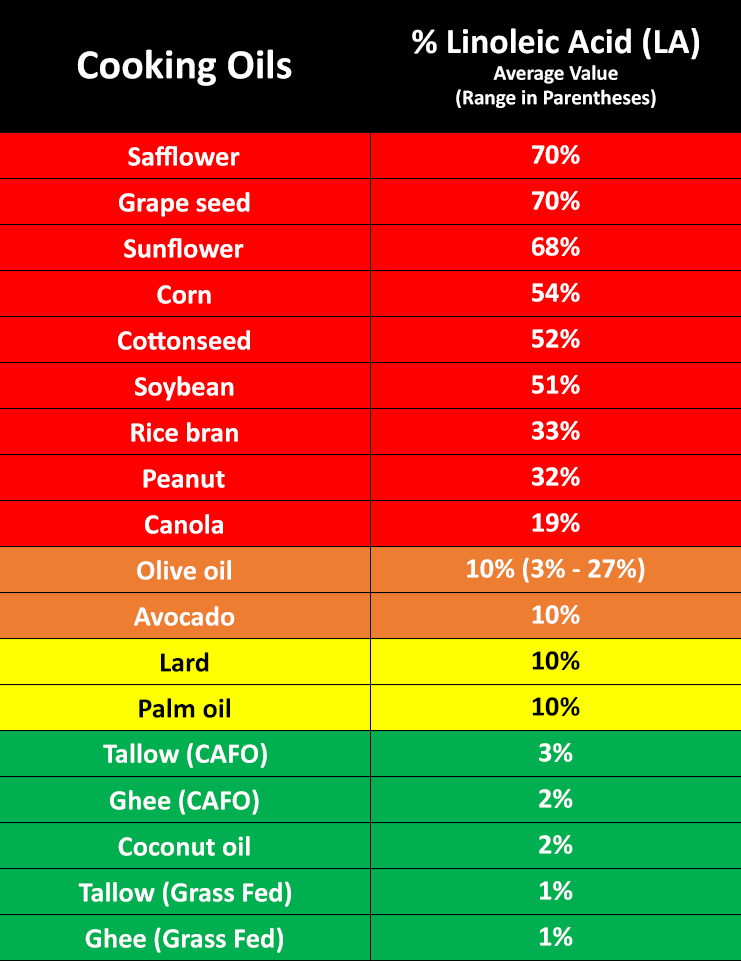
What About Seeds and Nuts?
Seeds and nuts can be used in moderation. The table below indicates approximately how much LA is common seeds7 and nuts.8,9,10 You can see that most are nearly half LA. For that reason, it is very easy to reach really high levels of LA if you eat lots of seeds and nuts, with the exception of macadamia nuts.
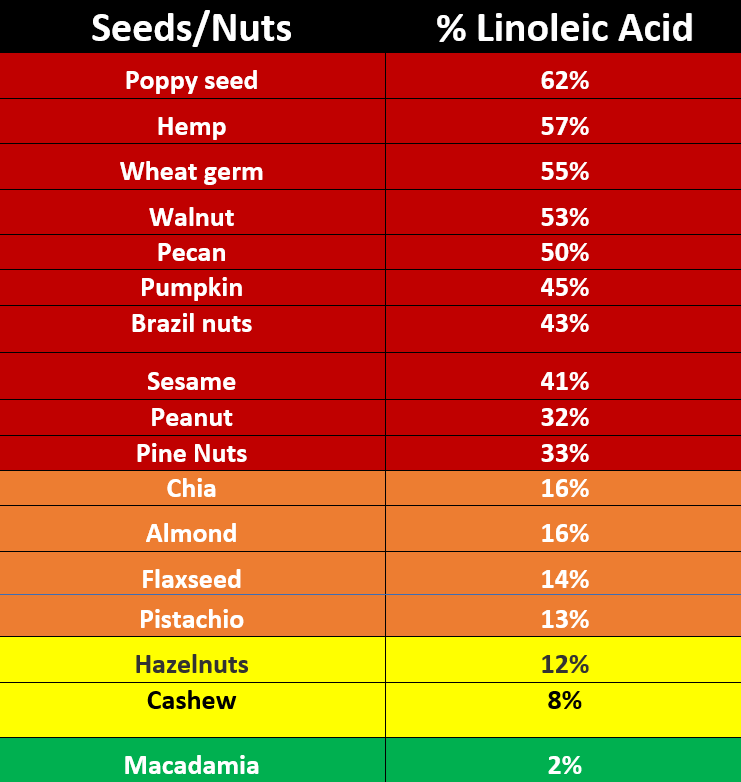
Also keep in mind that even if the nut has a relatively low quantity of LA, like almonds, it could be loaded with other potential problems like oxalates. Oxalates are razor sharp crystals contained in many nuts and seeds. They are water soluble and only found in the unprocessed seed or nut. If you are consuming an oil version of the seed or nut, it will contain virtually no oxalates.
So, the key here is that seeds and nuts are clearly allowed, but large quantities should be avoided. Be sure to enter them into Cronometer so you can see precisely how much LA they contain and how they are influencing your total daily intake.
Please note that the percent of LA indicated for the foods above is the typical average. It is important to understand that the percent of LA in any specific food can be highly variable based on many factors, but the values listed are what are typically found in the literature.
Ideal Sources of Protein
In general, animal foods are typically much lower in LA than vegetable sources. This is especially true for seeds and most all nuts, except macadamia, as you can see in the table above. Additionally, many vegetable sources have oxalates, phytates and gluten, which have been previously well-documented to have adverse health effects.
There are two important exceptions, though. Ideally, you will want to limit your intake of chicken and pork as these animals are universally fed grains that are loaded with LA. It is common for them to have LA levels from 10% to 20%. They will contain lower amounts of LA if they are not raised in a factory farm (CAFO), but most likely will exceed levels in lamb, beef, bison and other game animals like elk, by 10-fold.
For most of us, the ideal source of protein would be from bison, followed by beef and lamb. An 8-ounce serving of these foods typically has less than 1 gram of LA. In addition to eating muscle meat, it would be wise to regularly include sources of organ meats, as they are loaded with important micronutrients not found in muscle meat.
Eggs are another source of LA concern as the yolks are about 16% LA. This is because nearly all chickens, including those that are pasture raised, are given grain as their primary feed. As long as you aren’t allergic to eggs, they are an incredibly healthy nutrient-dense food and one of the finest sources of bioavailable choline available.
I believe it would be wise to limit eggs to four or less per day, as that would provide about 2.5 grams of LA. As mentioned earlier, I am currently in the middle of an experiment.
I’m feeding my 20 chickens a low-LA carnivore-type diet consisting of 1 gallon of 4-day-old sprouted mung beans with 4 ounces of melted butter mixed in, along with a regular supply of beef liver and mealworms. I will be analyzing the eggs for LA in the next few months as it takes some time for LA to be liberated after it’s consumed.
- 1, 3, 4 Gastroenterology 2020 Sep; 159(3): 1015–1018.e4
- 2 CDC.gov August 26, 2020
- 5 Chempro Fatty Acid Composition of Oils and Fats
- 6 Weston A Price Fatty Acid Analysis of Grass-fed and Grain-fed Beef Tallow
- 7 Journal of the American Oil Chemists’ Society. 72 (9): 1079–1081
- 8 Li, D., & Hu, X. (2011). Fatty Acid Content of Commonly Available Nuts and Seeds. Nuts and Seeds in Health and Disease Prevention, 35–42
- 9 British Journal of Nutrition 96 Suppl 2(S2): S29-35
- 10 The Paleo Diet Seed Fatty Acid Composition
The Power of Peppermint: 15 Health Benefits Revealed
© GreenMedInfo LLC. This work is reproduced and distributed with the permission of GreenMedInfo LLC.
Want to learn more from GreenMedInfo? Sign up for the newsletter here:
www.greenmedinfo.com/greenmed/newsletter
Reproduced from original article:
www.greenmedinfo.com/blog/power-peppermint-15-health-benefits-revealed1
Posted on: Tuesday, May 21st 2019 at 5:30 pm
Written By: Sayer Ji, Founder
This article is copyrighted by GreenMedInfo LLC, 2020

A favorite herbal medicine of the ancients, peppermint leaves have been found in Egyptian pyramids dating back to 1,000 BC. Modern scientific investigations have now confirmed that this remarkable plant has over a dozen healing properties.
In our continuing effort to educate folks to the vast array of healing agents found in the natural world around us, we are excited to feature peppermint, a member of the aromatic mint family that you may already have squirreled away somewhere in your kitchen cupboard. While most have experienced peppermint as a flavoring agent, or perhaps as a comforting cup of herbal tea, few are aware of its wide range of experimentally confirmed therapeutic properties.
The ancients certainly were aware of the mint family’s medicinal value, having been used as herbal medicines in ancient Egypt, Greek and Rome thousands of years ago.[i] Dried peppermint leaves have even been found in several Egyptian pyramids carbon dating back to 1,000 BC.
Today, modern scientific investigations are revealing an abundance of potential health benefits associated with the use of different components of the peppermint plant, including aromatherapeutic, topical and internal applications.
Most of the human research on peppermint performed thus far indicates this plant has great value in treating gastrointestinal disorders, including:
- Irritable Bowel Syndrome – Since the late 90’s it was discovered that enteric-coated peppermint oil capsules are safe and effective in the treatment of this increasingly prevalent disorder.[ii] This beneficial effect extends to the pediatric community. In one children’s trial 75% of those receiving peppermint oil had reduced severity of pain associated with IBS within 2 weeks.[iii] Another 2005 trial in adults concluded that “Taking into account the currently available drug treatments for IBS Peppermint oil (1-2 capsules t.i.d. over 24 weeks) may be the drug of first choice in IBS patients with non-serious constipation or diarrhea to alleviate general symptoms and to improve quality of life.”[iv] In another 2007 trial 75% of patients receiving peppermint oil saw an impressive 50% reduction of “total irritable bowel syndrome score.”[v] Most recently, a study published January of this year found that peppermint oil was effective in relieving abdominal pain in diarrhea predominant irritable bowel syndrome.[vi]
- Colonic spasm – Peppermint oil has been studied as a safe and effective alternative to the drug Buscopan for its ability to reduce spasms during barium enemas.[vii] [viii]
- Gastric Emptying Disorders – Peppermint has been found to enhance gastric emptying, suggesting its potential use in a clinical setting for patients with functional gastrointestinal disorders.[ix]
- Functional dyspepsia – A 2000 study published in the journal Ailment Pharmacology and Therapy found that 90 mg of peppermint oil and 50 mg of caraway oil resulted in 67% of patients reporting “much or very much improved” in their symptoms of functional dyspepsia. [x]
- Infantile Colic: A 2013 study found that peppermint is at least as effective as the chemical simethicone in the treatment of infantile colic.[xi]
Other studied applications include
- Breastfeeding Associated Nipple Pain and Damage: A 2007 study found that peppermint water prevented nipple cracks and nipple pain in breastfeeding mothers.[xii]
- Tuberculosis: A 2009 study found that inhaled essential oil of peppermint was able to rapidly regress tuberculous inflammation, leading the authors to conclude: “This procedure may be used to prevent recurrences and exacerbation of pulmonary tuberculosis.”[xiii]
- Allergic rhinitis (hay fever): A 2001 preclinical study found that extracts of the leaves of peppermint inhibit histamine release indicating it may be clinically effective in alleviating the nasal symptoms of allergic rhinitis.[xiv]
- Shingles Associated Pain (Post-Herpetic Neuralgia): A 2002 case study found that topical peppermint oil treatment resulted in a near immediate improvement of shingles associated neuropathic pain symptoms; the therapeutic effects persisted throughout the entire 2 months of follow-up treatment. [xv]
- Memory problems: A 2006 study found that the simple aroma of peppermint enhances memory and increases alertness in human subjects.[xvi]
- Chemotherapy-Induced Nausea: A 2013 study found that peppermint oil was found to be effective in reducing chemotherapy-induced nausea, and at reduced cost versus standard drug-based treatment.[xvii]
- Prostate Cancer: Preclinical research indicates that peppermint contains a compound known as menthol which inhibits prostate cancer growth.[xviii] [xix]
- Radiation Damage: Preclinical research indicates peppermint protects against radiation-induced DNA damage and cell death.[xx] [xxi]
- Herpes Simplex Virus Type 1: Peppermint has been found to have inhibitory activity against acyclovir-resistant Herpes Simplex virus type 1.[xxii] [xxiii]
- Dental Caries/Bad Breath: Peppermint oil extract has been found to be superior to the mouthwash chemical chlorhexidine inhibiting Streptococus mutans driven biofilm formation associated with dental caries.[xxiv] [xxv] This may explain why powdered peppermint leaves were used in the Middle Ages to combat halitosis and whiten teeth.
 Peppermint is actually a hybridized cross between Water Mint (Mentha aquatica) and Spearmint (Mentha spicata),[xxvi] the latter of which has also been researched to possess remarkable therapeutic properties, such as the ability to exert significant anti-androgenic effects in polycystic ovarian syndrome[xxvii] and ameliorating the related condition of mild hirsutism, marked by excessive hair growth in females.[xxviii]
Like all plant medicines, extreme caution must be exercised when using extracts and especially essential oils. Also, remember that more is not always better. A recent study on the use of rosemary in improving cognitive performance in the elderly found that a lower ‘culinary’ dose (750 mg) was not only more effective in improving cognition (as measured by memory speed) than a higher dose, but the highest dose (6,000 mg) had a significant memory impairing effect.[xxix] This illustrates quite nicely how less can be more, and why an occasional nightly cup of peppermint tea may be far superior as preventive strategy than taking large ‘heroic’ doses of an herb only after a serious health problem sets in.
Resources
- [i] A. Sustrikova, I. Salamon, Essential oil of peppermint (Mentha x piperita L.) from fields in Eastern Slovakia., 2004: Zahradnictvi Horticultural Science 31(1): 31-36
- [ii] J H Liu, G H Chen, H Z Yeh, C K Huang, S K Poon. Enteric-coated peppermint-oil capsules in the treatment of irritable bowel syndrome: a prospective, randomized trial. J Gastroenterol. 1997 Dec;32(6):765-8. PMID: 9430014
- [iii] R M Kline, J J Kline, Di Palma J, G J Barbero. Enteric-coated, pH-dependent peppermint oil capsules for the treatment of irritable bowel syndrome in children. J Pediatr. 2001 Jan;138(1):125-8. PMID: 11148527
- [iv] H G Grigoleit, P Grigoleit. Peppermint oil in irritable bowel syndrome. Phytomedicine. 2005 Aug;12(8):601-6. PMID: 16121521
- [v] G Cappello, M Spezzaferro, L Grossi, L Manzoli, L Marzio. Peppermint oil (Mintoil) in the treatment of irritable bowel syndrome: a prospective double blind placebo-controlled randomized trial. Dig Liver Dis. 2007 Jun;39(6):530-6. Epub 2007 Apr 8. PMID: 17420159
- [vi] M S Alam, P K Roy, A R Miah, S H Mollick, M R Khan, M C Mahmud, S Khatun. Efficacy of Peppermint Oil in Diarrhea Predominant IBS – A Double Blind Randomized Placebo – Controlled Study. Mymensingh Med J. 2013 Jan ;22(1):27-30. PMID: 23416804
- [vii] M J Sparks, P O’Sullivan, A A Herrington, S K Morcos. Does peppermint oil relieve spasm during barium enema? Br J Radiol. 1995 Aug;68(812):841-3. PMID: 7551780
- [viii] T Asao, H Kuwano, M Ide, I Hirayama, J-I Nakamura, K-I Fujita, R Horiuti. Spasmolytic effect of peppermint oil in barium during double-contrast barium enema compared with Buscopan. Clin Radiol. 2003 Apr;58(4):301-5. PMID: 12662951
- [ix] Masahiko Inamori, Tomoyuki Akiyama, Keiko Akimoto, Koji Fujita, Hirokazu Takahashi, Masato Yoneda, Yasunobu Abe, Kensuke Kubota, Satoru Saito, Norio Ueno, Atsushi Nakajima. Early effects of peppermint oil on gastric emptying: a crossover study using a continuous real-time 13C breath test (BreathID system). J Gastroenterol. 2007 Jul;42(7):539-42. Epub 2007 Jul 25. PMID: 17653649
- [x] B May, S Köhler, B Schneider. Efficacy and tolerability of a fixed combination of peppermint oil and caraway oil in patients suffering from functional dyspepsia. Aliment Pharmacol Ther. 2000 Dec;14(12):1671-7. PMID: 11121917
- [xi] João Guilherme Bezerra Alves, Rita de Cássia Coelho Moraes de Brito, Telma Samila Cavalcanti. Effectiveness of Mentha piperita in the Treatment of Infantile Colic: A Crossover Study. Evid Based Complement Alternat Med. 2012 ;2012:981352. Epub 2012 Jul 12. PMID: 22844342
- [xii] Manizheh Sayyah Melli, Mohammad Reza Rashidi, Abbas Delazar, Elaheh Madarek, Mohammad Hassan Kargar Maher, Alieh Ghasemzadeh, Kamran Sadaghat, Zohreh Tahmasebi. Effect of peppermint water on prevention of nipple cracks in lactating primiparous women: a randomized controlled trial. Int Breastfeed J. 2007;2:7. Epub 2007 Apr 19. PMID: 17442122
- [xiii] V A Shkurupiĭ, O A Odintsova, N V Kazarinova, K G Tkrachenko. [Use of essential oil of peppermint (Mentha piperita) in the complex treatment of patients with infiltrative pulmonary tuberculosis]. Virol J. 2009 Jan 20;6:8. PMID: 17128800
- [xiv] T Inoue, Y Sugimoto, H Masuda, C Kamei. Effects of peppermint (Mentha piperita L.) extracts on experimental allergic rhinitis in rats. Biol Pharm Bull. 2001 Jan;24(1):92-5. PMID: 11201253
- [xv] Simon J Davies, Louise M Harding, Andrew P Baranowski. A novel treatment of postherpetic neuralgia using peppermint oil. Clin J Pain. 2002 May-Jun;18(3):200-2 PMID: 12048423
- [xvi] Mark Moss, Steven Hewitt, Lucy Moss, Keith Wesnes. Modulation of cognitive performance and mood by aromas of peppermint and ylang-ylang. Nutr Cancer. 2006;55(1):53-62. PMID: 18041606
- [xvii] Z Tayarani-Najaran, E Talasaz-Firoozi, R Nasiri, N Jalali, Mk Hassanzadeh. Antiemetic activity of volatile oil from Mentha spicata and Mentha× piperita in chemotherapy-induced nausea and vomiting. Ecancermedicalscience. 2013 ;7:290. Epub 2013 Jan 31. PMID: 23390455
- [xviii] Eun-Jung Park, Su-Hwa Kim, Byung-Joo Kim, Sung-Young Kim, Insuk So, Ju-Hong Jeon. Menthol Enhances an Antiproliferative Activity of 1alpha,25-Dihydroxyvitamin D(3) in LNCaP Cells. J Clin Biochem Nutr. 2009 Mar;44(2):125-30. Epub 2009 Feb 28. PMID: 19308266
- [xix] Su-Hwa Kim, Joo-Hyun Nam, Eun-Jung Park, Byung-Joo Kim, Sung-Joon Kim, Insuk So, Ju-Hong Jeon. Menthol regulates TRPM8-independent processes in PC-3 prostate cancer cells. Biochim Biophys Acta. 2007 Apr;1770(4):659-65. Epub 2006 Nov 23. PMID: 18955132
- [xx] Hanaa A Hassan, Hani S Hafez, Mona S Goda. Mentha piperita as a pivotal neuro-protective agent against gamma irradiation induced DNA fragmentation and apoptosis : Mentha extract as a neuroprotective against gamma irradiation. Cytotechnology. 2013 Jan ;65(1):145-56. Epub 2012 Sep 21. PMID: 23011739
- [xxi] Ravindra M Samarth, Meenakshi Samarth. Protection against radiation-induced testicular damage in Swiss albino mice by Mentha piperita (Linn.). Basic Clin Pharmacol Toxicol. 2009 Apr;104(4):329-34. PMID: 19320637
- [xxii] Silke Nolkemper, Jürgen Reichling, Florian C Stintzing, Reinhold Carle, Paul Schnitzler. Antiviral effect of aqueous extracts from species of the Lamiaceae family against Herpes simplex virus type 1 and type 2 in vitro. Planta Med. 2006 Dec;72(15):1378-82. Epub 2006 Nov 7. PMID: 17091431
- [xxiii] A Schuhmacher, J Reichling, P Schnitzler. Virucidal effect of peppermint oil on the enveloped viruses herpes simplex virus type 1 and type 2 in vitro. Phytomedicine. 2003;10(6-7):504-10. PMID: 13678235
- [xxiv] Iraj Rasooli, Shojaedin Shayegh, Massoud Taghizadeh, Shakiba Darvish Alipoor Astaneh. Phytotherapeutic prevention of dental biofilm formation. Phytother Res. 2008 Sep;22(9):1162-7. PMID: 18729251
- [xxv] Shojaedin Shayegh, Iraj Rasooli, Massoud Taghizadeh, Shakiba Darvish Alipoor Astaneh. Phytotherapeutic inhibition of supragingival dental plaque. Nat Prod Res. 2008 Mar 20;22(5):428-39. PMID: 18404563
- [xxvi] The Complete Illustrated Book of Herbs, Alex Frampton, The Reader’s Digest Association, 2009
- [xxvii] Paul Grant. Spearmint herbal tea has significant anti-androgen effects in polycystic ovarian syndrome. A randomized controlled trial. Phytother Res. 2009 Jul 7. PMID: 19585478
- [xxviii] Mehmet Akdoğan, Mehmet Numan Tamer, Erkan Cüre, Medine Cumhur Cüre, Banu Kale Köroğlu, Namik Delibaş. Effect of spearmint (Mentha spicata Labiatae) teas on androgen levels in women with hirsutism. Phytother Res. 2007 May;21(5):444-7. PMID: 17310494
- [xxix] Andrew Pengelly, James Snow, Simon Y Mills, Andrew Scholey, Keith Wesnes, Leah Reeves Butler. Short-term study on the effects of rosemary on cognitive function in an elderly population. J Med Food. 2012 Jan ;15(1):10-7. Epub 2011 Aug 30. PMID: 21877951
Originally published: 2018-08-31
Article updated: 2019-05-21
