Oils
now browsing by category
Hold the fries! Fried foods increase the risk of MULTIPLE chronic diseases, lead to deadly heart disease
Reproduced from original article:
www.naturalhealth365.com/fried-foods-3842.html
by: Lori Alton, staff writer | May 23, 2021
 (NaturalHealth365) Whether served as buckets of fried chicken, piles of French fries, bags of potato chips, or platters of breaded fish and shrimp, there’s no denying that fried foods have a prominent place in the diets of many Americans. But a new 2021 meta-analysis published in Heart may make fried foods seem a little less palatable – by linking them with an increased risk of life-threatening chronic diseases.
The CDC reports that about 655,000 Americans lose their lives to heart disease every year. Nutritionists have long identified the Standard American Diet – low in fruits, vegetables, and fiber and high in unhealthy fats, refined carbs, and sugar – as a major contributor to this grim toll. (It’s fitting that this destructive diet is abbreviated as SAD.) The new review goes a step further, evaluating the specific effects of fried foods on heart health – and on the incidence of heart attack and stroke. The jaw-dropping results may make you think twice about ordering that double serving of fries.
Multiple studies confirm the link between fried foods and cardiovascular disease
Researchers evaluated data from 17 different studies spanning 9.5 years and involving 754,873 participants to conduct the review.
The team found that the group with the highest intake of fried foods increased their risk of major cardiovascular events by 28 percent and their risk of coronary heart disease by 22 percent. The most eye-opening increase was in the risk of heart failure, which rose by an alarming 37 percent. Heart failure – which occurs when the heart can’t pump enough blood to meet the body’s needs – features a notoriously poor five-year survival rate.
Earlier studies also pointed to the ill effects of fried food. In a 2019 study of 155,000 military veterans published in Clinical Nutrition, the researchers noted that eating fried foods one to three times a week raised the risk of heart attack and stroke by 7 percent (compared to consuming these foods less than once a week). Eating fried food daily – reported by about 5 percent of the participants – caused the risk of these major cardiovascular events to soar 14 percent higher.
Nutritional NIGHTMARE: Levels of toxic fat and calories skyrocket in fried foods
Fried foods, which lose water and absorb fat in the cooking process, are much higher in calories and fat than their baked counterparts. For example, a 3.5-ounce serving of baked potatoes contains under 100 calories – and zero grams of fat. But, the calories in a 3.5-ounce serving of French-fried potatoes clock in at a hefty 319 – while fat content swells to a stunning 17 grams.
Clearly, fried foods can contribute to obesity, which is a primary risk factor for heart disease. And, fried foods don’t do your heart any favors when it comes to lipid profiles, either. Studies have suggested that they decrease levels of beneficial HDL cholesterol – while increasing blood pressure, to boot.
Fried foods from fast food and chain restaurants can be particularly problematic. Experts say they are a source of unhealthy “trans fats,” generated from the hydrogenated vegetable oils restaurants use for frying. These fats are difficult for the body to break down and are linked to heart disease, cancer, obesity, and type 2 diabetes. Re-using oil is particularly harmful, as the trans fats increase every time the oil is heated. Finally, fried fast food tends to be loaded with sodium and is often served with sugar-laden drinks – thereby forming the very definition of a “nutritional disaster.”
Good news: The Mediterranean diet is linked with longevity and improved heart health
In addition to avoiding processed, fried, fast foods and junk foods, you can promote heart health with the Mediterranean diet. This healthy way of eating features generous amounts of fruits, vegetables, and whole grains, a moderate to high intake of fish, a low intake of saturated fats (such as butter), and a high intake of healthy monounsaturated fats from olive oil, avocados, and nuts. Dairy products and meat are consumed in relatively low amounts. Some proponents of the diet recommend very modest consumption of red wine with meals.
Multiple studies have attested to the ability of the Mediterranean diet to help prevent chronic diseases. In fact, a University of Athens Medical School study of 74,607 European adults over age 60 showed that the Mediterranean diet could prolong life, with participants adhering most consistently to the diet living up to 14 percent longer than those who did not follow it closely.
Word to the wise: Watch out for “unidentified frying objects”
According to Dr. Eugenia Gianos, director of Women’s Heart Health at Lenox Hill Hospital in New York City, people often associate fried foods with crispy breading and batters. Yet, some fried foods – think chicken wings, potato chips, or doughnuts – don’t have external breading. Still, like fried foods, they have the same negative health impact.
Does the research mean that you should ban fried foods from your diet in the interests of heart health? Or is it still permissible to enjoy a few golden French fries?
Registered dietitian Dana Angelo White, an associate professor at Quinnipiac College in Hamden, Conn., puts it this way.
“Eating small amounts … (of fried food) isn’t the end of the world,” Dr. Gianos commented. “But,” she added, “the more you eat of fried foods, the worse it is for you.”
Maybe it’s time to start bypassing harmful frying with baking, steaming, grilling, roasting, or broiling. Your heart will thank you!
Sources for this article include:
ScienceDaily.com
BritishMedicalJournal.com
BBC.Co.uk
CDC.gov
Healthline.com
Why should eucalyptus be part of your natural medicine cabinet?
Reproduced from original article:
www.naturalhealth365.com/eucalyptus-essential-oil-benefits-3724.html
by: Sara Middleton, staff writer | February 9, 2021
 (NaturalHealth365) Eucalyptus is a type of evergreen tree that is well recognized for its array of medicinal properties. With over 400 separate species, the plant is native to Australia but has been used for centuries in traditional healing in cultures from around the world, including Greek, Chinese, and Ayurvedic – and thanks to modern scientific research espousing the many eucalyptus benefits, it’s easy to see why.
From alleviating stress to reducing inflammation, the eucalyptus plant and its essential oil appear to have many beneficial effects on the human body and mind.
Editor’s note: To learn more about how essential oils can help to improve lung (and heart) function plus much more … click here to get access to the Cardiovascular Docu-Class, hosted by Jonathan Landsman, creator of NaturalHealth365.
Keeping your airways clear is only one of the MANY ways eucalyptus supports your health
The eucalyptus plant contains a compound called eucalyptol or 1,8-cineole. This powerful compound is shown to reduce inflammation and control mucus production. For this reason, this incredible plant is often touted as a natural alleviator of common respiratory conditions like bronchitis, chronic obstructive pulmonary disease (COPD), asthma, and sinus infections. Simply breathing in the essential oil that has been diffused into the surrounding air can provide immediate symptomatic relief.
In fact, eucalyptus essential oil is often added into saunas or steam rooms at local spas – but you can also create this spa-like environment in your own bathroom. Simply hang a bundle of fresh or dried eucalyptus near your shower. The hot steam triggers the release of the plant’s essential oils, sending fragrant and healing compounds into the air for your enjoyment.
In addition to promoting a healthy airway, eucalyptus may also offer natural relief from pain and stress. One randomized controlled trial published in Evidence-Based Complementary and Alternative Medicine revealed that inhaling eucalyptus oil decreased anxiety in people who were waiting for surgery. Another study published in the same journal in 2013 found that patients who had undergone knee replacement surgery reported less pain and better blood pressure after inhaling the delicate fragrance.
Do NOT ignore the health dangers linked to toxic indoor air. These chemicals – the ‘off-gassing’ of paints, mattresses, carpets and other home/office building materials – increase your risk of nasal congestion, fatigue, poor sleep, skin issues plus many other health issues.
Get the BEST indoor air purification system – at the LOWEST price, exclusively for NaturalHealth365 readers. I, personally use this system in my home AND office. Click HERE to order now – before the sale ends.
Even the U.S. National Library of Medicine notes that eucalyptus contains natural plant compounds that offer antimicrobial, antifungal, and antibacterial properties. Eucalyptus leaves even contain chemicals that might help control blood sugar levels. And while current evidence isn’t fully conclusive, the U.S. National Library of Medicine notes that eucalyptus may also be useful for naturally alleviating conditions like gingivitis, dental plaque, bad breath, head lice, and headaches.
Want to incorporate eucalyptus in your natural health routine? Here are some of the best ways to use this medicinal plant
Aside from hanging eucalyptus in your shower, there are plenty of other ways to get the most out of this plant.
The U.S. National Library of Medicine notes that eucalyptus leaf is likely safe to consume in small amounts in food. You might consider looking for natural chewing gum containing approximately 0.3% to 0.6% of this plant extract.
Like most essential oils, eucalyptus essential oil is possibly unsafe when applied directly to the skin and may lead to skin irritation and redness – so be sure to dilute it in a carrier oil if applying topically. A general guideline is to dilute 12 drops of essential oil with one ounce of carrier oil, and it’s always a good idea to test a small area of your skin before applying it all over.
Lastly, you don’t have to wait for a hot shower to breathe in the aromatic plant. Add a few drops of essential oil to a high-quality diffuser and let the scent fill your home.
Sources for this article include:
NIH.gov
NIH.gov
MedicalNewsToday.com
NIH.gov
Medlineplus.gov
5 INCREDIBLE health benefits of tea tree oil you should know
Reproduced from original article:
www.naturalhealth365.com/tea-tree-oil-health-benefits-3716.html
by: Karen Sanders, staff writer | February 2, 2021
 (NaturalHealth365) For millennia, the indigenous people of Australia have prized the oil of the tea tree or Melaleuca alternifolia. The aromatic oil from this evergreen tree contains powerful antibacterial, anti-fungal, antiviral and anti-proliferative compounds known as phytochemicals.
Why should I care about tea tree oil? These botanical elements offer a range of health benefits, from clearing acne and athlete’s foot to eliminating dandruff, alleviating periodontal disease’s effects to speeding up wound repair, and even preventing the growth spread of cancerous tumors.
Concerned with the overuse of antibiotics? Could tea tree oil be used as an alternative?
History would suggest the answer is yes. The tea tree’s name stems from 18th-century explorer Captain Cook, whose sailors made tea from the tree’s leaves while exploring the Australian coastline. Despite its name, however, the Melaleuca tree isn’t related to the plants commonly used to make black or green tea.
Unfortunately, most conventionally-trained physicians have never learned about the healing properties of natural plant compounds. Perhaps shocking to most doctors, tea tree oil was commonly used as an antiseptic in surgery, burn, and dental care applications before the widespread use of antibiotics.
Here are the top 5 health benefits of tea tree oil
1. Acne
According to the American Academy of Dermatology, one of the most common skin conditions, acne, affects as many as 50 million Americans – and 85 percent of people experience acne at least once in their lives. Tea tree oil contains high levels of terpenin-4-ol, a terpene alcohol that eliminate many common germs, bacteria, and fungi.
Do NOT ignore the health dangers linked to toxic indoor air. These chemicals – the ‘off-gassing’ of paints, mattresses, carpets and other home/office building materials – increase your risk of nasal congestion, fatigue, poor sleep, skin issues plus many other health issues.
Get the BEST indoor air purification system – at the LOWEST price, exclusively for NaturalHealth365 readers. I, personally use this system in my home AND office. Click HERE to order now – before the sale ends.
Studies indicate that tea tree oil is just as effective at killing the microorganisms that cause acne as benzoyl peroxide, a commonly prescribed treatment. However, the tea tree works without all of the benzoyl peroxide’s unpleasant side effects, says the Linus Pauling Institute.
2. Athlete’s Foot
The potent terpene alcohols in tea tree oil inhibit fungi’ growth, such as the types that cause athlete’s foot or Tinea pedis. Multiple studies indicate that this oil, both when applied alone and in combination with other essential oils, is effective at eliminating the fungi-yeast overgrowth that causes athlete’s foot.
Studies also indicate that the oil is an effective treatment for the microbes that cause toenail fungal infections, according to the NYU Langone Medical Center.
3. Dandruff
A 2002 study found that using a shampoo that contains a 5% concentration of tea tree oil effectively eliminated the growth of the yeast Pityrosporum ovale – a known cause of dandruff. Participants in the study reported a decrease in flaking, scaling, itchiness, and greasiness after 4 weeks of use.
4. Periodontal Disease
Tea tree oil kills many of the bacteria associated with periodontal disease and gum inflammation, according to a 2011 study. So, for infected gums, you can try swishing a few drops of the oil in some warm water or put a drop or two in your toothpaste and brush for about 2 minutes. Either way, do not swallow any of the oil and it will help to reduce the number of harmful bacteria in the mouth.
By the way, another great oral health remedy is neem oil to boost immunity by killing pathogens.
5. Cancer
According to Memorial Sloan Kettering Cancer Center, multiple studies indicate that the terpenin-4-ol in tea tree oil inhibits the growth of melanoma cancer cells. The oil’s cytotoxic effects have been shown to slow cancer cell proliferation, suggesting promise in the area of cancer treatment and prevention. Naturally, no one is suggesting to treat cancer with just this oil, but it’s good to know that nature provides many anti-cancer therapies without toxic side effects.
Just to be perfectly clear, if you’re ever diagnosed with cancer and want to incorporate natural remedies, it’s essential to find a qualified (experienced) medical professional to help in the healing process.
Tea tree oil is regarded as safe for topical use; though side effects are rare, they may include skin irritation or redness. Diluting it in a carrier oil, such as sweet almond or avocado, may eliminate any skin irritation. Remember, this oil is not for internal use or consumption, as it is toxic in large amounts.
This natural oil is available in various forms, from soap, toothpaste, and shampoo to lotions, creams, gels, and essential oil. So, I encourage you to learn more about these natural remedies and enjoy the self-empowering journey.
Sources for this article include:
The Type of Fat You Eat Affects Your COVID Risk
Reproduced from original article:
https://articles.mercola.com/sites/articles/archive/2021/01/11/unsaturated-fat-intake.aspx
Analysis by Dr. Joseph Mercola Fact Checked January 11, 2021

STORY AT-A-GLANCE
- A compelling report in the journal Gastroenterology offers a radically novel yet logically sound explanation as to why some COVID-19 patients develop life-threatening organ failure, namely their high unsaturated fat intake
- Data indicate that COVID-19 mortality rates are heavily influenced by the amount of unsaturated fats you eat. Simply put, unsaturated fat intake is associated with increased mortality from COVID-19, while saturated fat intake lowers your risk of death
- The researchers believe early treatment with calcium and egg albumin will reduce rates of organ failure and ICU admissions, as they bind unsaturated fats and reduce organ injury
- Omega-6 linoleic acid (LA) makes up the bulk of the omega-6 consumed and is the primary contributor to nearly all chronic diseases, because when consumed in excessive amounts, LA acts as a metabolic poison
- Detailed instructions for how to calculate and track your LA intake are included
A compelling report1 in the journal Gastroenterology offers a radically novel yet logically sound explanation as to why some COVID-19 patients develop life-threatening organ failure. According to the authors, data indicate that COVID-19 mortality rates are heavily influenced by the amount of unsaturated fats you eat.
Simply put, unsaturated fat intake is associated with increased mortality from the infection. On the bright side, they believe early treatment with inexpensive calcium and egg albumin will reduce rates of organ failure and ICU admissions.
While no clinical studies have been done yet on this type of therapy, the authors believe it’s time to do one, as it appears early albumin and calcium supplementation can bind unsaturated fats and reduce injury to vital organs. They also point out that saturated fats are protective.
The Most Dangerous Fat of All
I’m currently writing a book on what I believe might be the primary disease-maker in the Western diet, namely omega-6 linoleic acid (LA). And, since diet-related comorbidities are responsible for 94% of all COVID-19-related deaths,2 taking control of your diet is a simple, common-sense strategy to lower the risks associated with this infection.
LA makes up the bulk — about 90% — of the omega-6 consumed and is the primary contributor to nearly all chronic diseases. While an essential fat, when consumed in excessive amounts, LA acts as a metabolic poison.
The reason for this is because polyunsaturated fats such as LA are highly susceptible to oxidation. As the fat oxidizes, it breaks down into harmful sub-components such as advanced lipid oxidation end products (ALES) and OXLAMS (oxidized LA metabolites). These ALES and OXLAMS are actually what cause the damage.
One type of advanced lipid oxidation end product (ALE) is 4HNE, a mutagen known to cause DNA damage. Studies have shown there’s a definite correlation between elevated levels of 4HNE and heart failure.
LA breaks down into 4HNE even faster when the oil is heated, which is why cardiologists recommend avoiding fried foods. LA intake and the subsequent ALES and OXLAMS produced also play a significant role in cancer. HNE and other ALES are extraordinarily harmful even in exceedingly small quantities.
While excess sugar is certainly bad for your health and should typically be limited to 25 grams per day or less, it doesn’t cause a fraction of the oxidative damage that LA does.
Processed vegetable oils are a primary source of LA, but even food sources hailed for their health benefits contain it, and can be a problem if consumed in excess. Cases in point: olive oil and conventionally raised chicken, which are fed LA-rich grains. To learn more about this hidden source of LA, see “Why Chicken Is Killing You and Saturated Fat Is Your Friend.”
Many now understand that your omega-6 to omega-3 ratio is very important, and should be about 1-to-1 or possibly up to 4-to-1, but simply increasing your omega-3 intake won’t counteract the damage done by excessive LA. You really need to minimize the omega-6 to prevent damage from taking place.

LA Damages Your Mitochondria
In order to understand how excess LA consumption damages your metabolism and impedes your body’s ability to generate energy in your mitochondria we need to explore some molecular biology. There’s a particular fat only located in your mitochondria — most of it is found in the inner mitochondrial membrane — called cardiolipin.
Cardiolipin is made up of four fatty acids, unlike triglycerides that have three, but the individual fats can vary. Examples include LA, palmitic acid and the fatty acids found in fish oil, DHA and EPA. Each of these have a different effect on mitochondrial function, and depending on the organ, the mitochondria work better with particular kinds of fatty acids.
For example, your heart preferentially builds cardiolipin with LA, while your brain dislikes LA and preferentially builds cardiolipin in the mitochondria with fats like DHA. As mentioned, LA is highly susceptible to oxidation.
The LA within the mitochondria cardiolipin is exposed to cytochromes in the electron transport chain that contain iron, which in turn can catalyze oxidation of the cardiolipin. This is bad news because oxidation of cardiolipin is one of the things that controls autophagy.
In other words, oxidation of cardiolipin is one of the signals your body uses when there’s something wrong with a cell, so it triggers the destruction of that cell, a process called apoptosis. Your cells know that they’re broken when they have too many damaged mitochondria, and the process that controls this is largely the oxidation of omega-6 fats contained within cardiolipin.
So, by altering the composition of cell membranes and stored fatty acids in cells to one that’s richer in omega-6 fats, you make your cardiolipin far more susceptible to oxidative damage. The good news is that by making a few well-chosen tweaks to your diet, you change the composition of fatty acids in both your cell membranes and your cardiolipin to a favorable composition.
Fat Intake Linked to COVID-19 Outcomes
Getting back to the issue of how your fat intake can affect your COVID-19 outcome, the Gastroenterology paper3 points out that unsaturated fats “cause injury [and] organ failure resembling COVID-19.” More specifically, unsaturated fats are known to trigger lipotoxic acute pancreatitis, and the sepsis and multisystem organ failure seen in severe cases of COVID-19 greatly resembles this condition.
The solution they propose, namely early supplementation with egg albumin and calcium, is thought to be helpful because they are known to bind unsaturated fats, thereby reducing injury to organs. The two conditions also share other risk factors. As explained in the paper:4
“Unsaturated fatty acids (UFAs) generated by adipose lipolysis cause multisystem organ failure, including acute lung injury. Severe acute pancreatitis and severe COVID-19 share obesity as a risk factor, along with lipase elevation, hypoalbuminemia, and hypocalcemia.”
The authors further explain that the ACE2 receptor that the SARS-CoV-2 virus uses to gain entry into your cells resides on fat cells, and oleic acid — a monounsaturated omega-9 fat found in olive oil — has been shown to cause multisystem organ failure, including acute lung injury.
PUFAs in general also depolarize mitochondria and increase inflammatory mediators. All of this is what caused the researchers to explore the potential connection between lipotoxicity (toxicity caused by harmful fats such as LA) and severe COVID-19 resulting in organ failure.
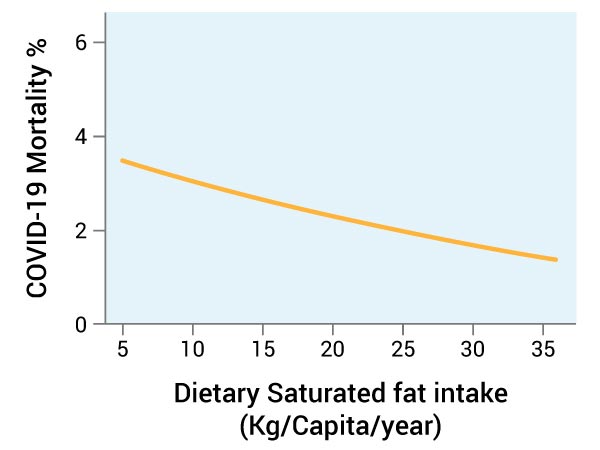
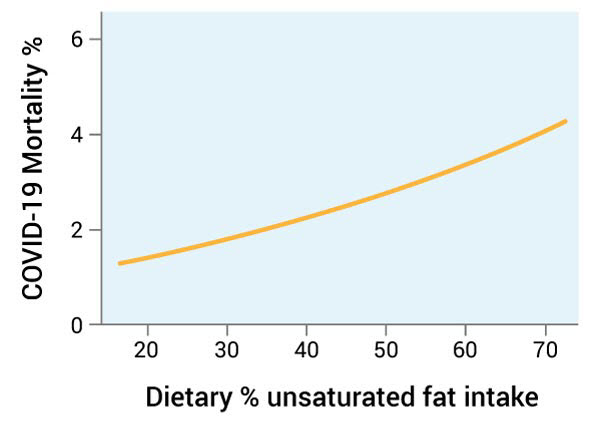
The paper contains an interesting diagram that summarizes the investigative approach they took to reach the conclusion that unsaturated fat intake correlates to COVID-19 outcomes, which I unfortunately cannot include here. In summary, though, it shows that higher intakes of polyunsaturated fats (PUFAs), primarily LA, resulted in a greater risk of severe COVID-19, while higher intake of saturated fat lowered the risk.
PUFAs Raise COVID-19 Mortality While Saturated Fat Lowers It
The researchers discovered that hypocalcemia (lower-than-average levels of calcium in your blood or plasma) and hypoalbuminemia (low albumin in your blood) are observable early on in patients with severe COVID-19.
When looking at data from COVID-19 patients, the also found that low arterial partial pressure of oxygen and percentage of oxygen ratios were associated with higher levels of unbound fatty acid levels in their blood. They also speculate that UFAs may cause vascular leakage, inflammatory injury and arrhythmia during severe COVID-19.
In tests on mice, animals given LA developed a range of conditions resembling lethal COVID-19, including hypoalbuminemia, leucopenia (low white blood cell count), lymphopenia (low lymphocyte count), lymphocytic injury, thrombocytopenia (low platelet count), hypercytokinemia (cytokine storm), shock and kidney failure.
How to Calculate Your LA Intake With Cronometer
Considering the damage LA imparts, it’s not surprising that it could play a significant role in the outcome of COVID-19. As mentioned, virtually all of the comorbidities associated with COVID-19 are diet related, share many of the same risk factors, and can be triggered or worsened by high LA intake.
Fortunately, you won’t have to spend hundreds of dollars to have your food analyzed for LA. All you need to do is accurately enter your food intake into Cronometer — a free online nutrition tracker — and it will provide you with your total LA intake. The key to accurate entry is to carefully weigh your food with a digital kitchen scale so you can enter the weight of your food to the nearest gram.
cronometer.com is free to use when you use the desktop version. If you feel the need to use your cellphone (which is not recommended) to enter your data, then you will need to purchase a subscription. Personally, I have used the desktop version exclusively for the last five years as it has greater functionality and allows me to avoid electromagnetic fields from my phone.
Ideally, it is best to enter your food for the day before you actually eat it. The reason for this is quite simple: It’s impossible to delete the food once you have already eaten it, but you can easily delete it from your menu if you find something pushes you over the ideal limit.
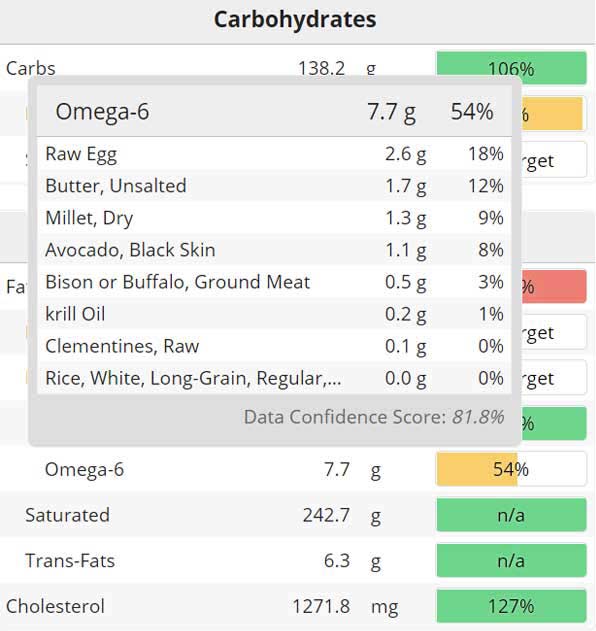
Once you’ve entered the food for the day, go to the “Lipid” section on the lower left side of the app. The image below is taken from one of my recent data entries and shows you what the section looks like. To find out how much LA is in your diet for that day, you merely need to see how many grams of omega-6 is present. About 90% of the omega-6 you eat is LA.
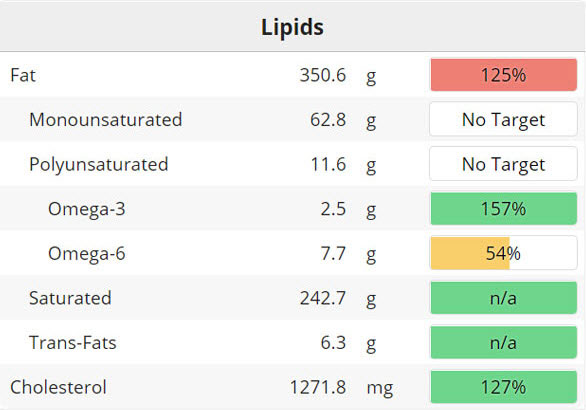
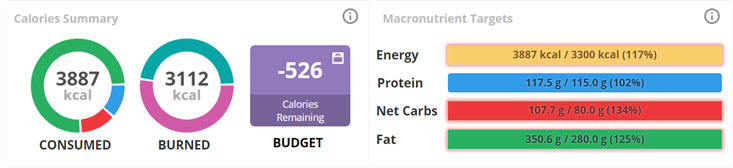
To find out the percentage of calories the omega-6/LA represents in your diet, go to the “Calories Summary” section shown in the image below. In my case, I consumed 3,887 calories. Since there are nine calories per gram of fat, you will need to multiply the number of omega-6 grams times nine to obtain the total amount of omega-6 calories. In my case, that is 69.3 calories.
Next, divide the LA calories by your total calories. In this example, that would be 69.3/3887 = .0178. If you multiply that number by 100, or move the decimal point two spaces to the left, you will have the percentage as a whole number. In my example, it is 1.8% of LA. This falls within the ideal LA percentage range, which is between 1% and 2% of your total calorie intake.
Cronometer is in the process of automatically displaying the “Percent of Omega-6” in your diet, but that will not be deployed until early 2021, so use the formula above to calculate it for yourself until then.
Helpful Feature You Might Not Be Aware Of
Most people aren’t aware of an incredibly helpful feature in Cronometer that allows you to easily identify where all your LA is coming from. If you mouse over the percent field next to the omega-6 value, you will see a popup displayed that will rank order the foods based on the quantity of LA they contain.
In my case, below, you can see that the four eggs I ate are my largest source of LA. Eggs are a very healthy food but, unfortunately, nearly all chickens, including pasture raised, are fed grains that are loaded with LA. Even if the grains are organic, they still contain LA.
I raise my own chickens and am in the middle of an experiment to change this by feeding my chickens a very low-LA, no-grain diet. I will have the eggs analyzed in a research lab and hope to get the LA levels 90% lower, which should hopefully get my LA intake below 5 grams.
It is interesting to note from my analysis that my primary protein, bison, only contributes 0.5 grams of LA even though I had 8 ounces that day. For the most part, fruit is also LA-free, which makes it a better source of healthy carbs than grains.
I also use rice on my high-carb diet days, in this case about 100 grams of carbs for the day, and the rice has no LA in it. Both rice and millet are two of the best grains to use as they have no gluten. The rice has the additional advantage, though, of being LA-free. It is best to use white rice, as the fiber in brown rice provides little nutritional benefit and may actually cause some problems.
Carbohydrates — Choose Wisely
I must admit that I have a prejudice in this area as my first book in 2004 (which was a New York Times best seller) was “The No Grain Diet.” The concern about avoiding grains was largely based on consuming excessive carbohydrates that could lead to insulin resistance. At the time, I wasn’t aware that increased LA consumption was likely a far more significant issue than excessive carbs, or that most grains are typically loaded with LA.
However, when you have increased carbs in the form of sugar and processed wheat, and then add seed oils, you have the Devil’s Triad, which collectively contribute to most metabolic diseases.
So even though I wrote the book 17 years ago, I still believe most grains should be avoided, or at the least minimized, because they are typically high in carbs and LA. Many are also loaded with other problems like gluten, oxalates and phytates.
In my more recent book, “Fat for Fuel,” I advocated the cyclical use of balanced and healthy carbs in the form of fruits and healthier grains. For most of us, fruit is a far healthier option than grains as there is virtually no LA in fruit, with exceptions like avocado, which is technically a fruit.
Metabolic Flexibility Is Key for Optimal Health
About 90% of the population is insulin resistant. Ideally, you will first want to become metabolically flexible and improve your ability to burn fat as your primary fuel. I discuss this strategy extensively in “Fat for Fuel.” It typically takes a few weeks to a few months for someone to transition to a metabolically flexible state.
When you are metabolically flexible, you will typically have normal blood pressure, not be overweight, and have a fasting blood glucose below 90, which you can easily measure at home.
While limiting carbs to less than 50 grams per day when you are metabolically inflexible is a powerful strategy, once you regain your ability to burn fat for fuel, most will find that they need to include a healthy source of carbs back into their diet. A simple strategy would be to shoot for around 50 grams on your low-carb days and double or triple that on your high-carb days.
You can start by simply alternating low and high carb days and monitor your fasting blood glucose. If it starts to rise over time, you will know that it is probably better to decrease the frequency of your high-carb days. Again, the best carbs to use would be fruit or white rice, as they are virtually LA-free. After you have been on a low-LA diet for a year or two, you can integrate other carbs that are higher in LA.
Fats — Be Careful of Cooking Oils
Ideally, it would be best to limit the amount of oil you use for cooking. Typically, it is better to cook using no oils and substitute grass-fed butter, instead. This is because seed oils are the single greatest source of omega-6 LA and the higher you heat food, the more toxic byproducts you create.
You might wonder how you can limit your cooking oils. Let me give you an example. If you were cooking ground beef or bison, you could cook in a frying pan or in a covered pot over low heat using the water in the meat to convert to steam and cook the food at a low 212 degrees Fahrenheit.
If you choose to use oil for cooking, then you can use the table5 below to help you select the best oils. It is color coded to guide you. The preferred oils are shaded green. Notice that concentrated animal feeding operation (CAFO) beef tallow or butter has three times as much LA as the grass-fed version.6 They still are very low and within an acceptable range, but it is clearly better to choose the higher quality grass fed version when you can.
Lard and palm oil are less preferred options because of their higher LA content. There is a load of confusion around olive oil, though, that needs to be cleared up. And, while avocado oil isn’t widely appreciated, it too has the same concerns as olive oil.
Both olive oil and avocado oil LA content varies widely. Typically, it will average around 10%, although some oils could be twice as high. The reason one needs to be ultra-careful using these oils is because the vast majority (over 80%) are adulterated with cheaper and high LA oils like safflower.
So, if you plan on using either of these oils, you need to have independent objective confirmation that the oil has not been tampered with. These brands are typically more expensive as authentic olive and avocado oils have much higher production costs.
Oils that should be completely avoided at all times are the primary culprits of destroying health in the 20th century: the toxic seed oils that are shaded in red. That said, the dose makes the poison. So, you can theoretically use any of the oils in the table below so long as your total intake of LA for that day is less than 2% of your total calories. The higher up on the table the oil is, the more likely you will exceed your safe limit for the day.

What About Seeds and Nuts?
Seeds and nuts can be used in moderation. The table below indicates approximately how much LA is common seeds7 and nuts.8,9, 10 You can see that most are nearly half LA. For that reason, it is very easy to reach really high levels of LA if you eat lots of seeds and nuts, with the exception of macadamia nuts.
| Seeds/Nuts | % Linoleic Acid |
|---|---|
| Poppy seed | 62% |
| Hemp | 57% |
| Wheat germ | 55% |
| Walnut | 53% |
| Pecan | 50% |
| Pumpkin | 45% |
| Brazil nuts | 43% |
| Sesame | 41% |
| Peanut | 32% |
| Pine Nuts | 33% |
| Chia | 16% |
| Almond | 16% |
| Flaxseed | 14% |
| Pistachio | 13% |
| Hazelnuts | 12% |
| Cashew | 8% |
| Macadamia | 2% |
Also keep in mind that even if the nut has a relatively low quantity of LA, like almonds, it could be loaded with other potential problems like oxalates. Oxalates are razor sharp crystals contained in many nuts and seeds. They are water soluble and only found in the unprocessed seed or nut. If you are consuming an oil version of the seed or nut, it will contain virtually no oxalates.
So, the key here is that seeds and nuts are clearly allowed, but large quantities should be avoided. Be sure to enter them into Cronometer so you can see precisely how much LA they contain and how they are influencing your total daily intake.
Please note that the percent of LA indicated for the foods above is the typical average. It is important to understand that the percent of LA in any specific food can be highly variable based on many factors, but the values listed are what are typically found in the literature.
Ideal Sources of Protein
In general, animal foods are typically much lower in LA than vegetable sources. This is especially true for seeds and most all nuts, except macadamia, as you can see in the table above. Additionally, many vegetable sources have oxalates, phytates and gluten, which have been previously well-documented to have adverse health effects.
There are two important exceptions, though. Ideally, you will want to limit your intake of chicken and pork as these animals are universally fed grains that are loaded with LA. It is common for them to have LA levels from 10% to 20%. They will contain lower amounts of LA if they are not raised in a factory farm (CAFO), but most likely will exceed levels in lamb, beef, bison and other game animals like elk, by 10-fold.
For most of us, the ideal source of protein would be from bison, followed by beef and lamb. An 8-ounce serving of these foods typically has less than 1 gram of LA. In addition to eating muscle meat, it would be wise to regularly include sources of organ meats, as they are loaded with important micronutrients not found in muscle meat.
Eggs are another source of LA concern as the yolks are about 16% LA. This is because nearly all chickens, including those that are pasture raised, are given grain as their primary feed. As long as you aren’t allergic to eggs, they are an incredibly healthy nutrient-dense food and one of the finest sources of bioavailable choline available.
I believe it would be wise to limit eggs to four or less per day, as that would provide about 2.5 grams of LA. As mentioned earlier, I am currently in the middle of an experiment.
I’m feeding my 20 chickens a low-LA carnivore-type diet consisting of 1 gallon of 4-day-old sprouted mung beans with 4 ounces of melted butter mixed in, along with a regular supply of beef liver and mealworms. I will be analyzing the eggs for LA in the next few months as it takes some time for LA to be liberated after it’s consumed.
- 1, 3, 4 Gastroenterology 2020 Sep; 159(3): 1015–1018.e4
- 2 CDC.gov August 26, 2020
- 5 Chempro Fatty Acid Composition of Oils and Fats
- 6 Weston A Price Fatty Acid Analysis of Grass-fed and Grain-fed Beef Tallow
- 7 Journal of the American Oil Chemists’ Society. 72 (9): 1079–1081
- 8 Li, D., & Hu, X. (2011). Fatty Acid Content of Commonly Available Nuts and Seeds. Nuts and Seeds in Health and Disease Prevention, 35–42.
- 9 British Journal of Nutrition 96 Suppl 2(S2): S29-35
- 10 The Paleo Diet Seed Fatty Acid Composition
Iron and Vegetable Oil Are a Deadly Combo
Reproduced from original article:
https://articles.mercola.com/sites/articles/archive/2020/12/02/pufas-iron-intake-and-dpn.aspx
Analysis by Dr. Joseph Mercola Fact Checked December 02, 2020
STORY AT-A-GLANCE
- Researchers found a connection between the intake of iron and seed oils high in omega-6 polyunsaturated fatty acids (PUFAs) with diabetic peripheral neuropathy (DPN) in people with Type 2 diabetes
- Both high dietary iron intake and an elevated iron/PUFA ratio were associated with DPN
- While the study evaluated PUFA intake of omega-6 and omega-3 together, it was the ratio of iron/omega-6 that showed a significant association with DPN
- One way to help stop the oxidative damage caused by iron intake in the presence of too many omega-6s is to take carnosine or its primary precursor, beta-alanine
- Many chronic diseases appear to be the result of a catastrophic cascade of health declines triggered by the long-term consumption of omega-6 seed oils
- To protect your health, it is vital that you reduce your intake of industrially processed seed oils as much as you can, which includes virtually all processed foods and fast foods that contain them
The evidence continues to accumulate that avoiding toxic industrially processed seed oils, often referred to as “vegetable oils,” is essential to protecting your health, and recent research adds dietary iron to the increased health risks as well, particularly for those with Type 2 diabetes.1
Examples of seed oils high in omega-6 polyunsaturated fatty acids (PUFAs) include soybean, cottonseed, sunflower, rapeseed (canola), corn and safflower.2 Omega-6 is considered to be proinflammatory because of the most common variety, linoleic acid, which will radically increase oxidative free radicals and cause mitochondrial dysfunction.3
But all seed oils have linoleic acid, even “healthy” ones like avocado and olive oil, both of which have the majority of commercially available products adulterated with other seed oils that have even higher levels of linoleic acid. So, only purchase trusted and tested brands and once you have them put the oil in the fridge. The linoleic acid will remain liquid. Simply pour that oil in the trash and your olive or avocado oil will be healthier.
The intake of omega-6 seed oils may also promote inflammation through arachidonic acid by increasing the production proinflammatory compounds. Further, as researchers noted in the journal Nutrients, “In addition, a few studies suggested that omega-6 PUFA is related to chronic inflammatory diseases such as obesity, nonalcoholic fatty liver disease and cardiovascular disease.”4
Iron, meanwhile, while necessary for oxygen delivery, mitochondrial electron transport, DNA synthesis and more, can generate oxidative stress that leads to tissue damage, and previous research has found dietary iron intake may be associated with the risk of diabetes. Now, researchers have demonstrated a connection between the intake of iron and PUFAs with diabetic peripheral neuropathy (DPN) in people with Type 2 diabetes.5
Link Found Between PUFAs, Iron Intake and DPN
Diabetic peripheral neuropathy is a form of nerve damage that may occur in people with diabetes. The damage occurs, most often, in your legs and feet and is a significant cause of falls and fractures in this population. In addition to long-term diabetes, other risk factors for DPN include insulin resistance, high blood pressure, obesity and high blood sugar, and oxidative stress is believed to be a key contributing factor.6
For the featured study, Korean researchers looked into the association of iron intake and the ratio between iron intake and PUFA intake (iron/PUFA) with DPN in 147 people with Type 2 diabetes. Both high dietary iron intake and an elevated iron/PUFA ratio were associated with DPN, suggesting “the importance of the dietary pattern of iron and PUFA intake in individuals with type 2 diabetes.”7
Iron overload has previously been found to make oxidative stress injury in neurons worse in the presence of high sugar concentrations, and the researchers suggested that insulin resistance and pancreatic beta cell dysfunction, which are caused by oxidative stress, could be behind the association between iron and DPN.8
The study had limitations, however, particularly in regard to PUFAs, as it did not interpret the study results in relation to omega-6 and omega-3 separately. Omega-3s have an antioxidant and anti-inflammatory role that’s been linked to many health benefits.
Most people get far too much omega-6 and too little omega-3, thus ending up with a lopsided ratio, and this ratio is what impacts health. Ideally, this ratio would be close to 1-to-1. The key, however, is not to necessarily increase omega-3, but to decrease omega-6 to improve the ratio. The featured study evaluated PUFA intake of omega-6 and omega-3 together, but noted that it was the ratio of iron/omega-6 that showed a significant association with DPN:9
“Considering the PUFA-related antioxidant effect observed in an iron-related, pro-oxidant environment, we calculated the iron/PUFA ratio and found that a higher iron/PUFA ratio was associated with a higher OR (odds ratio) of DPN. This finding suggests that the ratio of iron to PUFA might be an important marker of DPN and can be used as an indicator to screen for or prevent DPN in individuals with type 2 diabetes.
In addition, even though the ratio iron/omega-6 PUFA, rather than the ratio iron/omega-3 PUFA, showed a statistically significant association with DPN after adjusting for confounders, we need to be cautious in interpreting these data. A relatively small amount of omega-3 PUFA compared with omega-6 PUFA might bring about these non-significant results.”
The Importance of Carnosine, Especially if You’re Vegan
One way to help stop the oxidative damage caused by iron intake in the presence of too many omega-6s is to take carnosine or its primary precursor, beta-alanine. Carnosine is a dipeptide composed of two amino acids: beta-alanine and histidine. It’s a potent antioxidant, the highest concentrations of which are found in your muscles and brain.
If you’re a vegetarian or vegan, you will have lower levels of carnosine in your muscles. This is one reason why many strict vegans who do not properly compensate for this and other nutritional deficiencies tend to have trouble building muscle. Carnosine itself is not very useful as a supplement as it is rapidly broken down into its constituent amino acids by certain enzymes. Your body then reformulates those amino acids back to carnosine in your muscles.
A more efficient alternative is to supplement with beta-alanine, which appears to be the rate limiting amino acid in the formation of carnosine. Eating beef is known to efficiently raise carnosine levels in your muscle,10 which is why if you’re a vegetarian or vegan this supplement may be particularly important.
Chronic Disease Rooted in Long-Term Consumption of Seed Oils
Many chronic diseases appear to be the result of a catastrophic cascade of health declines triggered by the long-term consumption of seed oils (omega-6). For instance, Dr. Chris Knobbe, an ophthalmologist and the founder and president of the Cure AMD Foundation, a nonprofit dedicated to the prevention of age-related macular degeneration (AMD), believes age-related macular degeneration (AMD) should be called diet-related macular degeneration instead.
Knobbe has studied the toxic aldehydes that result from omega-6 fats. When you consume an omega-6 fat, it first reacts with a hydroxyl radical or peroxide radical, producing a lipid hydroperoxide.
This lipid hydroperoxide then rapidly degenerates into toxic aldehydes, of which there are hundreds, which in turn lead to cytotoxicity, genotoxicity, mutagenicity carcinogenicity and more, along with being obesogenic, at very low doses. Knobbe explained the complex process in his presentation at the ALLDOCS annual 2020 meeting:11
“Here’s what excess omega-6 does in a westernized diet: induces nutrient deficiencies, causes a catastrophic lipid peroxidation cascade, is what this does … This damages … a phospholipid called cardio lipid in the mitochondrial membranes. And this leads to electron transport chain failure … which causes mitochondrial failure and dysfunction.
And this leads first to reactive oxygen species, which feeds back into this peroxidation cascade. So, you’re filling up your fat cells and your mitochondrial membranes with omega-6, and these are going to peroxidize because of the fact that they are polyunsaturated.
All right, next thing that happens, insulin resistance, which leads to metabolic syndrome, Type 2 diabetes, nonalcoholic fatty liver disease. When the mitochondria fail you get reduced fatty acid, beta oxidation, meaning you can’t burn these fats properly for fuel.
So now you’re … carb dependent and you’re heading for obesity. So, you’re feeling tired. You’re gaining weight. Your mitochondria are failing to burn fat for fuel … this is a powerful mechanism for obesity.
So, the energy failure at the cellular level leads to nuclear mitochondrial DNA mutations, and this leads to cancers. Three weeks on a high-PUFA diet causes heart failure in rats — three weeks. And this also leads to apoptosis and necrosis. And of course, that’s how you get disorders like AMD, Alzheimer’s.”
The Problem With Linoleic Acid
At the root of the harmful biochemical reactions triggered by seed oils is linoleic acid, which is an 18-carbon omega-6 fat. As mentioned, linoleic acid is the primary fatty acid found in PUFAs and accounts for about 80% of the fatty acid composition of vegetable oils. Omega-6 fats must be balanced with omega-3 fats in order not to be harmful, but this isn’t the case for most Americans.
To make matters even worse, most of the omega-6 people eat has been damaged and oxidized through processing. “Most of this linoleic acid, when it oxidizes, it develops lipid hydroperoxides and then these rapidly degenerate into … oxidized linoleic acid metabolites,” says Knobbe.12
OXLAMs (oxidized linoleic acid metabolites) create a perfect storm, as they are cytotoxic, genotoxic, mutagenic, carcinogenic, atherogenic and thrombogenic, according to Knobbe. Their atherosclerosis and thrombogenic actions are especially concerning because they can produce strokes and clots, however metabolic dysfunction can also occur.
During the lipid peroxidation cascade caused by the excess consumption of omega-6 seed oils, PUFAs accumulate in your cell membranes, leading to a peroxidation reaction. As mentioned, because there are so many reactive oxygen species it leads to the development of insulin resistance at the cellular level.
Dr. Paul Saladino, a physician journalist, in a podcast, also explained that linoleic acid “breaks the sensitivity for insulin at the level of your fat cells,”13 essentially making them more insulin sensitive — and, since your fat cells control the insulin sensitivity of the rest of your body by releasing free fatty acids, you end up with insulin resistance.
Unfortunately, even eating conventionally raised chicken, which is fed corn, is problematic, as the meat becomes high in omega-6 linoleic acid.14 As Saladino points out, eating a lot of chicken adds to your vegetable oil consumption and further skews your omega-6 to omega-3 ratio.
Avoiding Processed Seed Oils Will Protect Your Health
To protect your health, it is vital that you reduce your intake of industrially processed seed oils as much as you can. This means eliminating all of the following oils:
| Soy | Corn |
| Canola | Safflower |
| Sunflower | Peanut |
Even too much organic, biodynamic olive oil can shift your ratio in the wrong direction, as olive oil is also a source of omega-6 linoleic acid, so be sure you use the trick I described above to lower the LA content of olive oil. It’s also important to avoid nearly all processed foods and fast foods, as virtually all of them contain these toxic oils. The easiest way to do this is to prepare the majority of your food at home so you know what you are eating.
If you want to know how much linoleic acid you’re eating, simply go to cronometer.com and enter your food, making sure that it is accurately weighed. For optimal health, try to get your intake under 10 grams per day.
- 1, 4, 5, 6, 7, 8, 9 Nutrients 2020, 12(11), 3365; doi: 10.3390/nu12113365
- 2 Int J Mol Sci. 2020 Feb; 21(3): 741.
- 3 BMJ Open Heart 2018;5:e000946. doi: 10.1136/openhrt-2018-000946
- 10 Science Direct, Carnosine
- 11 ALLDOCS Annual Meeting 2020
- 12 YouTube June 13, 2020
- 13 YouTube June 23, 2020
- 14 Journal of Dairy Science January 2018; 101(1): 222-232
Extra virgin olive oil boosts cognitive function, new trial
Reproduced from original article:
https://www.naturalhealth365.com/olive-oil-cognitive-function-3628.html
by: Joy Jensen, staff writer | November 17, 2020
 (NaturalHealth365) The Mediterranean diet has long been considered a heart-healthy diet, which consists of legumes, fruits, vegetables, nuts, whole grains, and healthy fats, including olive oil. And it turns out that olive oil could be key in the health benefits it offers.
A recent trial found that consuming extra virgin olive oil (EVOO) boosts cognitive function, making a case for using long-term intervention with the oil to boost brain health and performance. What was surprising was how supplementing with EVOO stacked up against following the Mediterranean diet alone.
Surprising brain function results delivered by using EVOO
According to researchers, whose work was published in the Journal of Alzheimer’s Disease in October 2020, they wanted to learn more about the effects of Greek High Phenolic Early Harvest (HP-EH) extra virgin olive oil as compared to moderate phenolic EVOO and simply following the Mediterranean diet in individuals dealing with mild cognitive impairment.
Scientists took three groups of people with mild cognitive impairment, gave one group the HP-EH extra virgin olive oil daily, another group the moderate phenolic EVOO daily, and the third group followed instructions for the Mediterranean diet.
At the end of the trial, they found that the group with the best performance was the group that was giving the HP-EH extra virgin olive oil each day. They had improved cognitive performance in nearly every area that was tested, leading researchers to conclude that long-term intervention with EVOO offers significant improvements in overall cognitive function.
Additional health benefits of extra virgin olive oil
Beyond boosting brain health and improving cognitive function, EVOO offers many other health benefits that make it worth adding to your diet or even taking as a supplement. Studies show that regular consumption of EVOO helps reduce triglyceride levels, an important step for preventing heart disease.
Do NOT ignore the health dangers linked to toxic indoor air. These chemicals – the ‘off-gassing’ of paints, mattresses, carpets and other home/office building materials – increase your risk of headaches, dementia, heart disease and cancer.
Get the BEST indoor air purification system – at the LOWEST price, exclusively for NaturalHealth365 readers. I, personally use this system in my home AND office. Click HERE to order now – before the sale ends.
It’s also been found to help prevent blood clots and strokes, supporting healthy cholesterol levels that can keep platelets from sticking together and causing clots. The monounsaturated fats found in the oil are anti-inflammatory as well, reducing inflammation and boosting the health of cardiovascular tissues, which helps lower the risk of heart disease.
Researchers have also discovered that EVOO has antimicrobial effects against the bacteria that cause peptic ulcers, while other studies show that regular olive oil consumption results in stronger bones and reduced risk of fractures. Previous studies also found that EVOO protects the brain from oxidative stress and inflammation, which may reduce the risk of Alzheimer’s disease.
What’s the best way to get the benefits of extra virgin olive oil? Experts usually recommend getting between one to four tablespoons daily.
You can use it on salads, drizzle it on veggies when you roast or sauté them, or use it when whipping up your favorite dips, spreads, pesto, or hummus. Just make sure you purchase extra virgin olive oil that’s been cold-pressed to ensure the valuable fatty acids, polyphenols, and nutrients aren’t destroyed during processing.
Editor’s note: You may be interested in this article, “The Top 5 olive oils to protect your heart” – which includes my favorite brand. And, no, I do not have any financial incentive to give you this information.
Sources for this article include:
EuropePMC.org
LifeExtension.com
NaturalHealth365.com
NaturalHealth365.com
NaturalHealth365.com
The Case Against Processed Vegetable Oils
Reproduced from original article:
https://articles.mercola.com/sites/articles/archive/2020/10/31/vegetable-oil-omega-6.aspx
Analysis by Dr. Joseph Mercola Fact Checked October 31, 2020
STORY AT-A-GLANCE
- One of the most damaging components in our modern diet is processed vegetable oils, as they contain excessive amounts of oxidized omega-6 linoleic acid, a polyunsaturated fat (PUFA). The biological damage they cause is even worse than that caused by refined sugar and high fructose corn syrup
- Virtually all chronic metabolic and degenerative diseases, including age-related macular degeneration, are primarily caused by a preponderance of industrial vegetable oils in the diet
- Vegetable oils degrade to extremely toxic oxidation products when heated, including cyclic aldehydes, which contribute to the development of heart disease and neurodegenerative diseases
- Two common stealth sources of harmful PUFAs are conventionally farmed chicken and pork. These animals are routinely fed grains such as corn. As a result, the meat becomes high in omega-6 linoleic acid, as corn is loaded with this type of fat
- Replacing processed vegetable oils (and the foods that contain them) with healthy fats can go a long way toward boosting your health and reducing your risk of chronic disease
Dr. Paul Saladino is the author of “The Carnivore Code.” I’ve previously interviewed him about the carnivore diet and the impact of metabolic health on COVID-19 outcomes. The video1 above features Saladino on a recent episode of the Joe Rogan podcast.
It’s a three-hour conversation, but my focus here is on Saladino’s viewpoints on omega-6 seed oils, and the surprising fact that conventional chicken and pork are significant stealth sources of oxidized omega-6 fats that can contribute to ill health by impairing vital mitochondrial signaling.
Vegetable Oils Are Responsible for Epidemic of Ill Health
In recent years, it’s become increasingly clear that one of the most damaging components in our modern diet is processed vegetable oils, as they contain excessive amounts of oxidized omega-6 linoleic acid, a polyunsaturated fat (PUFA). The biological damage they cause is even worse than that caused by refined sugar and high fructose corn syrup.
According to ophthalmologist Dr. Chris Knobbe, who has researched the matter extensively, virtually all chronic metabolic and degenerative diseases, including age-related macular degeneration, are primarily caused by a preponderance of industrial vegetable oils in the diet.
Replacing dangerous oils with healthy fats can go a long way toward boosting your health and reducing your risk of chronic disease.
The reason for this is because these oils trigger mitochondrial dysfunction that then drives the disease process, and several studies2,3,4,5,6,7,8 have demonstrated the truth of this. The good news is that simply replacing dangerous oils with healthy saturated fats can go a long way toward boosting your health and reducing your risk of chronic disease.
Unfortunately, many health authorities have insisted — and still insist — omega-6-rich oils like soybean, corn and canola oil are healthier than saturated animal fats such as butter and lard, and this myth has been a tough one to dismantle, despite the evidence against it.
How Processed Vegetable Oils Harm Your Health
There are many reasons to avoid or eliminate industrially processed seed oils from your diet. As mentioned, vegetable oils are a concentrated source of omega-6 linoleic acid, which can lead to a severe imbalance between the omega-6 to omega-3 ratio in your diet.
In fact, I’ve found it is extremely difficult to correct this imbalance simply by taking more omega-3. In fact, excess omega-3 can also contribute to ill health. Your first and most important step is to cut down on the omega-6s, or else you’re always going to be nutritionally lopsided.
Even organic, biodynamic olive oil can shift your ratio in the wrong direction, as olive oil is also a source of omega-6 linoleic acid. If, like me, you’re in the habit of eating olive oil, you may want to limit your intake to 1 tablespoon per day or less. The problem, really, is twofold:
- Most people get far too much omega-6 and too little omega-3, thus ending up with a lopsided ratio, and this ratio is what impacts health. Ideally, this ratio would be close to 1-to-1
- Most of the omega-6 people eat has been damaged and oxidized through processing
Then there’s the issue of direct toxicity from pesticides and herbicides. Most of the vegetable oils produced today — especially canola, corn and soy — are made from genetically engineered (GE) crops, and are therefore a significant source of toxic glyphosate exposure.
Thirdly, vegetable oils degrade to extremely toxic oxidation products when heated, including 4-hydroxynonenal (4HNE) cyclic aldehydes,9 which are what cause oxidized low-density lipoprotein (LDL) associated with heart disease. Aldehydes also crosslink tau protein and create neurofibrillary tangles, thereby contributing to the development of neurodegenerative diseases. Processed vegetable oils also harm health by:
| Increasing inflammation.10 |
| Damaging the endothelium (the cells lining your blood vessels) and causing an increase in penetration of LDL and very low-density lipoprotein (VLDL) particles into the subendothelium. In other words, these oils get integrated in your cell and mitochondrial membranes, and once these membranes are impaired, it sets the stage for all sorts of health problems.
As discussed in my July 2020 interview with Knobbe, the PUFAs from vegetable oils, seed oils and trans fats are primarily stored in your fat cells, opposed to being used for fuel, and have a half-life of 600 to 680 days.11 They also get incorporated into tissues, including your heart and brain. One result of this could be memory impairment and increased risk of Alzheimer’s disease, which is exactly what they found with canola oil.12 As reported in one 2017 study:13
|
| Damaging your mitochondria and DNA by making your cell membranes more permeable, allowing things to enter that shouldn’t. |
| Making the cell membrane less fluid, which impacts hormone transporters in the cell membrane and slows your metabolic rate. |
| Inhibiting cardiolipin, an important component of the inner membrane of your mitochondria that needs to be saturated in the omega-3 fat DHA to function properly.
Cardiolipin can be likened to a cellular alarm system that triggers apoptosis (cell death) by signaling caspase-3 when something goes wrong with the cell. If the cardiolipin is not saturated with DHA, it cannot signal caspase-3, and hence apoptosis does not occur. As a result, dysfunctional cells are allowed to continue to grow, which can turn into a cancerous cell. |
| Inhibiting the removal of senescent cells, i.e., aged, damaged or crippled cells that have lost the ability to reproduce and produce inflammatory cytokines that rapidly accelerate disease and aging. |
| Stripping your liver of glutathione (which produces antioxidant enzymes), thereby lowering your antioxidant defenses.14 |
| Inhibiting delta-6 desaturase (delta-6), an enzyme involved in the conversion of short-chained omega-3s to longer chained omega-3s in your liver.15 |
| Exposing you to toxic 4-hydroxynonenal (4HNE), which forms during the processing of most vegetable oils, even if the oil is obtained from organic crops — 4HNE is highly toxic, especially to your gut bacteria, and consumption of 4HNE has been correlated with having an obesogenic balance of gut flora. It also causes DNA damage and instigates free radical cascades that damage your mitochondrial membranes.16 |
The Molecular Biology of PUFAs
If you want to go deep and geek out on the molecular biology of what is going on with excessive linoleic acid (LA) intake, then I strongly advise watching the video above.
Saladino interviews veterinarian Peter Dobromylskyj, who maintains the Hyperlipid Blog.17 In it, they describe in great detail how eating these seed oils and other foods high in LA, like chicken and pork, destroy mitochondrial signaling in the adipocyte and disrupt your metabolic functioning.
One key point from this Dobromylskyj interview is the explanation of how PUFAs break your metabolic mechanism and contribute to obesity. As explained by Saladino, as he reviews a study on this topic:
“Let’s look at what happens when you give humans a bunch of polyunsaturated fats … You are supposed to be insulin resistant in ketosis. That’s how your body partitions glucose to the cells that need it.
And here you have a ketogenic diet based on … canola oil, safflower oil or soybean oil, and you see people remain insulin sensitive when they’re in ketosis. This is clear evidence that polyunsaturated fats are breaking your metabolism. Glucose is lower because it’s going into your cells; it’s making bigger cells. You’re getting fat.”
For clarity, does this mean a ketogenic diet, meaning a diet high in healthy fats and low in non-vegetable carbs, is fattening? No. The take-home message here is that a proper ketogenic diet must be based on healthy saturated fats, not destructive vegetable seed oils that are loaded with LA.
Eating a high-fat diet, when the fats are primarily LA from processed vegetable and seed oils, is far worse than eating a chronic high-carb diet. The type of fat is of crucial importance, as it impacts your mitochondrial, cellular and metabolic functioning.
Fats like LA can persist in your cell membranes for months to years, continuing to wreak havoc with your metabolism the entire time, while the sugar is quickly metabolized.
Aside from that, this also helps explain why processed foods are so fattening. It’s not just that they’re loaded with added sugars. They’re also loaded with LA that breaks your metabolic machinery and promotes fat accumulation and inflammation.
Choose Your Fats Carefully
Examples of healthy fats that belong in your diet include but are not limited to organic coconut oil, ghee, grass fed butter, lard, tallow, black seed oil (Nigella sativa), avocados, raw dairy products, olives, organic pastured eggs and raw nuts.
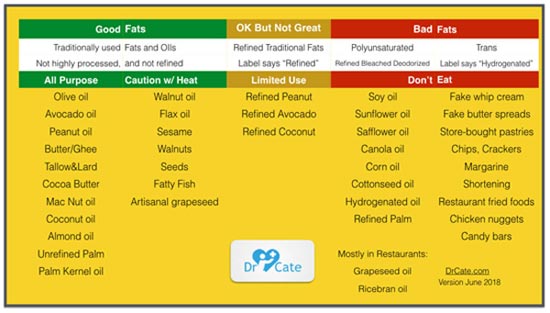
To learn more about the ins and outs of dietary fats, pick up a copy of my book “Superfuel: Ketogenic Keys to Unlock the Secrets of Good Fats, Bad Fats, and Great Health,” cowritten with James DiNicolantonio, Pharm.D., which gives more in-depth specifics on how to discriminate between healthy and harmful dietary fats. Dr. Catherine Shanahan’s list of good and bad cooking oils and fats is also useful.
Stealth Sources of Harmful PUFAs: Chicken and Pork
As explained by Saladino in the featured Rogan interview, aside from processed foods (which are loaded with vegetable oils) and vegetable cooking oils, there are also two common stealth sources of harmful PUFAs in the modern diet, namely conventionally farmed chicken and pork.
He shows a graph illustrating meat consumption, which has significantly risen over the decades. But it’s not the total consumption that is causing the problem, he notes. Specifically, the problem is not related to red meat consumption, which has actually gone down. Rather, it’s “lean white” meats, particularly chicken but also pork, that help drive the chronic disease trend.
Long thought of as a healthier type of meat, primarily because it’s leaner than red meat, the problem with conventional chicken (and pork) is that the animals are fed corn — typically GE varieties that are farmed with glyphosate.
And what happens when animals are fed corn? The meat becomes high in omega-6 linoleic acid, as corn is high in this type of fat.18 So, as Saladino points out, high chicken consumption actually adds to your vegetable oil consumption, and can therefore contribute to systemic inflammation, mitochondrial dysfunction and metabolic ill health.
“PUFAs act differently in our body,” Saladino says in the Rogan interview. “At the level of our mitochondria, it looks like this polyunsaturated fat, this linoleic acid-rich vegetable oil, is signaling things differently.
There’s a lot of compelling evidence to suggest linoleic acid is driving adipocyte hypertrophy — the fat cells are getting bigger. Fat cells can do two things. They can get bigger or they can divide. When fat cells get big, and don’t divide, they eventually start leaking inflammatory mediators.”
This doesn’t mean you cannot eat chicken or pork. However, unlike cows, buffalo and lambs, these animals have only one stomach and as such any omega-6 fats they eat are not metabolized and stored in their tissues. Since these animals, even healthy organically grown animals, are typically fed grains, they are loaded with omega-6 fats and may have 10 TIMES the LA content that beef, lamb or buffalo do.
That is why I think it is really a good strategy to avoid eating these meats and replace them with animals which have far lower LA content. If you want to know how much LA you are eating simply go to cronometer.com and carefully enter your food that is accurately weighed out and you can see precisely how much LA you are eating. It would be great to get your daily intake under 10 grams per day.
Safeguard Your Health by Ditching Vegetable Oils
To recap, if you want to avoid dangerous fats of all kinds, your best bet is to significantly reduce or eliminate the following from your diet:
- Processed foods of all kinds
- Industrially processed cooking oils such as corn oil, canola oil, soy and cottonseed oils
- Conventionally farmed chicken
- Conventionally farmed pork
My comprehensive nutrition plan offers helpful guidance for this process. When cooking, coconut oil, butter, lard and ghee are healthy options. Also be sure to swap out margarines and vegetable oil spreads for organic butter, preferably made from raw grass fed milk. Butter is a healthy whole food that has received an unwarranted bad rap.
To further balance your omega-3 to omega-6 ratio you may also need a high-quality source of animal-based omega-3 fat, such as krill oil, if you’re not in the habit of eating small, fatty fish such as sardines, anchovies and mackerel, and/or wild caught Alaskan salmon.
- 1 YouTube Joe Rogan Experience 1551 Paul Saladino
- 2 STAT April 19, 2017
- 3 BMJ 2016;353:i1246
- 4 NIH Grantome, Dietary Treatment of Hyperlipidemia in Women vs Men
- 5 Atherosclerosis, Thrombosis and Vascular Biology 2004;24:498–503
- 6 Journal of Nutrition, Health and Aging 2018;22(8):885-891
- 7 British Heart Journal 1995 Oct;74(4):449-54
- 8 The Lancet August 29, 2017; 390(10107): 2050-2062
- 9 Science Daily February 22, 2012
- 10 J Surg Res. 2012 Sep; 177(1): e35–e43
- 11 Journal of Lipid Research 1966 Jan;7(1):103-11
- 12 Medical News Today December 7, 2017
- 13 Scientific Reports 2017; 7, Article number 17134
- 14, 15, 16 Deep Nutrition: Why Your Genes Need Traditional Food by Dr. Cate Shanahan
- 17 Hyperlipid Blog
- 18 Journal of Dairy Science January 2018; 101(1): 222-232
Are Seed Oils Behind the Majority of Diseases This Century?
Reproduced from original article:
https://articles.mercola.com/sites/articles/archive/2020/07/18/chris-knobbe-macular-degeneration.aspx
Analysis by Dr. Joseph Mercola Fact Checked
July 18, 2020
STORY AT-A-GLANCE
- Ophthalmologist Dr. Chris Knobbe says most chronic diseases such as heart disease, cancer, high blood pressure, stroke, diabetes, obesity, metabolic syndrome, Alzheimer’s disease and macular degeneration are linked to the consumption of processed seed oils
- Knobbe says the large consumption of omega-6 seed oil in everyday Western diets is so dangerous it is “a global human experiment … without informed consent”
- Polyunsaturated fatty acids, also called PUFAs, found in vegetable oils, edible oils, seed oils, trans fat and plant oils, owe their existence to “roller mill technology,” which replaced stone mill technology and removed their nutrients
- Many people now consume 80 grams of PUFAs a day, which amounts to 720 calories and one-third of their caloric intake
- Results from studies of tribal peoples and animals have demonstrated the deleterious effects of PUFAs in the diet
What do heart disease, cancer, high blood pressure, stroke, diabetes, obesity, metabolic syndrome, Alzheimer’s disease, macular degeneration and other chronic health conditions of modern society have in common? They all have increased by shocking amounts in the last decades. And, they are all linked to the consumption of seed oils.
In a recent speech at the Sheraton Denver Downtown Hotel, titled “Diseases of Civilization: Are Seed Oil Excesses the Unifying Mechanism?,” Dr. Chris Knobbe reveals startling evidence that seed oils, so prevalent in modern diets, are the reason for most of today’s chronic diseases.1
Knobbe, an ophthalmologist, is the founder of the nonprofit Cure AMD Foundation, dedicated to the prevention of vision loss from age-related macular degeneration (AMD).2 He is a former associate clinical professor emeritus of the University of Texas Southwestern Medical Center.3
His research indicts the high consumption of omega-6 seed oil in everyday diets as the major unifying driver of the chronic degenerative diseases of modern civilization. He calls the inundation of Western diets with harmful seeds oils “a global human experiment … without informed consent.”
The Rise of Polyunsaturated Fatty Acids (PUFAs)
Trans fats and polyunsaturated fatty acids, also called PUFAs, found in vegetable oils, edible oils, seed oils and plant oils, are a fairly recent invention and include cottonseed, rapeseed, sunflower, safflower, rice bran, soybean, corn and other popular oils. PUFAs owe their existence to “roller mill technology,” which around 1880 replaced stone mill technology that was used to grind wheat into flour.4
Roller mill technology facilitated the entire removal of the bran and the germ of a grain, leaving only the endosperm, a refined product with its nutrients removed.5 According to Knobbe, writing on the Cure AMD Foundation website:6
“The first of these [PUFAs] was cottonseed oil. This was soon followed by the hydrogenation and partial hydrogenation of cottonseed oil, producing the first ever artificially created trans-fat. The latter was introduced by Proctor & Gamble in 1911 under the name ‘Crisco,’ which was marketed as ‘the healthier alternative to lard … and more economical than butter.'”
Crisco, the grandfather of commercially produced PUFAs or trans fats, is still widely sold today. The plan of vegetable oil producers, says Knobbe, was to undersell and therefore replace animal fats, which were priced higher.7 The plan was successful.
PUFAs became so popular that they now make up 63% of the American diet, form the basis of USDA food recommendations and are found in 600,000 processed foods sold in the U.S. today.8 In 1909, Americans ate 2 grams a day of vegetable oil, says Knobbe, and by 2010 they were eating an astounding 80 grams of vegetable oil a day.9
There are several reasons PUFAs are harmful, says Knobbe. Unlike animal fats, they lack vitamins A, D and K, so they are nutrient deficient. They contribute to most of the chronic diseases associated with modern civilization. And PUFAs also contribute to the epidemic of obesity. The 80 grams of PUFAs a day that Americans are now consuming amount to 720 calories, says Knobbe, which means that one-third of most people’s calories are “coming out of factories.”10

Chronic Diseases Rose With PUFAs
Many people are aware that diabetes, obesity, cancer, heart disease, metabolic syndrome and other conditions were less common in the first part of the 20th century than they are today. But the rise in the incidence of these conditions is more dramatic than many realize. According to Knobbe:11
- In 1900, 12.5% percent of the U.S. population died of heart-related disease; in 2010, that figure was 32%
- In 1811, 1 person in 118 died of cancer; in 2010, 1 in 3 died of cancer
- In 80 years, the incidence of Type 2 diabetes has increased 25-fold
- In the 19th century, 1.2% of Americans were obese; in 2015, 39.8% were obese
- In 1930, there were no more than 50 cases of macular degeneration; in 2020, there are 196 million cases
Are the rises in these chronic conditions correlated with the rise in the dietary consumption of PUFAs? Absolutely, says Knobbe in his lecture. He gives the following explanation:12
“These disorders from heart disease to atherosclerosis to type-2 diabetes to macular degeneration and cancer all have the same thing. They all have mitochondrial dysfunction …The very first thing that happens when the electron transport chain fails … is that it starts shooting out reactive oxygen species — these are hydroxyl radicals and superoxide …
These free radicals lead to nuclear mitochondrial DNA mutations … which contribute to heart failure … macular degeneration, Alzheimer’s Parkinson’s … a catastrophic lipid peroxidation cascade [that] leads to toxic aldehydes.”
At the root of the harmful biochemical reactions enacted by seed oils is linoleic acid, says Knobbe, which is an 18-carbon omega-6 fat. Linoleic acid is the primary fatty acid found in PUFAs and accounts for about 80% of total vegetable oils. Omega-6 fats must be balanced with omega-3 fats in order not to be harmful.
“Most of this linoleic acid, when it oxidizes, it develops lipid hydroperoxides and then these rapidly degenerate into … oxidized linoleic acid metabolites,” says Knobbe.13
The oxidized linoleic acid metabolites are a perfect storm. They are cytotoxic, genotoxic, mutagenic, carcinogenic, atherogenic and thrombogenic, says Knobbe. Their atherosclerosis and thrombogenic actions are especially concerning because they can produce strokes and clots.
PUFAs Create Insulin Resistance
Diabetes, insulin resistance and metabolic syndrome have become epidemic since the U.S. diet has been based on PUFAs. It is estimated that nearly 70% of Americans are now overweight or obese and a substantial amount are metabolically unhealthy.14
This puts people at risk for Type 2 diabetes as well as the many chronic diseases associated with insulin resistance, from cancer to Alzheimer’s disease. In his lecture, Knobbe explains how these conditions develop:15
“When you consume omega-6 to excess … it combines with reactive oxygen species like hydroxyl radicals … so this begins catastrophic lipid peroxidation cascade — these polyunsaturated fats are accumulating [in] your cells, accumulate in your membranes, accumulate in your mitochondria and they cause a peroxidation reaction.”
Because there’s so many reactive oxygen species it leads to developing insulin resistance at the cellular level and the production of lipid droplets in your liver, continues Knobbe:
” … that creates a catastrophic lipid part or it feeds back to the lipid peroxidation … so now you’re not burning fat for fuel properly so the person gaining weight and getting sick in this regard is now carb dependent — their glycolysis is working but … [they] start storing the fat … so this leads to obesity.”
Linoleic acid is especially a culprit in this harmful process, agrees Dr. Paul Saladino, a physician journalist, in a podcast. Linoleic acid “breaks the sensitivity for insulin at the level of your fat cells” — it makes them more insulin sensitive — and, since your fat cells control the insulin sensitivity of the rest of your body by releasing free fatty acids, you end up with insulin resistance.
Rat Studies and Indigenous People Show PUFA Harm
Animal studies have dramatically demonstrated the deleterious effects of PUFAs. In one study Knobbe cites, two sets of rats were put on identical diets except one group received 5% cottonseed oil and the other received 1.5% butterfat.16 The result of the study was that:17
” … the rats on the cottonseed oil grow to sixty percent of normal size and live[d] 555 days on average; they’re, weak, fragile, sickly little rats. The rats on the butterfat they are healthy; they grow to normal size and they live 1020 days so they grow to almost twice the size [of the cottonseed oil-fed rats], live twice as long and are infinitely more healthy.”
While it’s suggested that the American Heart Association and other medical groups might discount such studies, potentially calling them paradoxical, there are also examples of the positive effects from saturated and animal-based fats upon human health, says Knobbe.
For example, the Tokelau people who live on islands in the South Pacific between Hawaii and Australia eat a diet almost exclusively of coconut, fish, starchy tubers and fruit.18 Between 54% and 62% of their calories come from coconut oil, which contains saturated fat, Knobbe points out.
Nevertheless, a study of Tokelau men between 40 and 69 years found that they had no heart attacks, no obesity and no diabetes.19 They were “fantastically healthy,” says Knobbe.
Whether we’re talking about animal studies or studies of non-Westernized people, at least 80% of obesity and chronic diseases in Westernized countries come from processed foods, Knobbe concludes. “It is driven by vegetable oils and trans-fats … fast food restaurants almost all cook in soybean oil and canola oil.”
Other Experts Agree With Knobbe
In a previous newsletter with the Saldino podcast mentioned above, I discussed how Saladino and journalist Nina Teicholz decry the popularity and ubiquity of PUFAs in the modern food system and believe in the healthful benefits of saturated fat.
In the podcast, Saladino and Teicholz review the history of the demonization of saturated fat and cholesterol, which began, they say, with the flawed hypothesis in 1960 to 1961 that saturated fat causes heart disease.
The hypothesis was buttressed by the first Dietary Guidelines for Americans, introduced in 1980, which told people to limit their saturated fat and cholesterol, all the while exonerating carbs, which were increasingly made with PUFAs. It should be no surprise that the hypothesis and dietary guidelines were linked to a rapid rise in obesity and chronic diseases such as heart disease.
In the podcast, Saladino and Teicholz discuss the reasons why this myth has been allowed to persist, despite the scientific evidence against it.
If saturated animal fats were acknowledged to be healthy and processed industrial vegetable oils and grains were exposed as unhealthy, it would decimate the major processed food and fast food industries, which rely on vegetable oils and grains. Moreover, statin sales and other Big Pharma profit areas would suffer. Big Food and Big Pharma have financial motives for keeping the health benefits of real food hidden.
Like Knobbe, the experts are convinced that the massive increase in linoleic acid consumption because of its ubiquity in industrial vegetable oils and processed foods is a key metabolic driver of obesity, heart disease, cancer and other chronic disease.
They stress that the belief that high low-density lipoproteins (LDL) — the so-called “bad” cholesterol — are a risk factor for heart disease and that by lowering your LDL you lower your risk of a heart attack, is incorrect. The science simply doesn’t bear this out, they say. The reason for this is because not all LDL particles are the same.
Cutting down on red meat and saturated fat and eating more vegetable oil may cause LDL to go down, Saladino explains, but those LDLs will not be oxidized. It is the effect of LDL oxidation that triggers insulin resistance and related problems, including heart disease — something the LDL tests don’t detect.
Eating saturated fat, on the other hand, may raise your LDL, but those LDL particles will be large and fluffy and do not cause arterial damage, says Saladino.
The take-home message from both doctors Knobbe and Saladino is that seed oils are responsible for the vast majority of modern diseases and the best thing you can do for your health is renounce them.
- 1, 2, 3, 8, 9, 10, 11, 12, 13, 15, 16, 17 YouTube June 13, 2020
- 4, 5, 6, 7 Cure AMD Foundation 2020
- 14 Metabolic Syndrome and Related DisordersVol. 17, No. 1
- 18, 19 YouTube June 13, 2020
How Omega-3 Might Help Prevent Cytokine Storm
Reproduced from original article:
https://articles.mercola.com/sites/articles/archive/2020/07/13/omega-3-fats-epa-and-dha.aspx
Analysis by Dr. Joseph Mercola Fact Checked
July 13, 2020

STORY AT-A-GLANCE
- Evidence suggests the omega-3 fats EPA and DHA affect biological pathways that may have direct influence in the outcome of COVID-19
- EPA and DHA have a direct influence in the immunological response to viral infections and can modulate immune response and function
- Animal-based omega-3 fats, especially DHA, also help prevent thrombosis (a blood clot within a blood vessel) by decreasing platelet aggregation. Hypercoagulation is another complication of severe COVID-19 infection that can have lethal consequences
- Omega-3 also lowers your risk of lung dysfunction, protects against lung damage and secondary bacterial infections, and improves mitochondrial function
- Research shows that by lowering triglycerides, the risk of developing a cytokine storm is diminished. Omega-3 supplementation is known to lower triglycerides, but krill oil does so more effectively than fish oil
By now, you’re probably aware that one of the lethal effects of COVID-19 is the virus’ ability to trigger a cytokine storm. It makes sense then that many health practitioners are looking at ways to strengthen and improve immune function. The good news is there are several strategies that appear very helpful in this respect.
Supplements and strategies that have been identified as capable of modulating immune responses and suppressing cytokine storm include but are not limited to:
To this list, we can also add the omega-3 fats docosahexaenoic acid (DHA) and eicosapentaenoic acid (EPA), long-chained omega-3 fats found in cold-water fatty fish like wild-caught Alaskan salmon, sardines, anchovies and krill, just to name a few.
DHA and EPA May Ameliorate Cytokine Storm
According to the opinion paper “The Potential Beneficial Effect of EPA and DHA Supplementation Managing Cytokine Storm in Coronavirus Disease,” published June 19, 2020, in the journal Frontiers in Physiology, EPA and DHA are known to affect biological pathways that “may have direct influence in the outcome of COVID-19”:1
“To date, the molecular events that precipitate a ‘cytokine storm’ or the applicable therapeutic strategies to prevent and manage this process is not elucidated because of the complex nature of this problem.
Recent articles suggest that specific nutrients such as vitamin B6, B12, C, D, E, and folate; trace elements, including zinc, iron, selenium, magnesium, and copper may play a key role in the management of cytokine storm …
LC-PUFAs (long chain polyunsaturated fatty acids) such as EPA … and DHA … are noteworthy because of their direct influence in the immunological response to viral infections. Evidence suggests that n-3 LC-PUFAs can modulate the immune response and function in many ways.
Among these complex immunomodulatory effects, interleukin-6 (IL-6) and interleukin-1ß (IL-1β) — because of the suspected central regulatory role in the ‘cytokine storm’ — should be highlighted. These cytokines can be affected by dietary EPA and DHA intake (Figure 1).
In addition, poly(ADP-ribose) polymerase enzymes that have anti-inflammatory properties, translatable to human COVID-19 infection were shown to improve tissue levels of DHA and EPA, as well as the downstream anti-inflammatory metabolites of EPA and DHA further underscoring the applicability of DHA and EPA in COVID-19.”
Figure 1: Main pathways for the metabolism of DHA and EPA yielding anti-inflammatory metabolites.

While not mentioned in this Frontiers in Physiology paper, animal-based omega-3 fats, especially DHA, have also been shown to prevent thrombosis (a blood clot within a blood vessel) by decreasing platelet aggregation. As discussed in “COVID-19 Critical Care,” hypercoagulation is another complication of severe COVID-19 infection that can have lethal consequences. Omega-3 also:
- Lowers your risk of lung dysfunction
- Protects against lung damage
- Protects against secondary bacterial infections
- Improves mitochondrial function
Marine- Versus Plant-Based Omega-3
Unfortunately, the authors recommend using “algae- or plant-based sources of EPA and DHA” rather than marine-based sources. I believe this is a mistake. While microalgae2 do contain DHA and EPA and are a viable source for strict vegetarians, as previously discussed in “The Critical Differences Between Omega-3 Fats From Plants and Marine Animals,” most plant-based omega-3s actually do not contain any of the long-chain omega-3 fats, DHA and EPA.
As mentioned, ideal sources of DHA and EPA are marine-based and include cold-water fatty fish like wild-caught Alaskan salmon, sardines and anchovies. If you do not eat these fish on a regular basis, consider taking a krill oil supplement. To learn more about why krill oil is preferable over fish oil, see the infographic below.

As it pertains to the issue of cytokine storm, the authors of the Frontiers in Physiology paper3 point out there are at least three studies showing that by lowering triglycerides, the risk of developing a cytokine storm is diminished, and krill oil, specifically, has been shown to lower triglycerides more effectively than fish oil.4
Do You Know Your Omega-3 Index?
Along with vitamin D testing, measuring your omega-3 level at least once a year is strongly recommended, as being low in this vital nutrient can spell trouble for your health in more ways than one.
One of the reasons why DHA and EPA are so crucial is because they’re actually key structural elements of your cells; they’re not just simple fuel. If you don’t have enough DHA and EPA, your body’s ability to repair and maintain healthy cell structures is seriously impaired.
The assay to measure omega-3 in your red blood cells was developed by William Harris, Ph.D., in 2004. The omega-3 index is expressed as a percent of all fatty acids in the red blood cell membrane.5 Data from studies Harris performed showed an ideal, healthy range of omega-3 is 8% to 12%.6,7
GrassrootsHealth co-founder Carole Baggerly commented on the Frontiers in Physiology paper in a personal email to me: “Based on this data, it is highly likely that the higher omega-3 would help prevent the cytokine storm … I would … get up to the index level of 8.1% at least.”
Not only do you want to make sure you are getting sufficient omega-3, but it is also absolutely imperative you limit your omega-6 intake, especially from processed vegetable oils. I discuss this in greater detail in a section below. This is another benefit of the omega-3 index test, as it will show you precisely the levels of these potentially dangerous fats in your cells.
How to Test Your Omega-3 Level
GrassrootsHealth, a nonprofit public health research organization, has several cost-effective testing options available as part of its consumer-sponsored nutrient research projects,8 the aims of which are to establish population-based nutrition recommendations based on science-backed data.
For example, ongoing research by GrassrootsHealth has established the ideal vitamin D range for disease prevention is between 60 and 80 ng/mL. It conducts the same kind of consumer-sponsored research for omega-3 and magnesium. For omega-3, you have four test options:
- Omega-3 index test kit
- Vitamin D and Omega-3 test kit
- Vitamin D, Magnesium and Omega 3 test kit
- Vitamin D, Magnesium and Omega 3 PLUS Elements test kit — This kit includes measurements of essential minerals (magnesium, selenium, zinc and copper) as well as harmful heavy metals (cadmium, lead and mercury)
Each kit contains instructions for how to collect your blood sample. You then mail in your sample and fill out a quick online health questionnaire through GrassrootsHealth. Your test results will be emailed to you in about 10 to 20 days after your samples are received.
Based on your index result, you will then be able to use GrassrootsHealth’s omega-3 index calculator9 to determine the dosage you may require to raise your current level to your chosen target level.
Don’t Assume Your Omega-3 Intake Is Adequate
Avoid the temptation to assume that your omega-3 index is sufficient just because you’re eating fish or taking a supplement. Many fish do not contain high omega-3 levels (you have to eat cold-water fatty fish to reap that benefit), and many fish oil supplements are synthetic with questionable efficacy.
As reported by GrassrootsHealth,10 of the first 135 participants in the D*action + Omega-3 home testing project, 85% had an omega-3 index below 8%, which is the lower threshold for sufficiency, putting them at increased risk for heart disease11 and other chronic diseases, as well as death from any cause. To learn more about the benefits of optimizing your level, see “How Much Omega-3 Do You Need?”

Source: GrassrootsHealth
As reported by GrassrootsHealth:12
“In studies using a measurement called the Omega-3 Index test, individuals with a low Omega-3 Index were shown to have a 10-fold higher risk of death compared to those with a high index … An Omega-3 Index between 8% and 12% was associated with lower risk for death from cardiovascular disease, versus an index less than 4%.”

Important: Limit Your Vegetable Oil Intake
Again, while many need a marine-based omega-3 supplement to get their level up, it’s also crucial to limit your intake of omega-6 fats from vegetable oils. This even includes some healthy oils such as virgin olive oil.
Aside from the fact that a majority of olive oils are fake, even the real McCoy can cause trouble when consumed in too-high amounts, as it’s loaded with omega-6 and therefore can skew your omega-3 to omega-6 ratio.
Your body metabolizes omega-3 and omega-6 PUFAs into eicosanoids, which are hormone-like substances. As a general rule, omega-3 eicosanoids are anti-inflammatory while omega-6 eicosanoids have proinflammatory effects.
Ideally, this ratio should be close to 1-to-1, but because people eat so little omega-3 and excessive amounts of omega-6, it’s not uncommon for this ratio to be closer to 1-to-25 of greater. When your consumption is this skewed, you may still have a hard time optimizing your omega-3 index, even when taking a supplement.
It’s important to realize that your body metabolizes omega-3 and omega-6 polyunsaturated fatty acids (PUFAs) into eicosanoids, which are hormone-like substances. As a general rule, omega-3 eicosanoids are anti-inflammatory while omega-6 eicosanoids have proinflammatory effects.13
Part of the benefits of omega-3 fats is that they block the proinflammatory effects of omega-6 eicosanoids, but if your omega-6 intake is too great, you may still have high rates of inflammation. Omega-6 fats also:14
- Create reactive species that damage DNA
- Cause 17-beta-estradiol epoxidation, which in turn generates a carcinogenic compound
- Enhance the genotoxic effects of other compounds
Many Consume Enormous Amounts of Vegetable Oils
According to the 2017 U.S. Department of Agriculture report,15 “U.S. Trends in Food Availability,” consumption of healthy saturated animal fats such as butter, lard and beef tallow fell by 27% between 1970 and 2014, while consumption of harmful vegetable oils rose by 87%. Intake of salad and cooking oils specifically rose by 248%.
As noted in “New Study Tells Why Chicken Is Killing You and Saturated Fat Is Your Friend,” which features a podcast interview with Dr. Paul Saladino and Nina Teicholz, conventional chicken is also a hidden source of harmful omega-6 linoleic acid, due to the fact that they’re fed corn. So, your best bet is to eat the eggs, not the chicken.
Compelling evidence suggests processed vegetable oils, rich in omega-6 polyunsaturated fatty acids, are likely the primary culprit in our modern diet, contributing to the development of just about all chronic diseases. I believe they take a greater toll on human health than high fructose corn syrup even.
Not only have vegetable oils been linked to heart disease, gastrointestinal diseases such as irritable bowel disorder and inflammatory conditions such as arthritis, they’ve also been linked to cancer, especially neuroblastoma, breast, prostate, colon and lung cancer.16
In a November 8, 2019, Medium article,17 Maria Cross, a nutritionist with a master of science degree, discusses the science behind vegetable oils and what makes them carcinogenic. She explains:
“There are two classes of PUFA: omega-6 and omega-3. Although functionally distinct and non-interchangeable, these two classes are perpetually engaged in a metabolic balancing act, pushing and pulling as they compete for absorption in the body.
There is nothing intrinsically wrong with omega-6 PUFAs: we need them … That’s why scientists believe that it is not omega-6 per se that is to blame; it’s the balance between the two groups of PUFA that is out of kilter and wreaking havoc on our bodies.
We evolved on, and are genetically adapted to, a diet that provides more or less equal amounts of omega-3 and omega-618 … Experimental data19 supports the theory that it is this skewed balance between the two PUFAs that influences the development of a tumor.”
Similarly, the 2002 paper20 “The Importance of the Ratio of Omega-6/Omega-3 Essential Fatty Acids” points out that:
“Excessive amounts of omega-6 polyunsaturated fatty acids (PUFA) and a very high omega-6/omega-3 ratio, as is found in today’s Western diets, promote the pathogenesis of many diseases, including cardiovascular disease, cancer, and inflammatory and autoimmune diseases, whereas increased levels of omega-3 PUFA (a low omega-6/omega-3 ratio) exert suppressive effects.”
Vegetable Oils Are Toxic in Their Own Right
In addition to promoting chronic disease by throwing your omega-3 to omega-6 ratio off kilter, vegetable oils also have more direct toxic effects. One of the reasons for this is because they degrade when heated, forming extremely toxic oxidation products such as cyclic aldehydes.21
Cyclic aldehydes cause oxidized low-density lipoprotein (LDL) associated with heart disease. They also crosslink tau protein and create neurofibrillary tangles, thereby contributing to the development of neurodegenerative diseases.
As explained by Dr. Cate Shanahan in her book, “Deep Nutrition: Why Your Genes Need Traditional Food,”22 in order to understand how dietary fats affect your health you need to understand how fats oxidize.
The omega-6 PUFAs found in vegetable oils have highly perishable bonds that react with oxygen, creating a free radical cascade that turns normal fatty acids in your body into dangerous high-energy molecules that wreak havoc in a way similar to that of radiation.
What’s more, many of the vegetable oils produced today — especially corn and soy oil — are genetically engineered and a significant source of glyphosate exposure, and glyphosate has also been linked to gut damage and other health problems.
Omega-6 Oils Are Integrated Into Your Cells
Shanahan’s book also expounds on the hazards of 4-hydroxynonenal (4HNE), which is the oxidized form of omega-6 vegetable oil and forms during the processing. 4HNE is highly toxic, especially to your gut bacteria, and consumption of 4HNE has been correlated with having an obesogenic balance of gut flora.
4HNE causes cytotoxicity and DNA damage, and instigates free radical cascades that damage the mitochondrial membrane. The omega-6 found in vegetable oils also damages the endothelium (the cells lining your blood vessels), allowing LDL and very low-density lipoprotein (VLDL) particles to penetrate into the subendothelium.
Importantly, these oils get integrated into your cell and mitochondrial membranes (just like healthy omega-3s), and once these membranes are impaired, it sets the stage for all sorts of health problems.
They also make cell membranes less fluid, which impacts hormone transporters in the cell membrane and slows your metabolic rate, and inhibit the removal of senescent cells — aged, damaged or crippled cells that have lost the ability to reproduce and produce inflammatory cytokines that rapidly accelerate disease and aging.
Vegetable oils also strip your liver of glutathione (which produces antioxidant enzymes), thereby lowering your antioxidant defenses,23 and inhibit delta-6 desaturase (delta-6), an enzyme involved in the conversion of short-chained omega-3s to longer chained omega-3s in your liver.24
One of Most Important Steps You Can Take to Improve Your Omega-3 Index
Remember, omega-6 and omega-3 oils are polyunsaturated oils and highly susceptible to oxidation and becoming biologically damaged. This is why it is NOT as simple as merely adding omega-3 oils to your diet to improve your ratio. Merely increasing your omega-3 could actually make your health worse by increasing the oxidized fats.
The absolute key is to be assiduous in removing ALL vegetable oils. You simply should avoid them at all costs. Another source high in omega-6 oils is chicken meat. Chicken is very high in the omega-6 fat linoleic acid because they eat so many omega-6 rich grains.
One of the best ways you can get a handle on how many omega-6 oils you are eating is by using the incredible nutrient tracking app call Cronometer. If you use the app on your desktop, it is completely free. As long as you are accurately weighing your foods when you enter them, it will give you a fantastic estimate of how many omega-6 oils you are really eating.
This may be one of the most important and least expensive health strategies you can implement today.
Additionally, as noted in my recent interview with Dr. Chris Knobbe, omega-6-rich oils have a half-life of 600 to 680 days in your body. That means it can take quite a few years to empty your body stores of these damaging omega-6 fats. That said, eliminating them from your diet now will, over time, allow your body to rid itself of them, thus steadily improving your health.
Optimizing Your Omega-3 May Be Helpful COVID-19 Prevention
In summary, as with vitamin D, optimizing your omega-3 index to a level of at least 8% may be a strategy that can help lower your risk of an adverse COVID-19 outcome, as omega-3 fats are important modulators of immune function25 and can help lower your risk of a cytokine storm.
Just remember that increasing your intake of omega-3 may not be sufficient. In all likelihood, you also need to limit your intake of vegetable oils, including corn-fed chickens. Together, these two strategies should allow you to achieve a healthy omega-3 to omega-6 ratio.
- 1, 3 Frontiers in Physiology, June 19, 2020 DOI: 10.3389/fphys.2020.00752
- 2 Current Diabetes Reviews 2007 Aug;3(3):198-203
- 4 University Health News May 4, 2020
- 5 The American Journal of Clinical Nutrition, 2008;87(6)
- 6 OmegaQuant, July 9, 2018
- 7, 12 GrassrootsHealth, Omega-3 Call to Action
- 8 GrassrootsHealth Research Projects
- 9 Omega-3 index calculator
- 10 GrassrootsHealth, How to Maintain Healthy Omega-3 Levels
- 11 GrassrootsHealth, What Are Optimal Levels of Omega-3? Why?
- 13 International Journal of Biological Chemistry 2016; 10(1-4): 1-6, Ratio Matters
- 14 Boletin Medico Del Hospital Infantil de Mexico November-December 2016; 73(6): 445-456, Table 2
- 15 U.S. Department of Agriculture, U.S. Trends in Food Availability 1970-2014 (PDF), Page 24
- 16 Boletin Medico Del Hospital Infantil de Mexico November-December 2016; 73(6): 445-456, Abstract
- 17 Medium November 8, 2019
- 18 International Journal of Biological Chemistry 2016; 10(1-4): 1-6, Abstract
- 19, 20 Biomedicine & Pharmacotherapy 2002; 56: 365-379 (PDF)
- 21 Science Daily February 22, 2012
- 22, 23, 24 Deep Nutrition: Why Your Genes Need Traditional Food by Dr. Cate Shanahan
- 25 Omega-3 Fatty Acids September 16, 2016: 307-320