Plants
now browsing by category
Unlocking Nature’s Healing Potential — The Power of DMSO and Botanical Combinations
Reproduced from original article:
https://articles.mercola.com/sites/articles/archive/2026/08/27/power-of-dmso-and-botanical-combinations.aspx
Analysis by A Midwestern Doctor August 27, 2026

Story at-a-glance
- DMSO is an “umbrella remedy” capable of treating a wide range of challenging ailments due to its combination of therapeutic properties (e.g., reducing inflammation, improving circulation, and reviving dying cells). It also rapidly transports substances dissolved in it through the skin and throughout the body
- These benefits are also seen when DMSO is combined with a variety of natural therapies — in many cases, allowing the mixture to treat challenging conditions neither could treat alone
- DMSO is commonly combined with natural carrier oils and botanicals such as essential oils and herbal extracts
- These combinations are commonly used to create natural skin care products which rejuvenate the skin and cure numerous skin conditions such as acne, psoriasis, eczema, and lipomas. They also enhance DMSO’s ability to heal injured tissues, reduce inflammation, and treat acute or chronic pain (e.g., arthritis or migraines)
- This article will review the basics of botanical DMSO combinations, the literature supporting it, and show how these mixtures can be used to treat many additional challenging medical conditions
Over the last year, I’ve worked to bring the public’s attention to dimethyl sulfoxide (DMSO) a forgotten natural therapy which rapidly treats a wide range of conditions and that many studies have shown is very safe (provided it’s used correctly), and most importantly (thanks to the 1994 DSHEA act which legalized all natural therapies)1 is now readily available.
Since I believe DMSO has immense potential to offer the medical community and individual patients, I’ve diligently worked to compile evidence that best supports its rediscovery. As such, throughout this series, I’ve presented over a thousand studies that DMSO effectively treats:
• Strokes, paralysis, and many other neurological or circulatory disorders (discussed here).
• Chronic pain and tissue injuries, such as sprains, burns and non-healing wounds (discussed here).
• Numerous autoimmune and contractile disorders (discussed here).
• Head conditions, such as tinnitus, vision loss, dental problems, and sinusitis (discussed here).
• Internal organ diseases, such as pancreatitis, infertility, liver cirrhosis, and endometriosis (discussed here).
• Skin conditions, such as varicose veins, acne, hair loss, ulcers, and skin cancer (discussed here).
• Many different cancers (discussed here).
• Lung disorders, including asthma, COPD, pulmonary fibrosis, and cystic fibrosis (discussed here).
• Infections, including chronic bacterial infections, herpes, and shingles (discussed here).
DMSO Combination Therapies
DMSO’s ability to treat a wide range of illnesses results from its having a variety of highly unusual properties that appear to address the root causes of disease (e.g., it greatly improves circulation). One of DMSO’s most noteworthy properties is its ability to enhance the effects of other substances, which in many cases makes it possible to surmount major dilemmas traditionally seen with those therapies.
DMSO’s unique ability to function as a vehicle is due to the fact that it can pass through biological membranes without damaging them,2 so once it contacts the skin, it rapidly spreads throughout the body.3 At the same time, simultaneously it readily dissolves most substances and is able to bring them with it into the body. This is very useful as it allows you to:
• Apply a medication topically or orally that would typically require an IV or injection.
• Make drugs become much more potent and able to treat conditions that otherwise will not respond to (e.g., these mixtures can penetrate and treat antibiotic-resistant bacteria or chemotherapy resistant cancers).
• Allow lower doses of a drug to be used, which are often much less toxic and in many cases, counteract the toxicity of the blended medication (as DMSO protects tissue from injury) — all of which make it incredibly useful for reducing the harm of chemotherapy.
Note: While DMSO cannot be patented, combinations can. As such, while DMSO alone is “unsafe,” “ineffective,” and “unproven” many “safe and effective” DMSO pharmaceutical combinations exist, including many approved by the FDA.
Natural Combination Studies
A large volume of scientific literature exists on DMSO being used in combination with pharmaceutical drugs, and many approved DMSO products also incorporate natural agents such as menthol, camphor, lavandin, lavender oil, coriander oil, arnica, and capsicum. Many natural agents, including numerous botanicals, have also been shown to synergistically combine with DMSO in many conditions.
• Neurological conditions:
◦ In rats with Alzheimer’s disease, DMSO and Ginkgo biloba extract (GBE), administered for 14 days, improved learning and memory.4
◦ In 31 patients with postherpetic neuralgia, DMSO and Chinese herbal medicines reduced pain scores and improved symptoms more effectively than standard medical therapy.5
• Dermatological conditions:
◦ In 33 patients with severe psoriasis, an extract of camptotheca nuts dissolved in 70% DMSO was a “quick, effective and convenient treatment,” as a year later, 21 had a complete resolution of the disease.6
◦ A hospital dermatology department reported that DMSO and 0.05% lithospermum (purple gromwell) effectively treated viral warts.7
◦ DMSO mixed with linethol (a flaxseed concentrate with anti-inflammatory, regenerative, and wound-healing properties) treated burns.8
• Infectious diseases:
◦ A 2023 clinical trial gave an oral DMSO spray containing zinc iodide, ginger extract, propolis extract, and xylitol to patients with mild or moderate COVID-19.9 Compared to placebo, this treatment caused significant improvements in clinical symptoms, recovery time, and viral clearance.
◦ DMSO with food-grade vinegar was found to be an effective treatment for 406 patients with fungal athlete’s foot (59% DMSO, 41% vinegar given 3 to 4 times a day for 3 to 5 days)10 and 100 patients with jock itch (40% DMSO, 60% vinegar).11
◦ DMSO mixed with a variety of different plant extracts was highly effective at inhibiting the growth of Candida infections isolated from patients with mouth cancers (whereas it was resistant to many antifungals).12
◦ DMSO with papaya enzyme and nitrofurazone was found to treat suppurative wounds.13
Note: DMSO also significantly increased the ability of Annona muricata seed extracts to eliminate mosquitoes in the water, and after 6 hours, 0.5mg/L killed 62% of larvae and 100% of pupae.14
•Dental conditions:
◦ 50% DMSO and 1 mg/ml oleanolic acid (which is found within many plants, including olives15) in 30 extracted human teeth with enterococcus faecalis infections rapidly reduced bacteria levels, within 24 hours, completely eliminating them.16,17,18
◦ DMSO in a gel with 10% glucosamine hydrochloride, nettle juice, and Kalanchoe juice effectively treated periodontitis in animals, reducing inflammation and speeding tissue repair.19
Note: Many studies have also shown DMSO enhances the absorption of plant extracts (e.g., for ginseng20,21).
Healing with Natural DMSO Combinations
As there is an almost infinite number of natural substances that could be combined with DMSO, it has not been possible to research them. Fortunately, the ease, safety, and efficacy of these combinations have inspired many to take their health into their own hands and explore combining DMSO with many proven natural remedies. Key discoveries with these combinations from the DMSO community include:
• Carrier oils and topical bases — In addition to diluting DMSO with a liquid, it is sometimes mixed with a thicker substance, of which three are commonly used:
◦ Aloe vera — This rehydrates the skin, thereby counteracting the dryness sometimes experienced with chronic DMSO use, and in many cases extenuates DMSO’s healing properties.
Most commonly they are used together to soothe the skin (e.g., for sunburns, eczema, or acne), for wound healing (e.g., in a mouthwash taken a few times a day for a molar abscess), often in combination with calendula, but has also shown promise for prostatitis (where it is typically rectally administered) and complex regional pain syndrome (where it is massaged into the affected area).
◦ Castor oil — This is frequently used for musculoskeletal and eye issues, so before long it became combined with DMSO for those situations. This combination is thought to be excellent for rheumatic complaints (e.g., spinal issues, joint pain, and painful previously fractured bones), something many readers have attested to22,23,24,25,26,27,28,29,30,31,32 along with eye issues (e.g., cataracts), which likewise many found worked.33,34,35,36,37,38
This combination is also used for other musculoskeletal issues (e.g., healing tendons and scar tissue) and amongst the 80 or so readers who’ve reported using it, I’ve also heard success stories for many other conditions (e.g., neuropathies, fungal infections, facial skin issues, eczema, rashes, and an umbilical hernia, etc.).39
◦ Coconut oil — This is most commonly used to prevent skin irritation or dryness from DMSO (especially from chronic use), and for skin issues (e.g., acne, eczema, chapped skin) or cosmetic preparations. Typically it’s advised to start with using 10% to 20% coconut oil, whereas in therapeutic applications, 50% is often needed. Finally, MCT oil is sometimes used when a more substantial therapeutic effect is required (e.g., for joint pain).
Note: I have a strong suspicion that coconut or MCT oil DMSO combinations would be quite helpful for Alzheimer’s, as each has been shown in clinical trials to improve dementia,40 and many readers have reported success from all three individually for Alzheimer’s.
• Essential oils — Many essential oils have been combined with DMSO and frequently produced therapeutic results greater than those seen with the oil alone. These include:
◦ Frankincense — Known for its anti-inflammatory and pain relieving properties, it is often used for conditions like knee pain, back pain, and sciatica. Additionally, when rubbed onto the roof of the mouth, it can promote parasympathetic activation (which for example helps cancer patients if done twice a day).
◦ Tea tree — Tea tree oil is known for its antibacterial, antiparasitic, and antifungal (and to a lesser extent antiviral) activity. As such, it is one of the most common antimicrobials mixed with DMSO and used to treat a wide range of infections (e.g., sprayed into wounds, for folliculitis or, as a reader reported,41 an angular cheilitis which had not responded to 15 years of natural and conventional therapies), along with many other conditions such as insect bites.
◦ Peppermint — This cooling oil relaxes muscles and blood flow. It is often used alone or with DMSO to relieve pain, headaches (including migraines), and nerve inflammation (e.g., sciatica) or swallowed for digestion.
◦ Lavender — This frequently used oil is quite helpful for muscle cramps and joint pain, reduces anxiety, improves sleep, and sometimes is used for asthma attacks, and is frequently mixed into DMSO creams or gels.
◦ Other essential oils — Commonly combined with DMSO include Eucalyptus (joint/muscle soreness or asthma), Myrrh (back and knee pain), Black Pepper (circulation enhancement), Wintergreen (pain relief), Clary Sage (cramps, particularly menstrual ones), and Sweet Birch (muscle relaxation).
Note: Given their potency, it is important to dilute essential oils when combining them with DMSO.
• Botanicals — In addition to essential oils, many other botanicals have been successfully combined with DMSO:
◦ Arnica and comfrey — These heal musculoskeletal injuries, and when combined with DMSO, relieve aches, pain, and bruising, heal ligament or tendon injuries (e.g., sprains, tennis elbow, and Achilles tendon pain) and support tissue repair, with some reporting greatly accelerated healing (e.g., recoveries in 1 to 2 weeks instead of months).
◦ Turmeric — As turmeric is a highly potent (but safe) anti-inflammatory agent, and the active ingredient in it (curcumin) absorbs poorly, it is well-suited for being combined with DMSO. There, it is often used to treat conditions such as joint inflammation, gastritis, knee pain, and general pain (e.g., three readers found it immediately, and often permanently, eliminates pain).42,43,44
Note: One reader used it with ginger to eliminate a lipoma,45 while another used it with a green tea extract to eliminate a seborrheic keratosis.46
◦ Cayenne pepper (Capsicum) — At low doses, this is generally done for pain relief (particularly neuropathic pain and migraines) or to improve circulation.
◦ Cannabinoids — CBD oil’s uses (particularly reducing seizures, inflammation, pain, and neuropathies) are enhanced in DMSO combinations. Multiple readers47,48,49 have reported this combination helped their arthritis, pain, and neuropathies (e.g., thumb arthritis that was scheduled for surgery,50 or cancer pain from chemotherapy and metastases).51
◦ Amygdalin — This is a natural cancer therapy (also known as B17 or laetrile) from apricot kernels that the FDA successfully blacklisted and erased from memory. At the time it was in use, many integrative doctors observed a significant synergy when it was mixed with DMSO in IVs and routinely used that combination to treat cancer, and it has been rediscovered in Germany.
Note: Hematoxylin (a common dye) combined with DMSO produces an incredibly potent (and safe) cancer combination. Additionally, when combined with DMSO, ivermectin becomes much more effective for eliminating cancer.
◦ Sulforaphane — I’ve received a compelling report that this combination improves Parkinson’s.
◦ Eyebright (Euphrasia rostkoviana) — This is one of the top DMSO combinations for eye health (e.g., cataracts) and has anti-inflammatory and antioxidant properties. Additionally, blueberry extract, l-Carnosine, l-Carnitine, and taurine are sometimes used to enhance the efficacy of DMSO eye drops (e.g., one reader reported52 that they eliminated their cataracts).
Note: DMSO alone is frequently observed to be a highly effective treatment for a variety of degenerative and inflammatory eye conditions.
Creating Your Own Home Remedies
Despite having now gone through thousands upon thousands of studies with DMSO, there is still a great deal I do not understand about the substance, particularly the innumerable number of things it can be combined with.
Fortunately, excluding cases where there is a remarkable and unexpected synergy (e.g., DMSO and hematoxylin treating cancer) these combinations behave in a fairly predictable pattern. As long as you are mindful to avoid common issues (e.g., using too much of an irritating or acidic substance), these combinations are relatively safe and often quite effective.
For example, many individuals want alternatives to chemical cosmetics that avoid their toxicity and do not irritate or deplete the skin, but find natural formulations often do not “do enough.” However, when combined with DMSO, these common ingredients (e.g., many of which I listed above) not only become more effective, but in many cases are able to rejuvenate and restore the skin, in many cases displaying remarkable antiaging effects (e.g., skin tightening).
As such, a wide range of effective cosmetic DMSO blends have been developed that not only free users from harmful chemical formulations, but also often allow them to heal a variety of challenging skin issues. Likewise, DMSO has been combined with a variety of other natural agents, which have produced remarkable results, in many cases making it possible to cure incurable conditions. These include:
• Many vitamins and antioxidants, greatly increasing their potency and making it possible to treat many conditions, including fatigue, osteoarthritis, stubborn infections, lost smell, tinnitus, asthma, or COPD.
• Numerous minerals, many of which are used to treat infections or heal injuries.
• Natural Metabolites, many of which are used to restore the body (e.g., treating chronic fatigue or strengthening weakened tissue).
• Amino acid combinations reliably treating Down Syndrome and learning disabilities. Additional neurotransmitter combinations were later discovered to soothe the nervous system, improving sleep and anxiety.
• Oxidative therapies (e.g., chlorine dioxide or hydrogen peroxide) are becoming much more potent for eliminating infections (e.g., Lyme or toenail fungus) when combined with DMSO. They are also frequently found to treat cancer.
• Hematoxylin and a few other dyes have demonstrated significant anticancer activity with DMSO.
• DMSO significantly improves the ability of detoxification therapies (particularly metal chelating agents) to eliminate toxins from the body.
Finally, many other body therapies (e.g., acupuncture, hypnosis, meditation, and massage) become significantly more effective when combined with DMSO. As such, practitioners in parts of Europe frequently combine the two.
Conclusion
The remarkable potential of DMSO combination therapies represents a paradigm shift in how we approach natural healing and wellness. What we’ve discovered through thousands of studies and countless patient experiences is that DMSO doesn’t just treat symptoms — it appears to address fundamental healing mechanisms at the cellular level, creating a foundation for the body’s own restorative processes to flourish.
The beauty of these natural combinations lies not only in their therapeutic efficacy but in their accessibility. Unlike complex pharmaceutical interventions that require specialized medical facilities and extensive oversight, many of these DMSO combinations can be safely prepared and used at home, empowering individuals to take an active role in their own health journey.
Perhaps most encouraging is the growing community of practitioners, researchers, and patients who are documenting their successes with these therapies. From chronic pain relief to cancer treatment, from wound healing to neurological recovery, the consistent reports of improvement across such a wide spectrum of conditions suggest we’re witnessing the emergence of a truly transformative approach to medicine.
As we move forward, the integration of DMSO combination therapies into mainstream healthcare holds tremendous promise. The scientific foundation is solid, the safety profile is well-established when used properly, and the therapeutic potential appears virtually limitless. For those seeking natural, effective alternatives to conventional treatments, DMSO combinations offer hope, healing, and most importantly, the opportunity to reclaim control over one’s health without relying upon a malignant medical system.
The future of medicine may well be found in this remarkable solvent’s ability to unlock the healing potential that has always existed within nature — we simply needed the right key to access it.
Author’s Note: This is an abridged version of a longer article which goes into much greater detail on what each of the natural DMSO combinations can do and how to prepare them at home. That article, along with resources and protocols for obtaining and using DMSO can be read here. Additionally, a companion article explaining how DMSO interacts with a wide range of substances and the synergistic pharmaceutical combinations which have been discovered can be read here.
A Note from Dr. Mercola About the Author
A Midwestern Doctor (AMD) is a board-certified physician from the Midwest and a longtime reader of Mercola.com. I appreciate AMD’s exceptional insight on a wide range of topics and am grateful to share it. I also respect AMD’s desire to remain anonymous since AMD is still on the front lines treating patients. To find more of AMD’s work, be sure to check out The Forgotten Side of Medicine on Substack.
- 1 Wikipedia, Dietary Supplement Health and Education Act of 1994, Accessed August 2025
- 2 Annals of the New York Academy of Sciences, 243: 7-19
- 3 Annals of the New York Academy of Sciences, 141: 85-95
- 4 Acta Academiae Medicinae Zunyi. 2002, (06) (Archived)
- 5 Chinese Journal of Clinical Rational Drug Use. 2019, (24) (Archived)
- 6 Chinese Medical Journal, Sept 1975
- 7 Jilin Medical Journal. 1986, (04) (Archived)
- 8 Derzh. Med. Inst., L’vov, 1982
- 9 In Vivo. 2023 Sep 3;37(5):2155-2160
- 10 Central Plains Medical Journal. 1989, (06) (Archived)
- 11 Shaanxi Traditional Chinese Medicine Correspondence Course. 1989, (04) (Archived)
- 12 International Journal of Innovations in Biological and Chemical Sciences, Volume 9, 2016, 24-30
- 13 Klin Khir (1962). 1987:(1):48-9
- 14 Rev. peru biol. [online]. 2020, Volume 27, No. 2, Pages 215-224
- 15 Wikipedia, Oleanolic acid, Accessed August 2025
- 16 Southwest Medical University, 2016 (Archived)
- 17 Shenzhen Journal of Integrated Traditional Chinese and Western Medicine. 2019 (Archived)
- 18 Shandong Medical Journal. 2016, (29) (Archived)
- 19 FPO GOU VPO Stavropol State Medical Academy, 2010
- 20, 21 Strait Pharmaceutical Journal. 2015, (12) (Archived)
- 22, 23 A Midwestern Doctor, October 13, 2024
- 24 A Midwestern Doctor, April 5, 2024
- 25 A Midwestern Doctor, October 13, 2024
- 26 A Midwestern Doctor, July 16, 2024
- 27 A Midwestern Doctor, July 16, 2024
- 28 A Midwestern Doctor, July 4, 2024
- 29 A Midwestern Doctor, June 26, 2024
- 30 A Midwestern Doctor, June 21, 2024
- 31 A Midwestern Doctor, May 5, 2024
- 32 A Midwestern Doctor, April 29, 2024
- 33 A Midwestern Doctor, July 4, 2024
- 34 A Midwestern Doctor, July 4, 2024
- 35 A Midwestern Doctor, July 1, 2024
- 36 A Midwestern Doctor, June 21, 2024
- 37 A Midwestern Doctor, November 18, 2024
- 38 A Midwestern Doctor, November 18, 2024
- 39 A Midwestern Doctor, April 29, 2024
- 40 Alzheimers Dement (N Y). 2022 Mar 14;8(1):e12259
- 41 A Midwestern Doctor, 2024
- 42, 43 A Midwestern Doctor, July 15, 2024
- 44 A Midwestern Doctor, November 7, 2024
- 45 A Midwestern Doctor, October 13, 2024
- 46 A Midwestern Doctor, October 29, 2024
- 47 A Midwestern Doctor, April 21, 2024
- 48, 50 A Midwestern Doctor, January 28, 2024
- 49, 51 A Midwestern Doctor, October 13, 2024
- 52 A Midwestern Doctor, June 9, 2024
Indoor Plants Help Create Healthier Buildings
Reproduced from original article:
https://articles.mercola.com/sites/articles/archive/2026/04/07/indoor-plants-healthier-buildings.aspx
Analysis by Dr. Joseph Mercola April 07, 2026
Story at-a-glance
- People spend roughly 90% of their lives indoors, which means the air quality, humidity, and environmental conditions inside homes and workplaces strongly influence comfort, cognitive performance, and long-term health
- Indoor plants improve indoor environmental quality by increasing humidity, influencing air quality, and making rooms feel cooler and more comfortable through the natural release of moisture from their leaves
- Larger indoor plant systems such as plant walls or dense plant groupings make indoor spaces feel up to two degrees cooler even when the thermostat setting remains unchanged
- Poor indoor conditions — including weak ventilation, indoor pollutants, mold, and smoke exposure — worsen respiratory symptoms and contribute to breathing problems such as asthma
- Combining indoor plants with better airflow, clean air strategies, and air purifiers transforms your home into a healthier building environment that supports easier breathing, better sleep and improved daily comfort
Humans now spend the overwhelming majority of life inside buildings. Research cited in the journal Building and Environment reports that people spend up to 90% of their lives indoors — surrounded by artificial air, sealed ventilation systems and materials that quietly degrade the spaces where you work, sleep and breathe.1
If nearly all of your life unfolds indoors, then the quality of that environment directly shapes your comfort, cognitive performance, and long-term health. Yet most people give little thought to what they’re actually breathing at home or in the office. Modern energy-efficient construction seals buildings tightly for insulation, which traps the pollutants generated by furniture, cleaning products and cooking inside with you.
Over time, those conditions take a toll on your body in ways that are easy to overlook but difficult to ignore once symptoms appear. Because indoor environments shape health so profoundly, researchers now examine a surprisingly simple intervention: bringing nature back inside. Scientists have begun studying whether indoor plants and larger plant systems meaningfully improve the air and overall environment in buildings where modern life unfolds.
At the same time, other research explores how everyday household conditions — from ventilation habits to common allergen sources — influence respiratory health in ways many people underestimate. Together, these findings point toward practical changes that make your home a healthier place to live.
Indoor Plants Transform the Air and Comfort Inside Buildings
A recent analysis published in the journal Building and Environment investigated how indoor green infrastructure — meaning plants and plant systems placed inside buildings — influences indoor environmental quality, the scientific term for the overall health and comfort of indoor spaces.2
The researchers evaluated systems such as potted plants, vertical green walls, moss panels, and hydroponic towers, which grow plants in water instead of soil. Their goal involved answering a simple question: how much do indoor plants actually change the air, temperature comfort, and overall environment in the spaces where people spend most of their life?
• Indoor greenery improves comfort and environmental conditions inside buildings — Indoor greening affects several factors that shape how a building feels and functions for the people inside it. These include indoor air quality, humidity levels, microbial exposure and thermal comfort — meaning how warm or cool a room feels to your body.
Their analysis concluded that indoor plant systems influence these environmental conditions in measurable ways, especially when the plants are used intentionally as part of the building design rather than as simple decoration.
The researchers emphasized that plant systems don’t improve indoor environments automatically. Their effectiveness depends on several factors, including the number of plants present, the species chosen, the lighting conditions and the building’s ventilation system.
•Large plant systems make indoor spaces feel cooler without lowering the temperature — One striking finding involved thermal comfort. Larger indoor greening systems made rooms feel up to two degrees cooler even when the actual temperature didn’t change.
Plants release water vapor into the air through a natural process called transpiration, which means that plants release moisture through tiny pores in their leaves. That moisture changes how the air feels on your skin. The effect is similar to the relief you feel stepping into a shaded garden on a hot afternoon — the air around you feels cooler even though the temperature hasn’t actually dropped.
• Plants help regulate humidity and stabilize indoor air conditions — Indoor greening systems also improve humidity levels inside buildings. Humidity refers to the amount of water vapor in the air. When indoor air becomes too dry, people often experience dry eyes, irritated skin and respiratory discomfort.
Plants continuously release moisture, which raises humidity in a gentle, natural way. This improves comfort and reduces the harsh dryness often created by heating or air-conditioning systems.
• Some plant systems remove pollutants from indoor air — Engineered indoor plant systems — such as biofilter walls or hydroponic plant towers — help remove fine particulate matter and volatile organic compounds. Fine particulate matter refers to microscopic particles that float in the air and irritate the lungs.3
Volatile organic compounds are invisible gases released from paints, new furniture, carpets and cleaning products — they’re partly responsible for that “new car” or “fresh paint” smell, and they irritate your lungs even when you can’t detect them. These pollutants accumulate easily indoors, especially in tightly sealed buildings.
It’s important to note that the pollutant-removal benefits documented in the research apply primarily to engineered plant systems — such as biofilter walls and hydroponic towers that actively draw air across plant roots — rather than ordinary potted plants sitting on a windowsill. A few houseplants in a living room improve humidity and comfort, but they typically don’t filter air fast enough to meaningfully reduce the concentration of fine particles or chemical gases in a real-world room.
• Indoor greenery also affects the microbial environment around you — Another fascinating discovery involves the indoor microbiome — the collection of microscopic organisms that exist in indoor air and surfaces. Plants introduce microorganisms that originate from soil, leaves and natural outdoor environments.
These microbes interact with those already present indoors. Scientists believe that enriching indoor environments with more nature-derived microbes helps create a healthier microbial balance in buildings.
• Plants influence how people feel and think in indoor spaces — The study also examined human well-being. Researchers reported that indoor greening produces psychological and cognitive benefits for building occupants.
Exposure to plants improves mood, reduces stress perception and increases the sense of comfort in indoor environments. In other words, the presence of greenery makes spaces feel more alive and less artificial, which influences how people think and feel throughout the day.4
Indoor Home Conditions Strongly Shape Asthma Outcomes
Indoor plants improve the environment inside buildings — but how much does that environment actually affect your health? A second study reveals that the conditions inside your home influence respiratory health far more than many people realize, which makes the case for indoor greening even more urgent.
• Researchers investigated how household environments affect asthma in adults — For the study, published in the journal Atmosphere, researchers evaluated pooled data from 1,596 adults diagnosed with asthma.5
Researchers analyzed how different home conditions — such as ventilation, smoking inside the home, presence of pests, mold exposure, and air purifier use — related to four key asthma outcomes: attacks within the past year, symptoms within the past 30 days, sleep difficulty, and limitations in daily activity.
• Indoor ventilation strongly influenced asthma attacks and symptom frequency — Adults who didn’t use bathroom or kitchen exhaust fans experienced higher odds of asthma attacks compared with those who used these ventilation systems regularly.
A bathroom exhaust fan removes moisture and airborne particles from the air, while kitchen fans remove smoke, cooking fumes and pollutants generated during food preparation. Without these systems operating, pollutants accumulate indoors, which increases respiratory irritation and asthma symptoms.
• Smoking inside the home dramatically worsened asthma outcomes — Tobacco smoke stood out as one of the strongest environmental risk factors identified in the study. Adults who smoked had more than double the odds of experiencing asthma attacks compared with nonsmokers. Smoke particles linger in indoor air for long periods and irritate the airways, which intensifies inflammation in people with asthma.
• Air purifiers improved sleep and daily functioning for people with asthma — Adults who didn’t use an air purifier reported higher odds of sleep disruption, asthma symptoms and activity limitations. For example, individuals who lacked an air purifier experienced higher odds of sleep difficulty related to asthma. Sleep disruption matters because asthma symptoms that worsen at night reduce recovery and increase fatigue the following day.
• Certain household exposures acted as strong triggers for asthma symptoms — The presence of pests and mold inside the home strongly influenced asthma outcomes. Homes without visible mold showed substantially lower odds of sleep difficulty. Similarly, homes without mice or rats had dramatically lower odds of sleep disruption. Mold releases airborne spores, while rodent infestations generate allergens from droppings and urine, both of which irritate the lungs and worsen asthma symptoms.
• Multiple household factors interact to affect respiratory health — Asthma outcomes rarely depend on one single trigger. Instead, several environmental conditions inside the home often combine to influence disease severity.
Poor ventilation, indoor pollutants, moisture problems and allergen exposure interact to shape respiratory health. Because these exposures occur inside the places where you spend most of your time, improving indoor environmental conditions becomes a practical strategy to reduce asthma symptoms and improve daily quality of life.
Use Indoor Plants and Simple Air Upgrades to Create a Healthier Building Environment
If you spend most of your life indoors — and nearly everyone does — the quality of the space around you becomes one of the biggest influences on your daily health. Air circulation, humidity, airborne particles, and even the presence of natural elements all shape how comfortable and healthy your home feels.
Indoor plants offer one of the easiest ways to improve that environment. They help regulate moisture, influence air quality, and make indoor spaces feel cooler and more comfortable. When you combine indoor greenery with better ventilation and clean air strategies, you turn your home into a healthier building instead of a sealed box filled with stagnant air. Here are five practical steps you can take to transform your indoor environment.
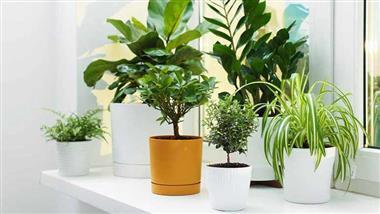
1. Treat indoor plants as environmental infrastructure, not decoration — If you want plants to improve your indoor environment, you need enough greenery to influence the air around you. Place plants in the rooms where you spend the most time — your living room, workspace or bedroom. Grouping several plants together strengthens their impact on humidity and comfort.
Plants release moisture through their leaves, which improves indoor humidity and reduces the dry air created by heating and air conditioning systems.
If you’re new to indoor plants, aim for at least two to three medium-sized plants per main living area as a starting point. Choose species known for strong transpiration and air-quality benefits. Peace lilies and Boston ferns release generous amounts of moisture and thrive in moderate indoor light. Pothos and rubber plants tolerate low light and inconsistent watering, which makes them forgiving choices for beginners.
Snake plants are especially useful in bedrooms because they continue releasing oxygen at night through a specialized form of photosynthesis. As you gain confidence, add more plants and experiment with groupings — the more greenery you maintain, the greater the effect on humidity and comfort.
2. Use larger plant systems if you want a bigger environmental effect — If you want to take indoor greenery further, larger plant arrangements make a noticeable difference in indoor comfort. Dense plant groupings, vertical plant walls or indoor plant towers influence how warm or cool a room feels. If you live in an apartment or house that traps heat, adding more indoor greenery helps soften that effect and makes the environment feel calmer and more comfortable.
3. Support your plants with good lighting and airflow — Plants work best when the indoor environment supports them. Make sure your plants receive enough light and fresh air so they stay healthy and continue releasing moisture through transpiration. That process naturally raises indoor humidity and improves comfort. Healthy plants create a healthier indoor environment. When plants struggle, their environmental impact drops.
Water most indoor plants only when the top inch of soil feels dry to the touch — overwatering is the most common mistake and creates waterlogged soil that breeds mold, which is directly linked to worse respiratory symptoms. Make sure every pot has drainage holes so excess water escapes rather than pooling around the roots.
If you notice a musty smell coming from the soil, let it dry out completely and consider top-dressing the surface with a thin layer of pebbles or horticultural charcoal to discourage mold growth. These simple habits keep your plants healthy and prevent them from introducing the very indoor air problems you’re trying to solve.
4. Improve ventilation so indoor air doesn’t stagnate — Plants help the environment, but air movement still matters. Turn on kitchen and bathroom exhaust fans when cooking or showering. These systems remove moisture and airborne pollutants before they build up indoors. If your home feels stale or stuffy, open windows for at least 10 to 15 minutes once or twice a day to flush out accumulated pollutants.
Whenever possible, open windows on opposite sides of your home at the same time. This creates cross-ventilation — a natural airflow path that moves fresh air through the entire space far more effectively than opening a single window. Even in cooler weather, a brief window opening exchanges enough air to noticeably reduce indoor pollutant levels without significantly changing the temperature inside.
5. Add an air purifier to remove particles plants can’t capture — Plants improve humidity and comfort, but microscopic airborne particles still circulate in most indoor spaces. An air purifier removes fine particulate matter — the microscopic particles produced by smoke, cooking, dust and pollution.
Look for an air purifier equipped with a high-efficiency particulate air (HEPA) filter, which captures at least 99.97% of particles as small as 0.3 microns — including dust, pollen, mold spores and smoke residue. Match the purifier’s rated room size to the space where you plan to use it so the unit cycles enough air to make a difference. Running an air purifier in the room where you spend the most time keeps the air cleaner throughout the day.
At night, consider placing an air purifier in the bedroom. Your lungs do their deepest repair work during sleep — cleaner bedroom air means that recovery process isn’t undermined by the very particles your body is trying to clear. When you combine indoor plants, airflow and clean air filtration, your home begins to function like a healthier building — one that actively supports your comfort, breathing and daily well-being.
FAQs About Indoor Plants and Healthier Buildings
Q: Why do indoor environments matter so much for your health?
A: Most people spend up to 90% of their lives indoors, which means the air and environmental conditions inside buildings strongly influence comfort, cognitive performance, and long-term health. Modern buildings often trap pollutants from furniture, cleaning products and cooking because energy-efficient construction reduces airflow. When ventilation is poor, those pollutants accumulate and affect the air you breathe throughout the day.
Q: How do indoor plants improve the environment inside buildings?
A: Indoor plants influence several factors that shape the quality of the air and environment inside your home. They release moisture through their leaves, which helps regulate humidity and reduces dry indoor air. Larger plant systems also make spaces feel cooler by releasing water vapor into the air. In addition, certain plant systems help reduce airborne pollutants such as fine particles and volatile organic compounds released from building materials and household products.
Q: Do indoor plants affect how you feel and think?
A: Yes. Research shows that indoor greenery improves mood, reduces perceived stress and increases the sense of comfort inside buildings. The presence of plants makes indoor spaces feel less artificial and more connected to nature. That shift in environment affects how people focus, work and feel throughout the day.
Q: What indoor conditions worsen breathing problems like asthma?
A: Several common household factors contribute to worse respiratory symptoms. Poor ventilation allows pollutants and moisture to build up indoors. Smoking inside the home introduces airborne particles that irritate the lungs. Mold, rodents and other indoor allergens also trigger breathing problems. These factors often interact with each other, which means multiple environmental conditions inside a home shape respiratory health.
Q: What are the most practical ways to create a healthier indoor environment?
A: Start by adding indoor plants in the spaces where you spend the most time, since they help regulate humidity and improve comfort. Support them with proper lighting and airflow so they remain healthy. Use kitchen and bathroom exhaust fans to remove pollutants and moisture. Running an air purifier helps remove fine particles that plants can’t capture. Together, these simple steps transform your home into a healthier building that supports cleaner air and better overall well-being.