Last week, independent journalist Alex Berenson reported that a preschool-aged child died of “cardio-respiratory arrest” after taking a dose of Moderna’s Covid mRNA vaccine during its clinical trials. Despite federal requirements to report all trial information, the company withheld the truth for years as it raked in billions from its Covid shots.
The extent of the cover-up remains unknown, but Moderna, headed by CEO Stéphane Bancel, disregarded federal law requiring companies to report “summary results information, including adverse event information, for specified clinical trials of drug products” to clinicaltrials.gov. The company, not the government, is responsible for posting all results, and failure to report the death of a child constitutes a clear breach of US law, which threatens civil action against any party that “falsifies, conceals, or covers up by any trick, scheme, or device a material fact.”
To this point, pharmaceutical companies have remained largely immune for their role in perpetrating globally-scaled deception resulting in thousands of vaccine injuries and billions in profits. They have enjoyed a liability shield courtesy of the PREP Act, which offers protections for injuries resulting from vaccines; that indemnity, however, does not extend to non-compliance with federal regulations, material misstatements or omissions of fact, or other offenses.
The death of the child only became known because of an obscure European report released last year, which revealed that Moderna has known about the death for over two years while it continues to advertise Covid shots to children as young as six months old.
Moderna’s European filing also revealed that the company withheld trial results demonstrating that children under 12 who received the vaccine were ten times more likely than those who received the placebo to suffer “serious side effects.” Without any evidence, Moderna claimed that the side effects, including the death of a child, were unrelated to the shots.
The incoming Trump administration offers a rare opportunity to hold pharmaceutical companies accountable and to investigate the depth of the cover-up.
The FDA is responsible for enforcing the reporting of vaccine trial results, but recent heads of the agency such as Scott Gottlieb and Robert Califf have been fanatical supporters of Big Pharma. Trump’s choice for FDA, Dr. Marty Makary, presents a stark contrast to his predecessors. Makary has criticized the US Government’s reluctance to acknowledge the role of natural immunity in preventing Covid infection, and he opposed the widespread vaccination of children. He testified to Congress, “In the U.S. we gave thousands of healthy kids myocarditis for no good reason, they were already immune. This was avoidable.”
President-elect Trump has tapped Robert F. Kennedy, Jr., perhaps the most well-known critic of the Covid vaccines, to lead the Department of Health and Human Services, which oversees the FDA. He has named Dr. Jay Bhattacharya, an author of the Great Barrington Declaration, as his choice to head the National Institutes of Health. Further, Senator Ron Johnson (R-WI) told Berenson that he plans to subpoena the FDA once Republicans become the majority party in the Senate this month.
President Trump’s first term was ultimately defined by his failure to fulfill his pledge to “drain the swamp.” A corrupt bureaucracy, personified in many ways by Dr. Anthony Fauci, aided and abetted by advisors like his son-in-law, Jared Kushner, hijacked the president’s agenda. Now, the Trump administration has an unlikely yet monumental opportunity for health reform, which can start on January 20 with an investigation into Moderna’s cover-up.
The Covid response doomed Trump 1.0. Whether one regards this as a monumental error, the betrayal of a president by his advisors, an event beyond the president’s control, or a deeper and more complex plot involving everything and everyone associated with the government, both in the US and around the world, there is no question of the scale of the calamity for the public. The shots are part of that, the capstone failure of a long line of foreshadowing with lockdowns and all that was associated with pre-pharmaceutical interventions. The antidote came not as a cure but, for many, the disease itself.
Articles by Brownstone Institute, a nonprofit organization founded in May of 2021 in support of a society that minimizes the role of violence in public life.
Restless Legs Syndrome (RLS) affects 7% to 10% of Americans, causing an urge to move legs during rest. While medications are available, they may worsen symptoms long-term, prompting interest in alternative treatments
A comprehensive review of 24 studies found that holistic therapies like exercise, yoga and reflexology significantly reduce RLS symptoms and improve sleep quality without medication side effects
Traditional herbal medicines, particularly Dangguijakyak-san and Shihogyeji-tang, showed promising results in treating RLS, leading to a lasting reduction in symptoms
Regular walking exercise performed three times weekly reduced RLS symptom severity by 21%, while stretching exercises decreased symptoms by 18% and improved overall quality of life
Non-pharmacological treatments like electrical stimulation, pneumatic compression devices and lifestyle modifications (avoiding caffeine, alcohol) offer effective alternatives for managing RLS symptoms and improving sleep quality
Restless Legs Syndrome (RLS), or Willis-Ekbom Disease, is a neurological disorder characterized by an irresistible urge to move your legs, often accompanied by unpleasant sensations such as tingling or burning.1 These symptoms typically appear during periods of rest or inactivity, often worsening at night and significantly disrupting sleep and diminishing quality of life.
With an estimated 7% to 10% of the U.S. population affected2 — and 3 million new cases each year3 — finding effective treatments for this lifelong condition is urgent. While medications such as dopamine agonists are often used for symptom management, their long-term use may worsen symptoms or cause side effects.
Emerging research, including a recent review of 24 studies, offers promising evidence that holistic, non-pharmacological options may effectively alleviate RLS symptoms.4
Evidence Supports Holistic Therapies for RLS
The study, published in Cureus,5 focused on non-pharmacological treatments for RLS, revealing the efficacy of various physiotherapeutic modalities. The comprehensive review, which included studies dating from 2006 to 2024, evaluated how different therapeutic interventions, such as exercise, yoga, stretching and reflexology, impact the severity of RLS symptoms.
The review’s key findings suggest that certain holistic therapies significantly reduce the frequency and intensity of RLS symptoms. The studies revealed that strength training, stretching exercises and yoga helped improve sleep quality and reduce discomfort.
Additionally, therapies like reflexology — applying pressure to specific points on the feet to improve circulation and reduce muscle tension — and electrical stimulation were shown to enhance circulation and reduce muscle tension, both of which play a role in mitigating RLS symptoms.
The review concluded that these noninvasive treatments could serve as valuable alternatives or complements to conventional pharmaceutical approaches, offering fewer side effects and long-term benefits.6
The researchers also emphasized the role of magnesium and vitamin D in managing RLS symptoms. Magnesium supports nerve and muscle function, while vitamin D plays a role in dopamine regulation. Individuals with low levels of these nutrients often experience more severe RLS symptoms. Incorporating these nutrients was found to improve overall symptoms and sleep quality.
Exercise and Physical Therapy: Key Strategies for RLS Symptom Relief
Regular physical activity, specifically strength training and stretching, were also effective in reducing the severity of RLS symptoms. Several studies within the review demonstrated that low-impact exercises like walking, swimming and yoga significantly reduced symptoms for individuals with idiopathic RLS (RLS with no clear cause).7
Yoga and progressive muscle relaxation (PMR) were particularly effective in alleviating muscle tension and improving sleep. The controlled stretching and mindful breathing involved in yoga help reduce both the physical discomfort and the anxiety that often accompany RLS. PMR, which involves systematically tensing and relaxing different muscle groups, was also found to be beneficial in managing restlessness and promoting relaxation.
The review also examined the role of physiotherapeutic techniques, such as electrical stimulation and heat therapy, in managing RLS. Electrical stimulation improved blood flow and reduced muscle tension, offering significant symptom relief without the side effects of medication.8
Alternative Therapies: Acupuncture, Reflexology and Lifestyle Modification
The Cureus review also explored additional alternative therapies, such as acupuncture and reflexology, as potential treatments for RLS. Acupuncture, which involves inserting thin needles into specific points on your body, was shown to reduce symptoms by promoting blood flow and balancing energy. Reflexology was also found to provide relief by improving circulation and promoting relaxation.9
One of the most promising findings from the review was the effectiveness of pneumatic compression devices (PCDs), which apply controlled pressure to your legs, enhancing blood flow and reducing RLS symptoms. PCDs were particularly effective for individuals who experienced nighttime restlessness and difficulty falling asleep.
The review suggested that this noninvasive therapy could be a valuable addition to an overall treatment plan, particularly for those who prefer to avoid medication. Beyond the physical therapies and nutritional approaches discussed in the review, lifestyle changes were identified as a critical component of long-term RLS management.
Several studies emphasized the importance of avoiding triggers such as caffeine, alcohol and nicotine, which exacerbate RLS symptoms. Establishing a consistent sleep schedule and creating a relaxing bedtime routine were also shown to significantly improve sleep quality and reduce nighttime symptoms.
For individuals experiencing severe nighttime symptoms, the review suggested additional strategies, such as using weighted blankets or elevating your legs during sleep, which were found to reduce restlessness and improve sleep duration.10 While these lifestyle adjustments may not completely eliminate symptoms, they complement other treatments and significantly enhance your quality of life.
The Case for Traditional Herbal Medicine in Treating RLS
Traditional herbal medicines, like Dangguijakyak-san and Shihogyeji-tang, are also emerging as effective RLS treatments. A recent case report detailed the successful treatment of a 72-year-old woman who had suffered from chronic RLS for nearly 60 years.11
The patient, who had also been recovering from a stroke, experienced severe RLS symptoms that disrupted her ability to sleep. During the night, she woke up multiple times due to discomfort in her calves and thighs, which only subsided with movement.
After being diagnosed with chronic persistent RLS, traditional herbal treatments — Dangguijakyak-san (DS) and Shihogyeji-tang (ST) — were administered to address both her RLS and the underlying deficiencies identified through the principles of East Asian medicine, specifically Xue deficiency (blood deficiency) and Qi stagnation.
The results were impressive. Within one week of starting the herbal regimen, the patient noticed a reduction in her RLS symptoms. Over the course of 47 days, her symptoms steadily improved, with no need for further medication after discontinuing treatment. Even six months after stopping the herbal remedies, she reported no recurrence of symptoms, demonstrating the lasting benefits of these herbal remedies.12
How Dangguijakyak-san and Shihogyeji-tang Work
Dangguijakyak-san (DS) and Shihogyeji-tang (ST) are traditional herbal remedies that have long been used in East Asian medicine to address conditions involving blood and energy deficiencies. In the case of RLS, these herbal combinations target the underlying causes of discomfort and restless sensations by balancing your body’s blood and energy flow.13
The primary ingredient in both formulas, Paeoniae Radix, has demonstrated several pharmacological benefits that align with the needs of RLS patients. Paeoniae Radix, a component rich in the active ingredient paeoniflorin, works by activating the adenosine A1 receptor (A1R), a key player in brain metabolism.14
The activation of this receptor helps stabilize neurotransmitter activity, which is especially beneficial in addressing dopamine imbalances, a known factor in RLS. Dopamine is a neurotransmitter that helps regulate movement, and its dysfunction is often implicated in RLS. By enhancing dopamine activity, Paeoniae Radix aids in reducing the uncontrollable urges to move your legs at night, thus relieving symptoms of RLS.15
Unlike pharmaceutical treatments, which lead to withdrawal symptoms or worsening of symptoms with long-term use, DS and ST did not produce such side effects in the patient. Instead, she continued to experience relief even after the herbs were discontinued, suggesting a more sustainable and possibly permanent solution to managing RLS symptoms.16
Walking: A Pathway to RLS Relief
Another study, published in the journal Movement Disorders, focused on the effects of different exercise programs on RLS.17 It found that aerobic exercise such as walking, performed three times a week, significantly reduced symptom severity. Participants in the study followed a supervised aerobic exercise routine for eight weeks, which involved walking on a treadmill at increasing intensities based on their heart rate.
The severity of RLS symptoms decreased by 21%, and participants also reported improvements in their quality of life. Aerobic exercise enhances blood flow, releases endorphins and improves dopamine regulation, which are all key factors in managing RLS. Further, aerobic exercise improved sleep quality by reducing the time it takes to fall asleep and increasing overall sleep duration.
In the same study, participants who engaged in a stretching exercise routine also experienced notable improvements in RLS symptoms. Stretching exercises, performed three times a week, reduced symptom severity by 18% and significantly improved quality of life. Stretching helps relax muscles, improve flexibility and reduce the restlessness that often accompanies RLS, making it easier to fall asleep and stay asleep.
The stretching routine in the study included exercises that targeted the major muscles and tendons in the legs. Each exercise session lasted about 45 minutes, with multiple repetitions of stretches aimed at relieving muscle tension.18
The study found that stretching exercises, while not as effective as aerobic exercises in reducing wakefulness after sleep onset, were more beneficial in reducing overall sleep disturbances, making them an excellent option for improving sleep quality without intensive physical activity.
In addition to better sleep, exercise had a positive impact on participants’ overall well-being. Quality of life, which had been diminished due to the constant discomfort and sleep disturbances of RLS, improved by 46% in the aerobic exercise group and by 63% in the stretching group. This improvement demonstrates that regular exercise, such as walking, has profound effects on both physical and mental health, offering a holistic approach to managing RLS.
Embrace a Holistic Approach for Lasting Relief from RLS
If you’ve been living with RLS, you know firsthand how disruptive it is to your sleep and overall well-being. The constant urge to move your legs, especially at night, robs you of the restorative rest your body needs, leaving you exhausted and frustrated. But emerging research offers hope.
Rather than relying solely on pharmaceuticals that may worsen your symptoms over time, a holistic, noninvasive approach combining exercise, nutrition and traditional therapies offers lasting relief. By addressing the underlying imbalances that contribute to RLS, you take control of your symptoms, improve your sleep and ultimately enhance your quality of life.
The power of these natural treatments lies in their ability to work with your body, not against it. Whether through gentle movement, nourishing your body with essential nutrients or embracing traditional herbal remedies, these holistic strategies offer sustainable solutions.
You have options beyond conventional medications — options that treat the whole you, not just the symptoms. It’s time to rethink how you manage RLS and embrace a more comprehensive, natural approach to healing. With the right balance of care, relief is within reach.
NSAIDs (e.g., ibuprofen) and opioids are the standard for pain management but pose significant risks, causing tens of thousands of deaths annually
Dimethyl sulfoxide (DMSO) provides powerful pain relief, even helping individuals disabled by conditions like failed spine surgeries or severe arthritis regain health
It is also effective for hard-to-treat pain cases like complex regional pain syndrome, trigeminal neuralgia, fibromyalgia, migraine headaches and post-surgical pain
DMSO works through multiple mechanisms to relieve pain, including blocking nerve conduction, reducing inflammation, relaxing muscles, and improving circulation
Unlike opioids where tolerance develops over time, DMSO often becomes more effective with continued use, and many patients require it less frequently or not at all as their conditions resolve
This article reviews the science behind DMSO, clinical evidence from thousands of cases, and home treatment protocols for pain, arthritis, and injuries, plus tips on sourcing DMSO
Decades of research have demonstrated DMSO treats a wide range of illnesses, and recently, I’ve provided extensive evidence for how it treats:
However, while DMSO often produces remarkable results for those conditions (e.g., over the last few months, I’ve received more than a thousand testimonials from readers who tried using DMSO with great results), it is best known for its use in treating pain. This is because:
The response it creates is rapid and dramatic, to the point multiple people with chronic untreatable pain have shared with me it “left them laughing because it was so unbelievable.”
It accelerates the healing of acute and chronic injuries linked to chronic pain.
It also helps chronic rheumatic diseases like arthritis.
Why DMSO Stands Out
Drugs like NSAIDs and opioids are linked to severe side effects, including tens of thousands of deaths each year.1 NSAIDs cause heart, kidney, and stomach damage, while opioids carry addiction and overdose risks.2
In contrast, DMSO has demonstrated remarkable safety for over 60 years without a single death reported. Its side effects, most commonly mild skin irritation or a garlic-like odor, are minor and temporary. Even at doses 30 times higher than normal, studies show no toxicity.3
DMSO’s unique combination of safety, efficacy, and versatility makes it a transformative option for pain relief and injury recovery — proving that effective medicine doesn’t have to come with dangerous trade-offs.
This program about DMSO on 60 Minutes, for example, provides a context to how impactful it has been for many Americans in pain:
In addition to rapidly treating injuries4 or autoimmune conditions5 (which are often the root cause of pain) DMSO’s has a few therapeutic properties that make it uniquely suited to safely treat a wide variety of pain conditions.
• Conduction blocking — Many different nerves exist in the body. One group, known as the “small fibers” are responsible for transmitting specific sensations and they (particularly the C fibers) are frequently linked to debilitating chronic pain syndromes (e.g., small fiber neuropathy — characterized by sensations of pins-and-needles, pricks, tingling, and numbness alongside burning pain and electrical shocks).
Note: The five most common symptoms of COVID vaccine injuries, in order, are fatigue, post-exertional malaise, brain fog, small fiber neuropathy, and dysautonomia.
DMSO selectively blocks the conduction of the small fibers, thereby stopping the pain without causing significant damage to the rest of the body or having a tolerance develop to it (rather DMSO typically becomes more effective with time). To illustrate:
A study found 5% to 10% DMSO blocked the after discharges of C-fibers6 (a process associated with painful stimuli).
DMSO has been observed to suppress NMDA and AMPA induced ion fluxes in neurons,7 each of which are receptors linked to chronic pain (e.g., NMDA is linked to central pain sensitization8).
Note: This property has been hypothesized to account for DMSO treating complex regional pain syndrome and cancer pain.9
DMSO has also been observed to block sodium and calcium ions’ entry into cells10 (likewise, many local anesthetics work by blocking sodium ion entry). This effect has also been proposed to explain how DMSO can help cancer pain.11
DMSO has also been reported to significantly enhance the potency of local anesthetics.12,13,14,15
In a human study, 50% DMSO was found to produce partial anesthesia (numbness) to pin pricking sensation.16
Isolated sciatic nerves immersed in 6% DMSO for 30 to 120 minutes developed a temporary 40% decrease in conduction velocity.17 A complete blocking of condition has also been observed with 75% DMSO in radial nerves18 and with 5% DMSO in small peripheral nerve fibers.19
• Choline esterase inhibition — Acetylcholinesterase inhibitors increase acetylcholine (the neurotransmitter of the parasympathetic nervous system) by blocking their degradation. Numerous studies show DMSO is an effective acetylcholine esterase inhibitor,20,21,22,23,24,25,26 and that it blocks the inhibitory effects of the sympathetic nervous system.27
Chronic pain has been linked to excessive sympathetic activity, and counterbalancing that with an acetylcholinesterase inhibitor has shown promise for treating chronic pain.28 However, unlike those drugs, DMSO does not have a risk of creating excessive acetylcholine levels (possibly because at higher doses it instead blocks cholinergic transmission,29 or because it is a competitive rather than irreversible inhibitor30).
• Anti-inflammatory — Many of my colleagues who used DMSO in practice find it to be one of the most effective anti-inflammatory agents out there. DMSO in turn, has been repeatedly shown to:31,32
◦ Reduce inflammatory cytokines, prostaglandins, and pathologic inflammatory responses to tissue injury.
◦I ncrease anti-inflammatory prostaglandins.
◦ Neutralize (scavenges) free radicals, which are both a cause and result of chronic inflammation and a common cause of tissue injury, degenerative illness, and chronic pain.
Research also shows DMSO prevents experimentally induced edema,33,34,35 (including severe forms36), allergic eczema,37 contact dermatitis,38,39 tissue necrosis,40,41 granuloma formation,42 arthritis,43,44,45 and joint stiffness following injury.46
Since inflammation is a key cause of pain (e.g., “chronic inflammatory pain” is well recognized47), this likely accounts for some of DMSO’s analgesic properties.
• Muscle relaxation — DMSO tends to relax skeletal muscle48 while simultaneously enhancing the contraction of other muscles49 (e.g., 3% to 6% DMSO enhances the contraction of the heart and stomach).
DMSO applied topically to the skin of patients produces electromyographic evidence of muscle relaxation 1 hour after application,50 while another study found 50% DMSO prevented the contraction of frog skeletal muscles.51
A 1966 study found that (as shown by electromyography) muscles in spasm will relax within 60 minutes of topical application. It also found that this relaxation could be used to treat headaches associated with cervical disease and complex regional pain syndrome.52
As muscle tension is a frequent cause of pain and musculoskeletal disorders, this property likely accounts for some of its efficacy for those conditions.
• Circulatory enhancement — DMSO removes blood clots and increases blood circulation53 and has been recognized to eliminate the pain associated with blood clots. This aligns with Chinese medicine’s view that poor blood flow causes sharp, piercing pain.54
Note: One of the most common side effects of vaccinations is them creating tiny blood clots (discussed further here), which then trigger microstrokes throughout the body that can often be detected with an appropriate neurological examination. To this point, many of the injuries reported from the original smallpox vaccine matched the same unusual pains and neurological symptoms associated with blood stasis in Chinese Medicine.
As opioids are seen as the gold standard for pain control, there is very little awareness research has shown a comparable analgesic exists. To illustrate:
• A 1983 study55 using a common research metric (how mice respond to heat and tail flicks) found that DMSO produced an analgesic effect comparable in strength to morphine.
However, this effect was assessed to be due to a different mechanism as an opioid receptor blocker (naloxone) did not affect DMSO’s ability to eliminate pain, DMSO did not produce any of the side effects seen with opioids, and DMSO’s effect lasted far longer (4 to 6 hours and in some cases over 24 hours — whereas in contrast morphine typically lasted less than 2 hours).
Note: Another mouse study using similar tests also found that DMSO blocks pain.56
However, unlike other analgesics (pain killers), DMSO has a variety of unique properties. These include:
• It treats a very wide range of pain conditions, including ones other analgesics can’t address. For example, case reports exist of DMSO treating phantom pain57 (pain outside the body where an amputated limb had previously existed).
• Rather than the body developing a resistance to it (which is what commonly happens with opioids), DMSO often becomes more effective at eliminating pain with subsequent doses, and in many cases, is needed less and less frequently (or not at all because the condition is resolved).
Because of this, while acute pain rapidly responds to DMSO, chronic pain conditions often take 4 to 7 days of applications for DMSO to begin taking effect and 6 to 8 weeks for lasting relief to occur (e.g., to quote one patient, “after twenty-four DMSO injections, I was completely pain-free”).
• In many cases, as is seen with other applications of DMSO, due to DMSO rapidly spreading throughout the body, the effect is systemic. For example, one study found 65% of patients experienced pain relief if DMSO was applied at the site of pain,58 whereas 61.5% experienced comparable relief when DMSO was applied somewhere further away in the body. Because of this, DMSO has been found to help a wide range of pain conditions.
Headaches
Tension headaches (e.g., those caused by muscular tension of the neck) and sinus headaches tend to respond to DMSO (with relief typically lasting 4 to 6 hours), whereas migraine and cluster headaches are less responsive to DMSO. For example, these results were reported59 by two doctors:
Note: Many headaches are incorrectly categorized as migraine headaches. Additionally, while I have received reports of readers with life-changing improvements in migraine headaches, those headaches typically only respond to DMSO if it’s applied during the early stages of the headache.
• Stanley Jacob MD reported on 59 patients with headaches from a variety of causes, of whom over 75% responded to DMSO.
This included 13 out of 17 patient with years of chronic neck pain from cervical arthritis that triggered headaches, (who then required a gradually decreasing DMSO dose), 4 out of 5 patients with sinus headaches improved from DMSO, 2 out of 2 patients with temporal arteritis (causing severe head pain) who fully recovered after DMSO and 26 out of 35 patients who’d had trigeminal neuralgia for more than a year with numerous failed treatments (13 of whom then had a full recovery).60
• Another study found DMSO both relaxes the cervical musculature and alleviates tension headaches.61
Fibromyalgia
The pioneer of DMSO reported that DMSO helped 70% of Fibromyalgia patients62 (with none experiencing side effects), and there are many published examples of it healing this condition.63
Over the years, I have also heard of quite a few cases of individuals with fibromyalgia having a massive improvement in their quality of life from DMSO but simultaneously, I’ve also seen quite a few cases where it needed to be done slowly for a sensitive patient (as otherwise the initial detoxification response was too much for the individual).
Note: This principle is also important to keep in mind when working with other “sensitive patients.”
Spinal Pain
Many of the most profound benefits from DMSO are found in patients with spinal issues (e.g., spinal stenosis, a failed back surgery, surgical scars, severe arthritis, previous spinal cord injuries, or bulging discs), and numerous testimonies (e.g., many can be found in the 1980 Congressional hearing on DMSO64) exist of individuals who had been in years of crippling pain suddenly getting their lives back because of how effectively DMSO treated their pain and restored their mobility.
However, while I frequently read case reports of this (and I’ve now received dozens from readers), I have only located one that specifically evaluated it. In that 1968 study,65 38 patients with lumbar and cervical disc problems received conventional (nonsurgical) treatments, and half also received DMSO — which was found to halve the required treatment time.
Note: Topically applied DMSO is often extremely helpful for herniated discs (and much safer than systemic steroids). Additionally, a few people found injecting DMSO mixed with lidocaine into the vertebral musculature was quite helpful for spinal pain.
Additionally, there are also many instances of quadriplegics who initially took DMSO to alleviate their chronic pain and then gradually regained motor function as a “side effect” of DMSO. In turn, there are many cases of individuals overcoming lifelong paraplegia, (including cases where their “miraculous” improvement could be traced to DMSO as it stopped once DMSO was withdrawn).
Complex Regional Pain Syndrome
Complex regional pain syndrome (CRPS) is a chronic pain condition involving autonomic and inflammatory issues, often triggered by trauma like surgery and linked to small fiber neuropathy. Its causes remain unclear, and treatment usually relies on multiple drugs targeting symptoms.
DMSO is one of the few effective alternative therapies for CRPS, as it blocks pain from small fibers. Unfortunately, its potential for treating CRPS remains largely overlooked.
A 1985 study demonstrated that 50% DMSO reduced the inflammation associated with CRPS and improved symptoms associated with the condition.66
A 1996 study of 32 patients with acute CRPS (e.g., heat, redness, pain, swelling, reduced range of motion) gave them 50% DMSO or placebo for 2 months, and a significant improvement was seen in the DMSO group.67
A 2003 study randomized 64 patients with CRPS to receive topical 50% DMSO and 67 patients to receive N-acetylcysteine (NAC) for 17 weeks to a year. This study found that DMSO was a cost effective therapy that produced good to excellent results for the patients, especially when their CRPS was associated with inflammatory symptoms and when it was done earlier in the illness.68
Another 2003 study of 146 patients also comparing 50% DMSO to NAC (over 24 months) found DMSO was effective, particularly for hot (inflammatory) CRPS.69
A 2012 study gave 29 patients (who had had CRPS for less than a year) 50% topical DMSO and found DMSO significantly reduced their pain (with results approaching a complete absence of pain), brought back the functionality of the affected limb and improved their quality of life.70
A 2012 study used a combination of treatments including 50% DMSO for CRPS and found this combination was effective for treating the condition.71
Finally, a 2005 review of the existing therapies for CRPS concluded 50% DMSO had evidence of efficacy and, compared to the other treatment options, was the least likely to cause harm.72
Cancer Pain
Many cancer patients experience severe pain (which increases as the cancer becomes terminal), and in 10% to 20% of cases, it does not respond to standard opioid management.73 In many cases however, it does to DMSO. For example:
• A study included two older patients with cancer pain DMSO, one of whom had an excellent response to treatment and one who had a good response.74
• Another study found that of 7 patients with metastatic cancer pain, DMSO gave 2 a full remission and 2 a partial remission.75
• One of the most well known examples was Otis Bowen MD (a popular second term Indiana governor) who “illegally” used topical DMSO to treat his wife’s pain from terminal multiple myeloma and then publicly denounced the FDA’s absurd embargo on it at the AMA’s 1981 national meeting.76
Remarkably, a few years later, Bowen became Reagan’s Secretary of Health and Human Services, but even then, with this highly ethical doctor at the helm of the HSS, DMSO was unable to overcome the FDA’s prohibition of it.77
Since DMSO both accelerates wound healing and reduces pain,78 it is uniquely suited to post-operative pain. Numerous studies support this. For example:
• A rat study found administering DMSO into a wound before closing it significantly reduced the subsequent pain and guarding the rats had, suggesting this approach could address a common complication of surgery.79
• A 1967 study found that DMSO applied to the incision sites of thoracotomy (open chest surgery) patients in concentrations of 60% to 80% resulted in significant pain relief, and reduction of the opioids needed (which in turn led to fewer gastrointestinal complications).
These patients as a group were able to cough more effectively, move more easily both in and out of bed, resume early motion of the arm and shoulder, and in general enjoy a more rapid and less complicated postoperative course.80
• Another study gave 90% DMSO to 64 postpartum women with episiotomy pain and found that over half had pain relief and a reduction in swelling and that there was a significant improvement in mobility (with some patients who had left the hospital then requesting to resume DMSO to alleviate subsequent pain).81
Conclusion
Since the pharmaceutical industry revolves around indefinitely selling pills that temporarily “treat” an illness, pain is one of its most coveted markets. DMSO’s remarkable ability to safely eliminate pain (and that being well-known to hundreds of thousands of Americans over 60 years) hence provides some of the most substantial proof I know of that effective therapies are being deliberately withheld from us to protect the medical monopoly.
Fortunately, the internet’s rapid dissemination of information which challenges prevailing narratives, and the unprecedented ascendency of the Make America Healthy Again has created a window to break this medical monopoly. As such, the results many are now having from DMSO are providing critical first hand experiences that will open eyes to the dysfunctional medical paradigm we are stuck within, and I am immensely grateful to see that this is happening in my lifetime.
Author’s note: This is an abridged version of a longer article that goes into greater detail on the data discussed here, how DMSO is used for pain, arthritis and musculoskeletal injuries (e.g., sprains), and provides guidance for personal DMSO use (e.g., dosing, therapeutic precautions and where to obtain it). That article and its additional references can be read here.
A Note from Dr. Mercola About the Author
A Midwestern Doctor (AMD) is a board-certified physician from the Midwest and a longtime reader of Mercola.com. I appreciate AMD’s exceptional insight on a wide range of topics and am grateful to share it. I also respect AMD’s desire to remain anonymous since AMD is still on the front lines treating patients. To find more of AMD’s work, be sure to check out The Forgotten Side of Medicine on Substack.
As unprecedented rates of heart inflammation and damage emerge in the post-pandemic era, groundbreaking research reveals the heart’s remarkable ability to heal itself, supported by specific natural compounds.
The rising incidence of cardiac issues following widespread mRNA interventions has created an urgent need to understand and support the heart’s natural healing capabilities. While the full extent of injection-related heart damage continues to emerge, research showing the heart’s innate regenerative abilities – and natural compounds that enhance these processes – provides hope for those affected.
This research aligns perfectly with the groundbreaking work presented in Sayer Ji’s book “REGENERATE: Unlocking Your Body’s Radical Resilience through the New Biology.” The book explores how our bodies possess far greater self-healing capabilities than previously understood, including the heart’s remarkable regenerative potential. These insights are further expanded in the REGENERATE YOURSELF Masterclass, which offers detailed practical protocols for supporting the body’s natural healing processes.
The Heart’s Natural Healing Ability
Recent research has demonstrated that the heart contains resident stem cells capable of generating new heart muscle cells throughout life. This finding challenges the long-held belief that heart damage is permanent and irreversible. The discovery shows that the heart maintains a population of cardiac stem cells that can potentially regenerate damaged tissue under the right conditions.
Natural Compounds Supporting Heart Regeneration
Scientific research has identified several natural substances that show promise in supporting cardiac regeneration:
Resveratrol: Found in red wine and grapes, resveratrol has emerged as a powerful supporter of cardiac regeneration. Studies show it works by activating endogenous cardiac stem cells and improving myocardial regeneration following heart attacks. Research published in Molecular Medicine Reports demonstrates that resveratrol not only activates cardiac stem cells but also enhances their survival and function.
Geum Japonicum:This traditional herb has shown remarkable abilities to stimulate myocardial regeneration in animal studies. Research indicates it can support the regeneration of heart muscle tissue following damage, particularly in cases of acute myocardial infarction.
Rosa Laevigata (Chinese Rose): Studies have revealed that active compounds from this herb can induce substantial myocardial regeneration. The research, published in BMC Complementary and Alternative Medicine, shows it supports both regeneration and repair of damaged heart tissue.
Echinacea Combined with Wheat Germ: This combination has been shown to effectively mobilize stem cells that can home to cardiac tissue, potentially supporting natural regeneration processes. The research demonstrates their ability to enhance the body’s inherent regenerative capabilities.
Synergistic Approaches
What makes these findings particularly interesting is how these natural compounds work through multiple mechanisms:
Stem Cell Activation: Many of these compounds can activate and mobilize cardiac stem cells.
Anti-inflammatory Effects: They often provide complementary anti-inflammatory benefits that support the healing environment.
Antioxidant Protection: Several compounds offer antioxidant protection that helps preserve healthy heart tissue.
Cell Survival Support: These substances can enhance the survival of both existing heart cells and newly generated ones.
Practical Implications
This research opens new possibilities for integrative approaches to heart health. While conventional medical treatments remain essential for acute cardiac events, these natural compounds might offer supportive benefits for:
Recovery after heart damage
Ongoing cardiac health maintenance
Preventive heart health strategies
Support during conventional treatments
Understanding the Science
The research shows that these natural compounds work through various molecular pathways:
Exosome Stimulation: Some compounds enhance the production of exosomes, small vesicles that carry regenerative signals between cells.
Cellular Regeneration: They can activate specific genetic pathways that promote the formation of new heart muscle cells.
Anti-apoptotic Effects: Many of these substances help prevent programmed cell death while supporting healthy cell regeneration.
For more comprehensive research on this topic, interested readers can explore:
This emerging understanding of the heart’s regenerative capacity, combined with the identification of natural compounds that support this process, offers new hope for cardiac health – particularly relevant given current public health challenges. As unprecedented numbers of people seek support for cardiac health, these natural approaches, along with the comprehensive framework presented in “REGENERATE” and the Masterclass, provide valuable tools for supporting the heart’s inherent healing abilities.
The GMI Research Group (GMIRG) is dedicated to investigating the most important health and environmental issues of the day. Special emphasis will be placed on environmental health. Our focused and deep research will explore the many ways in which the present condition of the human body directly reflects the true state of the ambient environment.
Disclaimer: This article is not intended to provide medical advice, diagnosis or treatment. Views expressed here do not necessarily reflect those of GreenMedInfo or its staff.
This article is copyrighted by GreenMedInfo LLC, 2024
For the millions suffering from Myalgic Encephalomyelitis/Chronic Fatigue Syndrome (ME/CFS), a debilitating condition characterized by extreme exhaustion and cognitive impairments, effective treatments remain elusive. However, a recent randomized controlled trial has uncovered a promising natural remedy: yeast-derived beta-glucan supplementation. This prebiotic fiber may offer new hope for managing the cognitive symptoms that plague ME/CFS patients.
The Gut-Brain Connection in ME/CFS
ME/CFS is a complex disorder affecting an estimated 17 million people worldwide.1 Patients often experience persistent fatigue, cognitive dysfunction, sleep disturbances, and gastrointestinal issues.2 While the exact causes remain unclear, growing evidence points to a dysregulated gut-brain axis as a key factor in ME/CFS pathology.3
The gut microbiome, the collection of microbes residing in our intestines, plays a crucial role in regulating immune function, metabolism, and even brain health via the gut-brain axis.4 In ME/CFS, altered gut microbiota composition and increased intestinal permeability have been linked to systemic inflammation and neurological symptoms.5 Therefore, targeting the gut with prebiotic interventions like beta-glucan may help restore balance and alleviate ME/CFS manifestations.
What the Study Found
In this 36-week randomized controlled trial, 65 ME/CFS patients received either a daily supplement containing 250mg of yeast-derived beta-glucan, along with vitamin D3, B6, and zinc, or a placebo. The results were promising:
“The findings showed that the beta-glucan supplementation significantly improved cognitive fatigue (assessed with FIS-40 scores) after the 36-week treatment compared to the baseline (p = 0.0338).”6
Cognitive fatigue scores decreased by 5.7% in the beta-glucan group, suggesting this prebiotic may help combat the “brain fog” that many ME/CFS patients struggle with. While the mechanisms require further investigation, the authors propose that beta-glucan may work by modulating the gut microbiome, reducing inflammation, and supporting the gut-brain axis.
The Advantages of a Natural Approach
Conventional treatments for ME/CFS are limited and often come with unwanted side effects. Antidepressants, sleep aids, and pain medications may provide temporary relief but do not address the underlying imbalances contributing to symptoms.
In contrast, beta-glucan is a natural prebiotic fiber found in foods like oats, barley, and certain mushrooms. By promoting the growth of beneficial gut bacteria and increasing production of short-chain fatty acids like butyrate,7 beta-glucan supports a healthy gut environment. This, in turn, may help regulate the immune system, reduce inflammation, and improve gut-brain communication8 – all of which are disrupted in ME/CFS.
Furthermore, the beta-glucan supplement in this study was well-tolerated, with no serious adverse events reported. This highlights the safety advantage of using natural, food-derived compounds to manage chronic conditions like ME/CFS.
Empowering Patients with Knowledge
While more research is needed to fully understand the potential of beta-glucan for ME/CFS, these findings offer a glimmer of hope for those struggling with this challenging condition. By raising awareness about the gut-brain connection and the role of prebiotics, we can empower ME/CFS patients to make informed choices about their health.
Incorporating prebiotic-rich foods or considering a quality beta-glucan supplement, under the guidance of a knowledgeable healthcare provider, may be a gentle yet effective way to support cognitive function and overall well-being in ME/CFS. As always, a personalized approach that takes into account an individual’s unique needs and sensitivities is essential.
In Conclusion
The promising results of this beta-glucan trial underscore the importance of exploring natural, evidence-based solutions for complex conditions like ME/CFS. By supporting the gut-brain axis and promoting a balanced microbiome, prebiotics offer a safe and holistic approach to symptom management.
As we continue to unravel the intricacies of the human body and the interconnectedness of our systems, let us remain open to the healing potential of nature. With further research and a commitment to patient empowerment, we can pave the way for more effective, integrative strategies to help those with ME/CFS reclaim their vitality and thrive.
Learn more about natural approaches to chronic fatigue syndrome here.
Learn more about beta glucan’s studied potential therapeutic properties here and by watching our recent livestream: The Truth about Immunity here.
References
1. Estevez-Lopez, F., et al. “Systematic Review of the Epidemiological Burden of Myalgic Encephalomyelitis/Chronic Fatigue Syndrome Across Europe: Current Evidence and EUROMENE Research Recommendations for Epidemiology.” Journal of Clinical Medicine 9, no. 5 (2020): 1557. https://doi.org/10.3390/jcm9051557.
2. Cortes Rivera, M., et al. “Myalgic Encephalomyelitis/Chronic Fatigue Syndrome: A Comprehensive Review.” Diagnostics 9, no. 3 (2019): 91. https://doi.org/10.3390/diagnostics9030091.
4. Martin et al. “Increased gut permeability and bacterial translocation are associated with fibromyalgia and myalgic encephalomyelitis/chronic fatigue syndrome: Implications for disease-related biomarker discovery.” Frontiers in Immunology 14 (2023): 1253121. https://doi.org/10.3389/fimmu.2023.1253121.
5. Guo, C., et al. “Deficient butyrate-producing capacity in the gut microbiome is associated with bacterial network disturbances and fatigue symptoms in ME/CFS.” Cell Host & Microbe 31, no. 2 (2023): 288-304.e8. https://doi.org/10.1016/j.chom.2022.12.006.
6. Lacasa, M., et al. “Yeast Beta-Glucan Supplementation with Multivitamins Attenuates Cognitive Impairments in Individuals with Myalgic Encephalomyelitis/Chronic Fatigue Syndrome: A Randomized, Double-Blind, Placebo-Controlled Trial.” Nutrients 15, no. 21 (2023): 4504. https://doi.org/10.3390/nu15214504.
7. Singh, R.P., and Bhardwaj, A. “beta-glucans: A potential source for maintaining gut microbiota and the immune system.” Frontiers in Nutrition 10 (2023): 1143682. https://doi.org/10.3389/fnut.2023.1143682.
8. Hu, M., et al. “Three Different Types of β-Glucans Enhance Cognition: The Role of the Gut-Brain Axis.” Frontiers in Nutrition 9 (2022): 848930. https://doi.org/10.3389/fnut.2022.848930.
The GMI Research Group (GMIRG) is dedicated to investigating the most important health and environmental issues of the day. Special emphasis will be placed on environmental health. Our focused and deep research will explore the many ways in which the present condition of the human body directly reflects the true state of the ambient environment.
Disclaimer: This article is not intended to provide medical advice, diagnosis or treatment. Views expressed here do not necessarily reflect those of GreenMedInfo or its staff.
Natural hollow fibers like silk and wool contain microscopic air channels that create superior temperature regulation and moisture management compared to solid fibers like cotton and linen
A single wool fiber can contain up to 2,500 air chambers per inch, while silk has a unique triangular cross-section with three hollow chambers that create its characteristic sheen
Hollow fibers can absorb significant moisture while still feeling dry. Wool can absorb 30% of its weight in moisture without feeling wet, unlike cotton, which becomes heavy and cold when damp
Eucalyptus-derived hollow fibers (Tencel/Lyocell) represent a modern, sustainable alternative that combines natural benefits with manufacturing precision, using just a fraction of the water required for cotton production
While hollow fiber materials like silk and wool typically cost more upfront, they often prove more economical over time due to superior longevity — a silk pillowcase can last five years compared to a cotton one lasting only one year
When you slip into a silk shirt or wrap yourself in a wool blanket, you’re experiencing the remarkable benefits of hollow fiber technology that nature perfected millions of years ago. Unlike the solid, cylindrical structures of cotton and linen, hollow fibers contain microscopic air channels that create extraordinary properties for comfort, temperature regulation, and moisture management.
Understanding these differences isn’t just about textile trivia, it’s about making informed choices that significantly impact your daily comfort, sleep quality, and even your health. The distinction between hollow and closed fibers represents one of the most important yet least understood aspects of textile selection.
The Science of Fiber Structure
At a microscopic level, hollow fibers reveal their sophisticated architecture. Take silk, for instance. Each fiber contains tiny air pockets within its protein structure, creating a natural system of insulation and moisture management. These microscopic channels, when viewed under electron microscopes, resemble tiny drinking straws bundled together, each contributing to the fiber’s remarkable properties.
This hollow structure creates an enormous functional surface area compared to solid fibers like cotton. A single hollow fiber can contain thousands of microscopic air pockets, dramatically increasing its ability to regulate temperature and moisture. Think of it like the difference between a solid rubber tube and a high-tech outdoor jacket with thousands of tiny air pockets — the complexity of the structure creates superior performance.
Primary Hollow Fiber Types
Silk leads the category of natural hollow fibers with its unique triangular cross-section containing three hollow chambers. This structure allows silk to reflect light differently from various angles (creating its characteristic sheen) while providing exceptional temperature regulation. The protein composition of silk fibers includes 18 different amino acids, creating a material that’s biologically sophisticated in its interaction with human skin.
The protein structure of silk fibers responds to moisture levels by slightly changing shape, automatically adjusting its insulating properties. This explains why a silk pillowcase feels cool against your face in summer yet comfortably warm in winter.
Wool fibers contain an even more complex structure, with overlapping scales covering a central core filled with millions of tiny air pockets. Each wool fiber can contain up to 2,500 air chambers per inch, creating remarkable insulation properties. The scales themselves contribute to wool’s ability to resist dirt and moisture, while the internal structure provides unmatched temperature regulation capabilities.
The wool’s hollow fibers trap warm air when you need heat yet allow excess heat to escape when you don’t. This dynamic response to body temperature occurs automatically, without any conscious adjustment on your part. Also, when you perspire, wool fibers can absorb up to 30% of their weight in moisture while still feeling dry to the touch. The hollow structure allows moisture to be pulled into the fiber core, keeping the surface relatively dry against your skin.
Cotton, by contrast, holds moisture in its solid structure, creating that cold, clammy feeling we’ve all experienced.
Eucalyptus-derived fibers (often marketed as Tencel or Lyocell) represent a modern innovation in hollow fiber technology. Through an environmentally responsible manufacturing process, eucalyptus wood pulp is transformed into microscopic fibers containing structured void spaces. These engineered hollow fibers combine the benefits of natural materials with modern manufacturing precision, creating consistently high-performing textiles.
The comfort advantage of hollow fibers extends beyond temperature and moisture control. The microscopic air chambers create a natural cushioning effect that makes hollow fiber textiles feel lighter while providing better insulation. A wool sweater weighing the same as a cotton sweater will provide significantly more warmth without the bulk.
Durability presents another compelling advantage. Hollow fibers demonstrate superior resilience due to their structural design. Like a flexible straw versus a solid stick, hollow fibers can bend and flex without breaking. This explains why silk and wool garments often outlast their cotton counterparts when properly cared for.
Traditional Closed Fiber Analysis
Cotton, despite its popularity, reveals significant limitations when examined microscopically. Its solid, ribbon-like structure lacks the sophisticated air chambers found in hollow fibers. This simple structure explains many of cotton’s limitations: it absorbs moisture but doesn’t effectively transport it away from the skin, it provides minimal insulation, and it tends to collapse and compress with use.
While cotton excels at moisture absorption — it’s capable of holding up to 27 times its weight in water — this very quality creates problems. The solid fibers become waterlogged, heavy, and slow to dry. Without internal air chambers, cotton provides minimal insulation when wet and can actually accelerate heat loss from the body.
Linen shares similar structural limitations. Though prized for its durability and crisp feel, linen’s solid fibers lack the environmental adaptability of hollow alternatives. Its dense, closed structure means it will oftentimes keep you either too warm or not warm enough. It simply doesn’t have the sophisticated temperature regulation found in hollow fibers.
This fundamental difference in fiber structure explains why a silk shirt can keep you cool in summer and warm in winter, while a cotton shirt often feels either too hot or too cold. It’s why wool can absorb up to 30% of its weight in moisture without feeling wet, while cotton becomes heavy and cold when damp.
Understanding these structural differences helps explain the performance gap between hollow and closed fibers in real-world use. Whether you’re selecting bedding for optimal sleep or choosing clothing for comfort and performance, the microscopic architecture of hollow fibers provides clear advantages over their solid-fiber counterparts.
Environmental Impact and Sustainability
The environmental benefits of hollow fiber materials are also deserved of attention. Wool and silk production, when properly managed, can be carbon negative, with grazing animals helping to maintain grasslands that sequester carbon. The hollow fiber structure means less material is needed to achieve the same insulating properties, reducing resource consumption.
Eucalyptus fiber production also demonstrates remarkable efficiency in water and land use compared to cotton. While cotton requires approximately 2,700 liters of water to produce one t-shirt, eucalyptus fiber needs just a fraction of that. What’s more, the closed-loop manufacturing process recovers and reuses 99.5% of the solvents used in production.
Understanding the benefits of hollow fibers helps explain their higher initial cost. A silk pillowcase or wool blanket will typically cost more upfront than cotton alternatives, but their superior performance and longevity make them more economical over time. Consider the cost per use: a cotton pillowcase might need replacement after a year, while a silk pillowcase can last five years or more with proper care.
The practical applications extend beyond bedding and clothing. Athletic wear made from hollow fiber materials provides better temperature regulation and moisture management during exercise. Professional attire benefits from the natural wrinkle resistance and temperature adaptation properties of hollow fibers. Even medical textiles are increasingly incorporating hollow fiber materials for their superior comfort and moisture management properties.
Maximizing the Benefits of Hollow Fiber Materials — A Practical Transition Guide
Making the switch to hollow fiber materials represents more than just a change in textiles — it’s an investment in comfort, health, and environmental responsibility. However, the transition doesn’t need to happen all at once. Here’s a strategic approach to incorporating these superior materials into your life while maximizing their benefits and protecting your investment.
Begin your hollow fiber journey where you spend one-third of your life — your bed. Start with pillowcases made from silk or eucalyptus fibers. These items directly contact your face and hair, providing immediate benefits in terms of temperature regulation and moisture management. Many people report improved sleep and better skin and hair condition within weeks of making this single change.
Next, consider upgrading your sheets. While a complete set of silk sheets represents a significant investment, you might start with a hybrid approach, using eucalyptus sheets for summer and transitioning to wool or silk for winter. This seasonal rotation allows you to experience the unique benefits of different hollow fiber materials while building your collection gradually.
When it comes to clothing, start with items that have the most impact on daily comfort. Base layers made from merino wool provide exceptional temperature regulation and odor resistance, making them ideal first purchases. These versatile pieces work well across seasons and various activities.
For business attire, consider silk blouses or wool suits. These investment pieces often outperform their cotton or synthetic counterparts in both comfort and longevity. Look for classic styles that won’t quickly become outdated, justifying the higher initial cost through years of reliable service.
Athletic wear presents another opportunity for strategic integration. Merino wool workout clothes, though initially expensive, often require less frequent washing and maintain their performance characteristics longer than synthetic alternatives. Start with one or two key pieces and expand your collection as you experience the benefits.
Care and Maintenance Success Strategies
To maximize the longevity of your hollow fiber investments, establish a proper care routine from the start. Create a dedicated space for hand-washing delicate items and invest in appropriate cleaning products specifically formulated for natural fibers. Consider installing a drying rack or line away from direct sunlight for optimal drying conditions.
• Silk demands particularly gentle handling during cleaning. Always use lukewarm water, maintaining a temperature around 30 degrees C/86 degrees F, and select a pH-neutral soap specifically formulated for silk fibers. While hand washing provides the safest cleaning method, you can machine wash silk items by placing them in protective mesh bags and selecting the delicate cycle.
After washing, never wring or twist silk items; instead, gently roll them in a clean towel to remove excess water. When drying, either lay items flat or hang them in a shaded area away from direct sunlight, which can weaken the fibers. If ironing becomes necessary, use only the silk setting and iron items while slightly damp for best results.
• Wool requires similarly careful attention but with its own specific protocols. Keep washing temperatures cool, never exceeding 30 degrees C/86 degrees F, and use only detergents specifically formulated for wool that contain no enzymes. Minimal agitation during washing prevents felting, which can permanently damage the wool’s natural structure. After washing, reshape the garment while it’s still damp to maintain proper fit and dimension.
Always dry wool items flat and away from direct heat sources, which can cause shrinkage and fiber damage. For removing wrinkles, steam treatment proves gentler and more effective than traditional ironing.
• Eucalyptus fiber materials, while generally more forgiving, still benefit from proper care routines. These items can be machine washed in cool or lukewarm water using gentle, biodegradable detergents. Avoid fabric softeners, which can coat the fibers and reduce their natural moisture-wicking properties.
While you can tumble dry these items on low heat, line drying provides the gentlest option. Regardless of drying method, remove items promptly when dry to prevent wrinkle formation.
Keep detailed care instructions with each item until the maintenance routines become second nature. Many people find it helpful to schedule regular maintenance sessions — perhaps Sunday evenings — to care for their hollow fiber items properly. This routine attention prevents the accumulation of dirt or damage that could compromise the materials’ performance.
Long-Term Storage Guidance
Proper storage proves equally important for maintaining hollow fiber materials between seasons. Before storing any items, ensure they are thoroughly clean to prevent pest attraction and fiber degradation. Use breathable cotton storage bags or boxes rather than plastic containers, which can trap moisture and encourage mildew growth.
Include natural pest deterrents like cedar blocks or lavender sachets to protect against moths and other insects while avoiding harsh chemical mothballs.
The storage position matters significantly — some items should lie flat to maintain their shape, while others benefit from hanging. Store all items in a cool, dry, dark location to prevent fiber degradation from heat, moisture, or light exposure. Establish a monthly inspection routine to catch any potential issues early, preventing minor problems from becoming major damages.
Through proper care and storage, your hollow fiber investments can maintain their superior performance characteristics for many years, providing ongoing comfort and value while reducing the need for frequent replacements.
Creating a seasonal rotation system helps manage your collection while extending the life of each piece. Document storage locations and conditions to prevent items from being forgotten or misplaced, protecting your investment over time.
Lifestyle and Climate-Specific Recommendations for Hollow Fiber Integration
In tropical or subtropical environments, the moisture-wicking properties of hollow fibers become particularly crucial. For these climates, prioritize:
• Light silk garments that create natural airflow while wicking moisture away from the skin. The hollow structure of silk fibers allows your body’s natural cooling system to work more efficiently than with cotton, which tends to become heavy and sticky in humidity.
• Eucalyptus fiber bedding proves especially valuable in humid environments. Its unique hollow structure actively moves moisture away from your body while maintaining a cool sleeping surface temperature. Many users report significantly improved sleep quality after switching from cotton sheets, particularly during humid nights.
In colder regions, the insulating properties of hollow fibers demonstrate their full potential. Focus on:
• Layered wool garments, starting with a fine merino base layer. The hollow structure of wool fibers creates multiple insulating air pockets while still allowing excess heat and moisture to escape. This prevents the clamminess often experienced with synthetic thermal wear.
• For bedding, consider a hybrid approach using silk sheets with a wool duvet. This combination provides optimal temperature regulation. The silk manages immediate body contact while the wool delivers superior insulation. Many users find they can lower their nighttime heating after making this switch.
• A single merino wool sweater can replace multiple cotton layers, saving valuable packing space while providing better adaptability to changing conditions. The natural odor resistance of wool means fewer items needed for extended trips.
• Silk travel pillowcases not only provide consistent comfort but also protect against unknown detergent sensitivities in hotels. They pack extremely small while delivering significant comfort benefits.
For those with sensitive skin or allergies:
• Pure silk items often prove hypoallergenic and can help manage conditions like eczema or night sweats. The smooth fiber structure and natural temperature regulation help prevent skin irritation.
• Consider eucalyptus fiber bedding, which naturally resists dust mites and other common allergens while providing excellent moisture management for sensitive skin.
The Future of Fabric
The transition to hollow fiber materials represents more than a simple upgrade in textile choice — it’s an investment in personal comfort, environmental sustainability, and long-term value. As we face increasing environmental challenges and seek better solutions for personal wellness, hollow fiber materials offer a compelling answer that bridges ancient wisdom with modern innovation.
The superior performance of hollow fibers in temperature regulation, moisture management, and durability makes them not just a luxury choice, but a practical necessity for those seeking optimal comfort and functionality in their textiles. While the initial investment may be higher, the long-term benefits — both personal and environmental — far outweigh the cost.
As you begin your journey with hollow fiber materials, remember that each piece you add to your collection is an investment in better sleep, improved comfort, and reduced environmental impact.
Looking ahead, continued innovations in hollow fiber technology promise even more exciting developments, but the fundamental benefits of these remarkable materials remain timeless. By choosing hollow fibers, you’re not just selecting better textiles, you’re participating in a movement toward more thoughtful, sustainable living. The future of fabric is hollow, and the benefits are solid.
Recently, new data emerged showing that the COVID vaccines persist for up to 700 days within patients (and likely longer). As this is quite concerning to many, I was required to write an article explaining how this happens, and how it relates to the egregious production process that characterized the COVID-19 vaccines.
Upsides and Downsides
A lot of things in life are trade-offs, and as I’ve gotten older, more and more I’ve come to appreciate how many things in our society boil down to the fact that the options for addressing them all have significant downsides, so in many cases no solution exists which is satisfactory to all parties involved.
As such, this dilemma is typically managed by some combination of the following:
• Having a biased focus which emphasizes the benefits of an approach a side supports and downplays its downsides (or conversely disproportionately focuses on the downsides of an opposing position). To this point, I’ve had countless issues I’ve debated both sides of and been able to effectively persuade audiences of each one—which highlights how subjective many of the entrenched beliefs we hold actually are (and, in turn, is why I put so much work here into fairly presenting both sides of each controversial topic I cover).
• Sweeping the downsides under the rug and gaslighting the populace into believing they don’t exist.
• Blitzing the public into supporting a questionable policy before they have time to recognize its downsides, and if that fails, overtly forcing them to go along with it.
Note: I believe one of the reasons why governments frequently do horrible things to their people is because they are put in the position of having to “solve” a problem (but with no truly satisfactory way to do it), so they become habituated to using the three previous strategies to push their chosen policies along and simultaneously develop a collective mentality that those questionable approaches are necessary for the “greater good.”
There are many different manifestations of this dilemma, many of which I believe are essentially reflective of a foundational concept in medicine—sensitivity and specificity.
An ideal diagnostic test would catch every instance of a disease (100% sensitivity) and simultaneously never have a false positive (100% specificity). Unfortunately, in almost all cases, this is impossible to do, and instead a trade-off exists where you can either prioritize sensitivity (which leads to a significant number of false positives) or prioritize specificity (which leads to a significant number of false negatives). During COVID for example, a decision was made to prioritize sensitivity with the PCR tests (by having a high replication cycle thresholds) so no cases of COVID would be missed, but this resulted in such poor specificity that the PCR tests effectively became worthless (except for drumming up fear) since they produced so many false positives.
As such, when tests are designed, attempts are made to ensure there is a good balance between sensitivity and specificity. In some cases this is successful (e.g., there are many lab results we will take at face value), but in many other cases, given the technology involved, it’s not really possible to do so (or it is, but lobbying led to overdiagnosis so a medical product could be sold).
Similarly:
• Many policies in the justice system aims to enact fall into this same situation. For example, an ideal death penalty is robust enough to deter murder (and keep violent criminals away from the public), but simultaneously lenient enough that it doesn’t accidentally execute innocent individuals. Since there is no way to have both perfect sensitivity and specificity on this, different states take radically different approaches to how they enforce the death penalty (lying all along the spectrum between sensitivity and specificity). Likewise, our judicial system was founded under the principle “innocent until proven guilty” whereas many other countries have judicial systems that are the exact opposite.
• In medicine, one of the greatest challenges is finding the appropriate dose, as people differ, so what might be a safe and therapeutic dose for one person could be toxic for another. As such, standardized doses are typically chosen by finding the best overall balance between efficacy (a sufficient dose) and safety (avoiding a toxic dose), but for many drugs, the standardized dose leads to many more sensitive patients becoming severely injured by the drugs (which is then commonly “addressed” by gaslighting those injured patients). Note: a much more detailed discussion on the art of dosing can be found here.
• Every medical intervention has its risks and benefits, and ideally, the job of a physician should be to accurately weigh those to determine the best treatment for a patient (while simultaneously conveying what they are to the patient). Unfortunately, in many cases, they don’t (which is a large part of why patients are so dissatisfied with the medical system).
Overall, there are three key takeaways from this paradigm I wish to focus on in this article:
1. It is often incredibly difficult to find an acceptable balance between sensitivity and specificity, and many of the conventions our society now follows were the result of years of debate and protest from both sides to find a palatable middle ground between the two.
2. In almost any sphere I frequently find rushed attempts to find an acceptable balance between two conflicting positions to be immensely flawed and prone to creating significant issues in the future.
3. Many of the issues with the vaccine program are encapsulated by this framework.
The Forgotten Side of Medicine is a reader-supported publication. To receive new posts and support my work, consider becoming a free or paid subscriber. To see how others have benefitted from this newsletter, click here!
How Vaccines “Work”
Note: many believe the immune system is one of the least understood parts of physiology, something I would argue is a result of immunological research being focused on making profitable pharmaceuticals (e.g., vaccines) rather than understanding how it works.
In the classical conception of immunity, there are two types, innate immunity and adaptive immunity, with the innate response being relatively nonspecific (so it can work against a wide variety of infectious threats, including those the body has never seen before) and the adaptive one, which is uniquely suited to eliminating the specific invading organism.
The most widely accepted explanation for how the adaptive immune system works is “clonal selection theory” which states that the immune system:
1. Uses a random generation process to create a vast pool of potential antigen matching sequences.
2. Has vast number of different immune cells that each have those sequences attached to them circulate the blood stream.
3. Waits for one of those immune cells to contact an invading pathogen that the sequence it carries matches.
4. Have each of the immune cells be programmed to start rapidly reproducing once they get a sequence match.
5. Through the previous 4 steps, make it possible to produce a large number of immune cells which are specific to an invading organism (because they can bind to their antigens and alert the rest of the immune system to the organism’s presence), and thus effectively neutralize the infection.
6. Once the process is complete, to leave behind memory B cells, which match the invading pathogen and are able to stimulate the immune response in a much more rapid fashion (thereby shortening the time that steps 3 and 4 take).
The theory behind vaccination is that if the specific immune response and memory B cells can be created before the body encounters a dangerous microbe, this can:
• Allow the body to mount a robust immune response before a harmful invading organism has time to multiply within the body and cause significant damage.
• Cause individuals to rapidly clear infections (rather than needing to wait for the adaptive response to kick in), thereby reducing or eliminating the amount of time they can spread the disease into the population.
• Cause individuals to develop an immune response at the site of infection (e.g., the membranes of the nose and throat), thereby preventing the organism from being able to colonize those areas and thus preventing its transmission.
Being able to do this is hence immensely appealing to governments, as it allows a single intervention (the vaccine) which can easily be distributed to everyone in a top-down manner (which is what governments are good at doing) to address a longstanding problem (infectious disease outbreaks) and more importantly, to allow the government to present the appearance of working in earnest to safeguard the public’s health. Because of this appeal, throughout history, governments will get deeply invested in vaccine programs, and then once issues arise with those programs, double-down on the vaccine (e.g., with mandates) rather than reconsider the wisdom of the vaccine program. Note: in a previous article, I showed how this misguided and tyrannical conduct has existed ever since the first vaccine (smallpox).
Vaccine Production
To “work” vaccines aim to mass produce a dangerous organism’s antigen without the organism itself being present and then administer that antigen into the body. By doing so, the intermediate stage of an infection (where the organism has already reproduced enough inside its host to have a large number of antigens be available to match a circulating immune cell) can be achieved without the individual being in danger of being damaged or overwhelmed by the infection.
Unfortunately, unlike chemicals which can be rapidly synthesized, antigens are complex enough that they can only be produced by biological systems. As such, to produce the antigen, one of the following is typically done.
• Mass produce the infectious organism, then “kill” it so that its antigens can be collected, but the organism itself is not able to cause infections.
• Genetically modify another organism to mass produce a desired antigen, then kill it and extract the antigen (e.g. the HPV vaccine does this with modified yeasts).
• Modify the live pathogen (typically a virus) so that it can still cause the infection and reproduce inside the recipient but simultaneously is “weakened” so that it is less likely to cause illness.
• Genetically modify a “benign” virus to contain the antigen but be unable to replicate in the human body, then mass produce it outside the body, and have the body develop an immune response to the virus and the antigen on it once it is injected.
• Introduce mRNA into cells so human cells can produce large amounts of the desired antigen, which the immune system then sees (e.g., on the surface of the cells) and develops an immune response to.
The basic problem is that none of these approaches are perfect, and each has both its ups and downsides. For example:
• Most can create autoimmunity.
• In those where only a single antigen is used (and the virus spreads from human to human), if the vaccine actually works, it rapidly stop working because the pathogen quickly evolves a new antigen that no longer matches the vaccine.
• It contrast, the multi-antigen ones (which don’t have that issue) are typically live attenuated vaccines, which then can cause those with weakened immune systems to develop infections from the vaccine itself (e.g., this happens with the polio vaccine—which is why the primary cause of polio now is from the vaccines rather than natural infections, but also can happen with others like the shingles and measles vaccine).
Furthermore, some infectious diseases respond fairly well to vaccination, but the majority do not, so at this point, the vaccine industry has already picked all the “low-hanging fruit” and hence faces an existential struggle to develop new proprietary (patentable) vaccines it can bring to market. For example, had it not been for COVID-19 (SARS-CoV-2), a SARS vaccine would have never been brought to market as it was well recognized the SARS virus was poorly suited for vaccination (which what we then saw throughout the pandemic).
Finally. even if a vaccine “works” it still has to be manufactured, and there are numerous cases of the tradeoffs being made resulting in a disaster. For example:
• To make the inactivated polio vaccine, the live polio virus had to be exposed to formaldehyde. However, the challenge with this was that if too much formaldehyde was used, it would damage the antigens on polio to the point they no longer matched those on the poliovirus, whereas if too little was used, some of the polioviruses would remain active and could then give the vaccine recipient polio. The creator of the vaccine (Salk) opted to prioritize efficacy over safety, which the government in turn supported, even when one of their own scientists (Bernice Eddy) warned them against releasing the vaccine (as it caused polio in her lab). That 1955 vaccine then infected at least 220,000 people with live polio virus in Cutter’s vaccine, of whom 70,000 developed muscle weakness, 164 were severely paralyzed, and 10 died.
Note: an identical issue had happened on a smaller scale (9000 infections, 12 severe cases, 6 deaths) in 1935 with an earlier version of the inactivated polio vaccine. Likewise, (as I showed here) there have been dozens of incidents where an insufficiently inactivated or attenuated diphtheria, rabies or yellow fever vaccines severely injured hundreds of people (as the attenuated vaccines faced a similar issue with it being easy to over or under attenuate).
• Growing viruses for vaccines requires having a cell culture to grow them in. Monkey kidney cells were chosen because they worked well for doing this, but unfortunately were contaminated with the cancer causing SV40 virus. In 1962, Eddy again warned the government about the vaccine, but they still chose to give it to the public (and retaliated against her for speaking out), which in turn led to a wave of cancer sweeping through America, which until the COVID-19 vaccines was unprecedented:
Note: many other viral vaccines (particularly the live ones) also have had harmful viral contaminants identified within them, but unlike SV40, that contamination has not been acknowledged. Most noteably, a strong case can be made that HIV emerged from virally contaminated vaccines (that had been grown in monkey tissues).
• After a potentially dangerous strain of influenza (due to it having similarities to the 1918 influenza) was identified, a rush began to make an emergency vaccine for it (despite the FDA’s chief influenza expert Morris accurately warning that strain posed no risk to America). Since it took a while to cultivate the virus for a live attenuated vaccine, in order to make the vaccine be produced fast enough to hit the market before the influenza strain disappeared, a decision was made to hybridize it with the PR8 strain, a fast growing influenza strain directly descended from the 1918 influenza. Morris warned against doing this, but was ignored (and fired). That 1976 vaccine subsequently injured a large number of people (including some of our patients) and was a publicity disaster for the US government.
• The anthrax vaccine used during (and after) the Gulf War required growing large amounts of the bacteria, killing them, and then filtering out the most toxic components from the final vaccine preparation. The issue the manufacturer ran into was that because of how dirty the vaccine was, its contaminants clogged the filters the manufacturer used, so “solve” the problem and be able to manufacture the vaccine at scale for the military, the manufacturer opted to use larger filters which did not clog, but also didn’t filter many of the toxic components out of the final products—which resulted in one of the most harmful vaccines in history being unleashed upon our military.
Pertussis vaccine is one of the more troublesome products to produce and assay. As an example of this, pertussis vaccine has one of the highest failure rates of all products submitted to the Bureau of Biologies for testing and release. Approximately 15-20 percent of all lots which pass the manufacturer’s tests fail to pass the Bureau’s tests.
Eventually, the injuries that vaccine created led to so many lawsuits that the manufactures could not afford to continue producing the vaccine, at which point, the 1986 Vaccine Injury Act was passed. This shielded the manufactures from all future liability from it (hence allowing them to stay in business), and eventually incentivized the production of a safer but more costly pertussis vaccine.
• Frequently when an antigen is produced, it cannot solicit a sufficient immune response (unless a lot of it is used—which frequently makes the vaccine too costly to produce). To solve this problem, cheap (and toxic) adjuvants which enhance the immune response to the antigen are used, thereby allowing an affordable amount of antigen to be required for the final product. When the HPV vaccine was developed, it was discovered that its antigen (along with standard adjuvants) could not mount a sufficient immune response to get FDA approval, so a decision was made to use an experimental (but much stronger adjuvant) which worked—but also gave a large number of recipients autoimmune disorders (at least 2.3%). Nonetheless, that trade-off was also accepted to get it to market.
In short, if you look at all these cases, a consistent pattern should be clear. Whenever there is a choice between getting a dangerous vaccine to market or holding off because there isn’t a way to do it safely, the vaccine industry will always do the risky approach (especially in “emergency” situations) as they know they can unconditionally rely upon the US government to promote the product as “safe and effective” and then legally shield them from the disaster which inevitably follows.
COVID-19 Vaccine Hurdles
When COVID-19 began, the industry faced three major issues:
• Whoever was the first to develop a successful vaccine would make a lot of money, but those whose products took longer to reach the market would like miss out on the bonanza.
• There was a finite amount of time the lockdowns could be sustained (which made people want to vaccinate so they could be “free”) and it was very likely the population would rapidly develop herd immunity to COVID-19—so they was a limited window to get a vaccine to market.
• It was extraordinarily difficult to make a safe and effective vaccine for SARS (e.g., decades of work had not yielded a viable product).
Fortunately for the industry, the WHO (and Bill Gates), in 2010, had enacted their “Decade of Vaccine” plan, and with the World Economic Forum (between 2014-2016) had developed a framework for pushing through emergency vaccines that could bypass the regulatory process in the event of a health “emergency.” This framework gave lavish lavish fiscal incentives for vaccine manufacturers and positioned unaccountable organizations like the WHO, Gates foundation, or the World Economic Forum as the directors of a future pandemic response.
Shortly after that framework was finished, the FDA on January 13, 2017 released extremely detailed regulations for obtaining emergency use authorizations, and five days later, Gates publicly announced his plan to the world. This framework was endorsed by pharmaceutical companies, including Pfizer Moderna and J&J, and when Operation Warp Speed was finally conducted in 2020, it mirrored the framework Gates had previously developed.
Note: Event 201, a Gates funded “simulation” exercise modeling the release of a dangerous SARS virus from China was conducted on October 18, 2019. Reading through it in December of 2019 allowed me to accurately predict how COVID-19 would play out. Likewise, on 9/4/2019, Gates invested 55 million in the company that produced Pfizer’s mRNA vaccine—which in two years was worth 550 million.
So as you might expect, the industry chose to adopt the fastest possible production pathway, and was quickly granted the legal immunity (and lavish funding) necessary to accomplish that.
mRNA Vaccine Challenges
Note: one of the major advantages to the mRNA platform was that its production turn around time was much faster than existing alternatives (e.g., growing a virus in chicken eggs). This was a key reason why Fauci’s agency made decades of investments to develop the platform (as with the existing options, seasonal flu vaccines had to start being produced long before the circulating strain was known—which frequently led to the annual flu vaccine being for the wrong strain).
For the mRNA vaccines to “work,” the following needed to occur:
1. An antigen needed to be chosen that was highly likely to elicit a robust immune response that suggested SARS-CoV-2 immunity (and hence could win approval).
2. mRNA matching that antigen needed to be produced at scale.
3. The mRNA needed to be able to get into cells.
4. Once it got into the cells, the mRNA needed to be produce sufficient protein to create an immune response.
Many who have examined Pfizer and Moderna’s vaccines were perplexed by the design that was chosen, as many of the immensely harmful decisions that were chosen strongly imply the vaccine was deliberately designed to harm as many people as possible. While this very well might be the case, many of those issues can instead be explained by the fact each of those 4 challenges was addressed in a way that prioritized getting a vaccine to market rather than producing a safe one.
For example, the spike protein was the most reactive (immunogenic) part of the virus and necessary for SARS to infect cells, so it was an ideal vaccine target. However, it was also a terrible antigen to chose as:
• The spike protein was highly toxic, so if it was mass produced within the body, it likely would injure the recipient.
• It was a rapidly mutating part of the virus, which guaranteed the circulating spike protein would quick evolve into a variant the vaccine did not work against it—leading to the remarkable situation where we mandated a vaccine for an extinct virus (which, in turn, caused those vaccinated to become more likely to catch COVID-19 as their immune systems were continually primed to respond to a different virus from that they were exposed to)—something best demonstrated by the Cleveland Clinic’s study of 51,011 people):
Similarly, when I was trying to understand the acute toxicity of the vaccines, I suspected the lipid nanoparticles used to produce the vaccines had to be responsible for their acute toxicity (e.g., which could be seen within seconds of it being put into blood) as those effects onset far faster than it seemed possible for significant numbers of spike proteins to be produced.
After I looked into, I realized that for decades it had been deemed impossible to produce mRNA carrying lipid nanoparticles that had sufficient safety and efficacy to produce viable vaccines (to the point pioneers in the technology like Robert Malone who had invested decades of work into it abandoned it as they felt it was impossible to make a lipid nanoparticle which were not cytotoxic). In turn, when I reviewed leaked Pfizer regulatory documents, I noticed that their lipid nanoparticle had been chosen on the basis of it being the only one that had efficacy—again suggesting safety wasn’t taken into consideration.
Note: there were many other safety issues with mRNA techonolgy (e.g., synthetic mRNA induced immune suppression and antigenic spike protein coating cells and causing the immune system to destroy those cells) that are beyond the scope of this article.
mRNA manufacturing
In my eyes, the two biggest production issues with the mRNA vaccines were producing them at scale and then having them produce spike protein in the body at scale.
Note: these were easy to predict as one of the greatest challenges the pharmaceutical industry, and particularly biotech faces is producing their products at scale—a process which typically takes years to work out, but for Operation Warp Speed needed to be done in a few months.
mRNA design
A major challenge with synthetic mRNA was that the immune system would rapidly break it down, which resulted in not enough of the spike protein being produced to trigger a sufficient immune response. This in turn was “solved” through pseudouridylation, a process where pseudouridine replaces uridine in mRNA molecules as pseudouridylated mRNA resists immune system degradation.
Unfortunately:
• This process occurs in a very limited and tightly regulated manner inside the body. At the time the mRNA vaccines were developed, there was limited understanding on the biological significance of pseudouridylation, however many (e.g., Robert Malone) felt the preliminary data showed this approach had serious risks (e.g., immune suppression).
• These existing technology for pseudouridylation causes it to occur in a random and haphazard way. As such, rather than being able to determine a “safe” dose of pseudouridylation, an all or nothing approach had to be adopted, which in turn led to a significant number of vaccines having “excessive” pseudouridylation (either due to how much of it happened to the mRNA or where in the mRNA the pseudouridylation occurred). In short, this approach was extremely reckless, and akin to playing Russian roulette but hoping everything worked out.
In turn, the pseudouridylation did “solve” the mRNA degradation problem (to the point it won an unscrupulous Noble Prize), but it also created a new issue—the mRNA (and spike protein production) persisting in the body for a prolonged period, and likely due to the haphazard nature of the vaccine’s production, it persisting much longer in some cases that others. Lastly, while this invention “won” the Noble Prize, there were also viable mRNA vaccines that did not utilize it (and hence did not have the risks it entailed).
Note: Codon optimization (which increases protein production from mRNA) may have also caused the vaccine to excessively produce spike protein in the cells.
mRNA preservation
One of the major issues with synthetic mRNA is that its immensely fragile, so even if it could be protected from immune degradation within the cells (e.g., via pseudouridylation) it still was highly susceptible to common environmental factors. As such, when the lots of finished vaccines were examined by regulators, they determined there was both significant degradation of the mRNA and significant variability in what mRNA was preserved.
This is one of the many tables from the leaked EMA documents (which shows how quickly mRNA is destroyed at normal temperatures).
As this degradation and the resulting “truncated mRNA” was one of the primary concerns from the drug regulators Pfizer “solved” this problem by having all of their vaccines be ultra frozen (under the belief this would prevent mRNA degradation). However, this was largely for show, and before long the practice was abandoned (e.g., many vaccine sites had vials sitting outside throughout the day).
Note: at the time I learned about it, I thought that the primary issues would be broken mRNA sequences producing unintended and potentially harmful protein sequences. We now believe it’s actually the opposite, and that this breakdown process was a blessing in disguise, as evidence gradually accumulated that the older vaccines were and the further from their production site they were injected into the body, the less toxic they were—suggesting that the vaccine’s toxicity was mitigated by portions of its mRNA breaking down and hence preventing it from producing as much spike protein.
Process 1 vs. Process 2
The original process used to produce the mRNA vaccine had two ways it could be done. In the cleaner process (which was used to produce the vaccines for the trials), mRNA was produced through controlled replications with minimal contaminants present. Unfortunately, this process could not be scaled.
As such, an alternative approach was done:
• E. coli bacteria were genetically modified to have DNA that contained the spike protein, antibiotic resistance, and the SV-40 promoter.
• Those bacteria were mass produced, then doused with an antibiotic (so those without the resistance gene and thus the spike protein gene) died and did not contaminate the final product.
• The remaining bacteria are killed and their DNA is extracted.
• An mRNA polymerase is used turn that bacterial DNA into vaccine mRNA.
• Everything besides the mRNA is eliminated.
• The mRNA is packaged into lipid nanoparticles.
The essential problem with this process was that it was not feasible to remove many of the contaminants from each stage of production and there was significant room for variability at each stage (and thus in the final product). While many contaminants could be an issue, the vaccine safety community primarily focused on the plasmids as:
• The SV40 promoter (a key part of the cancer causing SV40 virus) was grafted onto the plasmids as this was an effective way to increase mRNA production.
• If there was a genomic integration, it was likely creating indefinite spike protein production in the cells.
• When vaccine lots were analyzed for their plasmid levels, it was found the lots which more frequently injured their recipients had higher levels of DNA plasmids (suggesting either harmful genomic integration was occurring, that the plasmids were toxic absent genomic integration, or that they were a proxy for other harmful contaminants).
Inconsistent Manufacturing
Each of the previous points illustrates that the vaccine industry was not ready to bring the mRNA vaccines to market and that the manufacturing of them was rife with errors. Many other points also support this such as:
• Japan pulled 1.63M vials of Moderna’s vaccine after visible metal particles were found in them and when examining vaccine vials, Ryan Cole found glass shards in the vaccines. Both of these suggest the production of the vaccines was rushed to the point basic quality control steps were not taken.
We looked at all the different vaccines and I think one of the conclusions we came away with is that it’s just a hodgepodge..there were vaccines that seems as though there were no particles within them, almost nothing there it was almost like a saline shot and then there were Pfizer’s that were just packed with them and you just get the sense that the manufacturing of this is totally inconsistent…some were more concentrated and some were less.
Note: this suggests that there was either very poor mixing when the vaccines were packaged (leading to some having lots of the lipid nanoparticles and others none) or that the vaccine manufacturers were unable to produce enough vaccine to meet the existing orders and switched to packing placebo vials to meet their contracted orders.
• In one mass spectrometry examination of 4 vaccine vials, it was determined that the lipid nanoparticles, but not the mRNA, were present in each of the vials. This suggests that the vaccine was not prepared in a consistent manner, or that the manufacturers ran out of mRNA to fill the vaccines with.
• A large body of evidence from the adverse event reporting databases (compiled here) demonstrated that the toxicity of the vaccine lots greatly varied, which again was likely explained by inconsistencies in their manufacturing.
Note: in a previous article about the mRNA lipid nanoparticles, I showed how inconsistencies in the manufacturing of the vaccines likely explained why the vaccines tended to affect different organs in the body (as their charge was affected by how much mRNA they contained and the area they deposited in the body was influenced by their charge) and why some individuals had acute reactions to them.
Blot Gate
One method of analyzing which proteins are present is with an approach known as “Western Blot.” Periodically, individuals will fake Western Blots (which can be detected because its very easy to identify computer generated ones).
With the COVID-19 vaccines, Western Blots were meant to serve as a quality control measure which ensured the mRNA vaccine were producing their intended protein. However, when we examined the available Western Blots we discovered:
• Some of them were computer generated (and hence likely fake).
• Others showed proteins besides the intended vaccine antigen were there (possibly due to broken RNA fragments being turned into proteins).
All of this again suggested that there were serious manufacturing issues with the COVID vaccines, but a decision was made to sweep all of that under the rug to protect the vaccine manufacturers (particularly since the drug regulators willfully ignored this fraud).
Note: this is similar to how there was extensive fraud throughout the COVID-19 clinical trials to exaggerate vaccine efficacy and safety (which essentially invalidated all the data was gathered), yet even after the trial participants and trial supervisors repeatedly notified the FDA, nothing was done. Likewise, shortly before the vaccine rollout, Vanity Fair published an article highlighting the serious issues in Americas’s vaccine manufacturing plants and that the FDA essentially was unable to monitor them—hence arguing things would get even worse during Operation Warp Speed.
mRNA persistence
Once the COVID-19 vaccine hit the market and the injuries began to mount, we noticed a three curious patterns.
1. The susceptibility to vaccine injuries greatly differed, but in many cases seemed to cluster (e.g., I knew a husband and wife who got vaccinated at the same time and both have near fatal complications from the vaccine).
2. A significant number of individuals appeared to be sensitive to vaccine shedding, something that is supposed to be “impossible” but nonetheless was occurring in a fairly repeatable manner to a large number of people, with symptoms similar to COVID vaccine injuries but typically less severe. Note: everything we know about shedding is discussed here.
3. Many individuals with vaccine injuries appeared to be suffering toxic reactions to spike proteins in their blood steam months if not years after vaccination. For example:
• Autopsy studies (conducted on individuals who died suddenly up to 6 months after the vaccine) have shown that their tissues were flooded with spike protein. Beyond the inflammatory and necrotic responses to the spike protein being their likely cause of death, it also suggested those individuals had had large amounts of spike protein being perpetually produced within their bodies.
• Both myself and Pierre Kory have come across numerous cases of individuals with vaccine injuries who, months, if not years after vaccination, respond to spike protein binders (suggesting unbound spike protein was causing their issues). Additionally, those individuals either remained recovered, significantly regress, or partially regress once the binder is stopped (implying there is a sustained but possibly diminishing production of spike protein in the body in many vaccine injured patients).
• The only commercially available test for the spike protein (offered by Quest) measures existing antibodies to the spike protein receptor binding domain, and provides values anywhere from 0-25,000 (or higher than 25,000). Clinically, we’ve seen that long COVID rarely get levels above 4,000, whereas in those with vaccine injuries, it can be anywhere from 0-25,000 with many being over 25,000. In turn, a rough (but not precise) correlation exists between the antibody levels (which do not directly measure spike protein levels) and a patient’s illness (along with its levels improving or worsening generally correlating to a patient’s symptoms improving or worsening). Curiously, many patients do not have their antibody levels decline with time (which is what you typically see after a COVID infection), which again suggests spike protein is being produced within the body that then stimulates an immune response. Conversely however, some of these cases may instead have been from people who had antibody levels far above 25,000 who then had their antibody levels decline (but this cannot be detected as they are still above the 25,000 cut off). Note: Alex Bereneson has also shared reports of vaccinated individuals who’ve had spike protein antibody levels over 25,000 for months after vaccination.
Pivotal mRNA Studies
When the COVID vaccines were pitched to the public, two of the greatest concerns were that the experimental gene therapies could change our DNA and that they would persist in the body for a prolonged period. To address these sales barriers, the media continually platformed experts like Paul Offit and Anthony Fauci) who dismissed us by continually saying things like:
The vaccines cannot enter the nucleus of the cell
mRNA from the vaccines breaks down rapidly in the cell, so it does not have time to enter the nucleus and change your DNA.
mRNA is not DNA, so believing mRNA can change DNA represents a fundamental lack of knowledge of biology.
These points raised red flags to me, as beyond their being issues with each of them, no data was ever provided to disprove genomic integration of the vaccine (which would have been quite easy to do). As such, I assumed the vaccines did integrate into the genome, and evidence would eventually emerge that they did (and likewise that at least some of the vaccines would continually produce spike protein in the recipients).
Throughout this process, two very important, but largely forgotten studies came out.
Note: due to the extreme scientific embargo on anything which challenged the COVID narrative, it is somewhat of a miracle either of these were published.
The first was a March 2022 study from Stanford which showed that both vaccine mRNA and spike protein persisted at high levels at least 2 months after vaccination. This was highly unusual for mRNA, and suggested something (e.g., the pseudouridylation) was preventing it from breaking down. Most importantly, the study did not go beyond 8 weeks, so it was likely the mRNA was persisting for a much longer time.
The second was a January 2023 study (with many Harvard authors) which found in adolescents and young adults who developed myocarditis within a few days of vaccination, that compared to controls, they had significantly higher levels of free spike protein circulating in their blood (due to them not forming antibodies which bound it). This in turn suggested that those who were reacting the worst to the vaccines lacked the ability to form antibodies which could counteract its effects in the body, which both explained why some individuals were so sensitive to the vaccine (e.g., shedding) but also that those likely to “benefit” from vaccination also would have mounted a robust response against a natural infection (hence invalidating the justification for getting vaccinated).
Note: with the smallpox vaccines, vaccination was deemed successful if there was a strong inflammatory reaction at the vaccination site, whereas if no reaction occurred, the vaccination was deemed unsuccessful and the individual was repeatedly revaccinated (as when it didn’t “take” the individuals could still get smallpox). Many early medical dissidents observed that severe reactions to the smallpox vaccine typically followed the vaccine not “taking.” They hence came to believe that the smallpox vaccine working was due to the recipient having a functional immune system that could both already fight off smallpox and create the superficial inflammatory reaction to the vaccine and that the vaccine was simply taking credit for what their immune system could already do. This study made me wonder if something similar has occurred with the COVID-19 vaccines.
Most recently, Yale’s immunology team (which had previously strongly endorsed using the vaccine to prevent COVID and to treat long COVID—which is often disastrous) conducted a longterm study of the effects of vaccination on immune function. Recently, they shared their preliminary results with the participants and disclosed that they were having difficultly publishing the study due to the political pushback they were receiving.
Note: it is extremely common for studies which challenge a medical dogma to never be published. For example, the study demonstrating COVID vaccination causes shedding was stonewalled for well over a year, as I show here, many studies demonstrating harm from the childhood vaccines have been blocked from publication (or even being conducted), and in one well known incident, the CDC deleted data that incriminated the vaccine program. Likewise, I recently highlighted how once the ultrasound industry took off, research into its dangers abruptly ended (due to funding being withdrawn and journals refusing to publish it), which eventually created a collective amnesia that this data ever existed.
As the study was being conducted, a few of us were contacted by participants in the trial who kept us appraised of what was going on, but asked us not to disclose any of it so that we would not interfere with the trial’s publication (as Yale putting their name behind a study demonstrating longstanding immunological injury would make “long-vax” become a medically accepted condition—but the scientific community tends to react quite badly to study results being prematurely leaked).
Prior to that meeting, preliminary data had been published a 2023 pre-print (which has still not been published) which detailed the common symptoms seen in the 241 participants with post vaccination syndrome (PVS), which match what we’ve seen in clinical practice:
To quote the study:
In conclusion, people reporting PVS after covid-19 vaccination in this study are highly symptomatic, have poor health status, and have tried many treatment strategies without success. As PVS is associated with considerable suffering, there is an urgent need to understand its mechanism to provide prevention, diagnosis, and treatment strategies.
Note: these results were discussed in more detail in this October 2023 online conference (e.g., the mast cell component of the illness). From watching this conference, my impression was that the investigators sincerely want to help the trial participants, but due to the unpleasant implications of their findings, are in a very challenging position (hence why their 2023 pre-print has still not been published).
Recently, Alex Berenson decided to use his platform to publicize what was disclosed at the recent meeting, at which point, I felt it was appropriate to share some of what we’d learned, and shortly after it became a trending topic on 𝕏. There I highlighted that:
• There was a sustained drop in CD4 levels which the Yale group suspected could account for the sustained immune suppression following vaccination (e.g., AIDS is characterized by severe CD4 suppression). I do not know the average CD4 drop they saw, but one participant in the trial (who has extensive post vaccine symptoms) shared with me her labs which included:
• Study participants were found to have sustained vaccine spike protein in their blood (e.g., 700 days after vaccination), which led the researchers to suspect the vaccine was integrating into the genome.
Note: while there are no commercially available spike protein tests (instead we have to test the antibody levels), research institutions like Yale (and the studies I cited above) have access to tests for free spike protein. Fortunately, after years of work, a commercially available (and affordable) blood spike protein test appears to be just around the corner.
All of this briefly means:
• There is objective proof that long vax is a real syndrome. Unfortunately, given the pace at which science works, it will likely be a few more years before it is formally acknowledged (which will likely dovetail with new pharmaceuticals to treat it entering the market and all remaining interest in the COVID vaccines disappearing). However, given that Trump promoted these vaccines (and has been unwilling to distance himself from them), I could see left-wing institutions like Yale accelerating their publication timeline so that this becomes widely publicized throughout his presidency.
• The persistence of spike protein in the body indicates that the 2022 Stanford study would have found positive results if it had tested patients more than two months post vaccination and that the spike protein antibody titers are indicative of spike protein persisting within the body.
Note: I recently discussed this topic with Dr. Malone (who I consider to be the most knowledgeable people in this area). We are both of the opinion that while genomic integration may play a role in spike protein persistence, the more probable explanation is simply that the body cannot break down the mRNA (and possibly the spike proteins) due to how it was modified. Presently, the data does not exist to quantify the scale of spike protein genomic integration, but with what is currently known (which could change as more data becomes available) cellular production of vaccine mRNA is most likely not responsible for the majority of the free spike protein found in the vaccine injured individuals.
Conclusion
Throughout my life, as I’ve come to feel that because of the bad trade-offs inherent to many policies or technologies, those behind them (particularly the government) will take an approach akin to trying to pound a square peg through a round hole (as government always defaults to utilizing the force at its disposal to solve the problems it encounters). In contrast, whenever I encounter situations where there really does not seem to be a good way to balance the trade-offs, I take that as a sign I need to consider a completely different approach rather than forcing the one I’ve committed to into working.
With COVID for example, I realized near the start that it would be an exercise in futility to address it with a vaccine—a truth much of the world has now had its eyes opened to. Instead, it was my assessment from the start that the best option would be to quickly develop viable treatments for the illness that could prevent severe complications from it and then allow infected individuals to recover with a strong immunity to the disease (and as we’ve now seen, natural immunity is vastly superior to vaccine immunity for COVID-19).
Unfortunately, rather than heed that approach, our medical apparatus decided to do everything it possibly could to push the vaccine upon us, while simultaneously doing all they could to bury the myriad of effective off-patent treatments developed for COVID-19.
Since the pathway Bill Gates put into place for lucrative accelerated approvals is still in place, I believe this highlights how important it is for us to actually understand how these technologies work and the trade-offs involved with them (which are never disclosed). In turn, it is my sincere belief that if the public had known part of what I presented here, they likely would have never taken the COVID vaccines. Similarly, as I’ve tried to illustrate here, contamination and poor production is a systemic problem with vaccines, and were robust independent testing to be conducted (so people actually knew what was in the vaccines they were taking), the demand for them would likely disappear until the industry was forced to clean up its act.
Overall, it is my belief that the most effective way to stop these unsafe products is to simply have enough people boycott them that they become financially unsustainable (and due to the new era of information diffusion we are walking into thanks to platforms like 𝕏, it’s actually possible). The FDA and CDC have lost an immense amount of trust because of how flagrantly they lied to the public, and have thus far refused to take any accountability for their actions—something that will likely change once financial pressures (e.g., people no longer buying the drugs rubber-stamped by the FDA) force the agency to make genuine amends for its conduct throughout the pandemic.
While COVID-19 was a profound tragedy, because of it we now have an extraordinary opportunity to fix this continually proliferating corruption, and I sincerely thank each of you who has helped to make this moment possible.
An updated index of all the articles published in the Forgotten Side of Medicine (including the DMSO ones) can be viewed here. Additionally, to learn how other readers have benefitted from this publication and the community it has created, their feedback can be viewed here.
(NaturalHealth365) Natural healers have long been aware of the healing powers of turmeric, the ingredient that gives curry its piquant taste and bright yellow color. This South Asian spice has long been valued in the Ayurvedic and traditional Chinese medicine systems for its therapeutic and anti-inflammatory effects.
With extensive medical studies supporting turmeric’s ability to combat many serious health concerns – including cancer and heart disease – this ancient remedy impresses modern-day scientists regularly. Let’s take a closer look at why this is happening.
Curcumin in turmeric has powerful protective effects
Turmeric, derived from the roots of a plant scientifically known as Curcuma longa, gets its disease-fighting powers from its curcumin content – a bright yellow flavonoid.
With potent antioxidant and anti-inflammatory capabilities, curcumin prevents oxidative damage to tissues and cells by scavenging harmful free radicals in the body. It also regulates cytokines and enzymes that trigger inflammation – which is at the root of many diseases, including cancer, heart disease, arthritis, asthma, COPD, and pulmonary fibrosis.
In addition, curcumin is strongly antifungal, antibacterial, and antiviral.
In a review in Pharmacological Research, researchers reported that curcumin might help with asthma, cystic fibrosis, chronic obstructive pulmonary disease, and even lung cancer.
Get access to health coaching from Jonathan Landsman and many other top health experts. Plus, our social community is full of great health information. Start chatting with our incredible health moderators + much more. Click here to learn more.
In addition, curcumin has anti-fibrotic effects, preventing or blocking tissue scarring – making it a valuable weapon against diseases such as pulmonary fibrosis.
The authors cited a controlled trial in which short-term curcumin supplementation improved the severity and frequency of COPD symptoms – and highlighted some of curcumin’s beneficial effects. These include inhibiting mast cells, blocking histamine release, and decreasing levels of the pro-inflammatory chemicals COX-2 and 5-LOX.
The authors also reported that dietary curcumin was found to be effective in ameliorating pulmonary function in a study involving over 2,400 patients.
Curcumin targets cancer cells at virtually every stage of growth
Here’s the good news: By interfering with cancer cell survival, proliferation, invasion, and angiogenesis (the growth of new blood vessels to nourish tumors), curcumin helps to effectively “slam the door” on cancer at the cellular level.
In a review published in Nutrients, researchers pointed to animal studies showing that curcumin inhibits tumor growth and weight.
They reported that the flavonoid works against pancreatic cancer by decreasing oxidative stress, interfering with angiogenesis, and inducing apoptosis or programmed cancer cell death. Yet another protective effect is curcumin’s ability to down-regulate levels of MMPs, or matrix metalloproteases – chemicals that make it easier for cancer cells to invade surrounding tissue.
In other studies, curcumin increased the effectiveness of gemcitabine, a pharmaceutical drug given to pancreatic cancer patients. Curcumin has shown particularly promising results when it comes to treating cancers of the prostate, pancreas, breast, skin, and colon.
Heart-healthy turmeric tea may help fight cardiovascular disease
As a powerful antioxidant and anti-inflammatory agent, curcumin in turmeric can play a role in fighting heart disease.
In addition to neutralizing harmful free radicals, curcumin helps maintain healthy levels of the antioxidant enzymes superoxide dismutase and glutathione peroxidase – two “heavy hitters” in the body’s natural defenses.
It also reduces blood pressure and increases the production of beneficial nitric oxide. By reducing the “stickiness” of blood platelets, turmeric may work against atherosclerosis and cut the risk of heart attack and stroke.
In a review published in 2012 in The American Journal of Cardiology, the authors reported that 4 grams of curcumin 3 days before and 5 days after coronary artery bypass grafting surgery reduced the risk of heart attack by 17 percent.
Finally, curcumin-rich turmeric tea may help decrease LDL cholesterol while boosting HDL.
In one study, 500 mg of curcumin for 7 days showed a 29 percent increase in HDL cholesterol and a 12 percent decrease in total cholesterol – a significant improvement.
How turmeric offers value for many other chronic (unwanted) conditions
Curcumin’s potent anti-inflammatory effects may help treat painful osteoarthritis. When used in an Ayurvedic formula – along with winter cherry, Boswellia, and zinc – curcumin caused patients to have less pain and disability.
Turmeric tea may also help with digestion – reducing symptoms of bloating and gas while increasing the production of bile by the gallbladder.
And turmeric tea may even help prevent neurodegenerative conditions.
India has one of the lowest rates of Alzheimer’s disease in the world – along with high consumption of curry. Researchers believe that curcumin blocks beta-amyloid formation, the protein commonly associated with Alzheimer’s disease.
How can I take turmeric as a tea?
You can brew turmeric tea from a powder or grate it fresh from turmeric root. Turmeric tea aficionados typically add 1 to 2 teaspoons of grated or ground turmeric to four cups of boiling water.
Let the liquid simmer for 10 minutes, then strain and cool.
For some, turmeric tea is an acquired taste. If you find it unpalatable, you can sweeten the beverage with organic honey to make it more palatable. Lemon, lime, and ginger can also go a long way towards improving the taste while adding antioxidant value.
As curcumin in turmeric requires fats to dissolve, you could mix it in a tablespoon of coconut oil or almond milk for maximum benefit. Sprinkling in some black pepper also promotes the absorption of curcumin.
It’s hard to think of a body system or organ that turmeric doesn’t benefit. Sipping turmeric tea may very well be one of the most important things you can do to prevent serious disease and maintain optimal health. (Enjoy!)
A succulent plant that grows wild in tropical regions, aloe vera has had innumerable uses for thousands of years, both medicinal and nutritional, due to the 75 potentially active compounds it contains
Antioxidant, antibiotic, antimicrobial, antifungal, antiseptic — these are some of the properties of aloe vera that can help detoxify your body, fight infection, aid digestion, heal canker sores and prevent dental plaque
Aloe vera plants produce offshoots or “babies” that can be removed to produce an entirely new plant; in fact, you can have hundreds in just a few years, but when grown in pots, holes at the bottom allow for drainage so the roots don’t rot
You can grow aloe vera very easily, as it requires little upkeep; indirect sunlight and drying out between waterings will produce hundreds of plants you can keep in your kitchen and cut for a healing salve or a nutritious drink
When you think of aloe vera, you may remember it as a spiky plant with tiny spines along both sides of the thick, variegated leaves that fan out from their base. A succulent plant that grows wild in tropical regions, including the warmest areas and arguably thousands of households across the U.S., aloe vera has had a plethora of uses for thousands of years, both medicinal and nutritional. An open access website of peer-reviewed journals and blogs, Biomed Central, notes:
“Such extensive human use of aloe vera is nothing new; historical sources suggest aloe vera trade routes were well-established in the Red Sea and Mediterranean regions as far back as the 4th century B.C … Over 500 species of aloes exist, spread over Africa, the Middle East and various Indian Ocean islands.”1
Part of its popularity is that it’s a striking plant to look at, but the gel inside the leaves also has strong healing capabilities for a number of maladies and conditions. In fact, the gel could easily remedy many of the problems thousands of people purchase creams and lotions for, purportedly containing extracts from the aloe vera plant, but often containing only a fraction of the healing power available from the genuine article.
Aloe vera’s commercial success for cosmetic, pharmaceutical and food use worldwide, is estimated to be somewhere around $13 billion annually. As Medical News Today reveals:
“Aloe vera contains various powerful antioxidant compounds. Some of these compounds can help inhibit the growth of harmful bacteria … Aloe vera definitely has some unique therapeutic properties, especially when applied as an ointment for the skin and gums.”2
Where Does the Healing Come From?
It’s the gel inside the leaves that contain the highest levels of bioactivity, but here’s what’s really amazing, according to holistic nutritionist and author Laura Dawn, who launched Happy and Raw.3 Aloe vera’s got you covered at least eight different ways, as it’s:
Disinfectant
Antibiotic
Antimicrobial
Antiseptic
Antibacterial
Germicidal
Antiviral
Antifungal
These capabilities come from aloe vera’s many compounds and phytonutrients, such as vitamins A, C and E, choline, folic acid and B1, B2, B12 and B3 (niacin). Minerals include selenium, zinc, calcium, iron, copper, manganese, potassium, magnesium and chromium. You’ll also find high amounts of:
Polyphenol antioxidants — These help combat free radicals, which contribute to disease, infections and hasten the aging process.4
Fatty acids — Aloe contains plant sterols, which are valuable fatty acids, including campesterol and B-sitosterol, as well as linoleic, linolenic, myristic, caprylic, oleic, palmitic and stearic acids.5
Amino acids — There are about 22 amino acids, called the “building blocks of protein,” that are necessary for your body, and aloe vera contains 18 to 20 of them, including all eight of those considered essential for human health.
One study shows aloe vera contains 75 potentially active compounds, including lignin, saponins and salicylic acids and amino acids, 12 anthraquinones, which are phenolic compounds traditionally known as laxatives. It also provides campesterol, β-sitosterol and lupeol, and the hormones auxins and gibberellins that help in wound healing and have anti-inflammatory action.6
As an adaptogen, aloe boosts your body’s ability to adapt to external changes and increases your ability to deal with stress, be it physical, emotional or environmental. Scientists believe adaptogens balance your system and stimulate your natural defense and adaptive mechanisms, further helping to combat illness and disease. Also:
“Aloe alkalizes the body. Disease cannot manifest in an alkaline environment. Most people are living and subsisting on mostly acidic foods. For great health, remember the 80/20 rule — 80 percent alkaline forming foods and 20 percent acidic. Aloe vera is an alkaline forming food. It alkalizes the body, helping to balance overly acidic dietary habits.”7
Topical and Internal Benefits of Aloe Vera
The first aloe vera-based ointment for sunburn entered the marketplace in 1959, but studies allow that it’s effective for first- and second-degree burns. Whether it’s a burn, puncture wound, cut, psoriasis8 or bug bites, topically applied aloe vera exerts powerful healing benefits.
Aloe’s analgesic qualities help with pain relief while preventing and relieving itching as an antipruritic. Being astringent, aloe gel causes body tissues to contract, which helps reduce bleeding from minor abrasions. As an antipyretic, it’s used to reduce or prevent fever, and being 99% water, it’s great for hydrating your skin. Happy and Raw asserts:
“Aloe increases the elasticity of the skin making it more flexible through collagen and elastin repair. Aloe is an emollient, helping to soften and soothe the skin. It helps supply oxygen to the skin cells, increasing the strength and synthesis of skin tissue and induces improved blood flow to the skin through capillary dilation.”9
The Journal of Pharmacognosy and Phytochemistry notes that aloe helps the body cleanse itself,10 and a four-study review acknowledged that it could reduce the healing time of burns by as much as nine days in comparison with conventional medicine’s remedies.11 In addition, aloe vera:
Reduces dental plaque, kills plaque-forming bacteria and Candida albicans12
Helps heal and alleviates pain of canker sores13
Improves cardiovascular health as beta sitosterol helps optimize cholesterol
Aids digestion; reduces constipation due to the compound aloin, or barbaloin14
May improve skin, increase collagen production16 and alleviate wrinkles
From all the above advantages from using aloe vera, weight loss is considered to be a secondary benefit simply because things like improved digestion, reduced constipation (aka regularity), detoxification and lowered blood sugar are all related, and have a varied but direct impact on your weight.
Growing Aloe Vera Plants for Medicinal (and Other) Use
Native to tropical regions, aloe vera plants can grow outdoors even in Northern climates during warm weather. Growing them in the ground is very straightforward. Rather than just plain soil, I would highly recommend adding compost and a layer of wood chips, which improve the soil quality and provide valuable plant nutrients.
One thing about growing aloe vera is that it’s incredibly easy to do, and the baby plants they produce are so plentiful, you can remove new shoots fairly regularly and pop them into separate pots to give away or fill several window sills with the spiky succulents.
They grow faster when their roots aren’t crowded, so leave several inches of space in between so they’ll grow bigger faster. It’s probably no surprise that these plants love bright light, but especially if they’re in a pot, allowing them to bake in hot sun and high temperatures all day might scorch and kill them. Indirect light is best. If you don’t grow it yourself, you can purchase a plant from many health food or grocery stores.
Water your aloe plants well, but to keep rot from setting in, allow at least 1 or 2 inches of top soil to become completely dry in between waterings. Water less often in the winter. Additionally, when placing aloe vera plants in pots, even tiny plants, the pots must have drainage holes at the bottom. Otherwise they’ll eventually become waterlogged and die unless you pick them out, dry the roots for a few days, then place them in dirt again.
When a plant gets large enough, you can cut individual leaves off, as close to the ground (or just under the soil level) as you can. Carefully slice off the little spines on each side, slice off 2 or 3 inches (or as much as you need), then cut through the flat side of the leaf to expose and scrape off the gel for use as a cooling aftershave lotion or sunburn remedy.
In fact, fresh gel from an aloe plant (rather than an aloe product) is one of the best remedies for sunburn. You can even slice open the leaves and open like a book to lay the exposed gel directly on skin needing its healing properties. For a refreshing drink, place a few teaspoons of the gel (not the skin) in a small glass bowl and use a hand mixer or high-speed blender for several seconds, then add a bit of fresh lime juice.
Products Containing Aloe Vera (or Claiming to) Not Always What They Claim
It’s already been mentioned that the most potent way to get the effects of aloe vera is to use the plant itself, not some product containing percentages along with a lot of other stuff, including chemicals. There is such a thing as certification by the International Aloe Science Council (IASC), which was created in the early 1980s due to rampant abuse in the representation of many different consumer products claiming to contain at least a percentage, but many did not.
There are still “wannabe” (aka scam) products with zero aloe content out there hoping for a corner of the market. In addition, Happy and Raw includes a paragraph addressing intake precautions:
“This plant is incredibly medicinal, yet there are some cautions against long-term use. Just because a little is beneficial, doesn’t mean that a lot is more beneficial. This is an incredibly potent plant and should be used with a level of respect for its potency.
Long-term use can lead to loss of electrolytes, especially potassium. Tip: Avoid taking aloe internally during pregnancy, menstruation, if you have hemorrhoids or degeneration of the liver and gall bladder.”17
If you don’t currently have an aloe vera plant in your home, you may find having one helpful for many of the problems listed above, or to try it as a fresh, healthy drink.
Common warts are benign skin growths triggered by an infection with human papillomavirus (HPV), affecting up to 20% of the population. Most notably the prevalence is higher in children than adults
After exposure, it can take up to six months for a wart to develop and most disappear without treatment. However, data show that if you want to remove warts, duct tape is an effective, inexpensive and painless method that does not leave scar tissue
Two studies demonstrated duct tape removed 80% to 85% of the participant’s warts as compared to 60% of those who received cryotherapy
Other conventional removal methods include prescription strength acid, minor surgery and laser treatment, each of which is painful and typically leaves a scar. Other at-home treatments that are not painful and don’t leave a scar include garlic, banana peel, pineapple juice and aloe vera
There are several different types of warts, but most are benign skin growths that affect up to 20% of the population.1 Although they’re common, the prevalence in school children is higher than in adults and they are more common in immunosuppressed patients and those who handle meat.
While they can occur at any age, they’re rare during infancy and the prevalence peaks in school age children at roughly 16 years. Traditional medicine practitioners and Western medicine doctors have looked at several ways of eliminating this skin growth from their patients. It turns out that you may have the best chance of success treating skin warts at home with duct tape.
What Are Warts?
Before we talk about how they’re removed, let’s talk about what they are. Warts are caused by a viral infection along the top layer of the skin, most generally from human papillomavirus (HPV).2 Currently, well over 100 types of HPV have been identified but only some of those tend to infect the skin after direct or indirect contact with an infected person.
Your risk of infection rises when there is a break in the skin or a disruption to the epithelial barrier. There are several common wart infections, including the common wart, genital wart, flat wart and deep palmoplantar warts. Treatment can be difficult because warts frequently recur, and yet sometimes they resolve spontaneously within a few years.
There are a small number of HPV subtype infections that are associated with the development of malignancies, but those don’t cause the common wart growth you find on your hands, fingers and other areas of the body that are commonly touched. The common wart has a rough texture and usually has small black dots in the center, which are clotted blood vessels.
After exposure, it can take up to six months for a wart to develop and although they often disappear on their own, many people choose to have them removed because they can be embarrassing.3 You can reduce your risk of developing warts by avoiding direct contact with them, including warts on your own body.
If you pick at a wart, it tends to spread the virus. Warts tend to appear in areas of the skin that have been broken, so biting your fingernails or nibbling the skin around the nails increases your risk.
Does Duct Tape Kill Warts?
There are case studies and credible examples of home remedies that can help remove the common wart. But as Dr. Michael Greger, founder of NutritionFacts.org, notes, many things can be attributed to curing warts because most go away on their own.4
He notes one study that followed 1,000 children for two years during which the researchers found that two-thirds of the warts disappeared without any treatment, suggesting that the best treatment may be to leave them alone unless treatment is warranted.
It is assumed that spontaneous healing is associated with an immune response in the body. This is based on studies where a wart was injected with a vaccine or a placebo. In this study, Greger notes that the vaccine appeared to accelerate the immune process and cleared the wart. The problem is that injections hurt and 30% of the children who had their warts injected with the vaccine developed a flu-like syndrome.5
Multiple studies have demonstrated that a placebo effect on warts can cure approximately one-quarter of the cases and traditional medical therapies can resolve approximately 50% of the warts. For duct tape to be considered efficacious, it would have to cure at least as many as conventional treatments.
One group of researchers6 tested duct tape against cryotherapy to treat common warts in 51 children and young adults ages 3 to 22 years. The participants were randomized and 26 were treated with duct tape and 25 with liquid nitrogen for 10 seconds every 2 to 3 weeks for a maximum of six treatments. The data revealed that 85% of the participants using duct tape were cured while 60% of the participants using cryotherapy had complete resolution.
In other words, the duct tape worked far better than the current medical treatment. As Gregor notes,7 the researchers observed the only adverse effect from the duct tape was a minimal amount of local irritation. Yet cryotherapy is painful, causes bloody blisters that can get infected and one young child vomited before each cryotherapy session in fear of the pain.
What’s the Best Type of Duct Tape for Wart Removal
Further studies tried to replicate the results. A 2007 paper8 analyzed the cost-effectiveness of several treatments for warts and found that duct tape was the most cost-effective but “published evidence of its effectiveness is sparse. Duct tape could be adopted as the primary treatment for cutaneous warts if its effectiveness is verified by further rigorous trials.”9
Greger discussed10 the results of a second 2007 study11 that looked at the treatment of common warts in adults using duct tape in a double-blind, randomized controlled trial. In this study, the researchers engaged 90 immunocompetent adults who had at least one wart and randomized them to either be treated with moleskin with transparent duct tape or moleskin alone.
They found no statistically significant differences in the two groups for the treatment of warts in the adult population. To determine whether the difference was the age of the participants, Greger describes another study in which 100 school children were randomized to receive treatment with duct tape or a corn pad. In this study the researchers did the same thing, applying clear duct tape, and they got the same results — the duct tape failed.
At that point, the question of whether duct tape could help treat the common wart was dropped as ineffective since follow-up studies had demonstrated different results than the original study using a larger number of participants.
However, since duct tape appeared to be working clinically, could the difference be in the type of duct tape that was used and not in the age difference of the participants? Greger quotes from a 2011 paper12 published in the British Journal of Dermatology titled “Clear Duct Tape is Not Duct Tape,” in which the author postulated:
“[C]lear duct tape and moleskin both contain an acrylic-based adhesive, whereas standard silver duct tape contains a totally different rubber-based adhesive … It is likely that the success of traditional duct tape is associated with the … adhesive that comes in direct contact with the wart during treatment.”
In fact, another later study13 published in 2016 engaged 60 immunocompetent participants and after two months demonstrated that duct tape adhered with cyanoacrylate (Super Glue) resolved 80% of the warts as compared to 60% that resolved in participants who received cryotherapy.
Quoting from a 2005 Mayo Clinic Health Letter,14 Greger reads the first line of the answer to a question posed by a grandmother whose 14-year-old grandson was embarrassed by the warts on his hand. “Odd as it may sound, duct tape is a legitimate and often effective treatment for common warts.”
Conventional Treatments for Warts
Duct tape is unconventional and inexpensive, both of which are not typically well-accepted in Western medicine. Following the 2002 study that initially demonstrated duct tape could effectively remove the common wart in 80% of the participants, Greger shared some of the public physician comments. Some said they had used duct tape for decades, while others were not happy, writing that the information “could damage the reputation of cryosurgery for this indication.”15
Another objection was that the 10-second application is only useful on very thin lesions and in order to remove warts the cryotherapy “should elicit a vesicular reaction that will separate the papilloma from the underlying skin and, yes, this hurts.”16
Finally, Greger notes that Dr. William Abramovitz from Baylor University Medical Center went on to make light of the child who vomited out of fear before each application, writing that “Maybe the child who vomited prior to each application figured out the unintended conclusions of the design of this study.”17
Cryotherapy is just one of the recommended treatments for common warts. Mayo Clinic18 lists others in current use, including prescription-strength salicylic acid and other acids, such as trichloroacetic acid to remove the wart one layer at a time. These acid treatments are done in the office where the doctor first shaves off the surface of the wart and then applies the acid with a wooden toothpick. This requires repeated painful treatments every week or two.
Other options include minor surgery that can leave a scar and laser treatment to cauterize or burn the blood vessels that feed the infected tissue. This causes the wart to eventually die. However, research evidence supporting the effectiveness of laser treatment is limited; in addition to this, the treatment is painful and typically leaves a scar.
Mayo Clinic19 notes that one of the goals of treatment is to stimulate the immune system to fight the virus. They write that non-prescription strength at-home acid and freezing treatments may be effective — unless you have an impaired immune system or diabetes.
Other Effective Home Remedies for Warts
Common warts can go away on their own, especially in children. However, there are several ways to get rid of them at home, including duct tape, depending on your healthcare provider’s advice. It’s important to remember that these applications are for common warts and not those that you may find on your face or genitals. In these cases, seek medical advice to avoid complications.
Duct tape — Mayo Clinic20 recommends covering the wart completely with standard duct tape for six days. Soak it in water and gently remove the dead tissue with a disposable emery board. Leave it exposed for 12 hours and then repeat the process until the wart has disappeared.
Salicylic acid — This product comes in patches, ointments and pads to help remove layers of the wart.21 Before application, immerse your wart in warm water and file dead skin with a disposable emery board. Salicylic acid may not kill the virus causing the wart, however, and it may return.
Garlic — Antiviral properties in garlic may help fight the virus and support your immune system. Apply the garlic to your warts but do not leave it in contact with your skin overnight, since this may cause a burn.22
Banana peel — The inside of a banana peel may be placed in direct contact with the wart and taped in place for a few days. Remove it and replace it with a new banana peel until the wart disappears, which may take up to three weeks.23
Pineapple juice — Apply the juice directly to the wart on a cotton ball or put a small slice of pineapple on the wart and cover it with a bandage for three to five minutes. Repeat two to three times a day.24
Aloe vera — Dab a cotton ball with aloe vera gel and place it in contact with the wart, taping it in place to leave it on for a few days. Reapply every aloe vera every few hours.25
We use cookies to improve your experience on our site. By using our site, you consent to cookies.
This website uses cookies
Websites store cookies to enhance functionality and personalise your experience. You can manage your preferences, but blocking some cookies may impact site performance and services.
Essential cookies enable basic functions and are necessary for the proper function of the website.
Name
Description
Duration
Cookie Preferences
This cookie is used to store the user's cookie consent preferences.
30 days
These cookies are needed for adding comments on this website.
Name
Description
Duration
comment_author_email
Used to track the user across multiple sessions.
Session
comment_author_url
Used to track the user across multiple sessions.
Session
comment_author
Used to track the user across multiple sessions.
Session
These cookies are used for managing login functionality on this website.
Name
Description
Duration
wordpress_logged_in
Used to store logged-in users.
Persistent
wordpress_sec
Used to track the user across multiple sessions.
15 days
wordpress_test_cookie
Used to determine if cookies are enabled.
Session
Statistics cookies collect information anonymously. This information helps us understand how visitors use our website.
Clarity is a web analytics service that tracks and reports website traffic.
Contains information related to marketing campaigns of the user. These are shared with Google AdWords / Google Ads when the Google Ads and Google Analytics accounts are linked together.
90 days
__utma
ID used to identify users and sessions
2 years after last activity
__utmt
Used to monitor number of Google Analytics server requests
10 minutes
__utmb
Used to distinguish new sessions and visits. This cookie is set when the GA.js javascript library is loaded and there is no existing __utmb cookie. The cookie is updated every time data is sent to the Google Analytics server.
30 minutes after last activity
__utmc
Used only with old Urchin versions of Google Analytics and not with GA.js. Was used to distinguish between new sessions and visits at the end of a session.
End of session (browser)
__utmz
Contains information about the traffic source or campaign that directed user to the website. The cookie is set when the GA.js javascript is loaded and updated when data is sent to the Google Anaytics server
6 months after last activity
__utmv
Contains custom information set by the web developer via the _setCustomVar method in Google Analytics. This cookie is updated every time new data is sent to the Google Analytics server.
2 years after last activity
__utmx
Used to determine whether a user is included in an A / B or Multivariate test.
18 months
_ga
ID used to identify users
2 years
_gali
Used by Google Analytics to determine which links on a page are being clicked
30 seconds
_ga_
ID used to identify users
2 years
_gid
ID used to identify users for 24 hours after last activity
24 hours
_gat
Used to monitor number of Google Analytics server requests when using Google Tag Manager
1 minute
Clarity is a web analytics service that tracks and reports website traffic.








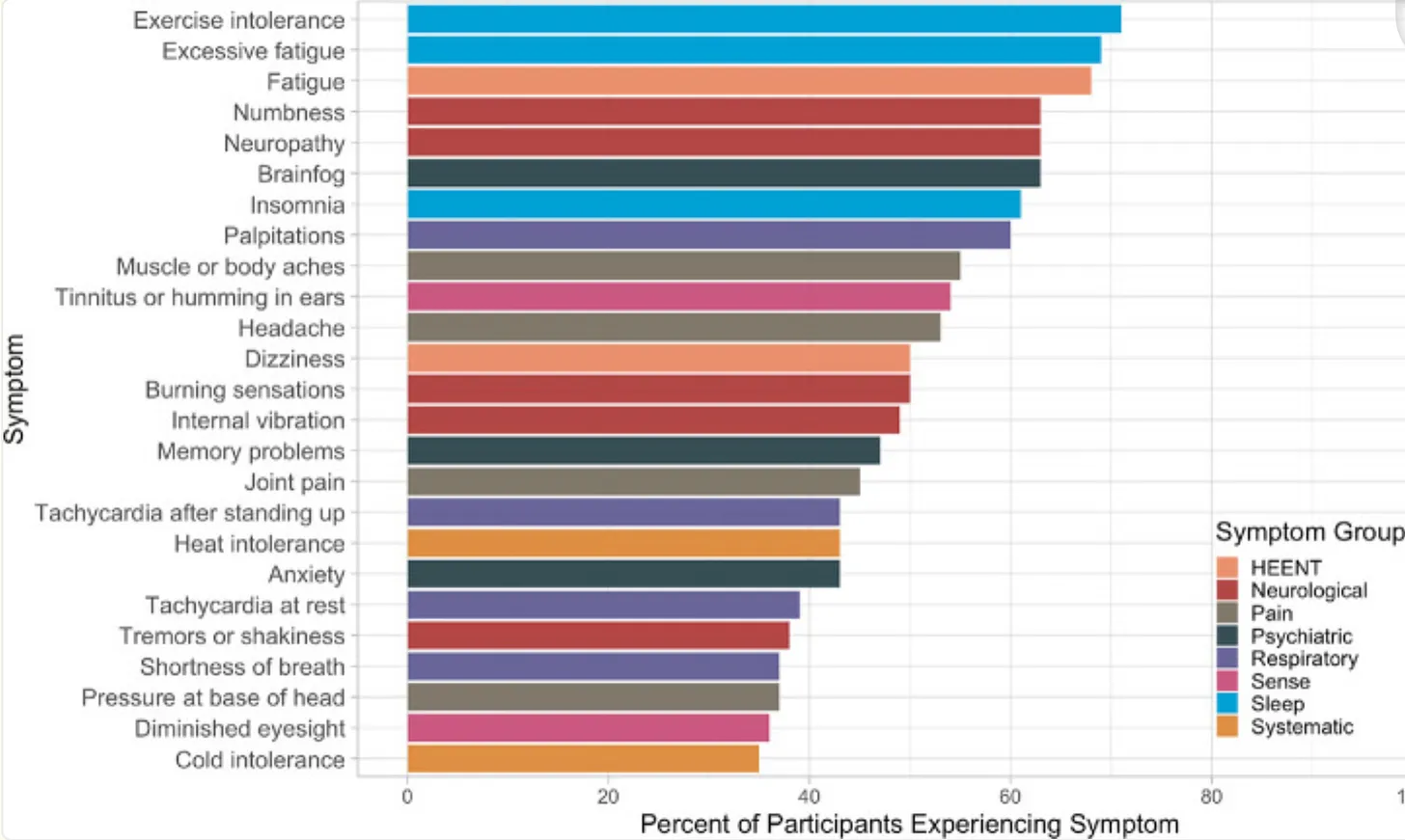

 (

