Balance
now browsing by category
How ‘Eccentric’ Exercise Opens Up a Whole New World of Fitness
Reproduced from original article:
https://articles.mercola.com/sites/articles/archive/2026/07/17/eccentric-exercise.aspx
Analysis by Dr. Joseph Mercola July 17, 2026
Story at-a-glance
- Eccentric exercise — movements where your muscles lengthen under tension, such as walking downstairs, or lowering into a squat — builds greater force with less oxygen demand and less cardiovascular strain than conventional exercise
- Muscle soreness after eccentric exercise usually comes from inflammation and irritation in connective tissue rather than widespread muscle destruction, and your body rapidly adapts after only one or two sessions
- Elderly women who performed descending stair walking twice weekly for 12 weeks improved blood pressure, insulin sensitivity, cholesterol markers, and lower-body strength more than women who focused on ascending stairs
- Short home-based eccentric exercise routines involving movements such as chair squats, wall pushups, and heel drops improved strength, flexibility, and mental health, while more than 90% of participants continued exercising afterward
- Eccentric training improves balance, coordination, joint stability, and injury resistance because your muscles and nervous system learn how to absorb force more efficiently during real-life movement
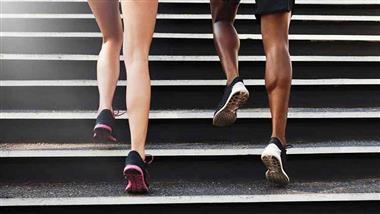
You perform eccentric exercise every day without realizing it. Every time you walk downstairs, lower yourself into a chair, hike downhill, or set down a heavy object, your muscles resist force while lengthening instead of shortening. Think of your bicep when you slowly lower a heavy grocery bag to the counter; the muscle is working hard, but it’s stretching out rather than bunching up. That’s eccentric.
That single difference — lengthening under tension rather than shortening — fundamentally changes how your body responds to exercise. Research by Kazunori Nosaka, published in the Journal of Sport and Health Science, suggests it may be the most efficient path to building strength without taxing your heart and lungs.1
For years, eccentric exercise carried a bad reputation because of delayed onset muscle soreness, often called DOMS — the stiffness and tenderness that peak one to three days after unfamiliar exercise. Many people interpret that soreness as muscle destruction and avoid the movements that cause it. Nosaka’s review directly challenges that belief, reframing eccentric exercise as something far more useful than a source of pain to be feared.
Eccentric training has long been associated with athletes and bodybuilders, but the research points in a different direction. The people who gain the most are often those who feel furthest from a traditional gym routine — older adults, sedentary people, anyone restarting after a long break, and those managing joint pain or chronic conditions. That is why researchers now argue eccentric exercise belongs in mainstream fitness rather than remaining a niche method.
Your Muscles Rapidly Adapt to Eccentric Exercise
Nosaka’s analysis examined how eccentric exercise affects strength, soreness, athletic performance, and long-term health outcomes. The paper focused heavily on the idea that muscle soreness scares many people away from exercise unnecessarily. According to the review, muscle damage from eccentric exercise drops dramatically after your body adapts to it once or twice.
• How eccentric exercise works in ordinary daily life — Lowering yourself into a chair, walking downstairs, hiking downhill, and slowly lowering weights all rely on eccentric contractions. During these movements, your muscles lengthen while resisting force.
That creates greater physical stress on the muscle fibers without the same oxygen demand or cardiovascular strain seen in conventional exercise. The paper explained that eccentric contractions generate more than 20% greater force than concentric contractions, meaning the shortening phase of movement such as pushing or lifting.
• Lower physical strain creates a major advantage for beginners and older adults — One of the most practical findings involved energy demand. Eccentric exercise required lower oxygen consumption and produced lower heart rates compared to concentric exercise at the same workload. If you feel intimidated by hard workouts, fatigue easily, or struggle with joint pain, your muscles still receive a strong stimulus without exhausting your cardiovascular system.
• Muscle soreness doesn’t mean your muscles are destroyed — DOMS is commonly blamed on torn muscle fibers, but the picture is more nuanced. Much of the soreness comes from inflammation and irritation in the connective tissue surrounding the muscle — the fascia and tendons that hold everything together — rather than from widespread damage to the muscle fibers themselves.
Connective tissue acts like the support web around muscle fibers. When it becomes irritated after unfamiliar exercise, you feel stiffness, tenderness, and reduced mobility.
• The body rapidly builds protection against soreness — Nosaka described something called the “repeated bout effect.” After one session of eccentric exercise, your muscles and nervous system adapt quickly and future workouts produce far less soreness and stiffness. Even low-intensity eccentric exercise created this protective effect. In practical terms, your hardest workout is usually the first one. Once your body learns the movement, recovery becomes much easier.
• Small doses of eccentric exercise still created measurable improvements — The paper emphasized that severe muscle soreness isn’t required for progress. That’s important because many people still believe exercise only works if they feel wrecked afterward. The review explained that gradual progression works best:
◦Start with lighter resistance
◦Use fewer repetitions
◦Slow the movement down
◦Focus on control before speed or heavy loading
Why Eccentric Exercise Improves Heart Health, Brain Function, and Long-Term Physical Resilience
The benefits don’t stay limited to gym performance or muscle soreness. The paper explained that eccentric exercise reshaped cardiovascular health, metabolic function, and physical resilience in ways that carried directly into daily life.
• Descending stairs produced surprisingly large health improvements — One of the most interesting findings involved elderly obese women who performed descending stair walking twice weekly for 12 weeks.2 Compared to ascending stairs, the descending group achieved greater improvements in blood pressure, insulin sensitivity, cholesterol markers, and lower-body strength.
Researchers reported a 10% reduction in resting heart rate and a 9% drop in systolic blood pressure in the descending stair group. LDL cholesterol fell 13% while muscle strength improved 34%.
• Simple home programs produced high long-term adherence — Another study discussed in the review used a five-minute home-based eccentric routine involving chair squats, wall pushups, chair reclines, and heel drops.3 After eight weeks, participants improved flexibility, strength, and mental health while maintaining very high adherence. More than 90% continued regular exercise afterward.
• Eccentric exercise offers benefits beyond muscle strength alone — Eccentric exercise improves balance, mobility, and even cognitive function, meaning how well your brain handles memory, focus, and processing speed. The reason appears to be that lowering yourself under control demands constant feedback between brain and muscle, turning each repetition into a small skill-building exercise rather than a mindless rep.
• Athletes rely heavily on eccentric strength during competition — Team sports such as soccer and rugby place enormous eccentric stress on the body because athletes constantly decelerate, change direction, and absorb force.
The review explained that eccentric training improves deceleration control, power production, and injury resistance. That matters outside of sports too. Every time you catch yourself from falling, step off a curb, or stabilize your body during movement, eccentric strength protects your joints and connective tissues.
• One unusual nervous system effect stood out in the research — Eccentric training improved strength in the opposite untrained limb through something called the cross-education effect. Training one side of the body helped strengthen the other side too. Researchers believe nervous system adaptations inside the brain and spinal cord drive this effect.
This works because strength isn’t only stored in muscle tissue; it’s also encoded in the neural pathways that control movement, and those pathways serve both sides of the body. That finding has major implications for rehabilitation after injury or surgery because someone with one immobilized limb still benefits from training the healthy side.
How to Use Eccentric Exercise to Build Strength, Stability, and Injury Resistance Safely
Your body loses strength, balance, and resilience when you avoid resistance and controlled loading for years. That decline doesn’t start in old age. It starts the moment your muscles stop receiving enough challenge to maintain coordination, connective tissue strength, and efficient energy production.
Eccentric exercise addresses that root problem directly because it teaches your muscles and nervous system how to absorb force instead of simply producing it. That’s one of the missing pieces in many conventional exercise programs. You don’t need extreme workouts to rebuild strength and physical confidence. You need consistent, controlled exposure that your body adapts to over time.
1. Start with slow lowering exercises instead of aggressive workouts — If you’re sedentary or restarting exercise after a long break, begin with slow lowering movements because they create strength without exhausting your cardiovascular system. Lower yourself slowly into a chair for five repetitions. Descend stairs carefully instead of rushing.
Slowly lower yourself during a wall pushup instead of dropping quickly. Perform controlled heel drops off a stair while holding a railing — drop only as far as comfortable, and avoid bouncing at the bottom.
Slow body-weight squats with a three- to five-second lowering phase work extremely well because they strengthen your legs while training balance and control. Reverse lunges and controlled step-downs from a stair also teach your muscles to absorb force safely. Treat each repetition like skill practice rather than punishment. That mindset improves consistency fast.
2. Build tolerance gradually so soreness doesn’t overwhelm you — One reason people quit exercise programs is because they start too aggressively. Severe soreness creates fear and breaks momentum. The research showed your body adapts rapidly once exposed to eccentric exercise, but progression still matters. Start with:
•Five to 10 slow repetitions
•One or two sets
•Chair squats before weighted squats
•Wall pushups before floor pushups
•Short downhill walks instead of steep hikes
Mild soreness one or two days later is a normal sign of adaptation; your body is building the machinery to handle the load. But if soreness lingers past three days, or if it sharply limits your normal movement, that’s a signal to scale back the next session rather than quit entirely. The goal is steady exposure, not a heroic single workout.
3. Use eccentric walking to strengthen your body during daily life — You don’t need a gym membership to benefit from eccentric exercise. Controlled downhill walking, descending stairs, and forward lunge-style walking create strong eccentric loading in your legs while fitting naturally into everyday routines. If you spend most of your day sitting, build movement into activities you already do.
Lower yourself slowly into chairs instead of collapsing into them. Carry groceries while controlling the lowering phase instead of dropping them quickly onto counters or the floor. Walk downstairs deliberately instead of relying entirely on elevators and escalators. Those movements strengthen the muscles that protect your knees, hips, and balance during normal life.
4. Train your nervous system with controlled movement patterns — Eccentric exercise forces your brain and muscles to communicate more efficiently because your body needs to constantly control force, balance, and positioning. That matters if you notice stiffness, poor coordination, or reduced confidence during movement.
Slow negative pullups, controlled lunges, and single-leg step-downs all challenge your nervous system in a productive way. Instead of rushing through repetitions, focus on smooth movement and posture. Pause briefly during the lowering phase of a squat or pushup. Your body learns stability through repetition and control, not chaos.
5. Support recovery with movement, sunlight, and metabolic health — Your recovery capacity depends heavily on cellular energy production. Poor sleep, processed foods, inactivity, and excess seed oils interfere with that process and leave your muscles less resilient under stress. I recommend pairing eccentric exercise with habits that improve the function of your mitochondria — the energy-producing structures inside your cells — and recovery efficiency.
Prioritize daily sunlight exposure, especially early morning light, to support circadian rhythm and cellular energy production. Eat enough protein — about 0.8 grams per pound (or 1.76 grams per kilogram) of lean body mass — with one-third from collagen-rich foods to support connective tissue recovery.
Include whole-food carbohydrates that help maintain metabolic function and muscle glycogen instead of relying on restrictive low-carb approaches that lower exercise tolerance over time.
FAQs About Eccentric Exercise
Q: What exactly is eccentric exercise?
A: Eccentric exercise happens when your muscles lengthen while resisting force. Common examples include walking downstairs, lowering into a chair, hiking downhill, or slowly lowering a weight during a squat or pushup. Unlike conventional lifting movements that focus on pushing or pulling, eccentric movements train your body to absorb force under control. That improves strength, balance, coordination, and joint stability during everyday life.
Q: Why does eccentric exercise make you sore at first?
A: The soreness usually comes from inflammation and irritation in connective tissue surrounding the muscle rather than widespread muscle destruction. This delayed soreness, often called DOMS, tends to peak one to three days after unfamiliar exercise. The good news is your body adapts quickly. Even one or two eccentric workouts dramatically reduce future soreness through the repeated bout effect.
Q: Why is eccentric exercise useful for older adults and beginners?
A: Eccentric movements place a strong training stimulus on muscles without demanding as much oxygen or cardiovascular effort as conventional exercise. That makes them especially useful if you fatigue easily, have joint discomfort, or feel intimidated by intense workouts. Simple eccentric routines improve blood pressure, insulin sensitivity, lower-body strength, balance, and mobility in older adults.
Q: What are some simple eccentric exercises I can do at home?
A: Some of the most effective eccentric exercises require little or no equipment. Even five-minute home routines improved flexibility, strength, and mental well-being in sedentary participants. Examples include:
•Slow chair squats
•Controlled step-downs from stairs
•Heel drops
•Wall pushups with a slow lowering phase
•Reverse lunges
•Downhill walking
Q: How do I start eccentric exercise without overdoing it?
A: Start slowly and focus on control instead of intensity. Begin with five to 10 repetitions and one or two sets using body-weight movements. Lower yourself slowly during each repetition and stop before soreness becomes excessive. Consistency matters more than pushing to exhaustion. Your muscles and nervous system adapt surprisingly fast when the workload increases gradually.
Plyometric Exercises Help Older Adults Build Strength and Prevent Falls
Reproduced from original article:
https://articles.mercola.com/sites/articles/archive/2025/03/08/benefit-of-plyometric-exercises-for-adults.aspx
Analysis by Dr. Joseph Mercola March 08, 2025

STORY AT-A-GLANCE
- Plyometric training, which includes jumping and hopping exercises, helps older adults improve muscle strength and balance, as well as bone density, reducing their risk of falls and fractures
- Older adults who engage in supervised plyometric exercises experience significant improvements in lower-body power, making everyday movements like standing up and walking safer and easier
- Even short-term plyometric training — lasting as little as four weeks — results in measurable gains in strength, agility and balance, with the most significant results seen in those who start with lower baseline strength
- Upping the intensity of exercise stimulates bone growth by triggering your body’s natural bone-building processes, making plyometric training an effective way to combat osteoporosis and maintain skeletal health
- When combined with resistance training, plyometric exercises provide the best overall benefits for muscle function and fall prevention, helping older adults maintain independence and mobility as they age
Plyometric exercises were originally practiced by athletes to improve their muscle strength and overall fitness.1 Interestingly, research has shown that these movements benefit older adults as well, who are at risk for mobility issues.
Age-related muscle loss, known as sarcopenia, is a primary reason why older adults struggle with mobility and experience an increased risk of falls. By the time someone reaches 70, they’ve already lost up to 30% of their muscle mass, which translates to weaker legs, slower reaction times and difficulty maintaining balance.2 Muscle loss, though often perceived as inevitable, directly impacts mobility, and is largely preventable.
When mobility decreases, everyday tasks like climbing stairs, getting up from a chair or walking on uneven ground become dangerous. Falls become more frequent, and once an older adult suffers a fracture — particularly at the hip — their risk of permanent disability or even death skyrockets.3
The good news is that plyometric exercises can significantly reduce these risks. They offer older adults a way to maintain muscle strength and prevent falls, in addition to other time-tested solutions such as weightlifting.4
Plyometric Training Is Safe and Effective for Older Adults
Writing for The Conversation, Justin Keogh from Bond University and Mandy Hagstrom from The University of South Wales compiled studies regarding plyometric exercises and their benefits to the general population, including fitness enthusiasts and young people.5
• Exploring the benefits of plyometric training for older adults — One notable systematic review, published in Sports Medicine, focused on older adults.6 In this study, researchers examined whether plyometric training — impact exercises that require generating large amounts of force in short periods7 — improve strength, balance and overall function in the elderly. They also assessed the safety of these exercises for this demographic.8
• The different plyometric exercises involved — The total population was 289 adults, both men and women between 58 and 79 years old. Some of them were healthy and others were diagnosed with osteopenia. The training programs ranged from four weeks to 12 months, and exercises varied from basic jumps to more complex movements such as bounding and box jumps.9
• Plyometric training, when done properly, are safe for older adults — Some interventions focused exclusively on plyometrics, while others combined them with strength or balance exercises. Despite the perceived risk of high-impact movements for older adults, none of the studies included in the review reported a higher incidence of injury, indicating that when done properly, these exercises are, in fact, safe to perform.10
The Benefits of Plyometric Training
The Sports Medicine review also found significant improvements in several key areas, most notably lower-body strength, power and balance.
• Stronger muscles — Participants who engaged in plyometric training experienced greater gains in muscle power compared to those performing traditional strength exercises. This means that not only did their muscles become stronger, but they were also able to generate force quicker — an essential ability for preventing falls and reacting to sudden balance changes.11
• Improved balance — Better balance was another major finding. Several studies within the review demonstrated that plyometric training enhanced postural stability, which refers to the body’s ability to maintain an upright position and prevent falls.
In particular, participants who included jumping exercises in their routine performed better on balance assessments such as the Berg Balance Test (a test used to determine an adult’s ability to balance their body12) and force plate measurements, compared to those who only did standard strength training or no exercise at all.
• It takes time for the benefits to appear — The timeline for improvement varied across studies, but some benefits emerged in as little as four weeks. In one study, older adults who performed plyometric exercises five times per week saw a 49% increase in hip extension strength within a month.13 Another study that lasted 12 weeks found that participants improved their jumping performance and agility by over 25%.14
• Guidance is important — Another notable finding was that supervised exercise programs led to better results than unsupervised ones. When exercises were performed under the guidance of a trainer or physical therapist, participants had higher gains in strength and balance, highlighting the importance of proper instruction, especially if you’ll be attempting plyometric movements.15

Save This Article for Later – Get the PDF Now
Why Does Plyometric Training Work?
The reason plyometric exercises are so effective lies in how they activate your brain, muscles and bones in different ways.
• Your muscles stretch and contract — When you jump, land and immediately jump again, you engage what’s known as the “stretch-shortening cycle.” This is a process where muscles first lengthen (eccentric phase) and then rapidly contract (concentric phase), creating powerful movements. This rapid force production helps your muscles become more explosive and reactive — key qualities needed to prevent falls.16
• Your brain and body work together — In terms of balance, plyometrics force your body to stabilize during landing. Each jump challenges your neuromuscular system, requiring quick adjustments to maintain posture.
• Your spatial awareness improves — Over time, plyometric training improves proprioception — your body’s ability to sense its position in space — which translates to better stability in daily life.
According to the researchers, “As muscle spindles are stretched during plyometric training, a neuromuscular reflex likely occurs, which may activate higher threshold motor units that would normally not be used. Long-term exposure to such stimuli may decrease neuromuscular inhibition, which would likely result in greater muscle activity and, in turn, greater strength.”17
Another Benefit of Plyometric Exercises — Your Skeletal Health
Based on the research published, it’s clear that plyometric exercises promote stronger muscles. But they also have a positive impact on bone health. As people age, bone mineral density (BMD) declines due to various factors, leading to osteoporosis and an increased risk of fractures when falling.
• Exercise boosts BMD — This benefit was observed in a study published in the journal Bone. Here, researchers noted that postmenopausal women who engaged in moderate- and high-intensity exercise had improved hip and spinal bone density, which reduces their long-term risk of fractures.18
• Impact strengthens your bones — According to another study, the impact (such as leaping to a box) activates specialized cells in your body that trigger bone growth. As noted by the researchers, “From a mechanically centric point of view, activities that generate higher intensity or quicker loads (such as resistance training and leaping) are excellent for promoting bone health because they stimulate existing bone cells in a significant way.”19
Going deeper into the mechanisms linking exercise and BMD, impact exercises like jumping stimulate osteogenic processes, resulting in newer, tougher bone cells due to repeated impact. This explains why participants who engaged in consistent plyometric training for a year saw measurable improvements in bone mineral density, reducing their risk of fractures.20
The Basics (and Risks) of Plyometric Exercises
Whether you’ve been exercising regularly or just starting out, plyometric exercises are a good way to keep things interesting. Examples of plyometric exercises include:21
• Box jumps — Repeatedly leaping on and off a training box.
• Lateral skater hops — Moving side to side quickly like an ice skater.
• Medicine ball throws — Picking up and throwing a medicine ball against a wall or the ground.
• Single leg hops — Hopping on a single spot or through an obstacle course.
• Squat jumps — Squatting then jumping into the air repeatedly.
However, remember that these kinds of exercises cause your body to absorb more impact than usual. Done incorrectly, your risk of muscular or skeletal injury increases. For example, missing a landing could cause a sprain or muscle tear. To prevent injuries like these, I recommend working with a fitness trainer who specializes in this area — something the research also noted.
In addition to the tips mentioned above, The Conversation provides some basic guidelines to help you ease into plyometric exercises:22
- Start with one to three plyometric sessions weekly.
- Do five to 10 repetitions per set of your chosen plyometric exercise.
- Take a one- to three-minute rest period between sets to ensure complete muscle recovery.
Additional Tips to Maximize Plyometric Exercises and Prevent Injury
To maximize the benefits of plyometric exercises, here are some additional suggestions:
• Pair plyometrics with resistance training — Strength training builds muscle, while plyometric training enhances power and reaction time. Merging the two is an effective way to maintain your mobility to prevent falls. Once you’re able, try pairing squats with jump squats, or lunges with jumping lunges. This combination helps maintain both bone density and muscle responsiveness especially as you age.
• Don’t overdo it — You need to put some effort into plyometric exercises. As noted in another Bone study, “low-intensity exercise was not an effective stimulus to increase bone mass.”23
That said, you don’t want to overdo it. According to a study published in Aging and Disease, “Excessive high-intensity exercise does not benefit bone health but induces a high level of oxidative stress in the body, which has a negative impact on bone tissue.”24 The key word there is “excessive.” To maximize longevity benefits, keep high-intensity exercise like plyometrics to a max of 75 minutes per week and strength training to 40 minutes a week.
• Stay consistent and make exercising a habit — Your body responds to what you do regularly, not what you do once in a while. Aim for at least two to three sessions per week, including both resistance training and plyometrics. Over time, this will improve your strength, balance, and bone health, keeping you active and independent well into your later years.
Frequently Asked Questions on Plyometric Exercises
Q: Are plyometric exercises safe for older adults?
A: Yes, research shows that when done correctly, plyometric exercises are safe and effective for older adults. Research has found no increased injury risk when exercises are properly supervised and tailored to individual abilities. These exercises help improve muscle strength, balance and bone density, reducing the risk of falls and fractures.
Q: How do plyometric exercises help prevent falls in older adults?
A: Plyometric exercises improve lower-body strength, power and reaction time, which are essential for maintaining balance and preventing falls. They also enhance postural stability, proprioception (spatial awareness) and neuromuscular coordination, helping older adults react quickly to sudden balance changes.
Q: Can plyometric training improve bone health?
A: Yes, studies show that impact exercises like jumping stimulate bone growth by triggering osteogenic processes, leading to stronger bones. Postmenopausal women who engaged in plyometric training experienced improved bone mineral density in their hips and spine, reducing the risk of osteoporosis and fractures.
Q: What are some plyometric exercises recommended for older adults?
A: Some beginner-friendly plyometric exercises include:
• Box jumps – Leaping onto a sturdy box and stepping down.
• Lateral skater hops – Jumping side to side like an ice skater.
• Squat jumps – Squatting and jumping repeatedly.
• Medicine ball throws – Throwing a weighted ball against a wall or the ground.
• Single leg hops – Hopping on one foot to improve balance.
Q: How can older adults start plyometric training safely?
A: To begin safely, Start with one to three sessions per week with five to 10 repetitions per set. Remember to take one- to three-minute rest periods between sets for optimal recovery and avoid overtraining — limit high-intensity exercises to a total of 75 minutes per week.
In addition, combine plyometrics with resistance training for better muscle strength and mobility. If you don’t have a clue on how to begin, work with a fitness professional to learn proper form and minimize injury risk.
- 1 ISSA, December 16, 2024
- 2 Tufts Now, February 9, 2021
- 3 University of Oxford, September 30, 2022
- 4 Frontiers in Sports and Active Living, July 18, 2022
- 5, 21, 22 The Conversation, January 21, 2025
- 6, 8, 9, 10, 11, 15, 16, 17, 20 Sports Medicine (2019) 49:113-131
- 7 SELF, August 4, 2023
- 12 Brandeis University, “Berg Balance Scale”
- 13 J. Phys. Ther. Sci. 24: 1345–1348, 2012
- 14 Int J Sports Med. 2012 Dec;33(12):962-9
- 18 Bone. 2021 Feb:143:115697
- 19 Front Immunol. 2022; 13: 1005665, Mechanisms of Exercise in Alleviating OP
- 23 Bone. 2021 Feb:143:115696, Abstract
- 24 Aging Dis. 2023 Oct 1;14(5):1555-1582
Balance Function Serves as a Key Marker for Healthy Aging
Reproduced from original article:
https://articles.mercola.com/sites/articles/archive/2025/02/21/balance-healthy-aging.aspx
Analysis by Dr. Joseph Mercola February 21, 2025

STORY AT-A-GLANCE
- Balance function serves as a key predictor of healthy aging and longevity, with better balance scores correlating directly to increased life expectancy and reduced health risks
- People with poor balance scores face three times higher hospitalization rates and double the risk of developing chronic diseases compared to those with good balance
- Balance training creates measurable improvements in brain structure, increasing both gray matter volume and forming new neural connections that enhance overall cognitive function
- A simple 10-second one-leg balance test accurately predicts mortality risk in adults over 50, proving more reliable than many complex medical assessments
- Practicing balance exercises for just 12 weeks improves both physical stability and brain function, with benefits appearing across all age groups
Having good balance becomes increasingly important as you age. It plays a central role in maintaining functional ability, preventing falls, and supporting overall well-being in older adults.1
Physical stability affects far more than just your ability to stay upright. A comprehensive analysis of balance function published in the Journal of Clinical Medicine demonstrates strong connections between balance capacity and numerous health markers, including cognitive performance, cardiovascular fitness, and overall mortality risk.2
So, assessing your balance can provide valuable insights into your current health status and future outcomes. Advanced assessment tools like the Balance Evaluation Systems Test (BESTest) offer detailed analysis of different balance systems, allowing healthcare providers to identify specific areas needing attention before serious problems develop,3 but even simple balancing tests done at home can give you a clear idea of where you’re at in terms of risk.4
Balance Testing Reveals Strong Links to Overall Health and Function
A groundbreaking study from Portugal’s University of Aveiro examined the relationship between balance ability and multiple aspects of healthy aging. Researchers analyzed 118 older adults using comprehensive balance assessment tools, including the BESTest and its shorter versions, the Mini-BESTest and the Brief-BESTest.
Other tests included the Five Times Sit to Stand (5STS), the 10 Meter Walk Test (10MWT), the Brief Physical Activity Assessment Tool (BPAAT) and the World Health Organization’s Quality of Life-Bref (WHOQoL-Bref).5
Testing revealed significant correlations between balance performance and key health indicators. Study participants averaged 76 years old, with 66.9% being female. The research team discovered that individuals with better balance scores demonstrated superior functional ability, faster walking speed, higher physical activity levels, and improved quality of life measurements overall.6
As you might expect, balance testing also proved remarkably accurate at identifying those at risk for falls. People who experienced multiple falls scored significantly lower on all balance tests compared to those who had only fallen once or not at all. This distinction appeared most clearly when using the Mini-BESTest, which takes just 10 to 15 minutes to complete.7
Physical activity levels were strongly connected to balance ability. The researchers noted that while most participants (73.7%) were classified as insufficiently active, those with better balance scores maintained higher activity levels. Every single person in the multiple-falls group ranked as insufficiently active, highlighting the critical relationship between movement and stability.8
Walking speed emerged as another crucial indicator tied to balance function. Study participants with superior balance scores walked significantly faster during standardized tests. This finding matters because walking speed serves as a well-established predictor of overall health and independence in older adults.
Quality of life scores painted an equally compelling picture. Better balance correlated strongly with higher scores across all domains of the World Health Organization Quality of Life assessment, including physical health, psychological well-being, social relationships, and environmental factors.
The research team identified specific cutoff points that healthcare providers can use to identify individuals at risk. For example, taking longer than 13.5 seconds to complete five sit-to-stand movements, or walking slower than 1.2 meters per second, signals increased fall risk and the need for intervention.
Physical Strength and Balance Work Together to Enhance Life Quality
Related research from Portugal’s University of Madeira tracked 802 older adults to understand how muscle strength and balance affect quality of life. The research found that leg strength and postural stability act as crucial intermediaries between physical activity and overall well-being.9
Physical activity benefits appeared to work through two main pathways. Better leg strength accounted for 39.6% of activity’s positive effects on quality of life, while improved balance contributed another 47%. Together, these factors explained an impressive 98% of the relationship between staying active and feeling better.
This study also revealed important details about how age affects stability. Around 20% to 30% of your muscle mass disappears between young adulthood and age 80, with fast-twitch muscle fibers declining most rapidly. This loss particularly impacts the ability to make quick postural corrections when balance gets disturbed, resulting in falls.
Your central nervous system constantly monitors position information from visual, inner ear, and body sensors. It then rapidly decides which muscle responses will most effectively restore balance when needed. Age-related changes in muscle fibers disrupt this complex system. As noted by the researchers:10
“A possible cause of muscle strength loss in advanced age may be type II skeletal muscle fiber atrophy due to physiological aging. One explanation for the impairment of the vasodilator function of muscle fibers is the progressive and gradual loss of capillaries.
On the other hand, a strategy to increase capillary supply is the regular practice of physical exercises, capable of increasing muscle blood flow. In old age, a possible cause of muscle strength loss may be type II skeletal muscle fiber atrophy, which may be associated with decreased physiological reserve, known as frailty.”
The research identified specific strategies older adults use to stay upright. When balance gets challenged, they employ three sequential responses: ankle adjustments, hip movements, and stepping. The brain controls this process by sending signals to hip and ankle muscles to generate compensatory movements.
These findings highlight the importance of specific training approaches that combine traditional strength work with rapid movement patterns, to help activate more muscle fibers. Activities like multitasking physical exercises, dance, and dual-task training prove particularly effective at building both strength and stability.11
Save This Article for Later – Get the PDF Now
Brain Activity During Balance Shows Clear Age-Related Patterns
Groundbreaking research using advanced brain imaging reveals how older and younger brains differ when maintaining balance. Scientists at the University of Freiburg used near-infrared spectroscopy to observe brain activity in 62 adults as they performed various balance tasks.12
The study uncovered stark differences between age groups. Younger adults showed less activity in their prefrontal cortex — the brain’s planning and decision-making center — while balancing. Instead, they displayed increased activity in areas controlling body awareness and movement, suggesting their balance control operated more automatically.
Activity in the prefrontal cortex increased in older adults even during simple balancing tasks, indicating their brains had to work harder to maintain stability. This extra mental effort suggests balance becomes less automatic and requires more conscious effort and control with age.
However, they also found that the aging brain maintains significant capacity for positive adaptation, as balance training produced measurable changes in brain structure. After 12 weeks of balance exercises, participants showed increased gray matter volume in motor control areas and better communication between brain regions.
So, the neural pathways controlling balance are highly adaptable. Interestingly, the study also found that balance training activated genes that control brain-derived neurotrophic factor (BDNF), a protein that supports existing neurons and encourages growth of new neural connections. This reveals a direct biological mechanism for how balance practice strengthens brain function, and training effects were remarkably consistent across age groups.
Despite starting with different baseline brain activity patterns, both older and younger adults showed similar rates of improvement in neural pathway development. This finding highlights the brain’s lifelong ability to strengthen balance control through targeted exercise.13
Simple Balance Tests Reveal Hidden Health Risks
As reported by the Associated Press, simple home tests can predict fall risk and overall health with a great degree of accuracy. Dr. Greg W. Hartley, a University of Miami physical therapy professor, recommends a basic one-leg balance test to gain crucial insights into your health status and fall risk.14
The test is straightforward. Stand near a wall for safety, then lift one foot off the ground. “If you can balance on each leg for 10 seconds, you should be fine,” explains Hartley. Those unable to maintain this position would benefit from professional evaluation.
Another assessment called “timed up and go” (TUG) measures functional mobility. The test involves timing how long it takes to stand from a chair, walk 10 feet, return, and sit back down. Times over 15 seconds signal very high fall risk, while completing the task in 12 seconds or less indicates minimal risk.15
Healthcare costs reveal the importance of prevention. Three million older Americans require medical care for fall injuries annually, according to the U.S. Centers of Disease Control and Prevention. However, Dr. Roopa Anmolsingh of the Cleveland Clinic emphasizes that falls are not inevitable with aging — they’re preventable through proper assessment and intervention.16
The ideal time to start balance awareness begins at age 50. Even occasional unsteadiness warrants medical evaluation since balance involves multiple body systems. Problems could stem from blood pressure, medications, inner ear function, or nervous system issues.17
The good news is that even simple day-to-day activities offer opportunities for balance practice. For example, Anmolsingh recommends standing on one foot while waiting in line, sitting and standing without using armrests, and doing leg lifts in three directions while holding a counter for support.18
Simple Daily Exercises to Enhance Your Balance and Extend Your Life
In addition to the exercises already mentioned, here are several more. These exercises will activate multiple balance systems while strengthening the crucial connection between your brain and muscles. If you’re just starting out, begin with exercises 1 to 3 and gradually add the others as your confidence grows.
1. Practice heel-to-toe walking as if on a tightrope — Take 20 steps forward, keeping your eyes fixed on a point ahead. This improves your brain’s spatial processing and enhances coordination.
2. Perform supported squats while holding a chair — Keep your feet hip-width apart and lower yourself as if sitting down. Start with five repetitions and build up gradually.
3. Sit or kneel on a stability ball — Start with 30 seconds and increase your time as balance improves. This engages your deep core muscles and enhances overall stability.
4. Include gentle Tai Chi or yoga movements — These practices combine breathing, movement, and balance to enhance your overall coordination and spatial awareness.
5. Strengthen your ankles — Strong ankles are crucial for stability. Try writing the alphabet with your foot while seated, or practice rising up on your toes while standing.
6. Dynamic balance exercises — Try walking in different patterns — sideways, backward, or in a figure-eight — to challenge your dynamic balance.
Incorporate these exercises throughout your day. Try balance practice during TV commercials, ankle exercises while reading, or walking patterns when moving between rooms Start slowly and progress gradually. The goal is to challenge your balance, but always prioritize safety.
It’s also worth noting that while 50 is considered the “ideal” age to start incorporating balance activities, it’s never too early to start working on your balance. Incorporating these exercises into your routine at any age can help build a foundation for better balance as you grow older.
- 1, 3, 5, 6, 7, 8 Revista Portuguesa de Clínica Geral 36(5):383-393, November 2020
- 2, 9, 10, 11 J Clin Med. 2022 Aug 18;11(16):4857
- 4, 14, 15, 16, 17, 18 Associated Press, January 11, 2025
- 12, 13 Front Aging Neurosci. 2022 Mar 25;14:828474
6 Healthy Lifestyle Habits That May Help Slow Memory Decline

STORY AT-A-GLANCE
- Some people notice changes in memory as they get older, which one study suggests you can influence by making lifestyle changes in diet, exercise, smoking, alcohol consumption, cognitive activity and social contact
- Each factor was categorized, and statistical analysis of the raw data demonstrated that each of the individual behaviors was associated with a slower decline in memory
- The researchers also looked at individuals with the APOE4 genotype, linked to memory decline and Alzheimer’s disease, finding that those who made positive changes in at least two to three of the lifestyle factors had a slower memory decline than those who did not
- Linoleic acid is a dietary factor that negatively influences overall health and brain health. This ubiquitous fat is the most destructive ingredient in your diet; a 2017 study found it was linked to worsening memory and learning ability in animals with Alzheimer’s-type disease
- Several more steps you might consider making to protect brain health and slow memory decline include eating more mushrooms, gaining better balance, good oral health, walking backward and steering clear of statin medications to name just a few
Research1 published in The BMJ has found links between a healthy lifestyle and memory decline in older adults using a 10-year, population based prospective cohort study. As people get older, some notice that they have changes in memory, like forgetting where they put their keys or having trouble remembering someone’s name.
For the most part, these changes don’t significantly impact a person’s daily life. Many people believe these are normal changes that occur with aging, and yet they don’t occur in everyone. It is normal for people of all ages to forget things occasionally, but progression to mild cognitive impairment, which is an early stage of loss of memory and other cognitive abilities, is not a normal part of aging.2
The prevalence of memory decline may be increasing. In a 1993 Spanish study3 of people aged 40 years and over, researchers found the prevalence of memory impairment was 3.6%, and in individuals 65 years and older it was 7.1%. According to the CDC, a more current measurement found that 1 in 10 U.S. adults aged 45 years and older reported having memory loss.4
While they are similar in nature, memory decline and dementia are two distinct conditions that affect how the brain functions. However, worsening memory loss is sometimes an early sign of Alzheimer’s disease,5 which affects an estimated 6 million Americans, 73% of which are 75 years and older. But there is hope, since data from the featured study indicates that making simple lifestyle choices can have a significant impact on your long-term brain health.
These Six Simple Steps Are Linked to Slower Memory Loss
A group of researchers from China were seeking to identify the types of lifestyle choices that might protect against memory loss as an individual ages.6 The researchers gathered participants aged 60 years or older from the northern, southern and western parts of China. In total, 29,072 people participated in the study. The researchers followed up with participants over a 10-year period, from 2009 to 2019.
Anyone who had a life-threatening disease, or hearing or vision loss, which are factors associated with cognitive decline, was excluded from the study. During the second phase, the people who were in Phase 1 who had available APOE genotyping, and who were not diagnosed with mild cognitive impairment or dementia, were included.
The researchers followed up with the participants four times over 10 years to look for links between memory in participants with normal cognitive function and lifestyle choices. Researchers used neuropsychological testing to identify cognitive performance at baseline, and at each follow-up during the 10-year period. Data for anyone who progressed to mild cognitive impairment or dementia was excluded in the main analysis.
The researchers analyzed six modifiable lifestyle factors, which included physical exercise, diet, alcohol, smoking, cognitive activity and social contact. In each category, individuals were ranked according to how much they participated in a particular factor. For example, people were categorized as currently smoking, never smoked or used to smoke.
After data collection, the researchers evaluated the association of each of these lifestyle factors against memory function. They found three distinct groups. Those who followed four to six of the lifestyle choices were in a favorable group, those who followed two to three were in an average group, and those who followed 0 to 1 were in the unfavorable group.
Statistical analysis of the raw data demonstrated that each of the individual behaviors was associated with a slower memory decline. After adjusting for health and socioeconomic factors, the individuals who had a healthy diet had the strongest protection against memory decline.7 This was followed by those who engaged in cognitive activity and then physical exercise.
The researchers began with the statement that “memory continuously declines as people age,” but the rate of that decline may be affected by lifestyle factors. Age-related memory decline is not always associated with Alzheimer’s disease or other types of dementia. Additionally, forgetfulness in old age may “be reversed or become stable rather than progress to a pathological state.”8
Results Were Also True for APOE4 Carriers
Factors that have been identified in past research that could affect memory include aging, chronic diseases, lifestyle patterns and the apolipoprotein (APOE) ε4 genotype.9 The researchers considered the APOE genotype because of its association with Alzheimer’s disease. APOE4 is a specific allele of the apolipoprotein E gene.
The APOE gene is involved in the production of a protein called apolipoprotein E, which plays a role in cholesterol metabolism and lipid transportation. The APOE gene has several alleles — or slight variations in the genetic sequencing — including APOE2, APOE3 and APOE4.
It is APOE4 that’s associated with an earlier and more rapid decline in memory and an increased risk of Alzheimer’s disease.10 People who inherit one copy of the APOE4 allele have an increased risk of developing Alzheimer’s disease and those who inherit two copies have an even higher risk.
However, the data from this study showed that while APOE4 genotype could increase your risk for developing dementia, those who carried APOE4 and had favorable or average lifestyles showed a slower memory decline as compared to those who had unfavorable lifestyles.11 In other words, while the gene can increase your risk, you have some control over whether that risk is expressed by how you take care of yourself.
Save This Article for Later – Get the PDF Now
Diet, Linoleic Acid and Memory Decline
I have long believed and talked about the difference that you can make in your health by making simple lifestyle choices in each of these same areas: nutrition, physical exercise, mental exercise, smoking, excessive alcohol and socialization. I would also suggest that there are other simple steps you can take to protect your memory and cognition, which I’ll discuss below.
But before moving further, I think we need to address one of the most destructive ingredients in your diet — linoleic acid. I take a more in-depth look at how linoleic acid destroys your health in “Linoleic Acid — The Most Destructive Ingredient in Your Diet.” But, if you don’t have time, let’s summarize the key points.
Fats are the primary building block of your cell membranes, which is why it’s important to eat the right type of fat for your health and longevity. Vegetable and seed oils are loaded with polyunsaturated fats (PUFAs), which are chemically unstable, making them highly susceptible to damage by oxygen species that are generated during energy production in the cells.
This damage causes them to form advanced lipoxidation end (ALE) products and free radicals that damage cell membranes, proteins, mitochondria and your DNA. Even worse, PUFAs are integrated into your cell membranes, where they can remain for five to seven years.
In the article linked above I explain why seed oils are far worse than sugar and how consuming LA can have a significant impact on your overall health, including increasing your risk of memory impairment and Alzheimer’s disease.
A 2017 study12 published in Scientific Reports from Temple University concluded that replacing olive oil with canola oil (a seed oil) was not justified. However, in the press release,13 the researchers admitted that canola oil was linked to worsening memory and learning ability in animals with Alzheimer’s disease.
Other Strategies That Can Protect Your Memory and Cognitive Health
As the featured study demonstrated, protecting your cognitive health and memory is as much a function of what you should do as it is what you shouldn’t do. Let’s look at some other steps you can take to help protect your memory and cognitive health.
| Mushrooms — As I discuss in “How Mushrooms Help Protect Your Brain,” these fungi contain ergothioneine and glutathione, also known as the “master antioxidant.” Both help protect against age-related diseases like heart disease, cancer and dementia. In countries with the highest levels of ergothioneine in the diet, individuals have the lowest risk of neurodegenerative diseases.
Data show that eating more than two portions of mushrooms in a week can reduce the risk of mild cognitive impairment by a significant percentage. Be sure to choose organic mushrooms or grow your own because fungi easily absorb air and soil contaminants. |
| 10-second balance test — This quick 10-second test is independently linked to all-cause mortality. Data also shows that if you cannot stand on one leg for 20 seconds you may have an increased risk of reduced cognitive function.
If you don’t have an underlying health condition that causes vertigo or loss of balance, you can improve your balance and stability, reducing your risk of falling and taking a step toward taking care of your brain health. I share six ways to improve your balance and stability in “Can You Pass the 10-Second Balance Test?“ |
| Address periodontal disease — Data show that periodontal disease may contribute to the development of Alzheimer’s. The risk of mild cognitive impairment and Alzheimer’s disease in those with periodontal disease is significantly higher than in those without periodontal disease. This underscores the importance of maintaining good oral health throughout your life. |
| Walking backward — A small study by researchers from London University has suggested that walking backward could boost your memory. Each time participants in the study walked backward consistently, they got more test answers correct, which suggested to researchers that there’s a link between time and space that is fundamental to the way our brain forms memory.
Walking backward is believed to have originated in ancient China. Today, it’s also used to build muscle, improve sports performance and promote balance. |
| Flavonol and choline — Nutrient deficiencies can impact memory function. A large-scale study of flavanol and epicatechin supplementation demonstrated that people with a baseline flavanol deficiency experienced improvements in memory. Choline is another essential nutrient that plays a role in memory, energy and metabolism.
Choline is necessary to make acetylcholine, which is a neurotransmitter involved in memory performance. Researchers have established a relationship between high dietary choline and better cognitive performance and low choline intake has been associated with an increase in anxiety. |
| Magnesium threonate — Researchers have found that some people’s brains shrink with age more than others, but now it’s believed that increasing synapses and their density could help prevent cognitive decline.
Scientists developed magnesium L-threonate in 2010, which is a patented compound with the ability to enhance working memory, short and long-term memory and learning. In 2016 they found that not only did it enhance performance, but it could reverse brain aging by more than nine years. |
| Avoid statins — Statins are promoted by Big Pharma to help protect against cardiovascular disease, yet they do not. People with early mild cognitive impairment and low to moderate cholesterol levels may more than double their risk of dementia when they use statin medications. The medication also contributes to a decline in metabolism in the brain’s posterior cingulate cortex, which is the region that declines significantly in early Alzheimer’s disease. |
| Shed excess body fat — Mounting evidence suggests that maintaining a healthy level of body fat and an increased level of muscle mass can affect your brain health and slow the rate of cognitive aging.
People with higher amounts of abdominal fat had lower levels of fluid intelligence with age while those with greater muscle mass were more protected against this decline. To fully understand your metabolism, and therefore the changes you can make to achieve a healthy weight see, “Crucial Facts About Your Metabolism.” |
- 1, 6 The BMJ, 2023; 380
- 2 Alzheimer’s Association, Mild Cognitive Impairment, line 1
- 3 Journal of Neurology, Neurosurgery and Psychiatry, 1993; 56(9)
- 4 Centers for Disease Control and Prevention, When to Talk to Your Doctor About Memory Loss, A growing problem – bullet 1
- 5 Alzheimer’s Association, Alzheimer’s Disease Facts and Figures
- 7 MDedge, Six Healthy Lifestyle Habits Linked to Slowed Memory Decline
- 8 The BMJ, 2023; 380 Introduction para 1
- 9 The BMJ, 2023; 380 Introduction para 2
- 10 The BMJ, 2023; 380 Comparison with other studies, para 3, 75% DTP – search “The APOE ε4 allele is reportedly correlated”
- 11 MDedge, Six Healthy Lifestyle Habits Linked to Slowed Memory Decline, Page 2, section 1, under the table
- 12 Scientific Reports, 2017;7
- 13 Temple University, December 7, 2017