Health
now browsing by category
Without health, we have nothing. All the money in the world will not save our body if we treat our body with bad nutrition.
The Underappreciated Role of Carbon Dioxide in Health
Reproduced from original article:
https://articles.mercola.com/sites/articles/archive/2024/03/03/co2-benefits.aspx
The original Mercola article may not remain on the original site, but I will endeavor to keep it on this site as long as I deem it to be appropriate.
Analysis by Dr. Joseph Mercola March 03, 2024
STORY AT-A-GLANCE
- CO2 is typically thought of as nothing more than a harmful waste product of respiration, but it’s actually a driver of mitochondrial energy production, and it improves the delivery of oxygen into your cells
- One of the simplest ways to optimize your CO2 is by breathing properly. Most people tend to over-breathe, which causes you to expel too much CO2. Proper breathing involves breathing less and breathing slower. Both of these allow CO2 to build up, and that appears to be part of why breathwork has such wide-ranging benefits
- To have sufficient CO2 production, you need healthy mitochondria because CO2 is produced exclusively in the Krebs cycle in the mitochondria. If you have mitochondrial dysfunction, if you’re hypothyroid or have high levels of inflammation, then you will not be producing enough CO2
- When your CO2 is too low, your body reverts to an “emergency” vasodilator, nitric oxide (NO). Drawbacks of elevated NO include peroxynitrite species formation and pseudohypoxia. NO also damages the polyunsaturated fats (PUFAs) in your cells, and inhibits energy production
- CO2 combats cancer development by lowering the pH of the cell, thereby allowing extra water to be excreted. This is the opposite of linoleic acid (LA) and estrogen, both of which suck water in and cause the cell to swell. Cellular swelling is a feature of cancer cells
In this interview, repeat guest Georgi Dinkov reviews the role of carbon dioxide (CO2) in health. CO2 is typically thought of as nothing more than a harmful waste product of respiration, but it’s actually a driver of mitochondrial energy production, and it improves the delivery of oxygen into your cells.
While this may come as a shock to most people, of all the strategies I know of to increase life extension, CO2 is one of the most effective longevity interventions available. There really isn’t anything that comes close, other than a low linoleic acid diet and reducing estrogen dominance.
Unfortunately, virtually no doctors understand this. The now deceased Ray Peat, a biologist and physiologist who developed the bioenergetic theory of health,1 was one of the few who understood it inside and out, and actually recommended its clinical use.
I wrote an article about this that featured his lecture on CO2, which I watched six times as it catalyzed my interest in the topic. At the time I found his video there were fewer than 2,000 views on YouTube. You can find it by going to YouTube and typing in Ray Peat CO2.
Proper Breathing Is Important for Optimal CO2 Levels
One of the simplest ways to optimize your CO2 is by breathing properly. Unfortunately, bad advice is rampant in the breathing arena as well. The problem is that most people tend to over-breathe, which causes them to expel (breathe out) too much CO2, resulting in respiratory alkalosis. Chronic CO2 deficiency will also contribute to premature death.
In a nutshell, “proper” or life-extending breathing involves breathing less and breathing slower. Both of these allow CO2 to build up, and that appears to be part of why breathwork has such wide-ranging benefits.
“As it turns out, carbon dioxide, even though medically it’s mostly viewed as a waste product of respiration, is actually the thing that protects us from oxygen’s well-known toxicity,” Dinkov explains.
“In fact, if you speak to people who work in trauma or in the intensive care unit, when they have to revive people that are in shock or have suffered some kind of ischemic attack, they will tell you that the premature delivery of oxygen, or delivering too much oxygen … is actually what kills most patients after they come out of the initial shock stage.
The introduction of too much oxygen too quickly creates this massive cytokine storm and inflammatory reaction, and one of the reasons [for that] is that the cells are hypermetabolic — they’re not producing sufficient carbon dioxide, so they’re not able to utilize the oxygen properly.”
Forgotten Truths
It’s rather surprising that the benefits of CO2 have become forgotten considering its historical use. Asian cultures, for example, have a long history of using carbonated water for its health benefits.
The Romans recommended taking baths in naturally carbonated water for all kinds of ailments but especially arthritis, infertility and psychiatric ailments, and this practice extended well into the Middle Ages when monks prescribed it. To this day many visit natural hot springs, and the likely benefit in many of these springs is the CO2 content of the water.
In the 20th century, Russian scientists did loads of research on CO2, and to this day, many Russian clinics offer CO2 baths and other CO2 treatments. There’s even a suit that can be filled up with CO2, which then diffuses into your tissues. You’ll start feeling hot very rapidly and this is a sign of vasodilation, which is one of the cardiovascular effects of CO2.
It’s been shown that CO2 can, over the long term, even reverse arterial calcification. It can also reverse many other signs of and damage caused by the aging process.

Download this Article Before it Disappears
Mitochondrial Dysfunction Inhibits CO2 Production
The key, though, is that in order to have sufficient CO2 production, you need healthy mitochondria, because CO2 is produced exclusively in the Krebs cycle in the mitochondria. If you have mitochondrial dysfunction, if you’re hypothyroid or have high levels of inflammation, then you will not be producing enough CO2.
When your CO2 is too low, your body reverts to an “emergency” vasodilator, nitric oxide (NO). There are three types of nitric oxide:2 neuronal nitric oxide synthases (nNOS); endothelial NOS (eNOS); and inducible NOS (iNOS). Low CO2 triggers iNOS. The problem with that is that now you’re overproducing NO, which is not ideal. Dinkov explains:
“Most of the eNOS … stays in the actual blood vessel. iNOS also spills into the blood. That’s kind of the purpose of iNOS because the primary purpose of nitric oxide in the body is to fight pathogens. It’s a reactive nitrogen species.
It’s produced for only two reasons, either as an emergency vasodilator, or if the immune system senses an invasion from pathogens, specifically bacteria and viruses, in which case iNOS is activated.
The reason iNOS is bad is because the nitric oxide does not stay localized. It’s made available systemically because you want to affect all blood vessels, and that’s what happens when you don’t have sufficient amounts of carbon dioxide production. So, if you don’t have [enough] CO2, you will have elevated NO.
But with NO, nitric oxide, you have a lot of other bad things happening. It’s a highly reactive molecule. It can form peroxynitrite species. It can damage the polyunsaturated fats (PUFAs) in the cells, no matter where they are.
Nitric oxide itself can form a covalent bond with something called cytochrome c oxidase [Complex 4 in the electron transport chain], which is the rate limiting step of the oxidative phosphorylation …
You want to break that bond because otherwise your oxidative phosphorylation is inhibited. Methylene blue can do it, magnesium can do it, carbon dioxide can do it, near-infrared light and some quinols.”
Another significant problem associated with elevated NO is pseudohypoxia, because you have oxygen in the cells but it cannot be utilized because No impairs Complex IV in the electron transport chain.
CO2 prevents this by dissociating the covalent bond between NO and Complex IV. Hence, oxygenation is optimized when sufficient CO2 is present. So, to summarize, CO2 keeps your blood vessels supple without the drawback of blocking Complex IV.
The Bohr Effect
Needless to say, optimal delivery of oxygen is crucial for good health. Oxygen from the air binds to hemoglobin when you inhale and enter your blood circulation. This bond is relatively strong. To break that bond and deliver the oxygen where it’s needed, you need CO2. This is known as the Bohr Effect.
Basically, the Bohr Effect describes the process in which CO2 weakens the bond between oxygen and hemoglobin so that the oxygen can separate and enter into the tissues.
As the hemoglobin releases the oxygen, it binds to the CO2 instead. The CO2 is then expelled through your outbreath. Without enough CO2, you will not be able to liberate sufficient amounts of oxygen from hemoglobin.
A Note on Oxygen Saturation
On a side note, a pulse oximeter measures the amount of oxygen in your blood. However, if your CO2 is extremely low, it could still read 100% saturation because you’re not dissociating the oxygen. It’s circulating in your bloodstream but cannot be used.
The major factor that determines your tissue oxygenation is how much CO2 you’re producing. If you’re hypermetabolic, if your mitochondria are not working, then you’re oxidizing mostly fats, which produces less CO2 per molecule, so you’ll be deficient in CO2.
In the past (going back 100 years ago or so), the test for seizure susceptibility was hyperventilating. The doctor would instruct you to breathe through your mouth very quickly for 30 seconds, and if seizure symptoms emerged, it was a sign that you have insufficient CO2, as that’s what’s causes the seizure activity.
How CO2 Can Combat Cancer
Another important aspect of CO2 is that it lowers the pH of your cells, thereby allowing extra water to be excreted. This is the exact opposite of linoleic acid (LA) and estrogen, both of which suck water into your cells which causes the cells to swell. Cellular swelling, aside from being the cause of edema, is also a feature of cancer cells. So, you don’t want your cells to retain excess fluids. Dinkov explains:
“Because carbon dioxide is a Lewis acid, it’s an electron withdrawing agent, even though it doesn’t directly bind them like a quinol. If you look at the structure, it’s very similar to a quinol. It’s a carbon atom with two carbonyl groups, and the quinol is very similar. They usually have a ring and two or more carbonyl groups.
Lewis acids drop the pH of the cell, which automatically decreases the cell’s affinity for water. Which means you’re going to be excreting some of that extra water of the cell.
It’s not a coincidence that linoleic acid has multiple double bonds. It’s much more hydrophilic than the saturated fats, which lack the double bonds. Any time you have an increase of intracellular pH, you have increased affinity for water. The moment water streams in, that’s a signal for de-differentiation and metosis (division). If this process continues uncontrollably, we basically get cancer.
Conversely, when you excrete water, the cell becomes acidified and a little bit dehydrated, so to speak. Then you’re getting high amounts of differentiation. You’re also increasing the affinity of the intracellular proteins for potassium and magnesium, while decreasing their affinity for sodium and calcium. In fact, when carbon dioxide is produced and streams out of the cell, it draws calcium and sodium with it.
If you’re not producing sufficient amounts of carbon dioxide, you’re also probably not producing sufficient amounts of ATP, because carbon dioxide and ATP go hand in hand; they’re signs of good mitochondrial function. ATP has affinity for magnesium, but if you don’t have sufficient amounts of ATP, you’ll have more ADP, which is the degraded version.
ADP has an affinity for calcium. So low metabolic rate, by definition, means cellular excitotoxicity, cellular alkalinity and cellular division, because of the lack of carbon dioxide and the lack of the ATP. ATP always exists in the body in a complex with magnesium. So, if you’re taking magnesium but not producing sufficient amounts of ATP, it will not become bioavailable. But the production of ATP is tied to the production of carbon dioxide.
Carbon dioxide also increases the uptake of serotonin into the platelets, so producing sufficient amounts of carbon dioxide will lower your extracellular levels of serotonin.
It also increases the uptake of histamine, a very highly inflammatory mediator. Its transport also depends on carbon dioxide and on sodium as well, just like the serotonin … So, almost everything that you do metabolically, in terms of health, depends on the production of CO2. It’s not a waste product.”
Respiratory Alkalosis and Cancer
Cells can only produce a certain amount of CO2 per unit of time, so when you breathe too fast, you overwhelm your cells’ ability to maintain an appropriate level of CO2. As a result, you’ll have excess oxygen circulating in your blood stream, but because the CO2 production cannot keep up with the amount of CO2 you exhale, you end up with respiratory alkalosis.
Respiratory alkalosis also increases intracellular water uptake, as just described, and as the pH of the cell increases, it causes overproduction of several inflammatory mediators, including lactate, which is another hallmark of cancer cells.
“Cancer cells are highly alkaline, they’re overproducing a lot of lactate and they have a very high uptake of water,” Dinkov says. “In fact, I think the word tumor is a Latin word which meant swelling.
You can reduce the swelling of the tumor to a tremendous degree simply by either increasing delivery of CO2 around the tumor, if it’s on the surface, or increasing uptake of CO2 through a CO2 bath or drugs that increase the levels of CO2 in the blood.”
Drugs that increase CO2 include carbonic and hydrate inhibitors such as acetazolamide, which decrease the degradation of CO2, allowing more CO2 to build up in your blood.
CO2 Benefits Your Entire Body
A nearly 150-year-old medical book describes the many uses and health benefits of CO2 that were known at the time. It basically included the entire body, and an extensive list of ailments of the day, including:
| Dementia | Psychiatric disorders like mania |
| Dysentery | Fistulas |
| Fibrotic conditions | Whooping cough |
| Tuberculosis | Rhinitis |
“Really, every condition you can think of, both physiological and mental, can be remediated, and in many cases cured, by increasing endogenous CO2 production and decreasing degradation,” Dinkov says. Migraines, are another common ailment that can be addressed with CO2. In many cases migraines are due to overbreathing causing a lack of CO2 that constricts the blood vessels in your brain.
Exogenous CO2 Delivery Methods
While it’s obviously important to optimize your endogenous (internal) production of CO2, exogenous delivery or supplementation will definitely produce the greatest benefits, as you can deliver far greater amounts than your body can produce. Such strategies include:
| Breathing into a paper bag | Drinking carbonated water and other carbonated beverages |
| CO2 baths | A special suit into which CO2 is pumped |
| Hyperbaric administration | Taking small amounts of baking soda in your drinking water |
One of our readers, LSquare, shared their experience with bag breathing in treating their hypertension a few days ago and I thought you would enjoy their story in case you did not see it in the comment section.
“Exercise, regular walking, and upping my potassium helped to lower my hypertension to the 120-130’s. However, I started doing the paper bag breathing when Dr M first mentioned it last month, and the results could not be more amazing. My systolic readings now are regularly now less than 110, and my diastolic ones are in the 50s.
I just had my annual physical 2 weeks ago, and my Dr. REMOVED hypertension from my records. Bad things are almost never removed from your ‘permanent record’. And I’d only done the CO2 breathing for several days before that appt. I implore you to try it if you suffer from High BP. It’s free, and it only costs you 4-6 minutes a day.”
A book written in 1905 by Achilles Rose, M.D. discusses various methods of delivery including inhalation, irrigation and rectal insufflation. It contains case reports of it being used for asthma, whooping cough, dysentery, colitis, rectal fistulas, rhinitis and ear infections. It is a fascinating read.
The Role of GABA in Health and Well-Being
Reproduced from original article:
https://articles.mercola.com/sites/articles/archive/2024/02/25/role-of-gaba.aspx
The original Mercola article may not remain on the original site, but I will endeavor to keep it on this site as long as I deem it to be appropriate.
Analysis by Dr. Joseph Mercola February 25, 2024
STORY AT-A-GLANCE
- Most modern people live in constant fight-or-flight mode and find it hard to relax. GABA helps put you into parasympathetic mode, thereby promoting relaxation and stress reduction, indirectly
- Glutamate is the primary excitatory neurotransmitter and GABA the main inhibitory neurotransmitter. These two are always working in conjunction with each other to maintain a balance. Glutamate converts into GABA in your brain. If you have trouble converting glutamate into GABA, you’ll have excitatory-like symptoms, as the glutamate over-accumulates
- Underlying factors that can prevent the efficient conversion of glutamate to GABA include a lack of cofactors, and a lack of the enzyme glutamate decarboxylase, which is what converts the glutamate to GABA. Two common problems that inhibit the function of this enzyme are infections and chronic stress
- Mentally, GABA deficiency is associated with anxiety, fear, depression, short temper, phobias, impulsiveness, disorganization, addictions, schizophrenia and OCD. IBS, diarrhea, hypertension, tinnitus, chronic pain, migraines, allergies, frequent urination, flushing, sweating, salt cravings and muscle tension are physical symptoms of GABA deficiency
- Supplements that help raise GABA include N-nicotinoyl GABA or nanoliposomal varieties of GABA, kava, valerian root and cannabinoids such as CBD and CBG. Other ways to increase GABA include exercise, and things like meditation, mindfulness training, breathing exercises and yoga, which raise GABA by putting you in a parasympathetic state
In this interview, Dr. Scott Sherr, director of integrative hyperbaric medicine and health optimization at Hyperbaric Medical Solutions, reviews the action of gamma aminobutyric acid (GABA) and the role it plays in your physical and mental health.
“I worked with people all over the world, and I worked with clinics all over the world, using hyperbaric therapy as the fulcrum or main focus point of what I do,” Sherr explains.
“I then gravitated towards a colleague of mine who was working in a foundational approach to medicine called health optimization medicine and practice, which is an educational platform.
It’s a nonprofit that’s training doctors and practitioners, including myself, on how to optimize health. And from there I’ve kind of delved into multiple things, including neurotransmitter balancers like GABA.”
Most modern people live in constant fight-or-flight mode and find it hard to relax. GABA helps put you into parasympathetic mode, which is why it helps promote relaxation and stress reduction. Indirectly, GABA can also aid detoxification because detoxification happens during parasympathetic mode.
Serotonin Is Not a ‘Happy Hormone’
Most have heard of serotonin, dopamine, glutamate and norepinephrine, but they don’t realize that GABA is a major player involved in 20% of your brain’s neurotransmission.
Glutamate is the primary excitatory neurotransmitter and GABA the main inhibitory neurotransmitter. These two are always working in conjunction with each other to maintain a balance.
Serotonin is typically referred to as “the happiness hormone,” and deficiency is thought to be the source of depression. That’s why depression is routinely treated with selective serotonin reuptake inhibitors (SSRIs) that raise serotonin levels in your brain.
The problem is, serotonin is NOT responsible for depression, and raising your serotonin is the last thing you want to do. Elevated serotonin destroys empathy, love and wisdom, and impairs thyroid function, reduces metabolism, and contributes to reductive stress and insomnia.
Increasing GABA, on the other hand, can indeed be part of the solution for depression. Many who struggle with depression are GABA deficient, and augmenting the GABA system can in these instances make a big difference.
“GABA deficiencies are associated with so many things,” Sherr says. “It’s associated with anxiety, with fear, with depression, with a short temper, phobias, impulsiveness, disorganization, addictions. It’s even associated with schizophrenia and OCD [obsessive-compulsive disorder].
You can also have things like IBS and diarrhea, hypertension, tinnitus, chronic pain, migraines, allergies, frequent urination, flushing, sweating, salt cravings, muscle tension. These are all things that could be signs of GABA deficiency.
Many have been prescribed an SSRI for some of these symptoms, but it may not have been related to a serotonin deficiency. Actually, we know that depression is not related to serotonin deficiency. That’s been well-studied over the last several years now.”
Why GABA Is so Important for Mental Health
As explained by Sherr, GABA decreases the firing of neurons. When GABA binds to its receptor, it prevents that neuron from firing. So, it’s what we would call a postsynaptic neuron. The presynaptic neuron fires and the postsynaptic neuron doesn’t fire because GABA prevents it from doing so.
GABA also functions as an interneuron. An interneuron is a neuron located between other neurons, and it regulates the firing between the other neurons. Sherr explains:
“[Interneurons] are extremely important for learning, processing, memory and skill acquisition, because it’s not about how much you can intake in your brain; it’s how much you can stop that information from coming in so that your brain can actually process it, so you can learn and understand and have new memories and skill acquisition …
So, if we can enhance and balance the GABA system, we can see a significant shift in the health of our patients and clients. I’ve been seeing this in real time, looking at the whole arc of GABA production, everything from the amino acid glutamine, which gets converted into glutamate in the brain. Glutamate is your excitatory neurotransmitter. And then glutamate gets converted into GABA.”
The conversion of glutamate to GABA only goes in one direction, so GABA doesn’t convert back into glutamate. According to Sherr, if you have trouble converting glutamate into GABA, you’ll have excitatory-like symptoms, as the glutamate overaccumulates.
Download this Article Before it Disappears
Factors That Inhibit Glutamate’s Conversion to GABA
Underlying factors that can prevent the efficient conversion of glutamate to GABA include:
• A lack of cofactors, such as vitamin B6, which many are deficient in.
• A lack of the enzyme glutamate decarboxylase, which is what converts the glutamate to GABA. Two common problems that inhibit the function of this enzyme are:
◦ Infection, either acute or chronic.
◦ Chronic stress causing cortisol and glucocorticoid elevations — When your stress hormones are elevated, you’re going to decrease the production of GABA.
The chronic stress angle is one of the reasons I quit low carb and intermittent fasting, as one of the side effects of those strategies is an increase in stress hormones, primarily epinephrine and cortisol. That said, Sherr points out that the ketogenic diet does increase GABA production. It’s an effect related to the production of ketone bodies. So, there is some balance there.
The stress of fasting, however, could easily deplete your GABA reserves, depending on what those stores are to begin with. Eating too little can also affect your gut lining and cause problems via that route. I firmly believe that optimizing mitochondrial function with appropriate carb intake is the best way to increase GABA. Ideally you will also need about 0.7 grams of protein per pound of body weight. Sherr explains:
“[People who eat very little] might not be getting enough protein in the day, for example. As a result of that, they’re not getting enough glutamine. Glutamine is an amino acid that’s extremely important for the health of the gut lining.
If you have any leaky gut, for example, or stress in the gut with infection, or if you have a leaky brain, which is very common if you have a leaky gut, you’re probably going to need significantly greater amounts of glutamine to convert to glutamate, because you’re using all the glutamine for your colonic cells. It’s the main fuel of your cells in the gut themselves. So, you have to be looking at the whole picture when you’re thinking about this.
The other thing is that GABA supplements don’t typically work because the molecule itself, GABA, is too big to get across the blood-brain barrier. However, if you have a leaky brain, they may work. So if you’re taking GABA and it’s working, it may be because you have a leaky brain, which sounds scary, but that just means that you have a leaky gut as well.
So, be aware that if you’re trying to enhance the GABA system, you’re going to be thinking about all the aspects of the biology — leaky gut, leaky brain, glutamine production, glutamate conversion, cofactors.
And then if you’re looking to enhance the GABA system, you have to be thinking about other things rather than just GABA itself. And there are many other ways to do that. There are herbals, there are even ways of attaching GABA to other things to help it get through the blood-brain barrier.”
Does Oral GABA Work?
Now, there’s ongoing debate as to whether oral supplementation with GABA works on brain-related issues as it’s still unclear whether, and how well, GABA can cross the blood-brain-barrier (BBB). Studies looking into this matter have come to wildly differing conclusions.
For decades, the drug industry and mainstream medicine have spent a ton of money on questionable studies to “prove” GABA supplementation has no effects on the brain. This is understandable once you realize that many of the most popular anti-anxiety meds, such as benzodiazepines, are GABA agonists.
If you can just take a GABA supplement to treat your anxiety, depression and sleeplessness, the drug industry would suffer major losses. Interestingly, companies are now working on alcohol replacement products based on GABA, so, the industry faces a tricky problem. If oral GABA can’t cross the BBB, just how could a GABA-based synthetic alcohol produce alcohol-like effects in the brain? Sherr comments:
“Alcohol has a high affinity for the GABA receptor. This is where benzodiazepines, barbiturates and Quaaludes will also bind. Those are called allosteric binding sites of the GABA receptor. So, GABA binds to the receptor, and it’s got all these other binding sites on the receptor where other things can bind.
So, alcohol and benzos and barbiturates bind very tightly to the GABA receptor, and when they do that, it enhances GABA production and GABA function. So you have more of the inhibition. So yes, this is how alcohol works.
Unfortunately, things like alcohol, benzos and barbiturates are highly addictive because they bind so tightly to the GABA receptor at their sites, and then they cause a conformational shift in the receptor themselves. So, if you go cold turkey off of those things, it could cause withdrawal and even death.
But there are other natural equivalents that are much safer. Things like kava, for example, have been known for thousands of years to affect the GABA receptor without causing any potential addiction, withdrawal or tolerance. Honokiol from magnolia bark is another one that binds to a receptor site outside of the GABA receptor itself but actually does the same thing.
It helps with enhancing GABA production. Valerian root is another one that increases GABA production in the brain, but it doesn’t bind to the GABA receptor itself. It binds to these allosteric sites.
There’s something called N-nicotinoyl GABA, which is vitamin B3 attached to a GABA molecule. Because it’s attached to B3, it very easily gets through the blood brain barrier and then hydrolyzes vitamin B3 and GABA in the brain.
As a result of that, you have increased vitamin B3 in GABA directly. So that becomes a GABA agonist, also called an orthosteric ligand at the GABA receptor. So, you have other ways to modulate the receptor, even if you can’t get GABA in directly.
Now, I have heard that nanoliposomal varieties will potentially work because they’re attached in a fat molecule itself. And if you take very, very high doses of GABA directly, that may have an effect as well. But, at least clinically, if patients have a pretty good gut overall, they don’t have any effect of the GABA supplements themselves.
Then, I give them vitamin B3 attached to GABA. If we give them these allosteric molecules like the ones I’ve just described, then they start having significant improvement. Then their anxiety and stress get better and they sleep better as well.”
Cannabinoids such as CBD and CBG will also enhance the GABA system, as will THC, although it can produce a paradoxical response. “The reason some people who take THC will get a lot of anxiety is that it’s doing something to the GABA receptor where you [end up having] less GABA to play around with. As a result of that, you get more excitatory anxiety and things like that,” Sherr explains.
Other ways to increase GABA include exercise, which helps reset the balance between glutamate and GABA, and things like meditation, mindfulness training, breathing exercises and yoga. All these strategies put your body in a parasympathetic state, which increases GABA production.
The Importance of Carbon Dioxide
One of the reasons breath work is so helpful for resetting your sympathetic and parasympathetic balance has to do with carbon dioxide (CO2), commonly misunderstood as nothing more than a harmful waste product of respiration. As it turns out, CO2 has many important roles, including improving oxygenation and tolerance to stress. Sherr explains:
“I’ve been an oxygen guy for a decade, doing hyperbaric oxygen therapy and understanding how oxygen works. It wasn’t until maybe two years ago, when I met a couple of colleagues in the breath space and the CO2 retention space, that I truly started to understand that if I wanted oxygen to work better, I needed to understand how CO2 was working.
Because, if you’re hyperventilating, for example, you don’t unbind oxygen from your red blood cells and you can’t get it to your peripheral tissue because of how you shift your oxygen dissociation curve. The oxygen dissociation curve shifts depending on multiple different things.
Oxygen availability is one of them, CO2 is another. The pH in the body will shift. I used to think about it as, ‘Oh, we just make carbon dioxide and breathe it out.’ But CO2 has lots of other major effects, especially in the brain. It causes vasodilation, for example.
If you have too little CO2, you’re going to constrict blood vessels, and if you’re constricting blood vessels, you’re going to have a challenge with getting oxygen to the tissues that need it.
So, the breath work that works on CO2 tolerance is really important, because that’s going to shift your oxygen dissociation curve. As a result of that, you’re going to have a better parasympathetic and sympathetic balance because you’re going to be more tolerant to stress overall if you have more CO2 tolerance overall.
So, I think a part of what’s going on with breath work and balancing out your sympathetic and parasympathetic nervous system is CO2 tolerance. By extension, I think GABA is playing a role as we have more parasympathetic balance around as well.”
Most people think you need to breathe more — heavier and more quickly — to get more oxygen, but it’s the exact opposite. Rapid deep breathing lowers your oxygen. Slow, shallow breathing allows CO2 to rise, which in turn allows more oxygen to be distributed. Nasal breathing is also important for improving your oxygen carrying capacity.
More Information
If you’re intrigued by Sherr’s approaches and want to learn more, be sure to check out his website, drscottSherr.com. To learn more about health optimization medicine, which focuses on optimizing cellular health, gut health and the effects of neurotransmitters like GABA, check out homehope.org. You can also connect with Sherr on Instagram.
What’s Your Score on This Sit-to-Stand Longevity Test?
Reproduced from original article:
https://articles.mercola.com/sites/articles/archive/2024/02/09/sitting-rising-longevity-test.aspx
The original Mercola article may not remain on the original site, but I will endeavor to keep it on this site as long as I deem it to be appropriate.
Analysis by Dr. Joseph Mercola February 09, 2024
STORY AT-A-GLANCE
- The sitting-rising test (SRT) measures non-aerobic aspects of physical fitness, namely muscle strength and power, flexibility, balance and body composition
- To receive the highest score of 10, you must be able to not only sit and rise from the floor without any support but also do so without showing instability or loss of balance
- Higher SRT scores are linked to increased longevity and correlated strongly with participants’ risk of death
- A composite score below 8 was associated with a two to five-fold higher death rate over the 6.3-year study period, while scores in the 8 to 10 range indicated a low risk of death
- It’s likely that those who are capable of easily sitting and standing without assistance are also those who engage in regular physical activity and daily movement, which helps keep them agile and healthy
Your ability to sit on the floor and get back up again without using your hands, knees or other support may be a powerful indicator of longevity, especially if you’re 50 or older. Known as the sitting-rising test (SRT), this deceptively simple task was developed in the 1990s as a means to evaluate the non-aerobic aspects of physical fitness, namely muscle strength and power, flexibility, balance and body composition.1
You can watch a demonstration of the SRT in the video above. Your score on this test, which can range from zero to 10, with 10 being a perfect score, is a predictor of all-cause mortality. In fact, each unit increase in SRT score results in a 21% improvement in survival.2
What Is the Sitting-Rising Test?
The sitting-rising test is a straightforward method to assess musculoskeletal fitness. To try it, stand with bare feet on a flat, non-slippery surface. Wear loose clothing so as not to restrict your movement. Next, you’ll sit on the ground and rise from the floor, without using extra support from your hands or knees if possible.
In one study, researchers instructed subjects to perform the SRT this way: “Without worrying about the speed of the movement, try to sit and then to rise from the floor, using the least support that you believe is needed.”3 To receive the highest score of 10, you must be able to not only sit and rise from the floor without any support but also do so without showing instability or loss of balance.
Each action — sitting and then rising — carries a maximum of five points. Points are lost in half-point intervals any time a hand, knee or other support is used. If you’re unsteady on your feet, additional points are subtracted. As explained in a 2020 study published in the European Journal of Preventive Cardiology:
“The ability of sitting and rising from the floor is measured according to the number of supports needed to perform each of the movements and the presence or absence of instability when sitting and rising. The score for each of the actions ranges from a minimum of 0 to a maximum of 5, with half-point intervals.
Starting from 5, one point is subtracted for each support utilized, that is, for each hand, forearm, knee, or side of the leg used, and an additional 0.5 point is subtracted if the evaluator notices an unsteady execution (partial loss of balance) during the actions.
In addition, if the subject places one hand on the knee in order to sit or rise, this is also considered as one support and, therefore, one point is subtracted. Crossing the legs for either sitting or rising from the floor is allowed if the sides of the subject’s feet are not used for support.”
For example, if you put one hand on the floor for support to sit down, then use a knee and a hand to help you get up, you’ll lose three points for a combined score of 7.
What’s a Good SRT Score?
The closer to 10 the better. On average, SRT scores tend to decline with age. People who are 71 years old generally have SRT scores in the zero to 3 range, while those who are 59 may score in the 8- to 10-point range.4 However, Dr. Claudio Gil Araujo, who developed the SRT test, told USA Today it’s relatively rare for those over 50 to score a perfect 10, and those who do “should be proud.”5
During more than 20 years of the routine use of the SRT test their clinic in Brazil, Araujo and colleagues wrote, “A score of 10 is the most frequently seen in men aged 16 to 25 years old and in women aged 16 to 40 years old. However, less than 8% of men and women aged > 55 years old achieved a composite score of 10.”
“Older adults are likely to use hand support to overcome problems such as muscle weakness and poor balance. This is expected, as physical function, muscle strength, and postural stability decline with age. Adopting such compensatory techniques results in lower SRT scores,” researchers explained in the Journal of Physical Therapy Science.6
This certainly isn’t set in stone, however, particularly if you stay active throughout your life. Another study suggested a score of 7.8 may be a cut-off point that distinguishes healthy older adults from those with health conditions like chronic stroke. “A cut-off score of 7.8 can adequately differentiate healthy elderly subjects from those with more severe stroke-related impairments,” the researchers explained.7
Araujo told USA Today he got the idea after observing older patients who passed aerobic tests but were largely sedentary:8
“Many of them are able to bike or to run on a treadmill, but if you asked them could you tie your shoes, it’s pretty difficult to do that. We realized not only aerobic fitness is important. You also need other things for your life: strength, flexibility, balance.”
Araujo and colleagues also collected sex and age reference scores from 6,141 adults, as noted in the graphic below.9 “Ideally, men and women of all ages should aim to have a SRT score in the green or blue band, that is, equal to or above the median (P50) for his/her sex and age range,” they noted.10
 — Click to enlarge —
Download this Article Before it Disappears
Your Ability to Sit and Rise Easily May Predict All-Cause Mortality
Araujo and colleagues conducted a 2012 study involving 2,002 adults aged 51 to 80 years. Higher SRT scores were linked to increased longevity and correlated strongly with participants’ risk of death during the study period of 6.3 years. Specifically:11
- Those who scored 0 to 3 were 6.5 times more likely to die during the study than those who scored 8 to 10
- Those who scored 3.5 to 5.5 were 3.8 times more likely to die
- Those who scored 6 to 7.5 were 1.8 times more likely to die
Further, a composite score below 8 was associated with a two to five-fold higher death rate over the study period, while scores in the 8 to 10 range “indicated a particularly low risk of death.”12
“If a middle-aged or older man or woman can sit and rise from the floor using just one hand — or even better without the help of a hand — they are not only in the higher quartile of musculoskeletal fitness but their survival prognosis is probably better than that of those unable to do so,” Araujo said in a 2012 news release. He continued:13
“It is well known that aerobic fitness is strongly related to survival, but our study also shows that maintaining high levels of body flexibility, muscle strength, power-to-body weight ratio and co-ordination are not only good for performing daily activities but have a favorable influence on life expectancy.”
Too Much Sitting Promotes Disease
Although the study didn’t measure activity levels, it’s likely that those who are capable of easily sitting and standing without assistance are also those who engage in regular physical activity and daily movement, which helps keep them agile and healthy. On the other hand, those who regularly sit for long periods may have a harder time performing the SRT.
Sitting and other forms of prolonged, uninterrupted sedentary time promote cardiometabolic disorders, obesity, depression and all-cause mortality in adults and in children is linked to obesity, anxiety and depressive symptoms.14
Increased musculoskeletal symptoms are also associated with prolonged sitting,15 and being sedentary for long periods of time each day even appears to accelerate aging at the cellular level.
Among close to 1,500 older women included in one study, those who sat the longest were, on average, eight years older, biologically speaking, than women who moved around more often, with researchers concluding, “avoidance of a highly inactive lifestyle may provide health benefits at the cellular level.”16
Another study found that excessive sitting increases lung cancer risk by 54%, uterine cancer risk by 66% and colon cancer risk by 30%.17 Separate research, published in the American Journal of Preventive Medicine, further found that sitting for more than three hours a day causes 3.8% of all-cause deaths in the 54 countries surveyed.18 Likely, those who spend the most time sitting and the least amount of time exercising are also those who may score lower on the sitting-rising test.
Incorporate Daily Movement Into Your Life
To counteract the ill effects of sitting and the declines in function that often occur with age, it’s necessary to create a movement-rich environment. This involves not only exercise, which triggers mitochondrial biogenesis,19 but also standing and moving as much as possible throughout your day.
Foundation exercises, developed by chiropractor Dr. Eric Goodman, can help counteract some of the damage caused by sitting and help build core strength. Foundation Training teaches your core muscles to work together through integrated chains of movement, which is how you’re structurally designed to move, as opposed to compartmentalized movements like crunches.
These exercises are used by many professional and elite athletes but, more importantly, they address the root cause of lower back pain related to weakness and imbalance along your posterior chain of muscles. The video above demonstrates “The Founder,” a key exercise that helps reinforce proper movement while strengthening the entire back of your body by dispersing your weight through the posterior chains.
As a result, your weight shifts back toward your heels and “untucks” your pelvis. By doing so, you lengthen your hip flexors, gaining length at the front of your body. The Founder is an excellent exercise that can help reverse the effects of frequent and prolonged sitting.
In the workplace, standing desks are also a good start. You can even stand on a wobble board to engage in more “active” standing, with added benefits for improving balance and posture while working your core muscles and boosting coordination. An under-desk treadmill is another option. Sitting increases metabolic rate by only 5% compared to lying down, but walking, even at a slow pace, increases energy expenditure 100%.20
If you haven’t already, I recommend trying the sitting-rising test for yourself. If your score is lower than you’d like, take action to move more, gain flexibility and balance, and strengthen your body. The more you try to incorporate standing and movement into your day, gradually you’ll find that you don’t automatically look for a chair the way you used to — and you’ll likely score higher on the SRT in the process.
- 1, 3, 10 European Journal of Preventive Cardiology, Volume 27, Issue 8, 1 May 2020, Pages 888–890
- 2 Eur J Prev Cardiol. 2014 Jul;21(7):892-8. doi: 10.1177/2047487312471759. Epub 2012 Dec 13
- 4, 6, 7 J Phys Ther Sci. 2016 Jun; 28(6): 1701–1708., Discussion
- 5, 8 USA Today February 26, 2015
- 9 European Journal of Preventive Cardiology, Volume 27, Issue 8, 1 May 2020, Pages 888–890, Figure 1
- 11 Eur J Prev Cardiol. 2014 Jul;21(7):892-8. doi: 10.1177/2047487312471759. Epub 2012 Dec 13., Table 1
- 12, 13 European Society of Cardiology December 13, 2012
- 14, 15 Int J Environ Res Public Health. 2019 Oct; 16(19): 3590., Intro
- 16 American Journal of Epidemiology January 18, 2017
- 17 BMJ January 21, 2015
- 18 American Journal of Preventive Medicine March 2016
- 19 American Journal of Physiology. Epub 2012 May 9
- 20 Mayo Clinic Proceedings August 1, 2014
Nourishing Gut Bacteria Is Critical for Health, Well-Being
Reproduced from original article:
https://articles.mercola.com/sites/articles/archive/2023/08/13/nourishing-gut-bacteria.aspx
The original Mercola article may not remain on the original site, but I will endeavor to keep it on this site as long as I deem it to be appropriate.
Analysis by Dr. Joseph Mercola Fact Checked August 13, 2023
STORY AT-A-GLANCE
- One of the best and least expensive ways to optimize your gut microbiome is to eat traditionally fermented and fiber-rich foods. Probiotic supplements can also be beneficial
- One of the reasons a healthy diet is able to influence your health is by creating an optimal environment for beneficial bacteria in your gut, while decreasing pathogenic or disease-causing bacteria, fungi, and yeast
- If you have to take an antibiotic, be sure to also take a high-quality probiotic. To ensure the bacteria’s survival, take the probiotic a few hours before or after taking the antibiotic
Editor’s Note: This article is a reprint. It was originally published March 13, 2016.
Barely a day goes by without some type of media announcement noting the importance of your gut flora.
One of the best and least expensive ways to optimize your gut microbiome is to eliminate sugars and processed sugars and eat traditionally fermented foods, but probiotic supplements can also be beneficial.
Greg Leyer,1 who has a Ph.D. in food microbiology, is head of scientific affairs at Chr Hansen, a global, differentiated bioscience company that develops natural ingredient solutions for the food, nutritional, pharmaceutical and agricultural industries, and he’s been passionate about probiotics and health for more than two decades:2
“I got interested in microbiology and spent my graduate research career looking at pathogenic bacteria, those bacteria we want to avoid and that make us sick,” he says.
“In the course of doing those studies, I became aware that not all bacteria are bad and became intrigued in this whole concept of probiotics … My first post-graduate job was in the area of developing probiotics for infant nutrition. That was 21 years ago.
I’ve been in the probiotic research development field ever since, and have seen the clinical research and the market just explode.”
Nourishing Your Microbiome Begins With Real Food
Mounting evidence reveals there’s more to nutrition than previously thought — a large component of it actually revolves around nourishing the health-promoting bacteria in your body, thereby keeping harmful microbes in check.
Probiotics are supplements designed to increase your beneficial bacteria, the largest concentration of which is found in your gut. Different types of bacteria live in different locations in your gastrointestinal tract. You also have bacteria residing in other areas of your body, such as your mouth and skin.
While probiotic supplements have their benefits and their place, it’s important — before taking a supplement — to optimize the conditions where these beneficial bacteria grow.
One of the reasons a healthy diet is able to influence your health is by the fact that it helps create an optimal environment for beneficial bacteria in your gut, while decreasing pathogenic or disease-causing bacteria, fungi, and yeast.
“Healthy eating” basically amounts to eating real food, which means avoiding processed foods and staying away from sugars, because few things fertilize and accelerate the growth of pathogenic microbes better than sugar. As noted by Leyer:
“In studies done in people all over the world, you’ll see different microbial communities residing in people that have different dietary intakes. You want to provide foods that are going to nourish this healthy community of bacteria in your gastrointestinal tract.
Sugars aren’t selective. Bacteria like sugars, but the bad bacteria love sugars. Eating real food, complex carbohydrates, fiber, and things like that, are more selective. Simply put, the pathogenic bacteria don’t utilize non-fiber carbs as efficiently. It’s more difficult for them to grow with complex carbohydrates as an energy source.”
The Importance of Probiotics When Taking an Antibiotic
Unfortunately, the U.S. Food and Drug Administration restricts supplement makers from making certain health claims; for example, you cannot market a probiotic saying, “This is useful to take after an antibiotic,” because that would imply that antibiotics might harm you in some way.
As a result of these restrictions, unless you spend a fair amount of time reading about the subject you may not be aware of many of the benefits of probiotics.
“There’s a lot of very compelling research that we’re not able to talk about on a product label,” Leyer notes. “One of the exciting areas is the role of healthy bacteria when co-prescribed with an antibiotic, and the effect it has on maintaining healthy populations in your gut.
Antibiotics are selective for bacteria and not viruses, but they’re not terribly selective for a particular type of bacteria. Antibiotics — and many studies have shown this — will have a tremendously disruptive effect on the overall microbial community.
They’ll kill the target organism that might be causing your infection which is a good thing … but they also do a lot of harm to the good bacterial populations that are there.
Studies have shown that when you co-administer probiotics with antibiotics and continue the probiotic administration even after stopping the antibiotic regimen, you’re quickly able to restore that microbial community to the healthy state it was prior to the antibiotic treatment.”
Download this Article Before it Disappears
Guidelines for Taking Probiotics With Antibiotics
If you’re taking an antibiotic, don’t simultaneously take the probiotic as the antibiotic is liable to simply kill the bacteria off. Instead, take them a few hours before or after taking the antibiotic. From the clinical research Leyer has done, this strategy appears to work quite well.
Saccharomyces yeast, a beneficial type of yeast, may also be helpful when taking a course of antibiotics, as it has also been shown to prevent antibiotic-associated diarrhea.
“Fifteen to 25% of people who take an antibiotic end up getting antibiotic-associated diarrhea.
Probiotics — I’ll include Saccharomyces in this group — have been shown to have tremendous benefits in reducing the risk of developing that kind of secondary complication of antibiotic treatment,” Leyer says.
The Hazards of Antibiotics in the Food Supply
Medical antibiotics are not the sole source of exposure. About 80% of all antibiotics sold in the U.S. are actually used in livestock production to fatten up the animals and prevent disease.
So, unless you’re buying organic grass-fed meats, you’re likely ingesting minute doses of antibiotics with each hamburger and steak you eat. This continuous low-dose exposure has the added downside of promoting antibiotic resistance. The role of antibiotics in promoting (rather than treating) disease is slowly gaining ground.
There’s no question that antibiotics have saved lives. But if you were to carefully analyze and objectively determine their true impact, you just might find they’ve done more harm than good. Leyer cites the book “Missing Microbes: How the Overuse of Antibiotics Is Fueling Our Modern Plagues,” written by Dr. Martin Blaser, which presents the theory that many of our modern disease epidemics may be rooted in the disruptive effect modern foods have on our microbiota.
“Keeping your intestinal microflora healthy, consuming healthy, active, probiotic bacteria is a key component to maintaining, in my opinion, your overall health,” Leyer says.
Probiotics for the Prevention of Leaky Gut, and More
Leaky gut results when there’s a disruption in the interconnections between the cells in your intestines. Little holes or tears can develop, allowing food particles to enter your blood stream, which can cause an autoimmune response.
It’s a serious problem, and I’ve known a number of people who nearly died from it. There are a number of causes for leaky gut, but whatever the cause, one of the most powerful remedies is to consume homemade organic bone broth and fermented vegetables. Certain probiotic supplements can also be helpful. According to Leyer:
“I am familiar with the evidence behind certain probiotics and their ability to prevent or lessen leaky gut. The issue with leaky gut is that you’re getting things into the circulation system that aren’t supposed to be there. Lipopolysaccharides (LPS) … are inflammatory components from gram-negative bacteria … [LPS] is a diagnostic test to look for leaky gut.
What we’re finding is that subchronic levels of LPS circulating in the blood causes this chronic inflammation cascade. Chronic inflammation seems to be at the root of a lot of disease states … One that is front and center is Type 2 diabetes and insulin resistance.
There’s been some really intriguing work with probiotics maintaining tight-junction barrier, reducing leaky gut, reducing circulating LPS, and affecting insulin sensitivity through downplaying this inflammation.”
Probiotics have also been extensively tested for their immunological functions. For example, in the elderly, probiotics can help boost activity of immune cells that fight off cancer cells. The mechanism involved here is an orchestration of immune chemical messengers called cytokines. But there’s still much to be learned about the exact mechanisms by which probiotics influence health.
“There are some areas in the probiotic science where the mechanisms are becoming better understood. And there are some areas in probiotic science that is more theory than really causal right now.
But the more layers of the onion you peel back, the more you understand this is an incredibly complicated web of information from gut to human, to nervous system to immune system. This complex interplay is at the heart of probiotic mechanisms and one reason it is not so simple to clearly identify.” Leyer explains.
Probiotics and the Gut-Brain Axis
It’s become quite clear that the benefits of probiotics transcend the gut. More recent studies have delved into the role of gut bacteria in the workings of the gut-brain axis, and how they benefit your mental and psychological health. Anxiety, depression and other mood disorders are increasingly recognized as being, in part, related to an unbalanced microbiome.
Probiotics appear to have the ability to make compounds called neuropeptides that interact directly with your brain. Probiotics certainly influence your immune system by way of modulating inflammation, which has interactions with and can cross the blood-brain barrier.
“There’s an interesting study where people gave infants probiotic bacteria for the first two years of their life,” Leyer says. “They were really looking at the ability of this probiotic to ward off the incidence of atopic eczema or skin rashes.
When the kids were 13 years old, they went back and said, ‘Okay. Let’s look at autistic spectrum disorder, attention-deficit hyperactivity disorder (ADHD), and [other] psychological kind of issues and ask if there is a relationship between those children who were administered the probiotic early in life, and incidence.’
Of the kids that took the probiotic, none had developed any kind of autistic spectrum disorders; 17% of those that did not get probiotics developed autistic spectrum disorders. The study wasn’t designed to look at ADHD or autism, but it’s an interesting way to look back in time and say:
Here’s a population of people that were essentially imprinted with probiotic bacteria at a very young age. We now understand better that there’s this developmental window in young people that’s critically important for longer term health.”
Beware of ‘Probiotic’ Junk Food
As a general rule, I believe most people would be able to obtain most of their nutritional support from real food. This is certainly the case with beneficial bacteria, because there are a lot of good fermented foods that provide them.
One of my biggest pet peeves when it comes to probiotic foods is yogurt, because most of them are nothing more than creamy junk food. The Cornucopia Institute has published a Yogurt Buyer’s Guide and Scorecard3,4 where you can learn more about your favorite brands.
Many who seek to improve their health buy commercial yogurt from the grocery store, thinking they’re doing something good for themselves when in reality they’re not. They’d be far better off taking a probiotic supplement, as then they’d avoid added sugars and other unhealthy additives. The exception to that rule is traditionally cultured yogurt made from organic raw milk.
Commercial yogurts often contain upwards of 25 to 30 grams of sugar per serving, which meets or exceeds the daily recommended amount of sugar for the whole day!
The amount of probiotics you’ll get from commercial yogurt is also far lower than what you’d get from a high-quality probiotic supplement. A commercial yogurt might give you a million probiotic cells, which sounds like a lot, but if you take a quality-made supplement you’re getting tens of billions of probiotics — three orders of magnitude greater amounts. So in that respect, a supplement is clearly easier and more cost-effective.
“The other thing you have to consider is that in a yogurt, you’ve got a very acidic condition that’s degrading the quality of the probiotics over the course of the shelf life of that yogurt. In a quality-made dietary supplement, these probiotics are essentially in suspended animation or dormant until you consume them; they come back to life when you swallow the capsule.” Leyer notes.
Probiotic Guidelines
Many tend to imagine that taking probiotics is like planting seeds in your garden. They grow, reproduce, and all you basically have to do is “seed and feed” them. But that’s actually not the case. Your intestinal tract contains thousands of different bacterial types, not to mention fungi and viruses. It’s a challenging environment with lots of competition.
Probiotics have developed the ability to withstand normal concentrations of stomach acid and bile in the small intestine, and live there, but they don’t live and thrive there forever. As noted by Leyer:
“When you stop taking the probiotics, studies show that you start seeing less and less of that probiotic residing there. It will decline to this baseline level similar to where it was before you started taking a probiotic supplement.
On the immune side, there are studies that show that immune benefits decline within a few days after stopping taking the probiotics. So it’s really important to maintain a continual onslaught of these healthy bacteria.”
Factors to look for when trying to identify a high-quality probiotic supplement include the following:
| Make sure it’s a reputable brand. If you trust the products made by a company, perhaps they’re doing a great job making their probiotics as well. |
| Look for a potency count (colony forming units or CFUs) of 50 billion or higher. That’s the number of bacteria being delivered per dose. |
| Declaration of shelf life, i.e. the shelf life of the CFUs. Avoid capsules that only declare the CFUs at time of manufacture. Food products should be in resealable packaging and stored as directed. |
| Look for a product containing multiple species of bacteria, as high diversity tends to be associated with better health. That said, products containing species of Lactobacillus and Bifidobacteria are generally recommended.
Examples would be Lactobacillus acidophilus and Lactobacillus plantarum. These organisms predominantly reside in the small intestine or the upper gastrointestinal tract (GI) where a vast majority of your immune cells reside. Bifidobacteria, on the other hand, reside in the large intestine or the lower bowel, which is another critical location associated with health. Bifidobacterium lactis, Bifidobacterium longum, and Bifidobacterium bifidum are important ones. |
| Look for non-GMO brands. |
| Confirm that they’re manufactured according to current Good Manufacturing Practices (cGMP).5 |
Optimize Your Microbiome for a Disease Prevention Strategy
As noted by Leyer, “probiotic consumption for health and wellness is here to stay.” A tremendous amount of research shows that the microbial community in your body has a wide ranging influence over your health. “The days of ‘all bacteria are bad’ are long gone,” Leyer says. “Eating clean and natural foods, nourishing your gut, and having a healthy intestinal community are really at the core of wellness.”
I also firmly believe that applying this knowledge can make a distinct and positive difference in your health, boosting not only your immune function, but also your neurological function and mood. Best of all, supporting your microbiome isn’t very complicated. You do need to take proactive steps to implement certain key strategies while actively avoiding other factors though. So to optimize your microbiome, consider the following recommendations:
| Do | Avoid |
|---|---|
| Eat plenty of fermented foods — Healthy choices include lassi, fermented grass-fed organic milk such as kefir, natto (fermented soy), and fermented vegetables. | Antibiotics, unless absolutely necessary, and when you do, make sure to reseed your gut with fermented foods and/or a high quality probiotic supplement.6,7 |
| Take a probiotic supplement — Although I’m not a major proponent of taking many supplements (as I believe the majority of your nutrients need to come from food), probiotics is an exception if you don’t eat fermented foods on a regular basis. | Conventionally-raised meats and other animal products, as CAFO animals are routinely fed low-dose antibiotics, plus genetically engineered grains loaded with glyphosate, which is widely known to kill many bacteria. |
| Boost your soluble and insoluble fiber intake, focusing on vegetables, nuts, and seeds, including sprouted seeds. | Chlorinated and/or fluoridated water — Especially in your bathing such as showers, which are worse than drinking it. |
| Get your hands dirty in the garden — Exposure to bacteria and viruses can serve as “natural vaccines” that strengthen your immune system and provide long-lasting immunity against disease.
Getting your hands dirty in the garden can help reacquaint your immune system with beneficial microorganisms on the plants and in the soil. According to a 2014 report,8 lack of exposure to the outdoors can in and of itself cause your microbiome to become “deficient.” |
Processed foods — Excessive sugars, along with otherwise “dead” nutrients, feed pathogenic bacteria.
Food emulsifiers such as polysorbate 80, lecithin, carrageenan, polyglycerols, and xanthan gum also appear to have an adverse effect on your gut flora.9 Unless 100% organic, they may also contain GMOs that tend to be heavily contaminated with pesticides such as glyphosate. Artificial sweeteners have also been found to alter gut bacteria in adverse ways.10 |
| Open your windows — For the vast majority of human history the outside was always part of the inside, and at no moment during our day were we ever really separated from nature.
Today, we spend 90% of our lives indoors. And, although keeping the outside out does have its advantages it has also changed the microbiome of your home. Research11 shows that opening a window and increasing natural airflow can improve the diversity and health of the microbes in your home, which in turn benefit you. |
Agricultural chemicals, glyphosate (Roundup) in particular is a known antibiotic and will actively kill many of your beneficial gut microbes if you eat foods contaminated with Roundup. |
| Wash your dishes by hand instead of in the dishwasher — Research has shown that washing your dishes by hand leaves more bacteria on the dishes than dishwashers do, and that eating off these less-than-sterile dishes may actually decrease your risk of allergies by stimulating your immune system. | Antibacterial soap, as they too kill off both good and bad bacteria, and contribute to the development of antibiotic resistance. |
- 1 Greg Leyer
- 2 The Power of Probiotics Mercola Transcript
- 3 Cornucopia Institute Yogurt Buyers Guide
- 4 Cornucopia Institute Yogurt Report November 19, 2014
- 5 FDA.gov, Current Good Manufacturing Practices
- 6 Science News March 19, 2015
- 7 Cell Reports March 19, 2015 [Epub ahead of print]
- 8 BBC News August 26, 2014
- 9 Time February 25, 2015
- 10 Scientific American March 17, 2015
- 11 ISME Journal 2012 Aug;6(8):1469-79
What Are Polyphenols and Why Do We Need Them?
Reproduced from original article:
https://articles.mercola.com/sites/articles/archive/2023/07/31/what-are-polyphenols.aspx
The original Mercola article may not remain on the original site, but I will endeavor to keep it on this site as long as I deem it to be appropriate.
Analysis by Dr. Joseph Mercola Fact Checked July 31, 2023
STORY AT-A-GLANCE
- Polyphenols are powerful organic compounds found in plants, which help protect plants from ultraviolet light, pathogens, oxidative damage and harsh climates
- Consuming foods rich in the more than 8,000 known polyphenols may help ward off chronic diseases, including cardiovascular and neurodegenerative diseases, cancer, Type 2 diabetes and obesity
- There are four major types of polyphenols — flavonoids, phenolic acids, stilbenes and lignans
- Polyphenols positively influence gut microbiota, and it’s likely that gut-modulatory effects may partially explain the benefits of many polyphenol-rich foods
- If you eat a diet based on whole foods, you’ll naturally consume plenty, as polyphenols are abundant in fruits, vegetables, tea, cocoa and more
Polyphenols are powerful organic compounds found in plants, which offer protection from ultraviolet light, pathogens,1 oxidative damage and harsh climates. With more than 8,000 identified to date, consuming foods rich in polyphenols may help ward off both acute and chronic diseases, including cardiovascular and neurodegenerative diseases, cancer,2 Type 2 diabetes and obesity.3
While polyphenols are best known for their anti-inflammatory and antioxidant effects, they affect multiple physiological processes related to enzyme activity, cell proliferation, signaling pathways and more.4
As such, these compounds may be integral to achieving optimal health. Fortunately, if you eat a diet based on whole foods, you’ll naturally consume plenty, as polyphenols are abundant in fruits, vegetables, tea, cocoa and more.
Four Major Types of Polyphenols
All polyphenols have phenolic structural features, but there are a variety of sub-groups within this group of phytochemicals, each with its own distinct features.
1.Flavonoids — Among the 8,000-plus known polyphenols, more than 4,000 are flavonoids.5 These compounds are responsible for the vibrant color in many flowers and fruits, and contribute to the bitterness, astringency, flavor, aroma and oxidative stability of many fruits, berries and vegetables. They can be broken down into six subclasses:6
| Flavonols | Flavones | Flavanones |
| Flavanols | Anthocyanins | Isoflavones |
Several well-known flavonoids include:
• Quercetin, a natural antiviral agent7 found in foods such as onions, apples, plums and green tea, which also combats inflammation and works as a natural antihistamine.
Quercetin shows promise for helping to protect vision as well, with researchers describing their potential effects on degenerative retinal diseases, and noting, “Some polyphenols, especially flavonoids (e.g., quercetin and tannic acid), could attenuate light-induced receptor damage and promote visual health benefits.”8
• Myricetin, found in cranberry, Swiss chard, rutabagas, garlic, blueberries and other foods,9 is being studied for a range of potential therapeutic actions, including anticancer, antidiabetic, antiobesity, anti-inflammatory and hepatoprotective effects, along with protection against cardiovascular disease and osteoporosis.10
• Catechins, which are abundant in green tea, include epicatechin, epigallocatechin, epicatechin gallate and epigallocatechin gallate (EGCG). These compounds have anticancer effects that may help prevent lung, breast, esophageal, stomach, liver and prostate cancers,11 along with anti-inflammatory and antioxidant properties.
Researchers at the University of Leeds and Lancaster University found he EGCG in green tea can help prevent heart disease by dissolving arterial plaque.12 Other research suggests this compound also has the ability to inhibit amyloid beta plaque formation in the brain, which is associated with Alzheimer’s disease.13
2. Phenolic acids — Phenolic acids make up about one-third of the polyphenols in an average diet. Common examples include caffeic acid, gallic acid and ferulic acid. While you can find phenolic acids in all plants, researchers explained in Oxidative Medicine and Cellular Longevity that these compounds “are particularly abundant in acidic-tasting fruits.”14
Edible plant sprouts, such as alfalfa, sunflower and broccoli, also contain phenolic acids,15 as does hibiscus. In hibiscus extract, caffeic acid may be responsible for some of its antiobesity effects, as it’s known to decrease body weight, regulate lipid metabolism and promote the breakdown of fats in the liver.16
3. Stilbenes — In plants, most stilbenes are synthesized in response to infection or injury. There are more than 400 known stilbenes,17 but the longevity compound resveratrol is one of the most popular.18 Resveratrol is found in abundance in muscadine grapes,19 with most of the antioxidants concentrated in the grape skins and seeds.20
Other food sources include berries, such as raspberries, blueberries, cranberries and mulberries, pomegranate, apples, Indian jackfruit and raw cacao. Another potent, yet lesser-known, source of resveratrol is itadori tea, made from Japanese knotweed.21
Stilbenes also have “extraordinary potential for the prevention and treatment of different diseases, including cancer, due to their antioxidant, cell death activation, and anti-inflammatory properties,” noted researchers with the University of Valencia in Spain.22
4. Lignans — Lignans, found in seeds such as flax and sesame and fruits like jackfruit, are metabolized by bacteria in your gut, converting into compounds such as enterodiol and enterolactone, which have weak estrogenic activity. They may help prevent cardiovascular disease and Type 2 diabetes and may help reduce the risk of hormone-associated cancers such as breast, uterine, ovarian and prostate.23
Health Benefits of Polyphenols
Polyphenols act as functional foods with antioxidant properties, helping to eliminate reactive oxygen species that contribute to disease. They also offer anti-inflammatory, antihypertensive and anti-diabetic actions, making them ideal for warding off some of the most common diseases worldwide. Writing in the Journal of Food Biochemistry, researchers with the University of Manitoba in Canada and colleagues explained:24
“The non-communicable diseases (NCDs) burden has been increasing worldwide due to the sedentary lifestyle and several other factors such as smoking, junk food, etc. Scientific literature evidence supports the use of plant-based food polyphenols as therapeutic agents that could help to alleviate NCD’s burden. Thus, consuming polyphenolic compounds from natural sources could be an effective solution to mitigate NCDs concerns.”
In fact, consuming polyphenol-rich foods may have a number of health benefits, including:25,26,27
| Reducing blood pressure | Improving lipid metabolism |
| Lowering blood glucose | Reducing body weight |
| Preventing and improving metabolic syndrome | Protecting heart health |
| Skin protective effects | Antibacterial properties |
| Reducing cancer risk. Researchers believe the antioxidant effects of polyphenols help protect DNA from free radical damage,28 which can trigger cancer development. Polyphenols also reverse epigenetic markers in the DNA believed to reduce tumor growth |
Boost your immune function |
| Protection against osteoporosis, due to a positive effect on bone metabolism29 | Reduced risk of neurodegenerative diseases |
Download this Article Before it Disappears
Polyphenols Are Good for Your Gut
In the video above, you can hear professor Yves Desjardins, with the Institute of Nutrition and Functional Food at the Université Laval, Québec, explain the impressive effects of polyphenols on the gut microbiota, and the resulting beneficial influence on metabolic diseases.30
“We surmise that (poly)phenols’ broad antimicrobial action free ecological niches occupied by competing bacteria, thereby allowing the bloom of beneficial gut bacteria … The beneficial direct impact of (poly)phenols on the gut microbiota relies on two principal modes of action: a direct bacterial stimulatory effect and a direct antimicrobial effect,” Desjardins and colleagues wrote in Frontiers in Nutrition.31
They’ve proposed the term duplibiotics to describe polyphenols’ two modes of action in the gut that benefit humans. Polyphenols also appear to have a prebiotic effect, improving the beneficial bacteria living in your gut. Much of the research has been done on green tea, which plays an important role in balancing your gut flora by increasing good bacteria and reducing the number of potentially harmful bacteria.32
However, it’s likely that gut-modulatory effects may partially explain the benefits of many polyphenol-rich foods. For instance, researchers wrote in The Journal of Nutritional Biochemistry, “The weight-lowering property of fruits, green tea and vinegar wine in obese people may be partly related to their polyphenol content, which changes the gut microbiota.”33 They added:34
“It is clear that dietary polyphenols and their metabolites contribute to the maintenance of gut health by the modulation of the gut microbial balance through the stimulation of the growth of beneficial bacteria and the inhibition of pathogen bacteria, exerting prebiotic-like effects.”
What Are the Best Food Sources of Polyphenols?
If you’d like to add more polyphenol-rich superfoods to your diet, the European Journal of Clinical Nutrition published a list of the 100 richest dietary sources of polyphenols based on milligrams (mg) per 100 grams.
“The richest sources were various spices and dried herbs, cocoa products, some darkly colored berries, some seeds (flaxseed) and nuts (chestnut, hazelnut) and some vegetables, including olive and globe artichoke heads,” the team found.35 Additional foods topping that list include:36
| Cloves | Peppermint | Star anise |
| Cocoa powder | Mexican oregano | Celery seed |
| Dark chocolate | Flaxseed meal | Black elderberry |
| Chestnut seeds | Dried sage | Rosemary |
| Spearmint | Thyme | Blueberries |
| Blackcurrant | Capers | Black olives |
| Hazel nuts | Pecans |
You can further optimize the health benefits of these foods by eating them with a little bit of healthy fat, as polyphenols are fat soluble.37 How the plant is grown can also influence its healing potential. As noted in The American Journal of Clinical Nutrition, agricultural practices and industrial processes can reduce the health effects of polyphenols in food.
“It is important to realize that the polyphenols that are the most common in the human diet are not necessarily the most active within the body, either because they have a lower intrinsic activity or because they are poorly absorbed from the intestine, highly metabolized, or rapidly eliminated,” the researchers explained.38
However, organically grown foods contain statistically higher levels of polyphenols compared to conventionally grown varieties. Also, freeze-drying preserves higher phenol content than air-drying does.39 So, to optimize the polyphenols in your diet, focus on eating a wide variety of fresh, homegrown, organic or biodynamically grown fruits, vegetables, herbs and spices, along with cocoa and tea.
- 1 Oxid Med Cell Longev. 2009 Nov-Dec; 2(5): 270–278. doi: 10.4161/oxim.2.5.9498, Abstract
- 2 Nutrients. 2010 Dec; 2(12): 1231–1246., Intro
- 3 Front. Nutr., 21 September 2018, Abstract, Intro
- 4 Crit Rev Food Sci Nutr. 2020;60(4):626-659. doi: 10.1080/10408398.2018.1546669. Epub 2019 Jan 7
- 5 Nutrients. 2010 Dec; 2(12): 1231–1246., 2. Classification of Polyphenols
- 6 Oxid Med Cell Longev. 2009 Nov-Dec; 2(5): 270–278. doi: 10.4161/oxim.2.5.9498, Flavonoids
- 7 Journal of Infectious Diseases and Preventive Medicine May 24, 2014; 2: 111
- 8 Molecules. 2021 Jun 4;26(11):3407. doi: 10.3390/molecules26113407., Abstract
- 9 BMC Complement Med Ther. 2020; 20: 241., Table 1
- 10 Food Science & Nutrition August 11, 2021, Abstract
- 11 Int J Mol Sci. 2020 Mar; 21(5): 1744
- 12 Journal of Biological Chemistry May 31, 2018, doi: 10.1074/jbc.RA118.002038
- 13 Infectious Agents and Cancer 2017; 12: 36
- 14, 18 Oxid Med Cell Longev. 2009 Nov-Dec; 2(5): 270–278., Figure 2
- 15 Nutrients. 2021 Aug; 13(8): 2882., Section 3
- 16 Food & Function, 2014, 5, 734, Table 4
- 17 Oxidative Medicine and Cellular Longevity vol. 2016, Article ID 3128951, 15 pages, 2016
- 19 Ann N Y Acad Sci. 2015 Aug; 1348(1): 150–160
- 20 Journal of Food Processing and Preservation November 2014
- 21 J Agric Food Chem. 2002 May 22;50(11):3337-40. doi: 10.1021/jf0112973., Intro
- 22 Oxidative Medicine and Cellular Longevity vol. 2016, Article ID 3128951, 15 pages, 2016
- 23 Oregon State University, Linus Pauling Institute, Lignans
- 24 J Food Biochem. 2022 Oct;46(10):e14264. doi: 10.1111/jfbc.14264. Epub 2022 Jun 13
- 25 Food Funct. 2022 Oct 3;13(19):9734-9753. doi: 10.1039/d2fo01552h
- 26 Molecules. 2023 Feb 15;28(4):1845. doi: 10.3390/molecules28041845
- 27 Oxid Med Cell Longev. 2009 Nov-Dec; 2(5): 270–278
- 28 Oxidative Medicine and Cellular Longevity, 2015, 1-14
- 29 Polyphenol Antioxidants and Bone Health: A Review, by Dr Venketeshwer Rao (Ed.), ISBN: 978-953-51- 0296-0
- 30 YouTube, Texas A&M Nutrition and Food Science, Effect of polyphenols on the gut microbiota and their effect on metabolic diseases
- 31 Front. Nutr., 28 June 2021
- 32 Microbiology And Immunology August 25, 2012; 56(11): 729-739
- 33 The Journal of Nutritional Biochemistry August 2013, Volume 24, Issue 8, Pages 1415-1422
- 34 The Journal of Nutritional Biochemistry August 2013, Volume 24, Issue 8, Pages 1415-1422, Conclusion
- 35 European Journal of Clinical Nutrition November 3, 2010; 64: s112-s120, Results
- 36 European Journal of Clinical Nutrition November 3, 2010; 64: s112-s120
- 37 The American Journal Of Clinical Nutrition, 79(5), 727-747
- 38 The American Journal Of Clinical Nutrition, 79(5), 727-747, Bioavailability of Polyphenols
- 39 Journal of Agricultural and Food Chemistry 2003; 51: 1237-1241
How Oxalates Can Wreck Your Health
Reproduced from original article:
https://articles.mercola.com/sites/articles/archive/2023/01/01/how-oxalates-can-wreck-your-health.aspx
The original Mercola article may not remain on the original site, but I will endeavor to keep it on this site as long as I deem it to be appropriate.
Analysis by Dr. Joseph Mercola Fact Checked January 01, 2023
STORY AT-A-GLANCE
- Oxalic acid is a naturally occurring toxic, corrosive acid. When the oxalic acid has minerals attached to it, it’s called oxalate, which acts as a mineral chelator
- Oxalate forms crystals that your body has a limited capacity to process. Calcium oxalate, for example, which is oxalic acid with calcium attached, form into painful kidney stones
- Unlike some other food-related toxins, oxalate cannot be removed by cooking, soaking or fermenting the food. You also cannot simply take a mineral supplement to address the depletion oxalates causes
- The top three “superfoods” that are very high in oxalate and may cause trouble are spinach, Swiss chard and beet greens. Another high-oxalate food is almonds, which you can easily “overdose” on if you’re eating bread made with almond flour or drinking almond milk, or if you’re on a keto or paleo diet, as they both tend to rely heavily on almonds. Dark chocolate is another food that scores high for oxalates
- Oxalate damages cellular membranes causing excess calcium to flood the cell, resulting in accelerated cell death and other metabolic problems that contribute to chronic disease and ill health
In this interview, Sally Norton, author of “Toxic Superfoods: How Oxalate Overload Is Making You Sick — and How to Get Better,” reviews how and why even foods we’ve been told are healthy can wreak havoc on your health. As the title of the book implies, the main culprit in question is oxalate or oxalic acid, found in many plants, beans, grains, seeds and nuts, fruits, berries and herbs.1
So, just what are oxalates, why are they so bad, and how are they hidden in these superfoods that so many people are consuming? In short, it’s a naturally-occurring toxic, corrosive acid. In that state, it’s called oxalic acid. When the oxalic acid has minerals attached to it, it’s called oxalate.
Chemically, it’s a salt, and like other salts, it forms crystals that your body innately has a limited capacity to process. Calcium oxalate, for example, which is oxalic acid with calcium attached, forms into painful kidney stones.
And, unlike some other food-related toxins, oxalate cannot be removed by cooking, soaking or fermenting the food. You also cannot simply take a mineral supplement to address the depletion oxalates causes.
How Oxalate Causes Damage in Your Body
Oxalic acid is a dicarboxylic acid, meaning it has two carbons and each carbon has an oxygen molecule attached to it. “This special carbolic acid has all kinds of damaging toxic powers when it’s near a membrane,” Norton says. She explains:
“Membranes really matter to biochemistry and to our basic physiology at the cellular level. Your membranes have to have the right structure and the right materials in them to function well. You’ve been focusing lately on vegetable oils [linoleic acid] and how toxic they are.
It’s messing up the structure of the membrane, because a membrane is this double layer of fatty acids. Well, it needs a certain structure to work.
Now, the membrane does all kinds of intellectual communication processes in the cell, helps the cell decide what to do next in any situation, and you need to have certain fatty acids only on the inside of the membrane. It’s two layers. So, there’s what we call the inner leaflet and the outer leaflet.
On the inner leaflet, there is a phospholipid called phosphatidylserine … What’s getting into your body and causing trouble is the free oxalic acid ion, this single little molecule that easily transverses your gut because it just floats in the water between the cells. We call that paracellular trans …
When oxalate’s around, it causes membrane damage to the point where that innate structure where the phosphatidylserine is now showing up on the outside of the membrane. That’s bad news. For many cells, that means the cell is now in line to be removed because it’s damaged. It’s a signal to the immune system, hey, take away the cell. It’s been harmed.
So, you lose your structured membrane. That creates all kinds of headaches for a cell. Often it cannot function properly. This is especially true of the cells that line the vascular system. So, the endothelial lining that is this giant organ of physiology, metabolism and maintenance of the body can be in trouble after, say, a spinach smoothie.”
Top ‘Superfood’ Oxalate Offenders
The top three vegetable “superfoods” that are very high in oxalate and may cause trouble are spinach, Swiss chard and beet greens. Another high-oxalate food is almonds, which you can easily “overdose” on if you’re eating bread made with almond flour or drinking almond milk, or if you’re on a keto or paleo diet, as they both tend to rely heavily on almonds. Dark chocolate is another food that scores high for oxalates.
“There’s a peak at about four hours after you eat it where the level of this oxalic acid in your blood is really quite high. So, now that your cells have damaged membranes and … your poor liver is flooded with oxalic acid after meals, and the liver has zero physiology to break it down, change it, make it less toxic.
The liver literally makes more oxalate, and the more inflammation in the body, the more oxalate the liver makes … The amount that converts to oxalic acid depends on your vitamin B status. If you have enough B6 and B1, then it lowers the amount that becomes oxalic acid …
You also have to have low inflammation. People with diabetes and obesity have higher levels of generalized inflammation, so they’re likely to produce more endogenous oxalate.”
Oxalate Impairs Calcium Signaling
Once a membrane is damaged, oxalic acid can enter the cell. Oxalic acid is a calcium chelator, and calcium is critical to cell function. Cells use calcium as messengers, so it’s crucial for the self-management of the cell. Even before oxalate enters, which might take two hours, in the first 15 minutes after you’ve got oxalate near a cell, an increased amount of calcium will move into the cell.
In short, the cell membrane damage causes the cell to take up more calcium. That’s bad enough, but when oxalate follows, it lowers the effective calcium concentration from a physiologic standpoint. Norton explains what happens next:
“Now you’ve got cells that have too much calcium in them and too little calcium that’s actually functional. So, the cell keeps bringing in even more calcium because the oxalate is lowering the functional intracellular calcium by chelating calcium ions in the cell.
But in the meantime, the mitochondria are picking up calcium because they’re trying to save the cell from the excess calcium. So, this mitochondrial rescue problem kills the mitochondria and ultimately kills the cell as well. So, you’ve got multiple steps where the oxalate effects are kind of expanding into cell collapse …
The oxalate penetrates the cell cytosol area and the mitochondria and sits on … the active site of four metabolic enzymes, including the last step in glycolysis. So, the last step in glycolysis is blocked.
It also affects your ability to produce glucose and can contribute to low blood sugar, probably insulin resistance, and lots of metabolic problems because you’ve created an energy crisis in the cell … and you’ve got enzyme interference. Now, if your mitochondria ain’t happy, you can’t produce enough of the materials to even replace the cell. So, cell reproduction can be hampered.
They’re dying, their lives are shortened, they’re dying quicker, and they don’t have enough energy to produce enough proteins and other materials they need to duplicate themselves. So, you get fibrosis instead.
Instead of getting healthy maintenance of tissues, the fibroblasts start producing more and more of this scar tissue material and you get fibrotic gunk holding you together.
If you don’t have enough cells to hold the tissue together, you need this temporary stage of producing scar tissue to keep you from falling apart and suddenly bleeding out or having problems. This is a great thing the body’s doing, but in the long run, you could turn into a fibrotic mess and not know why.”
Oxalate Toxicity Increases Risk of EMF Toxicity
The concentration of calcium outside the cell is 50,000 times higher than inside the cell. Research by experts like Martin Pall in electromagnetic field (EMF) damage shows that EMF allows an influx of excess calcium into the cell, which causes a cascade of increased nitric oxide, superoxide and other toxic molecules. Oxalates also cause harm through that same mechanism. As noted by Norton:
“This is the intersection of all these toxicities where the oxalate toxicity creates increased vulnerability to the EMF toxicity. We see this in my client base where they’re frail and sensitive to everything.
When we get lower oxalates in the body, they’re tougher again and these other stressors aren’t quite as bad anymore. As you say, take control of your health. This is one place where you have more control over how much oxalate is in your diet than you have over EMF exposure in many situations.”
Symptoms of Oxalate Toxicity
Symptoms you might experience if you’re exposed to excessive amounts of oxalate include the following. For more in-depth details about the mechanics behind each, listen to the interview or read through the transcript.
“The main symptom pattern is that no one can figure out what’s wrong with you and you seem OK according to tests,” Norton says. “That’s a classic oxalate situation.”
I personally have struggled with a challenging itchy rash for 15 years that defied any diagnosis by multiple dermatologists. I finally realized that it was due to oxalates and it has dramatically improved by lowering my oxalate consumption. I also used to struggle with dental plaque and that seems to have also improved with oxalate reduction and using a dental scaler.
| Calcium oxalate kidney stones (which comprise about 80% of all kidney stones) | Itchy rashes |
| Interstitial cystitis (frequent urination and bladder pain) | Poor or slow wound healing |
| Frail skin that bleeds easily (as your connective tissues are being damaged) | Joint pain |
| Osteoporosis (as the oxalates are extracting minerals from your bones) | Calcium deposits |
| Digestive problems | Neurological problems ranging from bad mood and klutziness to tremors |
| Poor sleep | Rheumatologically muscle pains like fibromyalgia |
| Vision problems such as near-sightedness, cataracts and poor night vision | Dental plaque or tartar |
The Hazards of Excessive Vitamin C
Vitamin C and ascorbic acid can also lead to problems if your body is already loaded with oxalates as it is metabolically reduced to oxalic acid during breakdown. Norton explains:
“The major source of internal oxalate is ascorbic acid or vitamin C … There are lots of case studies of train wrecks from supplements, and lots of case studies about problems with intravenous vitamin C. Let me tell you my personal story. I had vitamin C chelation … I didn’t know I had an oxalate problem …
By the third time, I became harder and harder to stab for the IV needle because now my veins were ropier and rollier and would run away from the needle. That’s fibrosis … I only had IV vitamin C maybe 10 times. But the doctor and the nurse took no notice of this side effect of the treatment — that I was becoming more fibrotic and harder to puncture …
It’s hubris to say, ‘Oh, well, it’s fine. All my patients are doing great on my vitamin C IVs when you’re not open to seeing the side effects. One of the studies demonstrated that just with oral supplementation, for not all that long, once they stopped the vitamin C, the level of oxalate in the urine went way up.
So, while the body’s being assaulted by too much vitamin C, it’s busy sequestering the oxalate that’s forming and holding onto it and protecting the kidneys from devastation, from excessive oxalate load. Once you stop producing or eating too much oxalate, this holding pattern can let go, and now you see much higher oxalate levels in the blood and the urine.”
For these reasons, if you take vitamin C on a regular basis, Norton recommends limiting it to 250 mg a day. This is enough to meet your nutritional requirements and is unlikely to cause oxalic acid-related trouble. The exception would be if you are septic, in which case large doses of IV ascorbic acid can save your life.
The Antidote to Oxalate
The good news is there’s an “antidote” to oxalate that can be helpful if you’re struggling with oxalate toxicity or just happened to eat a high-oxalate meal. That antidote is citrate. I take citrates every day: magnesium citrate, calcium citrate and potassium citrate, typically with meals. This way absorption of any oxalate in the meal will be impaired.
“You definitely need calcium and magnesium with high oxalate meals,” Norton says. “But the bigger issue is this long-term toxicity, because we all grow up on high-oxalate foods. Peanut butter is high, wheat bran is high, potatoes are high. Oat bran is variable. Rice bran is high, wheat bran’s high.
The citrates in the minerals are especially important for this long tail of getting over the chronic illness of having an oxalate overload in your body. So, if you’re past the age of 10 and grew up on standard foods, you’ve got some degree of deposits in your bone marrow, your joints and glands …
The biggest biohack is calcium [citrate] because calcium promotes the clearing [of oxalate]. Some people can’t even tolerate the calcium because their body is so eager to upchuck this mess from its tissues that calcium gives it too much permission. Some people are so deficient in minerals.
The long term high-oxalate diet really sucks you dry of electrolytes and minerals, and you’re really fragile without the minerals. That’s slowing down the excretion from the tissues. The expulsion from the tissues requires a certain amount of metabolic heft and some access to electrolytes so the tissues can do what they need to do.
[I’ve seen] people who were heavy keto for three years and then went full carnivore, which is a zero oxalate diet — so, they went from super toxic high-oxalate diet to zero oxalate — which is a precipitous dive.
Some get immediately sick with more rashes … suddenly they are sick as a dog with oxalate poisoning because it’s mobilizing. All of a sudden, they’ve got enough nutrients and whatever. Now, the body’s turning it on.”
Detoxing Oxalate Takes Time
The take-home message here is that you need to go slow. It’s a marathon, not a sprint. Typically, after two years to two-and-a-half years on a low-oxalate diet, you may suddenly get sicker, because your kidneys are finally cleaned up and able to excrete oxalate more efficiently.
You’re then able to tap into deeper deposits. As a result, you may experience things like gastritis, migraines, anxiety attacks, gout and other kinds of toxic reactions. It can also increase uric acid, as the uric acid is replacing the oxalic acid. In this instance, it’s a sign that you’re clearing oxalate. Other signs of oxalate clearing include tartar buildup on your teeth, gritty eyes, gritty stools, hemorrhoids and burning stools.
Sources of Citrate
While you could take citrate supplements, raw grass-fed milk is a great option, as it’s high in calcium. Other options include sardines and lemon juice. As noted by Norton:
“[Dairy] has been the traditional nutrition … to get calcium because the only other good source is sardines and salmon bones. There is some bioavailable calcium in some of these low oxalate vegetables, but you can’t eat so much cabbage. Canned sardines are good too.
Citrate is so good. It is your friend. Lemon juice is a great source of citric acid and I use lemon juice as a therapy. I recommend people get a half a cup of fresh lemon juice, a quarter cup in the morning, quarter cup at night, and down it as a shot, or you can make a homemade lemon fizz.
It’s like an Alka-Seltzer Gold where you add the potassium bicarbonate and/or sodium bicarbonate and you can alkalize, because what happens is the liver turns some of the citric acid into bicarbonate, and alkalization helps so much because oxalate’s creating an acidic metabolism …
When you don’t feel good because your system is busy doing this nasty housekeeping and taking away this toxic waste out of your body, you go in acid, and the easiest answer is to juice a lemon, take Alka-Seltzer Gold or to use these citrate supplements. Citrate helps to alkalize, which is really great because now the kidney cells have an extra citric acid they can release from their own physiology into the urine, and that’s a critical factor.
If you have low citrate in your urine, you’re at risk for kidney stones because the citrate prevents us from getting the stones and helps to break down stones. I believe citrate’s attracted to the calcium and the calcium oxalate molecule or crystal nanocrystal or microcrystal. It attaches to the calcium side of the crystal, and it has an electromagnetic pull on that calcium that weakens the bond between the oxalate and the calcium.
So, now you have a three-way love affair where the two molecules are fighting over that calcium and the citrate wins. What that does is it turns the crystal of calcium oxalate, which is firm like quartz or glass, and it turns it into more of a chalky substance that’s easier to break down.”
If you use a powder form of the citrates, take a quarter teaspoon twice a day with meals. Norton prefers taking calcium citrate or magnesium citrate at bedtime. Both help soothe the nervous system and improve sleep. When using calcium citrate, she recommends breaking taking one dose at bedtime and one in the morning, plus two doses spread out during the day. With magnesium, twice a day is sufficient.
More Information
Norton hopes to publish a video course on oxalates sometime in 2023, hopefully by March. She’s also planning add-on training for health providers to get them up to speed. In the meantime, you can pick up a copy of of “Toxic Superfoods: How Oxalate Overload Is Making You Sick — and How to Get Better.” I believe the issue of oxalates is a vitally important aspect of optimal health that many miss.
You can also find more information on SallyKNorton.com, including a free downloadable PDF of low-oxalate recipes. There, you can also sign up for a Zoom group.
“We keep them small so you can interact with people and meet people that are on the journey with you and do some teaching there,” she says. “Eventually, when the course is out, we’ll be able to do more of the chat and share and talk about individual situations as a way to get into the material.”
Near-Infrared Sauna Therapy — A Key Biohack for Health
Reproduced from original article:
https://articles.mercola.com/sites/articles/archive/2022/10/16/near-infrared-sauna-therapy.aspx
The original Mercola article may not remain on the original site, but I will endeavor to keep it on this site as long as I deem it to be appropriate, and will not be bullied into removing it.
Analysis by Dr. Joseph Mercola Fact Checked October 16, 2022
STORY AT-A-GLANCE
- Near-infrared saunas provide benefits you simply can’t get from a conventional sauna or even far-infrared sauna
- For all its benefits, a downside of the traditional Finnish sauna is that it offers little or no clinically insignificant amounts of infrared exposure. Conventional electrical sauna heaters and far-infrared saunas are also plagued by high EMF
- Far-infrared saunas claiming to be low-EMF or EMF-free typically have very high electric fields; only the magnetic fields have been mediated. Electric fields are a potent oxidative stressor
- Photobiomodulation (PBM) refers to the use of near-infrared light to heal and repair degenerate and damaged tissue and cells, and also optimize healthy tissue. Additionally, far-infrared has no PBM benefits
- Near-infrared exposure produces melatonin — a potent antioxidant — in your mitochondria, where it is most needed. Near-infrared also structures the water around your cells, and penetrates several inches into your body, far deeper than far-infrared
Sauna therapy is one of my absolute favorite biohacks, as it provides so many crucial health benefits. I detailed many of them in “The Stunning Health Benefits of Sauna Therapy,” so I won’t dive too deep into that here.
Instead, this discussion with repeat guest Brian Richards, founder of SaunaSpace, will focus on the differences between traditional Finnish saunas, conventional infrared saunas and near-infrared saunas, and why near-infrared exposure is so important.
Traditional Finnish saunas are wood lined rooms with heaters filled with rocks over which water may be poured. The basis of the traditional Finnish sauna, which has been extensively studied, is a room that has a heater of some sort that can reach air temperatures of 170 degrees Fahrenheit. The next-gen infrared saunas that SaunaSpace produces include high amounts of near-infrared, which provides benefits you can’t get from a conventional sauna or even far-infrared sauna.
The first near-infrared electric sauna was invented in 1891, shortly after the advent of the incandescent light bulb in 1887. Dr. John Harvey Kellogg invented what’s called the electric incandescent light bath. He used a Victorian style cabinet decked out with an array of incandescent light bulbs.
He knew there was something special about the light, and was convinced it might produce a better sauna. Today, scientists have confirmed the photobiomodulation benefits Kellogg intuited.
The Drawbacks of Most Commercial Saunas
For all its benefits, a downside of the traditional Finnish sauna is that it offers little or no clinically insignificant amounts of infrared exposure. Richards explains:
“The sun is 43% near-infrared, and from a photons-per-second perspective, it’s like 70% photons per second of near-infrared. So, if you’re not somewhere close to that, you’re not in that ancestral context of what’s biologically relevant and what we’ve evolved to get. There is a little bit from these lower energy infrared sources, but not nearly what you get from the incandescent bulb.”
Another problem with conventional electrical sauna heaters is the presence of electromagnetic fields (EMFs), especially electric fields. Electric fields in any unsealed wiring are significant, and when you’re talking about an electrical heater that uses 20 or 30 amps, that’s a lot of voltage in an unshielded scenario.
Electric fields travel through water, humidity and air, which is why they’re so pervasive in homes. When these fields reach your body, they increase your body’s voltage. Most far-infrared saunas are also plagued by high EMF.
“In my personal testing of those, they all tend to be high electric field and high magnetic field, especially how you sit in those,” Richards says. “Your back is usually a very close proximity to the ceramic heater itself. You’re within that magnetic field. Then, without using shielded technology, you are exposing yourself to electric fields — both in the Finnish electric hot rock sauna, and in the traditional far infrared sauna.”
‘EMF-Free’ Is Usually a Lie
If you’ve been shopping for a sauna, you’ve probably come across some that claim to be low-EMF or EMF-free. However, this is a half-truth at best. While many sauna makers have effectively mitigated the magnetic fields, bringing them within biologically reasonable levels, they’ve not mitigated the electric fields.
“I’ve measured many brands over time, and you’re right. The far-infrared style of sauna comes in a couple different forms. The most obvious one is the cabinet style that looks like a traditional Finnish sauna, but there’s ceramic tub emitters, or black carbon panels in the walls. All the ones I’ve seen have high magnetic fields and high electric fields.
There is one company that I measured with Brian Hoyer. We were together at a conference, and it was low in magnetic field, which was great. But the electric fields were through the roof. They were hundreds of millivolts into the volts range. It was like 10 volts. That’s a lot. So that’s my experience too, especially with the style that’s a little more portable, where your head sticks out.
So, they all have issues. Even the ones where they’ve managed to minimize the amount of magnetic field, they all seem to have electric field issues. Furthermore, they don’t offer any protection from the ambient electromagnetic stress that’s in the environment.
That’s why, for example, one of the products that I offer has a Faraday liner system that protects you from the ambient electric field. I worked really hard to provide that sort of solution. You don’t see that in any of these infrared products, or Finnish saunas either, but I don’t like to disparage any companies. I think there are some great products out there.
At the end of the day, I think if you sweat, and you get that sweat response, you get that elevated core temperature increase, you’re getting great benefit. But to be exposed to the oxidative stress of EMF during the session, for me, it’s not ideal. That would be like meditating in a polluted environment.”
The Benefits of Photobiomodulation
Photobiomodulation (PBM) is a fancy term for ascribing the biological benefits of light exposure to the human body and optimizing that. Richards further defines PBM as “the use of near-infrared light to heal and repair degenerate and damaged tissue and cells, and also optimize healthy tissue.”
The reason this is so important is because most people in the West spend woefully little time outside in the sun, and when they do, they typically wear shirts and pants. There is no doubt in my mind that this is a prescription for health disaster. You cannot violate one of our most pervasive ancestral practices, which is being outside regularly for long periods of time, without significant biological consequences.
To get photobiomodulation benefits from your sauna, it needs to use incandescent heat lamps that produce the majority of the heat as near- and mid-infrared, and a significant percentage of near- and mid-infrared frequencies, which is what SaunaSpace provides.
Near-Infrared Produces Subcellular Melatonin
As mentioned, 43% of the light coming from the sun is near-infrared, and a key benefit of near-infrared is that it increases melatonin in your mitochondria (subcellular melatonin). In the past, we thought almost all melatonin was produced in your pineal gland, but that’s actually only 5% of your body’s melatonin production; 95% of it occurs in your mitochondria, in response to near-infrared.
Not only are you getting the detox and heat shock proteins that you get from any sauna, but a near-infrared sauna will also boost your mitochondrial function and energy level, and decrease damage to your cells, DNA, cell membranes, proteins and stem cells.
I believe this is the biggest benefit of using a PBM-capable sauna, as it will radically decrease oxidative stress, thereby lowering your risk of most chronic diseases. So, not only are you getting the detox and heat shock proteins that you get from any sauna, but a near-infrared sauna will also boost your mitochondrial function and energy level, and decrease damage to your cells, DNA, cell membranes, proteins and stem cells.
In addition to being a direct scavenger of free radicals, melatonin also catalyzes the production of other antioxidants, such as glutathione peroxidase, glutathione reductase, catalase and superoxide dismutase, all of which quench oxidative free radicals in your mitochondria. As discussed in the interview, near-infrared also structures the water around your cells, which is another phenomenal benefit. Richards adds:
“It’s a question of more bang for your buck. It’s the dual therapy together. We don’t have to belabor necessarily the benefit of sauna. It’s essentially increasing your health span. [It] increases the years of your life that you’re really healthy and it reduces your risk of dying of all things. So, it’s really great, and everybody should be doing sauna.
But then if you look at photobiomodulation … you’re using [near-infrared] light to heal damage and also optimize what’s there. If you look at the spectrum of the sun, 43% is near-infrared. If you add in red, over 50% is in this photobiomodulation range. That photobiomodulation is light controlling biology, but in this case, it’s all about near-infrared light activating healing and repair biology in the body …
It’s repairing damaged tissue. It’s improving protein function. It has antiaging effects in the cells in the DNA and the epigenetics, and it’s boosting and modulating the immune system. People are using it for inflammation reduction, for inflammation reduction.
So, if you look at the list of photobiomodulation [benefits] and the list of sauna [benefits], there’s so much overlap that it’s like, wow, these are probably the two most powerful things you could do for your health.
Especially here in the Northern hemisphere in the Western culture, we have the highest incident of cardiovascular disease, cancer … neurodegenerative diseases like MS, Alzheimer’s and dementia. Both of these therapies, this near-infrared therapy and the sauna therapy, appear to be quite beneficial for neurodegenerative diseases … So, why would you not do sauna that way?
It comes down to the form of the light. A couple other things to note about sunlight: It’s not just that a majority is near-infrared. It’s also not so much far-infrared. If you look at the spectrum of the sun, it’s only about 3% far-infrared. So, we don’t have much historical exposure to it.
One could argue, maybe from an evolutionary perspective, that’s why our mitochondria have not evolved to harness that. They’re designed to harness the No. 1 stimulus, which is the near-infrared portion.”
The SaunaSpace Light Spectrum
The bulbs used in the SaunaSpace saunas are 250 watt incandescent thermal light bulbs that put out 39% near-infrared, which is close but not identical to what you get from sunlight. There’s no blue light, no ultraviolet and very little red. So, most of the light is in the near-infrared and mid-infrared (about 40% each), plus 15% far-infrared.
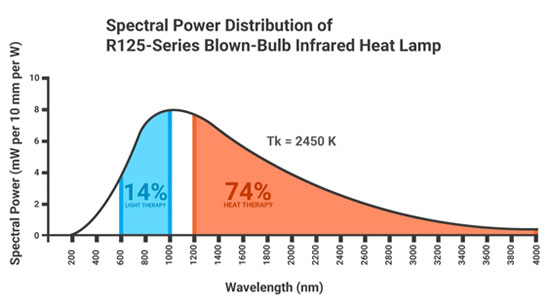
Near-Infrared Penetrates Far Deeper Into Your Body
While one of the selling points of infrared saunas is that far-infrared penetrates deeper into your body, this actually isn’t the case. Near-infrared has far greater penetration power. Richards explains:
“The radiant heat benefits come from the body absorbing light through water absorption. Water absorption starts in near-infrared at 980 nanometers at the first overton of water, but then increases very quickly, so that once you’re into the mid-infrared spectrum, 1,500 to 3,000 nanometers or so, you’re getting strong water absorption. That’s a really effective way to radiantly heat the body …
Infrared A, aka, near-infrared, is much better for heating biological tissue because of tissue penetration. That’s because water begins to absorb light in the near-infrared region, but not a 100%. As you proceed into the mid-infrared and the far-infrared, water absorption increases. One of the protective mechanisms of our body is the chromophore, that is, water. It absorbs light in different ways.
Near-infrared light tends to penetrate several inches into the body. There’s actually one NASA study that showed water-filtered near-infrared penetrated like 20 centimeters into the body — 5, 6 or 7 inches. But on average, it’s several inches of penetration.
Once you get out to this long wavelength, low energy infrared called far-infrared, which starts at about 3,000 and greater nanometers, the tissue penetration is a fraction of an inch. It’s a millimeter or a few millimeters.
We’re talking about the average photons that go into the body. So, with near-infrared, on average, there are some photons that are absorbed by water in the skin, but then others go in and get absorbed by water in the liver, deep in the body. Others hit the mitochondrial light receptor protein and activate photobiomodulation.
So, every second that you’re exposed to millions of near-infrared photons, you’re getting a radiant, deeper penetrating heat that heats you from within and raises core body temperature more quickly. Because you’re not just relying on the hot air around you.
The most effective way to heat biological tissue is using a near-infrared centric light source … and using light to heat the body via radiant heating will always be more efficient than using just hot air or contact with water, like a hot tub or a bath … And, I would say you don’t get photobiomodulation from far-infrared wavelengths, period. There’s no photobiomodulation effect. It’s just heat.”
Basic Recommendations
Classical Finnish saunas are typically heated to 170 degrees F. or higher. An infrared sauna will rarely get that high, however, which means you may need to stay in a bit longer in order to get a good sweat.
A benefit of SaunaSpace’s near- and mid-infrared bulbs is that you’re heating up from deeper within, so the air temperature doesn’t need to be as high as a traditional sauna in order for you to sweat. Richards recommends starting out with a four-bulb system and build up from there with an additional two-, three- or four-bulb panel as you acclimate.
“The core panel is four 250-watt bulbs. That’s 1,000 watts. We’re bringing back a three-bulb system which would make it 1750 watts when combined with the four-bulb system. This is about 14.5 amps. It’s just under the 15-amp threshold for the standard household breaker. So, the seven-bulb system can be plugged in anywhere, more or less, in any standard home electrical circuit.
You could potentially use an eight-bulb system, but it requires a 20-amp dedicated circuit. That’s not so common throughout homes. You see that in kitchens and baths. You can swap [the circuit] out … but again, it’s also something that you can achieve through just staying in a little longer.”
Two ways to check whether your sauna is hot enough are:
- Measure your water loss by weighing yourself, naked, before and after the sauna. A 1- to 2-pound loss is normal
- Take your oral temperature right after your sauna. A 3- to 5-degree increase from baseline is good, or somewhere in the 101- to 103-degree range
Richards recommends staying in the sauna for 20 to 30 minutes, or until you reach subjective fatigue, which is a sign that you’ve maxed out the benefits you’re going to get. It’s not about reaching a point of suffering — just that point where you’re feeling mildly anxious and tired and want to get out.
As for the frequency, research has consistently shown that it’s dose-dependent, so the more often you do it, the greater the benefits. The sweet-spot seems to be right around four times a week, because you’ll also be losing minerals along with toxins. So, you need to rehydrate and replenish those minerals.
How to Make Your Own Sauna
If you already have an infrared sauna, you can turn it into a near-infrared one by removing the bench and installing the SaunaSpace bulb panels. I described how to do this in “The Stunning Health Benefits of Sauna Therapy.”
“You can also do that in any enclosed space, such as a small closet,” Richards says. “We offer a shower conversion kit. It really doesn’t matter what the enclosure is. It is just a space that needs to be enclosed, the smaller, the better, as long as it’s big enough to allow for the 2-foot clearance from the bulbs and, ideally, the ability to rotate.
Our panels are about 9 inches deep plus 2 feet of clearance from the chest to the panel. So, you need something that’s at least 4 feet deep at the minimum.
That’s why it’s really nice to take the bench out in the standard far infrared sauna and either get one of our stools or purchase a seat of your own, and do the near-infrared sauna protocol, which is a quarter turn rotation about every five minutes.”
To learn more about the health benefits of sauna, the SaunaSpace light technology and the dangers of EMF, check out SaunaSpace.com‘s learning space and research archive.
Difficult Times Ahead — How to Break Free From the System
Reproduced from original article:
https://articles.mercola.com/sites/articles/archive/2022/07/29/how-to-maintain-good-health.aspx
The original Mercola article may not remain on the original site, but I will endeavor to keep it on this site as long as I deem it to be appropriate, and will not be bullied into removing it.
Analysis by Dr. Joseph Mercola Fact Checked July 29, 2022
STORY AT-A-GLANCE
- While natural medicine is often viewed with suspicion as something “novel” and “unproven,” it’s actually allopathic medicine that is the new kid on the block. Before John D. Rockefeller seized control over the medical industry 112 years ago, naturopathic-based herbal medicine, sun exposure and homeopathy were standard
- Today, the Rockefeller Foundation is part of The Great Reset cast, which seeks to gain total control over every person in the world — financially, medically, physically and psychologically
- Several crises are now converging, and all of them are life threatening to some degree, starting with the bioweapon they call the COVID “vaccine.” We also face supply chain issues, and shortages of food and energy. Maintaining good health will become a primary concern moving forward, as we’ll face many added stressors
- Simple and free strategies that will improve and protect your health include getting regular sun exposure — the benefits of which include vitamin D production, vitamin A activation and, most importantly, subcellular melatonin production — and optimizing your circadian rhythm
- Eliminating seed oils from your diet and implementing time-restricted eating are two simple ways to improve your metabolic health, reverse insulin resistance and reduce excess body fat
In the video above, I’m interviewed by Maria Zeee of “The Shift.” As some of you know, I went through conventional medical training and started out as an allopathic osteopath, prescribing both drugs and vaccines.
Basically, medical school works as an indoctrination program where you learn how to diagnose disease based on certain sets of symptoms. Any given diagnosis is then treated with a prespecified suite of drugs.
After about five years into private practice, I realized I was on the wrong path — that these therapies did nothing to address the root cause of any disease — and I started educating myself about nutrition and foundational health practices, which have been my focus ever since.
After I realized that, I sent letters to all my patients and let them know that if they weren’t committed to getting off drugs they needed to find a new physician. I lost about 70% of my patients when I sent that letter, but those who remained and agreed to be treated with natural strategies such as nutrition and exercise fared well, and my reputation grew as a result.
Natural Medicine Is Not Unproven
I am in the process of writing my new book and the first chapter will be all about how Rockefeller captured the U.S. medical system over a century ago through a very clever campaign to clean up many problems it had in the 19th century.
He did this through the Flexner report and subsequent strategic investments which essentially gave him control over the entire medical system which would serve as tool for him to sell petrochemical-based pharmaceuticals to further increase his wealth. Most are not aware that even today Rockefeller owns 50% of the drug companies.
While today natural medicine is viewed with suspicion as something “novel” and “unproven,” it’s actually allopathic or “conventional” medicine that is the new kid on the block. Before John D. Rockefeller seized control over the medical industry 112 years ago, naturopathic-based herbal medicine, sun exposure and homeopathy were the standard of care.
Such treatments only became “quackery” after Rockefeller’s successful infiltration. Understanding how Rockefeller corrupted medicine can be helpful in understanding current-day events a bit better as well.
How Medicine Was Corrupted
John’s father was William Avery Rockefeller, an authentic “snake oil salesman” who conned people into buying his useless “Rock Oil” tonic for cancer — a mixture of laxative and petroleum. Avery once admitted he would cheat his children every chance he got, in order to “make ‘em sharp.”1
John D. learned the lessons of duplicity and fraud well, and by the time he was 40, he controlled 90% of the global oil refineries. Within another few years (early 1880s), he also controlled 90% of the marketing of oil, and one-third of all oil wells.
Together with General Motors, Rockefeller secretly bought up and dismantled the public transportation system in the U.S., to promote the need for a family car. They also replaced electric streetcars with gas-guzzling busses to expand their petroleum business.
In 1902, Rockefeller funded the establishment of the General Education Board, through which he intended to control public education. Other oil-backed schemes to mold and reshape the American education system followed, including a scheme to alter the teaching of American history to promote a view of collectivism, as well as a program culminating in the transformation of the practice of medicine.
As mentioned, naturopathic-based herbal medicine was the norm at that time, and Rockefeller set out to shift the medical industry toward using oil-derived pharmaceuticals instead. To that end, the Rockefeller Institute for Medical Research was established in 1901, headed up by Dr. Simon Flexner who, at the time, was a professor of experimental pathology at the University of Pennsylvania.
Flexner’s brother, Abraham, was contracted to write a report on the state of the American medical education system, and his study, The Flexner Report,2 published in 1910, paved the way for Rockefeller to completely overhaul the American medical system.
The result of this report is that virtually every natural medical therapy was criminalized and all practitioners were put out of business and replaced with “scientific” doctors. This was the very beginning of “trust the science”. Natural remedies and ancient effective cures were dismissed as quackery. The only medicines deemed reputable were patentable synthetic drugs, invented in the oil cartel’s own research centers.
Rockefeller’s Plan to Monopolize Medicine, Banking and Food
Around that same time, the oil cartel also found a way to take over and control the U.S. financial system, through the creation of the Federal Reserve, established in 1913. The Rockefellers have been powerbrokers in the banking industry ever since.
They also sought to consolidate control over the global food supply, using philanthropy as their cover for the takeover. The Rockefeller Foundation funded the Green Revolution that led to the introduction of petroleum-based agricultural chemicals, which quickly transformed agriculture, both in the U.S. and abroad.
President Johnson’s “Food for Peace” program actually mandated the use of petroleum-dependent technologies and chemicals by aid recipients, and countries that could not afford it were granted loans from the International Monetary Fund and the World Bank.
The Rockefeller Foundation also funded the “gene revolution” that brought us patentable genetically modified seeds. Today, The Rockefeller Foundation is part of The Great Reset cast, which seeks to gain total control over every person in the world — financially, medically, physically and psychologically.
Unfortunately, a majority of people are still unaware of The Great Reset and what it actually entails. According to Mattias Desmet, Ph.D., who popularized the concept of “mass formation hypnosis” as an explanation for the insanity we saw during the first two years of the pandemic, an estimated 30% of the population are completely hypnotized and unable to see or accept the truth.
About 10% never fell for the hypnotic propaganda, while the remainder are basically “fence sitters” who go along to get along. To prevent The Great Reset, it’s crucial to educate these fence sitters so they realize the danger in going along with the official narrative.
Now’s the Time to Get Healthy
As I note in this interview, several crises are now converging, and all of them are life threatening to some degree, starting with the bioweapon they call the COVID “vaccine.” The COVID shot has already killed hundreds of thousands of people, and more likely millions, and will continue to cause premature death and disability over the next several years.
We also face supply chain issues, and shortages of food and energy. Maintaining good health will become a primary concern moving forward, as there will be so many added stressors. On top of that, hospitals are also more dangerous than ever.
The good news is that getting and staying healthy is fairly simple. Your body is designed to heal itself, given the chance. If you’re new to this, be sure to sign up for my online newsletter and start reading. You can also find my articles archived on Substack.
In the interview, I explain why I had to create a fee-based Censored Library on Substack. For clarity, you can read all of my newsletter articles for free for 48 hours. If you want unlimited access, you’d need to join my Censored Library, which is $5 per month.
Health Tip No. 1: Sun Exposure
So, what are some of the strategies that can help keep you healthy that don’t cost a fortune (or anything at all)? One of the most basic ones is to get regular sun exposure, as its benefits include vitamin D production, vitamin A activation and, most importantly, subcellular melatonin production.
Ninety-five percent of the melatonin in your body is actually produced in your mitochondria in response to near-infrared light. Mitochondria are responsible for cellular energy production, and mitochondrial dysfunction is a root cause of most chronic disease.
Melatonin, meanwhile, is a very powerful antioxidant that reduces oxidative stress. By mopping up free radicals, melatonin reduces damage to the mitochondria and helps them work optimally.
Melatonin also helps increase glutathione, which is a major detoxification agent. Importantly, virtually none of the melatonin created in your mitochondria will ever make its way into your blood. Oral melatonin can also help your chronobiology and regulate sleep, when taken at the appropriate time (in the evening, shortly before bed).
Health Tip No. 2: Cut Seed Oils From Your Diet
If you’re worried about getting sunburn from all this sun exposure, this next talking point will offer relief, because the No. 1 cause of sunburn is excessive intake of seed oils and other foods high in linoleic acid (LA). This includes oils like canola, safflower, corn oil and many others.
The LA actually gets incorporated into your cellular membranes, and if you have high levels of LA in your cells, you’re going to be more prone to both sunburn and skin cancer. While LA has a half-life of about two years, and can take up to seven years to get rid of completely, many will notice a difference in the amount of sun they can tolerate fairly rapidly once they cut this fat from their diet.
That said, sunburn may be the least of your problems if you’re consuming high amounts of LA, as it acts as an overall metabolic poison.3 This will be one of the major subjects of my next book. I am actually hoping to give it to you for free in celebration of our 25th anniversary.
Seed oils, courtesy of the LA, are incredibly proinflammatory4 and drive oxidation in your body. This oxidation, in turn, triggers mitochondrial dysfunction that then drives the disease process.5,6,7,8,9,10,11 Anything over 10 to 15 grams a day is likely to cause problems in the long run, and the average American is eating 80 grams a day.
Your body also breaks down LA into harmful subcomponents called advanced lipid oxidation end products (ALEs) and oxidized LA metabolites (OXLAMs), which can cause significant damage at the cellular level.
For example, an ALE called 4HNE is a mutagen known to cause DNA damage, and OXLAMs are cytotoxic, genotoxic, mutagenic, carcinogenic, thrombogenic, atherogenic and obesogenic.12 In fact, one of the primary reasons for the obesity epidemic in the U.S. is the overwhelming amount of LA being consumed on a daily basis.
In addition to all of that, most seed oils are made from genetically engineered crops, making them a significant source of toxic glyphosate. Aside from cooking oils, the primary sources of LA are processed foods (any food containing or cooked in seed oil) and conventionally raised chicken and pork (as they’re fed a lot of corn).
Health Tip No. 3: Time-Restricted Eating
A third strategy that won’t cost you a dime, and may actually save you money, is time-restricted eating (TRE), a form of intermittent fasting where you eat all your meals and snacks within a six- to eight-hour window, and your last meal at least three hours before bedtime. This means that for 16 to 18 hours a day, you’re fasting.
This schedule will give you virtually all the same benefits as calorie restriction with respect to longevity benefits, but without any of the downsides, the primary one being compliance.
In the U.S., 90% eat across 12 hours. Some will even wake up in the middle of the night to eat, and this is a surefire recipe for metabolic disaster and chronic ill health. One of the primary benefits of TRE is that it will make you metabolically flexible, so that you can burn both fat and carbs for energy.
If you’re constantly hungry, chances are you’re metabolically inflexible and cannot efficiently burn fat. Your body is basically just screaming for another quick energy fix, because carbs burn fast and when they’re gone, you need more. Once your body can efficiently burn fat, hunger usually disappears.
Without hunger pangs driving your search for food, you’ll also be able to simply not eat if you’re in a situation where you can’t find healthy food. This way, you’re not “forced” to eat junk that will deteriorate your health.
TRE will also help prevent excessive activation of the mechanistic target of rapamycin (mTOR). mTOR is found in every tissue and responds to different nutrients and stimuli, including dietary protein, insulin, carbohydrates and exercise, and is best activated twice a day in a pulsatile fashion. When you activate it continuously as most people do when they graze throughout the day, it can lead to an increase in risk in diseases like cancer.
Tip No. 4: Optimize Your Circadian Rhythm
Circadian rhythm optimization is another frequently overlooked strategy that can have a tremendously beneficial impact on your health. Your body is designed to fall asleep a couple of hours or so after the sun has gone down, and to wake up more or less with the sun.
Most adults need right around eight hours of solid sleep per night for everything to function optimally. In the evening, avoid blue light from your TV and electronic screens. If you need lighting, you could use red LED bulbs, low-wattage filament bulbs or salt lamps. Alternatively, you could wear blue-blocking glasses. There are also various apps that will alter the color temperature of your screen at night.
These are but four simple strategies that cost you nothing and can make a huge difference in your health and well-being. There are dozens more, many of which I’ll cover in a free e-book that’s being published later this year. The truth is, your body is biased toward health and can heal from most anything as long as you give it what it needs and eliminate pernicious toxins that are jamming up your mitochondria and cellular machinery.
Become a Perpetual Student and Continue Your Learning
Last but not least, I mention in the interview that one of the most important traits you can develop if you want to be healthy is the mindset of a perpetual student. Pre-internet, learning was a laborious challenge that required physical trips to libraries and book stores, making photocopies and storing reams of paper.
As the internet took off, researching became incredibly easy. For about 20 years, you had the literature of the world at your fingertips. Today, censorship has stifled much of this intellectual freedom, and accessing information about health in particular is again a challenge.
Google, for example, is shadow banning and hiding valuable sites that contradict the official narrative so, unless you know where to look, you may not find them. Fortunately, I’ve been around for 25 years and have a large following that do know where to find my site. Newcomers, however, are at a distinct disadvantage.
So, at this point, it’s very important to identify trusted sources, and to follow them regularly, as doing a Google search is not going to lead you in the right direction anymore.
Virtually all search results are directed toward Big Pharma-approved and “fact checked” sites that regurgitate the talking points put forth by the globalist cabal that seek to force us into The Great Reset. One of my personal favorites that I follow regularly is Dr. Robert Malone’s GETTR account.
- 1 Corbett Report October 6, 2017
- 2 The Flexner Report 1910
- 3 YouTube, Ending the Debate Over Seed Oils September 9, 2021
- 4 J Surg Res. 2012 Sep; 177(1): e35–e43
- 5 STAT April 19, 2017
- 6 BMJ 2016;353:i1246
- 7 NIH Grantome, Dietary Treatment of Hyperlipidemia in Women vs Men
- 8 Atherosclerosis, Thrombosis and Vascular Biology 2004;24:498–503
- 9 Journal of Nutrition, Health and Aging 2018;22(8):885-891
- 10 British Heart Journal 1995 Oct;74(4):449-54
- 11 The Lancet August 29, 2017; 390(10107): 2050-2062
- 12 YouTube, Omega-6 Apocalypse 2, Chris Knobbe August 25, 2021, 6:05
The WHO Review: WHO’s Covid and Monkeypox Policies Fail Every One Of The 10 Public Health Principles
Reproduced from original The Exposé article:
https://expose-news.com/2022/07/27/whos-covid-policies-fail-public-health-principles
By RHODA WILSON on July 27, 2022
Abir Ballan published a 43-page thesis titled ‘The WHO Review and Why It Matters to You’ on Pandemics Data & Analytics (“PANDA”) website. It shows the failures of WHO and all their failed recommendations in Covid. It is a must-read by anyone interested in public health, the global Covid-19 WHO policies – that almost all nations followed, and the full extent of the corruption by WHO/global leaders and governments. The review also lists out what should have been done instead.
Ballan has a Masters in Public Health, a graduate degree in special needs education, a BA in psychology and is an author of children’s books. She is a former member of the Executive Committee at PANDA. Ballan is particularly committed to promoting the health and wellbeing of children and young people.
“This review empowers you with key information to help you assess the WHO’s candidacy as an authoritative global public health organisation. It provides background information on public health and pandemic management principles as previously agreed upon by this branch of the United Nations. The PANDA analysis will allow you to evaluate the soundness of the WHO-recommended response to Covid-19 and monkeypox, and to determine how faithfully the WHO followed its own previously developed recommendations. It goes on to summarise the assumptions underlying their Covid-19 recommendations, followed by a summary of the final recommendations.” [empahsis our own]
The WHO Review and Why It Matters to You, PANDA, 18 July 2022
Let’s not lose touch…Your Government and Big Tech are actively trying to censor the information reported by The Exposé to serve their own needs. Subscribe now to make sure you receive the latest uncensored news in your inbox…
Follow The Exposé’s Official Channel on Telegram here
Join the conversation in our Telegram Discussion Group here
The reality is that WHO, and all those who followed WHO’s Covid policies, failed every one of the 10 principles listed below. For argument’s sake, let’s assume Covid was the emergency they claimed – then it would follow that societies function optimally if they uphold long-standing principles and ethical values that were developed and tested and bullet-proofed across time. Tried and tested. These 10 public health principles were not applied to the Covid emergency response.
10 Public Health Principles
In times of emergency, societies function best if they uphold long-standing principles and ethical values, developed over many years. These public health principles should have been applied to the Covid-19 response.
1. Human dignity and personal freedoms should be upheld under all circumstances. Any restrictions on individual freedom, on public health grounds, must be temporary and case-specific, and should be undertaken as a last resort under an exceedingly high burden of proof of their necessity, reasonableness and proportionality.
2. A holistic definition of health includes physical, mental, spiritual and social well-being.
3. Individuals have the right to bodily integrity, i.e., to make free choices regarding their body and to be free of any interference with their body to which they do not consent.
4. Health professionals should only recommend health interventions based on individual needs and only if the benefits outweigh the risks for that person.
5. Health professionals must obtain informed and voluntary consent from individuals before any medical intervention. Inaccurate information, psychological manipulation and any form of coercion render consent invalid.
6. Public health interventions should protect private medical information. Interventions that lead to discrimination and stigmatisation based on personal health care choices are unethical.
7. Public health interventions should take into account biological (pathogen, genetic factors, health status, medical interventions…), as well as social determinants of health, including economic stability and employment, neighbourhood and physical environment, community support and mental wellbeing and access to and quality of education, food and health care.
8. A multi-disciplinary approach should be undertaken to assess the short-, medium- and long-term effects of any public health intervention prior to its implementation.
9. Individuals and communities directly affected by public health interventions should participate in the decision-making process to ensure their fairness, appropriateness and success.
10. Trust in public health is built on transparency and honesty. Policies and recommendations should be based on accurate data — free of conflicts of interest. They must also be subjected to continuous improvement through open scientific debate.
You can read and download the full WHO Review HERE.

‘Toxic Legacy’ — How Glyphosate Destroys Your Health
Reproduced from original article:
https://articles.mercola.com/sites/articles/archive/2022/06/07/toxic-legacy-how-glyphosate-destroys-your-health.aspx
The original Mercola article may not remain on the original site, but I will endeavor to keep it on this site as long as I deem it to be appropriate, and will not be bullied into removing it.
Analysis by Dr. Joseph Mercola Fact Checked June 07, 2022
STORY AT-A-GLANCE
- Glyphosate is a very efficient metal chelator. This, in turn, disrupts your gut microbes because it makes minerals unavailable to the microbes. Your gut microbes need those minerals, as their enzymes depend on them for proper functioning
- There’s a strong correlation between the rise in celiac disease over time and the rise in glyphosate usage on wheat, which is the primary culprit in celiac disease
- Glyphosate may worsen the adverse effects of vaccines, in part because it binds very efficiently to aluminum used as an adjuvant in certain vaccines. Live virus vaccines that do not contain aluminum adjuvant have also been found to be contaminated with glyphosate
- Non-GMO crops such as oats, wheat, barley and legumes like chickpeas and lentils tend to be very high in glyphosate because these crops are sprayed with glyphosate right before harvest as a desiccant to speed the drying process
- Glyphosate also disrupts the shikimate pathway, both in plants and microbes, and beneficial microbes are particularly sensitive to glyphosate
This article was previously published July 11, 2021, and has been updated with new information.
Stephanie Seneff, Ph.D., a senior research scientist at MIT, has published a book, “Toxic Legacy: How the Weedkiller Glyphosate Is Destroying Our Health and the Environment” — without doubt the best book ever written about glyphosate, the active ingredient in Roundup and many other toxic herbicides.
In this book, which was a labor of love for a decade, Seneff explains how and why glyphosate poses an existential threat to humanity, and why it’s so important to avoid it if you care about your health and the health of your family.
“It’s been a decade of learning everything I could about glyphosate,” Seneff says. “When I first heard about it I basically dropped everything else I was doing because I was so confident that I had found the answer to the autism epidemic. That was the thing I was looking for. Back in 2012, I heard a two-hour lecture by Don Huber, and it changed my focus entirely.
I already understood the symptoms of autism, a very complex disease — lots of gut problems and mineral issues — and it all came together with his lecture. Overnight I just started poring over all the papers I could find.
Shortly after that I found Séralini’s paper,1 which had not yet been retracted at that time. It was later republished, the paper by Séralini, a French toxicologist who had shown that very low doses of glyphosate over the lifespan of a rat could cause a lot of damage.
He pointed out that after three months, everything looked good, so it’s a slow kill. This is one thing I emphasize in my book. Glyphosate is subtle, and that’s really a huge problem because people don’t [make the connection]. We have diabetes, obesity, autism, Alzheimer’s. It’s a long, long list, all the gut problems.
The microbes are being very much disturbed by the chronic poisoning with glyphosate, and then the gut becomes a central starting point for many diseases, including neurological diseases and arthritis. So, you see that disruption of the gut, and glyphosate can cause exactly the things that we’re seeing.”
Glyphosate Contamination in Common Products
Before delving into glyphosate, Seneff spent five years focusing on the potential toxicities of vaccines. She still believes vaccines can play a role in the chronic diseases we’re seeing, including autism.
However, glyphosate may actually play a more significant role. Seneff believes it contributes to and worsens damage caused by vaccines, in part because it binds very efficiently to aluminum used as an adjuvant in certain vaccines. It likely binds strongly to many other toxic metals as well.
The theory is that, by being wrapped up with glyphosate molecules, the metals can more easily penetrate various barriers in your body. This is because glyphosate causes these barriers, such as your intestinal barrier and your blood-brain-barrier, to become more porous. And, as leaky gut or leaky brain set in, the toxic metals are shuttled across, along with the glyphosate.
Interestingly, Anthony Samsel, a public health research scientist, and Zen Honeycutt, founder and director of Moms Across America, have independently found glyphosate contamination in live virus vaccines that do not contain aluminum adjuvant.
Seneff suspects glyphosate may be a contaminant in many drugs as well, particularly drugs produced by genetically engineering E. coli or yeast. They’ve also found glyphosate in tampons, which may then be absorbed through your uterine lining.
Seneff also hypothesizes that, since glyphosate is found in many vegetable-based fats, such as canola and soybean oil, studies comparing the health effects of fats may be compromised since they never consider the effects of glyphosate. Interestingly, while not fat-soluble, glyphosate can still enter fats (and is found in the vegetable oils just mentioned).
Samsel suspects glyphosate acts as a phosphate analog, because it has a phosphonate unit, and fats have phosphates (phospholipids). This is something he’s investigating right now, so eventually, we may learn more about that mechanism.
Glyphosate and the Rise in Celiac Disease
In her book, Seneff details the dramatic increase in glyphosate use since its introduction in the mid-’70s. Estimates suggest that 1 pound of glyphosate is applied in the U.S. every year for every man, woman and child in America, which is an astounding amount. It’s not even enough to buy non-GMO products, as many non-GMO items have been shown to have some of the highest levels of glyphosate.
There’s a strong correlation between the rise in celiac disease over time and the rise in glyphosate usage on wheat … which makes sense, because wheat is the source of celiac disease. ~ Stephanie Seneff, Ph.D.
Oats, wheat, barley and legumes like chickpeas and lentils tend to be very high in glyphosate because these crops are sprayed with glyphosate right before harvest as a desiccant to speed the drying process.
“I think that’s the reason for the epidemic in celiac disease,” Seneff says. “Samsel and I wrote a paper on that. We showed there’s a strong correlation between the rise in celiac disease over time and the rise in glyphosate usage on wheat, specifically on wheat. It matches much better to wheat than it does to the other crops, which makes sense, because wheat is the source of celiac disease.”
A case study of an American woman who tried to commit suicide by drinking glyphosate reveal some of the chemical’s effects. She developed a paralyzed gut, and this may well be what’s happening to many, on a low-grade scale. In essence, people’s guts are sort of semi-paralyzed by the glyphosate in the diet, which causes small intestinal bacterial overgrowth (SIBO).
Bacteria starts festering in the upper intestine because the peristalsis is not working properly, so food remnants get stuck. Glyphosate has also been shown to accumulate in the brain, and animal studies show it causes neuro excitotoxicity due to excess glutamate in the brain. This, in turn, “is absolutely connected to autism,” Seneff says.
In her book, Seneff also discusses the importance of sulfur for optimal health, how sulfate deficiency is connected to autism, and how glyphosate can cause sulfate deficiency.
How Glyphosate Affects Your Gut and Autoimmunity
Part of what makes glyphosate so toxic has to do with the fact that it’s a very efficient metal chelator. It binds metals and minerals really well. For example, glyphosate is a million times more effective at chelating aluminum than EDTA, a chelating agent used in heavy metal chelation treatment.
This, in turn, disrupts your gut microbes because it makes minerals unavailable to the microbes. Your gut microbes need minerals, as their enzymes depend on them for proper functioning. Glyphosate also disrupts the shikimate pathway, both in plants and microbes, and beneficial microbes are particularly sensitive to glyphosate.
When lactobacillus bacteria are killed off in your gut, your ability to digest gluten and casein (milk protein) is impaired, as this bacterium carries several enzymes your body does not have that specialize in breaking down proline, an amino acid found in gluten and casein. This, in turn, can eventually lead to autoimmune problems. Seneff explains:
“We have all these allergies to gluten and casein these days, all these different food sensitivities, and I think it’s because the lactobacillus are being killed off. They can’t support the digestion of those proteins anymore. Then the protein sticks around, the peptide sequence, and that’s what causes an immune reaction.
Then you can get an autoimmune attack through molecular mimicry — the antibody mis-recognizes a human protein because it looks like the piece of gluten that they become sensitive to, so they attack a human protein instead.”
Glyphosate Makes Harmful Fat Even More Hazardous
Interestingly, glyphosate may also contribute to the harm caused by the omega-6 fat linoleic acid (LA). LA is metabolized into arachidonic acid, which is metabolized into an endogenous cannabinoid that eases pain. The enzyme that accomplishes this conversion is cytochrome P450 enzyme, which is disrupted by glyphosate.
Seneff suspects arachidonic acid is getting redirected through enzymes that convert arachidonic acid into extremely immunogenic products instead, such as leukotrienes, which act as signaling molecules that turn on an inflammatory response. A generic term for these signaling molecules is eicosanoids. She explains:
“Leukotrienes are rightfully blamed for causing all the chronic pain we’re seeing — rheumatoid arthritis, joint and bone pain, and even, probably, problems with the brain, maybe headaches.
All the different kinds of pain we’re experiencing that are connected to inflammation could be a consequence of cytochrome P450 enzymes blocking the ability to convert arachidonic acid into the endogenous cannabinoid. Instead, it gets redirected towards these signaling molecules that cause all this damage.”
On top of that, LA, when oxidized, turns into highly toxic free radicals such as 4HNE, which cause direct oxidative stress damage to cell membranes, mitochondria, stem cells and DNA. In your mitochondria, a feedback loop then occurs that causes the shutdown of your energy metabolism system, resulting in an increase in adipose tissue. Translation: Excessive LA causes accumulation of belly fat.
Glyphosate Is a Biological Toxin
Its effect on the shikimate pathway is a key mechanism by which glyphosate causes biological harm in humans. The human body does not have this pathway — a fact used by Monsanto to argue for glyphosate’s safety. But the microbes in your body do have it. Research has shown over half the microbes, on average, in your gut have the shikimate pathway and can therefore be decimated by glyphosate.
These include lactobacillus and bifidobacteria, which use the shikimate pathway to produce the aromatic amino acids tryptophan, tyrosine and phenylalanine, crucial coding amino acids that go into all the proteins of your body. They’re absolutely essential for protein assembly, and your body must rely on your diet and gut microbes to produce adequate amounts of these amino acids, as your body cannot produce them any other way.
When your gut microbes are harmed, it can result in a deficiency of tryptophan, tyrosine and phenylalanine. These amino acids are also precursors to many other important biologically active molecules. For example, tryptophan is a precursor to melatonin and serotonin. Tyrosine is a precursor to thyroid hormone, dopamine and adrenaline.
“These are all really, really important hormones that control brain behavior and regulate behavior and mood,” Seneff says. “Serotonin deficiency is connected to depression, and we have an epidemic in depression. So, I think there’s a direct path there. Also, some of the B vitamins come out of the shikimate pathway, including thiamine (B1), riboflavin (B2) and niacin (B3) …
You need thiamine for augmenting your immune system. If you don’t have a lot of thiamine, you’re not going to be able to generate a healthy immune response. That’s why it’s a part of septic protocols. If you’re wrecking it with glyphosate exposure that’s disrupting the shikimate pathway in your gut microflora, you’ve got a huge problem.”
Glycine Can Help Counteract Adverse Effects of Glyphosate
One simple remedy that can help lower your glyphosate burden is to take a glycine supplement. As explained by Seneff, the way glyphosate disrupts the shikimate pathway is by affecting an enzyme called EPSP synthase. That enzyme bonds to a molecule called phosphoenolpyruvate (PEP). The “phospho” in that name stands for phosphate.
At the place where EPSB synthase binds to PEP, there’s a glycine molecule. It’s a highly-conserved glycine in the enzyme. If that glycine is swapped out for alanine, a very similar amino acid, the EPSB synthase enzyme becomes completely insensitive to glyphosate.
“So, it’s black and white — either there’s a glycine there, in which case it’s incredibly susceptible to glyphosate, or there’s alanine, in which case it’s completely insensitive,” Seneff says.
Incidentally, this is how agricultural scientists create glyphosate-resistant GMO crops. They turn the glycine molecule into alanine, thereby rendering the plant impervious to glyphosate.
When glyphosate enters your system, it can take the place of the glycine molecule. While similar, (the “gly” in glyphosate stands for glycine) it’s not identical and does not work the same way as glycine. Hence, this replacement causes all sorts of trouble.
By taking a glycine supplement, you can counteract this chain of events by making sure there’s enough glycine present to fill up those glycine slots. As noted by Seneff, “If there’s lots of glycine, you’re going to be much less likely to pick up glyphosate.” She continues:
“I had thought about glyphosate being glycine, and knowing that it’s a glycine analog and that it was affecting places where glycine binds. Glycine acts as a neural transmitter. Glyphosate messes that up. I thought, ‘I wonder if it can get into the protein in place of glycine?’
My book actually centers on this idea that glyphosate substitutes for glycine in certain proteins. There’s a specific algorithm for where it would happen, and you can show that those proteins are suppressed by glyphosate experimentally.”
Importantly, glyphosate suppresses glucose-6-phosphate dehydrogenase (G6PD), a very important enzyme in red blood cells that maintains NADPH in its reduced form. If you have reduced levels of NADPH, you’re at increased risk for chronic disease, as your ability to recharge antioxidants is impaired. This is yet another mechanism by which glyphosate contributes to any number of disease states.
Glyphosate’s Impact on Collagen
Yet another protein that has a high glycine content is collagen, the primary protein for your connective tissue. It constitutes about one-quarter of your body’s proteins. Because of the presence of glycine, glyphosate has the ability to impair collagen as well.
“I feel confident that glyphosate is messing up collagen,” Seneff says. “Collagen has a beautiful triple helix structure, which gives it really special properties of tensile strength and flexibility to hold water. Collagen has long, long sequences called GXY, GXY, GXY, where every third amino acid is a glycine. Those glycines hook together to form that triple helix.
There are people who have mutations in those glycines that cause joint and bone diseases, and I think glyphosate is causing that. Ehlers-Danlos syndrome is associated with glycine mutations in collagen, and there’s an increase in the prevalence of that syndrome recently.
Of course, you have many more people getting hip replacement surgery, and people have back issues, back pain and shoulder surgery, knee and foot problems. All these different problems with the joints, I suspect, are being caused by misfolded collagen because of glyphosate messing it up.”
Glyphosate’s Impact on Your Vascular System
Another mechanism of action involves the suppression of nitric oxide (NO), primarily through the suppression of endothelial nitric oxide (eNOS), which is one of three ways your body makes NO. eNOS is a close relative to cytochrome 450 enzymes which, as mentioned, are decimated by glyphosate.
“The NO works together with sulfur dioxide to control the viscosity of your blood,” Seneff explains. “NO turns into nitrate … And sulfur dioxide turns into sulfate … Nitrate is a chaotrope, and sulfate is a kosmotrope. Kosmotropes are very interesting molecules that control the viscosity of blood. It’s all about water structuring, stuff that Gerald Pollack talks about.
Kosmotropes make the water structure more like gel and the chaotropes make it more like fluid, liquid. Those two work against each other to maintain the correct viscosity of the blood while other things are going on. If you put a bunch of lipid particles into the blood, it’s going to get more viscous, so you’ve got to make it less-viscous by adding NO.
So, there’s a back and forth between NO and sulfur dioxide that’s regulated by eNOS. This is a theory that I have, and it makes a lot of sense. I have continued to gather evidence that supports it.
If glyphosate messes up eNOS, then it messes up the blood’s ability to maintain its proper viscosity, which means your blood could be too fluid. You could end up with hemorrhaging. It could be too thick, it can’t circulate, so you end up with blood clots.”
More Information
One piece of good news is that Mexico is banning glyphosate and will phase it out entirely by 2024. There are fears Mexico may also start banning U.S. imports found to be contaminated with glyphosate, which would actually work in everyone’s favor by shining a bright light on the matter.
While the ultimate answer is to ban the use of glyphosate worldwide, in the meantime, a key strategy to protect your own health is to buy certified organic or biodynamic food. Glyphosate is not permitted in organic agriculture, and even if contamination occurs, the levels are going to be far lower than that of conventionally-grown foods.
Seneff also recommends eating a high-sulfur diet, as sulfur is crucial for the health of your metabolism and immune system. “Sulfur deficiency, I think, is a driver behind some of our health problems,” she says.
Also consider taking a glycine supplement to counteract and push out any glyphosate you might be exposed to. “Glycine is not very expensive and it is very safe, so it’s an easy thing to take as a supplement, which I think could definitely help,” Seneff says.
Other health-promoting habits include eating plenty of fermented foods and getting optimal amounts of vitamin D and K2. As noted by Seneff, your vitamin D conversion is also adversely affected by glyphosate.
As is typically the case when talking to Seneff, as she is phenomenally well-informed, we cover far more details in this interview than I’ve summarized here — including environmental effects and countermeasures to speed the cleanup of soil and water — so I encourage you to listen to the interview in its entirety.
Of course, to learn more about glyphosate, be sure to pick up a copy of “Toxic Legacy.” It’s by far the best book to date on this pernicious toxin that is robbing people everywhere of their health and quality of life.