Health
now browsing by category
Without health, we have nothing. All the money in the world will not save our body if we treat our body with bad nutrition.
Study links COVID-19 infection to excessive hair loss
Reproduced from original article:
https://www.naturalhealth365.com/study-links-covid-19-infection-to-excessive-hair-loss.html
by: April 30, 2022
 (NaturalHealth365) As the COVID-19 virus swept the globe, people got sick, then they got better, and then … they started losing their hair. That was a delayed aftereffect that no one saw coming. Stress levels were already running high with the lockdowns, illness, crazy mandates, medications, rushed vaxxes, and unrelenting controversy surrounding the pandemic. Add to that, the stress on the body from the virus itself, and you have a recipe for serious stress-related responses.
A study published in the Irish Journal of Medical Science in late August 2021 found a distinct link between acute telogen effluvium – a form of temporary hair loss – and COVID-19. Researchers wanted to examine the virus’s possible effects on the human hair growth cycle and establish a relationship between this condition and COVID.
Post COVID-19 infection associated with excessive hair loss, according to new study
The insanity of the COVID-19 pandemic has taken over our lives. Reports of overcrowded hospitals, deaths, job losses, closed businesses, and resource shortages have stressed the already fearful masses. Mainstream media did a fantastic job keeping the fear-mongering going, scaring people with news about newer variants, the ever-increasing death toll, etc.
So, when reports started coming in about people losing their hair months after having COVID, it was a symptom that no one saw coming.
Authors confirm relationship between COVID-19 infection and telogen effluvium
Researchers assembled 39 patients ranging from 22 to 67 years old. All of the patients had been diagnosed with COVID. Most only had mild and moderate symptoms, and none required hospitalization during their illness.
Two to three months after the illness, all patients in the trial began to experience excessive hair loss. In the study, the authors confirmed the link between COVID-19 infection and acute telogen effluvium. Furthermore, the drugs used to treat the virus were excluded as a cause of hair loss.
Therefore, the researchers believe it is specifically due to the so-called virus itself. But, now, let’s shift our focus to helping those in need.
Support hair growth with these nutrients
In addition to optimal nutrition, good hydration, and good quality sleep, several supplements can support natural hair growth.
Some of the top supplements include:
- Vitamin D: boosts immunity and combats vitamin D deficiency which can contribute to hair loss
- Vitamin E: a powerful antioxidant that is found in many hair growth oral supplements
- Biotin: vitamin B7 is a popular vitamin for hair growth and health
- B12: helps heal the central nervous system and helps the body better handle stress and increases blood flow
- Zinc: powerful promoter of hair follicle recovery
- Vitamin A: an essential vitamin needed by every part of the body
Some natural herbal supplements have also shown success:
- Saw Palmetto
- Curcuma aeruginosa
- Reishi Mushroom
- Pumpkin
- Red clover
- Panax ginseng
- Fish oil (or flaxseed oil)
- Gotu Kola
Finding the right combination for you may take some trial and error, but it is possible to regrow your hair after COVID.
Sources for this article include:
NIH.gov
The Atlantic
NIH.gov
NIH.gov
NIH.gov
Medical News Today
NIH.gov
5 Proven Ways to Boost Testosterone Naturally
© GreenMedInfo LLC. This work is reproduced and distributed with the permission of GreenMedInfo LLC.
Want to learn more from GreenMedInfo? Sign up for the newsletter here:
www.greenmedinfo.com/greenmed/newsletter
Reproduced from original article:
https://greenmedinfo.com/blog/5-proven-ways-boost-testosterone-naturally-1
Posted on: Friday, May 25th 2018 at 7:45 am
Written By: Sayer Ji, Founder
This article is copyrighted by GreenMedInfo LLC, 2019

Boosting testosterone has become all the rage today, but unless you activate your body’s innate ability to do it naturally you will have to face the possibility of serious side effects
As men reach their mid-forties their testosterone levels begin to decline, with approximately 1% to 2% decrease in measurable blood levels annually, and then dropping off precipitously after age 60 into full blown “andro-pause.” This ever-increasing decline can have a wide range of adverse effects, both physically and psychologically, ranging from muscle loss to insulin resistance, low libido to depression.
Today, an increasing number of aging men are opting for testosterone replacement therapy, some with dramatic results. But this approach, while often positive in the short term, can have some serious drawbacks in the long term, especially if the underlying and modifiable factors causing the deficiency are not addressed at their root.
First, testosterone replacement therapy often involves administering levels far higher than a normal physiologic dose, which increases the risks of serious side effects, including certain cancers.
Second, when testosterone is replaced, a negative endocrine feedback loop is activated sending a signal to the gonads to reduce its production further, ultimately feeding the original deficiency and even leading to testicular atrophy.
Third, when testosterone levels are suddenly increased through exogenous sources, there is often a concomitant increase in testosterone metabolites such as dihydrotestosterone (DHT) and estradiol, both which can lead to some particularly undesirable downstream effects, which include male pattern hair loss and excessive prostate growth.
Given these risks, the obvious alternative path is to support the body’s natural production of testosterone both by removing testosterone blocking chemicals and supporting one’s own body’s ability to produce more testosterone endogenously.
First, here are 5 things that one should avoid to keep testosterone production optimal:
1) Statin Drugs: No category of drug is so thoroughly confirmed in the biomedical literature to suppress testosterone production and/or libido in men. Not only are these drugs misrepresented as ‘live saving’ for cardiovascular disease, but they may contribute to over 200 different adverse health effects. Any man concerned with preserving his production of testosterone should consider avoiding this drug class in favor of natural lipid lowering alternatives. [View supporting citations]
2) Bisphenol A: This ubiquitous endocrine disrupter found mostly in plastics, canned foods, and thermal printer receipts, has been found to block testosterone production in the testicles and to have potentially “feminizing” estrogenic effects. Also, don’t be fooled by so-called “Bisphenol A free” products, because it turns out that many contain other bisphenols which have at least the same toxicity profile. [View supporting citations]
3) Phthlates: Mainly used in plastics to make them flexible (i.e. a plasticizer), but also found in pharmaceuticals as an excipient and in cosmetic products, it has been found to suppress testosterone production. [View supporting citations]
4) Parabens: Another ubiquitous petrochemical found as a preservative in a wide range of products, but especially cosmetics and body care productions, it has been found to disrupt testosterone levels. [View supporting citations]
5) Glyphosate (GMO food): This testosterone-disrupting chemical is now found virtually everywhere in regions where GM agriculture predominates. Most GMO foods are designed to survive being sprayed with glyphosate, and therefore are contaminated with significant residues. But even explicitly non-GMO foods like oats are sprayed with the stuff as a pre-harvest desiccant. Therefore the best way to avoid exposure is to eat 100% Certified Organic foods. [View supporting citations]

Now, here are five natural things that may help boost your testosterone naturally:
1) Zinc: It is well known that zinc deficiency can lead to testicular suppression, including suppression of testosterone levels.[1][2] The male prostate happens to have one of the highest concentrations of zinc of any organ within the body, indicating how important it is to the male reproductive system. Also, physical activity in both normally sedentary men and elite athletes can lead to both testosterone and thyroid hormone suppression, which can be mitigated by zinc supplementation.[3][4] Zinc has also been found to protect against heavy metal (cadmium) associated DNA damage to the testicles, preserving their ability to produce testosterone.[5] Animal research also indicates that it can improve erectile function along with optimizing levels of prolactin and testosterone.[6] Keep in mind that minerals are connected in a matrix of interdependence. Excess zinc can lead to copper deficiency and vice versa. This speaks to the importance of working with a licensed health professional versed in this area of expertise to help clinically ascertain your deficiencies and rectify them without causing unintended adverse effects. When in doubt, locate food sources of the minerals you are trying to replenish your body with from food, as minerals have a far lower risk of causing imbalances when found in food form. You can always use this USDA-based database to find the top nutrient-containing foods of your choice.
2) Vitamin C: One of the most important ways to optimize testosterone levels is to preserve its activity and regenerate it when it naturally converts to a transient hormone metabolite. Preliminary research indicates that vitamin C, a well-known electron donor, may be able to both regenerate testosterone and reduce levels of its toxic hormone metabolite.[7] Read “Sunshine Vitamin Regenerates and Detoxifies Your Hormones” to learn more.
3) Magnesium: Magnesium levels are strongly and independently associated with the anabolic hormones testosterone and IGF-1 in the elderly. This observation indicates that this mineral, which is involved in over 300 enzyme pathways, can help to positively modulate the anabolic/catabolic equilibrium which is often disrupted in elderly people.[8] One proposed mechanism for magnesium’s testosterone boosting role is that it inhibits the binding of testosterone (TT) to sex hormone-binding globulin (SHBG) leading to an enhancement of bioavailable TT.[9]
4) Saw Palmetto/Astaxanthin: One of the best ways to increase testosterone naturally is to block it from converting to dihydrotestosterone and estrogen (estradiol). This can be accomplished through natural aromatase enzyme inhibitors and 5-alpha reductase inhibitors. 5-alpha reductase is an enzyme that converts testosterone into dihydrotestosterone and aromatase enzyme converts testosterone into estradiol. A promising study from 2009 found that in healthy males between 37-70 years of age a combination of these two substances resulted in exactly such an improved ratio: increased testosterone, decreased estrogen and dihydrotestosterone.[10]
5) Phosphatidyl serine: This critically important cell membrane component, mainly found in meat, fish and dairy products, but also found in soy and sunflower lecithin, has been found to decrease cortisol levels and increase testosterone levels following moderate physical activity in athletes.[11]
You can find additional research on natural ways to boost testosterone on our Testosterone database. Also, if you are interested in learning more about the related topic of increasing libido naturally you can read: 13 Alternatives to Viagra That Won’t Fall Flat. Finally, if you are looking for natural ways to detoxify testosterone-blocking chemicals in your body, check out this article: 8 Surprisingly Simple Ways to Detoxify Your Body.
References
[1] S A Hamdi, O I Nassif, M S Ardawi. Effect of marginal or severe dietary zinc deficiency on testicular development and functions of the rat. Arch Androl. 1997 May-Jun;38(3):243-53.PMID: 9140621
[2] A A Abbasi, A S Prasad, P Rabbani, E DuMouchelle. Experimental zinc deficiency in man. Effect on testicular function. J Lab Clin Med. 1980 Sep ;96(3):544-50. PMID: 6772723
[3] Mehmet Kilic. Effect of fatiguing bicycle exercise on thyroid hormone and testosterone levels in sedentary males supplemented with oral zinc. Neuro Endocrinol Lett. 2007 Oct;28(5):681-5. PMID: 17984944
[4] Mehmet Kilic, Abdulkerim Kasim Baltaci, Mehmet Gunay, Hakki Gökbel, Nilsel Okudan, Ibrahim Cicioglu. The effect of exhaustion exercise on thyroid hormones and testosterone levels of elite athletes receiving oral zinc. Neuro Endocrinol Lett. 2006 Feb-Apr;27(1-2):247-52.PMID: 16648789
[5] Salem Amara, Hafedh Abdelmelek, Catherine Garrel, Pascale Guiraud, Thierry Douki, Jean-Luc Ravanat, Alain Favier, Mohsen Sakly, Khémais Ben Rhouma. Preventive effect of zinc against cadmium-induced oxidative stress in the rat testis. J Reprod Dev. 2008 Apr;54(2):129-34. Epub 2007 Apr 10. PMID: 17420618
[6] Dmab Dissanayake, P S Wijesinghe, W D Ratnasooriya, S Wimalasena. Effects of zinc supplementation on sexual behavior of male rats. J Hum Reprod Sci. 2009 Jul;2(2):57-61.PMID: 19881149
[7] Nikola Getoff, Johannes Hartmann, Heike Schittl, Marion Gerschpacher, Ruth Maria Quint. Photo-induced regeneration of hormones by electron transfer processes: Potential biological and medical consequences. Radiat Phys Chem Oxf Engl 1993. Updated 2011 Aug ;80(8):890-894. PMID: 21814301
[8] M Maggio, G P Ceda, F Lauretani, C Cattabiani, E Avantaggiato, S Morganti, F Ablondi, S Bandinelli, L J Dominguez, M Barbagallo, G Paolisso, R D Semba, L Ferrucci. Magnesium and anabolic hormones in older men. Clin Exp Rheumatol. 2002 Nov-Dec;20(6):767-71. PMID:21675994
[9] L Excoffon, Y C Guillaume, M C Woronoff-Lemsi, C André. Magnesium effect on testosterone-SHBG association studied by a novel molecular chromatography approach. J Pharm Biomed Anal. 2009 Feb 20;49(2):175-80. Epub 2008 Nov 5. PMID: 19095394
[10] Fru Angwafor, Mark L Anderson. An open label, dose response study to determine the effect of a dietary supplement on dihydrotestosterone, testosterone and estradiol levels in healthy males. J Cardiovasc Electrophysiol. 2009 Sep;20(9):1055-60. Epub 2009 Apr 30. PMID:18700016
[11] Michael A Starks, Stacy L Starks, Michael Kingsley, Martin Purpura, Ralf Jäger. The effects of phosphatidylserine on endocrine response to moderate intensity exercise. J Int Soc Sports Nutr. 2008 Jul 28;5:11. PMID:18662395

The Healthy Sugar Substitute You’ve Likely Never Heard About
Reproduced from original article:
https://articles.mercola.com/sites/articles/archive/2022/03/28/what-is-nadph-and-nox.aspx
The original Mercola article may not remain on the original site, but I will endeavor to keep it on this site as long as I deem it to be appropriate, and will not be bullied into removing it.
Analysis by Dr. Joseph Mercola – Expert Review by James DiNicolantonio, Pharm.D Fact Checked

STORY AT-A-GLANCE
- Glycine is mildly sweet and can be used as a sugar substitute in tea or coffee
- Glycine and collagen (an outstanding source of glycine) inhibit the consumption of NADPH, thereby lowering inflammation and oxidative damage
- NADPH oxidase is typically abbreviated as NOX. Inhibiting NOX is an effective way to increase NADPH and your cells’ ability to reduce oxidative stress
- NADPH is used as a reductive reservoir of electrons to recharge antioxidants once they become oxidized. NADPH is also necessary to make your steroid hormones and fats
- Preventing many chronic diseases requires finding a means of inhibiting or modulating NOX. Such strategies include avoiding fructose, practicing nutritional ketosis and supplementing with spirulina, niacin, glycine and collagen
- Glycine supplementation may be beneficial for the prevention and/or treatment of metabolic syndrome, complications from diabetes, cardiac hypertrophy and alcoholic and nonalcoholic liver disorders
This article was previously published February 4, 2019, and has been updated with new information.
As you probably know, inflammation and oxidative damage are primary drivers of most chronic diseases. What you may not be aware of is the importance of nicotinamide adenine dinucleotide phosphate hydrogen (NADPH) and NADPH oxidase, typically abbreviated as NOX, in these processes.
In a recent paper,1James DiNicolantonio, who co-wrote my book, “Superfuel,” details the importance of collagen and glycine for the inhibition of NADPH breakdown. DiNicolantonio, also co-wrote a book with Jason Fung, called “The Longevity Solution,” which takes a deep dive into how collagen and glycine may help promote longevity.
Without sufficient amounts of NADPH, your body cannot recharge glutathione once it becomes oxidized. As you know, glutathione is crucial for detoxification, and both collagen and glycine effectively raises your NADPH level by inhibiting the enzyme that breaks down NADPH.
Considering the importance of NADPH for optimal health and chronic disease prevention, this is really important information that could make a big difference for many, as collagen and glycine are both easily obtainable and relatively inexpensive. But before we delve into the specifics of how glycine affects NOX and NADPH, let’s review some of the basics.
What Is NADPH and NOX?
NADPH is the reduced form of NADP+. It’s a reducing agent necessary for anabolic reactions, including lipid and nucleic acid synthesis. NOX is an enzyme complex that is bound to the cellular membrane, facing the extracellular space. Inhibiting NOX is a useful strategy to increase NADPH and your cells’ ability to counter oxidative stress.
NOX is activated in a large number of pathological conditions that generate a great deal of oxidative stress. In fact, according to DiNicolantonio, NOX overactivity appears to play a significant role in a wide range of health conditions, including but not limited to:
| Vascular diseases and vascular complications of other diseases (diabetes, kidney failure, blindness and heart disease for example) |
| Insulin resistance |
| Neurodegenerative disorders such as Alzheimer’s and Parkinson’s |
| Cancer |
| Glaucoma |
| Pulmonary fibrosis |
| Erectile dysfunction |
As explained by DiNicolantonio in a paper2 detailing bilirubin’s ability to inhibit NOX complexes and downregulate NOX activity, and the benefits of spirulina for this purpose:
“Activation of NADPH oxidase [NOX] is a key mediator of proinflammatory microglial activation … Oxidative stress in adipocytes, stemming largely from NADPH oxidase activity, appears to play a key role in the induction of insulin resistance and the skewing of adipokine and cytokine production in hypertrophied adipocytes.”
Six Ways to Inhibit NOX and Increase NADPH
NADPH is used as a reductive reservoir of electrons for antioxidants that become oxidized and nonfunctional. NADPH is also necessary to make your steroid hormones and fats. When you have low levels, you are in deep trouble.
That said, NADPH appears to be a biological molecule that can be helpful or harmful depending on how much of it is circulating at the time, so it needs to be carefully regulated by your body. For example, although NOX lowers NADPH, it also plays an important role in helping your immune system fight bacteria, and helps your T-cells to function properly.
It follows then, that preventing many chronic diseases would require finding a means of inhibiting or modulating NOX. The good news is there are several ways of doing this that are neither costly nor cumbersome, including the following:
• Niacinamide — Taking nicotinamide can also help increase your NADPH level.3
• Lowering your glucose level and avoiding fructose — Excess glucose is converted to fructose and lowers your NAD+,4 so keeping your glucose low and avoiding fructose is part of the equation.
• Nutritional ketosis — Ketone metabolism increases the negative redox potential of your family of NAD coenzyme redox molecules, which helps control oxidative damage by increasing NADPH and promoting transcription of enzymes of the antioxidant pathways though activation of FOXO3a.5
• Glycine and collagen — As detailed in the featured paper, glycine and collagen (which also contains glycine) also have NOX-inhibiting effects, thereby raising your NADPH level.
The way glycine inhibits NOX superoxide production is by bringing chloride into the cell, which reduces the cell’s ability to push out chloride ions (since it’s pushing against a higher chloride gradient). Chloride ions are required to bring in electrons to generate superoxide, so by minimizing chloride ions, glycine helps minimize oxidative stress.
Glycine Upregulates NADPH and Has Anticancer Activity
According to the featured paper,6 supplemental glycine may be useful for the “prevention and control of atherosclerosis, heart failure, angiogenesis associated with cancer or retinal disorders and a range of inflammation-driven syndromes, including metabolic syndrome.” Glycine may also be an excellent complement to spirulina, as both suppress NOX.
The featured paper also details the anti-angiogenic activity of glycine, which refers to its ability to inhibit the growth of blood vessels that feed tumors. Animal studies, for example, have shown mice with cancer that are fed glycine exhibit suppressed angiogenesis and tumor growth, even though glycine does not affect the proliferation of cancer cells directly.
DiNicolantonio and his team hypothesize that one of the reasons for this antitumor effect has to do with the fact that glycine increases the chloride level in endothelial cells, thereby limiting the export of chloride from the endosome. This in turn inhibits activation of NOX, which has pro-angiogenic activity (meaning it promotes the growth of blood vessels to tumors). According to this paper:7
“This might explain the well-documented anti-angiogenic effects of boosting plasma glycine to the high physiological range. The possibility that supplemental glycine may have clinical utility as an anti-angiogenic agent for cancer control merits evaluation — albeit the concurrent effects of glycine on anticancer immune surveillance should be considered.
The anti-angiogenic effects of glycine might also find application in prevention or treatment of the choroidal neovascularization associated with diabetic retinopathy and age-related macular degeneration. It will be of interest to determine whether retinal pigment epithelium expresses glycine receptors.”
Glycine Also Supports Vascular Health
NOX activation also plays an important role in heart disease, and by inhibiting NOX (which raises NADPH), glycine may also offer protection against cardiovascular problems. DiNicolantonio and his team explain:
“The role of [NOX] complex activation in promoting pro-inflammatory behavior of vascular endothelium is well documented; in particular, endothelial [NOX] plays a mediating role in atherogenesis. It is reasonable to postulate that a high proportion of this [NOX] activation occurs in endosomes, and is susceptible to modulation by cytosolic chloride level.
If so, then we could expect elevated plasma glycine, via stimulation of glycine-activated chloride channels, to suppress endothelial inflammation by opposing endosomal [NOX] activity. Moreover, the hyperpolarizing impact of glycine on endothelium might also promote vascular health by boosting calcium influx into endothelial cells, thereby enhancing the protective activity of the endothelial nitric oxide synthase.
It also seems not unlikely, given the documented impact of glycine on macrophages, that supplemental glycine could oppose atherogenesis and plaque instability via anti-inflammatory effects on intimal macrophages and foam cells … Glycine may also provide antioxidant protection to heart muscle … Moreover, in mice subjected to cardiac pressure overload or angiotensin II administration, glycine supplementation lessens the ensuing cardiac hypertrophy.”
Glycine Supplementation May Improve Your Health
Considering how important it is to minimize inflammation and oxidative stress, and the role NOX and NADPH play in these processes, glycine supplementation holds great promise as a simple and inexpensive aid. I personally take one-quarter teaspoon (about 1 gram) twice a day.
Since glycine is mildly sweet, you could even use it as a healthy sugar substitute in tea or coffee. As noted by DiNicolantonio, “Intakes as high as 31 grams daily have proved safe. It is therefore ideal for incorporation into functional foods and beverages.” The paper also cites a number of studies showing glycine supplementation may be beneficial for the prevention and/or treatment of:8
- Metabolic syndrome — As noted in DiNicolantonio’s paper, “In humans with metabolic syndrome supplemented with 15 grams glycine per day (5 grams thrice daily), plasma markers of oxidative stress declined by 25 percent relative to placebo”
- Complications from diabetes
- Alcoholic and nonalcoholic liver disorders
- Cardiac hypertrophy
Glycine supplementation may also:9
| Help improve sleep |
| Maintain cartilage integrity |
| Moderate the adverse metabolic effects of high-fructose diet |
| Boost glutathione synthesis, especially when used in combination with a N-acetylcysteine (NAC) supplement |
| Improve oxidant-scavenging activity by converting to pyruvate, which is a direct scavenger of hydrogen peroxide and inhibits formation of age-advanced glycation end-products |
| Have antioxidant effects by increasing synthesis of heme and bilirubin, although evidence of this is still lacking, and the effect is likely to be modest |
| Help detoxify glyphosate — Glyphosate is an analog of the amino acid glycine.10 It attaches in places where you need glycine. Importantly, glycine is used up in the detoxification process, hence many of us do not have enough glycine for efficient detoxification.
To eliminate glyphosate, you need to saturate your body with glycine. Dr. Dietrich Klinghardt, who is a specialist in metal toxicity and its connection to chronic infections, recommends taking 1 teaspoon (4 grams) of glycine powder twice a day for a few weeks and then lowering the dose to one-fourth teaspoon (1 gram) twice a day. This forces the glyphosate out of your system, allowing it to be eliminated through your urine |
While glycine powder is an inexpensive option, collagen is another alternative that is extremely rich in glycine. If going this route, I recommend looking for organic grass fed collagen.
- 1, 6, 7, 8, 9 Medical Hypotheses January 15, 2019 [Epub ahead of print]
- 2 BMJ Open Heart 2018;5:e000914 (PDF)
- 3 Antioxid Redox Signal 2019 Feb 20;30(6):890-905
- 4 Pyridine Dinucleotides from Molecules to Man 2018; 28(3)
- 5 IUMB Life 2017; 69.5 DOI: 10.1002/iub.1627
- 10 Journal of Biological Physics and Chemistry
Is Your Tap Water Making You Sick?
Reproduced from original article:
https://articles.mercola.com/sites/articles/archive/2022/02/23/is-your-tap-water-making-you-sick.aspx
The original Mercola article may not remain on the original site, but I will endeavor to keep it on this site as long as I deem it to be appropriate, and will not be bullied into removing it.
Analysis by Dr. Joseph Mercola Fact Checked February 23, 2022

STORY AT-A-GLANCE
- Data show that just two disinfection byproducts offered compelling evidence that a cumulative risk assessment would reveal health damage from contaminants found in drinking water
- The Environmental Working Group’s Tap Water Database is the most complete source of information compiled from data in nearly 50,000 systems users can search by zip code; the guide relies on current science and not legal limits set by regulatory agencies
- The textile industry is a significant contributor to water pollution, dumping nearly 20% of dyes and fixative agents used to set colors down the drain, often at high temperatures and high pH
- Arsenic and lead are two heavy metals found in drinking water that have no acceptable level of exposure and increase your risk of disease, yet the EPA balances the cost of filtering water against health challenges when determining a maximum contaminant level
- Agencies also regulate the addition of fluoride to drinking water, another pollutant that is associated with a lower IQ in children, but for which the CDC has no documentation of safety or prenatal or early life benefit
Drinking water may be treated with a variety of chemicals, which create intermediaries and disinfection byproducts. One study1 did a side-by-side comparison of epidemiological studies and cancer risk assessment after exposure to two disinfection byproducts — haloacetic acids and trihalomethanes.
Yet, disinfection byproducts are not the only toxic chemicals found in tap water. One glass of water may contain a cocktail of forever chemicals known as PFAS,2 lead, arsenic3 and a list of other chemicals found in your local area that you were never meant to consume.4 You can check your local supply by using the Environmental Working Group’s (EWGs) Tap Water Database.5
One of the issues with the water supply is that we have an aging infrastructure that may be nearing the end of its useful life.6 Another is the water pollution that results from firefighting chemicals,7 agrichemicals,8 drugs, nerve toxins that are produced by freshwater cyanobacteria9 and toxins that are intentionally added to the water supply.10
Since more than 50% of your body is water,11 you require a constant supply of pure water to fuel your filtration system and ensure your body is free of toxins. Your blood, kidneys and liver require a good source of clean water to detoxify from the other toxic exposures you meet every day. Yet, it is the water supply that is also in desperate need of detoxification.
Disinfectant Byproducts in Tap Water Raise Risk of Cancer
The EWG opened the Tap Water Database in 2017.12 It was the most complete source of information about U.S. drinking water that compiled data from nearly 50,000 systems across the country. The data mining project was aimed at increasing information and awareness about tap water pollution.
Users can enter their zip code13 and find a list of contaminants that had been detected and reported to the authorities. The guide relies on current science to report levels of pollutants instead of legal limits set by regulatory agencies. Ken Cook, president of EWG, said in a press release:14
“Just because your tap water gets a passing grade from the government doesn’t always mean it’s safe. It’s time to stop basing environmental regulations on political or economic compromises, and instead listen to what scientists say about the long-term effects of toxic chemicals and empower Americans to protect themselves from pollutants even as they demand the protective action they deserve from government.”
In November 2021, the EWG called15 for a new framework to analyze drinking water that would account for multiple contaminants present simultaneously and the cumulative effect that has over a lifetime. It was the same month the organization updated their tap water database, which:16
“… highlighted the groundbreaking peer-reviewed research published since the last update, using the data to help communicate to the public about the potential health risks of contaminants in their drinking water, as well as underscoring key gaps in water contamination research.”
The EWG notes that the federal drinking water standards evaluate and regulate one chemical at a time.17 The process is slow and cannot keep up with the rate at which pollution is added to the water supply, often at levels many scientists believe are unsafe for the public. This was highlighted in a study18 published in 2020 by the EWG in which the scientists compared two disinfection byproducts in the tap water.
The researchers concluded that the results offered a compelling argument for a cumulative risk assessment, as opposed to the current state of evaluating chemicals one at a time. They note that the two disinfection byproducts evaluated in the study are a small portion of those that form when drinking water is disinfected.
Additionally, “The inclusion of unregulated haloacetic acids in a toxicologically-based framework increases the likelihood that a cancer risk assessment for disinfection byproducts accurately reflects risk.”19 The researchers also highlighted that the analysis demonstrated the value of using human data to capture real-world risks which “cannot be fully assessed by toxicological studies.”
This was not the first study to demonstrate the levels of toxic chemicals in drinking water, and likely will not be the last. A team from Consumer Reports and The Guardian20 took samples of drinking water from a cross-section of each of the EPA’s 10 jurisdictional regions and found that 118 of the 120 samples had high levels of PFAS or arsenic, as well as detectable levels of lead.
In the short 2-minute video below, EWG scientist Sydney Evans explains the concerns many scientists have of drinking a “toxic cocktail” of contaminants in drinking water. The cumulative effect of drinking chemical pollutants over a lifetime could result in over 100,000 cancer cases in the U.S.
Your Clothing Is a Significant Contributor to Water Pollution
As Evans points out in this video, the most effective way to control pollutants in the water supply is to prevent it. She notes that reducing farm runoff and discharge from manufacturing can help protect the water supply. She calls for investment in tap water infrastructure, especially in small communities, and fixing the tap water standards.
Researchers have also found that nearly 20% of the pollutants found in drinking water are from your clothing.21 You may not think about the clothing industry being one of the biggest polluters on the planet, but it’s nearing the top of the list. The textile industry contributes to water pollution through dying and treatment of the material with dangerous chemicals.
Rita Kant of the University Institute of Fashion Technology at Panjab University in India says color is a major reason people choose to buy certain articles of clothing.22 Although there are ways to dye clothing that don’t harm the environment, most textile dyes are toxic for nearly all forms of life. Problems exist with the dye itself, 20% of which goes down the drain, and with the fixative agents used to set the colors in the fabric.
In addition to the chemicals being toxic, they are often discharged from textile mills at high temperatures and pH, which is also damaging to the environment.23 Some of the dyes also use heavy metals which are known to cause cancer24 and can accumulate in crops and fish from contaminated water and soil.25
Unfortunately, many of the textile dyeing facilities are in developing countries where regulations are lax and labor costs are low. Untreated or minimally treated wastewater is discharged into nearby rivers to lower the cost of production26 and from there it travels across the globe. An estimated 40% of textile chemicals are discharged by China.27
In addition to polluting the water, the industry uses massive quantities of it. A textile mill that produces about 8,000 kilograms (17,637 pounds) of fabric in one day uses approximately 1.6 million liters (422,675 gallons) of water.28 The fast fashion industry is a large contributor to chemical pollution and the destruction of our drinking water supply.
The average person purchased more than 65 articles of clothing in 2016, according to the toxic textiles report by Green America.29 Added to which, many throw away 70 pounds of clothing and other textiles each year.
Even when clothing is recycled, Green America notes that “less than 1% of the resources required to make clothing is recaptured and reused to create new clothing.”30 When you donate clothes, it’s also not a sustainable solution, as the majority end up getting sold to textile “recyclers” and exported to other countries.
EPA Waffles on Lead and Arsenic in Your Drinking Water
The greatest threat arsenic poses is when it’s found in drinking water, food preparation and irrigating food crops. Long-term exposure can lead to several forms of cancer,31 and other research suggests there’s an association with neurological effects, diabetes and high blood pressure.32
The health impact of low exposure happens over a long period and has been shown to reduce children’s IQ33 and increase the risk of skin discoloration and lesions.34 The acceptable level for arsenic in drinking water was originally set in 1942 at 50 parts per billion (ppb).35
This was reduced to 10 parts per billion in 2001, which was an amount the EPA felt would help water system operators balance the cost of filtering water against health challenges resulting from exposure.36 Yet this is still more than triple the 3-ppb level at which experts have long insisted it should be limited and which the EPA first considered. A 2017 NRDC study37 noted that the EPA had set a maximum contaminant level for arsenic at zero since no level is safe.
However, it set the enforceable level at 10 ppb, which continues to present a “substantial cancer risk.” Lead is another heavy metal contaminant that the EPA recognizes has no safe exposure limit, yet they do not require utility services to lower lead levels until 10% of the homes sampled in the area exceed 15 ppb.38
In the same NRDC report,39 the researchers found 5,367 water systems were allowing high levels of lead and copper into the water system affecting over 18 million consumers.
There is an overwhelming cost to the community and individuals from exposure to lead, including kidney and brain damage, anemia, weakness, neurological damage to a developing baby, lower IQ in children, and infertility in men and women.40 Yet, the EPA has not made any significant changes to the maximum acceptable exposure levels.
Toxin Intentionally Added to Tap Water Lowers IQ
In addition to pollutants that make it into the water supply from contamination to groundwater, regulatory agencies add fluoride to the drinking water supply. According to a commentary in the journal Nature,41 it is nearly impossible to get both sides of the fluoride issue to meet in the middle.
Supporters say it prevents cavities and strengthens teeth, but opponents say the risks present to children’s overall health far outweigh any dental benefits.42 To date fluoride is hailed by the CDC as “one of the 10 greatest public health achievements of the 20th century,”43 with roughly 73% of the U.S. population drinking from a fluoridated public water supply in 2018.44
A landmark study45 published in 2021 confirmed that very low levels of fluoride exposure during pregnancy impacted brain development in a child and at a level that may be causing more damage than lead, mercury or arsenic.
What you hear most often from proponents of fluoride at council meetings and from policymakers, is that government agencies can vouch for fluoridation “safety and effectiveness,” and regulate the practice responsibly. The thinking therefore, is because they say that, it must be true.
However, instead of verifying the claims, policymakers have put their unquestioning trust in government agencies and media outlets have suspended their professionalism by not only blindly trusting the agencies, but also discrediting those who oppose fluoridation.46 However, under oath, representatives have proved that this mantra of “safe and effective” is only a baseless claim used to promote a failed policy.
Casey Hannan, director of the CDC’s oral health division,47 testified that the CDC has no data establishing the safety of fluoride’s effect on the brain,48 despite decades of touting the safety for all citizens, including children. Hannan also admits there is no prenatal or early life benefit.49
We can’t count on the mainstream media or the public health authorities to tell the public or decision-makers about what is happening. It’s up to individuals to pass this information to family and friends and encourage them to pass it along as well.
Please help us get to the finish line in a world without fluoridation. If you’re concerned about the health effects of fluoride, please support the Fluoride Action Network50 with your tax-deductible donation today.
- 1, 18 International Journal of Environmental Research and Public Health, 2020; 17(6)
- 2 Environmental Working Group, January 22, 2020
- 3, 20 The Guardian, March 31, 2021
- 4, 5, 13 Environmental Working Group, Tap Water Database
- 6 American Society of Civil Engineers 2021 Report Card Page 88
- 7 The Intercept December 16, 2015
- 8 New Jersey Department of Health, Pesticides in Drinking Water
- 9 Environmental Health Perspective, 2000;108 (Suppl 1)
- 10 Centers for Disease Control and Prevention, October 1, 2021, Water Fluoridation Basics
- 11 USGS, May 22, 2019
- 12, 14 Environmental Working Group, July 26, 2017
- 15, 17 Environmental Working Group, November 2021
- 16 Environmental Working Group, November 5, 2021
- 19 International Journal of Environmental Research and Public Health, 2020; 17(6) Conclusion
- 21, 23 Natural Science, Vol.4 No.1, 2012 page 2
- 22 Natural Science, Vol.4 No.1, 2012
- 24 Journal of Cancer Prevention, 2015;20(4)
- 25 Fibre2Fashion, July 2008
- 26, 27 Yale Environment 360, June 12, 2014
- 28 Natural Science, Vol.4 No.1, 2012 page 2, left col, para 1, line 11
- 29 Green America, Toxic Textiles report 2019
- 30 Green America, Toxic Textiles report 2019, Page 7
- 31 Journal of Toxicology, 2011;2011:431287
- 32 International Journal of Molecular Sciences, 2019;20(14)
- 33 Risk Analysis, 2021; doi.org/10.1111/risa.13767
- 34 DermNetNZ, August 2021
- 35 National Resources Defense Council, January 17, 2001
- 36 Consumer Reports, March 31, 2021 Section Arsenic
- 37, 39 National Resources Defense Council, Threats on Tap, 2017 Page 11
- 38 Consumer Reports, March 31, 2021 Section Lead
- 40 National Institute for Occupational Safety and Health
- 41, 42 Nature, October 27, 2021
- 43, 44 Centers for Disease Control and Prevention, October 1, 2021
- 45 Fluoride Action Network June 8, 2021
- 46 Healthy Debate, June 11, 2020
- 47 YouTube, December 31, 2020, Casey Hannan identified Minute 2:30
- 48 YouTube, December 2, 2020 Min 00:16 – 00:56
- 49 YouTube, December 31, 2020, Minute 4:45 – 6:15
- 50 Fluoride Action Network
How to Measure and Optimize Your Mitochondrial Health
Reproduced from original article:
https://articles.mercola.com/sites/articles/archive/2022/02/20/mitochondrial-function.aspx
The original Mercola article may not remain on the original site, but I will endeavor to keep it on this site as long as I deem it to be appropriate, and will not be bullied into removing it.
Analysis by Dr. Joseph Mercola Fact Checked February 20, 2022
STORY AT-A-GLANCE
- As you age, your mitochondrial function decreases, and this is a hallmark of both the aging process itself as well as most chronic disease. Bio-energy testing can quantitatively measure the function of your mitochondria
- Even asymptomatic people in their 30s can have significantly decreased mitochondrial function. Early onset mitochondrial dysfunction is indicative of premature aging and future health problems
- Two substances that significantly improve mitochondrial function are B vitamins and intravenous ozone
- Certain lifestyle strategies will also improve mitochondrial function, the top two being interval exercise and an individualized diet. Lowering your stress and detoxing heavy metals are two others
- Your thyroid may also need to be addressed if your mitochondrial function is impaired. The key here is using bioidentical hormones
Dr. Frank Shallenberger, author of “Bursting With Energy: The Breakthrough Method to Renew Youthful Energy and Restore Health,” has been a natural medicine physician for nearly five decades.
He’s a true pioneer in the field and, as most good natural medicine physicians, a perpetual student. He was actually the first to innovate the use of nebulized hydrogen peroxide, which has become my favorite intervention for upper respiratory infections, including SARS-CoV-2. Sadly, it’s been widely disparaged, but those that have used it are typically really impressed by the results.
In this interview, we’ll review a number of strategies you can use to optimize your mitochondrial health and function. After graduating from medical school, Shallenberger first went into trauma medicine. After about seven years, he transitioned into being a general practitioner and internist. Within months, however, he realized that nobody was getting well. In fact, many were getting sicker from the drugs he prescribed.
As it happened, Linus Pauling had a once-a-month study group in the area, which Shallenberger was able to join. He quickly realized there are far better ways to treat disease.
The Importance of Mitochondrial Optimization
One of the things Shallenberger has pioneered is bio energy testing that measures mitochondrial function. As you age, your mitochondrial function typically decreases, and this is a hallmark of both the aging process itself as well as most chronic disease.
He decided he wanted a way to test mitochondrial status, and by 2004 he had developed a system that evaluates how much oxygen you consume and, in real time, how much carbon dioxide (CO2) you produce. This can give you a quantitative measure of how well your mitochondria are working.
What he found was that even asymptomatic people in their 30’s were having significantly decreased mitochondrial function. He calls this “early onset mitochondrial dysfunction,” and it’s indicative of future health problems, even if everything seems good and well right now.
“The conventional thinking has always been that our mitochondria lose their efficiency as a result of the aging process. But I started questioning that, and wondered if our mitochondria in fact lose their efficiency even before any signs of aging. And, the amazing thing I discovered was that mitochondrial efficiency can decrease significantly even in our 30s and 40s, long before any of the effects of aging.
I believe that this early decline is the primary factor that accelerates the aging process and makes us more vulnerable to the diseases of aging. And this is exactly what I have observed over the years. People with optimal mitochondrial function, no matter how old they are, rarely develop any of the diseases associated with aging, and routinely maintain full function even into their 90s.”
B Vitamins Needed for Optimal Mitochondrial Function
So, what are some of the most effective interventions Shallenberger has found for optimizing mitochondrial function? After a lot of testing and experimenting, the only two substances found to really move the needle were B vitamins and ozone treatment. He explains:
“B vitamins are absolutely critical for mitochondrial function — especially niacin, riboflavin and folate. Orally speaking, with niacin, I typically start them at 100 to 200 milligrams a day [but] you can go up to 2,000 mg easy on some patients. I use a B complex because I like to balance it out, but I’m focusing primarily on niacin, folate and riboflavin.”
Typically, when a deficiency of B vitamins is the cause of decreased mitochondrial function, I will see improved readings within two to three weeks, although the level of improvement can vary tremendously from one person to the next. An important caveat here is that mitochondria are vulnerable to any number of assaults, including emotional stress.
“I have literally seen patients have great mitochondrial function, be under stress for two months, and have their mitochondria wiped out just from emotional stress,” he says. “I haven’t done the studies, but I’m pretty sure that if you get under a lot of emotional stress, I bet your mitochondria suffer a measurable hit within 48 hours.”
Ozone Therapy
The other intervention Shallenberger found for mitochondria optimization is ozone therapy. He explains:
“First of all, people should understand what ozone is. When we talk about ozone and medicine, we’re not talking about ozone in the atmosphere. We’re talking about a very pure molecule, it’s pure oxygen, period. There’s nothing else in there. Regular oxygen that we breathe is what we call O2, that’s two oxygen atoms combined together.
Ozone is basically three oxygen atoms combined together. What makes that molecule so unique is that it is very electron deficient. It needs electrons big time. So as soon as you put that into the human body, or into any tissue, it’s going to start grabbing electrons. And as it grabs the electrons, it’s going to form molecules called peroxides [a reactive oxygen species, ROS].
So, after ozone treatment, you’re loaded with peroxides, and these peroxides can stay in the body for a good seven, maybe as much as 14 days. These peroxides are what mediate the various physiological and biochemical effects of ozone. They’re also, by the way, molecules that are electron deficient …
Ozone is a hormetic molecule, it has a hormetic clinical effect. This means that at low doses, it does one thing, and as you increase the dose high enough, it starts doing the exact opposite. So, deciding on the dose for ozone is pretty critical.
To stimulate mitochondrial function, I use relatively small doses, in the order of 10, maybe 12 mg … I get ozone treatments myself every week, just because I can. And it would be super good if everybody could do that.”
It is important that the ozone used intravenously be free of contaminants, so you need to use a machine that converts pure medical grade oxygen to generate pure ozone.
Ozone generators that convert air from an oxygen concentrator are only good for certain topical applications, not for intravenous injection. Also, while the peroxides are ROS, in this case, that’s what you want. You do not want to try to counteract the oxidative stress with antioxidants before the treatment, and here’s why:
“The reason is because I want these peroxides. When the ozone goes into the tissue, I want it to be interacting with lipids and maybe amino acids. I don’t want it to interact with ascorbate, because then I’ll get dehydroascorbate. That’s not what I’m looking for. I’m looking for peroxides.
The basic thinking with ozone therapy is, you really never want to give any kind of substance that’s going to donate electrons, like vitamin C or glutathioneprior to the treatment, if you want to maximize peroxide production. Now, after the treatment, yeah. You want to do it after, but you got to have that sequence correct.”
Lifestyle Strategies to Improve Mitochondrial Function
Certain lifestyle strategies will also improve mitochondrial function, the top two being interval exercise and a ketogenic diet (high in healthy fats and low in refined carbs, provided that’s optimal for you. For additional details, see section below). Lowering your stress and detoxing heavy metals are two others. With regard to exercise, Shallenberger says:
“Resistance training is really important, especially for the over 60 crowd. For lean body mass-types of reasons, for resting metabolic reasons, it’s very important. But it doesn’t do what classic aerobic interval training does …
For normal people, not athletes, to maintain good mitochondrial function, what you need is two 30-second intervals [where you go all-out, max exertion], followed by about four or five minutes of rest between the two, done three times a week. That’s hardly anything … [but] it’s every bit as good as any of the harder exercise routines.”
The Case for Bioidentical Hormones
Your thyroid may also need to be addressed if your mitochondrial function is impaired. The key here is using bioidentical hormones, which unfortunately is getting more difficult to get a hold of. Bioidentical thyroid hormones are basically made from desiccated animal thyroid and therefore contain all four of the natural thyroid hormones: T1, T2, T3 and T4.
Conventional doctors typically use Synthroid or Levo-Thyroid, which only contains synthetic T4. Ideally, you want all four of them, but at bare minimum, you want T3 and T4.
“Thyroid is critical for a number of reasons,” Shallenberger says. “First of all, probably 80% of people over the age of 50 have suboptimal thyroid function. It’s such a common problem … When I first got my equipment, I started measuring resting metabolic rates. Resting metabolic rate is how much energy your cells are producing when you’re actually not doing anything.
You’re sitting very quietly in a chair. In other words, no exertion. How much energy do you need for no exertion? It turns out the resting metabolic rate is almost entirely determined by thyroid hormone. Thyroid hormone also activates something called uncoupling protein 3 (UCP3), which is an uncoupling receptor on the mitochondria, which stop mitochondria from self destructing.
The thyroid prevents self-destruction of mitochondria. Thyroid also stimulates mitochondrial biogenesis, and stimulates mitochondrial division, so that when the cells divide, you get representative DARs cells with the same number of mitochondria. Also, through UCP3, that’s where a lot of fatty acids come in. Thyroid is very important for fatty acid metabolism of mitochondria.
So, [thyroid] hits mitochondria in about four or five different ways. It’s absolutely critical for mitochondrial function. A lot of the times that’s the big problem. Somebody comes in, their resting metabolic rate’s low, the mitochondrial function’s low. I give them enough thyroid to bring the resting metabolic rate up to what would be considered close to optimal, and bang, the mitochondrial function goes right up with it.”
Thyroid Tests Are Unreliable for Diagnosis
Unfortunately, many of the thyroid blood tests aren’t particularly good. TSH is particularly useless, according to Shallenberger. He’s convinced that measuring resting metabolic rate and increasing the dose of bioidentical thyroid hormone until you’re at an optimal or near-optimal metabolic resting rate is a far better way to gauge how much thyroid medication you need. For general reference, the most commonly used dose is between 1 grain (60 mg) and 1.5 grains (90 mg).
“I had lots of these cases. They’ll tell me, ‘I feel really good. Everything’s wonderful. Thank you so much.’ Then they come back maybe a year later and they say, ‘I’m miserable … I saw my doctor, he did the thyroid test and said ‘Oh, you’re being way overdosed.’ So, he reduced the dose and the test is looking good now, but I feel like crap again.’
The doctor says, that’s OK, ‘because your tests are looking good.’ So, that’s how good these tests are. They’re totally useless. The patient comes back to me, I put them back on the thyroid and that’s the end of that story. I’ll use T4 and T3 to monitor what I’m doing. But the TSH is absolutely useless. And they’re all useless for diagnostic purposes.”
The Importance of Being Metabolically Flexible
About 90% of the population are metabolically inflexible, and that will have a tremendous impact on their mitochondrial function. Most eat far too many refined carbs and have an impaired ability to use fat as their primary fuel. To address that, you typically need to significantly reduce your carb intake and increase healthy fats.
This is not a 100% absolute certainty, however. The mitochondrial machinery in some people is preferentially adapted to carbs and they won’t do well on a high-fat, low-carb diet. The good news is you can actually measure how well your mitochondria are working on a specific diet, using Shallenberger’s test. This way, you can really get a clear idea of what your personalized ideal diet is. Shallenberger explains:
“Mitochondria have the ability to generate energy by either burning glucose or fatty acids. If they’re purely burning glucose, they produce twice as much CO2 than if they’re purely burning fat.
If I look at the ratio between oxygen consumed and carbon dioxide produced, since it’s a linear equation, I can tell them exactly how much energy they’re generating from glucose and how much energy they’re generating from fatty acids. We have that capability, just from looking at these numbers, to determine that …
Now, carbohydrates in certain people suppress fatty acid metabolism. There’s a subset of the population that, when they eat carbs, it’s mitochondrial suppressive. The rationale is that since we’re all different, there are going to be a subset of people whose mitochondria prefer to get their protons from glucose.
There’s going to be another subset of people whose mitochondria prefer to get their protons from fatty acid. They’re just more efficient that way. So, you have these two extremes. The rest of us fit on some continuum between those two extremes.”
Nebulized Hydrogen Peroxide
As mentioned, Shallenberger was way ahead of everyone else with the use of nebulized hydrogen peroxide. Anytime you inhale something, it enters your bloodstream. Shallenberger had been using intravenous hydrogen peroxide for about 20 years when he suddenly had the idea to inhale it.
Respiratory viruses, of course, tend to hang out in the sinuses, respiratory tract and lungs. Hydrogen peroxide, meanwhile is known to kill most known viruses on contact. “It’s pretty simple, but it’s unbelievably effective,” he says. All you need is:
- A plug-in jet nebulizer
- 3% food grade hydrogen peroxide (food grade does not contain chemical stabilizers)
- Saline
- Optional: 1 to 2 drops Lugol’s iodine
Simply dilute the peroxide by mixing 7 teaspoons saline with one-fourth teaspoon of peroxide. This gives you a 0.1% solution, which is perfectly safe to inhale. If you like, you can add one drop of Lugol’s iodine into the cup along with the solution.
Heavy Metal Detox
Heavy metal toxicity is another problem that can take a toll on your mitochondria. To address heavy metals, Shallenberger typically uses a combination of colonics, saunas and chelation therapy. Like me, he’s a big fan of saunas. While most use far-infrared saunas, I prefer near-infrared saunas, for several reasons.
For starters, near-infrared penetrates much deeper into your tissues, releasing toxins. Importantly, 95% of melatonin is also produced in your mitochondria in response to near-infrared light. Melatonin is a very powerful antioxidant that helps mop up ROS in the mitochondria. Melatonin also helps increase glutathione, which is a major detoxification agent. For tips on how to create an EMF-free sauna, listen to our interview, as we go into more details than what I’ve summarized here.
TH1 Versus TH2 Immunity
In closing, we touch on immune function. Your immune system is divided into two “arms” or branches, the innate immune system (TH1) and the humoral immune system (TH2). If your innate immune system is not working well, you’re more prone to infection and illness. Unfortunately, vaccines of all kinds suppress TH1, pushing you toward a TH2 dominance.
“In 1994, there was a study published, looking at homosexual men. It had to do with AIDS and all these men were HIV positive, but only a portion of them had AIDS. They found that of the ones who had AIDS, 100% of them were all in TH2 dominance. Of the ones that didn’t have AIDS, only 30% were in TH2 dominance.
They were in TH1 dominance … I looked at that study and I thought, ‘Wow, you’re telling me that 30% of men in the control group were already in TH2 dominance? That’s pretty pathetic. This basically means their innate immune system is more or less shut down, and they’re in a TH2 humoral system imbalance.
I thought, they’ve ruined the TH1, because what happens is that the TH2 system produces cytokines that suppress TH1. TH1 produces cytokines that suppress TH2. So, it’s sort of like one aspect of the immune system is saying, ‘I got this, we don’t need you anymore.’
So, we’ve got a number of our population of so-called healthy people that are in a TH2 dominance. In the ‘80s, it was a big thing to test for antibodies. Everybody was testing for antibodies. The conclusion we came to is that if you have a lot of antibodies, that means you’re super-duper infected versus somebody who doesn’t have a lot of these antibodies.
Turns out that’s just not the case … The problem is not that these antibodies are being caused by super infection-type situations. The problem is they’re in TH2 dominance and that’s what they do. They live off antibodies.
Maybe as much as one-third of the population is already in TH2 dominance. Why is that? … What are we doing that’s making all these antibodies? Hello, vaccines. But what’s the definition of a good vaccine? It’s one that makes an antibody. Every time you get a vaccine, you’re automatically suppressing your innate immunity.
Statistical data came out a couple years ago, comparing the death rate from COVID in countries where the population was highly vaccinated for the flu in 2019 as opposed to countries with a low flu vaccine rate. And the death rate was something like 400% greater in the countries where most of the people had the 2019 influenza vaccines.
That stands to reason, because they suppressed their innate immunity. That was one thing that got to me. You know, vaccines aren’t really helping this game here. The other thing that got to me is that we know ozone stimulates gamma interferon and IL2, which are TH1 stimulants that act to suppress TH2.
So, my conclusion, finally, was that when you add it all up, why does ozone work for every viral infection you can get? … It has to do with the fact that I’m taking them out of a TH2 dominance putting them in a TH1 dominance.”
More Information
To learn more, you can pick up a copy of “Bursting With Energy: The Breakthrough Method to Renew Youthful Energy and Restore Health,” which is loaded with good advice.
If you’re interested in getting bio energy testing to measure your mitochondrial function, check out Shallenberger’s website, www.antiagingmedicine.com. Aside from Shallenberger’s clinic in Nevada, there are also testing centers1 in a dozen other states, and several other countries.
Autophagy Finally Considered for Viral, Bacterial Treatment
Reproduced from original article:
https://articles.mercola.com/sites/articles/archive/2022/02/18/autophagy-health-benefits.aspx
The original Mercola article may not remain on the original site, but I will endeavor to keep it on this site as long as I deem it to be appropriate, and will not be bullied into removing it.
Analysis by Dr. Joseph Mercola Fact Checked February 18, 2022

STORY AT-A-GLANCE
- Autophagy refers to your body’s process of eliminating damaged cells by digesting them. It’s an essential cleaning out process that encourages proliferation of new, healthy cells, and is a foundational aspect of cellular rejuvenation and longevity
- Autophagy also destroys foreign invaders such as viruses, bacteria and other pathogens, and detoxifies the cell of harmful materials
- Autophagy slows down with age, and autophagy defects are known to contribute to a wide variety of diseases, including Alzheimer’s and Parkinson’s
- By activating autophagy, or repairing the mechanism in cases where dysfunction has set in, researchers believe neurodegenerative diseases such as Alzheimer’s and Parkinson’s can be successfully treated
- There are a number of ways to activate and increase autophagy, including fasting, exercising, eating autophagy-boosting foods and taking AMPK-activating supplements such as berberine and PQQ
This article was previously published June 27, 2018, and has been updated with new information.
Autophagy literally means “self-eating” and refers to your body’s process of eliminating damaged cells by digesting them. It’s an essential cleaning out process that encourages the proliferation of new, healthy cells, and is a foundational aspect of cellular rejuvenation and longevity.
Autophagy also destroys foreign invaders such as viruses, bacteria and other pathogens, and detoxifies the cell of harmful materials. Autophagy slows down with age, and autophagy defects are known to contribute to a wide variety of diseases, including Alzheimer’s and Parkinson’s. The good news is there are a number of different ways to activate and increase this natural process, thereby preventing many health problems before they begin.
Autophagy Activation Is a Powerful Way to Treat Many Diseases
Researchers are now also latching on to autophagy as a viable way to treat disease.1 As explained in the 2012 paper, “Autophagy Modulation as a Potential Therapeutic Target for Diverse Diseases:”2
“Autophagy occurs at a basal rate in most cells, eliminating protein aggregates and damaged organelles in order to maintain cytoplasmic homeostasis. This includes the degradation of dysfunctional mitochondria via mitophagy, a cytoprotective process that limits both the production of reactive oxygen species (ROS) and the release of toxic intramitochondrial proteins …
In addition to its vital homeostatic role, this degradation pathway is involved in various human disorders, including metabolic conditions, neurodegenerative diseases, cancers and infectious diseases … Autophagy may be dysregulated in several disorders, including metabolic diseases, neurodegenerative disorders, infectious diseases and cancer.
In some conditions, autophagy is inhibited and this can occur at different stages of the process to enhance disease, whereas in other cases autophagic activity may be permissive toward pathogenesis. In addition, the induction of autophagy has been shown to increase longevity in a large panel of species, thus raising the possibility that ageing and longevity may be therapeutic targets for autophagy induction.
Given these observations, pharmacological approaches to upregulate or inhibit this pathway are currently receiving considerable attention. For example, autophagy upregulation may be of therapeutic benefit in certain neurodegenerative diseases … whereas autophagy inhibition is being investigated as a strategy for treating some cancers.”
Autophagy May Be Used to Treat Parkinson’s Disease
In 2016, the Nobel Prize in medicine was given to the Japanese biologist Yoshinori Ohsumi3 for his discovery of the actual mechanisms of autophagy, i.e., how cells recycle their contents. As reported by The Conversation:4
“Ohsumi identified key genes and molecules behind autophagy. In so doing, he shifted scientific paradigms about cellular quality control. He opened the gate for researchers … to understand how defects in autophagy are associated with neurological diseases …
In neurodegenerative diseases, toxic proteins accumulate within brain cells called neurons. Neurons are irreplaceable. They must continue to recycle proteins and break them down into small amino acids to avoid a toxic buildup of abnormally large proteins. That is what autophagy lets them do.
The process works by sequestering unwanted proteins into pipelines called ‘autophagosomes.’ Then they dump those proteins into a part of the cell called a ‘lysosome,’ where they are recycled. When this process doesn’t work properly, harmful proteins can accumulate.”
Activating Autophagy Helps Prevent Neurological Degeneration
By activating autophagy, or repairing the mechanism in cases where dysfunction has set in, researchers believe neurodegenerative diseases such as Alzheimer’s and Parkinson’s can be successfully treated, as the autophagy process will naturally clear out harmful proteins.
Interestingly, researchers have demonstrated that certain cancer drugs can trigger autophagy by activating a protein called parkin. Parkin is involved in the autophagy process, and some cancer drugs specifically activate this protein. As reported by Charbel Moussa, assistant professor of neurology at Georgetown University:5
“Keep in mind that cancer drugs work by killing cancer cells and can also be toxic to other cells. So our first step was to find out how these drugs worked in cancer cells and neurons. Our initial observation in cell culture models was stunning: Cultured cancer cells died while cultured neurons survived after treatment with several autophagy-stimulating cancer drugs.
Next we introduced toxic proteins into cultured neuronal cells and treated them with several cancer drugs that activate autophagy and destroy tumors. The cells treated with these drugs survived and cleared their toxic proteins, while untreated cells died.
Activating autophagy is a double-edged sword. One the one hand, the process clears toxic or infectious materials from cells. On the other hand, if the autophagy process goes beyond ‘recycling’ and clearing out proteins, it can start to destroy the cell, leading to cell death. This means that autophagy must be carefully manipulated to avoid the death of nonrenewable and irreplaceable neurons.”
Cyclical Autophagy, the Natural Way to Improve Health
Likely the safest way to achieve these benefits is simply to boost autophagy naturally, and there are many healthy lifestyle strategies that will do just that. Perhaps one of the most important and most effective is fasting. As explained in “Autophagy Modulation as a Potential Therapeutic Target for Diverse Diseases:”6
“Autophagy is stimulated during various pathological and physiological states, such as starvation … Starvation induced autophagy, an evolutionarily conserved response in eukaryotes, enables the degradation of proteins, carbohydrates and lipids, which allows the cell to adapt its metabolism and meet its energy needs.
Indeed, the induction of autophagy in newborn mice has a major role in maintaining energy levels in various tissues after the maternal nutrient supply via the placenta ceases. Moreover, starvation-induced autophagy has a cytoprotective effect by blocking the induction of apoptosis by mitochondria.”
Longer water-only fasts are a form of “starvation” that will induce autophagy. As little as 200 calories can thwart the process, and the starvation period needs to be at least 16 hours or 72 hours or even longer, so it’s important to be strict if autophagy induction is your chief aim.
On the flip side, autophagy cannot remain continuously activated all the time. You also need to allow the cells to rebuild and rejuvenate, which occurs during the refeeding phase, which is why cyclical fasting and feeding is so important.
Fasting Is a Powerful Way to Activate Autophagy
Based on the research that has emerged in recent years, I’m now convinced that multiple-day water fasting is one of the most profound metabolic interventions you can do to radically improve your health, as it allows your body to upregulate autophagy and mitophagy to remove damaged senescent cells, including premalignant cells. It’s also an extremely effective way to shed excess weight and extend your life span.
For a refresher on how to do water fasting safely, check out the website7 of Dr. Jason Fung, whom I interviewed a few years ago after he wrote his book, “The Complete Guide to Fasting.” Many have irrational fears about water fasting, even for a few days, and Fung expertly shreds many outdated myths about fasting.
There are a few caveats, however. If you’re on medication, you need to work with your doctor to ensure safety, as some medications need to be taken with food and/or can become toxic when your body chemistry normalizes. Those taking hypoglycemic or antihypertensive medication are particularly at risk, as they may end up overdosing.
It’s also recommended to continue taking nutritional supplements during your fast. You also need to take a high-quality salt. Certain health conditions may also need more stringent medical supervision to ensure safety when fasting.
A gentler way that can still improve autophagy is intermittent fasting, provided you’re not eating for at least 16 hours at a stretch. This is the time needed to activate autophagy. That then means you need to eat all of your meals for the day within an eight-hour window, and not snack on anything during fasting hours.
If you want to try a water-only fast, I recommend starting out by intermittently fasting about 16 hours a day, and slowly working your way up to 20 hours a day. Once you’ve done that for a month, it will be a lot easier to do a water fast for five days.
Fasting Regenerates Your Pancreas
A powerful example of the regenerative power of fasting was demonstrated in a study8 that showed a fasting-mimicking diet — characterized by periods of feast and famine — can reverse diabetes and actually regenerate your pancreas. The experiment, conducted on mice, was led by Valter Longo, Ph.D., professor of gerontology and biological sciences and director of the USC Longevity Institute.
What they discovered was that by starving and refeeding the animals in cycles, insulin-producing beta cells were generated, resembling that observed during pancreatic development. Beta cells detect sugar in your blood and release insulin if blood sugar levels get too high. As a side effect of restoring pancreatic function, diabetic symptoms were also reversed. Insulin secretion and glucose homeostasis were restored in both Type 1 and Type 2 diabetes models. According to Longo:
“Our conclusion is by pushing the mice into an extreme state and then bringing them back — by starving them and then feeding them again —the cells in the pancreas are triggered to use some kind of developmental reprogramming that rebuilds the part of the organ that’s no longer functioning …
Medically, these findings have the potential to be very important because we’ve shown — at least in mouse models — that you can use diet to reverse the symptoms of diabetes. Scientifically, the findings are perhaps even more important because we’ve shown you can use diet to reprogram cells without having to make any genetic alterations.”
The fasting-mimicking diet developed by Longo involves restricting your calories to 75 percent less than your normal calories per day for five days each month. This approach greatly improves compliance, as many find a five-day, water-only fast to be too difficult. During these five days of calorie restriction, it’s important to select foods low in carbohydrates, low in protein and high in healthy fats.
The rest of the month, you are free to eat whatever you want. The goal is to mimic periods of feast and famine. However, while it may sound simple enough, Longo is quick to suggest this particular diet is best undertaken with medical guidance, as it’s far more sophisticated than most people realize.
Other Strategies That Will Activate Autophagy
• Cyclical exercise — Every other day, do 30 minutes of high-intensity interval training or resistance training.The acute stress of exercise triggers autophagy much in the same way as fasting.
• Eating autophagy-activating foods — In her New York Times best seller book, “Glow 15: A Science-Based Plan to Lose Weight, Revitalize Your Skin, and Invigorate Your Life,” Naomi Whittel includes 140 different types of foods that help activate autophagy — such as citrus bergamot tea, green tea and turmeric.
• Activating adenosine monophosphate-activated protein kinase (AMPK) through proper diet and nutritional supplements — AMPK is an enzyme that stimulates mitochondrial autophagy (mitophagy) and mitochondrial biogenesis, as well as five other critically important pathways: insulin, leptin, mammalian target of rapamycin (mTOR), insulin-like growth factor 1 and proliferator-activated receptor gamma co-activator 1-alpha.
It also increases nerve growth factor and helps protect against the type of oxidative stress that leads to Parkinson’s disease. With age, your AMPK levels naturally decline. Certain dietary habits, such as eating too much unhealthy fat and not enough of healthy fats and getting insufficient amounts of flavonoids (antioxidants) also inhibit AMPK activity. Insulin resistance is also a powerful inhibitor of AMPK.
So, keeping this enzyme activated through proper diet is another important factor for maintaining healthy autophagy. Two dietary supplements known to activate AMPK — thereby triggering mitophagy and mitochondrial biogenesis — are pyrroloquinoline quinone (PQQ) and berberine. Both of these supplements also benefit your mitochondrial function and health.
A Simple Way to Boost Health and Prevent Disease
Considering your health is dependent on well-functioning cells, addressing autophagy is of significant importance and can go a long way toward preventing disease, including neurodegenerative disorders and cancer. Without autophagy, your cells will eventually become gunked up with toxins and debris, and once they start to malfunction and/or die, your body will be unable to efficiently clear those cells out, which will further exacerbate the problem.
The good news is, it’s not very difficult to optimize autophagy. Fasting appears to be the most efficient way, but exercise and adding certain foods and supplements are also helpful strategies. If you’re truly dedicated, you’d do your best to incorporate all of these strategies.
The Role of Metabolic Health in Better COVID-19 Outcomes
Reproduced from original article:
https://articles.mercola.com/sites/articles/archive/2022/01/02/metabolic-health-impact-on-covid-19-severity.aspx
The original Mercola article may not remain on the original site, but I will endeavor to keep it on this site as long as I deem it to be appropriate, and will not be bullied into removing it.
Analysis by Dr. Joseph Mercola Fact Checked January 02, 2022
STORY AT-A-GLANCE
- Your metabolic health has a significant impact on COVID-19 severity, and at least 9 in 10 Americans are metabolically unhealthy
- One of the classic changes associated with insulin resistance, obesity and metabolic syndrome is overactivation of the innate immune system, with decreasing activity in the adaptive immune system
- When it comes to healthy aging, it’s not your biological age that matters but, rather, your immune and metabolic age, both of which are malleable and can be improved through simple lifestyle changes
- Research shows that when blood sugar is well-controlled and there’s less glycemic variability, people do better when contracting COVID-19. When they have high levels of glycemic variability, which is indicative of insulin resistance, they fare much worse
This article was previously published August 23, 2020, and has been updated with new information.
Return guest Dr. Paul Saladino is a board-certified psychiatrist and also board certified in nutrition. He wrote “The Carnivore Code,” which just came out in an updated second edition. In this interview, he discusses the impact metabolic health has on COVID-19 outcomes.
He’s done a magnificent job explaining the science that supports the natural lifestyle strategies that optimize our immune systems to defeat not only COVID-19, but also most other infectious agents.
“The psychiatry was a jump-off point for thinking about how immune function and metabolic health affects mental health,” he says. “I quickly realized that everything in the body was connected and I couldn’t just focus on the brain without focusing on the rest of the body, and that has led us to where we are today.
I think that as we are faced with coronavirus, it’s a reminder of the metabolic health and how critical that is. I think so much of the media focus right now is on the next drug or the coming vaccine … but all of those strategies kind of miss the point. [They’re] just Band-Aids …
No drug is going to protect us from the next infection and the next infection. And one of the things that we’re going to talk about today, which is so eerie, yet revealing, is all of this data suggesting that coronavirus susceptibility is intimately connected with metabolic health.”
Immunometabolism Is an Important Field of Medicine
We’ve long known that metabolic health is crucial for robust immune function. Saladino believes immunometabolism — the connections between metabolism, metabolic health and the immune system — is easily one of the most important, if not the most important, field in emerging medicine.
Saladino reviews NHANES data1 from 2009 to 2016, which reveal 87.8% of Americans are metabolically unhealthy, based on five parameters. That data is over four years old now, so the figure is clearly greater than 90% of the population today.
That means virtually everyone is at risk for Type 2 diabetes and all the chronic diseases associated with insulin resistance, which run the gamut from cancer to Alzheimer’s.
“[NHANES] use criteria that we use to define metabolic syndrome,” Saladino explains. “They use a waist circumference of less than 102 or 88 centimeters for men and women respectively, a fasting glucose of less than 100 milligrams per deciliter, hemoglobin A1c of less than 5.7, a systolic blood pressure less than 120, a diastolic blood pressure less than 80, and triglycerides less than 150, in addition to an HDL of greater than 40 for men and 50 for women, as criteria for metabolic health.
What they found — and this is really the point that is so striking — is that only 12.2% of people met that criteria. That means 87.8% of people are metabolically unhealthy or have at least one of these metrics that suggests that they may have some degree of metabolic unhealth.”
Similarly, data from the U.S. Centers for Disease Control and Prevention show that as of 2016, 39.8% of adults over the age of 20 were obese. When you include those who are overweight, that percentage skyrockets to 71%, and excess weight typically correlates with metabolic dysfunction and impaired health.
“Now, it’s not so much an indictment on our population; it’s an indication, it’s a real call-to-arms to say, ‘This is what we should be talking about,’ and it’s a real jumping-off point for discussions about how metabolic unhealth has repeatedly been connected with worse outcomes, [be it] COVID-19, MERS or seasonal flu. It’s a huge piece of it, and I haven’t really seen much media coverage of this at all.”
Insulin Resistance Is a Modern Plague
Indeed, while the media reports that the comorbidities include obesity, diabetes, age and being of color, they don’t discuss the underlying problems, which are vitamin D deficiency and insulin resistance. As noted by Saladino:
“Insulin resistance underlies many of those comorbidities, and I’ll show data to suggest that as we age, more of the population becomes insulin-resistant, probably because we become a little less resilient to nutrient deficiency and we become a little more sensitive to the lifestyle factors that make us insulin resistant in the first place.
With aging, we see a direct correlation with insulin resistance. But the immune compromise, the insulin resistance that comes with aging, is not inevitable. It’s an assumption, because 88% of the population are metabolically unhealthy.
The narrative here is very important because if we can escape the immunologic sort of dysfunction and insulin resistance that so often accompanies aging, then we can totally change our lifestyle.”
Metabolic Age Is More Important Than Biological Age
Saladino discusses the results of a Nature Medicine study2 published in 2019, which looked at immune age and metabolic age using high-dimensional longitudinal monitoring:
“You can look at multiple measures of immunologic aging by looking at different varying proportions of immune cell subsets. This is all very esoteric and it looks complex, but the takeaway is that immune aging is associated with relative changes in different types of immune system response.
What’s very interesting is we see the same types of immune system response changes mirrored in people who have more severe coronavirus outcomes … One of the classic changes associated with insulin resistance, obesity and metabolic syndrome — these are all synonyms — is overactivation of the innate immune system, with decreasing activity in the adaptive immune system.
Characterized another way, we can look at the cytokines associated with different T-helper subsets. What we generally see … is that certain cytokines for T-helper 2 tend to predominate over T-helper 1, and you get changes in the way the innate and adaptive immune systems are responding to invaders. And that’s what we see in people as they age.
That’s associated with activation of different inflammasomes, like the NLRP3 inflammasome, which is associated with that innate immune system. The innate immune system is always activated; it’s dendritic cells, macrophages, natural killer cells, neutrophils.
The adaptive immune system is T cells and B cells. So basically, what we see in immunologic compromise, what we see in insulin resistance, is that the innate immune system gets overactivated at the expense of the adaptive immune system.
You might say, ‘Oh, that’s good. One part of the immune system is more activated.’ But what you have happening is that the adaptive immune system isn’t able to be activated properly, and the resolution of the inflammation doesn’t happen in the way it should.”
So, the overarching principle is that it’s not your biological age that matters so much, but rather it’s your immune and metabolic age. The good news is those are more malleable than we are led to believe. From that perspective, we can address COVID-19 in completely different ways.
“It’s a lot of fear-based messaging, saying, ‘Here’s a new spike of the virus.’ ‘It’s popping up here, it’s popping up there.’ But nobody’s really talking about what you can do to change your susceptibility to this virus,” Saladino says.
“What I want to empower people to understand is that this immunologic tolerance, this insulin resistance paradigm, has not been discussed at all despite the fact that there are tons of evidence that it’s really, really important.”
Cytokines
Cytokines are small proteins secreted by cells in your innate and adaptive immune systems. They serve to regulate diverse functions in your immune response. Cytokines are released by cells into your circulation or directly into your tissues.
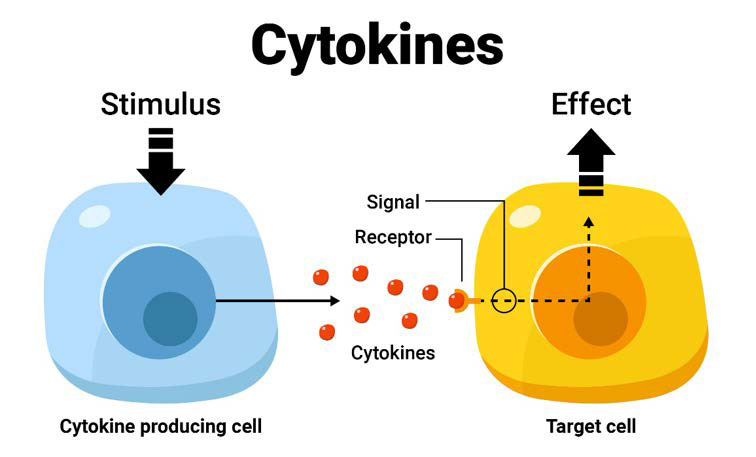
The cytokines locate target immune cells and interact with receptors on the target immune cells by binding to them. The interaction triggers or stimulates specific responses by the target cells.
In response to bacterial and viral infections such as COVID-19, your innate immune system generates both proinflammatory and anti-inflammatory cytokines.3 The inflammatory response plays a crucial role in the clinical manifestations of COVID-19. SARS-CoV-2 triggers an immune response against the virus, which, if uncontrolled, may result in lung damage, functional impairment, and reduced lung capacity.4,5,6,7
The SARS-CoV-2 viral infection-related inflammation and the subsequent cytokine storm in severe cases plays a crucial role in patient survival.8 The extensive and uncontrolled release of proinflammatory cytokines is termed the cytokine storm. Clinically, the cytokine storm commonly presents as systemic inflammation and multiple organ failure.9
Immunologic Tolerance Rises as Insulin Resistance Falls
One scientific article10 that speaks to this is “Association of Blood Glucose Control and Outcomes in Patients With COVID-19 and Pre-Existing Type 2 Diabetes,” published in Cell Metabolism, June 2, 2020.
What it found was that when blood sugar is well-controlled and there’s less glycemic variability, people do better when contracting COVID-19. When they have high levels of glycemic variability, which is indicative of insulin resistance, they fare much worse.
“So there’s really no question at this point that glycemic variability, overall metabolic status, overall metabolic health are critical,” Saladino says. The common mistake here is that you don’t want to get that control back using drugs. Your best bet is to get it back using natural lifestyle strategies.
Another paper11 that demonstrates the impact of insulin resistance on COVID-19 was published in Cardiovascular Diabetology, May 11, 2020. It found you can use the triglyceride to glucose index (TyG index) as a gauge to predict the severity and mortality of COVID-19.
“Imagine that. There’s an association of the insulin resistance marker, the TyG index — this is fasting triglycerides, fasting glucose — with the severity and mortality of COVID-19.
This should be, in my opinion, mainstream news headlines, and the headlines should be, ‘You can be stronger against coronavirus. You can have a stronger immune system. You can decrease your risk of having a severe coronavirus outcome.’ But instead it’s mostly fear, it’s ‘Hide in your homes. What’s the next drug that’s going to save us?’ … Cardiovascular health is immune health. That is immunometabolism.
What you do to improve your heart health is also what you do to improve your immune health, is also what you do to improve your brain health, is also how you decrease your risk of Alzheimer’s, is also how you decrease your risk of seasonal flu and every other single infectious illness that you will all encounter for the rest of your life. It’s one thing; not 60 different drugs … which is why the [conventional] paradigm doesn’t work.”
Low LDL Associated With Greater COVID-19 Severity
Interestingly, Saladino cites research showing that low levels of LDL cholesterol are associated with greater COVID-19 severity. LDL and total cholesterol levels were significantly lower in COVID-19 patients as compared to healthy subjects. “To me, this is a really interesting [finding] in two ways,” Saladino says, adding:
“In ‘The Carnivore Code,’ I challenged the LDL-centric hypothesis of cardiovascular disease and I share a lot of data about how important LDL actually is in the immune system. I think that’s exactly what we’re seeing in this study.
When your body is doing an immunologic thing, when your body is fighting a pathogen, it totally makes sense that the LDL would be a part of that, in either LDLs consumed, or those who have lower LDL are more susceptible to infection.
This is something we see over and over, and there are even genetic syndromes of very low LDL, specifically one called Smith-Lemli-Opitz syndrome involving a genetic polymorphism in an enzyme that makes cholesterol.
People with that syndrome have very bad infections and they can be rescued by giving them egg yolks. So these people are given cholesterol in the form of egg yolks, or they’re given supplemental cholesterol, and they do much better.
It’s pretty clear that cholesterol, which is packaged into this LDL lipoprotein particle, is intimately involved in the immune response. And so, in someone who is metabolically healthy, a higher LDL above 100 or 150, or even 200 mg/dL might not be the horrible thing that we’ve all been taught it is, especially if the HDL, the triglycerides, the triglyceride to glucose index, that glycemic variability, are all pointing toward metabolic health …
It’s about context. This LDL is a valuable immunologic particle and we can’t just get myopic, looking at LDL. We have to think about it in terms of all these other measures.”
Top Strategies to Improve Your Metabolic Health
Considering the fact that your metabolic health determines your COVID-19 risk, it would be a sound idea to implement strategies that will improve your metabolic flexibility and insulin sensitivity. Saladino’s top recommendations for achieving that include:
1.Eliminate processed carbohydrates, sugars, grains and vegetable oils — “I think that from a food perspective, those are the key evils that are really wreaking havoc on our metabolism,” he says. The worst culprit of them all is probably vegetable oils. “Polyunsaturated vegetable oils are highly oxidizable and very metabolically damaging. So, start with them,” Saladino says.
2.Eat animal foods — As noted in the paper,12 “Immune Function and Micronutrient Requirements Change Over the Life Course,” published in the journal Nutrients, nutrient deficiencies that can compromise immune function include vitamins, A, C, D, E, B2, B6, B12, folate, iron, selenium and zinc.
These vitamins are primarily found in animal foods, which is why shunning animal foods tends to lead to nutrient deficiencies. Even folate is found in organ meats in highly bioavailable form. “If you want to have a robust immune system, you want to be metabolically healthy. You don’t want to be insulin-resistant and you need to have nutrient adequacy in your diets,” Saladino says.
“How do you get nutrient adequacy? You get these micronutrients from bioavailable sources in organ meats and in the muscle meat of animals.” If you cannot stomach the idea of organ meats, consider using a desiccated organs supplement, such as those Saladino sells.13
3.Time-restricted eating — Compressing the window of time in which you eat down to six to eight hours a day, eating your last meal at least three hours before bedtime, is another very powerful strategy to improve your insulin sensitivity.
Eating a Varied, Real Food Diet Is Key
In short, eating real food, in a time-restricted window, is your surest bet to beat insulin resistance. Also remember to give some consideration to your macronutrient ratios.
As explained by Saladino, while a low-fat, high-carb diet may reduce your insulin resistance, you’re at high risk for nutrient deficiencies in the long term, as so many of the most bioavailable vitamins and minerals are found in animal-based fats.
“I think the sweet spot is eating an animal-based diet. Not exclusively animals for all people, but realizing that animal foods have been incorrectly vilified. They’re an integral part of the human diet, including organ meats.
Also include some of the healthiest carbohydrates, the nonprocessed carbohydrates, into your diet occasionally, and don’t go either low-carb, high-fat all the time or low-fat, high-carb all the time. Having a mix, but having a robust amount of protein throughout … I think that’s a sweet spot for most people.”
Low Glutathione May Increase COVID-19 Severity
Saladino also cites a recent hypothesis highlighting the potential role of glutathione in COVID-19. The paper,14 “Endogenous Deficiency of Glutathione as the Most Likely Cause of Serious Manifestations of Death From Novel Coronavirus Infection (COVID-19): A Hypotheses Based on Literature Data and Own Observations,” is written by a Russian medical doctor and Ph.D.
What he found was that the reactive-oxygen-species-to-glutathione ratio was able to predict the severity of COVID-19 and the patient’s outcome. When the patient had a low ROS-to-glutathione ratio, the patient had a very mild case. The fever disappeared on the fourth day without any treatment whatsoever.
When the ROS-to-glutathione ratio was high, the patient developed air hunger on the fourth day, experienced significant fever, hoarseness, myalgia and fatigue persisting for 13 days. A patient with even higher ROS and lower reduced glutathione had critical disease requiring hospitalization for COVID-19-related pneumonia. According to the author:15
“Based on an exhaustive literature analysis and own observations, I proposed a hypothesis that glutathione deficiency is exactly the most plausible explanation for serious manifestation and death in COVID-19 infected patients.
The major risk factors established for severe COVID-19 infection and relative glutathione deficiency found in COVID-19 infected patients with moderate-to-severe illness have converged me to two very important conclusions:
(1) oxidative stress contributes to hyper-inflammation of the lung leading to adverse disease outcomes such as acute respiratory distress syndrome, multiorgan failure and death;
(2) poor antioxidant defense due to endogenous glutathione deficiency as a result of decreased biosynthesis and/or increased depletion of GSH is the most probable cause of increased oxidative damage of the lung, regardless which of the factors aging, chronic disease comorbidity, smoking or some others were responsible for this deficit.
The hypothesis provides novel insights into the etiology and mechanisms responsible for serious manifestations of COVID-19 infection and justifies promising opportunities for effective treatment and prevention of the illness through glutathione recovering with N-acetylcysteine and reduced glutathione.”
Glutathione, Zinc and Selenium
As noted by Saladino, these findings also tie into the issue of zinc and its importance for proper immune function, as zinc helps mitigate the oxidative stress reaction. The question is, why do these people have such low glutathione in the first place?
Saladino believes it’s probably due to underlying nutritional deficiencies such as glycine deficiency, or oxidative stress caused by smoking, heavy metal toxicity, EMF exposure, eating lots of processed vegetable oils or insulin resistance. Any of these could cause low glutathione.
To improve your glutathione, you need zinc, and zinc in combination with hydroxychloroquine (a zinc ionophore or zinc transporter) has been shown effective in the treatment of COVID-19.
N-acetyl cysteine (NAC), meanwhile, is a precursor of glutathione, and may protect against coagulation problems associated with COVID-19, as it counteracts hypercoagulation and breaks down blood clots.
Selenium is also important, as some of the enzymes involved in glutathione production are selenium-dependent. Saladino cites research showing an association between regional selenium status and the severity of COVID-19 outcome cases in China. The lower the amount of selenium in the hair, the lower the cure rate was.
“Why is this? It’s probably because glutathione peroxidase and thioredoxin reductase are selenium- dependent enzymes, and these enzymes are intimately connected by controlling this antioxidant redox system,” Saladino explains.
“So, what we’re seeing is this huge immunologic injury, this imbalance of the innate and adaptive immune system, we’re seeing insulin resistance, and we’re seeing diffused oxidative damage, and all that stuff can probably be controlled with lifestyle. That’s the huge takeaway.”
One of the best ways to increase glutathione, though, is molecular hydrogen. It is my absolute favorite as it does so selectively and will not increase glutathione unnecessarily if you don’t need it.
More Information
We cover a lot of ground in this interview, far more than has been summarized here, so for more details, be sure to listen to the interview. Saladino is a wellspring of well-researched information. We also review:
- The use of quercetin in lieu of hydroxychloroquine, either of which needs to be taken with zinc, at the first signs of symptoms.
- The hazards of oxalates, found in many plant foods and the benefits of a carnivore diet.
- Links between COVID-19 and pulmonary vasculitis — A new hypothesis suggests SARS-CoV-2 attacks the endothelial cells that line the blood vessels surrounding the lungs’ air sacs, or alveoli, causing fluid leakage and blood clots. According to Saladino, low glutathione may be at play here as well.
- How you can improve your insulin sensitivity in as little as nine days by eliminating all fructose.
To learn more, be sure to visit his website, CarnivoreMD.com, and pick up a copy of “The Carnivore Code,” now in its updated second edition. He also has a great podcast called “Fundamental Health.” On the social media platforms, you can find him by searching for @carnivoreMD.
“If those who are susceptible to COVID-19 due to insulin resistance and diabetes are able to use this as a wake-up call and change their metabolic health, they will change the quality of life for the entire time that they’re living,” Saladino says.
“My dad is a perfect example of this. He’s 70 years old, a retired internist, and I’m going to get him a continuous glucose monitor. He’s not as metabolically healthy as he should be, but I’m encouraging him to improve his metabolic health.
And the beauty of that might just be that if coronavirus is the impetus, if coronavirus is the trigger that he needs to change his metabolic health — to use a continuous glucose monitor, to show himself his glycemic variability and understand how much risk that puts him at, or just to give him an indication that he’s a little insulin-resistant because he’s eating bread or vegetable oil, or not getting enough nutrients.
If he makes the change, he’s decreasing his risk of coronavirus, but he’s also decreasing his risk of seasonal flu, diabetic complications, coronary artery disease, hypertension and stroke. I mean, the list goes on and on. That’s what you and I are about, and that’s what I think it’s all focused on.”
- 1 Metabolic Syndrome and Related Disorders February 8, 2019 DOI: 10.1089/met.2018.0105
- 2 Nature Medicine March 6, 2020; 25: 487–495
- 3 Lancet 2020 Feb 15;395(10223):497-506
- 4 J. Med. Virol. 2020; 92: 424–432
- 5 Autoimmun. Rev. 2020; 19(6): 102537
- 6 Ann. Hematol. 2020; 99: 1205-1208
- 7, 9 Lancet 2020 Mar 28;395(10229):1033-1034
- 8 Clin. Immunol. 2020 May;214:108393
- 10 Cell Metabolism June 2, 2020; 31(6): 1068-1077.e3
- 11 Cardiovascular Diabetology May 11, 2020; 19 article number 58
- 12 Nutrients 2018 Oct 17;10(10):1531
- 13 HeartAndSoilSupplements.com
- 14, 15 Researchgate.net April 2020
Crime against humanity: Toxic hog waste lagoons created by industrial farming practices
Reproduced from original article:
www.naturalhealth365.com/crime-toxic-hog-waste-3663.html
by: Damon Hines, staff writer | December 18, 2020
 (NaturalHealth365) North Carolina’s hog industry creates over 19,000 jobs and $10 billion annually for the state. But pigs are a dirty business. In fact, the state’s 9.5 million hogs produce over 10 billion gallons of waste, and the giant pink pools that dot the Tar Heel landscape – waste lagoons of untreated pig feces and urine – are not only a massive problem for the environment but a serious and life-threatening public health hazard.
Industrial waste lagoons can carry a toxic stew of E. coli, salmonella, cryptosporidium, and other dangerous bacteria. When the lagoons overflow and floodwaters become mixed with waste, bacteria can flow into the rivers and streams or contaminate groundwater, which is the main source of drinking water for over three million North Carolinians.
Instead of installing alternatives to waste lagoons or implementing safer solutions to combat waste and pollution, North Carolina’s industrial farms want to profit from hog waste under the guise of “renewable energy.”
Toxic hog waste agenda: What are they really hiding from the public?
There are roughly 4,000 pig farm waste lagoons in the state of North Carolina. Under normal conditions, these lagoons produce noxious and dangerous gases. Studies have shown that people living near these lagoons are at a greater risk of asthma, anemia, kidney disease, high-blood pressure, eye-irritation, diarrhea, depression, and certain cancers.
Now, Smithfield Foods wants to use the state’s hog waste lagoons to capture, transport, and sell the methane they produce. The proposed project, however, is a false solution, a corporate greenwash under the guise of “renewable energy.”
The $500 million joint venture with Dominion Energy, which includes creating industrial-sized biogas to cap the waste lagoons, capture the methane, and transport it through 30 miles of pipeline to a processing plant, is just another example of corporate greed at the expense of public health and the environment.
Do NOT ignore the health dangers linked to toxic indoor air. These chemicals – the ‘off-gassing’ of paints, mattresses, carpets and other home/office building materials – increase your risk of headaches, dementia, heart disease and cancer.
Get the BEST indoor air purification system – at the LOWEST price, exclusively for NaturalHealth365 readers. I, personally use this system in my home AND office. Click HERE to order now – before the sale ends.
The toxic dangers of methane capturing
Methane capturing doesn’t eliminate the health risks to nearby communities. It not only produces a host of other pollutants, but according to Ryke Longest, the co-director of the Environmental Law and Policy Clinic at Duke University, “hundreds of other air and water pollutants remain uncaptured and are emitted untreated by the lagoon and sprayfield system to the environment and the communities which surround these facilities.”
The process of methane capturing also creates excessive concentrations of ammonia, which poses a high risk to those living in the area, especially if there are severe storms or spills (14 waste lagoons flooded in 2016 when Hurricane Matthew deluged North Carolina).
At North Carolina State University researchers have found several safer waste-disposal methods, including one that converts nitrogen in waste into harmless nitrogen gas and uses another process to eliminate harmful bacteria.
So why try to capture and sell waste lagoon methane at all, especially when there are safer and less toxic solutions to North Carolina’s waste lagoon issues? Two words: corporate greed.
What can we do to combat corporate greed and the toxic crimes of industrial farming?
- Support small, local and family-owned farms
- Join community, grassroots cooperatives that support local agriculture
- And, of course, buy organic – as much as possible
Together, we can make this world a better place and – never forget – our efforts really can make a difference.
Sources for this article include:
Can you do this in 90 seconds? If not, you may have heart health problems, NEW study
Reproduced from original article:
www.naturalhealth365.com/heart-health-workout-routine-3662.html
by: Sara Middleton, staff writer | December 17, 2020
 (NaturalHealth365) Looking for a super simple way to assess whether your heart health is okay or not? A recent study suggests that a common daily activity – climbing stairs – could serve as a useful screening tool to better understand your cardiovascular health.
The study was conducted by a team of Spanish researchers and presented at this year’s Best of Imaging 2020, a scientific meeting of the European Society of Cardiology (ESC). Their results offer some helpful guidance to anyone looking to establish an effective heart healthy workout routine.
Get a stopwatch, find a staircase, and do this to access heart health, researchers say
Dr. Jesús Peteiro is a cardiologist at University Hospital A Coruña and the lead author of the study. He and his colleagues set out to find an inexpensive way to assess a person’s heart health that didn’t necessarily involve a trip to the doctor’s office. This way, the researchers argue, doctors can quickly determine which patients need more extensive cardiac work-ups – potentially saving time, money, and resources.
They decided to compare the results of the “gold standard” heart health assessment – a treadmill test – to a simple measurement: how long it takes to climb four flights of stairs (60 steps total) at a fast pace without stopping.
To conduct the study, Dr. Peteiro and colleagues took 165 patients who were referred to the clinic for a treadmill test because they had a confirmed or suspected diagnosis of coronary artery disease. First, each patient underwent the standard treadmill test.
By the way, if you’ve never done this before, you’re missing out on a doozy: you walk or run on a treadmill as the incline and speed gradually increase until you reach the point of exhaustion. Sounds like fun … right?
Do NOT ignore the health dangers linked to toxic indoor air. These chemicals – the ‘off-gassing’ of paints, mattresses, carpets and other home/office building materials – increase your risk of headaches, dementia, heart disease and cancer.
Get the BEST indoor air purification system – at the LOWEST price, exclusively for NaturalHealth365 readers. I, personally use this system in my home AND office. Click HERE to order now – before the sale ends.
Anyway, after about a 20-minute rest, the patients were then instructed to climb four flights of stairs quickly but without running.
The researchers then compared the relative energy expenditure of the treadmill test vs the stair climbing assessment for each patient using a metric known as metabolic equivalents, or METs. Prior research has found that being able to exert higher energy expenditure (specifically, 10 METs) during exercise tests is associated with a lower risk of mortality.
In this study, it was found that patients who were able to climb the stairs in less than 45 seconds achieved between 9 to 10 METs. This is roughly equivalent to a mortality rate of 1 percent or less per year (10 percent in 10 years).
Conversely, patients who took more than 90 seconds to climb four flights of stairs achieved fewer than 8 METs. According to available data, this is equivalent to a mortality rate of 2 to 4 percent per year (30 percent in 10 years).
The researchers also found that of the patients who took longer than 90 seconds to complete the stair climb, almost 60 percent demonstrated abnormal heart function during the treadmill test. Meanwhile, just under a third of patients who climbed the stairs in less than one minute had abnormal heart function as determined on the treadmill test.
“If it takes you more than one-and-a-half minutes to ascend four flights of stairs, your health is suboptimal,” Dr. Peteiro explains in the press release, adding that such results would suggest it’s “a good idea to consult a doctor.”
Of course, conventionally-trained doctors are all too quick to recommend side-effect riddled medications to address heart health issues. Fortunately, you have plenty of effective and drug-free options.
Want a healthier heart? Experts say these are the types of exercises you should include in your weekly workout routine
Stair climbing is a type of aerobic exercise proven to offer heart healthy benefits – and is free and easy to do. A 2019 research study published in the European Journal of Preventive Cardiology even found that climbing three flights of stairs three times a day on just three days per week can increase your fitness level.
Other types of aerobic exercise known to improve heart health include brisk walking, hiking, tennis, cycling, and swimming. But don’t think your heart needs only cardio. According to Johns Hopkins, resistance training and stretching/balance work can also support heart healthy, either directly or indirectly.
Bottom line? Be sure to include all three types of exercise in your workout routine … and try taking the stairs more often.
Sources for this article include:
ScienceDaily.com
AceFitness.org
Hopkinsmedicine.org
StudyFinds.org
ESCardio.org
Journals.sagepub.com
Can Vaccines Alter a Child’s Health Trajectory?
© 16th December 2020 GreenMedInfo LLC. This work is reproduced and distributed with the permission of GreenMedInfo LLC.
Want to learn more from GreenMedInfo? Sign up for the newsletter here:
www.greenmedinfo.com/greenmed/newsletter
Reproduced from original article:
www.greenmedinfo.com/blog/can-vaccines-alter-child-s-health-trajectory-0
Posted on: Friday, December 4th 2020 at 11:30 am
Posted By: Kelly Brogan, M.D.

Originally published on www.kellybroganmd.com
by Rob Abbott, MD
The question embodied in the title of this article is one that has never fully escaped the weaves of my inquisitive mind. In medical training we are taught that vaccines prevent acute illness, thwarting sometimes life threatening infections by various microorganisms. Certainly, the prevention of a life-threatening infection is an alteration of a child’s health trajectory, but in what direction and to what end? Surely it would seem that the only possible health trajectory from the avoidance of an acute infection would be improved health, vitality and lessened suffering, but is this picture the actual reality that we face?
Do we actually possess immunotherapies such as vaccines that carry no risk and only propel children towards improved well-being, less medical intervention and less suffering?
The dominant medical narrative at this point in time shares that vaccines, as currently administered to youth, carry minimal risks and that they prevent “avoidable” deaths from infectious disease without a reciprocal increase in total suffering over the life of the child. Sadly, we do not yet have the data to fully support or refute this dominant medical narrative as there have been essentially no clinical studies completed to date that have rigorously compared the dynamic health trajectory of children following the most recent recommended vaccine schedule to those forgoing some or all vaccines altogether. We simply do not know.
As a clinician bearing witness to the greatest rise of chronic diseases in our youth that humanity has ever seen, how can you not become curious as to why?
The issue is complex and massively nuanced. Our environments are as toxic as ever and the average child’s diet is a nutrient deficient, pro-inflammatory dumpster fire. Social and family bonds seemingly carry more tension and trauma than love and the concept of outdoor play is being eroded from the fabric of our youth. The truth is that the rise of chronic diseases in youth is related to all of these factors and still more that we have yet not named, but not having all the answers can’t stop us from being curious, from looking for clues unearthed through courageous, scientific inquiry.
This past November, a landmark paper was released in the International Journal of Environmental Research and Public Health by researcher James Lyons-Weiler and integrative pediatrician Paul Thomas as they themselves sought to answer the unavoidable question, “Can vaccines alter a child’s health trajectory?”
Perhaps at this point you have an answer yourself to this question. Perhaps you have a personal experience as a mother, a father, a medical provider or as the person yourself informing your beliefs. Perhaps you have read studies pointing to vaccine’s safety and others still pointing to their harms. Perhaps you have come to this article based on its title to seek an answer that you have not yet formed at all. No matter from whence you enter this explorative space, no matter your current beliefs or understanding of this topic, I gently invite you to let these beliefs, these narratives, this current understanding go.
I invite you to explore this summary of Weiler and Thomas’ recent vaccination study with “a beginner’s mind”, waiting until after this conscious exploration to integrate your understanding of their data and their conclusions into a new personal, working narrative. This invitation now I give you.
Study Overview
The researchers examined a total of 3324 pediatric patients who received care in an integrative pediatric practice over a 10 year period. Patients could be included in the study if they were seen within 60 days of birth (essentially born into the practice) and had a final visit at least after 60 days of life. (We will talk more about this key fact later!) No other restrictive inclusion or exclusion criteria were utilized.
- 2763 received at least 1 vaccine (variably vaccinated group)
- 561 received no vaccines (unvaccinated group)
Demographics of Patients
- Both vaccinated and unvaccinated patients had extremely high breastfeeding rates nearing 97-98%
- There was a statistically higher percentage of unvaccinated patients with a family history of autoimmunity (likely representing an informed choice by the parents/caregivers to have the child abstain from vaccines that could be a trigger for immune dysregulation.)
- Similar percentage of males and female in both vaccinated and unvaccinated groups
- Similar birthweight in both vaccinated and unvaccinated groups
- Vaccinated patients on average received care for twice as long as the unvaccinated patients (the researchers called this Days of Care [DOC] and performed corrections/matching within their statistical analysis to correct for this as I will explain more later).
Vaccination Rates
There were markedly variable rates of vaccination in those receiving vaccines as depicted in Figure 2 in the study.

Key Study Questions
In an attempt to answer the question of whether vaccines change the health trajectory of children, the researchers employed four primary study measures.
Relative Incidence of Office Visits (RIOV)
The researchers looked at electronic medical record and billing data of patients to determine the number of patients who had an office visit associated with a specific diagnosis or disease state (ex. eczema). They wanted to know if vaccinated kids were more or less likely to have an office visit for nearly 20 separate conditions/health concerns as compared to unvaccinated kids.
Incidence of Disease
In addition to the RIOV analysis, the researchers also conducted a more standard incidence of disease analysis, essentially looking at the study groups, vaccinated and unvaccinated and seeing if there were a greater number of kids in either group developing any of the predetermined health conditions over the course of receiving care.
Diagnosed Infections Targeted by Vaccines
The researchers tracked the number of documented infections targeted by vaccines on the CDC schedule between the groups.

Cumulative Office Visit Risk
In addition to the relative incidence of office visits (RIOV) study measure mentioned earlier, the researchers also sought to look at the cumulative or total number of office visits between vaccinated and unvaccinated patients. Through this analysis, each office visit for a specific health condition, even if from the same patient, would be examined to better understand total health care utilization and potential suffering.
Statistical Analyses
The statistical analyses utilized were fairly complex, and we will not go into great detail to explain them for the sake of this summary, however, I want to acknowledge the earlier noted difference at baseline between the vaccinated and unvaccinated children around total Days of Care (DOC) in the practice. Seeing that the unvaccinated children received care on average for half as long as the vaccinated children, the researchers conducted patient matching from the variably vaccinated group in order to make two groups (vaccinated and variably vaccinated) that had the same number of children (561) and the same average Days of Care. They then performed separate statistical analyses using both the unmatched (total) and matched groups.
Key Results
General
- No kids in the unvaccinated group were diagnosed with ADHD.
- Rates of autism and developmental delay amidst the entire practice were not at high enough levels to find any significant signal for vaccines or no vaccines (incidence was below national averages).
Unmatched (Total Group) Analysis for Relative Incidence of Office Visits (RIOV)
- There were marked trends for higher RIOV for nearly all of the diagnoses studied in the vaccinated group as compared to the unvaccinated group.
- Amidst the vaccinated groups, there were marked trends for higher RIOV for those receiving a higher number of vaccines (more vaccines = more office visits for a certain disease).
Note: See Figure 4 of the study for these graphs
Matched (Equal Size Groups) Analysis for Relative Incidence of Office Visits (RIOV)
- The same trends noted in the “Total Group” analysis were seen in the matched analysis, with vaccinated kids having more office visits for nearly all of the diseases studied as compared to the unvaccinated group.
- The only 2 conditions for which there were numerically more office visits in unvaccinated kids as compared to vaccinated kids were urticaria (hives) and dermatitis (skin irritation), but these were not statistically significant.
Unmatched (Total Group) Analysis for Incidence of Disease
- Similar to the RIOV analysis, the researchers found higher levels of vaccinated patients being diagnosed with the specified diseases as compared to the unvaccinated patients.
- As compared the the vaccinated group, the unvaccinated group had the greatest absolute decrease in risk for developing anemia (low hemoglobin), weight/eating disorders and respiratory infections. (no vaccines = significantly decreased risk for being diagnosed with anemia, weight/eating disorder and respiratory infections among many other conditions).
Diagnosed Infections Targeted by Vaccines
- There were no deaths from any of the infections targeted by vaccines amongst the unvaccinated group (and vaccinated group).
- As depicted in Table 7 of the study (picture below), there were more cases of unvaccinated children getting pertussis and chickenpox (Varicella) than in vaccinated children.
- No more than 6% of the unvaccinated group developed an infection targeted by vaccines and the overwhelming majority of cases were related to chickenpox.
Cumulative Office Visit Risk
Even after correcting for the difference in size between the unvaccinated and vaccinated groups, the researchers found staggering differences from the cumulative number of offices for specific diseases between the two groups, with the vaccinated patients accumulating markedly more office visits for all of the diseases studied including allergic, infectious and neuro-developmental conditions. Taken from Figure 5 of the study, the graphs shown below depict the number of office visits for patients related to various diagnoses across the lifetime of the patient in the practice. (note: the x-axis or horizontal axis of the graphs represents days of life, the y-axis or vertical axis represents the number of office visits).


Key Conclusions
This data inspires concern for the health trajectory of vaccinated children. As a family medicine resident, I saw significant “medical trauma” whereby children were constantly receiving medical care or going to office visits for chronic health maladies that seemingly had no cure. Generally attended by well-meaning and loving parents, these kids were stuck on a ferris wheel of conventional medical care. While it is impossible to universally quantify a child’s experience of medical care, discerning on their behalf what is felt as loving care versus “medical trauma,” I cannot help but conclude, from the data presented here,that the vaccinated children were sicker and experiencing more suffering from infectious, autoimmune and neurodevelopmental disorders than the unvaccinated children. Recognizing that this suffering would also be felt to some degree in the familial units, we can expand these graphs and hypothesize that the parents and siblings not even represented in this study were likely being negatively affected as well.
Looking more closely at the cumulative office visit graphs shared previously, another fascinating trend starts to stand out. Within the unvaccinated group, it appears that many of the health conditions examined in this study reach an asymptote around a thousand days of life or 3 years old. Essentially, the unvaccinated group reached a steady state of office visits for each condition studied around 3 years of age onward. When looking at the vaccinated group, however, you see very different trends. Generally speaking, for conditions that even reach an asymptote, the “leveling out” of office visits is markedly delayed until much later in life. In some cases/health conditions, the graphs depict a persistent rise in office visits without yet reaching an asymptote. If vaccines were actually making kids generally healthier wouldn’t we see at least comparable (or opposite) trends between the groups?
Study Limitations
Science is not perfect. It is simply one tool of curious inquiry. The study was limited by the fact that it involved children from one integrative pediatric practice. Understanding this fact, I would suggest that these kids received more holistic medical care at baseline and were part of more engaged, health-conscious family units than the average child. While this is certainly a study limitation, it also raises the question: would we see even worse health outcomes and medical care for vaccinated patients in average pediatric practices?
Additionally, some of the key neurologic conditions such as autism and developmental challenges were not present at high enough levels in the integrative pediatric practice as a whole to be able to see any significant signal with regards to vaccines or no vaccines. Larger studies with higher numbers of these conditions would help us to better understand how vaccines may be involved in changing the health trajectory of children in connection with these neurologic conditions.
Why Hasn’t This Been Seen Before?
Studying vaccines is remarkably controversial. Most of the studies performed by pharmaceutical companies only last months. Even retrospective studies look at a relatively narrow sliver of time. This study involved 10 years worth of pediatric patient care.
In addition to its length period of analysis, the study was also remarkably unique with regard to the origins of the patients themselves. They were born into the practice! While the children obviously came from different mothers and different households with an innumerable number of confounding variables, these patients were followed from as similar a starting place AND health trajectory as one may ever find in a research study.
What Can I Do?
So what are you thinking now? Do vaccines negatively change the health trajectory of children? I can’t give you a definitive answer to this question simply from one study or ever answer this question for you. I can only invite you to incorporate this new information into your current understanding of the role of vaccines in the health of our children as I take pause to wonder if we are messing up.
